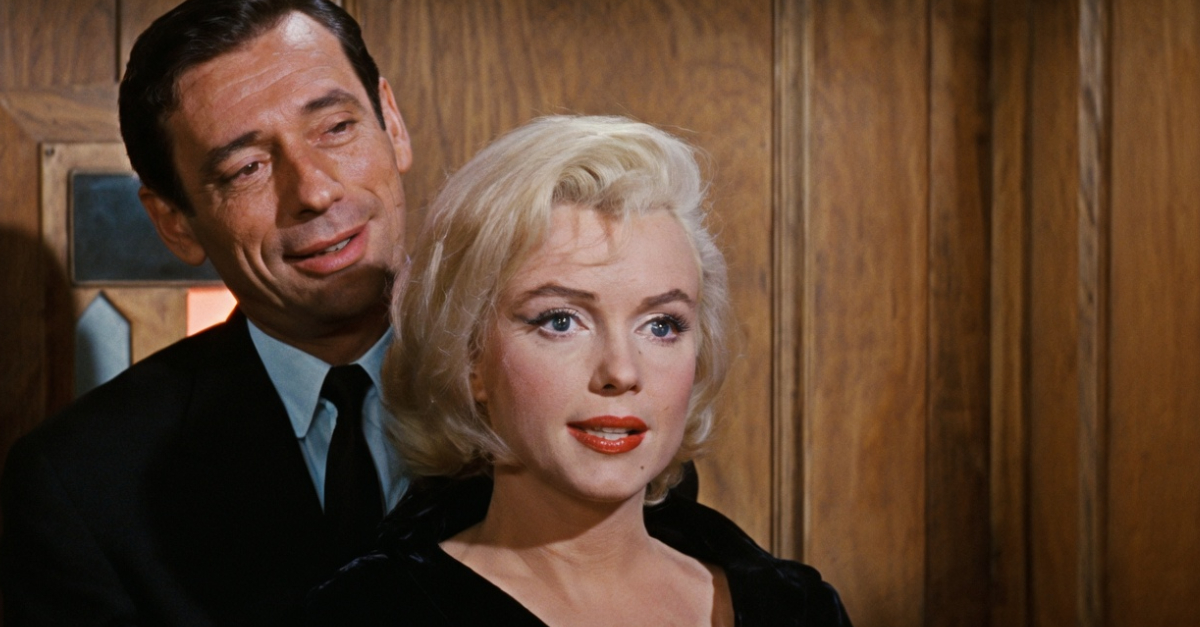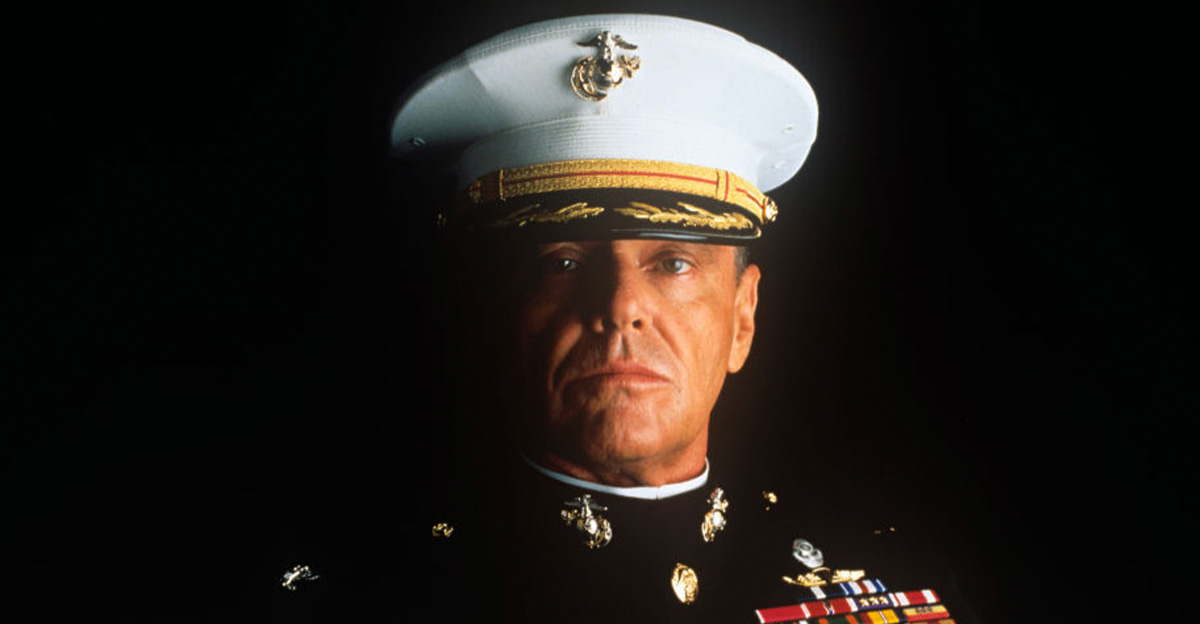
Some Actors Just Looked Like Trouble
Movie villains are supposed to make us nervous, but certain actors took the assignment almost too seriously. They could enter a room, raise one eyebrow, and suddenly everyone watching knew something terrible was coming. From cold-blooded killers to charming schemers, these performers made being bad look frighteningly easy.
Christopher Lee
Few actors could make standing perfectly still seem threatening like Christopher Lee. His towering frame, deep voice, and intimidating stare made him a natural villain. Whether playing Count Dracula, Francisco Scaramanga, or Saruman, Lee had the remarkable ability to make evil seem sophisticated, intelligent, and occasionally rather classy.
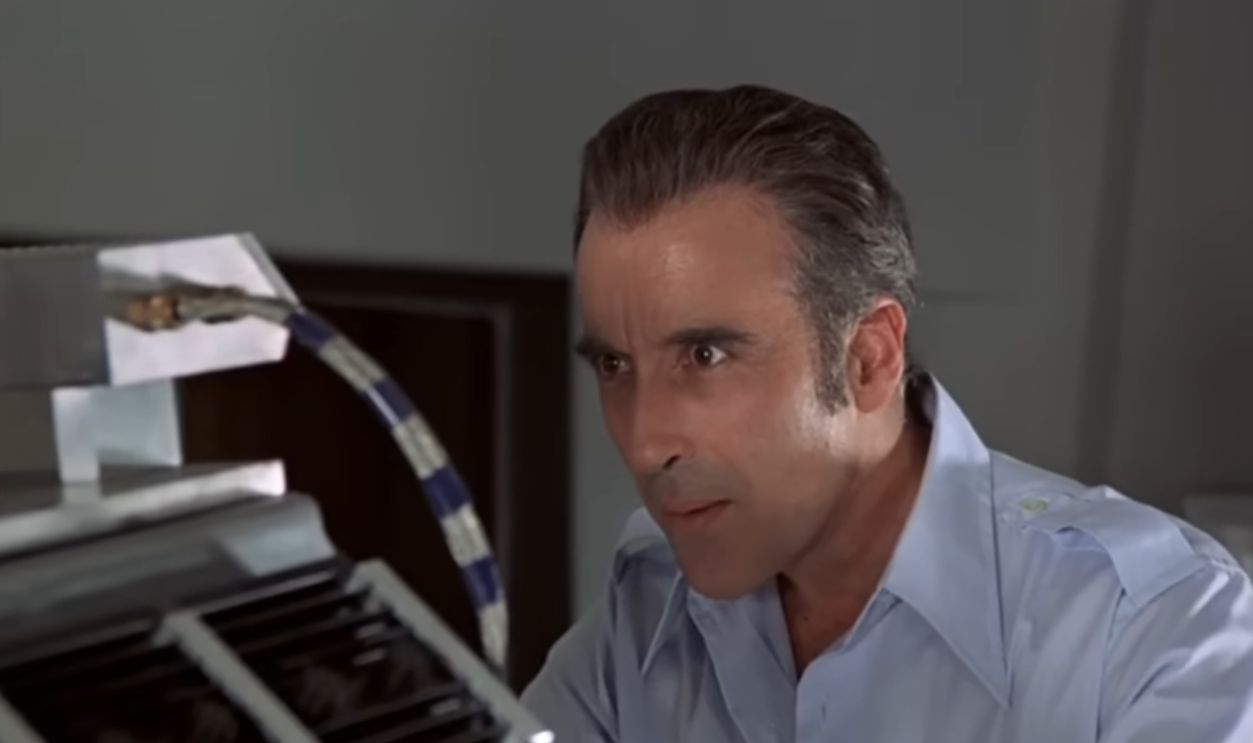 Screenshot from The Man with the Golden Gun, MGM (1974)
Alan Rickman
Alan Rickman became one of Hollywood’s favorite villains almost immediately after playing Hans Gruber in Die Hard. He never needed to shout or wave a gun around wildly. Rickman’s slow delivery and perfectly controlled expressions made Gruber terrifying because he seemed smarter than nearly everyone else in the building.
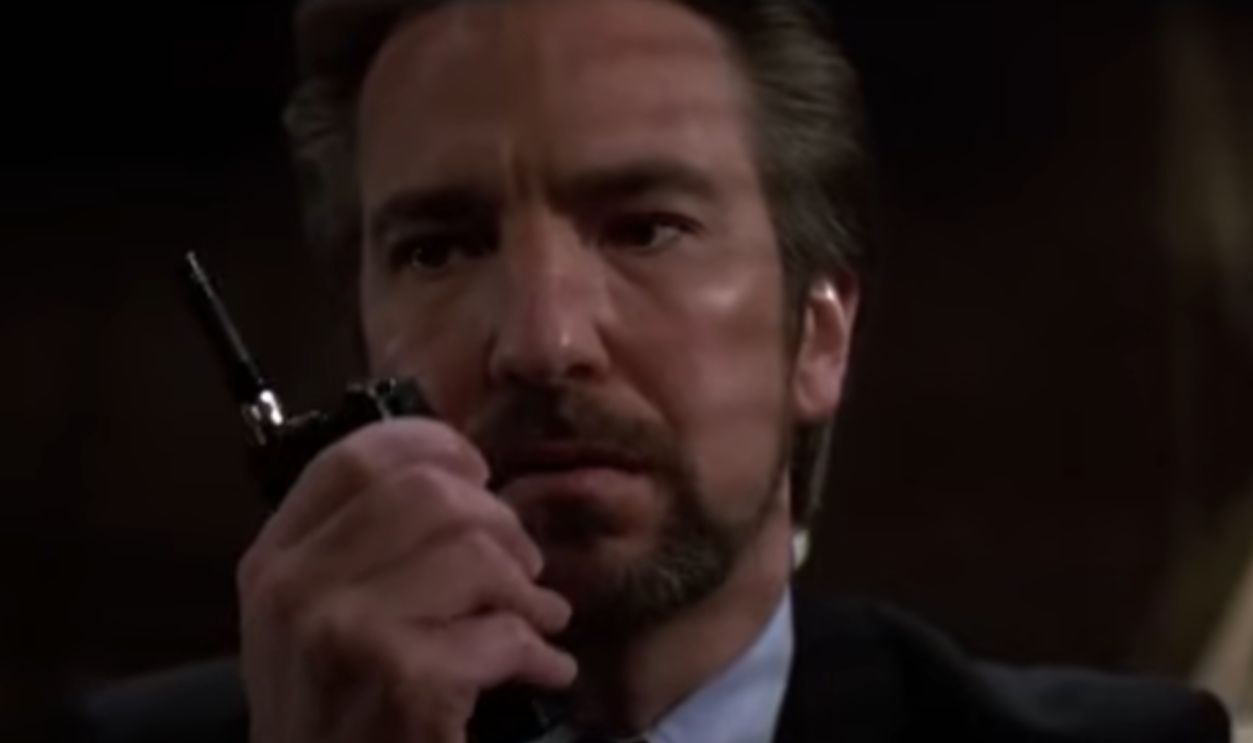 Screenshot from Die Hard, 20th Century Studios (1988)
Anthony Hopkins
Anthony Hopkins needed only a few minutes of screen time to turn Hannibal Lecter into one of cinema’s most unforgettable villains. His calm voice was somehow more frightening than screaming could ever have been. Hopkins made Lecter polite, intelligent, observant, and absolutely terrifying, which was precisely what made him so memorable.
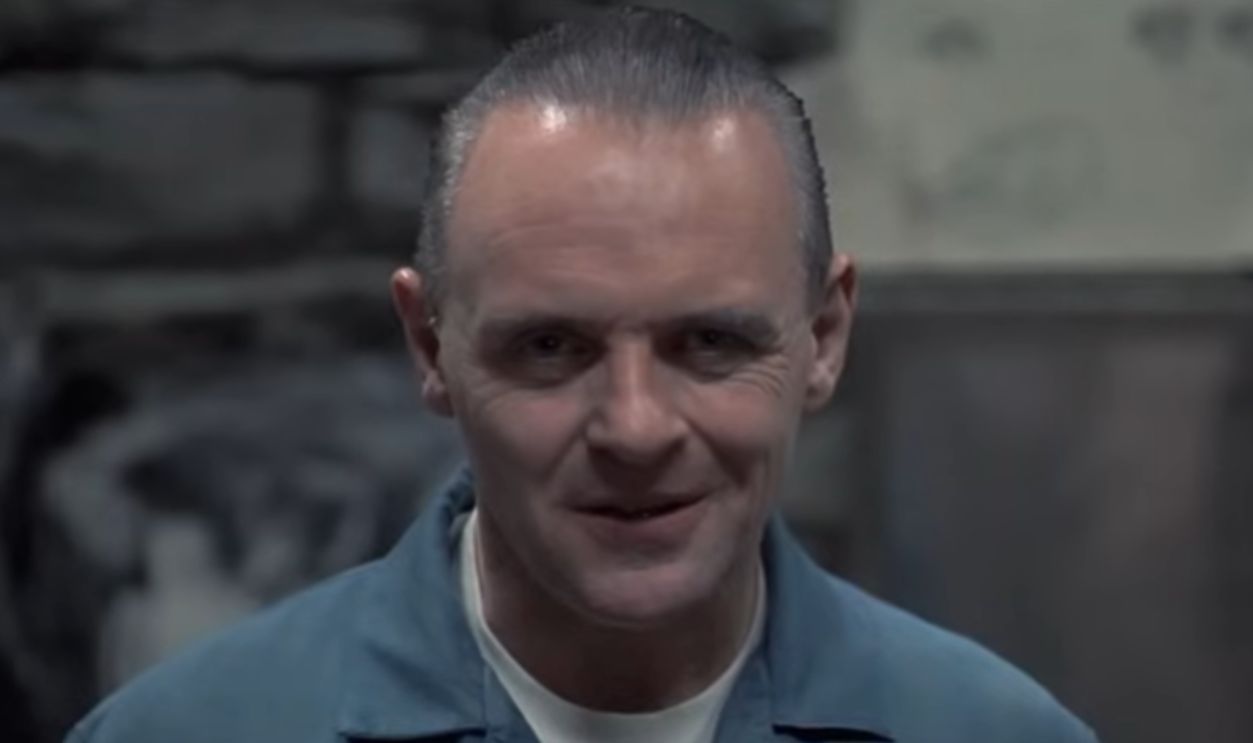 Screenshot from The Silence of the Lambs, MGM (1991)
Jack Nicholson
Jack Nicholson always had a little danger hiding behind that famous grin. That made him perfect for characters like Jack Torrance in The Shining and the Joker in Batman. Nicholson could move from charming to completely unhinged so quickly that audiences rarely knew whether they should laugh or start running.
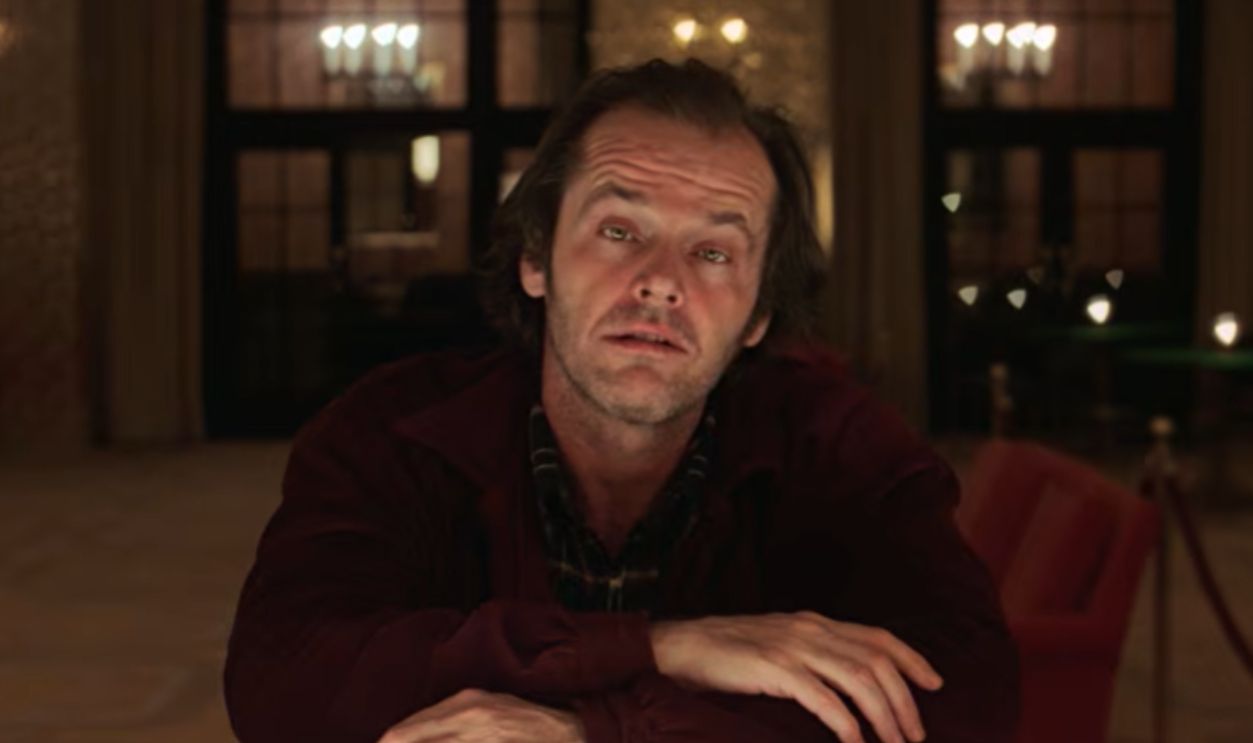 Screenshot from The Shining, Warner Bros. (1980)
Robert De Niro
Robert De Niro has played plenty of heroes and complicated leading men, but nobody forgets him when he turns nasty. Max Cady in Cape Fear was especially unsettling. De Niro transformed himself into a calculating predator whose strange politeness only made him feel more dangerous whenever he appeared.
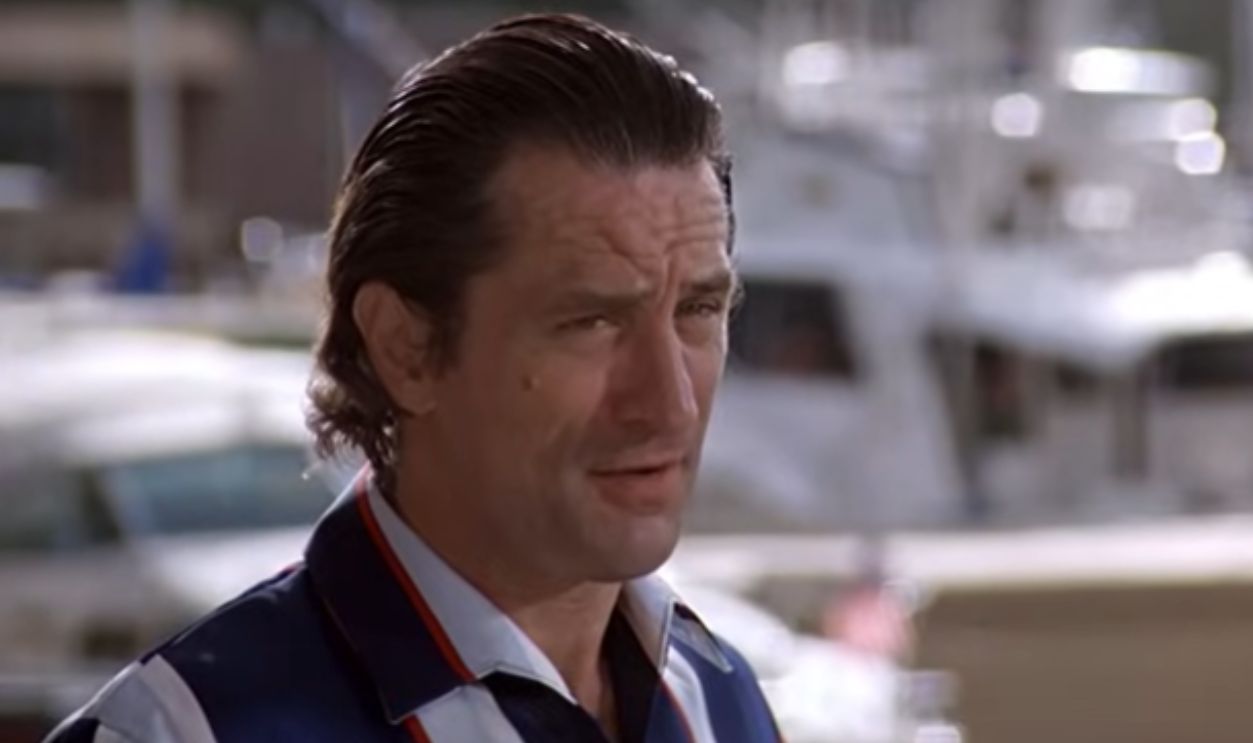 Screenshot from Cape Fear, Universal Pictures (1991)
Joe Pesci
Joe Pesci proved that movie villains did not need to be enormous to scare everybody in the room. In films such as Goodfellas and Casino, his characters could explode without warning. That unpredictability became Pesci’s secret weapon. One minute he was joking. The next minute everyone around him looked terrified.
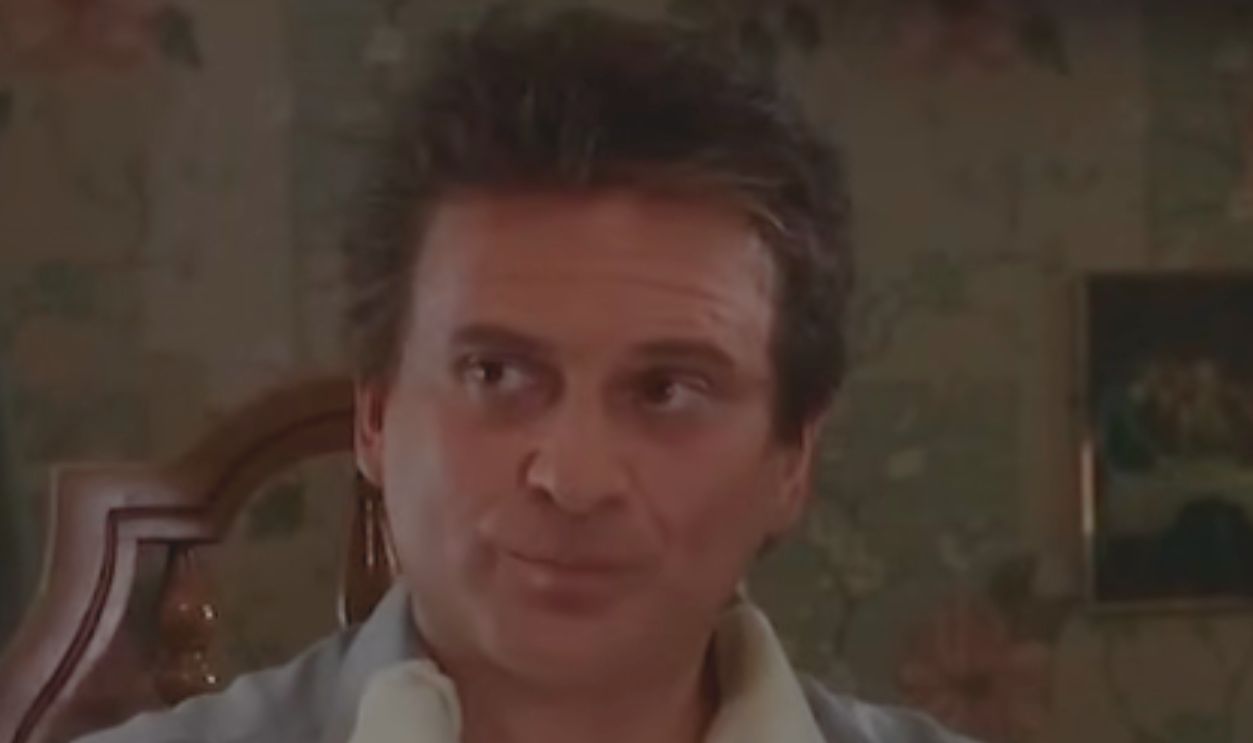 Screenshot from Goodfellas, Warner Bros. Pictures (1990)
Javier Bardem
Javier Bardem’s Anton Chigurh in No Country for Old Men barely seemed human at times. With his strange haircut, quiet voice, and relentless determination, Bardem created a villain who felt more like an approaching storm than an ordinary criminal. Even a simple conversation with him could become unbearably tense.
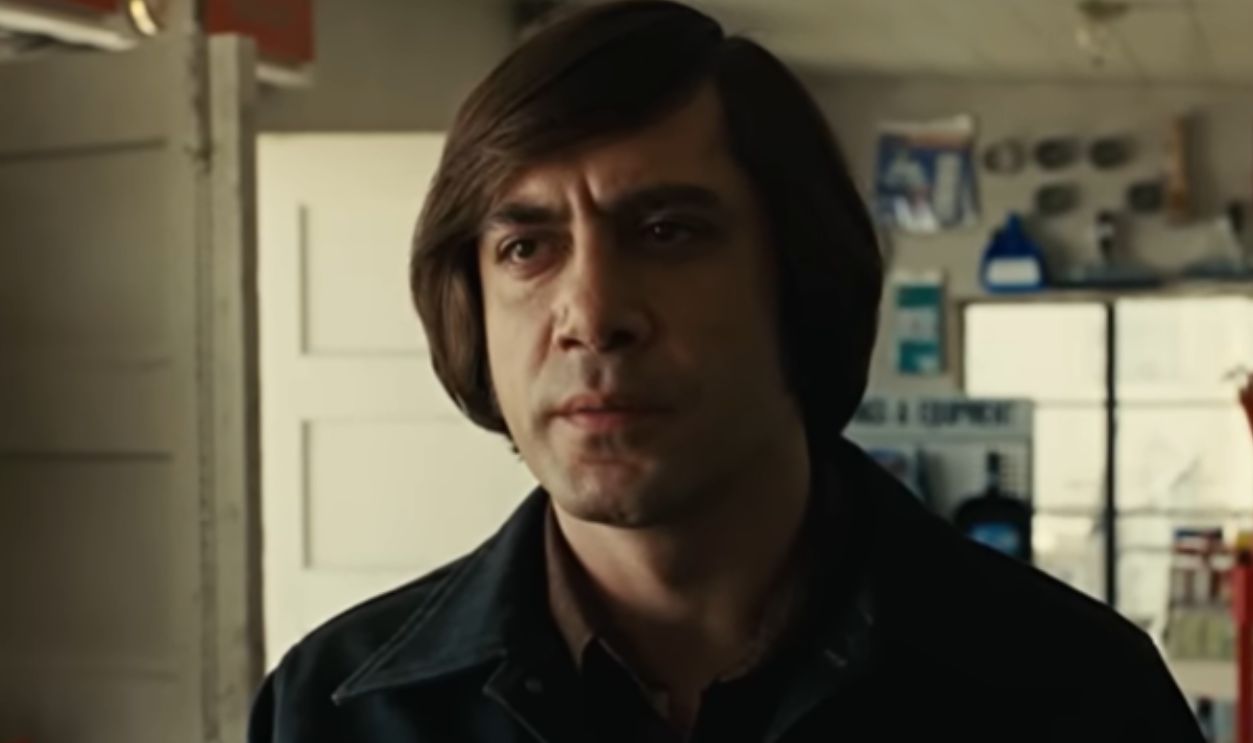 Screenshot from No Country for Old Men, Miramax (2007)
Christoph Waltz
Christoph Waltz introduced himself to many audiences with one of the most unsettling performances imaginable. As Hans Landa in Inglourious Basterds, he was friendly, polite, funny, and horrifying all at once. Waltz showed how frightening a villain could be when he genuinely seemed to enjoy having conversations with his victims.
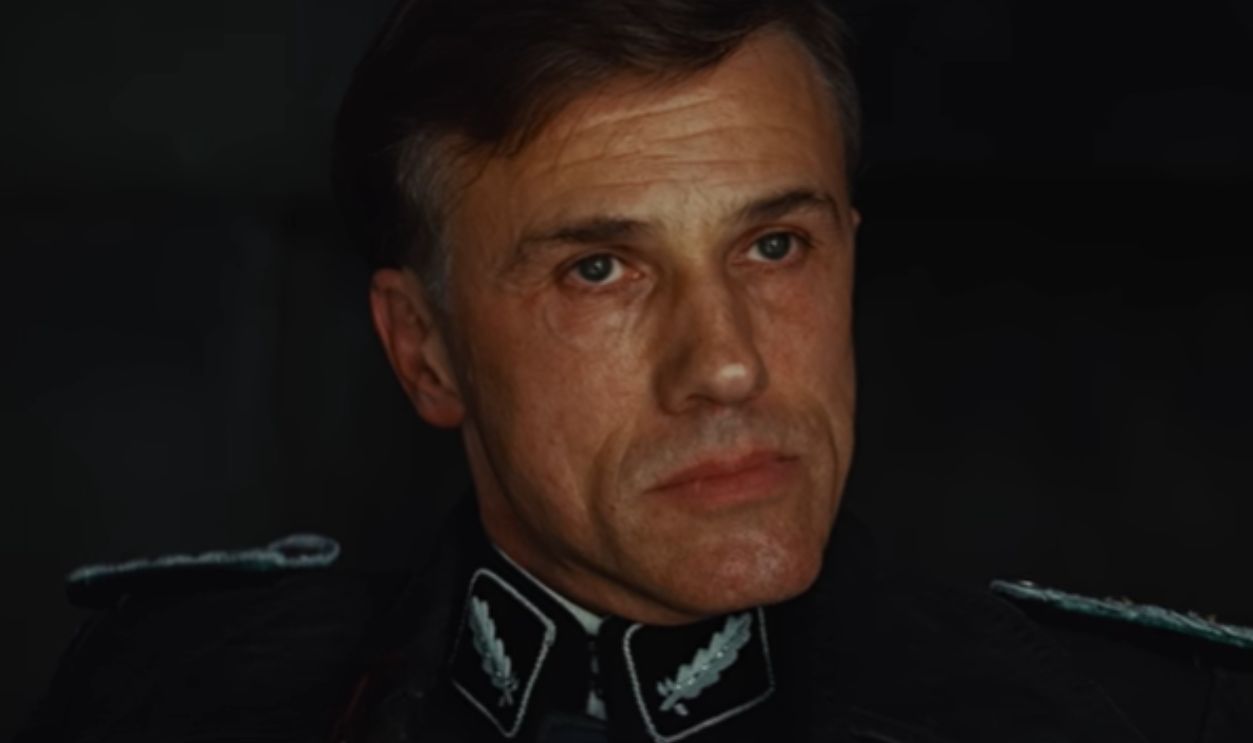 Screenshot from Inglourious Basterds, Universal Pictures (2009)
Gary Oldman
Gary Oldman spent years proving that he could disappear into almost any character, especially villains. From The Fifth Element to Air Force One and Léon: The Professional, he created bad guys who were theatrical without becoming forgettable. Oldman could make even the most outrageous villain seem dangerously unpredictable.
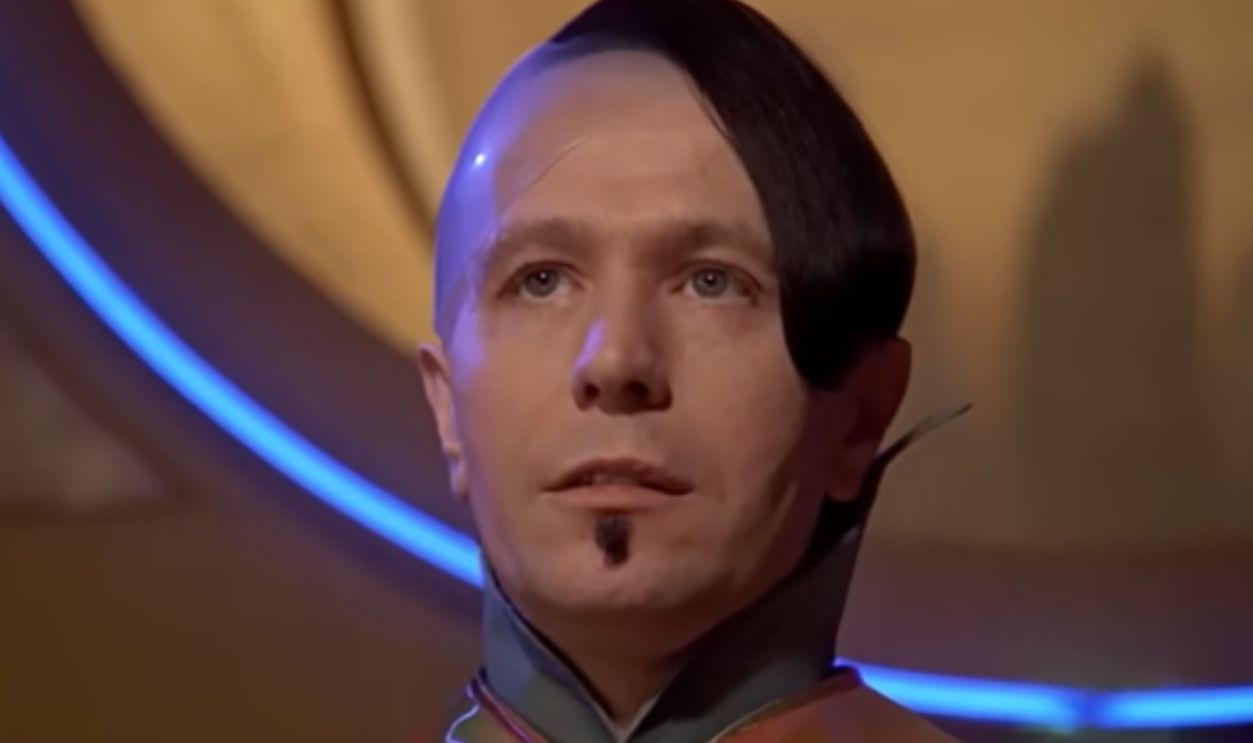 Screenshot from The Fifth Element, Columbia Pictures (1997)
Ralph Fiennes
Ralph Fiennes can appear dignified and composed, which somehow makes his villainous roles even more disturbing. His performances in Schindler’s List and the Harry Potter series showed two very different forms of evil. Fiennes could portray terrifying cruelty without losing the strange charisma that keeps audiences watching.
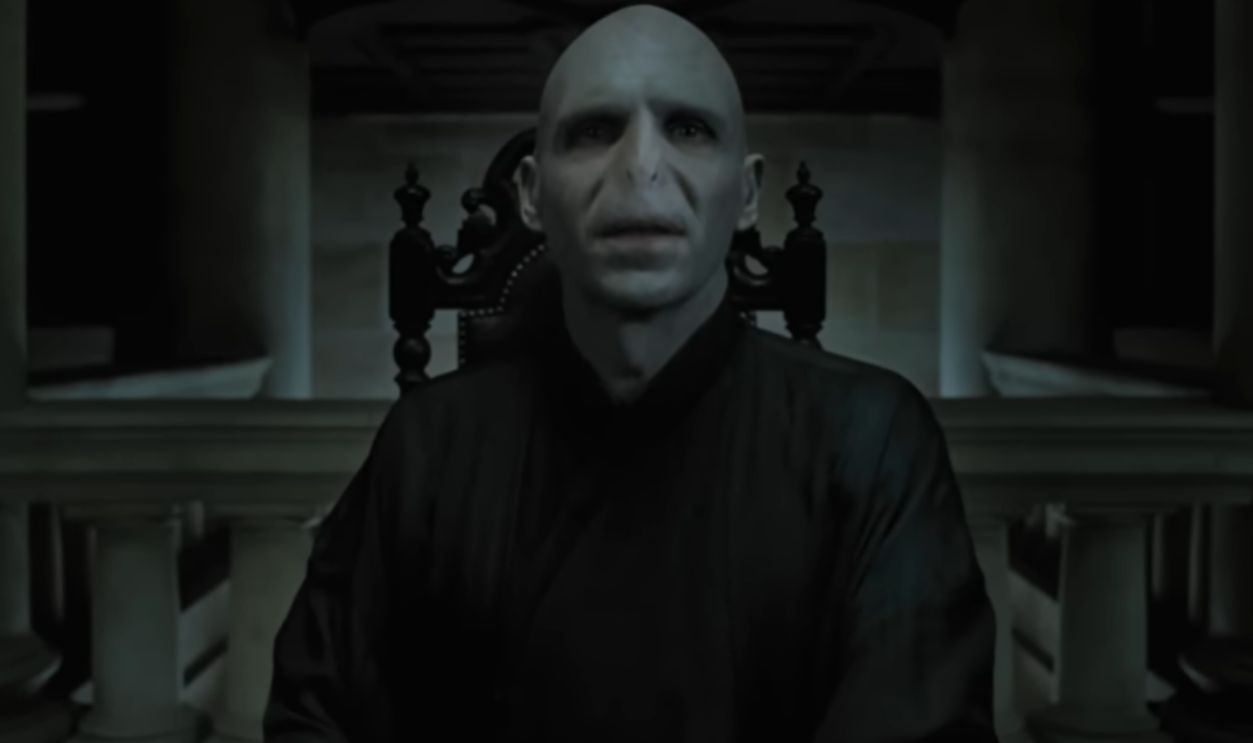 Screenshot from Harry Potter and the Deathly Hallows – Part 1, Warner Bros. (2010)
Willem Dafoe
Willem Dafoe has one of cinema’s most recognizable faces, and filmmakers have happily used it to unsettling effect. His Norman Osborn in Spider-Man could switch between troubled businessman and cackling Green Goblin almost instantly. Dafoe seemed to enjoy every wild second, making the performance impossible to forget.
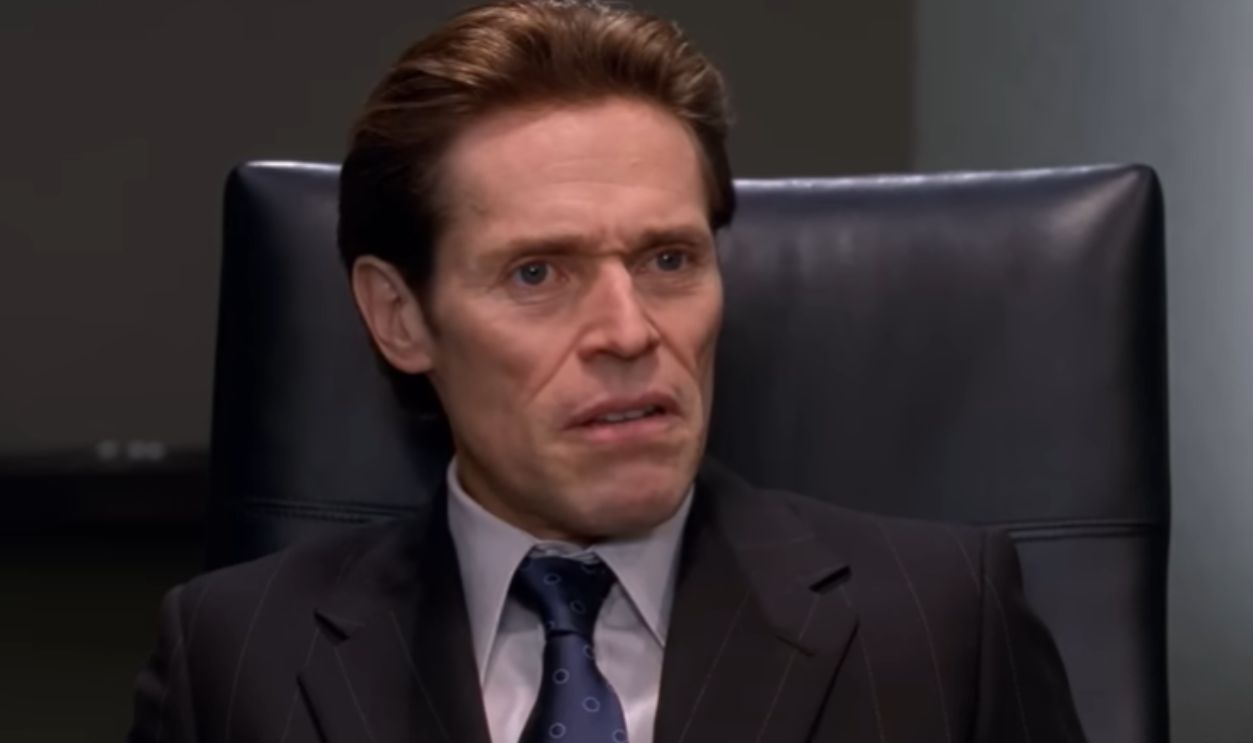 Screenshot from Spider-Man, Sony Pictures (2002)
Dennis Hopper
Dennis Hopper brought a dangerous energy to villains that felt almost impossible to control. Frank Booth in Blue Velvet remains the ultimate example. Hopper played him like a man whose behavior could change from quiet to terrifying without warning. Watching him was uncomfortable, but looking away was difficult.
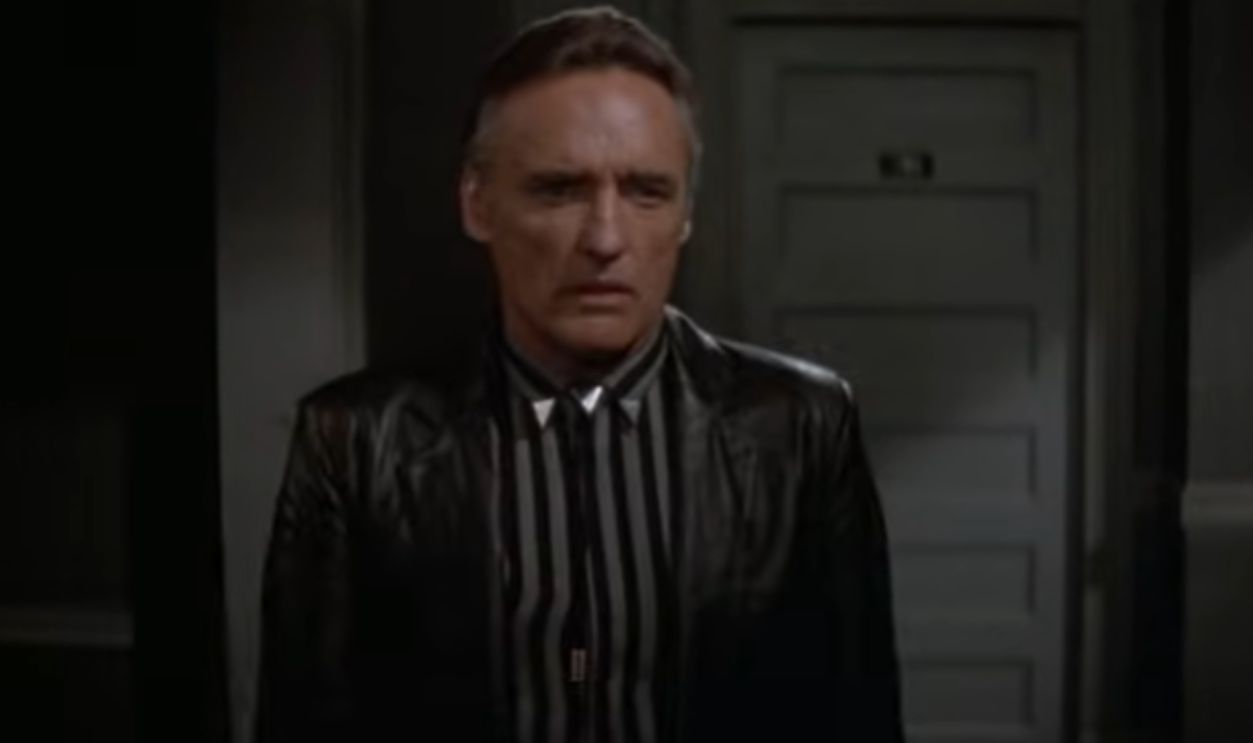 Screenshot from Blue Velvet, MGM (1986)
Malcolm McDowell
After A Clockwork Orange, Malcolm McDowell became forever associated with one of cinema’s most disturbing young men. His Alex was charming, cheerful, and horrifyingly cruel. McDowell’s mischievous smile made the character even more unnerving because he seemed to approach terrible behavior with the enthusiasm of someone heading to a party.
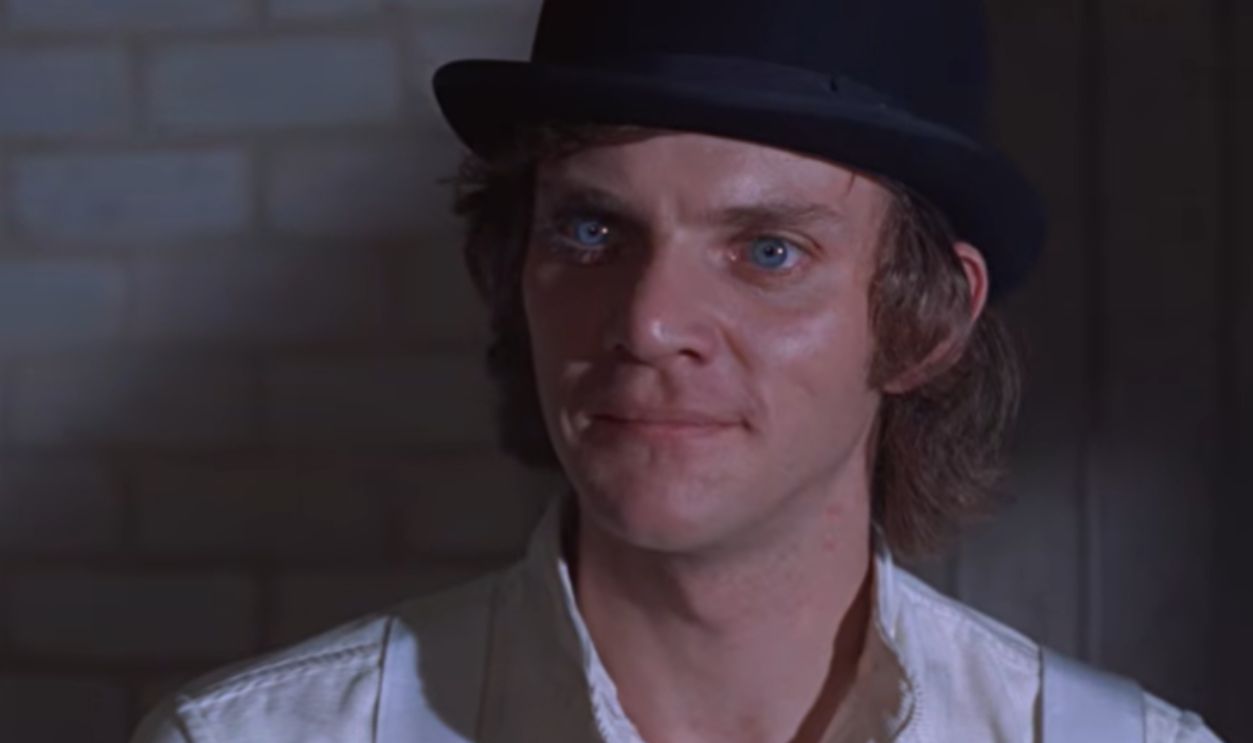 Screenshot from A Clockwork Orange, Warner Bros. (1971)
Rutger Hauer
Rutger Hauer possessed the kind of icy screen presence that filmmakers loved giving to villains. Yet his characters often had surprising depth. Roy Batty in Blade Runner begins as a frightening threat but gradually becomes something far more complicated, helped enormously by Hauer’s imposing presence and strangely vulnerable performance.
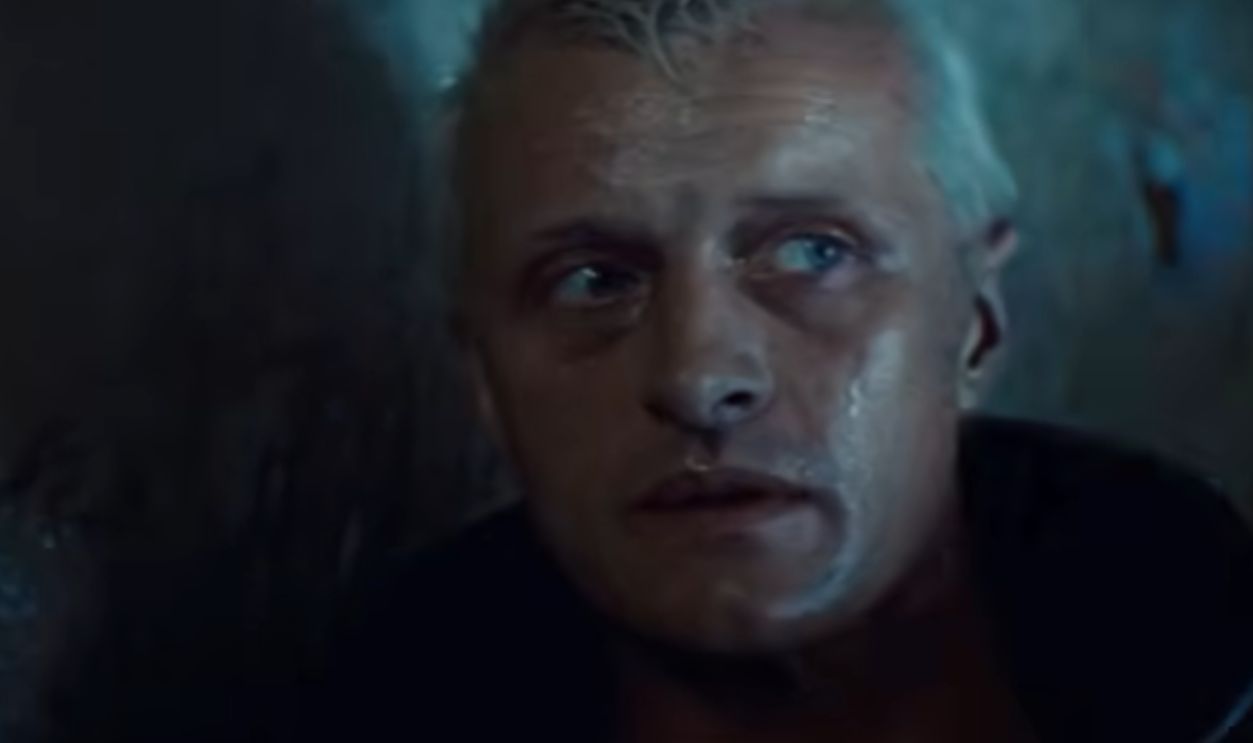 Screenshot from Blade Runner, Warner Bros. (1982)
Lee Van Cleef
One glance at Lee Van Cleef and audiences knew the hero was probably in trouble. His sharp features and piercing eyes made him a natural Western villain. Films like High Noon and The Good, the Bad and the Ugly helped turn Van Cleef into one of cinema’s great tough-guy faces.
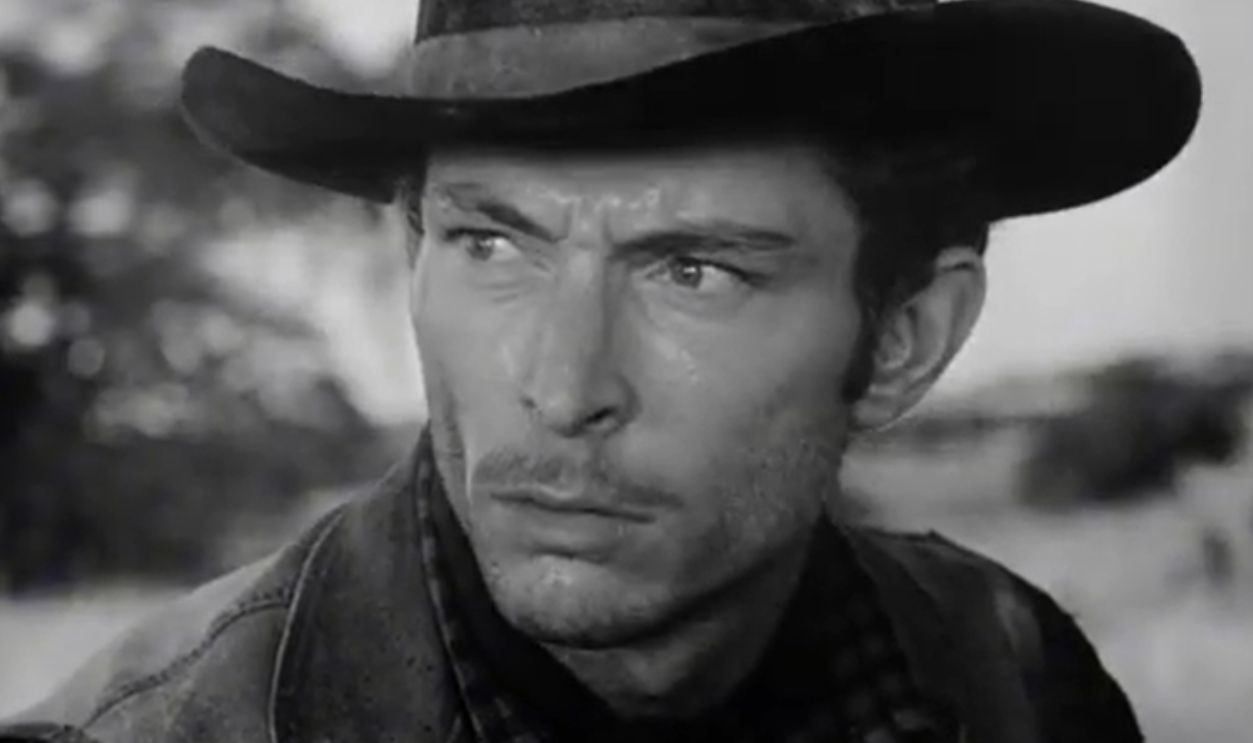 Screenshot from High Noon, MGM (1952)
Eli Wallach
Eli Wallach could make villains and outlaws entertaining enough that audiences occasionally forgot they were supposed to dislike them. His Tuco in The Good, the Bad and the Ugly was dishonest, dangerous, funny, and endlessly resourceful. Wallach understood that the best bad guys often needed personality as much as menace.
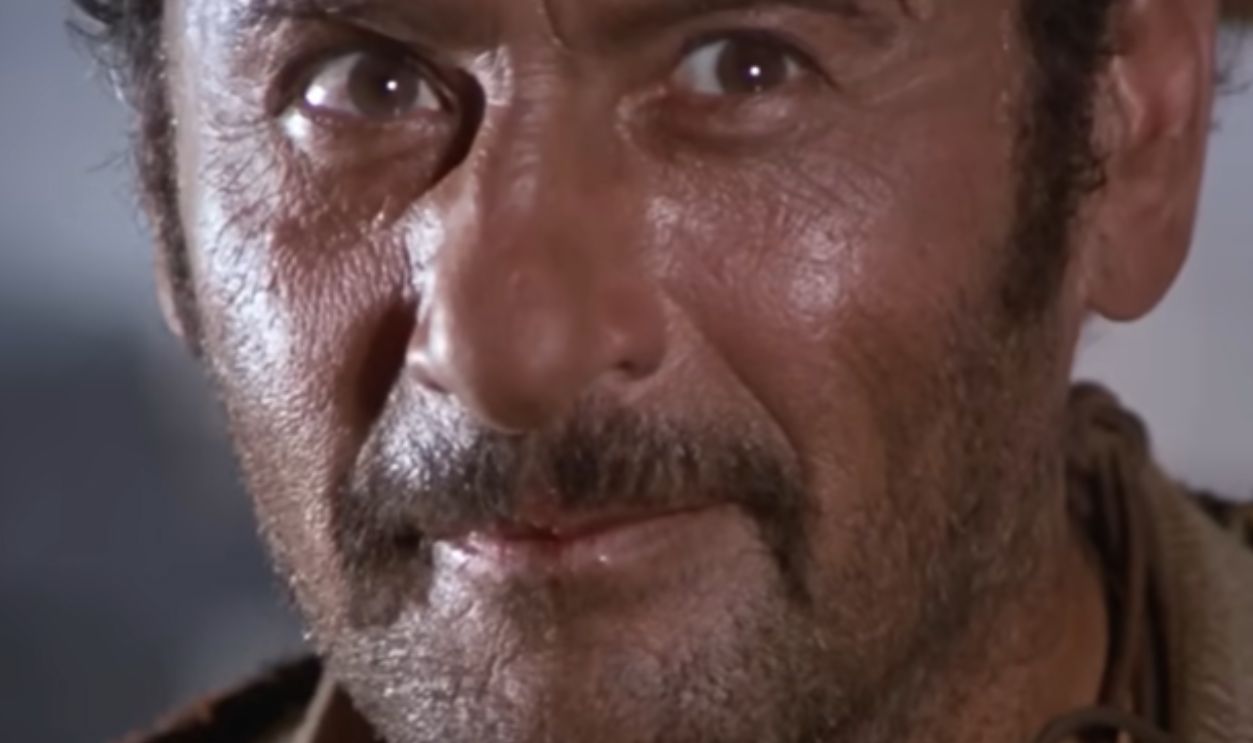 Screenshot from The Good, the Bad and the Ugly, MGM (1966)
Bruce Dern
Bruce Dern became so convincing at playing unsavory characters that movie audiences sometimes had trouble separating the actor from his roles. His villains could be cowardly, cruel, unstable, or simply unpleasant. Dern had the valuable ability to make audiences suspicious of him almost immediately, even before his character actually did anything wrong.
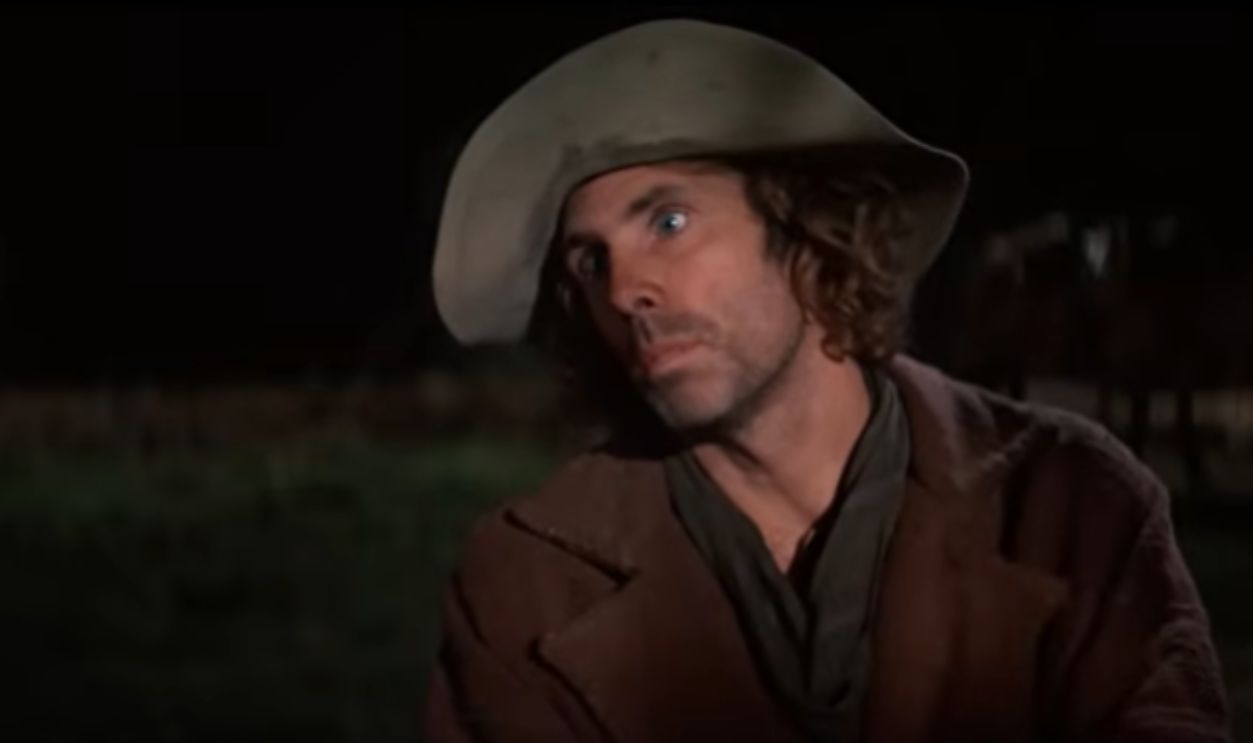 Screenshot from The Cowboys, Warner Bros. (1972)
Donald Pleasence
Donald Pleasence possessed an unusual talent for making seemingly ordinary men deeply unsettling. His voice, nervous energy, and intense eyes gave his characters an unpredictable quality. Although many remember him as heroic Dr. Loomis in Halloween, decades of thrillers also showed how effectively Pleasence could play strange and sinister figures.
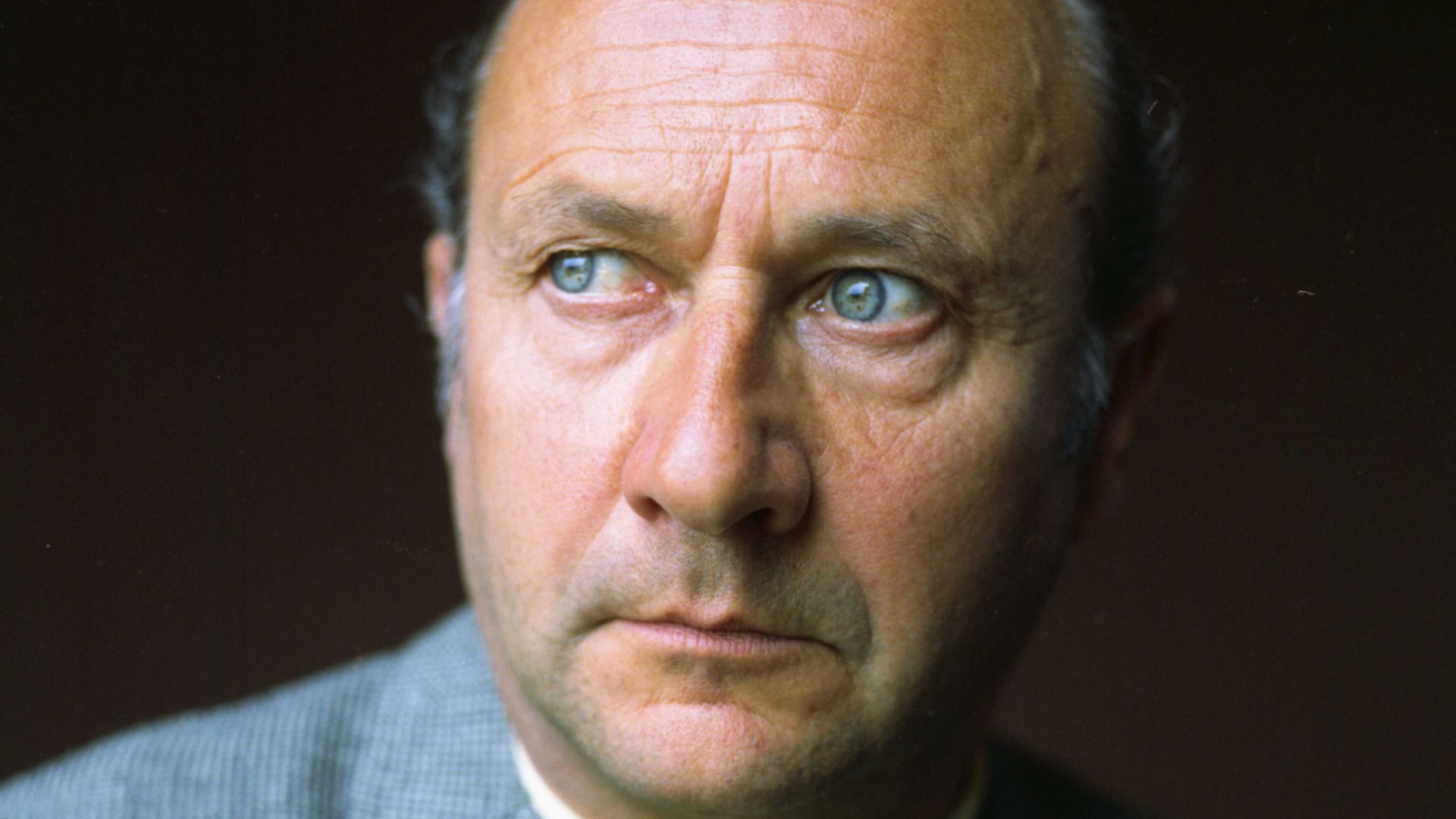 Allan warren, Wikimedia Commons
David Warner
David Warner seemed born to play elegant men with questionable intentions. His distinctive voice and severe appearance made him a reliable choice whenever filmmakers needed somebody intelligent, sinister, or both. From Time Bandits to Tron, Warner made villainy feel less like brute force and more like careful planning.
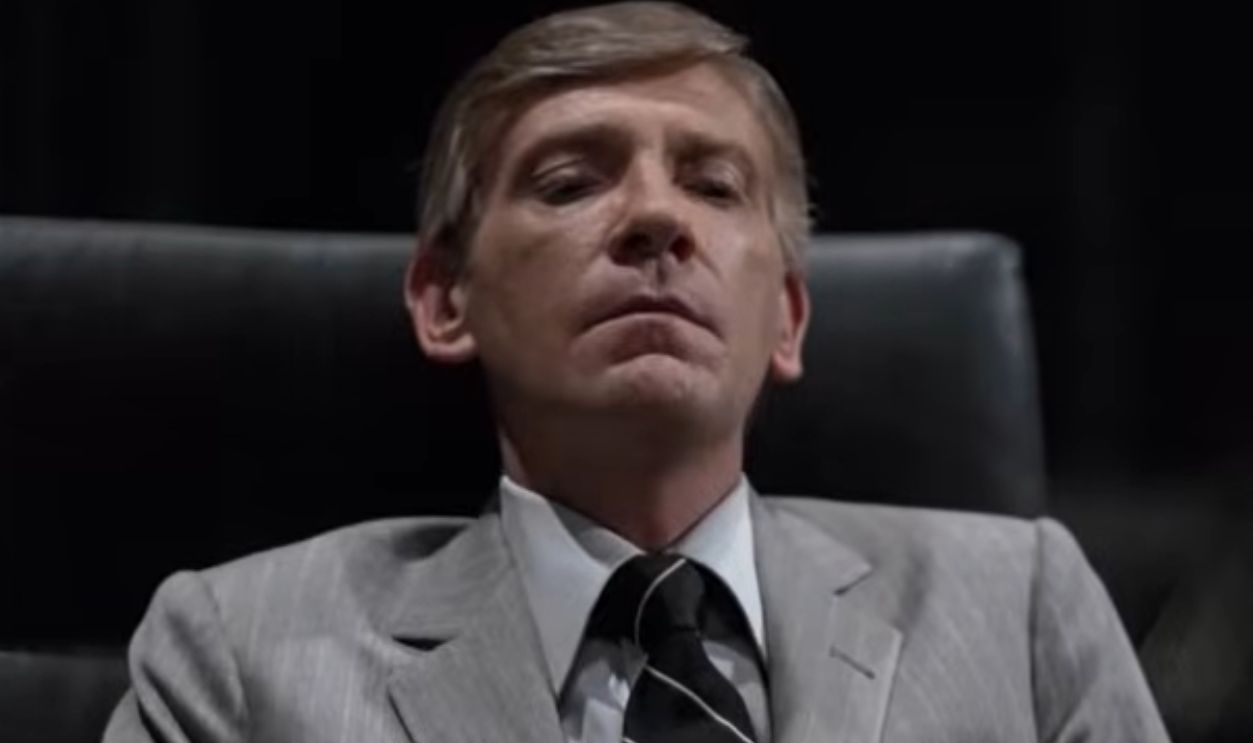 Screenshot from Tron, Buena Vista Distribution (1982)
John Lithgow
Anyone who only knew John Lithgow from comedy might have been surprised by just how frightening he could become. His villainous performances in movies such as Cliffhanger showed a completely different side. Lithgow could remain charming while threatening somebody, which naturally made the threatening part considerably worse.
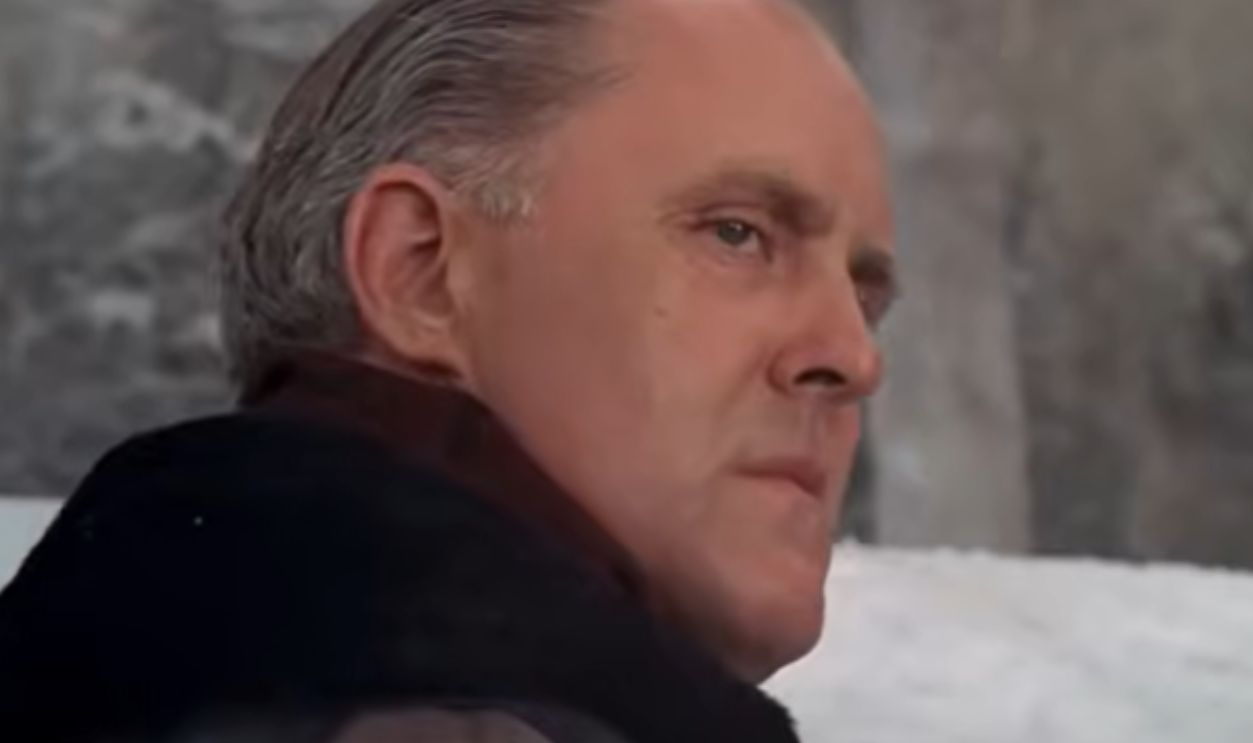 Screenshot from Cliffhanger, TriStar Pictures (1993)
Terence Stamp
Terence Stamp had the sort of commanding presence that made audiences pay attention immediately. As General Zod in Superman and Superman II, he barely needed to raise his voice. Stamp delivered threats with aristocratic confidence, making Zod feel like someone who genuinely believed ruling the planet was perfectly reasonable.
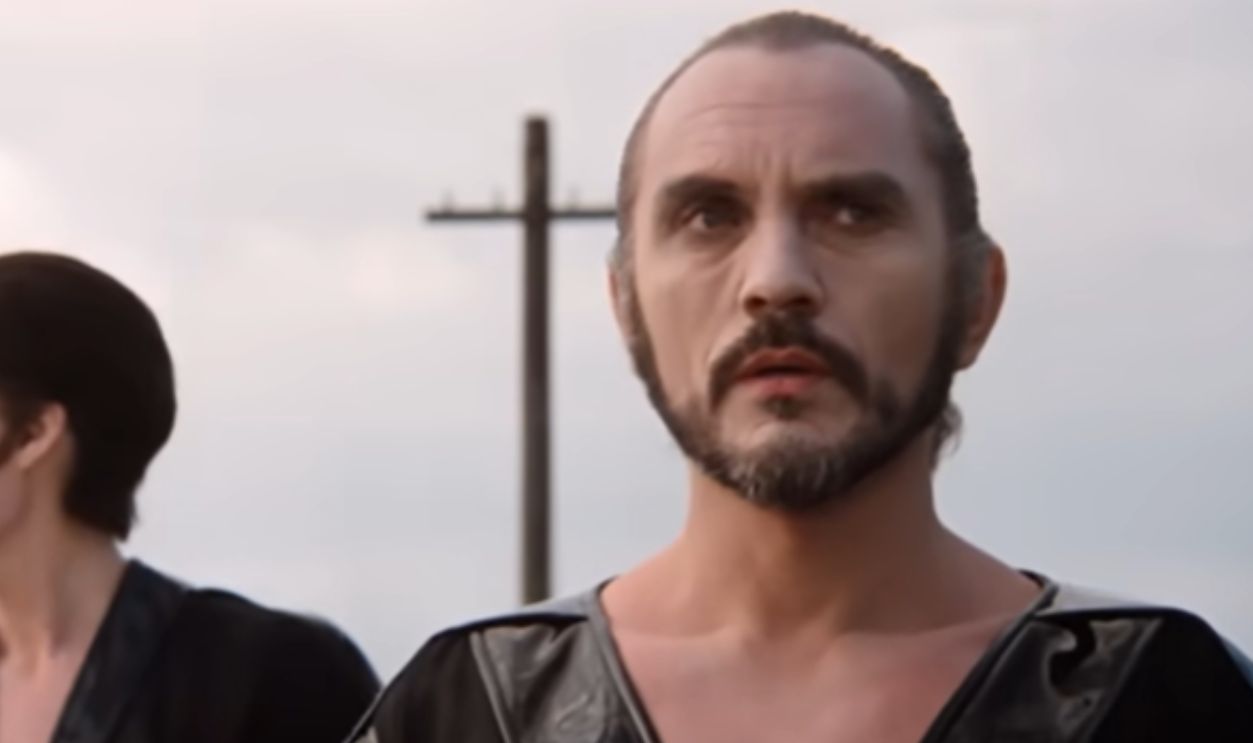 Screenshot from Superman II, Warner Bros. (1980)
Hugo Weaving
Hugo Weaving turned Agent Smith in The Matrix into one of the most distinctive villains of the 1990s. His stiff posture, clipped speech, and utter lack of warmth made Smith feel disturbingly artificial. Even the way Weaving said “Mr. Anderson” became enough to tell audiences that trouble had arrived.
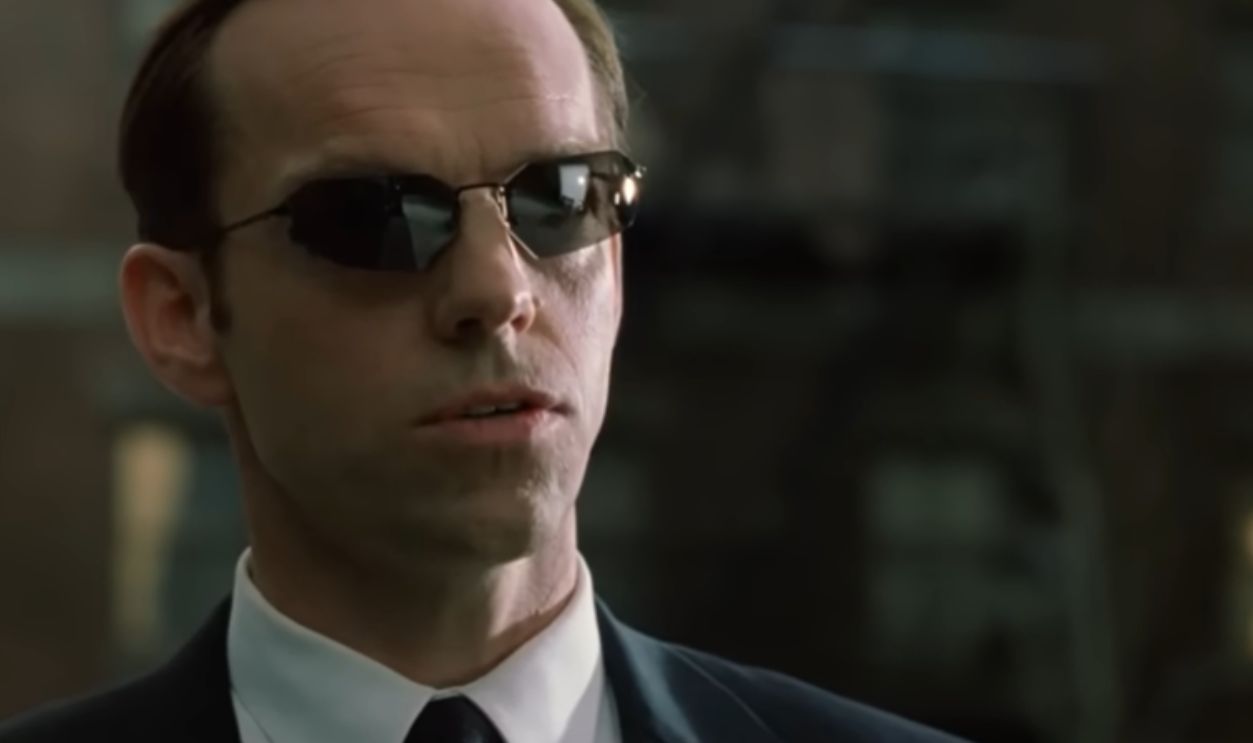 Screenshot from The Matrix Reloaded, Warner Bros. (2003)
Tim Curry
Tim Curry understood that villains could be scary and enormous fun at the same time. Whether appearing as Darkness in Legend or the delightfully nasty hotel concierge in Home Alone 2, Curry leaned into theatricality. His expressive face and unmistakable voice made even relatively small villainous roles memorable.
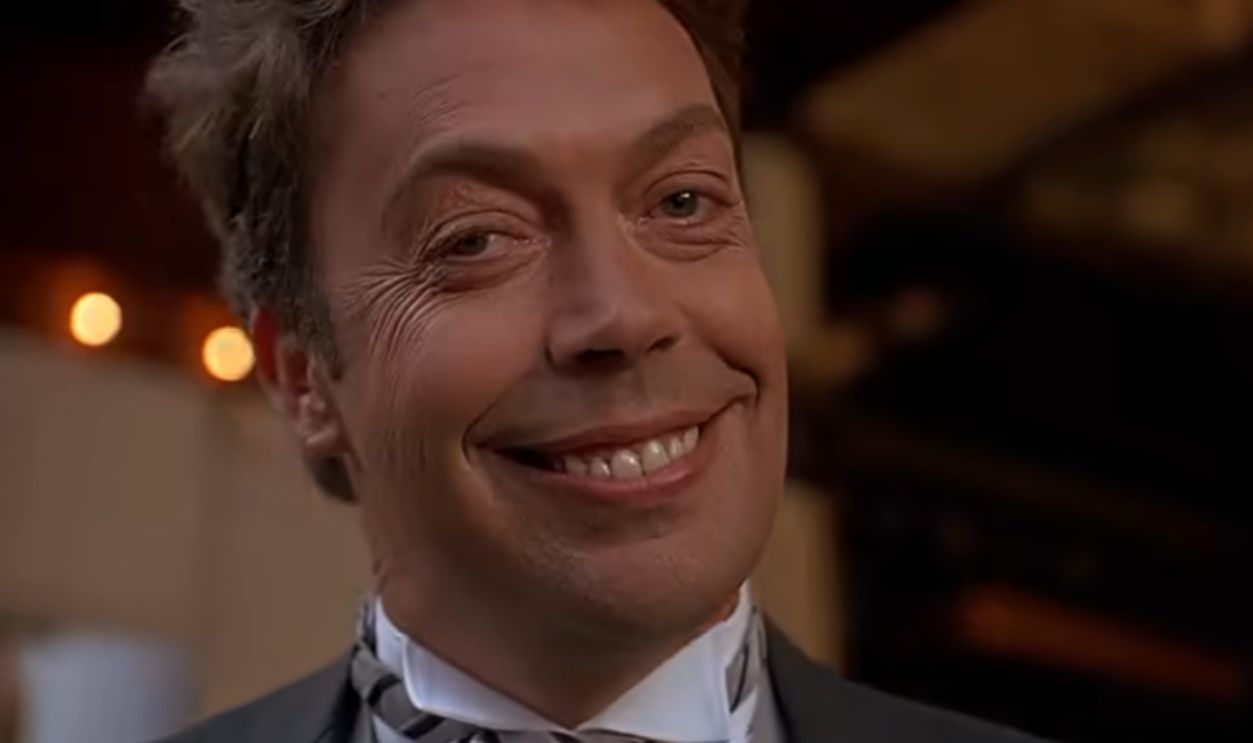 Screenshot from Home Alone 2: Lost in New York, 20th Century Fox (1992)
Mads Mikkelsen
Mads Mikkelsen can make a quiet conversation feel dangerous without doing much more than staring across a table. That quality made him an excellent Bond villain in Casino Royale. Mikkelsen’s Le Chiffre was controlled, intelligent, and visibly nervous underneath it all, creating a villain who felt genuinely human and therefore more interesting.
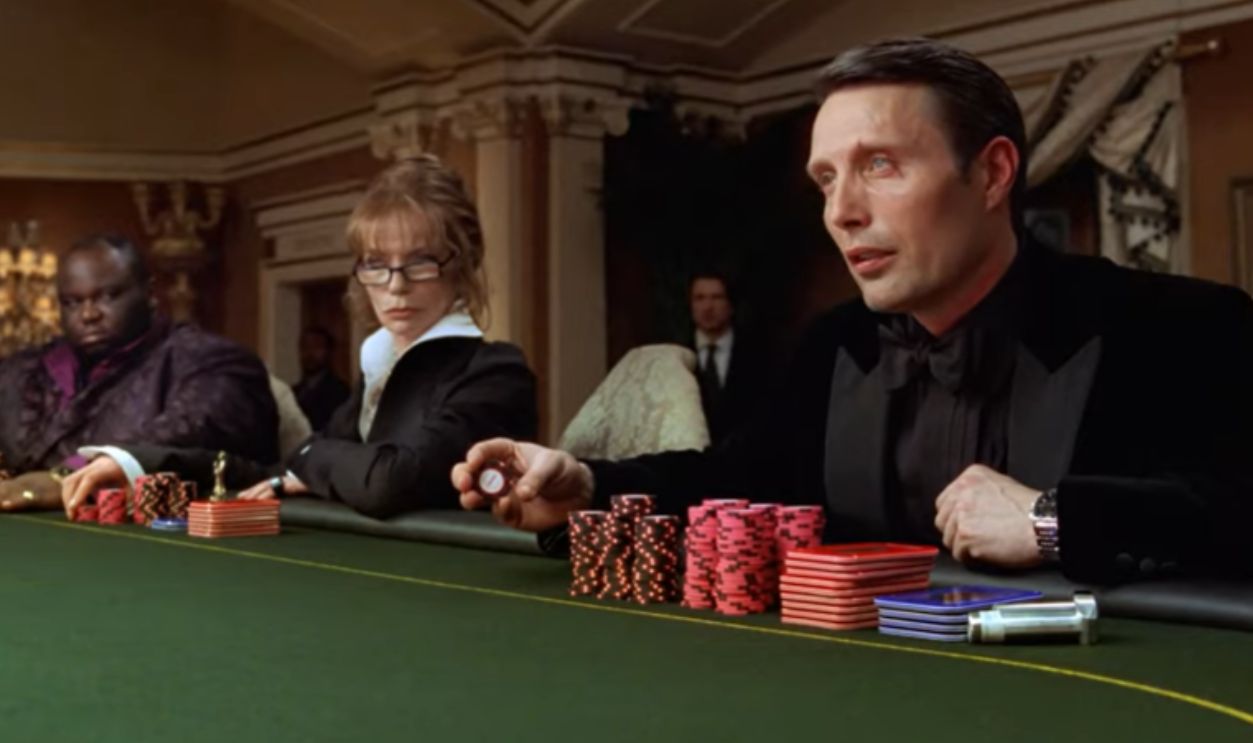 Screenshot from Casino Royale, Sony Pictures (2006)
Klaus Kinski
Klaus Kinski brought an intensity to the screen that often seemed impossible to fake. His collaborations with director Werner Herzog became legendary partly because Kinski could look furious without saying anything. Whether technically playing a villain or simply a dangerously obsessive man, he made audiences feel that something could explode at any second.
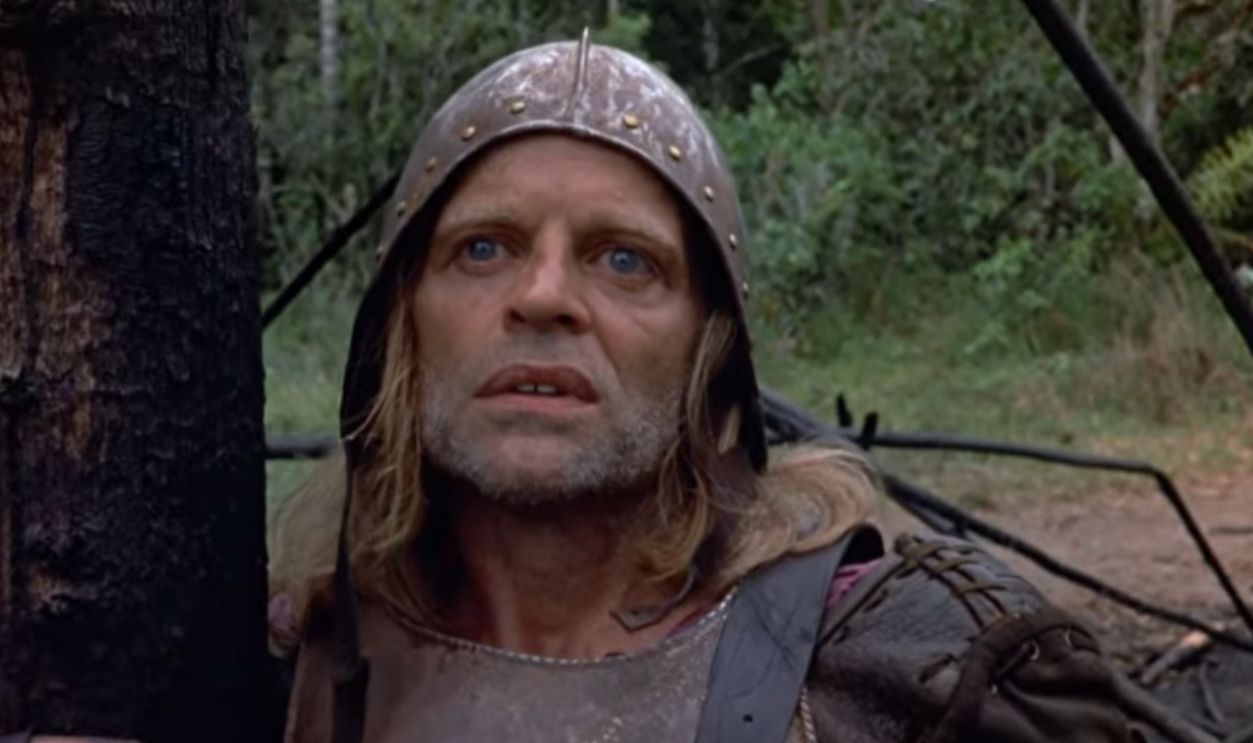 Screenshot from Aguirre, the Wrath of God, New Yorker Films (1972)
The Villains We Never Forgot
Great movie villains need more than costumes, scars, or dramatic speeches. They need actors who can make audiences believe danger is genuinely standing on the other side of the screen. These performers understood that perfectly. In many cases, they played bad men so convincingly that generations of viewers never quite trusted them again.
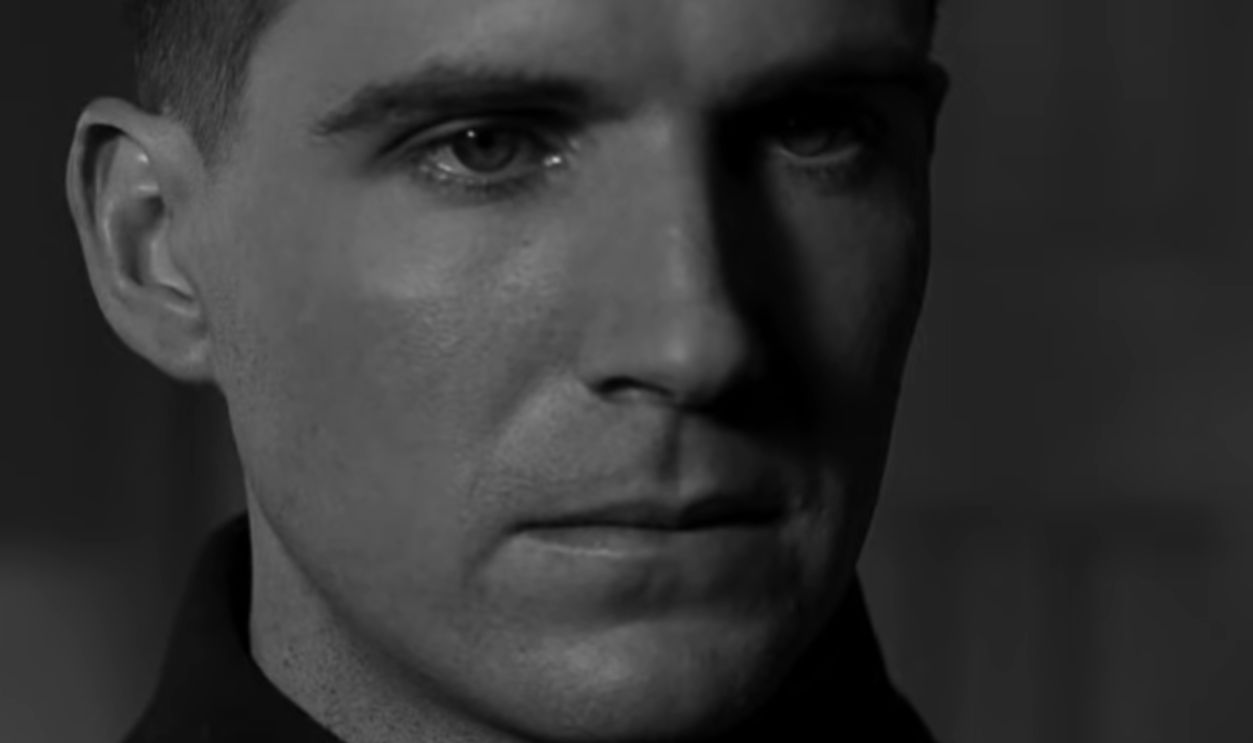 Screenshot from Schindler's List, Universal Pictures (1993)