When Familiar Faces Turned Dangerous
Television in the 1970s loved a surprise villain. Friendly sitcom stars, respected movie legends, and heroic leading men suddenly appeared with murder plans, secret laboratories, and suspiciously perfect alibis. The decade proved that nothing was more entertaining than watching a familiar face go deliciously bad.
 ABC Television, Public Domain, via Wikimedia Commons.
Jack Cassidy Made Murder Look Effortless
Jack Cassidy became one of Columbo’s signature opponents, playing three separate killers: smug writer Ken Franklin, ruthless publisher Riley Greenleaf, and murderous magician the Great Santini. Cassidy’s polished grin made every lie sound reasonable, right up until Columbo quietly pulled the whole performance apart.
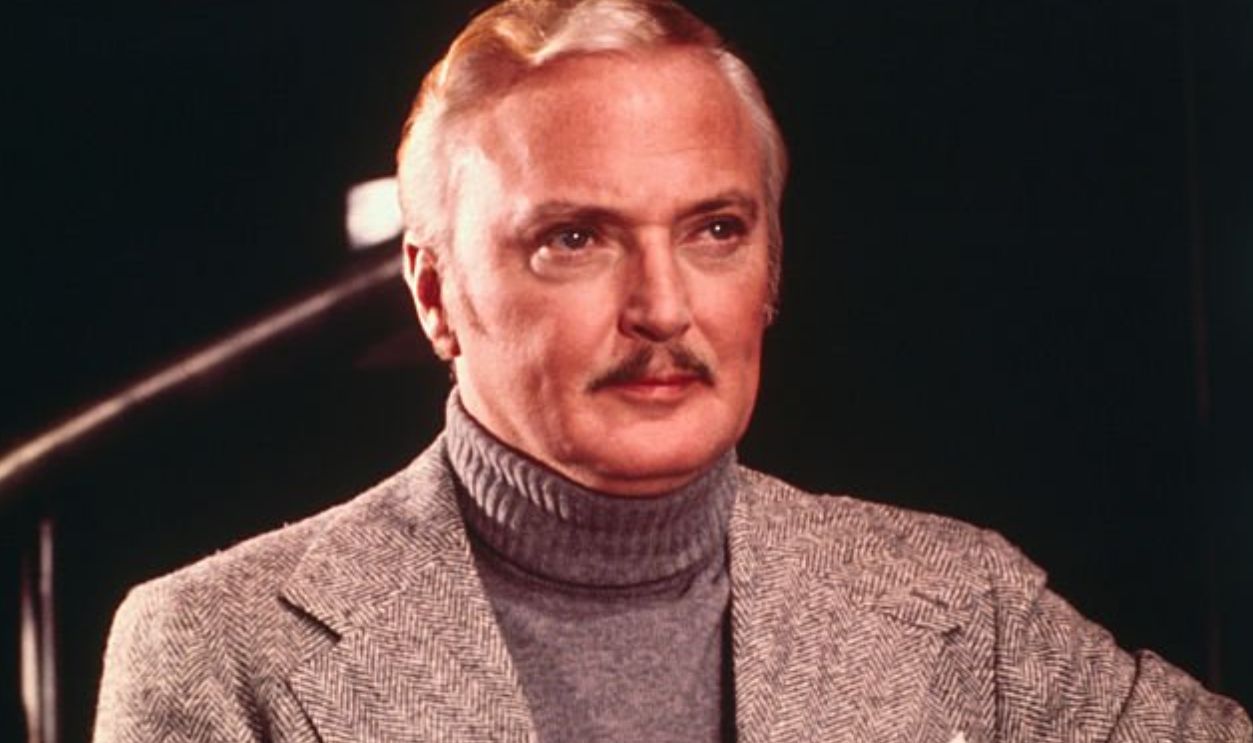
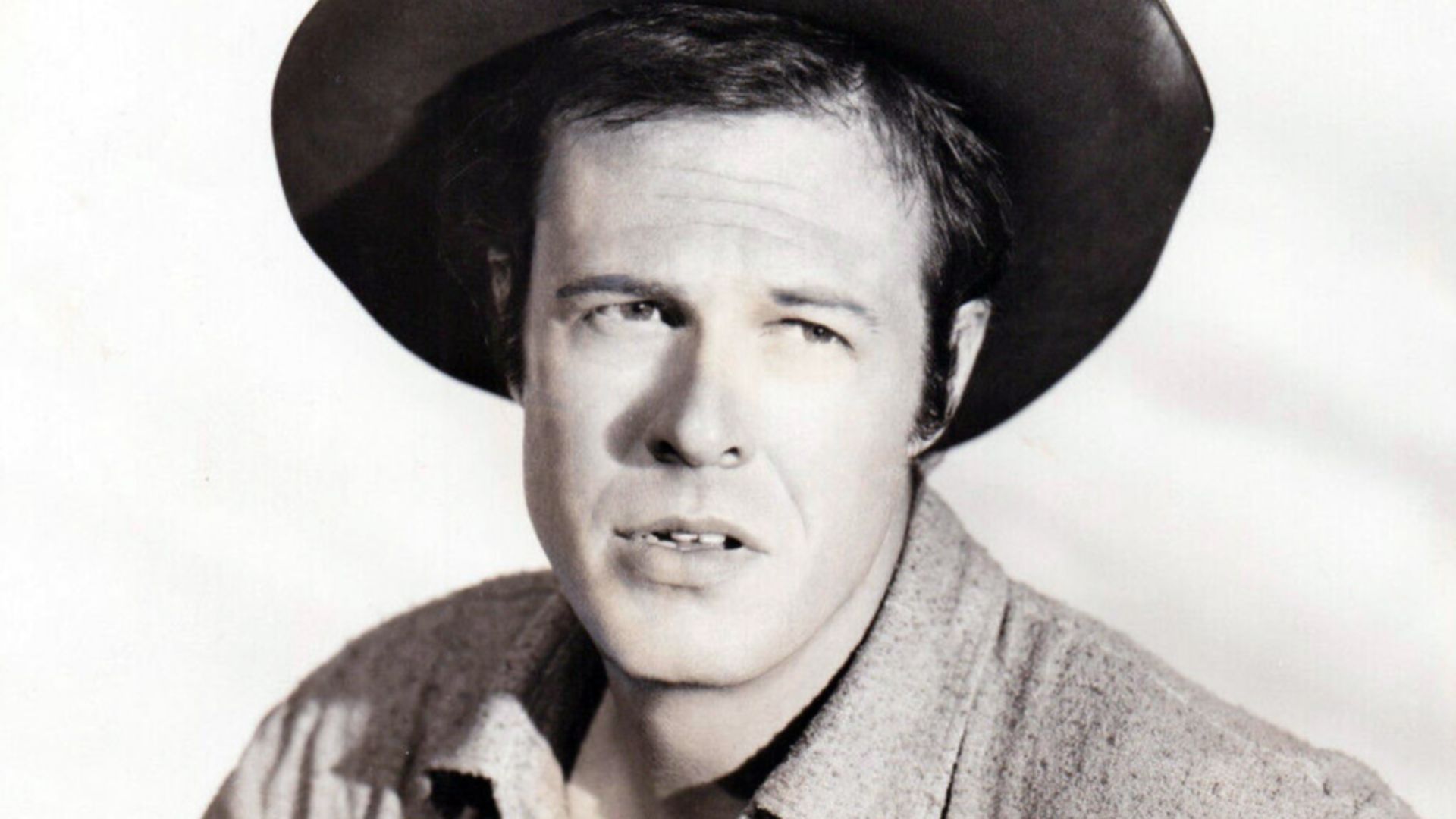
Robert Culp Turned Confidence Into A Weapon
Robert Culp faced Columbo three times during the decade, each time as a different murderer. Whether playing an investigator, a sports executive, or an advertising expert, he carried himself like the smartest man in the room. That confidence made his eventual defeat especially satisfying.
 CBS Television, Wikimedia Commons
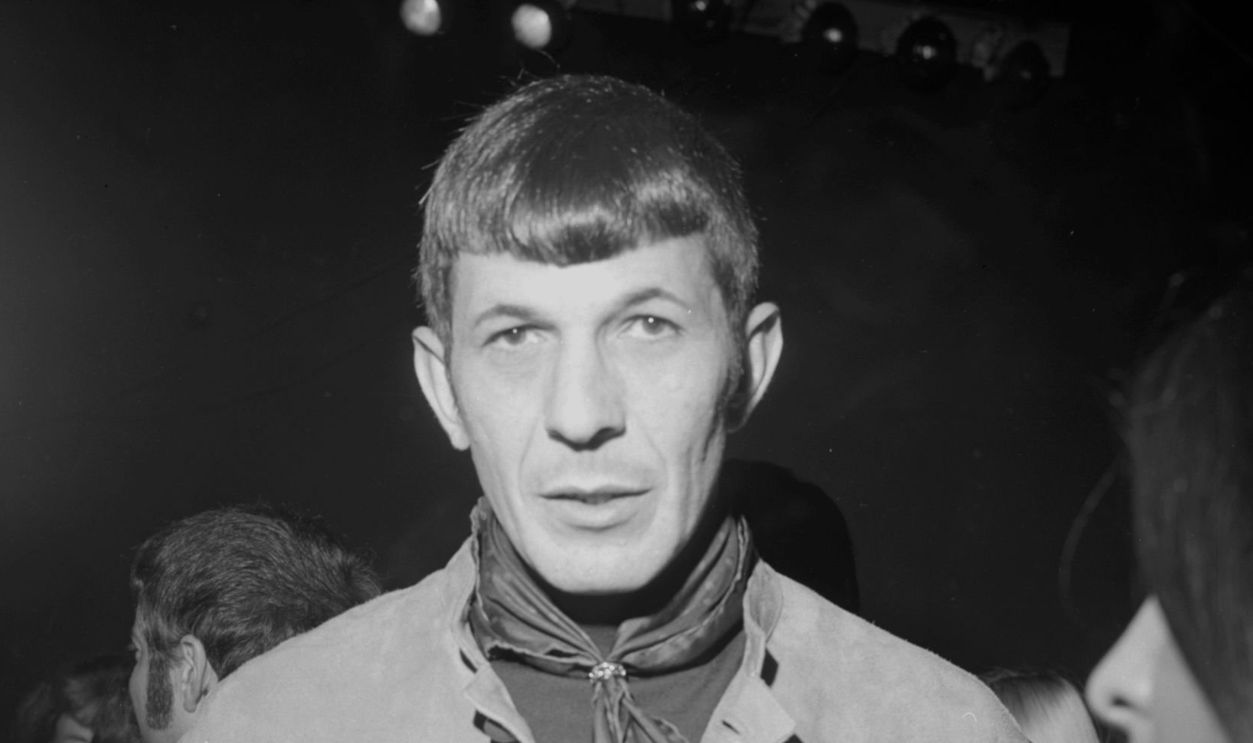
Leonard Nimoy Left Spock Far Behind
Leonard Nimoy traded Vulcan logic for medical arrogance as heart surgeon Barry Mayfield in “A Stitch in Crime.” Cold, controlled, and frighteningly practical, Mayfield barely seemed human. Nimoy’s performance was so sharp that even the usually patient Columbo finally lost his temper.
 Michael Ochs Archives, Getty Images
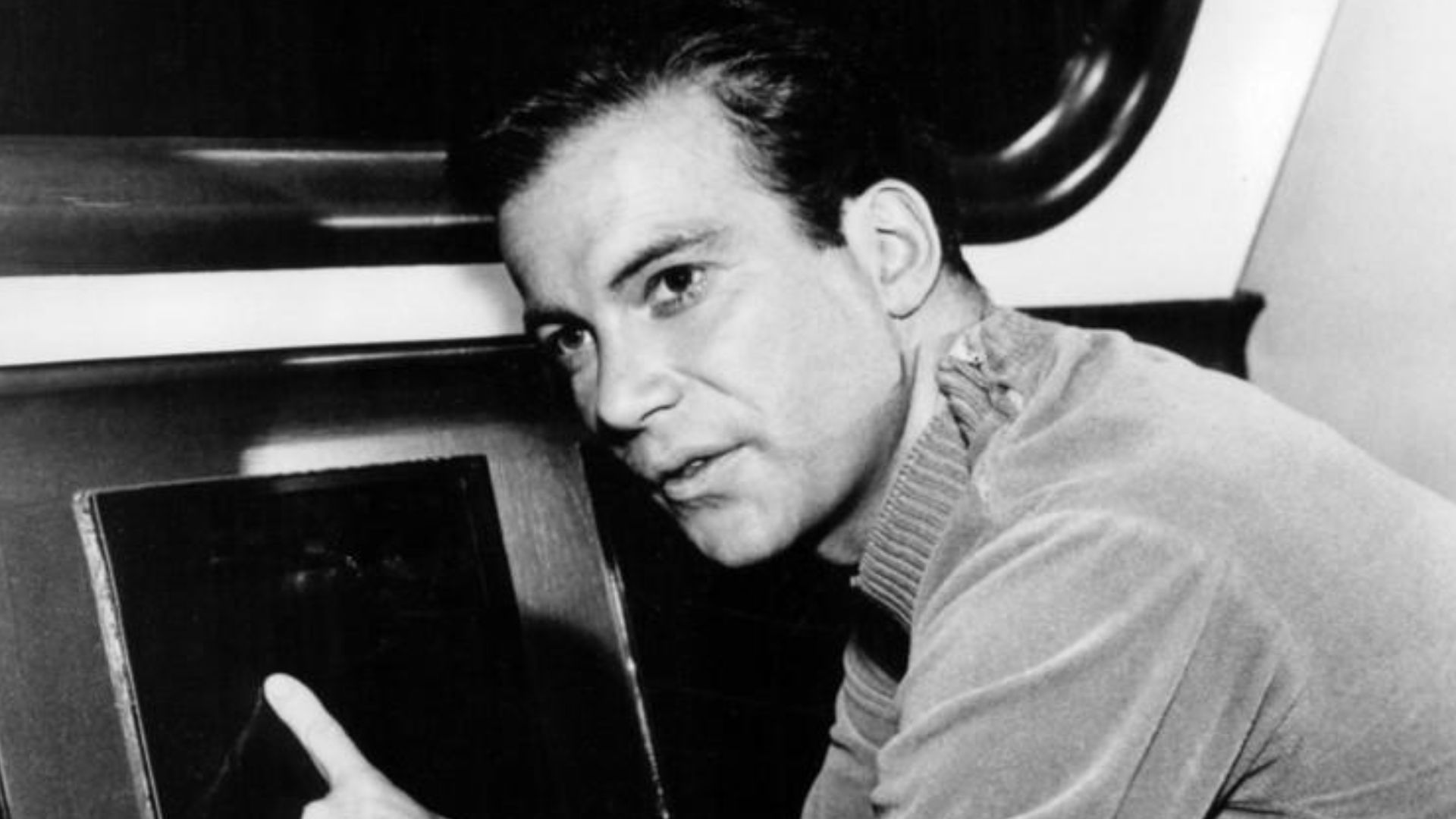
William Shatner Played A Star With Secrets
In “Fade in to Murder,” William Shatner played Ward Fowler, an actor famous for portraying a television detective. Fowler committed murder while hiding behind costumes, celebrity, and an oversized ego. Shatner leaned into every theatrical moment, creating a villain who practically applauded his own cleverness.
 McFadden, Strauss, Eddy & Irwin (public relations firm) for Desilu Productions., Wikimedia Commons
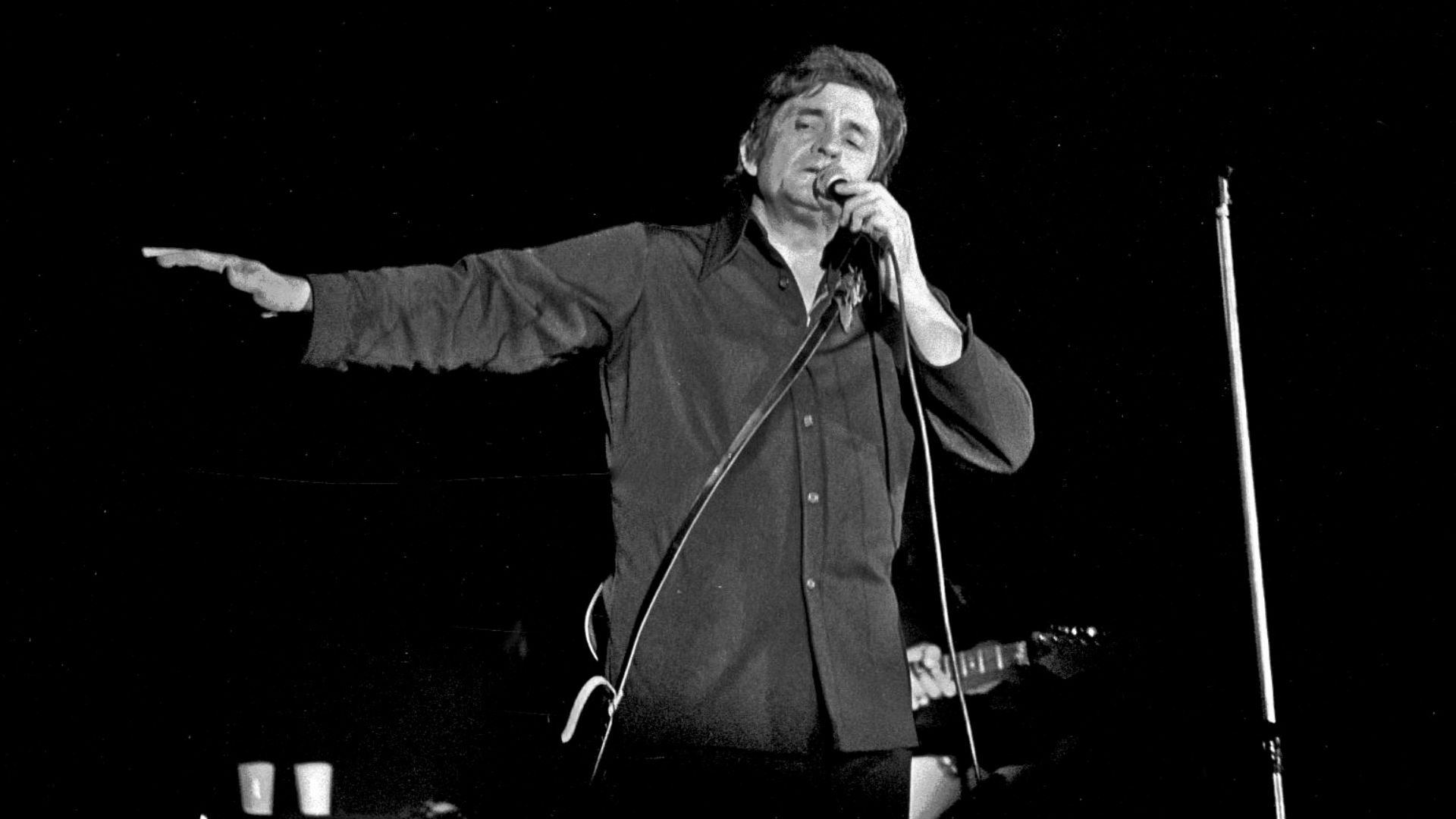
Johnny Cash Sang A Deadly Tune
Johnny Cash brought natural gravity to Tommy Brown, a gospel singer with a dark private life in “Swan Song.” His calm voice and wounded charm made Brown unusually sympathetic, even after a carefully planned plane crash. Few television killers ever looked so comfortable holding a guitar.
 Heinrich Klaffs, Wikimedia Commons
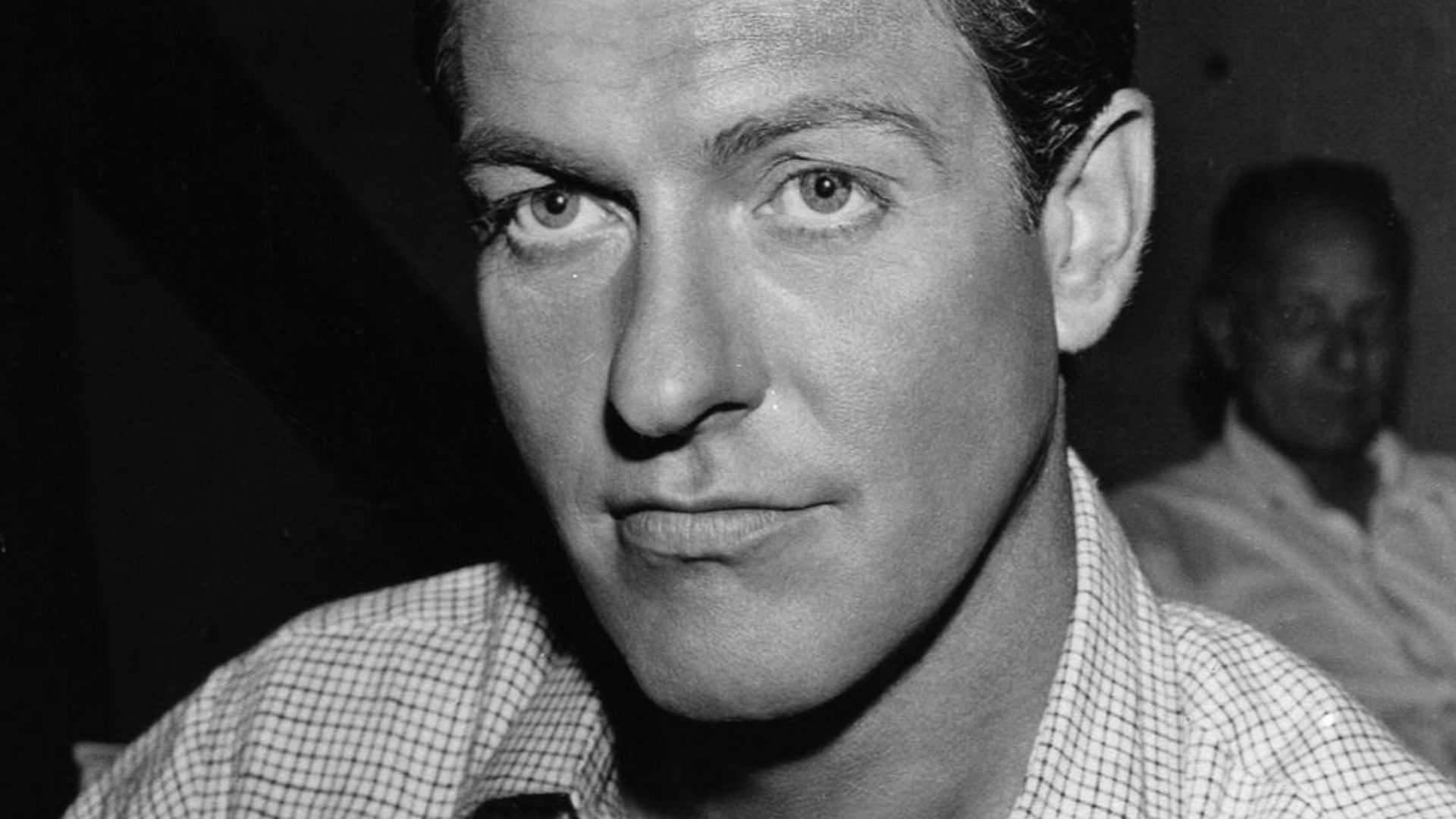
Dick Van Dyke Lost His Friendly Smile
Audiences knew Dick Van Dyke as a warm comedian, which made his turn as photographer Paul Galesko wonderfully unsettling. Galesko stages a kidnapping and murder with icy precision in “Negative Reaction.” Van Dyke’s familiar charm remains visible, but now it feels like part of the trap.
 Unknown authorUnknown author, Wikimedia Commons
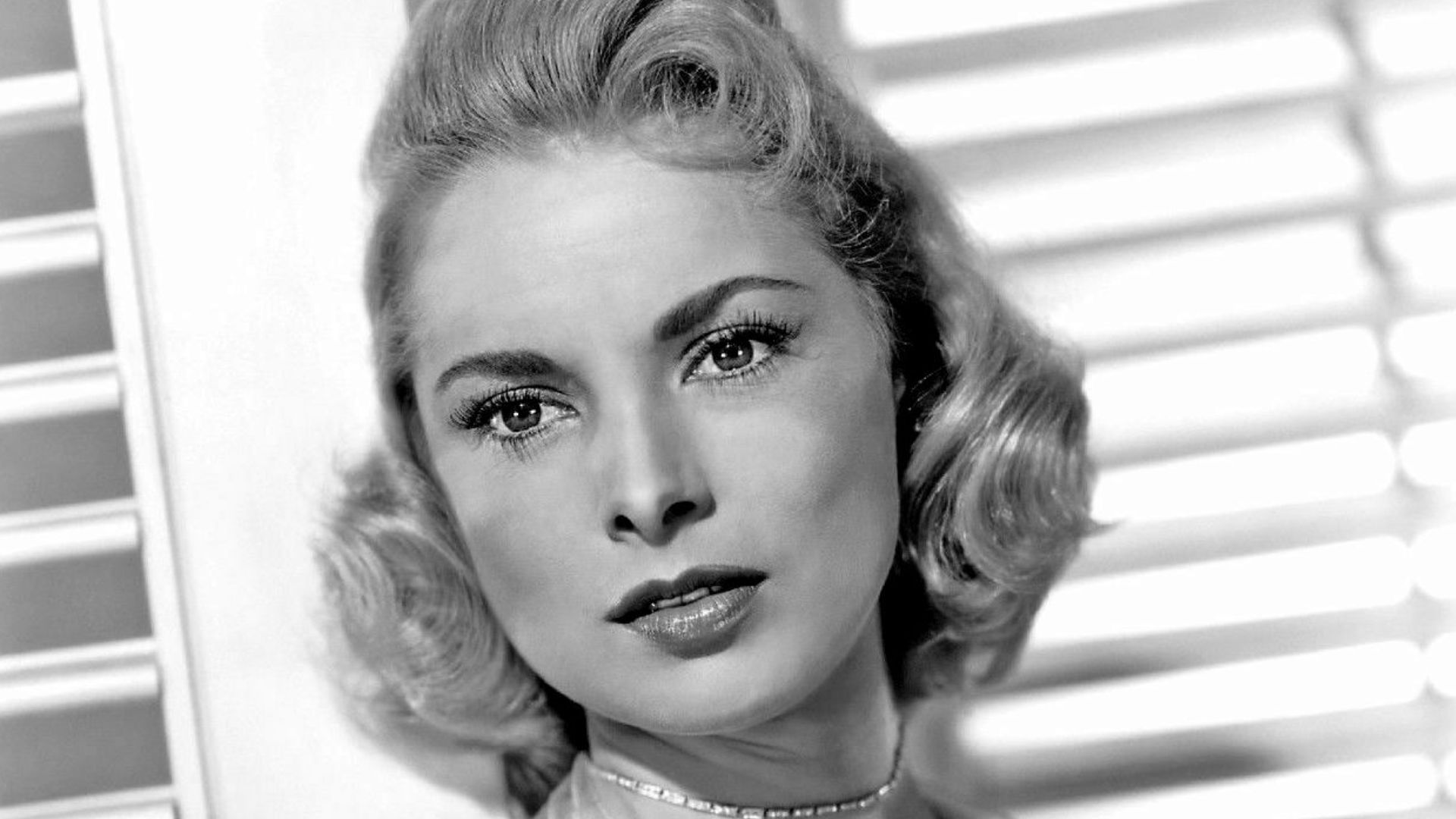
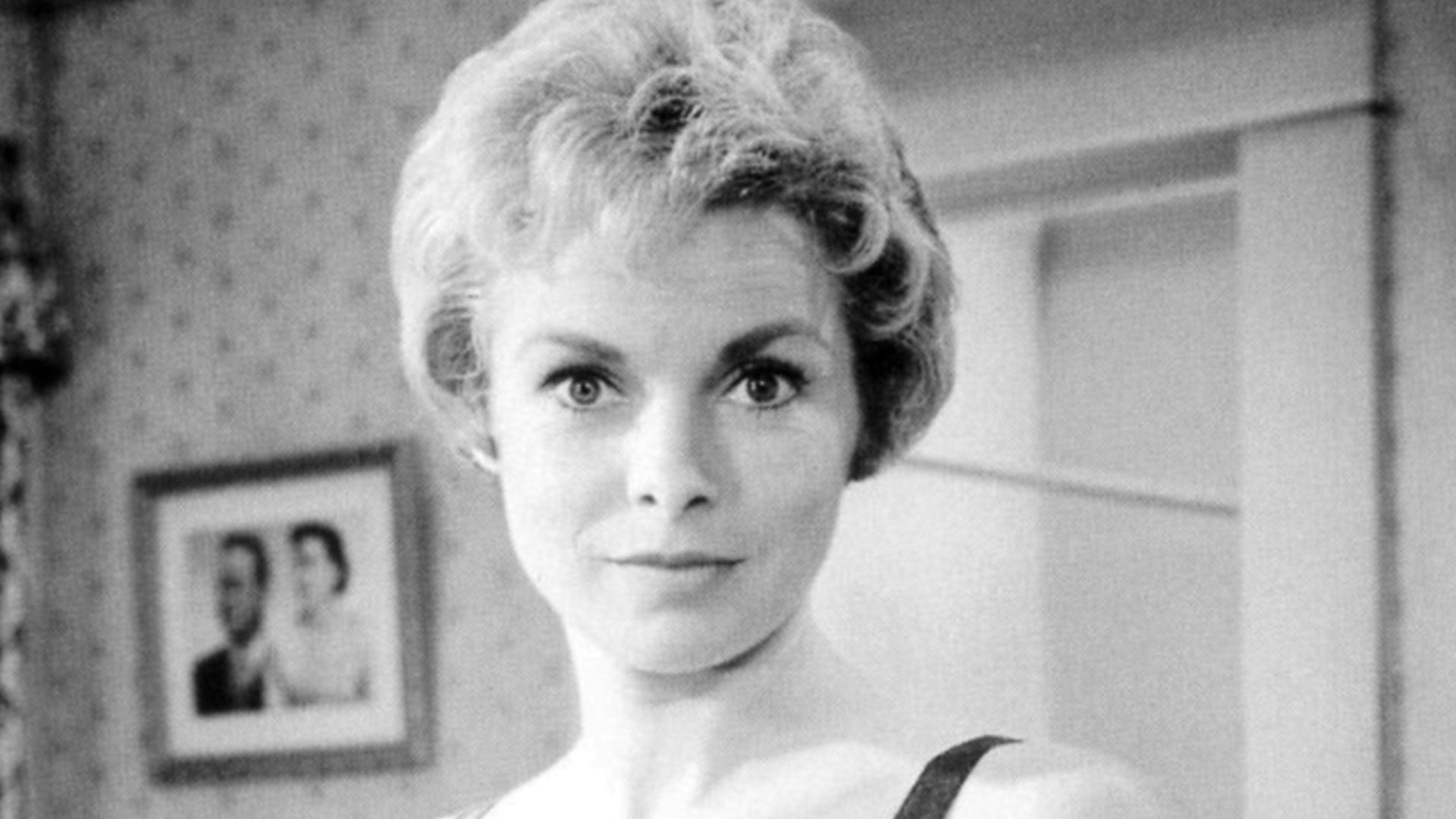
Janet Leigh Became A Tragic Killer
Janet Leigh played fading musical star Grace Wheeler in “Forgotten Lady.” Grace kills to finance one last comeback, yet her failing memory turns the mystery into something heartbreaking. Leigh never plays her as a monster, making this one of Columbo’s saddest and most human villains.
 Unknown authorUnknown author, Wikimedia Commons
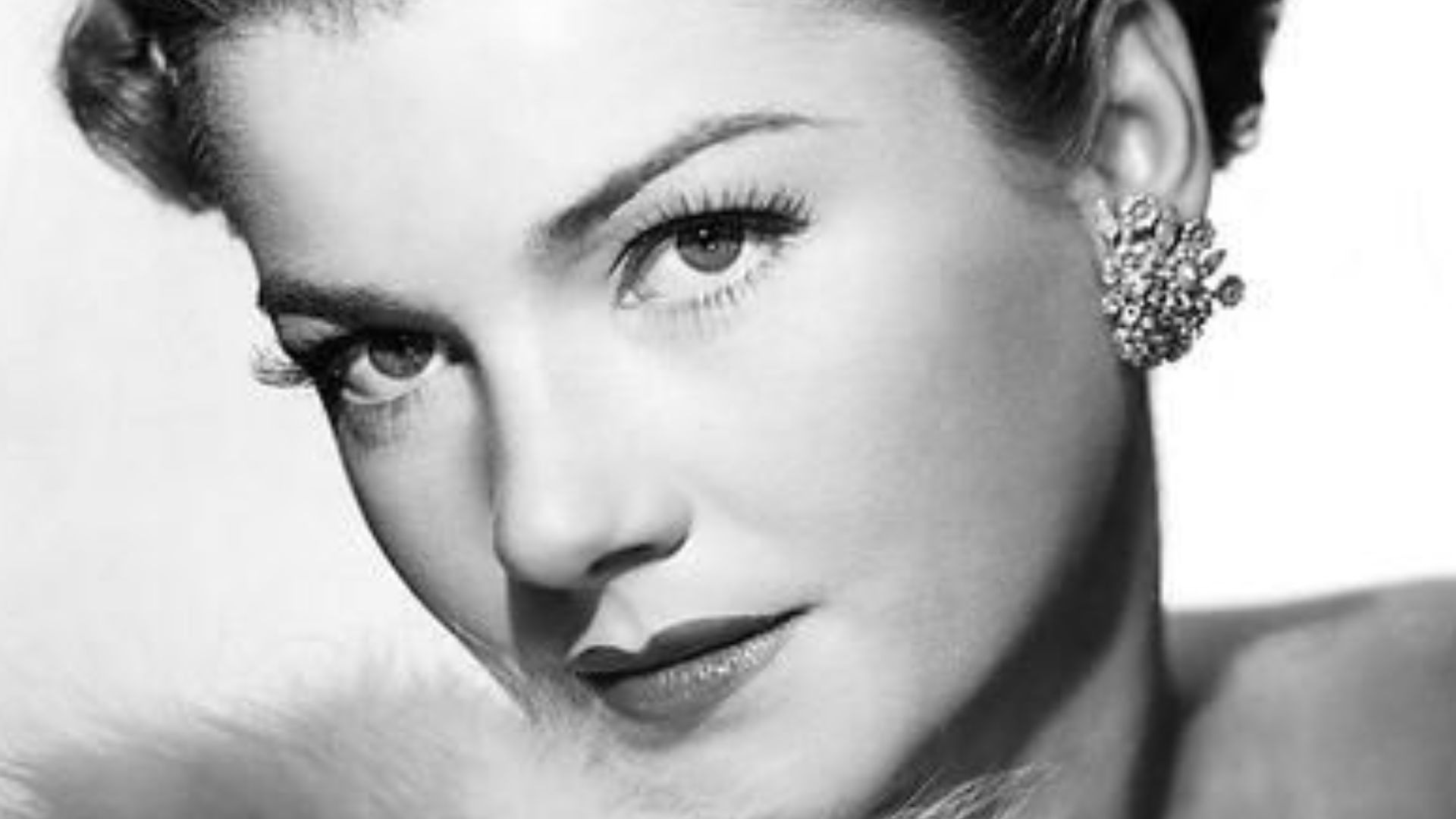
Anne Baxter Guarded Her Hollywood Secrets
As Nora Chandler in “Requiem for a Falling Star,” Anne Baxter played an aging screen queen determined to protect her glamorous image. She was elegant, commanding, and always performing. The role let Baxter turn old-Hollywood sparkle into armor, with Columbo slowly finding the cracks underneath.
 20th Century Fox, Wikimedia Commons
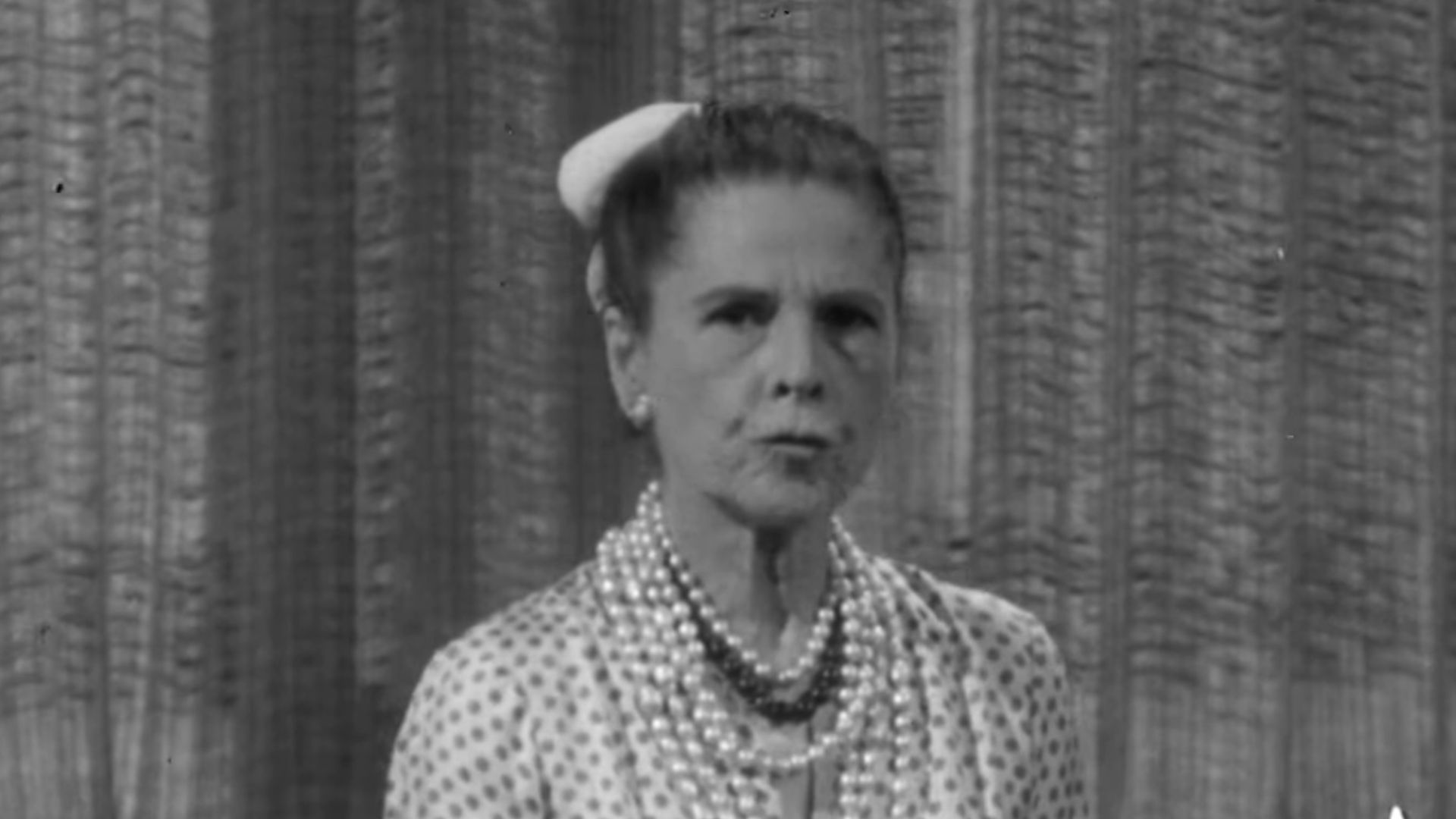
Ruth Gordon Wrote The Perfect Crime
Ruth Gordon was irresistible as mystery novelist Abigail Mitchell in “Try and Catch Me.” Convinced her nephew-in-law murdered her beloved niece, Abigail designs a revenge plot worthy of one of her books. Gordon makes her witty, stubborn, and dangerous enough that viewers almost cheer her on.
 United Artists, Wikimedia Commons
Patrick McGoohan Ran A Deadly Academy
Patrick McGoohan brought military steel to Colonel Lyle Rumford in “By Dawn’s Early Light.” Determined to preserve his academy’s traditions, Rumford turns a ceremonial cannon into a murder weapon. McGoohan’s rigid performance made every clipped sentence feel like an order nobody dared question.
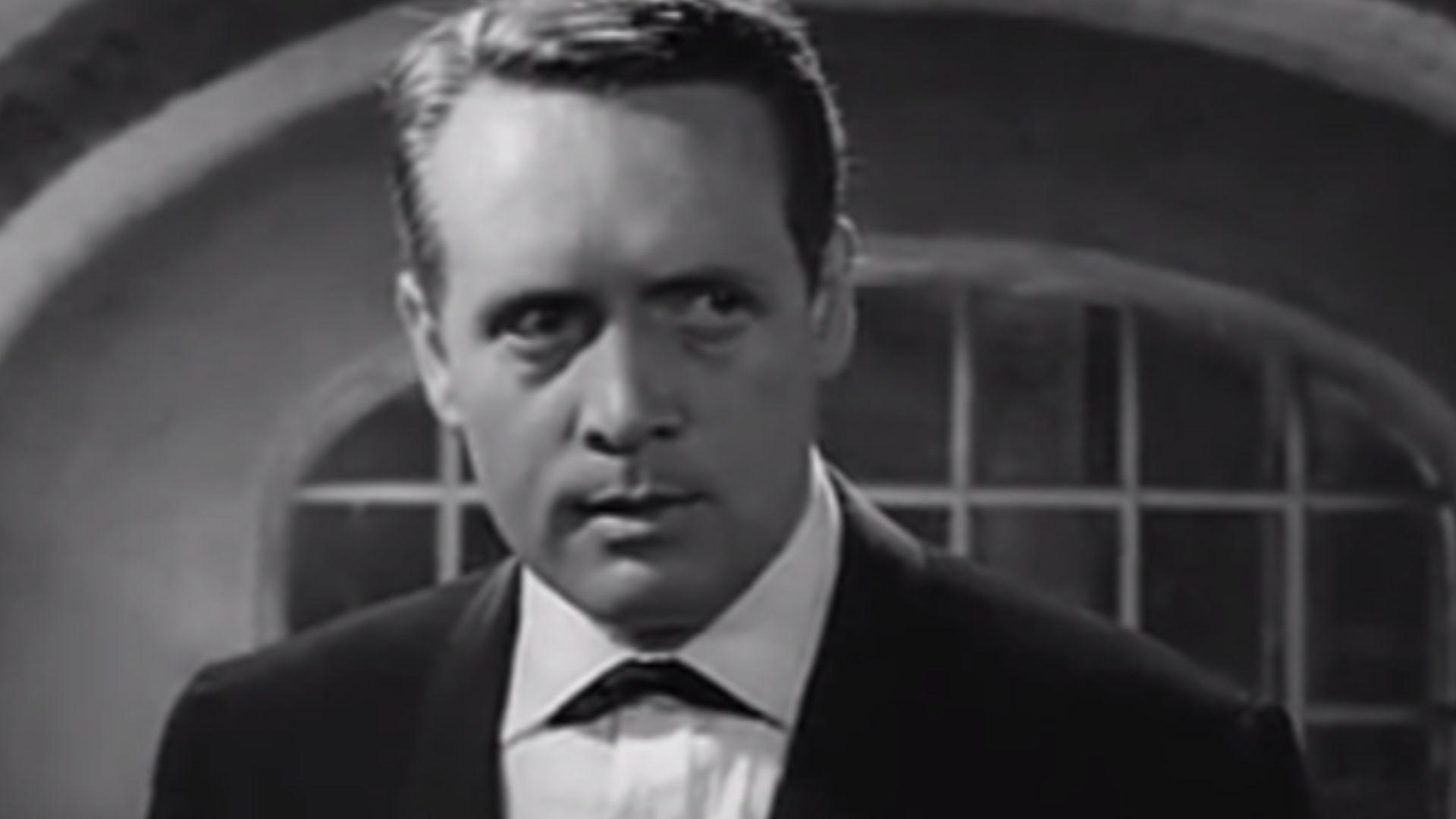 Trailer Screenshot, Wikimedia Commons
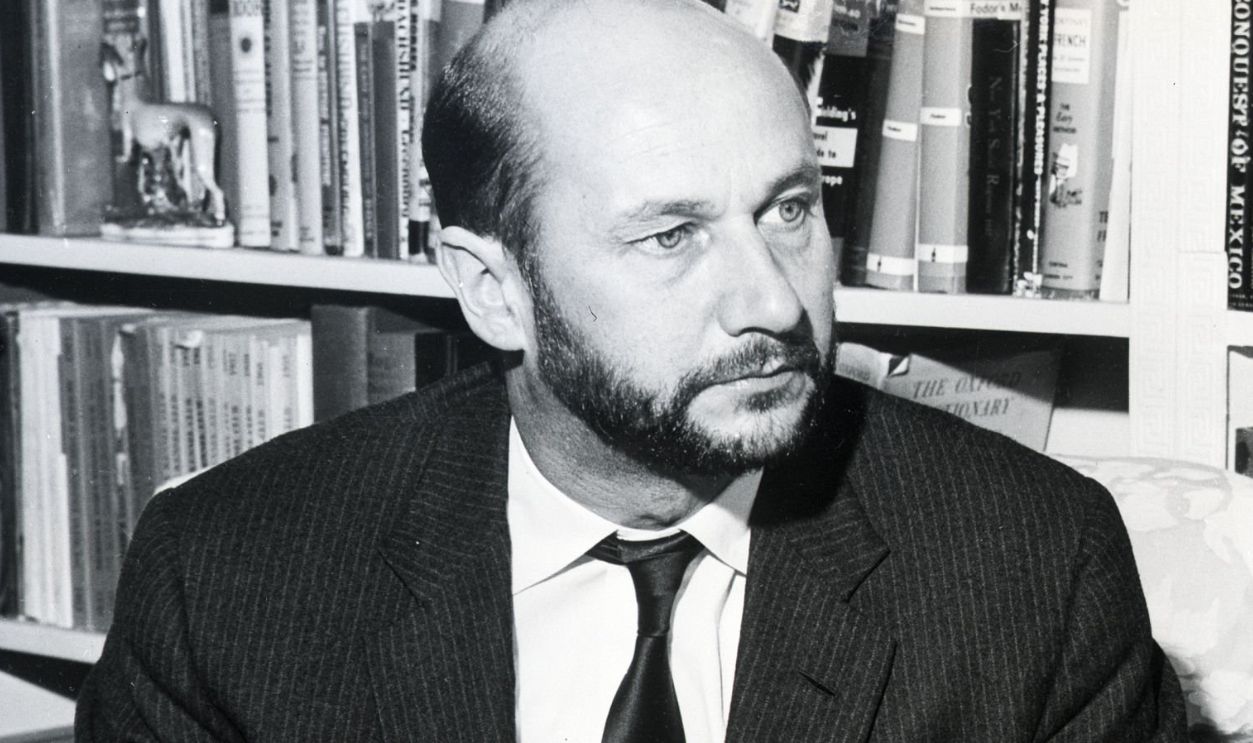
Donald Pleasence Made Wine Snobbery Sinister
Donald Pleasence’s Adrian Carsini remains one of Columbo’s most beloved killers. A devoted winemaker horrified by cheap taste and commercial thinking, Carsini murders to protect his vineyard. Pleasence makes him fussy, tragic, funny, and somehow more offended by bad wine than homicide.
George Hamilton Hypnotized His Way Into Trouble
George Hamilton played smooth psychiatrist Mark Collier in “A Deadly State of Mind.” Collier uses hypnosis, romance, and professional authority to control the people around him. Hamilton’s polished appearance was perfect for a villain whose greatest weapon was convincing everyone that he was completely trustworthy.
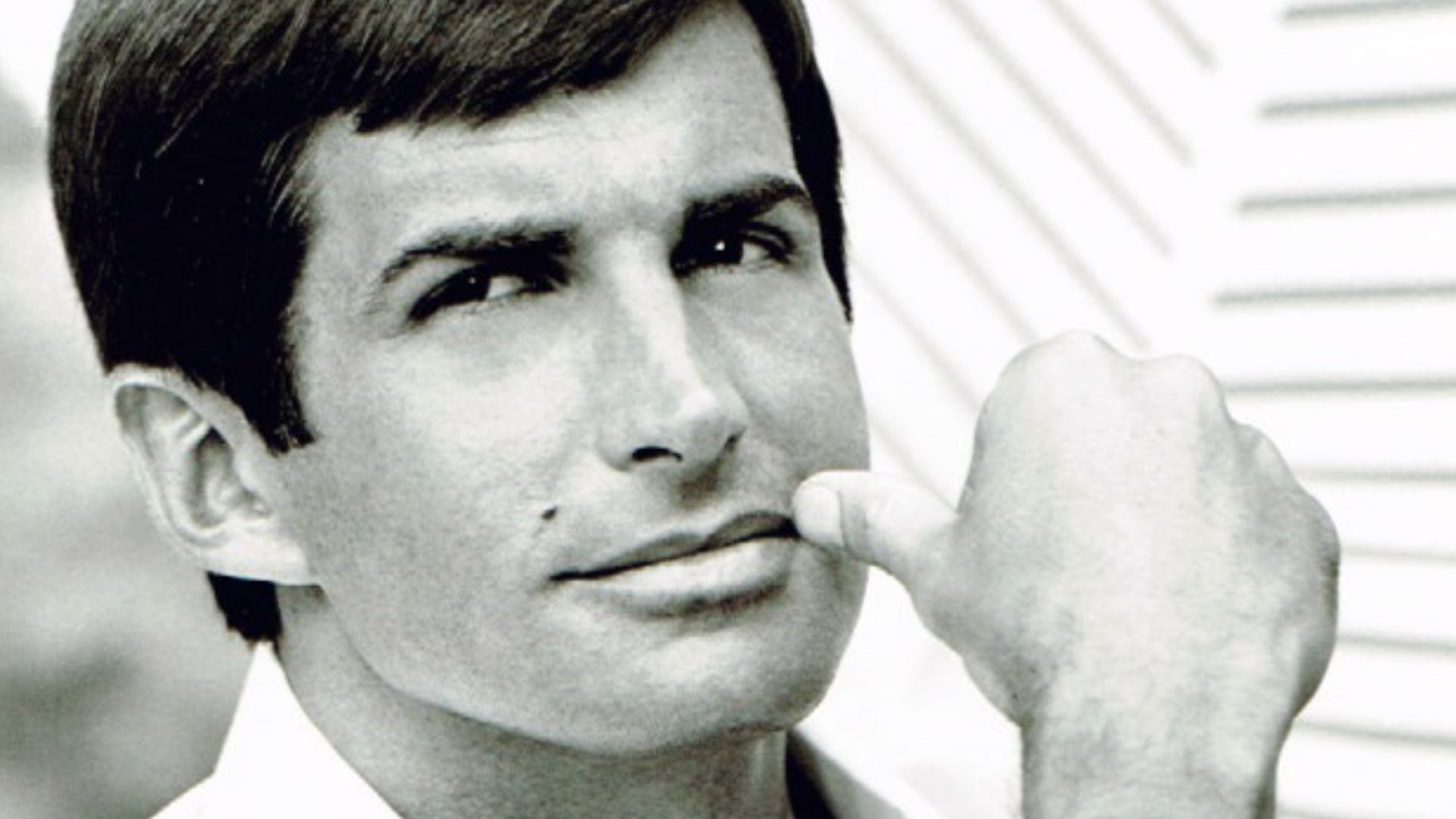 ABC Television, Wikimedia Commons
Vera Miles Ruled A Killer Cosmetics Empire
Vera Miles traded Hitchcock-era vulnerability for boardroom power as cosmetics boss Viveca Scott in “Lovely but Lethal.” When a stolen beauty formula threatens her empire, Viveca reacts with deadly force. Miles plays her with glossy confidence, sharp impatience, and absolutely no tolerance for betrayal.
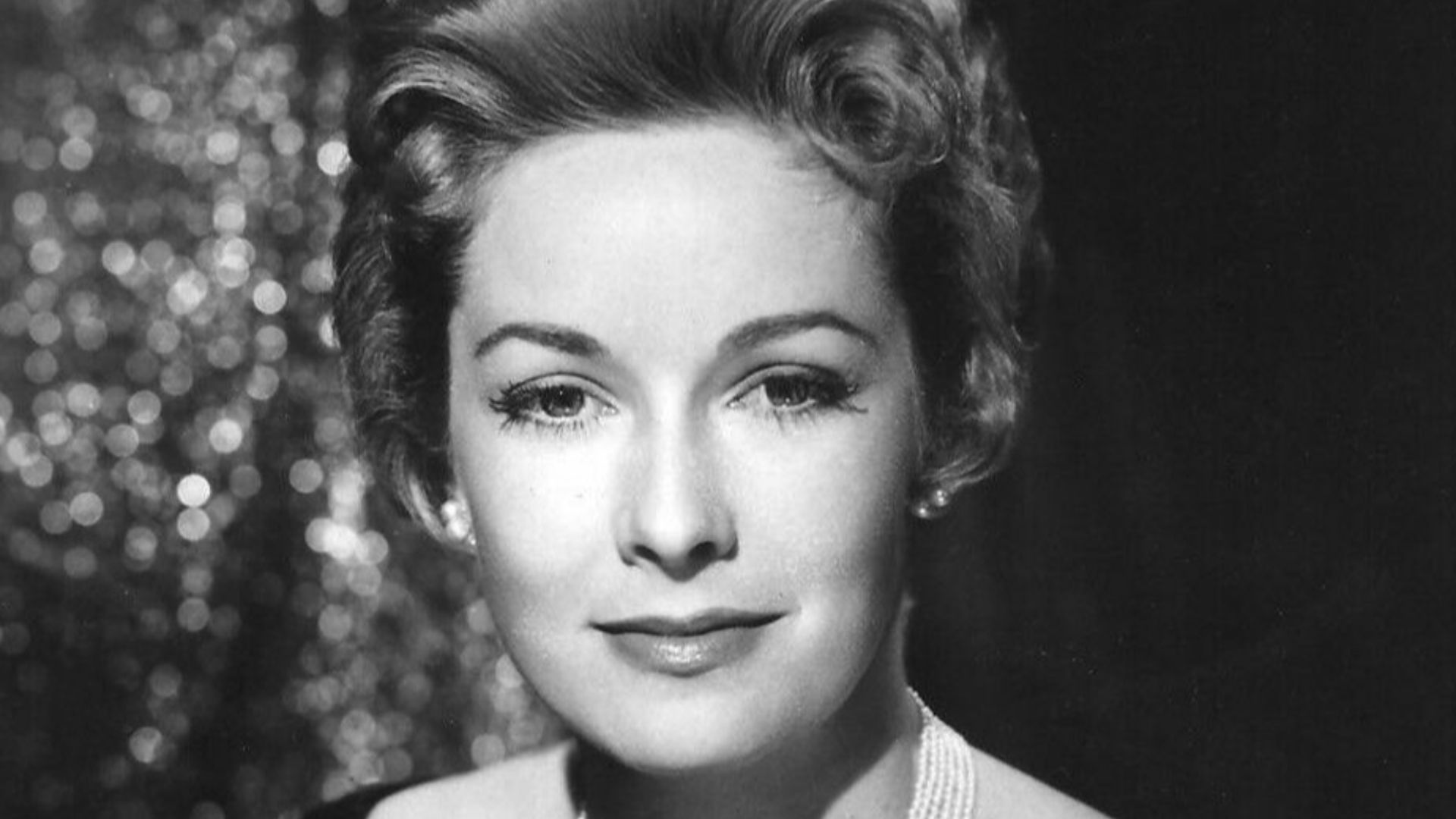 Not specified, for Foxwell Productions Ltd., Wikimedia Commons
Roddy McDowall Lit A Very Short Fuse
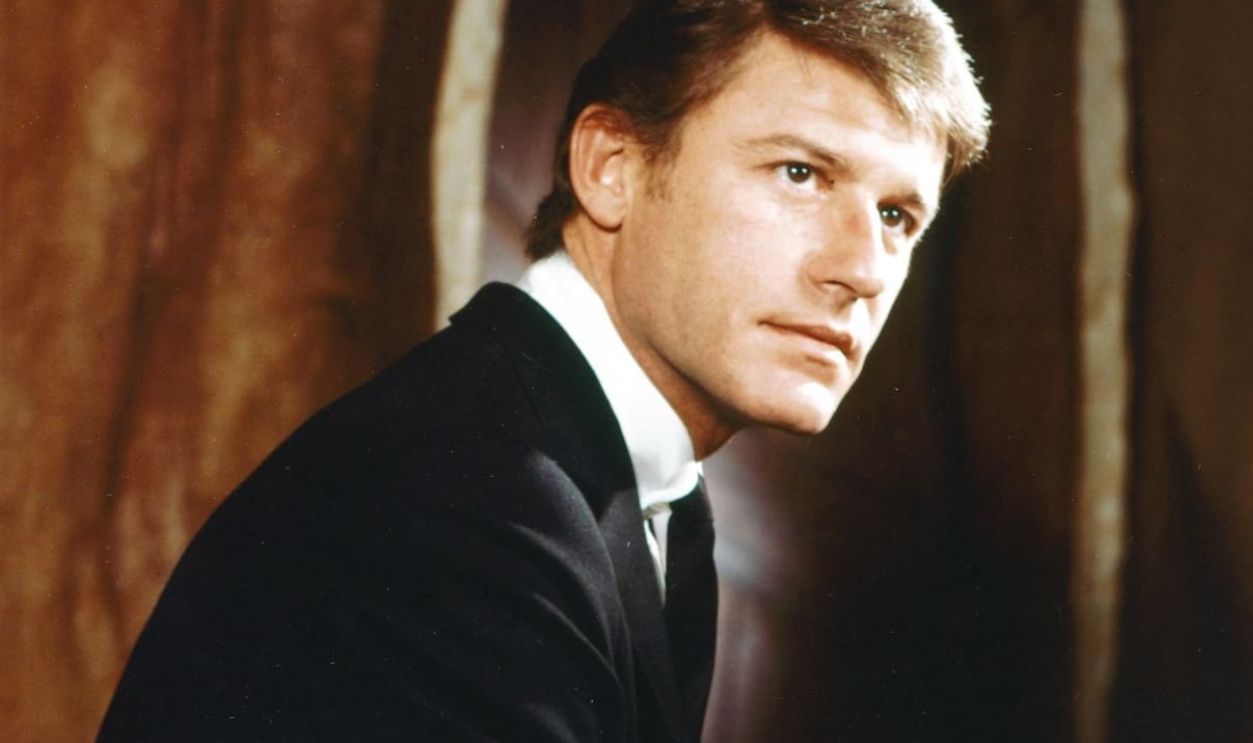
Roddy McDowall had a blast as eccentric chemist Roger Stanford in “Short Fuse.” Roger is playful, spoiled, and dangerously clever, using an exploding cigar to solve a family problem. McDowall’s restless energy keeps the character entertaining even when Columbo knows exactly whom he is chasing.
 Silver Screen Collection, Getty Images
Eddie Albert Hid Behind A Hero’s Reputation
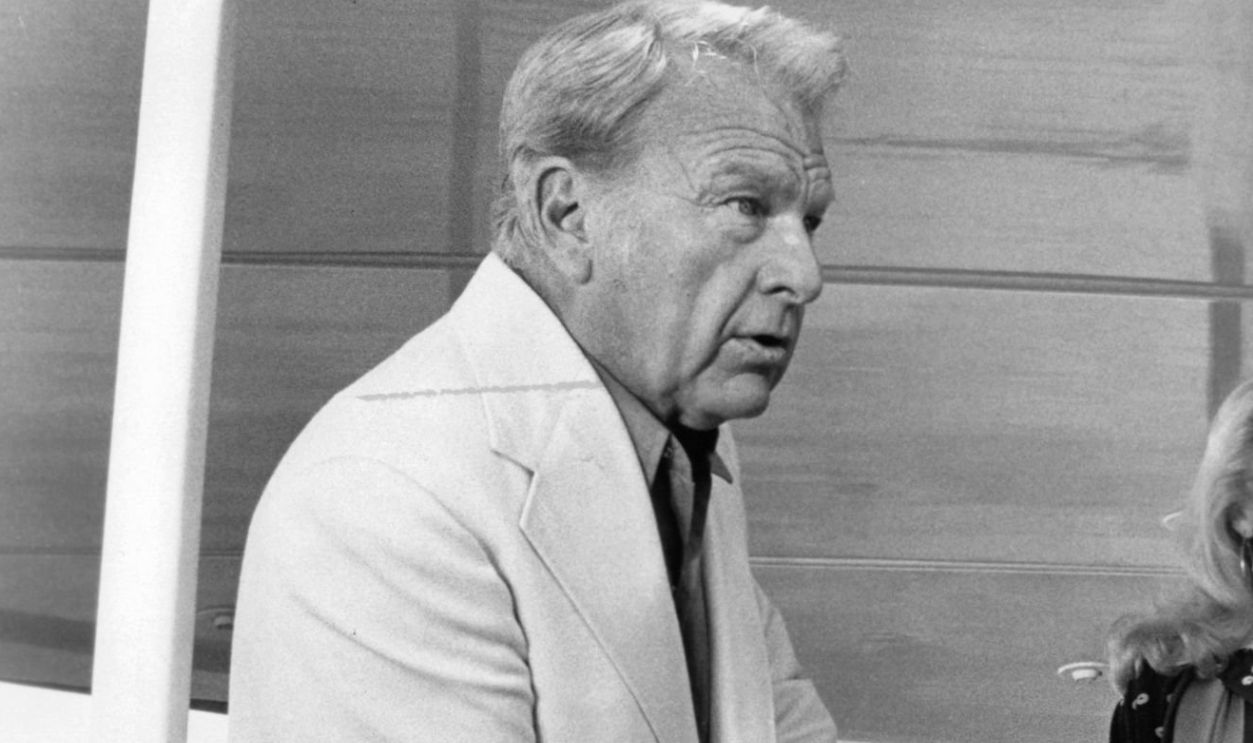
Eddie Albert played decorated General Martin Hollister in “Dead Weight,” a respected war hero who commits murder and then romances the witness. Albert’s gentle manner makes Hollister’s manipulation particularly creepy. The villain does not threaten or shout; he simply makes the truth feel impossible.
 Michael Ochs Archives, Getty Images
Andy Griffith Took A Dark Desert Detour
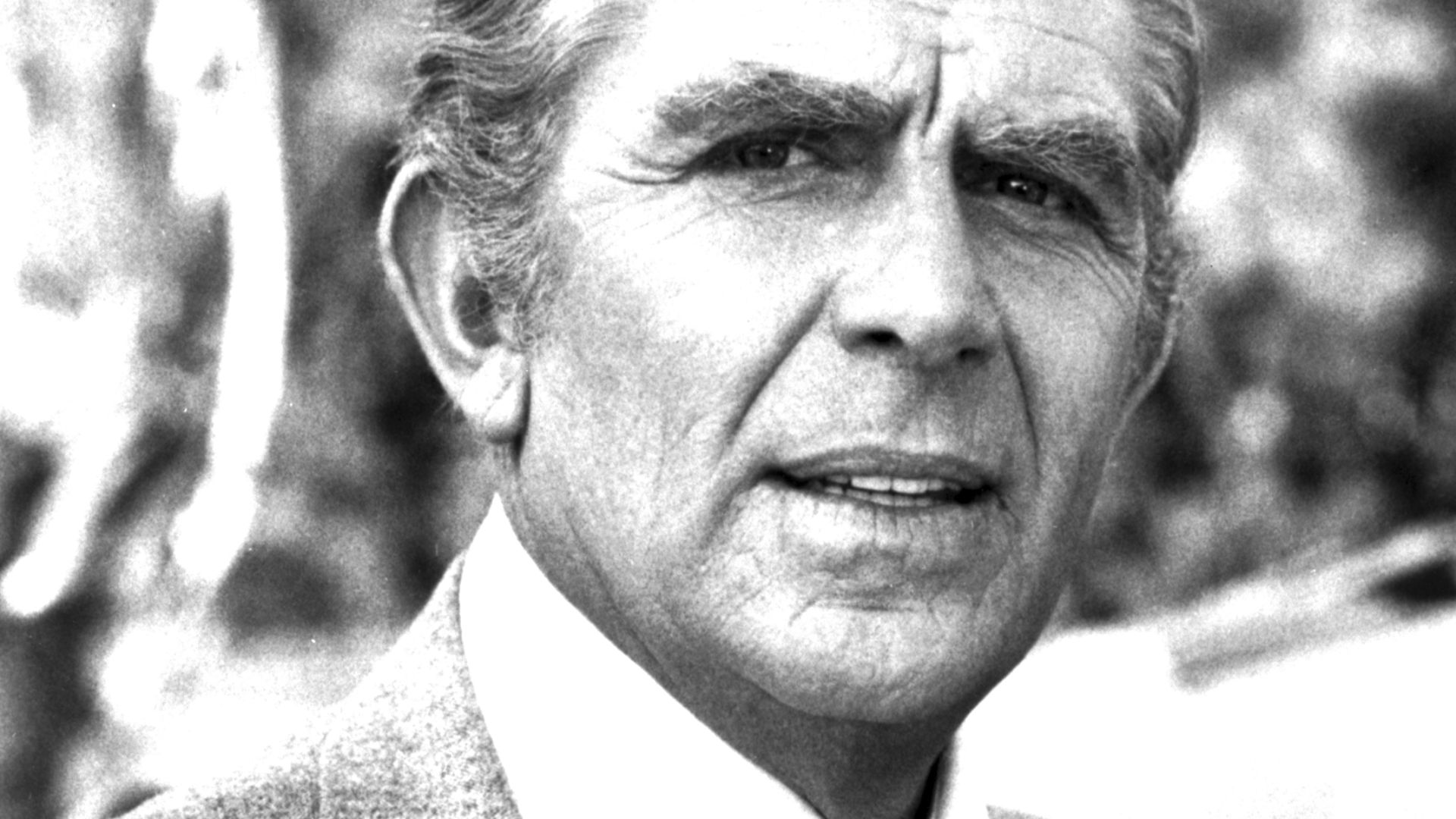
Andy Griffith shattered his Mayberry image in the 1974 television movie Pray for the Wildcats. As wealthy businessman Sam Farragut, he bullies colleagues and becomes increasingly dangerous during a motorcycle trip through Baja. The friendly sheriff smile suddenly looked like a warning sign.
 State Archives of North Carolina, Wikimedia Commons
Morgan Freeman Became A Reading Vampire
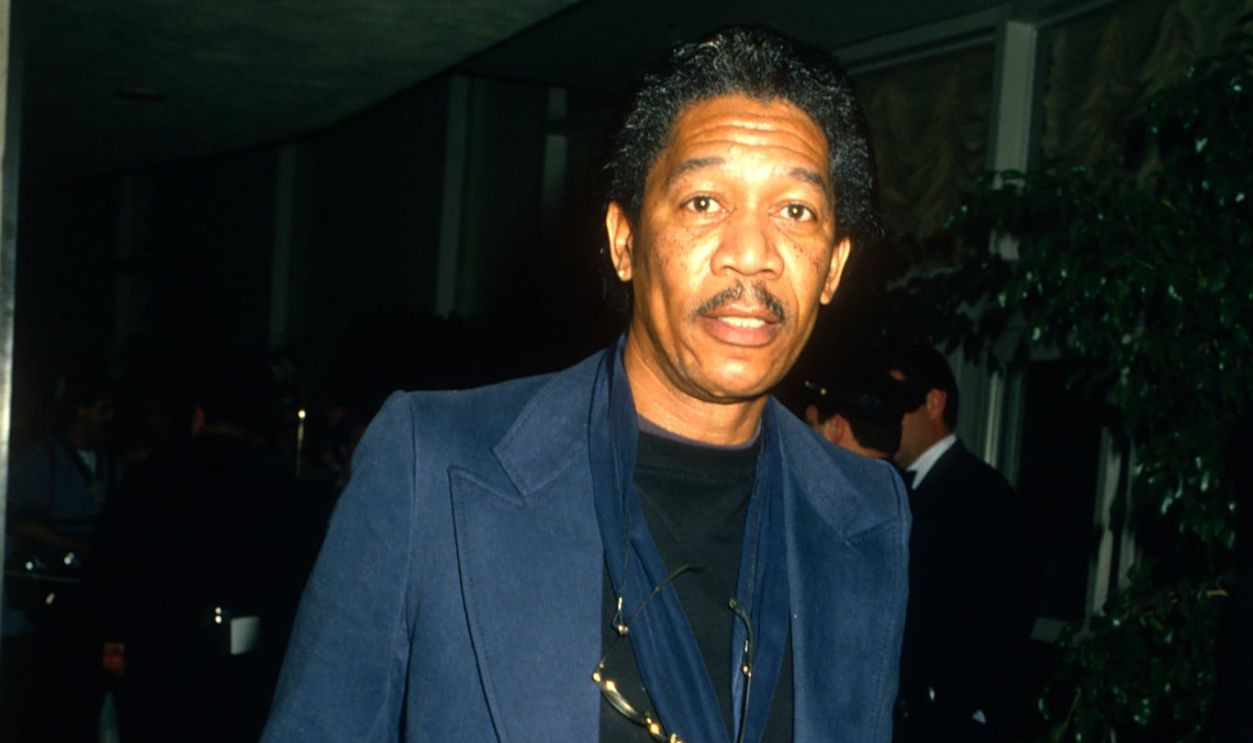
Long before prestige dramas and famous narration, Morgan Freeman played Count Dracula and other comic characters on The Electric Company. His vampire was silly rather than terrifying, but the cape, voice, and mischievous menace were unforgettable. Even educational television gave Freeman a chance to go bad.
 Ron Galella, Ltd., Getty Images
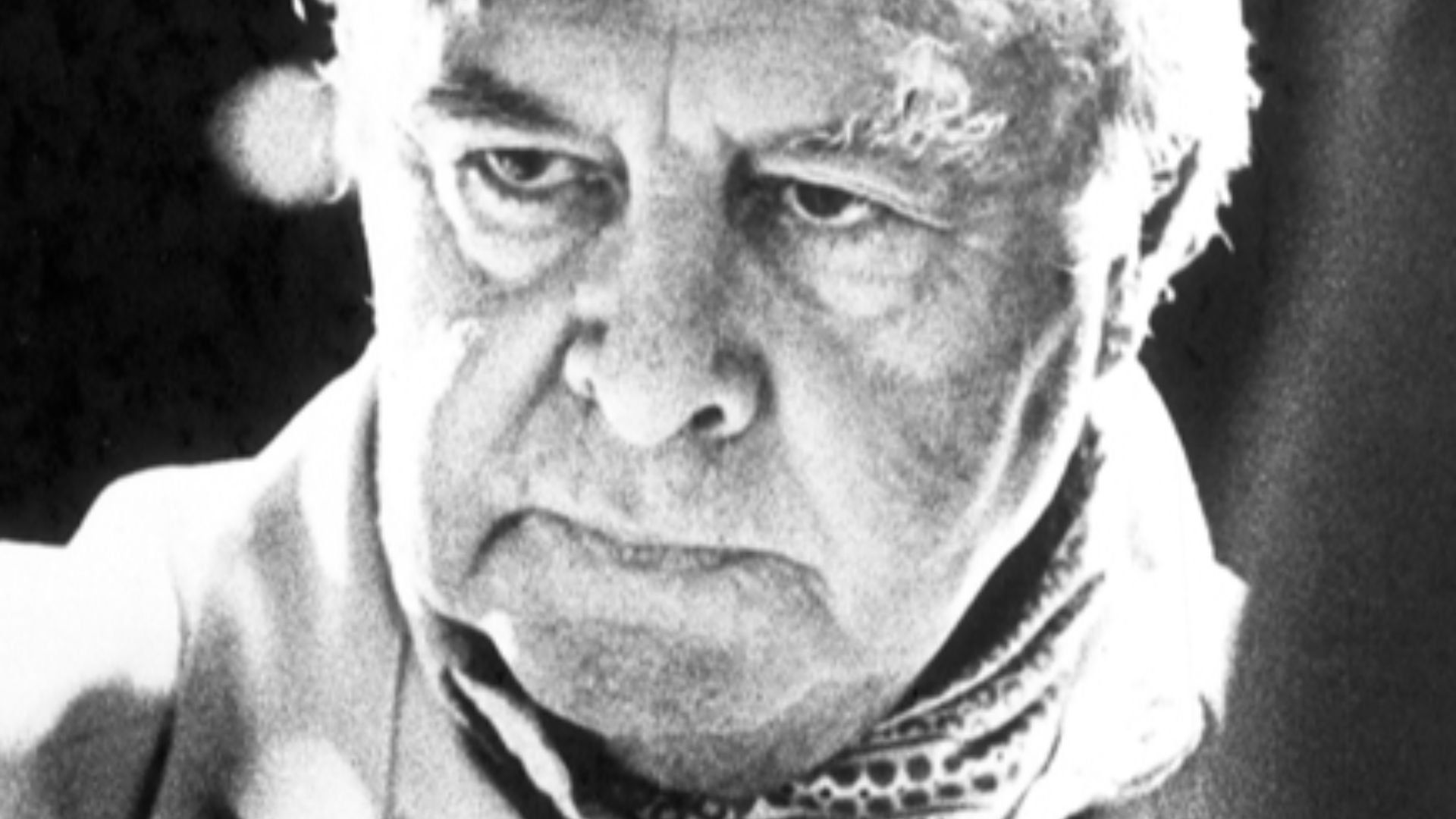
John Houseman Unleashed The Fembots
Oscar-winning John Houseman brought magnificent seriousness to Dr. Franklin, the renegade scientist behind the Fembots in “Kill Oscar.” His army of human-looking robots menaced both The Bionic Woman and The Six Million Dollar Man. Houseman treated the wild material like Shakespeare, which made it even better.
 Herbert Barrett Management, Wikimedia Commons
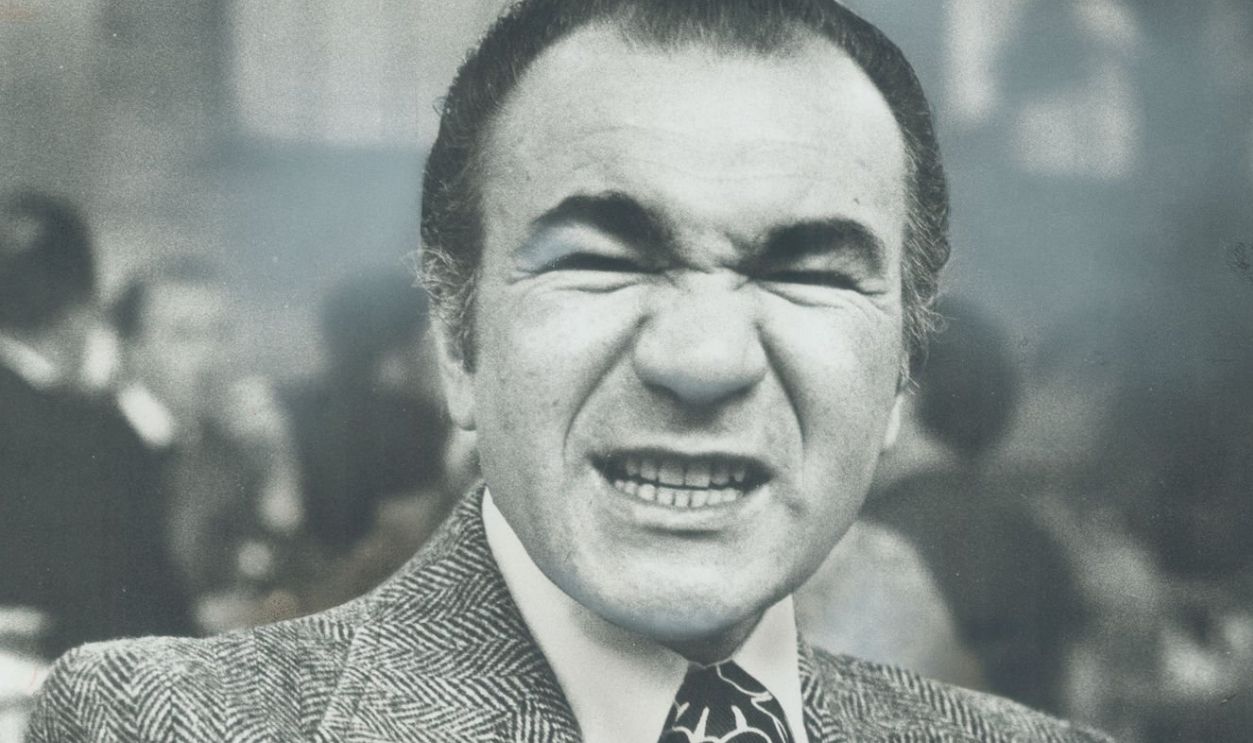
John Colicos Betrayed Humanity In Space
John Colicos gave the original Battlestar Galactica its human face of evil as Count Baltar. He sold out humanity, served the Cylons, and delivered every speech with theatrical delight. Colicos understood that space-opera villainy required a cape-sized personality, even when no cape was available.
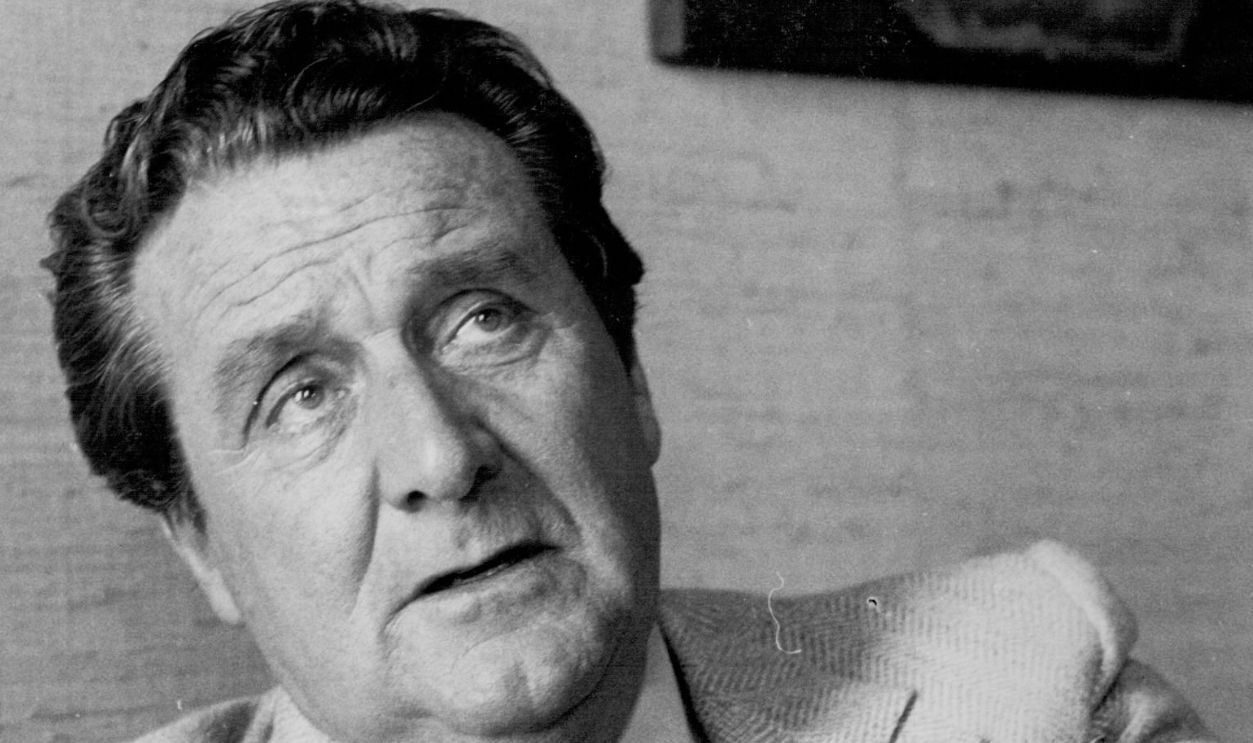
Patrick Macnee Became A Cosmic Tempter
Best known as the charming John Steed, Patrick Macnee turned mysterious as Count Iblis in Battlestar Galactica’s “War of the Gods.” Iblis offered miracles, influence, and suspiciously easy answers. Macnee’s civilized manners made the character feel more dangerous than another squad of metal Cylons.
 Fairfax Media Archives, Getty Images
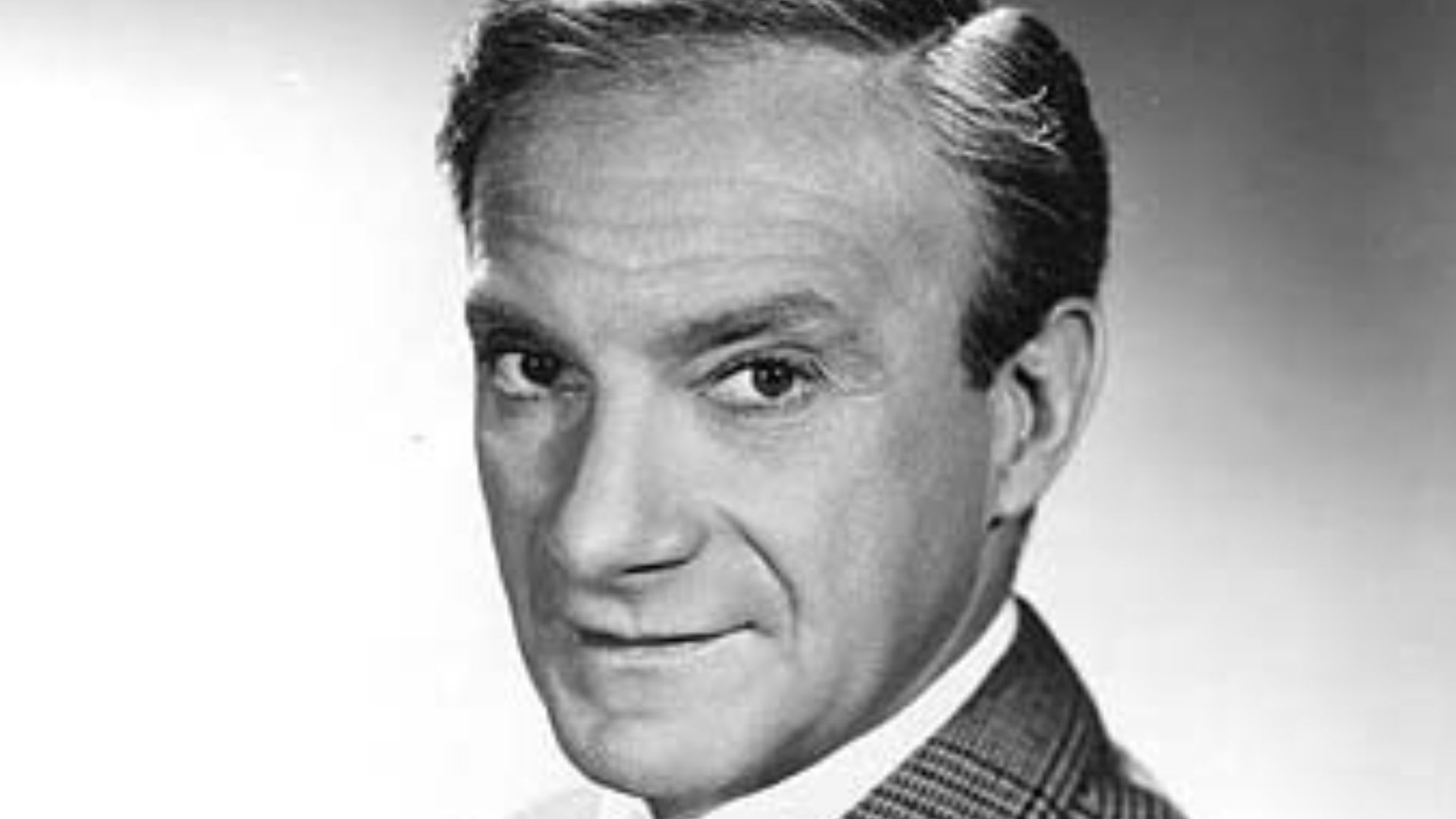
Jonathan Harris Gave A Robot An Ego
Jonathan Harris, forever remembered as Dr. Smith on Lost in Space, voiced the Cylon robot Lucifer on Battlestar Galactica. Lucifer was vain, sarcastic, and frequently unimpressed with Baltar. Harris transformed a metal henchman into a scene-stealing personality with nothing more than his unmistakable voice.
 CBS Television., Wikimedia Commons
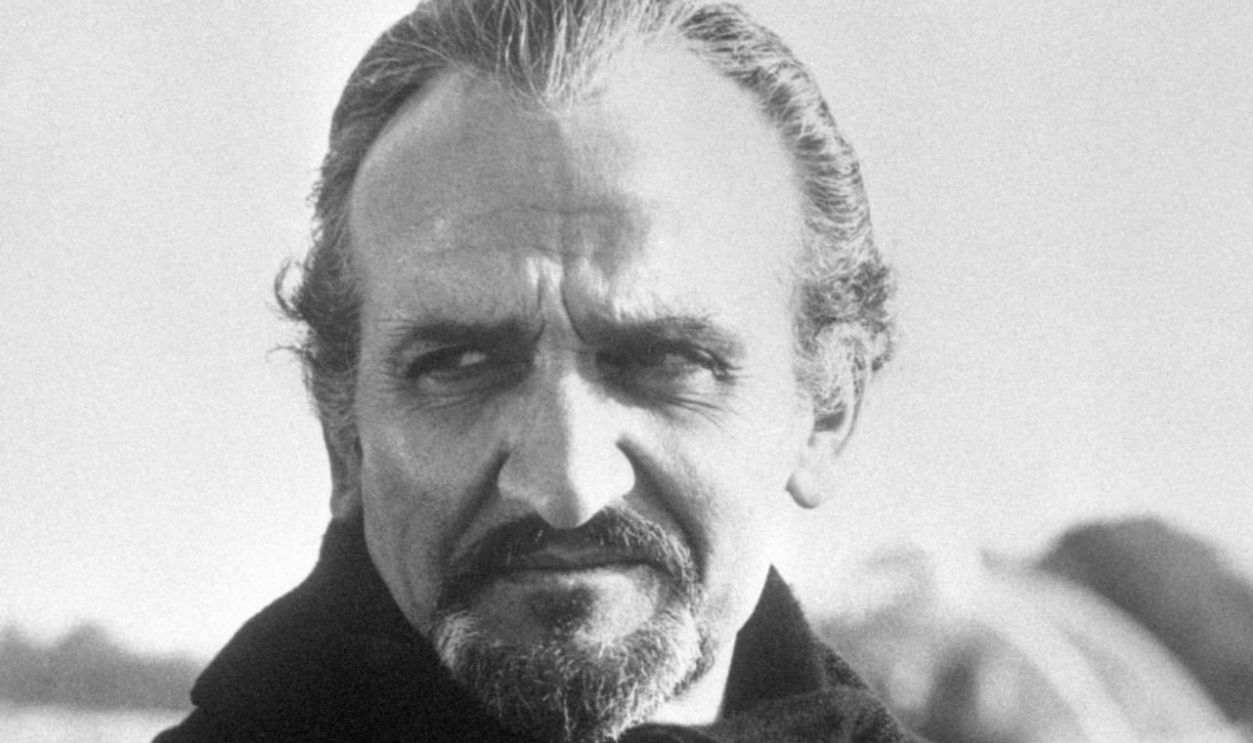
Roger Delgado Defined The Master
Roger Delgado introduced Doctor Who viewers to the Master in 1971. Elegant, hypnotic, and endlessly confident, he was the Doctor’s dark mirror rather than a simple monster. Delgado made world domination look like a gentleman’s hobby, establishing a villain the series would keep reinventing for decades.
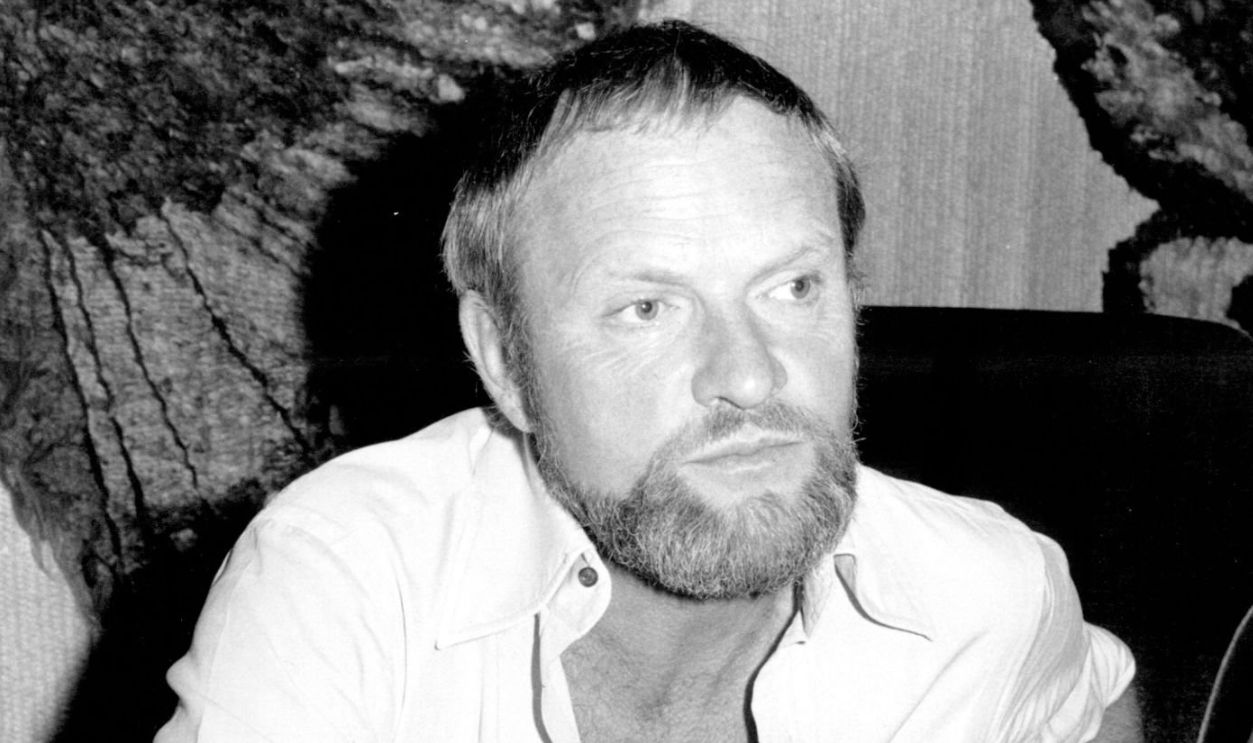
Julian Glover Hid Behind A Parisian Count
In the 1979 Doctor Who classic “City of Death,” Julian Glover played charming Count Scarlioni, secretly the alien Scaroth. He planned to manipulate history while financing his scheme with multiple Mona Lisas. Glover made the absurd plot feel stylish, dangerous, and perfectly at home in Paris.
 Fairfax Media Archives, Getty Images
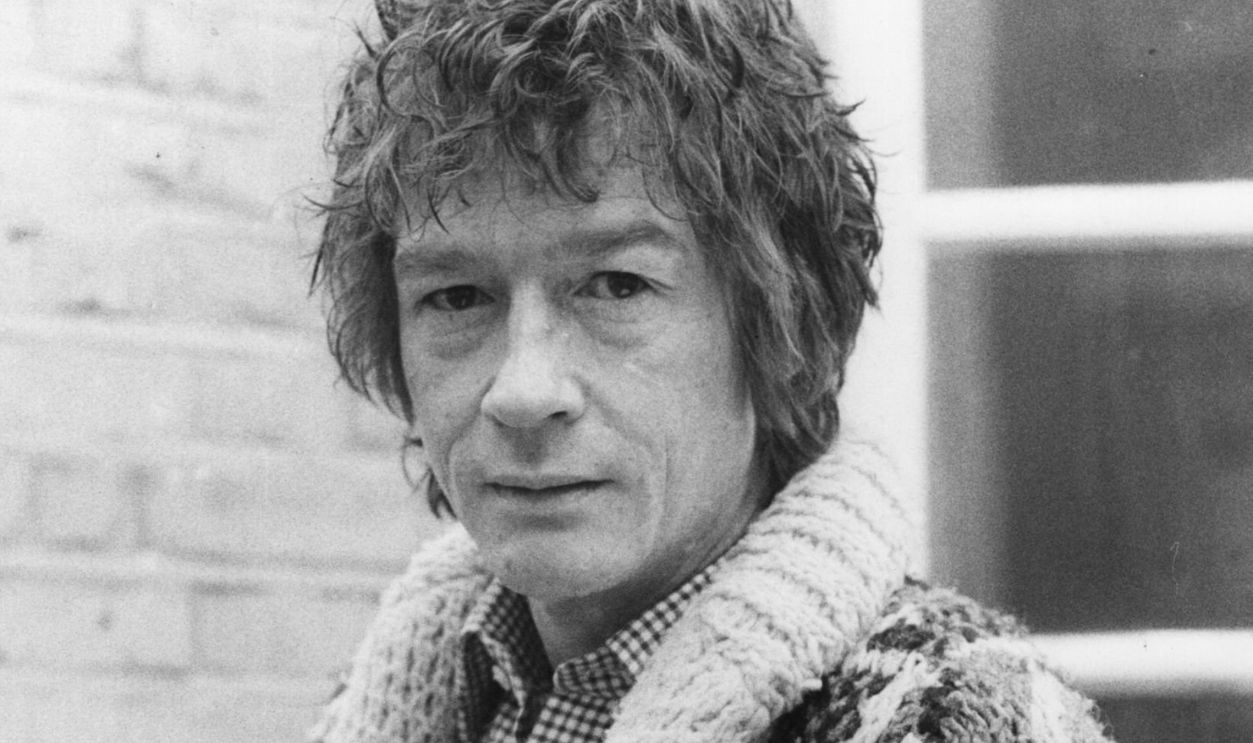
John Hurt Turned Caligula Into A Nightmare
John Hurt’s Caligula in I, Claudius was childish, funny, terrifying, and completely unpredictable. One moment he demanded worship; the next he threatened everyone in the room. Hurt avoided a simple madman performance, showing how fear spreads when absolute power belongs to someone without limits.
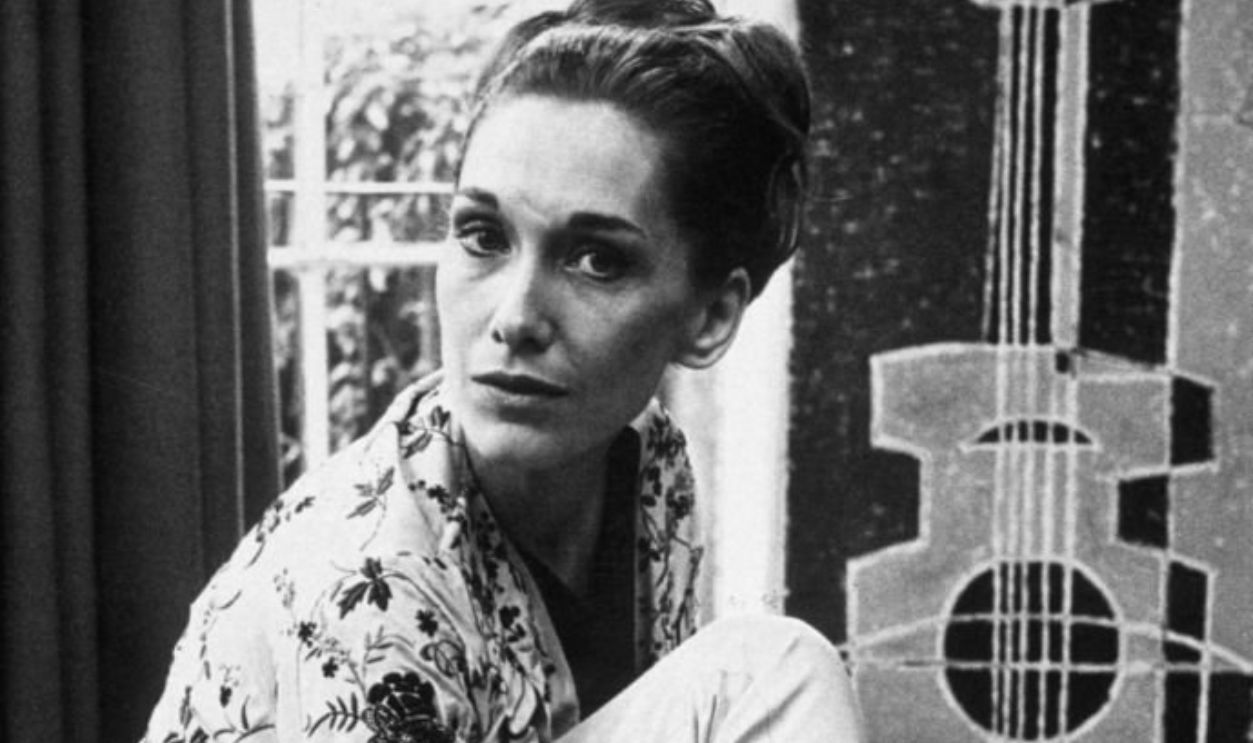
Siân Phillips Ruled Rome With A Whisper
Siân Phillips dominated I, Claudius as Livia, the calculating wife of Augustus. She used poison, marriage, gossip, and patience to shape the imperial succession. Phillips rarely needed to raise her voice; one cool glance was enough to suggest that another relative might not survive dinner.
The Villains Who Stole The Decade
The best 1970s television villains did more than create trouble. They allowed familiar actors to twist their public images, surprise loyal fans, and enjoy every wicked line. Heroes may have won before the credits, but these elegant killers, mad scientists, and imperial schemers were the ones viewers remembered.
 Unknown authorUnknown author, Wikimedia Commons
You May Also Like:
Gloria Grahame Had Old Hollywood's Most Brutal Downfall
Andy Griffith: The Hidden Darkness Behind the Sheriff’s Badge