The Black Dahlia: A Haunting Hollywood Mystery
On January 15, 1947, a mother walking through a quiet Los Angeles neighborhood noticed what looked like a discarded mannequin beside the road. What she actually discovered would trigger one of the largest murder investigations in the city’s history and create a mystery that remains unsolved.
A Morning Walk Turned Into A Nightmare
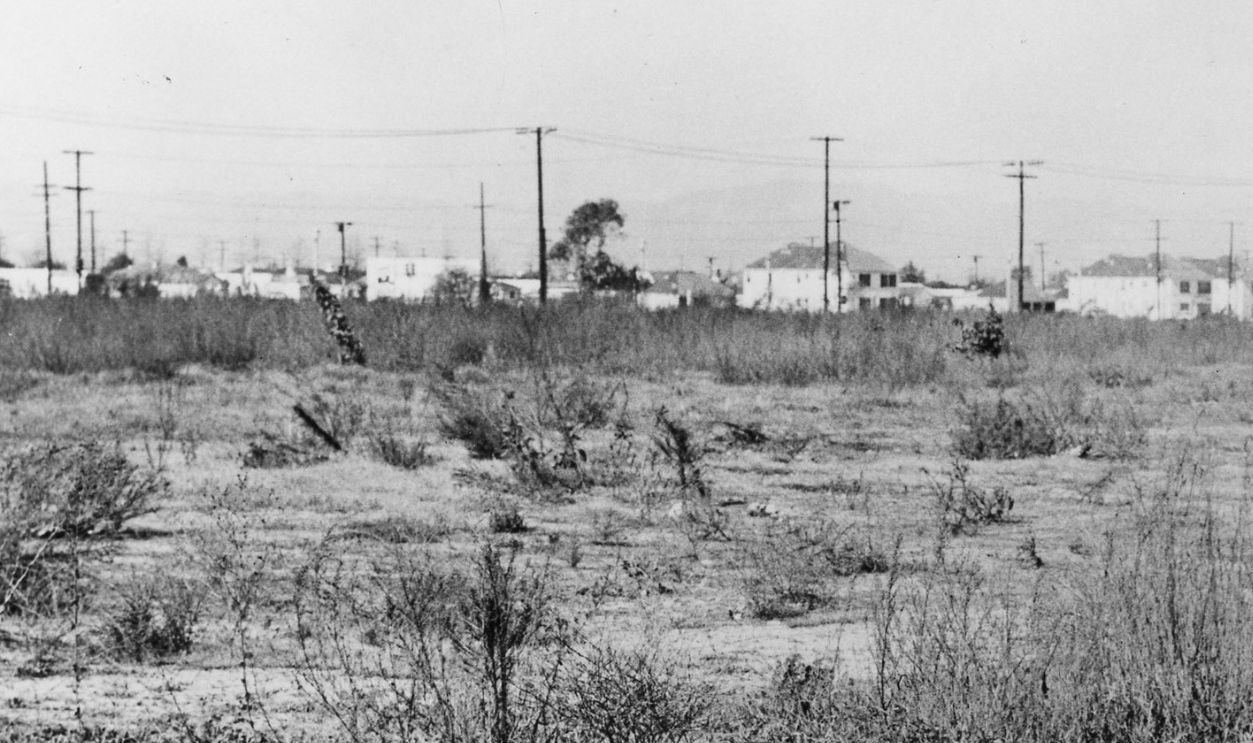
Betty Bersinger was walking with her three-year-old daughter, Anne, through the developing Leimert Park neighborhood. As they passed a vacant lot near 39th Street and South Norton Avenue, Bersinger noticed a pale figure lying among the weeds several feet from the sidewalk.
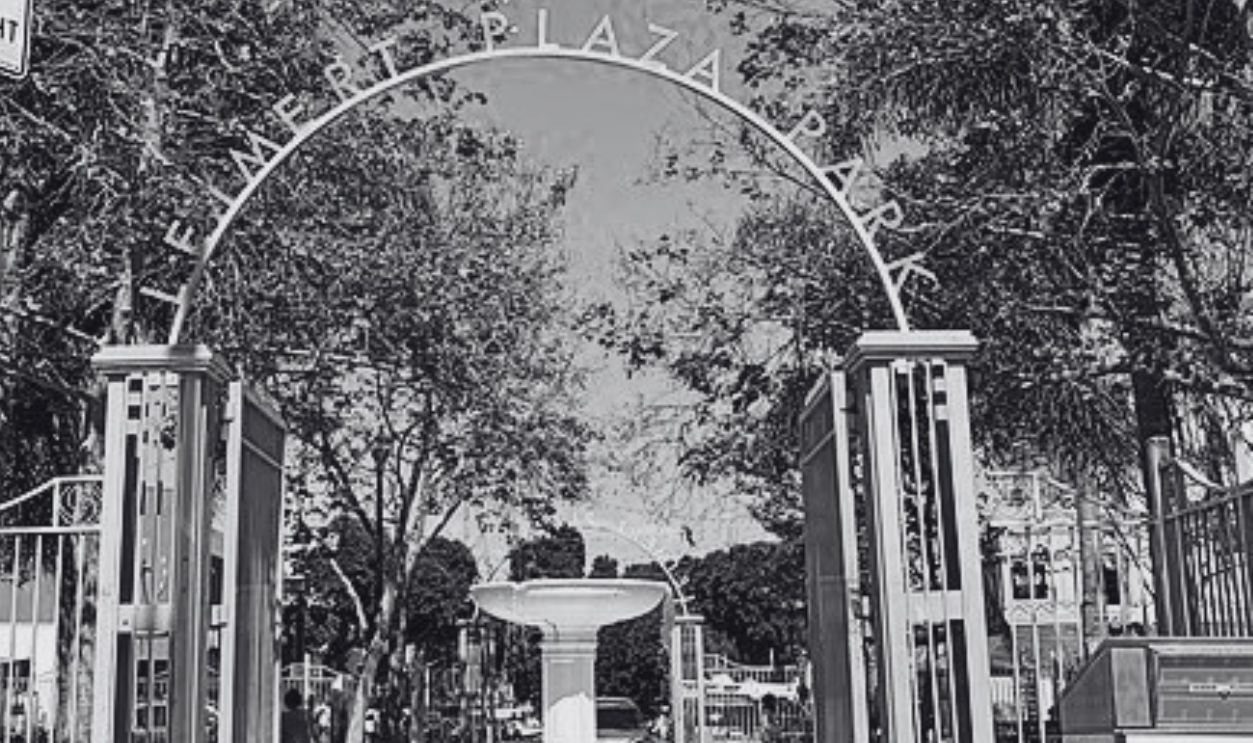 Jengod, CC BY-SA 4.0, Wikimedia Commons
She Thought It Was A Mannequin
From a distance, the figure appeared unnaturally white and strangely positioned. Bersinger initially believed someone had abandoned a store mannequin in the lot. As she moved closer, however, she realized she was looking at the body of a young woman.
The scene was utterly disturbing.
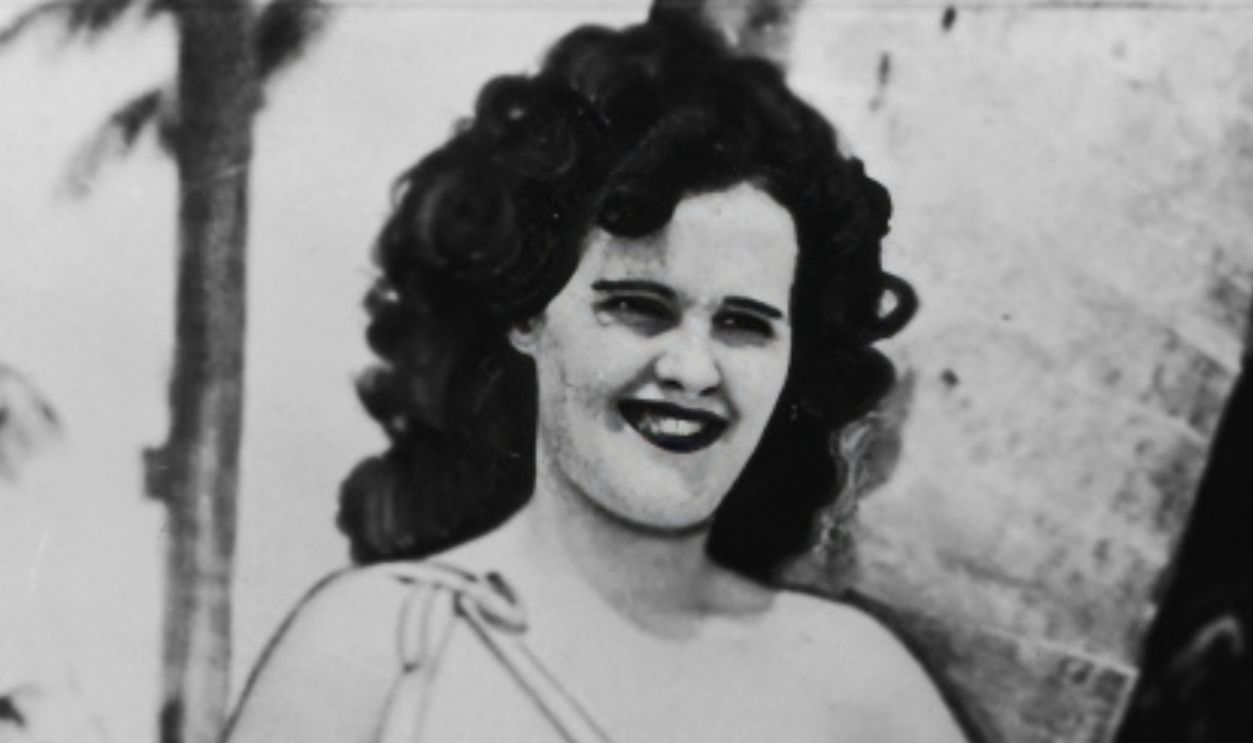 Archive Photos, Getty Images, Enhanced
The Scene Looked Deliberately Arranged
The woman’s unclothed body had been severed completely at the waist, and her remains were positioned in a way that appeared deliberately arranged. It did not look like someone had hurriedly discarded her. It looked staged.
It gets worse.
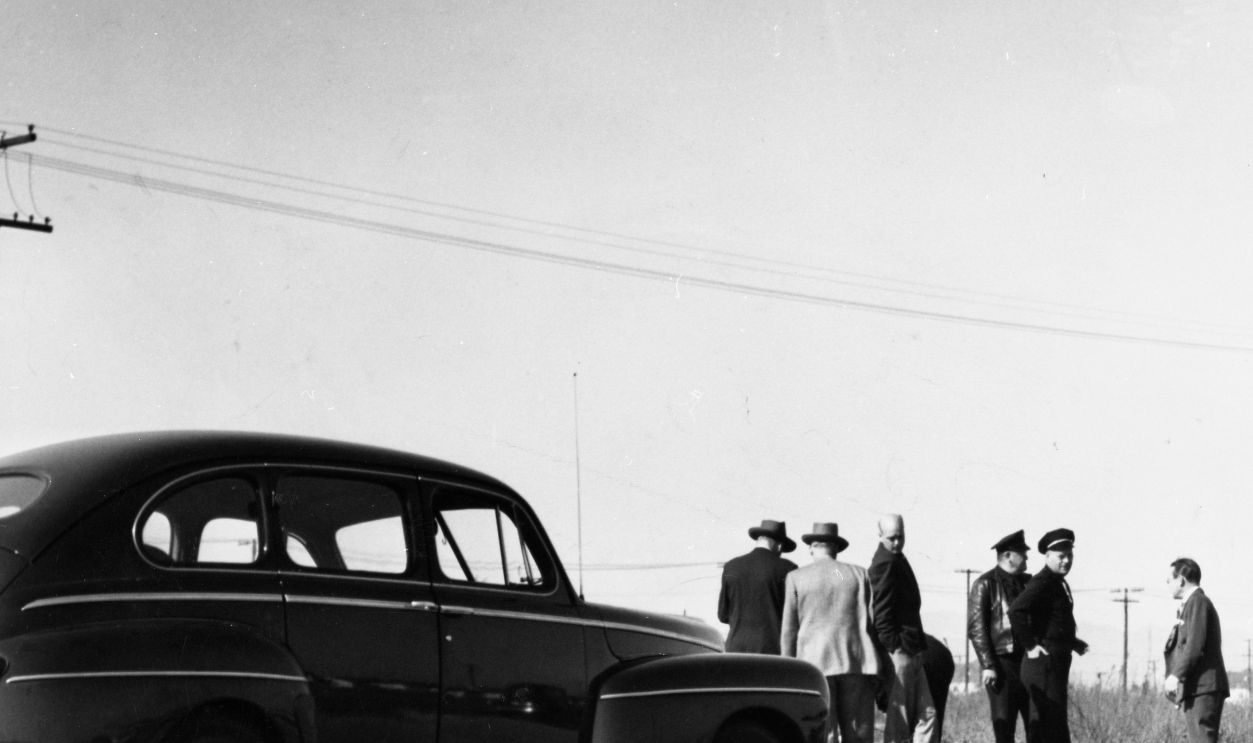 Los Angeles Times, Getty Images
The Killer Had Altered Her Face
Deep cuts on the woman’s face created a horrifying expression that would become one of the case’s most recognizable details. Additional injuries covered her body, suggesting that whoever was responsible had spent considerable time committing these gruesome acts.
But there was something very important missing from the scene.
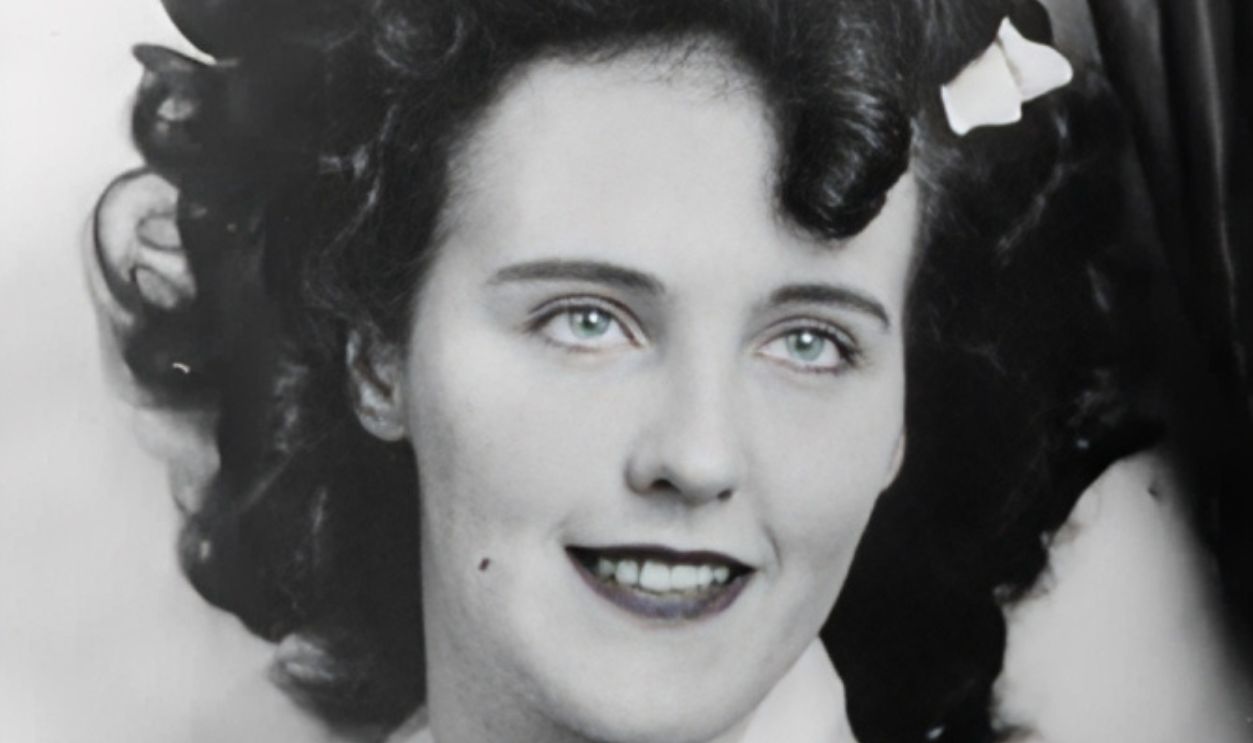 Los Angeles Police Department, Wikimedia Commons, Enhanced
Something Crucial Was Missing
Despite the severity of the woman’s injuries, investigators found virtually no blood in the vacant lot. Her body appeared to have been washed before being transported there. Detectives immediately realized they were not standing at the scene of the crime. They were standing where the killer wanted her discovered.
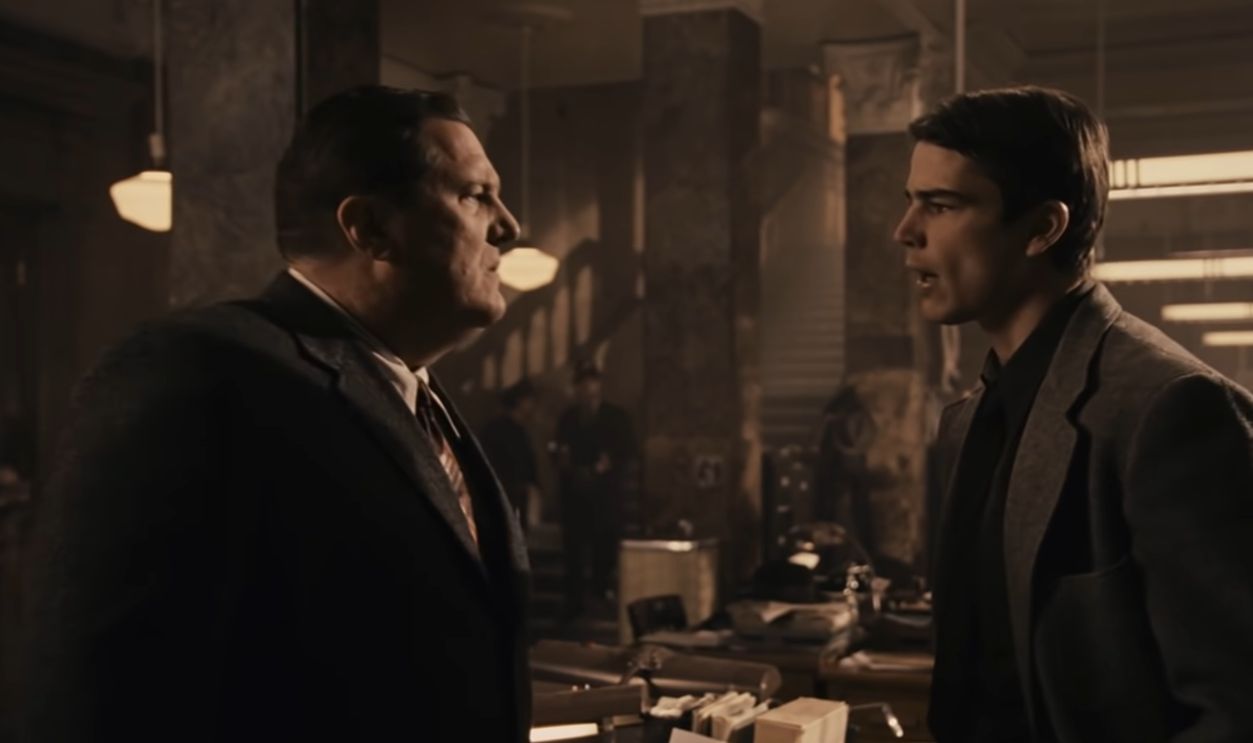 Screenshot from The Black Dahlia, Universal Pictures (2006)
The Location Had Been Carefully Chosen
The vacant lot was visible enough that someone would eventually notice the body, but isolated enough for a vehicle to stop before daylight. The positioning suggested the killer did not want the victim to disappear. Whoever left her there apparently wanted Los Angeles to see what had been done.
And a public location offered something else too...protection.
 Los Angeles Times, Getty Images
Reporters Quickly Surrounded The Body
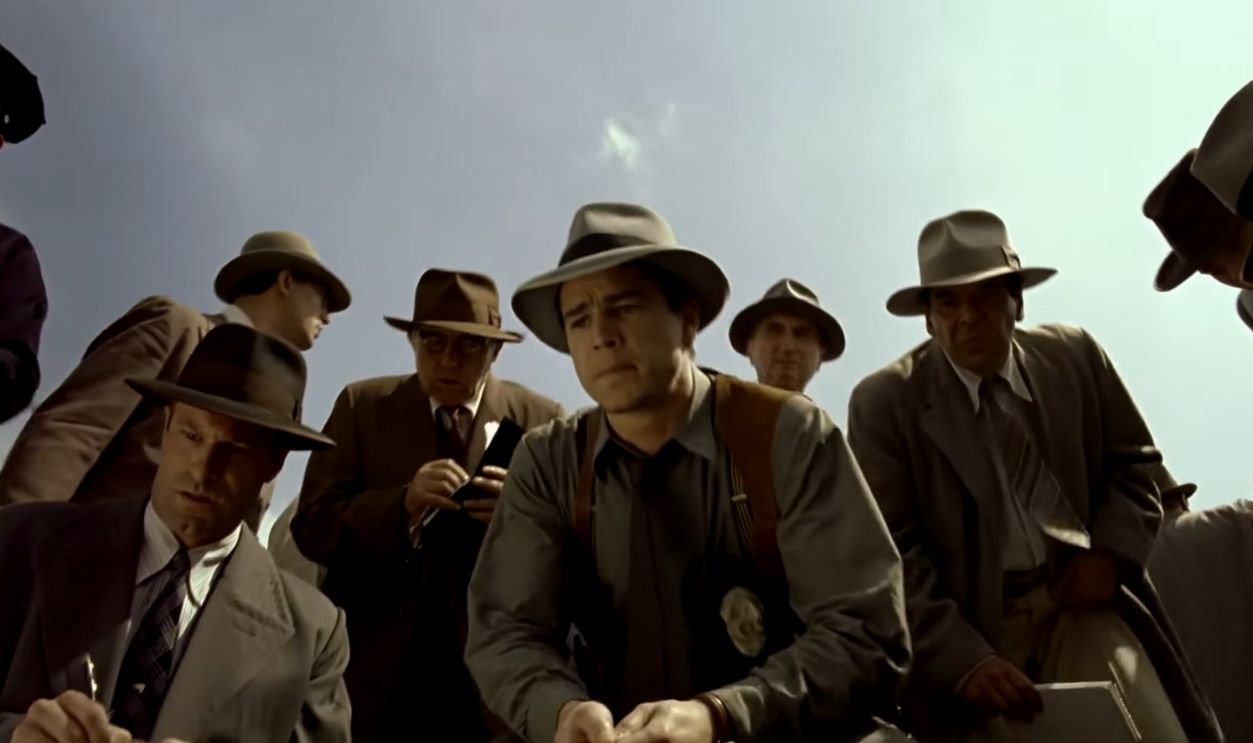
Newspaper photographers and reporters arrived before police had fully secured the area. They walked close to the remains, photographed evidence, and competed for information. Conveniently for the killer, whatever tire marks, footprints, or small clues had existed were soon surrounded by dozens of people.
 Screenshot from The Black Dahlia, Universal Pictures (2006)
Nobody Knew Her Name
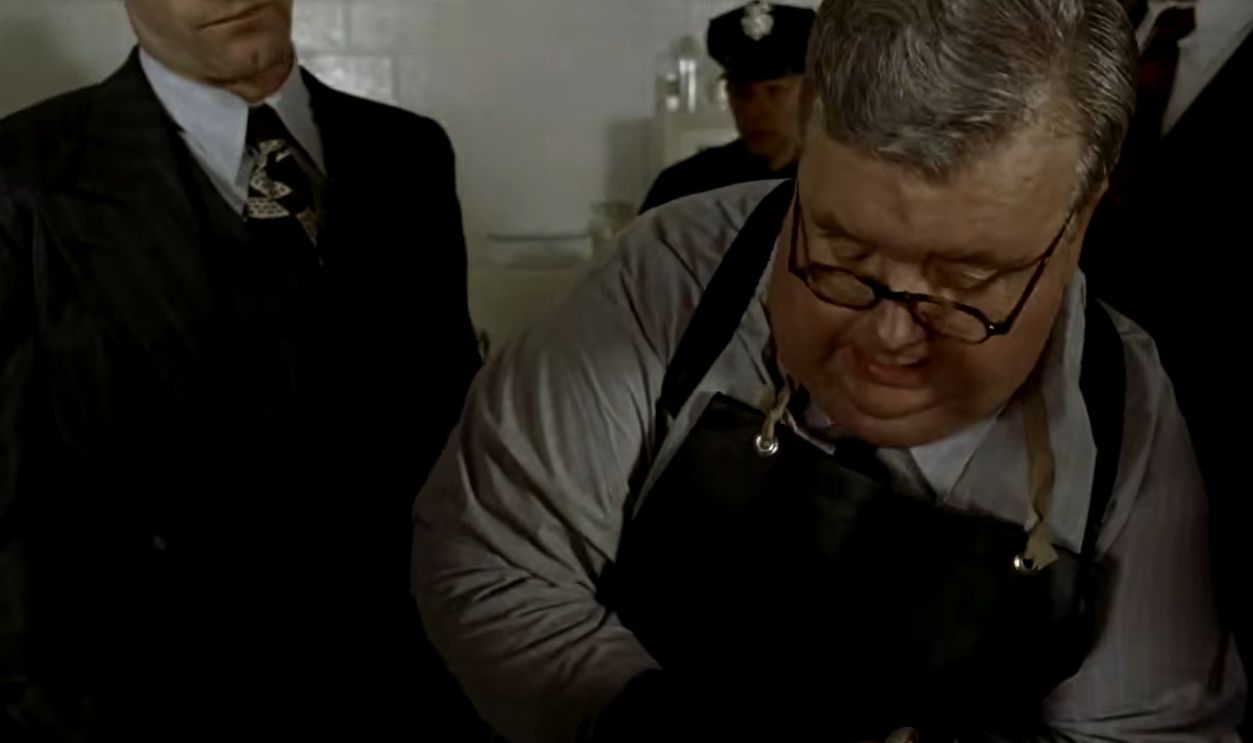
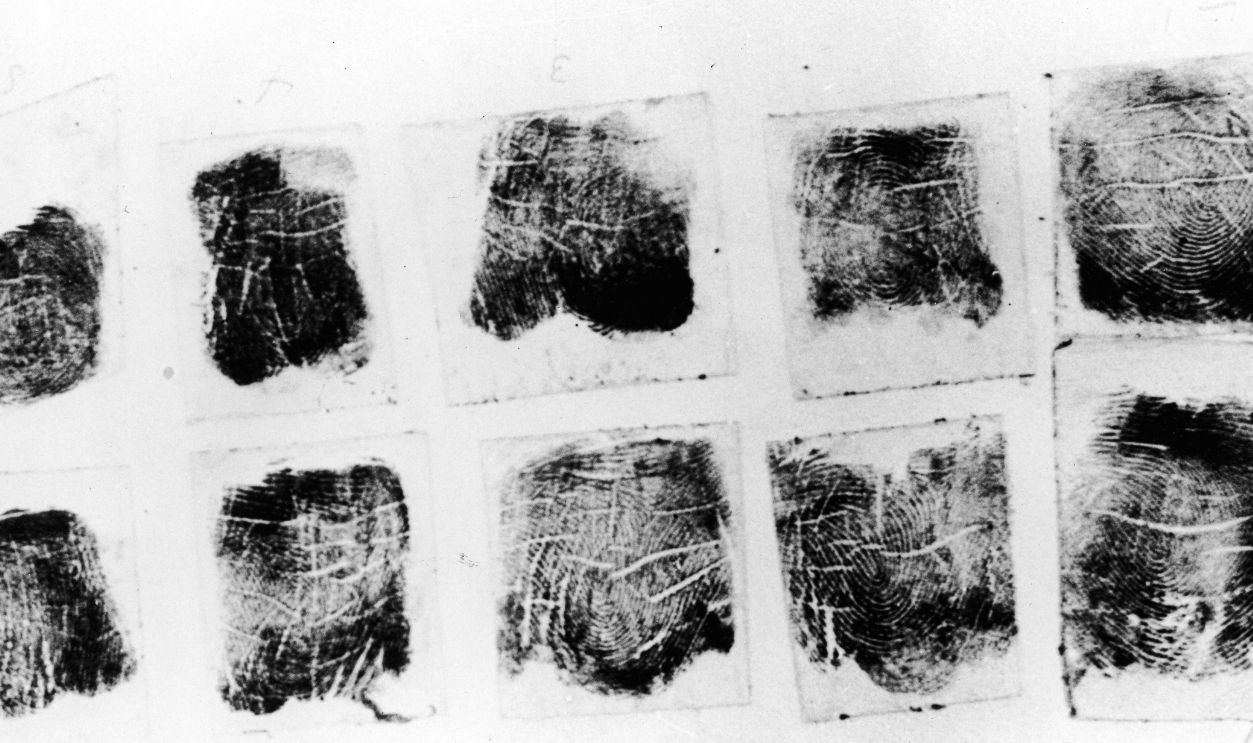
The coroner initially recorded the victim as Jane Doe No. 1 for 1947. Her face was too badly injured for police to publish an ordinary identification photograph, but investigators obtained usable fingerprints. Those prints would produce an answer with remarkable speed.
 Screenshot from The Black Dahlia, Universal Pictures (2006)
A Primitive Fax Machine Helped Identify Her
The fingerprints were transmitted to the FBI in Washington using Soundphoto, an early wire-photo system operated by newspapers. The FBI identified the victim only 56 minutes after receiving the blurred images. Her fingerprints had already appeared twice in its enormous collection.
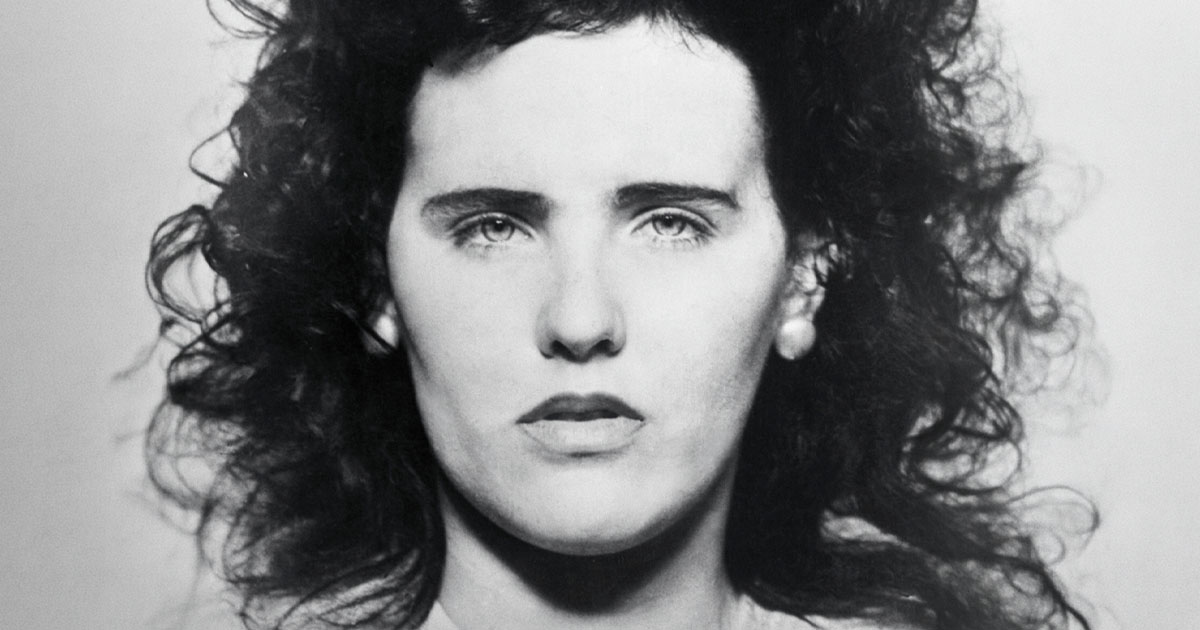
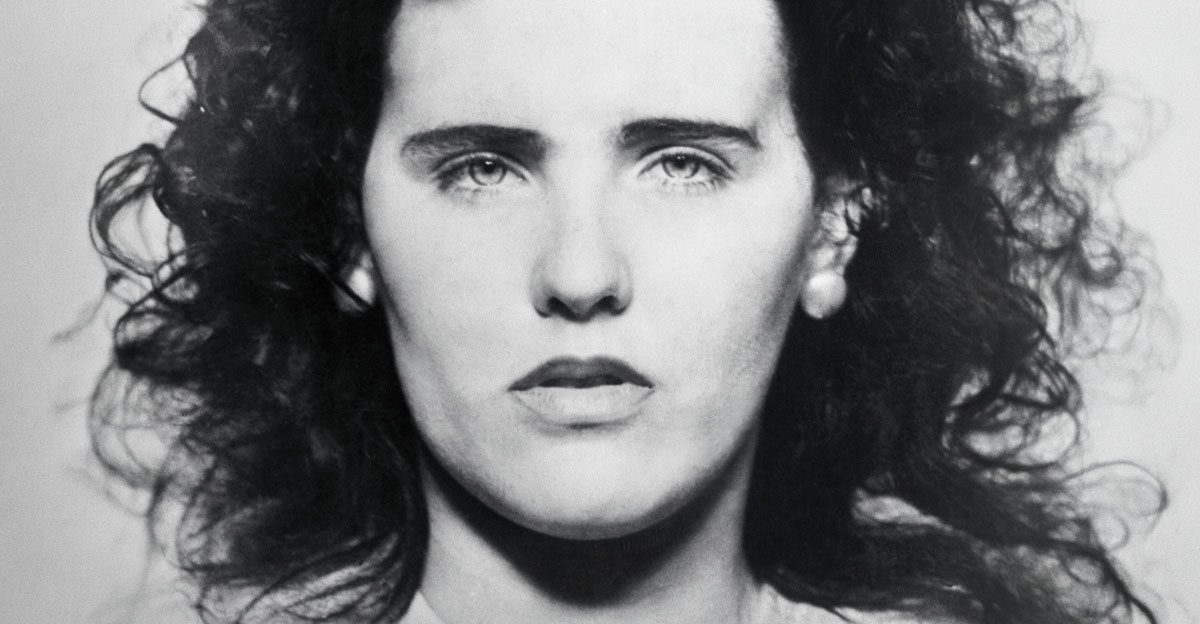
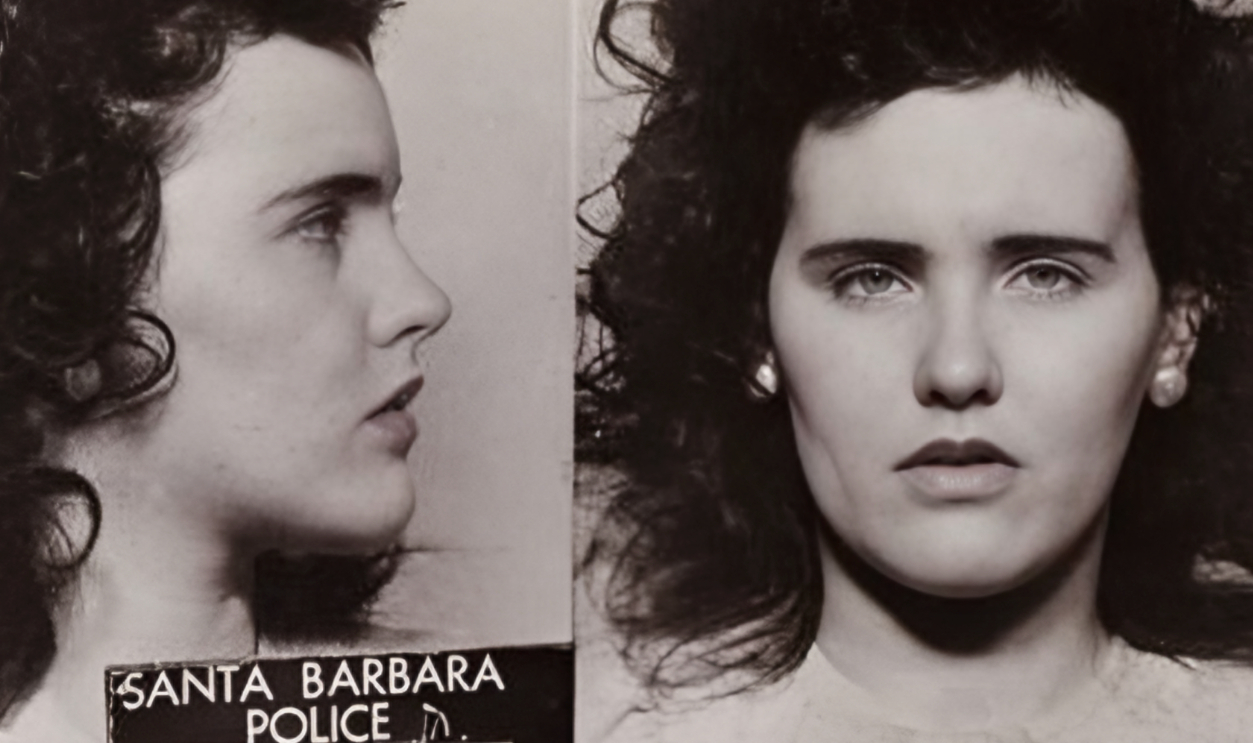
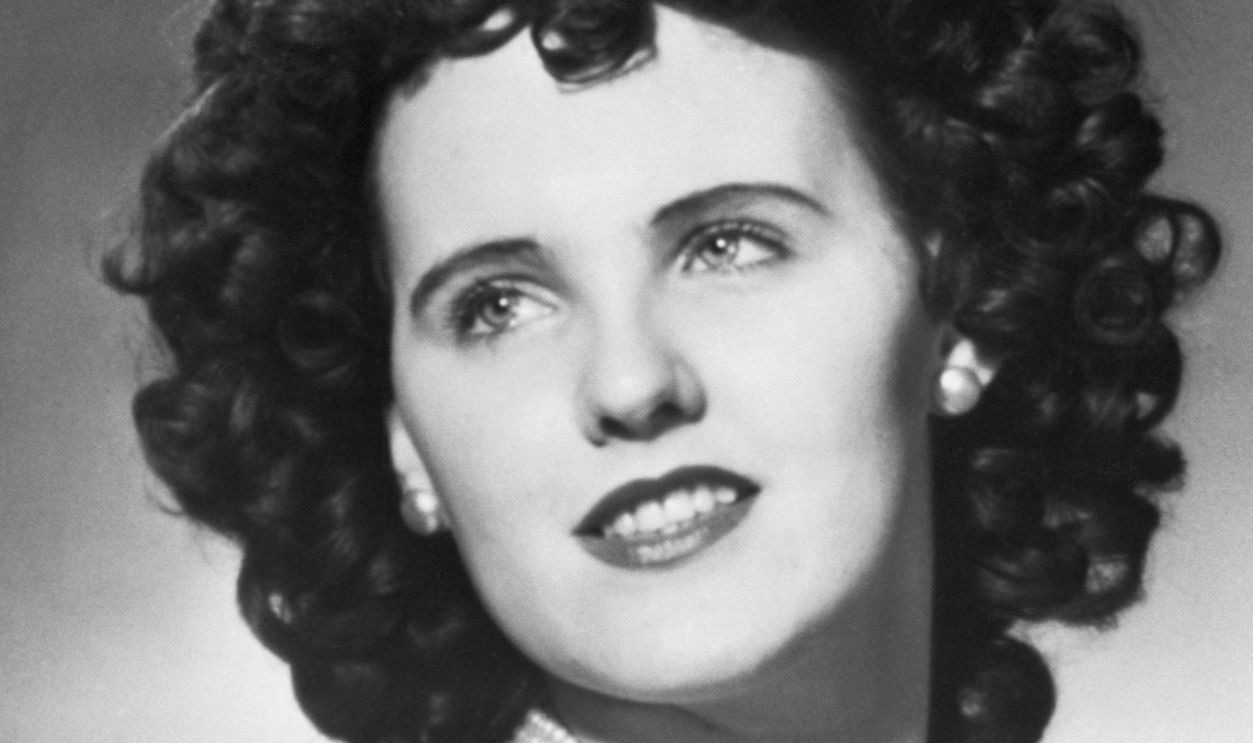
Her Name Was Elizabeth Short
Elizabeth Short was 22 years old and originally from Massachusetts. She had spent several years moving between Massachusetts, Florida, and California while struggling with respiratory problems, unstable finances, and dreams of building an independent life somewhere far from home.
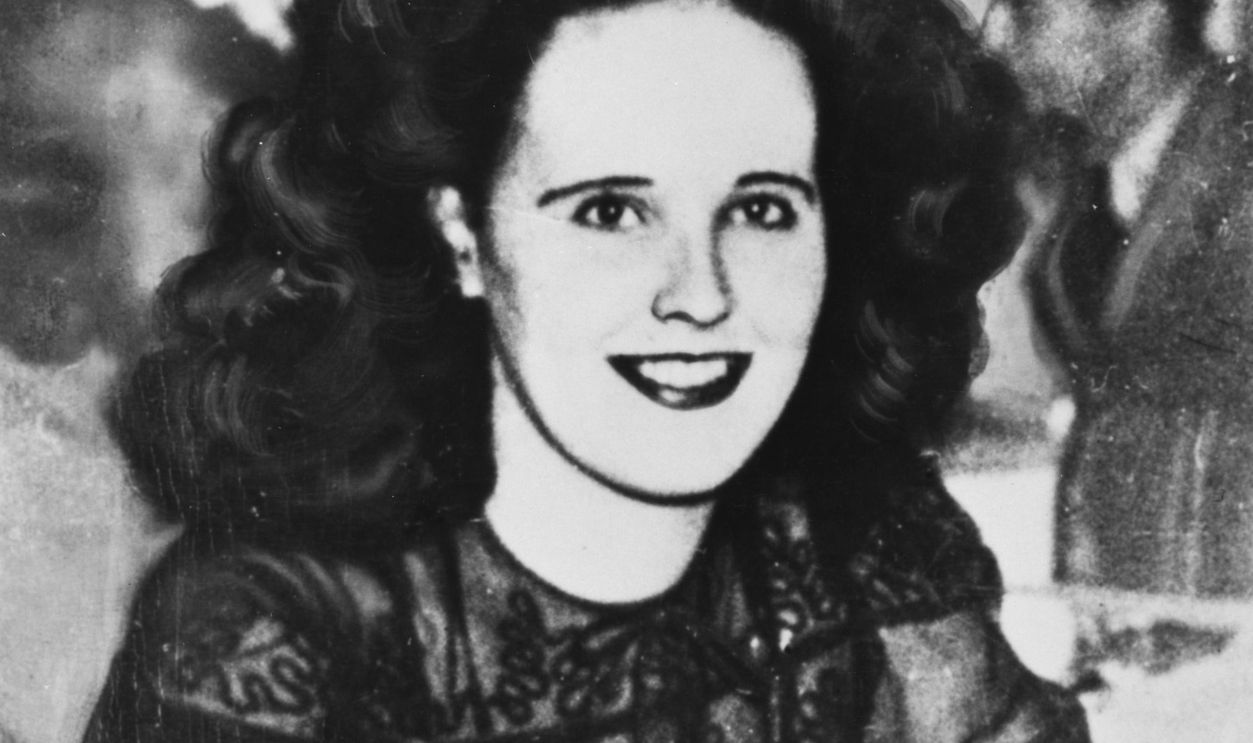 University of Southern California, Getty Images
She Was An Aspiring Hollywood Star
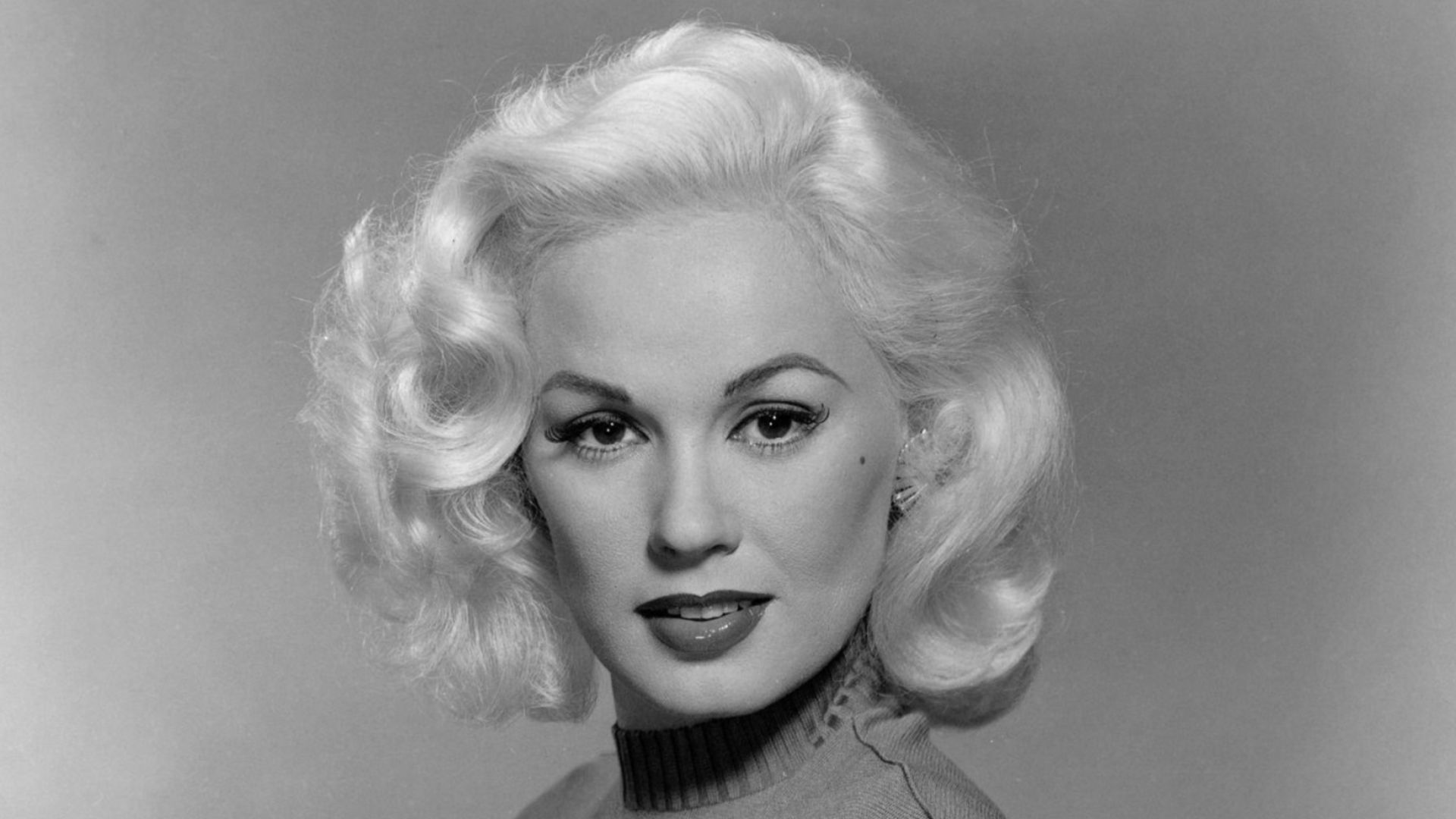
It is often said that Elizabeth Short was an aspiring actress, who moved to California in hopes of following that dream. She enjoyed movies, dressed carefully, and socialized with various Hollywood circles, including that of classic Hollywood star Mamie Van Doren. When the news broke about the crime, Van Doren recalls, "the grisly details were the stuff of nightmares. I couldn’t get them out of my mind." When she found out it was Elizabeth, she screamed in terror and "collapsed on the floor sobbing uncontrollably."
 Unknown authorUnknown author, Wikimedia Commons
Her Mother Learned The Truth Cruelly
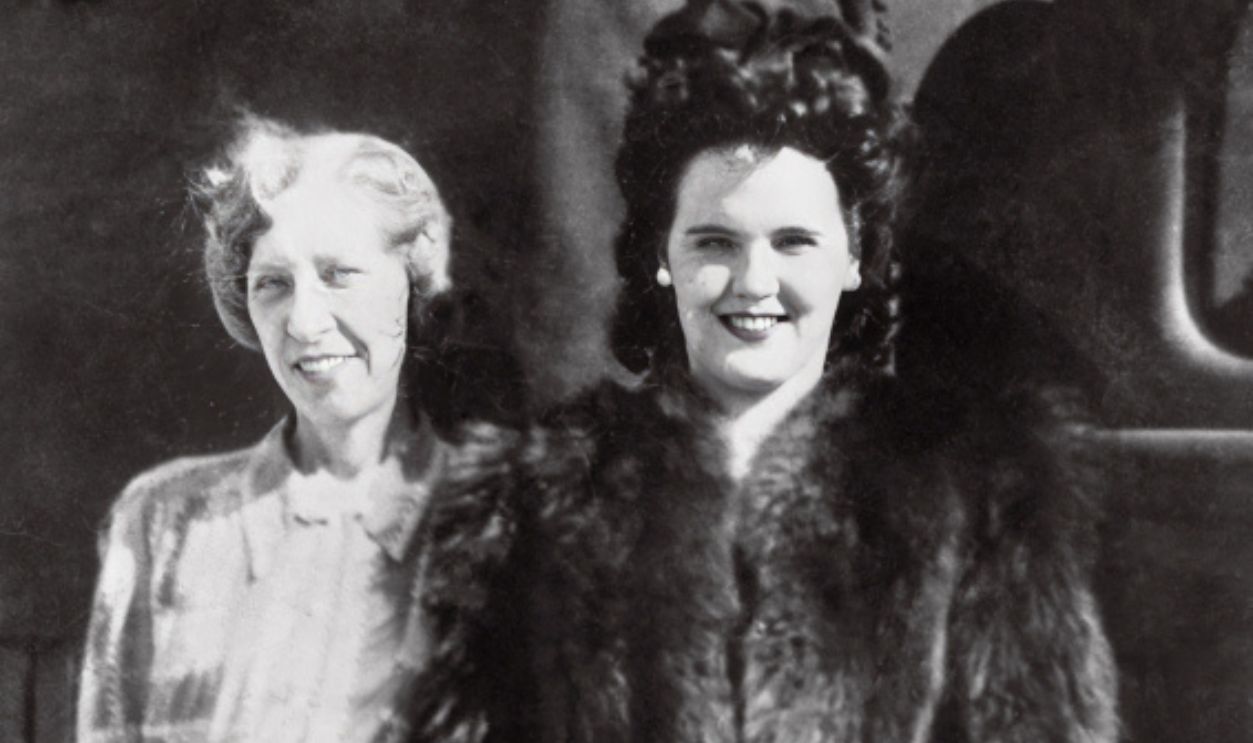
Reporters from the Los Angeles Examiner contacted Short’s mother, Phoebe, before authorities formally reached her. According to later accounts, they initially claimed Elizabeth had won a beauty contest, gathered personal information, and only then revealed that her daughter had been murdered.
 Bettmann, Getty Images, Enhanced
The Newspapers Gave Her A New Identity
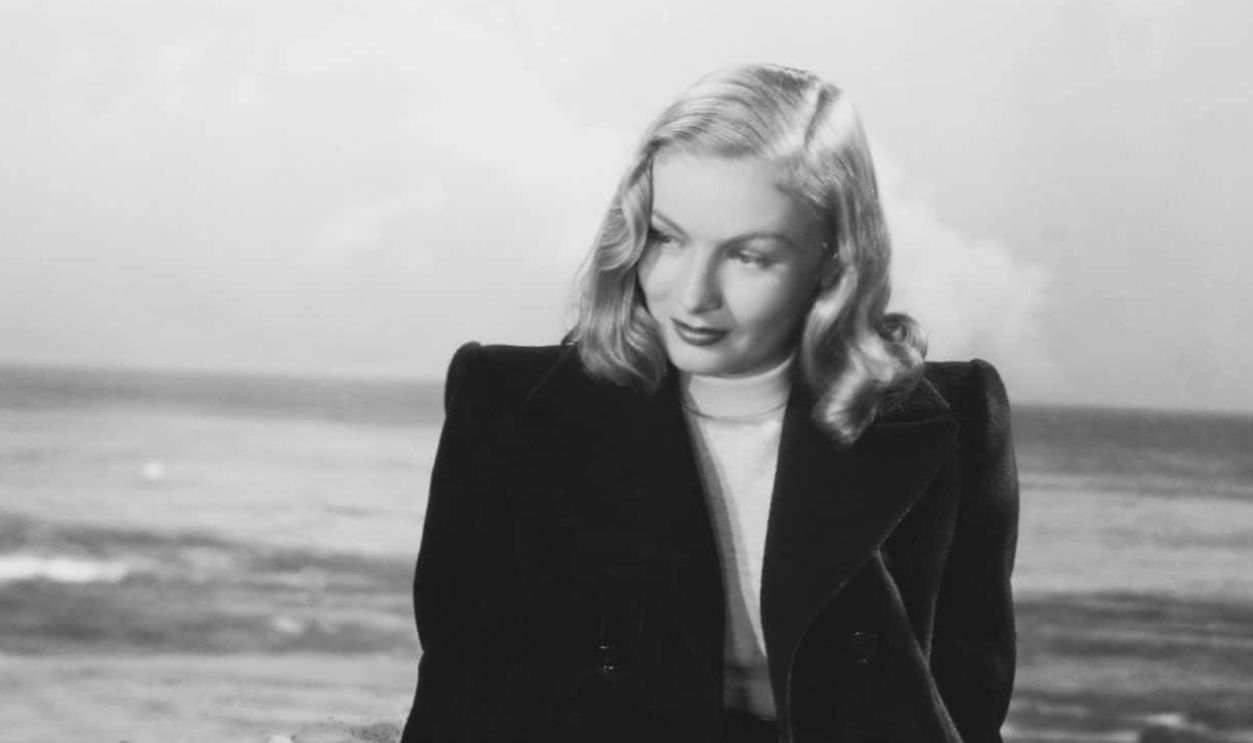
Within days, Elizabeth Short became “the Black Dahlia,” a nickname connected to her dark hair, black clothing, and the 1946 film The Blue Dahlia. The sinister name sounded perfect in headlines, but it gradually pushed the real woman behind a fictionalized character.
The details that emerged were horrifying.
 John Springer Collection, Getty Images
The Autopsy Revealed A Prolonged Attack
Los Angeles County Coroner Frederick Newbarr performed the autopsy on January 16. He documented blows to Short’s head, ligature marks around her wrists, ankles, and neck, and extensive injuries from a blade. It is believed that some of the injuries occurred while she was still alive.
As gruesome as the details were, they helped authorities narrow down the search for the person responsible.
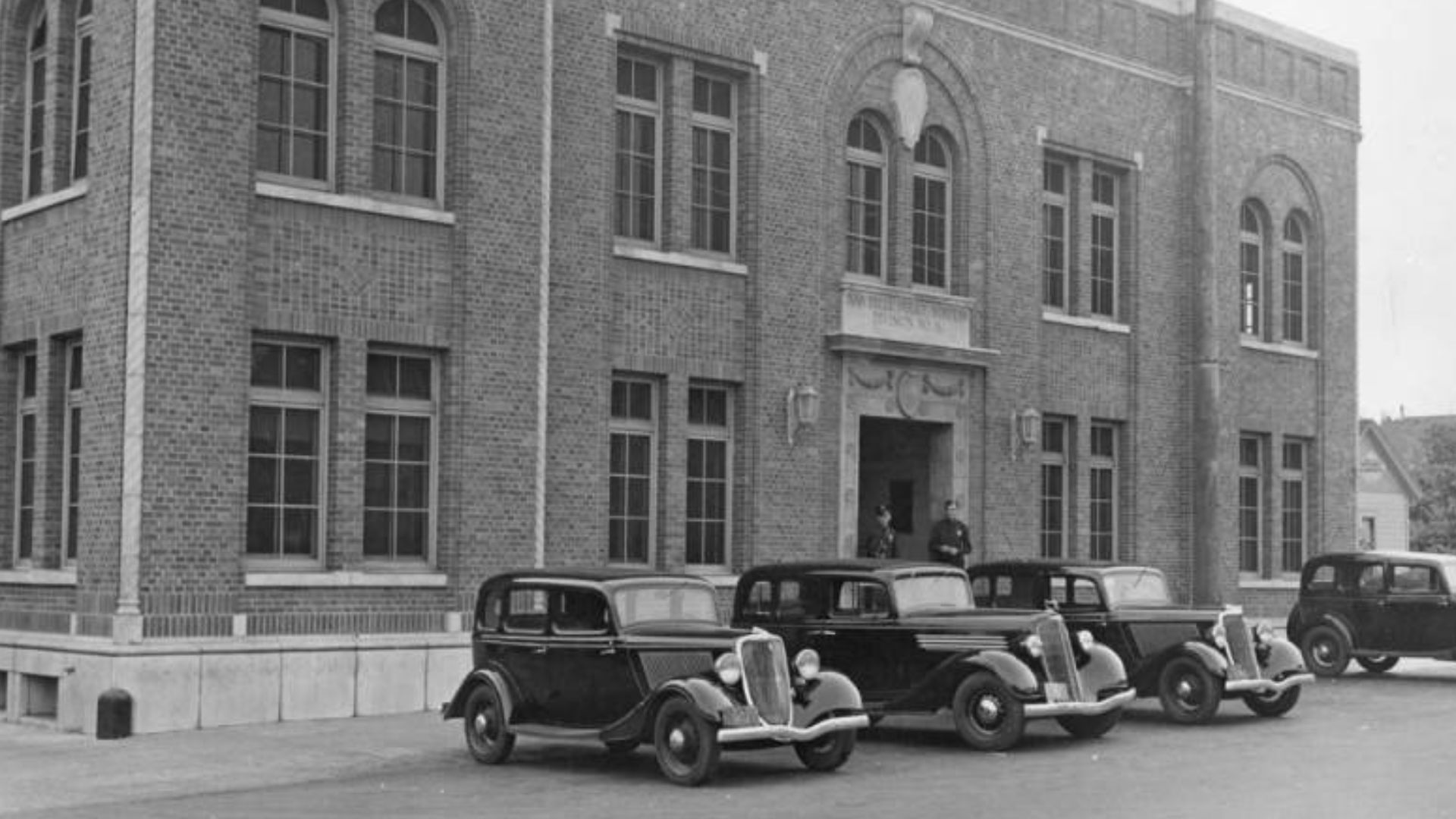
The Cut Suggested Anatomical Knowledge
The body had been divided cleanly between vertebrae without breaking the bones. That precision led investigators to consider doctors, surgeons, medical students, butchers, and mortuary workers. The FBI was asked to investigate students at the University of Southern California Medical School.
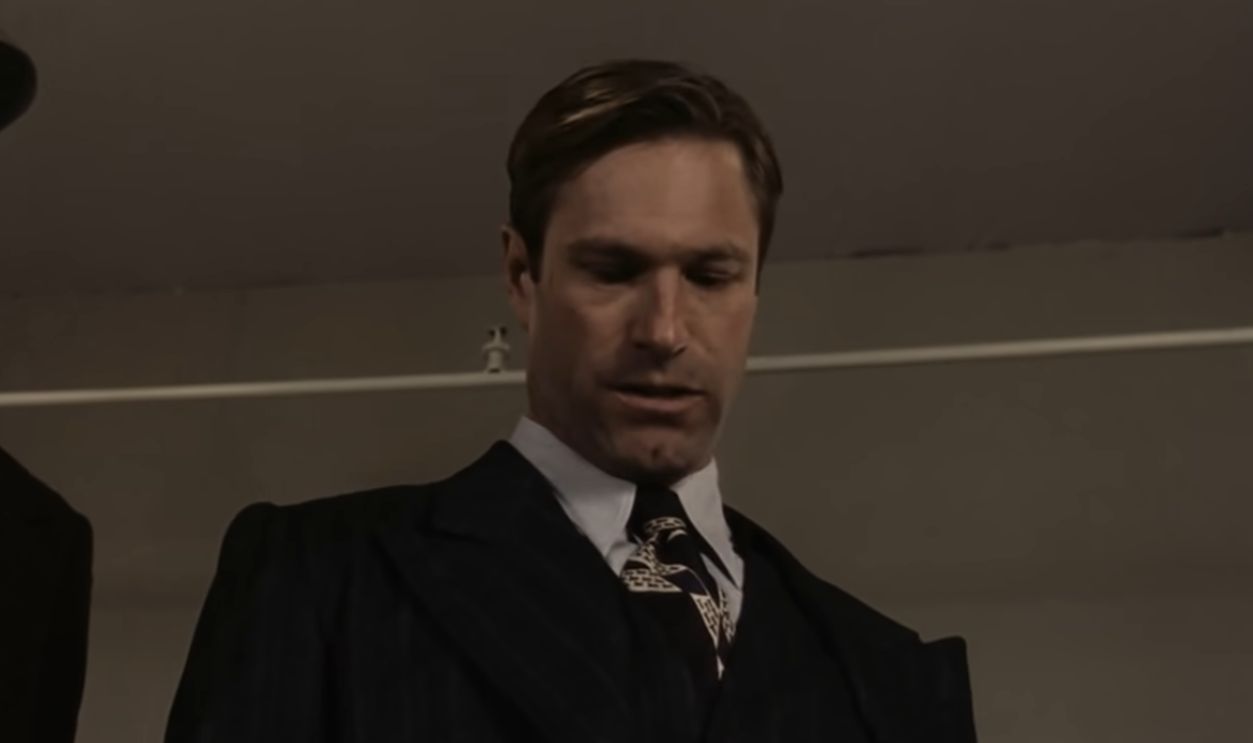 Screenshot from The Black Dahlia, Universal Pictures (2006)
The Killer Needed A Private Location
Washing, draining, and severing the body would have required time, water, light, and privacy. Captain Jack Donahoe believed Short had probably been killed inside a remote building or shack before being transported to Norton Avenue. Finding that hidden location became one of the investigation’s greatest challenges.
They still needed suspects.
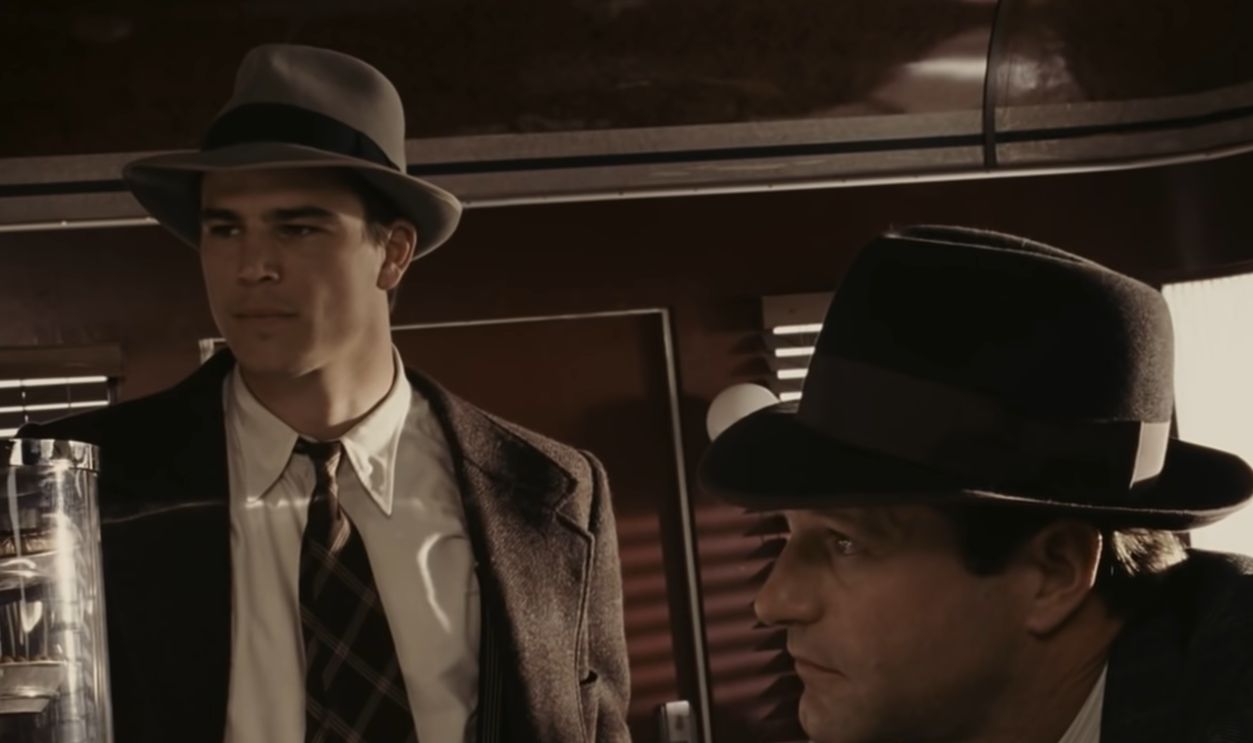 Screenshot from The Black Dahlia, Universal Pictures (2006)
Detectives Had To Reconstruct Six Missing Days
Short had last been reliably seen nearly a week before her body was discovered. Somewhere between the evening of January 9 and the early morning of January 15, she encountered her killer. The answer appeared to be hiding inside those six undocumented days.
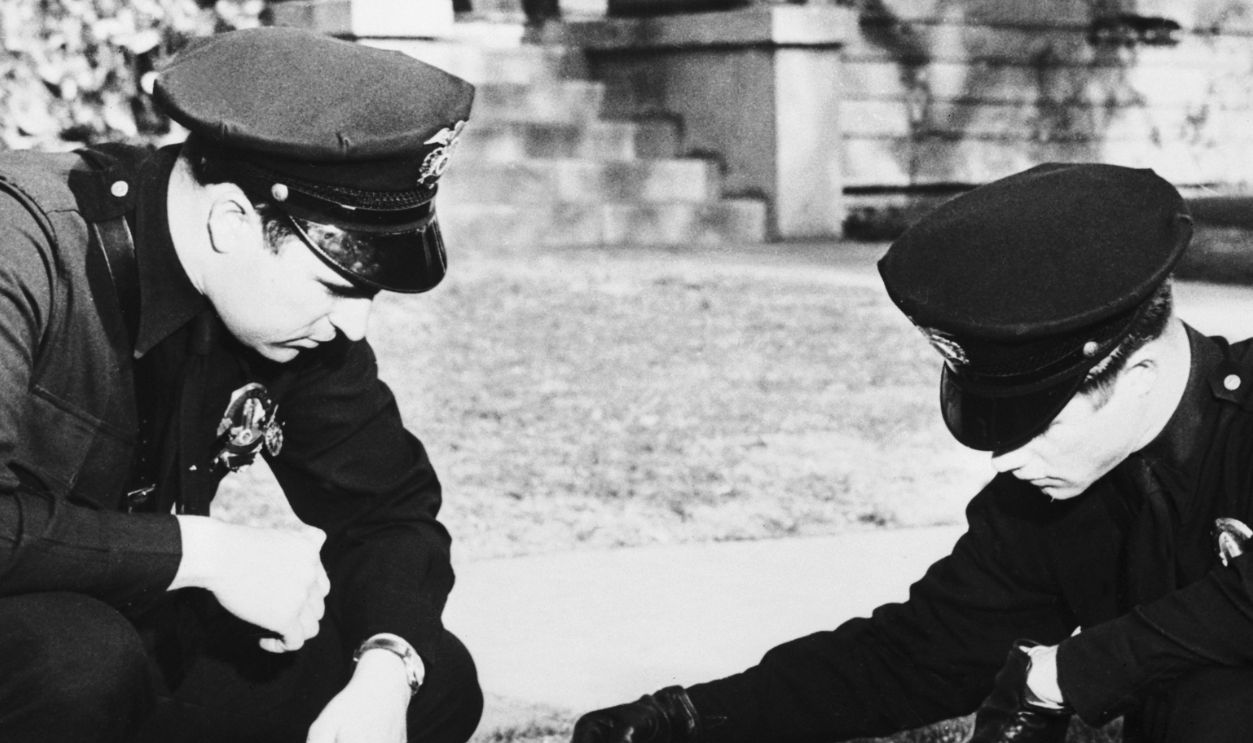
A Salesman Drove Her Into Los Angeles
Robert “Red” Manley, a married traveling salesman, drove Short from San Diego to Los Angeles. He said she told him she planned to meet her sister at the Biltmore Hotel. Her sister later told investigators that no such meeting had been arranged.
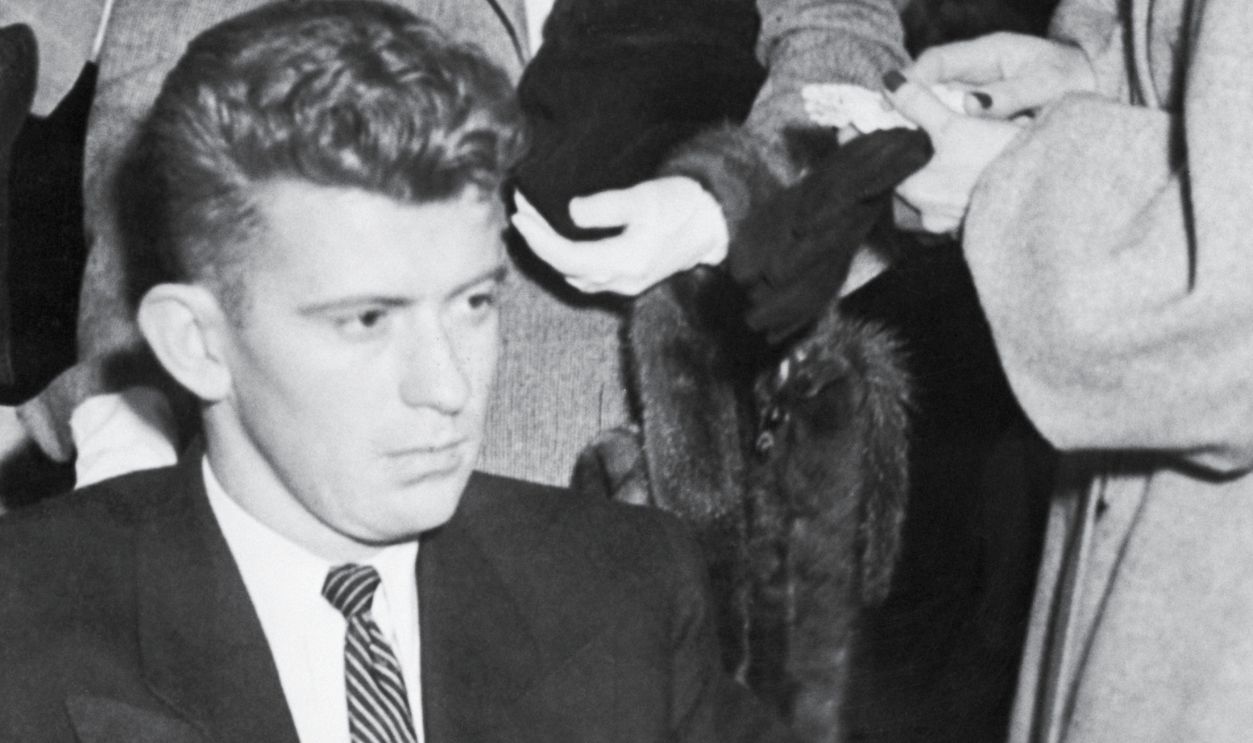
Manley Became An Obvious Suspect
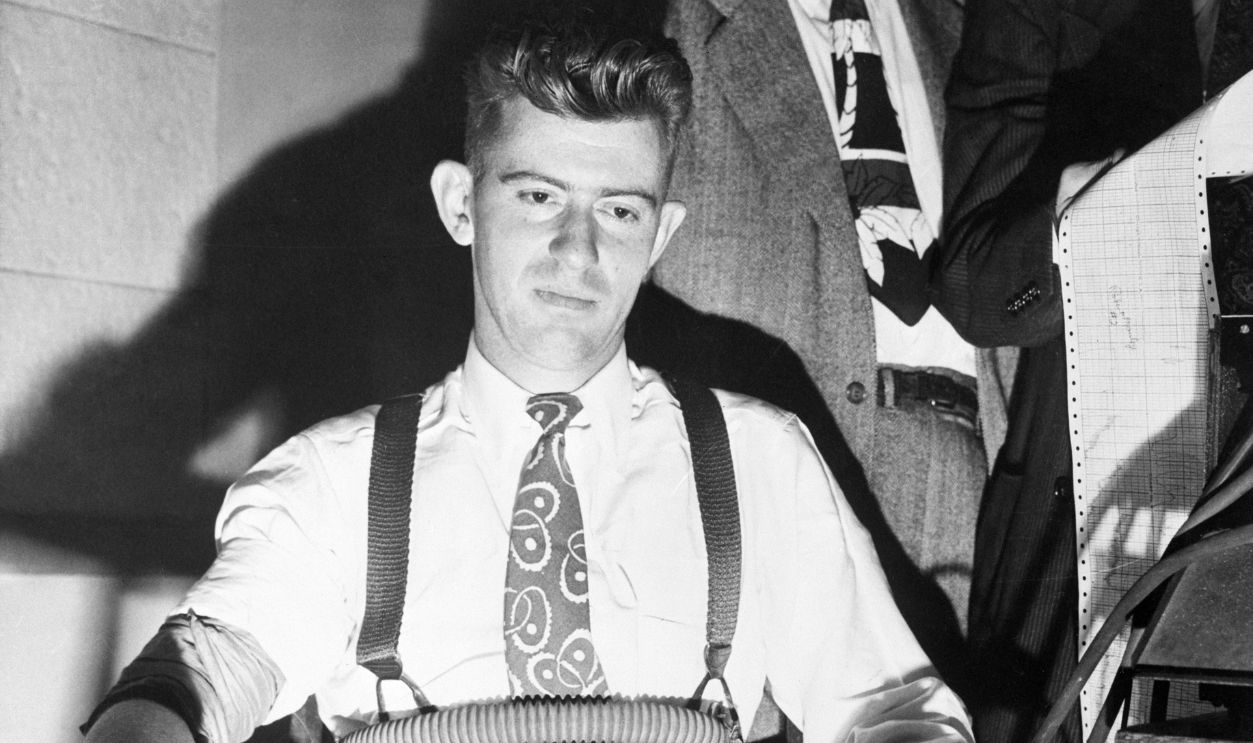
As one of the last people known to have been with Short, Manley faced intense questioning. His story was investigated, parts of it were corroborated, and he reportedly passed multiple polygraph examinations. Police ultimately found no evidence connecting him to the murder.
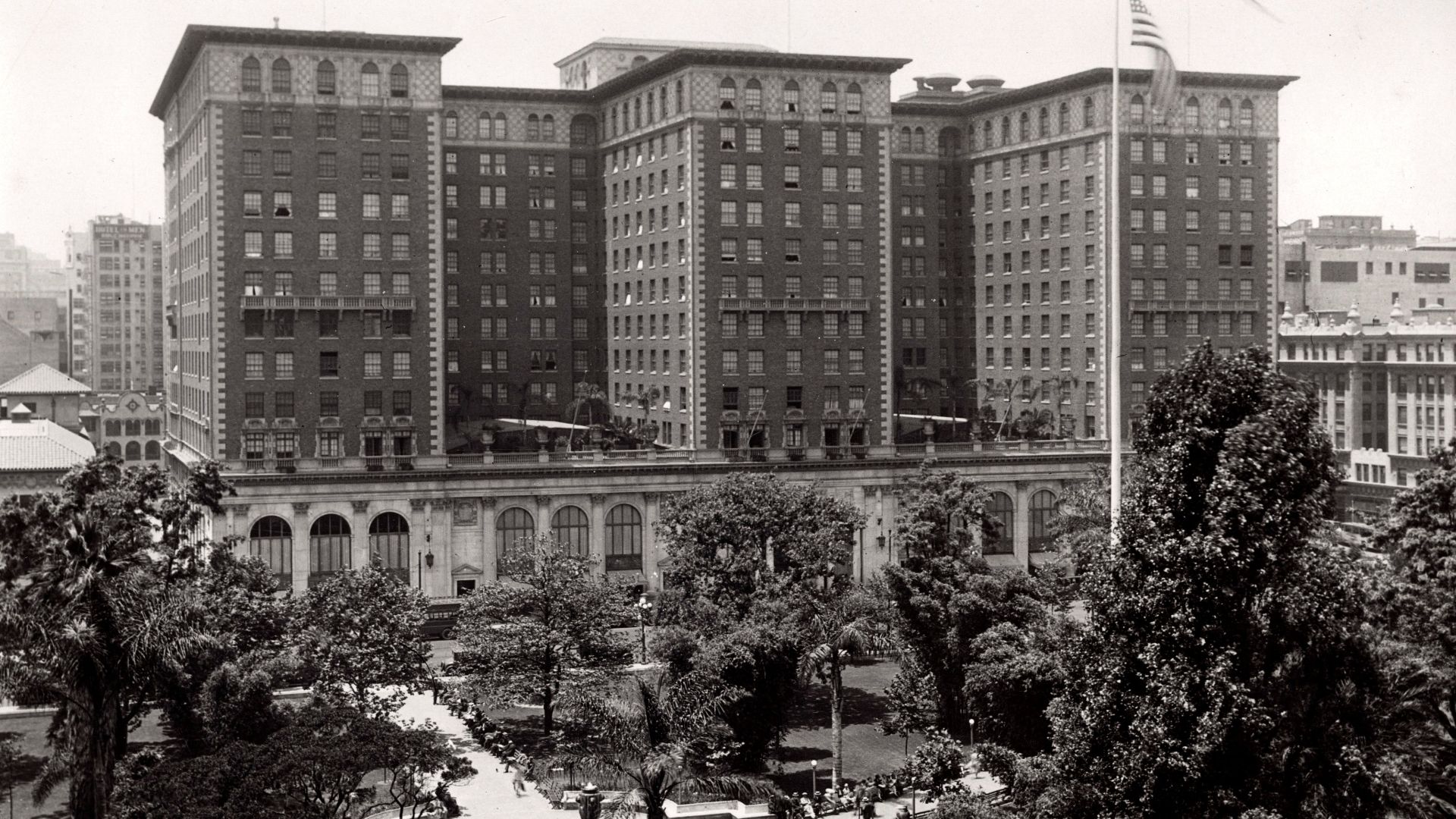
The Biltmore Became The Last Certain Location
Short spent time inside the Biltmore’s lobby on January 9, apparently making telephone calls and waiting for someone. Employees remembered her leaving at approximately 10 p.m. After she stepped outside, her movements became a fog of disputed sightings, rumors, and contradictions.
 Unknown authorUnknown author, Wikimedia Commons
One Report Placed Her In Terrifying Danger
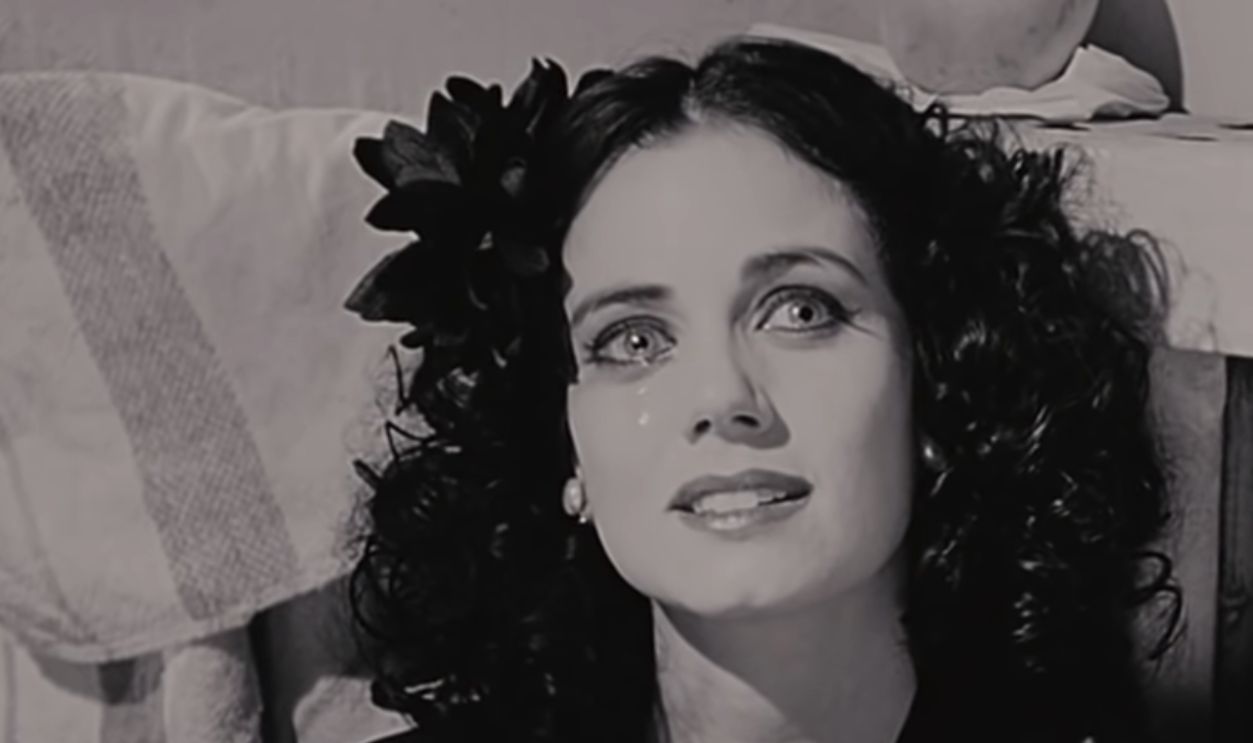
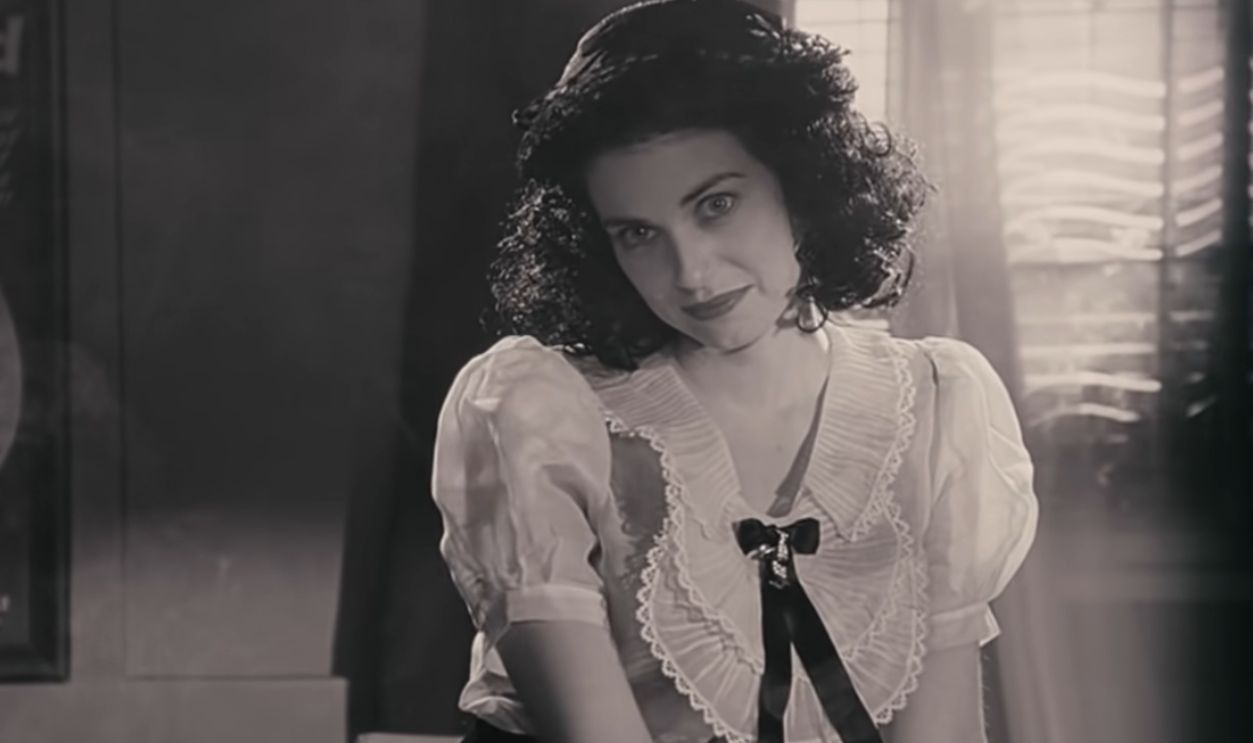
Police officer Myrl McBride later claimed she encountered a frightened young woman believed to be Short shortly before the crime. According to the account, the woman was “sobbing in terror” and said someone had threatened her life. However, the sighting was never conclusively verified.
 Screenshot from The Black Dahlia, Universal Pictures (2006)
The Unconfirmed Story Raised A Chilling Possibility
If McBride really saw her, then Elizabeth may have known she was in danger only hours before her death. She could have been attempting to escape someone, seeking help, or trying to recover belongings before leaving. Unfortunately, the account created more questions than answers.
 Screenshot from The Black Dahlia, Universal Pictures (2006)
Two Detectives Inherited The Mystery
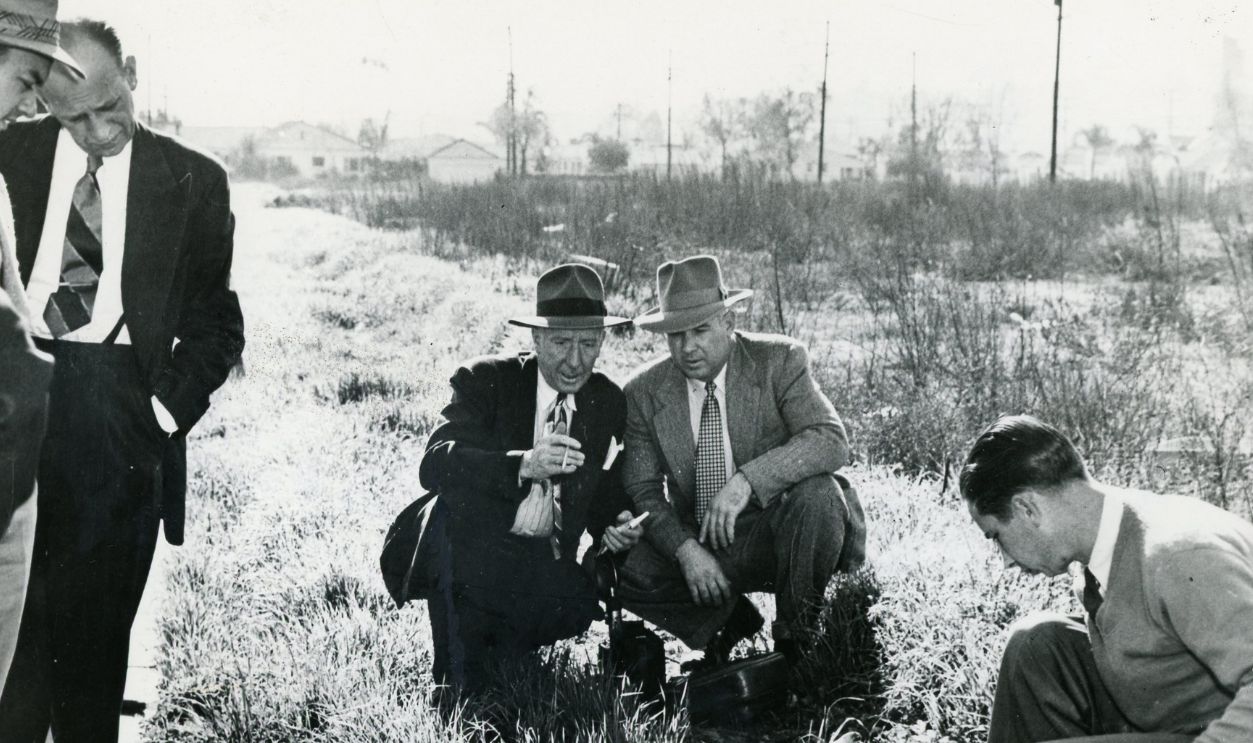
LAPD detectives Harry Hansen and Finis Brown were placed in charge of the investigation. They began interviewing Short’s friends, former roommates, boyfriends, bartenders, hotel employees, and anyone whose name appeared among her belongings. Almost every conversation produced another possible direction.
 Los Angeles Times, Getty Images
The Search Became Enormous
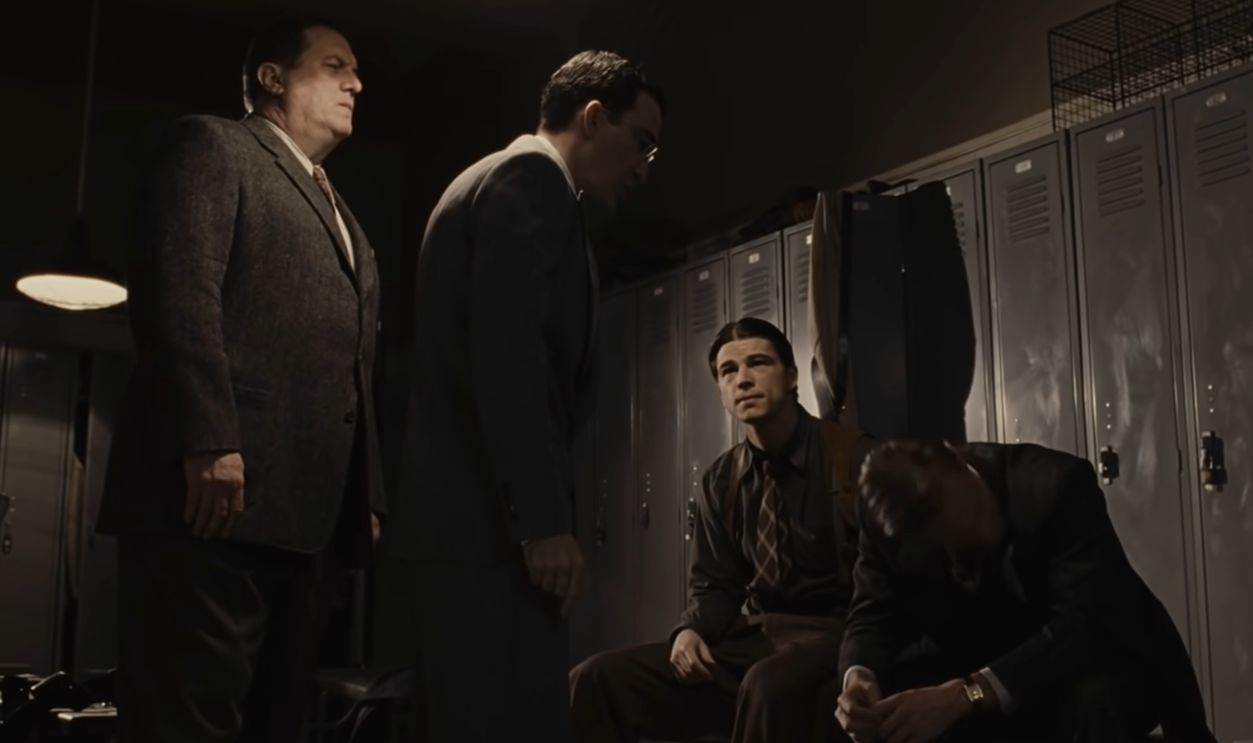
Approximately 750 investigators from the LAPD, sheriff’s department, California Highway Patrol, and FBI reportedly contributed during the investigation’s busiest period. Officers searched abandoned buildings, storm drains, sections of the Los Angeles River, and other locations where the crime might have occurred.
Eventually, they found something helpful.
 Screenshot from The Black Dahlia, Universal Pictures (2006)
Her Address Book Produced More Suspects
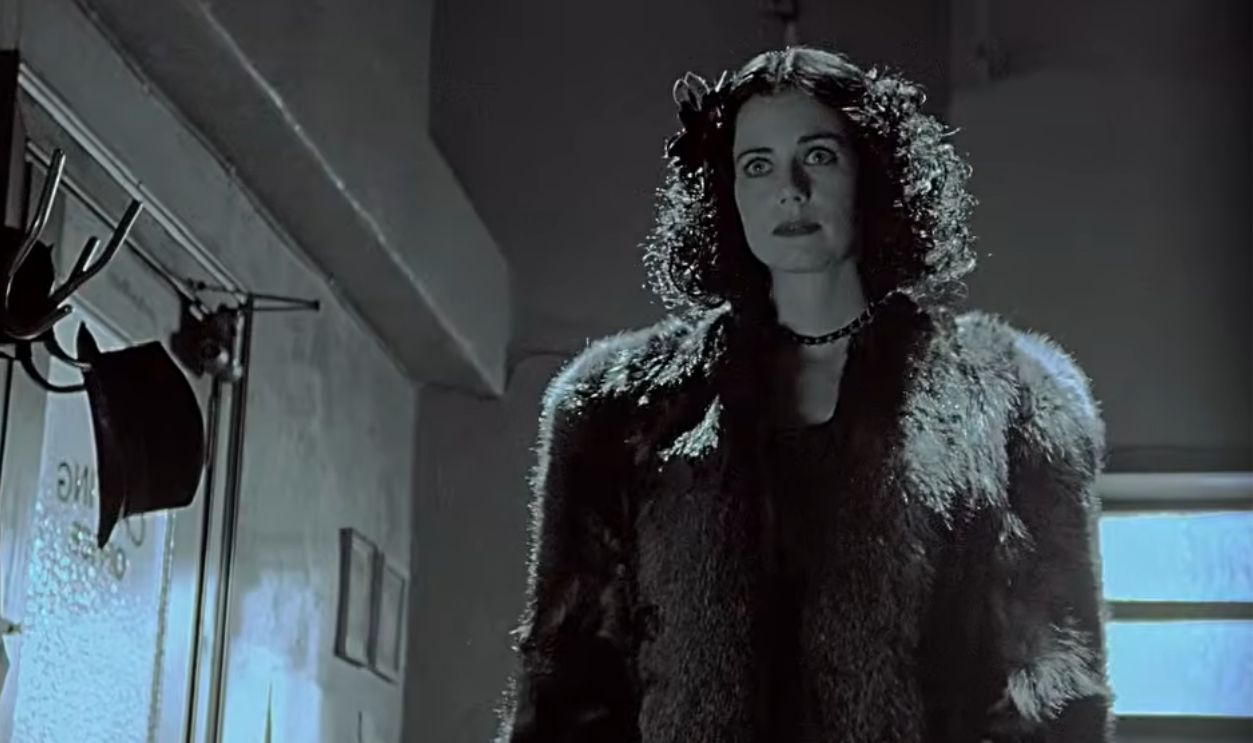
One important name was Mark Hansen, a nightclub and theater owner who knew Short and had allowed her to stay at his home. A friend claimed Short had rejected his advances, but investigators never found sufficient evidence connecting him to the killing.
Just as authorities hit another dead end, someone came forward.
 Screenshot from The Black Dahlia, Universal Pictures (2006)
Then The Alleged Killer Called A Newspaper
On January 21, a man telephoned Examiner city editor James Richardson and congratulated the newspaper on its coverage. The caller indicated that he would eventually surrender, but first promised that “some souvenirs of Beth Short” would arrive in the mail.
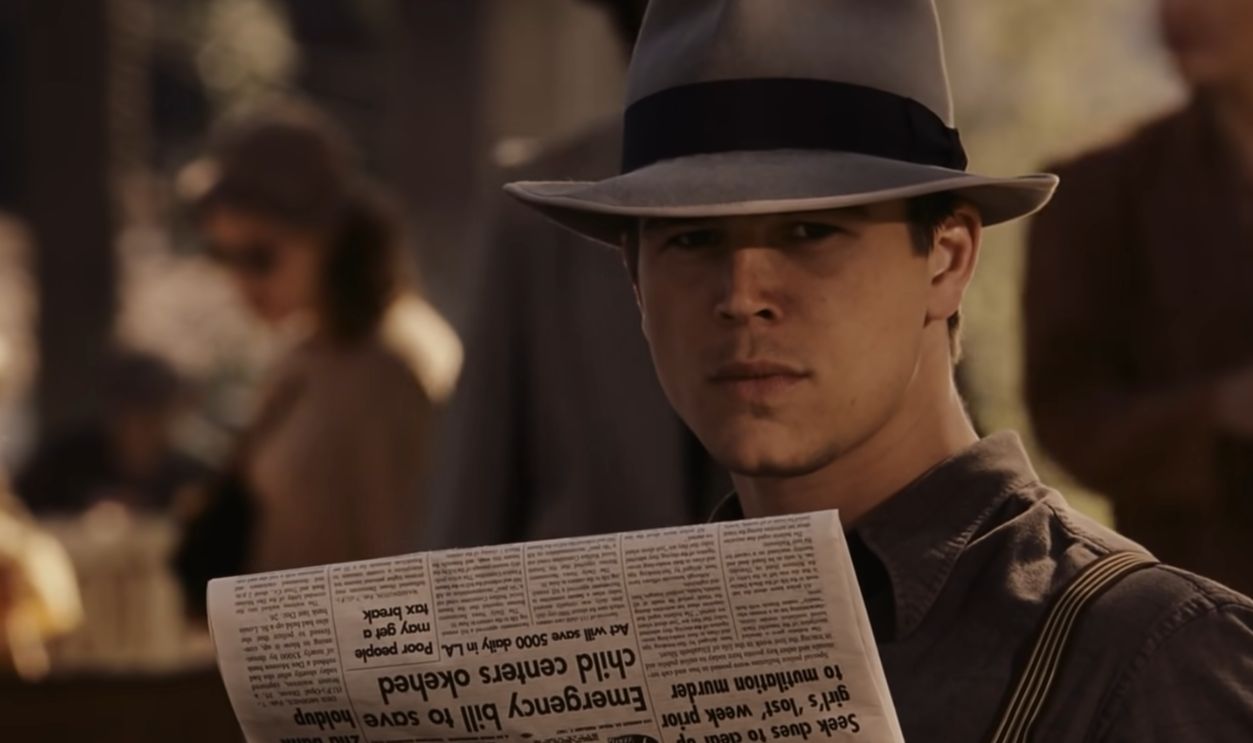 Screenshot from The Black Dahlia, Universal Pictures (2006)
A Strange Envelope Appeared Three Days Later
On January 24, the Examiner received a manila envelope addressed using words clipped from newspapers. Written across the front was the chilling message, “Here is Dahlia’s belongings. Letter to follow.” Inside were personal items that appeared to have belonged to Short.
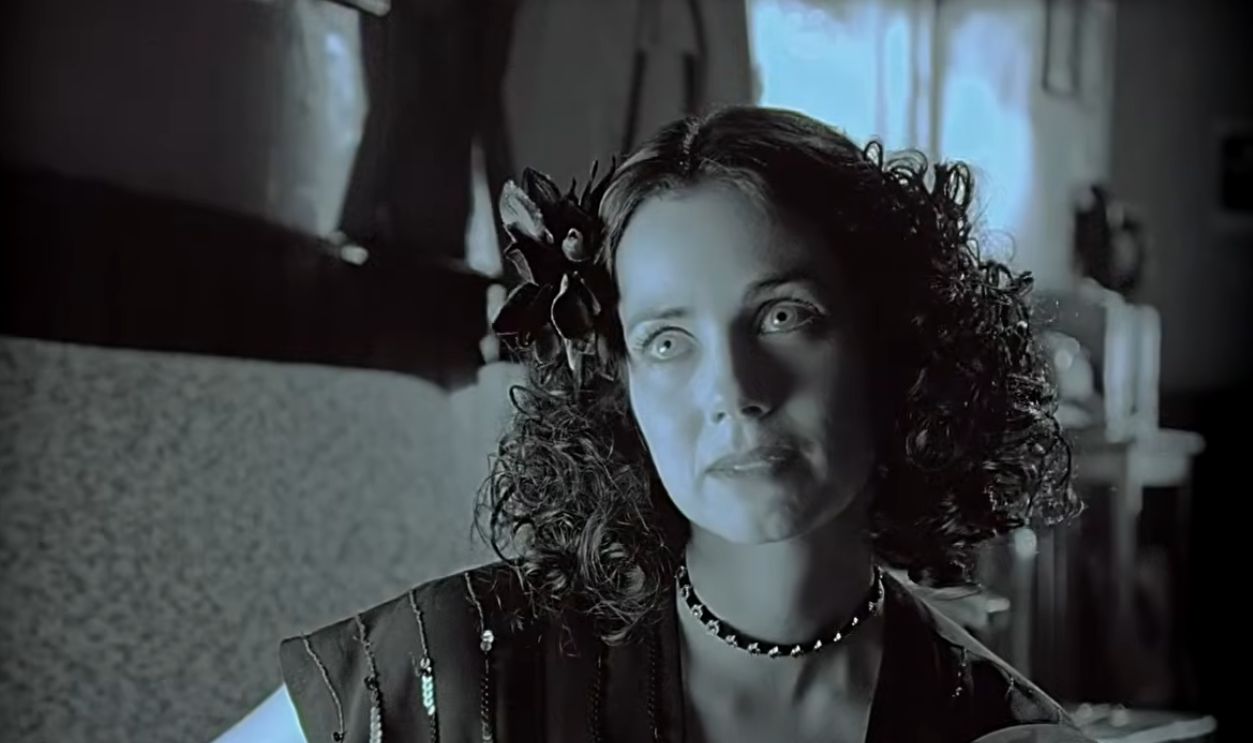 Screenshot from The Black Dahlia, Universal Pictures (2006)
The Package Contained Pieces Of Her Life
The envelope reportedly included Short’s birth certificate, photographs, business cards, scraps of paper bearing names, and an address book embossed with Mark Hansen’s name. Whoever assembled the package had access to belongings that had disappeared with her.
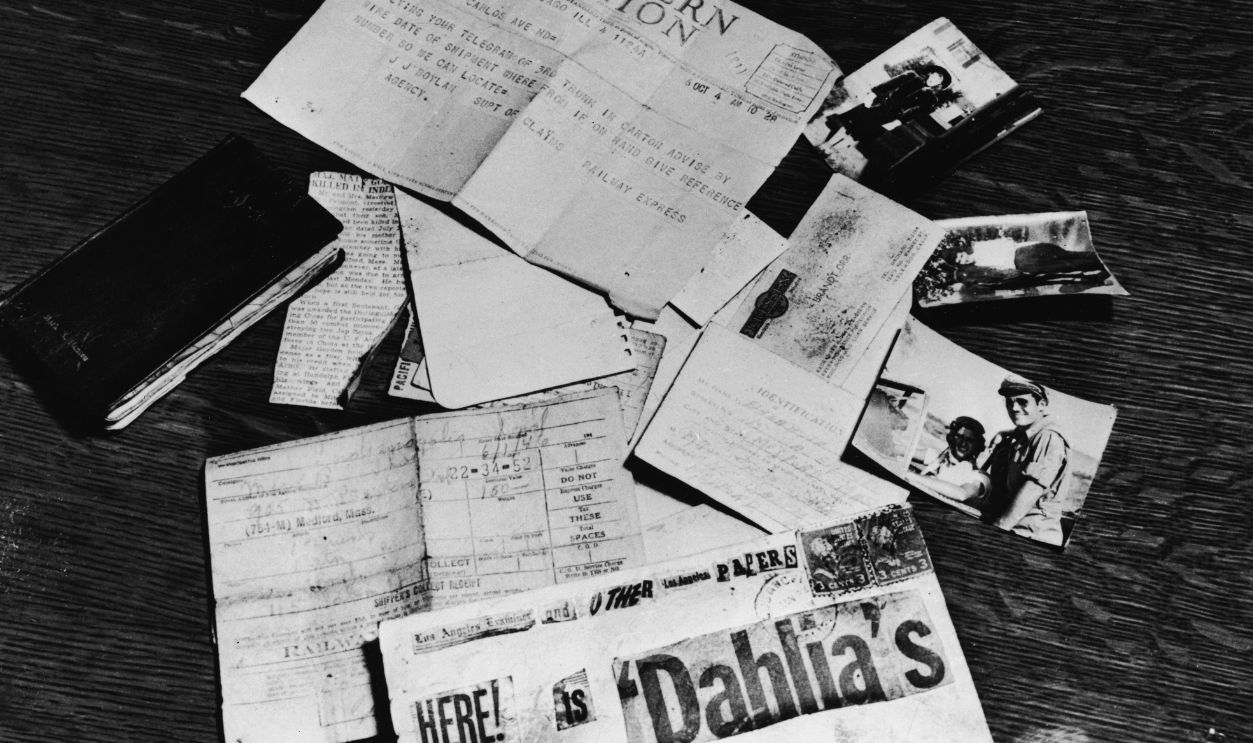
The Sender Had Tried To Remove Every Trace
The items had reportedly been cleaned with gasoline, apparently to destroy fingerprints. Investigators recovered partial prints from the envelope, but the FBI could not match them to anyone in its files. The package offered the appearance of a breakthrough without revealing the sender.
Then there was more.
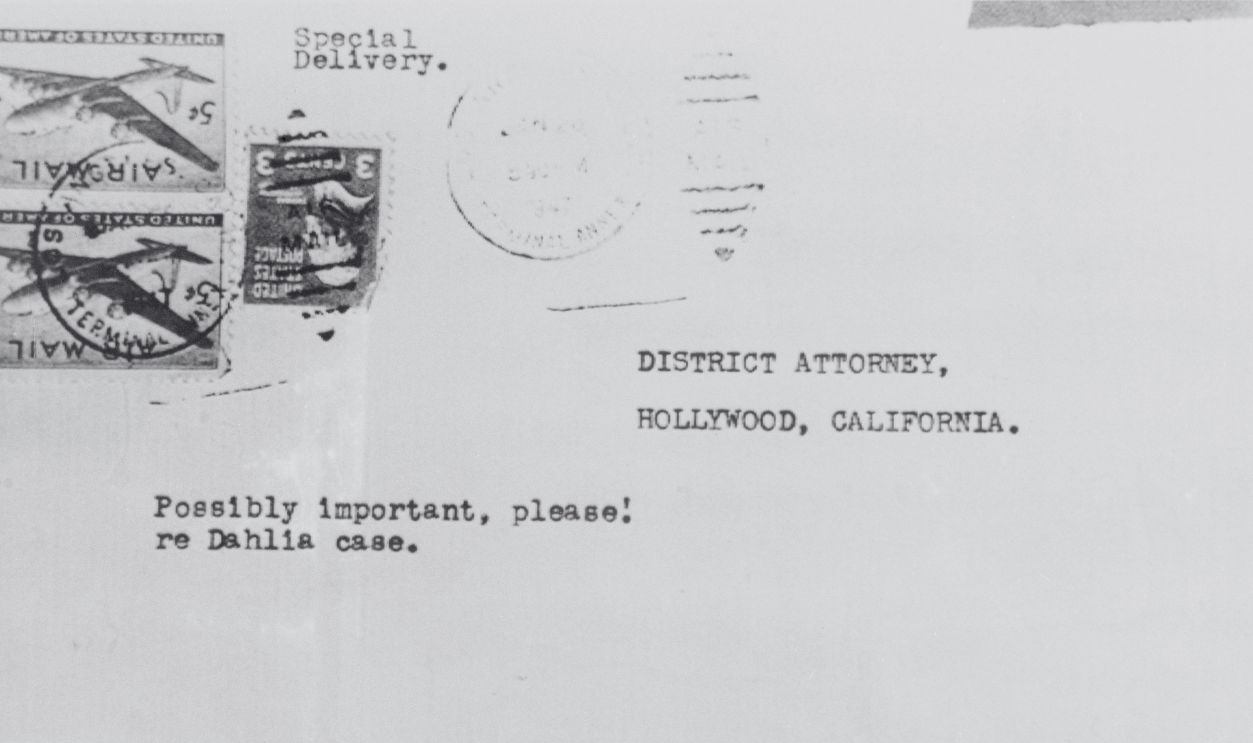
More Belongings Appeared In An Alley
A black suede shoe and handbag identified as Short’s were discovered on top of a garbage can approximately two miles from the body site. Those items had also reportedly been wiped with gasoline. Once again, the killer seemed to be releasing evidence while carefully withholding himself.
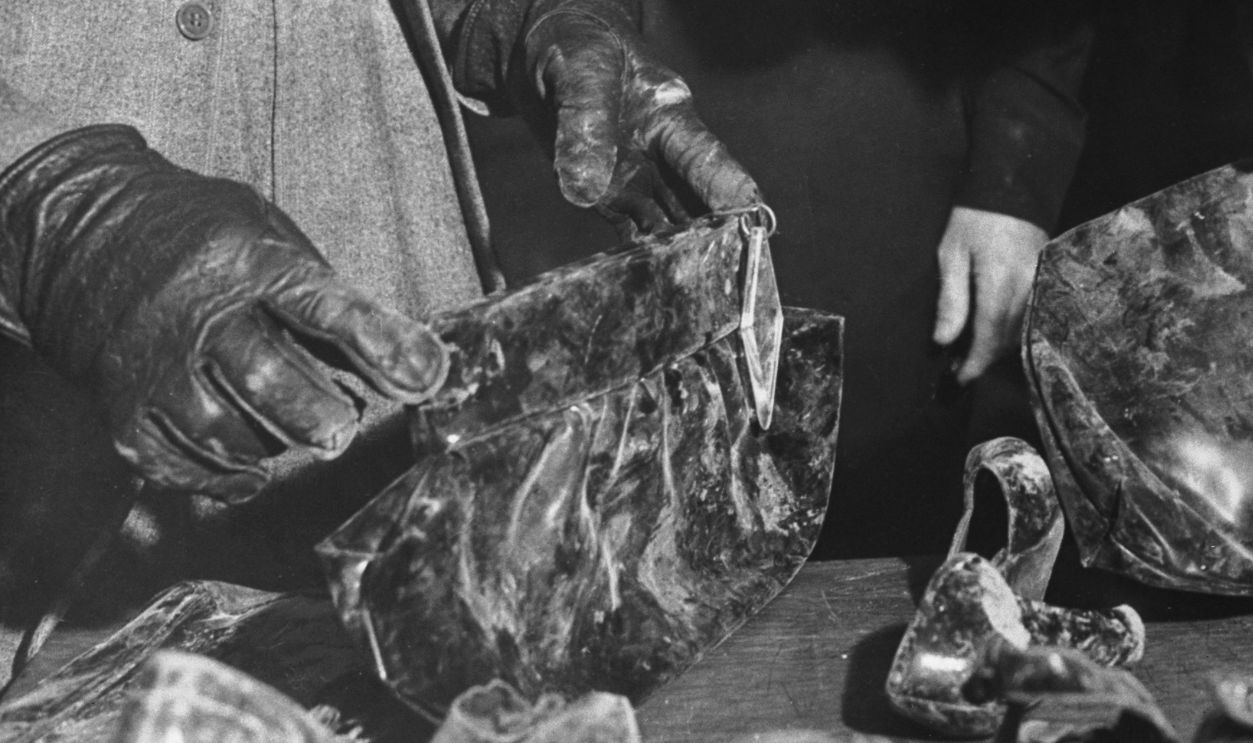
The “Black Dahlia Avenger” Made A Promise
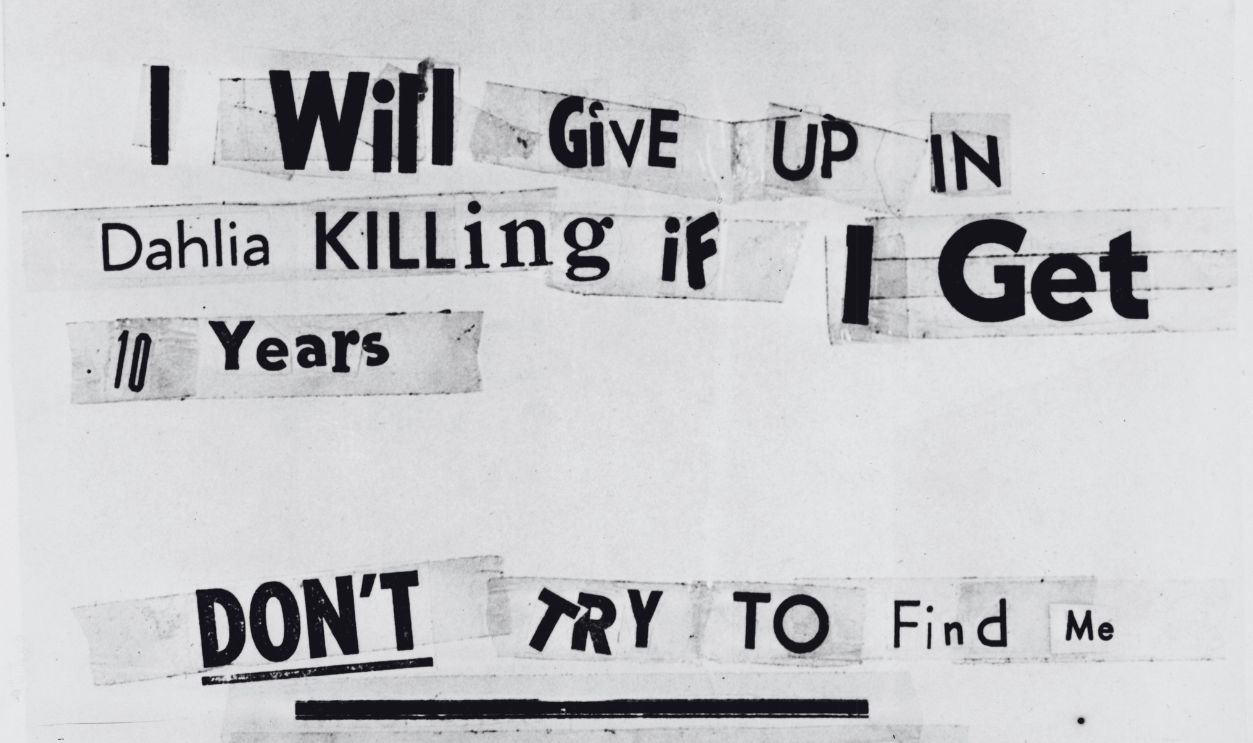
Another message, signed “Black Dahlia Avenger,” claimed the writer would surrender on January 29. Police waited, reporters prepared for a spectacle, and the promised date arrived. Nobody appeared. A subsequent note claimed the supposed "avenger" had changed his mind.
 Screenshot from The Black Dahlia, Universal Pictures (2006)
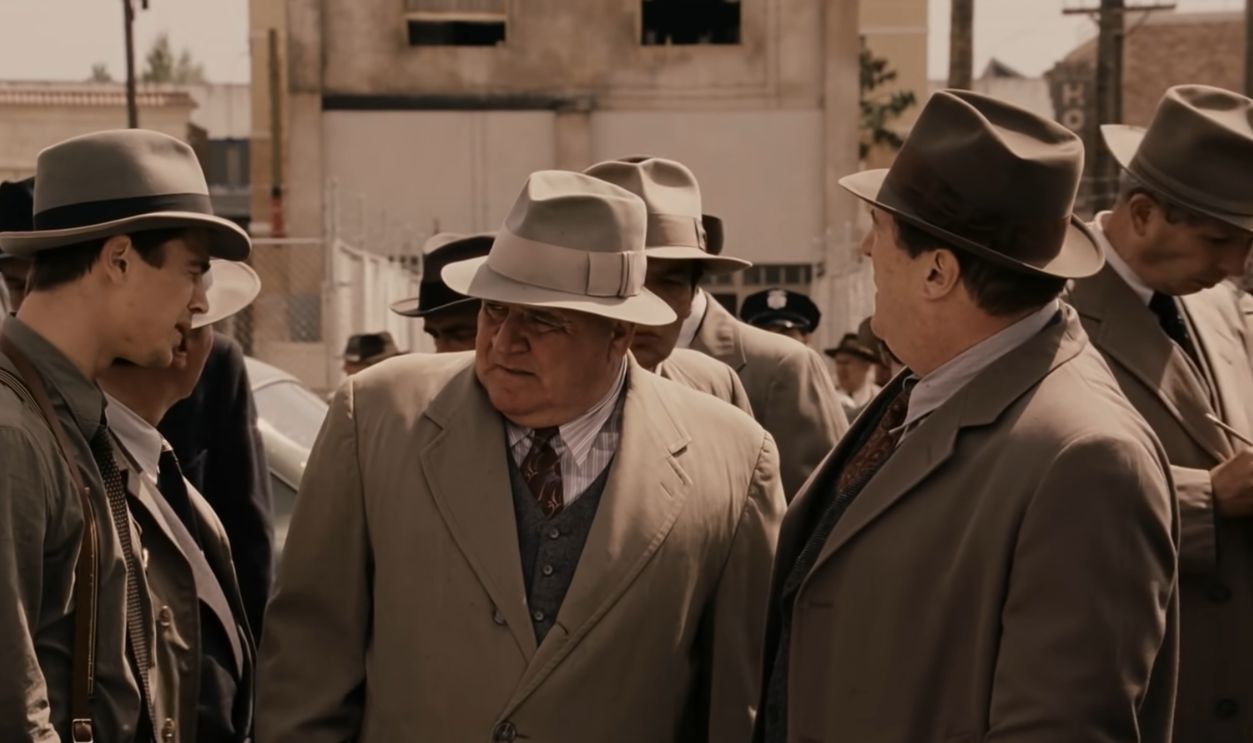
Every Letter Could Have Been A Trap
Authorities had no reliable way to know whether each message came from the murderer, a newspaper reader, or someone seeking attention. The genuine package became surrounded by imitations, taunts, and anonymous tips until authentic evidence was nearly buried beneath manufactured mystery.
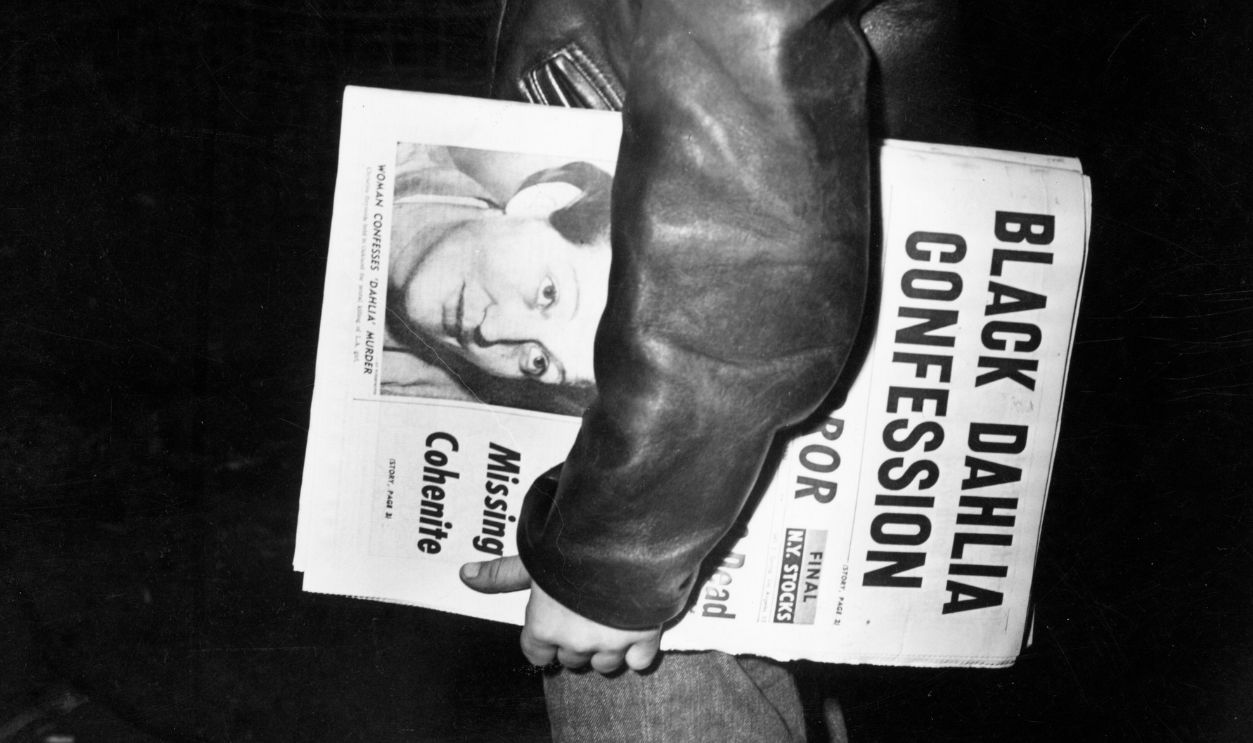
False Confessions Flooded The Police Department
Approximately 60 people confessed during the early investigation, while hundreds more would claim responsibility over the following decades. Detectives repeatedly spent valuable time disproving stories told by publicity seekers, disturbed individuals, and people who could not possibly have committed the crime.
 Weegee(Arthur Fellig)/International Center of Photography, Getty Images
Police Kept One Detail Completely Secret
Hansen reportedly asked suspects what investigators called the “Key Question,” concerning an unreleased detail about the body’s condition or positioning. He asked approximately 500 people, but never disclosed the correct answer. “Not one ever responded correctly,” he later said. “Not one even came close.”
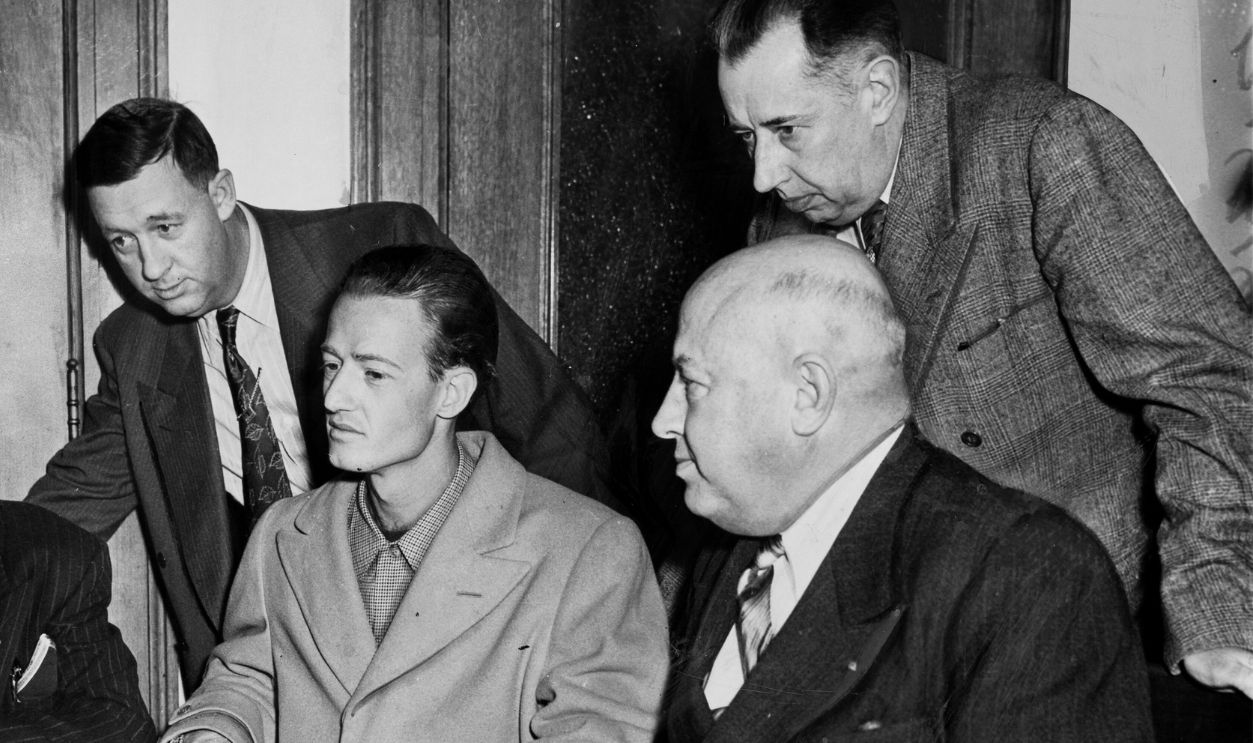 University of Southern California, Getty Images
The Secret Was Intended To Catch The Killer
Only investigators and the murderer should have known the answer to the Key Question. Yet it never produced the confession police wanted. Its contents remain secret, creating one final mystery inside the larger mystery of Short’s final hours.
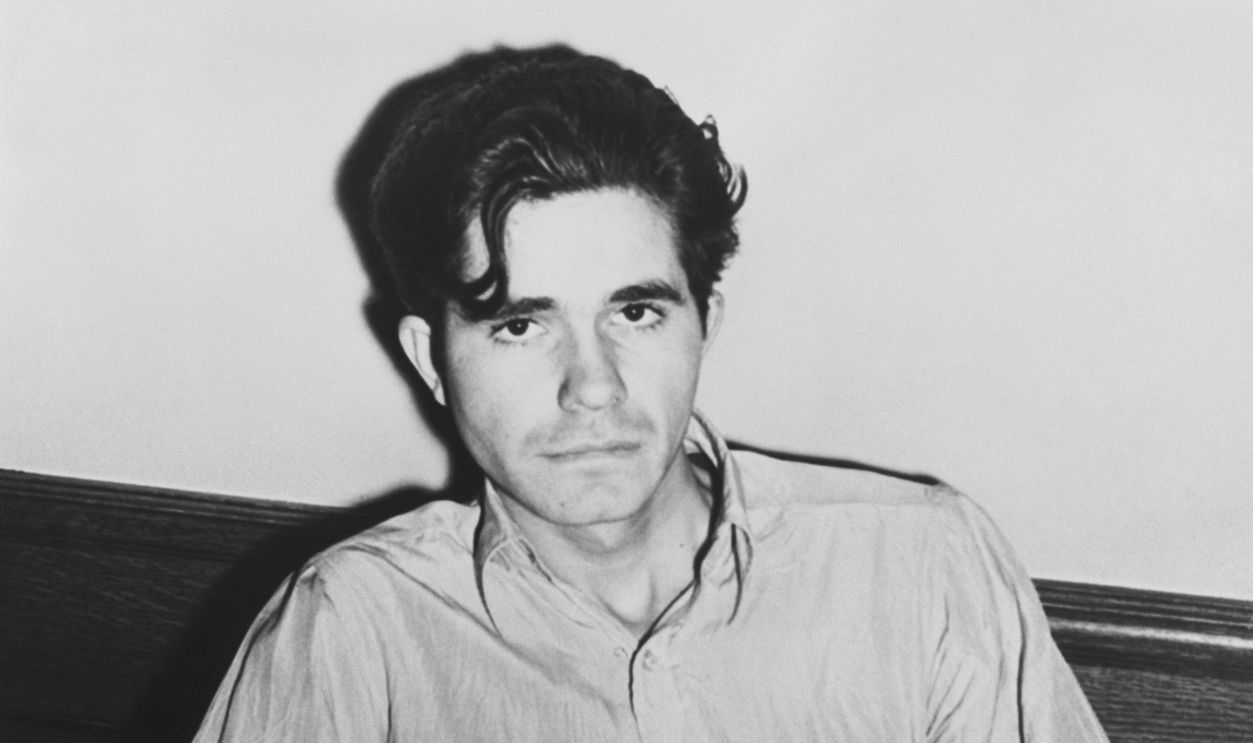
Investigators Continued Looking For A “Medical Man”
The clean division of the body convinced Hansen that the killer might possess anatomical training. During sworn testimony before a 1949 grand jury, he continued describing the likely perpetrator as a “medical man,” although no physician or medical student could be conclusively tied to the crime.
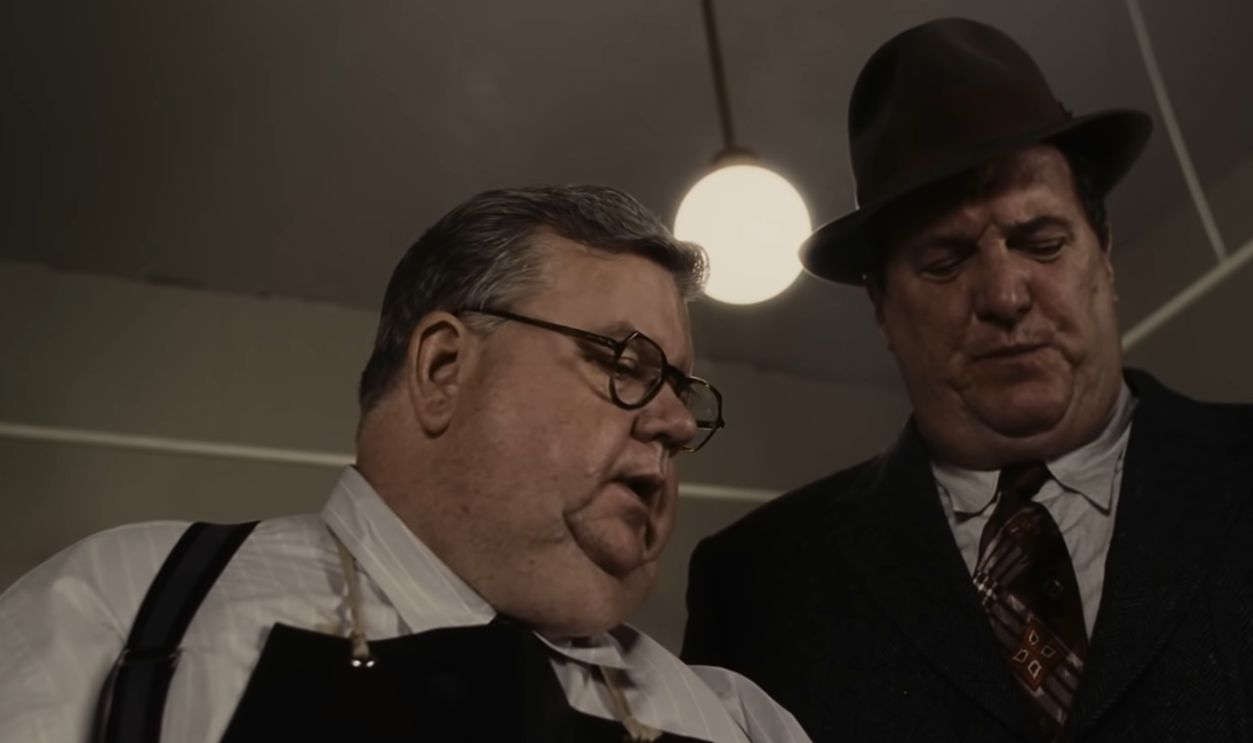 Screenshot from The Black Dahlia, Universal Pictures (2006)
Dr. George Hodel Entered The Investigation
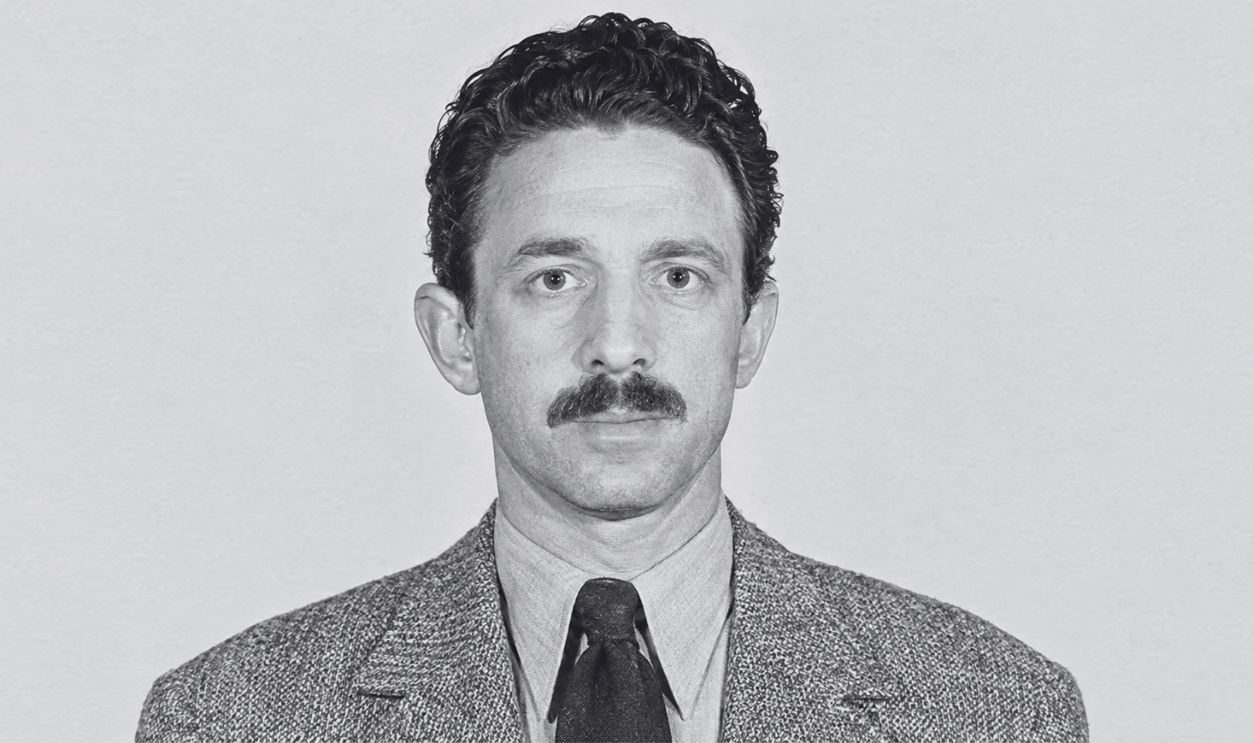
Physician George Hodel eventually became one of the case’s most discussed suspects. Authorities secretly monitored his Los Angeles home in 1950, partly because of his medical knowledge and other suspicious crimes he was connected to. Despite the attention, Hodel was never apprehended or charged with Short’s murder.
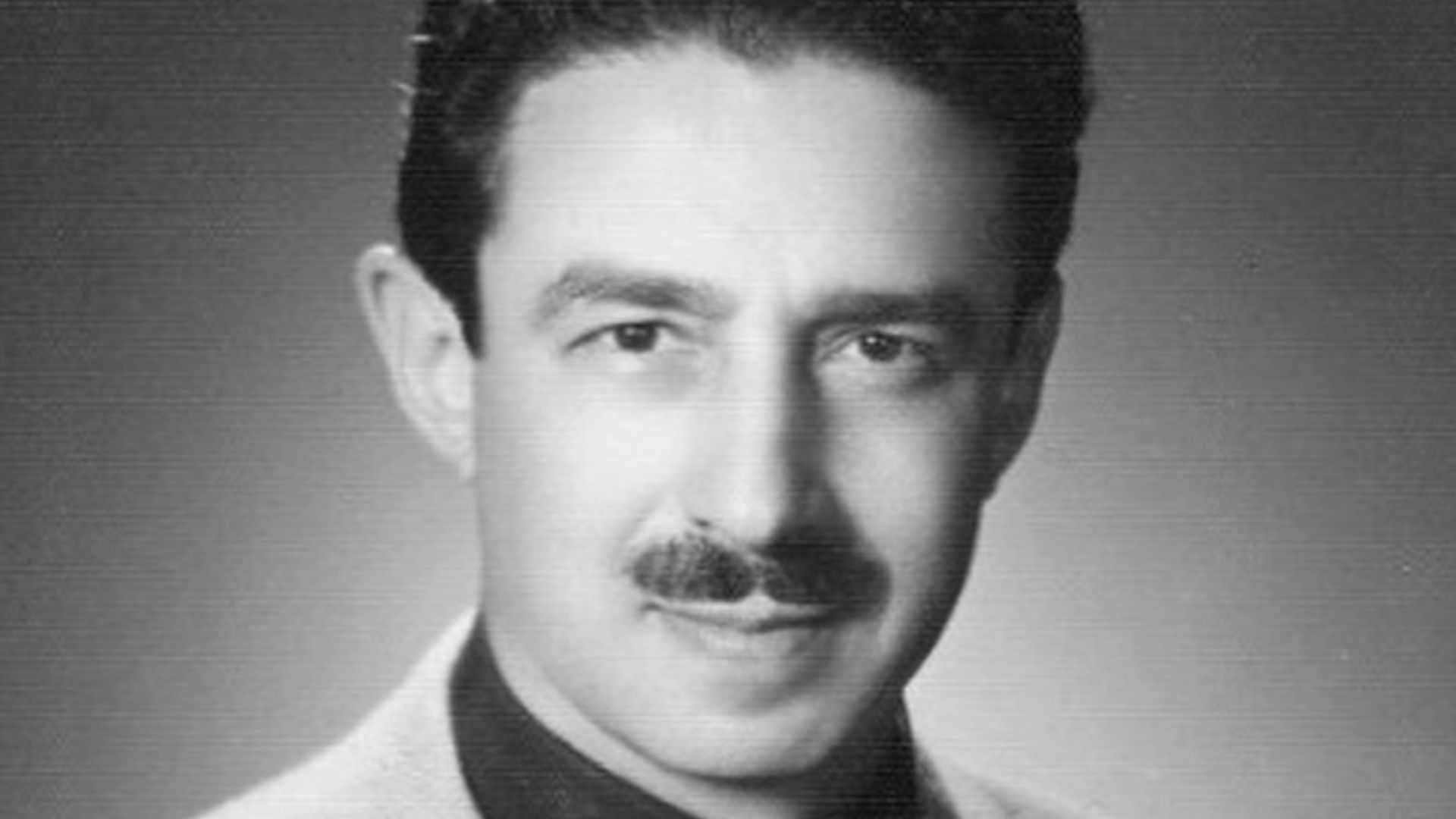 Steve Hodel, Wikimedia Commons
A Wiretap Captured A Disturbing Remark
During the surveillance, Hodel was recorded saying, “Supposin’ I did kill the Black Dahlia. They couldn’t prove it now.” The statement sounded explosive, but it was not treated as a legally sufficient confession, and investigators never established that Hodel had killed Short.
 Steve Hodel, CC BY-SA 4.0, Wikimedia Commons, Enhanced
His Son Later Accused Him Publicly
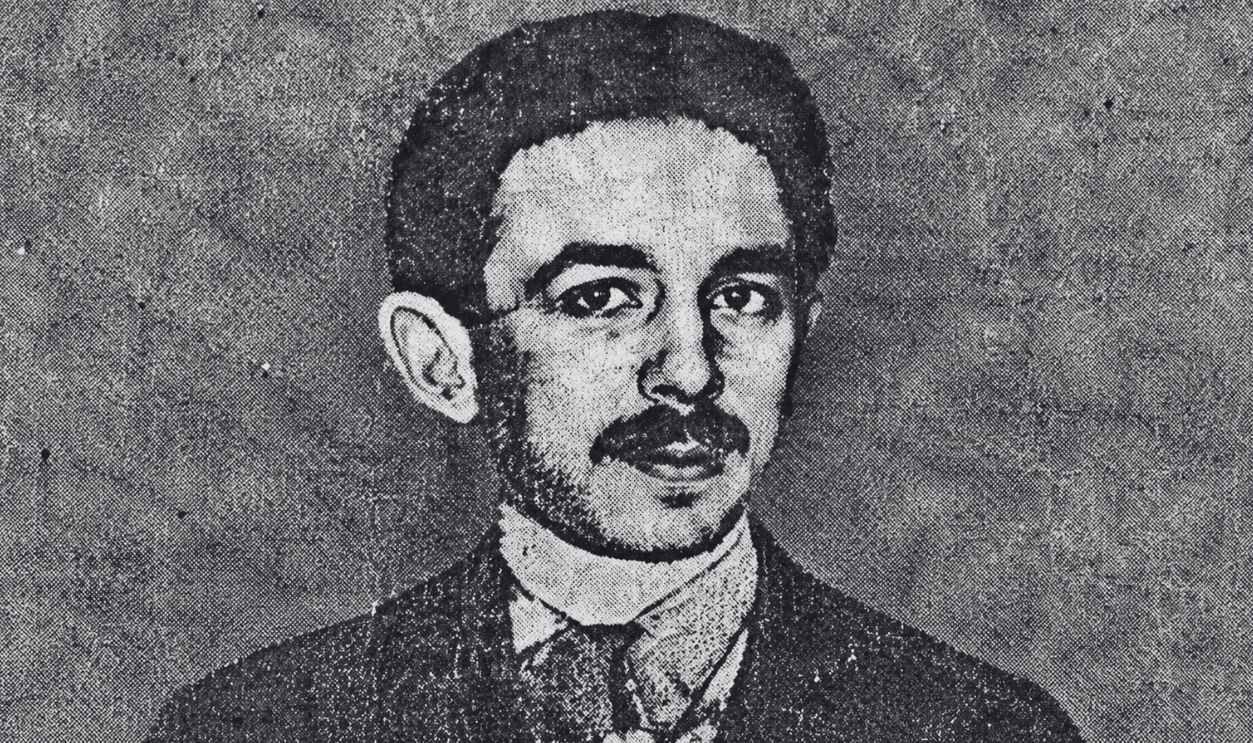
After Hodel died in 1999, his son Steve Hodel, a retired LAPD detective, argued that his father had murdered Short. He presented photographs, handwriting comparisons, and circumstantial evidence, but important elements remain disputed. No law-enforcement agency has officially declared George Hodel the killer.
 Court, CC BY-SA 4.0, Wikimedia Commons, Enhanced
Other Suspects Came And Went
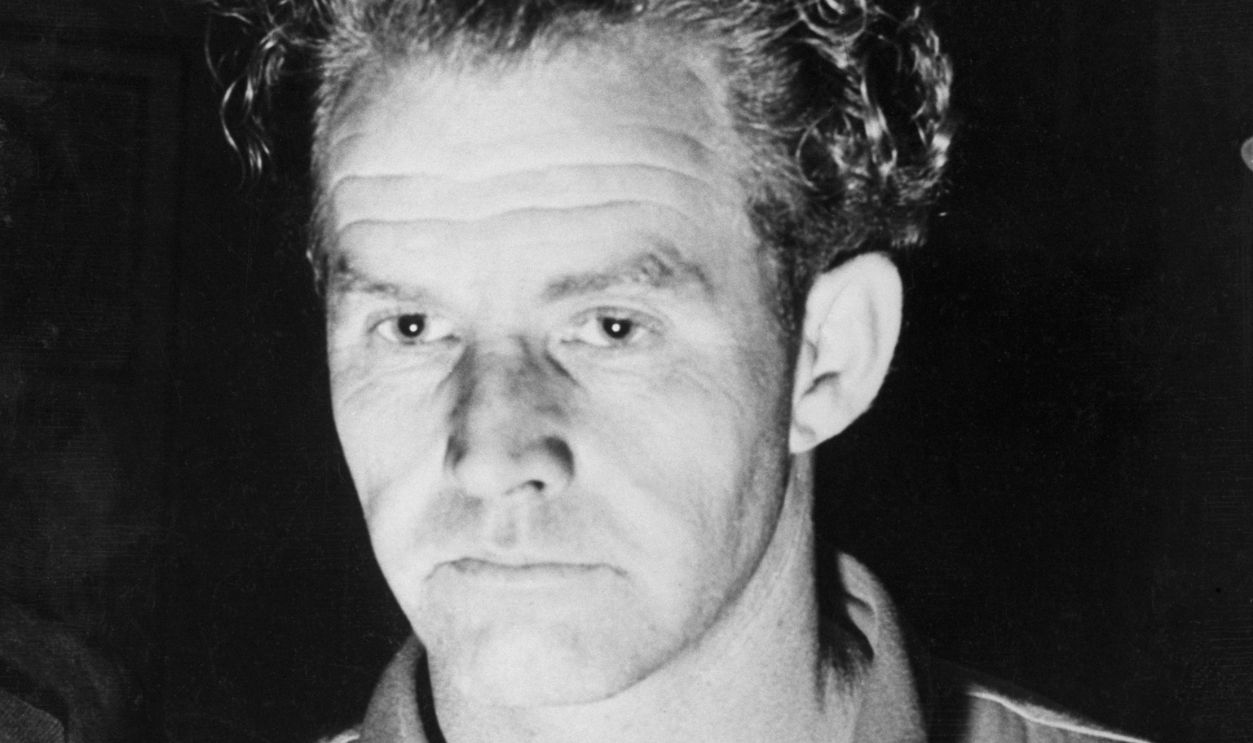
Nightclub owners, medical workers, former boyfriends, soldiers, criminals, and mortuary employees all appeared in investigative files or later theories. Some were seriously questioned, while others were products of rumor. None produced the physical evidence required to bring a murder charge.
The Press Made The Search Even Harder
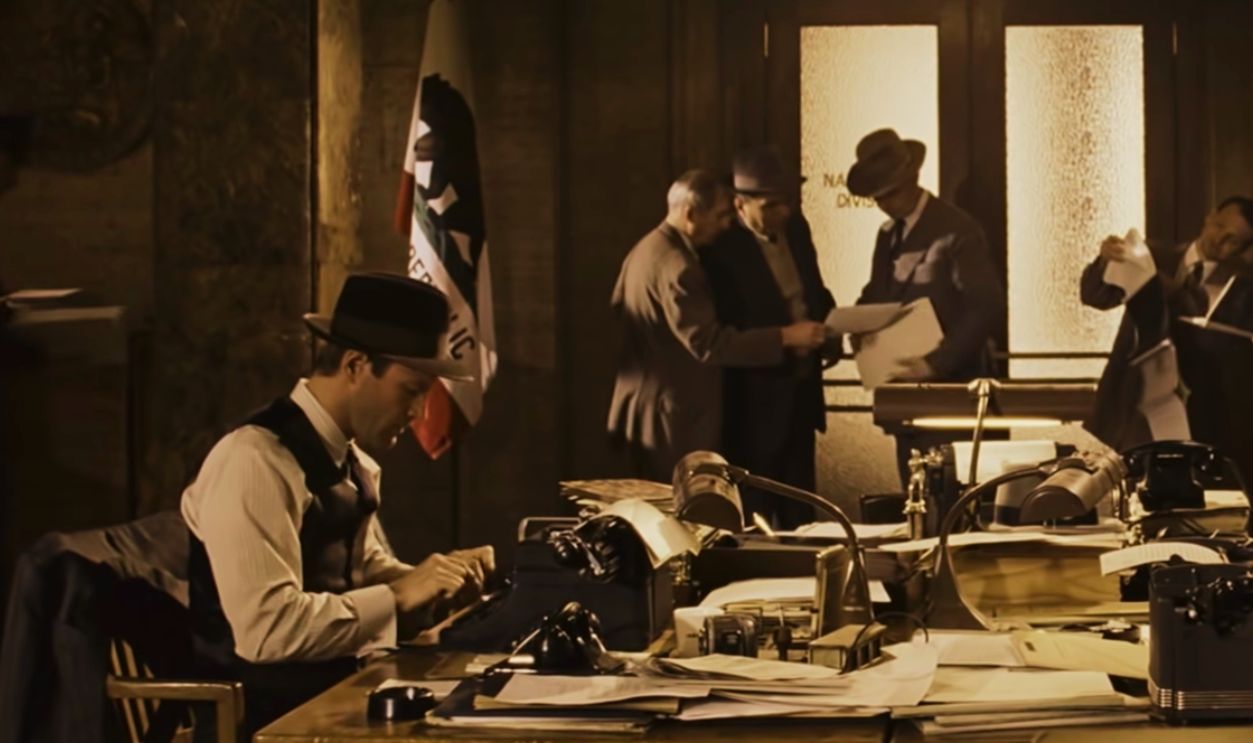
Sensational newspapers described Short as a dangerous temptress, street worker, lesbian, or reckless “adventuress.” Those claims were often unsupported, but they shaped public opinion and generated irrelevant tips. The victim’s imagined secret life became more marketable than the evidence surrounding her death.
 Screenshot from The Black Dahlia, Universal Pictures (2006)
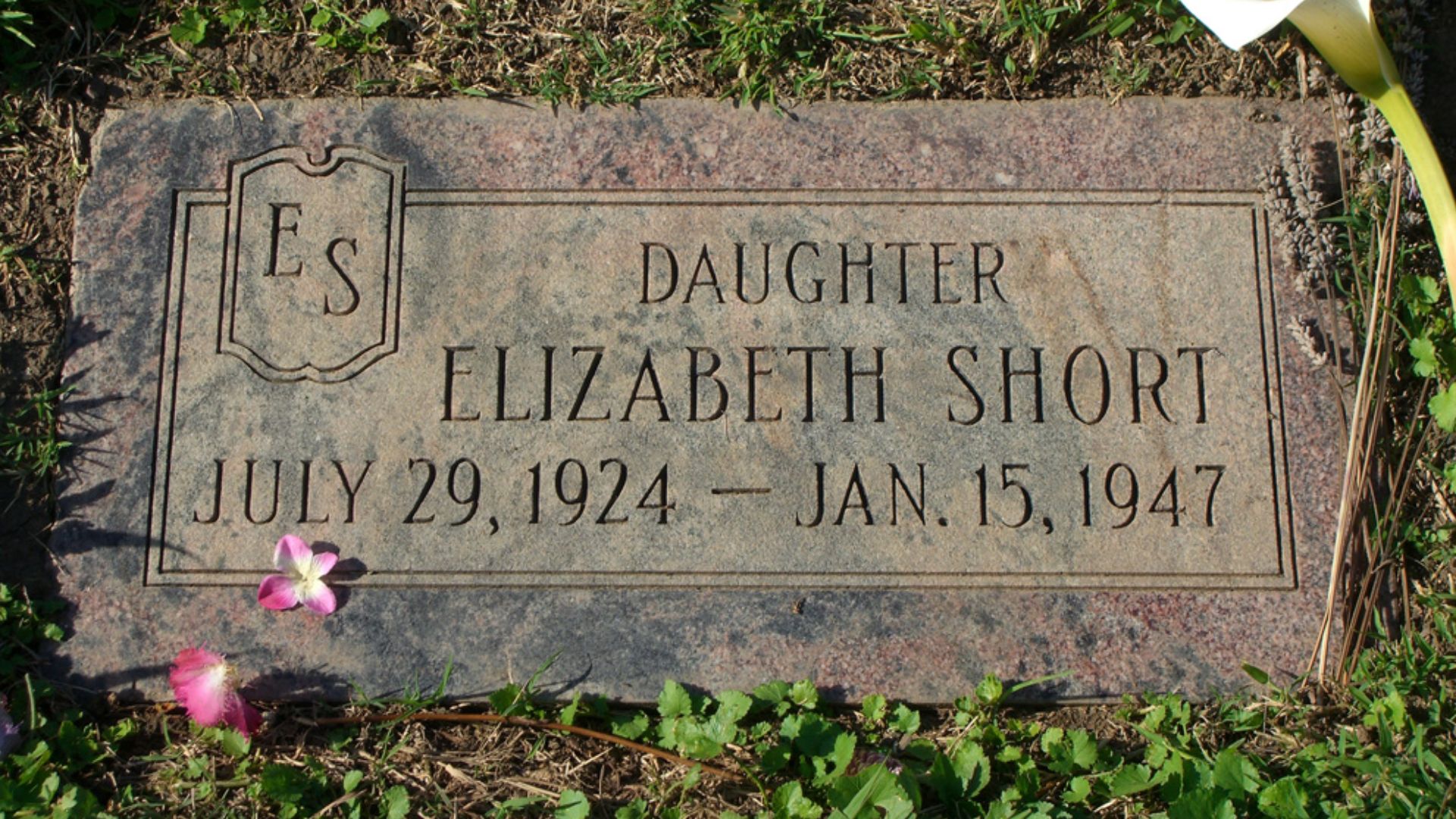
Her Family Finally Buried Her
Elizabeth Short was buried on January 25, 1947, at Mountain View Cemetery in Oakland, California. Her mother, Phoebe, and other relatives attended the funeral while detectives continued hunting her killer. Newspaper photographers waited outside, ensuring that even her burial became part of the spectacle.
 DarkCryst at English Wikipedia, Wikimedia Commons
Hansen Never Forgot The Case
Harry Hansen continued thinking about Short’s murder long after the main investigation lost momentum. Upon retiring in 1968, he expressed one lasting regret: “I never solved the murder of Elizabeth Short.” After thousands of interviews and countless theories, the same mystery remained.
 Santa Barbara police, Wikimedia Commons
The Killer Disappeared Into Los Angeles
No one has ever been charged with Elizabeth Short’s murder. The room where she was killed was never conclusively identified, the missing six days were never reconstructed, and the person who placed her body beside Norton Avenue apparently vanished without leaving a provable name behind.
Elizabeth was only 22 when someone ended her life and turned her into a terrifying public legend. The most chilling part of the Black Dahlia story is not a nickname, a suspect, or a macabre theory. It is the knowledge that her killer may have watched the city searching and realized that the secret was safe.
You May Also Like:
Natalie Wood’s death was one of Hollywood’s most enduring mysteries—until the captain of her yacht changed his story.