The girl behind the silver
For one dazzling year, Edie Sedgwick was Andy Warhol’s most famous Superstar. Then her influence spread far beyond his films, turning her into a muse for musicians, photographers, filmmakers, and the fashion world.
But the darkest parts of Edie’s story began long before any of them knew her name—and continued long after.

She still looks like the future
More than 50 years later, Edie’s cropped silver hair, enormous earrings, black tights, heavy eye makeup, and oversized shirts still look strangely modern. Plenty of 60s style icons now resemble the decade they came from. Edie somehow looks like she could walk into a party tonight and immediately become the most interesting person there.
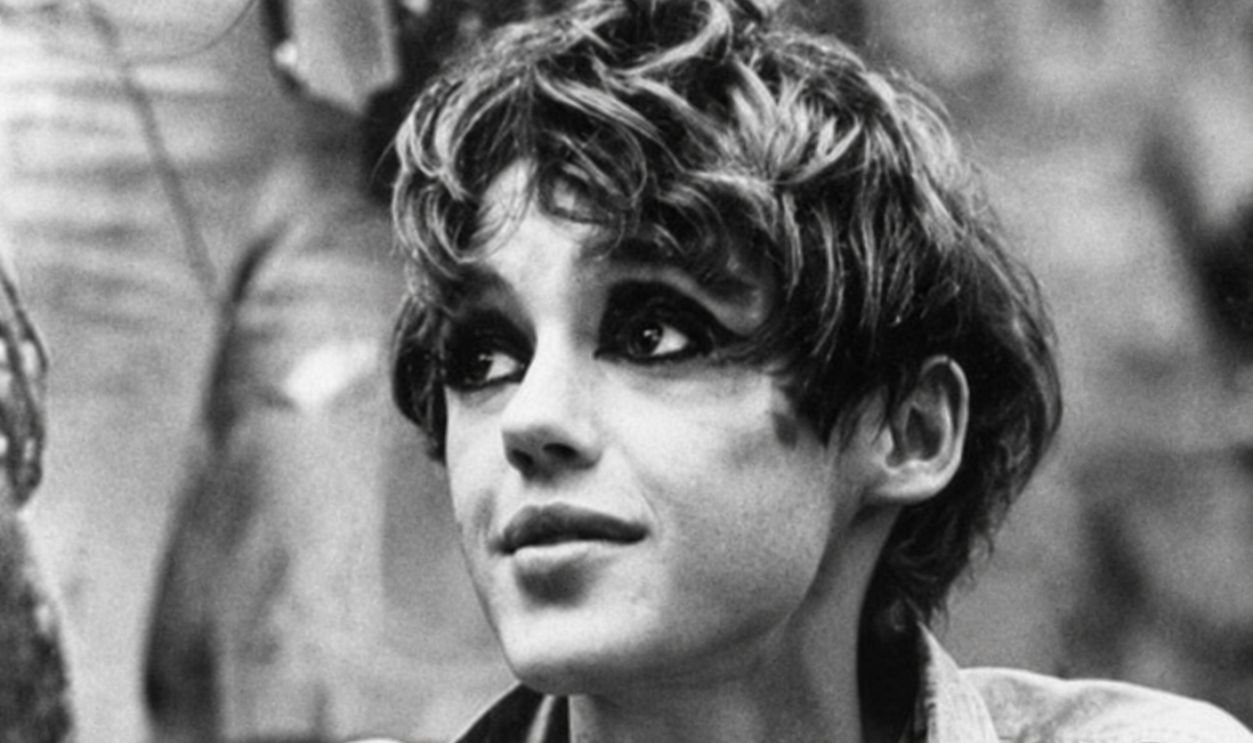 Terry Stevenson, Wikimedia Commons, Modified
The name came with serious history
Edith Minturn Sedgwick was born in Santa Barbara on April 20, 1943, the seventh of eight children. Her family tree included military leaders, politicians, and William Ellery, a signer of the Declaration of Independence. Edie had not merely been born rich. She had been born into something approaching an American dynasty.
 James Read Lambdin (1807-1899), after John Trumbull, Wikimedia Commons
The ranch looked like paradise
The Sedgwick children grew up riding horses on an enormous California ranch, far removed from ordinary life. They were educated at home before being sent to boarding schools, while their father controlled nearly every part of their isolated little world. From the outside, it looked glorious. Inside, things were already beginning to crack.

The warning came before Edie
Francis Sedgwick, known within the family as Fuzzy, had experienced serious psychological problems before his marriage. According to Edie’s sister Alice, a psychiatrist warned the couple that having children would be unwise. They went on to have eight, creating the enormous family their doctor had reportedly cautioned them against starting.
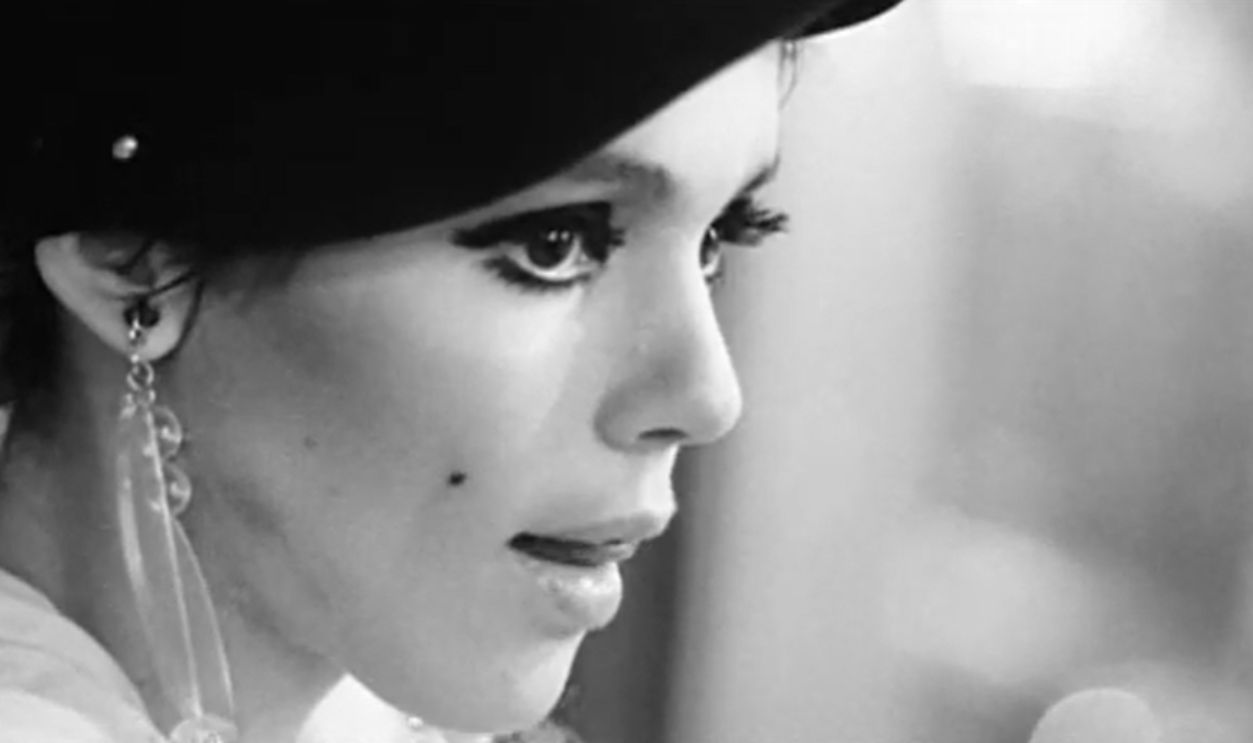 Screenshot from Ciao! Manhattan, Maron Films (1973)
Her father ruled everything
Fuzzy was handsome, artistic, wealthy, and very accustomed to being obeyed. He could also be cruel, controlling, and deeply unpredictable. The children lived under his rules while their mother often remained emotionally distant. The ranch may have offered thousands of acres to explore, but escaping their father was another matter entirely.
 Pavel Danilyuk, Pexels, Modified
Edie later made a devastating claim
After reaching New York, Edie told people that her father had behaved inappropriately toward her beginning when she was a child. Alice later admitted that she found parts of Edie’s account difficult to accept, but she had also witnessed disturbing behavior from their father and did not completely dismiss what Edie had said.
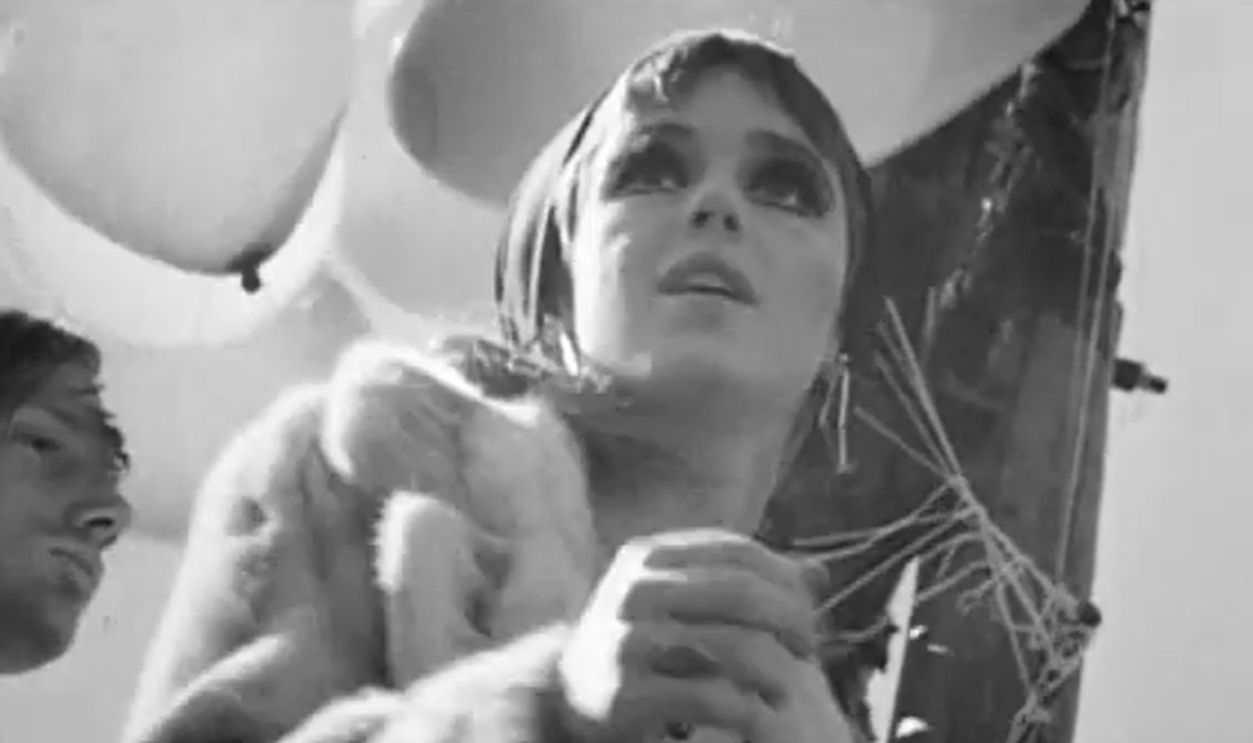 Screenshot from Ciao! Manhattan, Maron Films (1973)
Then he told her it never happened
As a teenager, Edie reportedly discovered her father with another woman. According to family accounts, he struck her, insisted she had imagined the entire incident, and summoned a doctor who heavily tranquilized her. Her mother did not believe her. It was not merely a family argument. It taught Edie to question her own reality.

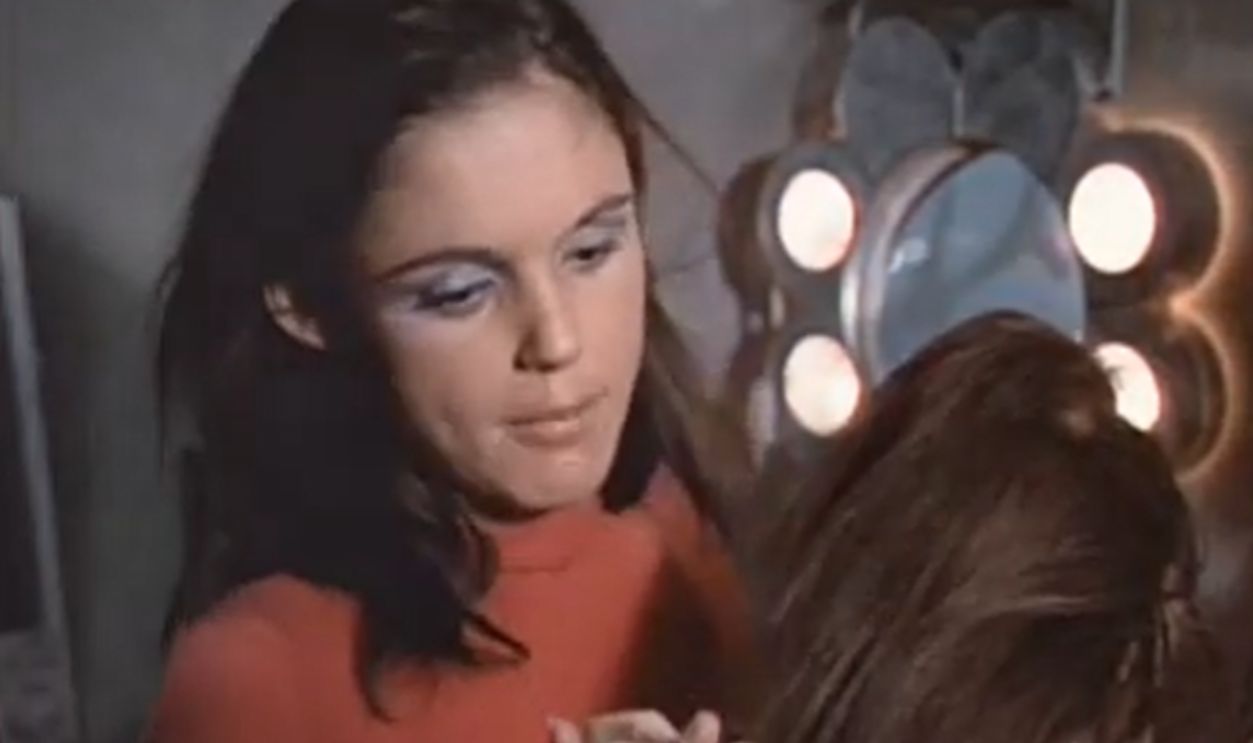
By 13, the damage was showing
Edie developed a serious eating disorder during adolescence and struggled at several schools. She would be sent away, deteriorate, and eventually return home, back into the same environment that had helped create the problem. Long before the silver hair and New York parties, her life had already become a cycle of illness, control, and attempted escape.
 Screenshot from Ciao! Manhattan, Maron Films (1973)
The hospitals came before the fame
In 1962, Edie entered Silver Hill, a psychiatric facility in Connecticut. When her condition worsened and her weight reportedly dropped to around 90 pounds, she was transferred to a more restrictive hospital in New York. She was not a carefree young woman destroyed by celebrity. She arrived in celebrity already carrying years of damage.

The muse was an artist too
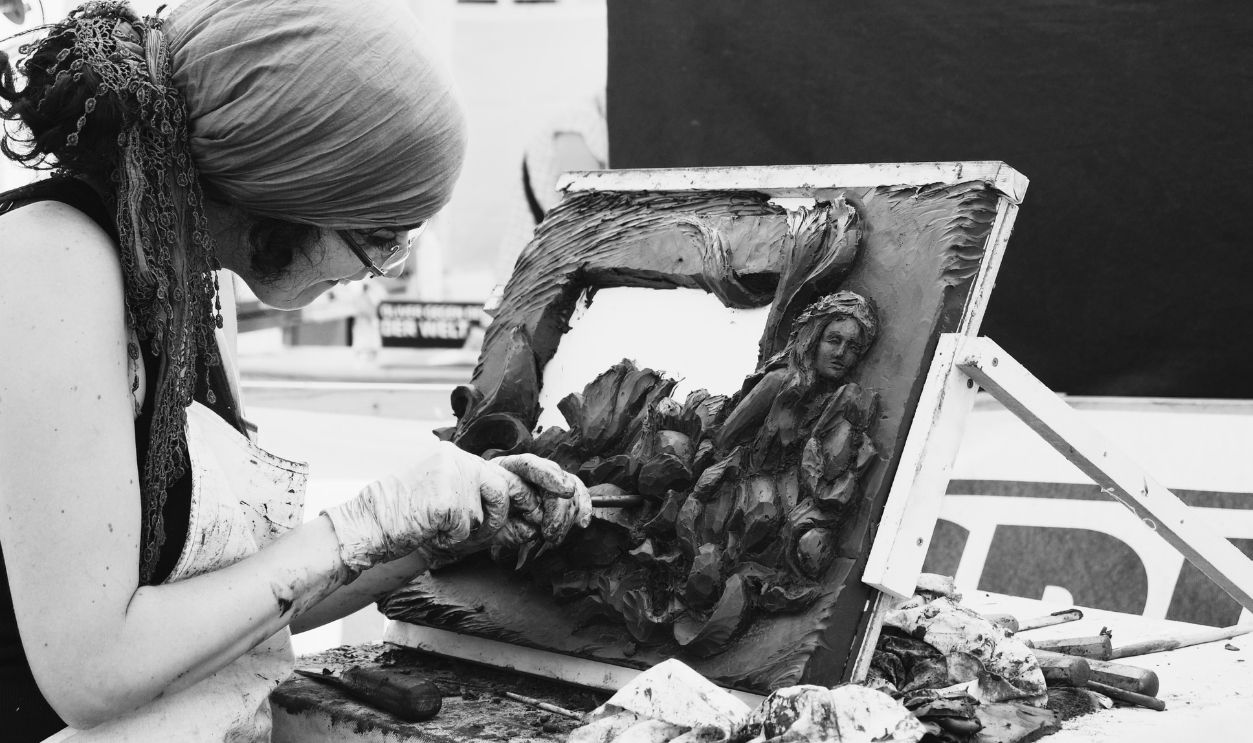
The irony is that Edie is usually remembered for inspiring other people, even though she painted, drew, and sculpted herself. She even studied sculpture with Lily Saarinen for several months. The world wanted Edie to be an image. She had been trying to create images of her own.
She lost two brothers almost back-to-back
Edie lost her brother Minty in 1964 following years of psychiatric treatment. Her brother Bobby suffered fatal injuries when his motorcycle struck a bus on New Year’s Eve and was gone by January 1965. Within months, Edie had lost two brothers. Then, in March, she met Andy Warhol, and her life suddenly changed direction again.
New York looked like an escape
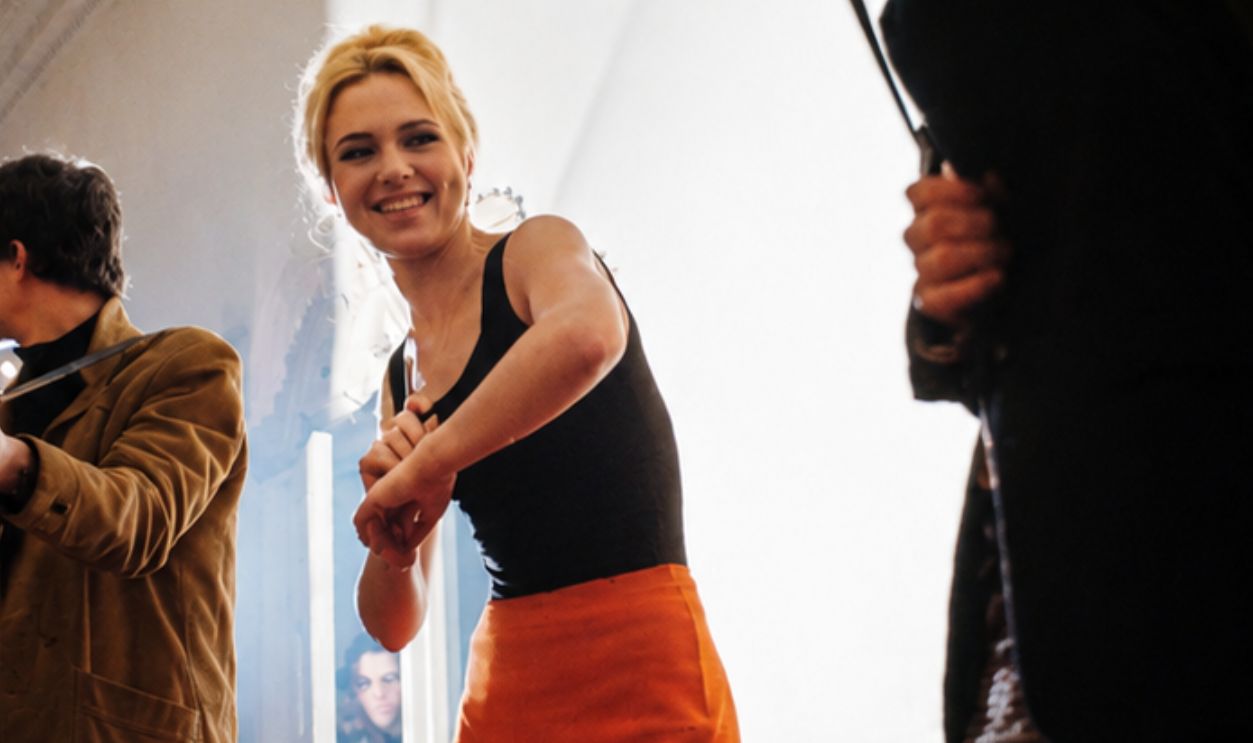
Edie had moved to New York by early 1964, where she studied jazz ballet, pursued modeling, shopped extravagantly, and entered a social world that seemed impossibly far from the ranch. Manhattan offered attention, movement, and freedom. After her childhood, it must have felt like oxygen. Unfortunately, oxygen can also feed a fire.
 midweekpost, Wikimedia Commons
Andy Warhol saw her immediately
Edie met Warhol on March 26, 1965, at a party hosted by film producer Lester Persky. Persky remembered Warhol staring at her and slowly declaring her “bee-you-ti-ful.” Edie was 21. Warhol was 36. Within days, she was inside his studio, and very soon, she was the person everyone else was watching.
The camera found her by accident
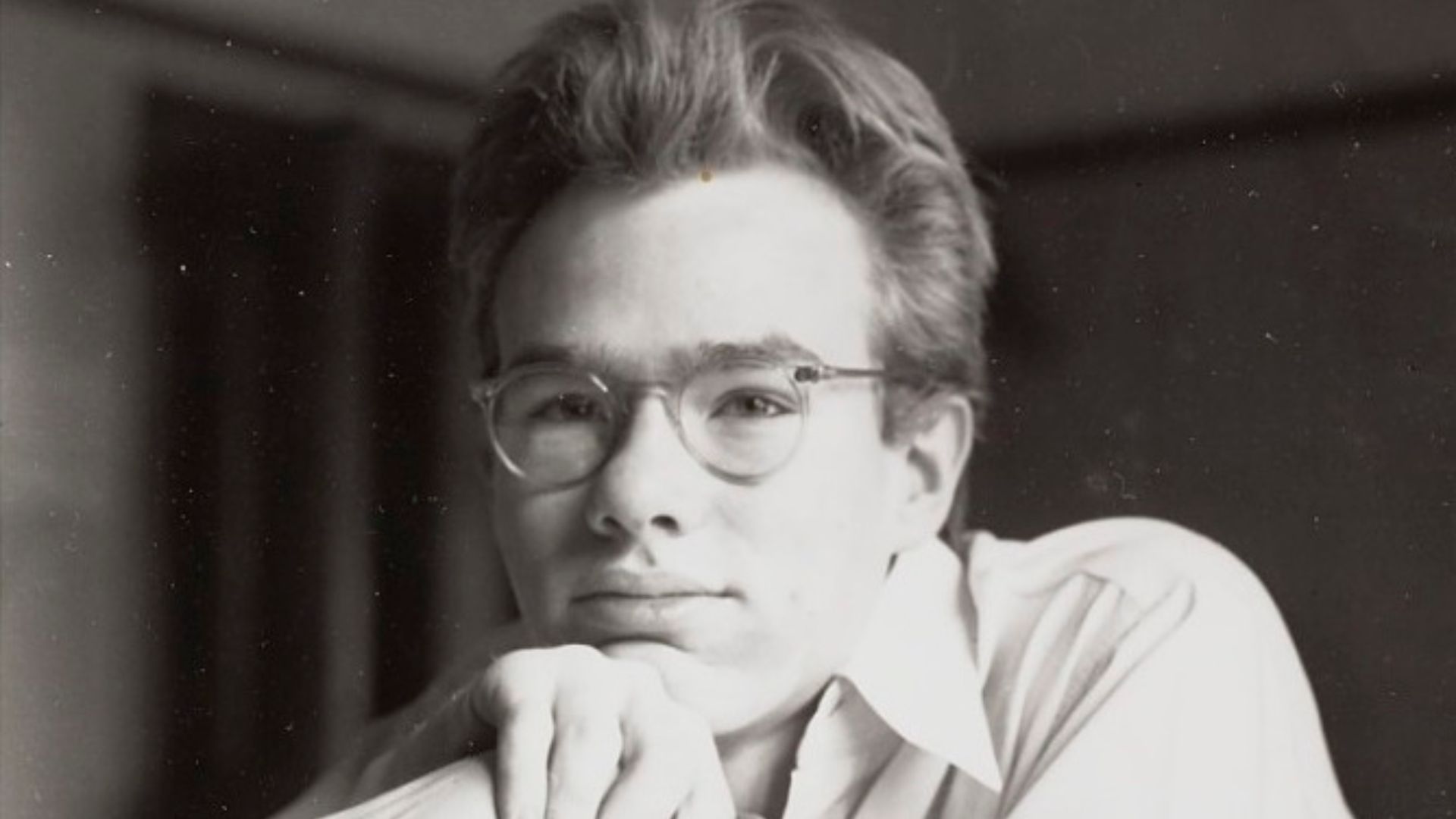
Edie’s first Warhol appearance came in Vinyl, his loose adaptation of A Clockwork Orange. She was not given a conventional starring role and mostly sat at the side of the action. It did not matter. Even while doing almost nothing, Edie somehow made the rest of the screen feel like background scenery.
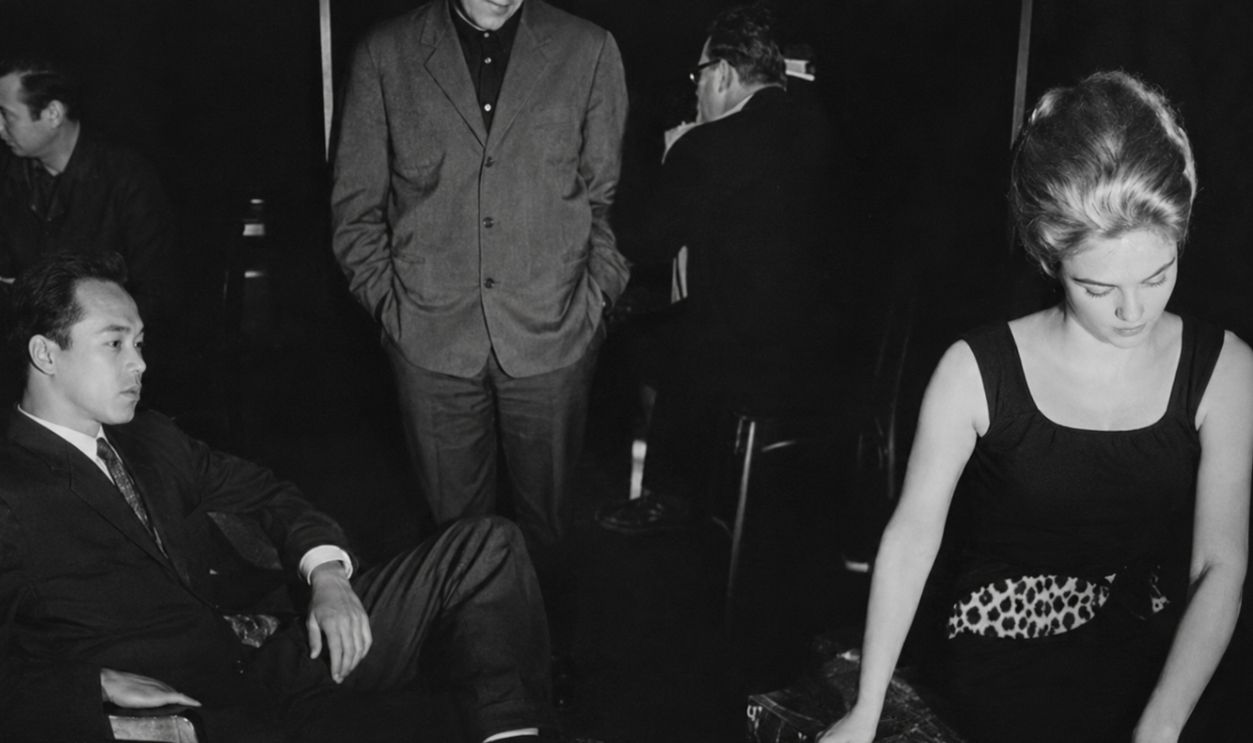 Screenshot from Vinyl, The Factory (1965)
Soon, the movies belonged to Edie
Warhol quickly built more films around her, including Poor Little Rich Girl, Kitchen, Beauty No. 2, and Outer and Inner Space. There were no polished scripts or carefully developed characters. Edie’s face, voice, nervous energy, and unpredictable reactions were the attraction. She was not pretending to be a movie star. She simply became one.
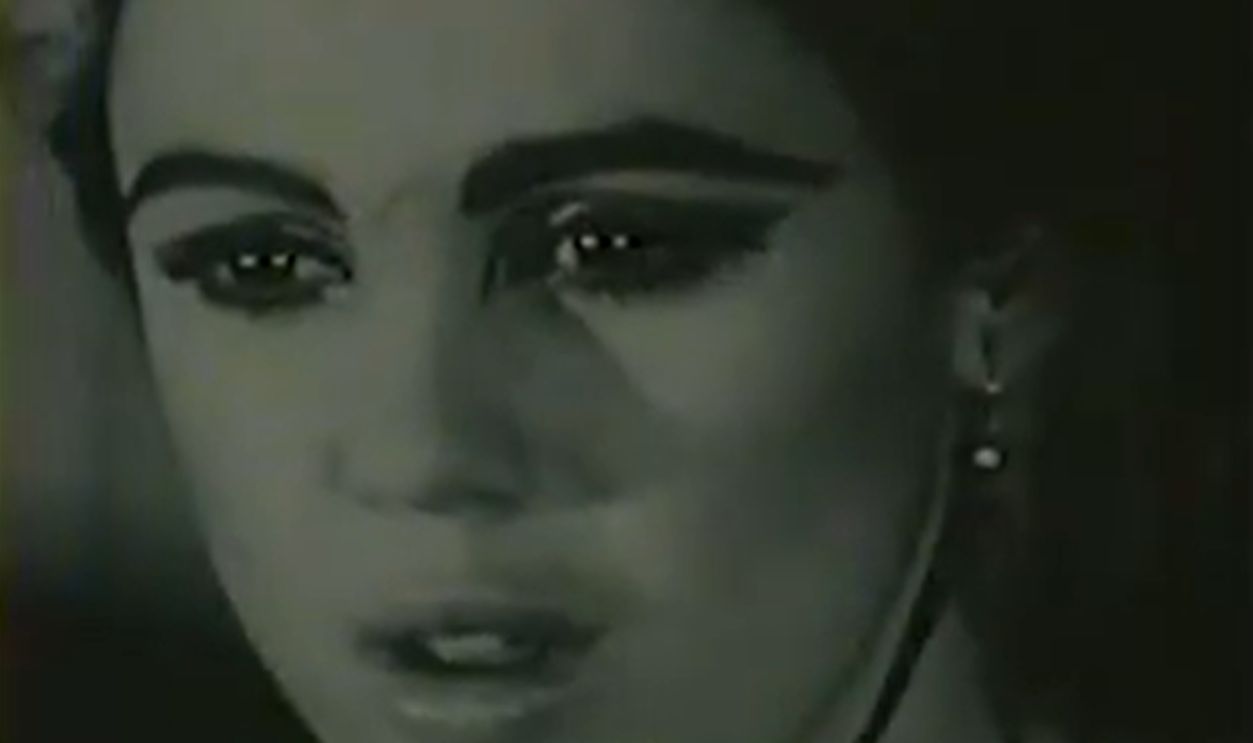 Screenshot from Poor Little Rich Girl, Film-Makers' Cooperative (1965)
Warhol multiplied her
In Outer and Inner Space, Edie sits beside a television playing a prerecorded image of herself. Two reels were projected together, creating four Edies talking, reacting, and occasionally appearing to converse with one another. It sounds like an art-school experiment. Somehow, Edie turns it into something almost impossible to stop watching.
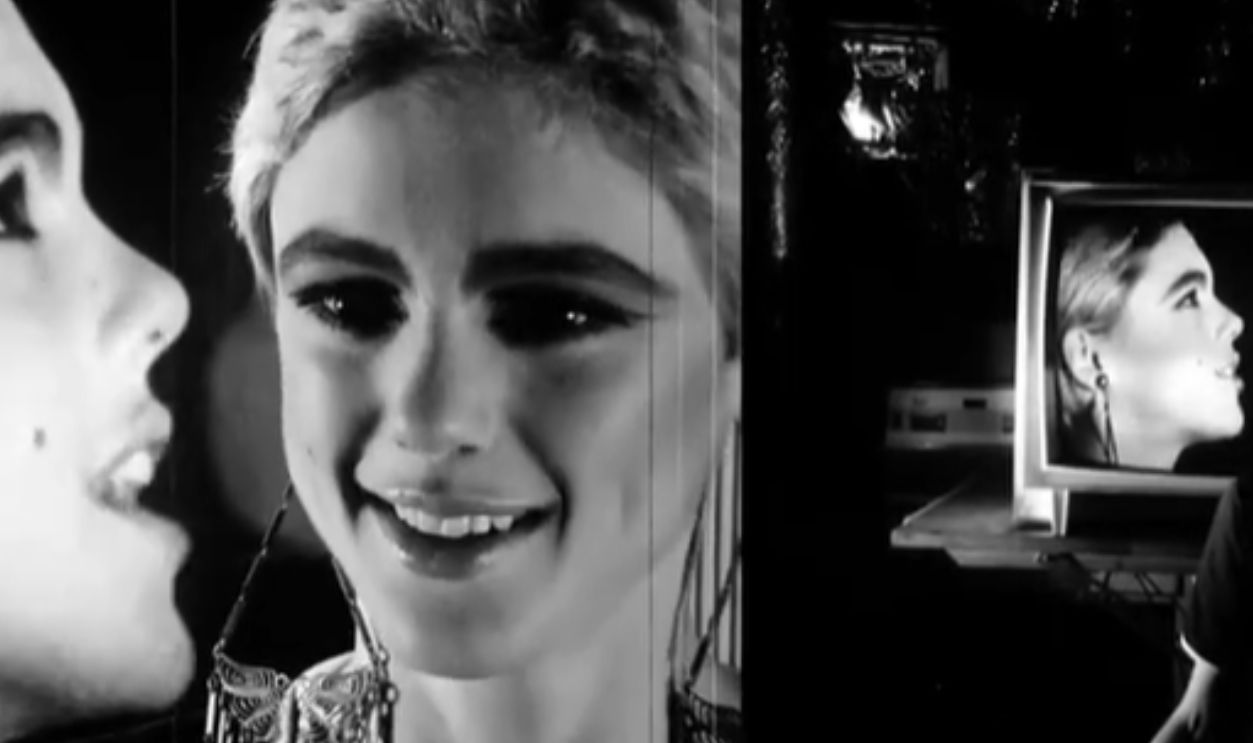 Screenshot from Outer and Inner Space, Film-Makers' Cooperative (1966)
Warhol copied her look
The familiar story often makes Edie sound like another young woman Warhol dressed and remade. According to Warhol himself, the silver-haired transformation worked in the opposite direction. Edie cut and bleached her dark hair, and Warhol later said he copied his own silver look because he wanted to resemble her. Even Andy Warhol wanted to be Edie Sedgwick.
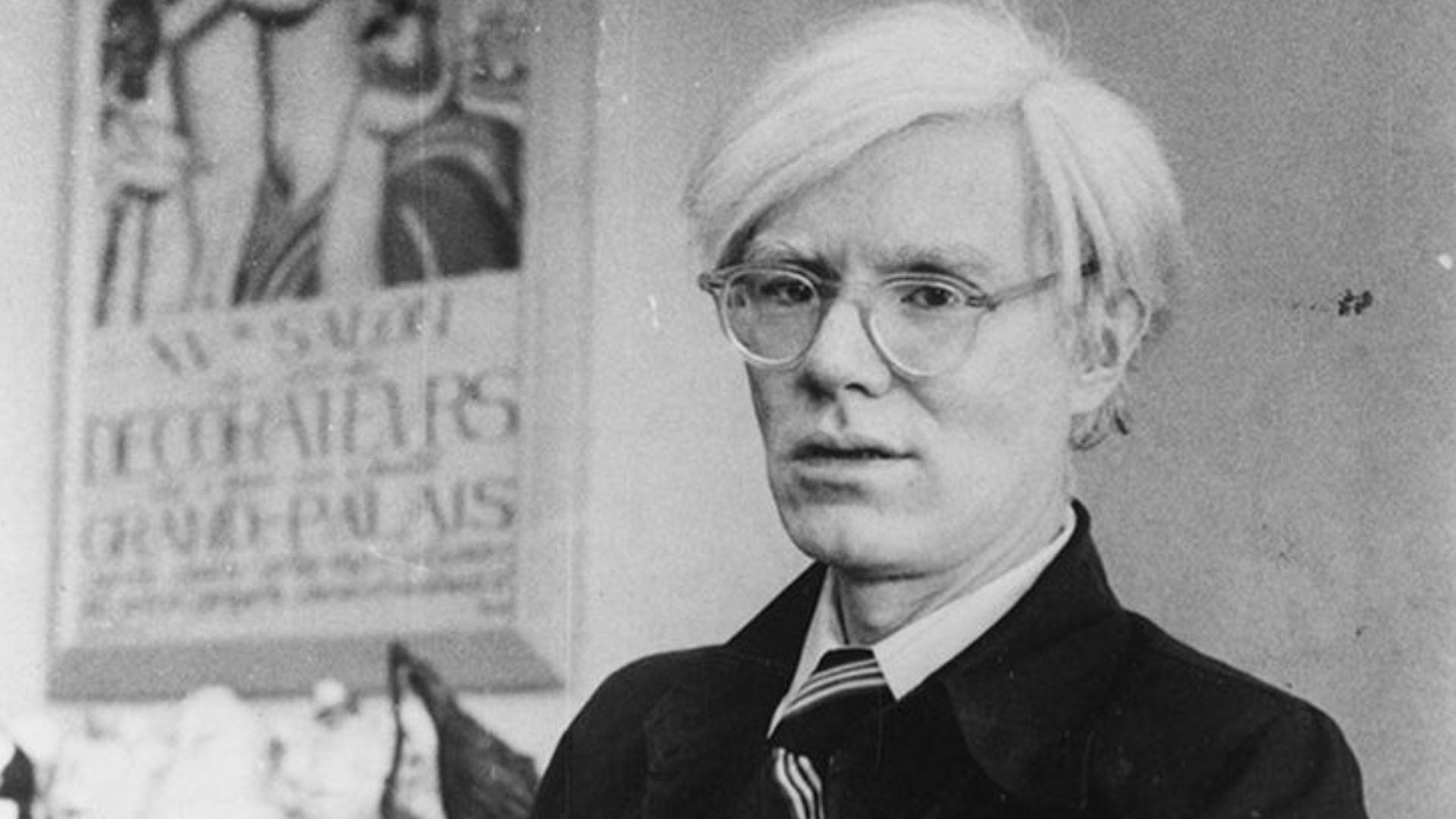 Unknown authorUnknown author, Wikimedia Commons
Together, they became an event
Edie and Warhol appeared at galleries, restaurants, parties, and on television as a strange pair of silver-haired doubles. Before introducing them on his show, Merv Griffin declared that no New York party was considered successful unless they attended. For a brief moment, they were not merely part of the scene. They were the scene.
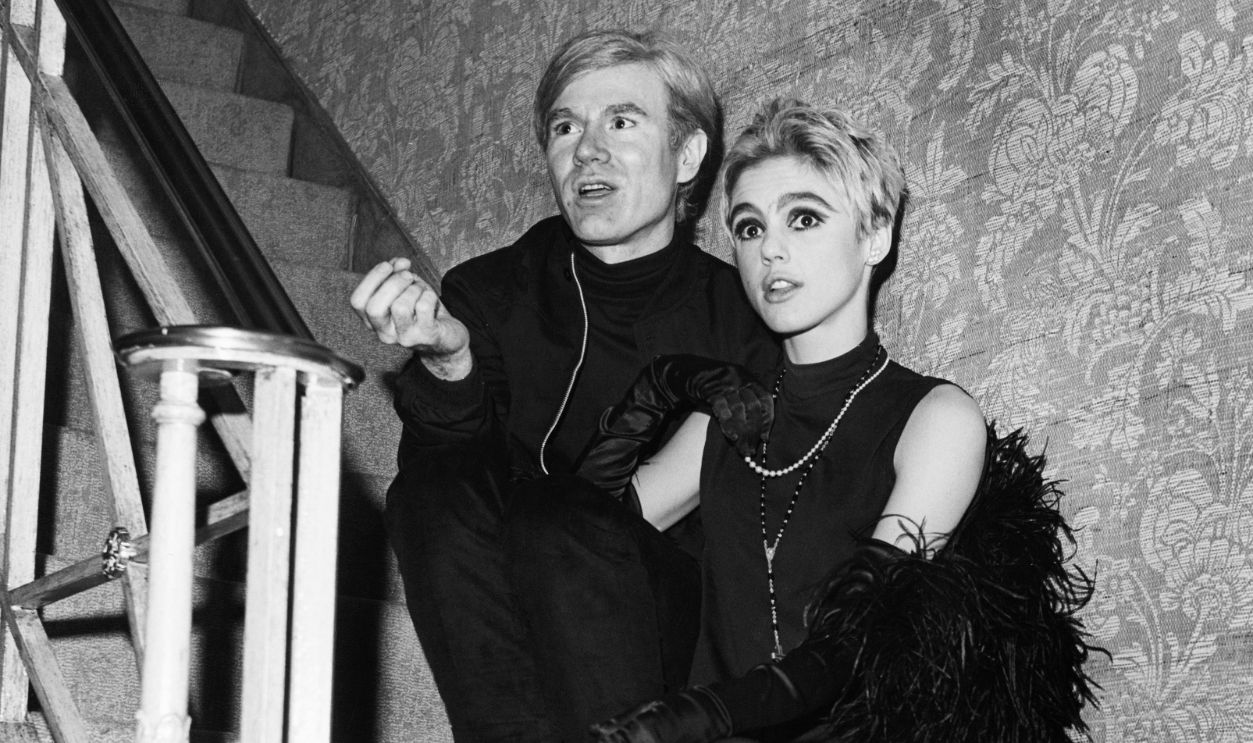 John Springer Collection, Getty Images
For one year, she was everywhere
Vogue photographed Edie. Life celebrated the woman doing more for black tights than almost anyone since Hamlet. Huge crowds appeared hoping to see her beside Warhol. The isolated ranch girl had become one of the most recognizable women in New York, and she had done it with almost no conventional acting, singing, or modeling career.
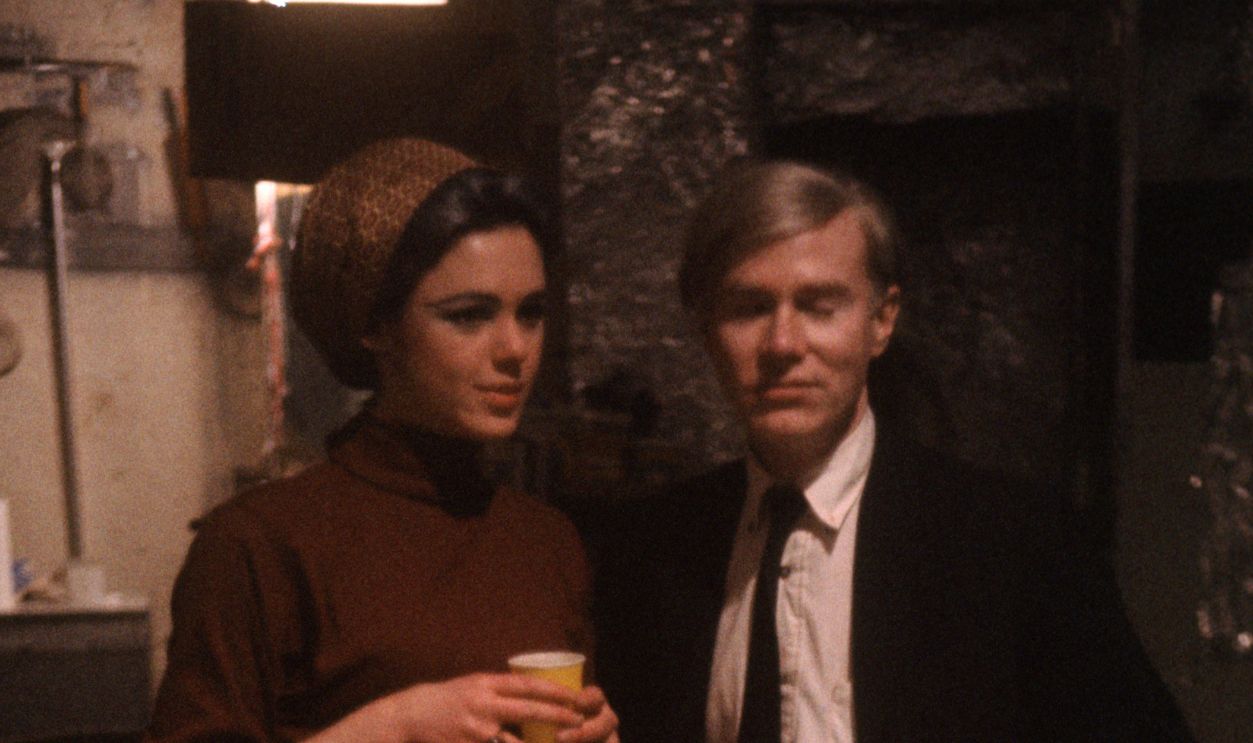 Susan Wood/Getty Images, Getty Images
The cameras kept finding Edie
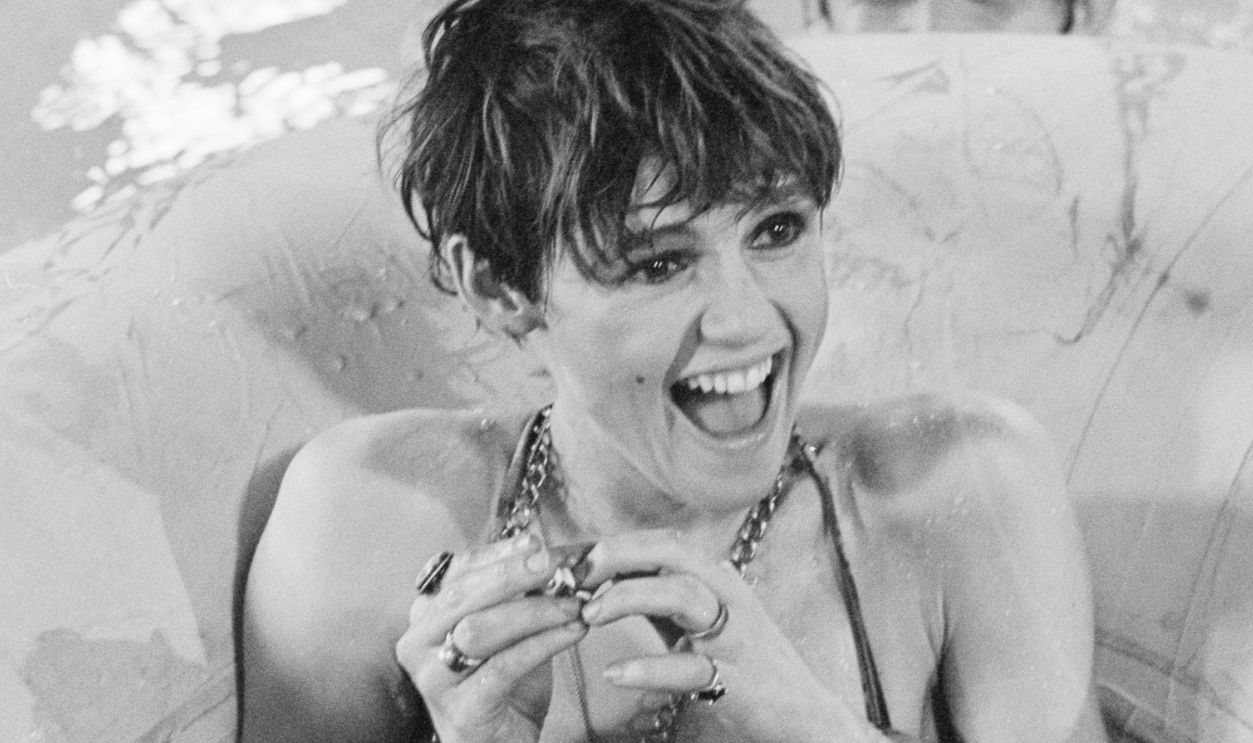
Warhol was hardly the only person who saw something unforgettable in her. Stephen Shore, Billy Name, David McCabe, Nat Finkelstein, and other photographers repeatedly turned their cameras toward Edie, each capturing a slightly different version. In one photograph, she looks completely fearless. In the next, she looks like she might vanish before the shutter closes.
Lou Reed turned Edie into a song
Edie soon moved beyond Warhol’s movies and into rock history. At Warhol’s suggestion, Lou Reed wrote Femme Fatale about her, with Nico singing the lead vocal. It was not exactly a love letter, but it proved Edie was no longer merely appearing in other people’s art. She had become the reason they were making it.

The Dylan connection became another legend
Edie grew close to Bob Dylan’s circle and had a relationship with his associate Bob Neuwirth. Over time, people claimed she inspired Just Like a Woman, Leopard-Skin Pill-Box Hat, and even Like a Rolling Stone. Dylan never firmly confirmed the stories, but that has not stopped anyone from repeating them for the last six decades.
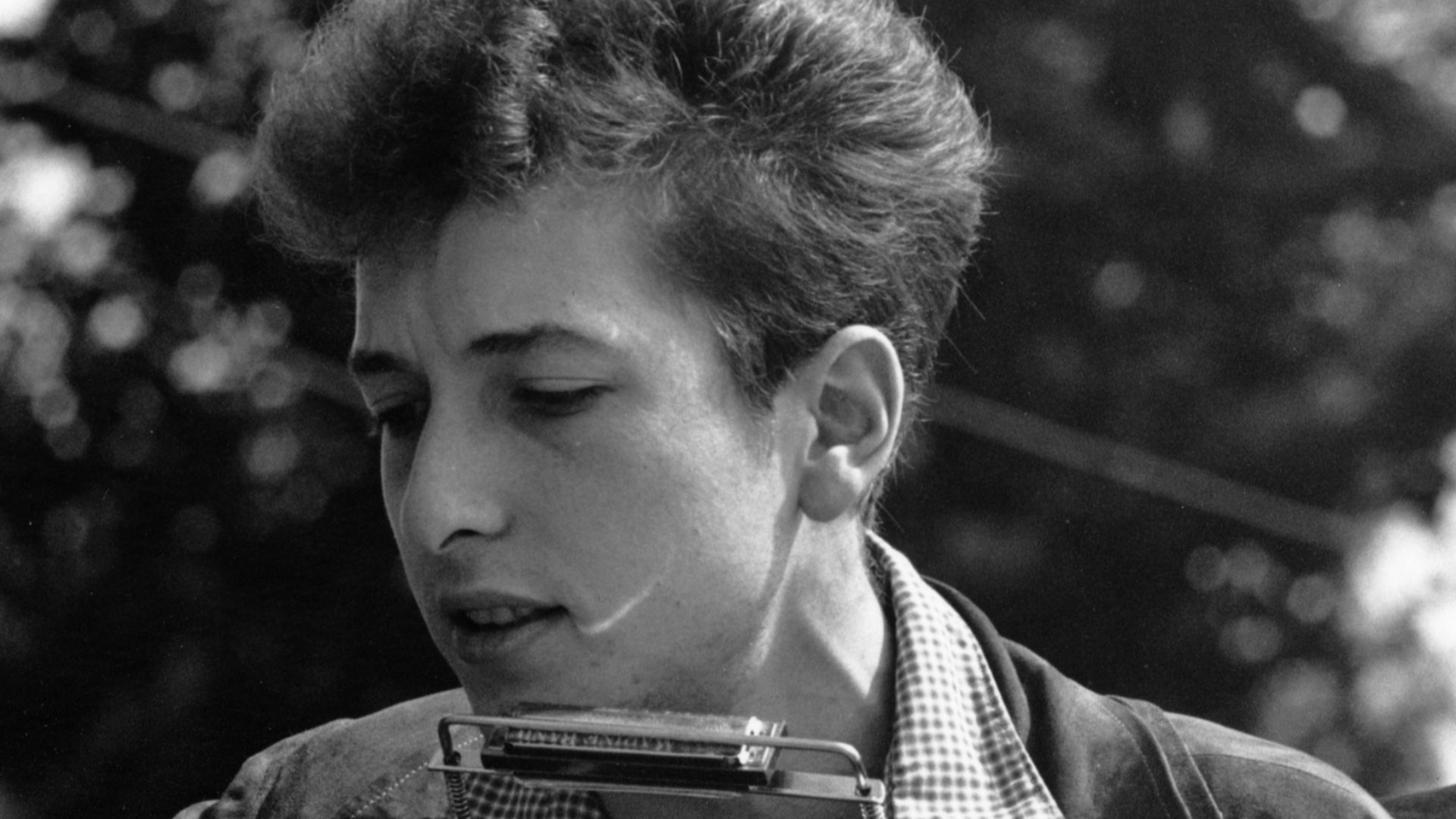 Rowland Scherman, Wikimedia Commons
Edie understood what she was doing
When The New York Times asked about her unconventional style in 1965, Edie explained that she was not rebelling. She was simply trying to find another way. That line makes her sound far less like a passive muse and much more like someone consciously inventing herself because the identity she inherited had become unbearable.
 Ajay Suresh from New York, NY, USA, Wikimedia Commons
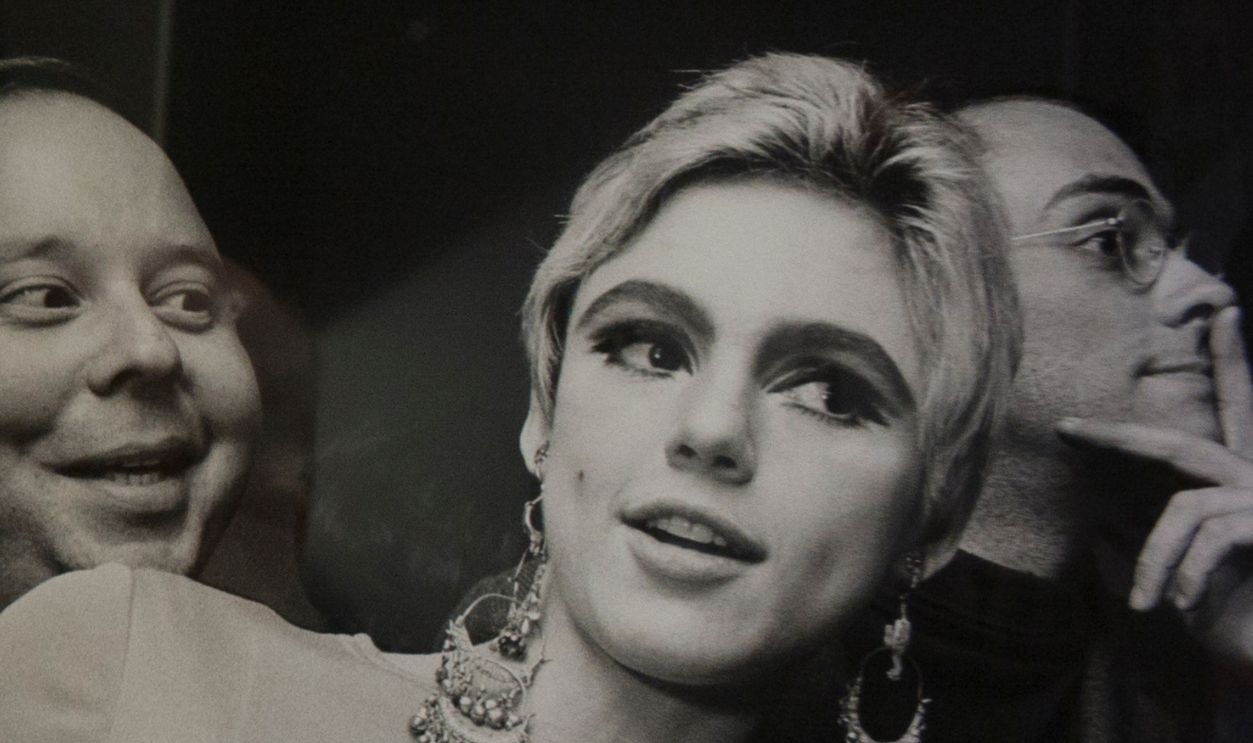
Being Warhol’s star did not pay well
Edie became the face of some of Warhol’s most memorable films, but fame did not bring financial stability. Accounts from the Factory years describe her paying restaurant bills for Warhol and his circle. The arrangement was certainly unusual: Warhol recorded Edie, audiences adored Edie, and Edie frequently ended up picking up the check.
 Robert Nickelsberg, Getty Images
Edie was the one who walked away
The neat Hollywood version says Warhol created Edie and then coldly discarded her. Her sister offered a messier account. Edie became embarrassed by some of the films and announced that she was leaving. She also believed connections inside Dylan’s circle could lead to a legitimate acting career, so she began pulling away from Warhol’s world.
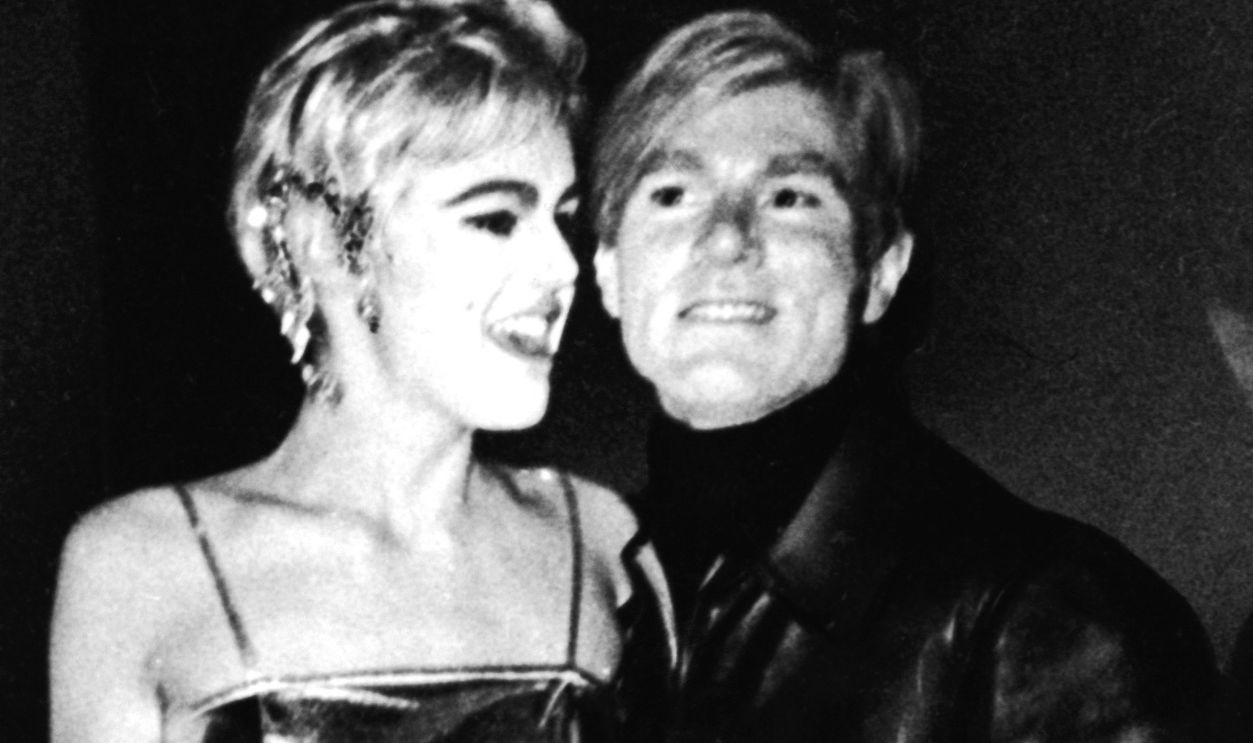
Then the image began to crack
After leaving Warhol, Edie’s health deteriorated and her dependence on medication became increasingly serious. Modeling work became difficult to maintain, her relationship with Neuwirth ended, and a fire in her New York apartment left her badly burned. The woman who had once seemed capable of lighting up any room was now struggling simply to survive one.
 Ludmila Zellner Rotbauerová, Wikimedia Commons
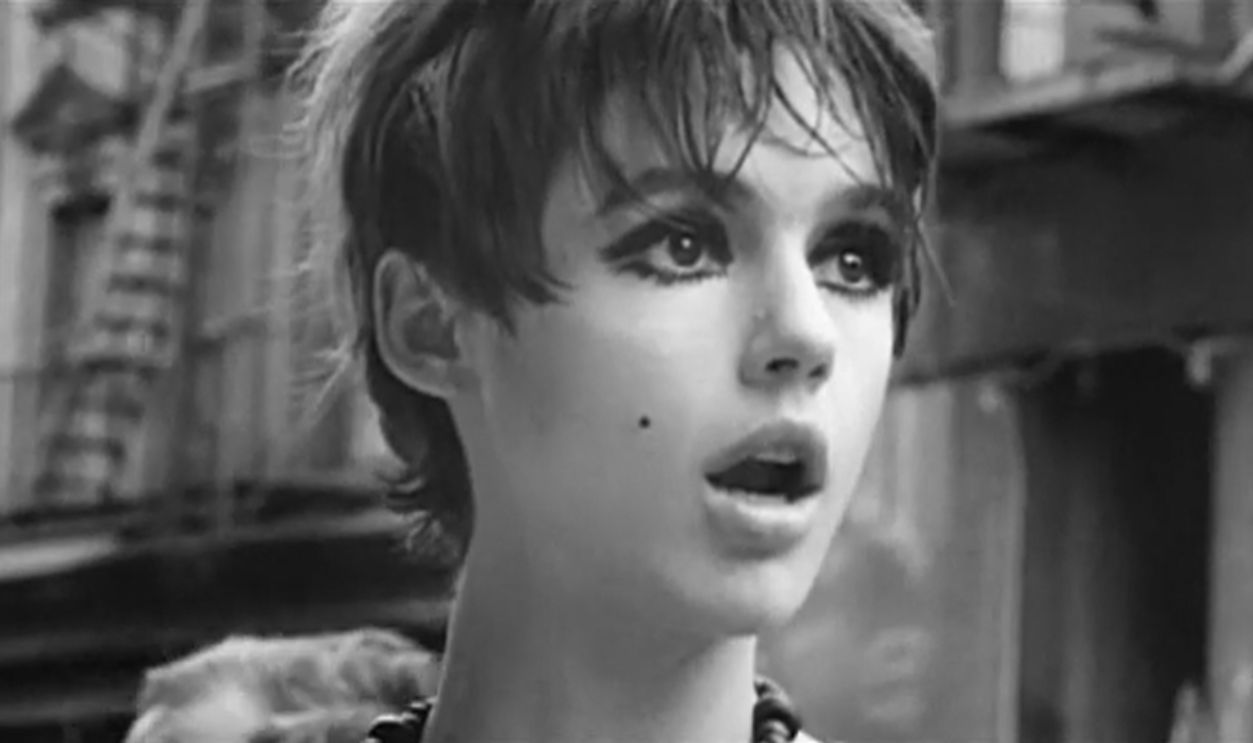
Her final movie became painfully real
Production on Ciao! Manhattan began in 1967 and continued, in different forms, for years. The finished film combined glamorous black-and-white footage of Edie in New York with later color scenes filmed after repeated hospital stays. The difference between the two versions of Edie was so stark that some viewers felt the movie had turned her deterioration into entertainment.
 Screenshot from Ciao! Manhattan, Maron Films (1973)
The movie kept changing because Edie did
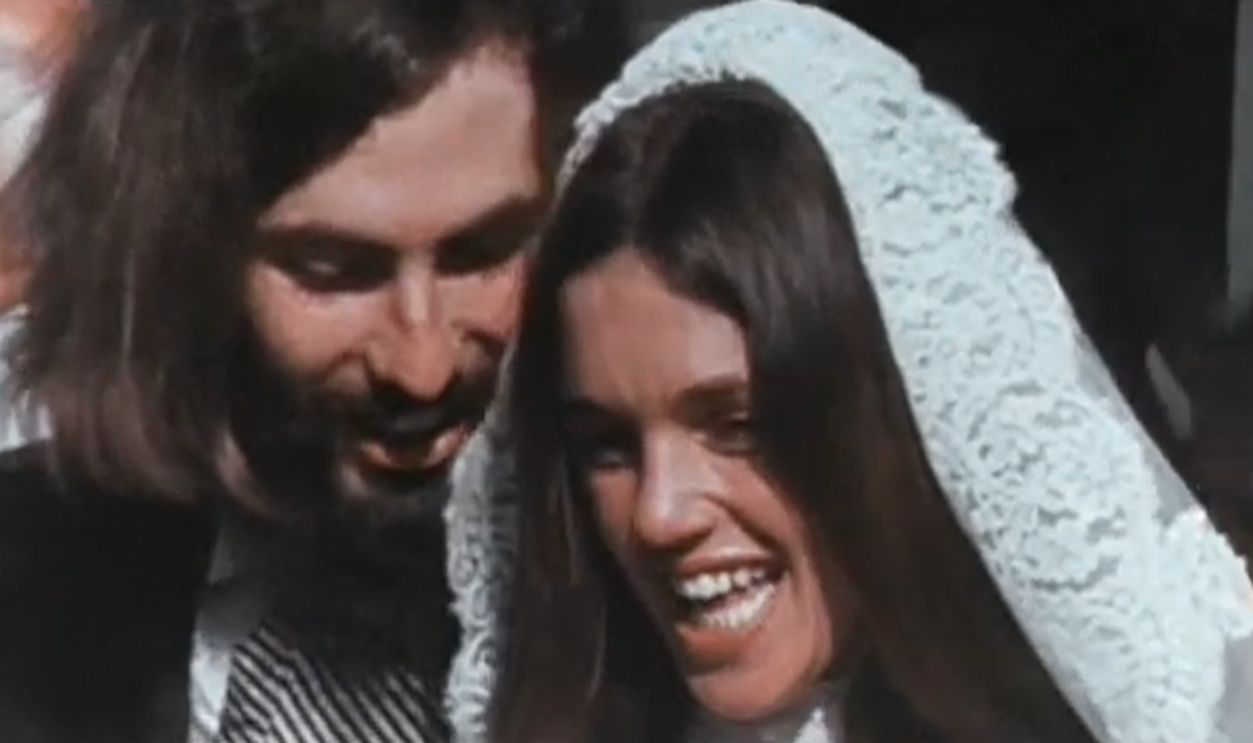
The original production collapsed, so directors David Weisman and John Palmer constructed a new story around the surviving footage and Edie’s later life in California. Fact and fiction blurred together. Her real wedding was included. Her memories became narration. By the end, the movie was no longer merely starring Edie. It was documenting her disappearance.
 Creator:Peter Randolph, Wikimedia Commons
Hollywood arrived too late
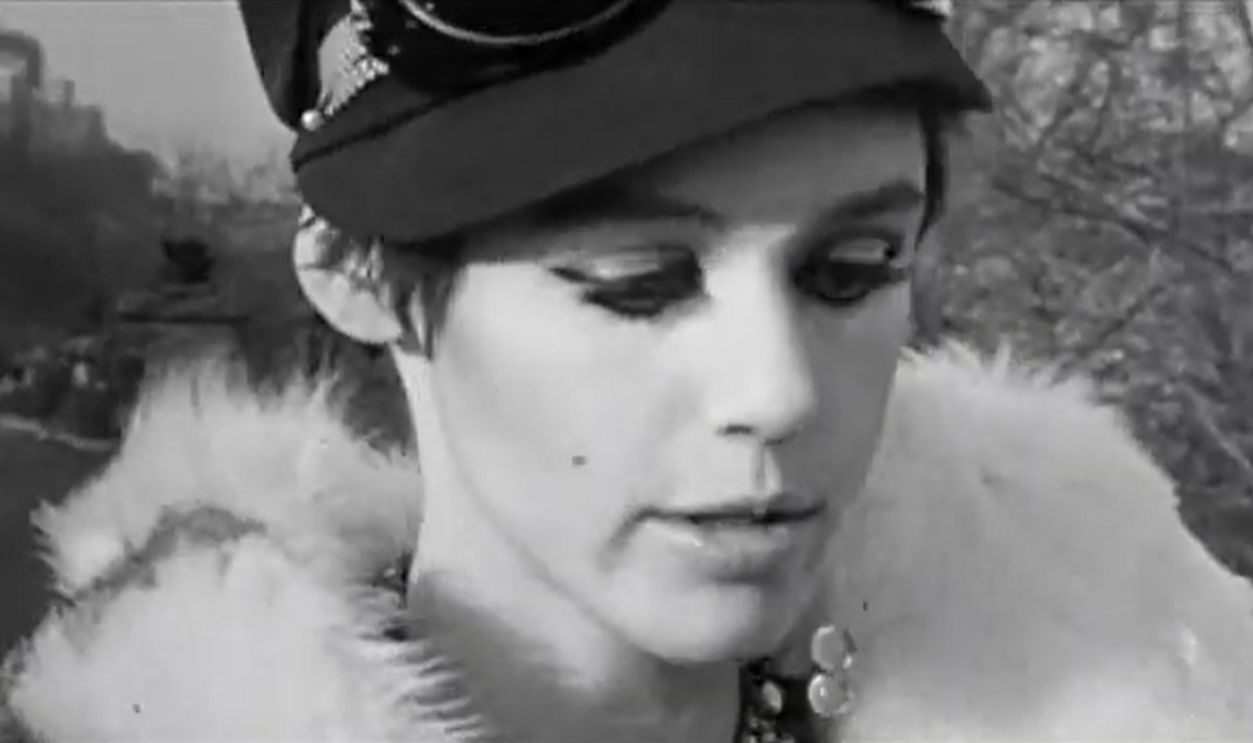
Ciao! Manhattan should have been Edie’s opportunity to prove that she could exist outside Warhol’s world. Instead, it did not open in New York until April 1973, roughly a year and a half after she was gone. The independent film career she had imagined finally reached audiences when there was no longer any chance for her to continue it.
 Screenshot from Ciao! Manhattan, Maron Films (1973)
She tried to begin again
During treatment in California, Edie met Michael Post, another patient. They married on July 24, 1971. Post later described helping her reduce her drinking and reliance on medication, and for a brief period she appeared more stable. After years of people being fascinated by her collapse, Edie had finally found someone interested in her recovery.
 Screenshot from Ciao! Manhattan, Maron Films (1973)
Four months later, she was gone
On the morning of November 16, 1971, Michael Post awoke and found Edie unresponsive beside him. Official records said medication was involved, while the coroner left the circumstances unresolved. She was 28 years old and had been married for less than four months.
 Diamond Rehab Thailand, Pexels
Fashion never really got over her
Edie’s influence did not disappear when the 60s ended. John Galliano later built a Dior collection around the idea of Edie meeting Empress Josephine, while Marc Jacobs repeatedly returned to her cropped hair, dark eyes, T-shirts, stripes, and stripped-down Factory look. Decades later, fashion was still trying to catch up with Edie.

Edie was always more than a muse
More than 50 years later, Edie is still the person your eyes go to first in those Factory photos. Warhol filmed her, Lou Reed wrote about her, photographers chased her, and fashion designers are still borrowing her look. Calling her a muse is fair, but it also sells her short. Edie was an artist, performer, style icon, and a huge reason Warhol’s world looked as interesting as it did.
Everyone wanted a piece of Edie. Very few seemed interested in what that was costing her.
You Might Also Like:
What Really Happened To The Flying Nun Star Marge Redmond?
David McCallum Became A 1960s Heartthrob, Then Found A Second Television Life Decades Later