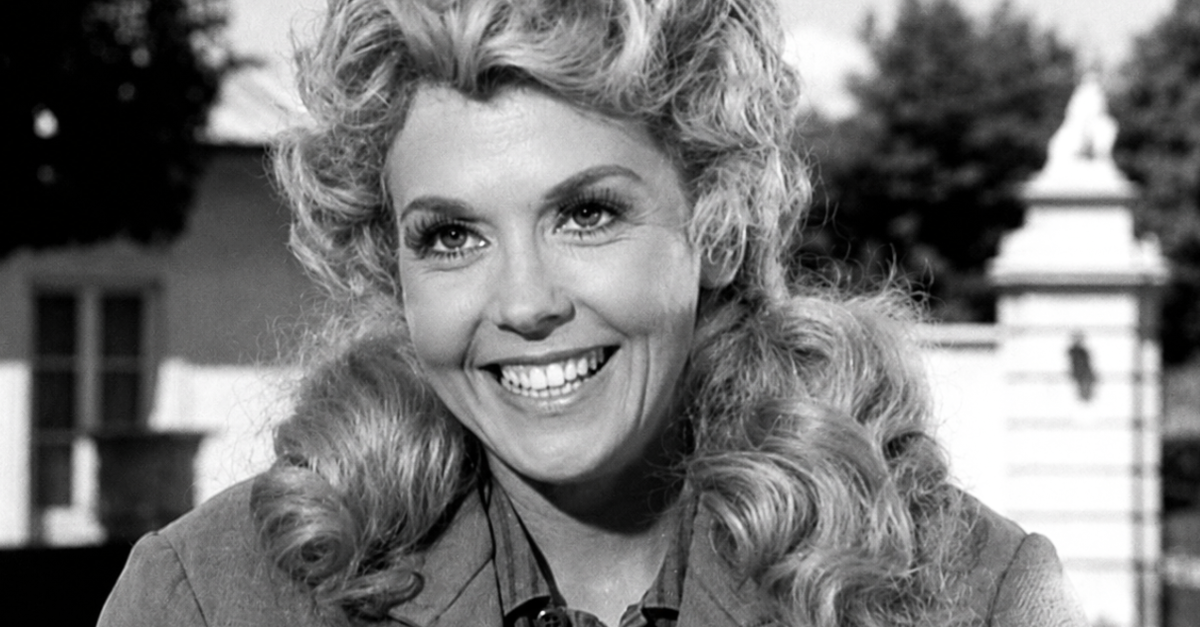
She Never Stopped Being Elly May.
Donna Douglas transformed a beauty-pageant background and a handful of supporting roles into one of the most recognizable television characters of the 1960s. When the Hollywood spotlight faded, she embraced gospel music, writing, public speaking, and a quieter life that remained closely connected to the viewers who loved her.
Louisiana Shaped Her Long Before Hollywood
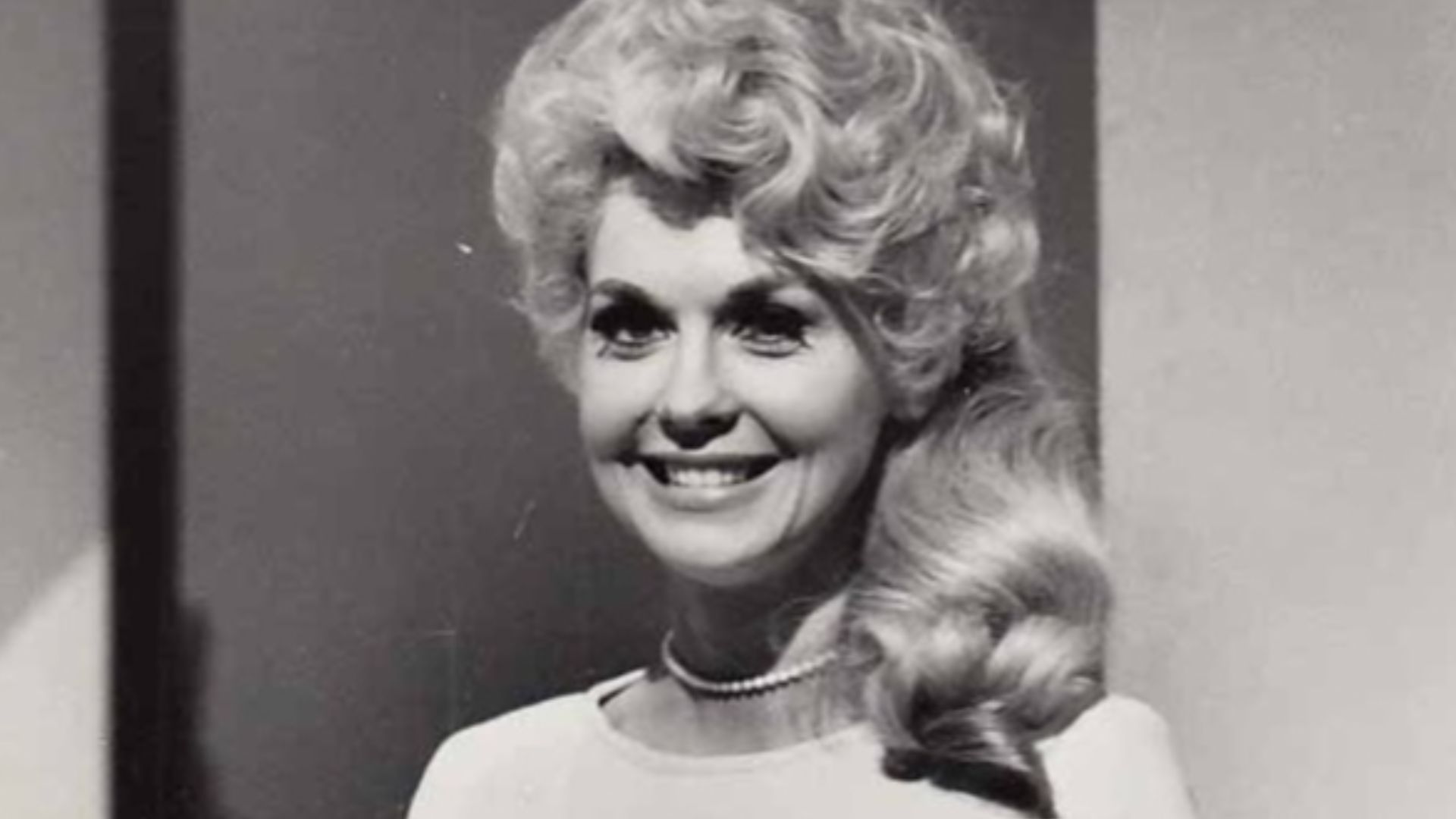
Douglas was born Doris Ione Smith and grew up near Baton Rouge, Louisiana. Her early life gave her familiarity with Southern speech, rural customs, outdoor activity, and the unpolished warmth that later defined Elly May Clampett. Although television exaggerated the Clampetts’ backwoods world for comedy, Douglas brought details that did not feel borrowed from a costume department. Her Louisiana roots helped keep Elly May grounded beneath the pigtails and exaggerated dialect.
 ABC Network, Wikimedia Commons
She Was A Tomboy Before Playing One
Douglas later recalled that she had played on a boys’ softball team when she was young and did not discover there was a girls’ team until she was 14. That athletic background suited Elly May, who could throw, wrestle, climb, and handle herself more confidently than most of her Beverly Hills admirers. The character’s physical ease was not merely a studio invention. Douglas had unknowingly been preparing for the role long before she reached Hollywood.
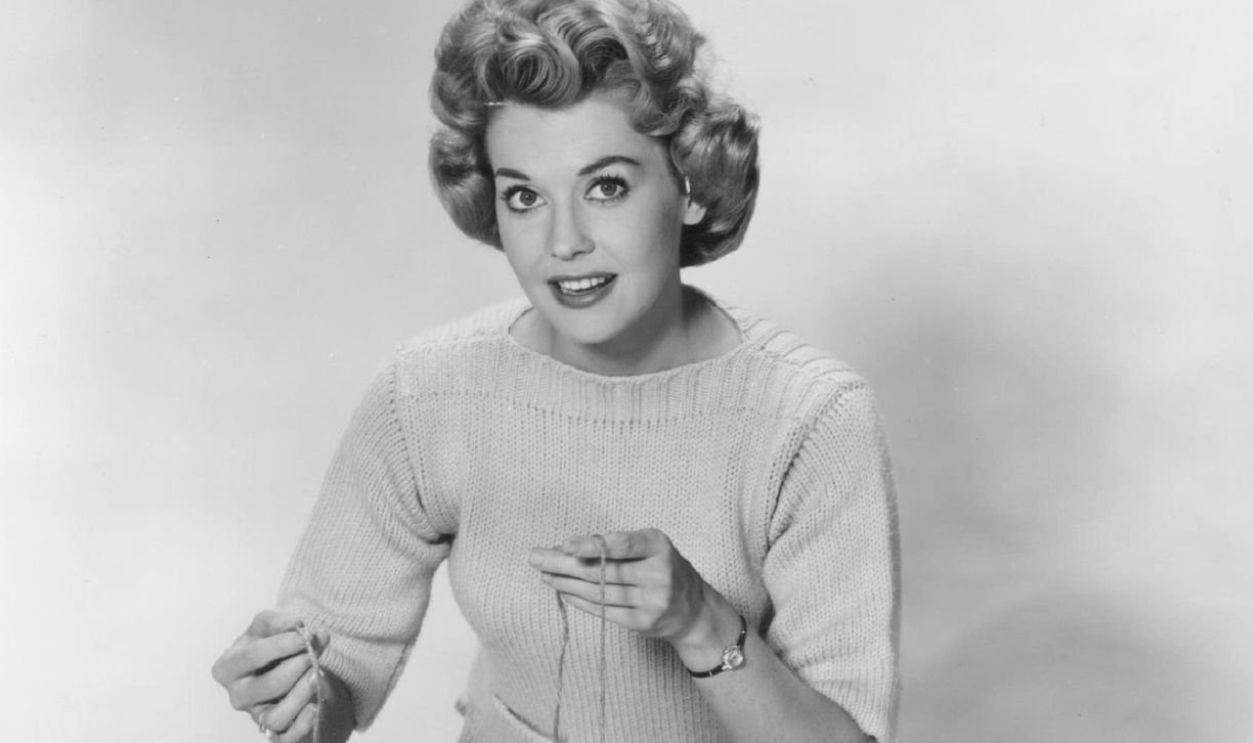
Beauty Pageants Opened The First Door
Before acting became her career, Douglas entered beauty competitions and worked as a model. Those experiences helped take her from Louisiana to New York, where television variety programs offered attractive newcomers small but visible opportunities. She appeared on shows hosted by Perry Como and Steve Allen before gaining more substantial acting work. The path was conventional for an aspiring glamour performer, even if the role that made her famous would be anything but conventional.
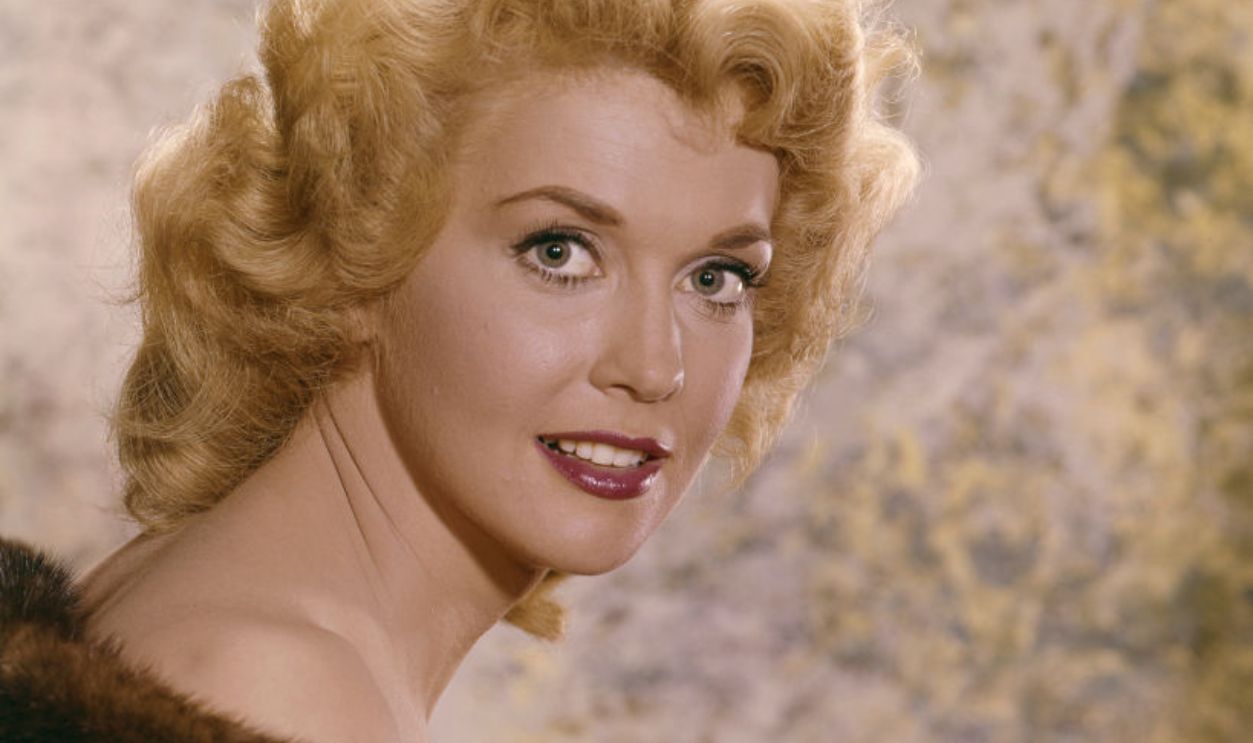 Silver Screen Collection, Getty Images
Early Television Let Her Learn Quietly
Douglas worked in guest roles before The Beverly Hillbillies made her a household name. Her pre-Elly career included anthology programs and dramatic television, which gave her experience adjusting to different tones and production styles. She was not arriving on a major sitcom without ever having faced a camera. Those smaller appearances taught her how to make an impression even when a story did not revolve around her.
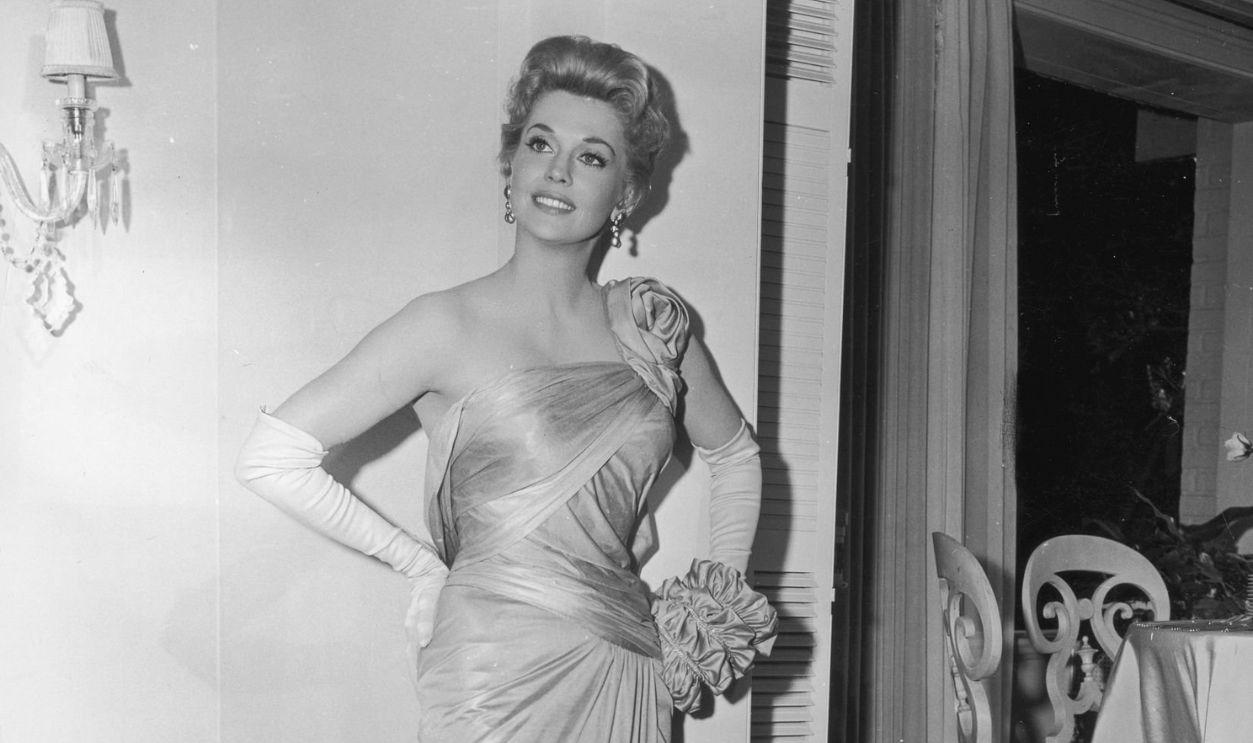
The Twilight Zone Used Her Beauty Against Her
Douglas appeared in “Eye of the Beholder,” one of the best-known episodes of The Twilight Zone. Her character remains hidden beneath bandages for much of the story before being revealed as beautiful in a society that considers her disfigured. The role used Douglas’s appearance to deliver a pointed reversal about conformity and prejudice. It also gave her a place in television history before anyone had heard the name Elly May Clampett.
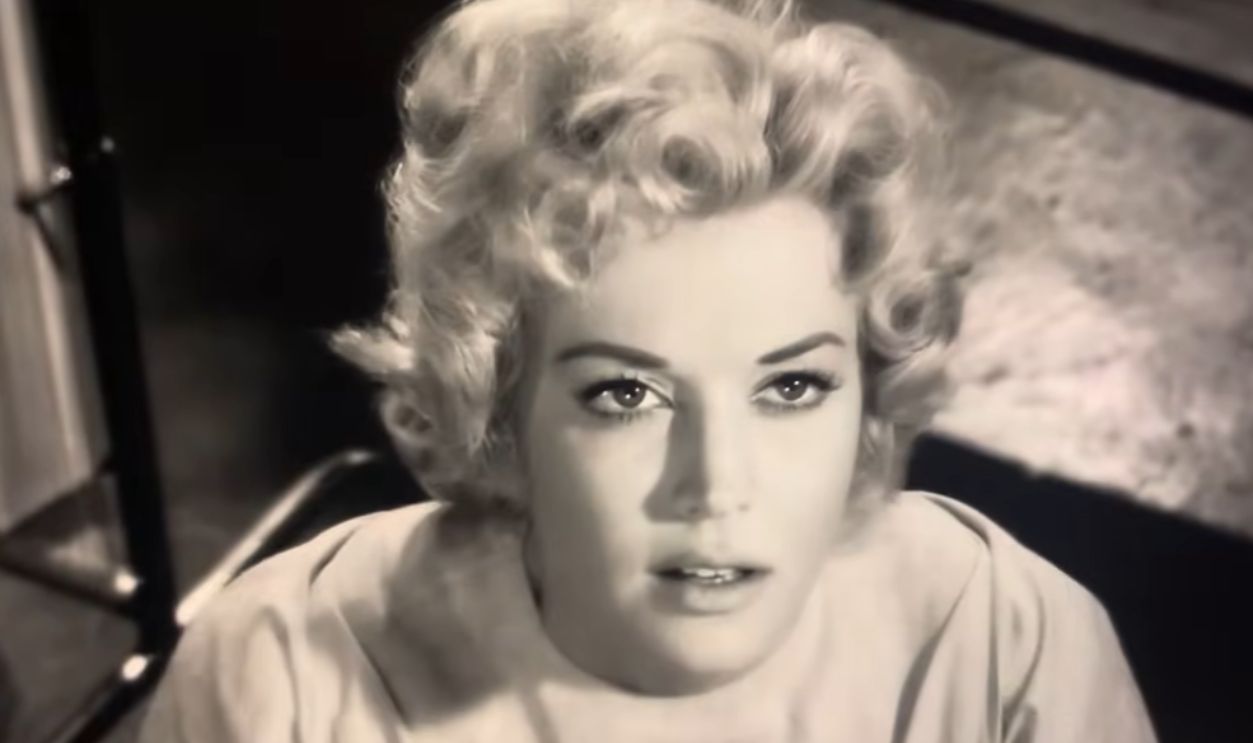 Screenshot from The Twilight Zone, CBS (1959–1964)
Paul Henning Found His Elly May
Creator Paul Henning cast Douglas as Jed Clampett’s animal-loving daughter for the new CBS comedy. Television Academy interview materials preserve Henning’s recollections of choosing her for the part and his positive memories of working with her. The casting required someone who could be glamorous enough to attract constant attention while still seeming sincerely unaware of that effect. Douglas possessed both qualities without making the contradiction feel calculated.
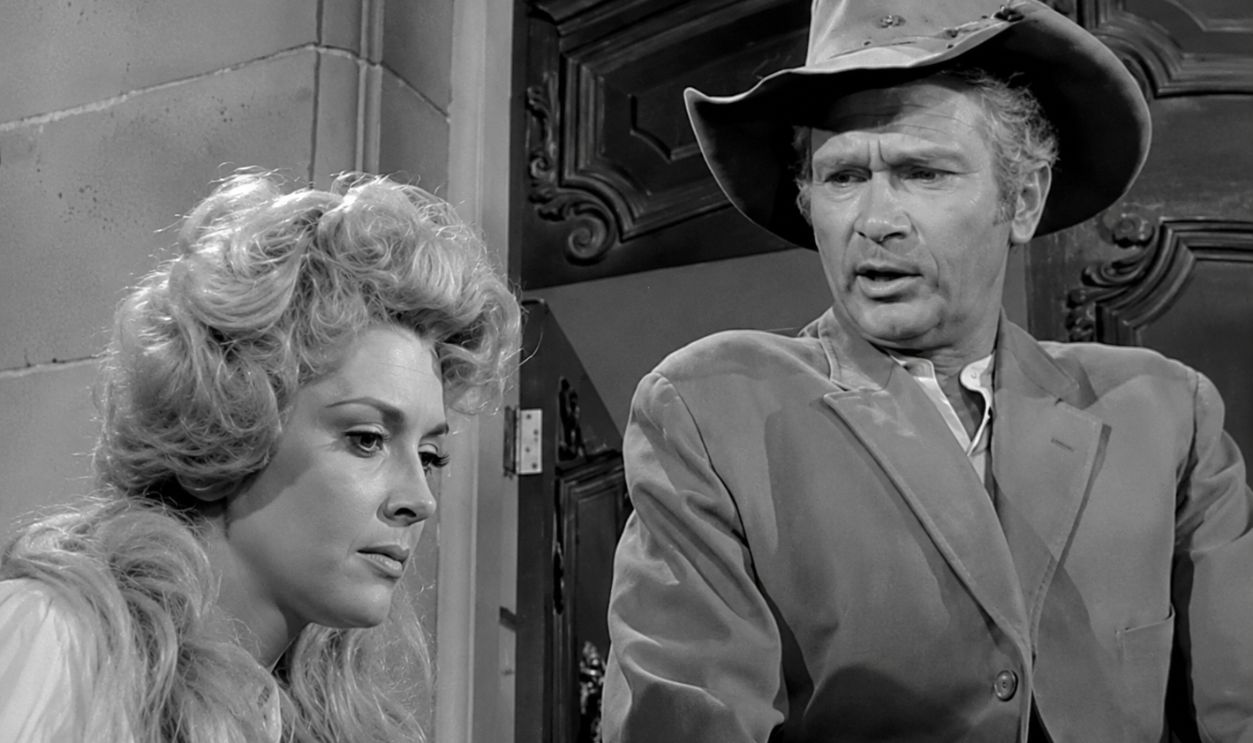 Screenshot from The Beverly Hillbillies, CBS Television Network (1962-1971)
The Clampetts Struck Oil And Television Gold
The series premiere aired on September 26, 1962, and introduced the Clampetts as an impoverished rural family whose land suddenly produced oil. They moved to Beverly Hills with their customs, possessions, and values largely intact. Douglas appeared alongside Buddy Ebsen, Irene Ryan, Max Baer Jr., Raymond Bailey, and Nancy Kulp in the foundational episode. The simple collision between sudden wealth and cultural innocence became one of television’s most successful premises.
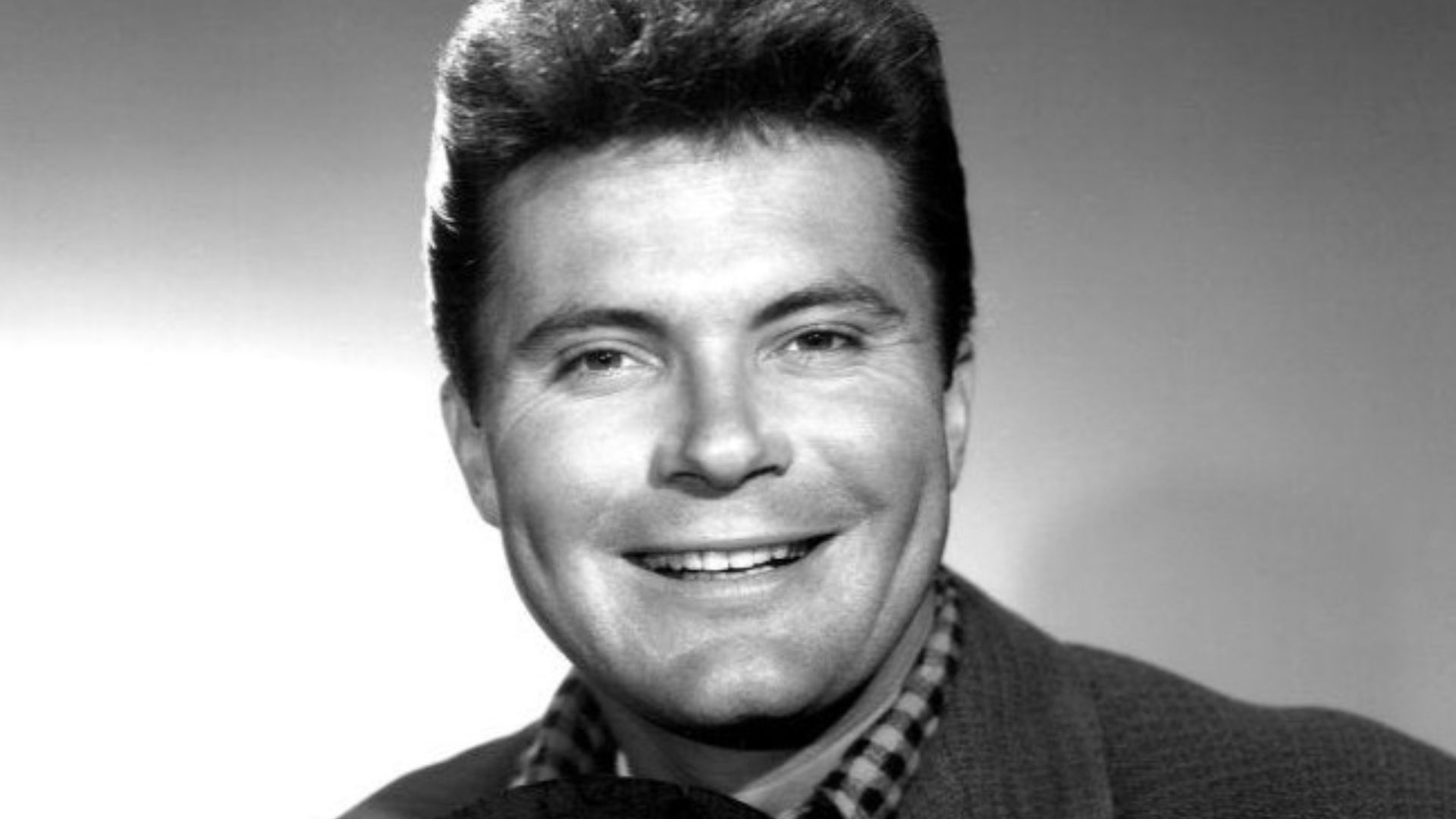 CBS Television, Wikimedia Commons
Elly May Looked Like A Glamour Girl
With her blond pigtails, fitted shirts, jeans, and bright smile, Elly May immediately became one of television’s most recognizable young women. The show regularly acknowledged her beauty through the reactions of suitors and Beverly Hills strangers. Douglas never played Elly as someone deliberately using her appearance to manipulate people. Her complete lack of vanity made the glamour funnier and more endearing.
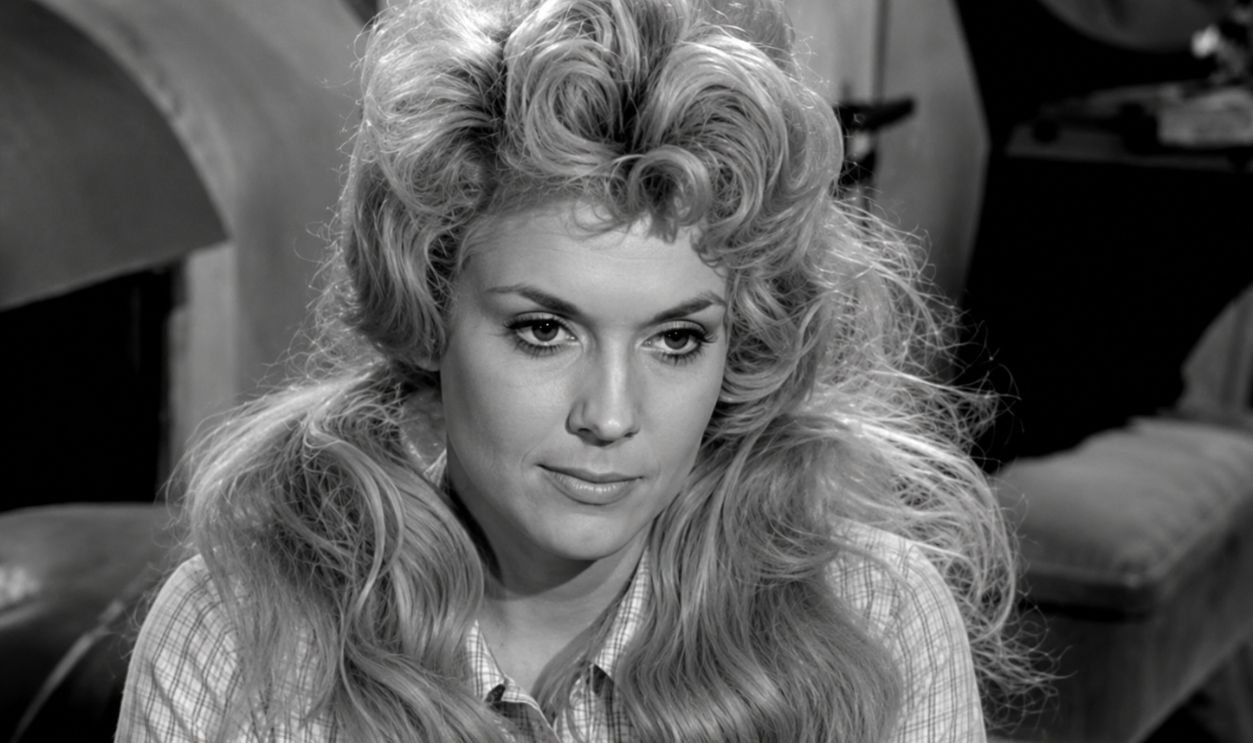 Screenshot from The Beverly Hillbillies, CBS Television Network (1962-1971)
She Was Stronger Than Her Suitors
Elly May could outthrow, outrun, or outwrestle many of the men who attempted to court her. The comedy often depended on a polished bachelor discovering that the apparently delicate young woman was physically formidable. Douglas played that strength without turning Elly into an aggressive caricature. She remained cheerful and affectionate even while accidentally humiliating another would-be boyfriend.
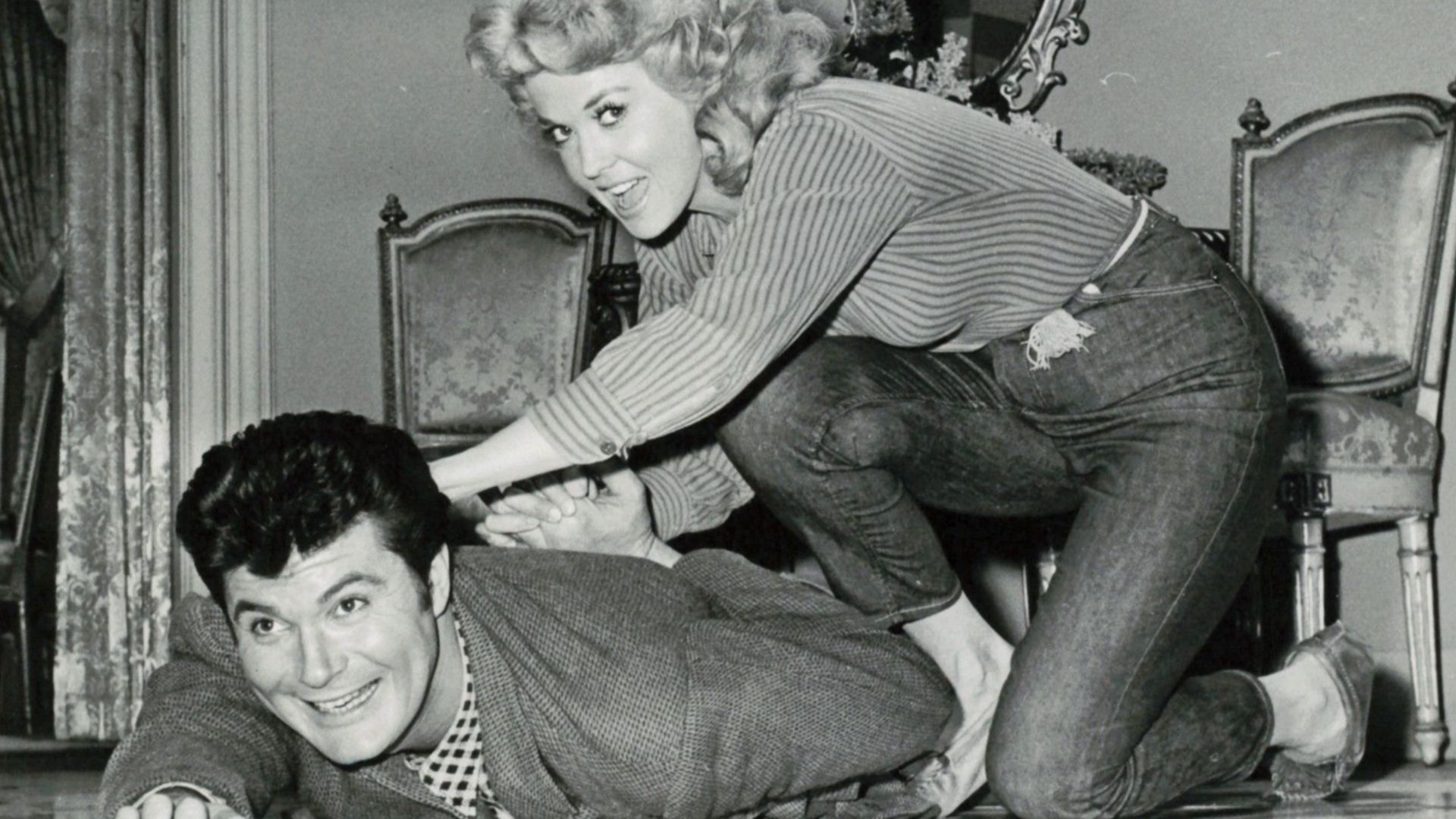 CBS Television - Associated Press, Wikimedia Commons
Her Animals Became Part Of Her Identity
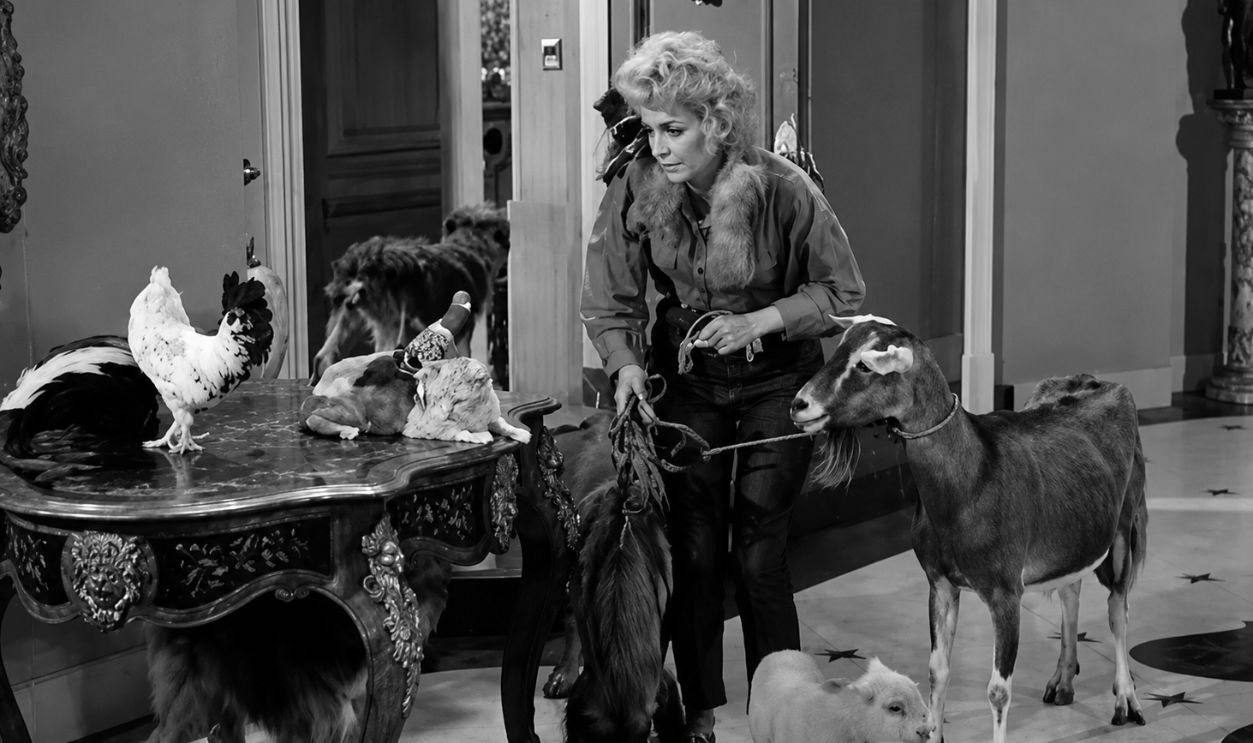
Elly May’s devotion to animals was one of the character’s defining traits. She filled the Clampett mansion with what she called her “critters,” treating unusual pets with more confidence than she showed at formal social events. The bond reinforced her connection to the natural world the family had left behind. It also gave Douglas a recurring source of gentle comedy that did not depend entirely on romance or appearance.
 Screenshot from The Beverly Hillbillies, CBS Television Network (1962-1971)
She Never Treated Elly As Stupid
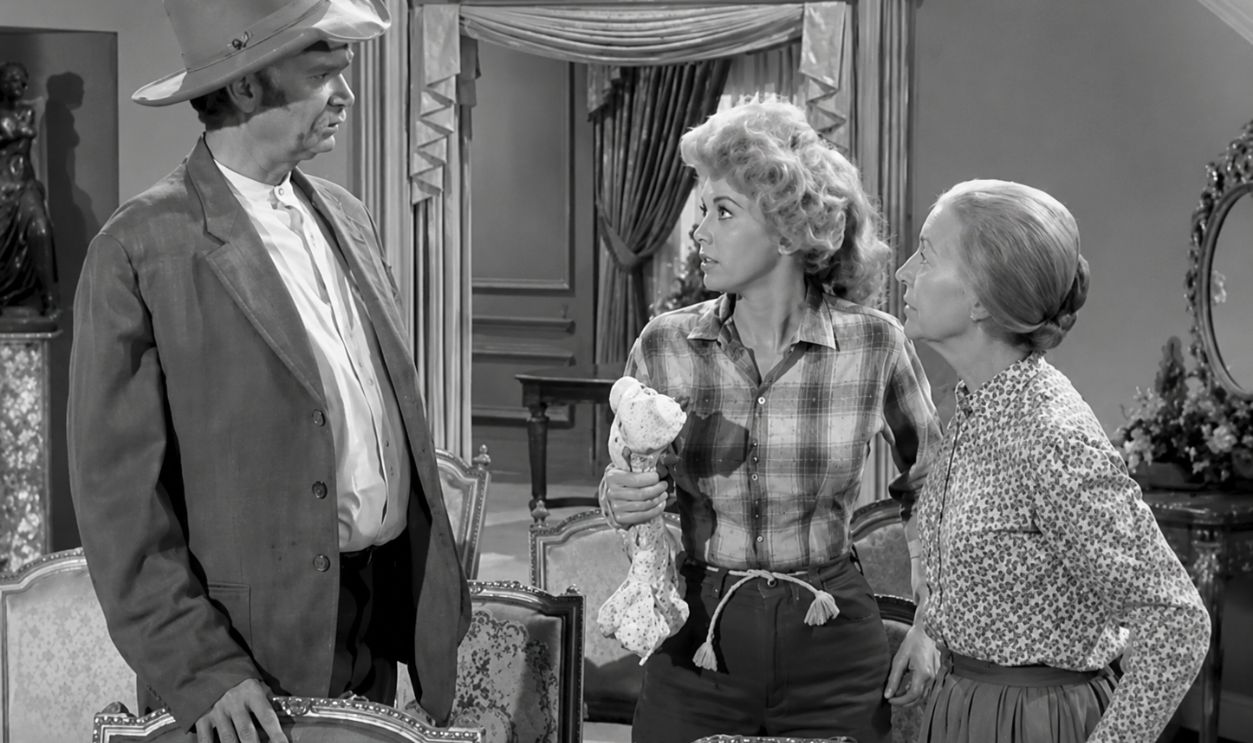
Elly May lacked formal education and often misunderstood sophisticated behavior, but Douglas protected the character’s dignity. Elly’s confusion usually came from unfamiliarity with Beverly Hills customs rather than an inability to understand people. She possessed practical skills, loyalty, courage, and a clear moral instinct. Douglas made innocence look different from foolishness.
 Screenshot from The Beverly Hillbillies, CBS Television Network (1962-1971)
Buddy Ebsen Gave Her A Believable Father
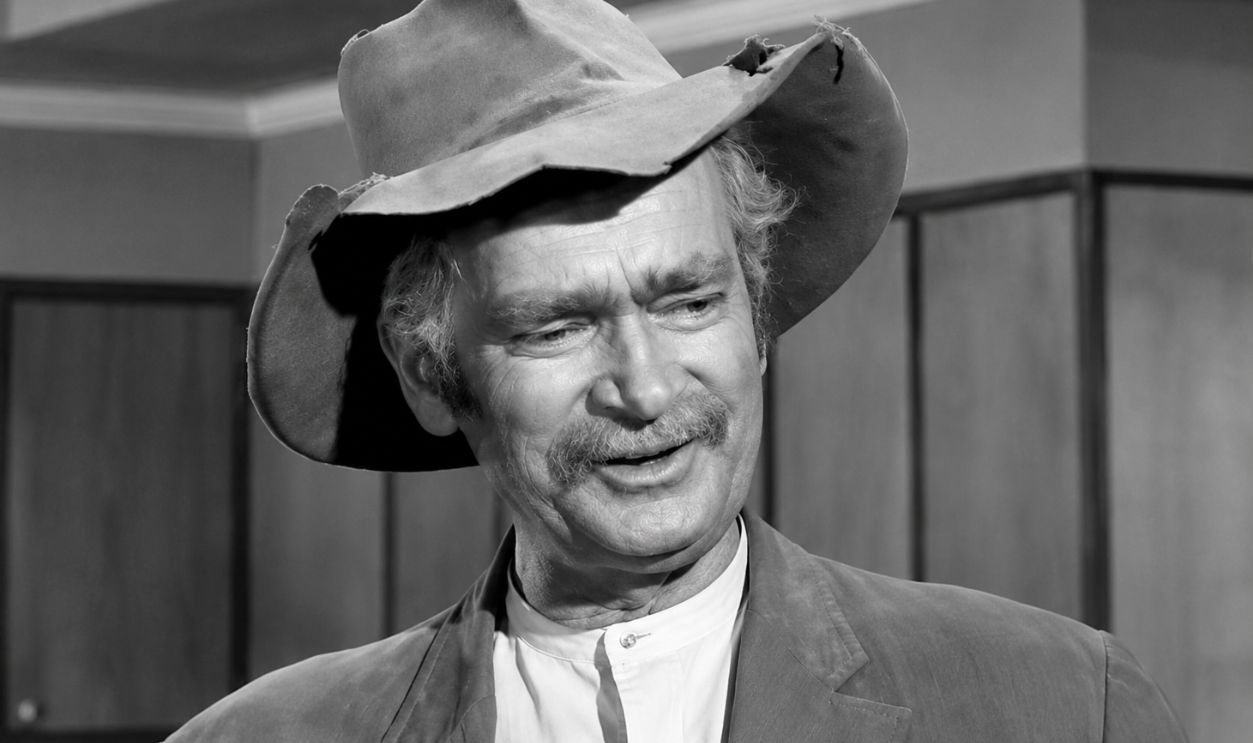
Buddy Ebsen played Jed Clampett as a patient and principled patriarch who worried about Elly May’s future. Their scenes depended on genuine affection rather than constant generation-gap conflict. Douglas responded to Ebsen with the relaxed trust of a daughter who knew her father would protect her without trying to control every decision. That relationship helped place emotional warmth beneath the show’s broad misunderstandings.
 Screenshot from The Beverly Hillbillies, CBS Television Network (1962-1971)
Granny Created A Wonderful Contrast
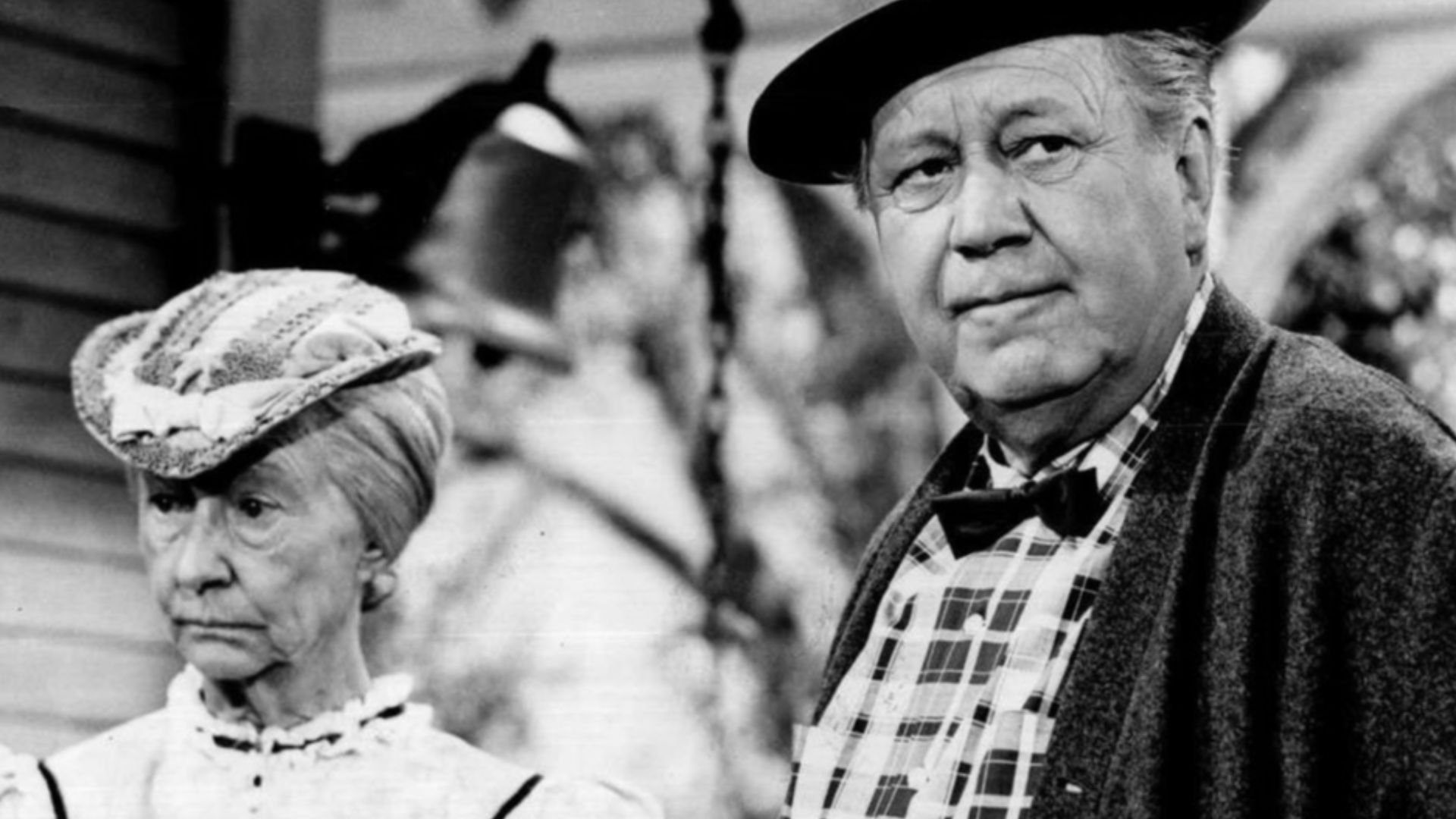
Irene Ryan’s Granny was suspicious, combative, and quick to defend the family’s mountain traditions. Elly May was usually gentler and more open to the people she met in California. Their contrasting energies gave the household two very different forms of female strength. Douglas’s sweetness prevented Granny’s volatility from overwhelming the family dynamic.
 CBS Television, Wikimedia Commons
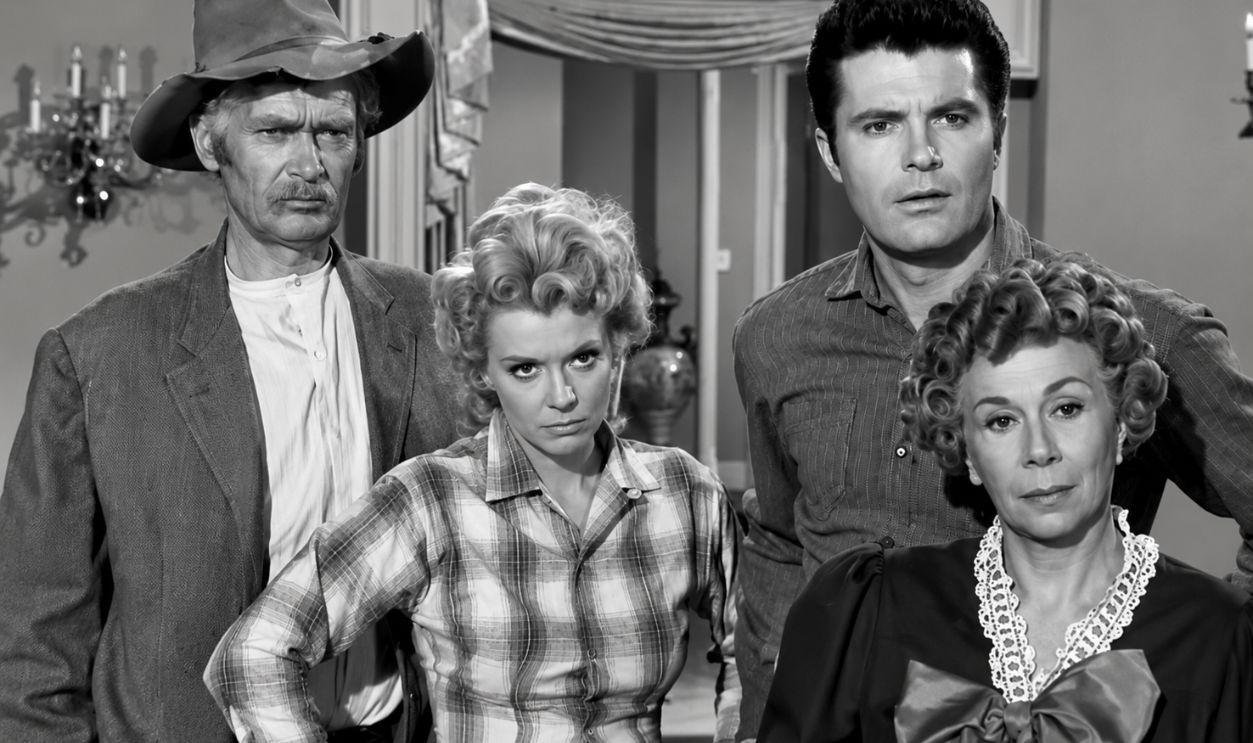
Jethro Made Her Seem Almost Sensible
Max Baer Jr.’s Jethro pursued careers and status with enormous confidence and very little self-awareness. Elly May could be naïve, but she rarely displayed his talent for converting a simple idea into complete chaos. Their cousin-like sibling energy gave the younger performers plenty of room for physical comedy. Douglas’s comparatively grounded reactions often made Jethro’s absurdity even funnier.
 Screenshot from The Beverly Hillbillies, CBS Television Network (1962-1971)
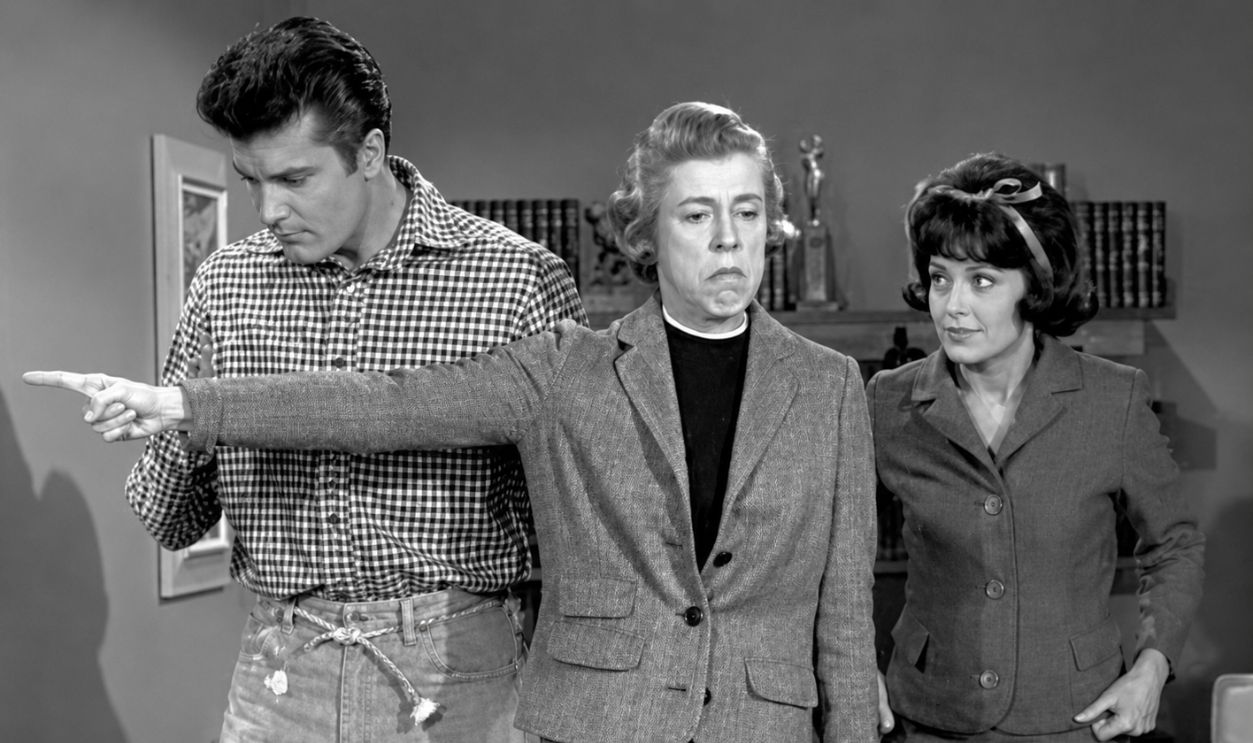
Miss Jane Saw More Than A Hillbilly
Nancy Kulp’s Jane Hathaway frequently recognized qualities in the Clampetts that her employer, banker Milburn Drysdale, ignored. Elly May and Miss Jane came from completely different worlds, but neither woman fit neatly into the social expectations surrounding her. Their interactions helped the series contrast education and sophistication with sincerity and practical ability. Douglas made Elly comfortable beside a career woman without turning their differences into hostility.
The Show Became An Immediate Phenomenon
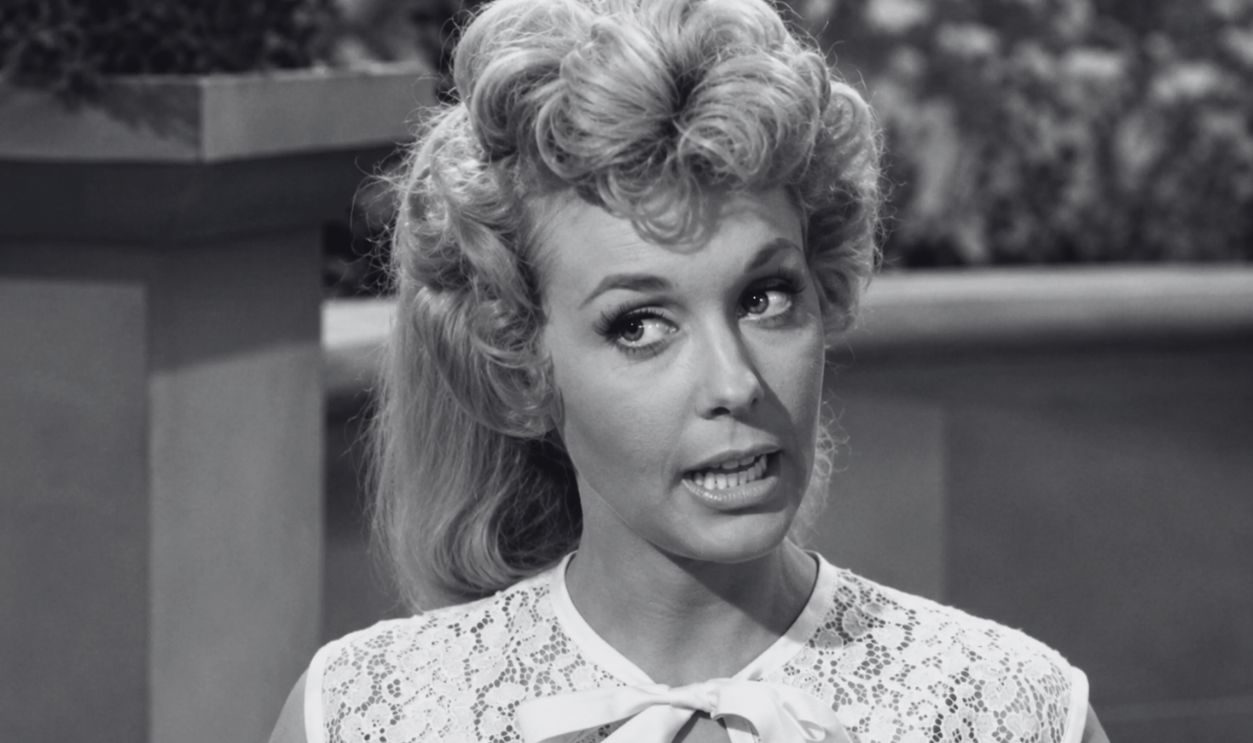
The Beverly Hillbillies finished its first season as television’s highest-rated series and remained in the top 10 throughout its nine-season run. Some individual episodes drew audiences comparable to major televised events. That popularity made Douglas one of the most frequently seen actresses in the United States. Elly May was no longer simply a sitcom character because she had become part of the country’s shared visual language.
 Screenshot from The Beverly Hillbillies, CBS Television Network (1962-1971)
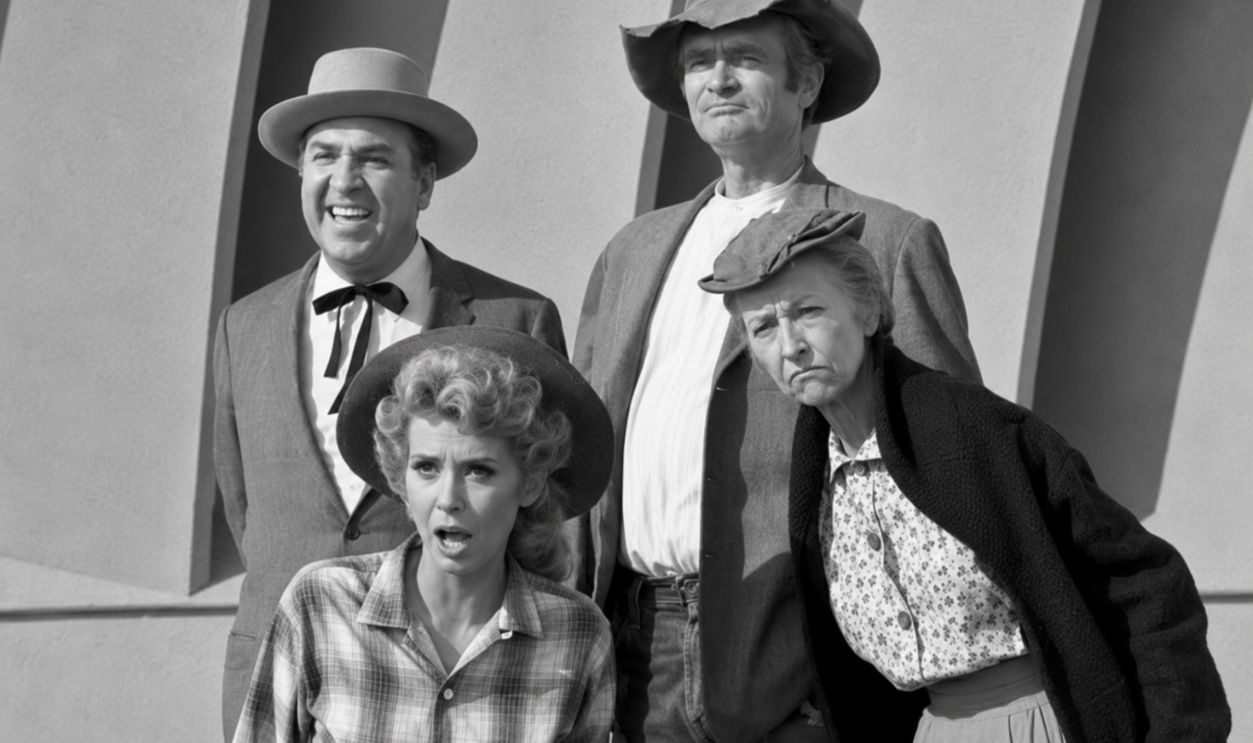
Critics Could Not Stop The Audience
The series received harsh reviews from some critics who considered its comedy broad or unsophisticated. Viewers responded very differently and kept returning to the Clampetts in extraordinary numbers. Douglas benefited from a relationship between character and audience that did not depend upon critical approval. Elly May’s warmth could survive arguments about whether the show itself was fashionable.
 Screenshot from The Beverly Hillbillies, CBS Television Network (1962-1971)
The Series Earned Industry Recognition Too
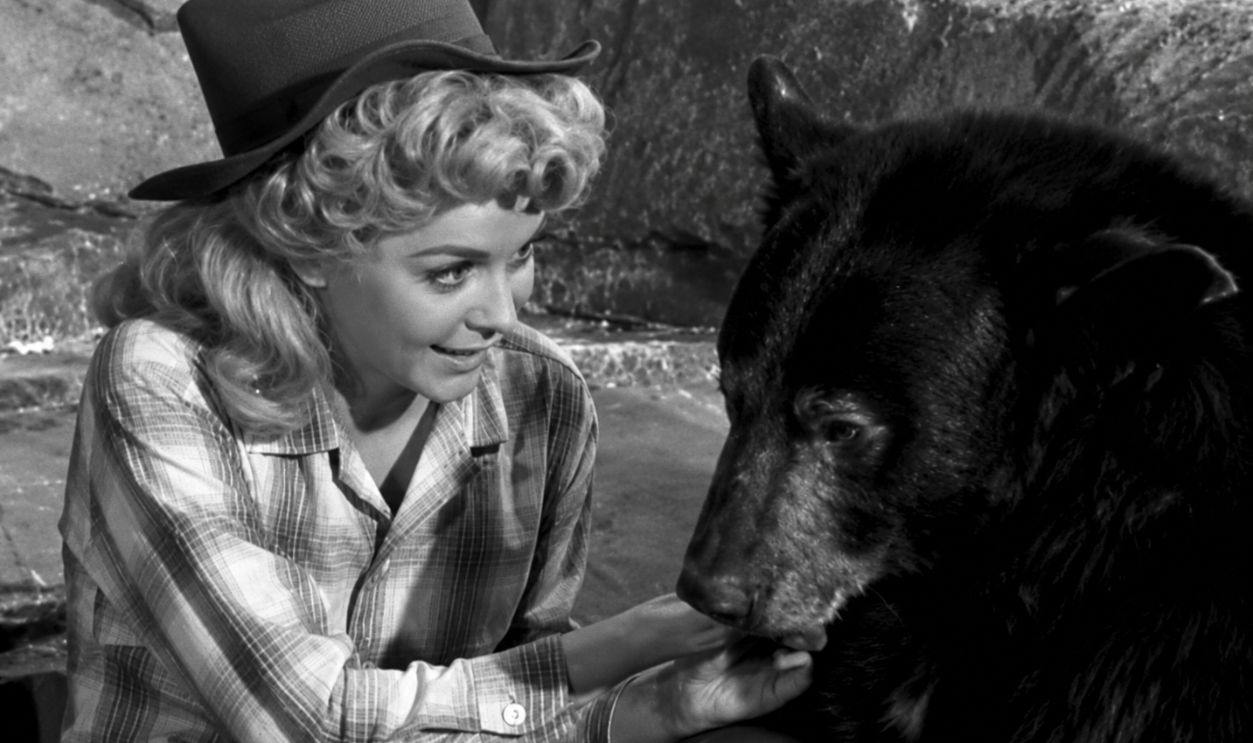
Despite the critical divide, The Beverly Hillbillies received seven Emmy nominations during its run. The nominations included recognition for the series, its writing, directing, and performers such as Irene Ryan and Nancy Kulp. Douglas did not receive an Emmy nomination for Elly May, but her character remained central to the show’s cultural impact. Awards could measure only part of what her performance accomplished.
 Screenshot from The Beverly Hillbillies, CBS Television Network (1962-1971)
Elvis Brought Her Back To The Movies
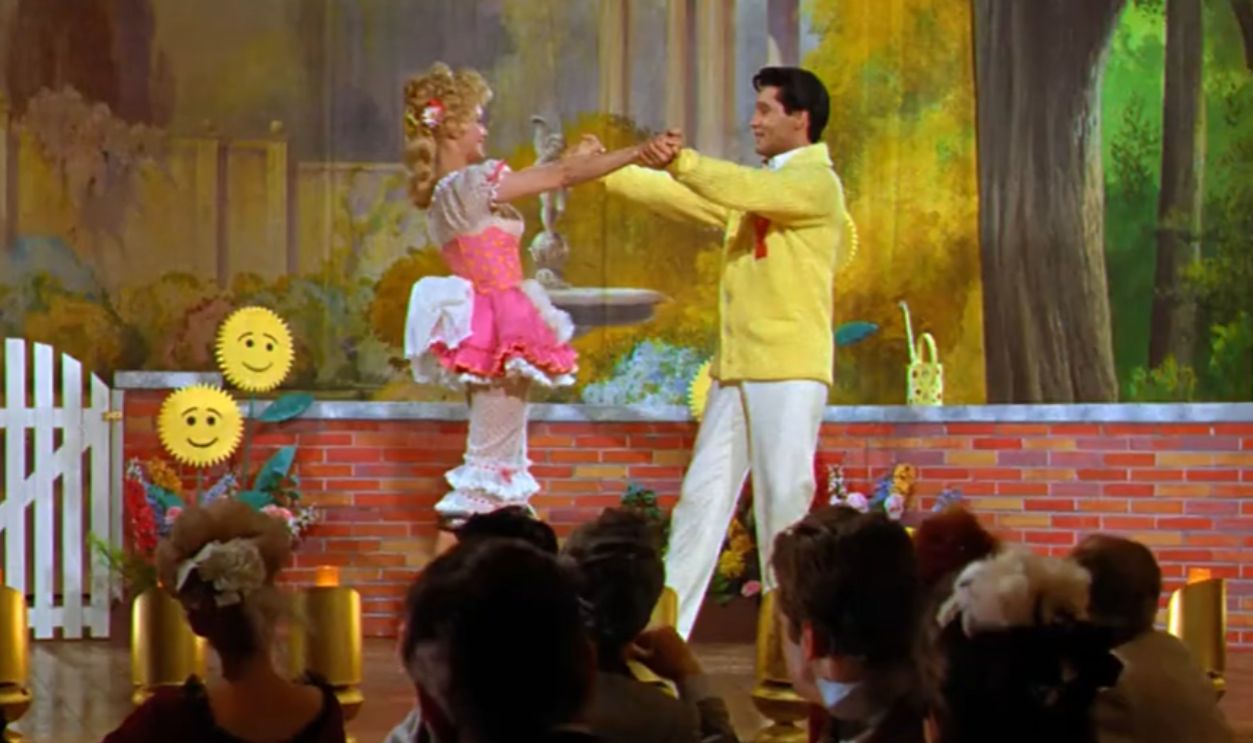
During the sitcom’s run, Douglas appeared opposite Elvis Presley in the 1966 musical Frankie and Johnny. The film offered a prominent feature role while she was still identified weekly with Elly May. Yet the movie did not replace the television character in the public imagination. By that point, Douglas’s pigtails and rural accent had become more powerful than almost any separate screen credit.
 Screenshot from Frankie And Johnny, United Artists (1966)
Nine Seasons Made The Role Permanent
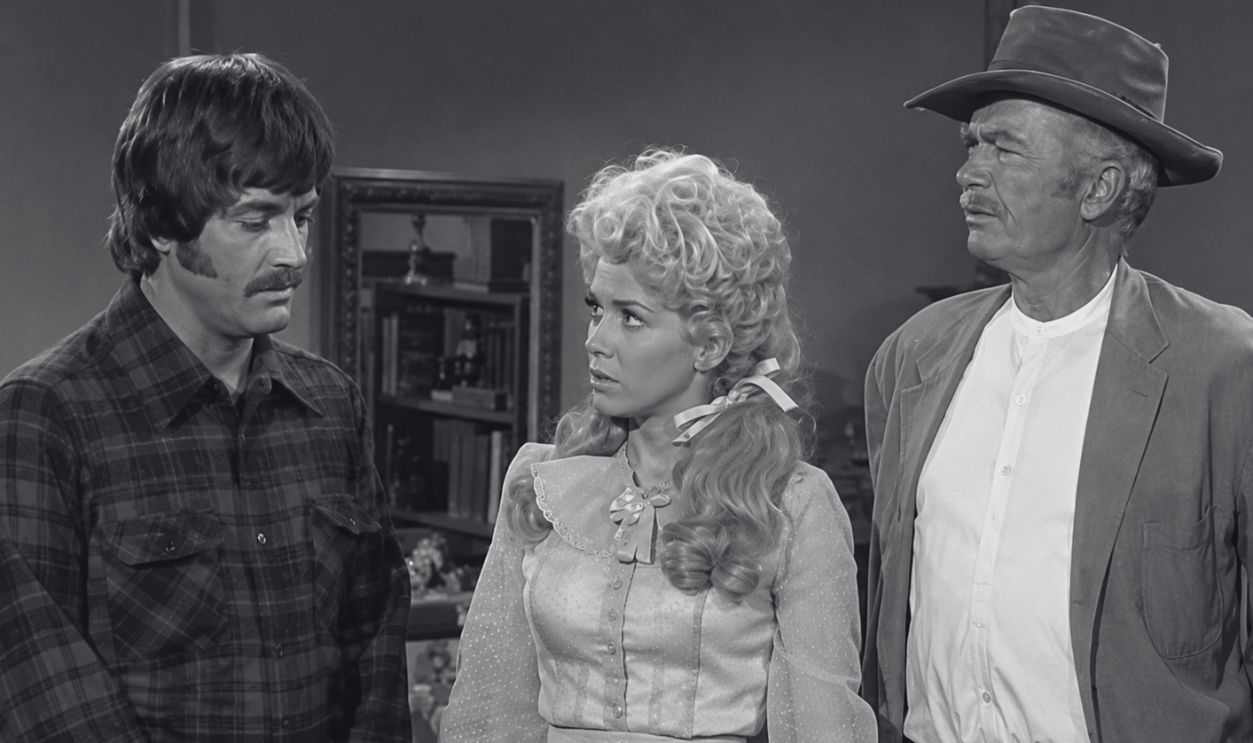
The Beverly Hillbillies remained on CBS from 1962 until 1971 and produced more than 200 episodes. Douglas stayed with the series through its final broadcast, “Jethro Returns,” on March 23, 1971. Nearly a decade of weekly exposure connected her face and voice permanently to Elly May. The role offered extraordinary security, but it also made future reinvention difficult.
 Screenshot from The Beverly Hillbillies, CBS Television Network (1962-1971)
Typecasting Followed Her After The Finale
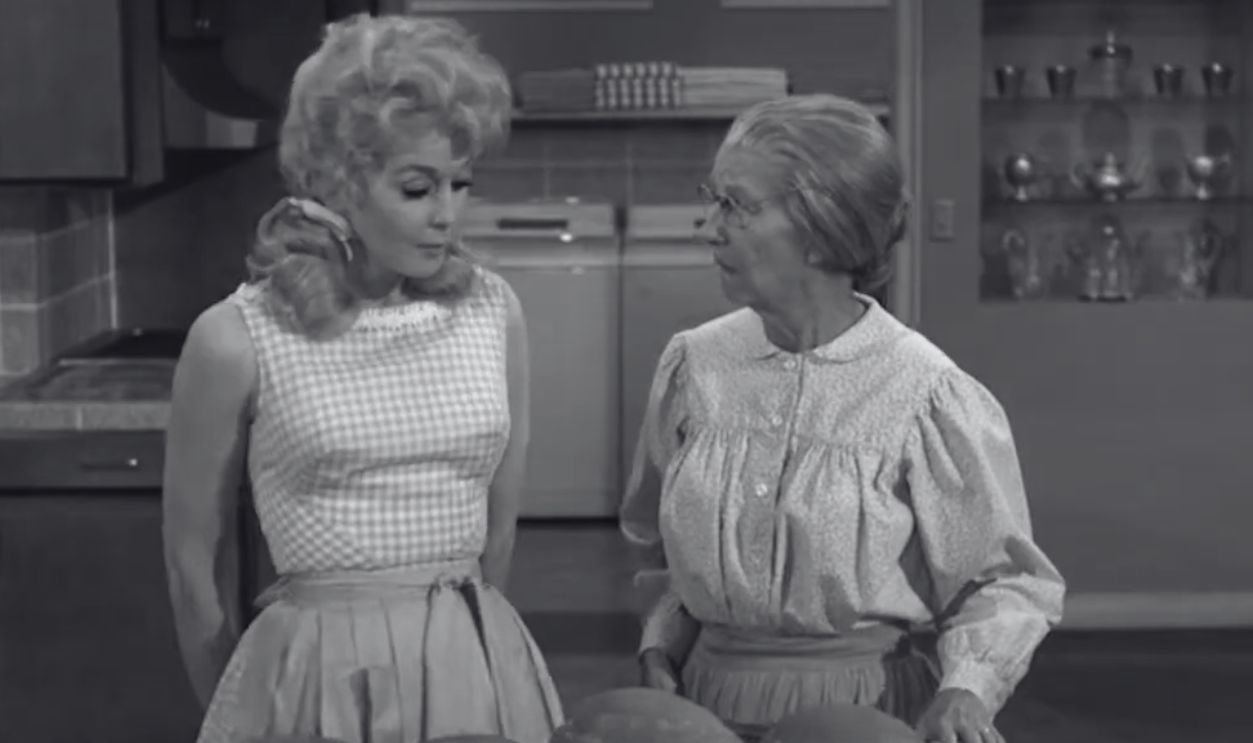
Douglas found that casting directors and audiences continued to see Elly May even when she pursued other work. The problem was common among actors from enormously successful television comedies, but her character’s distinctive appearance made separation especially challenging. She did not build another long-running acting role to rival the sitcom. Instead, she gradually moved toward work that did not require Hollywood to imagine her differently.
 Screenshot from The Beverly Hillbillies, CBS Television Network (1962-1971)
She Chose Not To Resent Elly May
Douglas repeatedly expressed gratitude for the character rather than treating her as a burden. She said that many kinds of people related to Elly May and that their affection meant a great deal to her. That acceptance distinguished her from performers who spent years publicly fighting their signature roles. Douglas understood that being remembered warmly was not the worst fate Hollywood could offer.
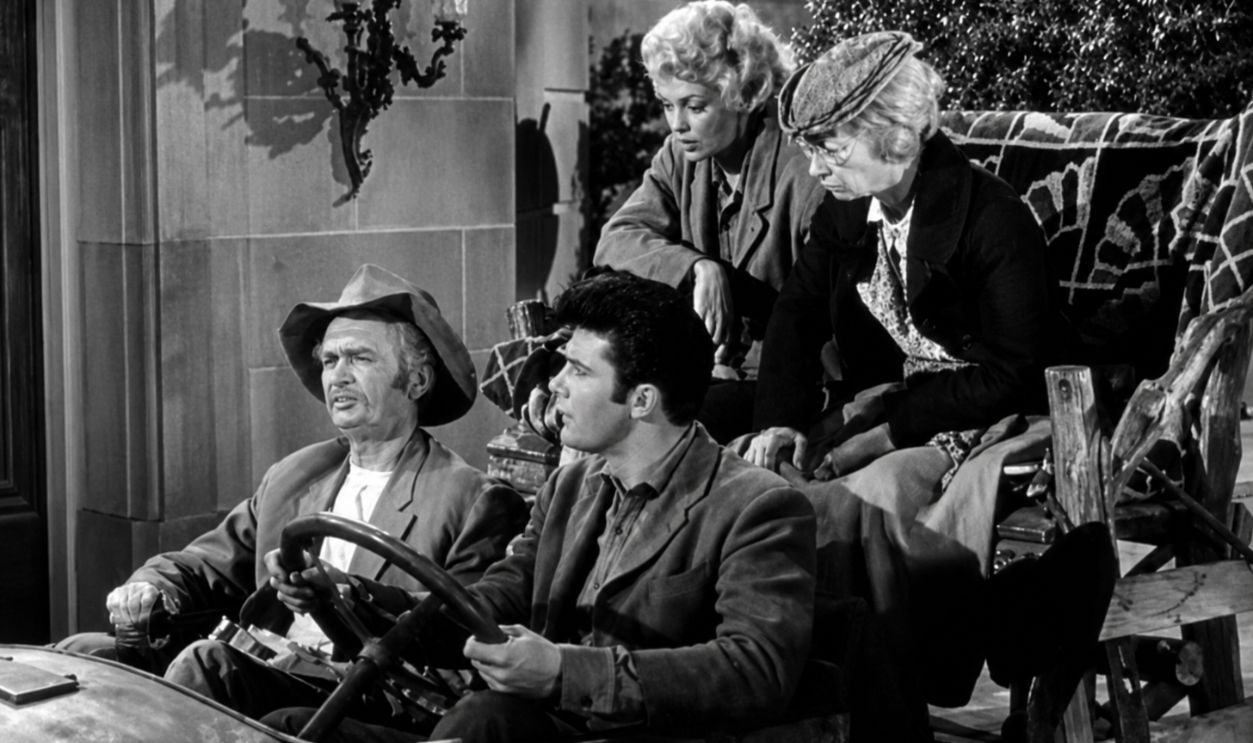 Screenshot from The Beverly Hillbillies, CBS Television Network (1962-1971)
A Reunion Let Her Return On Her Terms
Douglas reprised Elly May in the 1981 television movie Return of the Beverly Hillbillies. The production brought her back to the character a decade after the original series ended. By then, the role belonged as much to nostalgia as to current network programming. Returning allowed Douglas to acknowledge the audience’s affection without attempting to restart her entire career around the Clampetts.
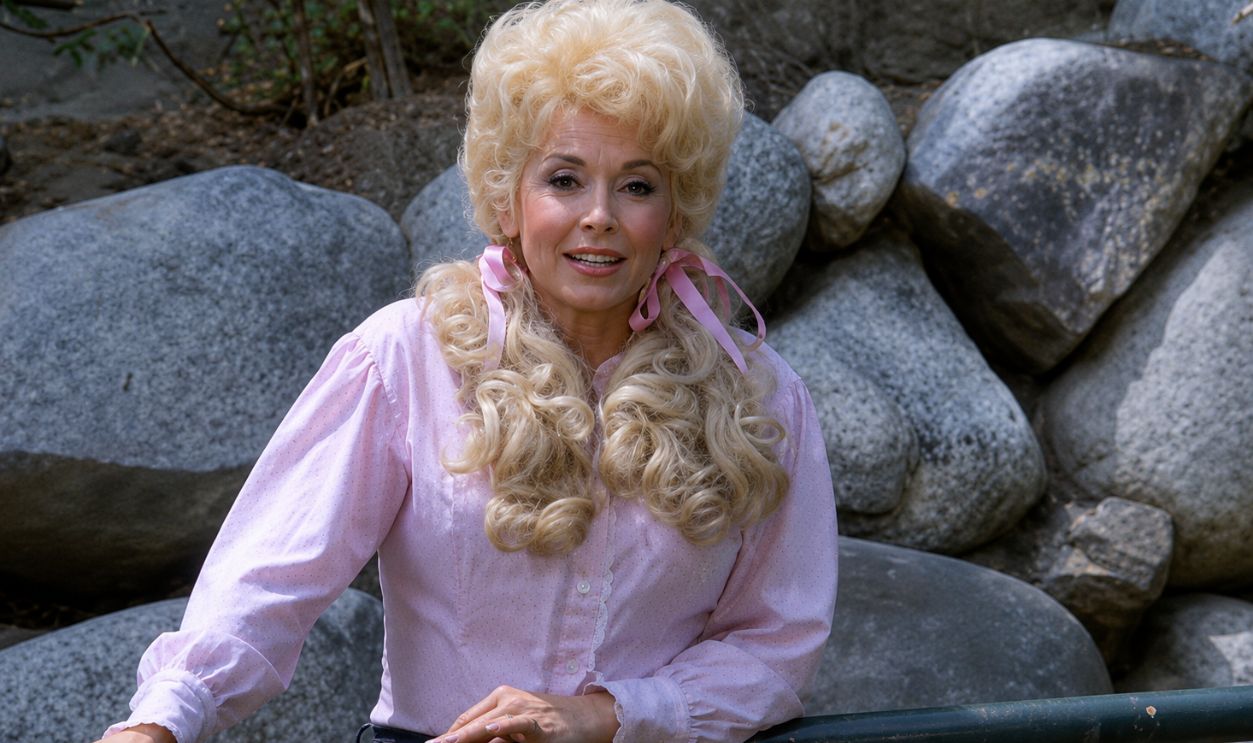 Screenshot from The Return of the Beverly Hillbillies, CBS (1981)
Gospel Music Became A New Calling
After her busiest acting years, Douglas recorded country and gospel music. The work reflected the Christian faith that became increasingly central to her public life. She performed and spoke in settings far removed from television studios and Hollywood premieres. Music offered a way to remain before audiences while expressing values more personal than those attached to a sitcom character.
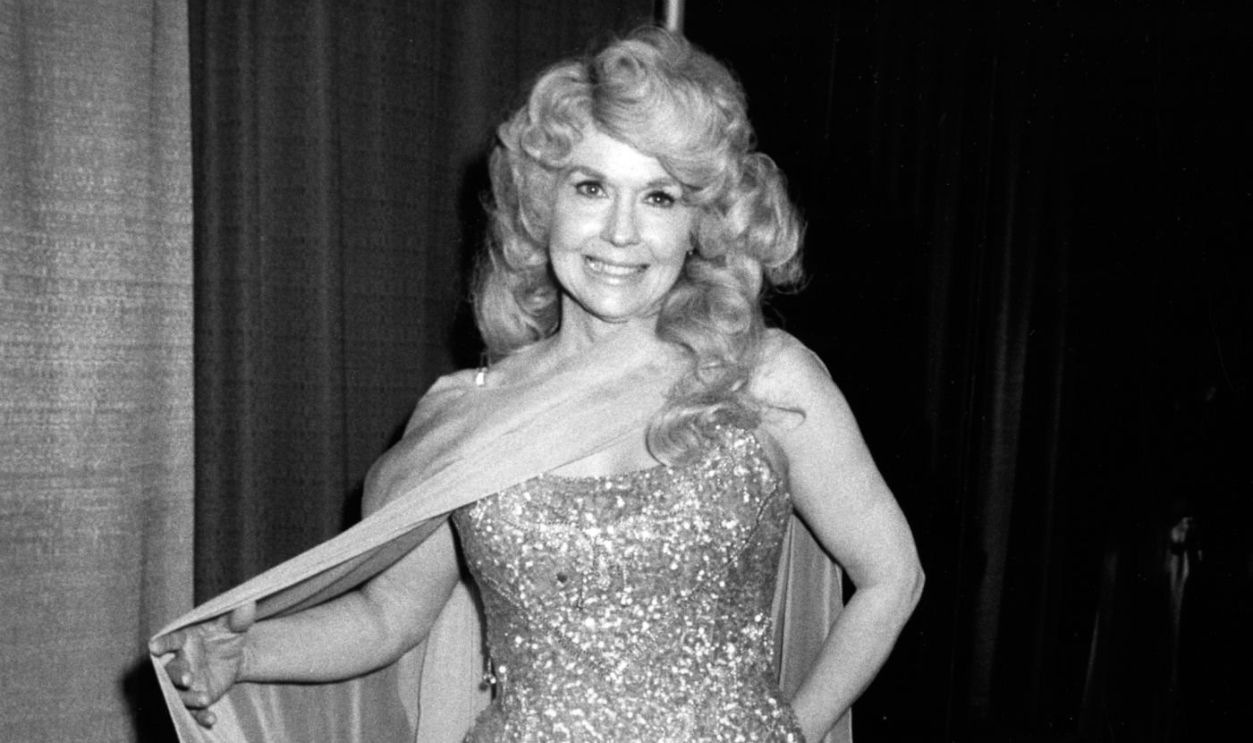
She Took Her Message To Churches And Schools
Douglas became an inspirational speaker and traveled to churches, schools, and community events. Her fame opened doors, but her appearances increasingly emphasized faith, encouragement, and personal experience rather than industry gossip. She could still greet fans who loved Elly May while directing the conversation toward a different purpose. The quieter career was public, but it was no longer driven by Hollywood competition.
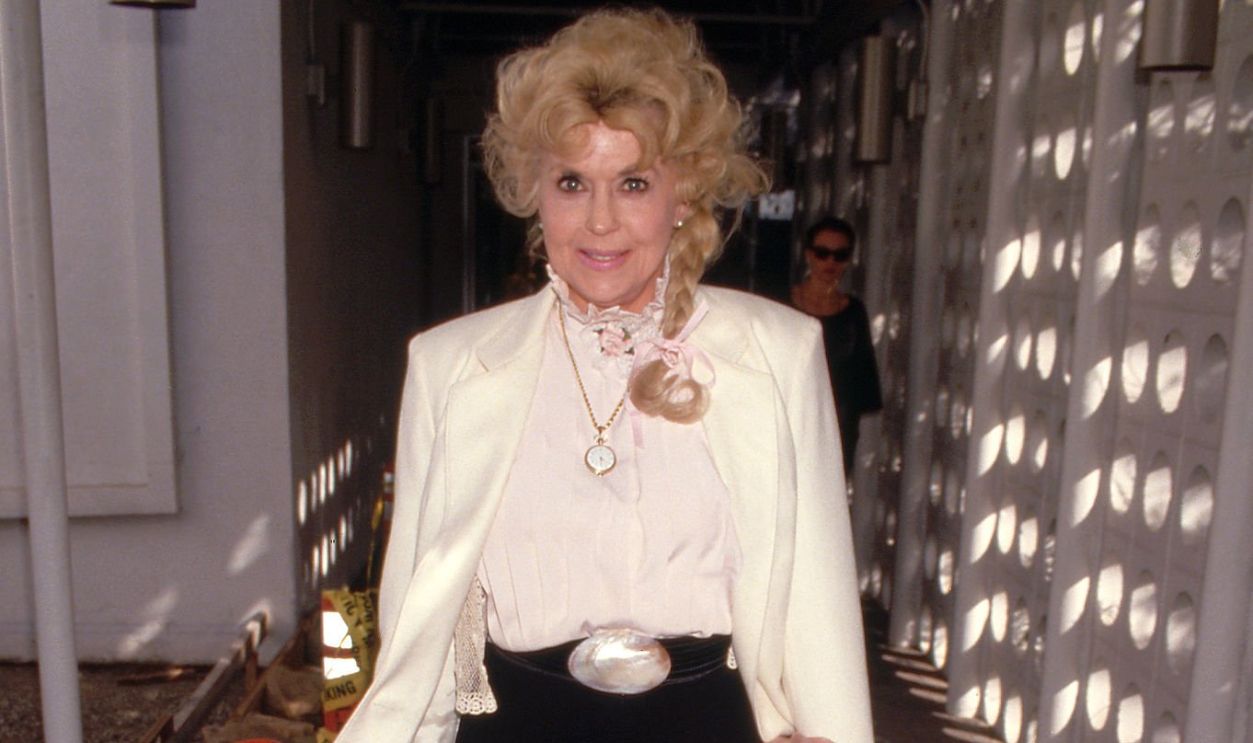
Writing Gave Her Another Outlet
Douglas wrote books for children and adults and later published a cookbook titled Southern Favorites With a Taste of Hollywood. The projects combined her Southern identity, public memories, faith, and affection for the audience that had followed her for decades. Writing allowed her to communicate without needing a producer to cast her. It also showed that her post-sitcom life involved more than occasional reunion appearances.
She Found A Life Beyond The Studio Gates
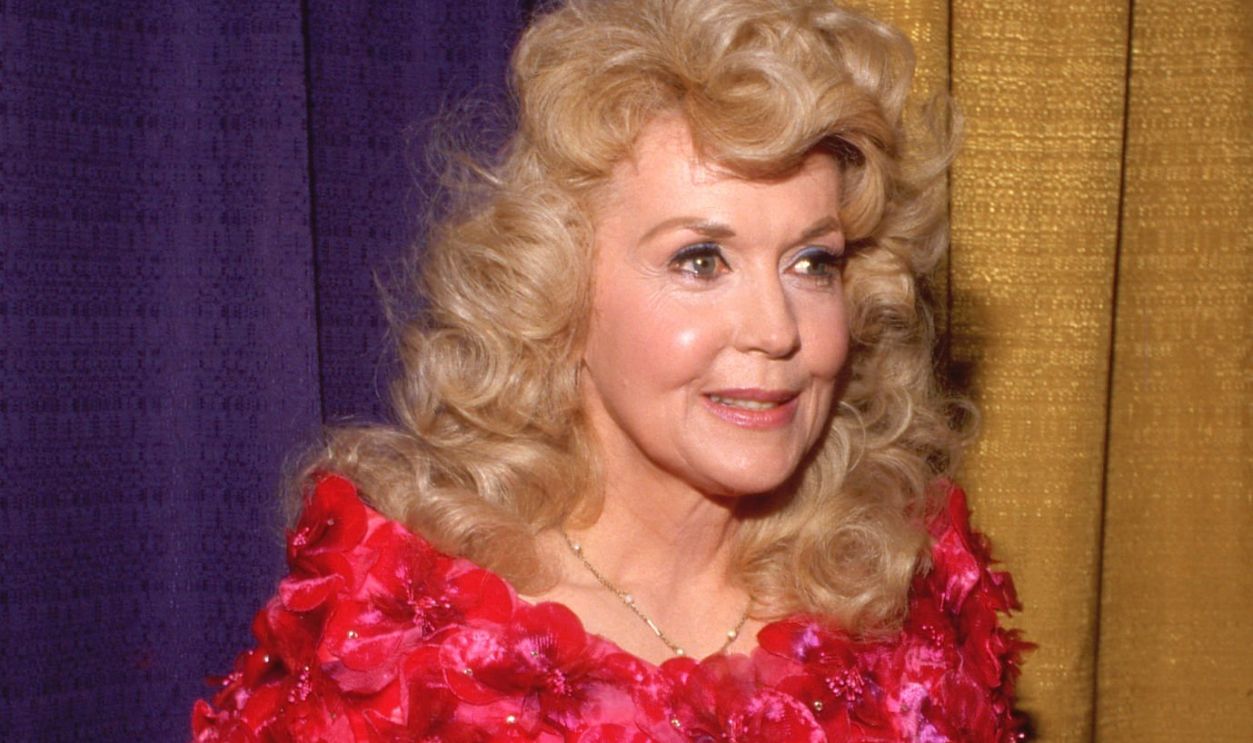
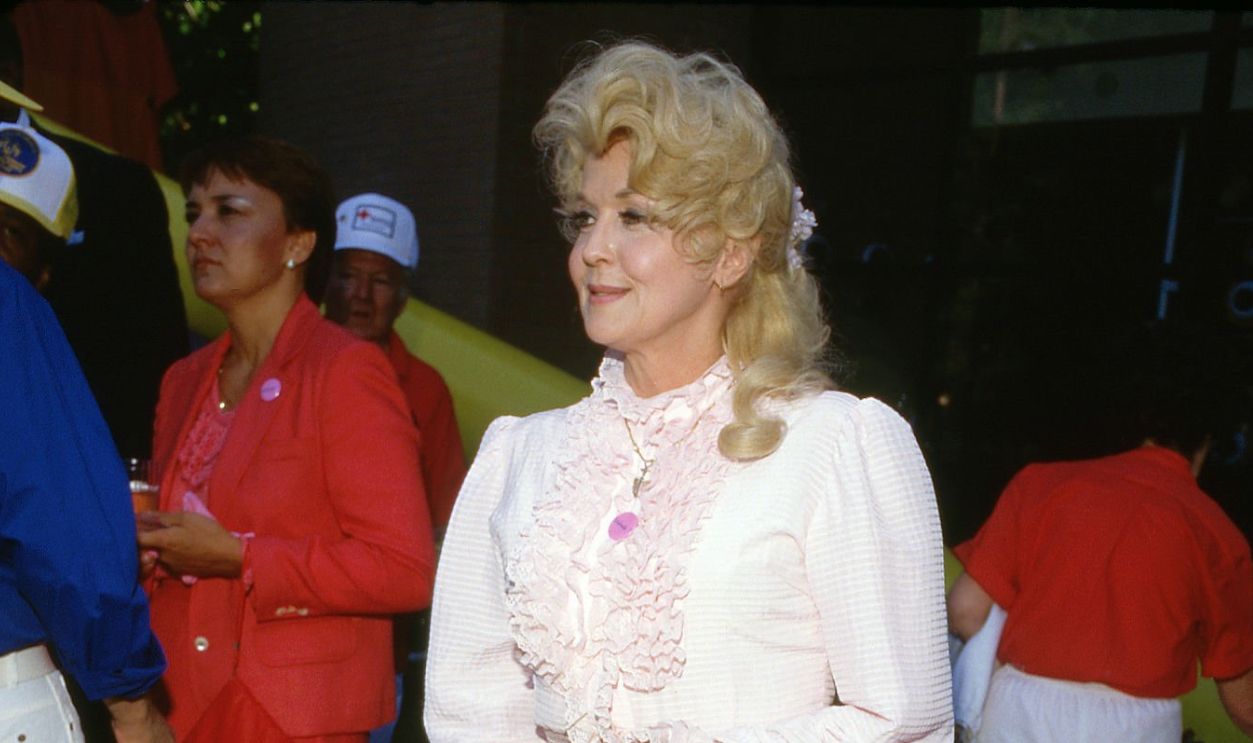
Douglas also worked in real estate and spent much of her later life closer to her Louisiana roots. She maintained contact with fans, made public appearances, and continued speaking rather than disappearing completely. Yet her ambitions no longer appeared centered on recovering the kind of fame she had known in the 1960s. She had built a life in which celebrity was useful but no longer controlling.
Elly May Remained Her Lasting Gift
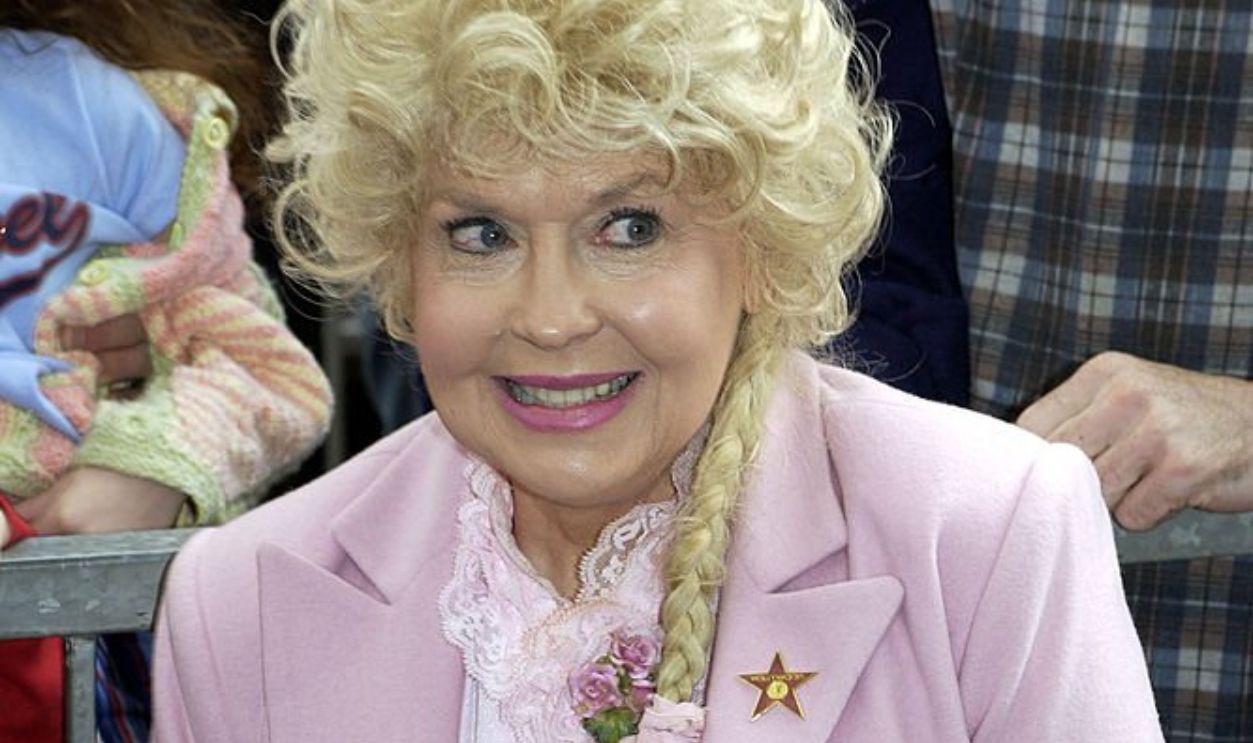
Douglas died in Louisiana in 2015 after pancreatic cancer, more than four decades after The Beverly Hillbillies ended. Obituaries immediately identified her with Elly May because the character had remained beloved through reruns and new generations of viewers. Douglas never escaped the role, but she eventually proved that she did not need to. She turned one unforgettable television performance into a lifelong connection, then found meaning in a world quieter than Hollywood.
You May Also Like:
Great 60s TV Shows That Were Canceled Way Too Soon—How Many Do You Remember?
Faded 1960s Celebrities Every Baby Boomer Will Remember, But No One Else Would