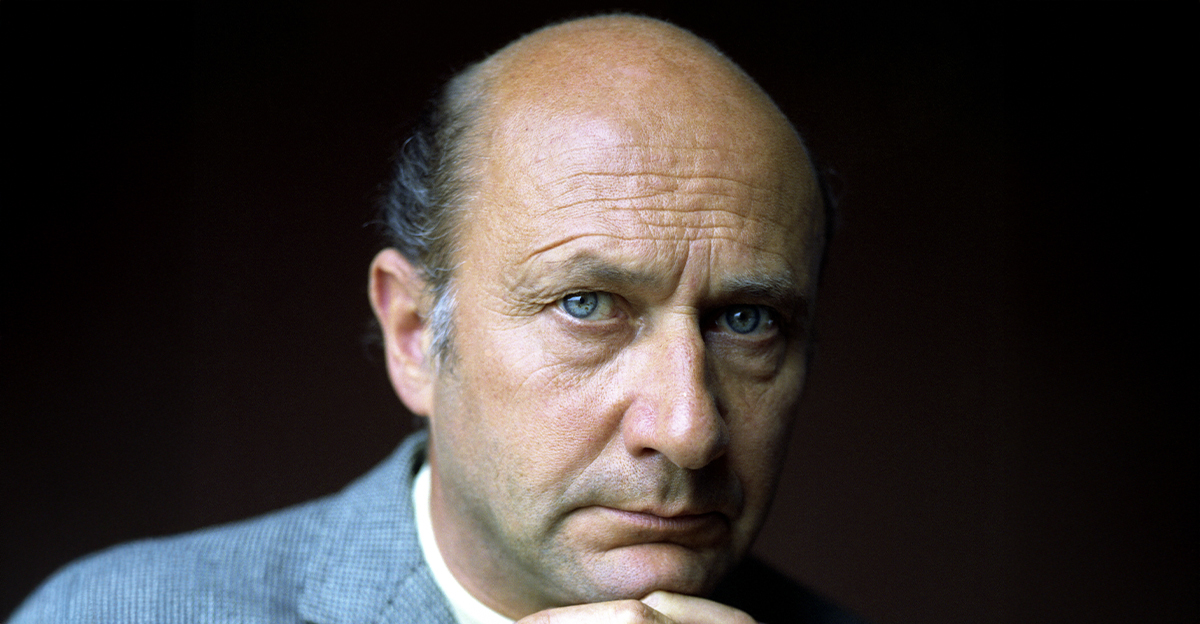
An Unmistakable Presence
Donald Pleasence could terrify audiences without raising his voice. With his piercing eyes, unsettling calm, and unmistakable delivery, the English actor became one of cinema's most memorable villains and horror stars. But long before he faced James Bond or hunted Michael Myers, Pleasence survived a German prisoner-of-war camp, defied his family's expectations, and struggled to establish himself as an actor. His remarkable career would span more than five decades, with some of his greatest successes arriving when most performers were contemplating retirement.
 Allan Warren, Wikimedia Commons
A Yorkshire Beginning
Donald Henry Pleasence was born on October 5, 1919, in Worksop, Nottinghamshire, near the Yorkshire border. He grew up in a Methodist household, the son of railway stationmaster Thomas Stanley Pleasence and his wife, Alice. Much of his childhood was spent in Yorkshire, where his father's railway work shaped family life. Nobody could have predicted that this railwayman's son would eventually become one of Hollywood's most recognizable faces.
A Rebellious Young Man
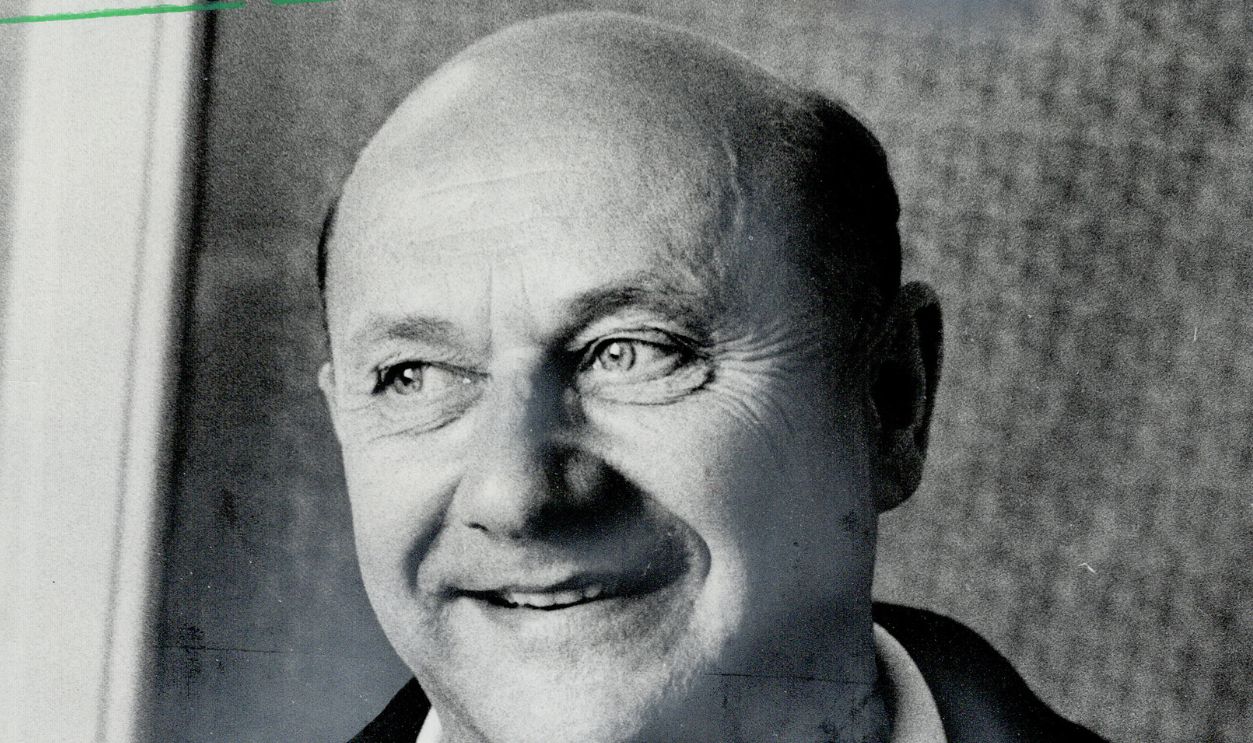
Pleasence attended Ecclesfield Grammar School in Sheffield, but conventional education and a predictable career held little appeal. His family expected him to find respectable employment, while he increasingly dreamed of acting. He briefly followed his father's profession by working as a railway clerk. But his time there only confirmed his determination to escape an ordinary working life and pursue the theater.
The Stage Was Calling
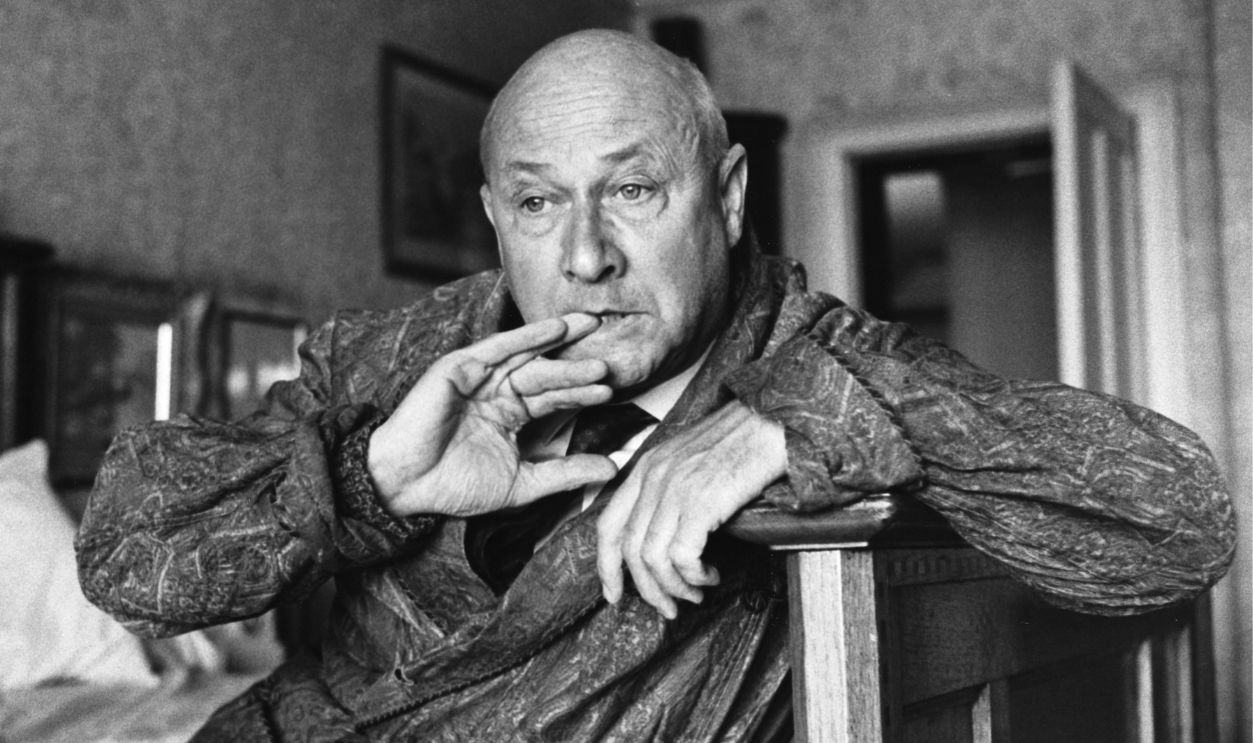
In the late 1930s, Pleasence began seeking theatrical work, eventually joining the repertory company at the Playhouse in Jersey. He made his professional stage debut in 1939, shortly before Europe descended into war. Repertory theater demanded versatility, discipline, and the ability to master unfamiliar roles fast. Those skills would later help him move effortlessly between Shakespeare, psychological thrillers, war dramas, and horror films.
War Interrupted Everything
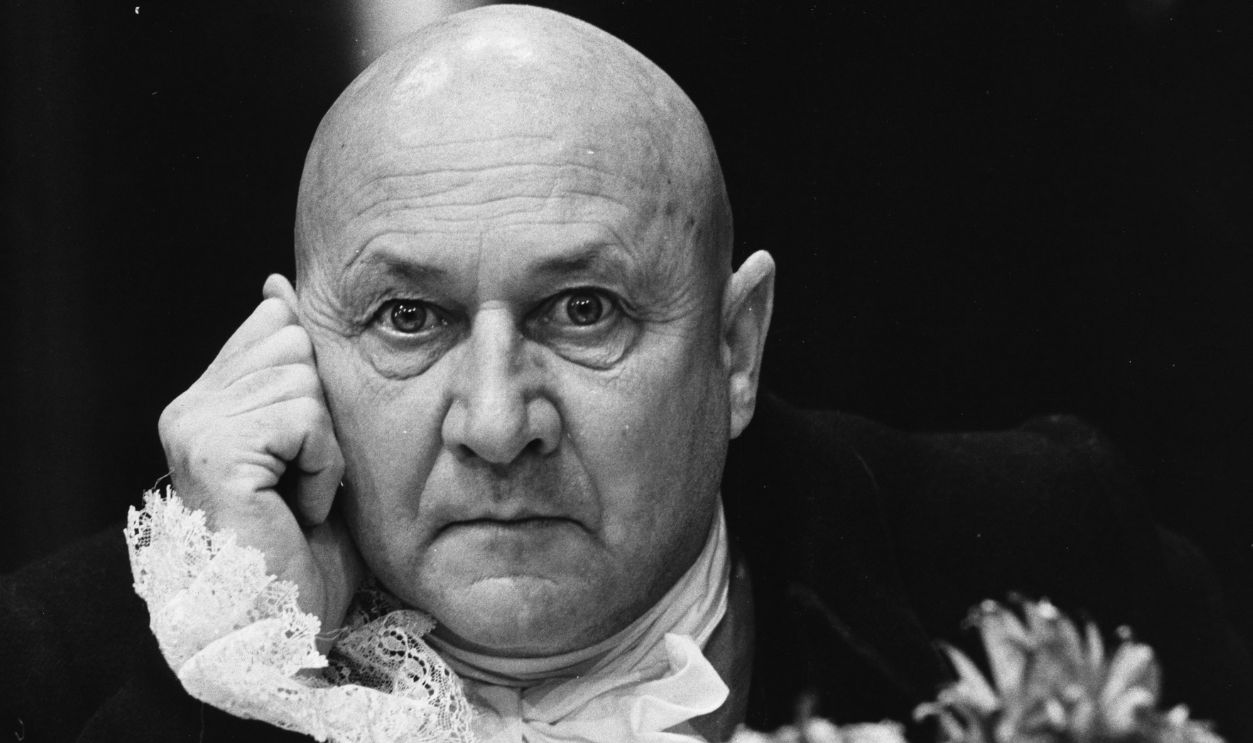
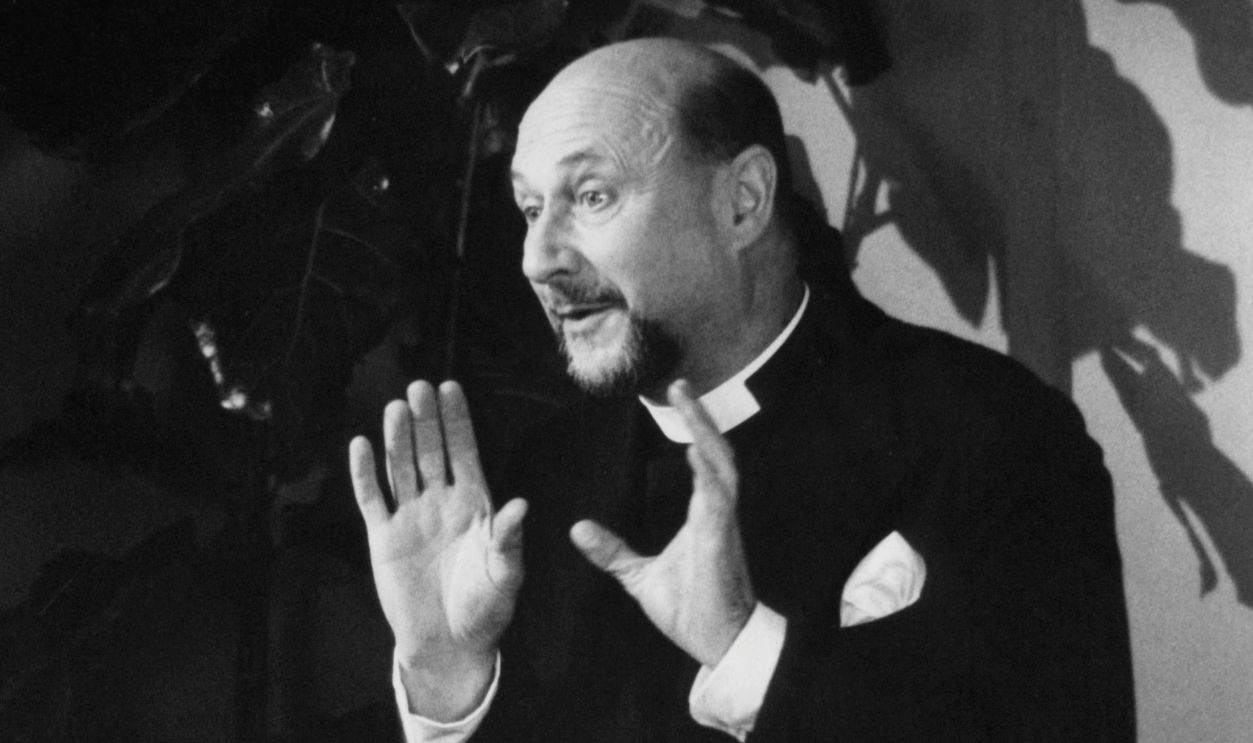
When World War II began, Pleasence initially registered as a conscientious objector, opposing military service on moral grounds. But the German bombing of British cities changed his outlook. He eventually volunteered for the Royal Air Force, exchanging theatrical performances for the dangerous responsibilities of Bomber Command. It was a remarkable reversal for a young man who had originally refused to fight.
 Michael Ochs Archives, Getty Images
Flying Into Enemy Territory
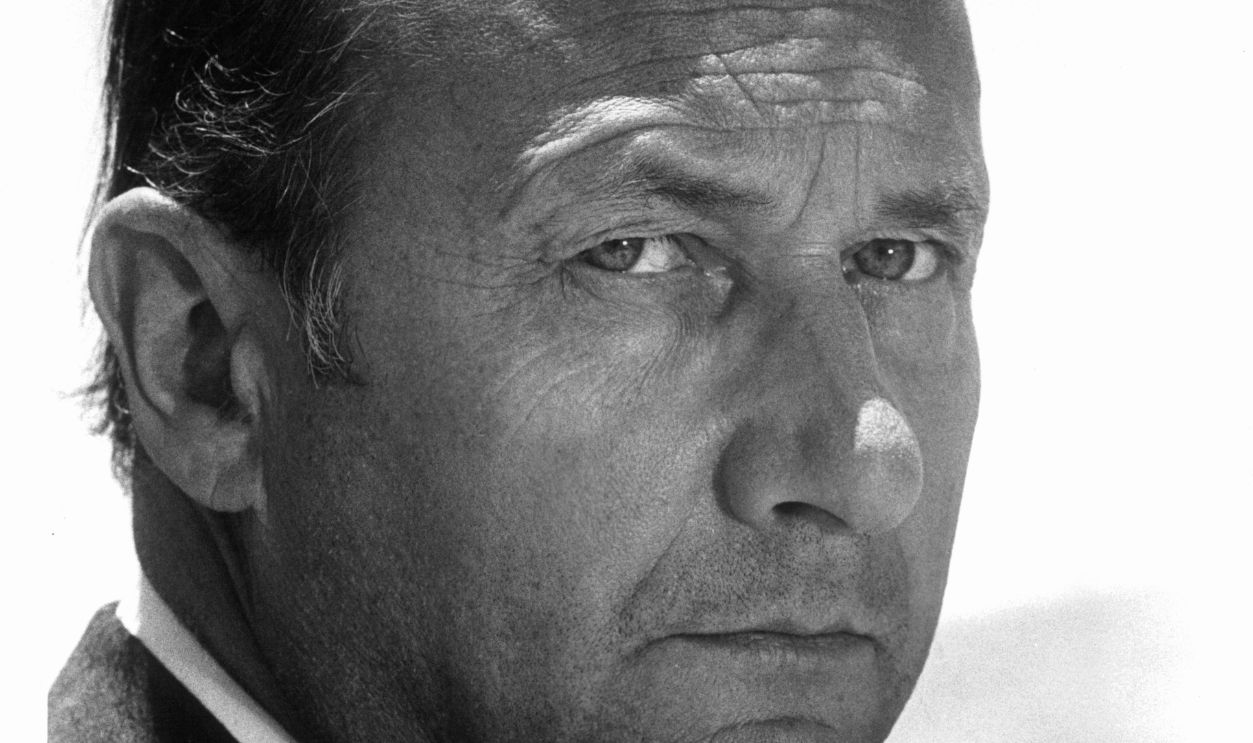
Pleasence served as a wireless operator with RAF No. 166 Squadron, flying bombing missions over occupied Europe. The work was extraordinarily dangerous, with crews facing enemy fighters, anti-aircraft fire, and mechanical failures. On August 31, 1944, his Lancaster bomber was shot down over France. Pleasence survived the crash, but his ordeal was only beginning.
 Michael Ochs Archives, Getty Images
A Prisoner Of War
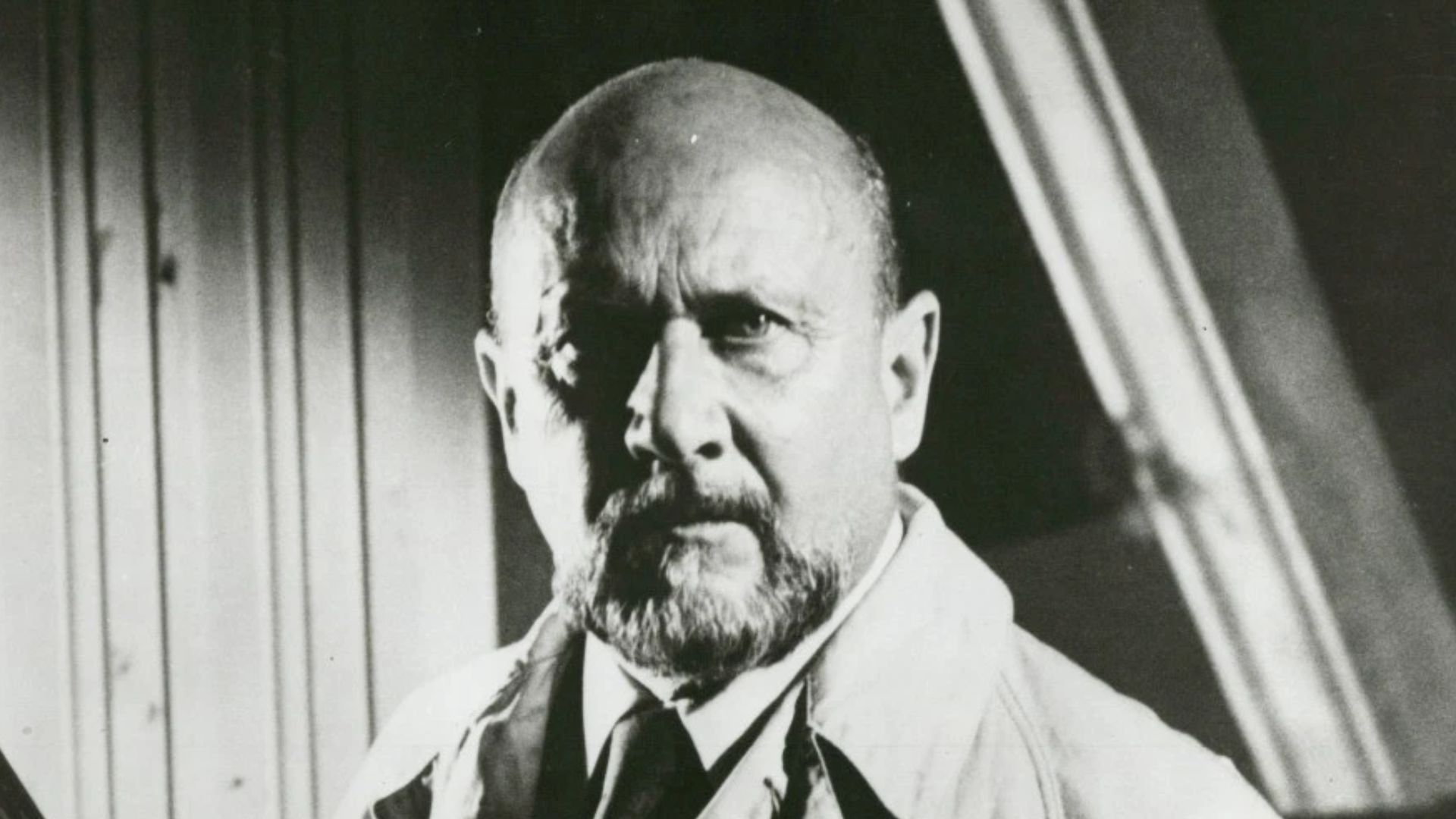
Captured by German forces, Pleasence was sent to Stalag Luft I, a prisoner-of-war camp for Allied airmen. He spent the final months of the conflict behind barbed wire, facing uncertainty about his future. Even there, acting remained important. He helped stage theatrical performances for fellow prisoners, using entertainment to provide some relief from captivity and the psychological strain of imprisonment.
 Unknown authorUnknown author, Wikimedia Commons
Returning To Civilian Life
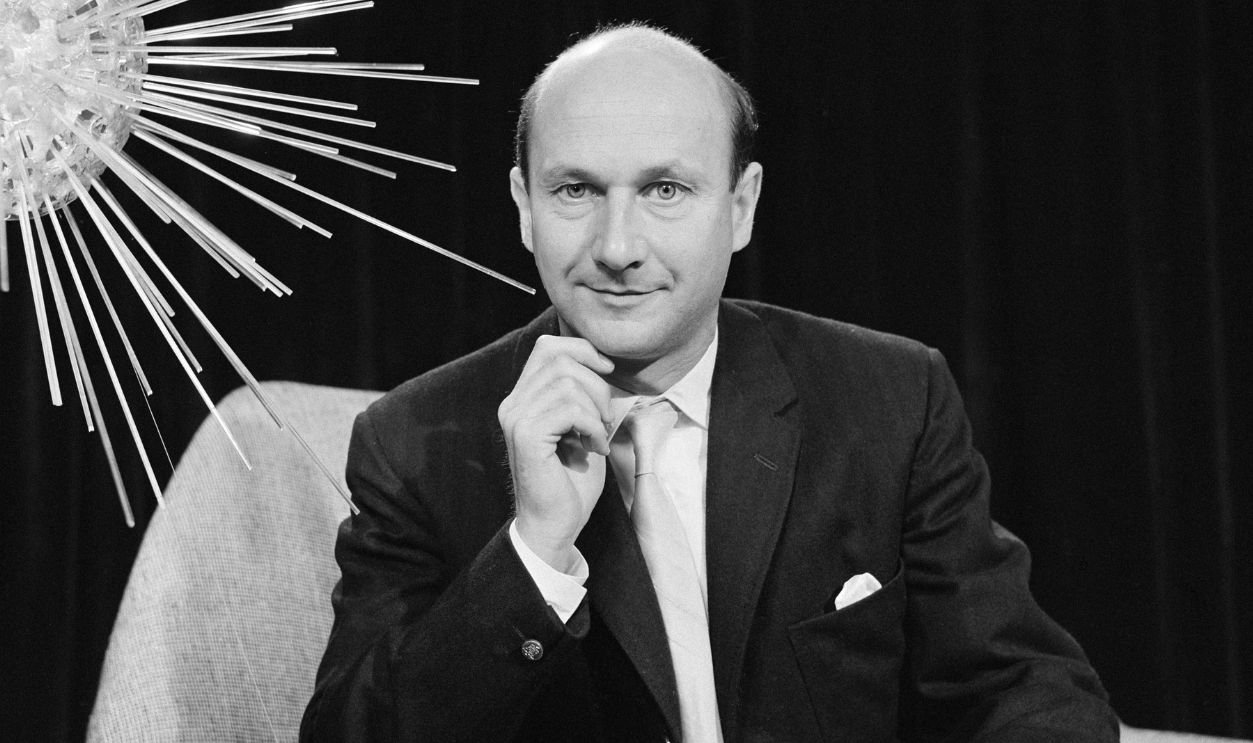
After the war, Pleasence returned to Britain and resumed his acting career. He worked with repertory companies and appeared in productions ranging from Shakespeare to contemporary drama. The transition from wartime captivity to theatrical life was considerable, but his experience had given him a deeper understanding of fear, vulnerability, and human behavior. Those qualities would eventually help him to stand out in many of his screen performances.
Television Offered New Opportunities
During the 1950s, British television began providing substantial opportunities for serious dramatic actors. Pleasence attracted attention for his performance as Syme in the BBC's controversial adaptation of George Orwell's Nineteen Eighty-Four in 1954. He also appeared in films such as A Tale of Two Cities (1958) and Look Back in Anger (1959), demonstrating his ability to portray troubled and morally complicated characters.
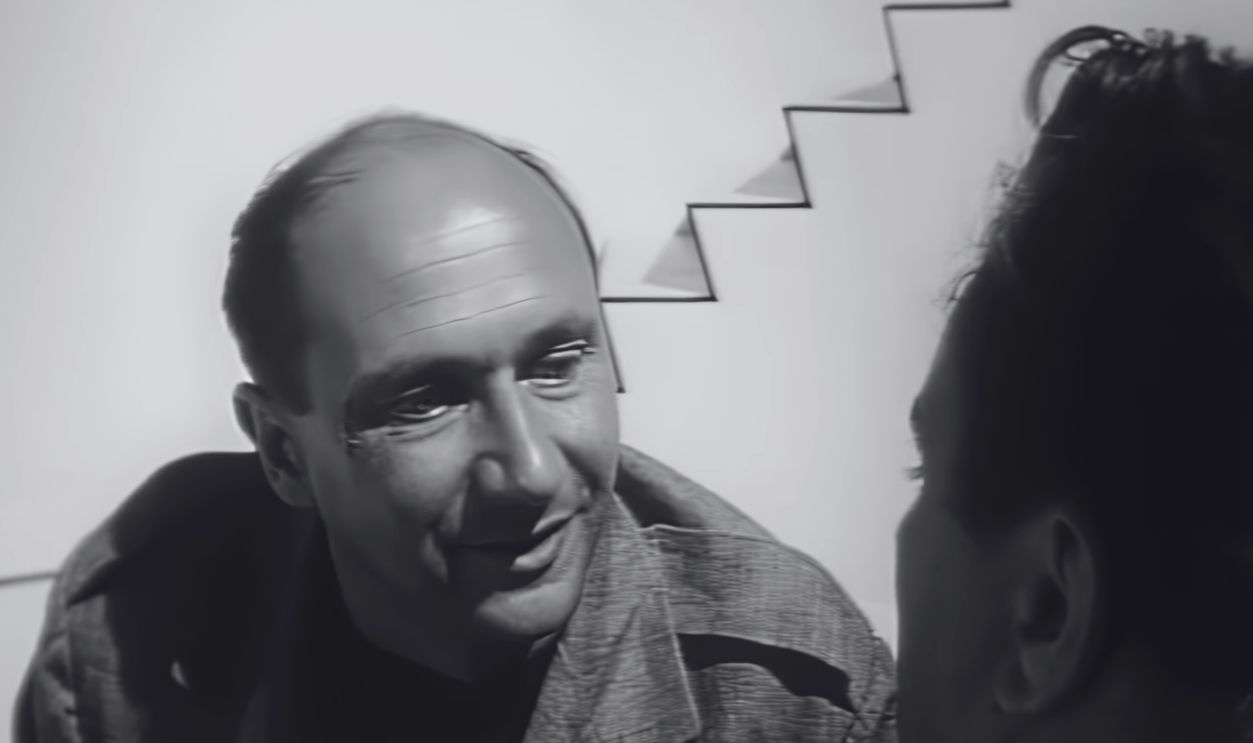 Screenshot from 1984, Columbia Pictures (1956)
Harold Pinter Changed His Career
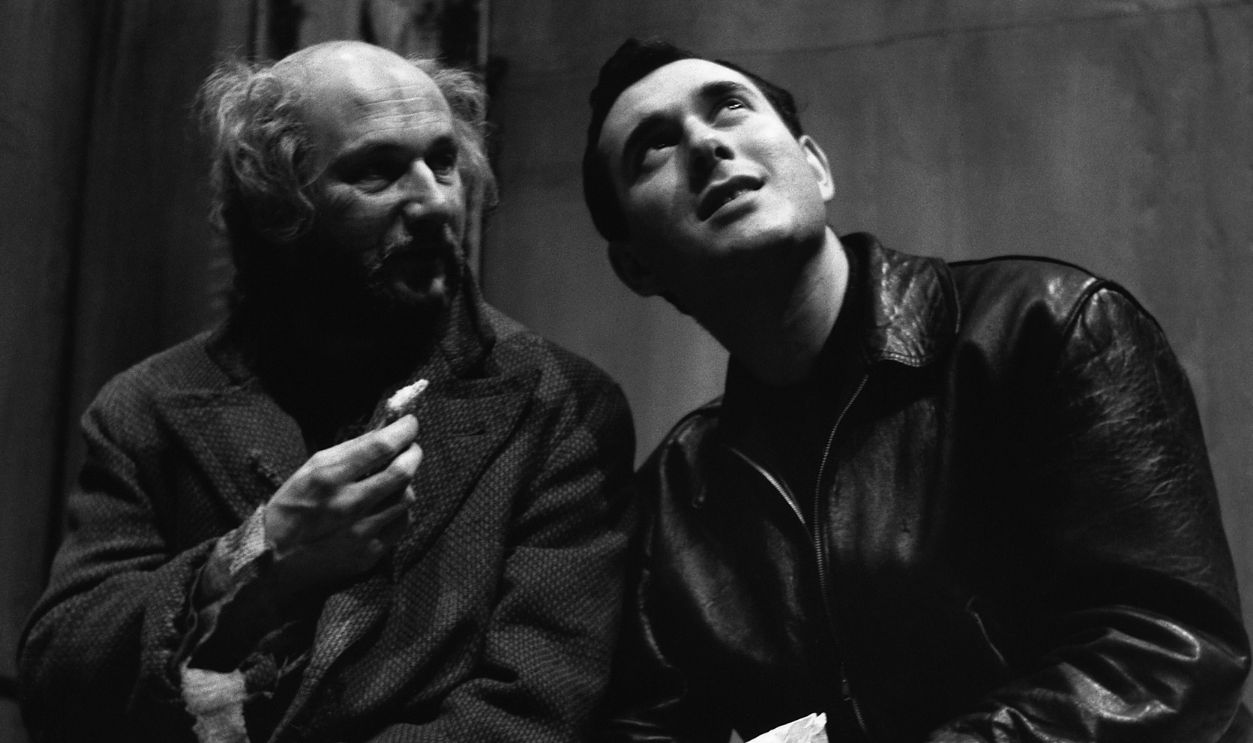
In 1960, Pleasence achieved a major theatrical breakthrough playing Davies, the manipulative tramp in Harold Pinter's The Caretaker. His unsettling performance earned widespread acclaim and helped establish him internationally as an exceptional character actor. The role suited his ability to appear pathetic, threatening, and strangely sympathetic almost simultaneously. He would return to the play decades later, bringing a different perspective to the character.
The Great Escape Beckoned
In The Great Escape (1963), Pleasence played Flight Lieutenant Colin Blythe, the mild-mannered document forger whose deteriorating eyesight threatens his chance of freedom. The ensemble included Steve McQueen, James Garner, Richard Attenborough, and Charles Bronson. Pleasence brought unusual authenticity to the role because, unlike many actors portraying prisoners of war, he had actually endured captivity himself.
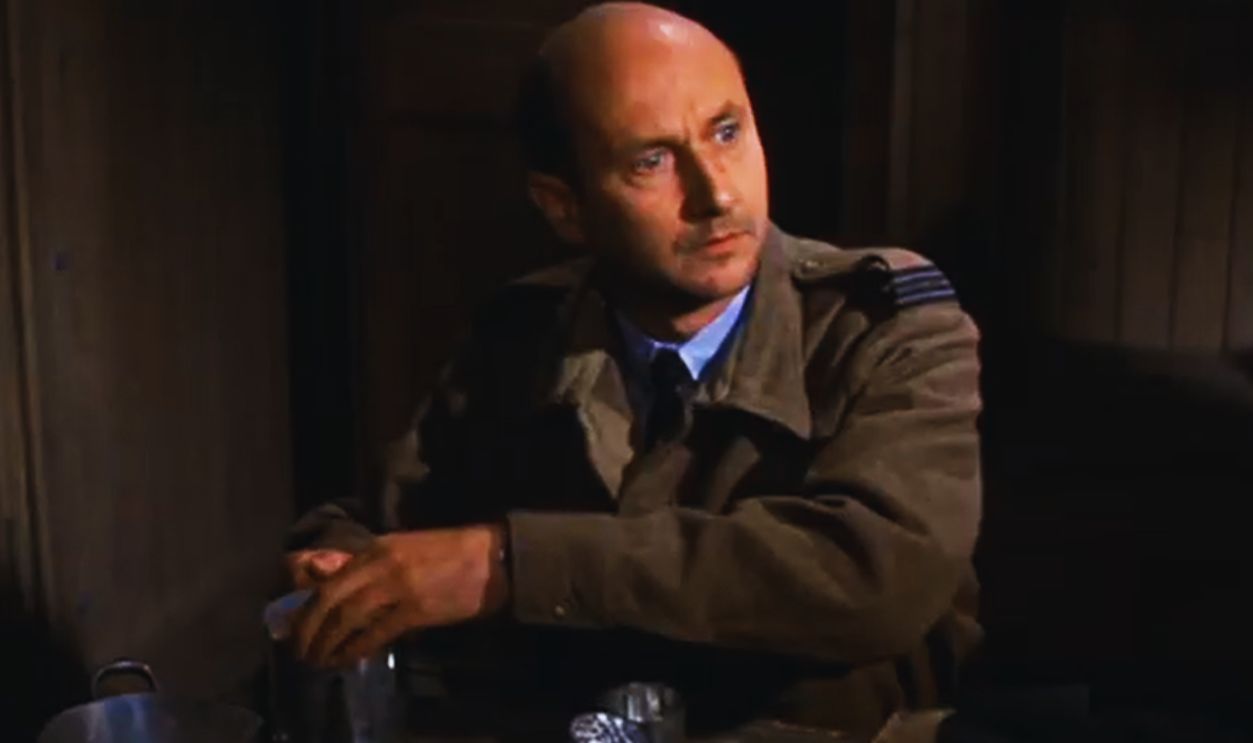 Screenshot from The Great Escape, United Artists (1963)
His Experience Proved Invaluable
During production, Pleasence reportedly offered suggestions about the realities of prison-camp life. Director John Sturges initially showed little interest, but according to a widely repeated behind-the-scenes account, James Garner helped make the director aware of Pleasence's wartime experiences. Sturges subsequently became more receptive to his observations. Whatever the precise sequence, Pleasence's knowledge informed a deeply moving portrayal of captivity.
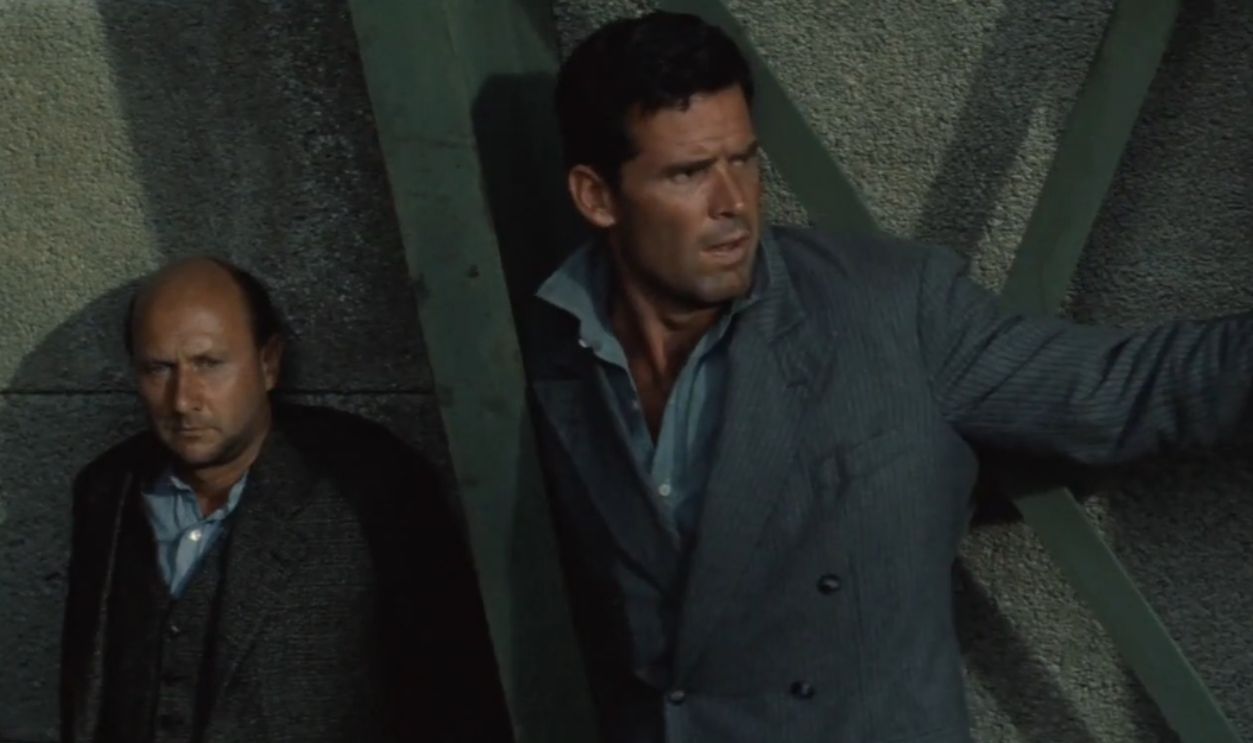 Screenshot from The Great Escape, United Artists (1963)
A Face Audiences Remembered
Throughout the 1960s, Pleasence became increasingly recognizable for his bald head, penetrating eyes, and soft, controlled voice. He appeared in Roman Polanski's Cul-de-Sac (1966), playing an eccentric man caught in a disturbing confrontation, and the supernatural thriller Eye of the Devil (1966), alongside David Niven and Deborah Kerr. His performances made even relatively ordinary characters seem capable of hiding terrible secrets.
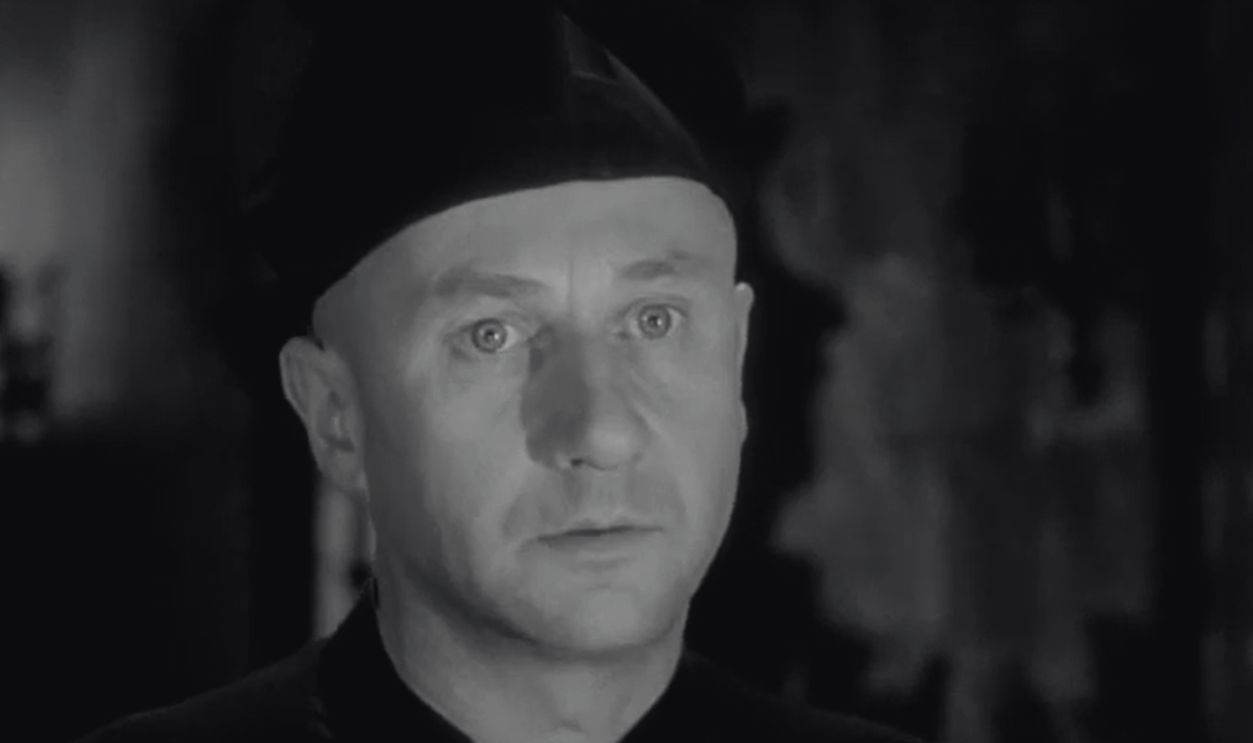 Screenshot from Eye of the Devil, Metro Goldwyn Mayer (1966)
James Bond Met Blofeld
Pleasence achieved international recognition as Ernst Stavro Blofeld in You Only Live Twice (1967), opposite Sean Connery's James Bond. With his facial scar, pale clothing, and white cat, his Blofeld became one of cinema's definitive supervillains. Although other actors played the character before and after him, Pleasence established an instantly recognizable image that inspired decades of movie villains and parodies.
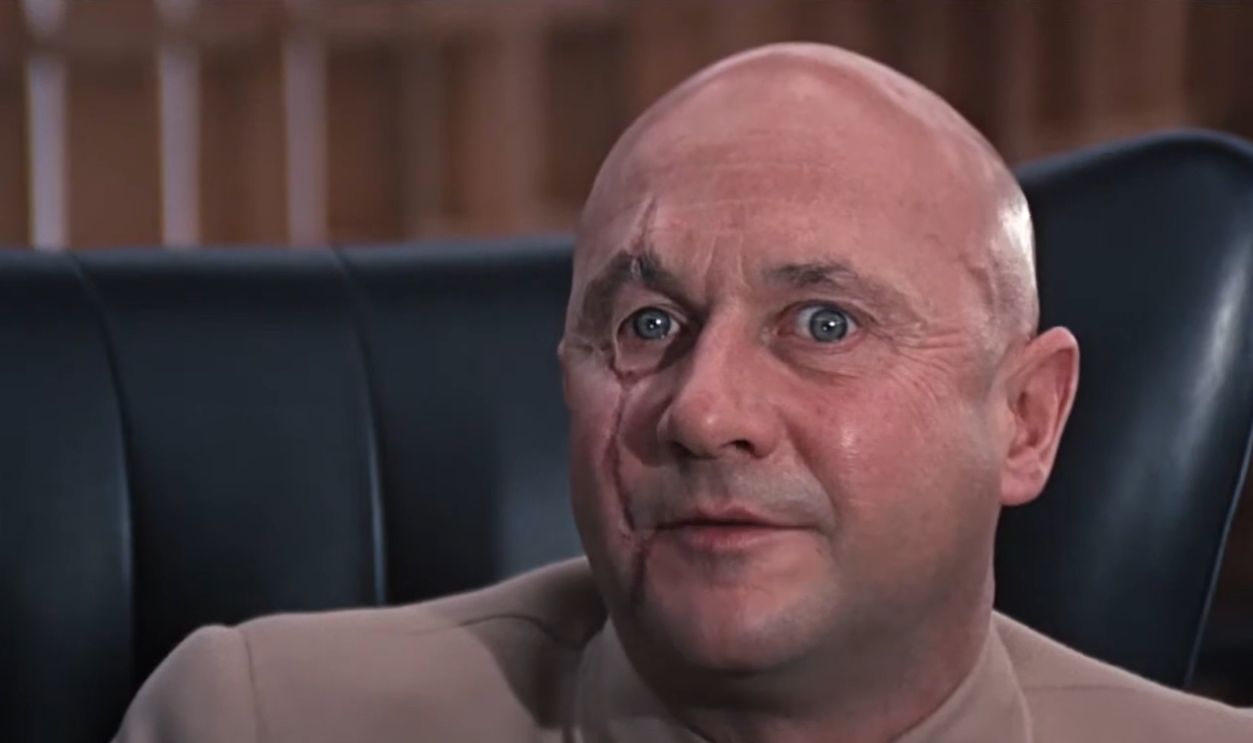 Screenshot from You Only Live Twice, United Artists (1967)
Westerns And War Films
Pleasence's versatility was apparent in the American Western Will Penny (1968), starring Charlton Heston and Joan Hackett. He played Preacher Quint, a vicious, fanatical outlaw whose family terrorizes Heston's aging cowboy. The film also featured Bruce Dern and Lee Majors. Pleasence subsequently appeared in Soldier Blue (1970), a violent Western that challenged romanticized portrayals of the American frontier. These performances demonstrated that his unsettling screen presence worked equally well outside horror and espionage stories.
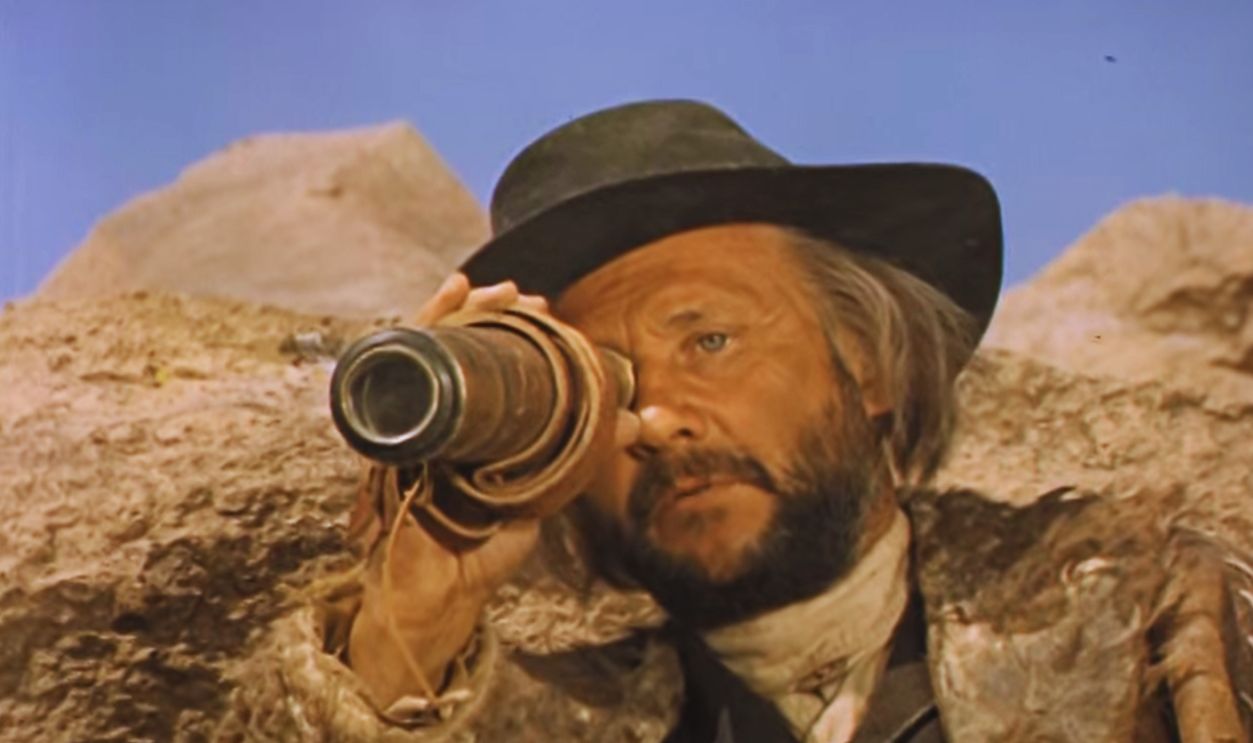 Screenshot from Will Penny, Paramount Pictures (1967)
Hollywood Embraced His Eccentricity
In the early 1970s, Pleasence appeared in George Lucas's dystopian science-fiction film THX 1138 (1971), starring Robert Duvall. He also delivered a memorably disturbing performance in the Australian thriller Wake in Fright (1971), playing the alcoholic Doc Tydon. The latter film allowed him to portray a deeply unsettling character without relying on supernatural elements or conventional villainy.
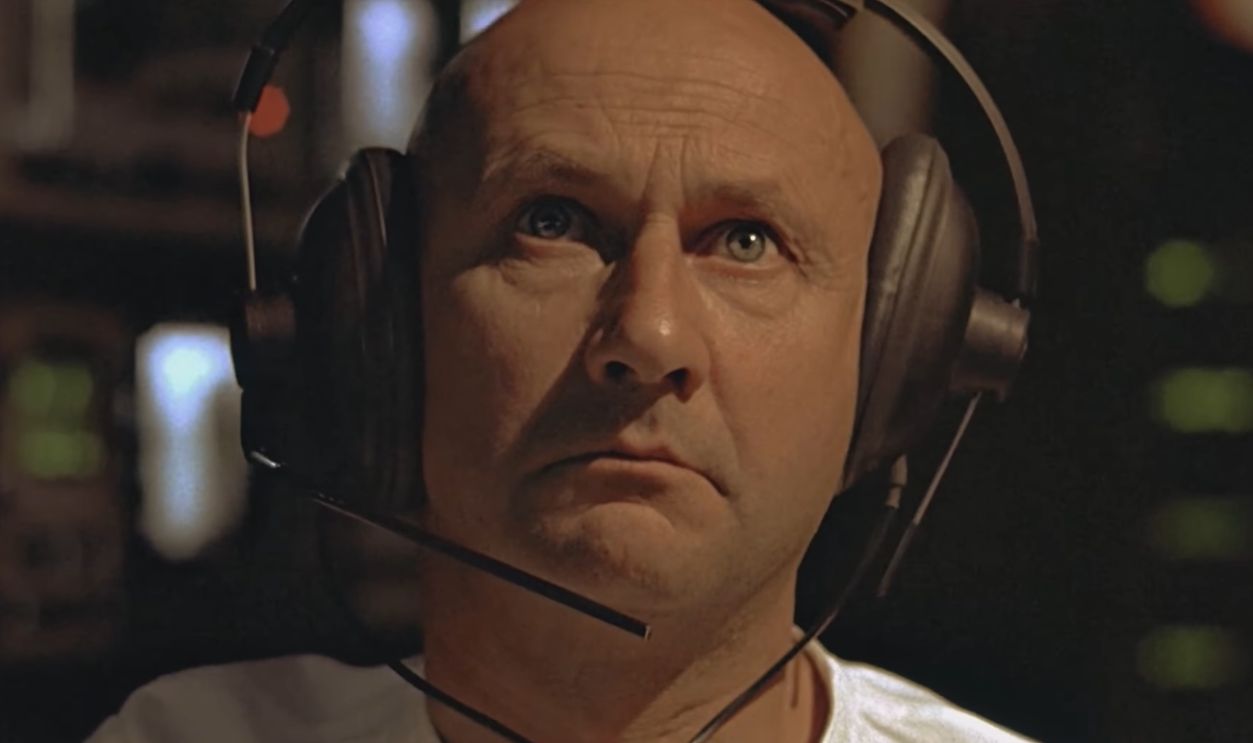 Screenshot from THX 1138, Warner Bros. Pictures (1971)
The Horror Roles Multiplied
Pleasence became increasingly associated with horror through films such as Death Line (1972), in which he played a police inspector investigating disappearances in the London Underground, and the anthology films Tales That Witness Madness (1973) and From Beyond the Grave (1974). He also appeared in Don Siegel's thriller The Black Windmill (1974) and Disney's Escape to Witch Mountain (1975). His willingness to move between prestigious productions, family entertainment, and low-budget genre pictures kept him constantly employed.
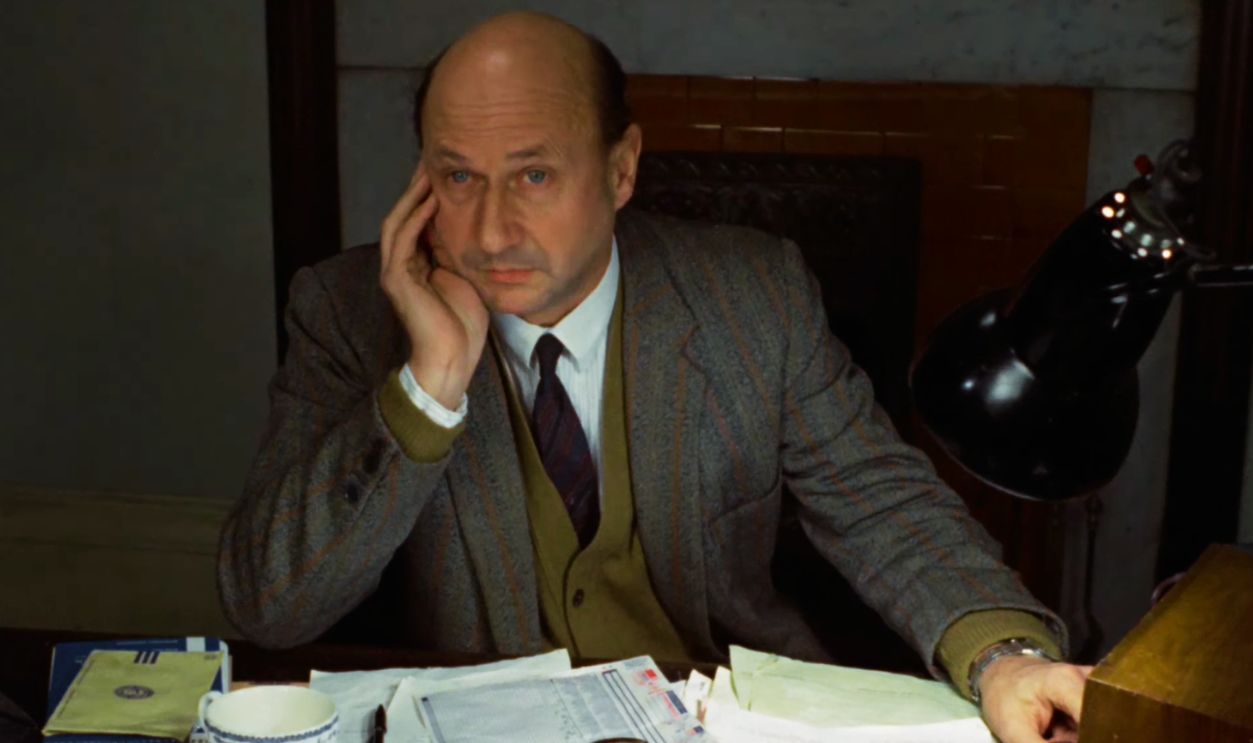 Screenshot from Death Line, American International Pictures (1972)
A Villain Again
In The Eagle Has Landed (1976), Pleasence portrayed Heinrich Himmler in a WWII thriller starring Michael Caine, Donald Sutherland, and Robert Duvall. The role was particularly striking given his own experiences in Germany and surviving captivity. Pleasence's portrayal demonstrated his ability to convey cold authority through quiet restraint rather than theatrical exaggeration.
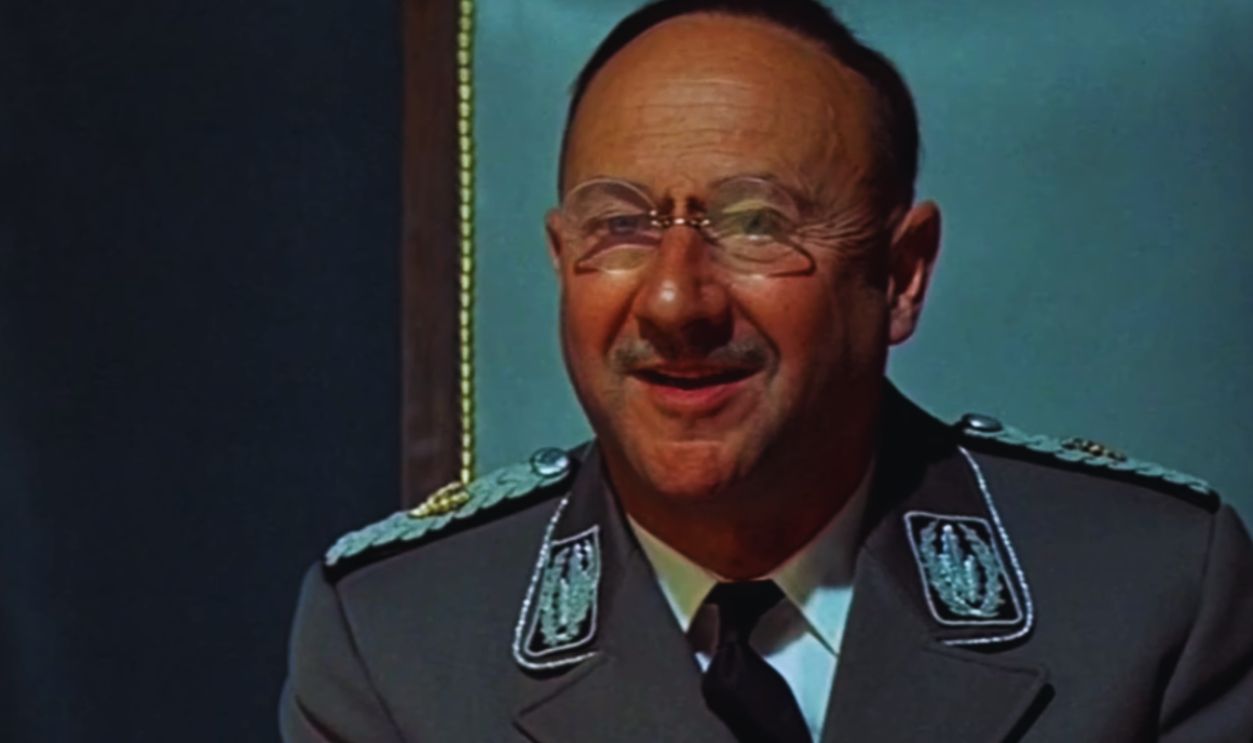 Screenshot from The Eagle Has Landed, Cinema International Corporation(1976)
Halloween Changed Everything
In 1978, director John Carpenter cast Pleasence as Dr. Samuel Loomis in the low-budget horror film Halloween (1978). The story followed Michael Myers as he returned to his hometown of Haddonfield, Illinois to commit more mayhem. Pleasence played the psychiatrist who understood the danger Myers represented. Although already an established actor, he was about to become a horror icon for an entirely new generation.
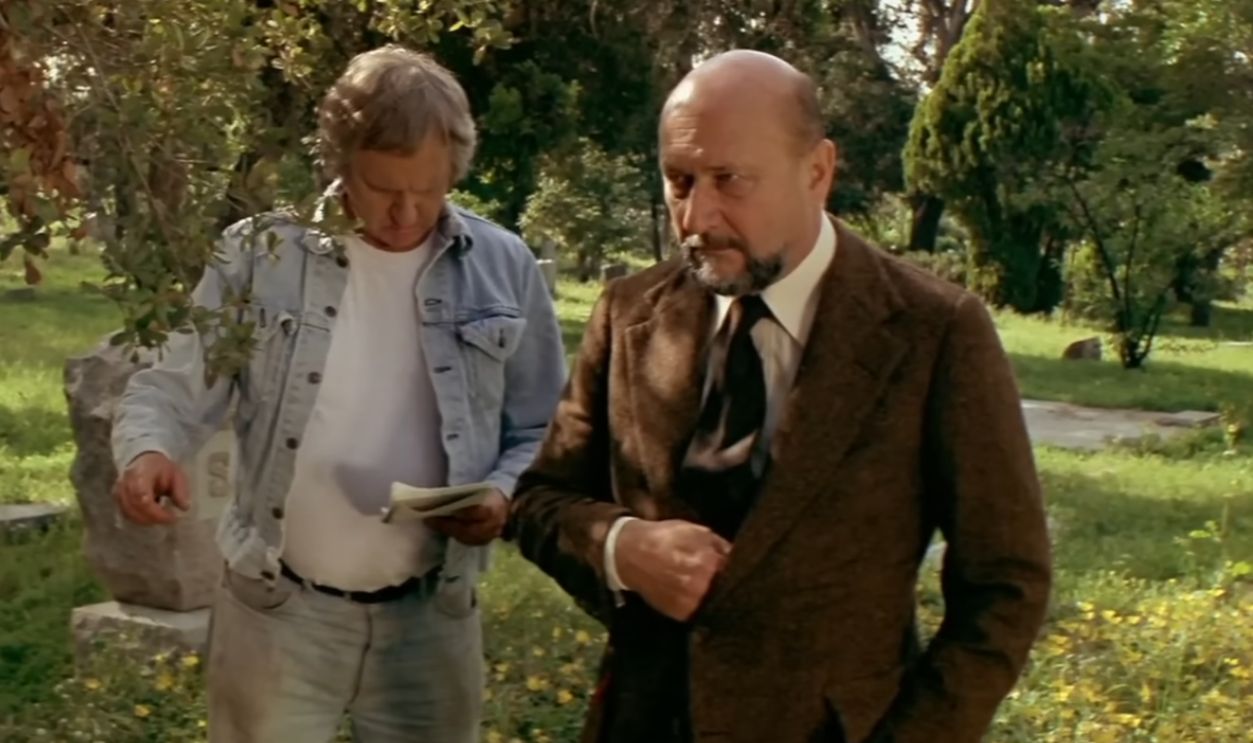 Screenshot from Halloween, Compass International Pictures (1978)
Dr. Loomis Knew Evil
Pleasence's performance gave Halloween much of its psychological weight. While Jamie Lee Curtis played the resourceful Laurie Strode, Loomis provided the film's ominous warnings about Myers. Pleasence delivered his dialogue with extraordinary conviction, portraying a doctor who had become convinced his former patient represented something beyond ordinary human evil. His seriousness helped make the film's terrifying premise believable on a deep level.
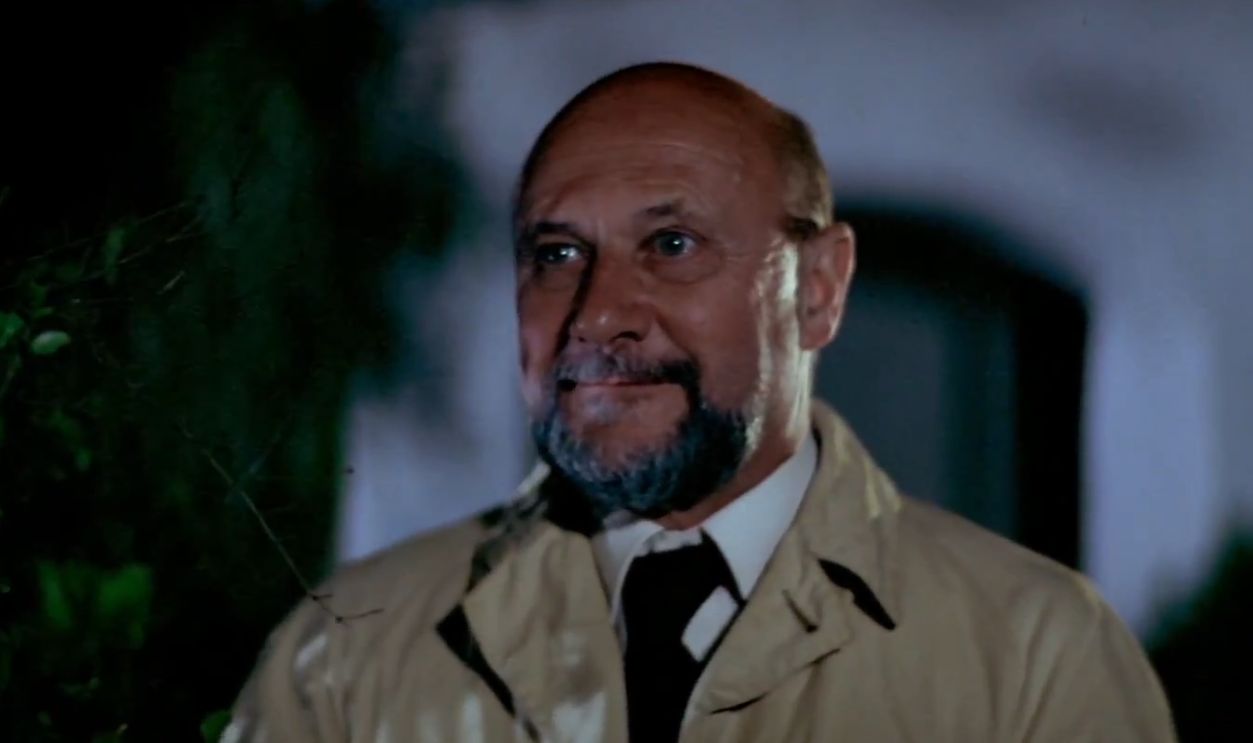 Screenshot from Halloween, Compass International Pictures (1978)
A Modest Film Became Huge
Made for a comparatively small budget, Halloween became an enormous commercial success and helped establish the modern slasher film. Carpenter's direction, haunting musical score, and carefully controlled suspense attracted considerable attention. Pleasence's involvement also lent credibility to the young production. At nearly 60, he had unexpectedly found a signature role that would define the remainder of his screen career.
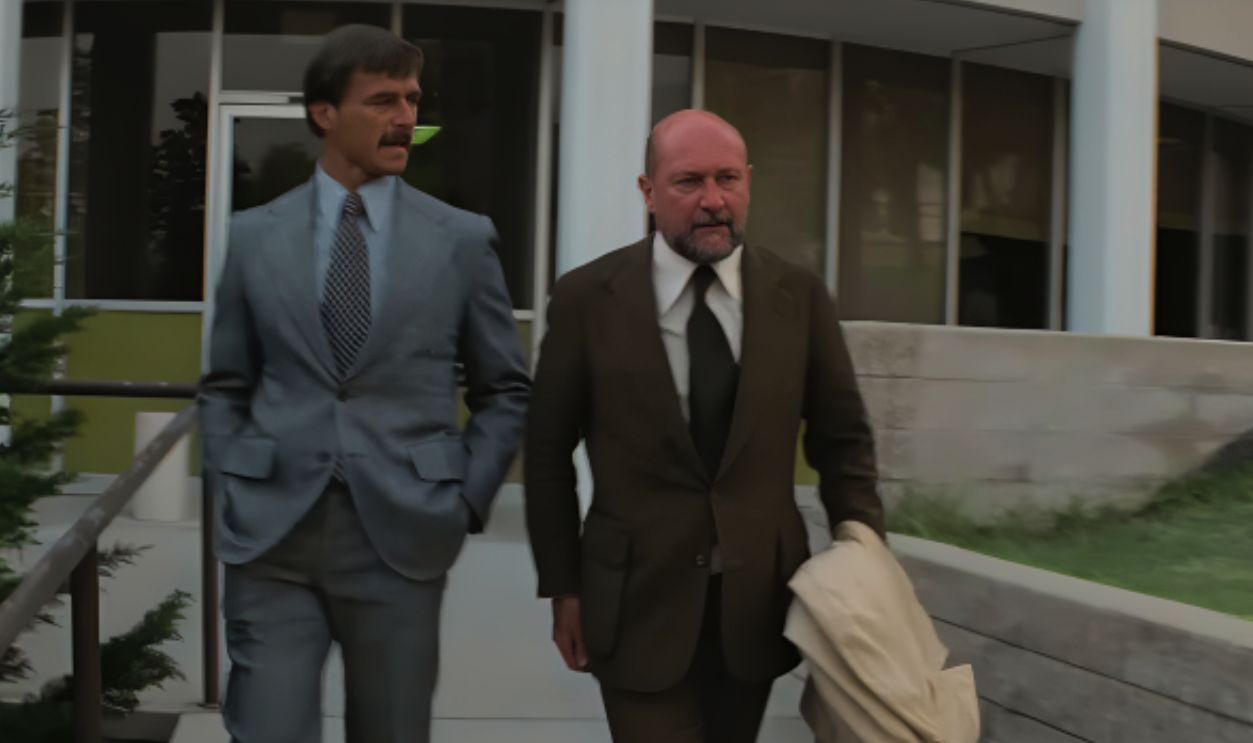 Screenshot from Halloween, Compass International Pictures (1978), Enhanced
He Returned To Haddonfield
Pleasence reprised Dr. Loomis in Halloween II (1981), which continued the original film's story. He subsequently appeared in Halloween 4: The Return of Michael Myers (1988) and Halloween 5: The Revenge of Michael Myers (1989). His increasingly desperate pursuit of Myers became a central element of the franchise, with Loomis growing more obsessive as the seemingly unstoppable predator repeatedly survived.
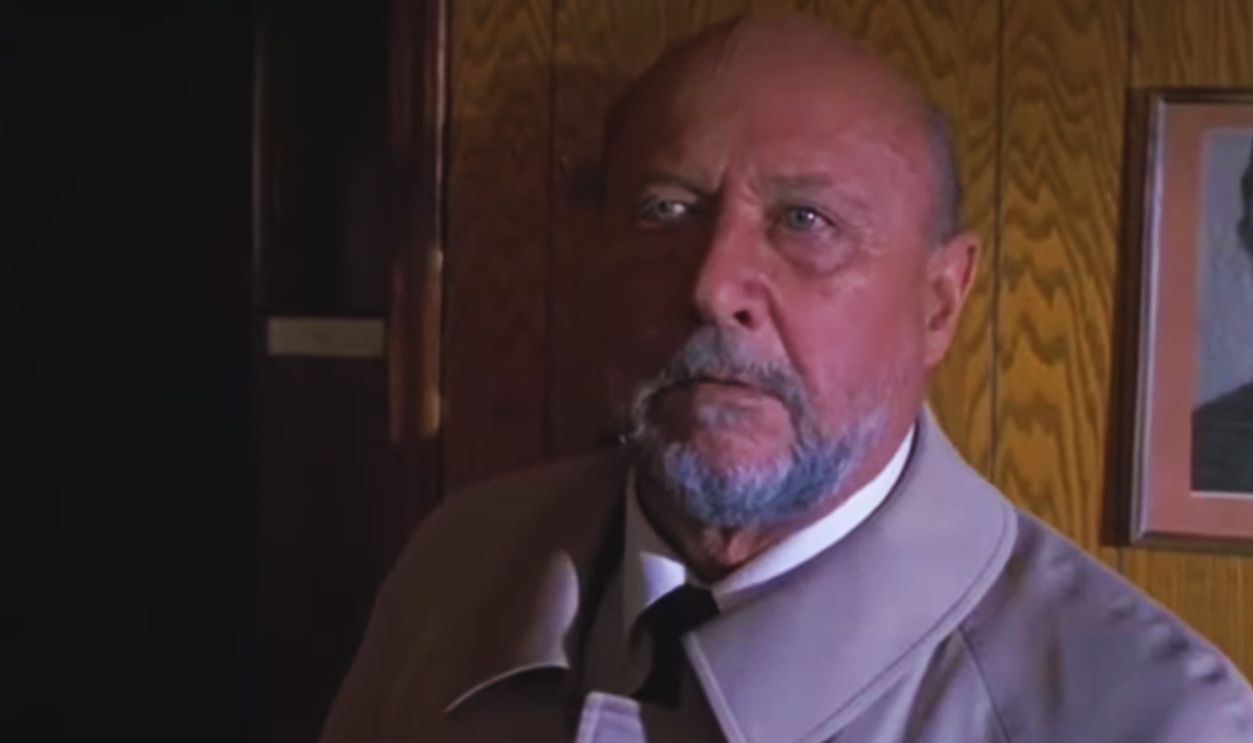 Screenshot from Halloween 4: The Return of Michael Myers, Trancas International Films (1988)
He Never Abandoned Other Roles
Even as Halloween made him a horror favorite, Pleasence continued working across different genres. He starred in John Carpenter's dystopian action film Escape from New York (1981), playing the kidnapped President of the United States opposite Kurt Russell. He also appeared in the television adaptation The Barchester Chronicles (1982), demonstrating that he could still portray gentle, sympathetic characters with remarkable subtlety.
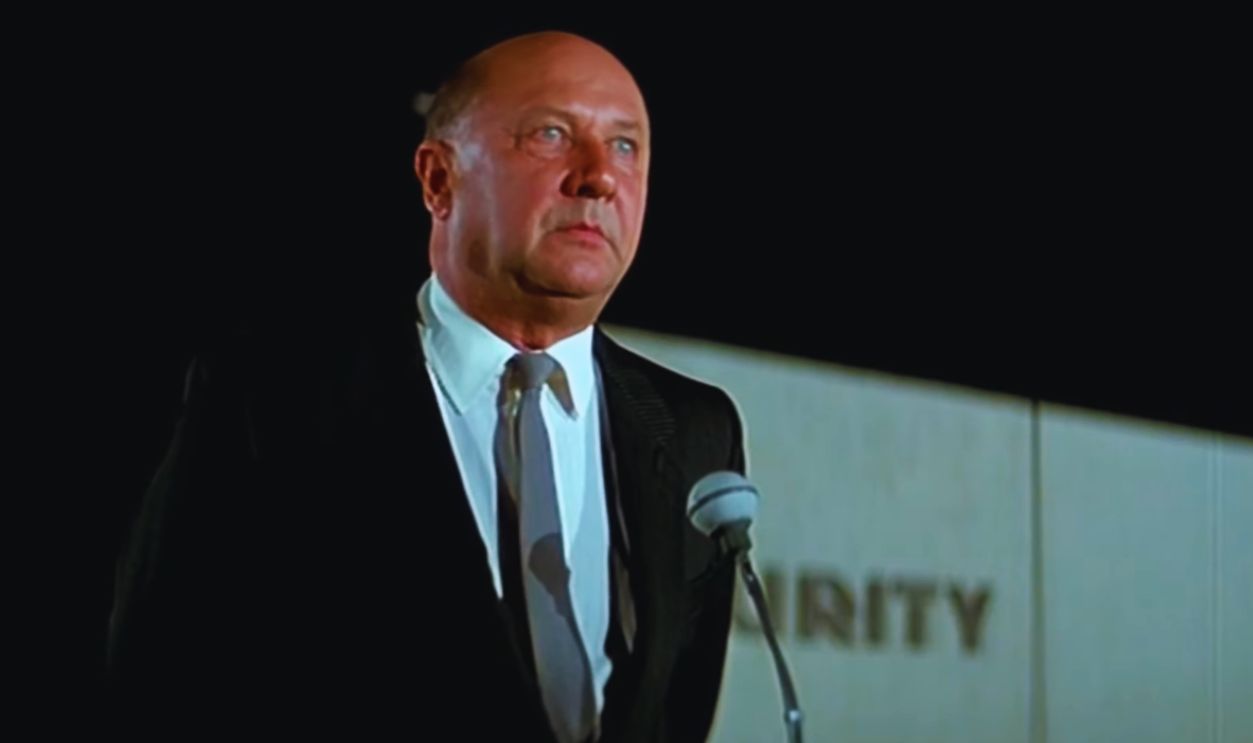 Screenshot from Escape from New York, AVCO Embassy Pictures (1981)
Carpenter Called Again
Pleasence reunited with Carpenter for Prince of Darkness (1987), playing a priest confronting an ancient supernatural threat. The film offered another opportunity to use his quiet intensity and commanding presence. He also appeared in numerous European horror productions and independent films throughout the 1980s. Although their quality varied considerably, his performances frequently gave even modest productions a memorable centerpiece.
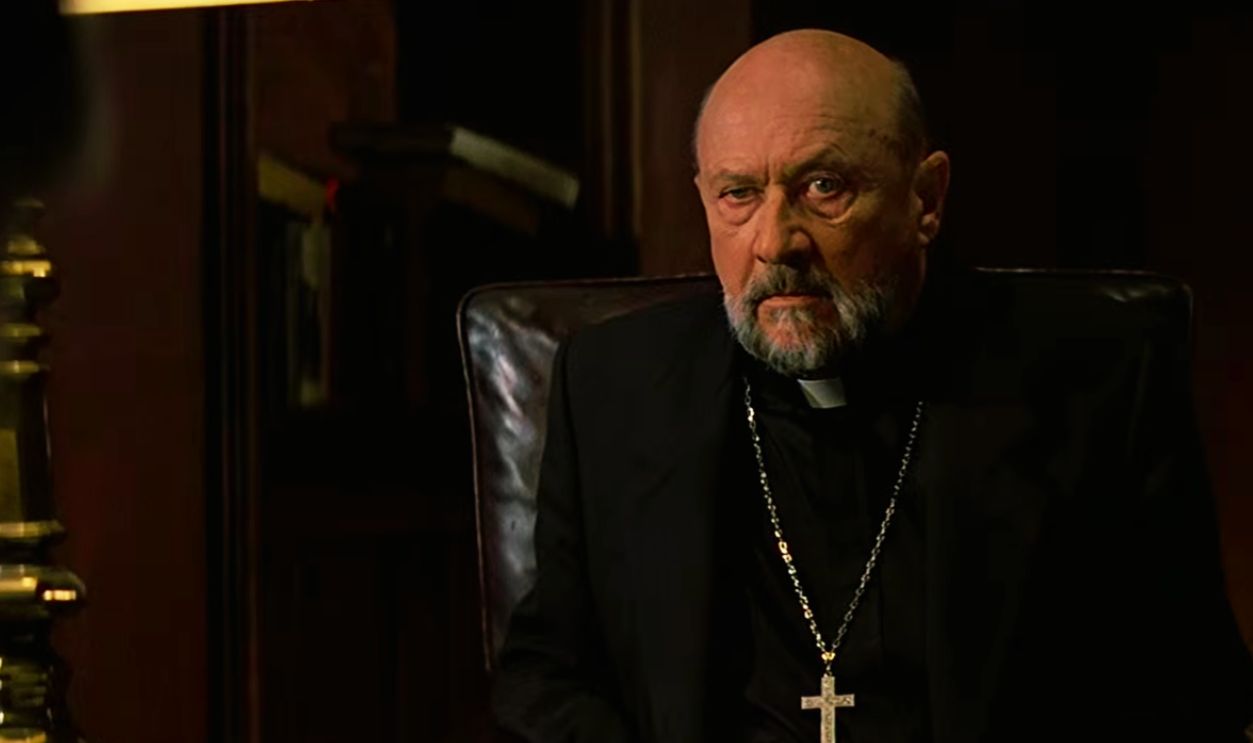 Screenshot from Prince of Darkness, Universal Pictures (1987)
A Complicated Personal Life
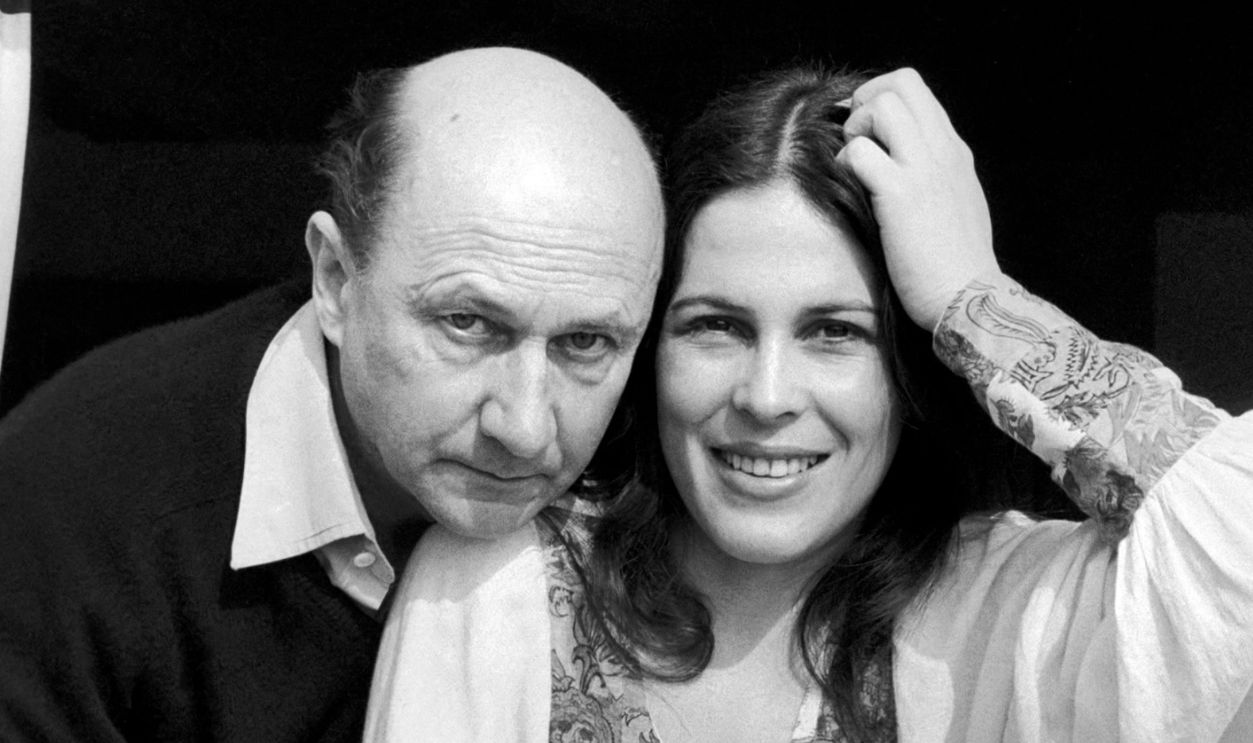
Away from the screen, Pleasence married four times and had five daughters, including actress Angela Pleasence, who followed him into the profession. His last wife was Linda Kentwood. Despite his reputation for playing frightening characters, colleagues often described him as thoughtful, intelligent, and professional. His private life remained relatively discreet compared with the sinister personalities audiences had come to associate with him.
His Final Halloween
Pleasence completed work on Halloween: The Curse of Michael Myers (1995), his fifth appearance as Dr. Loomis, shortly before his death. By then, his health had become a concern. The film was released posthumously and dedicated to his memory. Although the franchise would continue without him, his portrayal remained so closely associated with Loomis that subsequent filmmakers faced the difficult task of recreating his presence.
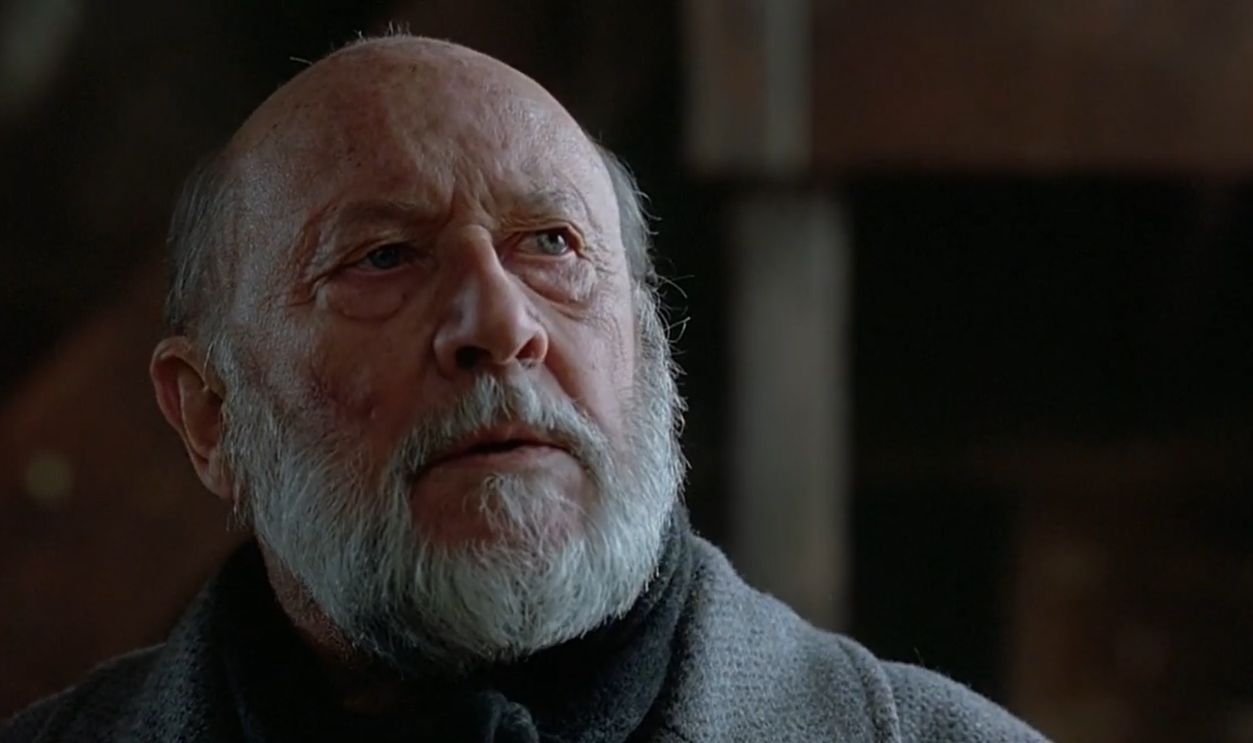 Screenshot from Halloween: The Curse of Michael Myers, Dimension Films (1995)
His Final Days
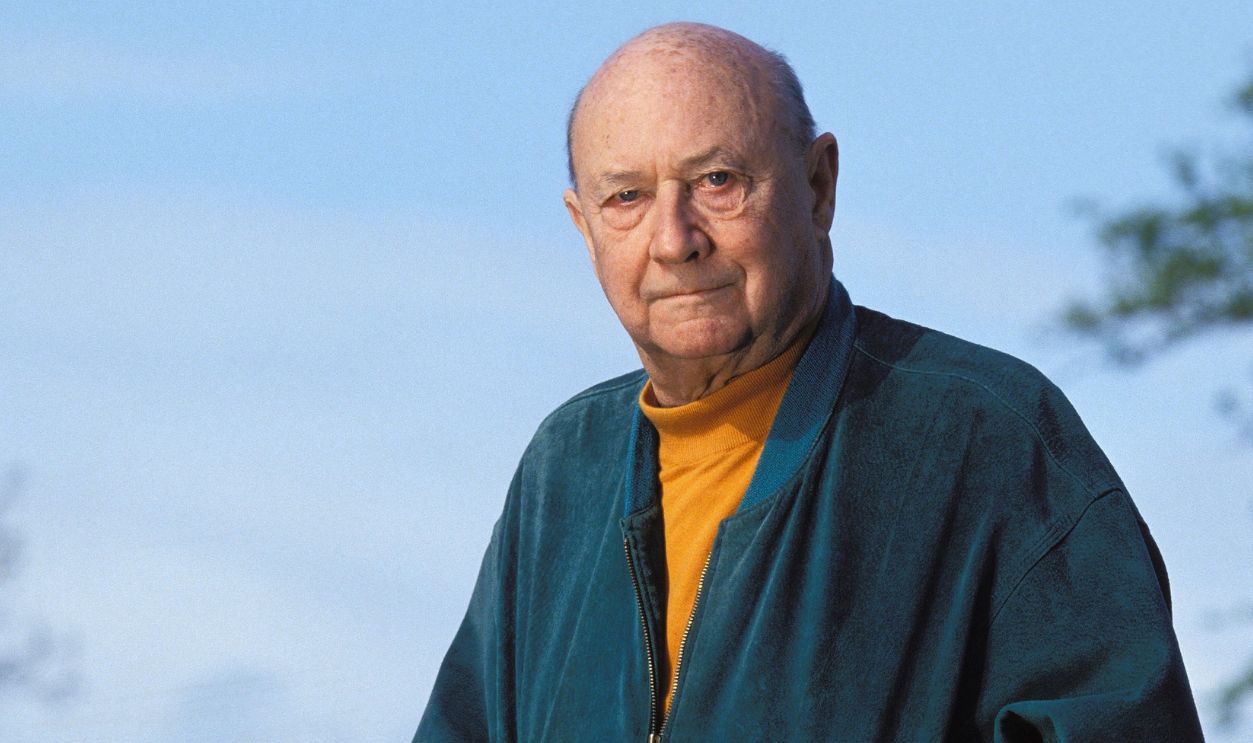
In late 1994, Pleasence underwent heart valve replacement surgery. He passed away on February 2, 1995, at his home near Saint-Paul-de-Vence in southern France, aged 75, following heart-related complications. His wife Linda was with him. The news marked the loss of an actor whose career had stretched from prewar British repertory theater to some of Hollywood's most recognizable film franchises.
Horror Never Forgot Him
Donald Pleasence left behind an extraordinary body of work, from The Great Escape and You Only Live Twice to Halloween and its sequels. His greatest gift was making audiences uncertain whether a character deserved sympathy, suspicion, or outright terror. For horror fans, Dr. Loomis remains his defining achievement. Yet the real man had already faced genuine danger long before he encountered Michael Myers. Few actors brought such remarkable life experience to the screen.
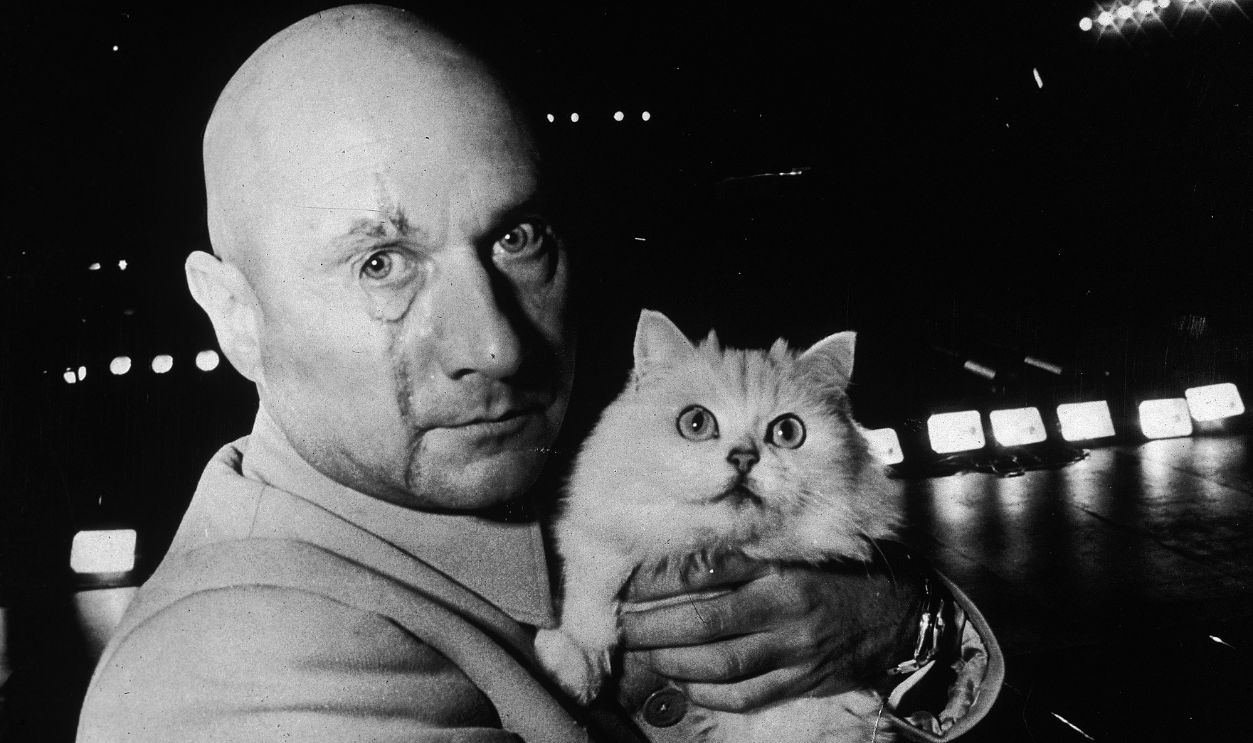 Express Newspapers, Getty Images
You May Also Like:
Action-Packed Facts About The James Bond Film Franchise
Heart-Pounding Facts About The Halloween Film Franchise