Nobody Ever Knew What Dick Shawn Would Do Next
Dick Shawn spent decades making audiences laugh by doing the unexpected, from It's a Mad, Mad, Mad, Mad World to some of the strangest live comedy routines of his era.
Then came one night in 1987...
He Started Out As Richard Schulefand
Shawn was born Richard Schulefand in Buffalo, New York, on December 1, 1923, and grew up in nearby Lackawanna. His father ran a clothing store, and the family lived in cramped quarters behind it. Surprisingly, the future entertainer remembered himself as an extremely shy child.
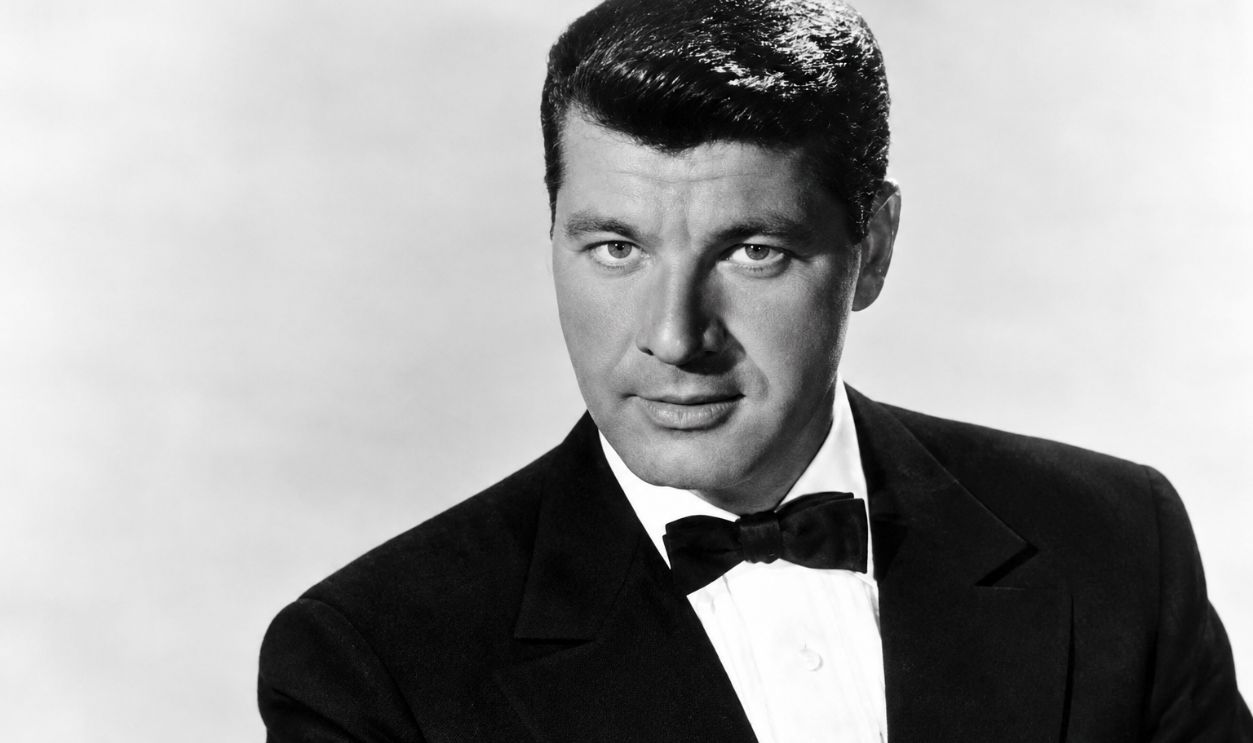 General Artists Corporation (management company), Wikimedia Commons, Enhanced
He Almost Chose Baseball Instead
Comedy wasn't Shawn's original dream. He was a gifted athlete who played baseball, basketball and ran track, and according to his estate, he was signed to a professional baseball contract by the Chicago White Sox. Before he could report to the farm system, however, the Army called.

The Army Changed Everything
Shawn was assigned to a tank-repair unit during his Army service in the 1940s, but military entertainment ultimately gave him another path. He auditioned for a traveling show and discovered something strange for such a shy young man: standing in front of hundreds of strangers actually felt comfortable. “I could always make people laugh,” he later recalled.
 (U.S. Army TARDEC photo.), Wikimedia Commons
New York Wasn't An Instant Success
After leaving the Army and briefly attending the University of Miami, Shawn headed toward show business. He appeared on Arthur Godfrey's Talent Scouts and shortened Schulefand to Shawn. He didn't win the competition, and success certainly didn't arrive overnight, but he stayed in New York and kept working.
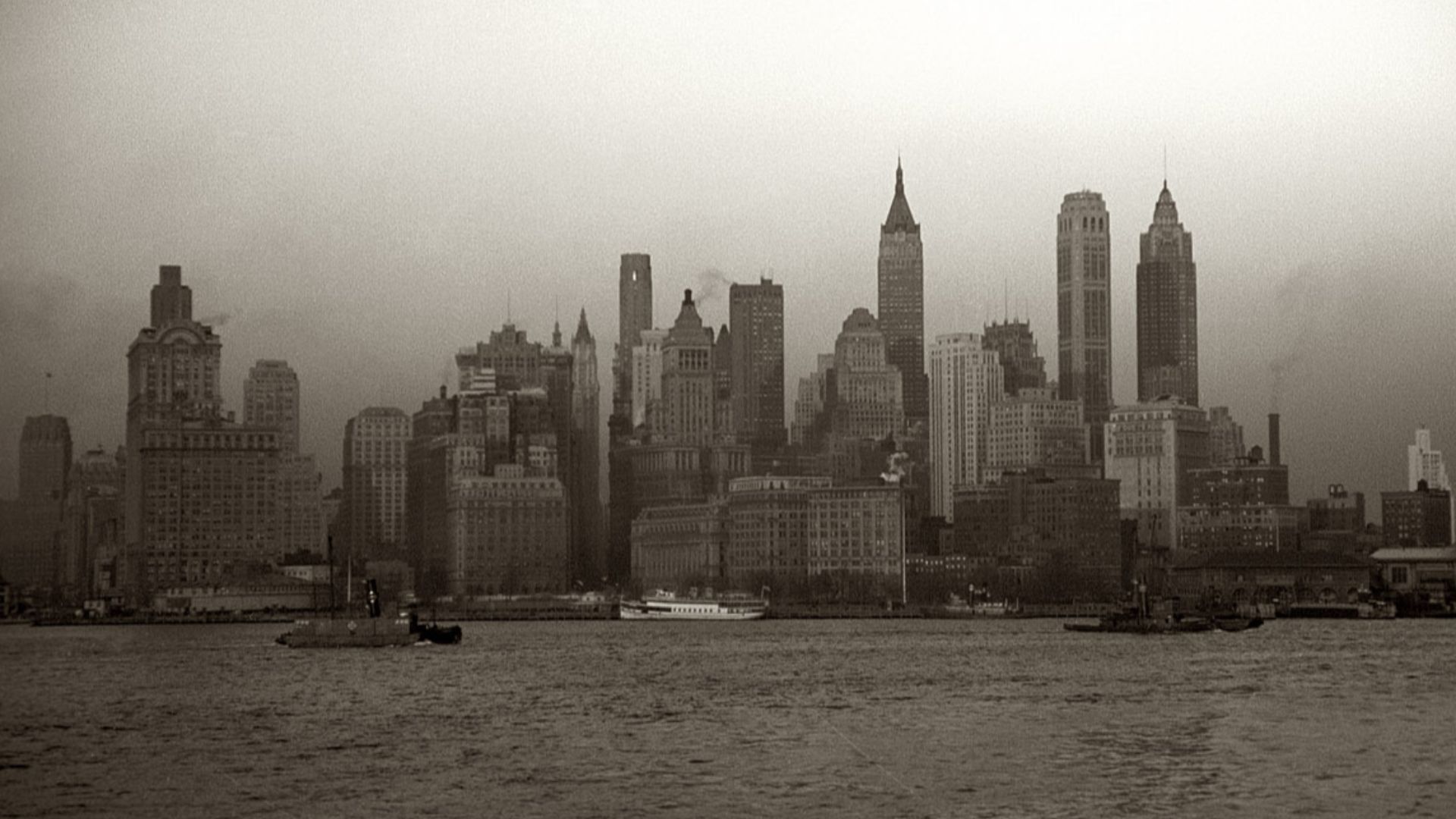 Jack Delano, Wikimedia Commons
Eventually, People Started Paying Attention
By the 1950s, Shawn was working prestigious rooms, appearing on The Ed Sullivan Show and performing at New York's Palace Theatre. Marlene Dietrich saw him there and brought him into her Las Vegas show, helping push the increasingly unusual comedian into another level of show business.
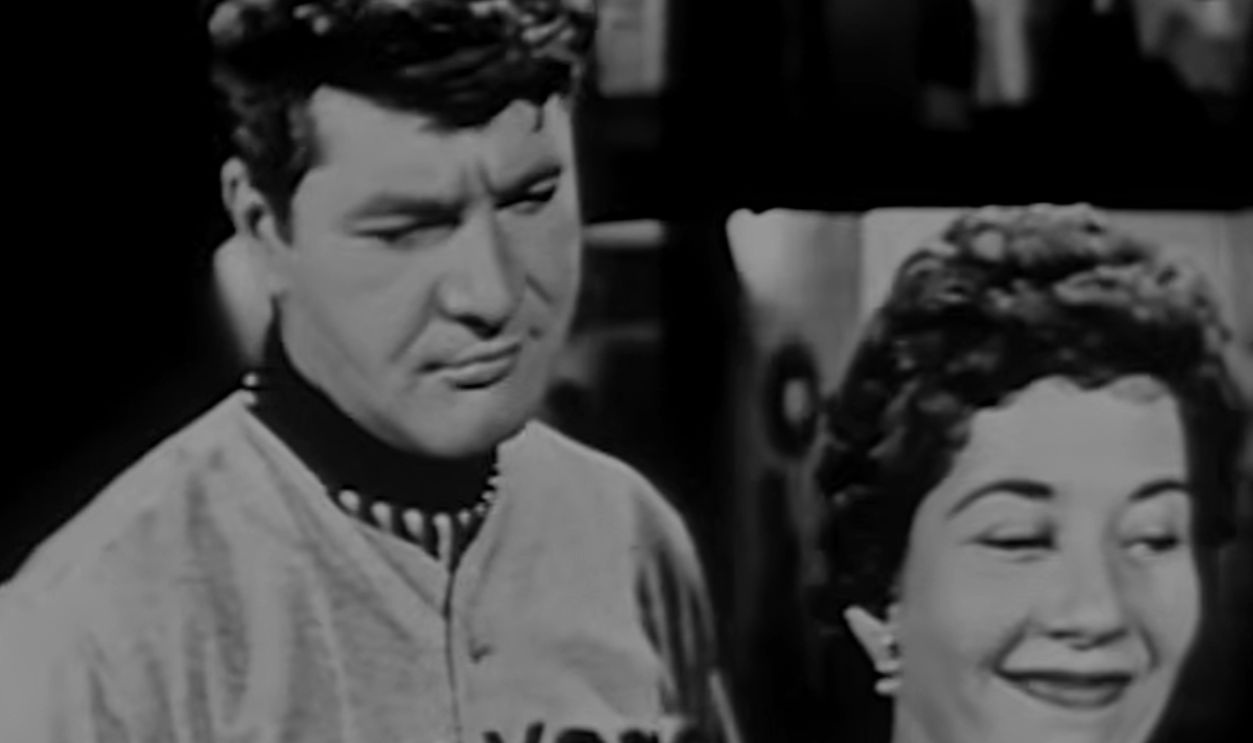 Screenshot from The Ed Sullivan Show, CBS (1948-1971)
Hollywood Saved The Weird Parts For Him
Shawn never looked or performed quite like anybody else, which made conventional leading-man roles unlikely. That was perfectly fine. He developed a memorable career playing eccentric characters, joking later that Hollywood seemed to save “the strange ones” for him. It turned out to be a pretty good specialty.
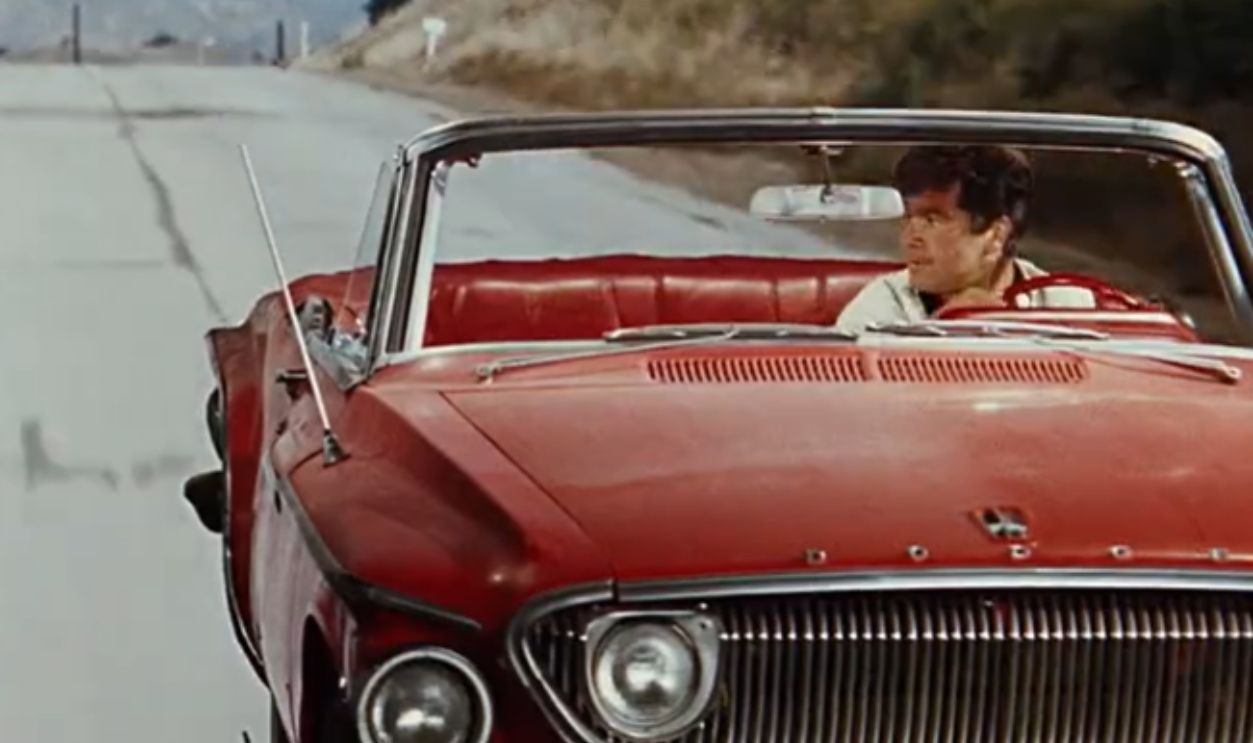 Screenshot from It's A Mad, Mad, Mad, Mad World, United Artists (1963)
Then Came “It's A Mad, Mad, Mad, Mad World”
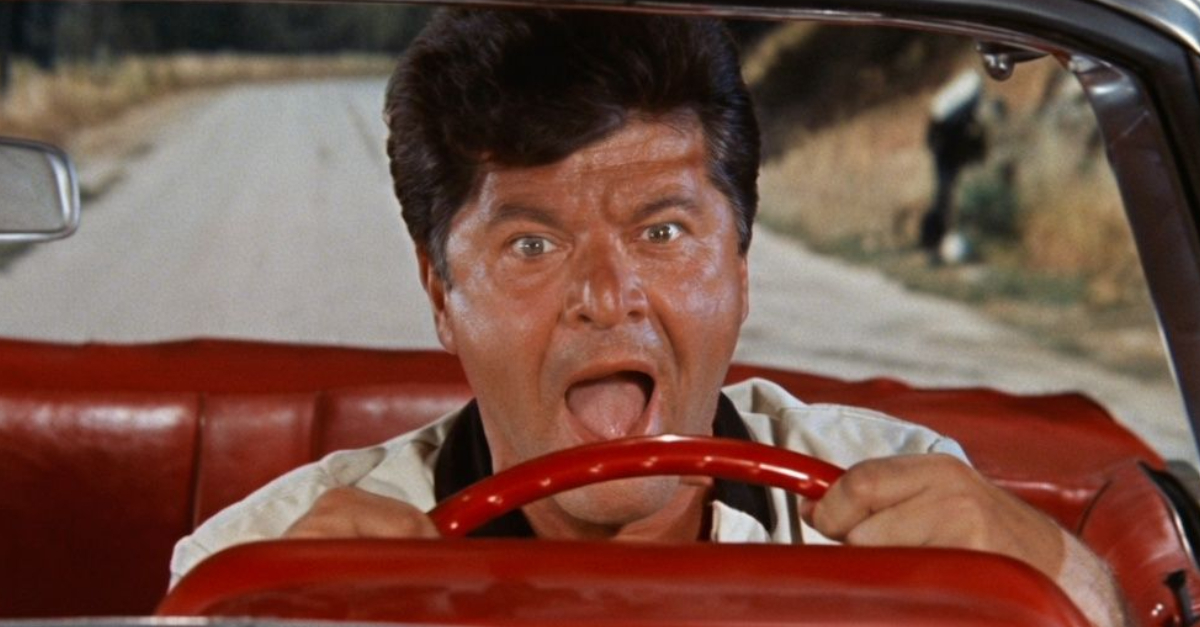
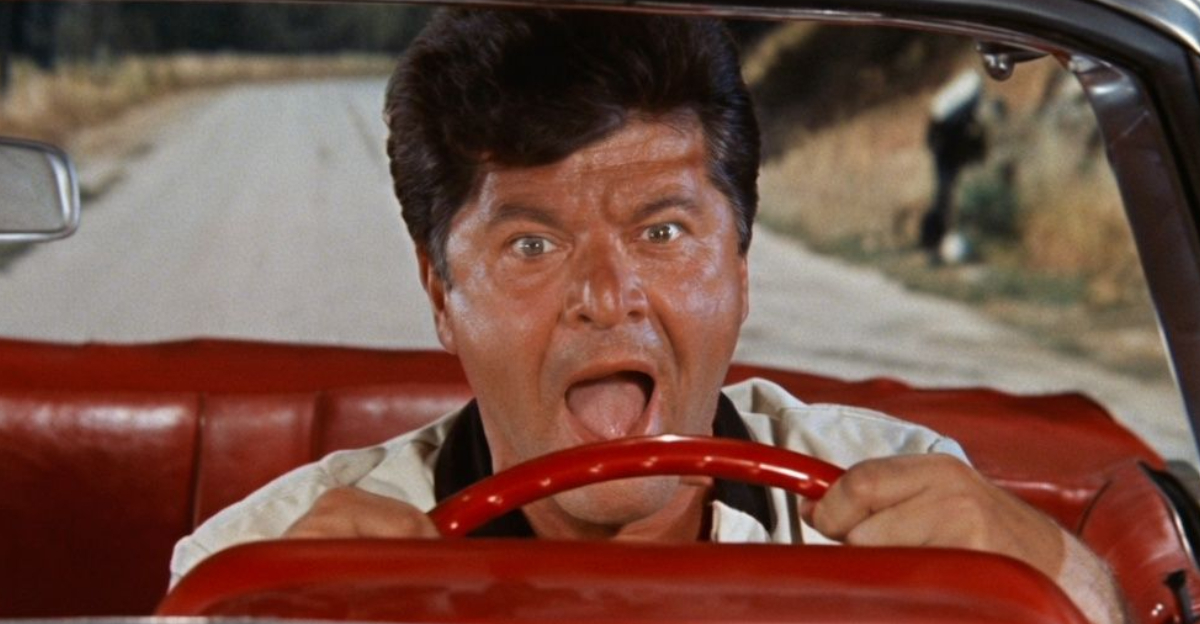
In Stanley Kramer's massive 1963 comedy It's a Mad, Mad, Mad, Mad World, Shawn played Sylvester Marcus, the wildly excitable, mother-obsessed son of Ethel Merman's character. Surrounded by an extraordinary cast of famous comedians, Shawn still managed to be one of the movie's most memorable personalities.
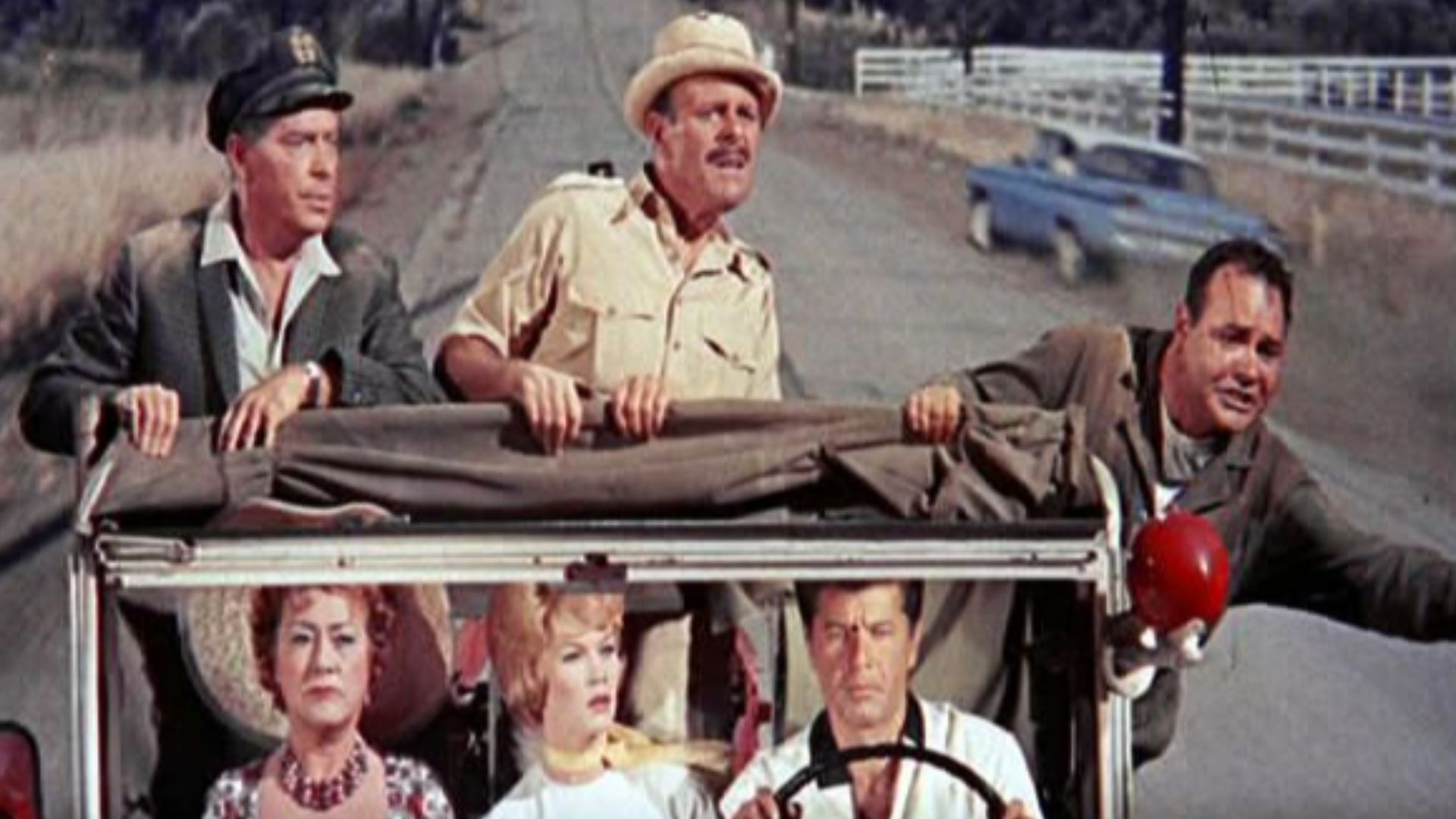 Trailer screenshot, Wikimedia Commons
Mel Brooks Gave Him An Even Stranger Role
A few years later came perhaps Shawn's most famous film performance. In Mel Brooks' The Producers, he played Lorenzo St. DuBois, better known as L.S.D., the spectacularly wrong actor selected to portray Hitler in the producers' deliberately disastrous musical. Shawn's bizarre energy fit the role almost too perfectly.
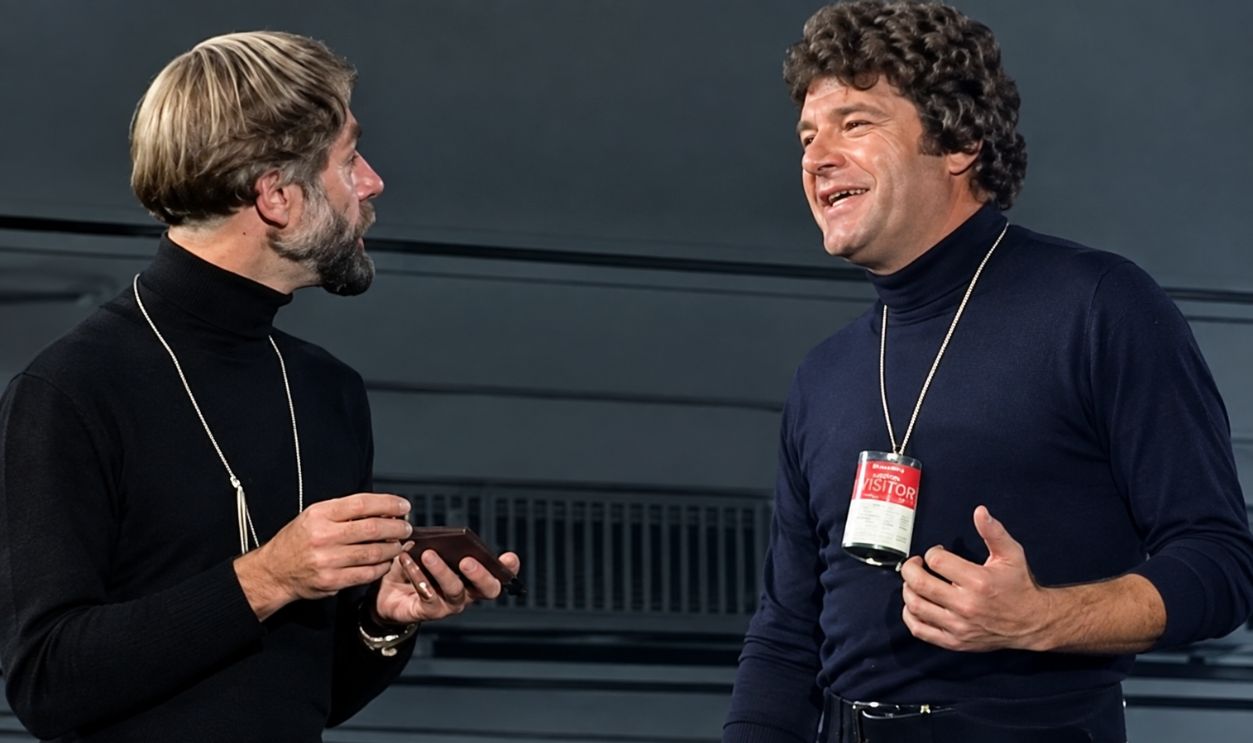 Screenshot from The Producers, Embassy Pictures (1967), Enhanced
You Might Also Know His Voice
Even people who don't immediately recognize Dick Shawn's name may know one of his most enduring characters. Shawn provided the voice of Snow Miser in the beloved 1974 Rankin/Bass television special The Year Without a Santa Claus, opposite George S. Irving as Heat Miser. Decades later, the bickering weather brothers remain holiday favorites.
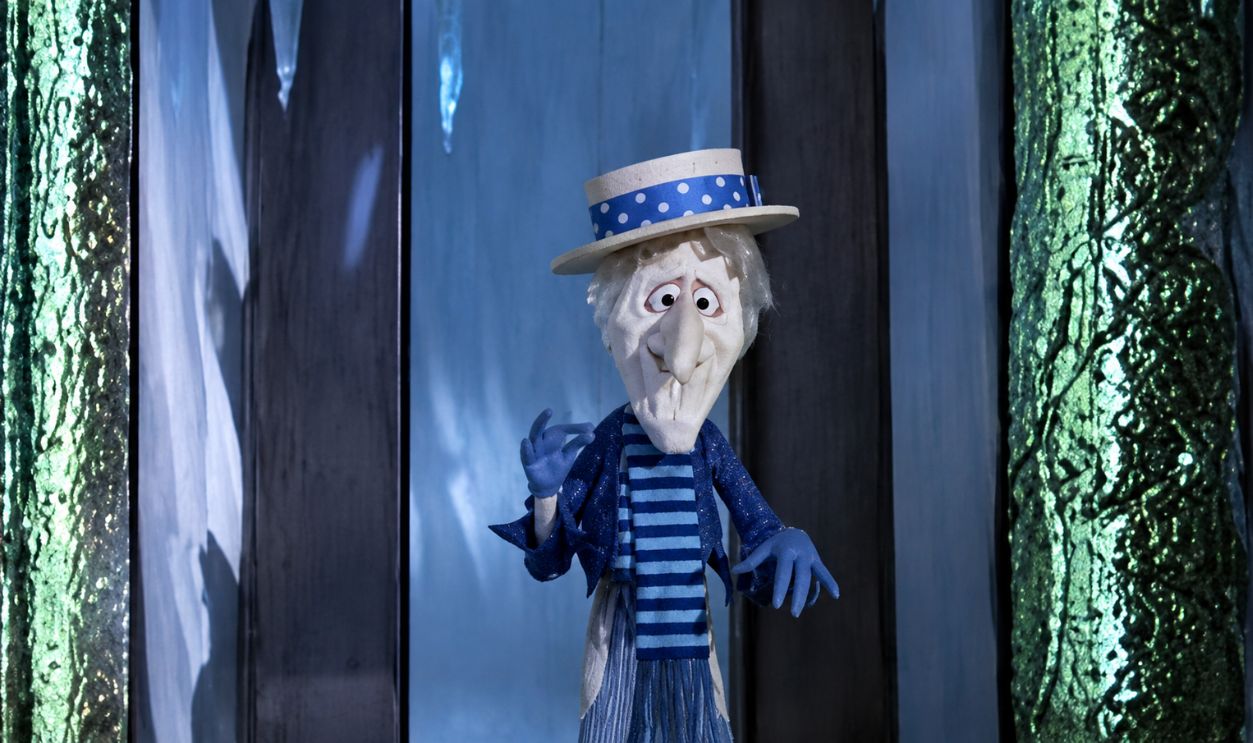 Screenshot from The Year Without a Santa Claus, ABC (1974)
But The Stage Was Where He Really Belonged
Shawn worked steadily in movies and television, but live theater gave him the freedom he craved. He even replaced Zero Mostel as Pseudolus in the Broadway production of A Funny Thing Happened on the Way to the Forum. Shawn once put it simply: “The theater is my true home.”
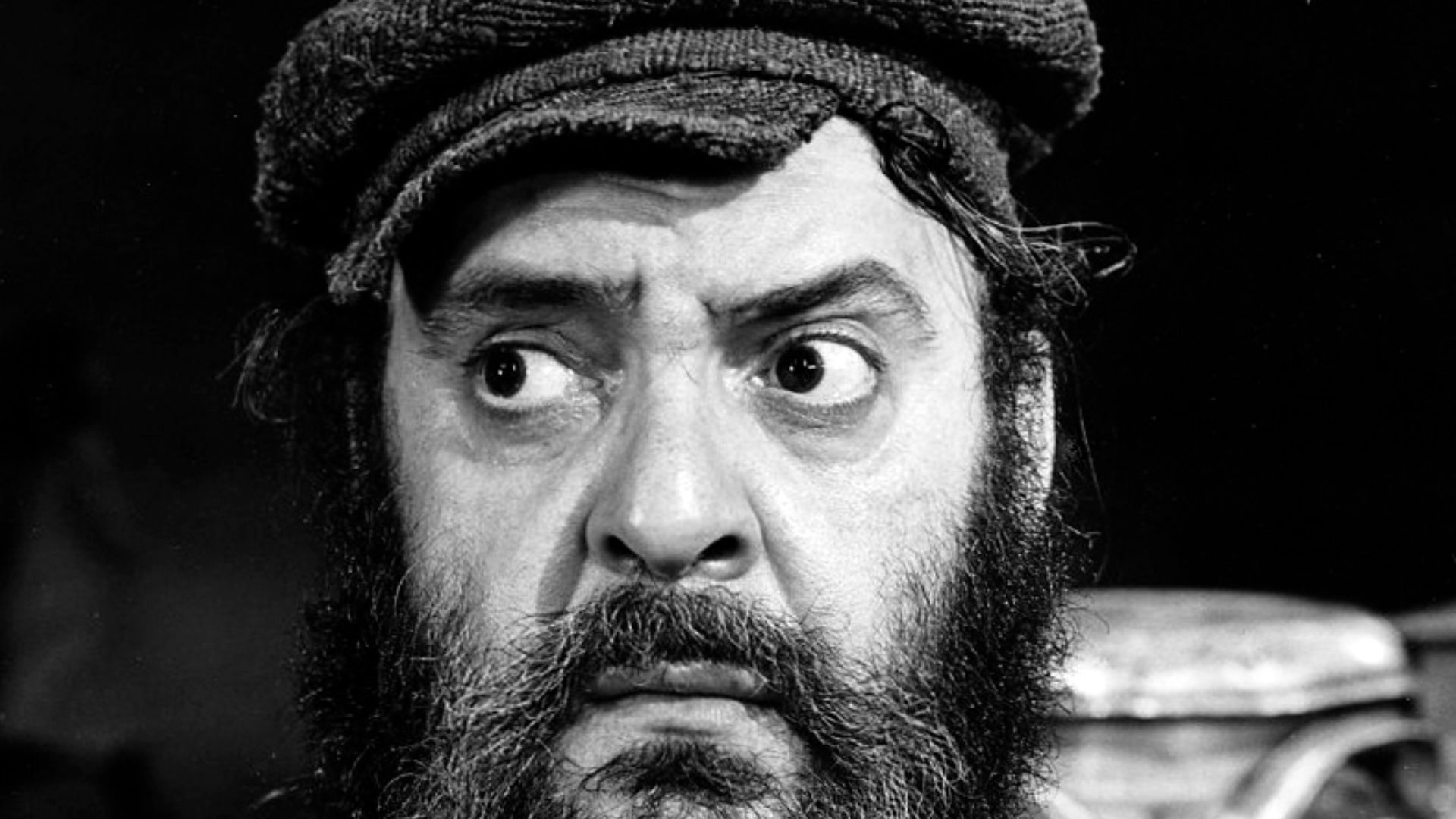 Graphic House, New York, Wikimedia Commons
His One-Man Show Was Almost Impossible To Describe
Eventually Shawn created The Second Greatest Entertainer in the Whole Wide World, an unconventional mixture of comedy, songs, physical performance, audience interaction and strange philosophical observations. Critics struggled to categorize it, which was probably exactly how Shawn wanted things. Normal was never really his specialty.
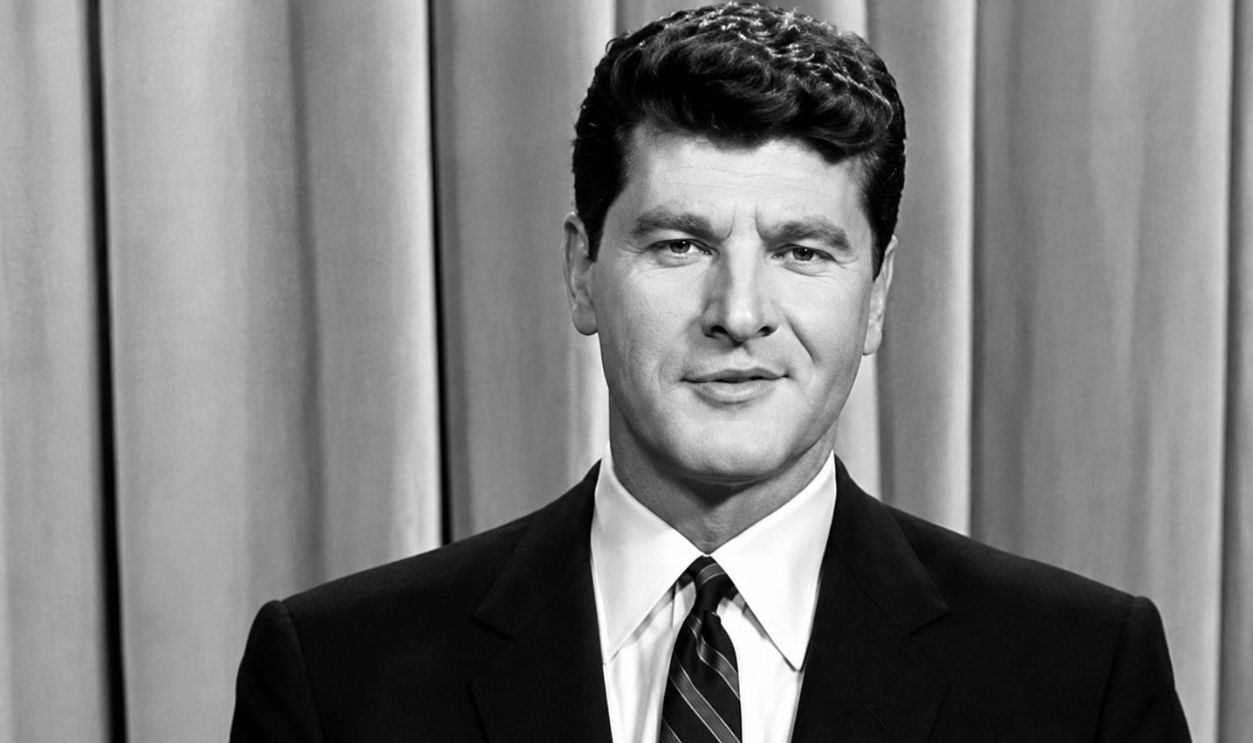 Screenshot from The Steve Allen Show, NBC(1956-1959)
Sometimes He Would Simply Lie There
One of Shawn's strangest routines involved lying completely motionless on the stage during intermission, partly covered by crumpled newspapers, while stagehands worked around him. Then, when intermission ended, Shawn would simply get up and continue the show. Audiences had literally been trained to believe that Dick Shawn lying motionless onstage could be part of the joke.
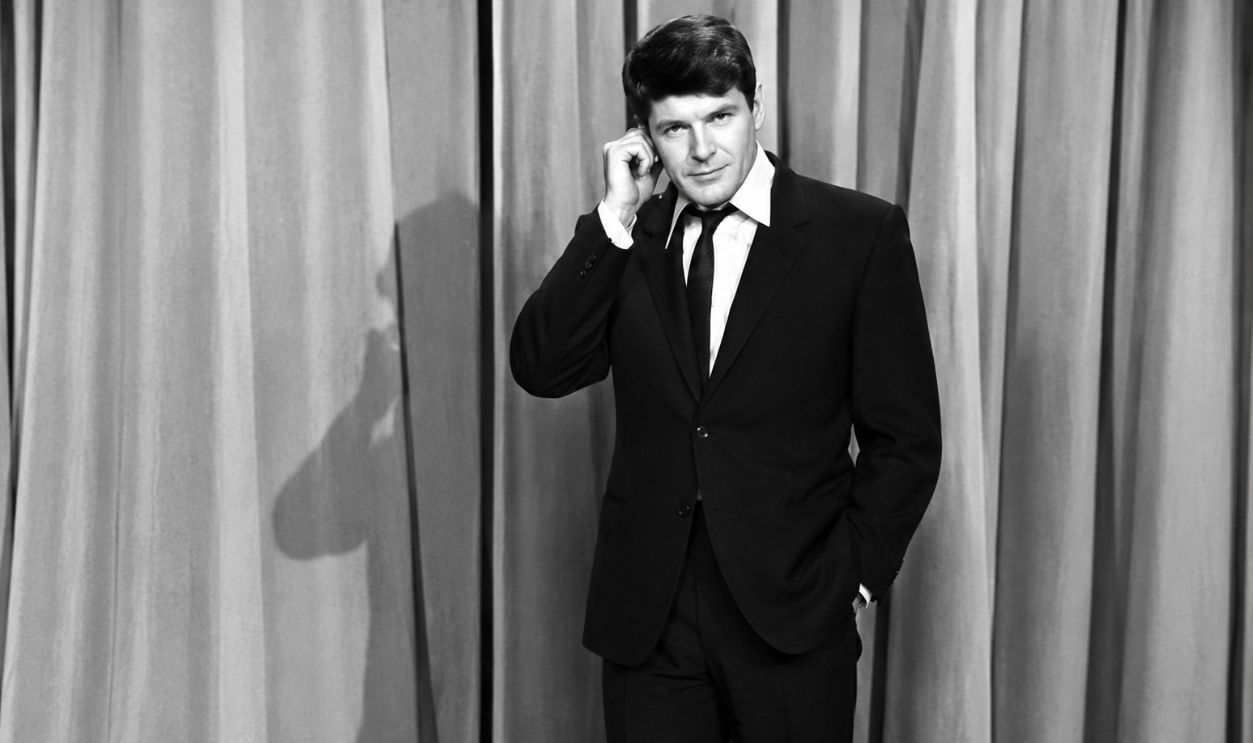 Screenshot from The Steve Allen Show, NBC(1956-1959)
Then Came April 17, 1987
That Friday night, the 63-year-old Shawn was performing at UC San Diego's Mandeville Center before an audience of roughly 500 people. About 25 minutes into the show, he launched into a surreal routine imagining a nuclear catastrophe that had left the people inside the theater as the survivors.

His Son Was In The Audience
There was someone especially close to Shawn among those watching that night. University officials later confirmed that his son Adam had attended the performance. Like everyone else in the theater, he was about to witness a moment that at first looked frighteningly similar to the strange comedy his father had spent years performing.
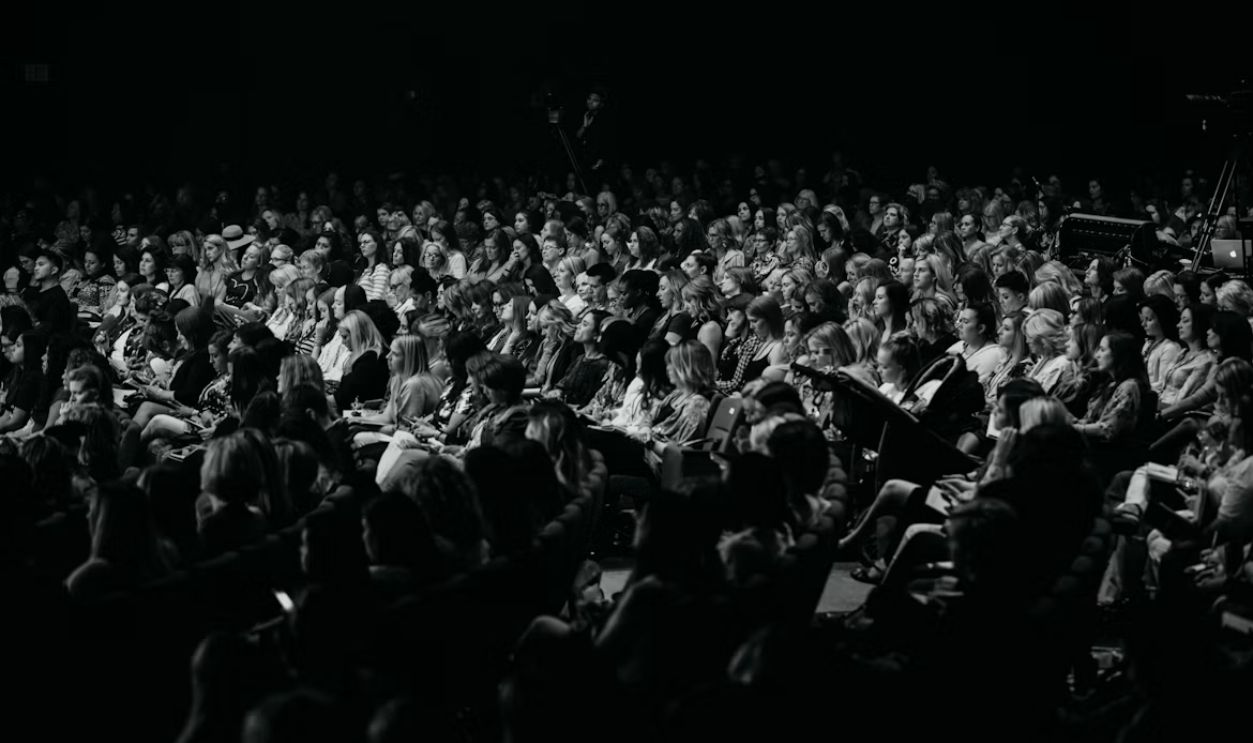
Then Shawn Went Down To The Stage
During the routine, Shawn went down and remained motionless. To people watching, even that didn't necessarily signal that something was wrong. Shawn had incorporated falls, long pauses and motionless stretches into his unusual performances before, so the audience initially had every reason to believe what they were seeing was deliberate.
 Screenshot from Madame's Place, Paramount Domestic Television (1982-1983), Enhanced
The Laughter Kept Coming
An eyewitness later described laughter rising and fading as Shawn remained on the floor. Some audience members shouted jokes toward the stage. Others became increasingly uncomfortable. Even as the silence stretched on, people still struggled to decide whether the entire thing was another elaborate Shawn routine.

Nearly Five Minutes Passed
Contemporary reports estimated that Shawn remained there for roughly three to five minutes before the audience fully understood that the situation was real. A stagehand finally approached and checked on him, and a doctor came forward as efforts began to help the comedian.
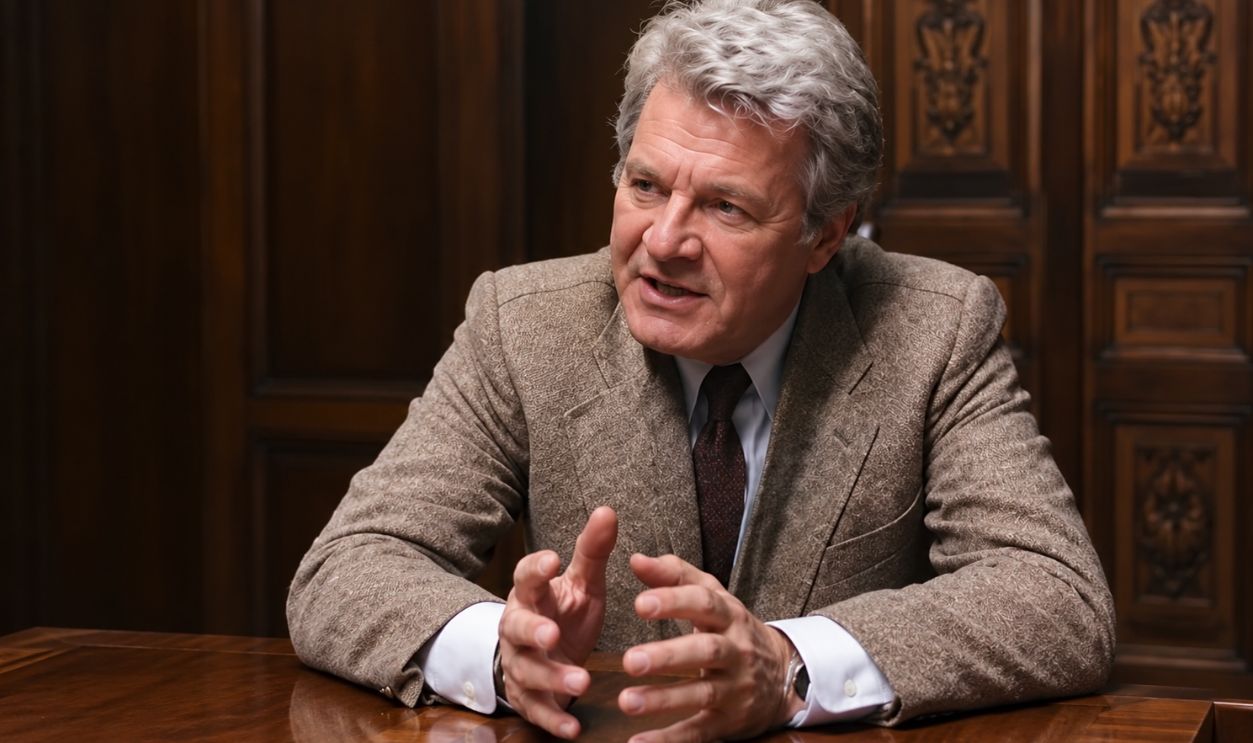 Screenshot from Good-Bye Cruel World, Sharp Features (1982) This Wasn't A Joke
Paramedics transported Shawn to Scripps Memorial Hospital in La Jolla, where he was pronounced deceased later that evening. Contemporary reports attributed his collapse to a heart attack. Dick Shawn was 63 years old, and his extraordinary career had ended in the one place where he had always seemed most comfortable: in front of an audience.
 JiriMatejicek, Wikimedia Commons
The Comedy World Mourned Him
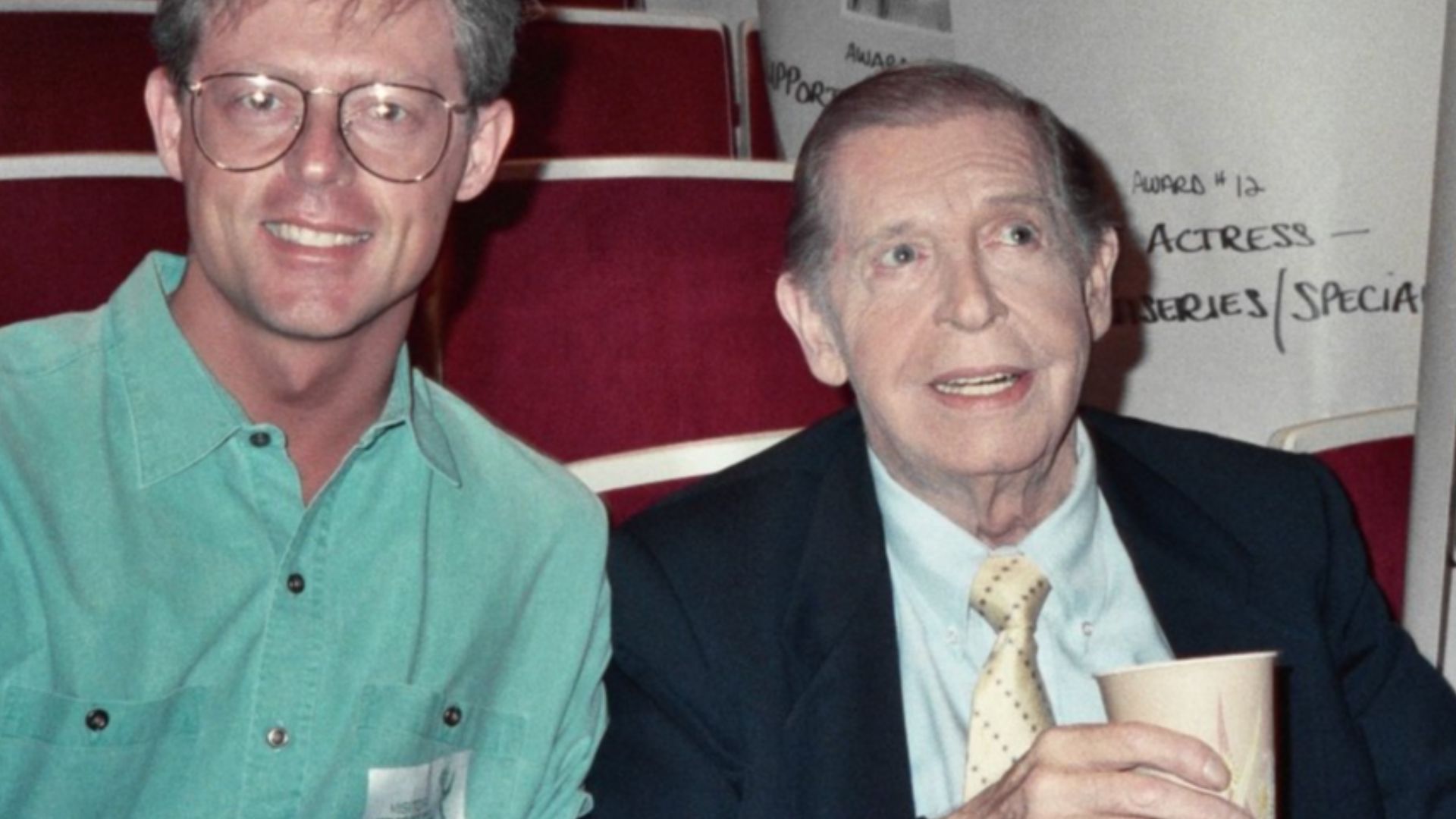
Some of comedy's biggest names paid tribute to Shawn. At his funeral, Milton Berle called him “a genius,” while Bob Hope remembered him as one of his favorite comic performers. Carl Reiner separately told UPI that there wasn't a comedian he knew who didn't respect Dick Shawn. It was fitting praise for a performer who spent his career refusing to be predictable.
The Cruelest Part Was Why They Laughed
The audience wasn't laughing because they didn't care. They laughed because Dick Shawn had spent decades teaching them that even lying motionless onstage could be part of the act.
For several terrible minutes, they thought he was still performing.
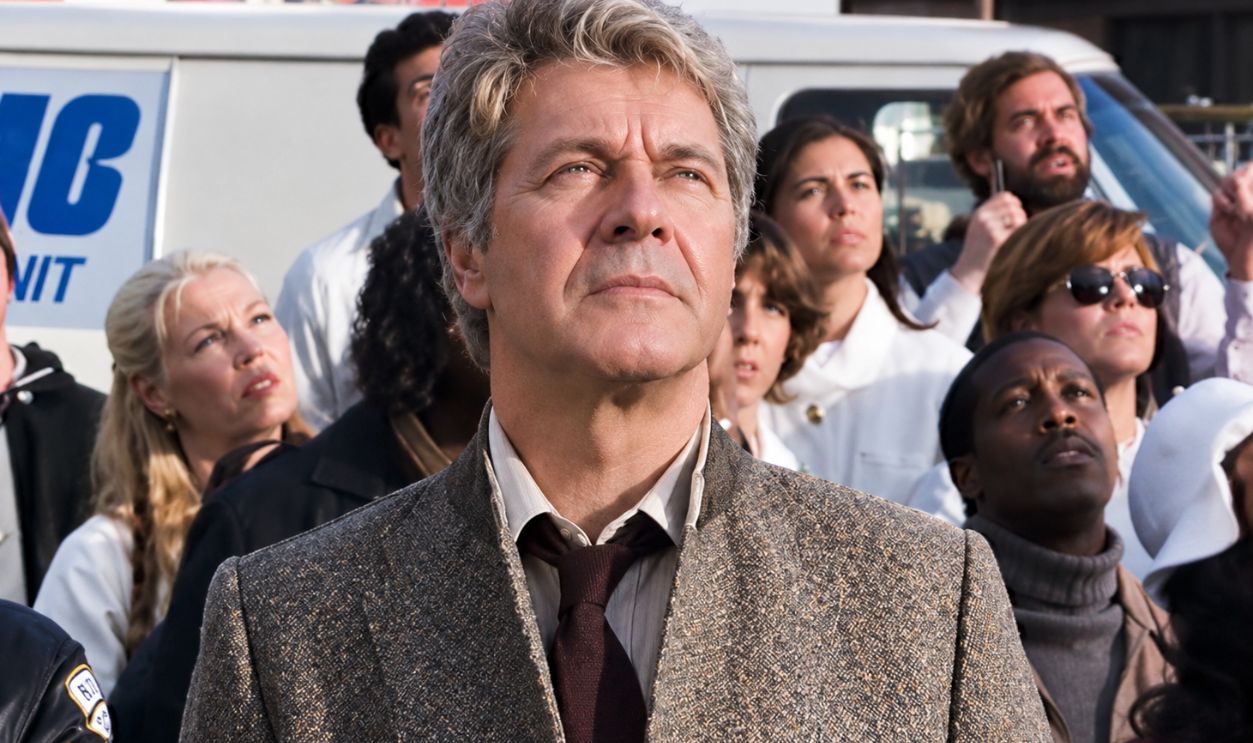 Screenshot from Good-Bye Cruel World, Sharp Features (1982)
You Might Also Like:
Johnny Carson made America feel like family every night—but his own family barely knew him.