Television’s Most Intimidating Vacancy
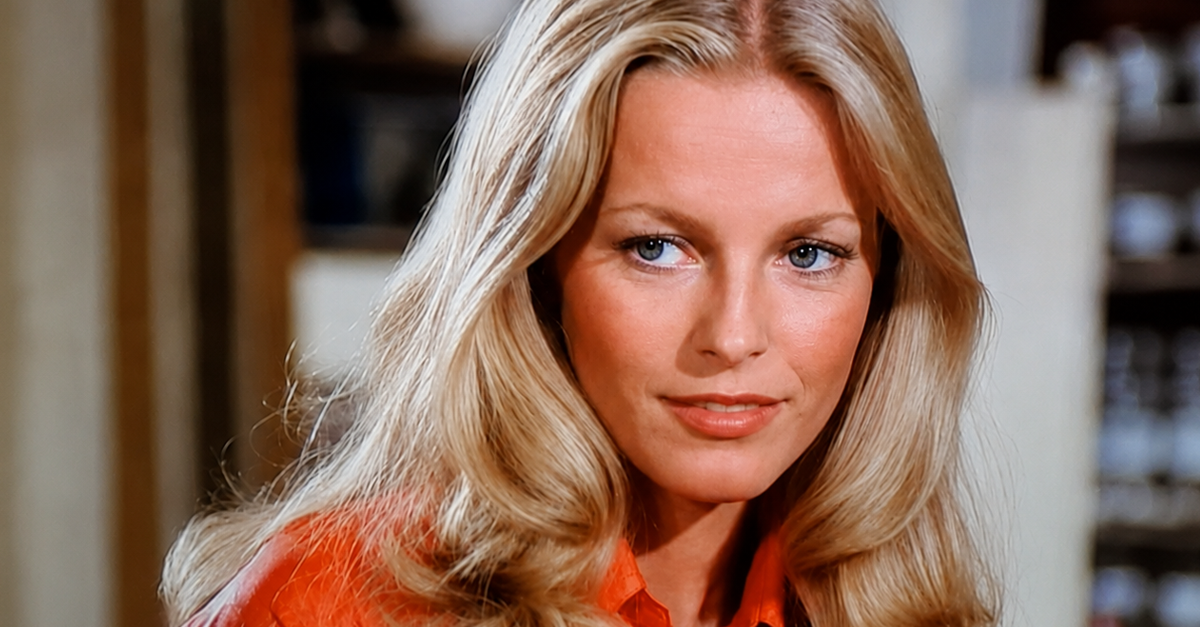
When Farrah Fawcett left Charlie’s Angels after its sensational first season, replacing her looked almost impossible. She had become the show’s breakout star, and her image was everywhere. Producer Aaron Spelling eventually turned to Cheryl Ladd, but even Ladd thought accepting the role could be a terrible mistake. Her solution was simple: she would join the Angels only if she did not have to imitate Farrah.
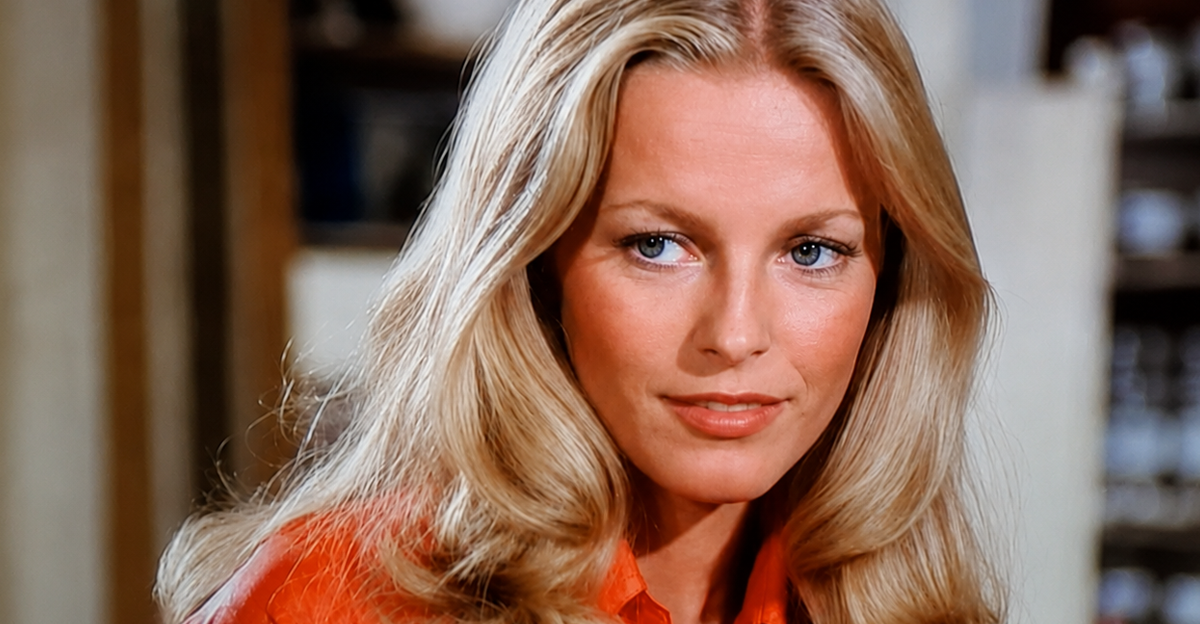 Screenshot from Charlie’s Angels, ABC (1976-1981)
The Angels Became An Overnight Phenomenon
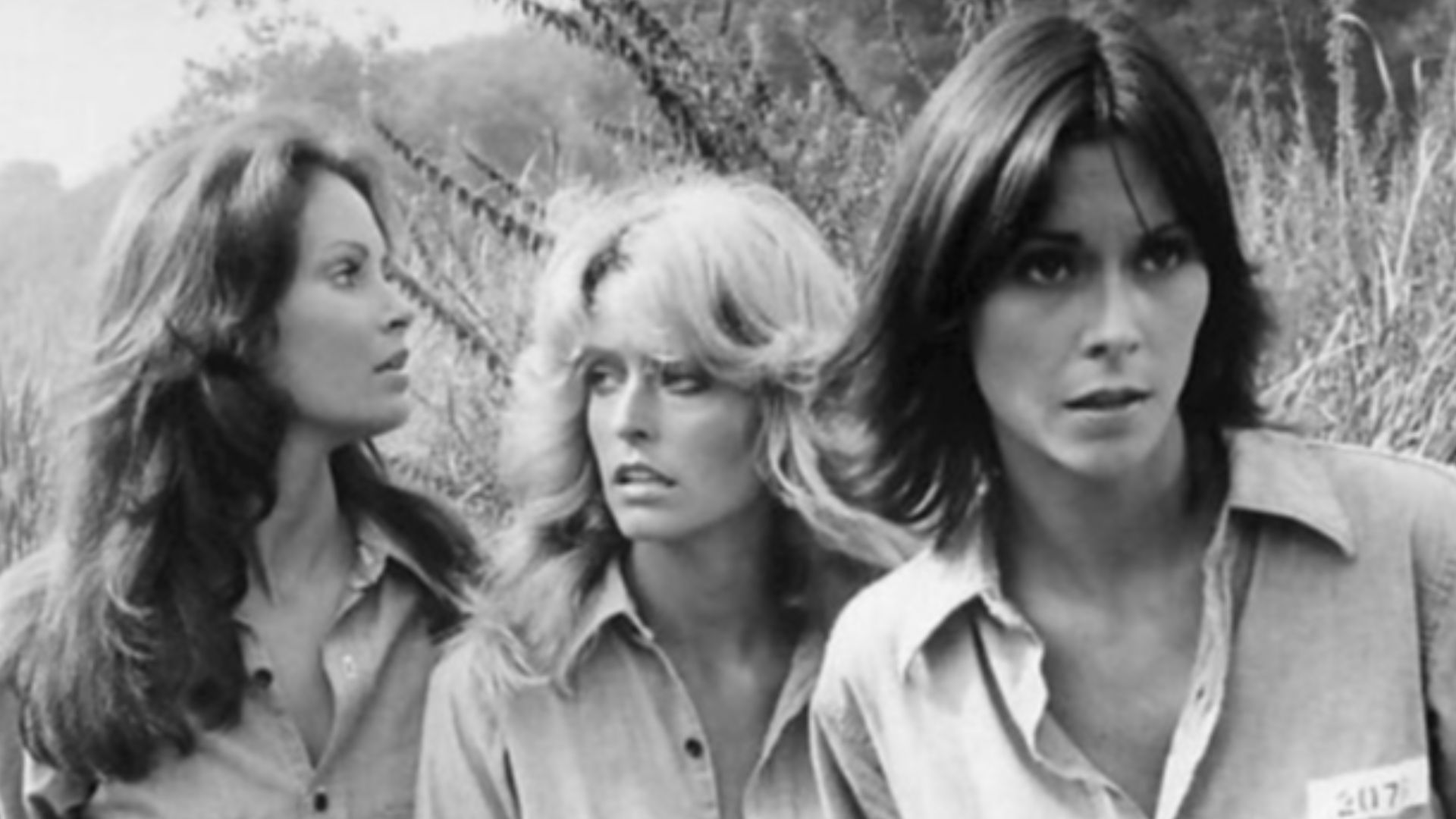
Charlie’s Angels premiered in 1976 with Fawcett, Kate Jackson, and Jaclyn Smith playing private investigators who worked for the unseen Charlie Townsend. The glamorous crime series quickly became a cultural sensation. Its three leads experienced the kind of sudden fame usually reserved for rock stars.
 ABC Television, Wikimedia Commons
Farrah Became The Breakout Star
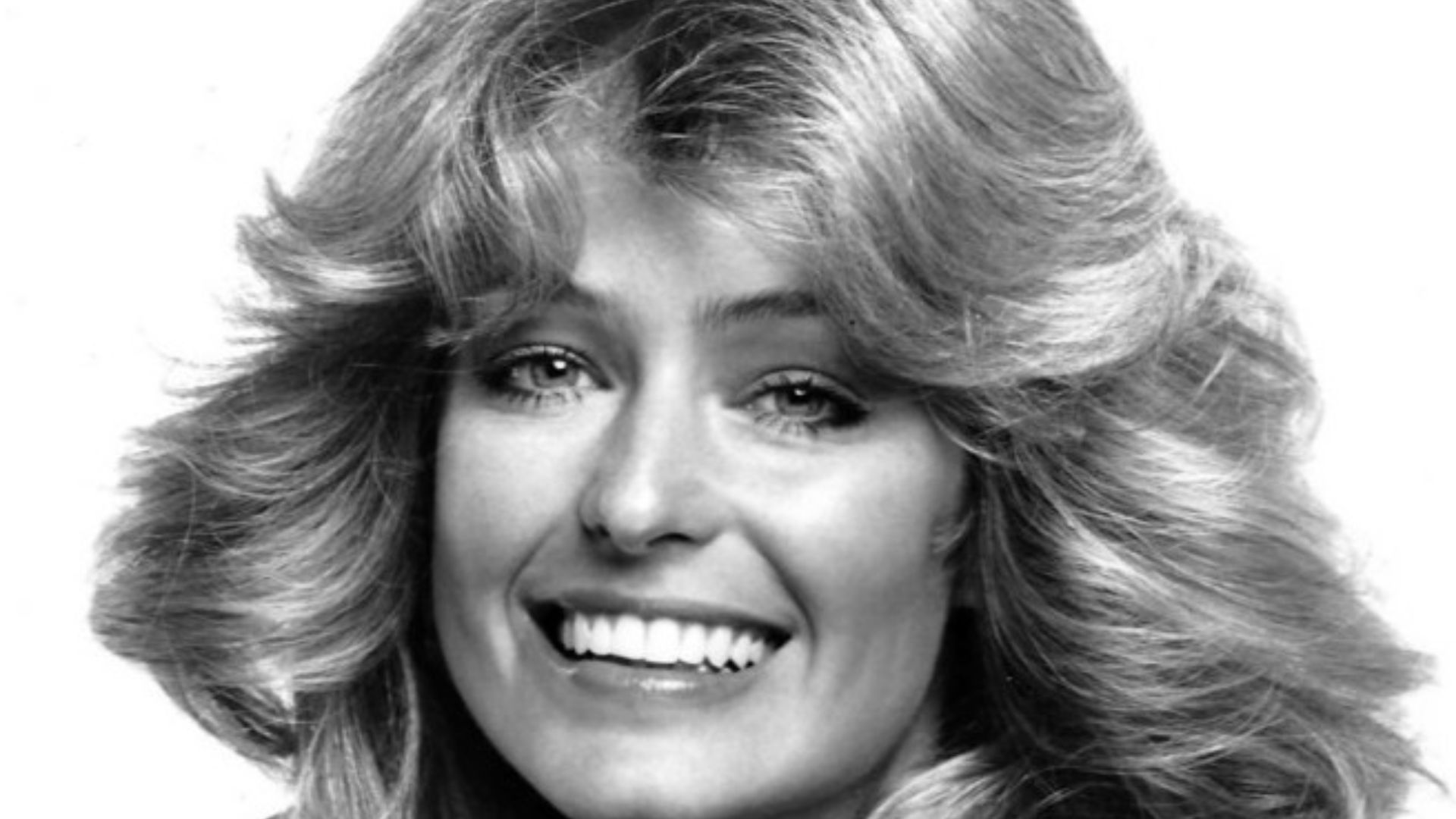
Fawcett’s portrayal of Jill Munroe turned her into one of the decade’s most recognizable celebrities. Her famous swimsuit poster and heavily copied feathered hairstyle extended her popularity far beyond the series. When she announced that she was leaving after one season, the show suddenly faced an enormous problem.
 ABC Television, Wikimedia Commons
She Wanted Something More
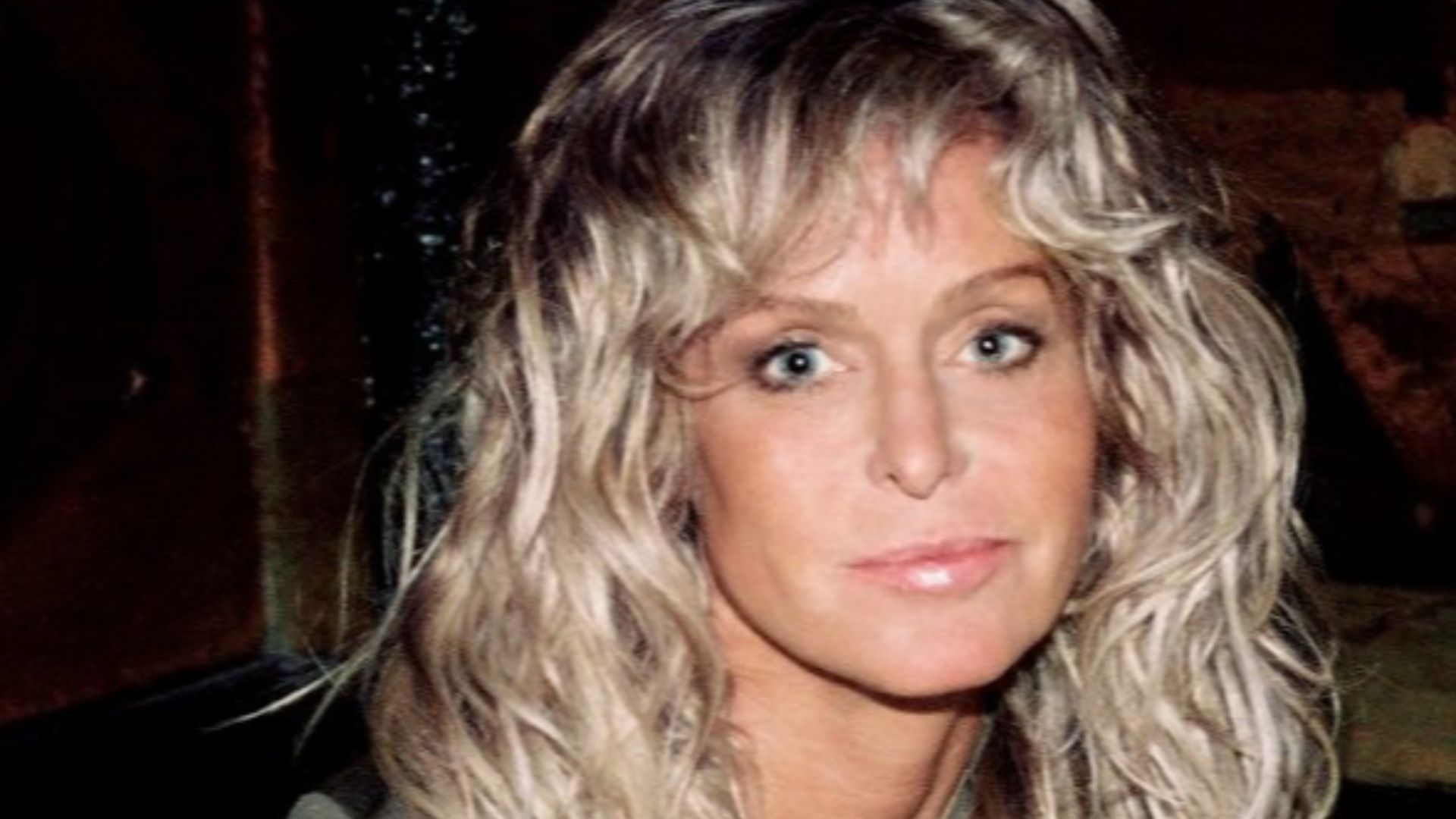
Fawcett later explained that she had felt creatively restricted and wanted opportunities that would challenge her as an actress. She was also uncomfortable with the intense merchandising surrounding her fame. Although she eventually returned for several guest appearances, she would no longer be one of the show’s three regular Angels.
 Windmill Entertainment, Wikimedia Commons
Cheryl Had Grown Up Far From Hollywood
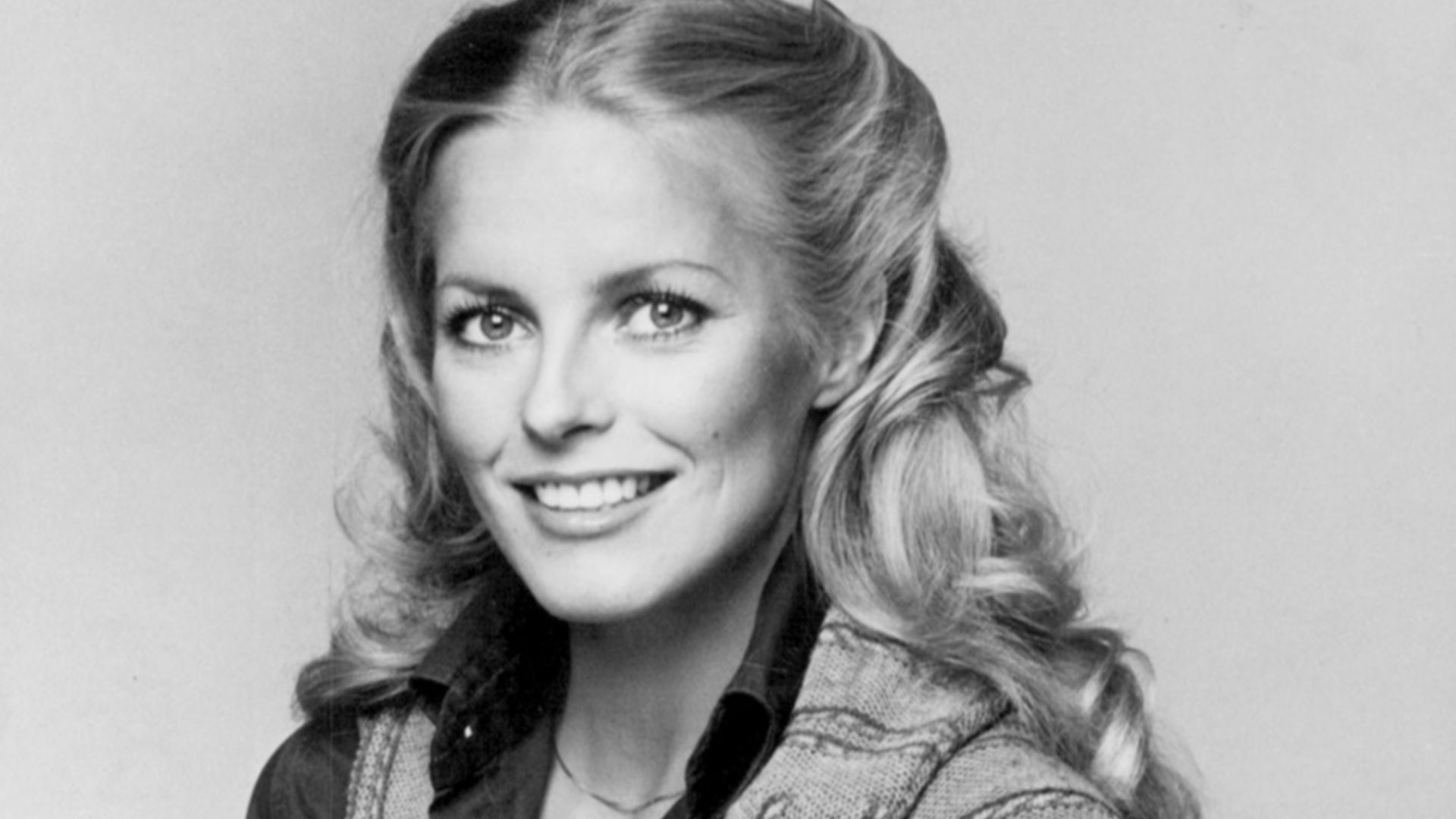
The woman asked to follow Fawcett came from Huron, South Dakota. Cheryl Jean Stoppelmoor grew up with creative ambitions that could not easily be pursued in her small hometown. When her mother asked what she wanted for her high school graduation, Cheryl requested luggage because she intended to leave.
 ABC Television, Wikimedia Commons
Music Provided Her First Escape
Ladd initially headed west as the lead singer of a band called The Music Shop. The journey eventually brought her to Los Angeles, where she began auditioning for professional work. She was still a teenager when she started building a life in California.
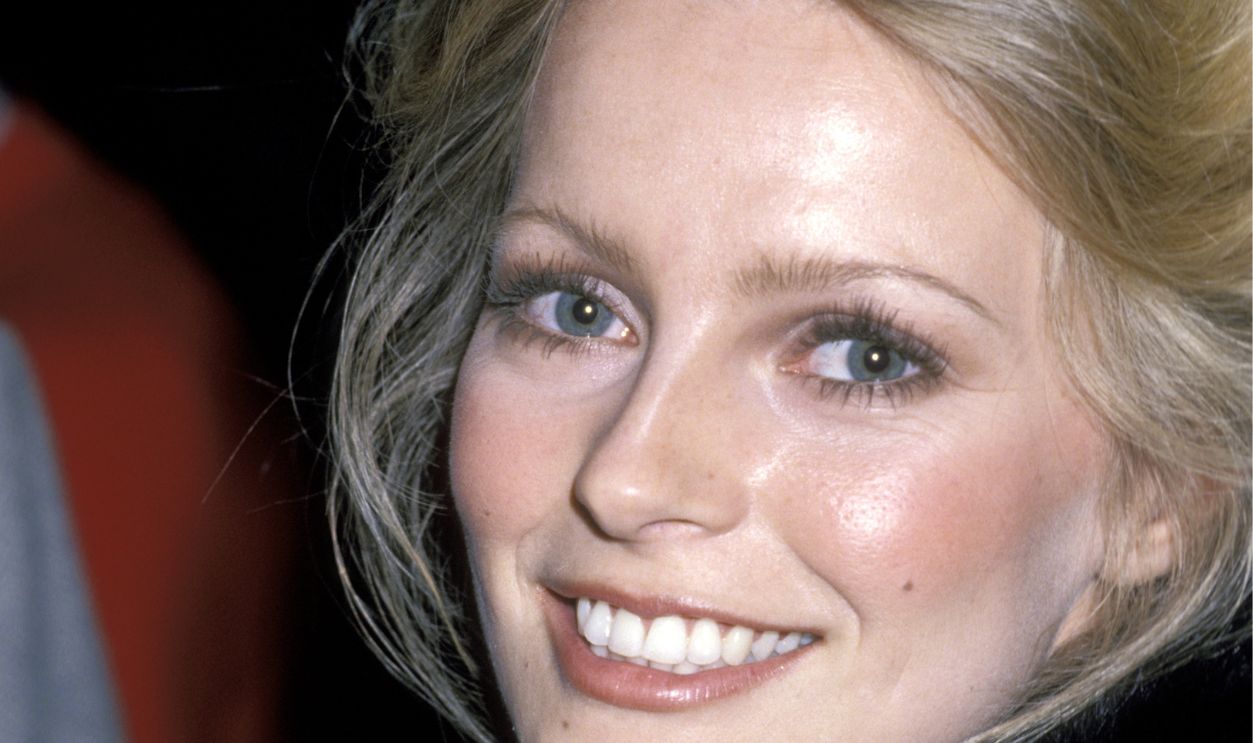
A Cartoon Opened The First Door
One of Ladd’s earliest Hollywood jobs was providing the singing voice of Melody on the animated series Josie and the Pussycats. Jackie Joseph supplied Melody’s speaking voice, while Ladd performed the character’s songs. The assignment gave the aspiring singer her first significant television credit.
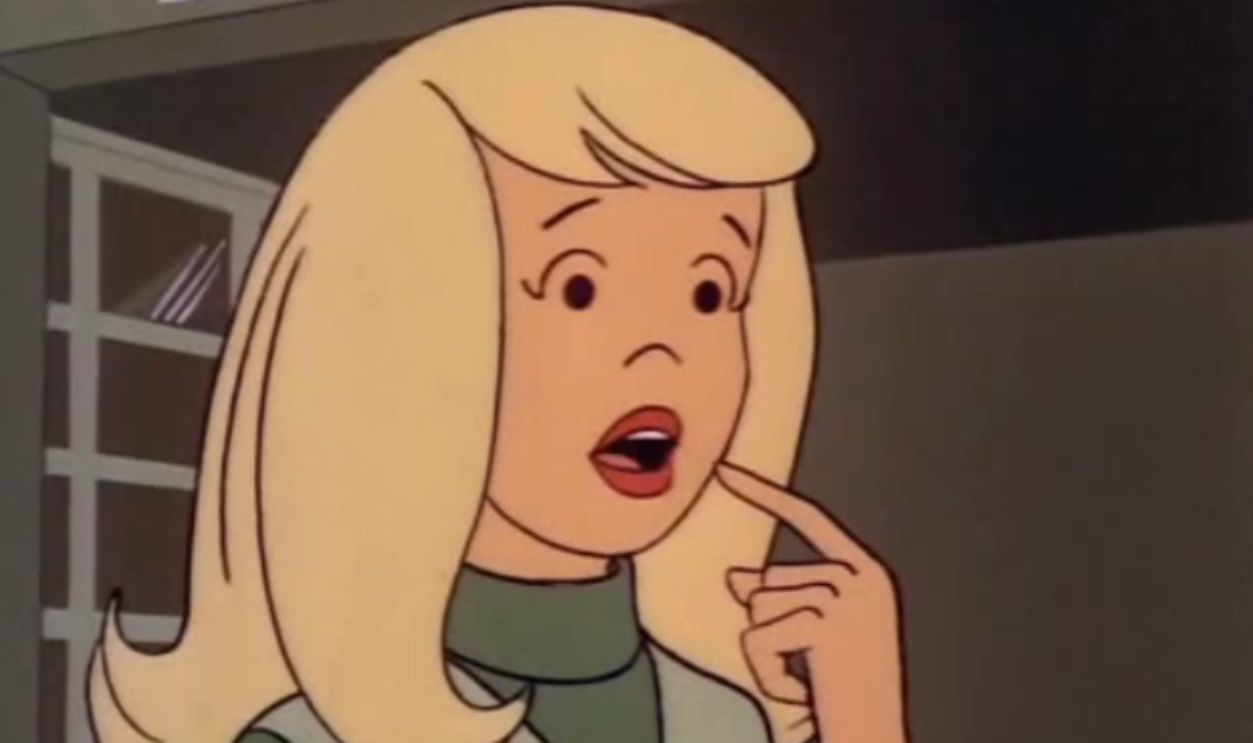 Screenshot from Josie and the Pussycats, CBS (1970–1972)
Acting Soon Took Over
Ladd began appearing in commercials and landing guest roles on television. Her early credits included programs such as The Rookies, The Partridge Family, Police Woman, and Happy Days. Those appearances also brought her into Aaron Spelling’s professional orbit before Charlie’s Angels changed both of their lives.
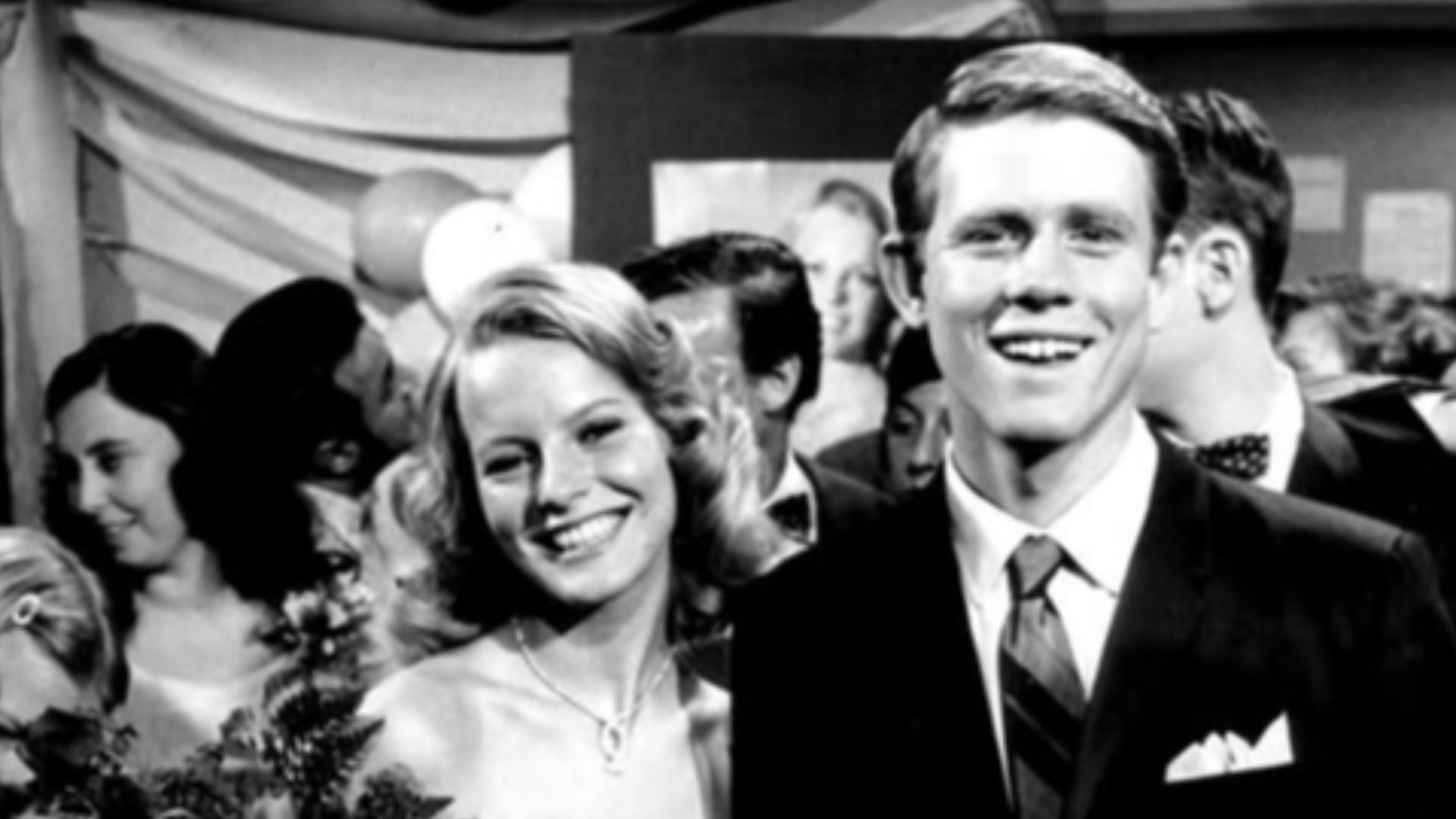 ABC Television, Wikimedia Commons
Aaron Spelling Made The Call
After Fawcett decided to leave, Spelling contacted Ladd directly. He wanted her to become the newest member of the show’s central trio. It sounded like the opportunity of a lifetime, but Ladd immediately recognized the danger hidden inside it.
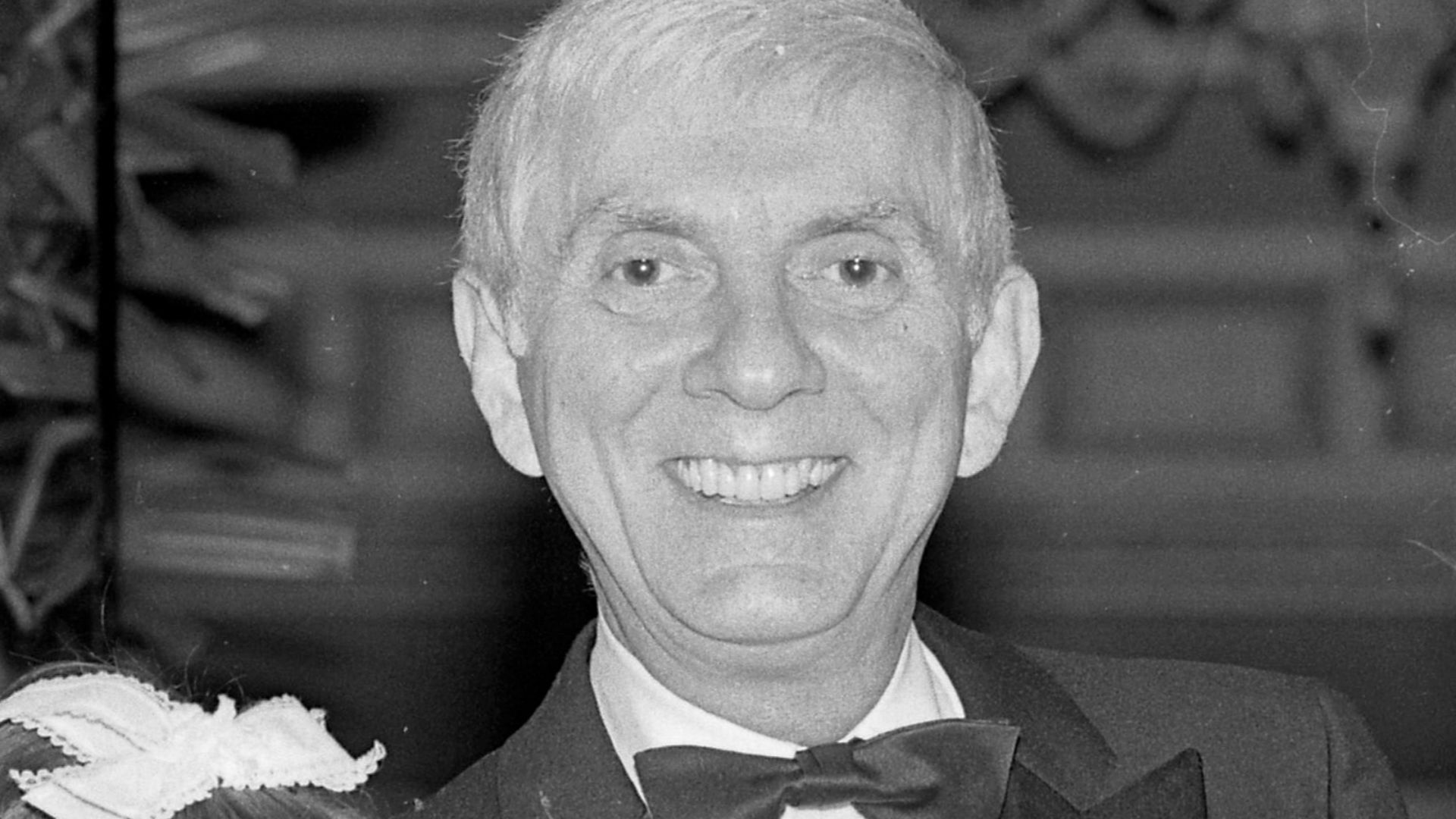 Monica Almeida, Los Angeles Times, Wikimedia Commons
Her First Answer Was No
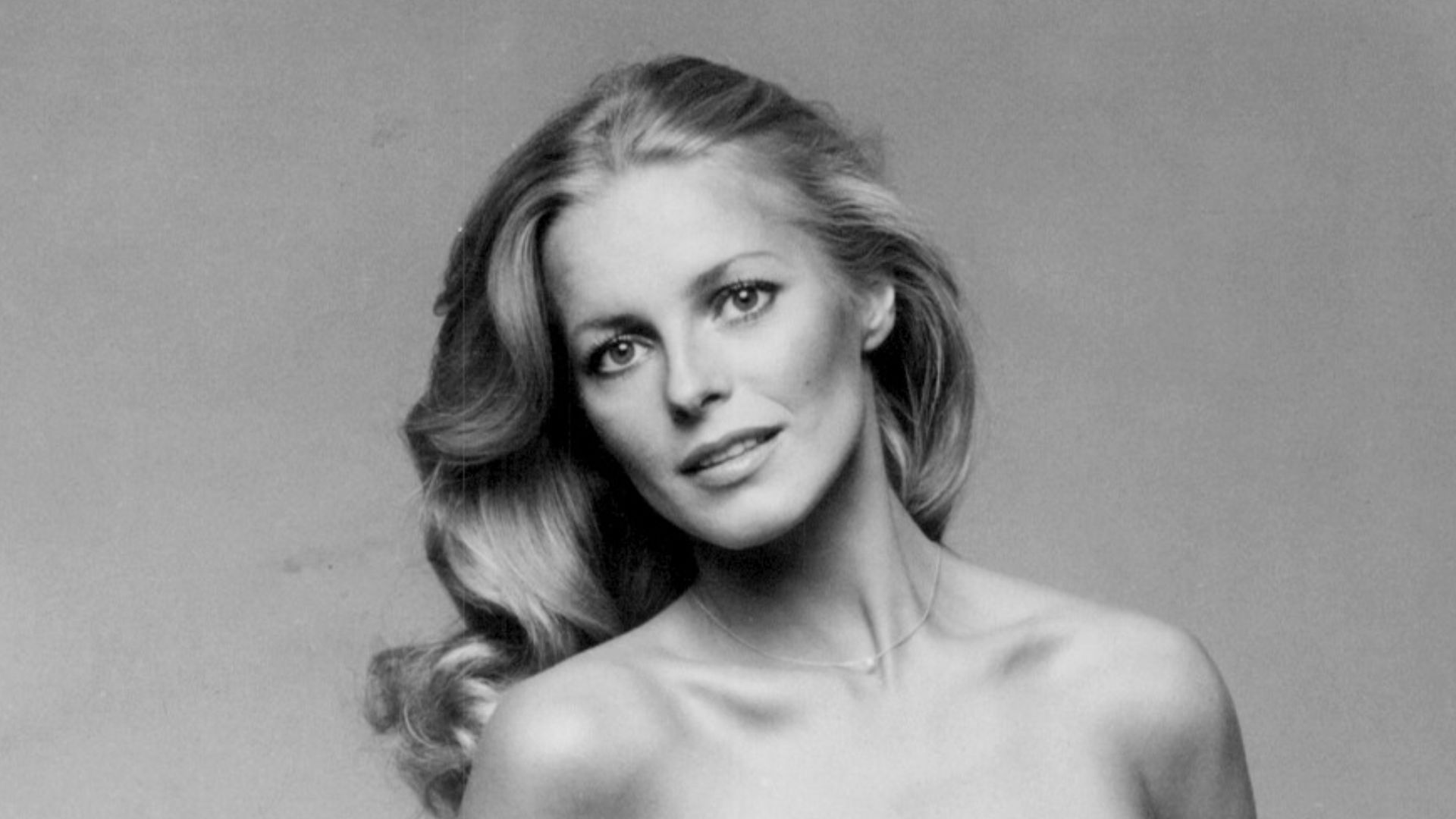
Ladd politely declined Spelling’s offer. She had no interest in being presented as the next Farrah Fawcett, especially when the original remained so intensely popular. Walking into that comparison seemed more likely to damage her career than advance it.
 ABC Television, Wikimedia Commons
Spelling Refused To Give Up
According to Ladd, Spelling considered hundreds of other actresses after she rejected him. He remained convinced that she was the performer he wanted. Eventually, he called again and persuaded her to meet with him before making a final decision.
 Trans World Airlines, Wikimedia Commons
Cheryl Asked The Crucial Question
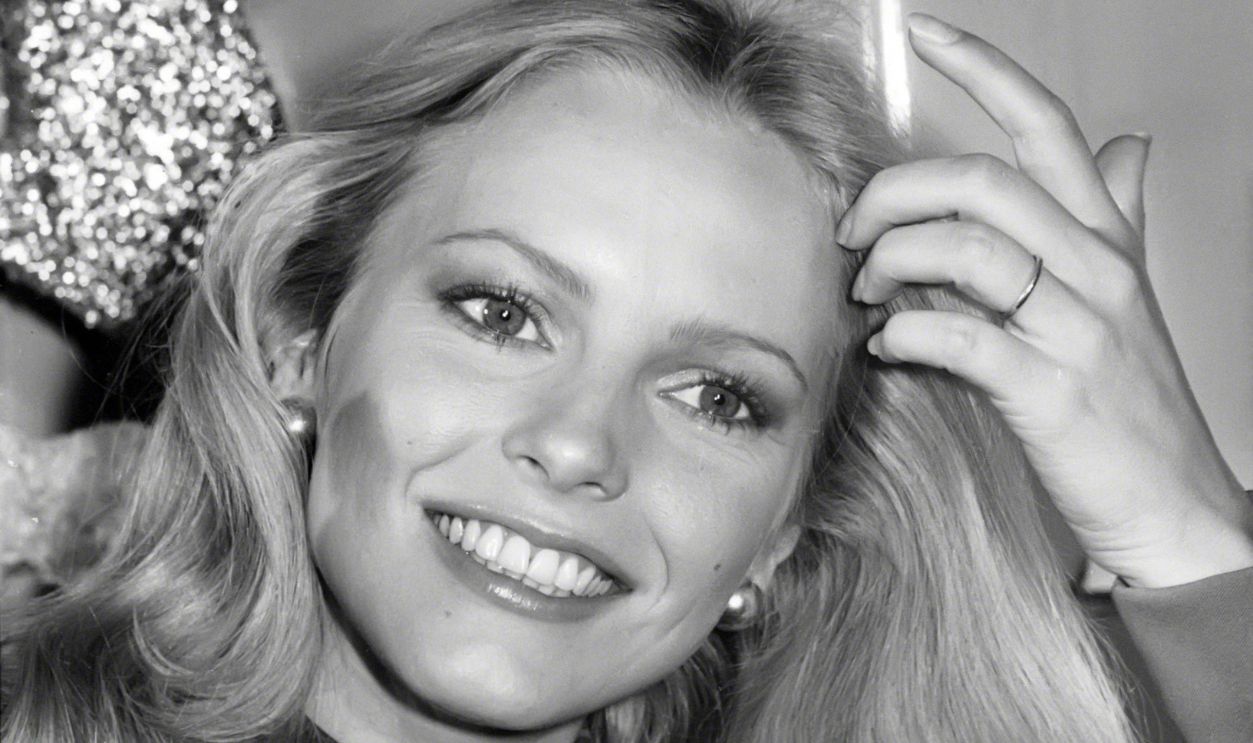
During their meeting, Ladd asked what she would actually be playing. She insisted that nobody could successfully walk onto the series and pretend to be Farrah Fawcett. Unless the producers could give her a separate identity, she saw no way for the casting to work.
She Wanted To Be Funny
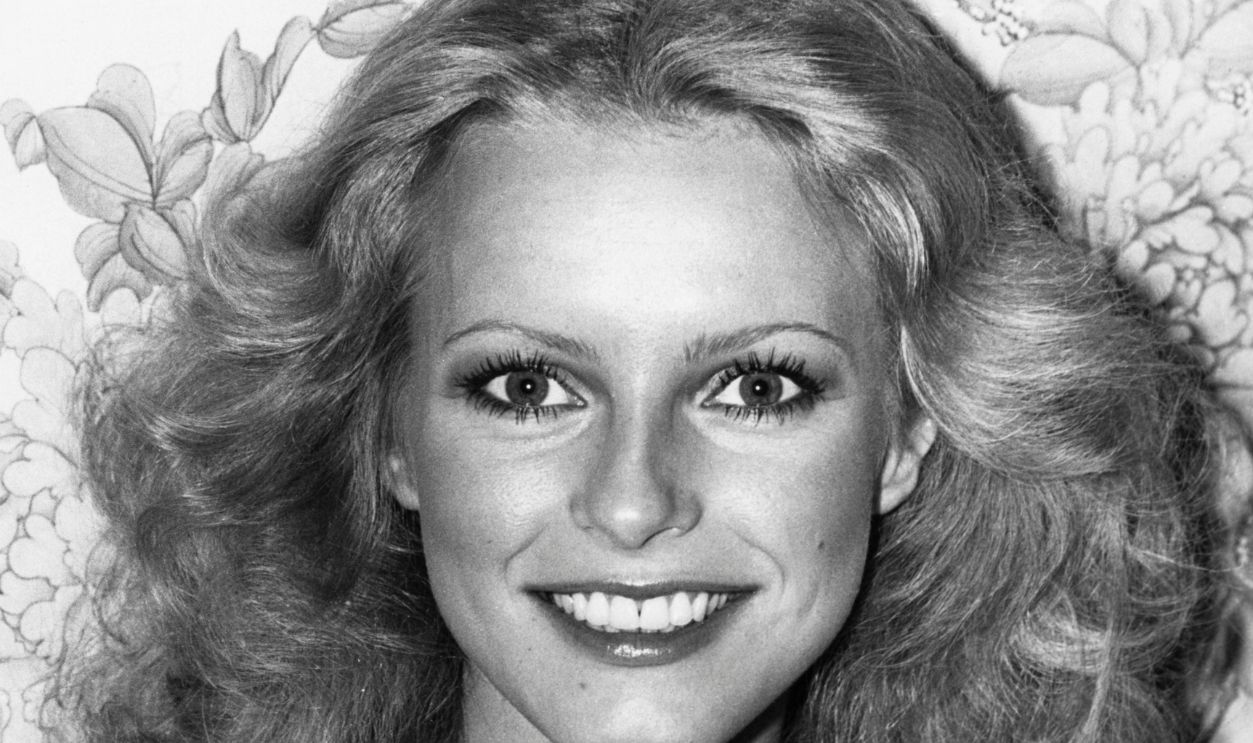
Ladd suggested that her character could bring more comedy to the series. Humor would immediately separate the newcomer from Fawcett’s sophisticated Jill Munroe. Spelling was receptive, giving Ladd room to help define the personality she might play.
A Rookie Could Make Mistakes
Ladd then proposed making the new Angel an inexperienced investigator. A rookie could misjudge situations, make mistakes, and occasionally look less polished than her colleagues. That vulnerability would make the character approachable while giving Ladd something distinct to perform.
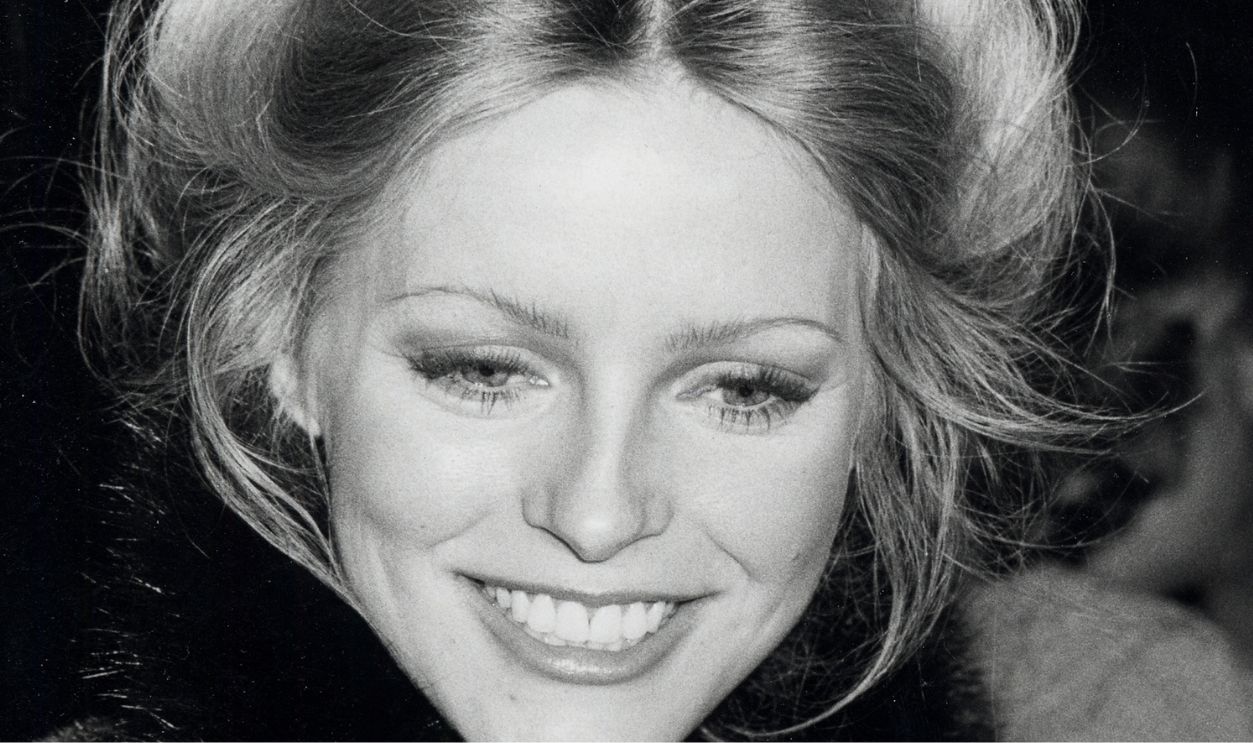
One Family Connection Solved Everything
Spelling finally suggested that Ladd play Jill Munroe’s younger sister. By introducing Kristine “Kris” Munroe, the series could acknowledge Jill without attempting to duplicate her. The idea instantly connected Kris to the existing team, and Ladd finally agreed to accept the role.
 Donaldson Collection, Getty Images
Kris Arrived On Her Own Terms
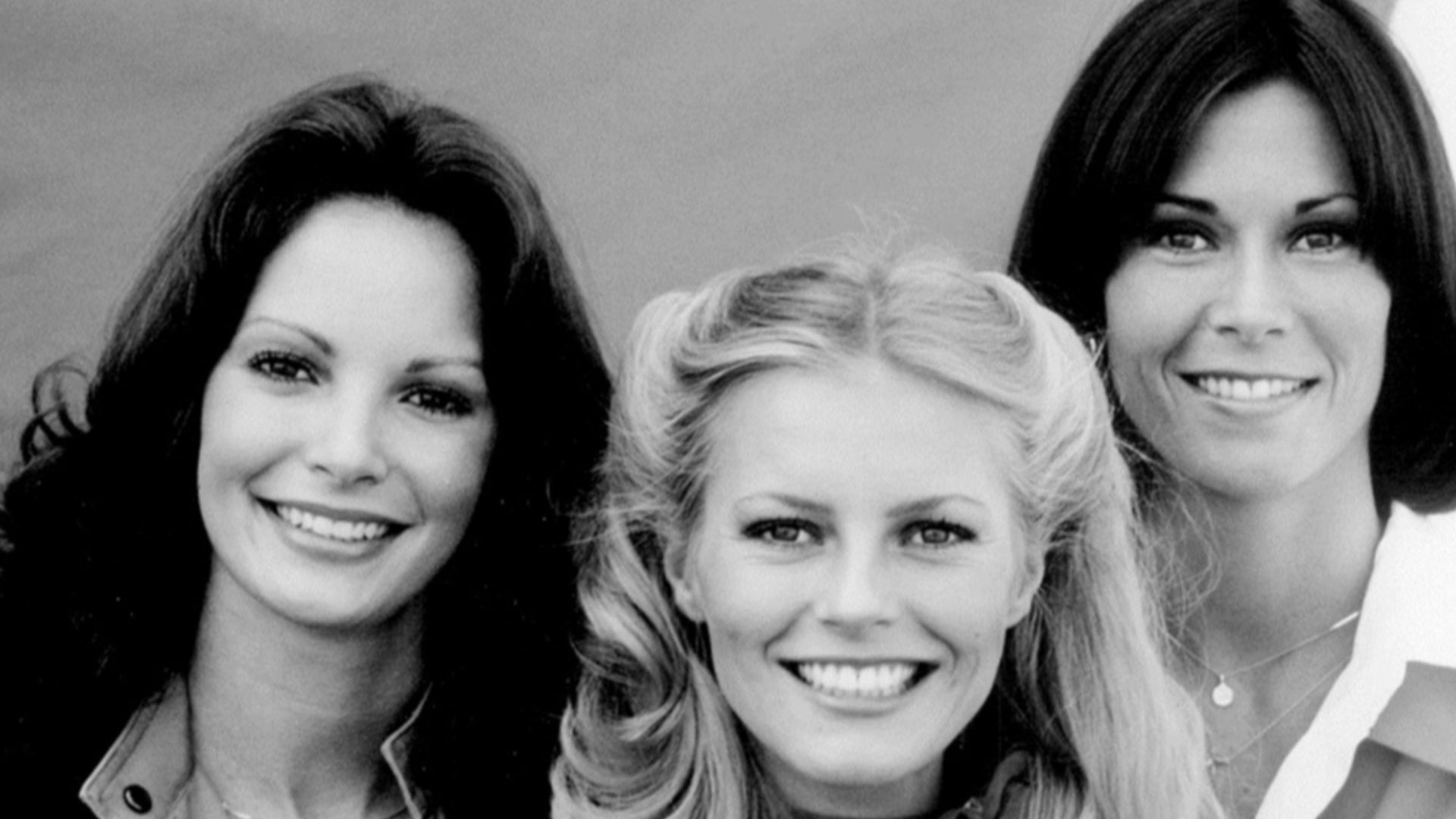
Ladd joined Kate Jackson and Jaclyn Smith at the beginning of the second season in 1977. Kris admired her older sister, but she had a livelier and more playful personality. Her relative inexperience also allowed the experienced Angels to guide her through difficult assignments.
 ABC Television Uploaded by We hope at en.wikipedia, Wikimedia Commons
The Differences Became Her Strength
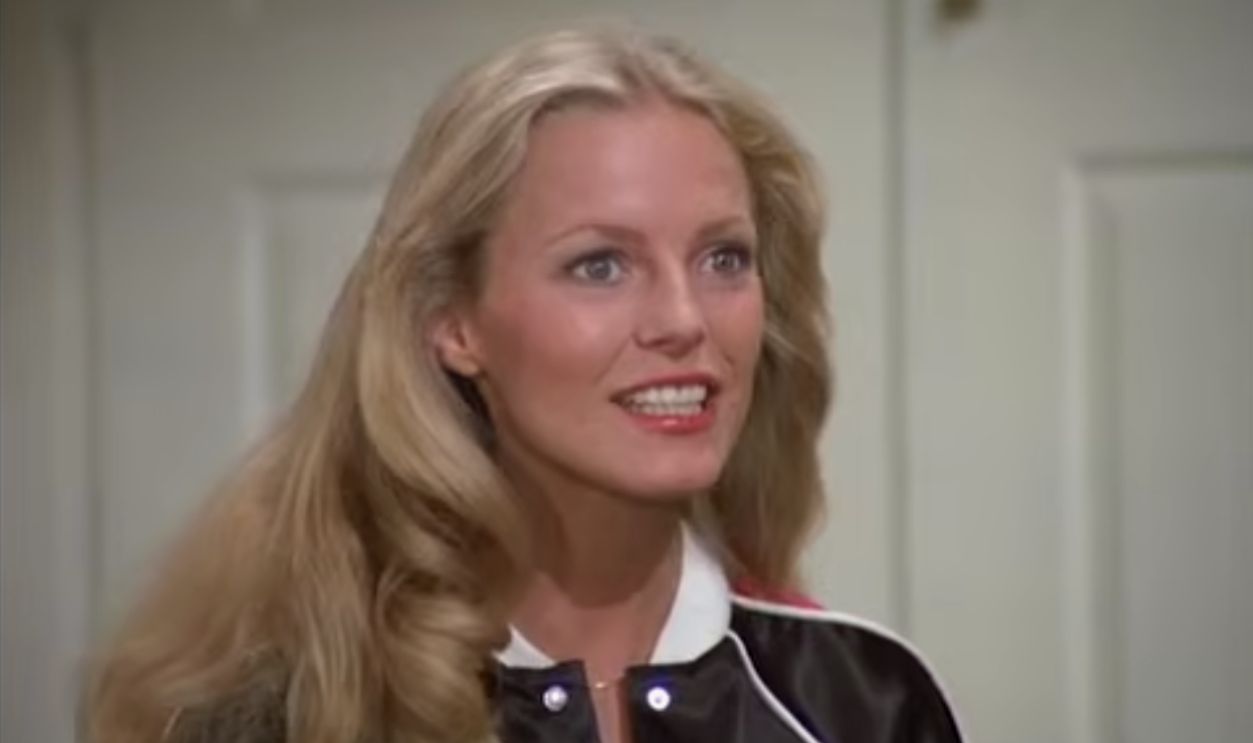
Kris could be funny, enthusiastic, and occasionally unsure of herself without appearing incompetent. That combination gave Ladd a warmer, more accessible screen presence. Instead of competing with Jill, she created an Angel whom audiences could appreciate for different reasons.
 Screenshot from Charlie's Angels, Columbia Pictures Television (1976–1981)
Her Costars Helped The Transition
Jackson and Smith welcomed Ladd into an already famous television partnership. Decades later, the actresses recalled that she brought a special quality that was uniquely hers. Their onscreen teamwork helped Kris feel like a genuine member of the group rather than a temporary substitute.
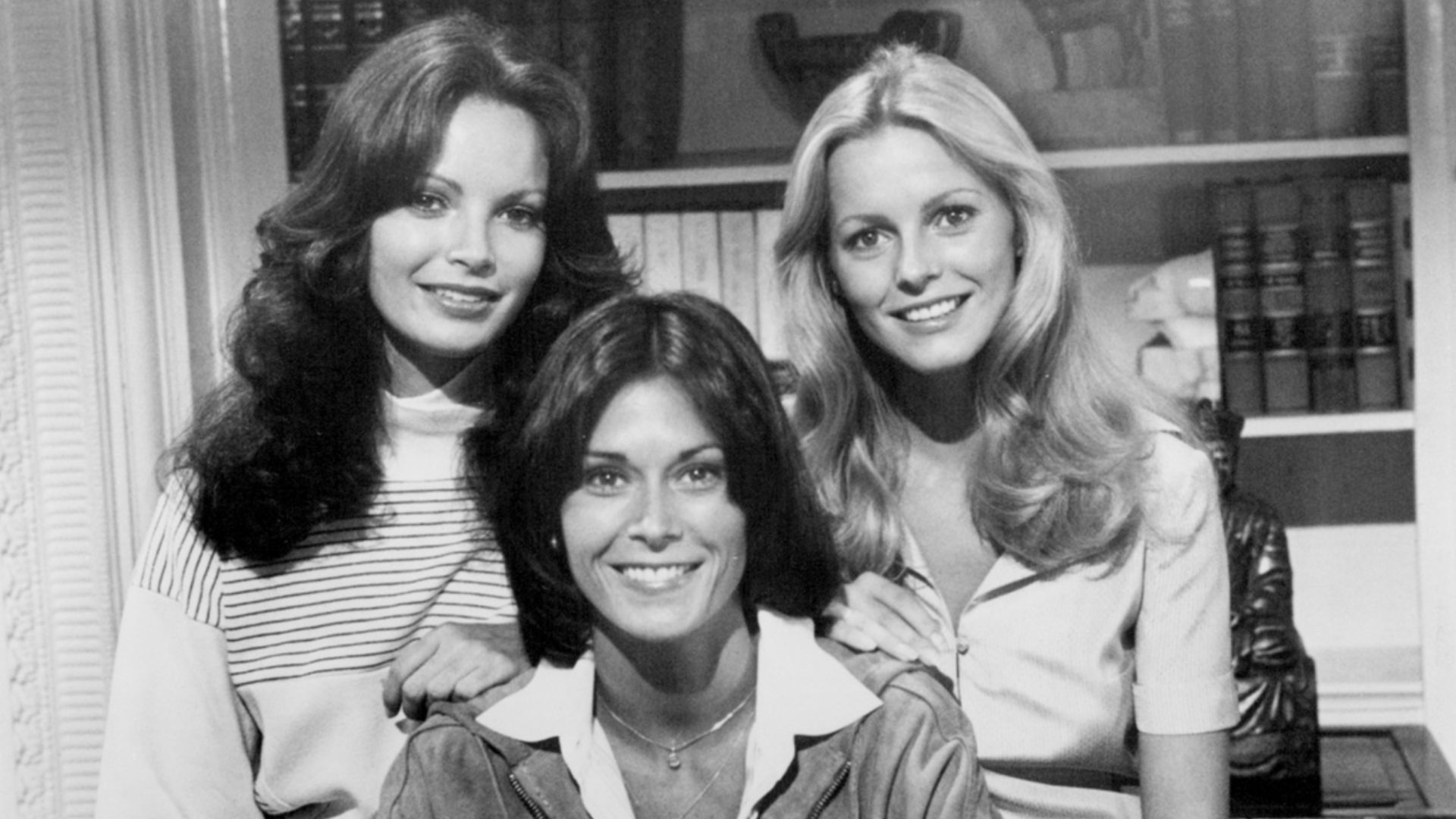 ABC Television, Wikimedia Commons
The Gamble Actually Worked
Replacing a breakout star can expose every weakness in a television series, but Ladd’s arrival did not bring Charlie’s Angels to an immediate end. She remained a regular for four seasons, far longer than Fawcett’s original run as a full-time cast member. Kris gradually became one of the classic lineup’s best-remembered Angels.
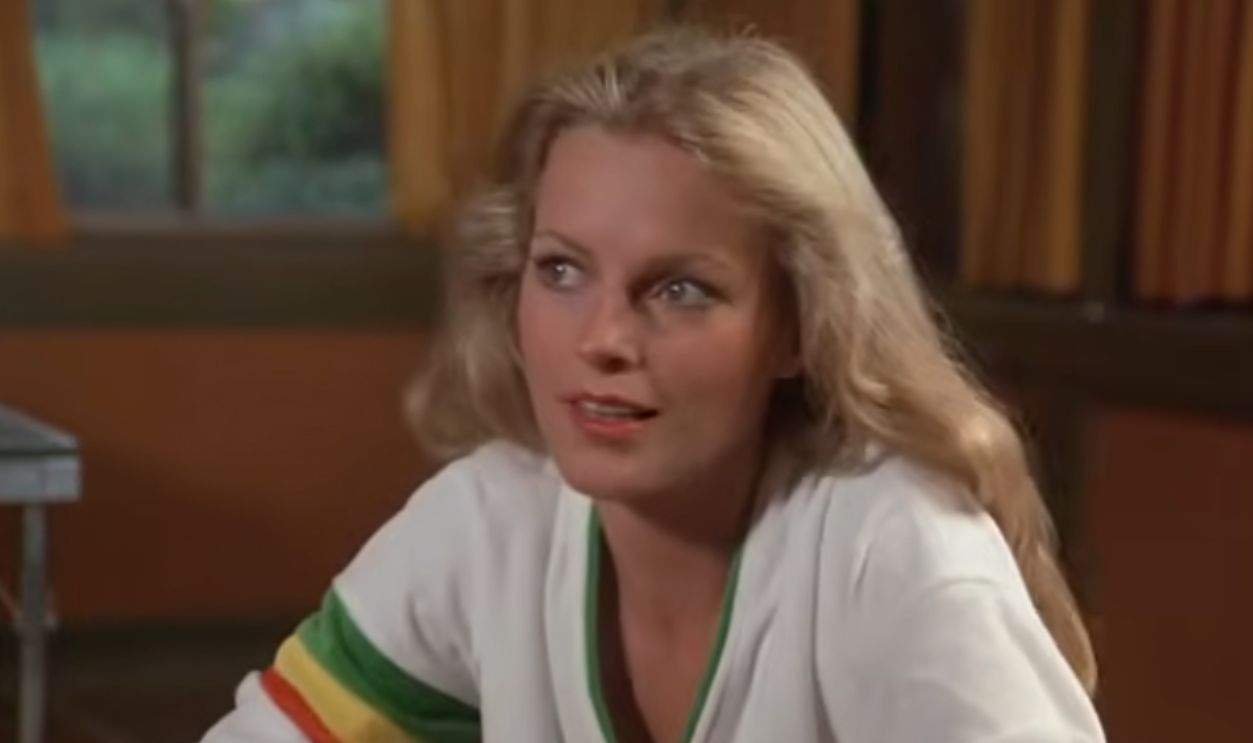 Screenshot from Charlie's Angels, Columbia Pictures Television (1976–1981)
Fame Came With Its Own Pressures
Ladd’s success also placed her inside the show’s highly publicized emphasis on fashion and beauty. The actresses frequently wore elaborate disguises and glamorous costumes while investigating cases. Ladd appreciated the career the series gave her, but she did not always accept every wardrobe demand quietly.
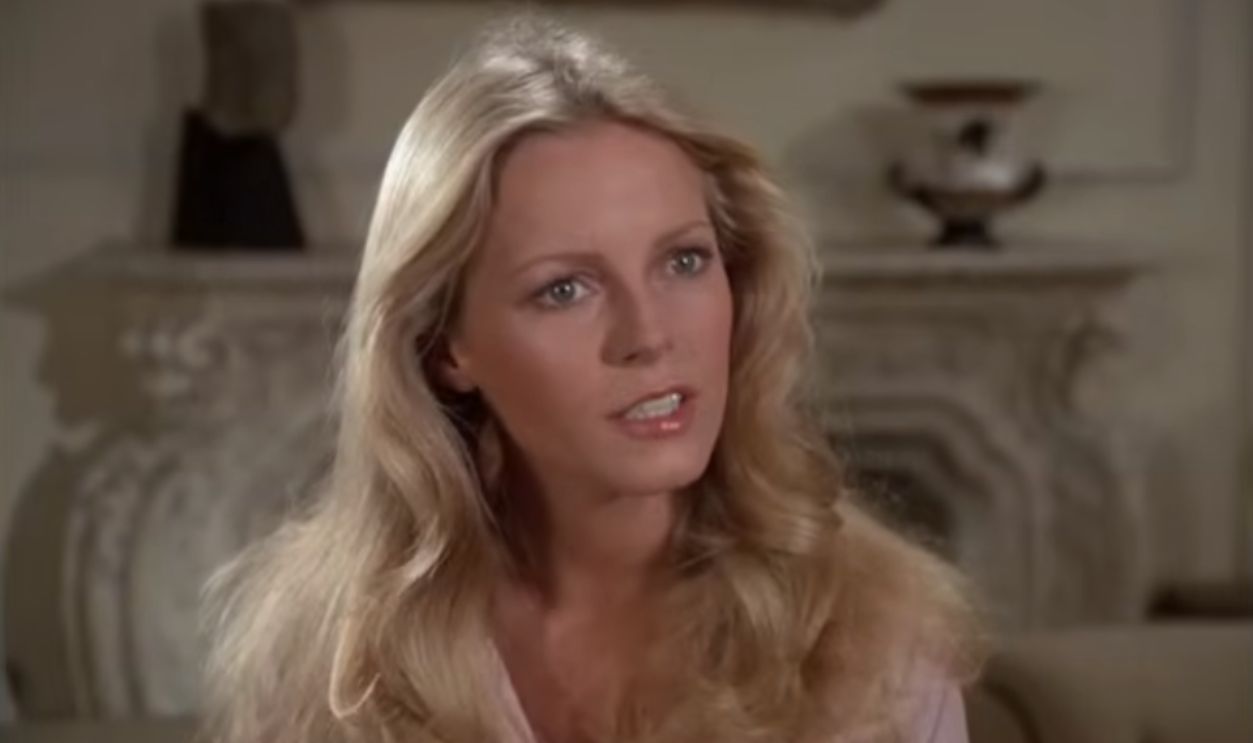 Screenshot from Charlie's Angels, Columbia Pictures Television (1976–1981)
She Outsmarted The Bikini Requests
Ladd later recalled that Spelling frequently wanted the Angels shown in bikinis. Hoping to end the requests, she appeared in a swimsuit so revealing that Spelling himself objected. Ladd reminded him that he had asked for a bikini, and she said the tactic solved the problem.
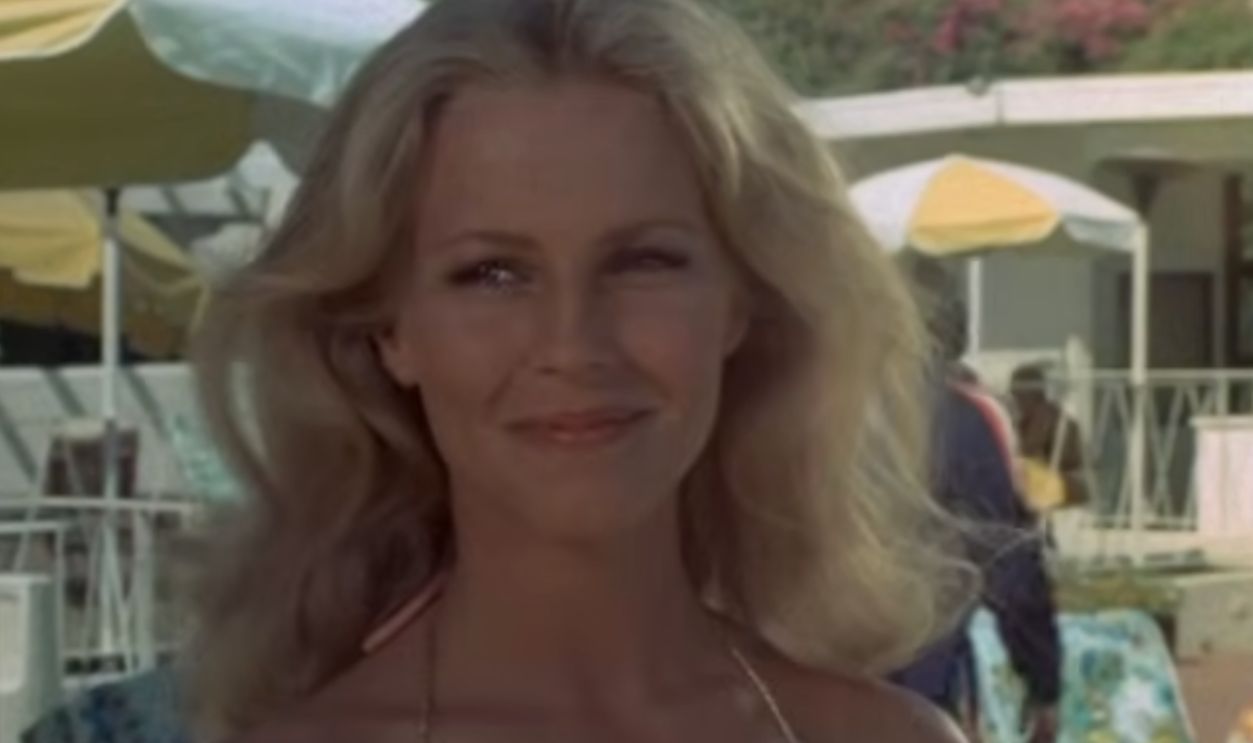 Screenshot from Charlie's Angels, Columbia Pictures Television (1976–1981)
Farrah Eventually Returned
Fawcett made guest appearances during the third and fourth seasons, finally putting the two Munroe sisters onscreen together. Ladd remembered Fawcett as warm, friendly, and committed to making the episodes work. Their scenes reinforced the family connection that had originally made Kris possible.
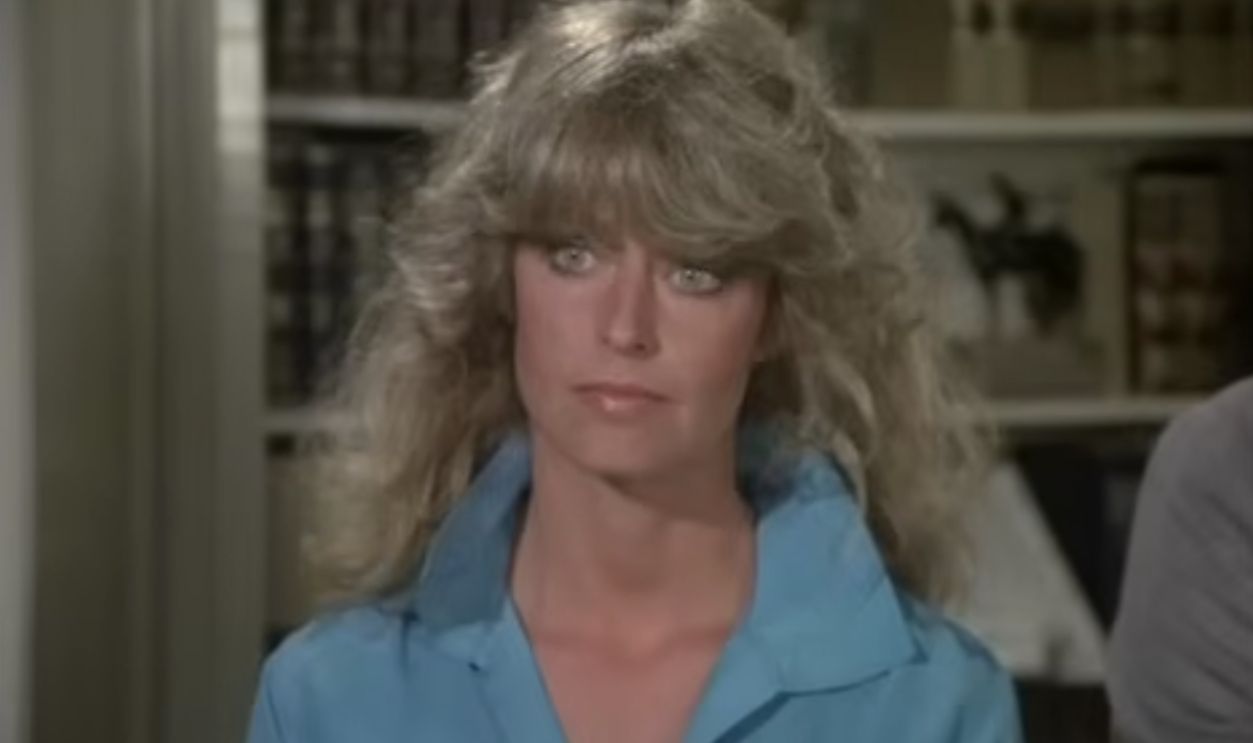 Screenshot from Charlie's Angels, Columbia Pictures Television (1976–1981)
Cheryl Never Abandoned Music
While starring on Charlie’s Angels, Ladd resumed the singing career that had first taken her to California. She released a self-titled album in 1978, followed by additional recordings. Her single “Think It Over” reached the American Top 40, proving that her ambitions extended beyond acting.
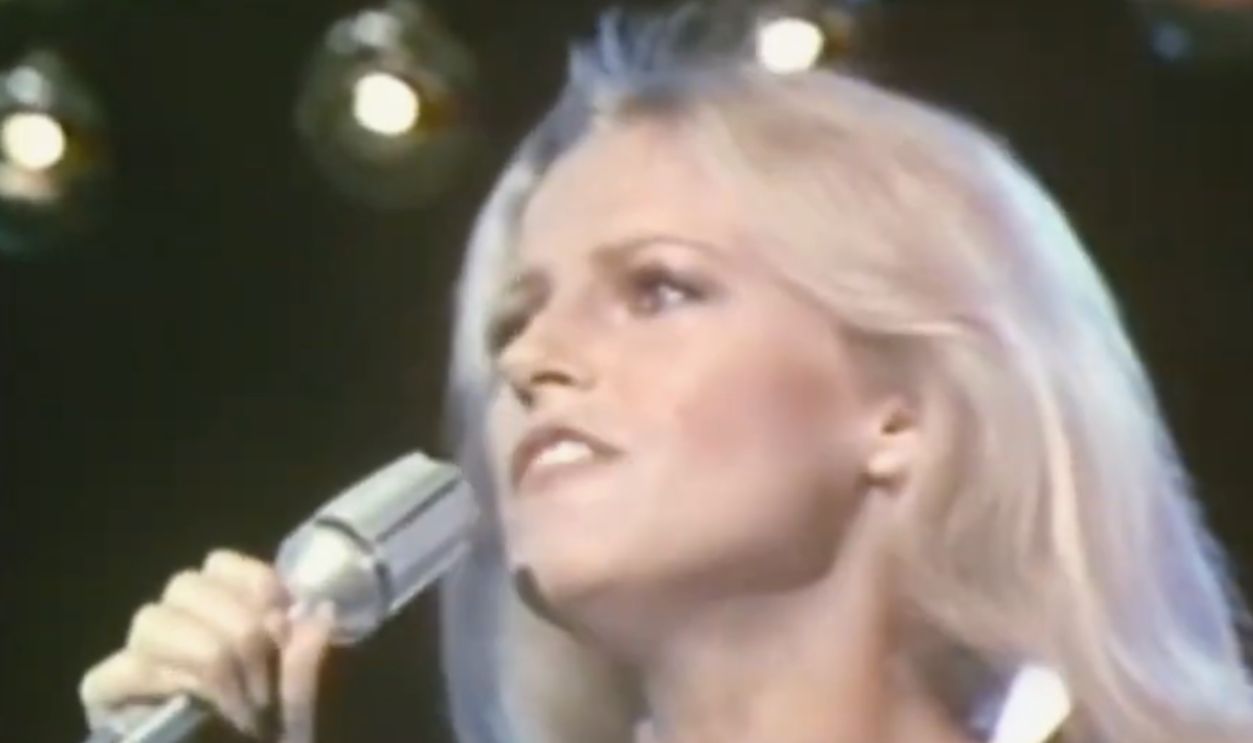 Screenshot from Think It Over, Capitol Records (1978)
The Super Bowl Came Calling
In January 1980, Ladd sang the national anthem at Super Bowl XIV at the Rose Bowl in Pasadena. She performed while still appearing weekly as Kris Munroe. Ladd later described the occasion as an extraordinary opportunity created by the doors Charlie’s Angels had opened.
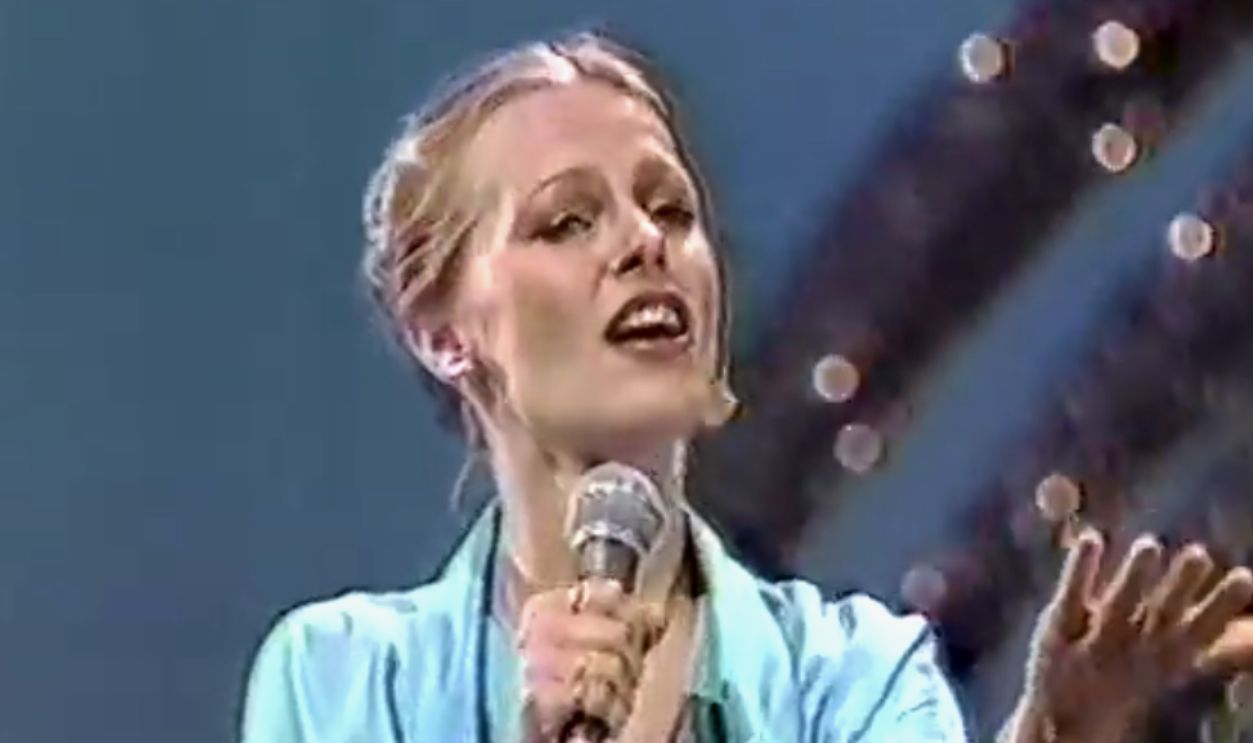 Screenshot from Dance Forever, Capitol Records (1979)
The Lineup Kept Changing
Kate Jackson left the series after its third season and was replaced by Shelley Hack. Tanya Roberts then succeeded Hack for the fifth season. Through those changes, Ladd and Jaclyn Smith remained the familiar center of the team, with Smith ultimately becoming the only original Angel to appear throughout the entire run.
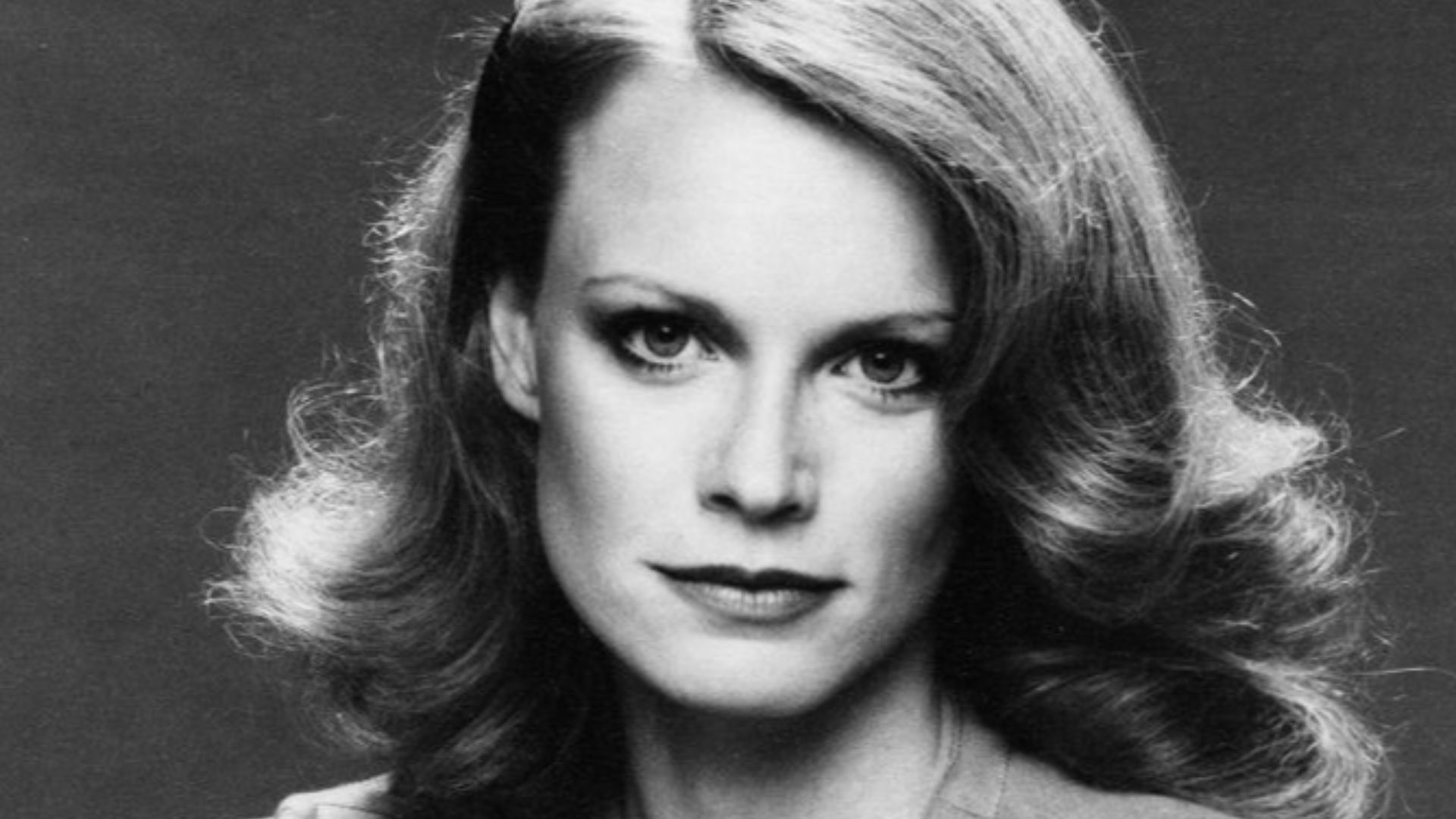 ABC Television, Wikimedia Commons
The Assignment Finally Ended
Charlie’s Angels concluded in 1981 after five seasons. By then, Ladd had spent four years playing Kris and had survived a challenge that initially frightened her away. The character who began as Farrah Fawcett’s replacement had become an established Angel in her own right.
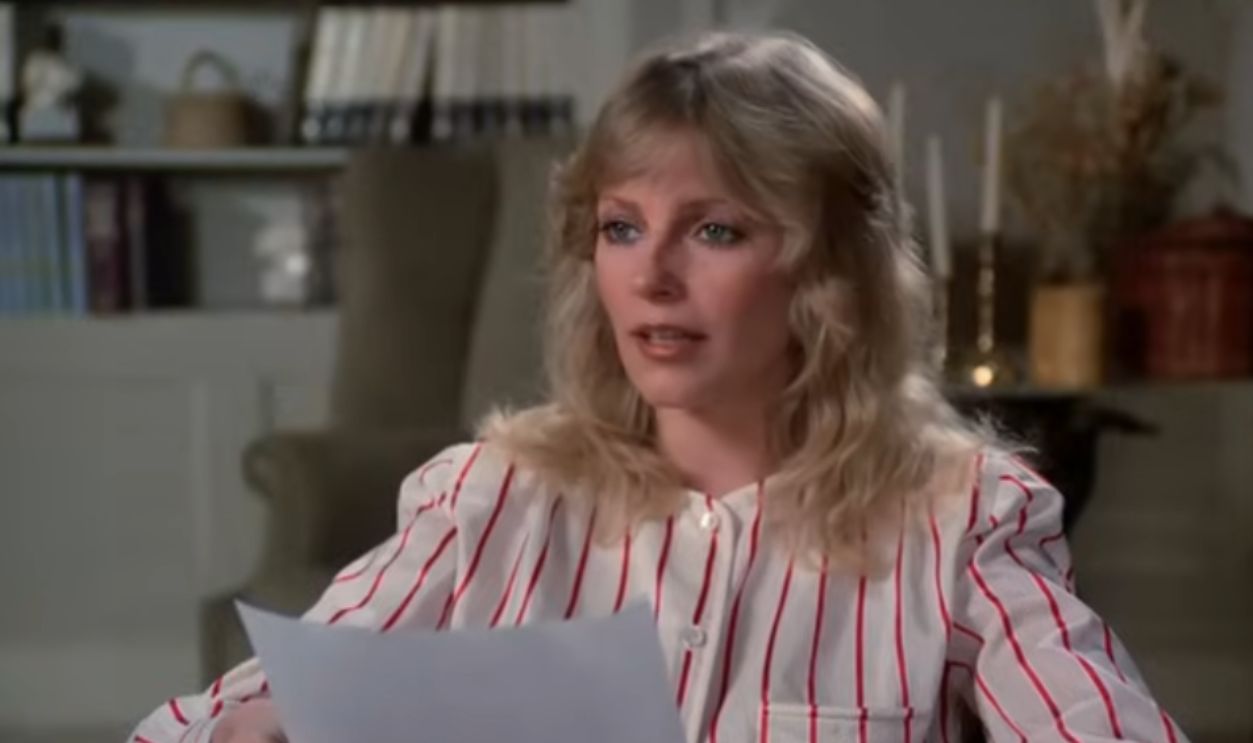 Screenshot from Charlie's Angels, Columbia Pictures Television (1976–1981)
She Built A Career Beyond Kris
Ladd continued acting in television movies and feature films, including Grace Kelly, Purple Hearts, Millennium, Poison Ivy, and Permanent Midnight. She later appeared in series such as Las Vegas, NCIS, and American Crime Story: The People v. O.J. Simpson. Her varied work demonstrated that Kris Munroe was a breakthrough rather than the limit of her career.
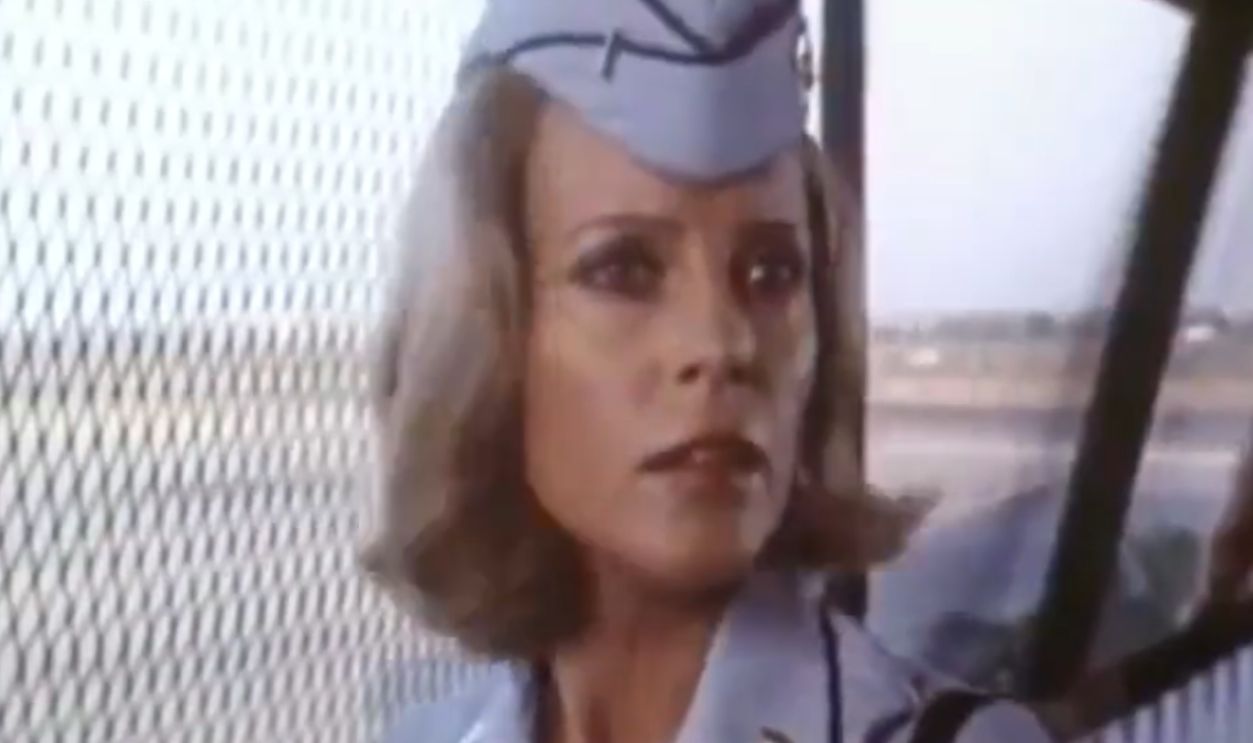 Screenshot from Purple Hearts, Warner Bros. (1984)
She Finally Reached Broadway
In 2000, Ladd succeeded Bernadette Peters as Annie Oakley in the Broadway revival of Annie Get Your Gun. The role allowed her to combine the singing, acting, and stage ambitions she had carried since her youth. Her journey from South Dakota to Broadway had taken decades, with one initially unwanted television offer providing the crucial turning point.
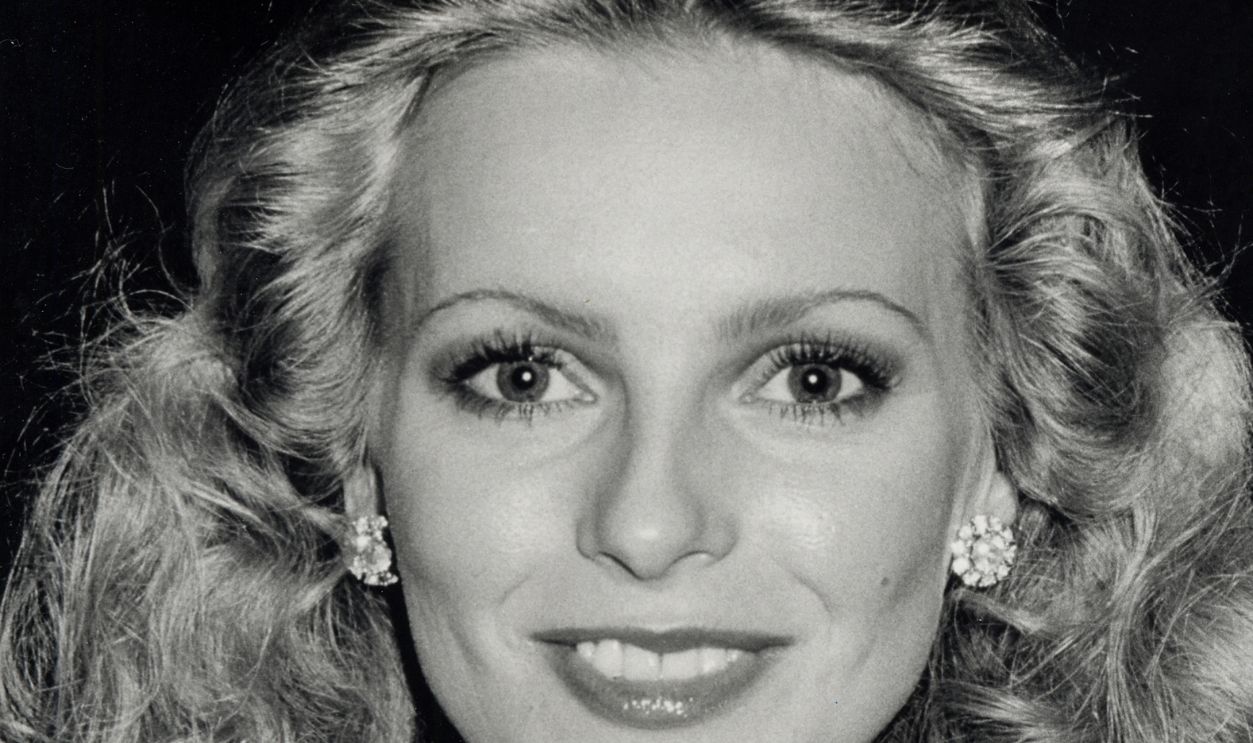
Cheryl Became Irreplaceable
Ladd succeeded because she understood that viewers did not need another Farrah Fawcett. They needed a character with her own humor, vulnerability, and personality. Kris Munroe preserved a connection to Jill while giving the series room to move forward. What looked like an impossible replacement became the defining role of Cheryl Ladd’s career.
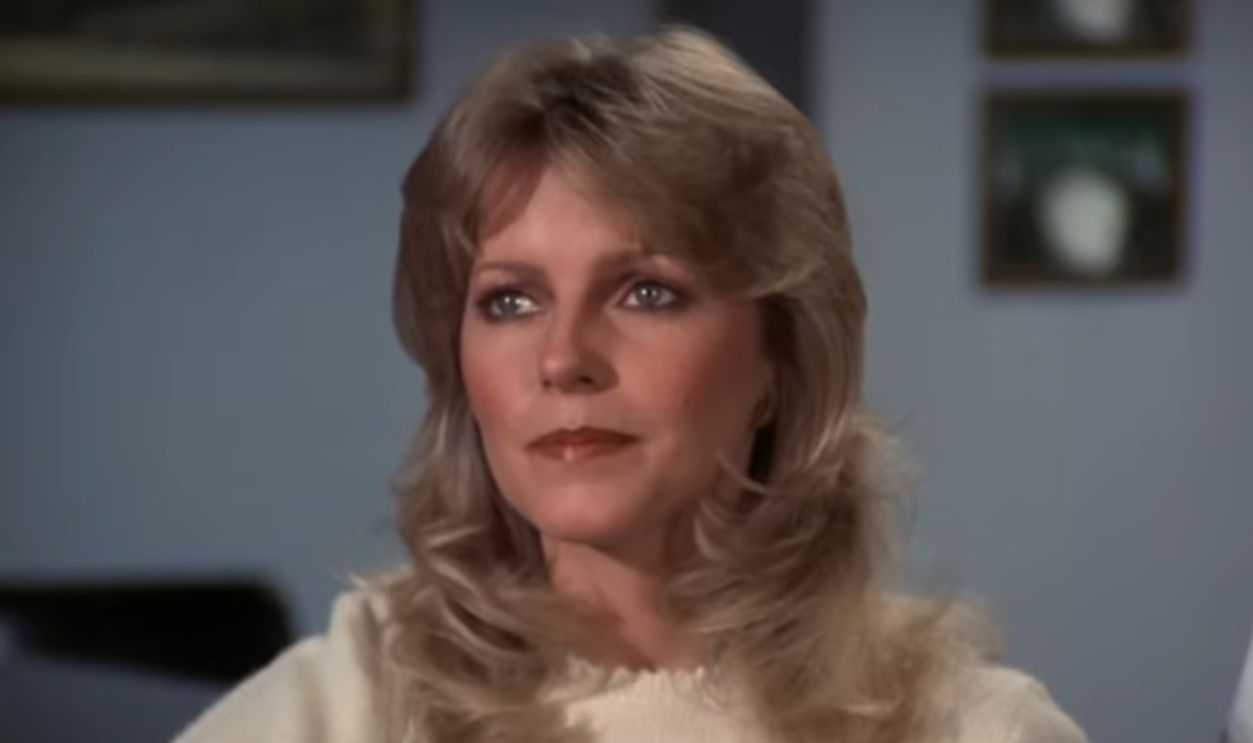 Screenshot from Charlie's Angels, Columbia Pictures Television (1976–1981)
You May Also Like:
Why Charlie’s Angels Star Kate Jackson Turned Her Back On Hollywood