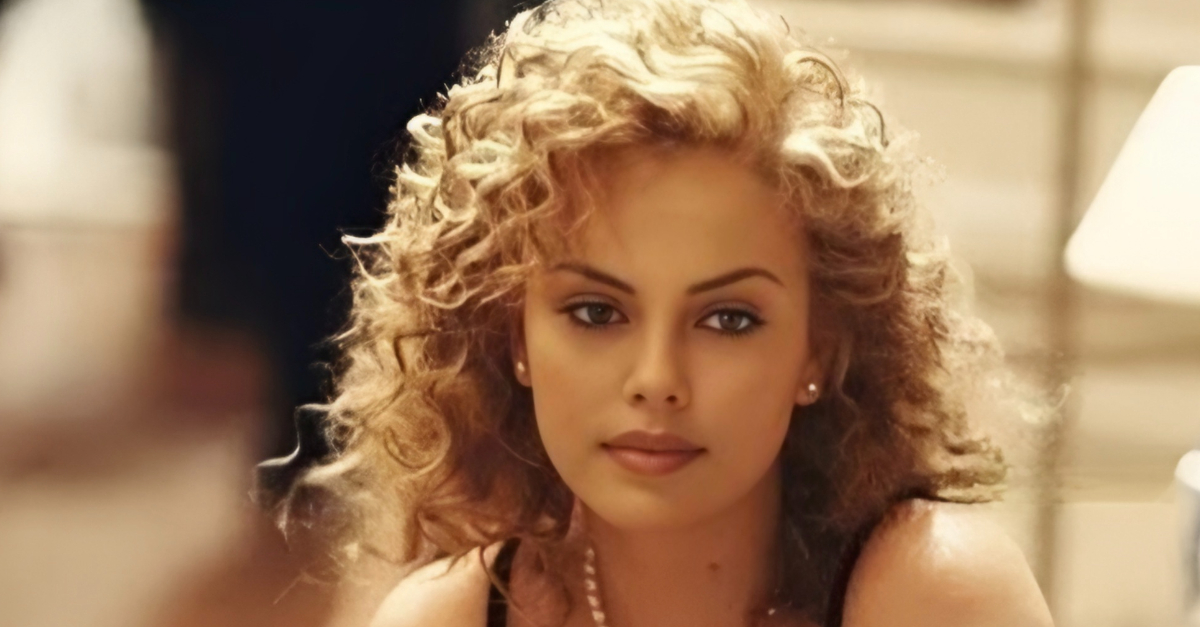
When a Dye Job Changed Everything
Hollywood loves reinvention, and sometimes it only takes a box of peroxide to reset a career. For these celebrities, going blond didn’t just change their look—it changed how casting directors (and the public) saw them. More attention, bigger roles, and in some cases, instant superstardom followed. Coincidence? What do you think?
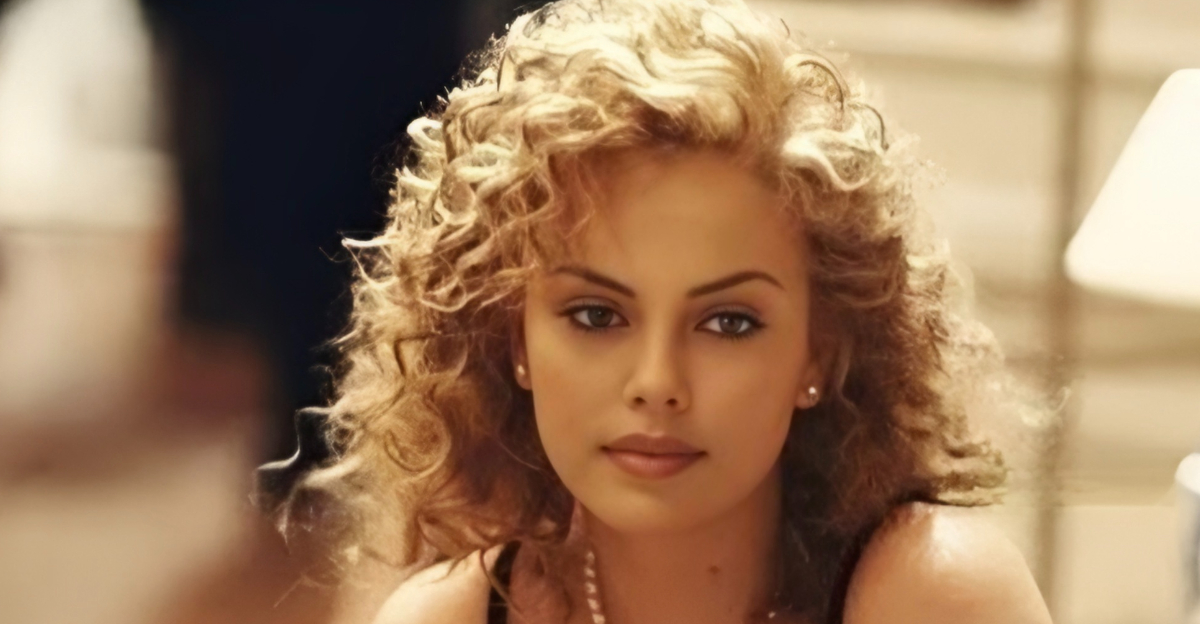
Marilyn Monroe
Before becoming the ultimate blond icon, Norma Jeane was a brunette trying to break into modeling and bit parts. Once she went platinum, doors flew open. The look became her brand, her myth, and her career accelerator—turning her into one of the most recognizable stars in film history almost overnight.
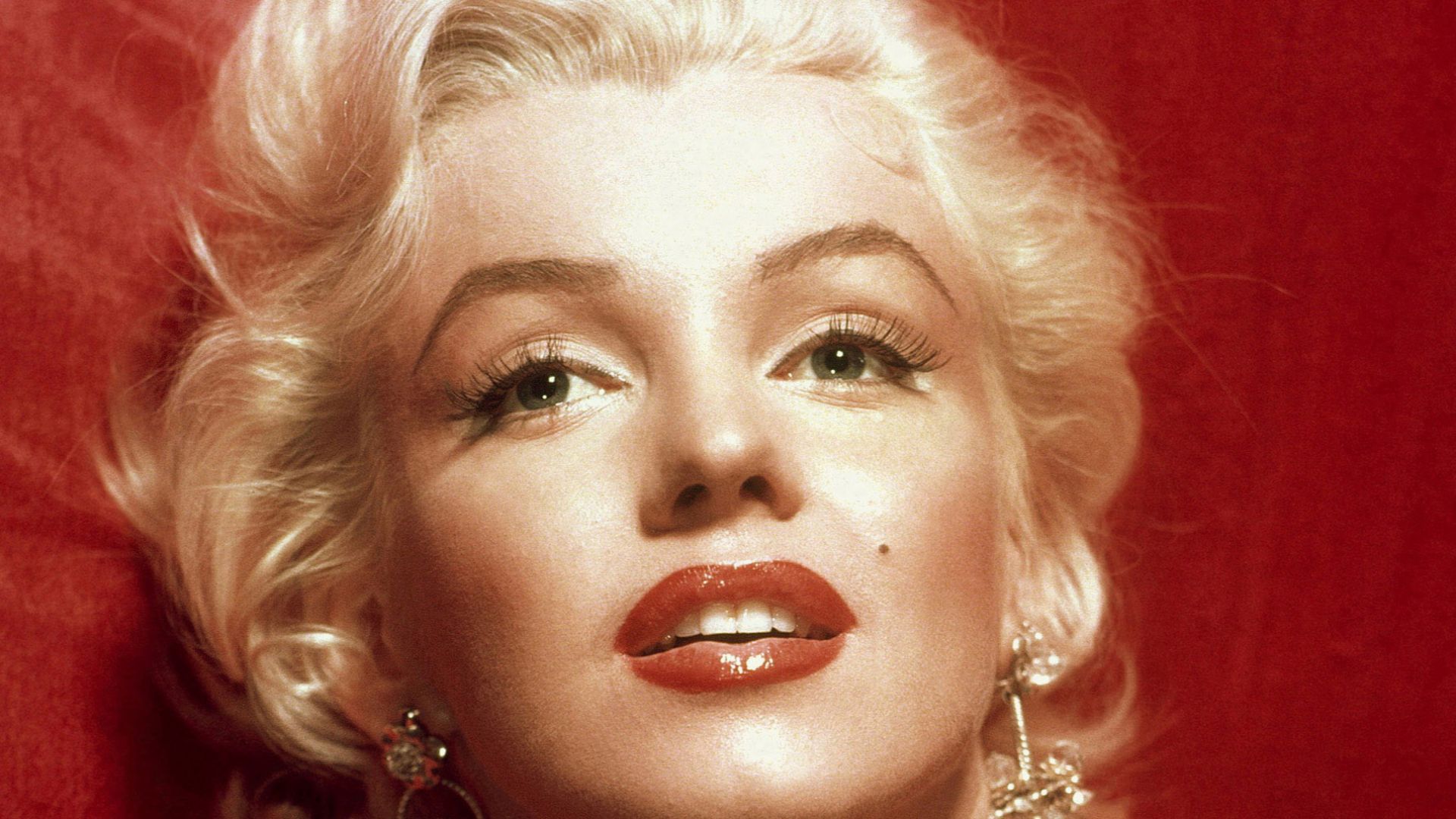
Jean Harlow
Jean Harlow wasn’t born a platinum blond—she made herself one. The drastic bleach job became her calling card, and after Hell’s Angels (1930), her career exploded. The look was so striking it practically invented the Hollywood “blond bombshell.” Before Harlow, it wasn’t a trope. After her, it was a casting strategy.
 New York Sunday News., Wikimedia Commons
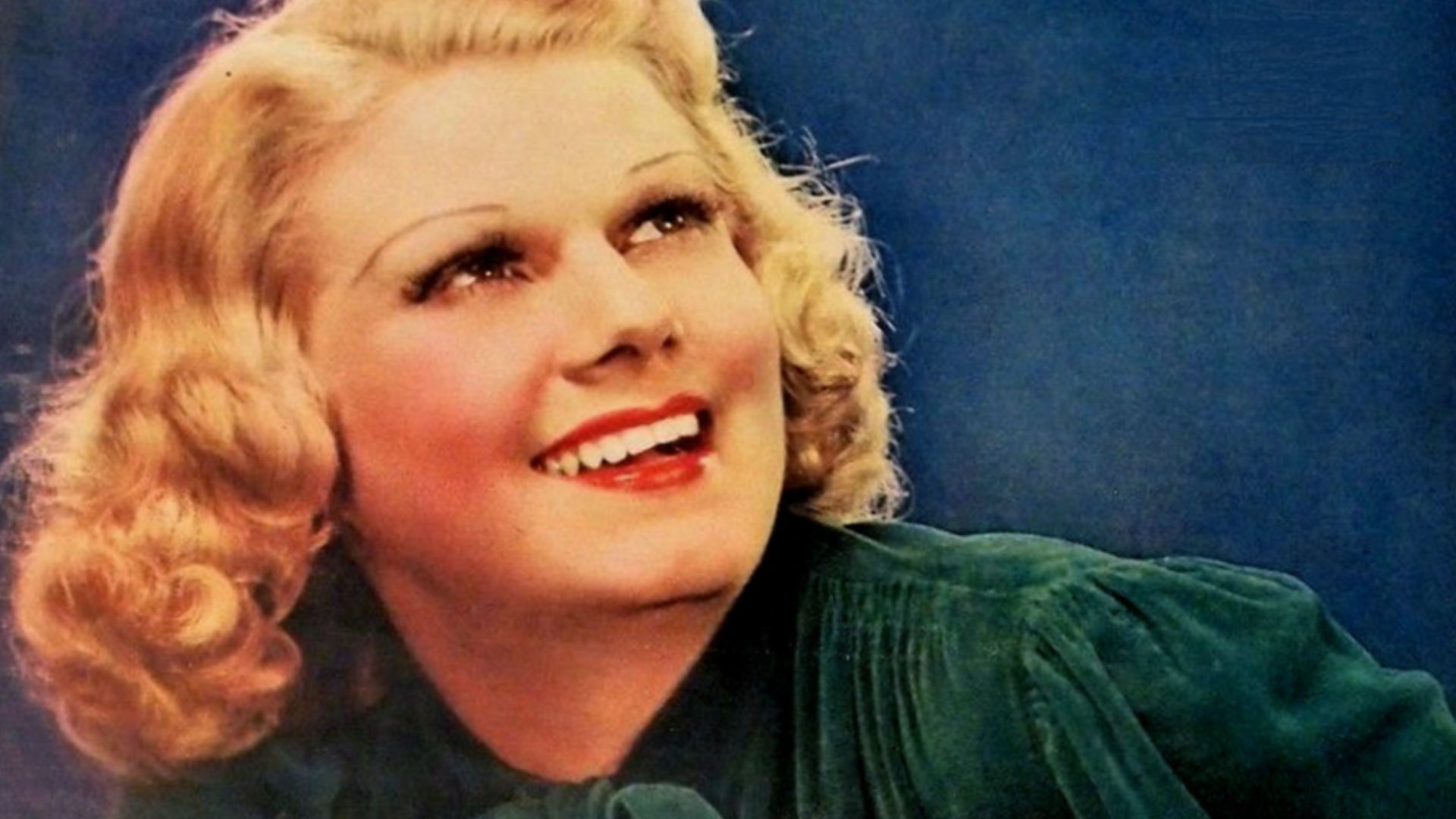
Charlize Theron
Theron wasn’t literally invisible, but early auditions as a brunette weren’t clicking. Once she went blond, things shifted quickly. The Devil’s Advocate put her on the map, and films like The Italian Job kept her there. Same talent—totally different response from Hollywood.
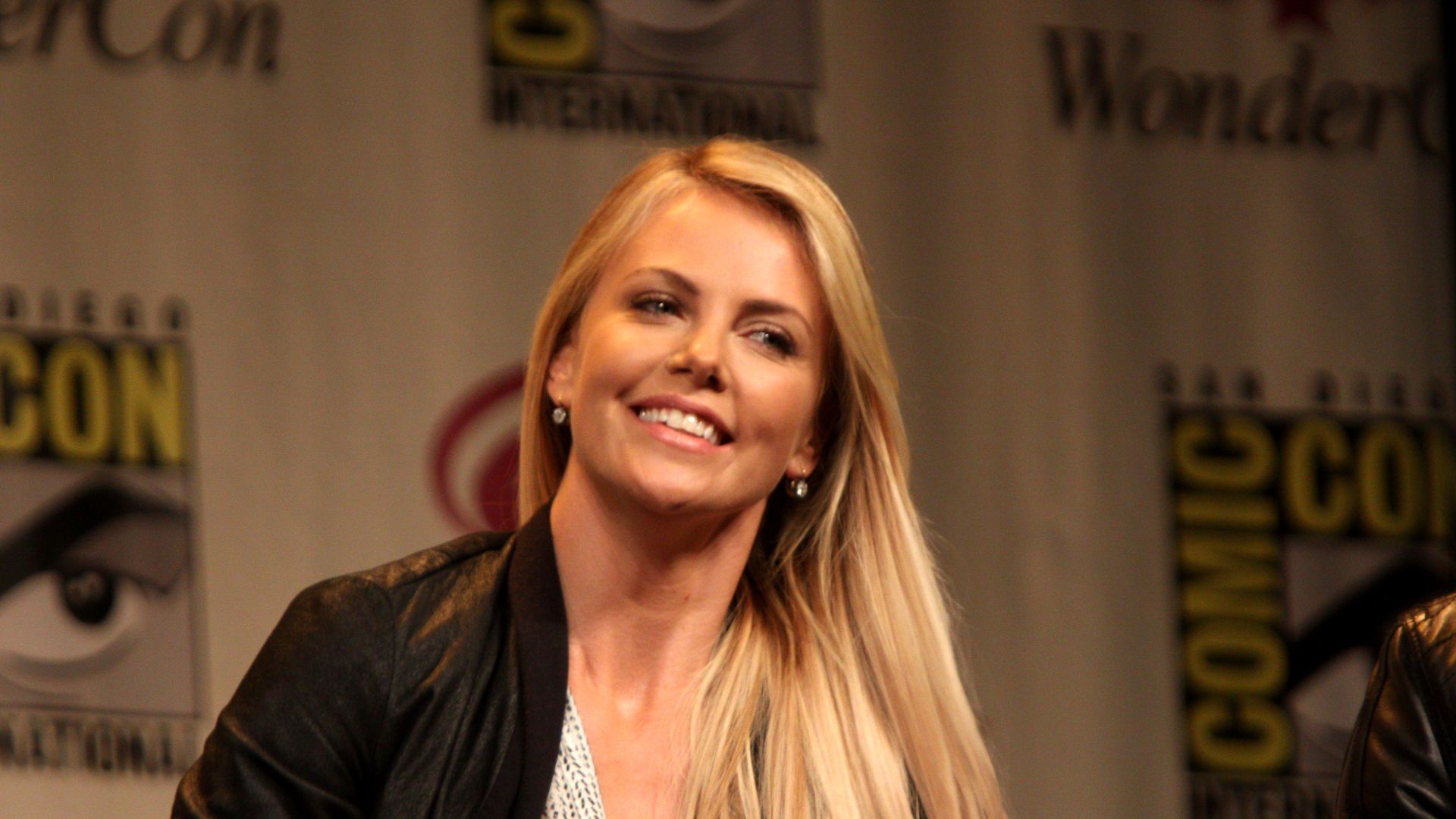 Gage Skidmore from Peoria, AZ, United States of America, Wikimedia Commons
Veronica Lake
Lake worked as a brunette early on, but fame didn’t arrive until she went blond and debuted her iconic peekaboo hairstyle. Almost instantly, she became a wartime movie star. The look was copied so widely it reportedly caused safety issues in factories. That’s not just a career boost—that’s cultural domination.
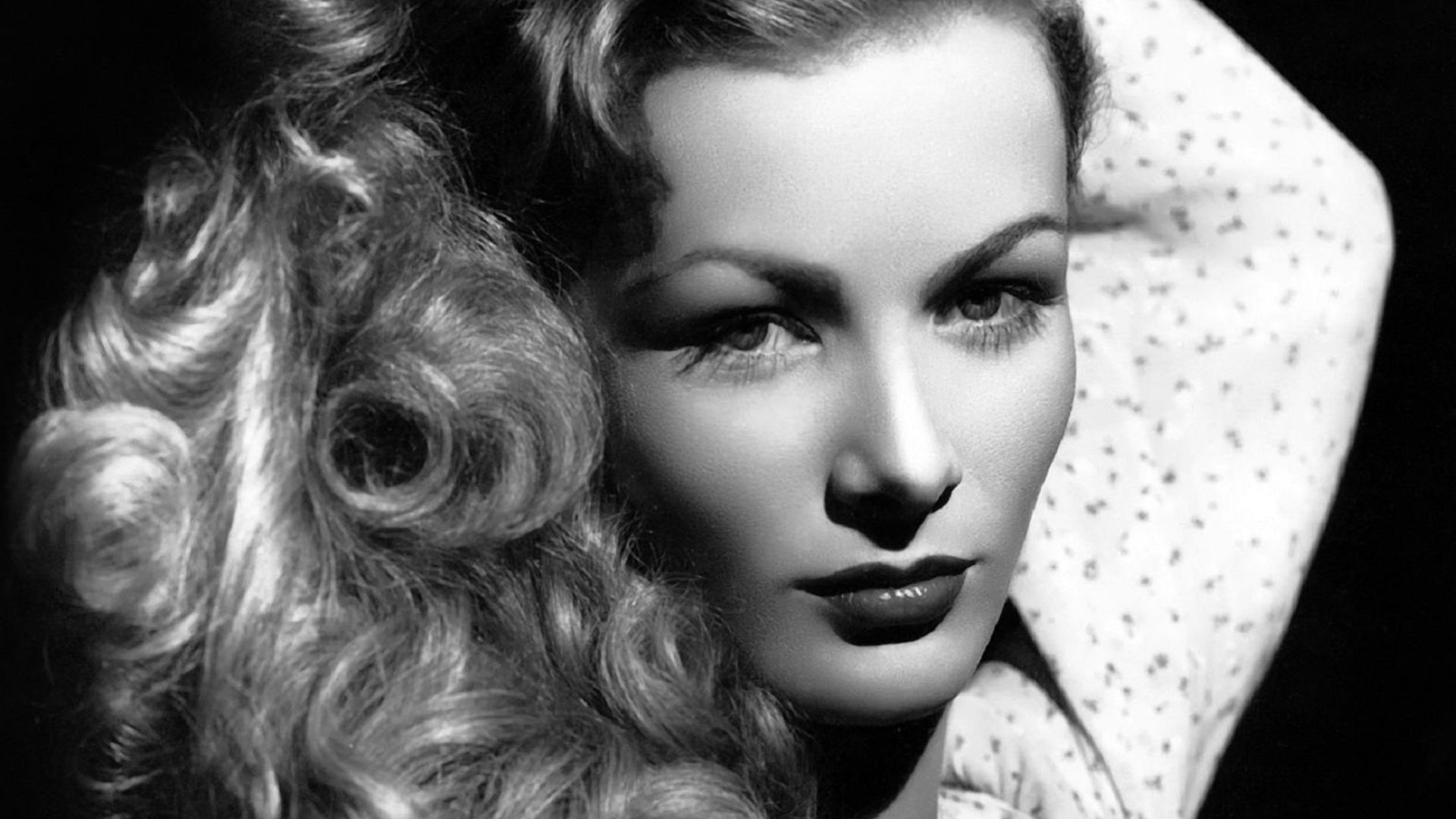 Unknown authorUnknown author, Wikimedia Commons
Margot Robbie
Before The Wolf of Wall Street, Robbie was largely unknown outside Australia. Then came the platinum blond look, the breakout role, and total career liftoff. Within a few years, she was headlining major studio films and producing her own projects. That’s not a glow-up—it’s a launch.
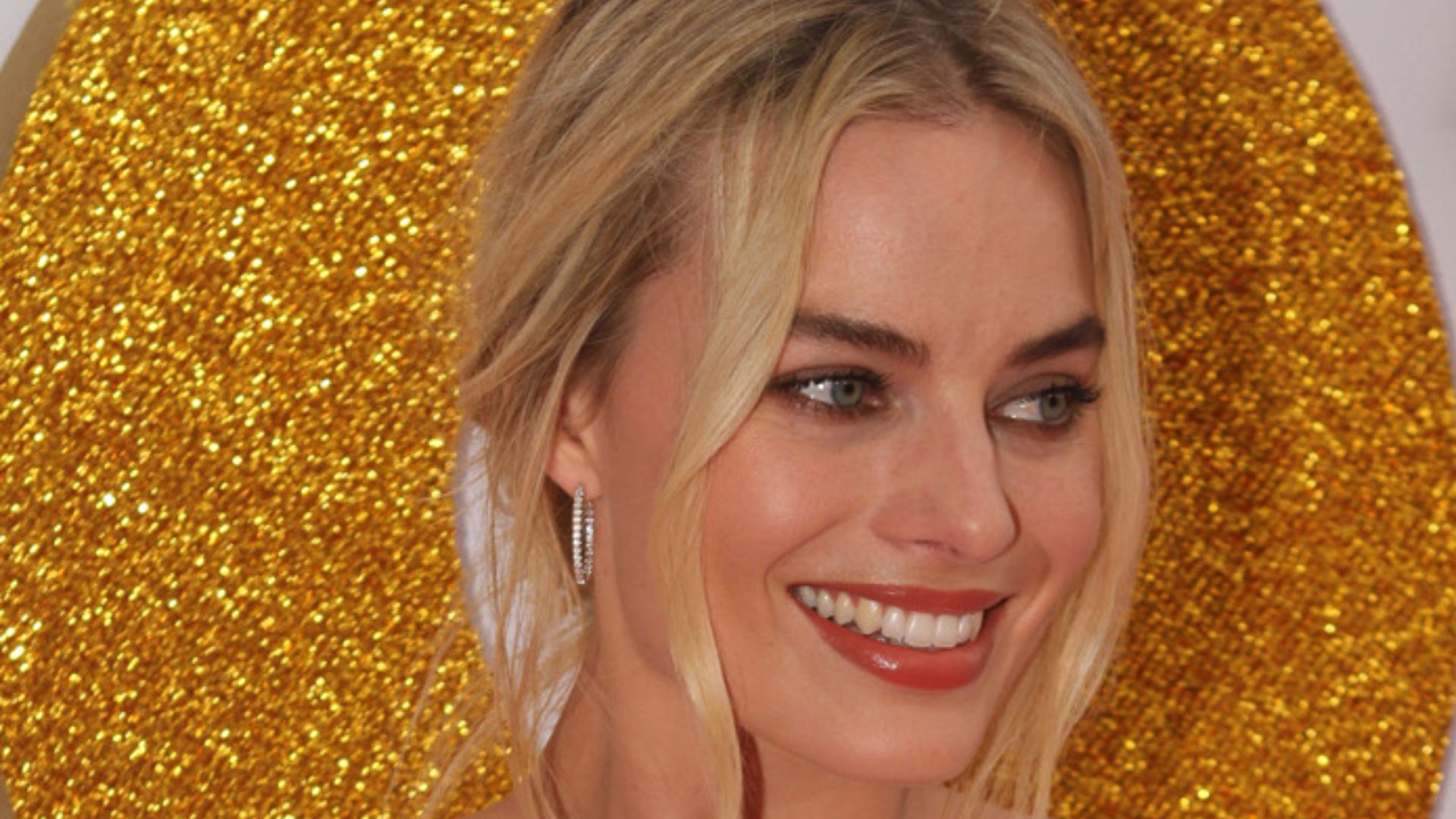 Eva Rinaldi from Sydney Australia, Wikimedia Commons
Madonna
Madonna existed before the blond hair. Madonna the icon did not. Once she went blond, everything clicked—albums like Like a Virgin, constant media attention, and film roles like Desperately Seeking Susan. The look didn’t just help her career—it made her unavoidable.
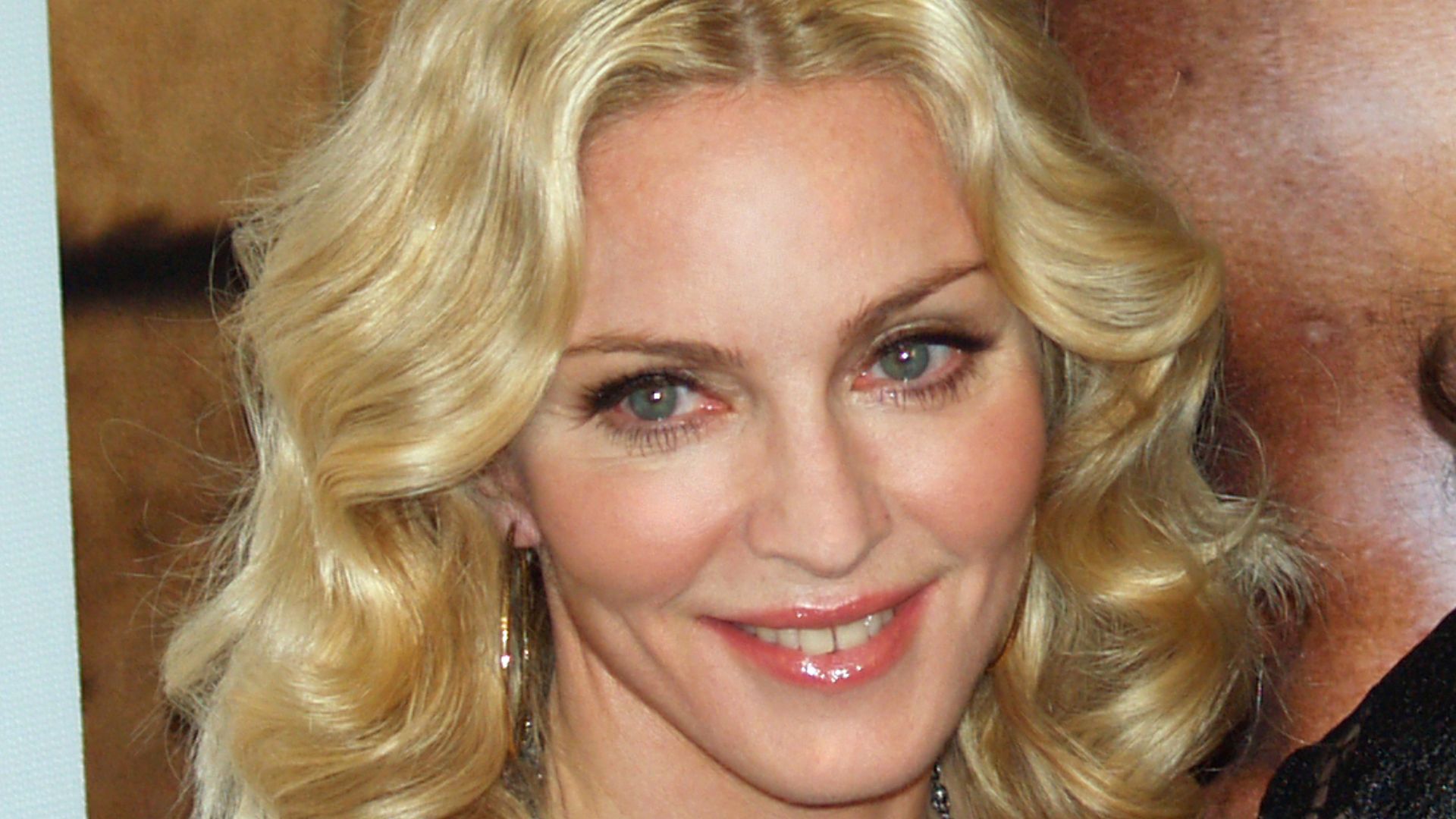 David Shankbone, Wikimedia Commons
Carole Lombard
Lombard acted for years without much attention. Once she went blond and leaned into screwball comedy, Hollywood finally got the message. Films like My Man Godfrey turned her into one of the most beloved stars of the 1930s. Same talent—new packaging, massive payoff.
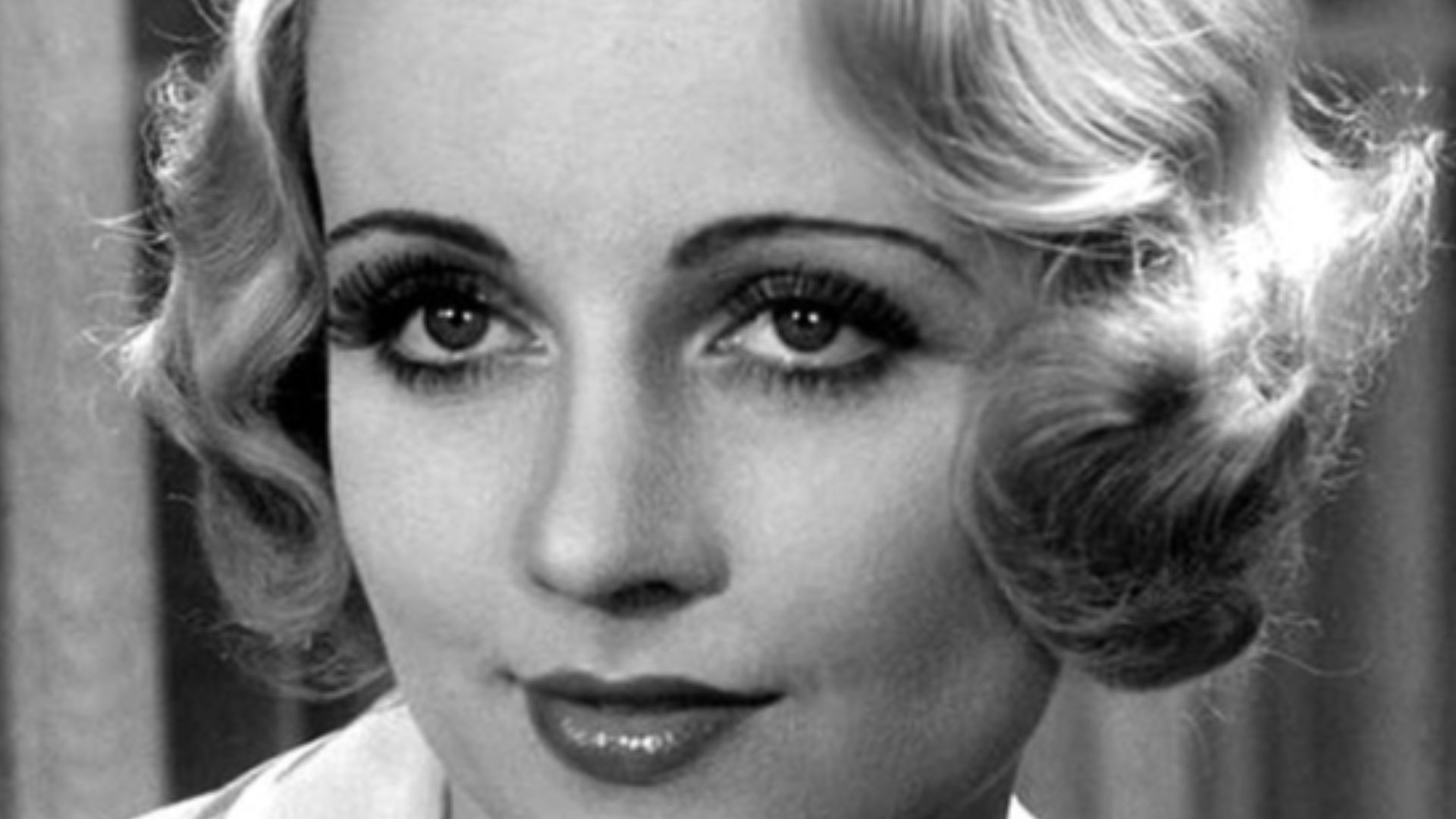 Metro-Goldwy-Mayer, Wikimedia Commons
Gwen Stefani
Before going blond, Stefani blended more into the alt-rock crowd. Once she went platinum during No Doubt’s Tragic Kingdom era, she became instantly recognizable. That image carried her into solo success, fashion, and TV fame. Same voice, louder spotlight.
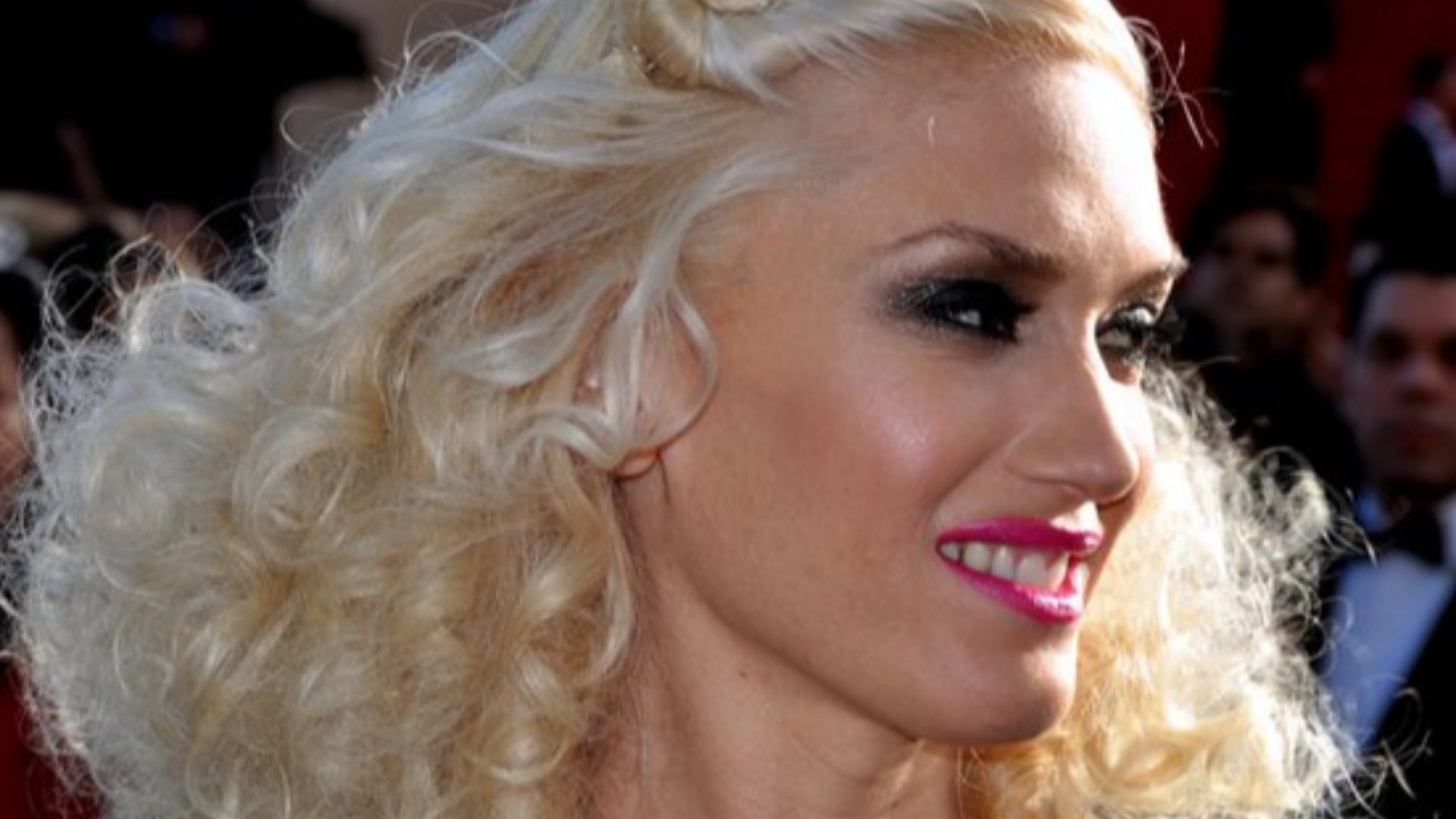 Georges Biard, Wikimedia Commons
Billy Idol
Billy Idol was grinding in punk scenes, but mainstream audiences didn’t care—until the bleach happened. The spiked blond hair became part of his identity just as MTV took off. Hits like “White Wedding” and “Rebel Yell” turned him into a global star almost overnight.
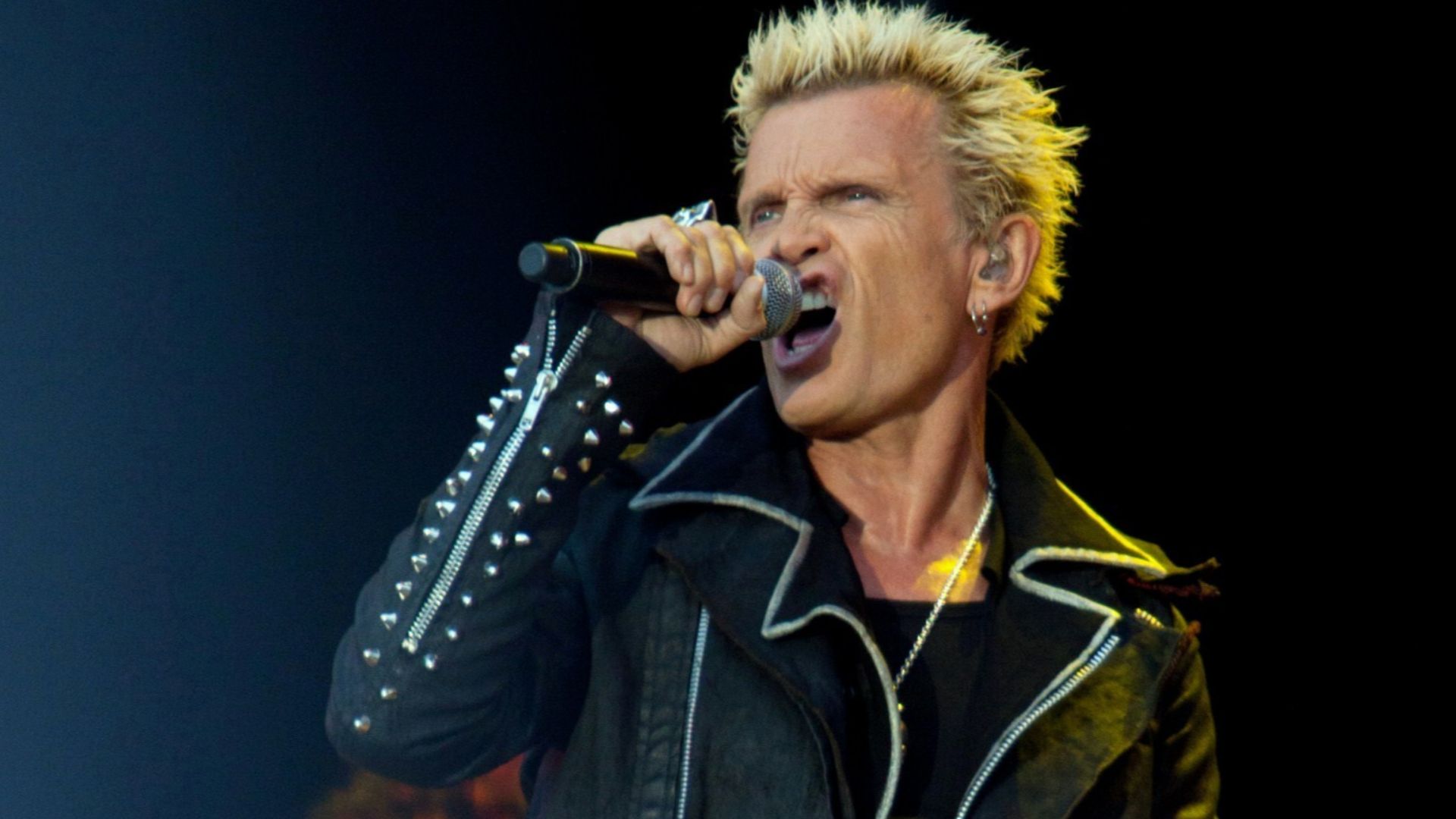
Lana Turner
Turner had early success, but her transformation into a glamorous blond elevated her into MGM royalty. The look helped transition her from ingénue roles to full-blown stardom. Once the image locked in, she became one of the studio system’s most bankable names.
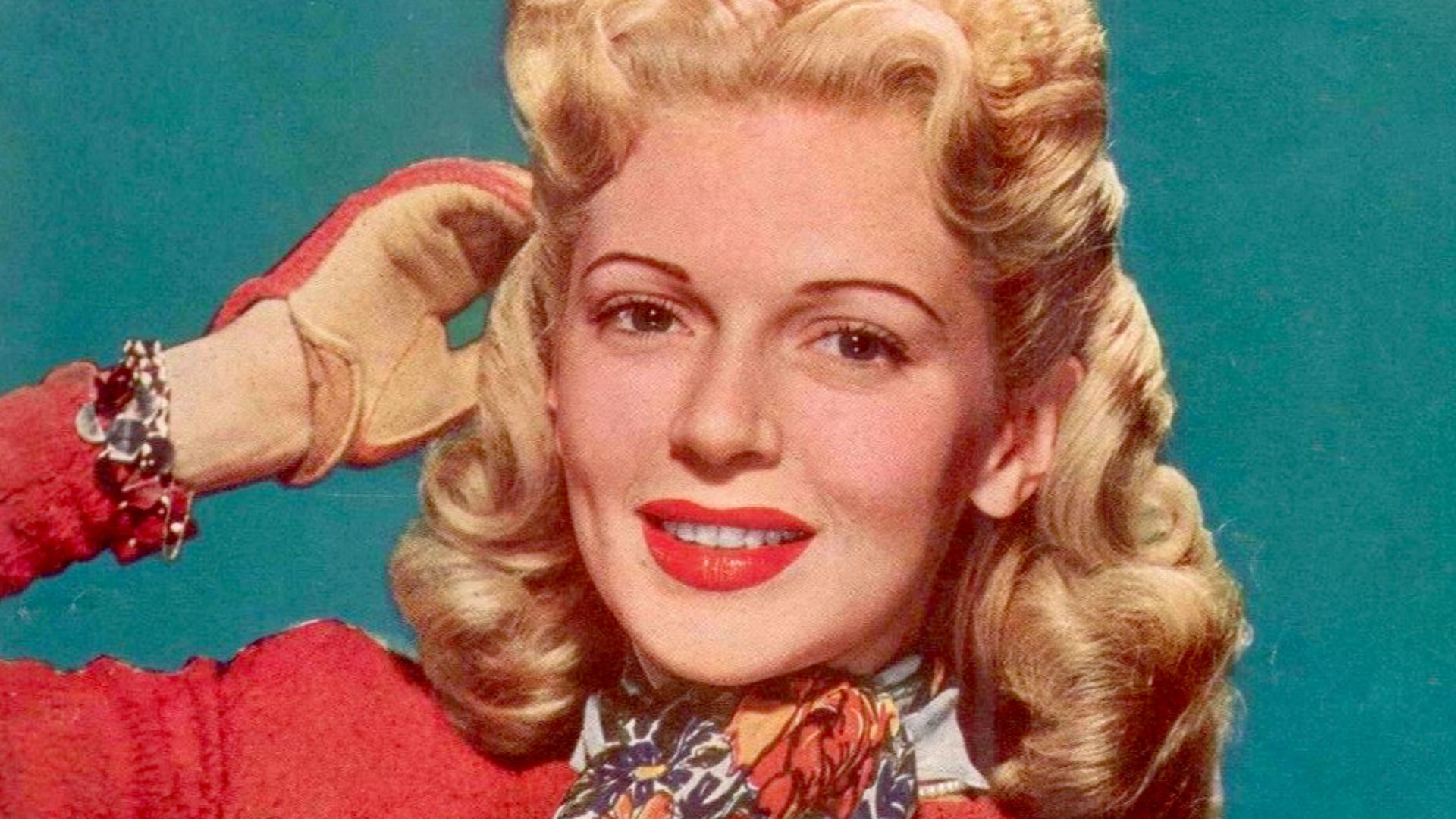 Unknown authorUnknown author, Wikimedia Commons
Lady Gaga
Gaga wasn’t unknown—but she wasn’t Gaga yet. Her platinum blond era sharpened her larger-than-life persona during The Fame, making her impossible to ignore. That look followed her into acting with A Star Is Born, proving the image had serious staying power.
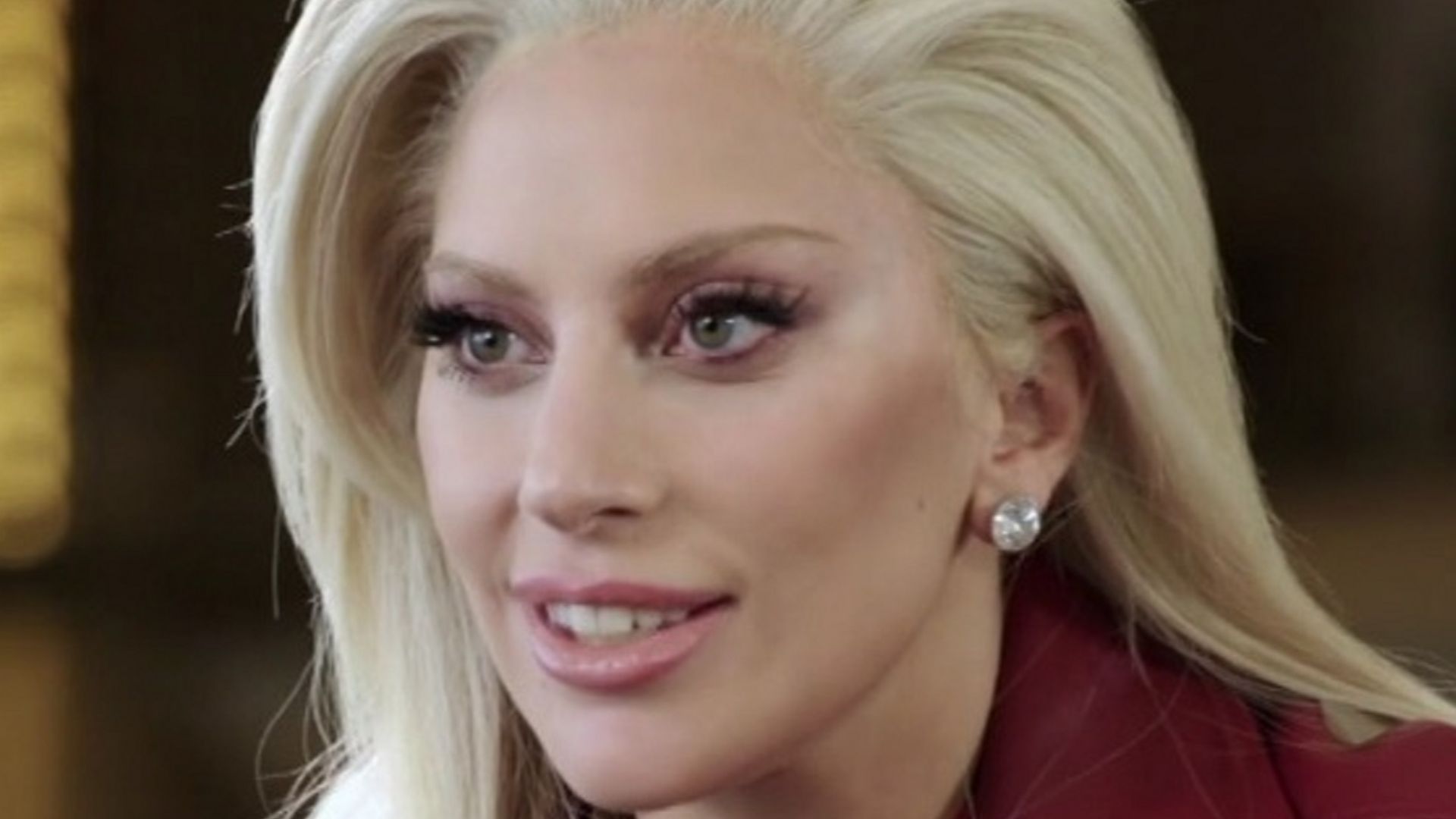 SMP Entertainment, Wikimedia Commons
Michelle Pfeiffer
Pfeiffer had roles before Scarface, but they didn’t make waves. Then she went blond, played Elvira Hancock, and everything changed. Hollywood suddenly saw a star. From there came The Fabulous Baker Boys and Batman Returns. She stopped chasing roles—roles chased her.
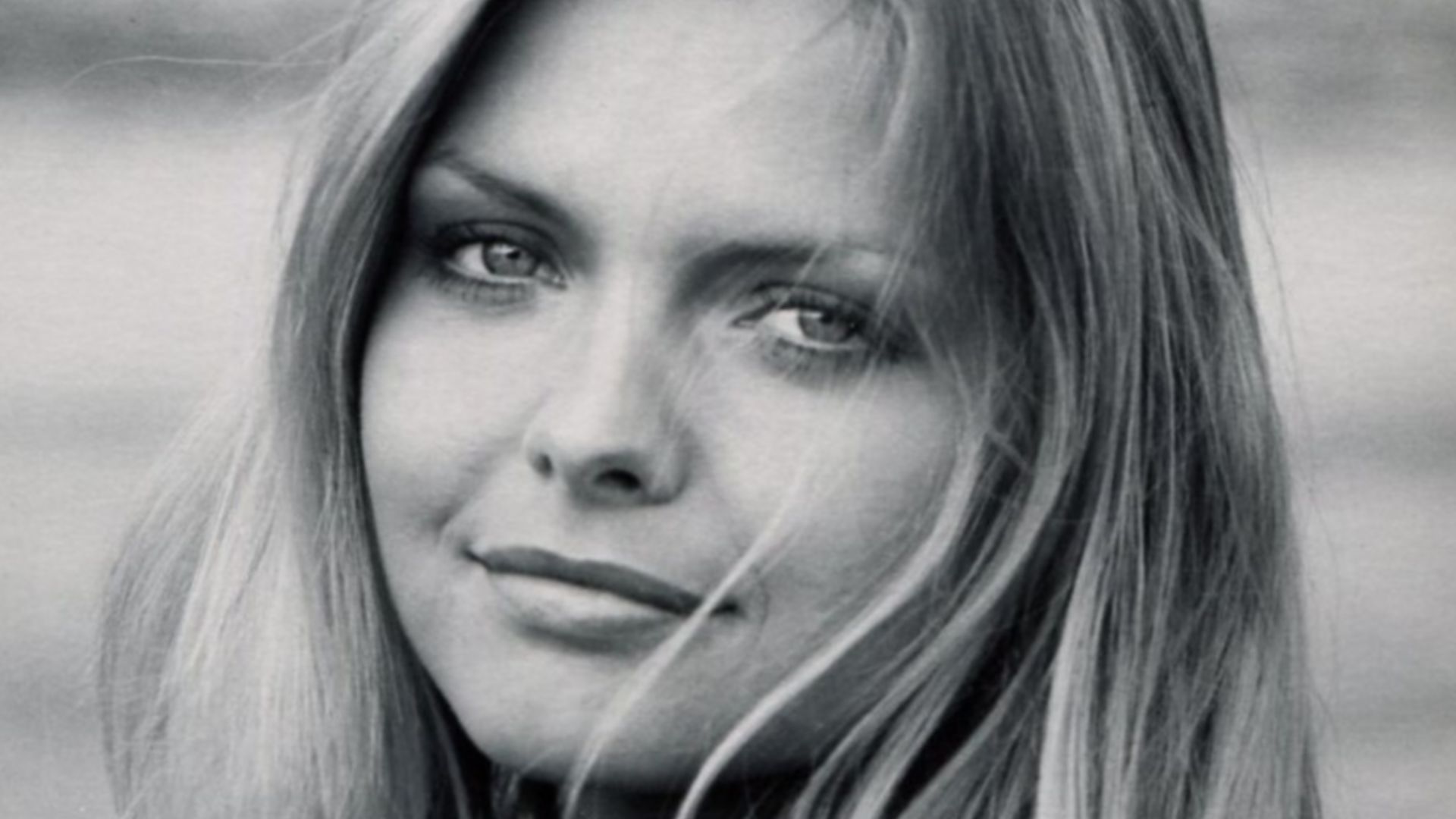
Matthew McConaughey
McConaughey was a film-school grad with a few credits—nothing more. Once he leaned into a lighter, sun-blond look after Dazed and Confused, the image locked in. Romantic comedies, mainstream hits, and nonstop visibility followed. Hollywood knew exactly what to do with him.
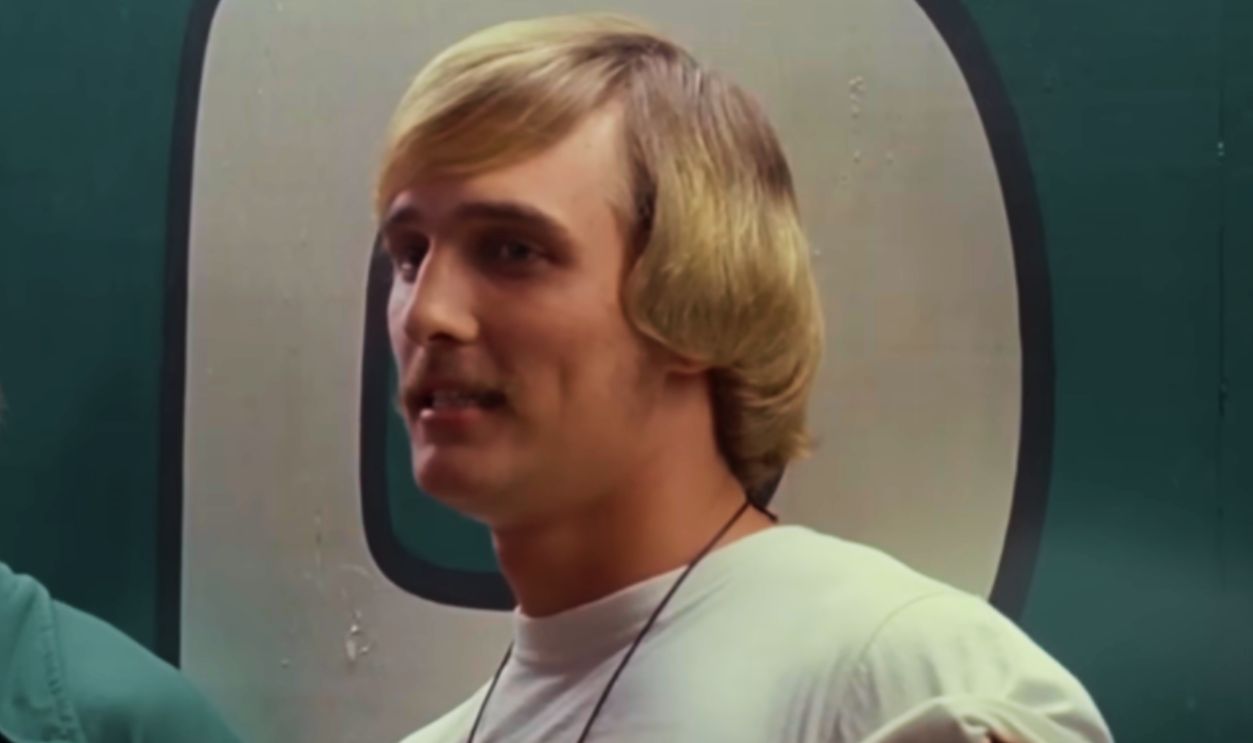 Screenshot from Dazed and Confused, Universal Pictures (1993)
Christina Aguilera
Aguilera had talent and a record deal—but once she went platinum, her career exploded. The Stripped era brought massive hits, constant media attention, and a much bolder image. Same voice, bigger presence, way more impact.
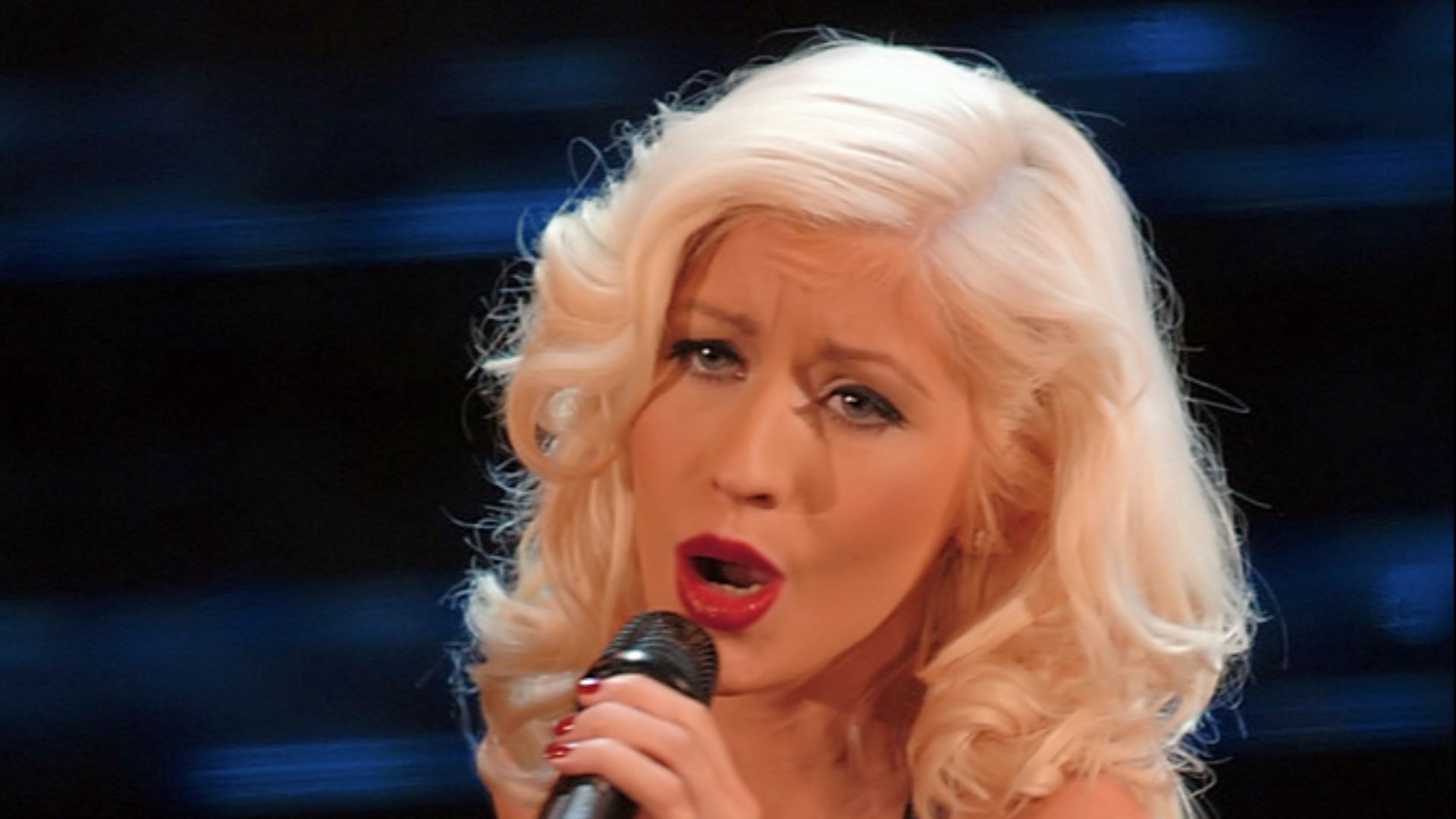 Photo by Raffaele Fiorillo, Wikimedia Commons
Pamela Anderson
Before the platinum hair, Anderson was modeling and doing small TV roles. Once she went full blond and landed Baywatch, she became one of the most recognizable people on the planet. The look wasn’t subtle—and neither was the career jump.
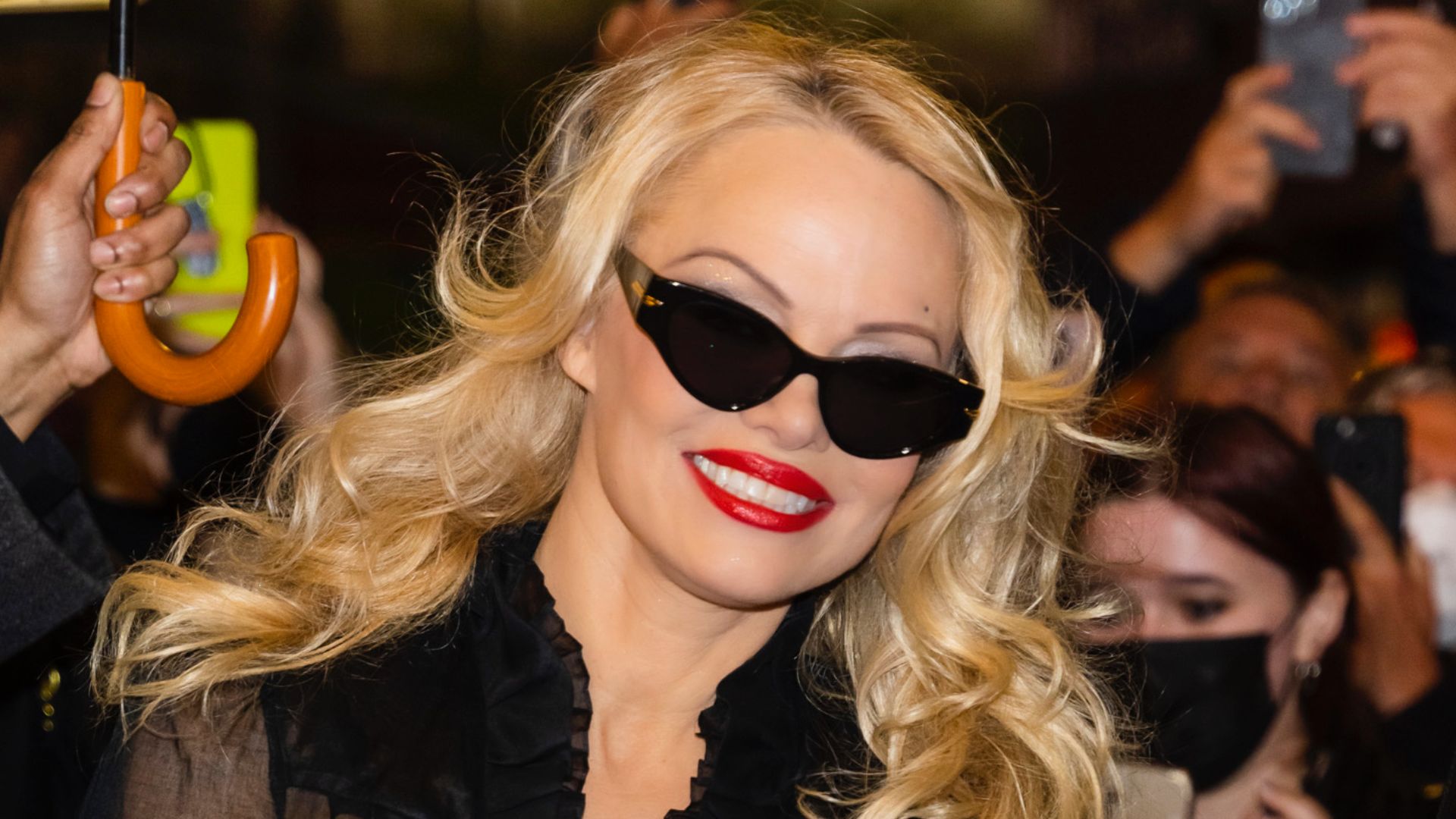 Dustinspehar, Wikimedia Commons
Cameron Diaz
Diaz was modeling with darker hair before going back to blond just before The Mask. That switch mattered. The look, the role, and the moment aligned perfectly, turning her into an overnight star and launching one of the biggest careers of the 1990s.
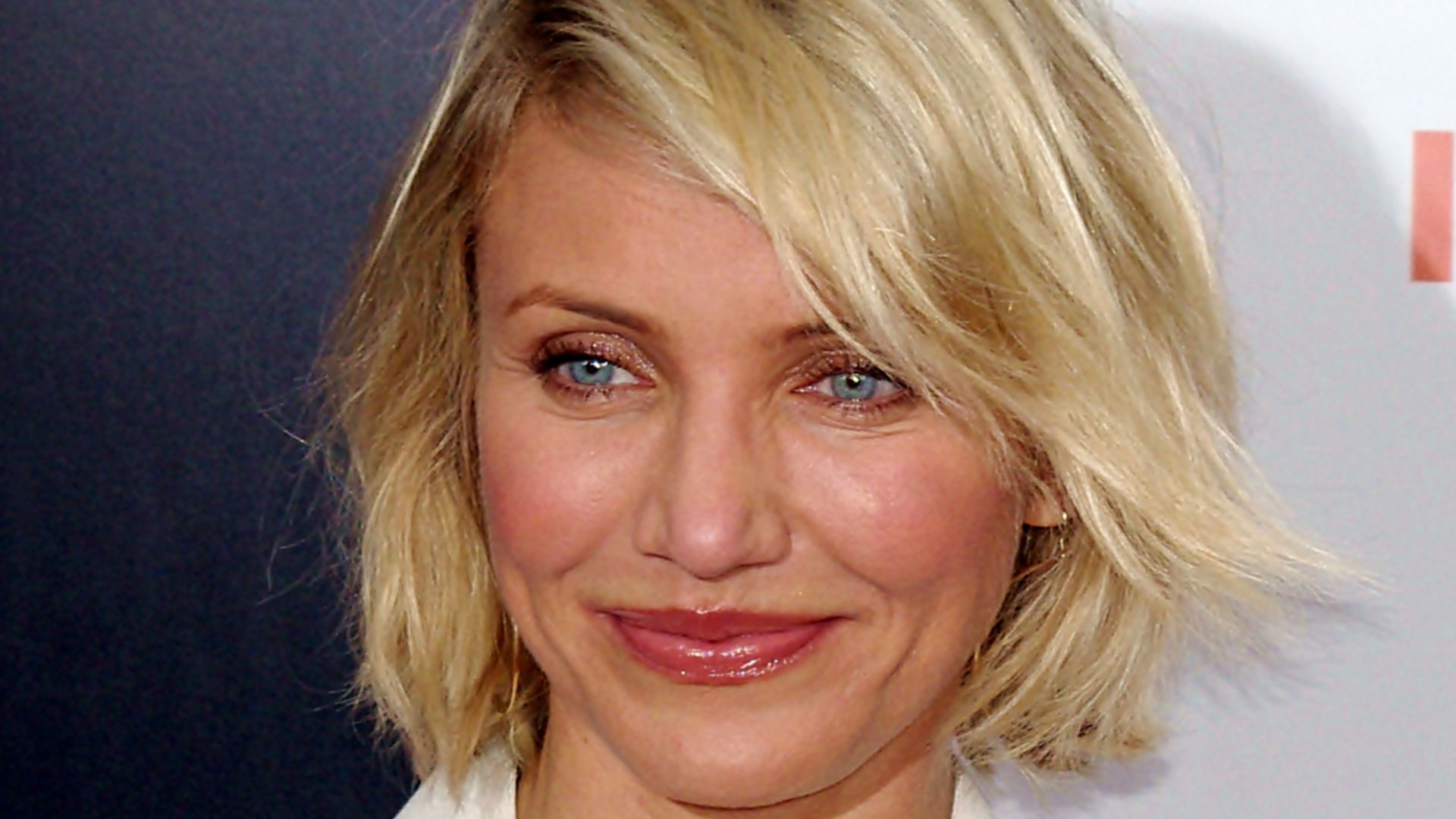 David Shankbone, Wikimedia Commons
Anna Nicole Smith
Before going blond, Smith was struggling financially and completely unknown. After bleaching her hair, she landed Playboy, Guess campaigns, and instant fame. The transformation was dramatic—and the career leap was immediate.
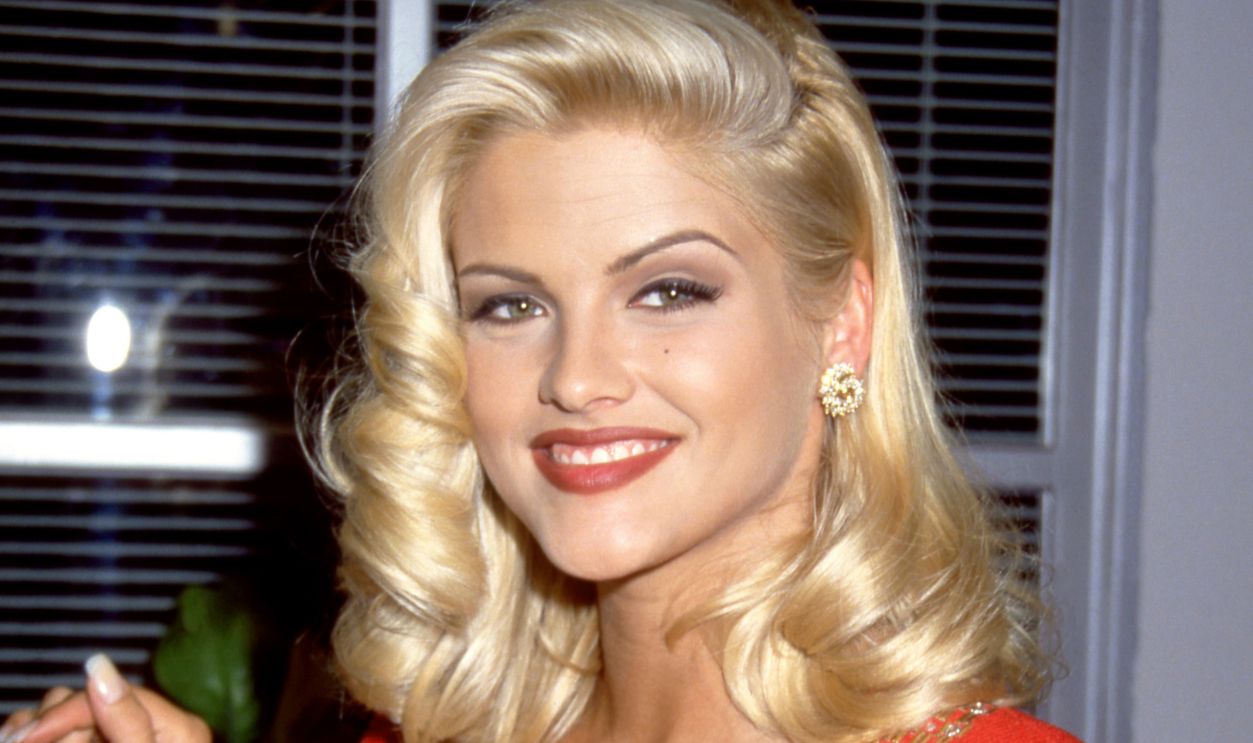
Jayne Mansfield
Mansfield deliberately went platinum blond to position herself as the next Marilyn—and it worked. The look brought instant fame, studio contracts, and nonstop media attention. Hollywood knew exactly how to sell her, and the hair did most of the work.
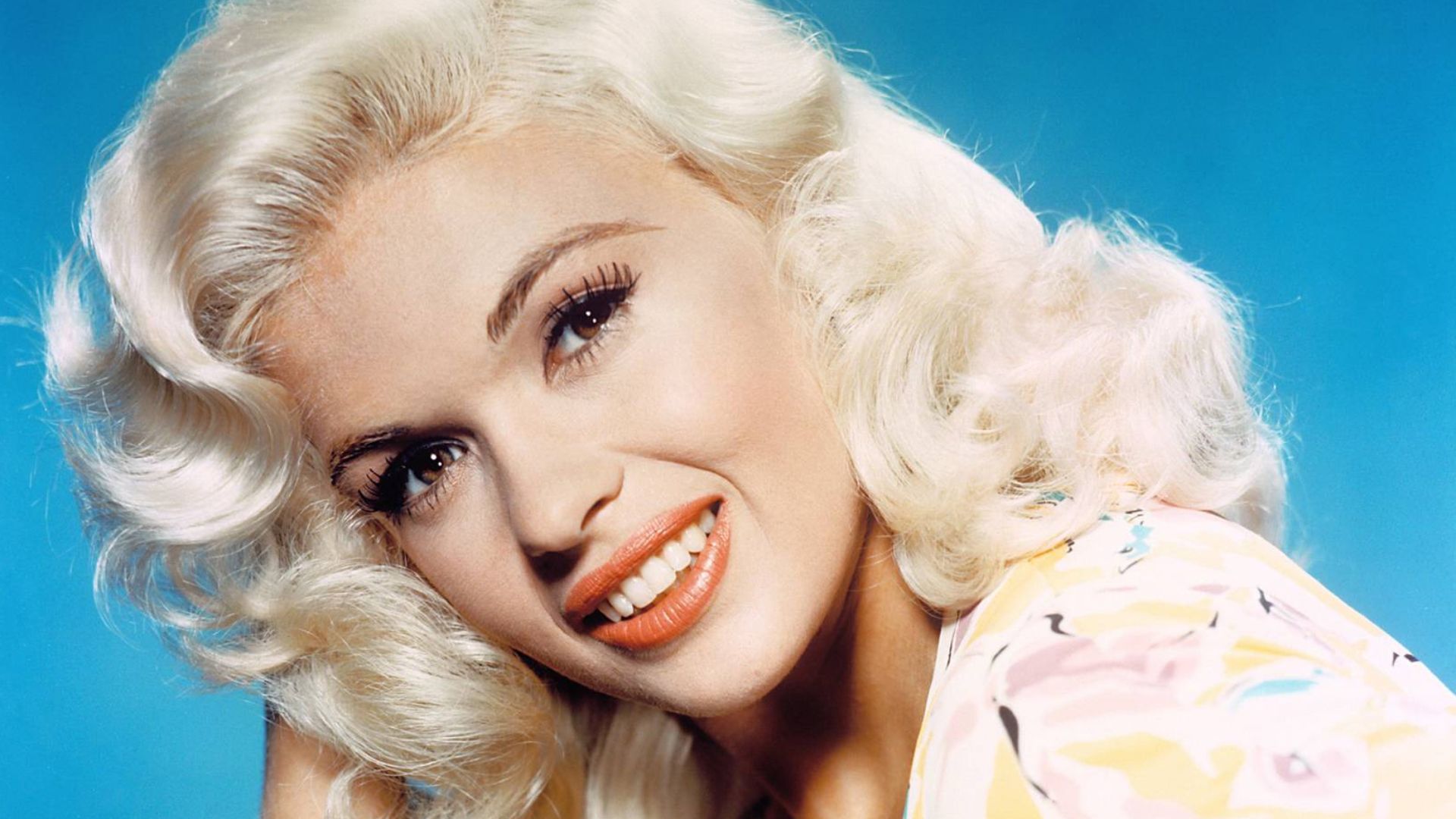 Likely 20th Century Fox, Wikimedia Commons
And Now, Yes—The Natural Blonds (We Know)
These are the exceptions. They were born blond—but Hollywood didn’t fully care until the look became part of a very specific moment or role. We’re acknowledging it. Don’t email us.
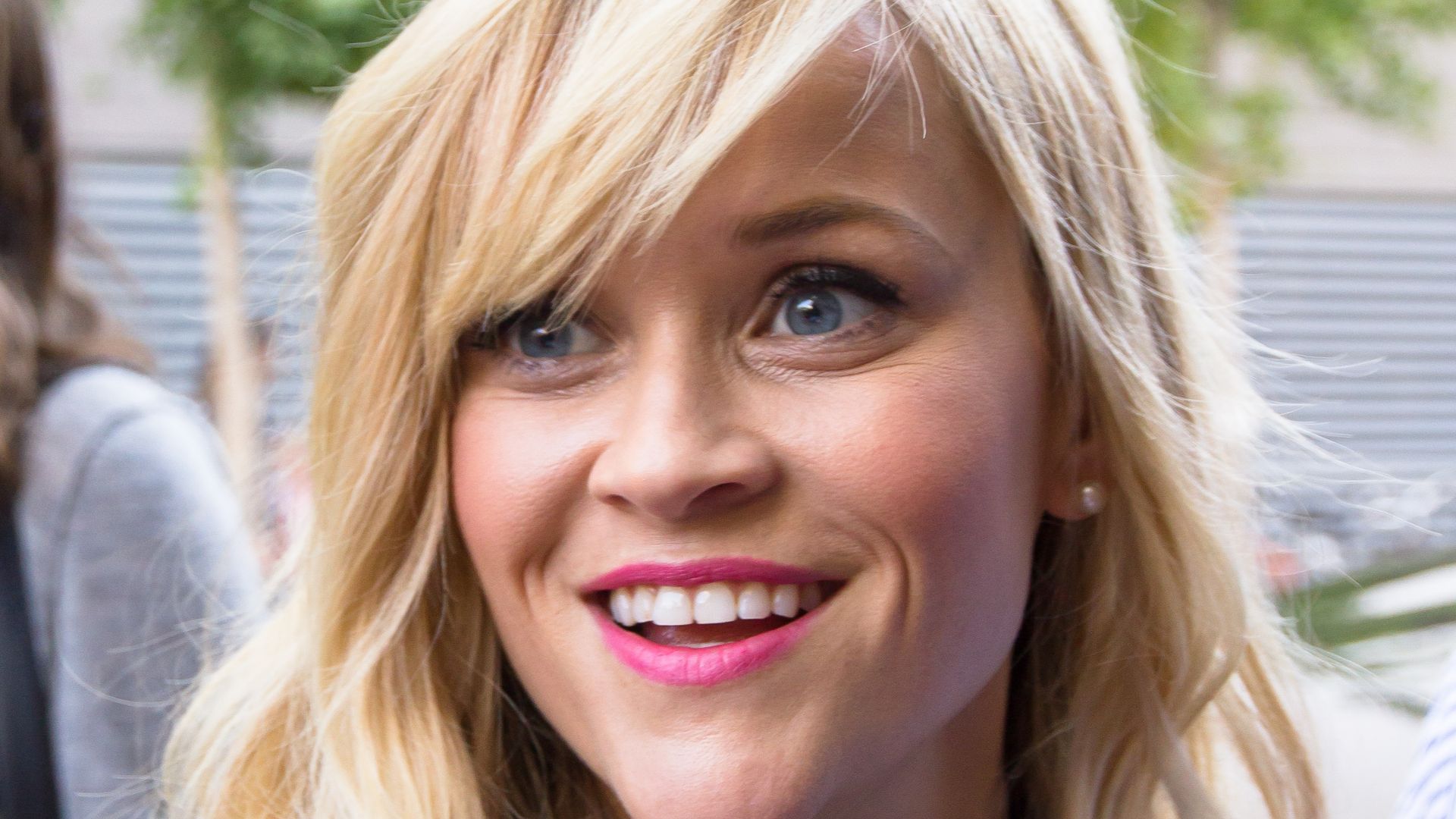
Brad Pitt
Yes, Brad Pitt was born blond. And yes, he still counts. No one was circling his name until Thelma & Louise—and that sun-bleached look did a lot of the talking. That’s when he stopped being “some guy in a movie” and became Brad Pitt.
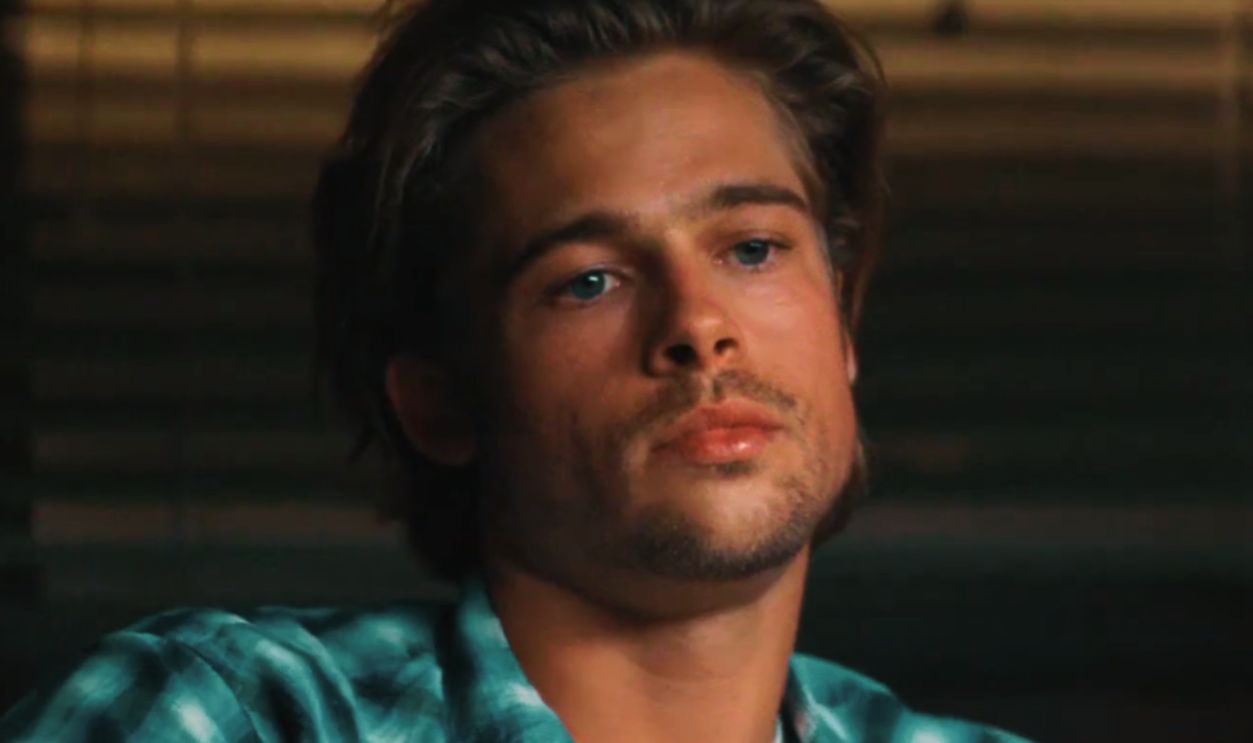 Screenshot from Thelma & Louise, MGM (1991)
Scarlett Johansson
Johansson is naturally blond, but early in her career she often darkened her hair. When she leaned back into blond during Lost in Translation and Match Point, the industry finally clicked. Same actress—completely different level of attention.
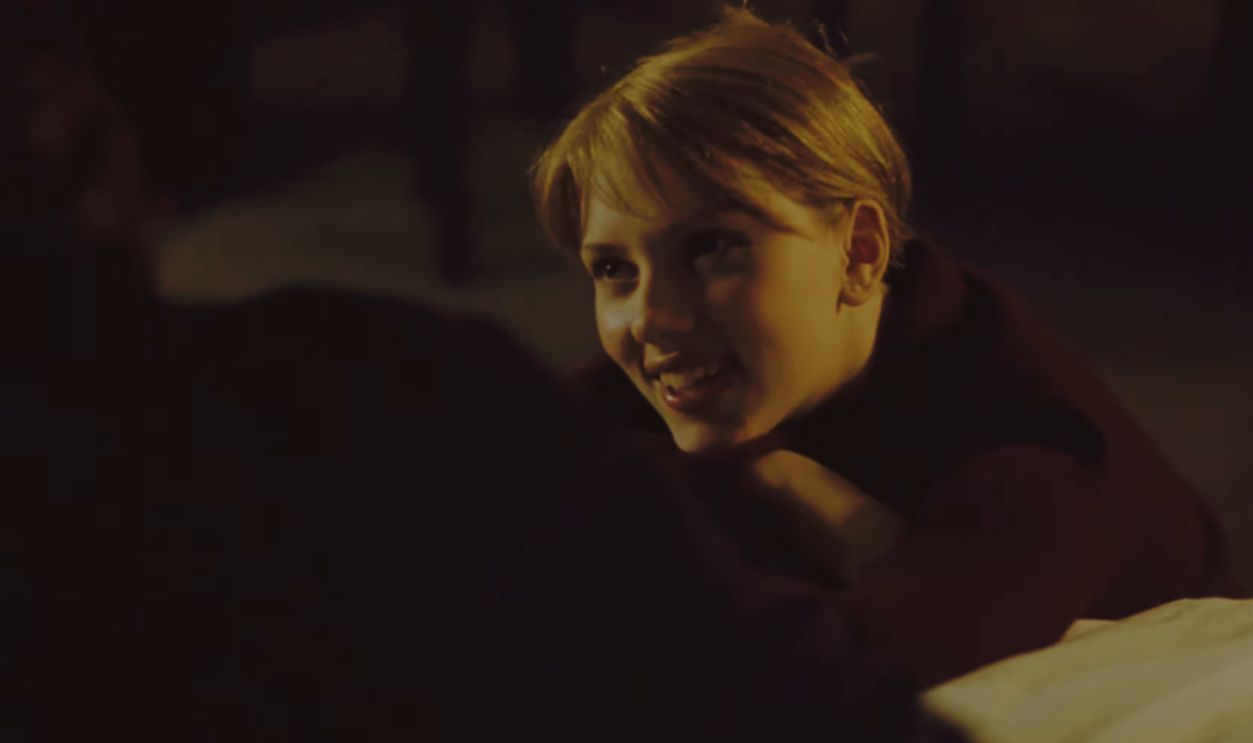 Screenshot from Lost in Translation, Focus Features (2003)
Ryan Gosling
Gosling was born blond, but mainstream fame didn’t arrive until he leaned into a lighter, cooler look in films like Drive. That visual, paired with the quiet intensity, turned him into a leading man Hollywood suddenly couldn’t get enough of.
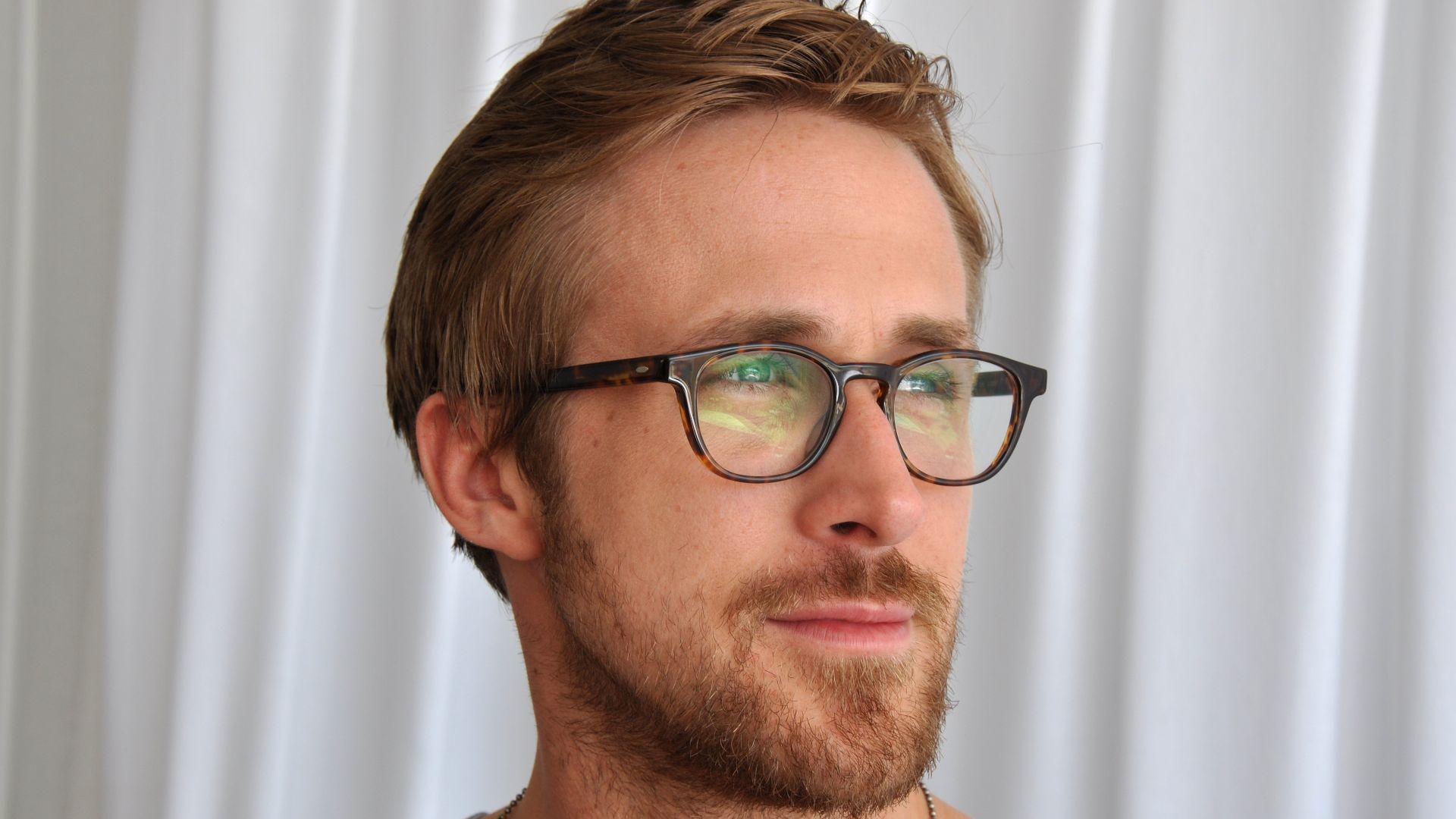 Raffi Asdourian, Wikimedia Commons
Reese Witherspoon
Yes, she was always blond—but Legally Blonde weaponized it. The role didn’t just boost her career, it rebranded her entirely. After that, Hollywood knew exactly who she was and kept calling.
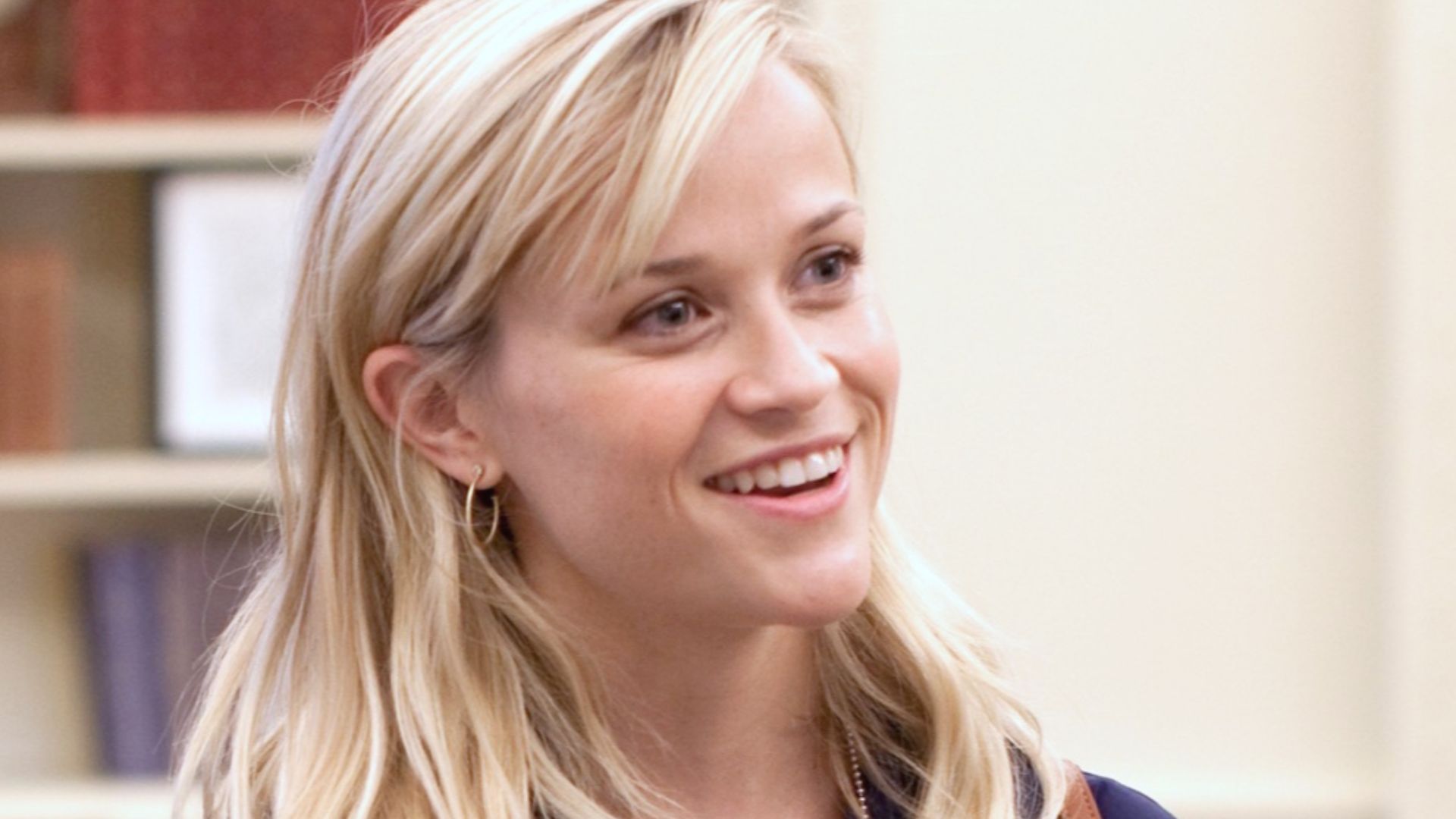 Official White House Photo by Pete Souza, Wikimedia Commons
Michelle Williams
Williams has always been blond, but her shorter, sharper blond look marked a turning point. It coincided with more serious roles and awards attention. She didn’t change color—she changed how Hollywood read her.
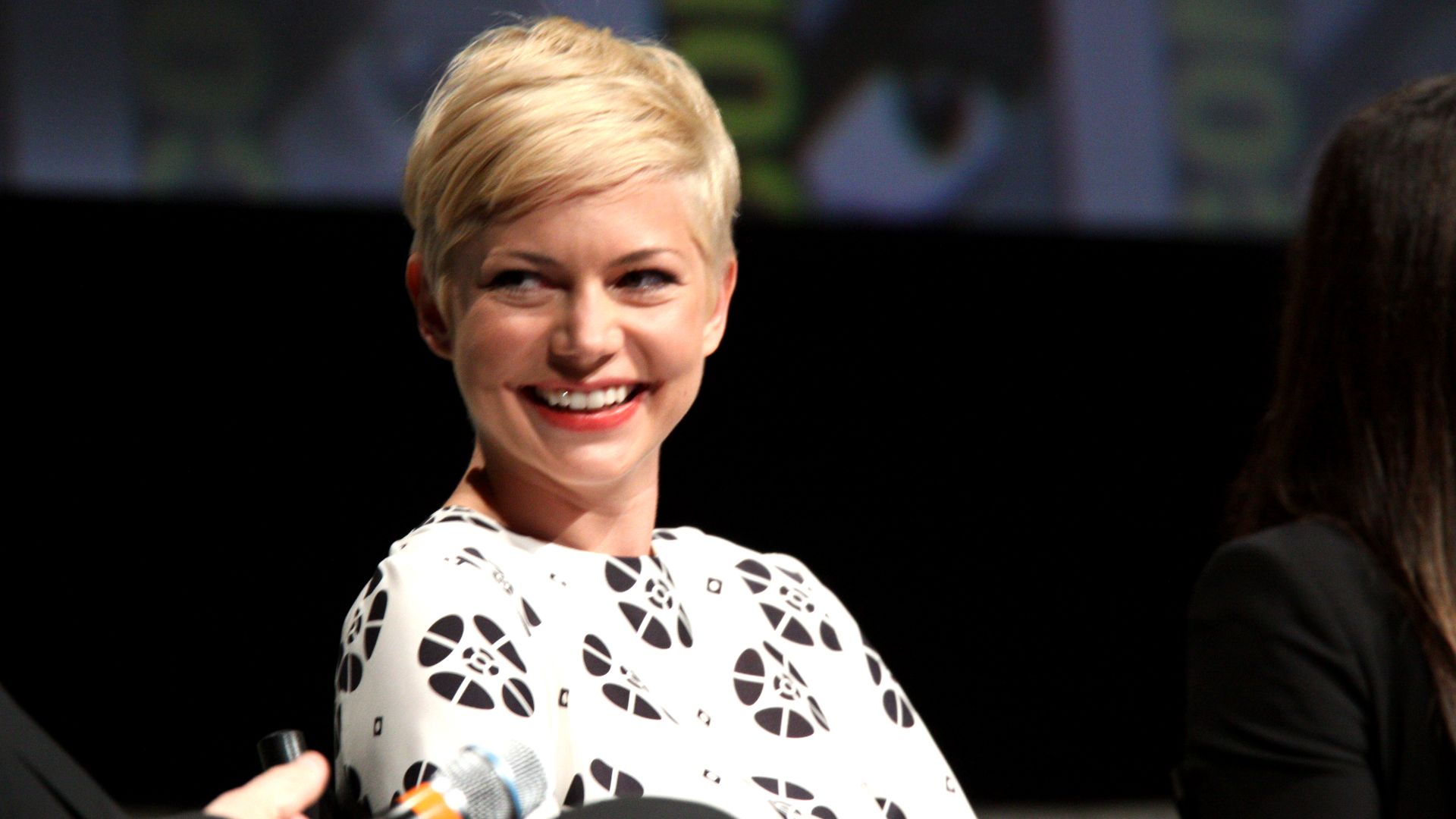 Gage Skidmore from Peoria, AZ, United States of America, Wikimedia Commons
When “Nobody” Turns Into Everybody
Some of these stars dyed their hair. Some finally leaned into what they already had. Either way, the moment Hollywood noticed was the moment everything changed. Talent mattered—but visibility mattered more.
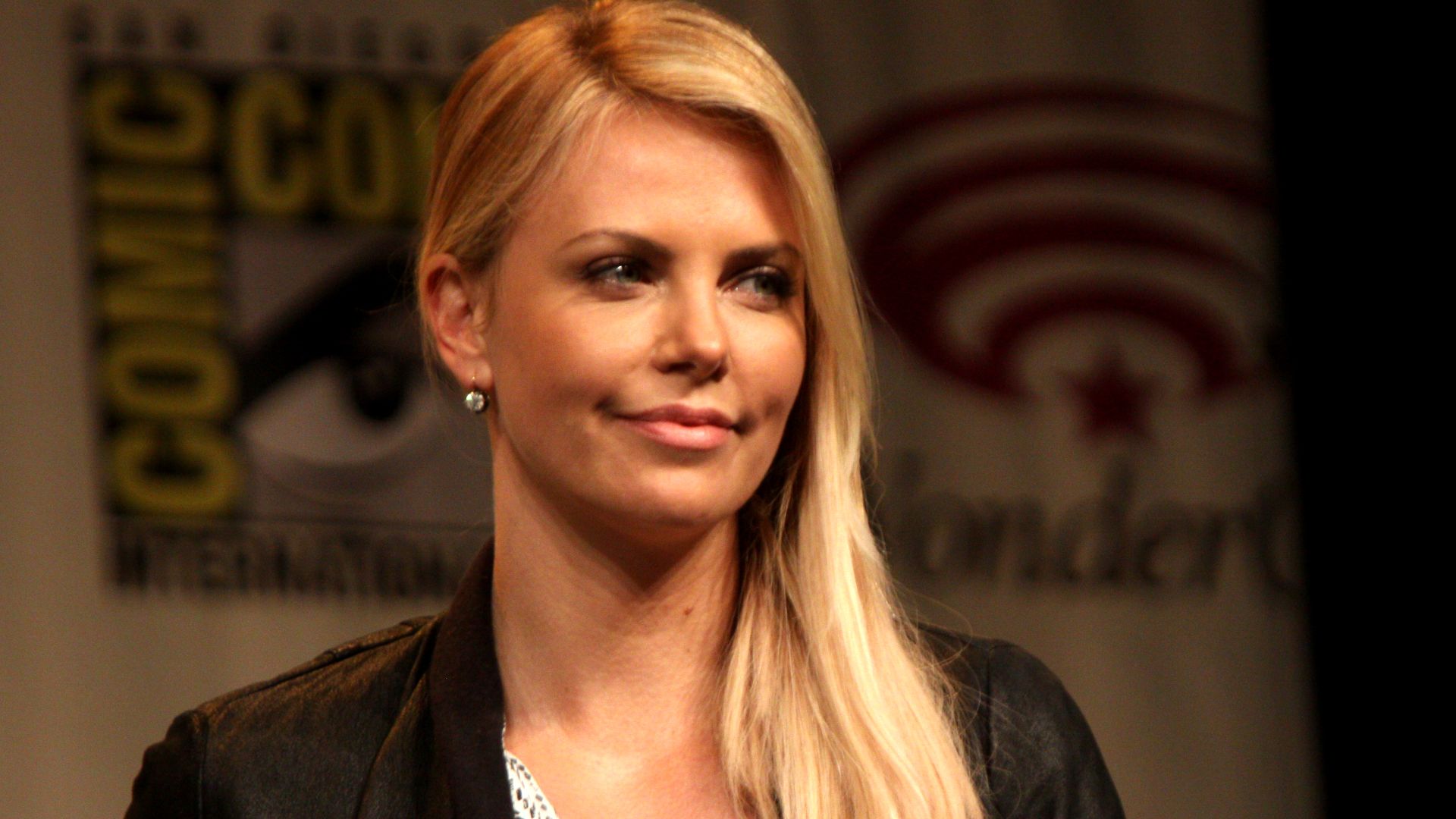 Gage Skidmore from Peoria, AZ, United States of America, Wikimedia Commons
You Might Also Like:
Pop Culture References Baby Boomers Love That Most Millennials Wouldn't Understand
Rock Bands That Peaked With Their First Album—And Never Made Anything As Good After