What Happened to Robert Hegyes?
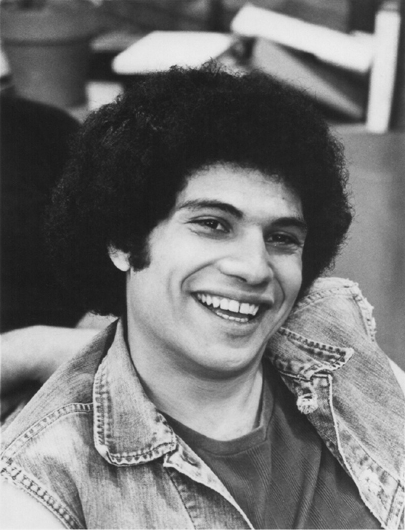
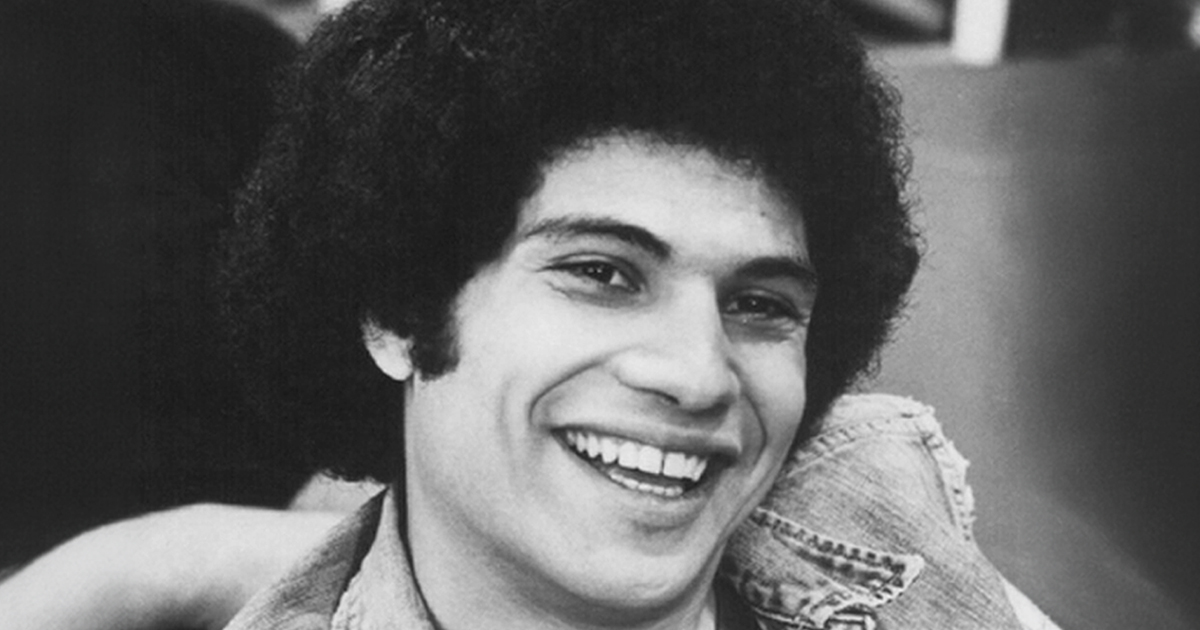
In 1975, Robert Hegyes became a household name almost overnight. As Juan Epstein on Welcome Back, Kotter, he delivered one-liners with a raised hand and a thick Brooklyn accent that audiences adored.
The Sweathogs were a hit. But when the bell rang for the final time, something changed.
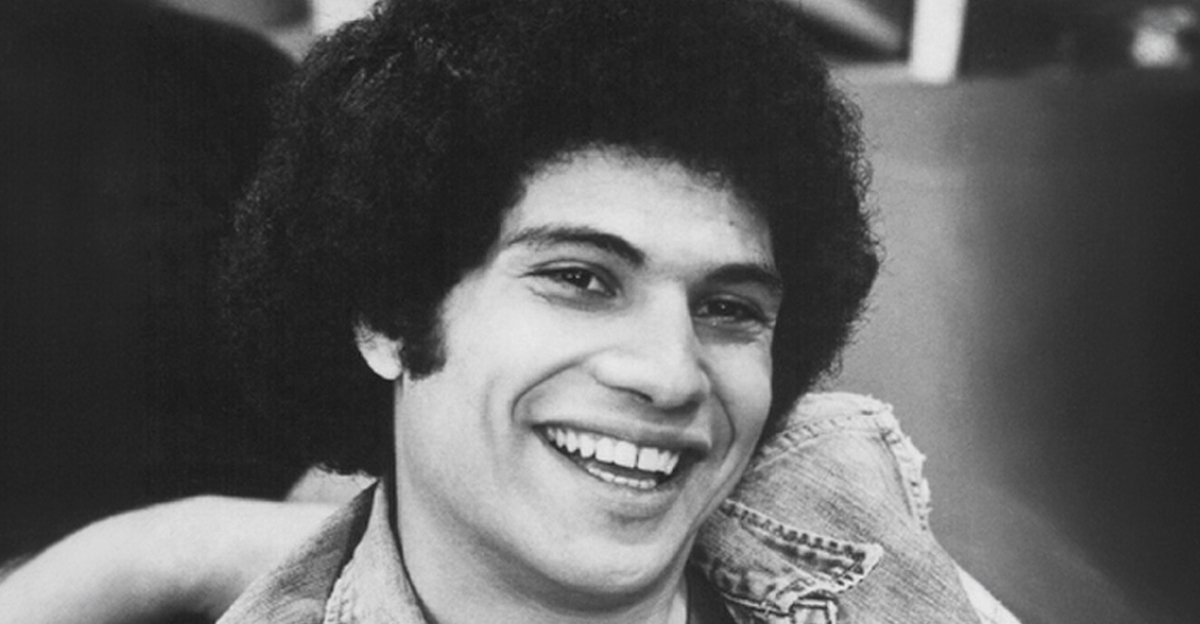 ABC Television Network., Public domain, via Wikimedia Commons
Born in Brooklyn, Built for Comedy
Robert Hegyes was born on May 7, 1951, in Perth Amboy, New Jersey. His father was Hungarian, his mother Puerto Rican — a blend he often referenced in interviews when discussing his character’s exaggerated identity on the show. He attended Metuchen High School and later studied theater at Glassboro State College (now Rowan University).
Comedy came naturally.
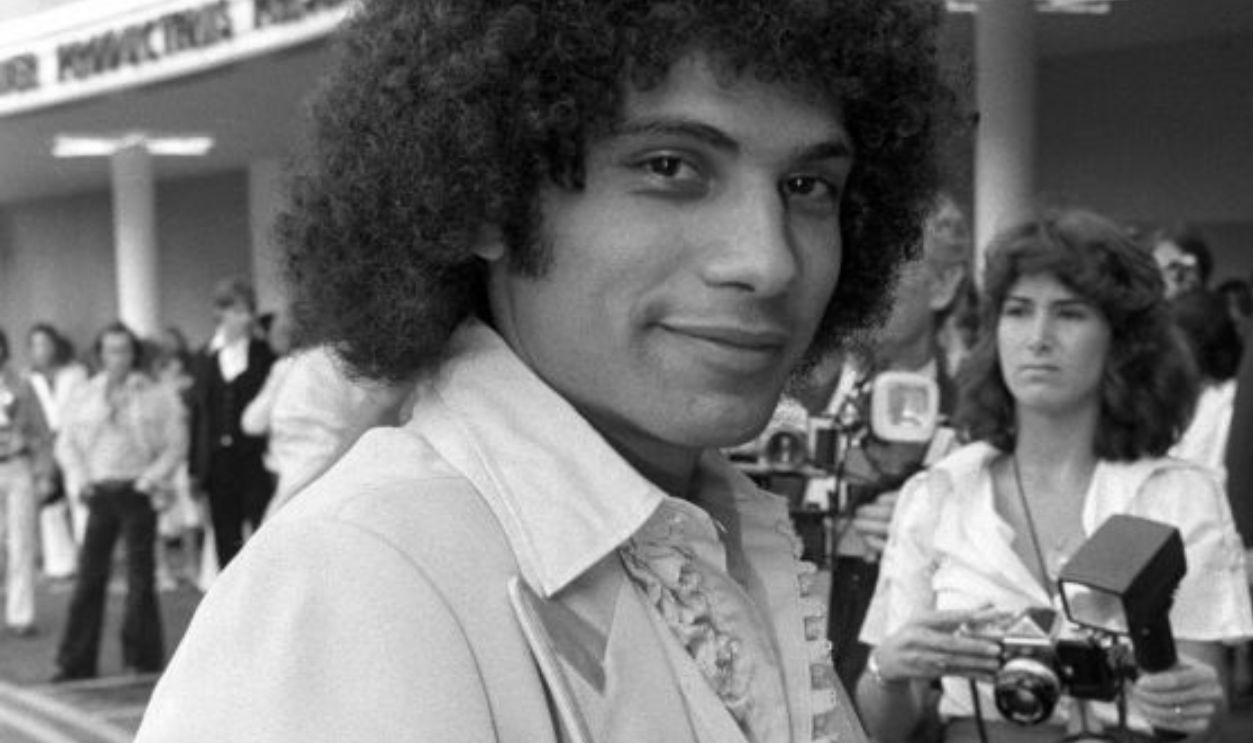 Fairchild Archive, Getty Images
The Breakthrough: 1975
Welcome Back, Kotter premiered on ABC on September 9, 1975.
Starring Gabe Kaplan as teacher Gabe Kotter and John Travolta as Vinnie Barbarino, the sitcom centered on a group of remedial students nicknamed the Sweathogs.
Hegyes’ Juan Epstein quickly became a fan favorite.
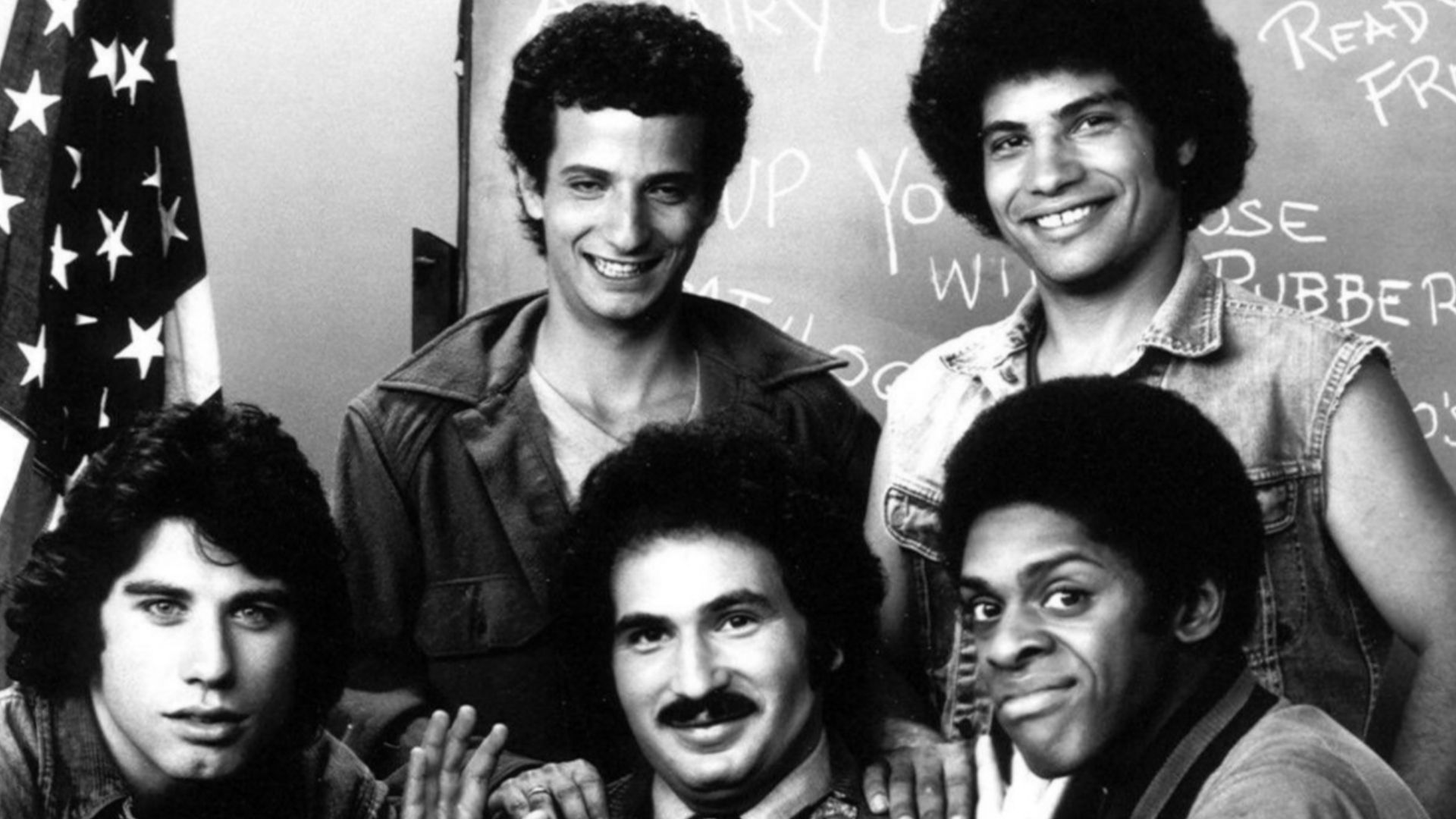 ABC Television, Wikimedia Commons
“Mr. Kot-ter!”
Juan’s signature raised hand and mispronounced roll call responses became a running gag. The show ran for four seasons, ending on June 8, 1979. At its peak, it was a cultural phenomenon. John Travolta’s career skyrocketed. The others weren’t so lucky.
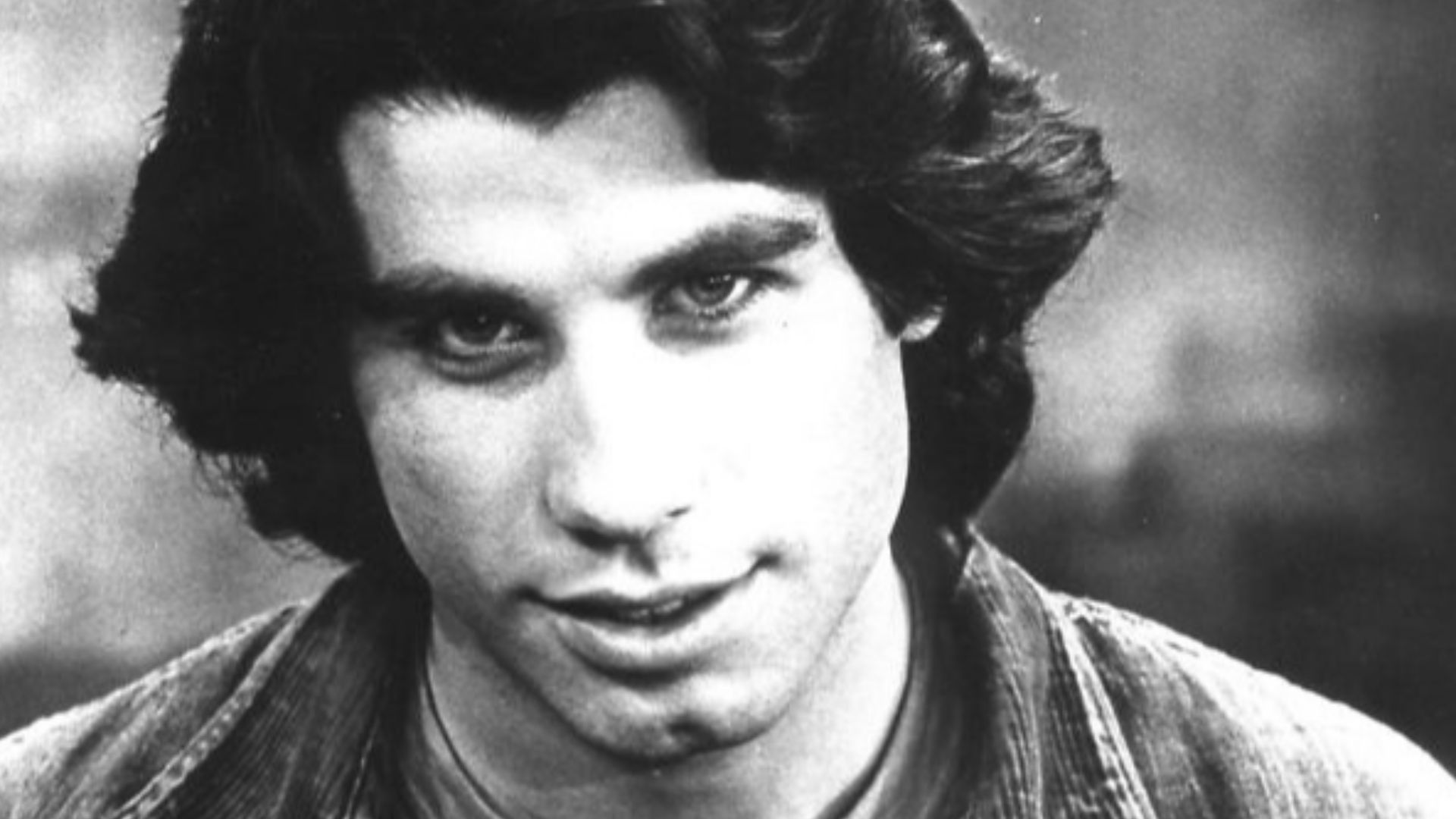 ABC Television Network., Wikimedia Commons
Typecast Overnight
After Kotter ended, Hegyes faced the same problem many sitcom actors do: typecasting. Juan Epstein was loud, quirky, and unforgettable.
Casting directors struggled to see him as anything else.
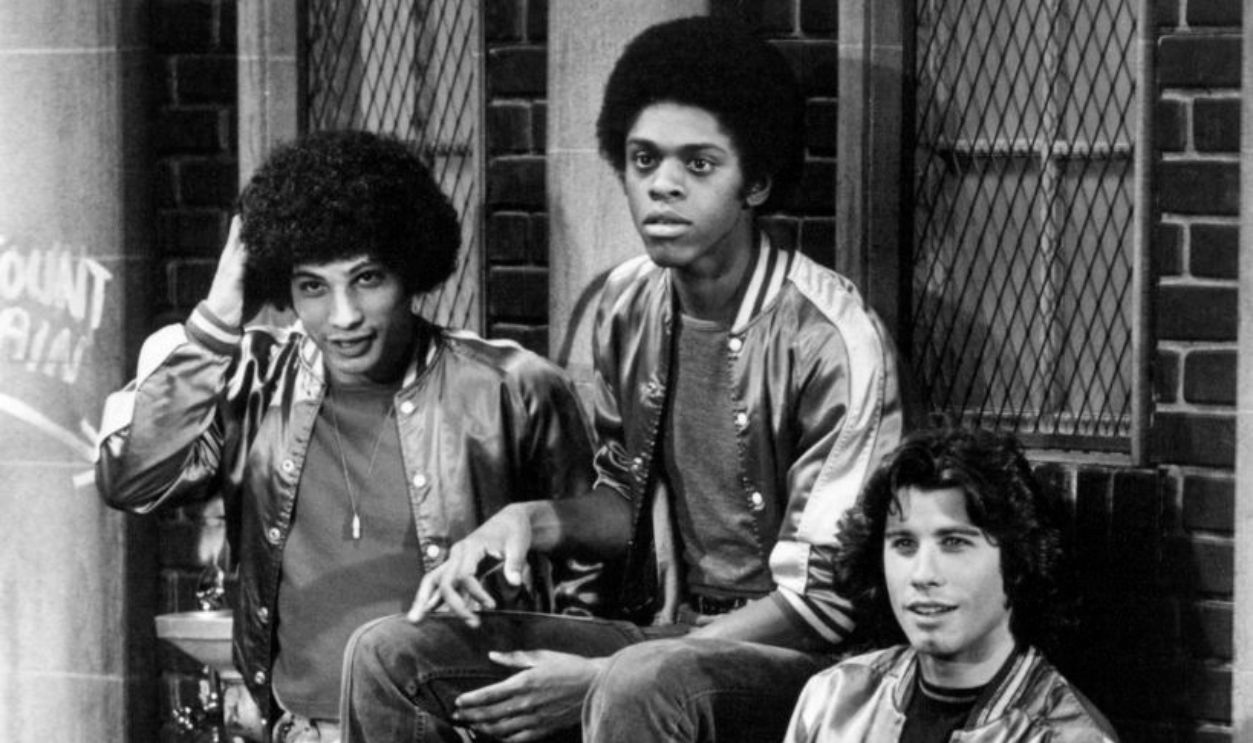 Silver Screen Collection, Getty Images
The John Travolta Effect
Travolta transitioned into major film stardom with Saturday Night Fever (1977) and Grease (1978). The spotlight narrowed around him. The rest of the Sweathogs were overshadowed.
Hegyes later acknowledged that Travolta’s breakout success changed post-series opportunities.
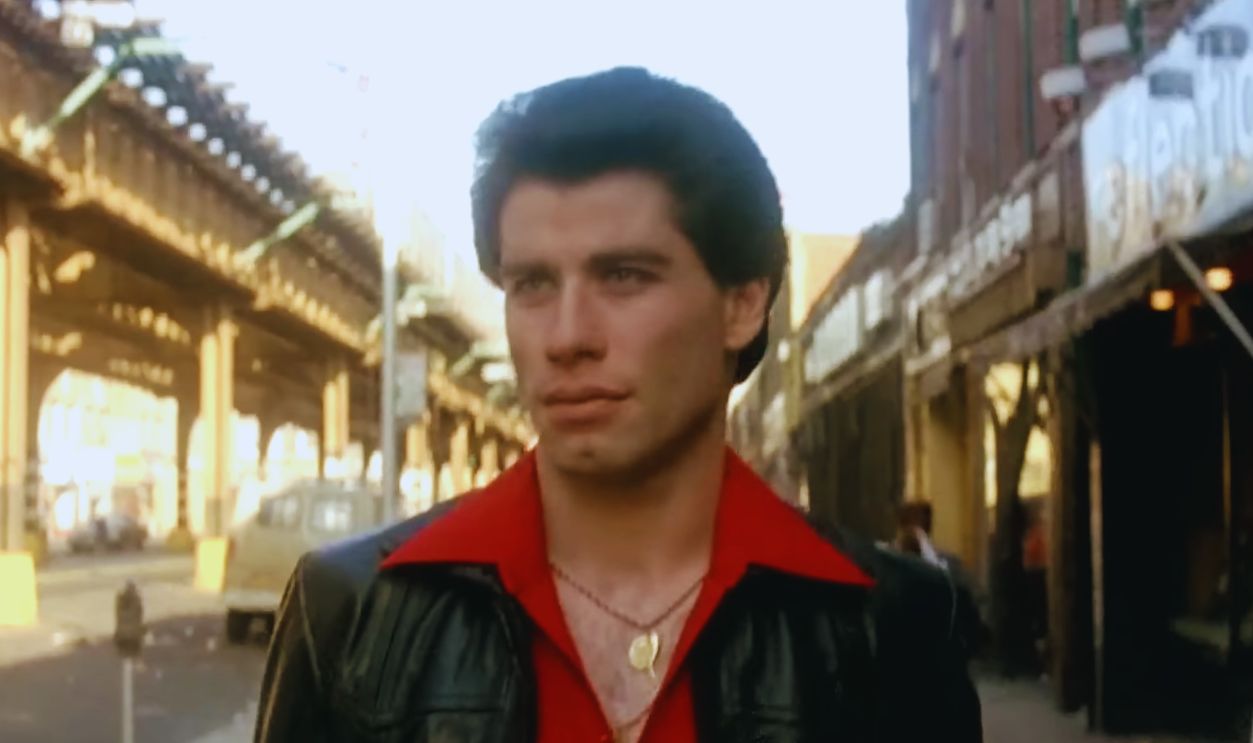 Screenshot from Saturday Night Fever, Paramount Pictures (1977)
Steady, But Smaller Roles
Hegyes didn’t disappear. He appeared in shows like Cagney & Lacey, The Love Boat, and Diagnosis: Murder. He also had a recurring role on Head of the Class from 1986 to 1991 as Charlie Moore, a history teacher.
But the roles were smaller. The momentum was gone.
Behind the Scenes Struggles
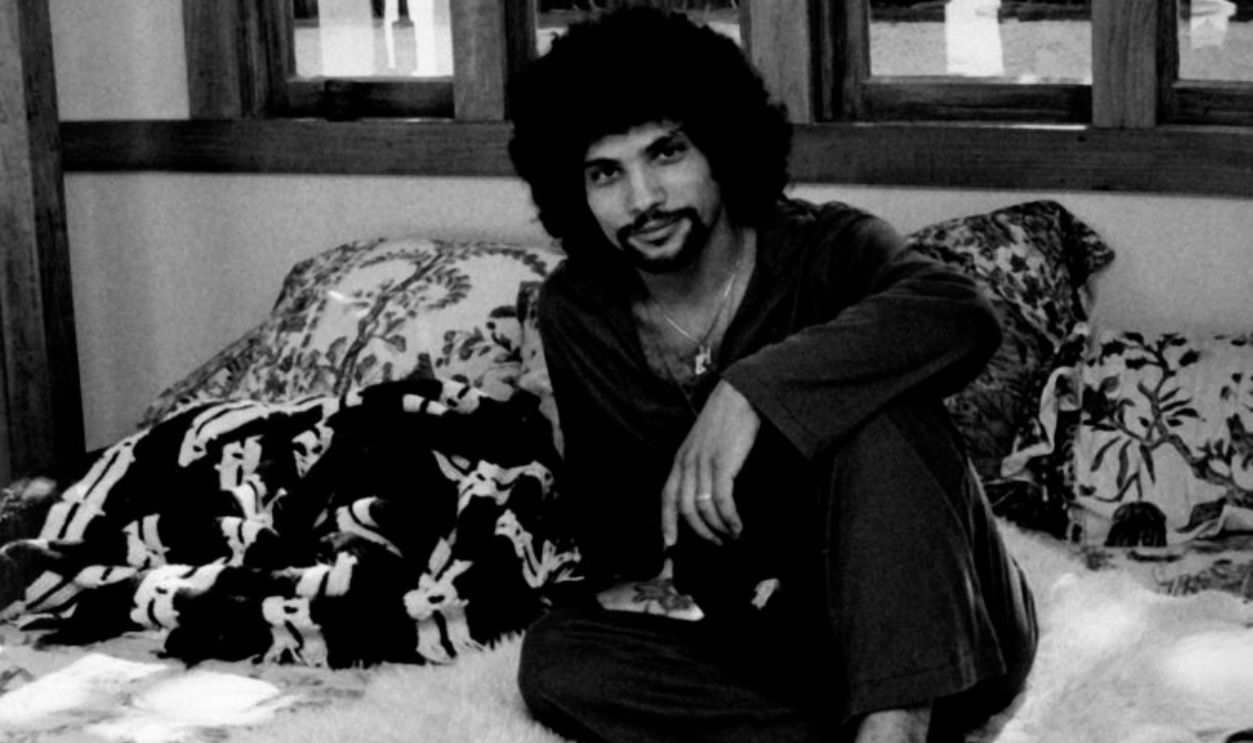
Hegyes was candid later in life about struggles with substance misuse. He told interviewers that during and after Kotter, substances and drink became part of the Hollywood environment he was navigating.
That environment, he suggested, didn’t help longevity.
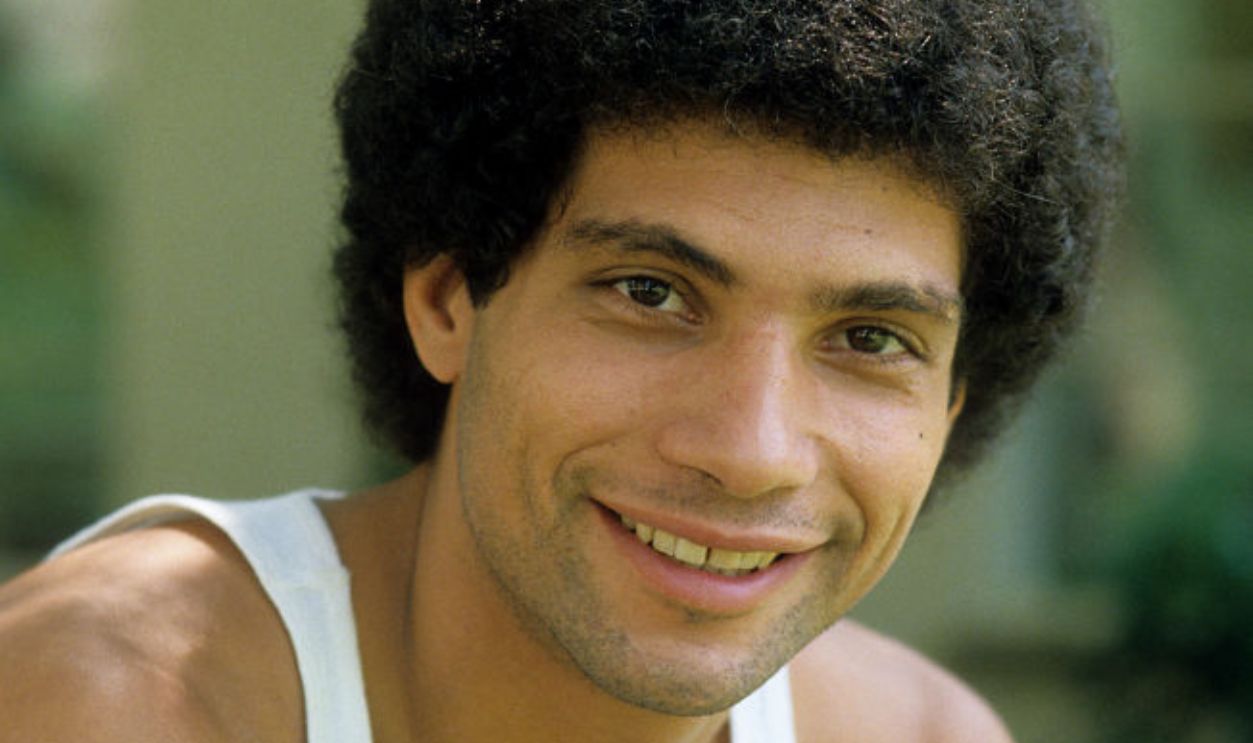 Michael Ochs Archives, Getty Images
Divorce and Financial Pressures
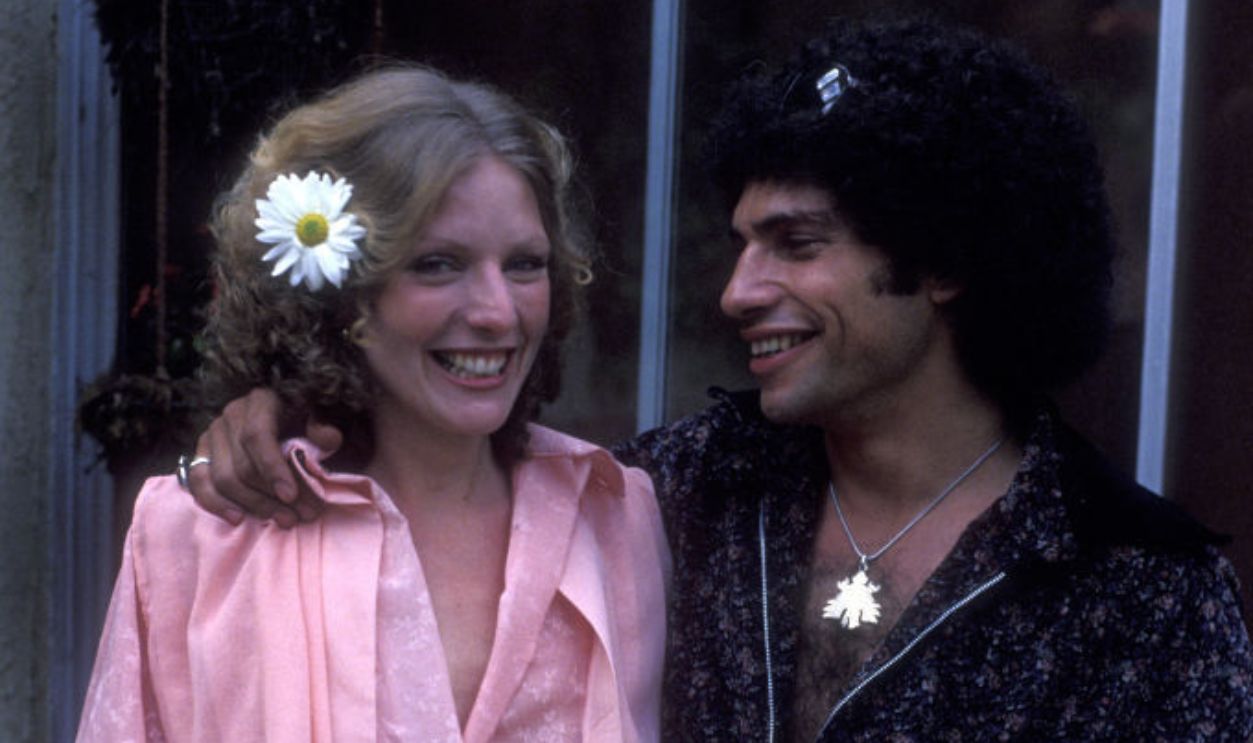
Hegyes was married three times and had four children. Like many actors from 1970s television, residuals from network sitcoms weren’t always enough to sustain long-term wealth.
By the 2000s, he had shifted into teaching acting and directing at schools in New Jersey.
Back to the Classroom — For Real
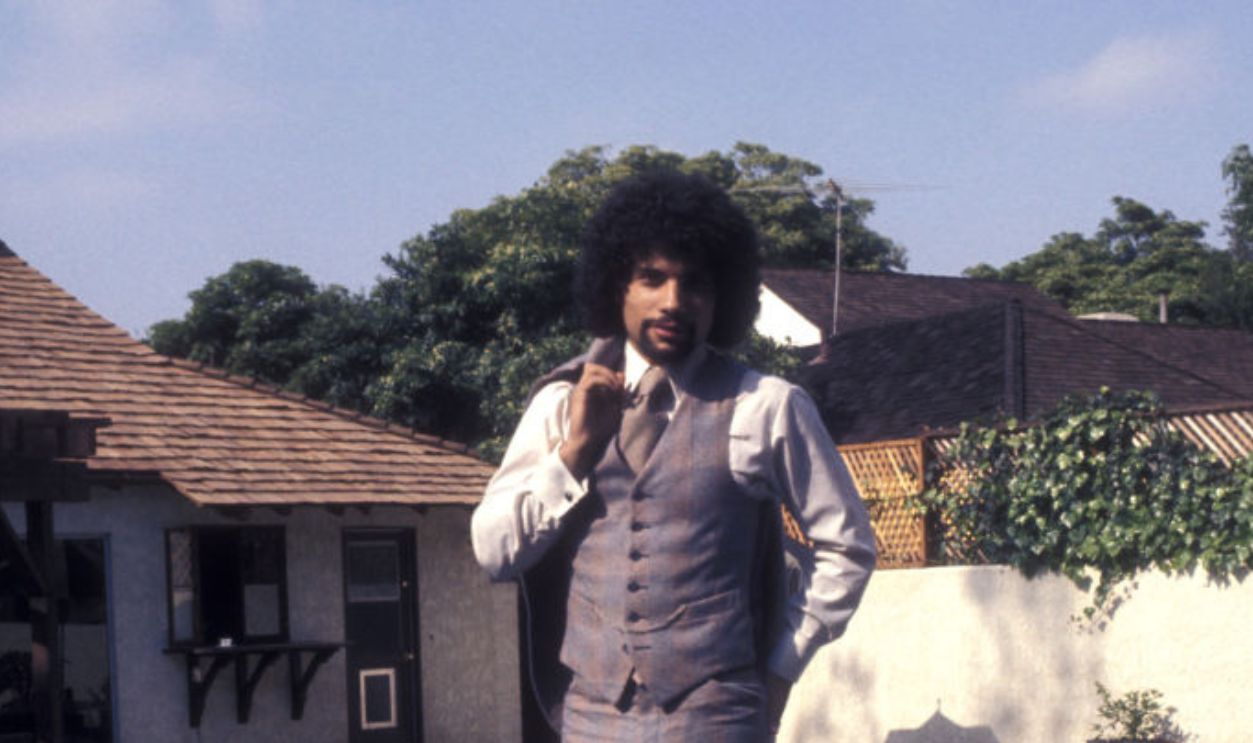
In a twist that felt poetic, Hegyes became a high school teacher in New Jersey later in life. Students knew him as “Mr. Hegyes.” He taught drama and media studies. The classroom came full circle.
Public Appearances and Conventions
He occasionally reunited with former castmates at nostalgia conventions. Fans still approached him as Juan. He embraced it — but it was clear the industry had moved on.
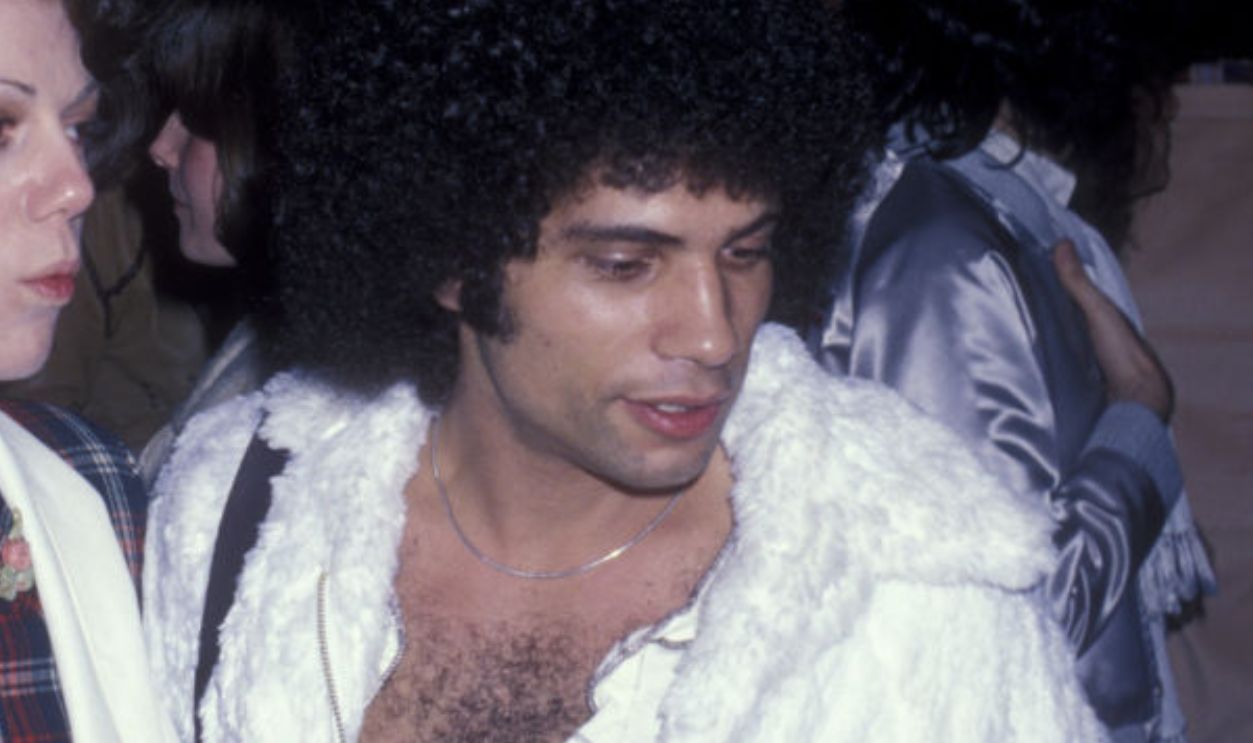 Ron Galella, Ltd., Getty Images
The Industry Changed
By the 1980s and 1990s, television comedy had evolved. New sitcom formats and younger casts dominated. Actors from 1970s ensemble shows often struggled to reinvent themselves.
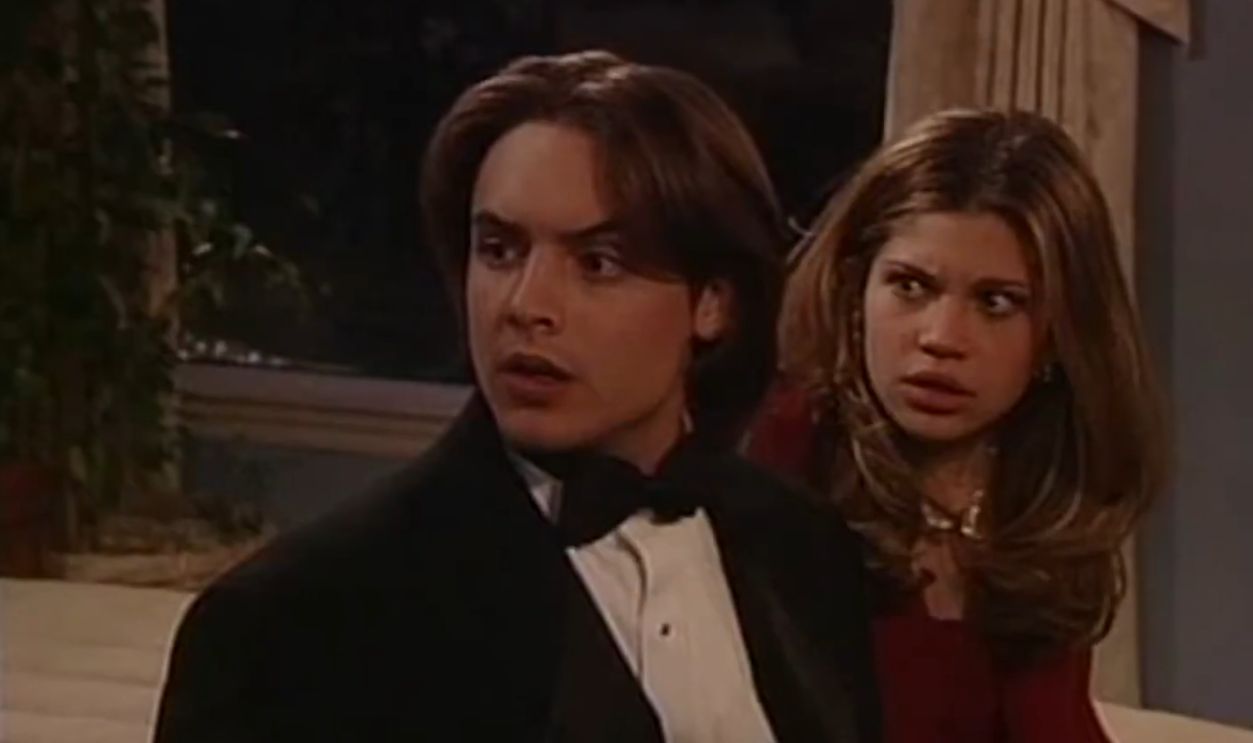 Screenshot from Boy Meets World, ABC (1993–2000)
Teaching as Reinvention
Friends and former students described Hegyes as warm and generous. He reportedly told students that fame was fleeting, but craft was lasting. It was advice shaped by experience.
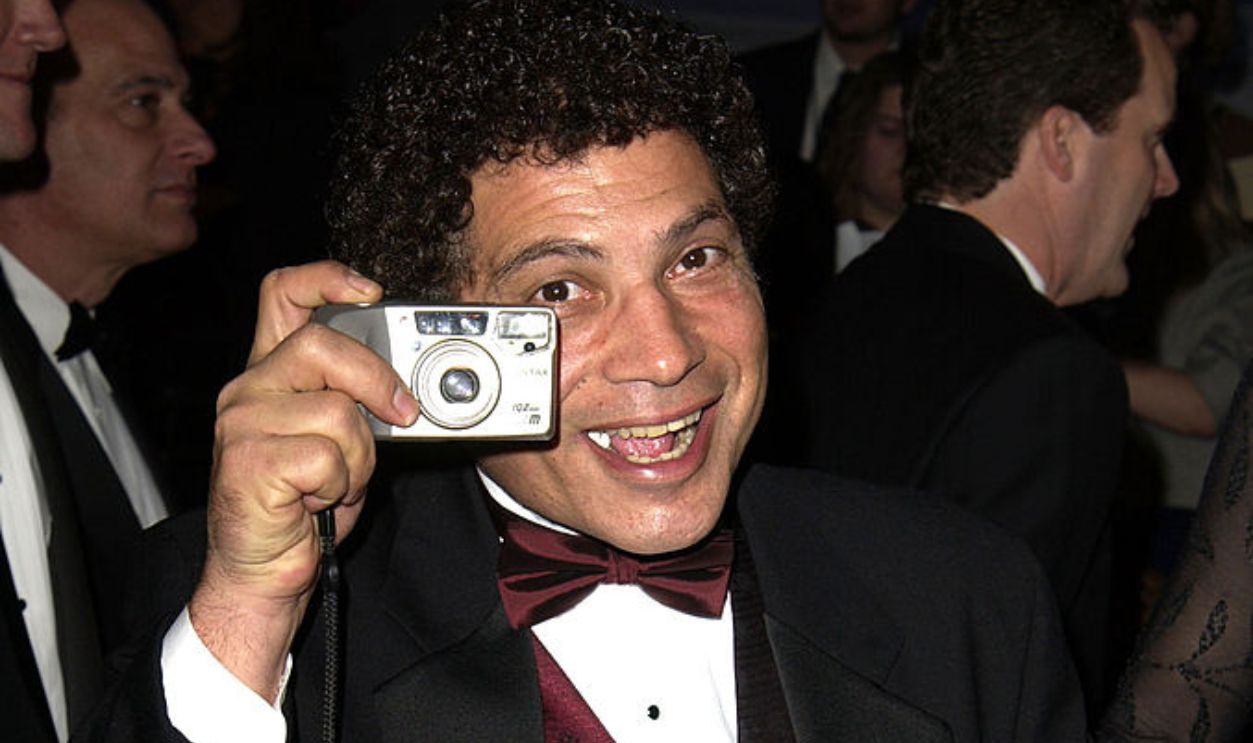
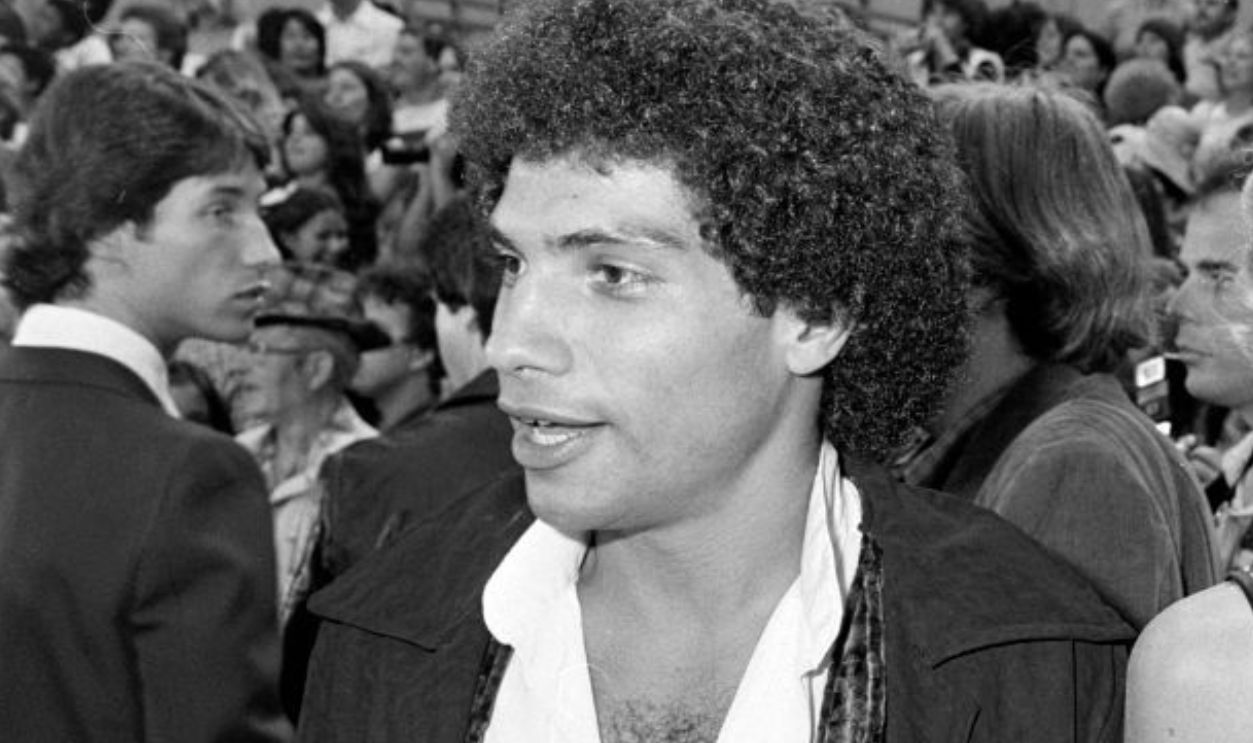 Fairchild Archive, Getty Images
The Health Crisis
On January 26, 2012, Robert Hegyes suffered an apparent fatal heart attack at his home in Metuchen, New Jersey. He was 60 years old.
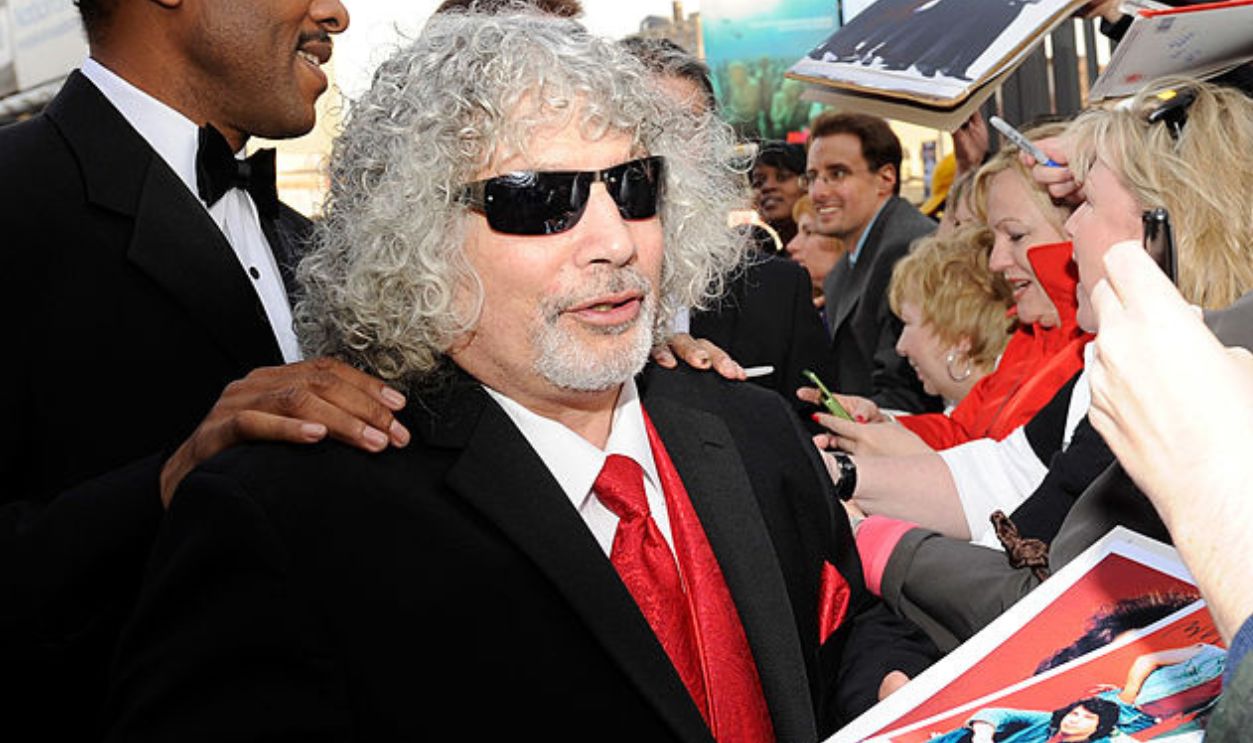
Tributes From Castmates
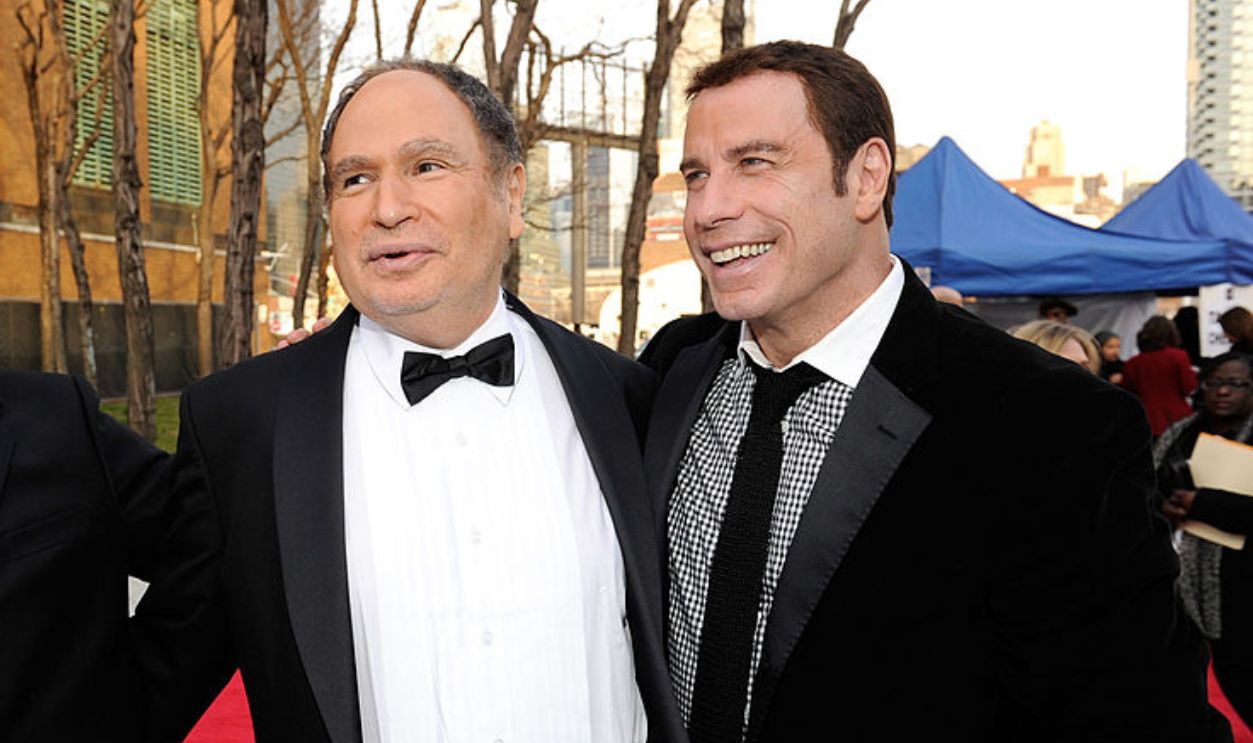
Gabe Kaplan called him “a sweet man and a dear friend.” John Travolta expressed sadness at the loss of his former co-star.
The Sweathogs had grown older. The nostalgia hit harder.
The Juiciest Truth
So why didn’t he have a bigger career after Kotter? The answer wasn’t one dramatic scandal.
It was a combination of typecasting, industry shifts, substance struggles, and being part of an ensemble where one co-star became a superstar.
Fame Is Not Always a Launchpad
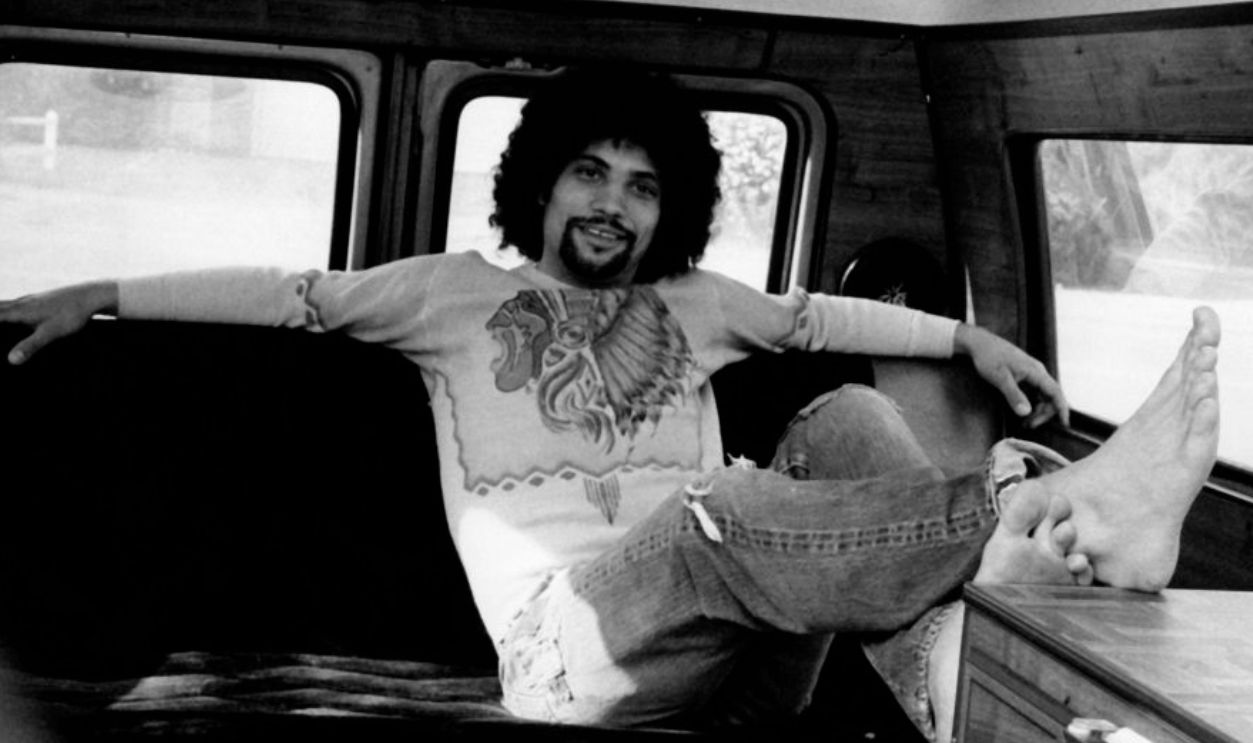
Robert Hegyes had lightning in a bottle for four seasons. But television fame in the 1970s didn’t guarantee film roles, producing deals, or reinvention.
Some actors become icons. Others become memories.
The Real Legacy
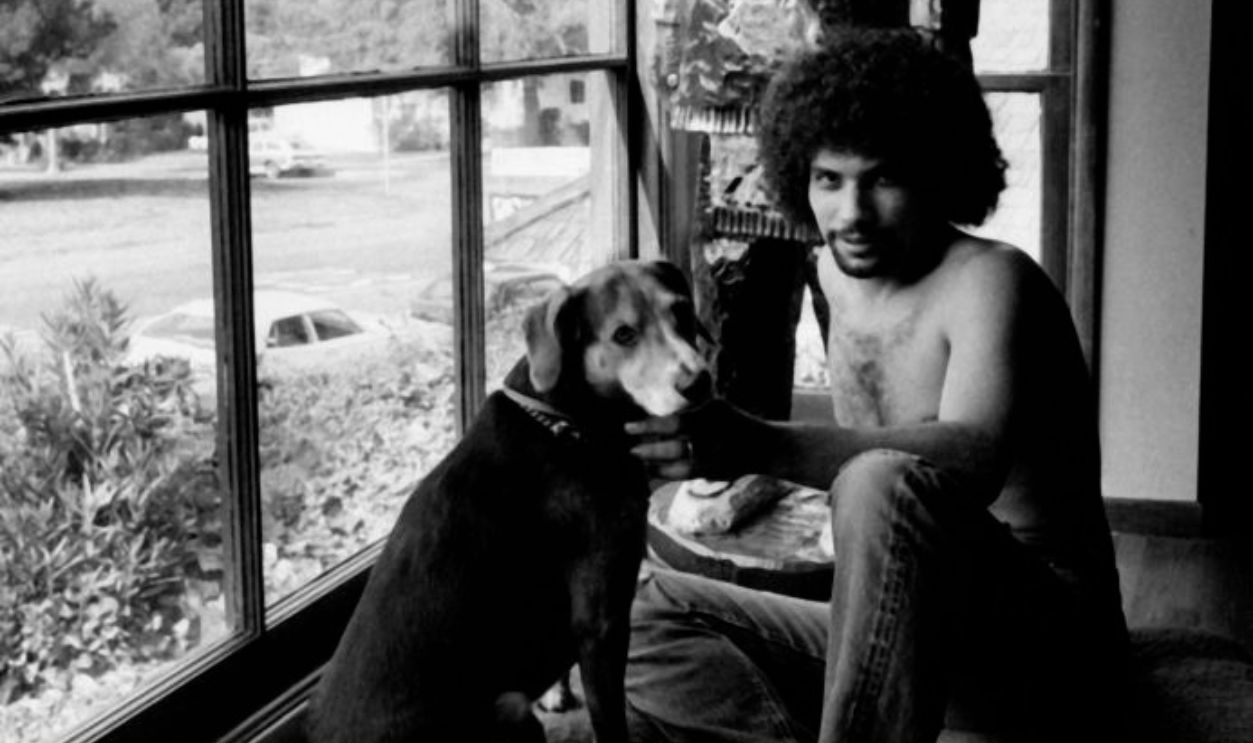
Though he never achieved Travolta-level stardom, Hegyes remained beloved for one unforgettable character. Juan Epstein made millions laugh. And in the end, Hegyes found purpose not in Hollywood premieres — but in real classrooms, mentoring students face to face.
More Than a Catchphrase
He may not have had the second act America expected.
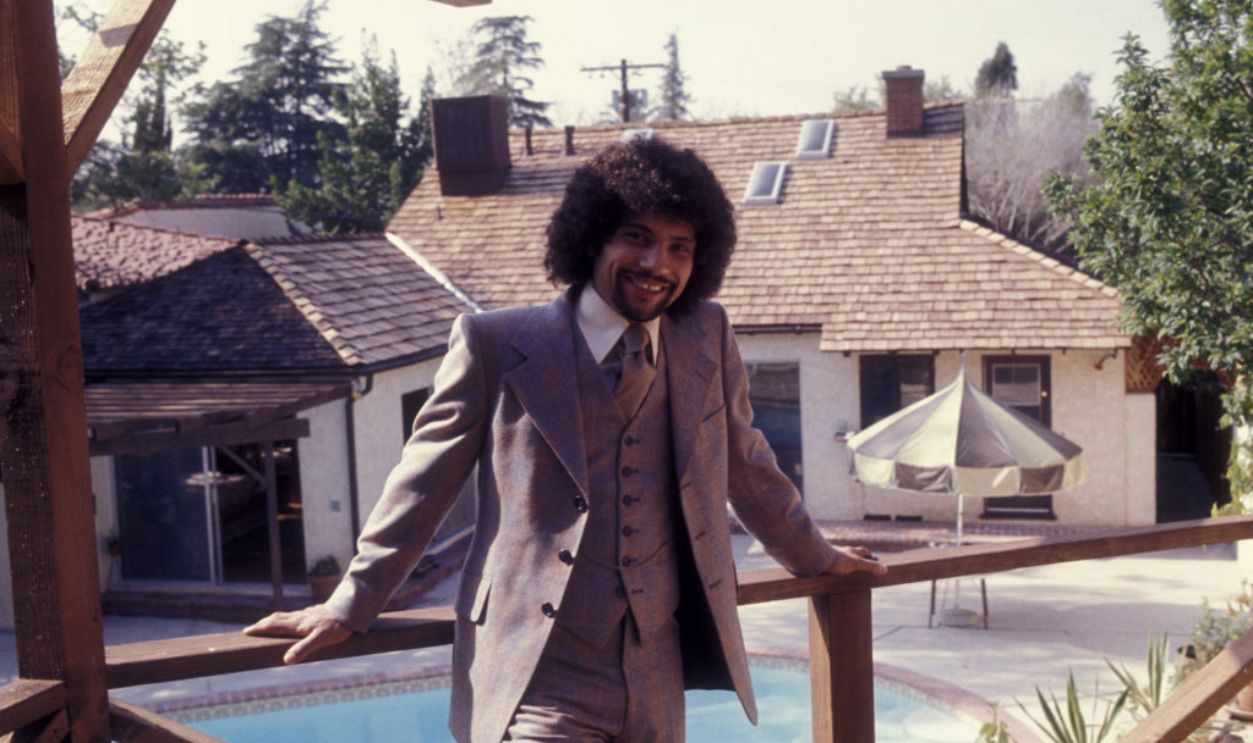
But he lived honestly, taught passionately, and left behind four children and generations of fans who still remember that raised hand and Brooklyn accent.
Sometimes that’s enough.
You May Also Like:
Natalie Wood’s death was one of Hollywood’s most enduring mysteries—until the captain of her yacht changed his story.