A Promising Life No One Fully Saw
Judith Barsi was building something rare for a child actor: a real, lasting career. The roles kept coming, and the industry believed in her. But away from the cameras, in her own home, a very different reality was unfolding—one that most people didn’t see until it was far too late.
A Natural Talent From The Start
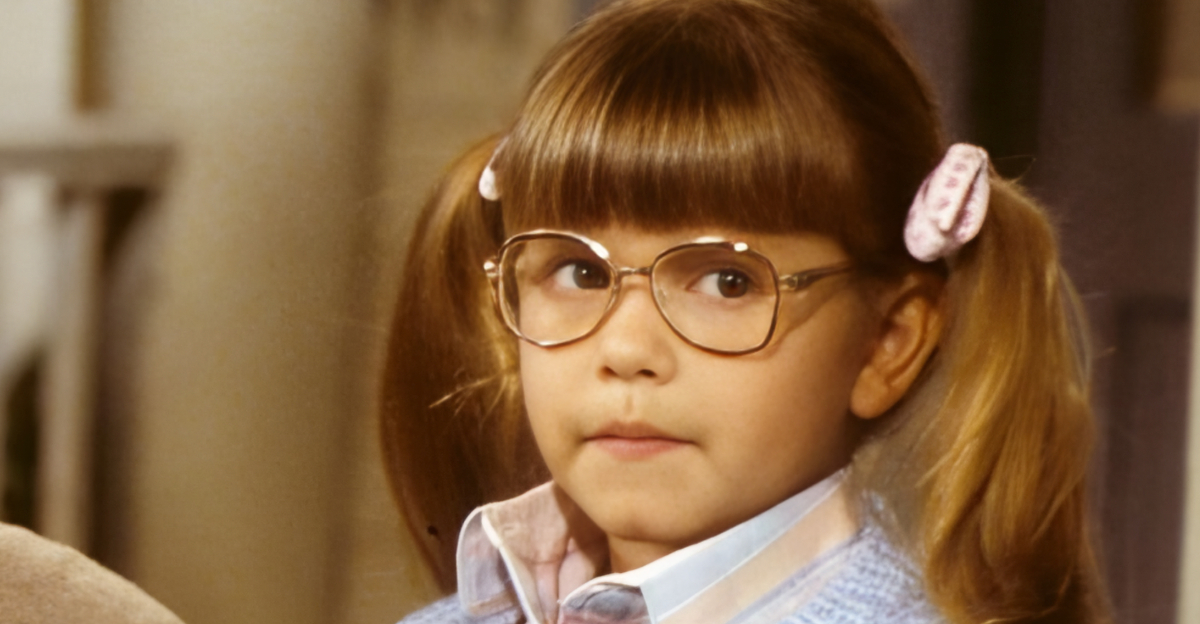
Judith Barsi began acting before she was even five years old, and it didn’t take long for her to stand out. Casting agents noticed her almost immediately—she had a confidence and emotional range that didn’t feel rehearsed. By the mid-80s, she was already landing steady work in a competitive industry.
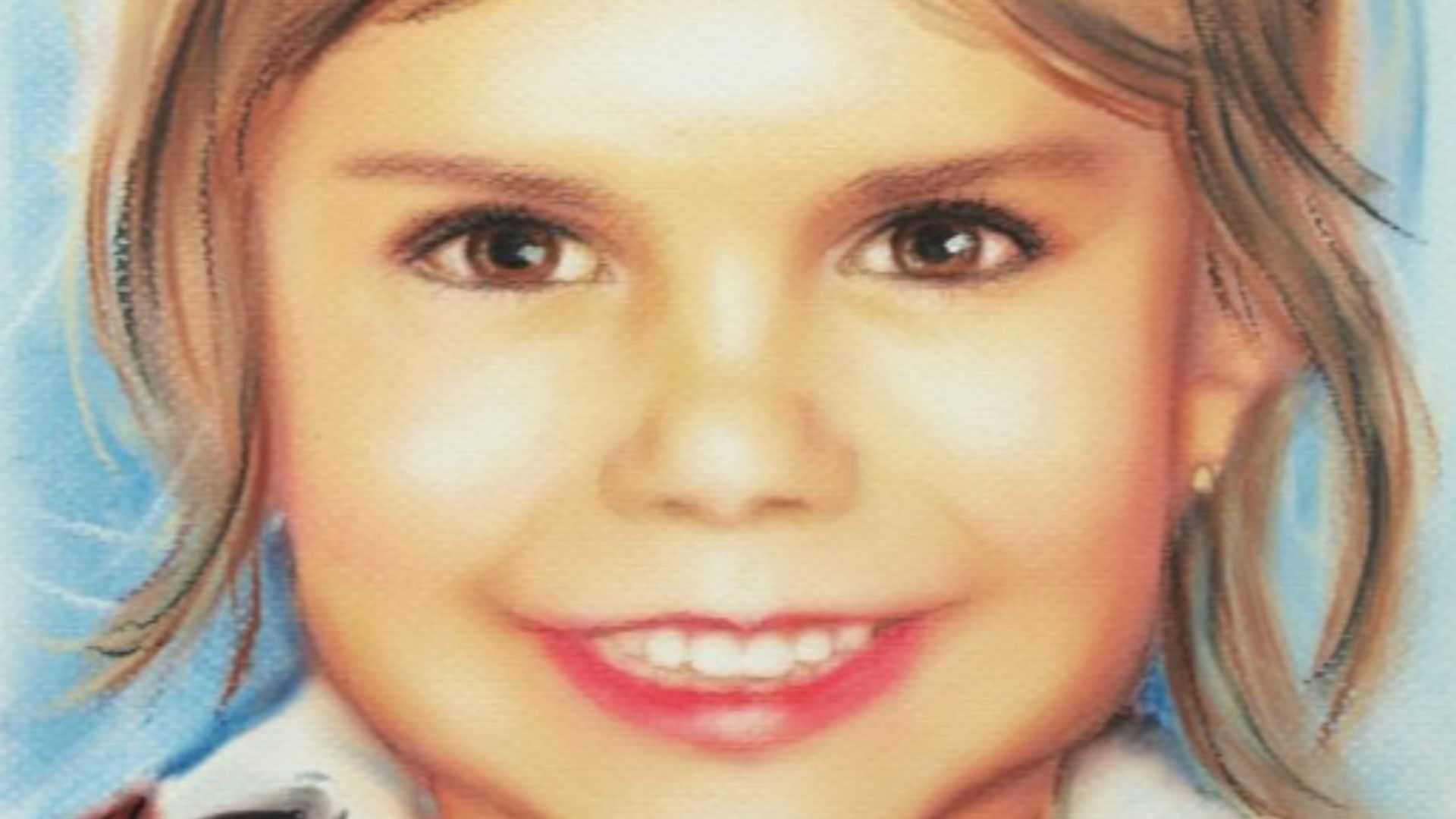 Anna Rozwadowska Łódź, Poland Official webpage, Wikimedia Commons
A Familiar Face (And Voice) In The 80s
She appeared in more than 70 commercials and had roles in shows like Growing Pains, Cheers, and St. Elsewhere. Even if you didn’t know her name, you likely saw her. She was one of those child actors who quietly showed up everywhere.
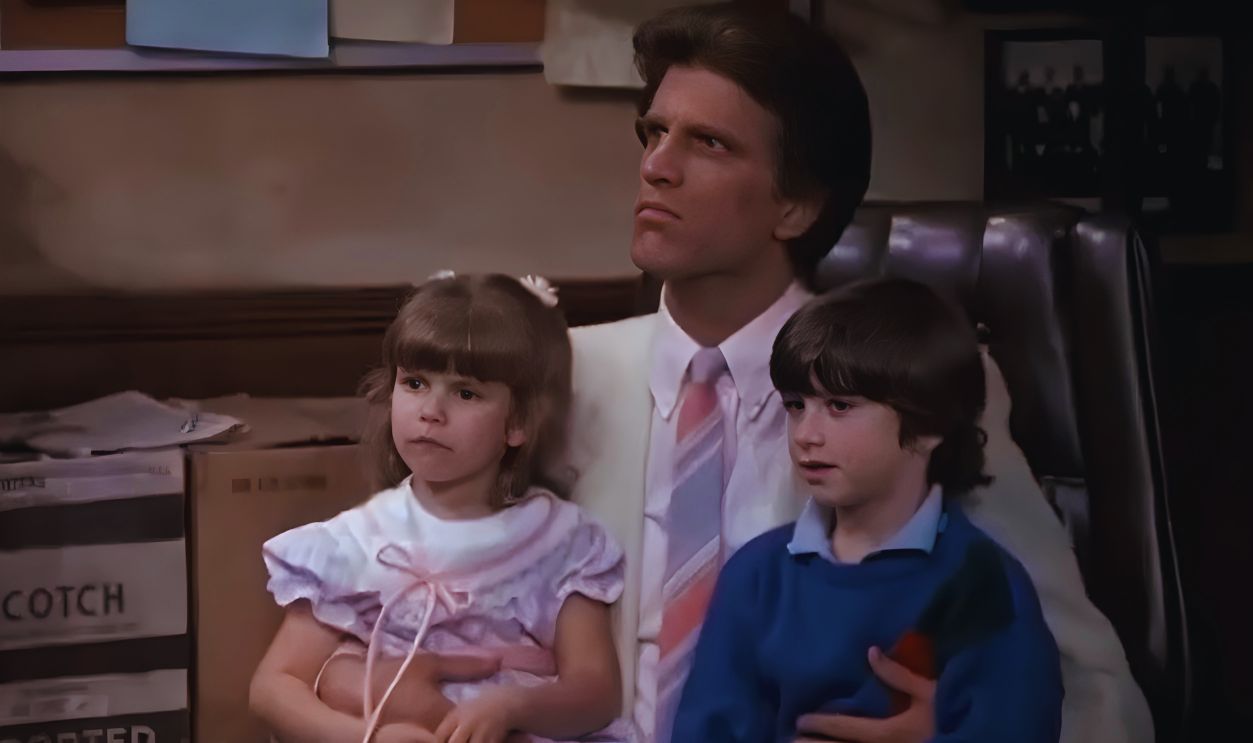 Screenshot from Cheers, Paramount Network Television (1982-1993)
The Voice Everyone Still Recognizes
Judith became widely known for voicing Ducky in The Land Before Time. Her delivery—especially the “Yep, yep, yep!” line—became instantly iconic. Around the same time, she voiced Anne-Marie in All Dogs Go to Heaven, giving her two major animated roles before the age of 11.
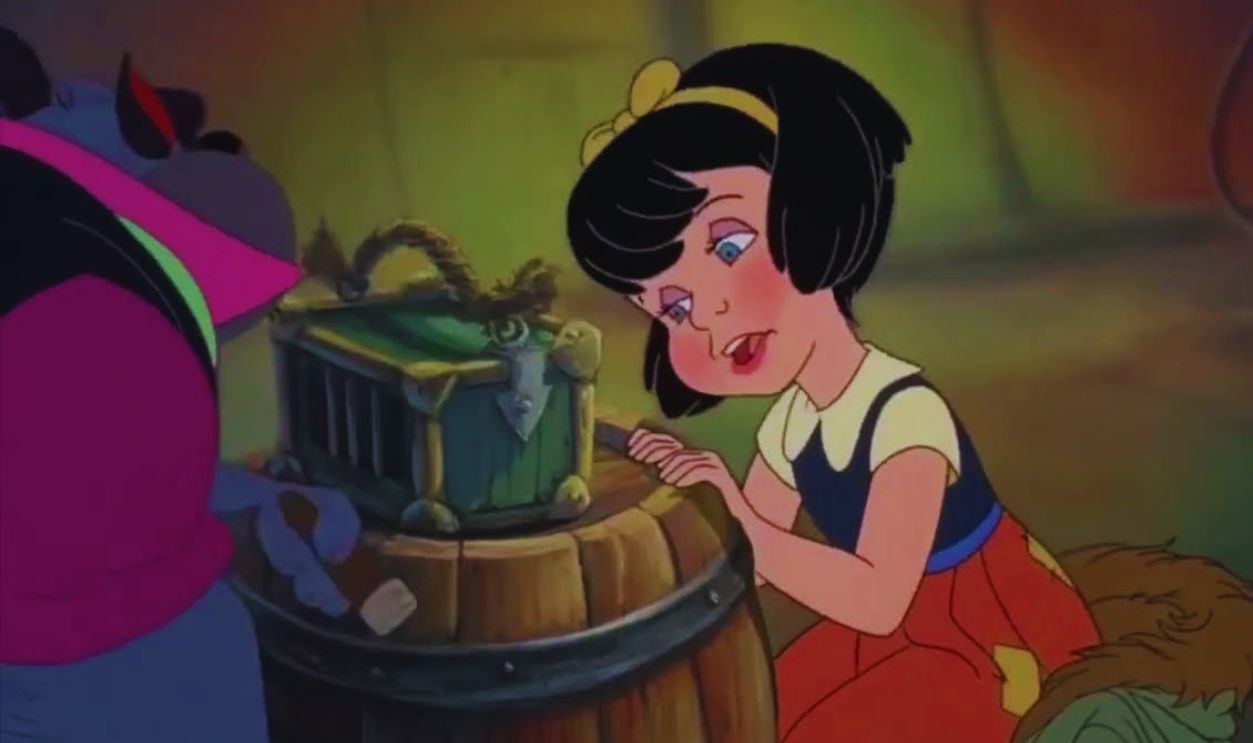 Screenshot from All Dogs Go to Heaven, MGM (1989)
A Career That Was Only Getting Bigger
Industry professionals consistently described her as focused and easy to work with. She could memorize lines quickly, hit emotional beats, and handle long production days. Director Don Bluth later called her “absolutely astonishing,” noting how easily she understood even complex direction at such a young age.
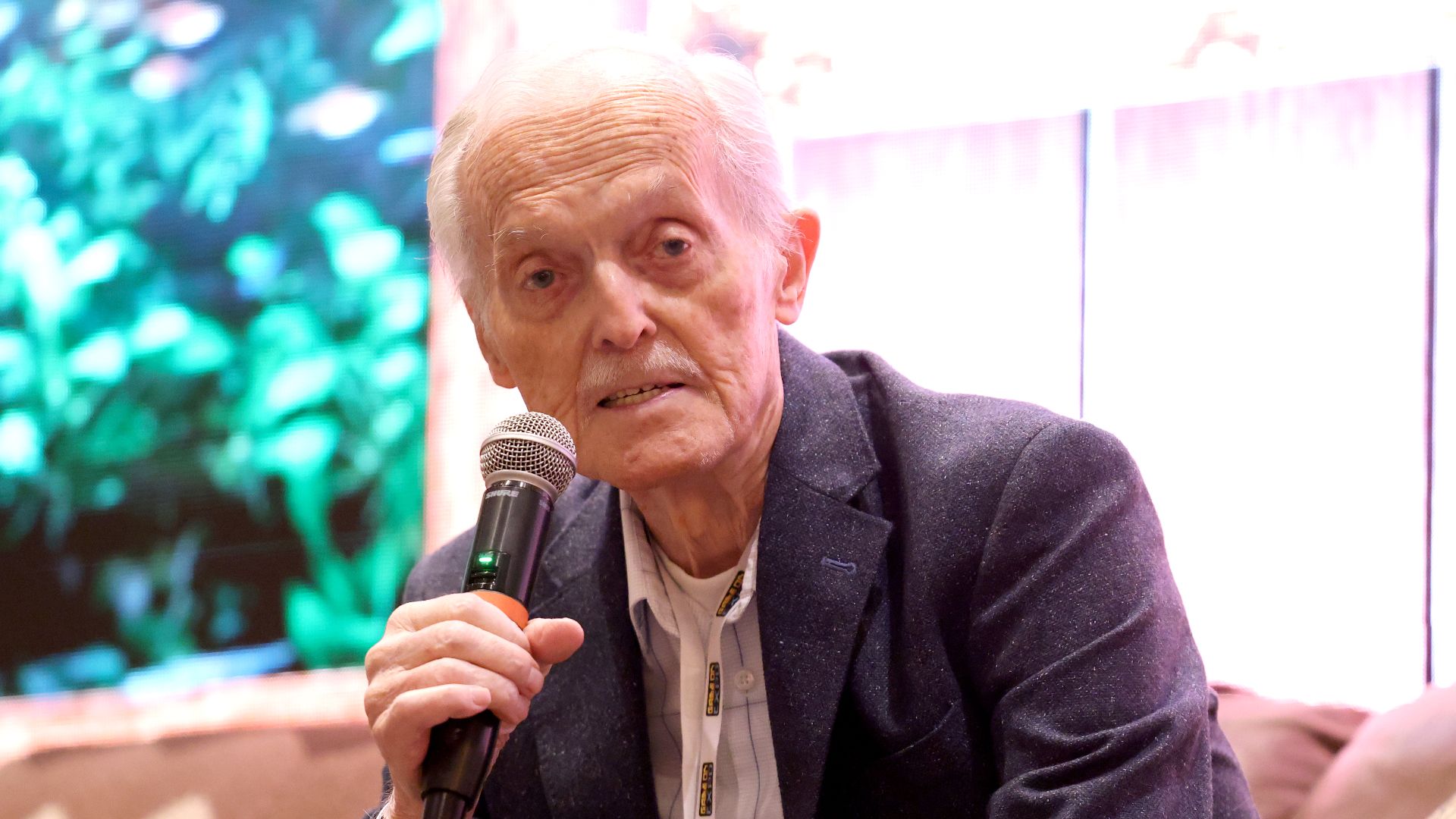 Gage Skidmore from Surprise, AZ, United States of America, Wikimedia Commons
A Life Built Around Her Career
Judith was born in Los Angeles, and her acting career quickly became central to the family’s daily life. Her parents supported her work, and her schedule often revolved around auditions, filming, and school on set. From the outside, it looked like everything was moving in the right direction.
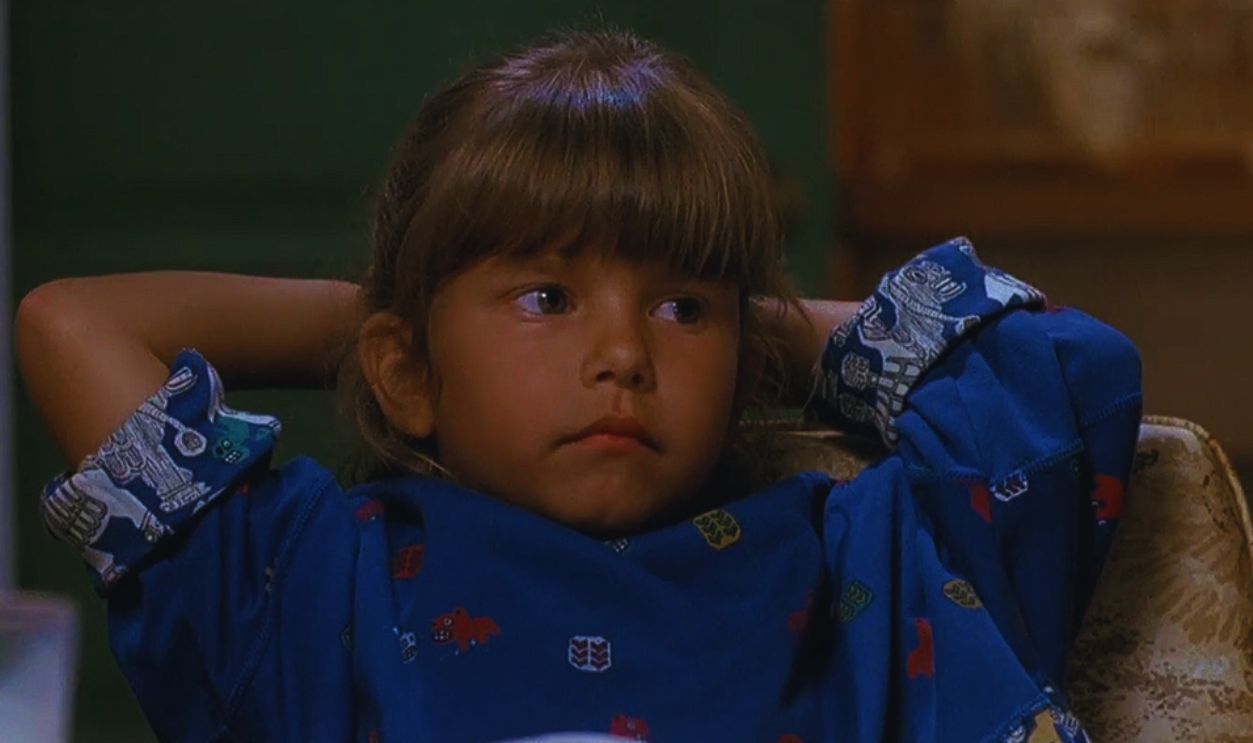 Screenshot from Jaws: The Revenge, Universal Pictures (1987)
A Home Life That Was Anything But Stable
Judith’s father, József Barsi, had a history of volatile behavior. Neighbors later described frequent arguments and signs of escalating tension. What was happening inside the home wasn’t visible to everyone—but it wasn’t completely hidden either.
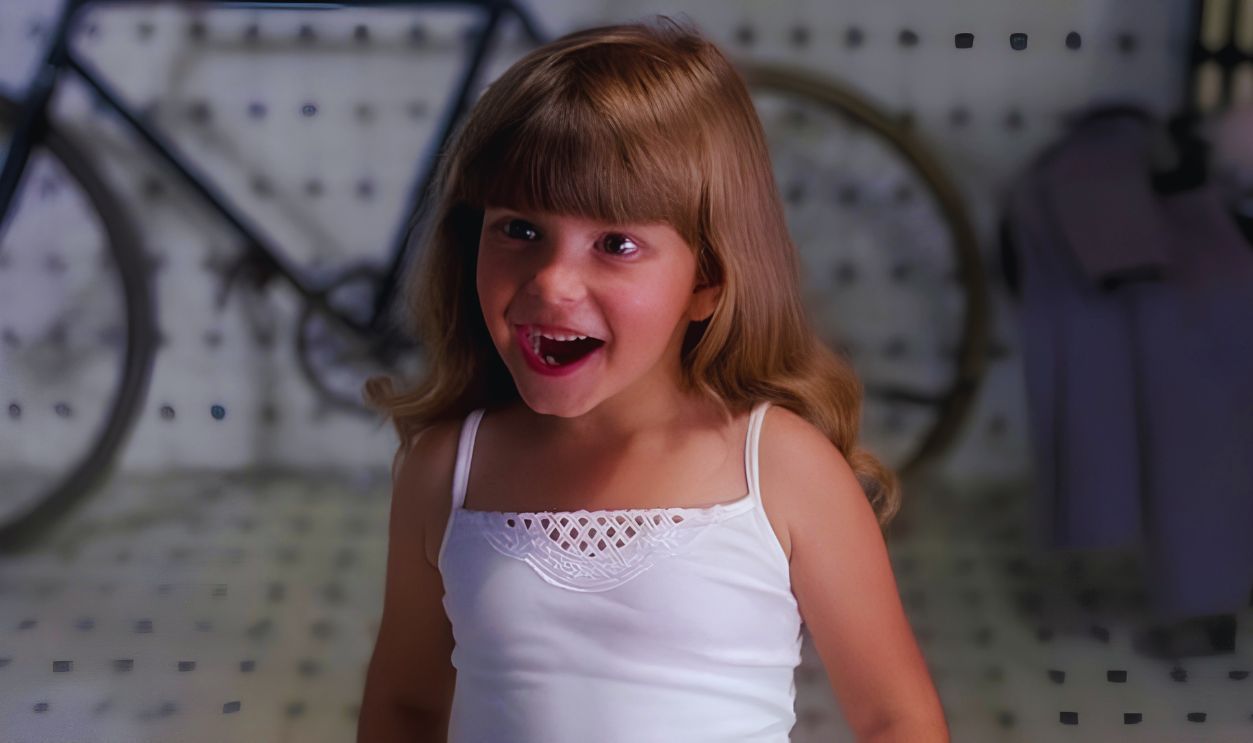 Screenshot from Slam Dance, MGM (1987)
Warning Signs People Could See
There were multiple signs that something wasn’t right. Judith sometimes showed up with bruises and appeared anxious or withdrawn. She also reportedly began pulling out her eyelashes and overeating, behaviors later linked to stress and fear.
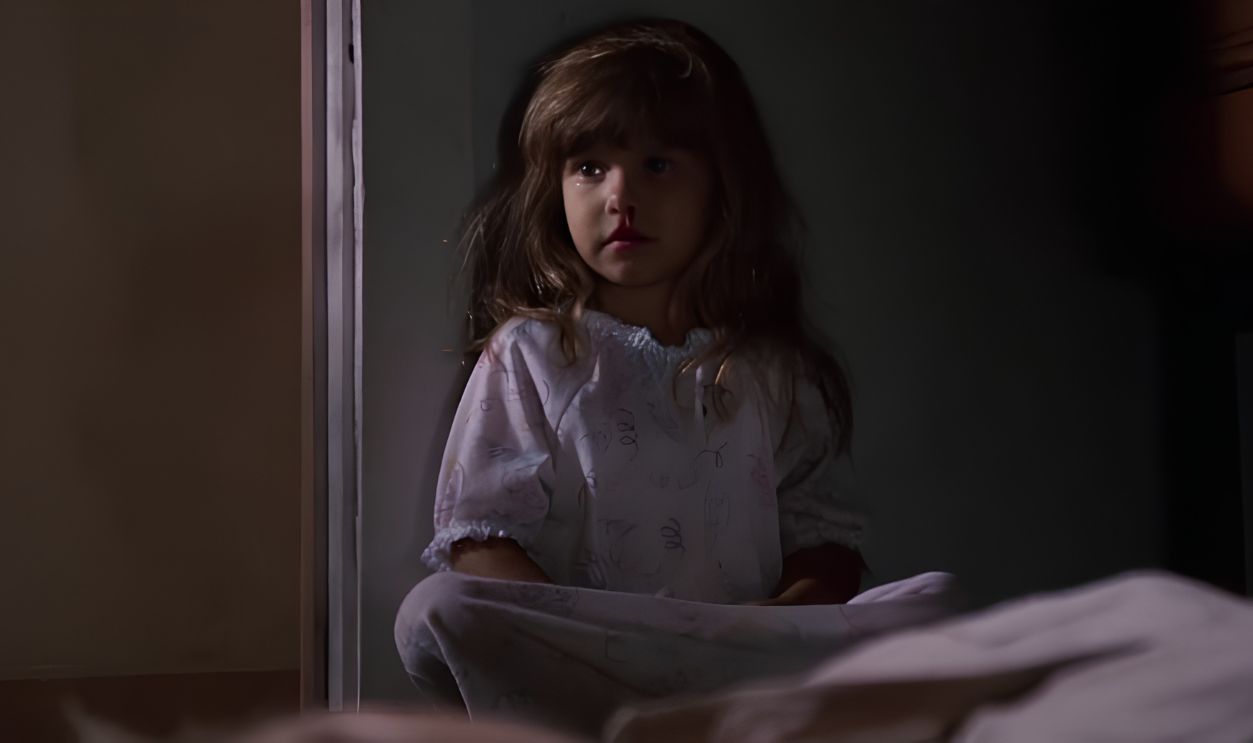 Screenshot from Eye of the Tiger, Scotti Brothers Pictures (1986)
Concerns Reached The Outside World
Teachers, agents, and others connected to Judith began raising concerns. There were reports made to child protective services, and authorities did investigate the household. The situation had reached a point where outside intervention was clearly being considered.
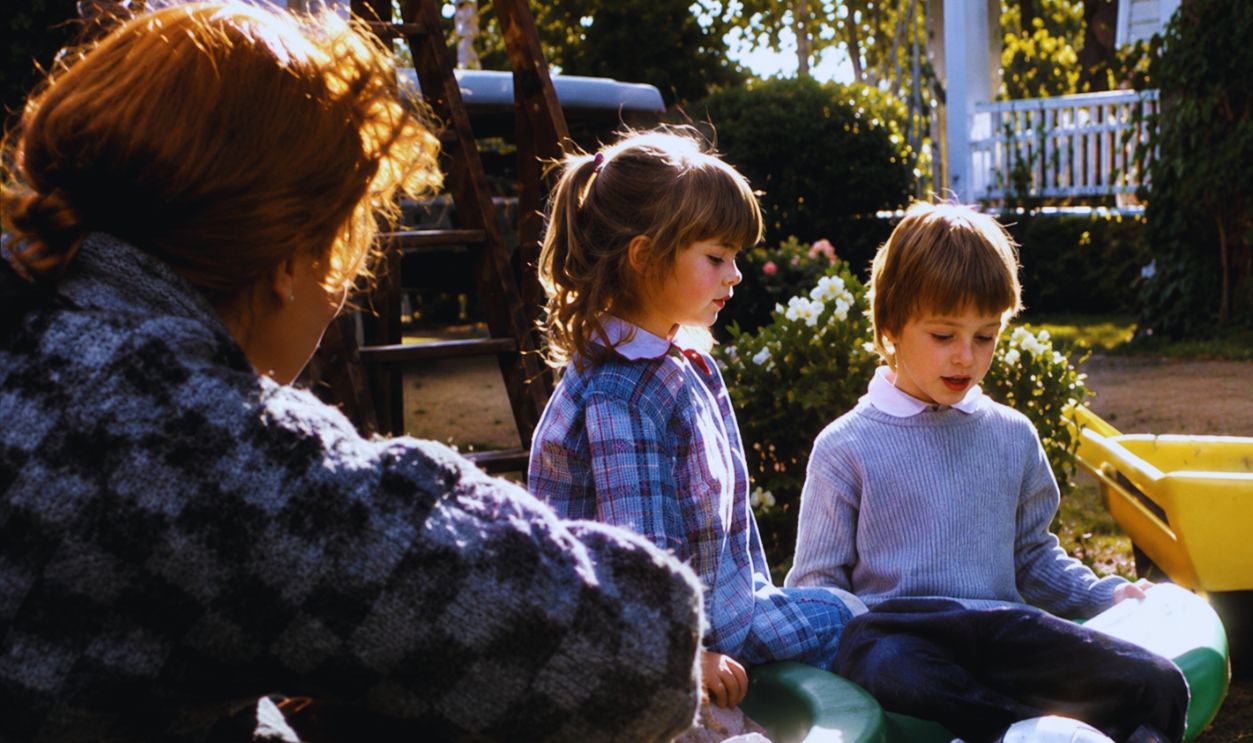 Screenshot from Do You Remember Love?, Dave Bell Associates / CBS (1985)
But Nothing Fully Changed
Despite those reports, Judith remained in the home. Investigations were opened but ultimately closed without removing her from the situation. Without definitive proof of ongoing harm at that exact moment, the system stalled—and the danger remained.
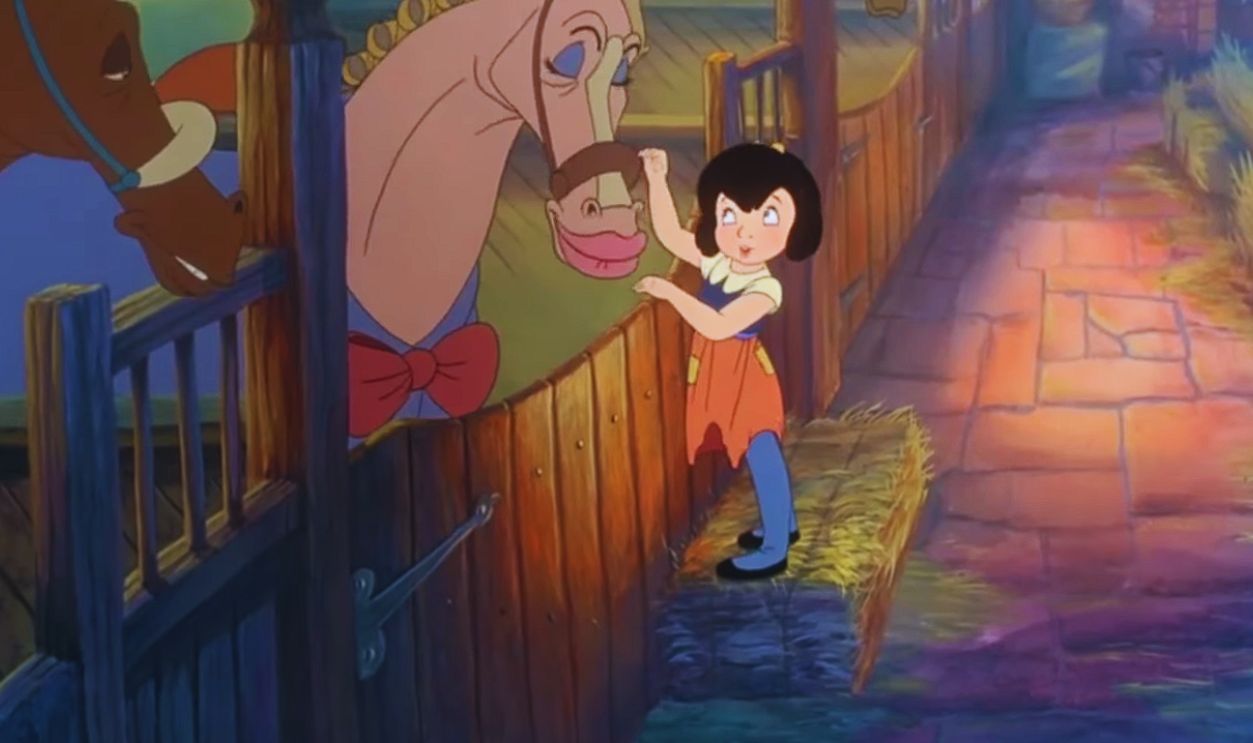 Screenshot from All Dogs Go to Heaven, MGM (1989)
Her Mother Tried To Get Out
Judith’s mother, Maria, reportedly recognized how serious things had become. She even rented an apartment in Panorama City in an attempt to create distance and a possible escape. But leaving a volatile situation is complicated, especially when safety is uncertain.
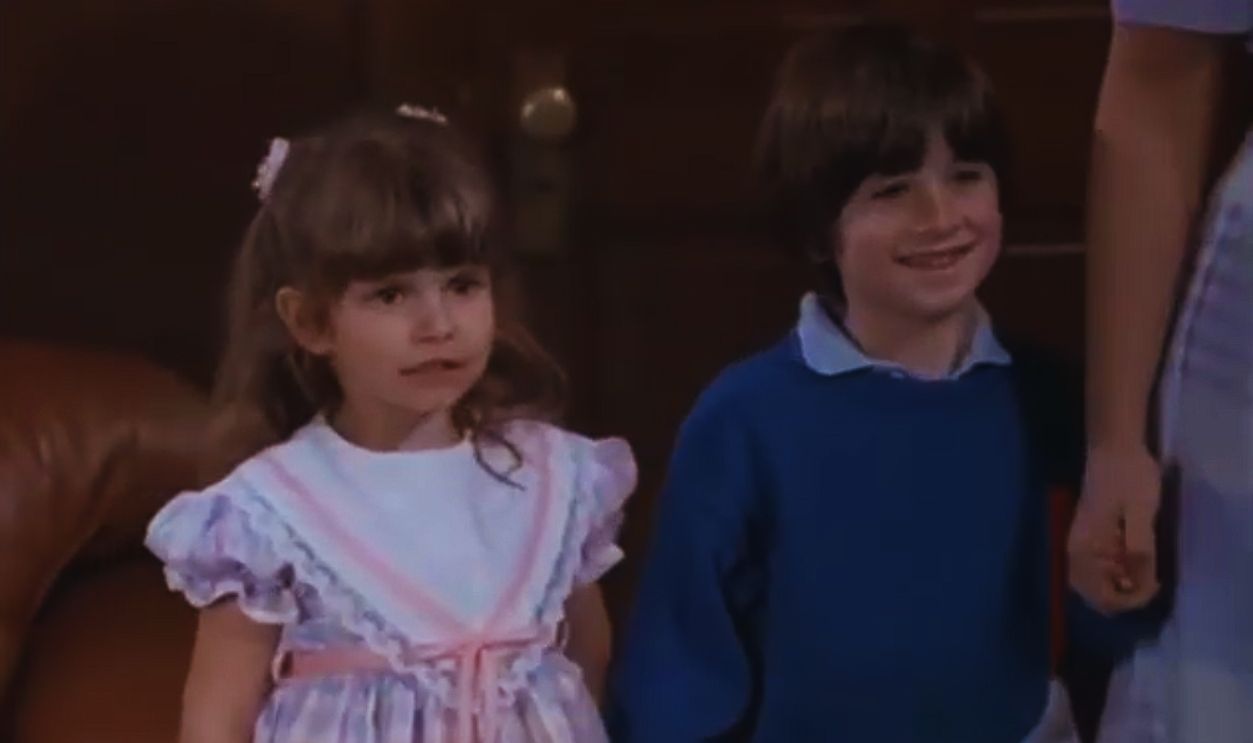 Screenshot from Cheers, Paramount Network Television (1982-1993)
Her Career Continued Through It All
Even as things worsened privately, Judith kept working. She continued booking roles, attending auditions, and delivering strong performances. From the outside, her life still looked like a success story in progress.
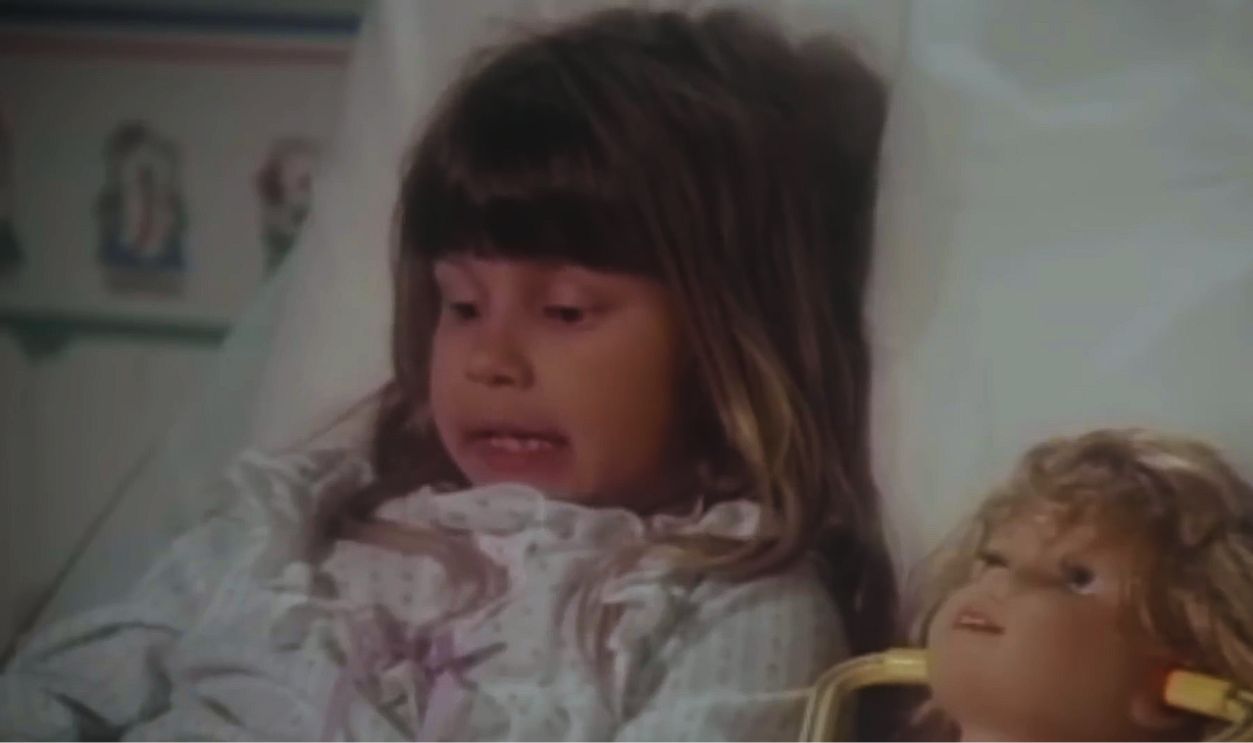 Screenshot from St. Elsewhere, MTM Enterprises (1982-1988)
She Was Carrying More Than Anyone Knew
Behind that professional image, she was still a child dealing with fear and instability at home. Balancing a demanding acting career with that kind of environment created pressure that no 10-year-old should have to handle.
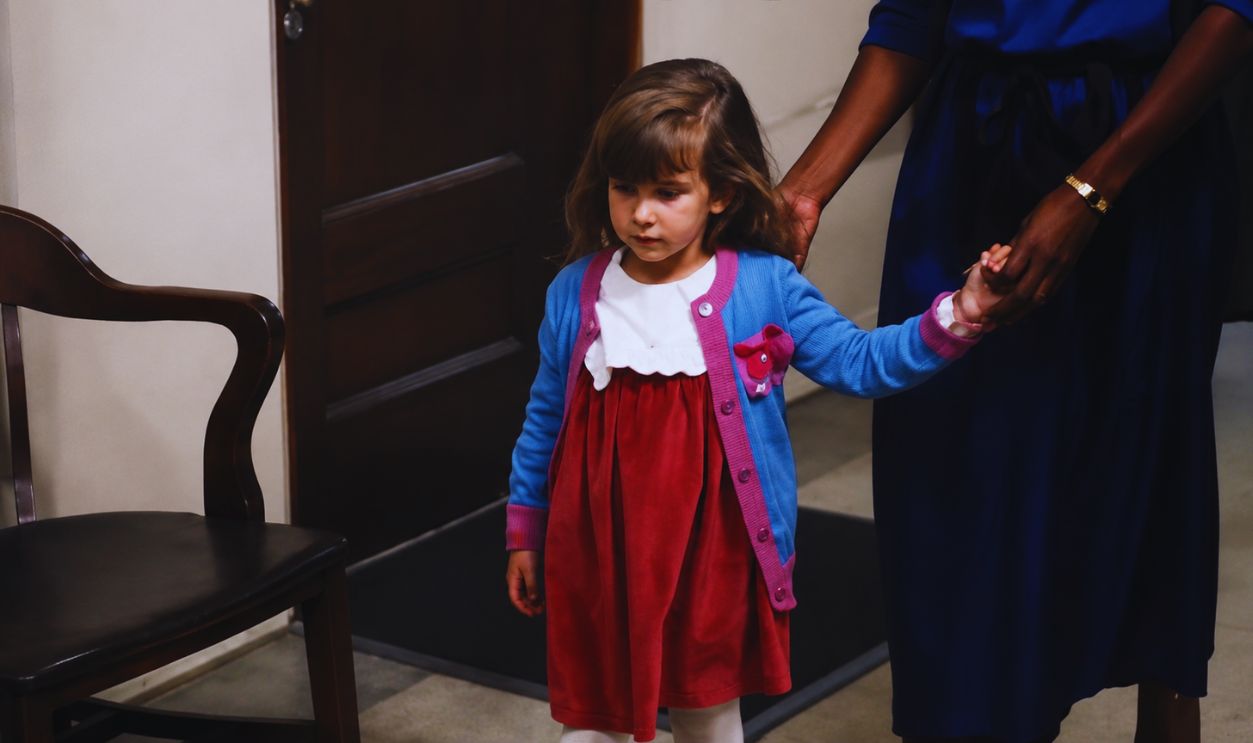 Screenshot from Cagney & Lacey, CBS (1982-1988)
The Situation Became Increasingly Dangerous
Reports later indicated that her father’s behavior had become more threatening over time. There were fears of escalating violence, and people close to the situation were growing more concerned. The warning signs weren’t disappearing—they were intensifying.
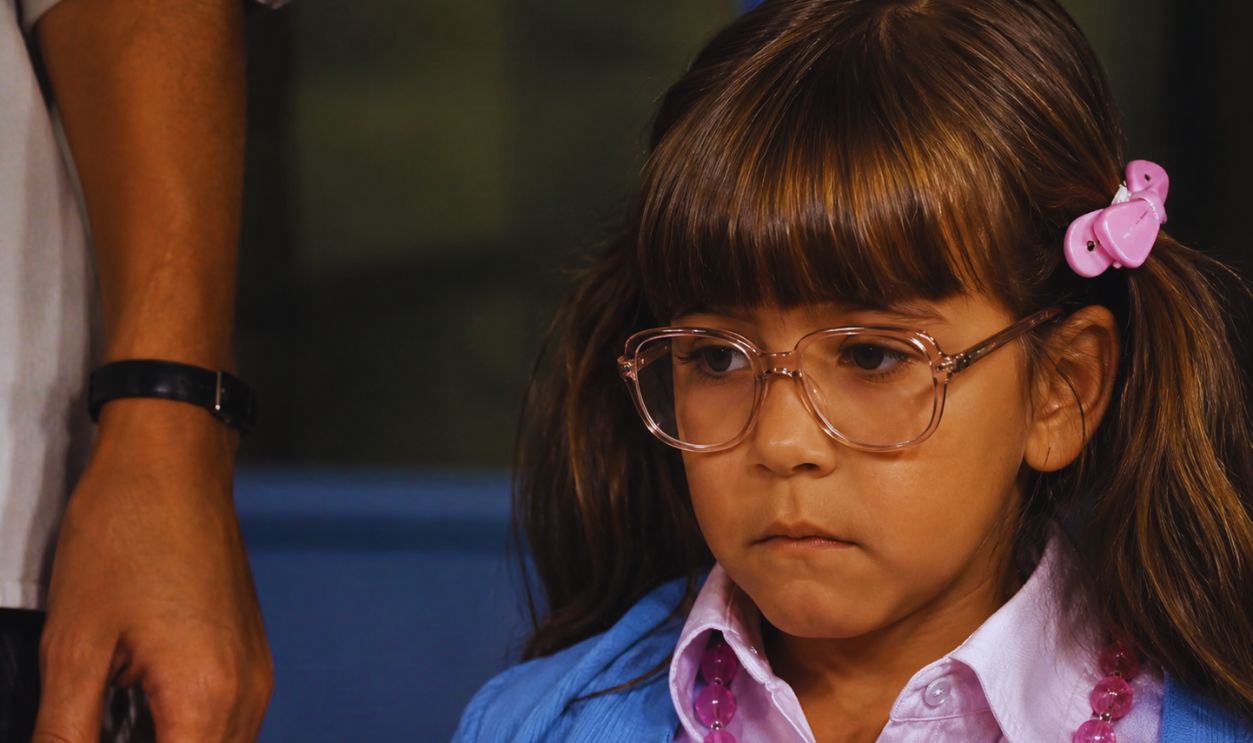 Screenshot from Growing Pains, Warner Bros. Television (1985-1992)
A Tragic Ending At Just 10 Years Old
In July 1988, Judith Barsi's life was ended in her home in Los Angeles by her father, József Barsi. She was just 10 years old. Her mother also lost her life in the same incident. He was later found dead at the scene, meaning there was no trial or legal resolution—bringing a devastating end to a situation that had shown warning signs for months.
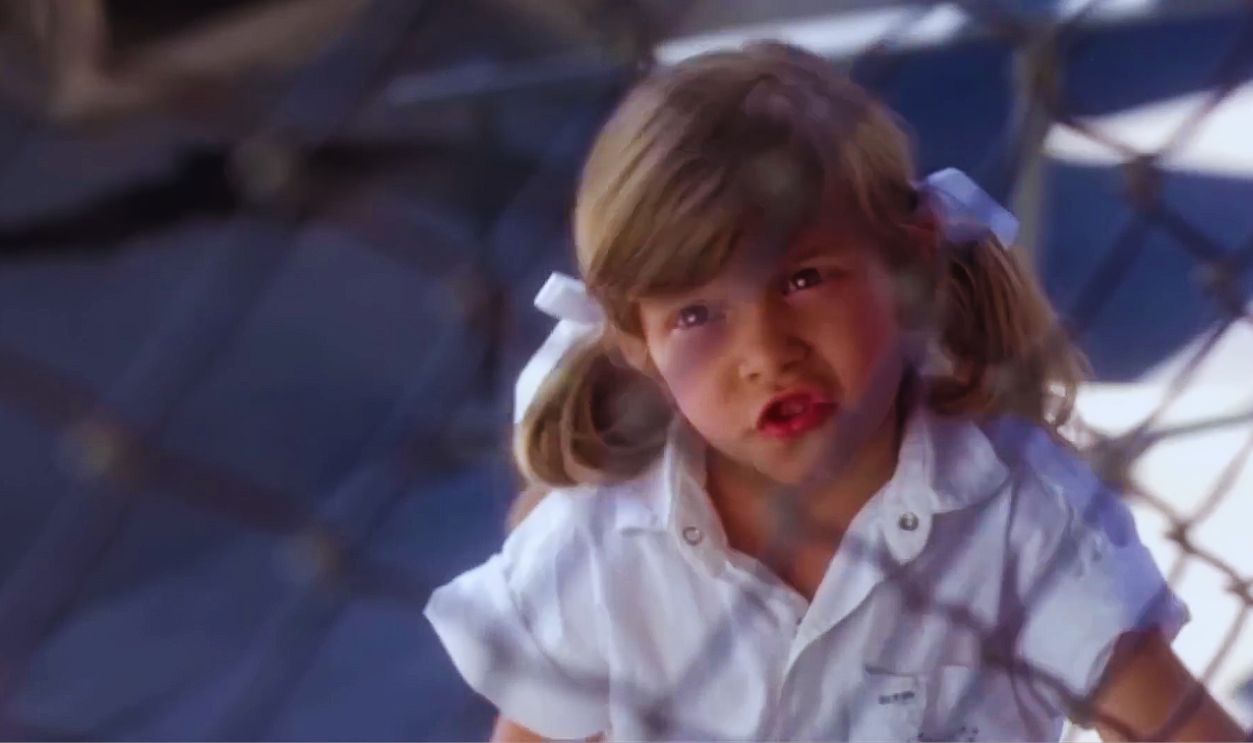 Screenshot from Slam Dance, MGM (1987)
A Shock To The Industry
The news hit hard in Hollywood. People who had worked with Judith knew her as talented, professional, and far beyond her years in ability. For many, it was difficult to reconcile what they saw on set with what had been happening in her personal life.
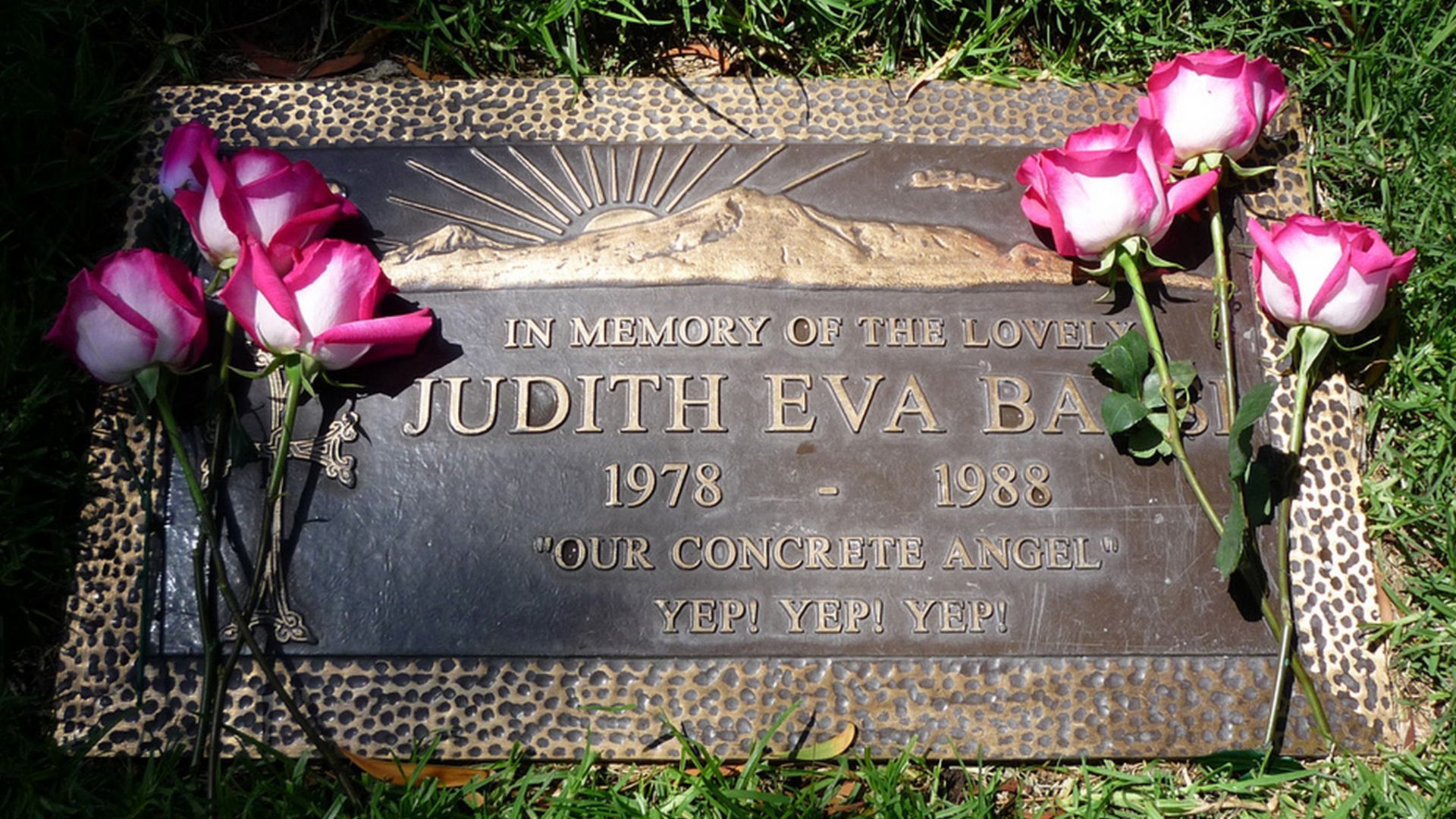
Her Work Was Released After Her Death
Both The Land Before Time and All Dogs Go to Heaven were released around the time of her passing. Audiences connected with her voice without knowing the full story behind it, which made those performances feel different in hindsight.
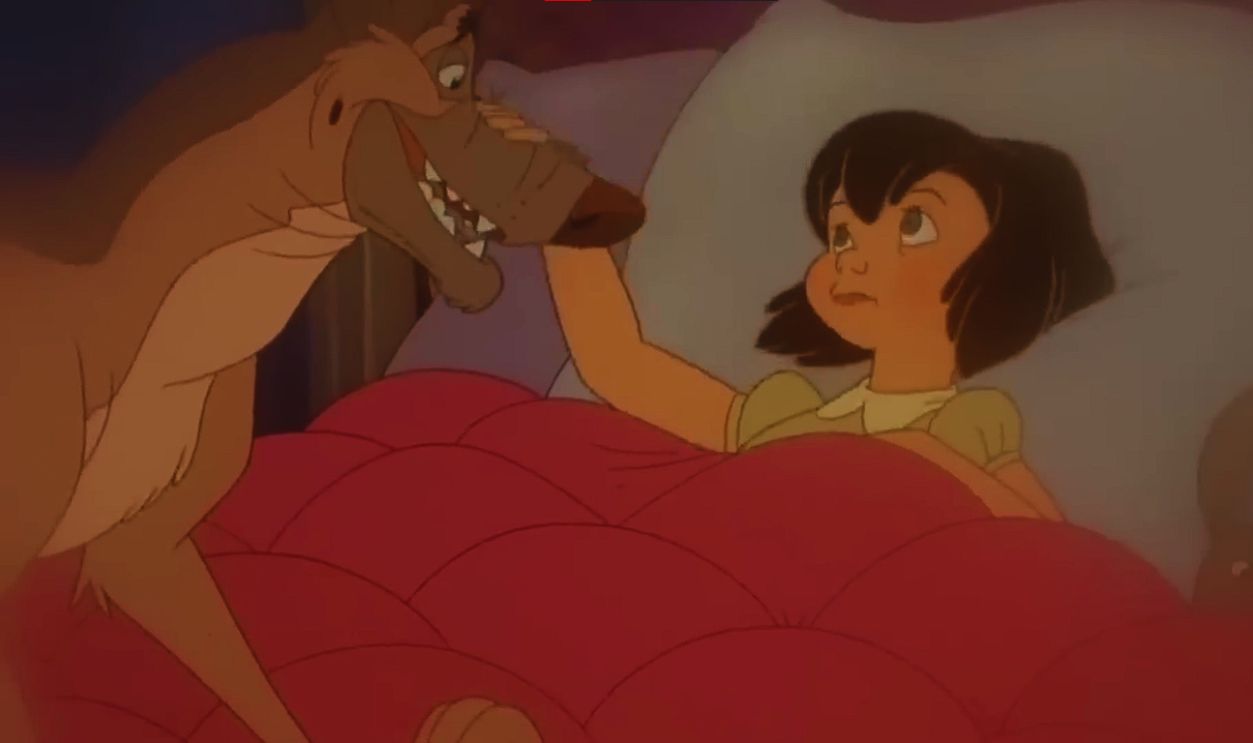 Screenshot from All Dogs Go to Heaven, MGM (1989)
Her Story Changed Conversations
Judith’s case became part of broader discussions about child safety and the limits of intervention systems. It showed how warning signs can be recognized, reported, and still not lead to meaningful protection in time.

A Career That Should Have Lasted Decades
By age 10, Judith had already built a career that many actors never reach, with dozens of credits and major studio roles behind her. Everything about her trajectory suggested she was only getting started, which makes the sense of lost future even heavier.
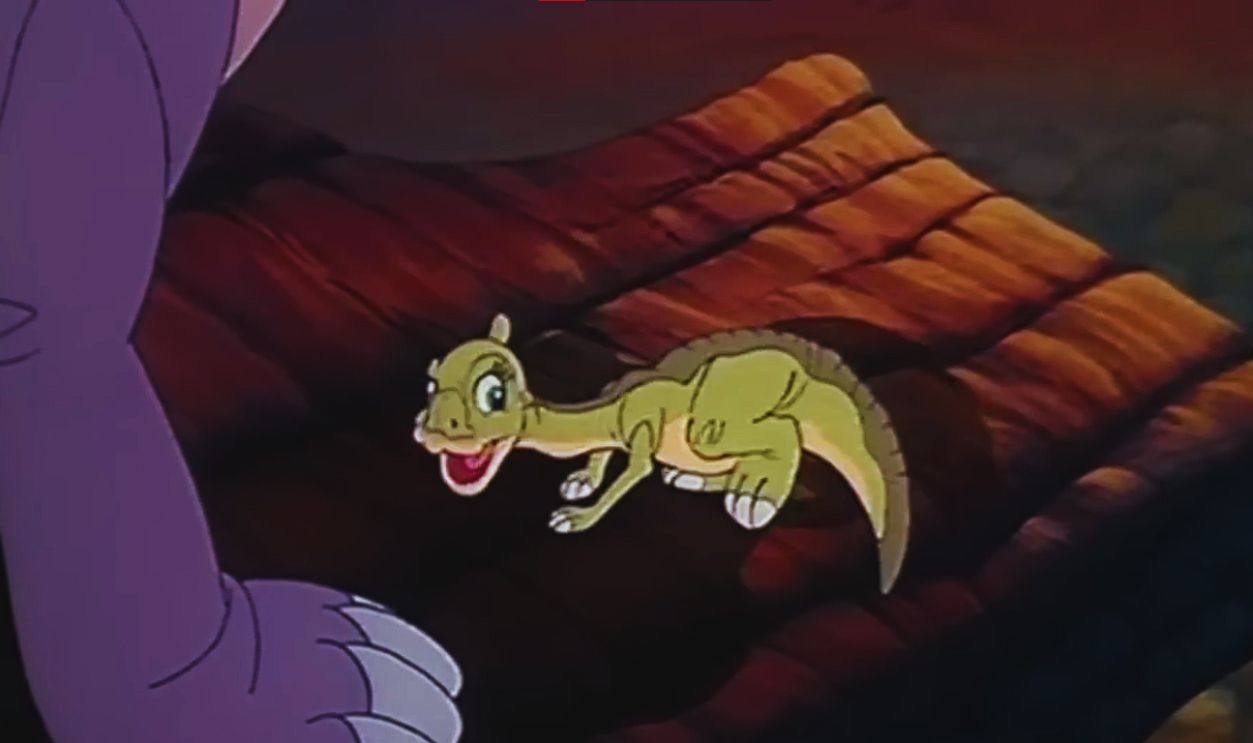 Screenshot from The Land Before Time, Universal Pictures (1988)
A Legacy That Still Stays With People
Her performances continue to resonate, especially for those who grew up with those films. But her story is remembered for more than just her work—it’s remembered for what it revealed about how easily something serious can go unresolved.
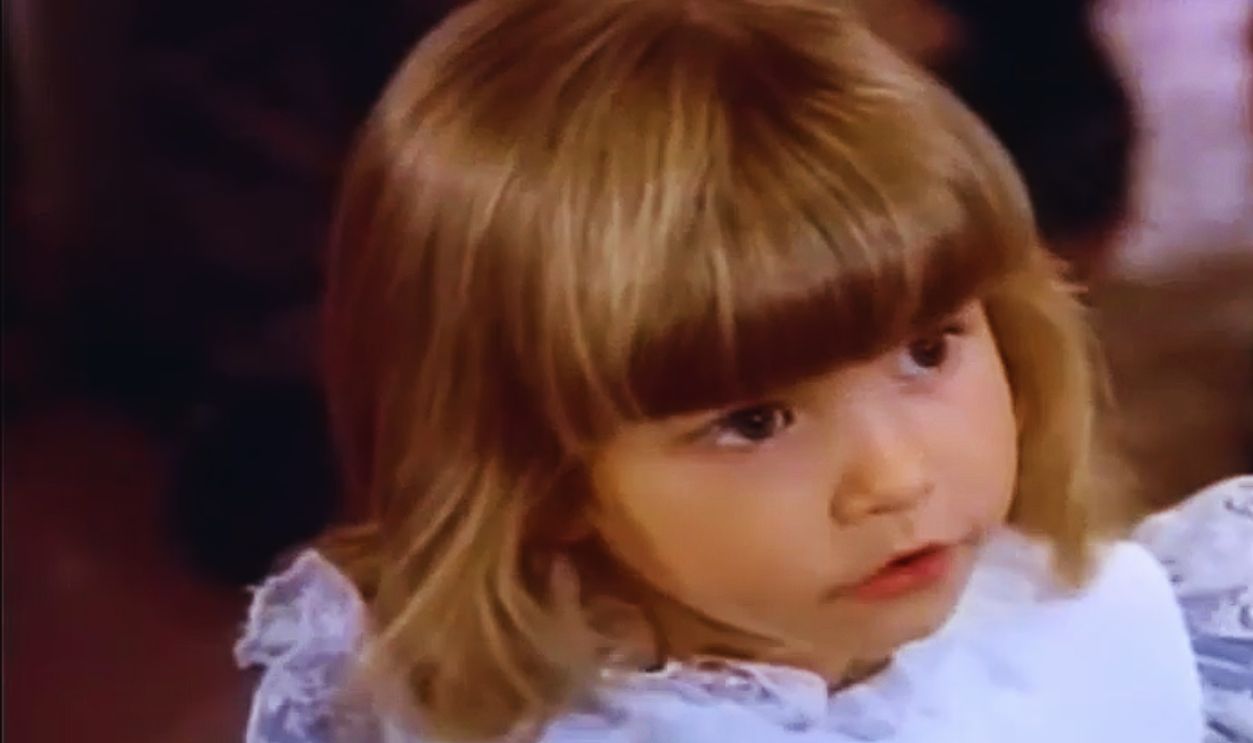 Screenshot from The Fall Guy, Glen A. Larson Productions / 20th Century Fox Television (1981-1986)
What People Remember Most
For many, it comes back to that voice. Warm, innocent, instantly recognizable—and still familiar decades later. It’s a reminder of who she was on screen, and of everything that should have come next but never had the chance.
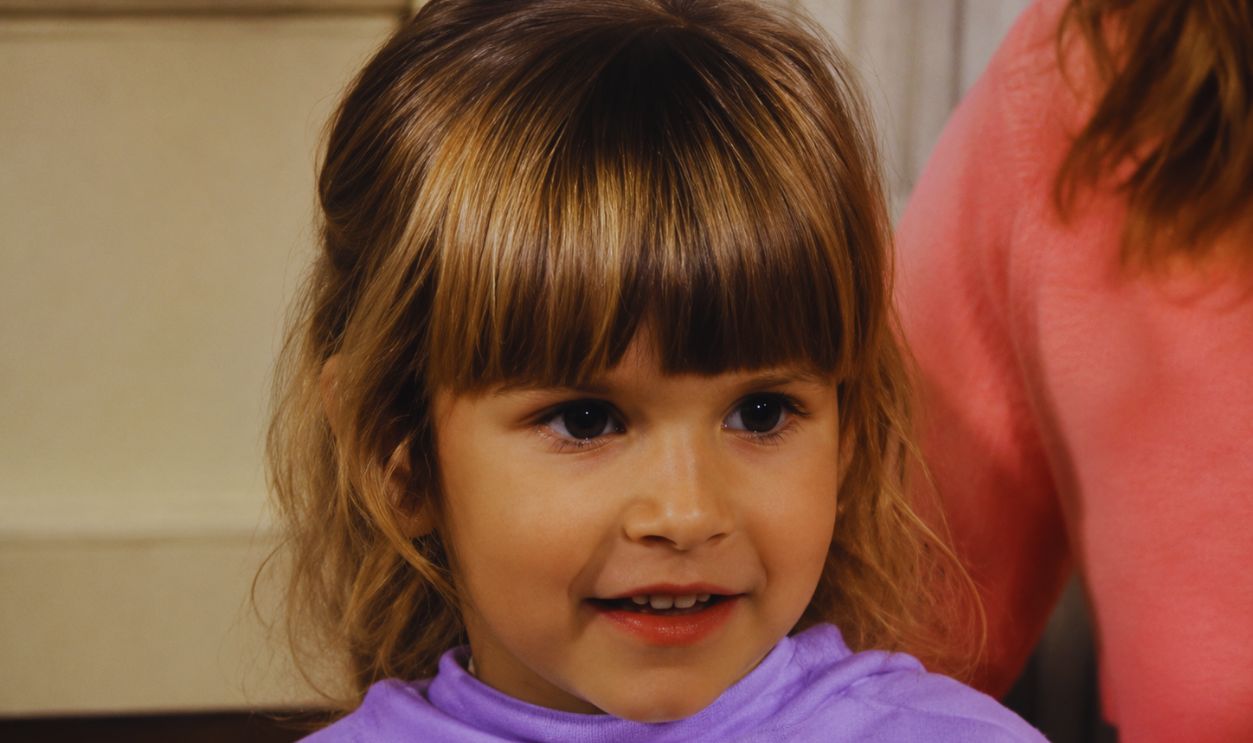 Screenshot from Punky Brewster, NBC Productions (1984-1988)
You Might Also Like:
Messy Facts About Cary Grant, The Iconic Leading Man