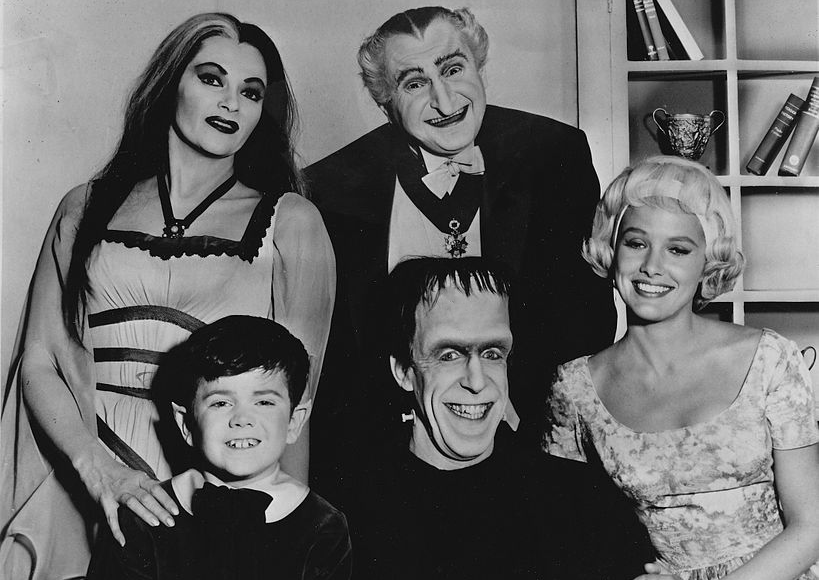
The Munsters’ Elder Statesman
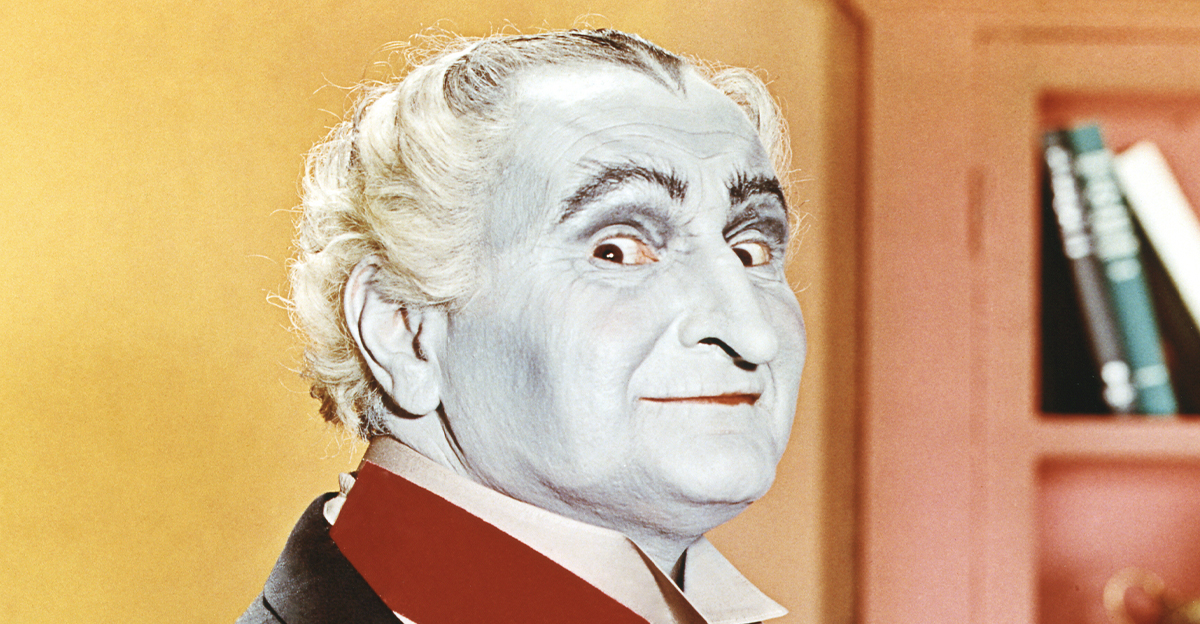
After the role that made him famous as Grandpa on The Munsters (1964–1966), Al Lewis surprised many observers by becoming a serious political activist and candidate. Lewis made a serious contribution to the growth of the Green Party in New York in the late 1990s and defied expectations.
 Silver Screen Collection/Hulton Archive/Getty Images
Immigrant Roots
Al Lewis was born Abraham Meister in 1925. He was the son of immigrant parents and grew up in New York City. Throughout his life, Lewis sometimes gave conflicting accounts of his age and background. This helped cultivate an air of mystery around his early years while he maintained strong ties to his ethnic and working-class roots.
Growing Up In New York
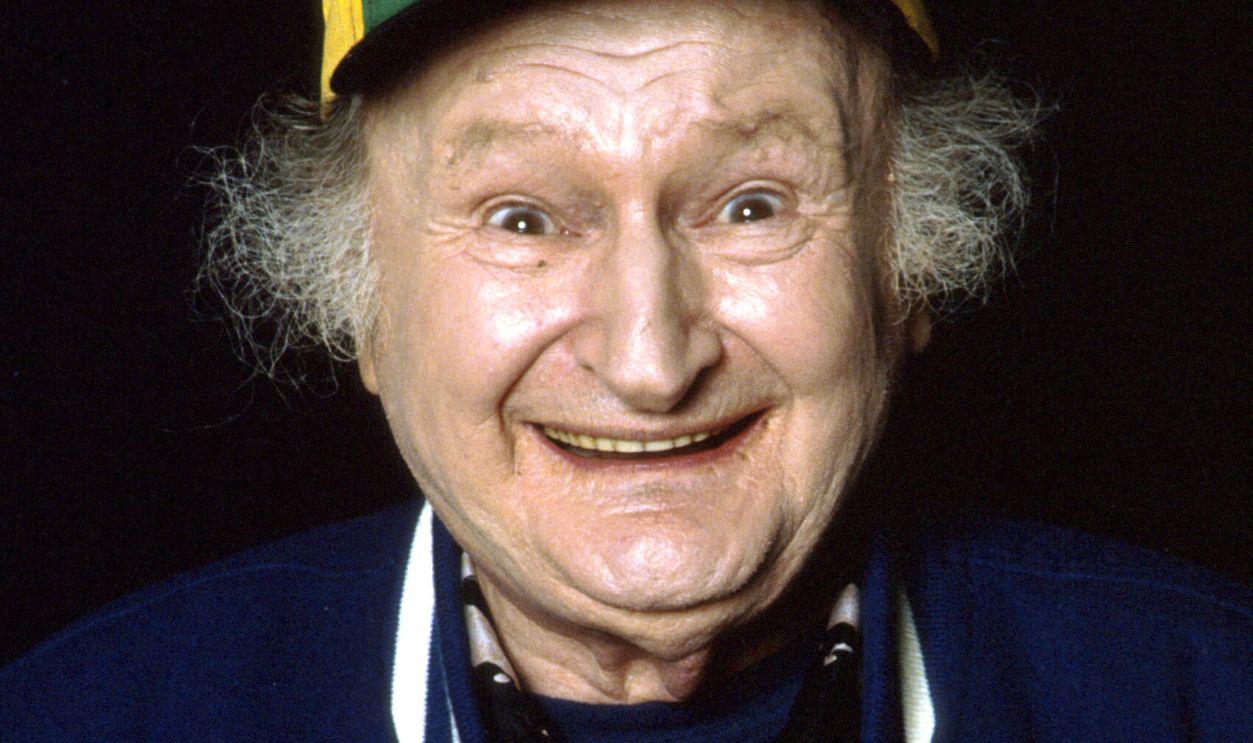
Lewis spent his childhood in New York during a period of rapid social change. His upbringing in immigrant neighborhoods exposed him to a wide range of people and experiences. Those early years helped shape the humor, resilience, and outspoken personality that later became central to both his acting and political careers.
 Michael Ochs Archives, Getty Images, Modified
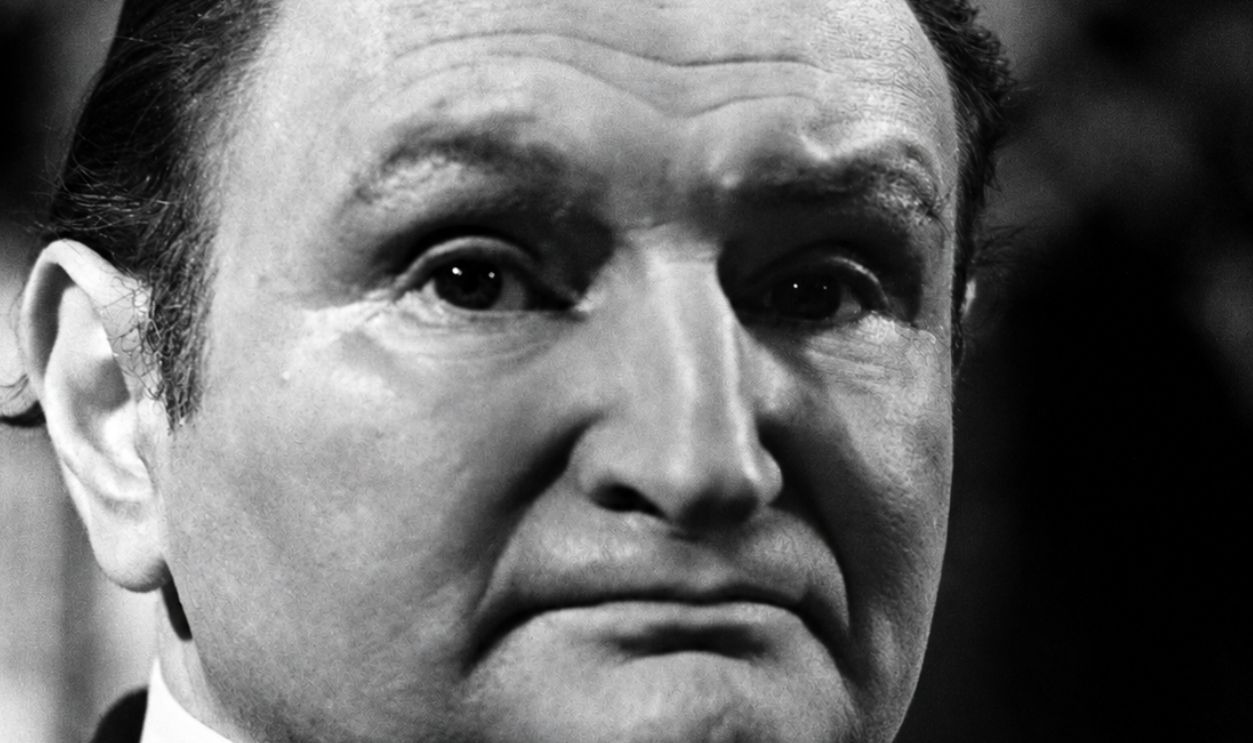
Early Performing Experiences
Before becoming a television star, Lewis worked in a variety of entertainment settings. He gradually gained experience as a performer and comedian, developing a distinctive style built around quick wit, exaggerated expressions, and a talent for connecting with audiences from many different backgrounds.
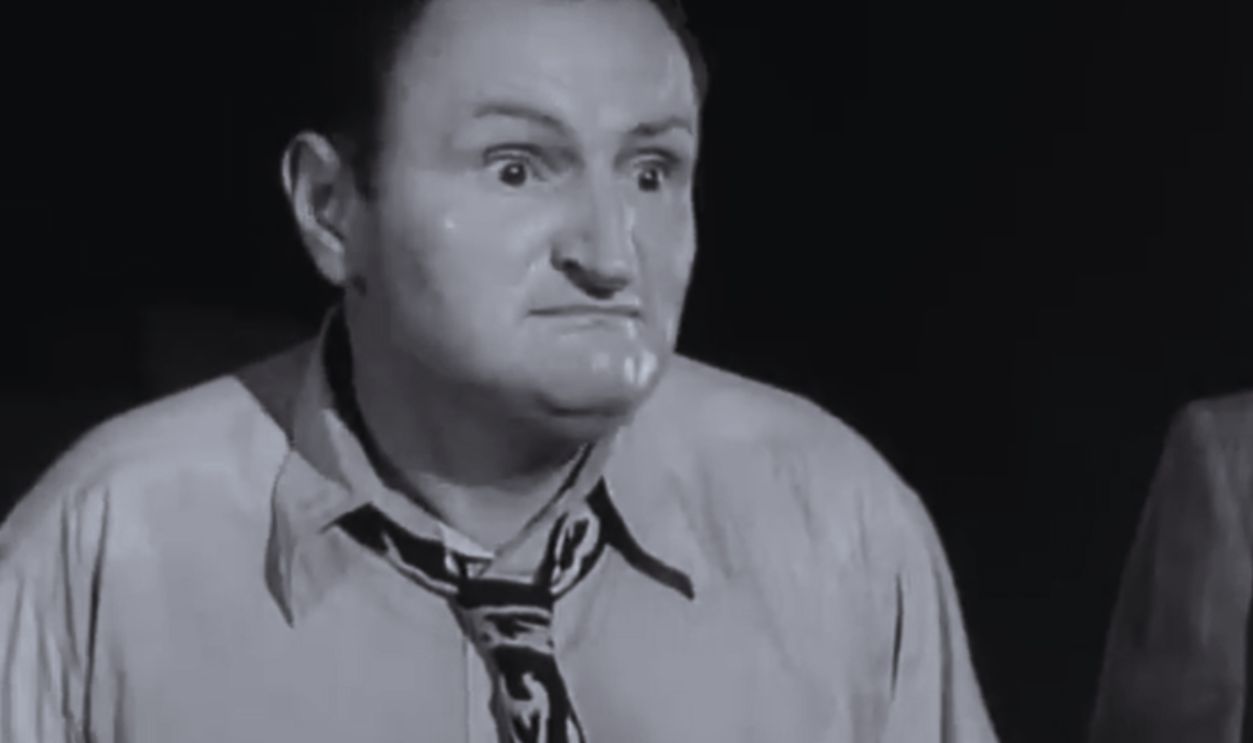 Screenshot from Pretty Boy Floyd, Continental Distributing (1960)
Burlesque And Vaudeville
During the late 1940s and early 1950s, Lewis worked extensively in burlesque and vaudeville. These demanding live-performance circuits required entertainers to think quickly and adapt constantly. The experience sharpened his comic timing and stage presence, skills that would later serve him well in television and film roles.
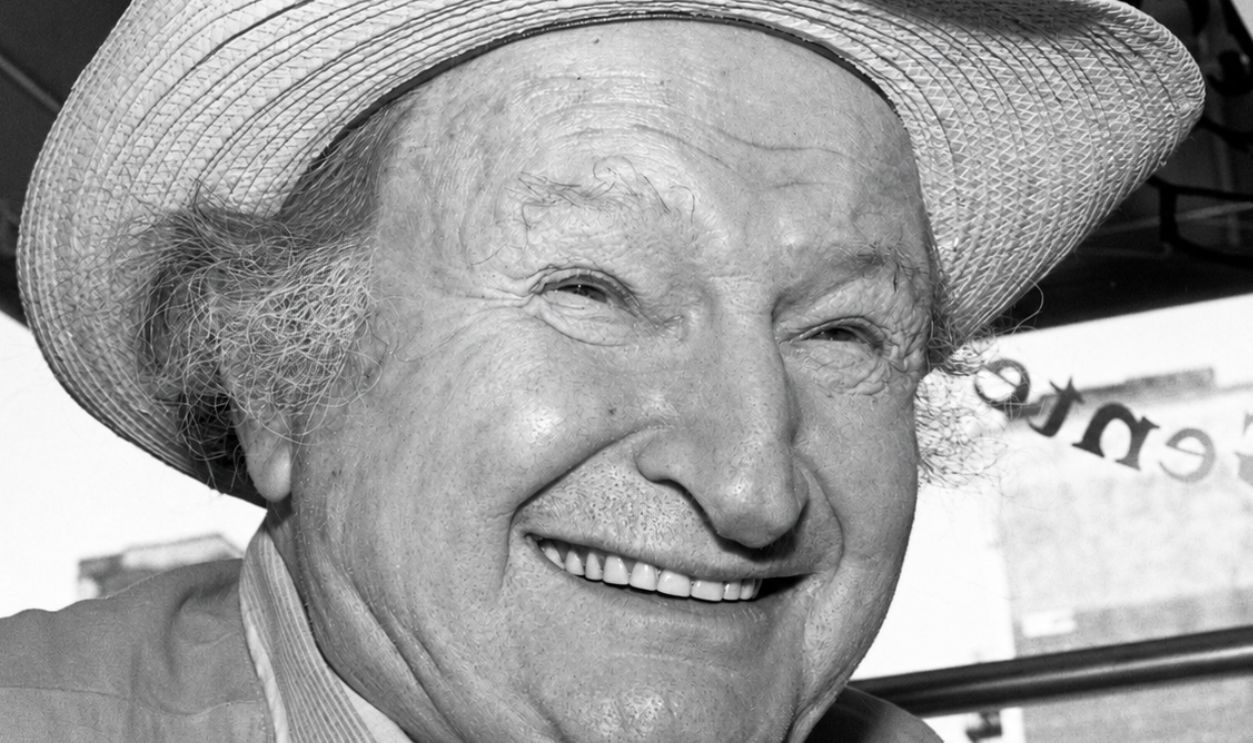 Catherine McGann, Getty Images, Modified
Building A Television Career
As television expanded in the 1950s, Lewis began finding opportunities on the small screen. His background in live entertainment helped him adjust to the new medium, and producers increasingly recognized his ability to create memorable characters with relatively little screen time.
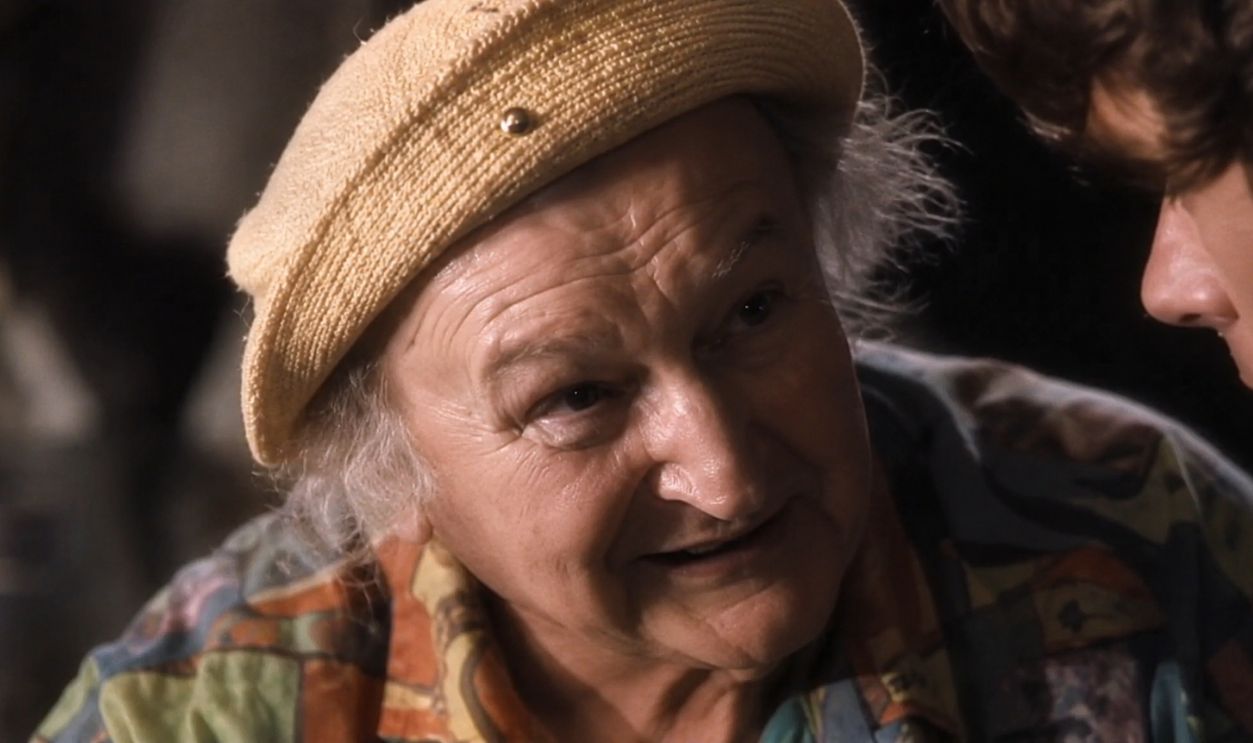 Screenshot from South Beach Academy, Lionsgate (1996), Enhanced
Television Appearances
In the late 1950s and early 1960s, Lewis appeared on programs including Car 54, Where Are You? (1961–1963), The Defenders (1961–1965), and Route 66 (1960–1964). These appearances helped establish him as a reliable character actor capable of bringing humor and personality to supporting roles.
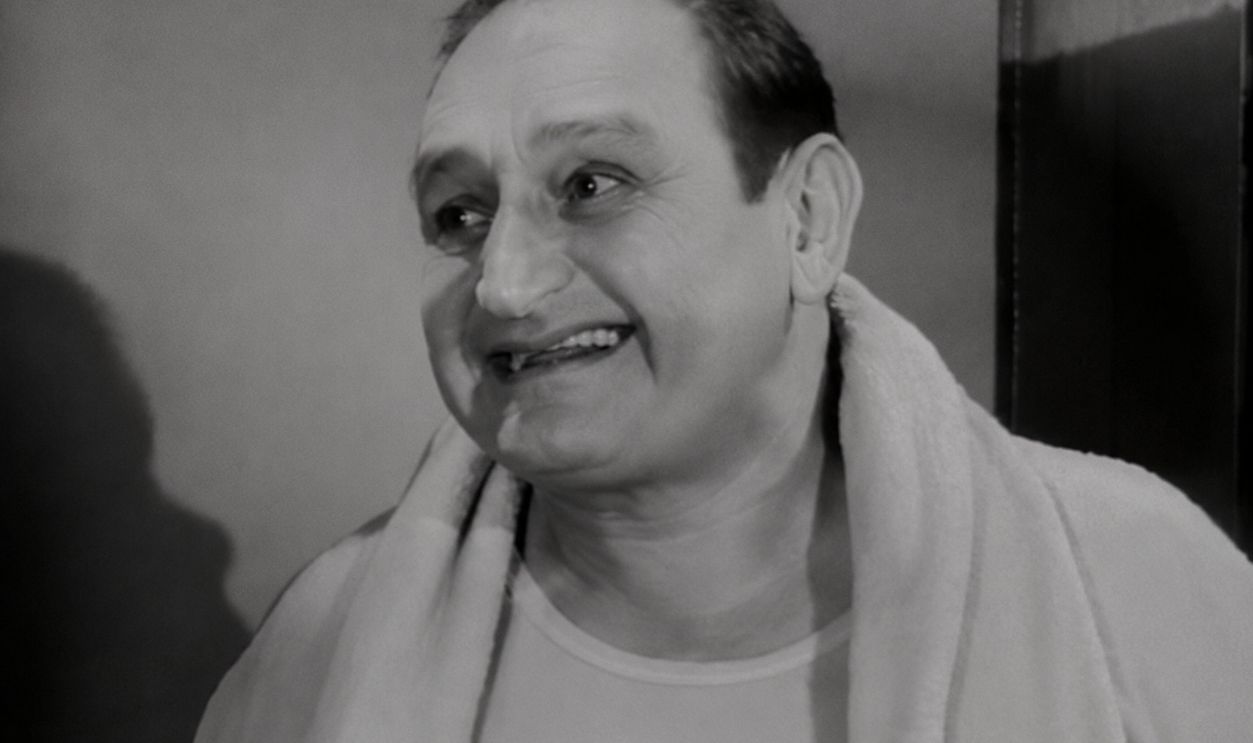 Screenshot from Car 54, Where Are You?, Radial Entertainment (1961-1963), Enhanced
Finding Grandpa Munster
Lewis's biggest opportunity arrived when producers cast him as Grandpa in The Munsters (1964–1966). His energetic performance, comic delivery, and ability to balance absurdity with warmth made him a natural fit for the eccentric family comedy that quickly developed a devoted audience.
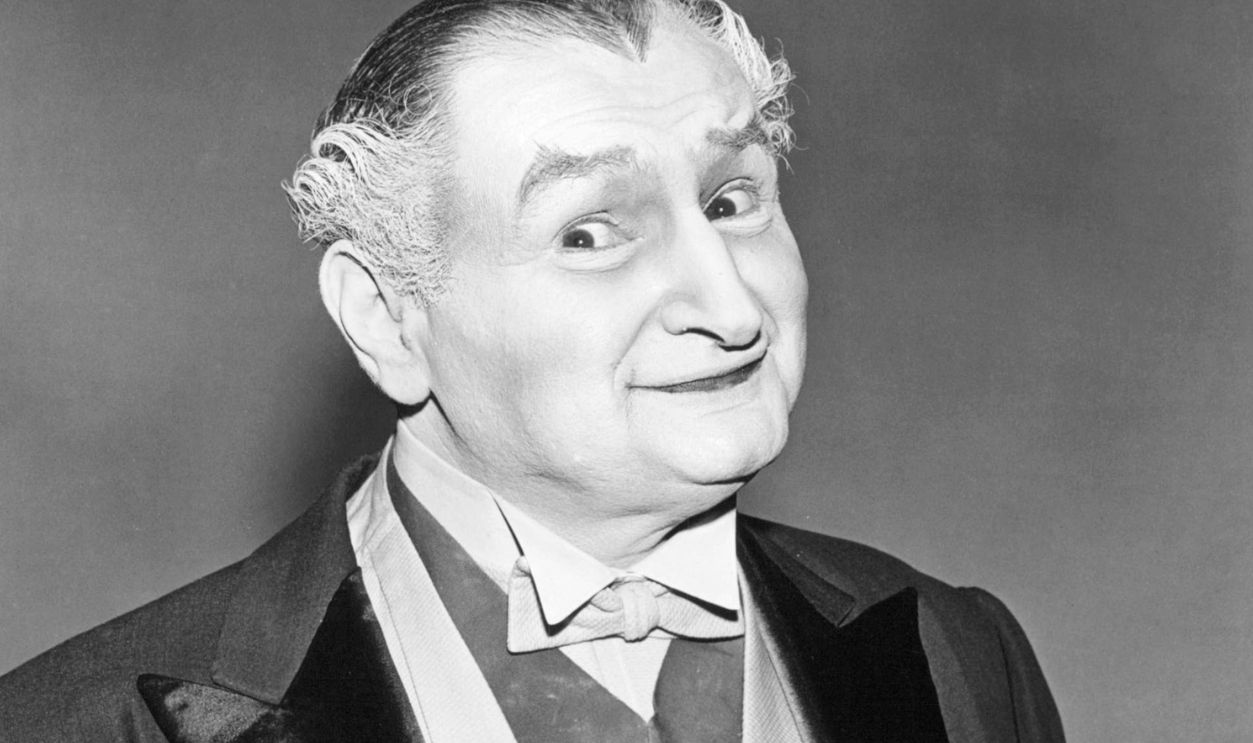 Silver Screen Collection, Getty Images
Becoming Grandpa
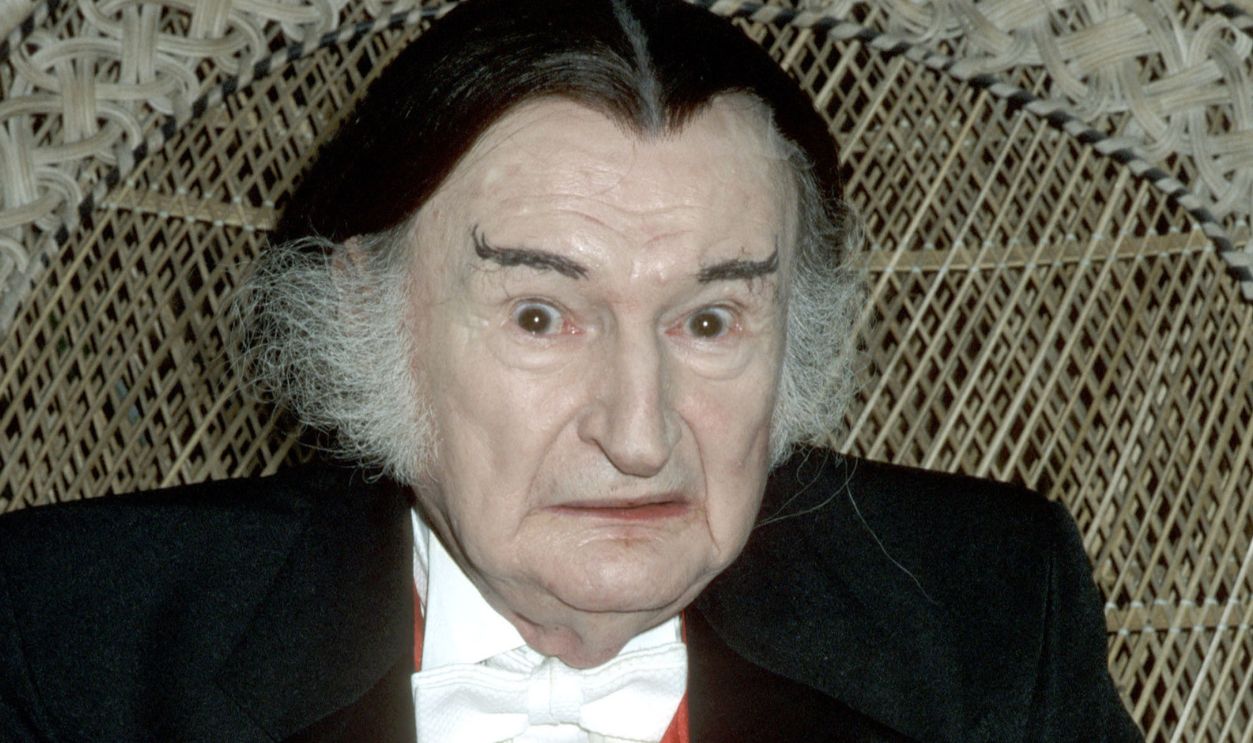
As Grandpa Munster, Lewis played the family's elderly vampire patriarch. The character's wild inventions, magical experiments, and endless schemes often drove the show's stories. Lewis brought enthusiasm and charm to the role, helping transform Grandpa into one of television's most recognizable comic monsters.
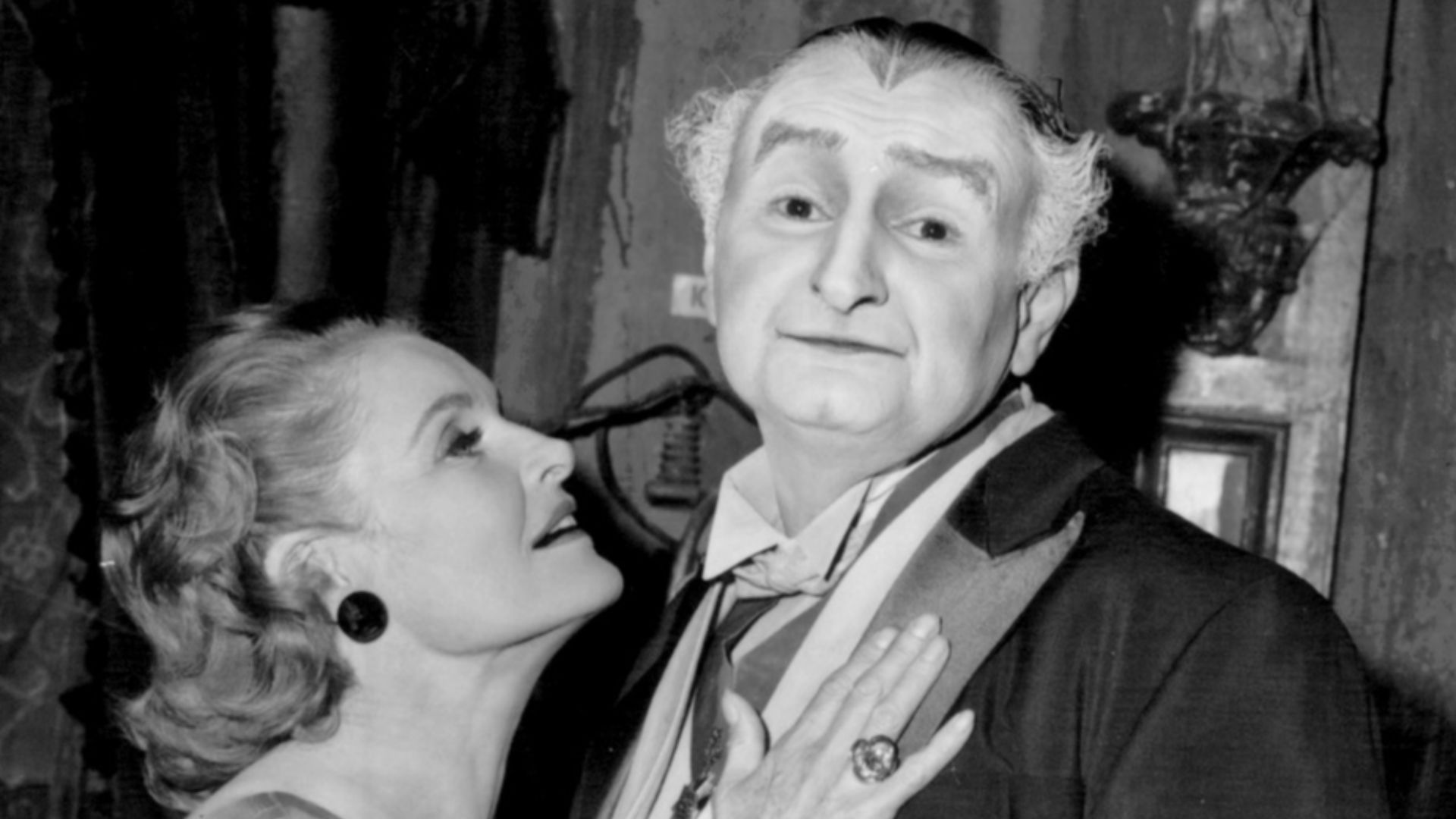 CBS Television, Wikimedia Commons
The Munster Family Dynamic
Much of the show's appeal came from Grandpa's relationships with the other characters. Lewis shared memorable scenes with Herman Munster (Fred Gwynn), Lily Munster (Yvonne De Carlo), Eddie Munster (Butch Patrick), and Marilyn Munster (Beverley Owen and then Pat Priest). Grandpa frequently offered advice, created problems, or joined Herman in some comic misadventures that delighted viewers.
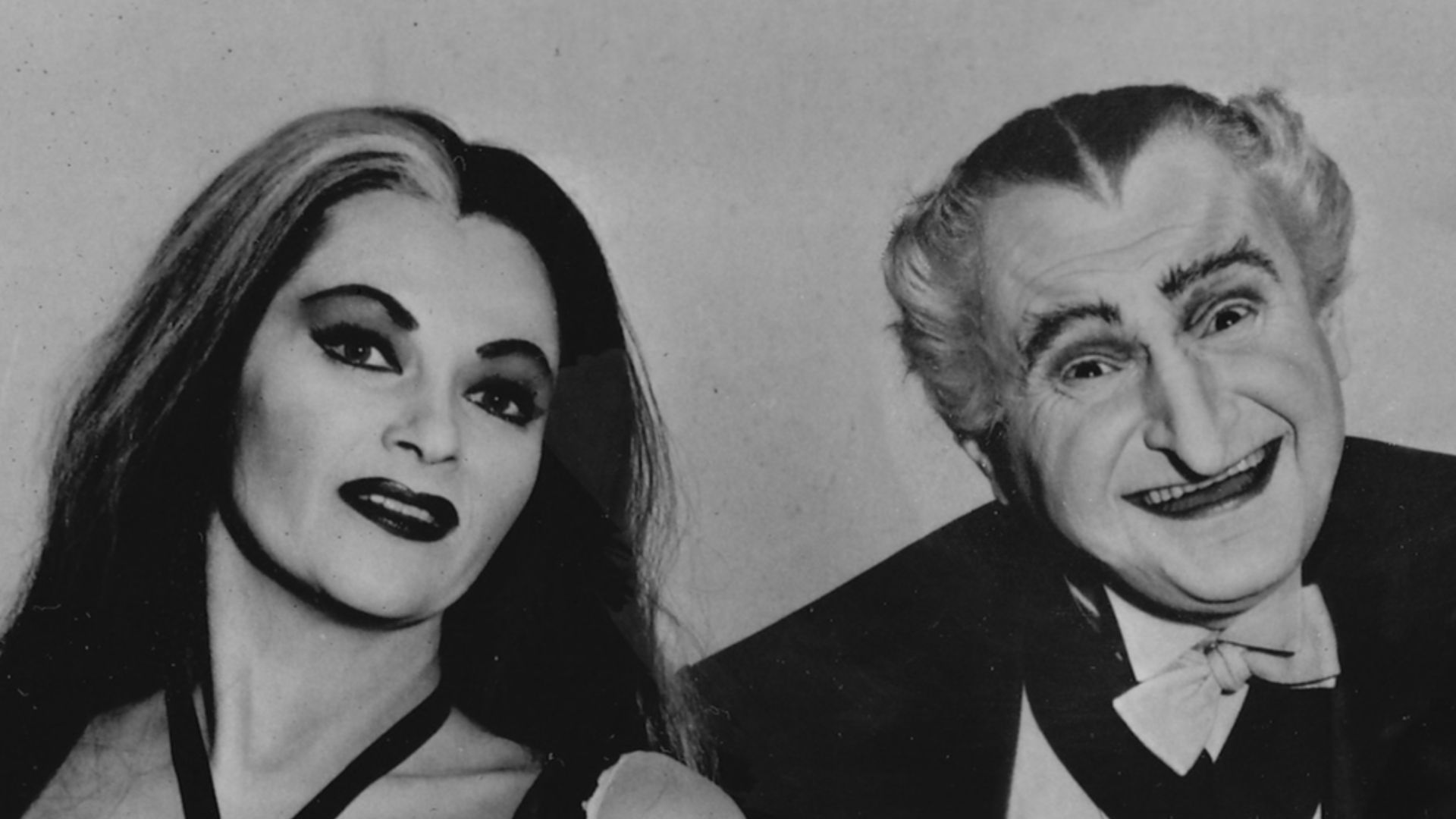 CBS Television Network., Wikimedia Commons
Munsters Success
The Munsters only lasted on the air for two seasons, but that was enough for it to become a cultural phenomenon. Lewis's portrayal of Grandpa remained especially popular in reruns. The role made him a household name and ensured that audiences would continue to associate him with the beloved character for decades afterward.
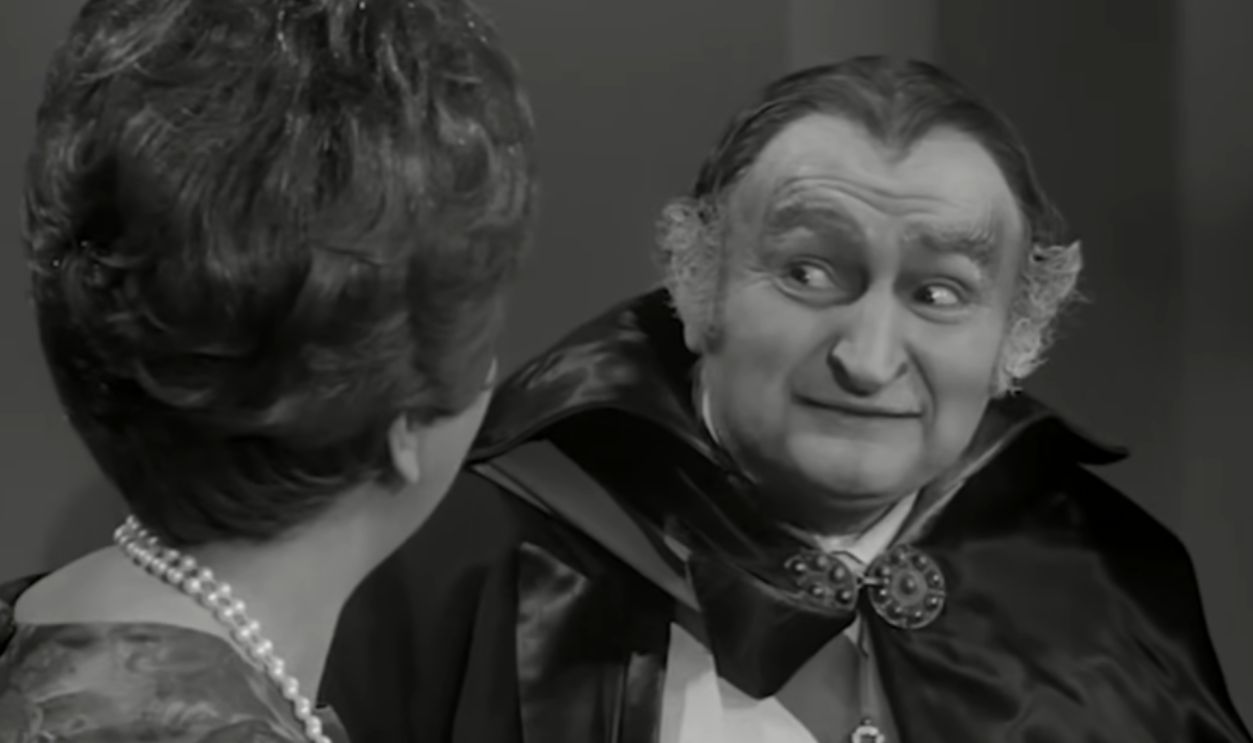 Screenshot from The Munsters, NBCUniversal (1964-1966)
Munster, Go Home!
Lewis reprised his signature role in the feature film Munster, Go Home! (1966). The movie allowed audiences to spend more time with the famous family after the television series ended. His performance preserved the same mischievous spirit that had made Grandpa such a fan favorite on television.
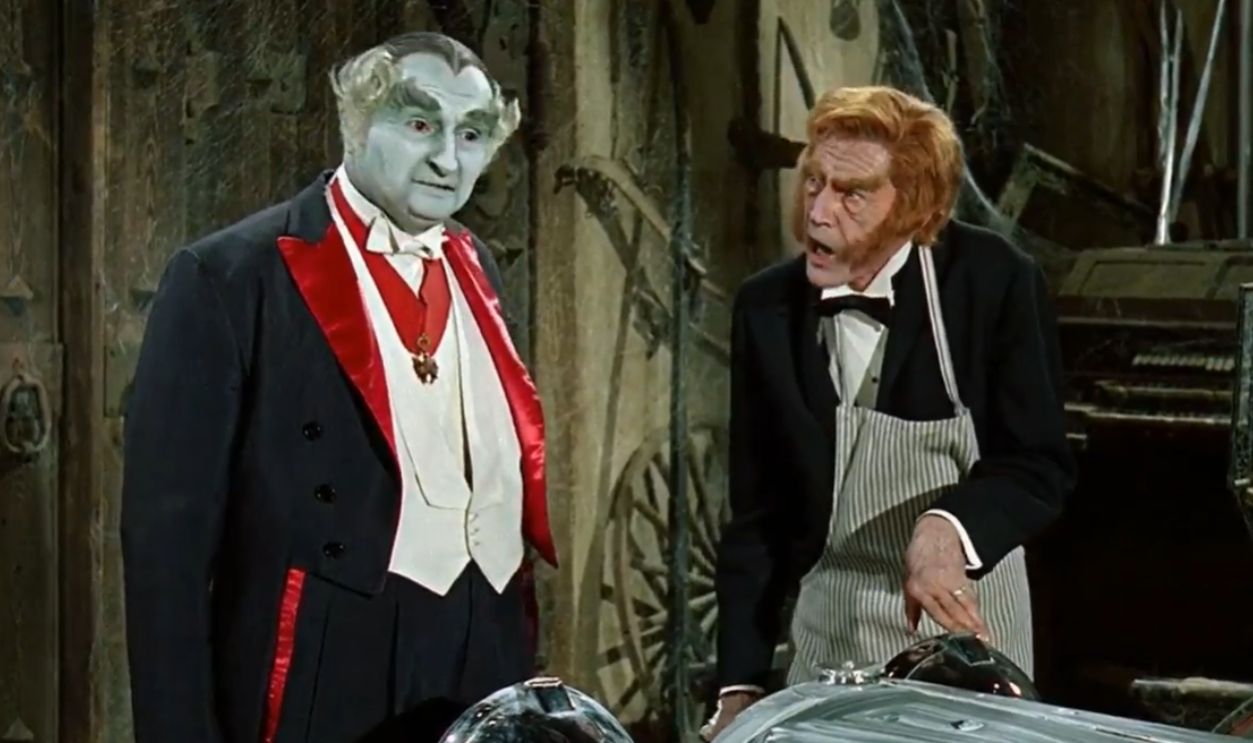 Screenshot from Munster, Go Home!, NBCUniversal (1966)
Family Man On- And Off-Screen
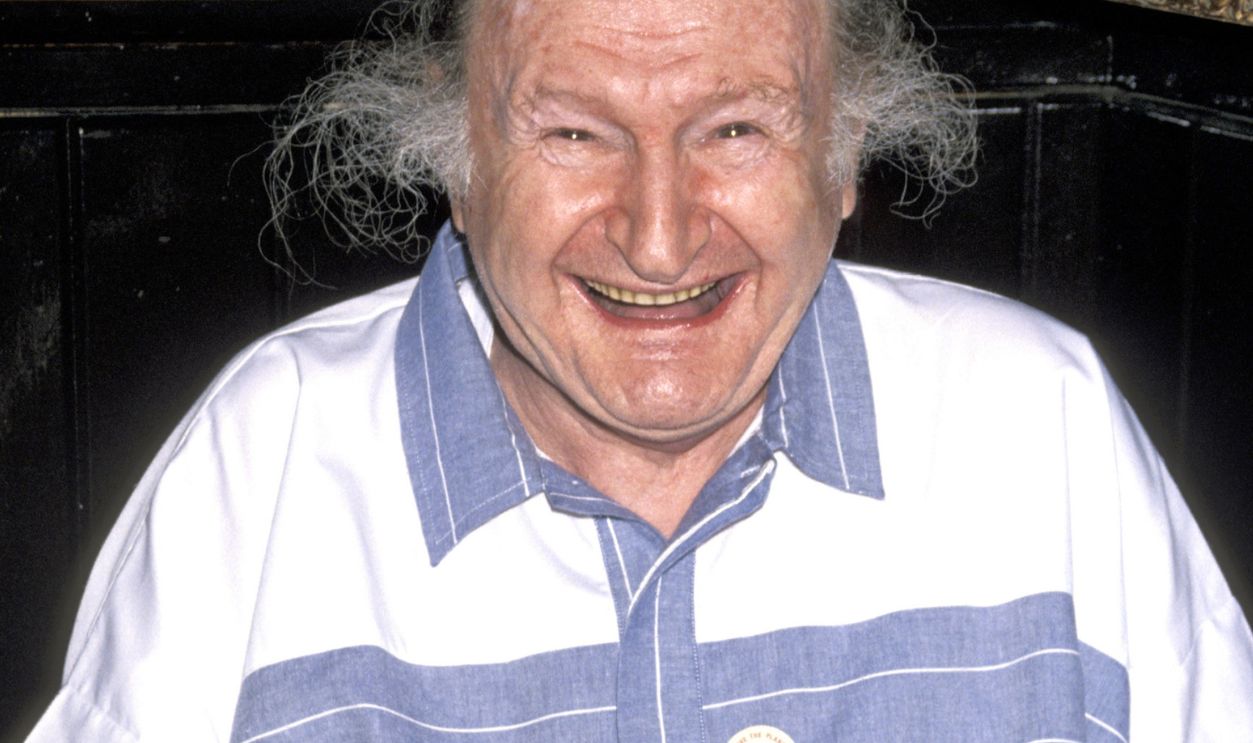
Al Lewis was married several times during his life and was the father of three children. Although he became widely known for his public career as an actor, radio host, and political activist, he generally kept much of his family life out of the spotlight. His marriages and children remained an important part of his personal world even as fame from The Munsters (1964–1966) and his later political activities brought him national attention.
Expanding Into Film
Following The Munsters, Lewis continued acting in film and television. He sought opportunities beyond his most famous character and demonstrated versatility in both comedic and dramatic projects. While Grandpa remained his best-known role, he steadily built a broader body of work.
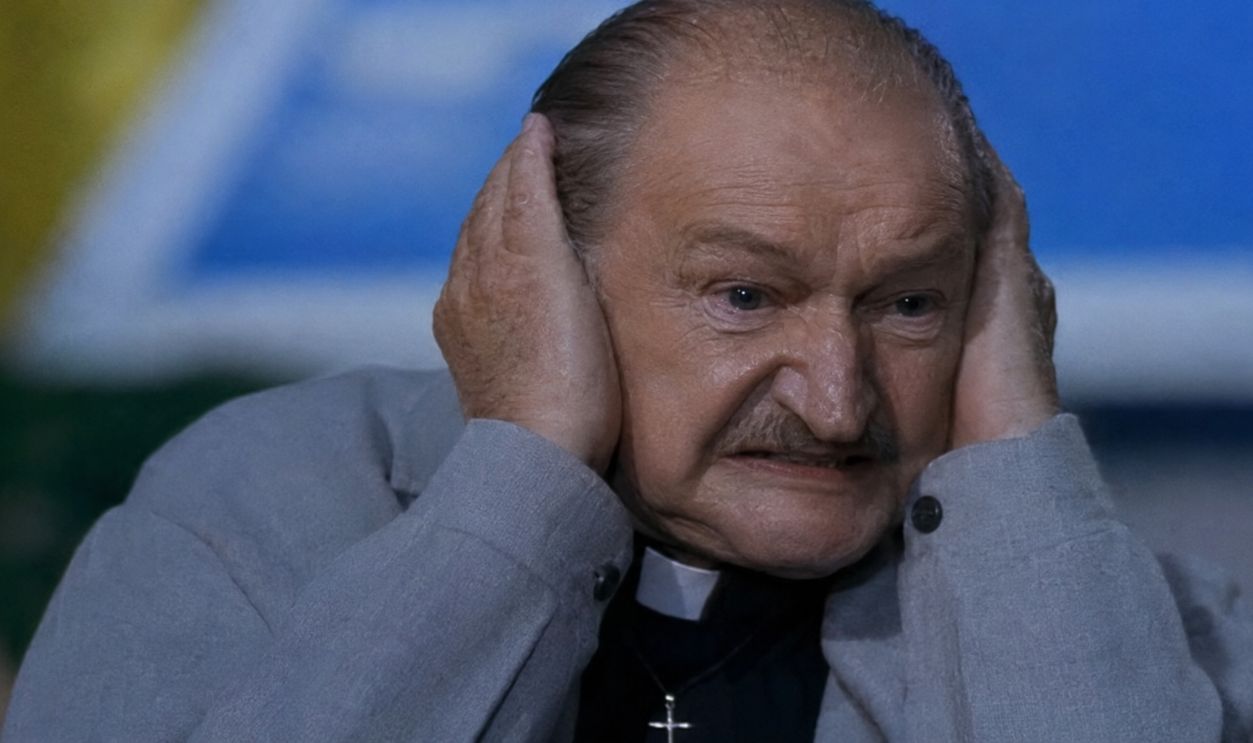 Screenshot from Night Terror, Rock Jar Productions Inc. (2002), Enhanced
Notable Film Roles
Lewis appeared in films including They Shoot Horses, Don't They? (1969), Death Wish (1974), and Married to the Mob (1988). These films were good examples of his ability to move between genres, appearing in projects ranging from acclaimed dramas to crime stories and dark comedies.
Continuing Television Work
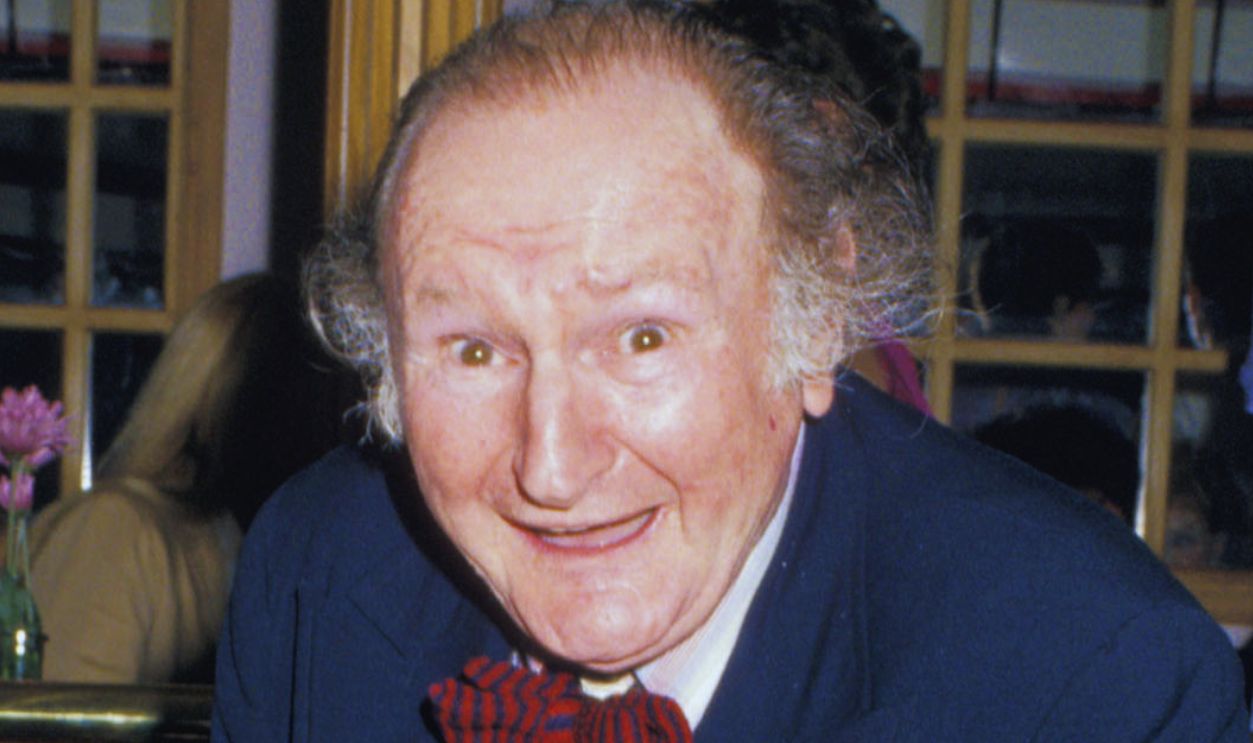
Throughout the 1970s and 1980s, Lewis remained active as a performer. He made guest appearances on various television programs while continuing to capitalize on the enduring popularity of The Munsters. Fans frequently welcomed him at conventions, interviews, and reunion events connected to the series.
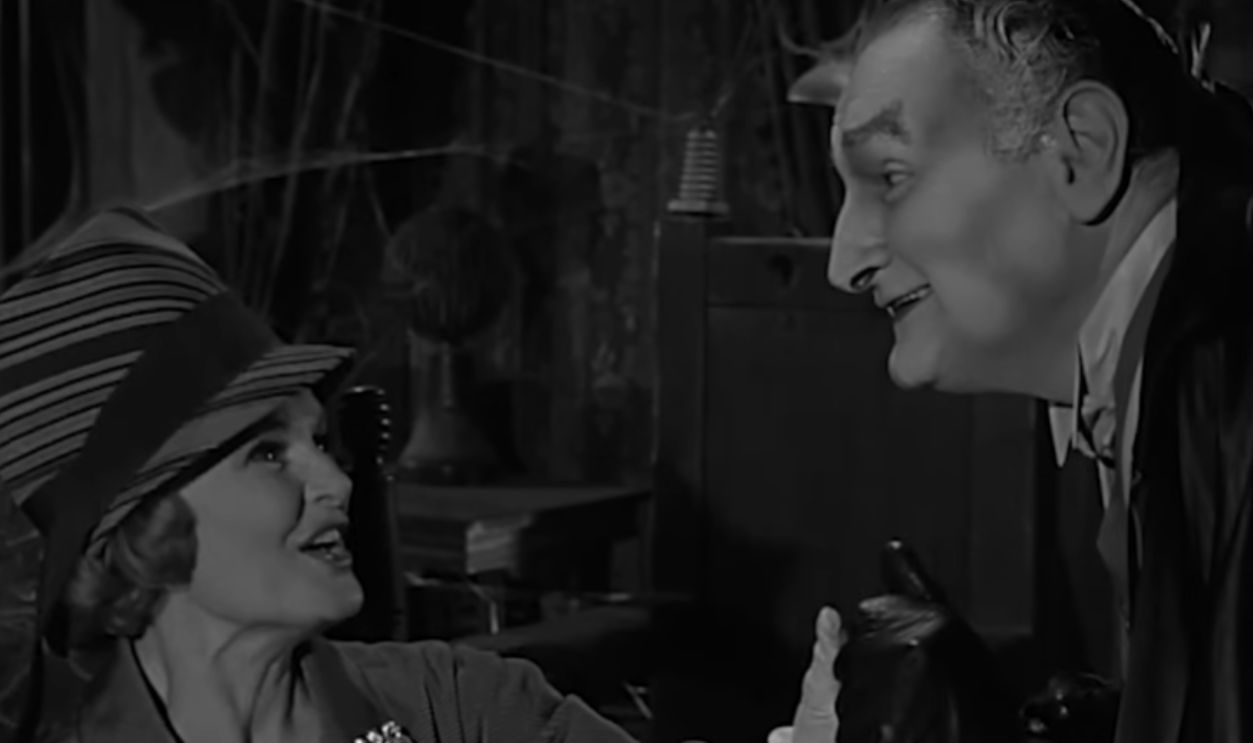 Screenshot from The Munsters, NBCUniversal (1964-1966)
Political Activism
As he grew older, Lewis became increasingly involved in political activism. He supported progressive causes and frequently spoke out on issues affecting working people. Unlike many celebrities who limited themselves to endorsements, Lewis actively participated in campaigns and public debates.
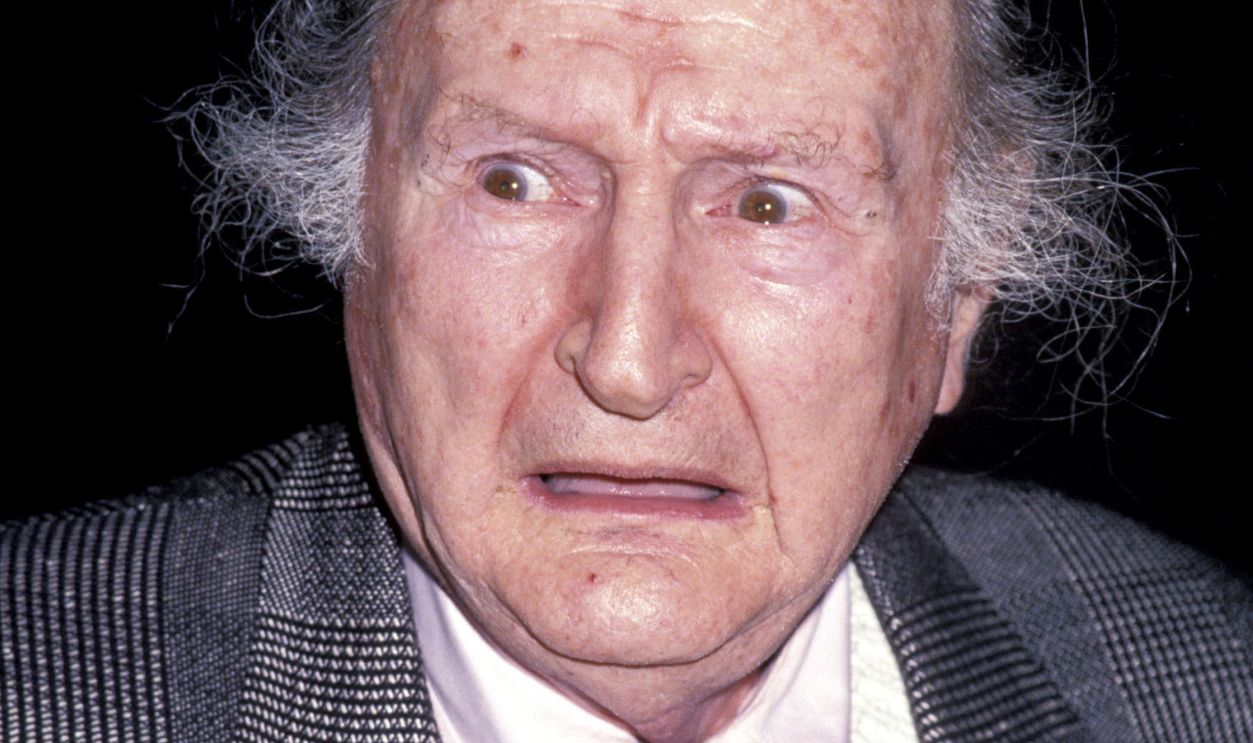
Radio Host And Commentator
Lewis expanded his political involvement by hosting his own radio program on WBAI FM, a listener-supported station. The show gave him a platform to discuss current events, public policy, and social issues. His outspoken style and willingness to challenge conventional wisdom attracted listeners interested in alternative political perspectives.
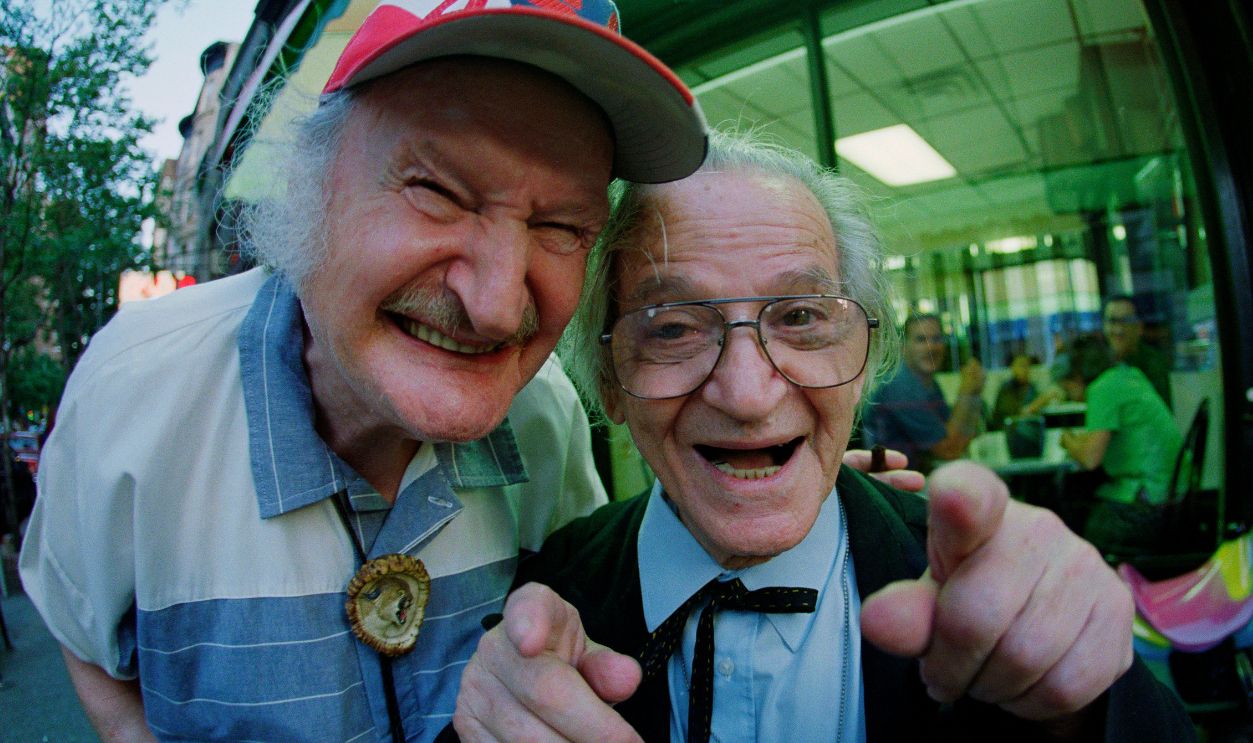 Lawrence Schwartzwald, Getty Images
Howard Stern Appearance
Lewis made a memorable appearance on The Howard Stern Show. His sharp humor, strong opinions, and refusal to back down during discussions made him a popular guest. The appearance introduced him to new audiences and demonstrated that his personality remained as energetic as ever.
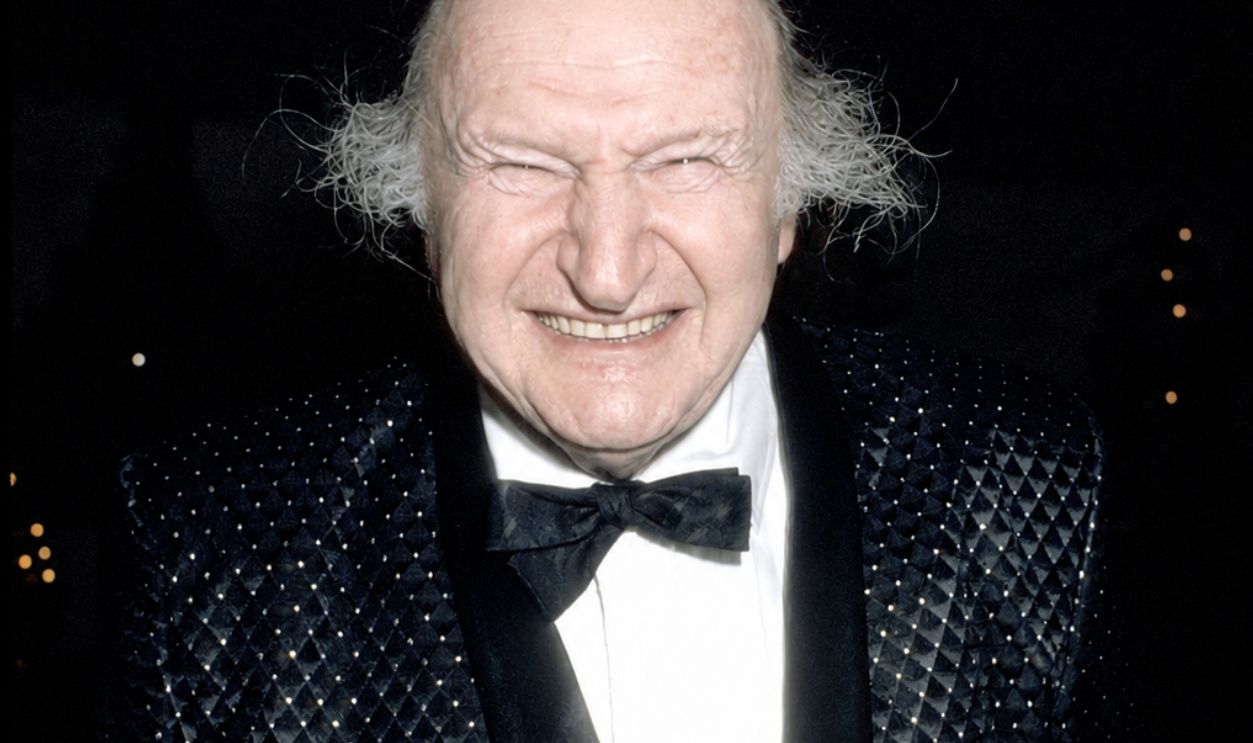 Ron Galella, Getty Images, Modified
Governor Campaign
In 1998, Lewis ran for governor of New York as the Green Party candidate. Many observers initially viewed the campaign as a novelty because of his television fame. Lewis insisted he was serious and used the campaign to promote environmental protection, social justice, and political reform.
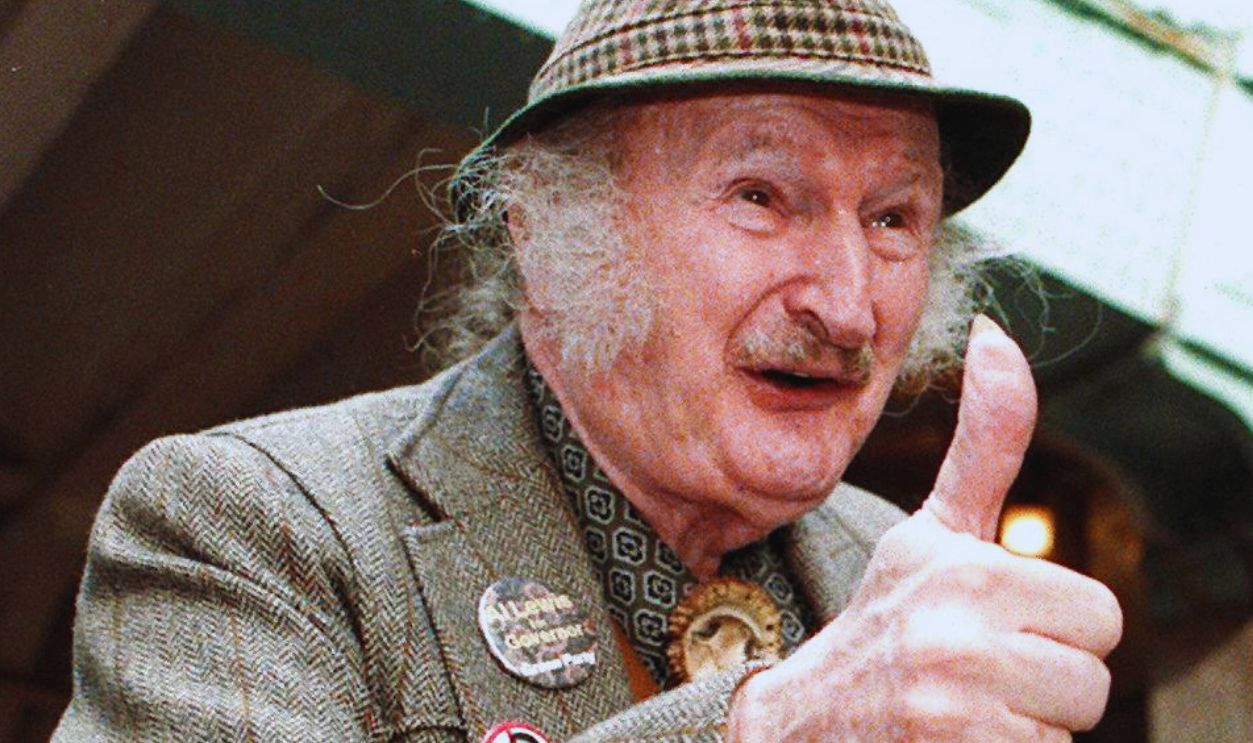 HENNY RAY ABRAMS, Getty Images
Ballot Name Dispute
During the gubernatorial campaign, Lewis sought permission to appear on the ballot as 'Grandpa Al Lewis,' as that was how voters best knew him. Election officials denied the request. Although disappointed, he continued campaigning vigorously and remained committed to drawing attention to Green Party ideas and policies.
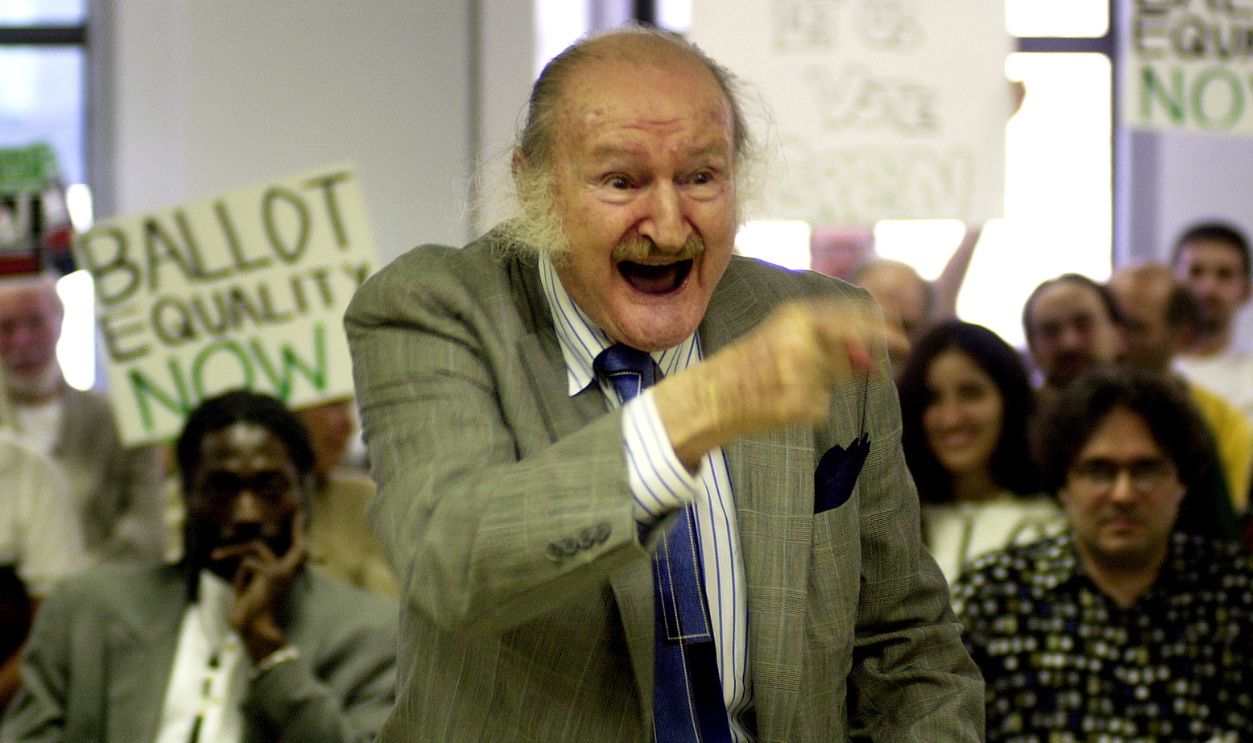
Green Party Success And Senate Run
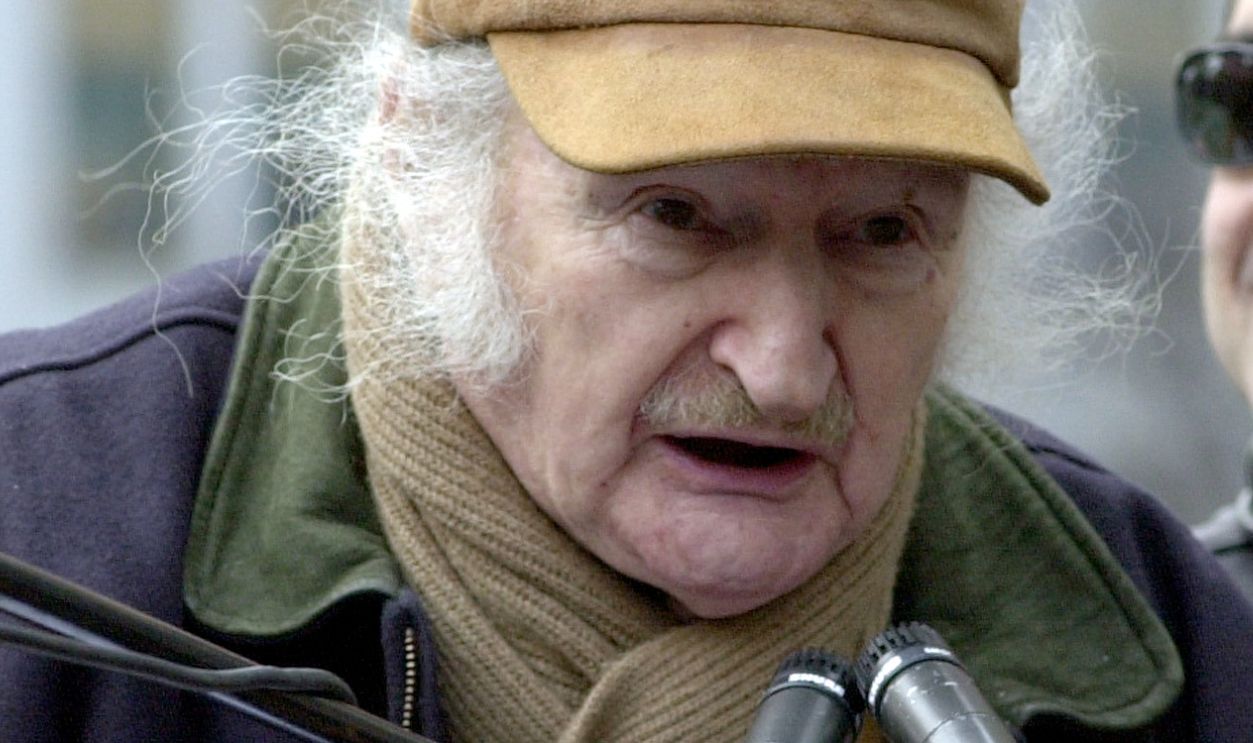
Lewis received enough votes in the 1998 gubernatorial race to help secure ballot status for the Green Party of New York. Building on that achievement, he made an unsuccessful bid for the Green Party nomination for the United States Senate in 2000, continuing his commitment to political activism.
Final Years
In the 2000s, Lewis experienced serious health problems but remained publicly active. Lewis died in 2006, leaving behind a legacy that combined beloved television comedy, noteworthy film performances, and determined political engagement that was rooted in the genuine concerns of everyday citizens.
You May Also Like:
Stunning Facts About Yvonne De Carlo, The Technicolor Queen