When Actors Hit Their Breaking Point
Hollywood sets can become overwhelming. Most performers push through difficult moments, but some reach a point where they walk away mid-scene. These real interruptions changed productions and exposed the pressure behind the camera. 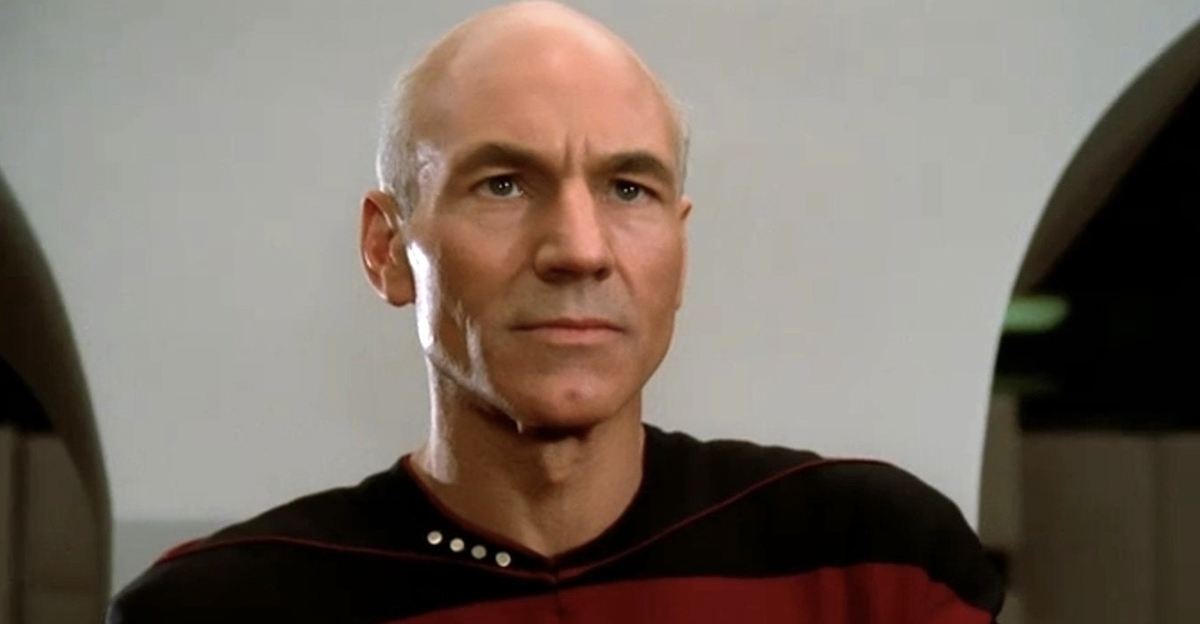
Scenes They Refused to Continue
We are talking about moments when actors literally left while a scene was underway. These were not disagreements during rehearsals or script meetings. Cameras were ready or rolling, and the actor chose to stop. These moments, when tension breaks through the surface, reveal how stressful filmmaking can become.

Gene Hackman Walked Away Early
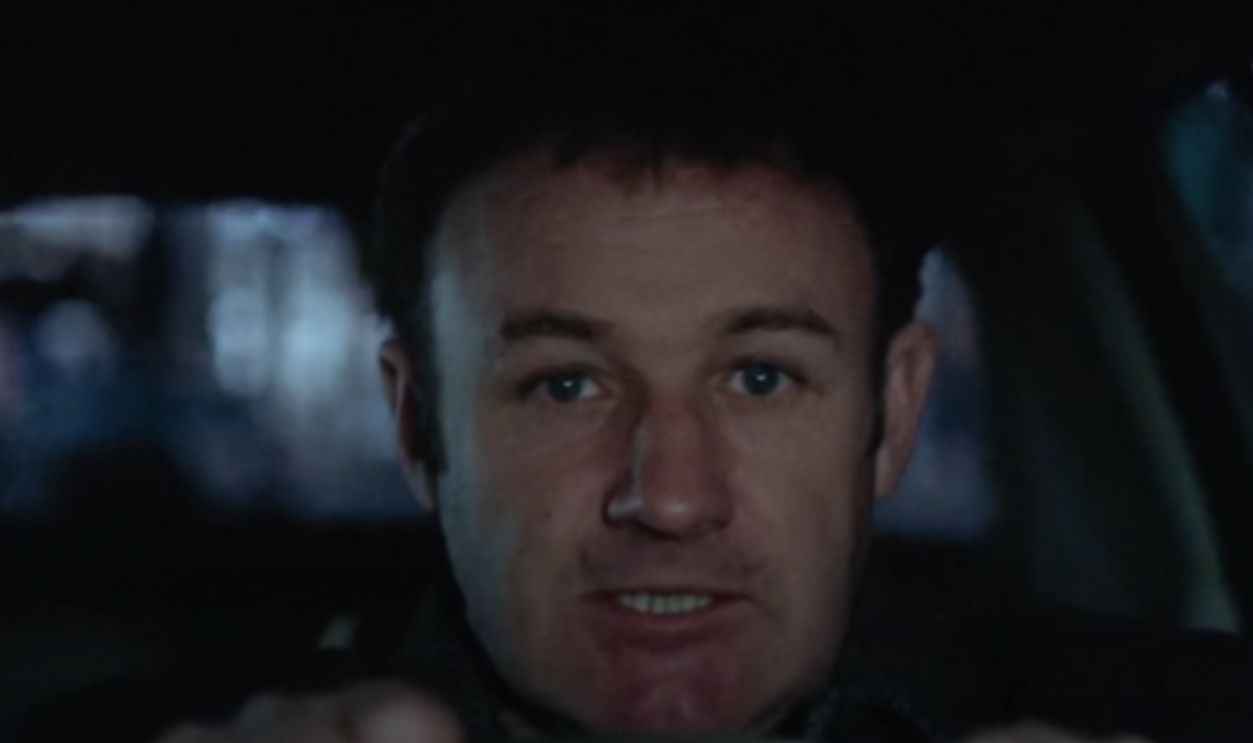
During the early days of filming The French Connection, Gene Hackman stopped the production. Director William Friedkin later said Hackman quit the film two days into shooting because the role demanded an intensity that overwhelmed him. Hackman walked off instead of continuing, surprising the crew during a crucial early stage.
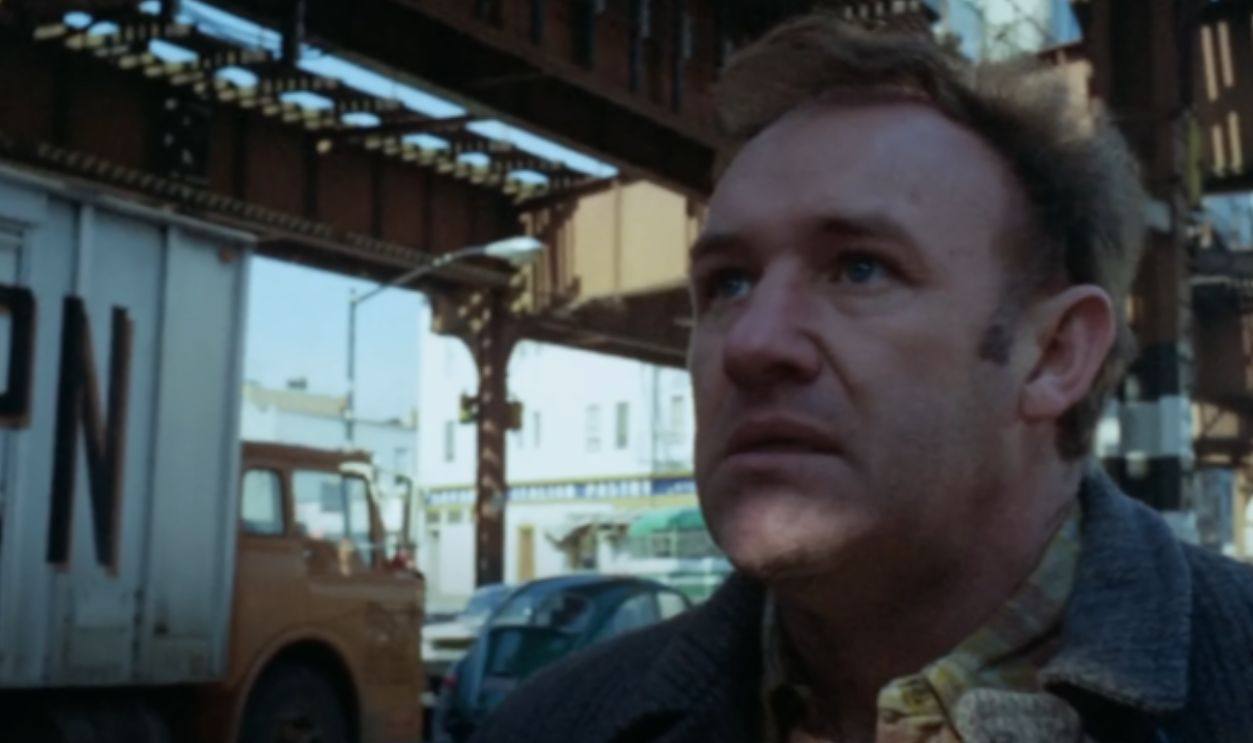 Screenshot from The French Connection, 20th Century-Fox (1971)
Hackman Eventually Returned
Hackman later came back to the production, but the incident remained a memorable early disruption. Friedkin’s account made it clear that the role placed heavy demands on Hackman from the start. The brief departure stood out as one of the first major hurdles the film had to overcome.
 Screenshot from The French Connection, 20th Century-Fox (1971)
Christian Bale’s Confrontation Stopped Filming
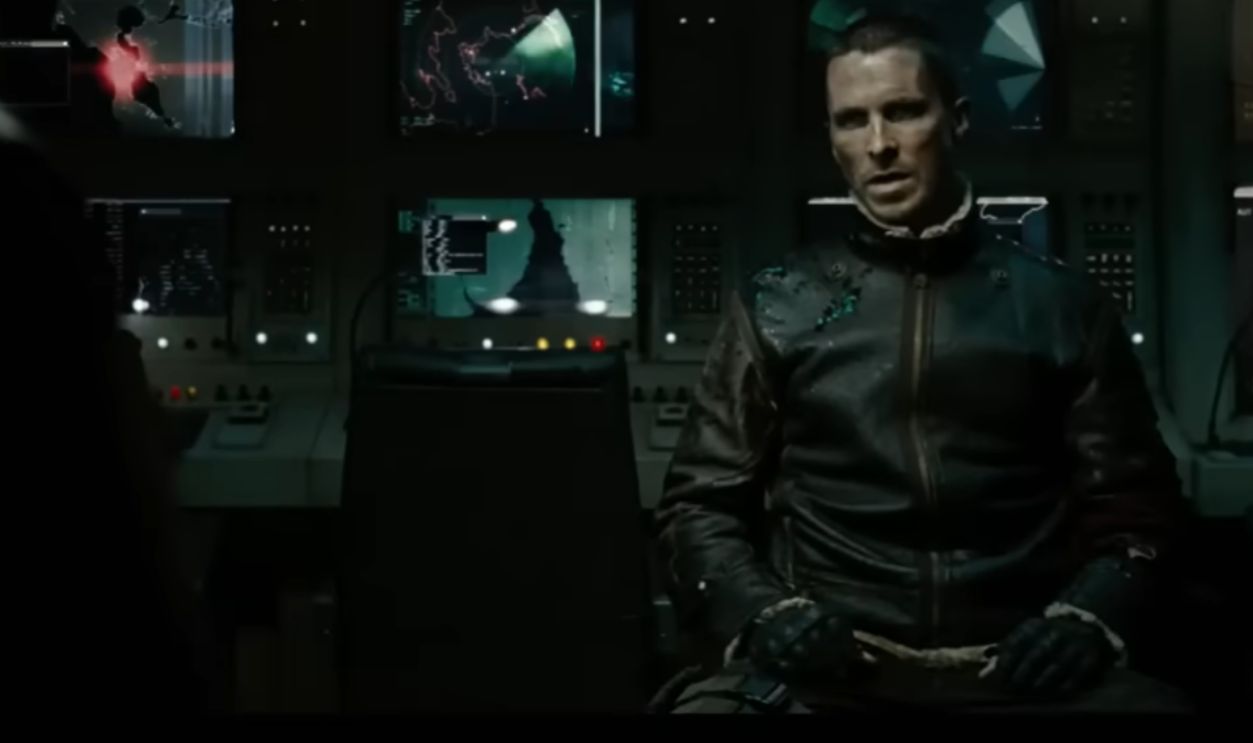
While filming Terminator Salvation, Christian Bale became furious during a confrontation with director of photography Shane Hurlbut. The argument escalated quickly. Bale’s anger effectively halted the scene as the dispute unfolded. The incident became one of the most widely discussed interruptions on a modern film set.
 Screenshot from Terminator Salvation, Warner Bros (2009)
The Leaked Audio Confirmed the Incident
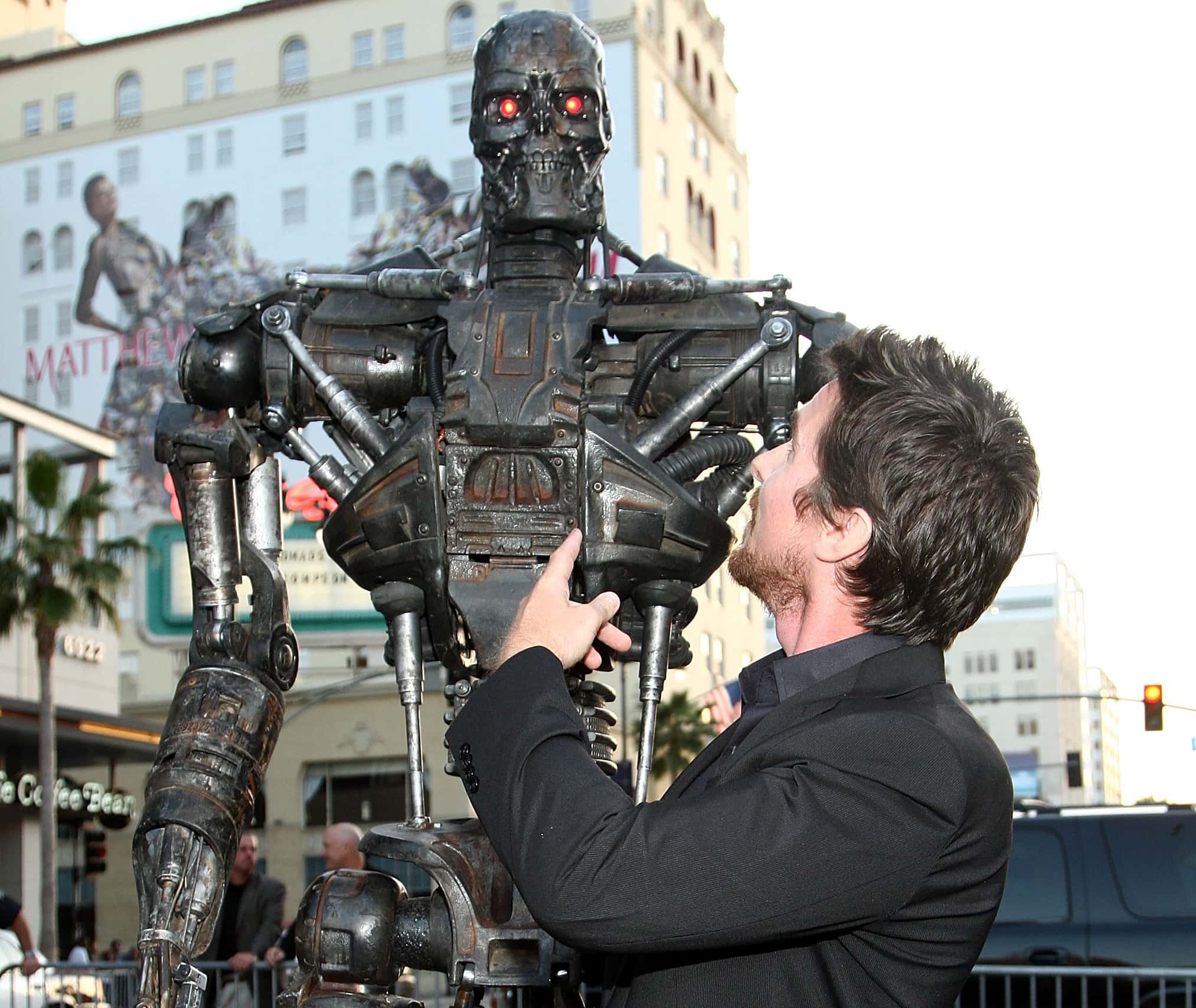
The moment gained international attention when audio of Bale shouting was leaked. The recording captured his threat to walk off during the confrontation. Bale later apologized and called his own behavior unacceptable. The leak provided clear evidence that the scene had broken down because of the argument.
 Alberto E. Rodriguez, Getty Images
Sharon Stone Reportedly Left a Final Scene
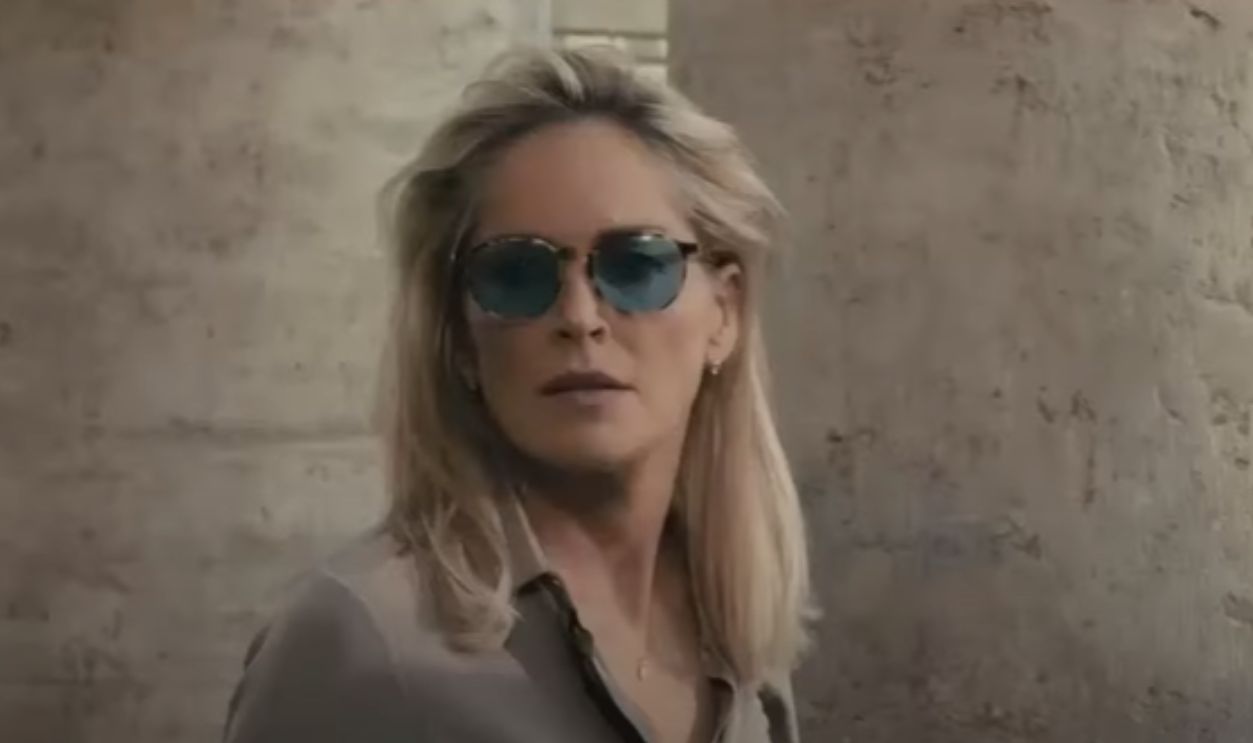
According to the director of A Golden Boy, Sharon Stone left during the filming of the movie’s final scene. He said she disliked the presence of a TV cameraman on set and “disappeared” during the moment. The report described the departure as sudden and unexpecNted.
 Screenshot from A Golden Boy, Rai Cinema (2014)
Reports Described a Sudden Exit
Because the reported walk-off happened during the final scene, it caused a notable disruption. The director’s statements framed the moment as a surprise rather than a planned pause. The account became one of the film’s most discussed behind-the-scenes stories because of when and how it occurred.
 Gage Skidmore from Peoria, AZ, United States of America, Wikimedia Commons
Patrick Stewart Walked Off Early in the Series
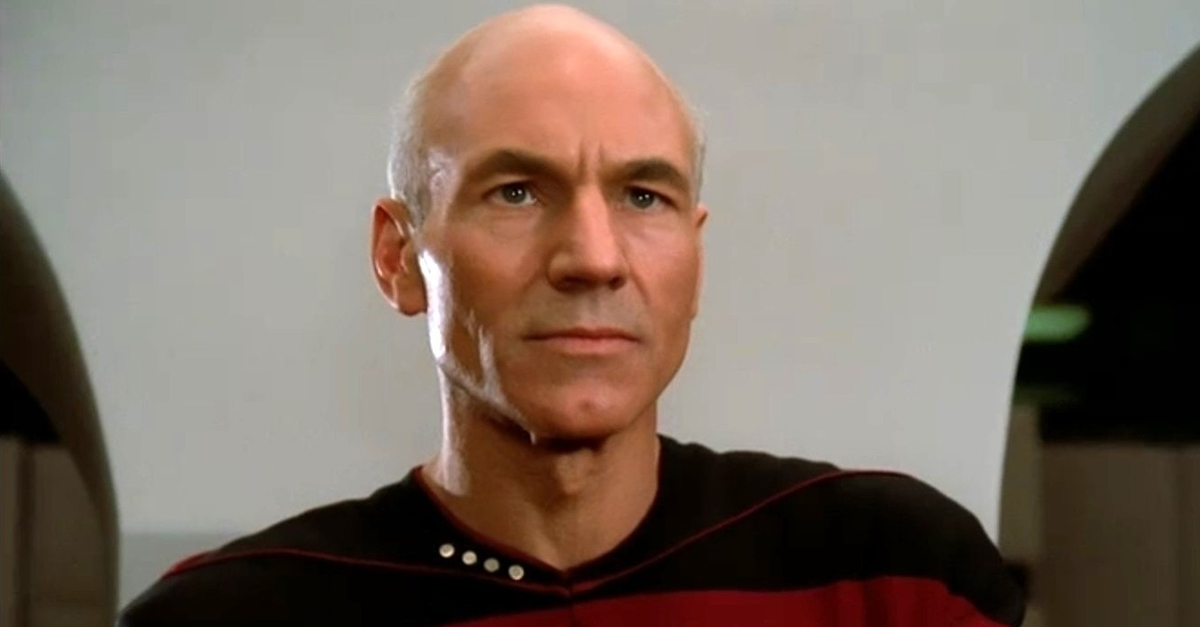
Patrick Stewart recalled in his memoir that he walked off the set during the early filming of Star Trek: The Next Generation. He felt the cast was not taking the work seriously. When he tried to address it, some cast members laughed. Stewart left and slammed his trailer door.
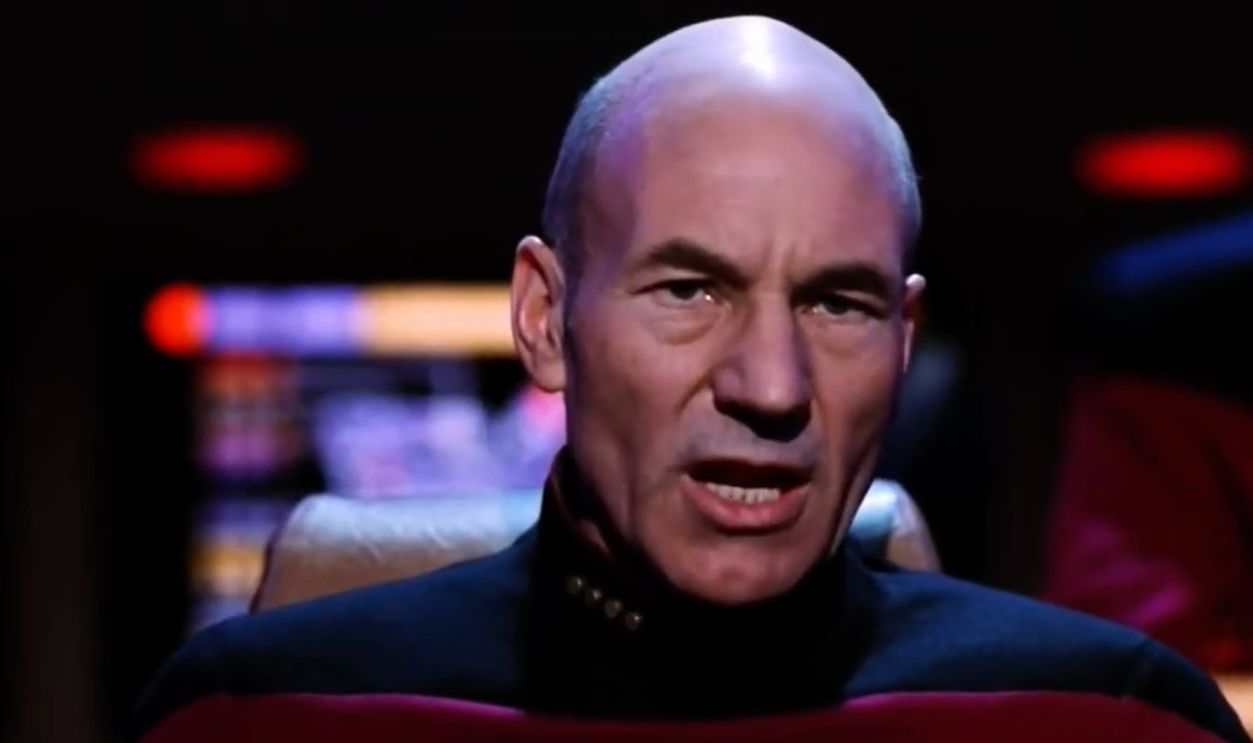 Screenshot from Star Trek: The Next Generation, Paramount Television (1987–1994)
Stewart Reflected on the Moment Later
Stewart’s account describes the walk-off as a reaction to frustration rather than anger at a specific scene. He later reflected on the incident in his memoir. The moment showed how seriously he approached the series during a time when the cast was still adjusting to one another.
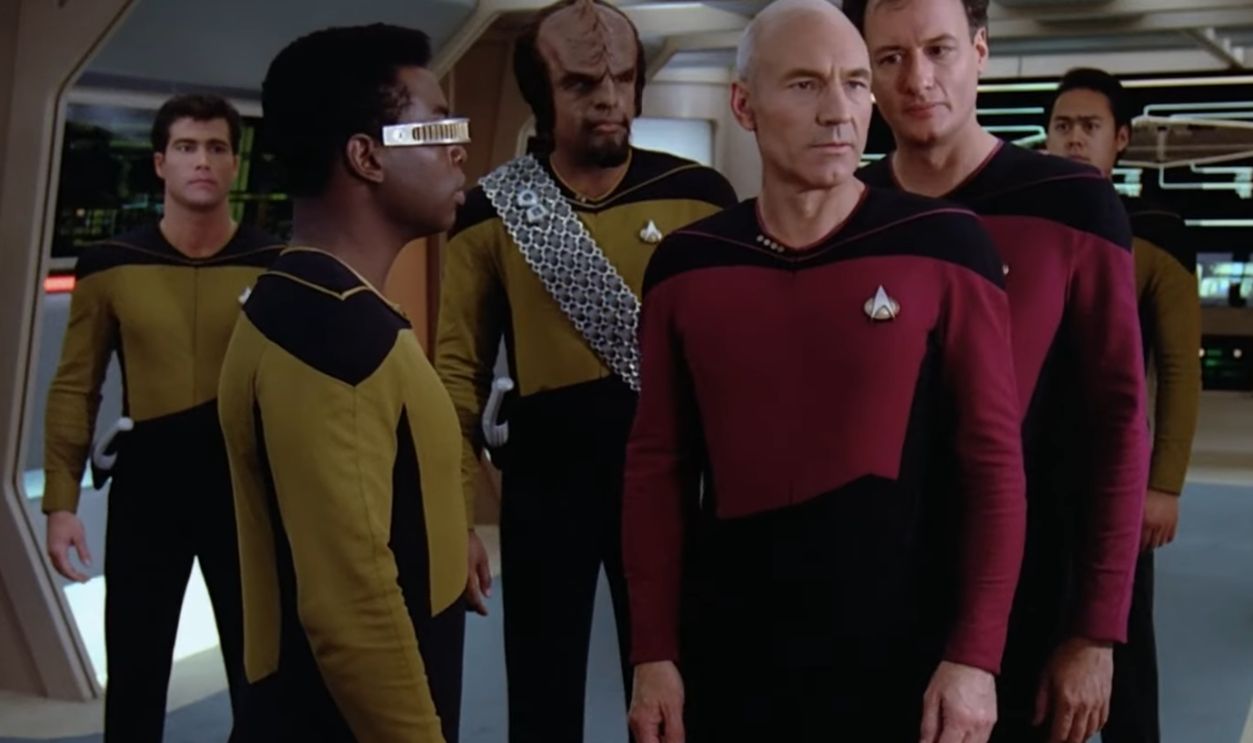 Screenshot from Star Trek: The Next Generation, Paramount Television (1987–1994)
Mary Elizabeth Mastrantonio Reached a Breaking Point
According to some behind-the-scenes reports about The Abyss, Mary Elizabeth Mastrantonio walked off during an intense emotional sequence. The accounts say she felt the direction in the moment became excessive. Her departure occurred mid-scene, leaving a noticeable interruption in the flow of filming.
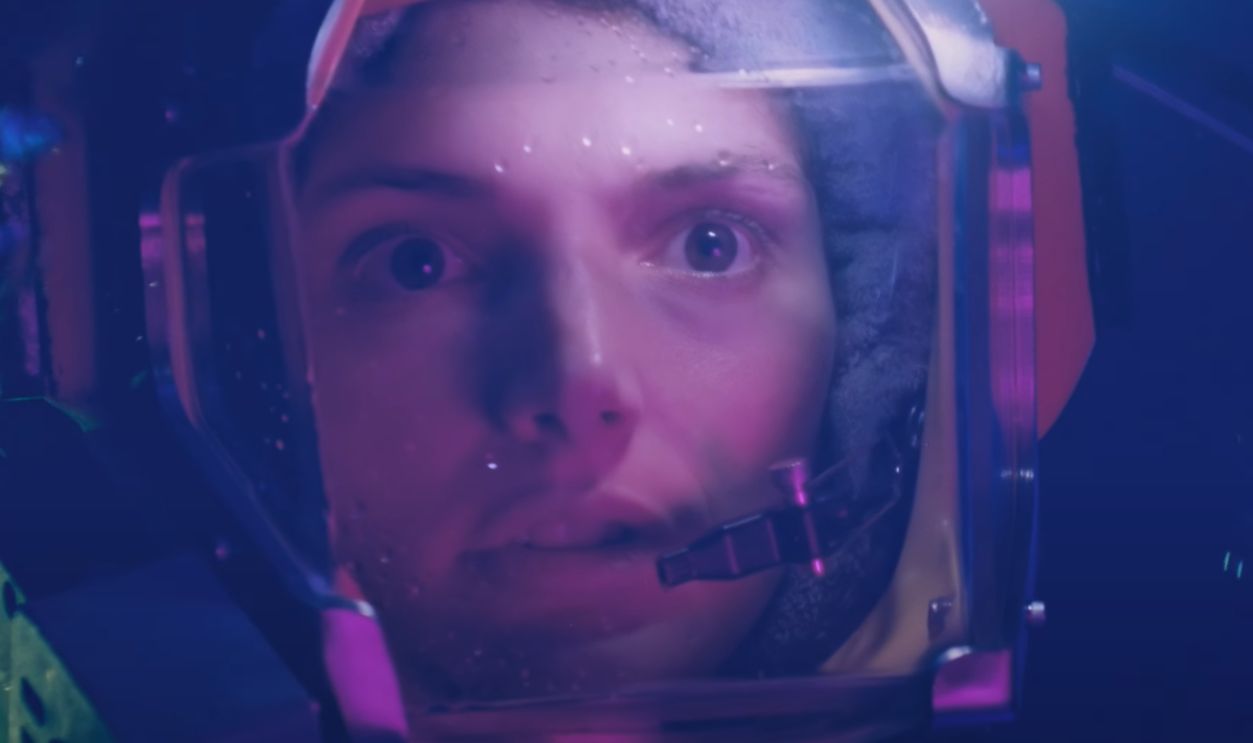 Screenshot from The Abyss, 20th Century Fox (1989)
The Scene Was Already Difficult
These reports emphasize how physically and emotionally challenging the production was. Mastrantonio’s exit appeared in several secondary sources discussing the tough conditions. The accounts describe the walk-off as a response to a particularly demanding moment rather than a general issue with the production.
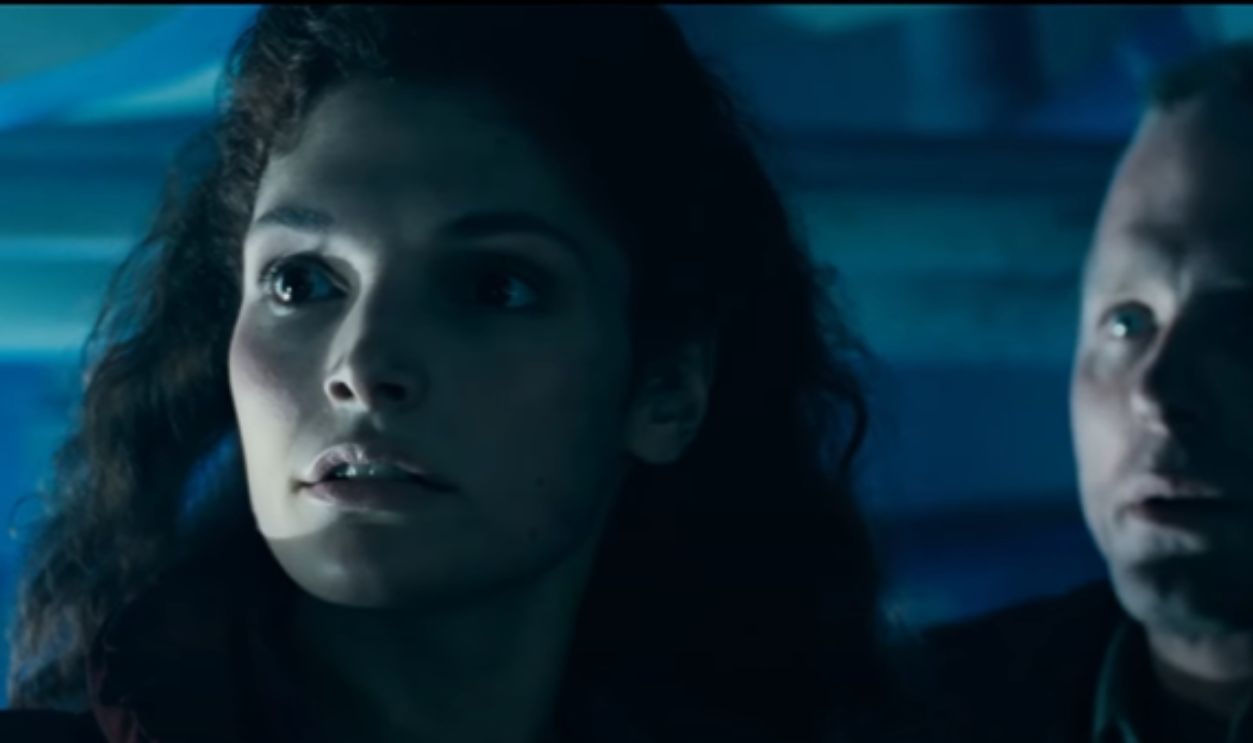 Screenshot from The Abyss, 20th Century Fox (1989)
Some Stories Remain Unclear
Walk-off stories often circulate for years, but not all details can be confirmed. Some entries appear mainly in compiled lists and may lack primary sourcing. These stories may contain an actual event, but the exact circumstances can remain difficult to verify:
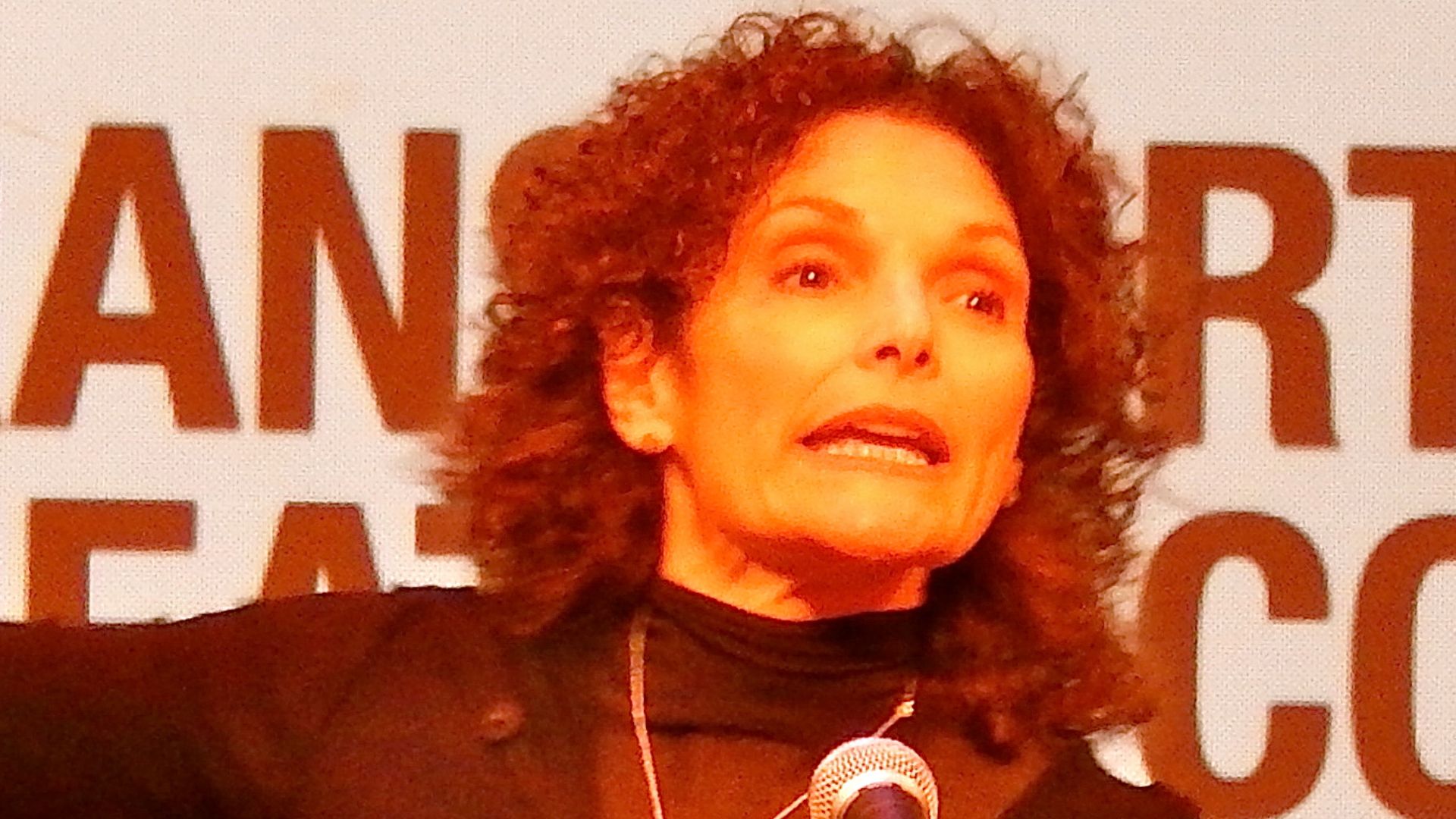 Sarah Ackerman, Wikimedia Commons
Emma Watson’s Exit Is Disputed
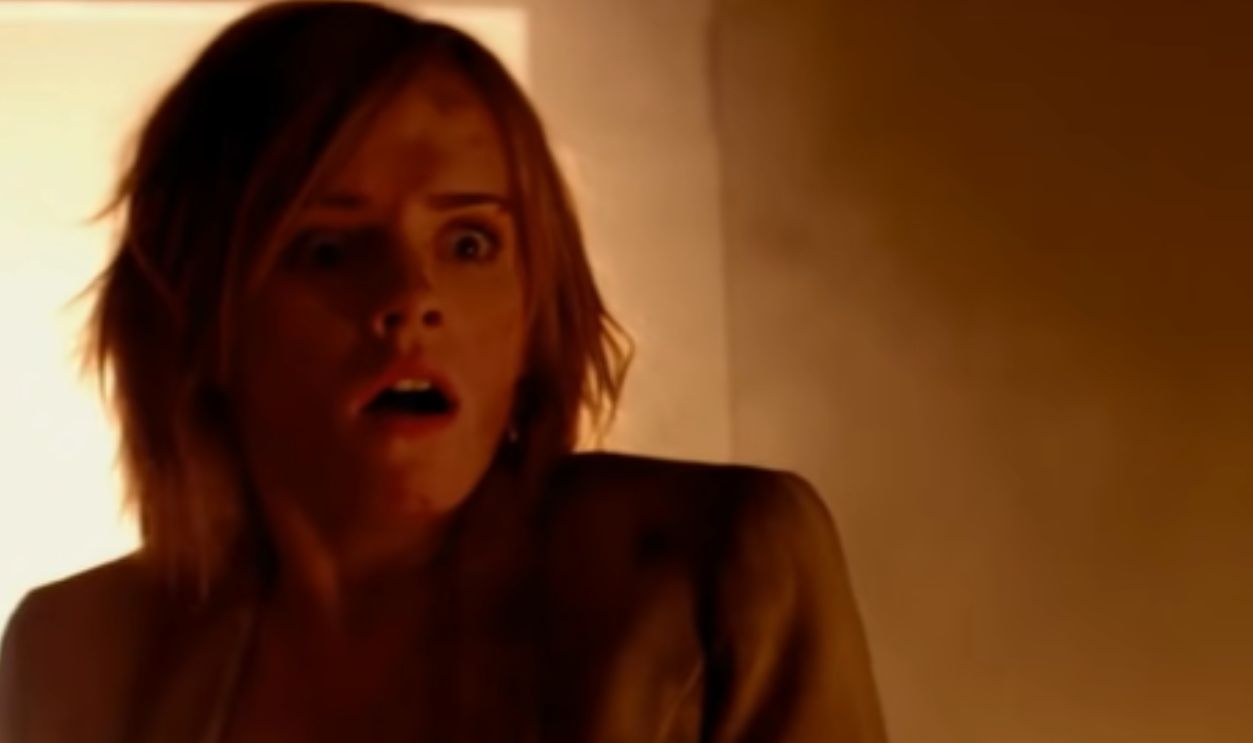
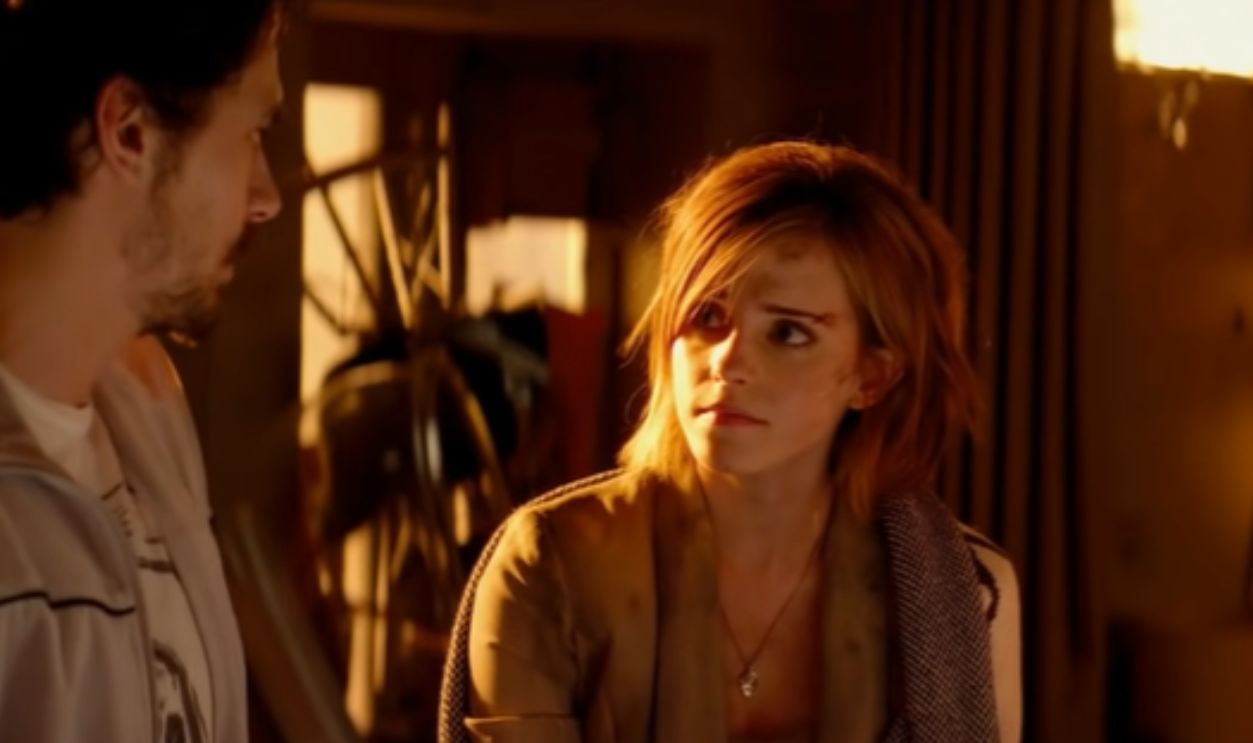
One debated example involves Emma Watson on the set of This Is the End. Some reports claim she left because a scene became too extreme. Later commentary from a creator said she did leave the set, but not angrily. He also rejected claims that she behaved unprofessionally.
 Screenshot from This Is the End, Sony Pictures Releasing (2013)
Conflicting Accounts Complicate the Story
Because these descriptions differ, the details of Watson’s walk-off remain uncertain. Some sources frame it as a storm-off, while others dispute that characterization. The disagreement makes this one of the more contested examples. It highlights how easily behind-the-scenes events can be interpreted in different ways.
 David Shankbone, Wikimedia Commons
Walk-Offs Interrupt More Than a Scene
When an actor leaves mid-shoot, filming stops immediately. Equipment must be held in place, and the day’s schedule shifts. Even a brief interruption can cause delays. These disruptions affect everyone working on the production and leave a record of how quickly a set can fall out of rhythm.
 Screenshot from This Is the End, Sony Pictures Releasing (2013)
Stress Can Build Quietly
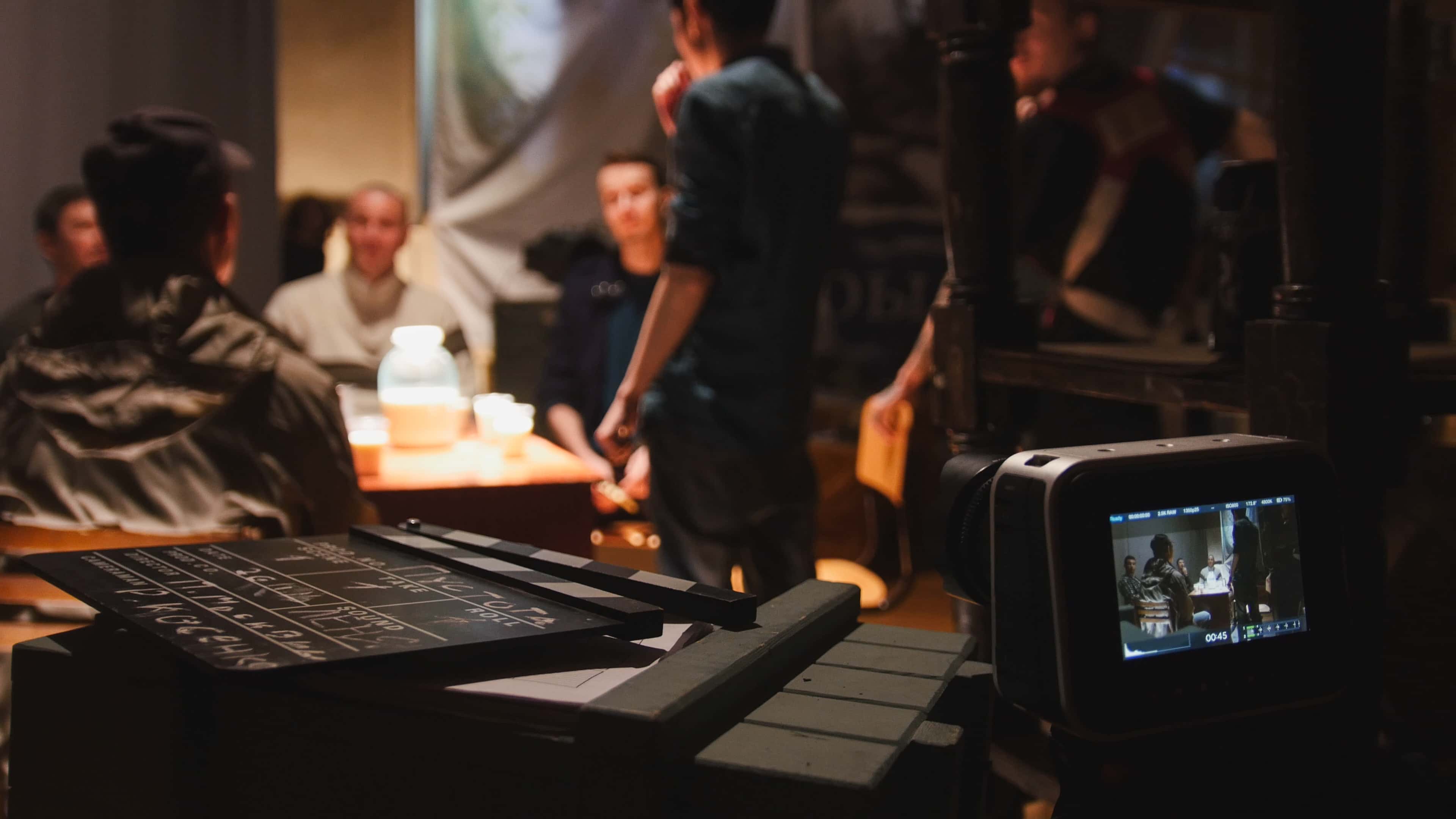
Film sets may look calm, but pressure builds throughout long days. Actors may work through fatigue and emotional strain until something finally triggers a break. The confirmed walk-offs in this article show how quickly a scene can collapse when stress becomes too heavy for an actor to manage.
 KONSTANTIN_SHISHKIN, Shutterstock
Creative Tension Plays a Role
Some walk-offs come from creative disagreements. Actors may feel a scene is directed in a way they cannot accept, while directors push for specific choices. When these perspectives clash, tempers can rise. Walking off can become a way for an actor to express a limit in the moment.
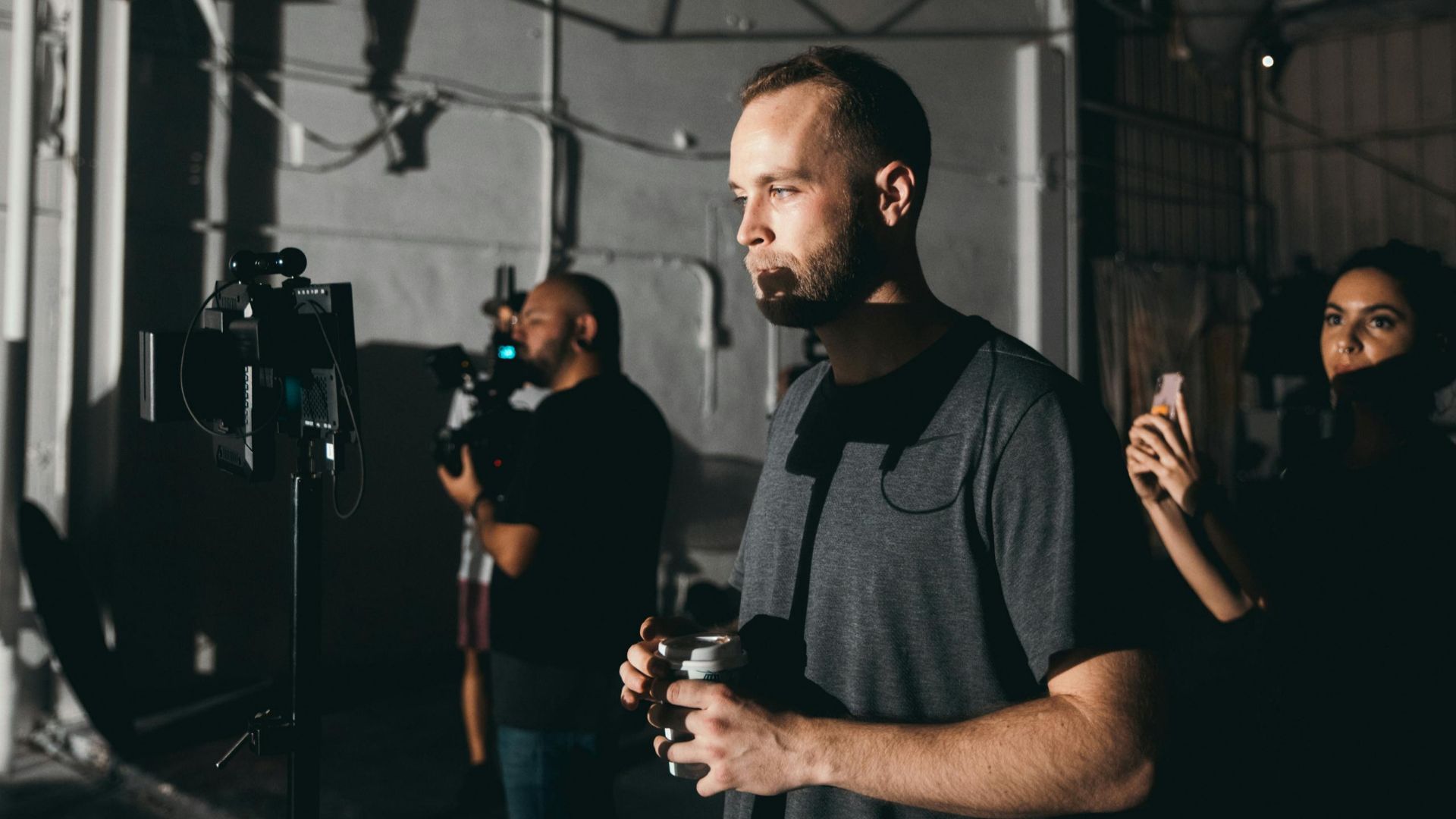
Physical and Emotional Demands Matter
Several incidents here involved intense or emotional scenes. When an actor becomes overwhelmed, leaving can be a temporary form of self-protection. These moments show how demanding certain productions can become. They also make clear that even experienced actors can reach a point where they step away.
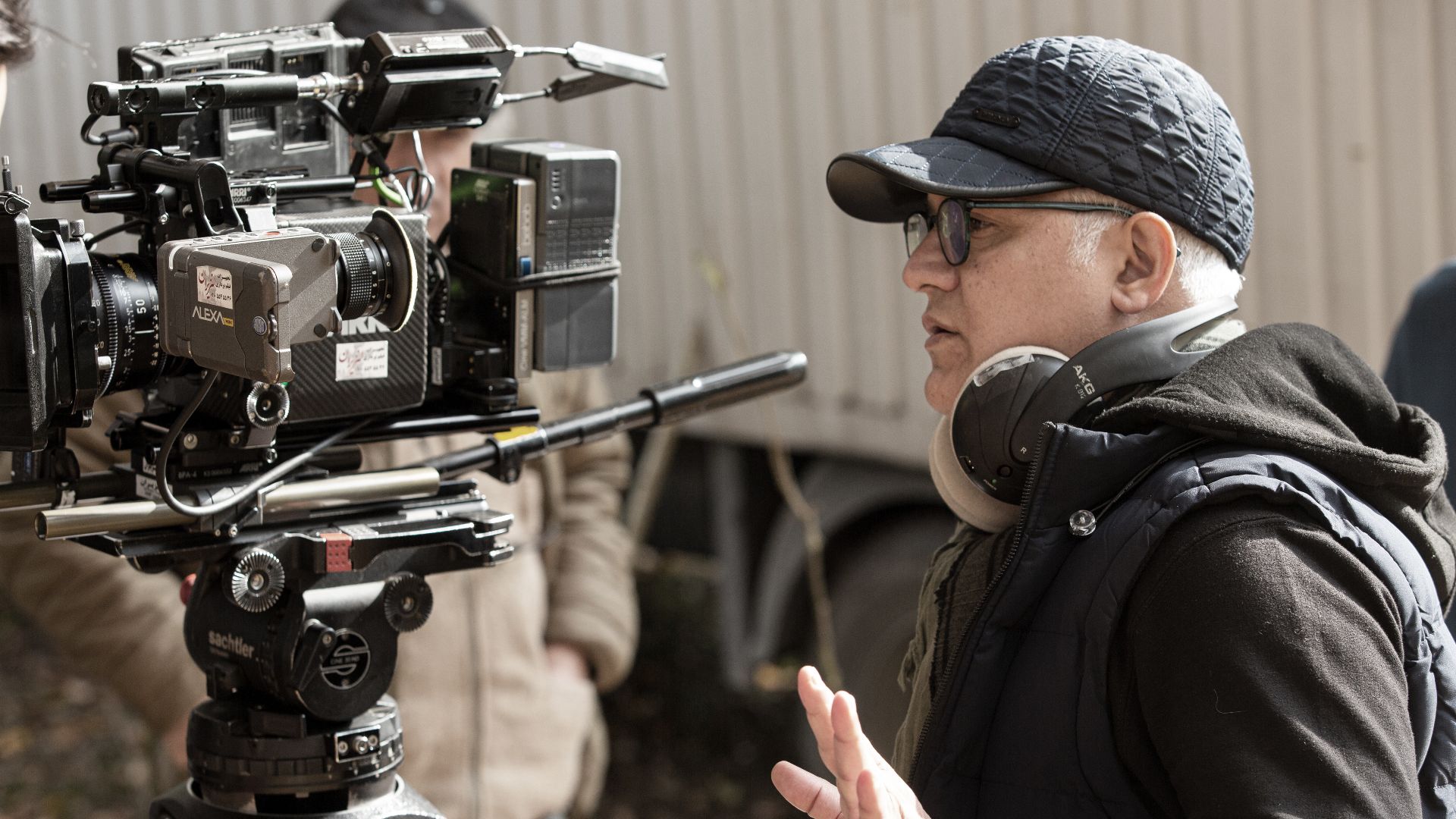 Na.234996.ouz, Wikimedia Commons
The Environment Shapes the Outcome
On-set conditions affect how these incidents unfold. An atmosphere that feels unfocused can frustrate some performers. A highly intense environment can overwhelm others. Even small changes during filming can influence whether someone continues or stops. These examples demonstrate how delicate the balance on a set can be.
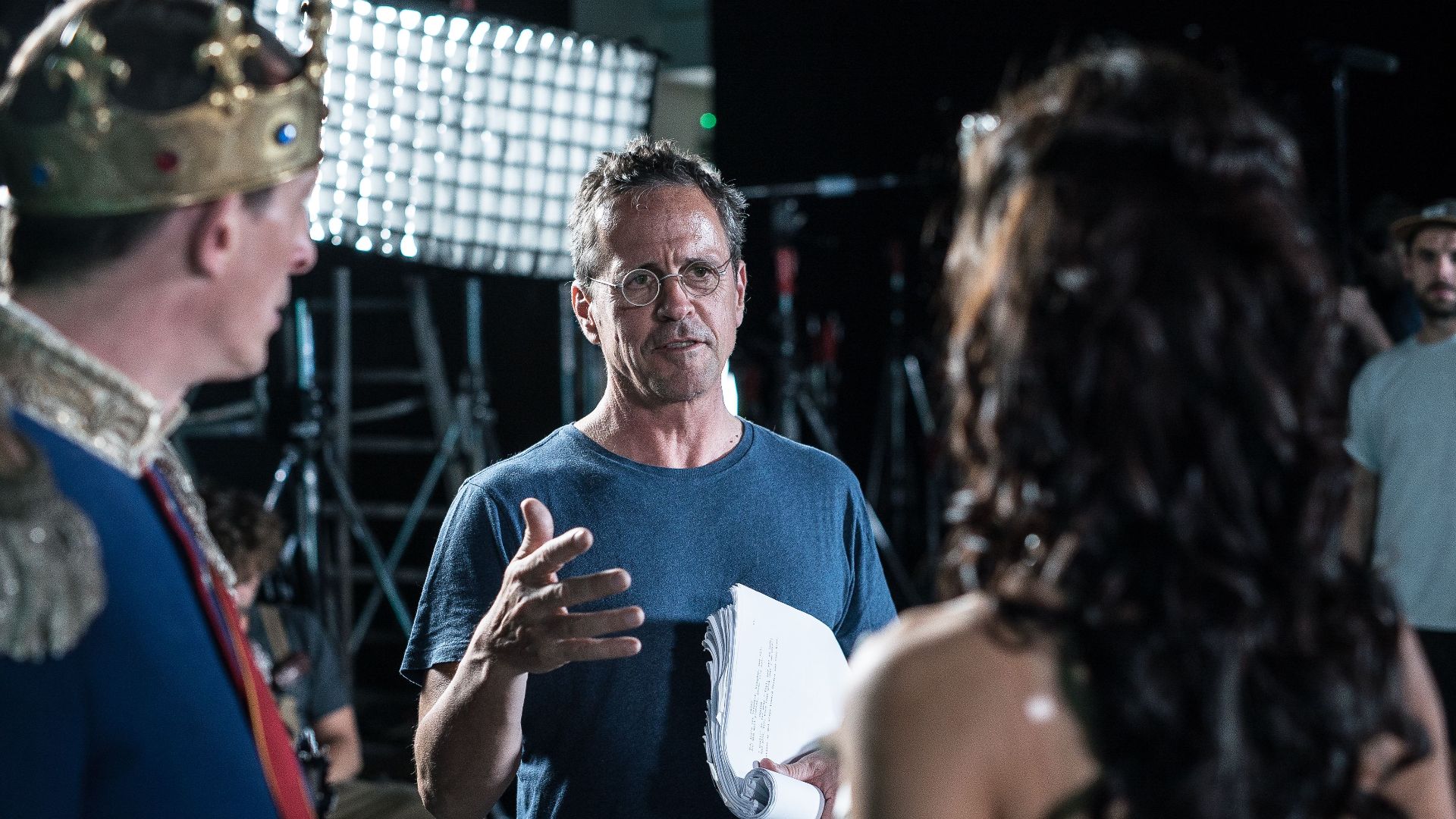 The Humm Collection, Wikimedia Commons
Why These Moments Stay Memorable
Walk-offs become memorable because they break the usual rhythm of a shoot. They reveal stress that is normally hidden from view. Since few productions release details about disruptions, confirmed walk-offs stand out. They show unfiltered reactions in an industry where most problems stay behind closed doors.
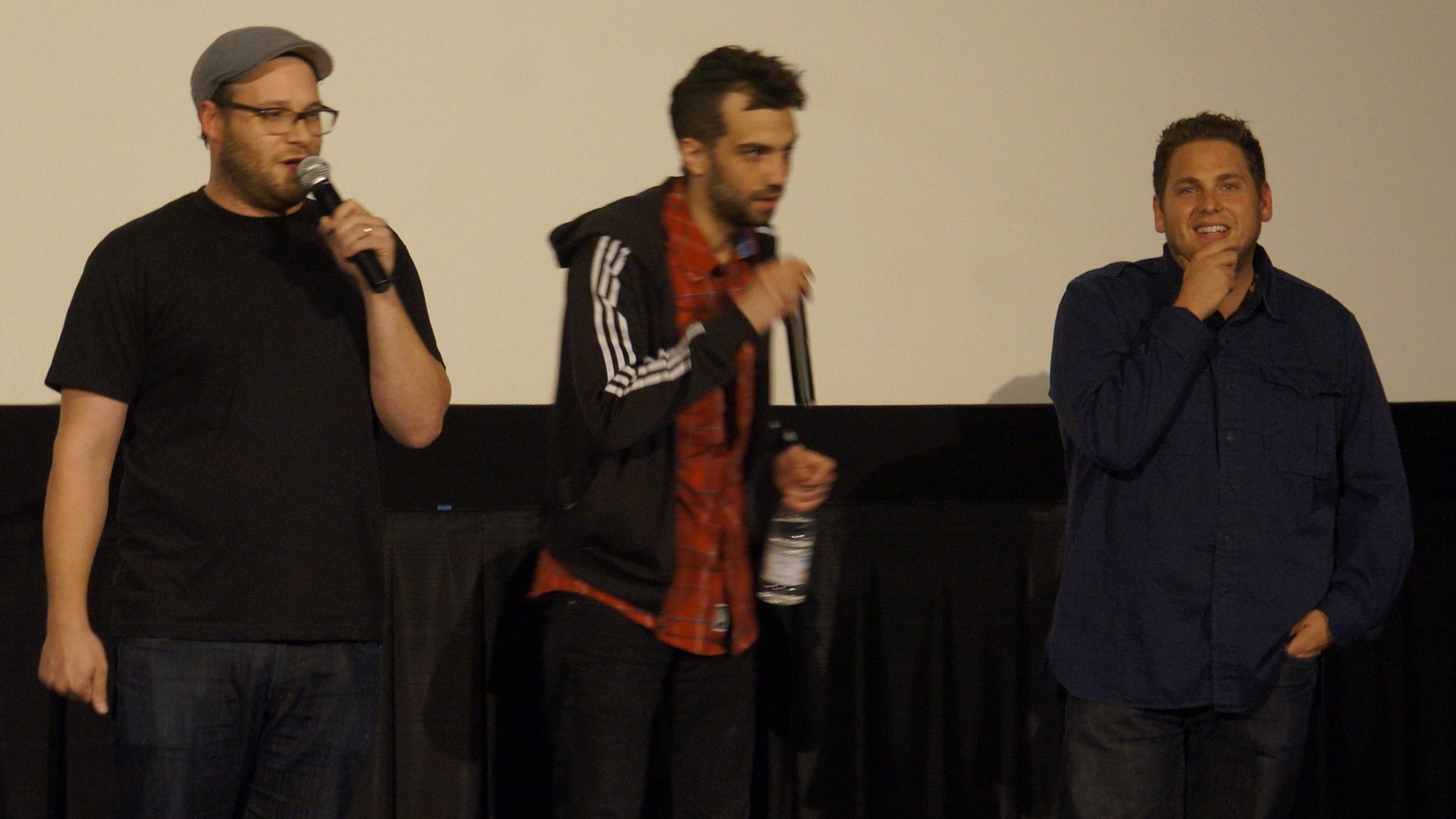 Sue Lukenbaugh, Wikimedia Commons
These Incidents Leave a Mark
Some actors apologized later. Others simply returned and finished the day. Either way, the incidents often become part of a production’s history. These walk-offs force crews to reconsider communication and expectations. They also become stories that follow a film or series long after completion.
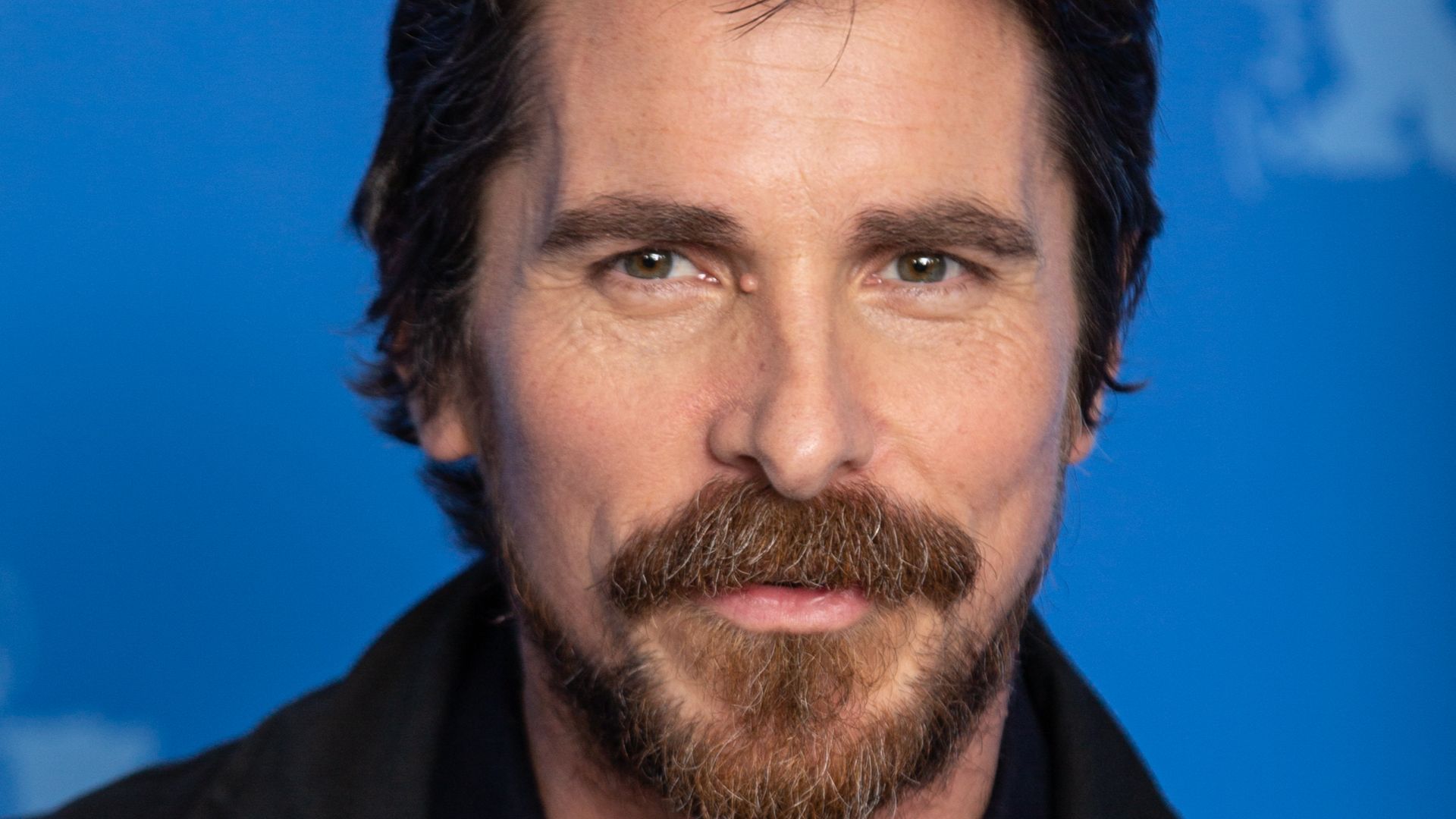 Harald Krichel, Wikimedia Commons
Walk-Offs Are Not Always What They Appear
The motives behind a walk-off can vary. Some happen during overwhelming emotional moments. Others reflect frustration with direction. Disputed cases show that the full picture is not always clear. These moments remind us that filmmaking depends on people navigating stressful situations in real time.
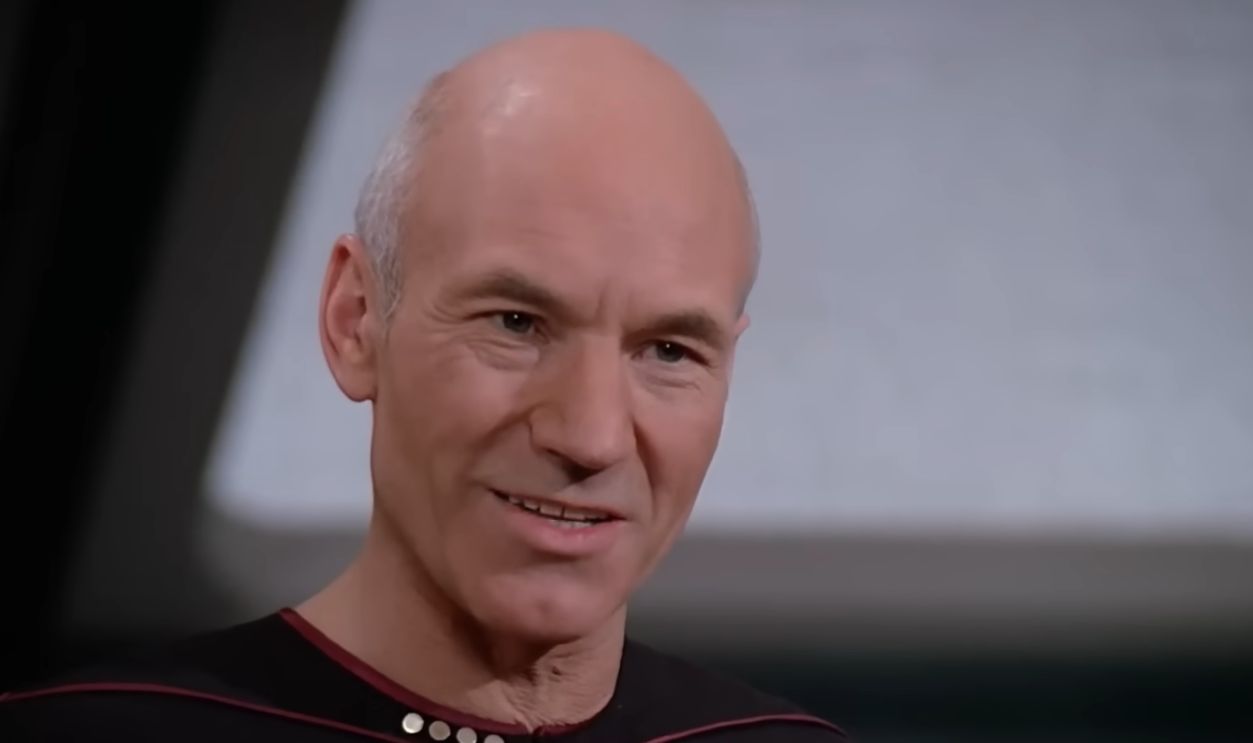 Screenshot from Star Trek: The Next Generation, Paramount Television (1987–1994)
Behind the Camera, Things Get Complicated
Audiences only see the final polished result. They do not witness the tension that can erupt during filming. Walk-offs reveal the pressure behind the scenes and the limits actors may face. These moments show how fragile a production can become when stress overtakes the workflow.
You Might Also Like:
The Most Iconic MTV Music Videos
Cancelled TV Shows That The Networks Might Have Actually Been Right To Pull The Plug On
Directors Who Got Fired Mid-Production