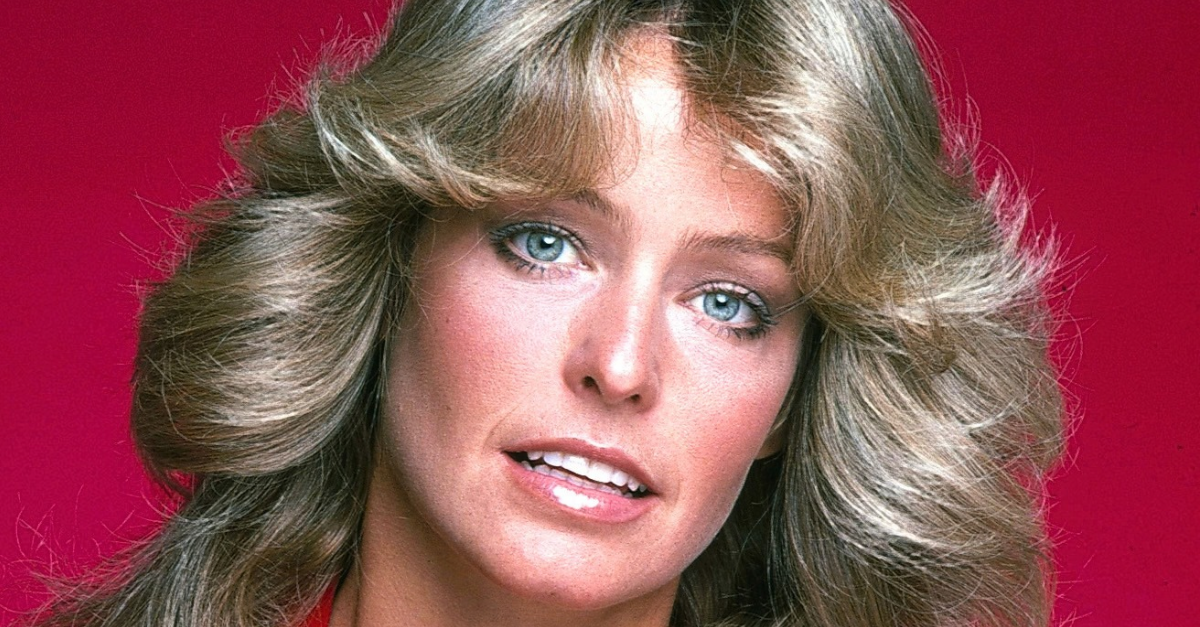
Sometimes The Nice Guy Was Only Act One
Television has a powerful way of convincing viewers they know an actor. Then the right role arrives, the smile disappears, and someone once associated with comforting family television suddenly becomes almost unrecognizable.
 ABC Photo Archives / Getty Images
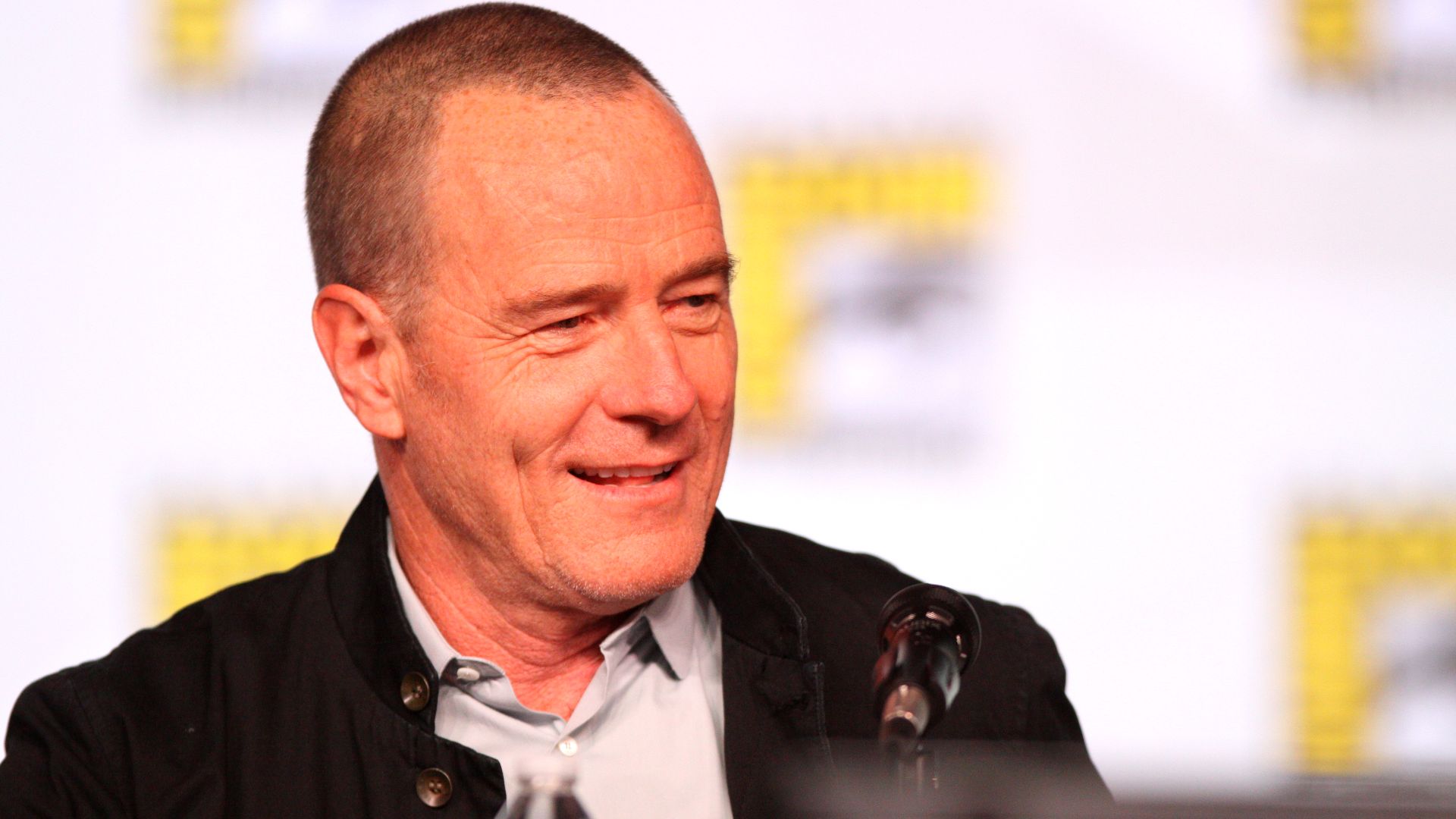
Bryan Cranston Went From Hal To Walter White
For seven seasons, Bryan Cranston played Hal, the excitable and deeply devoted father on Malcolm in the Middle. Cranston later recalled that the comedy established him so thoroughly as a goofy sitcom dad that studio executives initially resisted him for Breaking Bad. Walter White ultimately became the role that redefined his career, transforming family-man familiarity into something increasingly frightening.
 Gage Skidmore from Peoria, AZ, United States of America, Wikimedia Commons
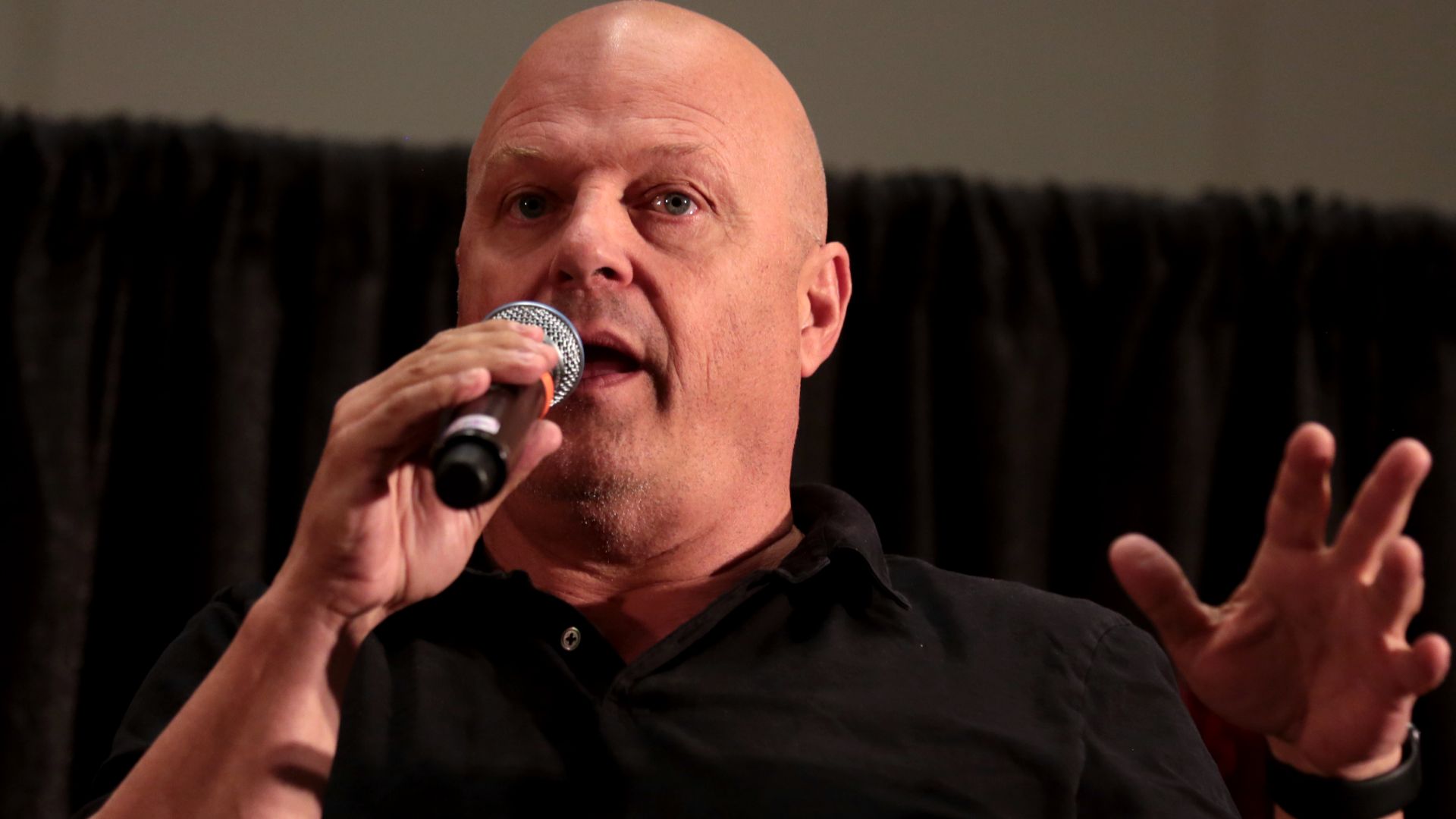
Michael Chiklis Completely Rebuilt Himself
Michael Chiklis spent the 1990s starring as warm, unconventional police commissioner Tony Scali on The Commish. After years of being typecast as the lovable authority figure, he lost weight, shaved his head, and fought for the role of Vic Mackey on The Shield. The transformation worked so completely that Chiklis later described The Shield as his proudest professional achievement.
 Gage Skidmore from Peoria, AZ, United States of America, Wikimedia Commons
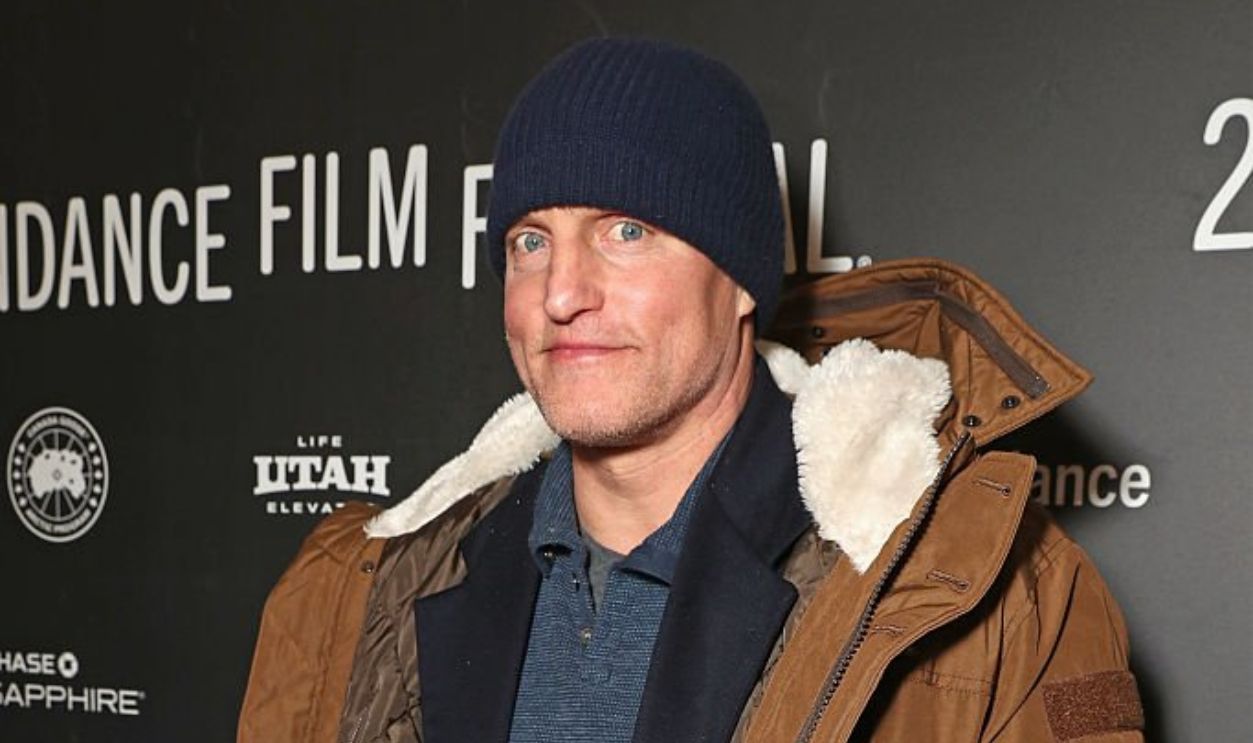
Woody Harrelson Left Woody Boyd Far Behind
Cheers introduced Woody Harrelson as Woody Boyd, the sweet, good-natured bartender whose innocence became one of the show's dependable jokes. Harrelson deliberately pushed against that image after the sitcom ended. In Natural Born Killers, he played Mickey Knox, a violent outlaw so far removed from Woody that Harrelson said the role forced him to explore anger he had rarely used on screen.
Robin Williams Suddenly Stopped Smiling
Mork from Mork & Mindy made Robin Williams famous as an almost impossibly energetic and lovable television alien. Even his later dramatic films usually preserved the warmth audiences expected from him. Then 2002 brought One Hour Photo, Insomnia, and other unsettling performances that used his familiar friendliness to make the characters even more disturbing.
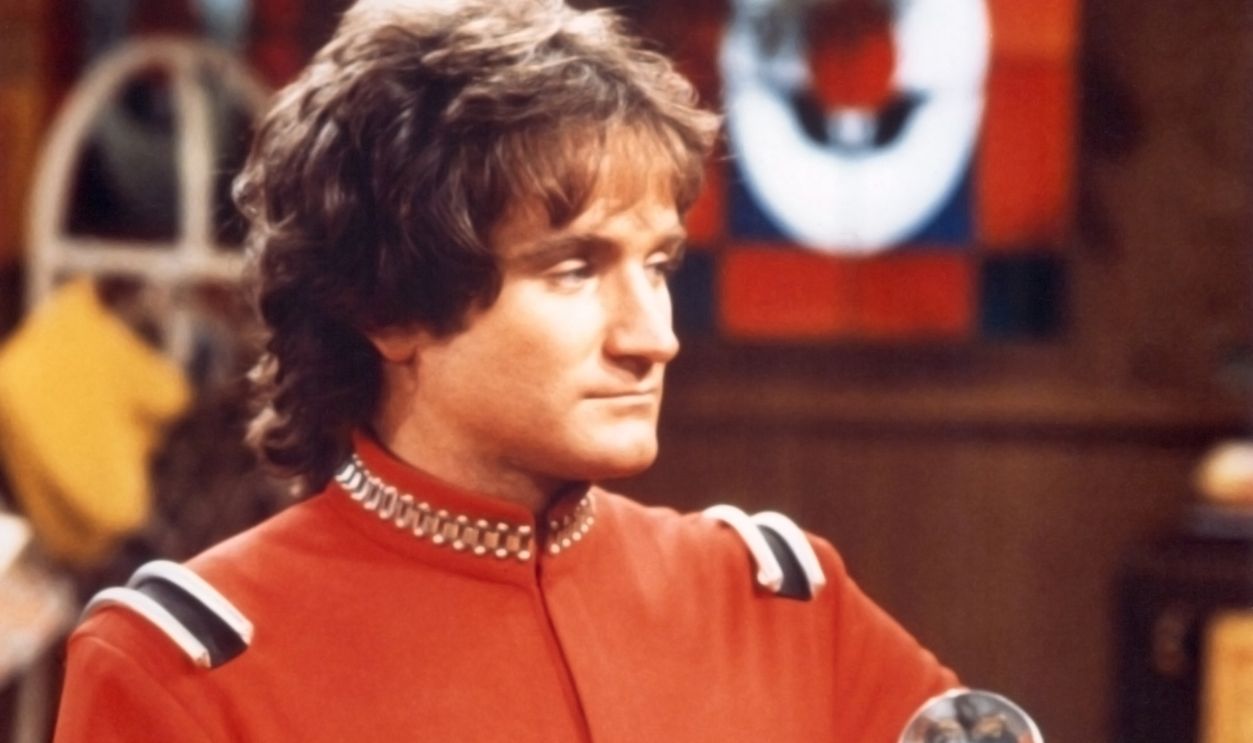 Silver Screen Collection, Getty Images
John Lithgow Became Television's Nightmare
John Lithgow had won three Emmys playing the wonderfully ridiculous alien Dick Solomon on 3rd Rock from the Sun. Years later, Dexter cast him as Arthur Mitchell, a seemingly respectable family man hiding a terrifying double life. Lithgow won another Emmy and later said the victory was especially satisfying because it proved he could still surprise audiences who knew him primarily for comedy.
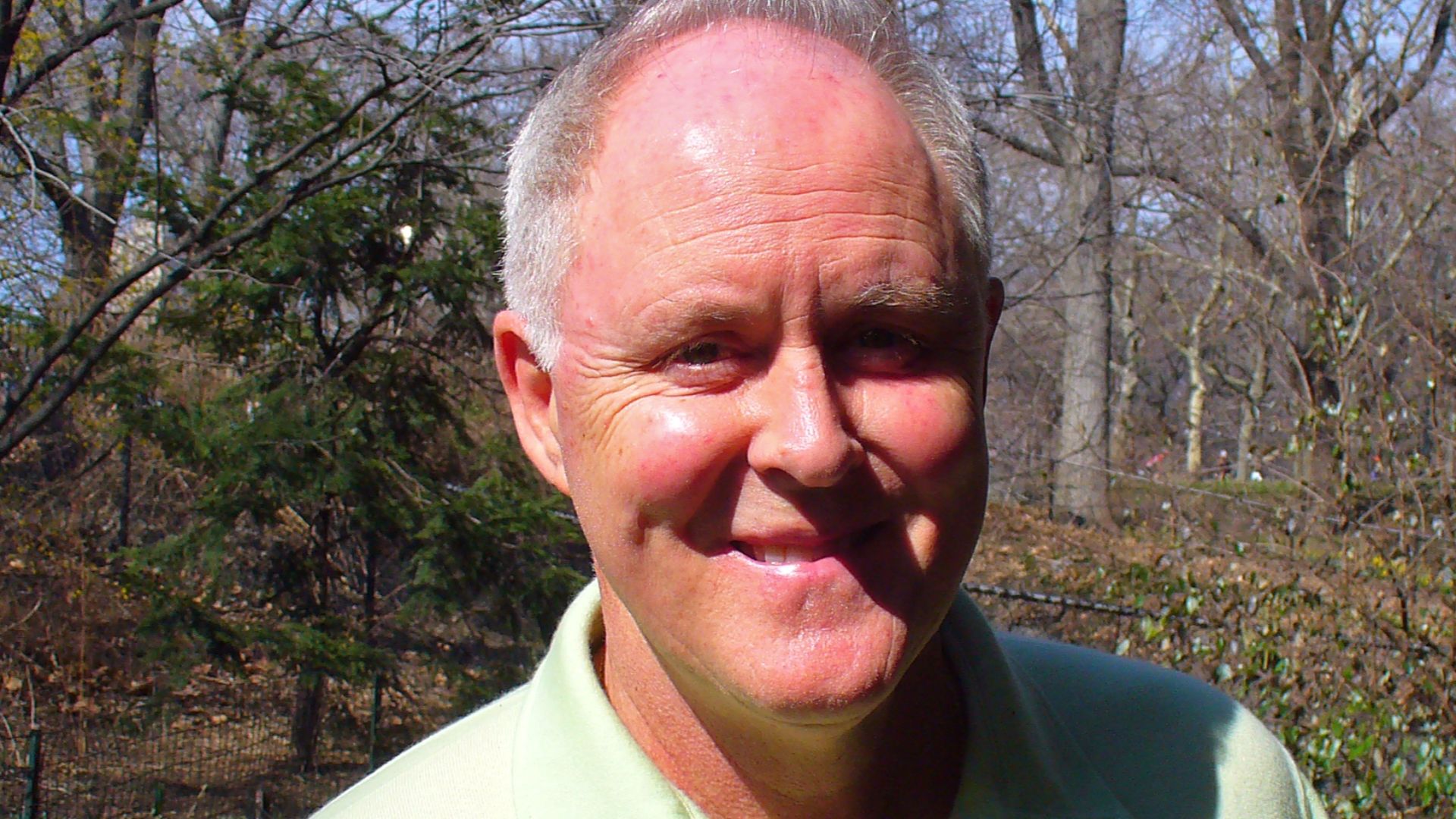 David Shankbone, Wikimedia Commons
Jason Bateman Found His Darkest Family Yet
Jason Bateman grew up on television playing likable young characters in shows including Valerie and The Hogan Family. Adult audiences later embraced his dry comic persona in Arrested Development, which still kept him positioned as the relatively reasonable man surrounded by chaos. Ozark took that familiarity somewhere much colder, with Bateman playing financial adviser Marty Byrde as his entire family became entangled in organized crime.
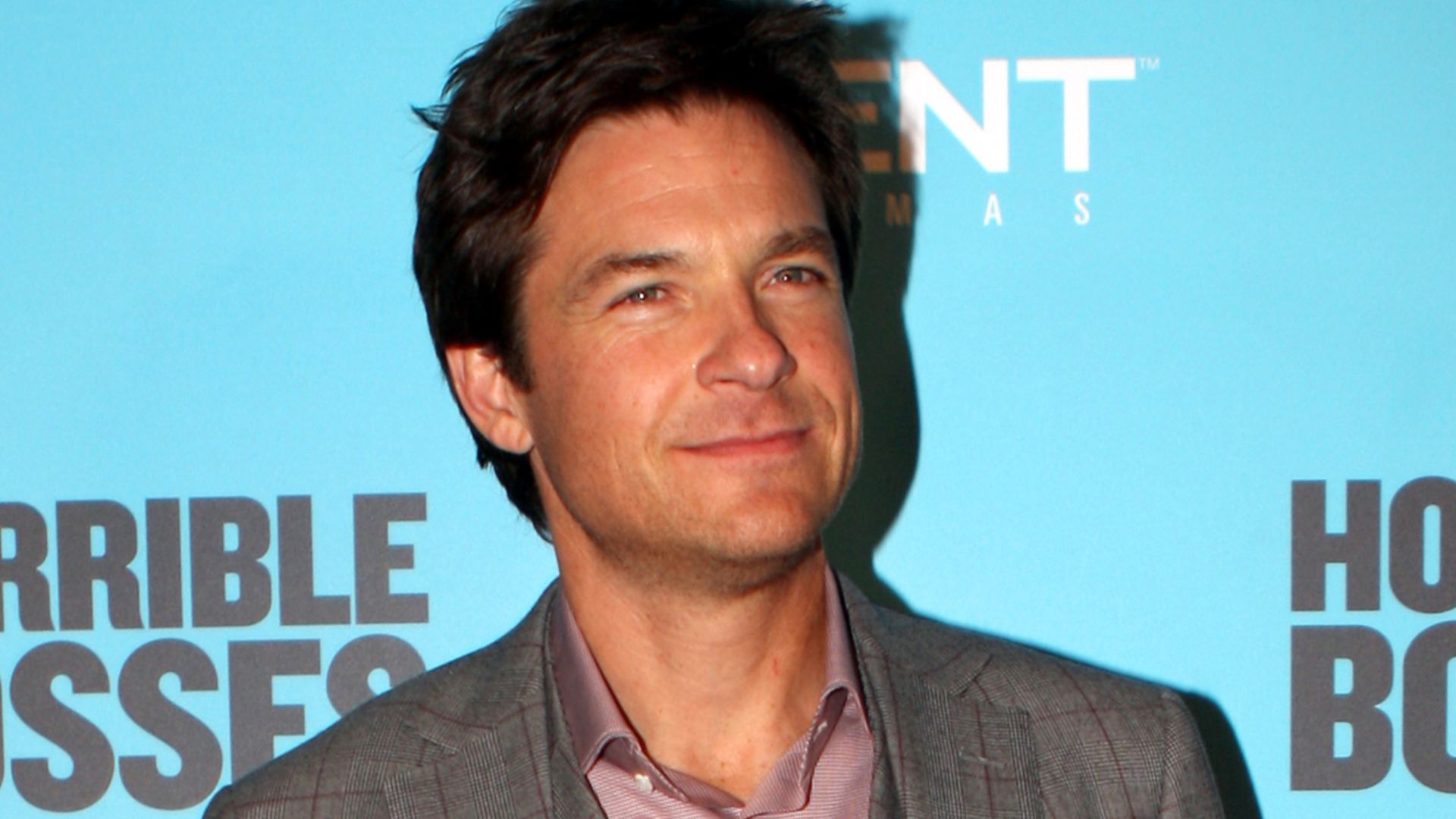 Eva Rinaldi, Wikimedia Commons
Keri Russell Stopped Being Felicity
Keri Russell became a star playing the earnest, soft-spoken title character on Felicity. When FX considered her for The Americans, Russell herself wondered why anyone would want the woman audiences still associated with that sweet college drama to play a ruthless Soviet intelligence operative. That contrast became the point, and Elizabeth Jennings ultimately demolished Russell's old screen image.
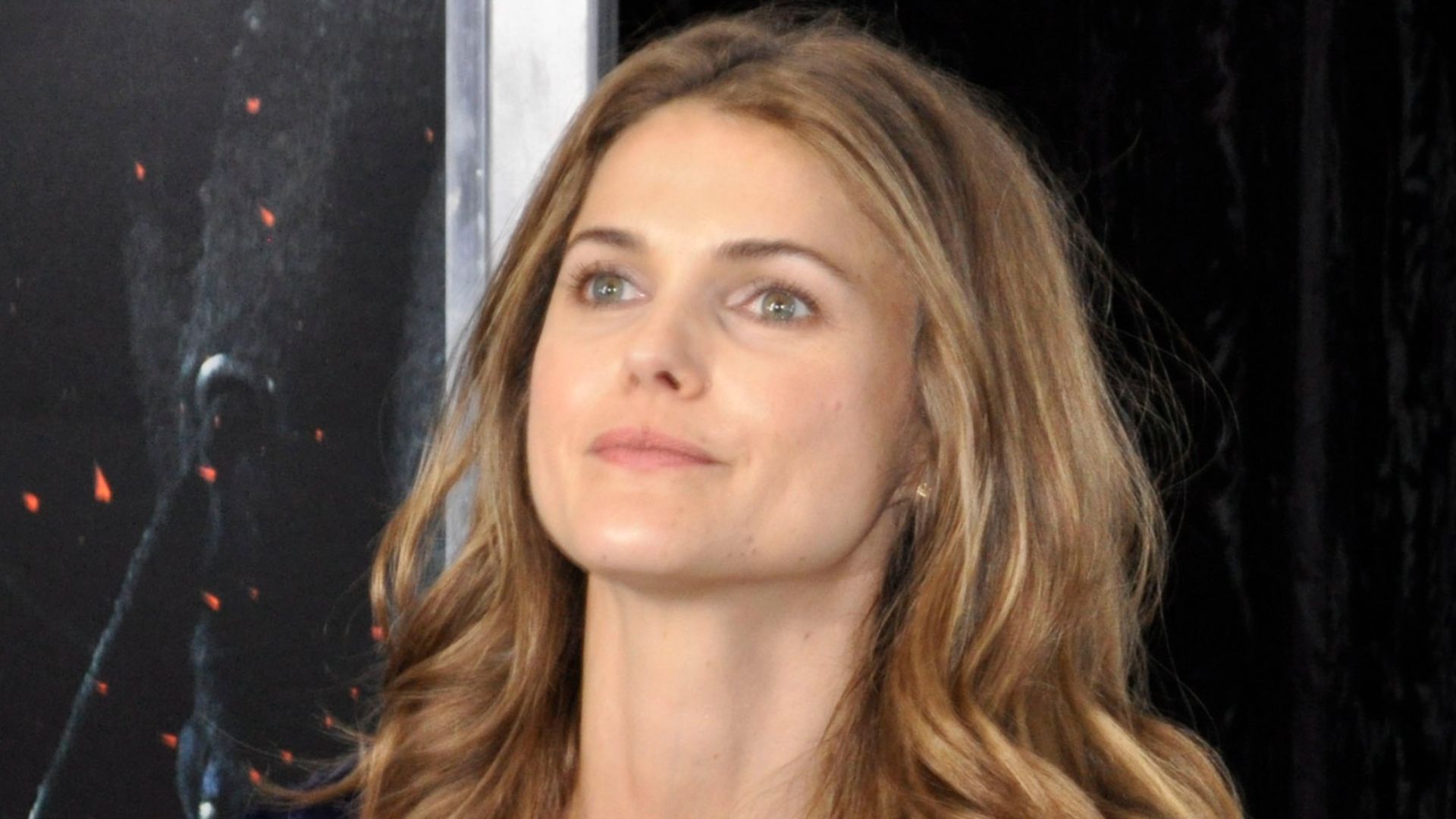 Joella Marano at https://www.flickr.com/photos/ellasportfolio/, Wikimedia Commons
Matthew Rhys Found Darkness In Suburbia
Before The Americans, many American viewers knew Matthew Rhys as Kevin Walker on the glossy family drama Brothers & Sisters. Philip Jennings initially looked like another suburban husband, but the resemblance ended when the character's secret intelligence work took over the story. Rhys found enormous complexity in a man capable of tenderness at home and terrifying behavior outside it.
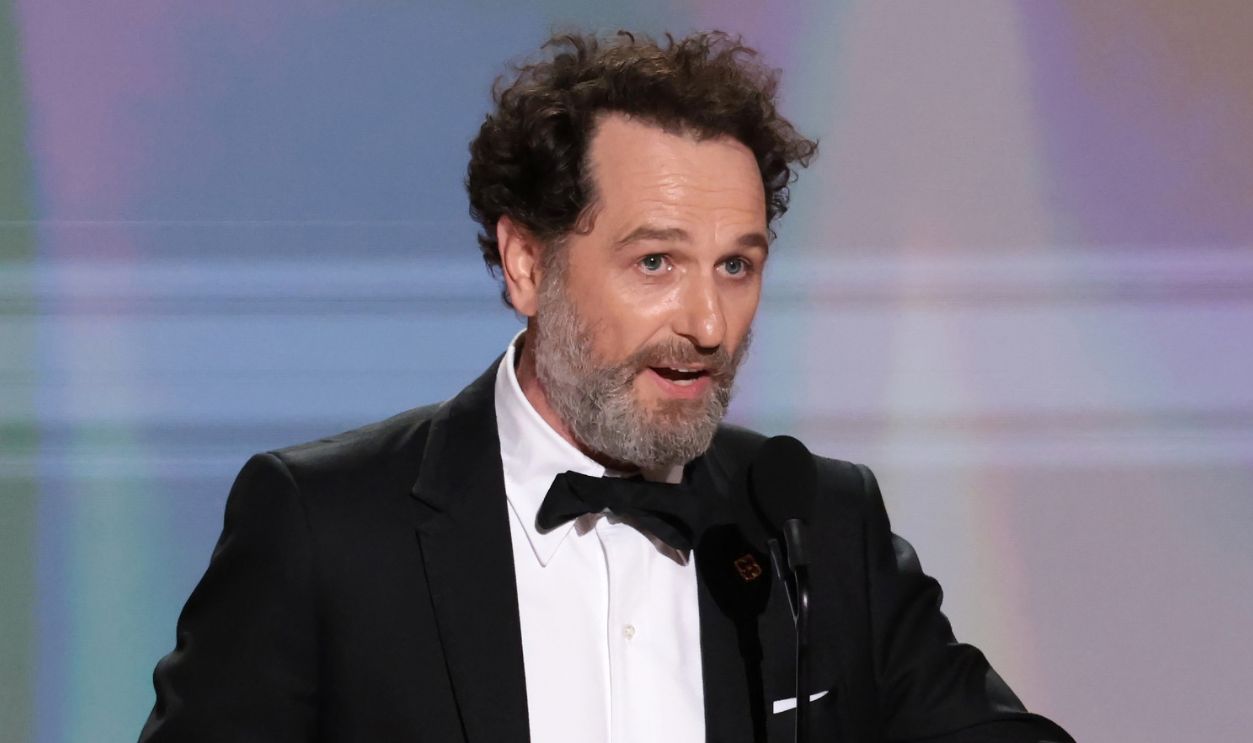
Kyle Chandler Corrupted Coach Taylor's Image
Few television characters felt more trustworthy than Eric Taylor on Friday Night Lights. Kyle Chandler played the coach as disciplined, protective, and deeply committed to his family and players. Netflix's Bloodline deliberately exploited that credibility by casting Chandler as John Rayburn, a family peacekeeper whose increasingly desperate choices reveal a much darker side.
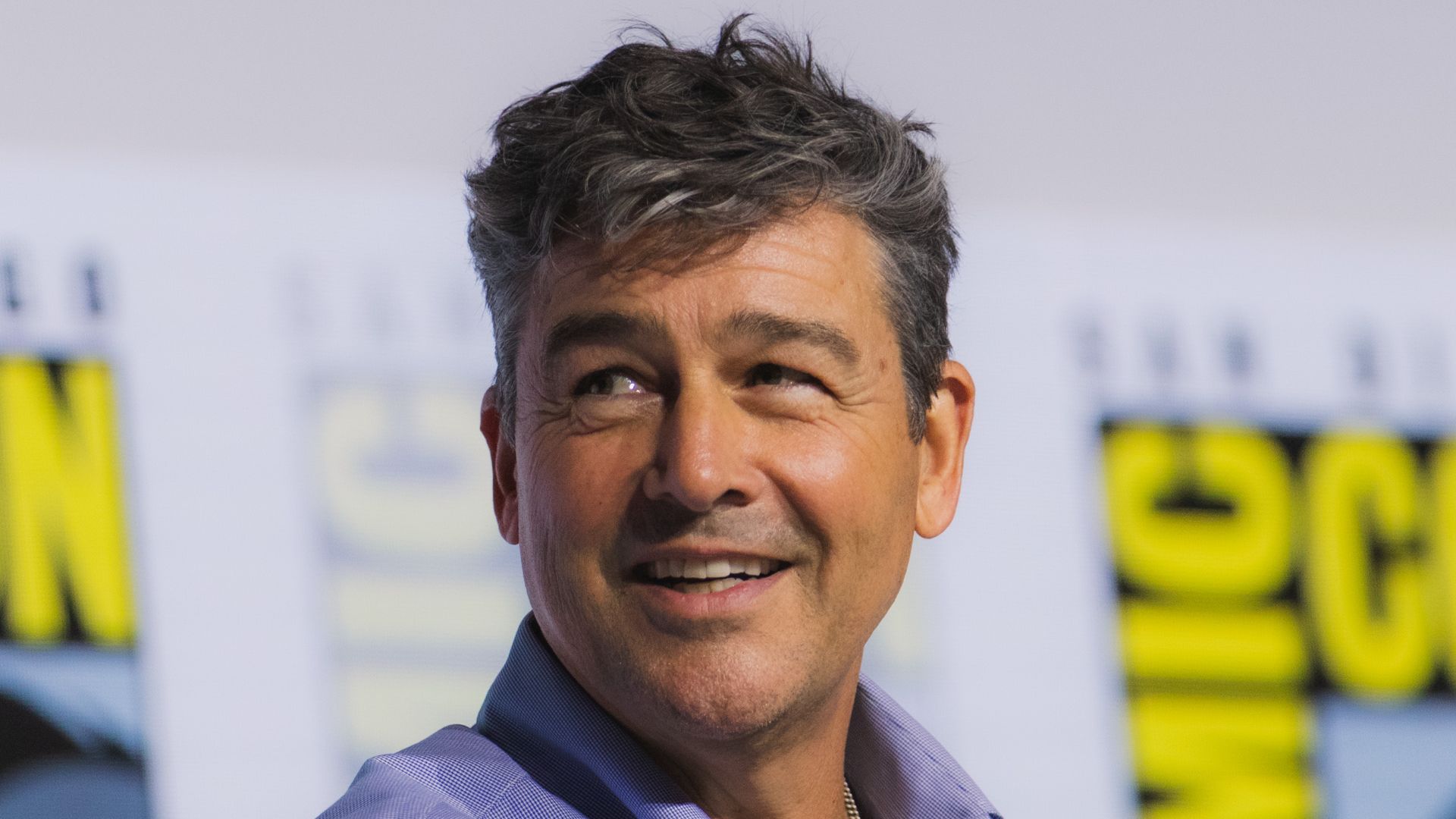
Hugh Laurie Became America's Meanest Doctor
British audiences had long known Hugh Laurie as the cheerful, foolish Bertie Wooster in Jeeves and Wooster. American television transformed him into Gregory House, an abrasive medical genius whose intelligence was matched by a talent for alienating nearly everyone around him. Stephen Fry later observed that the pleasant Wooster and deeply difficult House could hardly have been further apart.
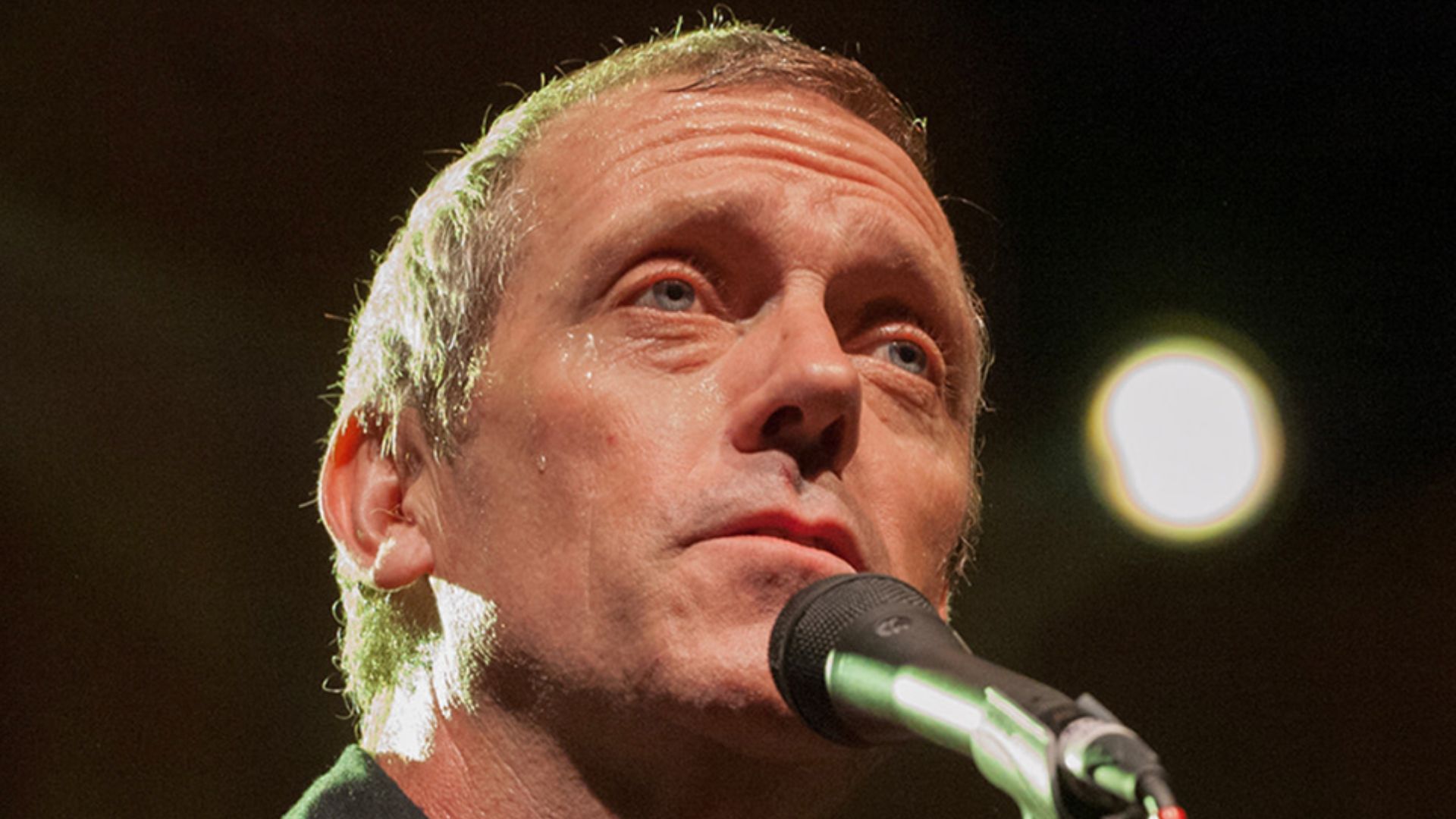 AndreaMRock, Wikimedia Commons
Kelsey Grammer Became A Corrupt Power Broker
Frasier Crane could be pompous, but Cheers and Frasier ultimately presented him as a vulnerable man who wanted to help people. Grammer made a deliberate break from that image with Boss, playing ruthless Chicago mayor Tom Kane. He later said the series effectively reset his career and encouraged him to pursue villains and tougher characters that resembled Frasier as little as possible.
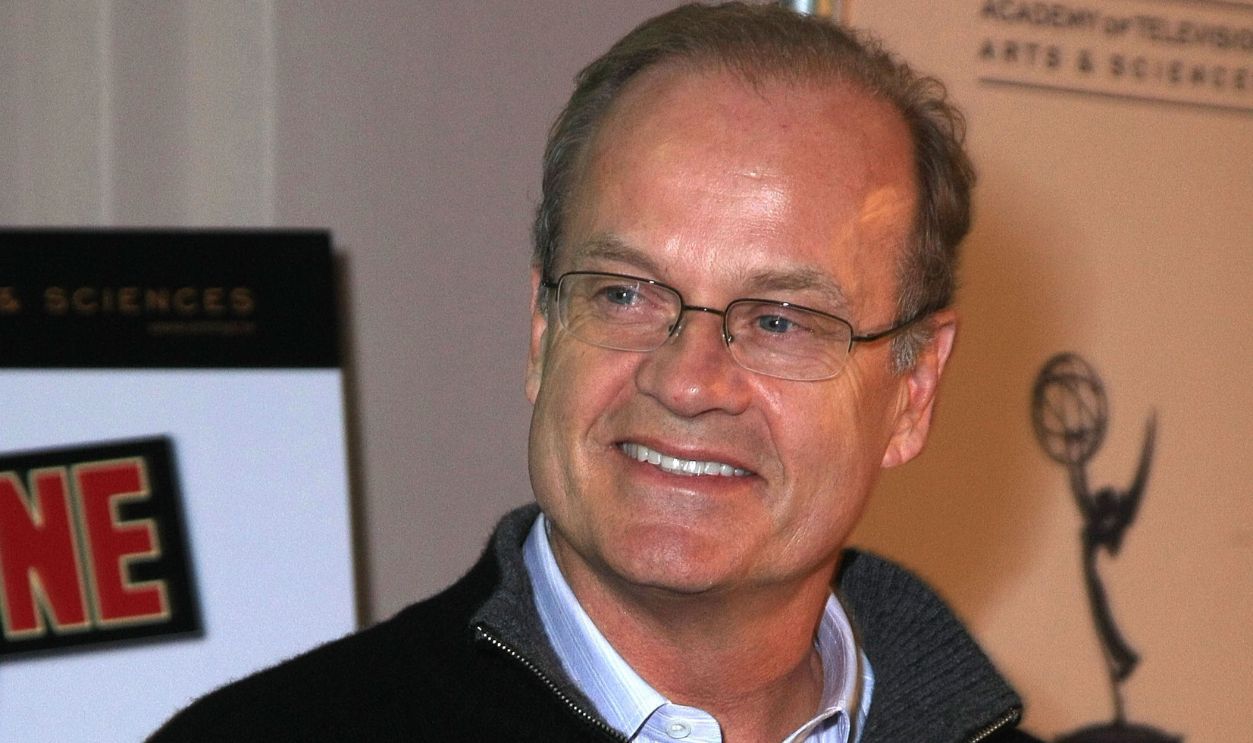
Steve Carell Made Himself Almost Unrecognizable
Michael Scott on The Office could be ridiculous and frustrating, but Steve Carell always kept enough vulnerability underneath him to make audiences care. Bennett Miller saw something much colder in the comedian and cast him as John du Pont in Foxcatcher. Carell's stillness, unusual physical appearance, and unsettling restraint earned him an Academy Award nomination and permanently expanded what filmmakers thought he could do.
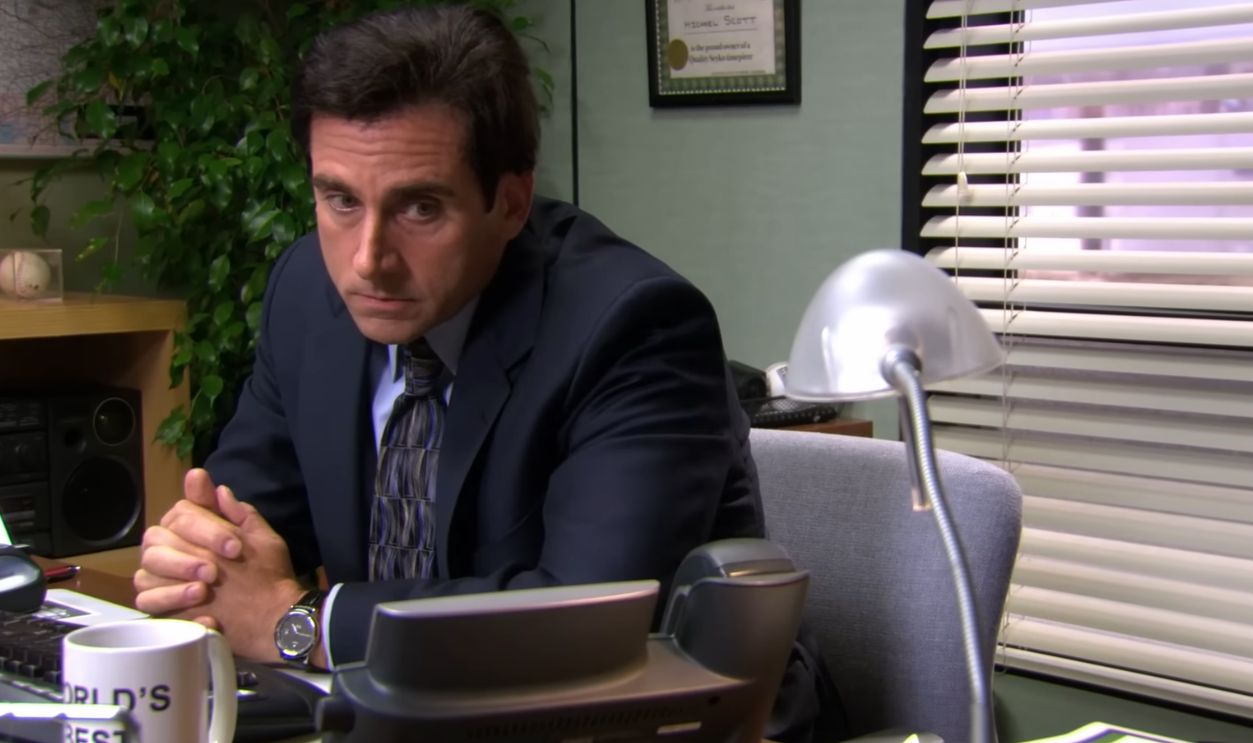 Screenshot from The Office, NBC (2005–2013)
John Goodman Turned Warmth Into Fear
Dan Conner on Roseanne became one of television's great working-class fathers, with John Goodman giving the character enormous warmth beneath the bluster. That history made his performance as Howard in 10 Cloverfield Lane especially effective. Audiences could never be certain whether the apparently protective man offering shelter was their salvation or the greatest threat in the room.
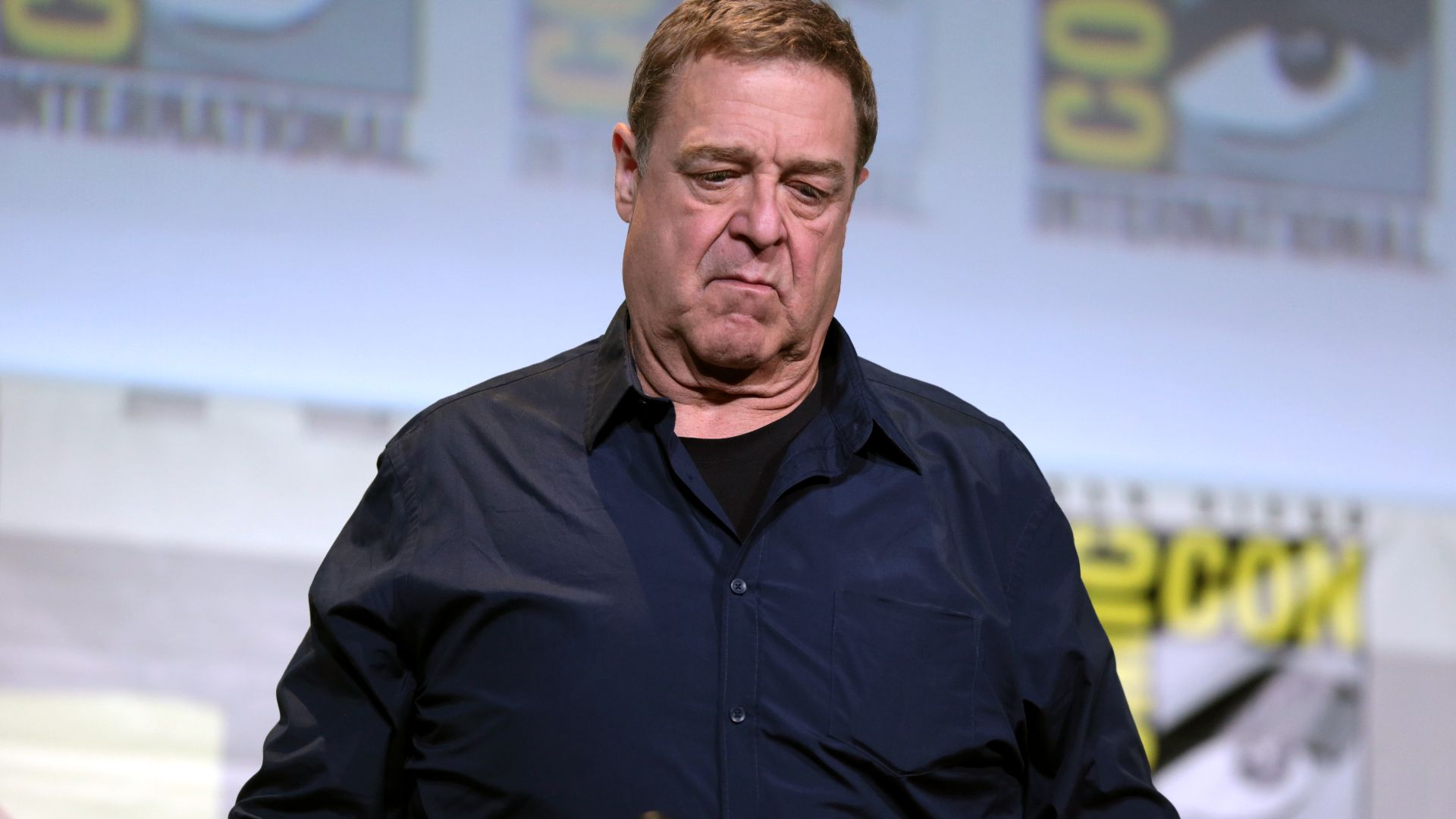 Gage Skidmore from Peoria, AZ, United States of America, Wikimedia Commons
Denzel Washington Destroyed His Heroic Image
One of Denzel Washington's first major television roles was Dr. Philip Chandler on St. Elsewhere, a smart and ambitious young physician. Over the following decades, Washington became one of Hollywood's most dependable dramatic leading men. Training Day then cast him as corrupt detective Alonzo Harris, and the performance won Washington the Academy Award for Best Actor.
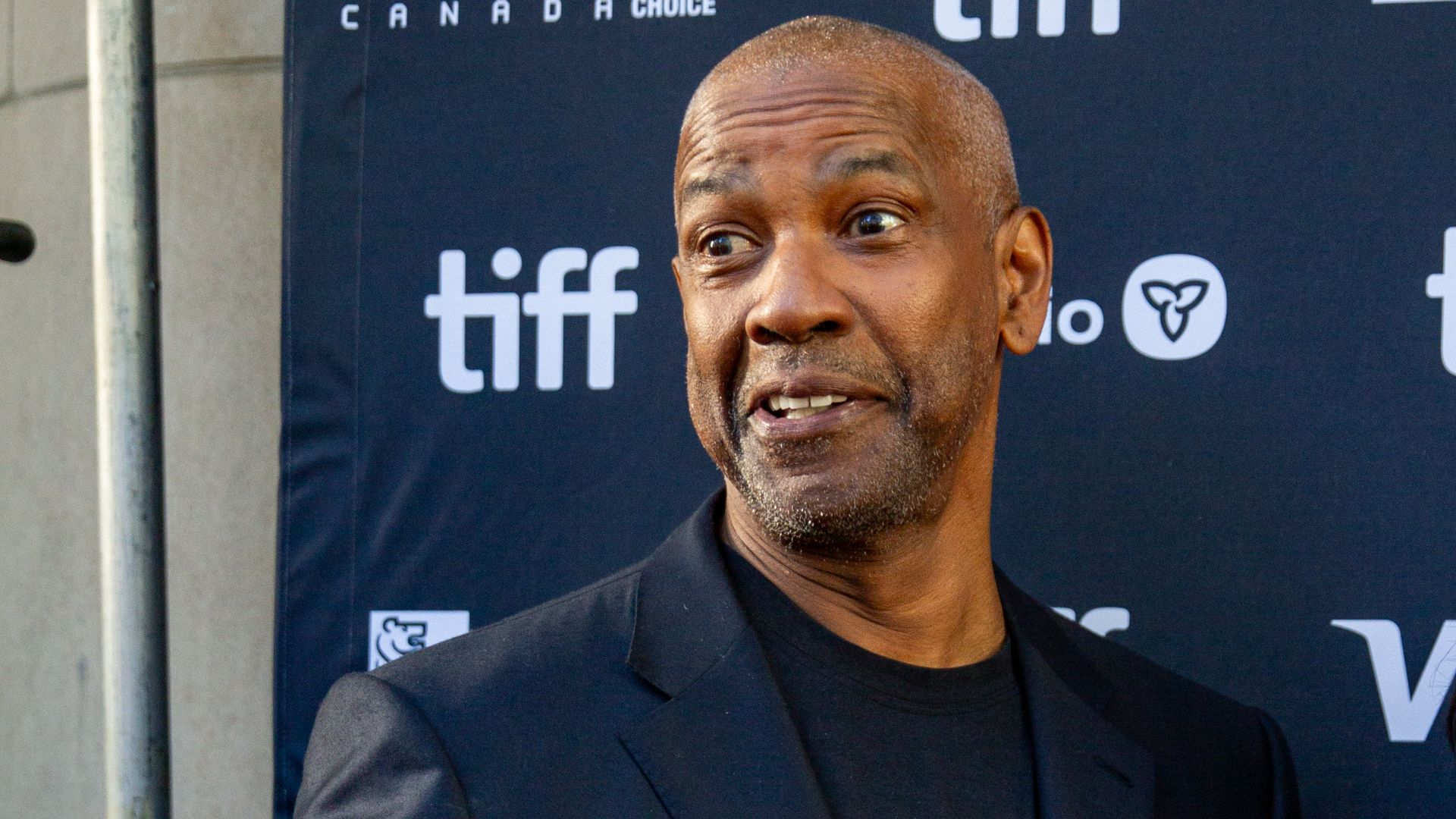 Adam Chitayat, Wikimedia Commons
John Travolta Became Dangerous Again
John Travolta first became a television sensation as the swaggering but essentially harmless Vinnie Barbarino on Welcome Back, Kotter. By the early 1990s, his career had slowed considerably. Quentin Tarantino remembered that old charisma and redirected it into Pulp Fiction, where Travolta's relaxed charm made Vincent Vega's criminal world feel strangely casual.
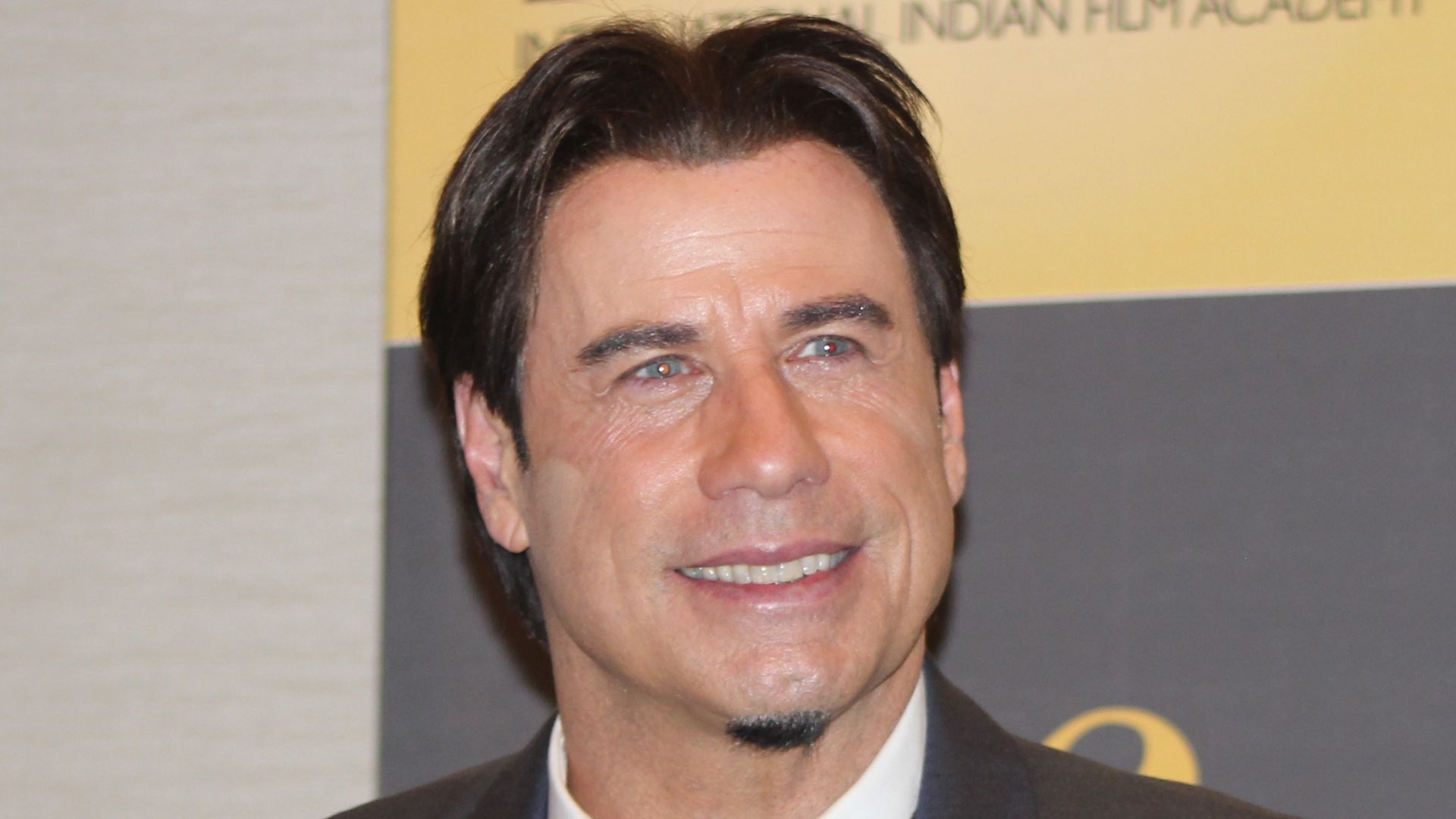 lauraleedooley, Wikimedia Commons
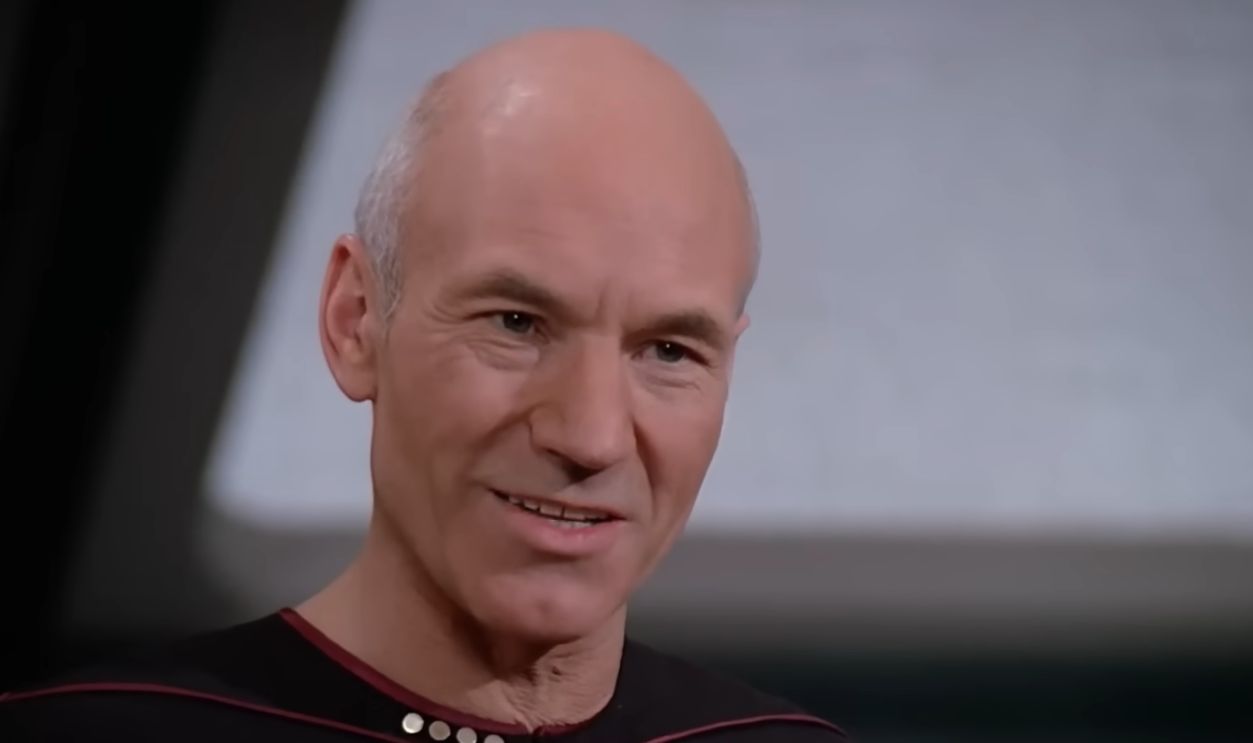
Patrick Stewart Became Genuinely Frightening
Jean-Luc Picard made Patrick Stewart synonymous with intelligence, restraint, and moral authority on Star Trek: The Next Generation. That history made his casting in Green Room particularly unnerving. Stewart played Darcy, the controlled leader of a violent extremist group, using the same calm voice that once reassured television audiences to produce the opposite effect.
 Screenshot from Star Trek: The Next Generation, Paramount Television (1987–1994)
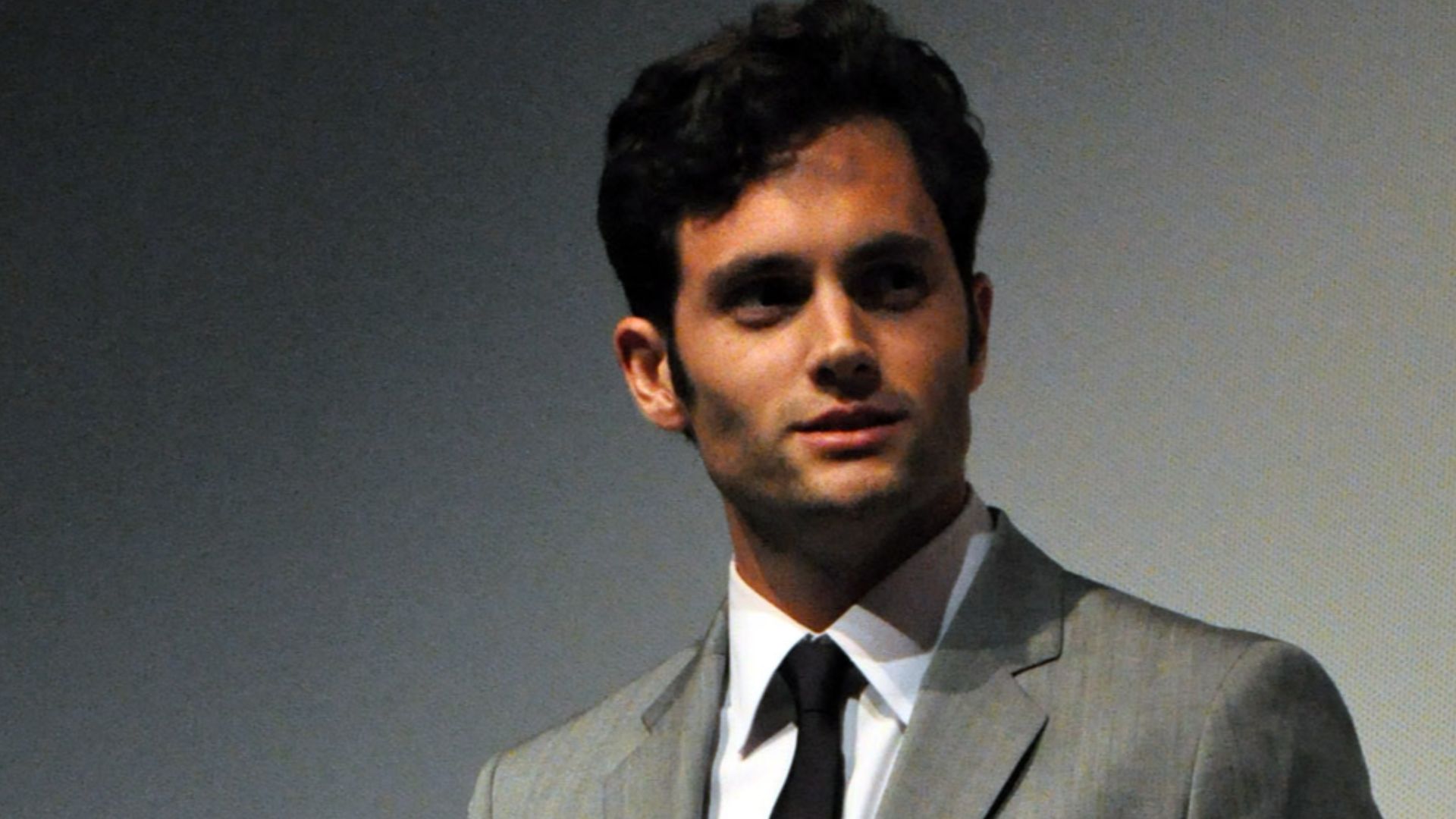
Penn Badgley Twisted The Romantic Lead
On Gossip Girl, Penn Badgley played Dan Humphrey, the thoughtful Brooklyn outsider who spent much of the series positioned as a romantic lead. Netflix's You turned the familiar sensitive-young-man presentation inside out. Joe Goldberg can initially behave like the hero of a romance, but the series steadily exposes an obsessive and violently dangerous man underneath.
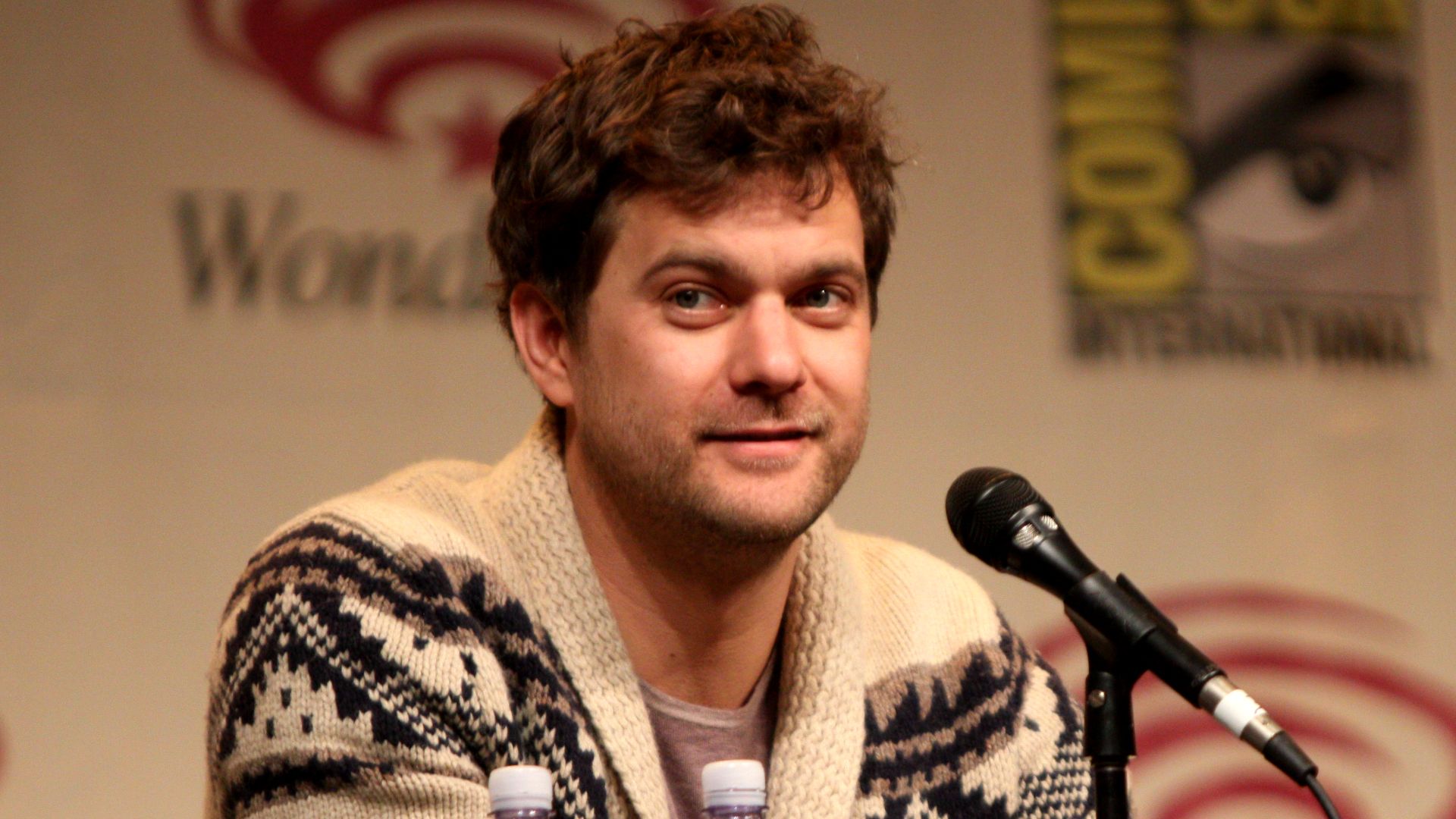
Joshua Jackson Went From Pacey To Dr. Death
Pacey Witter made Joshua Jackson one of Dawson's Creek's most beloved characters. Pacey's humor and vulnerability eventually transformed him from comic troublemaker into the show's great romantic favorite. Peacock's Dr. Death gave Jackson the opposite challenge as surgeon Christopher Duntsch, whose medical career leaves catastrophic consequences behind him.
 Gage Skidmore from Peoria, AZ, United States of America, Wikimedia Commons
David Tennant Made His Charm Terrifying
David Tennant's Doctor on Doctor Who could be manic, compassionate, funny, and deeply protective of ordinary people. Marvel's Jessica Jones exploited the darker possibilities in that charisma by casting Tennant as Kilgrave. The performance worked because Tennant could remain conversational and charming while making the character's controlling nature increasingly horrifying.

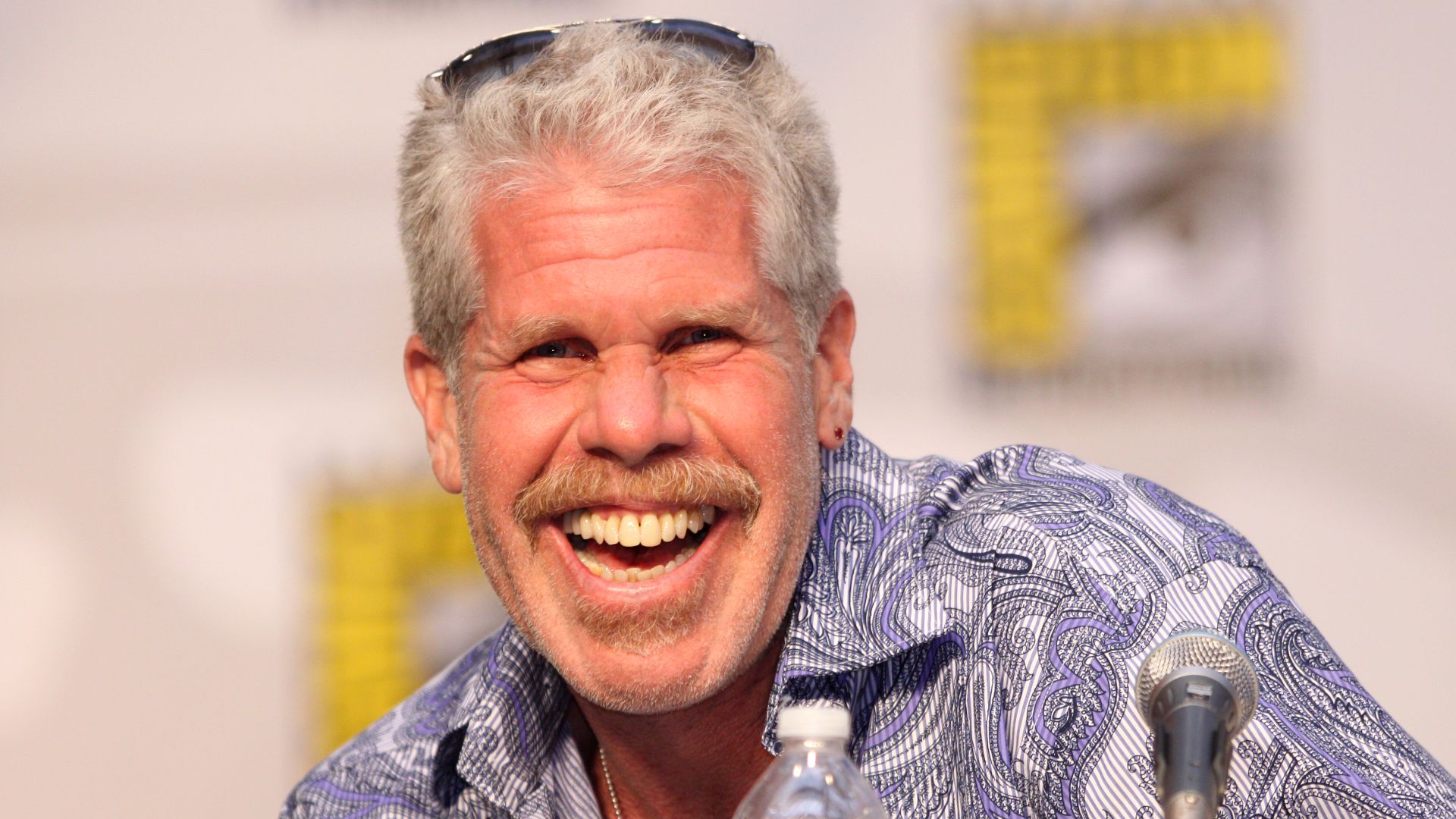
Ron Perlman Went From Gentle Beast To Ruthless Biker
Ron Perlman's Vincent in Beauty and the Beast was physically intimidating but emotionally gentle, poetic, and devoted to protecting Catherine. The performance made Perlman a romantic television hero despite the elaborate creature makeup. Sons of Anarchy later gave him Clay Morrow, a motorcycle-club leader whose paternal surface concealed ambition and increasingly brutal decisions.
 Gage Skidmore from Peoria, AZ, United States of America, Wikimedia Commons
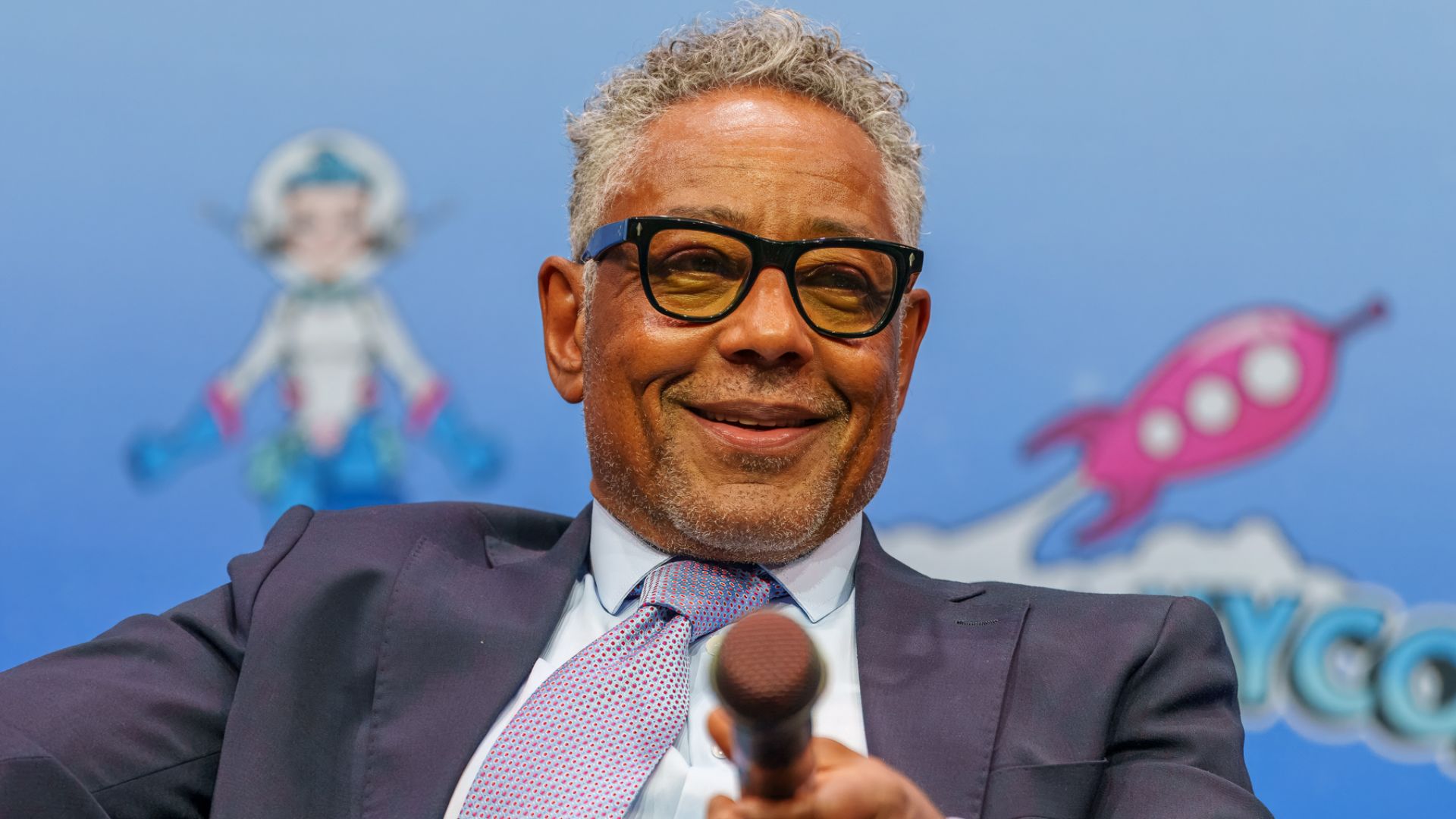
Giancarlo Esposito Traveled From Sesame Street To Gus Fring
Long before audiences feared Gus Fring, Giancarlo Esposito spent time on Sesame Street as Mickey, a young man working around the neighborhood. He built a wide-ranging career afterward, but Breaking Bad changed his public image permanently. Fring's politeness, immaculate appearance, and quiet voice made his capacity for calculated violence even more memorable.
 John Manard, Wikimedia Commons
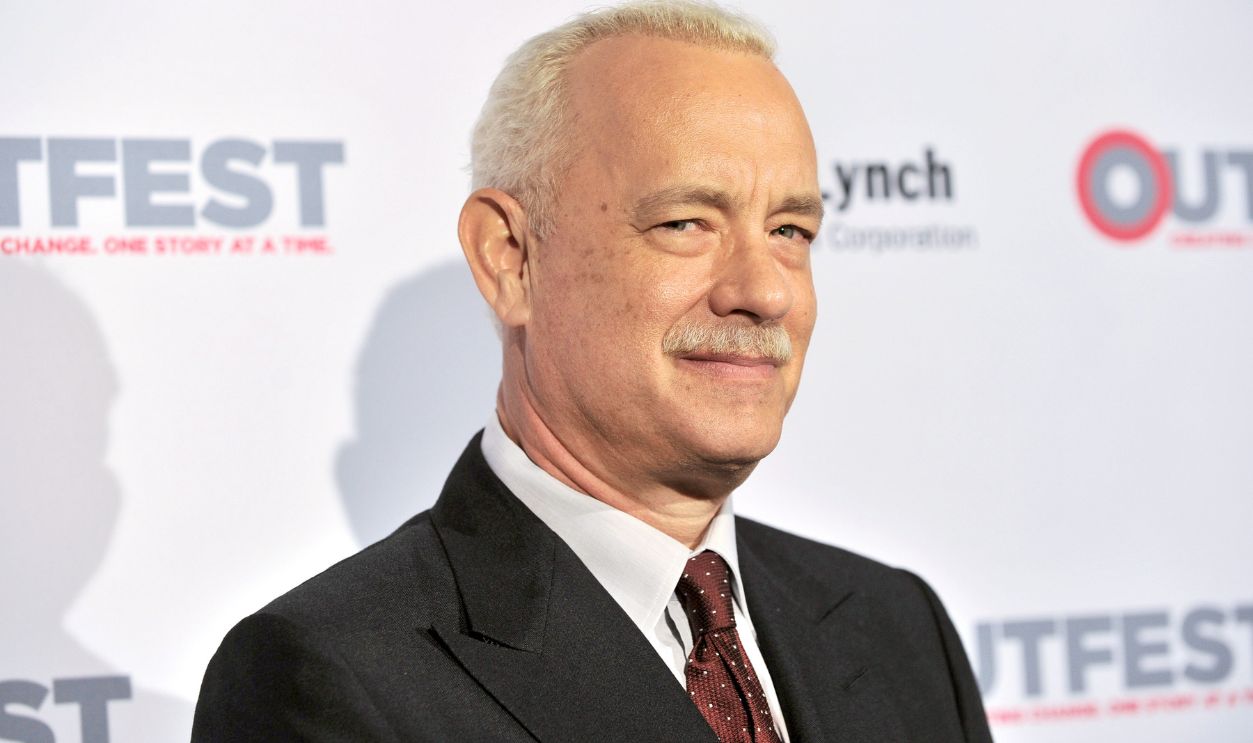
Tom Hanks Once Specialized In Harmless Goofballs
Tom Hanks' television breakthrough came with Bosom Buddies, a broad sitcom built around comic misunderstandings and Hanks' natural likability. That accessibility followed him into movies and eventually made him one of America's most trusted screen stars. Road to Perdition used that reputation differently by casting him as Michael Sullivan, a solemn professional killer trying to protect his son.
 Allen Berezovsky, Getty Images
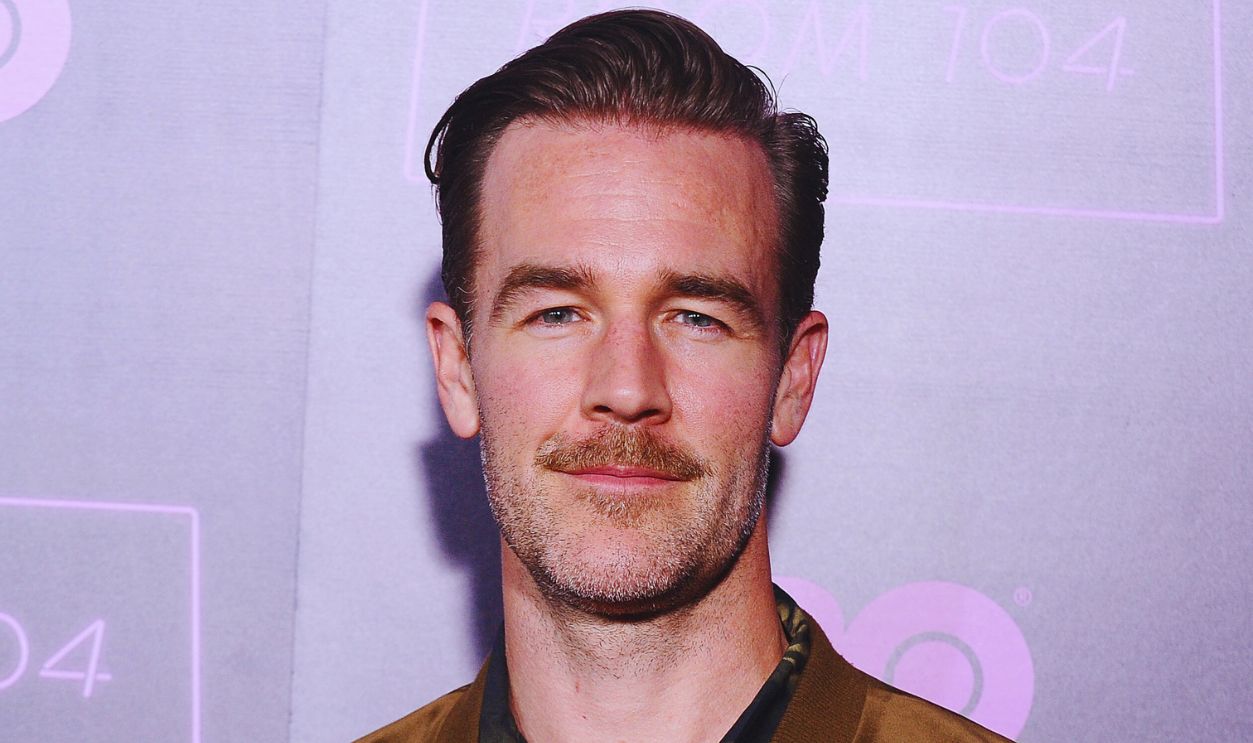
James Van Der Beek Tried To Bury Dawson
Dawson Leery turned James Van Der Beek into the earnest face of adolescent romantic drama. Van Der Beek later said he felt finished with the character and deliberately pursued work that disrupted the image. One of the sharpest turns came with The Rules of Attraction, where he played Sean Bateman, a cynical college student miles removed from Capeside's idealistic filmmaker.
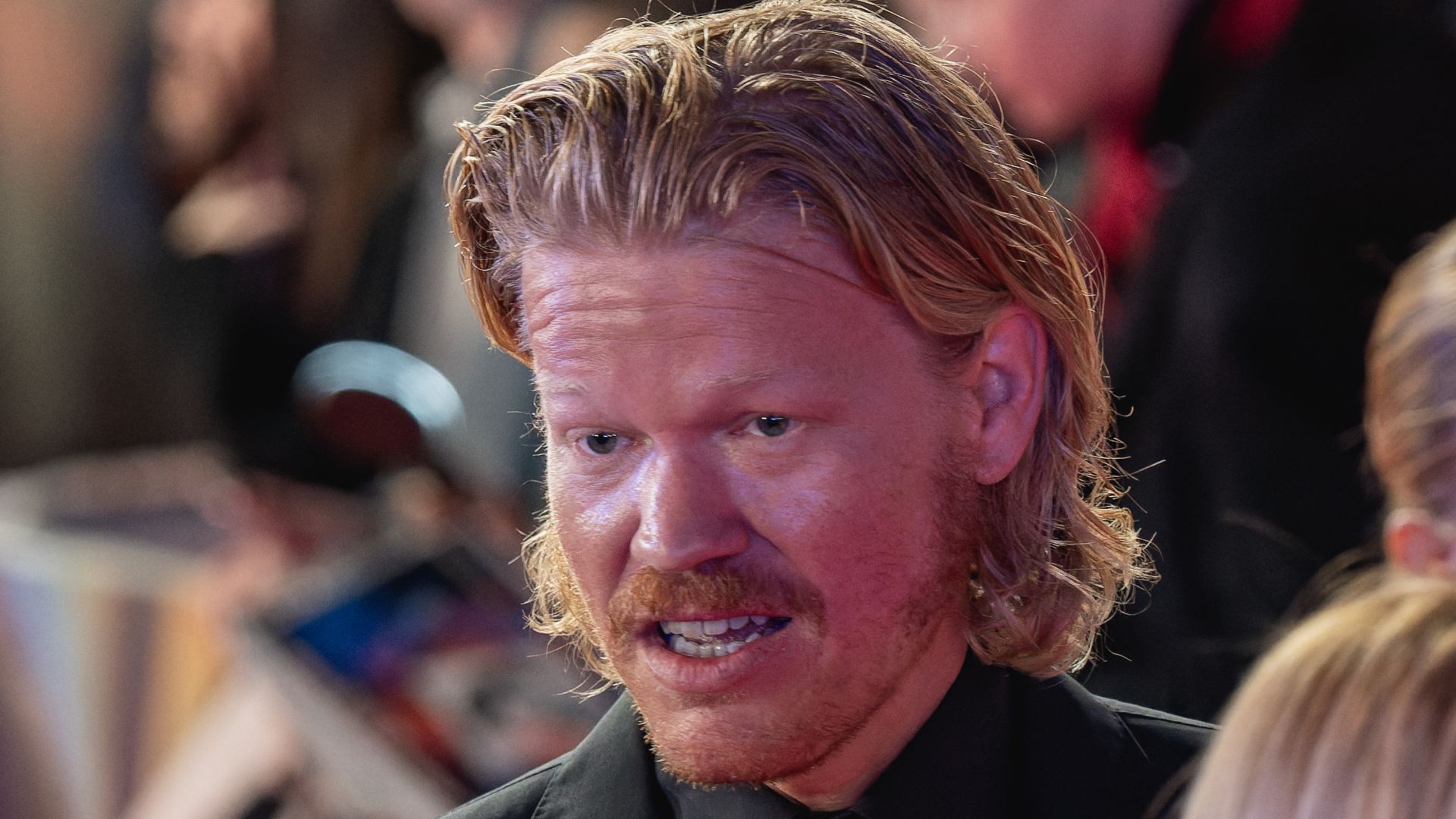
Jesse Plemons Made Nice-Guy Normality Disturbing
Jesse Plemons first attracted wide attention as Landry Clarke on Friday Night Lights, the loyal, awkward friend who eventually became a football player himself. That ordinary sweetness made his later appearance as Todd Alquist on Breaking Bad especially disorienting. Plemons played Todd with unnerving politeness, making terrible acts seem like routine chores rather than dramatic outbursts.
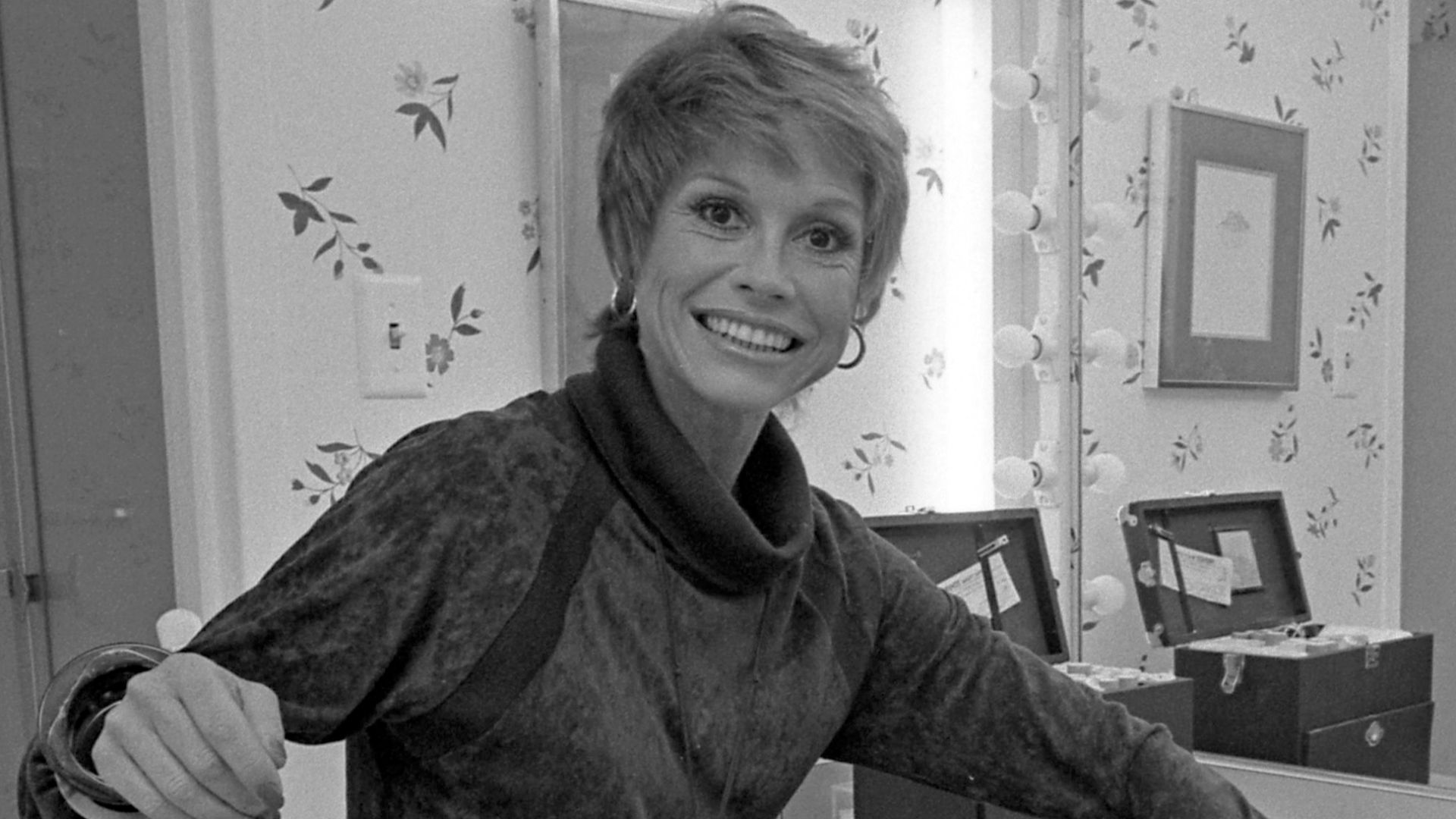
Mary Tyler Moore Froze The Warmth Out
Laura Petrie on The Dick Van Dyke Show established Mary Tyler Moore as one of television's warmest and most appealing sitcom performers. The Mary Tyler Moore Show reinforced that affection through another fundamentally decent character. Robert Redford's Ordinary People shattered the image by casting Moore as Beth Jarrett, an emotionally remote mother whose coldness earned Moore an Academy Award nomination.
 George Rose, Los Angeles Times, Wikimedia Commons
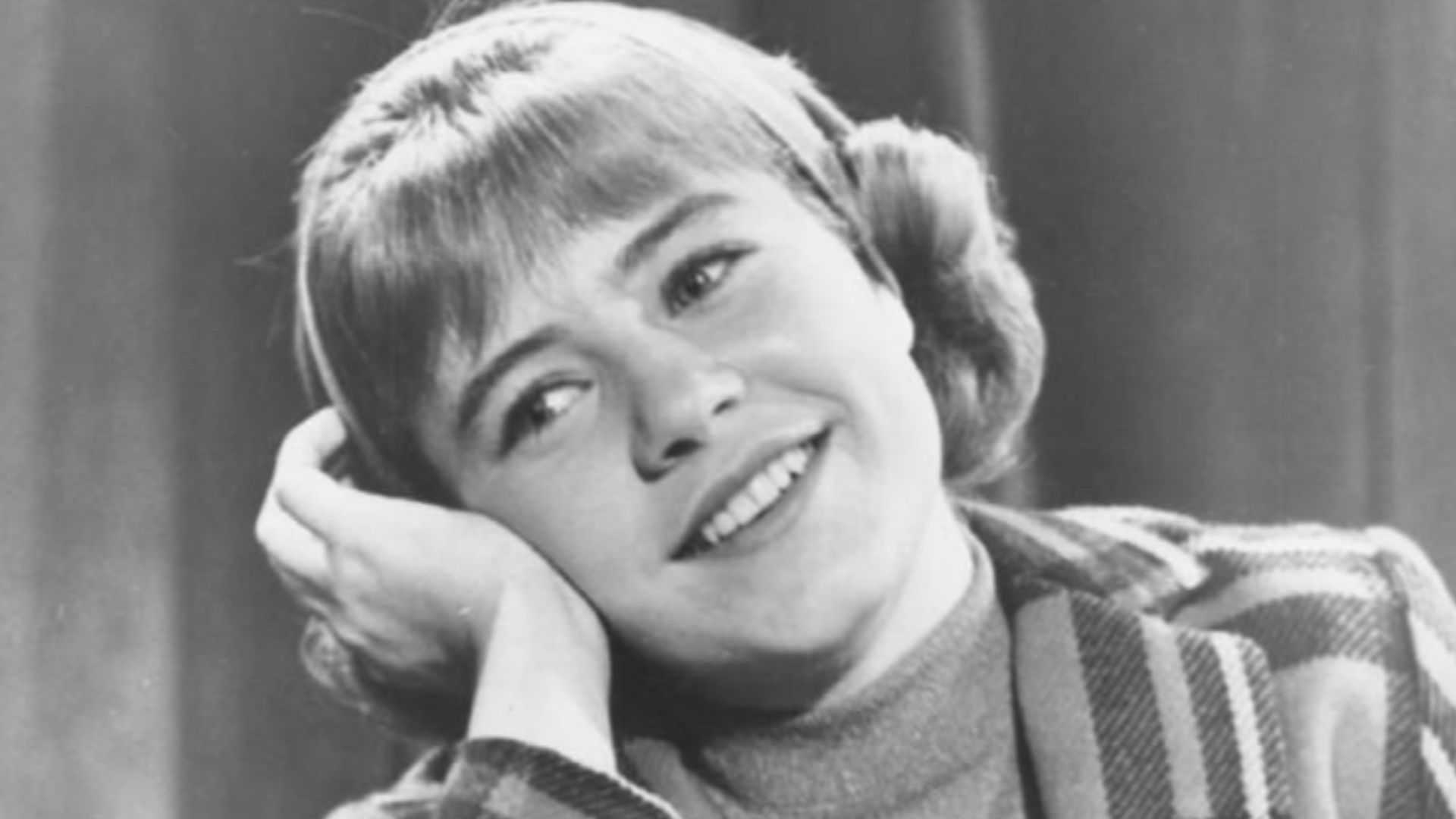
Patty Duke Left Patty Lane Behind
The Patty Duke Show asked Patty Duke to play both energetic teenager Patty Lane and her more refined cousin Cathy. The sitcom cemented her as a bright young television star with enormous technical skill. Valley of the Dolls then pushed her toward far more turbulent dramatic territory as ambitious performer Neely O'Hara, a role that shocked viewers accustomed to her television innocence.
 ABC Television, Wikimedia Commons
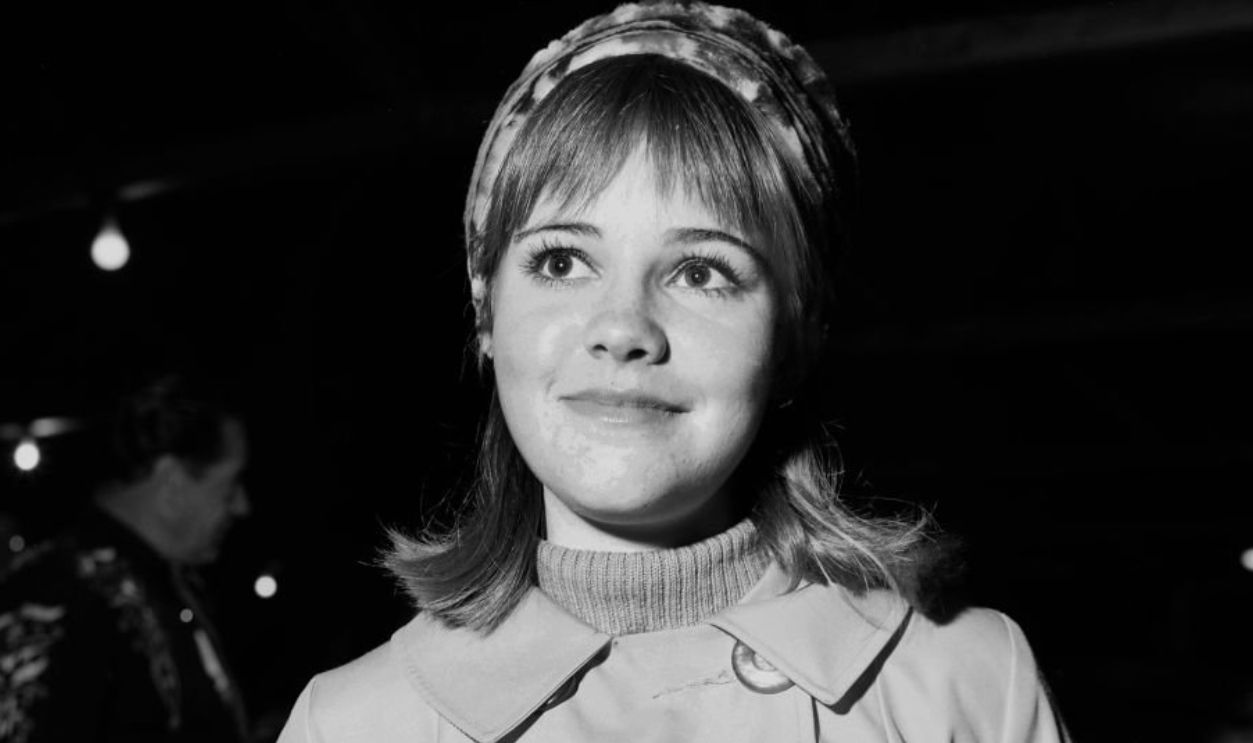
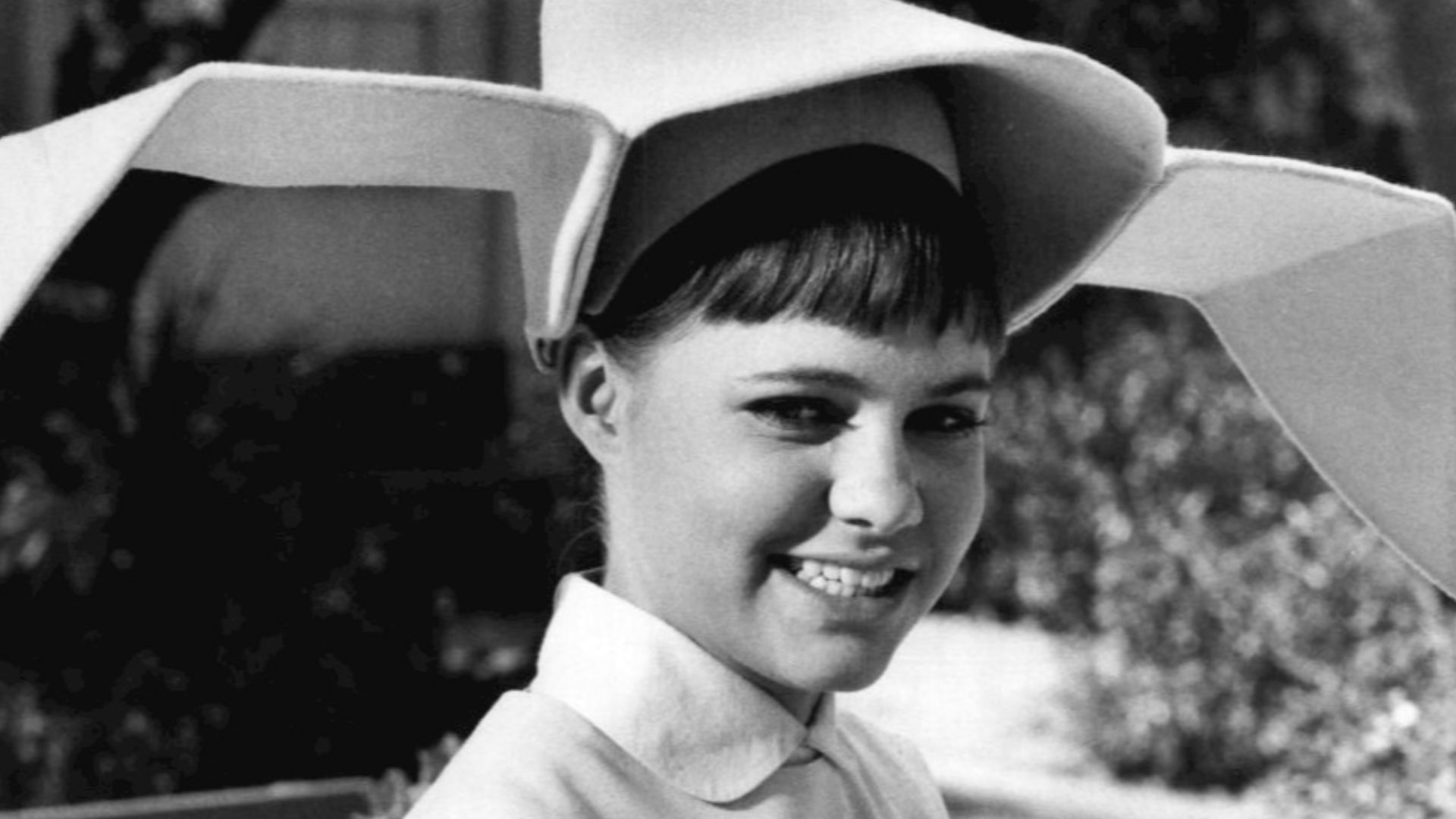
Sally Field Had To Fight Her Own Image
Sally Field became famous as the bubbly heroine of Gidget and then the relentlessly cheerful Sister Bertrille on The Flying Nun. She later said escaping those lightweight television roles required serious effort and additional acting study. Sybil provided the breakthrough, earning Field an Emmy and proving she could carry emotionally punishing dramatic material.
 Michael Ochs Archives, Getty Images
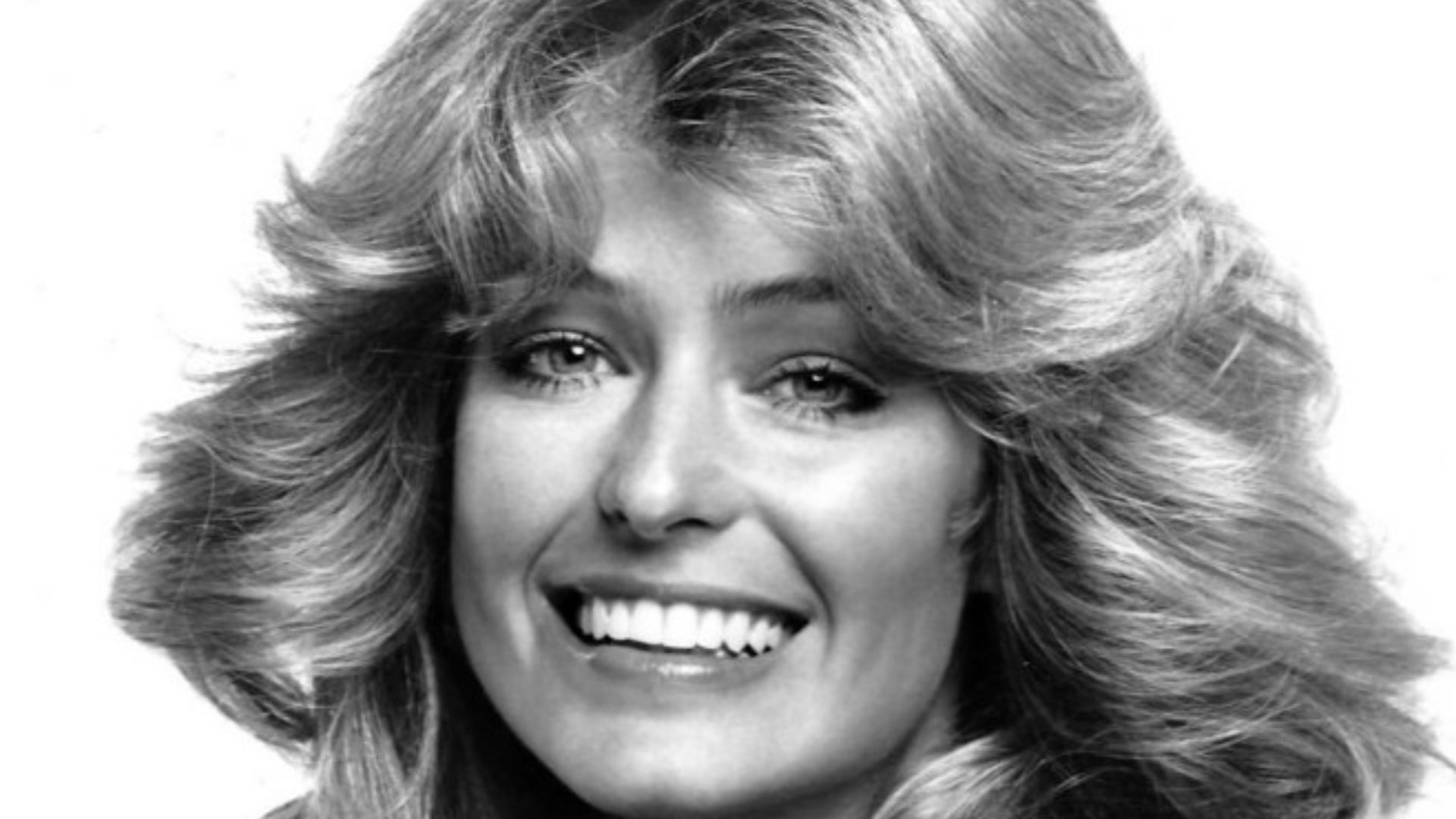
Farrah Fawcett Refused To Stay An Angel
Farrah Fawcett became one of the defining television faces of the 1970s as Jill Munroe on Charlie's Angels. The glamorous action series made her enormously famous, but it also created an image she spent years trying to complicate. Her performance in The Burning Bed brought an Emmy nomination and demonstrated dramatic weight that many viewers had never expected from her.
 ABC Television, Wikimedia Commons
Neil Patrick Harris Wasn't Doogie Anymore
Neil Patrick Harris spent his teenage years playing brilliant, sincere young physician Doogie Howser. Adult comedy eventually helped him escape the child-star label, but Gone Girl offered a stranger turn. As Desi Collings, Harris used his polished charm to create a character whose friendliness gradually feels increasingly uncomfortable.
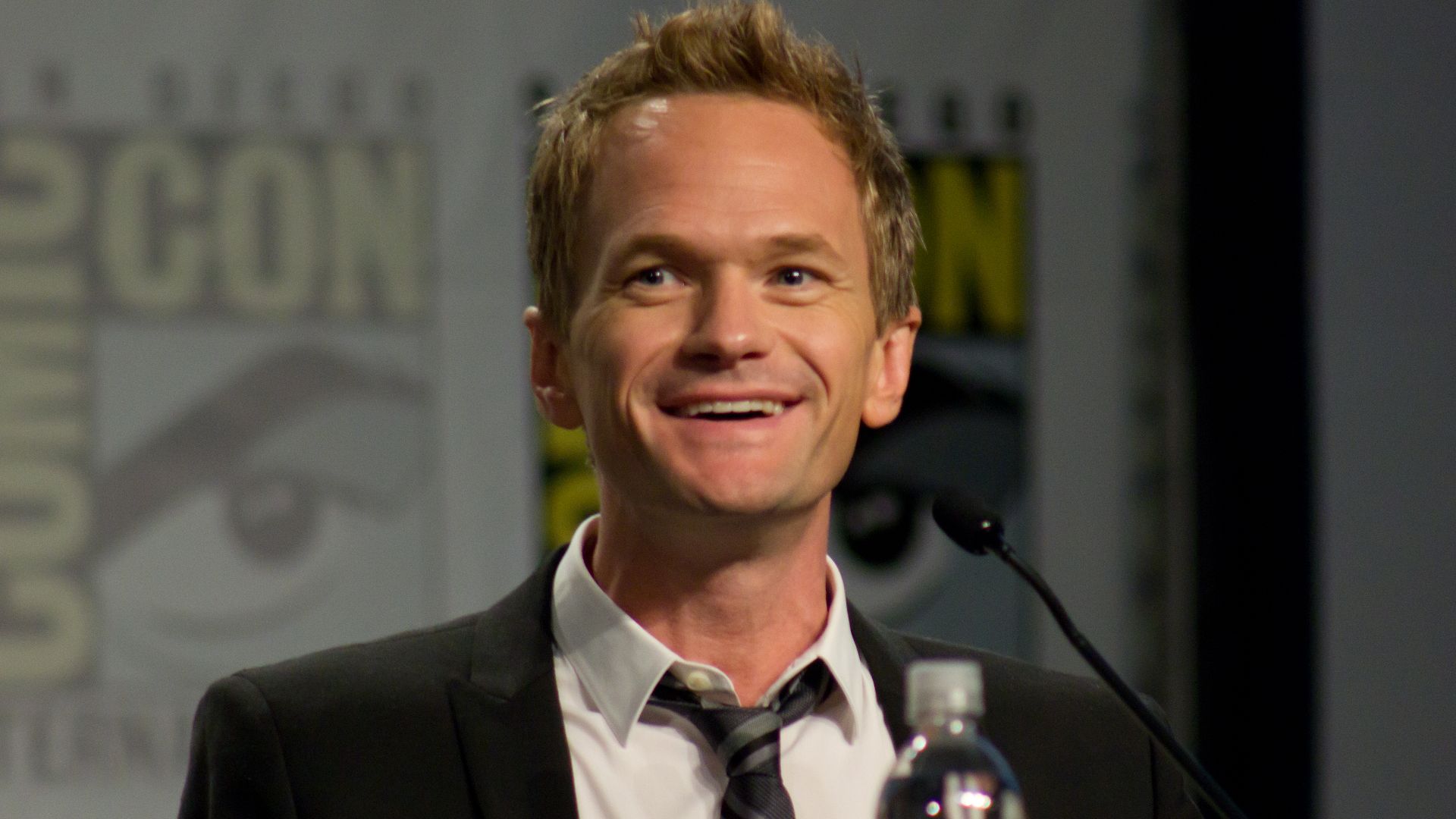 vagueonthehow from Tadcaster, York, England, Wikimedia Commons
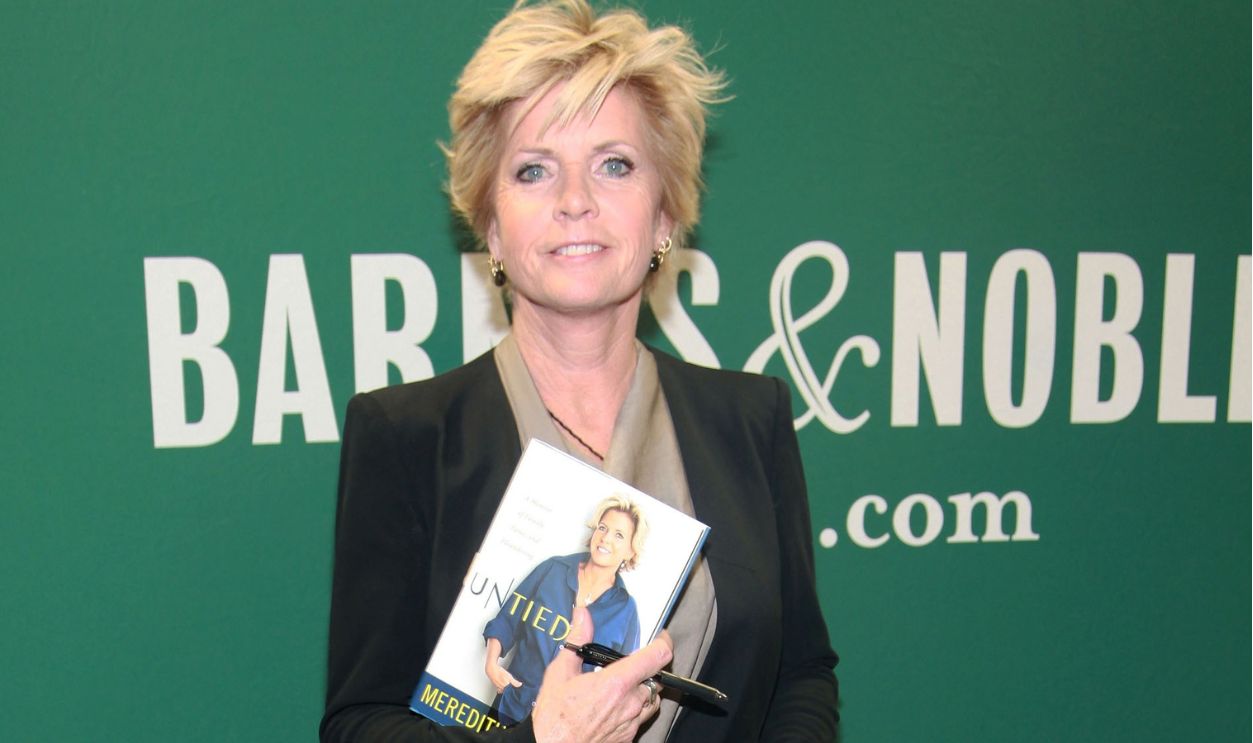
Meredith Baxter Made Television Motherhood Feel Safe
As Elyse Keaton on Family Ties, Meredith Baxter became one of 1980s television's most reassuring mothers. She had already done serious dramatic work, but millions of viewers primarily knew her from the warm Keaton household. A Woman Scorned: The Betty Broderick Story abruptly replaced that familiarity with fury, obsession, and violence, earning Baxter another Emmy nomination.
The Sweet Roles Made The Darkness Work
Casting against type works best when viewers carry years of expectations into the new performance. These actors did not erase their earlier characters, because the memory of that warmth often made the darker role more unsettling. Sometimes television's nicest faces turn out to be the perfect place for filmmakers to hide a monster.
 ABC Television, Wikimedia Commons
You May Also Like:
Actors’ Most Memorable Breakout Roles
Movie Stars Who Thought Fame Would Last Forever—Now No One Born After 2000 Has Even Heard Of Them
Movie Stars Who Started With Television
Sources: 1, 2, 3, 4, 5, 6, 7, 8, 9, 10, 11, 12, 13, 14, 15, 16, 17, 18, 19, 20, 21, 22, 23, 24, 25, 26, 27, 28, 29, 30, 31, 32, 33, 34, 35, 36, 37, 38, 39, 40, 41