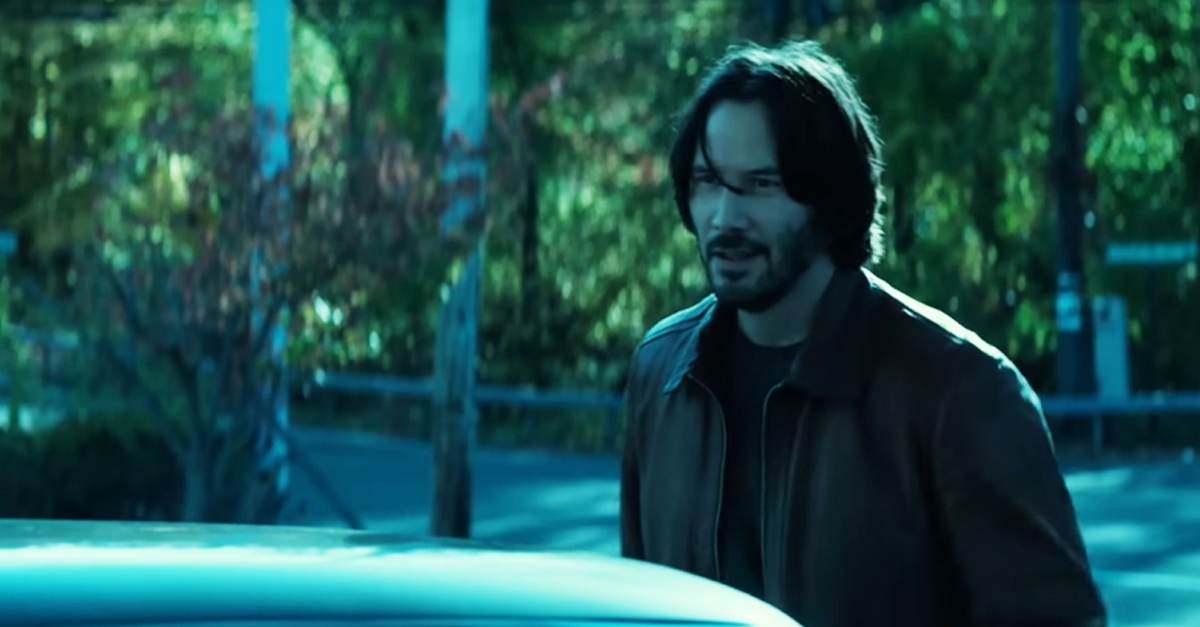
Hollywood Loves A Comeback Story
Hollywood careers can collapse surprisingly fast after just a few flops, scandals, or years away from the spotlight. Some actors disappear from the audience’s memory almost completely before one unforgettable role totally changes everything. These comeback performances revived careers, reshaped public perception, and reminded audiences exactly why these stars even mattered in the first place.

Michael Caine — The Cider House Rules
Michael Caine admitted he accepted roles in weak films like Jaws: The Revenge (1987) largely for financial reasons during slower periods in his career. Lasse Hallström’s The Cider House Rules (1999) reminded audiences of Caine’s emotional range and earned him his second Academy Award for Best Supporting Actor.
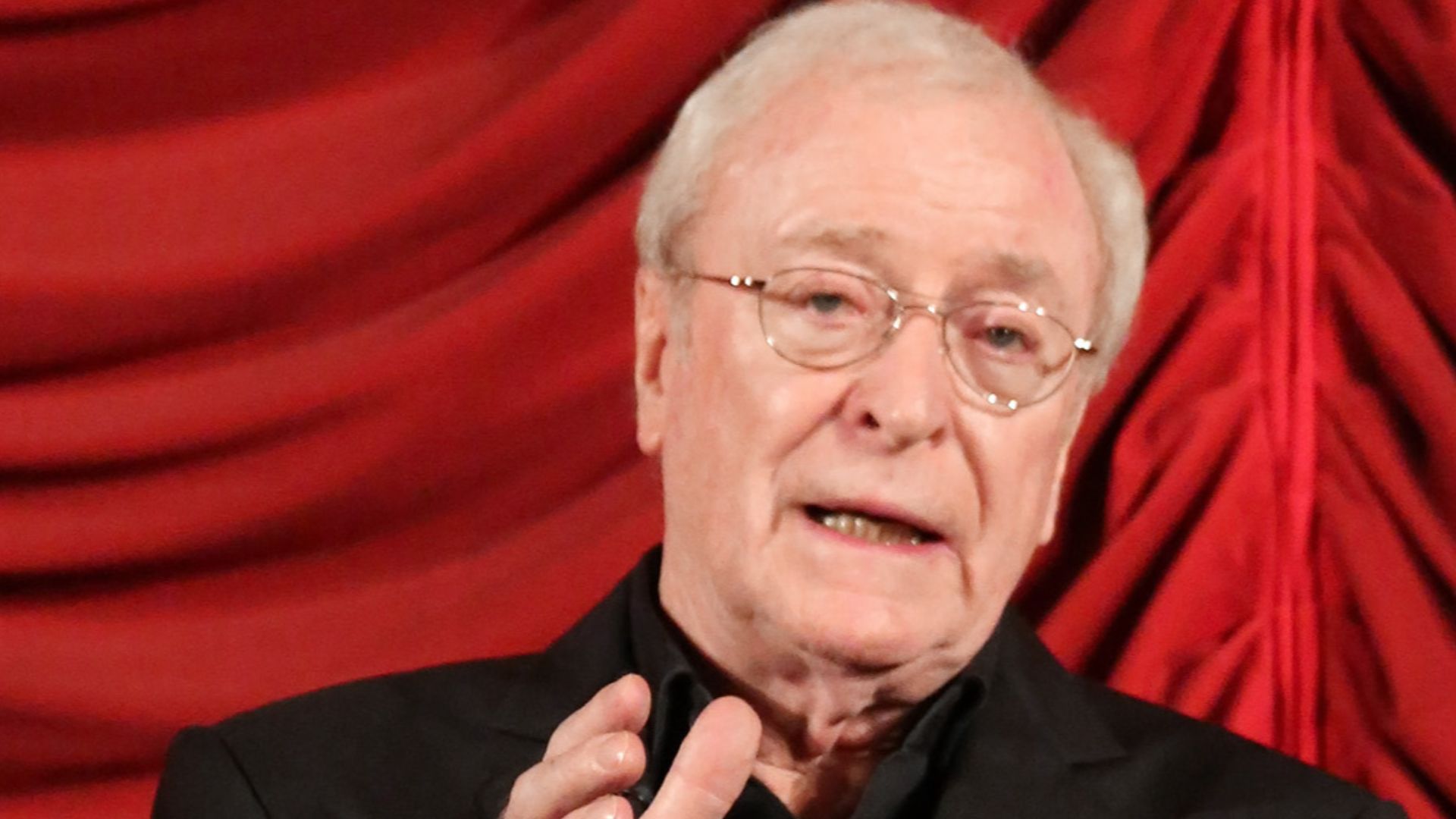 Manfred Werner / Tsui, Wikimedia Commons
Jean-Claude Van Damme — JCVD
Jean-Claude Van Damme’s popularity collapsed after a string of direct-to-video disappointments like The Order (2001). Many audiences viewed him as a relic of the 1990s action boom. The self-aware drama JCVD (2008) cleverly confronted his fading fame and earned some of the strongest reviews of his career.
 U.S. Air Force photo/Robbin Cresswell, Wikimedia Commons
Ringo Starr — Caveman
After the breakup of The Beatles, Ringo Starr’s acting career drifted through forgettable projects and declining public interest. Though Caveman (1981) wasn’t exactly a cinematic masterpiece, the comedy adventure film became an unexpected cult success and briefly revived Starr’s visibility outside music. The film also introduced him to future wife Barbara Bach.
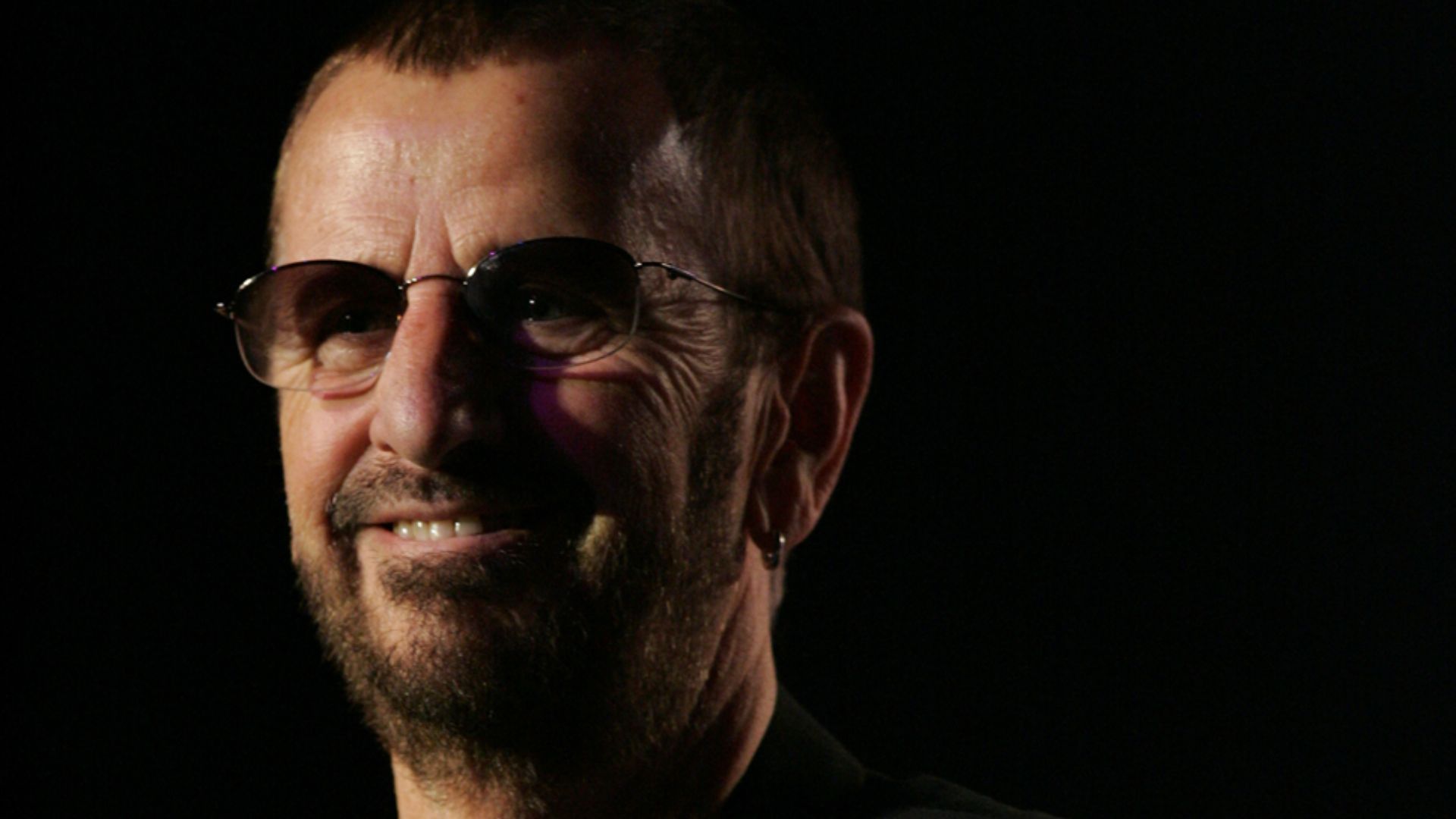 Eva Rinaldi from Sydney Australia, Wikimedia Commons
Corey Feldman — The Lost Boys
Corey Feldman struggled through a raft of personal problems and diminishing roles after childhood hits like Stand by Me (1986). Joel Schumacher’s The Lost Boys (1987) transformed Feldman into a sarcastic teen horror icon and helped extend his career into the late 1980s despite mounting industry pressures.
 Bridget Laudien, Wikimedia Commons
David Carradine — Kill Bill
David Carradine’s career cooled significantly after his Kung Fu (1972) fame faded and his status as a performer in low-budget productions became a seemingly permanent feature of his career. Quentin Tarantino revived Carradine’s mystique with Kill Bill: Vol. 2 (2004), casting him as a calm but deeply menacing villain whose quiet presence dominated the screen.
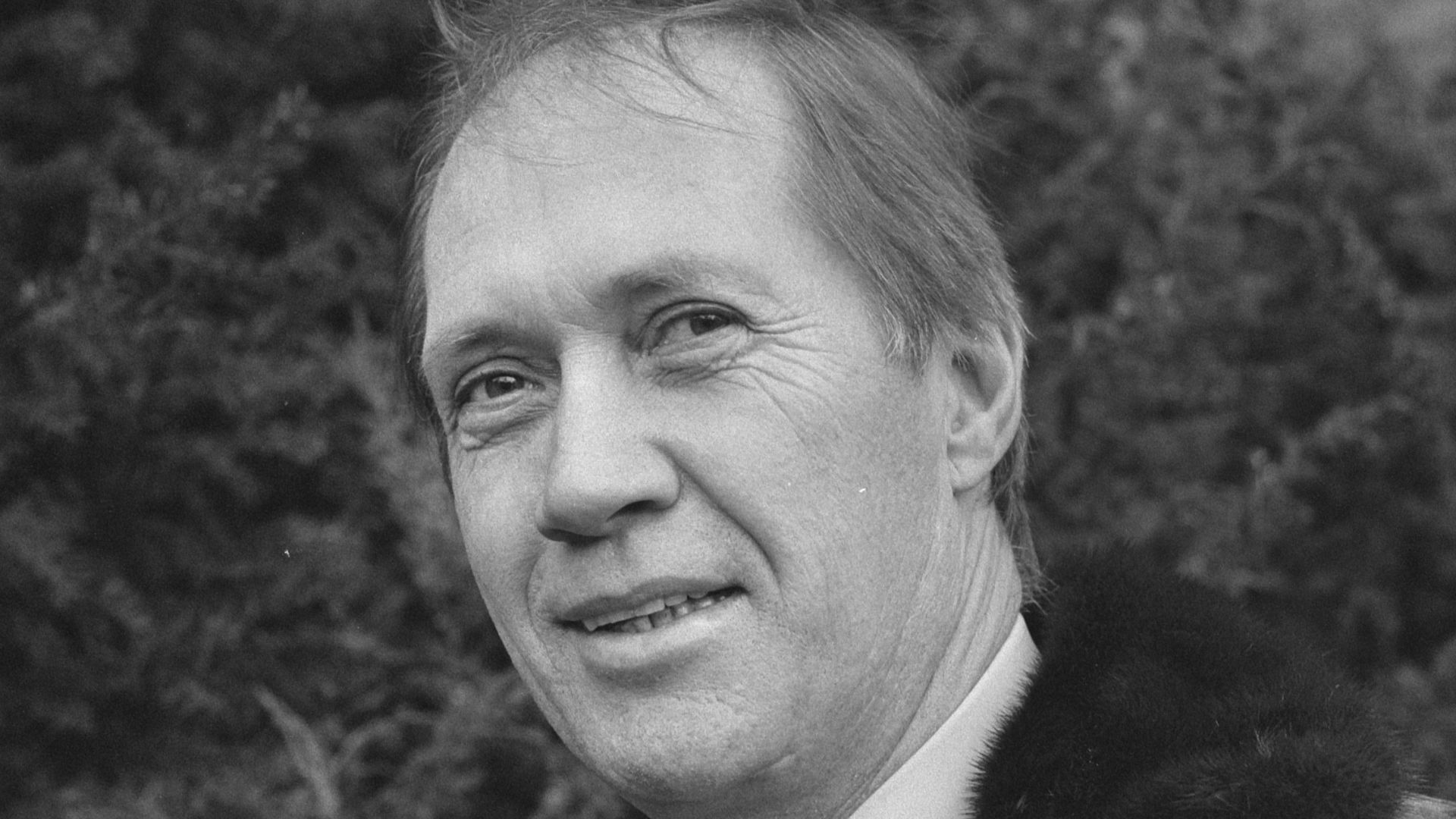 Gerrits, Roland / Anefo, Wikimedia Commons
Brendan Gleeson — In Bruges
Although Brendan Gleeson consistently worked throughout the 1990s and early 2000s, he rarely received leading roles after supporting turns in films like Mission: Impossible 2 (2000). Martin McDonagh’s In Bruges (2008) showcased Gleeson’s abilities, elevating him to a new level of recognition.
 Mario Antonio Pena Zapateria from Irun, Spain, Wikimedia Commons
Lindsay Lohan — Falling For Christmas
Lindsay Lohan’s early stardom flickered out after legal troubles, addiction struggles, and commercial failures like I Know Who Killed Me (2007). Netflix’s Falling for Christmas (2022) marked a lighter, more stable return to acting that generated significant public goodwill towards Lohan, and renewed curiosity about her future projects.
 Gage Skidmore from Surprise, AZ, United States of America, Wikimedia Commons
Mickey Rooney — The Black Stallion
Former child superstar Mickey Rooney went through decades of declining roles and financial troubles after his 1940s fame disappeared. By the late 70s, Hollywood had largely forgotten him. Carroll Ballard’s The Black Stallion (1979) earned Rooney an Oscar nomination and restored critical respect to his long career.
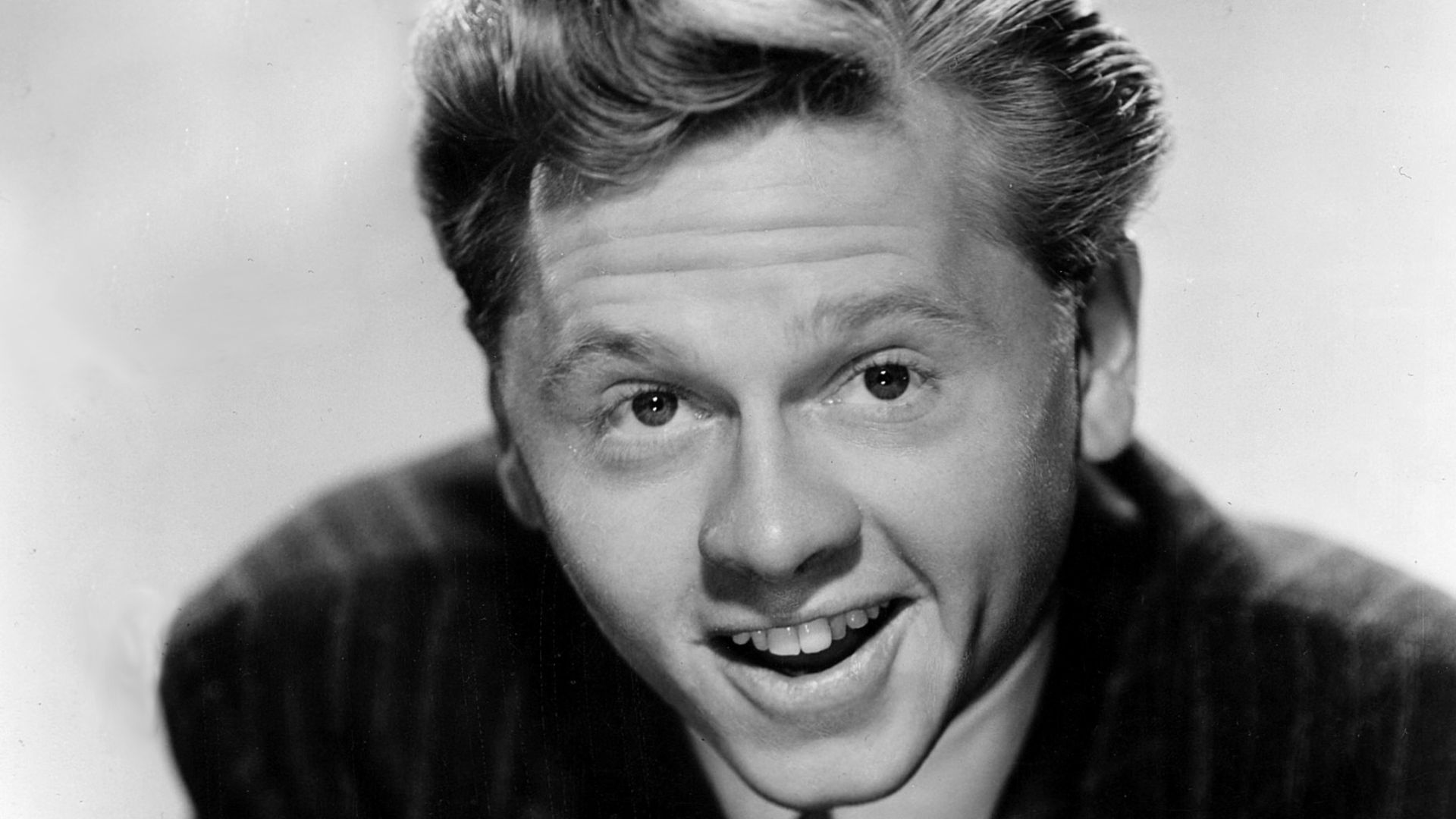 Studio publicity still, Wikimedia Commons
Kurt Russell — Death Proof
Kurt Russell’s mainstream profile faded during the 1990s after box office disappointments like Soldier (1998). Quentin Tarantino’s Death Proof (2007) embraced Russell’s rugged charisma and villainous edge, reintroducing him to younger audiences and paving the way for appearances in major franchises like The Fast & Furious in the following decade.
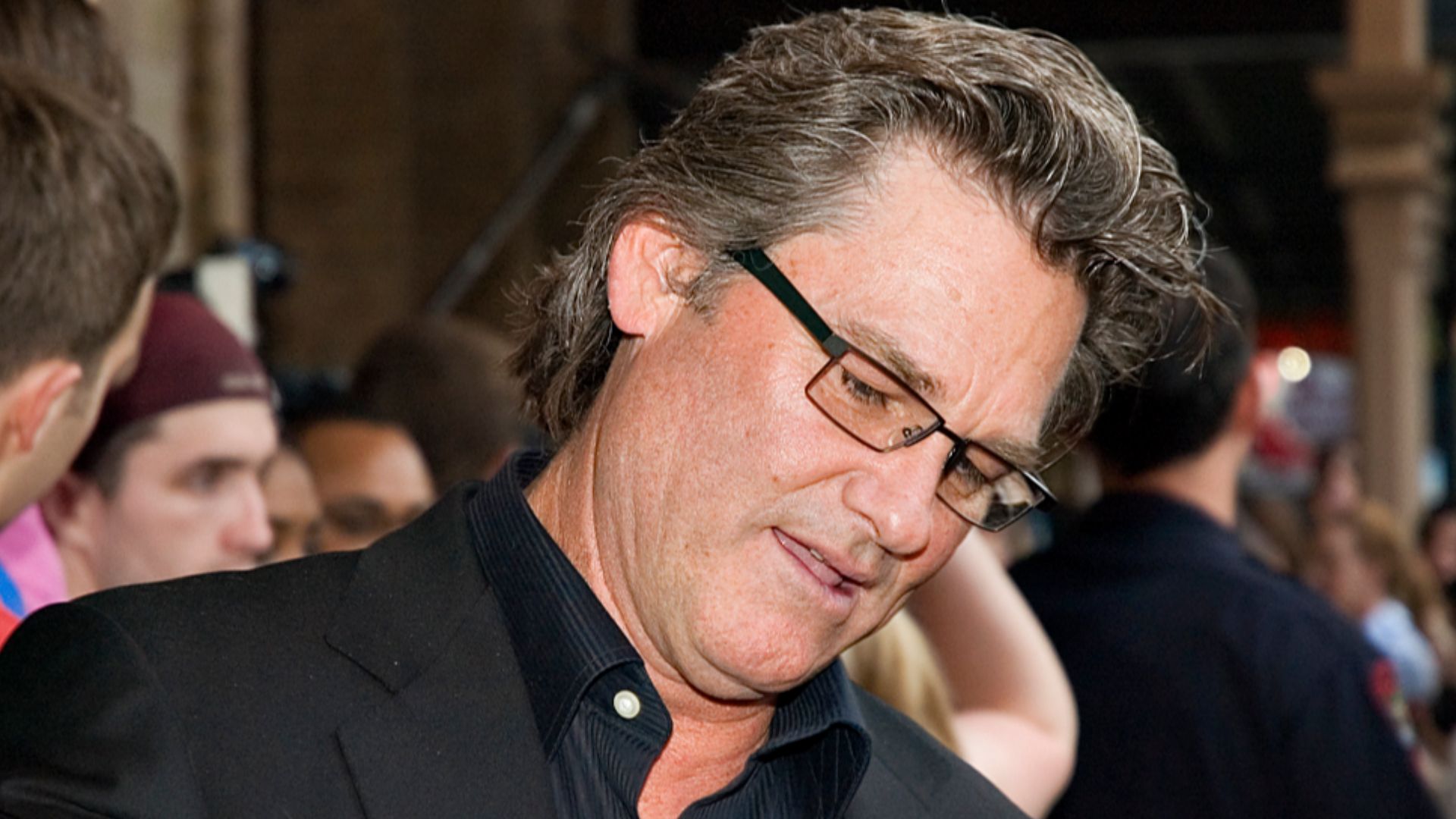 Jeff Balke. (Flickr profile)., Wikimedia Commons
Jennifer Coolidge — American Pie
Jennifer Coolidge spent years playing eccentric supporting characters in films like A Cinderella Story (2004) without gaining much recognition herself. Her unforgettable comedic performance in American Pie (1999) stuck in people’s memories, while later projects like The White Lotus (2021) finally elevated her to award-winning status.
 Adam Chitayat, Wikimedia Commons
Nicolas Cage — Pig
Nicolas Cage stayed prolific throughout the 2000s and 2010s, but his appearance in a lot of low-budget thrillers damaged his reputation after failures like Left Behind (2014). Michael Sarnoski’s Pig (2021) gave Cage a restrained and deeply emotional role that reminded critics how great he could still be as an actor.
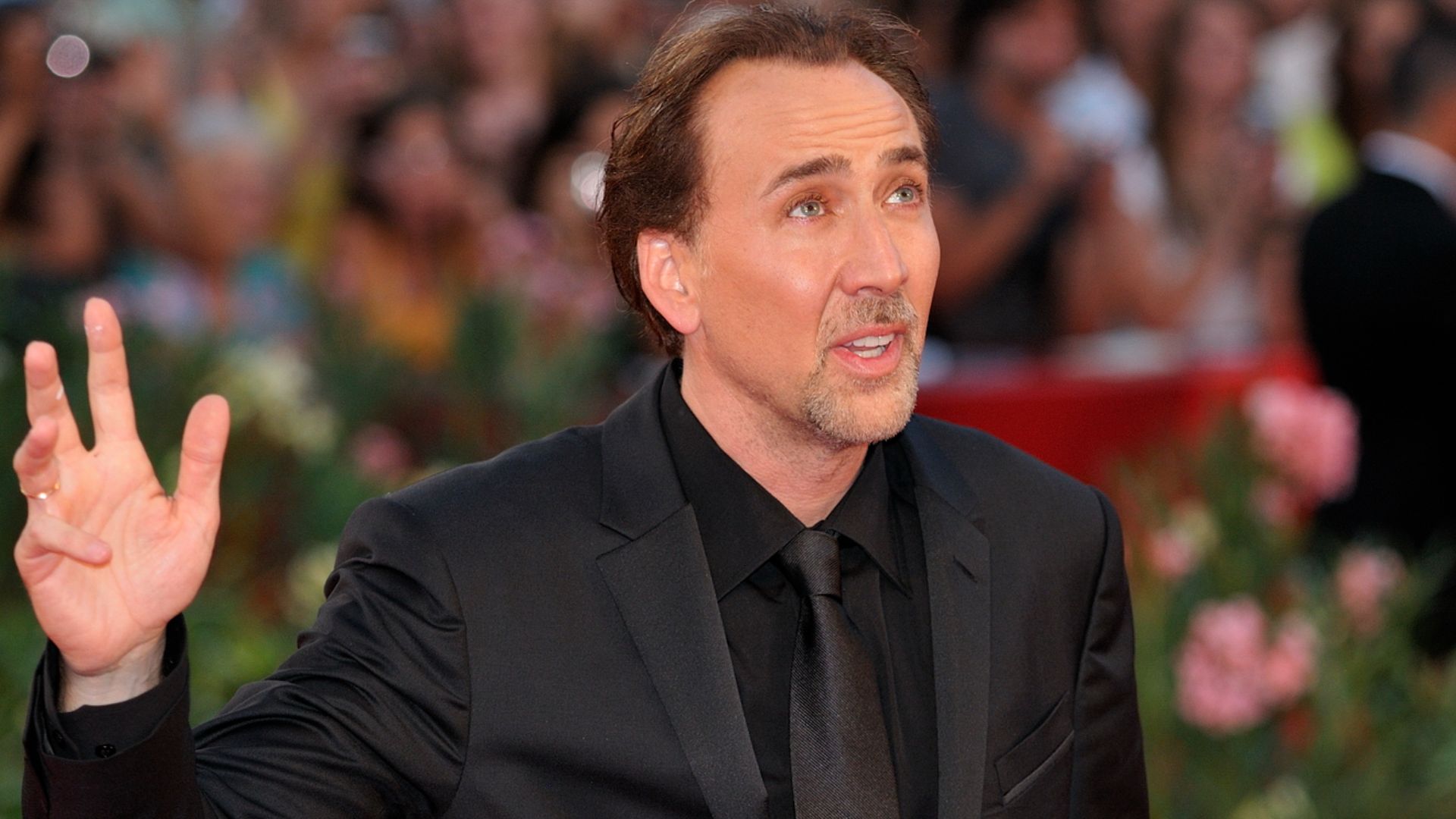 nicolas genin from Paris, France, Wikimedia Commons
Pamela Anderson — The Last Showgirl
Pamela Anderson spent decades battling dismissive stereotypes created during her Baywatch (1989) fame and critically mocked films like Barb Wire (1996). Gia Coppola’s The Last Showgirl (2024) allowed Anderson to deliver a more vulnerable and dramatic performance than audiences had ever previously had a chance to see from her.
 elevatefestival, Wikimedia Commons
Marlon Brando — The Godfather
During the 1960s, Marlon Brando became notorious for difficult behavior and expensive box office disappointments like Mutiny on the Bounty (1962). Many studios considered him unemployable. Francis Ford Coppola fought to cast Brando as Don Corleone in The Godfather (1972), resulting in one of cinema’s greatest comeback performances.
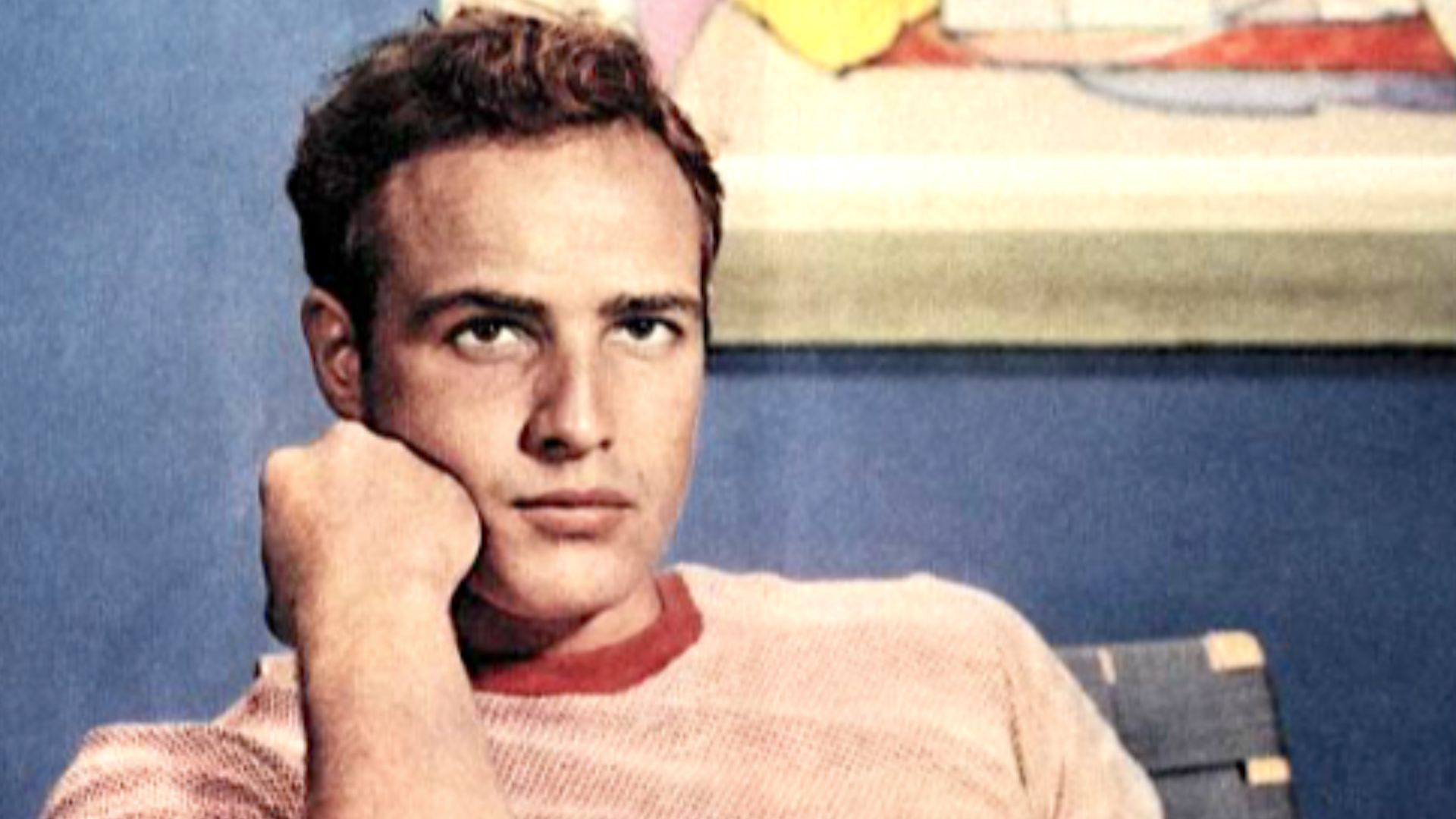 Unknown authorUnknown author, Wikimedia Commons
Neil Patrick Harris — Harold & Kumar Go To White Castle
After Doogie Howser, M.D. (1989), Neil Patrick Harris spent years struggling to escape his child-star image. Smaller projects failed to generate momentum. Then Harold & Kumar Go to White Castle (2004) hilariously reinvented Harris as a wildly exaggerated version of himself, leading directly to bigger television and film opportunities.
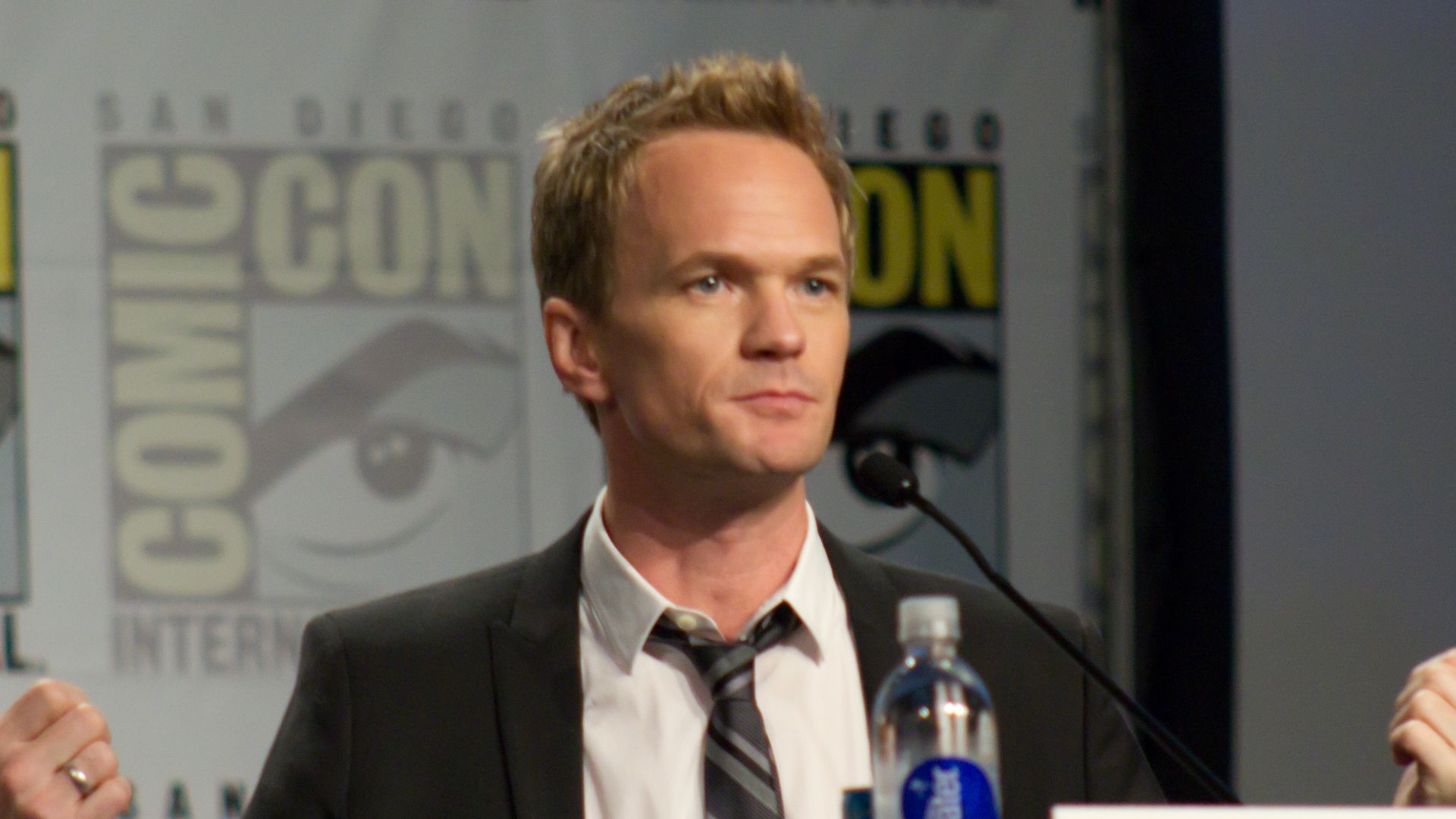 vagueonthehow from Tadcaster, York, England, Wikimedia Commons
Drew Barrymore — Scream
Drew Barrymore’s early career became overshadowed by addiction struggles and weak projects after her childhood fame faded. Horror director Wes Craven cleverly used audience expectations in Scream (1996), turning Barrymore’s shocking opening sequence into one of the most memorable comeback moments of the decade.
 Eva Rinaldi, Wikimedia Commons
Ben Affleck — Gone Girl
After critical disasters like Gigli (2003) and years of tabloid overexposure, Ben Affleck became an easy target for ridicule. His directorial success helped rebuild his reputation somewhat, but David Fincher’s Gone Girl (2014) reminded audiences how effective Affleck could be when perfectly cast in morally ambiguous roles.
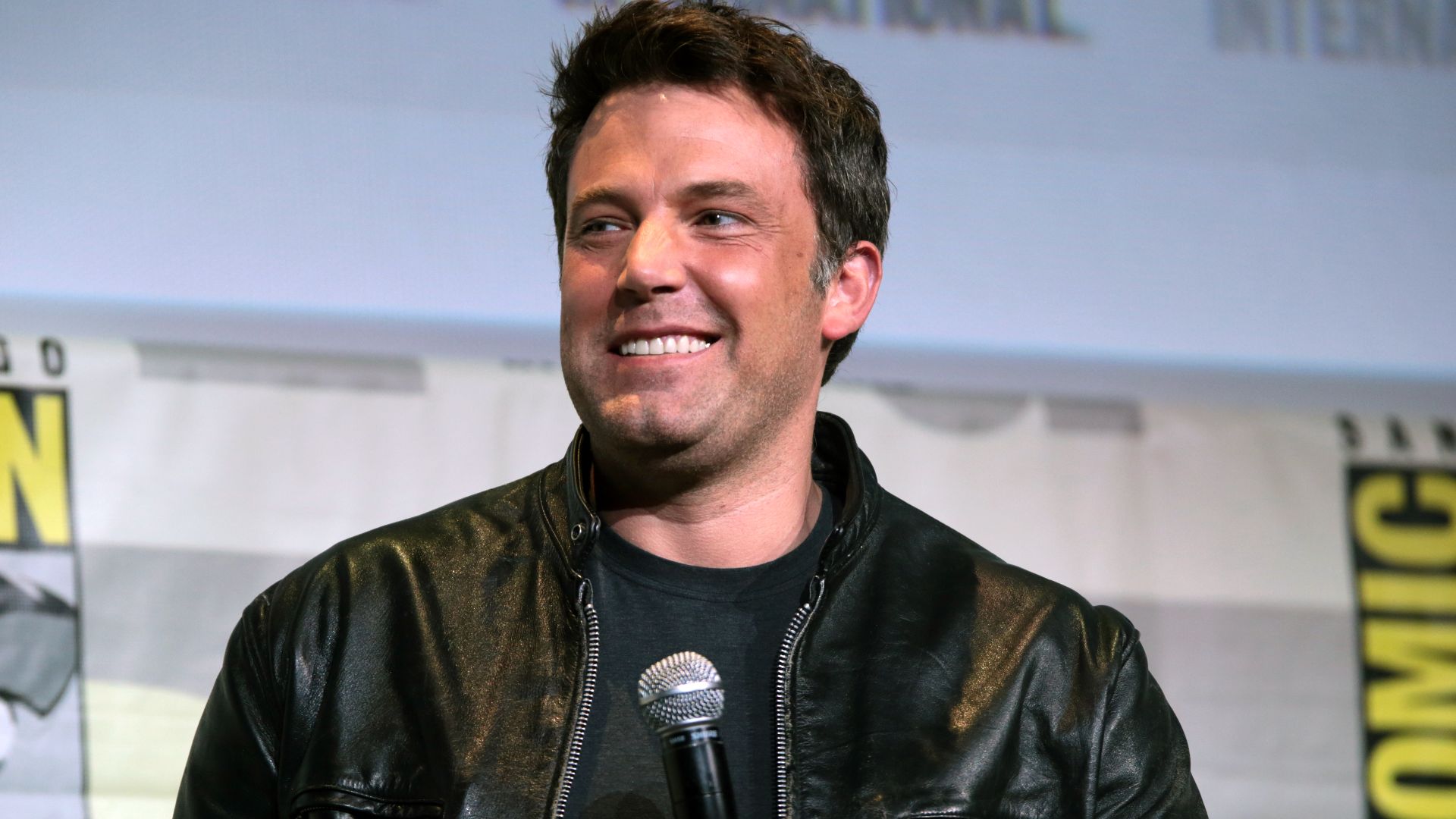 Gage Skidmore from Peoria, AZ, United States of America, Wikimedia Commons
Sylvester Stallone — Creed
Sylvester Stallone spent much of the 2000s starring in underwhelming projects like Driven (2001) and struggling to find any kind of meaningful dramatic work. Ryan Coogler’s Creed (2015) transformed Rocky Balboa into an aging mentor figure and earned Stallone his first Oscar nomination in nearly forty years.
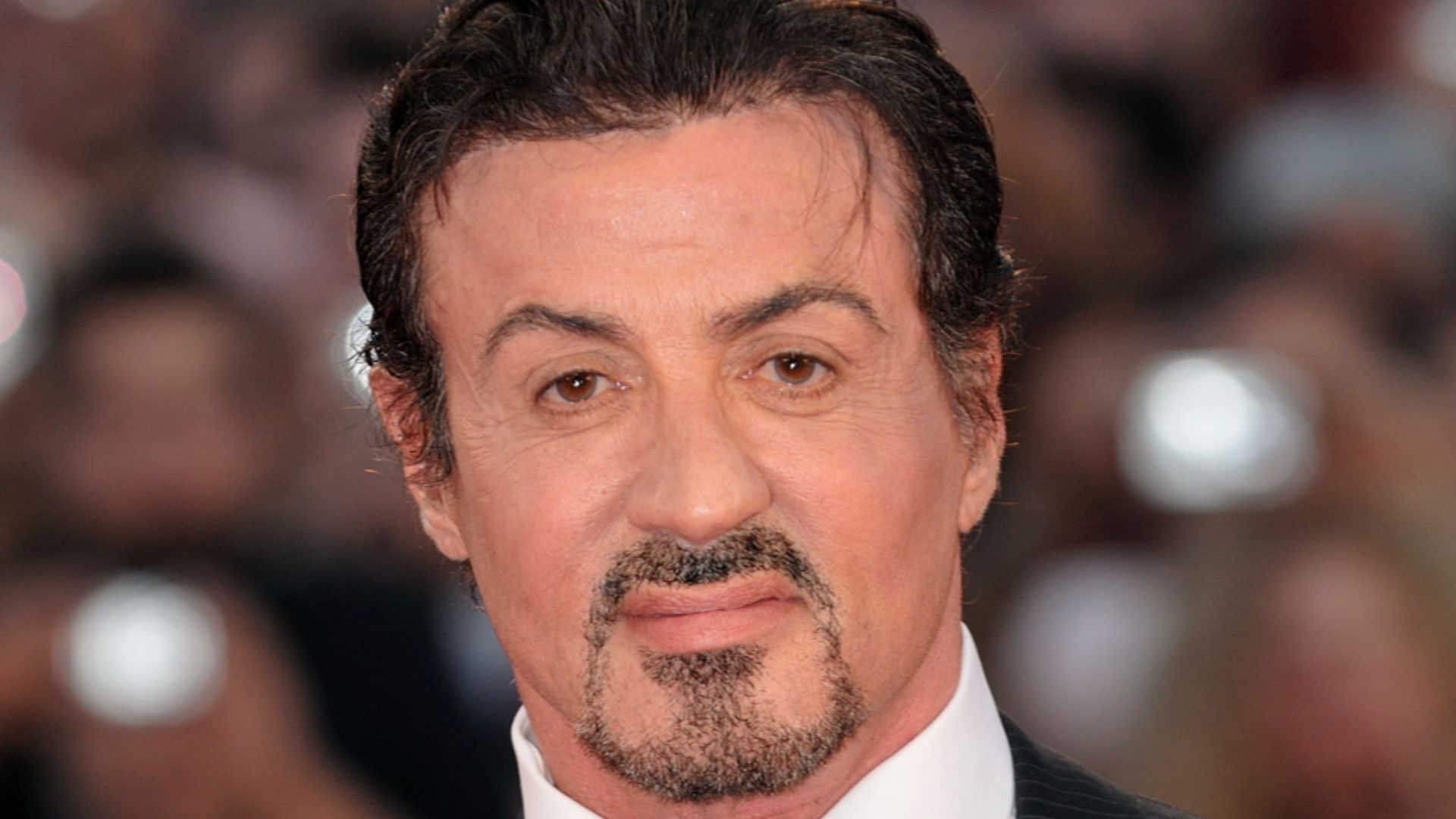 nicolas genin from Paris, France, Wikimedia Commons
Winona Ryder — Stranger Things
After major 1990s success in films like Edward Scissorhands (1990), Winona Ryder’s career slowed dramatically following legal troubles and box office disappointments like Mr. Deeds (2002). Netflix’s Stranger Things (2016) reintroduced Ryder to a younger generation and restored much of her cultural relevance.
 Karon Liu from Toronto, Canada, Wikimedia Commons
Matthew McConaughey — Dallas Buyers Club
Matthew McConaughey spent years trapped in lightweight romantic comedies like Failure to Launch (2006), causing many critics to dismiss him as predictable. His dramatic transformation in Dallas Buyers Club (2013) shocked Hollywood and launched him onto an extended string of acclaimed dramatic performances.
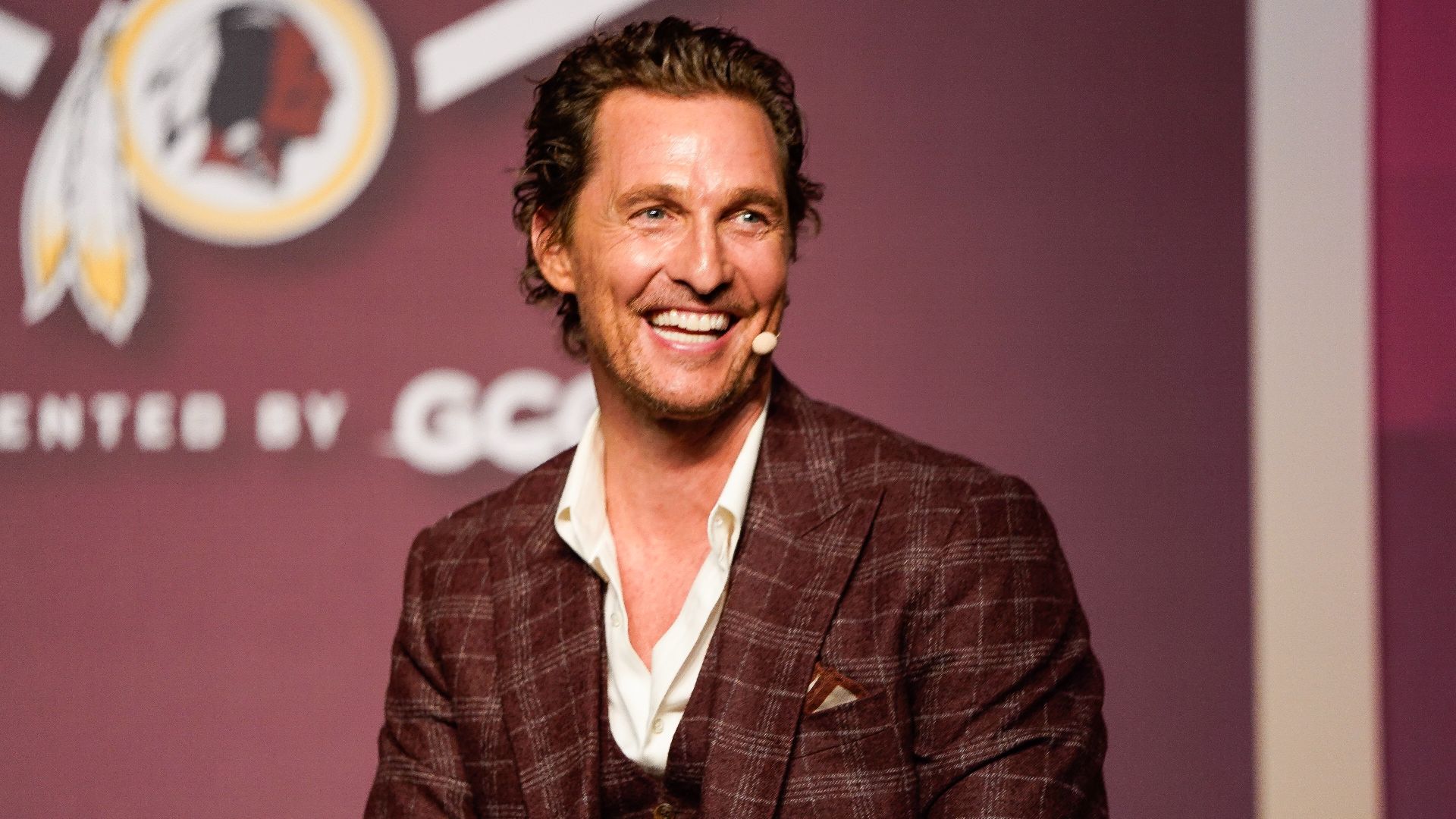 All-Pro Reels from District of Columbia, USA, Wikimedia Commons
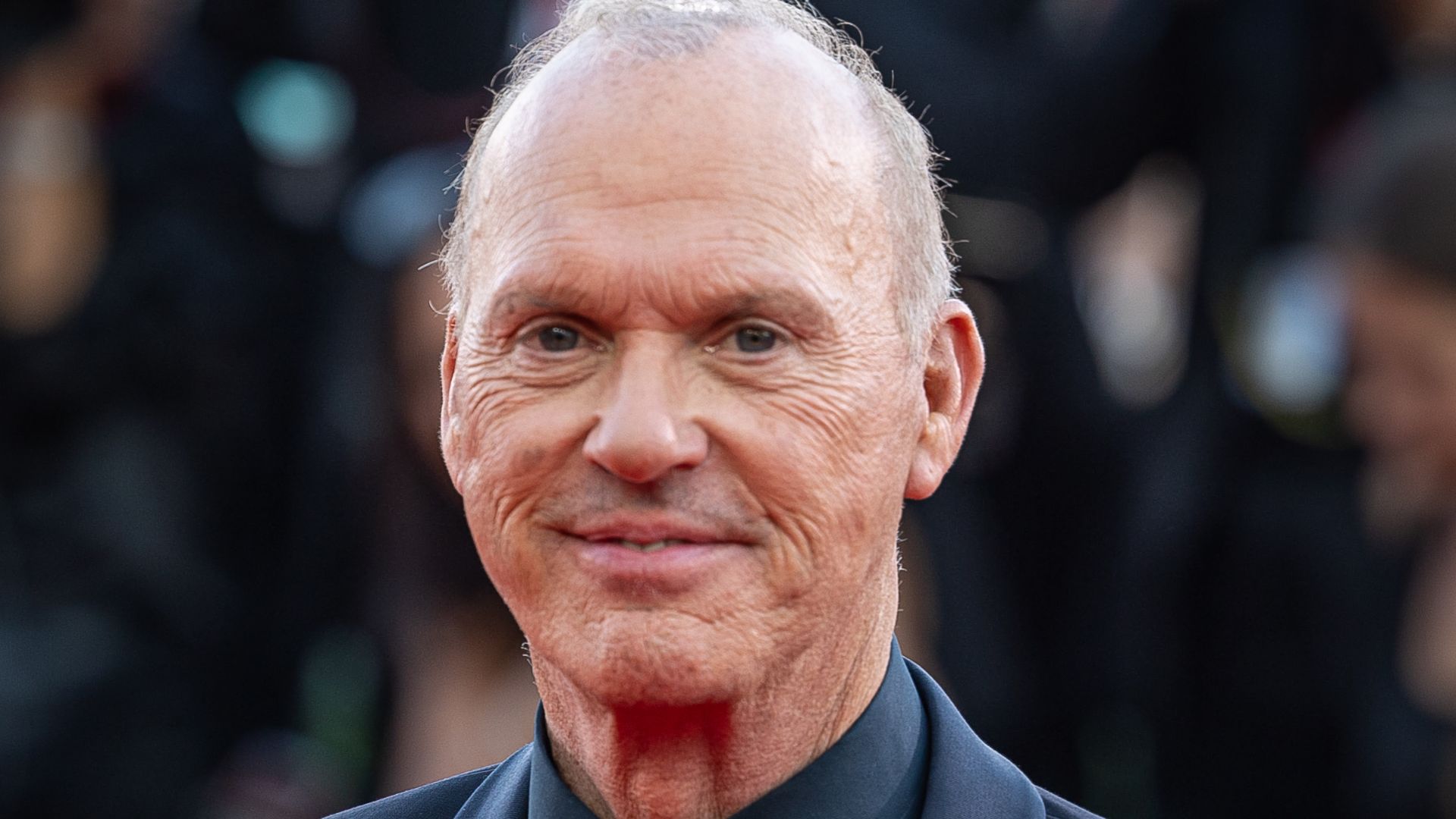
Michael Keaton — Birdman
Michael Keaton struggled for years to get out from under the shadow of his Batman films after disappointments like Jack Frost (1998). Alejandro González Iñárritu cleverly used Keaton’s own career history in Birdman (2014), casting him as a faded former superhero actor desperate for relevance. The performance turned his career around completely.
 Harald Krichel, Wikimedia Commons
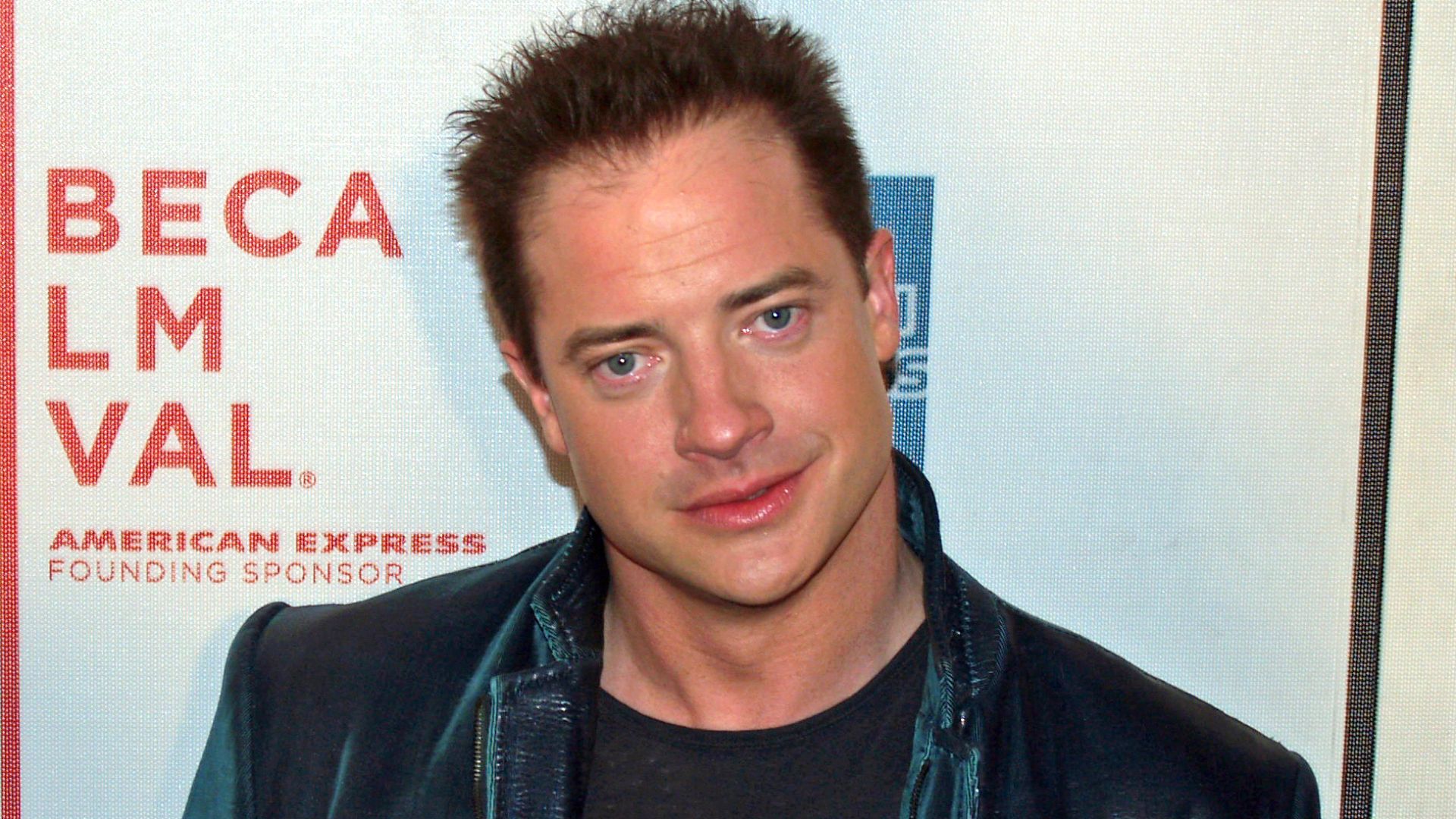
Brendan Fraser — The Whale
Brendan Fraser largely disappeared from major Hollywood productions after personal struggles, health problems, and weak box office performers like Furry Vengeance (2010). Darren Aronofsky’s The Whale (2022) gave Fraser a deeply emotional role that stunned audiences and ultimately earned him the Academy Award for Best Actor.
 David Shankbone, Wikimedia Commons
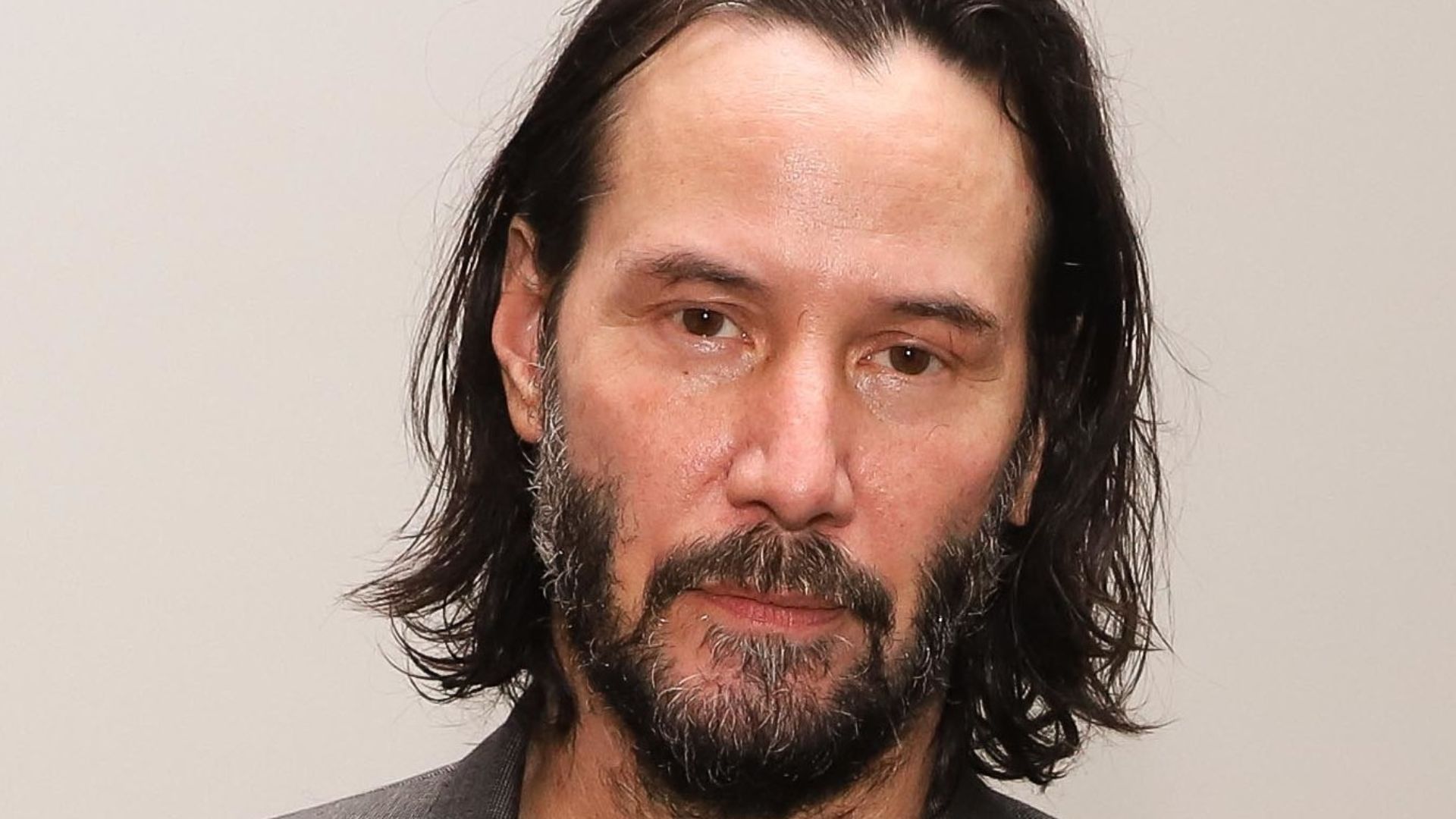
Keanu Reeves — John Wick
After the massive success of The Matrix (1999), Keanu Reeves endured years of uneven projects and underperformers like 47 Ronin (2013). Many critics believed his action-star years were finished. John Wick (2014) revived his career by perfectly blending stoic charisma, brutal action choreography, and emotional vulnerability.
 Governo do Estado de Sao Paulo, Wikimedia Commons
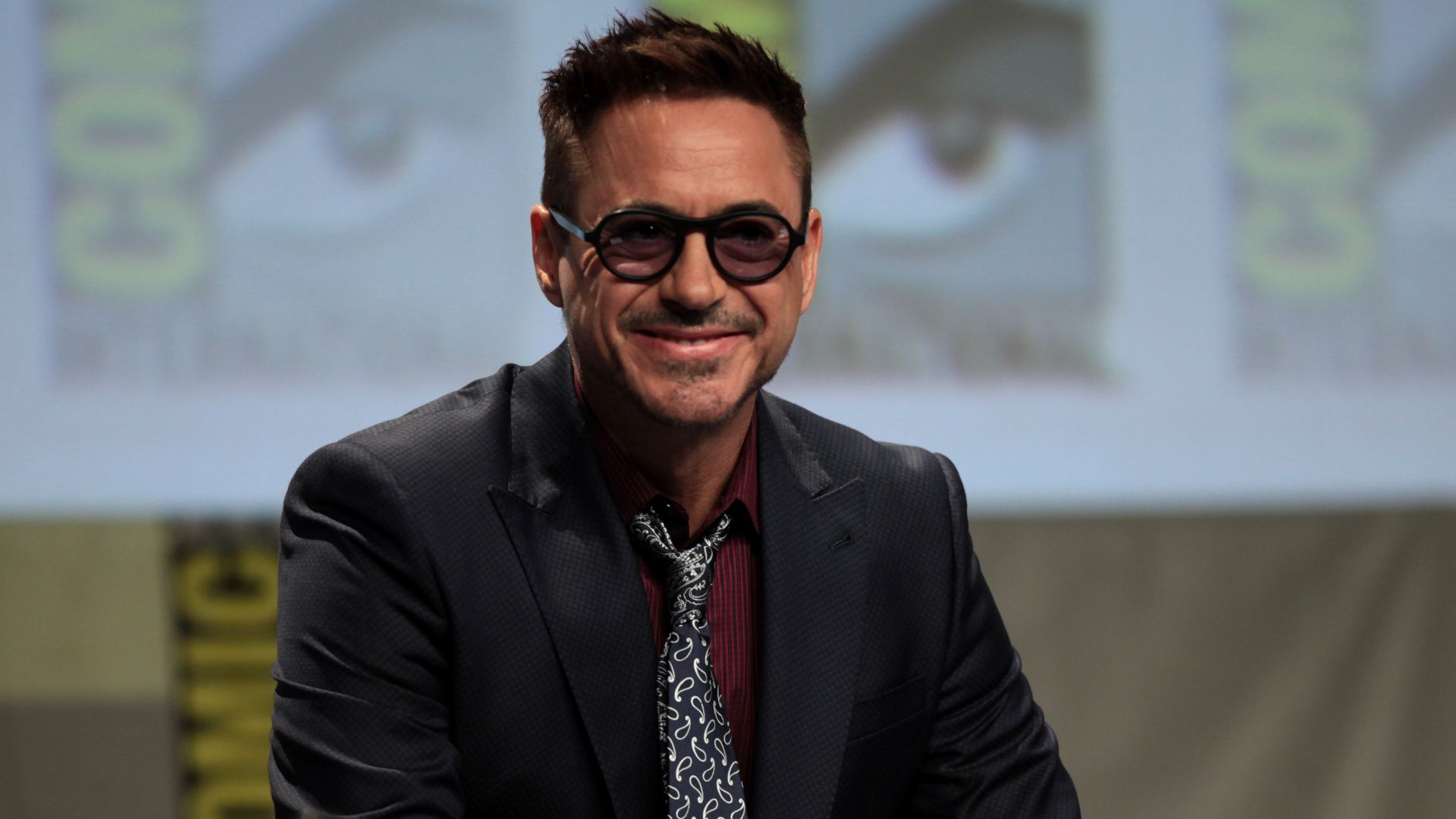
Robert Downey Jr. — Iron Man
Robert Downey Jr.’s career nearly collapsed during the late 1990s because of substance abuse problems, arrests, and insurance concerns that scared studios away. Films like In Dreams (1999) disappeared quietly at the box office. Then Iron Man (2008) turned him into the centerpiece of the modern superhero era.
 Gage Skidmore, Wikimedia Commons
Mickey Rourke — The Wrestler
Mickey Rourke nearly vanished after difficult productions and box office disappointments like Harley Davidson and the Marlboro Man (1991). Years of boxing injuries also altered his appearance dramatically. Darren Aronofsky’s The Wrestler (2008) transformed those scars into emotional authenticity and earned Rourke some of the best reviews of his career.
 Anton Belickiy, Wikimedia Commons
John Travolta — Pulp Fiction
After dominating the late 70s with Saturday Night Fever (1977) and Grease (1978), John Travolta spent much of the 1980s trapped in critical and commercial disappointments like Perfect (1985). Quentin Tarantino’s Pulp Fiction (1994) reinvented him as a cool, self-aware leading man and restored his A-list status overnight.
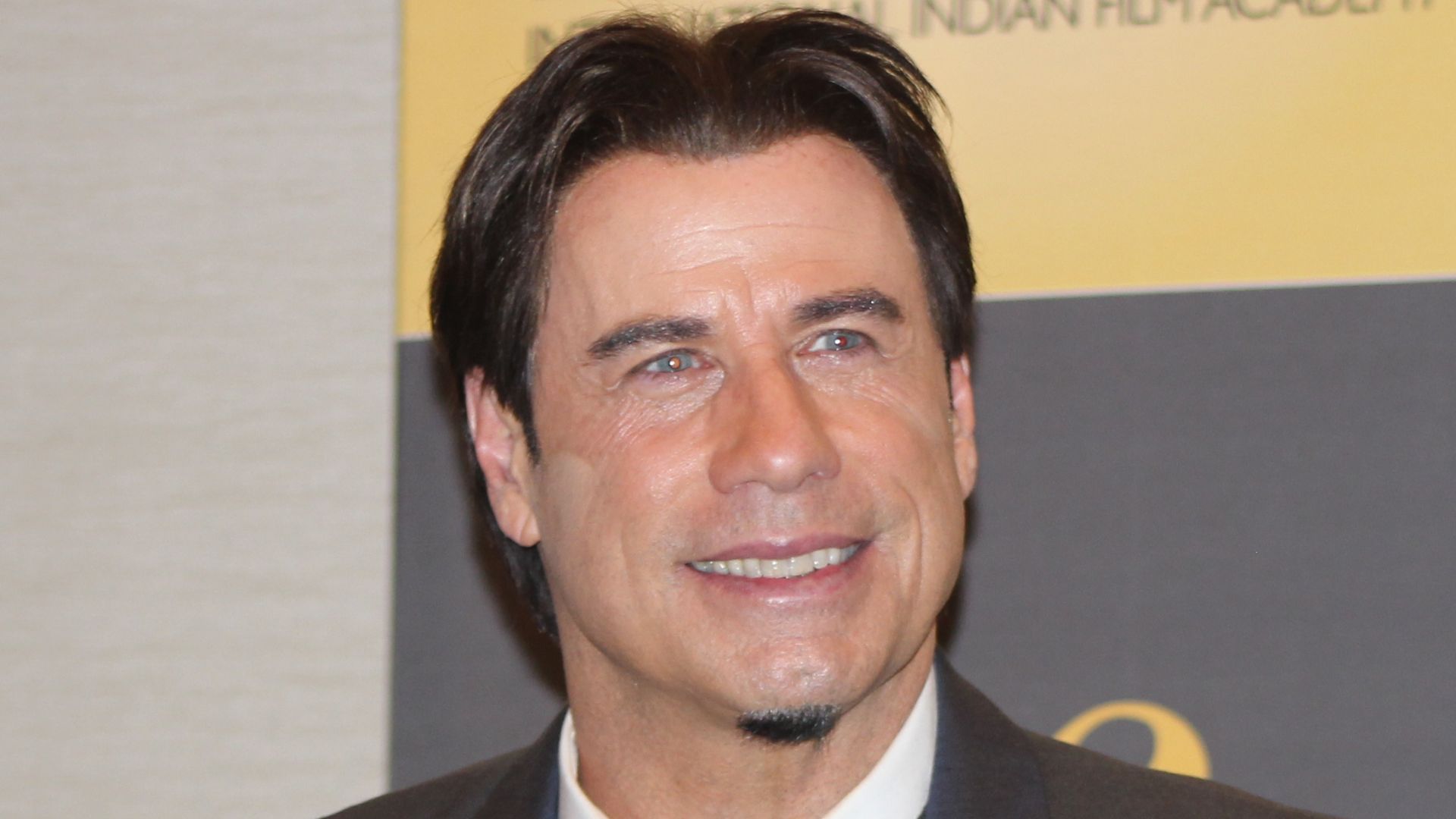 lauraleedooley, Wikimedia Commons
The Best Comebacks Feel Personal
The strongest comeback performances often work because audiences recognize pieces of the actor’s real struggles inside the role itself. Whether it’s a matter of aging, scandal, addiction, or simple bad luck, these performers returned from career limbo with something more complicated and compelling to offer than simple nostalgia.
 PM - Il Piccolo Missionario, Wikimedia Commons
You May Also Like:
Films That Get Better The Second Time You Watch
Disastrous Facts About Mickey Rooney, The Original Hollywood Train Wreck