At The End Of The Day, We Are All Human, Right?
Hollywood made them famous for specific roles, but daily life told a quieter, sometimes chaotic, sometimes peaceful story. Away from scripts and sets, their habits, values, and choices often went in unexpected directions.
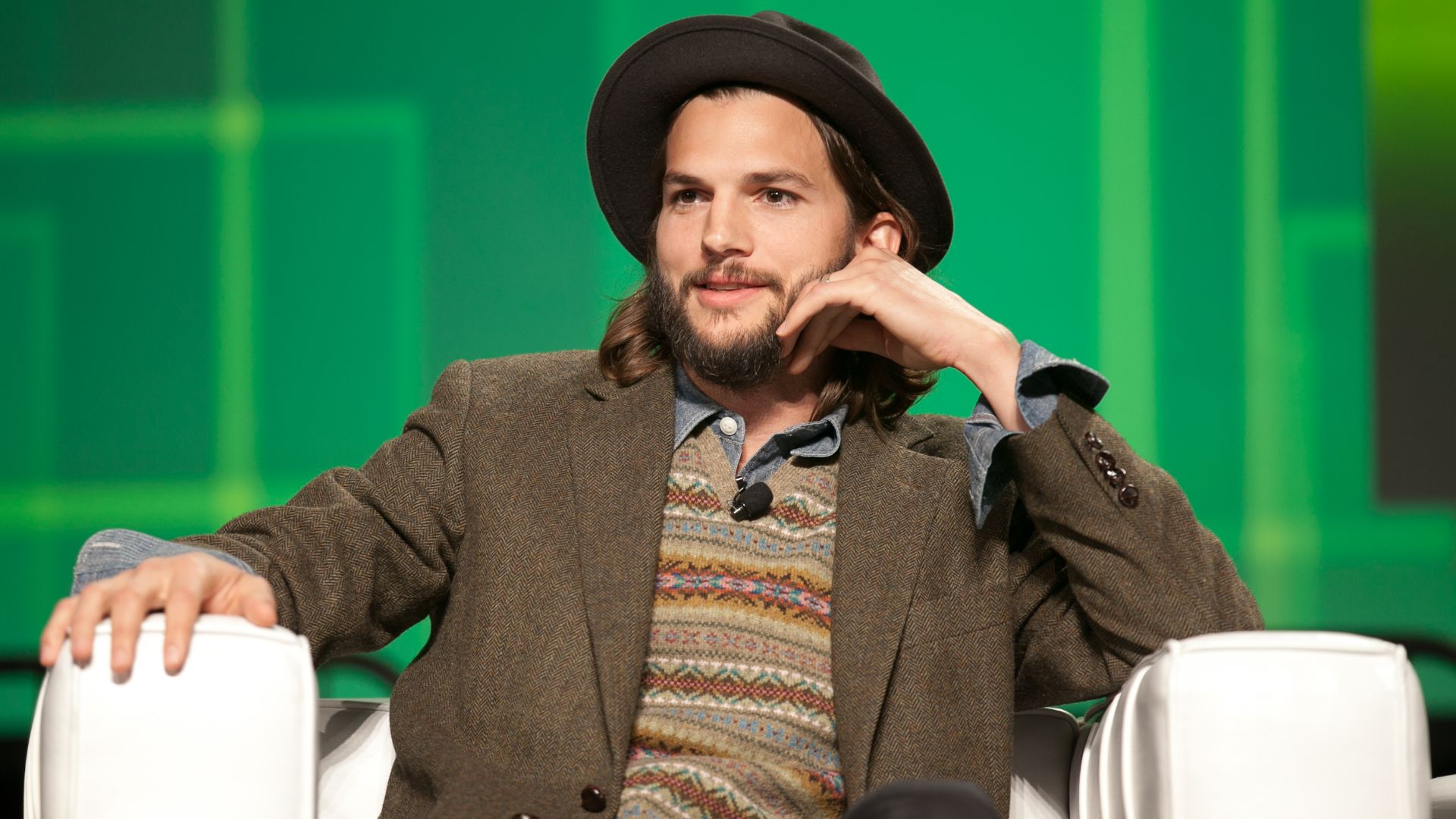
Ashton Kutcher
Playing the carefree goof on That ’70s Show suggested endless downtime. But that’s far from the truth because off-camera, Kutcher co-founded A-Grade Investments, backing ventures like Airbnb and Spotify early. Investor meetings, startup boards, and anti-trafficking work now define a calendar far removed from sitcom laziness.
 JD Lasica from Pleasanton, CA, US, Wikimedia Commons
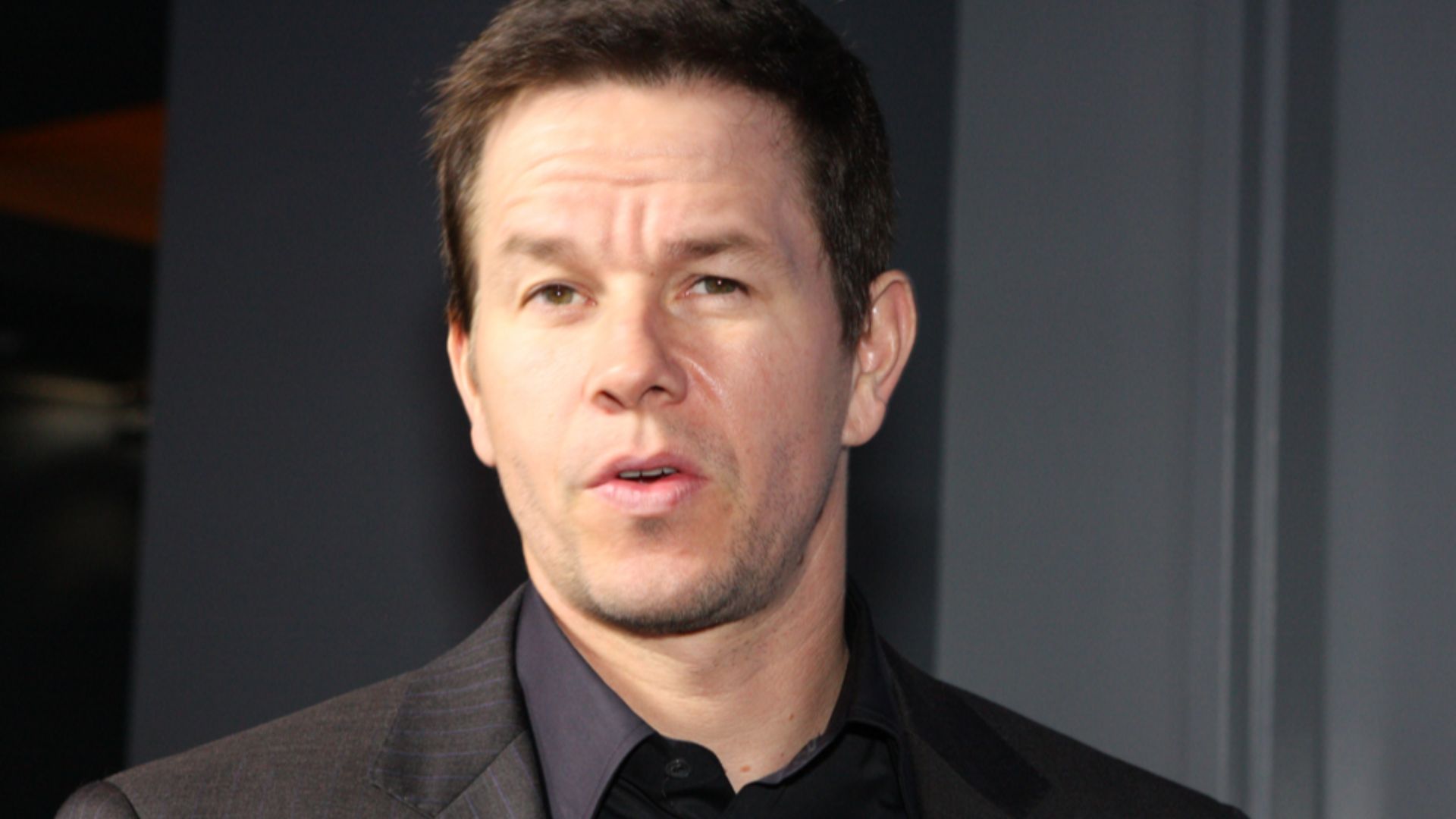
Mark Wahlberg
Characters drift through chaos in Ted and Boogie Nights. Real life runs on alarms and spreadsheets. Wahlberg oversees fitness ventures and real estate holdings, and these anchor his days, which start with early-morning workouts and tightly scheduled business operations.
 Eva Rinaldi, Wikimedia Commons
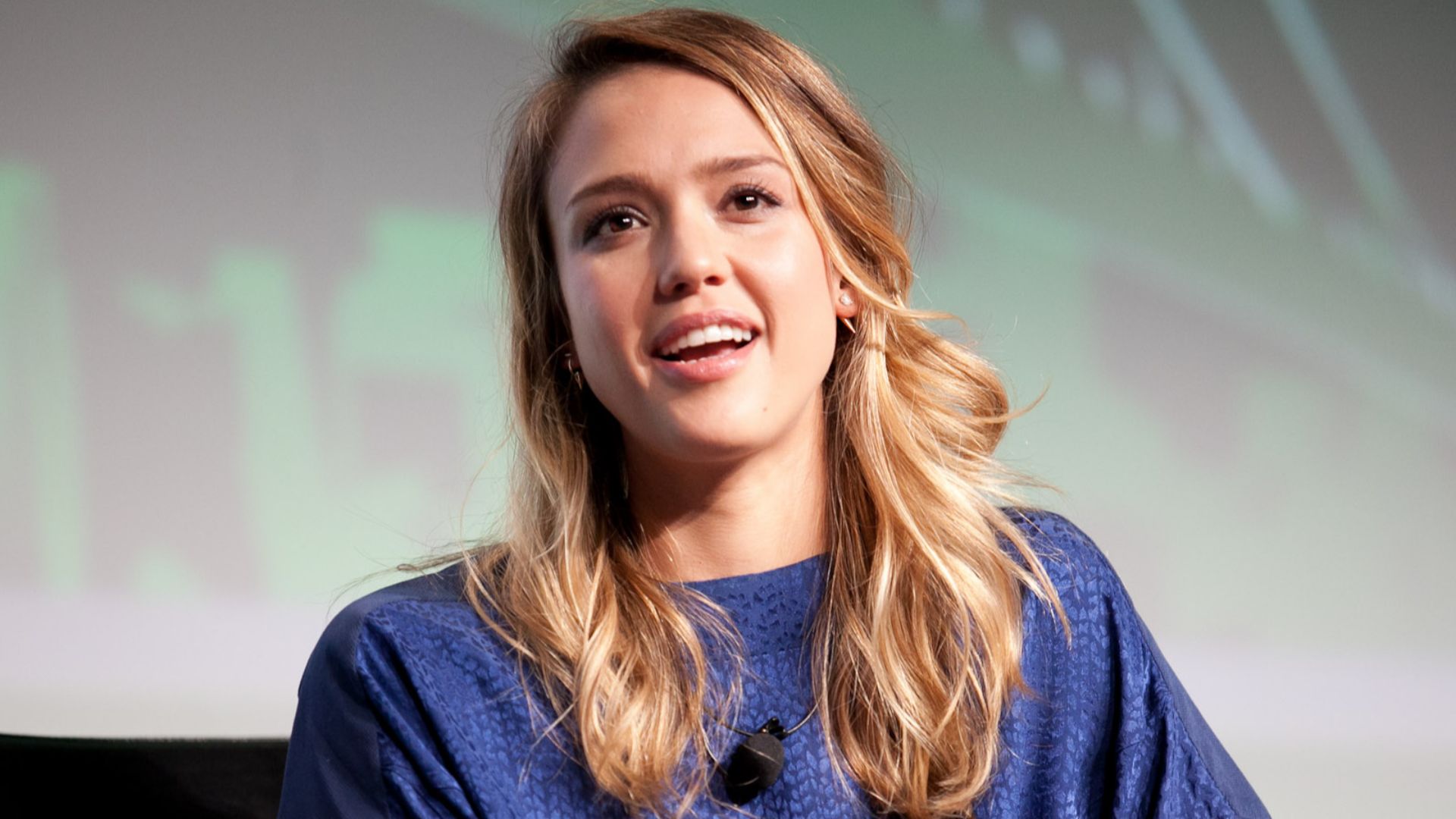
Jessica Alba
Light, upbeat roles shaped a breezy image in Honey and Fantastic Four. Off-screen, Alba founded The Honest Company. Here, she steers product development and executive decisions. Corporate strategy meetings gradually replaced auditions as the center of her professional life.
 JD Lasica from Pleasanton, CA, US, Wikimedia Commons
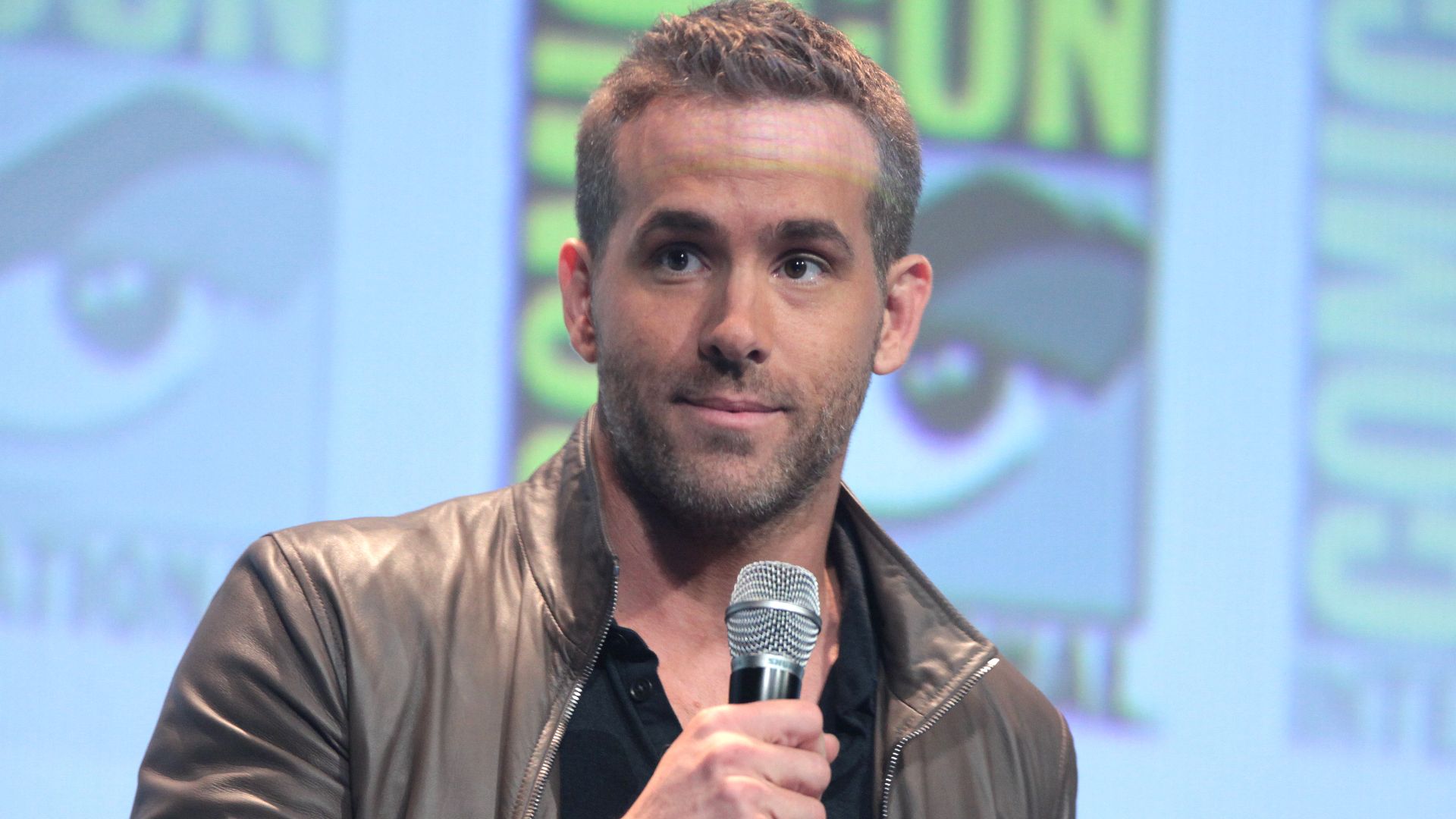
Ryan Reynolds
Sarcastic slackers dominate Van Wilder and Deadpool. But did you know that behind the scenes, Reynolds co-owns Aviation Gin and Mint Mobile? Oh yes, he does, and he is even actively part of it, personally guiding marketing strategy and acquisitions. Reynolds doesn’t joke about his businesses.
 Gage Skidmore from Peoria, AZ, United States of America, Wikimedia Commons
Nicolas Cage
Explosive performances in Face/Off and National Treasure suggest nonstop chaos. But his quiet hours tell another story. Cage collects rare comic books and once owned a stolen dinosaur skull that he later returned to authorities after international provenance issues surfaced.
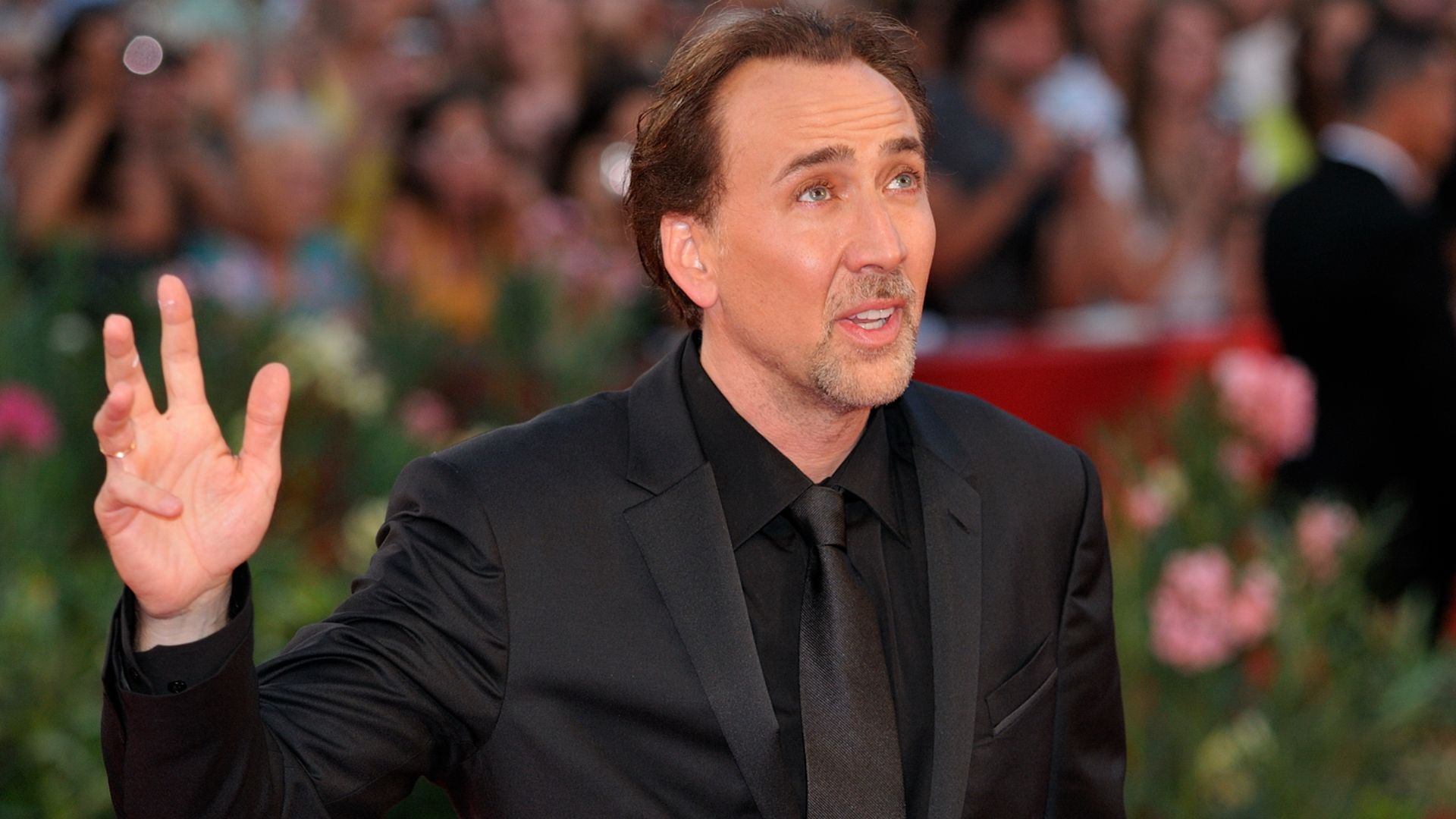 nicolas genin from Paris, France, Wikimedia Commons
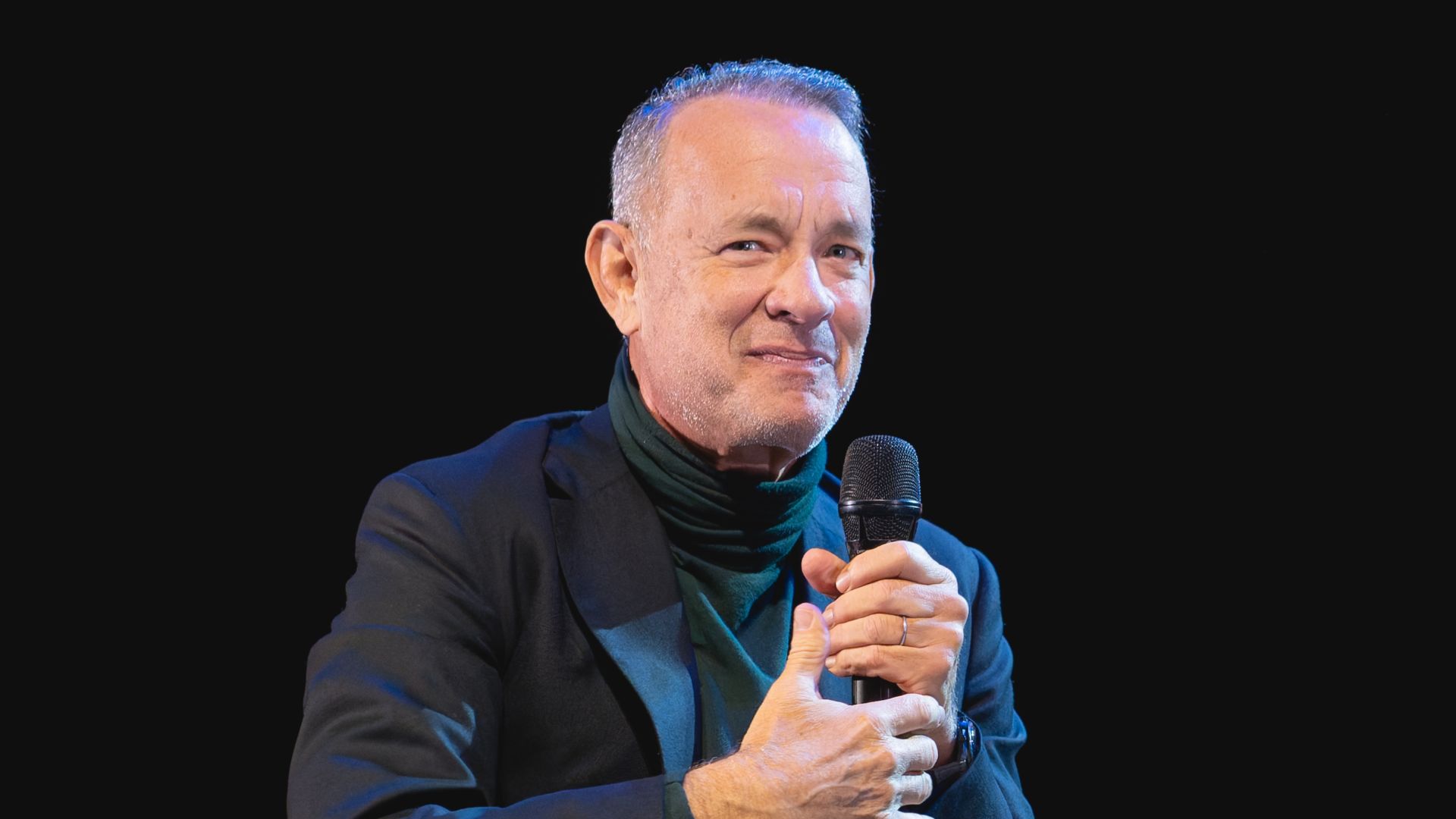
Tom Hanks
The actor who played Forrest Gump, Hanks, owns hundreds of vintage typewriters. But that’s not all. He also repairs them personally, and a while back, he even published a short story collection inspired entirely by the machines lining his shelves.
Rod Stewart
Flamboyant swagger drives stadium performances—patience rules at home. Stewart spends hours building intricate model railway systems, complete with scale terrains and wiring. This is one hobby no one expected him to have. It requires precision far removed from the chaos of global touring schedules.
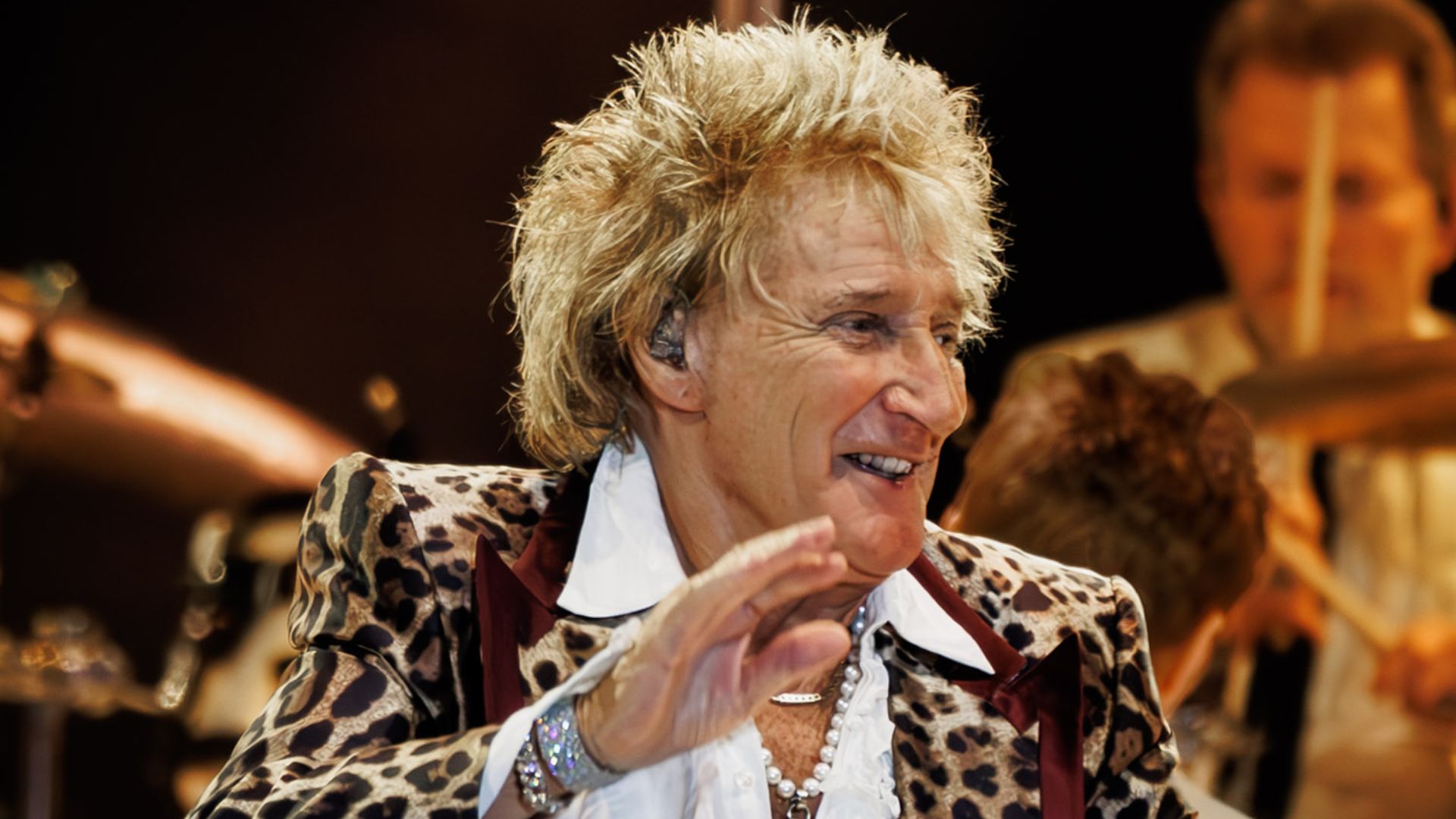 Michaelcohnphoto, Wikimedia Commons
Danny Trejo
Prison-hardened criminals define Trejo’s filmography. Real life leans community-first. He runs outreach programs, supports addiction recovery, and operates Trejo’s Tacos in Los Angeles. Charity events and mentorship shape how neighbors and coworkers describe his daily presence.
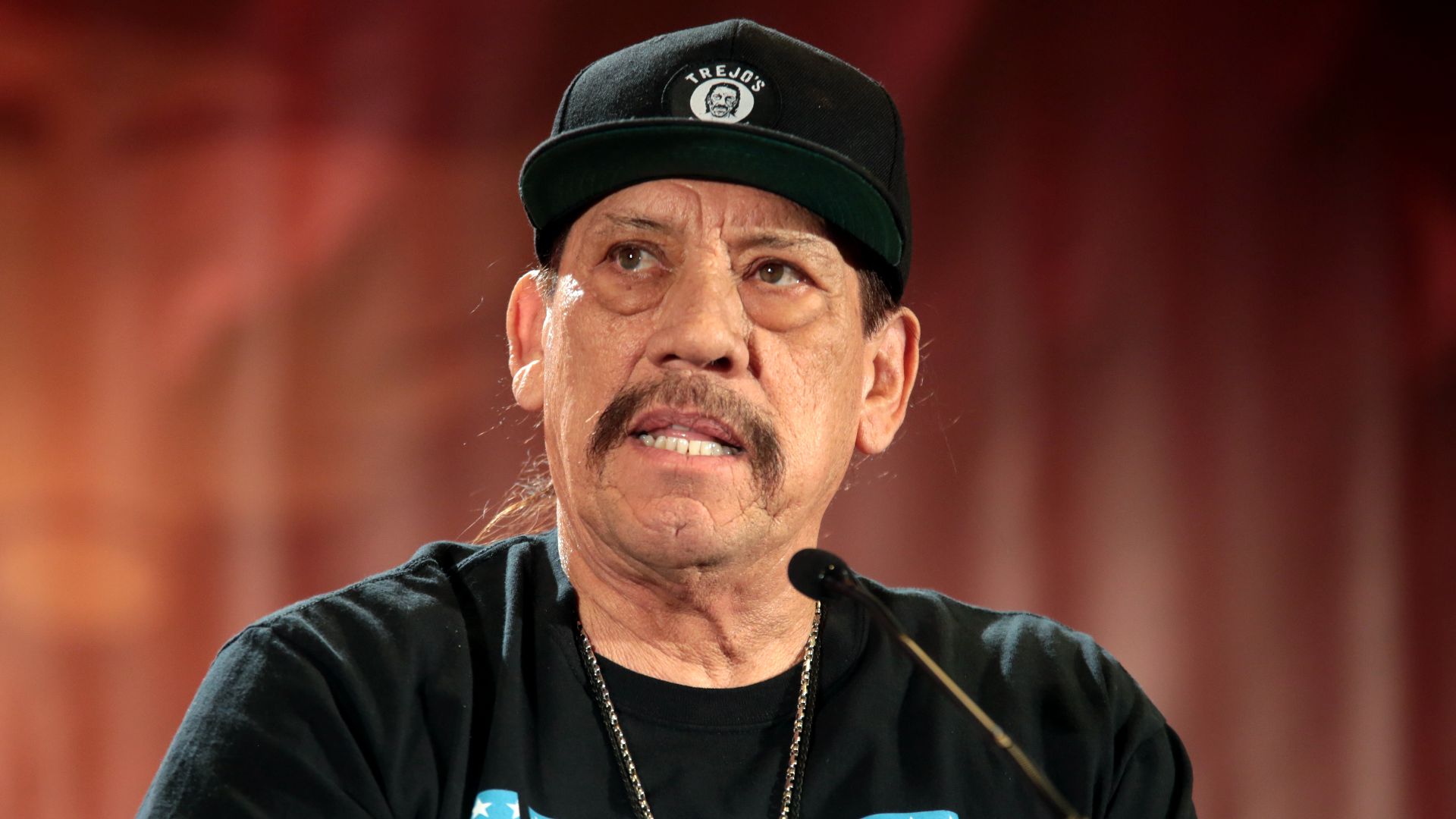 Gage Skidmore from Peoria, AZ, United States of America, Wikimedia Commons
Tom Hardy
Hardy’s toughest roles were volatile at their best. However, his set life shows restraint instead. In real life, the guy is kind and humble, known to support animal rescue organizations and treat crew members respectfully. Fan interactions and charity work frequently replace the intimidating expectations tied to his screen image.
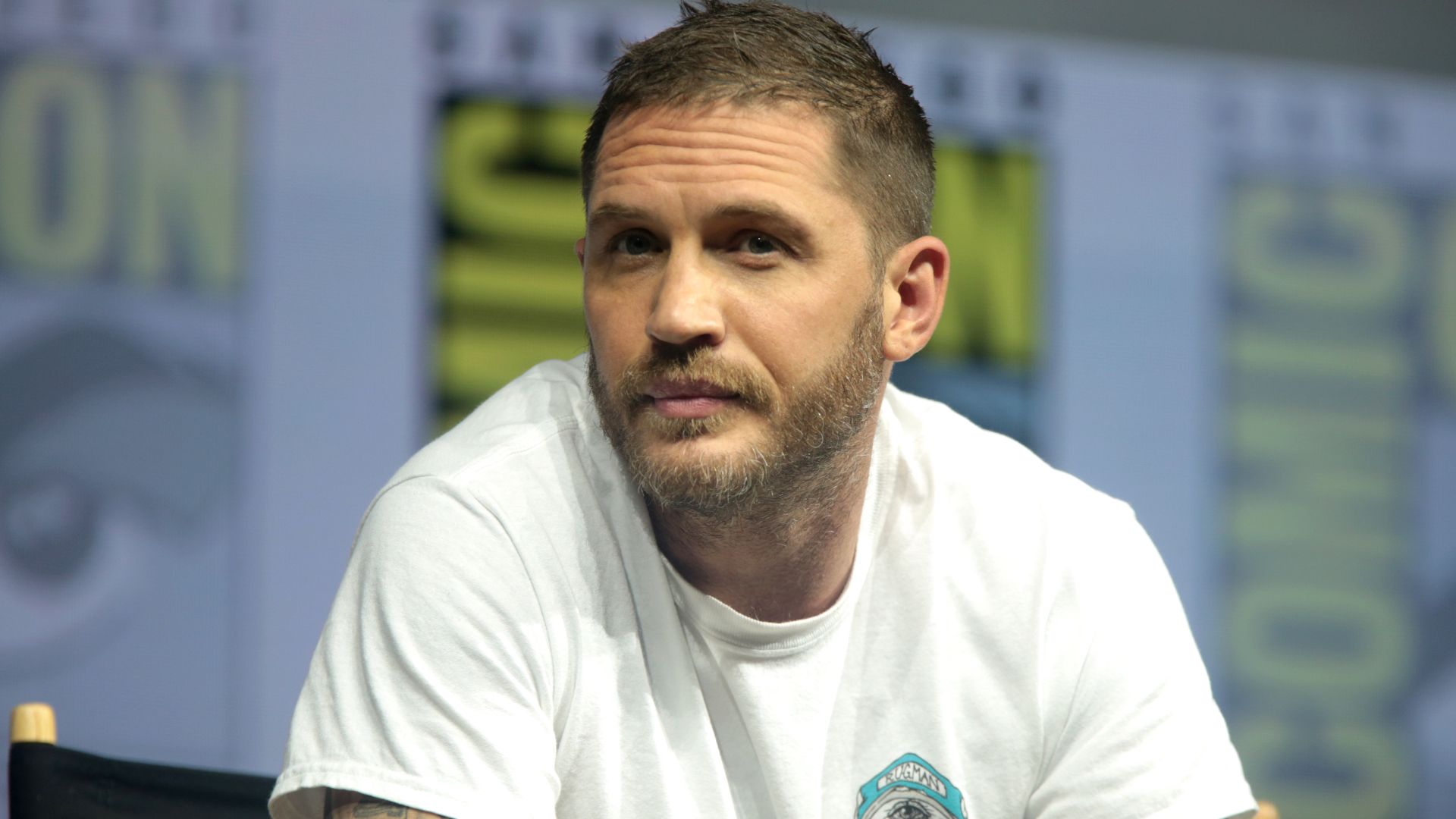 Gage Skidmore from Peoria, AZ, United States of America, Wikimedia Commons
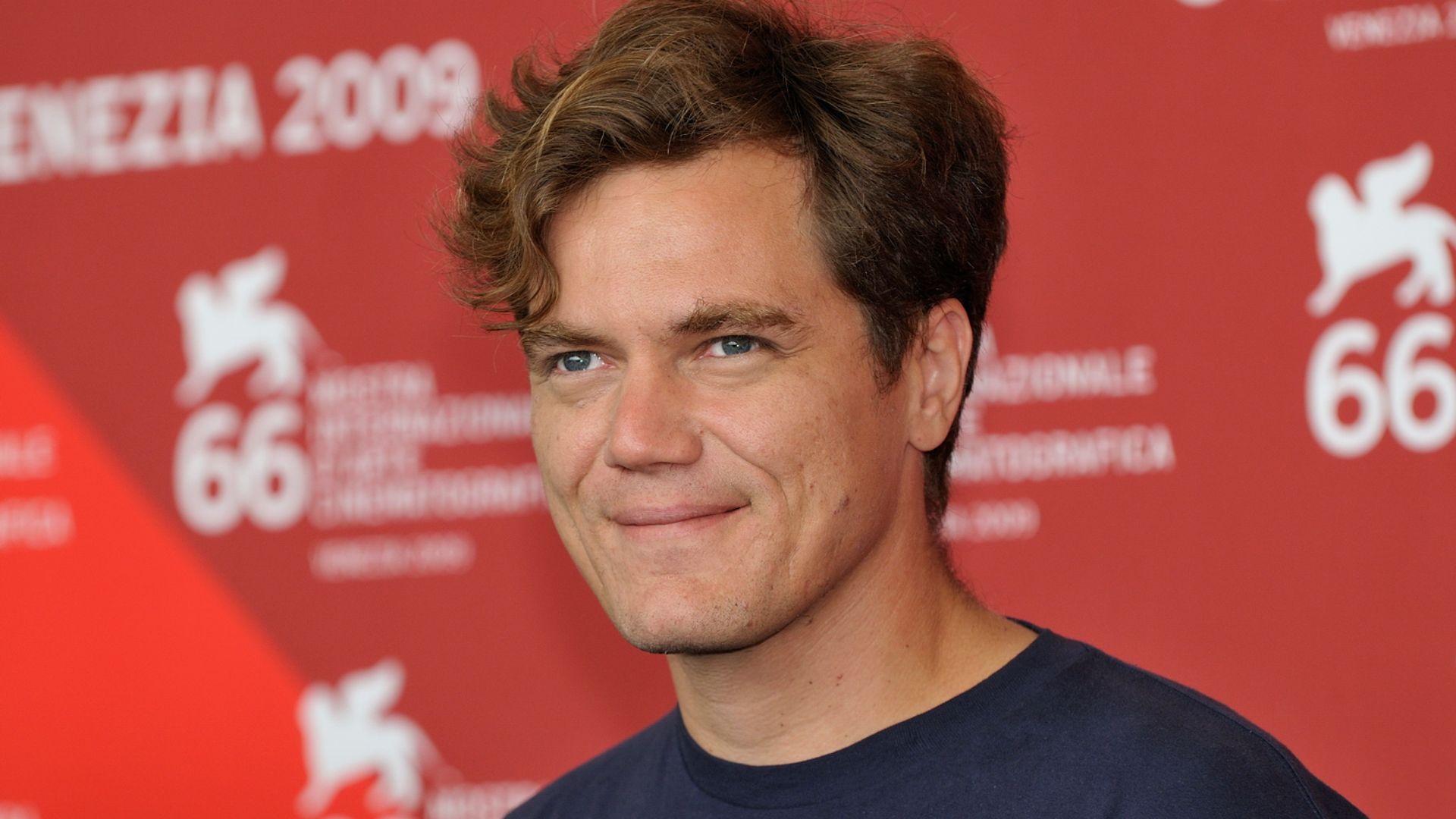
Michael Shannon
Between takes, conversation shifts quickly from unsettling intensity to calmness. His past castmates describe him as humorous, kind, and approachable, especially during rehearsals. Theater collaborators often highlight his encouragement of ensemble work, a stark contrast to the instability audiences associate with his roles.
Willem Dafoe
Sinister energy fuels the Green Goblin and countless antagonists. Reality paints a different picture, in which Dafoe supports an amicable work environment. Longtime collaborators often credit his humility and curiosity for sustaining decades of creative trust.
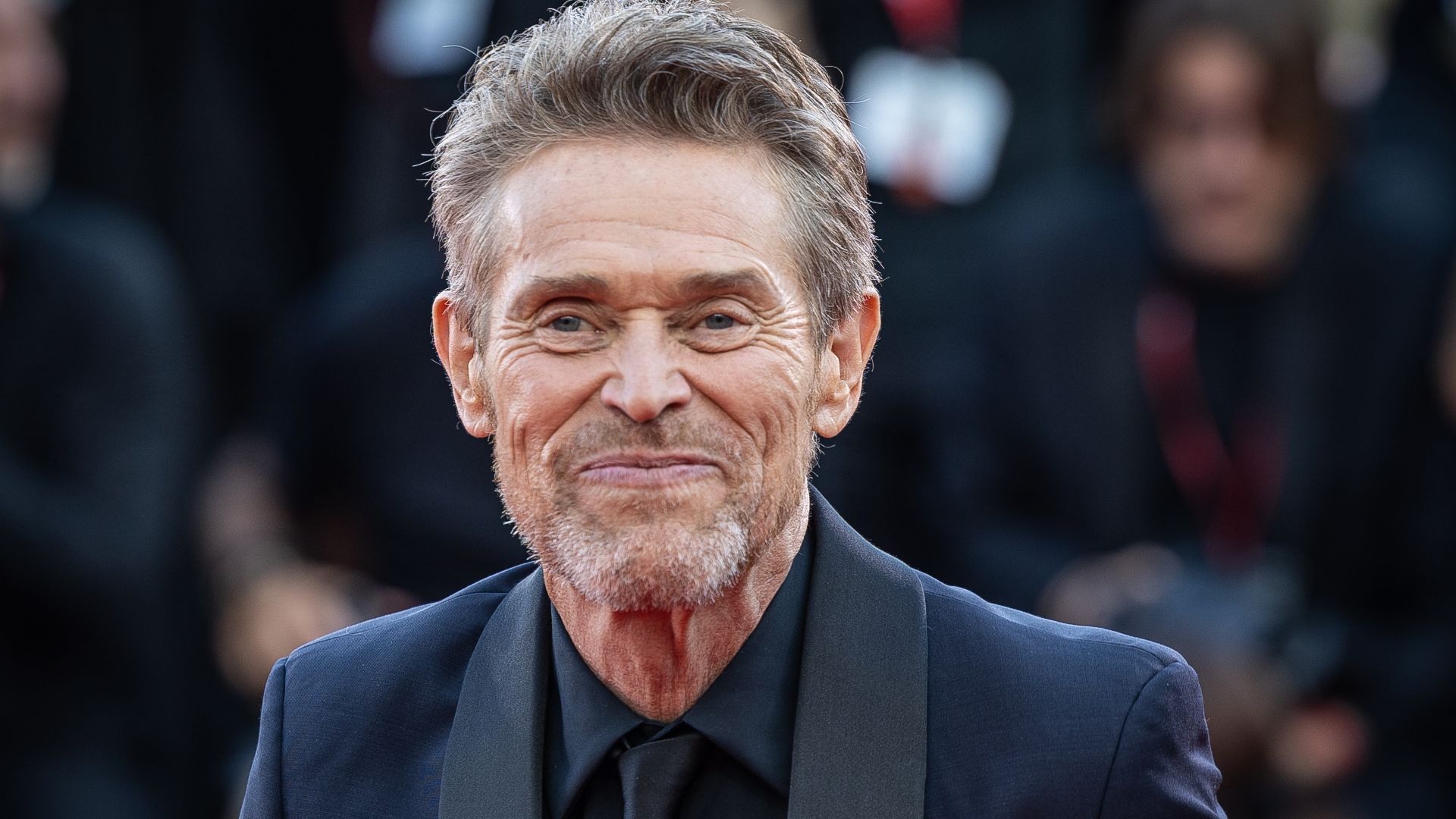 Harald Krichel, Wikimedia Commons
Anthony Hopkins
Hannibal Lecter terrified audiences worldwide. That we cannot deny. However, it turns out that was all acting because his personal demeanor rarely intimidates. Hopkins mentors younger actors, speaks candidly about gratitude, and pursues music and painting privately.
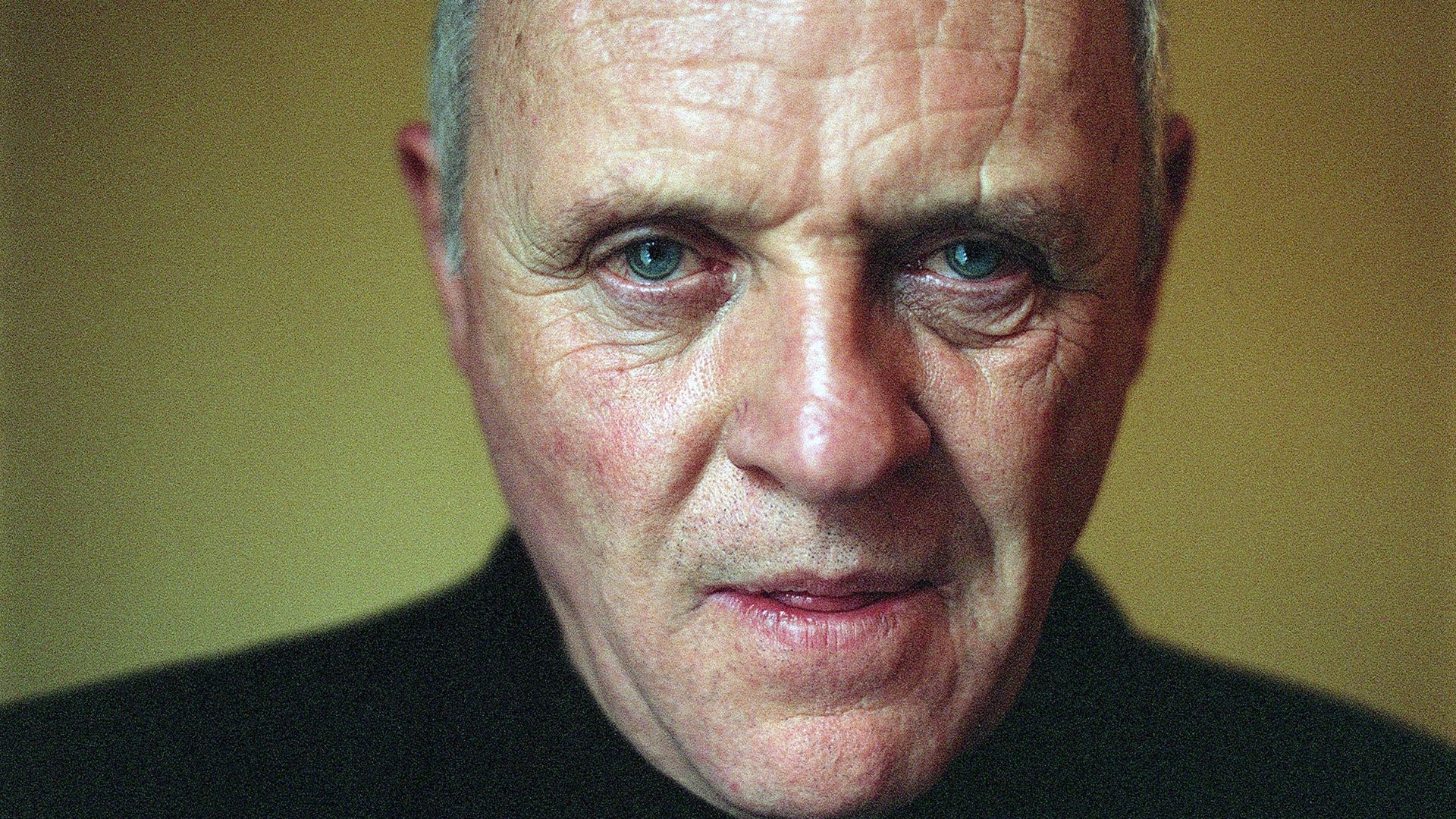 OliverMarkCC, Wikimedia Commons
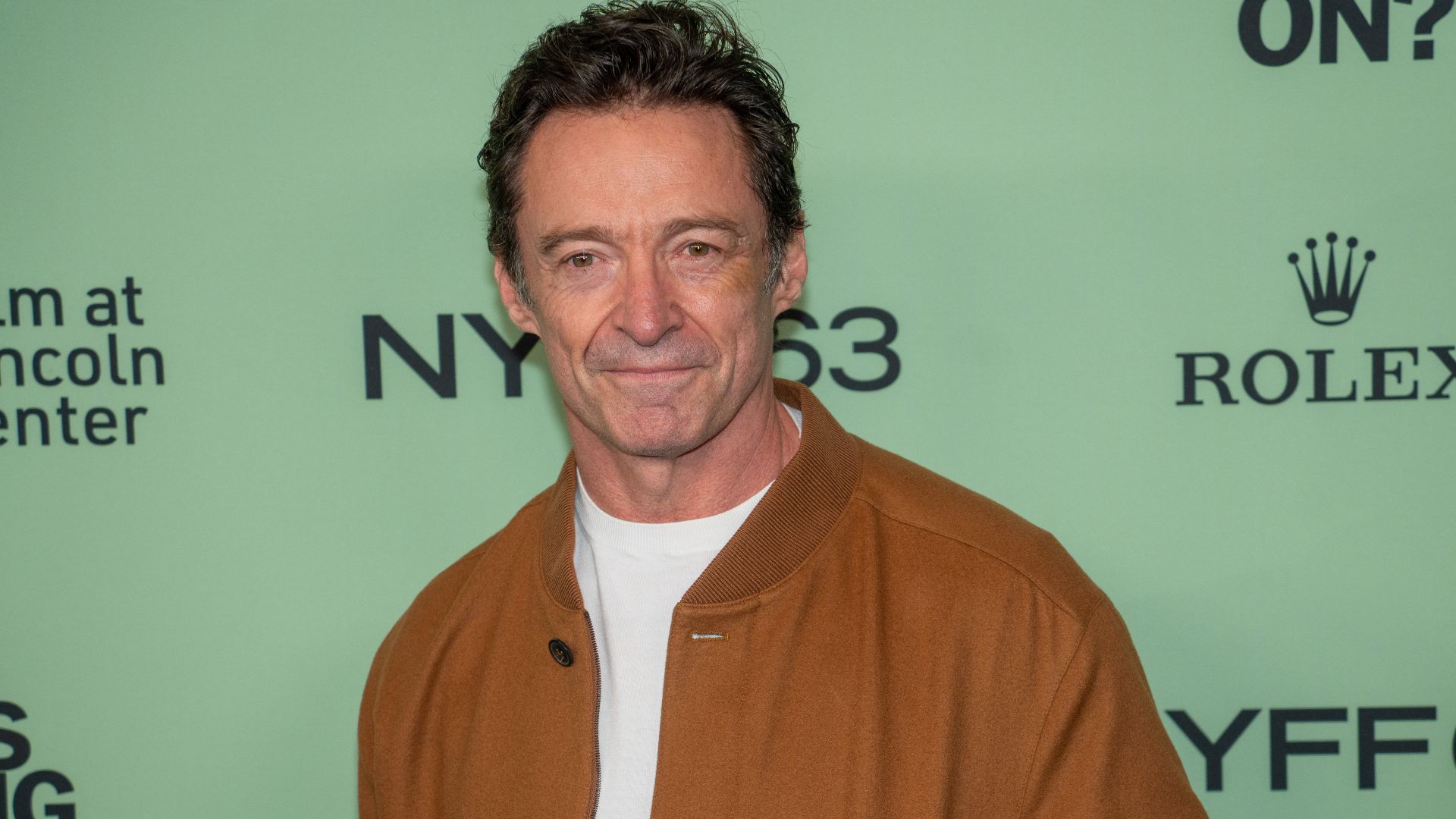
Hugh Jackman
Between projects, Jackman directs energy elsewhere besides action-filled settings. He supports global education initiatives and co-founded a fair-trade coffee company. Jackman also maintains a reputation for gracious fan interactions that stretch from Broadway stages to film sets.
 Bryan Berlin, Wikimedia Commons
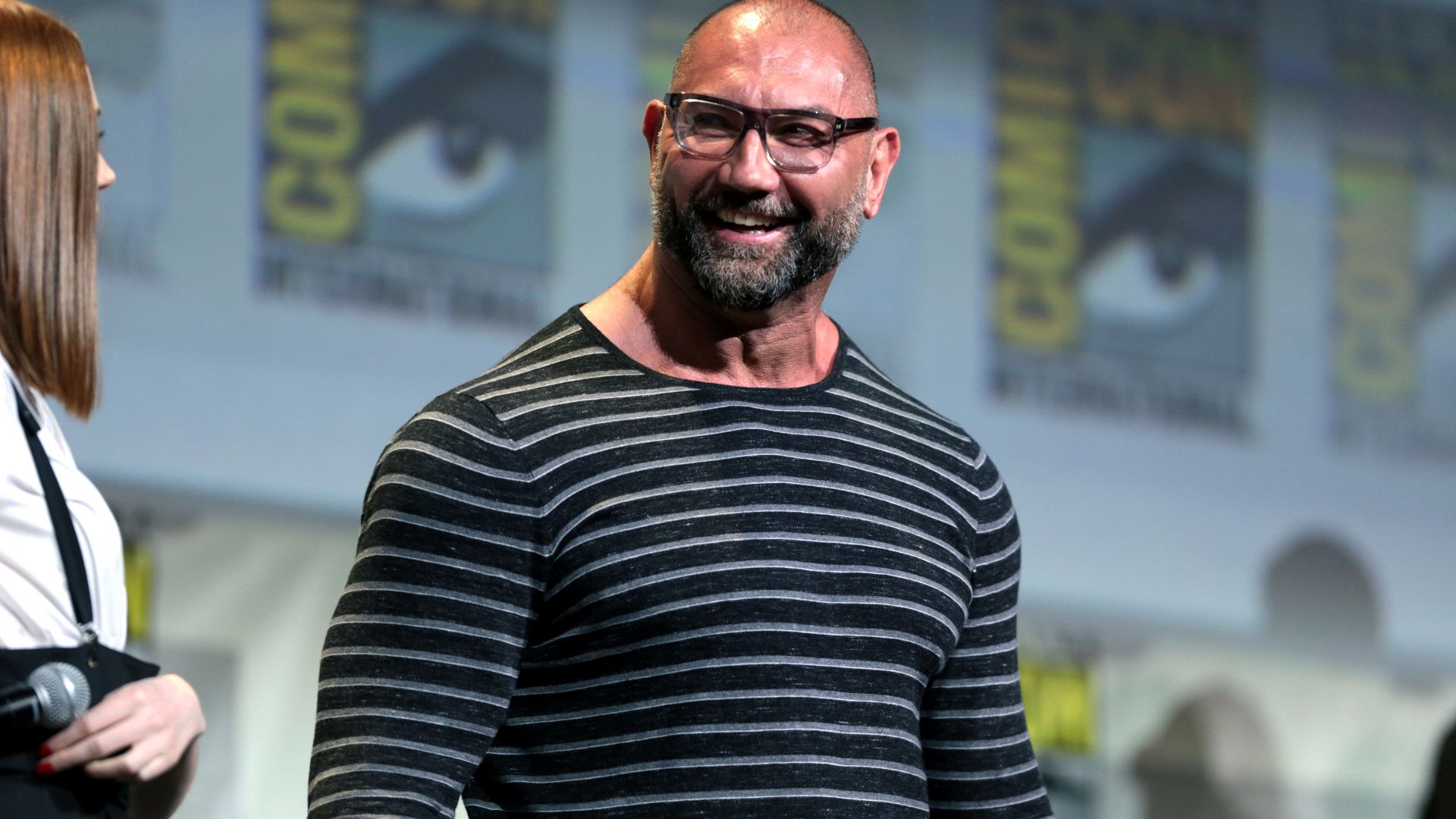
Dave Bautista
Dave Bautista advocates strongly for animal rights. He also speaks openly about empathy and treats fan encounters patiently, a combination that regularly surprises those expecting the same intensity seen in action roles. Imposing fighters dominate Bautista’s casting, but his personal priorities point another direction.
 Gage Skidmore from Peoria, AZ, United States of America, Wikimedia Commons
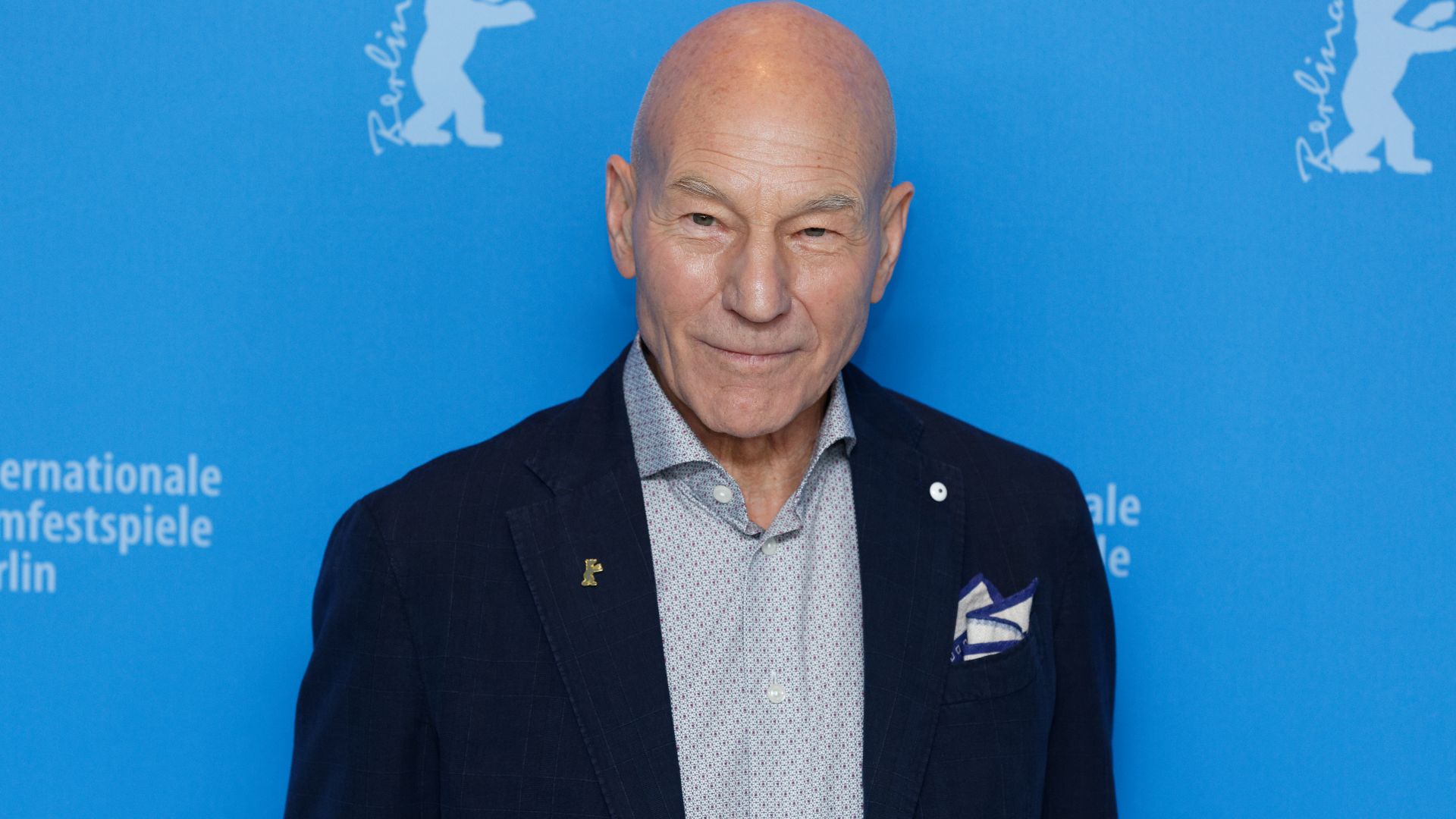
Patrick Stewart
Stewart’s daily life centers on advocacy, mentorship, and quiet generosity. He campaigns against domestic violence and supports arts education. On screen, authority defines roles like Picard and Professor X, a contrast that surprises fans expecting the same command off camera.
 Maximilian Buhn, Wikimedia Commons
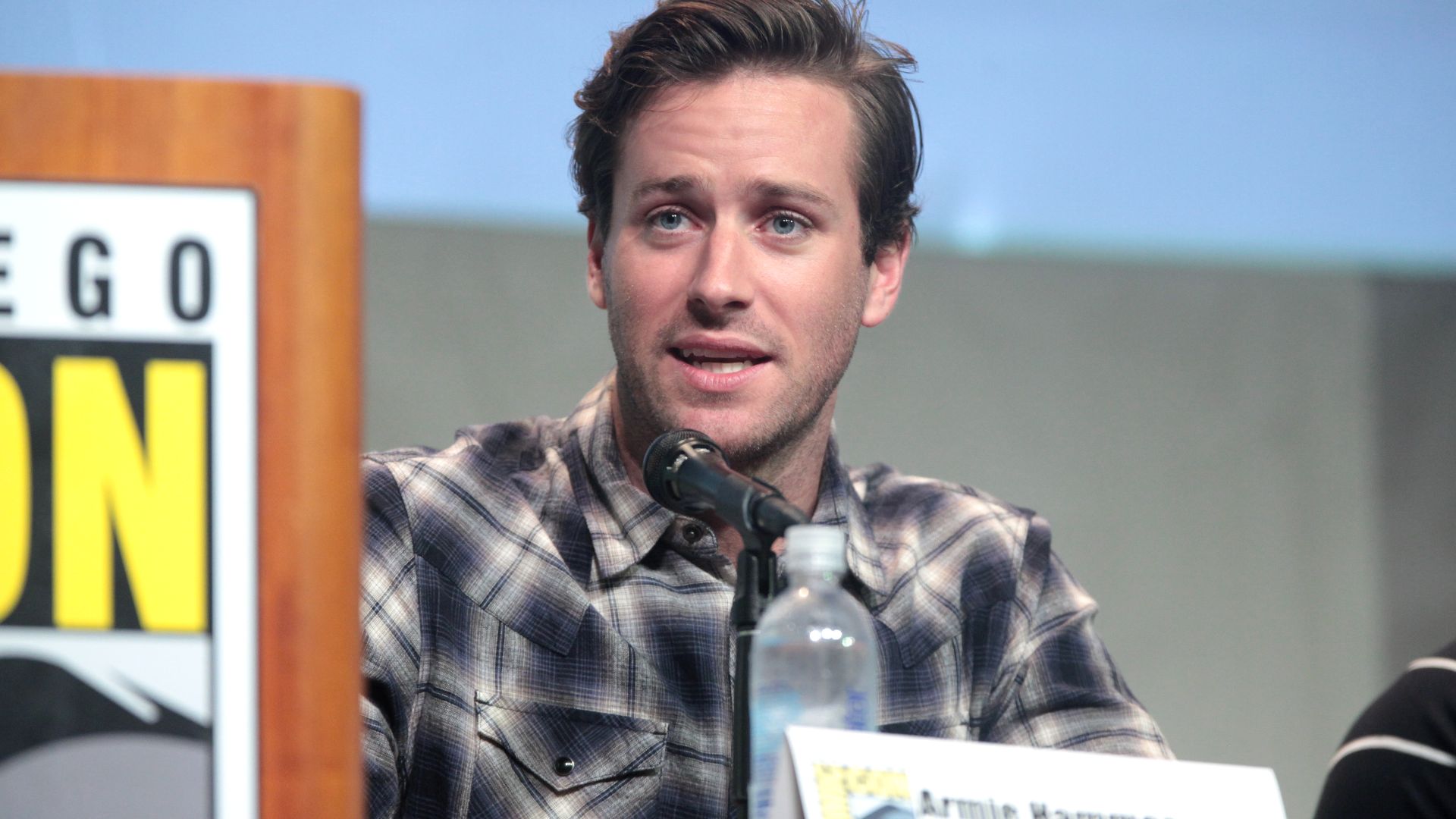
Armie Hammer
Leading-man charm powered roles like Call Me By Your Name. Unfortunately, that image fractured after abuse allegations and leaked messages surfaced. Studios severed ties and planned projects vanished, leaving a once-promising Hollywood trajectory stalled outside the mainstream system.
 Gage Skidmore from Peoria, AZ, United States of America, Wikimedia Commons
Chris Noth
For years, Mr Big symbolized romantic stability on television. Allegations of assault emerged in 2021, and they prompted immediate professional consequences. Projects removed him, including The Equalizer, while public conversation shifted sharply away from nostalgia toward accountability and reputational damage.
 Seductivemelody at English Wikipedia, Wikimedia Commons
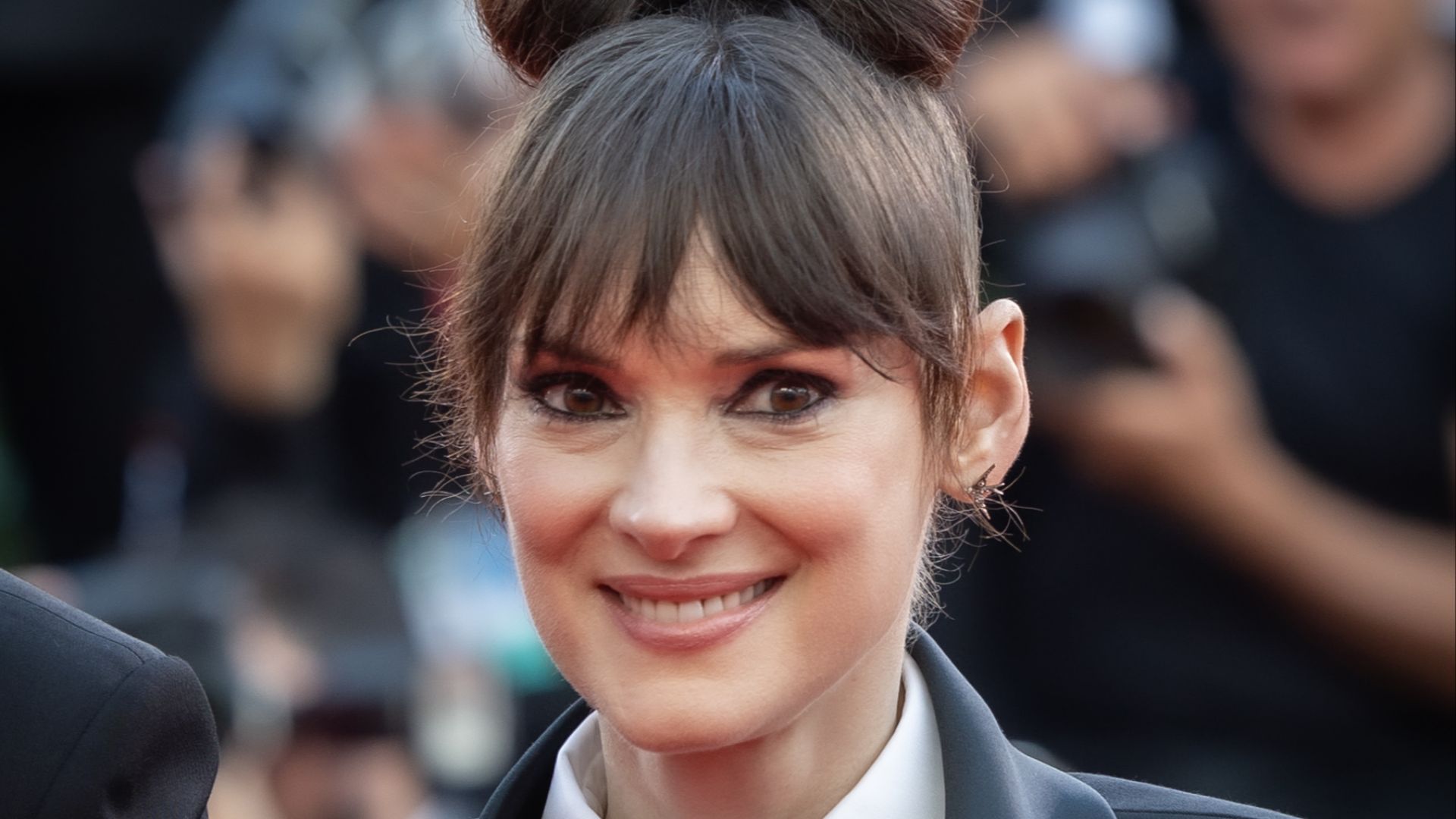
Winona Ryder
A 2001 shoplifting arrest abruptly shifted Winona Ryder’s perception, costing her major roles for years. Industry distance followed until Stranger Things reintroduced her to the audience. This is one of Hollywood’s most visible reputation recoveries. And we are here for it.
 Harald Krichel, Wikimedia Commons
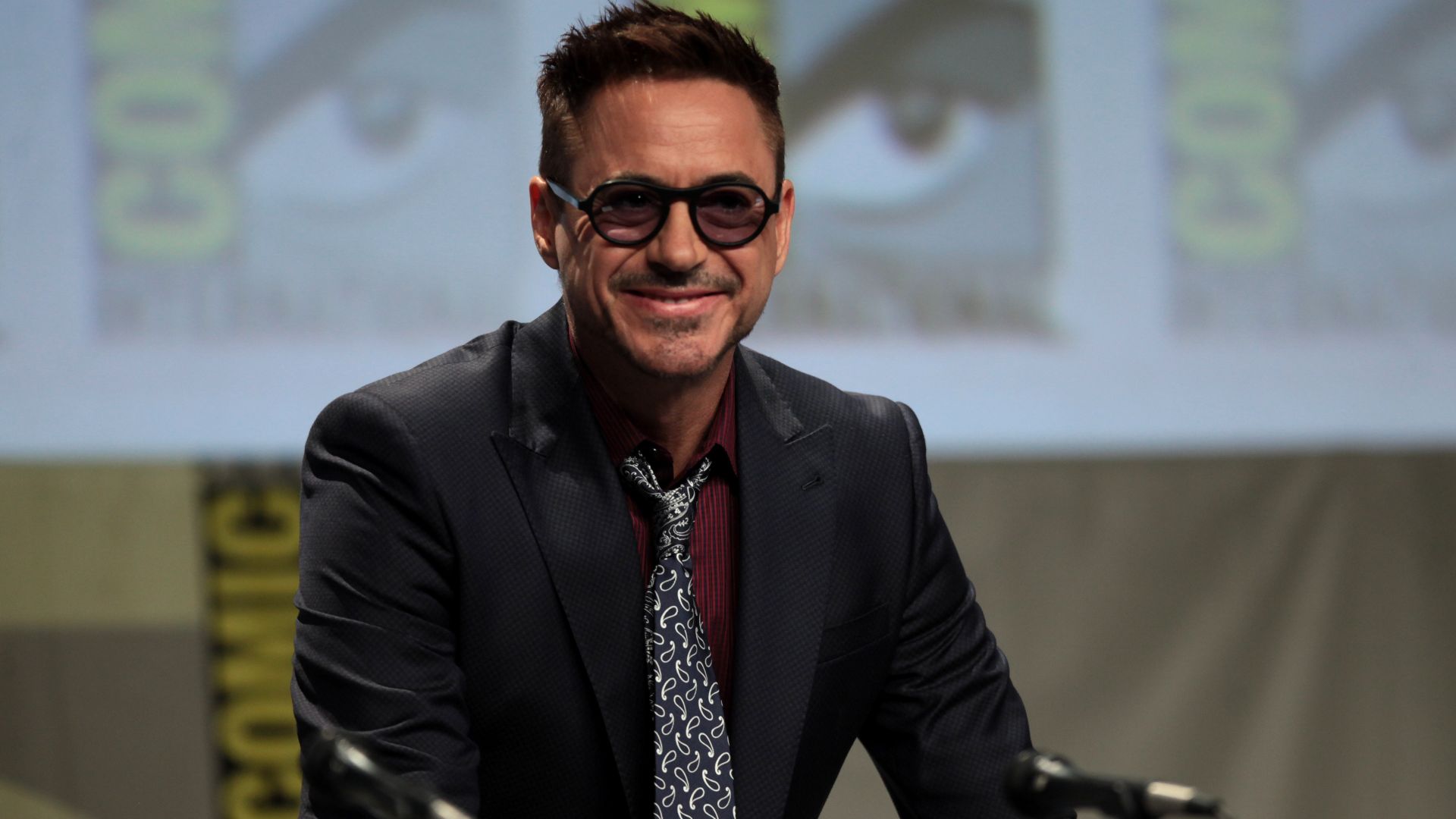
Robert Downey Jr
Another redemption story? Yup, this time, Robert Downey Jr. His earlier years told a harsher story of drug arrests, jail time, and insurance refusals. And these choices nearly ended his career before Marvel took a calculated risk. This gamble permanently reshaped both his public image and studio casting practices.
 Gage Skidmore, Wikimedia Commons
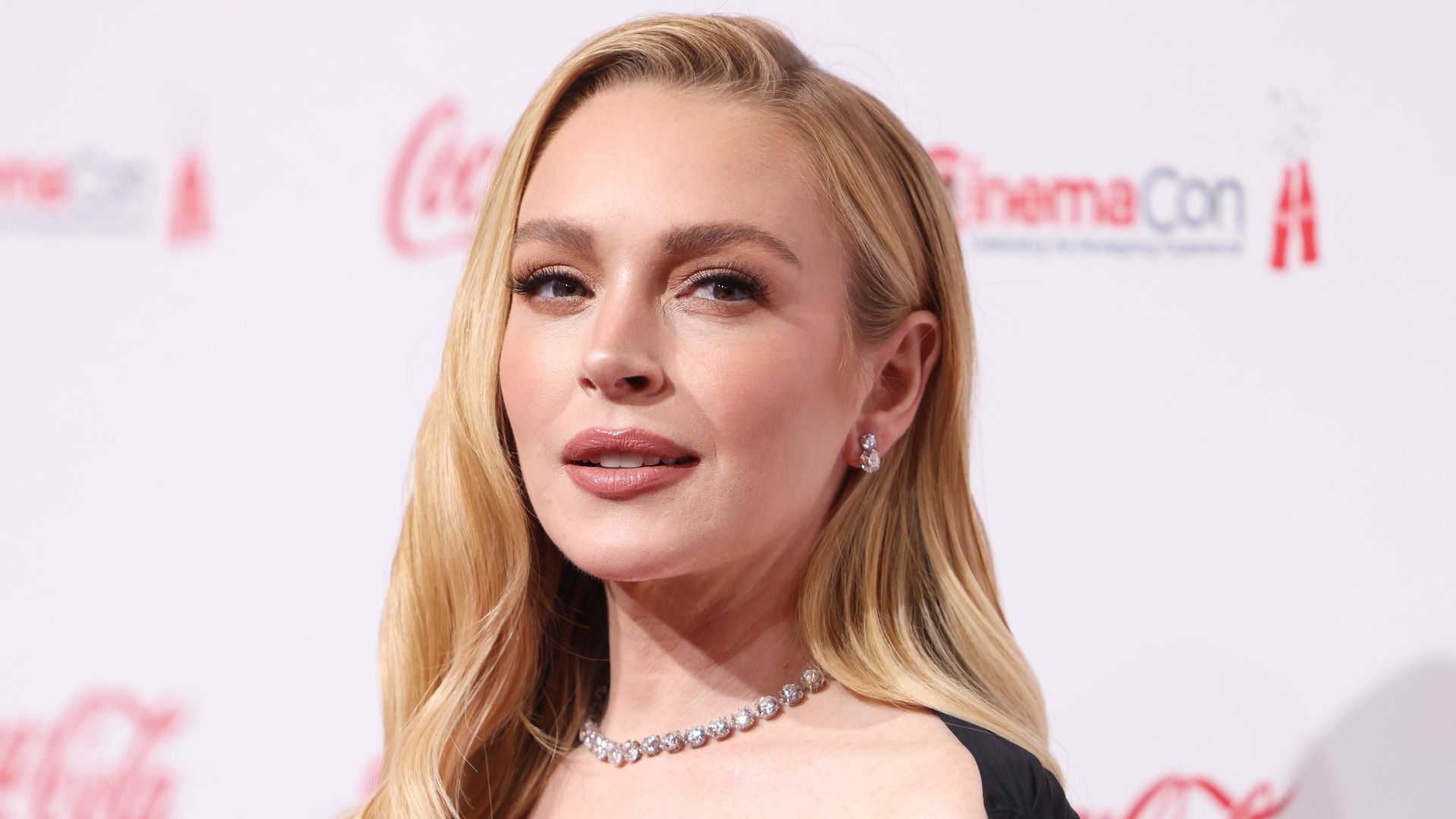
Lindsay Lohan
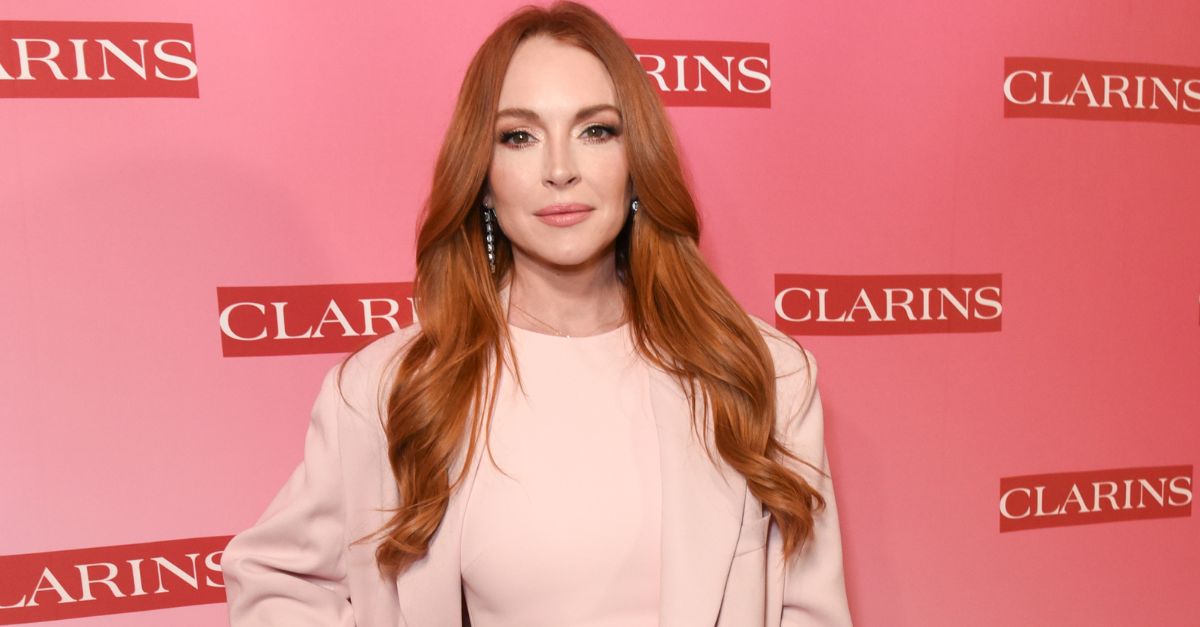
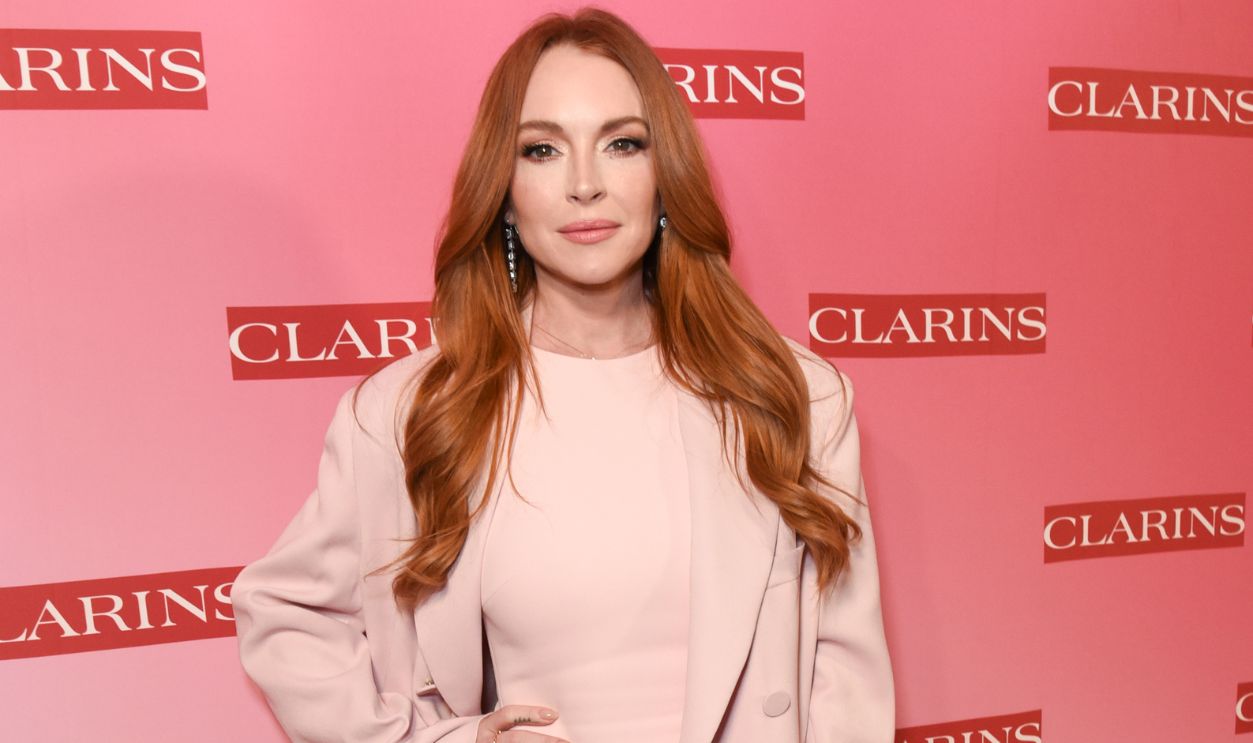
Lohan was a star from a very young age. Everyone adored her, but when the cameras went dark, legal trouble and repeated rehab stays disrupted that arc. From these incidents, studios grew hesitant, which led to roles disappearing. The rebuilding came, but it took years.
 Gage Skidmore from Surprise, AZ, United States of America, Wikimedia Commons
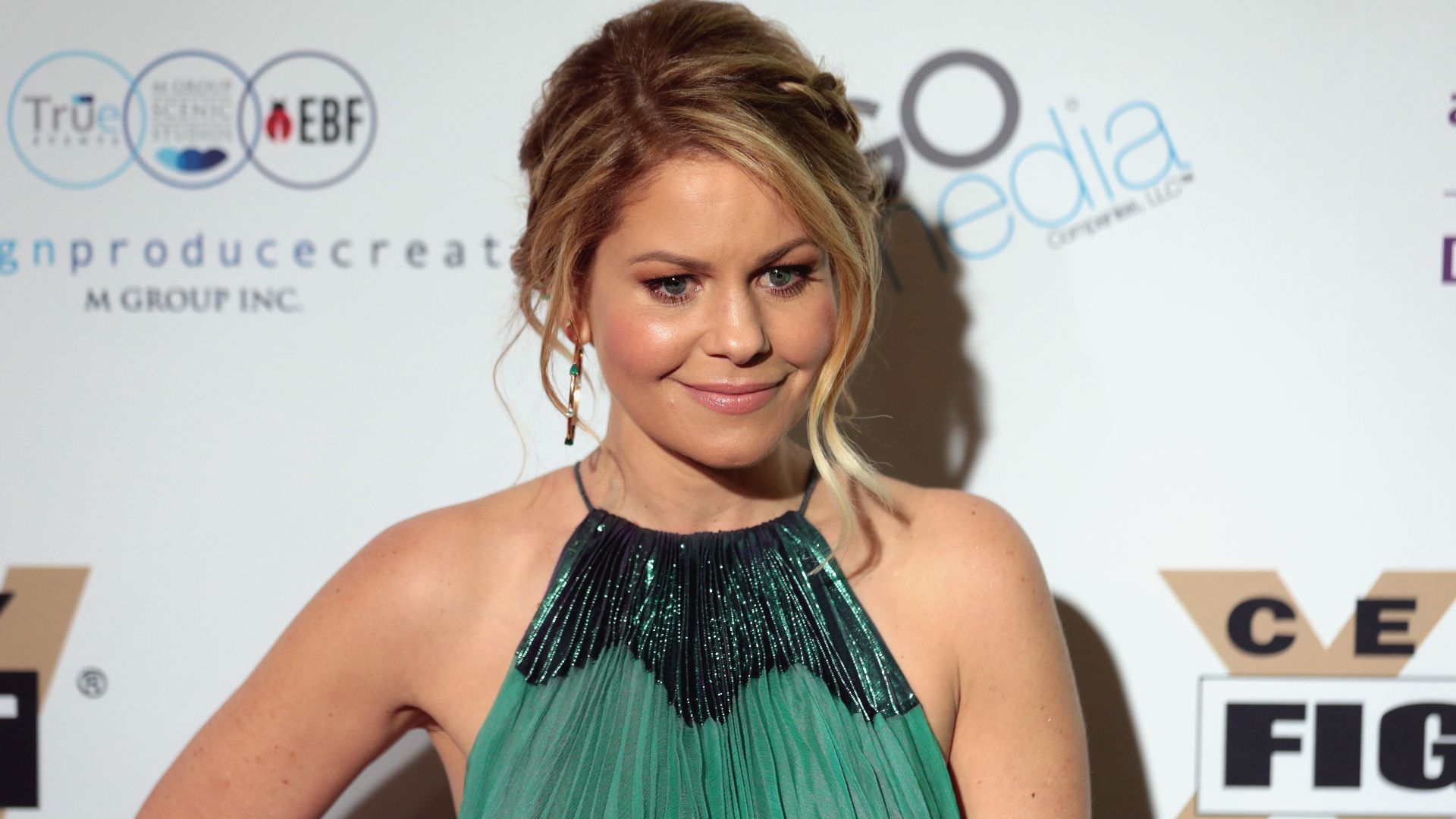
Candace Cameron Bure
Fans associate warmth with her TV roles, yet public stories complicate that image. JoJo Siwa publicly labeled her the “rudest celebrity” after she denied a photo request at a 2016 Fuller House premiere event, a moment that spread widely across social media and entertainment news cycles.
 Gage Skidmore from Peoria, AZ, United States of America, Wikimedia Commons
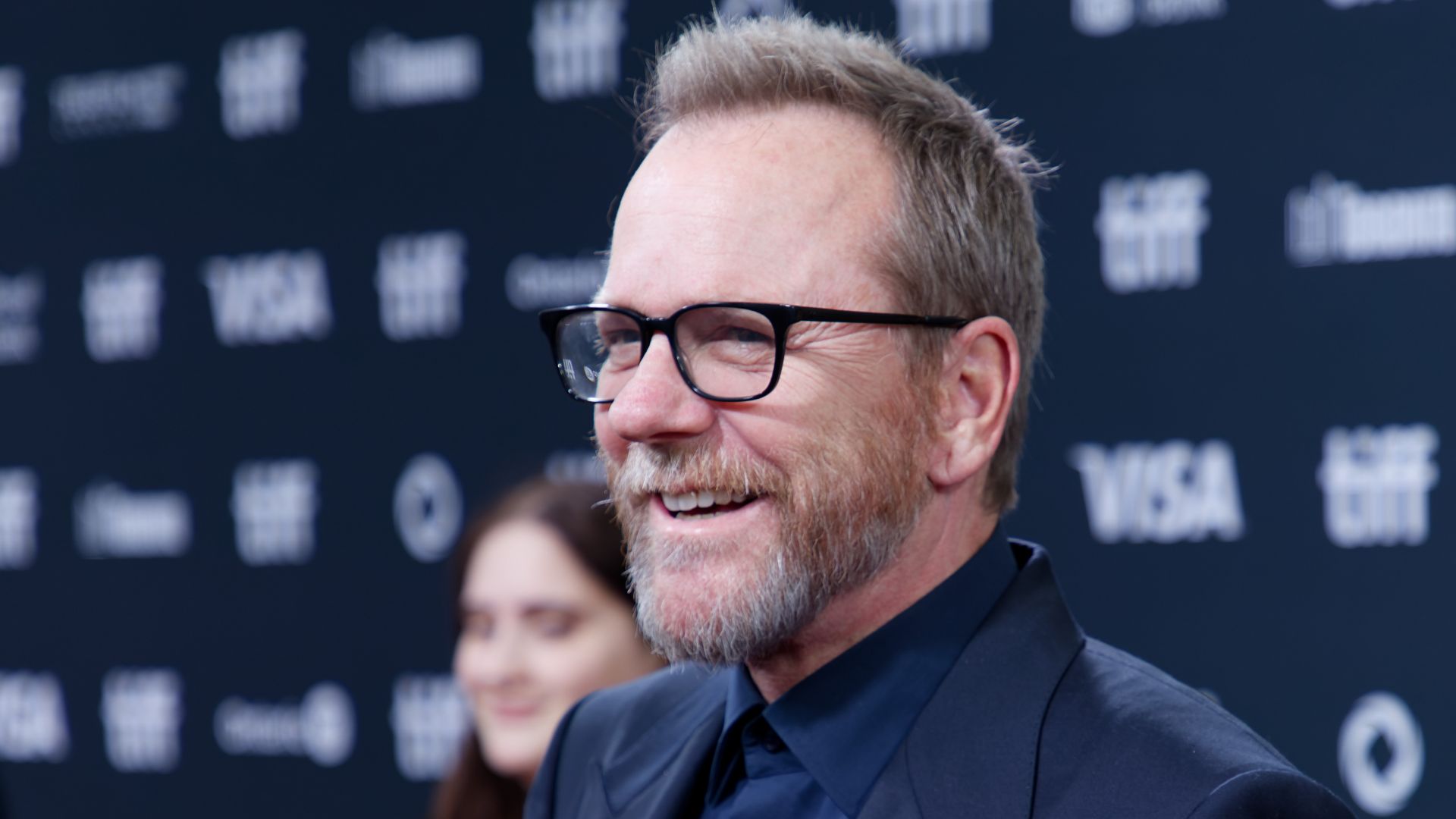
Kiefer Sutherland
On screen, intensity feels controlled. Off set, colleagues describe strain. Freddie Prinze Jr openly called working together “terrible” during 24, while multiple arrests during the 1990s fueled a reputation studios quietly tracked long before streaming audiences caught on.
 Kevin Payravi, Wikimedia Commons
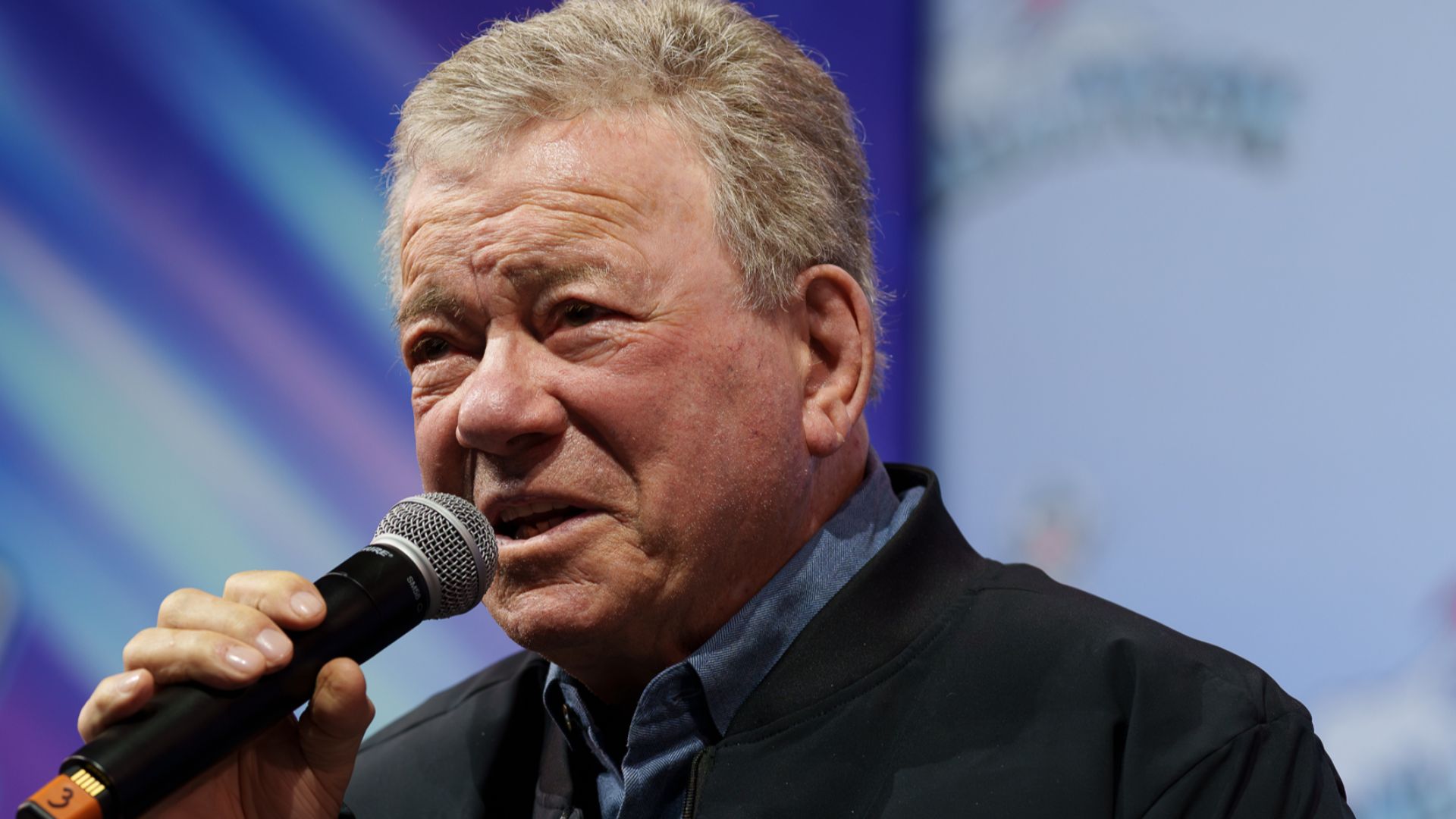
William Shatner
Charisma-powered Star Trek, friction followed behind the cameras. Once the news got out, several co-stars accused Shatner of dominating scenes and sidelining ensemble moments. Leonard Nimoy publicly acknowledged years of distance, while cast memoirs kept those tensions alive decades after the original series ended.
 John E. Manard, Wikimedia Commons
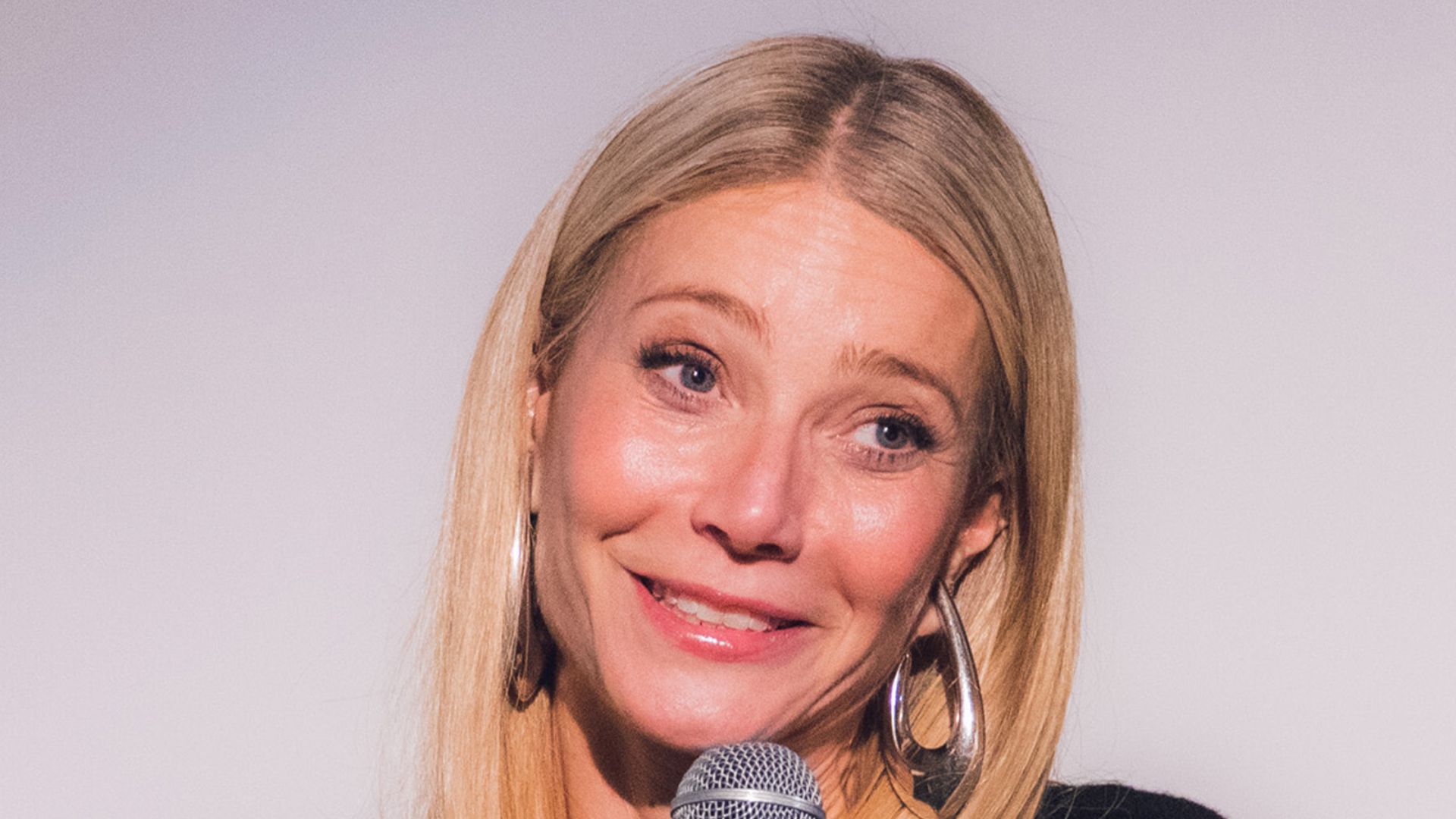
Gwyneth Paltrow
Goop’s luxury wellness messaging sparked criticism for elitism and medical skepticism. High-profile comments about work-life balance drew backlash, especially among working parents, and this reshaped how mainstream audiences framed Paltrow's post-acting identity.
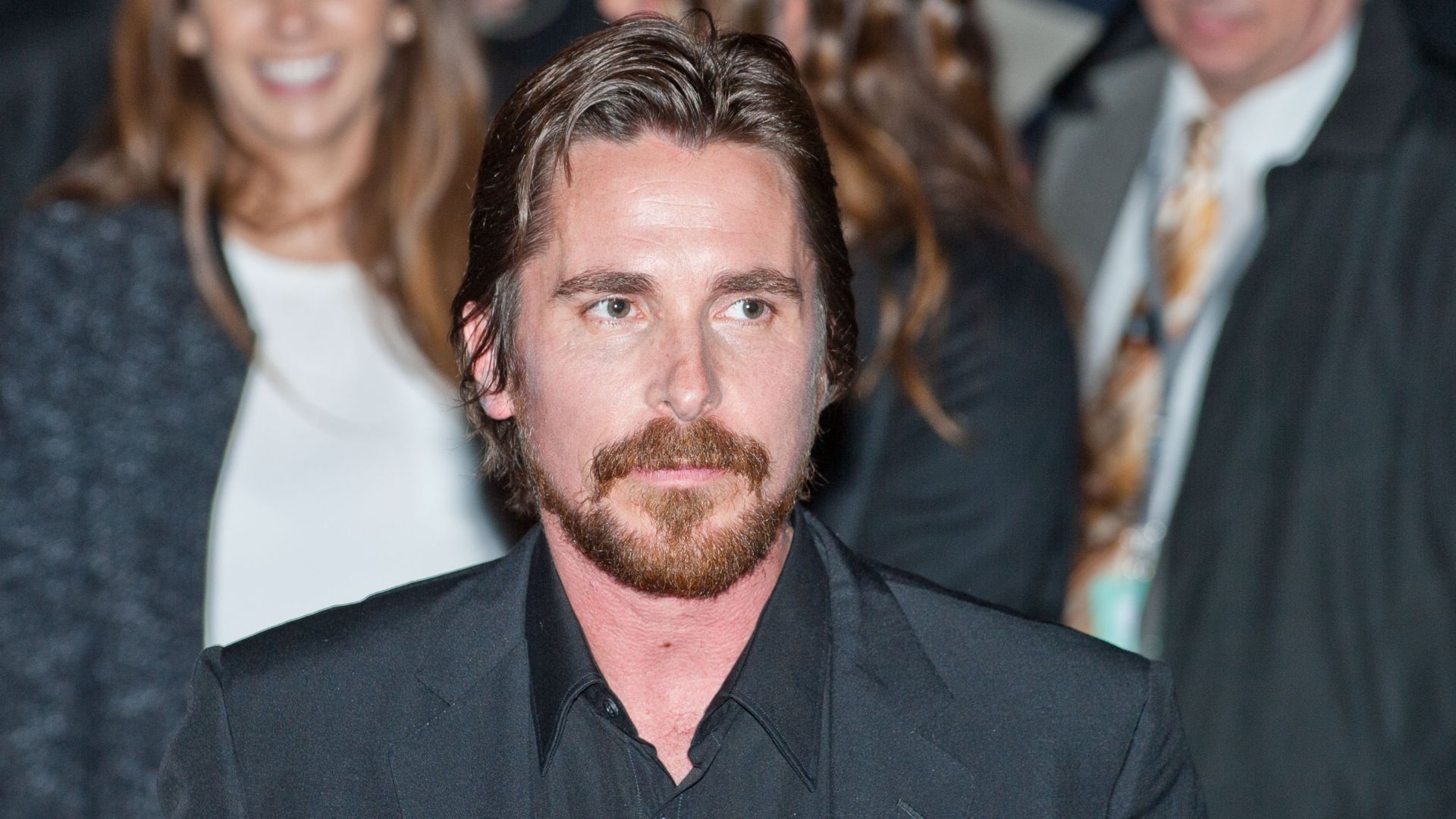
Christian Bale
Commitment defines his performances and sometimes overwhelms production crews. The world learnt about this from a leaked audio recording that captured Bale shouting at a cinematographer on the set of Terminator Salvation in 2009. It got so bad that the incident became one of Hollywood’s most cited examples of on-set volatility.
Chevy Chase
Former SNL castmates described bullying behavior, and Bill Murray confirmed an infamous backstage fight. Years later, Community producers removed Chase following reports of conflicts, which cemented a reputation that followed him across multiple generations of television.
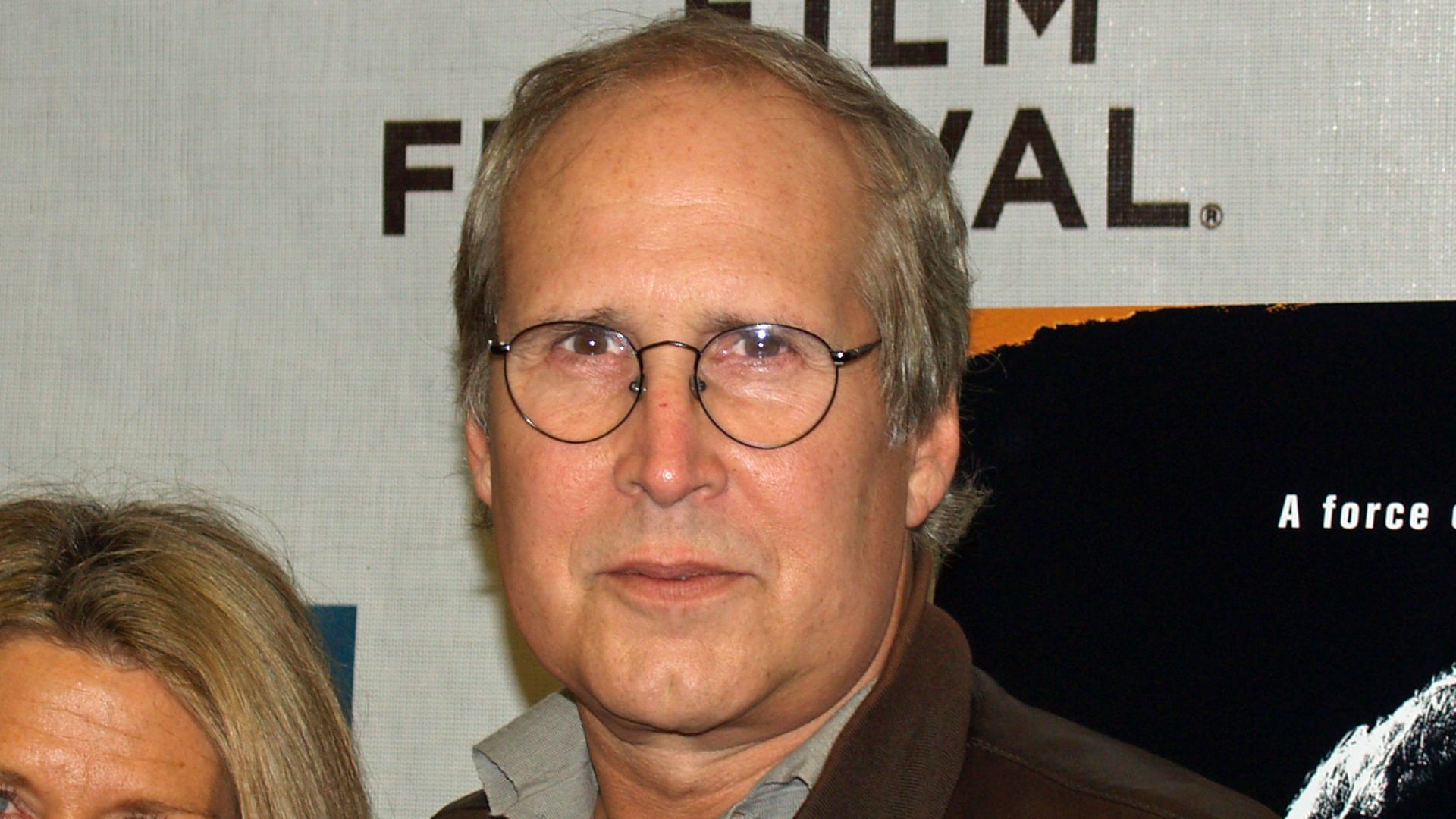 David Shankbone, Wikimedia Commons
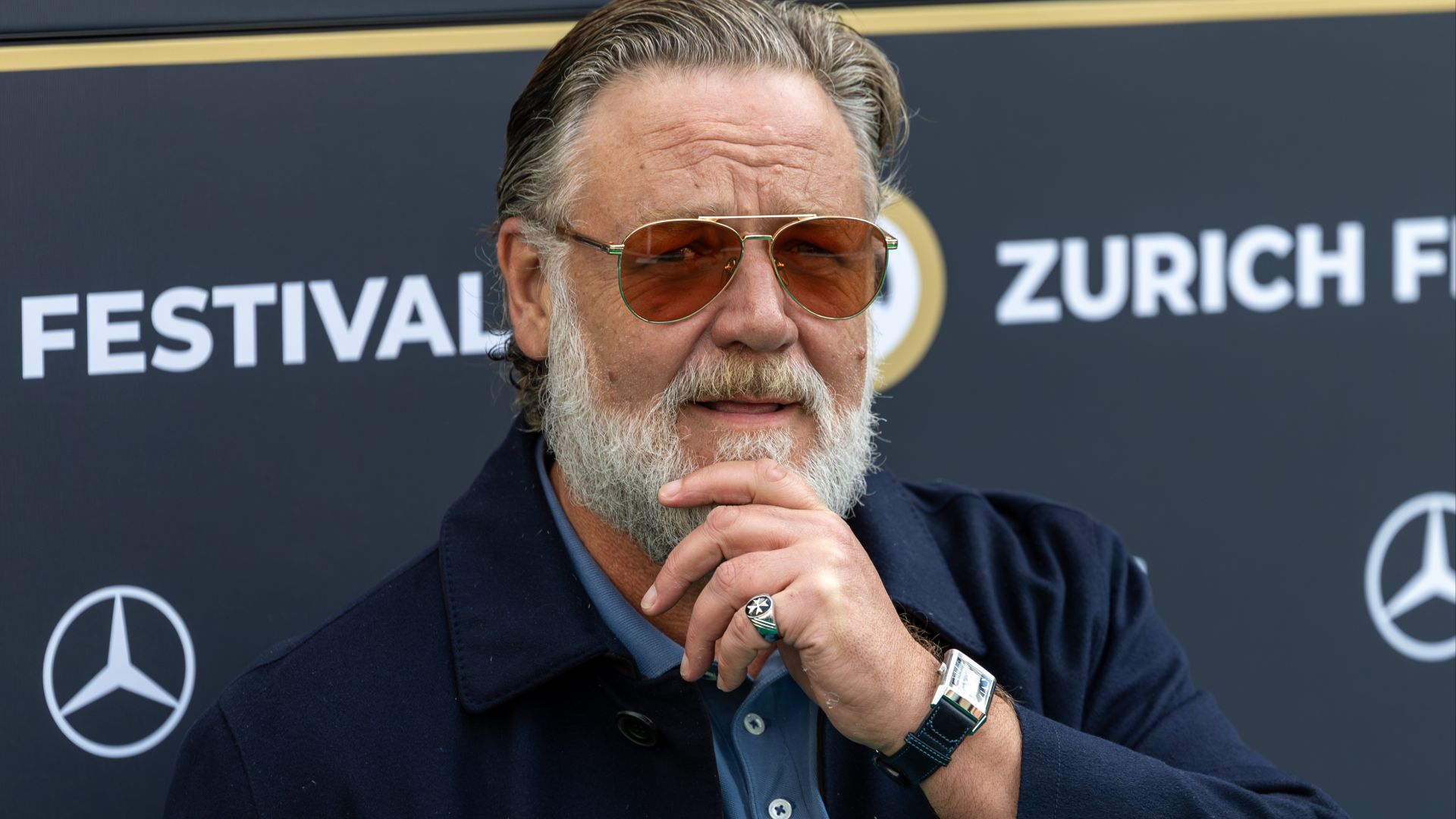
Russell Crowe
Did you know Russell Crowe pleaded guilty in 2005 after hurling a phone at a hotel employee? Paparazzi clashes and arrests reinforced his volatile image, making headlines nearly as often as his award-winning performances. Still, paparazzi can be relentless, so annoyance sometimes is understandable.
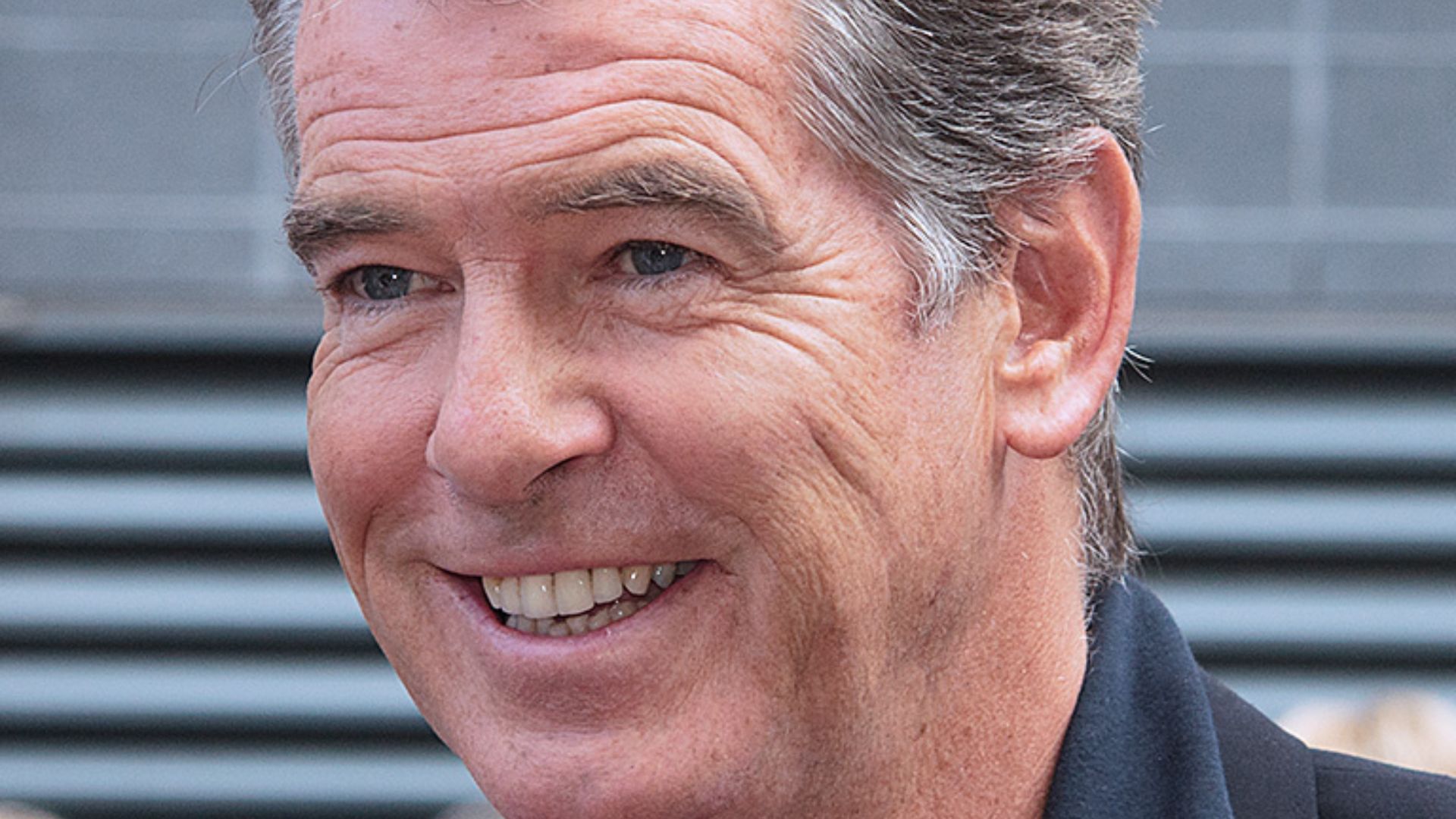
Pierce Brosnan
Talk show host James Corden publicly named Brosnan the rudest celebrity encounter he had, even citing dismissive behavior during a social interaction. The remark circulated widely, and this surprised audiences familiar with Brosnan’s polished press image.
 gdcgraphics, Wikimedia Commons
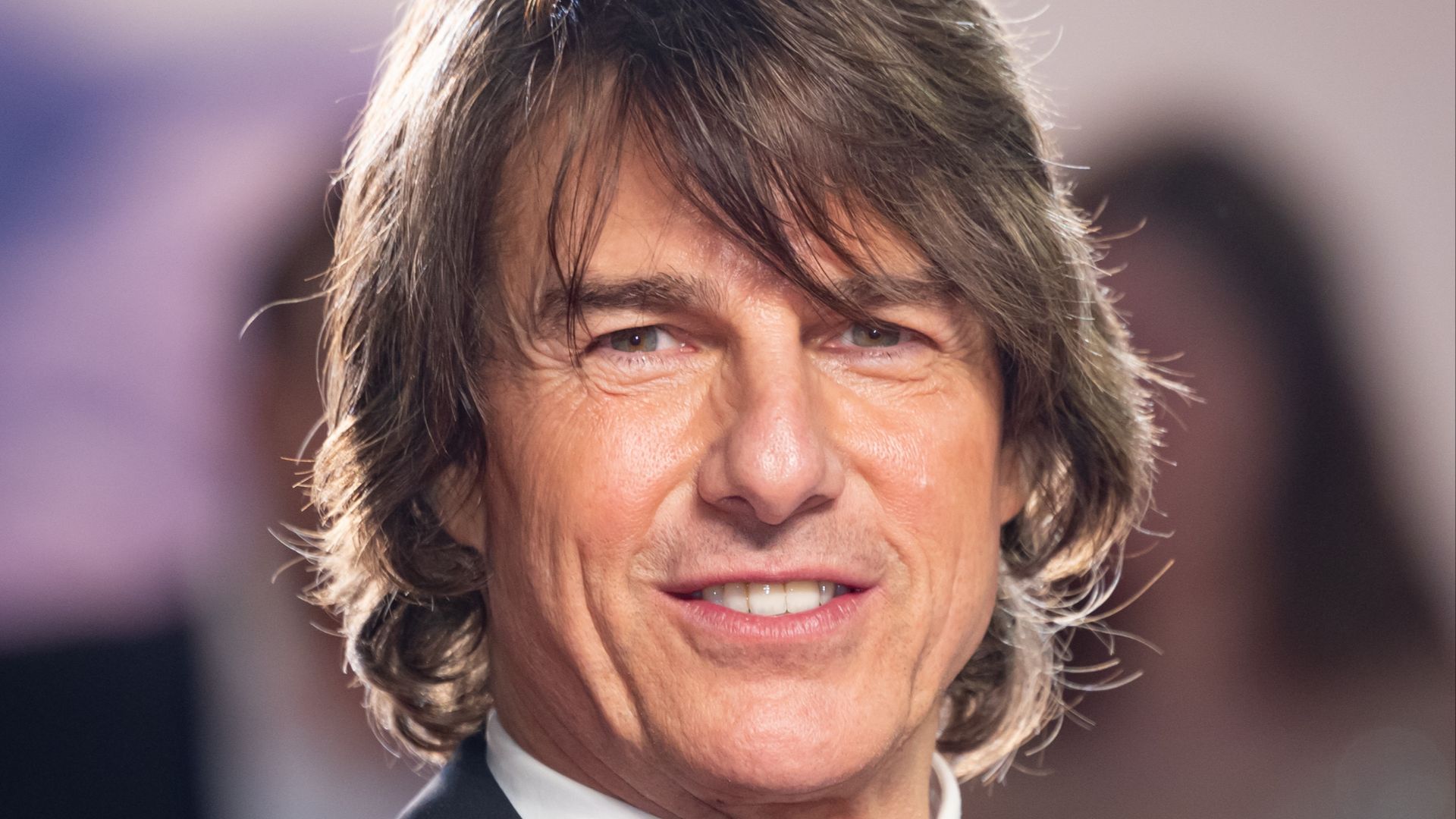
Tom Cruise
When Cruise showed up, you knew the running scene was always somewhere in the blockbuster. In real life, Cruise’s outspoken Scientology advocacy, strict on-set control, and leaked COVID-era crew rant defined his public narrative during the 2000s and beyond. This often overshadows box office dominance and decades-long franchise success.
 Harald Krichel, Wikimedia Commons
Reese Witherspoon
A 2013 arrest for disorderly conduct during her husband’s police check stop included body-cam footage that went viral. Even though public apologies followed, the incident permanently altered how audiences viewed her carefully maintained image. Here, southern charm met real-world consequences.
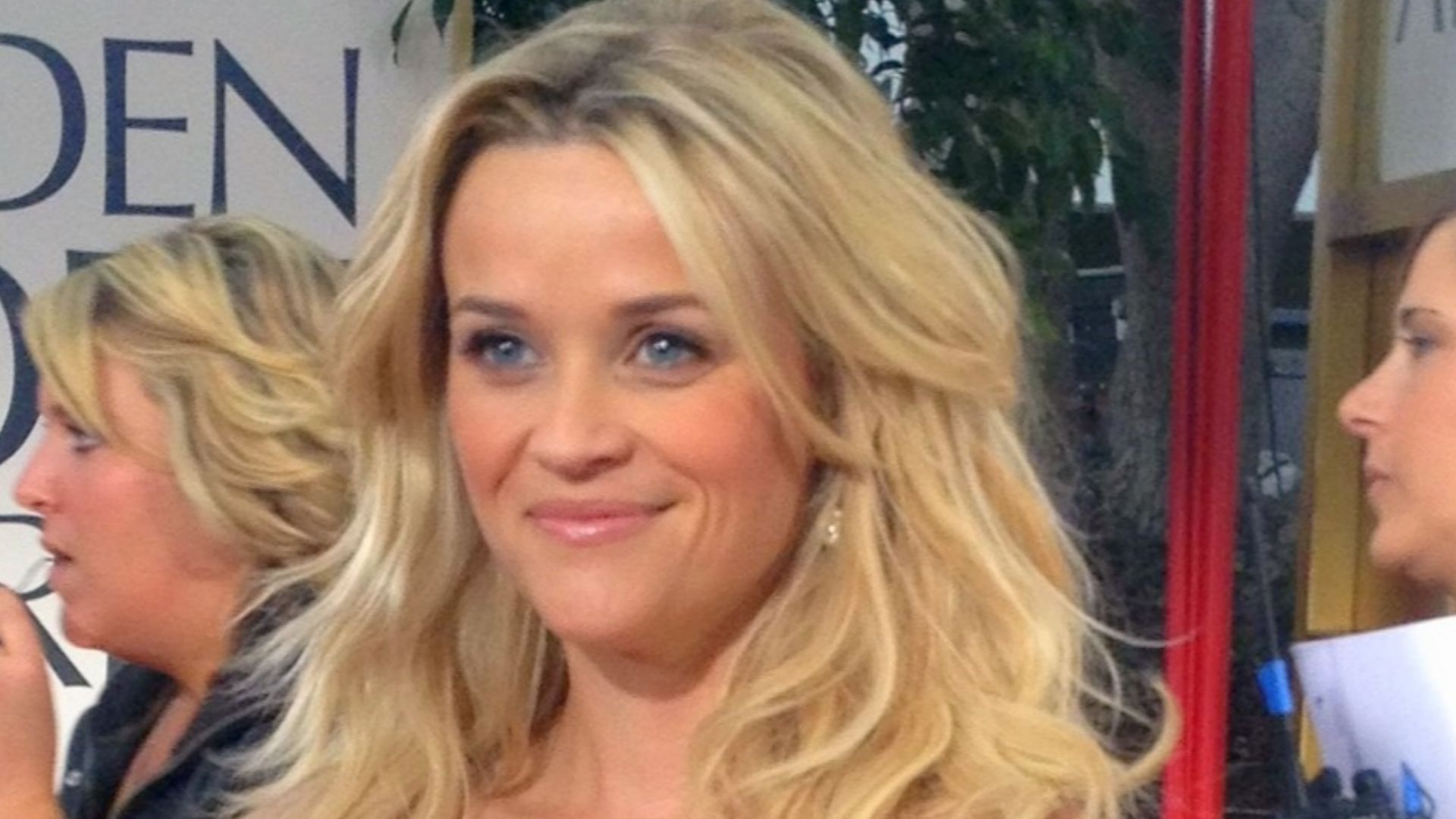 Jenn Deering Davis, Wikimedia Commons
Kevin Spacey
Allegations of inappropriate misconduct upended the standing of a stellar performer. First came his Netflix termination. Then, completed films excised his scenes, and his career momentum evaporated. What transpired transformed Spacey, one of Hollywood’s most decorated careers, into an ongoing cautionary example.
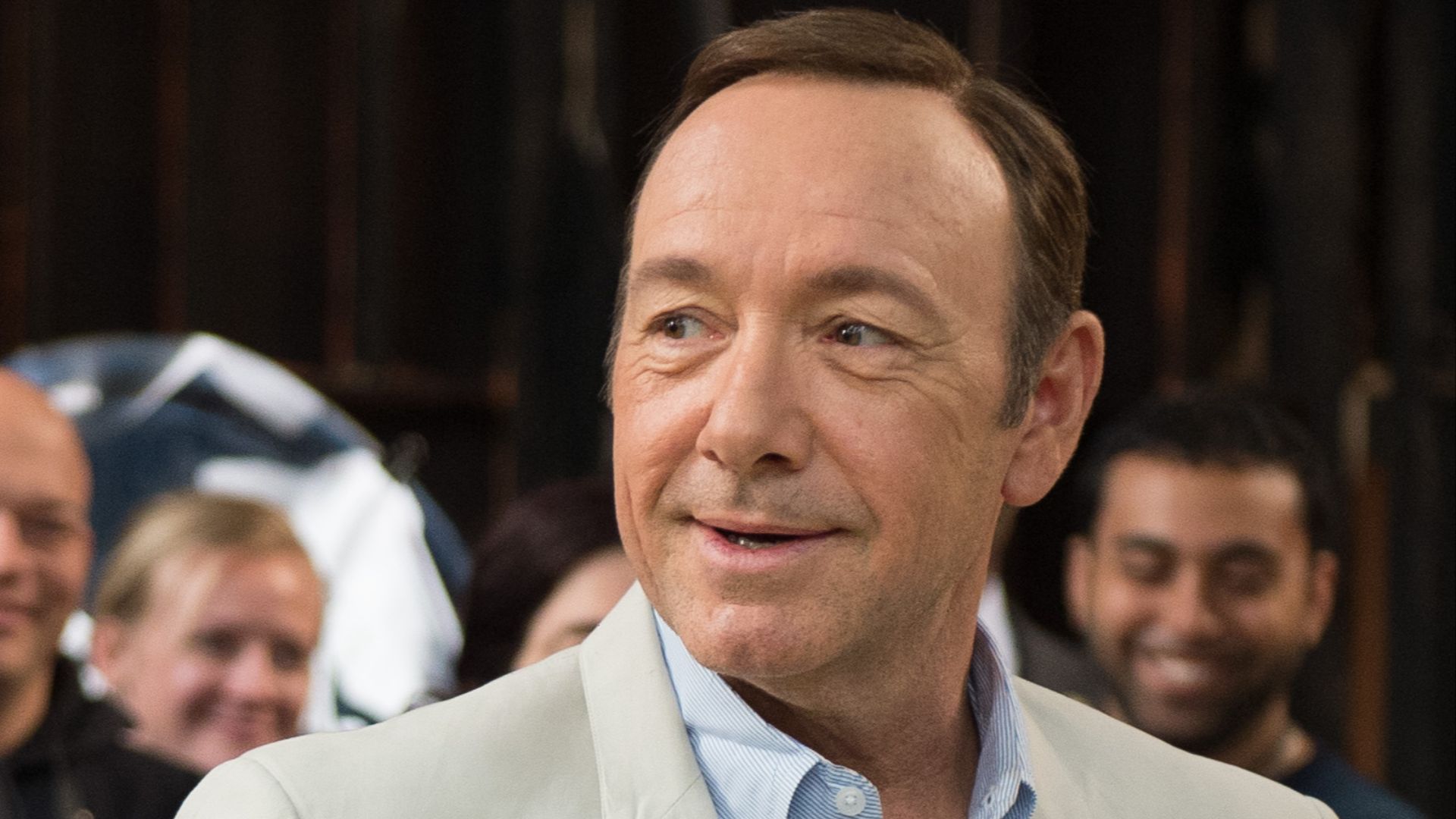 Maryland GovPics, Wikimedia Commons
Edward Norton
Studios learned quickly that Norton arrived with a pen, not to take notes, but to change them. Rewrites on American History X and The Incredible Hulk frustrated directors and executives alike, prompting Marvel to recast Bruce Banner, a decision trade outlets openly dissected.
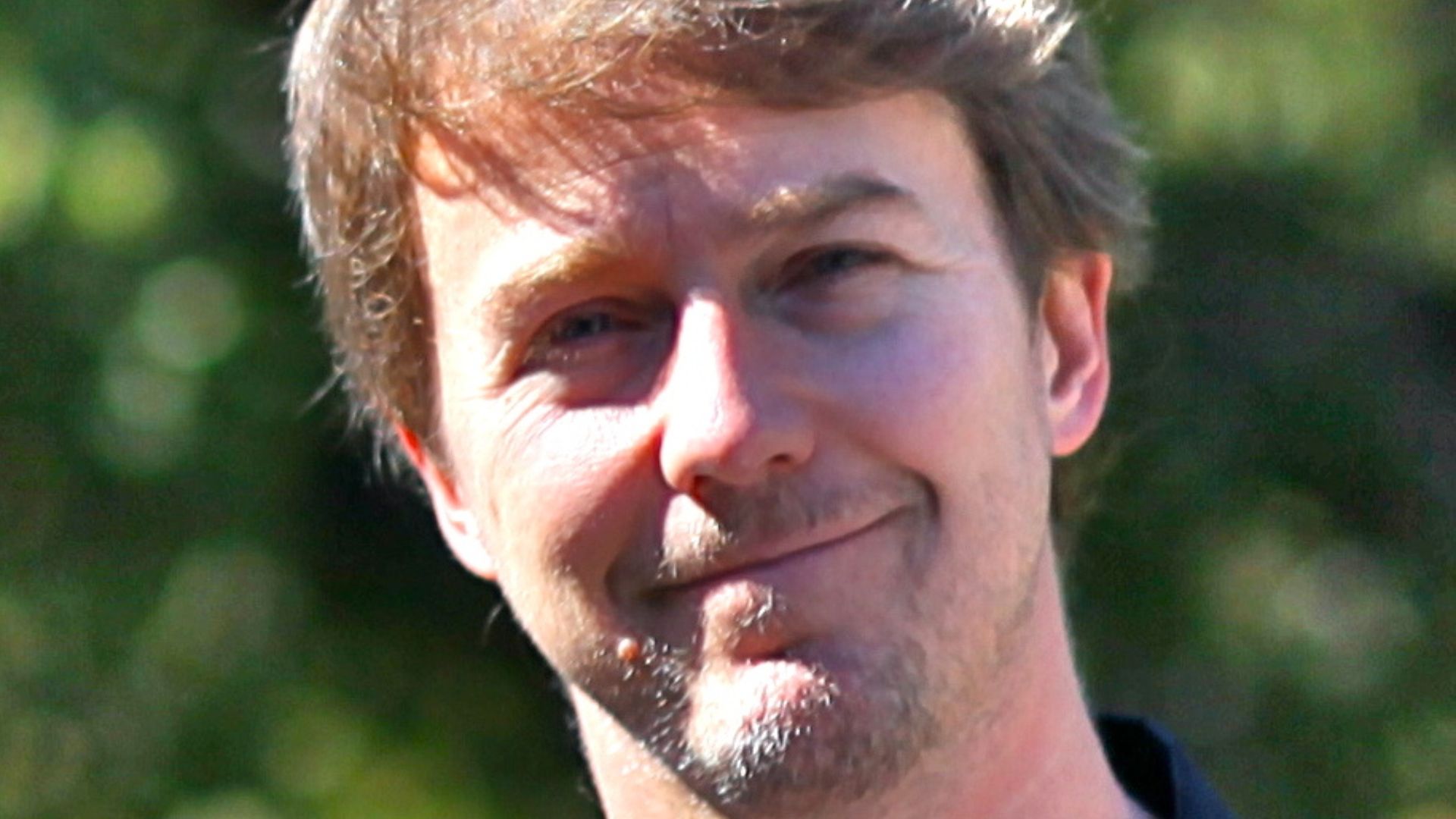 Steve Juvertson, Wikimedia Commons
Katherine Heigl
Why did Emmy voters never see her name again? Heigl publicly removed herself from awards contention on Grey’s Anatomy because she felt the writing did not merit the accolade. These were actions that producers flagged as unprofessional. She was deemed “ungrateful” and “difficult” because of this.
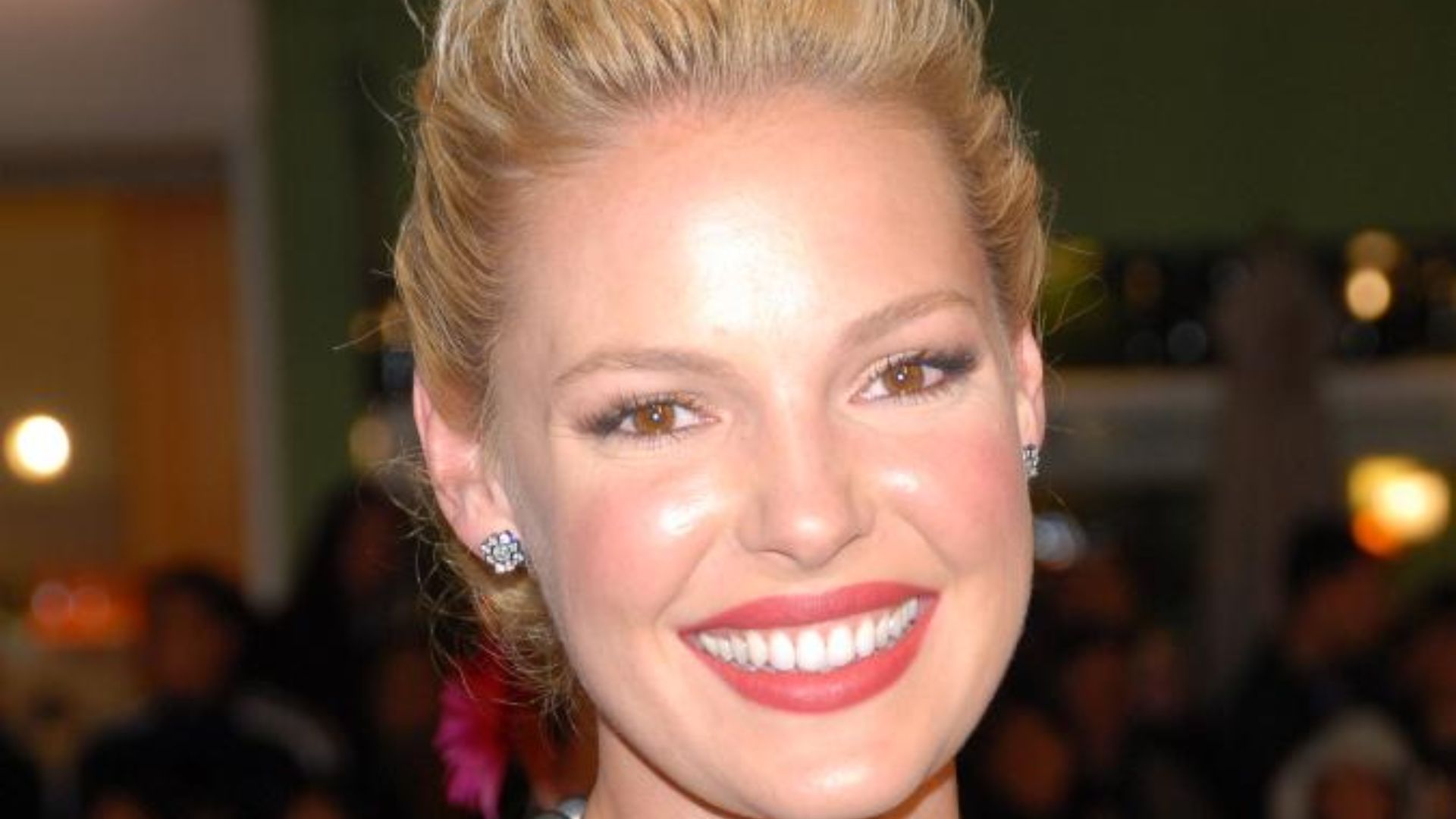 Photo from www.lukeford.net, Wikimedia Commons
Bruce Willis
Earpieces, walk-offs, and missed cues followed several late-career productions. Reports from Glass and multiple direct-to-video films described mounting on-set strain, details that gained renewed attention after his family publicly disclosed his health diagnosis.
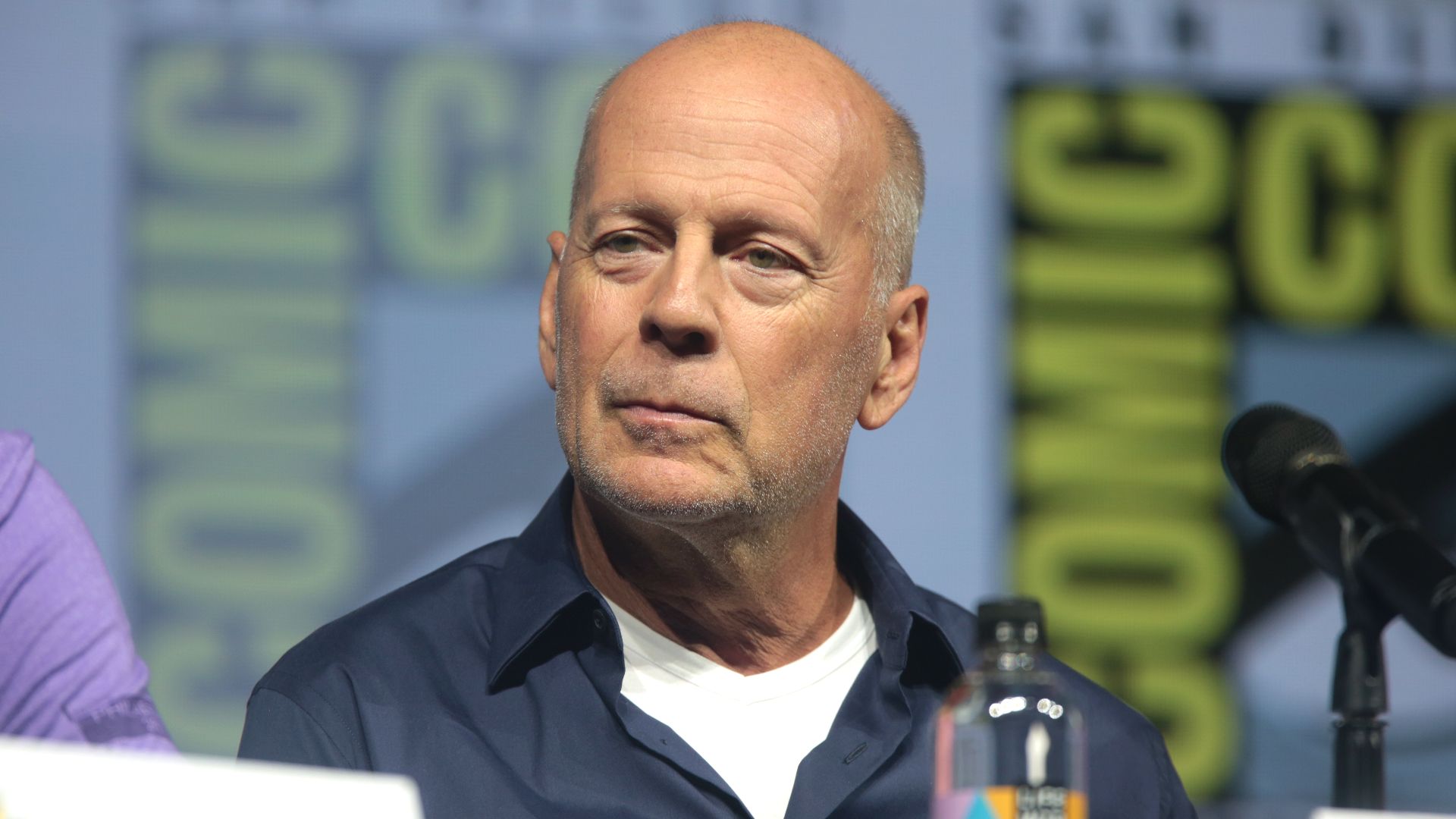 Gage Skidmore from Peoria, AZ, United States of America, Wikimedia Commons
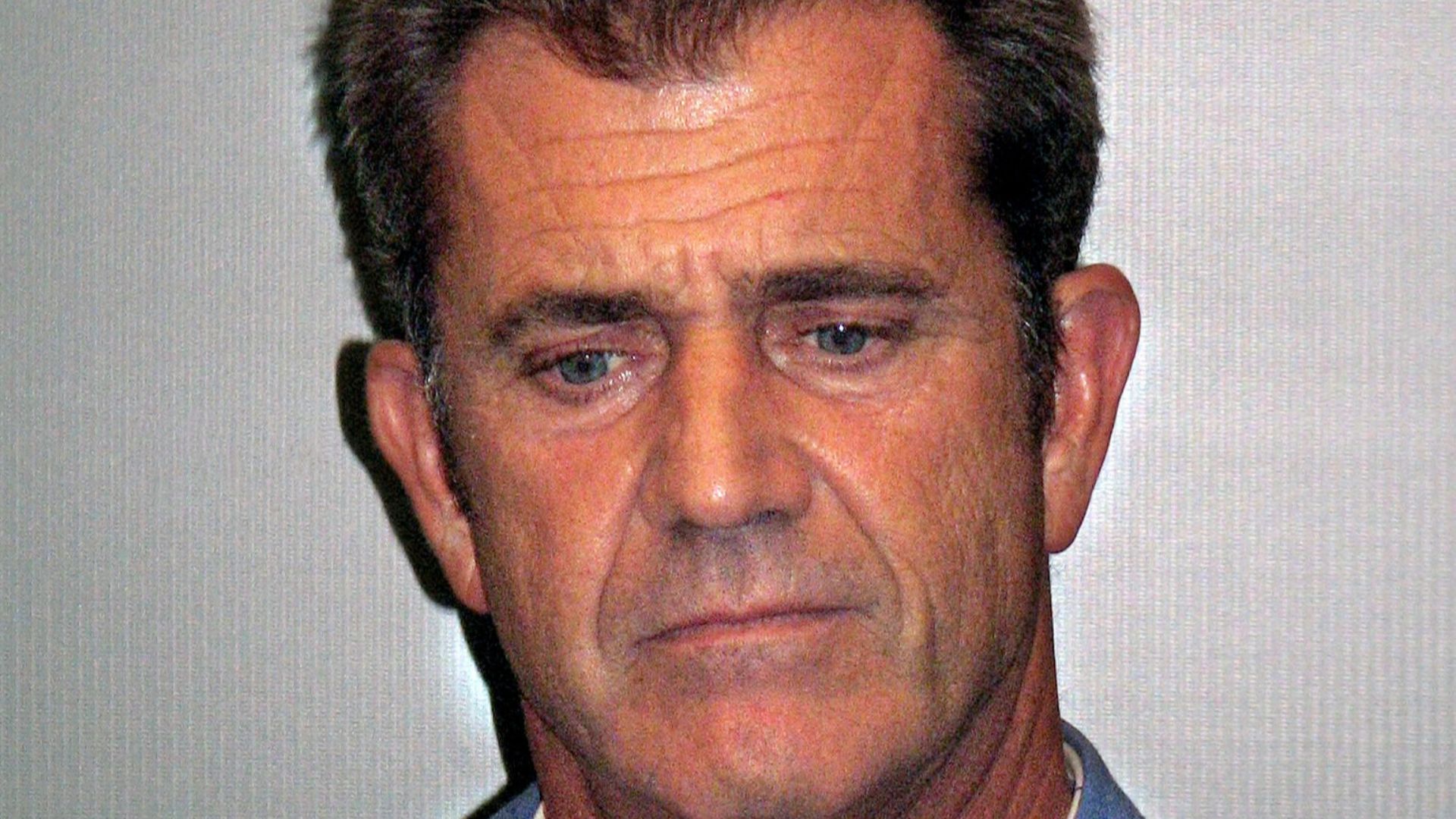
Mel Gibson
Audio recordings changed everything. Antisemitic remarks and violent language emerged during custody proceedings, triggering studio blacklists and public fallout. Entertainment networks replayed excerpts repeatedly, and this just ended up cementing the scandal as one of Hollywood’s most infamous recorded implosions.
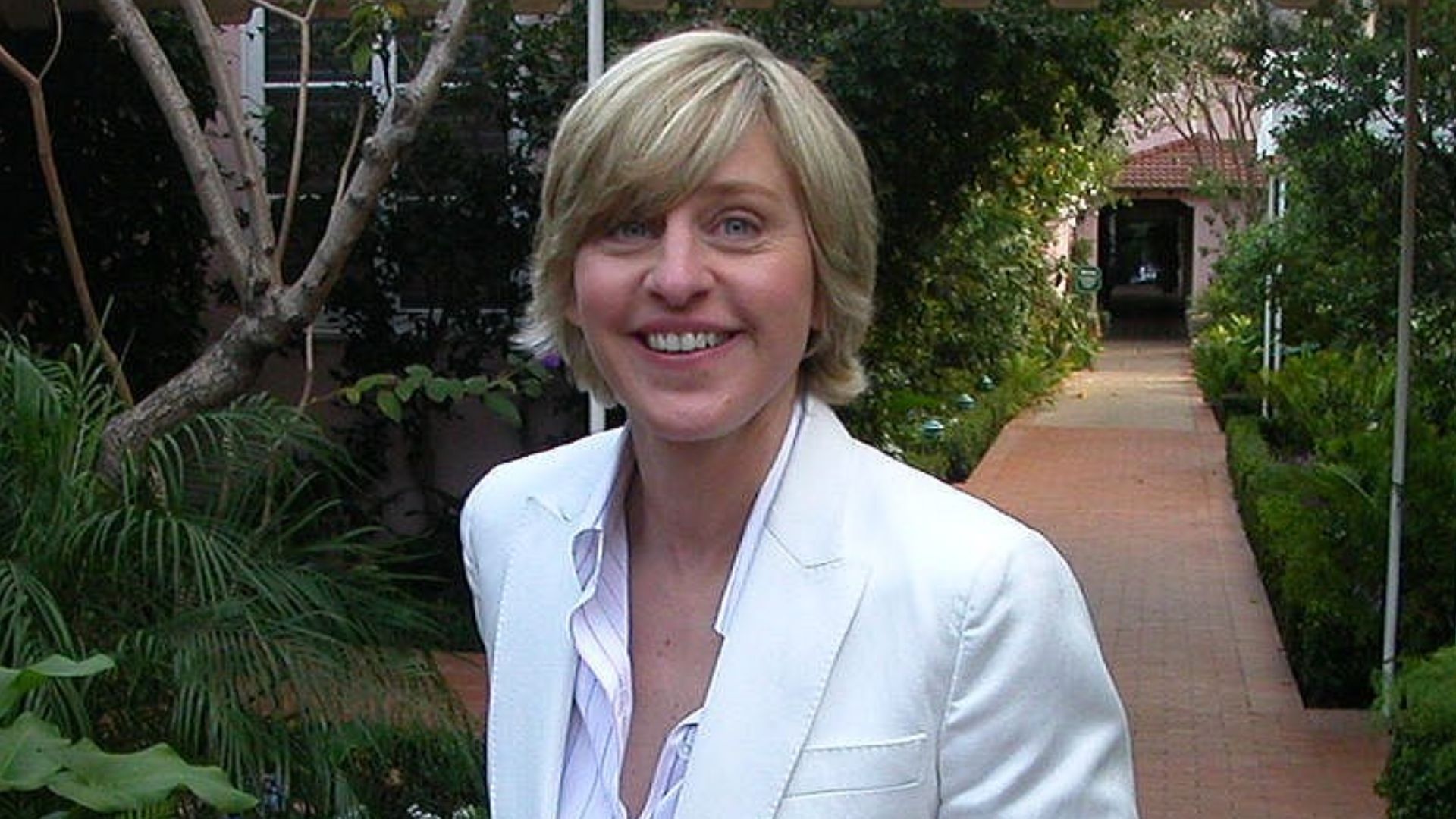
Ellen DeGeneres
Staff complaints upended daytime television. Former employees described intimidation and toxic conditions behind the scenes at The Ellen DeGeneres Show, and this prompted internal investigations. What followed were network announcements and leadership changes. No matter what they did, the controversy remained active across major news outlets.
Jonah Hill
Jonah Hill’s fan encounters sparked unexpected backlash. Over the years, stories of dismissive behavior circulated alongside later-leaked text messages, which shifted how audiences viewed Hill’s public persona. Celebrity news platforms amplified the contrast, and this made the narrative hard to escape.
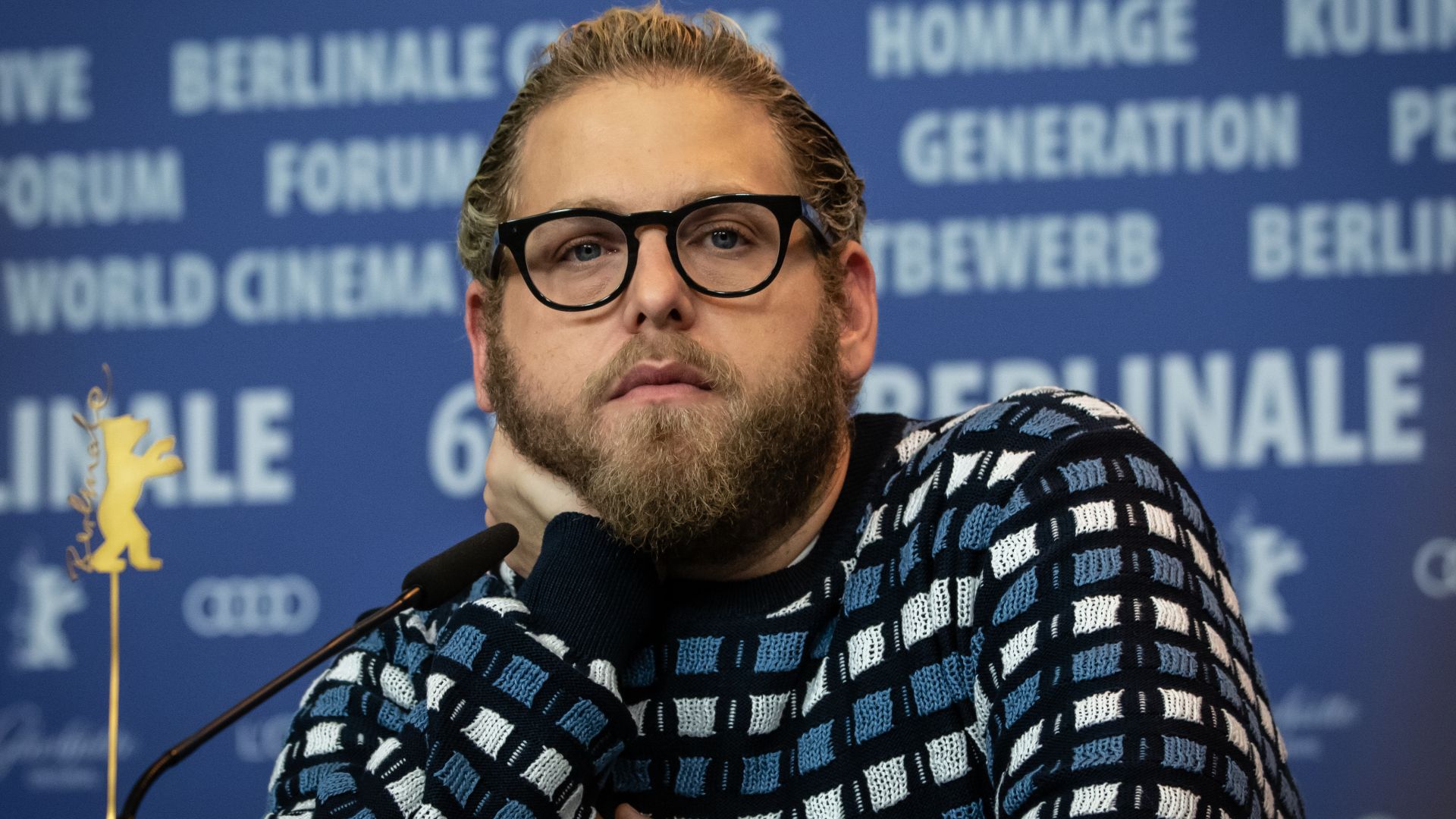 Harald Krichel, Wikimedia Commons
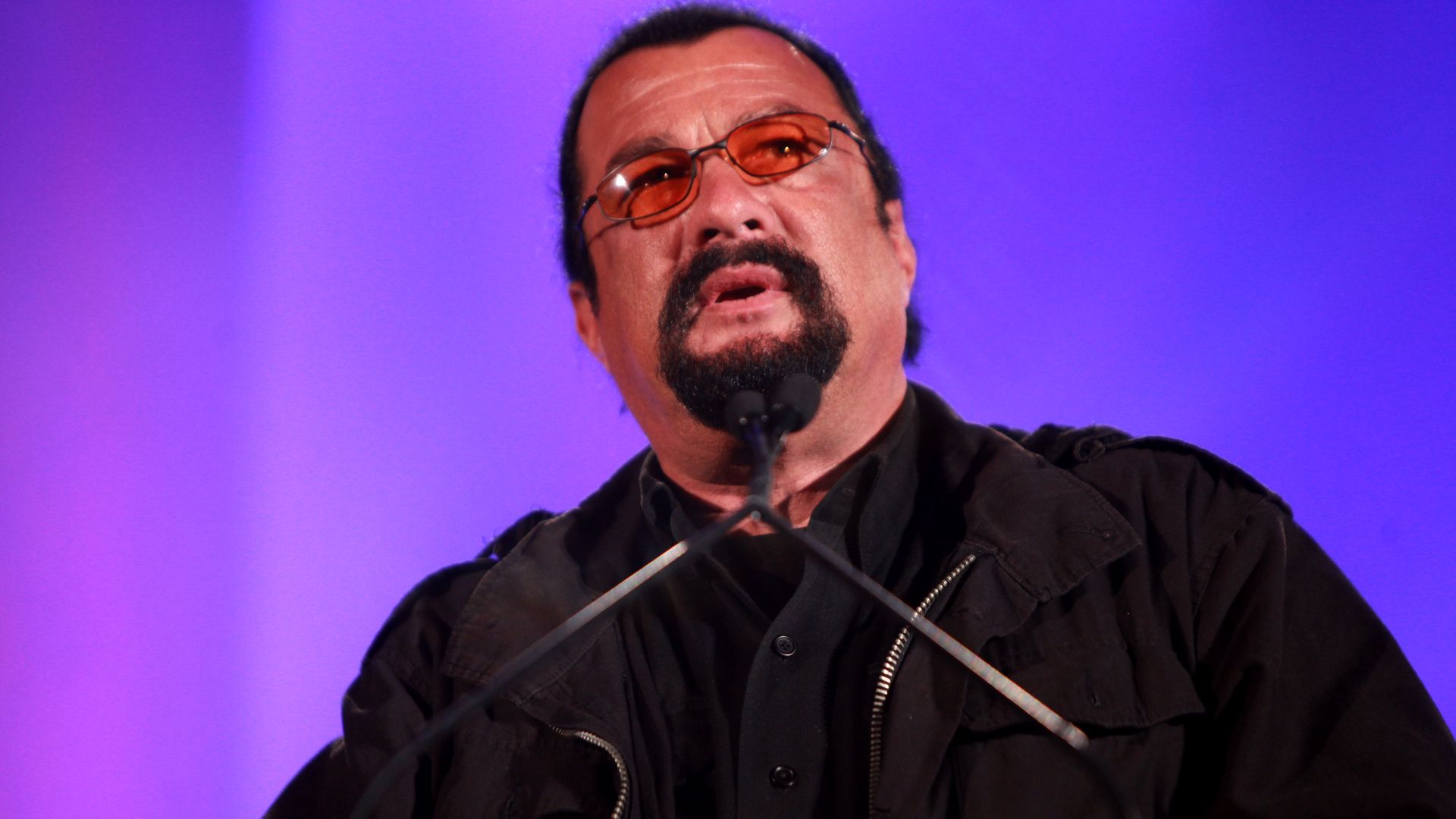
Steven Seagal
Several harassment lawsuits shadowed Seagal for years, lingering even after fading from headlines. Though buried for a time, they resurfaced when investigative journalism revisited his career. Legal filings and media expos ensured his name remained in circulation well beyond his action‑film peak.
 Gage Skidmore from Peoria, AZ, United States of America, Wikimedia Commons
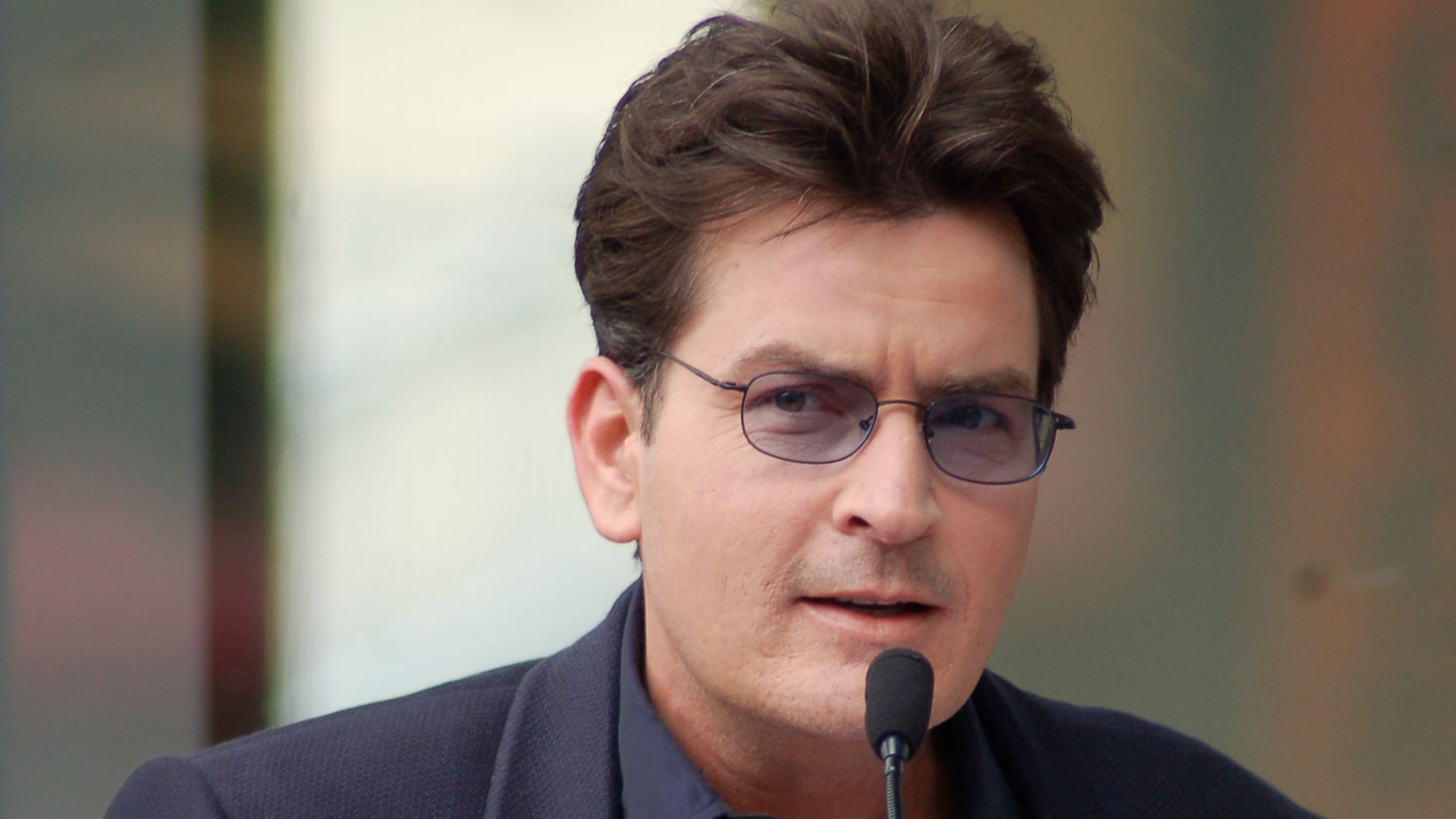
Charlie Sheen
Drug-fueled breakdowns and erratic public appearances damaged his reputation. The behavior overshadowed his comedic talent, eventually eroding trust with networks and collaborators. Ultimately, his volatility curtailed opportunities. After this, his career was defined as much by scandal as by his on‑screen success.
 Angela George at https://www.flickr.com/photos/sharongraphics/, Wikimedia Commons
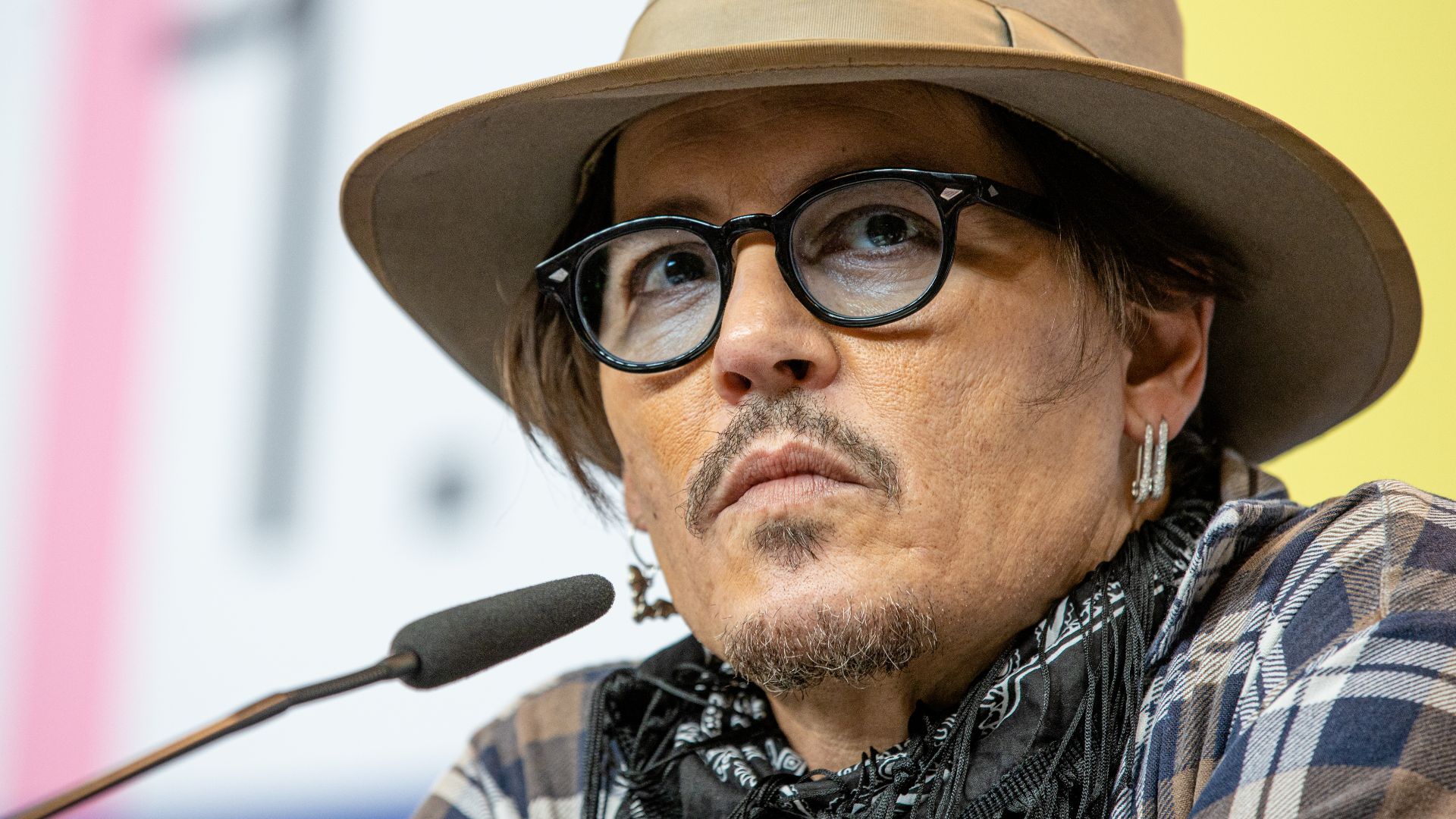
Johnny Depp
Crew members on projects like Pirates Of The Caribbean: Dead Men Tell No Tales described frequent delays tied to missed call times. This had studios insure productions heavily and restructure daily shooting plans. We all know Deep's acting can be unhinged, but did you know he uses dolls to rehearse?
 Harald Krichel, Wikimedia Commons
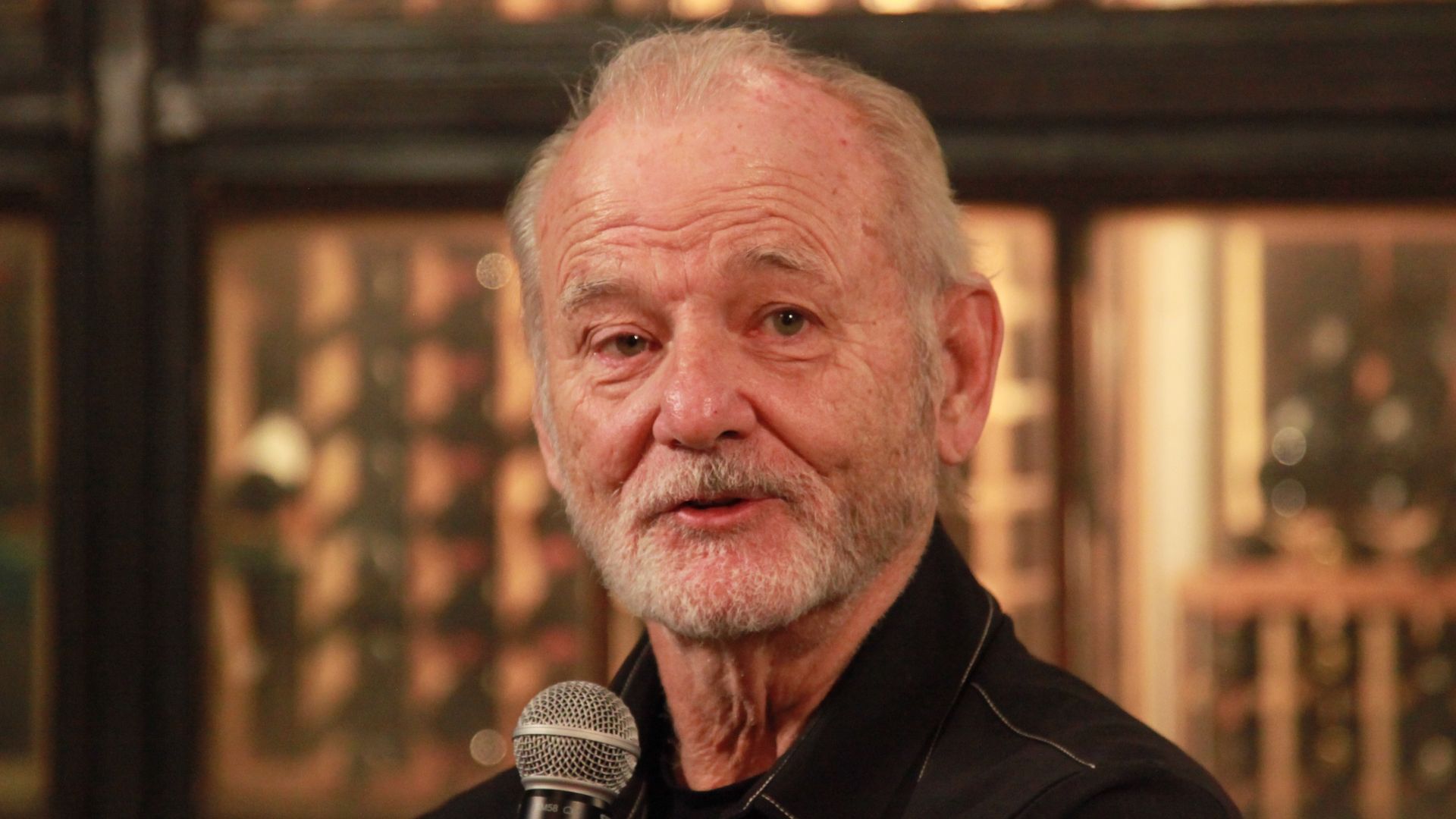
Bill Murray
With Bill Murray, improvisation sometimes slid into confrontation. Directors and co-stars corroborated these claims, reporting volatile moods on sets like Groundhog Day and Charlie’s Angels, where clashes stalled production and strained working relationships long after cameras stopped rolling.
 Timelessblue, Wikimedia Commons
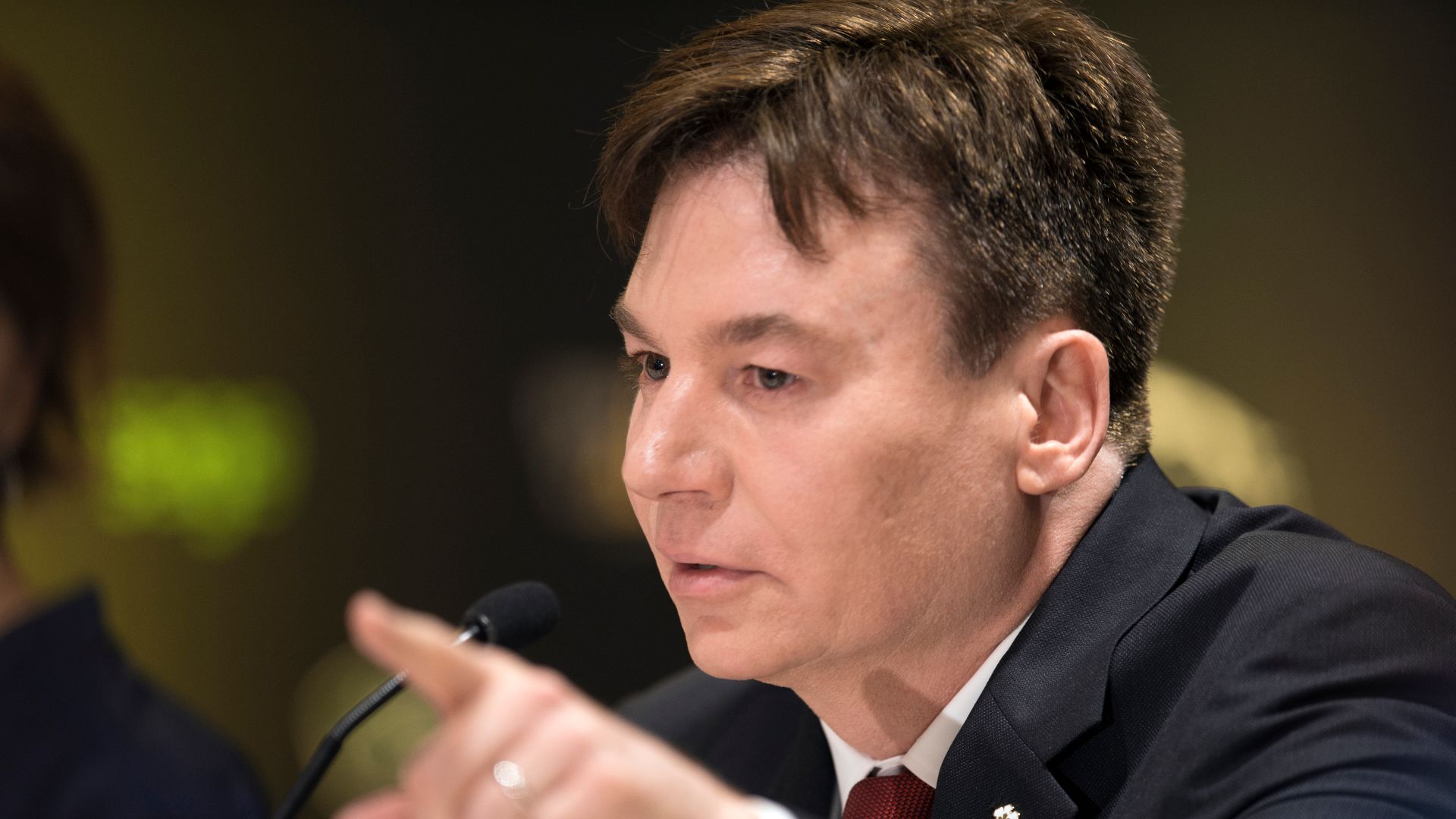
Mike Myers
Mike’s creative revisions repeatedly slowed momentum. In one case, on Shrek, Myers re-recorded the entire film after deciding on a new accent, and as any expert knows, this is a costly move. The animators and the production team were frustrated with this because it extended timelines.
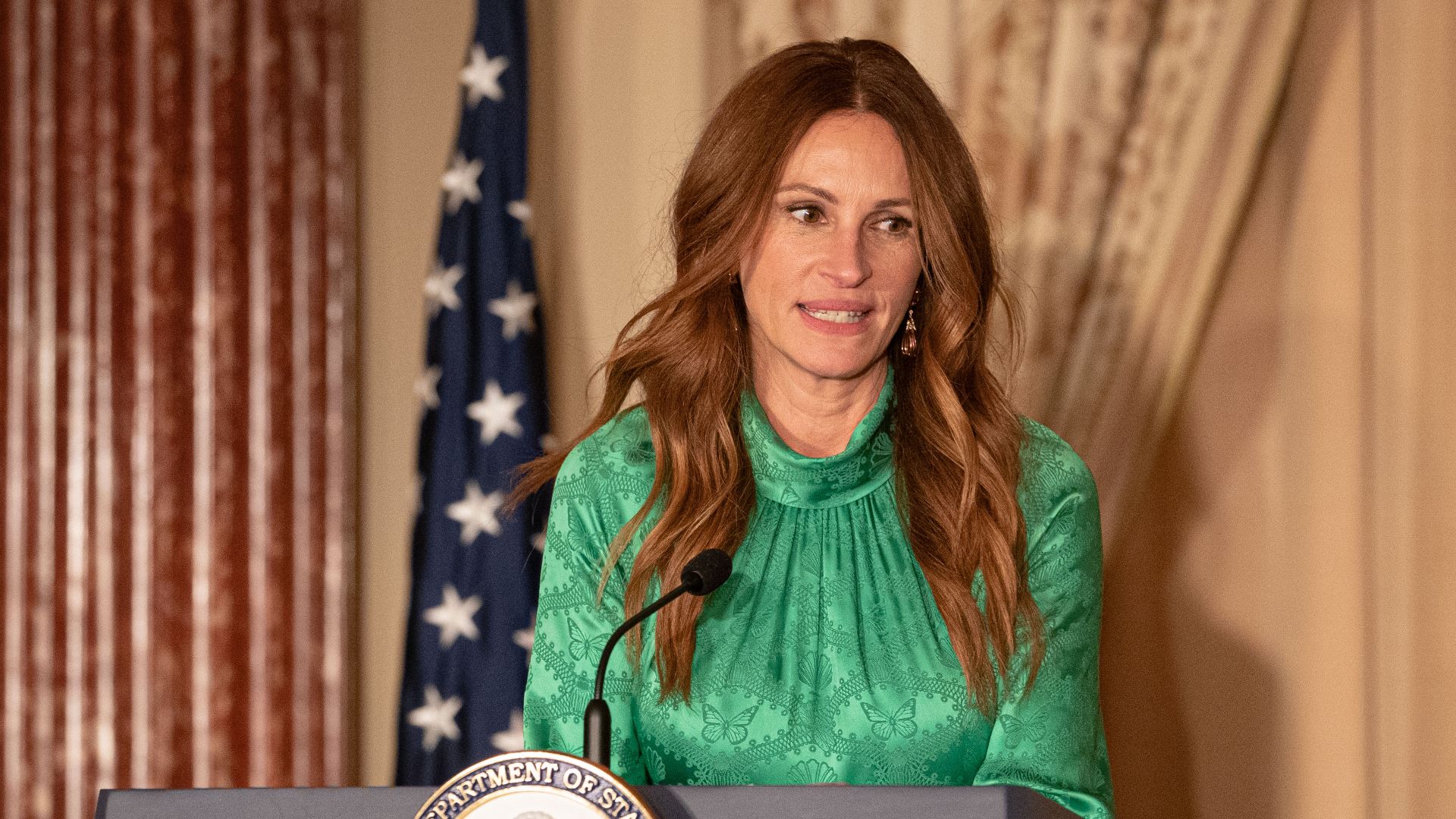
Julia Roberts
Early fame brought interpersonal friction. During the 1990s, Julia Roberts earned the nickname “Tinkerhell” while filming Hook, with reports of feuds and on-set tension that contrasted sharply with her America’s sweetheart reputation.
 U.S. Department of State from United States, Wikimedia Commons
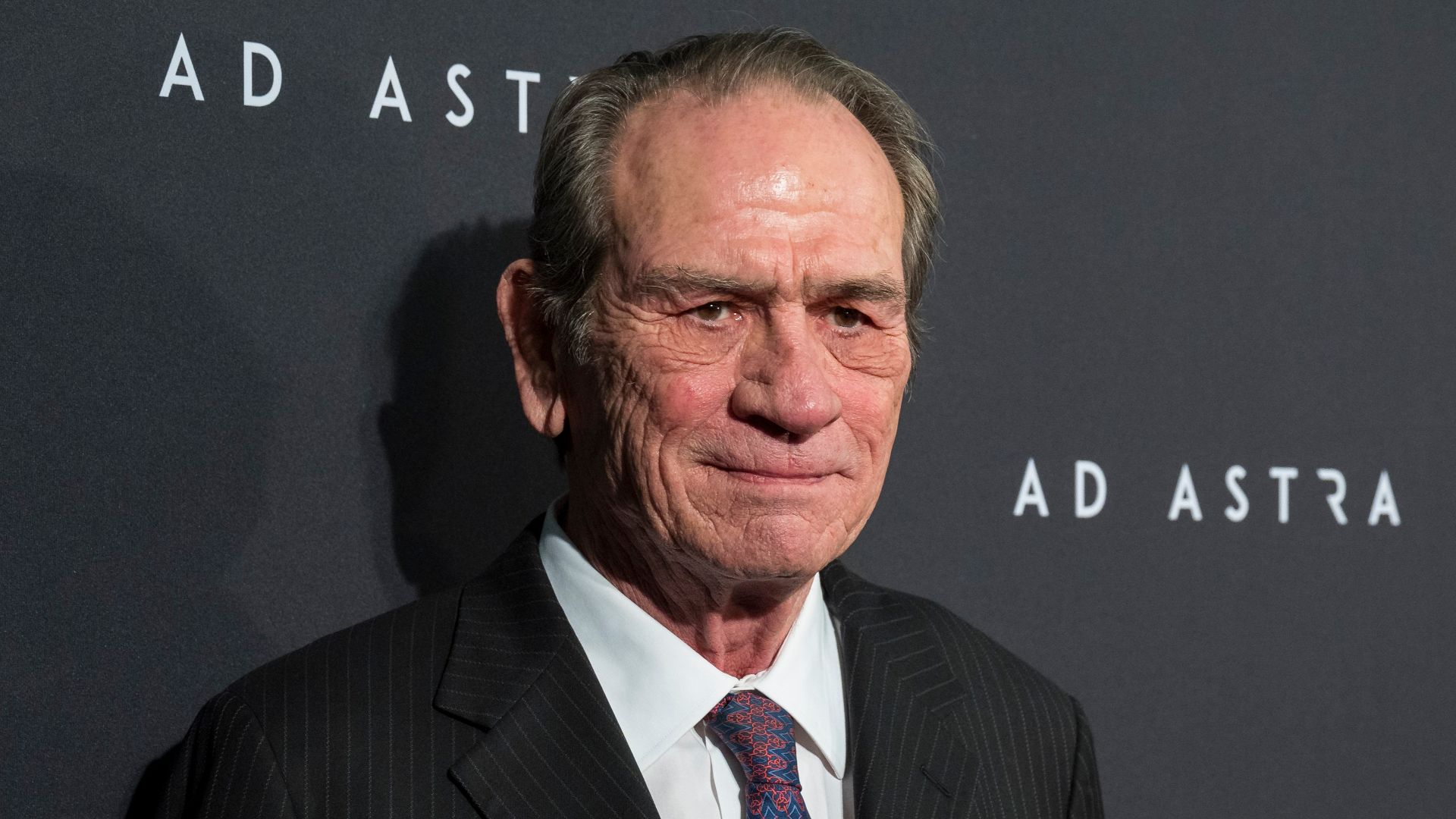
Tommy Lee Jones
Tommy Lee Jones often voiced blunt criticism of performances and scripts, and this bred and cultivated a reputation for hostility. His well‑documented friction with Jim Carrey during Batman Forever also created a tense atmosphere, and it forced crews to adapt carefully to his gruff temperament throughout production.
 Aubrey Gemignani, Wikimedia Commons