Spot The Switch If You Can
A movie hits a whole new level of chaos when one actor keeps popping up in unexpected forms. Suddenly, every scene feels like a guessing game, and the surprise reveal lands with the energy of a well-timed plot twist.
Armie Hammer – The Social Network (2010)
Twin rivalry feels seamless in David Fincher’s drama thanks to Armie Hammer playing both Winklevoss brothers. CGI, digital face replacement, and motion-capture suits helped merge his performances. Fincher shot scenes twice, letting Hammer react to his own movements to make the twins feel naturally synchronized.
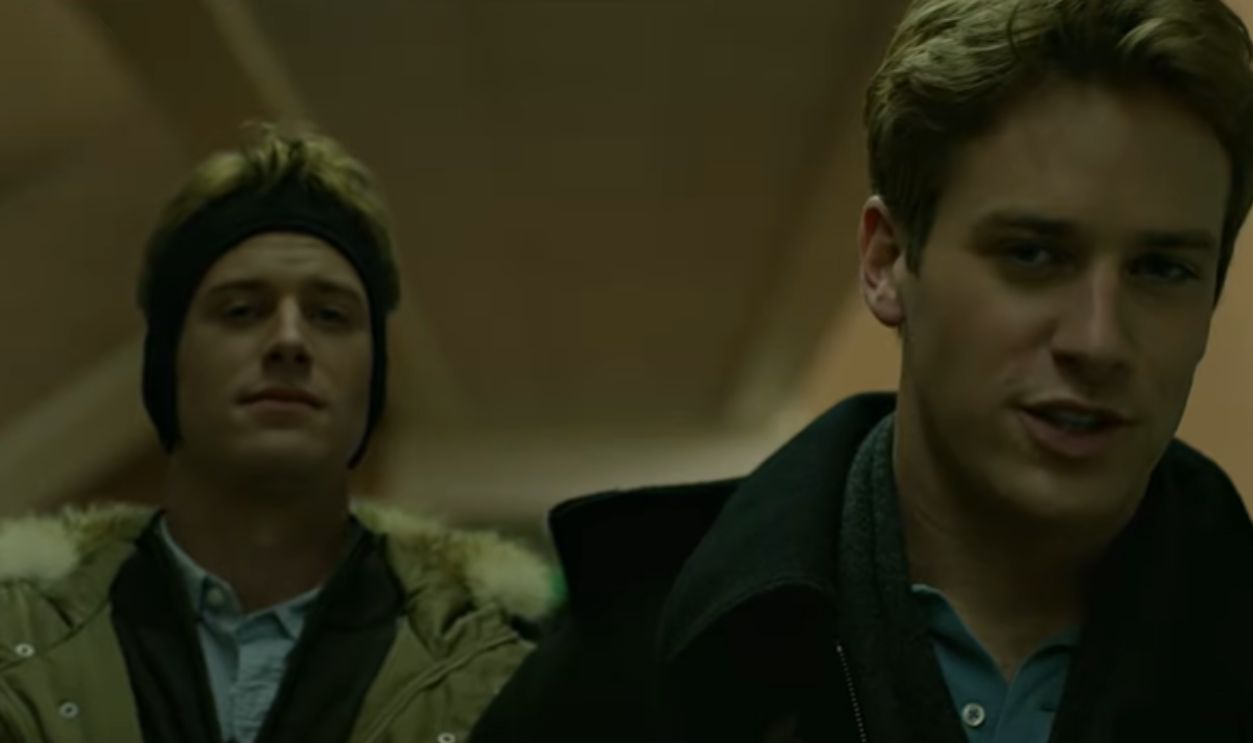 Screenshot from The Social Network, Columbia Pictures (2010)
Eddie Murphy – The Nutty Professor (1996)
A single performer carries the entire Klump family in this 1996 remake of the Jerry Lewis classic. Eddie Murphy appears as Sherman and several chaotic relatives, each created through hours of daily prosthetic work. The comedy resonated so strongly that it earned more than $274 million worldwide.
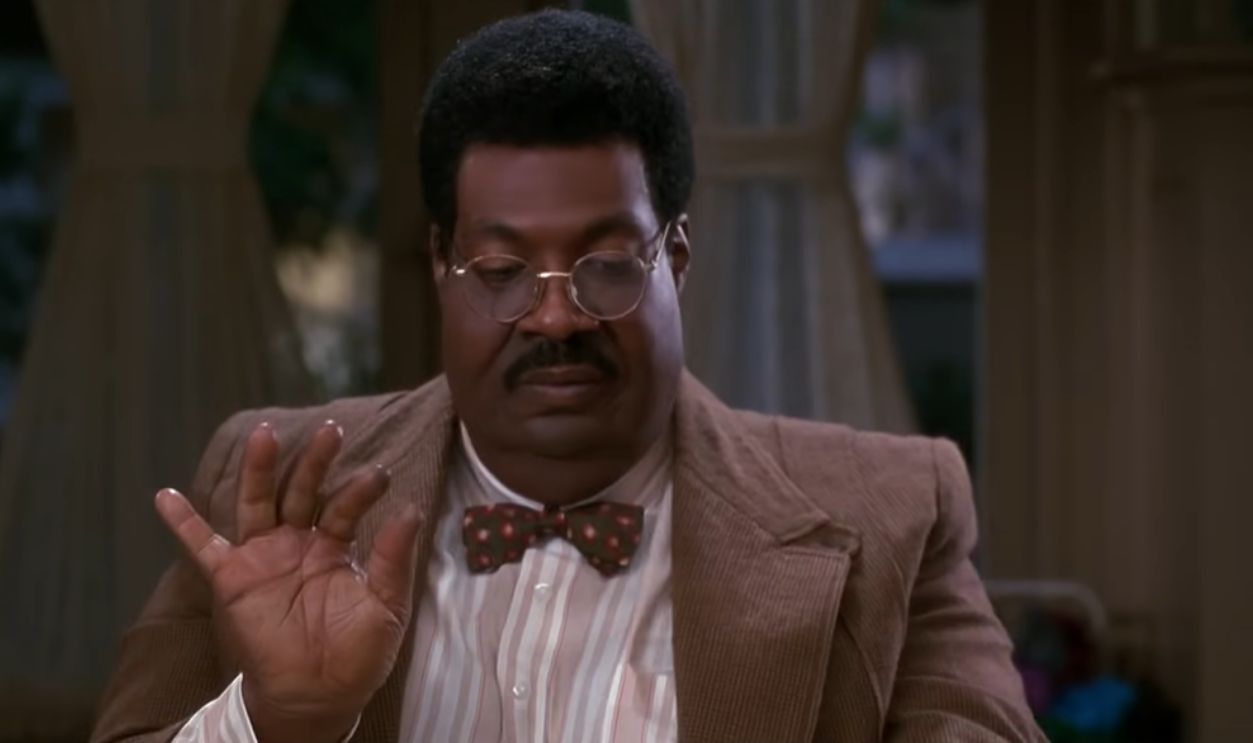 Screenshot from The Nutty Professor, Universal Pictures (1996)
Christian Bale – The Prestige (2006)
A hidden twin defines the magician Alfred Borden, a role Christian Bale grounded with sharp intensity. Working opposite Hugh Jackman under Christopher Nolan’s direction, Bale pushed authenticity by performing several dangerous stunt tricks himself. The result gave the film’s illusions a heavier, more physical style.
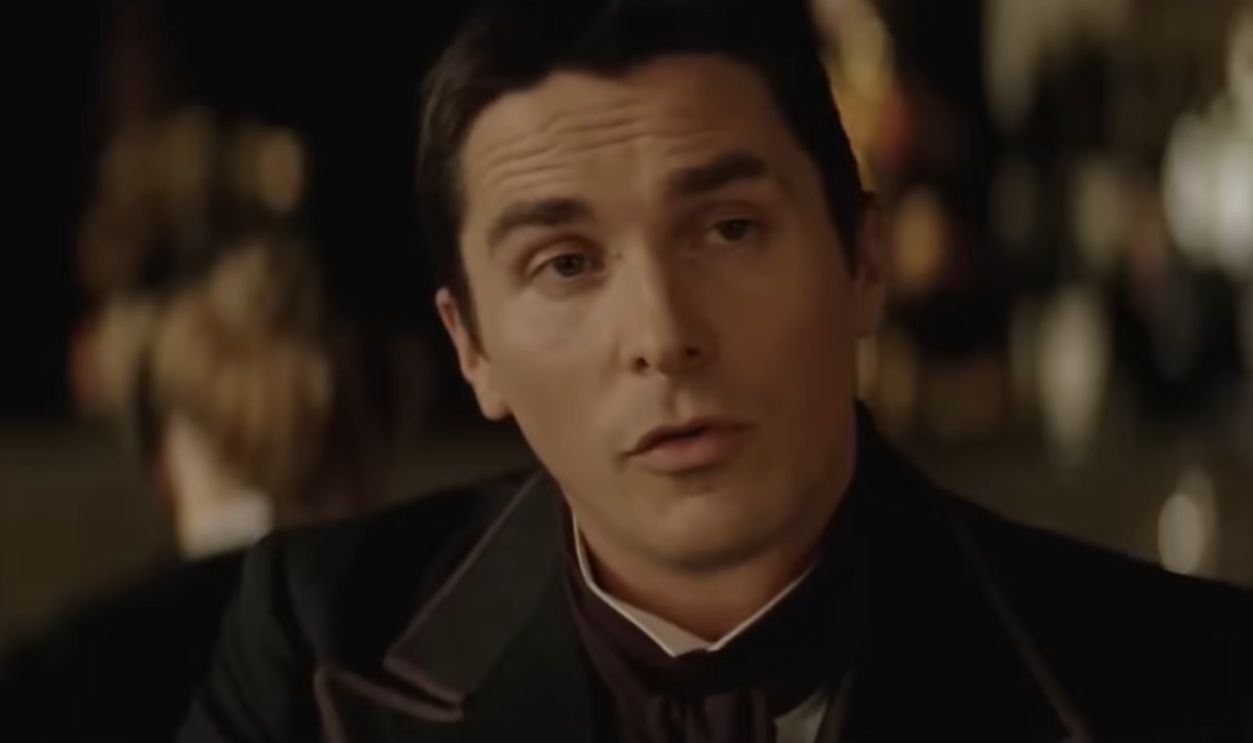 Credit: Screenshot from The Prestige, Warner Bros. Pictures (2006)
Alec Guinness – Kind Hearts And Coronets (1949)
Few actors have ever reshaped a film the way Alec Guinness did by playing eight different D’Ascoynes. Makeup and prosthetics turned him into an entire family in this British black comedy. The film earned BAFTA attention for its inventive structure and sharply delivered performances.
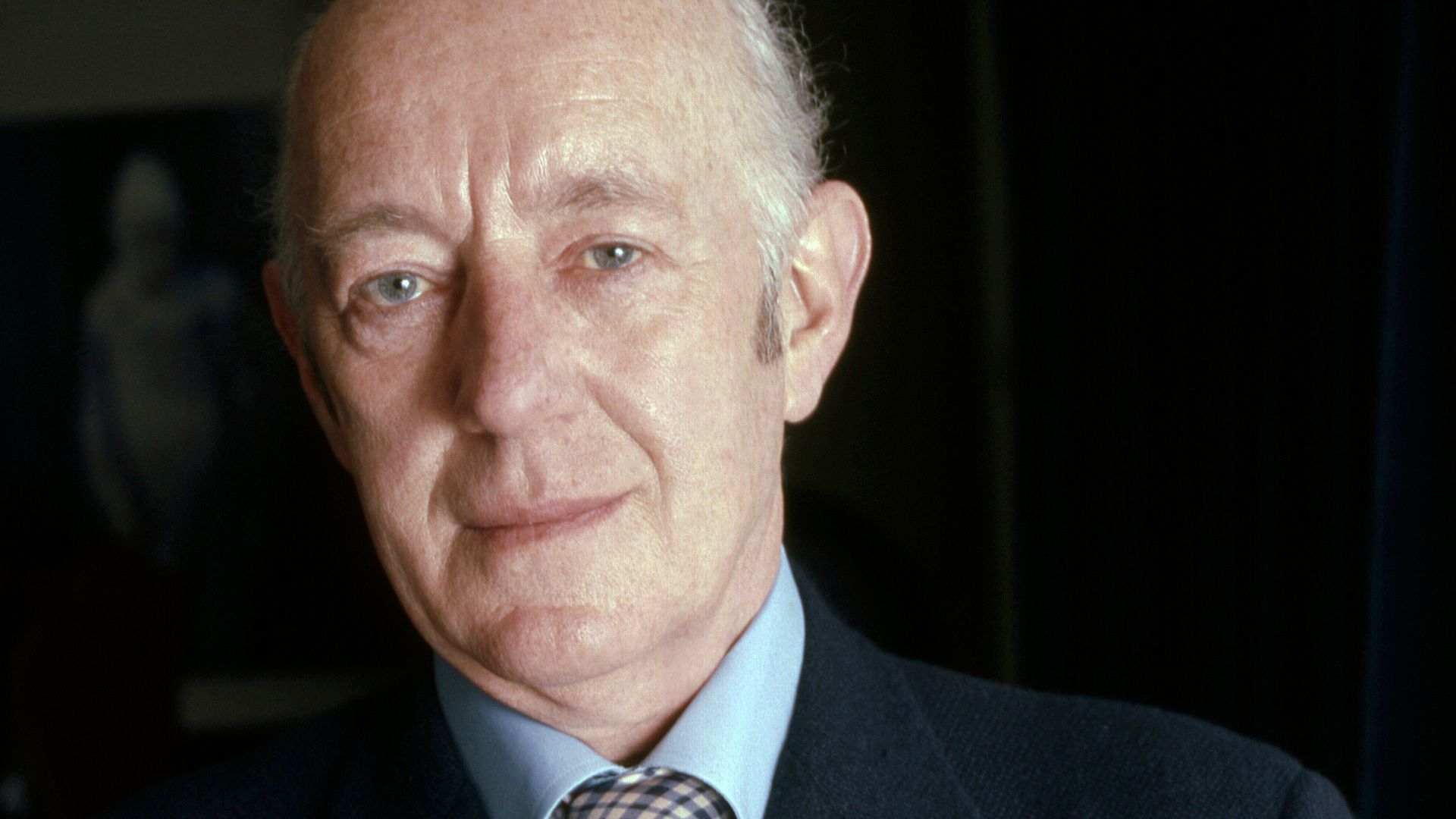 Allan warren, Wikimedia Commons
Peter Sellers – Dr. Strangelove (1964)
Chaos in Kubrick’s nuclear satire grows funnier once you realize three key characters share the same performer. Peter Sellers shifts between a British officer, an anxious president, and the unforgettable Dr. Strangelove. Improvised gestures, especially the wild hand movements, helped cement the scientist’s legendary strangeness.
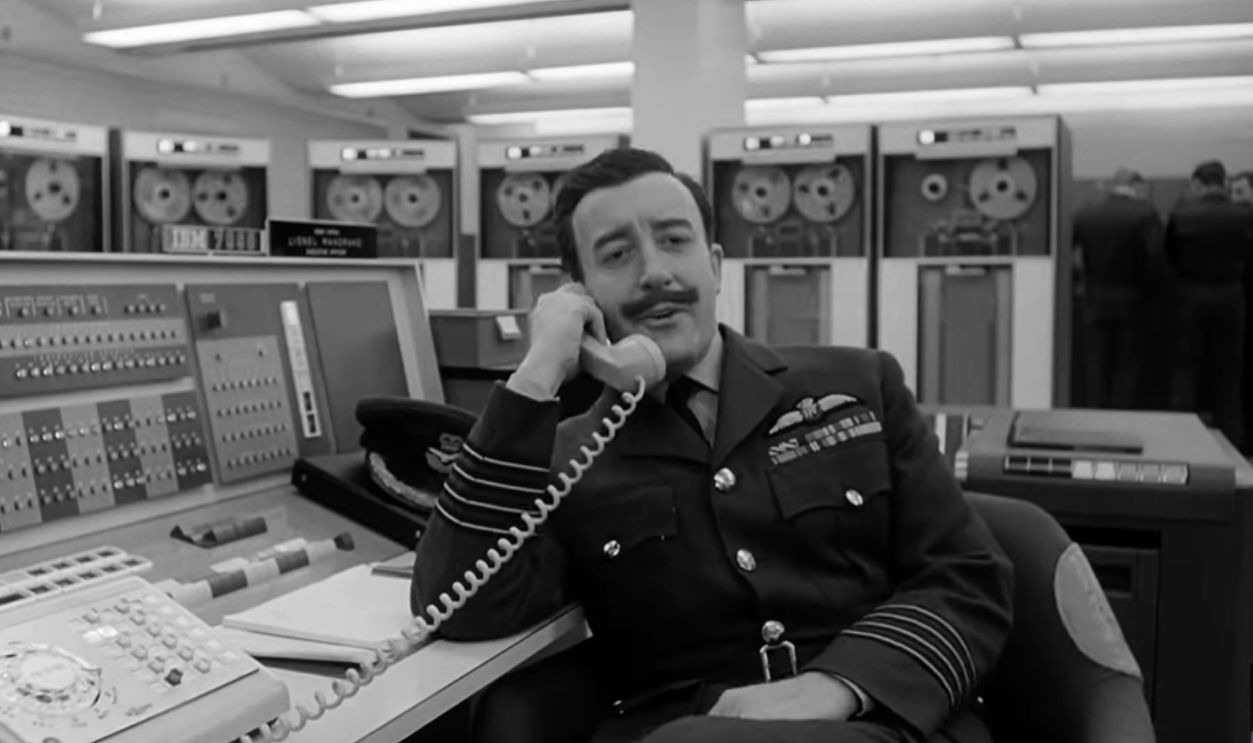 Screenshot from Dr. Strangelove, Columbia Pictures (1964)
Ben Affleck – Jay & Silent Bob Strike Back (2001)
Cameos fly fast in this Kevin Smith comedy, letting Ben Affleck jump between exaggerated characters and even appear as himself. Quick-change costumes kept the joke rolling, especially within the larger View Askewniverse world. His rapid switches gave each scene a playful, slightly chaotic punch.
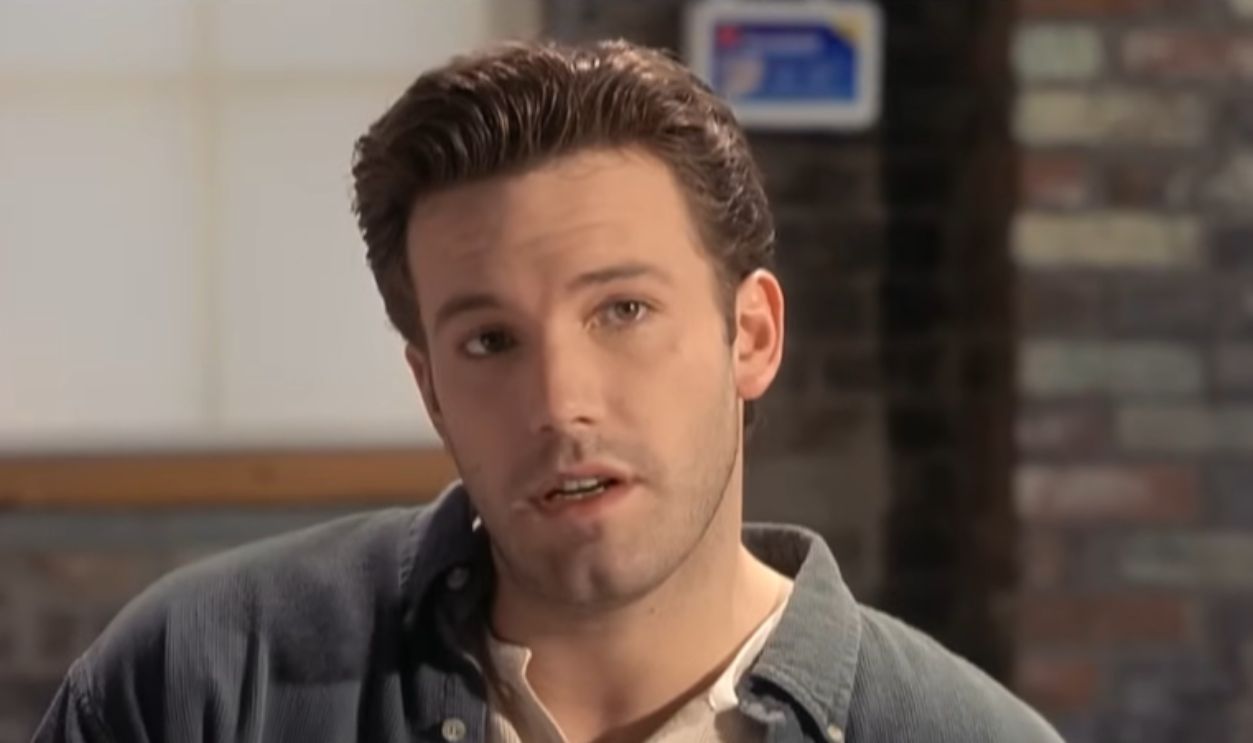 Screenshot from Jay & Silent Bob Strike Back, Miramax (2001)
Bud Abbott – Little Giant (1946)
Classic Abbott and Costello energy fills this film as Bud Abbott takes on two roles to heighten the duo’s trademark timing. Universal Pictures released it during their peak popularity. Abbott sharpened many routines himself, shaping the rhythm that made their comedy style instantly recognizable.
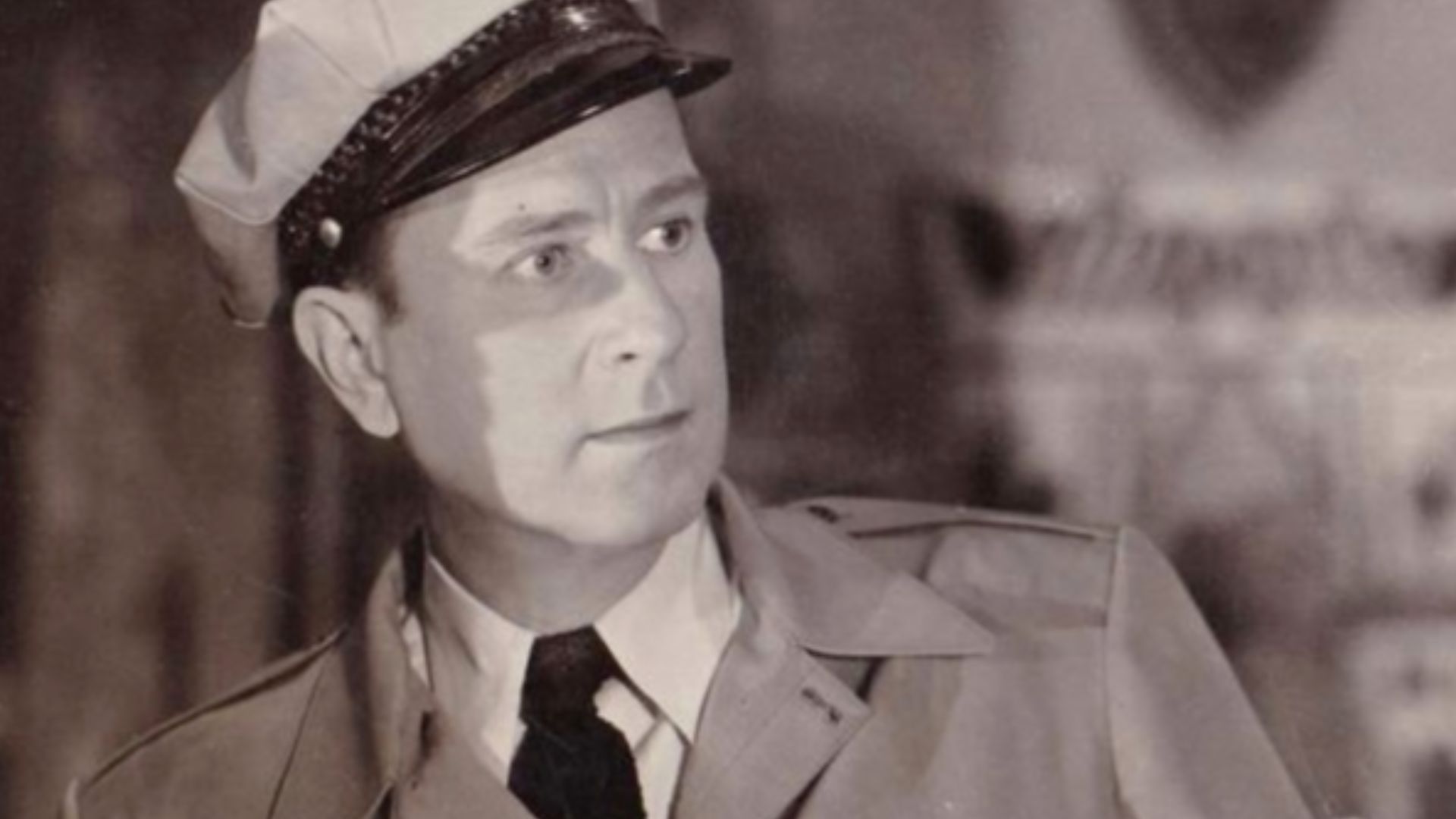 Universal-International, Wikimedia Commons
Olivia de Havilland – The Dark Mirror (1946)
Olivia de Havilland steps into the twin sisters whose personalities diverge sharply in this psychological thriller. Split-screen shots and doubles help place them in the same room, while de Havilland’s shifts in tone distinguish the pair. The dual role became a major milestone in her career.
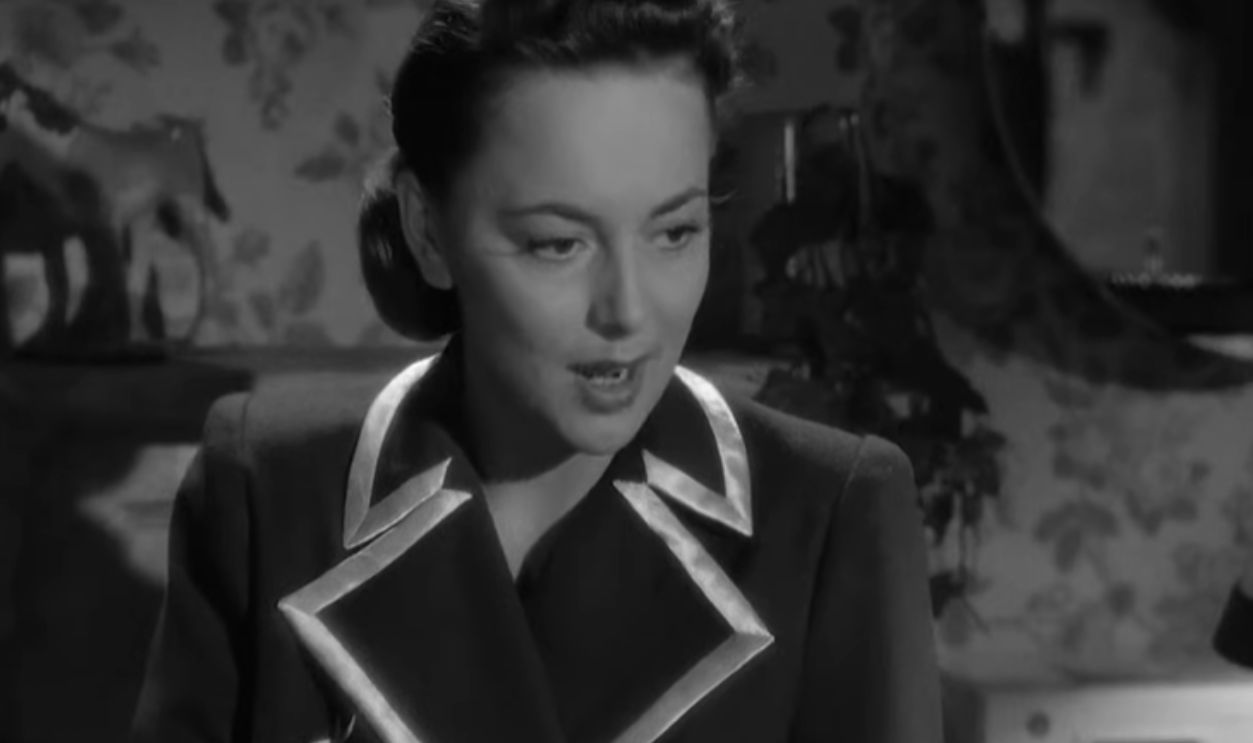 Screenshot from The Dark Mirror, Universal Pictures (1946)
Rowan Atkinson – Blackadder: Back & Forth (1999)
Time travel becomes a running joke as Rowan Atkinson jumps between multiple Blackadder versions, each outfitted in detailed period costumes. Part of the long-running TV franchise, this special later won a British Academy Television Award. His shifting personalities keep every era feeling sharp and mischievous.
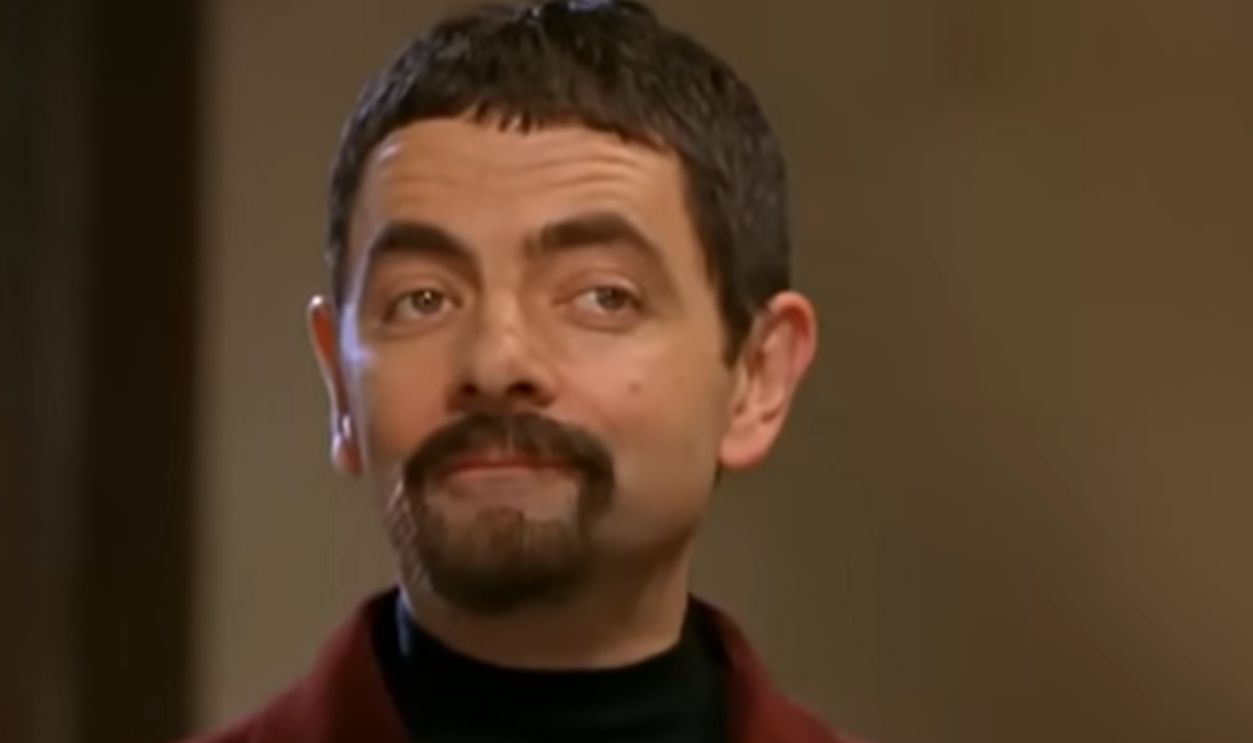 Screenshot from Blackadder: Back & Forth, BBC Films (1999)
Dan Aykroyd – Nothing But Trouble (1991)
Dan Aykroyd throws himself into several wildly odd characters in this offbeat comedy, which he also co-wrote and directed. Prosthetics transformed him into each exaggerated persona, sometimes after hours in the makeup chair. With John Candy and Chevy Chase along for the ride, the film leans fully into its eccentric tone.
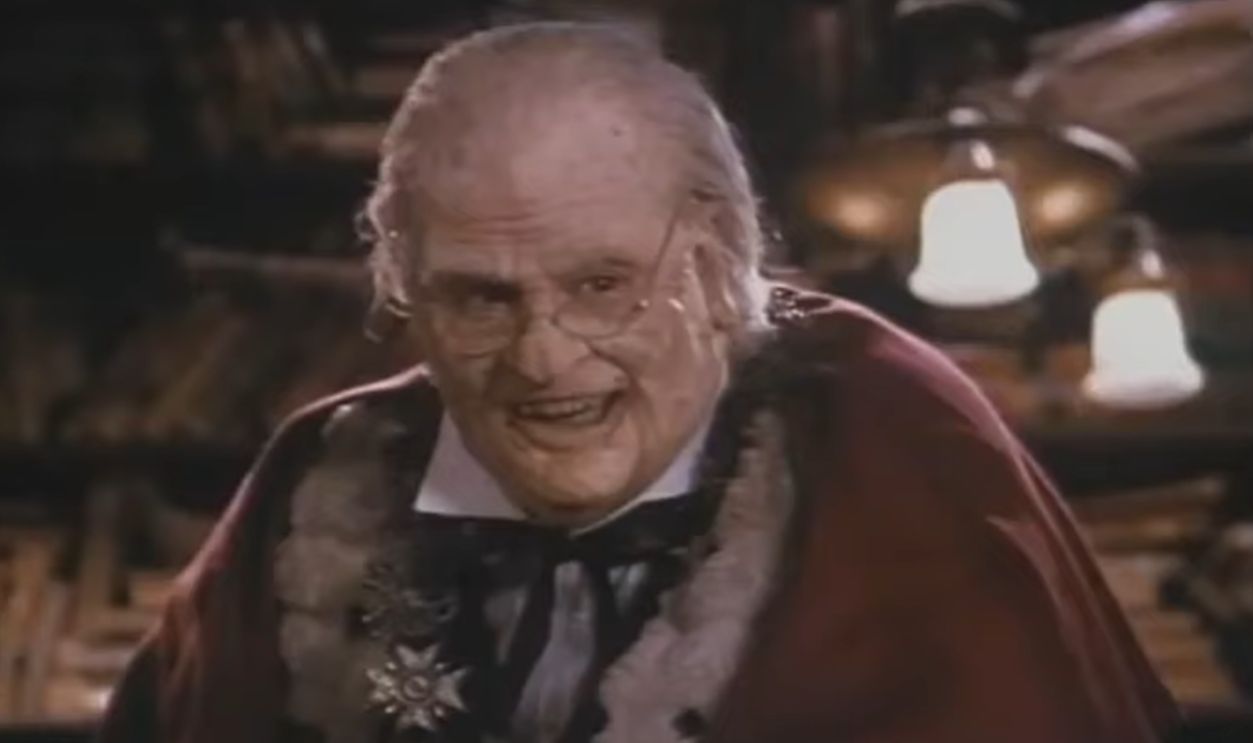 Screenshot from Nothing But Trouble, Warner Bros. Pictures (1991)
Sacha Baron Cohen – Ali G Indahouse (2002)
Energy in this British comedy rises fast with Sacha Baron Cohen slipping between Ali G and several smaller roles. Much of the dialogue came straight from his improvisation, giving scenes a loose, chaotic feel that fits the character’s clueless confidence and the film’s playful tone.
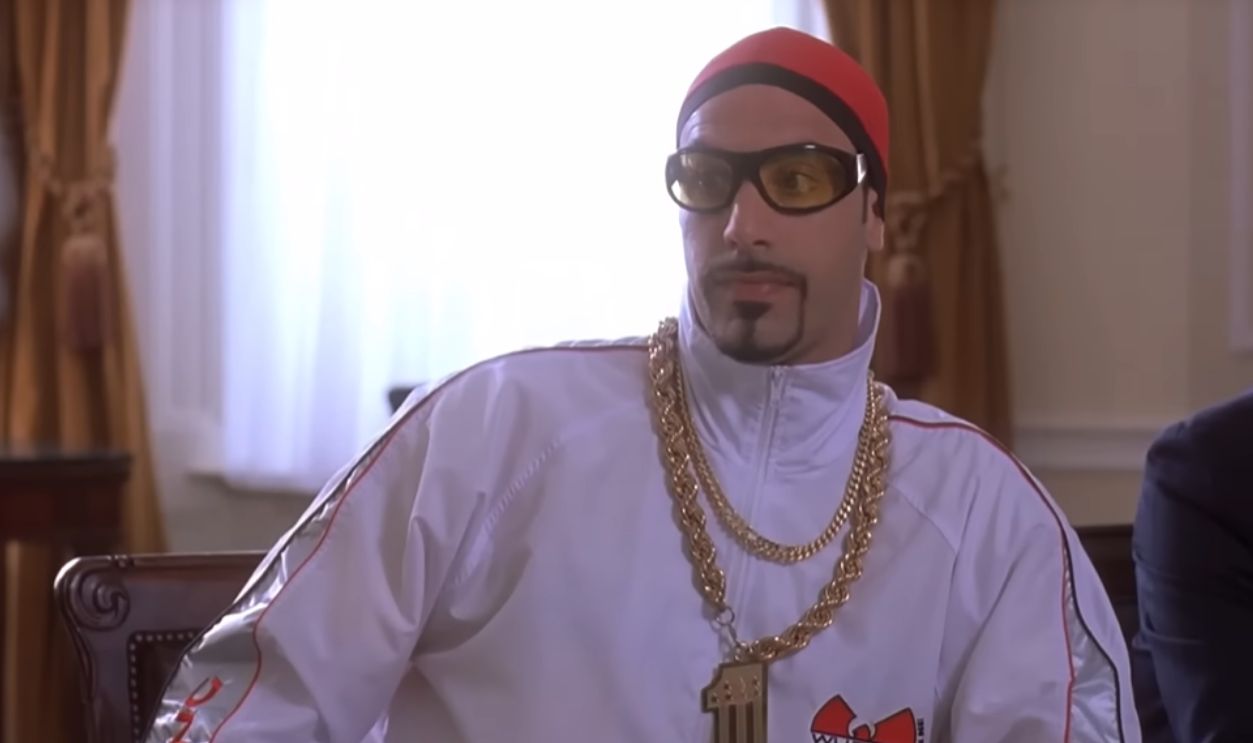 Screenshot from Ali G Indahouse, Universal Pictures (2002)
Julia Roberts – Ocean’s Twelve (2004)
Tess Ocean gets a clever twist when Julia Roberts also plays her disguised persona during the heist. Subtle prosthetics and an altered voice helped shape the second identity. Surrounded by stars like George Clooney, Brad Pitt, and Matt Damon, Roberts still turns the disguise gag into a highlight.
 Screenshot from Ocean’s Twelve, Warner Bros. Pictures (2004)
Margot Robbie – Terminal (2018)
Neon-lit corridors frame Margot Robbie as she moves between two roles tied to the film’s shifting motives. Director Vaughn Stein built the thriller around secret agendas, giving Robbie room to switch tones quickly. Fight scenes and stunts she performed herself add sharper edges to both characters.
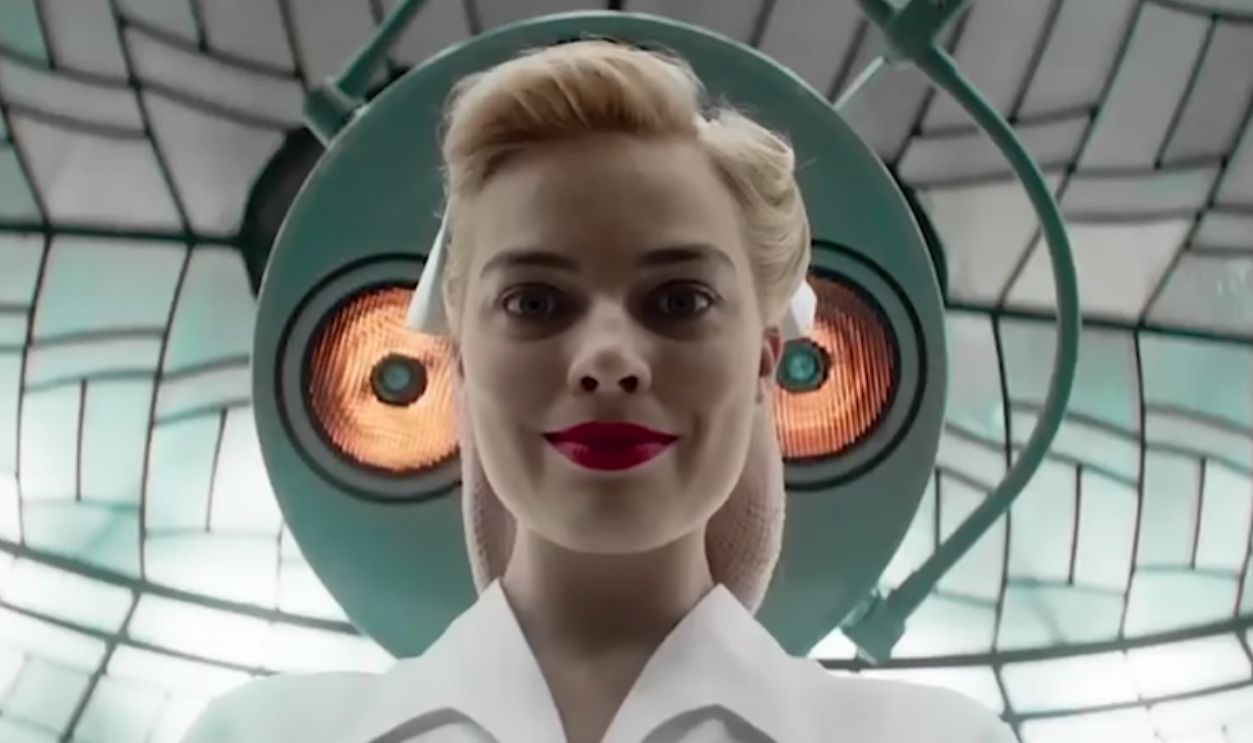 Screenshot from Terminal, Arrow Films (2018)
Don Ameche – Sins Of Man (1936)
Two contrasting lives sit at the center of this 20th Century Fox drama, and Don Ameche carries both with calm precision. His performances highlight small changes in posture and tone, which help viewers follow each man’s path clearly while showing the range that earned him early praise.
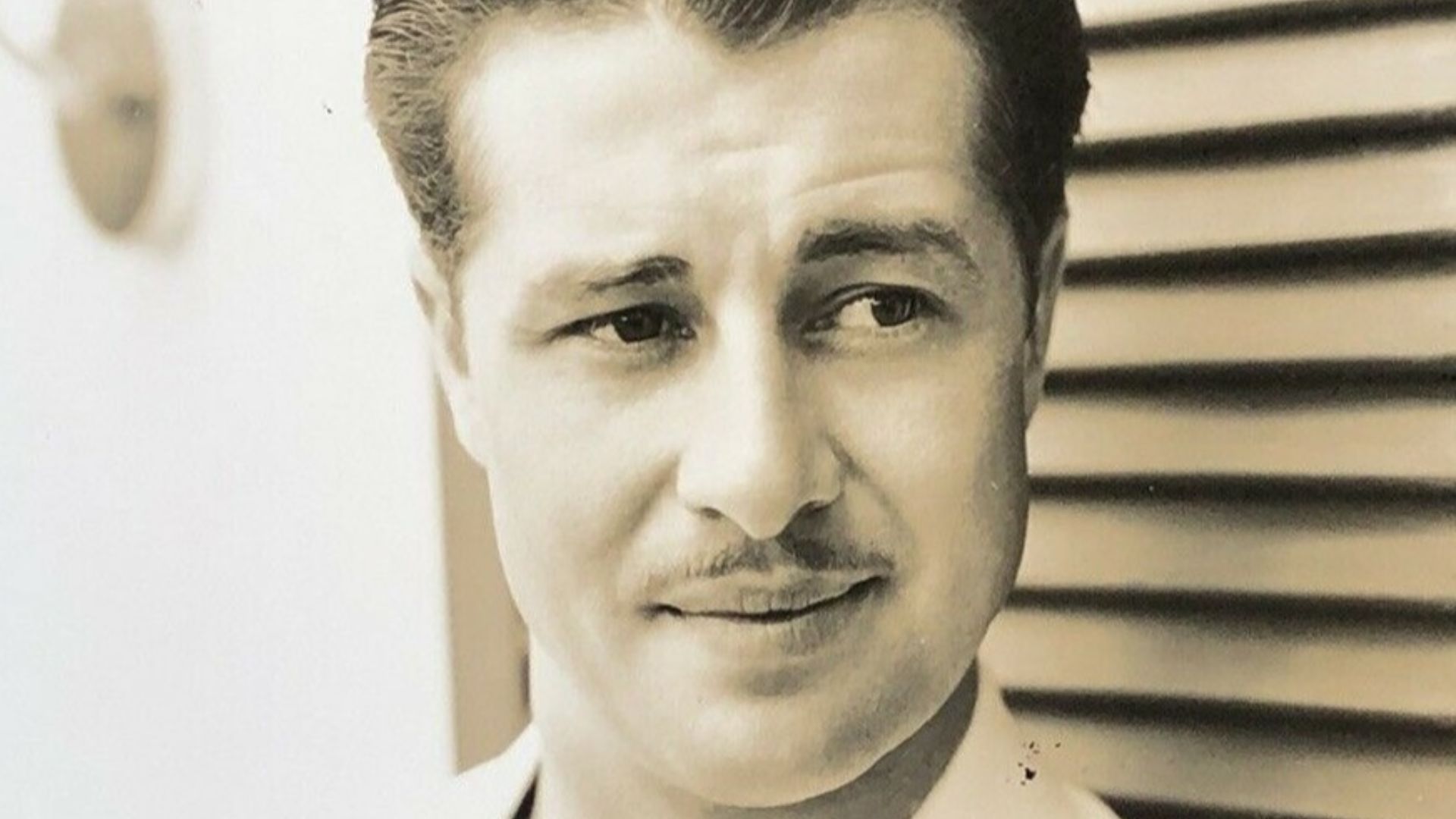 Fox Studios, Wikimedia Commons
Chris Sarandon – A Tale Of Two Cities (1980)
Dual roles push Chris Sarandon to play two men whose fates keep crossing in this NBC adaptation of Dickens’s story. Physical differences separate the characters on screen, especially in duel scenes where Sarandon performed the action twice to keep the confrontations sharp and convincing.
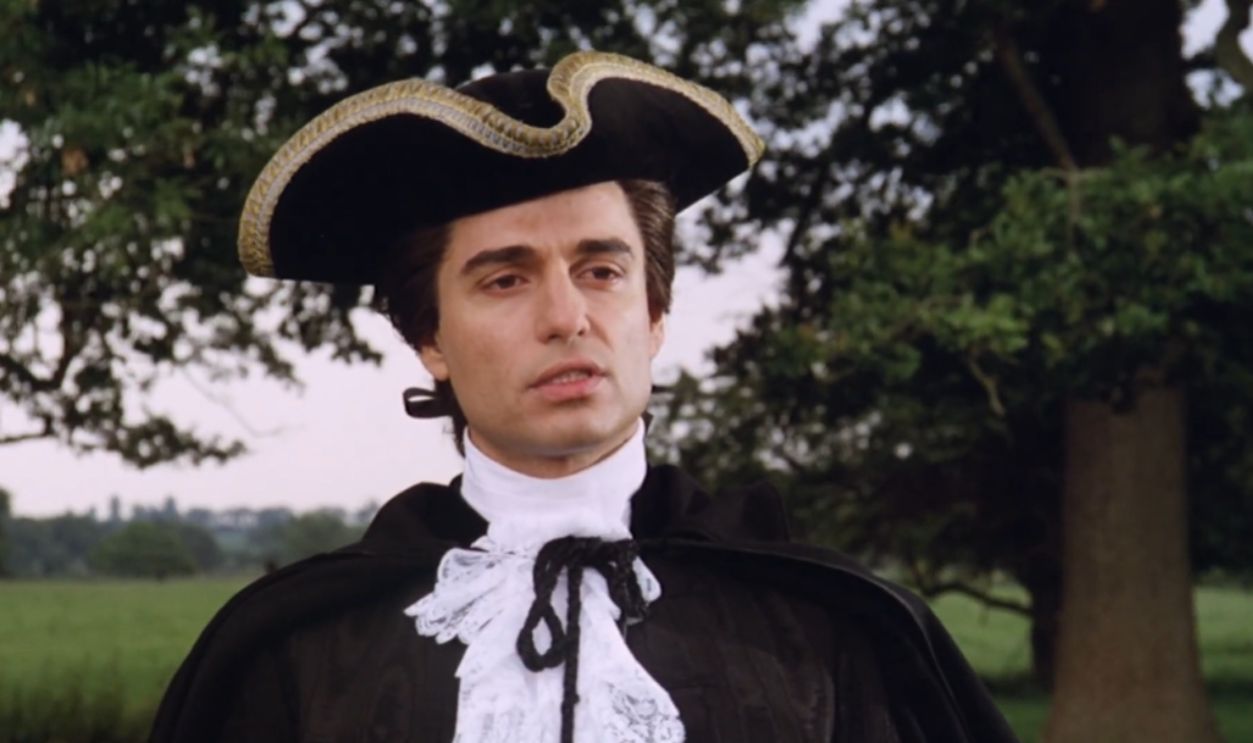 Screenshot from A Tale of Two Cities, Granada Television (1980)
William Sadler – Bill & Ted’s Bogus Journey (1991)
Comedy swings wide when William Sadler steps into more than one role, including the film’s unforgettable version of Death. Layers of prosthetics couldn’t hide his sharp timing, and his exaggerated body language turned a gloomy figure into one of the movie’s biggest sources of laughter.
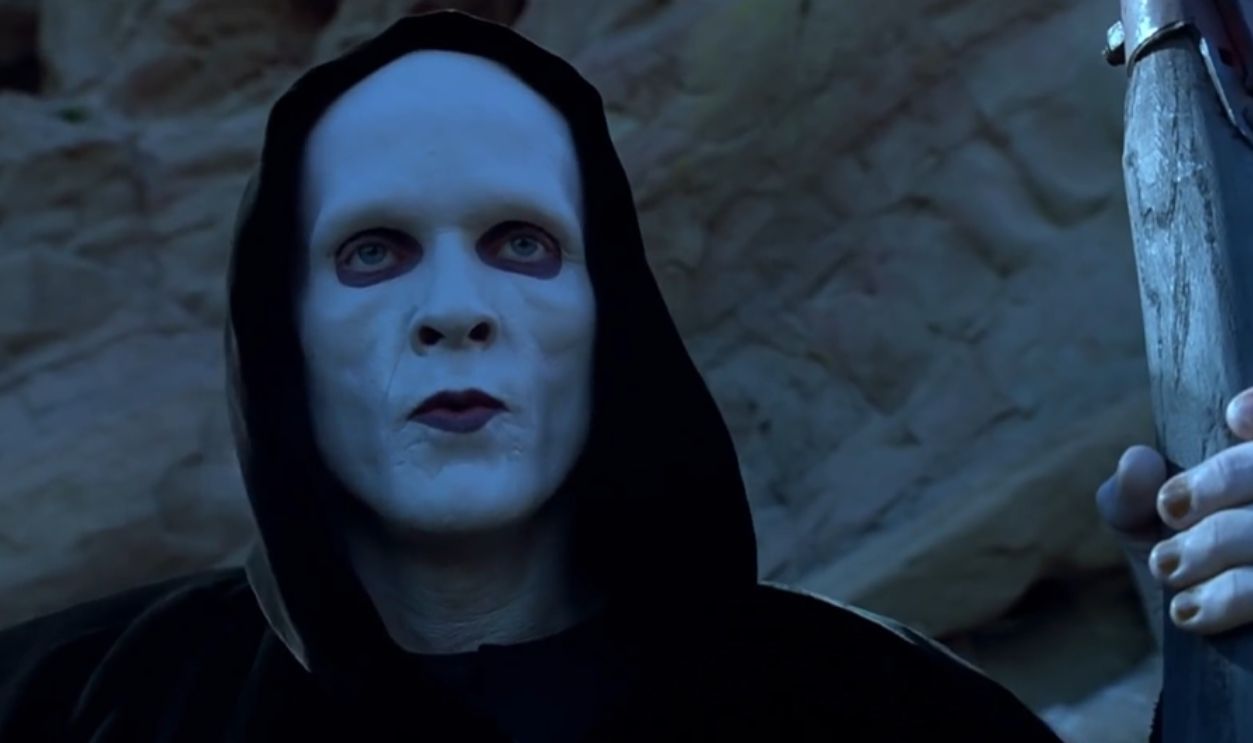 Screenshot from Bill & Ted’s Bogus Journey, Orion Pictures (1991)
Kane Richmond – Spy Smasher (1942)
A wartime serial built around deception gave Kane Richmond space to play both sides of a spy conflict. Twelve chapters of fights and chases rely heavily on his stunt work. By performing so many sequences himself, Richmond kept the action lively and grounded in real physical movement.
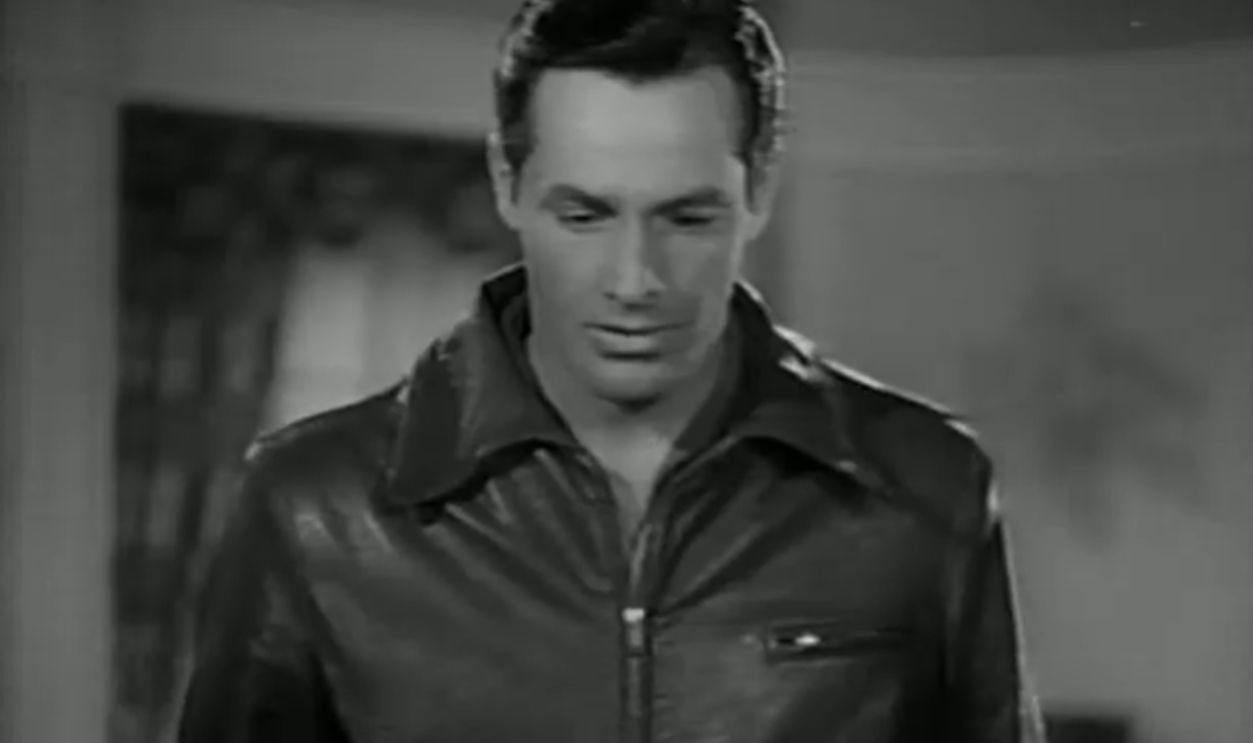 Screenshot from Spy Smasher, Republic Pictures (1942)
Mathew Baynton – Bill (2015)
This playful Shakespeare comedy moves quickly, and Mathew Baynton keeps pace by switching between several historical figures. Rapid costume changes help the joke land as he jumps into new personalities. The BBC production uses his shifts to build a fast, light rhythm around Shakespeare’s imagined early life.
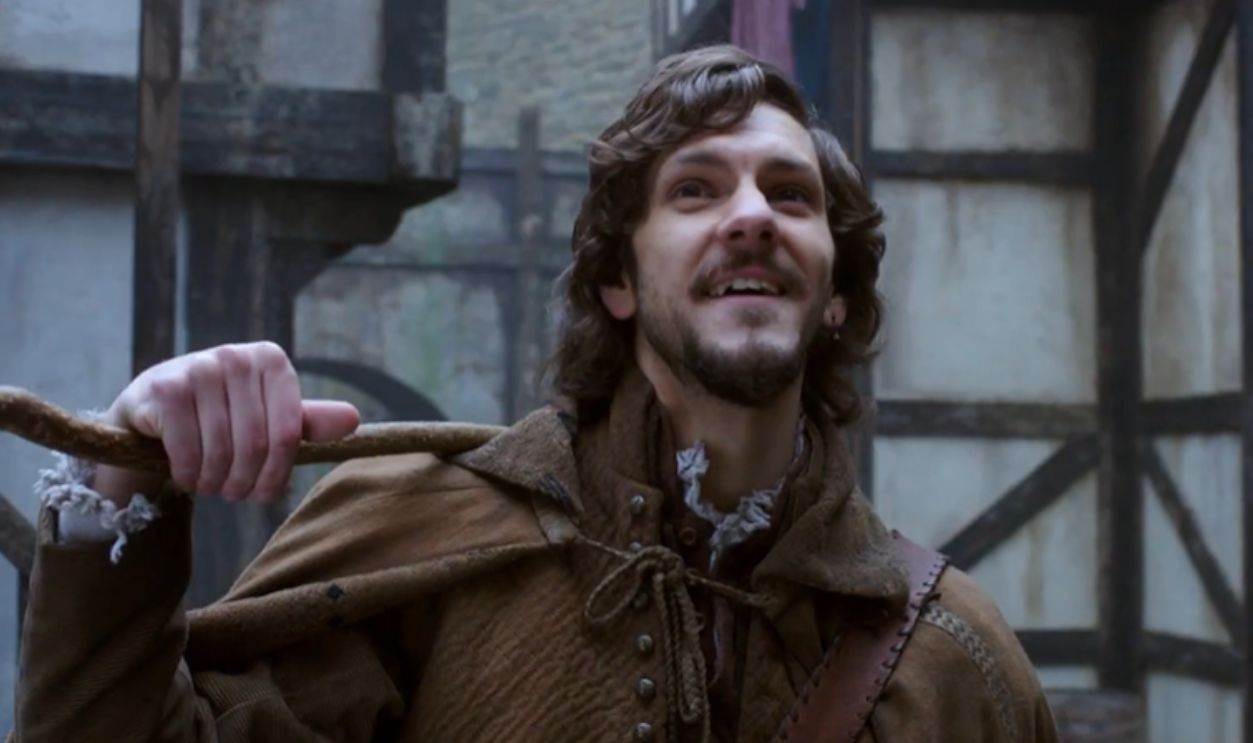 Screenshot from Bill, Vertigo Films (2015)
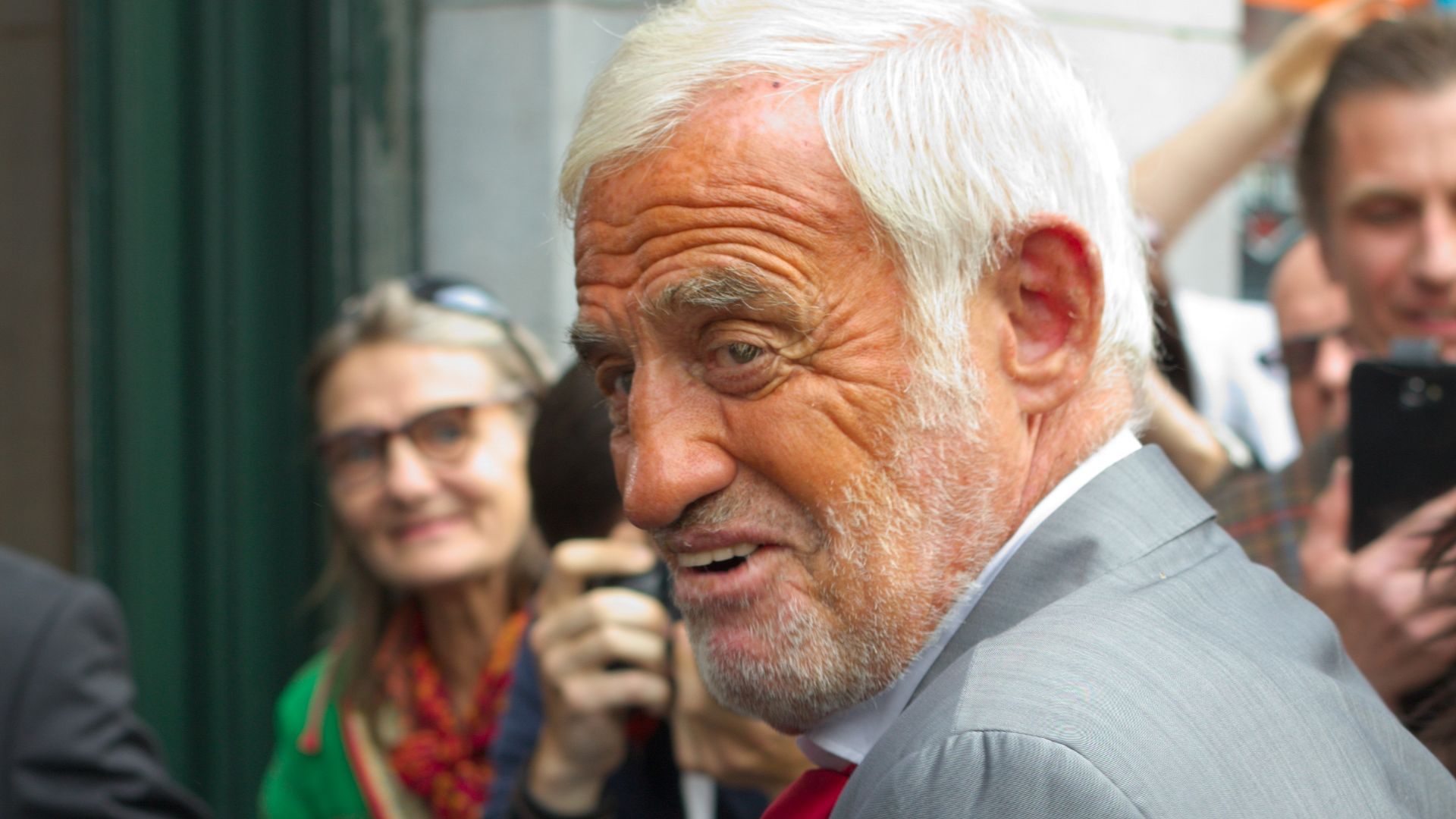
Jean-Paul Belmondo – Animal (1977)
Jean-Paul Belmondo brings big physical energy to this French comedy by performing two roles and nearly all his own stunts. Car chases, jumps, and wild gags unfold with a relaxed confidence he was known for, giving the film a spontaneous, slightly unpredictable spirit.
Roberto Benigni – Johnny Stecchino (1991)
Italian comedy gets an extra spark as Roberto Benigni plays gentle Dante and his gangster lookalike. Switching between innocence and swagger lets him play both sides of a mix-up that becomes the film’s engine. Much of the physical humor also came straight from his on-set improvisation.
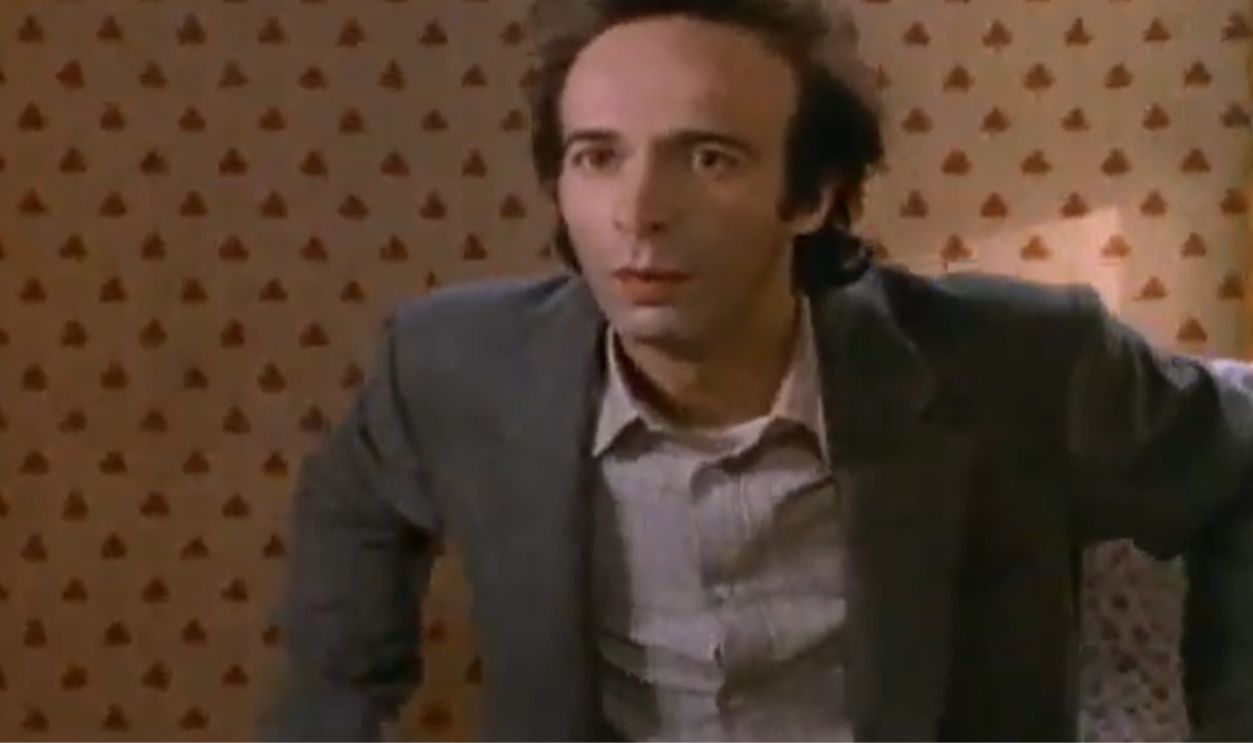 Screenshot from Johnny Stecchino, Variety Distribution(1991)
Craig Bierko – The Thirteenth Floor (1999)
Craig Bierko steps into both Douglas Hall and his virtual double in this science-fiction story about layered realities. Costume and makeup shifts help mark each identity, while the plot leans on his ability to show two mindsets at once. His dual performance helped anchor the film’s mystery.
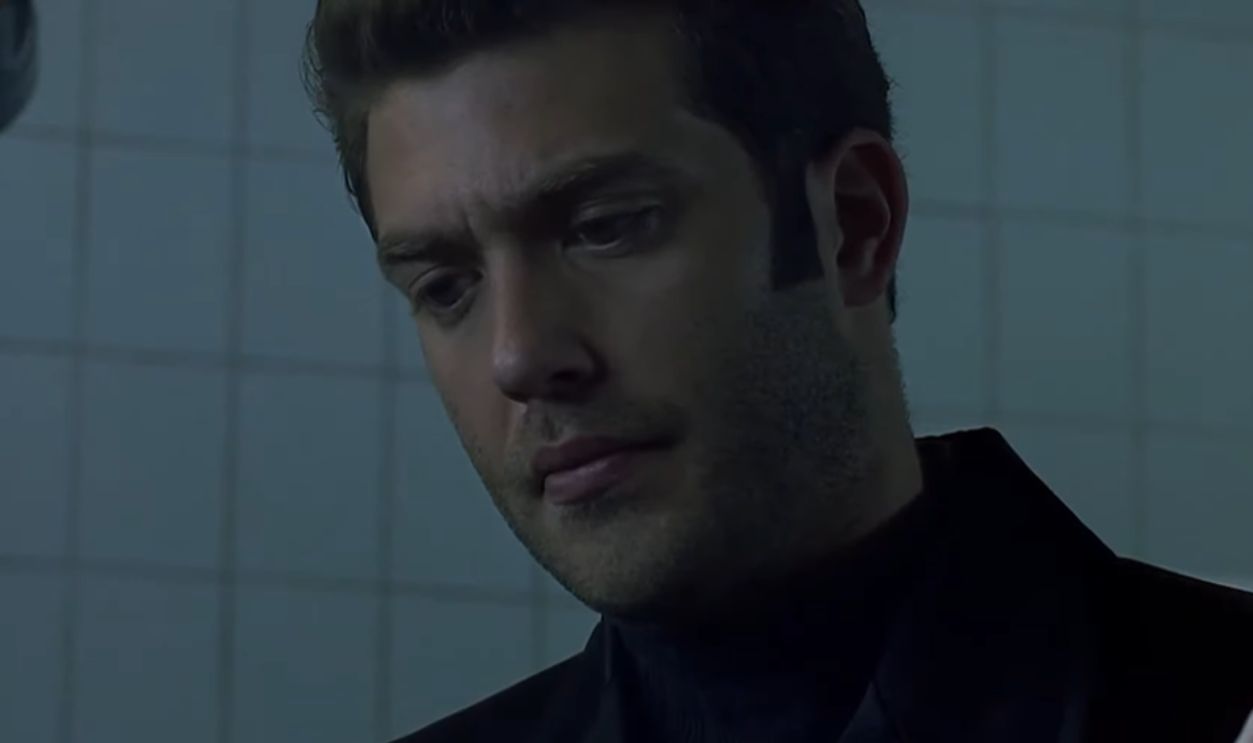 Screenshot from The Thirteenth Floor, Columbia Pictures (1999)
Cate Blanchett – Coffee And Cigarettes (2004)
Jim Jarmusch stages a playful two-person sketch where Cate Blanchett meets a fictional relative who looks exactly like her. Blanchett shifts effortlessly between polite warmth and sharp irritation, and her improvised lines give the back-and-forth a relaxed rhythm that feels overheard rather than scripted.
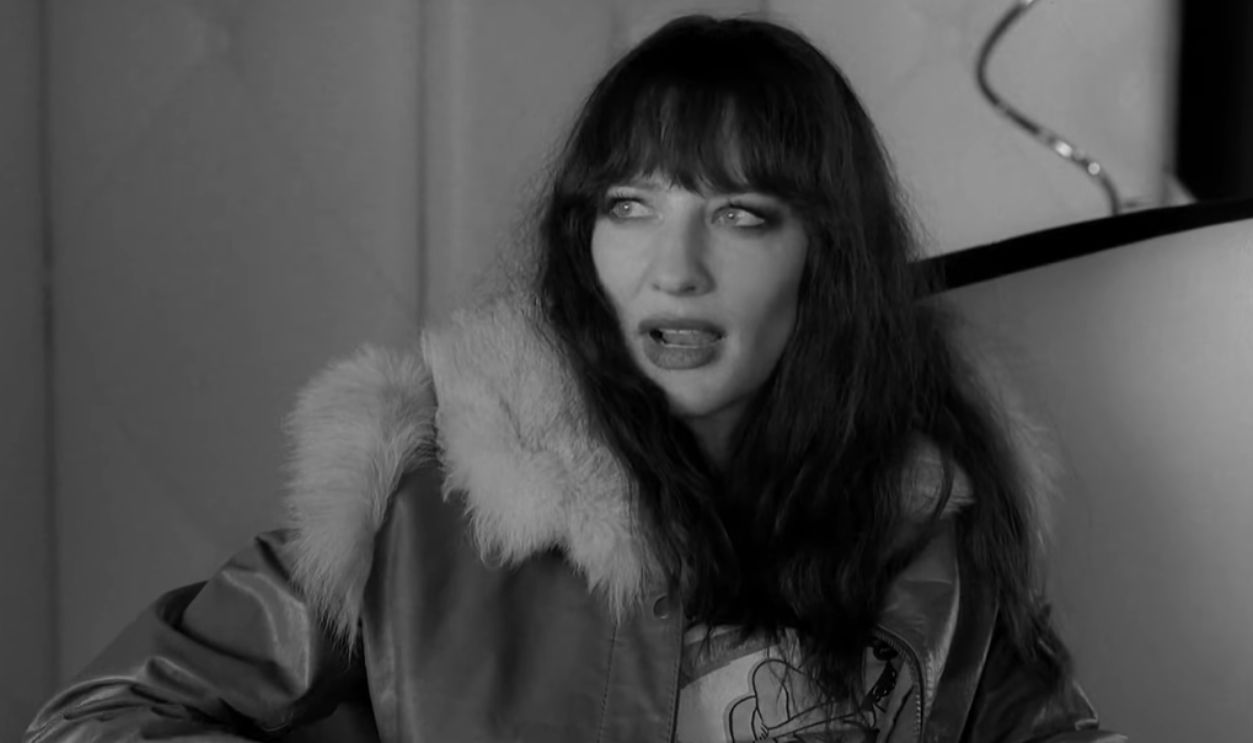 Screenshot from Coffee and Cigarettes, Focus Features (2004)
Brian Blessed – As You Like It (2006)
Brian Blessed brings two distinct energies to this Shakespeare adaptation, playing Duke Senior and another key figure with equal force. His unmistakable voice shapes both roles differently, while long outdoor shoots in freezing weather add a rough, lived-in texture that matches the film’s woodland setting.
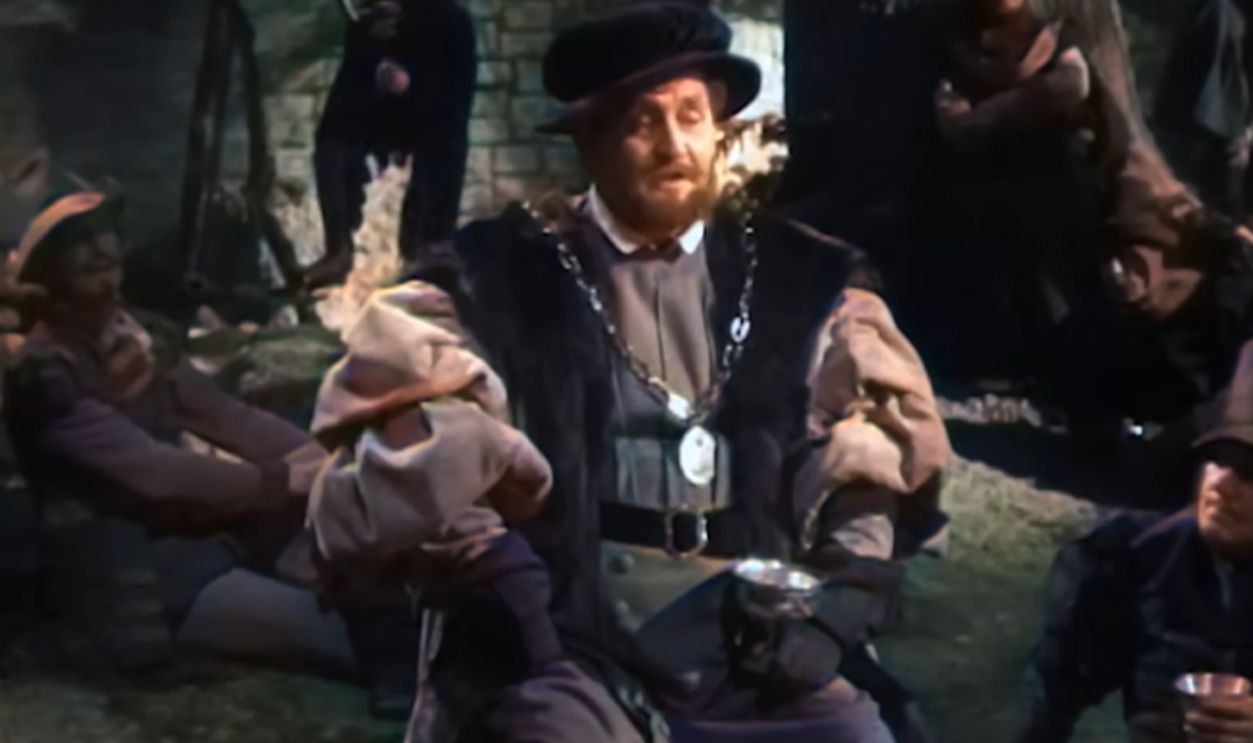 Screenshot from As You Like It, HBO Films (2006)
Ray Bolger – The Wizard Of Oz (1939)
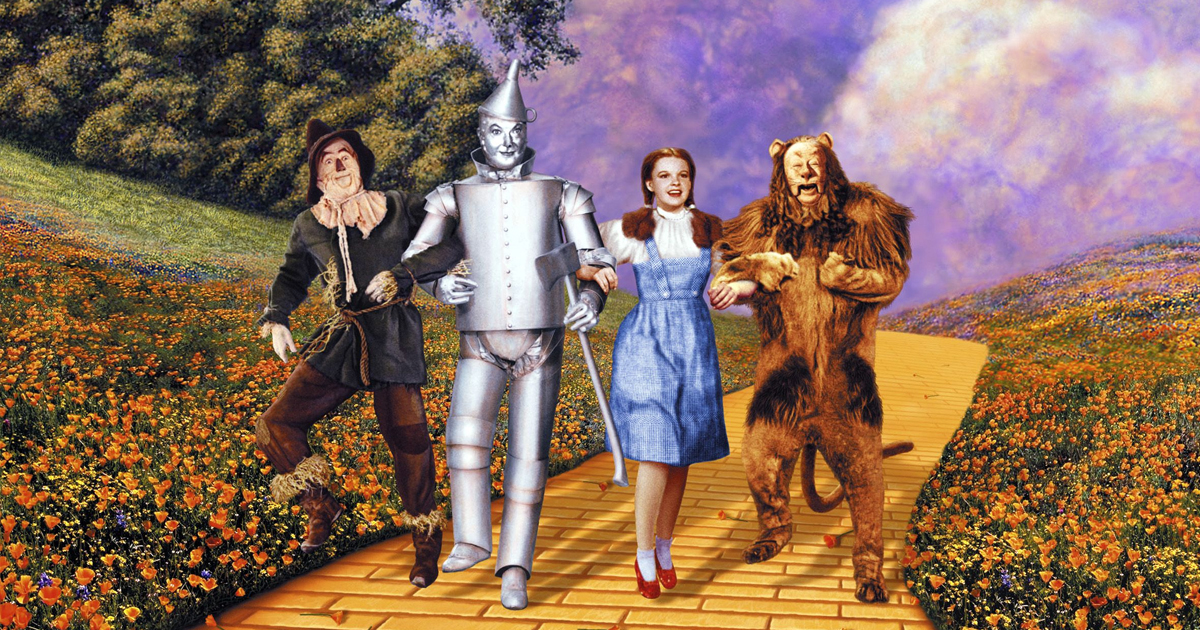
Ray Bolger moves between Hunk the farmhand and the Scarecrow with an easy charm that anchors his scenes. His loose, elastic footwork created the Scarecrow’s signature dance style, making every moment feel light and slightly unpredictable. Even beside Judy Garland, his movements leave a memorable imprint.
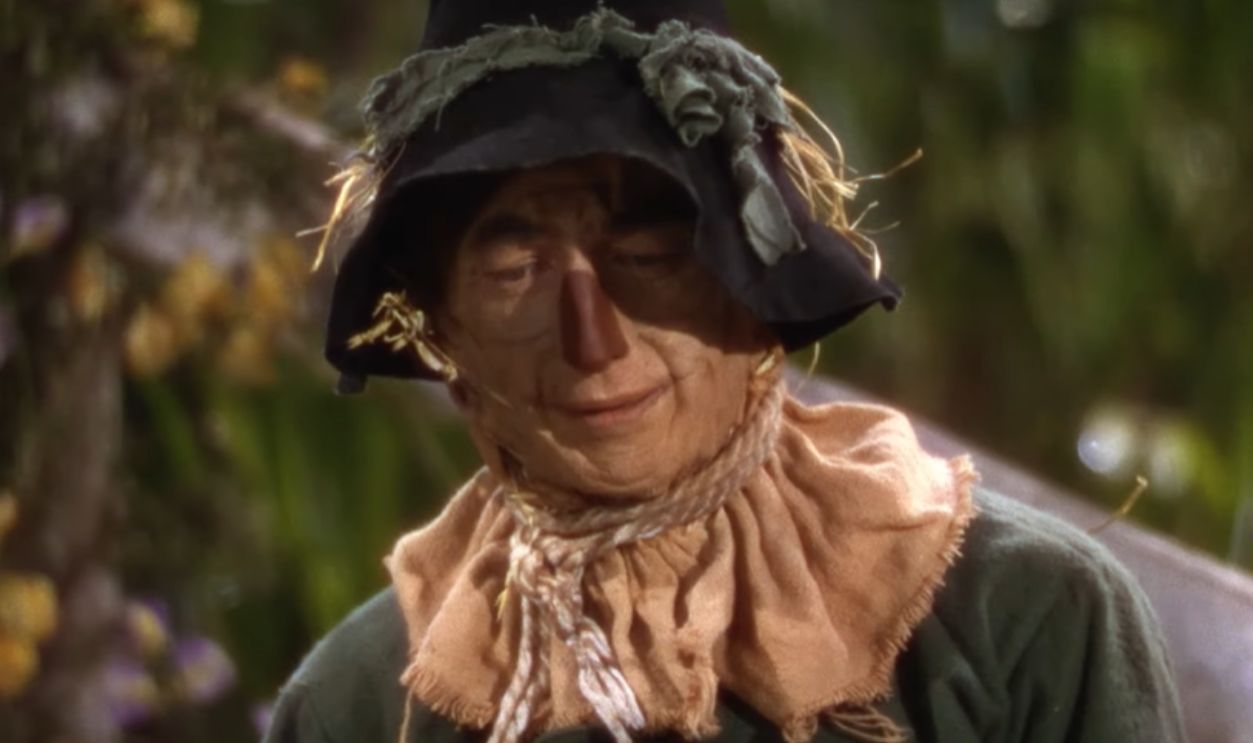 Screenshot from The Wizard of Oz, MGM (1939)
Bruce Boxleitner – Tron (1982)
Digital worlds felt brand new when Bruce Boxleitner appeared both as Alan Bradley and as the program Tron. Early CGI shaped nearly every frame, but Boxleitner’s physical stunt work inside a motion-capture suit gave the glowing action a human center that kept the story grounded.
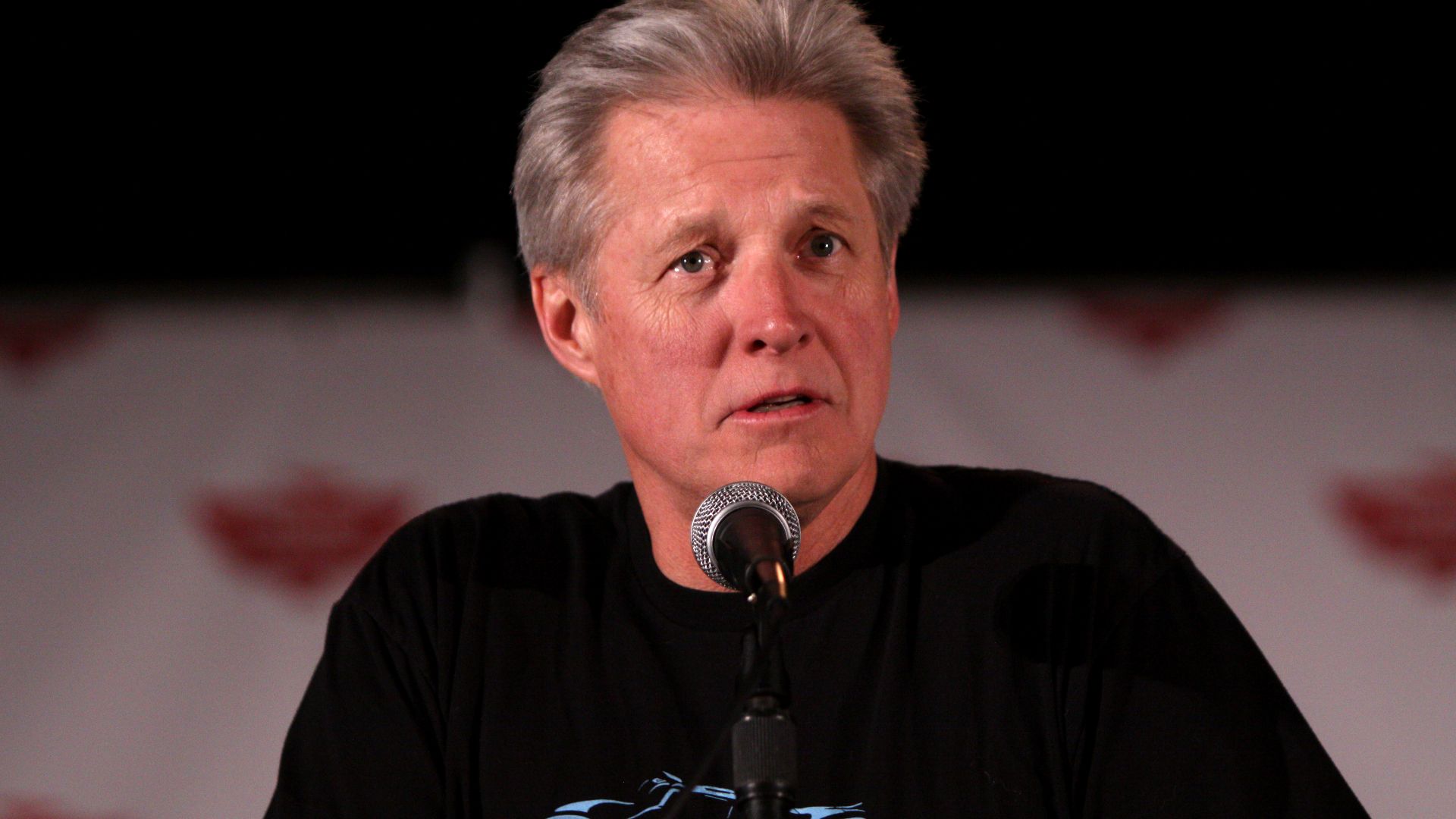 Gage Skidmore from Peoria, AZ, United States of America, Wikimedia Commons
Kenneth Branagh – Dead Again (1991)
Past and present collide as Kenneth Branagh steps into Mike Church and Roman Strauss, two men linked by a strange mystery. He directed the neo-noir himself, shaping the tone while shifting accents and appearance. Those changes help each role feel distinct inside the film’s looping storyline.
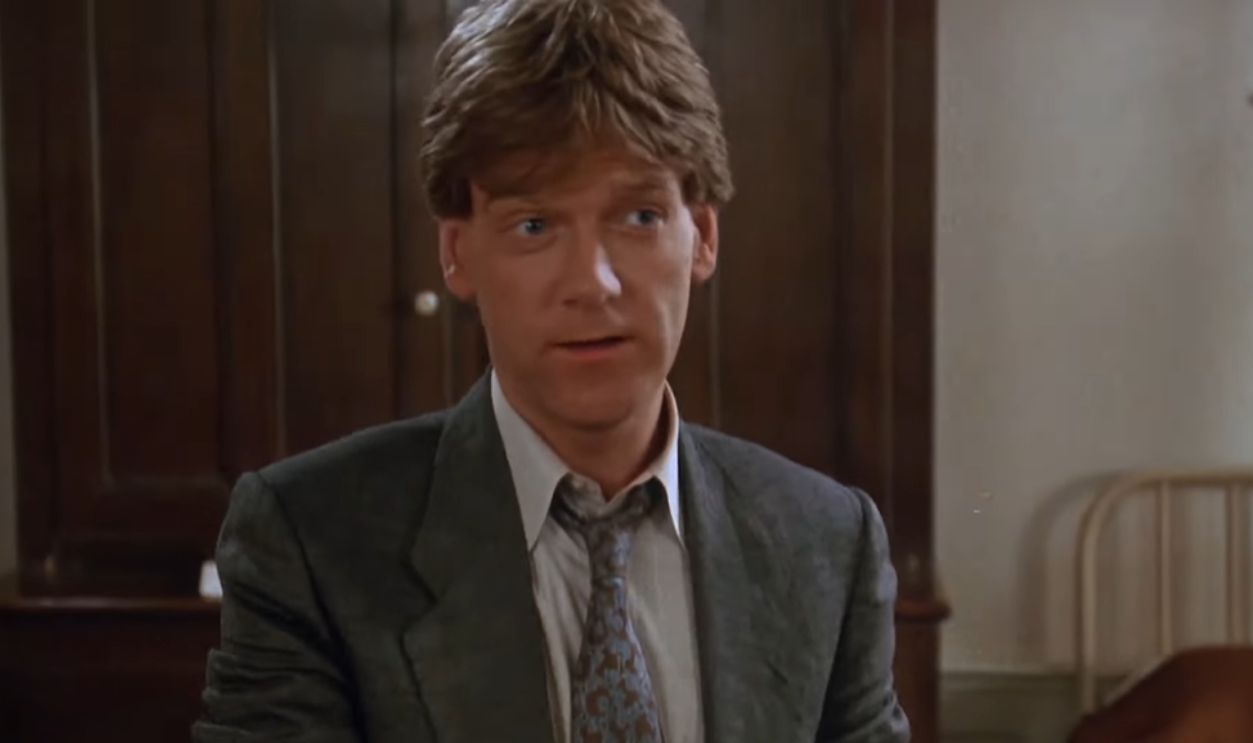 Screenshot from Dead Again, Paramount Pictures (1991)
Bruce Campbell – Bubba Ho-Tep (2002)
A wild premise takes shape through Bruce Campbell’s performances as an aging Elvis and a confused man claiming to be him. Hours of prosthetic makeup gave Campbell a haggard look that fits the film’s mix of horror and comedy. His dry delivery also keeps the odd story grounded.
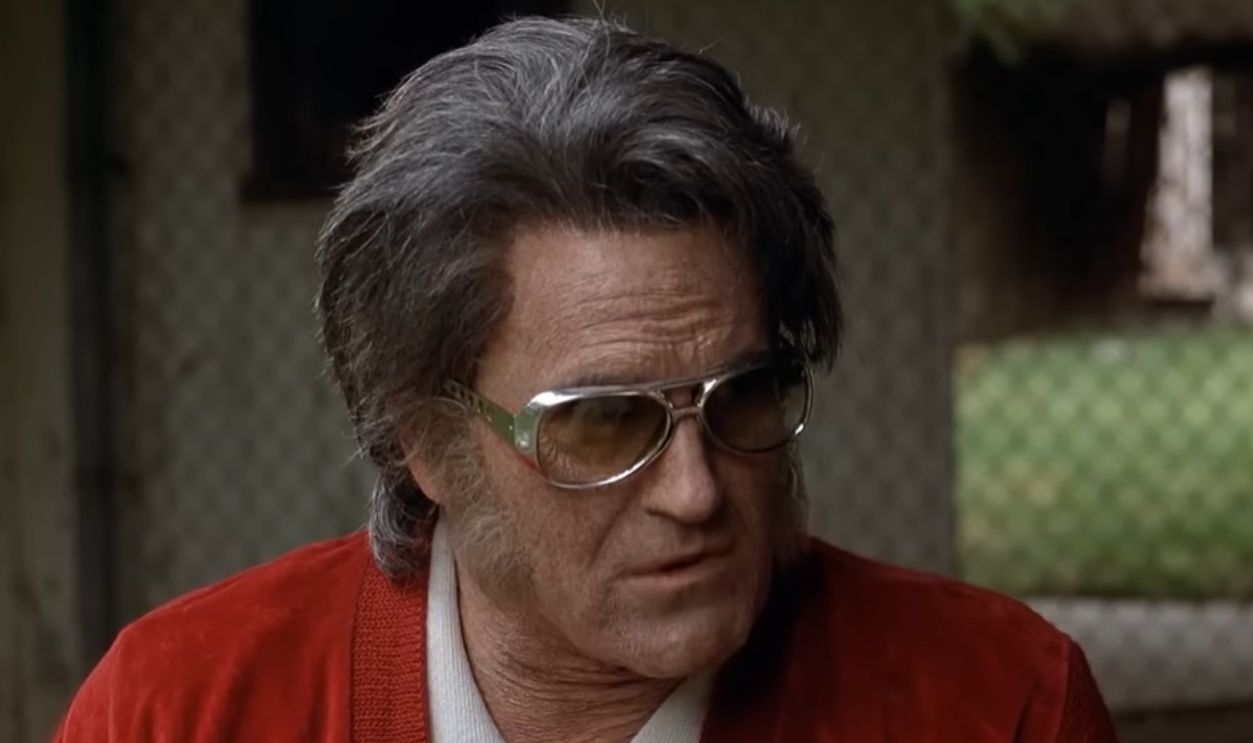 Screenshot from Bubba Ho-Tep, MGM (2002)
Nicolas Cage – Face/Off (1997)
Identity becomes a moving target when Nicolas Cage plays both sides of John Woo’s face-swapping thriller. Training sessions helped him mimic Castor Troy’s swagger after the switch, creating a strange mirror effect with John Travolta. The film’s success owes a lot to Cage’s bold, shape-shifting energy.
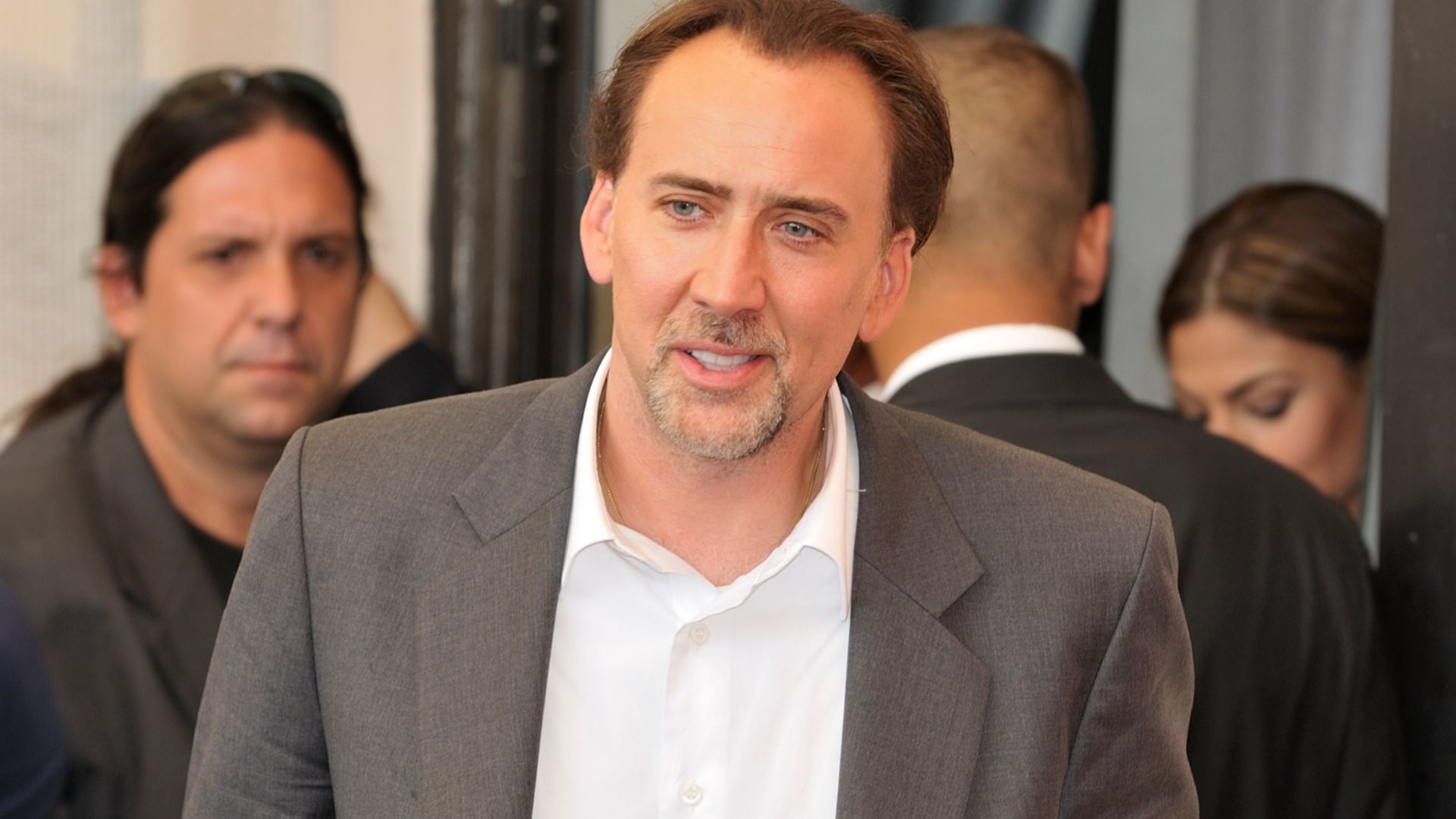 nicolas genin, Wikimedia Commons
Jackie Chan – Twin Dragons (1992)
Two very different lives unfold as Jackie Chan plays twins separated at birth, one a musician and the other a street-wise fighter. Split-screen shots and clever editing match his timing perfectly. Chan handled the stunt work for both brothers, which gave the comedy a lively, physical rhythm.
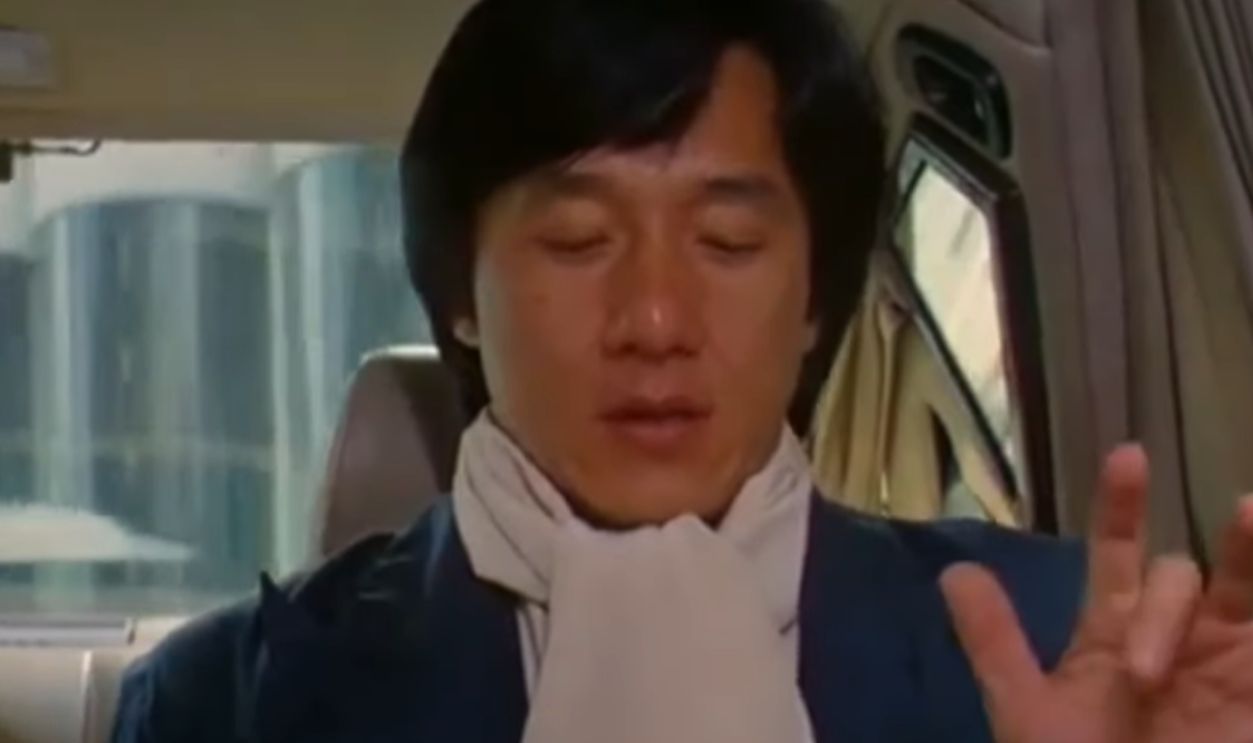 Screenshot from Twin Dragons, Golden Harvest (1992)
Charlie Chaplin – The Great Dictator (1940)
Audiences saw a sharp contrast when Charlie Chaplin stepped into both a gentle Jewish barber and the blustering dictator Adenoid Hynkel. His first full talking picture blends satire with bold physical comedy, including the famous globe-balloon dance that grew out of spur-of-the-moment improvisation.
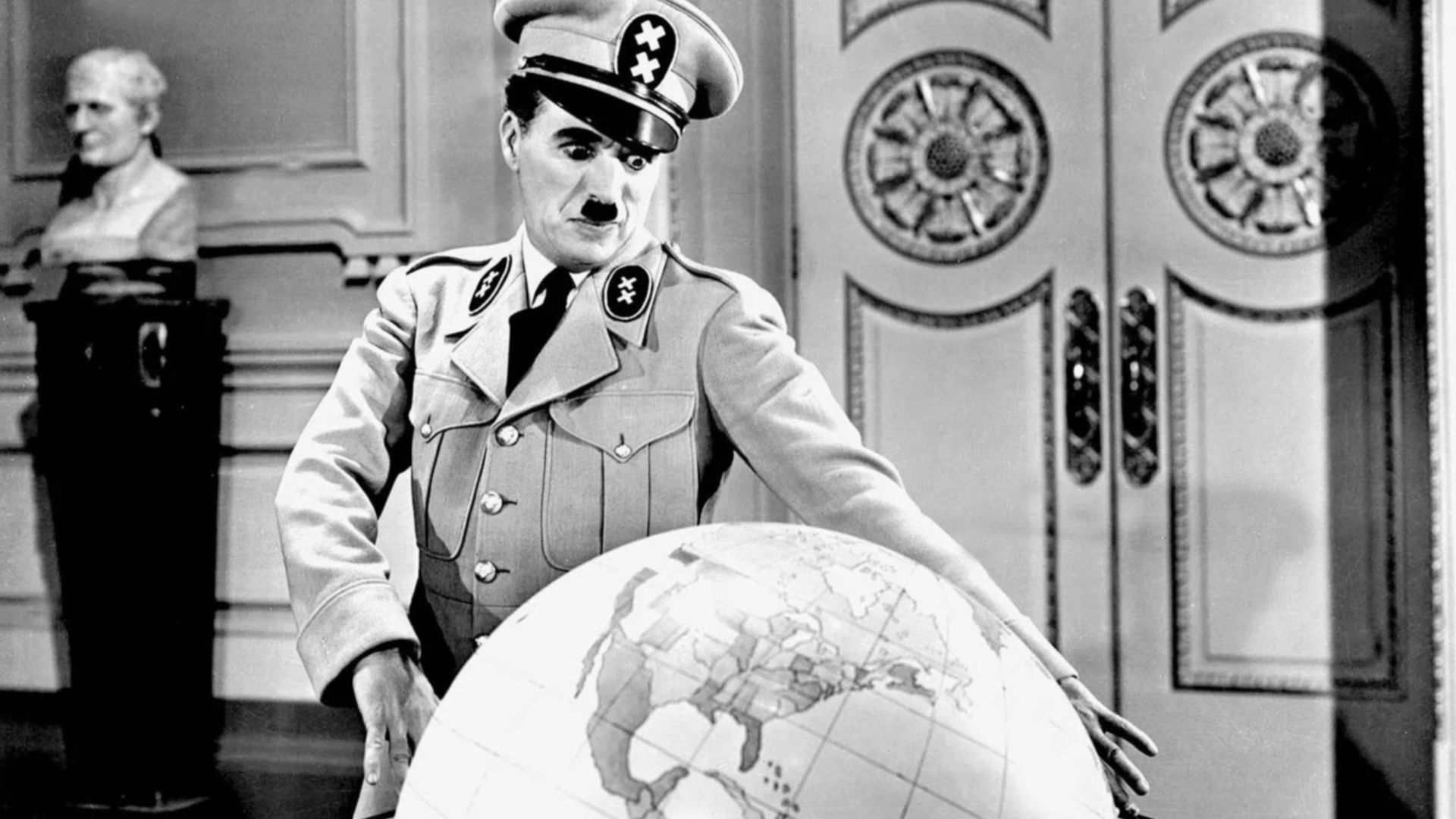 United Artists, Wikimedia Commons
Graham Chapman – Monty Python And The Holy Grail (1975)
King Arthur’s straight-faced determination lands funnier once Graham Chapman appears in smaller roles scattered through the film. The Python troupe’s absurd style encouraged random improvisation, sometimes creating scenes so unpredictable that they complicated editing. Chapman’s steady delivery anchors the wildest moments with just the right amount of seriousness.
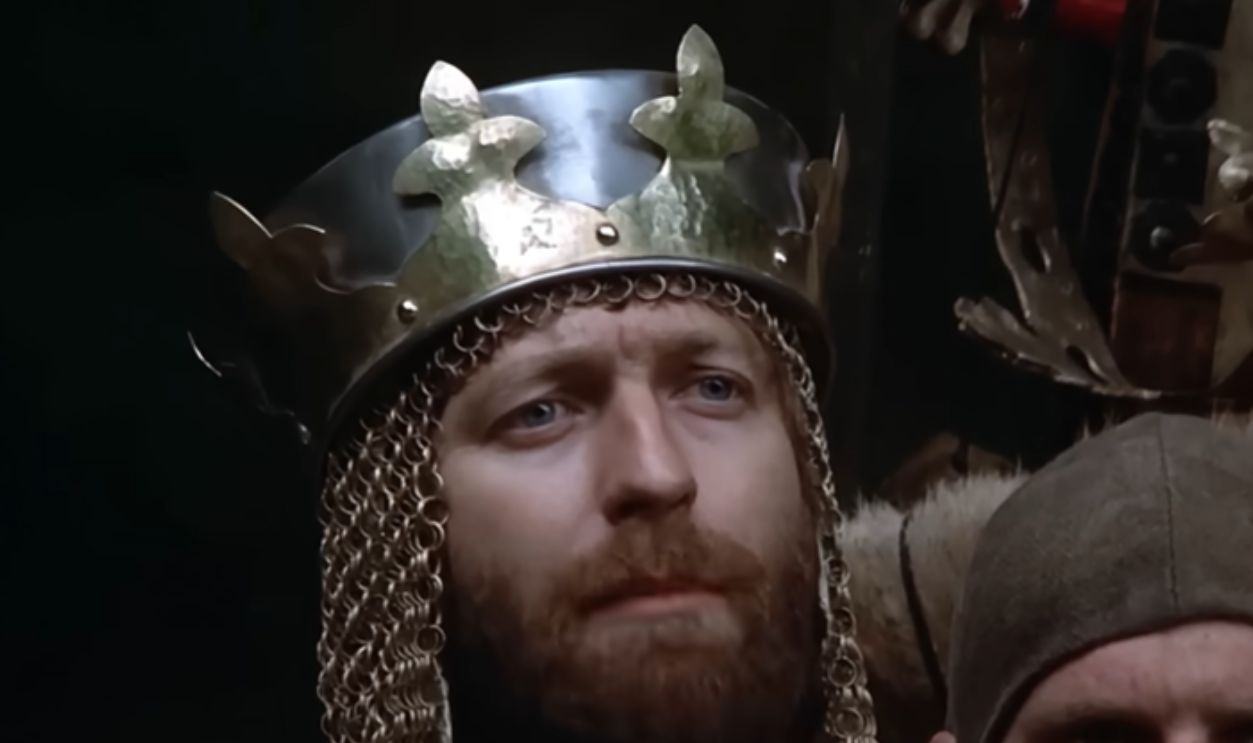 Screenshot from Monty Python and the Holy Grail, EMI Films (1975)
Mel Brooks – History Of The World: Part I (1981)
Jumping across entire eras, Mel Brooks fills the screen with historical caricatures delivered in his signature rapid style. He also co-wrote and directed the film by shaping fast-moving sketches that earned award nominations. His multi-role approach gives the parody a loose, anything-can-happen pace.
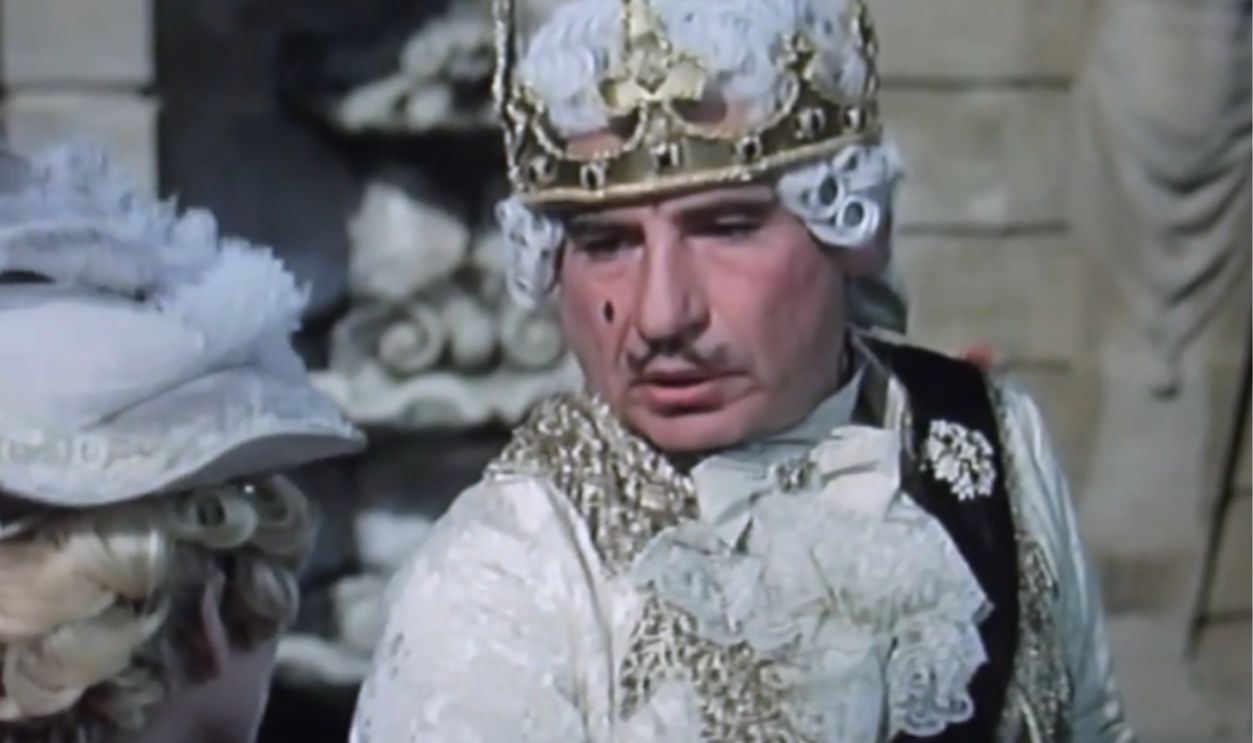 Screenshot from History of the World: Part I, 20th Century Fox (1981)
Michael J. Fox – Back To The Future Part II (1989)
Time travel creates a crowded family tree as Michael J. Fox appears as Marty and several McFly versions. Director Robert Zemeckis relied on careful blocking and stunt doubles to show Fox beside himself. Those layered scenes help the sequel’s future sequences feel playful and chaotic.
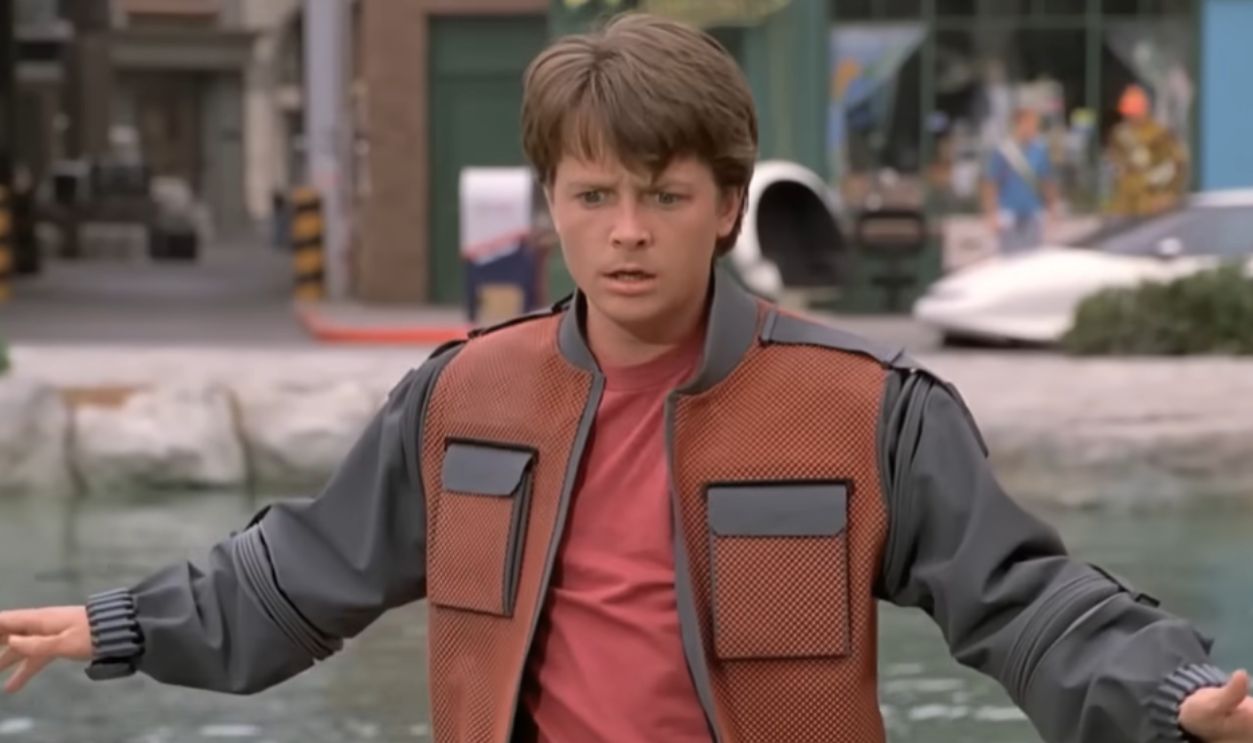 Screenshot from Back to the Future Part II, Universal Pictures (1989)
Brendan Fraser – Mrs. Winterbourne (1996)
Romantic confusion builds as Brendan Fraser takes on two roles in this adaptation of I Married a Dead Man. Visual contrasts, including detailed period costumes, help separate the characters on screen. Shirley MacLaine’s presence adds warmth as the story leans toward charm over mystery.
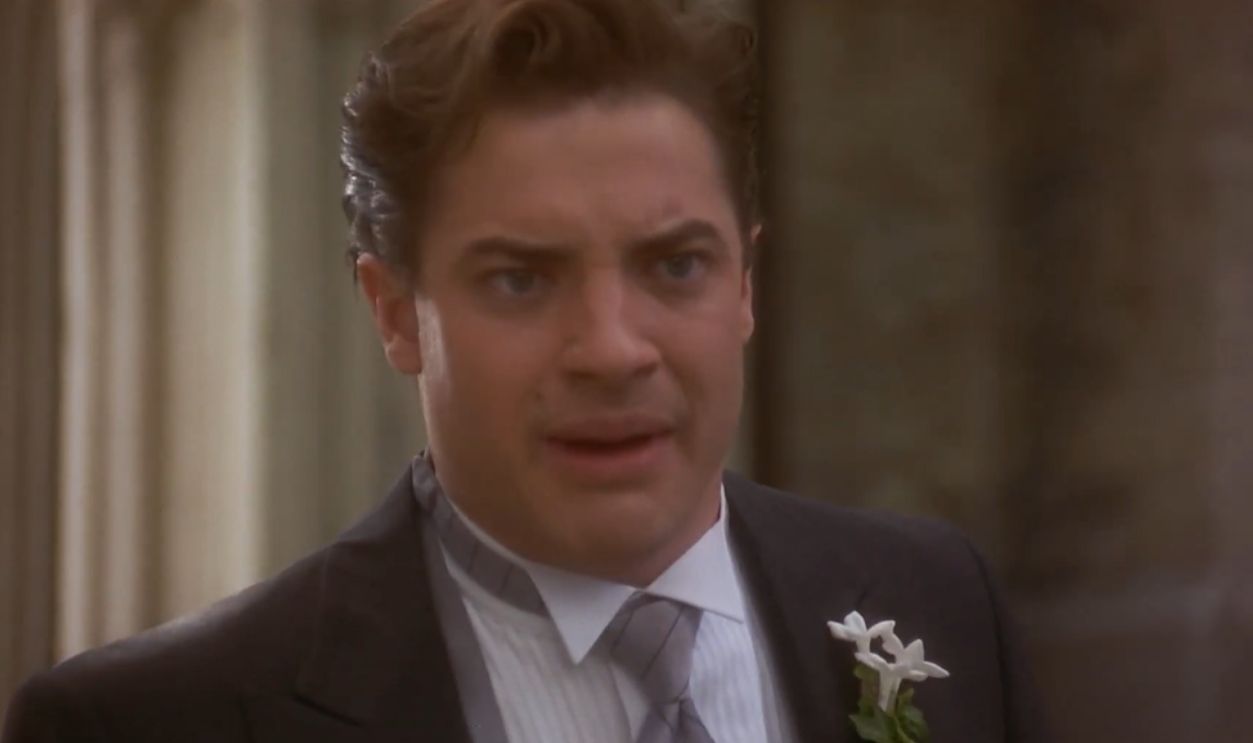 Screenshot from Mrs. Winterbourne, TriStar Pictures (1996)
Priyanka Chopra – What’s Your Raashee? (2009)
Twelve personalities come alive through Priyanka Chopra as she plays every zodiac-inspired match in this Indian romantic comedy. Each woman needed her own voice, posture, and style. Director Ashutosh Gowariker shapes the story around her transformations to let the film revolve entirely around her choices.
 https://www.flickr.com/photos/146461623@N05, Wikimedia Commons
Michael Fassbender – Alien: Covenant (2017)
A quiet tension runs through the film because Michael Fassbender plays two androids built with opposite instincts. Small changes in tone and posture mark the difference between David and Walter. Ridley Scott uses those subtle shifts to lead the story’s mood and highlight the conflict between creation and control.
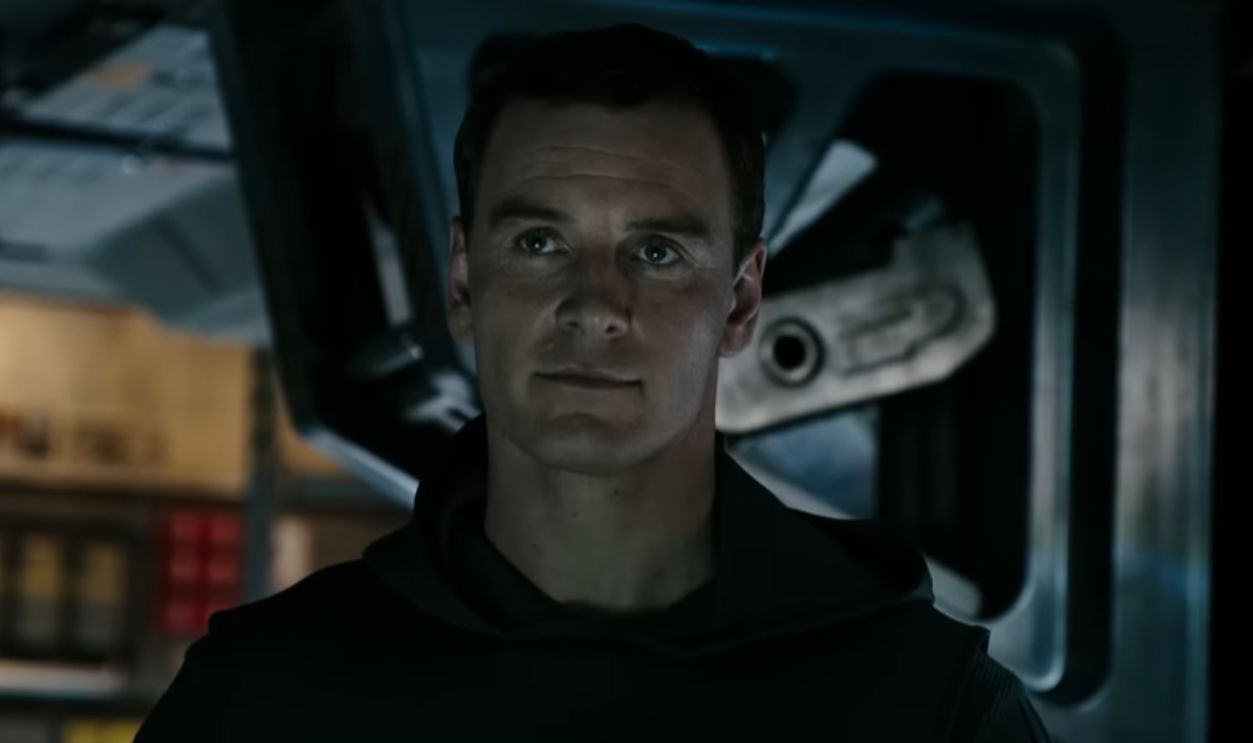 Screenshot from Alien: Covenant, 20th Century Fox (2017)
Arsenio Hall – Coming To America (1988)
Comedy expands in every direction once Arsenio Hall steps into multiple supporting characters, each shaped through heavy makeup and playful exaggeration. His quick switches help fill the world around Eddie Murphy with memorable faces. Every role adds a little spark that keeps the film lively and unpredictable.
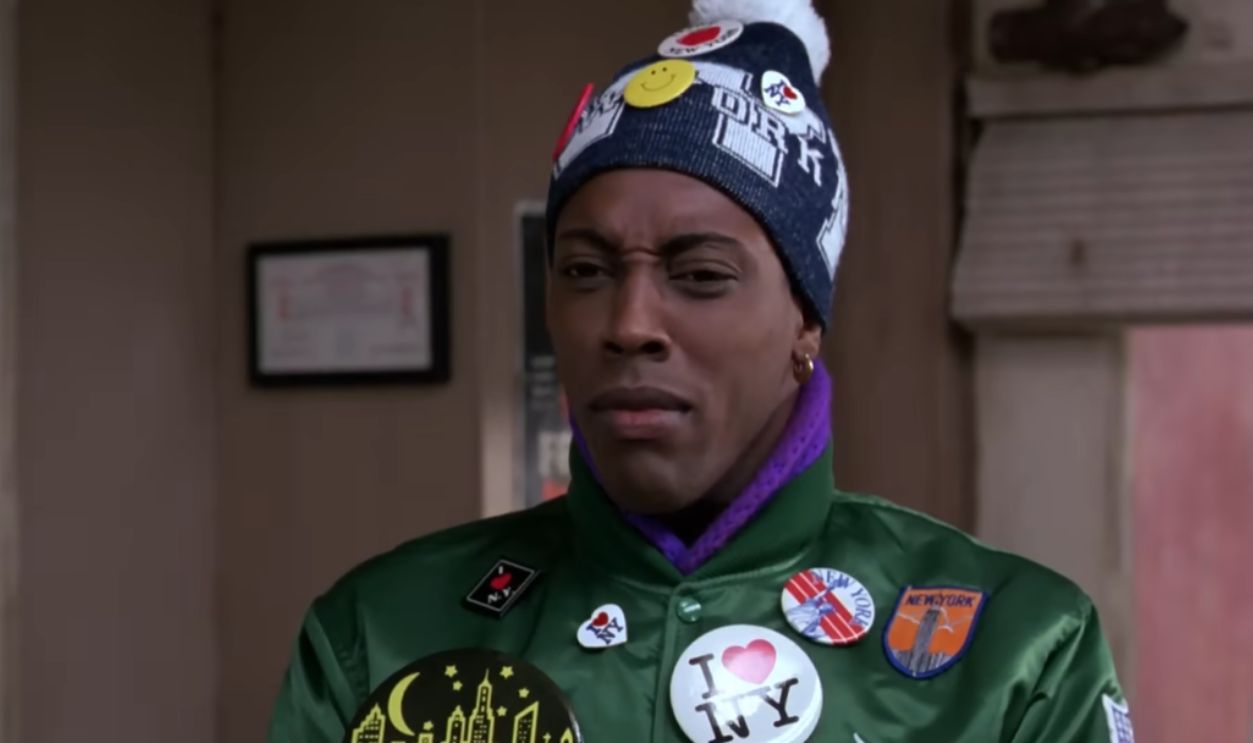 Screenshot from Coming to America, Paramount Pictures (1988)
Kamal Haasan – Dasavathaaram (2008)
Few performers take on a challenge this large: Kamal Haasan plays ten roles across different eras in a sweeping Tamil sci-fi disaster film. Daily makeup sessions stretched for hours to reshape him again and again. Those transformations tie the film’s many story threads into a single ambitious performance.
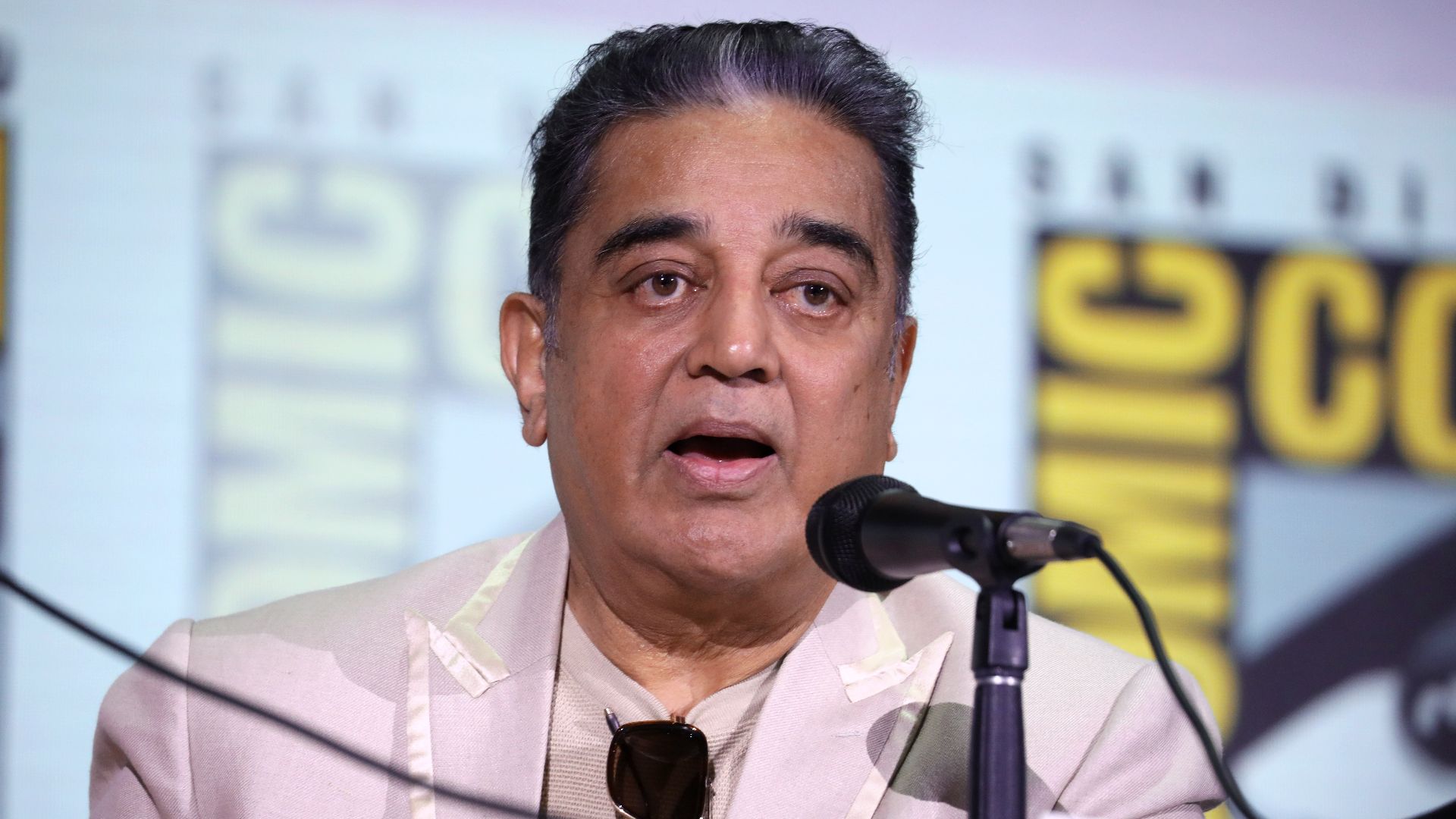 Gage Skidmore, Wikimedia Commons
Jake Gyllenhaal – Enemy (2013)
Identity blurs fast when Jake Gyllenhaal plays two men who share a face but nothing else. Director Denis Villeneuve builds tension around their uneasy meetings, helped by Gyllenhaal’s instinctive reactions. He avoided studying the other character’s footage, giving their confrontations a rough, unsettled edge.
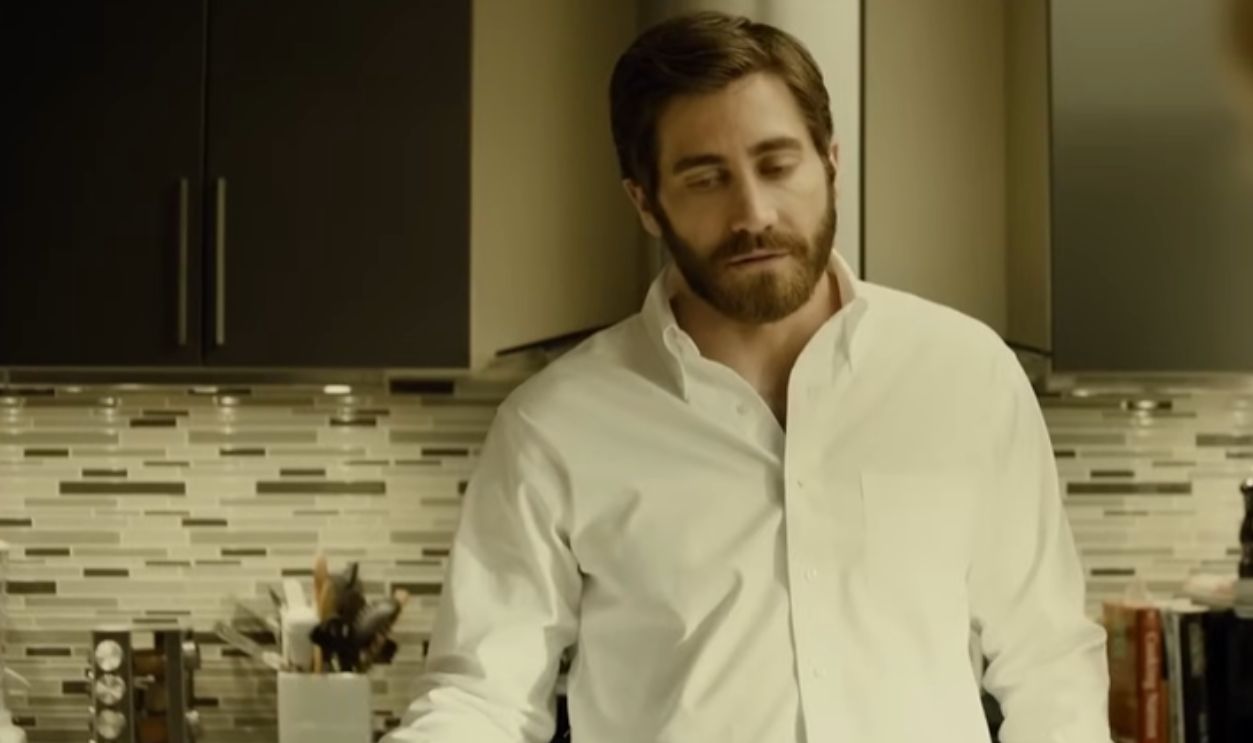 Screenshot from Enemy, A24 (2013)
Andy Garcia – Steal Big Steal Little (1995)
Andy Garcia plays twin brothers whose lives pull in opposite directions, one polished and one unpredictable. The different accents and posture choices help him separate the two. Director Andrew Davis builds the comedy and crime elements around their clashes, letting Garcia carry the film’s shifting tone.
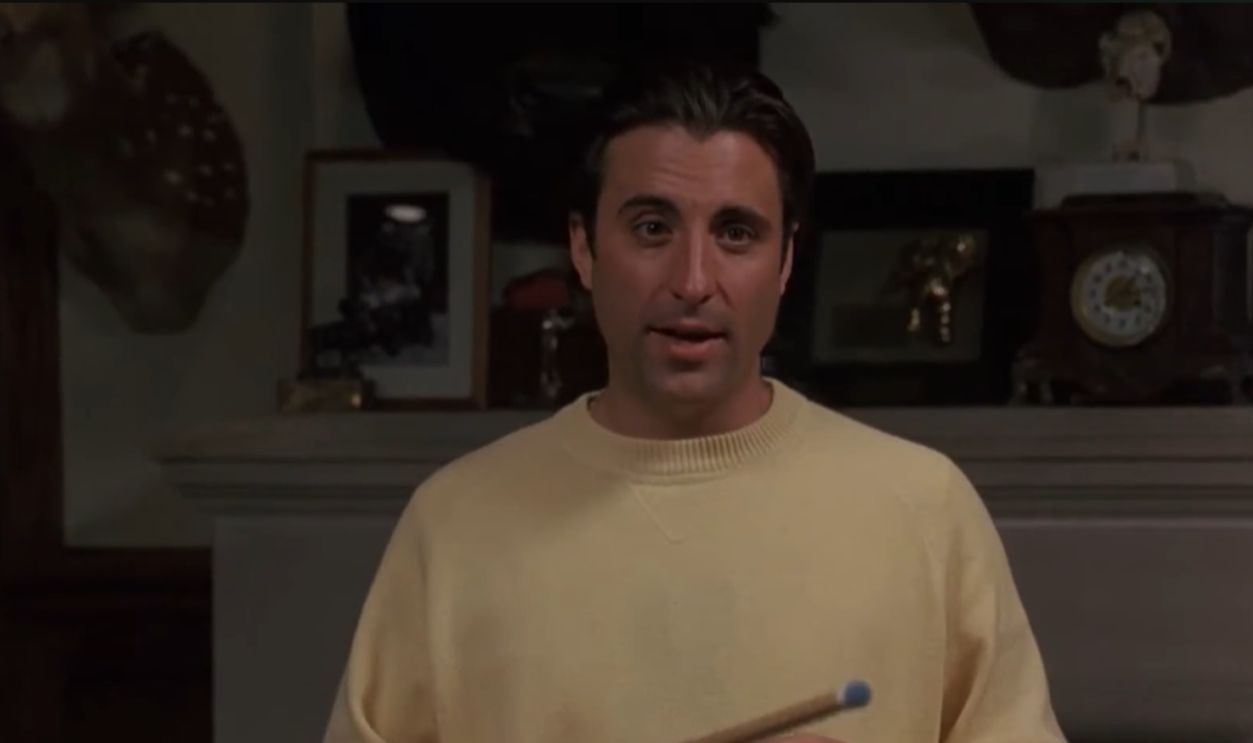 Screenshot from Steal Big Steal Little, Savoy Pictures (1995)
Selena Gomez – Monte Carlo (2011)
A case of mistaken identity pushes Selena Gomez between Grace Bennett and an heiress who shares her face. European settings add a bright backdrop as she switches between the two roles. Gomez even handled light stunt work during Paris chase scenes to keep the story lively.
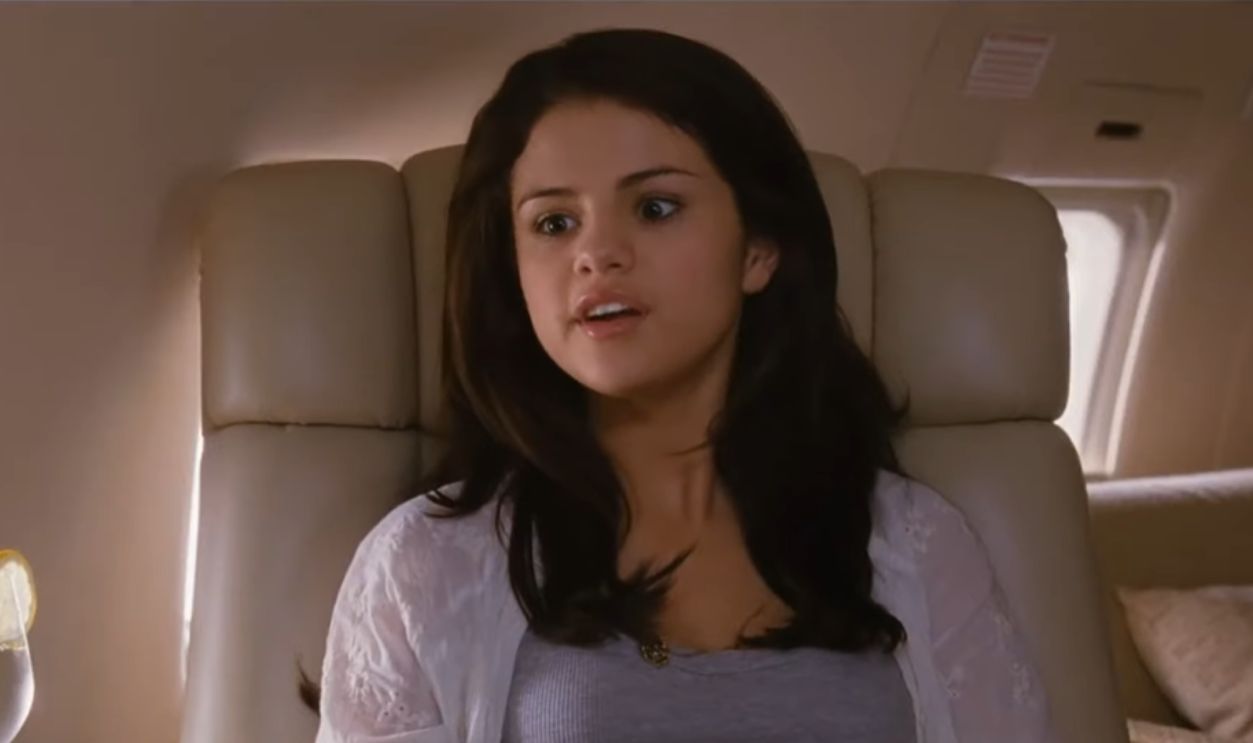 Screenshot from Monte Carlo, 20th Century Fox (2011)
Mia Goth – X (2022)
Two characters stand at the heart of this slasher, both played by Mia Goth with sharply different physicality. Youthful Maxine and elderly Pearl move in opposite rhythms, giving the film its eerie contrast. Director Ti West builds tension around her ability to vanish into each persona.

Steve Coit – Fear And Desire (1952)
Steve Coit appears as two soldiers in Stanley Kubrick’s early experimental feature, a film made on a tiny budget. Kubrick used creative lighting to place Coit in the same frame twice to turn the dual-role technique into a small but striking piece of visual invention.
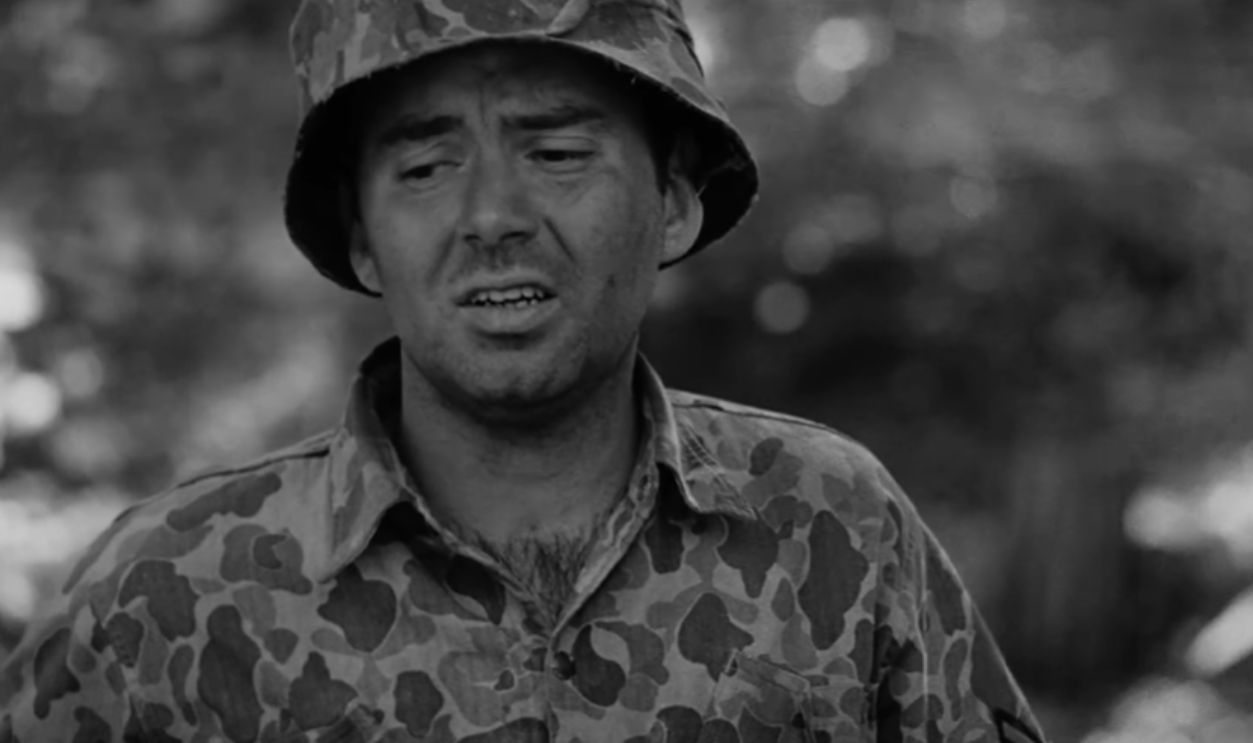 Screenshot from Fear and Desire, Joseph Burstyn, Inc. (1952)
Robert Donat – The Ghost Goes West (1935)
Scottish legends get a playful twist as Robert Donat appears as a modern traveler and the cheeky ghost who shares his bloodline. French director Rene Clair leans into the contrast, and Donat’s shifts in voice and rhythm turn the double act into a light, charming adventure.