A Goodbye That Sounded Like Theater
The words sounded theatrical. Dramatic. Almost playful. No one there believed Isadora Duncan was saying goodbye for real—because she wasn’t. But minutes later, she would be dead, killed in one of the most shocking and bizarre accidents of the 20th century.
A Woman Who Rejected Restraint
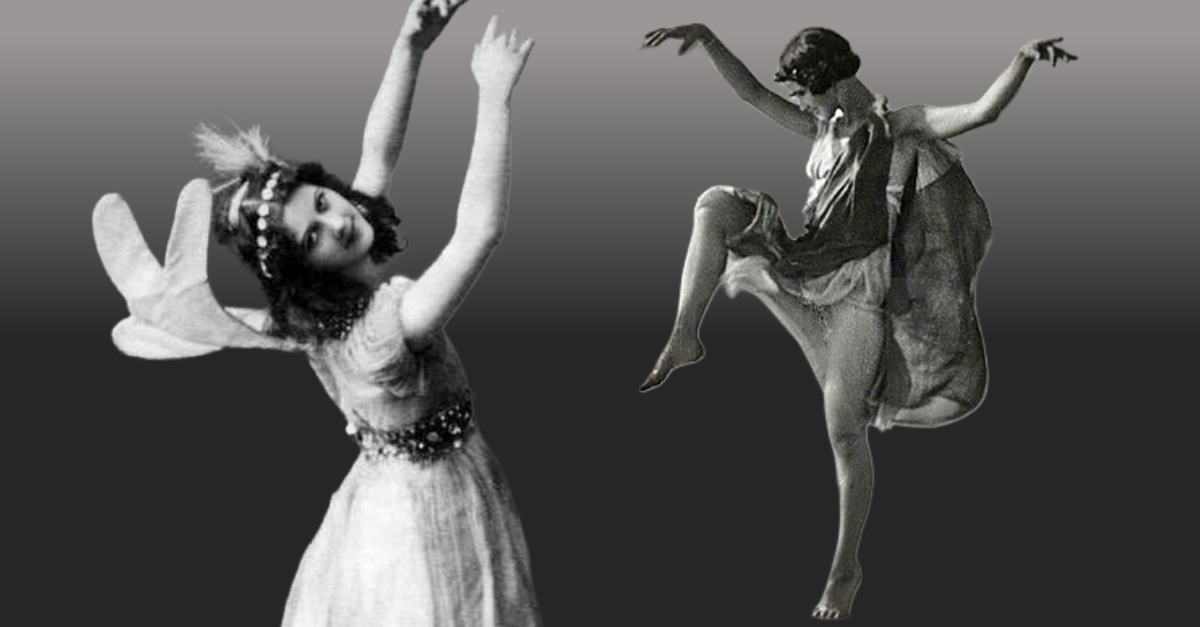
Isadora Duncan was a revolutionary figure in modern dance, famous for rejecting classical ballet’s structure. She danced barefoot, favored loose clothing, and believed movement should be emotional and natural. “If I could tell you what it meant,” she once said, “there would be no point in dancing it.”
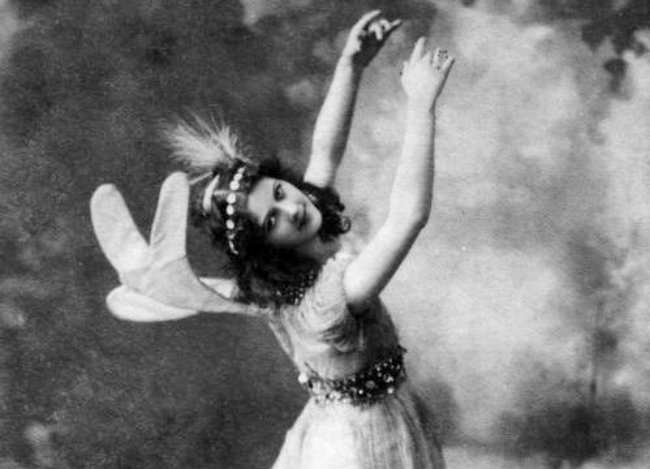 Baker's Art Gallery, Wikimedia Commons
Fame Built on Defiance
By the early 1900s, Duncan was internationally known—not just for her performances, but for openly mocking tradition. She dismissed ballet as rigid and artificial, arguing that art should feel free, risky, and deeply human.
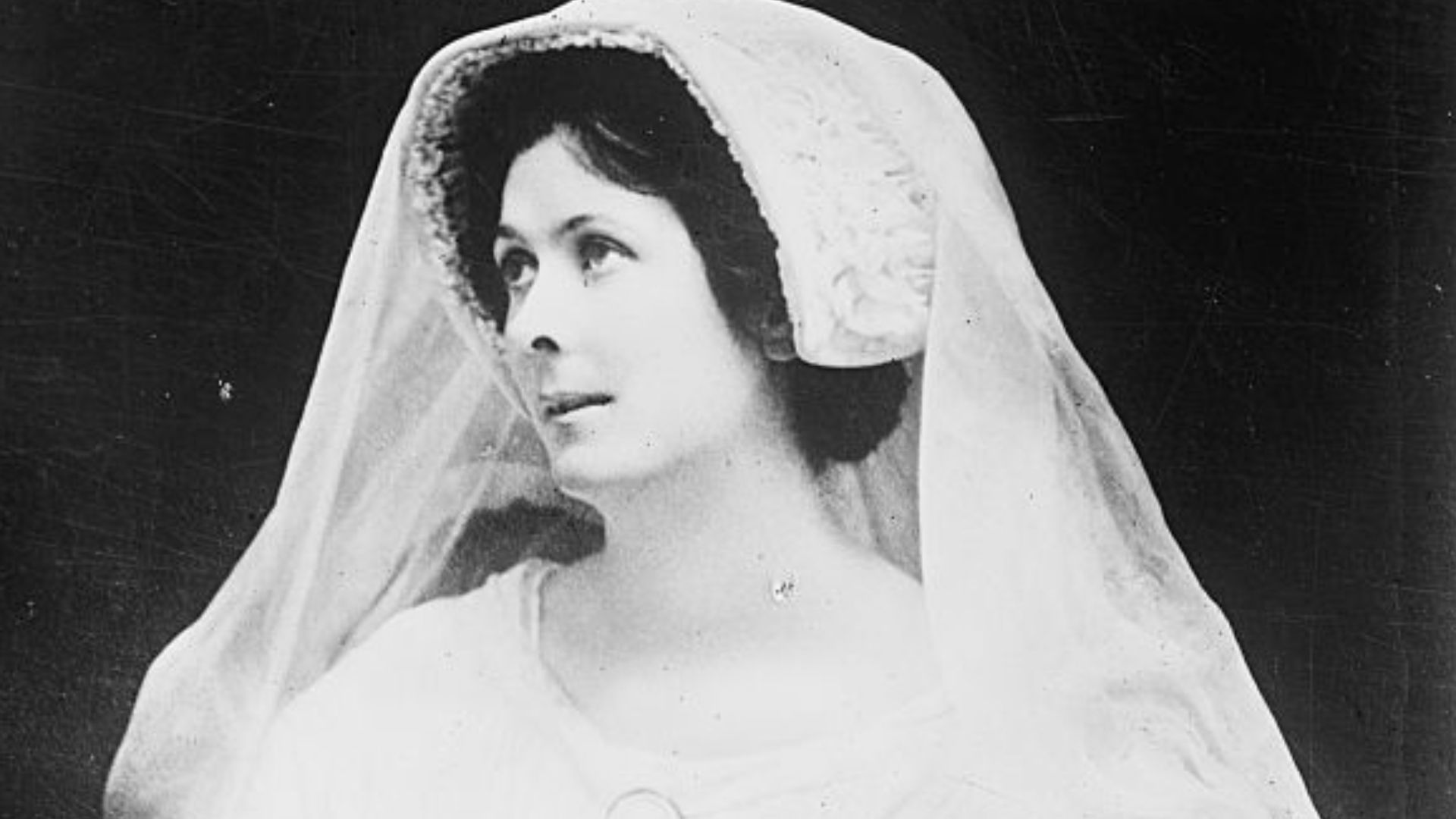 Unknown authorUnknown author, Wikimedia Commons
Personal Tragedy Came Early
In 1913, Duncan’s two young children drowned after their car rolled into the River Seine in Paris. The tragedy permanently reshaped her emotional life, and friends later said she never fully recovered from the loss.
Drama Was Part of the Persona
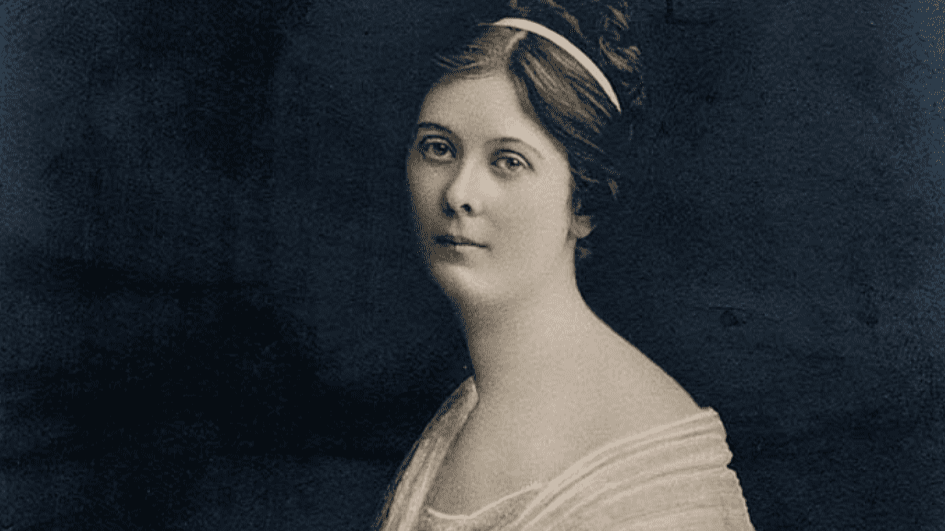
Duncan spoke in sweeping statements and emotional declarations. Grand language was part of who she was, which is why no one reacted strongly to her dramatic farewell that night.
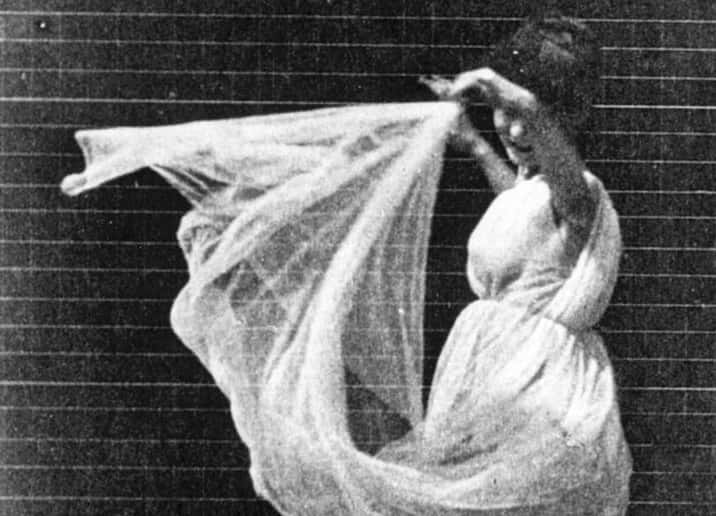 Eadweard Muybridge, Getty Images
September 14, 1927
That evening in Nice, France, Duncan was in good spirits. There were no warnings, no signs of distress, and no indication that the night would turn tragic.
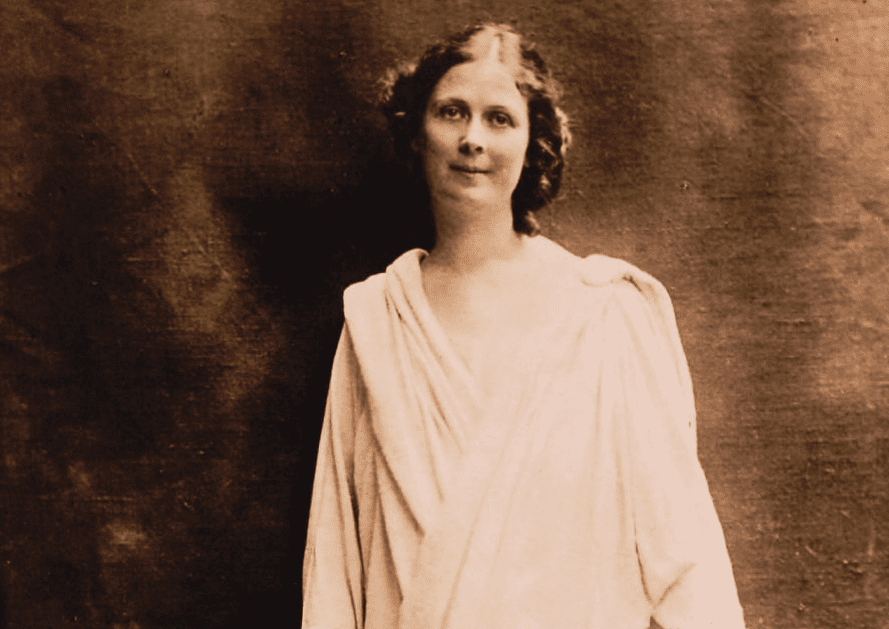
The Driver and the Car
Duncan accepted a ride from Benoît Falchetto, a young Italian mechanic, in an open-top Amilcar sports car. The vehicle featured exposed rear wheels, common for the era but dangerous by modern standards.
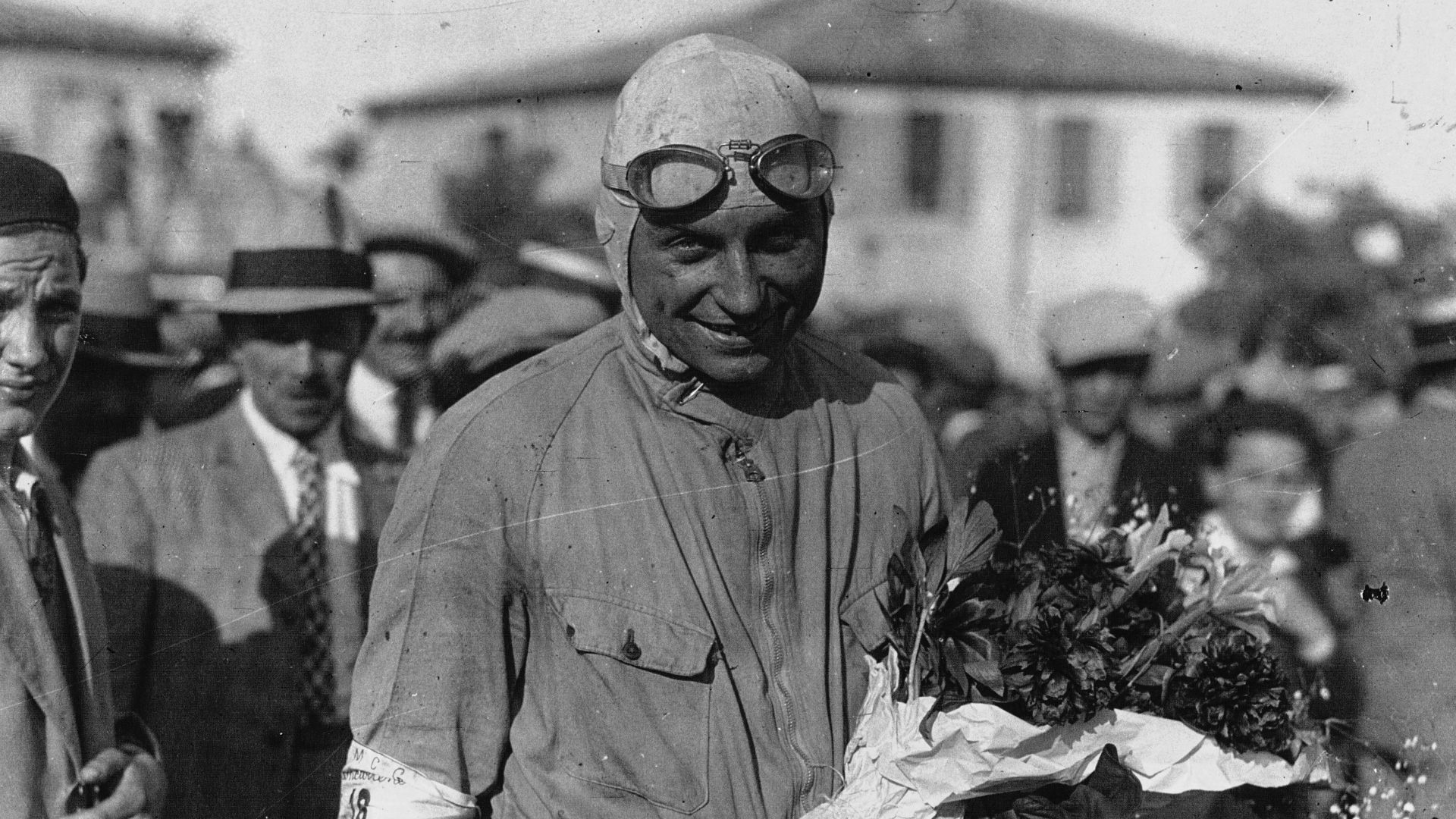 Agence de presse Meurisse, Wikimedia Commons
Style Over Practicality
Wearing loose clothing and a long silk scarf, Duncan dressed as she always did—elegantly and without regard for caution. The scarf draped freely around her neck as she entered the car.
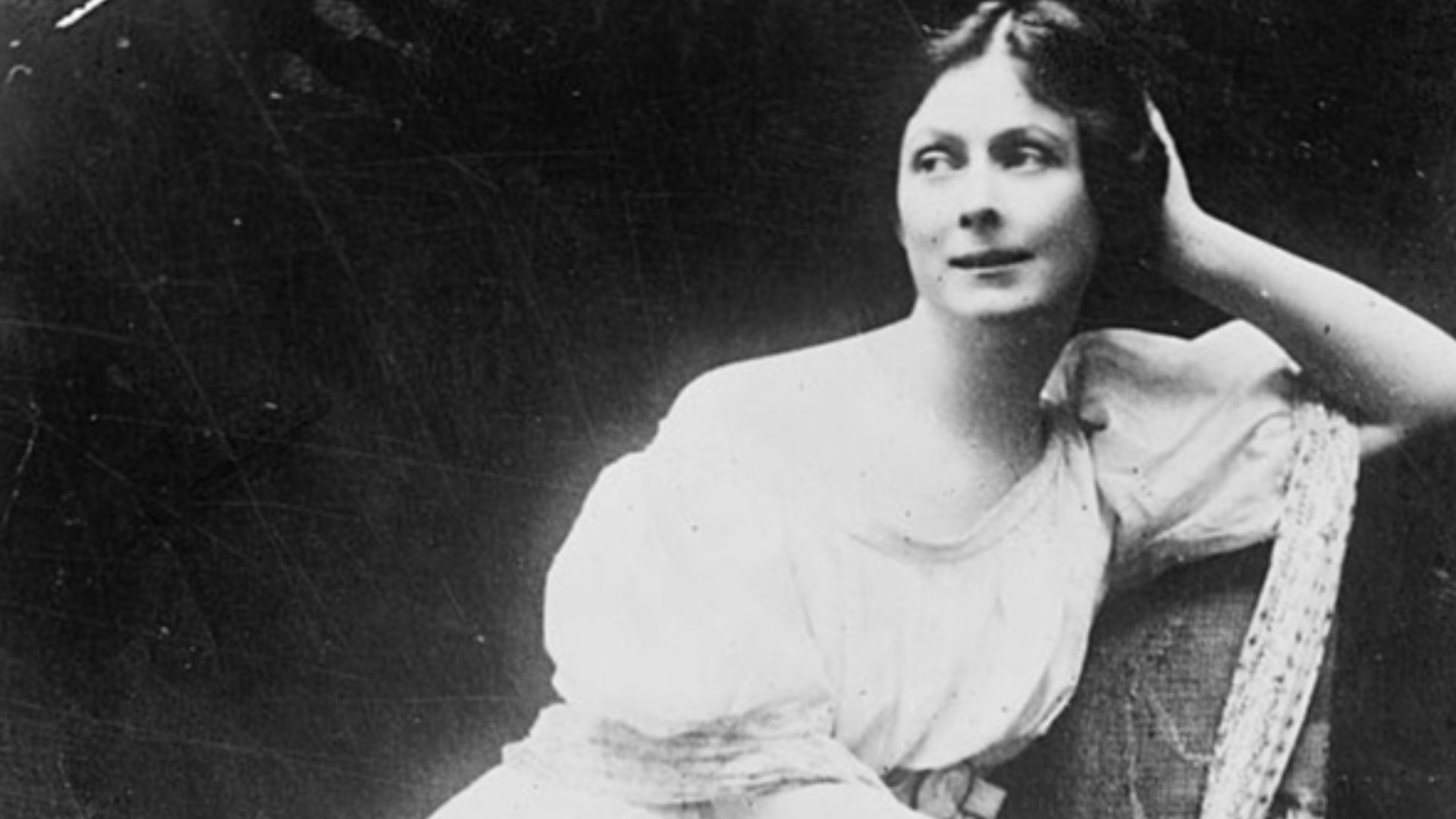 Bain News Service, Wikimedia Commons
The Famous Last Words
Witnesses recalled Duncan saying, “Adieu, mes amis. Je vais à la gloire!”—commonly translated as “Farewell, my friends. I go to glory!” Moments later, the car pulled away.
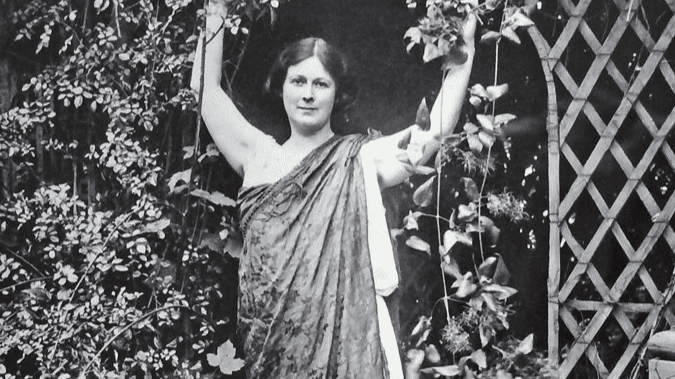
Why No One Reacted
Those present did not interpret the words as ominous. Duncan often spoke theatrically, and her friends had heard similar statements before. The line felt like playful drama, not a declaration of fate—which is exactly how Duncan meant it. But tragically, fate had other ideas.
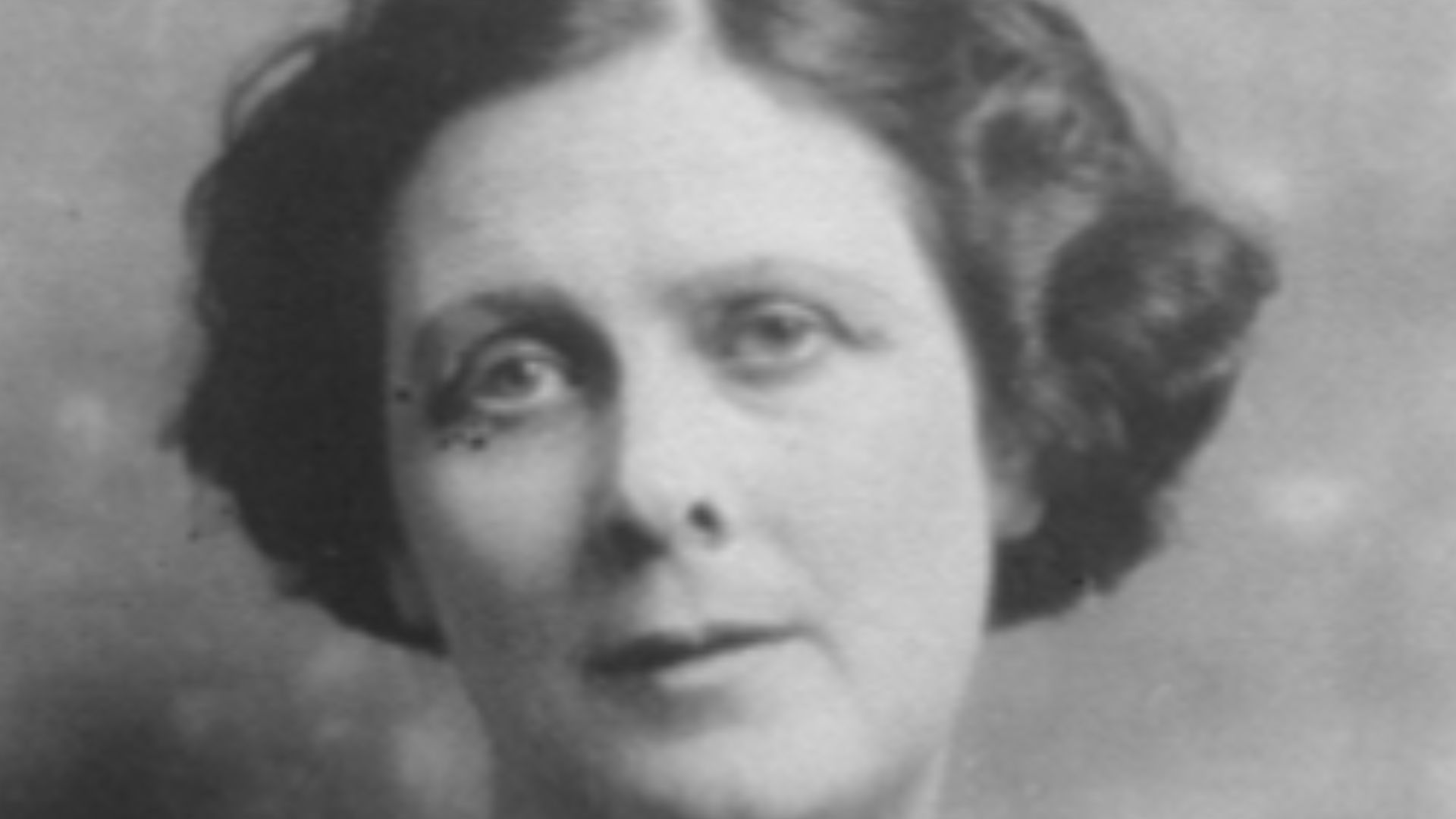 Arnold Genthe, Wikimedia Commons
A Design Vulnerability
As the car began moving, Duncan’s scarf lifted in the wind. With no wheel guards, the trailing fabric was exposed to the spinning rear wheel.
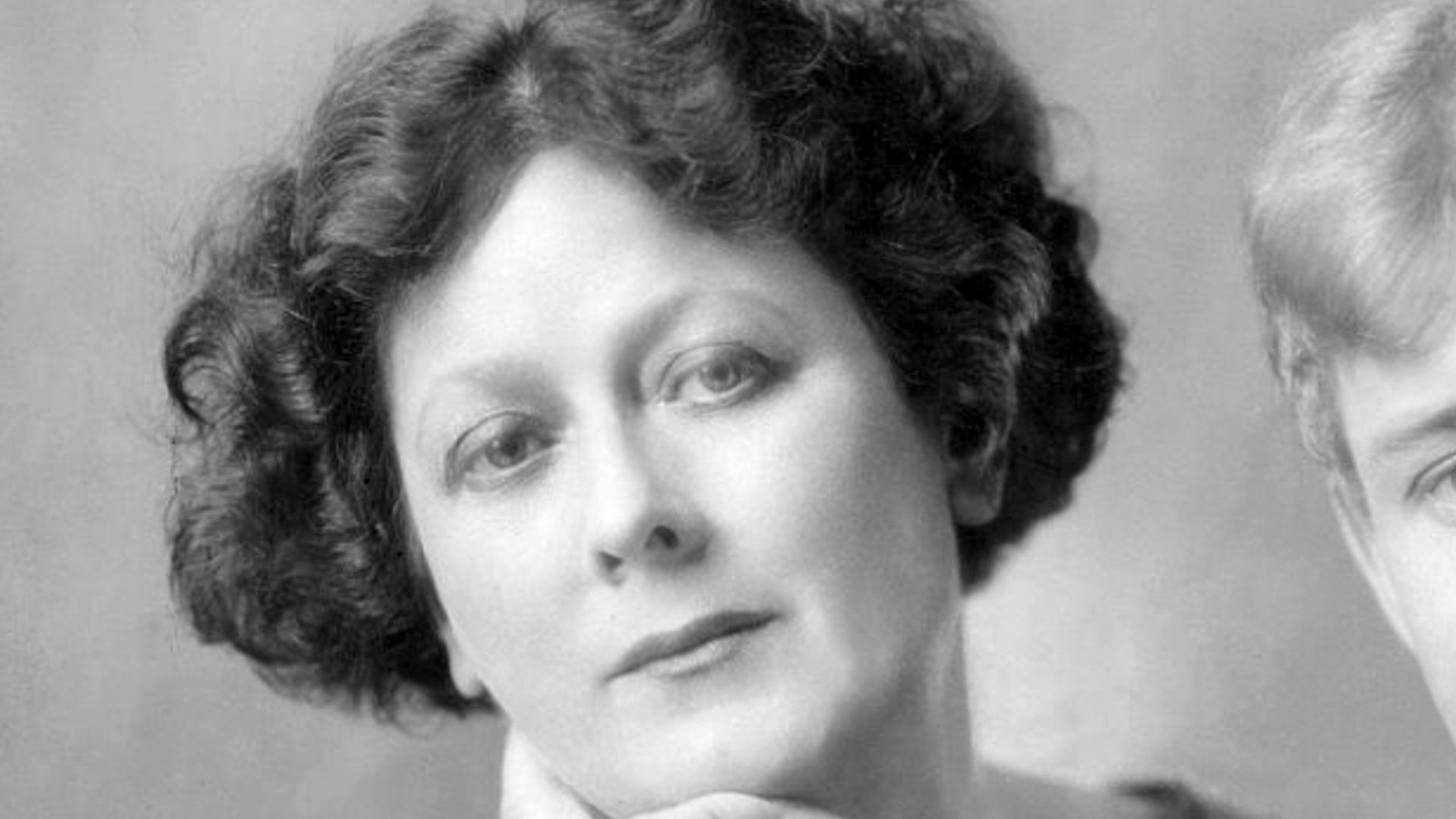
Seconds After Departure
Almost immediately, the scarf became entangled in the wheel spokes and rear axle. The silk tightened violently around her neck before anyone could react.
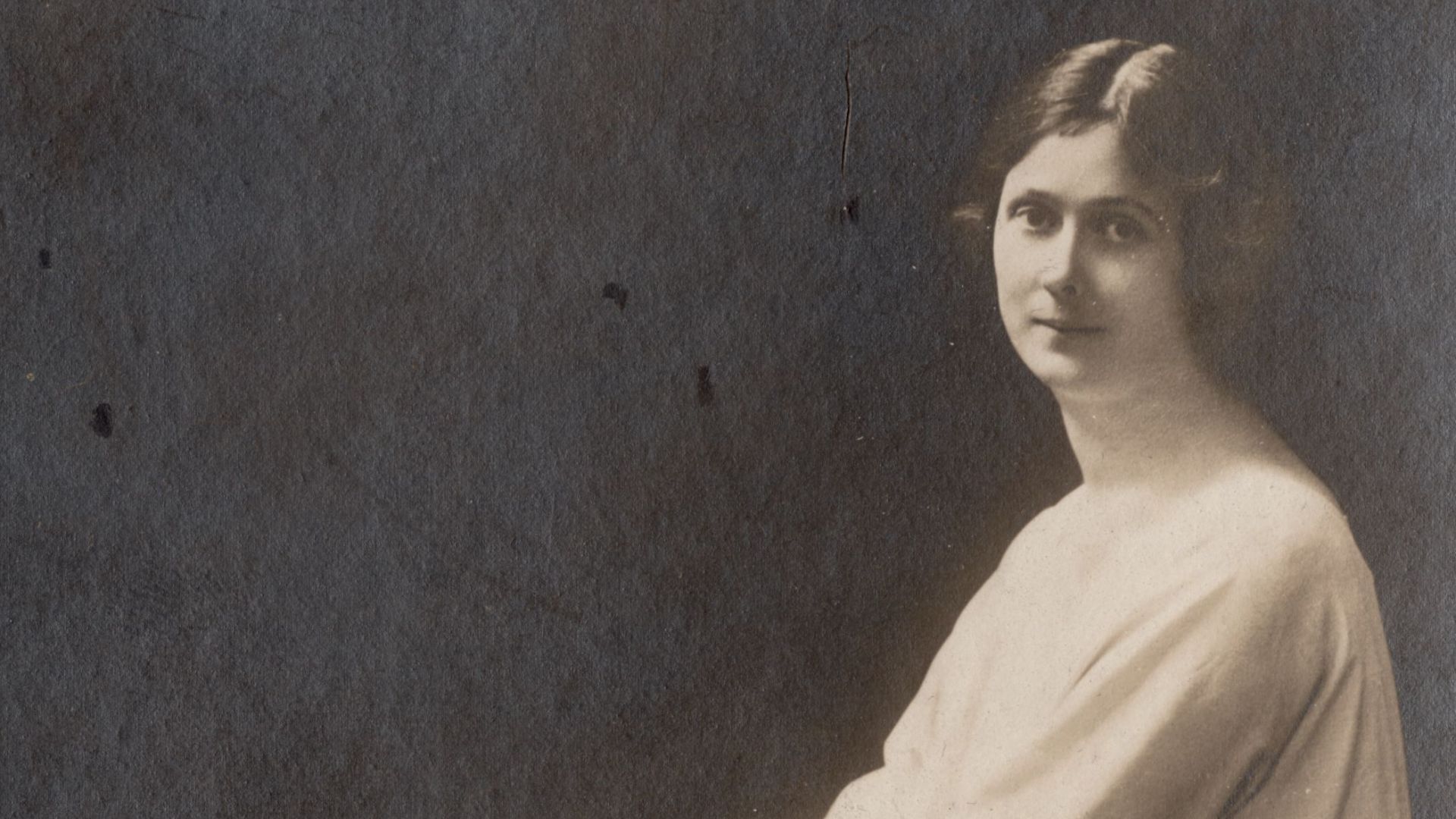 Hale, Philip, 1854-1934; Gessford, Joseph G, Wikimedia Commons
Death Was Instant
Medical reports confirmed Duncan’s neck was broken instantly. The car stopped almost at once, but she was already gone.
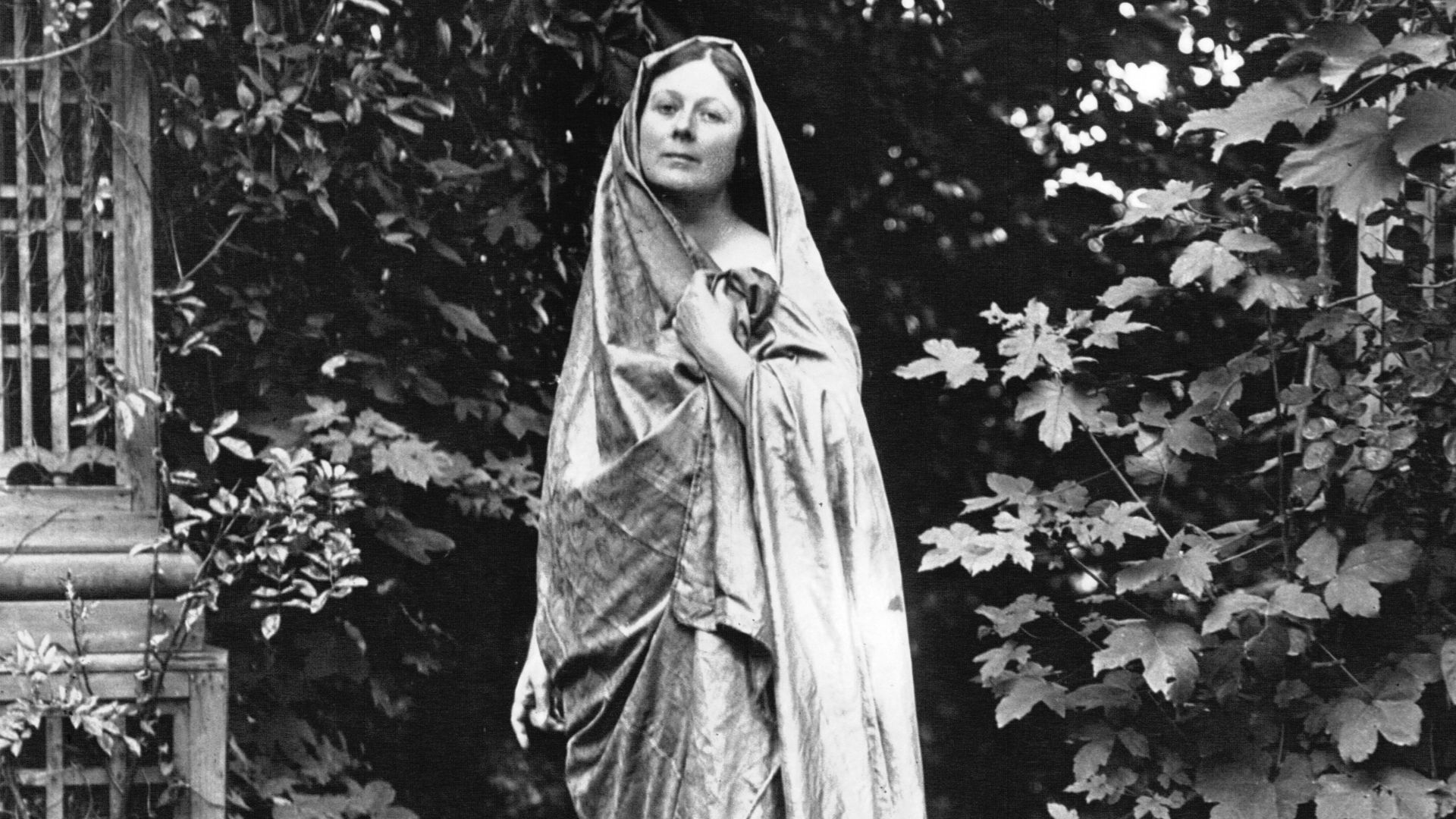 Agence de presse Meurisse. Agence photographique (commanditaire), Wikimedia Commons
Confusion at the Scene
Witnesses were initially unsure what had happened. The car had barely traveled any distance before the reality of the accident became clear.
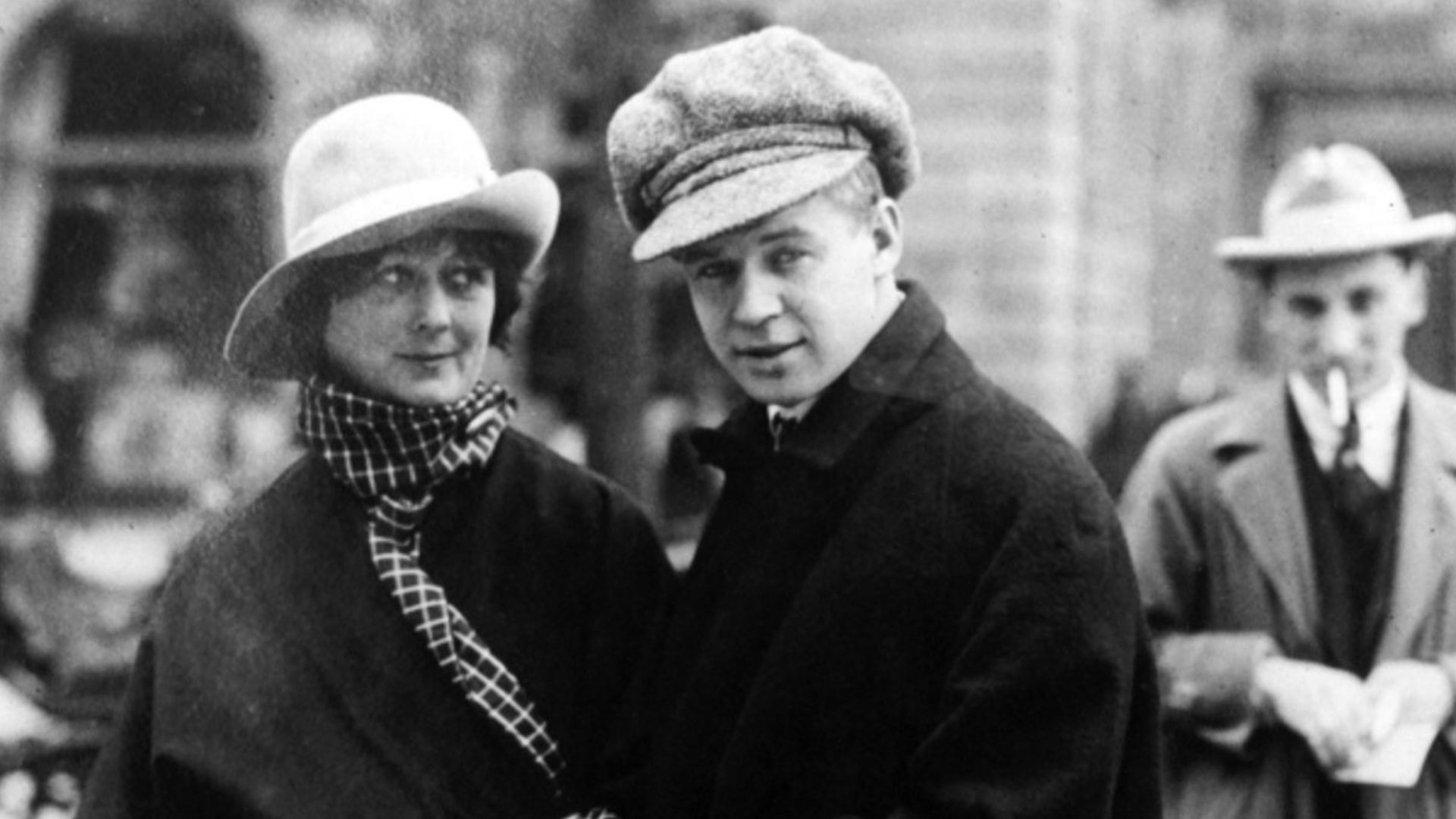 Unknown photographer, Wikimedia Commons
A Cruel and Ironic End
Observers quickly noted the symbolism. A dancer known for freedom of movement was killed by flowing fabric—an accessory closely tied to her identity.
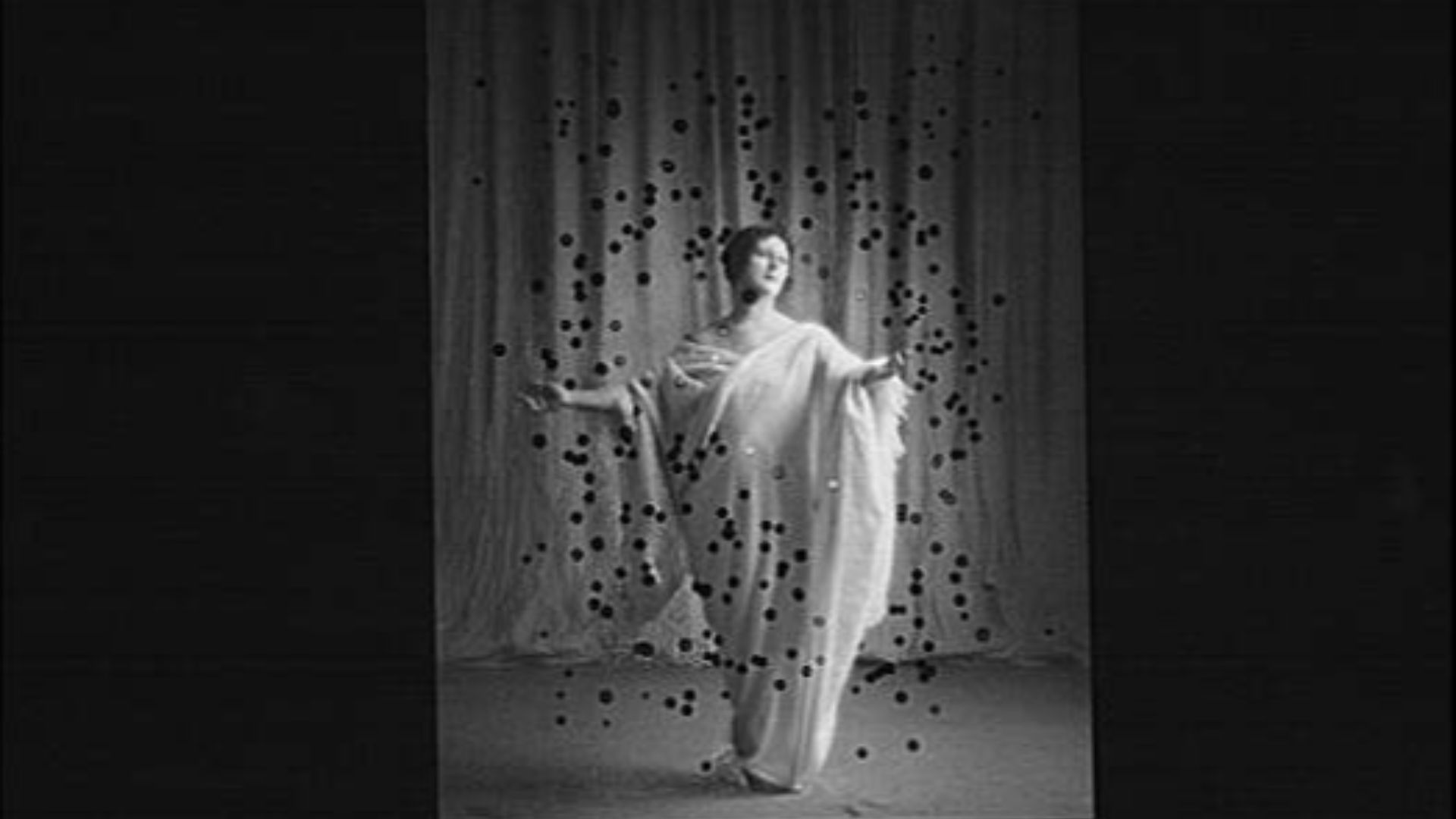 Genthe, Arnold, Wikimedia Commons
News Spread Rapidly
Newspapers across Europe and beyond reported the bizarre accident. The combination of fame, irony, and sudden death made the story unforgettable.
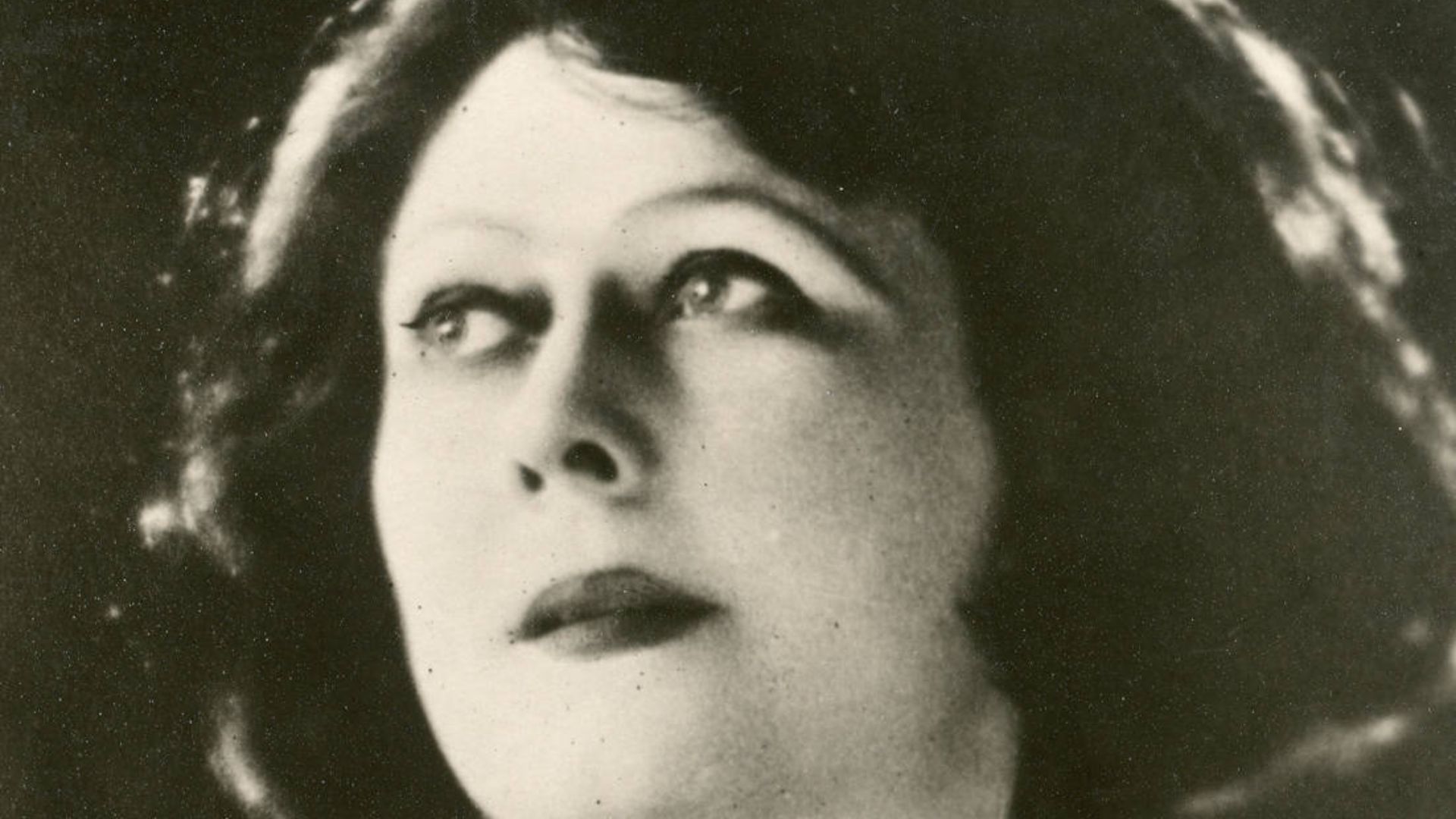 Unknown authorUnknown author, Wikimedia Commons
Were the Words Exact?
Historians acknowledge uncertainty around the precise phrasing of Duncan’s final statement. While “I go to glory” remains the most widely reported version, later recollections—most notably from her friend Mary Desti—suggest she may have said something closer to “I am off to love.” Either way, it was not meant as a final goodbye.
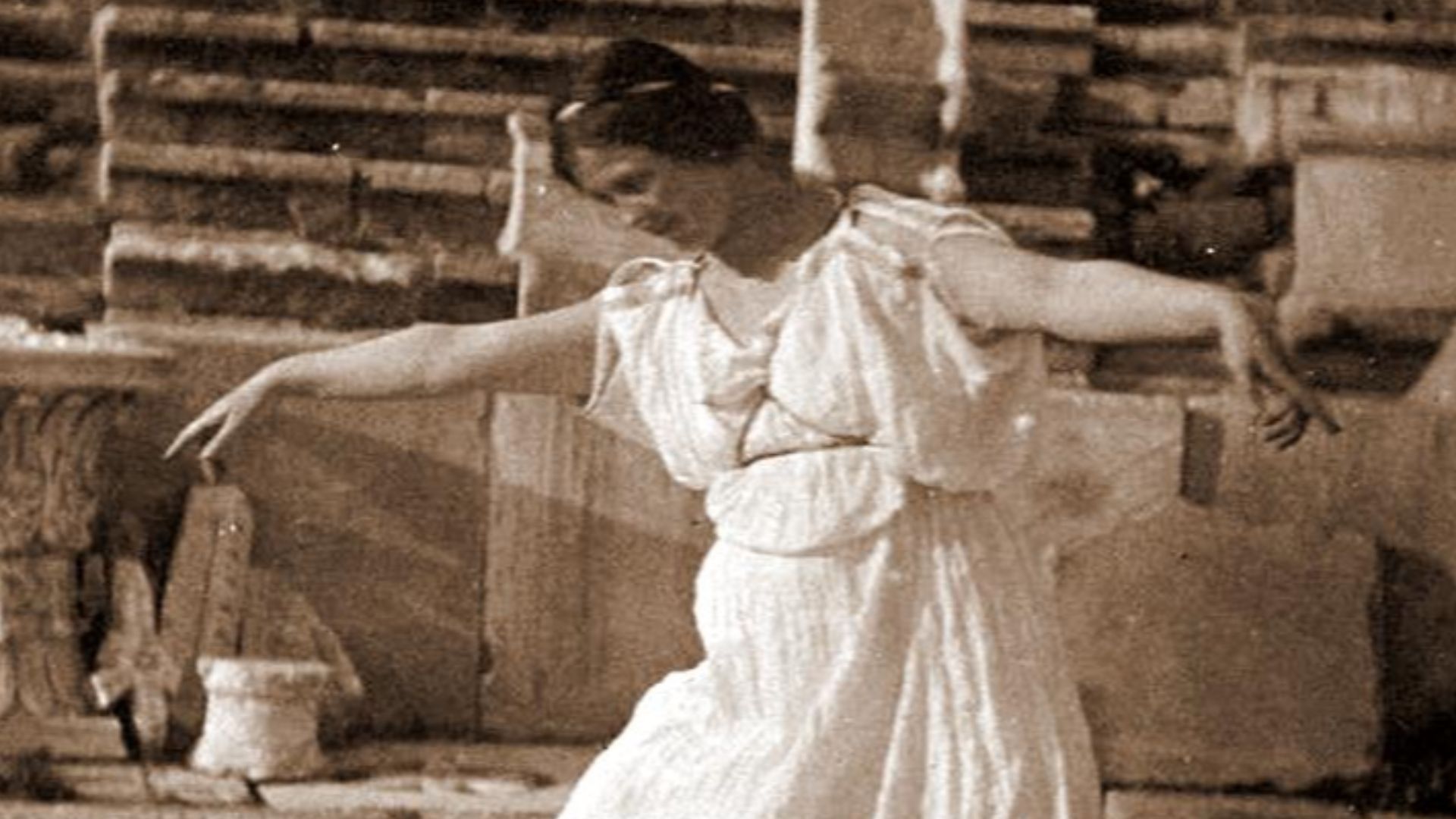 Raymond Duncan, Wikimedia Commons
A Life That Ignored Caution
Duncan often dismissed concern from friends, believing restraint dulled both art and life. Risk was inseparable from her identity.
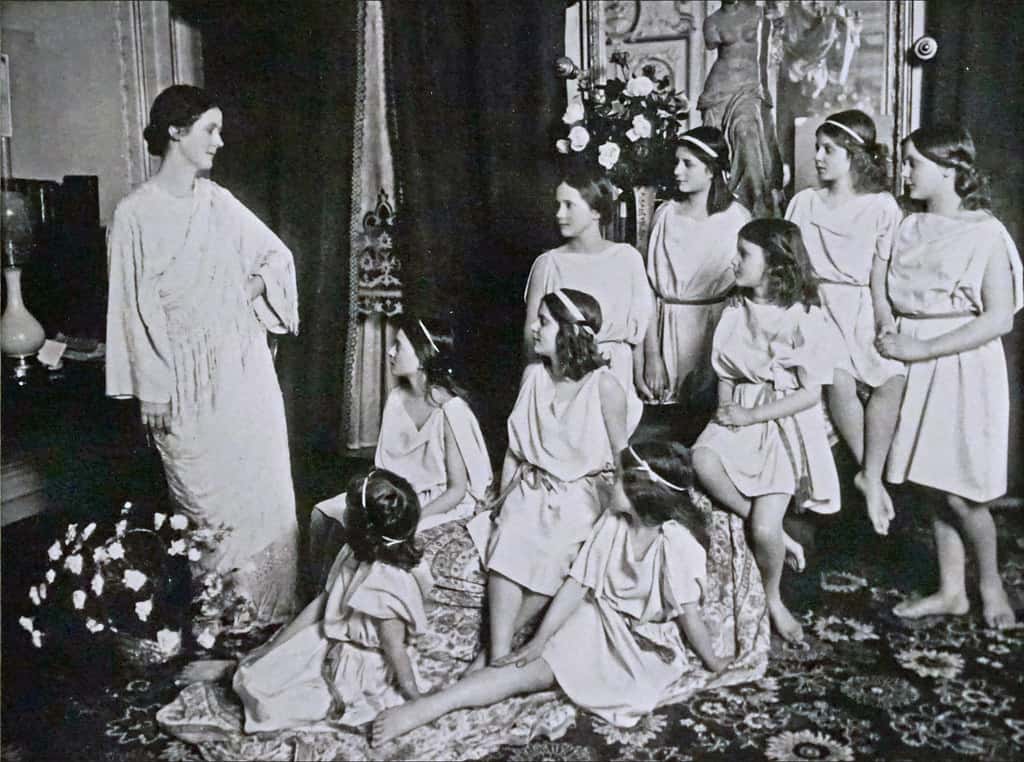
Tragedy as a Pattern
To those who knew her well, the accident felt devastating—but not entirely out of character. Her life had long been shaped by emotional extremes.
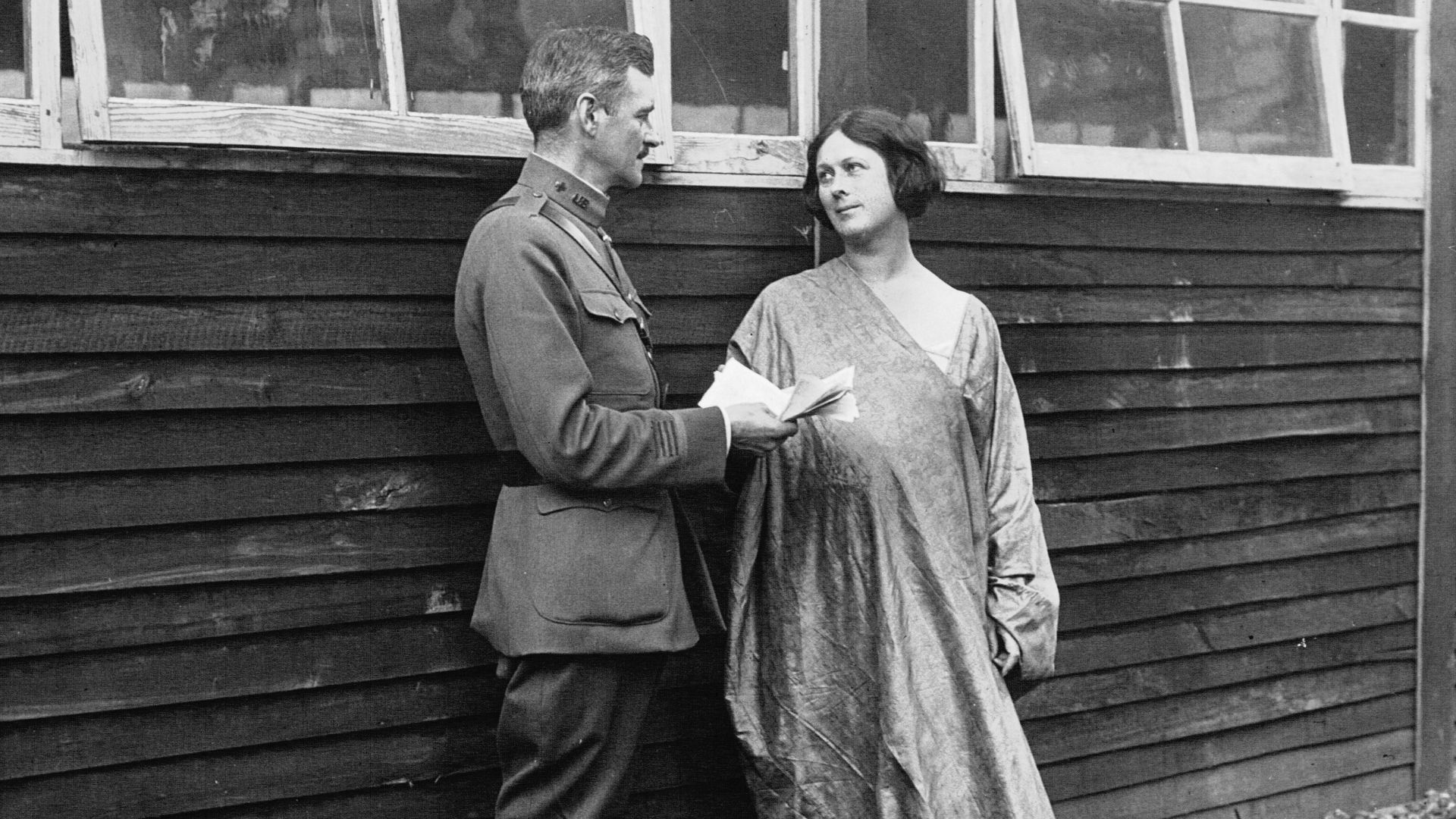 Agence de presse Meurisse. Agence photographique (commanditaire), Wikimedia Commons
From Artist to Legend
Her sudden death ensured Isadora Duncan would never fade quietly into history. She became both pioneer and cautionary tale. Isadora Duncan exited the world much as she lived in it—dramatically, unpredictably, and defiantly. Her final moments turned her life into legend.
 Arnold Genthe, Wikimedia Commons
You Might Also Like: