Where Did They Go
Fame once felt permanent for these familiar faces. Then headlines cooled, box office math changed, or life simply pulled focus elsewhere. Careers rarely vanish; they evolve quietly beyond the glare. Ready to revisit the actors who stepped sideways instead of forward? Scroll on and see what happened next.
Phoebe Cates
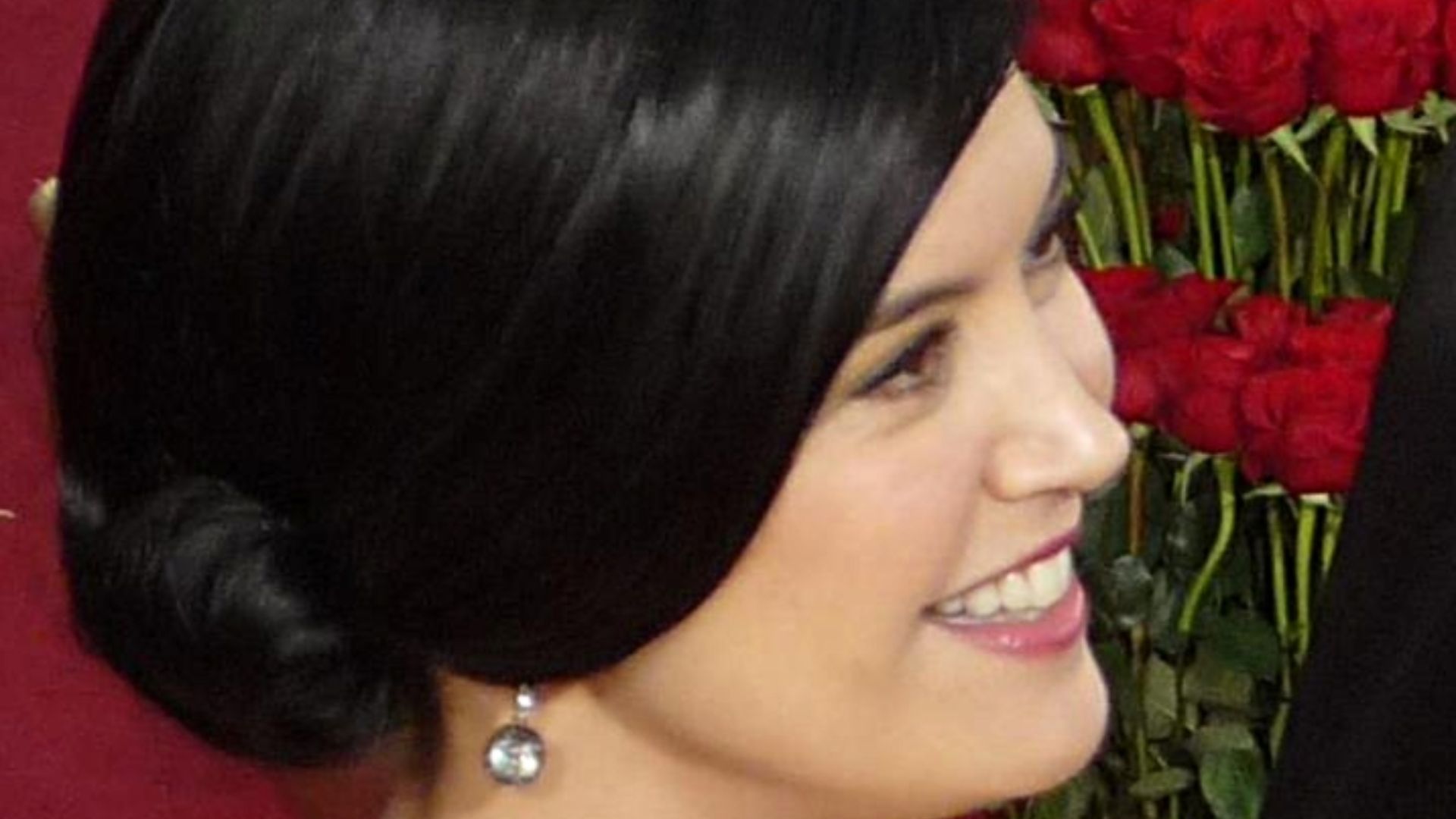
Remember the red swimsuit scene that stalled an entire generation? Fast Times at Ridgemont High and Gremlins turned her into shorthand for 1980s youth culture almost overnight. Then priorities shifted. Marriage to Kevin Kline and family life came first. Hollywood kept moving; she chose not to chase it.
 Greg in Hollywood (Greg Hernandez), Wikimedia Commons
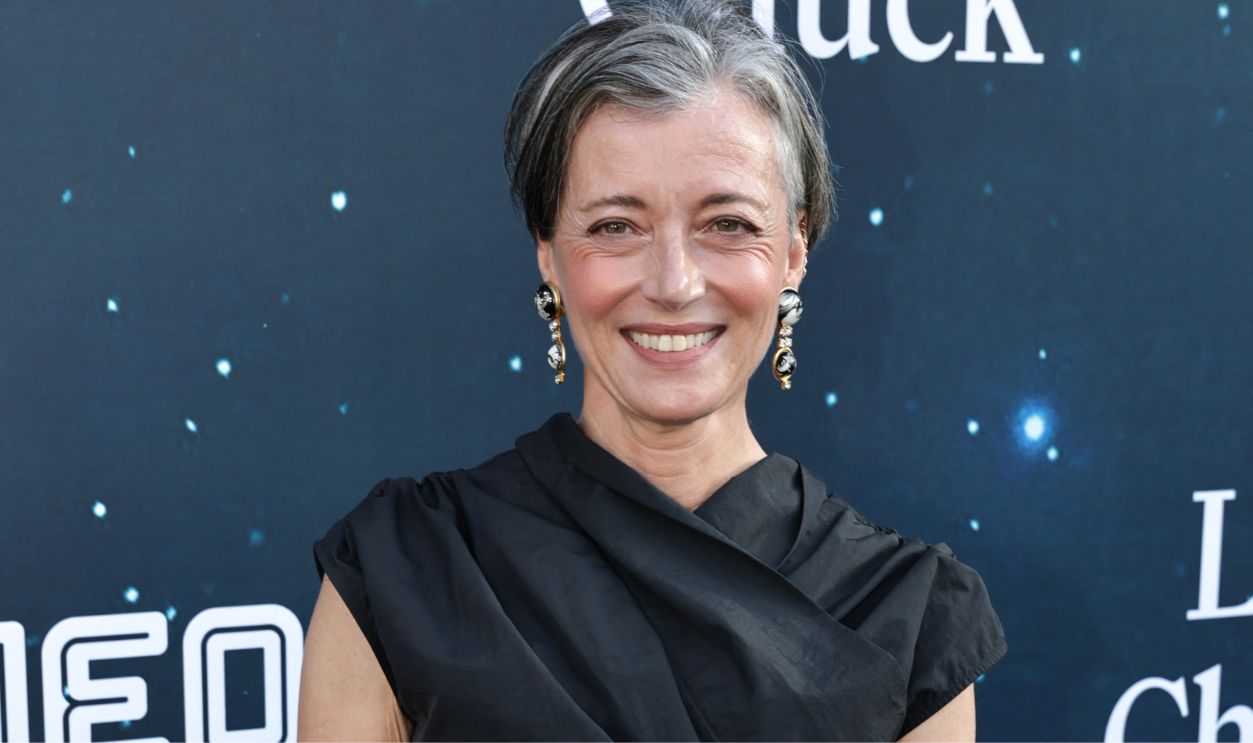
Mia Sara
One iconic role can open every door. It does not promise they stay open. Ferris Bueller’s Day Off lives on in rotation, but studio strategy later chased spectacle over subtlety. Mid-budget films faded, and she worked steadily while headlines chased louder names.
 Eric Charbonneau, Getty images
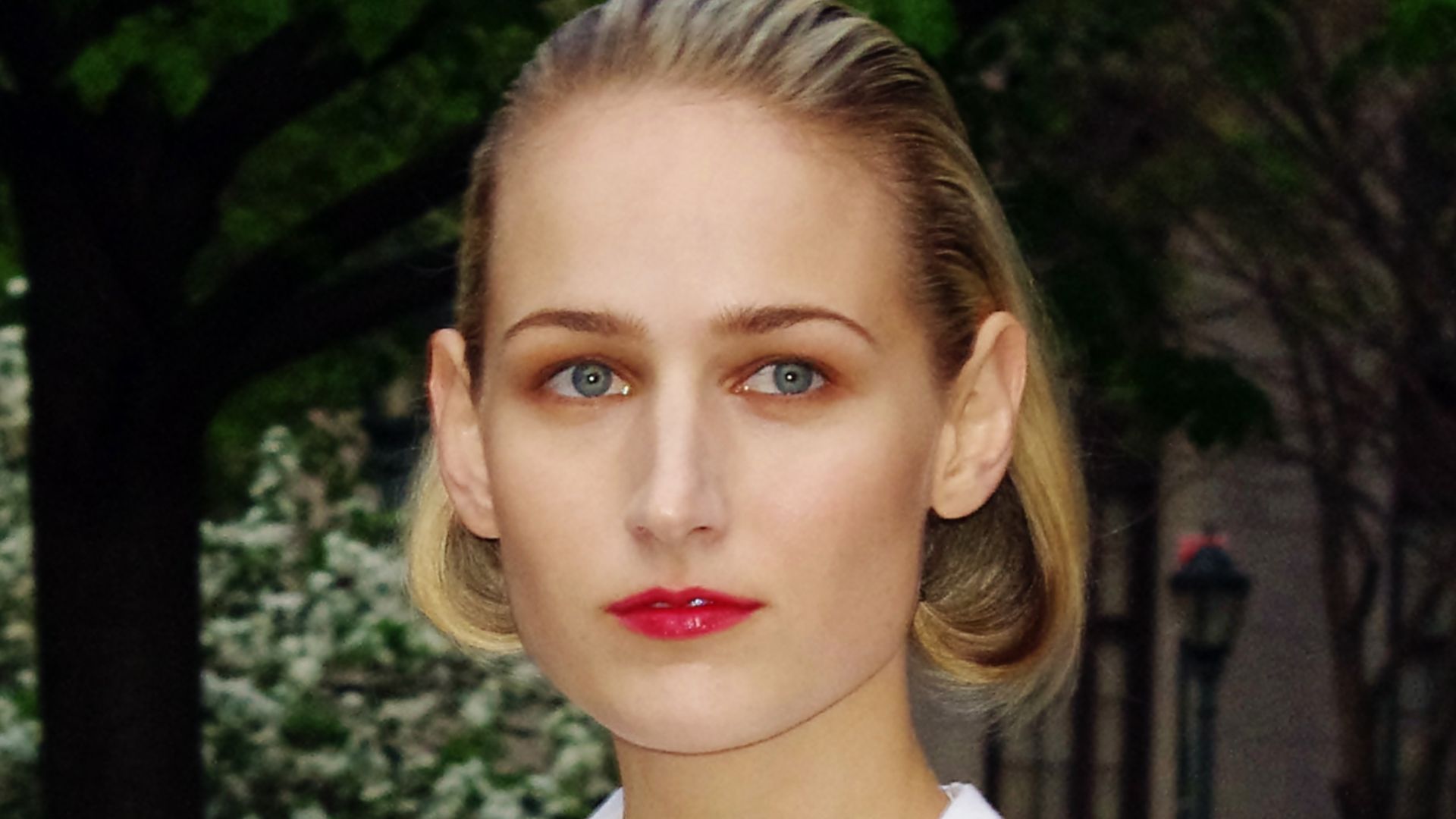
Leelee Sobieski
Award buzz surrounded her early career. Directors trusted her with complex material before she turned thirty. Deep Impact and Eyes Wide Shut also carried prestige weight. In 2012, she stepped away entirely. Painting and family life replaced premieres, and she later described the decision as freeing.
 David Shankbone, Wikimedia Commons
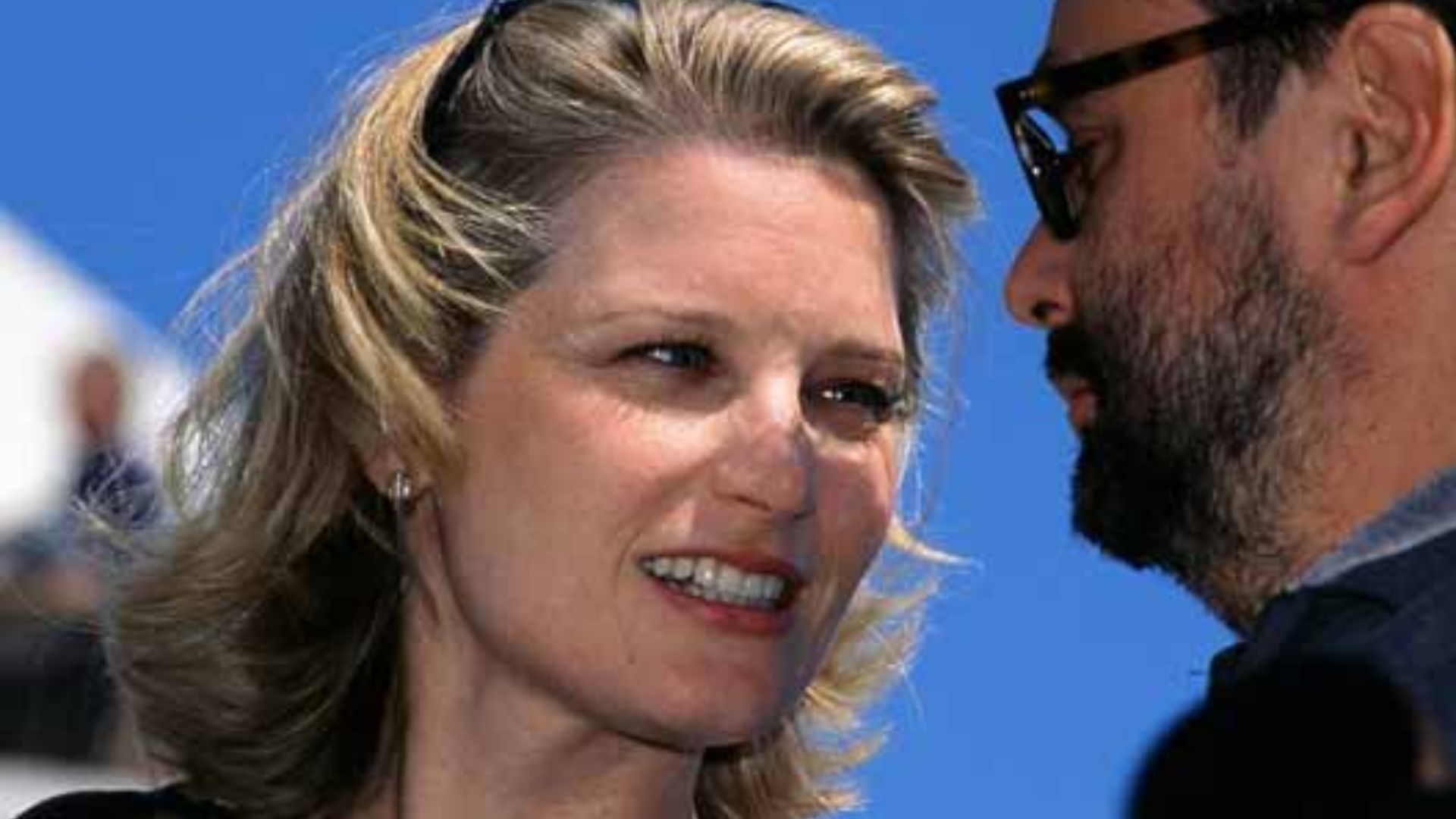
Bridget Fonda
Thrillers, romantic dramas, and ensemble pieces, her 1990s run stayed consistent. Box office numbers remained solid. A serious car accident in 2003 shifted everything. Public appearances stopped soon after. Interest lingered, yet privacy held firm. The absence looked mysterious from afar, though it was personal.
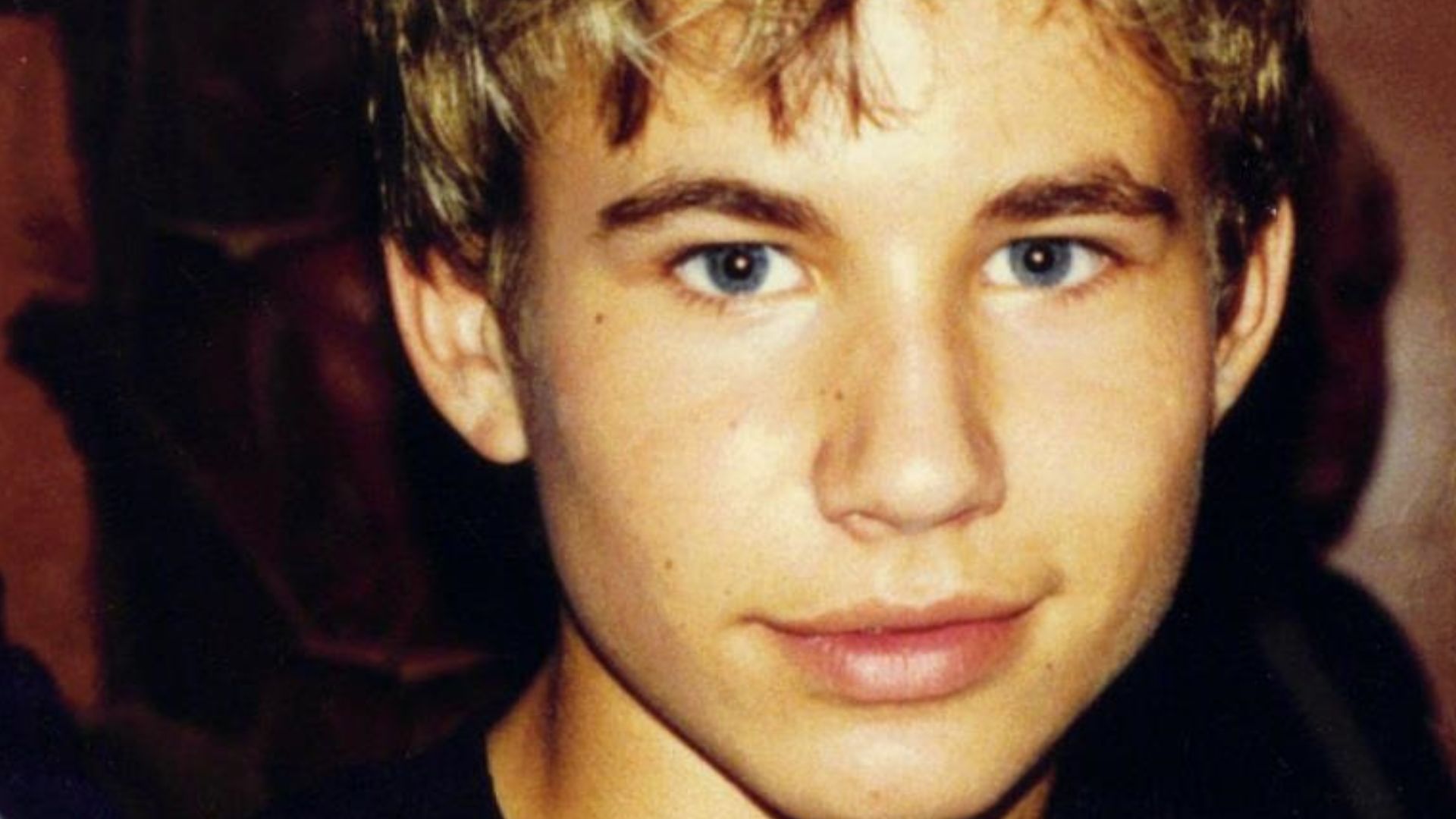
Jonathan Taylor Thomas
Teen fame can overwhelm anyone before adulthood even begins. Therefore, instead of stretching sitcom success into endless sequels, he chose college. Harvard first, then Columbia. Although studio executives kept calling, he answered selectively, preferring education over saturation and long-term exposure.
Lara Flynn Boyle
Fame moves in cycles. One year defines a decade; the next replaces it. Twin Peaks anchored her in 1990s television history, while film roles extended that reach. However, tabloid scrutiny intensified at the same time industry taste shifted. Opportunities also narrowed quietly rather than abruptly.
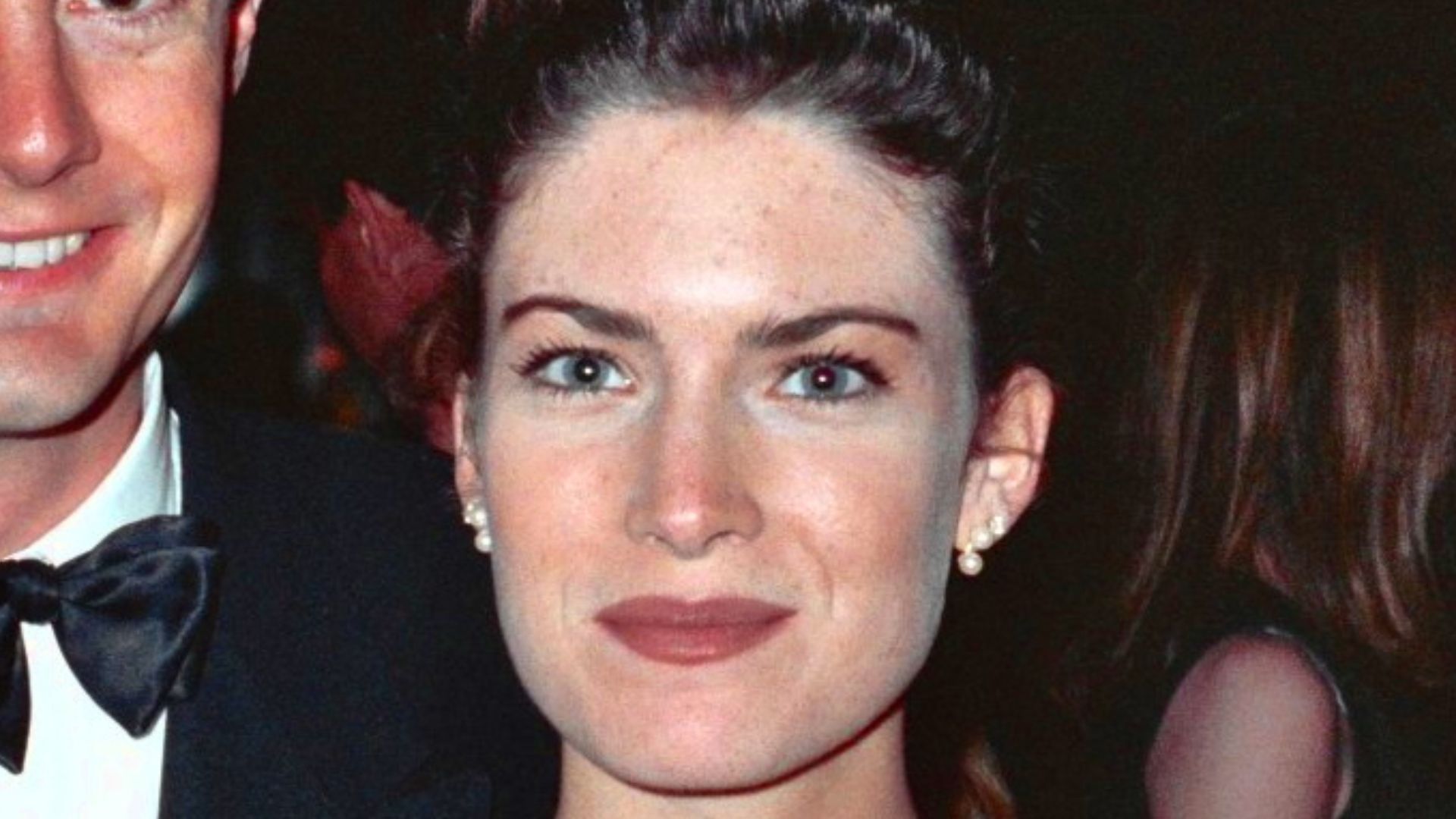
Rachael Leigh Cook
Late 1990s romantic comedies relied on charm more than spectacle. This is why She’s All That became part of that era’s identity. Audience expectations followed her into future casting rooms. As genre cycles cooled, leading studio roles thinned. Voice work and television films sustained momentum instead.
 Super Festivals, Wikimedia Commons
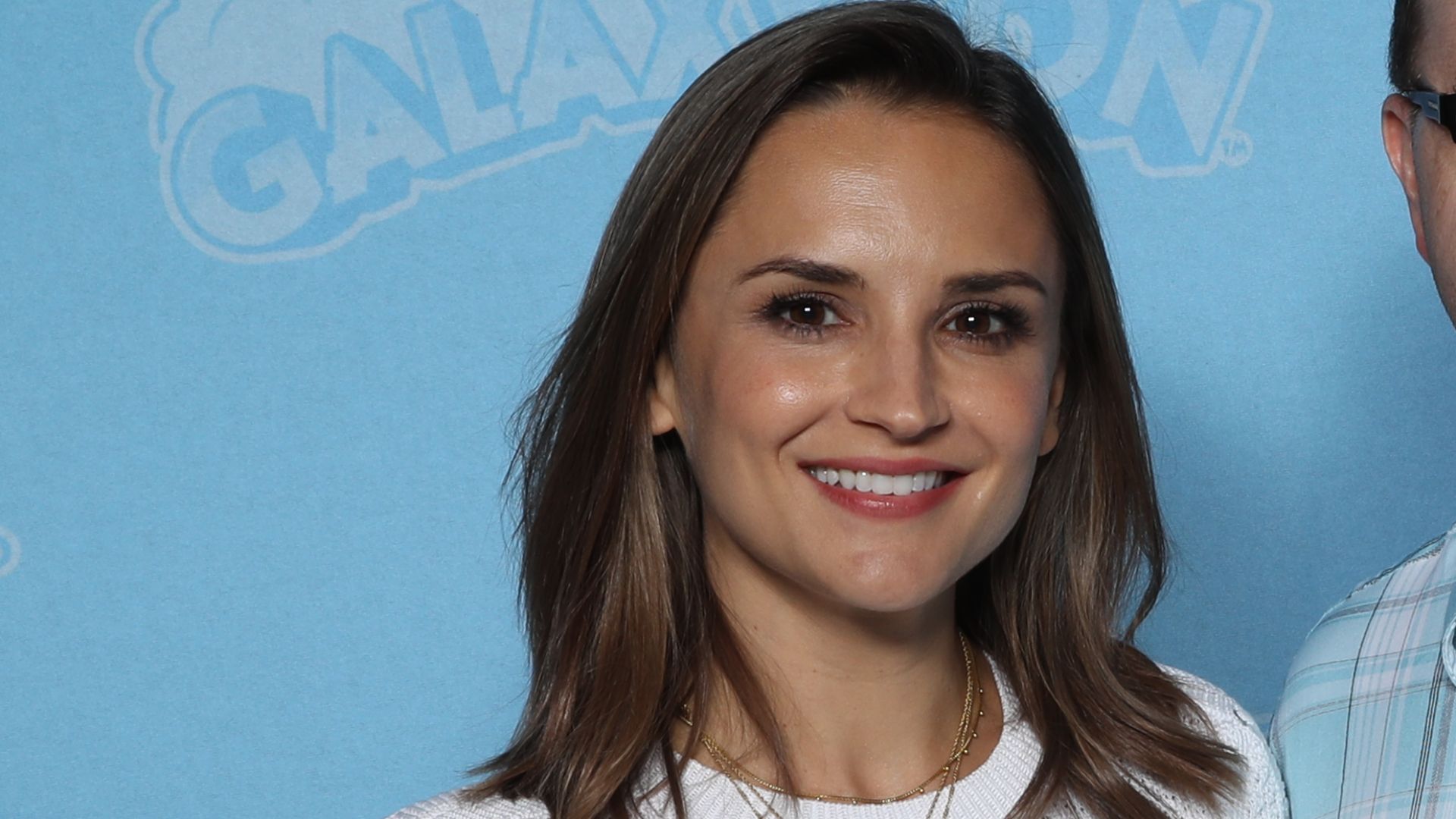
Elizabeth Berkley
Reinvention carries risk. Still, leaving a wholesome sitcom image behind, she pursued dramatic credibility through Showgirls. However, the backlash overshadowed craft and hardened public perception. Studio support weakened quickly. Stage work and television roles later provided stability built on persistence rather than hype.
 John Manard from Richmond, VA, USA, Wikimedia Commons
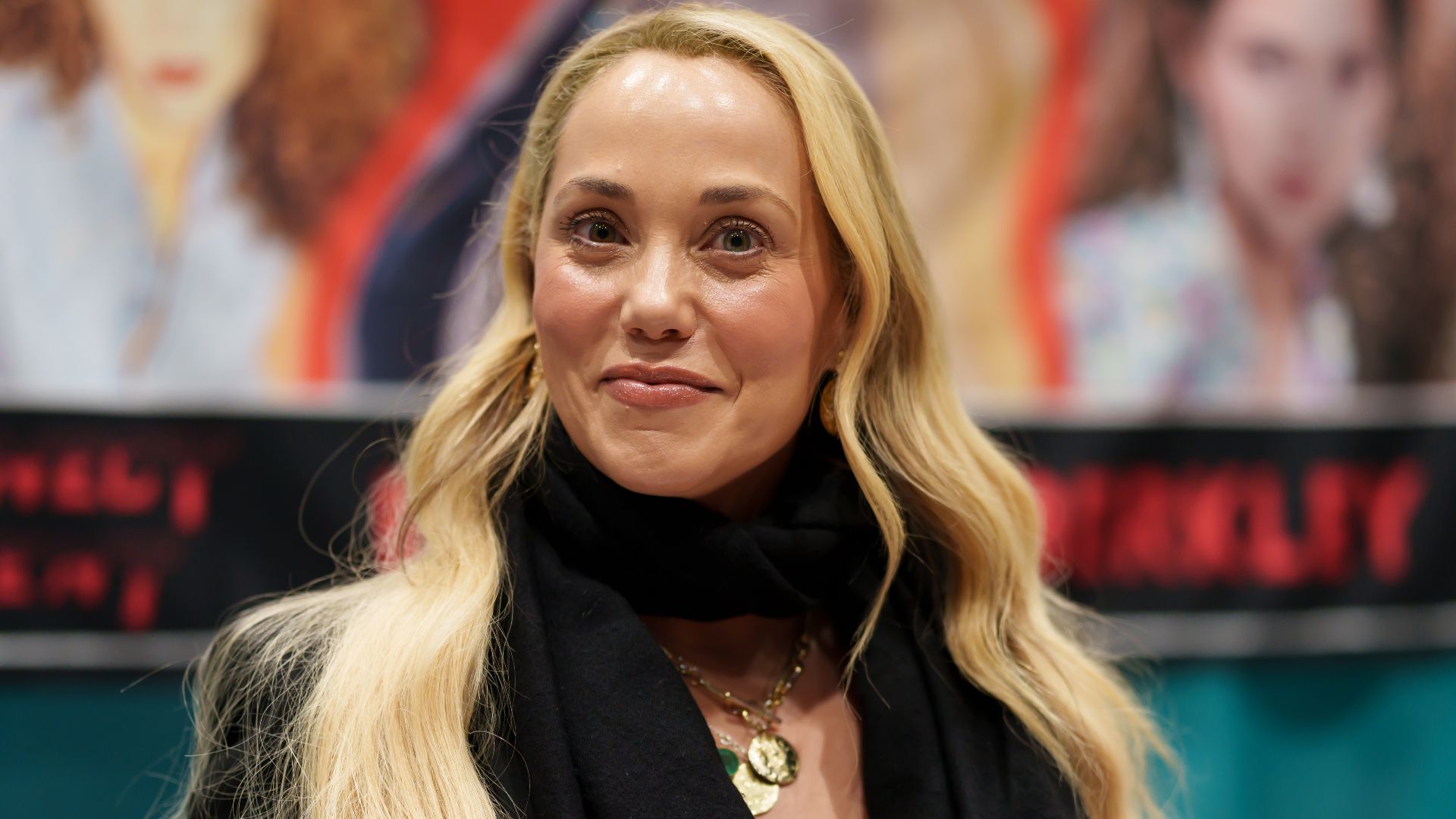
Eddie Furlong
Few teenagers carry a blockbuster the way he did in Terminator 2. Early acclaim suggested durability. Personal struggles later disrupted momentum and strained professional relationships. Independent films offered space to keep working. Mainstream studios, however, hesitated to reinvest at scale.
 Miguel Discart & Kiri Karma (Photos Vrac), Wikimedia Commons
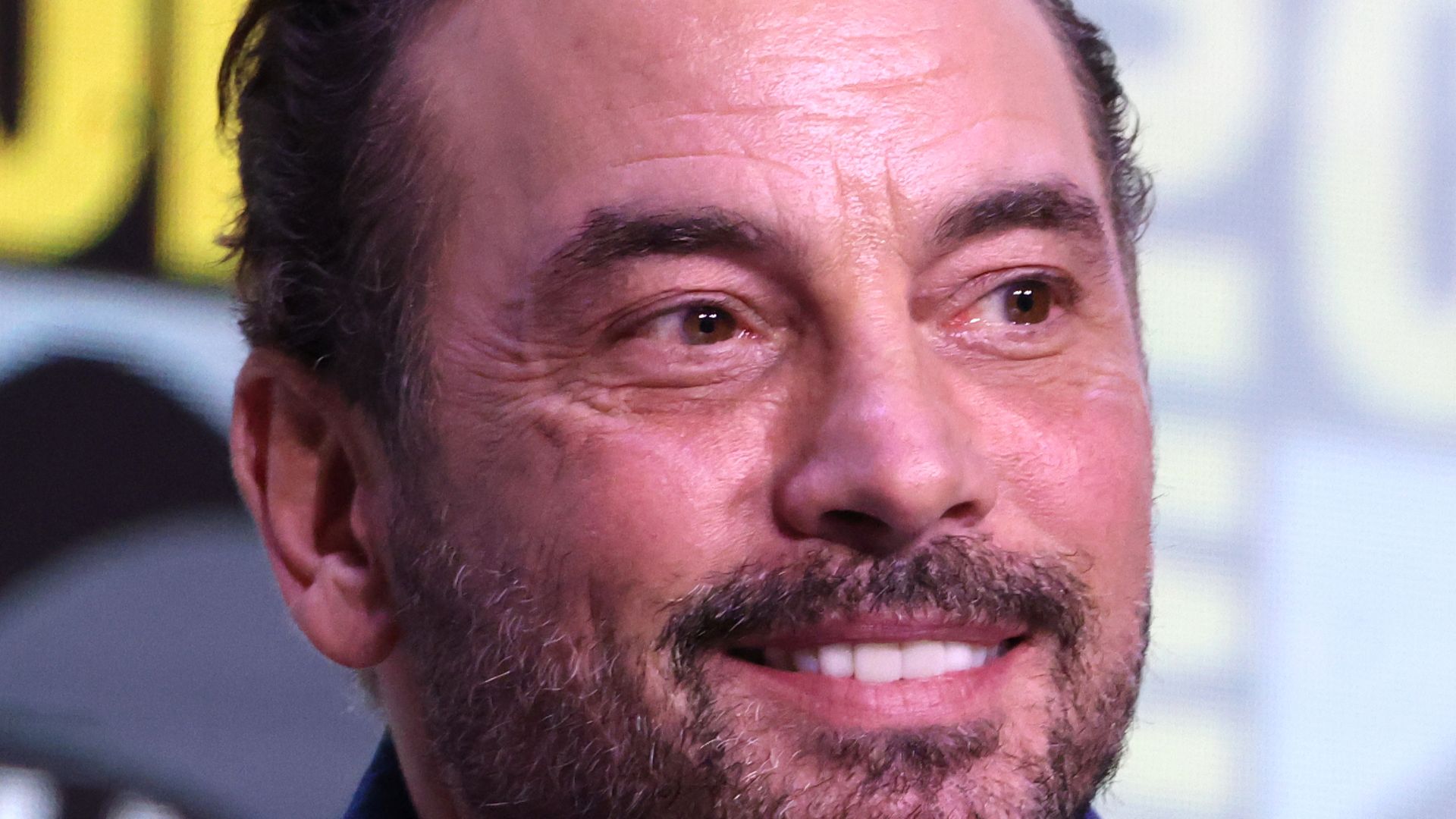
Skeet Ulrich
A familiar face in late 1990s horror, he thrived in darker roles. Scream and The Craft built instant recognition, and casting soon leaned heavily toward genre repetition. Film leads decreased as tastes pivoted. Television, especially Riverdale, restored steady exposure without fully reviving the earlier dominance of film.
 Gage Skidmore, Wikimedia Commons
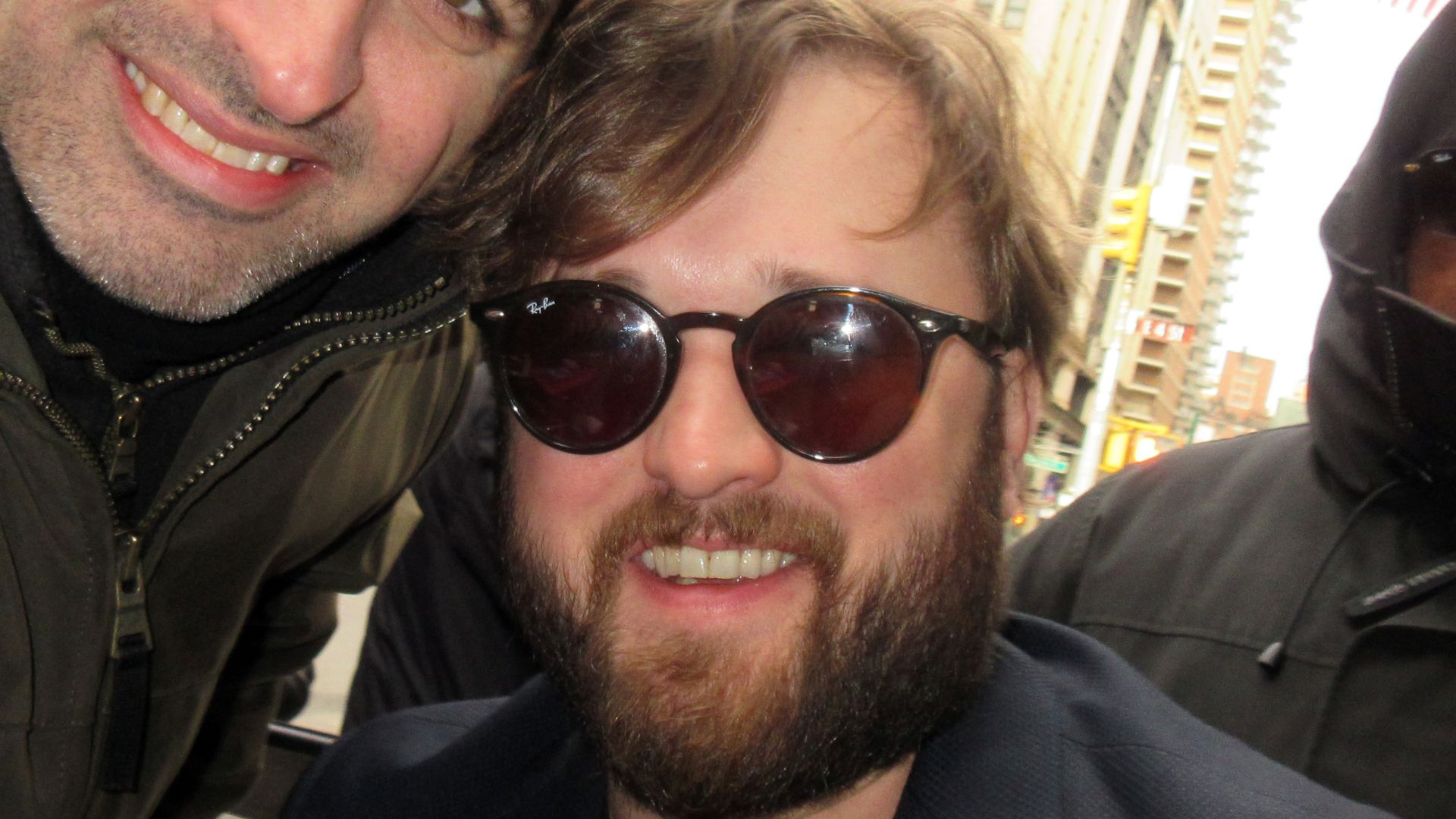
Haley Joel Osment
Early acclaim can complicate adulthood. Few child actors carry the weight he did after The Sixth Sense, and expectations stretched far beyond typical growth. As adolescence arrived, leading offers slowed. Later, character roles in television and comedy allowed recalibration without constant comparison to childhood brilliance.
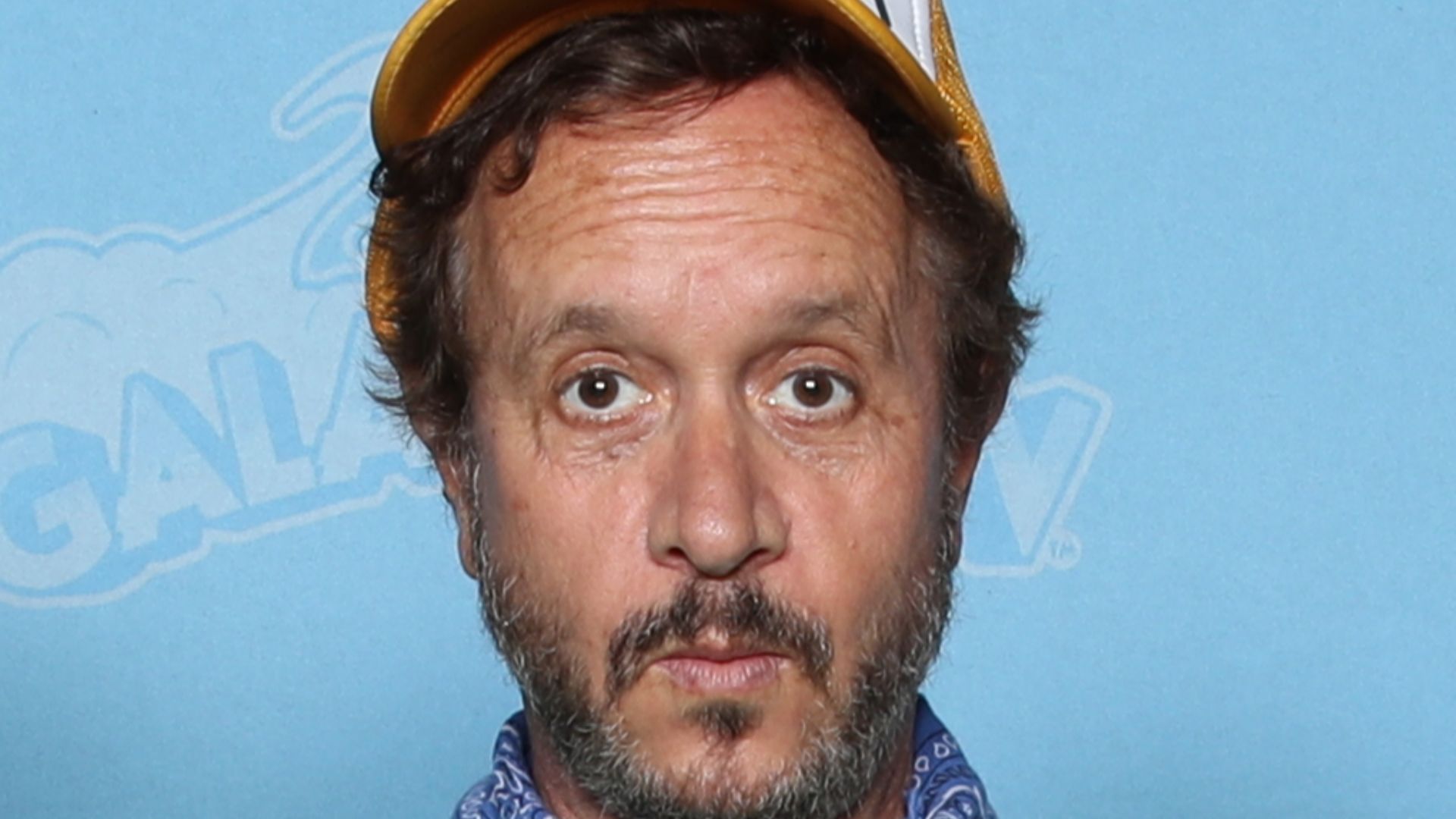
Pauly Shore
Comedy cycles move fast. One decade crowns a king; the next shrugs. During the 1990s, Encino Man and Son in Law rode a wave of offbeat humor tailored to his persona. However, audience taste shifted toward sharper irony. Still, stand-up tours and podcasts preserved loyal fans.
 Super Festivals from Ft. Lauderdale, USA, Wikimedia Commons
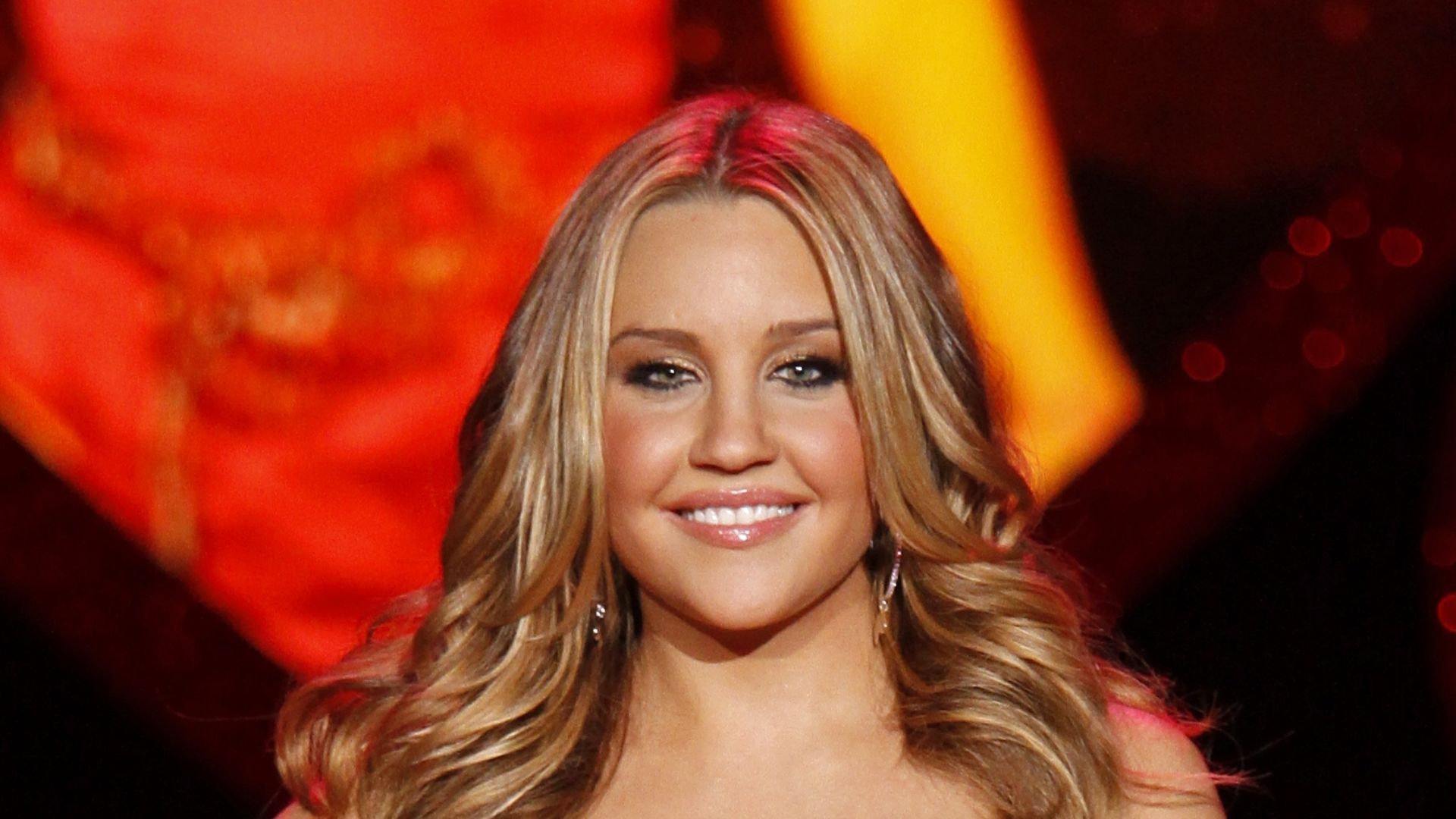
Amanda Bynes
Public adoration arrived early and intensely. Studios relied on her instinct for physical humor and timing across multiple teen comedies. In 2010, mental health struggles forced a pause that lasted years. A conservatorship shaped the next phase. After 2022, personal stability outweighed career urgency.
 The Heart Truth, Wikimedia Commons
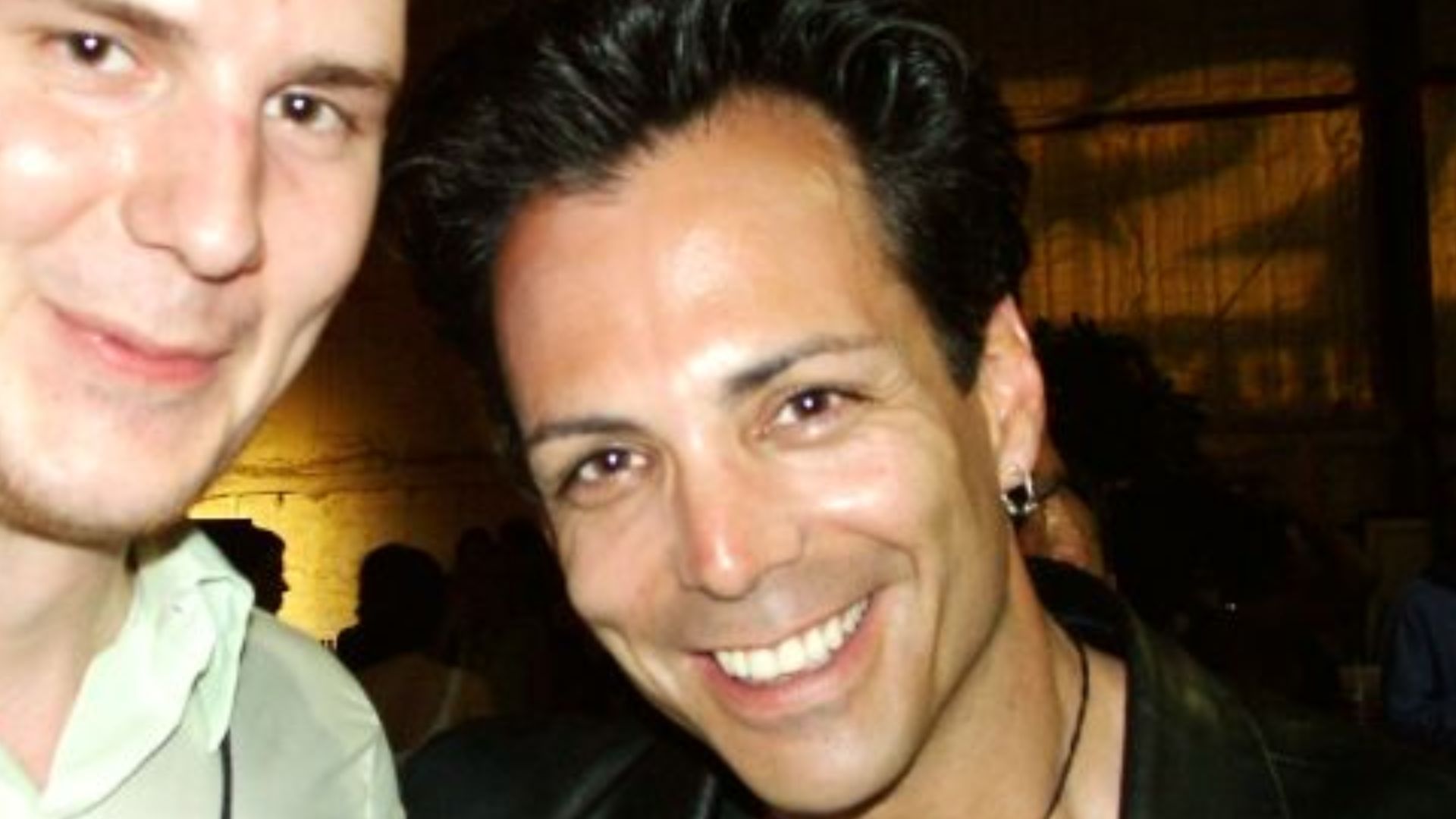
Richard Grieco
Teen heartthrob status promises longevity until numbers disagree. Feature films such as If Looks Could Kill failed to match the momentum of television. Earlier fame from 21 Jump Street proved difficult to translate into sustained box office pull. Guest appearances and directing followed as visibility gradually narrowed.
 Angel Schatz, Wikimedia Commons
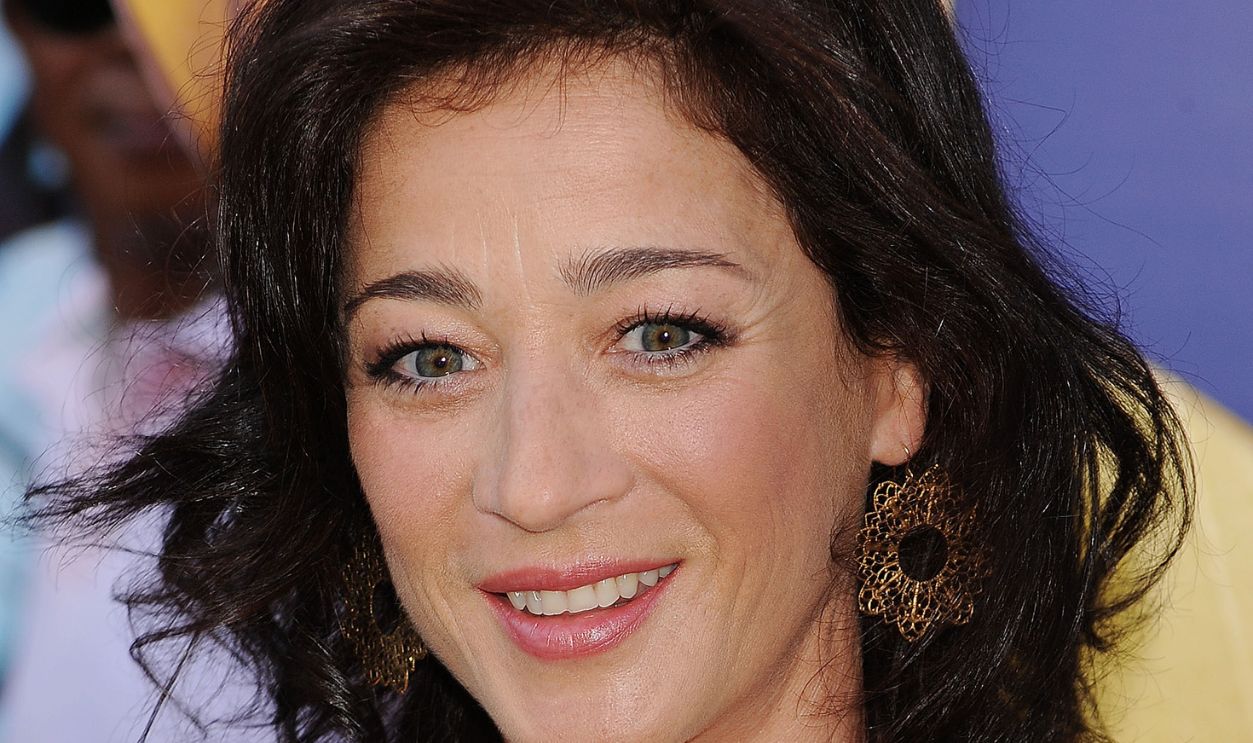
Moira Kelly
Some performances linger quietly across generations like The Cutting Edge, which built romantic recognition that still circulates today. Later, voice work as Nala in The Lion King widened audience familiarity. However, as Hollywood began to prioritize, she leaned toward teaching and selective television, trading scale for stability.
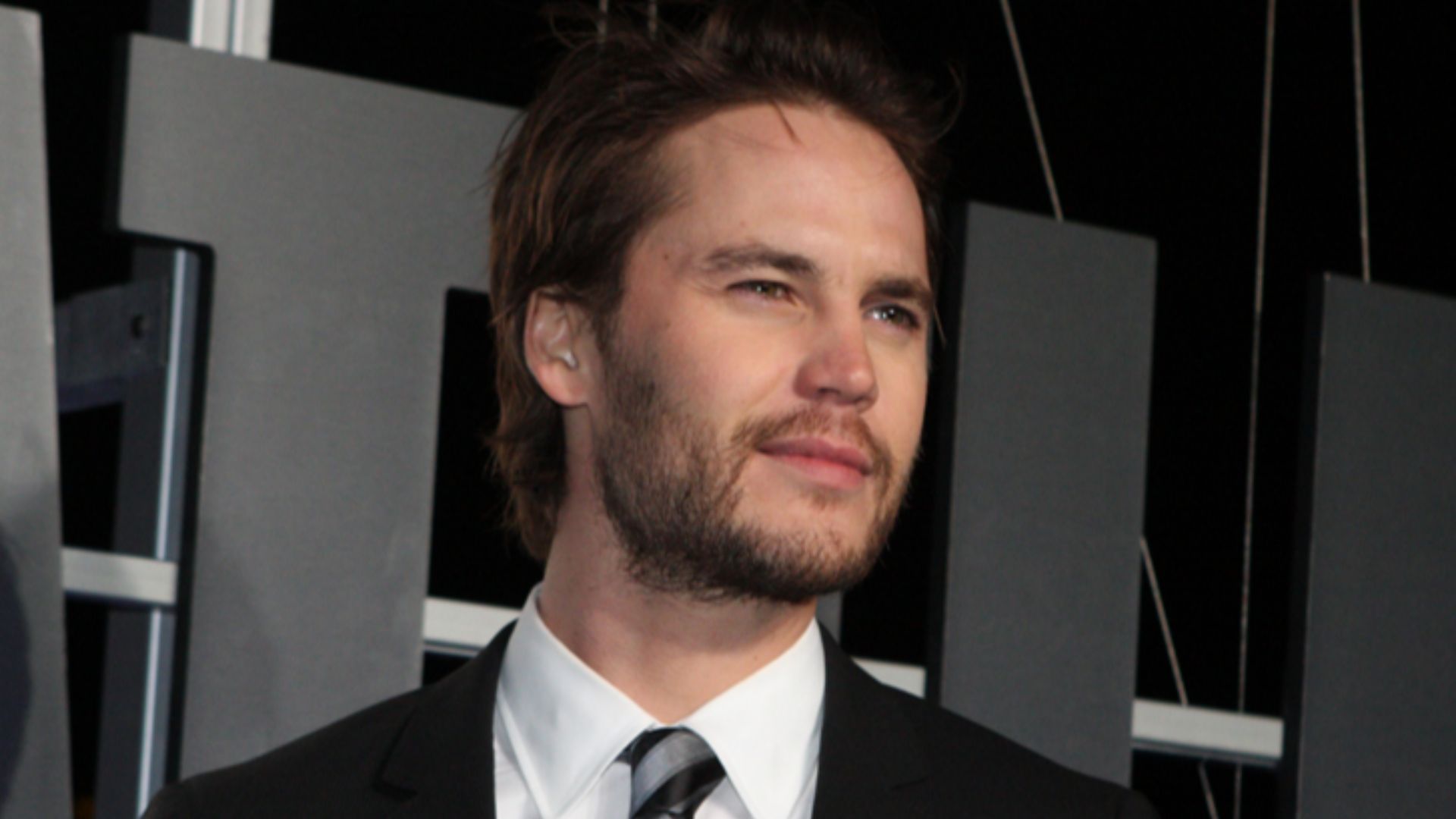
Taylor Kitsch
High budget risk can distort career perception. After television success on Friday Night Lights, studios positioned him within expensive theatrical ventures. But John Carter underperformed relative to investment. Market response tightened the scope of future casting. Television projects later provided consistency, but without a blockbuster-level scrutiny.
 Eva Rinaldi, Wikimedia Commons
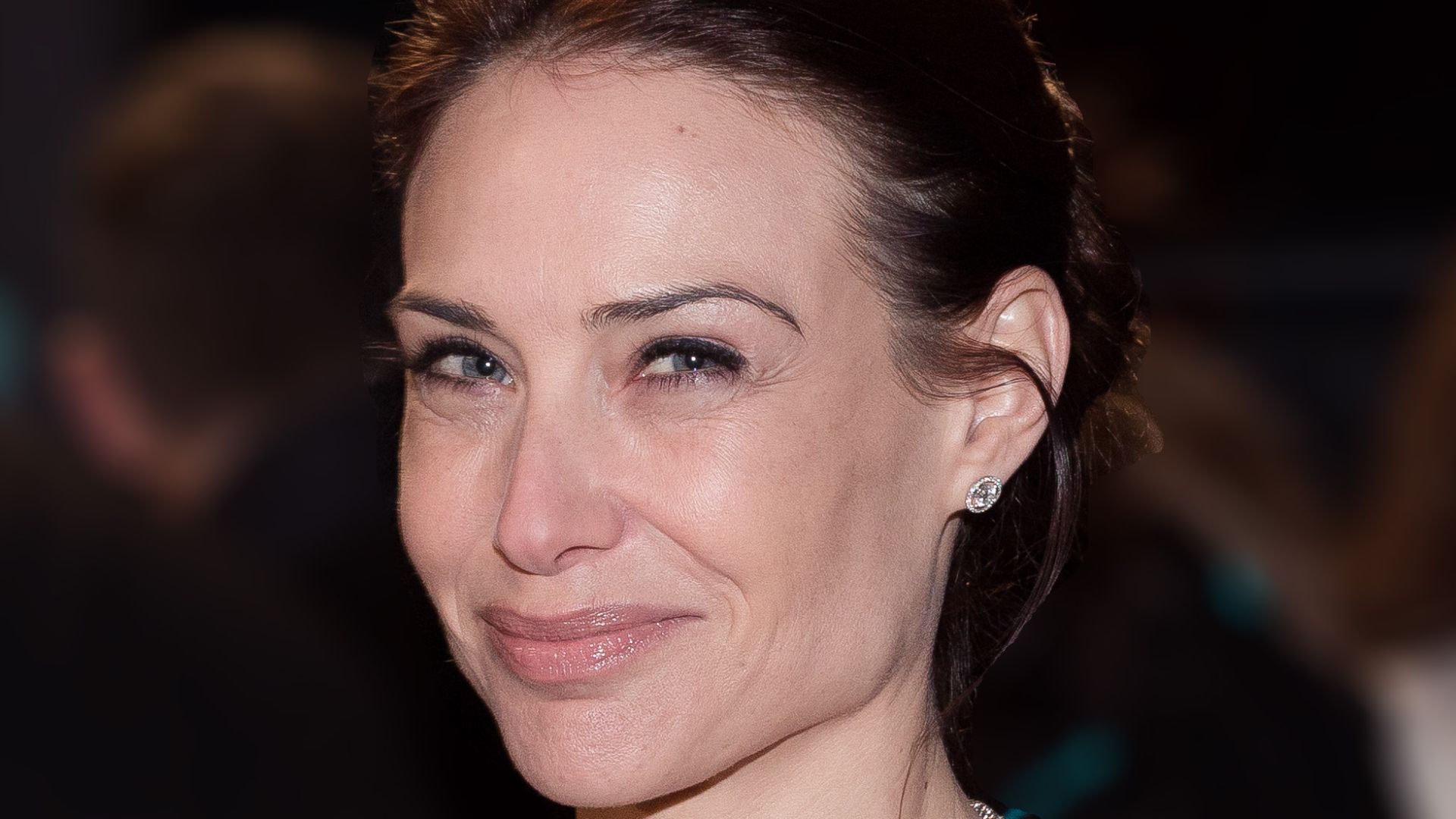
Claire Forlani
Franchise dominance reshaped studio priorities long before audiences noticed. Mid-budget romantic dramas gradually lost leverage. Within that shift, Claire Forlani’s trajectory narrowed despite early promise. Meet Joe Black carried visibility for a time. In later years, television and independent films gained favor over large-scale theatrical exposure.
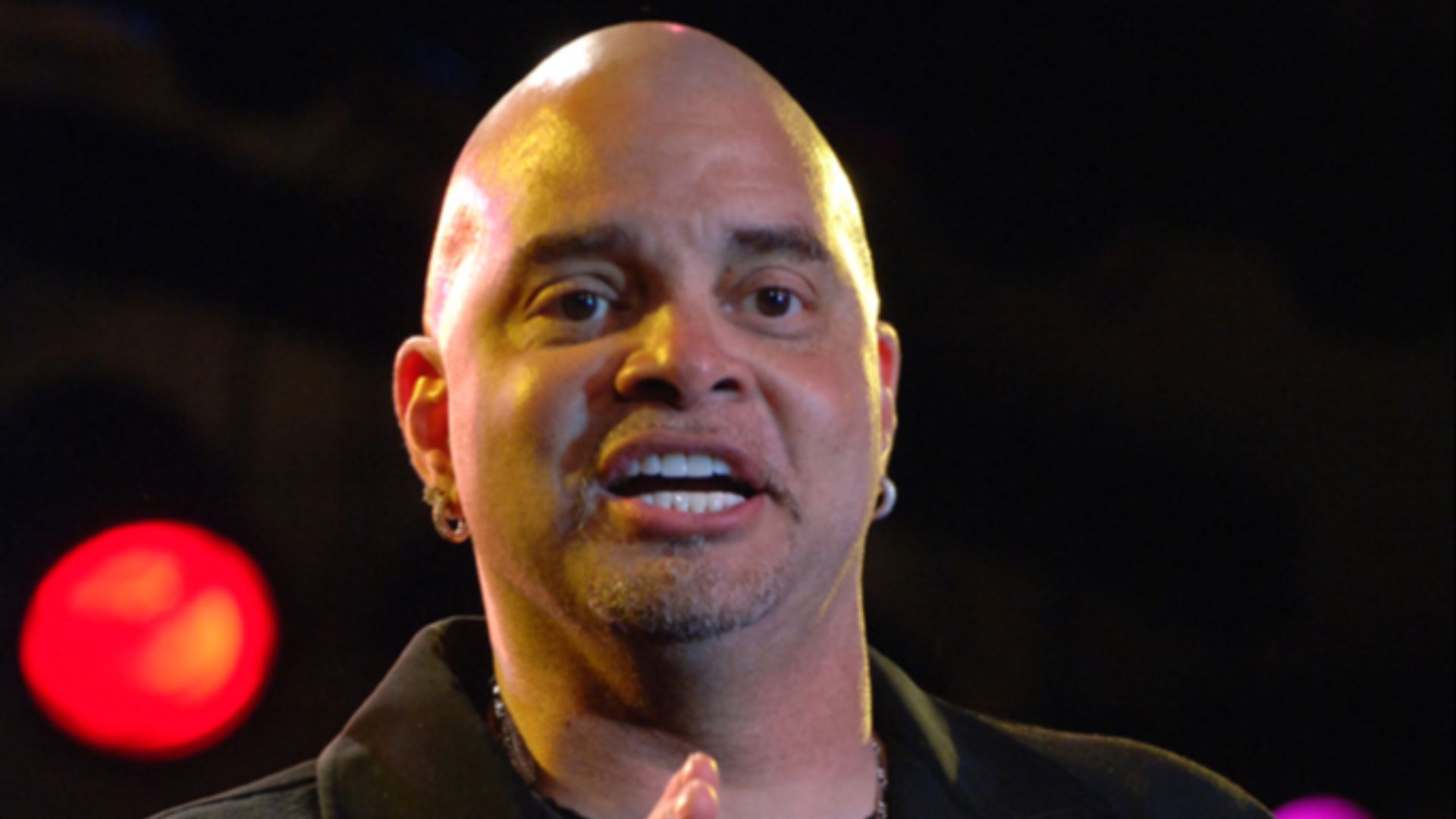
Sinbad
Family audiences once counted on his clean comedic presence during holiday seasons, and Jingle All the Way reinforced that connection. However, health challenges, including a stroke, have changed public visibility in recent years. Recovery became central, so updates from loved ones replaced premiere appearances.
 Jerry Crawford (jcrawford3505), Wikimedia Commons
Emile Hirsch
Careers shift quietly until one event forces a reckoning. In 2015, legal trouble redirected industry trust almost immediately. Before that, Into the Wild had earned him critical admiration and long-term promise. Independent projects continued afterward, though studio enthusiasm never regained its earlier intensity.
 David Shankbone, Wikimedia Commons
Tia Carrere
Blockbuster glare does not define an entire career. Animation booths and television sets can offer just as much creative room. After Relic Hunter ended, theatrical exposure slowed as franchise cinema tightened studio focus. However, earlier roles in Wayne’s World and True Lies still echo across generations.
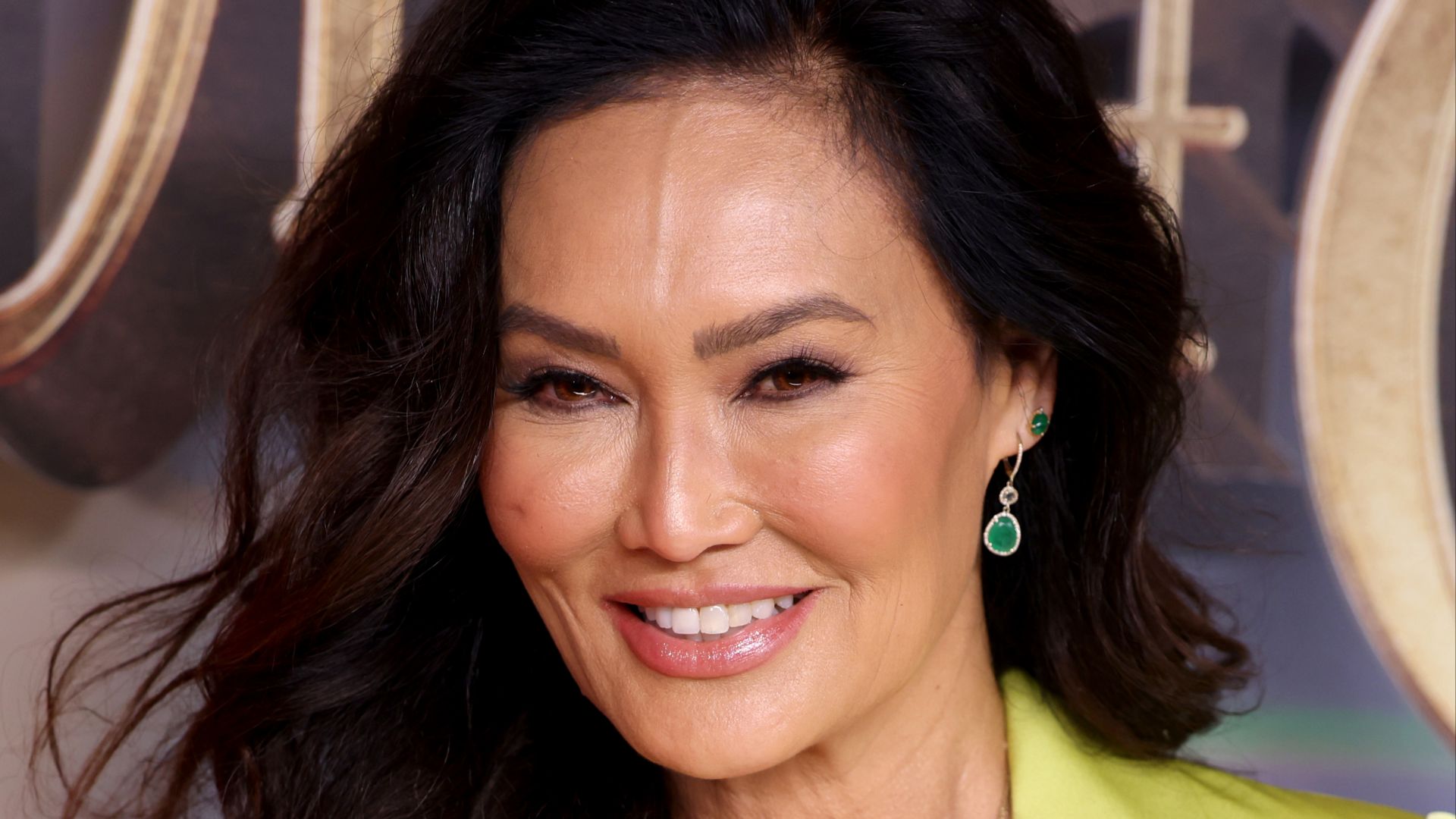 Gage Skidmore, Wikimedia Commons
Tatyana Ali
Long after sitcom applause fades, real life kept expanding. Education and advocacy also became central priorities once The Fresh Prince of Bel-Air concluded. Music remained part of her identity, too. Television films surfaced occasionally, preserving craft without chasing constant visibility or headline-driven fame.
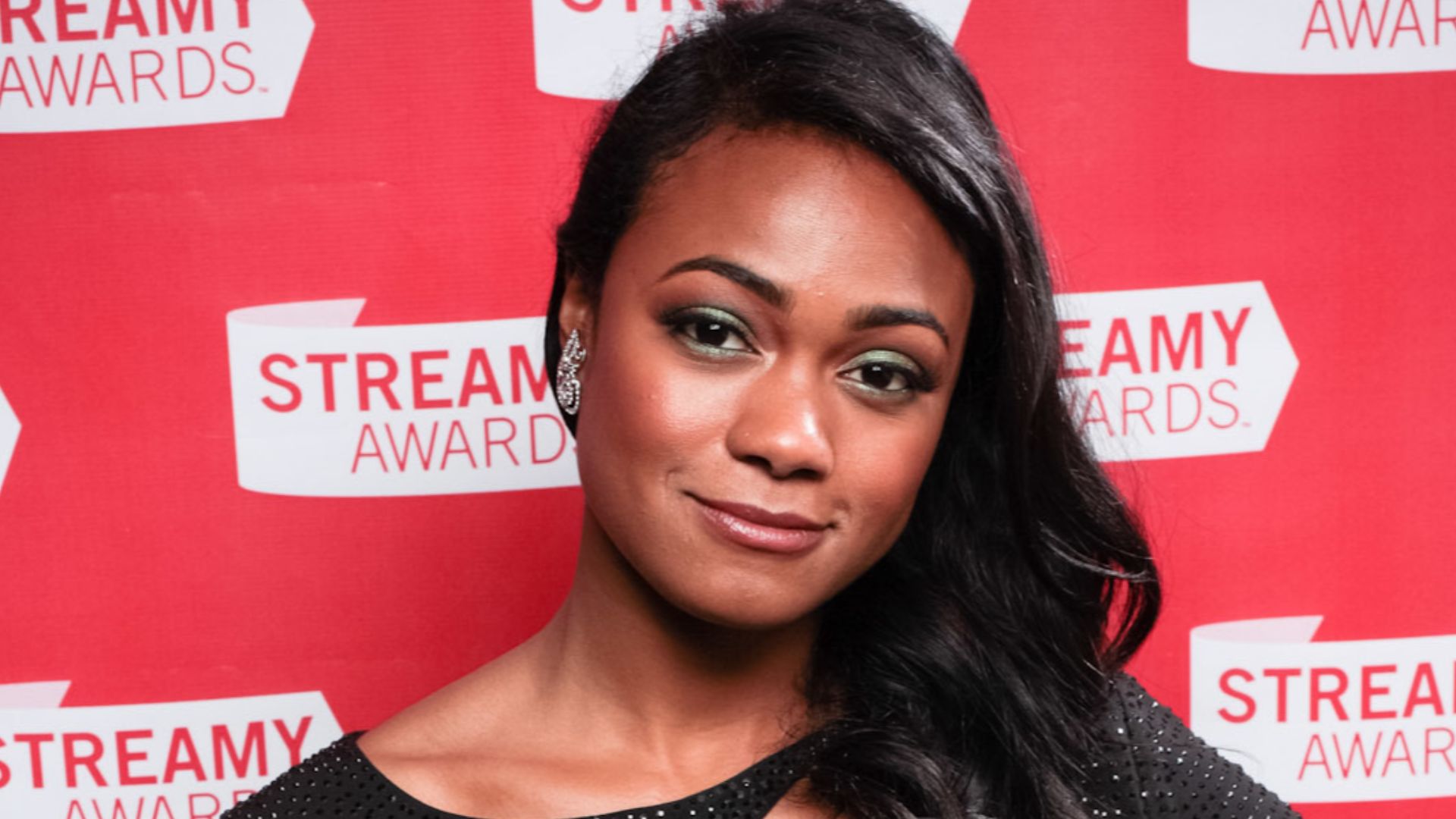 The Bui Brothers, Wikimedia Commons
Ethan Embry
A certain 1990s slacker energy defined his early appeal. Empire Records and Can Hardly Wait captured that cultural mood perfectly. Later, family priorities and independent projects shifted momentum away from multiplex attention. Guest television roles continued, sustaining a steady career without aggressive pursuit of mainstream dominance.
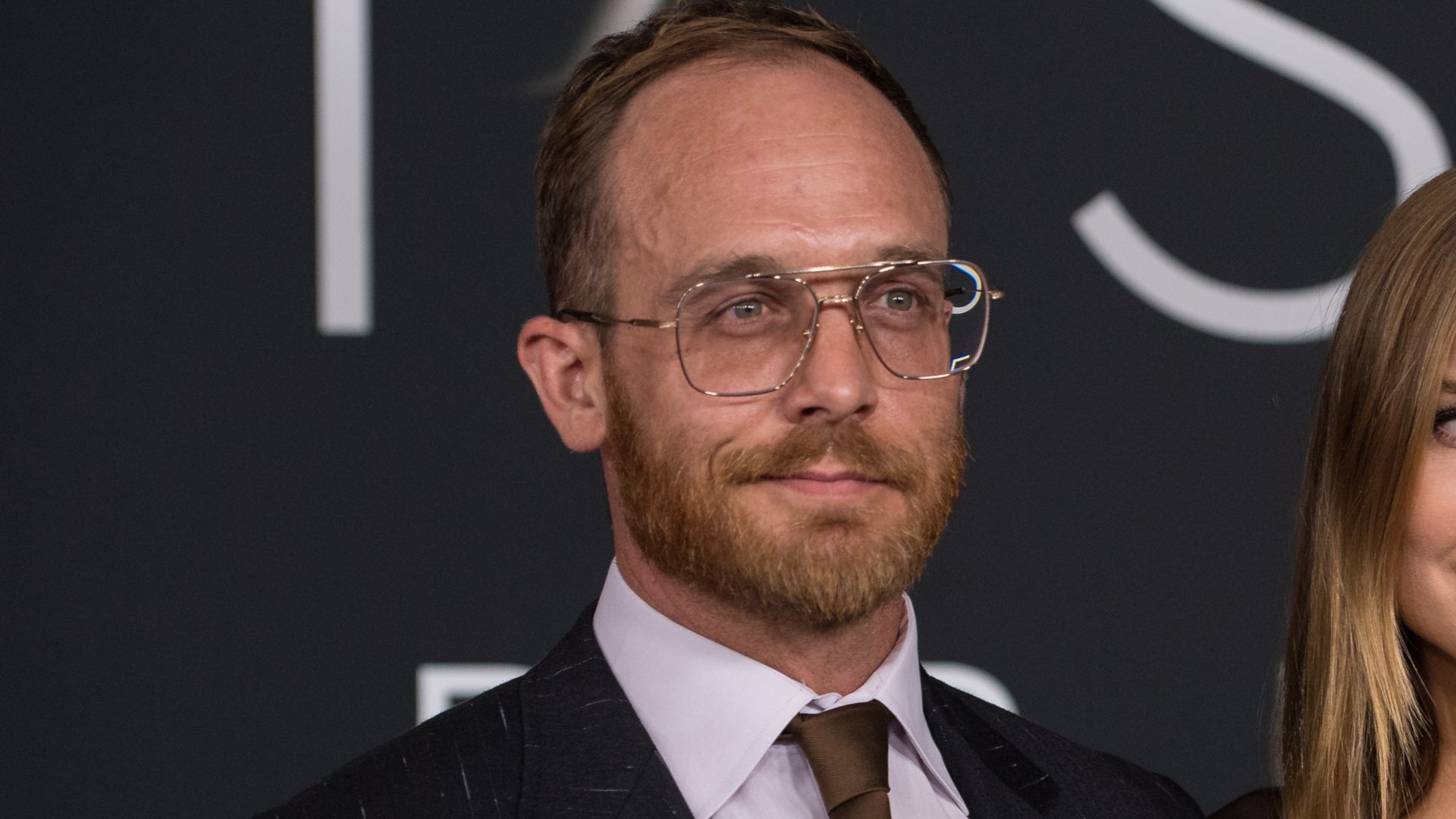 Aubrey Gemignani, Wikimedia Commons
Erika Christensen
Television often provides steadier durability than theatrical volatility. But parenthood delivered long-form character development that sustained her visibility for years. Earlier, Traffic had secured serious dramatic credibility. Rather than chase blockbuster frequency, she chose selective scripts, reinforcing consistency over constant exposure.
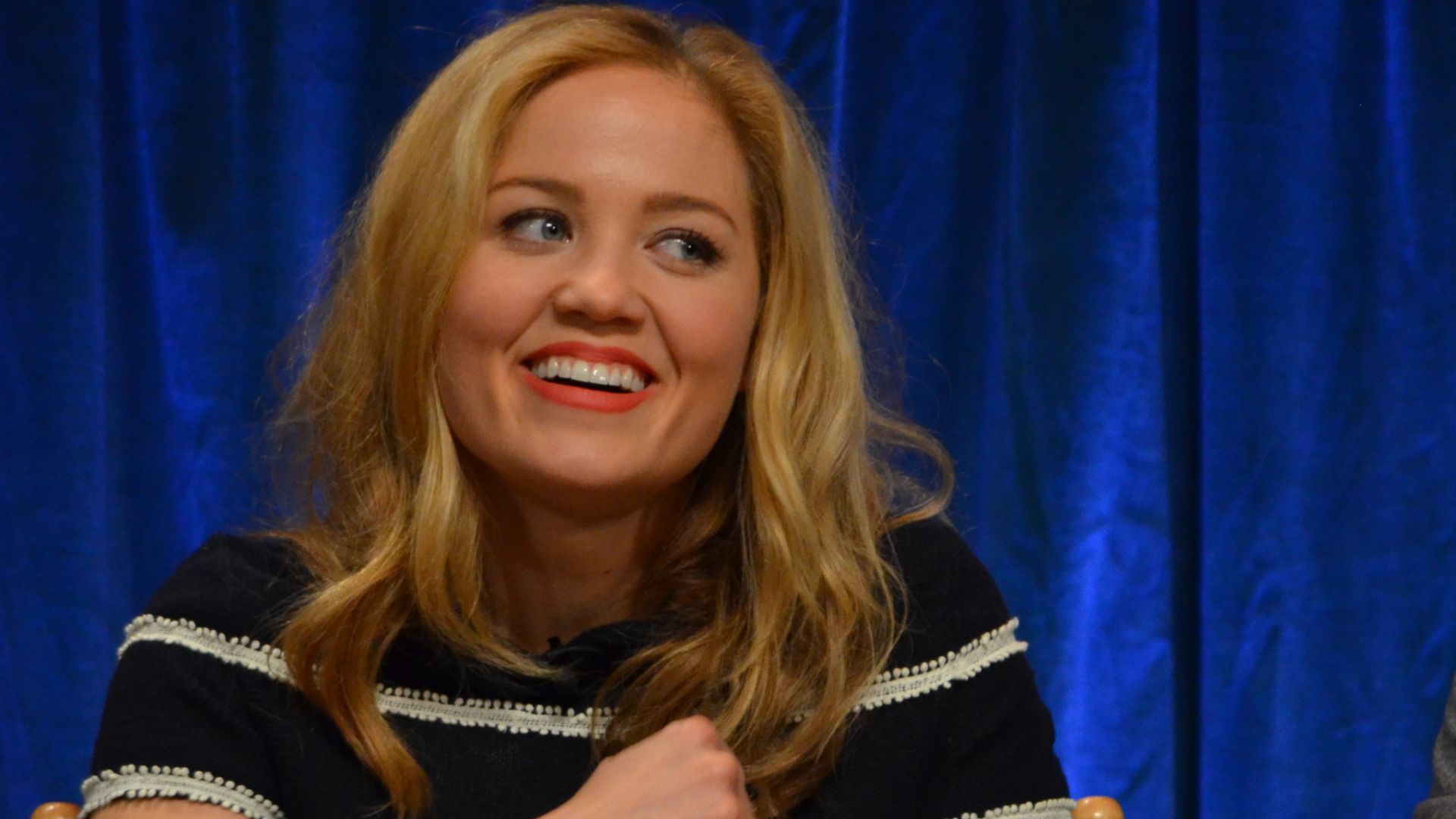 https://www.flickr.com/photos/genevieve719/ Genevieve], Wikimedia Commons
Jeremy London
Fame rarely moves in a straight line. Mallrats and Party of Five once placed him squarely in 1990s pop culture. Then, legal issues and industry shifts complicated momentum. Instead of disappearing, he moved behind the camera, building experience through directing and producing as exposure narrowed.
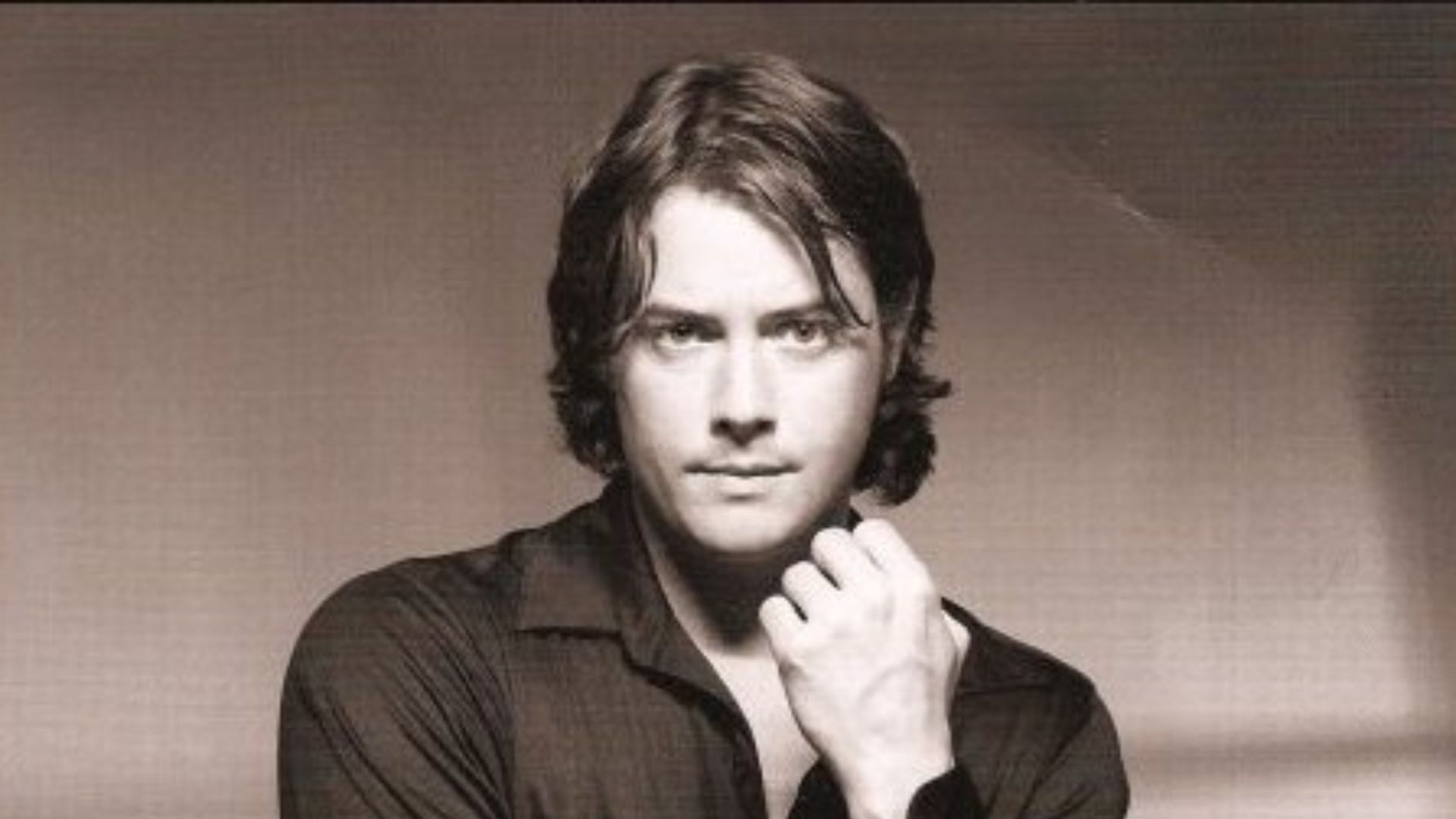 Juliette London, Wikimedia Commons
Christine Taylor
Comedic timing once anchored her in broad ensemble hits. The Brady Bunch Movie and Zoolander showcased that energy, often alongside Ben Stiller. After marriage and the expansion of the family, priorities naturally shifted. Cameos and television appearances kept her connected, though leading roles became less frequent over time.