A Sitcom Lost The Woman Whose Name Was In Its Title
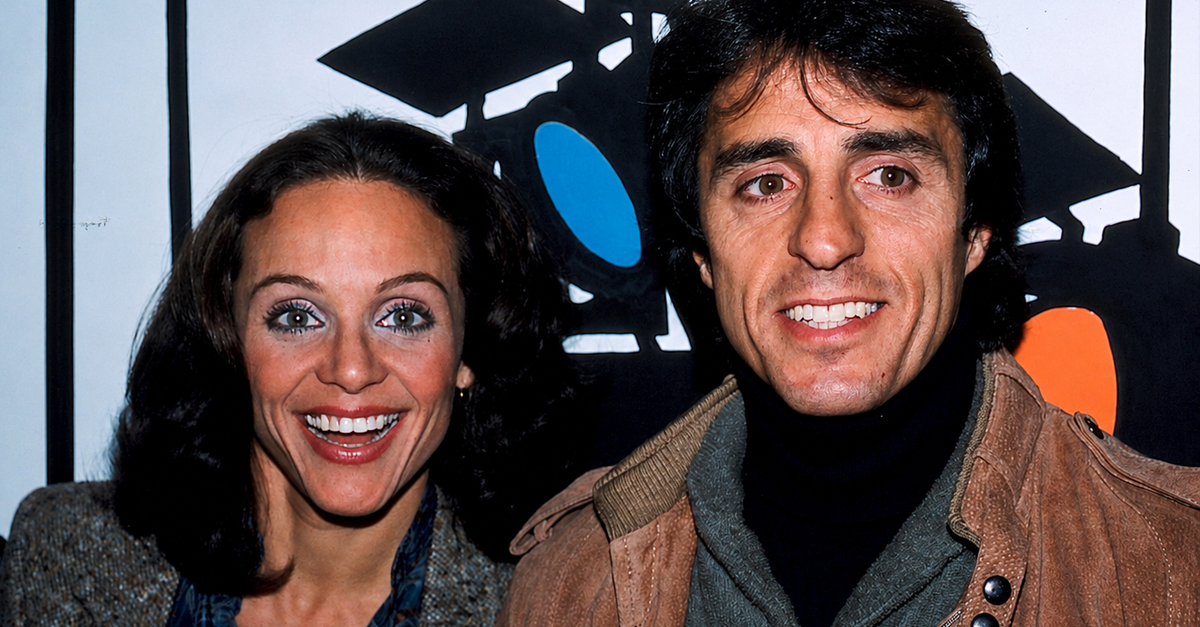
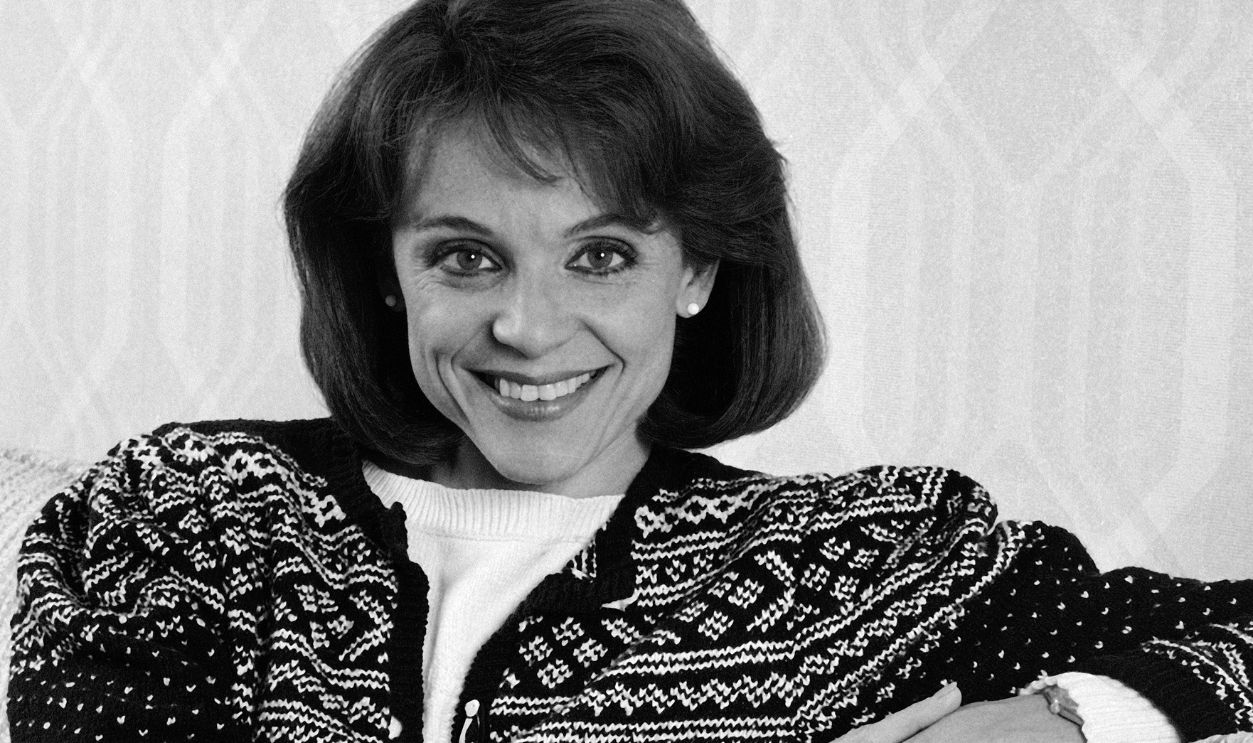
Valerie premiered as a family sitcom built around Emmy-winning actress Valerie Harper. Less than two years later, Harper was fired, her character was killed, and her name began disappearing from the title. The extraordinary transformation resulted from a contract dispute that eventually reached a courtroom.
Valerie Harper Was Already Television Royalty
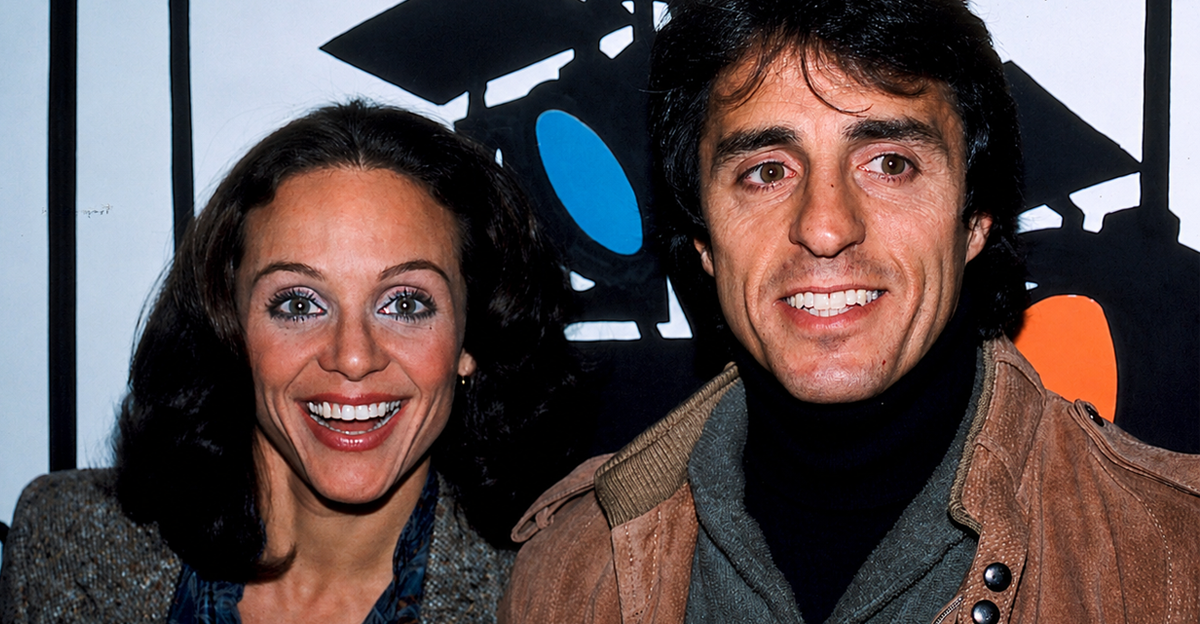
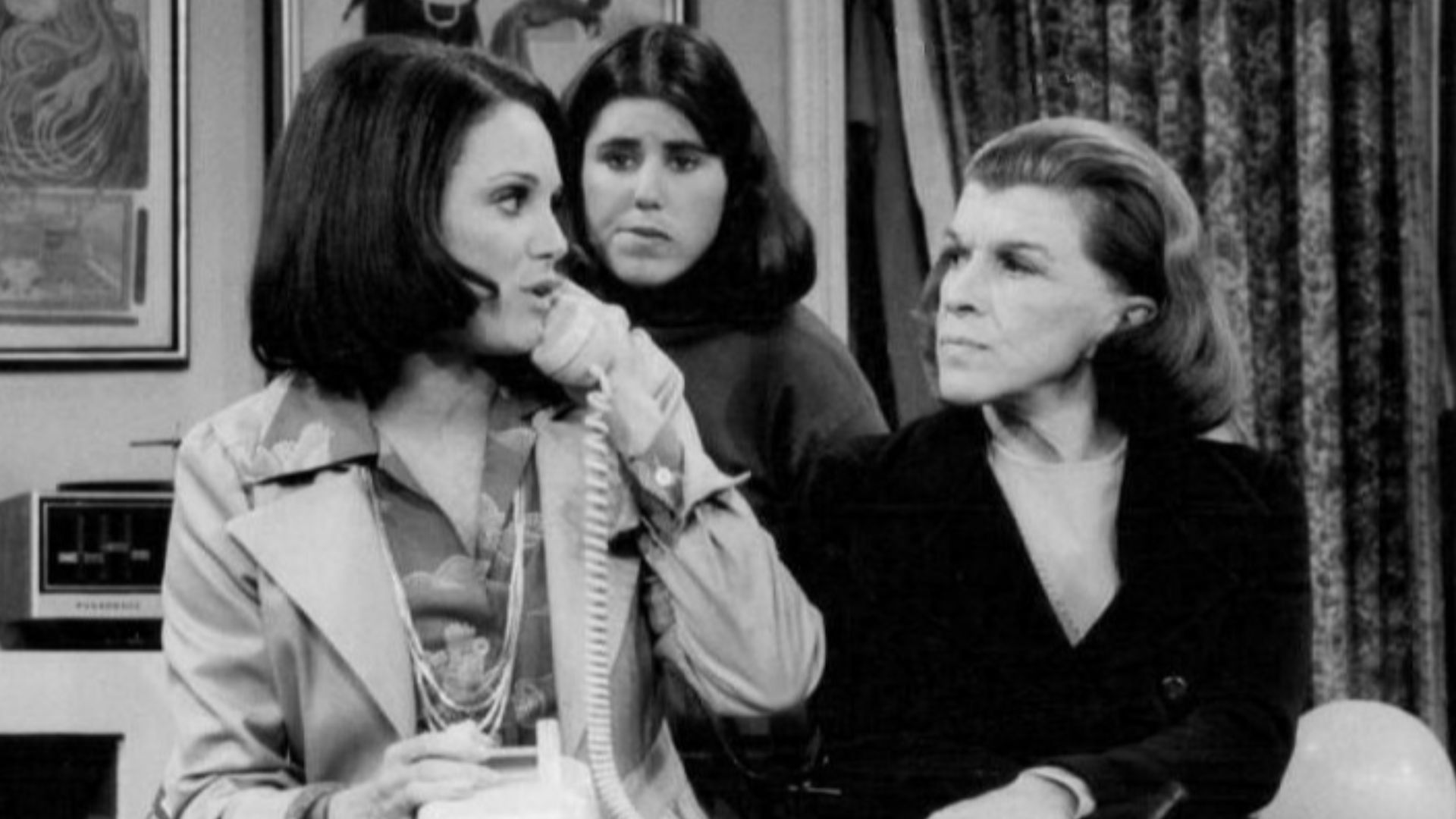
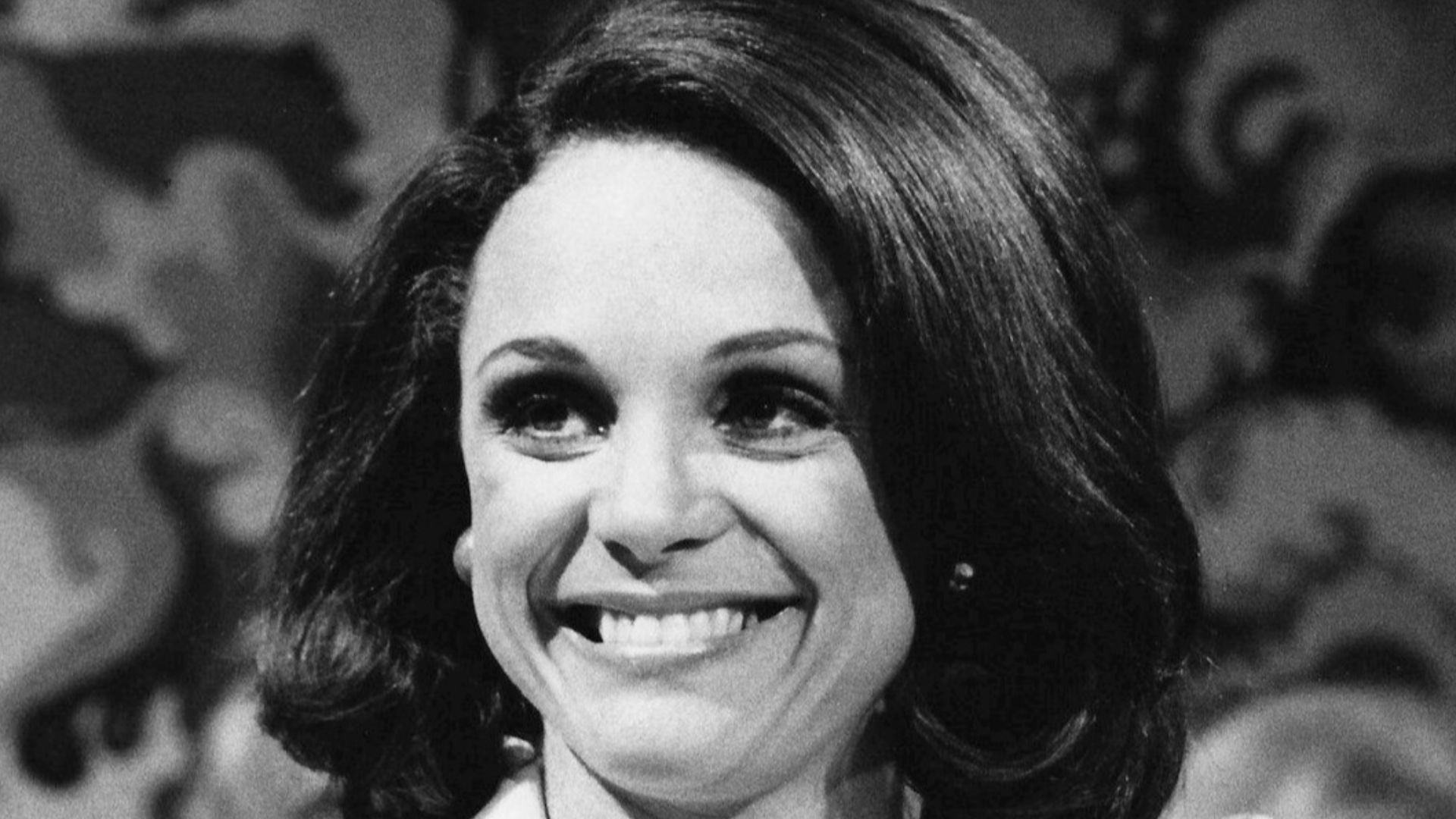
Harper became famous playing Rhoda Morgenstern on The Mary Tyler Moore Show and its successful spinoff, Rhoda. Her work as Rhoda earned her four Emmy Awards and made her one of television’s most recognizable comedy performers. By the 1980s, her name could still provide a new sitcom with instant credibility.
 CBS Television, Wikimedia Commons
NBC Brought Her Back To Weekly Television
Valerie premiered on NBC on March 1, 1986, with Harper playing Valerie Hogan. The character was a working mother raising three sons while her airline pilot husband frequently traveled. The premise placed Harper’s character firmly at the center of the household.
The Hogan Boys Completed The Family
Jason Bateman played eldest son David, while Danny Ponce and Jeremy Licht portrayed twins Willie and Mark. Josh Taylor appeared as Valerie’s husband, Michael Hogan. Although the younger actors received plenty of material, Harper remained the established star around whom the series was marketed.
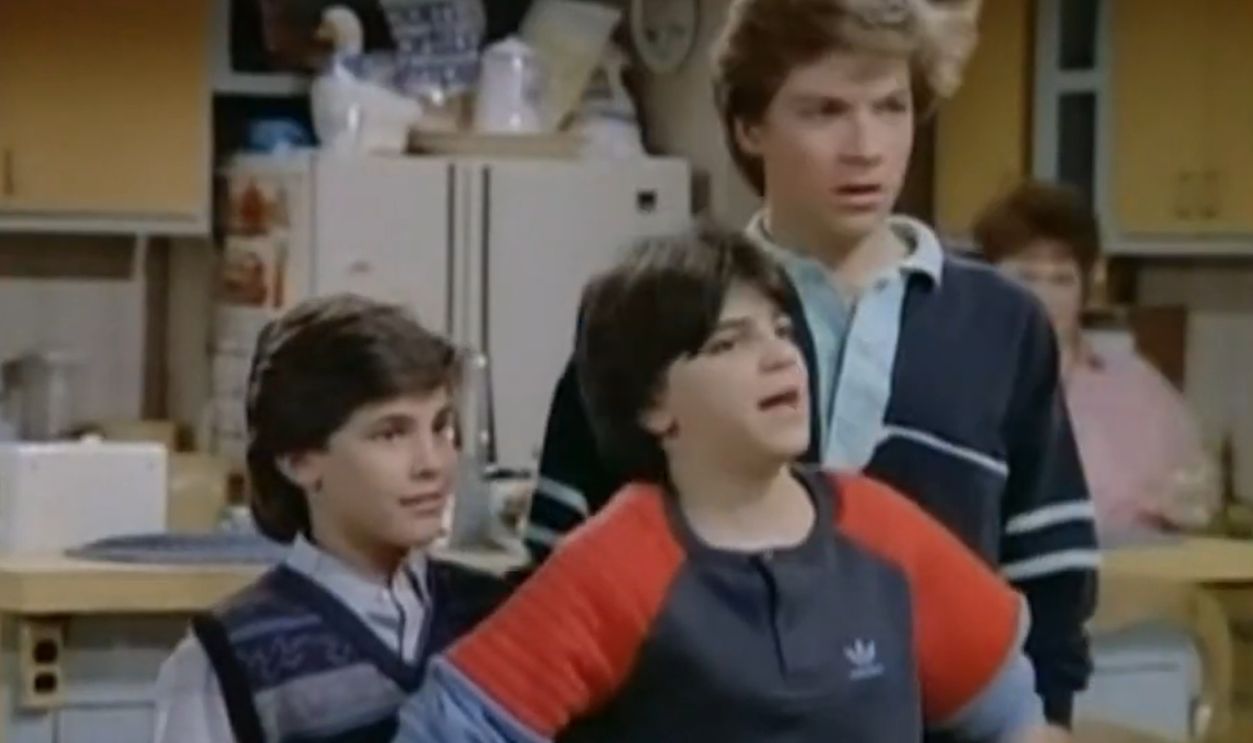 Screenshot from The Hogan Family, formerly Valerie and Valerie’s Family: The Hogans, NBC (1986–1991)
Jason Bateman Quickly Became A Standout
Bateman had already appeared on Little House on the Prairie and Silver Spoons before joining Valerie. As sarcastic teenager David Hogan, he developed into one of the show’s most prominent performers. His growing popularity would later make it easier for the series to continue without its original star.
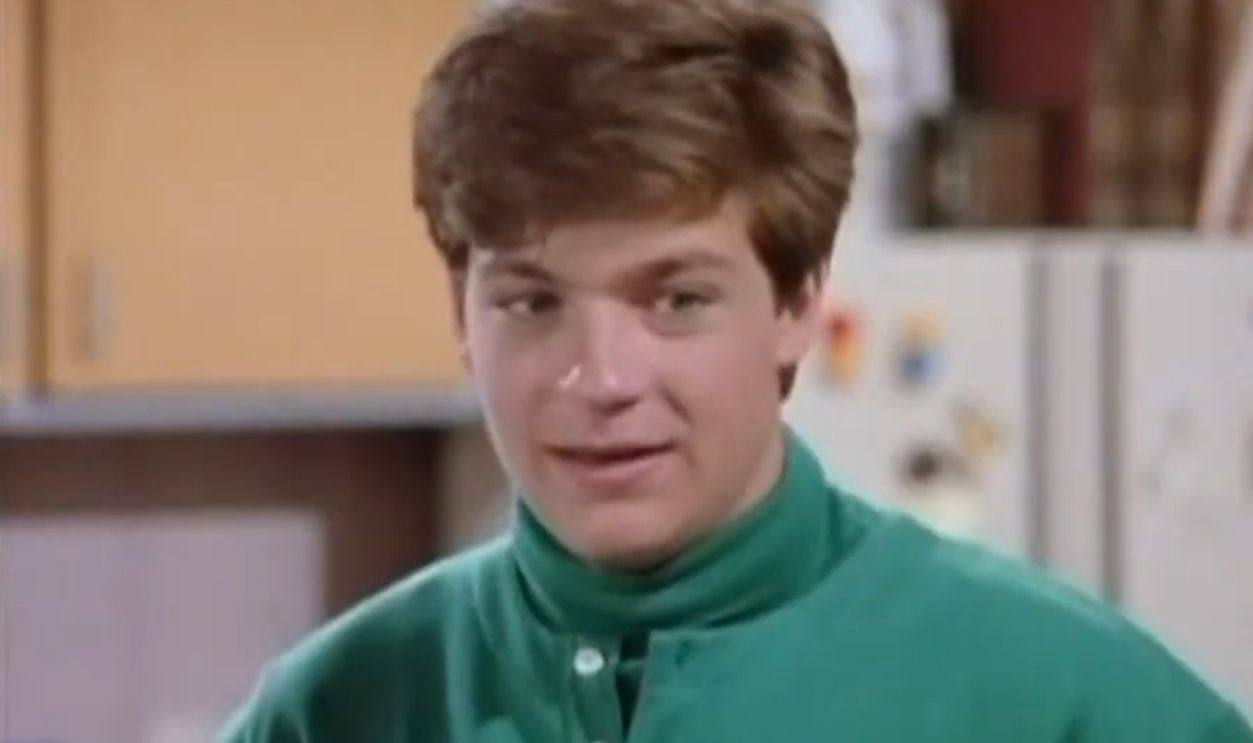 Screenshot from The Hogan Family, formerly Valerie and Valerie’s Family: The Hogans, NBC (1986–1991)
The Show Took Time To Find Its Audience
Valerie did not become an immediate blockbuster, but NBC gave it room to grow. The network eventually placed it on Monday nights after ALF, giving the sitcom a strong lead-in. Its improving position made a third-season renewal increasingly valuable to everyone involved.
 Screenshot from The Hogan Family, formerly Valerie and Valerie’s Family: The Hogans, NBC (1986–1991)
One Episode Generated National Attention
The second-season episode “Bad Timing” followed David and his girlfriend as they considered whether they were ready to become intimate. Its unusually candid discussion of contraception was still controversial on network television, prompting an NBC affiliate in Albany to refuse to broadcast the episode.
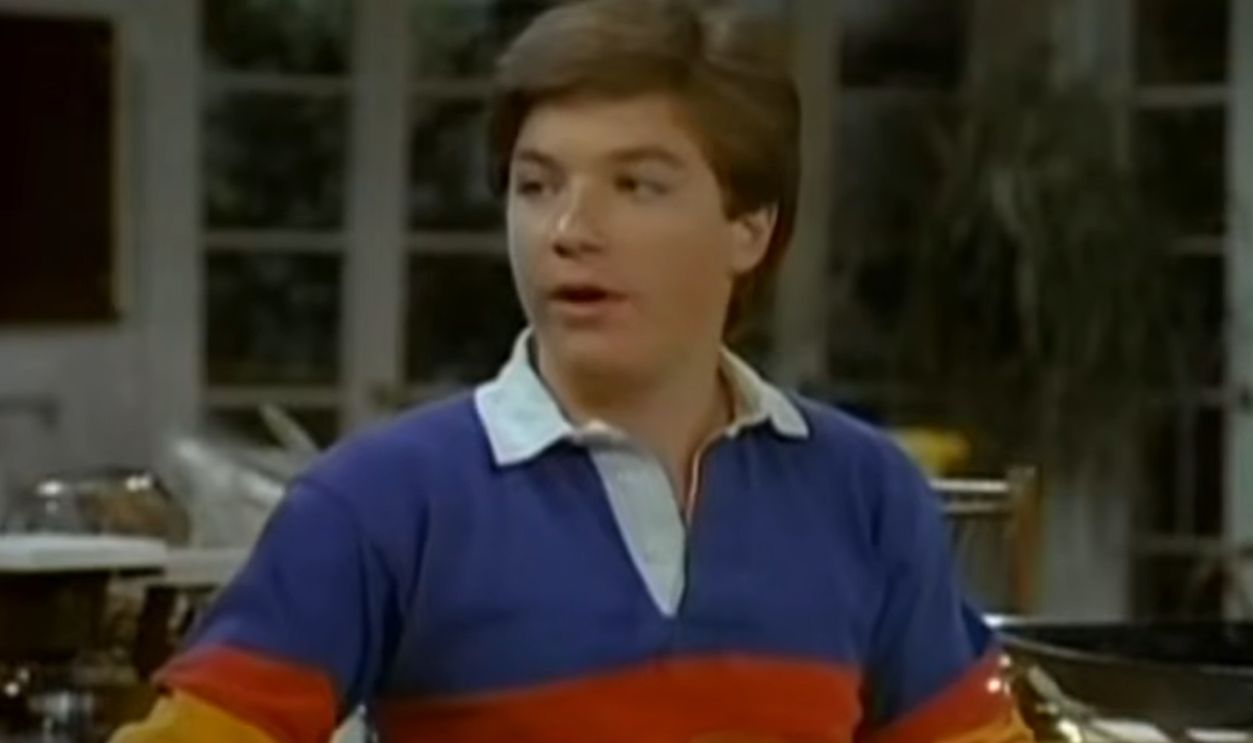 Screenshot from The Hogan Family, formerly Valerie and Valerie’s Family: The Hogans, NBC (1986–1991)
Success Changed The Contract Conversation
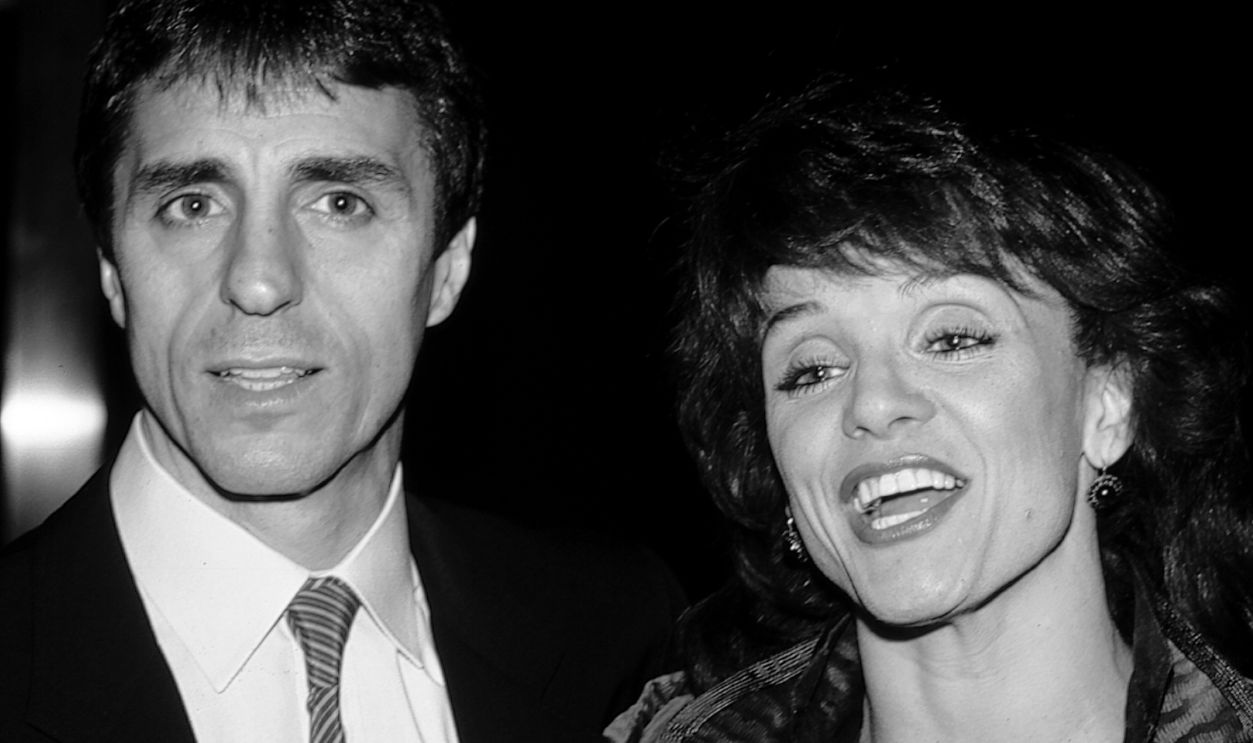
As Valerie became more secure, Harper and her husband, Tony Cacciotti, sought better financial terms. Cacciotti also worked on the program as a producer. Their negotiations with production company Lorimar-Telepictures would soon overwhelm everything happening on-screen.
 CBS Television, Wikimedia Commons
Harper Wanted A Larger Stake
The dispute involved Harper’s compensation and participation in the show’s potential future earnings. Syndication could turn a successful sitcom into an especially valuable property, even after its original network run ended. Harper and Cacciotti believed her importance to the series justified improved terms.
Lorimar Refused To Meet The Demands
Lorimar and Harper’s representatives could not agree on a revised arrangement. The disagreement became increasingly hostile as production began for the third season. Harper sat out filming of the season premiere as a protest during the negotiations. Lorimar characterized her absence as a breach of contract, while Harper maintained that she had not permanently abandoned the show.
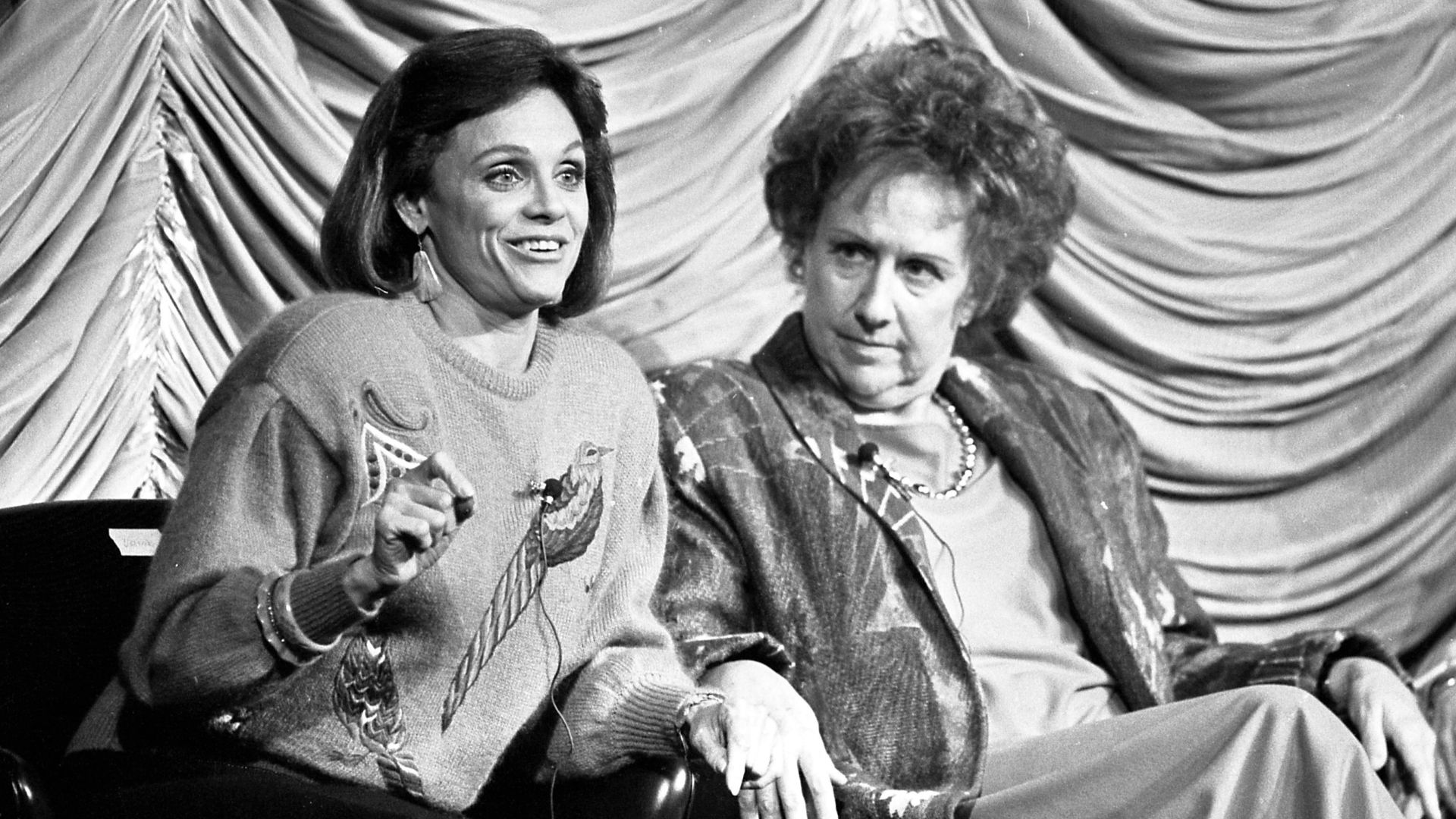 Thomas Kelsey, Los Angeles Times, Wikimedia Commons
A Holdout Became A Firing
Harper returned to the set on August 4 and completed another episode later that week. Nevertheless, Lorimar fired Harper and Cacciotti on August 10, claiming their conduct had made the working relationship impossible. Harper challenged the dismissal, setting the stage for the bitter legal battle that followed.
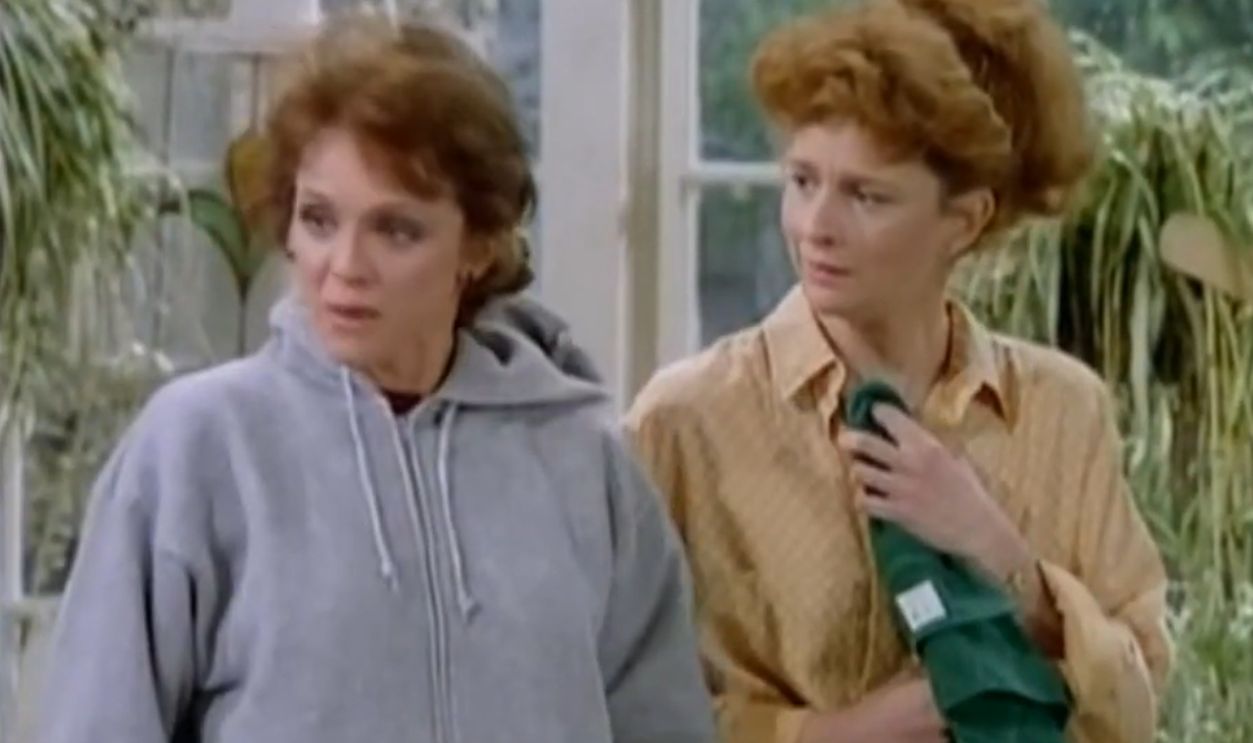 Screenshot from The Hogan Family, formerly Valerie and Valerie’s Family: The Hogans, NBC (1986–1991)
NBC Refused To Let The Sitcom Die
Removing Harper created an obvious problem because the show carried both her name and her character’s name. NBC and Lorimar nevertheless decided that the Hogan family could survive without its original center. Rather than cancel the series, they began searching for another actress.
Sandy Duncan Received The Difficult Assignment
Sandy Duncan joined the cast as Michael Hogan’s sister, Sandy Hogan. Duncan was an experienced television and stage performer, but she was not asked to impersonate Harper or play a recast Valerie. Creating a separate character helped the show acknowledge that its family dynamic had permanently changed.
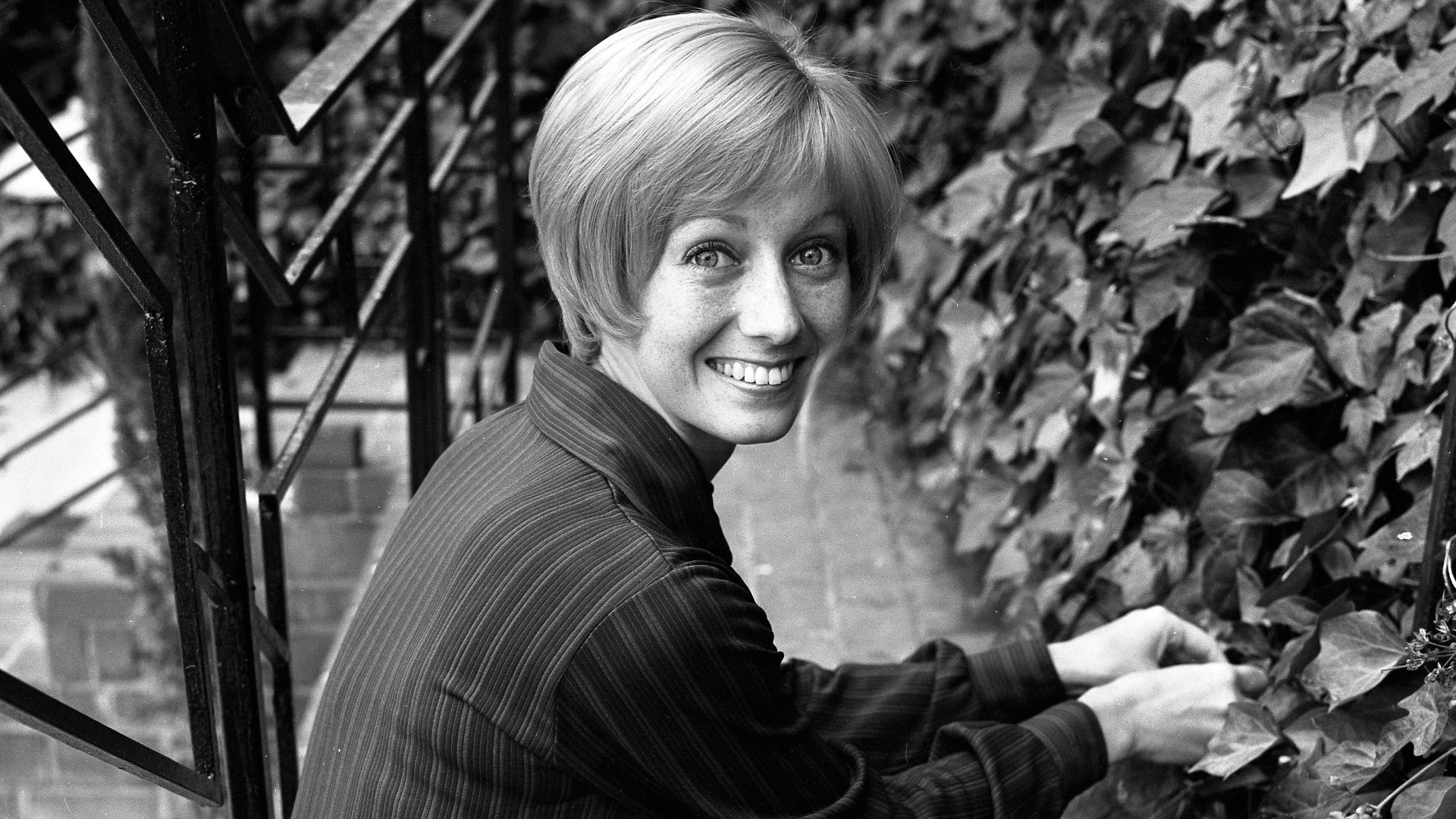 Kathleen Ballard, Los Angeles Times, Wikimedia Commons
Valerie Hogan Was Killed Off-Screen
The third-season premiere revealed that Valerie Hogan had died in a car accident. Her death occurred off-screen because Harper was no longer participating in the production. The decision prevented the character from returning while allowing the series to explore the family’s grief.
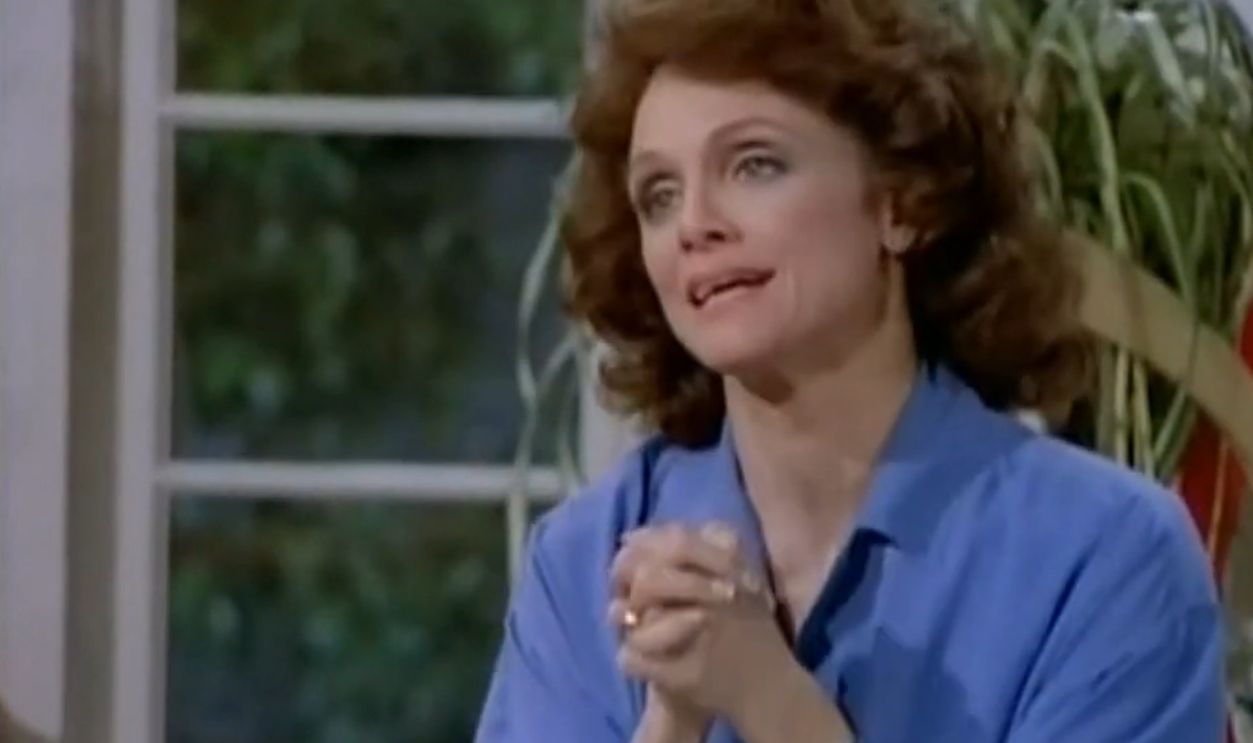 Screenshot from The Hogan Family, formerly Valerie and Valerie’s Family: The Hogans, NBC (1986–1991)
The Premiere Did Not Ignore The Loss
The revised show opened with the Hogans struggling to resume their lives after Valerie’s death. Sandy arrived to support her brother and nephews, gradually becoming the household’s new maternal figure. The story gave the transition more emotional weight than a simple casting substitution would have provided.
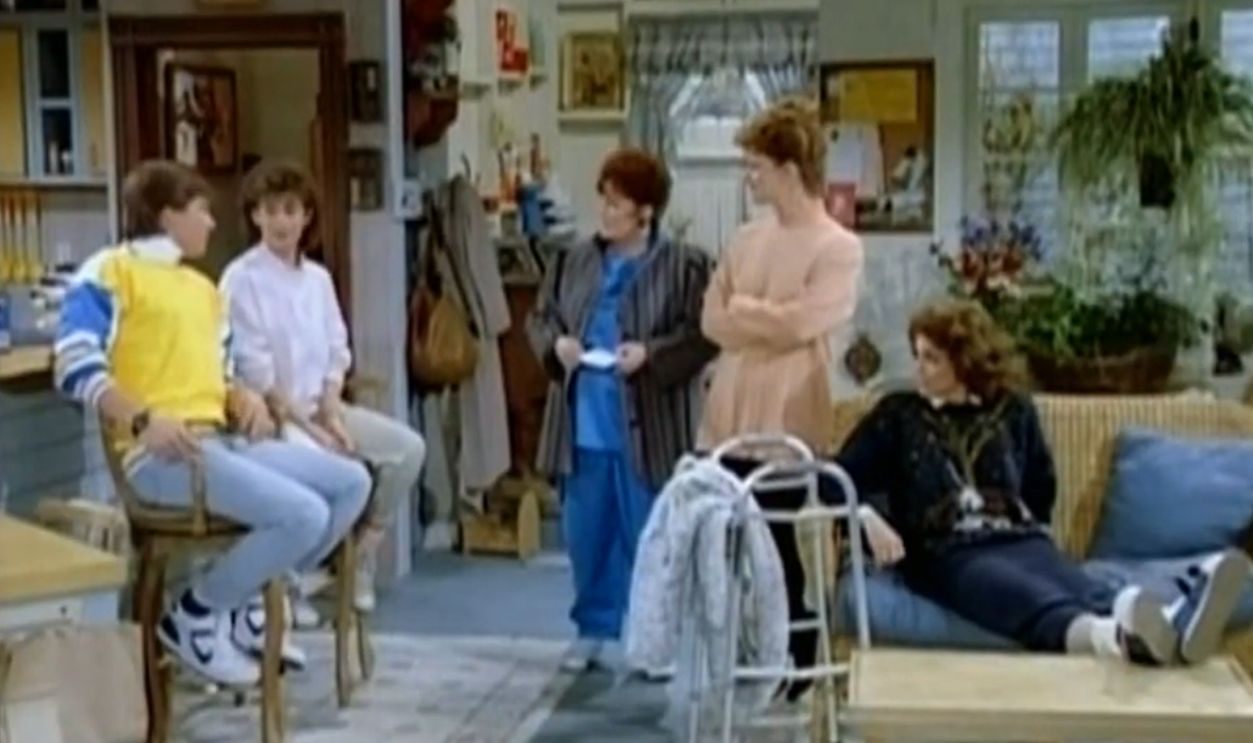 Screenshot from The Hogan Family, formerly Valerie and Valerie’s Family: The Hogans, NBC (1986–1991)
The Title Entered An Awkward Middle Stage
When the third season began airing in September 1987, NBC retitled the show Valerie’s Family: The Hogans. The name preserved a connection to the original series while shifting attention toward the surviving family. However, keeping “Valerie” in the title soon became another point of contention with Harper.
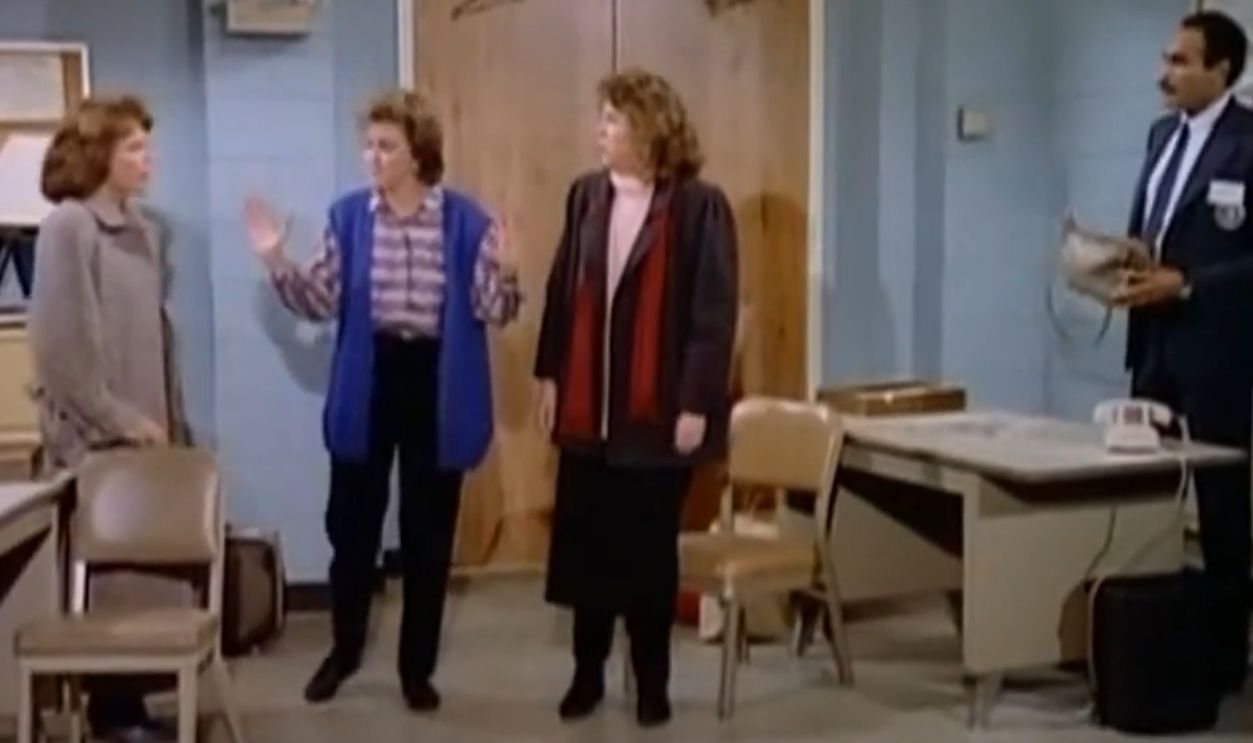 Screenshot from The Hogan Family, formerly Valerie and Valerie’s Family: The Hogans, NBC (1986–1991)
The Dispute Moved Into Court
As the renamed series aired, Lorimar sued Harper and Cacciotti for allegedly breaching their contracts. The couple responded with a countersuit alleging wrongful termination and sought to prevent the show from continuing to use Harper’s name. The bitter employment dispute had now become a public legal battle.
Millions Of Dollars Were At Stake
The case concerned more than Harper’s missed salary. Future syndication income could become far more valuable if the sitcom continued producing episodes. That possibility made ownership percentages and profit participation central parts of the legal confrontation.
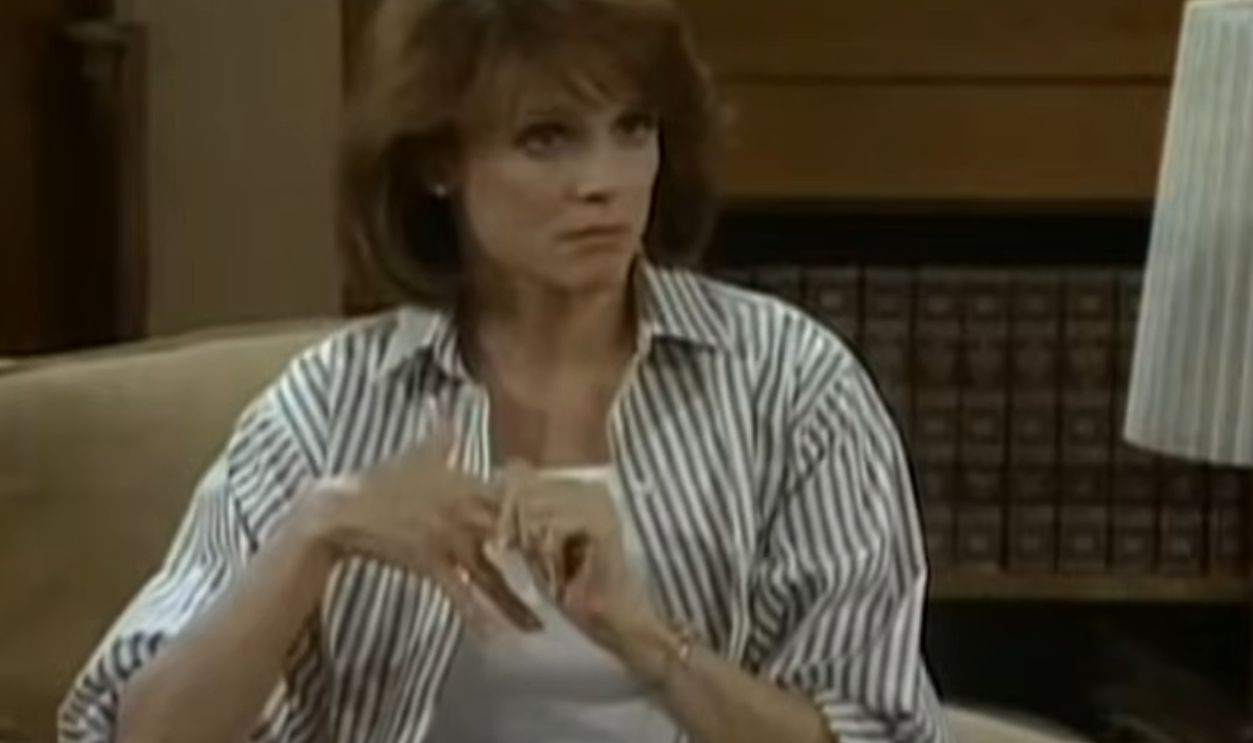 Screenshot from The Hogan Family, formerly Valerie and Valerie’s Family: The Hogans, NBC (1986–1991)
The Trial Presented Two Different Breakups
Lorimar portrayed Harper as a star who would not honor her contract unless her demands were accepted. Harper’s attorneys argued that she had been willing to work and that the studio had engineered her dismissal. Jurors therefore had to decide which side had actually breached the agreement.
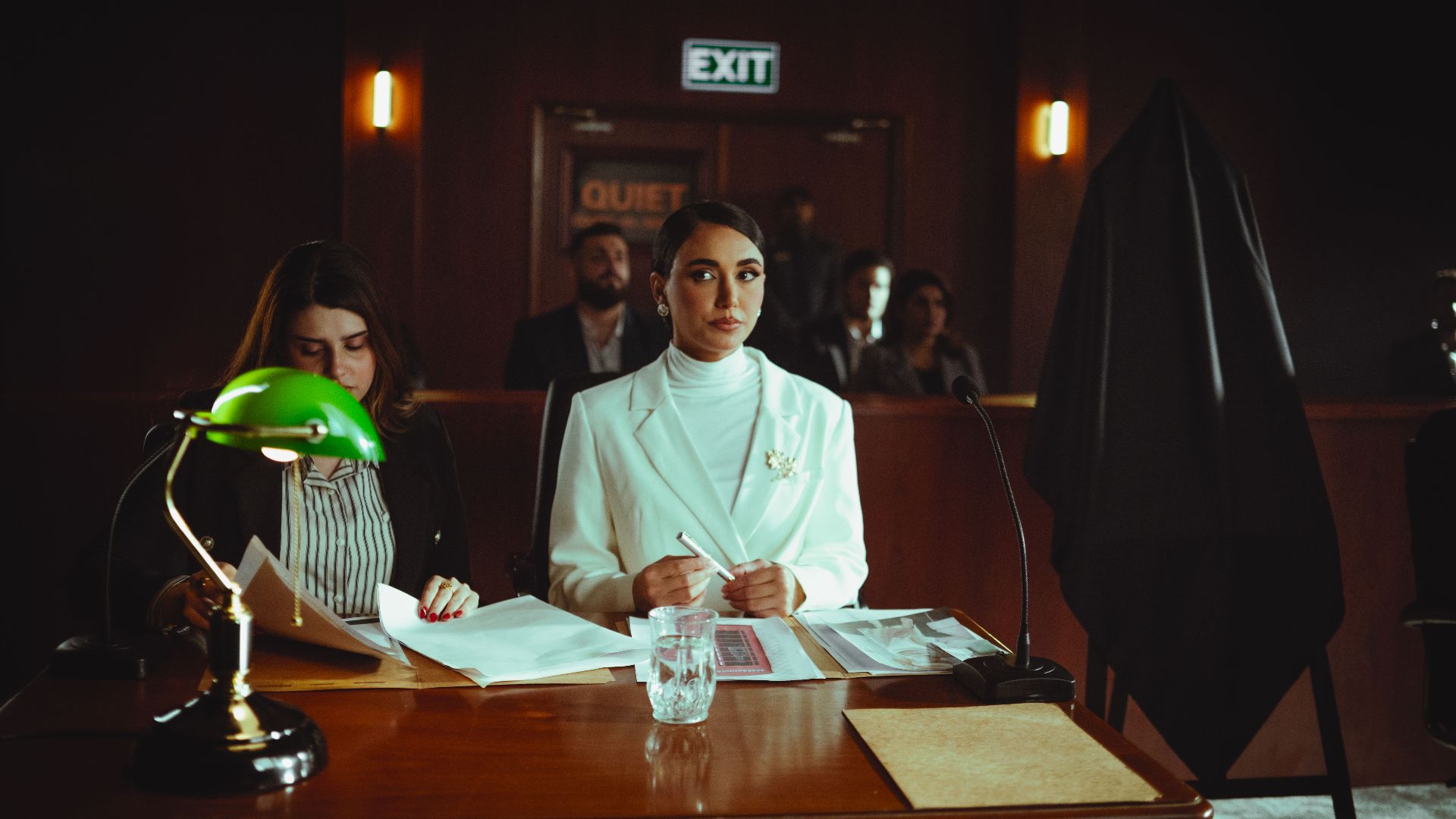
Harper Said She Had Been Pushed Out
Harper rejected suggestions that the separation had been amicable or voluntary. Her legal team maintained that Lorimar fired her before the end of her contract and then continued exploiting the series she had helped establish. The show’s survival without her made the financial consequences even more significant.
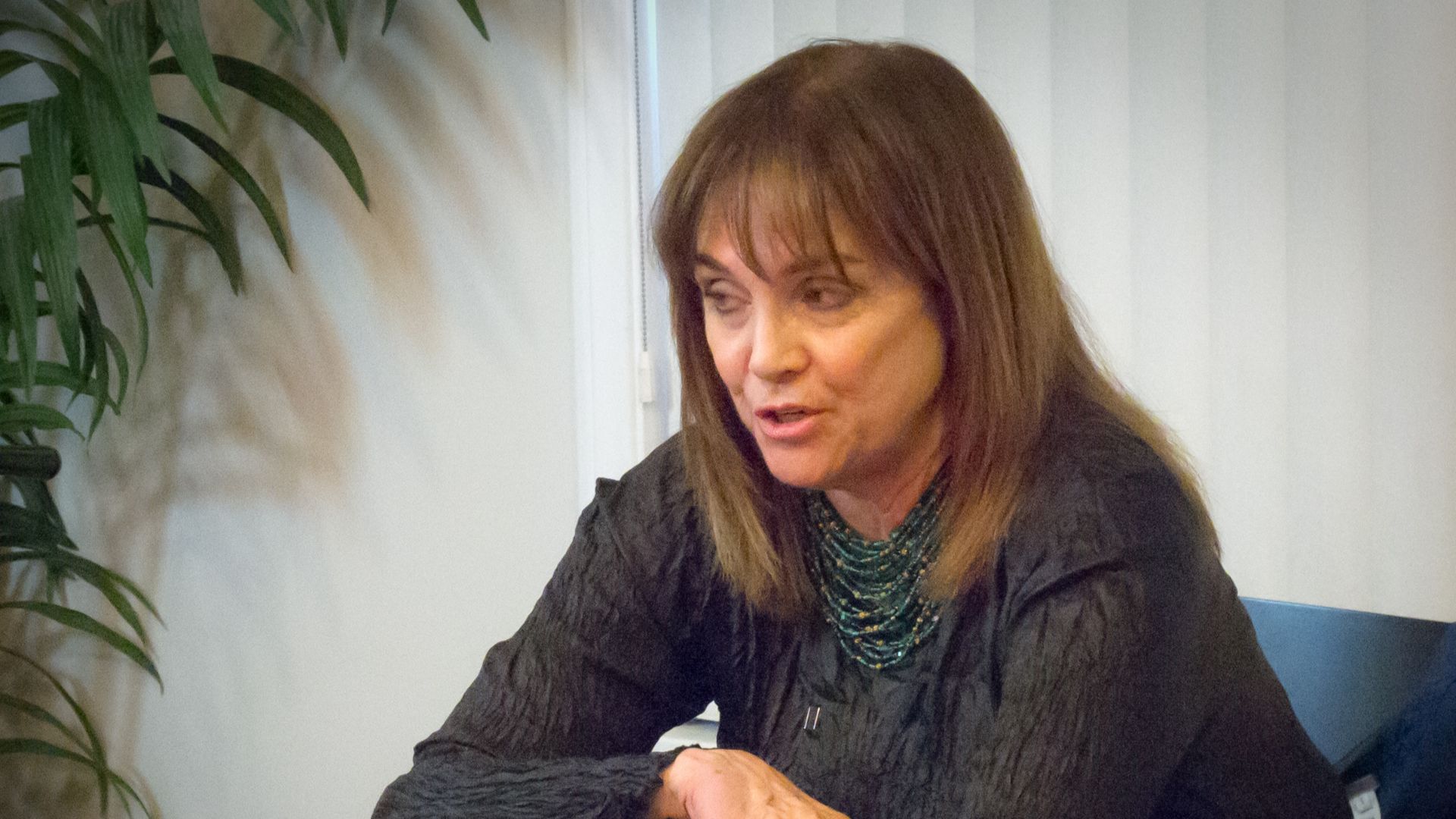 Louise Palanker, Wikimedia Commons
The Jury Sided With Harper
In September 1988, a Los Angeles Superior Court jury found that Lorimar had wrongfully fired Harper and Cacciotti. Harper received approximately $1.4 million in damages, while the combined award to the couple totaled about $1.85 million. The verdict publicly vindicated Harper’s central claim about her dismissal.
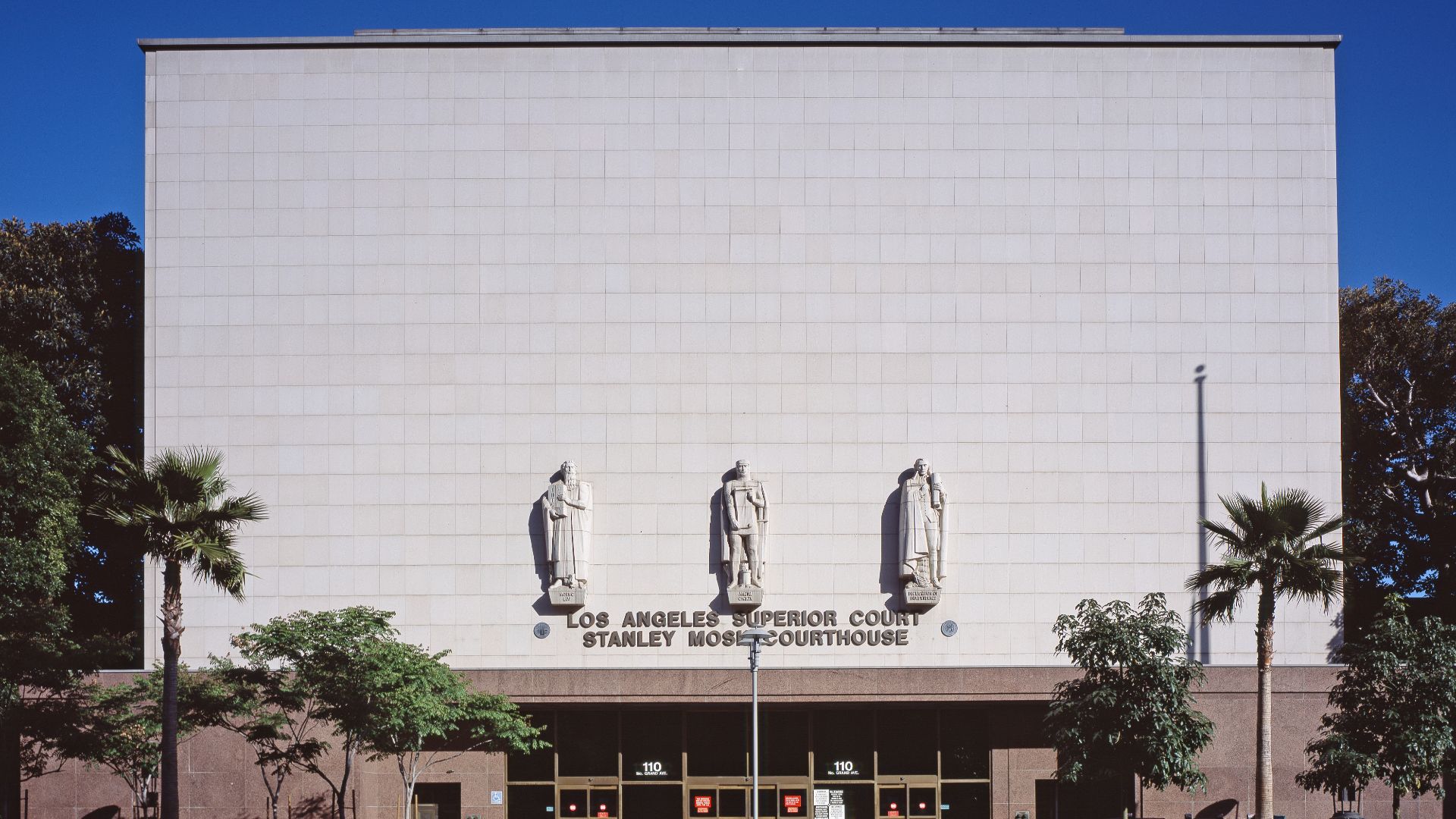 Carol M. Highsmith, Wikimedia Commons
The Profit Award Could Be Even Bigger
The jury also awarded Harper a 12.5 percent share of the show’s adjusted gross profits from syndication. Contemporary reports suggested that the provision could eventually be worth considerably more than the immediate damages. The judgment tied Harper financially to a sitcom that no longer employed her.
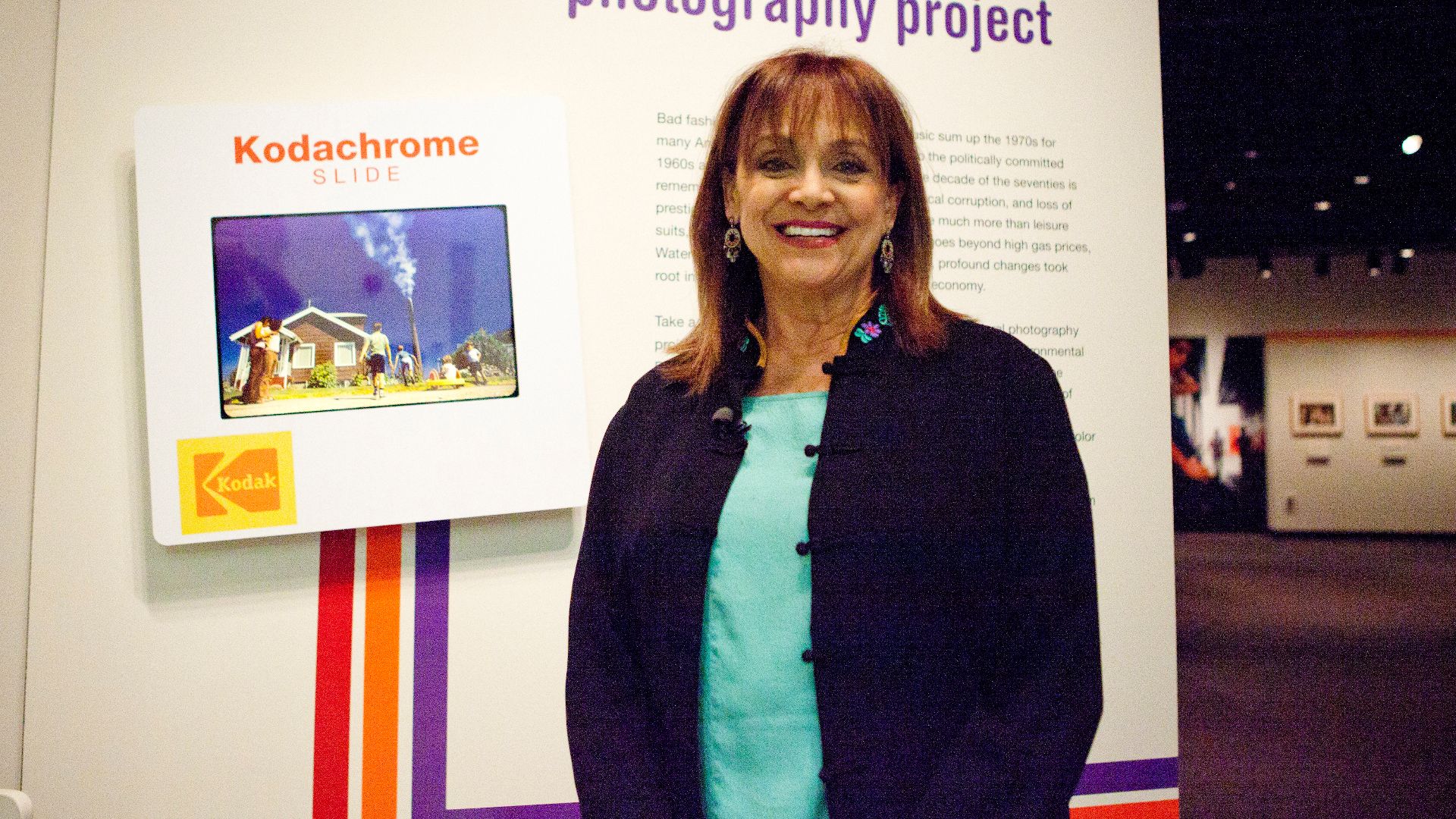 Michelle Farnsworth--NARA Staff, Wikimedia Commons
NBC Escaped The Same Liability
Harper had also pursued claims involving NBC, but those claims were dismissed. The decisive verdict was against Lorimar, the company that had employed and fired her. That distinction mattered because the network continued broadcasting the transformed series.
 BetacommandBot, Wikimedia Commons
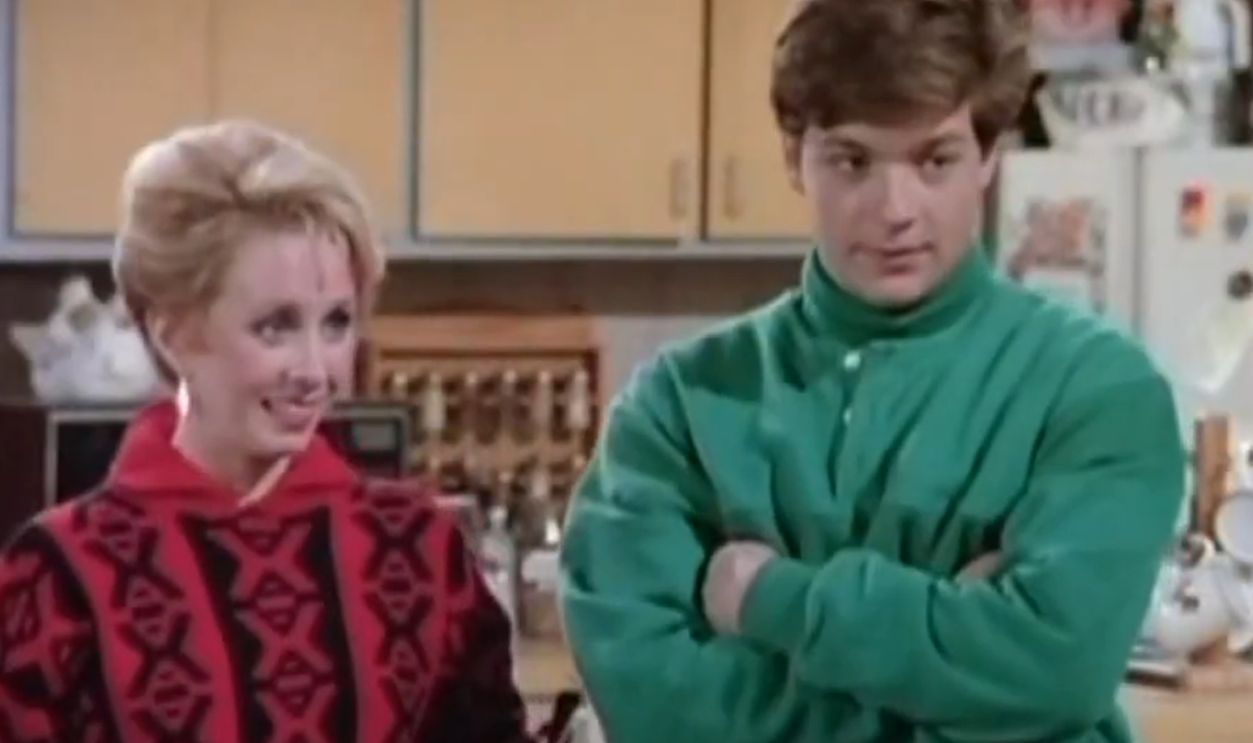
Valerie’s Name Finally Disappeared
By the 1988 season, the program had adopted the simpler title The Hogan Family. The change reflected the reality that Valerie Hogan was gone and Sandy Duncan was now the female lead. A sitcom once sold around Harper had successfully reconstructed itself as an ensemble family comedy.
 Screenshot from The Hogan Family, formerly Valerie and Valerie’s Family: The Hogans, NBC (1986–1991)
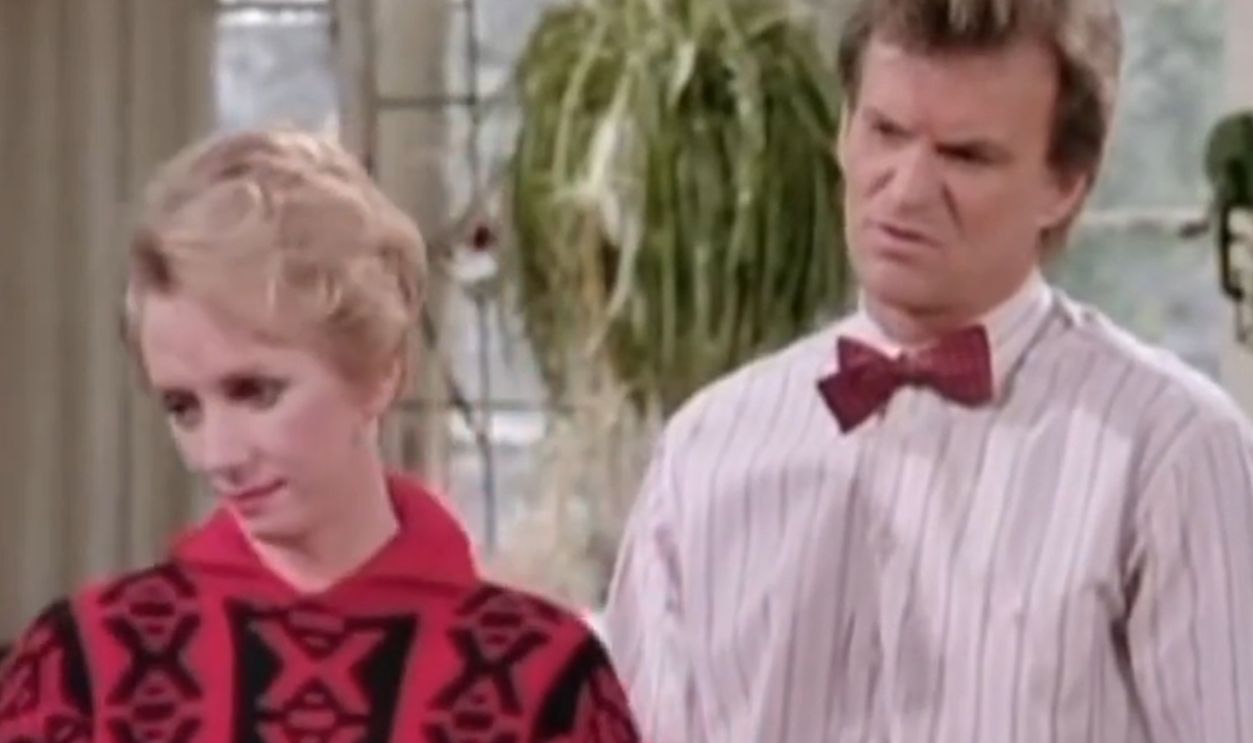
The Rebuilt Series Outlasted The Dispute
Duncan remained with the show through its remaining seasons, alongside Bateman, Taylor, Ponce, and Licht. NBC continued airing it until 1990. Its survival showed that familiar supporting characters and an established format could sometimes outlast even a bitter departure by the title star.
 Screenshot from The Hogan Family, formerly Valerie and Valerie’s Family: The Hogans, NBC (1986–1991)
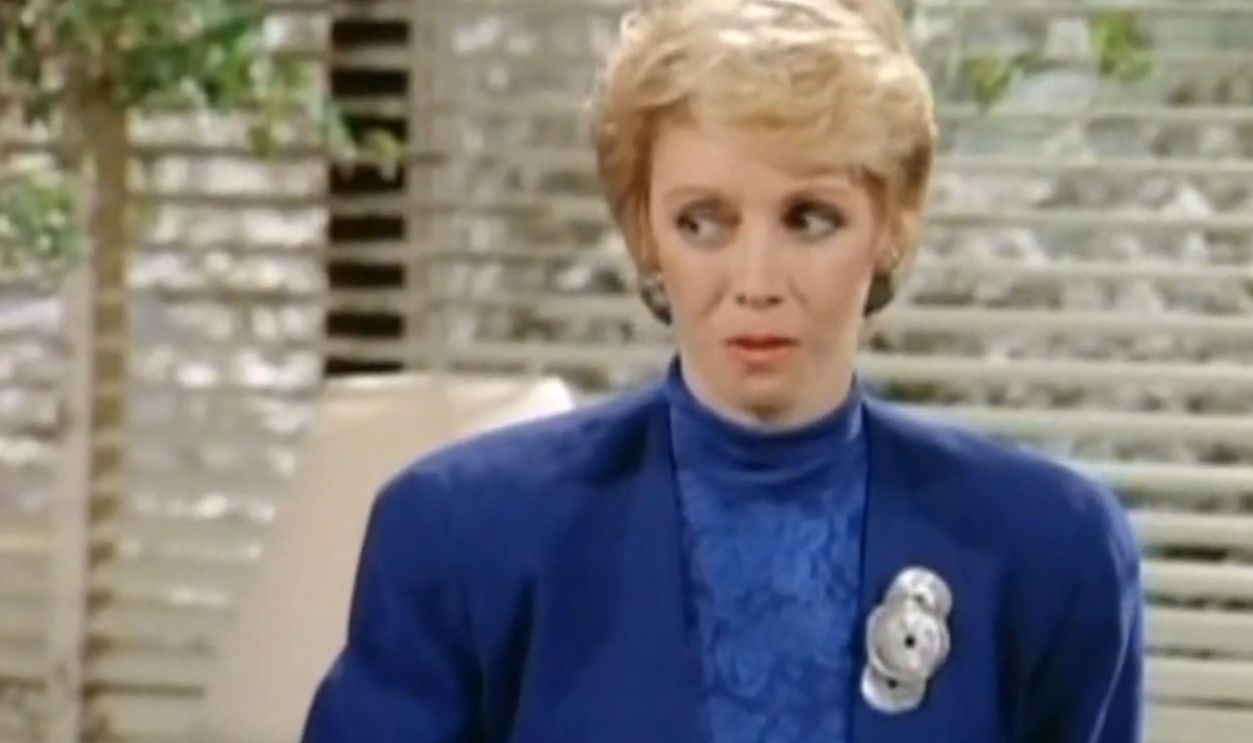
The Hogans Eventually Changed Networks
After NBC declined to renew the program in 1990, CBS picked it up for another season. The move was unusual because established series did not frequently jump directly between competing broadcast networks. CBS ultimately canceled the sitcom, and its last episodes aired in July 1991.
 Screenshot from The Hogan Family, formerly Valerie and Valerie’s Family: The Hogans, NBC (1986–1991)
The Title Changes Still Tell The Entire Story
Across six seasons, the same program aired as Valerie, Valerie’s Family: The Hogans, and The Hogan Family. Each title captured a different stage in its struggle to survive Harper’s removal. The legal victory confirmed that she had been wrongfully fired, but television history delivered an equally remarkable twist by keeping her show alive without her.
 Michelle Farnsworth--NARA Staff, Wikimedia Commons
You May Also Like:
Valerie Harper And The Making Of A 70s TV Legend
The Hardest TV Trivia Quiz For Fans Of 1980s Sitcoms—How Many Can You Answer?