Rod Serling's Gallery Of Stars
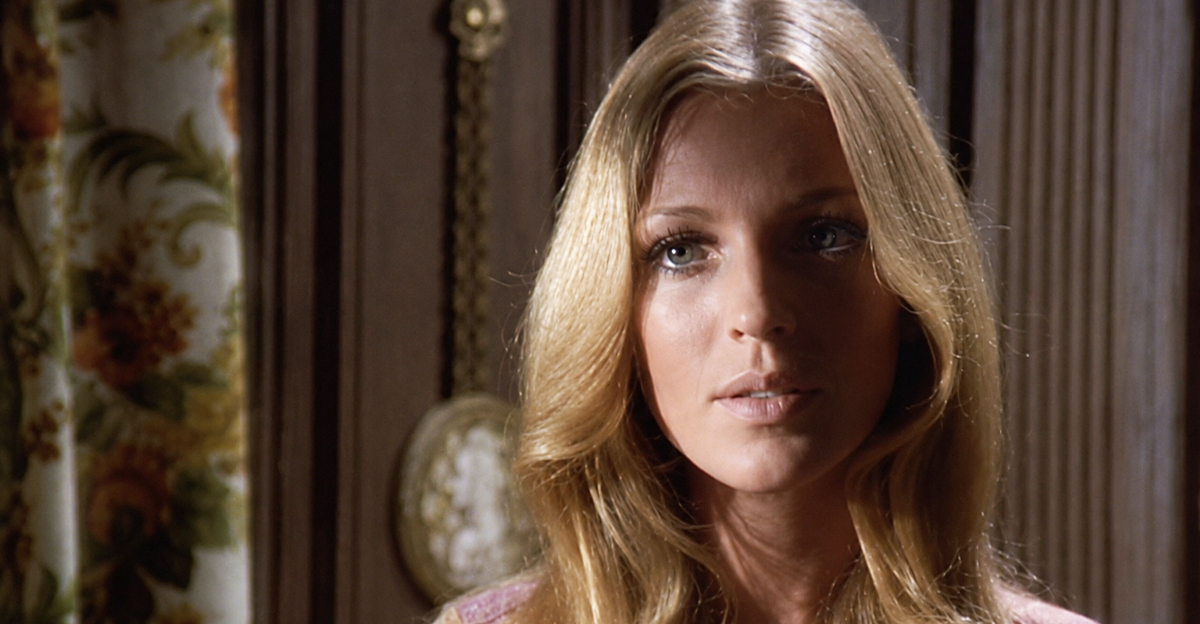
When Night Gallery premiered in 1969, viewers expected eerie stories, shocking twists, and Rod Serling's unforgettable introductions. What they may not have expected was the astonishing parade of Hollywood legends who passed through its haunted halls. Some of these, like Joanna Pettet (above) appeared on the show several times over its three-season run. From Academy Award winners to television icons and future stars, Night Gallery assembled one of the greatest collections of guest performers ever seen on a weekly television series.
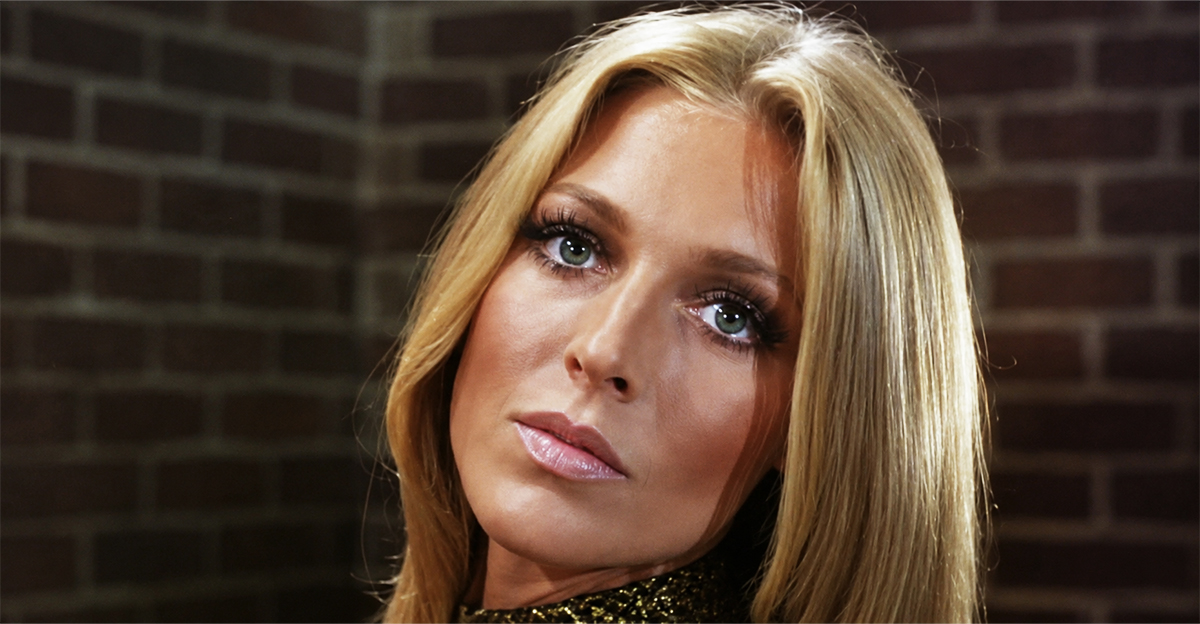
Joan Crawford
One of Hollywood's greatest legends helped launch Night Gallery by starring in the original 1969 pilot movie. Crawford appeared in the unforgettable segment "Eyes," portraying a wealthy blind woman willing to pay any price for temporary sight. It proved to be one of her final screen performances before her retirement. Long before television, she became an icon through Mildred Pierce (1945), directed by Michael Curtiz and co-starring Jack Carson, Zachary Scott, and Eve Arden.
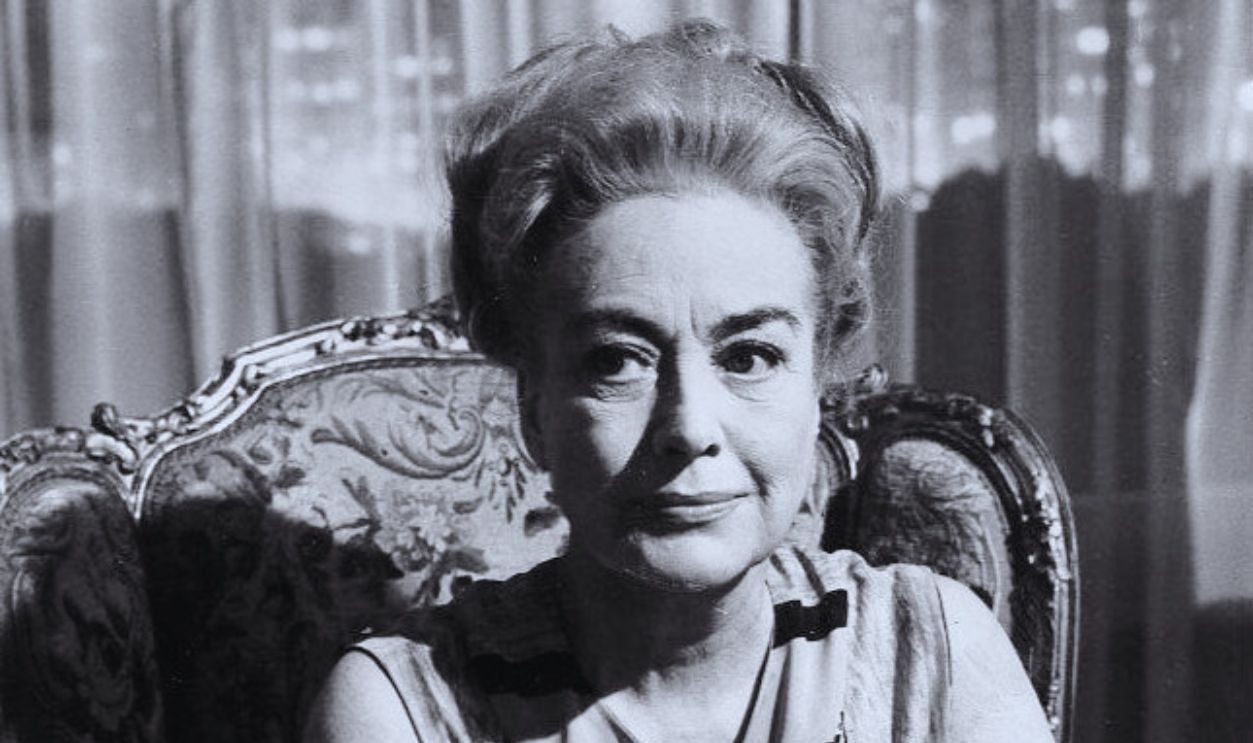 NBC Television, Wikimedia Commons
Roddy McDowall
Few actors became more closely associated with Night Gallery than Roddy McDowall, who appeared in four episodes portraying remarkably different characters. Already beloved for both film and television, McDowall effortlessly moved between psychological horror, fantasy, and dark comedy. Movie audiences knew him from How Green Was My Valley (1941), directed by John Ford, and Planet of the Apes (1968), directed by Franklin J. Schaffner and starring Charlton Heston, Kim Hunter, and Maurice Evans.
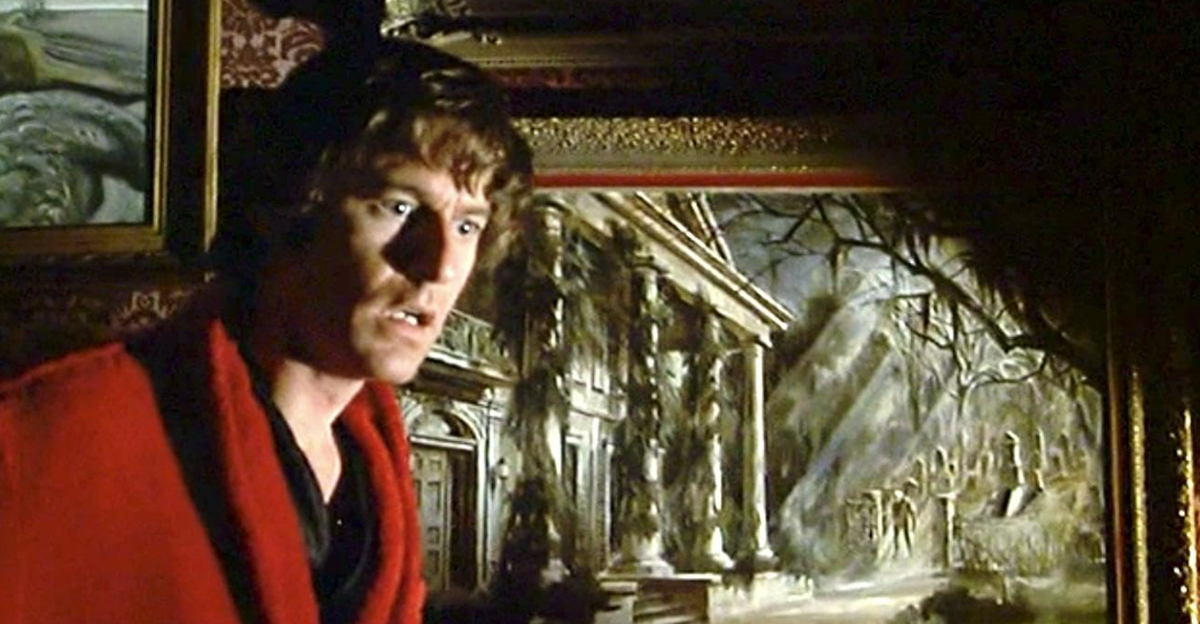 Screenshot of Roddy McDowall from the pilot episode of Night Gallery, (1969), NBC Television
Vincent Price
Vincent Price's unmistakable voice and refined menace made him a perfect fit for Night Gallery. He appeared twice during the series, bringing his trademark elegance to tales of supernatural terror. Long recognized as America's premier horror star, Price delighted audiences in classics including House of Wax (1953), directed by André De Toth and starring Frank Lovejoy, and The Abominable Dr. Phibes (1971), directed by Robert Fuest and co-starring Joseph Cotten.
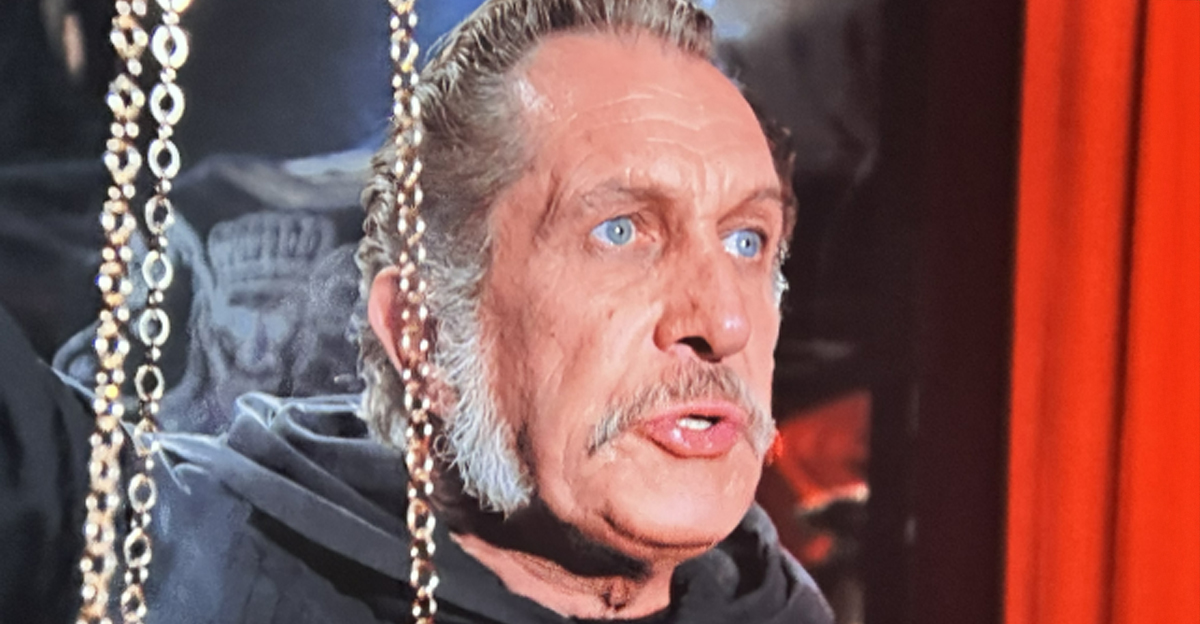 Screenshot of Vincent Price in Night Gallery episode "Return of the Sorcerer" (1972), NBC
Joanna Pettet
Joanna Pettet became one of Night Gallery's most recognizable recurring performers, appearing in four episodes across the series' run: "The House" (1970); "Keep In Touch- We'll Think Of Something" (1971); “The Girl With The Hungry Eyes” (1972); and the unforgettable “The Caterpillar” (1972). Her ability to portray vulnerable heroines and mysterious women made her especially valuable in Rod Serling's eerie universe. Film fans remembered her from Casino Royale (1967) co-starring David Niven, Peter Sellers, Ursula Andress, Orson Welles, and Woody Allen.
 Screenshot of Joanna Pettet in Night Gallery episode "The House" (1970)
Burgess Meredith
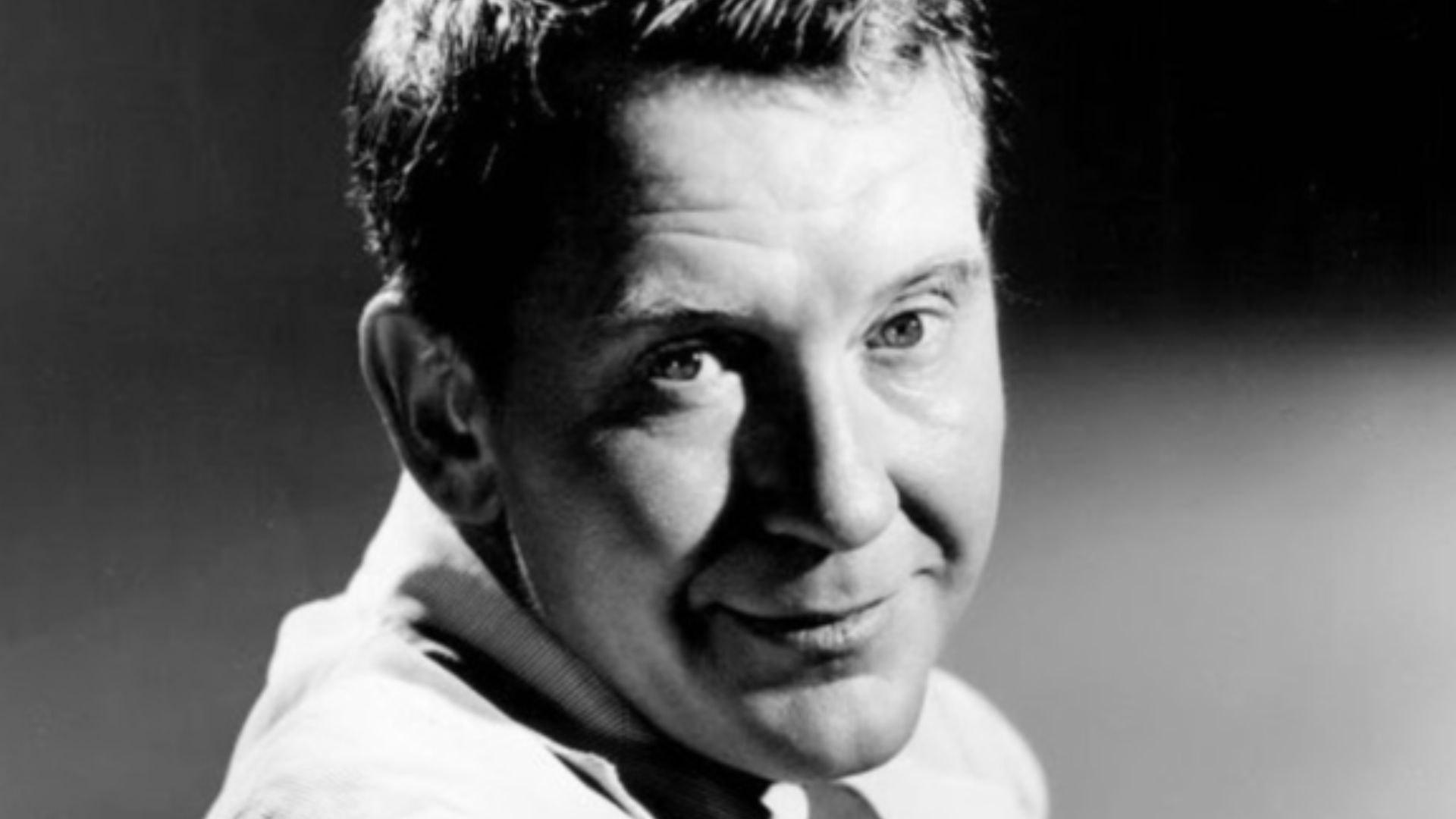
Burgess Meredith appeared twice on Night Gallery, bringing quiet intensity and emotional depth to each supernatural tale. Already famous on stage, film, and television, he added instant credibility whenever he appeared. His remarkable career included Of Mice and Men (1939), directed by Lewis Milestone and co-starring Lon Chaney Jr., and later Rocky (1976), directed by John G. Avildsen and starring Sylvester Stallone, Talia Shire, Burt Young, and Carl Weathers.
Leslie Nielsen
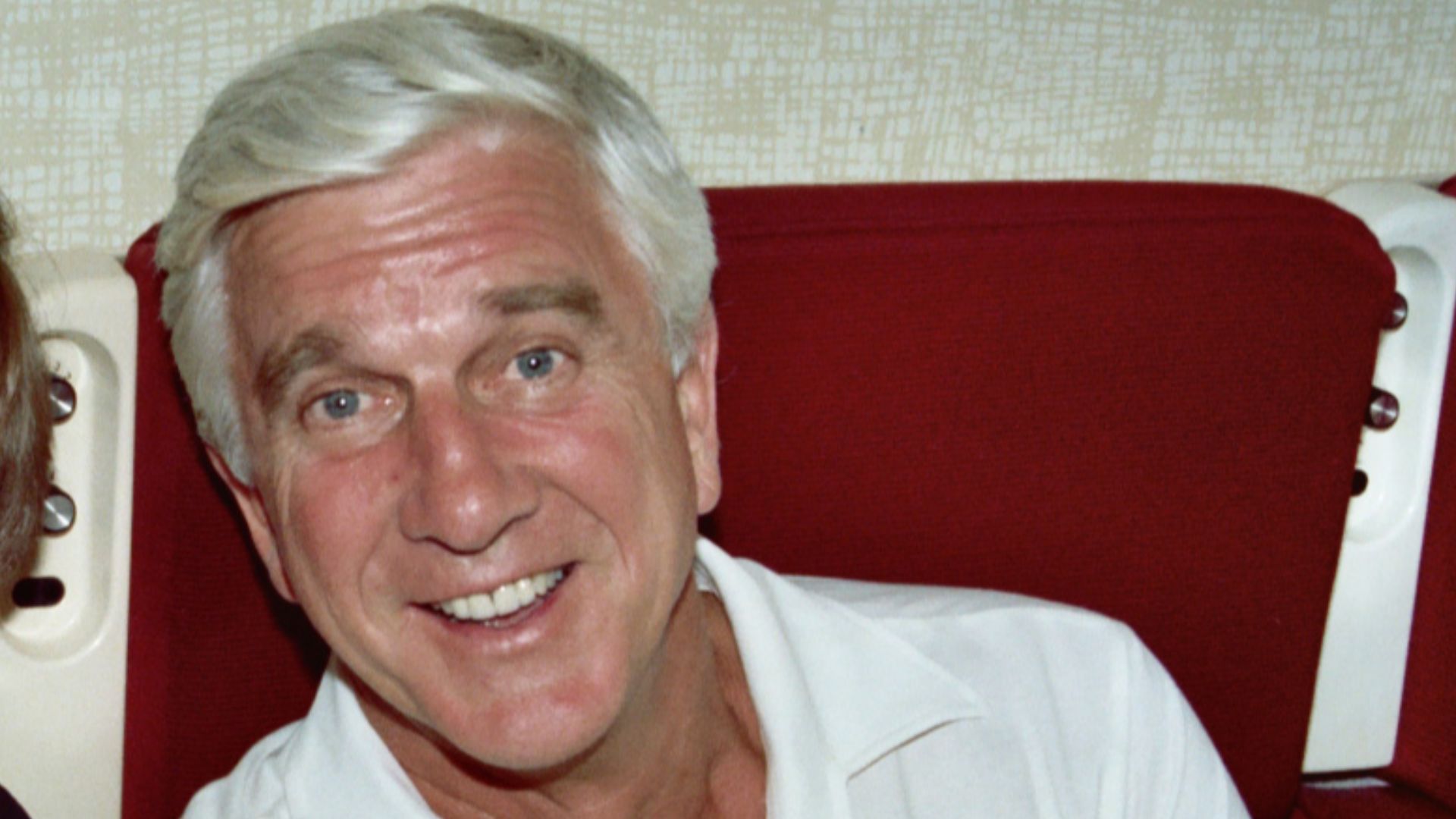
Long before becoming one of Hollywood's greatest comedy stars, Leslie Nielsen built an impressive reputation as a dramatic actor. He starred in the memorable episode "The Devil Is Not Mocked," showcasing the serious screen presence that made him a television favorite throughout the 1960s and 1970s. Movie audiences later embraced his comic reinvention in Airplane! (1980), directed by Jim Abrahams, David Zucker, and Jerry Zucker, alongside Robert Hays, Julie Hagerty, and Lloyd Bridges.
Orson Welles
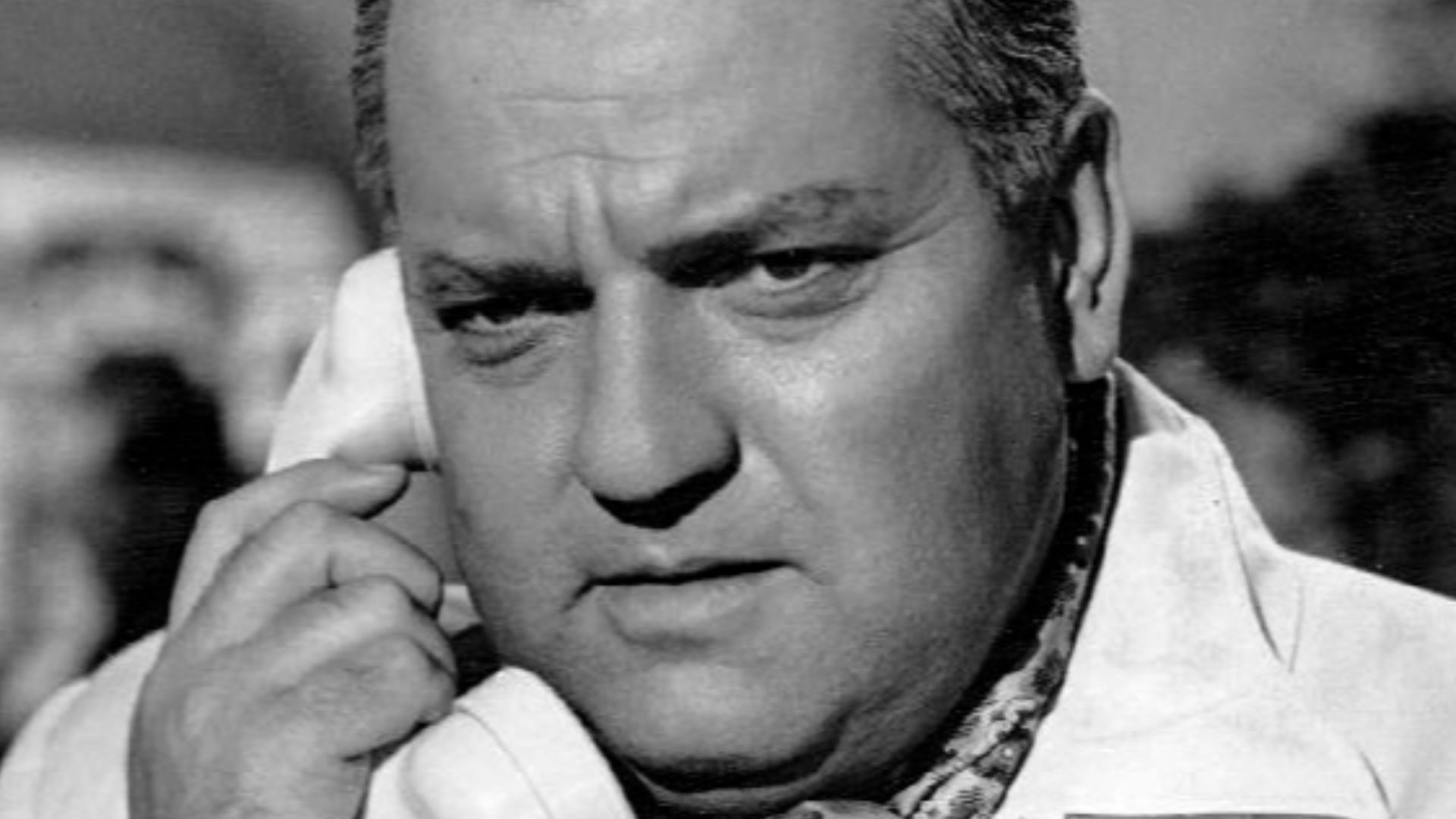
Few guest stars brought as much prestige to Night Gallery as Orson Welles. He narrated the haunting segment "The Caterpillar," and his unmistakable voice instantly elevated one of the series' most chilling stories. Welles had already transformed cinema with Citizen Kane (1941), which he directed and starred in alongside Joseph Cotten, Dorothy Comingore, Agnes Moorehead, and Everett Sloane.
Ray Milland
Academy Award winner Ray Milland appeared twice on Night Gallery, proving equally convincing as sympathetic gentlemen and deeply unsettling figures. His polished screen presence perfectly complemented the show's sophisticated brand of supernatural storytelling. He won his Oscar for The Lost Weekend (1945), directed by Billy Wilder and co-starring Jane Wyman, Phillip Terry, Doris Dowling, and Howard Da Silva.
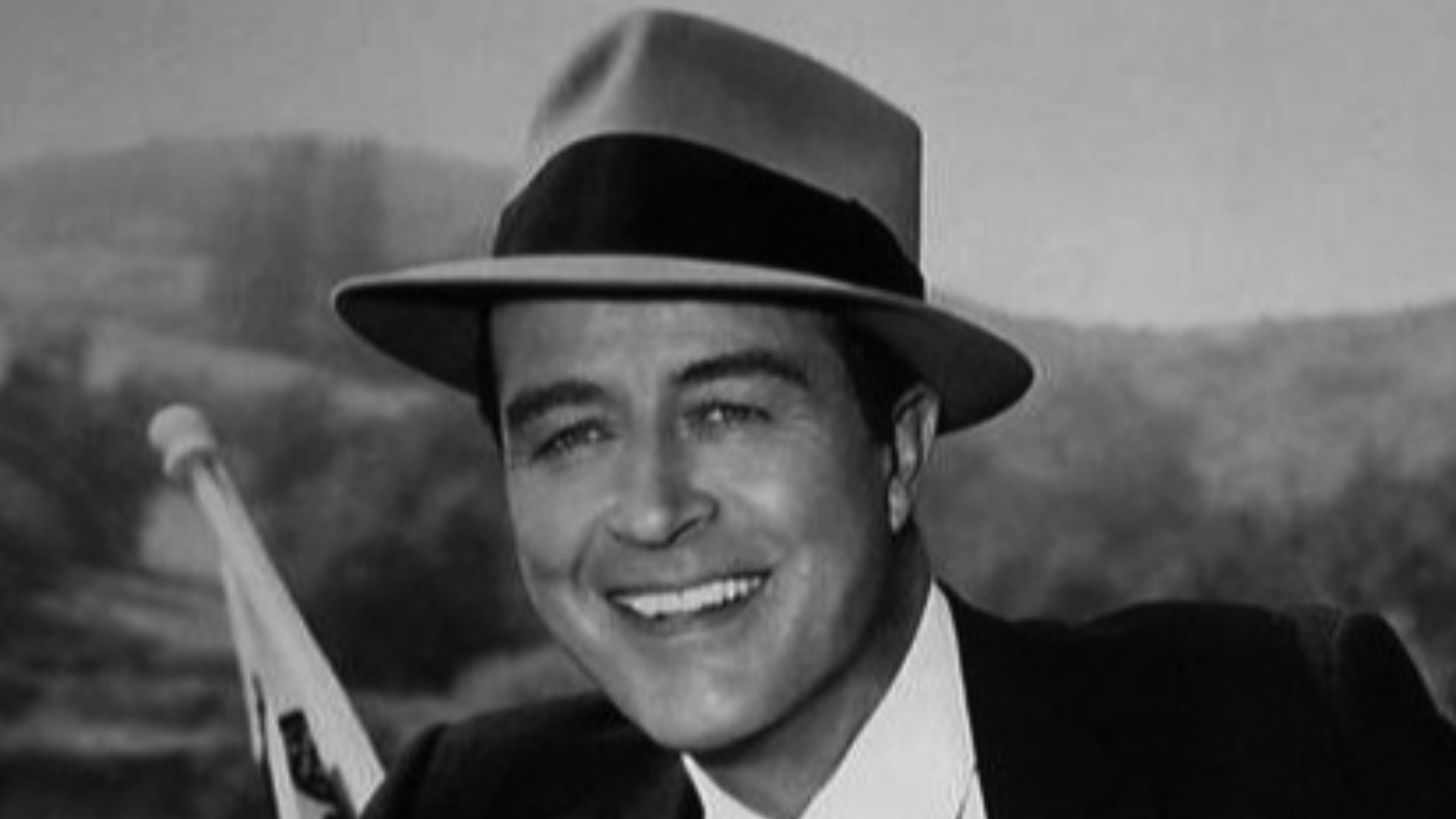
Edward G. Robinson
One of Hollywood's greatest character actors made a memorable appearance in the episode "The Messiah on Mott Street." Edward G. Robinson brought decades of experience and remarkable authority to every scene, even late in his career. He remained forever associated with Little Caesar (1931), directed by Mervyn LeRoy and co-starring Douglas Fairbanks Jr. and Glenda Farrell, while later earning acclaim in Soylent Green (1973), directed by Richard Fleischer and starring Charlton Heston.
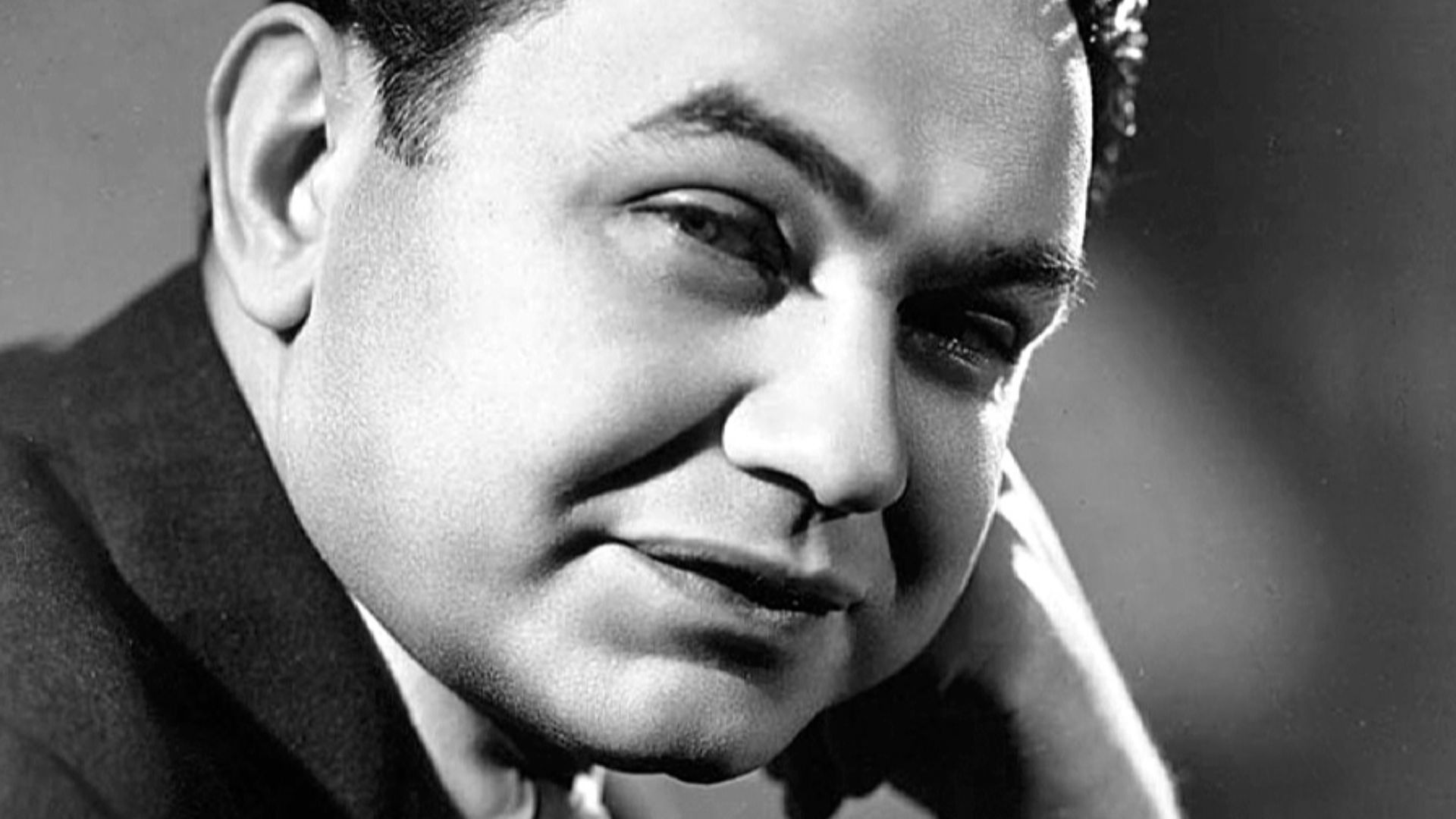 Unknown photographer, Wikimedia Commons
Jack Cassidy
Handsome, charismatic, and wonderfully theatrical, Jack Cassidy became one of television's finest guest villains during the 1970s. He appeared in the episode "A Feast of Blood," showcasing the sophisticated menace that made him so memorable. Beyond Night Gallery, he became famous for recurring appearances on Columbo. Moviegoers also remembered him from W.C. Fields and Me (1976), directed by Arthur Hiller and starring Rod Steiger, Valerie Perrine, and John Marley.
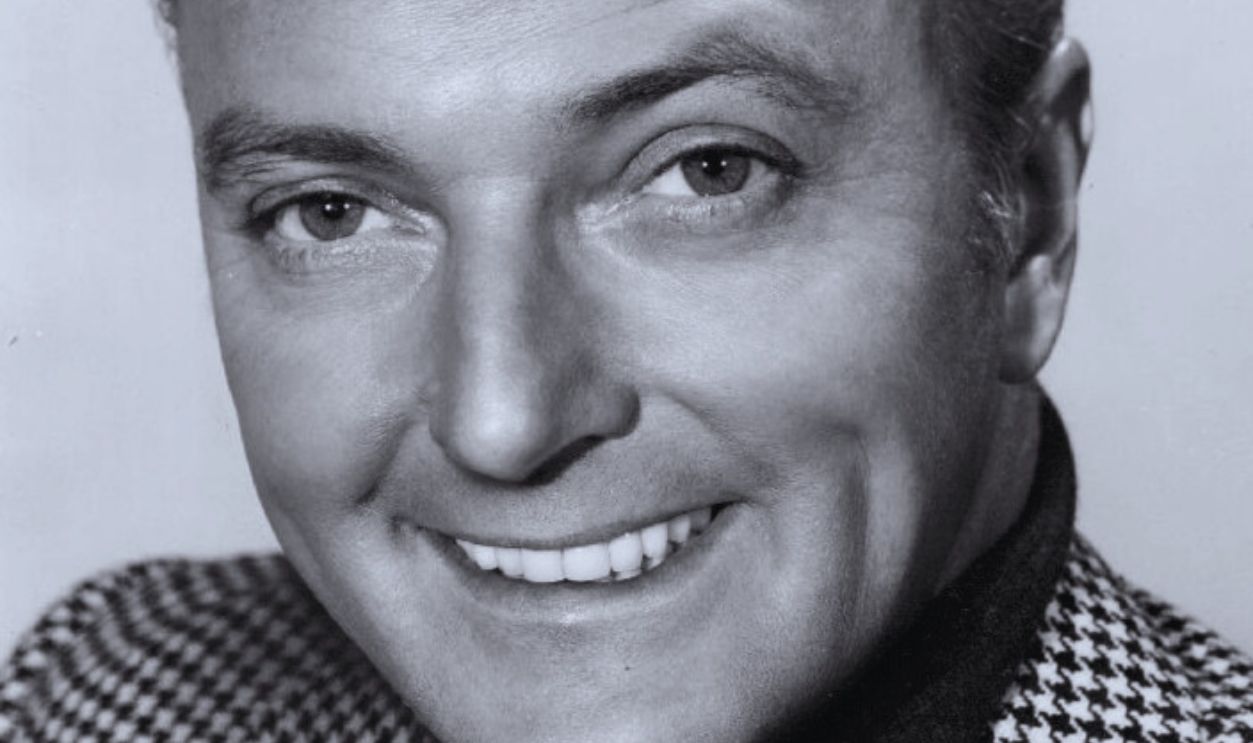 CBS Television, Wikimedia Commons
Diane Keaton
Before becoming an Academy Award-winning superstar, Diane Keaton appeared early in her career in the episode "The Little Black Bag." Although still developing her screen persona, she already displayed the natural charm and intelligence that soon made her a leading actress. International fame followed with The Godfather (1972), directed by Francis Ford Coppola and starring Marlon Brando, Al Pacino, James Caan, and Robert Duvall, and Annie Hall (1977), directed by Woody Allen.
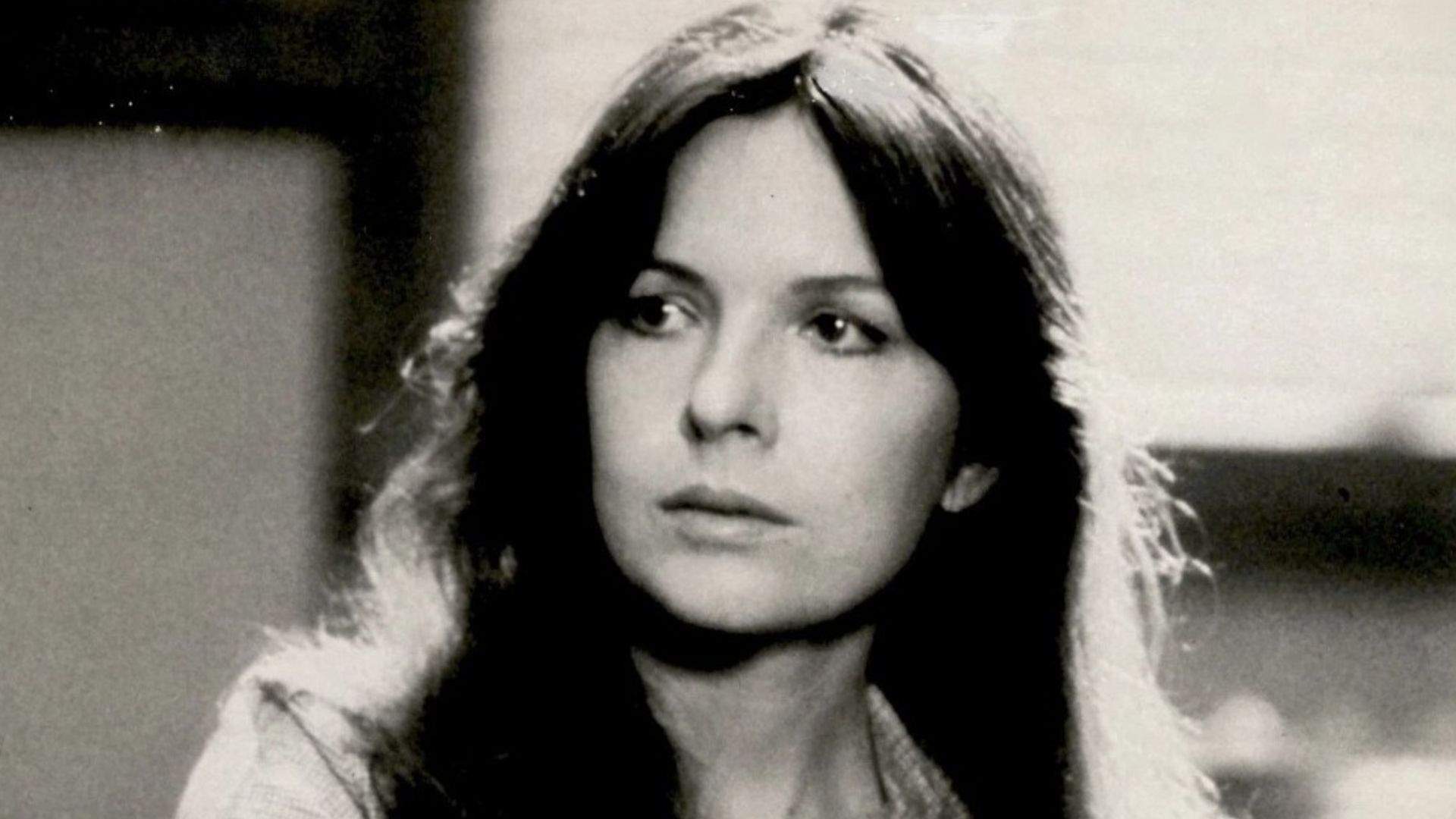 Paramount Pictures/ABC, Wikimedia Commons
Sandra Dee
Teen idol Sandra Dee brought instant name recognition when she appeared in the episode "Brenda." Having already enjoyed enormous success during the late 1950s and early 1960s, she adapted well to suspense and psychological drama. Her best-known films included Gidget (1959), directed by Paul Wendkos and co-starring Cliff Robertson and James Darren, and A Summer Place (1959), directed by Delmer Daves and starring Troy Donahue.
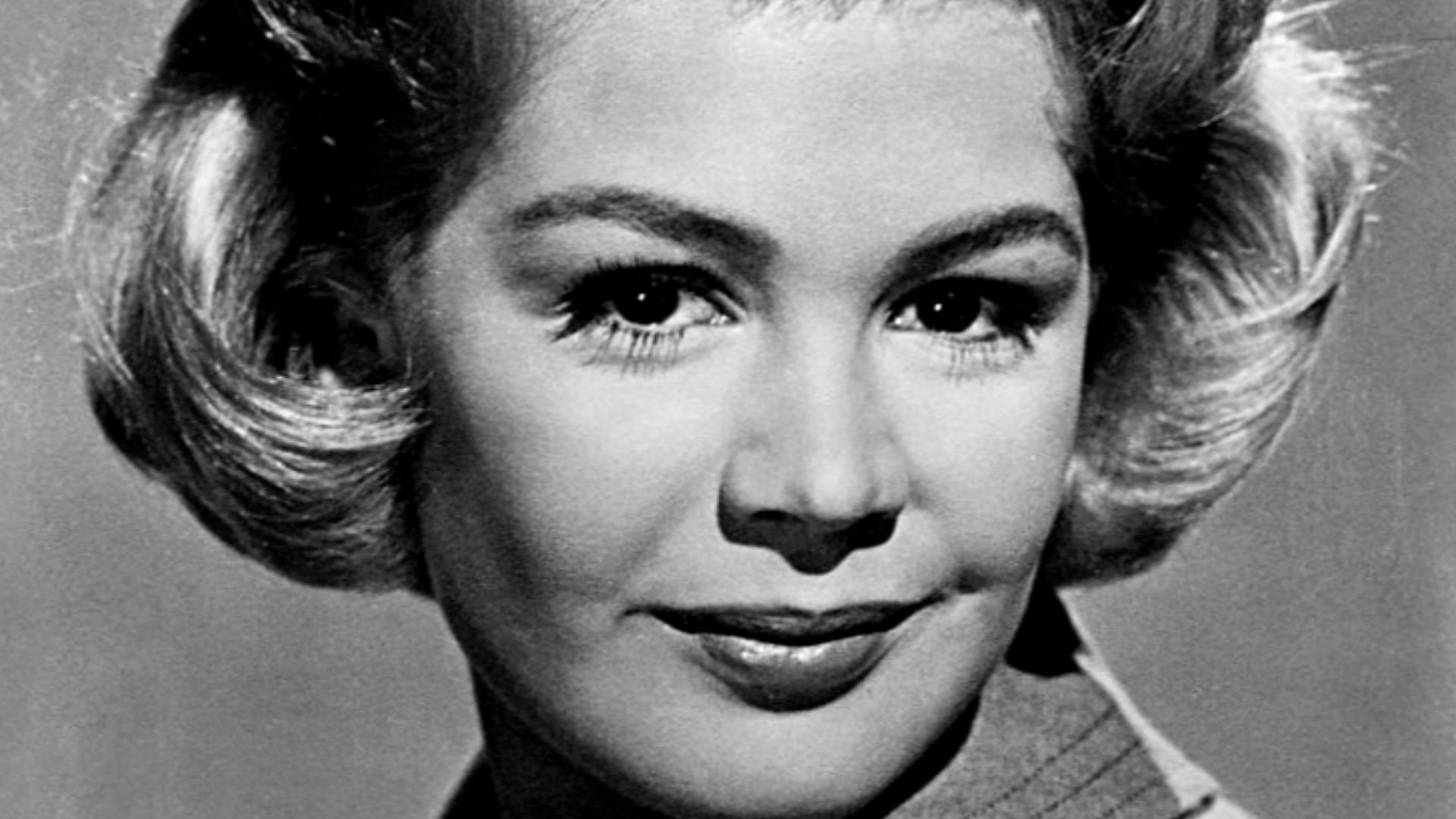 Unknown photographer, Wikimedia Commons
Richard Kiley
Richard Kiley's commanding voice and distinguished presence made him a natural fit for Rod Serling's sophisticated storytelling. He starred in the memorable episode "The Waiting Room," bringing remarkable gravitas to one of the series' most thoughtful stories. Film audiences also admired him in The Little Prince (1974), directed by Stanley Donen and co-starring Steven Warner, Bob Fosse, Gene Wilder, and Joss Ackland, while theater lovers remembered his Tony Award-winning performance in Man of La Mancha.
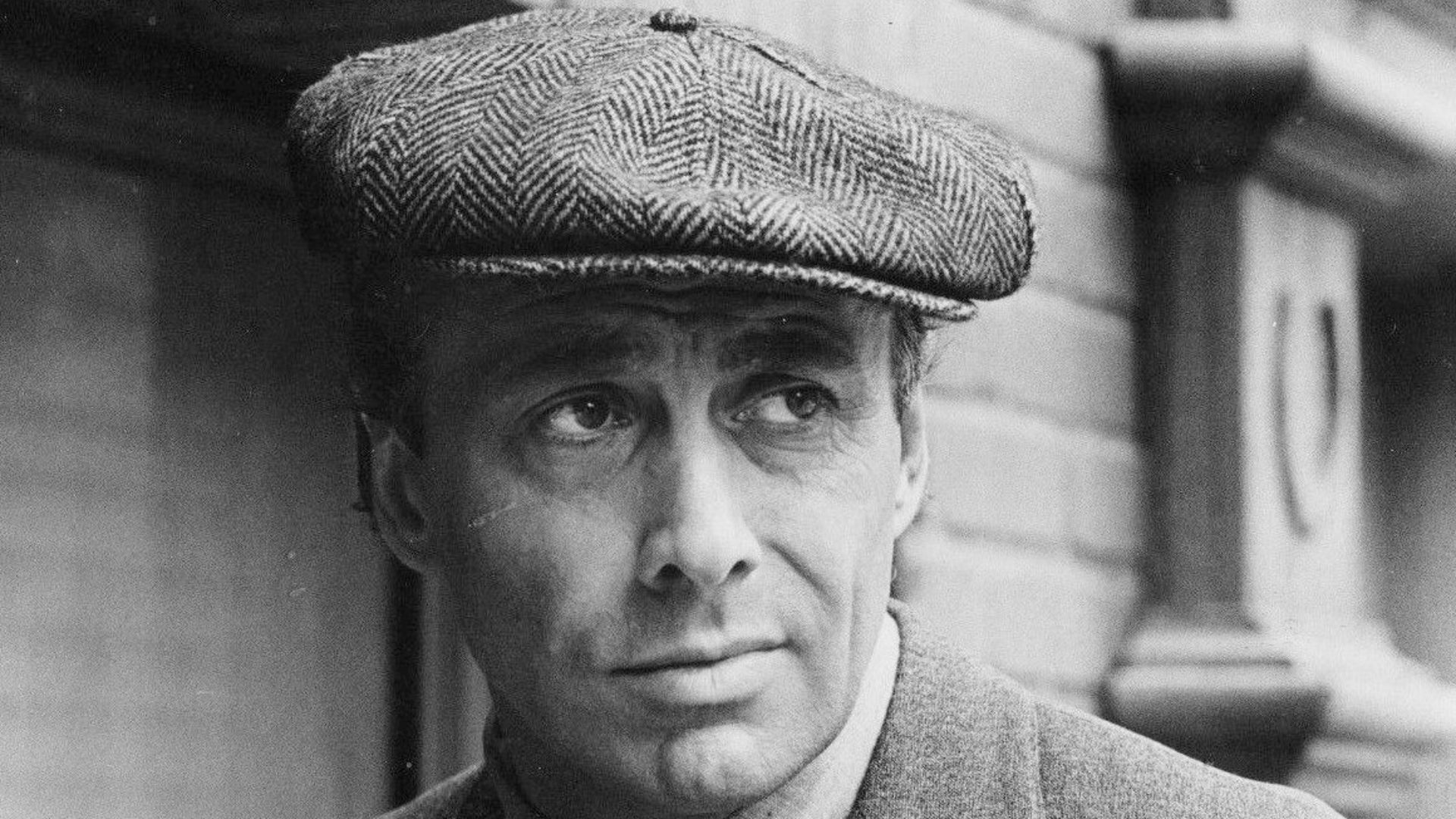 NBC Television, Wikimedia Commons
Geraldine Page
Among the most acclaimed actresses ever to appear on Night Gallery, Geraldine Page brought extraordinary emotional depth to each of her performances on the series, appearing in two episodes. Her ability to balance vulnerability with quiet intensity perfectly suited Rod Serling's unsettling stories. Long admired on stage and screen, she earned an Academy Award for The Trip to Bountiful (1985), directed by Peter Masterson and co-starring John Heard, Carlin Glynn, and Rebecca De Mornay.
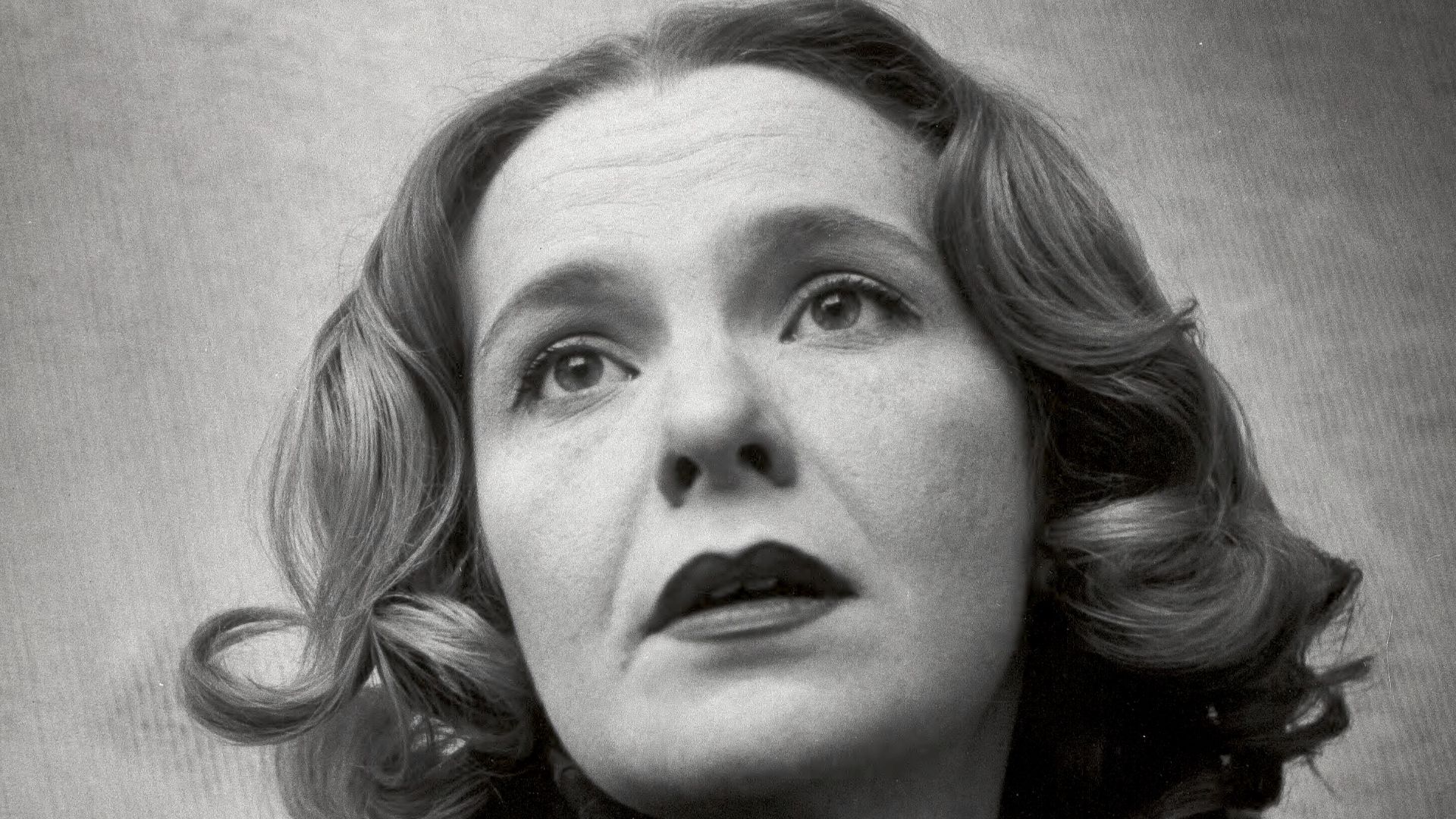 Schatt, Roy, Wikimedia Commons
Richard Thomas
Before becoming America's favorite son on The Waltons, Richard Thomas made one of his memorable early appearances on Night Gallery in the episode "The Funeral." His youthful sincerity made him especially effective in stories where ordinary people encountered extraordinary horrors. He later became a household name as John-Boy Walton while also appearing in films such as Last Summer (1969), directed by Frank Perry and co-starring Barbara Hershey and Bruce Davison.
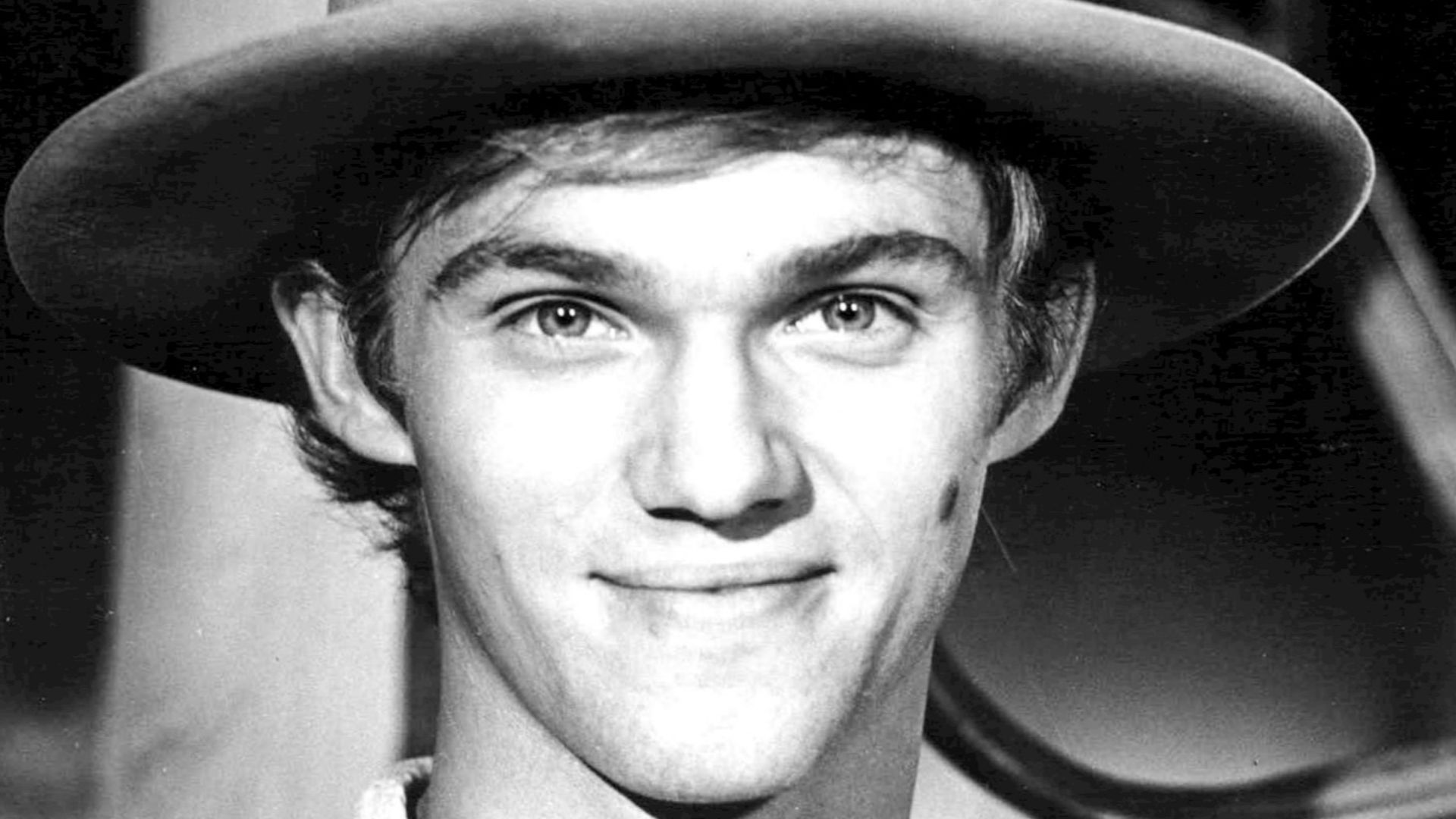 McFadden, Strauss & Irwin, public relations, Wikimedia Commons
Patty Duke
Academy Award winner Patty Duke demonstrated her dramatic range in the episode "The Diary." Already famous from The Patty Duke Show, she proved equally capable of handling psychological suspense and supernatural storytelling. Film audiences knew her from The Miracle Worker (1962), directed by Arthur Penn and co-starring Anne Bancroft and Victor Jory, a performance that earned her the Academy Award for Best Supporting Actress.
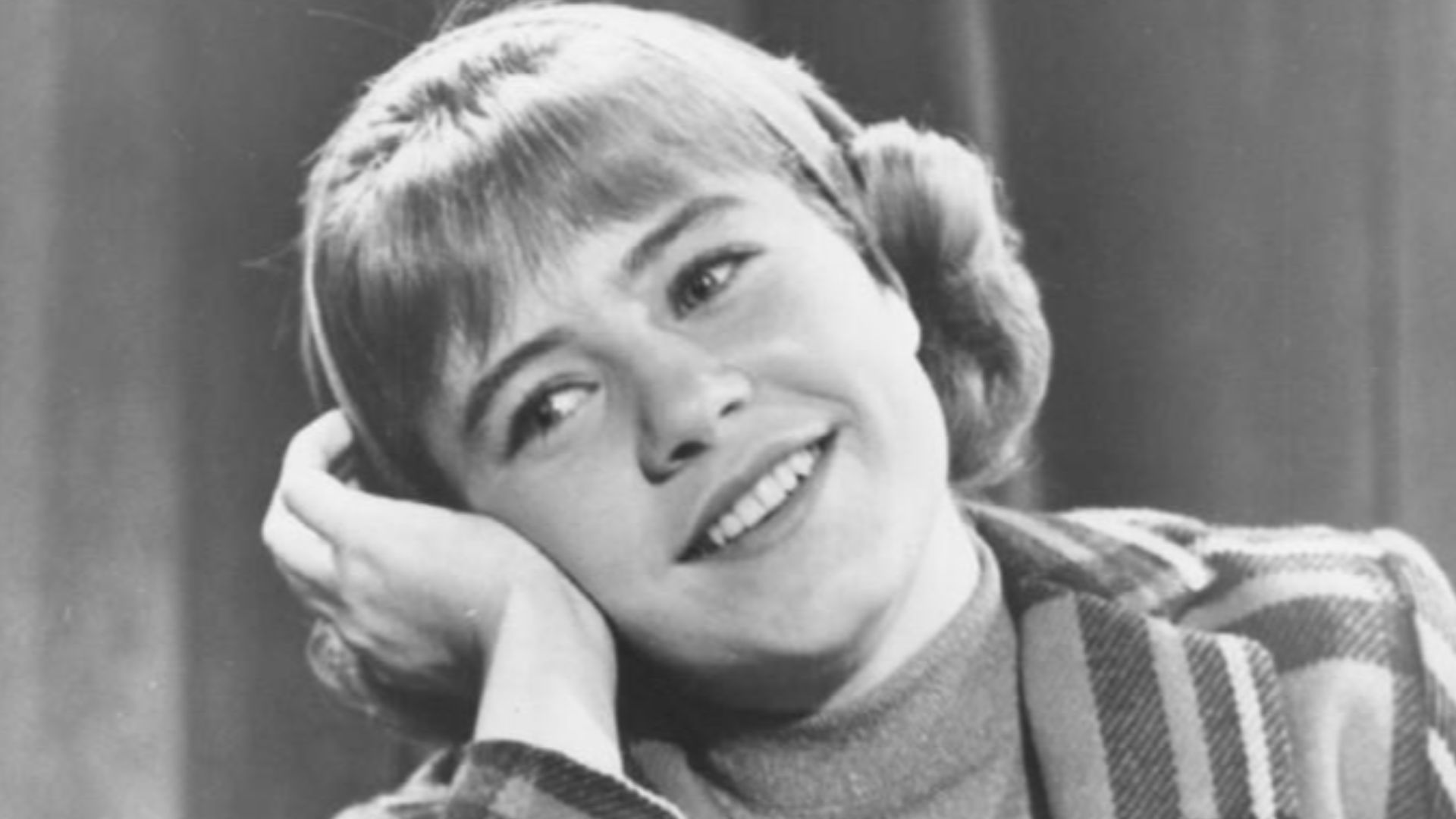 ABC Television, Wikimedia Commons
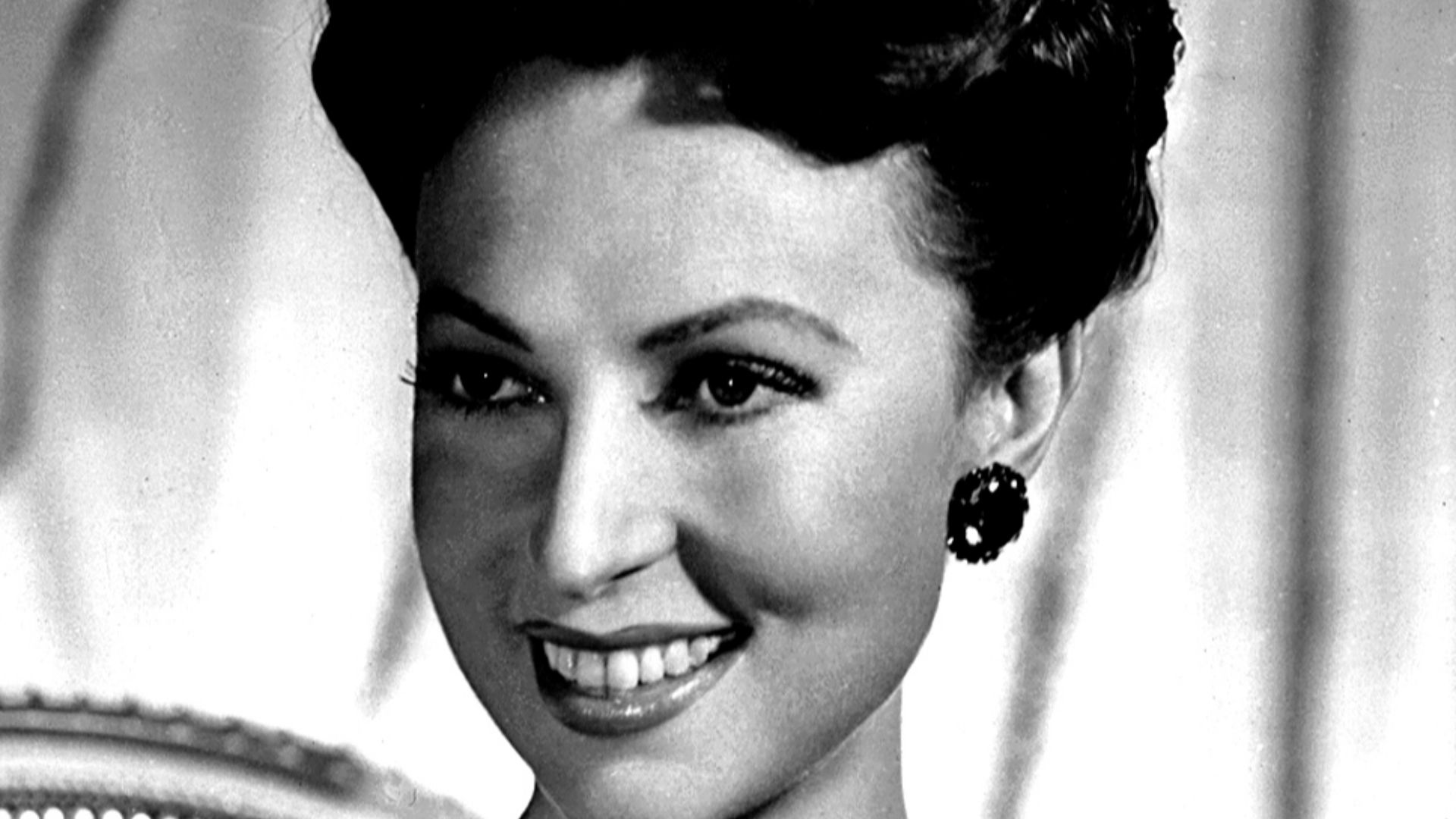
Agnes Moorehead
Television audiences adored Agnes Moorehead as Endora on Bewitched, but Night Gallery allowed her to display the darker side of her extraordinary talent in the episode "Certain Shadows on the Wall." One of Hollywood's finest character actresses, Moorehead had previously appeared in Orson Welles' Citizen Kane (1941), alongside Joseph Cotten and Dorothy Comingore, and earned four Academy Award nominations during her remarkable career.
Ricardo Montalbán
Ricardo Montalbán brought elegance, dignity, and quiet authority to every role he accepted, including his appearance in the episode "The Devil Is Not Mocked." Already a familiar leading man in film and television, he later became immortal as Khan Noonien Singh on Star Trek. His film work included Sayonara (1957), directed by Joshua Logan and starring Marlon Brando, Patricia Owens, and Red Buttons.
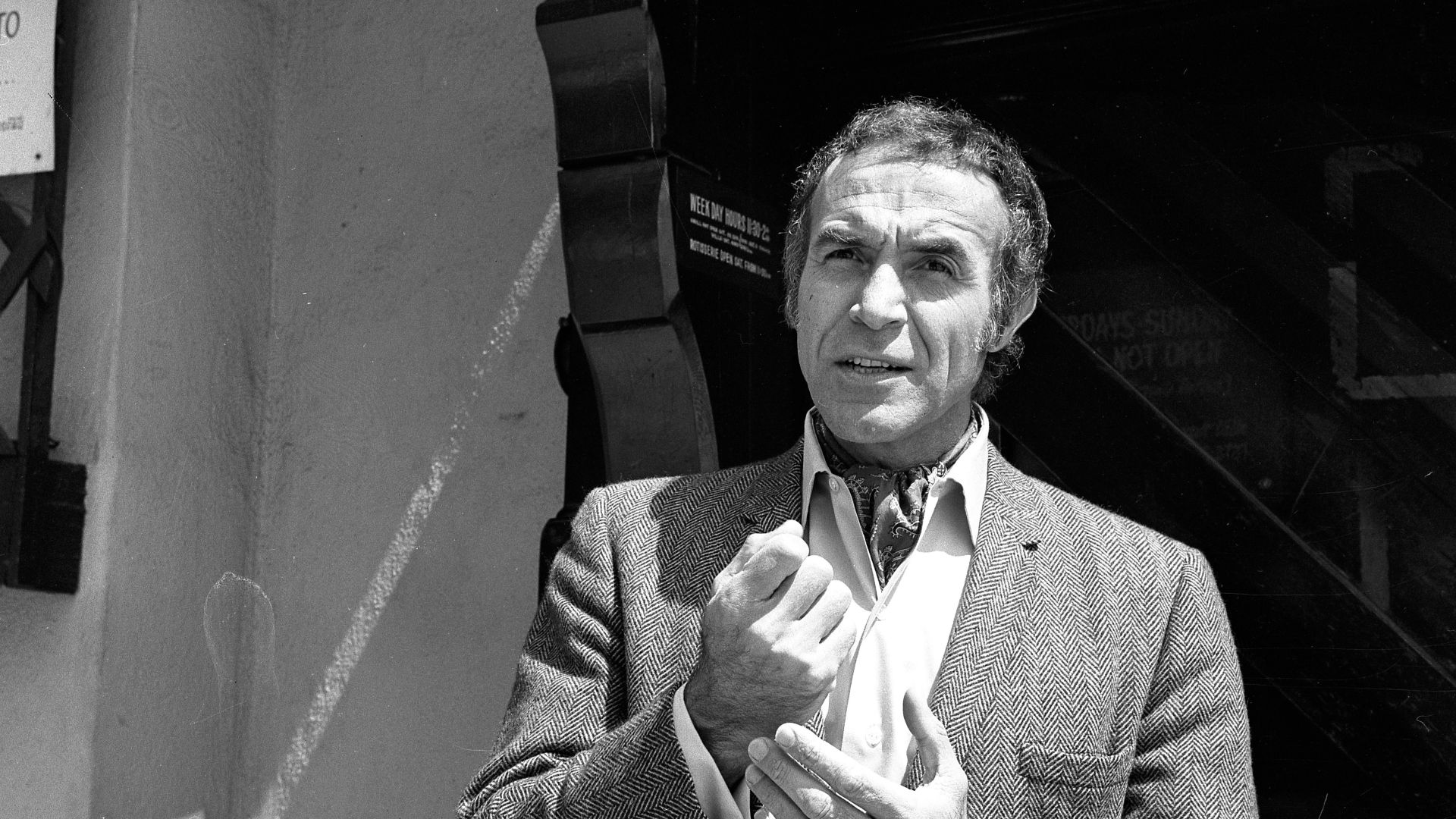 Judd Gunderson, Los Angeles Times, Wikimedia Commons
Mickey Rooney
One of Hollywood's greatest child stars successfully reinvented himself countless times over a career spanning nearly nine decades. Rooney appeared in the memorable episode "Rare Objects," demonstrating his remarkable versatility as both a dramatic and comedic performer. Earlier, he became a worldwide sensation through the Andy Hardy films and later earned acclaim for The Black Stallion (1979), directed by Carroll Ballard and starring Kelly Reno, Teri Garr, and Hoyt Axton.
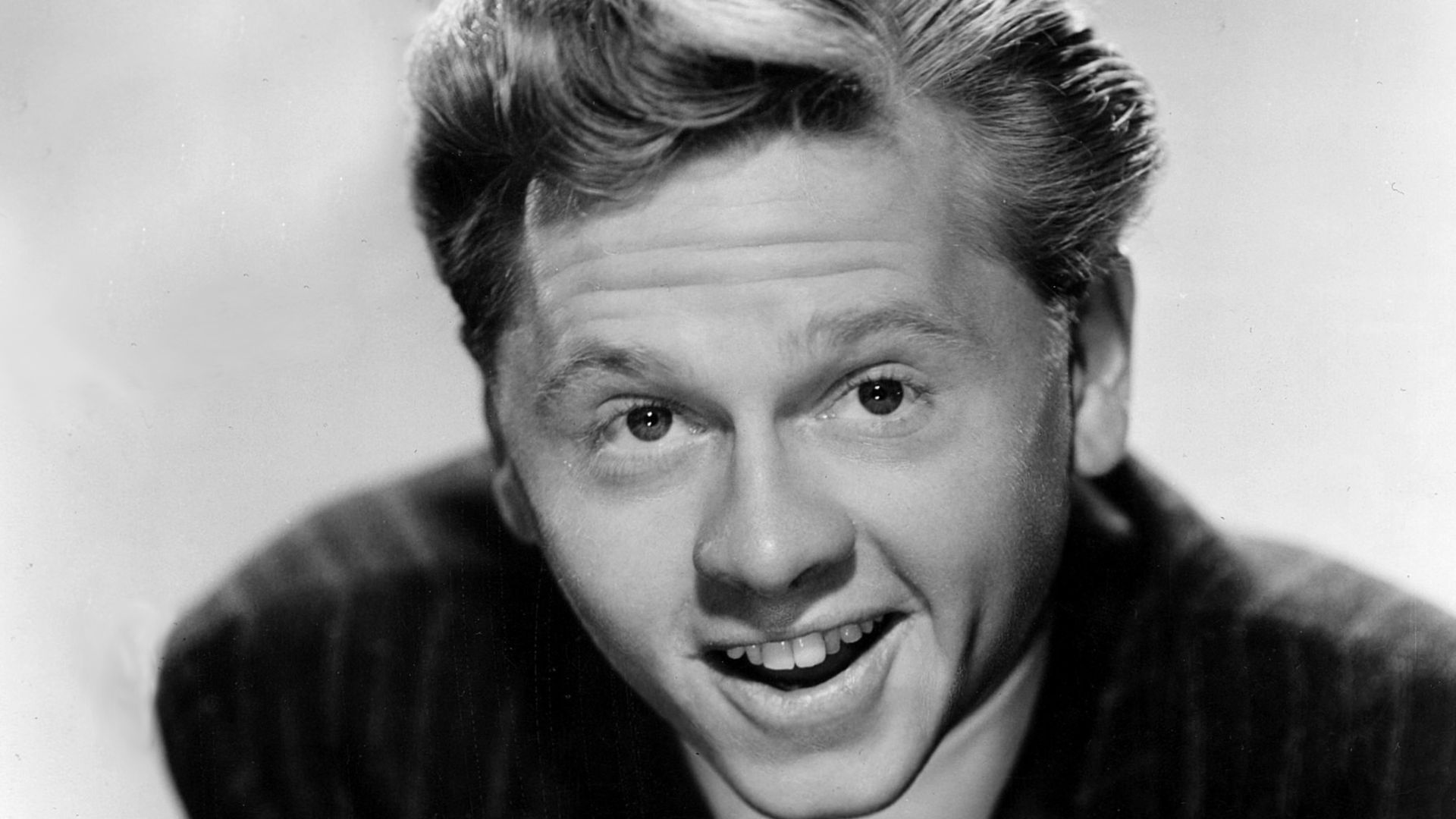 Studio publicity still, Wikimedia Commons
Oskar Werner
Internationally acclaimed Austrian actor Oskar Werner made one of his final television appearances in the episode "The Caterpillar." His thoughtful, intelligent screen presence gave the unsettling story unusual emotional weight. Film audiences remembered him from Jules and Jim (1962), directed by François Truffaut and co-starring Jeanne Moreau and Henri Serre, and Ship of Fools (1965), directed by Stanley Kramer and featuring Vivien Leigh, Simone Signoret, and Lee Marvin.
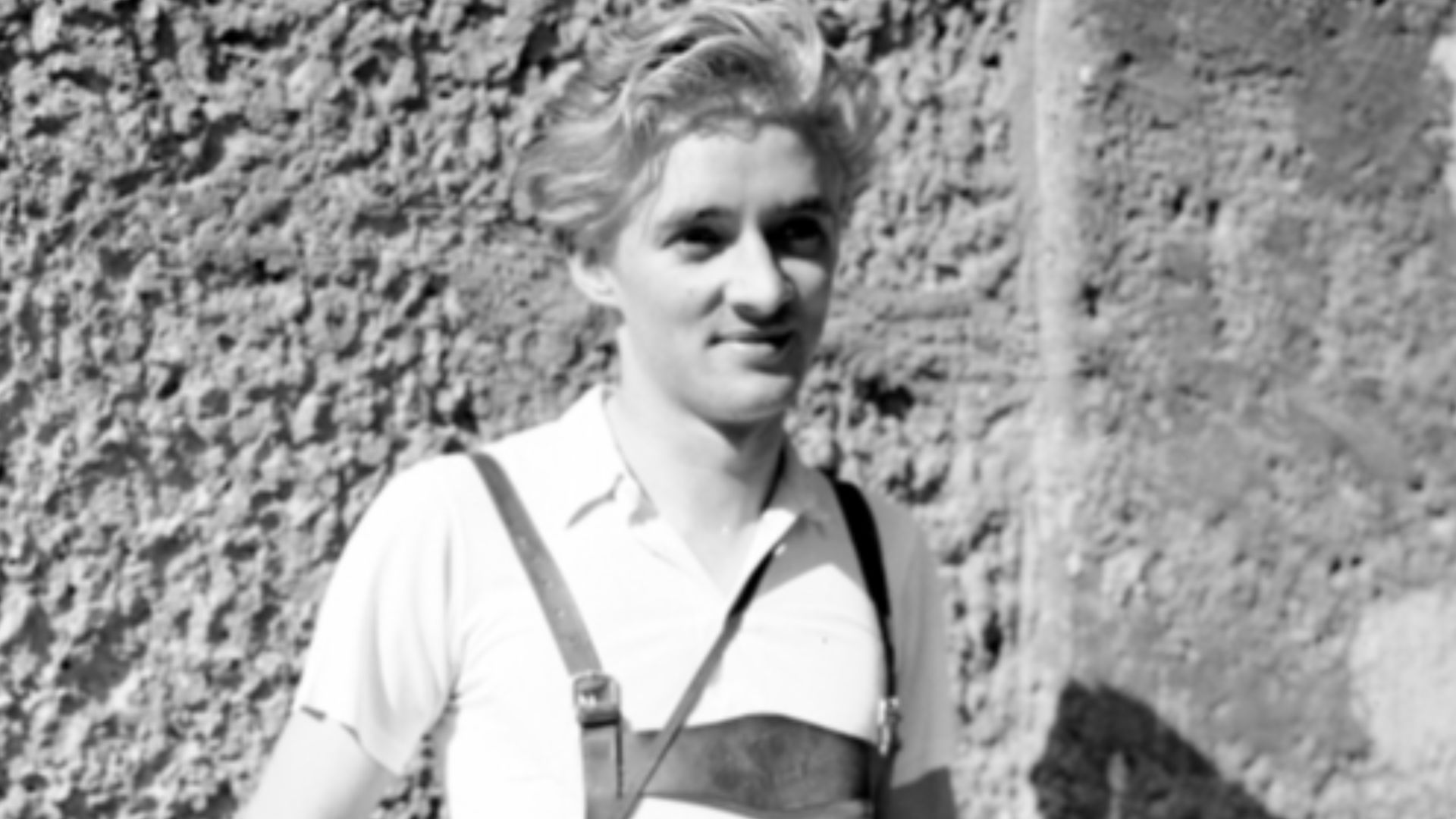
Diane Ladd
Long before earning multiple Academy Award nominations, Diane Ladd established herself as one of television's most dependable guest stars. She appeared in the episode "The Phantom Farmhouse," showcasing the emotional intensity that became her trademark. Moviegoers admired her performances in Alice Doesn't Live Here Anymore (1974), directed by Martin Scorsese and starring Ellen Burstyn, Kris Kristofferson, and Harvey Keitel, and later Wild at Heart (1990), directed by David Lynch.
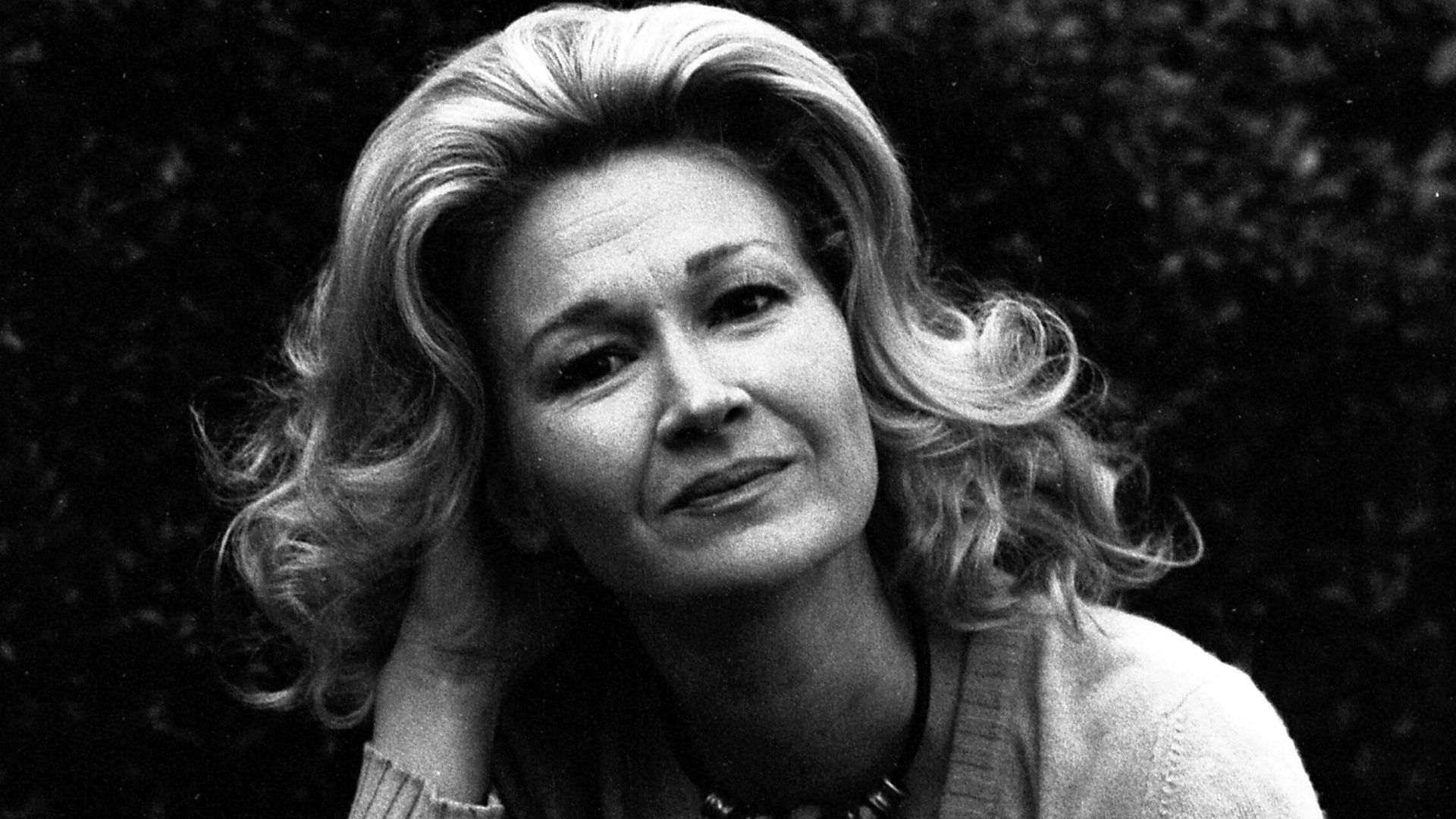 Harry Chase, Los Angeles Times, Wikimedia Commons
Larry Watson
Few actors became more closely associated with Night Gallery than Larry Watson, who appeared in four different episodes throughout the series. Although never a major Hollywood star, Watson became a familiar face to television viewers thanks to his reliable performances across numerous dramatic series. His repeated appearances reflected the producers' confidence in his ability to anchor Rod Serling's unusual stories.
Farley Granger
Already famous for starring in Alfred Hitchcock thrillers, Farley Granger brought classic Hollywood sophistication to Night Gallery in the episode "The Different Ones." His appearance reminded audiences why he remained such a respected dramatic actor decades after first achieving stardom. His greatest film successes included Rope (1948) and Strangers on a Train (1951), both directed by Alfred Hitchcock and co-starring James Stewart in the former and Robert Walker in the latter.
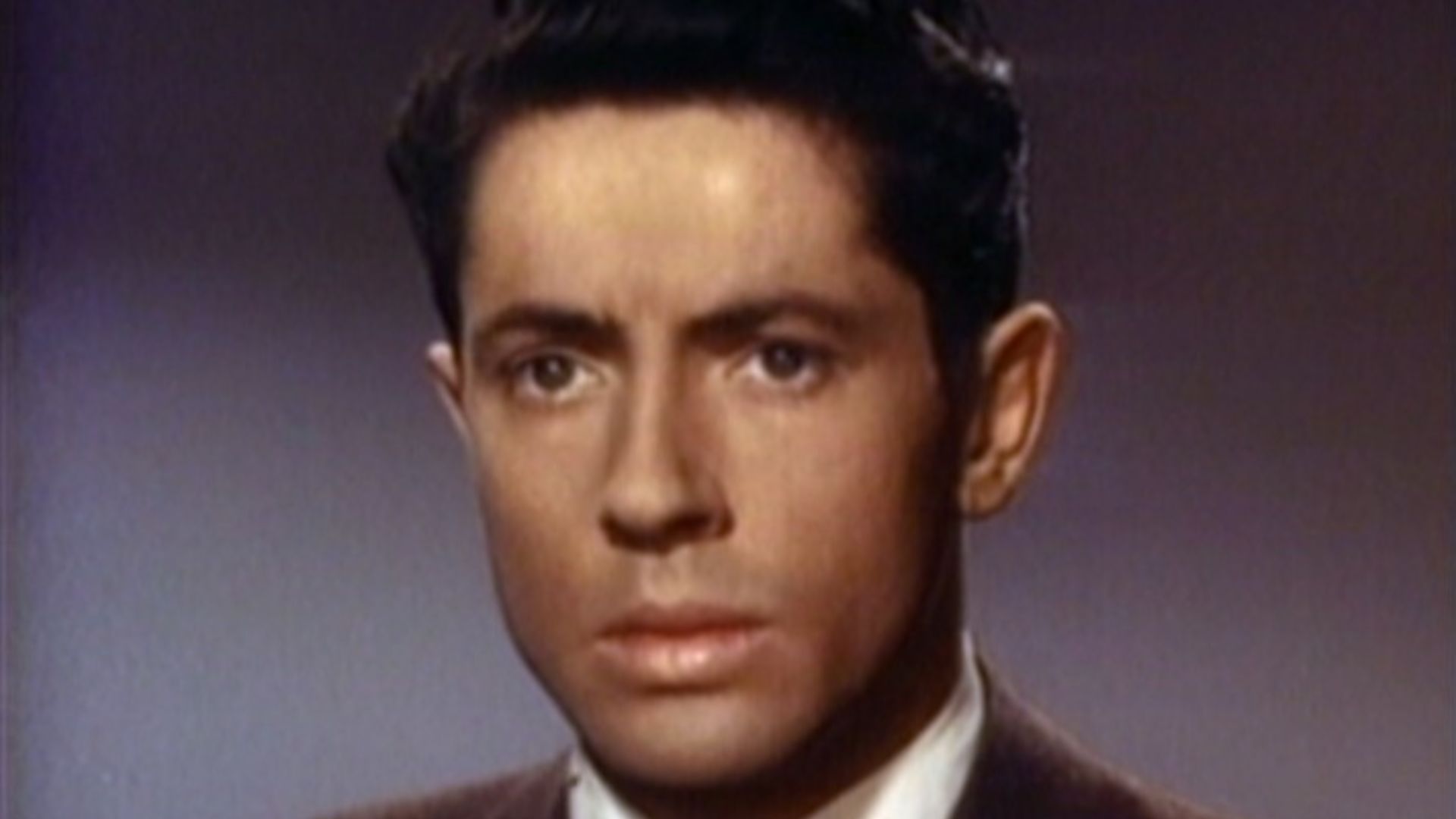 Trailer screenshot, Wikimedia Commons
Susan Strasberg
Susan Strasberg built an impressive career balancing films, theater, and television, making her an ideal addition to Night Gallery's remarkable roster of guest stars. She appeared in the episode "Since Aunt Ada Came to Stay," where her emotional sensitivity served Rod Serling's supernatural storytelling particularly well. Film audiences remembered her breakthrough role in Picnic (1955), directed by Joshua Logan and starring William Holden, Kim Novak, Rosalind Russell, and Cliff Robertson.
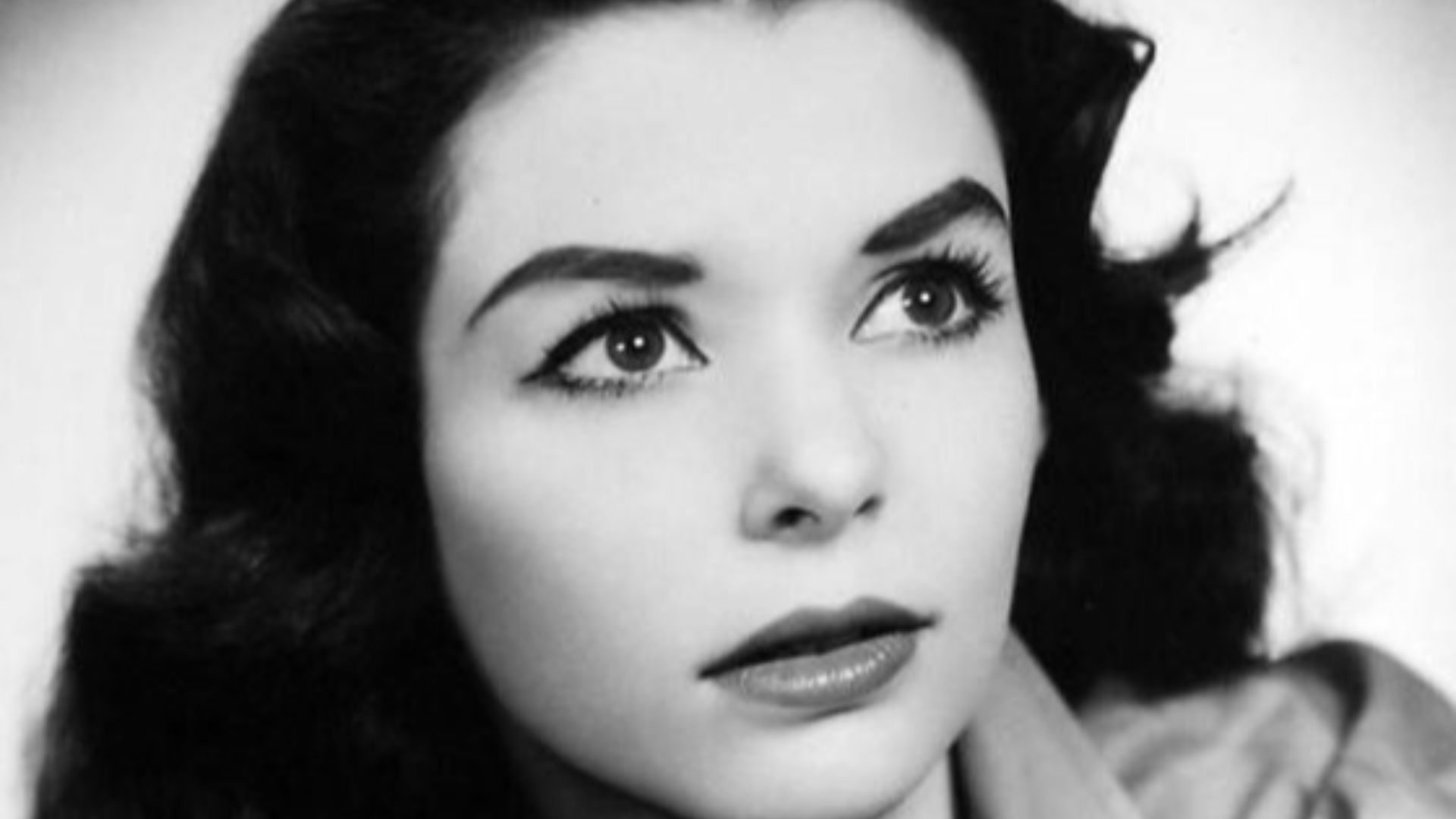 Photographer:Friedman-Abeles, New York., Wikimedia Commons
Edward Andrews
With his unmistakable voice and slightly flustered demeanor, Edward Andrews became one of television's busiest character actors. He appeared in the episode "The Doll," once again demonstrating his gift for portraying ordinary men caught in extraordinary situations. Movie audiences remembered him from The Apartment (1960), directed by Billy Wilder and starring Jack Lemmon, Shirley MacLaine, Fred MacMurray, and Ray Walston.
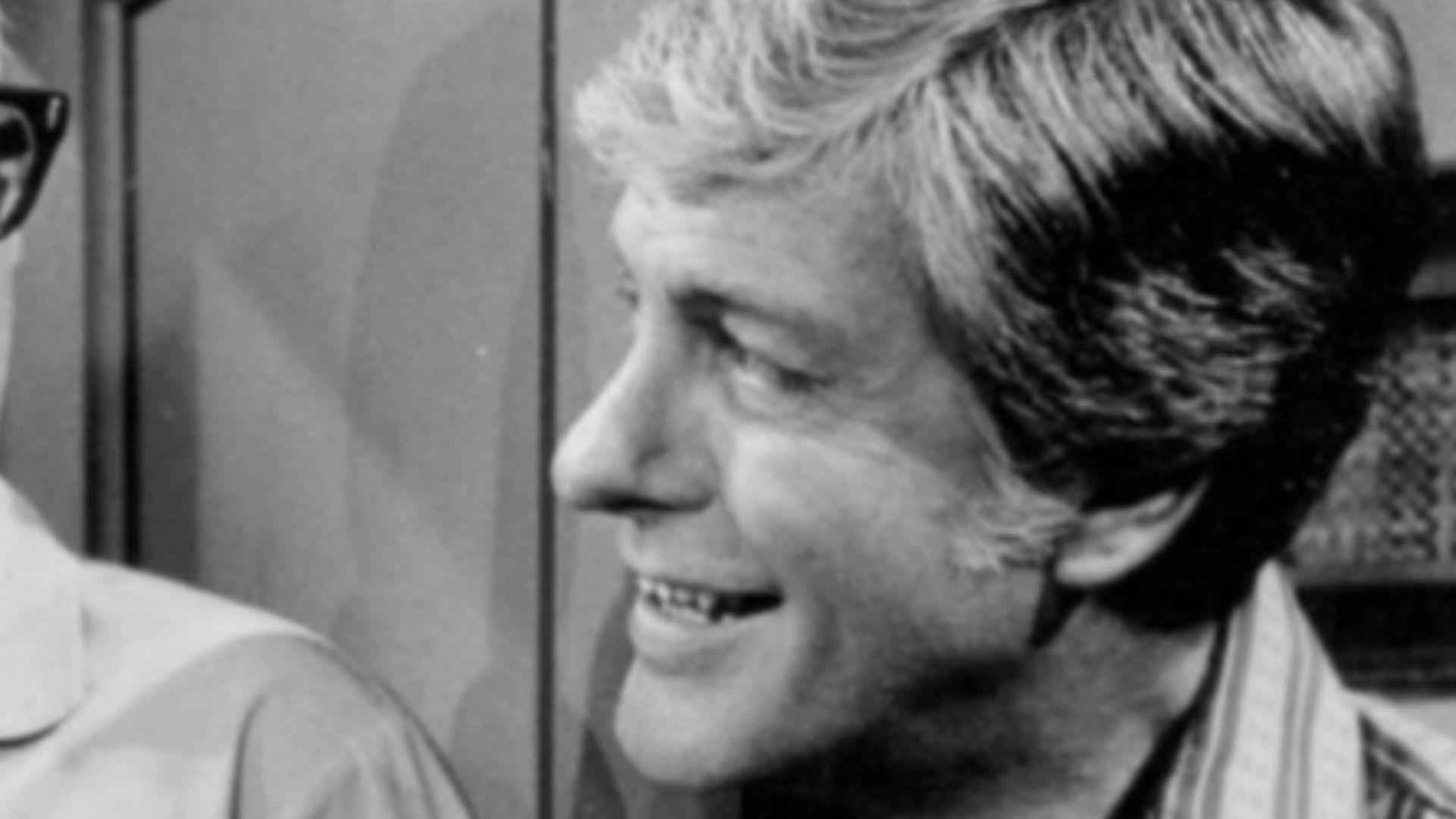 CBS Television, Wikimedia Commons
Cesar Romero
Forever remembered by many viewers as the Joker on Batman, Cesar Romero proved equally effective in suspense and mystery. He appeared in the episode "The Hand of Borgus Weems," demonstrating the polished charm and theatrical flair that sustained a career spanning more than five decades. Earlier film highlights included Captain from Castile (1947), directed by Henry King and starring Tyrone Power, Jean Peters, and John Sutton.
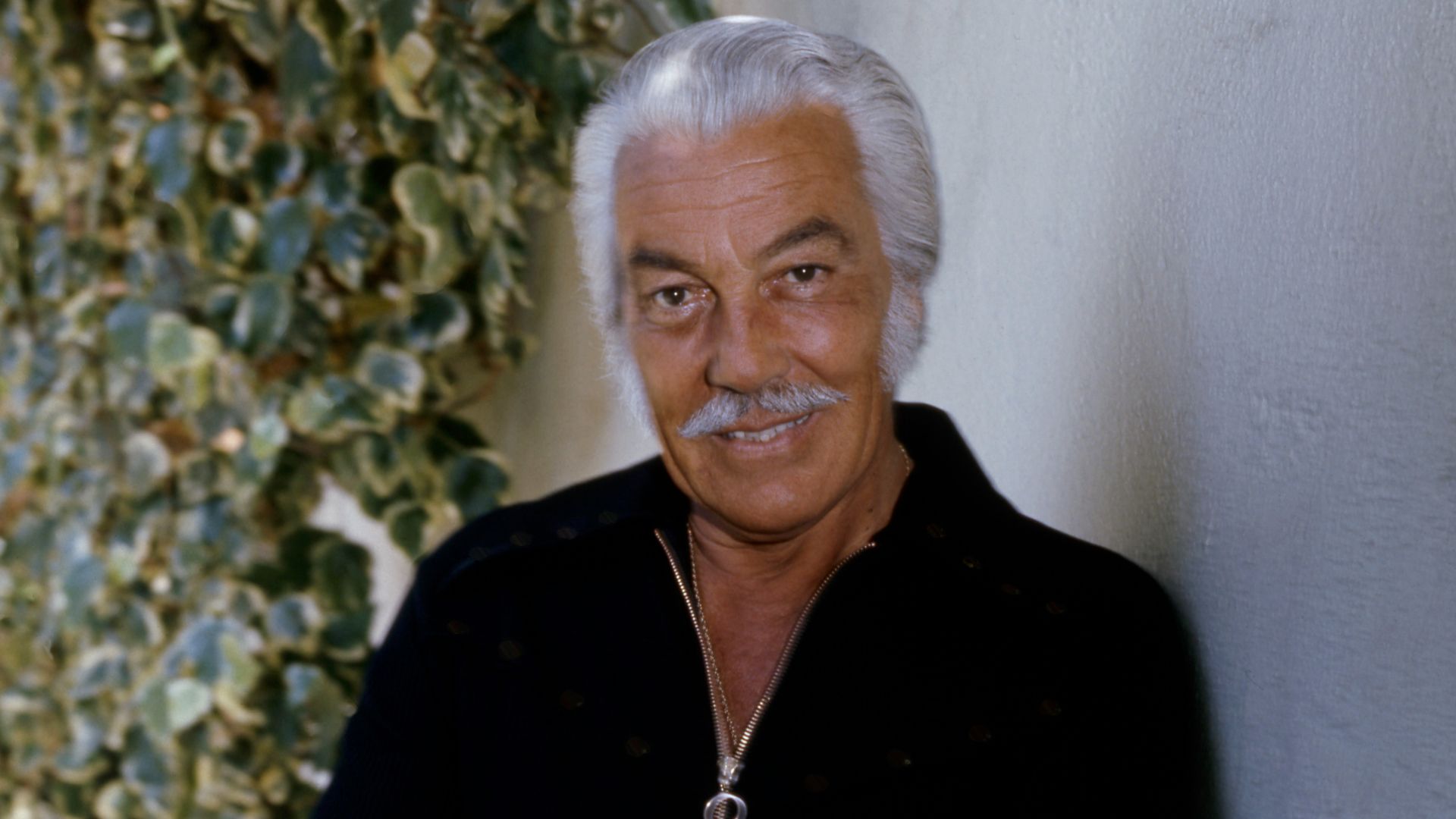 Allan warren, Wikimedia Commons
Ed Asner
Years before becoming one of television's most honored dramatic actors, Edward Asner made a memorable appearance on Night Gallery in the episode "The Different Ones." Already respected for his powerful performances, he would soon achieve television immortality as Lou Grant on both The Mary Tyler Moore Show and Lou Grant. Film audiences also saw him in El Dorado (1966), directed by Howard Hawks and starring John Wayne, Robert Mitchum, and James Caan.
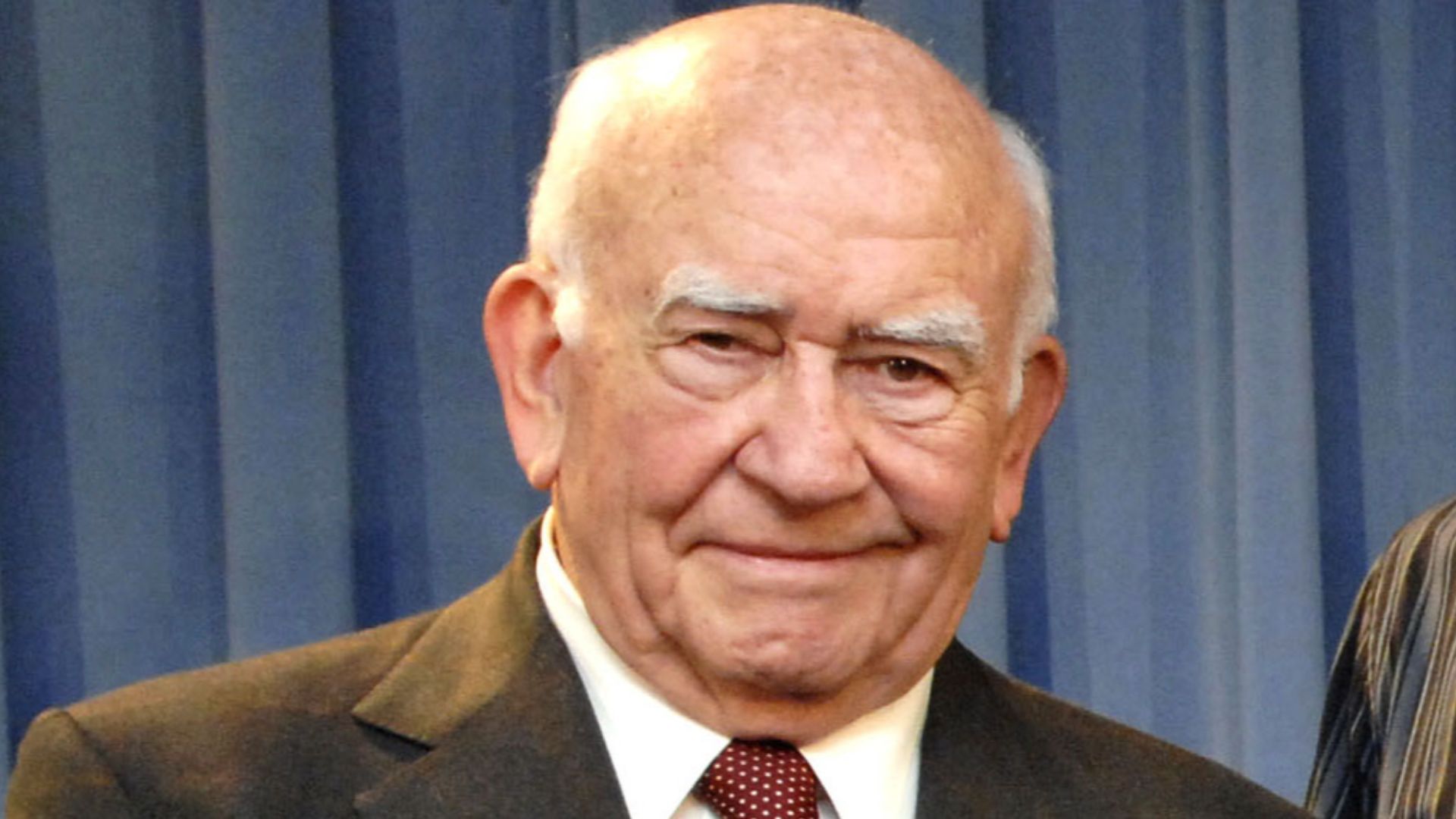 Department of Defense/William D. Moss, Wikimedia Commons
Cloris Leachman
Cloris Leachman possessed extraordinary range, effortlessly shifting between comedy, drama, and psychological suspense. She appeared in the episode "You Can Come Up Now, Mrs. Millikan," showcasing the emotional intensity that earned her lasting acclaim. She won the Academy Award for The Last Picture Show (1971), directed by Peter Bogdanovich and co-starring Timothy Bottoms, Jeff Bridges, Cybill Shepherd, and Ben Johnson, while television audiences adored her on The Mary Tyler Moore Show.
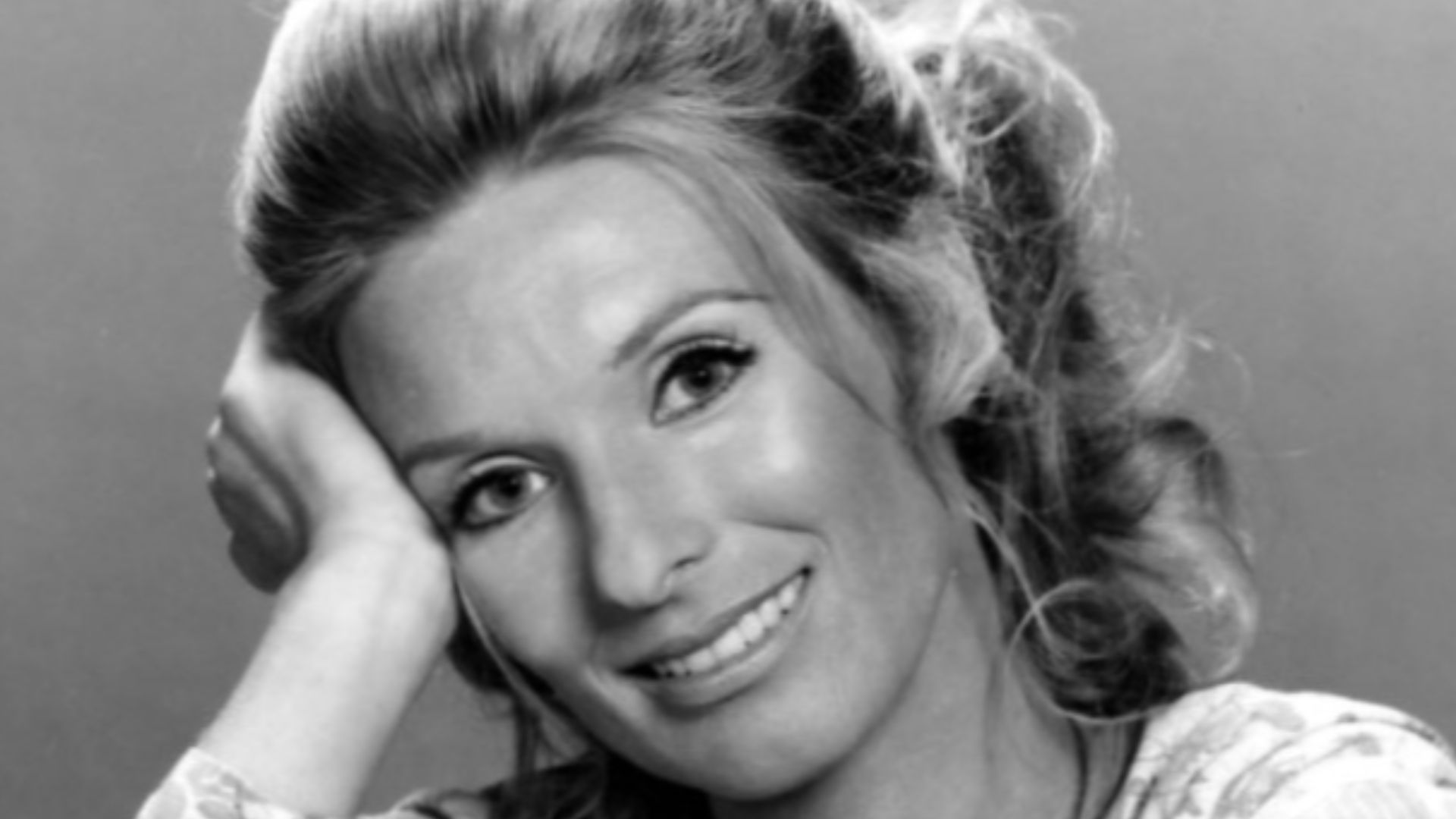 CBS Television, Wikimedia Commons
James Farentino
Handsome leading man James Farentino became a familiar face on countless television dramas during the late 1960s and 1970s. His appearance in the episode "The Other Way Out" demonstrated why producers frequently cast him in sophisticated suspense stories. Movie audiences remembered him from The Final Countdown (1980), directed by Don Taylor and starring Kirk Douglas, Martin Sheen, and Katharine Ross.
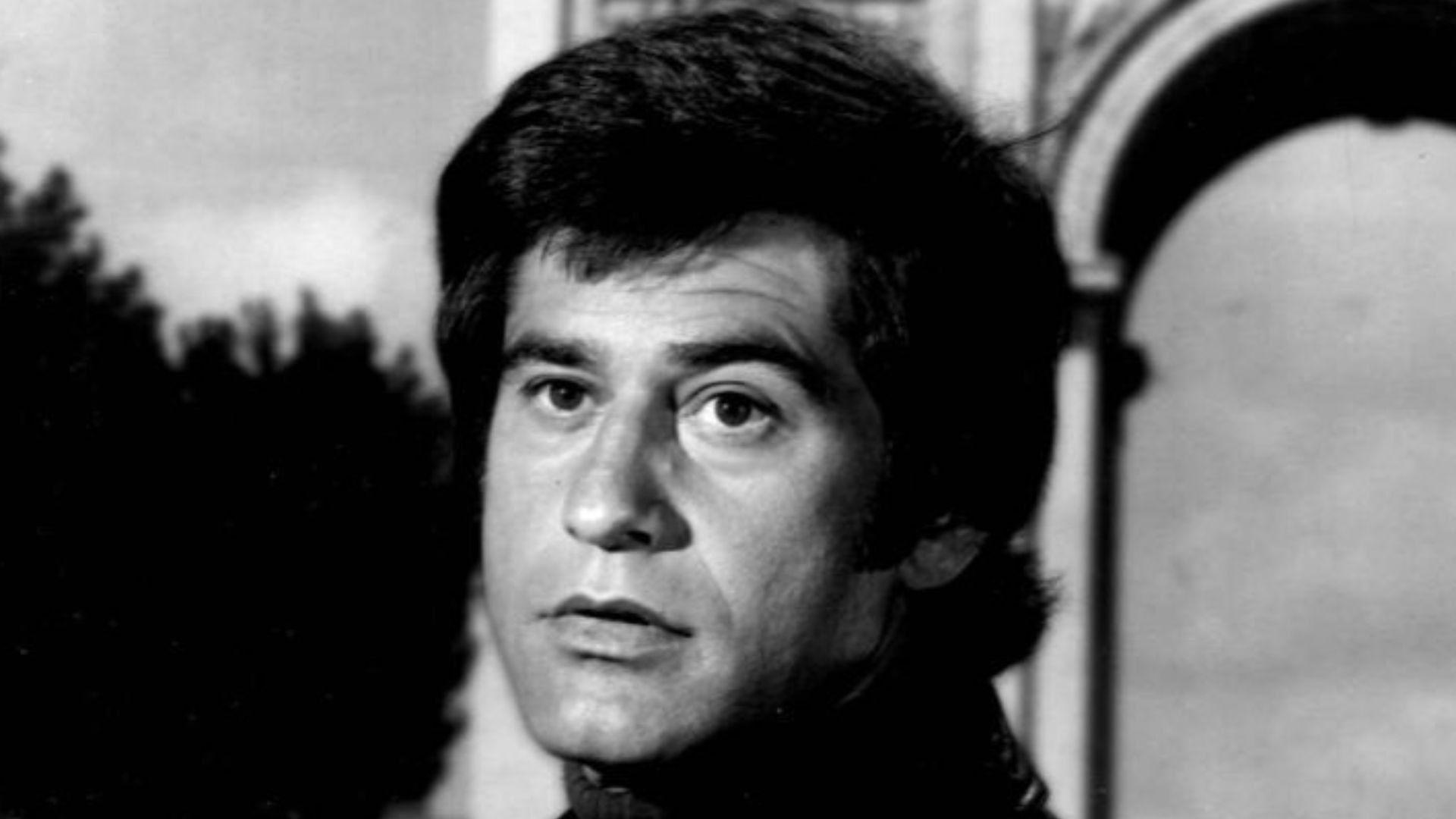 NBC Television, Wikimedia Commons
Gilbert Roland
One of Hollywood's last great stars of the silent era successfully reinvented himself for television, bringing remarkable dignity to Night Gallery in the episode "The Miracle at Camafeo." Roland's distinguished career stretched back to the 1920s, and he remained a commanding screen presence decades later. His memorable films included The Bad and the Beautiful (1952), directed by Vincente Minnelli and starring Kirk Douglas, Lana Turner, and Walter Pidgeon.
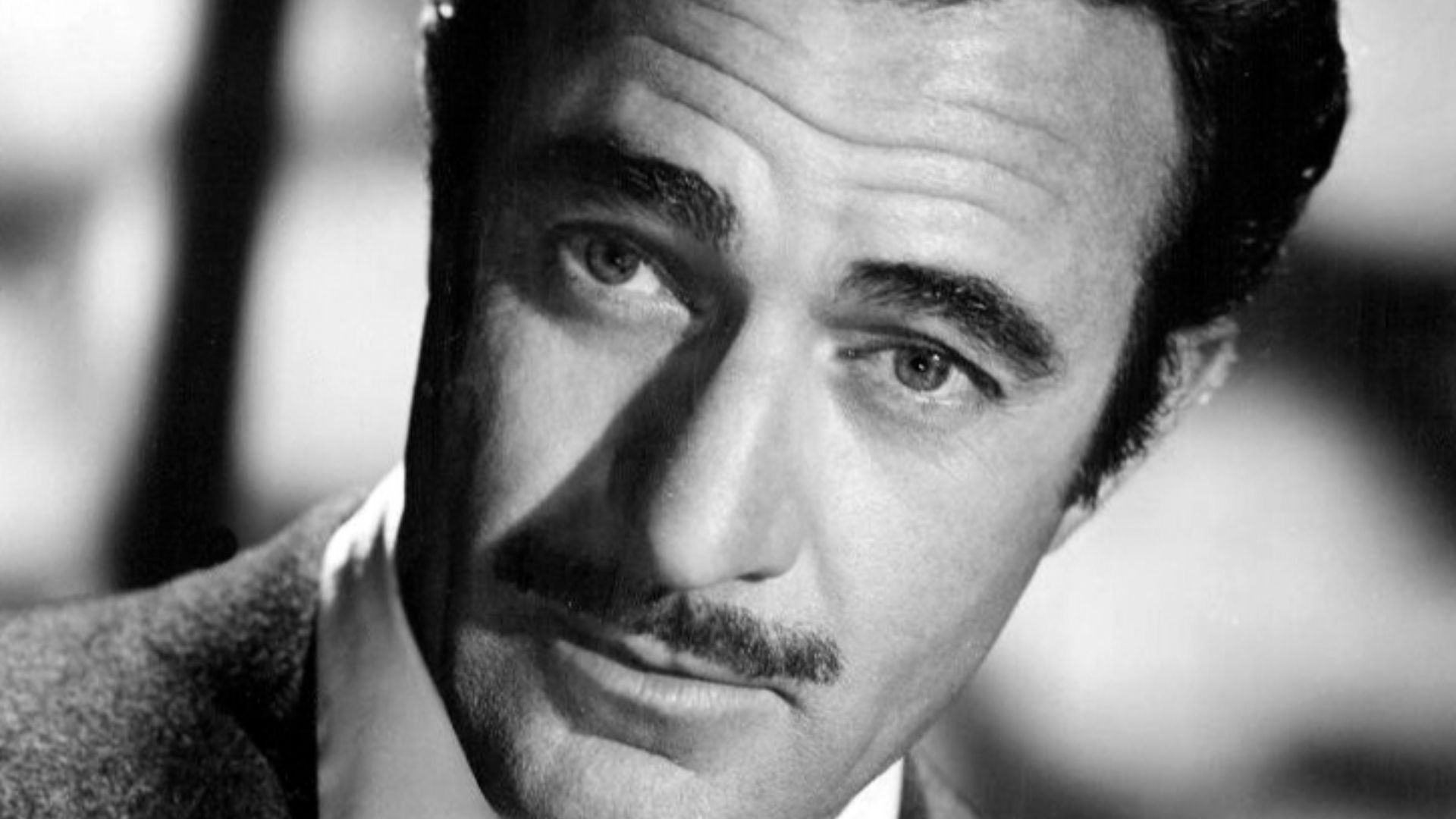 movie studio, Wikimedia Commons
Steve Forrest
Steve Forrest combined leading-man charisma with rugged dependability throughout his lengthy career. He appeared in the episode "A Question of Fear," during one of television's busiest periods for the actor, who later became widely known as Lieutenant Dan "Hondo" Harrelson on S.W.A.T. Film audiences also remembered him from So Big (1953), directed by Robert Wise and starring Jane Wyman and Sterling Hayden.
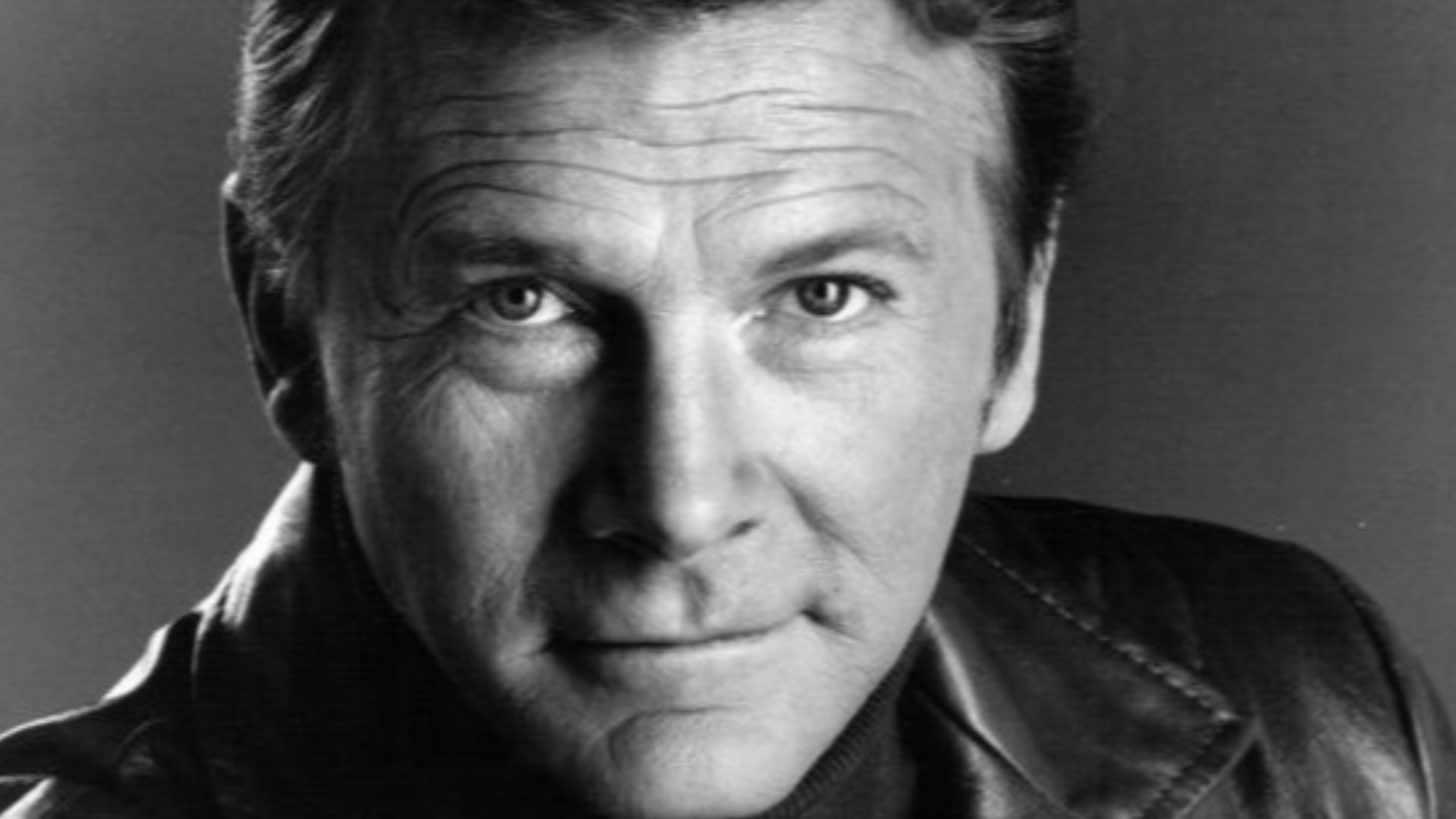 ABC Television, Wikimedia Commons
Vera Miles
Already a veteran of Alfred Hitchcock classics, Vera Miles brought quiet strength and emotional realism to Night Gallery in the episodes "The Waiting Room" and "Finnegan's Flight." Her ability to portray ordinary people facing extraordinary circumstances made her especially effective in supernatural stories. She was unforgettable in The Searchers (1956), directed by John Ford and starring John Wayne and Jeffrey Hunter, and Psycho (1960), directed by Alfred Hitchcock and starring Anthony Perkins and Janet Leigh.
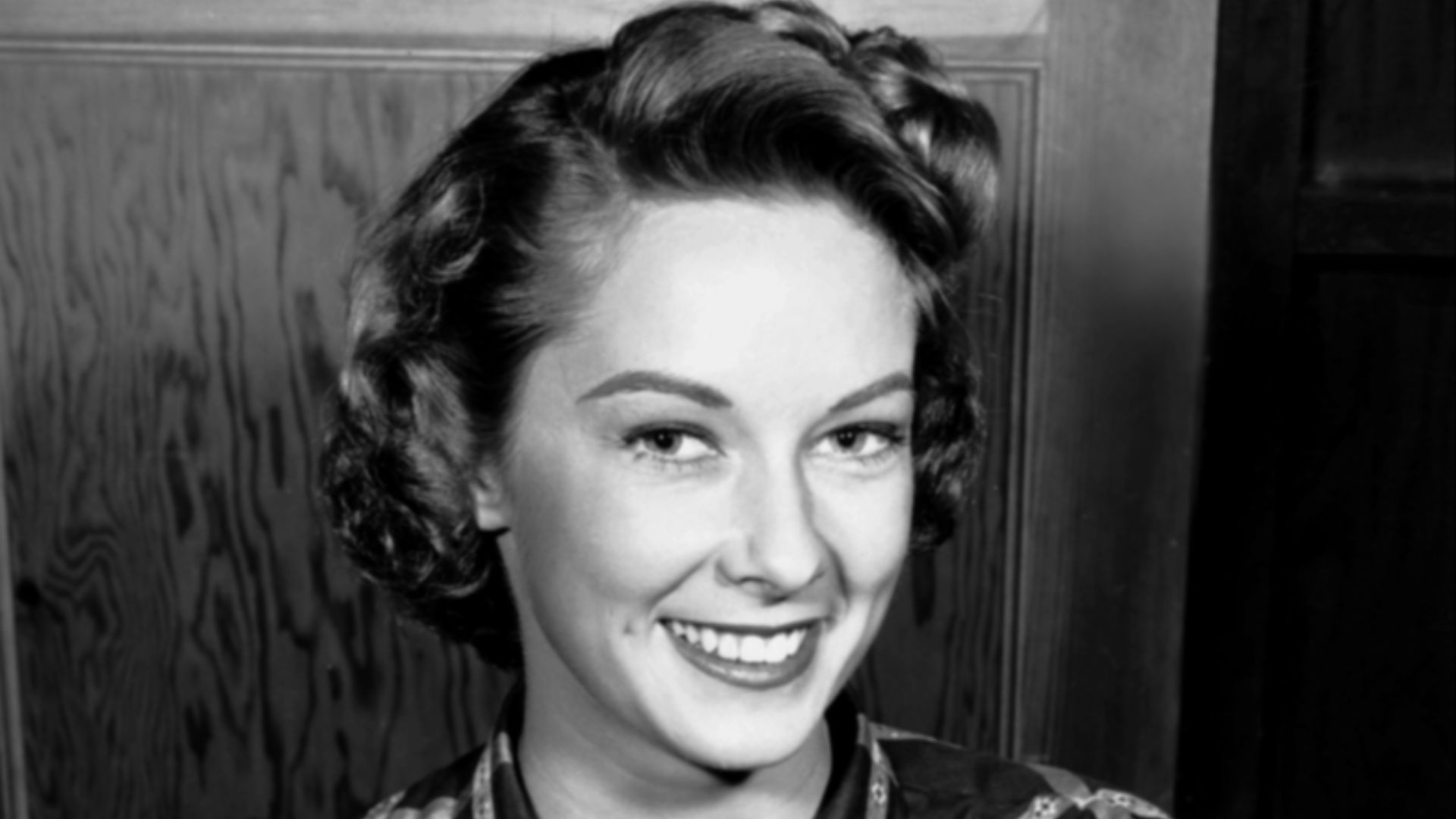 Studio Publicity, Wikimedia Commons
David McCallum
Long before becoming television's beloved Dr. Donald "Ducky" Mallard on NCIS, David McCallum was already an internationally recognized star. He appeared in the episode "Silent Snow, Secret Snow," highlighting the intelligence and understated intensity that defined his career. Earlier audiences knew him as Illya Kuryakin on The Man from U.N.C.L.E. and from The Great Escape (1963), directed by John Sturges and starring Steve McQueen, James Garner, Richard Attenborough, and Charles Bronson.
![Title: David McCallum, Man from U.N.C.L.E.
Creator(s): Gotfryd, Bernard, photographer
Date Created/Published: [1982]
Medium: 1 photograph : color transparency ; 35mm (slide format)
Reproduction Number: LC-DIG-gtfy-02697 (digital file from original)
Rights](https://www.factinate.com/storage/app/media/theshot/2026/7/29/178533983865f8740eb7e1a11f49bc07cd15da81bdcbc0eb24.jpg) Gotfryd, Bernard, photographer, Wikimedia Commons
Gotfryd, Bernard, photographer, Wikimedia Commons
John Astin
Although forever associated with Gomez Addams, John Astin demonstrated impressive dramatic versatility in the episode "Hell's Bells." His distinctive voice, expressive face, and impeccable comic timing translated surprisingly well into suspense. Moviegoers also enjoyed him in West Side Story (1961), directed by Robert Wise and Jerome Robbins and starring Natalie Wood, Richard Beymer, Rita Moreno, and George Chakiris.
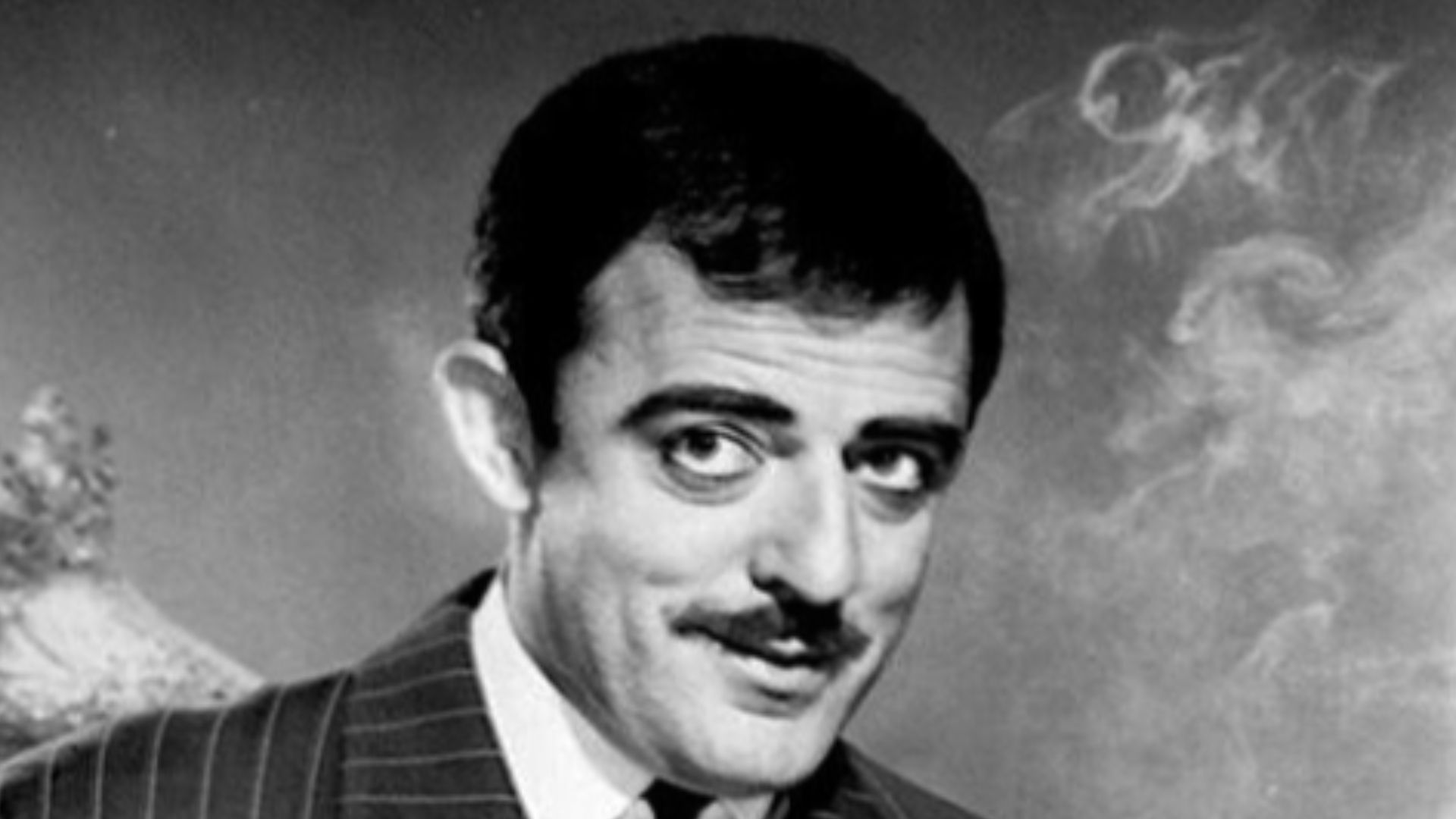 ABC Television, Wikimedia Commons
Carl Betz
Best remembered as Dr. Alex Stone on The Donna Reed Show, Carl Betz became a frequent guest star on dramatic television after that series ended. He appeared in the episode "The Nature of the Enemy," revealing a darker side rarely seen in his earlier work. Film audiences also recognized him from Judd for the Defense and numerous made-for-television movies that showcased his calm, authoritative screen presence.
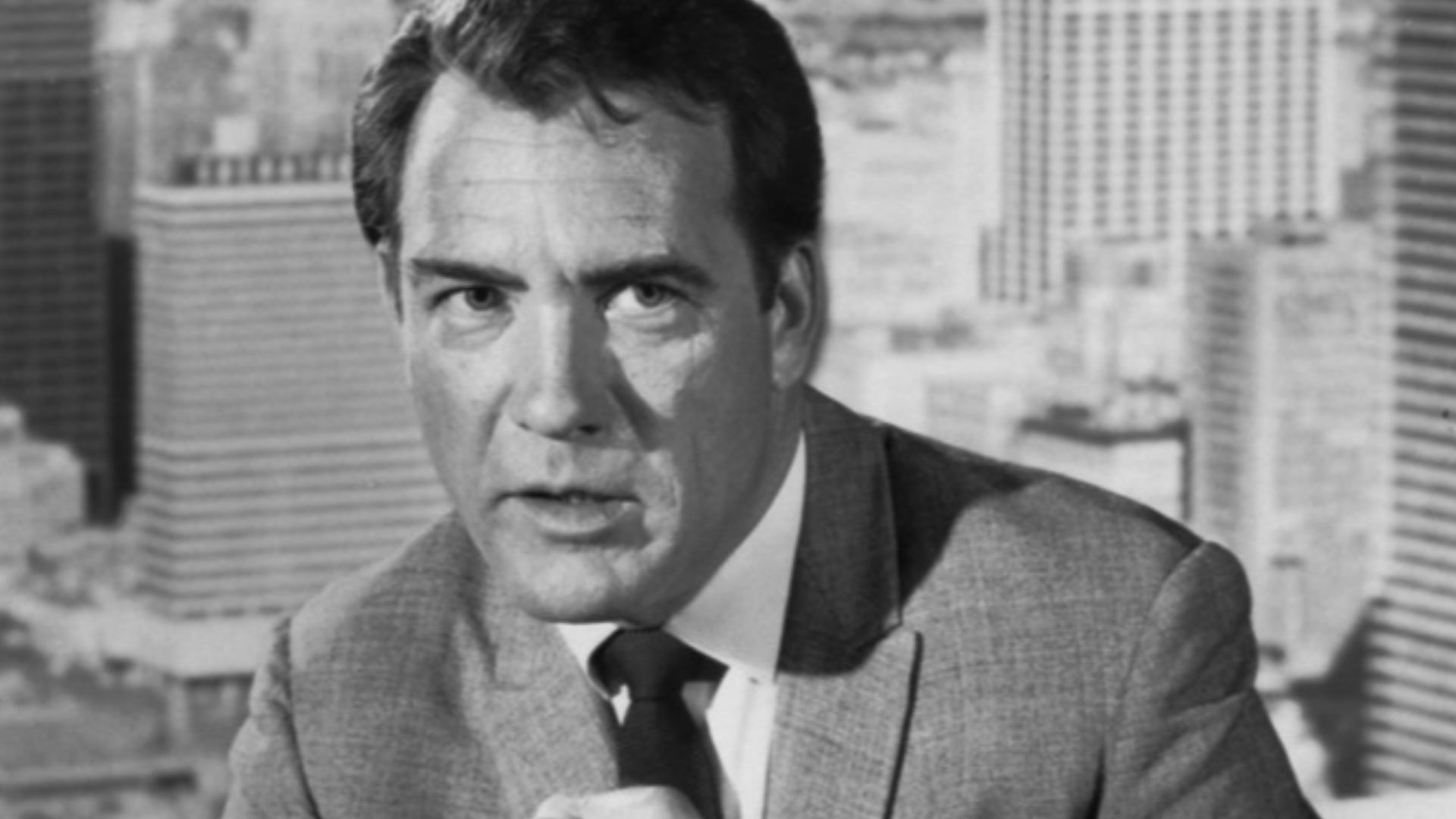 ABC Television, Wikimedia Commons
Darren McGavin
Darren McGavin excelled at portraying skeptical, hard-nosed protagonists confronted by extraordinary events, making him an ideal fit for Night Gallery. He appeared in two episodes, bringing his trademark realism and intensity to Rod Serling's eerie world. Although he later achieved cult status as Carl Kolchak on Kolchak: The Night Stalker, audiences also loved him as the father in A Christmas Story (1983), directed by Bob Clark and starring Peter Billingsley, Melinda Dillon, and Ian Petrella.
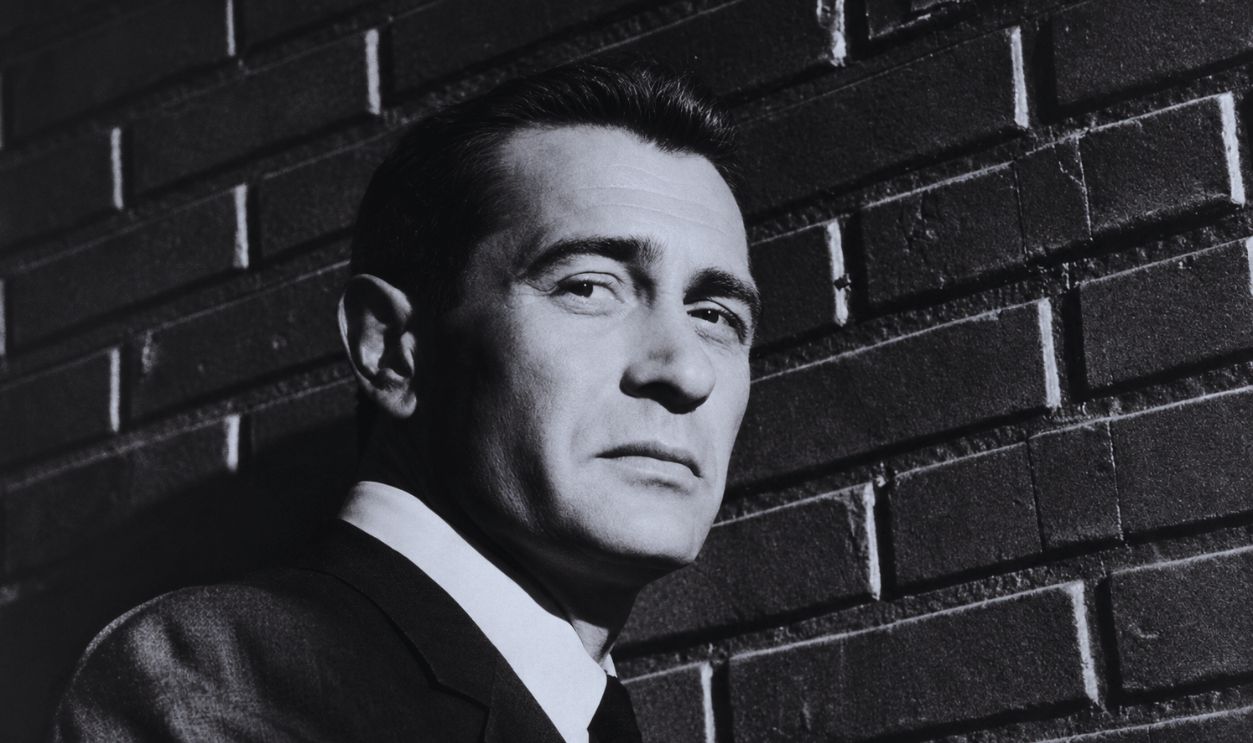 Unknown; MCA, Wikimedia Commons
Gloria Grahame
Academy Award winner Gloria Grahame brought classic Hollywood glamour and emotional complexity to Night Gallery in the episode "The Diary." Even late in her career, her distinctive screen presence remained unmistakable. She won her Oscar for The Bad and the Beautiful (1952), directed by Vincente Minnelli and starring Kirk Douglas, Lana Turner, Walter Pidgeon, and Barry Sullivan, while also delivering unforgettable performances in numerous film noirs.
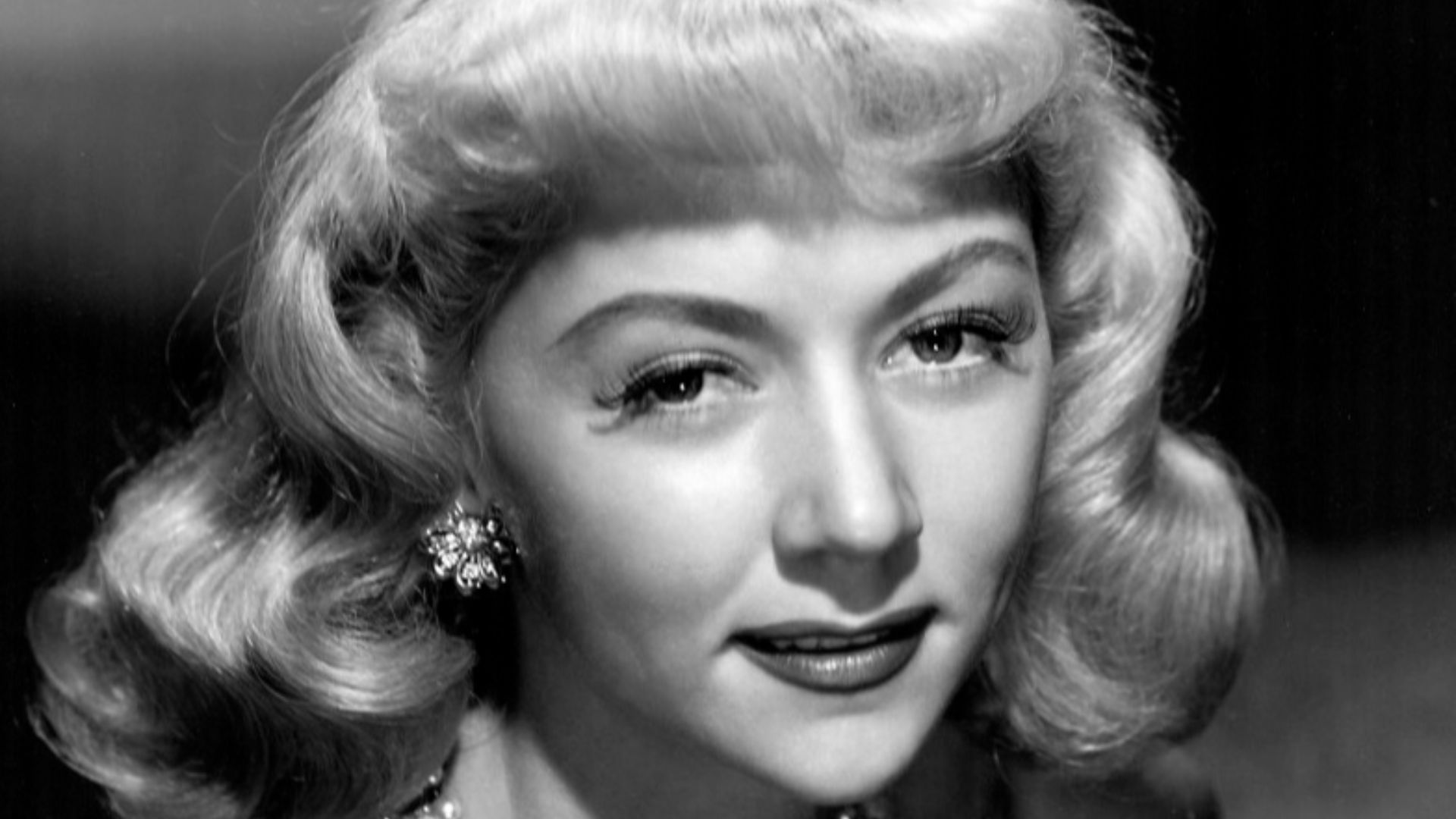 Clarence Bull, Wikimedia Commons
Jean Simmons
British-born Jean Simmons ranked among the most accomplished actresses ever to appear on Night Gallery. She starred in the episode "The Boy Who Predicted Earthquakes," bringing warmth and conviction to one of the series' most memorable supernatural tales. Audiences remembered her from Spartacus (1960), directed by Stanley Kubrick and starring Kirk Douglas, Laurence Olivier, Charles Laughton, and Peter Ustinov, as well as Elmer Gantry (1960), opposite Burt Lancaster.
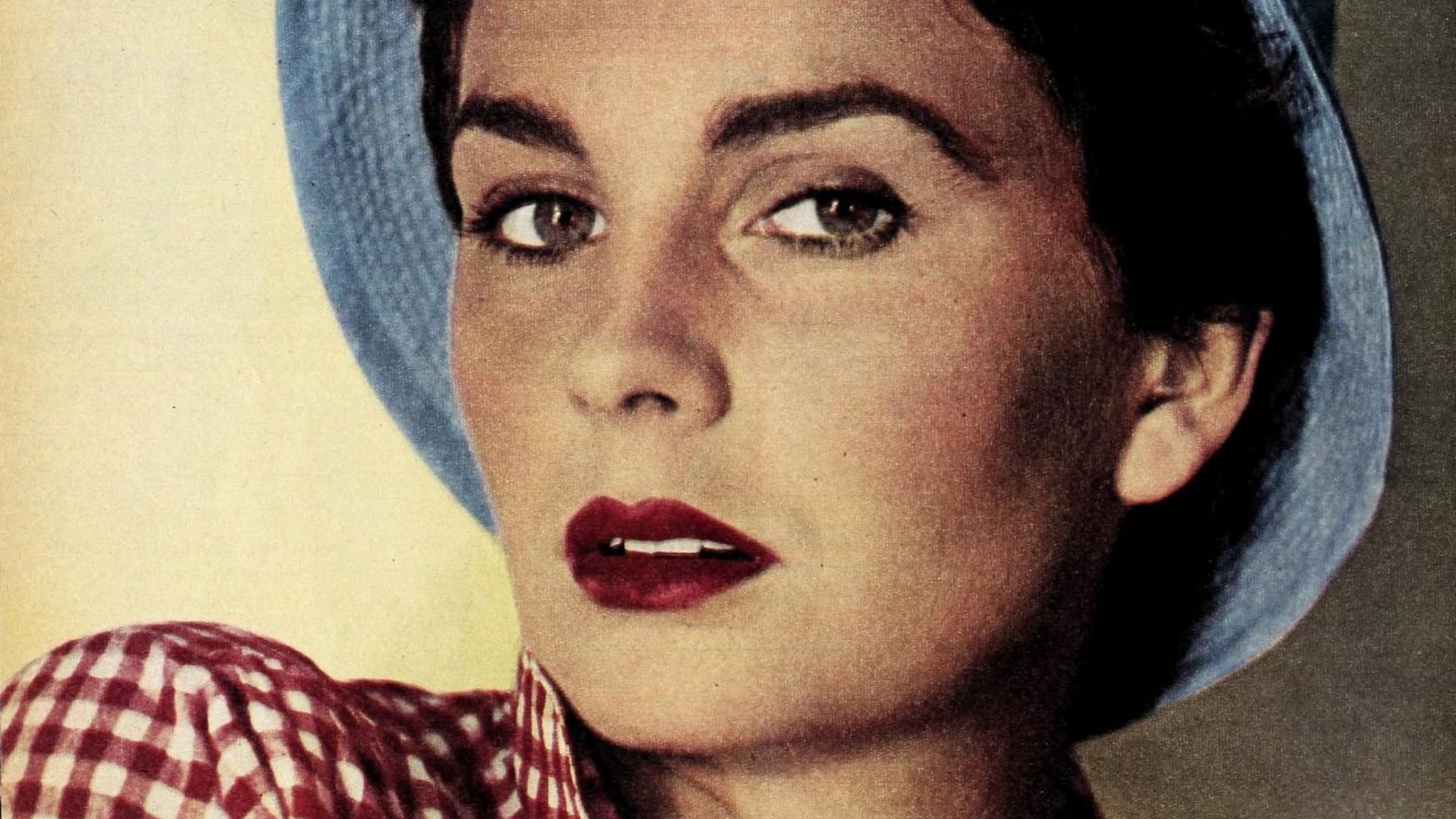 Photographer: Ernest A. Bachrach (1899–1973), [1], Wikimedia Commons
John Carradine
One of Hollywood's most prolific character actors seemed destined to appear on Night Gallery. He appeared in two episodes, using his commanding voice and gaunt appearance to bring instant atmosphere to Rod Serling's supernatural universe. Over a career spanning more than four hundred films, he appeared in classics including The Grapes of Wrath (1940), directed by John Ford and starring Henry Fonda, Jane Darwell, and John Qualen, while becoming one of horror cinema's most enduring icons.
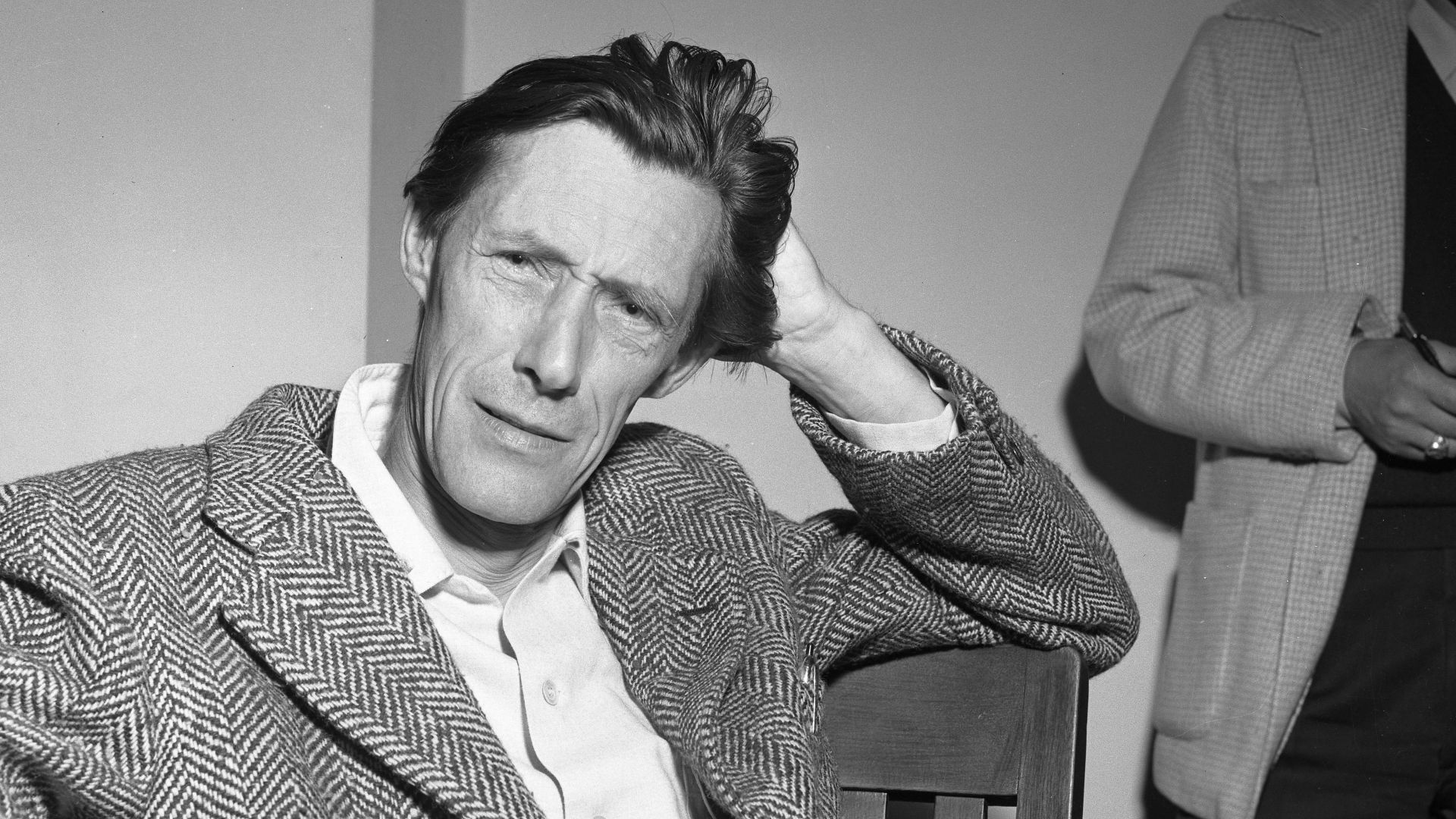 Los Angeles Daily News, Wikimedia Commons
Diane Baker
Long before becoming one of television's busiest guest actresses, Diane Baker established herself as a respected dramatic performer in Hollywood. She appeared in the memorable Night Gallery episode "The Shrine," bringing quiet intelligence and emotional depth to Rod Serling's supernatural tale. Earlier, she starred in The Diary of Anne Frank (1959), directed by George Stevens and co-starring Millie Perkins, Joseph Schildkraut, and Shelley Winters.
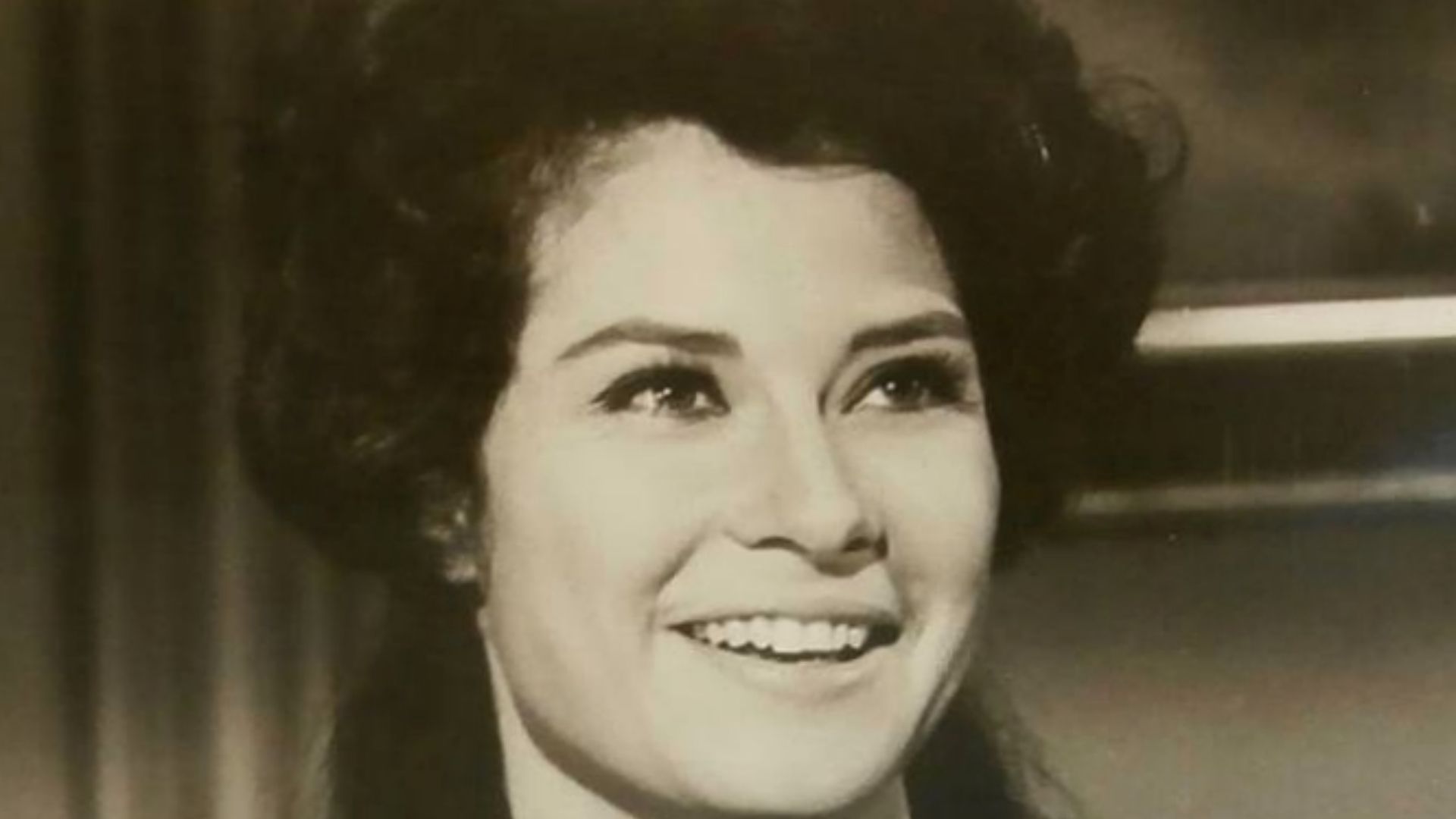 Universal Television (?), Wikimedia Commons
William Windom
Already a familiar face from countless television dramas, William Windom appeared in the episode "They Treat You Like a Dog Down There." His calm, authoritative presence made him particularly effective in stories where ordinary people found themselves trapped in extraordinary circumstances. Film audiences also remembered him from To Kill a Mockingbird (1962), directed by Robert Mulligan and starring Gregory Peck, Mary Badham, and Phillip Alford.
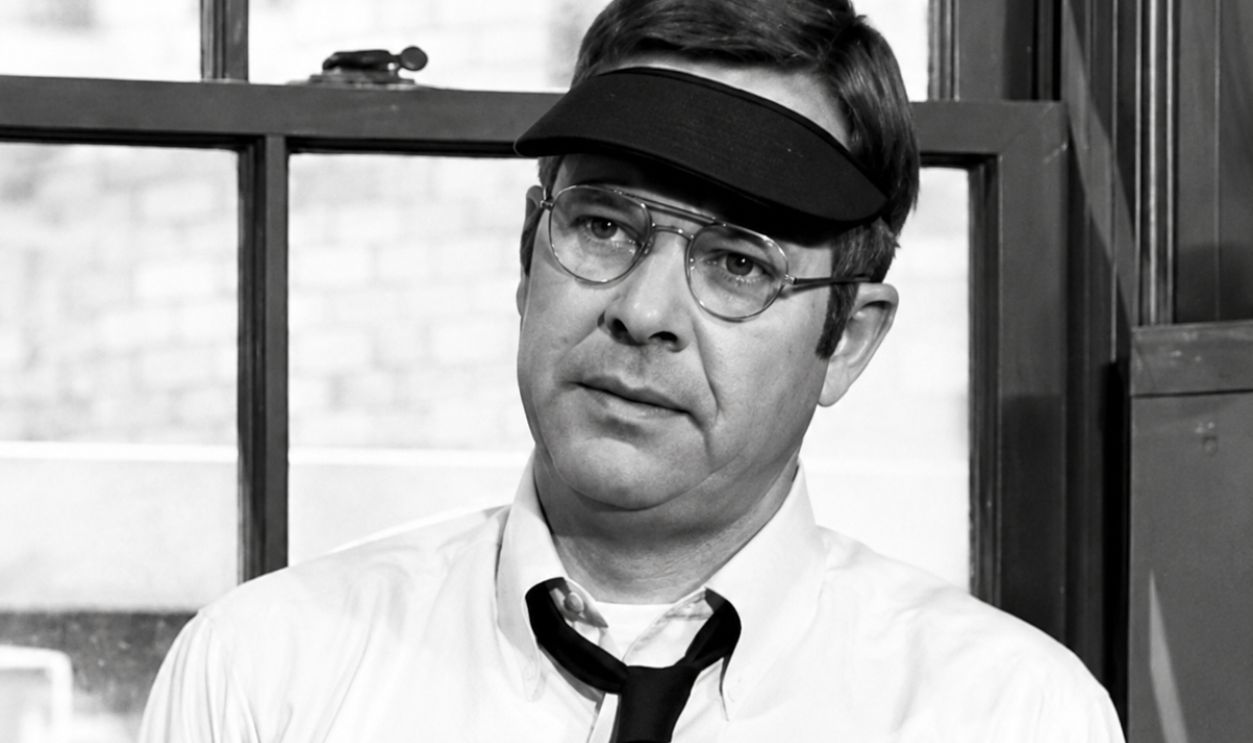 CBS network, Wikimedia Commons, Enhanced
Robert Morse
Broadway star Robert Morse demonstrated that his talents extended well beyond musical comedy when he appeared in the episode "The Doll of Death." His expressive style fit perfectly within Rod Serling's unsettling world of fantasy and horror. Movie audiences knew him from How to Succeed in Business Without Really Trying (1967), directed by David Swift and co-starring Michele Lee, Rudy Vallée, and Maureen Arthur.
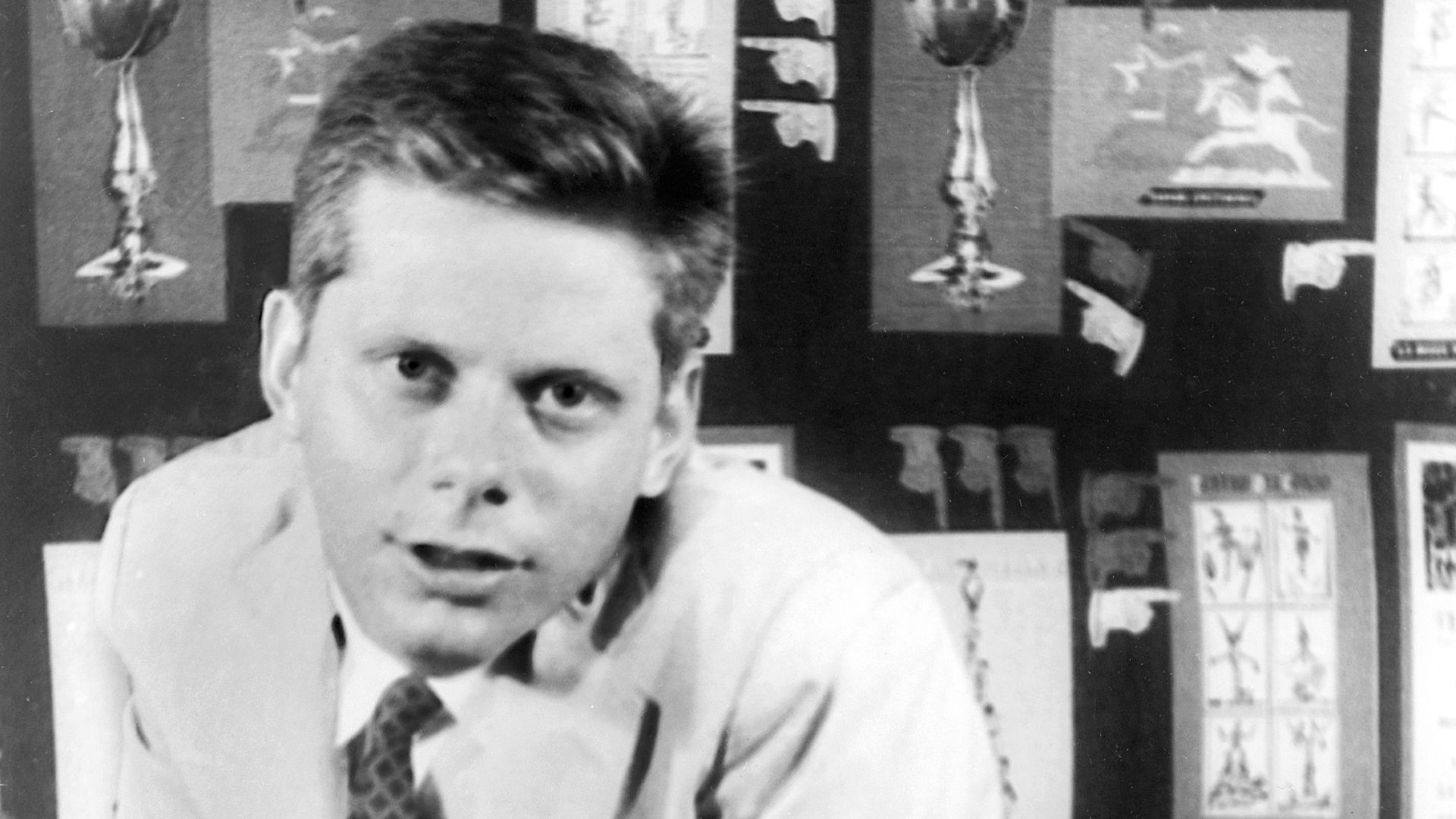 Carl Van Vechten, Wikimedia Commons
Suzanne Pleshette
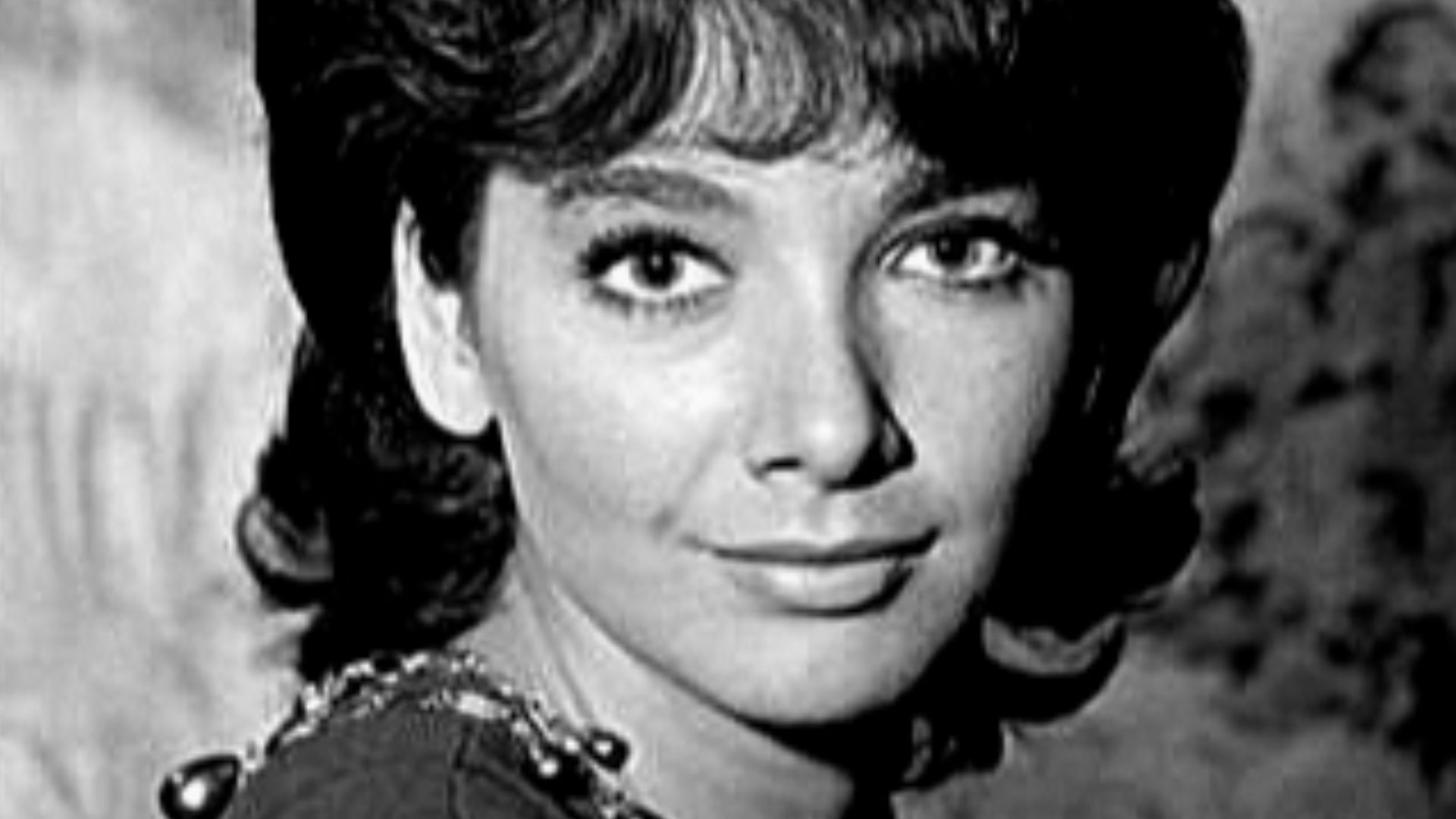
Suzanne Pleshette brought warmth, sophistication, and quiet strength to the episode "The Waiting Room." Already one of television's most admired actresses, she effortlessly balanced realism with supernatural suspense. She also starred in Alfred Hitchcock's The Birds (1963), directed by Hitchcock and co-starring Tippi Hedren, Rod Taylor, and Jessica Tandy, before achieving sitcom fame on The Bob Newhart Show.
John Saxon
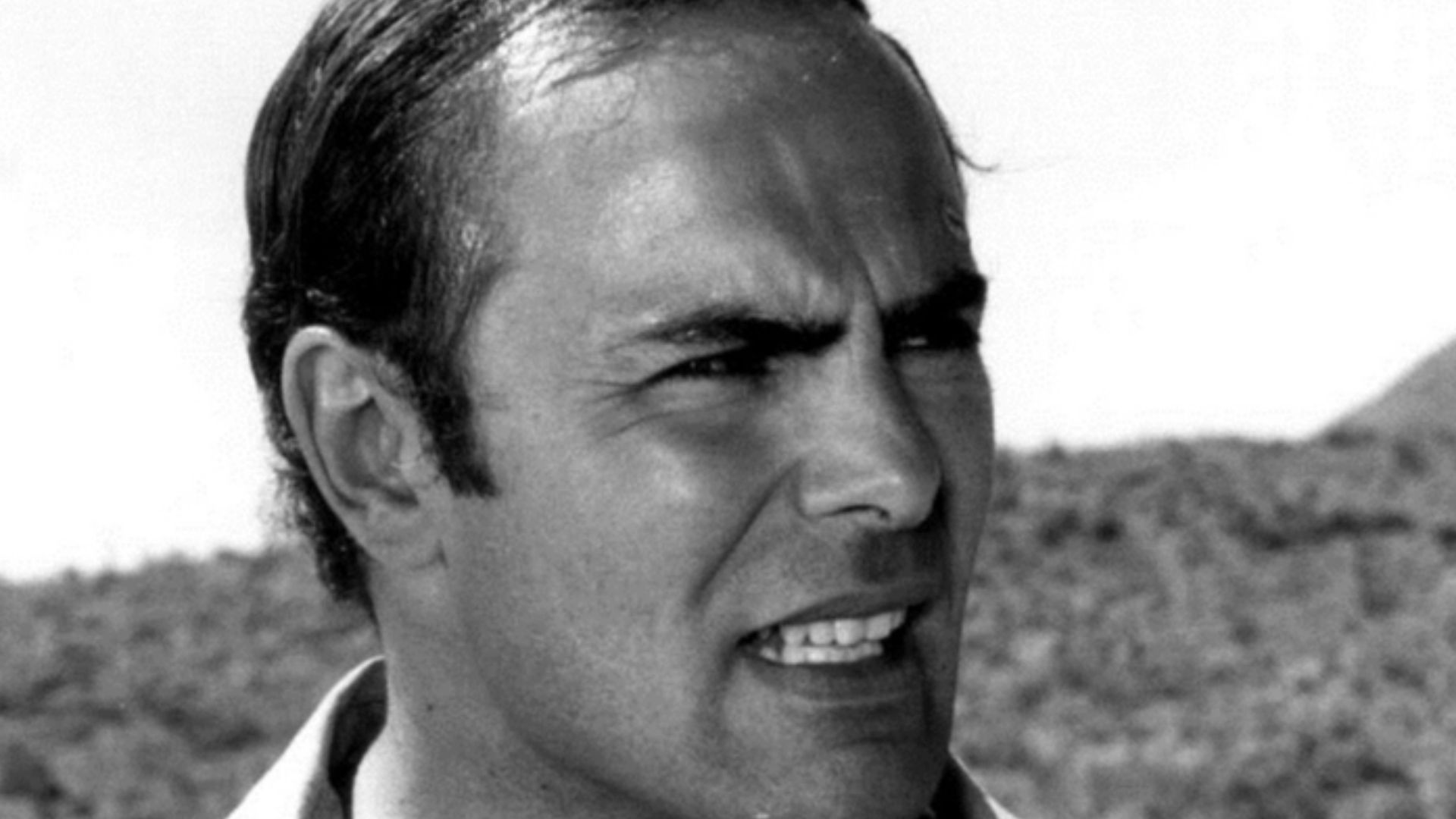
John Saxon's rugged screen presence made him an ideal addition to Night Gallery. He appeared in the episode "The Merciful," delivering the understated intensity that characterized much of his career. His film résumé ranged from Enter the Dragon (1973), directed by Robert Clouse and starring Bruce Lee, John Saxon, and Jim Kelly, to numerous horror classics that made him a favorite among genre fans.
Joseph Wiseman
Forever remembered as the very first James Bond villain, Joseph Wiseman made a memorable appearance in the episode "The Return of the Sorcerer." His commanding voice and dignified bearing gave the supernatural tale added menace. Movie audiences knew him best as Dr. No in Dr. No (1962), directed by Terence Young and starring Sean Connery, Ursula Andress, and Jack Lord.
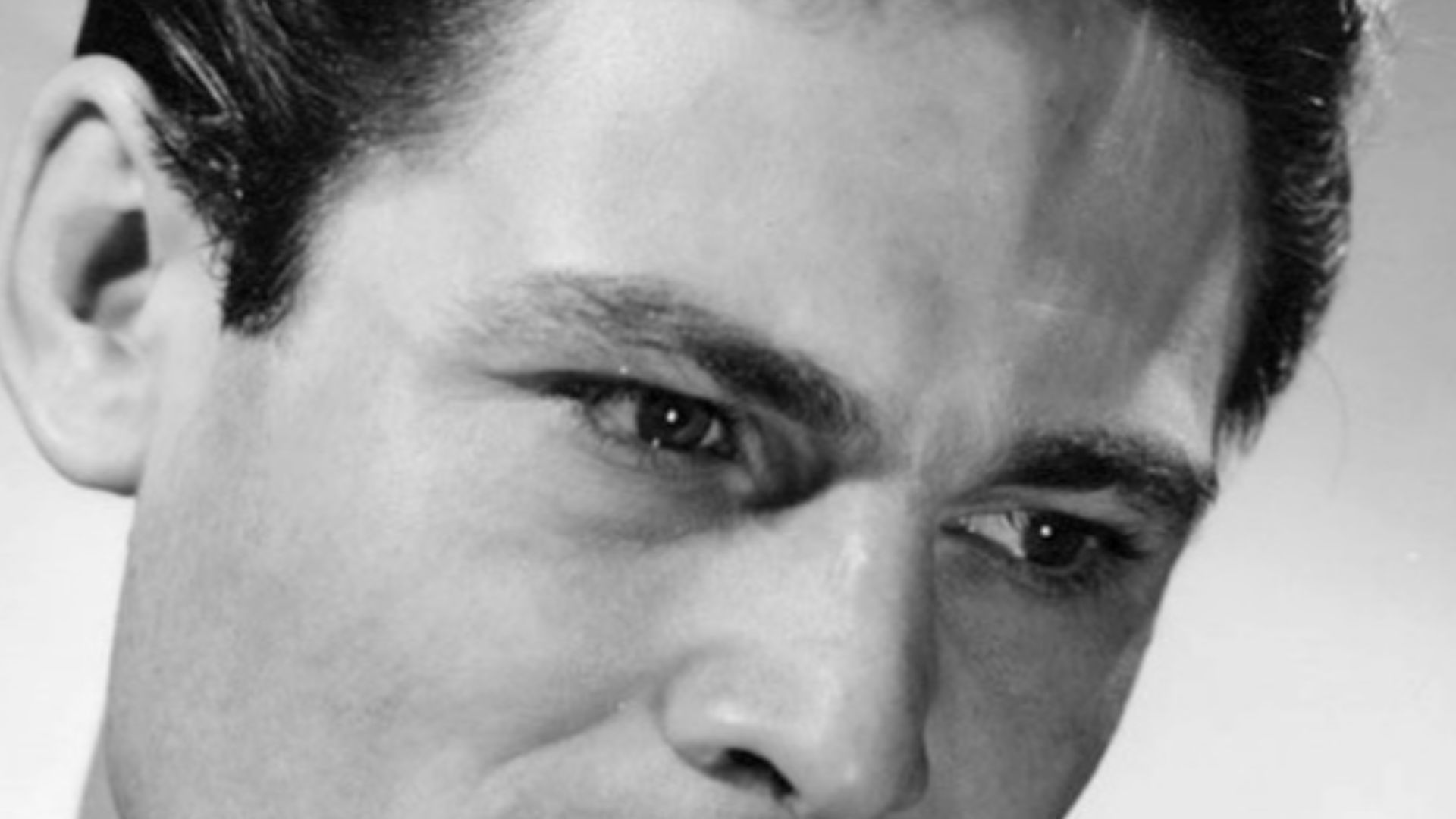 Kate O'Brien, Wikimedia Commons
Barbara Rush
Barbara Rush brought elegance and emotional intelligence to Night Gallery in the episode "The Diary." A versatile performer comfortable in science fiction, drama, and romance, she fit naturally into Rod Serling's anthology. She won a Golden Globe for It Came from Outer Space (1953), directed by Jack Arnold and starring Richard Carlson and Charles Drake.
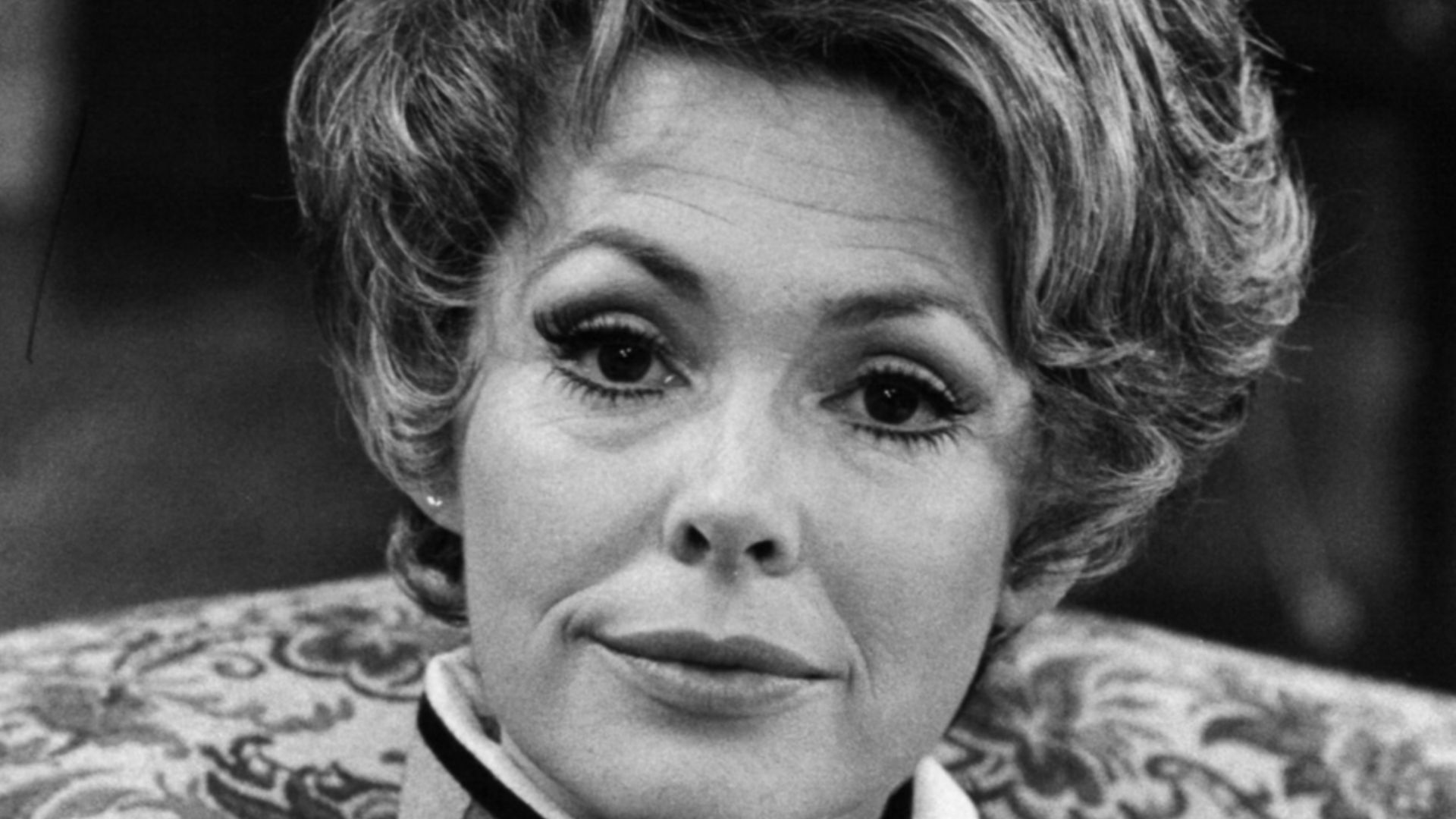 CBS Television, Wikimedia Commons
David Wayne
Veteran actor David Wayne appeared in the episode "Rare Objects," adding warmth and humanity to one of the series' memorable stories. Equally successful on Broadway, television, and film, Wayne possessed remarkable versatility throughout his long career. His films included Adam's Rib (1949), directed by George Cukor and starring Spencer Tracy, Katharine Hepburn, and Judy Holliday.
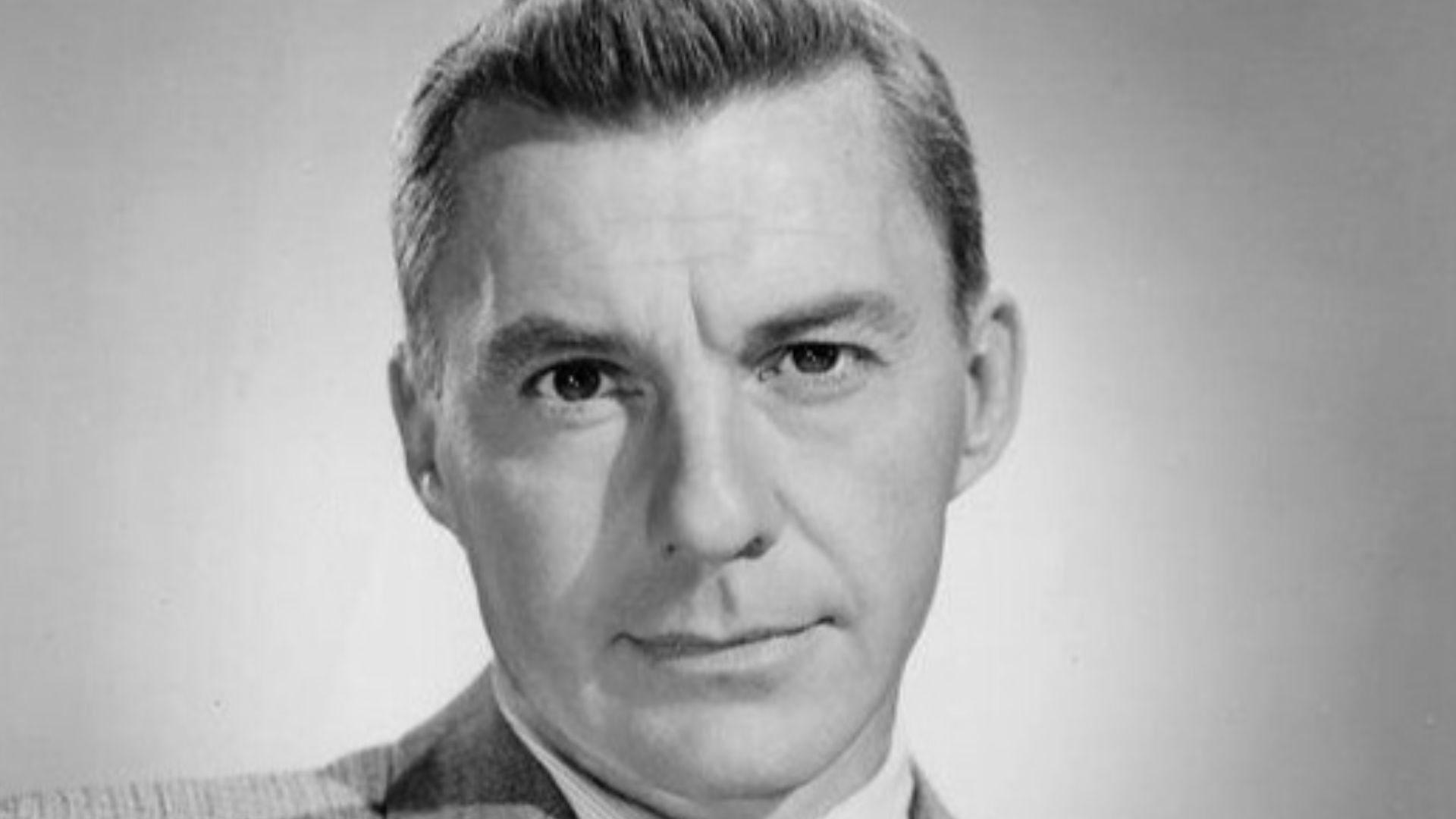 Studio Publicity, Wikimedia Commons
Harry Guardino
Harry Guardino brought his trademark toughness and natural charisma to Night Gallery in the episode "The Miracle at Camafeo." Already one of Hollywood's most dependable supporting actors, he excelled at portraying determined detectives, military officers, and loyal friends. Movie audiences remembered him from Houseboat (1958), directed by Melville Shavelson and starring Cary Grant, Sophia Loren, and Martha Hyer, as well as Dirty Harry (1971), directed by Don Siegel and co-starring Clint Eastwood, Reni Santoni, and Andrew Robinson.
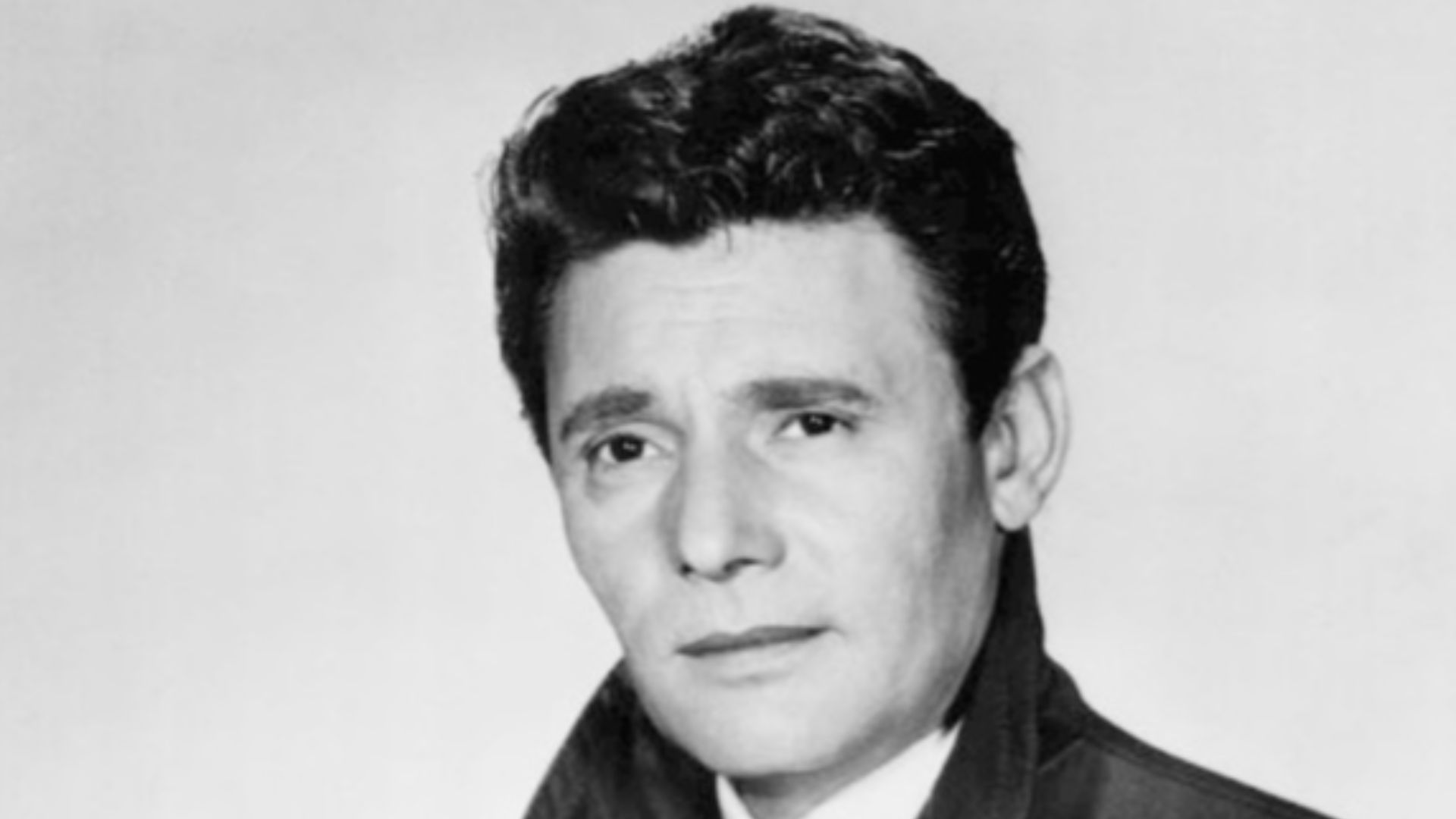 CBS Television, Wikimedia Commons
Carolyn Jones
Best remembered as the glamorous Morticia Addams on The Addams Family, Carolyn Jones brought elegance and quiet intensity to Night Gallery in the episode "Since Aunt Ada Came to Stay." Her ability to blend warmth with an underlying sense of mystery made her a natural fit for Rod Serling's supernatural storytelling. Film audiences also remembered her Academy Award-nominated performance in The Bachelor Party (1957), directed by Delbert Mann and starring Don Murray, E. G. Marshall, Jack Warden, and Larry Blyden.
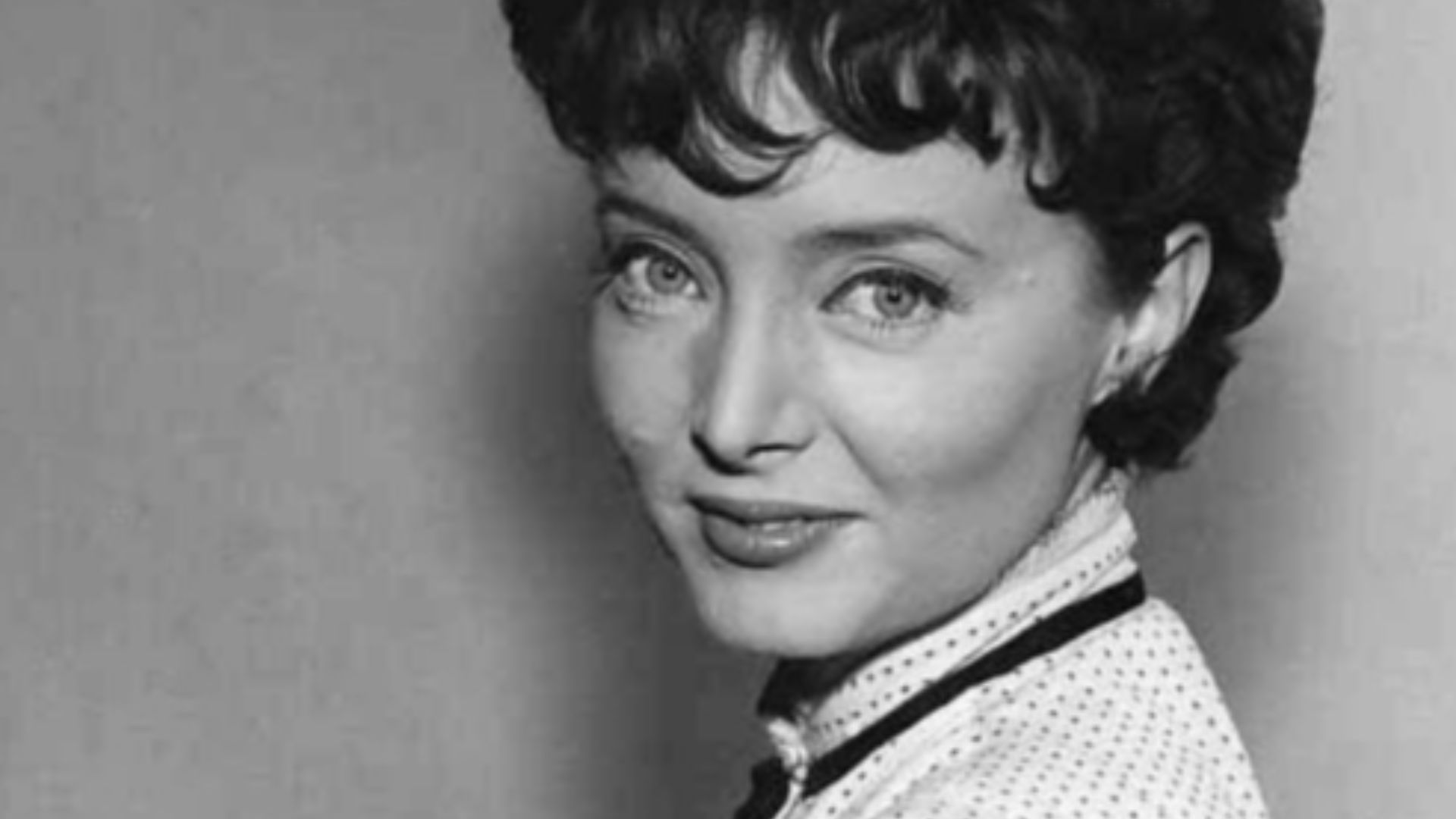 NBC Television, Wikimedia Commons
Barbara Bain
Fresh from the success of Mission: Impossible, Barbara Bain appeared on Night Gallery in the episode "Deliveries in the Rear." Her poised, intelligent screen presence added emotional weight to one of the series' memorable supernatural tales. Bain won three consecutive Emmy Awards for her portrayal of Cinnamon Carter before later co-starring with then-husband Martin Landau in Space: 1999, cementing her place as one of television's most accomplished dramatic actresses.
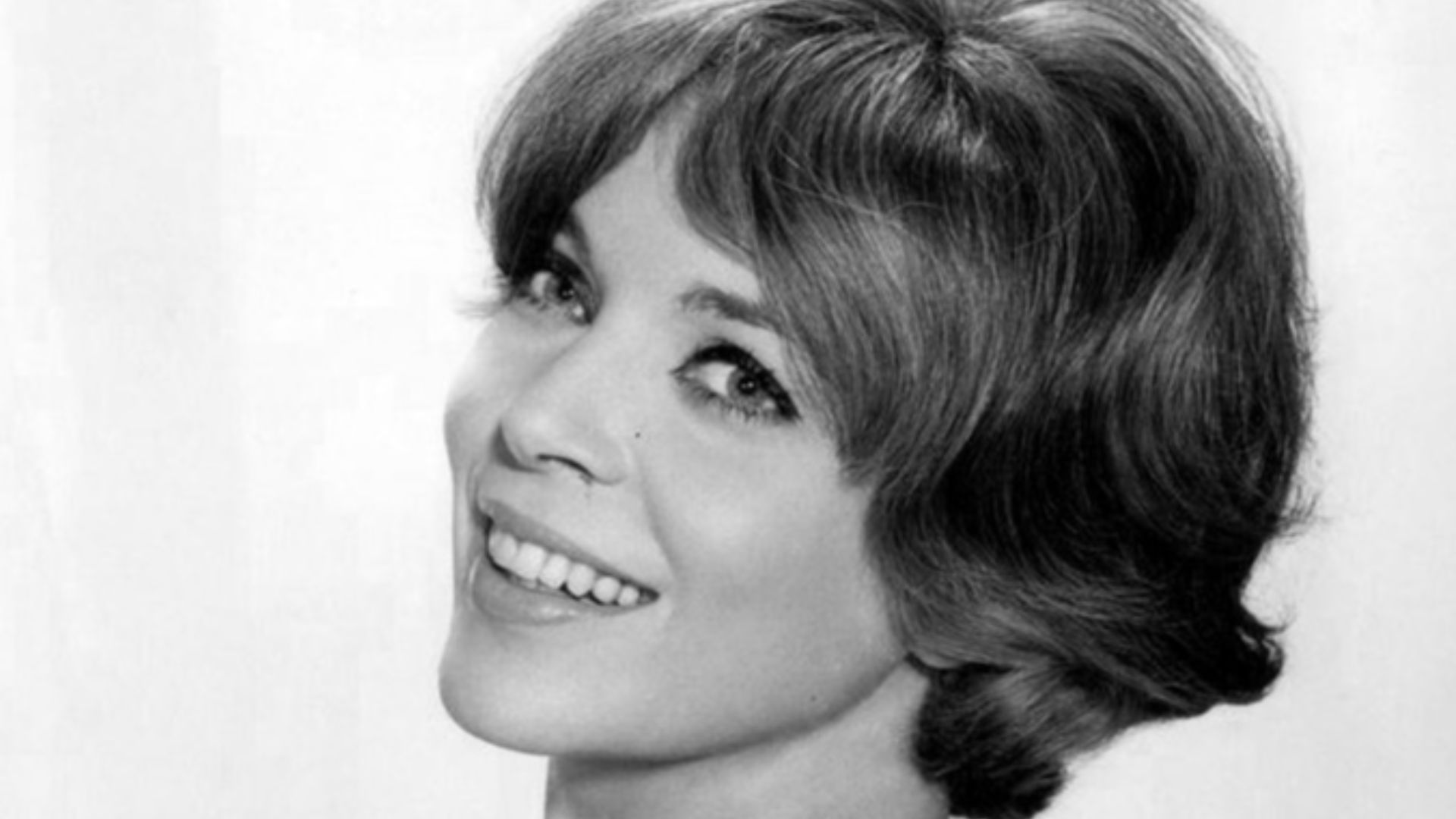 CBS Television-enough of the release is on back to identify CBS as the issuer., Wikimedia Commons
Ida Lupino
Already a Hollywood legend as both an actress and pioneering director, Ida Lupino made a memorable appearance on Night Gallery in the episode "The Dark Boy." Her commanding screen presence and decades of dramatic experience perfectly suited Rod Serling's blend of psychological suspense and fantasy. Movie fans remembered her from High Sierra (1941), directed by Raoul Walsh and starring Humphrey Bogart and Alan Curtis, while film historians continue to celebrate her groundbreaking work behind the camera on films such as The Hitch-Hiker (1953).
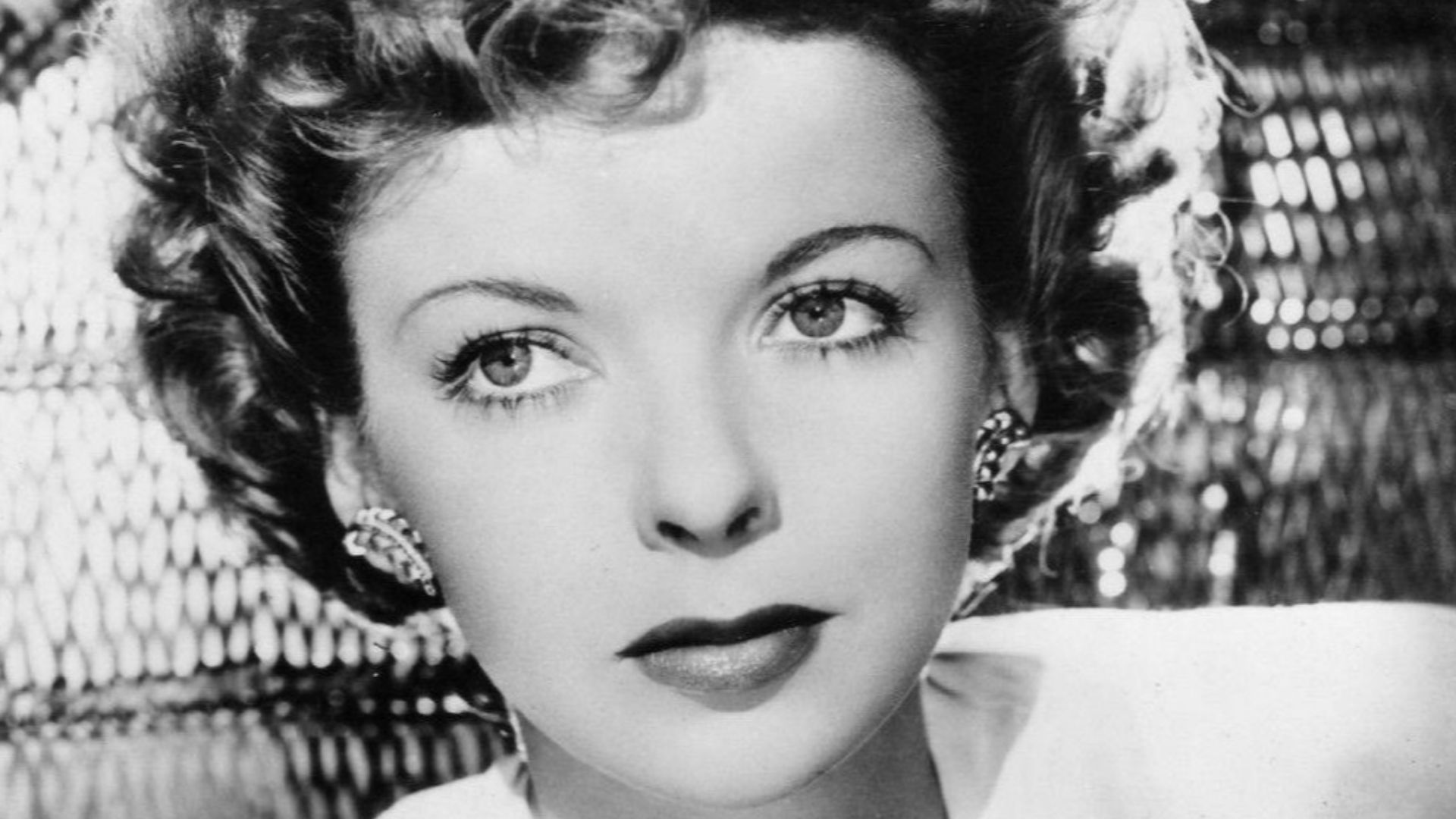
Anne Baxter
Academy Award winner Anne Baxter brought sophistication and emotional depth to Night Gallery in the episode "The Diary." One of Hollywood's most versatile leading ladies, she effortlessly adapted her dramatic talents to television's growing anthology format. Baxter won the Oscar for The Razor's Edge (1946), directed by Edmund Goulding and co-starring Tyrone Power, Gene Tierney, and Clifton Webb, while later captivating audiences as Nefretiri opposite Charlton Heston in Cecil B. DeMille's The Ten Commandments (1956).
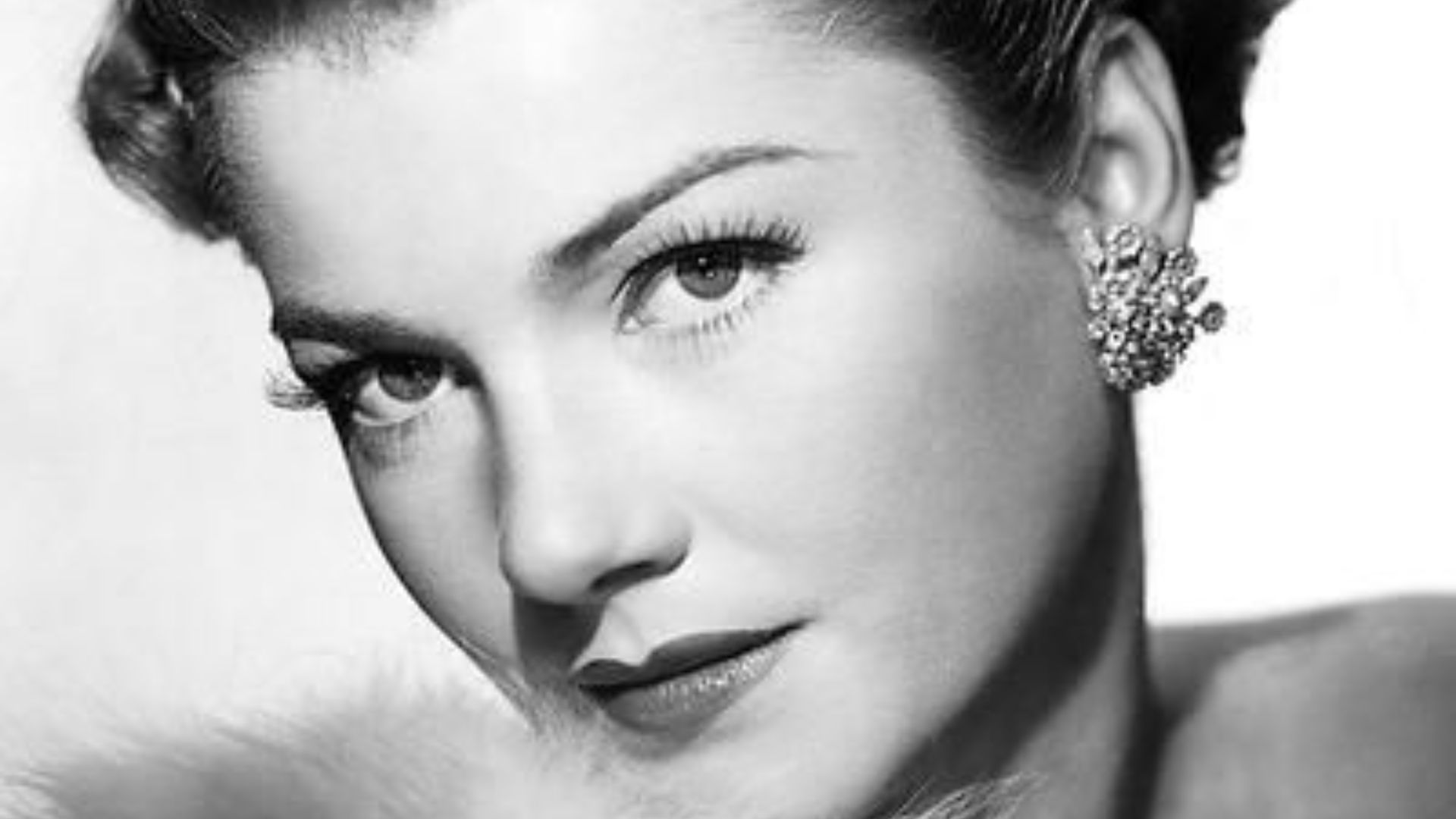 20th Century Fox, Wikimedia Commons
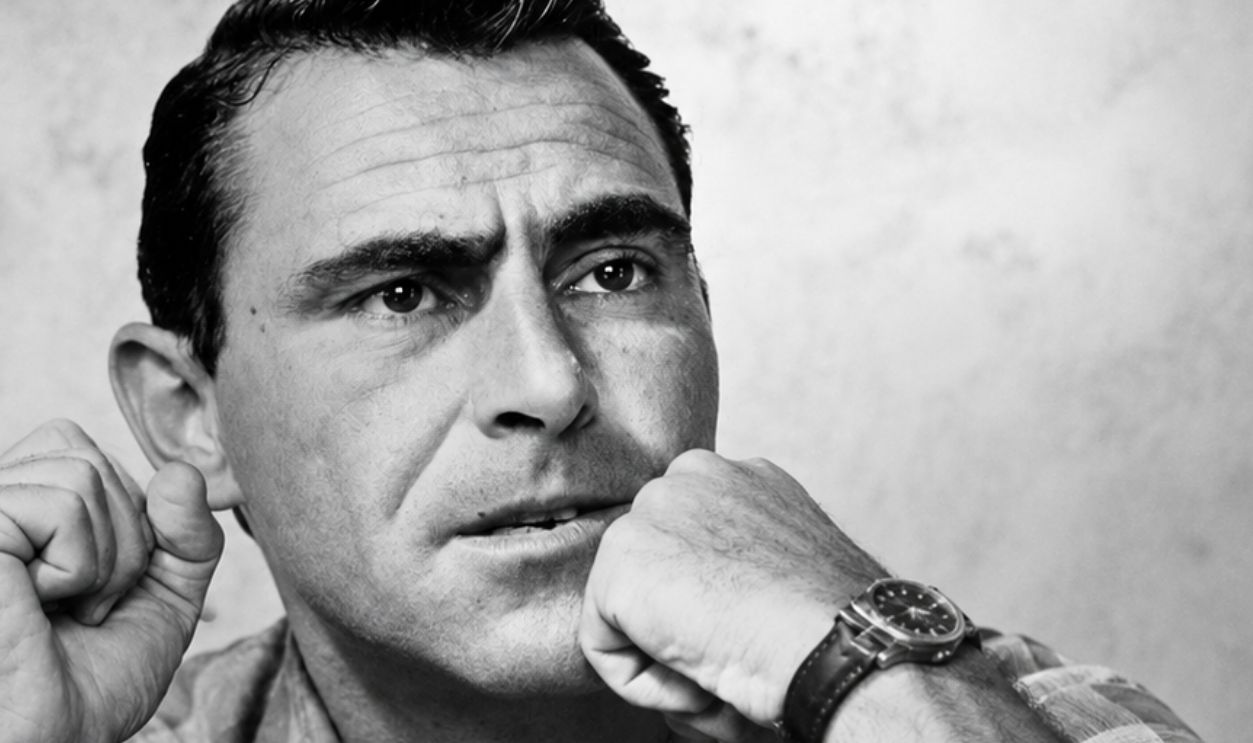
Rod Serling
Although audiences usually remember Rod Serling standing before a mysterious painting to introduce each week's stories, his importance to Night Gallery extended far beyond his on-camera appearances. Serling created the series, wrote many of its finest scripts, and served as its unmistakable voice and conscience, even as creative control gradually shifted away from him. Already a television legend thanks to The Twilight Zone, he ensured that Night Gallery blended psychological drama, moral questions, fantasy, and horror in a way few anthology series ever matched. His influence continues to be felt across modern supernatural television, making him the true curator of one of TV's greatest galleries of unforgettable guest stars.
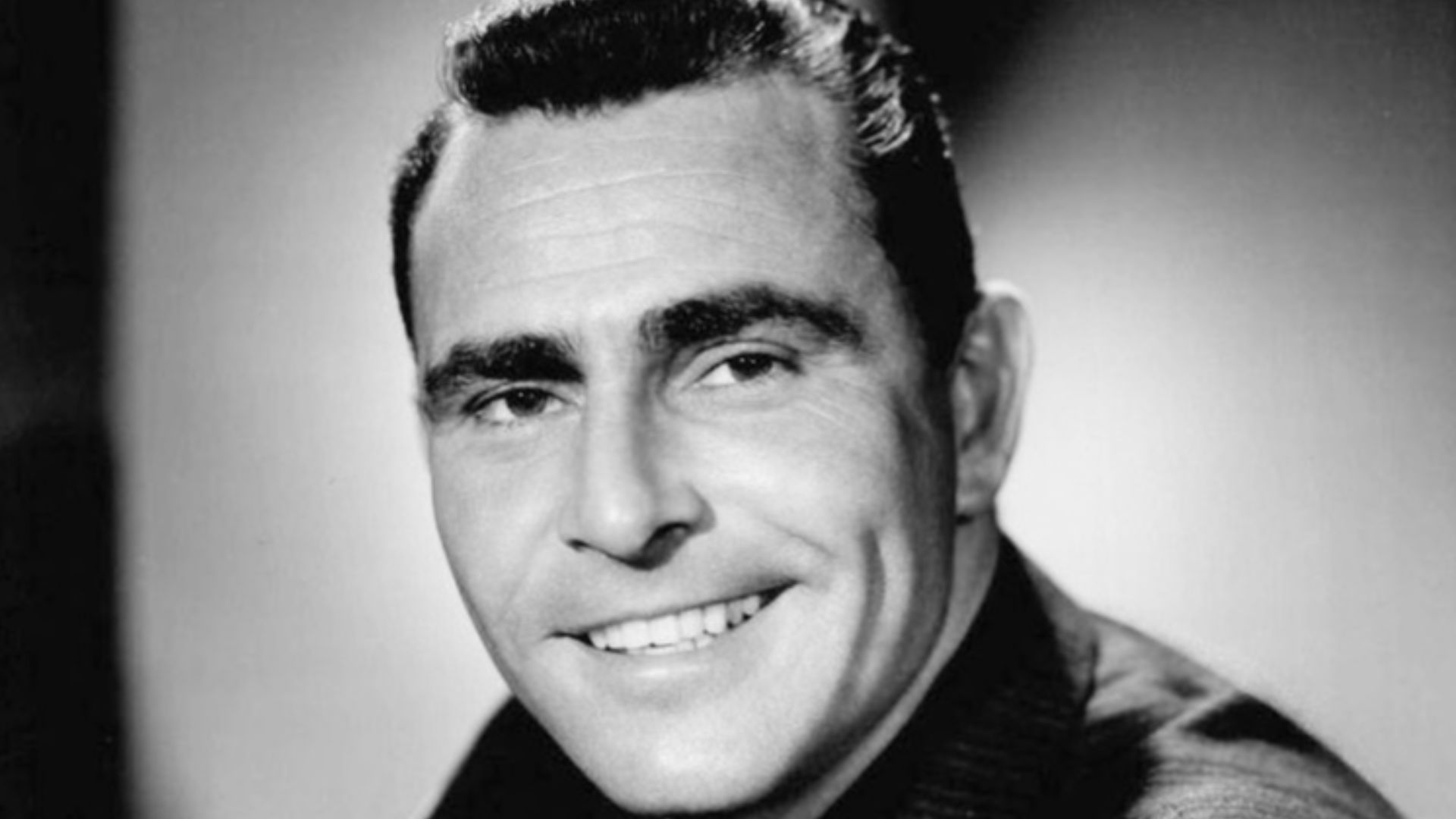 CBS Television-CBS Portrait by photographer Gabor Rona-mark is faint in spots., Wikimedia Commons
You May Also Like:
Television Guest Stars Who Became Bigger Celebrities Than The Series' Main Cast
The Most Memorable Guest Stars In 1960s TV
60s TV Guest Stars Who Seemed To Be On Every Show. How Many Do You Remember?