The Songs All Baby Boomers Still Know By Heart
They might not admit it out loud, but Baby Boomers carry a whole jukebox of TV theme songs in their heads. These catchy intros from the 1960s through the 1980s were more than background music. They set the tone for shows and became part of everyday culture in a way that current generations can never truly understand.
 Unknown authorUnknown author, Wikimedia Commons
The Andy Griffith Show: Whistle
That simple whistled tune, officially called “The Fishin' Hole,” is instantly recognizable. Composed by Earle Hagen, it perfectly captured small-town calm and remains one of TV’s most beloved themes.
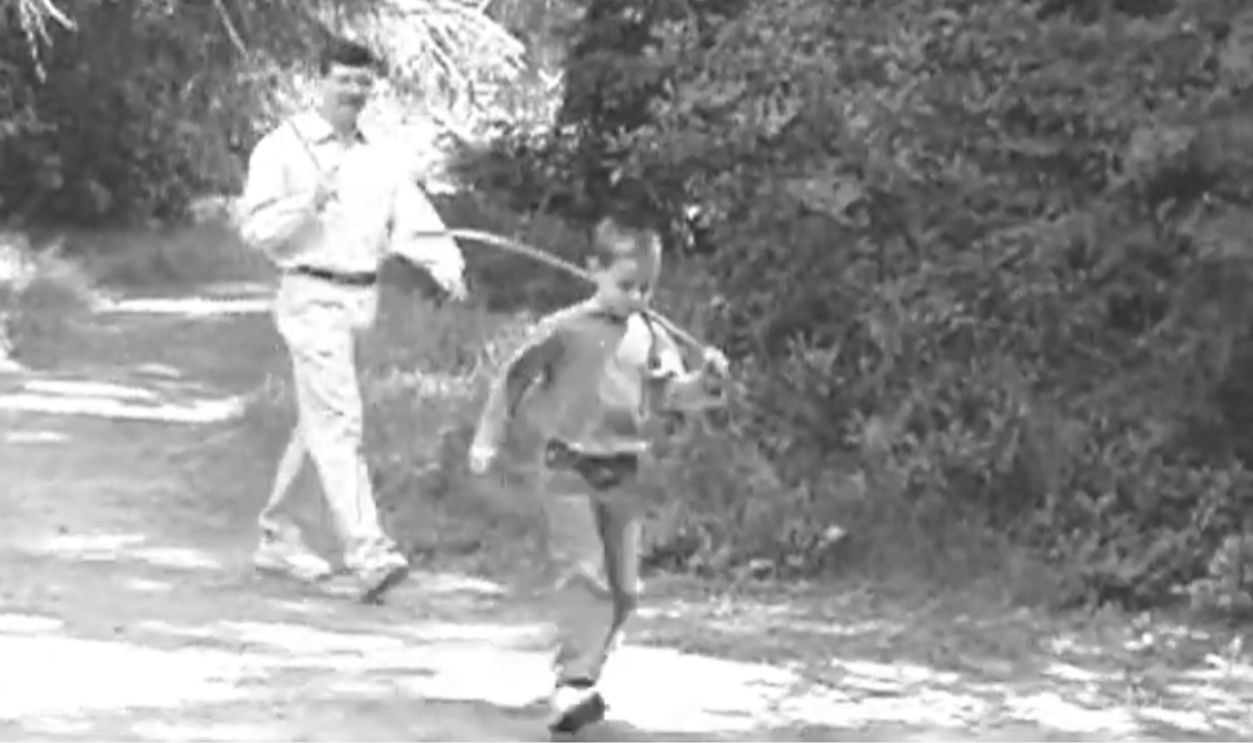 Screenshot from The Andy Griffith, CBS (1960–1968)
Gilligan’s Island: Story Song
“Just sit right back and you’ll hear a tale…” is a full narrative packed into a theme. The song introduced every character and explained the premise, making it impossible to forget.
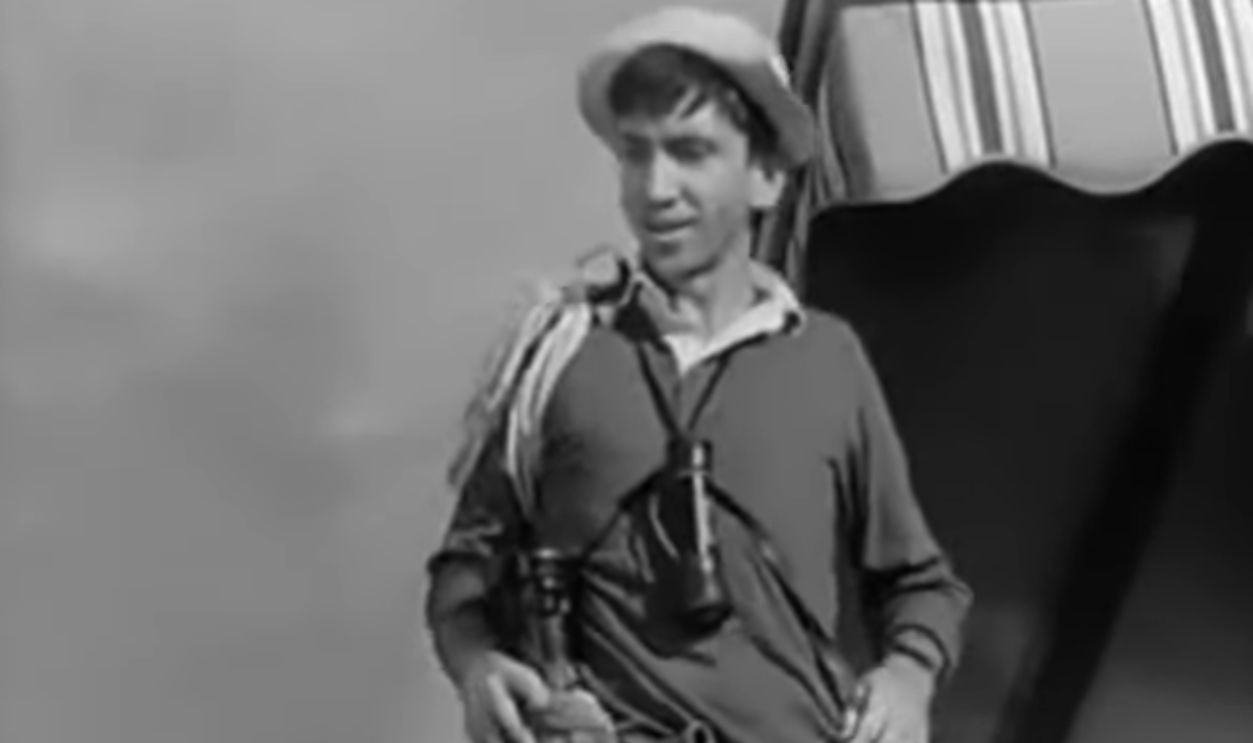 Screenshot from Gilligan’s Island, CBS (1964)
The Addams Family: Snap
With finger snaps and a spooky melody, this theme became a cultural shorthand for quirky humor. Even people who never watched the show can still mimic its rhythm.
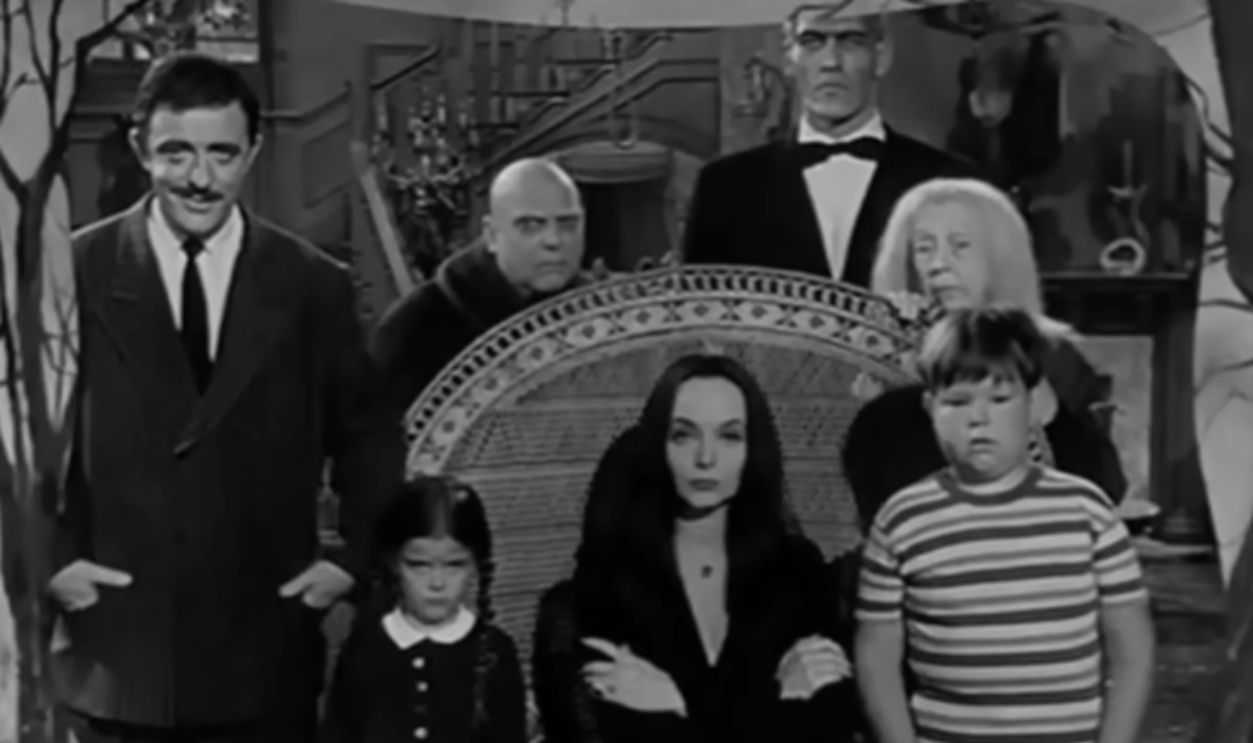 Screenshot from The Addams Family, RCA (1964–1966)
The Flintstones: Modern Stone Age Anthem
“The Flintstones” delivered one of the most singable intros of the 1960s. Its playful lyrics promised prehistoric fun with a modern twist.
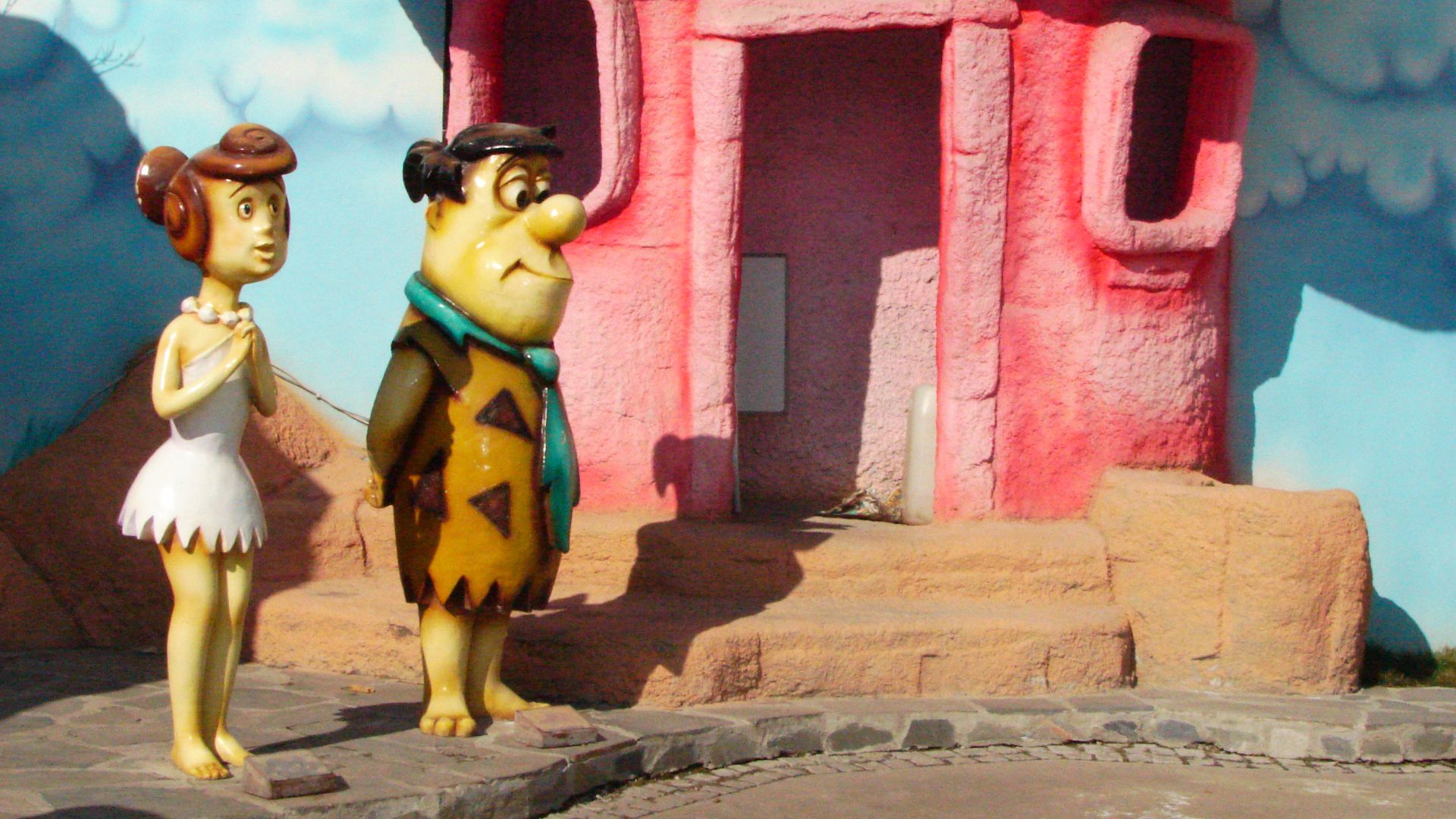 Nevit Dilmen, Wikimedia Commons
The Beverly Hillbillies: Ballad
“Come and listen to my story…” turned a sitcom intro into a full-blown country song. It set up the entire plot before the first scene even started.
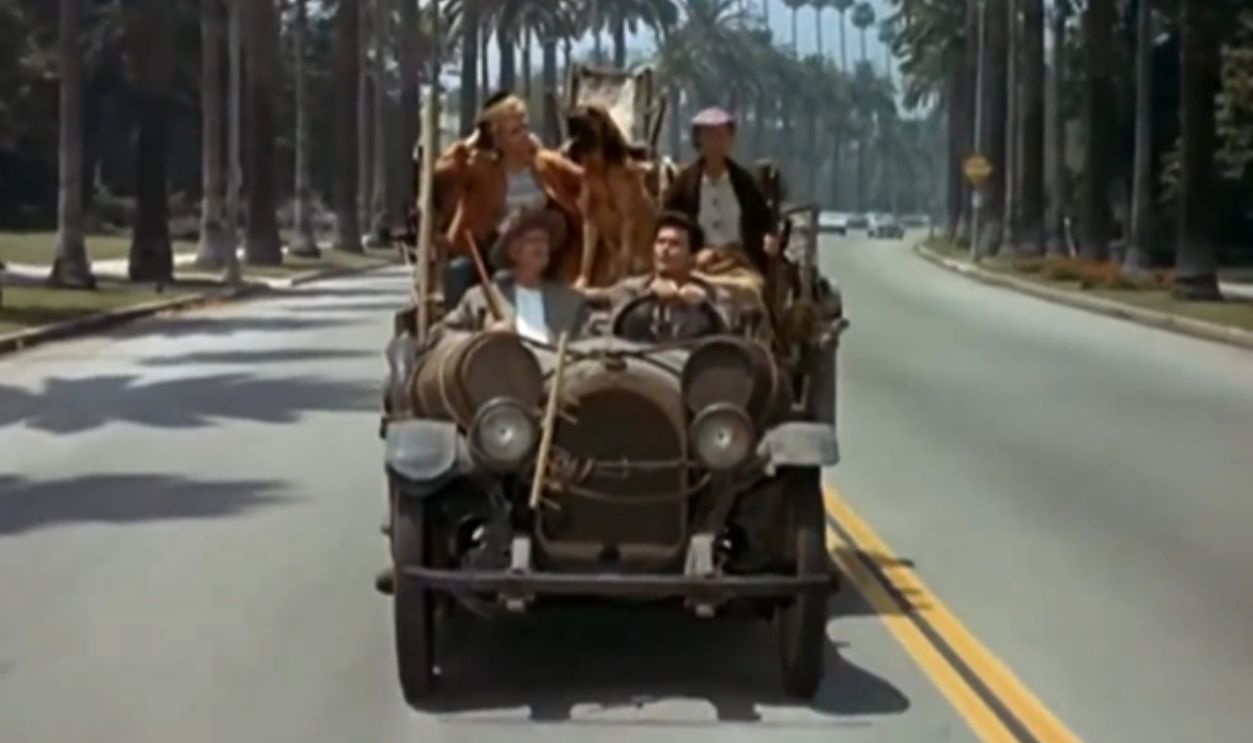 Screenshot from The Beverly Hillbillies, Columbia Records (1962–1971)
Bewitched: Magical Melody
This whimsical instrumental instantly transported viewers into a world where magic met suburban life. Its light, playful tone matched the show’s charm.
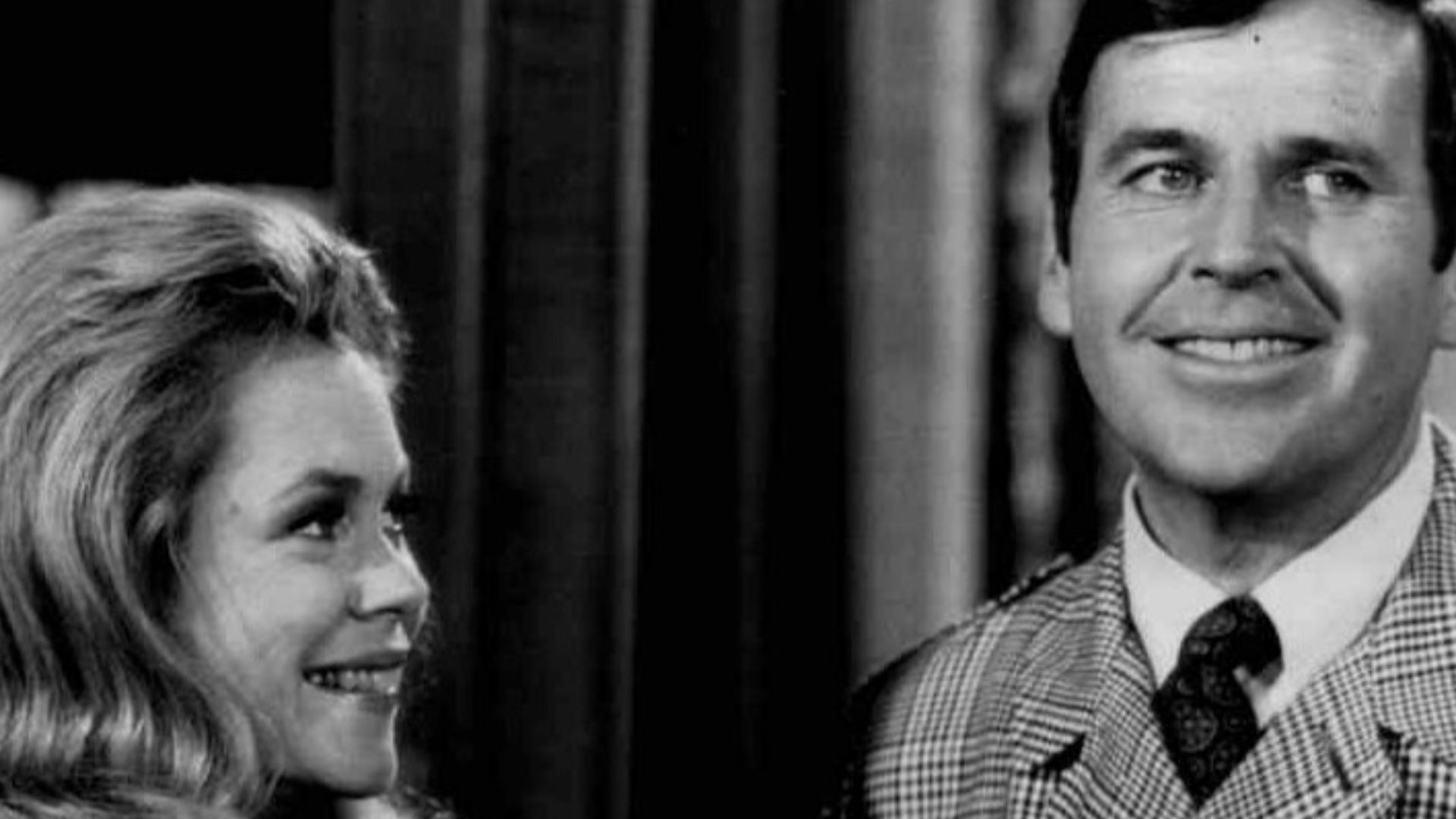 ABC Television. Uploaded by We hope at en.wikipedia, Wikimedia Commons
Get Smart: Spy Groove
This brassy, spy-inspired theme perfectly captured the parody of secret agent culture. It remains one of the most recognizable instrumentals of the decade.
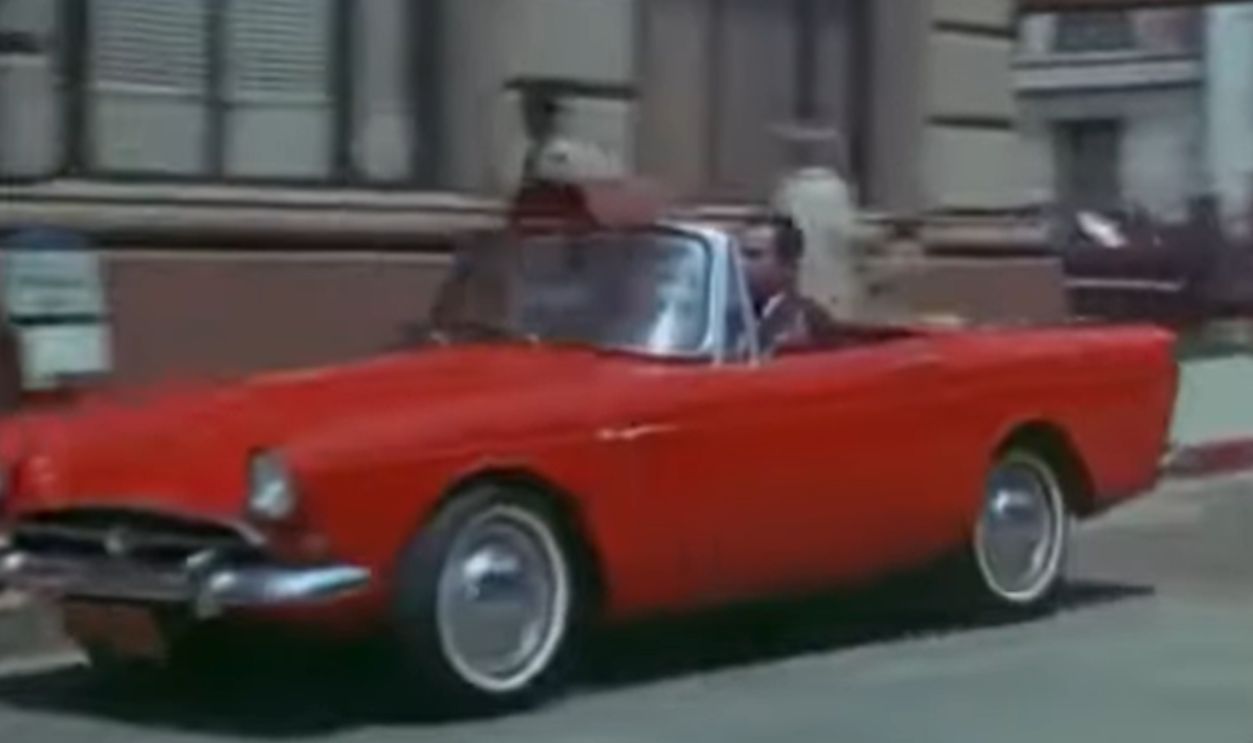 Screenshot from Get Smart, MTV (2000–2001)
Hawaii Five-O: Power Intro
Few themes hit as hard as this one’s dramatic opening. The surf-rock instrumental even charted on Billboard, which was rare for a TV theme.
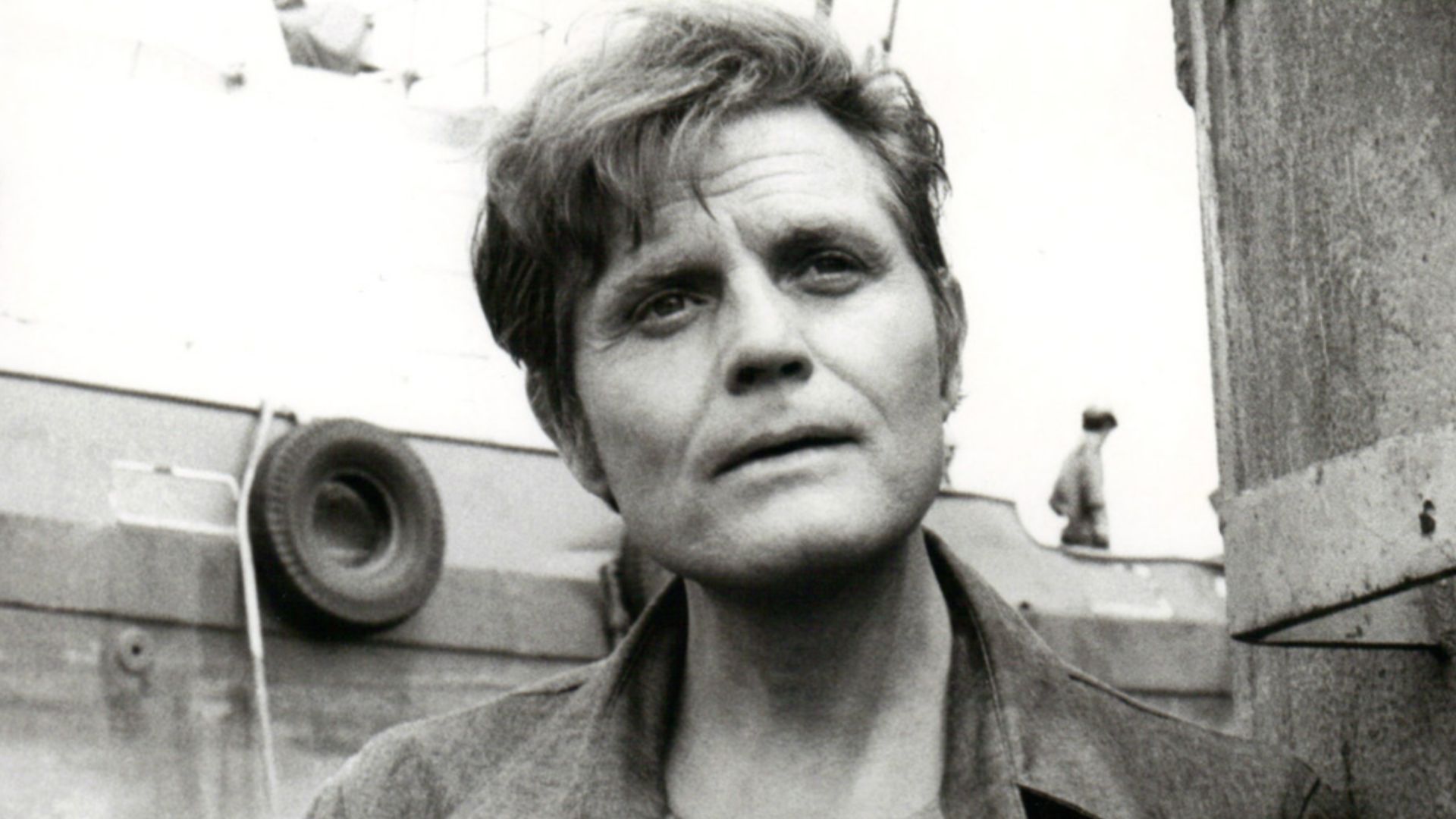 CBS Television, Wikimedia Commons
Mission Impossible: Pulse
That urgent rhythm and ticking beat created instant tension. The theme became so iconic it carried over into the franchise’s later films.
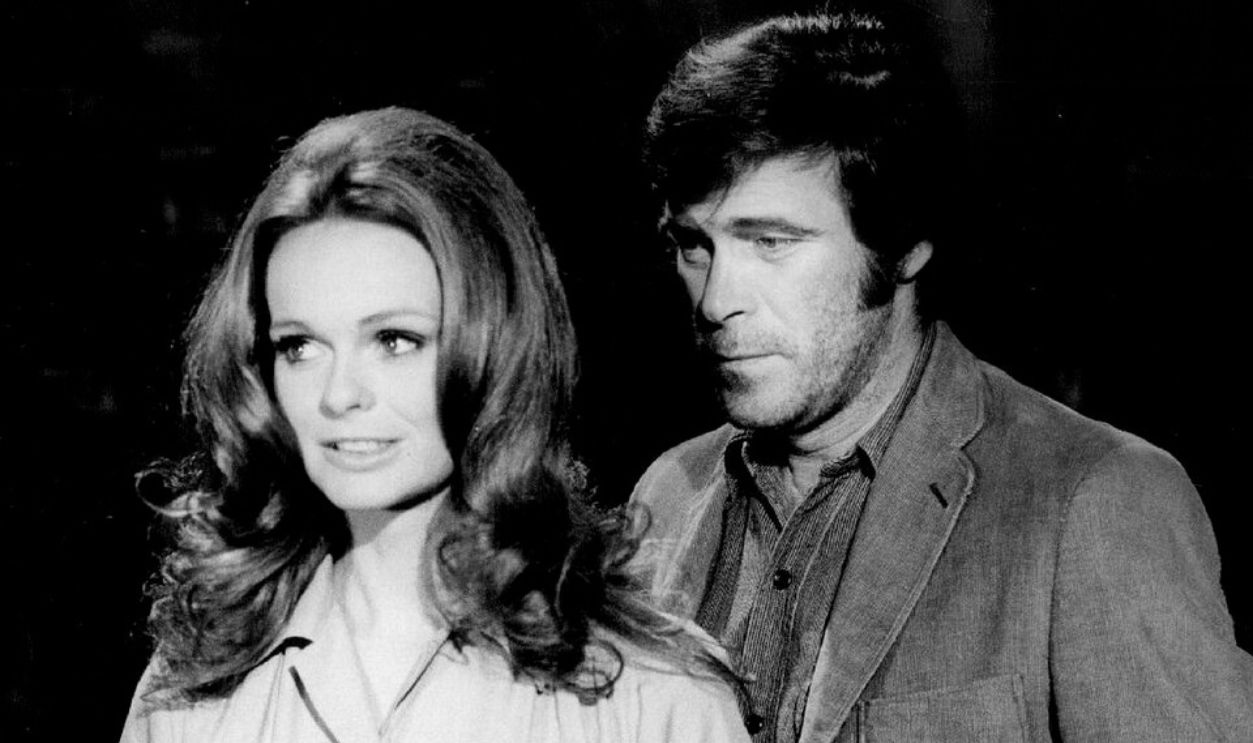 CBS Television, Wikimedia Commons
All In The Family: Piano Duet
Sung by the show’s stars, this deliberately old-fashioned tune reflected the main character’s nostalgia. Its raw delivery made it feel authentic and unforgettable.
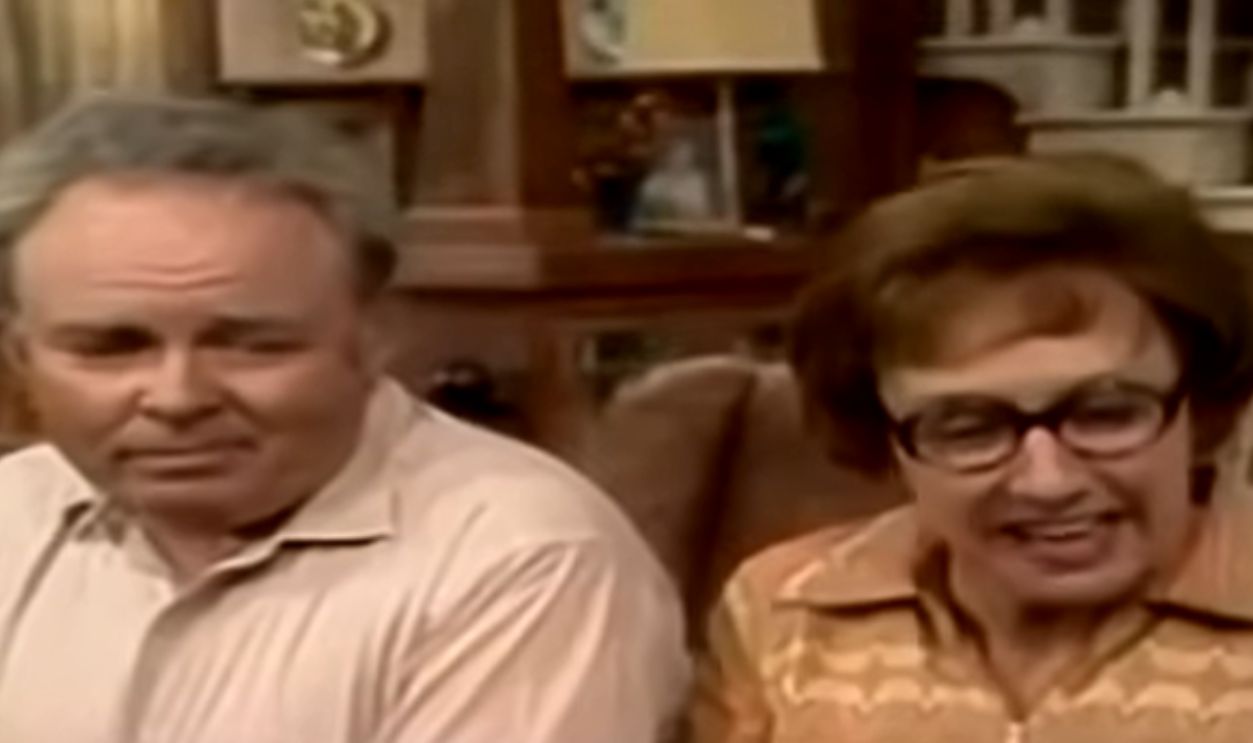 Screenshot from All In The Family, CBS (1971–1979)
The Mary Tyler Moore Show: Optimism
“Love Is All Around” became an anthem of independence in the 1970s. Its upbeat tone mirrored shifting cultural attitudes and changing roles for women.
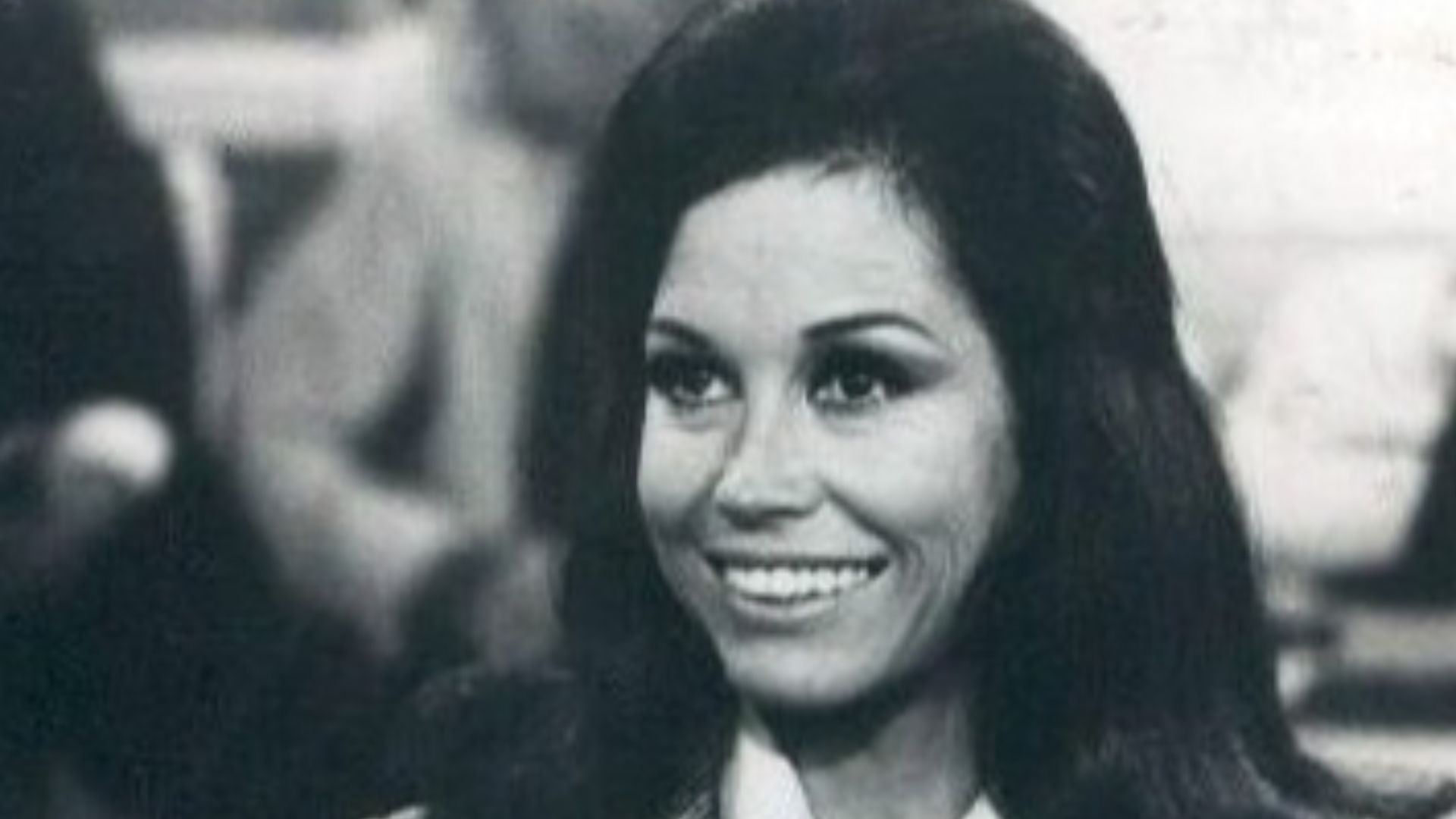 CBS Television, Wikimedia Commons
M*A*S*H: Haunting Theme
The instrumental version of “Suicide Is Painless” set a somber tone for the series. It showed that a TV theme could be emotional and complex.
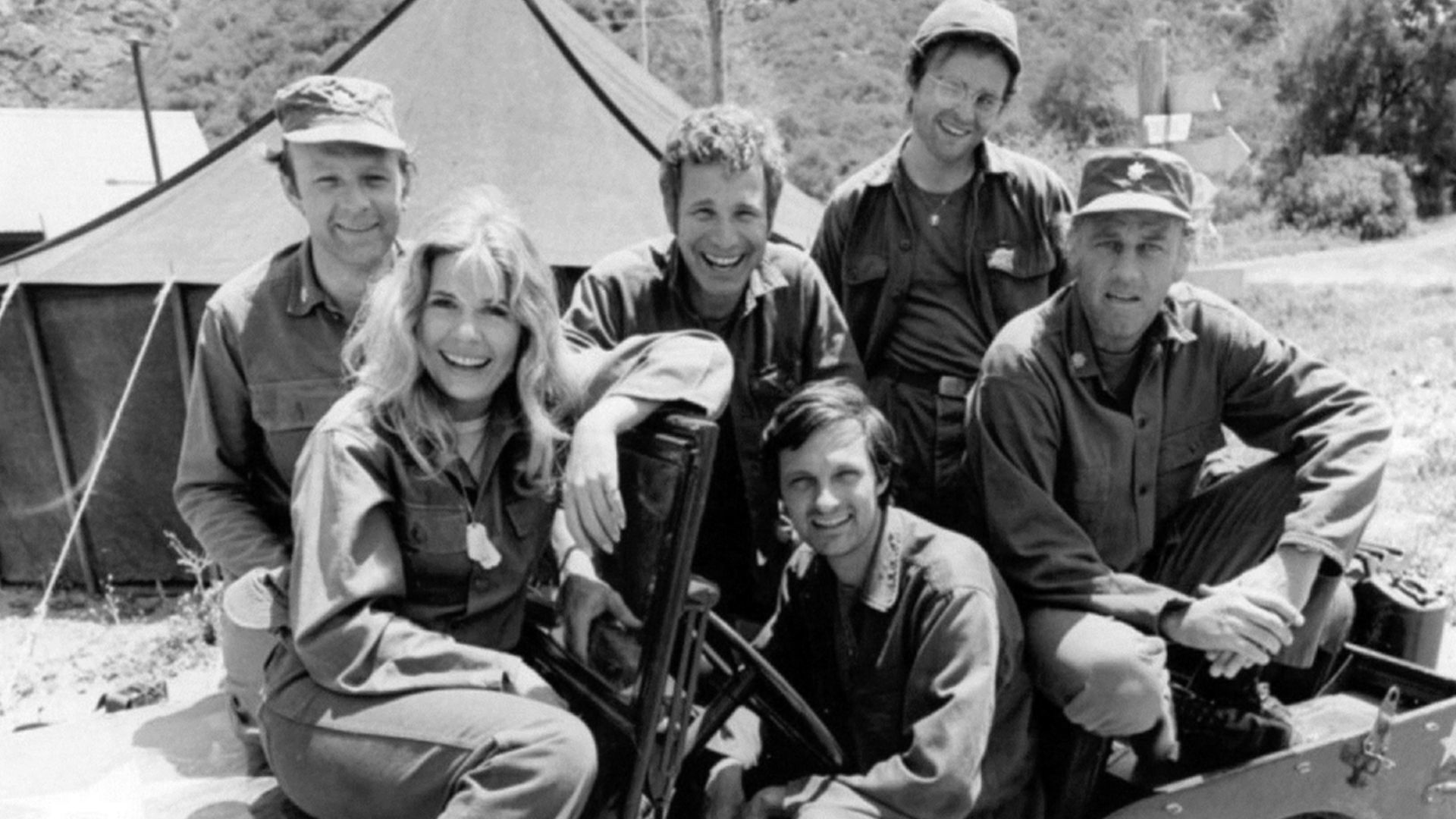 CBS Television, Wikimedia Commons
Happy Days: Rock And Roll Throwback
This cheerful theme leaned into nostalgia for the 1950s. It helped define the show’s feel-good vibe and retro appeal.
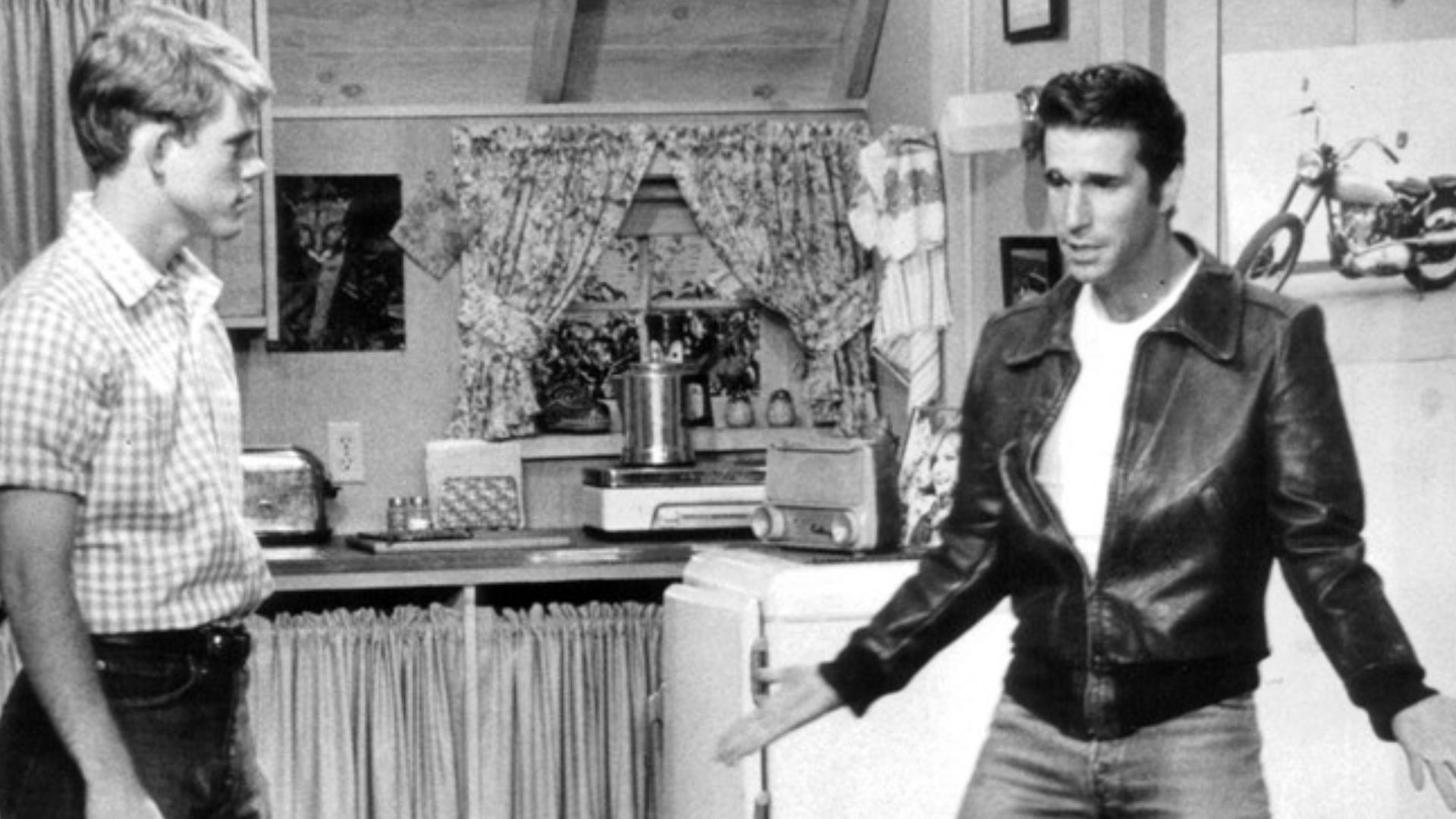 ABC Television Uploaded by We hope at en.wikipedia, Wikimedia Commons
Laverne & Shirley: Counting Song
“Schlemiel! Schlimazel!” turned into a playful chant that fans still repeat. The theme embodied the show’s energetic, comedic spirit.
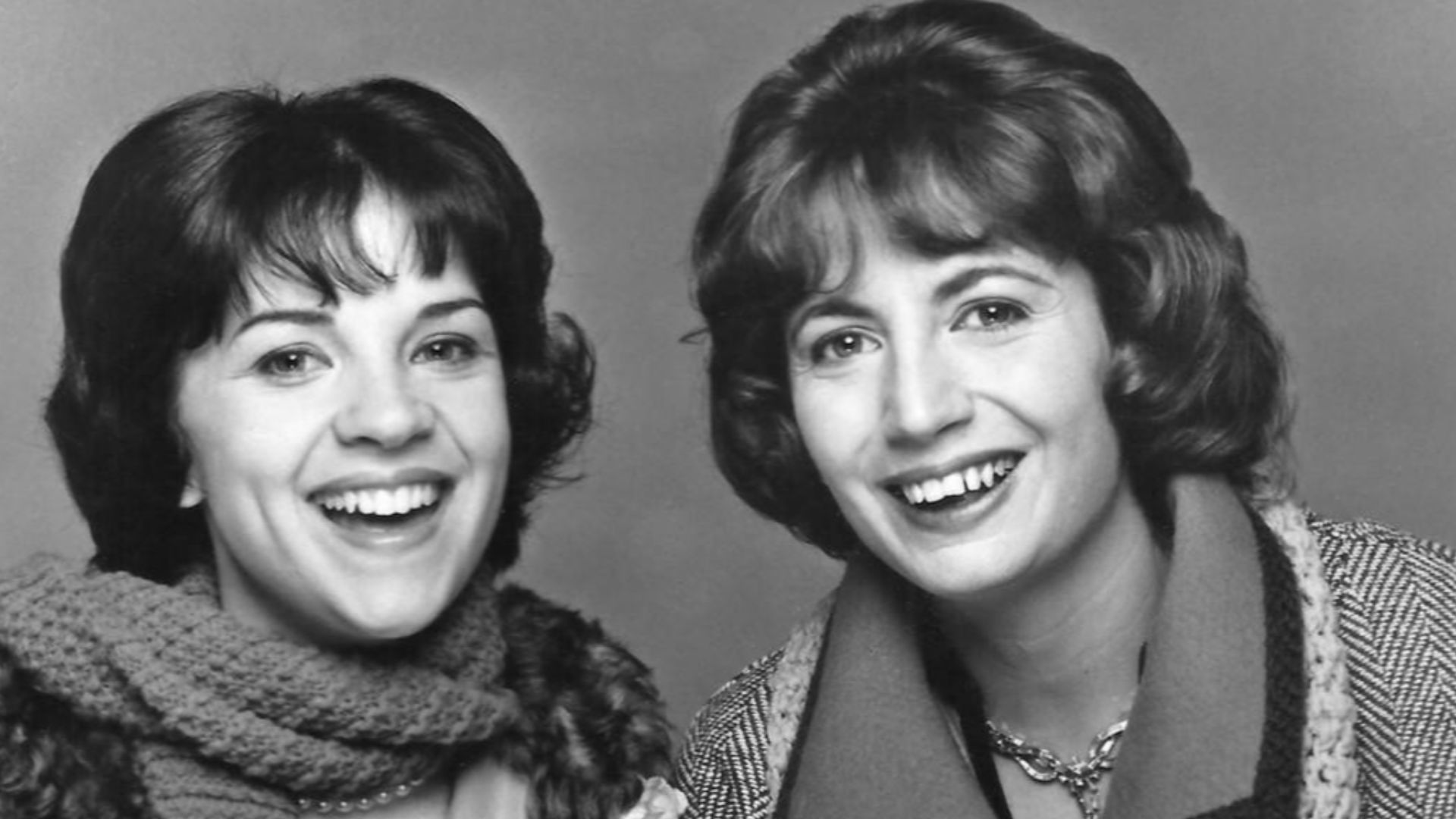 American Broadcasting Company (ABC), Wikimedia Commons
The Love Boat: Smooth Cruise
With its soft vocals and breezy melody, this theme promised romance and escapism. It became synonymous with comfort television.
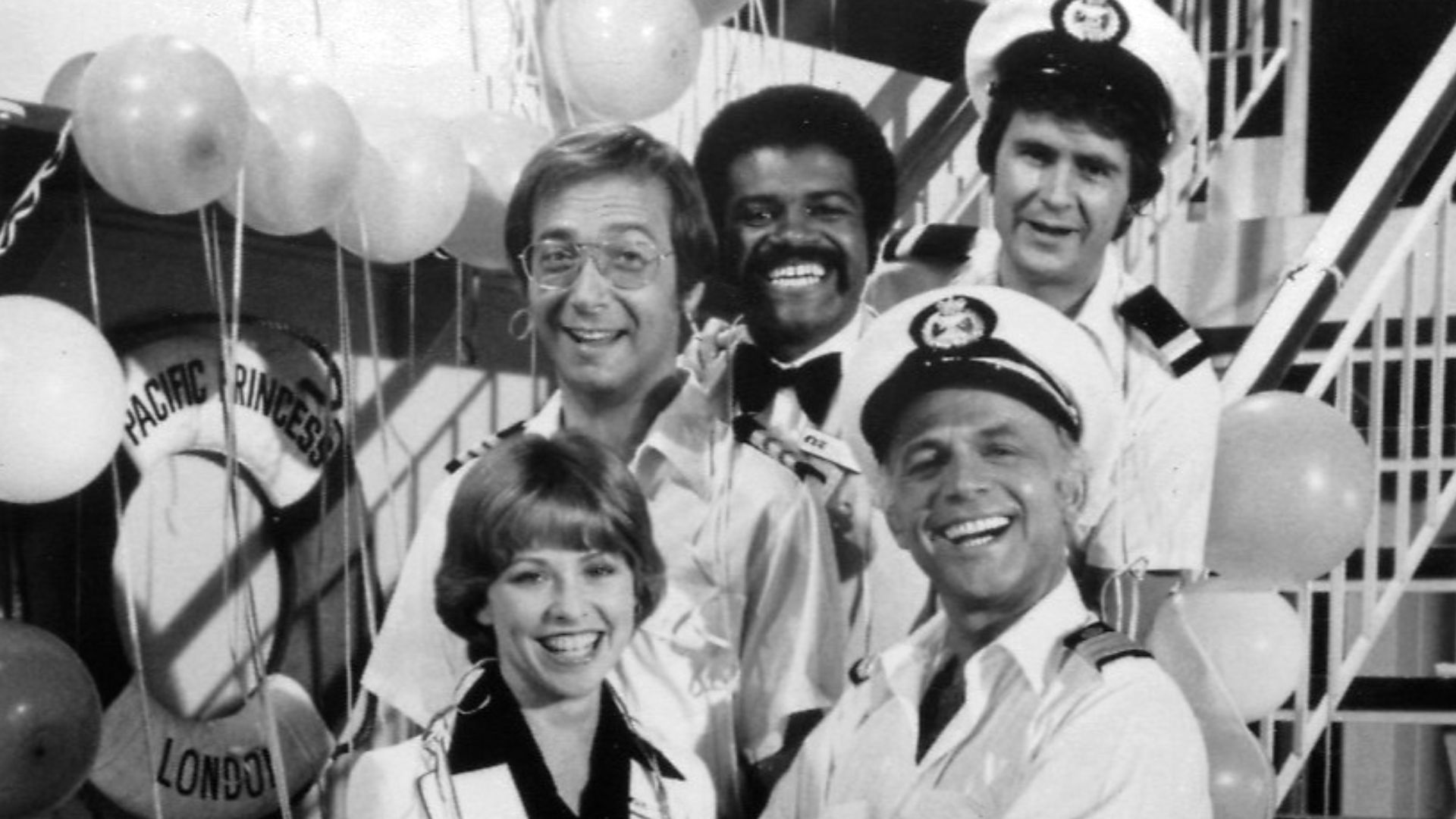 ABC Television Uploaded by We hope at en.wikipedia, Wikimedia Commons
Welcome Back Kotter: Earworm
This iconic theme song crossed over into mainstream music charts. Its warm, nostalgic tone made it instantly relatable.
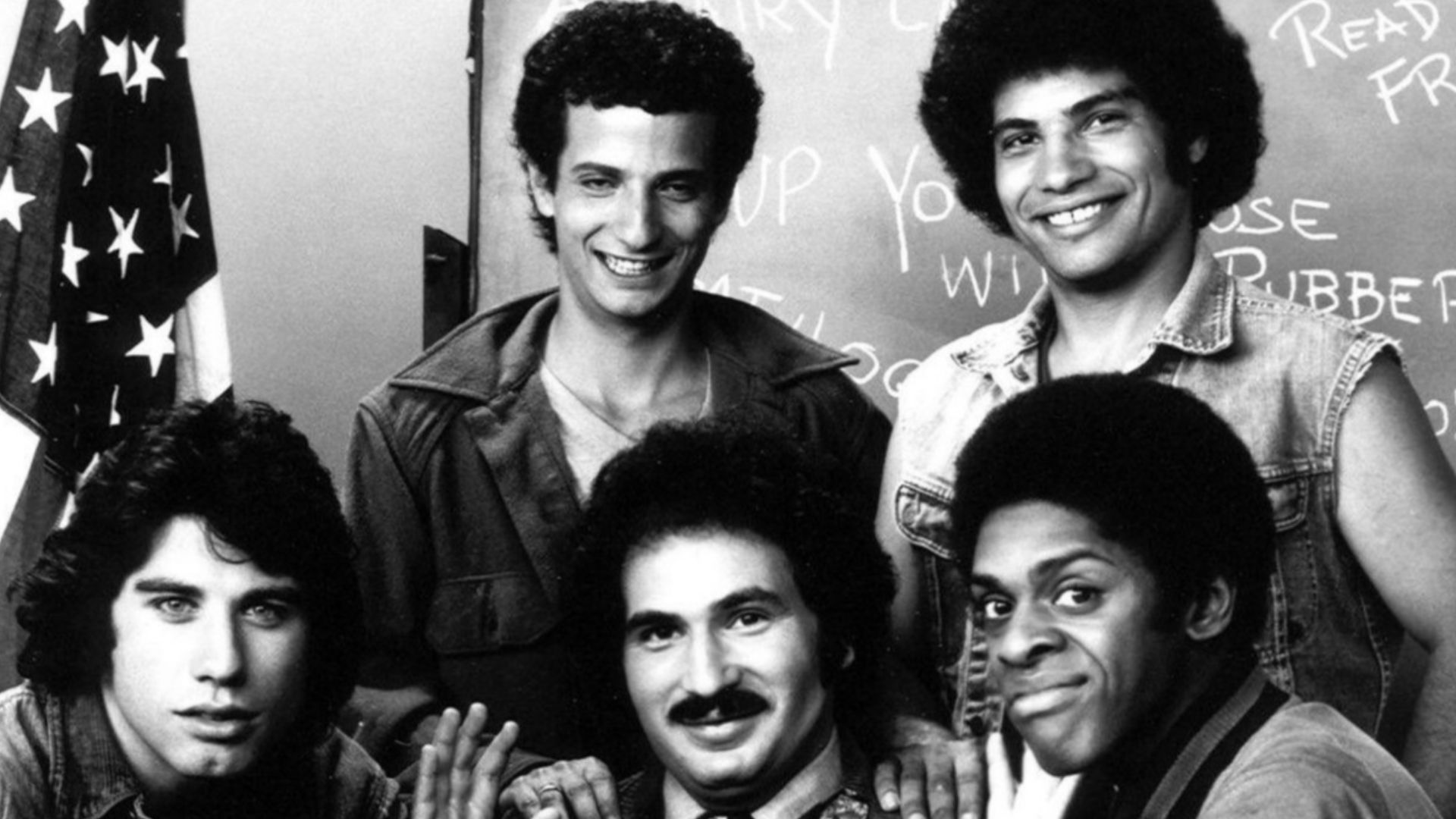 ABC Television, Wikimedia Commons
The Jeffersons: Moving On Up
Few TV songs are as instantly recognizable as this one. Its gospel-inspired style celebrated upward mobility and ambition.
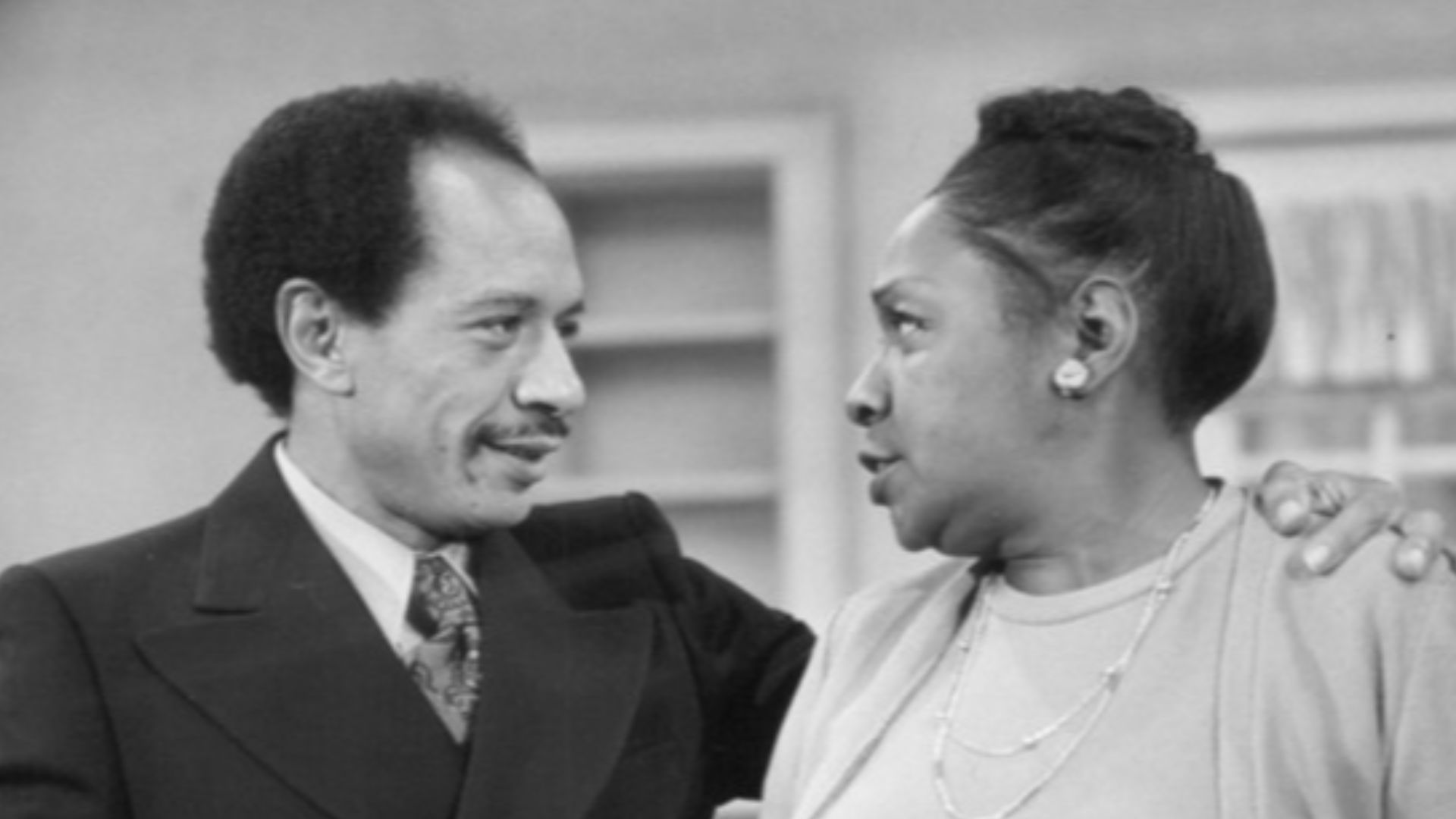 CBS Television Uploaded by We hope at en.wikipedia, Wikimedia Commons
Taxi: Jazzy Opening
This mellow instrumental perfectly matched the show’s bittersweet tone. It felt more like a piece of film scoring than a typical sitcom intro.
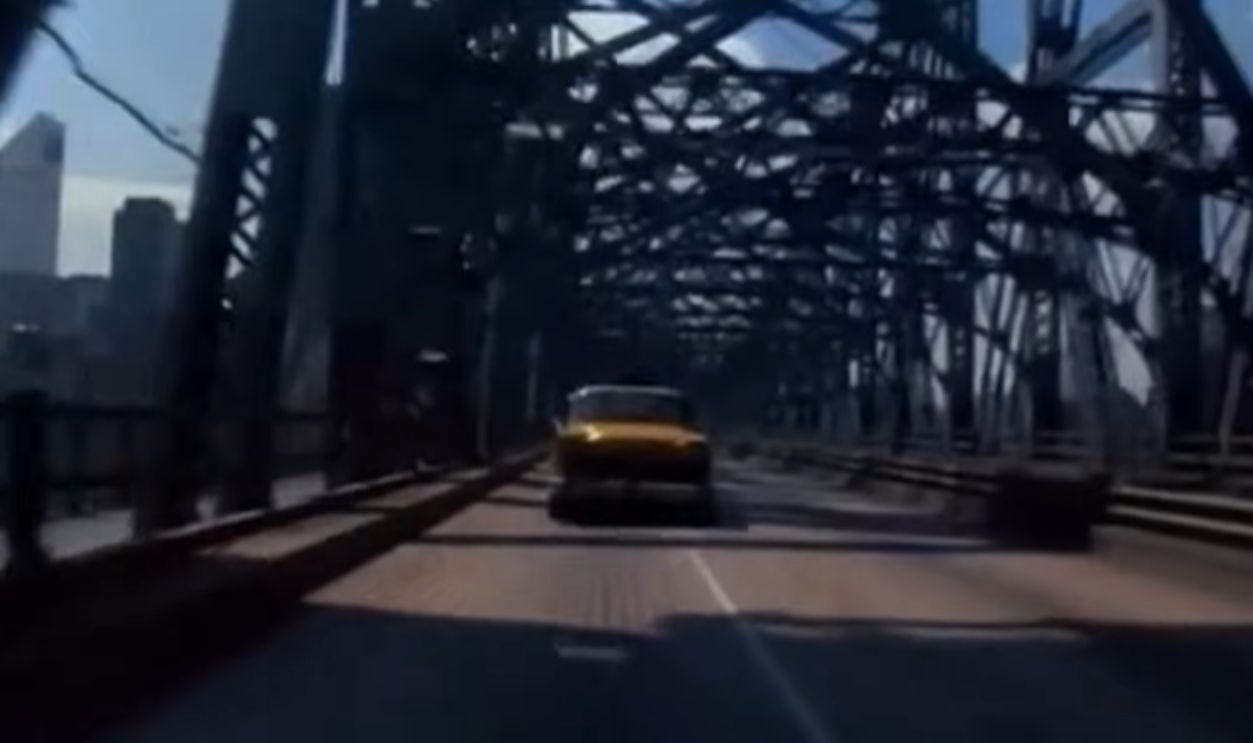 Screenshot from Taxi, ABC (1978)
The Brady Bunch: Sing-Along
“Here's the story...of a lovely lady…” became one of the most quoted openings ever. The lyrics made sure viewers knew exactly who everyone was, forming a connection to the characters before they'd even seen a single episode.
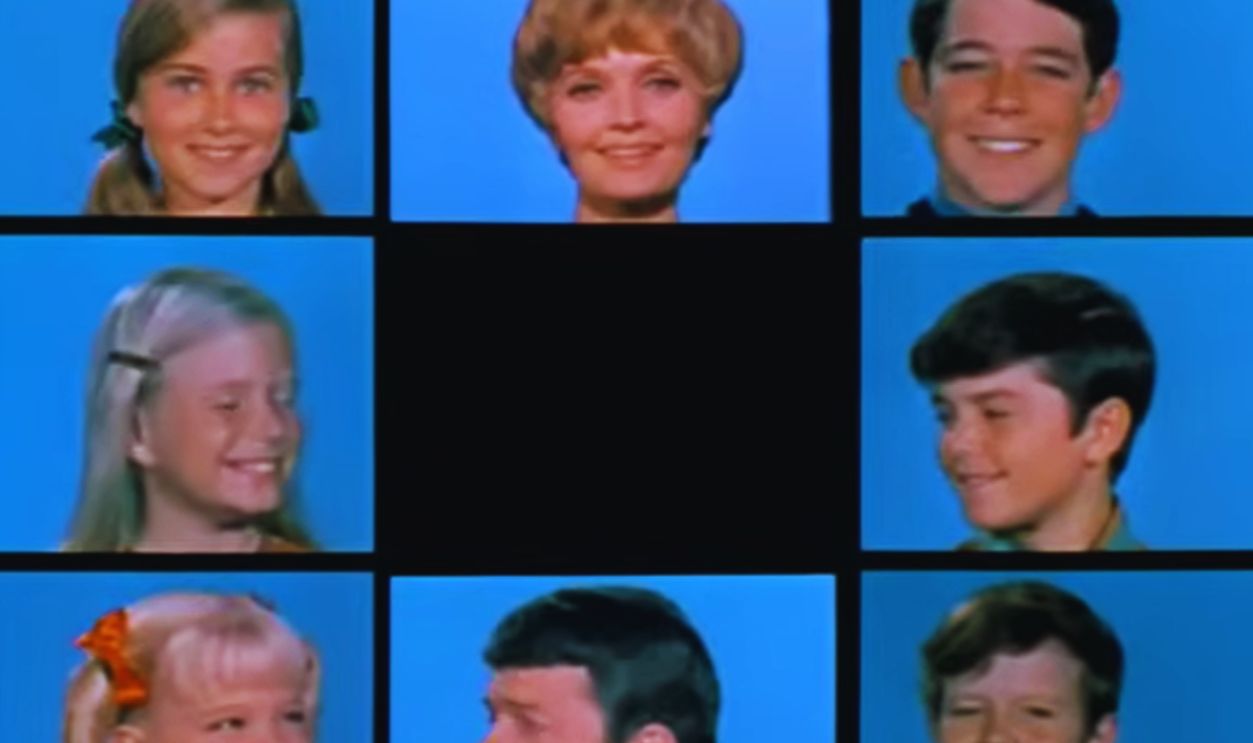 Screenshot from The Brady Bunch, ABC (1969–1974)
Dallas: Dramatic Sweep
This orchestral theme captured the grandeur and tension of prime-time soap operas. It signaled high stakes and big drama.
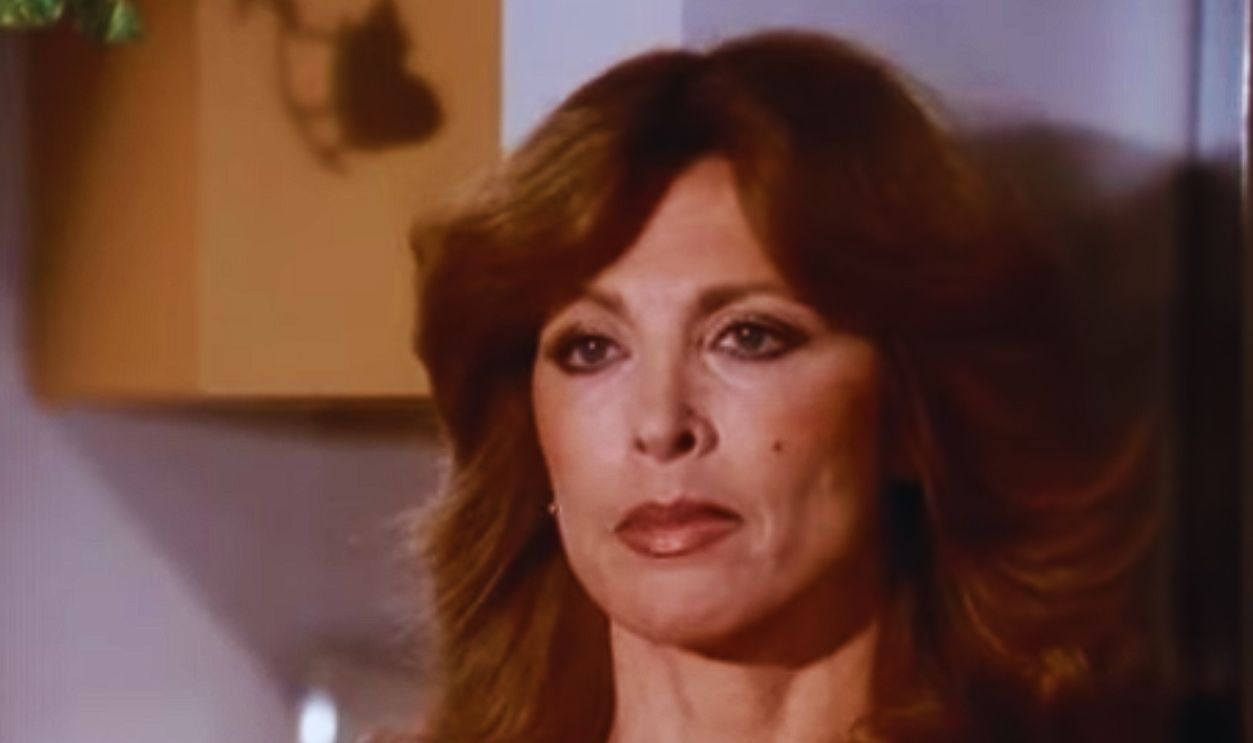 Screenshot from Dallas, Lorimar Productions / Warner Bros. Television (1978-1991)
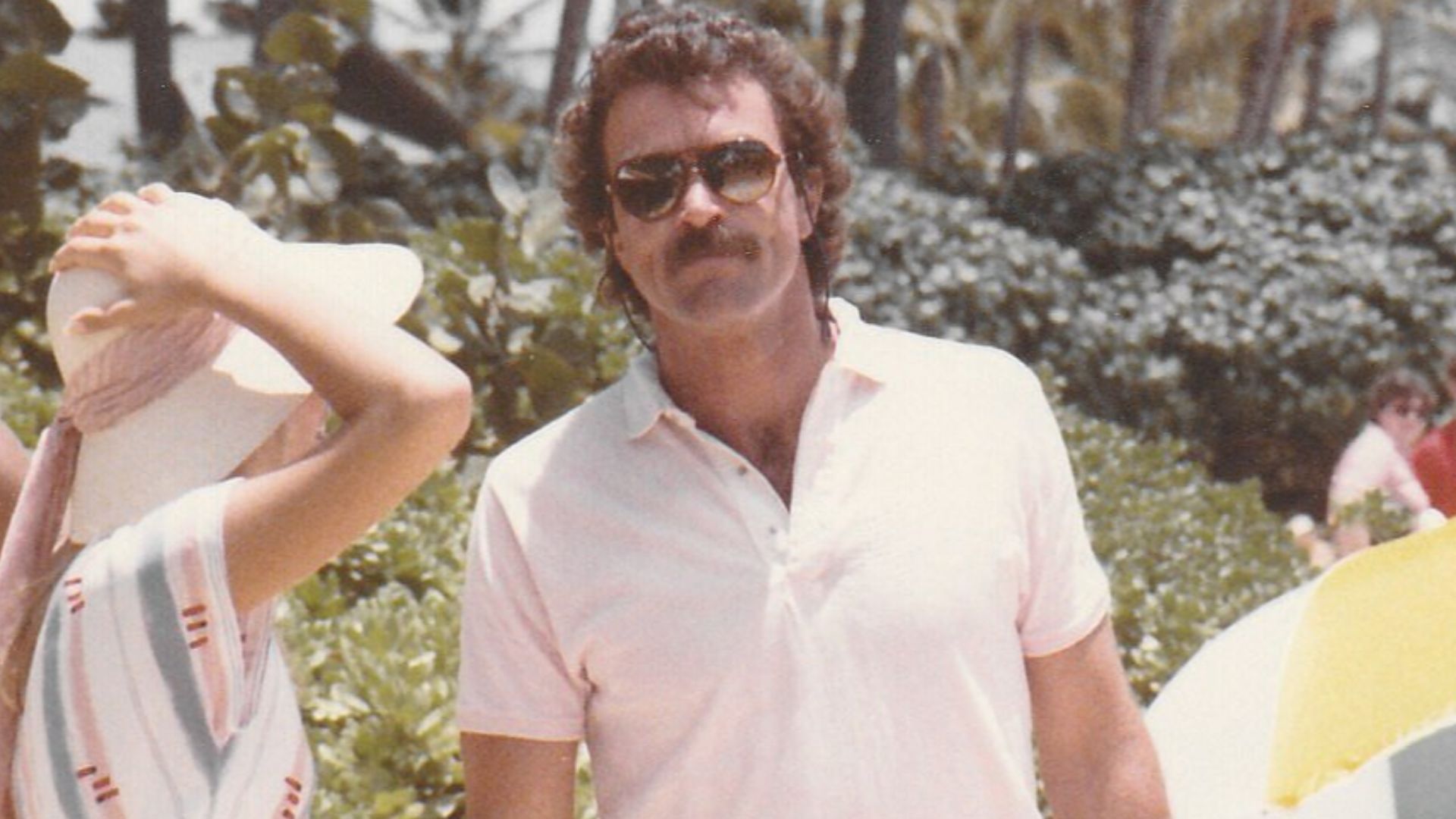
Magnum P.I.: Action Pulse
With its driving beat and electric guitar, this theme screamed 1980s cool. It set the tone for action and adventure.
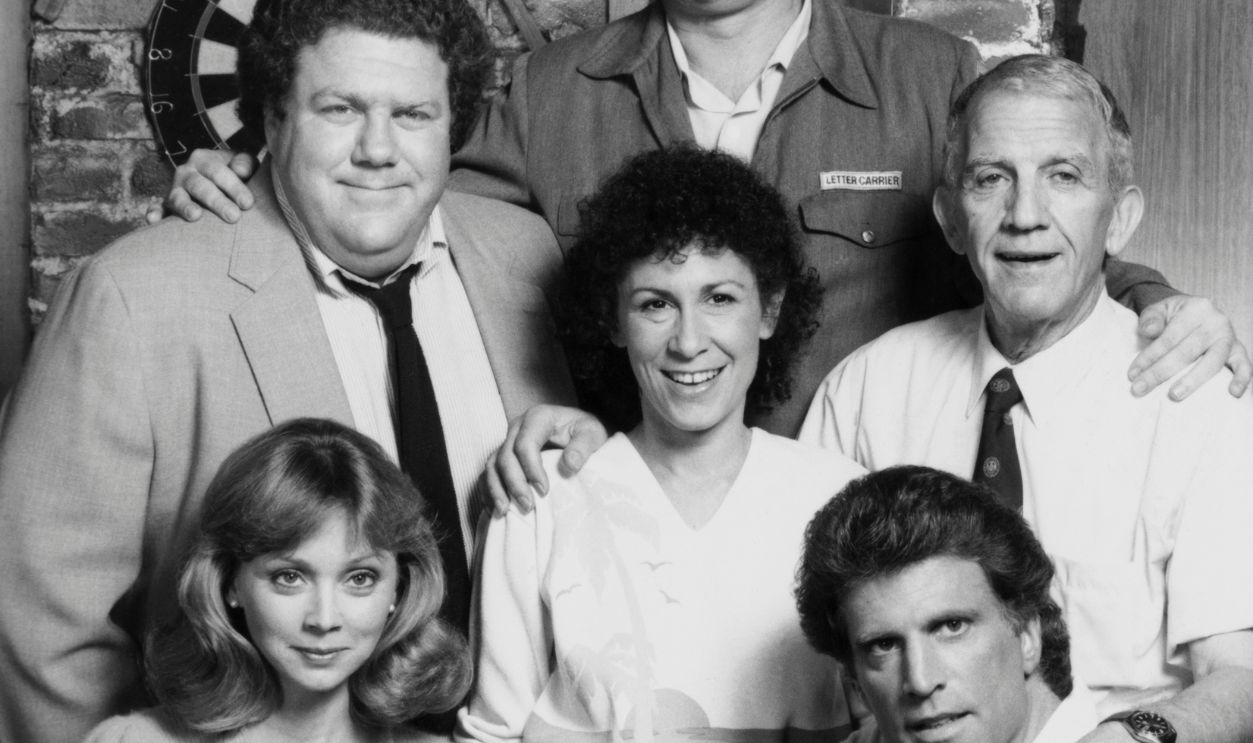
Cheers: Where Everybody Knows Your Name
This warm, nostalgic theme became one of the most beloved in TV history. Its lyrics emphasized connection and familiarity, and has continued to remain resonant decades after the show went off the air.
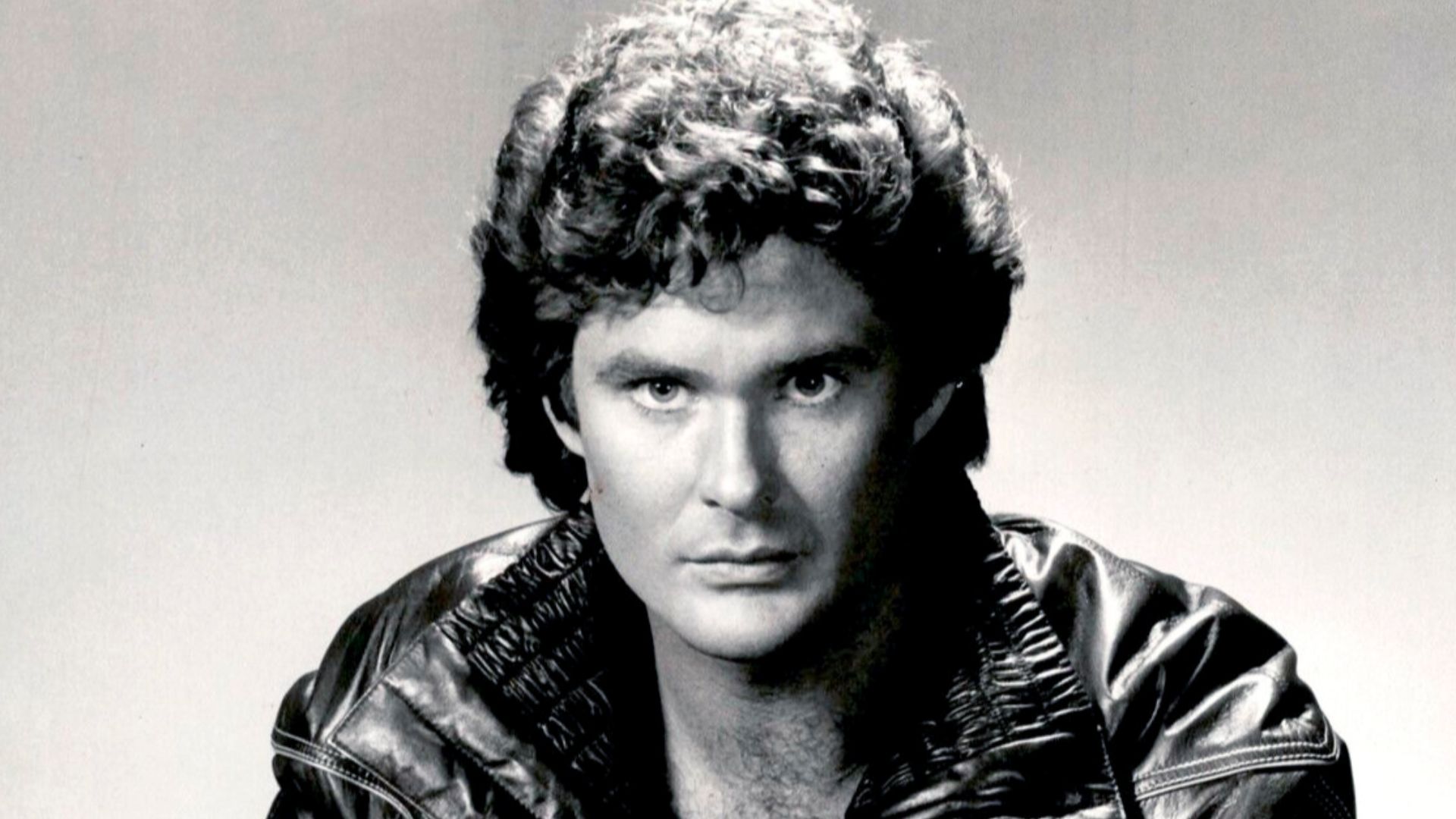
Knight Rider: Synth Power
This futuristic theme leaned into synthesizers and electronic sounds. It perfectly matched the high-tech premise of the show.
The A-Team: Explosive Intro
Bold brass and pounding rhythms introduced a show full of action. The theme instantly set expectations for high-energy storytelling.
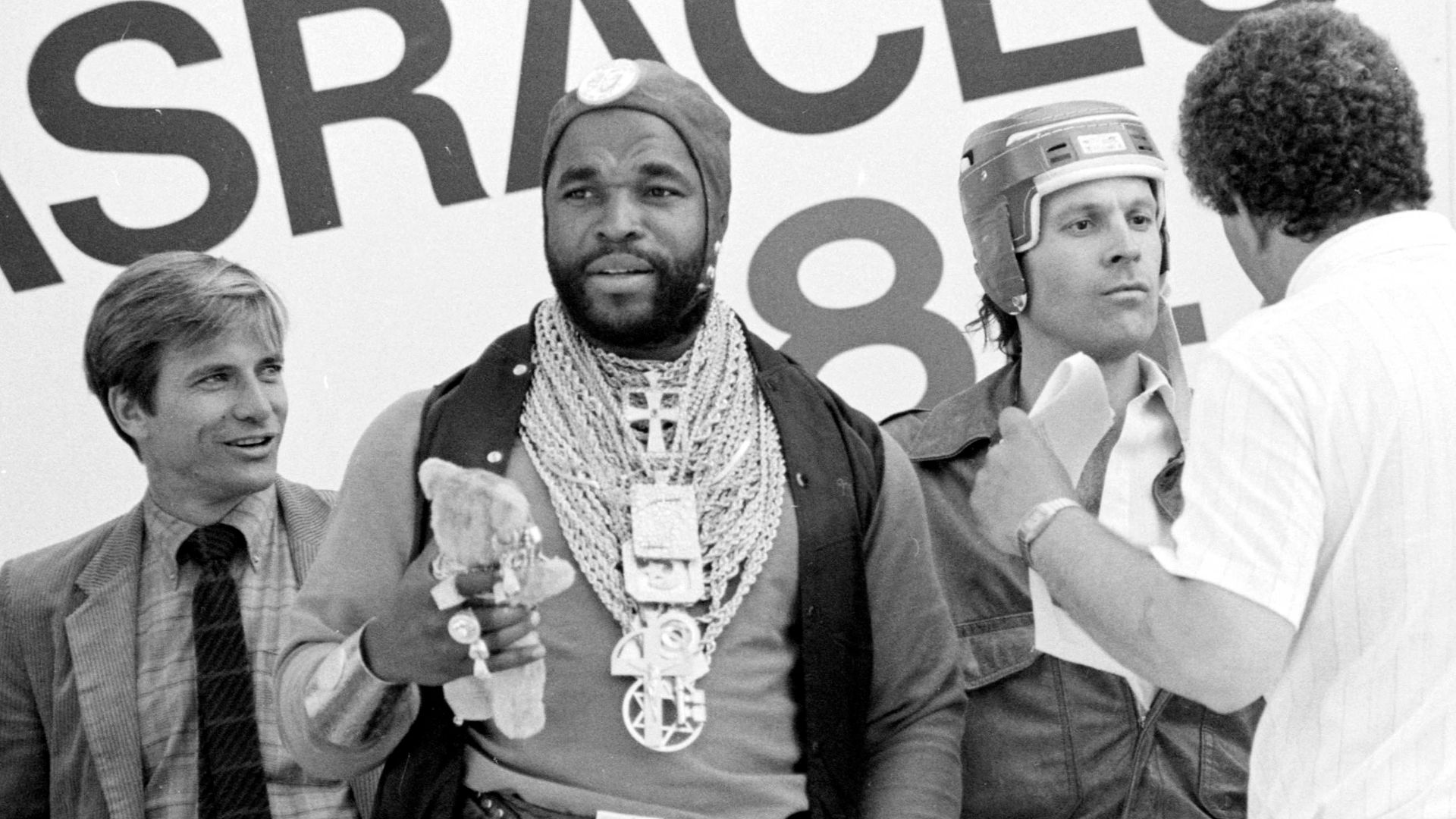 Fotopersbureau De Boer, Wikimedia Commons
Family Ties: Gentle Theme
“Without Us” delivered a soft, emotional opening that reflected family dynamics. It stood out in an era of louder, flashier intros.
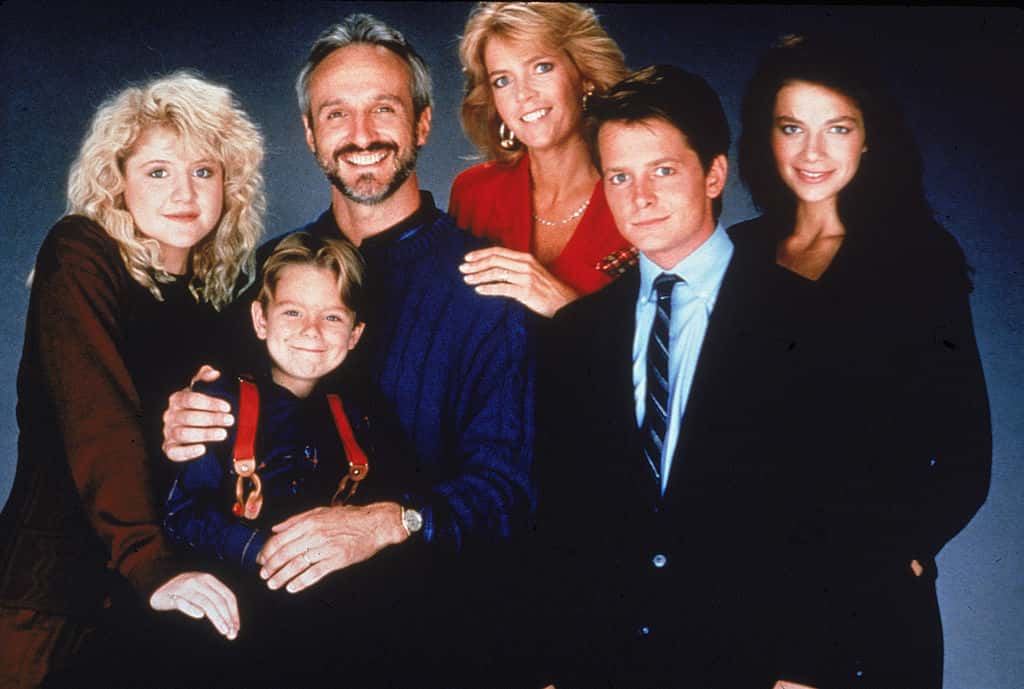 Fotos International, Getty Images
Growing Pains: Heartfelt Harmony
“As Long As We Got Each Other” became a defining song of the late ’80s. Its message of family unity resonated with viewers, and it's catchy hook kept it in everyone's heads for years.
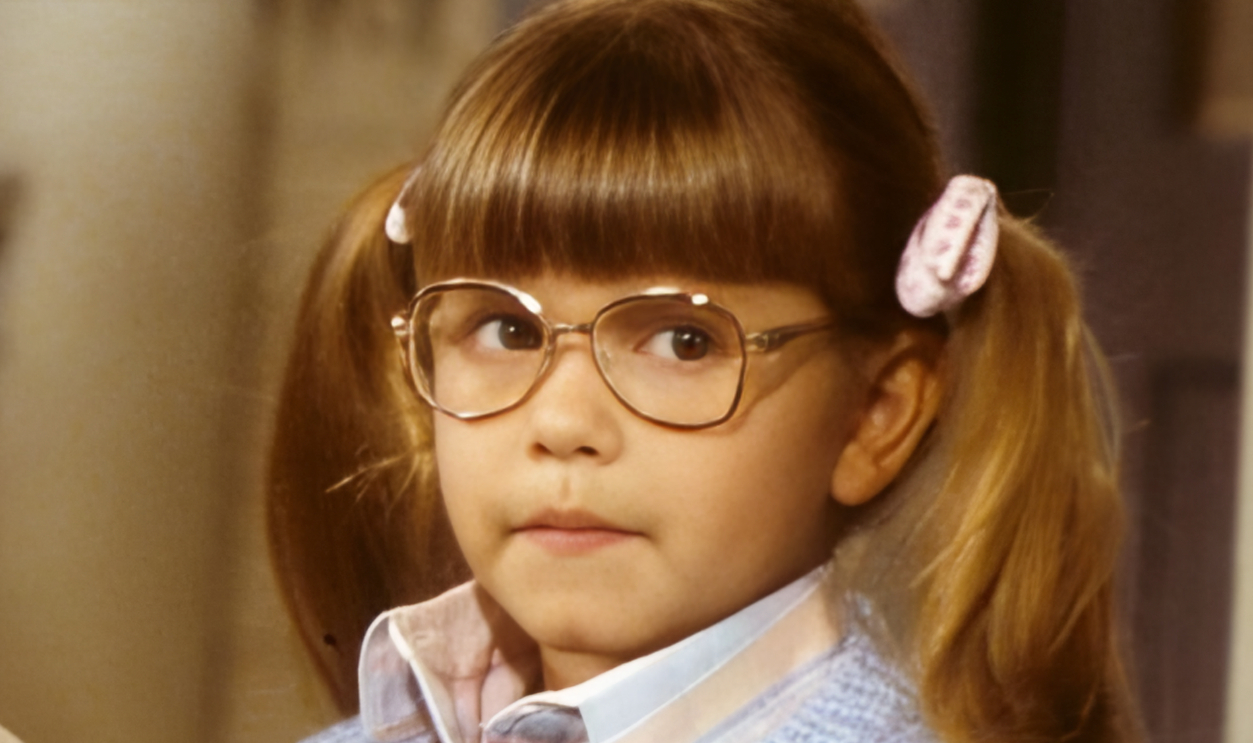 Screenshot from Growing Pains, Warner Bros. Television (1985–1992)
The Nostalgia Factor
Hearing these themes today can trigger vivid memories. That emotional connection is why they still linger decades later.
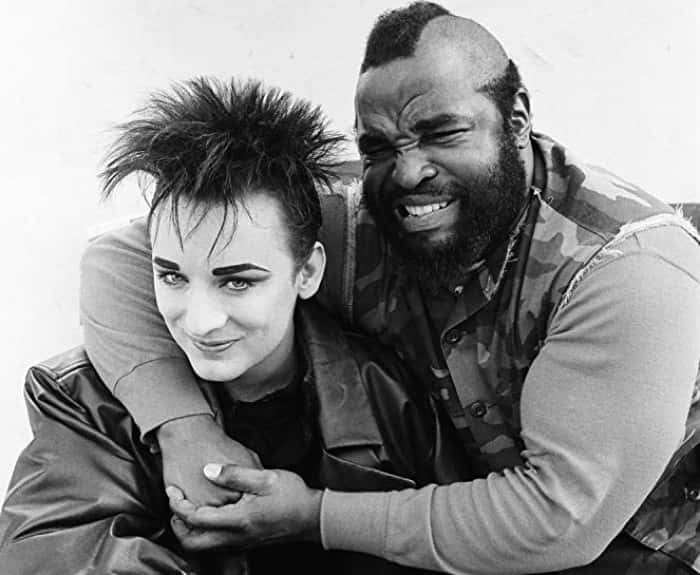
You'll Still Catch Baby Boomers Still Humming
Even if they roll their eyes, many Boomers still know every lyric or note. These theme songs became part of everyday life in a shared TV culture.
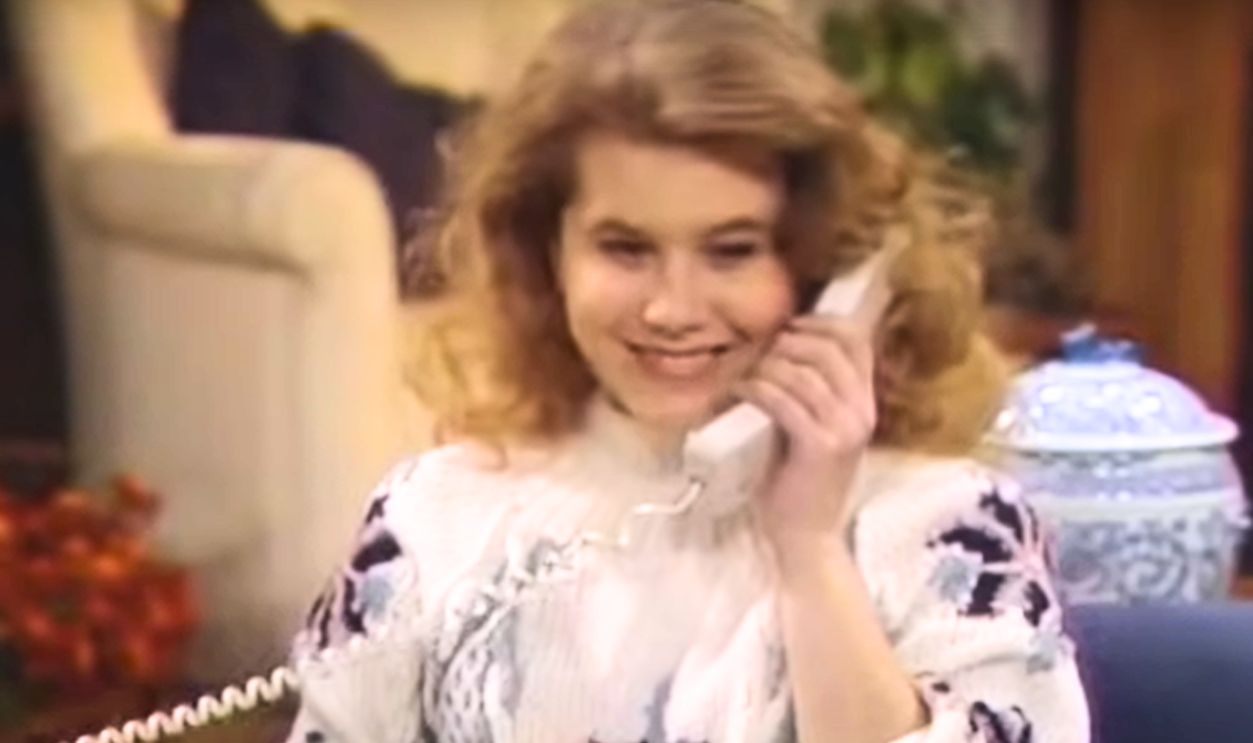 Screenshot from Growing Pains, Warner Bros. (1985-1992)