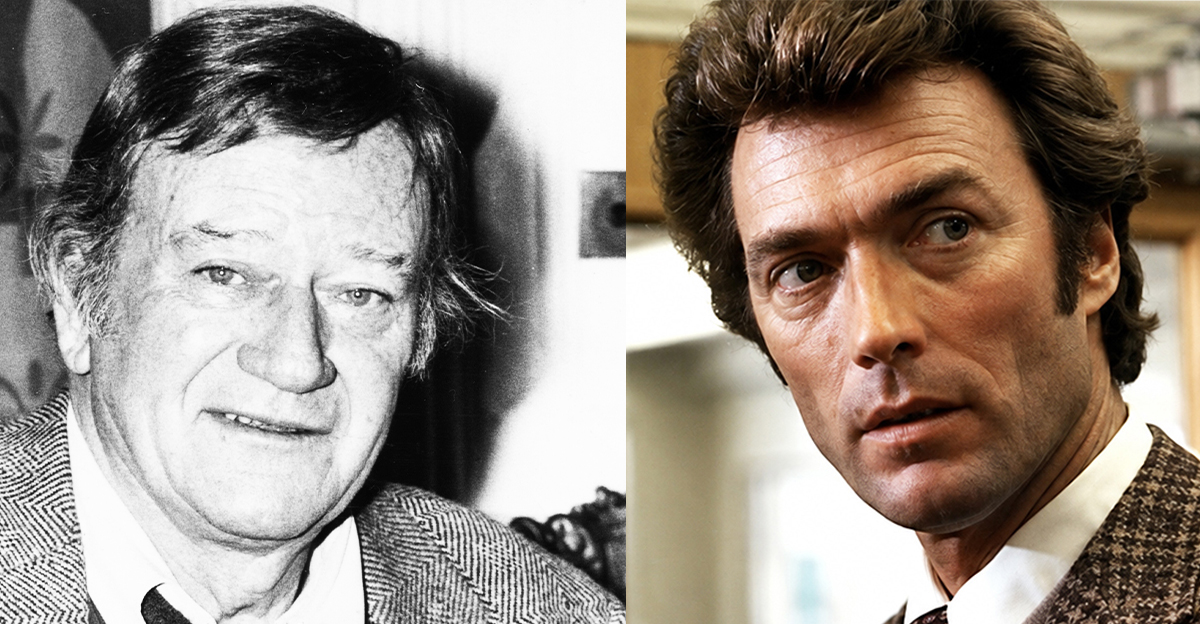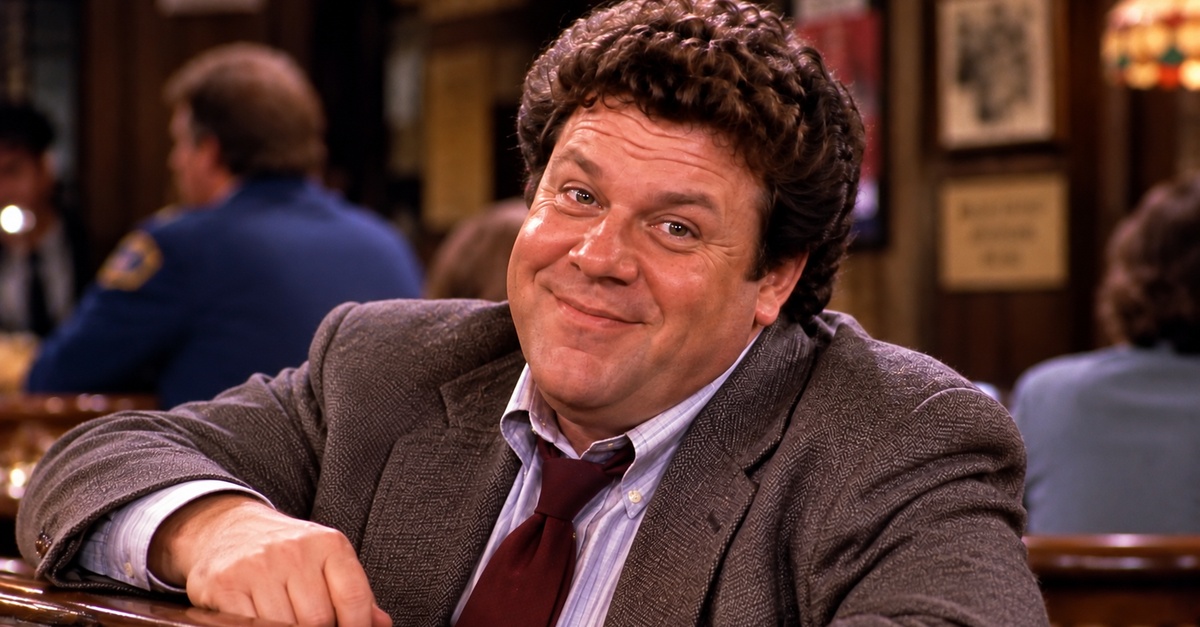
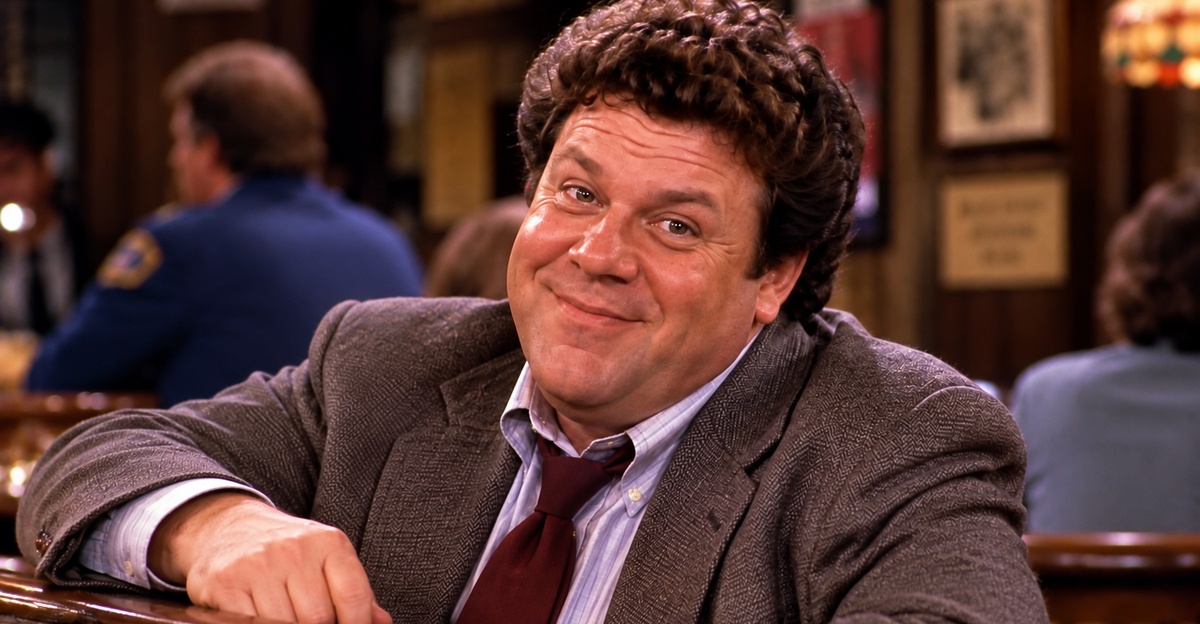
The Decade Belonged To The Supporting Cast
The biggest television stars of the 1980s may have received top billing, but they rarely made their shows memorable alone. Sidekicks, neighbors, coworkers, relatives, and wisecracking friends frequently supplied the lines audiences repeated afterward. Some supporting performers became so important that Emmy voters noticed them too, proving that second billing did not necessarily mean second-rate impact.
Higgins Was Magnum's Perfect Opposite
Thomas Magnum may have had the Ferrari and Hawaiian shirts on Magnum, P.I., but Jonathan Quayle Higgins III had rules, discipline, and an unmistakably formal manner. John Hillerman's Higgins managed the estate where Magnum lived, and his military background gave the two characters something in common beneath their constant disagreements. Their relationship was built on both antagonism and mutual respect.
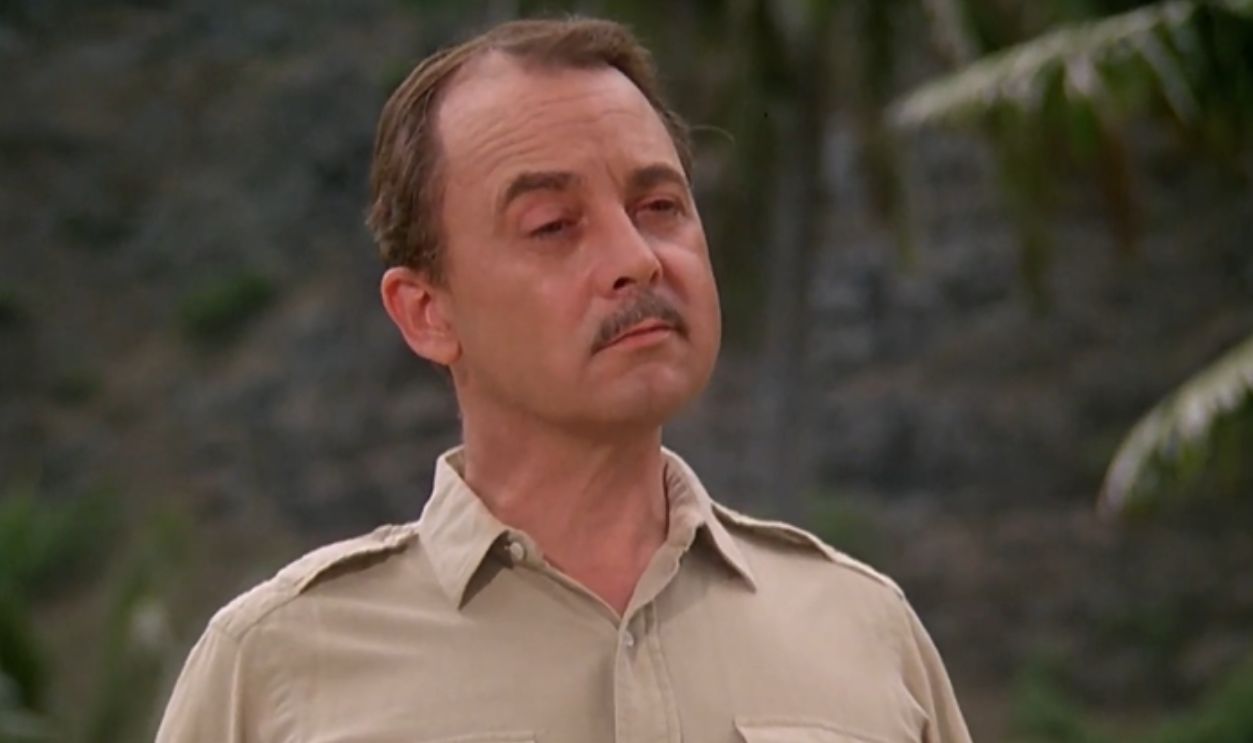 Screenshot from Magnum, P.I., NBCUniversal (1980-1988)
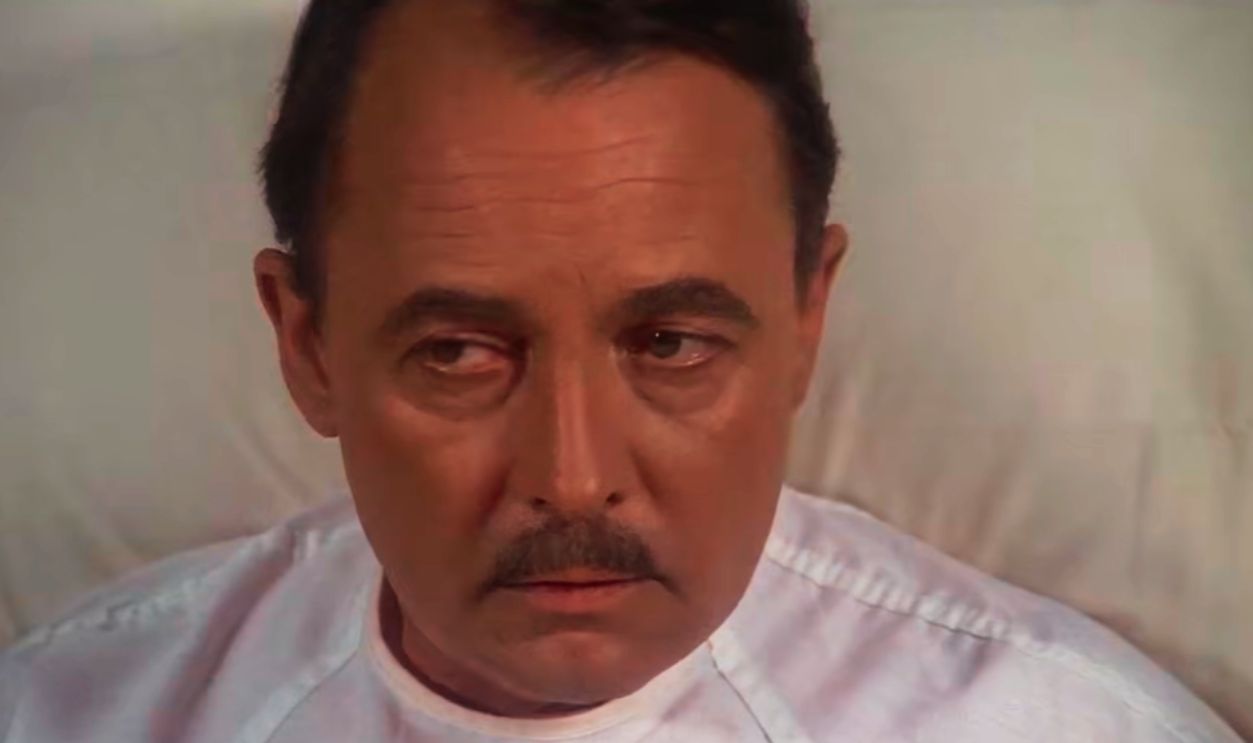
John Hillerman Made Higgins More Than A Foil
Hillerman's performance became important enough to earn four consecutive Emmy nominations for Outstanding Supporting Actor in a Drama Series from 1984 through 1987. He finally won the award in 1987. Higgins consequently became much more than the irritated man trying to keep Magnum under control, and the character remains one of Hillerman's best-known roles.
 Screenshot from Magnum, P.I., NBCUniversal (1980-1988)
Dan Fielding Could Steal An Entire Courtroom
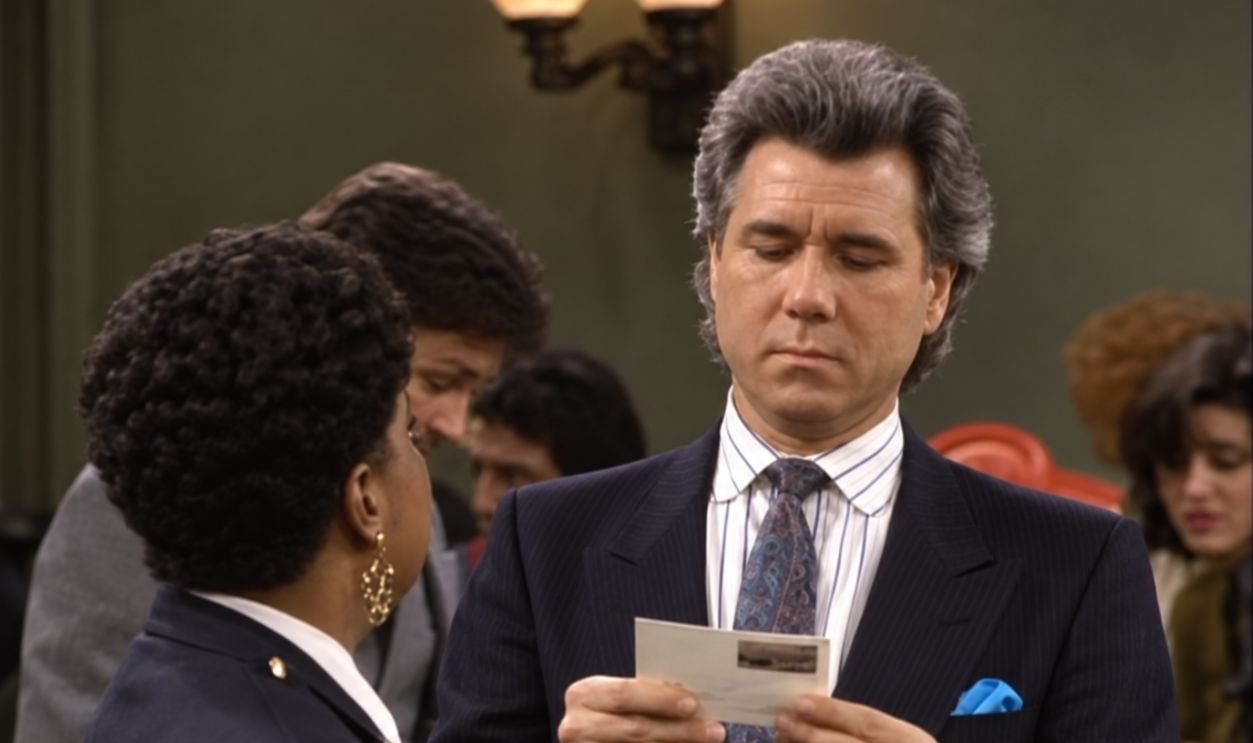
Night Court officially revolved around Judge Harry Stone, played by Harry Anderson, but prosecutor Dan Fielding often commanded attention the moment he appeared. John Larroquette played Dan as ambitious, sarcastic, vain, and unapologetically interested in his own advancement. The character gave the courtroom comedy an outrageous counterweight to Harry's more idealistic personality.
 Screenshot from Night Court, Warner Bros. (1984-1992), Enhanced
Larroquette's Emmy Run Was Extraordinary
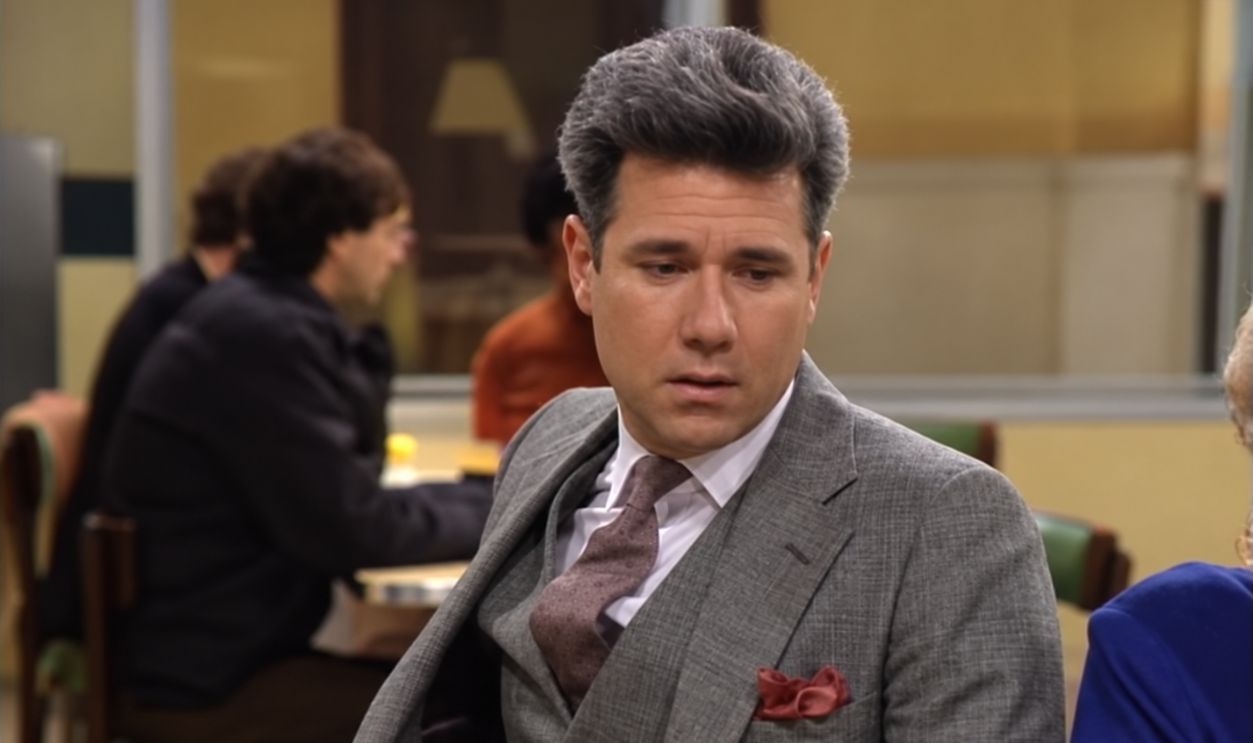
The Television Academy recognized just how effectively Larroquette played the supporting role. He won Outstanding Supporting Actor in a Comedy Series four consecutive times, from 1985 through 1988. Few statistics demonstrate the power of an ostensibly secondary character more clearly than four straight Emmy victories.
 Screenshot from Night Court, Warner Bros. (1984-1992), Enhanced
Coach Made Cheers Feel Like Home
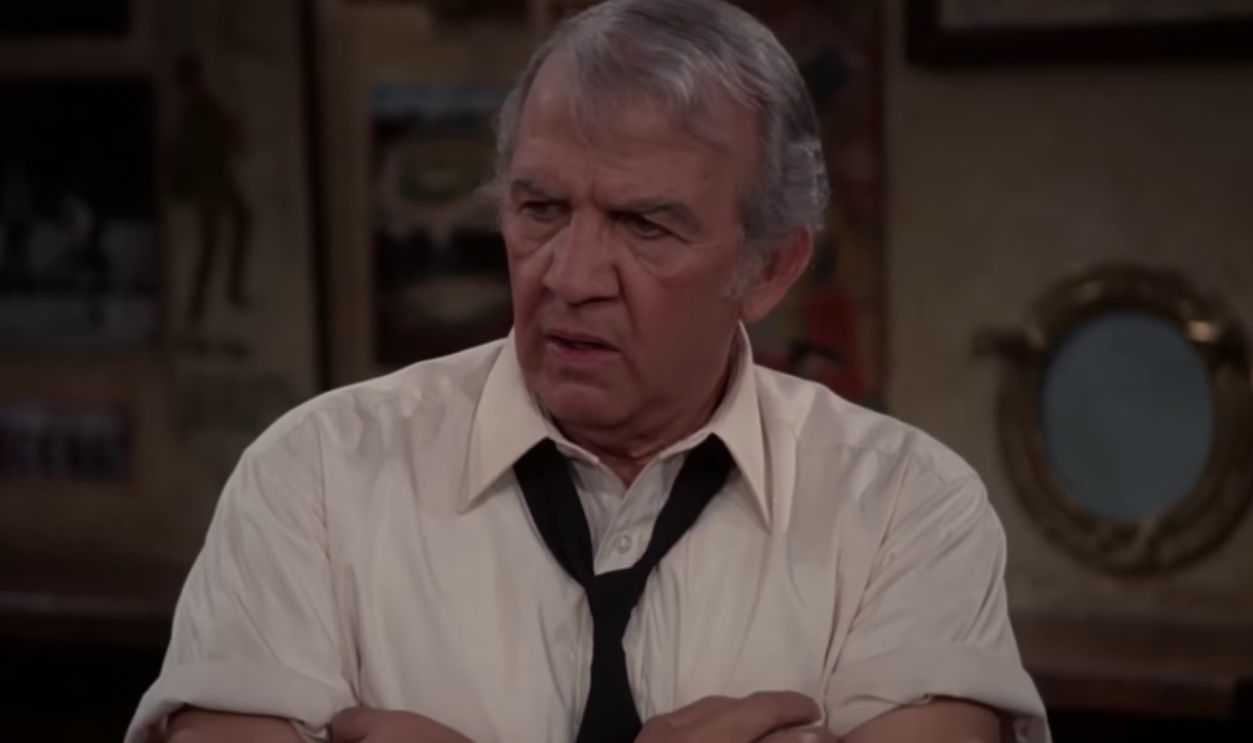
Sam Malone owned the bar on Cheers, but Ernie "Coach" Pantusso helped give it a heart. Nicholas Colasanto played the lovable bartender from the series' beginning in 1982 until his death in 1985. Coach's place within the ensemble was substantial enough that Colasanto received an Emmy nomination for Outstanding Supporting Actor in 1984.
 Screenshot from Cheers, Paramount (1982-1993)
Woody Had An Almost Impossible Job
Replacing a beloved character is difficult under any circumstances, and Cheers faced that problem after Colasanto's death. Woody Harrelson joined the series as the young and good-natured bartender Woody Boyd in 1985. Writer-producer David Lee later specifically discussed the process of replacing Coach with Woody, a transition that ultimately gave the series another memorable supporting character.
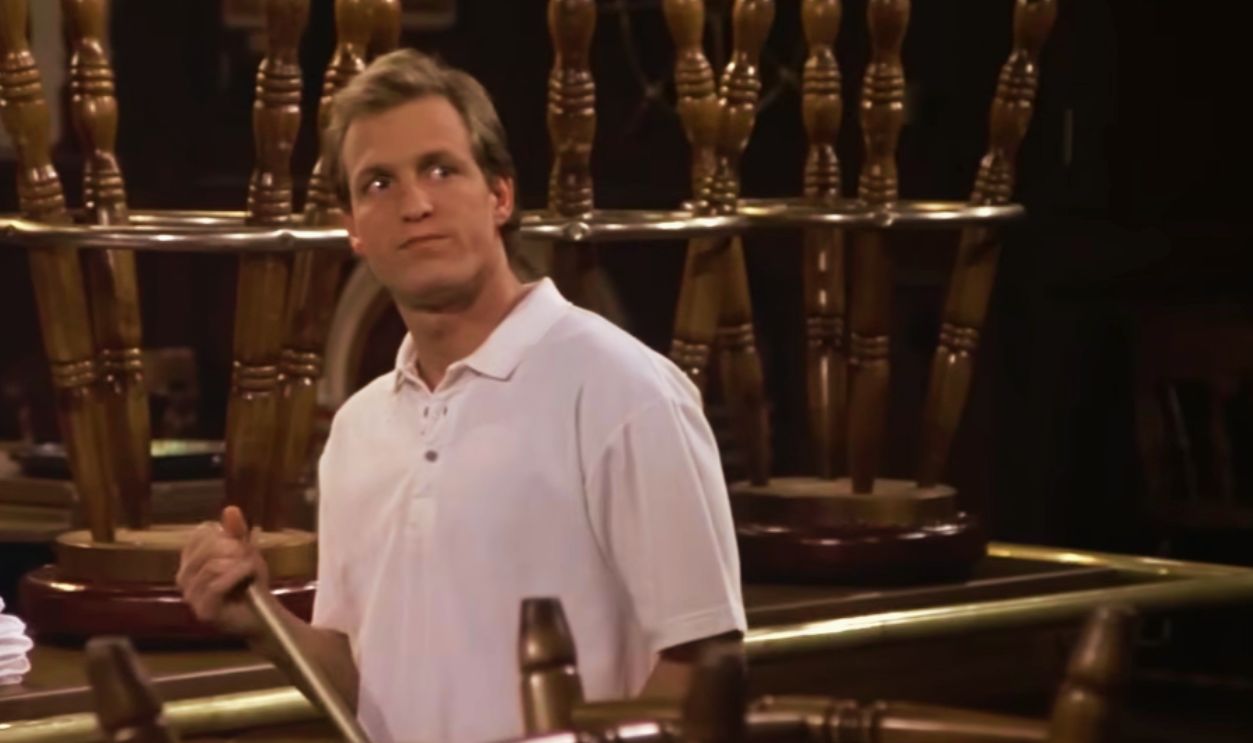 Screenshot from Cheers, Paramount (1982-1993)
Woody Boyd Became An Emmy Winner
Harrelson quickly established himself as more than a substitute for Coach. He received supporting-actor Emmy nominations in 1987 and 1988 before winning the category in 1989. The victory demonstrated how successfully Cheers had managed the rare feat of losing one popular supporting player and finding another who developed a distinct identity.
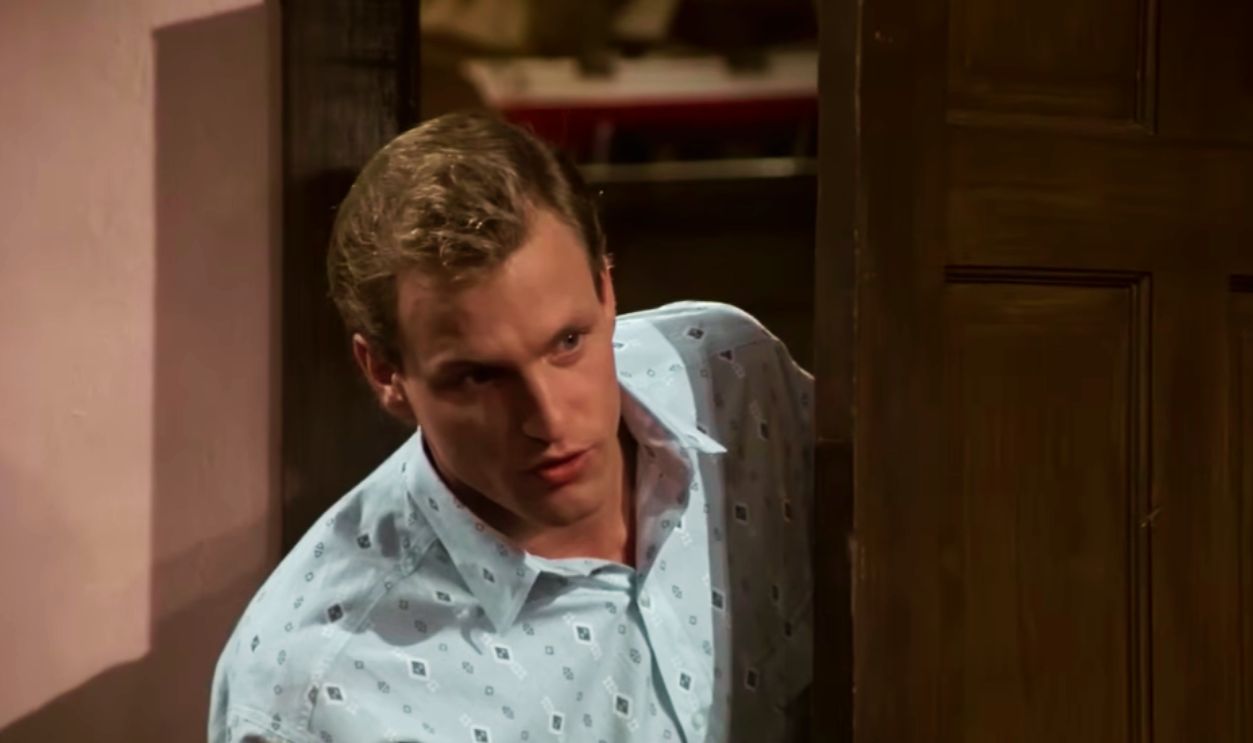 Screenshot from Cheers, Paramount (1982-1993)
Norm Turned Sitting At The Bar Into An Art
George Wendt's Norm Peterson did not need elaborate adventures to become indispensable to Cheers. He was part of the show's ensemble throughout its run, occupying a familiar place among the regulars at the Boston bar. Emmy voters repeatedly noticed Wendt's work, including supporting-actor nominations during the 1980s.
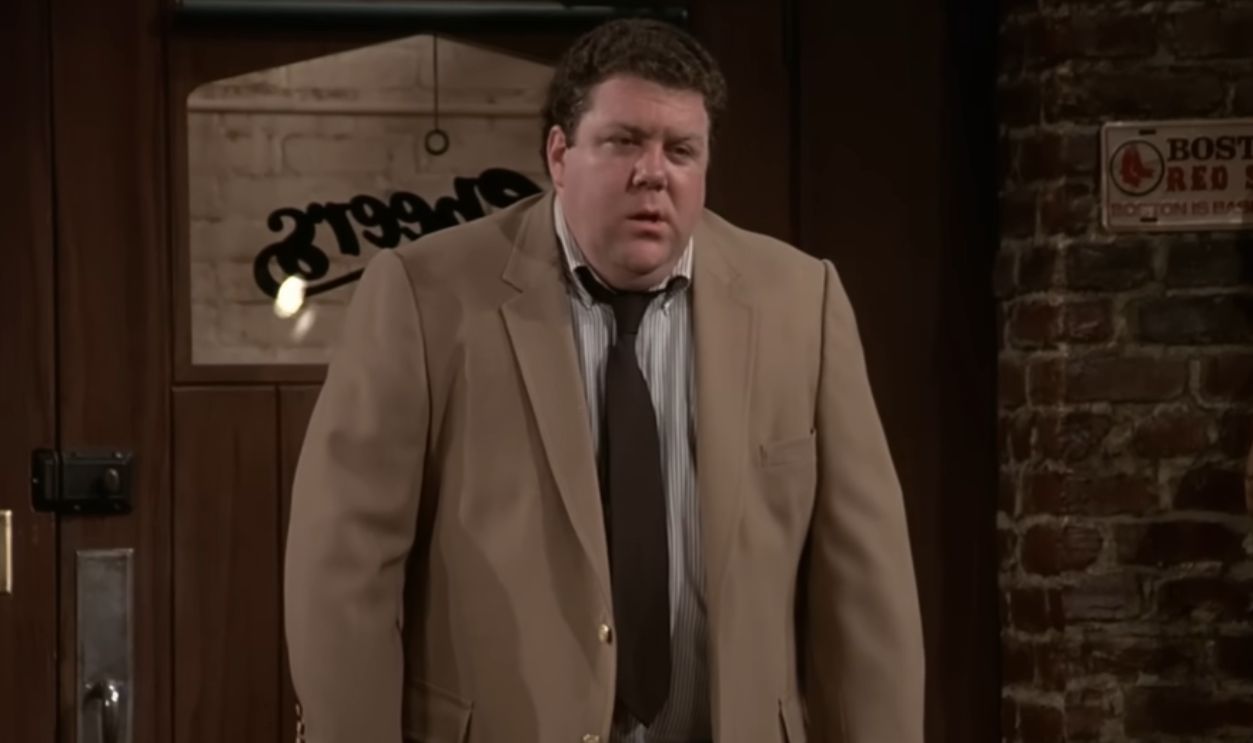 Screenshot from Cheers, Paramount (1982-1993)
Cliff Always Had Something To Add
If Norm represented the comfortable regular, John Ratzenberger's Cliff Clavin was the man who always seemed ready with another piece of information. The postal worker became another central member of the Cheers barroom ensemble. Ratzenberger received an Emmy nomination for Outstanding Supporting Actor in a Comedy Series in 1986, alongside his castmate Wendt.
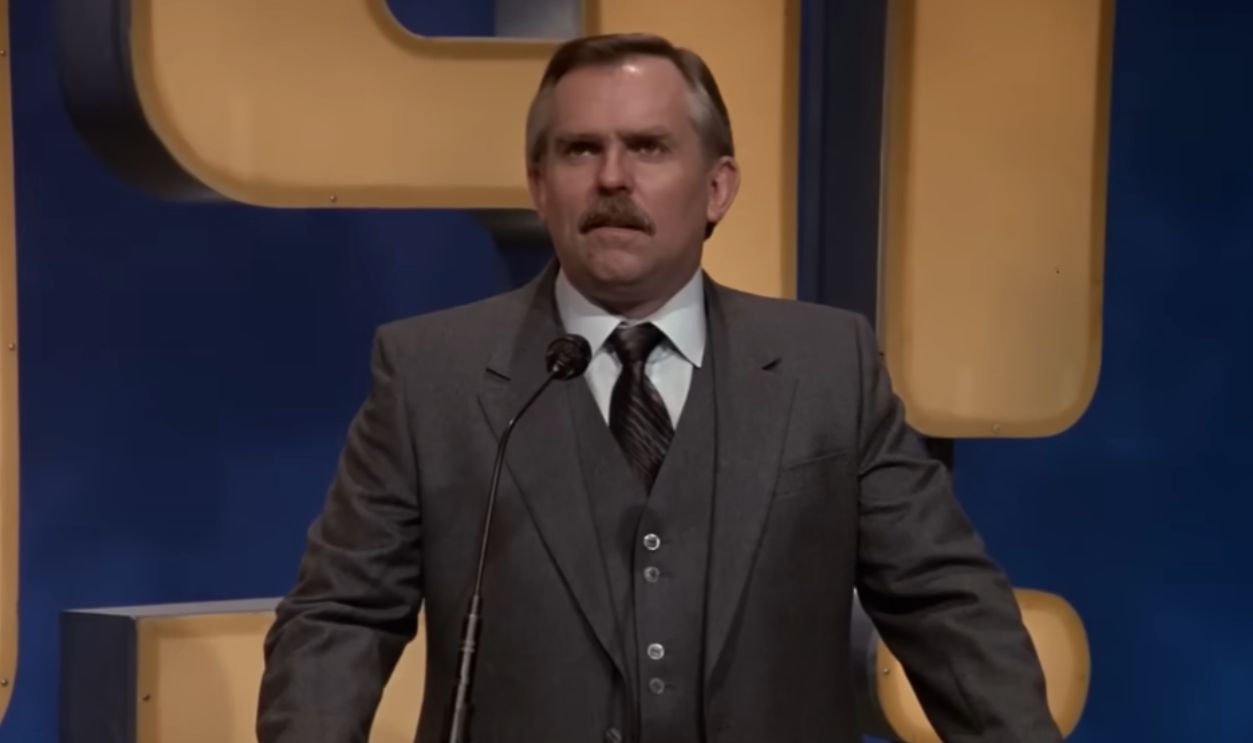 Screenshot from Cheers, Paramount (1982-1993)
Sophia Petrillo Never Needed Much Time
The Golden Girls was built around a formidable ensemble, but Estelle Getty's Sophia Petrillo had a special talent for cutting through a conversation. Sophia was Dorothy Zbornak's mother and shared the Miami home with Dorothy, Rose Nylund, and Blanche Devereaux. Getty's supporting status never prevented Sophia from becoming one of the show's most recognizable personalities.
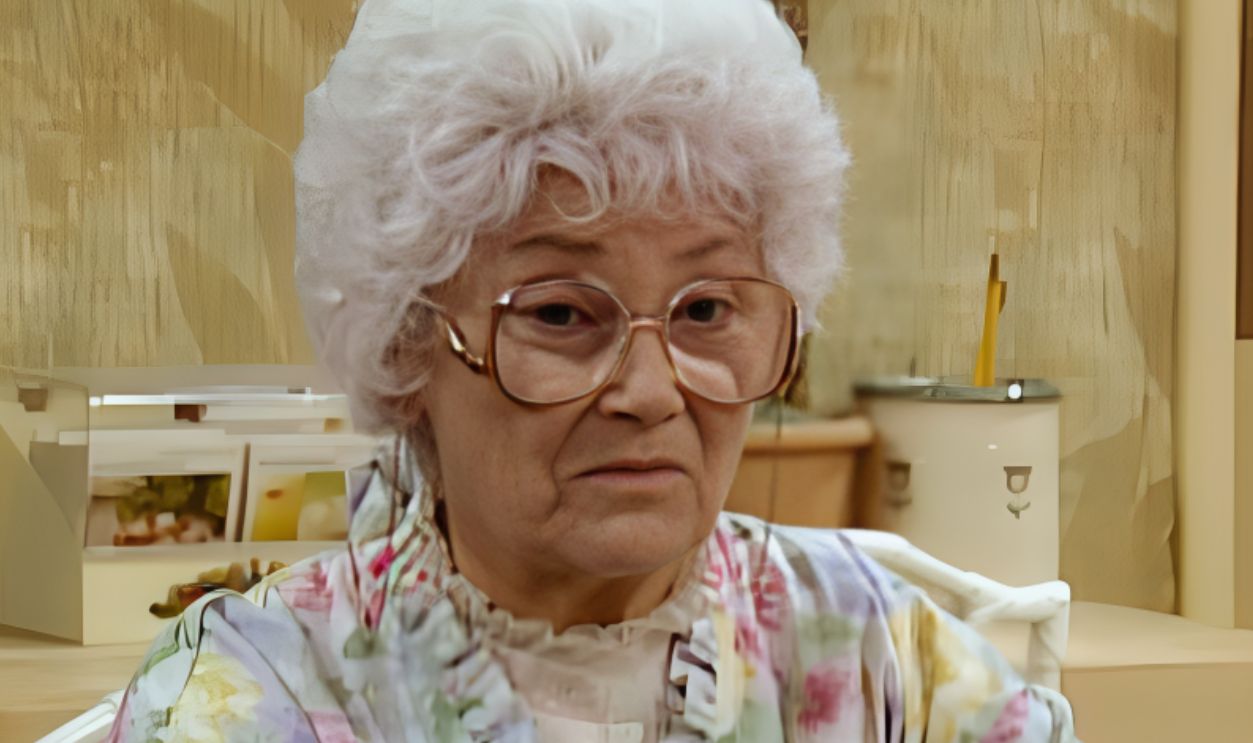 Screenshot from The Golden Girls, The Walt Disney Company (1985-1992), Enhanced
Sophia Took Home The Emmy
Getty received repeated Emmy recognition for playing Sophia throughout The Golden Girls. She won Outstanding Supporting Actress in a Comedy Series in 1988 and continued receiving nominations afterward. The award arrived during a period when the series itself was one of NBC's defining comedies.
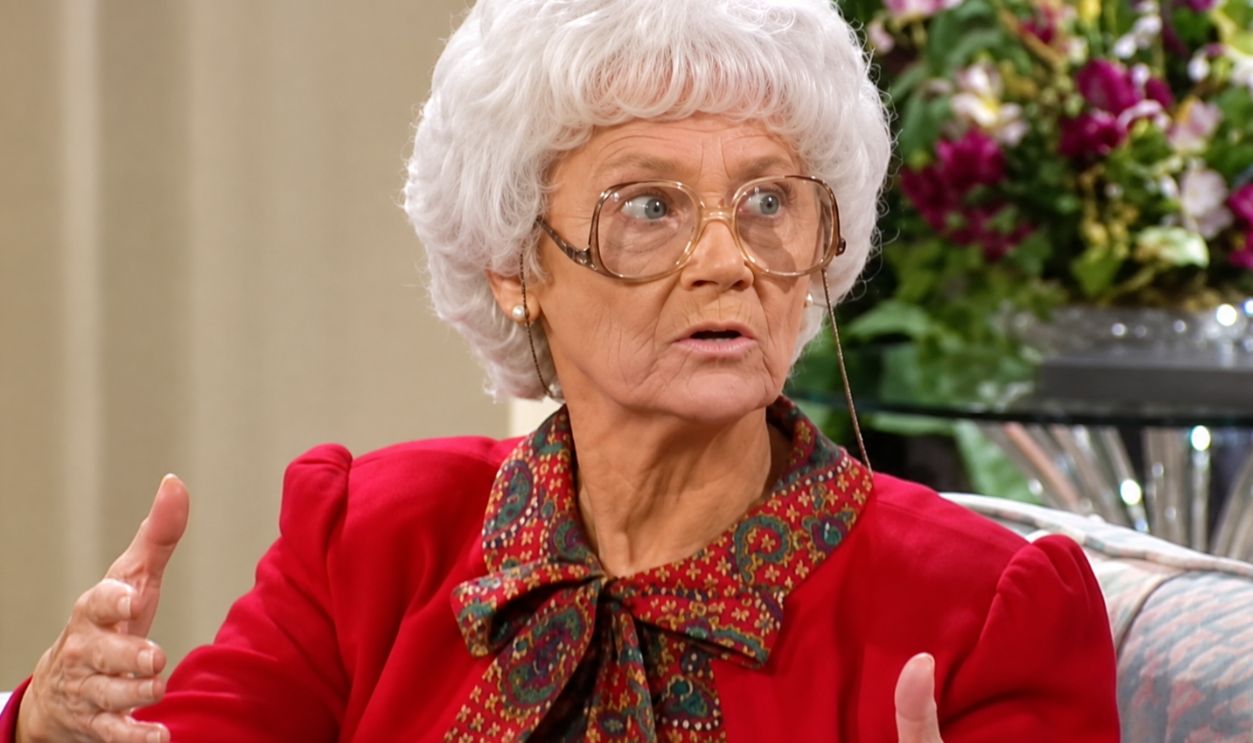 Screenshot from The Golden Girls, The Walt Disney Company (1985-1992), Enhanced
Mona Refused To Act Her Age
On Who's the Boss?, Tony Micelli and Angela Bower supplied the central relationship, but Angela's mother Mona Robinson frequently supplied an entirely different energy. Katherine Helmond played Mona as an independent older woman whose romantic life and opinions regularly complicated the household. Mona was an important part of the unconventional family structure that helped distinguish the sitcom.
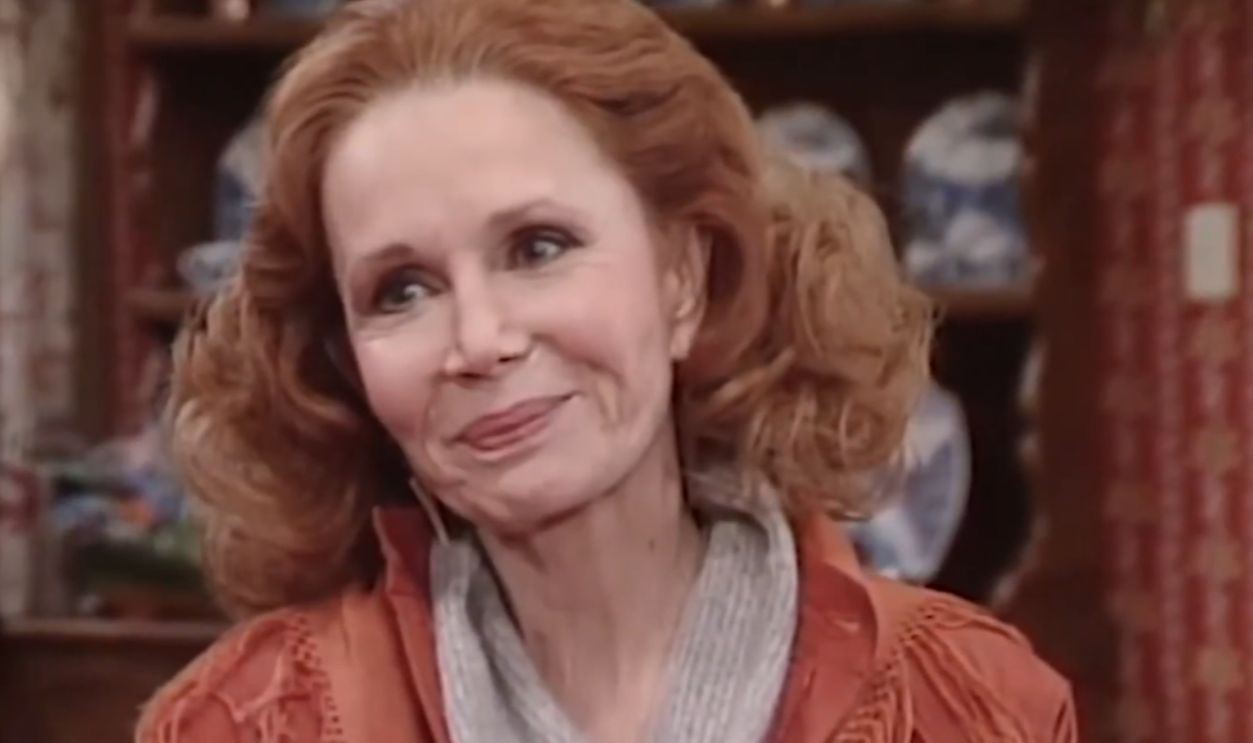 Screenshot from Who’s the Boss?, Sony Pictures Entertainment (1984-1992)
Katherine Helmond Made Mona Essential
Helmond had already established herself as a television star through Soap before taking the supporting role on Who's the Boss?. Her performance as Mona earned Supporting Actress Emmy nominations in both 1988 and 1989. Judith Light later discussed working with Helmond, while Helmond herself gave an extended interview about Mona's function within the series.
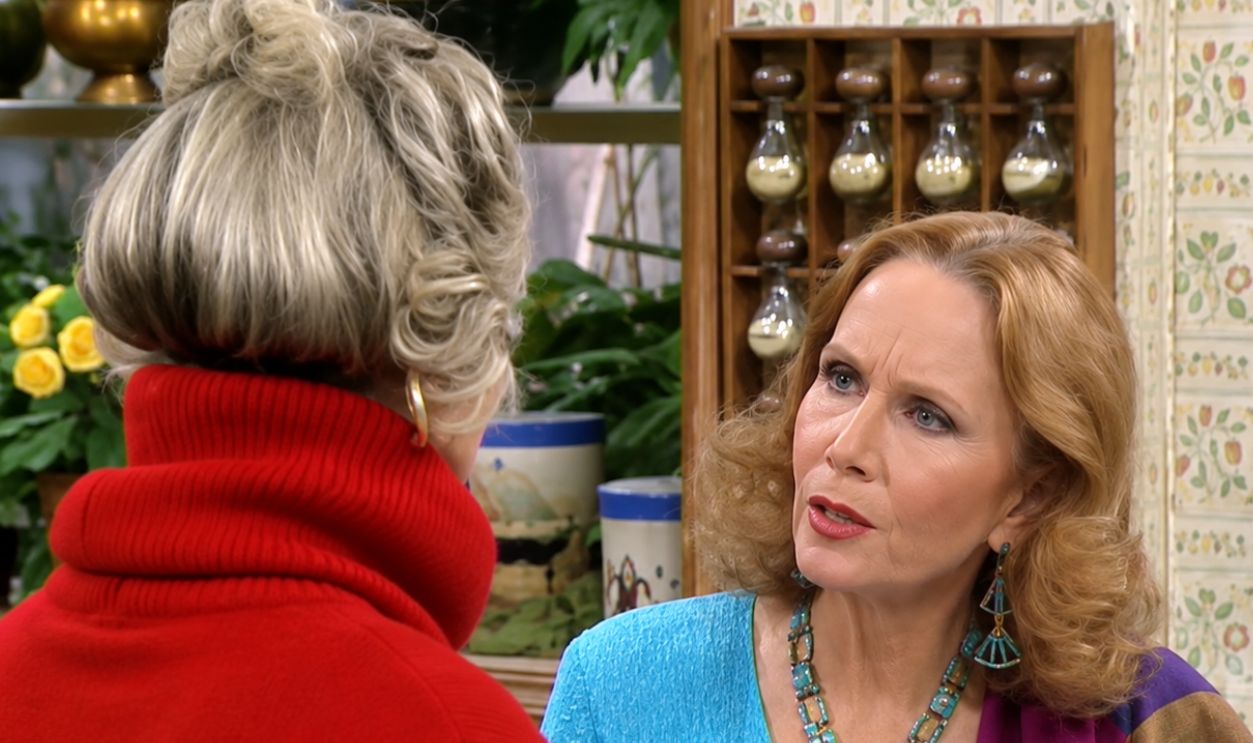 Screenshot from Who’s the Boss?, Sony Pictures Entertainment (1984-1992), Enhanced
Sandra Clark Was Impossible To Ignore
Marla Gibbs starred as Mary Jenkins on NBC's 227, but Jackée Harry's Sandra Clark rapidly became a breakout character. Sandra was Mary's glamorous neighbor and frequent verbal sparring partner, giving the sitcom another personality capable of matching its star. Harry's performance quickly made Sandra one of the show's most recognizable characters.
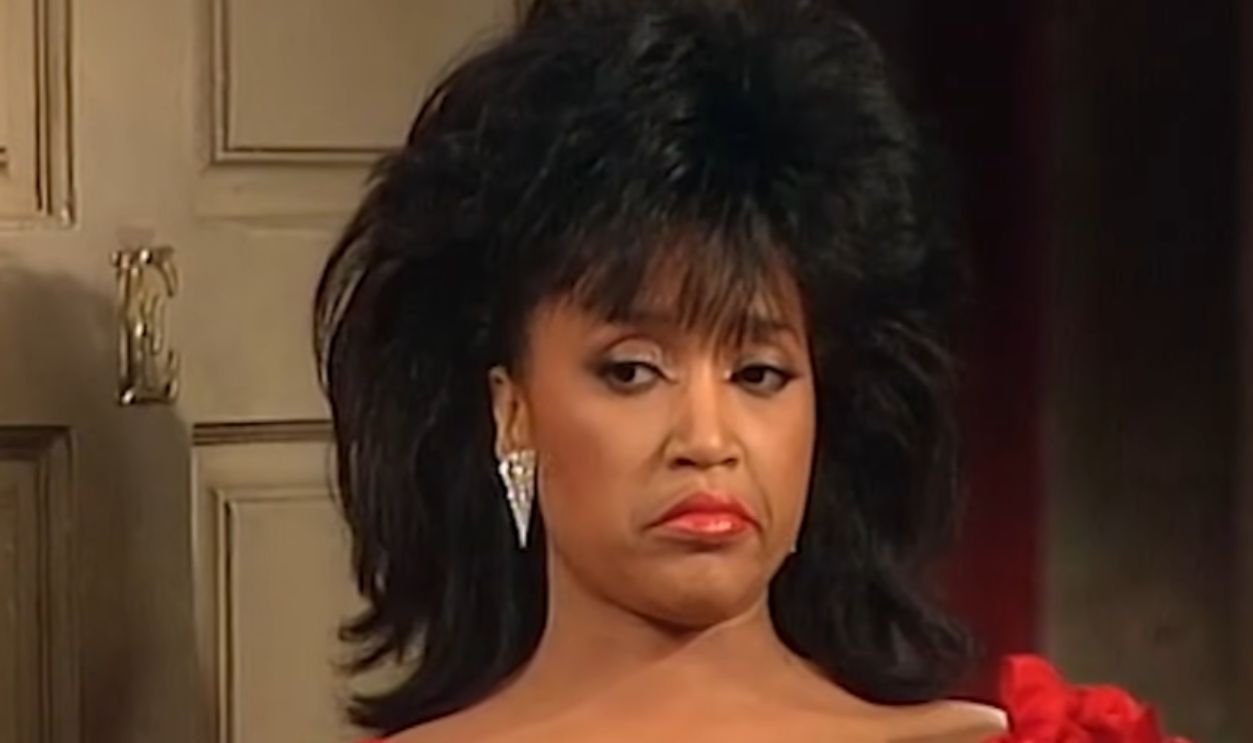 Screenshot from 227, Sony Pictures Entertainment (1985-1990)
Jackée Harry Made Television History
Harry's performance produced something far more substantial than scene-stealing laughs. She won the 1987 Emmy for Outstanding Supporting Actress in a Comedy Series for playing Sandra and was nominated again the following year. Harry became the first African American performer to win that particular Emmy category.
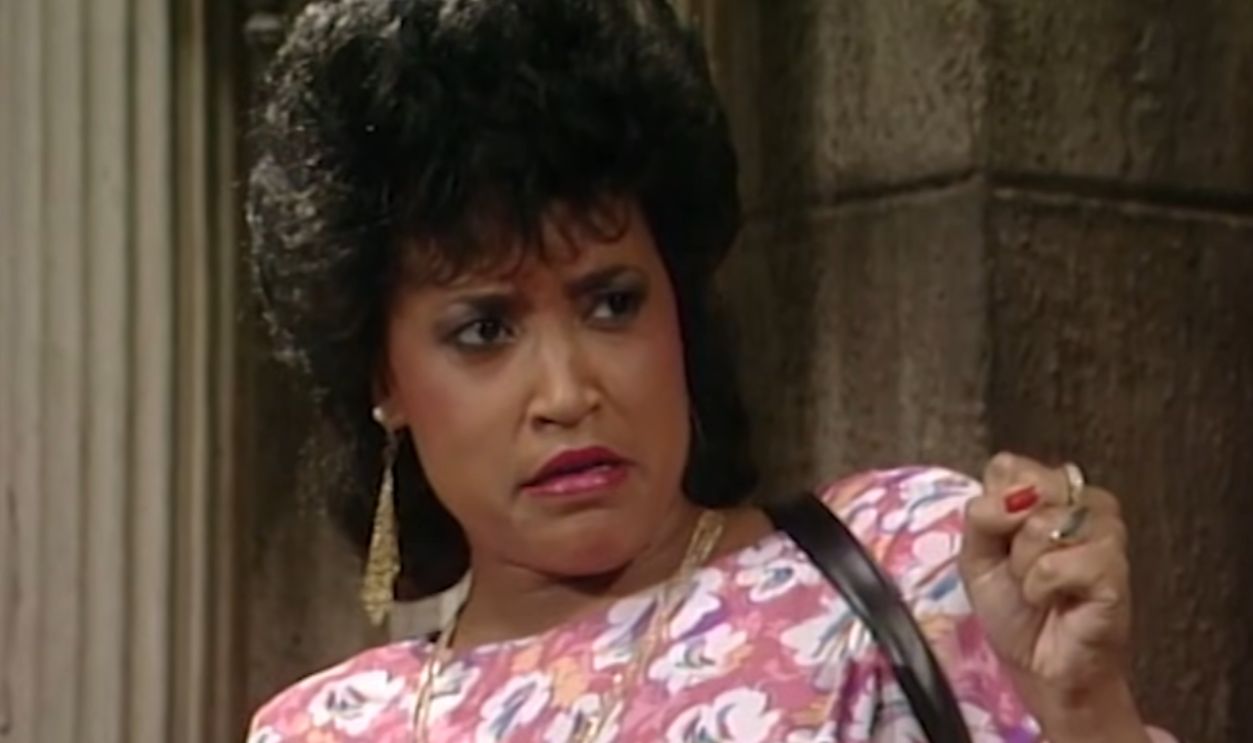 Screenshot from 227, Sony Pictures Entertainment (1985-1990)
Anthony Was Supposed To Be Temporary
Sometimes television discovers a great supporting character almost by accident. Meshach Taylor's Anthony Bouvier was originally intended as a one-time guest on Designing Women, where the character was introduced as a former prisoner trying to rebuild his life. Producers saw Taylor's chemistry with Dixie Carter, Delta Burke, Annie Potts, and Jean Smart and made him a regular.
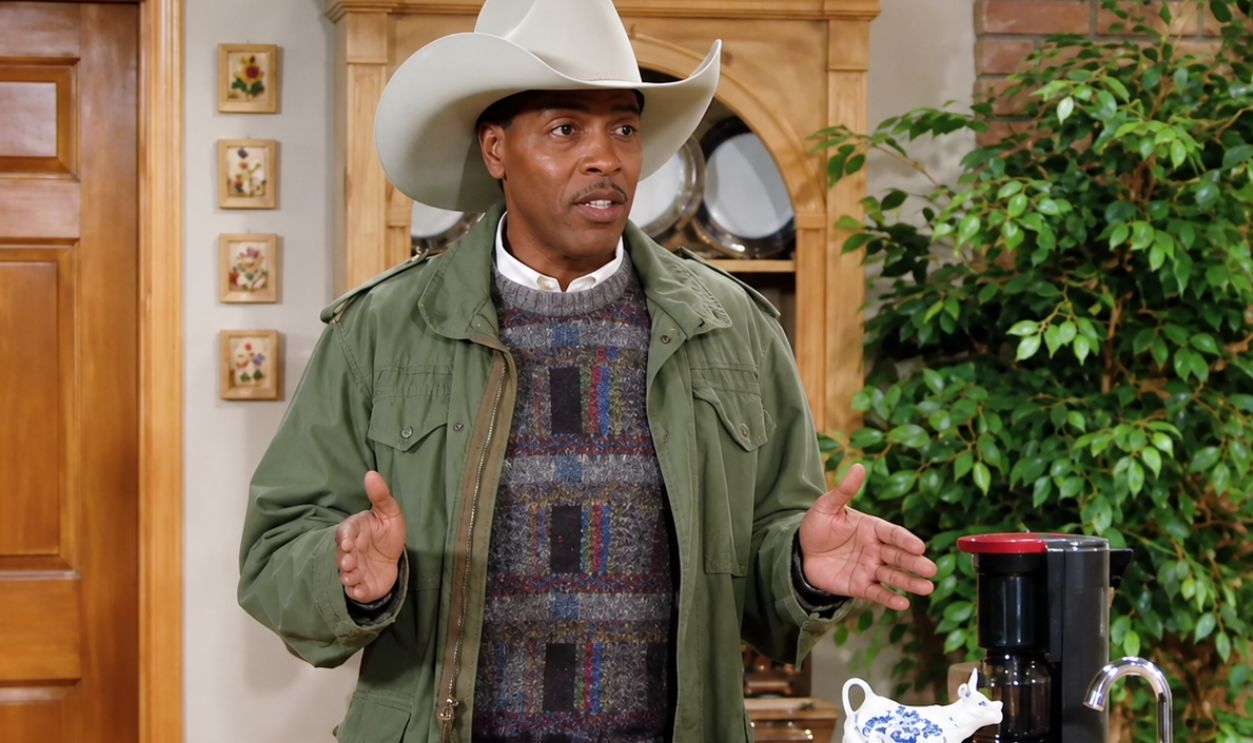 Screenshot from Designing Women, Sony Pictures Entertainment (1986-1993), Enhanced
Anthony Became Part Of The Family
Taylor remained with Designing Women for its entire seven-season run, and Anthony eventually became a partner in the women's interior-design business. His importance to the ensemble was formally recognized with an Emmy nomination for Outstanding Supporting Actor in 1989. A character conceived for one appearance had become one of the show's enduring fixtures.
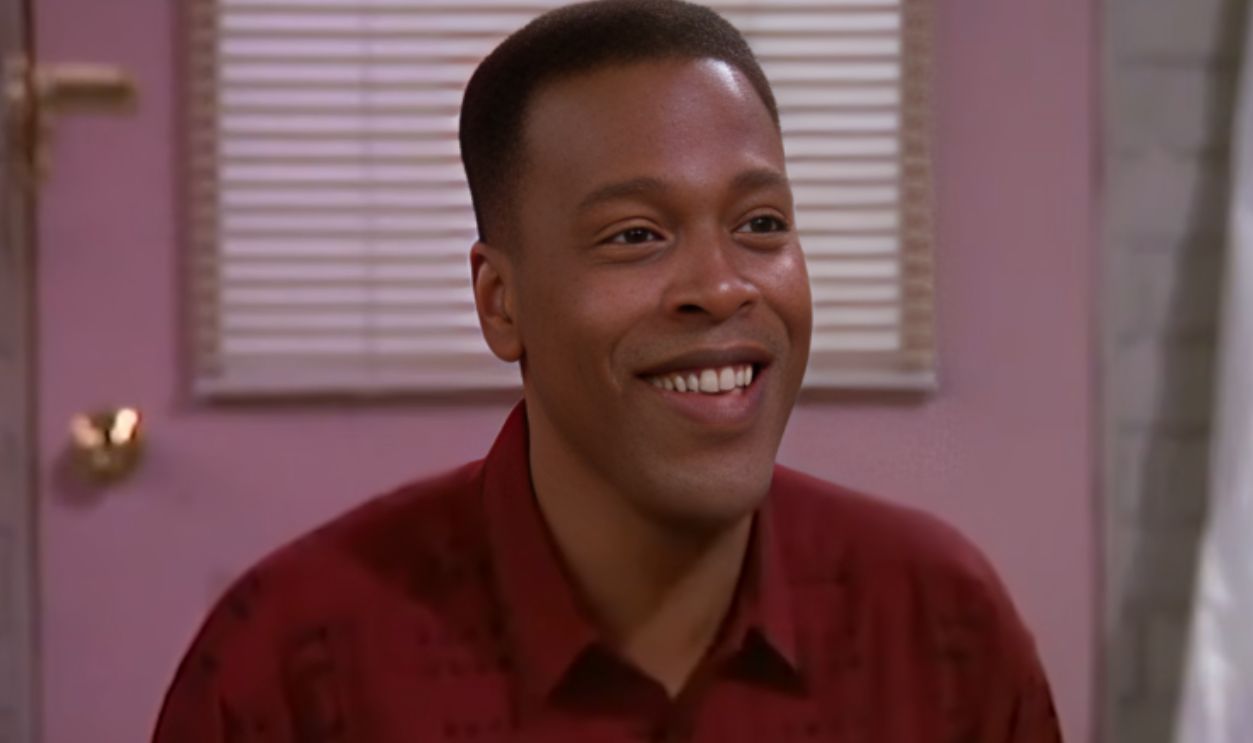 Screenshot from Designing Women, Sony Pictures Entertainment (1986-1993), Enhanced
Larry, Darryl, And Darryl Needed Almost No Introduction
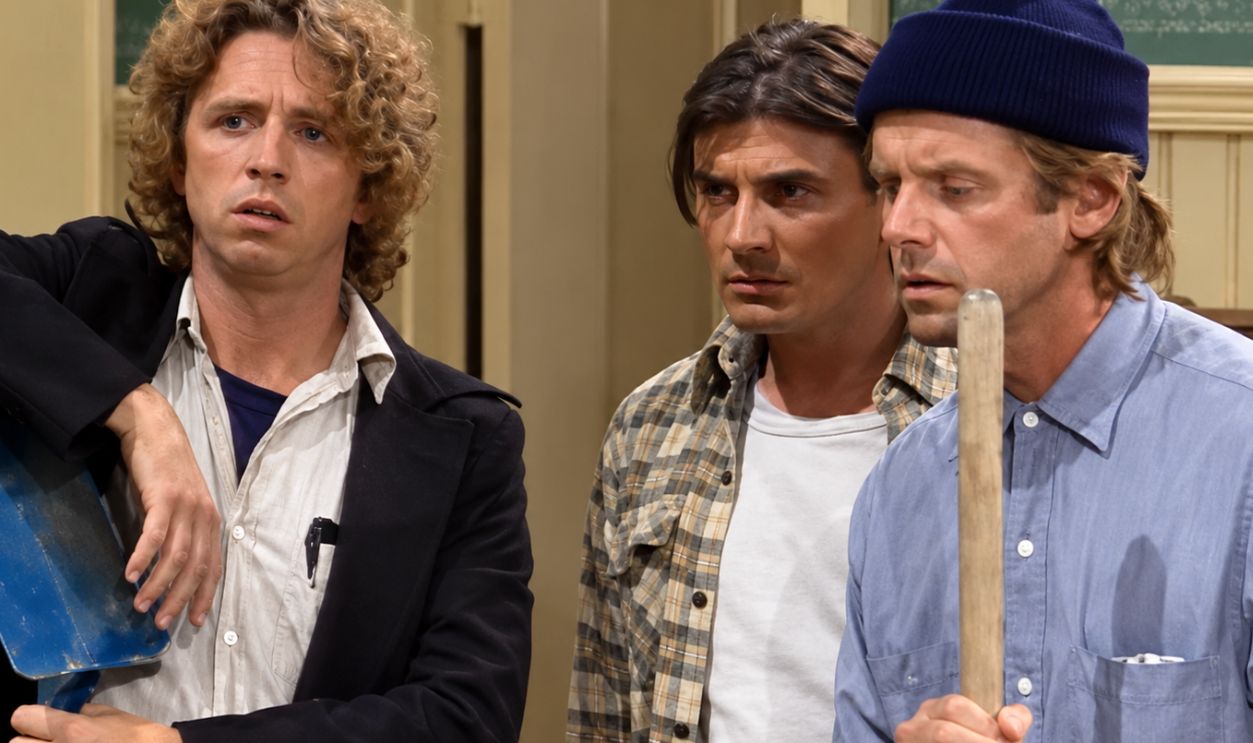
Bob Newhart's Vermont innkeeper Dick Loudon was surrounded by eccentric characters on Newhart, but few were as instantly recognizable as Larry and his silent brothers, Darryl and Darryl. William Sanderson's Larry generally handled the talking whenever the trio appeared. Their recurring arrival became one of the sitcom's signature comic devices, even though they began on the edges of Dick's already strange new world.
 Screenshot from Newhart, The Walt Disney Company (1982-1990), Enhanced
Newhart Had Sidekicks Everywhere
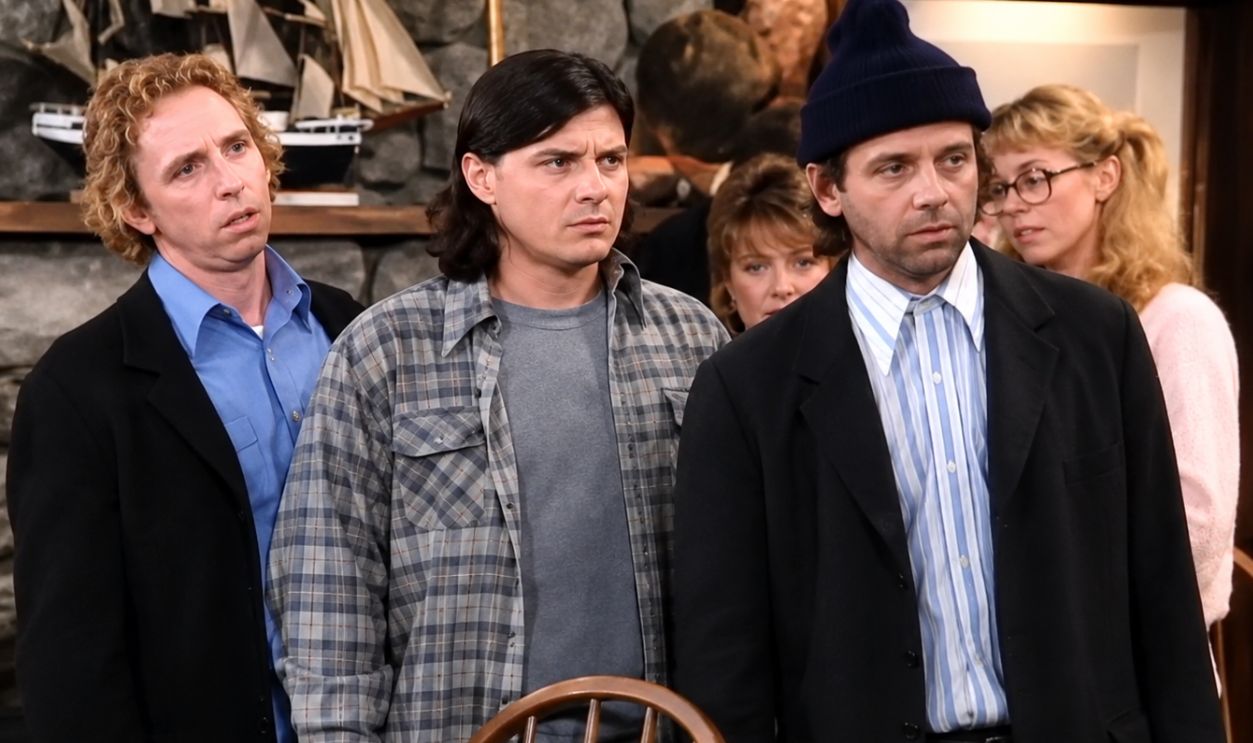
The show's supporting cast was unusually deep. Tom Poston's handyman George Utley received multiple Emmy nominations, while Peter Scolari earned three supporting-actor nominations for playing television producer Michael Harris. Julia Duffy also repeatedly earned Supporting Actress nominations as Stephanie Vanderkellen, showing how much of Newhart's comedy depended on the people surrounding its famously understated star.
 Screenshot from Newhart, The Walt Disney Company (1982-1990), Enhanced
Balki Turned The Sidekick Formula Upside Down
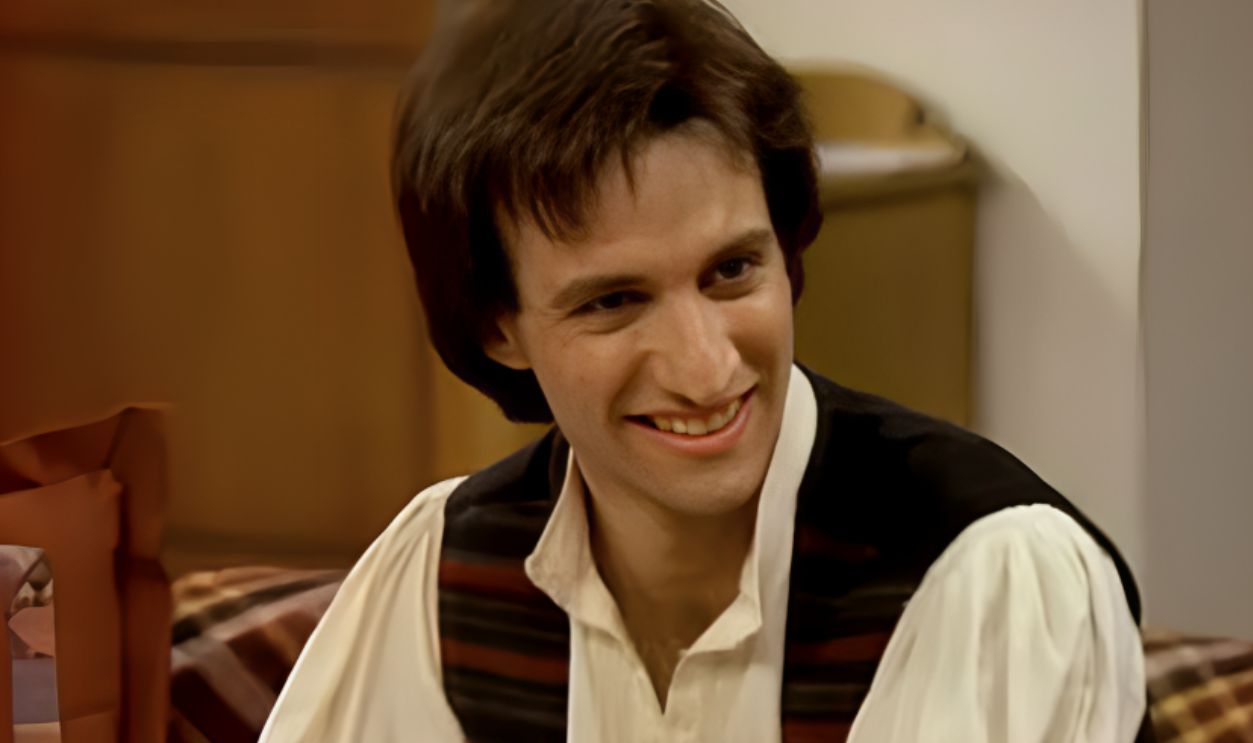
Perfect Strangers technically centered on cousins Larry Appleton and Balki Bartokomous, but Bronson Pinchot's Balki was the show's comic engine from the beginning. The premise paired the American Larry with his newly arrived cousin, allowing their different personalities and backgrounds to drive the comedy. Pinchot's highly physical performance made Balki difficult to treat as anyone's secondary character.
 Screenshot from Perfect Strangers, Warner Bros. Discovery (1986-1993), Enhanced
Bronson Pinchot Even Crashed The Lead Category
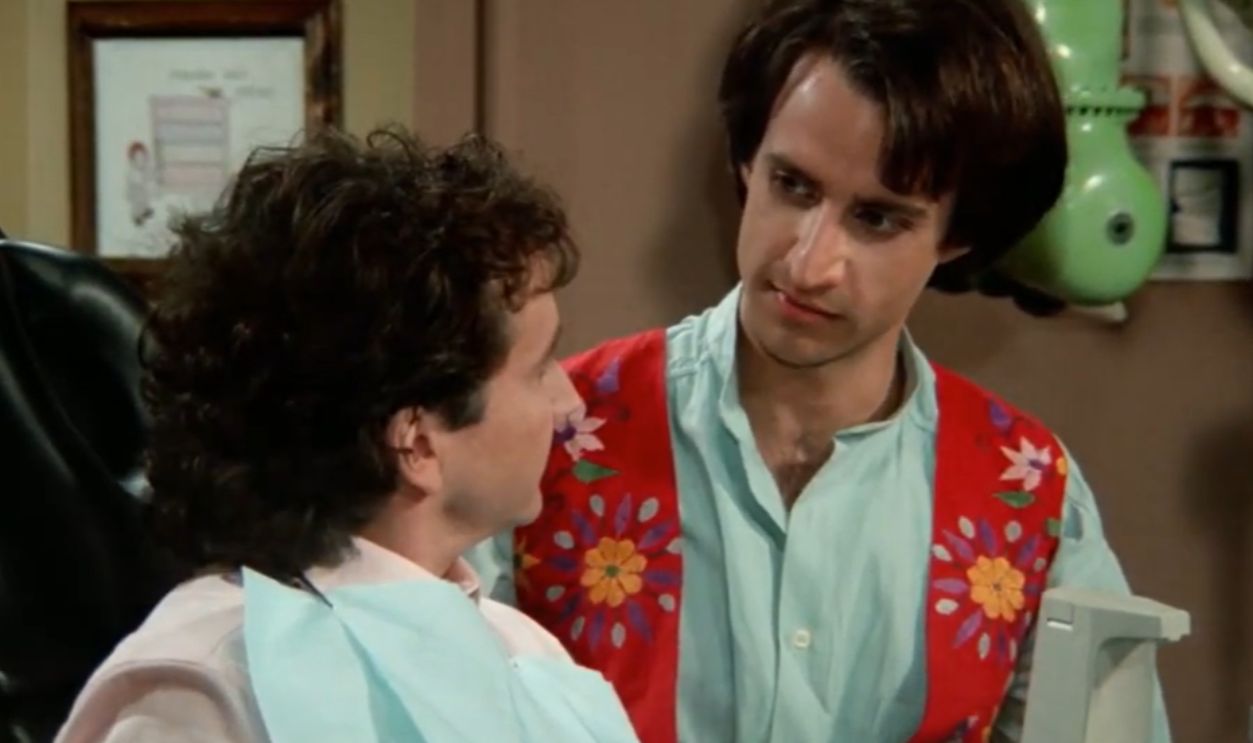
The Emmys did not actually classify Pinchot as a supporting actor. In 1987, he was nominated for Outstanding Lead Actor in a Comedy Series alongside Ted Danson, Michael J. Fox, Bob Newhart, and Harry Anderson. Michael J. Fox won that year, but Pinchot's nomination showed how quickly the supposedly oddball half of the partnership had become central to Perfect Strangers.
 Screenshot from Perfect Strangers, Warner Bros. Discovery (1986-1993)
Pete Thornton Was MacGyver's Reliable Backup
Richard Dean Anderson's MacGyver was famous for solving problems himself, but even television's great improviser needed someone dependable in his corner. Dana Elcar played Peter Thornton, MacGyver's boss and close professional ally. Thornton became one of Elcar's best-known roles after a career spanning more than 150 television and film productions.
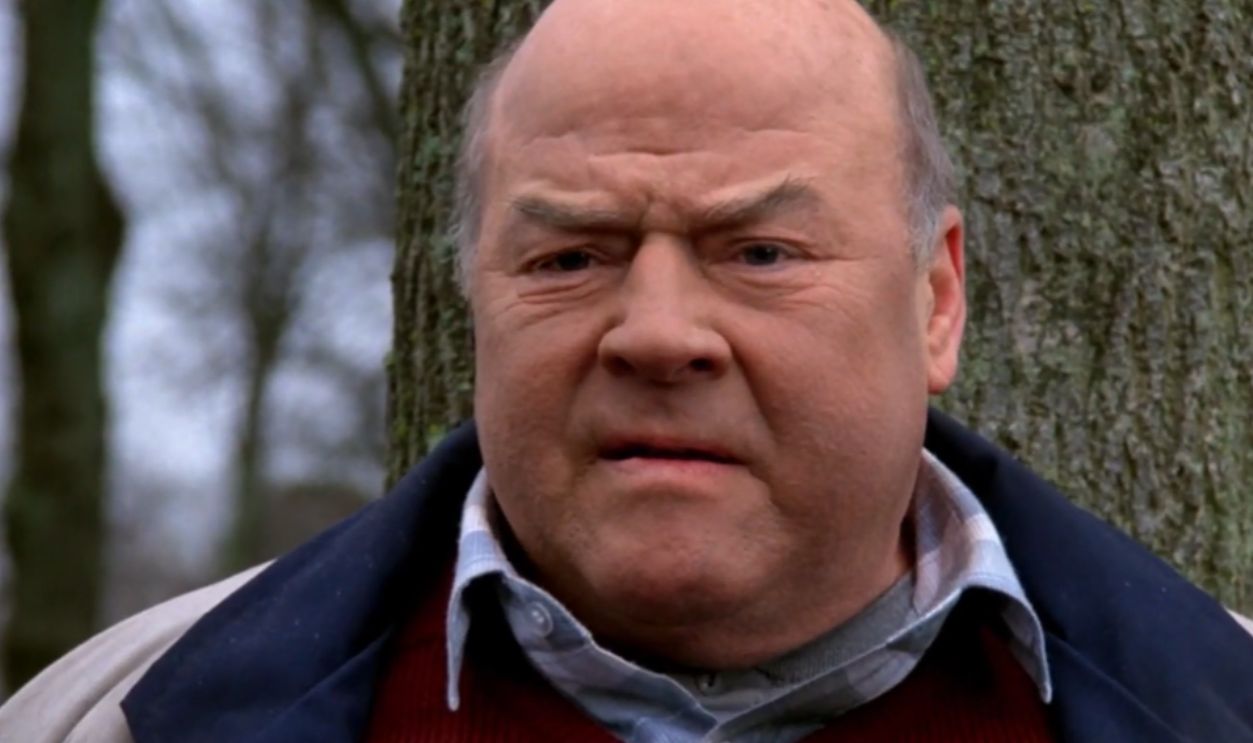 Screenshot from MacGyver, Paramount (1985-1992)
Dana Elcar's Real Life Changed The Character
Elcar developed glaucoma later in life and eventually lost his eyesight. Rather than simply removing him from MacGyver, the series incorporated his condition into Pete Thornton's story. It created an unusual case in which a supporting character evolved because the show chose to acknowledge the real experience of the actor playing him.
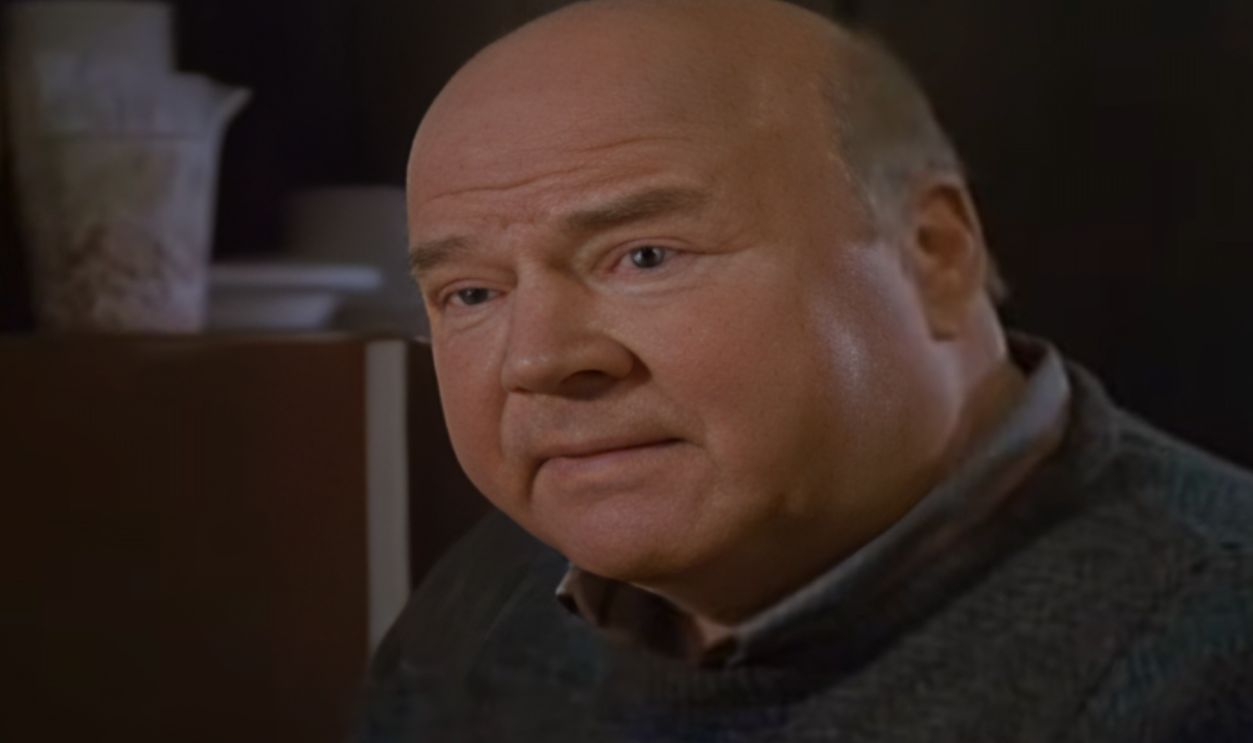 Screenshot from MacGyver, Paramount (1985-1992), Enhanced
Jessica Fletcher Had Friends Everywhere
Angela Lansbury's Jessica Fletcher was unquestionably the center of Murder, She Wrote, but Cabot Cove felt like a community because familiar supporting characters kept returning. Tom Bosley played Sheriff Amos Tupper during the show's first four seasons, while William Windom appeared as Jessica's physician friend Dr. Seth Hazlitt. The series became one of CBS's major successes and frequently ranked among the network's strongest programs.
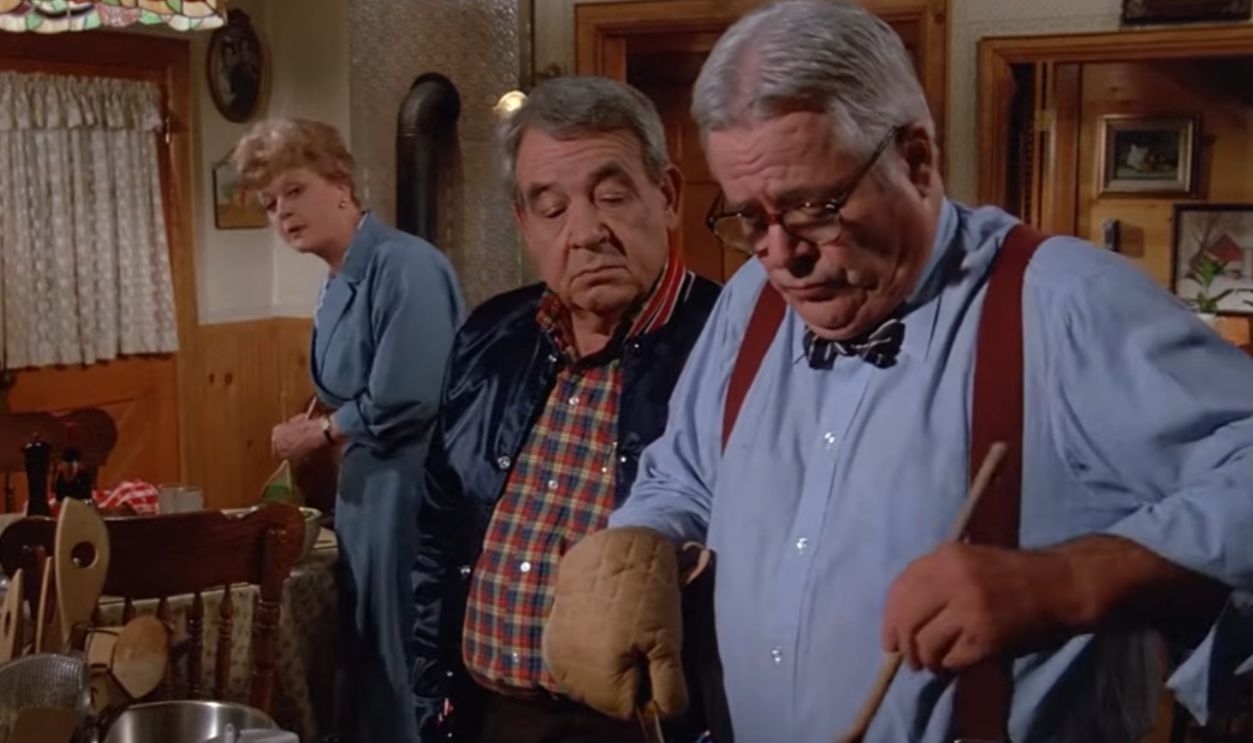 Screenshot from Murder, She Wrote, NBCUniversal (1984-1996)
Seth Hazlitt Became Jessica's Trusted Friend
Windom had already enjoyed a long television career before becoming one of Jessica Fletcher's most familiar companions. Seth was a physician and close friend of Lansbury's character. Windom and Lansbury had actually worked together onstage decades earlier, adding another layer of history to their easy television partnership.
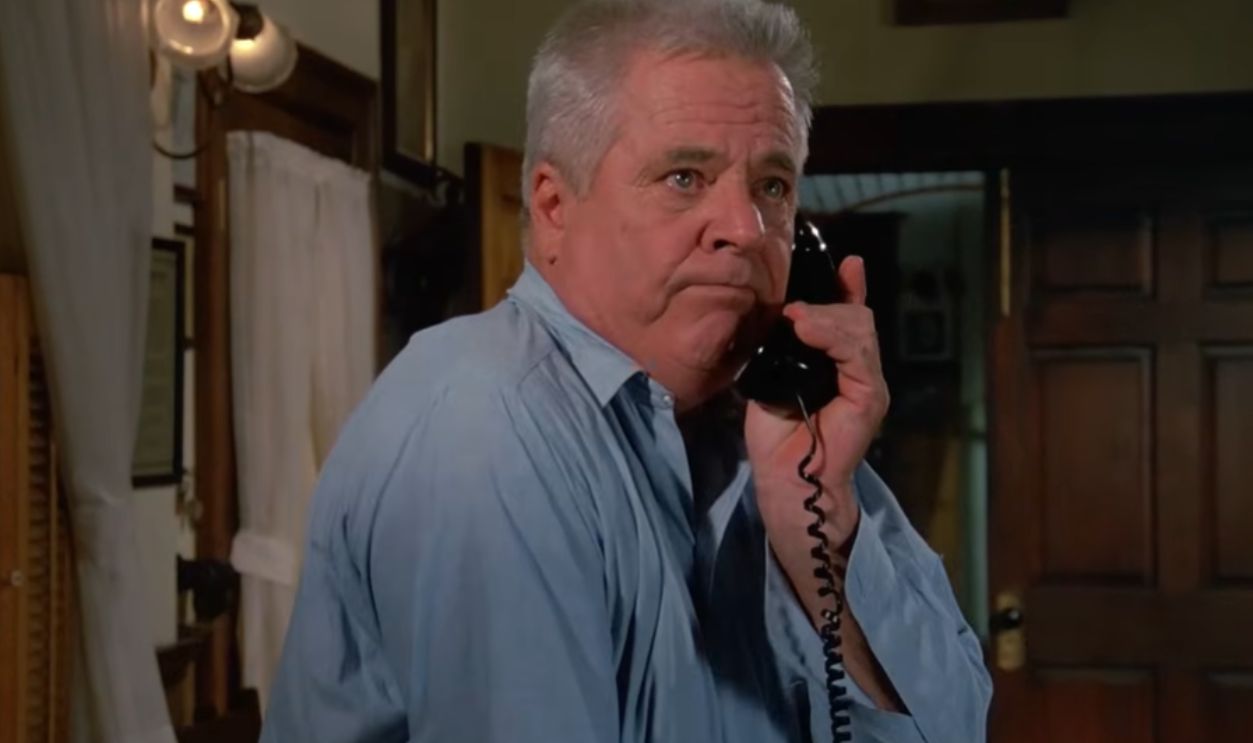 Screenshot from Murder, She Wrote, NBCUniversal (1984-1996)
Castillo Barely Needed To Raise His Voice
Miami Vice may be remembered for Don Johnson, Philip Michael Thomas, pastel clothing, and sports cars, but Edward James Olmos brought a completely different intensity as Lieutenant Martin Castillo. Olmos played Castillo from 1984 through 1989. His restrained authority provided a striking contrast to the flashy visual world surrounding detectives Crockett and Tubbs.
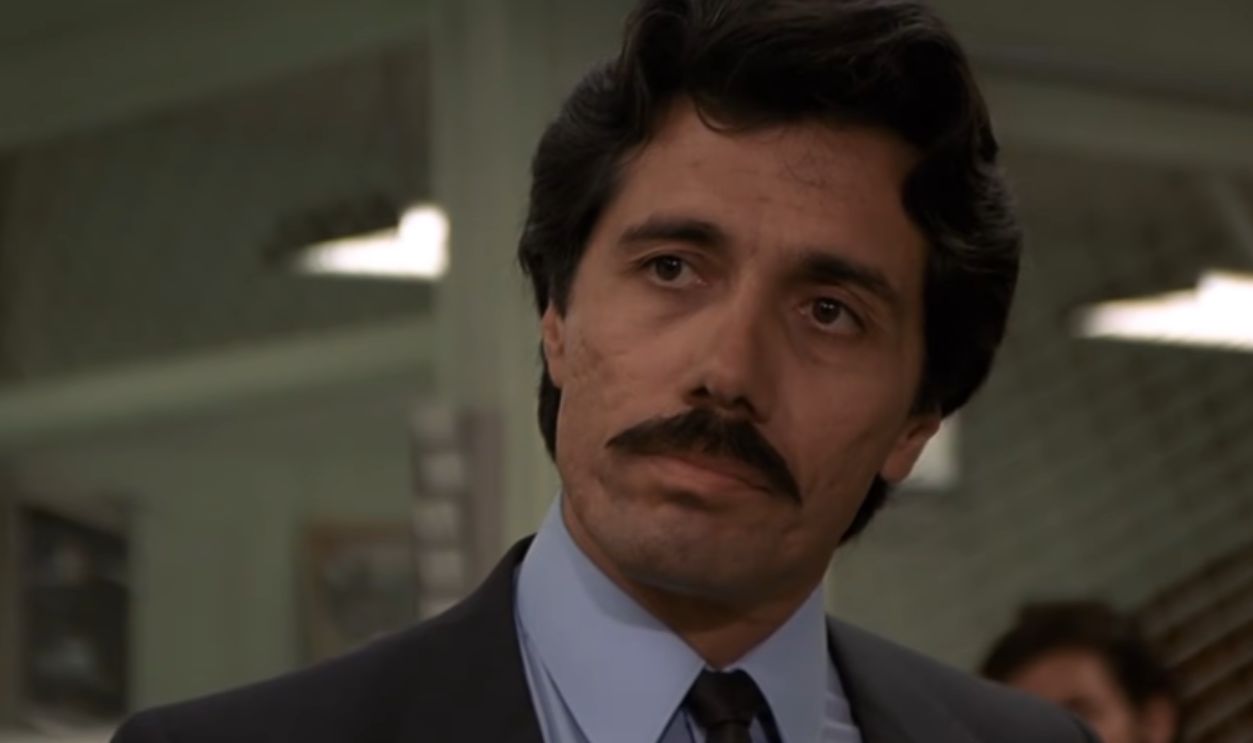 Screenshot from Miami Vice, NBCUniversal (1984-1990)
Edward James Olmos Made The Supporting Role Count
Olmos won the Emmy for Outstanding Supporting Actor in a Drama Series in 1985 for Miami Vice. He was nominated in the same category again in 1986. His later career would include an Oscar-nominated performance in Stand and Deliver and another major television role as William Adama on Battlestar Galactica, but Castillo remains one of his defining 1980s characters.
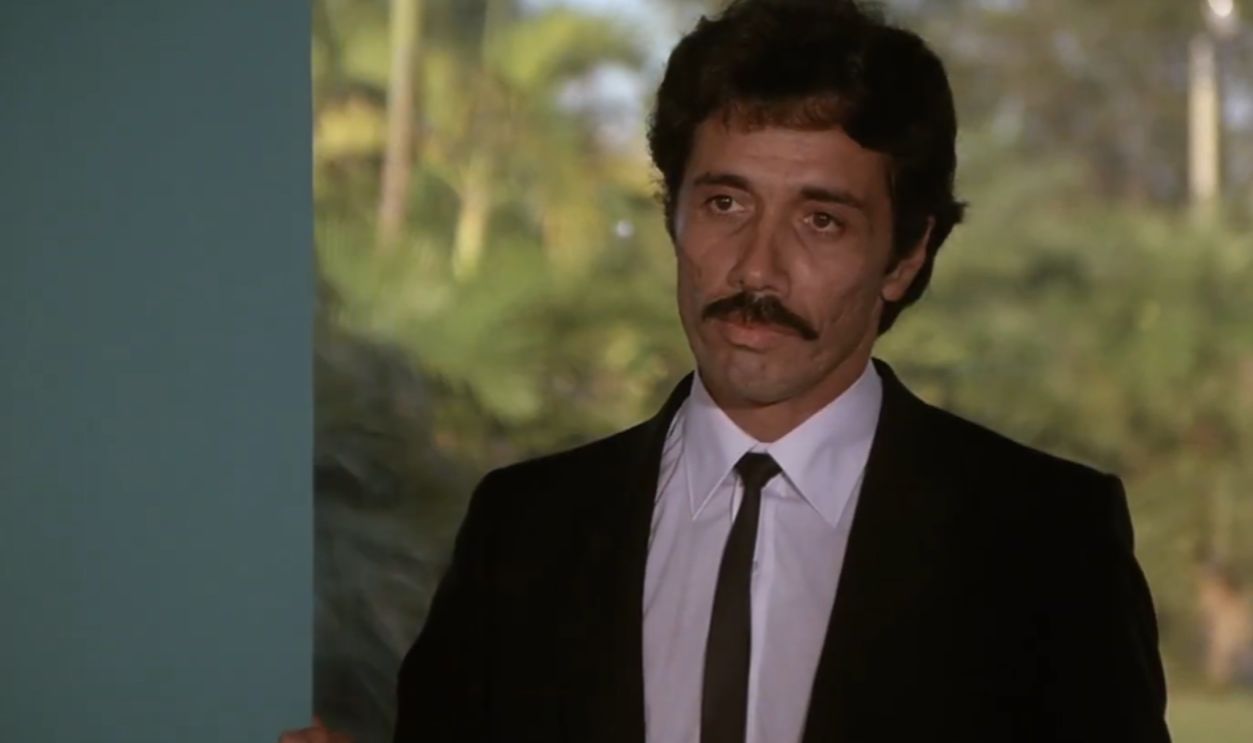 Screenshot from Miami Vice, NBCUniversal (1984-1990)
The Best Sidekicks Never Felt Secondary
Higgins, Sophia, Dan, Coach, Woody, Mona, Sandra, Anthony, Pete, Seth, and the rest succeeded because they were more than devices for helping a lead character reach the end of an episode. They had personalities, relationships, weaknesses, and comic rhythms of their own, and many earned major awards or nominations in recognition of that work. The stars may have occupied the center of the publicity photos, but the supporting players often supplied the moments that made viewers want to return the following week.
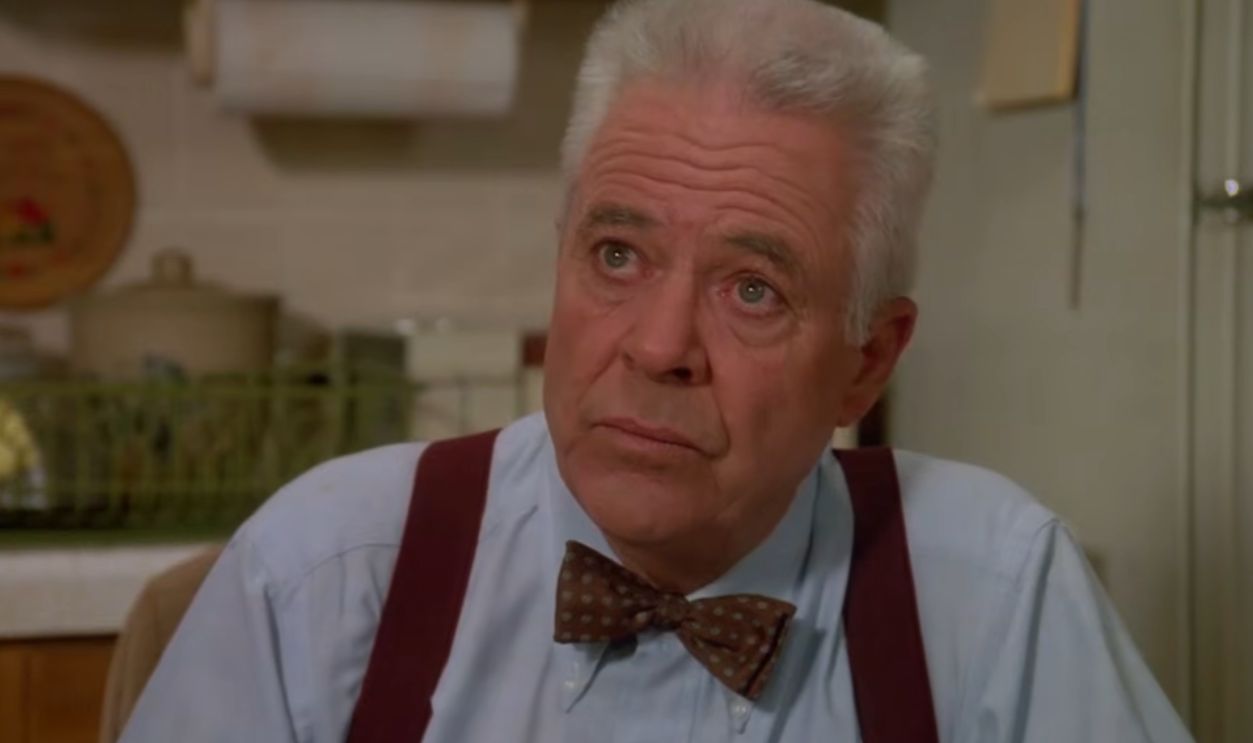 Screenshot from Murder, She Wrote, NBCUniversal (1984-1996)
You May Also Like:
Casting Choices That Seemed Crazy—But Worked Perfectly
The Most Perfectly Cast Movies Ever Cast to Perfection
Old Hollywood Scandals That Would Have Blown Up The Internet If They Happened Today