Where Did These Shows Go?
The 2000s gave us massive TV hits like Lost, The Office, and Grey’s Anatomy. But for every huge success, there were...these shows. Some came and went quickly and others lasted multiple seasons—but none of them seem to have stuck to our collective TV memories.
And honestly? If you can remember even five of these shows without Googling them, your brain is officially full of extremely unnecessary information. And we totally respect and honor that.
“Ed” (2000–2004)
Before every comedy-drama needed dark antiheroes and million-dollar streaming budgets, there was Ed, a wonderfully weird NBC series about a lawyer who returns to his hometown and buys a bowling alley.
The show was actually pretty successful for a few years and even won an Emmy, but somehow it completely vanished from pop culture conversations. Which is wild, because early-2000s NBC treated this thing like a major hit.
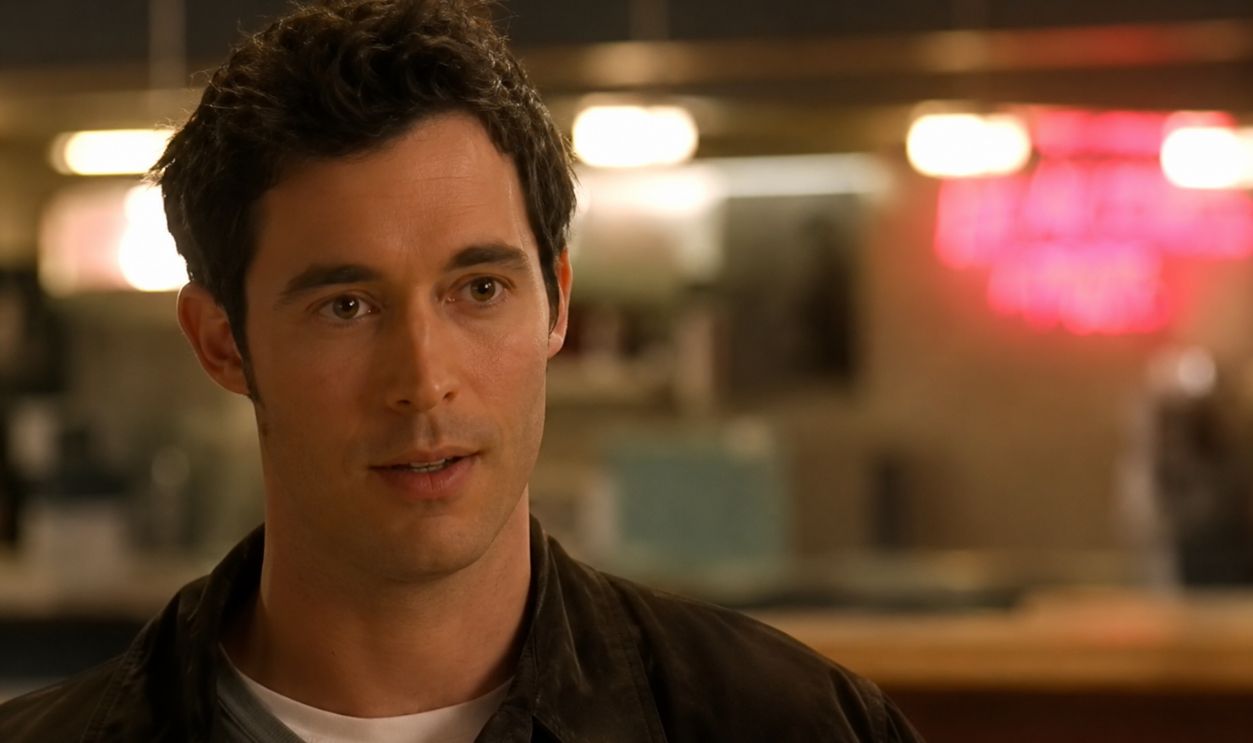 Screenshot from Ed, NBC Studios (2000–2004), Modified
“Wonderfalls” (2004)
Before creating Pushing Daisies and Hannibal, Bryan Fuller made Wonderfalls, a quirky comedy-drama about talking animal souvenirs giving cryptic life advice.
Critics loved it. Almost nobody watched it. Fox canceled it after airing only a few episodes. Later it became one of those shows TV nerds bring up to prove they have elite taste.
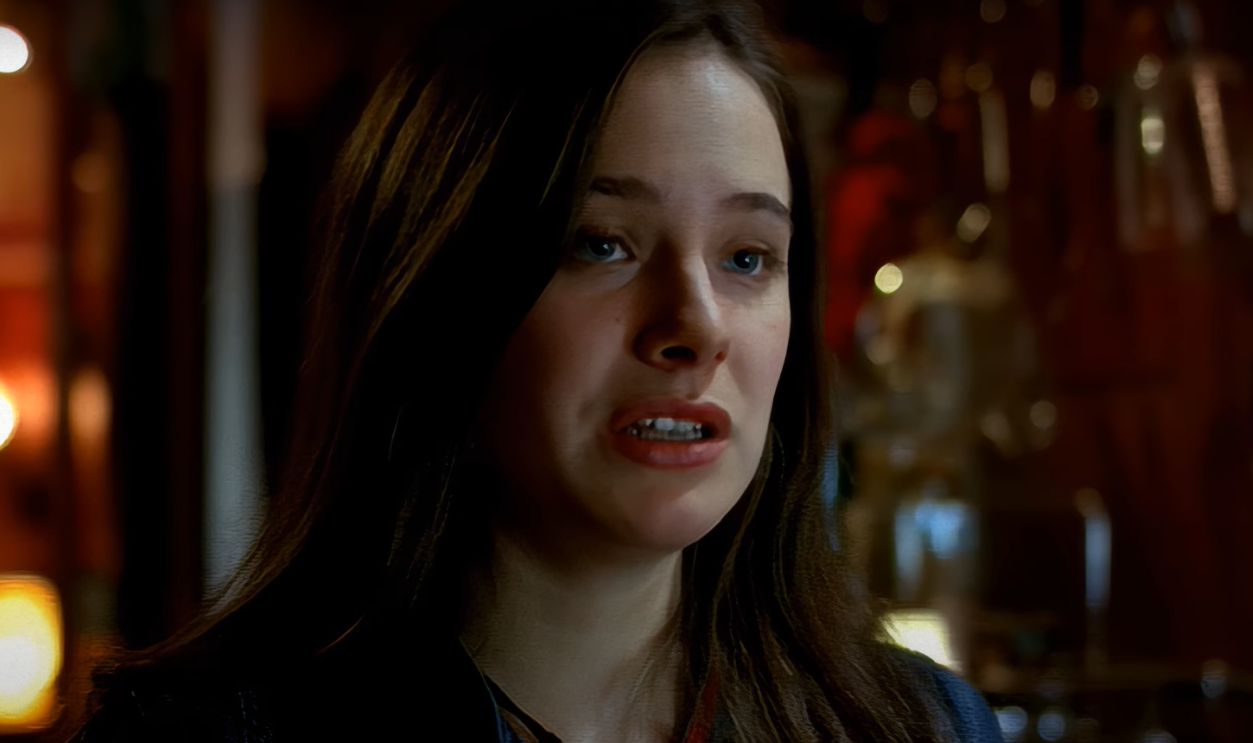 Screenshot from Wonderfalls, 20th Century Fox Television (2004)
“Yes, Dear” (2000–2006)
CBS sitcoms used to quietly run for six seasons while nobody under 35 noticed. Yes, Dear was one of the kings of that category.
The show followed two very different couples navigating parenting and marriage, and it was constantly on television during the 2000s. Yet today it feels like a sitcom people only remember if they accidentally fell asleep with CBS on after football.
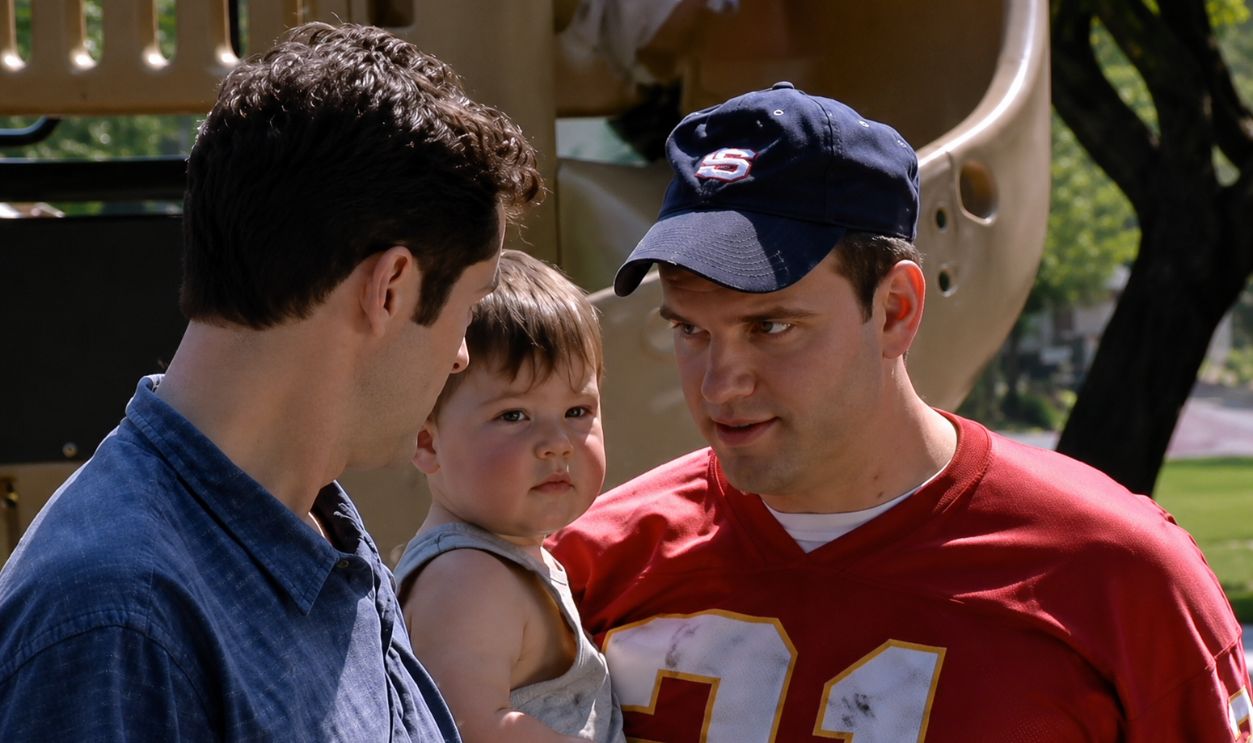 Screenshot from Yes, Dear, 20th Century Fox Television (2000–2006), Modified
“Kid Nation” (2007)
This show sounds fake, but it was very real. Kid Nation dropped 40 children into a deserted ghost town and basically let them run their own society.
The kids cooked, cleaned, argued, and tried to create laws while America collectively wondered how this was legally allowed on network television. Somehow the entire thing aired and then everyone mutually agreed never to discuss it again.
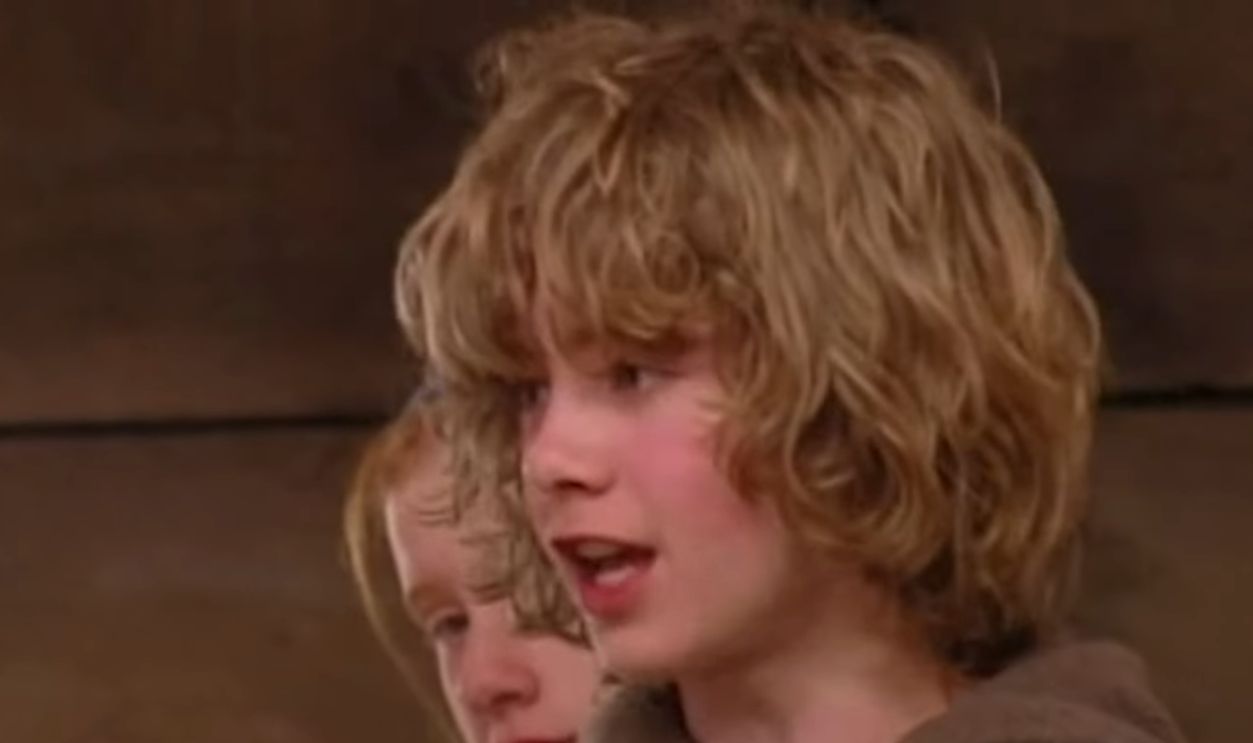 Screenshot from Kid Nation, CBS (2007)
“Still Standing” (2002–2006)
Speaking of forgotten long-running sitcoms, Still Standing somehow aired for nearly 90 episodes and almost nobody talks about it anymore.
Mark Addy and Jami Gertz played sarcastic suburban parents constantly roasting each other while trying to survive family life. Honestly, if this show aired today, clips of their arguments would absolutely dominate TikTok.
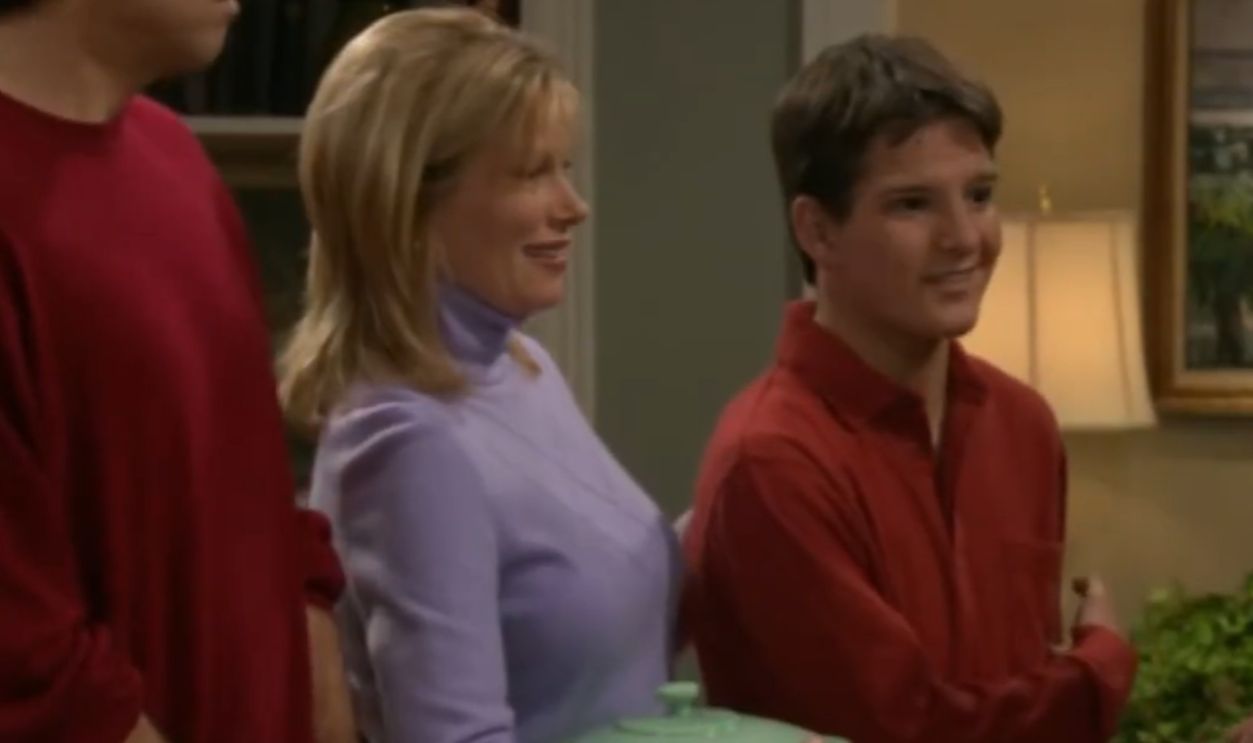 Screenshot from Still Standing, 20th Century Fox Television (2002–2006)
“Fastlane” (2002–2003)
Fastlane was Fox trying very hard to make the coolest show on television. It had fast cars, explosions, expensive music licensing, stylish editing, and undercover cops living like action heroes.
The budget ballooned so much that the network canceled it despite decent ratings. Basically, the show spent itself into extinction like a celebrity buying seven yachts at once.
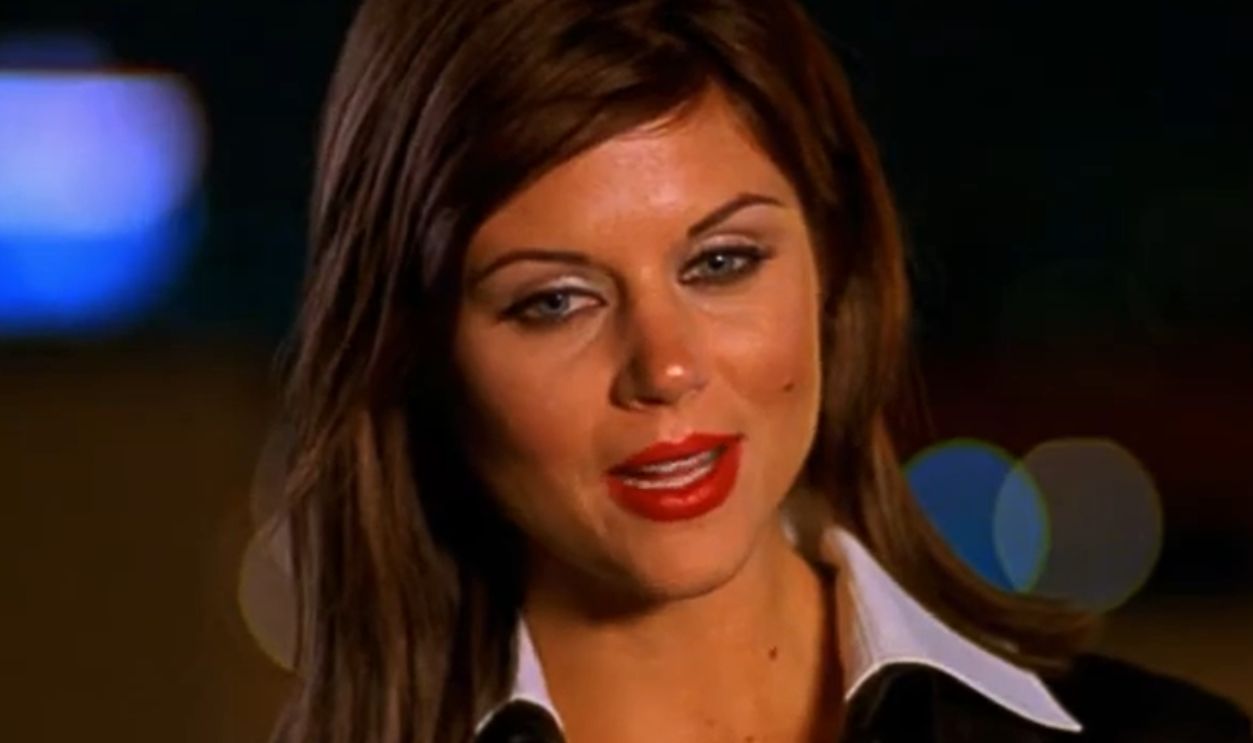 Screenshot from Fastlane, Fox Broadcasting Company (2002–2003)
“Providence” (1999–2002)
Technically it started in the late 90s, but Providence was everywhere in the early 2000s. NBC pushed this family drama hard, and it regularly pulled huge ratings.
Yet despite lasting five seasons, the show has almost completely disappeared from TV nostalgia discussions. It’s like the entire series got erased by a giant network television Men in Black memory-wipe device.
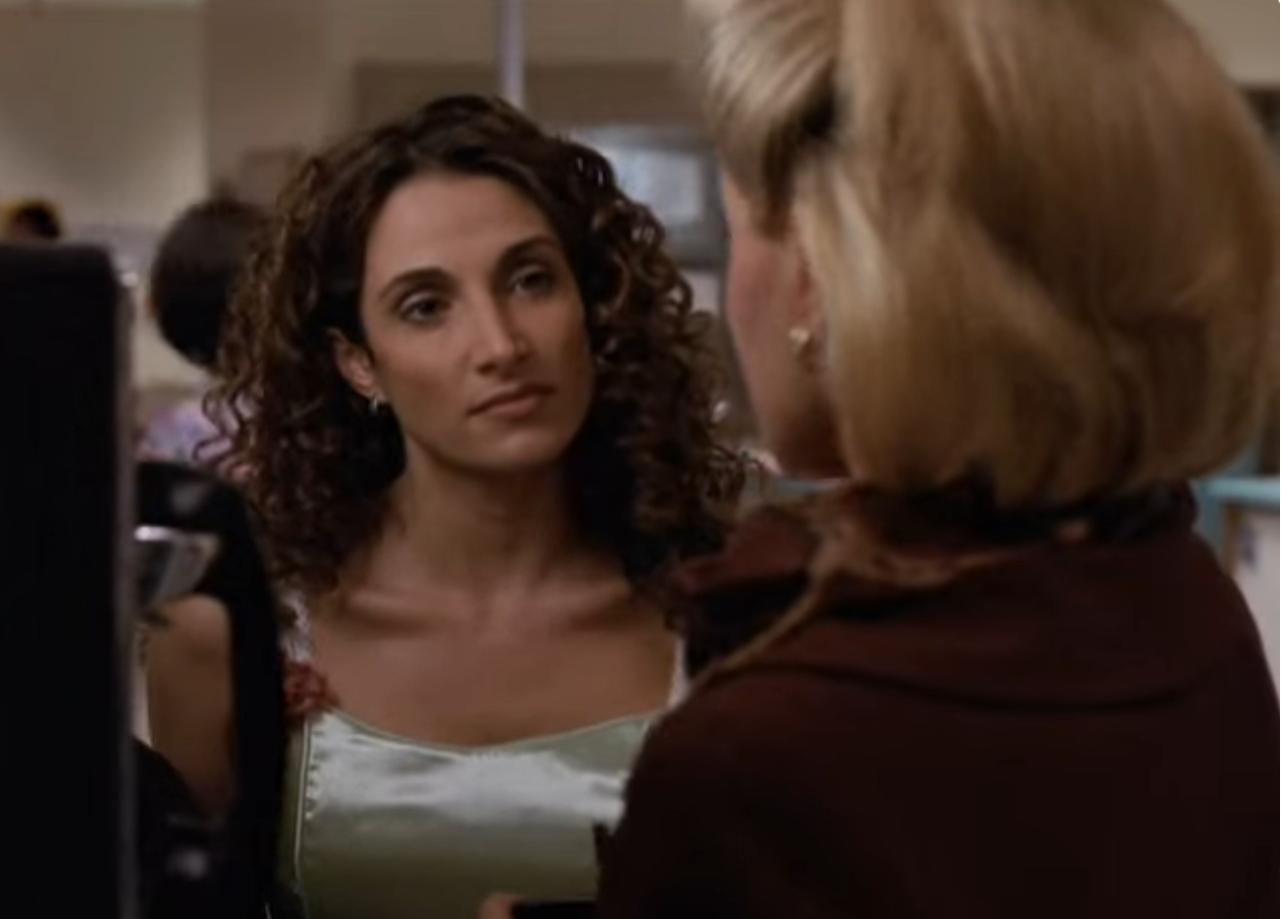 Screenshot from Providence, NBC Studio (1999-2002)
“The Swan” (2004)
Early reality TV could get incredibly weird, and The Swan might be one of the most uncomfortable examples ever made.
Contestants underwent extensive cosmetic surgery and were then revealed in beauty-pageant style finales. Even by 2000s standards, the show felt excessive. Today it mostly survives as evidence that television producers completely lost their minds for a few years.
 Screenshot from The Swan, Fox (2004)
“The District” (2000–2004)
CBS absolutely loved serious crime dramas in the 2000s, and The District was one of its biggest forgotten workhorses.
Craig T. Nelson played a tough Washington, D.C. police chief, and the show quietly lasted four seasons. Back then, if you gave audiences cops, moral speeches, and dramatic lighting, you could basically print 100 episodes automatically.
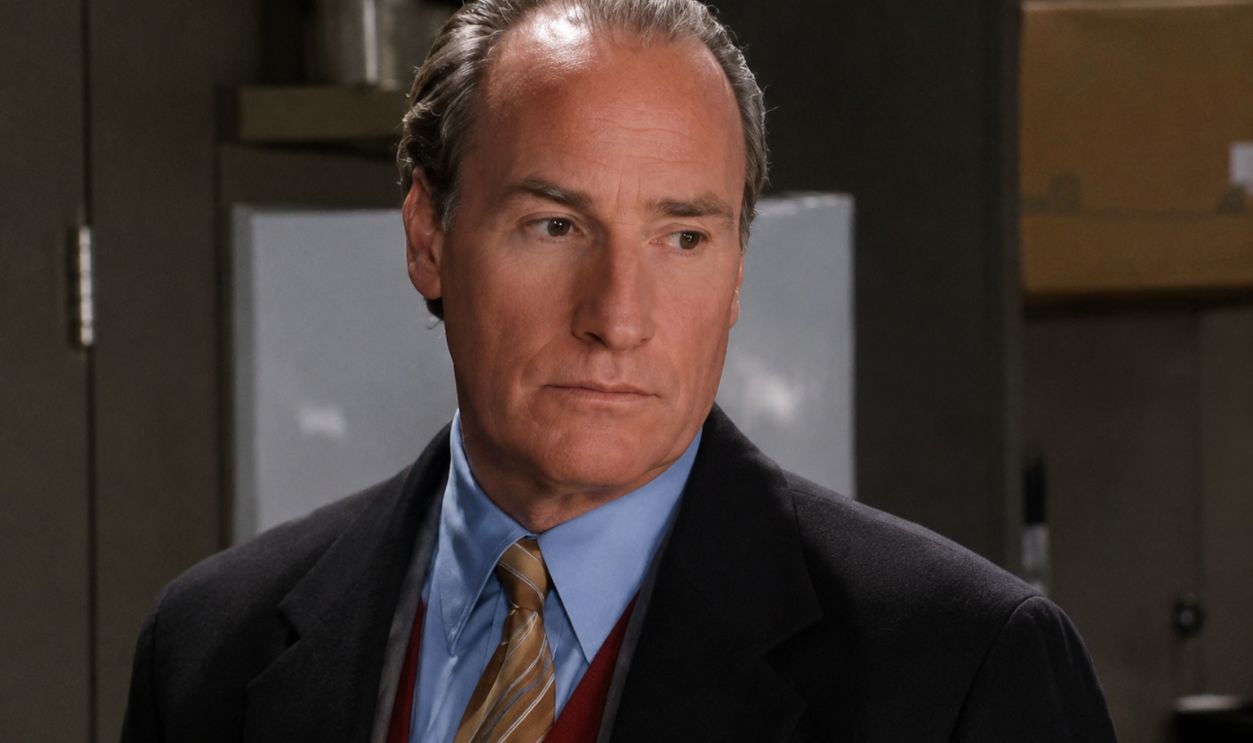 Screenshot from The District, CBS (2000–2004), Modified
“Drive” (2007)
Fox spent millions making Drive, an action series about an illegal cross-country road race with mysterious conspiracies and desperate contestants. It starred Nathan Fillion before Castle made him a household name.
Fox canceled it after only four episodes aired. FOUR. Imagine trying to get invested in a show just for the network to hit the eject button before you even remembered the characters’ names.
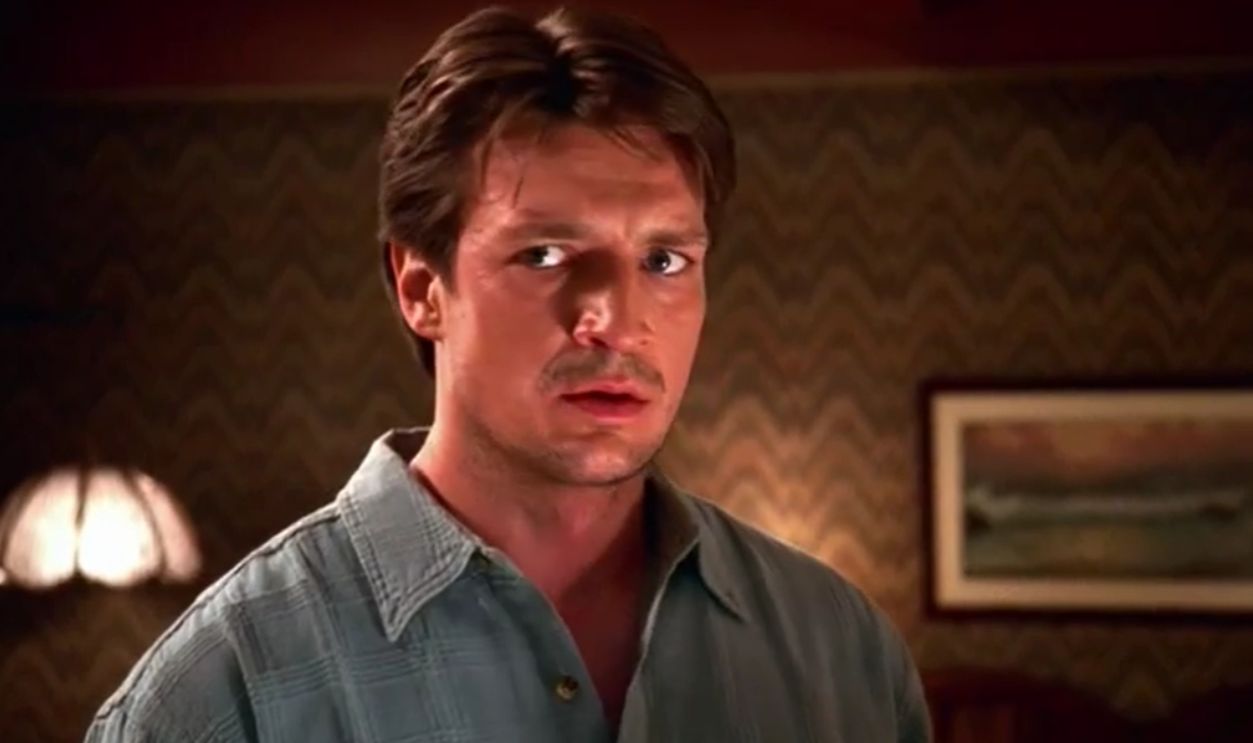 Screenshot from Drive, Fox Broadcasting Company (2007)
“American Dreams” (2002–2005)
NBC once made an entire drama built around a teenage girl dancing on American Bandstand in the 60s.
The show mixed family drama, music nostalgia, and historical events, and it actually had a pretty passionate audience for a while. But despite lasting three seasons, American Dreams rarely gets mentioned anymore when people talk about memorable 2000s dramas.
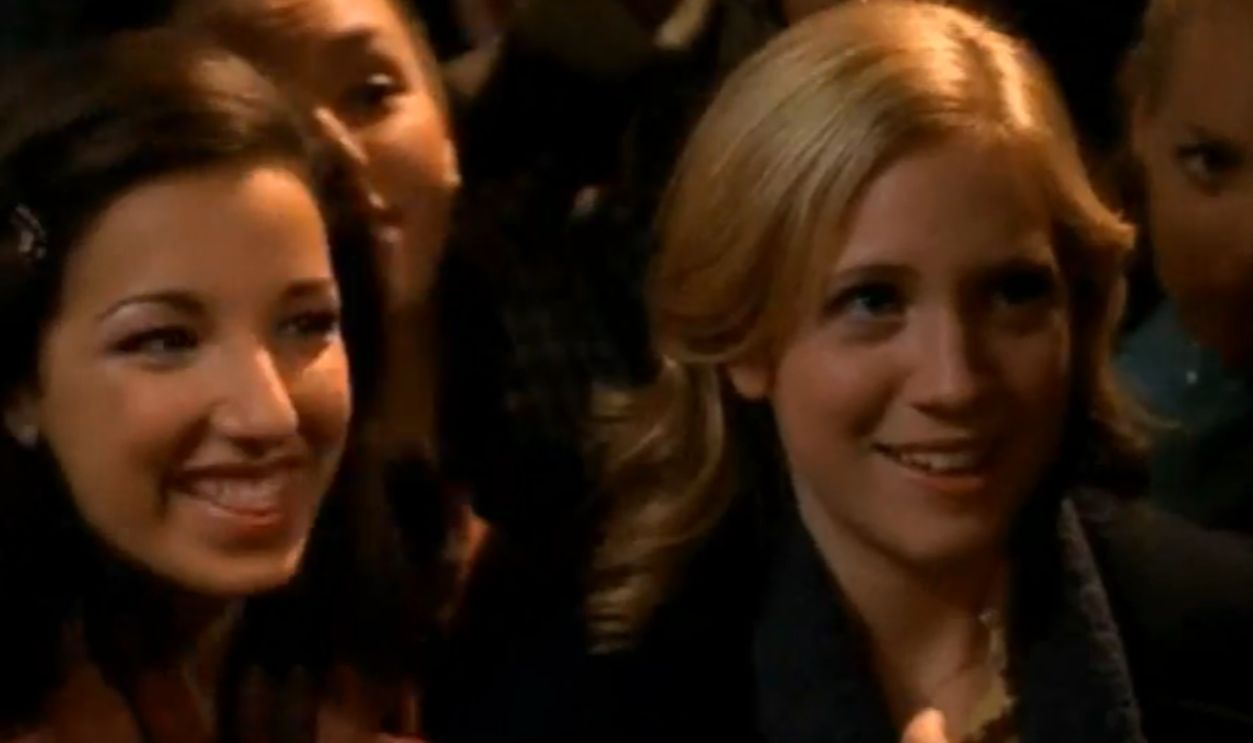 Screenshot from American Dreams, NBC (2002–2005)
“Crossing Jordan” (2001–2007)
At one point, Crossing Jordan was one of NBC’s most reliable hits. The crime drama starred Jill Hennessy as a medical examiner solving murders in Boston.
It lasted six seasons, pulled strong ratings, and was everywhere during the 2000s. Yet somehow it almost never comes up anymore when people talk about crime shows from that era.
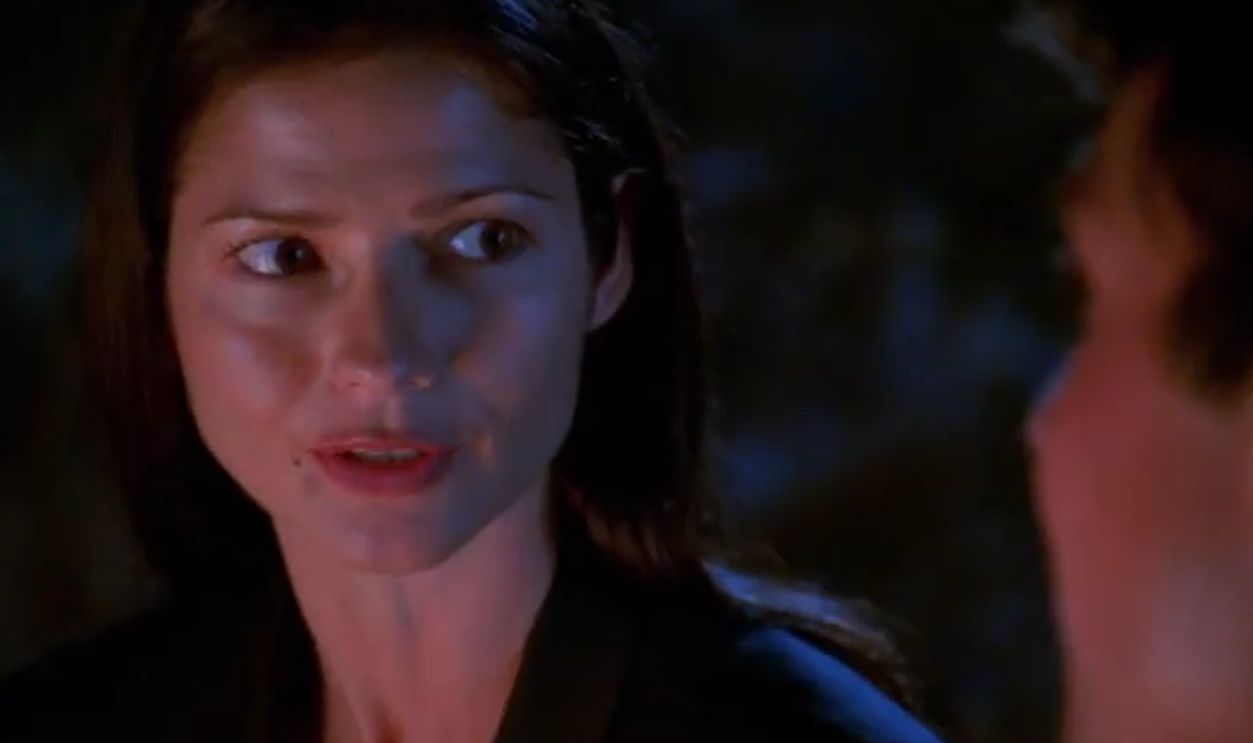 Screenshot from Crossing Jordan, NBC (2001–2007)
“Threshold” (2005–2006)
CBS tried launching this alien-invasion thriller with a huge marketing push. The cast included Carla Gugino, Brent Spiner, and Peter Dinklage before Game of Thrones turned him into a superstar.
Despite the strong cast, audiences never fully connected with it. Like many ambitious sci-fi shows of the era, it disappeared after one season and became trivia-night material.
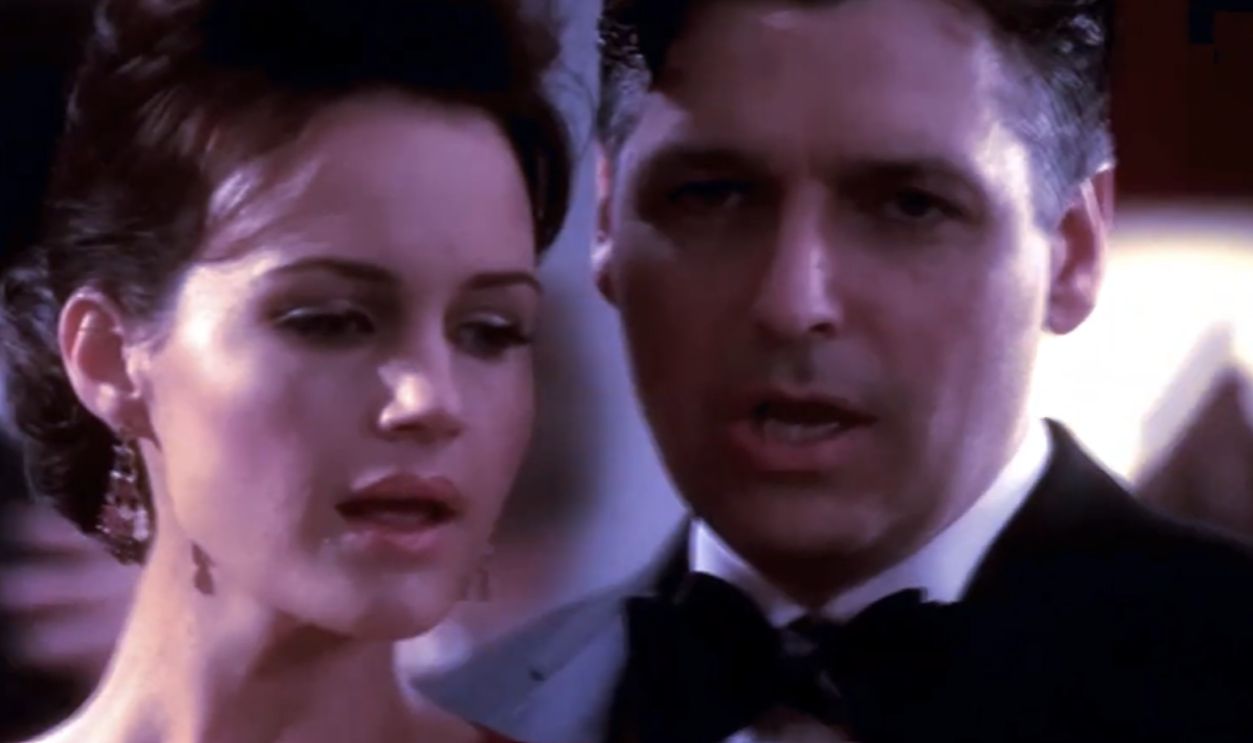 Screenshot from Threshold, CBS (2005–2006)
“Judging Amy” (1999–2005)
There was a period where CBS absolutely dominated television with courtroom and family dramas, and Judging Amy was one of the biggest.
The series starred Amy Brenneman as a family court judge balancing legal cases and personal drama. Millions of people watched this show every week, and now it feels like it slipped into another dimension.
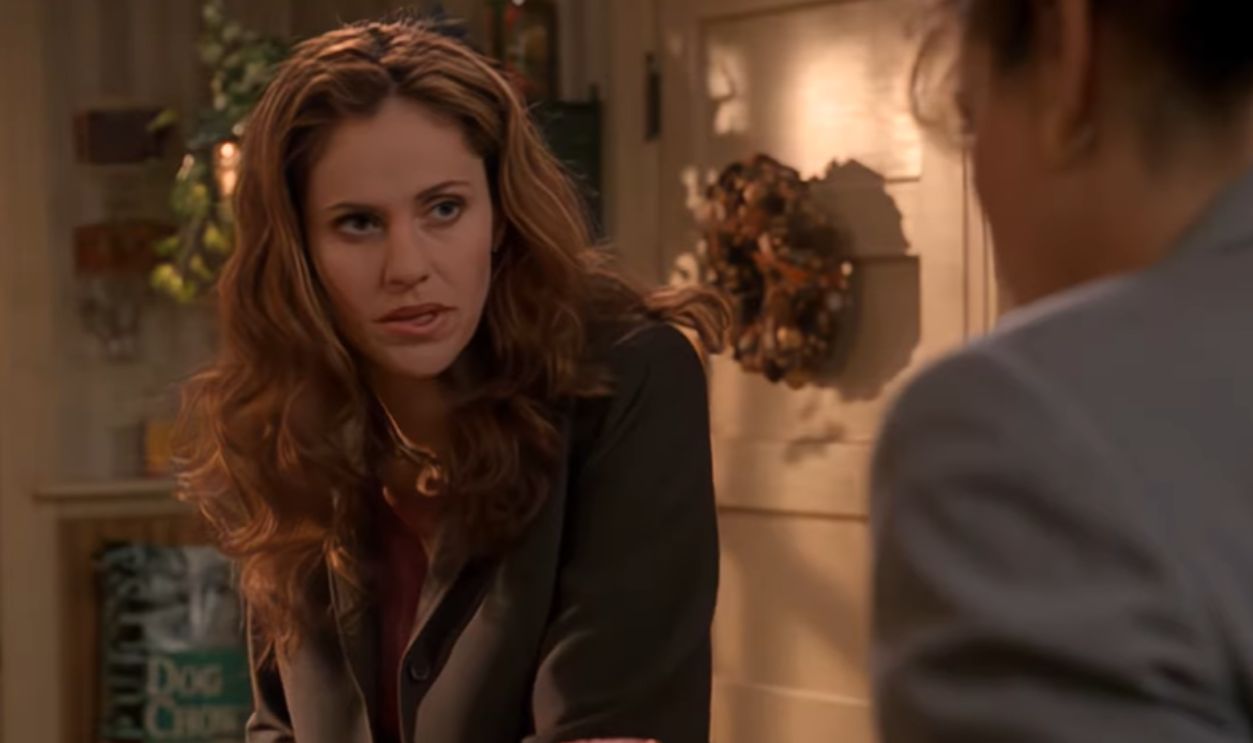 Screenshot from Judging Amy, CBS (1999–2005)
“Las Vegas” (2003–2008)
NBC had a full-on glossy casino drama starring James Caan, Josh Duhamel, and later Tom Selleck, and people were obsessed with it for years.
Las Vegas mixed action, comedy, glamorous hotel chaos, and attractive people sprinting through casinos in suits. Somehow a show that lasted five seasons and aired over 100 episodes now feels weirdly forgotten.
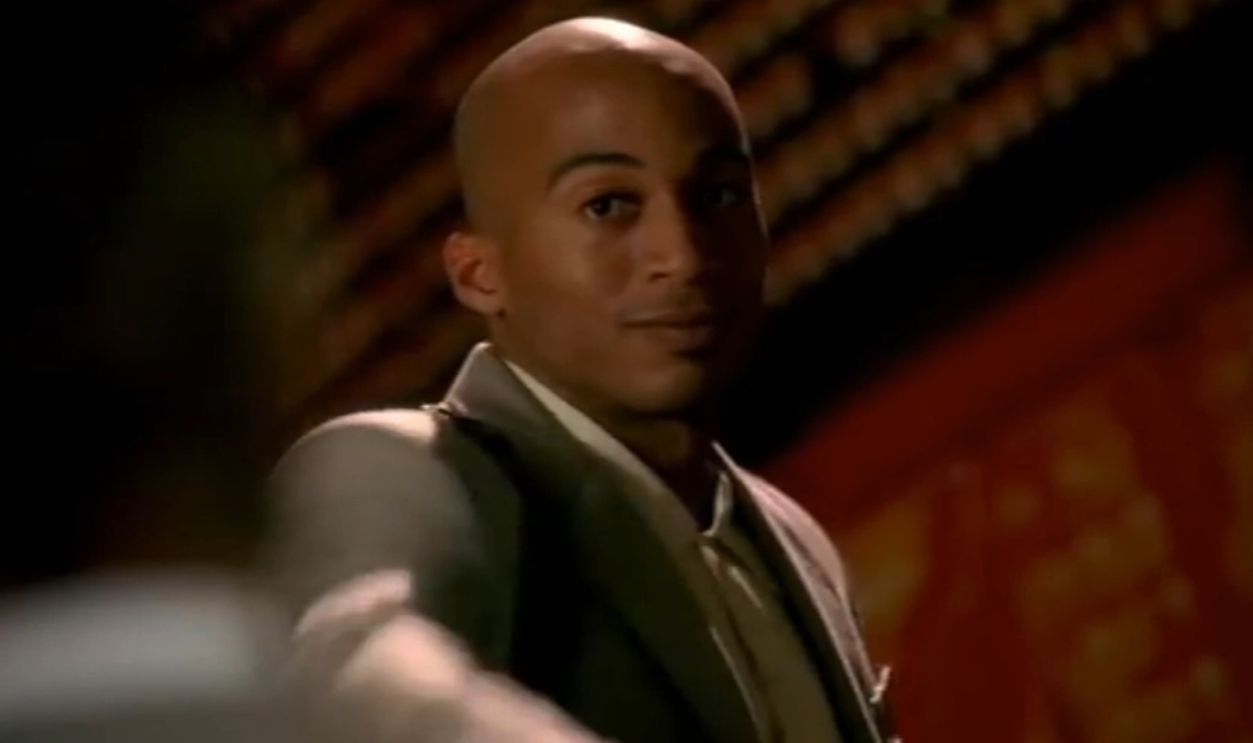 Screenshot from Las Vegas, NBC (2003–2008)
“Invasion” (2005–2006)
ABC launched Invasion right after Lost became a phenomenon, hoping lightning would strike twice. The series mixed hurricanes, alien conspiracies, and eerie small-town drama.
It developed a passionate cult audience, which naturally guaranteed cancellation after one season because that was apparently the law in 2000s television.
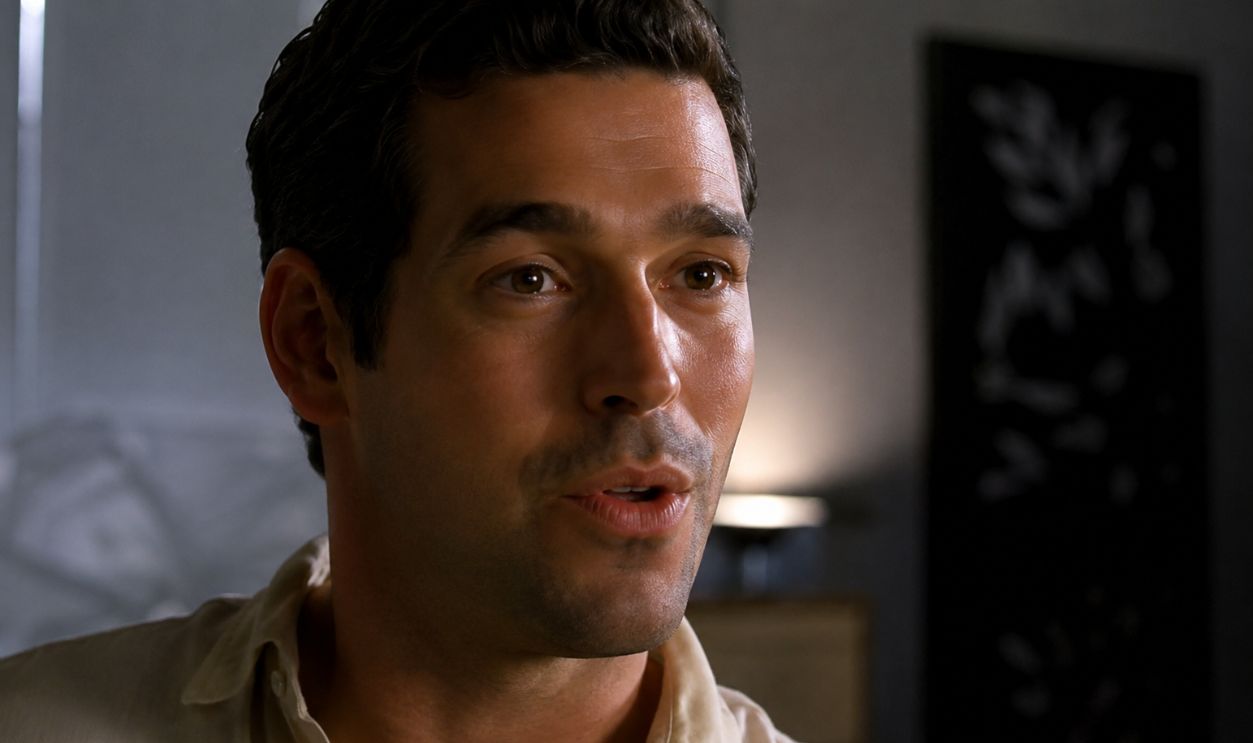 Screenshot from Invasion, ABC (2005–2006), Modified
“Joan of Arcadia” (2003–2005)
This CBS drama followed a teenage girl who regularly received advice from God, who appeared in the form of random everyday people.
Critics loved Joan of Arcadia, audiences connected with it, and Amber Tamblyn became a breakout star. Then ratings dropped, CBS canceled it, and the show slowly faded from mainstream memory despite being genuinely good.
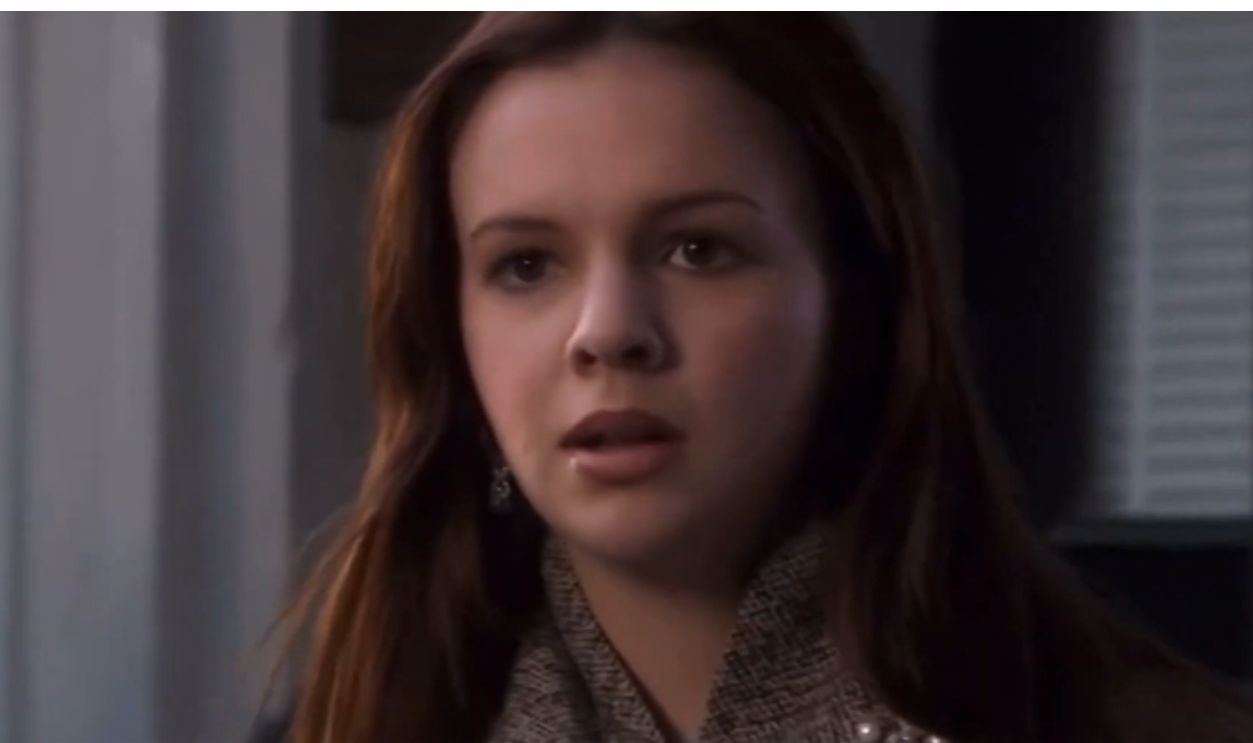 Screenshot from Joan of Arcadia, CBS (2003–2005)
“Boston Public” (2000–2004)
David E. Kelley basically owned television for a while, and Boston Public was one of his biggest early-2000s hits.
The drama focused on teachers, students, and constant chaos inside an urban high school. It tackled controversial topics almost every week, which was basically mandatory television strategy in the 2000s.
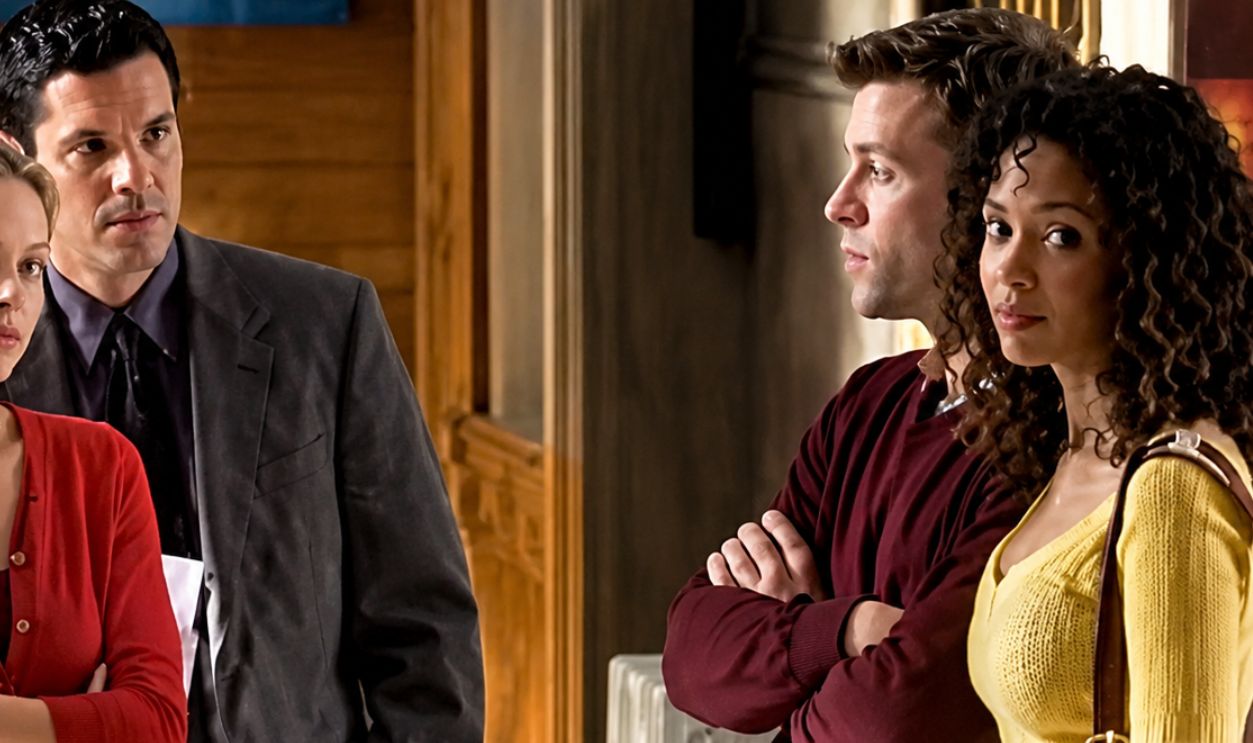 Screenshot from Boston Public, Fox Broadcasting Company (2000–2004), Modified
“Jake 2.0” (2003–2004)
Before every network wanted gritty prestige TV, NBC gave us Jake 2.0, a show about a regular computer technician who accidentally gets injected with nanobots and becomes a human supercomputer. Basically, imagine The Six Million Dollar Man crossed with a Best Buy employee.
The wild part is that NBC really thought this was going to be a huge sci-fi franchise. Instead, most people forgot it existed approximately 12 minutes after it aired.
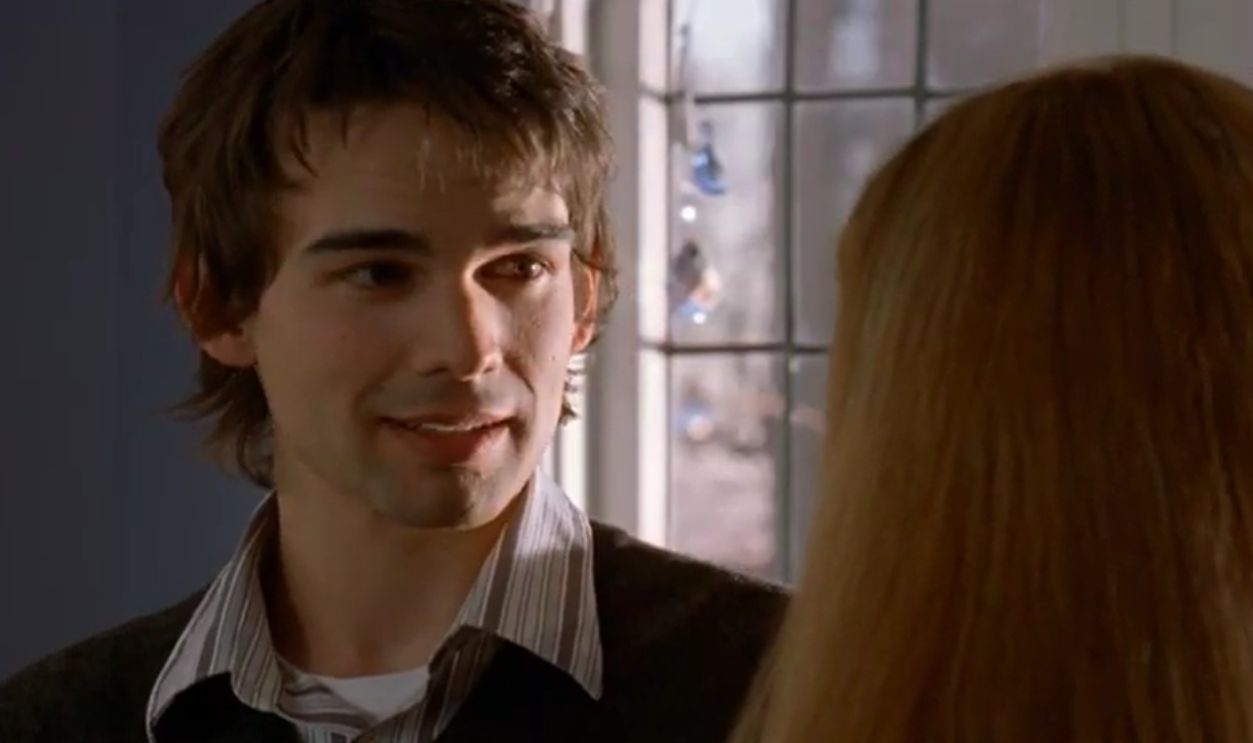 Screenshot from Jake 2.0, UPN (2003–2004)
“Grounded for Life” (2001–2005)
This underrated sitcom followed two parents who had kids young and were basically figuring adulthood out as they went.
Grounded for Life had a fun style, sharp writing, and constant reruns on cable, but it still somehow gets left out of conversations about great family sitcoms from the era. Which honestly feels rude.
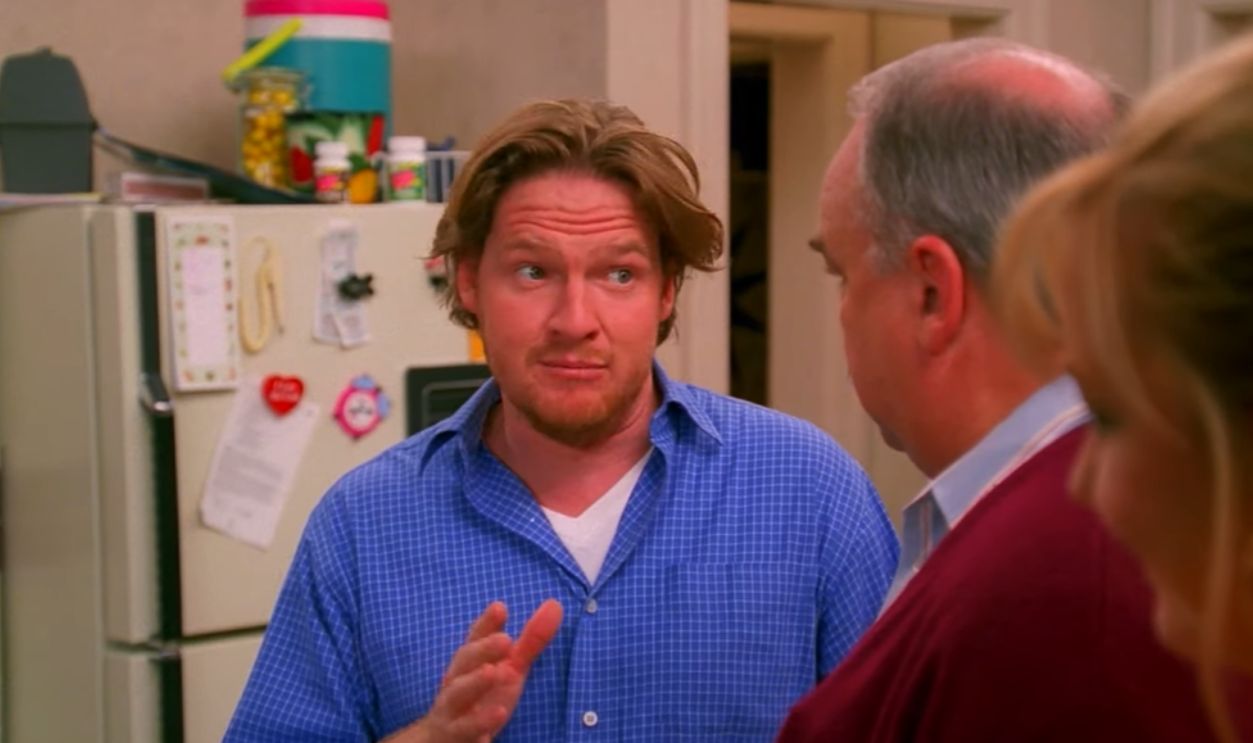 Screenshot from Grounded for Life, Fox Broadcasting Company (2001–2005)
“Cold Case” (2003–2010)
It’s honestly shocking how forgotten Cold Case has become considering it lasted seven seasons.
The CBS drama followed detectives reopening unsolved crimes, usually ending episodes with emotional music montages that absolutely demolished viewers emotionally. If you watched TV in the 2000s, you definitely stumbled onto this show at least 47 times.
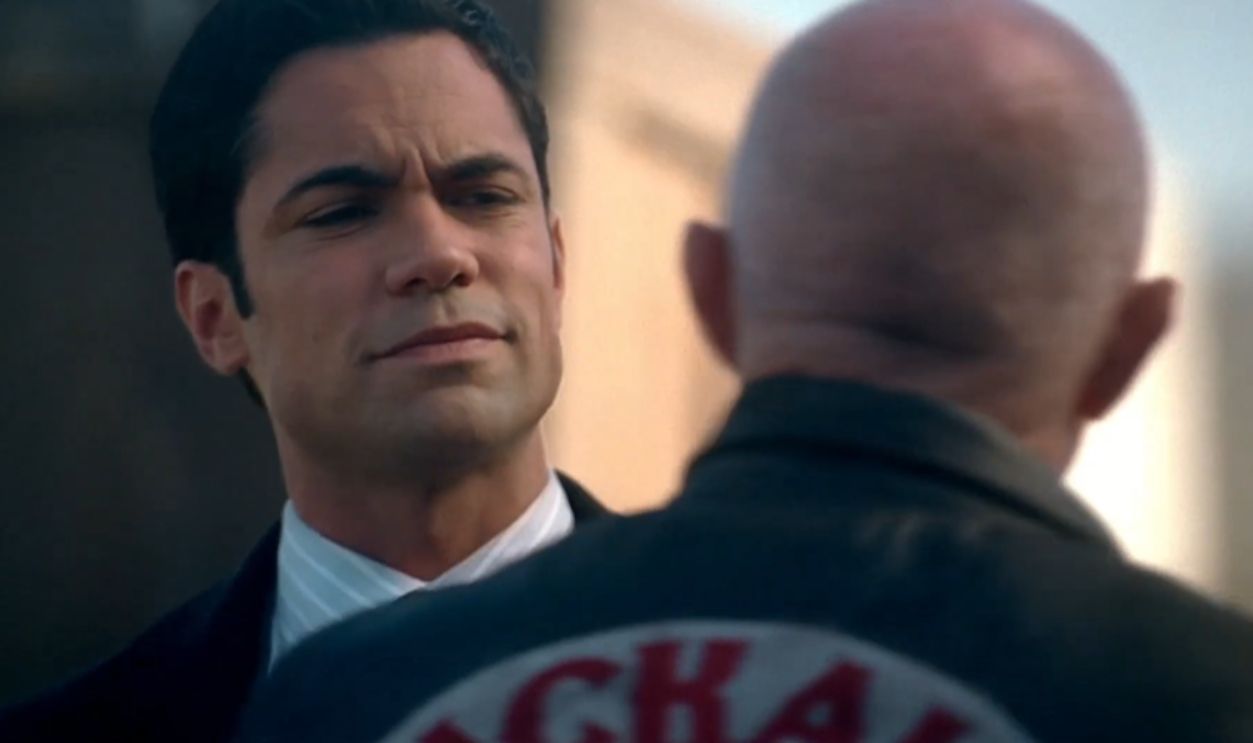 Screenshot from Cold Case, Warner Bros. Television (2003–2010)
“According to Jim” (2001–2009)
For nearly a decade, ABC aired According to Jim, starring Jim Belushi as a lovable suburban husband who constantly annoyed his family.
The show lasted EIGHT seasons. Eight! And yet it rarely gets mentioned alongside other long-running sitcoms from the era. Honestly, that almost feels statistically impossible.
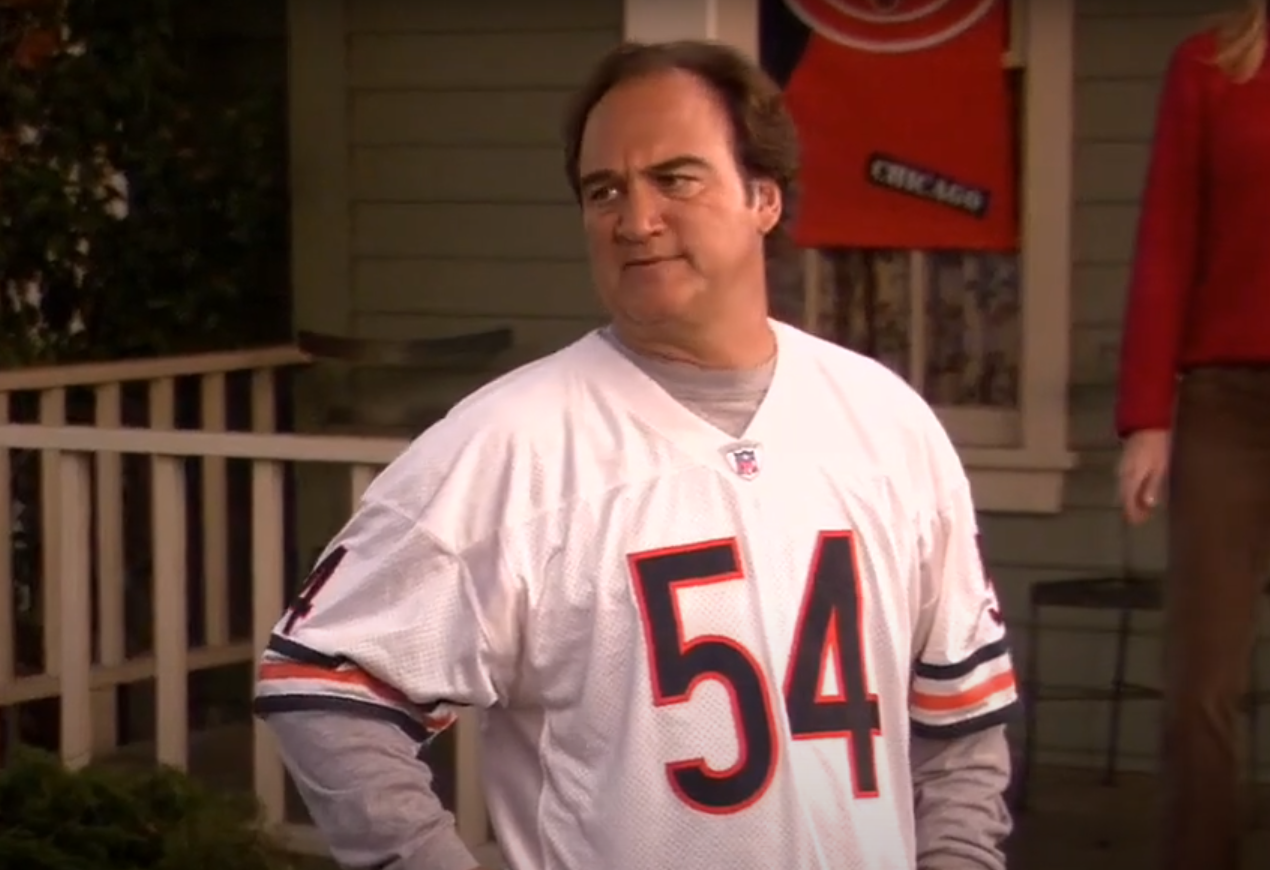 Screenshot from According to Jim, Buena Vista Television (2001–2009)
“Third Watch” (1999–2005)
Before gritty first-responder dramas completely took over television, NBC had Third Watch, which followed police officers, firefighters, and paramedics working overnight shifts in New York City.
The series built a loyal audience and lasted six seasons, but it’s often overshadowed now by bigger franchises like Chicago Fire and Law & Order.
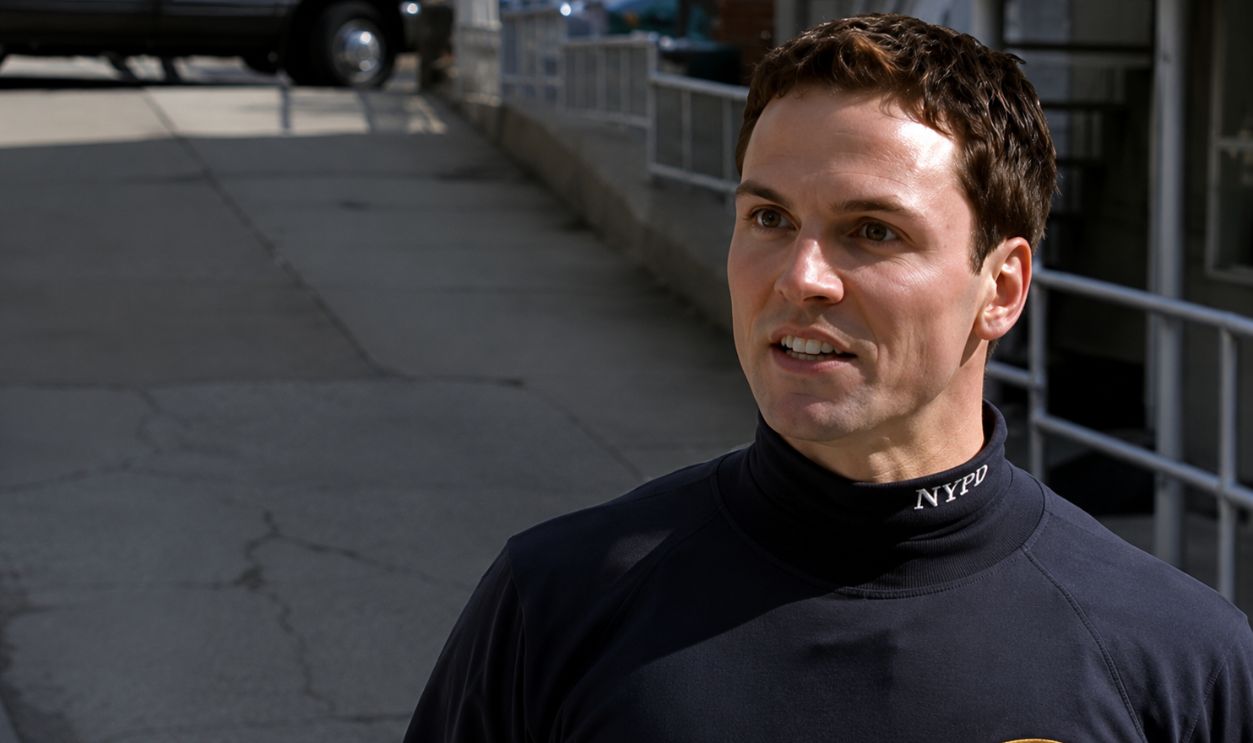 Screenshot from Third Watch, NBC (1999–2005), Modified
“Man vs. Beast” (2003)
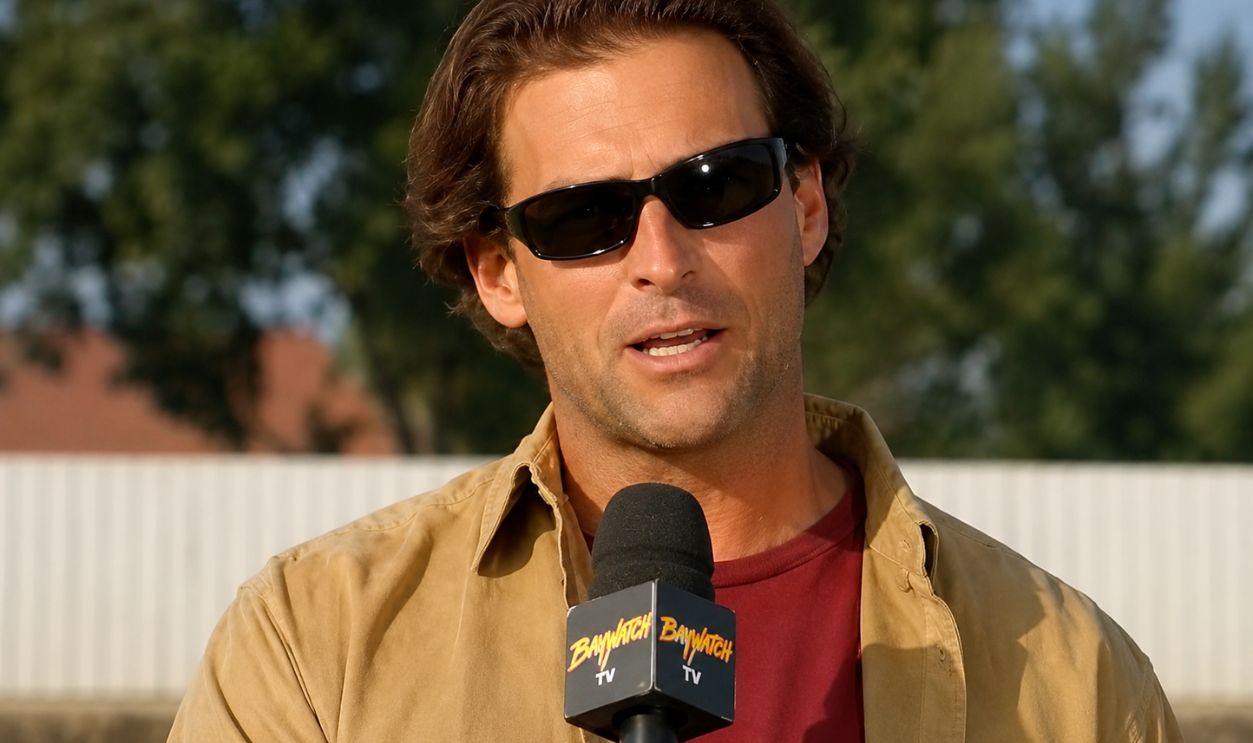
This Fox special featured humans literally competing against animals in bizarre challenges.
People raced giraffes. Olympic athletes competed against zebras. At one point, a contestant tried to out-eat a bear.
Early 2000s television executives really woke up every morning asking themselves, “What’s the strangest thing we can legally broadcast tonight?”
 Screenshot from Man vs. Beast, Fox Broadcasting Company (2003), Modified
“What I Like About You” (2002–2006)
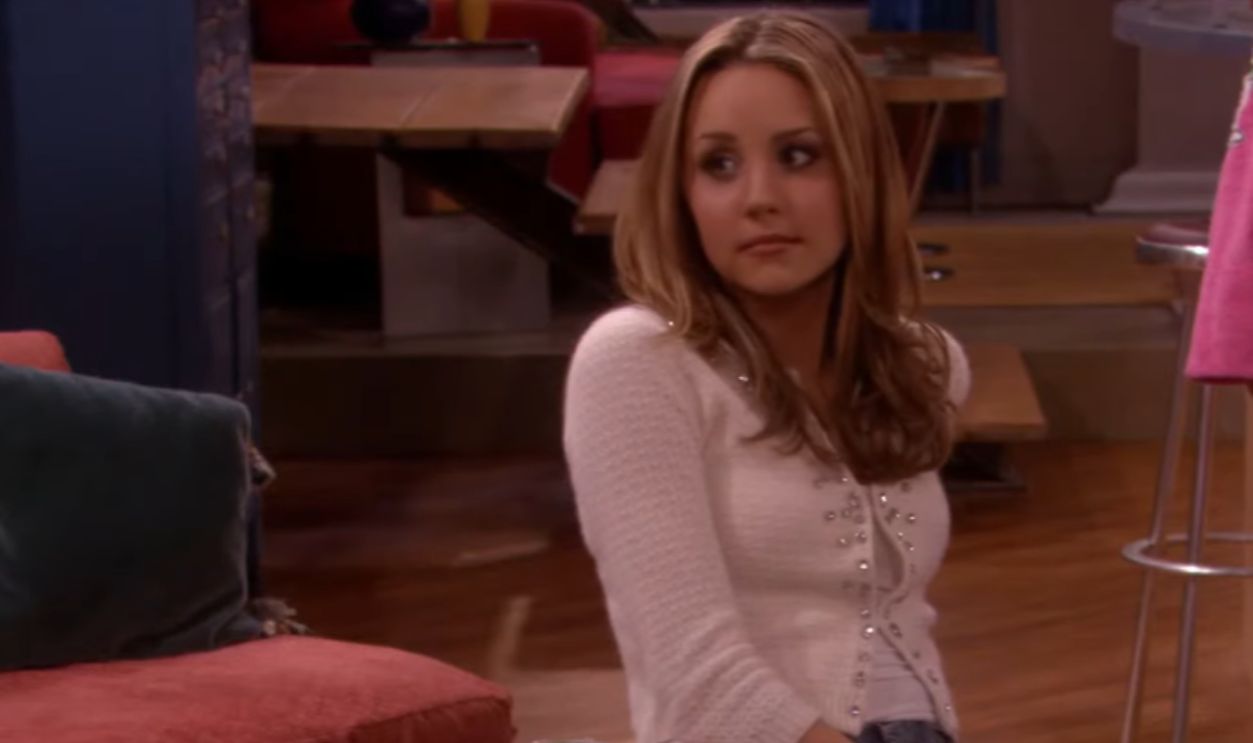
WB and CW sitcoms always lived in the shadow of the network’s teen dramas, which is probably why What I Like About You gets forgotten so often.
Amanda Bynes and Jennie Garth had great chemistry as sisters navigating life in New York City. The show was goofy, chaotic, and very aggressively 2000s in the best possible way.
 Screenshot from What I Like About You, Warner Bros. Television (2002-2006)
“The Guardian” (2001–2004)
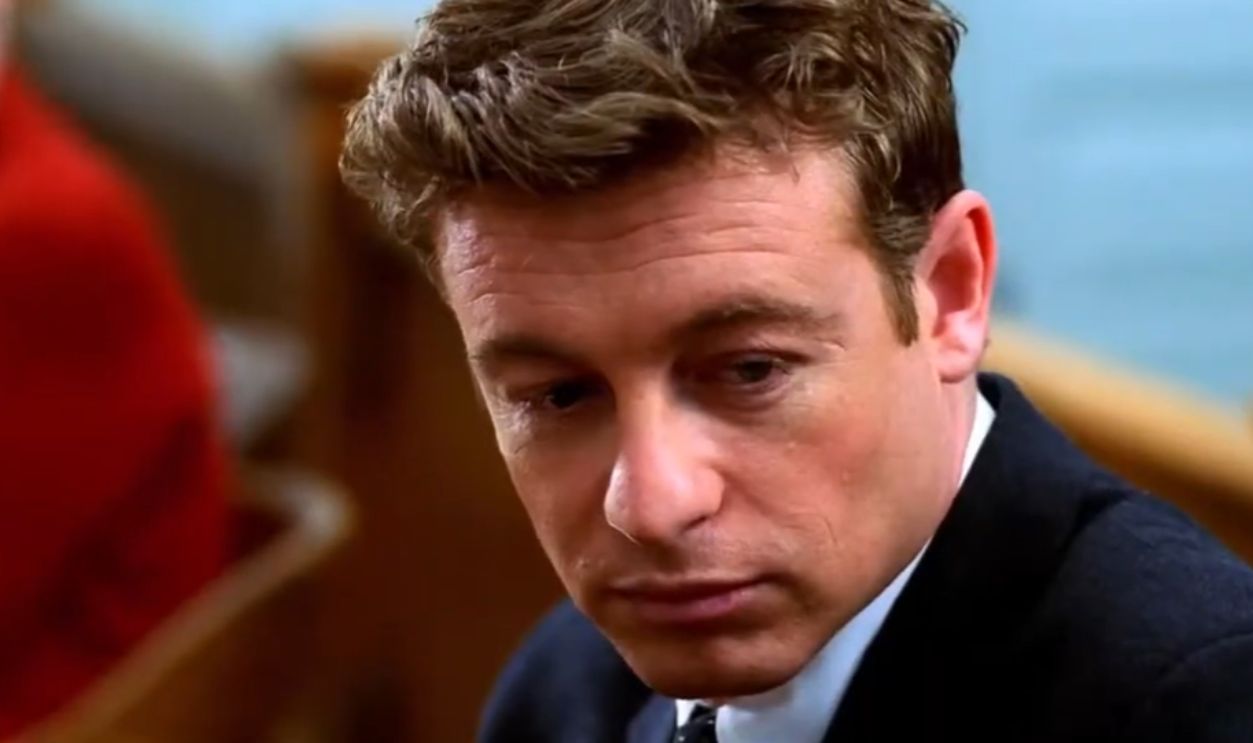
Simon Baker starred in The Guardian as a lawyer forced to perform community service helping children after getting arrested.
The CBS drama balanced legal stories with emotional family moments and quietly developed a devoted audience. Yet today, even longtime TV fans sometimes completely forget it existed.
 Screenshot from The Guardian, CBS (2001–2004)
“One on One” (2001–2006)
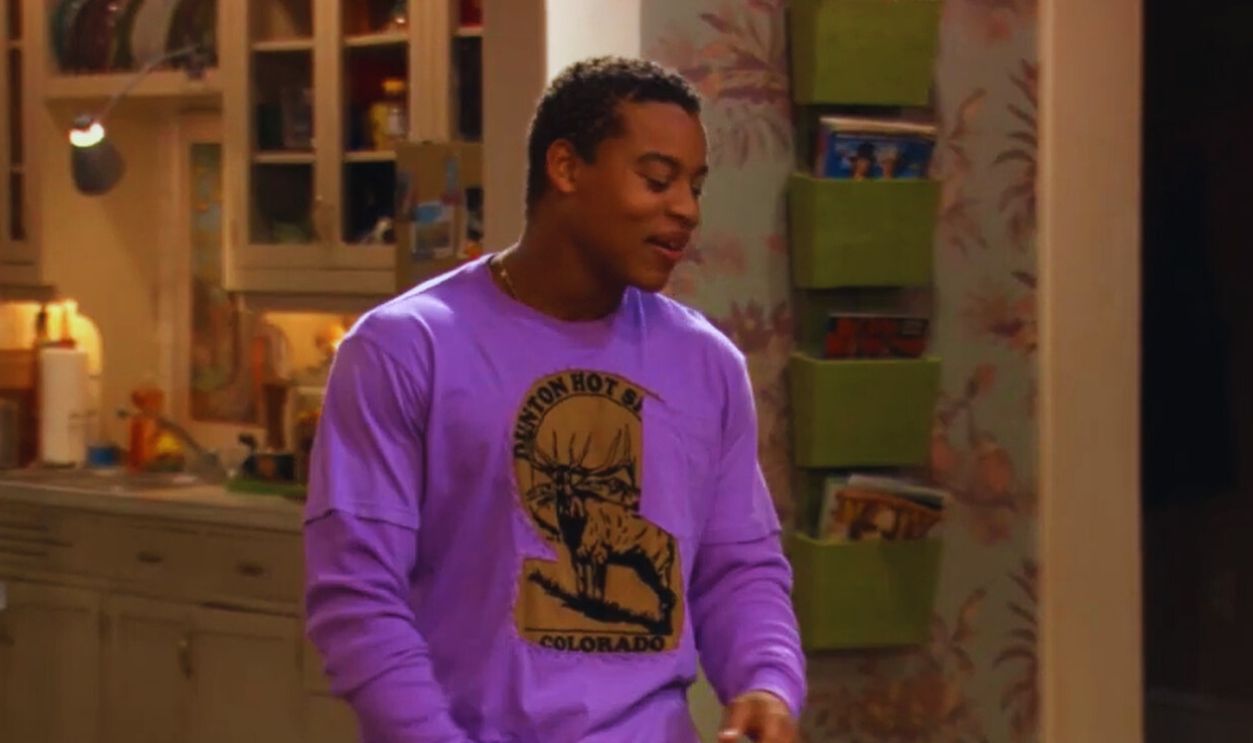
UPN sitcoms rarely get enough credit today, and One on One deserves better.
Flex Alexander played a single father adjusting to life after his teenage daughter moves in with him full-time. The show lasted five seasons and had a genuinely loyal fanbase, but it rarely gets discussed alongside other sitcoms from the decade.
 Screenshot from One on One, BET (2001–2006)
“Eve” (2003–2006)
Rapper Eve starring in her own sitcom feels like the most early-2000s sentence imaginable.
The UPN comedy followed fashion designer Shelly Williams navigating relationships, work, and friendships in Miami. It ran for three seasons and was a solid hit for the network, but it’s become surprisingly overlooked over time.
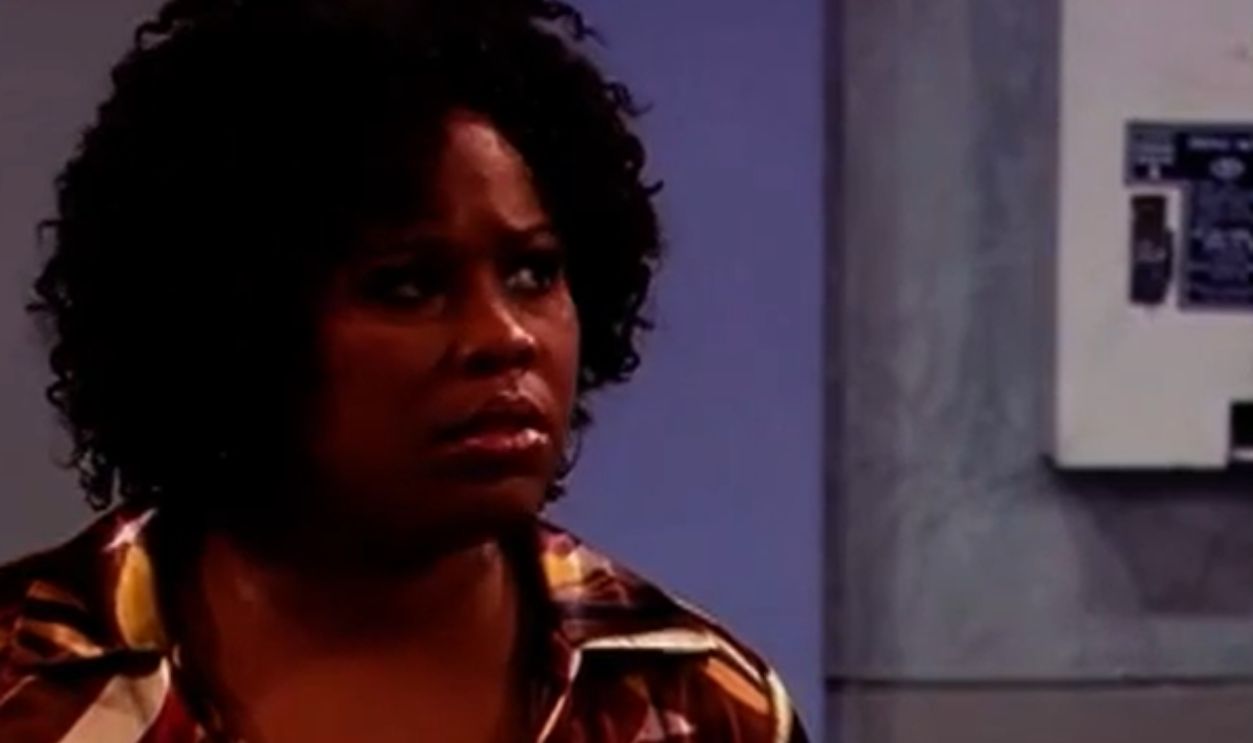 Screenshot from Eve, UPN (2003–2006)
You Might Also Like:
TV Theme Songs Baby Boomers Secretly Still Love—Even If They Won’t Admit It
SPOILER ALERT! The Biggest TV And Movie Twists Revealed