So Much Drama, So Little Memory
Daytime television in the 60s and 70s was overflowing with unhappy marriages, secret affairs, troubled doctors, wealthy families, mysterious strangers, and people staring silently into the distance while organ music played.
Some of these soaps disappeared within months. Others ran for years and produced thousands of episodes—which makes the fact that almost nobody talks about them anymore even stranger. Seriously, how many do you remember?
 De Carvalho Collection, Getty Images
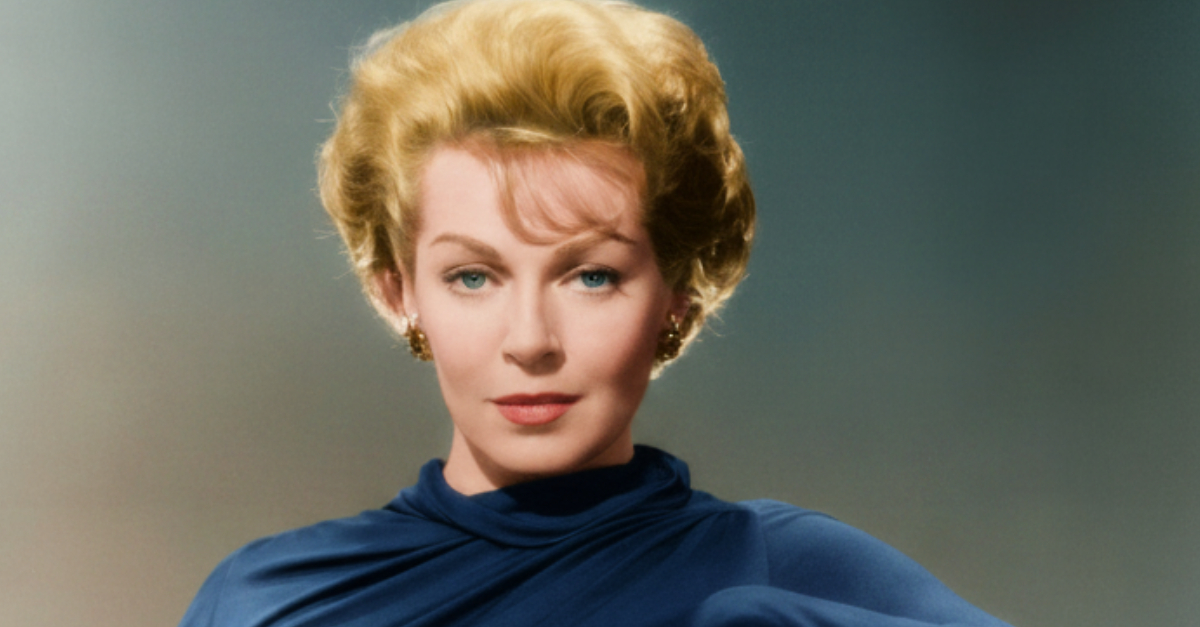
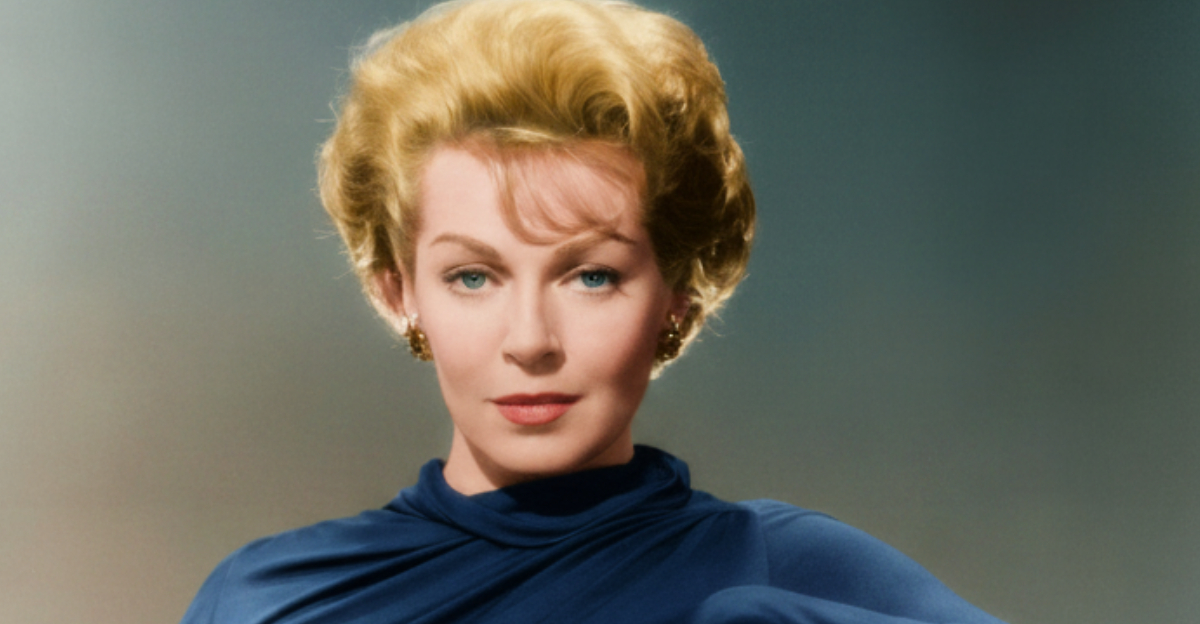
“From These Roots” (1958–1961)
From These Roots followed a successful writer who returned to her New England hometown to run the family newspaper. It lasted more than 900 episodes and was reportedly considered more literary than the average soap. Apparently, viewers wanted fewer literary ambitions and more suspicious pregnancies.
 NBC Television, Wikimedia Commons
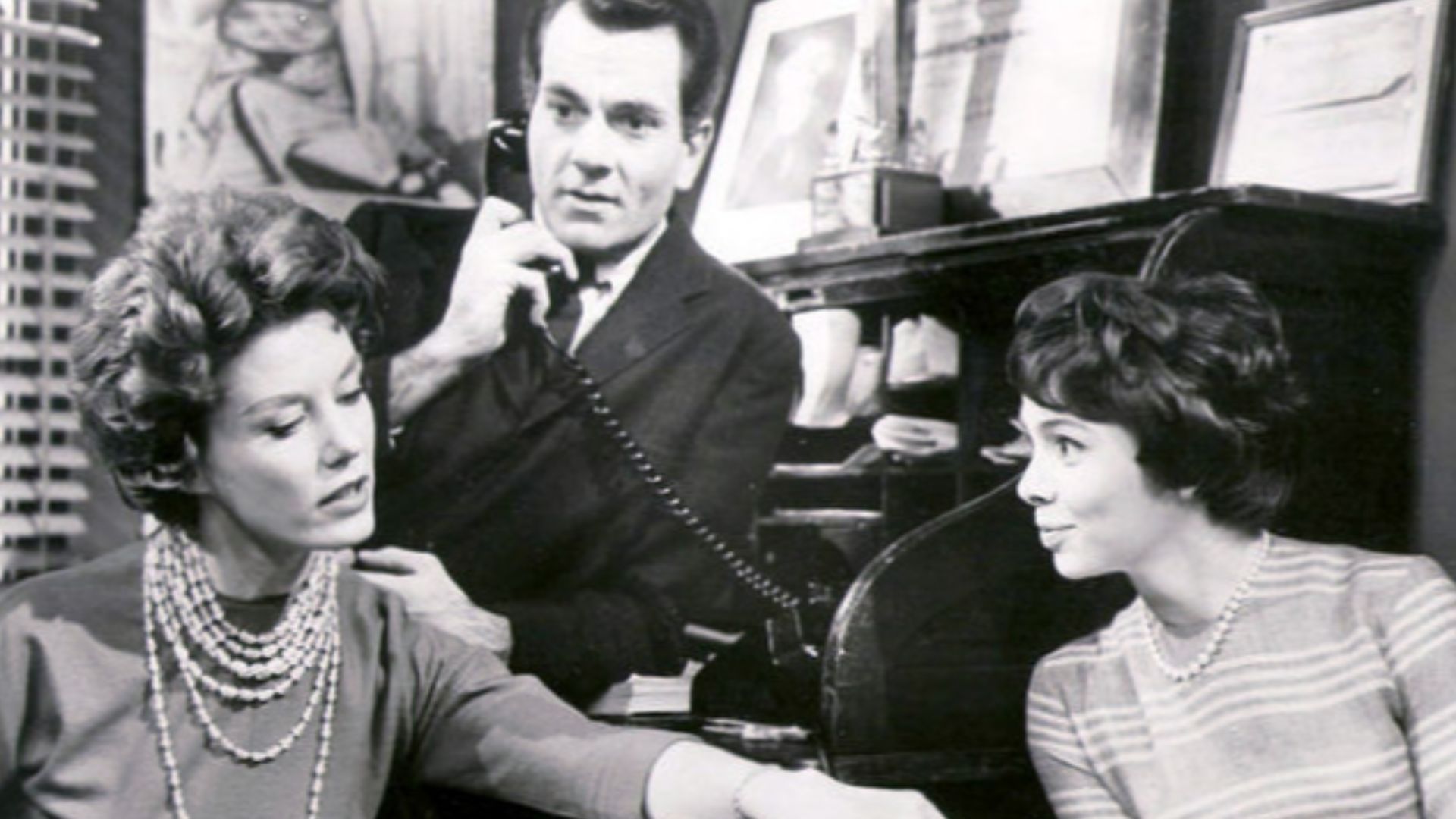
“The Secret Storm” (1954–1974)
The Secret Storm followed widower Peter Ames and his children through 20 years of family disasters, romances, betrayals, and remarriages. It aired for more than 5,000 episodes and was once one of daytime television’s established institutions. Today, the storm has faded into a very light historical drizzle.
 CBS Television, Wikimedia Commons
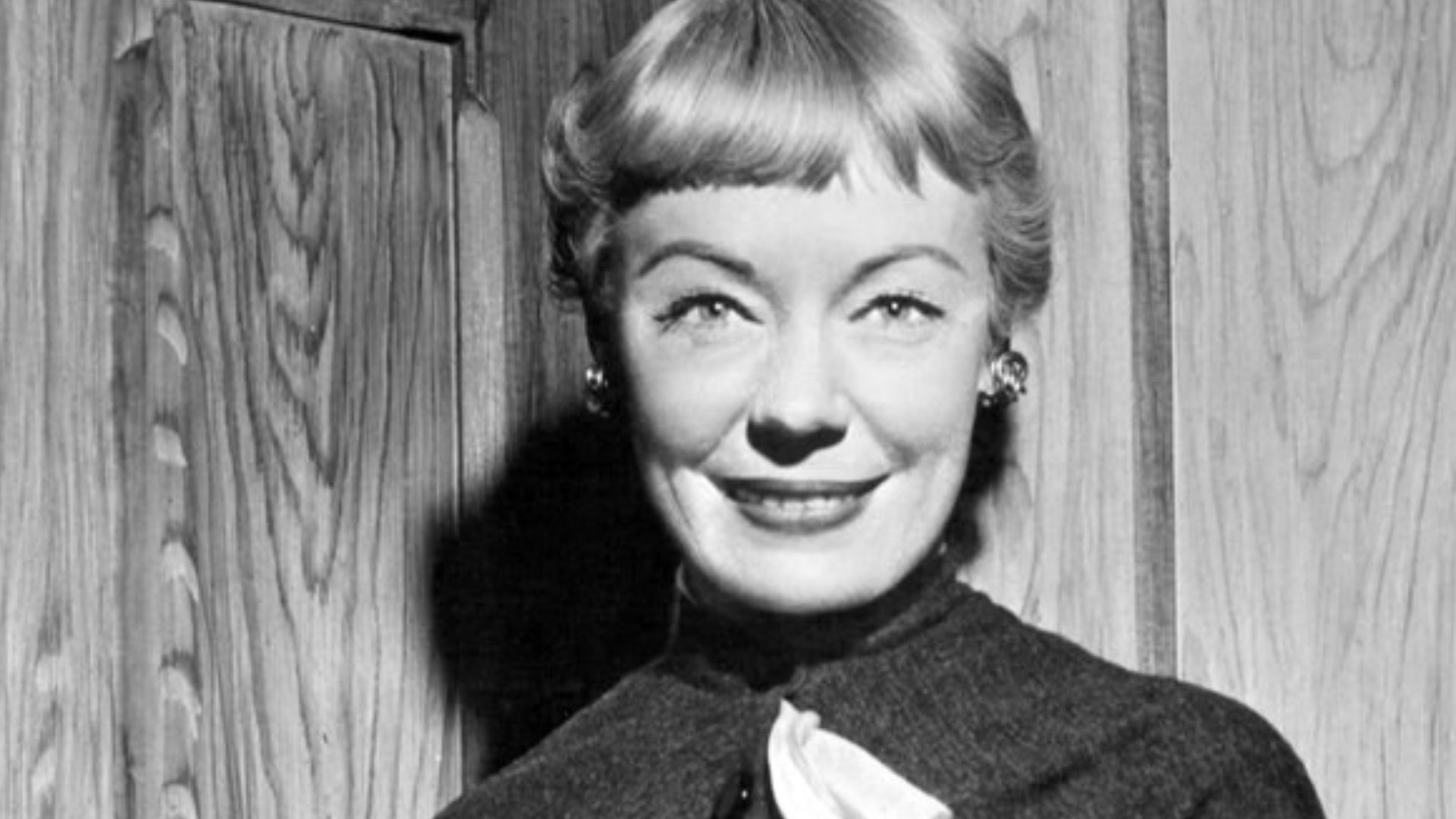
“The Clear Horizon” (1960–1962)
Long before television became obsessed with astronauts, The Clear Horizon followed military families connected to the early space program at Cape Canaveral. CBS even cancelled it and then brought it back nearly a year later. A soap opera about the space race sounds impossible to forget, yet here we are.
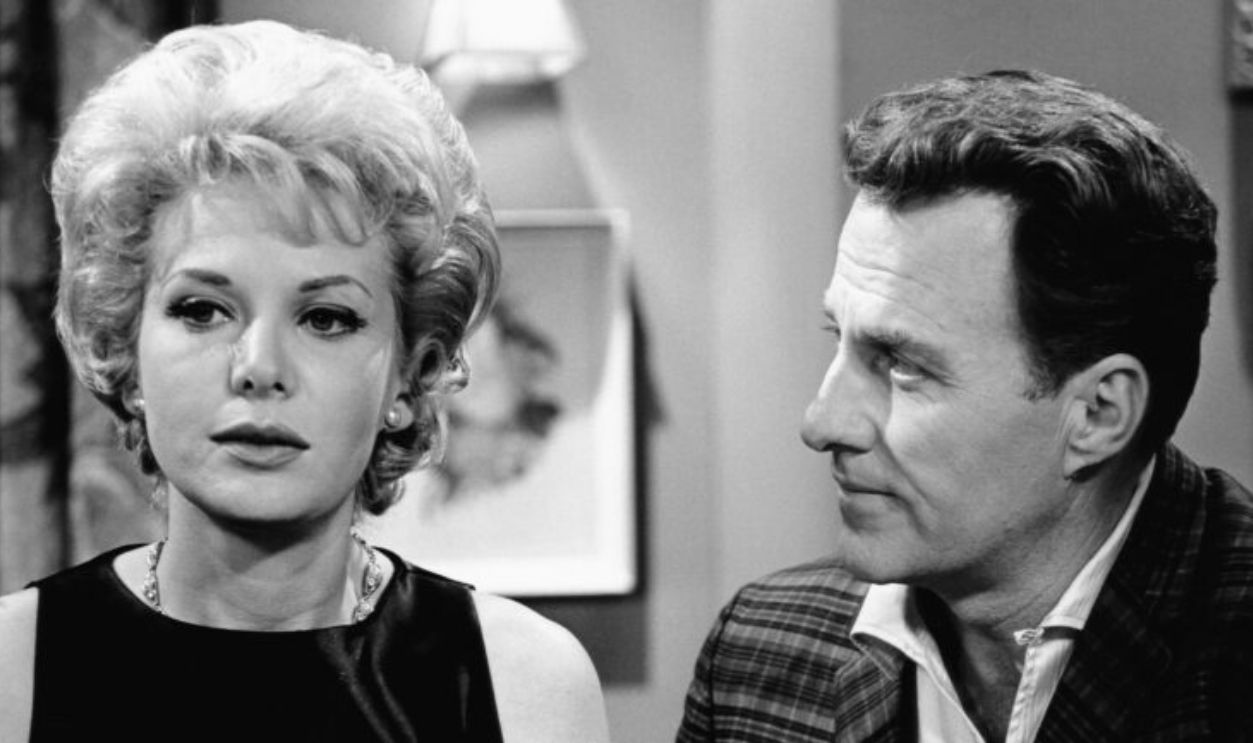 Screenshot from The Clear Horizon, CBS Television Network (1960–1962)
“Full Circle” (1960–1961)
Full Circle starred Robert Fortier as a man caught between two very different women, one of whom was played by a young Dyan Cannon. It was also the first American daytime soap produced in Hollywood using live-on-tape techniques. Dyan Cannon and television history—and the title still barely rings a bell.
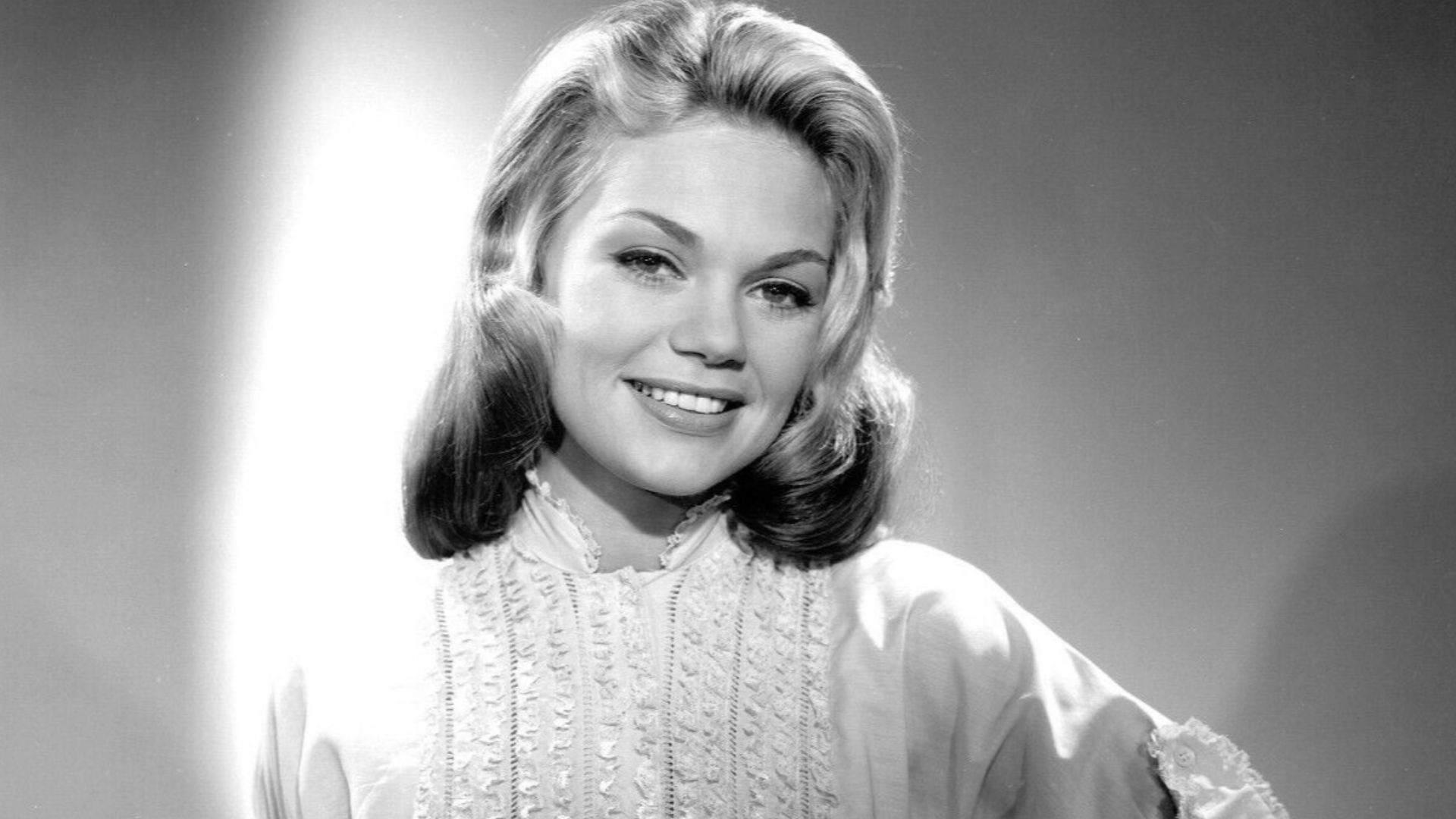 Harold L. Gefsky Agency, Wikimedia Commons
“The Brighter Day” (1954–1962)
This long-running soap centered on a minister and his four children, making it the first network television soap with an explicitly religious theme. It had already been successful on radio before moving to television. Even the Lord apparently could not protect it from being forgotten by future generations.
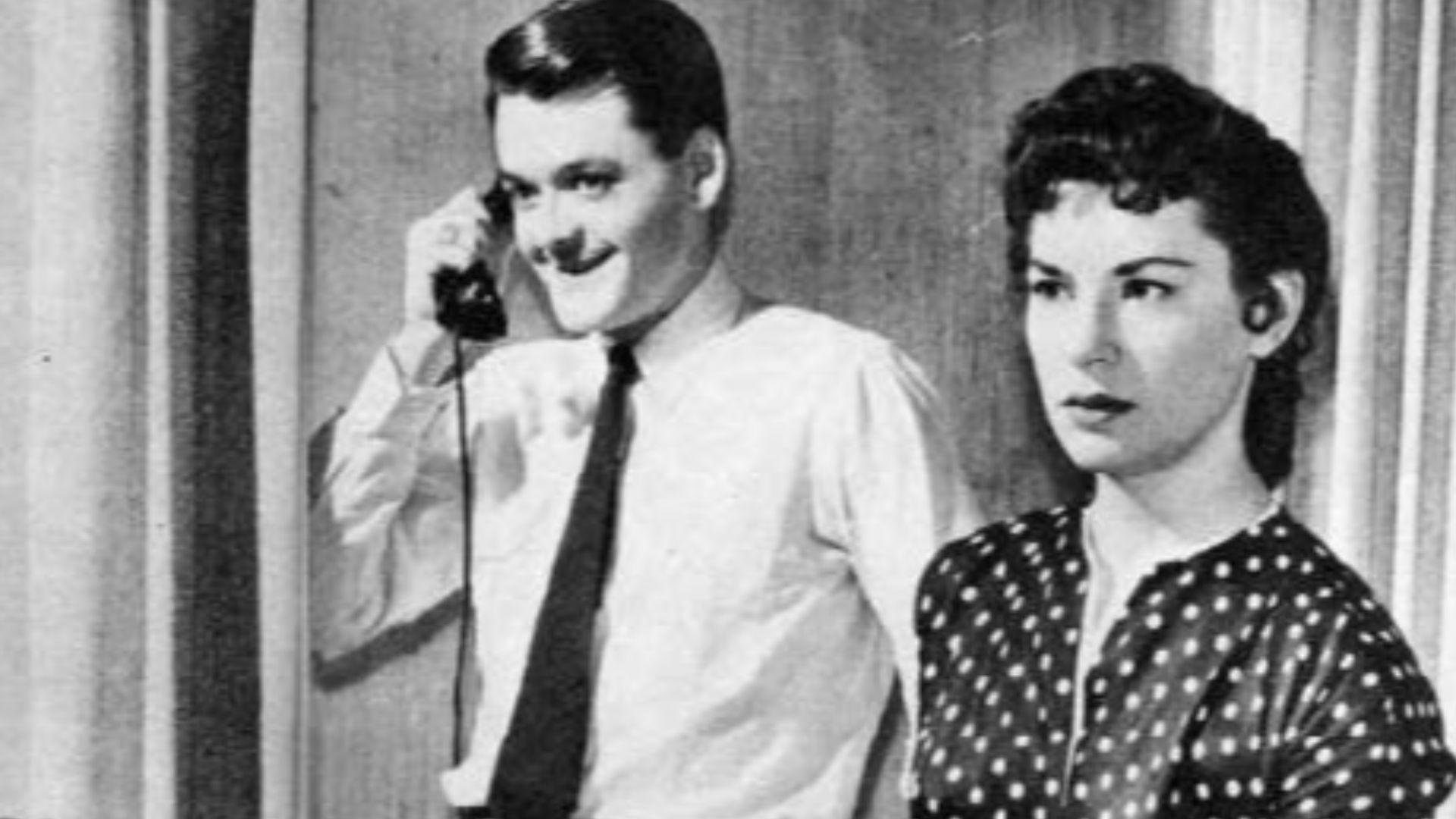 Macfadden Publications, Wikimedia Commons
“Our Five Daughters” (1962)
The title was not kidding. Our Five Daughters followed Helen and Jim Lee as they raised five daughters while dealing with Jim’s life-changing injuries. It starred Esther Ralston, a major silent-film actress making her television comeback. Five daughters, a former movie star, and enough family drama for several households.
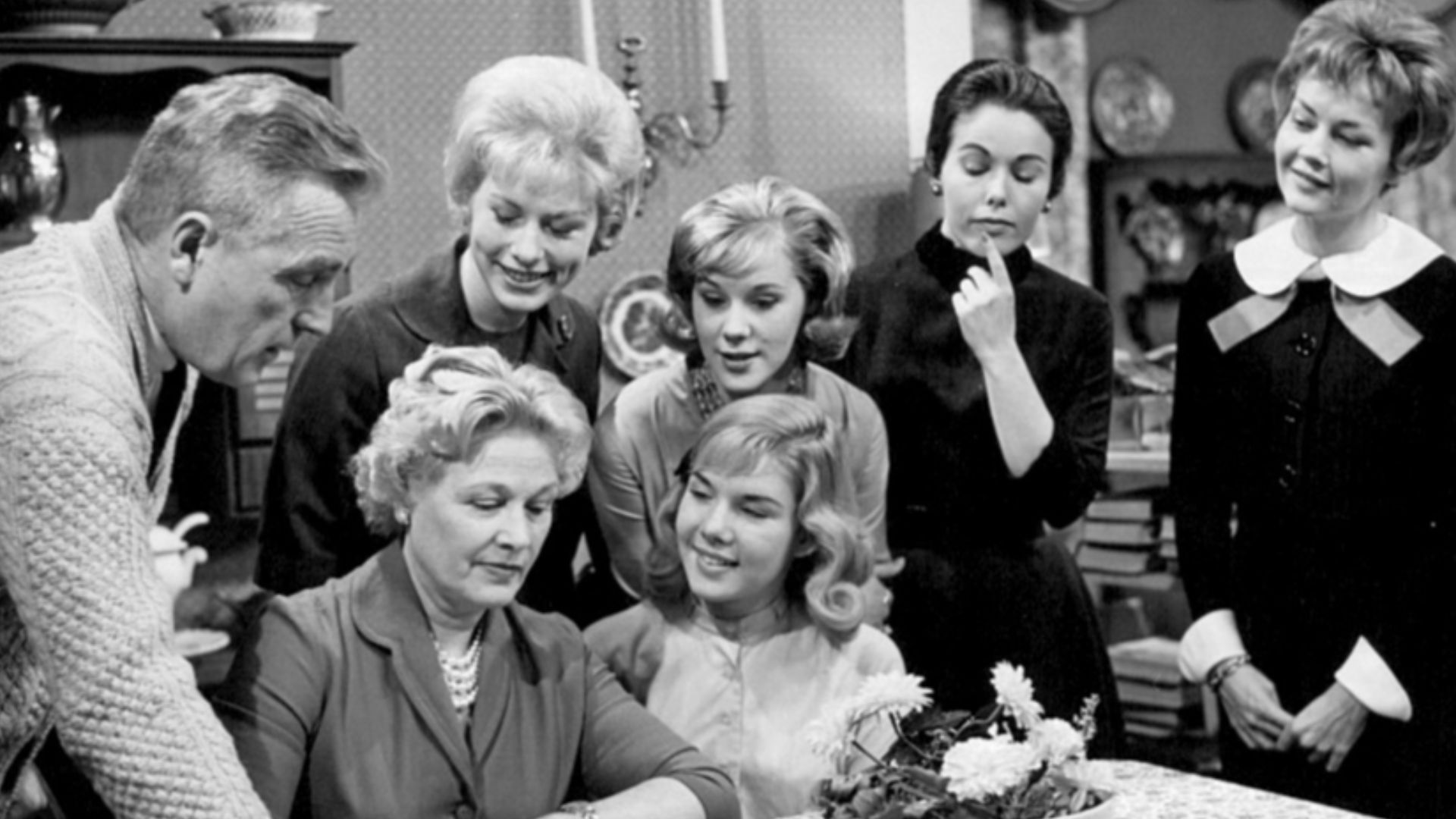 NBC Television, Wikimedia Commons
“Young Doctor Malone” (1958–1963)
Young Doctor Malone began on radio in 1939 before moving to television, where its stories followed father-and-son physicians Jerry and David Malone at Valley Hospital in Denison, Maryland. The character survived multiple actors, networks, and media formats. He may have been television’s least-young young doctor by the end.
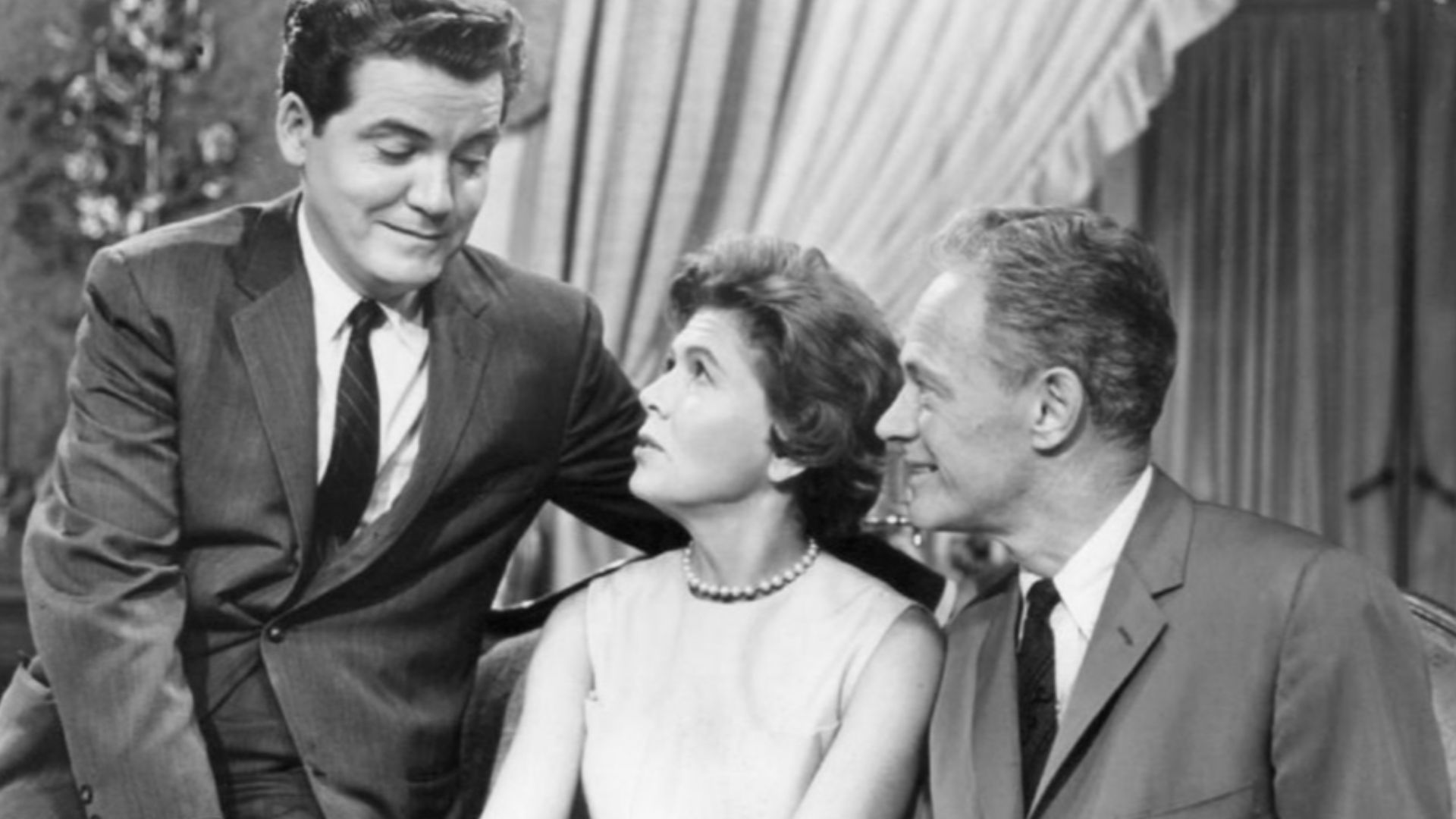 NBC Television, Wikimedia Commons
“The Doctors” (1963–1982)
The Doctors spent nearly 20 years following the romantic and medical emergencies unfolding inside Hope Memorial Hospital. More than 5,000 episodes were produced, and its cast included future stars Alec Baldwin, Kathy Bates, Ted Danson, Jonathan Frakes, and Ellen Burstyn. That is a remarkable number of famous people for one forgotten hospital.
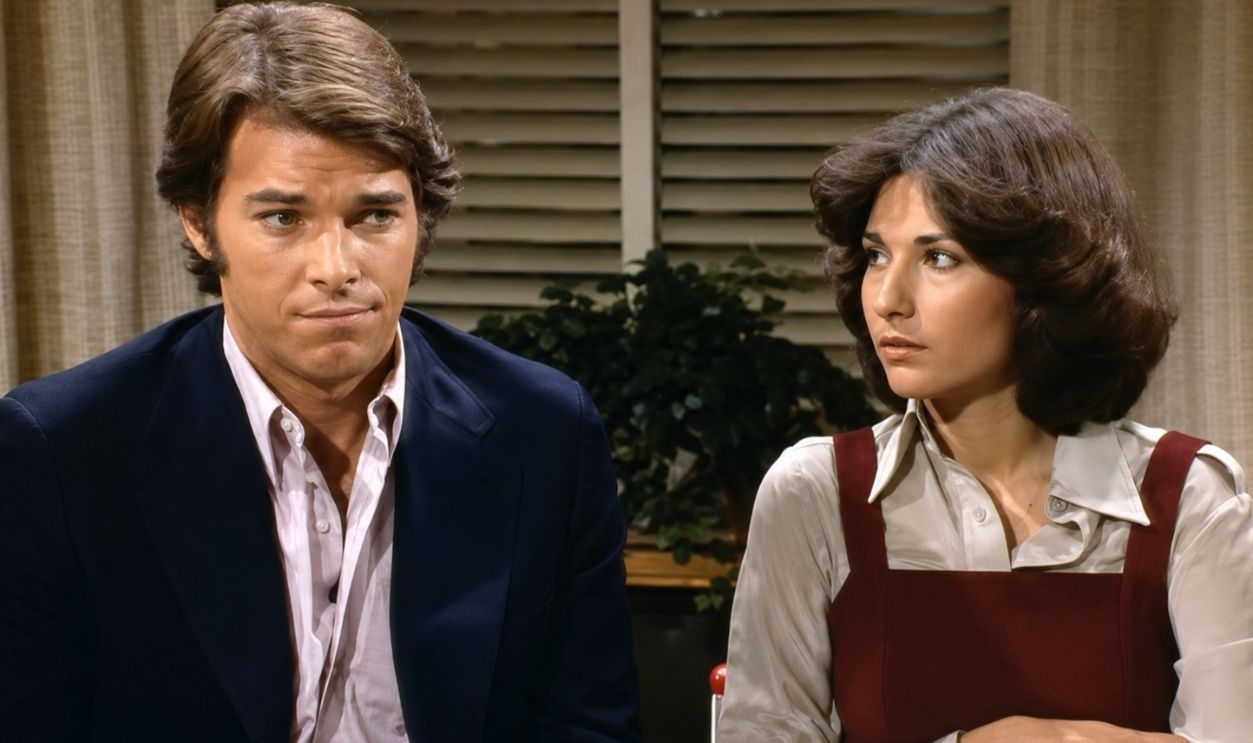 Screenshot from The Doctors, NBC (1963–1982), Enhanced
“The Young Marrieds” (1964–1966)
ABC scheduled The Young Marrieds immediately after General Hospital, hoping viewers would stick around for more troubled relationships. The soap followed three young couples whose marriages were considerably less cheerful than the title suggested. It ended with a character facing possible blindness, leaving the audience permanently squinting for closure.
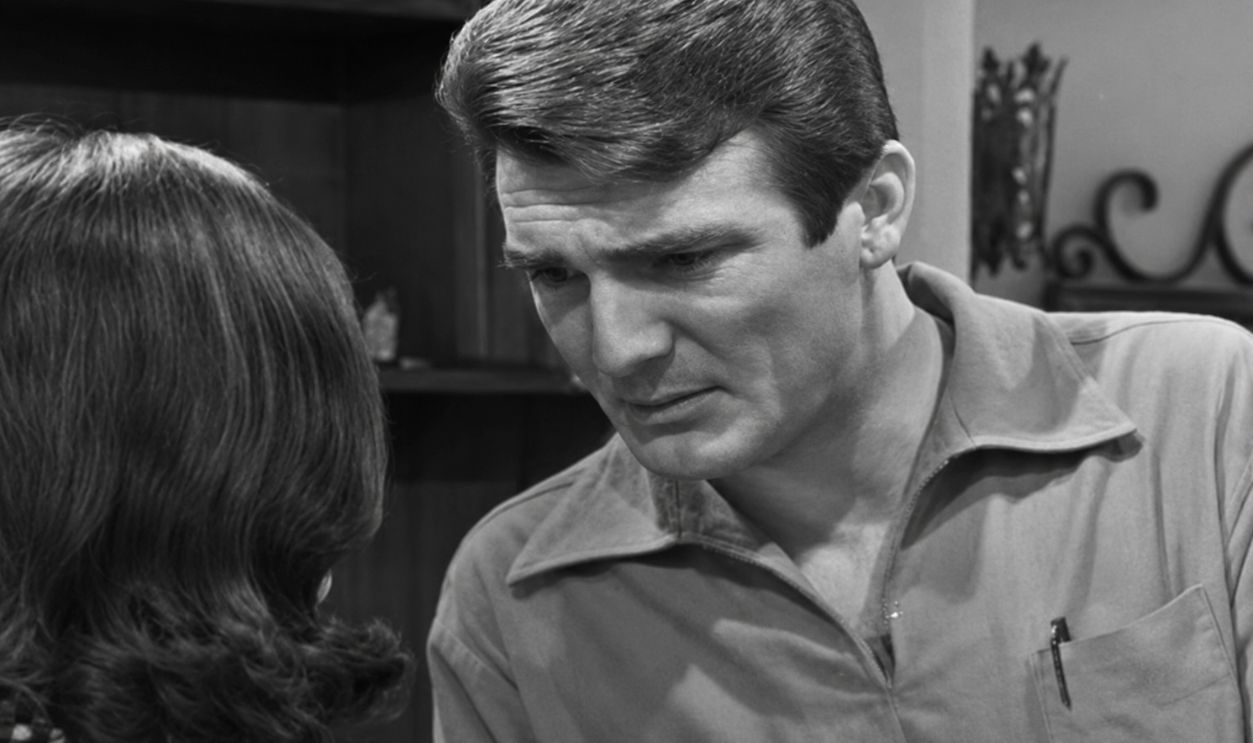 Screenshot from The Young Marrieds, ABC (1964–1966), Enhanced
“A Flame in the Wind” (1964–1966)
A Flame in the Wind followed several families in the town of Haviland, including the working-class Skerbas and their far wealthier neighbors. ABC later renamed it A Time for Us and renamed the Skerbas the Driscolls. Two forgotten titles and two family names for the price of one.
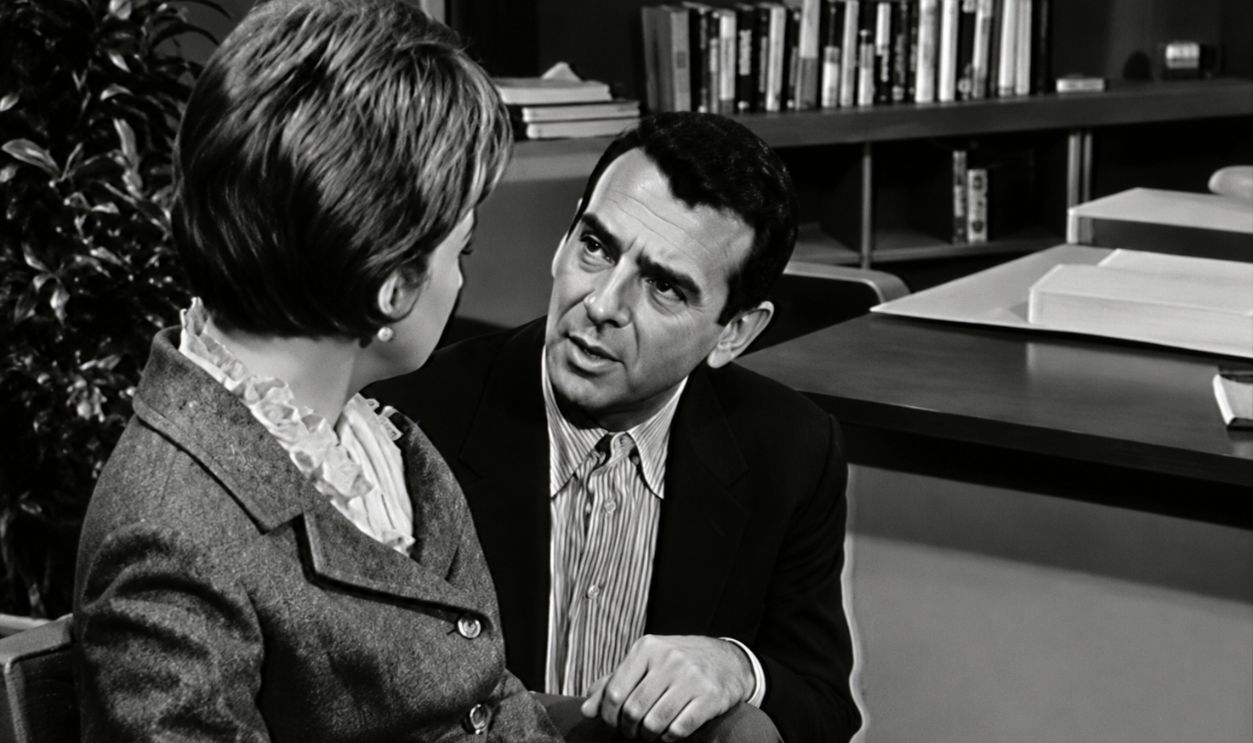 Screenshot from A Flame in the Wind, ABC (1964–1966), Enhanced
“The Nurses” (1965–1967)
CBS originally aired The Nurses as an hour-long prime-time medical drama. After that version ended, ABC brought it back as a half-hour daytime soap with a new format and a largely different cast. Television essentially performed surgery on the show and sent it back out wearing a completely different uniform.
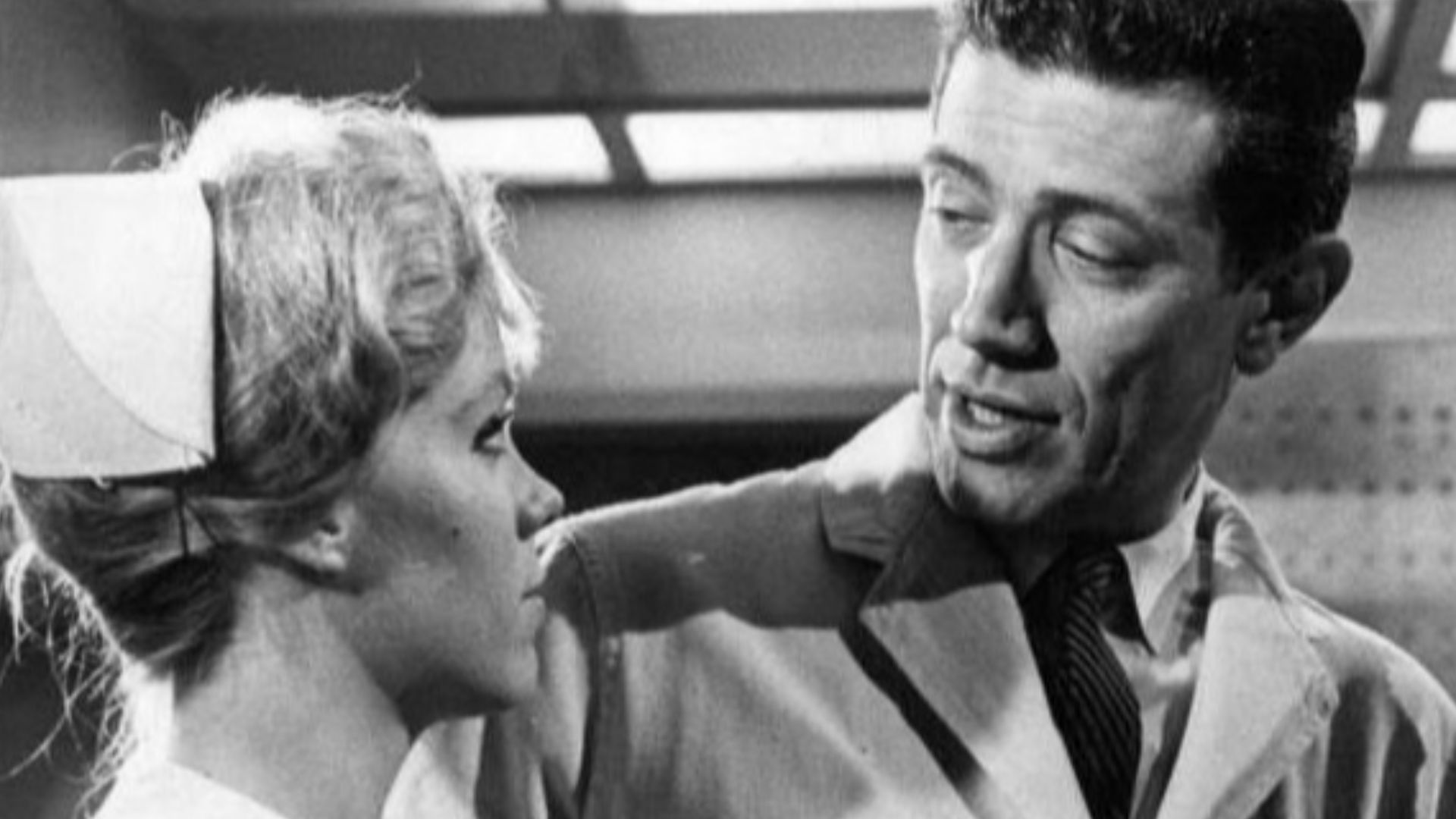 CBS Television, Wikimedia Commons
“Never Too Young” (1965–1966)
Television tried to invent the teen soap decades before Beverly Hills, 90210. Set around a Malibu hangout called The High Dive, Never Too Young featured young romance, surfing, racing, musical guests, and Tony Dow. It sounds less like a forgotten soap and more like something a modern streaming service would reboot tomorrow.
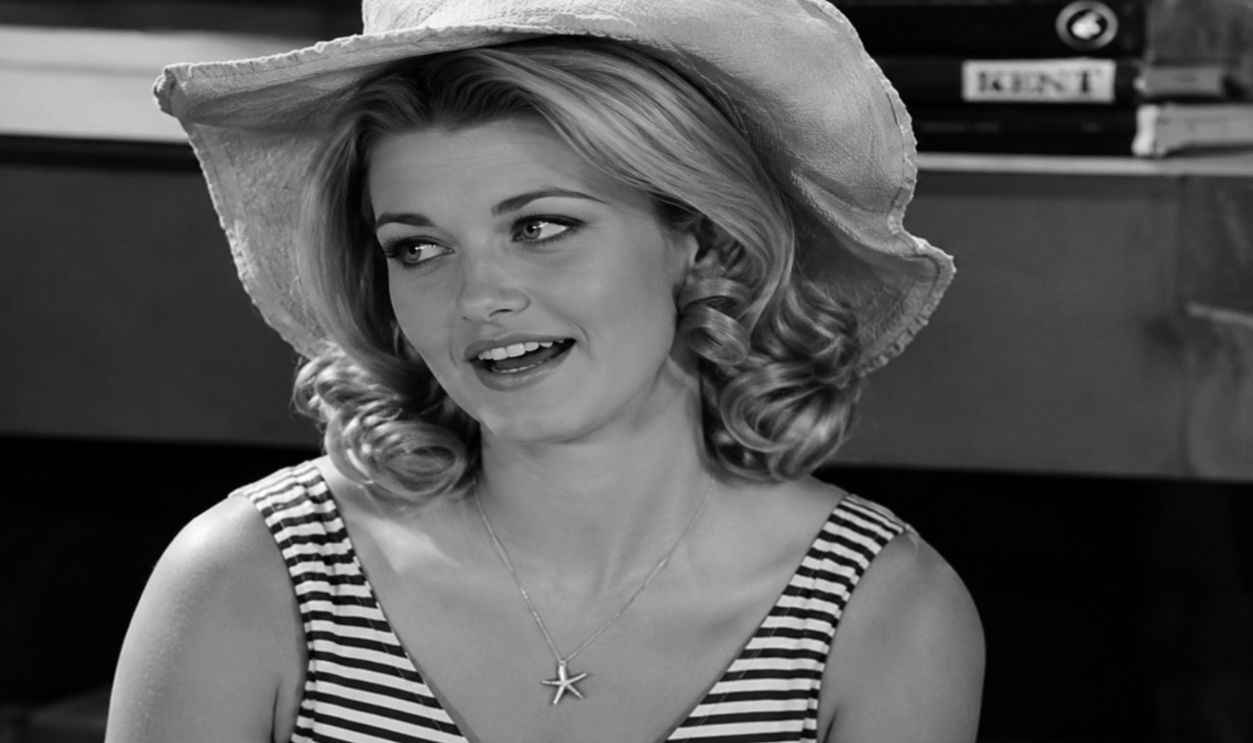 Screenshot from Never Too Young, ABC (1965–1966), Enhanced
“Morning Star” (1965–1966)
Morning Star followed Katy Elliot, a Connecticut fashion designer who moved to New York after losing her fiancé. It was created by Ted Corday, who also helped create Days of Our Lives. One of those shows became a television institution. The other became a question in an unusually difficult trivia contest.
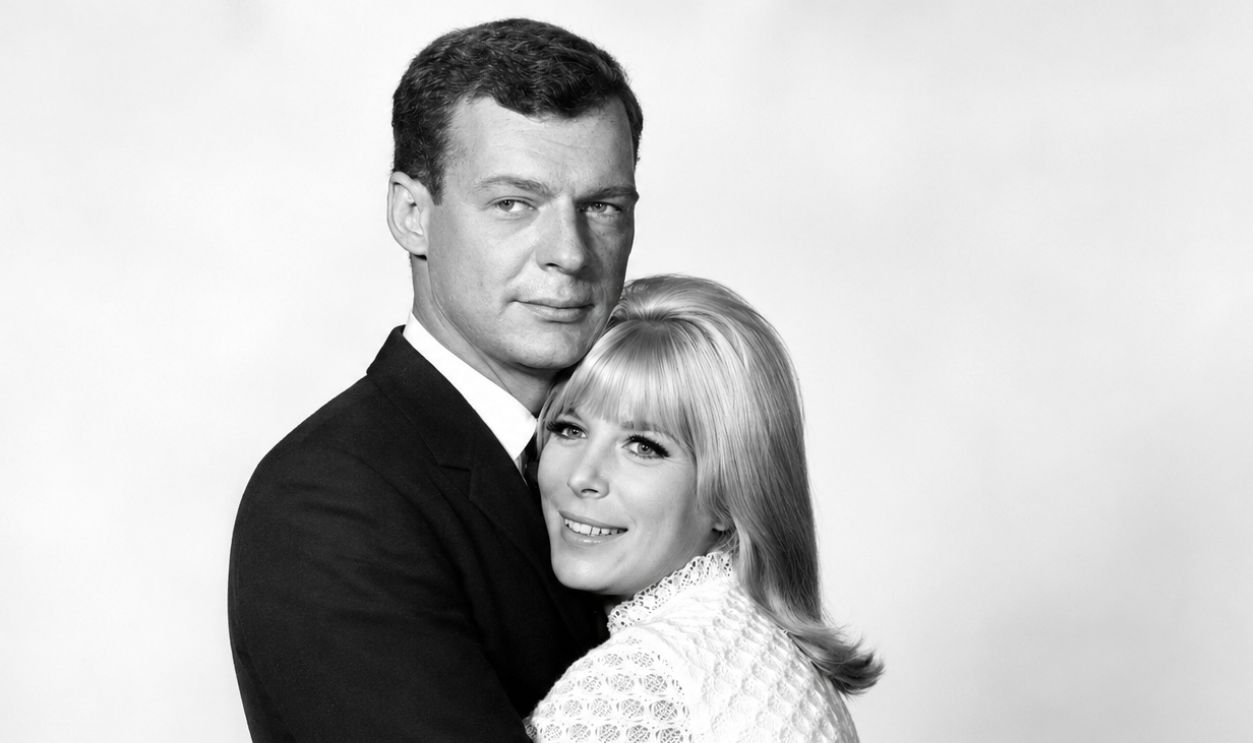 NBC Television, Wikimedia Commons, Modified
“Paradise Bay” (1965–1966)
Paired with Morning Star, Paradise Bay began with the body of a teenage girl washing ashore and unfolded in a California seaside community full of secrets. Marion Ross appeared years before becoming Mrs. Cunningham on Happy Days. Apparently, paradise was much less wholesome before the Cunninghams arrived.
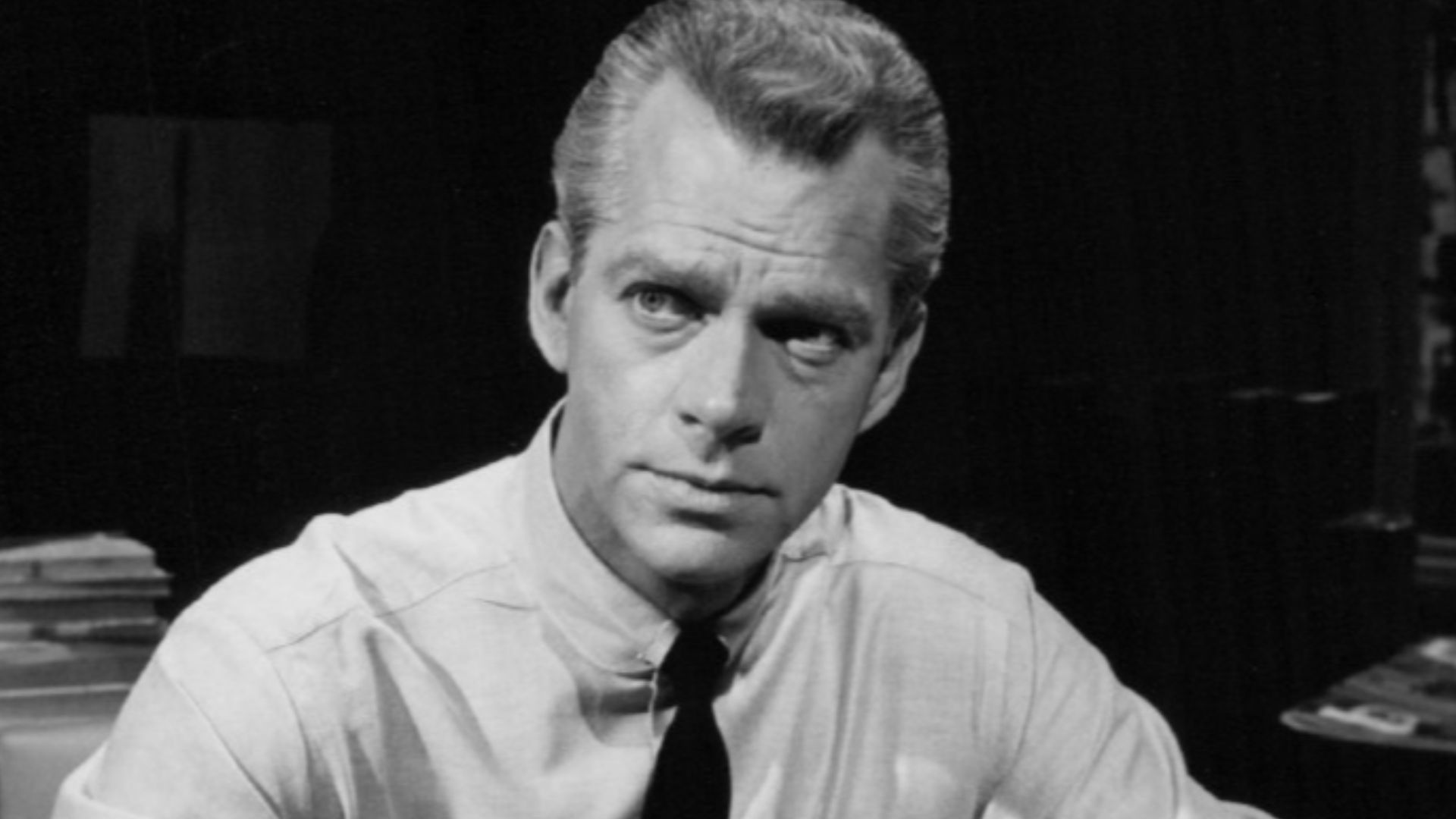 NBC Television, Wikimedia Commons
“Love Is a Many Splendored Thing” (1967–1973)
Inspired by the famous novel and film, this CBS soap featured future stars Donna Mills, Leslie Charleson, David Birney, and Beverlee McKinsey. Nearly all of its original episodes were later erased or lost. Nothing helps a television series disappear from public memory quite like physically removing the television series.
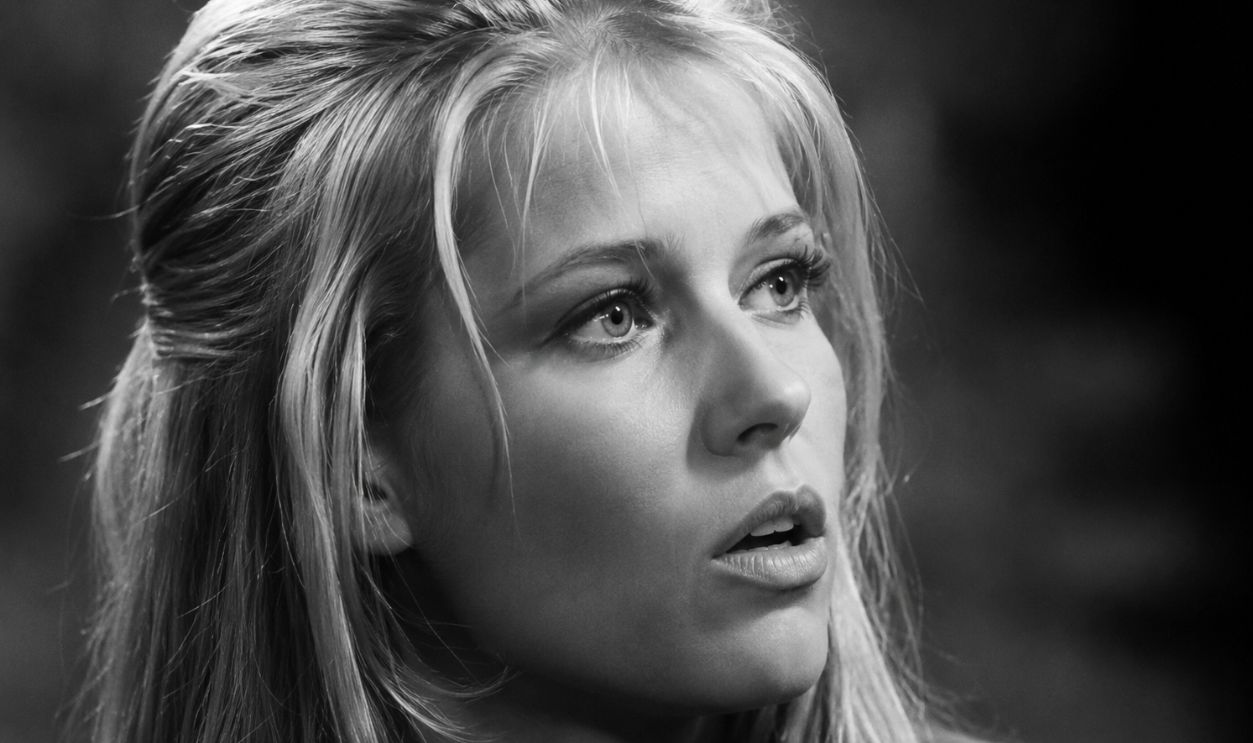 Screenshot from Love Is a Many Splendored Thing, CBS Television Network (1967–1973), Enhanced
“Hidden Faces” (1968–1969)
Created by The Edge of Night creator Irving Vendig, Hidden Faces largely revolved around one very long case involving surgeon Kate Logan, who was accused of causing a patient’s death. It was essentially an entire courtroom drama stretched across 127 episodes—with enough romance and betrayal to make everyone forget the trial occasionally.
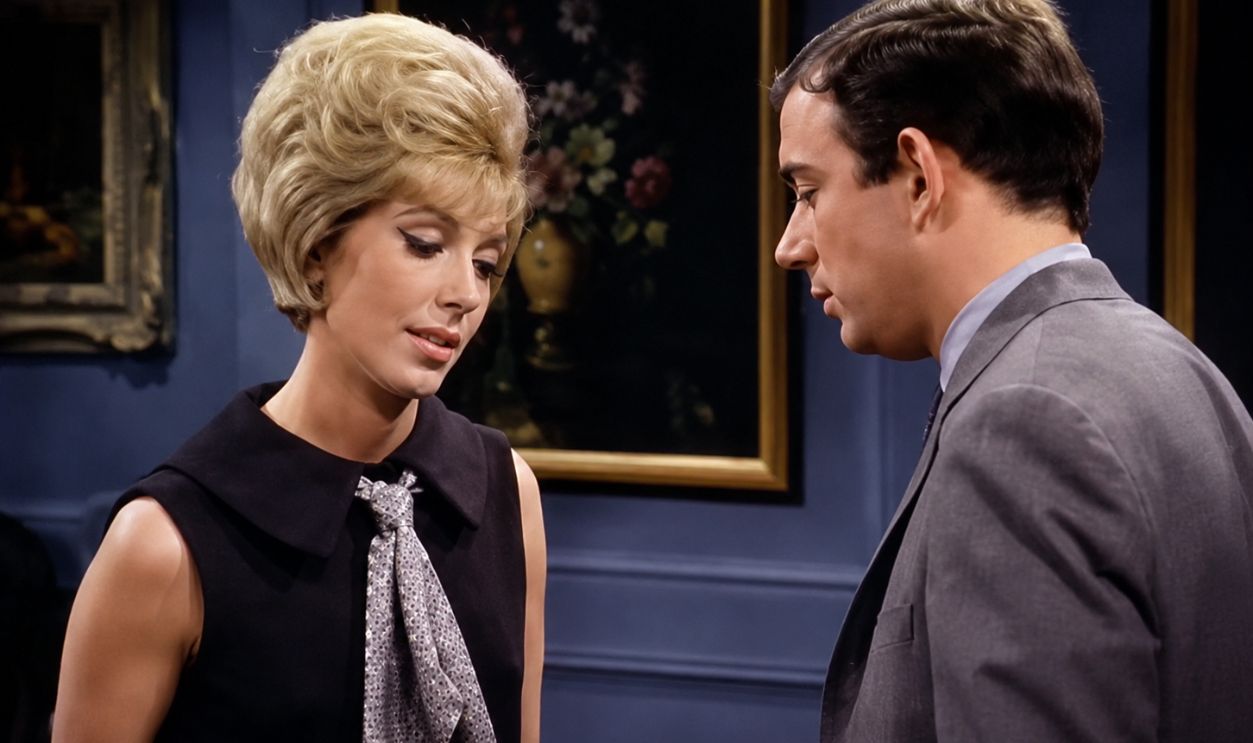 Screenshot from Hidden Faces, NBC (1968–1969), Enhanced
“The Survivors” (1969–1970)
Lana Turner, George Hamilton, Ralph Bellamy, Diana Muldaur, Natalie Schafer, and Jan-Michael Vincent all appeared in this heavily promoted prime-time soap. That cast should have made the show impossible to forget. Instead, the series itself became the one member of the group that did not survive in public memory.
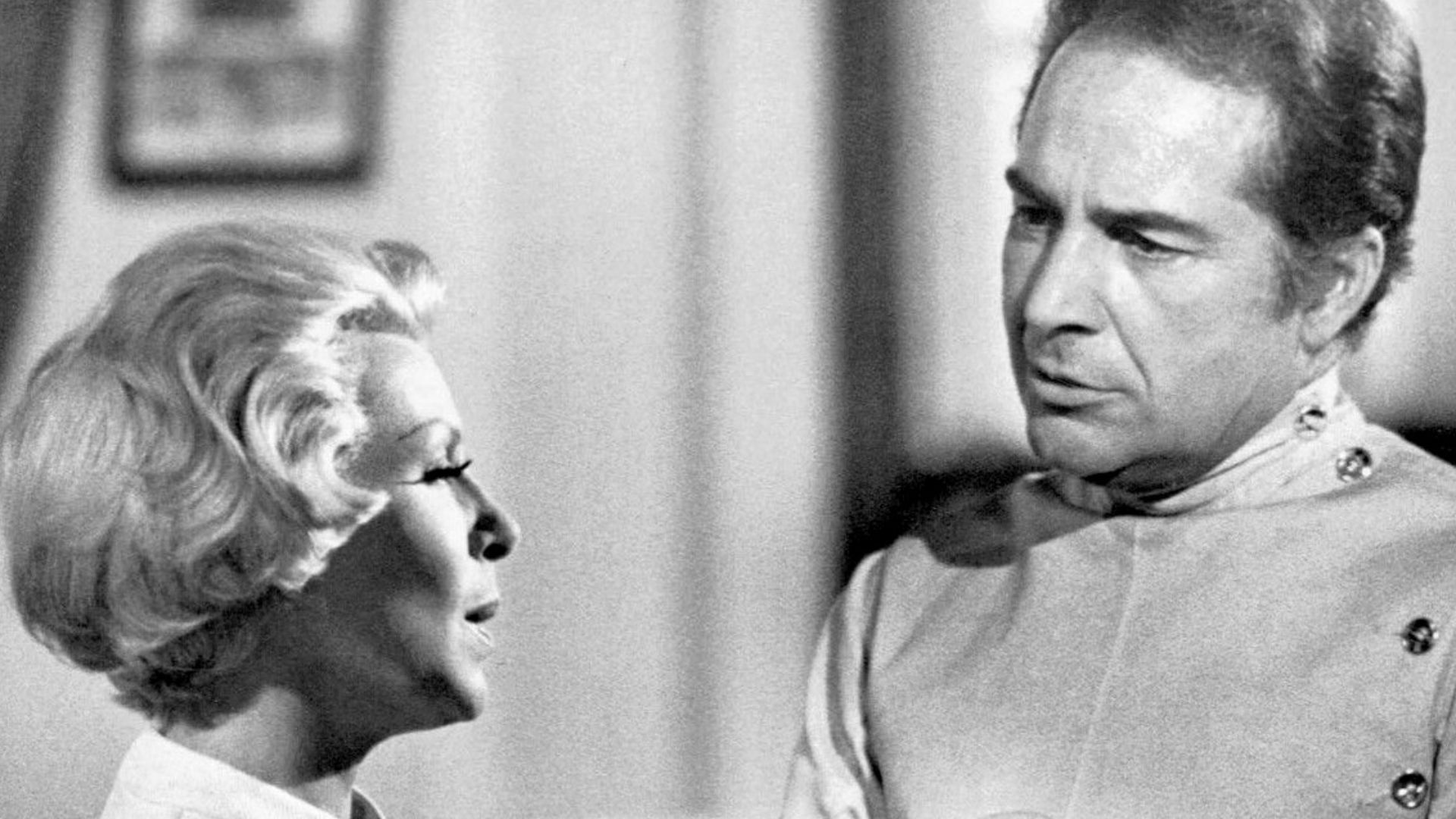 ABC Television, Wikimedia Commons
“Strange Paradise” (1969–1970)
Canada wanted its own Dark Shadows, and the result was Strange Paradise, a Gothic daytime soap involving supernatural possession, ancient curses, a wealthy family, and a mysterious Caribbean island. It had possession, curses, a Caribbean castle, and nearly every other Gothic ingredient—just no Barnabas Collins.
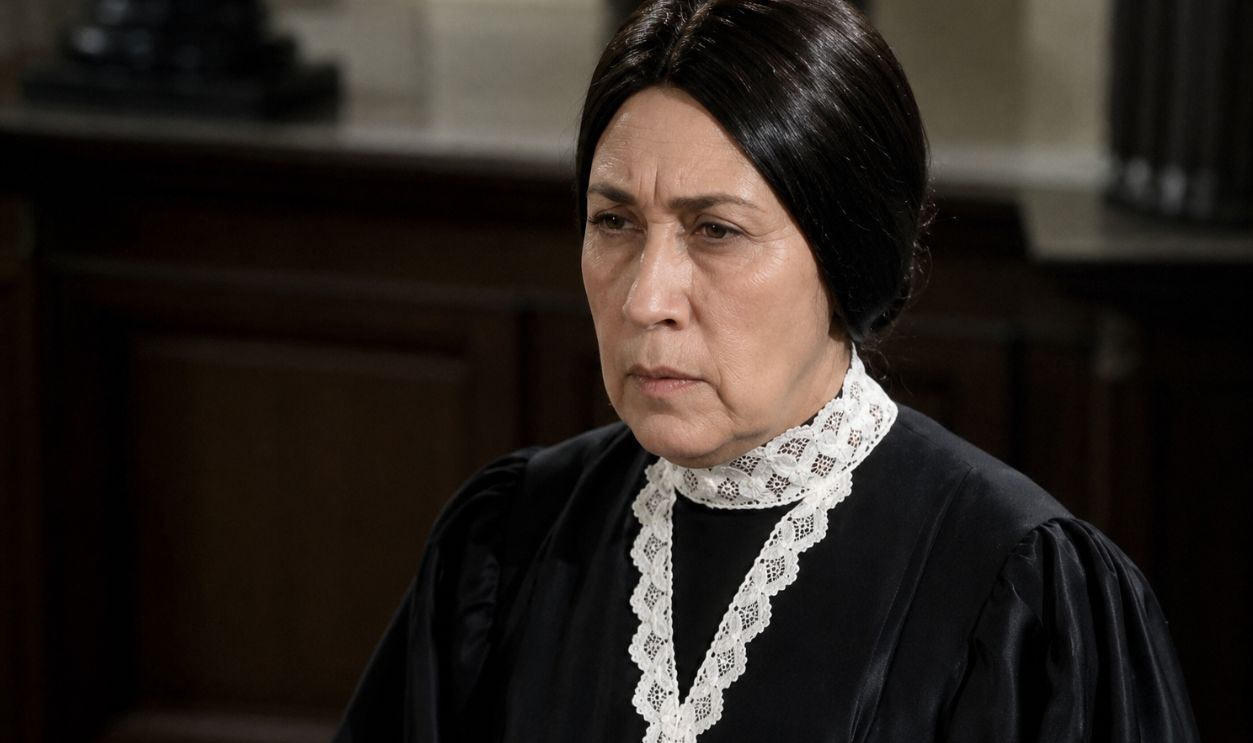 Screenshot from Strange Paradise, Metromedia(1969–1970), Enhanced
“Bright Promise” (1969–1972)
Created by the husband-and-wife team behind General Hospital, Bright Promise originally focused on the students and faculty of fictional Bancroft College. Dana Andrews played the college president before the stories gradually expanded into the surrounding town. It was a campus soap decades before television discovered attractive young people at college.
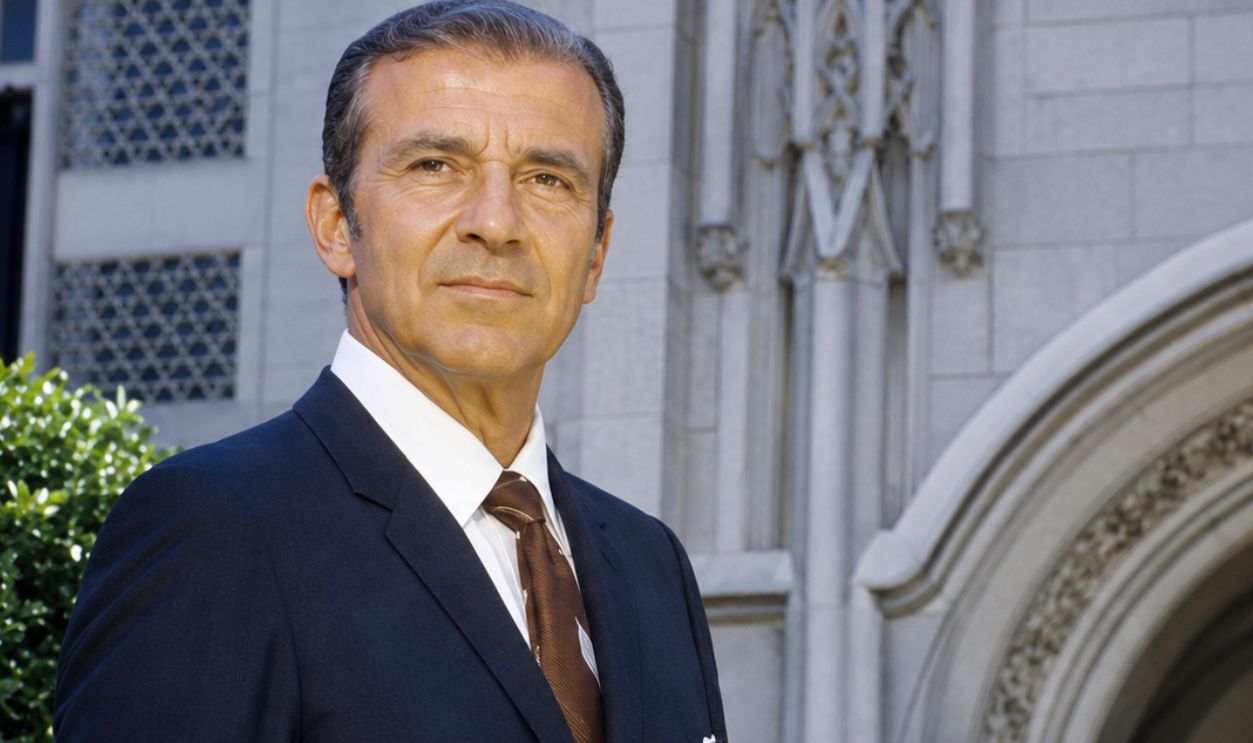 Screenshot from Bright Promise, NBC (1969–1972), Enhanced
“Where the Heart Is” (1969–1973)
This CBS soap followed the complicated Hathaway family and their lives in the fictional town of Northcross, Connecticut. It produced more than 900 episodes and featured future stars including James Mitchell and Louise Shaffer. Its title remains familiar. The actual show attached to that title is another matter entirely.
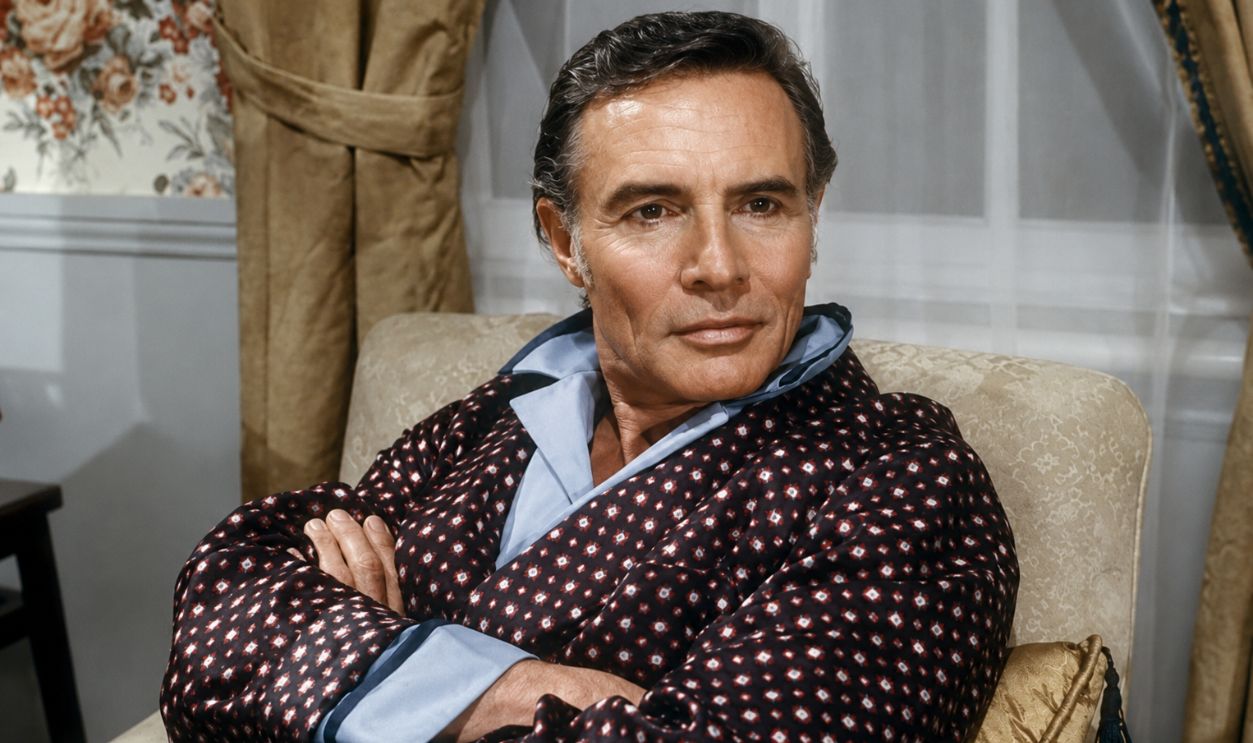 Screenshot from Where the Heart Is, CBS Television Network (1969–1973), Enhanced
“The Best of Everything” (1970)
Based on Rona Jaffe’s bestselling novel and its film adaptation, The Best of Everything followed four young secretaries working at a ruthless Manhattan publishing company. The stories dealt with careers, romance, ambition, and office politics. In other words, it was Mad Men with daytime lighting and considerably more frequent emotional emergencies.
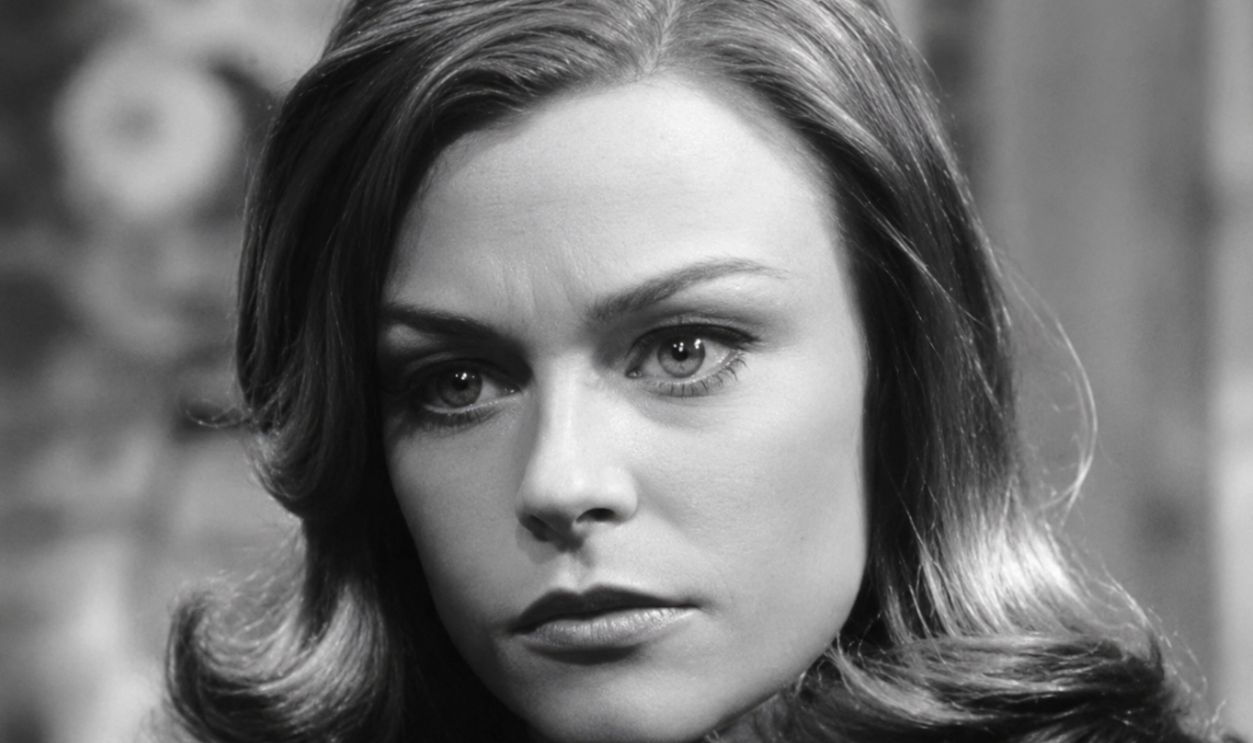 Screenshot from The Best of Everything, 20th Century Fox Television (1970), Enhanced
“A World Apart” (1970–1971)
A World Apart began with a wonderfully complicated idea: a soap opera about a woman who wrote a soap opera while raising two adopted children. Its cast included Susan Sarandon, Susan Sullivan, Dorothy Lyman, David Birney, and Clifton Davis. Apparently, nearly every future television star worked there briefly and agreed never to mention it again.
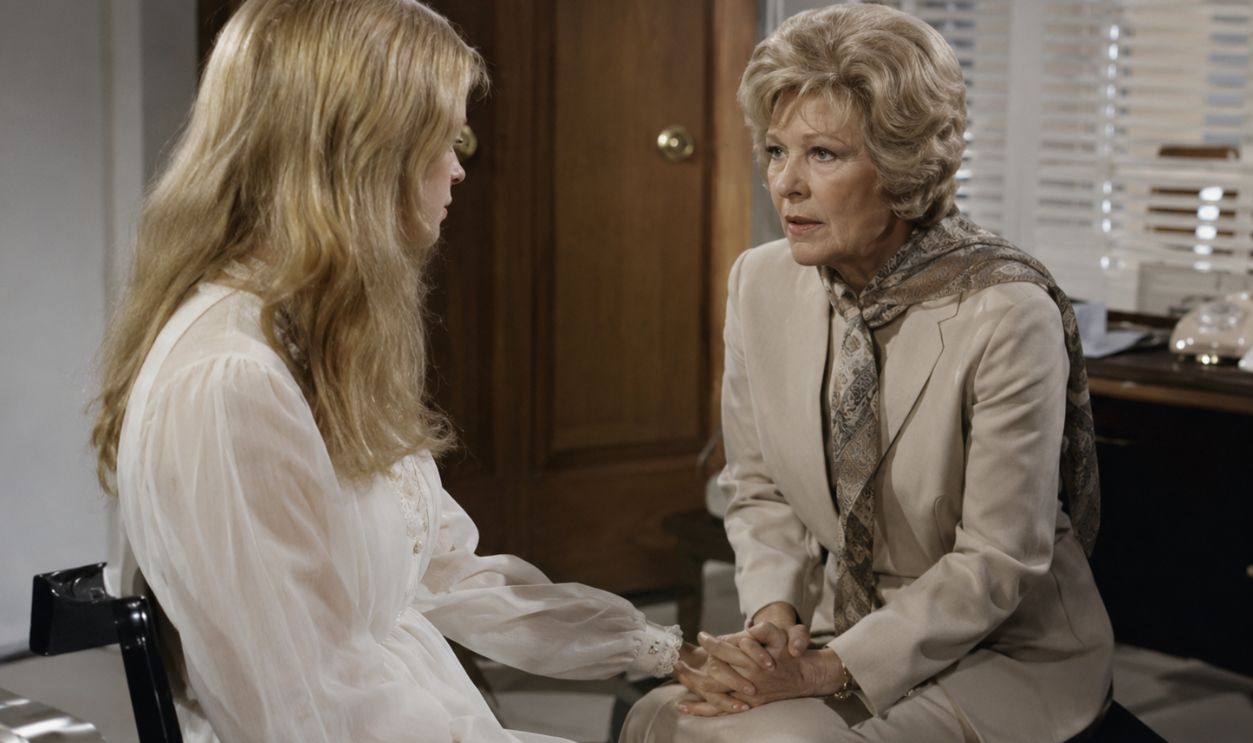 Screenshot from A World Apart, ABC (1970–1971), Enhanced
“Somerset” (1970–1976)
Originally called Another World in Somerset, this spinoff sent several Another World characters to a new town before gradually developing its own families and stories. It ran for nearly seven years and produced roughly 1,700 episodes. Today, “Somerset” is more likely to make people think of cheese, England, or a shopping mall.
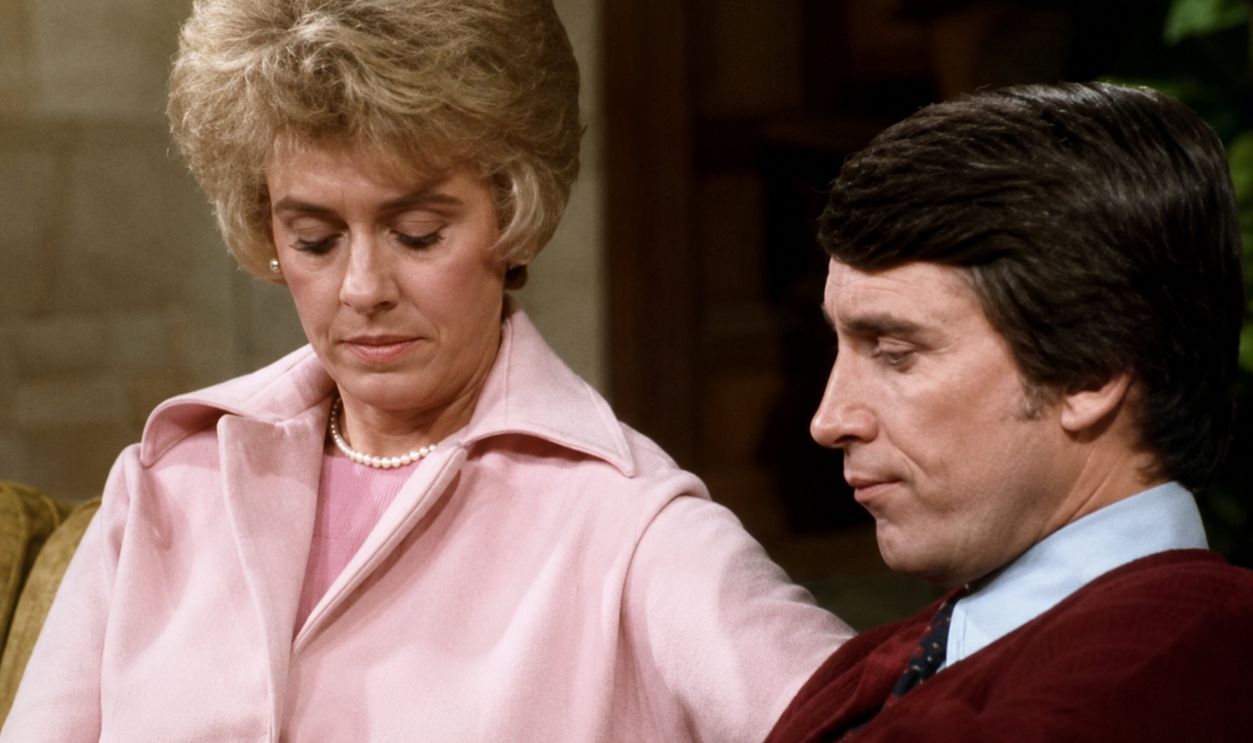 Screenshot from Somerset, NBC (1970–1976), Enhanced
“Return to Peyton Place” (1972–1974)
NBC brought the scandalous town of Peyton Place to daytime television, continuing stories from the famous prime-time series. Most of the familiar roles were played by new actors, although a few original cast members returned. It was less Return to Peyton Place and more Some Familiar People Have Returned to Peyton Place.
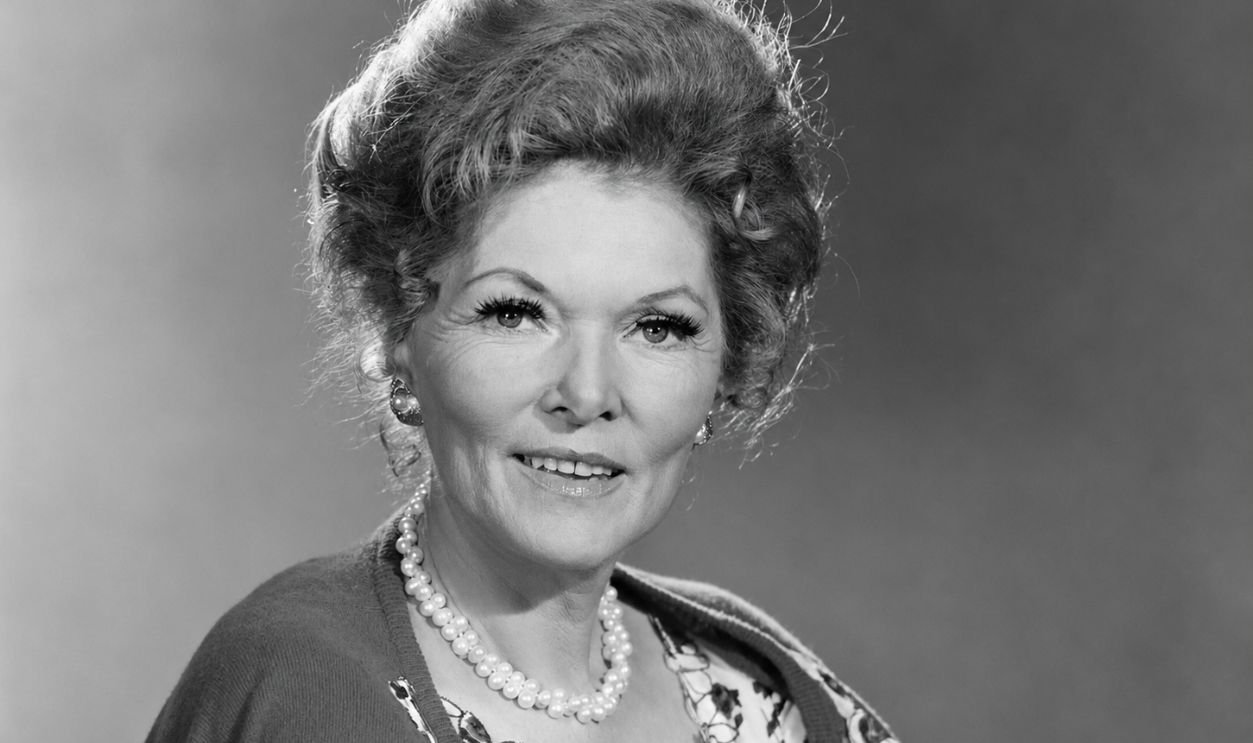 NBC Television, Wikimedia Commons, Modified
“How to Survive a Marriage” (1974–1975)
NBC’s How to Survive a Marriage focused on divorce, careers, custody disputes, widowhood, and changing expectations for women. Veteran soap actress Rosemary Prinz received top billing, and the stories were more socially grounded than many daytime dramas. The answer to the title’s question was apparently not “watch this show.”
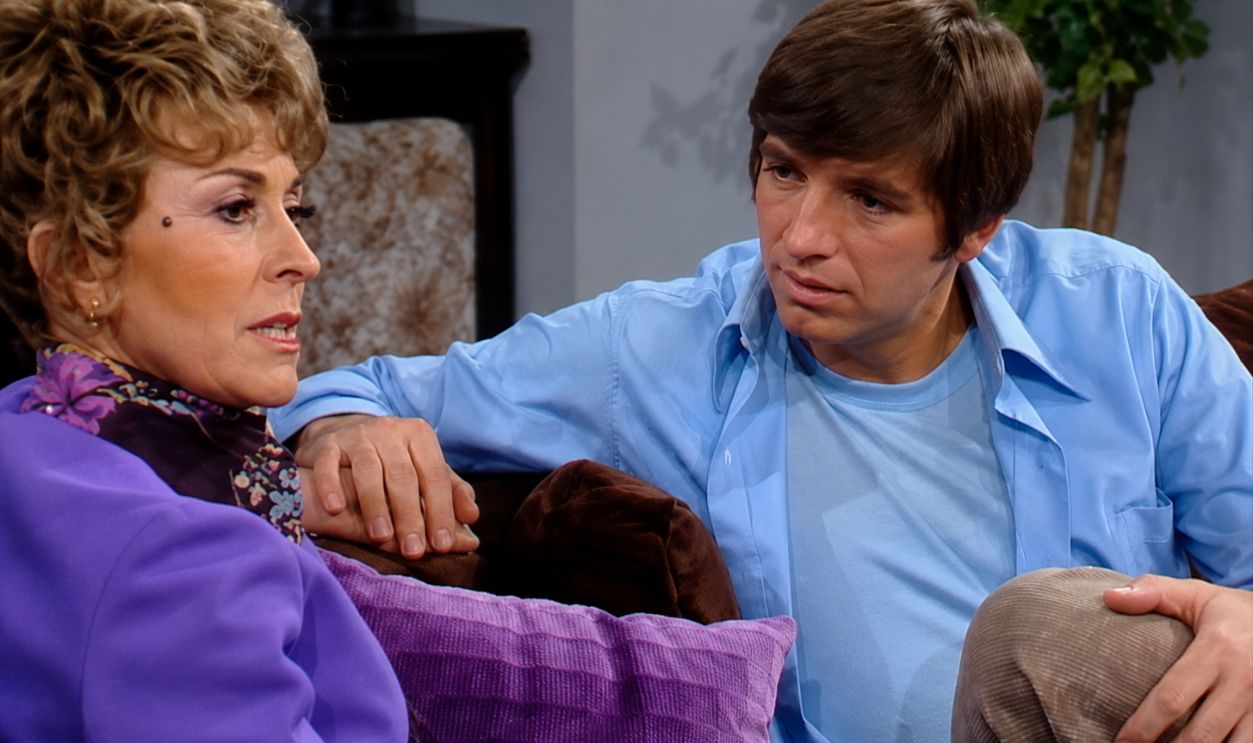 Screenshot from How to Survive a Marriage, NBC (1974–1975), Enhanced
“Love of Life” (1951–1980)
Love of Life aired for nearly 29 years and produced more than 7,000 episodes, yet it rarely gets mentioned beside the better-remembered classic soaps. Its stories followed the moral and romantic battles between good sister Vanessa and troublesome sister Meg. Thousands of episodes, decades of drama, and barely a ripple in modern nostalgia.
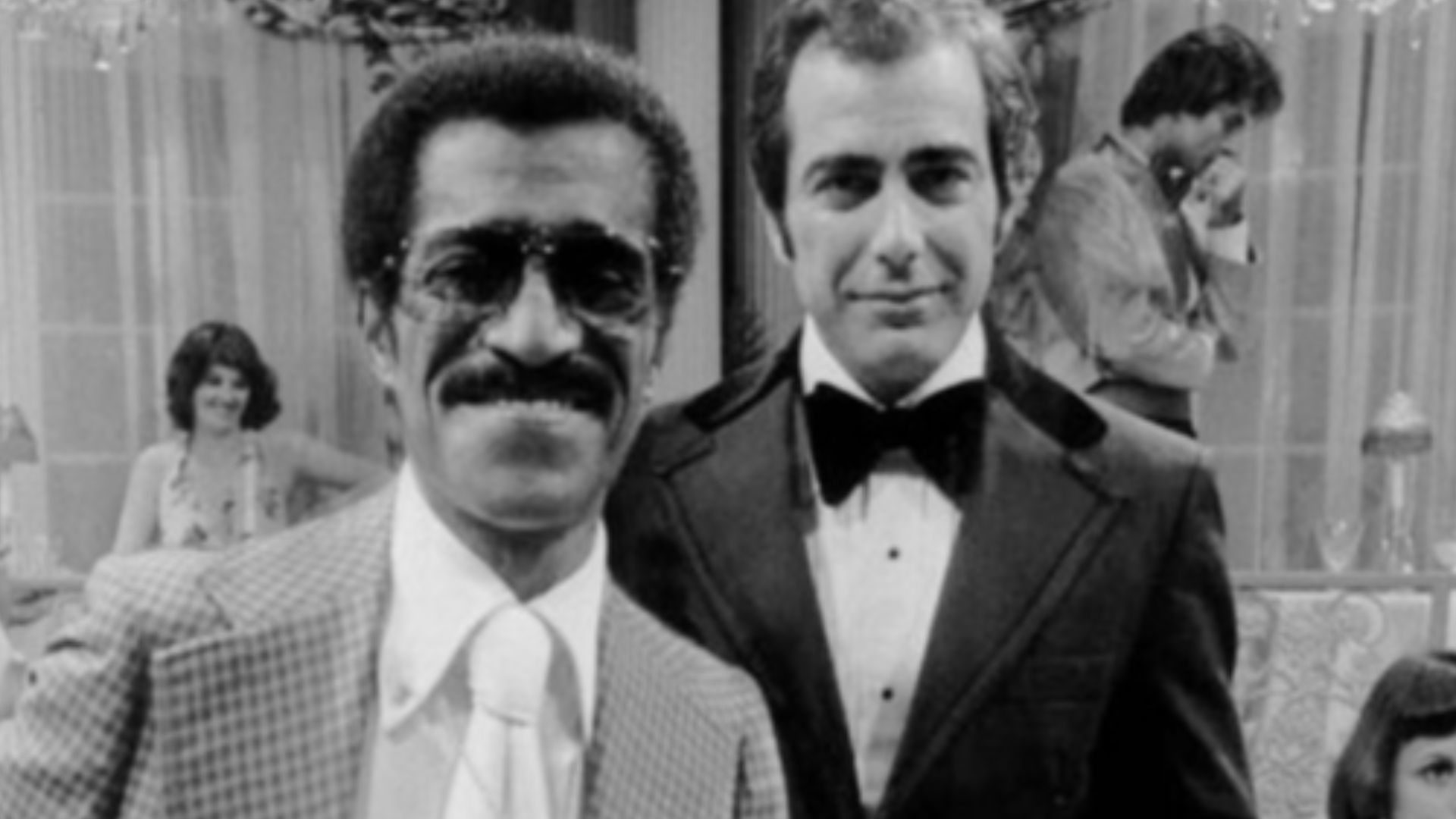 CBS Television, Wikimedia Commons
“Executive Suite” (1976–1977)
This CBS prime-time soap focused on the personal and professional wars inside a giant California corporation. Mitchell Ryan and Stephen Elliott played rival executives battling for control, while the cast also included Leigh McCloskey and Wendy Phillips. It was Dynasty before Dynasty, just without the shoulder pads big enough to preserve it.
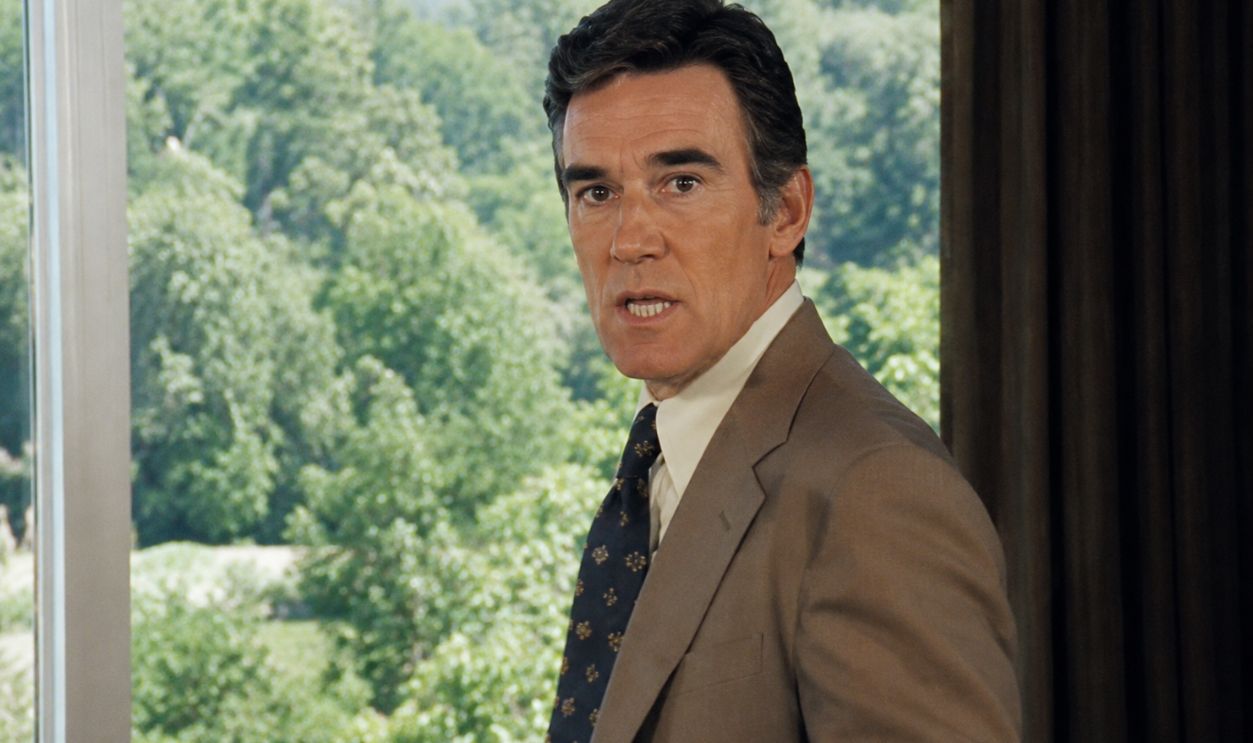 Screenshot from Executive Suite, Metro-Goldwyn-Mayer Television (1976–1977), Enhanced
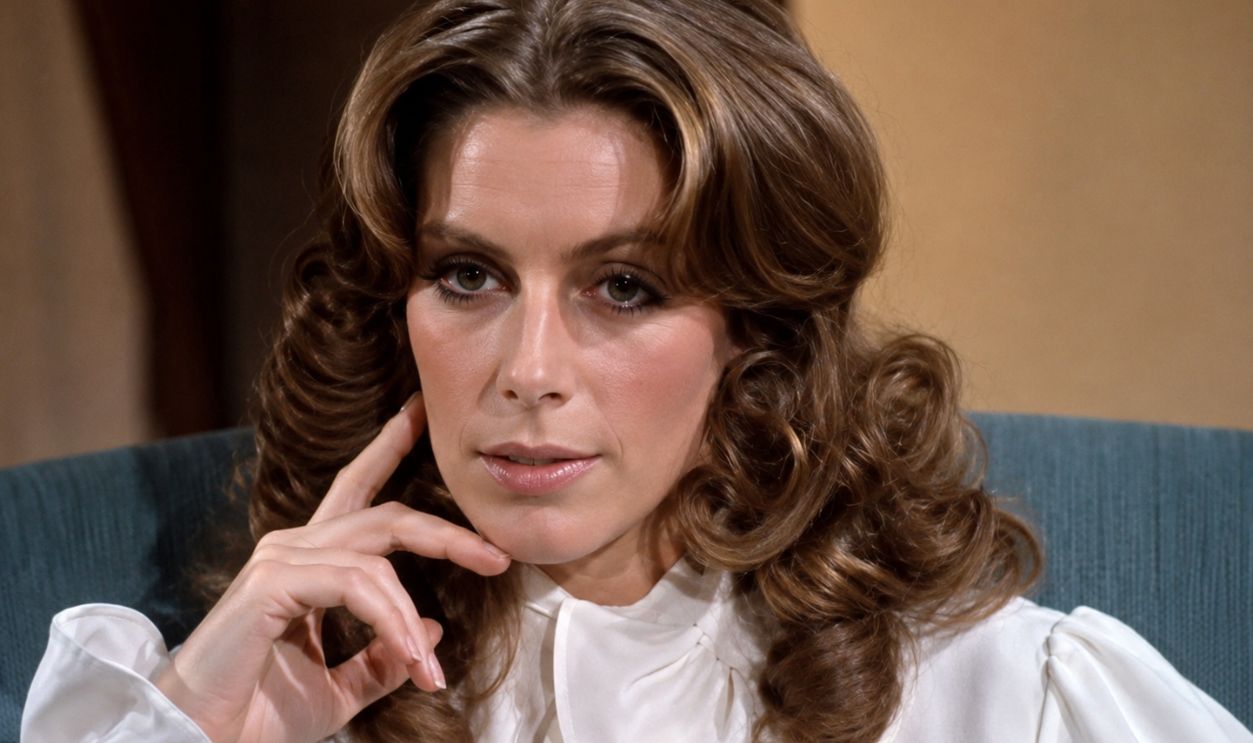
“Lovers and Friends” and “For Richer, For Poorer” (1977–1978)
NBC launched Lovers and Friends around two neighboring families—one wealthy and one middle class—whose relationships constantly collided. The network later pulled it, reworked the characters, and relaunched the same series as For Richer, For Poorer. One soap, two titles, and an identity crisis dramatic enough to deserve its own storyline.
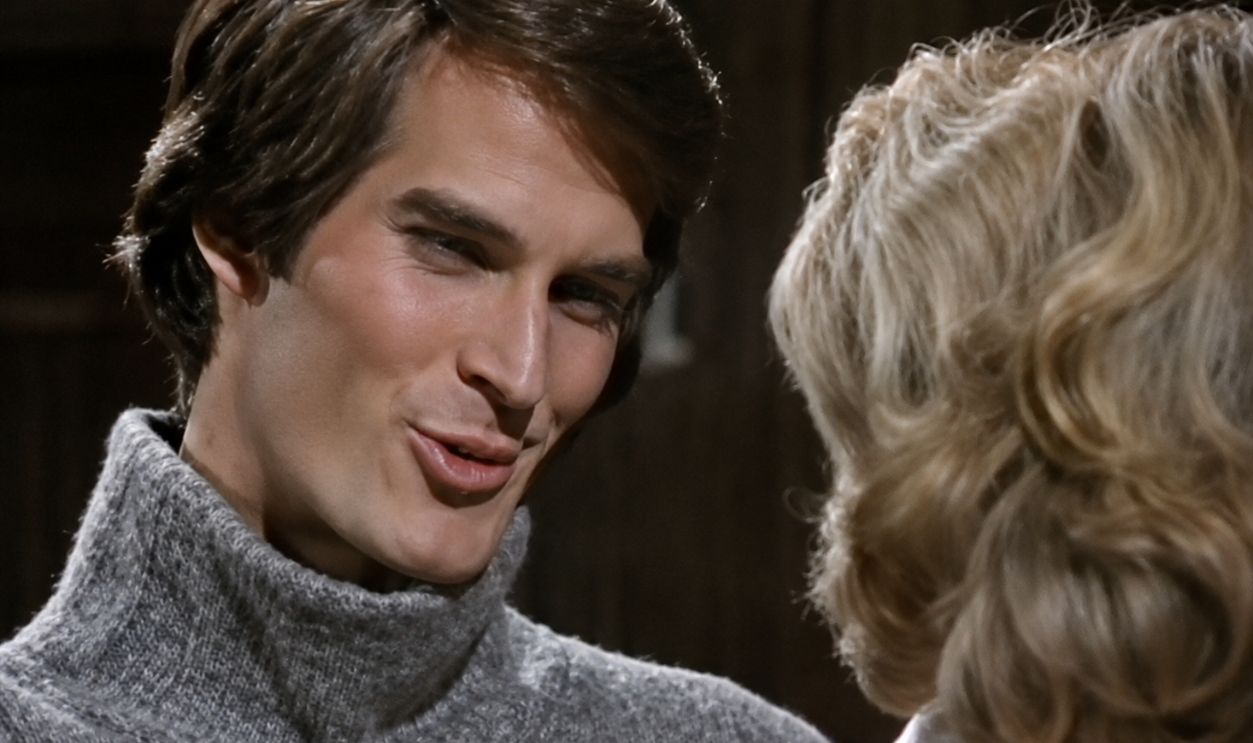 Screenshot from For Richer, For Poorer, NBC (1977–1978), Enhanced
How Many Did You Actually Remember?
A few of these shows lasted only months, so forgetting them seems fair. But others aired every weekday for years, produced thousands of episodes, and once had viewers organizing their afternoons around them.
So, did you remember five? And recognizing a title after reading the description doesn’t count. Nice try.
 Screenshot from For Richer, For Poorer, NBC (1977–1978), Enhanced
You Might Also Like:
Sitcom Neighbors Who Became Just As Memorable As The Main Characters
These Legendary Stars Appeared On The Dean Martin Show—Did You Catch Any Of Their Episodes?