Rod Serling Wanted Television To Say Something Important
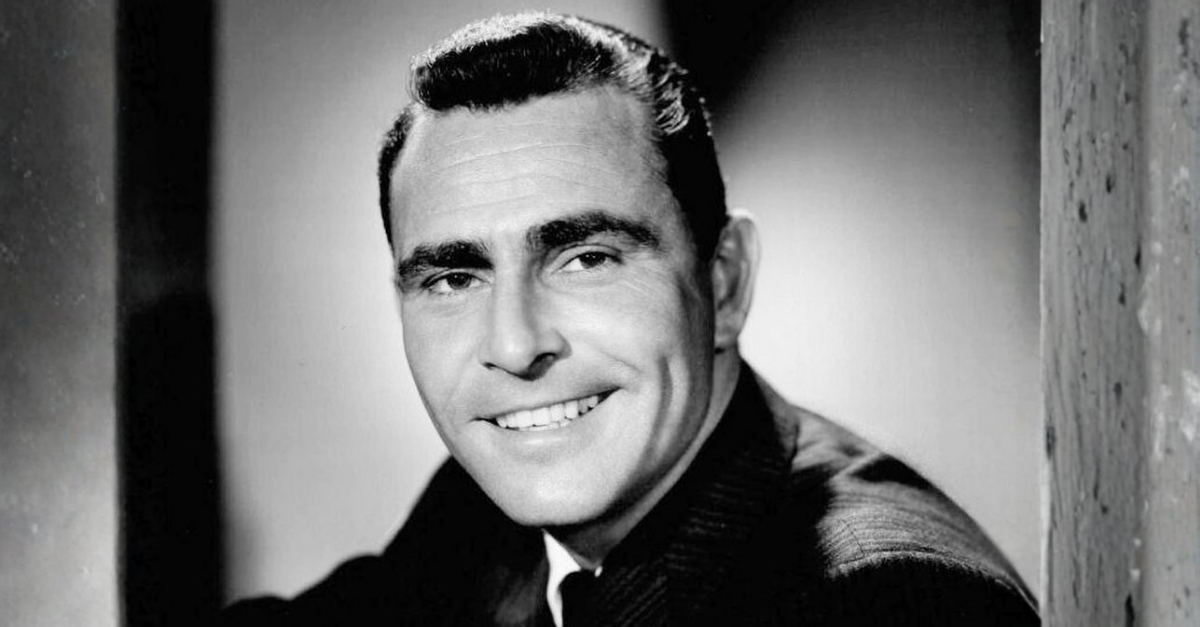
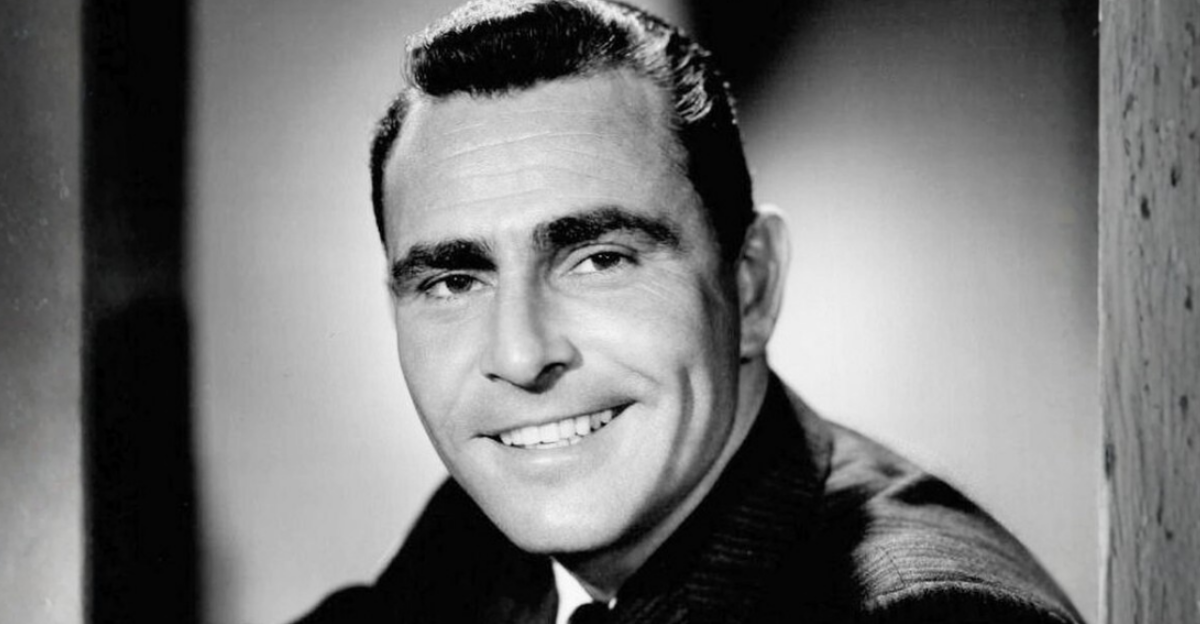
Long before The Twilight Zone became a television classic, Rod Serling had already built a reputation as one of the medium's boldest writers. His live television dramas tackled prejudice, politics, labor disputes, and social injustice at a time when many networks preferred safer material. That ambition quickly put him on a collision course with advertisers and television executives.
 CBS Television, Wikimedia Commons
Live Television Made Him A Star
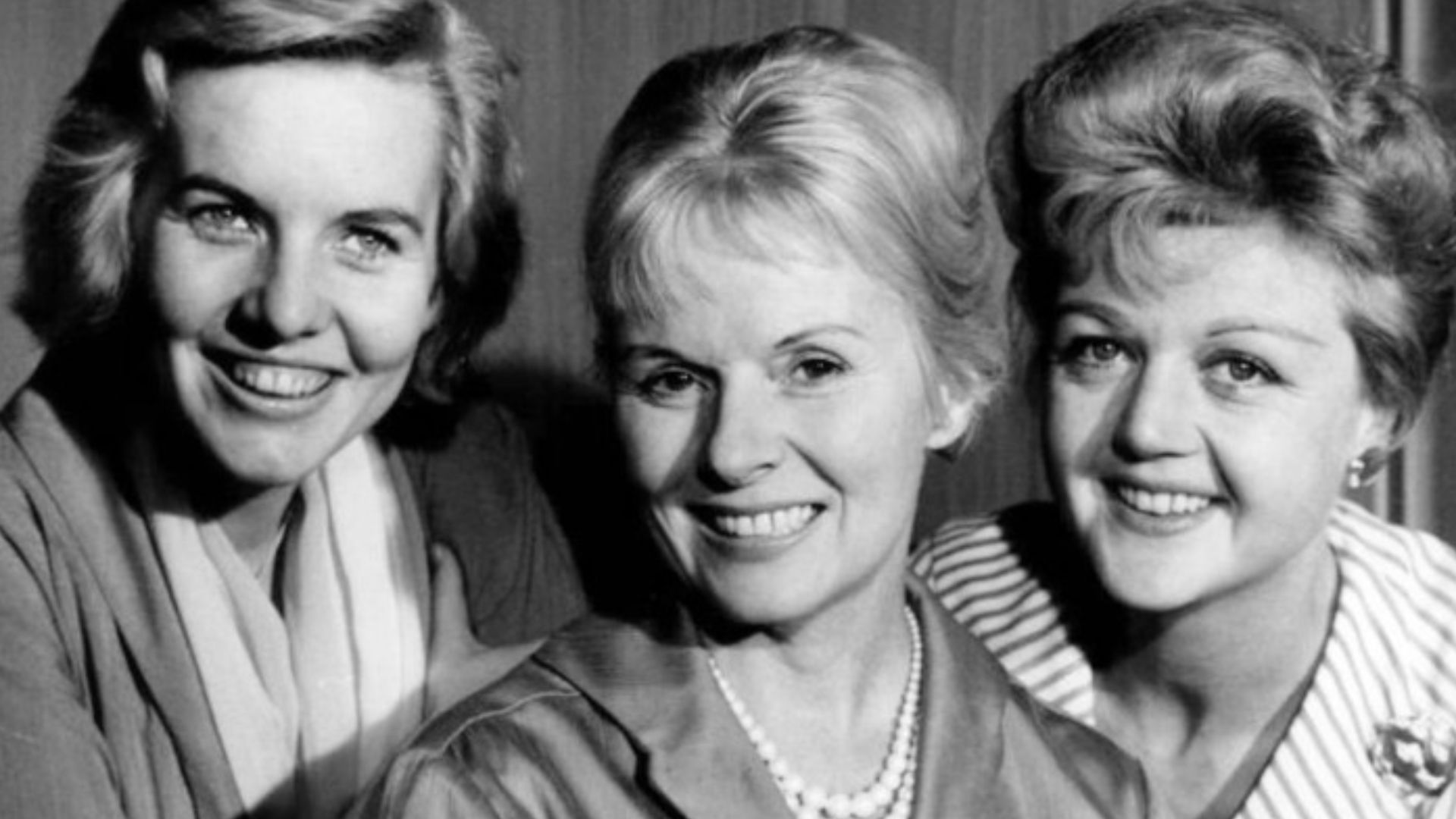
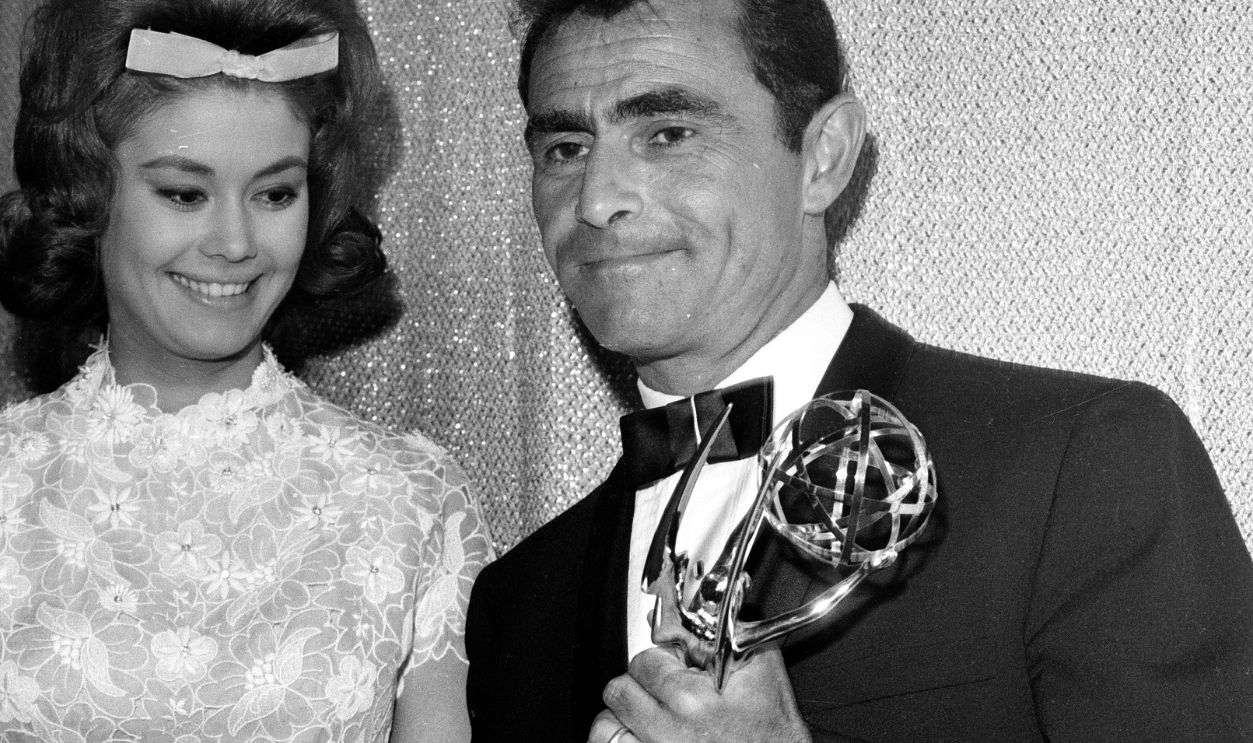
During the 1950s, Serling became one of television's most celebrated writers through acclaimed anthology series like Playhouse 90 and Kraft Television Theatre. His scripts earned multiple Emmy Awards and widespread praise for their emotional depth and willingness to address difficult subjects. Success, however, also exposed him to the realities of sponsor-controlled television.
 CBS Television, Wikimedia Commons
Sponsors Often Held More Power Than Writers
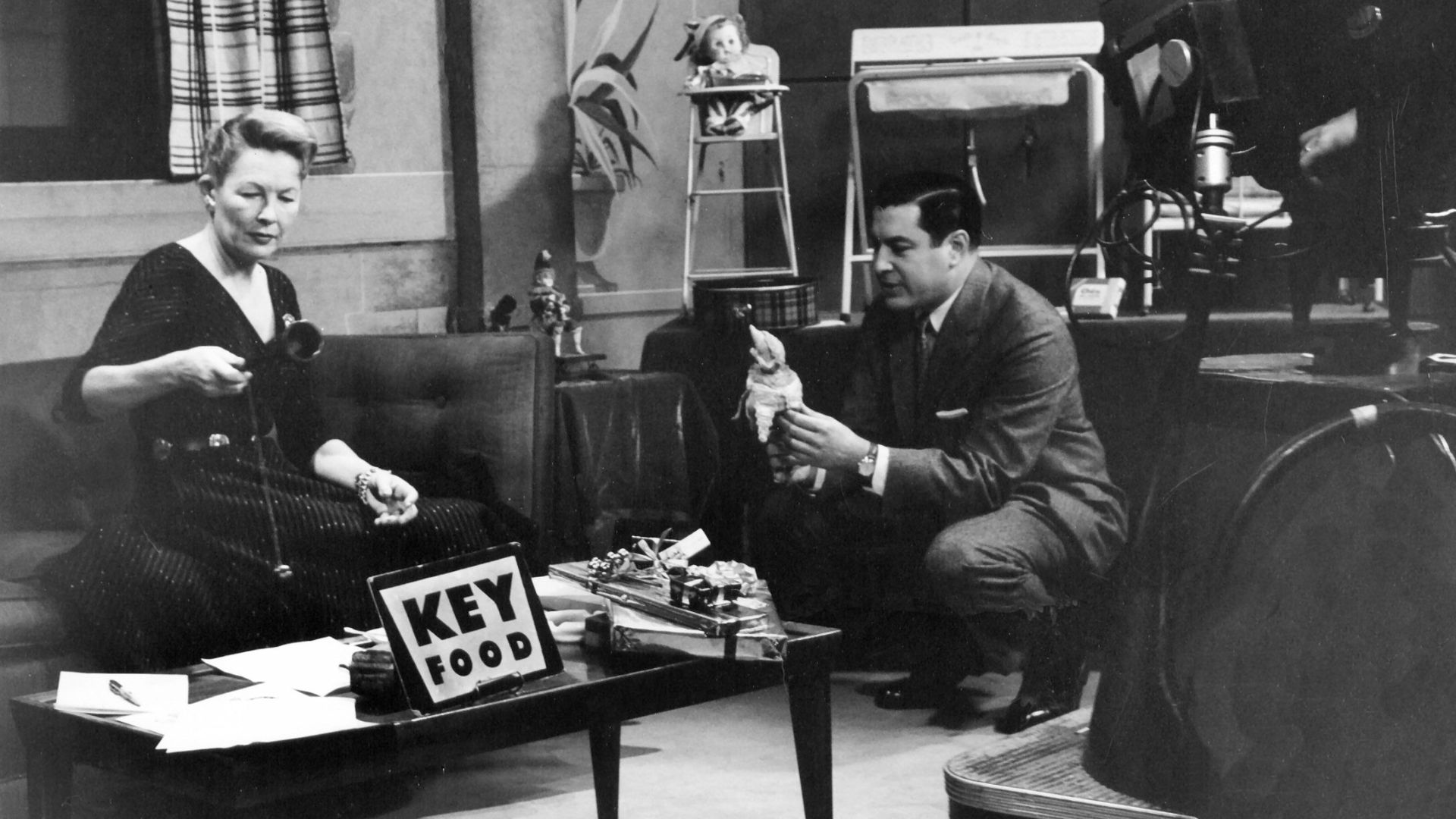
Television in the 1950s relied heavily on single sponsors that financed entire programs. Those companies frequently reviewed scripts and requested changes if they believed a story could offend customers or reflect poorly on their products. Serling repeatedly criticized this system, arguing that commercial concerns often overpowered artistic judgment.
A Script About PrejudiceWas Completely Transformed
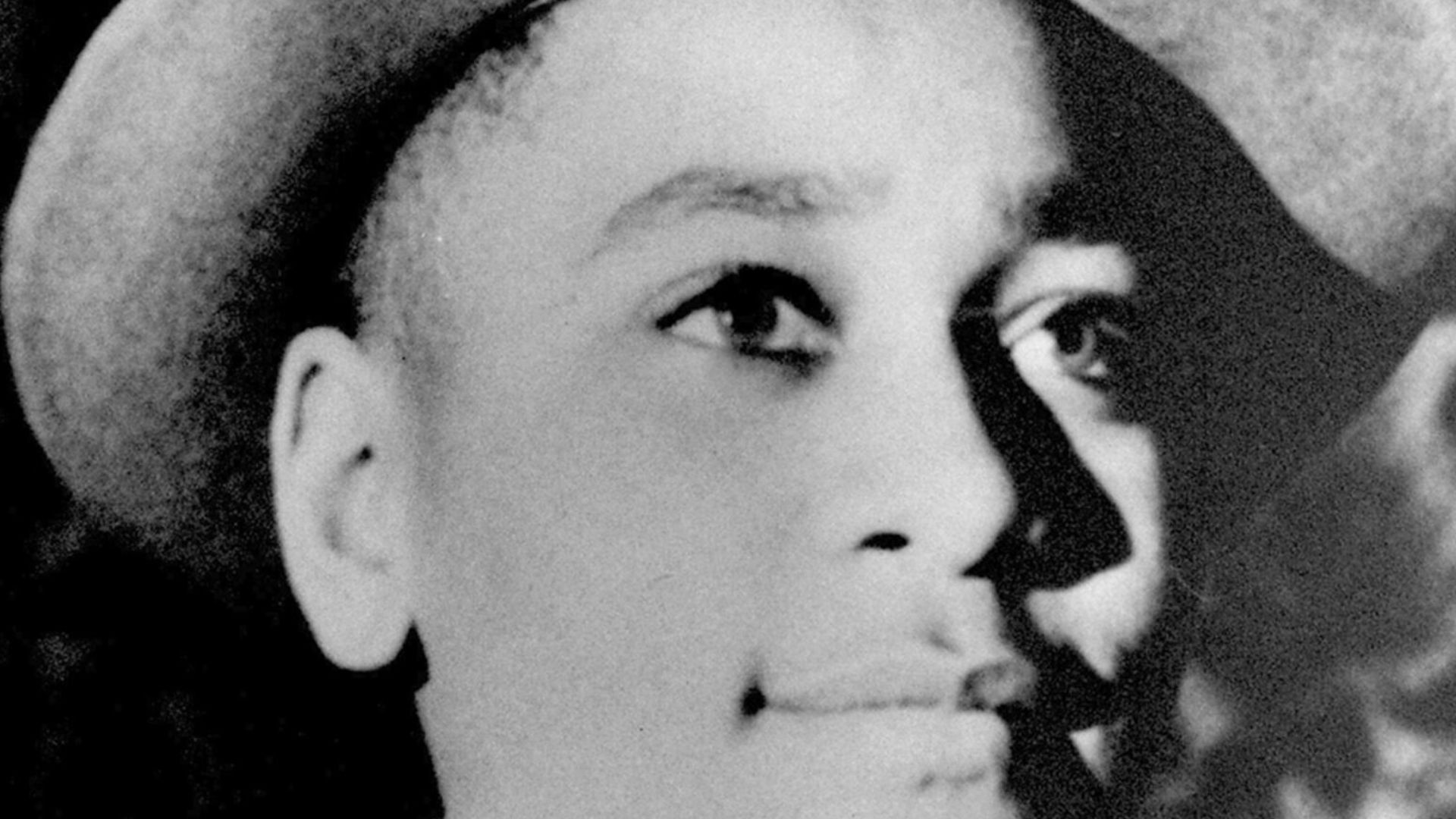
One of Serling's biggest frustrations came with his teleplay Noon on Doomsday, inspired by the 1955 case of Emmett Till. Network executives and sponsors demanded so many revisions that the story's setting, characters, and message changed dramatically before it aired. Serling later remarked that the original script had effectively "turned to dust" after all the compromises.
 Mamie Till Bradley, Wikimedia Commons
Even Simple Details Could Be Rejected
The censorship sometimes bordered on absurdity. Serling recalled being forced to remove references to the Chrysler Building because Ford sponsored the program. In another instance, dialogue mentioning a match was cut because the sponsor manufactured lighters, illustrating how deeply advertisers influenced television scripts.

Holocaust References Also Faced Resistance
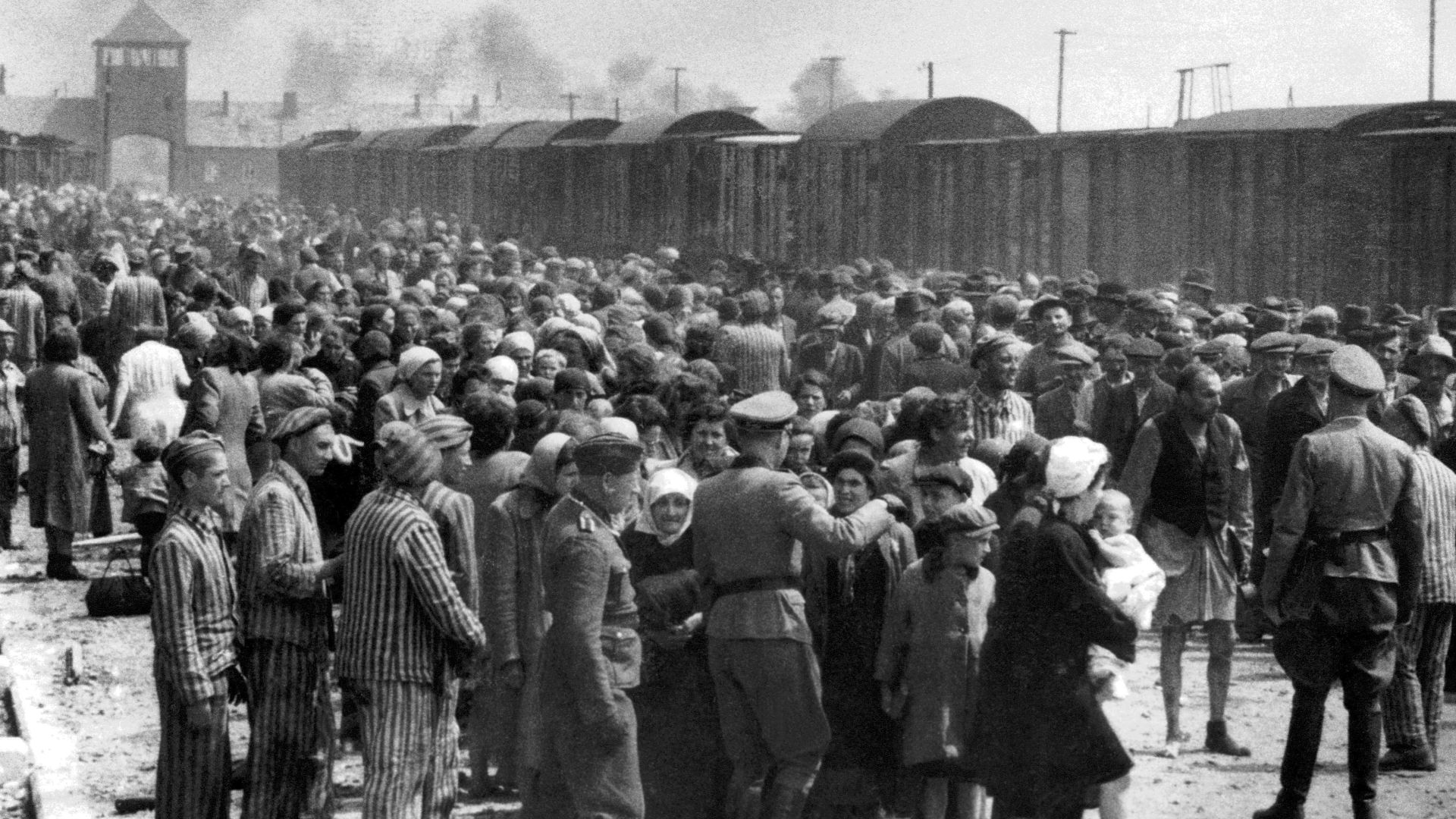
Serling also described writing a script that mentioned gas chambers, only to have the reference removed because the sponsor sold gas appliances. While the historical subject had nothing to do with the advertised product, executives feared viewers might make unwanted associations. The experience reinforced Serling's belief that advertisers were limiting meaningful storytelling.
 Bernhard Walter, Wikimedia Commons
Pre-Censorship Became An Even Bigger Problem
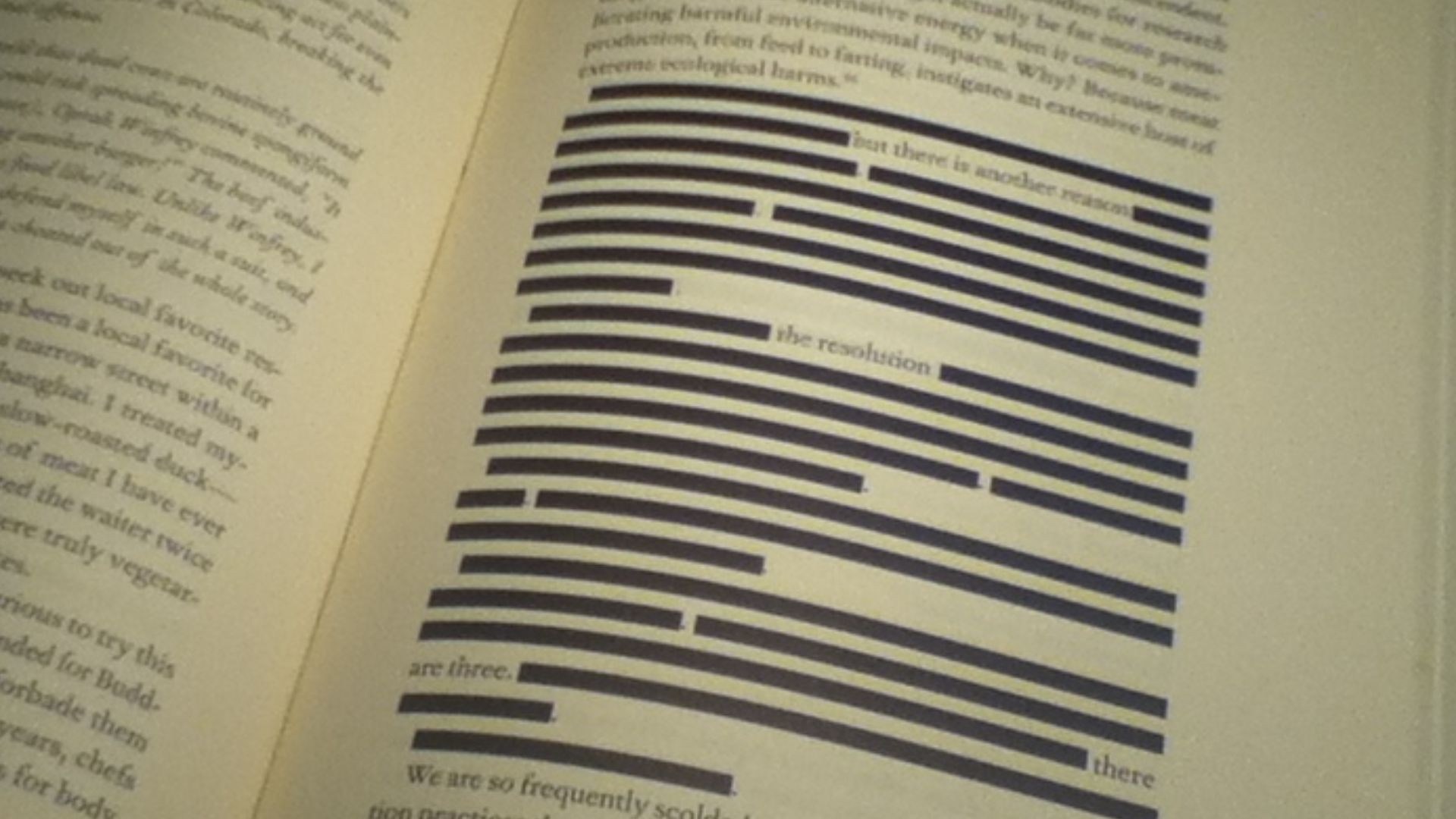
According to Serling, writers eventually began censoring themselves before submitting scripts. Knowing which topics advertisers would reject, many simply avoided controversial issues altogether. He believed this "pre-censorship" quietly weakened television by discouraging creative risks before they even reached producers.
A Famous Mike Wallace Interview Captured His Frustration
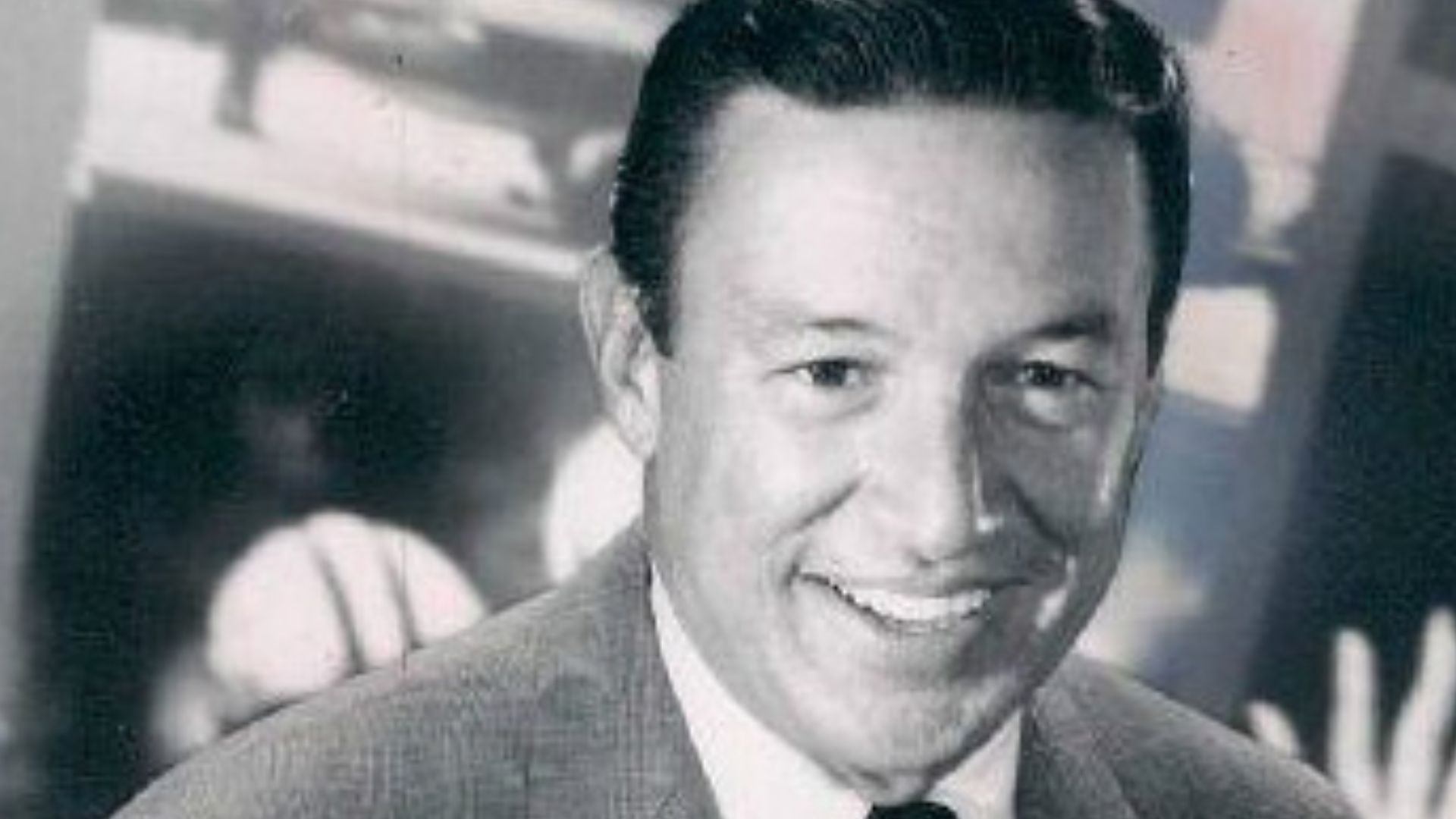
Just days before The Twilight Zone premiered in 1959, Serling sat down with Mike Wallace for an interview that has become legendary. He openly discussed sponsor interference, compromises, and the difficulty of creating serious television under commercial pressure. The conversation remains one of the clearest records of how frustrated he had become with the industry.
 CBS Television, Wikimedia Commons
Science Fiction Offered A Clever Escape Route
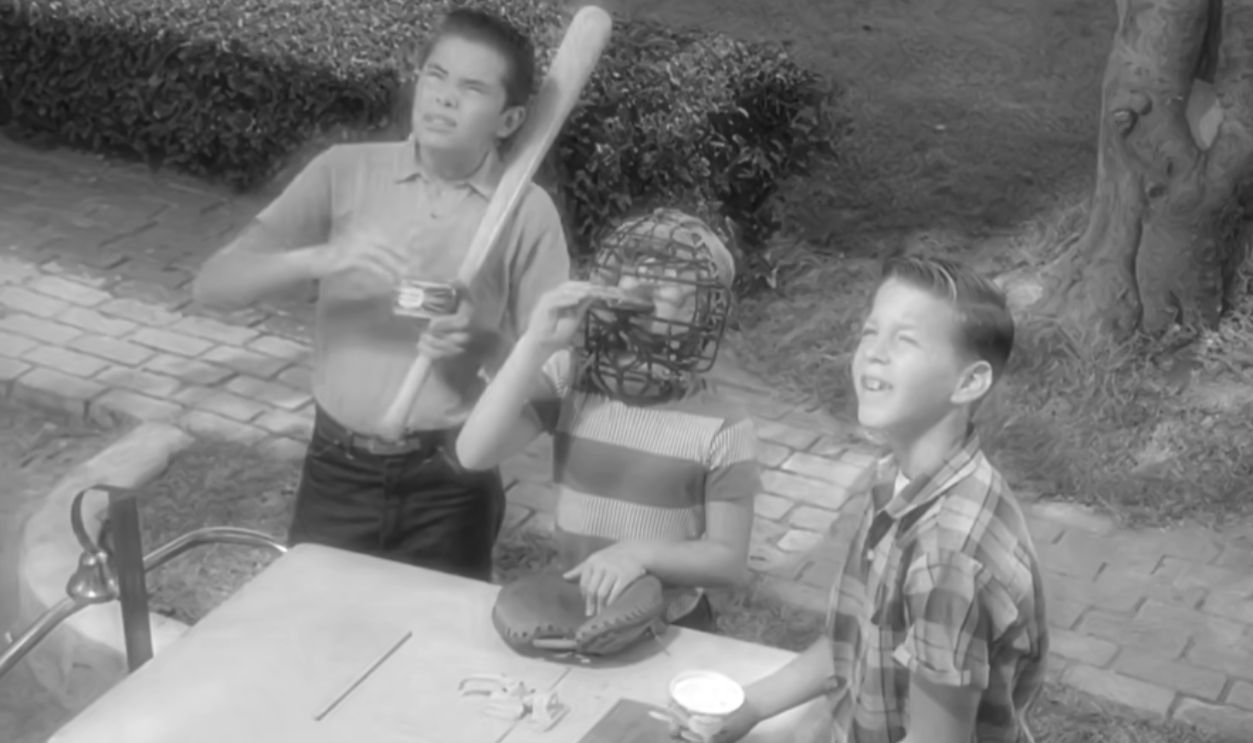
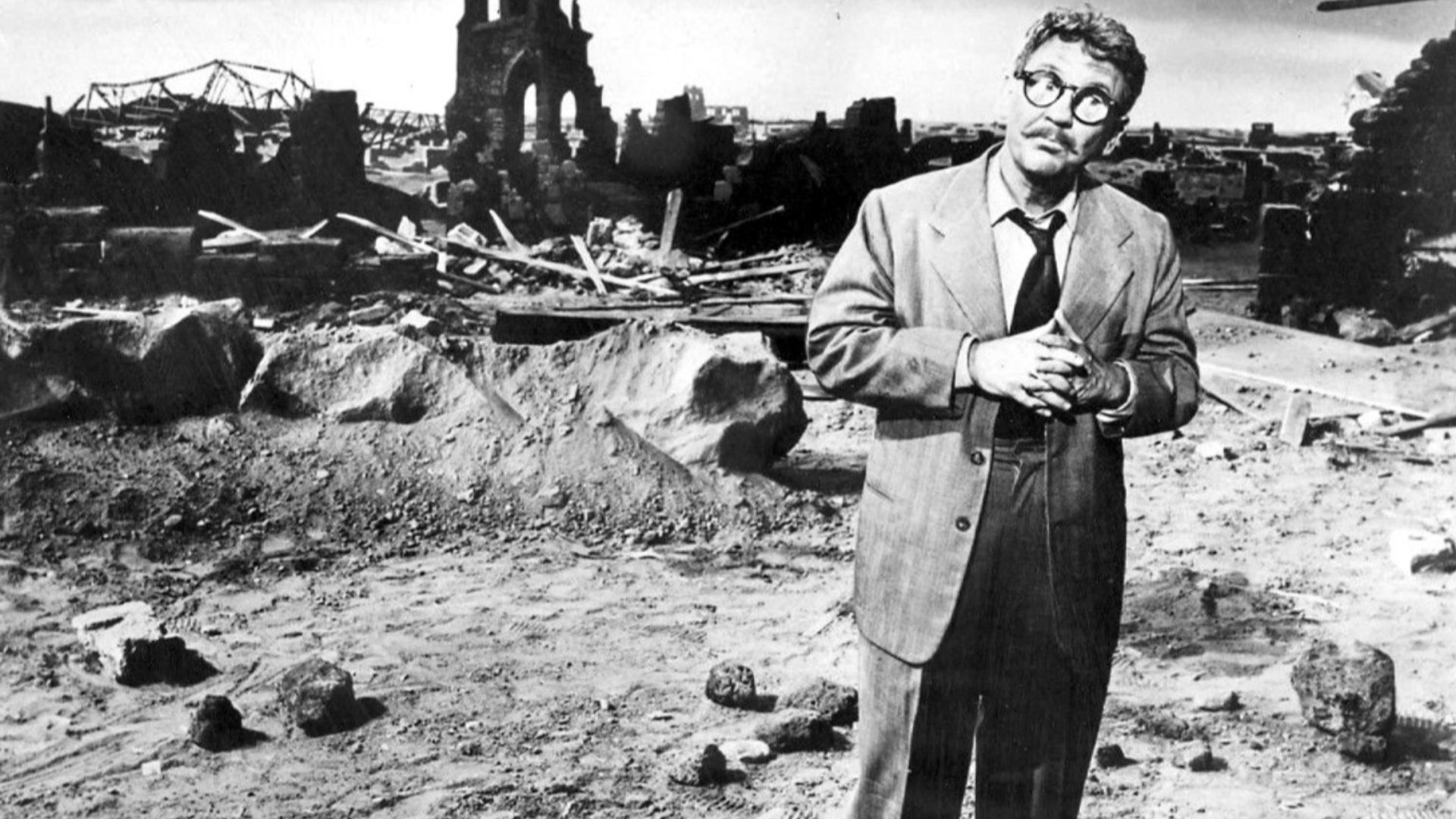
Instead of abandoning controversial subjects, Serling found another way to discuss them. Science fiction and fantasy allowed him to disguise commentary about war, conformity, authoritarianism, and prejudice inside imaginative stories. Because the themes were presented metaphorically, they often attracted less resistance from network censors.
 Screenshot from The Twilight Zone, CBS (1959–1964)
The Twilight Zone Was Built Around That Strategy
When The Twilight Zone debuted on CBS in 1959, viewers encountered strange worlds filled with aliens, robots, mysterious strangers, and impossible events. Beneath those supernatural plots, however, Serling frequently explored real human fears and social issues. The fantasy format became a creative shield that let him say things conventional dramas often could not.
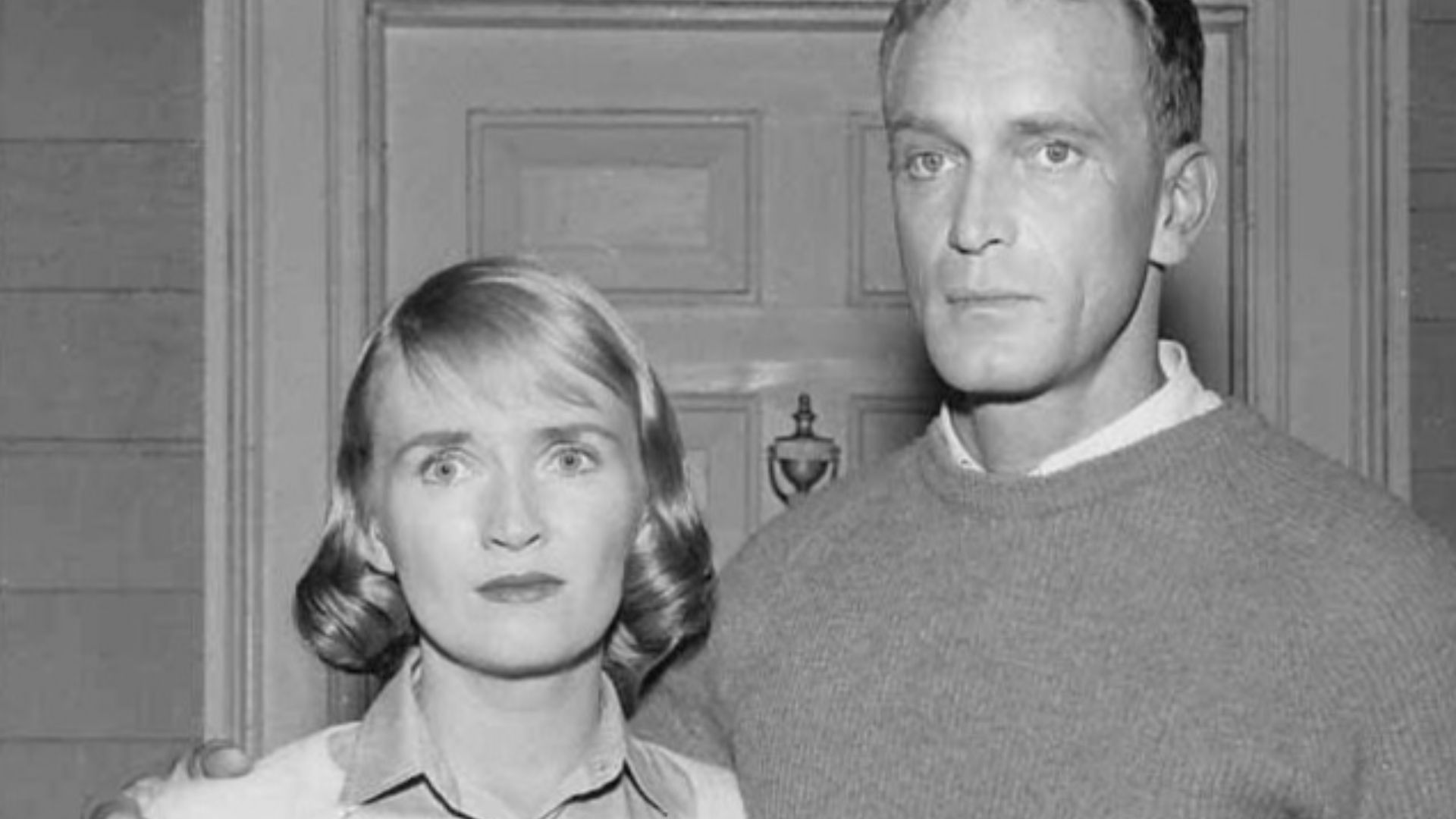 CBS Television, Wikimedia Commons
The Show Still Wasn't Completely Free
Although The Twilight Zone gave Serling greater freedom, it did not eliminate interference altogether. Sponsors still funded the series, and CBS still had final authority over what appeared on the air. Serling later acknowledged that fantasy simply attracted less scrutiny than overtly political dramas.
Serling Also Became The Face Of His Own Series
Initially, Serling's on-camera introductions were relatively limited. As the series evolved, his calm narration and memorable opening monologues became one of The Twilight Zone's defining features. His presence gave the anthology a distinctive identity that audiences immediately recognized.
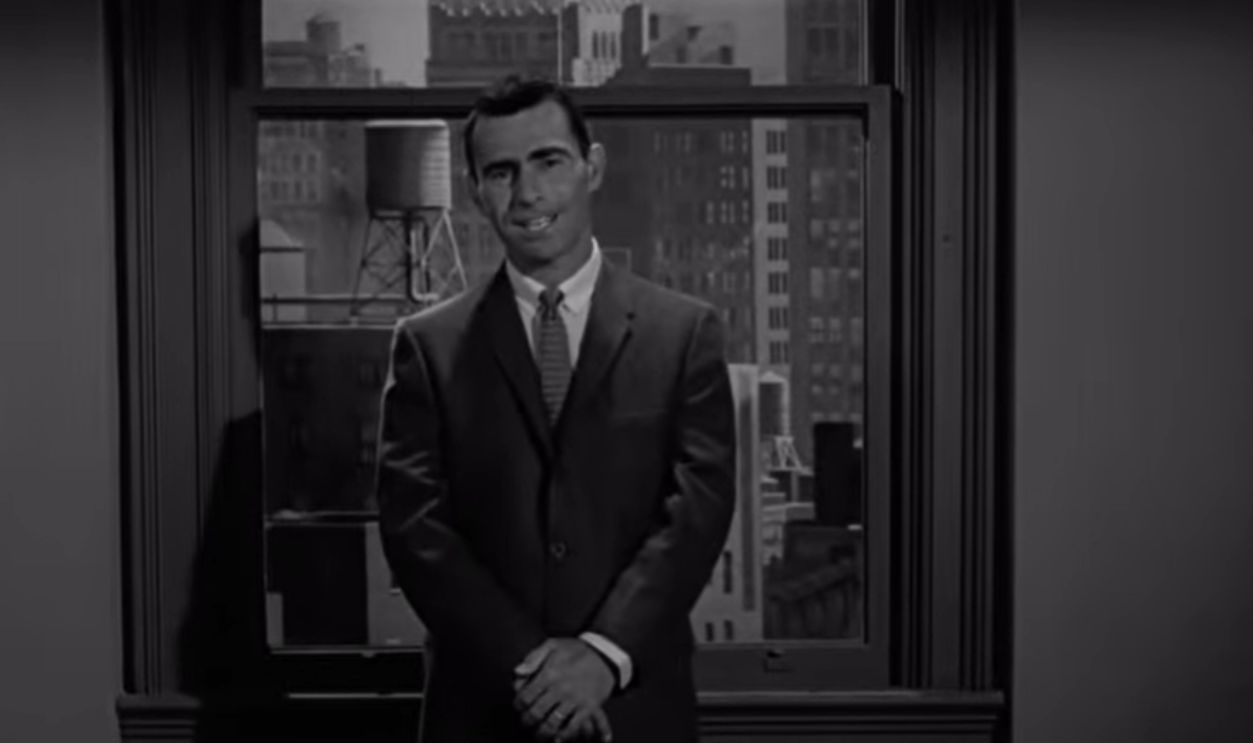 Screenshot from The Twilight Zone, CBS (1959–1964)
Ratings Were Never Guaranteed
Despite its later reputation as a television masterpiece, The Twilight Zone occasionally faced uncertain ratings and sponsor concerns during its original run. At one point, CBS even explored replacing Serling as host before sponsors ultimately renewed the series. The program's survival was never as certain as modern viewers might assume.
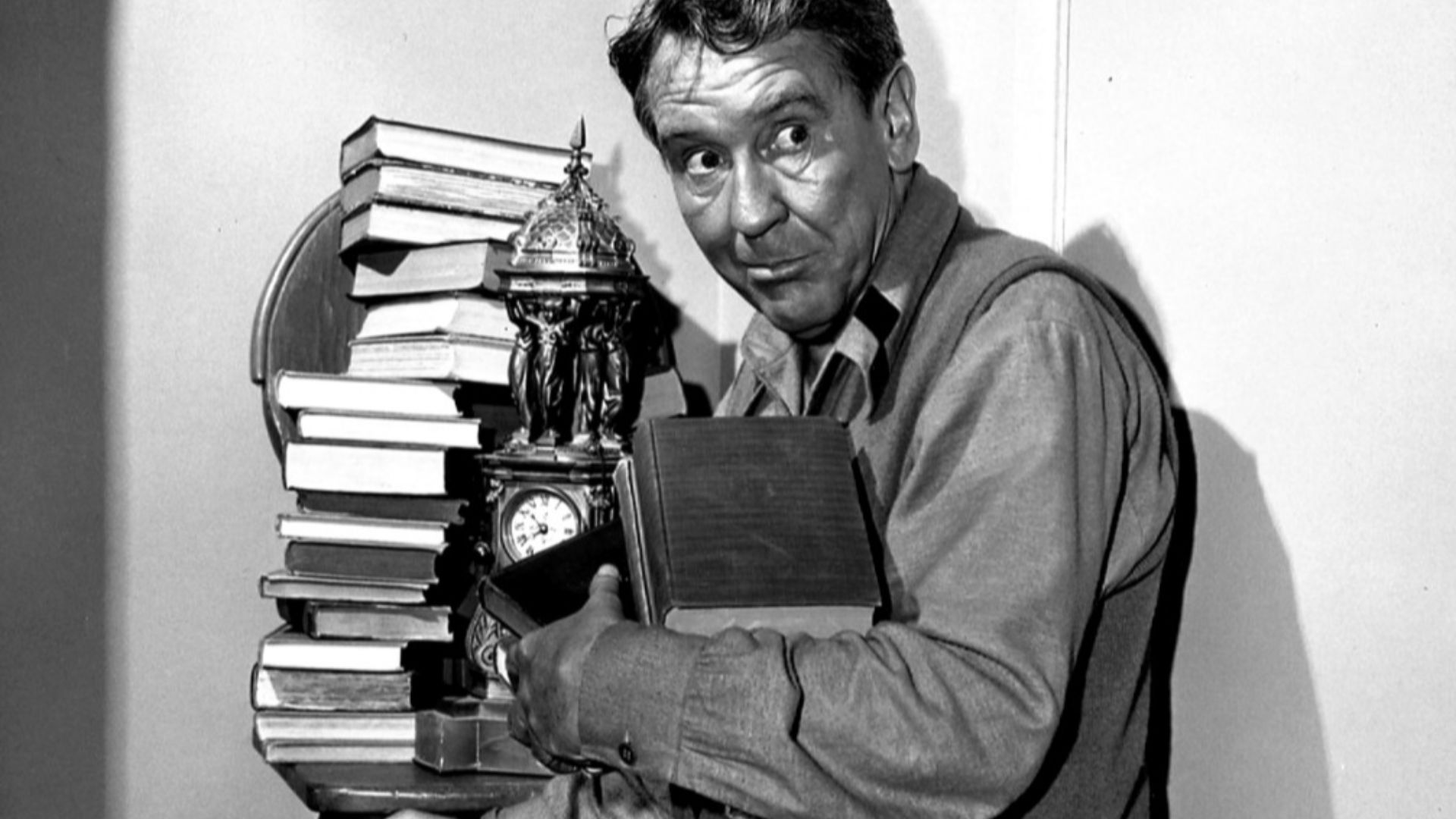 CBS Television, Wikimedia Commons
His Workload Was Enormous
Serling was far more than the show's host. He served as creator, executive producer, narrator, and principal writer, personally writing or adapting the majority of its 156 episodes. Maintaining that pace while constantly negotiating with networks and sponsors demanded an extraordinary amount of work.
He Never Stopped Speaking Out
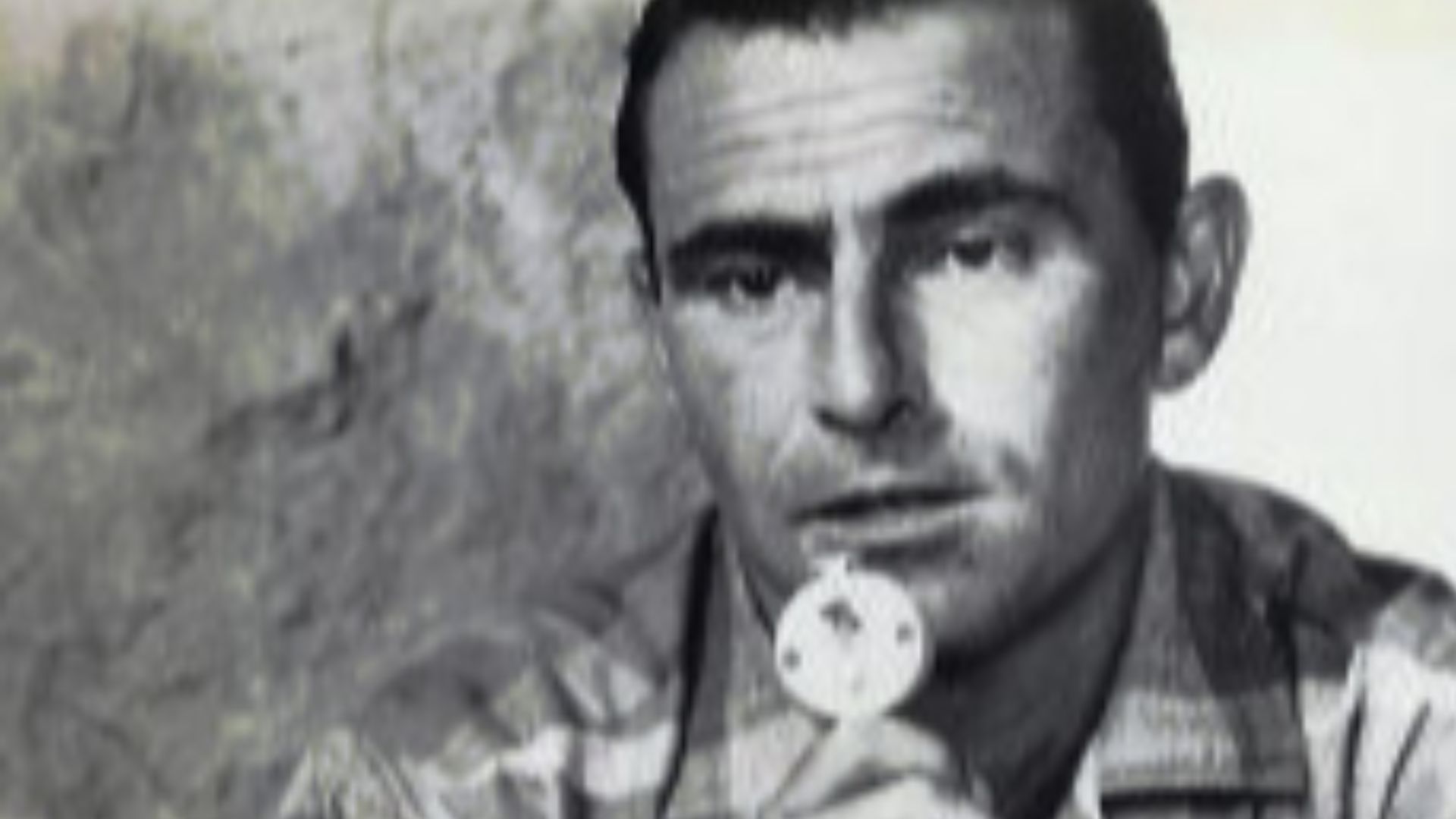
Throughout the early 1960s, Serling continued giving interviews criticizing advertiser censorship. He argued that television often lacked courage because executives feared offending sponsors or audiences. In one public appearance, he lamented that television was simply "afraid to be different".
His Frustrations Continued After The Twilight Zone
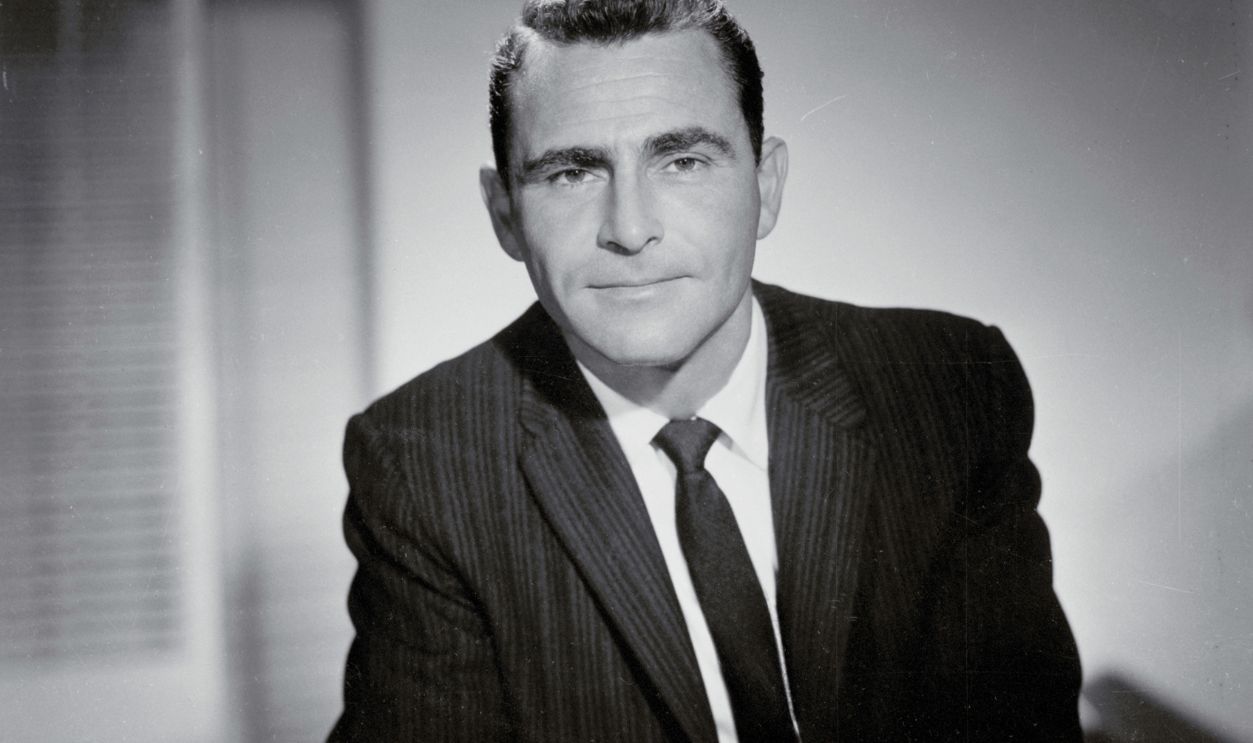
When The Twilight Zone ended in 1964, Serling hoped future projects would offer greater creative freedom. Instead, he often found himself facing many of the same battles with network executives. Later interviews reveal that he believed television still resisted bold, socially engaged storytelling.
His Reputation As Television's "Angry Young Man" Was Earned
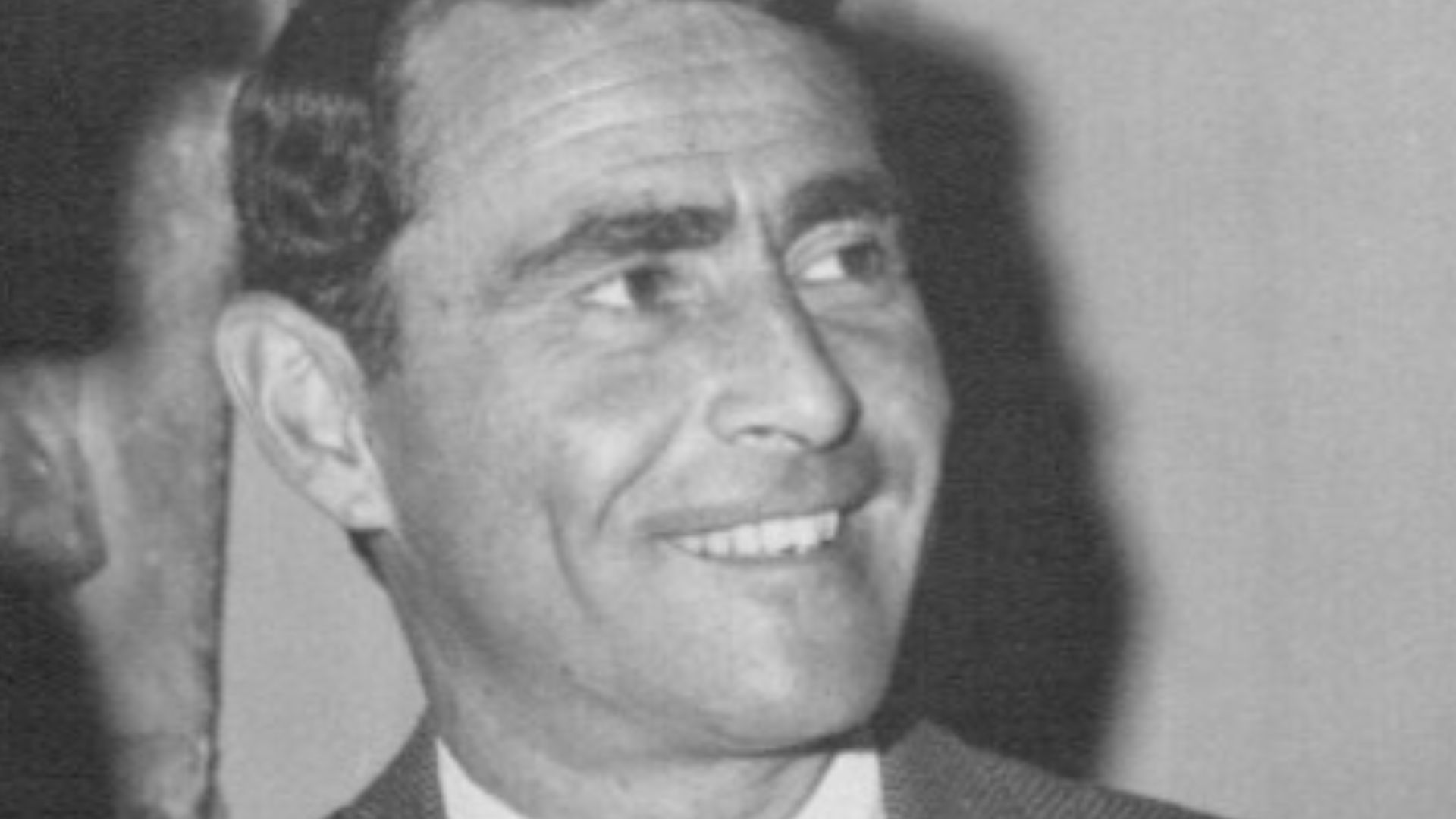
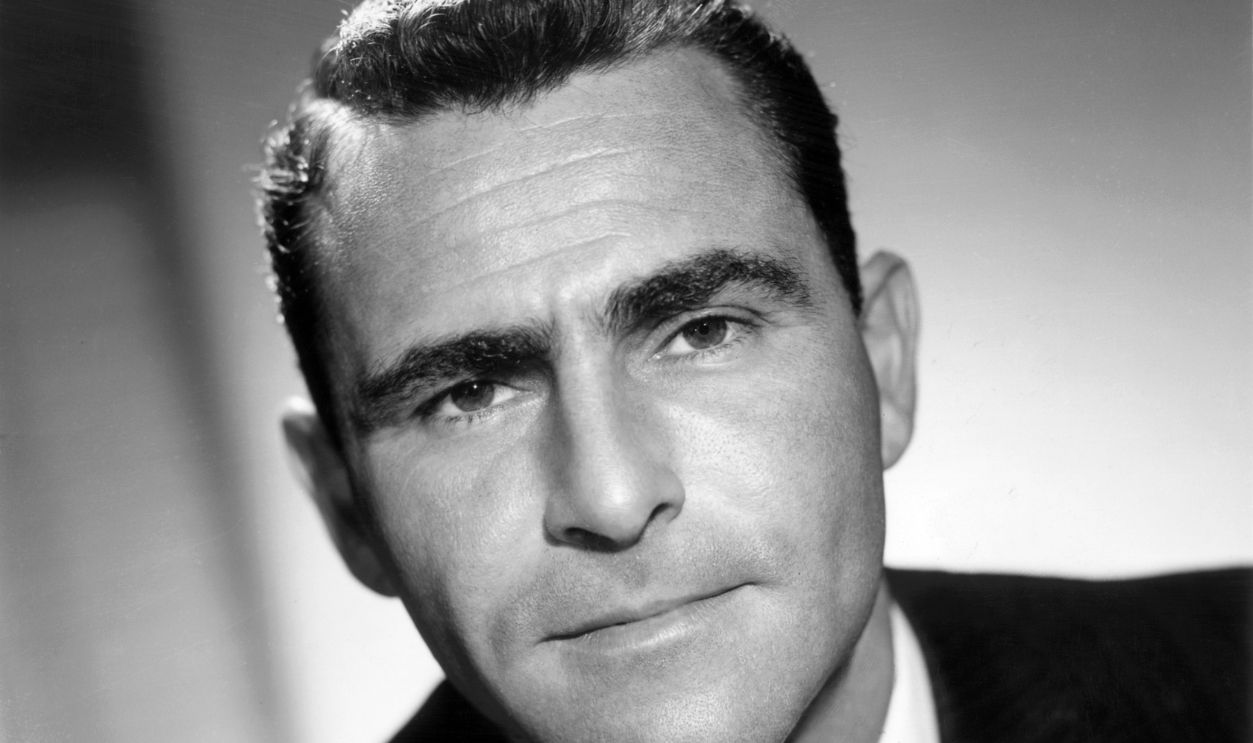
Friends, colleagues, and family often described Serling as someone who genuinely loved television while remaining deeply frustrated by its limitations. Carol Serling later explained that he frequently clashed with sponsors because he refused to quietly accept unnecessary censorship. Those confrontations became a defining part of his professional identity.
 Silver Screen Collection, Getty Images
His Stories Reflected His Experiences
Serling's service as a US Army paratrooper during World War II profoundly shaped his worldview. Many of his later scripts examined moral responsibility, intolerance, and the consequences of fear. Those recurring themes gave even his most fantastical stories an emotional authenticity.
 Spc. Lisa Velazco, Wikimedia Commons
Modern Audiences Still Recognize The Social Commentary
Many episodes remain popular because the underlying ideas continue to resonate. Stories about conformity, political fear, discrimination, nuclear anxiety, and unchecked power still feel surprisingly relevant decades after they first aired. Their lasting appeal comes from the human questions beneath the supernatural plots.
His Career Changed Television Writing
Serling helped elevate television writers into recognizable creative voices. Instead of remaining anonymous behind the scenes, he became publicly associated with the ideas and values expressed in his work. That visibility influenced future writer-producers who sought greater creative control over their own series.
 Michael Ochs Archives, Getty Images
The Greatest Battle Happened Behind The Camera
The monsters in The Twilight Zone were unforgettable, but Serling's most persistent adversaries were often conference rooms, sponsor meetings, and script revisions. By transforming censorship into creative opportunity, he produced one of television's most influential anthology series while exposing the limitations of network-era broadcasting. His legacy endures not only because of the stories he told, but because of the freedom he fought to protect.
You May Also Like:
How Emergency! Star Randolph Mantooth Became An Unlikely Television Hero