He Was Never Supposed To Stay In The Background
Dennis Weaver spent much of his career proving that memorable supporting actors could become stars in their own right. Although millions first knew him as the loyal deputy Chester Goode on Gunsmoke, he refused to let that role define the rest of his life. His journey from dependable sidekick to leading man became one of television's most impressive career reinventions.
 CBS Television, Wikimedia Commons
A Small-Town Missouri Kid With Big Dreams
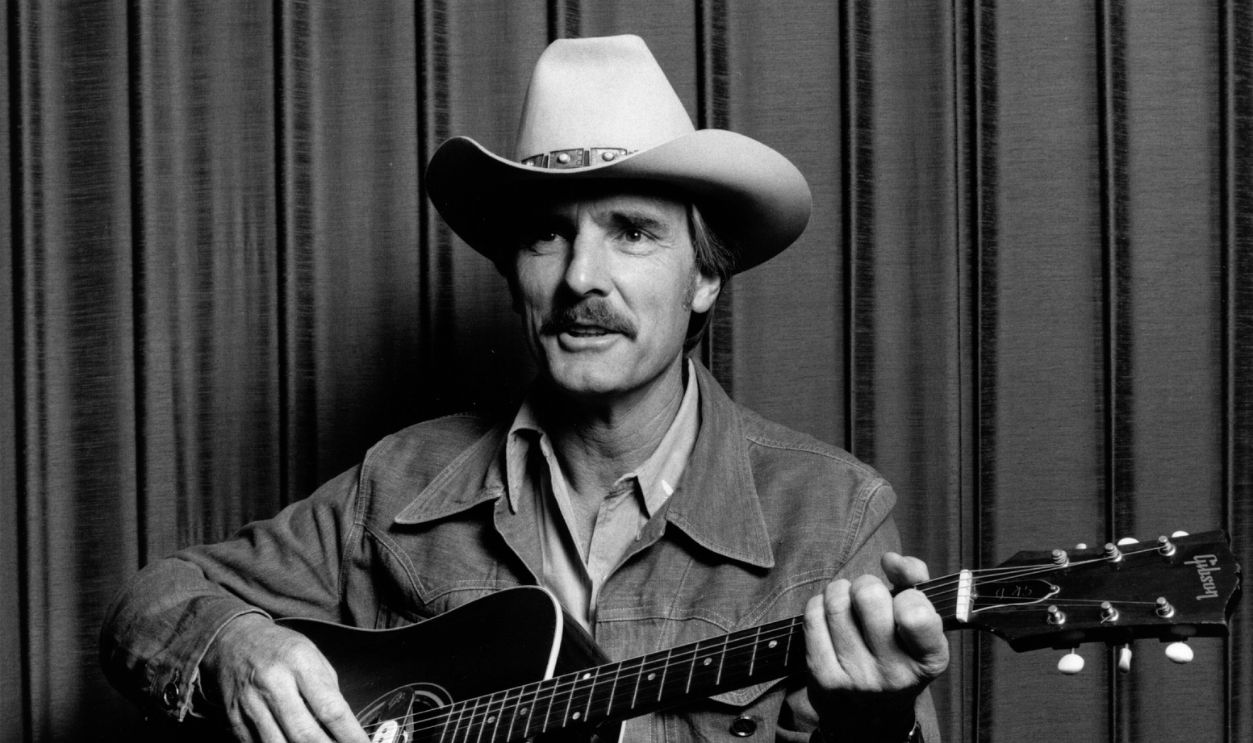
Born Billy Dennis Weaver on June 4, 1924, in Joplin, Missouri, Weaver grew up during the Great Depression before serving as a Navy pilot during WWII. After, he attended the University of Oklahoma, where he became deeply involved in theater and discovered that acting was more than just a hobby. That decision ultimately changed the course of his life.
Athletic Success Came Before Acting
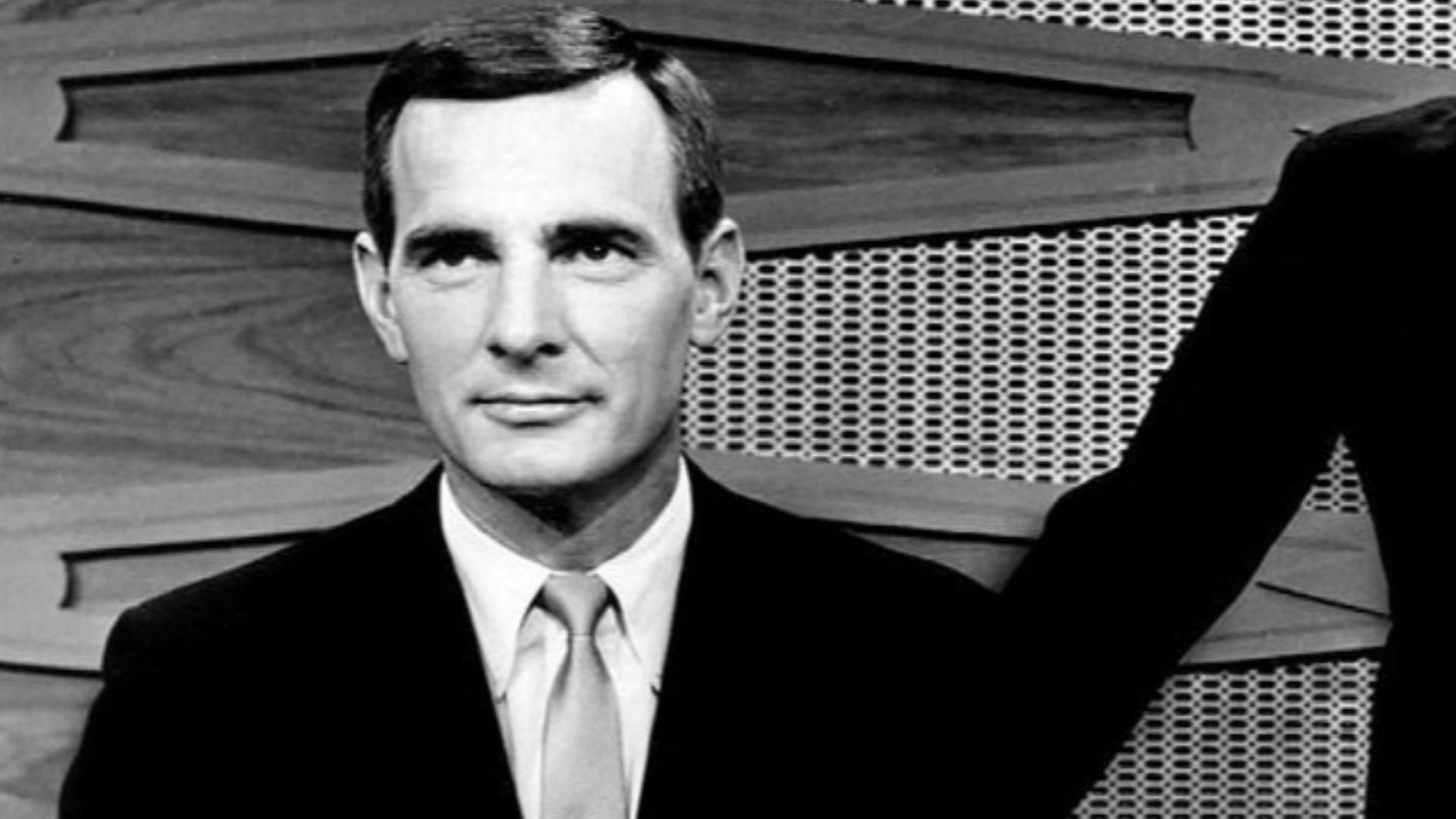
Long before Hollywood noticed him, Weaver was an accomplished athlete. He qualified for the U.S. Olympic Trials in the decathlon in 1948, although a back injury ended his Olympic ambitions before he could compete. The discipline he developed as an athlete later helped him endure the uncertainty of an acting career.
 NBC Television, Wikimedia Commons
Hollywood Didn't Hand Him An Easy Break
Like many aspiring actors of the era, Weaver struggled through years of auditions and minor roles. Universal signed him to a contract in the early 1950s, but meaningful work remained scarce. At one point, he supplemented his income by delivering flowers while hoping his next acting opportunity would finally arrive.
![Collectie / Archief : Fotocollectie Anefo
Reportage / Serie : [ onbekend ]
Beschrijving : Dennis Weaver ( Mc Cloud ) in Amsterdam, Weaver op lijnbaansgracht in Amsterdam
Datum : 22 maart 1973
Locatie : Amsterdam, Noord-Holland
Trefwoorden : acteurs, tonee](https://www.factinate.com/storage/app/media/theshot/2026/7/15/178410870963eb408f183c5d03a9bcb35a1b87f50d56e1d750.jpg) Bert Verhoeff / Anefo, Wikimedia Commons
Bert Verhoeff / Anefo, Wikimedia Commons
Gunsmoke Changed Everything
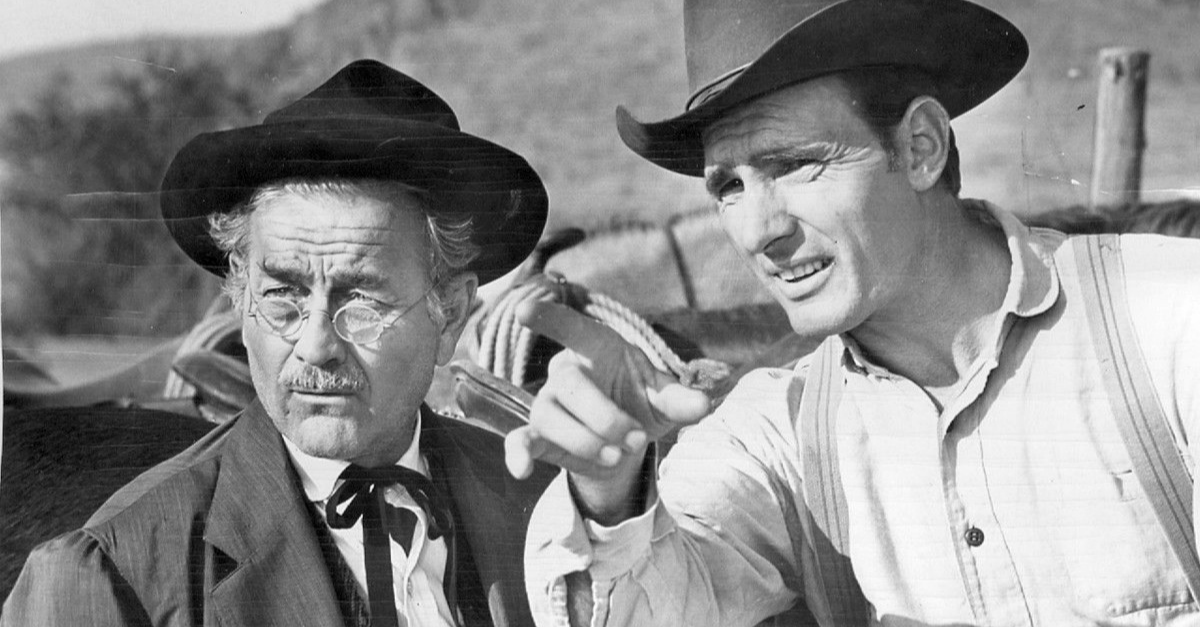
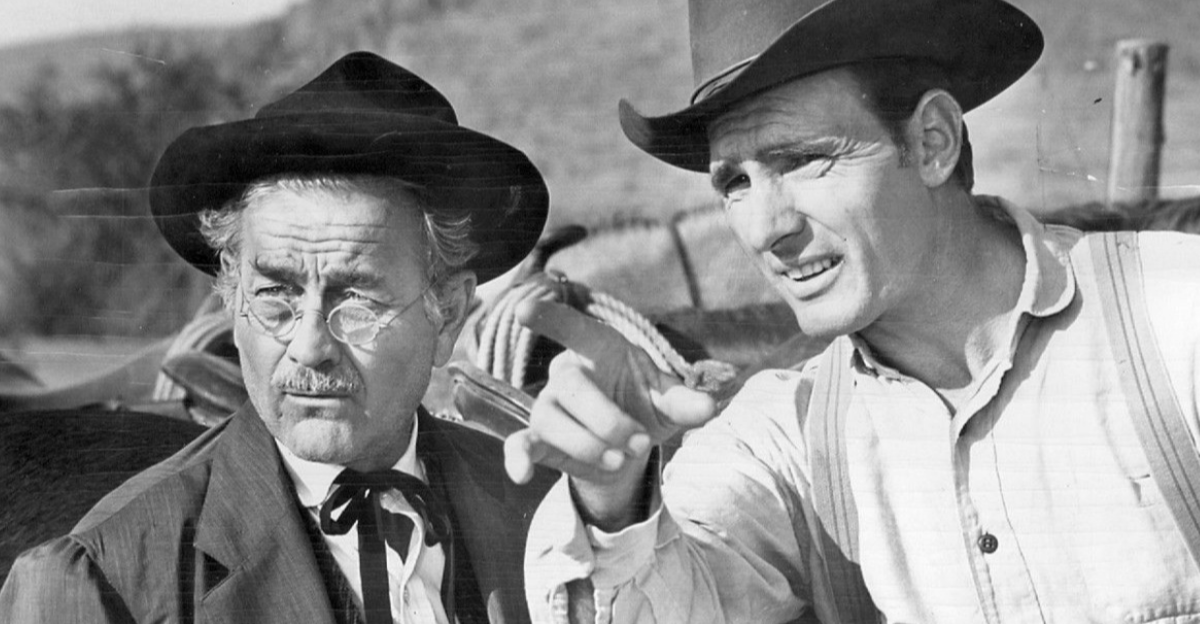
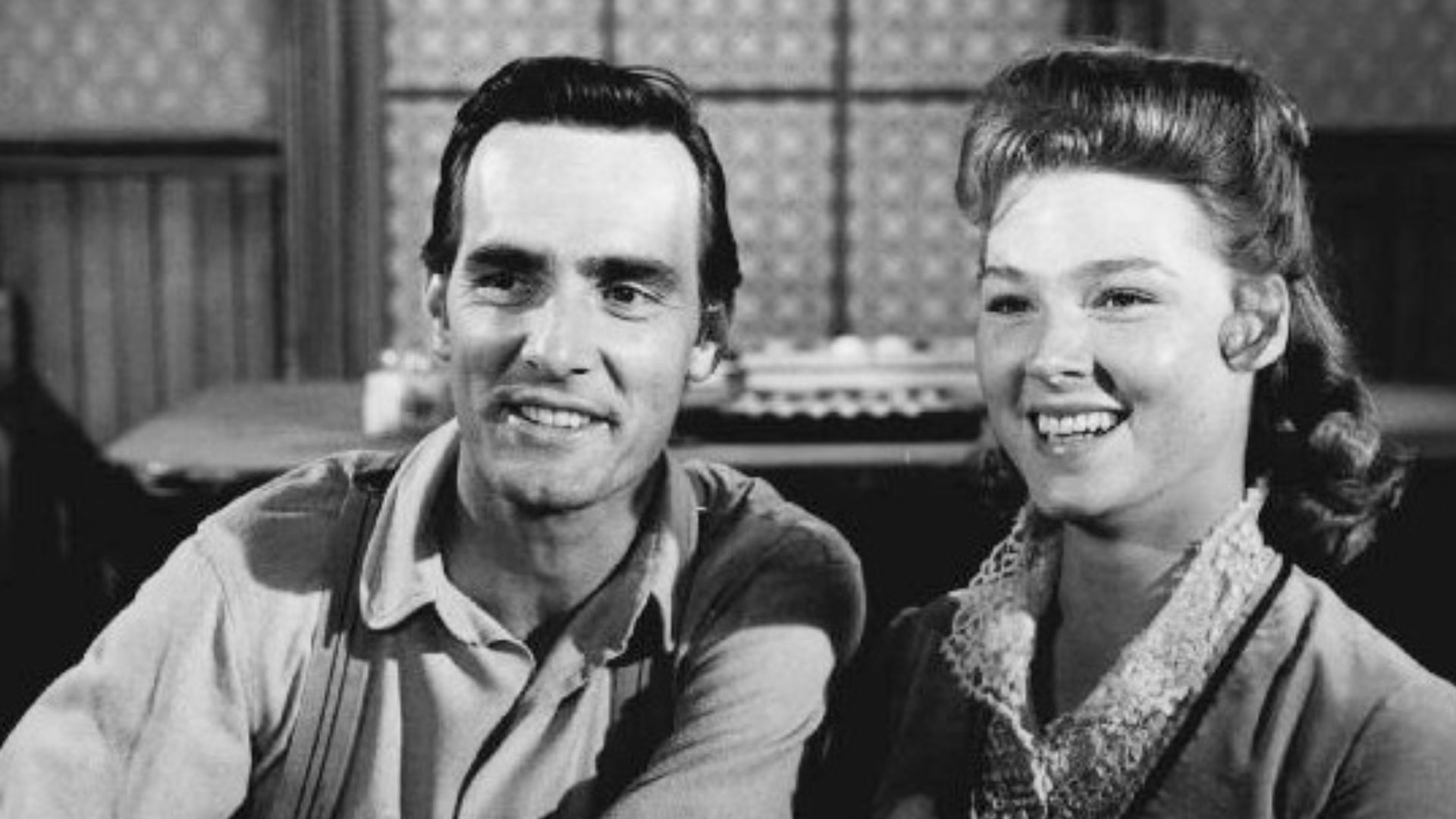
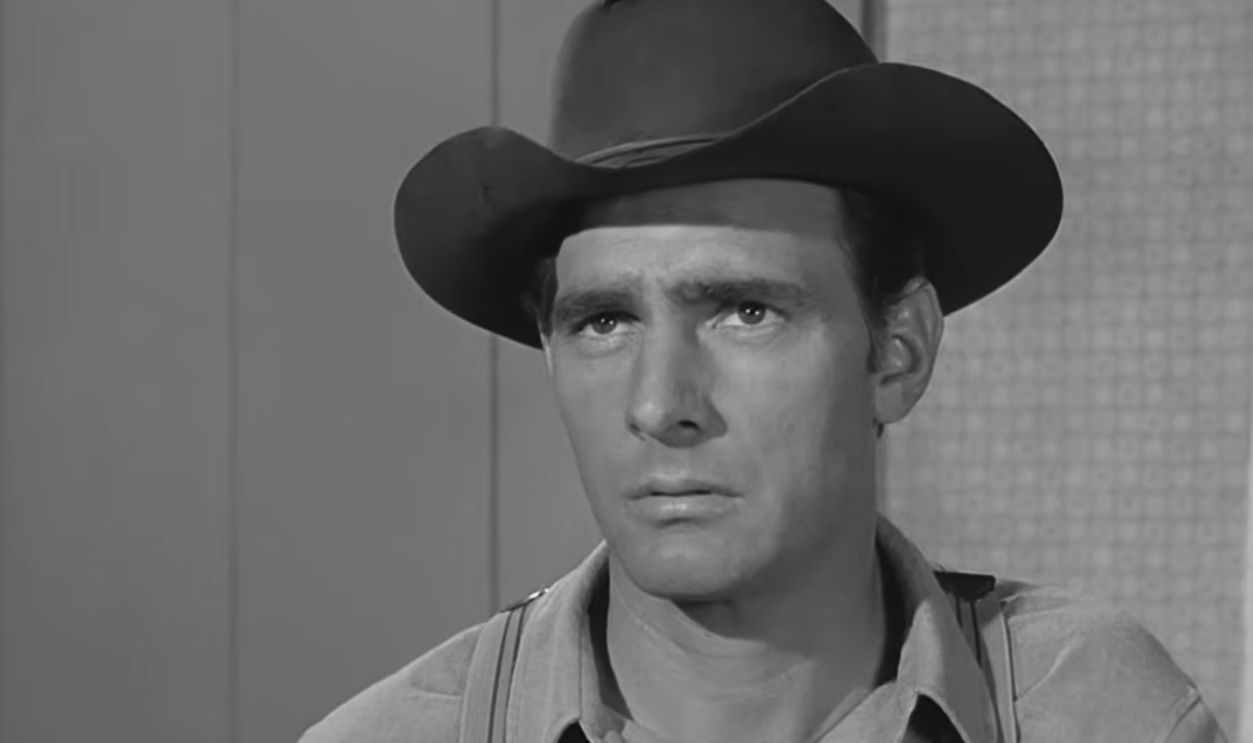
That opportunity arrived in 1955 when CBS launched Gunsmoke. Weaver won the role of Chester Goode, Marshal Matt Dillon's devoted deputy. The series quickly became one of television's defining Westerns, and Chester's warmth, loyalty, and humor made him one of its most beloved characters.
 CBS Television, Wikimedia Commons
Chester Was More Than A Sidekick
Weaver refused to play Chester as a one-dimensional comic relief figure. Drawing on his acting training, he gave the character genuine emotional depth while creating Chester's distinctive drawl and famous limp. Those choices helped transform a supporting role into one audiences remembered as vividly as the show's lead.
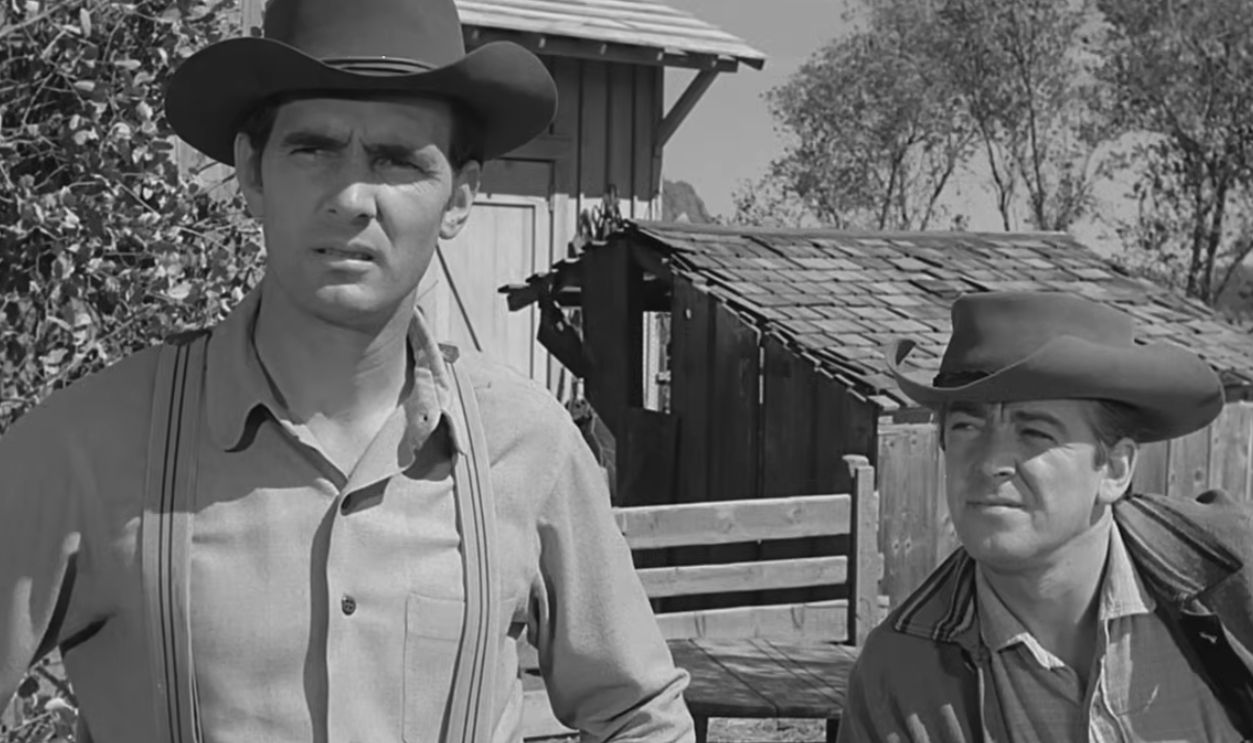 Screenshot from Gunsmoke, CBS (1955–1975)
His Emmy Win Confirmed His Talent
In 1959, Weaver received the Emmy Award for Outstanding Supporting Actor in a Dramatic Series for his work on Gunsmoke. The award validated what viewers already knew: Chester was far more than a background character. Weaver had become one of television's finest supporting performers.
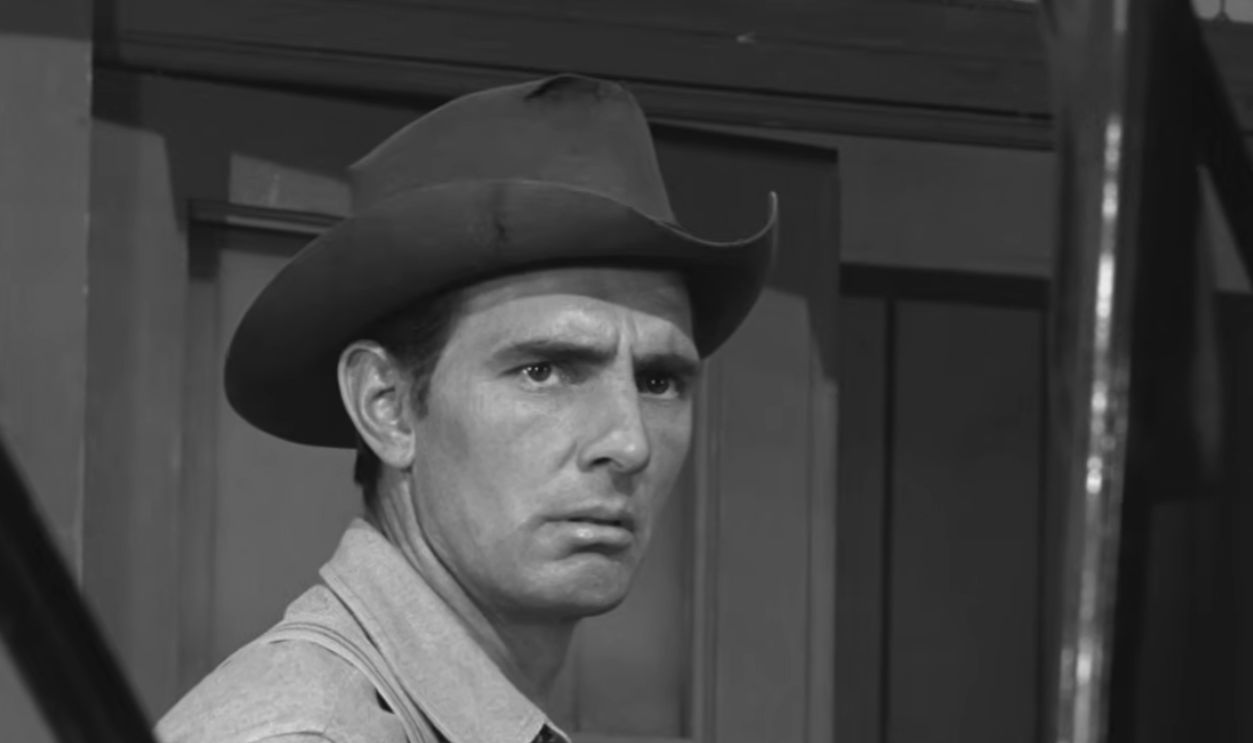 Screenshot from Gunsmoke, CBS (1955–1975)
Leaving A Hit Show Was A Huge Gamble
By 1964, Weaver made a decision that surprised many fans. Rather than remain on television's biggest Western indefinitely, he chose to leave after nine seasons because he feared permanent typecasting. Weaver later explained that he had explored everything he could creatively with Chester and wanted the challenge of leading his own productions.
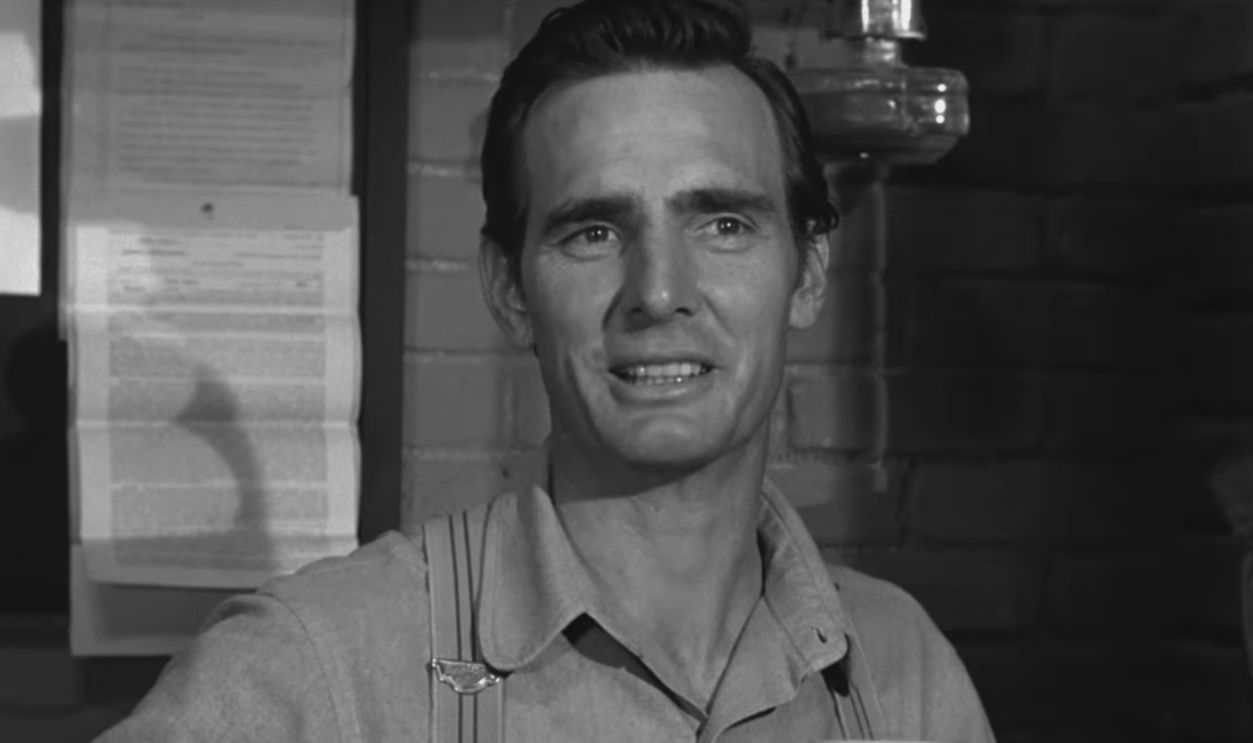 Screenshot from Gunsmoke, CBS (1955–1975)
Success Didn't Come Overnight After Gunsmoke
Leaving Gunsmoke did not immediately produce another blockbuster. His series Kentucky Jones lasted only one season despite positive reviews. Rather than view the cancellation as failure, Weaver continued accepting diverse projects that expanded his reputation beyond Western television.
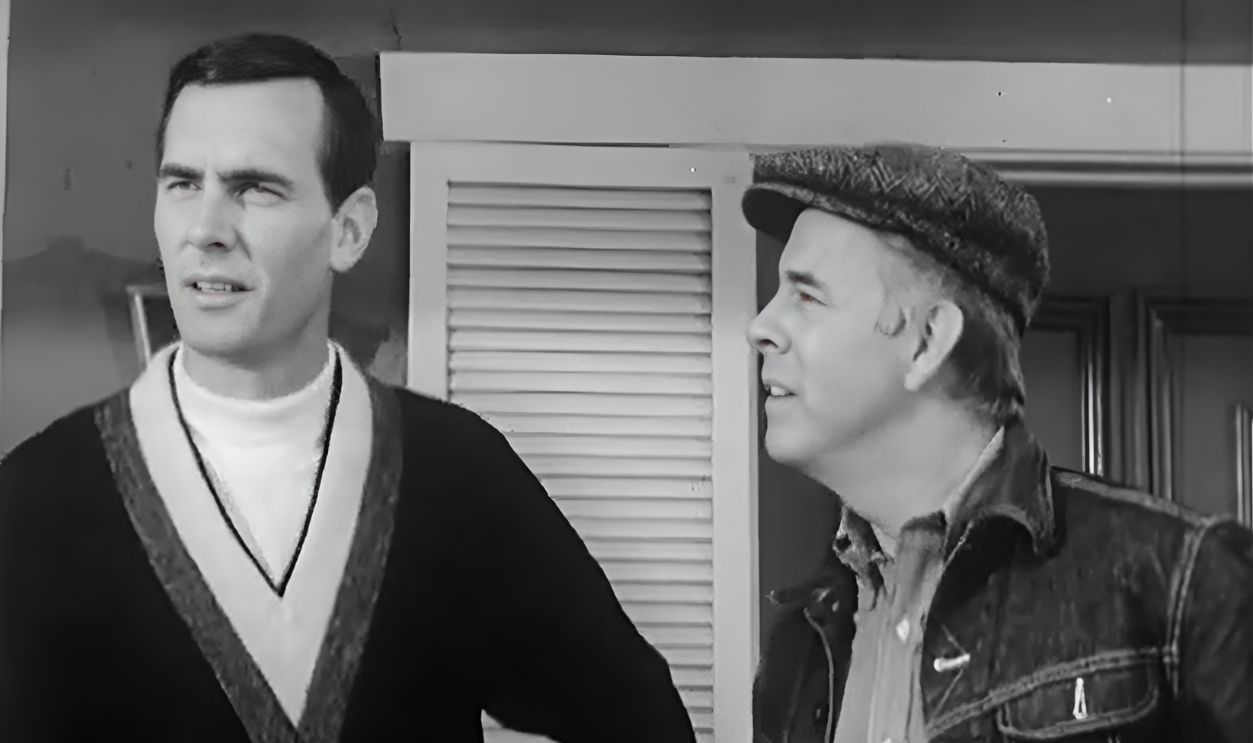 Screenshot from Kentucky Jones, NBC (1964–1965), Modified
He Quietly Built An Impressive Résumé
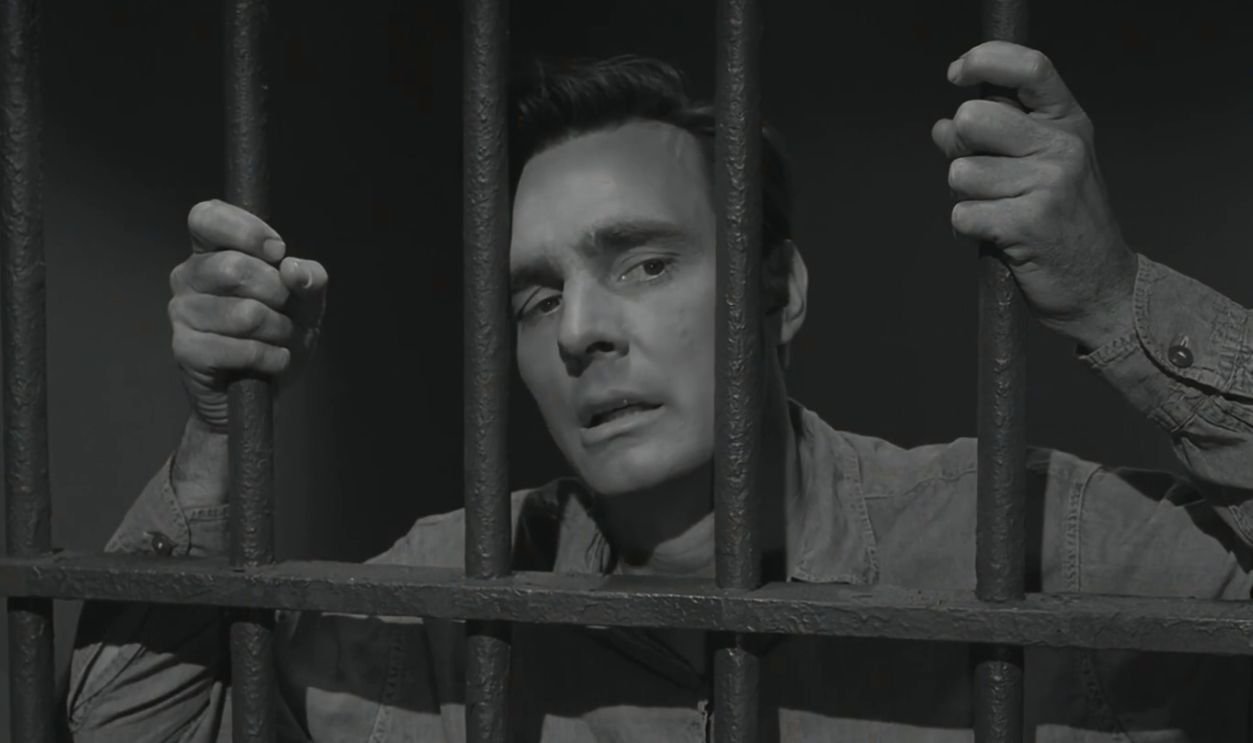
Throughout the 1960s, Weaver steadily demonstrated his versatility. He appeared in acclaimed productions including Orson Welles' Touch of Evil, The Twilight Zone, and the family adventure series Gentle Ben. Each role moved him farther away from Chester's shadow.
 Screenshot from The Twilight Zone, CBS (1959–1964)
Steven Spielberg Saw Something Special
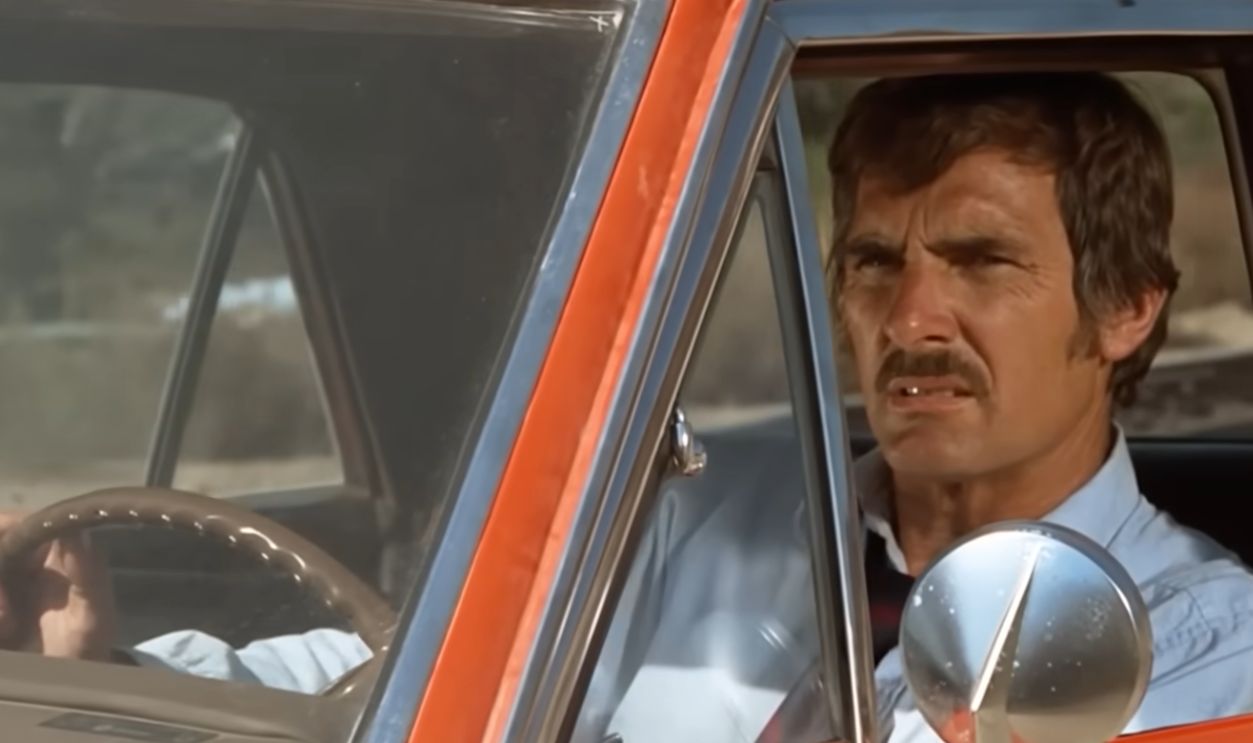
One of Weaver's most celebrated performances came in the 1971 television film Duel, directed by a young Steven Spielberg. Playing an ordinary salesman relentlessly pursued by a mysterious truck, Weaver carried nearly every scene through fear, determination, and believable vulnerability. The film later became recognized as an early Spielberg classic.
 Screenshot from Duel, ABC (1971)
McCloud Finally Made Him A Leading Man
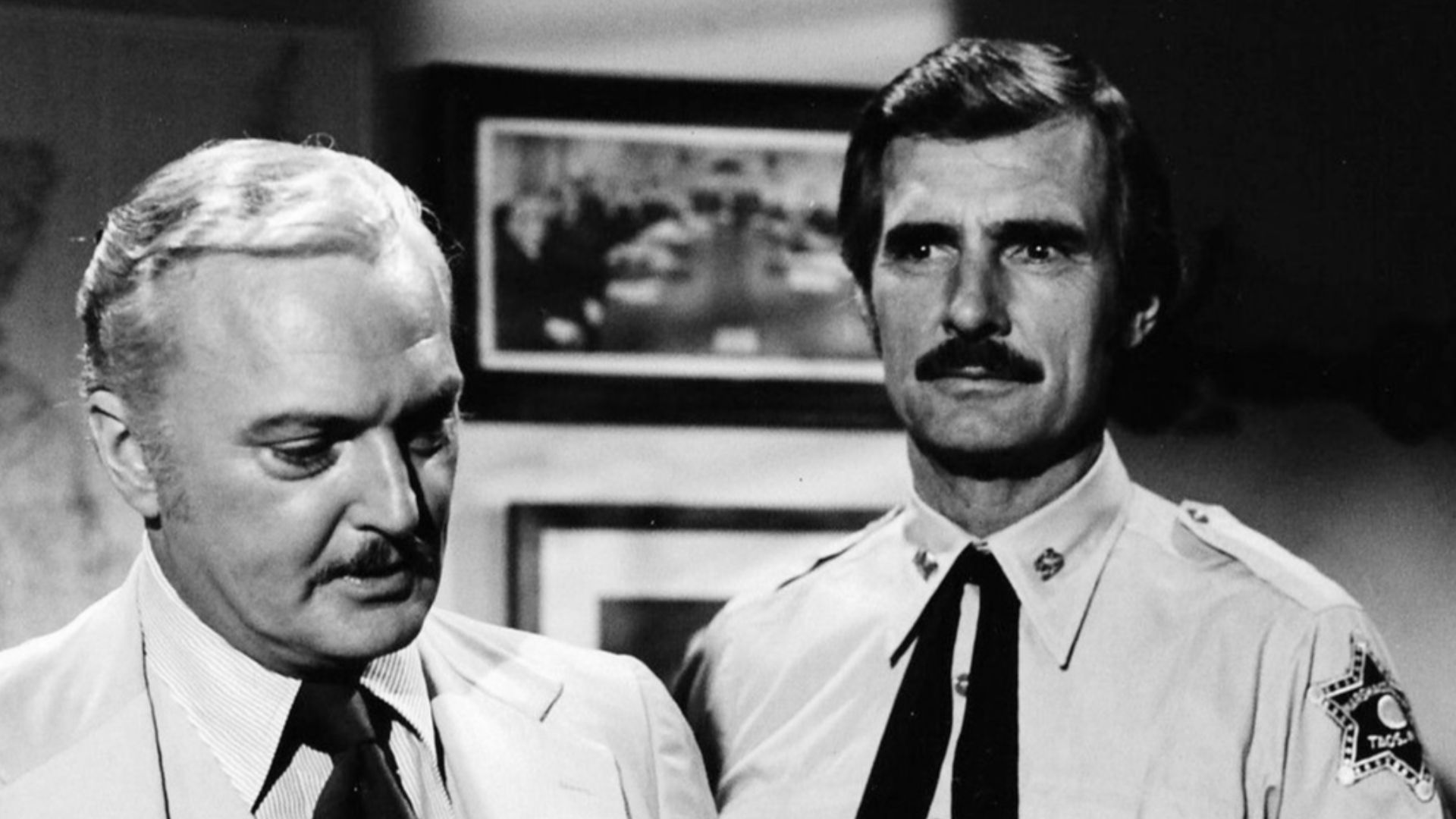
In 1970, Weaver landed the title role in NBC's McCloud. Playing Deputy Marshal Sam McCloud, a Western lawman navigating modern New York City, he blended humor, confidence, and old-fashioned values. The unusual concept connected with audiences and finally established Weaver as a television headliner.
 NBC Television, Wikimedia Commons
He Helped Shape The Show
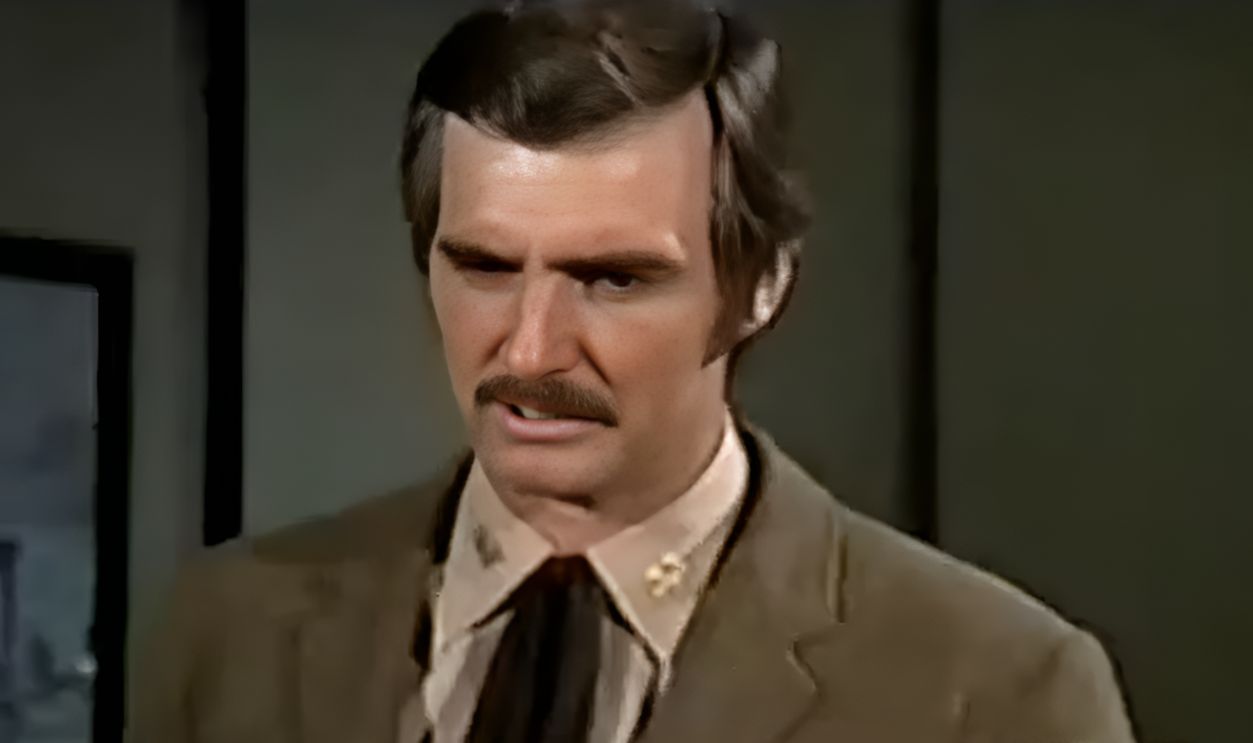
Unlike many television stars of the era, Weaver became actively involved in the creative direction of McCloud. He contributed ideas beyond his performance and later described the role as the most satisfying of his career. That investment helped the series maintain its unique personality throughout its run.
 Screenshot from McCloud, NBC (1970–1977), Modified
Emmy Recognition Continued
Weaver's transition from supporting player to leading actor earned industry recognition once again. His work on McCloud brought him additional Emmy nominations during the 1970s. Few actors successfully reinvented themselves so completely after becoming identified with an iconic supporting character.
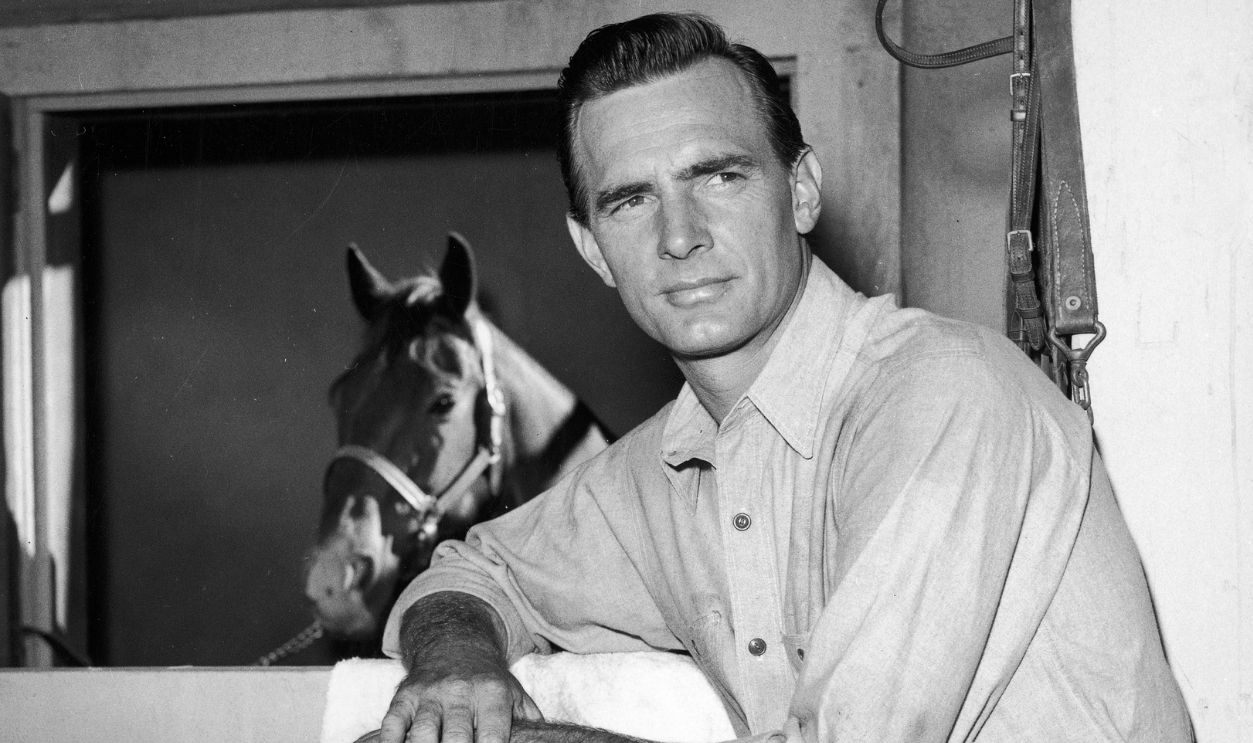
Television Wasn't His Only Strength
Although television remained his primary home, Weaver also appeared in numerous feature films and acclaimed television movies. Productions such as Duel at Diablo, Centennial, and Ishi: The Last of His Tribe demonstrated that he could handle historical dramas, thrillers, and character-driven stories with equal credibility.
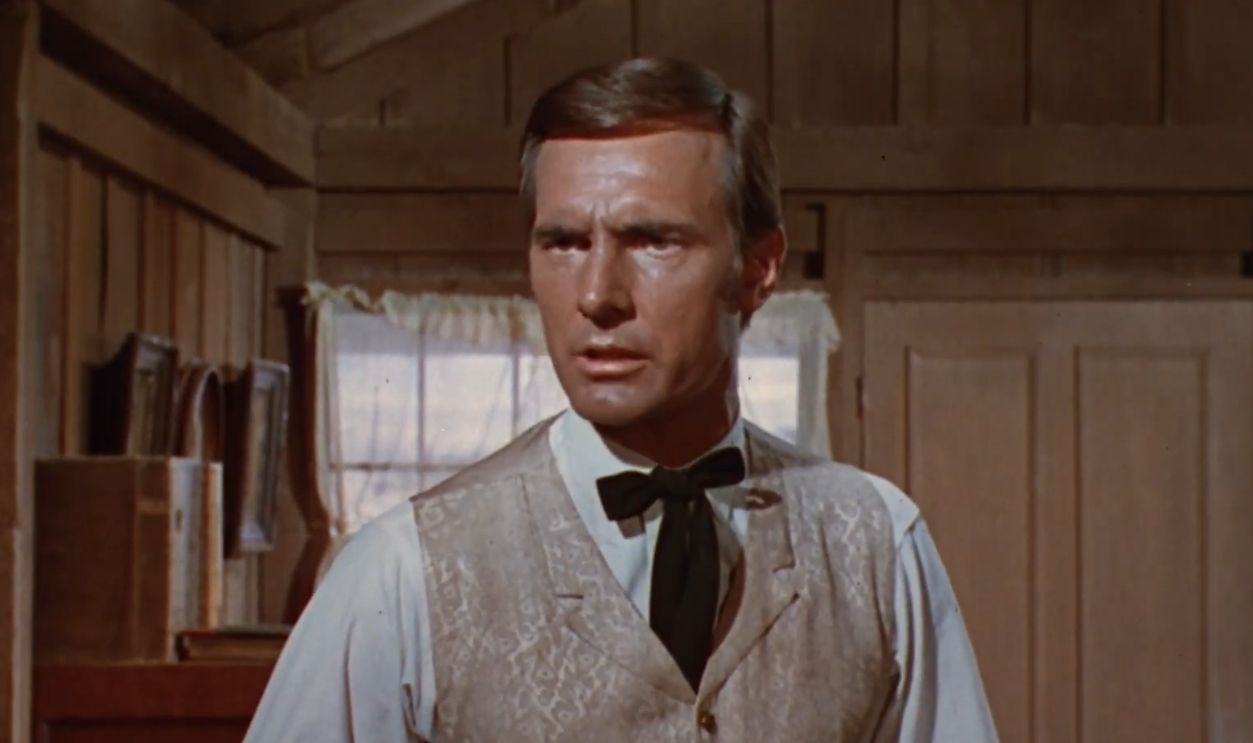 Screenshot from Duel at Diablo, United Artists (1966)
He Led Beyond The Camera
From 1973 to 1975, Weaver served as president of the Screen Actors Guild. His election reflected the respect he earned among fellow performers, who viewed him as thoughtful, dependable, and committed to improving working conditions for actors throughout the industry.
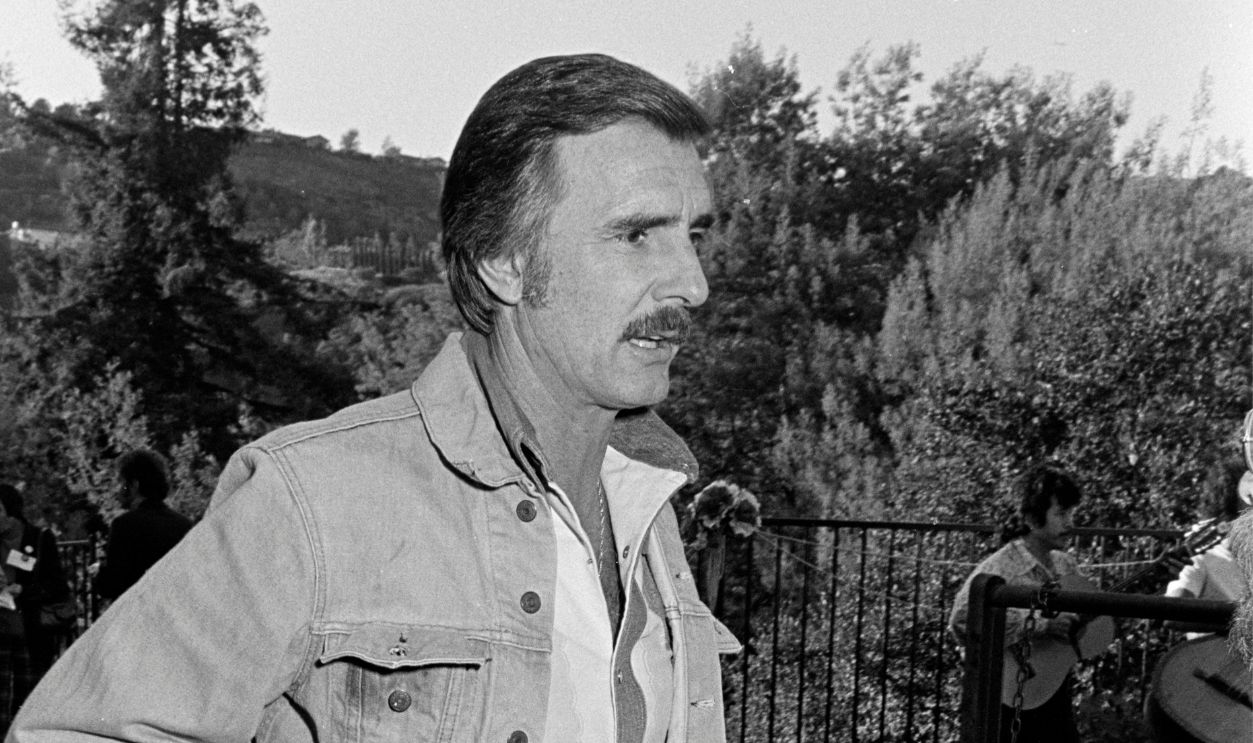
Environmental Causes Became A Personal Mission
Away from Hollywood, Weaver devoted significant energy to environmental advocacy. He promoted sustainable living, helped establish the Institute of Ecolonomics, and built an environmentally conscious home in Colorado years before green building became mainstream. His activism became as important to him as his acting career.
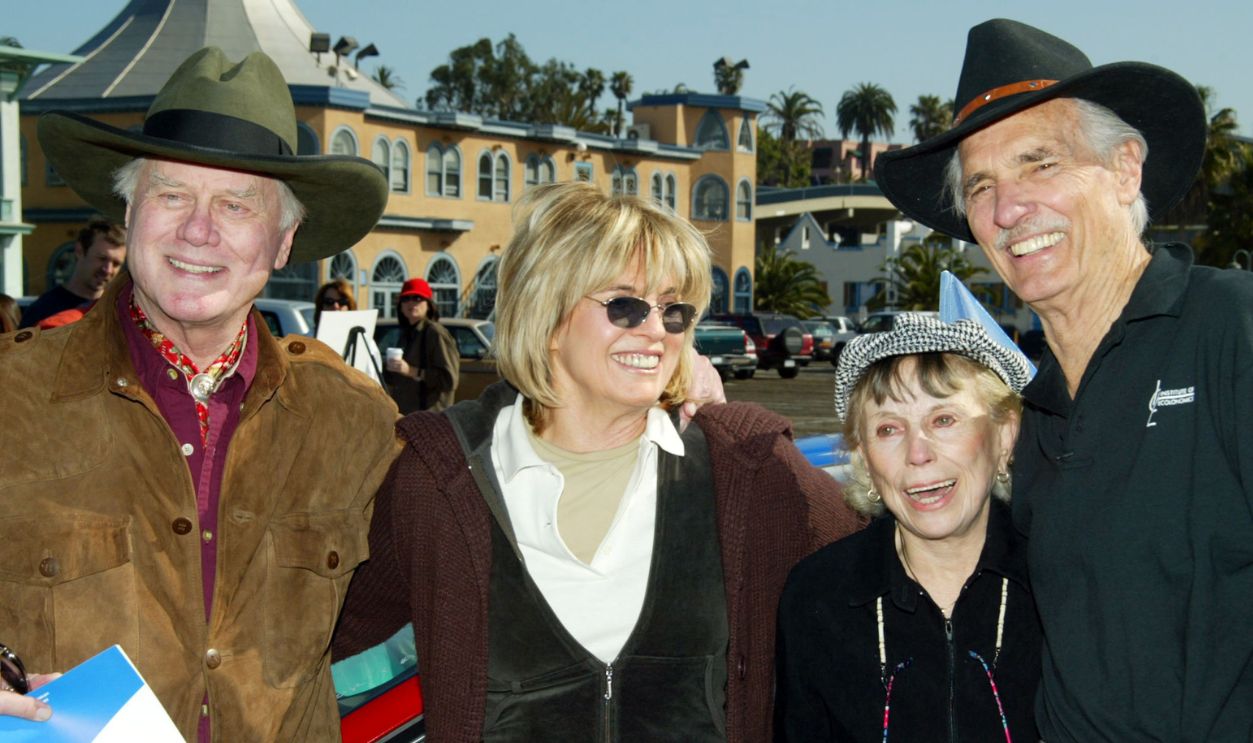
He Never Forgot His Fans
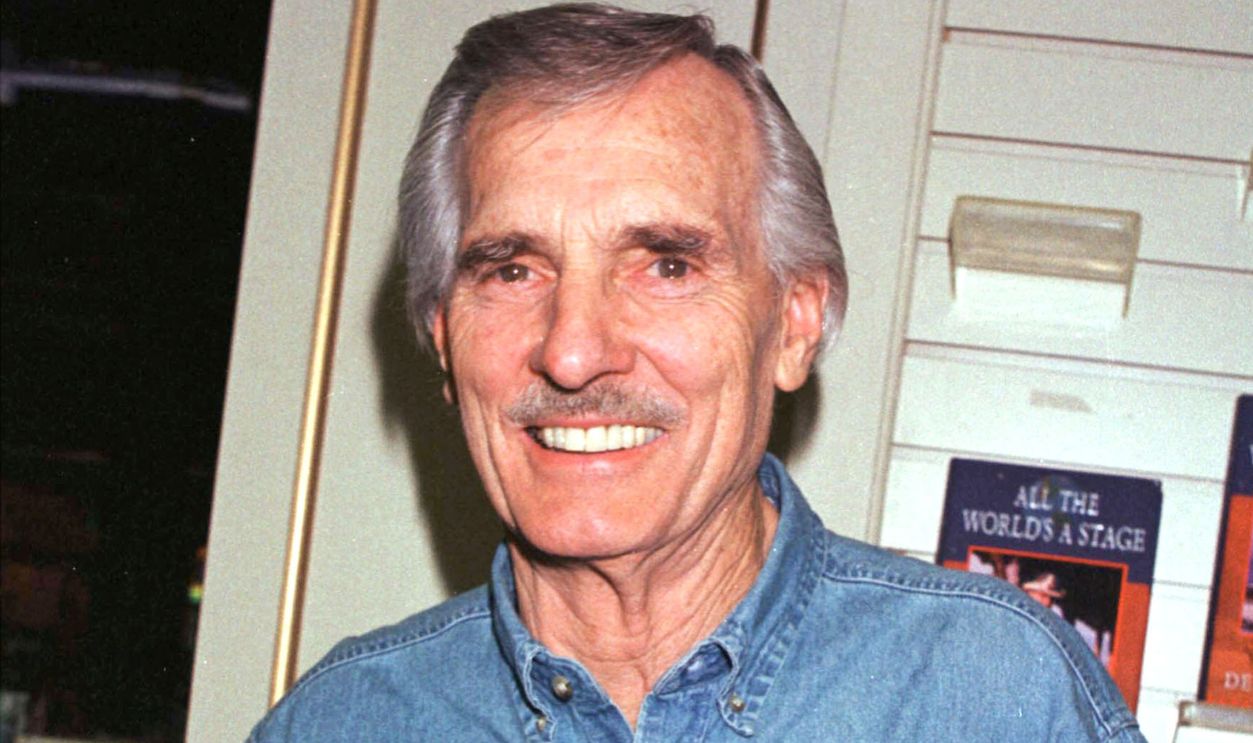
Despite decades of success, Weaver remained closely connected to audiences through interviews, conventions, and charitable work. Friends and colleagues consistently described him as approachable and generous, qualities that mirrored the sincerity viewers saw in many of his television characters.
His Legacy Continues To Grow
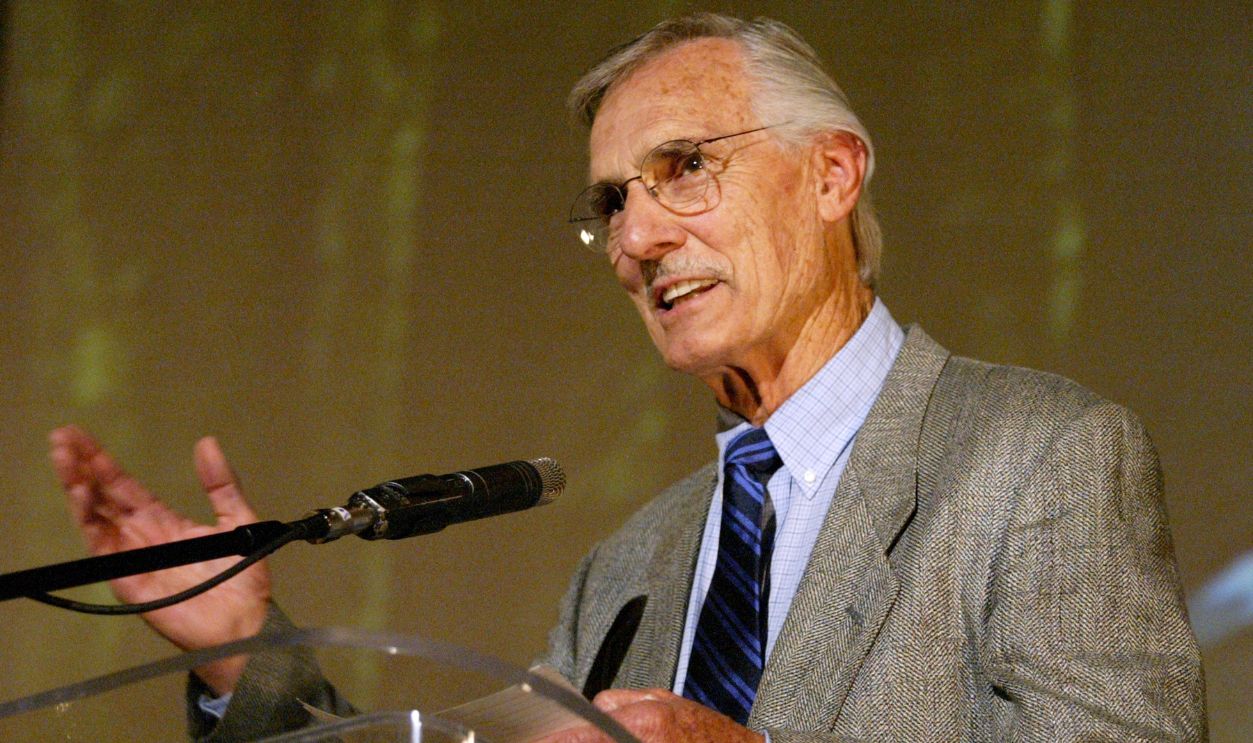
When Weaver passed in 2006 at age 81 following complications from cancer, tributes emphasized more than his acting achievements. Fellow stars remembered his kindness, professionalism, and willingness to take creative risks. His career demonstrated that long-term success comes from continually challenging yourself rather than remaining comfortable.
From Chester To Television Legend
Dennis Weaver's rise was anything but accidental. He transformed a memorable supporting role into a launching pad for decades of starring performances, respected leadership, and lasting influence. By refusing to be confined to a single character, he secured a place among television's most enduring icons.
 Screenshot from Gunsmoke, CBS (1955–1975)
You May Also Like:
The career move that turned James Best into a television legend long before The Dukes of Hazzard.
Actors Who Appeared In More Classic TV Shows Than You Realized—How Many Do You Remember?
Beloved 70s TV Shows That Deserved More Seasons Than They Got