
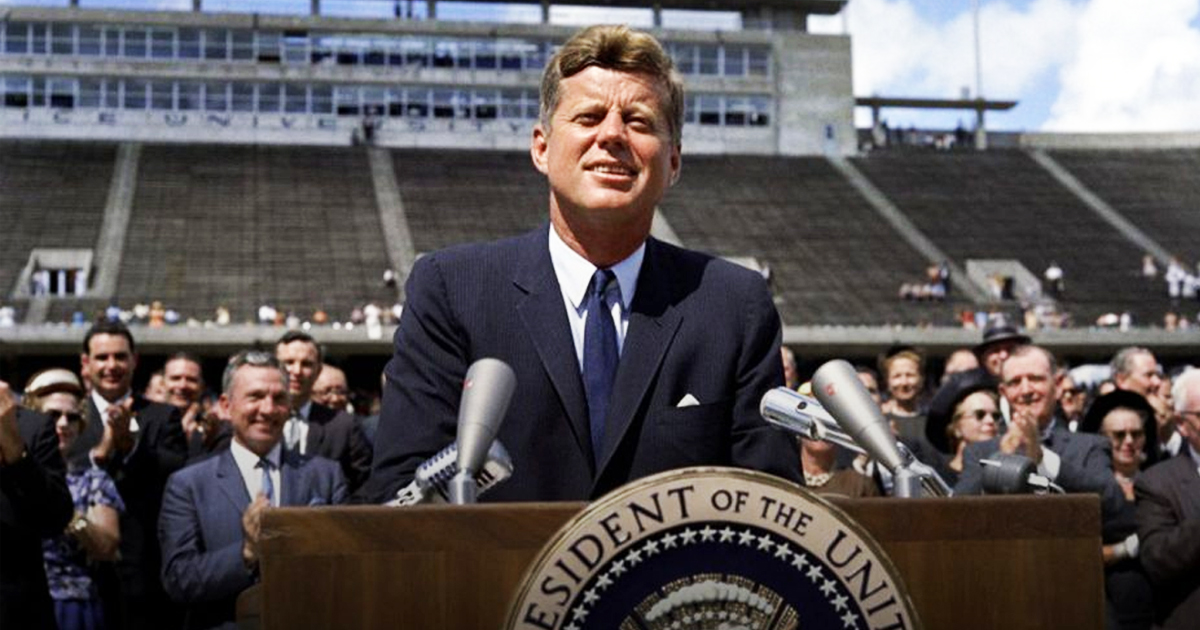
The power of speech
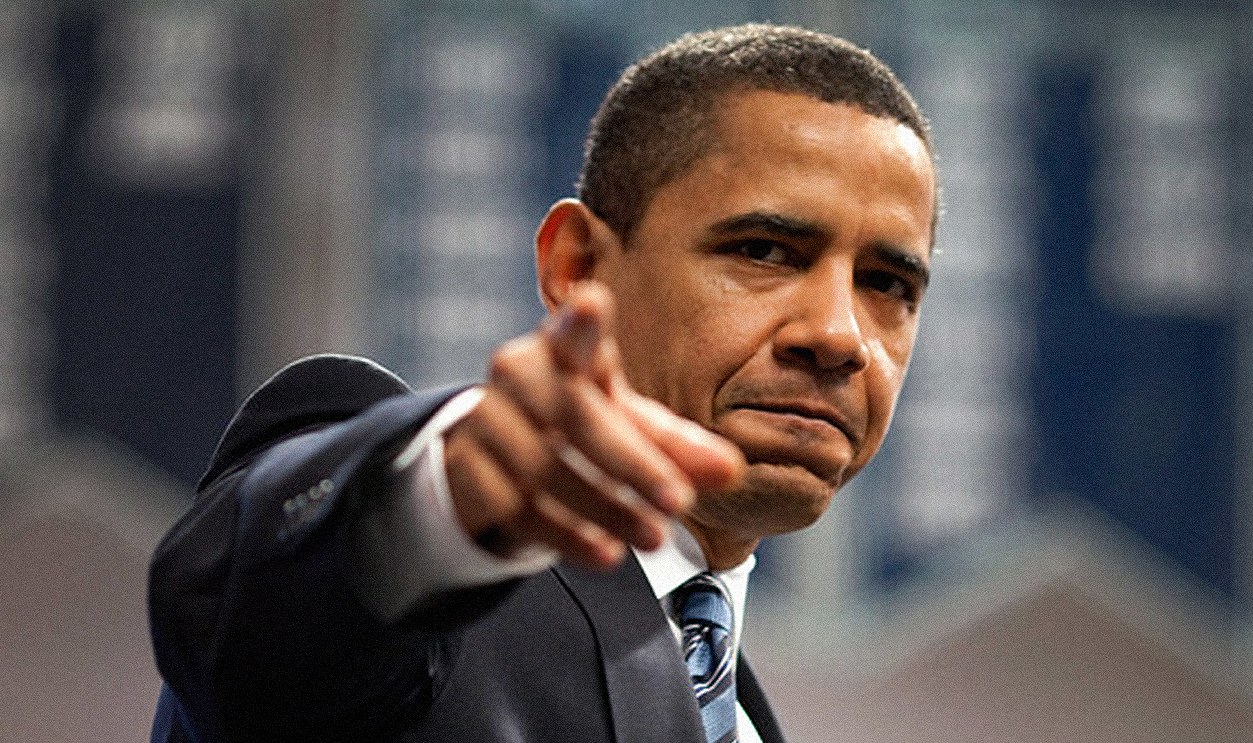
Words alone are powerful—but when they come from the mouth of a U.S. president, they can change the world. A U.S. president's words can sway public opinion, shape policies, and spark global movements. Here are some of the most influential quotes by U.S. presidents throughout history.
Thomas Jefferson
"We hold these truths to be self-evident, that all men are created equal, that they are endowed by their Creator with certain unalienable Rights, that among these are Life, Liberty and the pursuit of Happiness."
 Rembrandt Peale, Wikimedia Commons
Thomas Jefferson
Thomas Jefferson's Declaration of Independence of 1776 emphasized inherent rights like "Life, Liberty, and the pursuit of Happiness." Its influence on democracy, human rights, and equality remains significant today.
 Rembrandt Peale, Wikimedia Commons
Abraham Lincoln
"A house divided against itself cannot stand."
 Alexander Gardner, CC-BY-SA-4.0, Wikimedia Commons
Abraham Lincoln
Abraham Lincoln's 1858 statement emphasized the United States' deep division over slavery. This highlighted the moral and political dilemma of a country split between pro-slavery and anti-slavery states, ultimately leading to the Civil War. The quote's focus on unity and moral certainty remains relevant in American history.
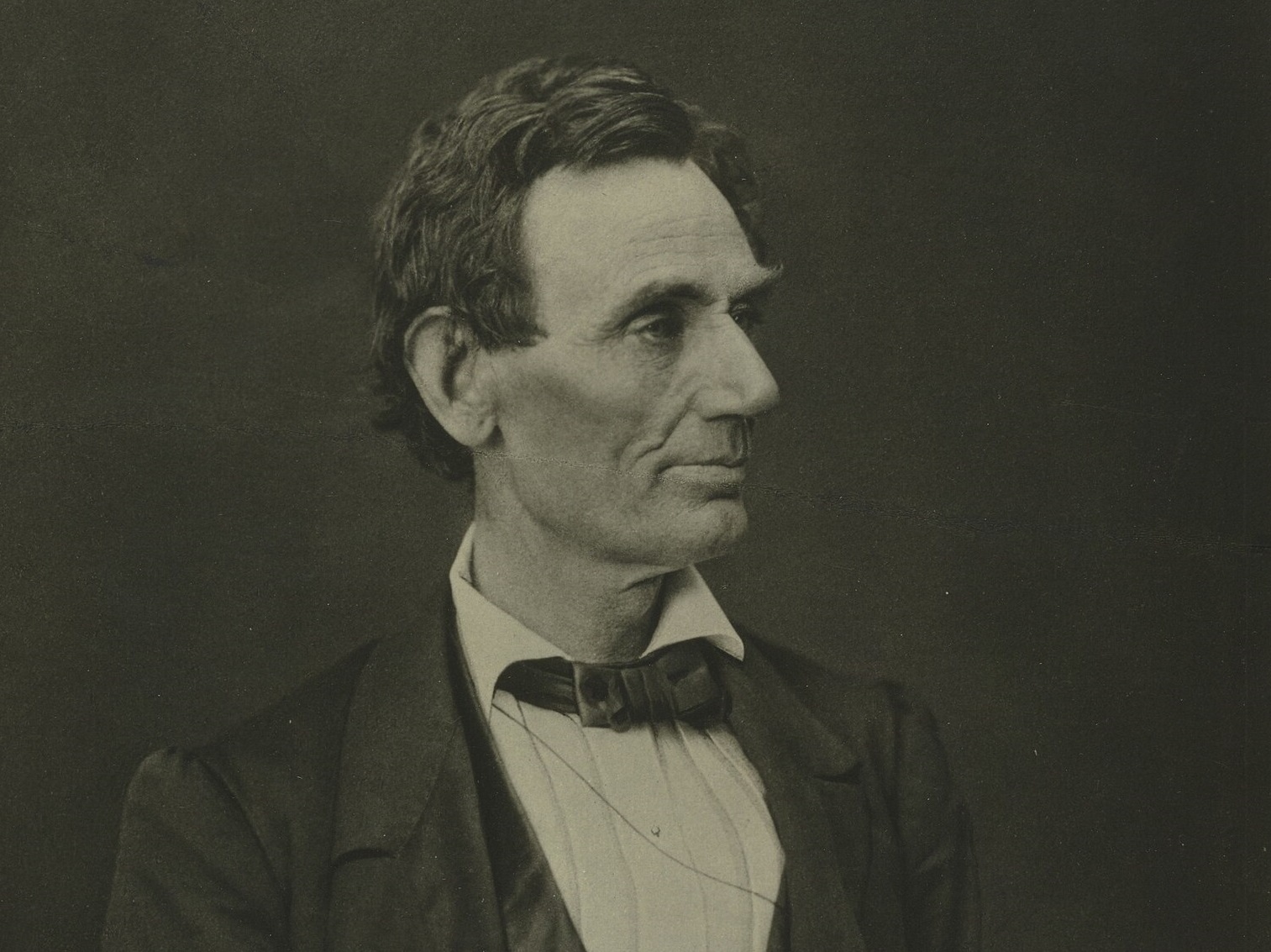 Cleveland Public Library, Wikimedia Commons
Abraham Lincoln
"Government of the people, by the people, for the people, shall not perish from the Earth."
 Ward Hill Lamon, Wikimedia Commons
Abraham Lincoln
In his Gettysburg Address of 1863, Abraham Lincoln upheld US democratic principles during the Civil War, viewing it as a fight for the survival of the Union as a whole. Its influence persists today, leading to global movements for human rights.
 Alexander Gardner, Wikimedia Commons
Theodore Roosevelt
"Speak softly and carry a big stick; you will go far."
 Library of Congress, Wikimedia Commons
Theodore Roosevelt
Theodore Roosevelt's 1901 Minnesota State Fair speech introduced "Big Stick Diplomacy," advocating for a strong military. He believed that such was necessary to maintain peace through diplomacy and to advance American interests in the west.
 Unknown Author, Wikimedia Commons
Franklin D. Roosevelt
"The only thing we have to fear is fear itself."
 Perry, Eugene A, Wikimedia Commons
Franklin D. Roosevelt
Franklin D. Roosevelt quoted this in his 1933 inaugural speech. It played a big role in rebuilding public trust during the Great Depression and also provided the foundation for Roosevelt's New Deal initiatives for improving the economy. It continues to be referenced today, especially in times of global crisis and uncertainty.
 Pach Brothers, Wikimedia Commons
John F. Kennedy
"Ask not what your country can do for you—ask what you can do for your country."

John F. Kennedy
John F. Kennedy spoke these words during his 1961 inaugural speech, urging Americans to prioritize serving their country over personal gains. It promoted increased civic responsibility, influenced the creation of programs like the Peace Corps, and provided support for civil rights and diplomacy.
 State Library and Archives of Florida, Wikimedia Commons
Woodrow Wilson
"The world must be made safe for democracy."
 Harris & Ewing, Wikimedia Commons
Woodrow Wilson
Woodrow Wilson's 1917 speech to Congress declaring democracy's global protection influenced U.S. entry into WWI. His ideals shaped the Fourteen Points and League of Nations, impacting later global organizations like the United Nations for promoting democracy and peace.
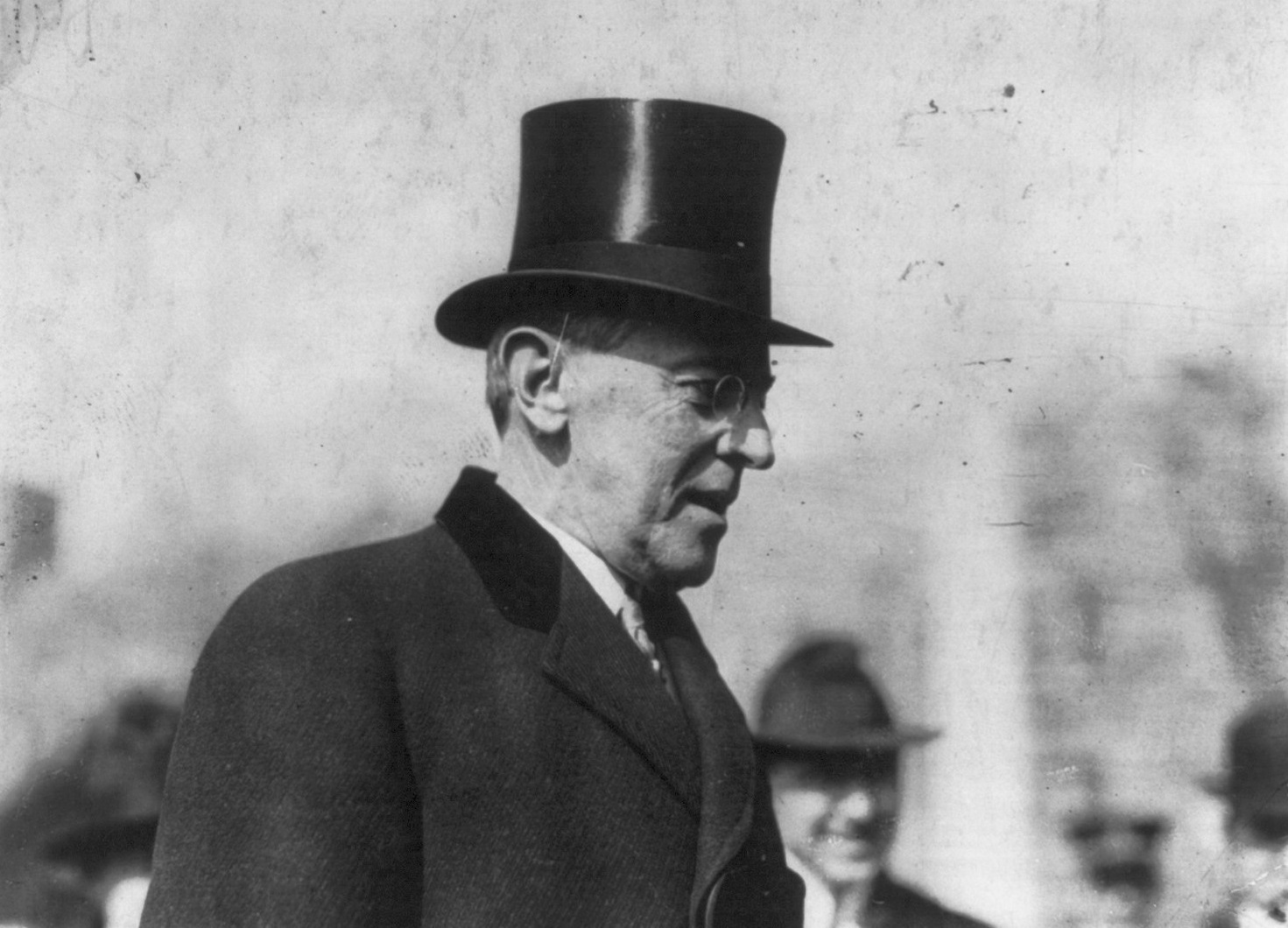 Library of Congress, Wikimedia Commons
Dwight D. Eisenhower
"Every gun that is made, every warship launched, every rocket fired signifies, in the final sense, a theft from those who hunger and are not fed, those who are cold and are not clothed."
 Unknown Author, Wikimedia Commons
Dwight D. Eisenhower
Dwight D. Eisenhower's 1953 speech "Chance for Peace" condemned excessive military spending during the Cold War, stressing its ethical and financial impacts on society. It influenced global discussions on defense funding, advocating for resources to combat poverty instead.
 The U.S. National Archives, Picryl
Lyndon B. Johnson
"We shall overcome"
 LBJ Presidential Library, Picryl
Lyndon B. Johnson
Lyndon B. Johnson's speech before Congress in 1965 included this quote, which was taken from a civil rights anthem. It was used by advocates like Martin Luther King Jr. to inspire activism and led to important legislation that advanced racial equality in America.
 Yoichi Okamoto, Wikimedia Commons
Richard Nixon
"I'm not a crook."
 JOKA Press Photo Archive, CC-BY-SA-4.0, Wikimedia Commons
Richard Nixon
President Nixon's famous denial, "I am not a crook," during a press briefing in 1973, was a response to questions about Watergate. Despite his efforts to distance himself, further investigations revealed his involvement. Aside from its cultural significance, the quote also served as a reminder that even U.S. presidents need to be held accountable.
 Marion Doss, CC-BY-SA-2.0, Wikimedia Commons
Gerald Ford
"Our long national nightmare is over."
 Thomas J. O'Halloran, Wikimedia Commons
Gerald Ford
President Ford declared "Our long national nightmare is over" in his 1974 inaugural address, referencing the turbulent Watergate scandal and Nixon's resignation. He hoped his would would help rebuild faith in the government. The quote was pivotal, marking the start of a new era of transparency in American politics.
 Carl Albert Research and Studies Center, CC-BY-SA-4.0, Wikimedia Commons
Jimmy Carter
"Human rights is the soul of our foreign policy."
 Unknown Author, Wikimedia Commons
Jimmy Carter
Jimmy Carter emphasized the importance of human rights in the US foreign policy in his 1977 inaugural address. This marked a shift towards a more ethical approach in dealing with other countries, moving away from past realpolitik (i.e., more practical) approaches.
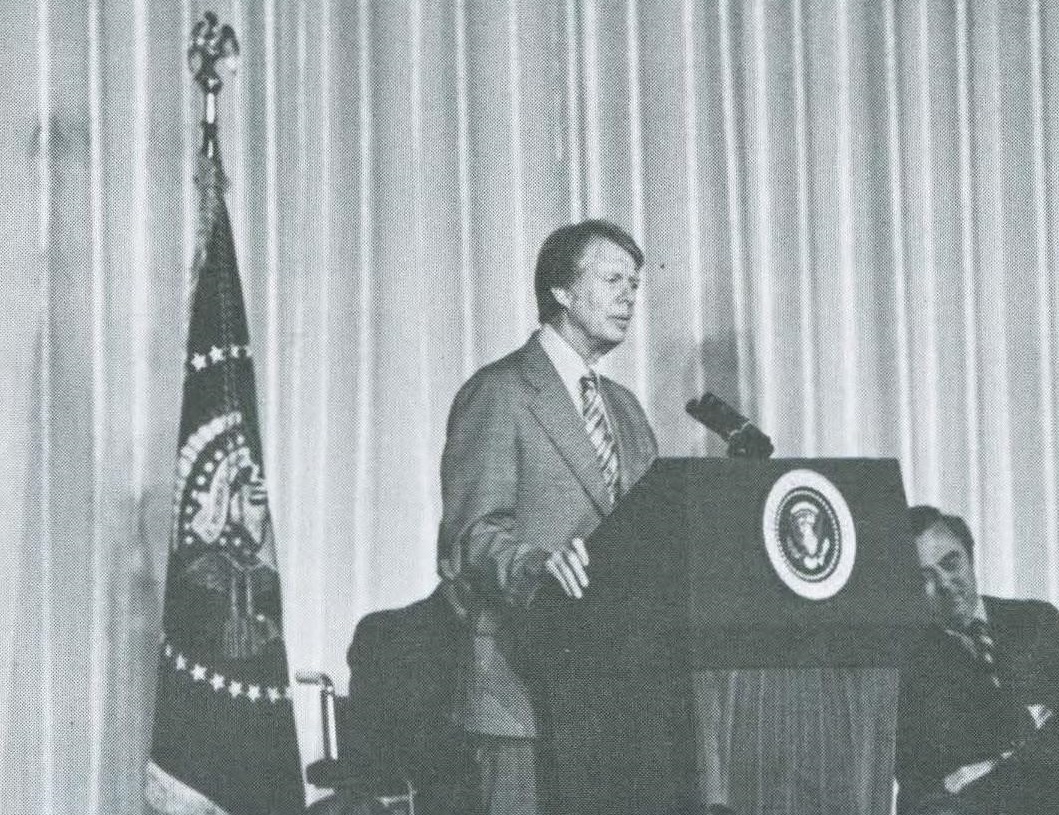 Rochester Institute of Technology, Wikimedia Commons
Ronald Reagan
"Mr. Gorbachev, tear down this wall!"
 Collection: White House Photographic Collection, Wikimedia Commons
Ronald Reagan
Ronald Reagan's speech at the Berlin Wall in 1987 solidified America's opposition to Soviet oppression. It was a signal to Soviet leader Mikhail Gorbachev that the U.S. had no fear and was ready to fight against any threats to democracy. Many believe his words contributed to the collapse of the wall in 1989.
 Reagan White House Photographs, Wikimedia Commons
George H.W. Bush
"A new world order."
 Michael Evans, Wikimedia Commons
George H.W. Bush
President George H.W. Bush frequently used the term "A new world order" during his time in office in the early 1990s. His words spoke on the importance of international cooperation to address global issues like the Gulf War and the downfall of communism in Eastern Europe.
 Central Intelligence Agency, Wikimedia Commons
Bill Clinton
"There is nothing wrong with America that cannot be cured by what is right with America."
 Bernard Gotfryd, Wikimedia Commons
Bill Clinton
Bill Clinton, through this quote, believed that America's issues could be solved through the country's positive attributes. He expressed faith in the people's ability to overcome challenges and create a better future through unity and democratic values.
 Gage Skidmore, CC-BY-SA-3.0, Wikimedia Commons
George W. Bush
"Either you are with us, or you are with the terrorists."
 The U.S. National Archives, Wikimedia Commons
George W. Bush
George W. Bush's famous quote during a post-9/11 speech to Congress spoke of the need for global support in the "War on Terror." It marked the administration's commitment to combating terrorism and indicated their approach on foreign policy post-9/11.
 Records of the White House Photo Office, Wikimedia Commons
Barack Obama
"Yes we can."
 Center for American Progress Action Fund, CC-BY-SA-2.0, Wikimedia Commons
Barack Obama
"Yes we can" was closely tied to Barack Obama during his 2008 presidential campaign. At the time, it was the embodiment optimism, transformation, and unity. It symbolized his hopeful message and trust in Americans to overcome challenges collectively.
 The White House, Wikimedia Commons
Donald Trump
"Make America Great Again."

Donald Trump
"Make America Great Again" was associated with Donald Trump's 2016 campaign, and it resonated with disenchanted citizens longing for change. However, it also sparked debates on exclusivity, immigration, and race, revealing deep divisions both in American society and across the globe.
 Max Goldberg, CC-BY-SA-2.0, Wikimedia Commons
Joe Biden
"America is back."
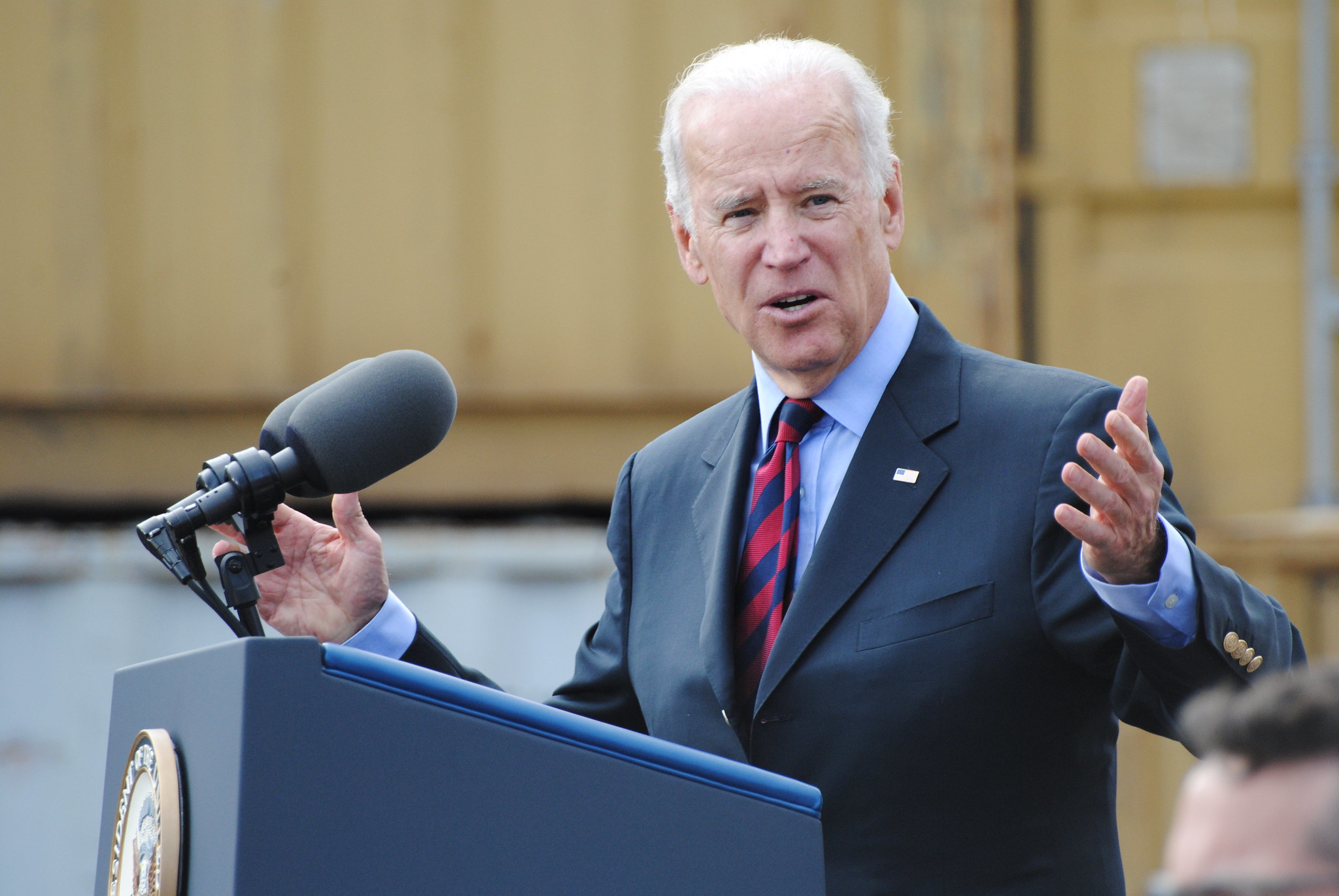 U.S. Army Corps of Engineers, Flickr
Joe Biden
"America is back" symbolizes President Joe Biden's administration's renewed focus on diplomacy, democracy, and international partnerships. It reassures allies of America's dedication to global leadership and cooperation in addressing urgent issues.
 U.S. Commission on Civil Rights, Wikimedia Commons



.jpg)


.jpg)


.jpg)
.jpg)


.jpg)


.jpg)


