Why We Can’t Let These TV Mysteries Go
Some TV shows give us answers. Others leave us staring at the credits in disbelief, Googling furiously, and debating theories with friends for years. Unresolved mysteries take on a life of their own. They’re frustrating in the best way: endlessly discussable, permanently haunting, and sometimes more powerful because they were never explained. Here are 20 of the most iconic TV mysteries that still linger in fans’ minds long after the shows ended.
LOST
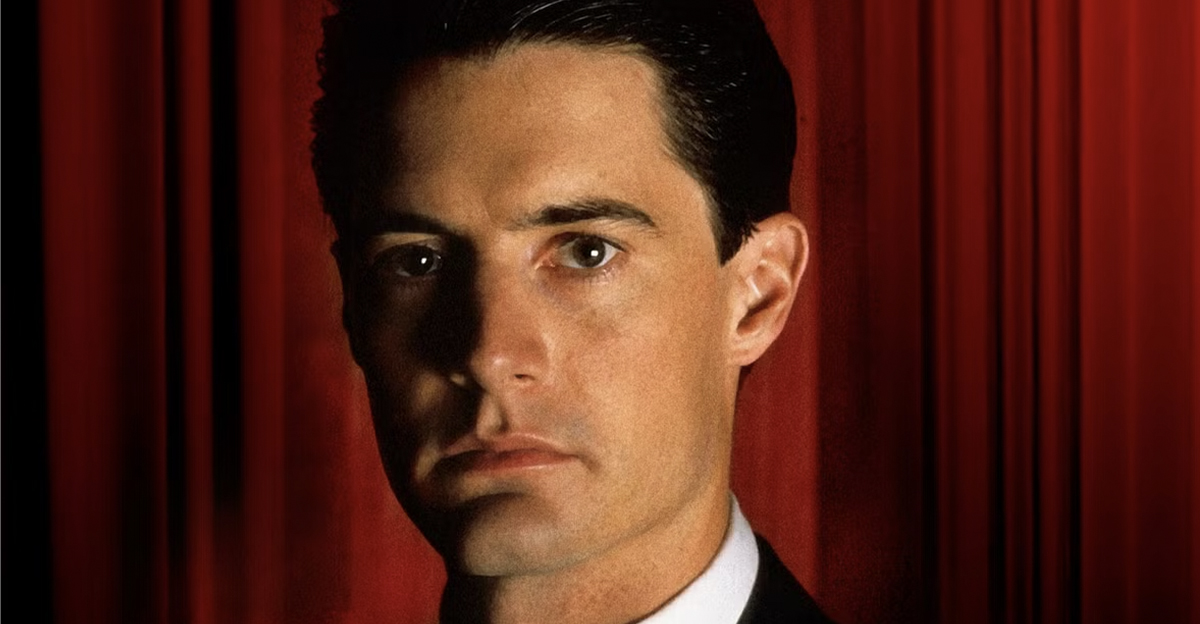
Even though LOST delivered a sprawling finale, plenty of mysteries remain unsolved. Fans continue debating the true purpose of the island and the origin of its supernatural abilities, which were tied to ancient myth but never fully defined. Characters like Walt, whose psychic abilities were important early on, simply vanish from the central narrative without explanation. Even core phenomena (the whispers in the jungle, the moving island’s rules, the nature of Jacob and the Man in Black) were only partially clarified. The show ends with emotional closure, but the mythology remains intentionally foggy, giving viewers an entire universe of unanswered lore.
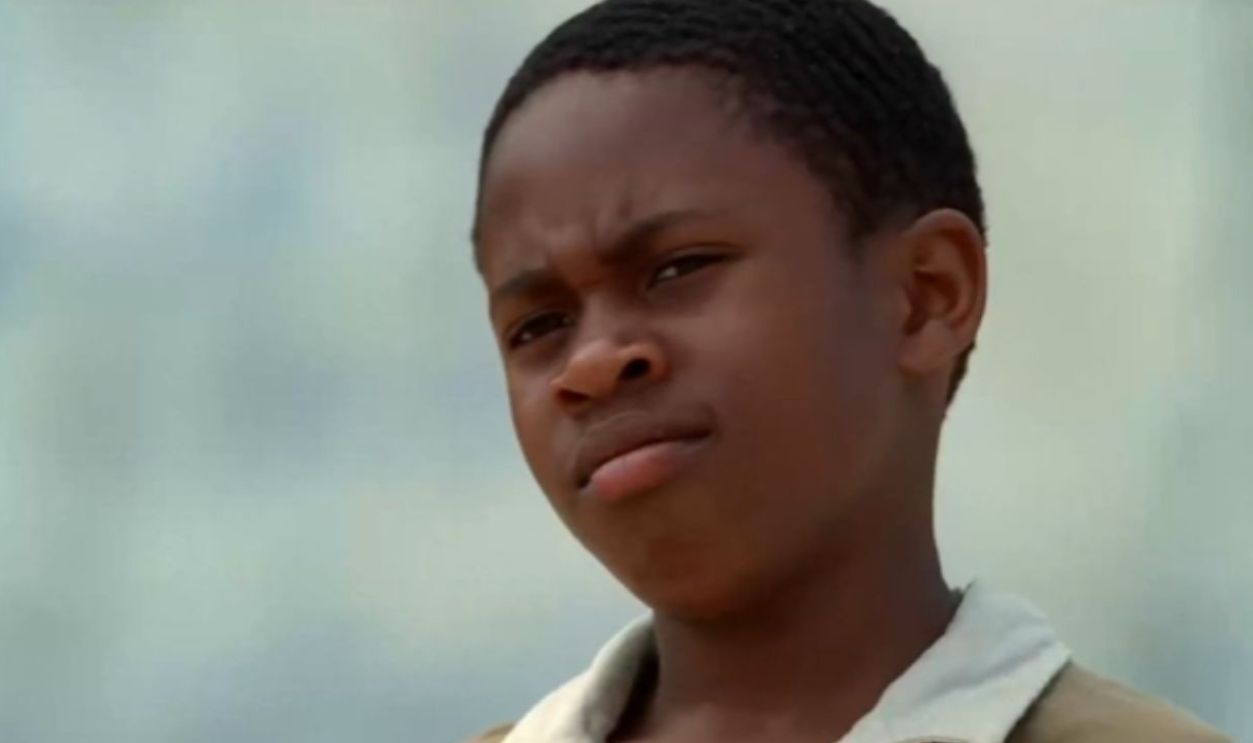 Screenshot from Lost, ABC (2004-2010)
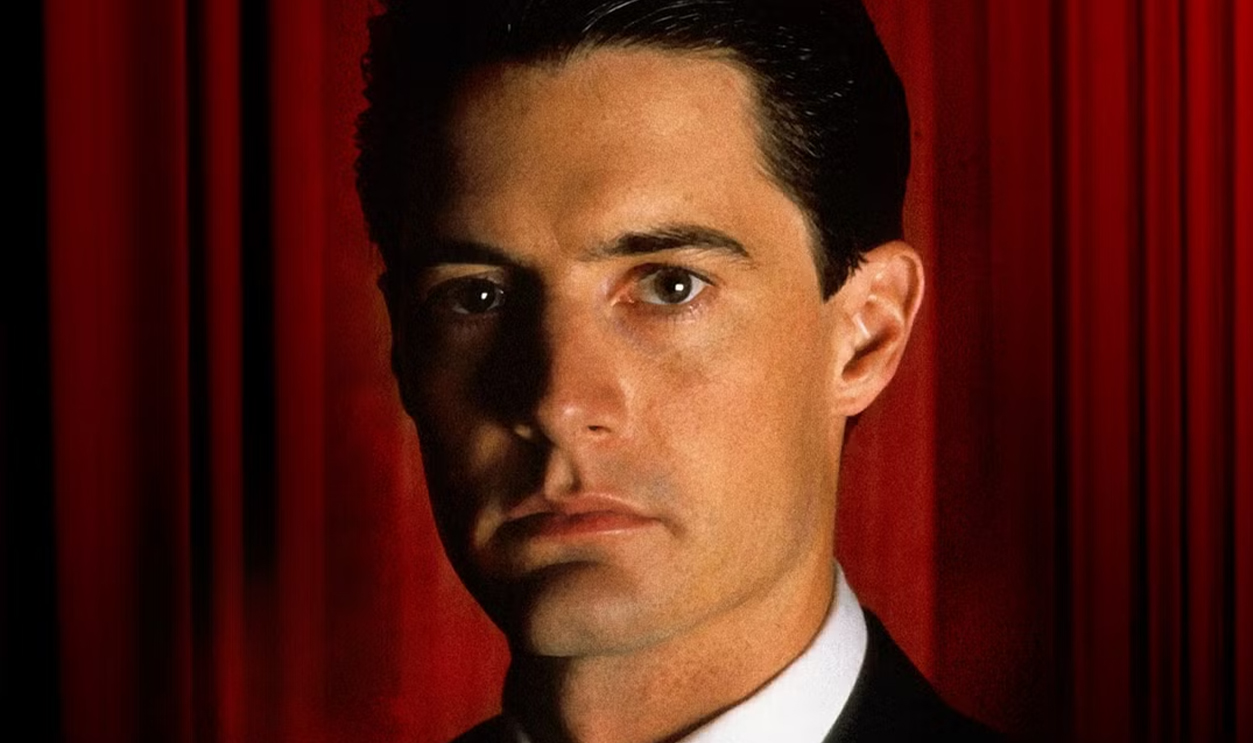
Twin Peaks
David Lynch’s cult classic thrived on mystery, and even after three seasons and decades of speculation, the show’s central supernatural mythology remains deliberately impenetrable. While Laura Palmer’s murder is solved, the forces behind the Black Lodge, the meaning of the doppelgängers, and the exact role of beings like Judy (or Jowday) still feel like cosmic riddles left intentionally incomplete. The revival season’s shocking final scream and the question “What year is this?” create an ending that is both chilling and deeply unsatisfying, in the way Lynch intends. Twin Peaks isn’t a mystery to be solved; it’s one to live with.
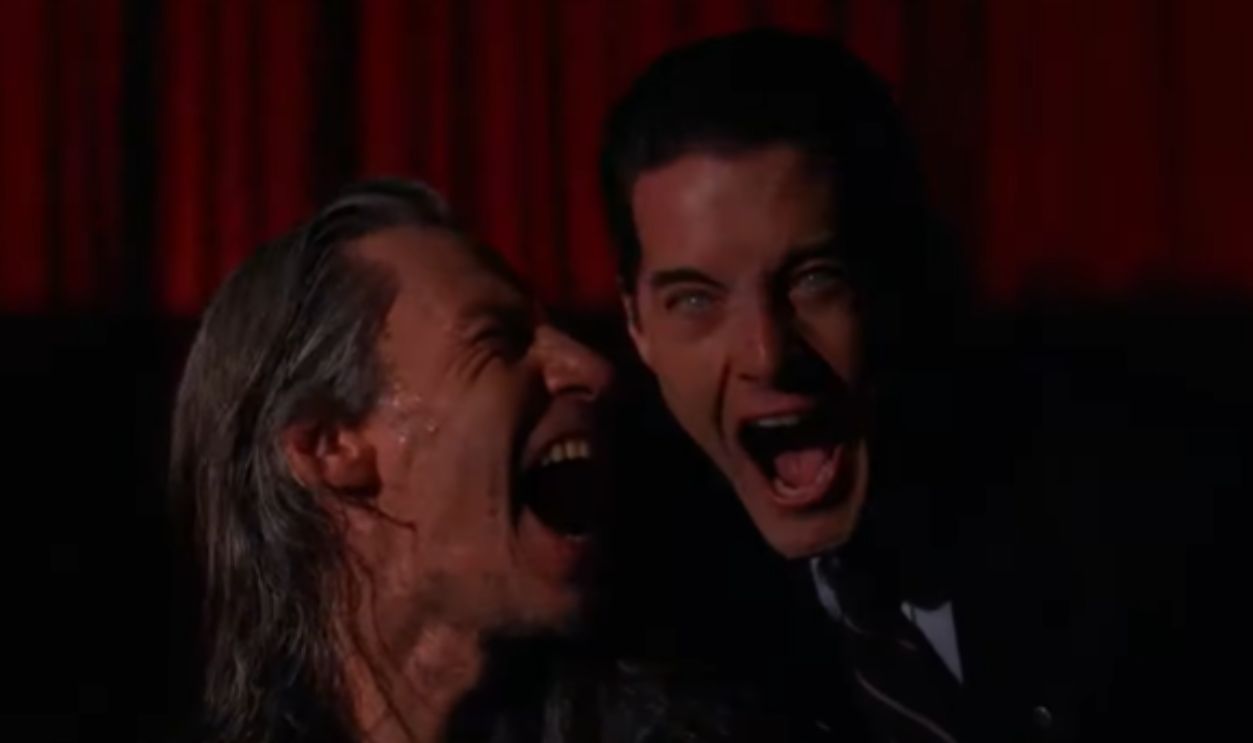 Screenshot from Twin Peaks, ABC (1990-1991)
Stargate Universe
The series ends with the crew of the Destiny entering stasis to travel across galaxies, but one pod fails to close properly. Eli volunteers to remain awake to fix it, planning to enter sleep afterward—but he can’t. The final shot is Eli staring out at the stars, an uncertain smile on his face as the ship drifts deeper into space. Viewers never learn whether he survives, whether the crew reaches its destination, or what awaited them at the edge of the universe. It is one of sci-fi television’s most haunting unfinished journeys.
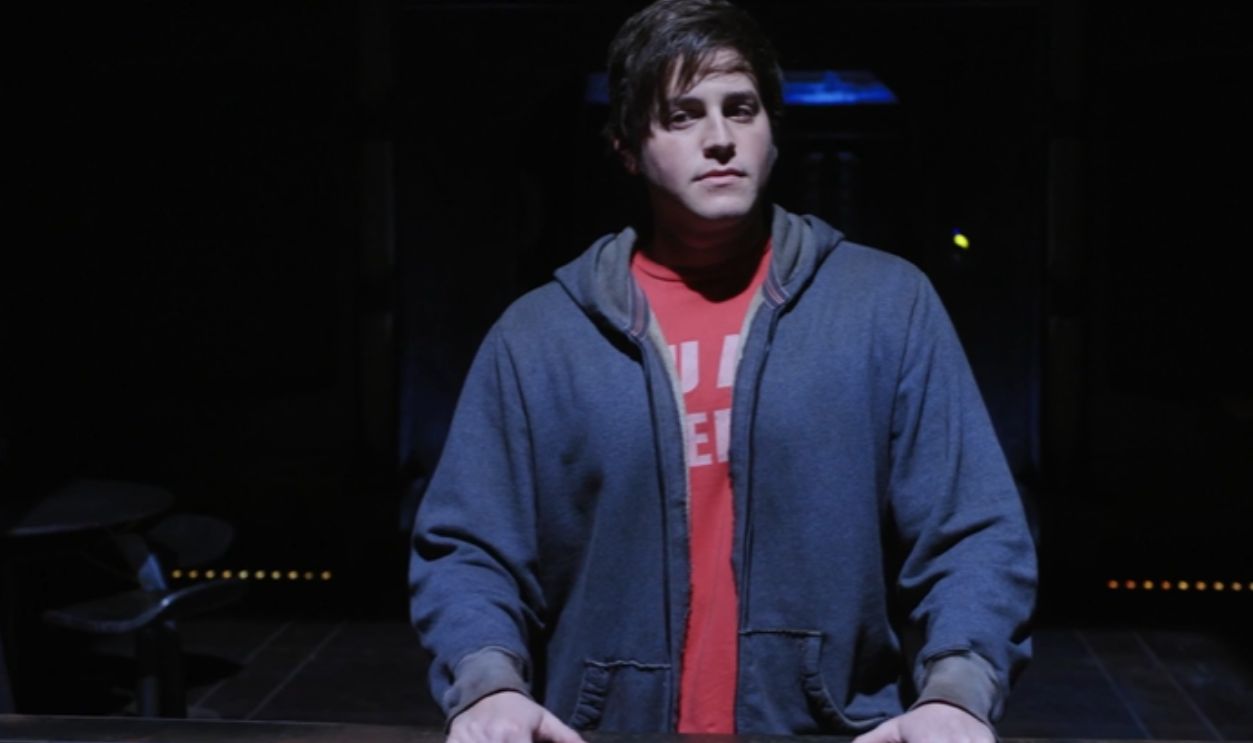 Screenshot from Stargate Universe, Syfy (2009-2011)
Firefly
Even with the follow-up film Serenity, vital mysteries introduced during the show’s single season were left unresolved. Shepherd Book’s past remains the biggest hole; hints imply he once held high-ranking government or military clearance, but the truth is never revealed on-screen. River Tam’s psychic abilities also seem to evolve far beyond what the Alliance originally experimented with, yet the full scope of her powers and the government’s plans for her stay open-ended. Numerous long-term arcs, including the Blue Sun conspiracy, were only beginning to surface before cancellation cut them down.
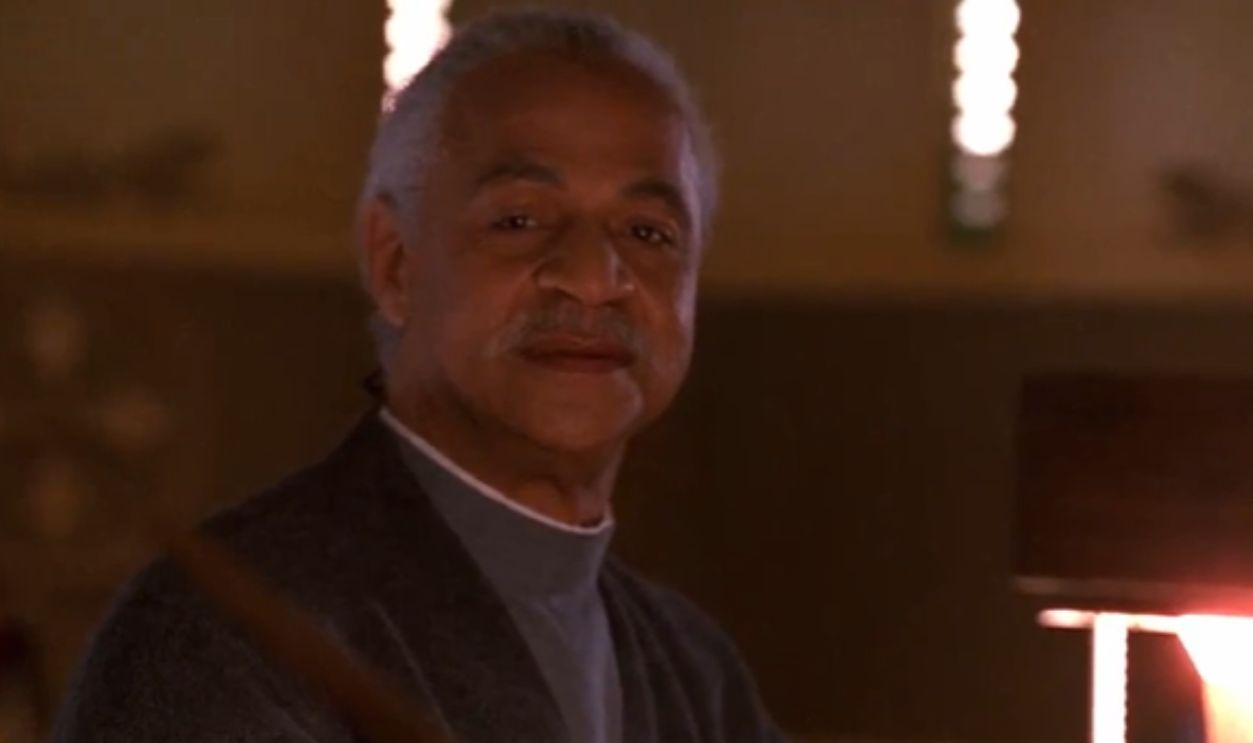 Screenshot from Firefly, Fox (2002-2003)
Under The Dome
As the dome finally lifts in the series’ last episodes, countless questions remain unanswered. The show never fully explains the origin or purpose of the dome, the alien egg that activates it, or the “pink stars” prophecy teased from the beginning. Entire character arcs—especially those tied to the mysterious “Kinship”—simply evaporate, leaving viewers guessing about the dome’s true agenda and what the survivors’ futures would have looked like. It’s less a mystery left open and more a puzzle missing half its pieces.
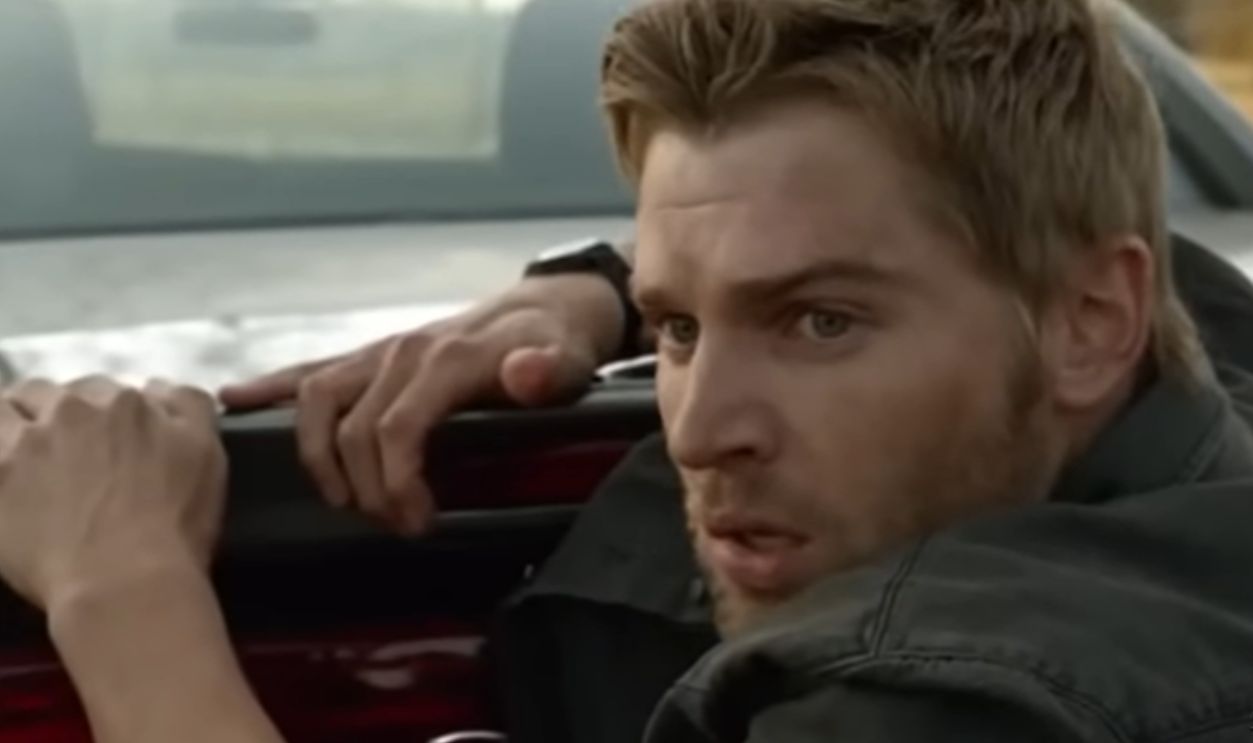 Screenshot from Under the Dome, CBS (2013-2015)
Angel
The finale of Angel is famously abrupt: Angel, Gunn, Illyria, and Spike stand facing a massive demon army and a descending dragon in an alley, weapons barely in hand. Then the screen cuts to black. Fans never discover who survives the battle, whether the prophecy about Angel regaining humanity was genuine or manipulation, or how the war against the Senior Partners ultimately resolves. Comics continued the fight, but in terms of television canon, the final image is our last glimpse—an apocalyptic question mark.
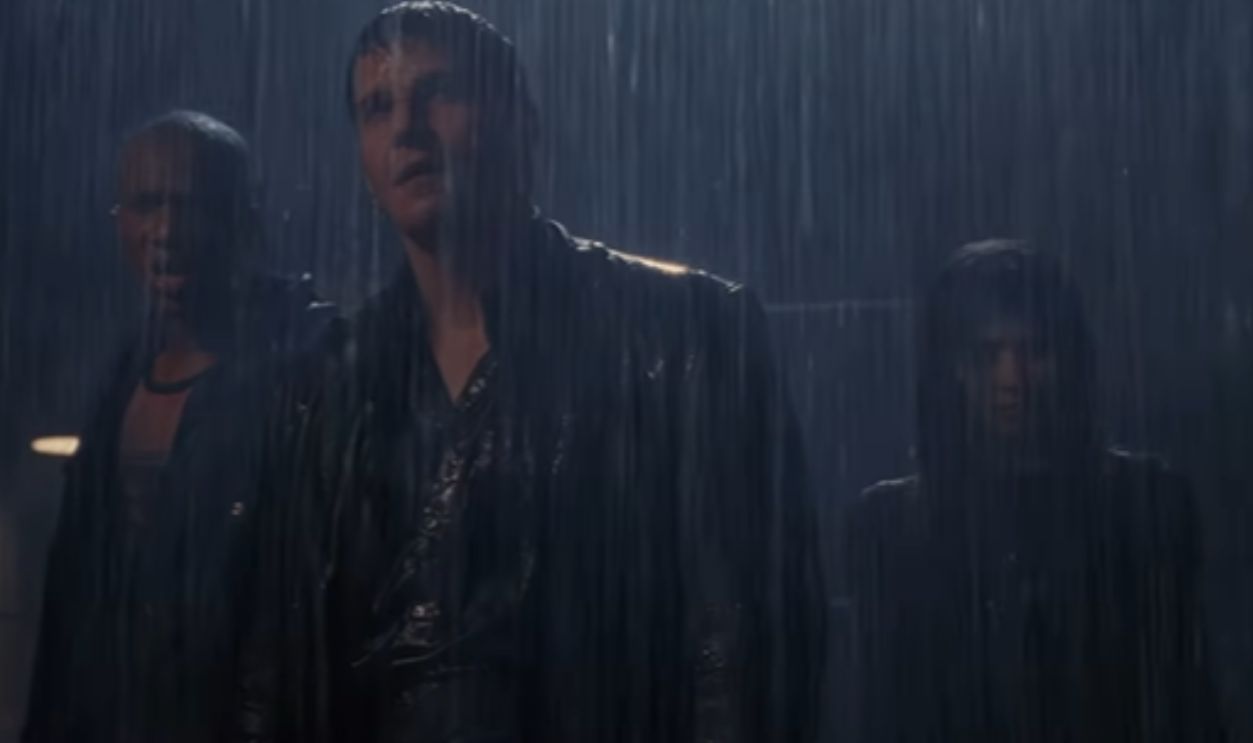 Screenshot from Angel, 20th Century Fox (1999-2004)
Joan Of Arcadia
The show’s second-season finale sets up a major storyline that never arrives. God warns Joan about a coming adversary—someone like her, but working for darker, destructive purposes. This impending “war” is teased with ominous detail, but before the storyline can begin, the show is canceled. The nature of the adversary, the cosmic rules of Joan’s visions, and what Joan’s role in the conflict would have been remain mysteries lost to TV limbo.
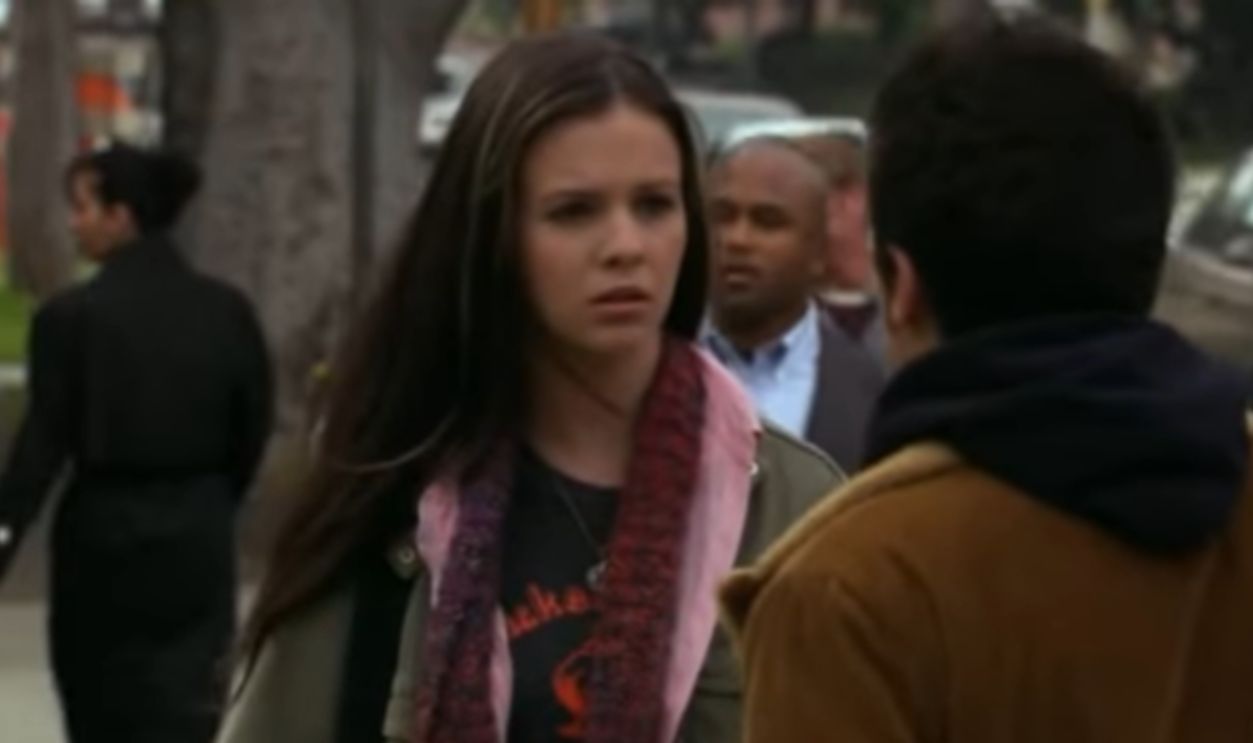 Screenshot from Joan of Arcadia, CBS (2003-2005)
My So-Called Life
The series ends with Angela wrapped in a love triangle between Jordan and Brian, but no resolution ever comes. Would Angela have chosen the boy she loved or the boy who truly understood her? The emotional momentum was building toward a major turning point when the show was canceled after only one season. Fans have speculated for decades about Angela’s choice, a testament to how deeply the series resonated.
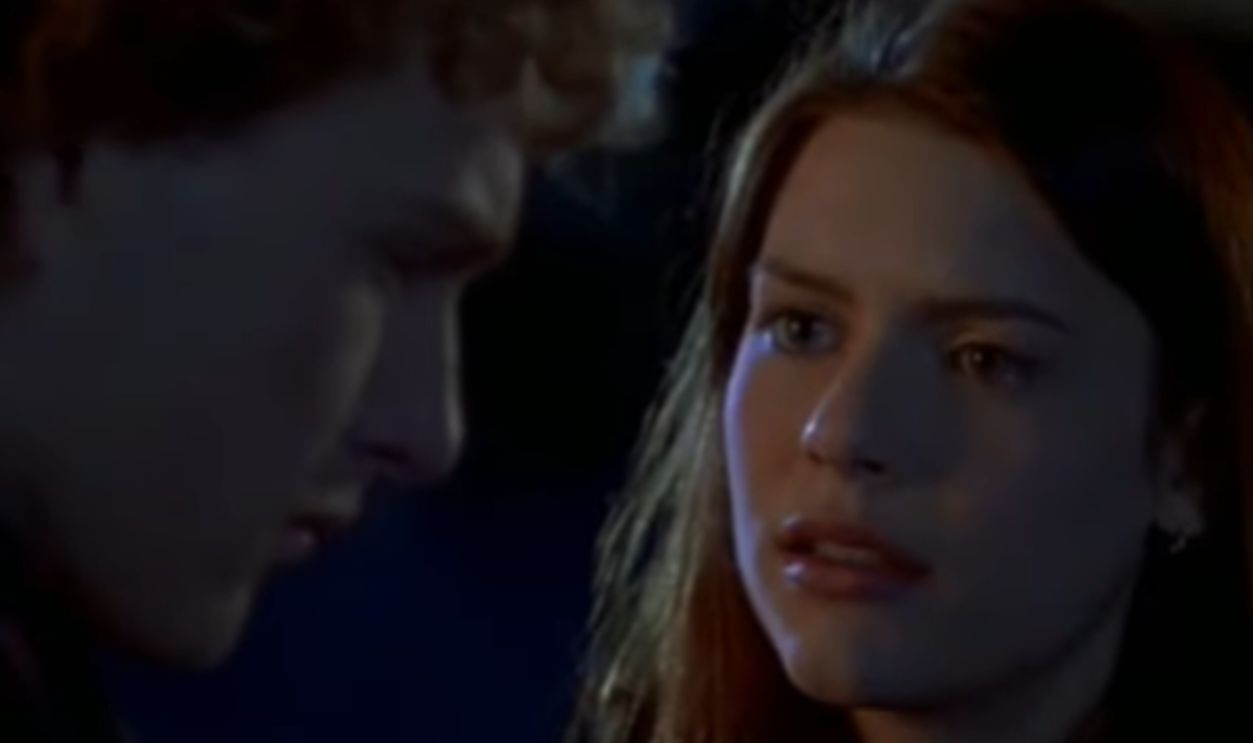 Screenshot from My So-Called Life, ABC (1994-1995)
Reunion
This high-concept drama followed six friends over 20 years, with each episode revealing a secret from a different year—and culminating in the eventual murder of one of them. But the show was canceled before revealing the killer. Viewers were left with only half-completed clues, early red herrings, and a slowly unfolding mystery that freezes mid-sentence. It remains one of the most notorious canceled-before-the-answer series of the 2000s.
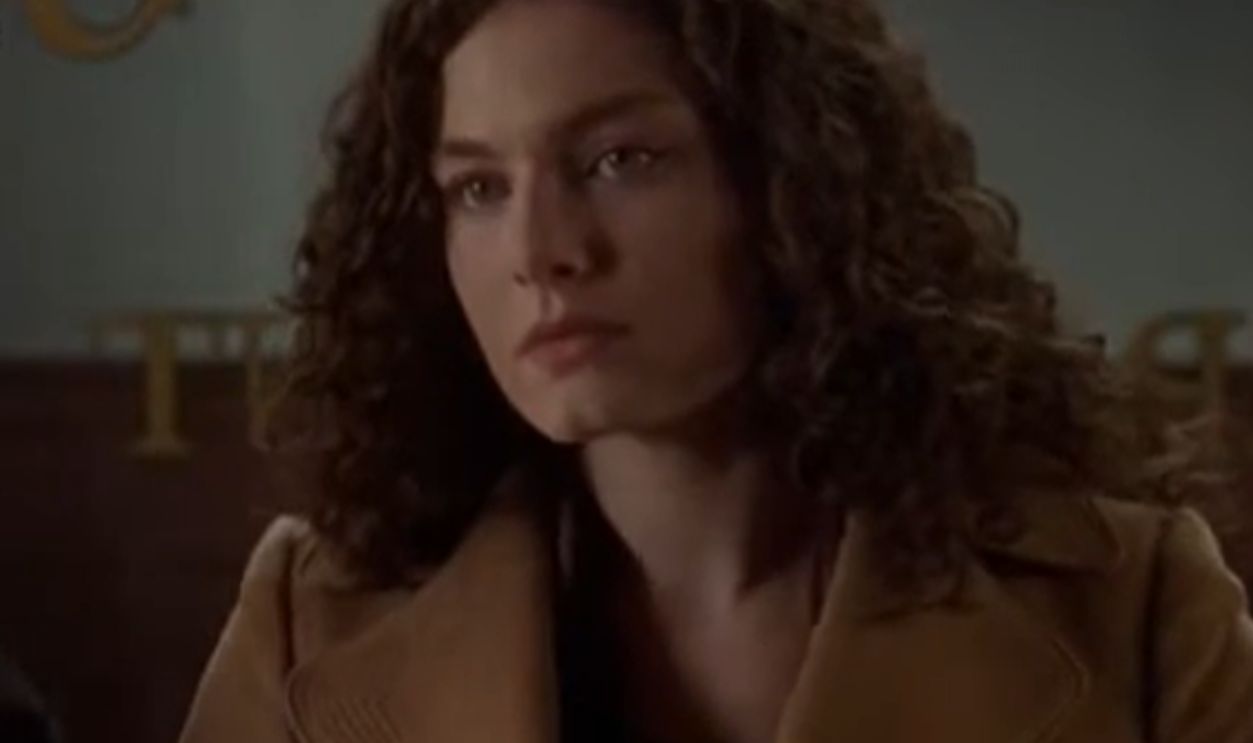 Screenshot from Reunion, Fox (2005)
Alcatraz
This sci-fi mystery show introduced the idea that dozens of 1963 prisoners suddenly reappeared in the modern day, unaged and inexplicably transported. As investigators begin piecing together the phenomenon’s origin, they uncover hints of a larger conspiracy involving time displacement, experimentation, and government cover-ups. The show ended before resolving who orchestrated the mass disappearance, what the prisoners’ true purpose was, and whether more time-shifted anomalies were still coming. The final episodes tease a massive reveal, and then everything stops.
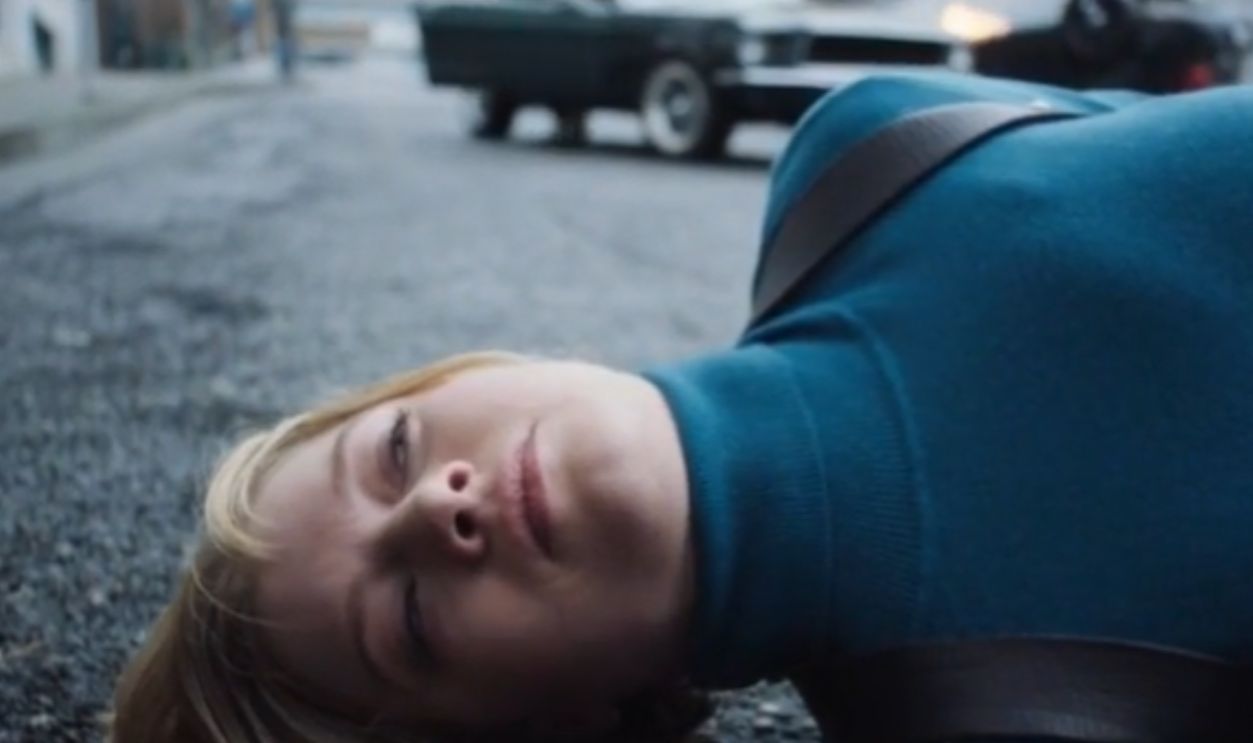 Screenshot from Alcatraz, Fox (2012)
V (2009–2011)
The rebooted alien-invasion drama reaches its climax with Anna, the Visitor Queen, psychically enslaving a massive portion of humanity. The final episode ends as the global resistance braces for war, but viewers never see the conflict begin. Key characters’ fates, the Visitors’ long-term plans, and humanity’s chances of survival remain entirely unknown. The series ends just as the stakes become highest.
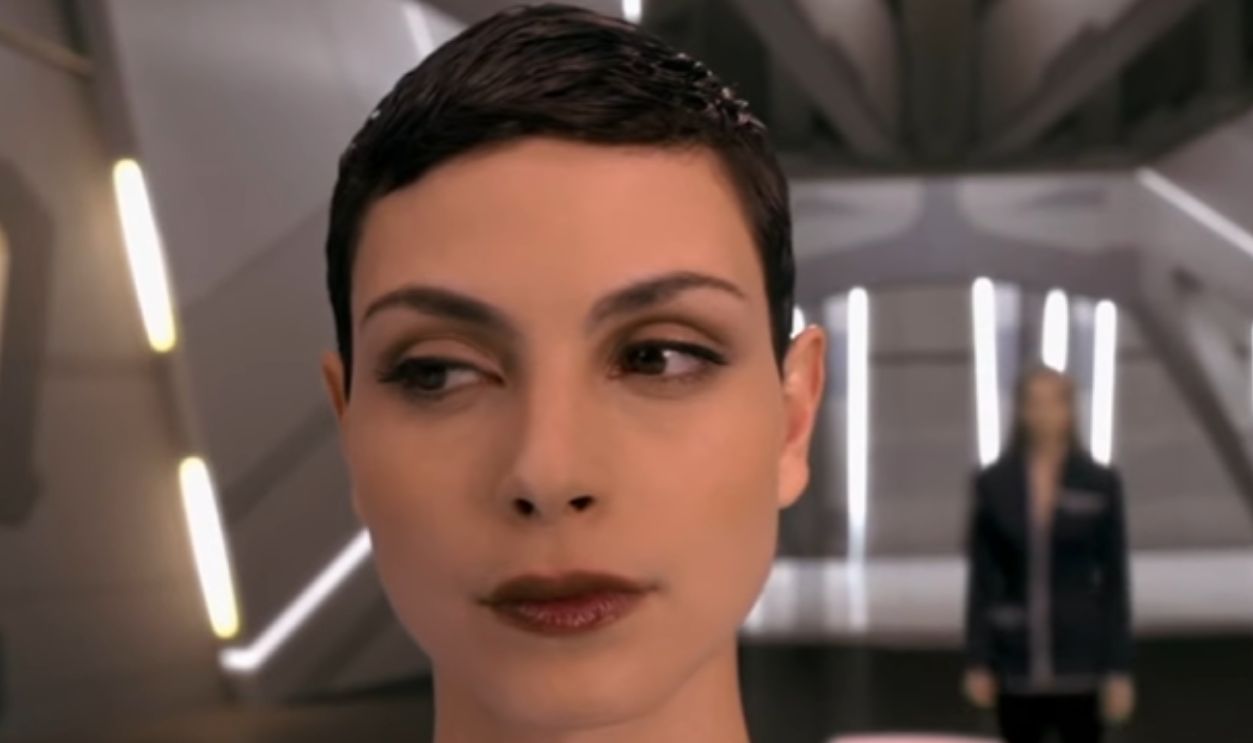 Screenshot from V, ABC (2009-2011)
Terminator: The Sarah Connor Chronicles
In one of the boldest cliffhangers in sci-fi TV, John Connor jumps forward in time only to discover a future where no one has ever heard of him, meaning the war against Skynet unfolded without humanity’s destined leader. The show leaves open whether John ever regains his role, where the original John of that timeline went, and what Cameron’s true mission was. Even Weaver’s alliance with John and her mysterious “turkey farm” experiments remain unexplained. The series ends just as its mythology becomes most intriguing.
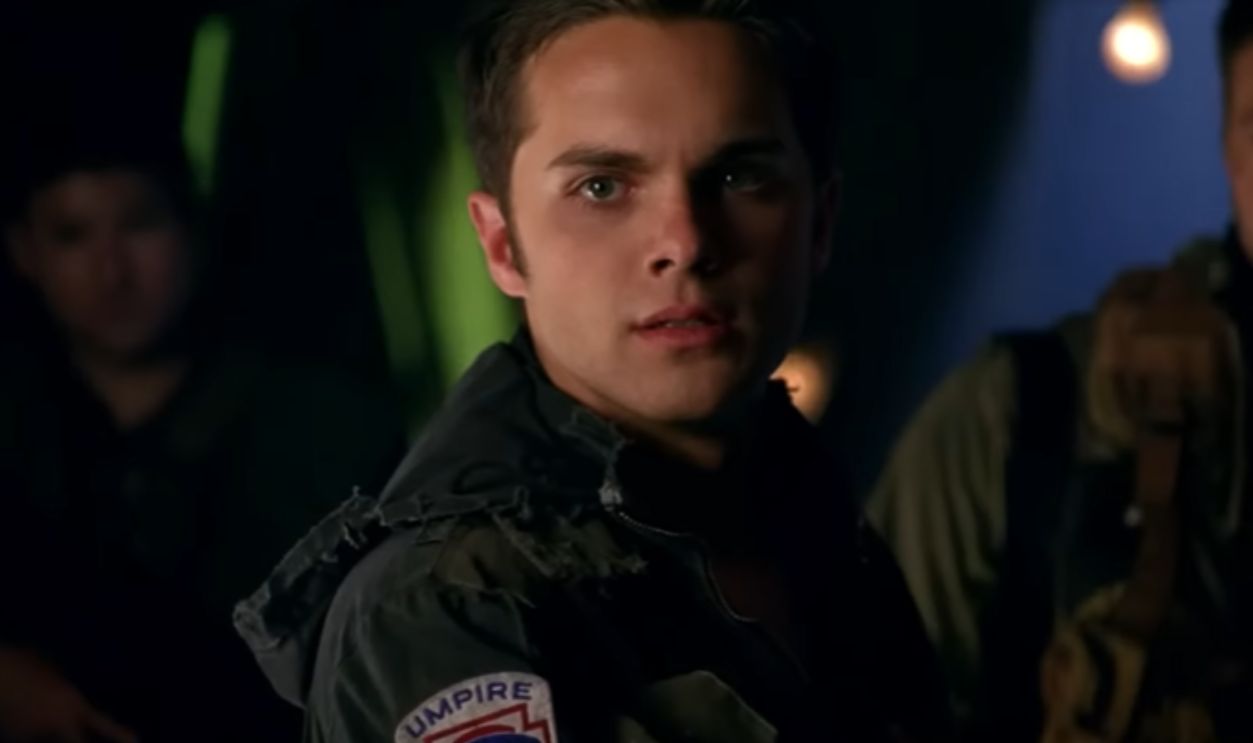 Screenshot from Terminator: The Sarah Connor Chronicles, Fox (2008-2009)
Southland
The gritty LAPD drama closes with John Cooper, a central character since the beginning, being shot by a bystander as he tries to de-escalate a volatile situation. As he lies bleeding, the camera lingers on his fading consciousness and then cuts to black. The show never reveals whether Cooper survives or dies. Given his downward spiral into addiction, rage, and self-destruction, the ambiguity becomes even heavier. His story simply stops, and fans have argued about the ending ever since.
 Screenshot from Southland, TNT (2009-2013)
The Whispers
This eerie sci-fi thriller builds toward a mysterious alien entity named Drill, capable of manipulating children. By the final episode, Drill’s influence grows exponentially, raising stakes to global levels—but just as a larger alien invasion is implied, the series is canceled. Viewers never discover Drill’s origin, the full plan of his species, or whether humanity stands any chance against the incoming threat.
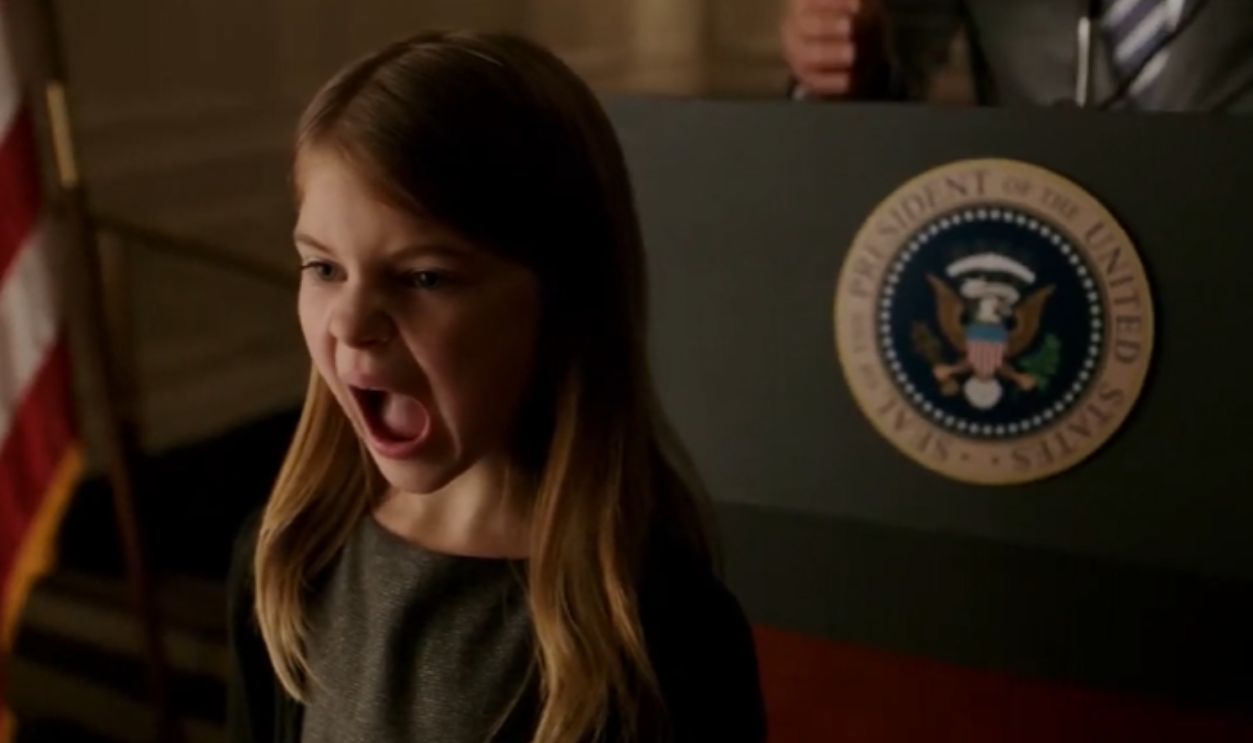 Screenshot from The Whispers, ABC (2015)
The OA
The show ends with one of the wildest twists in streaming television: Prairie (OA) jumps realities, characters break into an alternate dimension, and the series becomes self-referential...then stops. Questions about the multiverse, OA’s true abilities, and the purpose of the “movements” are left unanswered. Fans continue to campaign for answers, but the unresolved ending remains one of the most haunting and imaginative in modern TV.
 Screenshot from The OA, Netflix (2016-2019)
A League Of Their Own (2022)
Season one ends with a devastating betrayal just before a pivotal championship game and teases a major conflict that would have changed multiple characters’ lives. With the cancellation, viewers never see the fallout: how the betrayal alters team dynamics, whether certain romances survive, or how the league responds to rising tensions. The story stops right before its emotional peak.
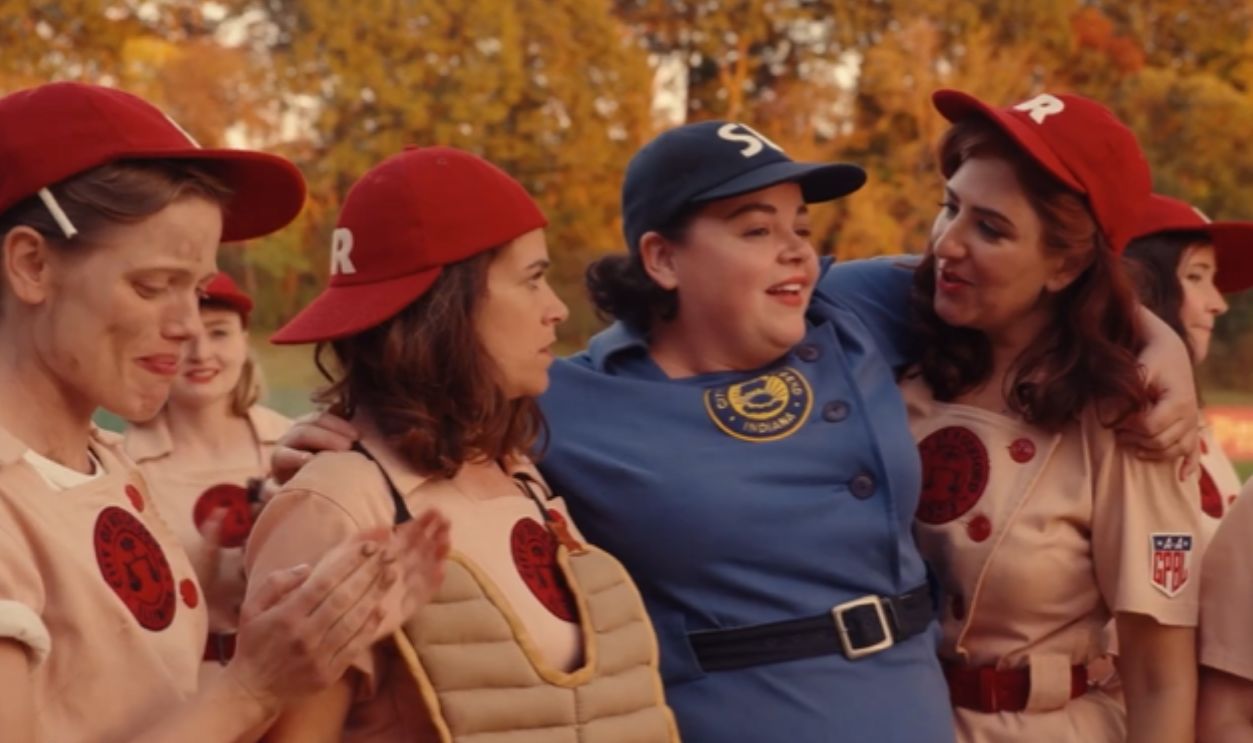 Screenshot from A League of Their Own, Amazon Prime Video (2022-2023)
Lois & Clark: The New Adventures Of Superman
The series finale delivers one of TV’s strangest unanswered mysteries: Lois and Clark find a baby wearing a tiny Superman cape on their doorstep, apparently entrusted to them by someone unknown. The child’s identity, origin, and purpose were meant to launch a new season-long arc but then the show was abruptly canceled. No further Superman lore entry ever cleared it up.
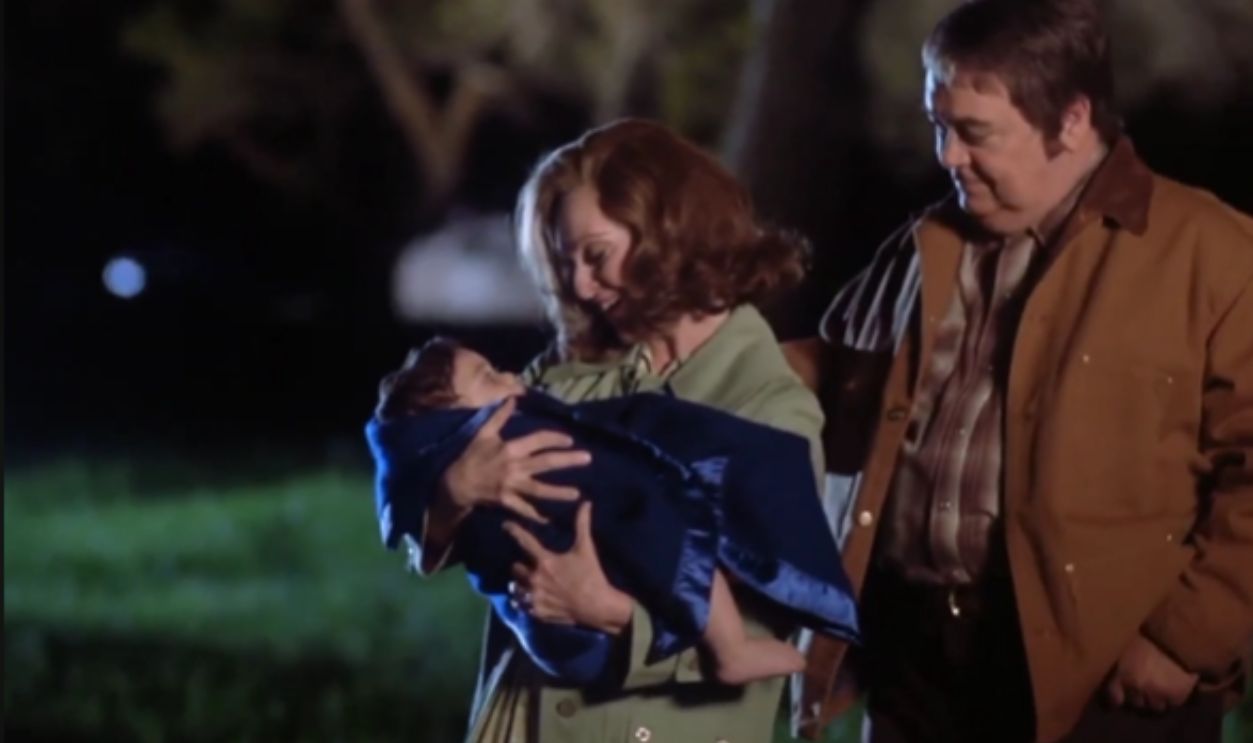 Screenshot from Lois & Clark: The New Adventures of Superman, ABC (1993-1997)
The L Word
The original series ends with Jenny Schecter’s mysterious death, leaving fans with the question of who killed her or whether she died by suicide. Many characters had motive, yet the show never confirms the truth. Beyond that, several major arcs abruptly stop: Alice’s legal trouble, Max’s pregnancy, and Shane’s emotional fallout. The reboot revisits some characters but never answers the central mystery.
 Screenshot from The L Word, Showtime (2004-2009)
Pitch
The final episode ends with Ginny Baker tearing her UCL during a crucial game, leaving her baseball career (and personal life) in jeopardy. Viewers never learn whether she undergoes surgery, ever pitches again, or rekindles her growing bond with catcher Mike Lawson. The show also drops unresolved threads involving Ginny’s family complications and team politics. It’s a story paused mid-pitch.
 Screenshot from Pitch, Fox (2016)
Finding Carter
The finale closes with an explosive twist: Carter witnesses her friend Gabe’s father murder someone, and Gabe kills his own father in a moment of panic and protection. The season ends immediately after the gunshot, with no resolution about Gabe’s fate, possible charges, Carter’s trauma, or the unraveling of the show’s larger conspiracy involving Carter’s kidnapper. It’s a shocking cliffhanger with no follow-up.
 Screenshot from Finding Carter, MTV (2014-2015)
You May Also Like:
The Most Infamous Unsolved Celebrity Mysteries
Iconic TV Scenes That Only True Fans Know Were Improvised