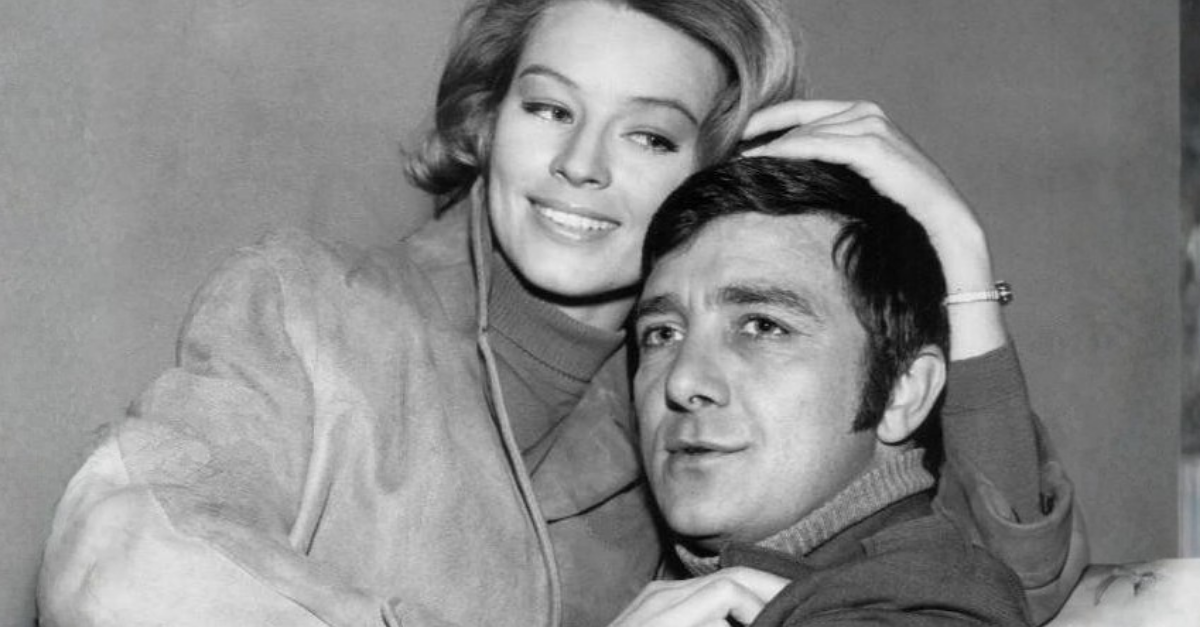
A Childhood Far From Hollywood
Long before he became one of television’s most recognizable faces, Richard Dawson was just a kid growing up in England during WWII. Born Colin Lionel Emm in 1932, he experienced air raids, evacuations, and the uncertainty that came with living through one of history’s biggest conflicts.
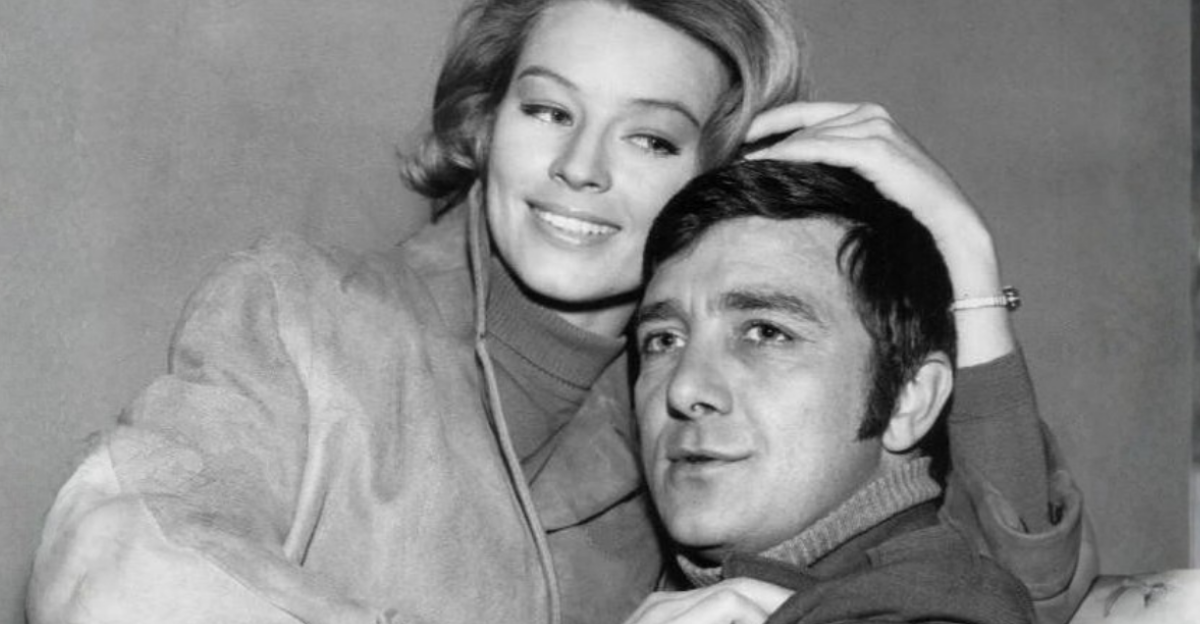
He Left Home Earlier Than Most
Dawson’s path to stardom was anything but conventional. At just 14 years old, he joined the Merchant Navy and spent years traveling the world, an experience that forced him to grow up fast and gave him plenty of stories long before television came calling.
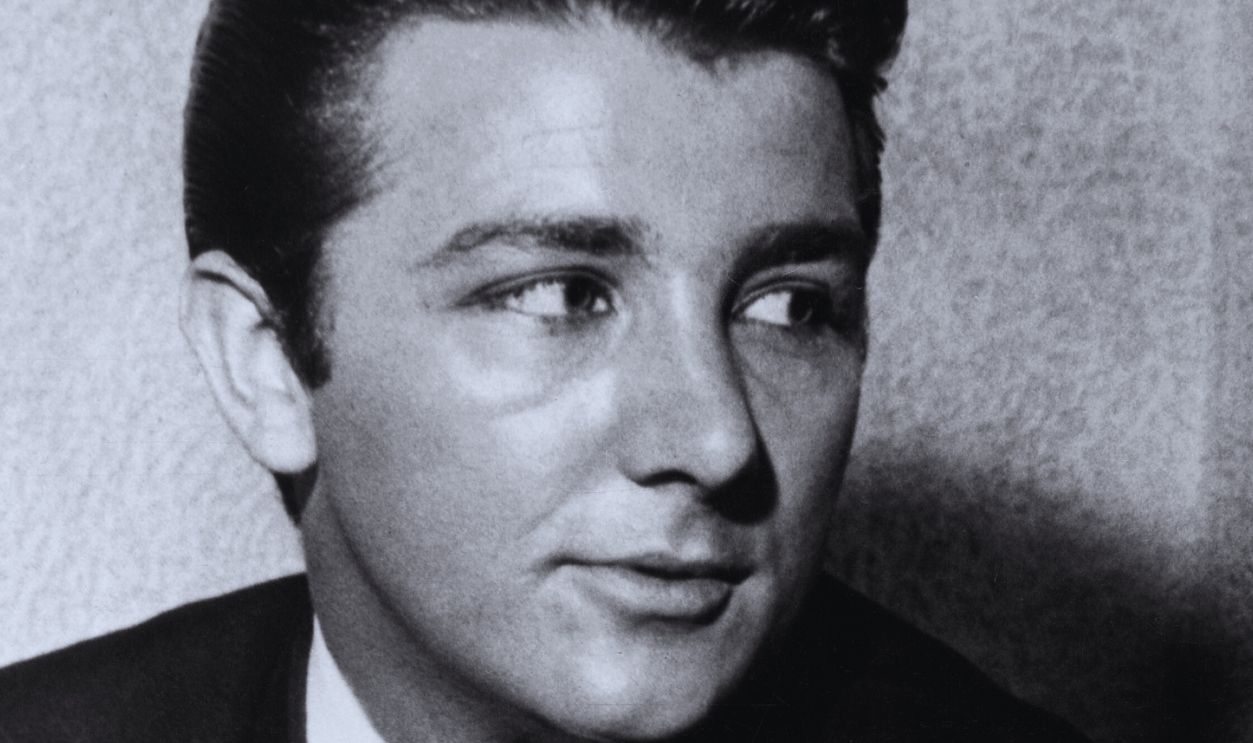 ullstein bild Dtl., Getty Images
Reinventing Himself Along The Way
Like many entertainers, Dawson understood the value of a fresh start. He adopted a stage name and began pursuing comedy, slowly building the confidence and skills that would eventually make him a television favorite.
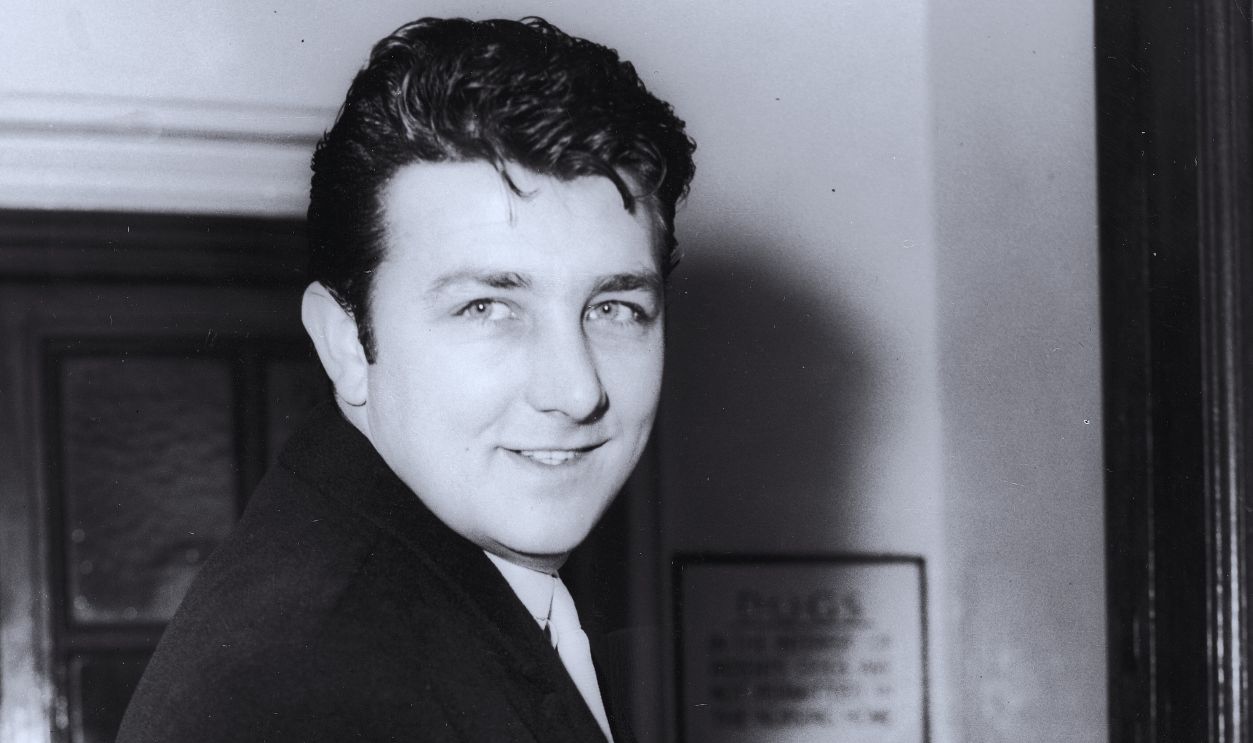
America Opened New Doors
After finding some success in Britain, Dawson moved to the United States to chase bigger opportunities. It was a major gamble, but one that ultimately changed the course of his life and career.
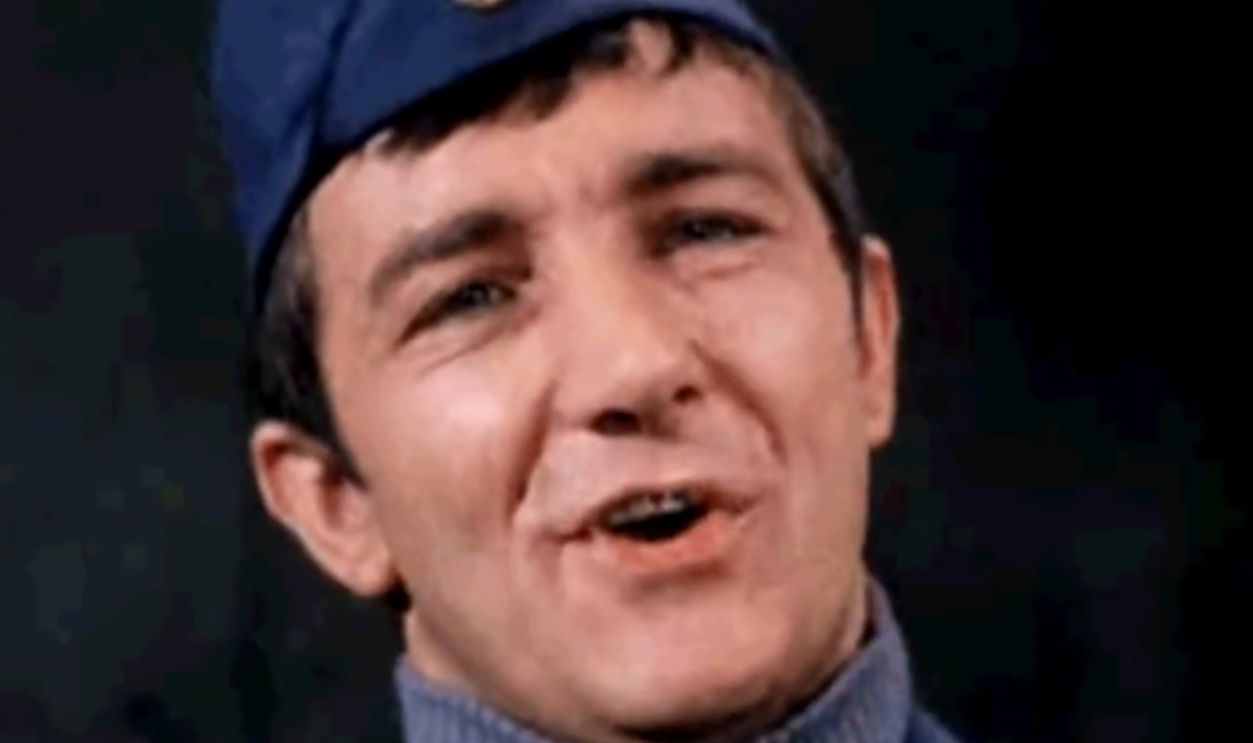 Hogan's Heroes, CBS (1965–1971)
Hogan’s Heroes Made Him A Star
Everything changed when Dawson landed the role of Corporal Peter Newkirk on Hogan’s Heroes in 1965. The sitcom became a huge hit and introduced him to millions of viewers who instantly connected with his charm and quick wit.
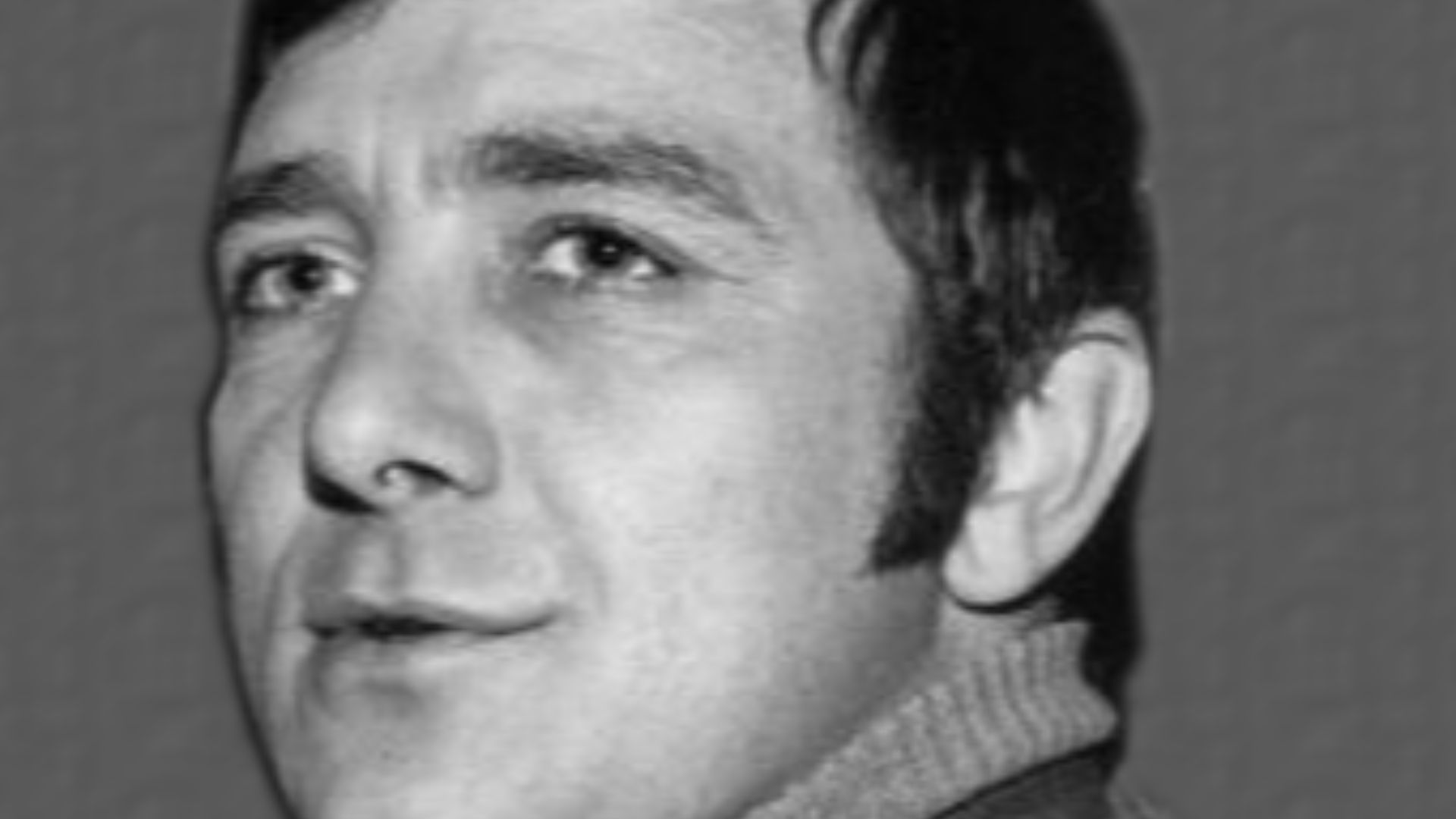
He Was A Natural On Television
Dawson’s easygoing personality made him a perfect fit for television beyond acting. He became a regular on Match Game, where his humor and sharp one-liners helped him stand out even among a cast full of larger-than-life personalities.
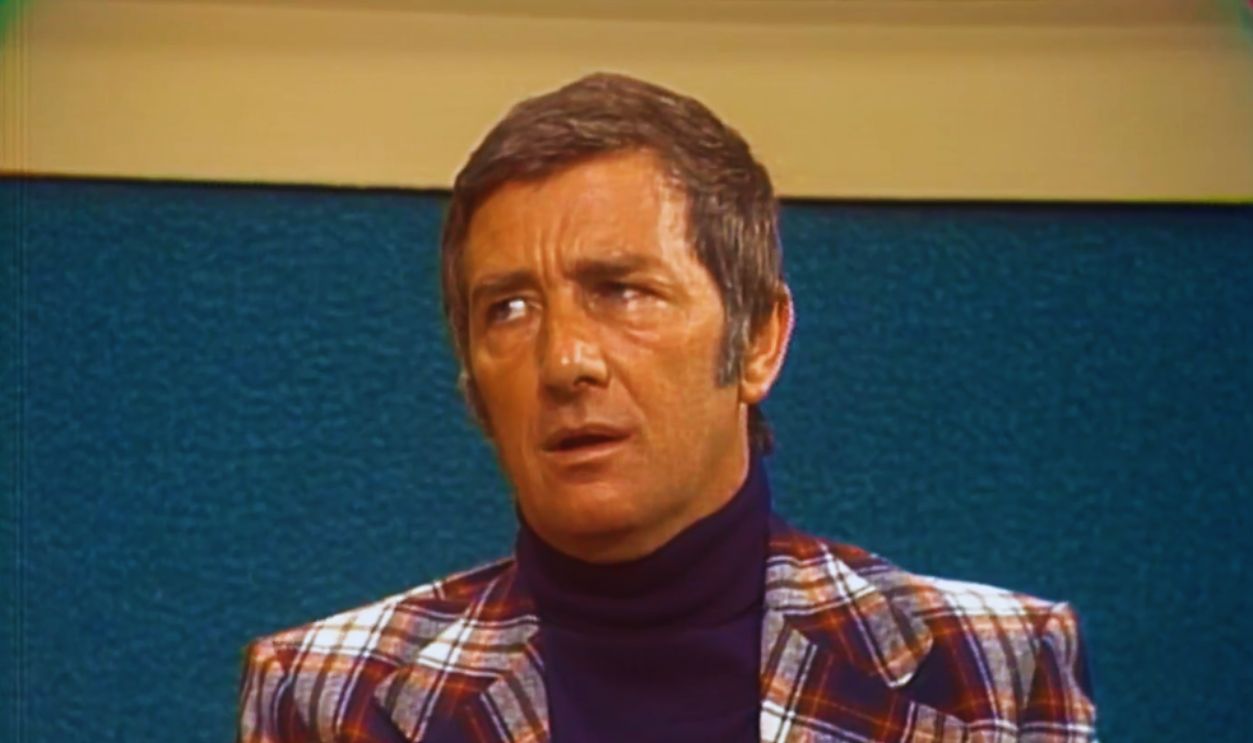 Screenshot from Match Game, Fremantle (1962–present)
Family Feud Was The Perfect Match
When producer Mark Goodson was developing Family Feud, Dawson was the obvious choice to host. By the time the show debuted in 1976, audiences already loved him, and that popularity helped turn the series into an immediate success.
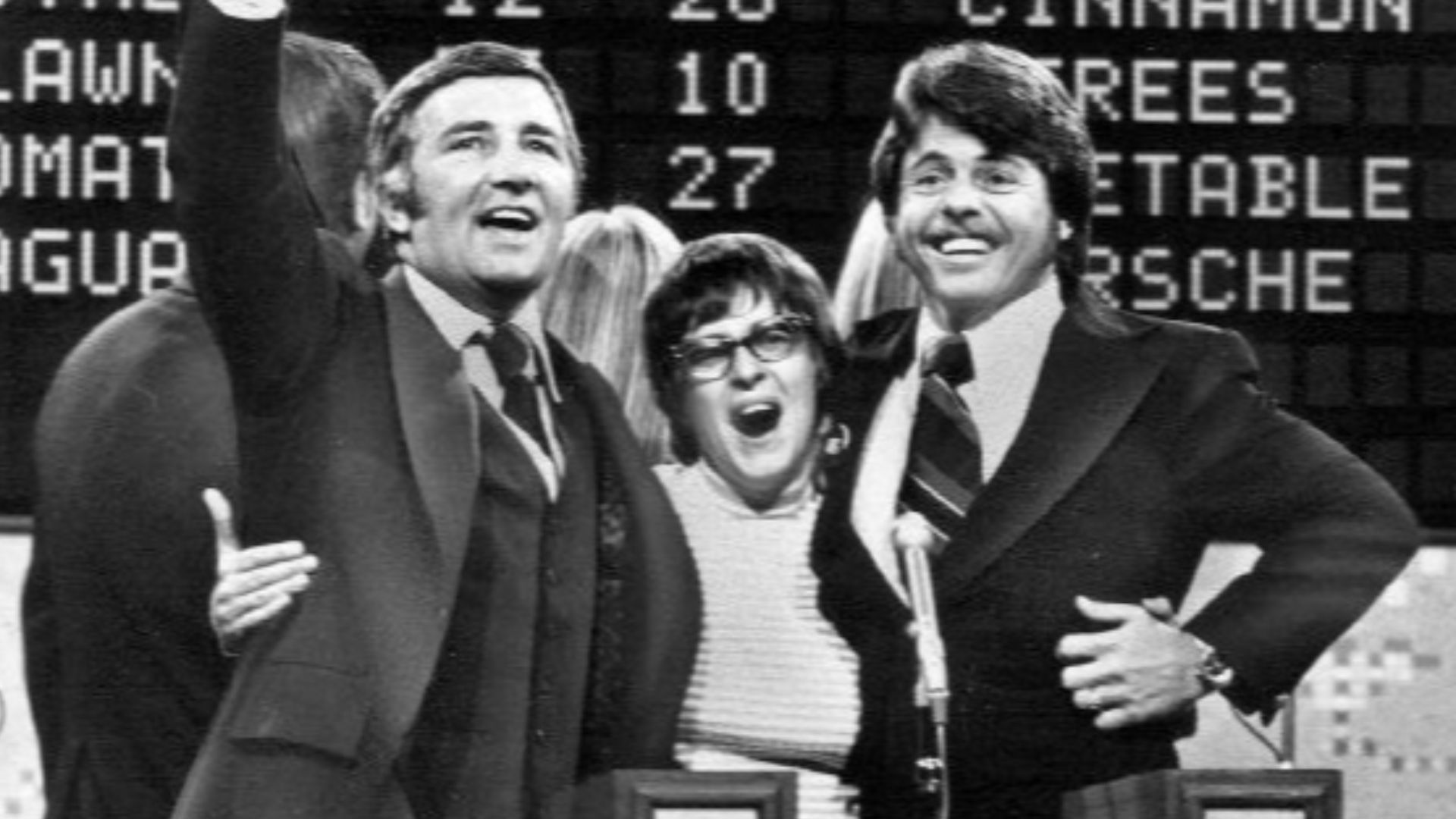
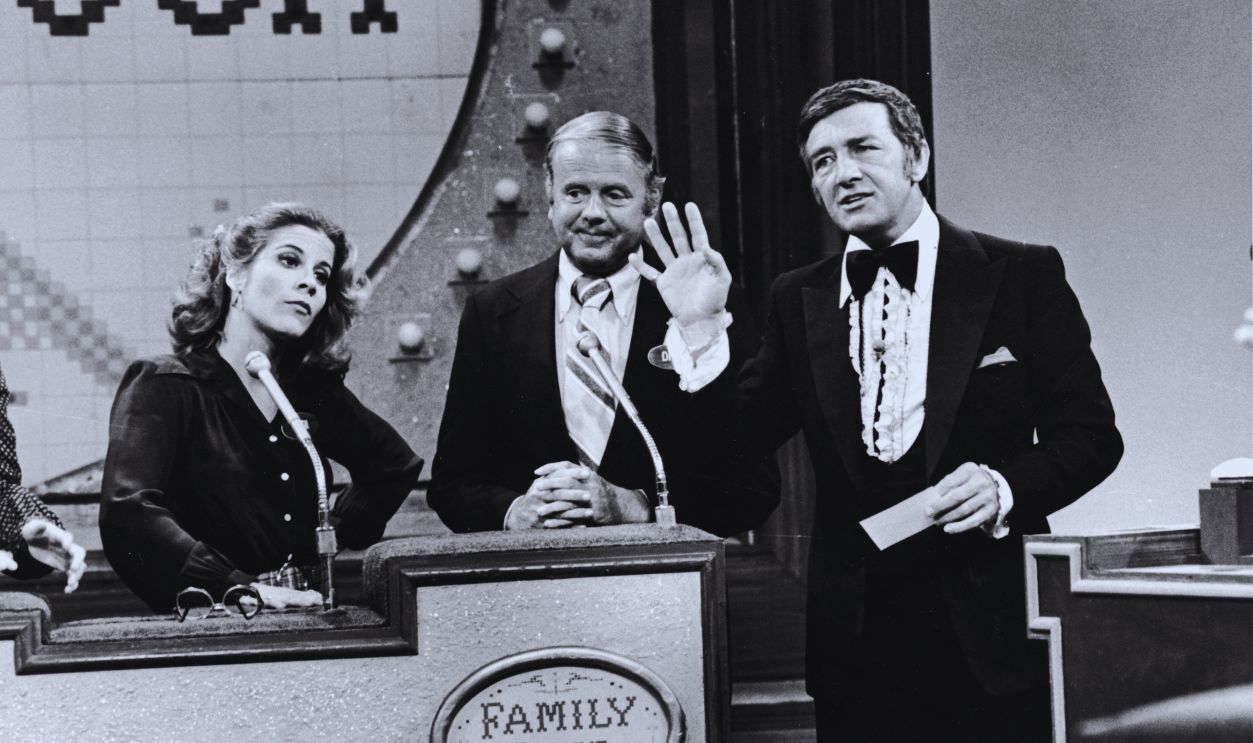
Success Came With A Heavy Workload
At his peak, Dawson was juggling Family Feud, Match Game, and various guest appearances. The schedule was relentless, and keeping up with the demands of being one of television’s busiest personalities wasn’t always easy.
 Fotos International, Getty Images
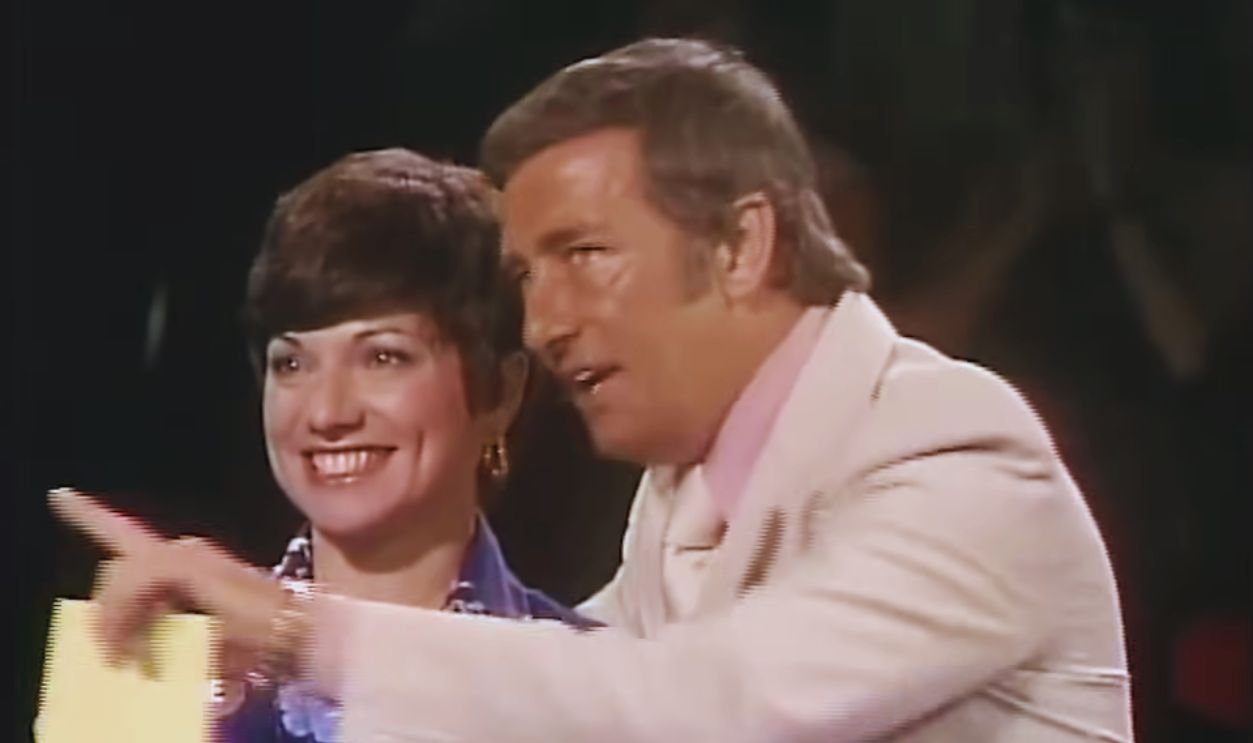
The Ratings Were Through The Roof
Family Feud quickly became one of the most popular shows on television. While that kind of success sounds ideal, it also meant constant pressure to keep audiences happy and maintain the show's incredible momentum.
 Screenshot from Family Feud, Fremantle (1976–present)
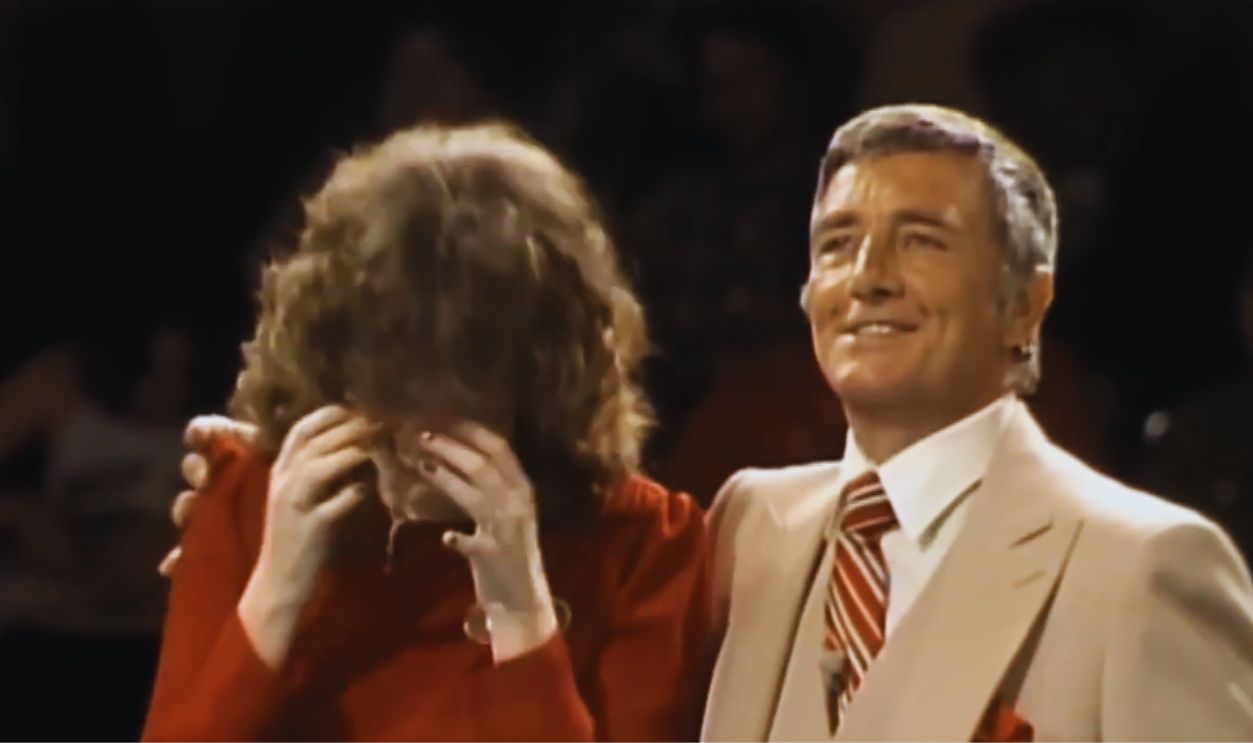
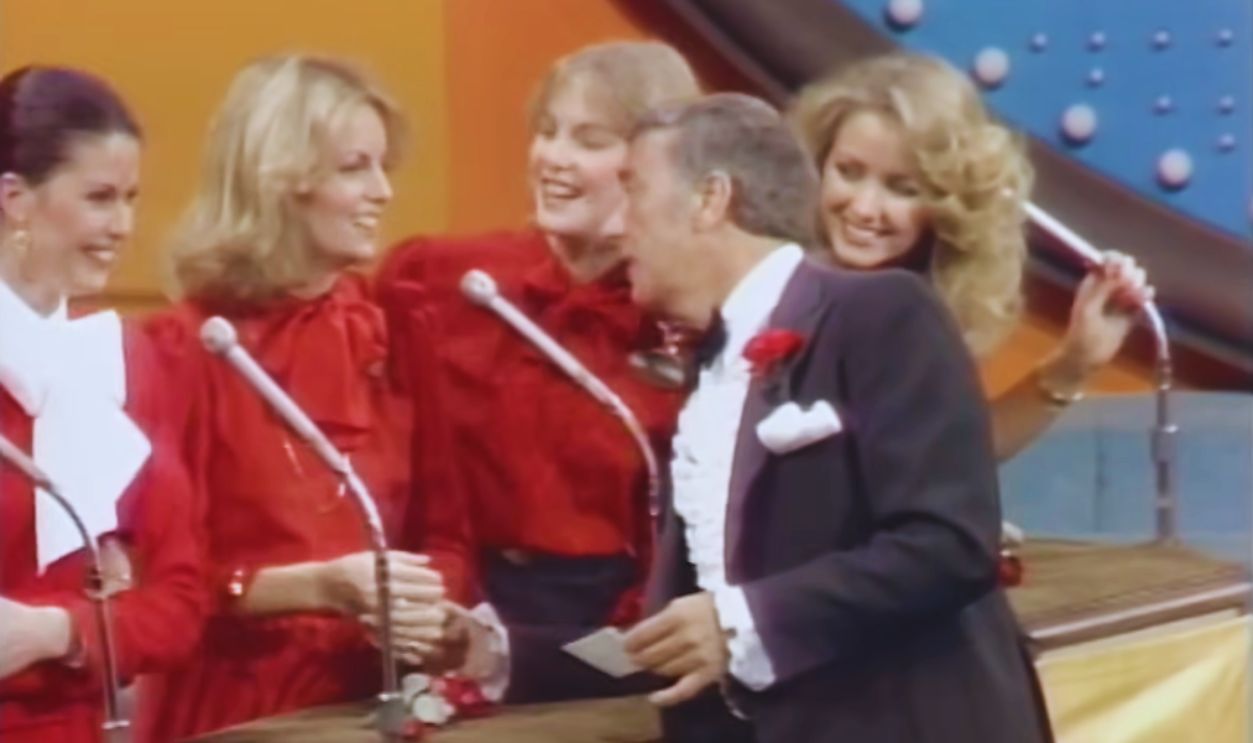
His Famous Kisses Started Innocently
One of Dawson’s most famous habits was greeting female contestants with a kiss. According to Dawson, he originally started doing it to help nervous contestants relax before answering questions.
 Screenshot from Family Feud, Fremantle (1976–present)
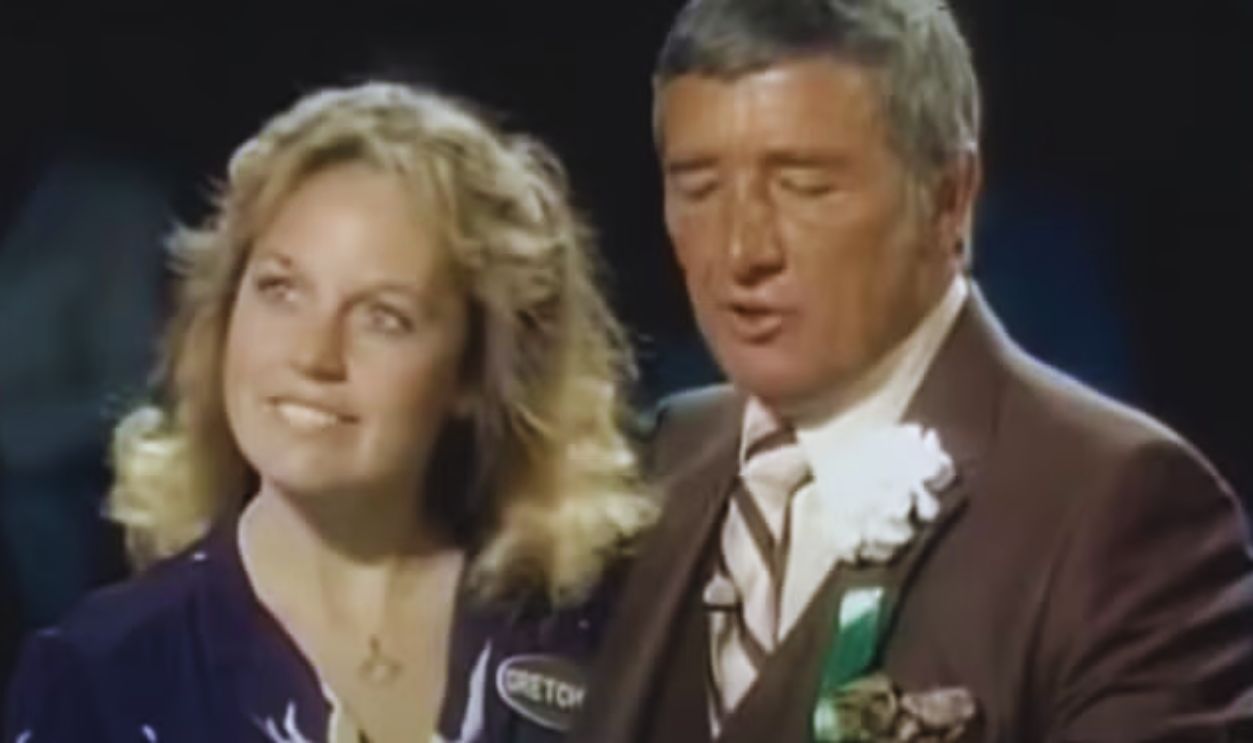
Not Everyone Loved The Tradition
While many viewers saw the kisses as harmless and affectionate, others were less enthusiastic. Over time, the practice became one of the most debated parts of the show and generated plenty of criticism.
 Screenshot from Family Feud, Fremantle (1976–present)
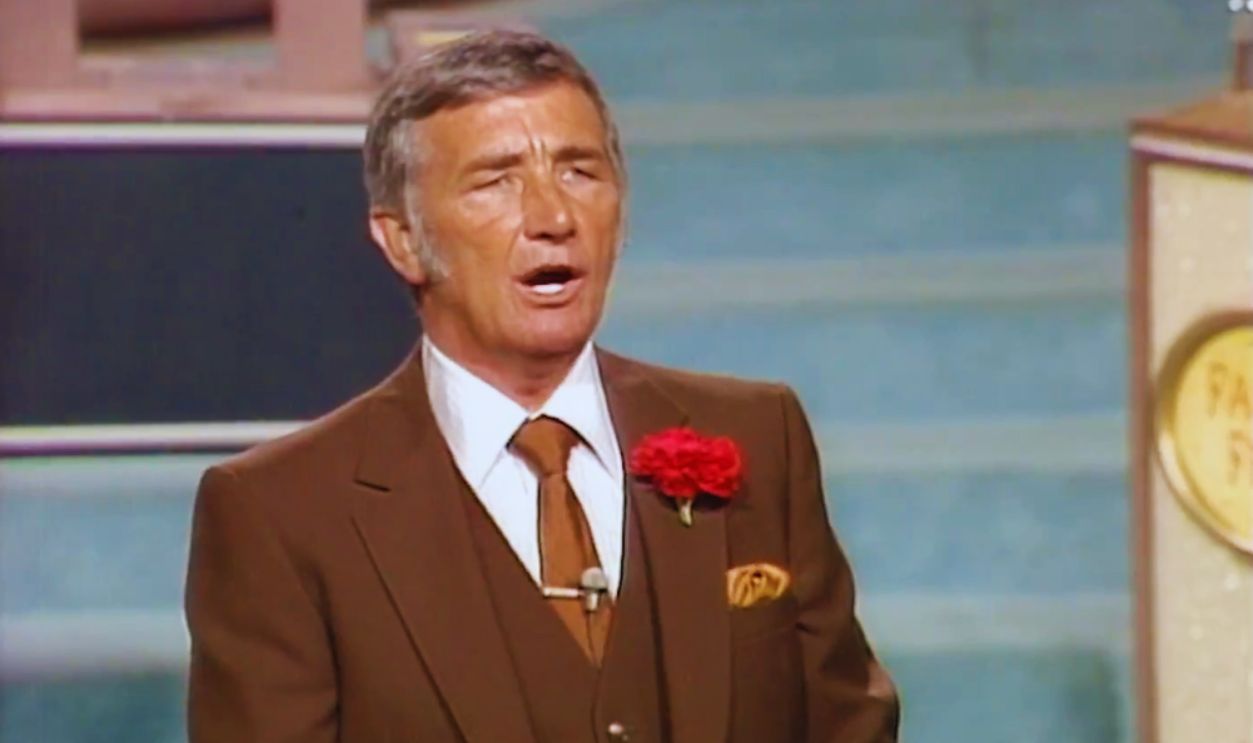
He Constantly Had To Defend Himself
The controversy never fully went away. Dawson often found himself explaining the tradition in interviews and responding to complaints, which meant a simple gesture became an ongoing public relations issue.
 Screenshot from Family Feud, Fremantle (1976–present)
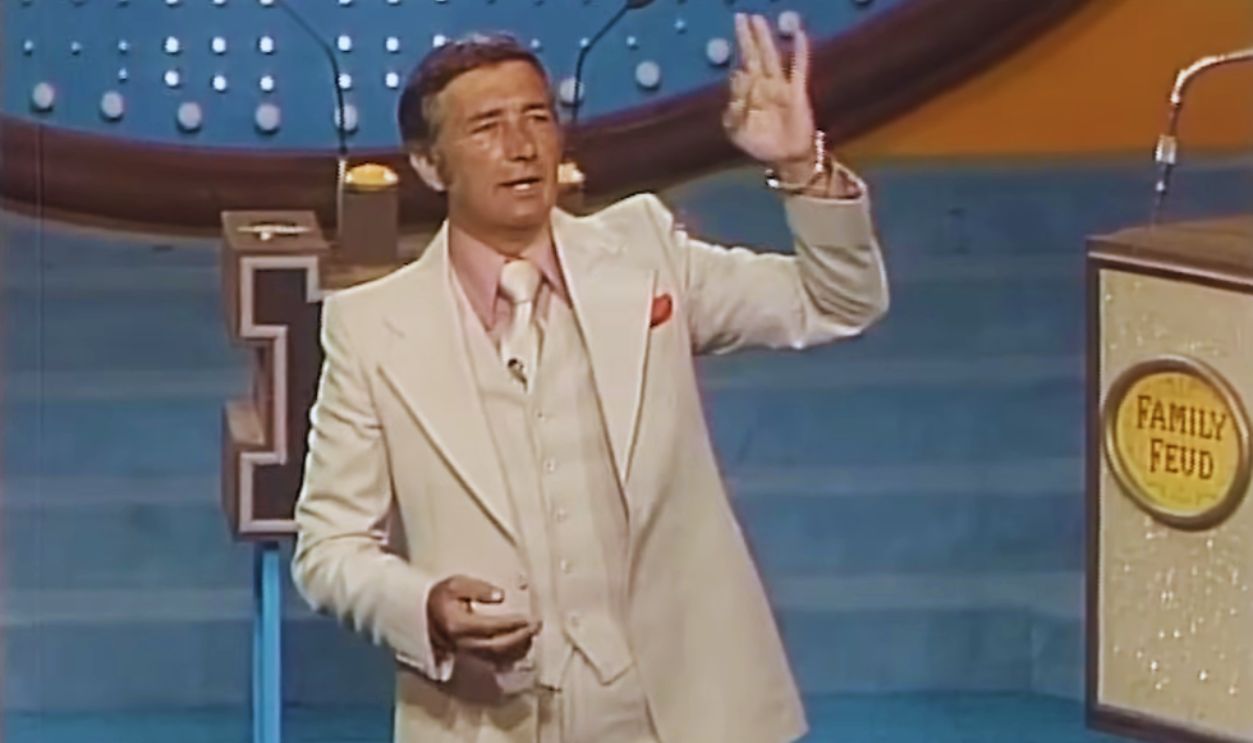
Fans Helped Keep It Alive
When criticism intensified, Dawson encouraged viewers to share their opinions. The overwhelming response was positive, and the support helped convince producers to let him continue doing what had become his trademark.
 Screenshot from Family Feud, Fremantle (1976–present)
His Biggest Trademark Became His Biggest Headline
The irony of Dawson’s career is that his skills as a host often took a back seat to discussions about the kisses. His ability to connect with contestants and keep the game moving smoothly sometimes got overshadowed by the attention surrounding his signature move.
 Screenshot from Family Feud, Fremantle (1976–present)
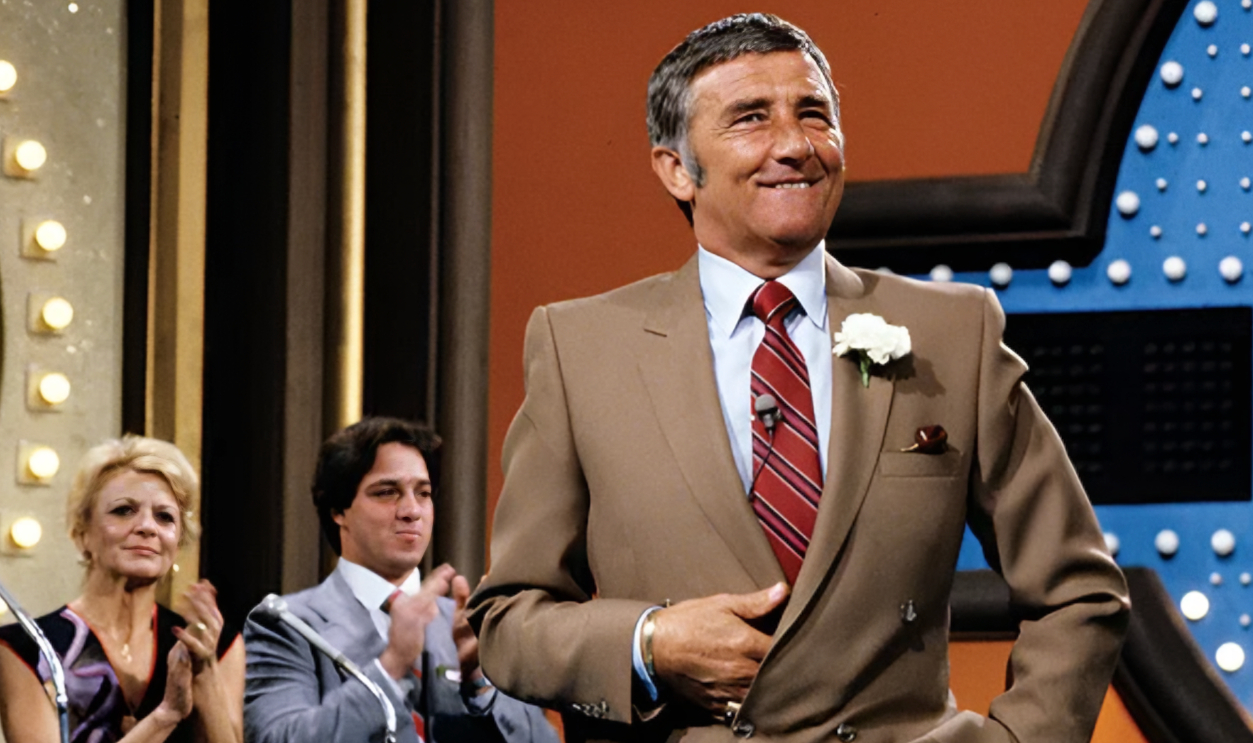
“The Kissing Bandit” Label Stuck
As the years went on, the media gave Dawson the nickname “The Kissing Bandit”. It kept him in the spotlight, but it also reduced a talented entertainer to a single gimmick that followed him everywhere.
 Screenshot from Family Feud, Fremantle (1976–present)
Behind The Scenes Got Complicated
The kissing tradition even created practical challenges behind the scenes. Decades later, stories emerged that contestant screening procedures were adjusted to address health concerns related to the show's famous greeting ritual.
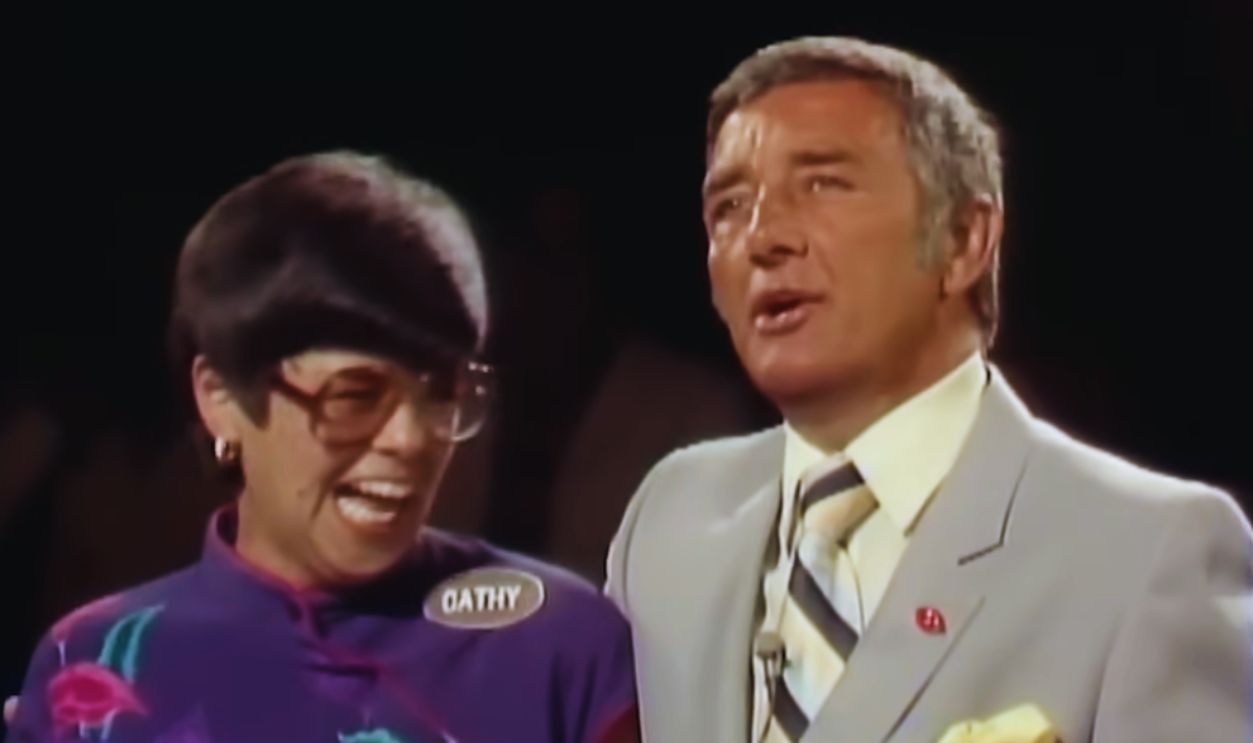 Screenshot from Family Feud, Fremantle (1976–present)
Fame Changed His Career Path
As Family Feud exploded in popularity, Dawson’s priorities shifted. His relationship with Match Game changed, and eventually he stepped away as his hosting career became the center of his professional life.
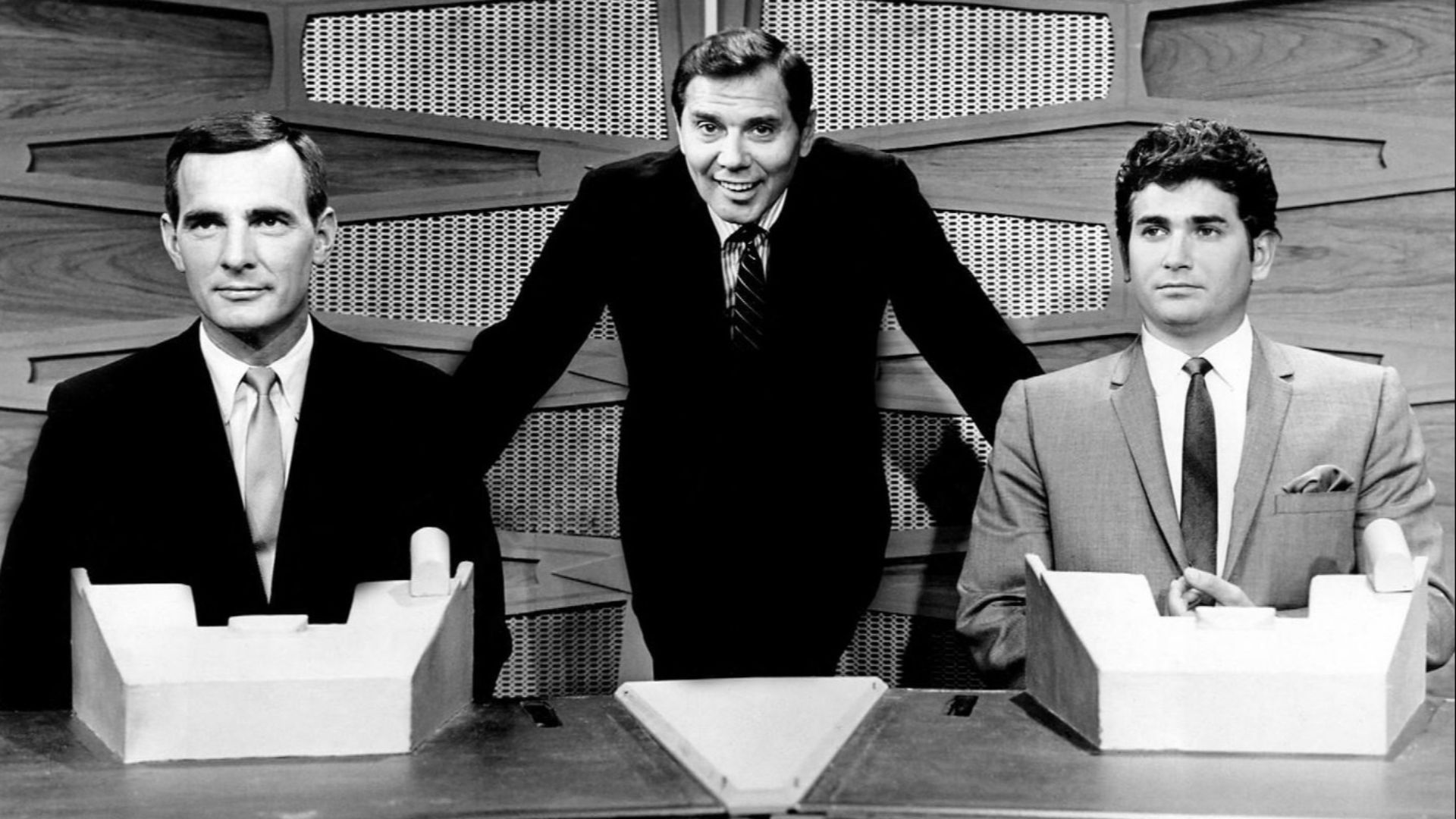 NBC Television, Wikimedia Commons
It Became Hard To Escape One Role
Many actors spend years trying to land a role people remember. Dawson had the opposite problem. His association with Family Feud became so strong that it often overshadowed everything else he accomplished.
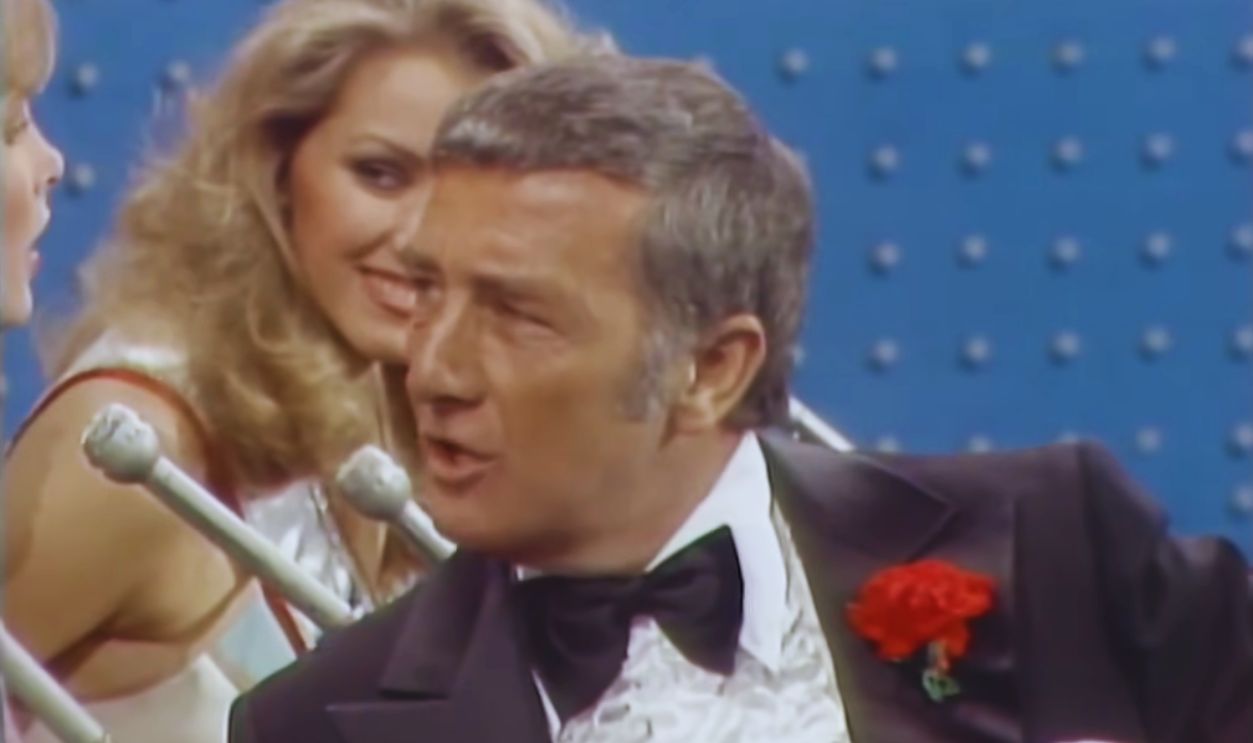 Screenshot from Family Feud, Fremantle (1976–present)
A Return That Proved His Popularity
When Dawson returned to host Family Feud in the mid-1990s, it was clear viewers had never forgotten him. Even after years away, many fans still considered him the definitive face of the franchise.
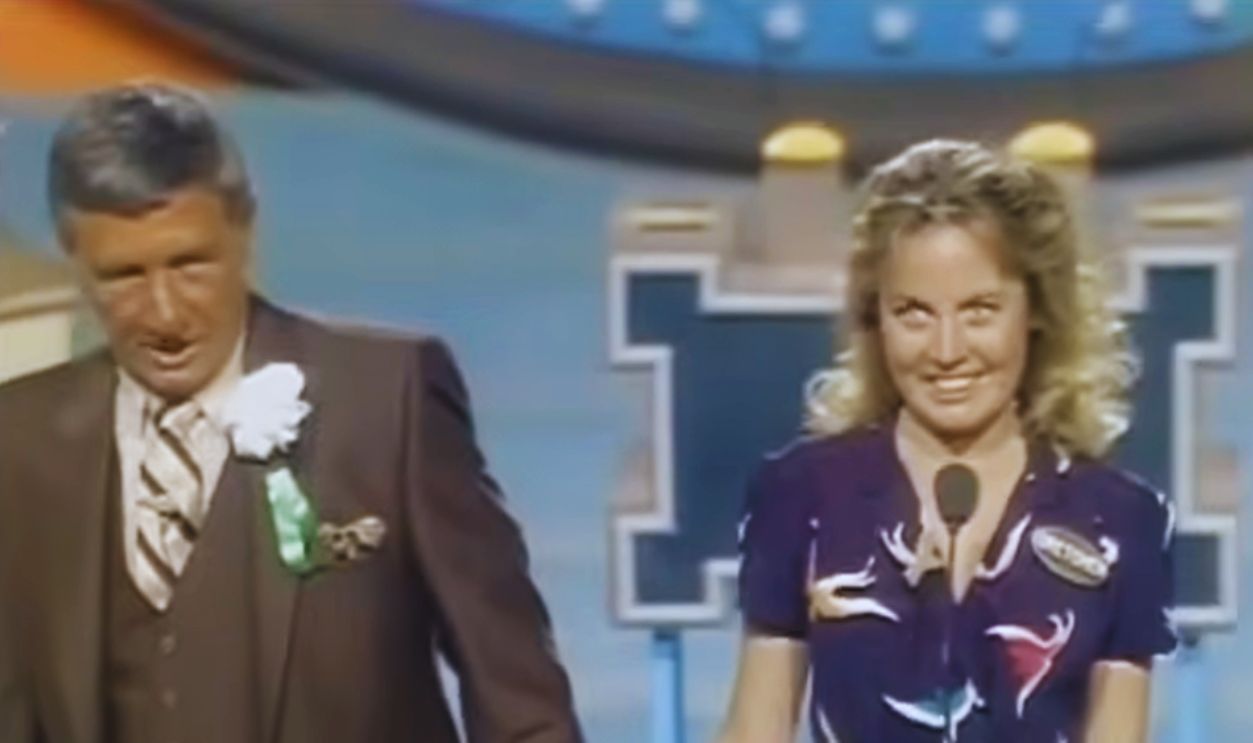 Screenshot from Family Feud, Fremantle (1976–present)
His Acting Work Was Often Overlooked
Despite appearing in films like The Running Man and starring in a successful sitcom, Dawson’s game-show success remained the first thing most people remembered. The very fame that made him a household name also narrowed how audiences viewed him.
 Screenshot from The Running Man, Sony Pictures (1987)
A Legacy Bigger Than The Controversies
When Richard Dawson passed away in 2012, tributes celebrated far more than just the kisses or the catchphrases. He was remembered as a gifted entertainer who connected with ordinary people in a way few television personalities ever have. His story is proof that massive success can open incredible doors, but it can also create expectations and challenges that never really disappear.
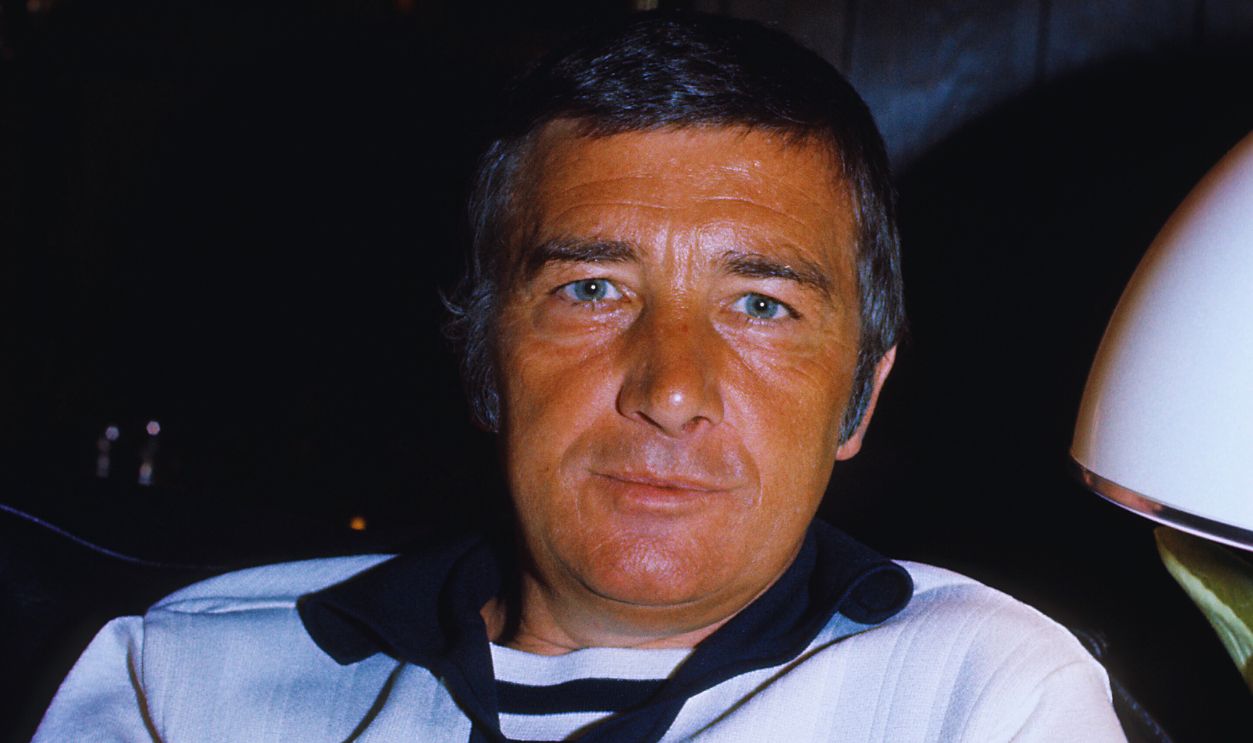 Michael Ochs Archives, Getty Images
You May Also Like: