Remember?
Space: 1999 might not get talked about as much as some other iconic sci-fi series, but for some folks out there…it definitely should be. If you don’t remember it—allow us to fill you in on this great show. And for those that do remember, would you agree it is the most underrated sci-fi series of all time?
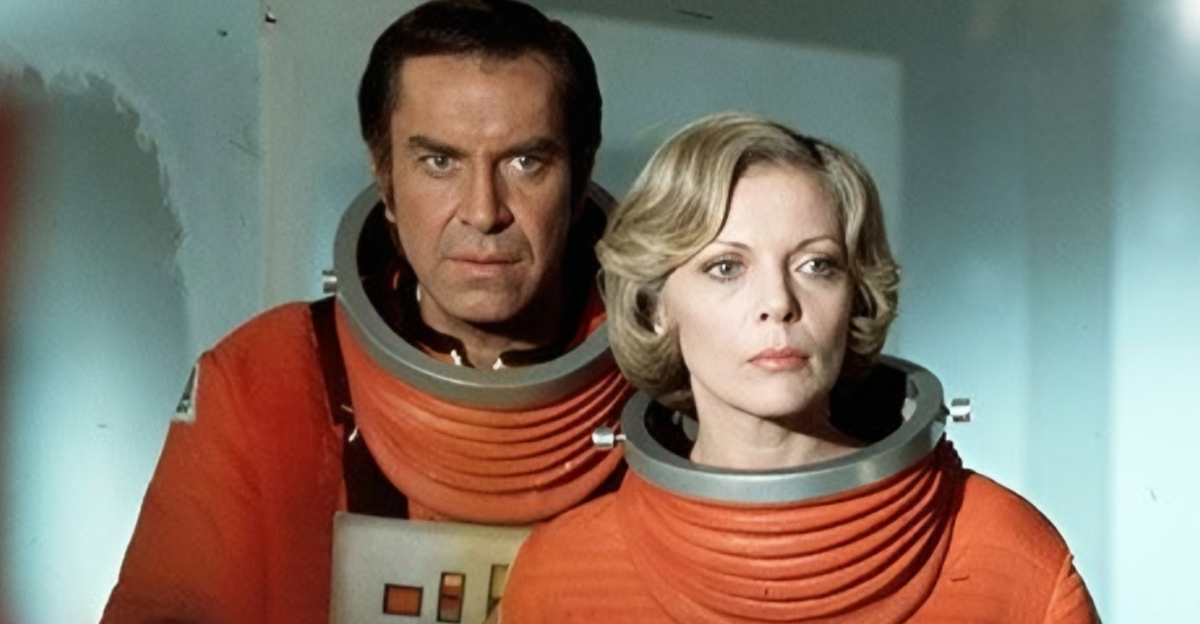
A Show That Started With The Moon Leaving Earth
This is not a subtle premise. Space: 1999 kicks off with a massive nuclear explosion on the Moon that literally blasts it out of Earth’s orbit. No slow build. No “something’s off.” Just—Moon gone. Suddenly, 311 people stationed on Moonbase Alpha are drifting through deep space with no way home.
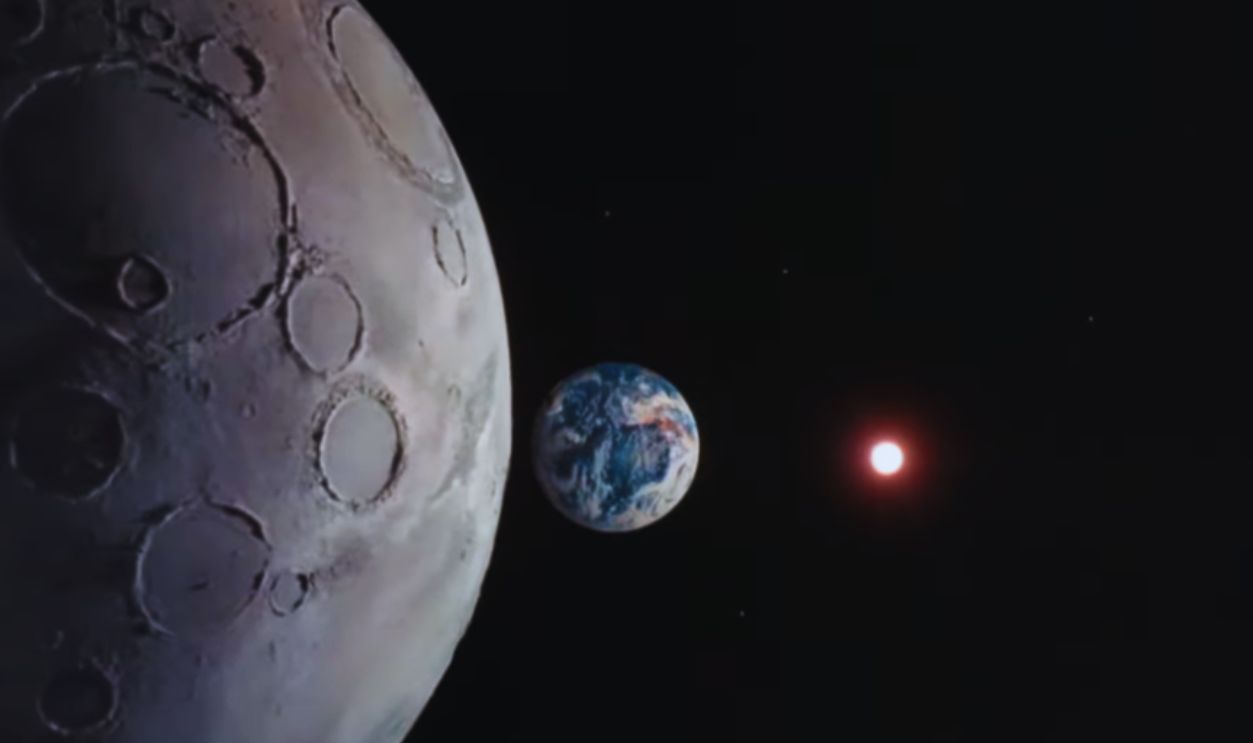 Screenshot from Space: 1999, ITV plc (1975-1977)
It Premiered Right In The Middle Of Sci-Fi’s Boom
The show debuted in 1975, right between Star Trek’s growing cult popularity and Star Wars about to change everything. Sci-fi was heating up, but Space: 1999 landed in a weird middle zone: too serious for casual viewers, too different to ride the Star Trek wave.
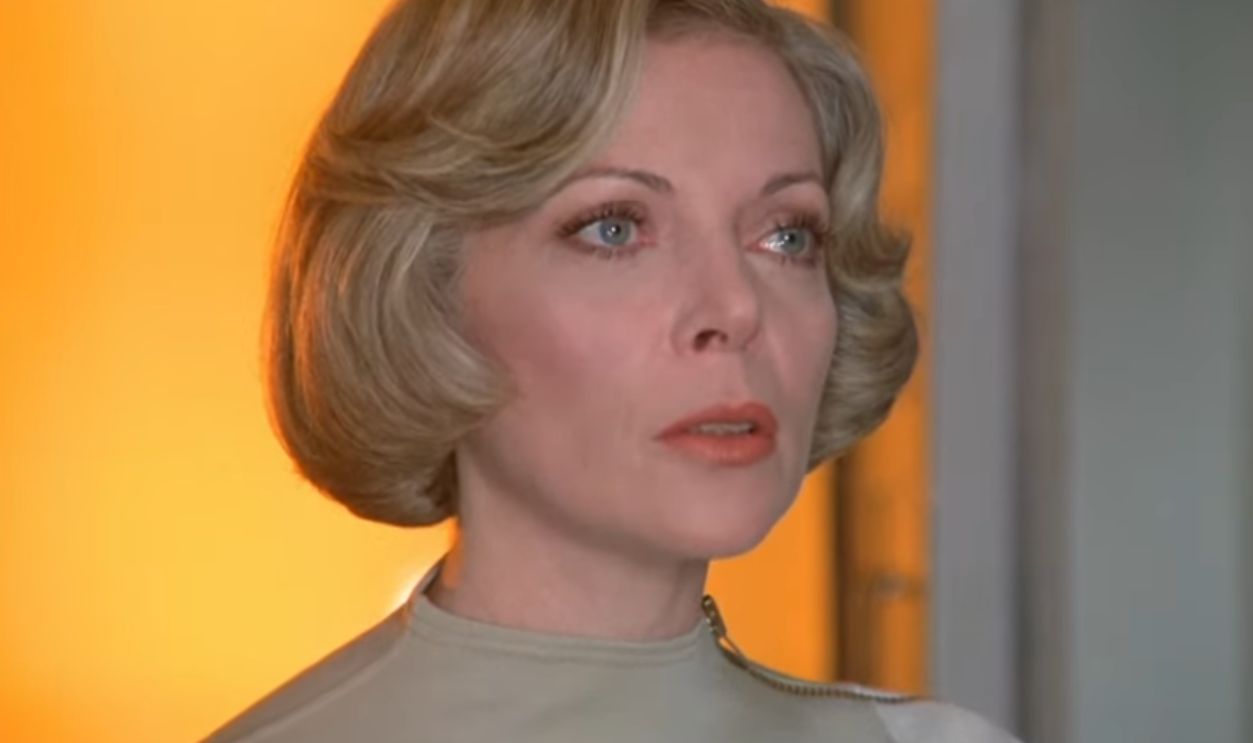 Screenshot from Space: 1999, ITV plc (1975-1977)
This Was Not A Cheap Show
This thing looked expensive, because it was. Reportedly costing around $235,000 per episode (huge money at the time), it was one of the priciest TV shows ever made in the 70s. The sets, models, and effects were all meticulously crafted, and it shows even now.
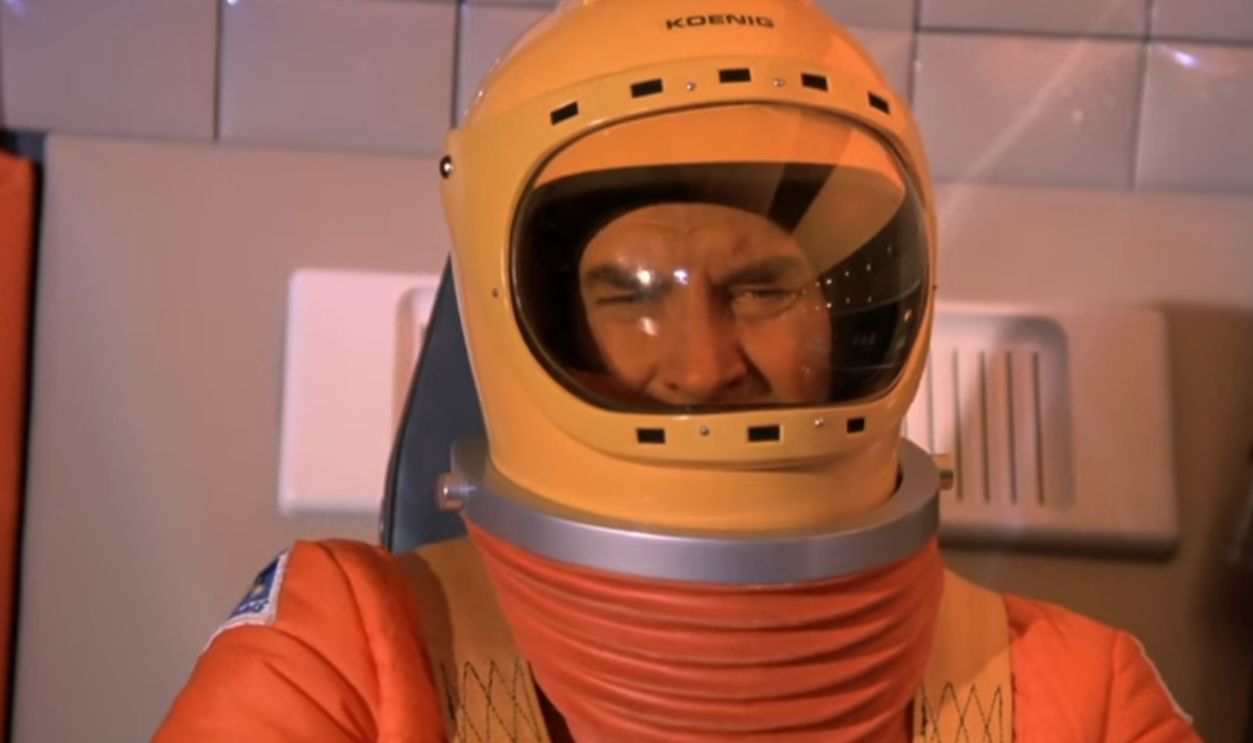 Screenshot from Space: 1999, ITV plc (1975-1977)
The People Behind It Knew What They Were Doing
Created by Gerry and Sylvia Anderson (the minds behind Thunderbirds), the show had serious pedigree. These weren’t newcomers, they were already known for ambitious sci-fi storytelling and groundbreaking visual effects.
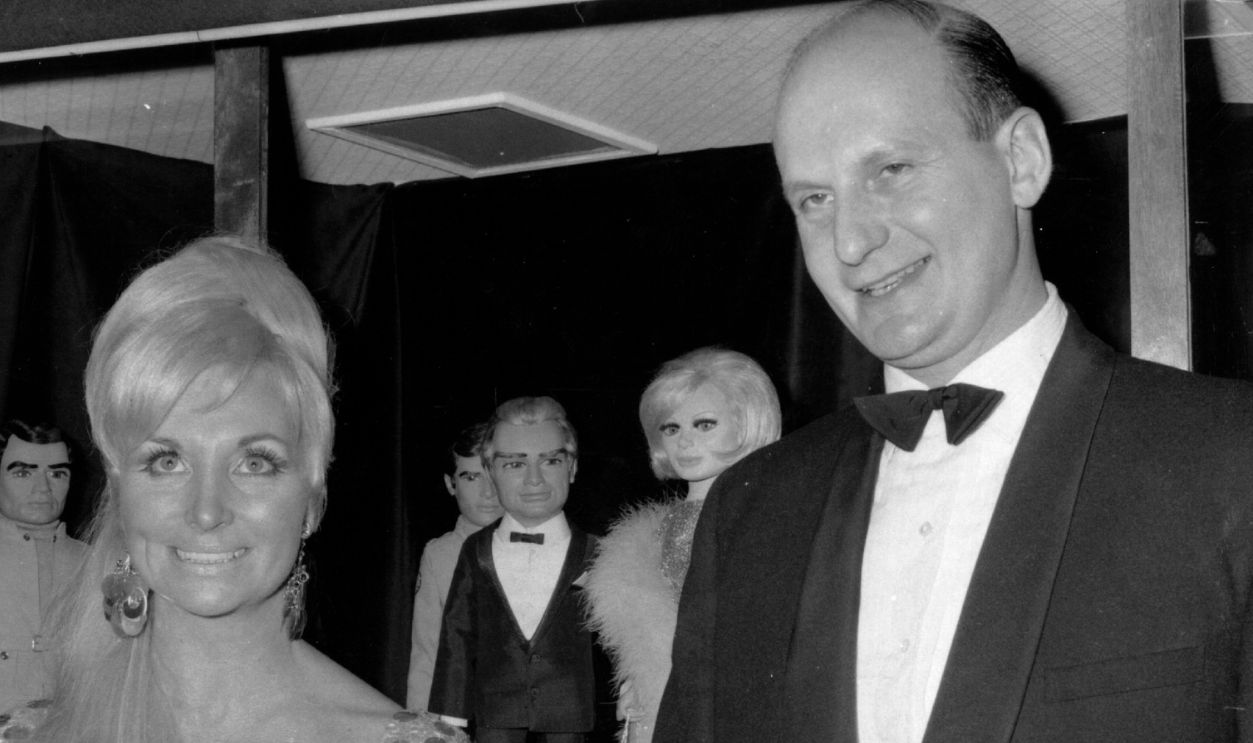 Express Newspapers, Getty Images
Moonbase Alpha Felt Real
The design of Moonbase Alpha leaned heavily into realism: clean, sterile, almost clinical. No blinking lights everywhere, no overly flashy tech. It actually felt like a believable near-future space facility…just one that suddenly got launched into the void.
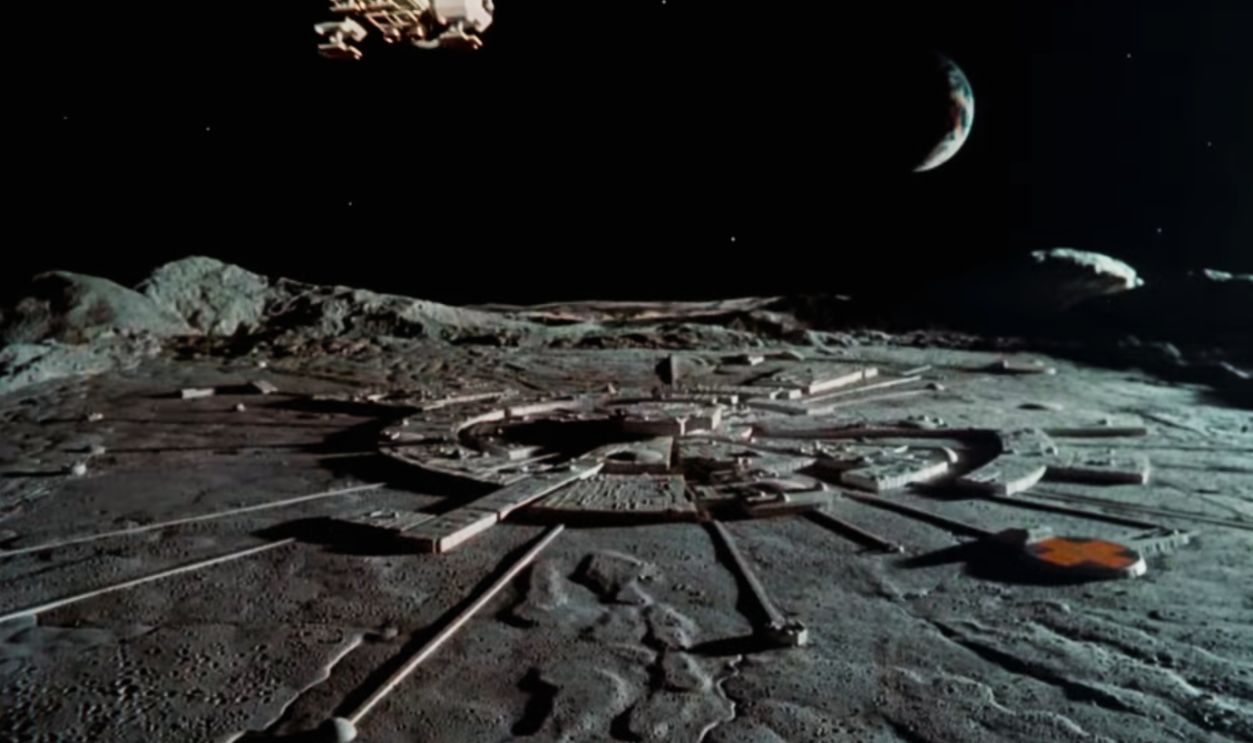 Screenshot from Space: 1999, ITV plc (1975-1977)
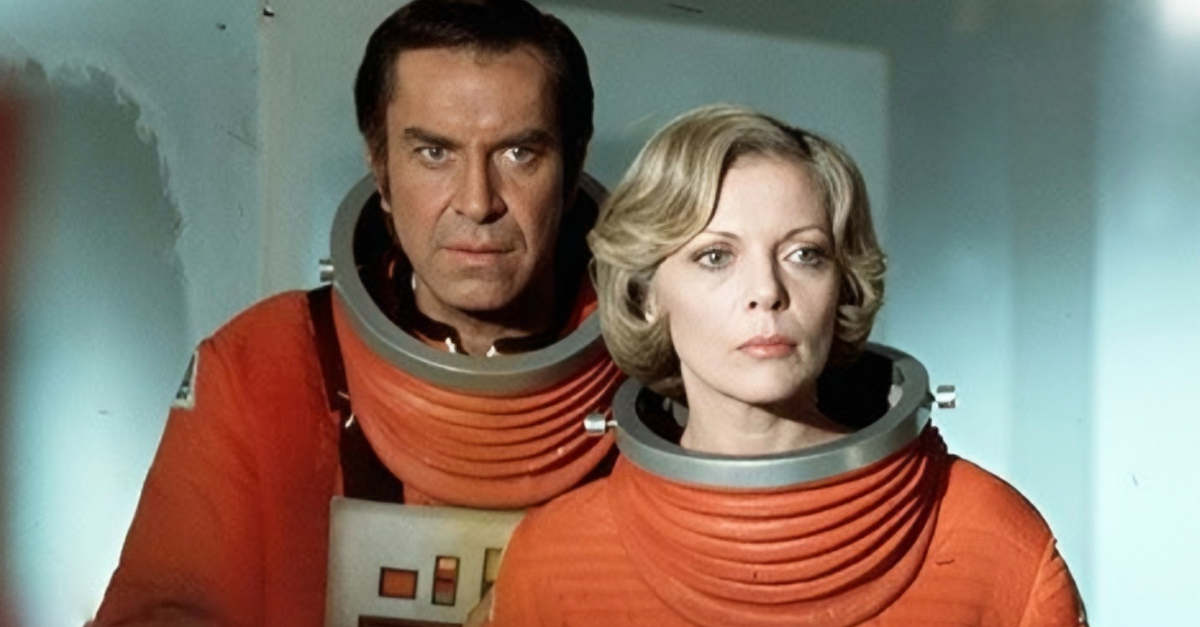
Martin Landau And Barbara Bain Led The Cast
Fresh off Mission: Impossible, Martin Landau (Commander John Koenig) and Barbara Bain (Dr. Helena Russell) brought real credibility. They weren’t just sci-fi actors, they were Emmy-winning stars anchoring a very strange premise.
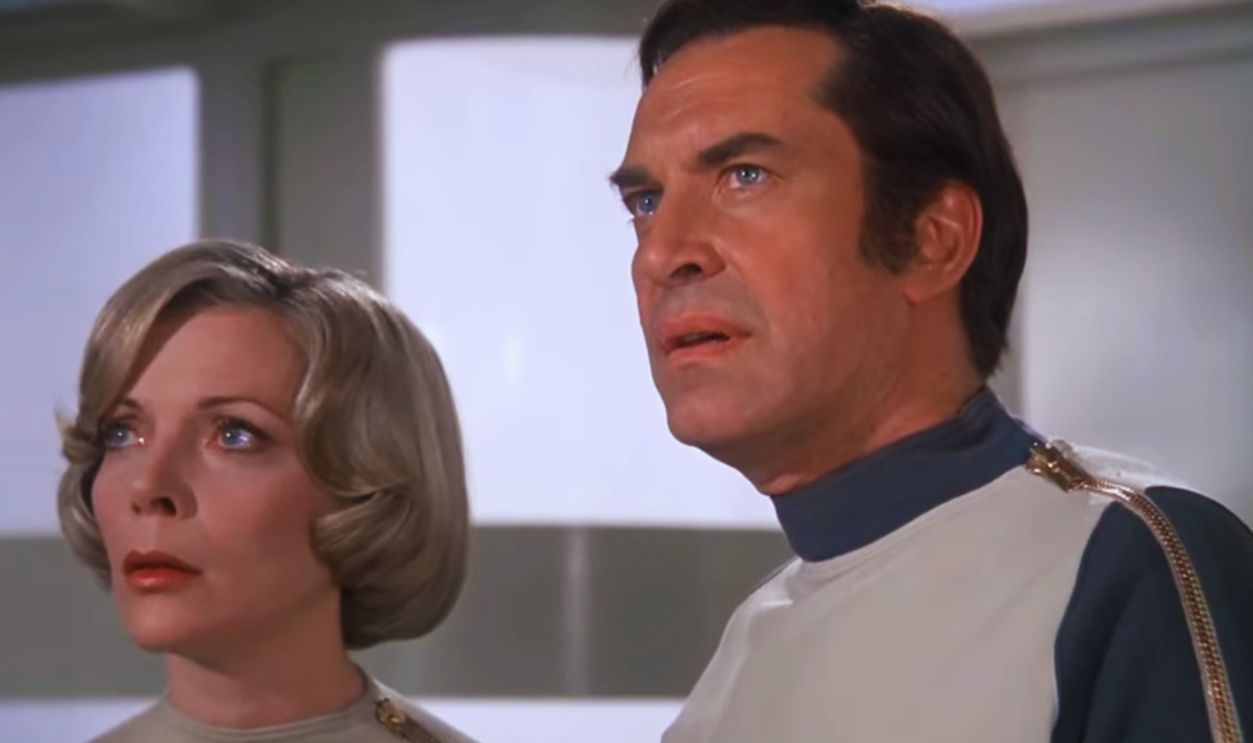 Screenshot from Space: 1999, ITV plc (1975-1977)
It Took Itself Very Seriously
This is not a quippy show. There are no Han Solo types cracking jokes every five minutes. Space: 1999 plays everything straight, sometimes very straight, which is part of why it didn’t click with everyone at the time.
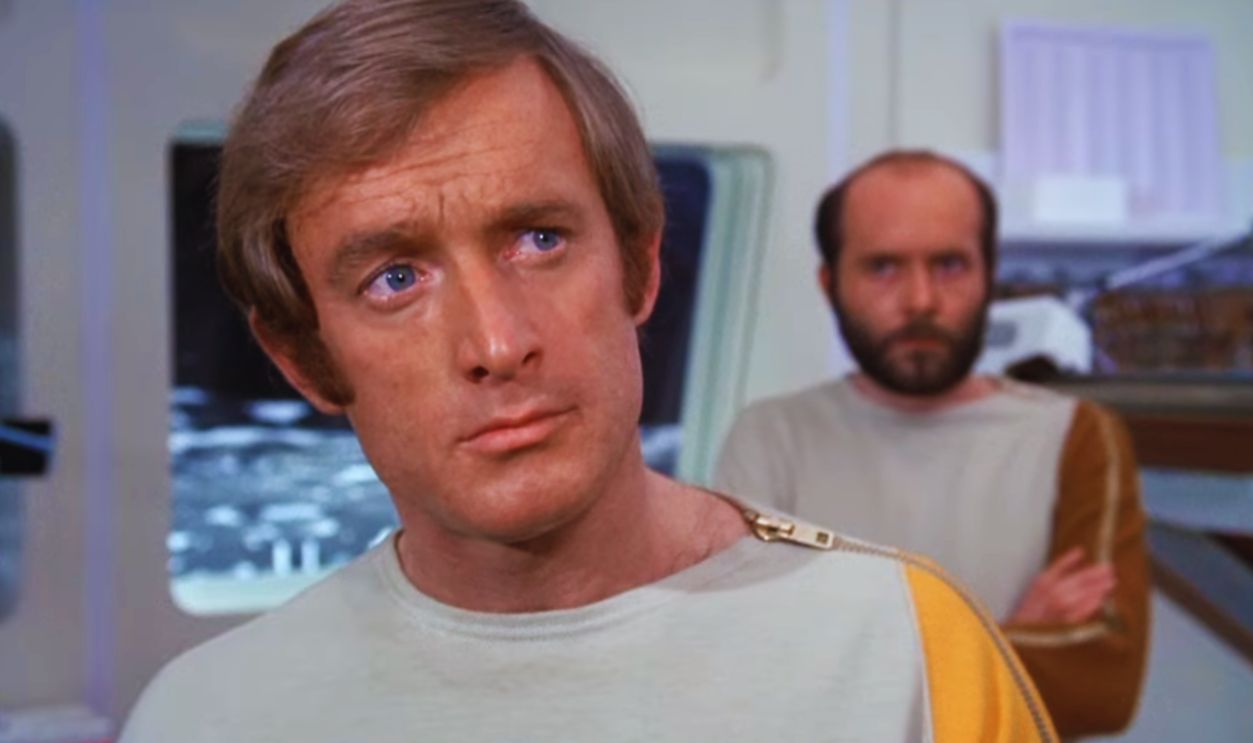 Screenshot from Space: 1999, ITV plc (1975-1977)
The Science…Is A Bit Of A Stretch
Let’s be honest: the Moon flying off into deep space without breaking apart or killing everyone instantly is…questionable. Even by 70s standards. But once you accept that, the show commits fully to exploring what happens next.
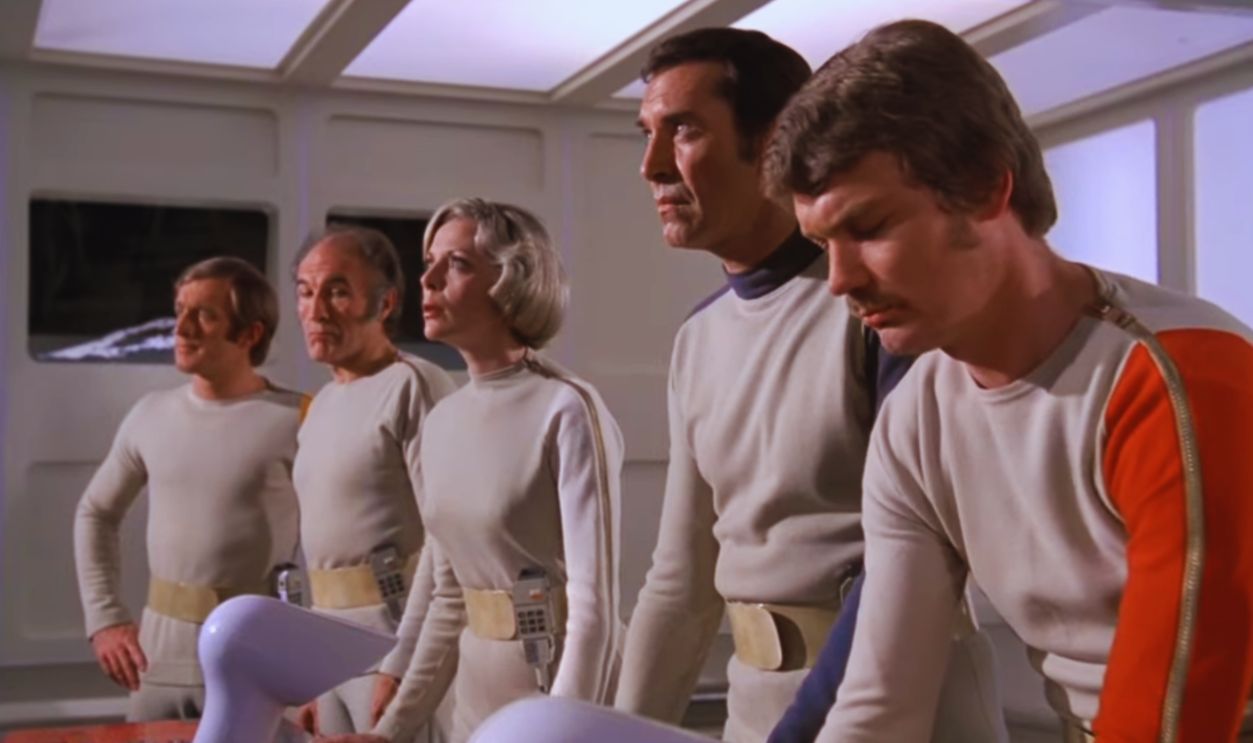 Screenshot from Space: 1999, ITV plc (1975-1977)
Every Episode Was Basically A New Planet
Because the Moon is drifting through space, each episode brings a new world, species, or phenomenon. It’s almost like an anthology series wrapped inside a continuous survival story.
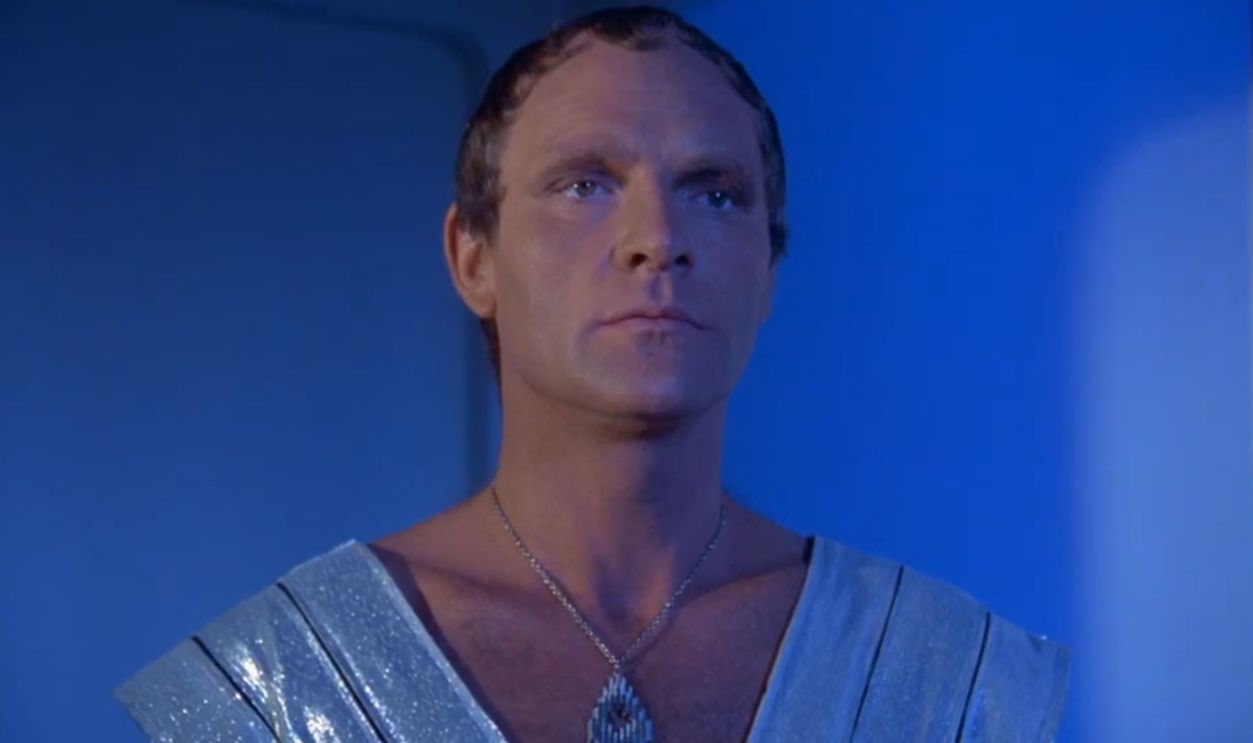 Screenshot from Space: 1999, ITV plc (1975-1977)
It Didn’t Follow Traditional TV Structure
There wasn’t a lot of long-term story progression in Season 1. Episodes often reset emotionally, even after massive events. That made it easier to jump in, but harder to build momentum with audiences expecting ongoing arcs.
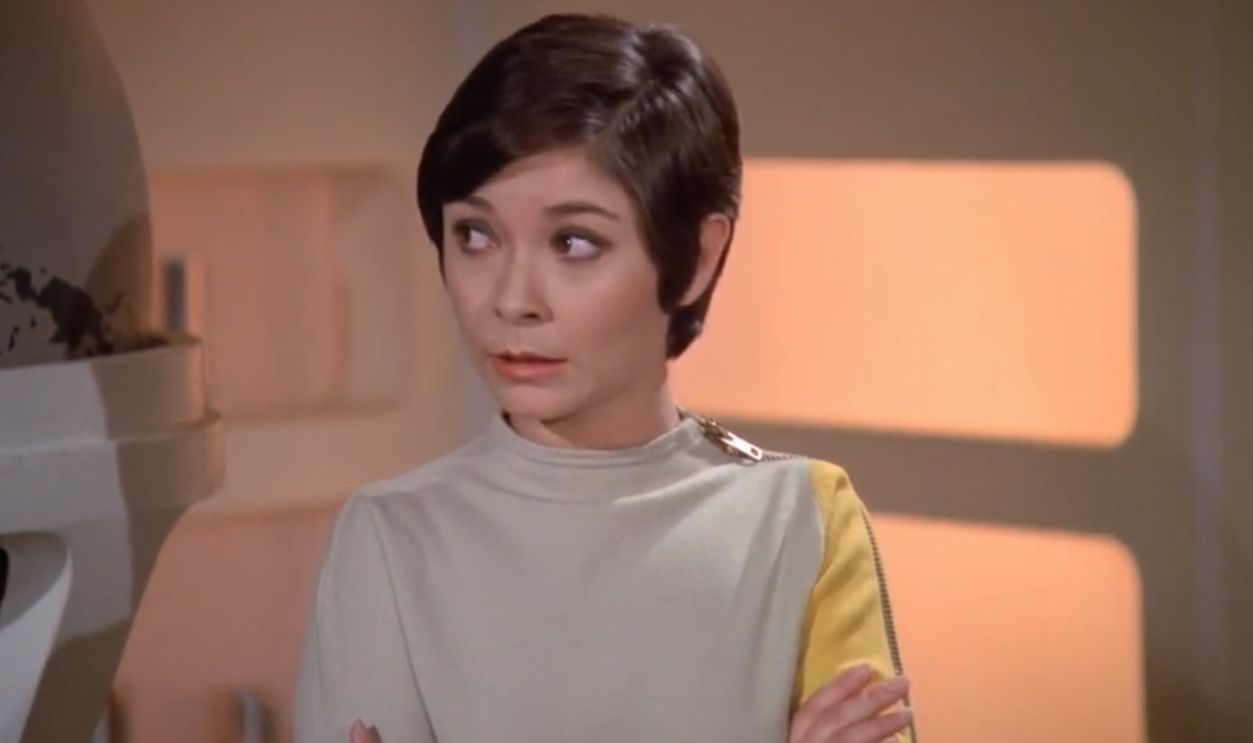 Screenshot from Space: 1999, ITV plc (1975-1977)
Season 1 And Season 2 Feel Like Different Shows
This is where things get interesting. Season 1 is slower, moodier, and more philosophical. Season 2? Brighter, faster, more action-driven, clearly trying to appeal to a wider audience after mixed reactions to the first season.
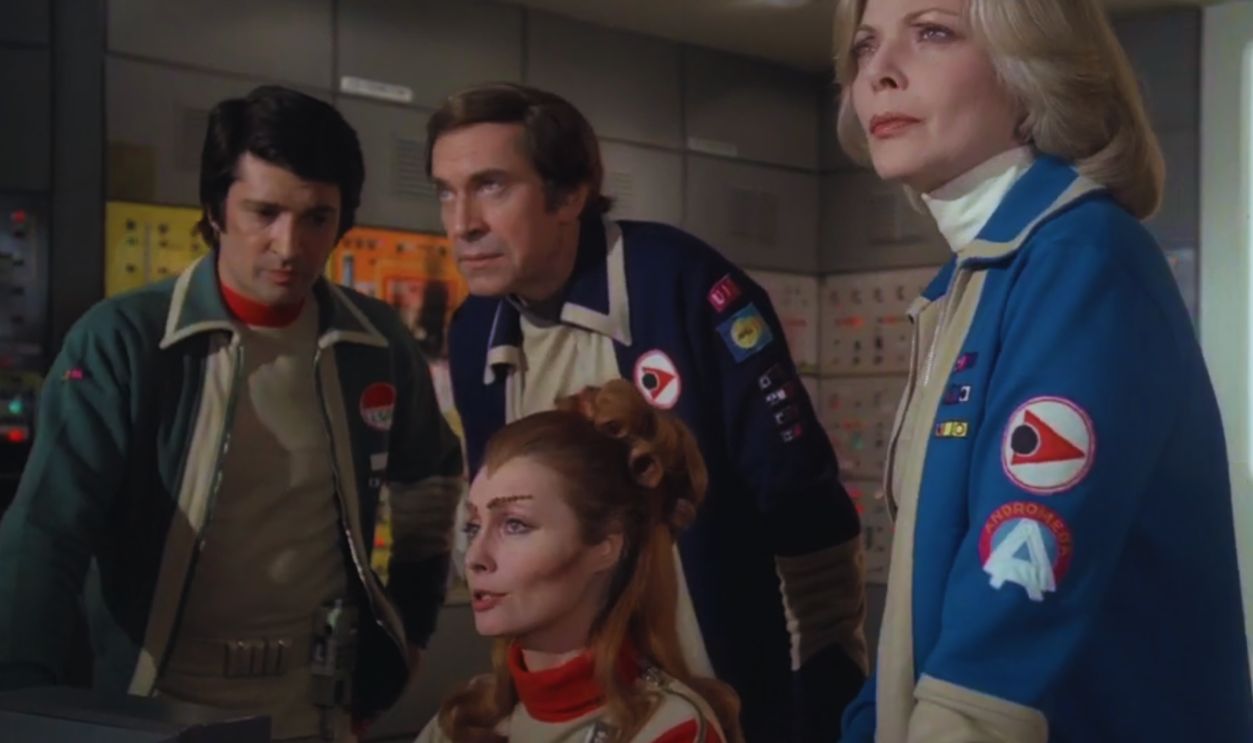 Screenshot from Space: 1999, ITV plc (1975-1977)
They Even Added An Alien Character
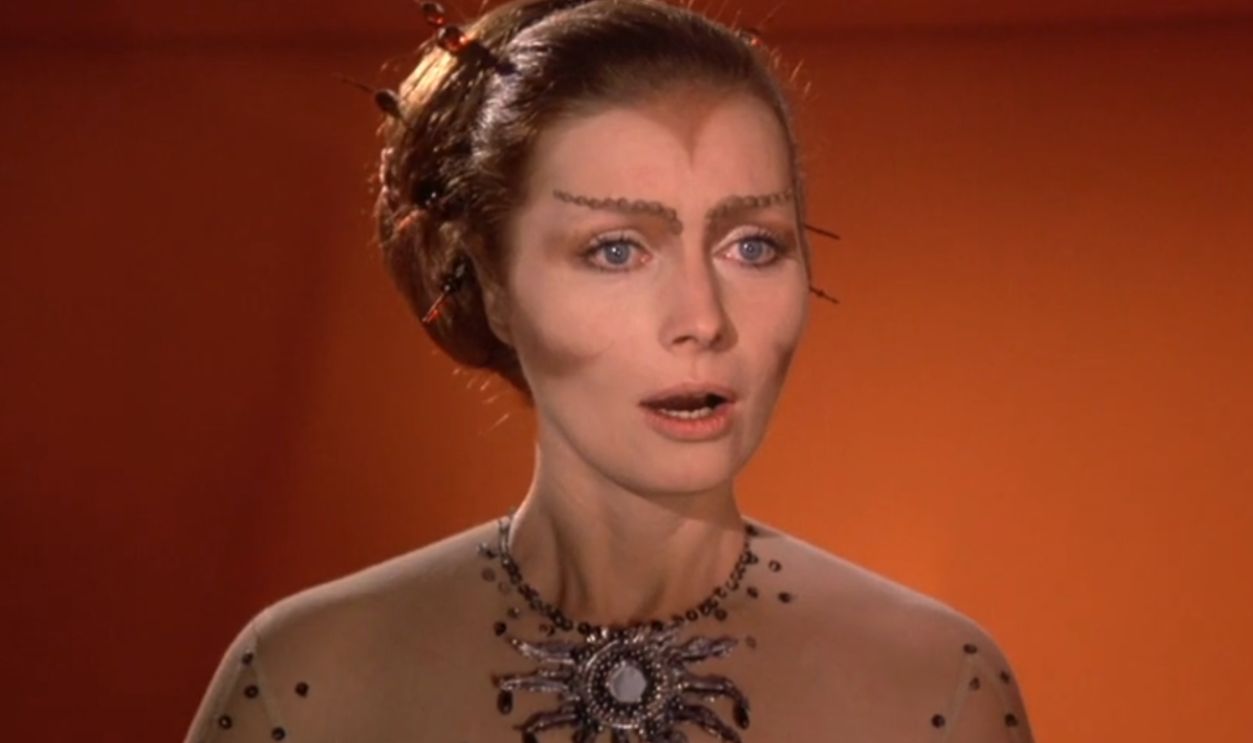
In Season 2, Maya (played by Catherine Schell) joins the cast: a shapeshifting alien who can turn into basically anything. It was a big tonal shift and a clear attempt to inject more energy (and marketability) into the show.
 Screenshot from Space: 1999, ITV plc (1975-1977)
Critics Were… Divided
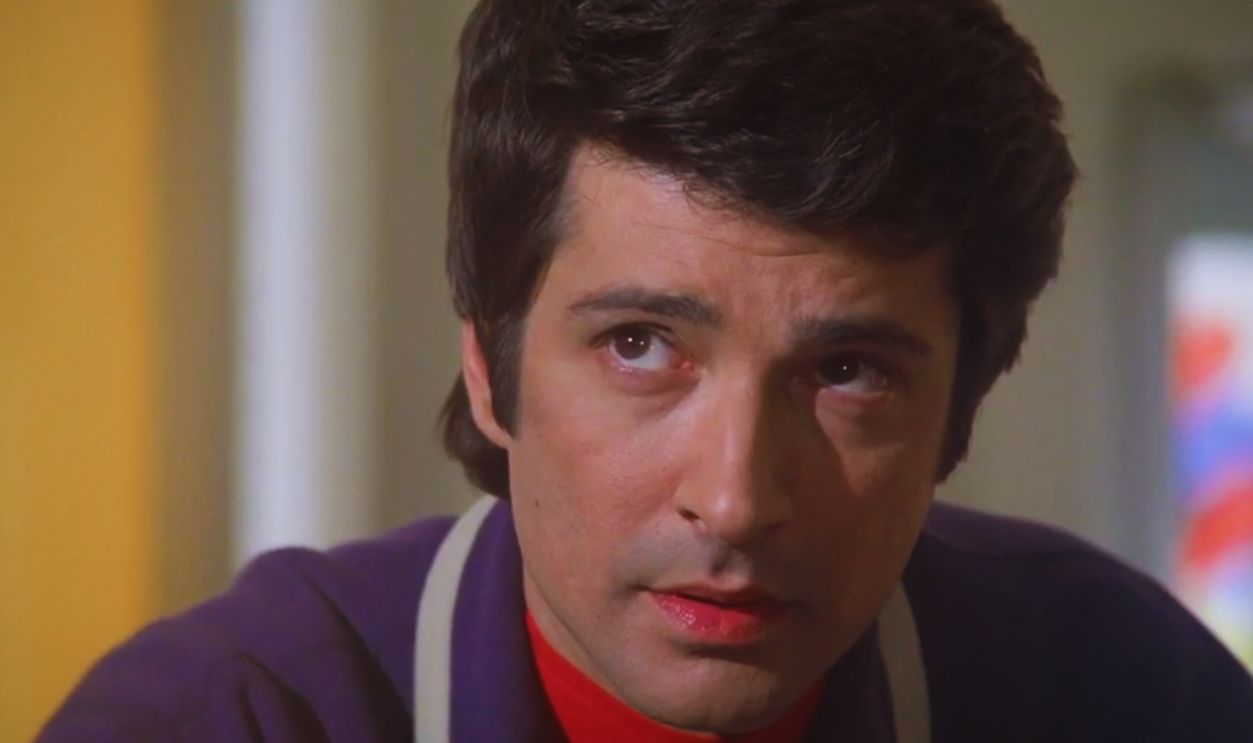
Some praised the ambition and visuals. Others found it cold, slow, or overly serious. It never fully landed as a mainstream hit, but it also wasn’t ignored. It lived in that frustrating middle ground.
 Screenshot from Space: 1999, ITV plc (1975-1977)
The Ratings Didn’t Quite Hold
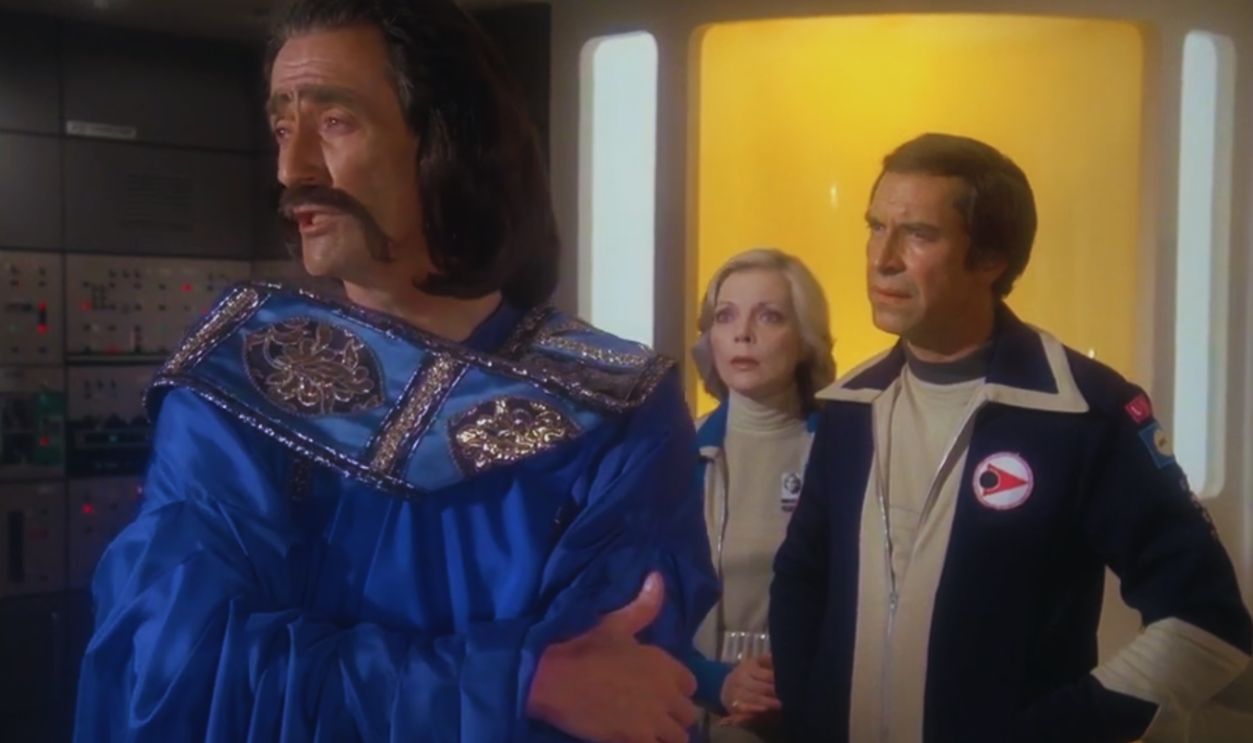
Despite strong initial interest, ratings dropped, especially in the U.S. market. The shift in tone for Season 2 didn’t fully reverse that trend, and the show was ultimately cancelled after two seasons.
 Screenshot from Space: 1999, ITV plc (1975-1977)
But It Was Huge In Syndication
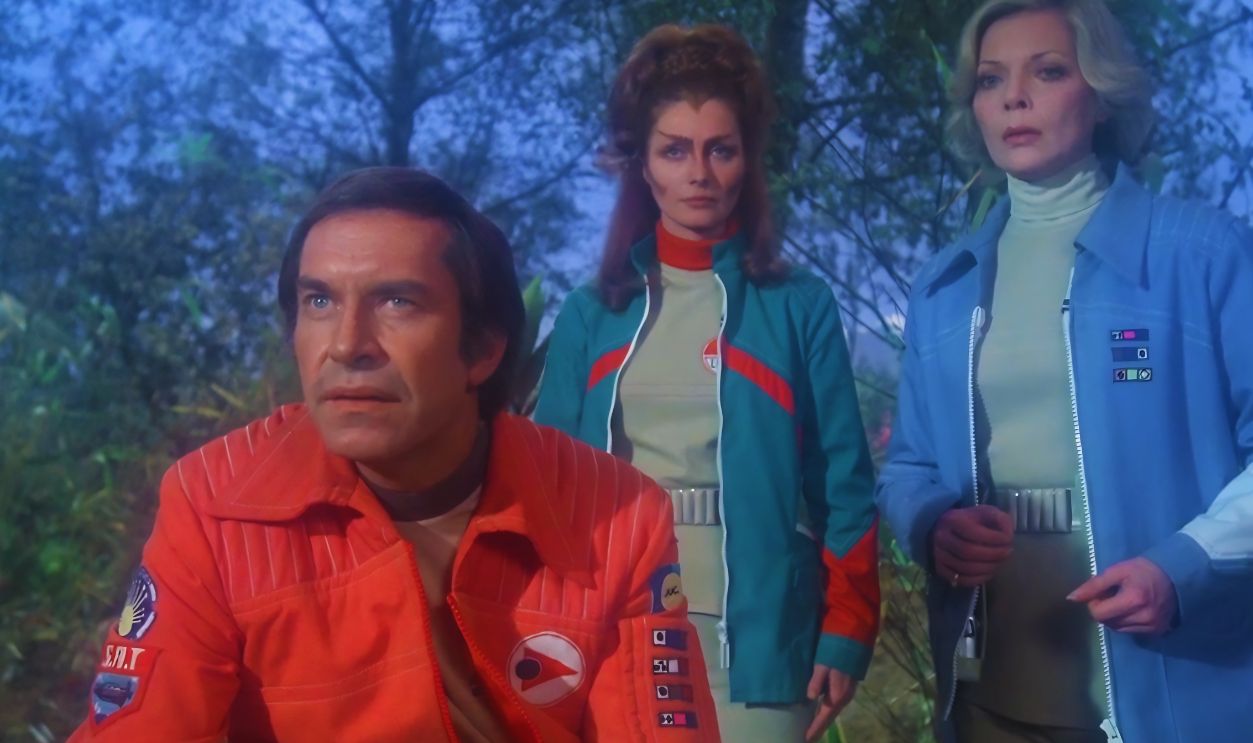
Here’s where the story flips. After cancellation, Space: 1999 found a second life in syndication, especially in the UK and parts of Europe. A lot of fans didn’t discover it until years later, which explains the “wait, I remember this” effect.
 Screenshot from Space: 1999, ITV plc (1975-1977)
The Visual Effects Still Hold Up
For a mid-70s TV show, the model work and practical effects are seriously impressive. No CGI safety net: everything was physical, detailed, and filmed with care. It gives the show a weight that a lot of modern effects don’t always have.
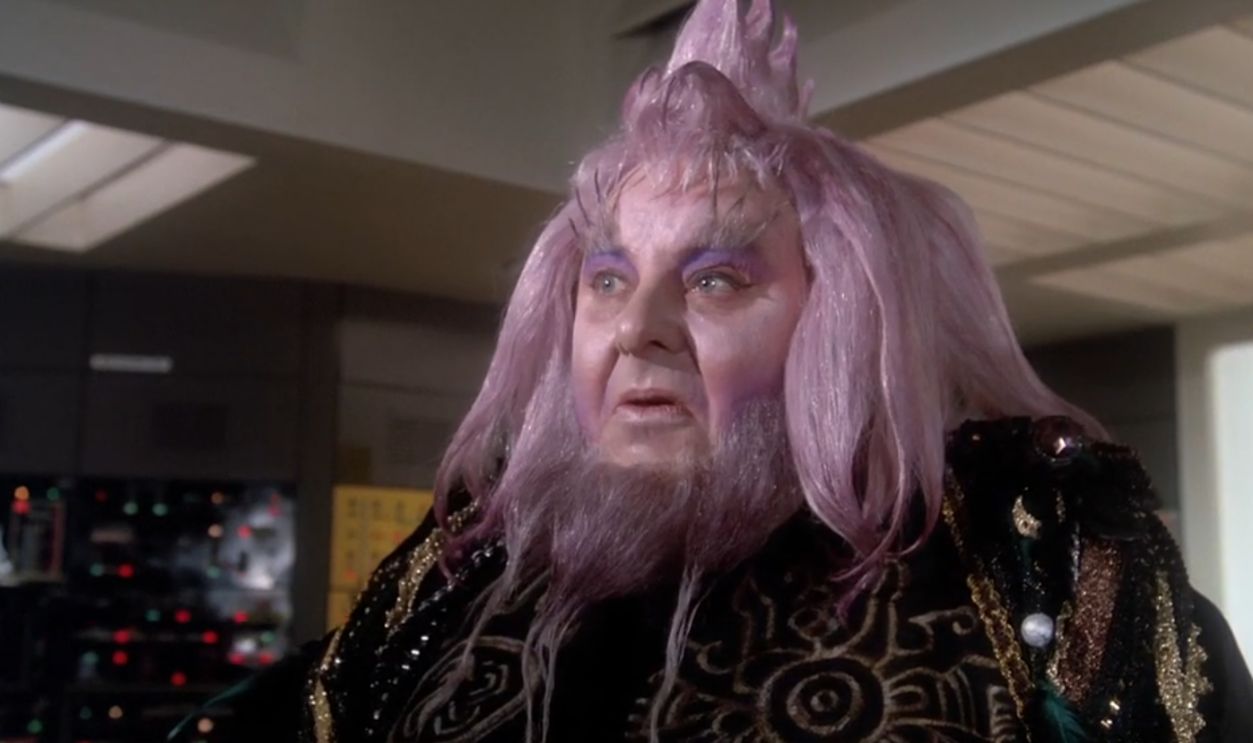 Screenshot from Space: 1999, ITV plc (1975-1977)
The Tone Was Surprisingly Dark
This is not a cozy sci-fi adventure. People die. Hope fades. Entire civilizations are encountered and lost. There’s a constant sense that survival is temporary and that the crew may never find a new home.
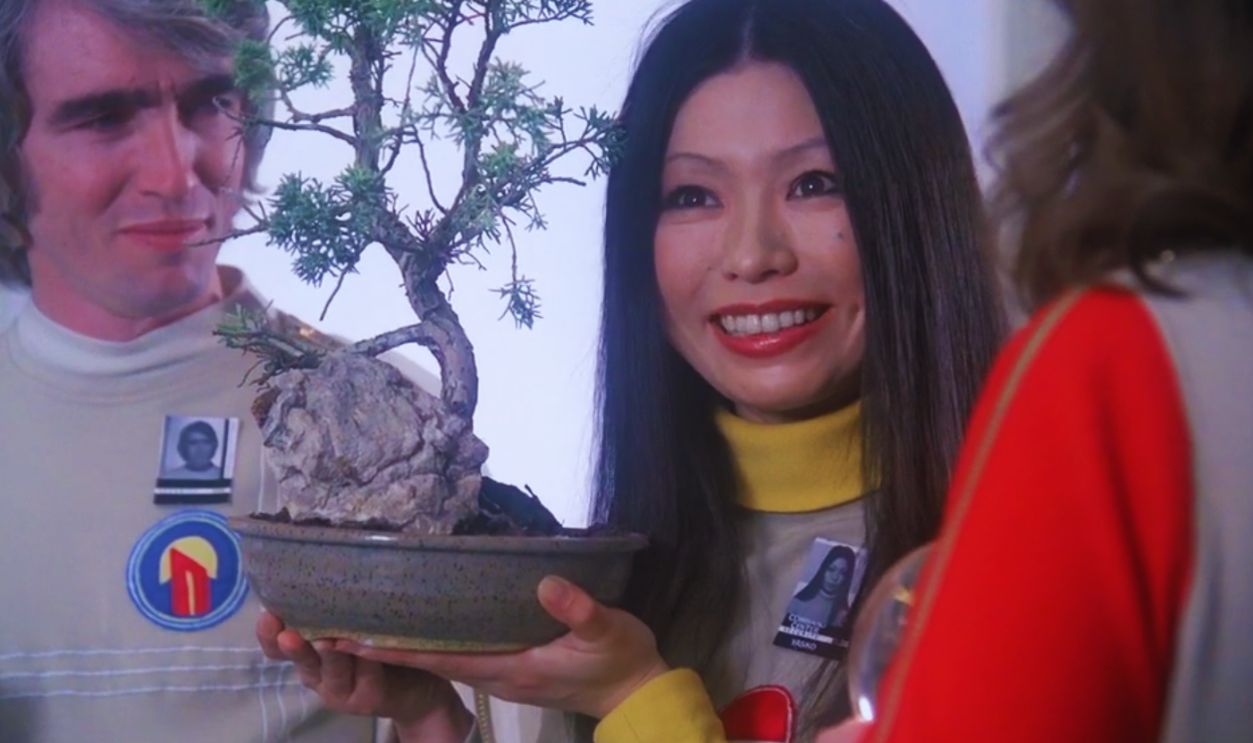 Screenshot from Space: 1999, ITV plc (1975-1977)
It Influenced More Than You Think
While it doesn’t get name-checked as often as Star Trek, its visual style and tone clearly influenced later sci-fi—especially shows that leaned into realism and isolation, like Battlestar Galactica (the reboot era).
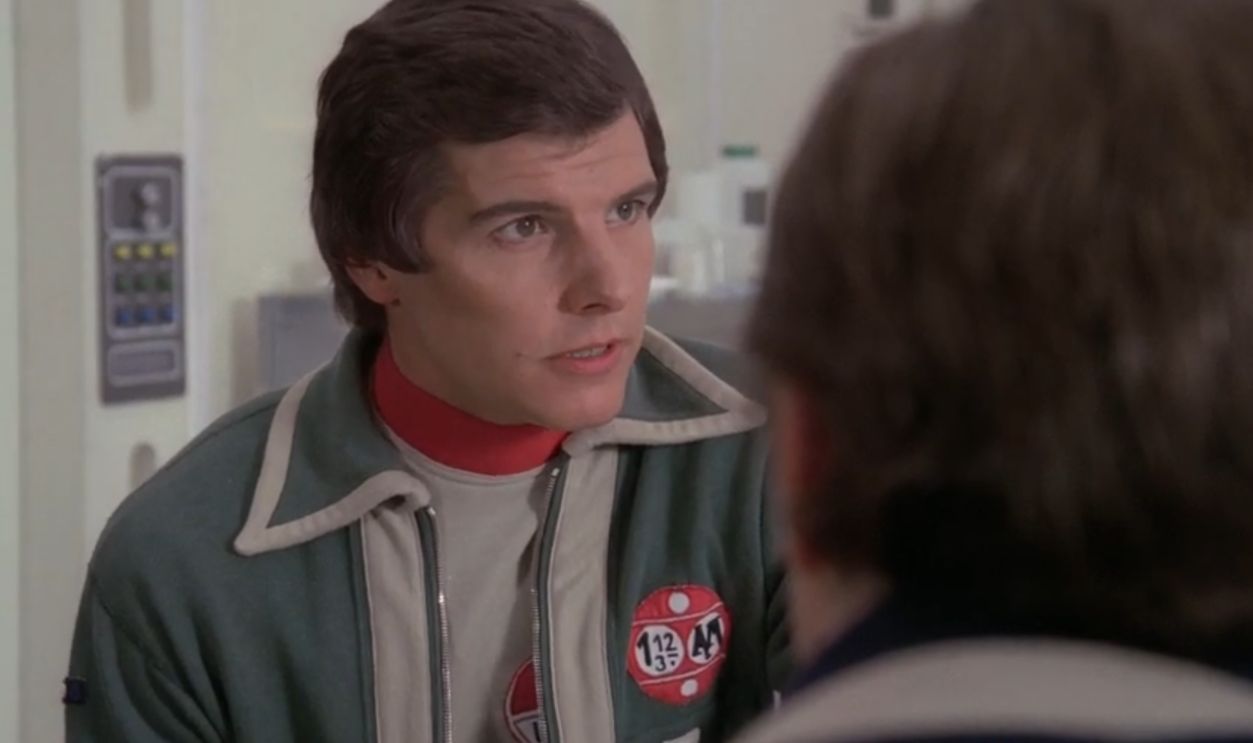 Screenshot from Space: 1999, ITV plc (1975-1977)
It Never Got A Proper Ending
No big finale. No resolution. The Moon (and everyone on it) just keeps drifting. It’s one of those endings that feels less like closure and more like…they’re still out there somewhere.
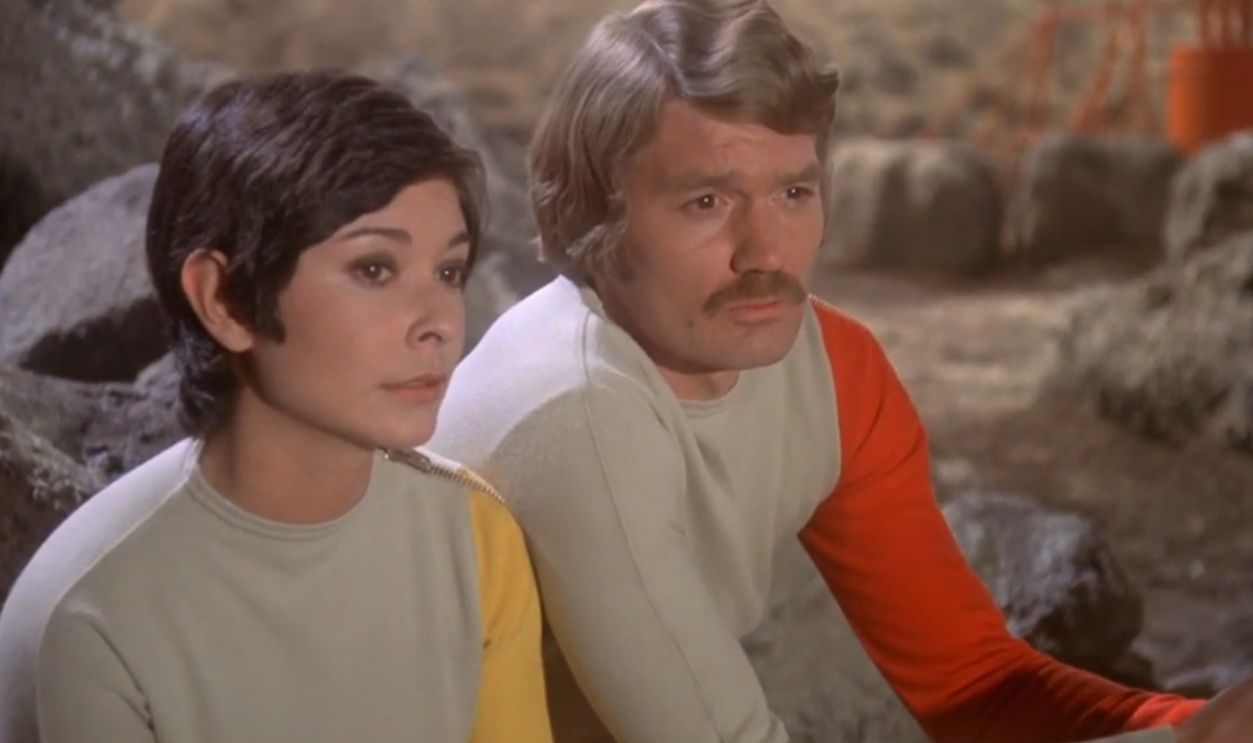 Screenshot from Space: 1999, ITV plc (1975-1977)
That Might Be Part Of The Appeal
There’s something weirdly fitting about a show like this not having a clean ending. It matches the premise. Lost in space. No answers. No return home. Just…continuing.
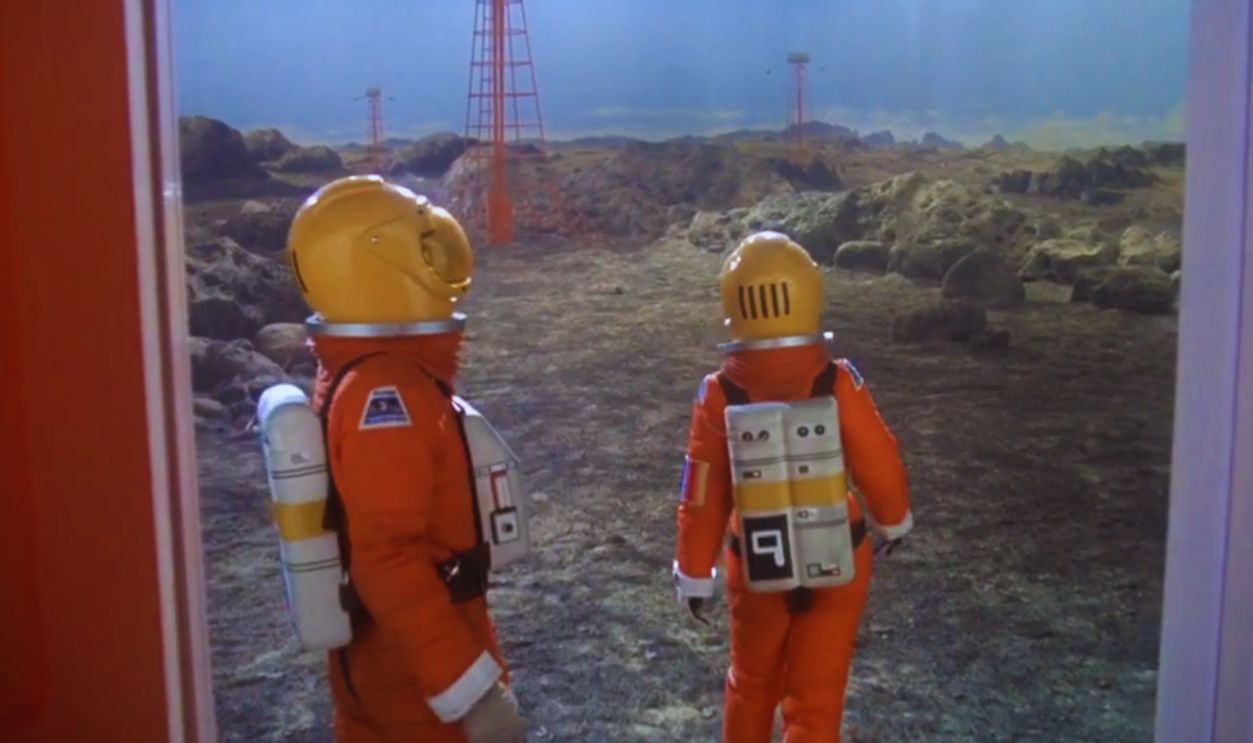 Screenshot from Space: 1999, ITV plc (1975-1977)
So Why Did It Fade From Memory?
It didn’t have a defining pop culture moment. No iconic catchphrase. No massive finale. And it got overshadowed quickly once Star Wars redefined what sci-fi could be just two years later.
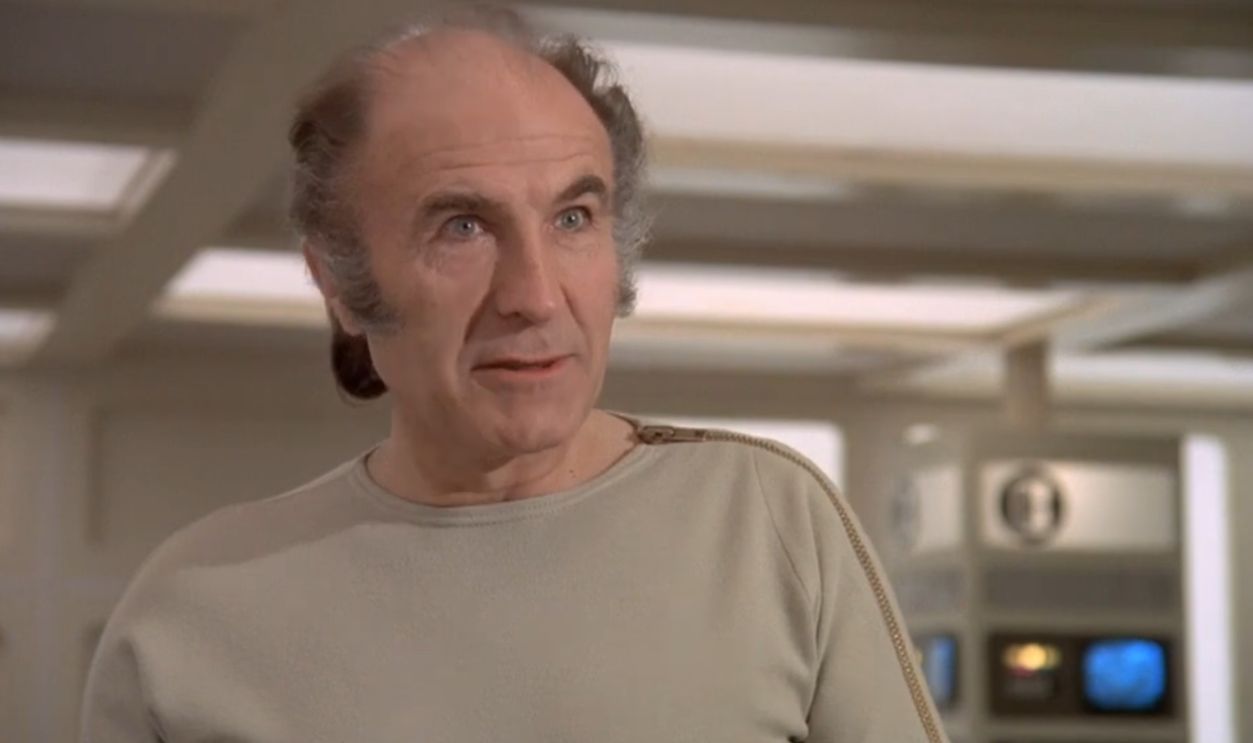 Screenshot from Space: 1999, ITV plc (1975-1977)
But The Fans Never Fully Let It Go
It has a loyal cult following to this day. Conventions, retrospectives, remastered releases—there’s still a dedicated group of people who will absolutely defend this show like it just aired last week.
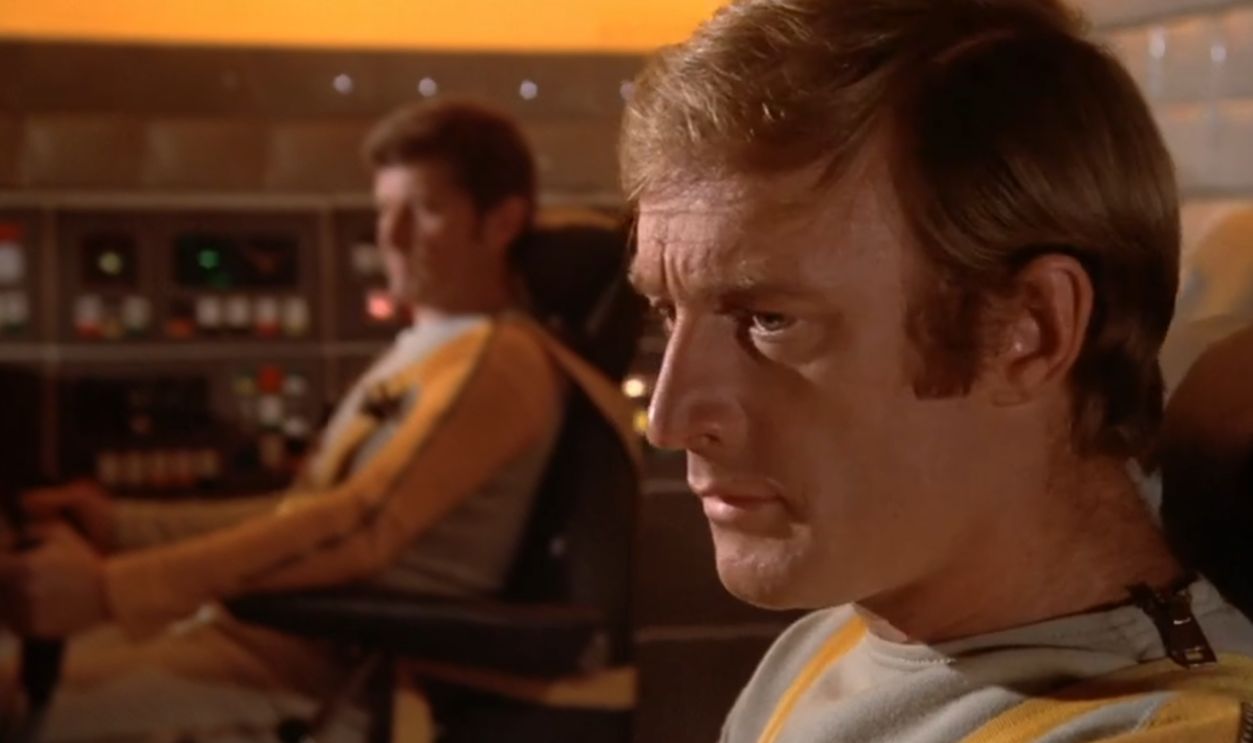 Screenshot from Space: 1999, ITV plc (1975-1977)
Watching It Now Feels Different
It’s slower. Quieter. Less frantic than modern sci-fi. And honestly? That can feel kind of refreshing. You actually sit with ideas instead of racing to the next plot twist.
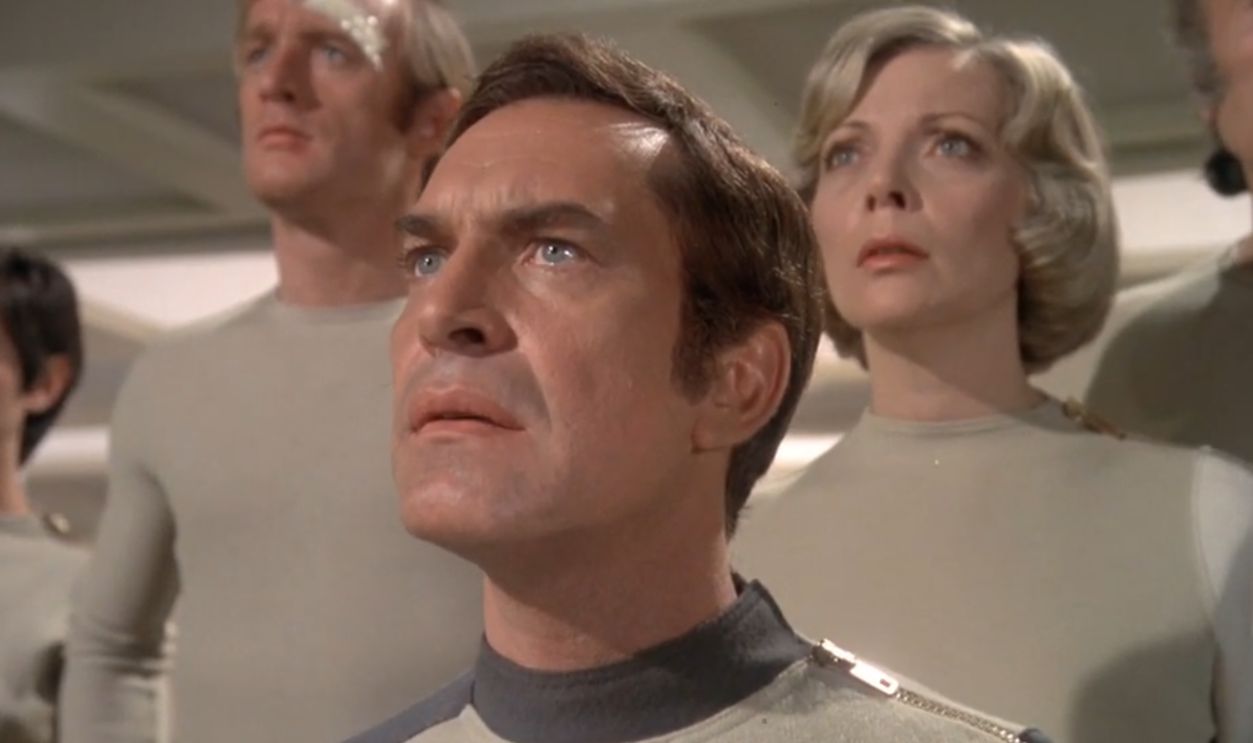 Screenshot from Space: 1999, ITV plc (1975-1977)
So…Is It The Most Underrated Sci-Fi Show Ever?
That depends on what you value. It’s flawed, no question. But ambitious, visually ahead of its time, and tonally unique. The kind of show that didn’t quite fit its era, and maybe that’s exactly why people are still talking about it.
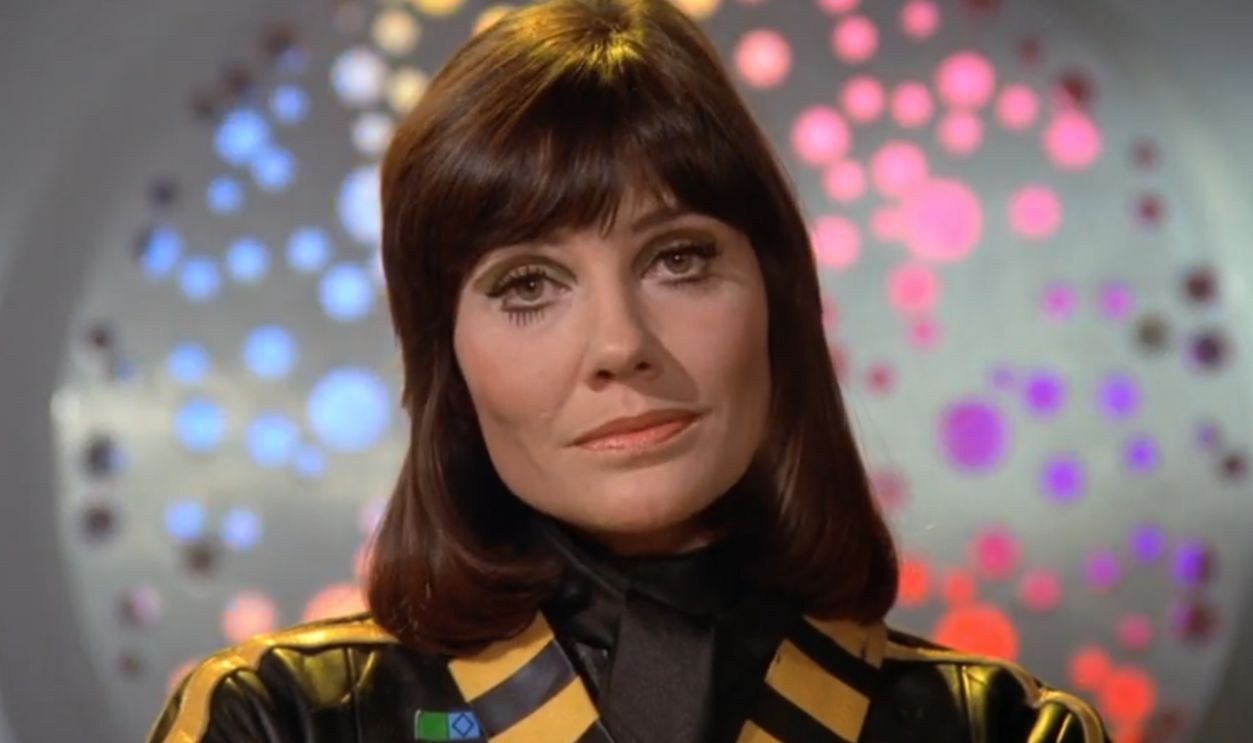 Screenshot from Space: 1999, ITV plc (1975-1977)
You Might Also Like:
TV Shows From The 1990s That No One Remembers—Seriously, Do You Remember Even 5 Of These Shows?
The Most Oscar Winning Movies Ever—That You’ve Probably Never Even Heard Of