Beloved TV Teachers Left a Lasting Mark on Pop Culture
For generations, television classrooms have been places where inspiring speeches, patient mentors, and unforgettable life lessons often mattered more than pop quizzes. Some fictional teachers made students laugh, while others encouraged curiosity, confidence, or second chances. Whether they taught in elementary schools, high schools, or colleges, these characters helped shape what many viewers hoped a great teacher could be. Here are some of the classic television educators who left a lasting mark on American pop culture.
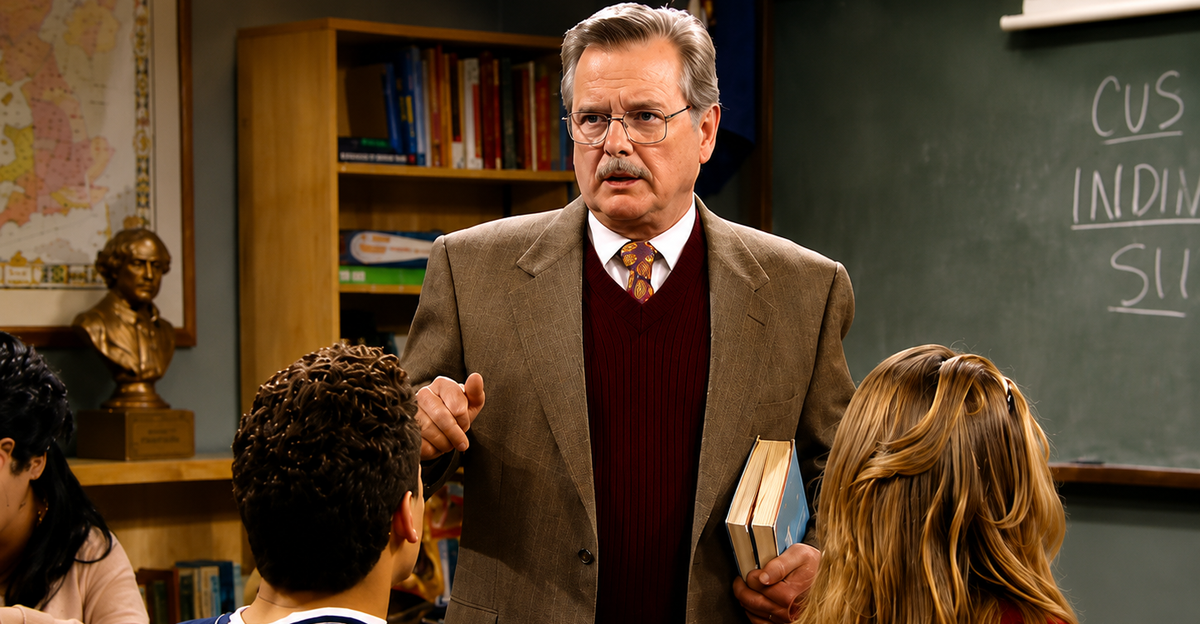
Our Miss Brooks Made Teaching Look Smart And Funny
Before many modern sitcom teachers arrived, Connie Brooks was already winning audiences over in Our Miss Brooks. Eve Arden played the wisecracking English teacher from 1952 to 1956 with wit and warmth. She balanced classroom frustrations with genuine concern for her students. The series showed that teachers could be funny without losing their authority.
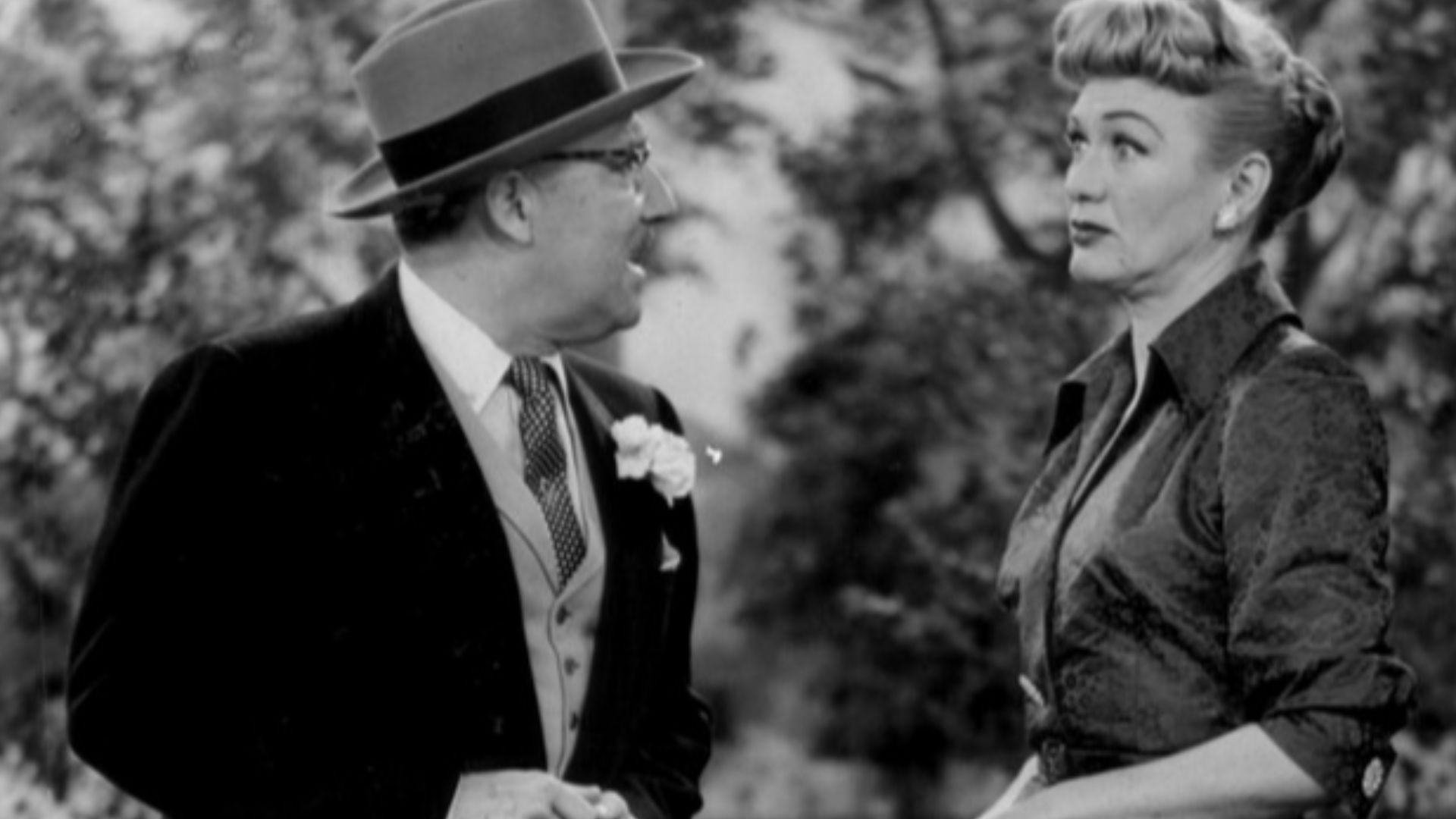
Mr. Peepers Turned Everyday School Life Into Comedy
Wally Cox portrayed Robinson Peepers as a shy science teacher who constantly found himself in awkward situations. Mr. Peepers focused on the ordinary routines of school instead of dramatic crises. Viewers related to his nervous personality and kind heart. His quiet dedication helped establish one of television's earliest lovable teacher characters.
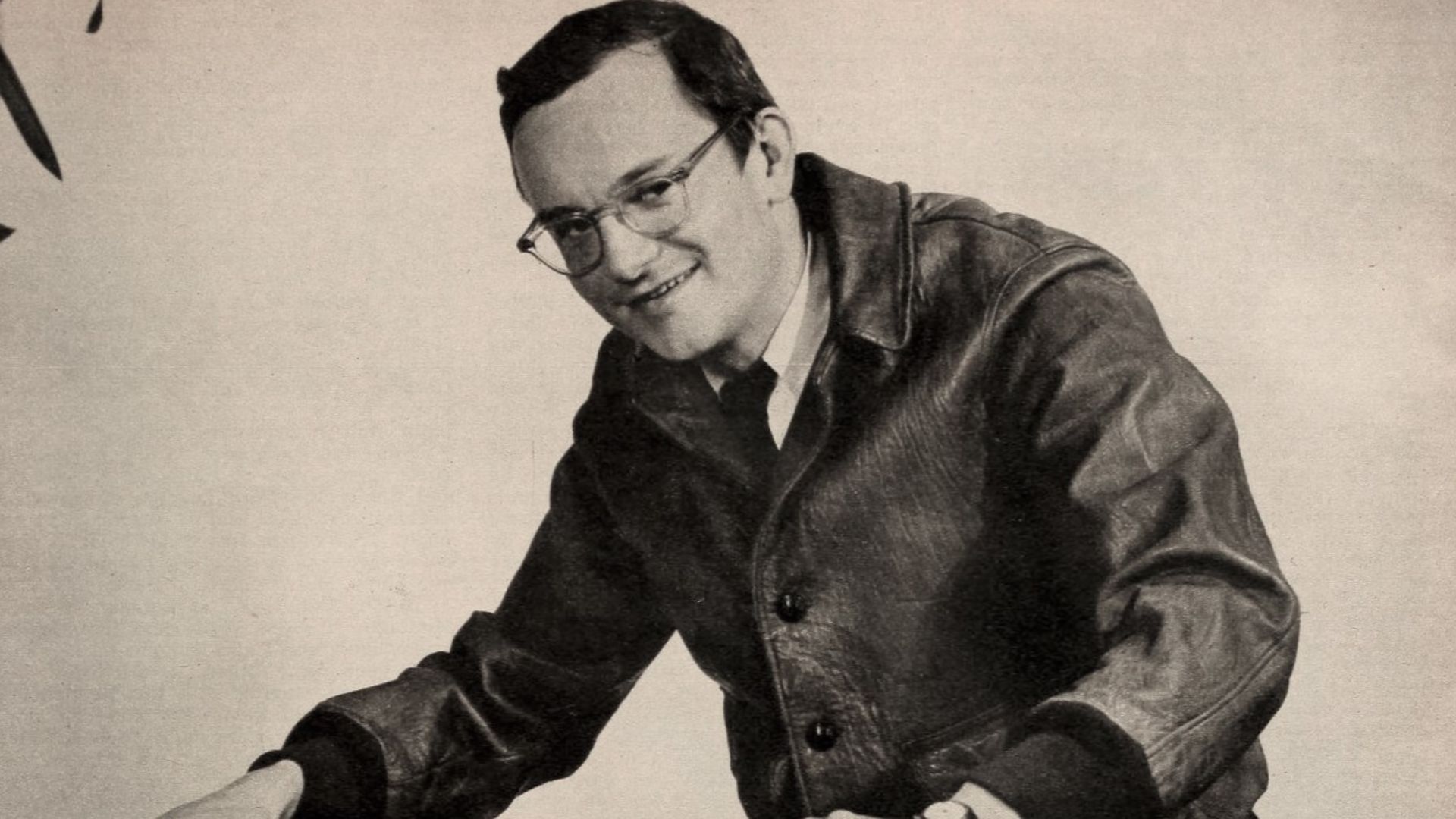 Photographer not credited, Wikimedia Commons
Pete Dixon Brought Realism To Prime Time
Room 222 stood apart because it addressed social issues that many television shows avoided. Lloyd Haynes played history teacher Pete Dixon with calm intelligence and compassion. The series explored racism, poverty, and changing social values through classroom discussions. It showed audiences that schools reflected the challenges happening outside their walls.
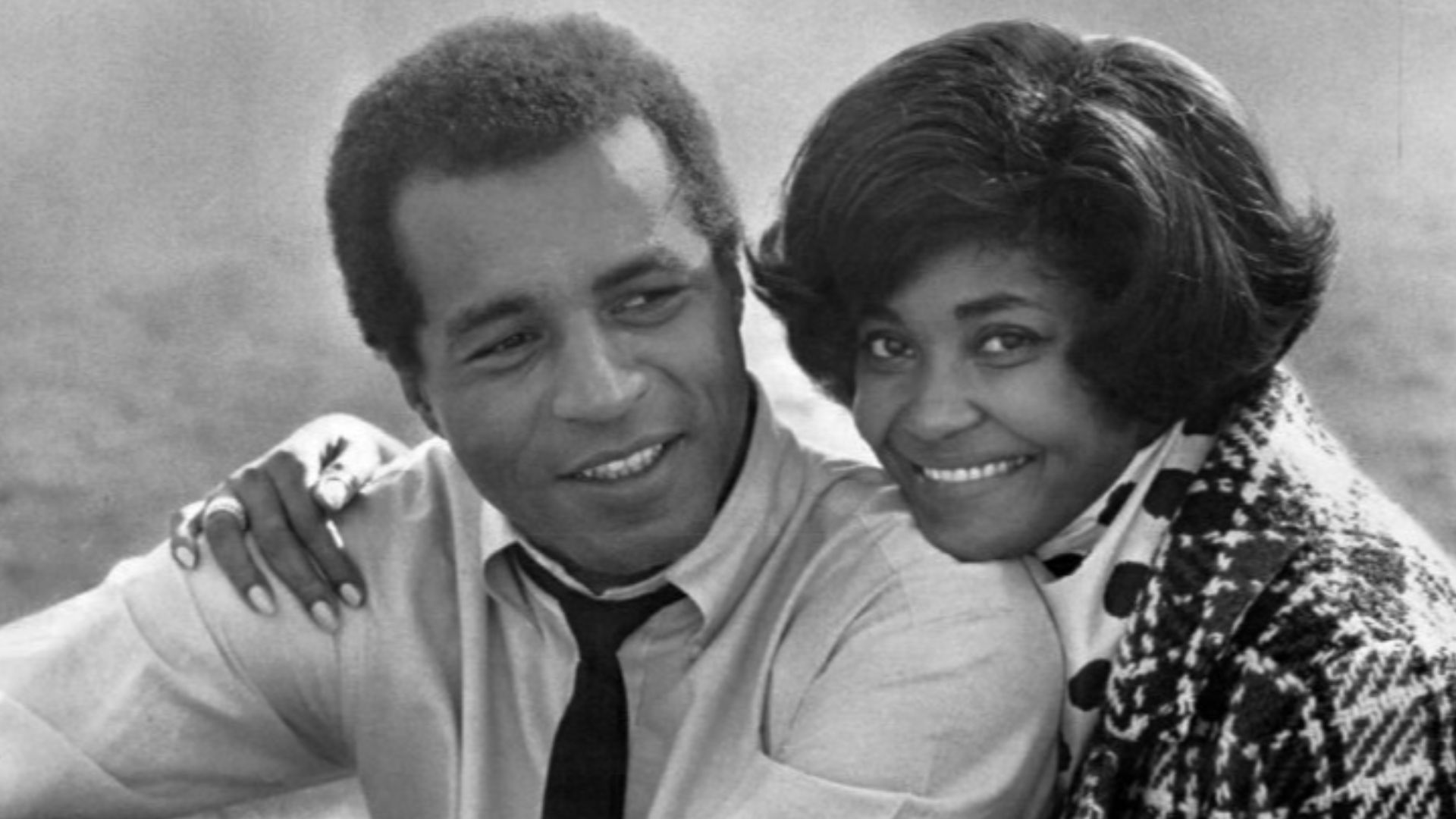 ABC Television, Wikimedia Commons
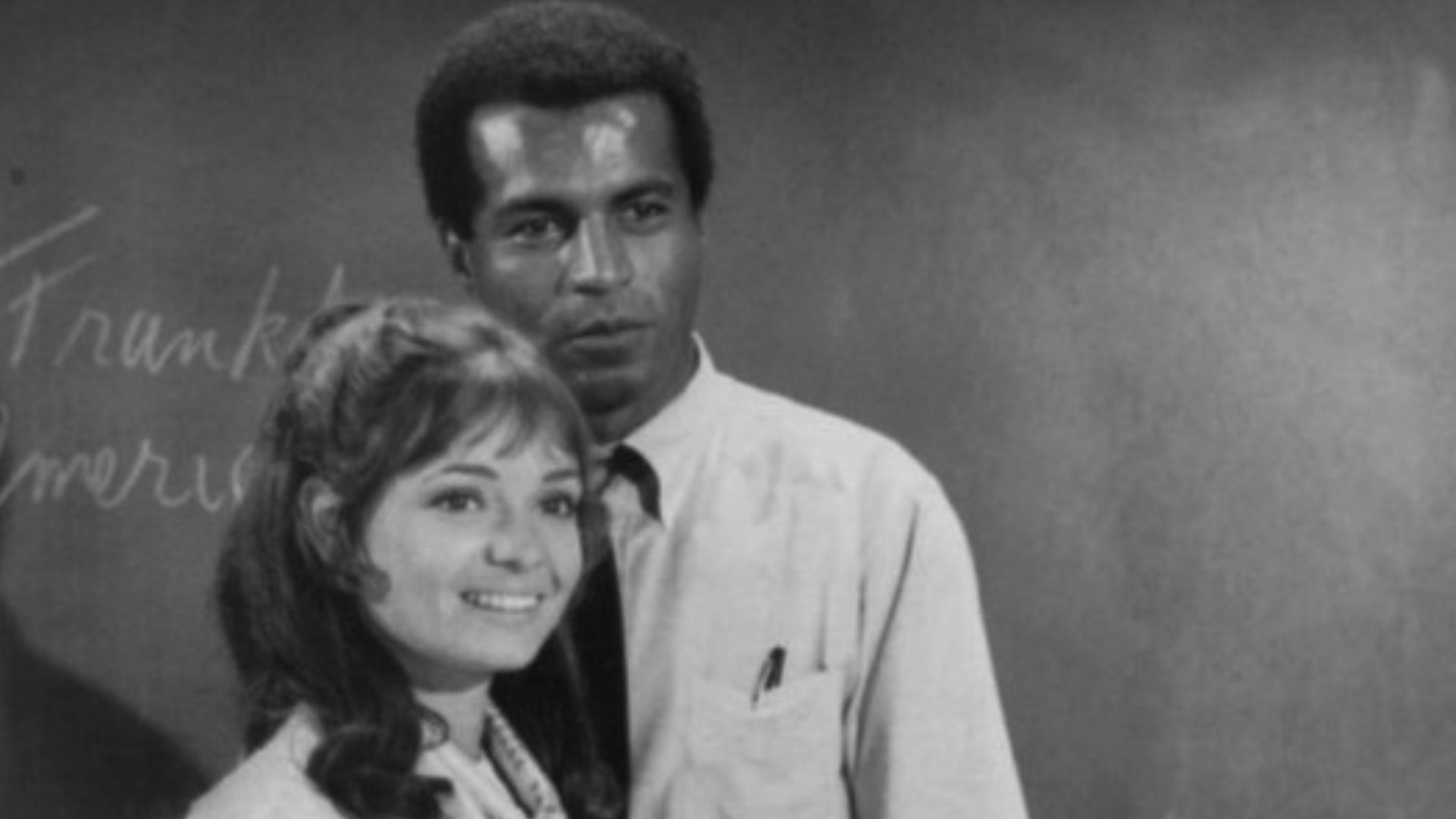
Alice Johnson Proved New Teachers Could Make A Difference
Karen Valentine played student teacher Alice Johnson in Room 222. Her optimism often balanced Pete Dixon's steady professionalism. Alice learned alongside her students while finding confidence in the classroom. Her journey reminded viewers that great teachers continue learning throughout their careers.
 ABC Television, Wikimedia Commons
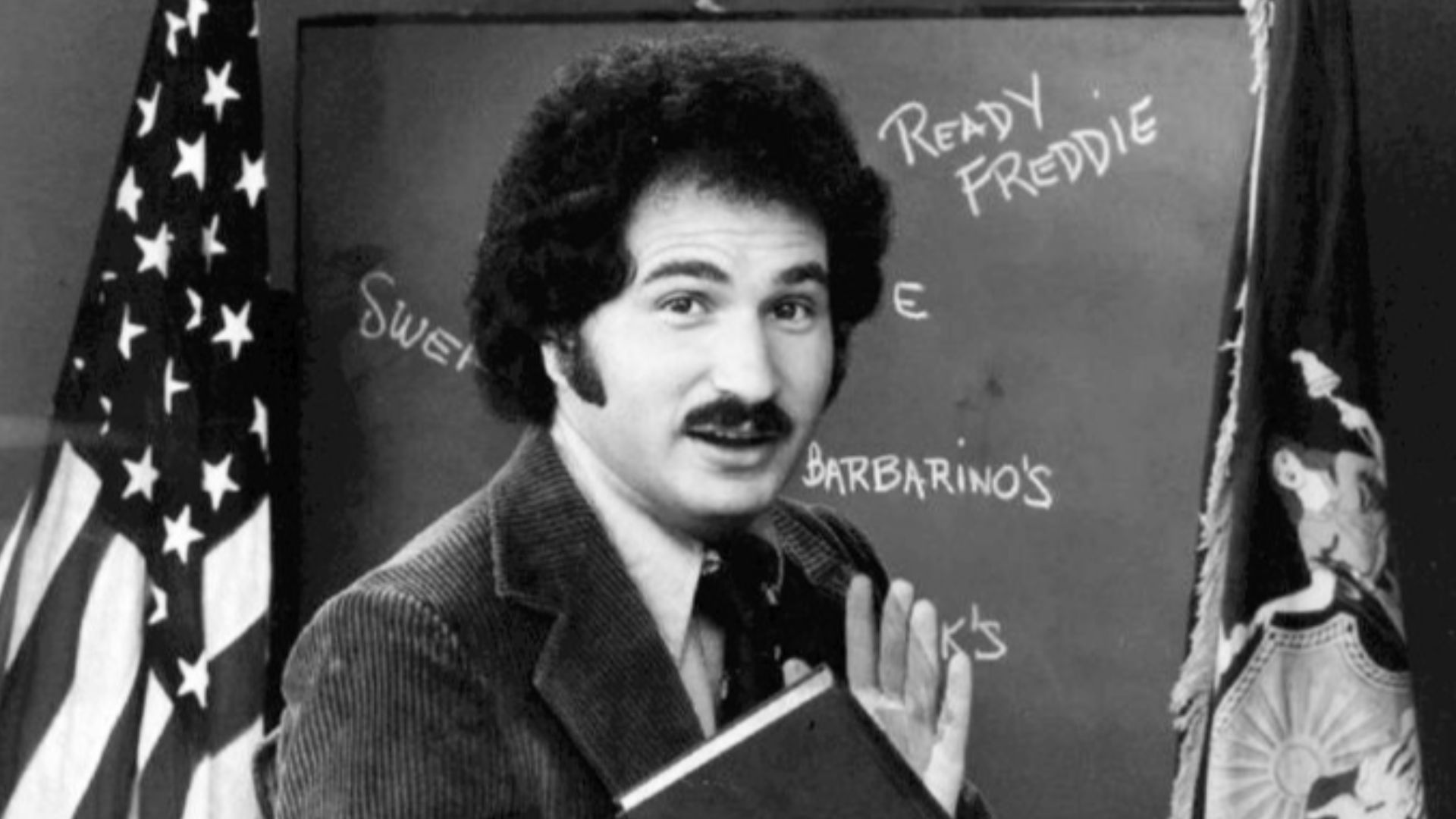
Gabe Kotter Believed Every Student Deserved Another Chance
Welcome Back, Kotter introduced audiences to Gabe Kotter, who returned to teach at his former high school. Because he had once struggled as a student himself, he understood the famous Sweathogs better than anyone else. He relied on humor instead of harsh discipline whenever possible. His empathy became the foundation of the show's lasting popularity.
 ABC Television, Wikimedia Commons
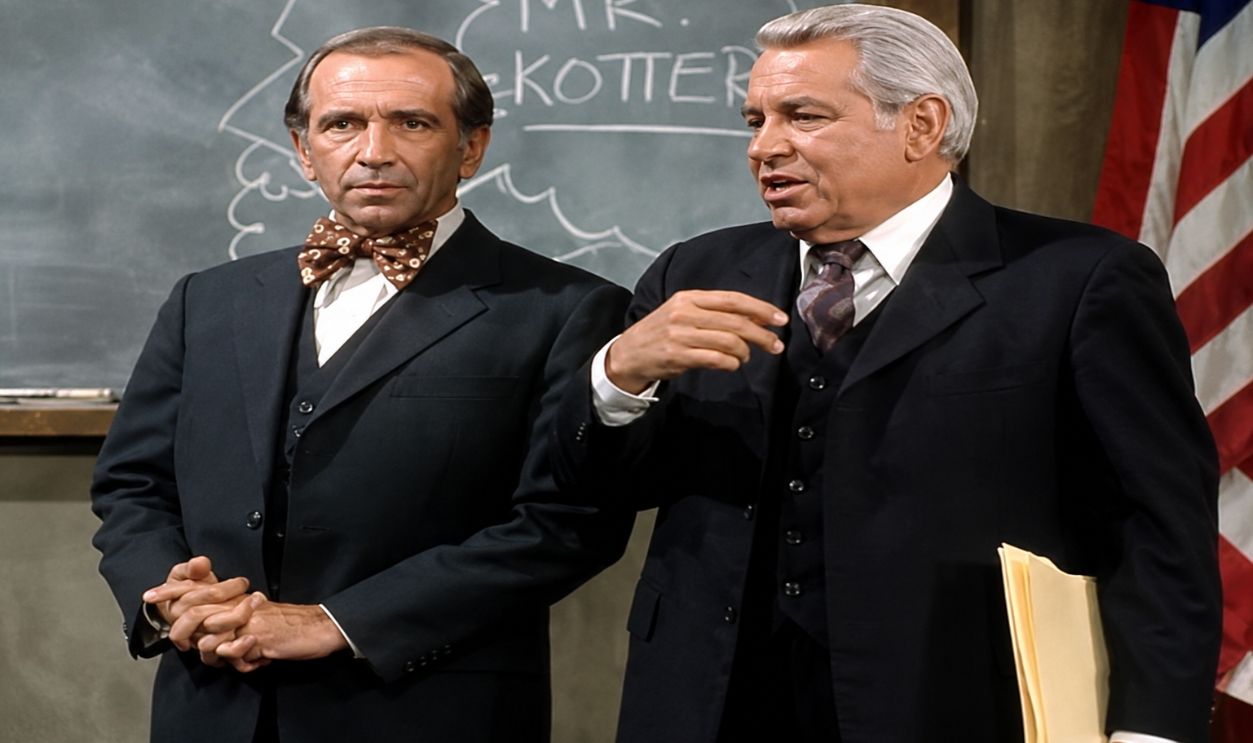
Mr. Woodman Showed The Other Side Of School Leadership
Vice Principal Michael Woodman often clashed with Gabe Kotter throughout Welcome Back, Kotter. While strict rules defined his leadership style, his presence highlighted the contrast between administration and classroom teaching. Their disagreements created many memorable comic moments. Together they reflected different philosophies about education.
 Screenshot from Welcome Back, Kotter, Sony Pictures Entertainment (1975-1979), Enhanced
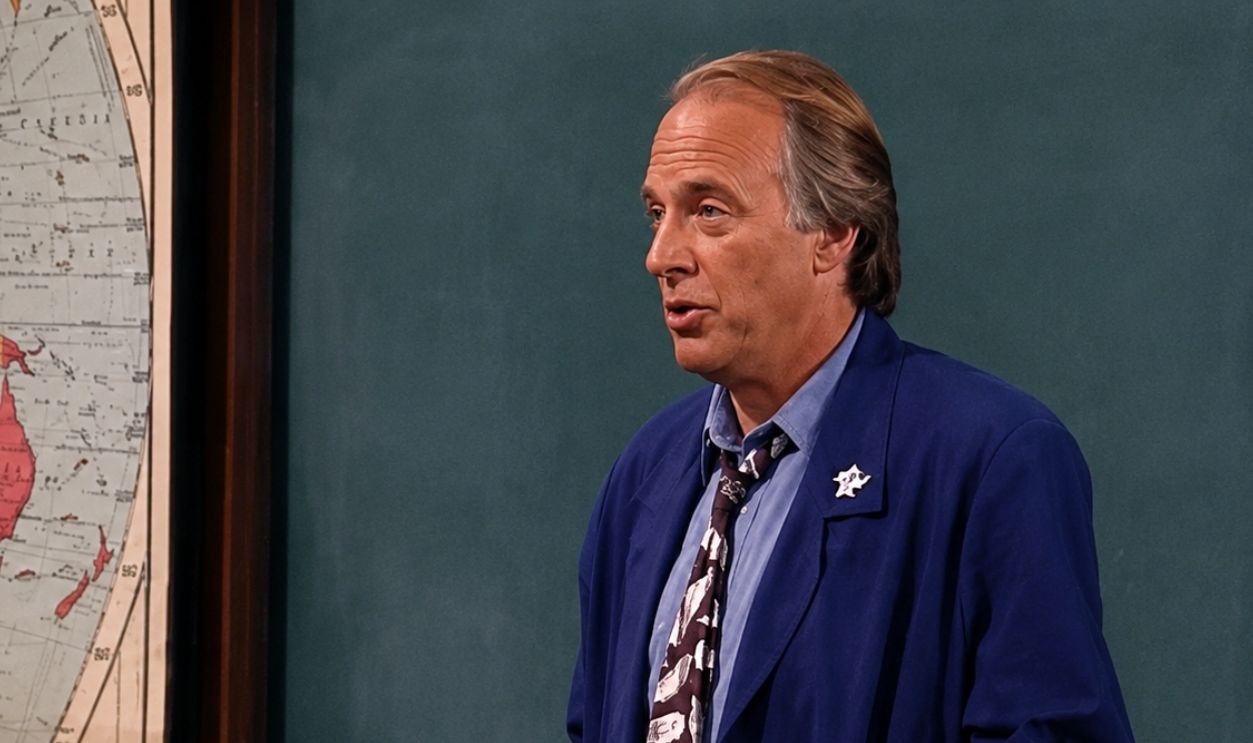
Charlie Moore Preferred Life Lessons Over Lectures
Howard Hesseman played Charlie Moore in Head Of The Class. Rather than focusing only on grades, he encouraged gifted students to think independently and develop confidence. His unconventional teaching style challenged traditional classroom expectations. Many viewers admired how he treated teenagers like capable young adults.
 Screenshot from Head Of The Class, Warner Bros. Television (1986-1991), Enhanced
Billy MacGregor Brought Fresh Energy To The Classroom
Scottish comedian Billy Connolly joined Head Of The Class during its final season as teacher Billy MacGregor. His relaxed personality gave the series a different rhythm after Charlie Moore's departure. He encouraged creativity while respecting each student's individuality. The transition showed that great teachers do not all share the same style.
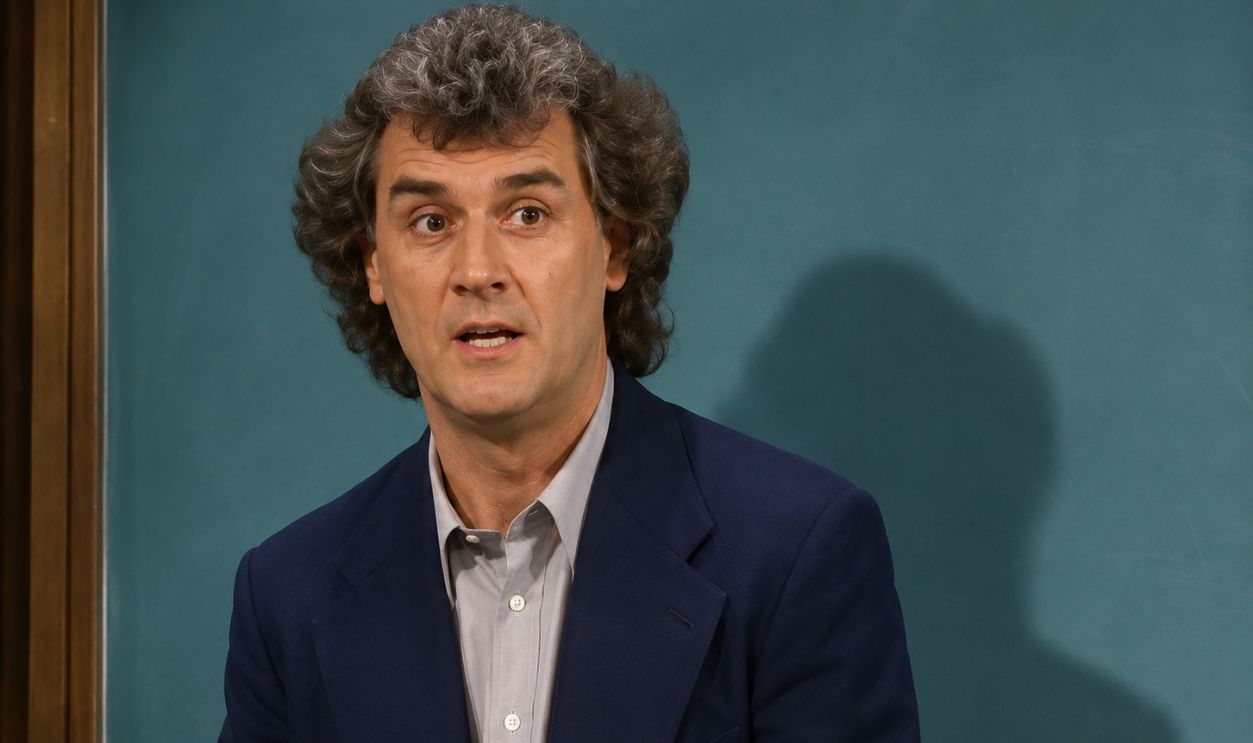 Screenshot from Head Of The Class, Warner Bros. Television (1986-1991), Enhanced
Lydia Grant Demanded Excellence Every Day
Although Fame centered on talented students, Debbie Allen's Lydia Grant became one of television's most memorable instructors. She expected discipline, hard work, and professionalism from aspiring performers. Her demanding standards came from genuine belief in her students' potential. Many viewers still remember her famous reminder that success requires effort.
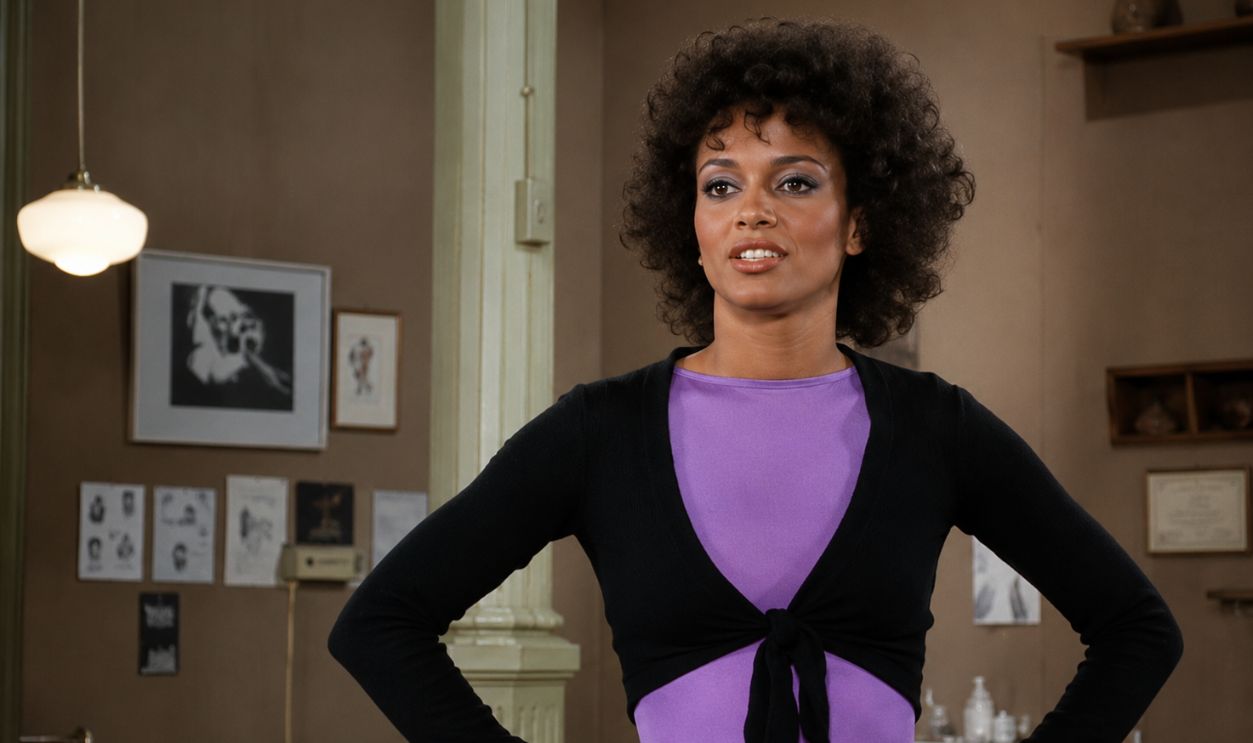 Screenshot from Fame, NBC (1982-1987), Enhanced
Mr. Moore Made Intelligence Feel Cool
Many sitcoms portrayed gifted students as isolated outsiders before Head Of The Class. Charlie Moore encouraged his class to embrace both academics and personal growth. His students learned that intelligence did not have to come at the expense of friendships or humor. The series helped broaden television's image of academically talented teenagers.
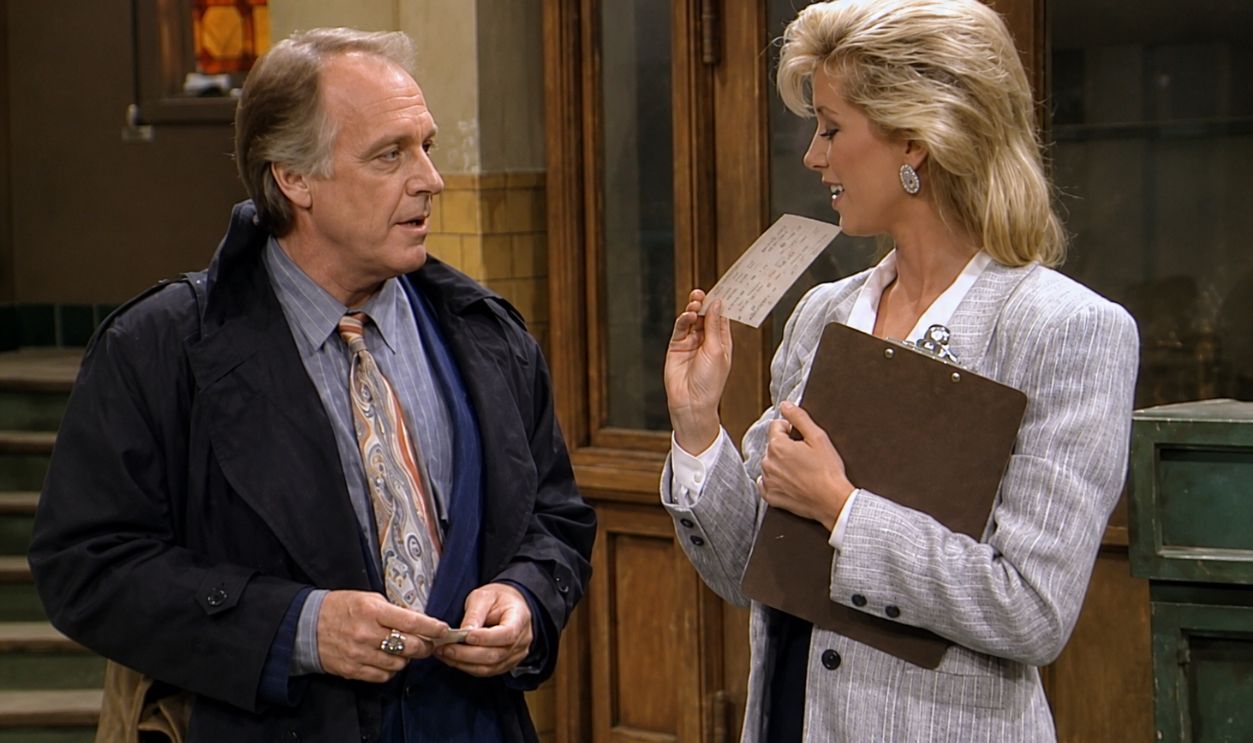 Screenshot from Head Of The Class, Warner Bros. Television (1986-1991), Enhanced
Miss Bliss Offered Patience Before Saturday Morning Fame
Before Saved By The Bell became a hit, Hayley Mills starred in Good Morning, Miss Bliss. She guided middle school students through everyday challenges with kindness and common sense. Miss Bliss often acted as a trusted mentor rather than simply an instructor. Her classroom emphasized respect and personal responsibility.
 Screenshot from Good Morning, Miss Bliss, NBC Productions (1988-1989), Enhanced
Mr. Belding Balanced Discipline With Loyalty
Although Richard Belding served as principal on Saved By The Bell, he frequently stepped into a teacher's mentoring role. Students often tested his patience, but he consistently looked out for their well-being. His combination of authority and humor made him surprisingly approachable. Many fans remember him as one of television's friendliest principals.
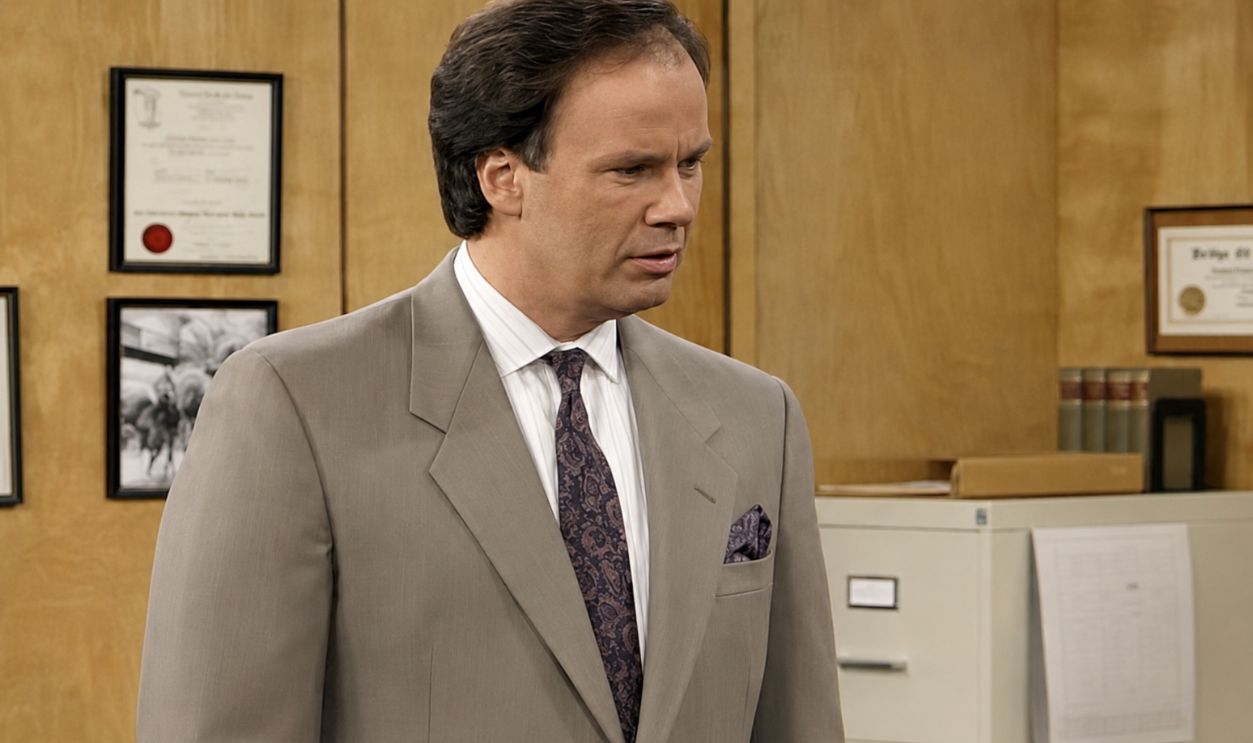 Screenshot from Saved By The Bell, Paramount Television (1989-1993), Enhanced
Mr. Feeny Became Every Student's Favorite Mentor
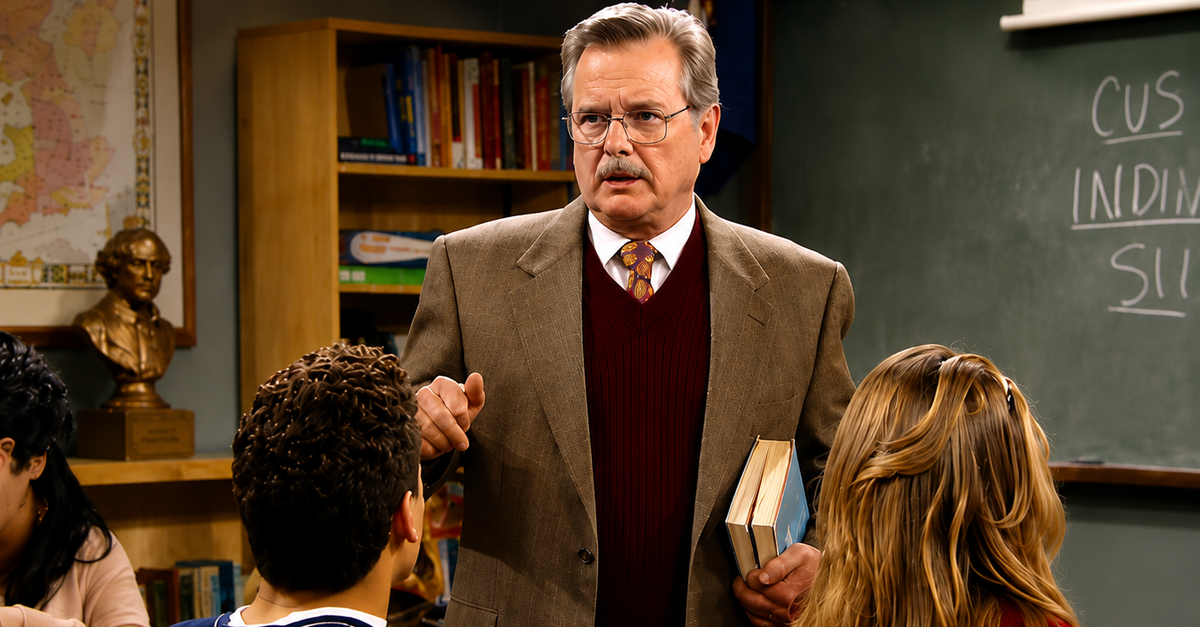
George Feeny from Boy Meets World taught multiple grade levels before eventually becoming principal and college professor. William Daniels gave the character remarkable wisdom and quiet humor. Feeny challenged students to think about ethics, relationships, and responsibility. His influence extended well beyond the classroom.
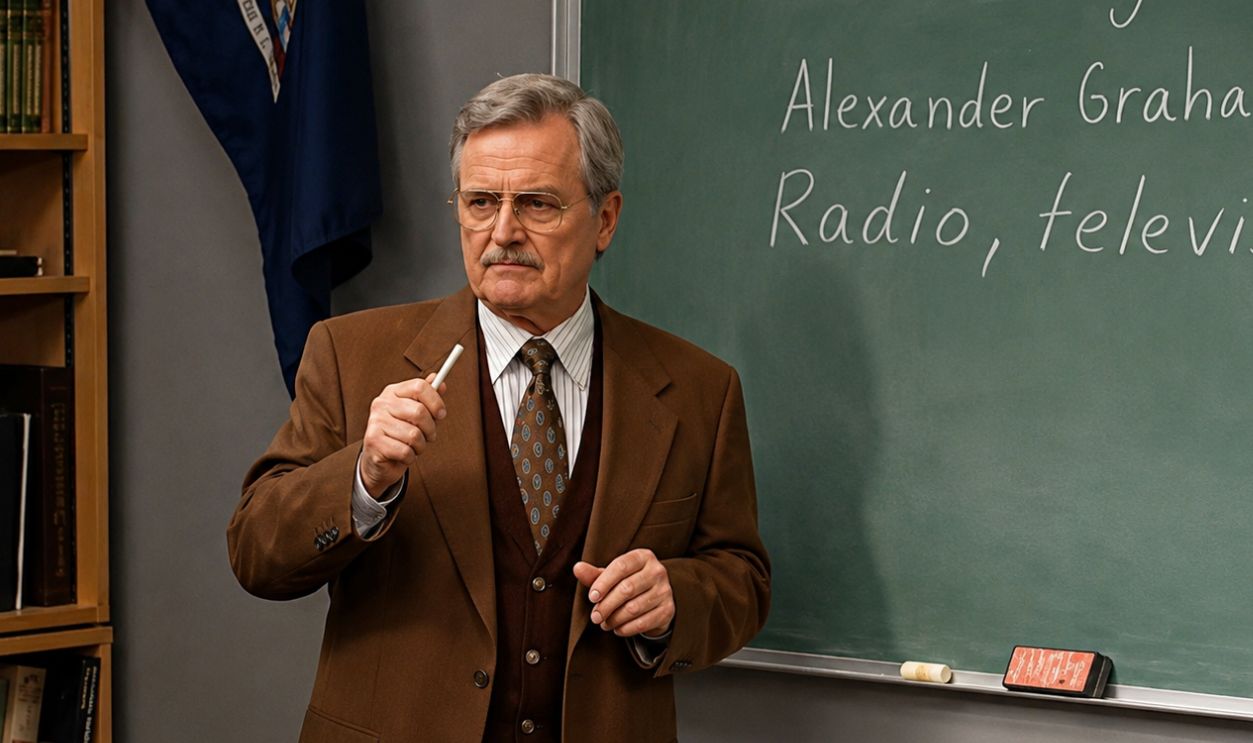 Screenshot from Boy Meets World, Buena Vista Television (1993-2000), Enhanced
Feeny Grew Alongside His Students
Unlike many television teachers, Mr. Feeny remained with Cory Matthews and his friends for years. Audiences watched their relationship evolve from elementary school through college. That continuity made his advice feel increasingly meaningful. He became one of television's greatest long-term mentors.
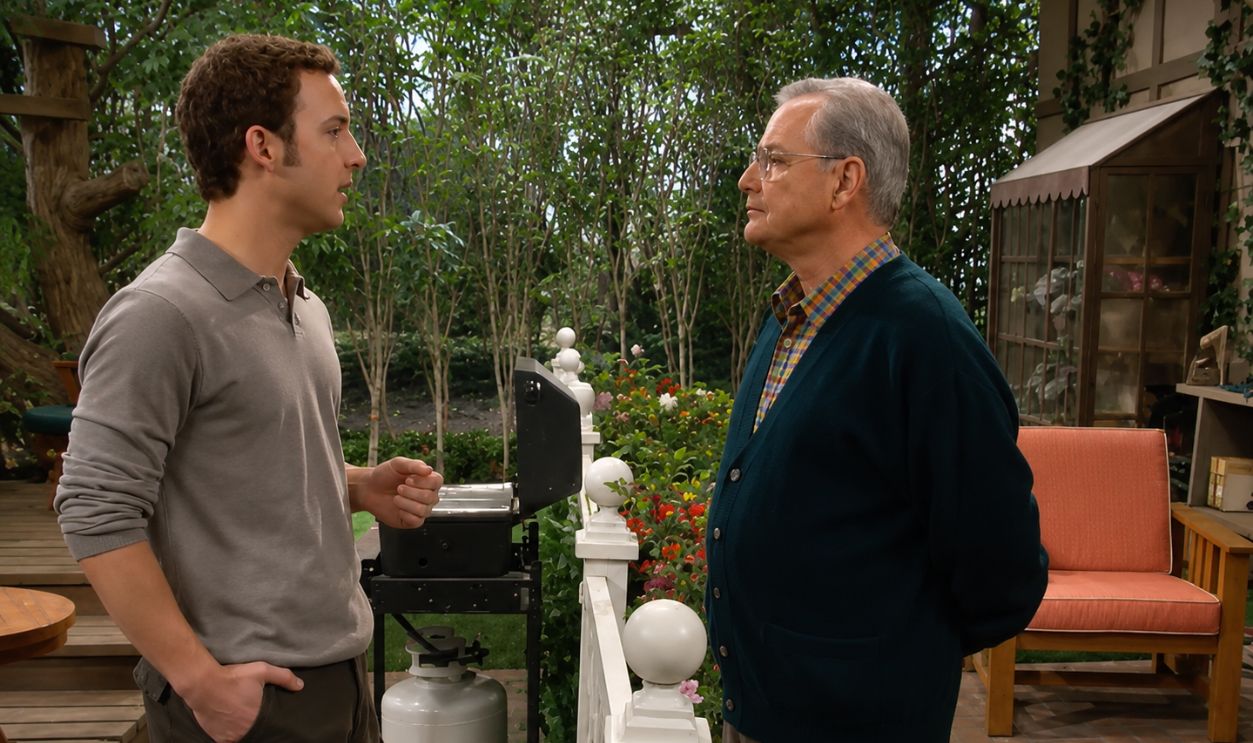 Screenshot from Boy Meets World, Buena Vista Television (1993-2000), Enhanced
Miss Frizzle Turned Science Into Adventure
The Magic School Bus transformed classroom science into unforgettable adventures. Voiced by Lily Tomlin, Miss Frizzle inspired curiosity through imaginative field trips that explored everything from space to the human body. She encouraged students to ask questions instead of memorizing answers. Her enthusiasm made learning feel exciting.
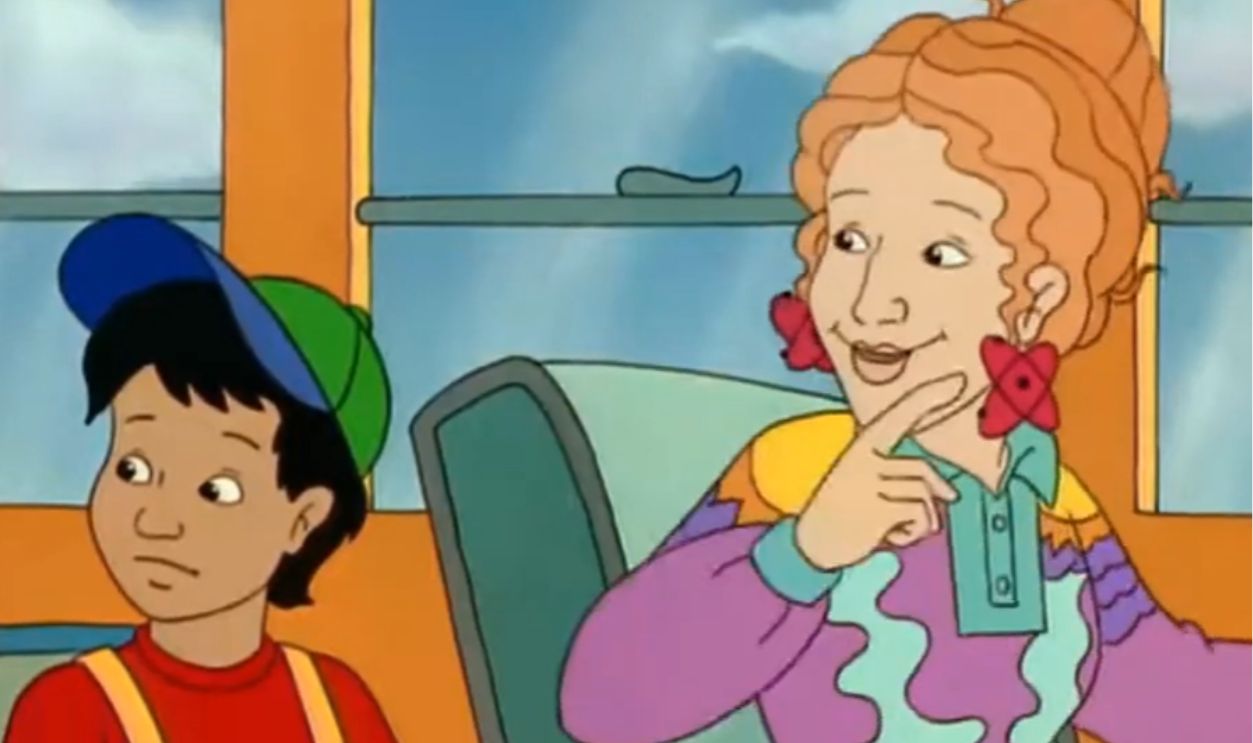 Screenshot from The Magic School Bus, PBS (1994-1997)
Mr. Cooper Connected Sports And Education
Mark Curry's Hangin' With Mr. Cooper featured a former basketball player working as a substitute teacher and coach. Cooper connected easily with teenagers because he understood their interests and challenges. He balanced humor with sincere encouragement. The sitcom celebrated positive relationships between teachers and students.
 Screenshot from Hangin' With Mr. Cooper, Warner Bros. Television Distribution (1992-1997), Enhanced
Principal Seymour Kaufman Added Stability
Michael Constantine played Principal Seymour Kaufman on Room 222. He often balanced administrative responsibilities with concern for students and faculty alike. His thoughtful leadership supported teachers tackling difficult issues. The character helped make the school's environment feel believable.
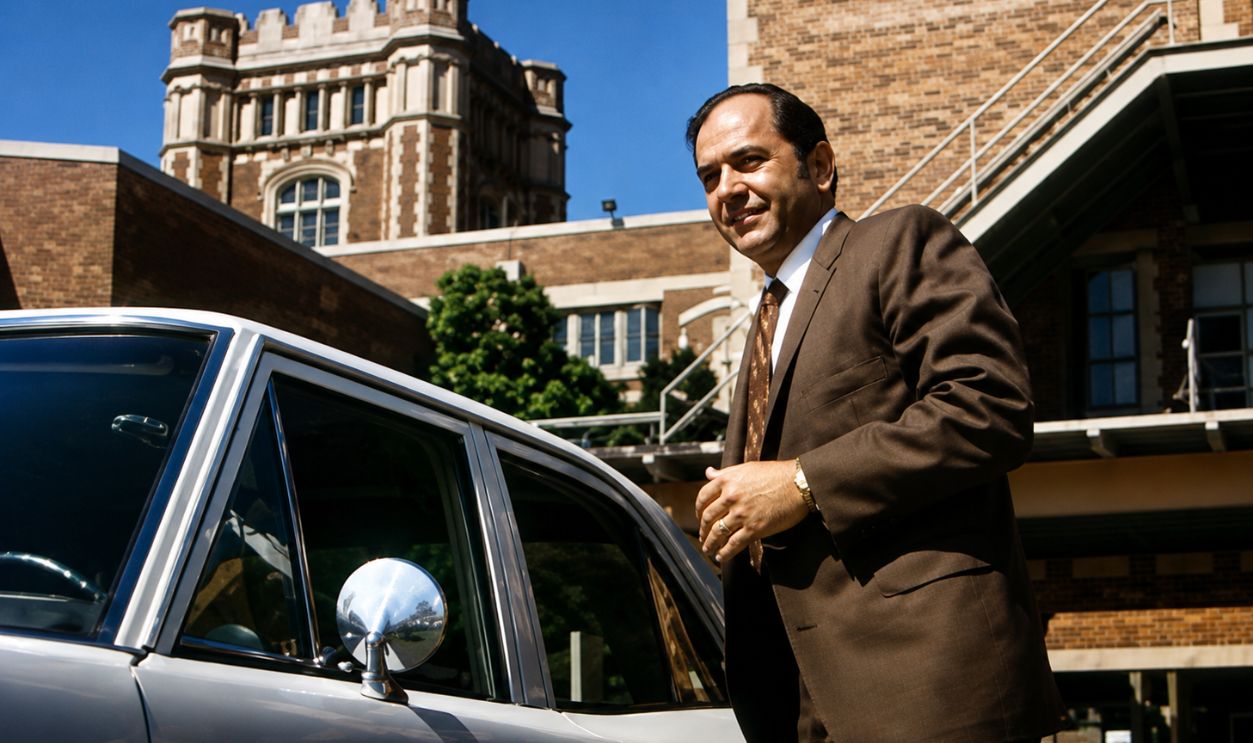 Screenshot from Room 222, 20th Century-Fox Television (1969-1974), Enhanced
Television Started Showing Teachers As Mentors
Earlier television often portrayed teachers simply as authority figures. By the 1970s and 1980s, educators increasingly became trusted mentors who guided students through personal struggles. These characters listened as much as they lectured. That shift influenced how audiences imagined excellent teaching.
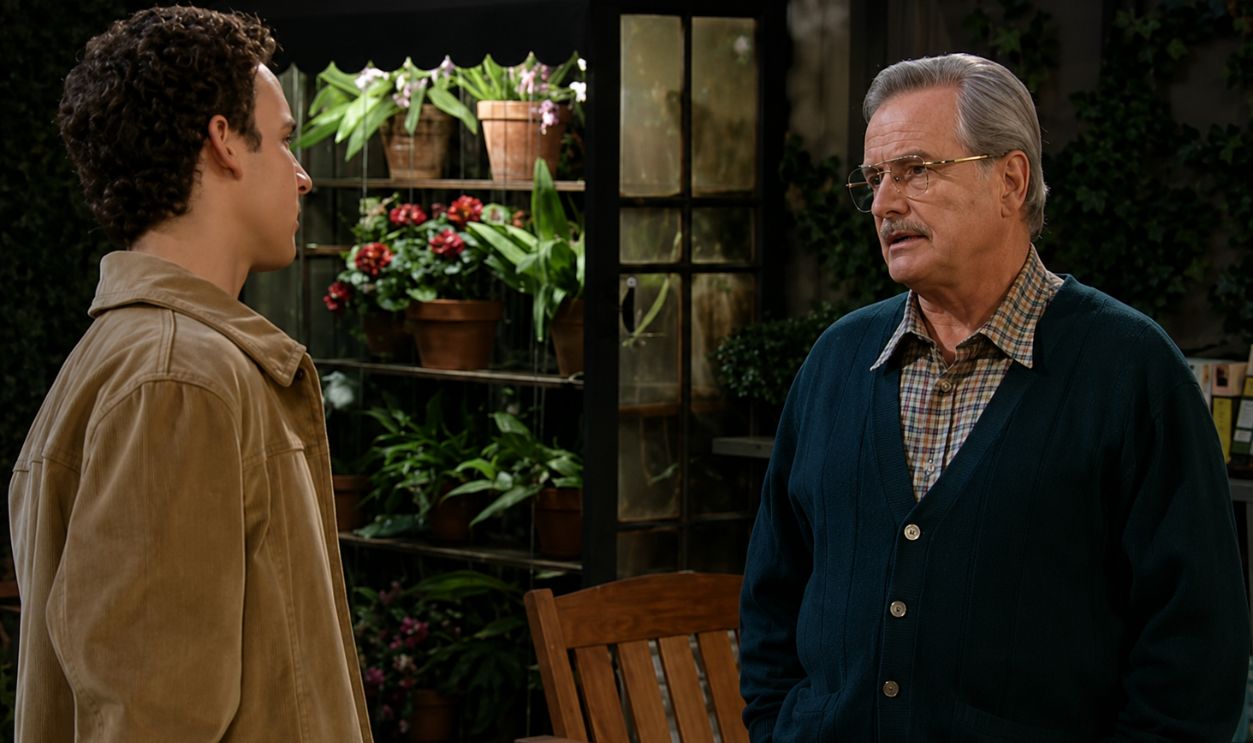 Screenshot from Boy Meets World, Buena Vista Television (1993-2000), Enhanced
Humor Became A Powerful Teaching Tool
Many beloved television teachers relied on jokes and storytelling instead of intimidation. Gabe Kotter, Charlie Moore, and Mr. Cooper all demonstrated that laughter could strengthen classroom relationships. Their humor built trust before delivering important lessons. Viewers embraced classrooms that felt welcoming instead of frightening.
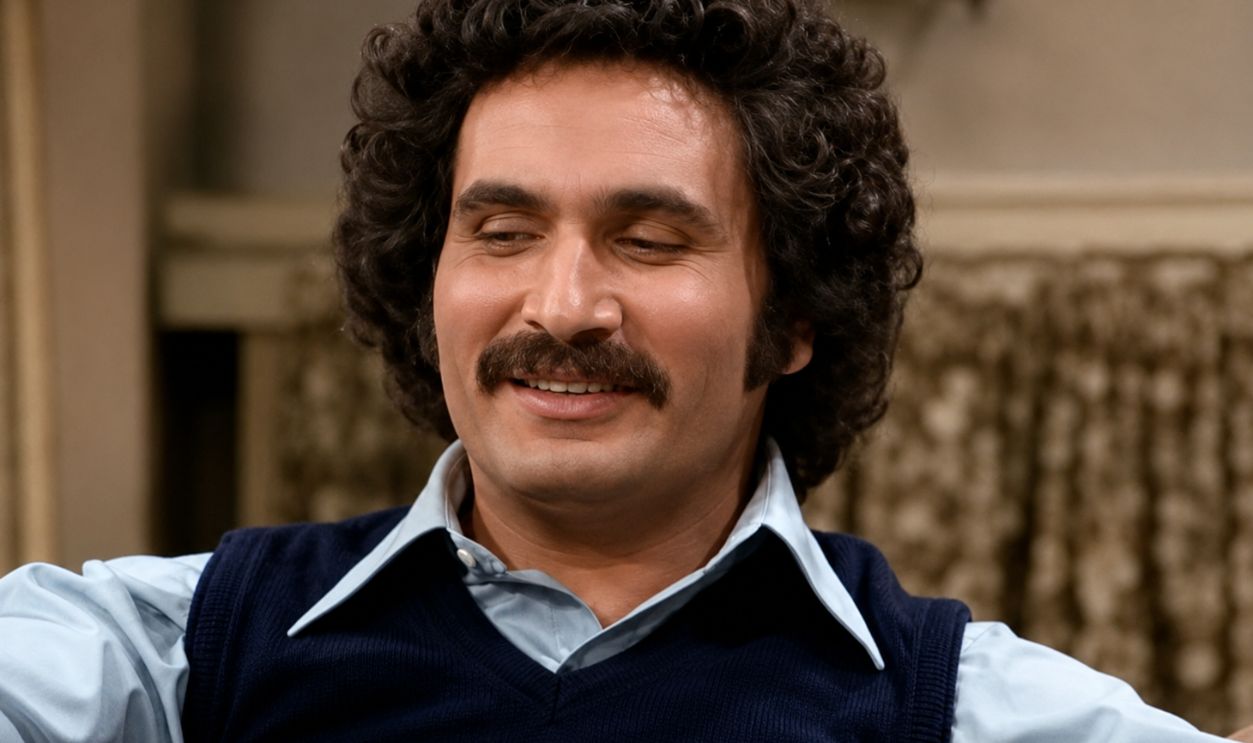 Screenshot from Welcome Back, Kotter, Sony Pictures Entertainment (1975-1979), Enhanced
Television Expanded Ideas About Student Success
Classic television gradually moved beyond measuring success through grades alone. Teachers encouraged confidence, creativity, teamwork, and resilience alongside academics. This broader definition of achievement reflected changing educational conversations. Many viewers appreciated seeing different kinds of intelligence celebrated.
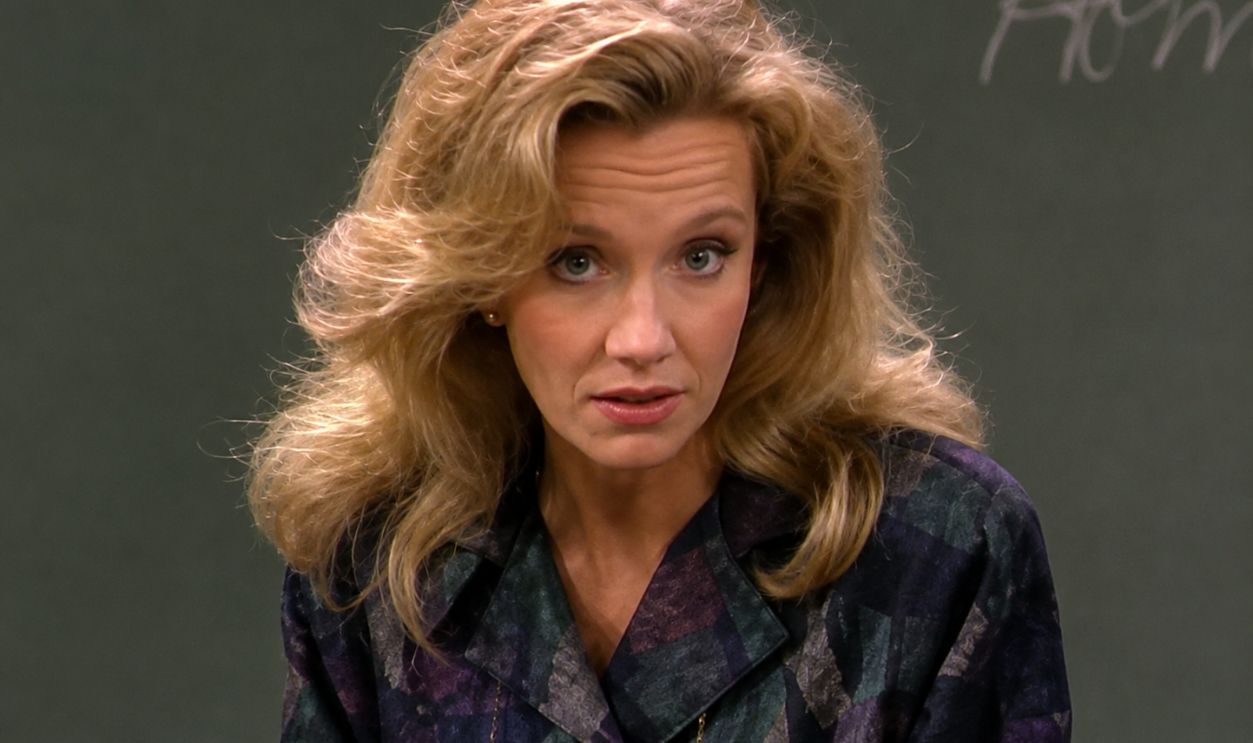 Screenshot from Good Morning, Miss Bliss, NBC Productions (1988-1989), Enhanced
Fictional Schools Felt Surprisingly Familiar
Even exaggerated sitcom classrooms captured recognizable school experiences. Students worried about friendships, confidence, family expectations, and future plans. Teachers often became trusted adults during difficult moments. That emotional familiarity helped these shows resonate across generations.
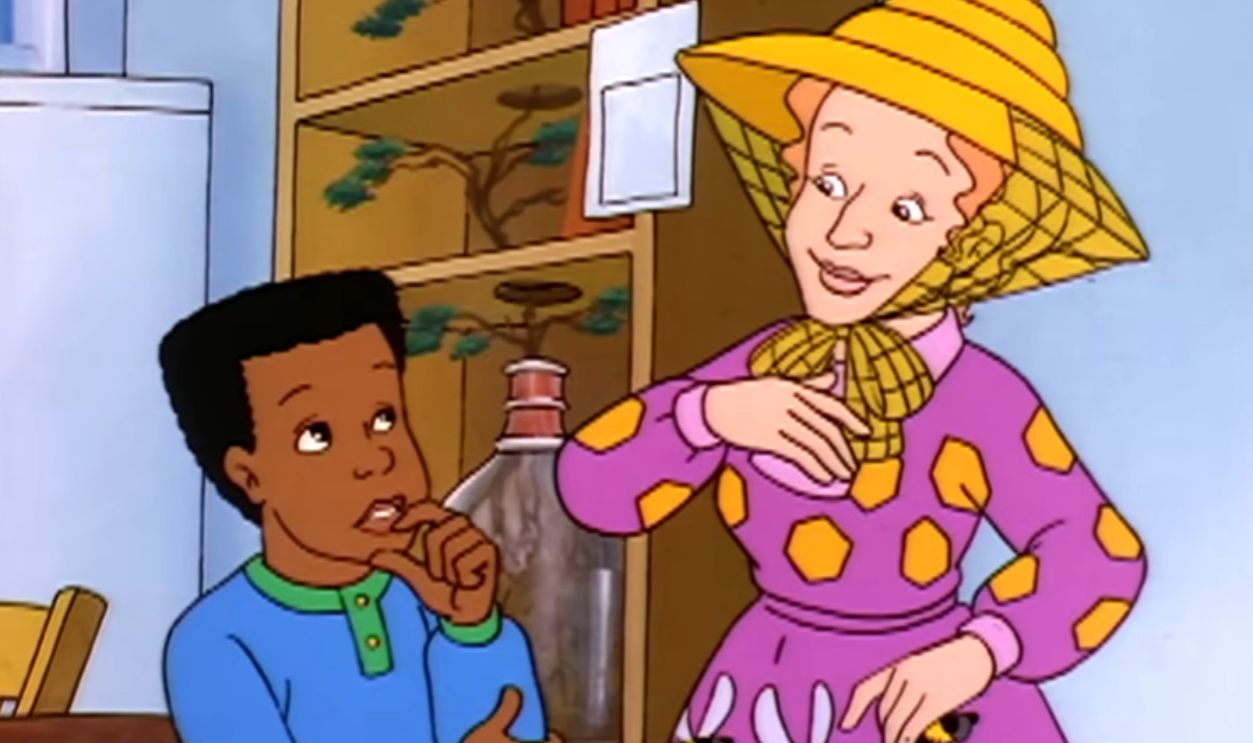 Screenshot from The Magic School Bus, PBS (1994-1997)
Great TV Teachers Listened Before They Judged
One quality connected many memorable television educators. They listened carefully before reacting to student mistakes. Whether helping struggling students or gifted learners, they looked beyond first impressions. That patience made them feel authentic and inspiring.
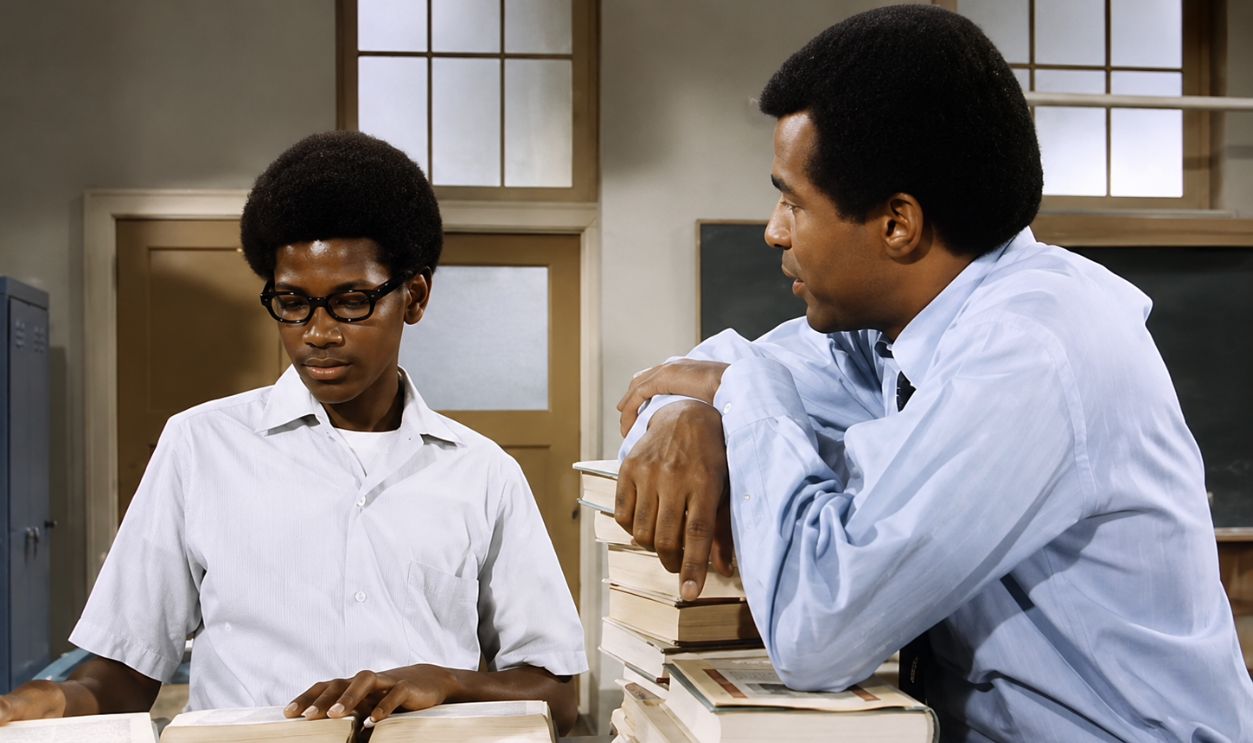 Screenshot from Room 222, 20th Century-Fox Television (1969-1974), Enhanced
Many Characters Reflected Their Era
Each television teacher also reflected changing attitudes about education. Room 222 embraced conversations about civil rights and social change. Welcome Back, Kotter emphasized second chances for overlooked students. Head Of The Class highlighted individuality during the late 1980s.
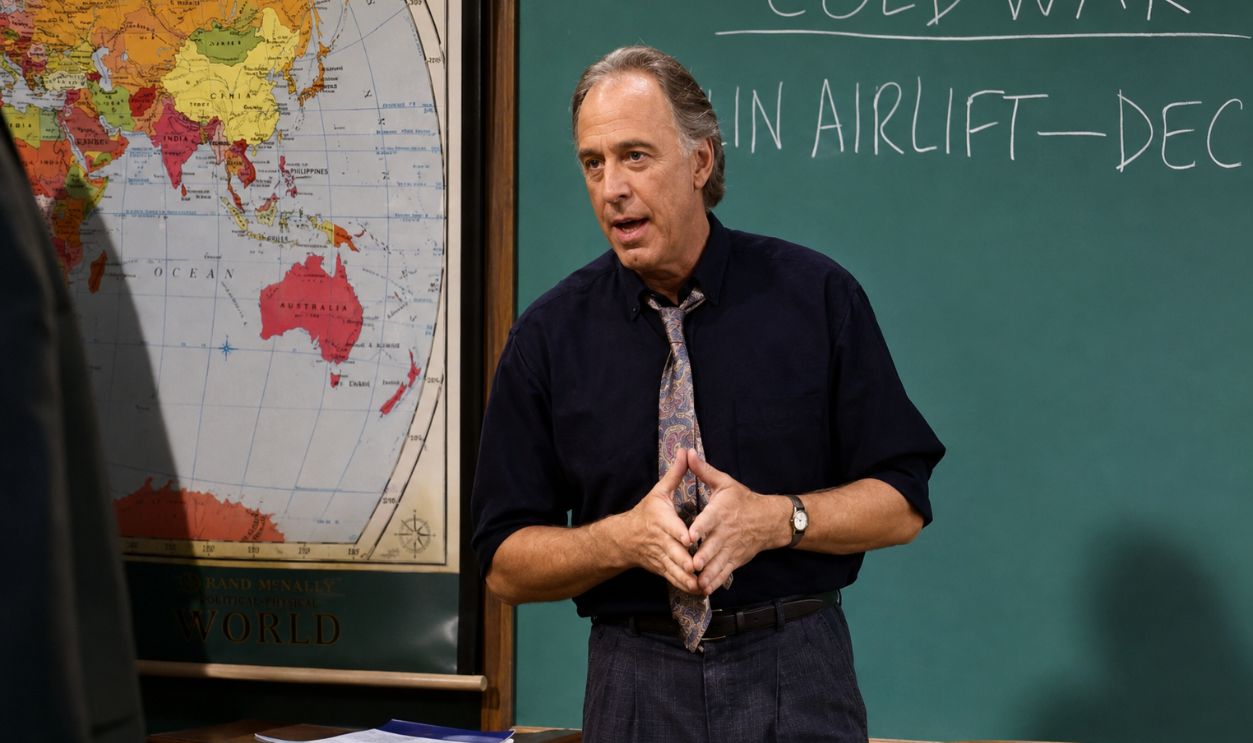 Screenshot from Head Of The Class, Warner Bros. Television (1986-1991), Enhanced
Their Influence Reached Beyond Television
Several of these characters inspired future television educators. Later shows continued emphasizing mentorship, empathy, and personal growth alongside academics. Modern favorites often build upon foundations established decades earlier. Their influence remains visible throughout television history.
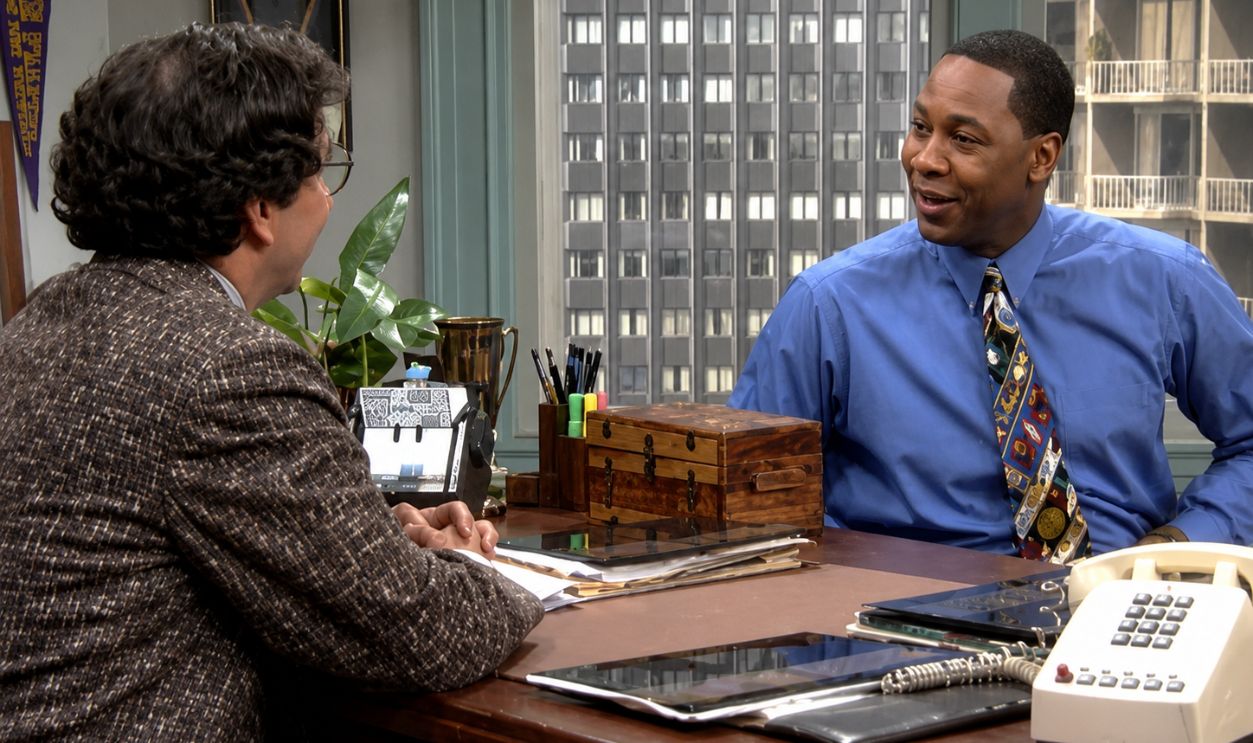 Screenshot from Hangin' With Mr. Cooper, Warner Bros. Television Distribution (1992-1997), Enhanced
Would You Have Wanted One Of These Teachers?
Every viewer has a different favorite, but these educators share one lasting quality. They reminded audiences that great teachers inspire confidence as much as they teach facts. Their classrooms offered encouragement, curiosity, and hope. Even years later, many fans still wish they had experienced a school day with them.
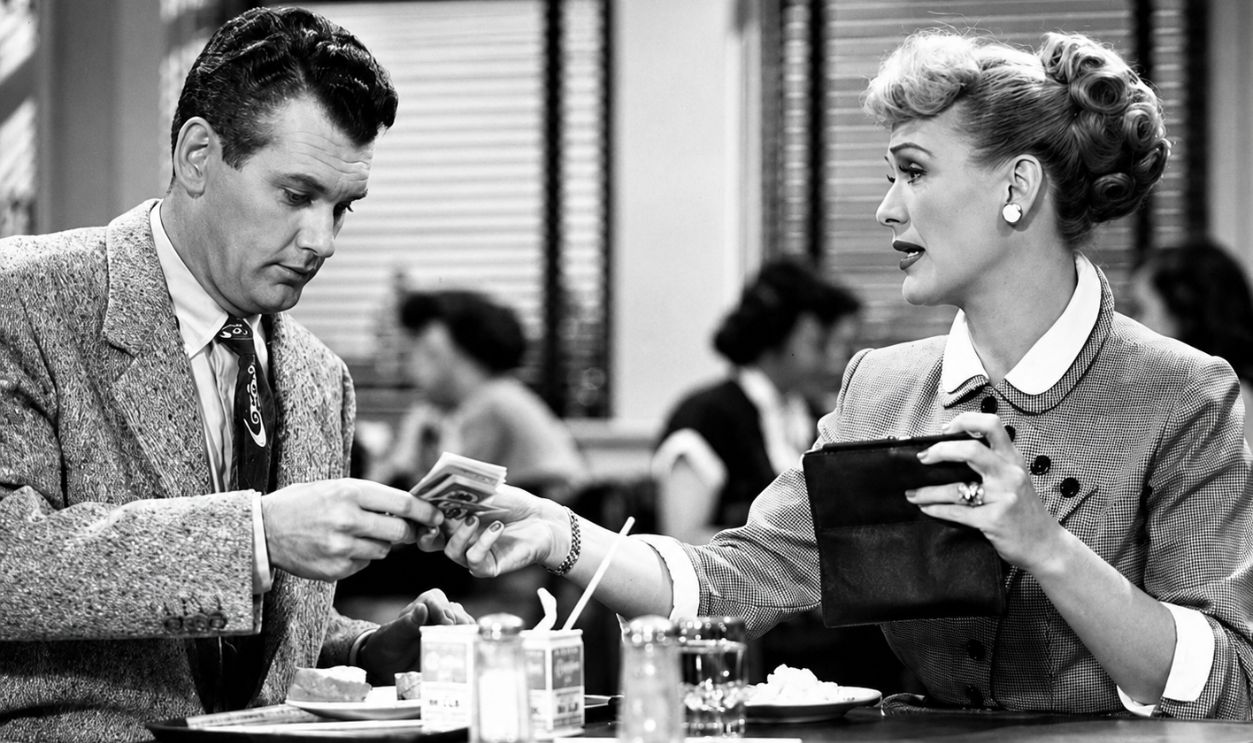 CBS Television, Wikimedia Commons, Enhanced
You May Also Like:
Facts About Classic TV Shows That Will Make You Nostalgic
The Most Influential TV Shows Of All Time
Actors Who Appeared In More Classic TV Shows Than You Realized—How Many Do You Remember?