Before The Verdict Was In
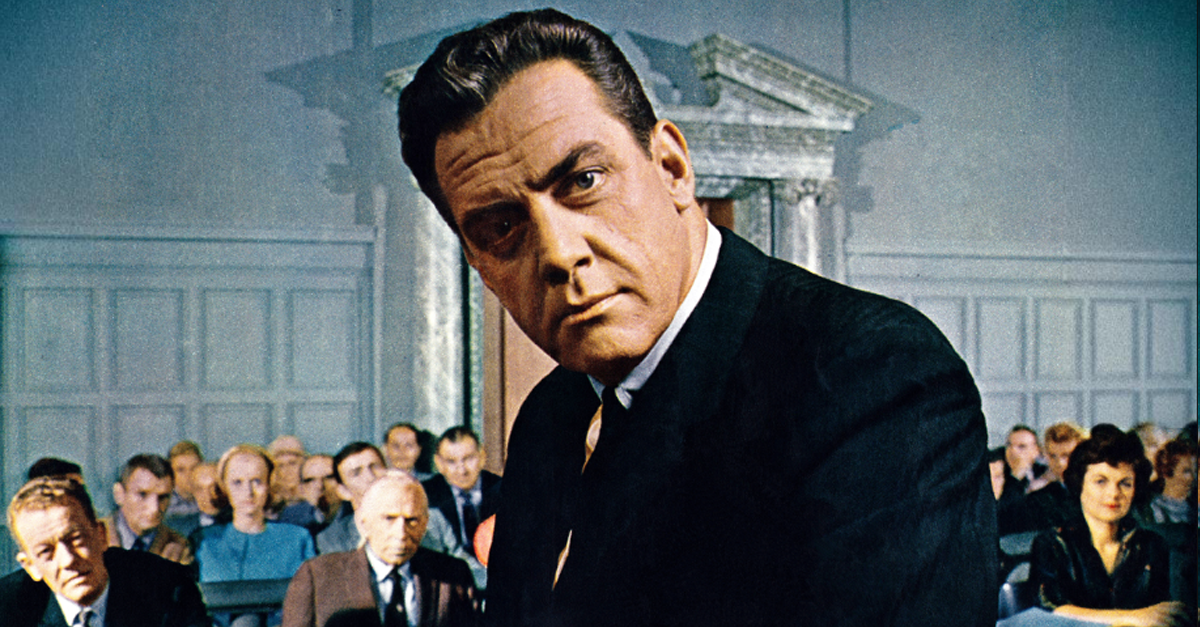
Before L.A. Law redefined the legal drama, television audiences were already hooked on courtroom dramas like Perry Mason, The Defenders, Petrocelli, and Owen Marshall. These classic series introduced unforgettable lawyers, dramatic cross-examinations, and cases that kept audiences guessing until the final verdict.
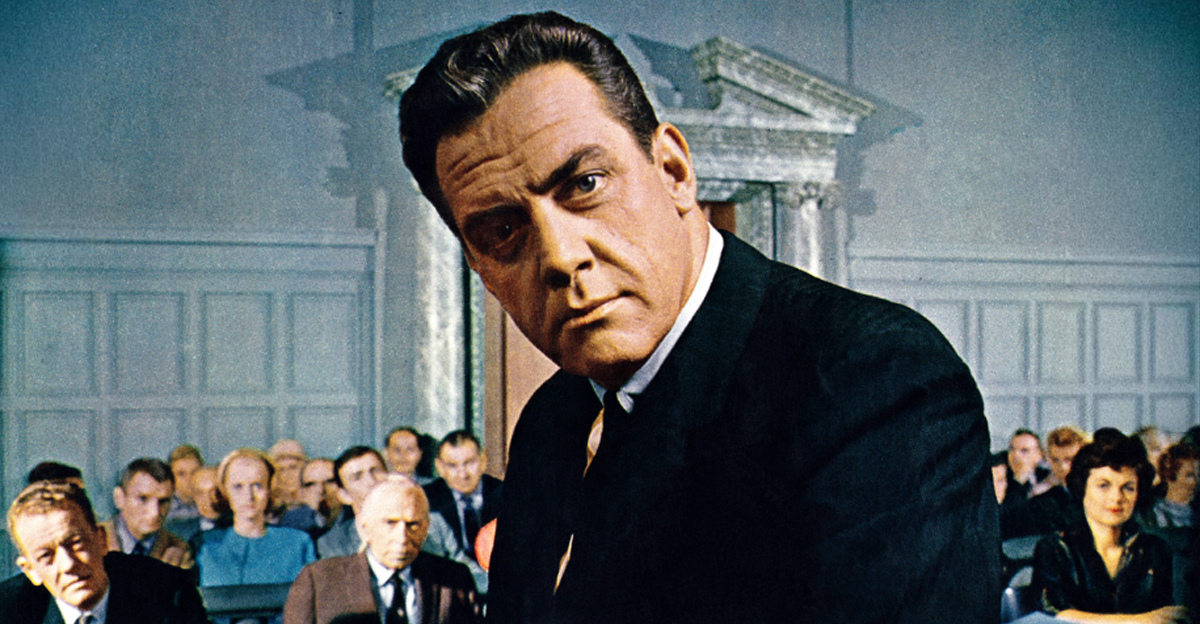 Cowles Communications, Inc.; photograph by Robert Vose, Wikimedia Commons
L.A. Law Raised The Bar
When L.A. Law premiered in 1986, it transformed television legal dramas with stylish law offices, serialized storytelling, and complicated personal relationships. It helped redefine what audiences expected from the genre and influenced countless shows that followed. The courtroom classics on this list came first, establishing the foundation that made L.A. Law possible.
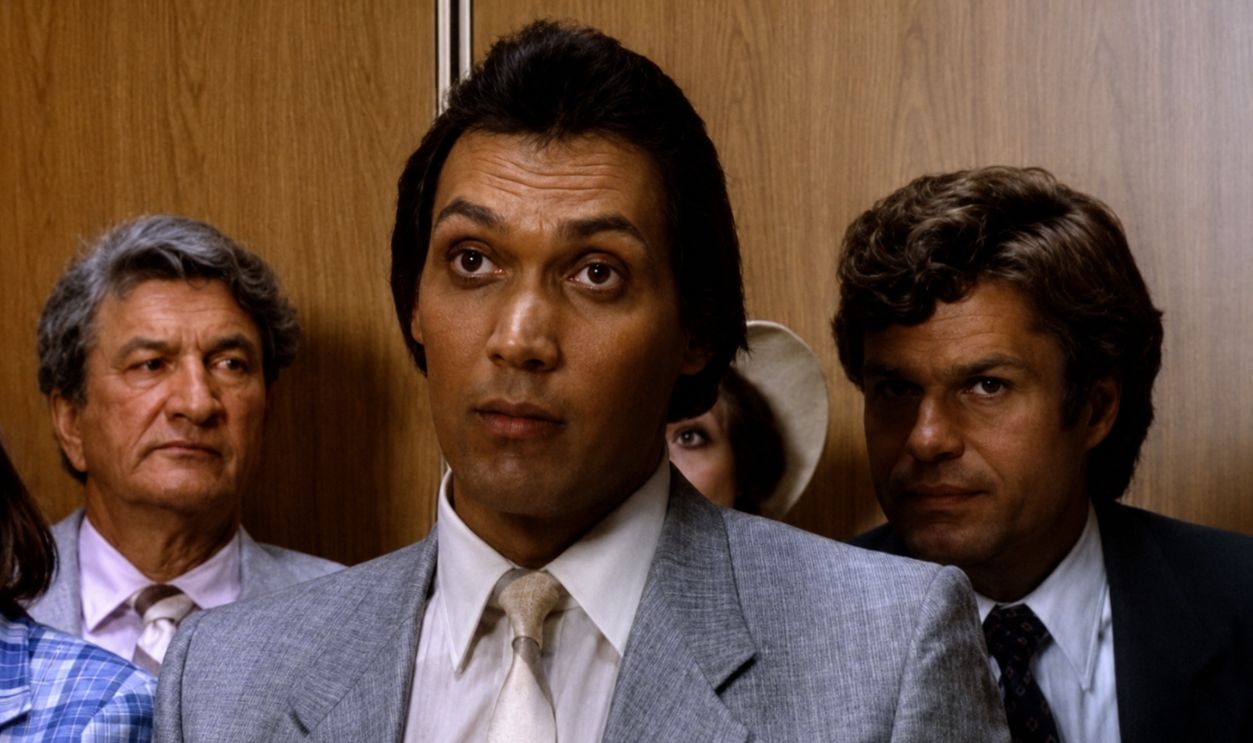 Screenshot from L.A. Law, NBC (1986-1994), Enhanced
Justice
The 1954 NBC series Justice followed attorneys working for the Legal Aid Society of New York. Dane Clark, Gary Merrill, and William Prince were among the actors who handled cases involving clients who could not necessarily afford powerful representation. Its socially conscious premise made the law feel connected to the struggles of ordinary Americans.
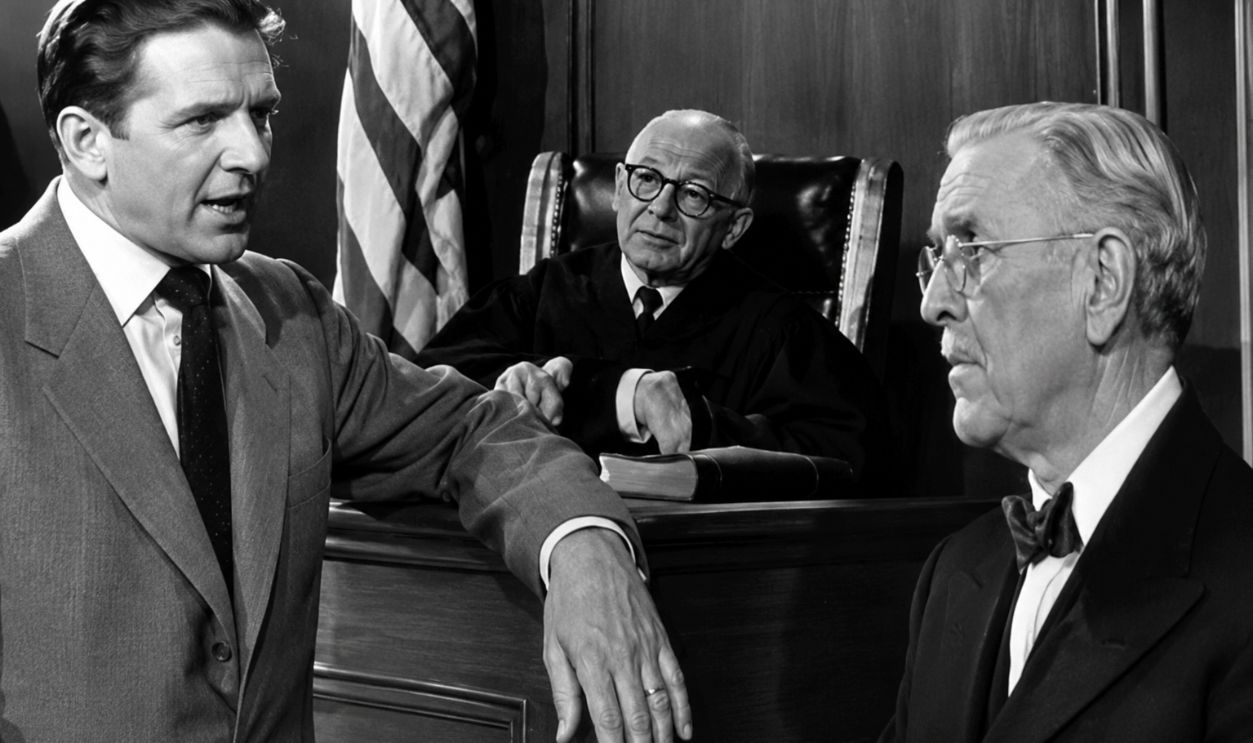 Screenshot from Justice, NBC (1954-1956), Enhanced
The Public Defender
The Public Defender starred Reed Hadley as Bart Matthews, an attorney assigned to people who lacked the money to hire private counsel. The syndicated series premiered in 1954 and drew some of its stories from the work of real public defenders. It presented legal representation as a public responsibility rather than a privilege reserved for wealthy defendants.
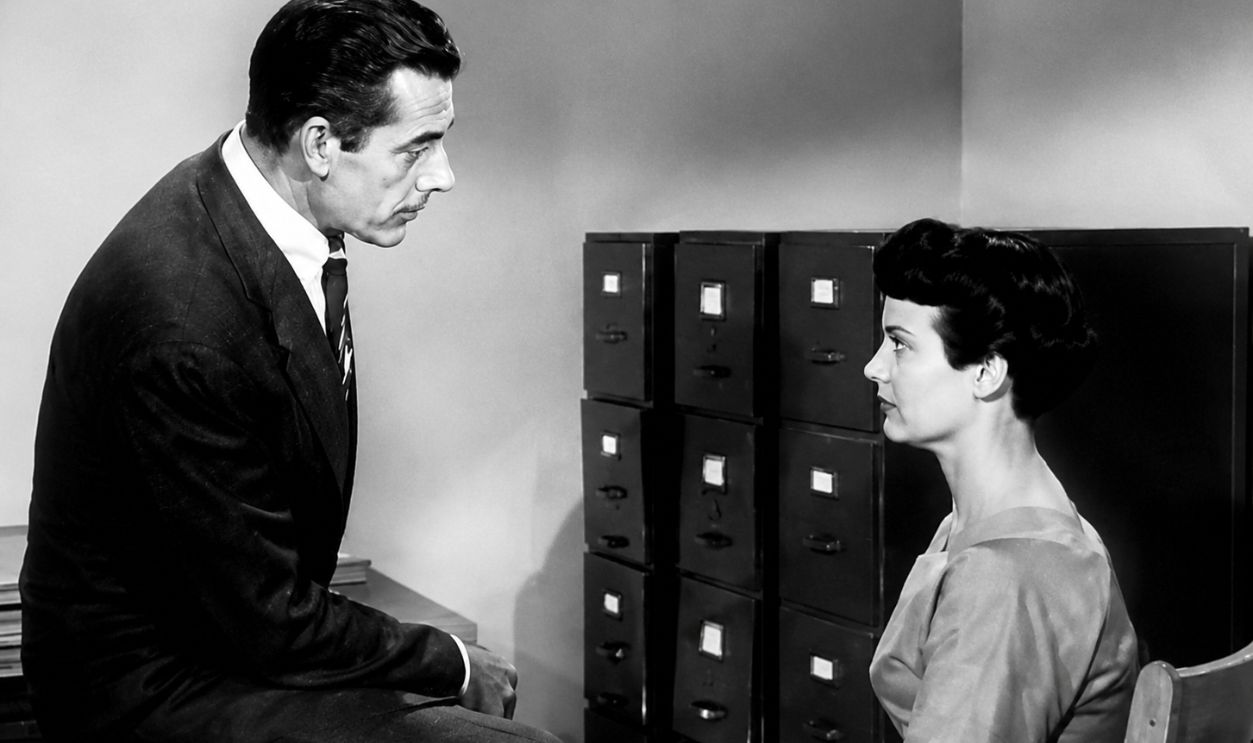 Screenshot from The Public Defender, CBS Television Network (1954-1955), Enhanced
The Court Of Last Resort
The Court of Last Resort arrived in 1957 with an unusual approach to crime and justice. Based on Erle Stanley Gardner’s nonfiction work, the series followed experts investigating cases in which people might have been wrongly convicted. Its focus on questionable evidence and possible miscarriages of justice anticipated subjects that remain central to true-crime television.
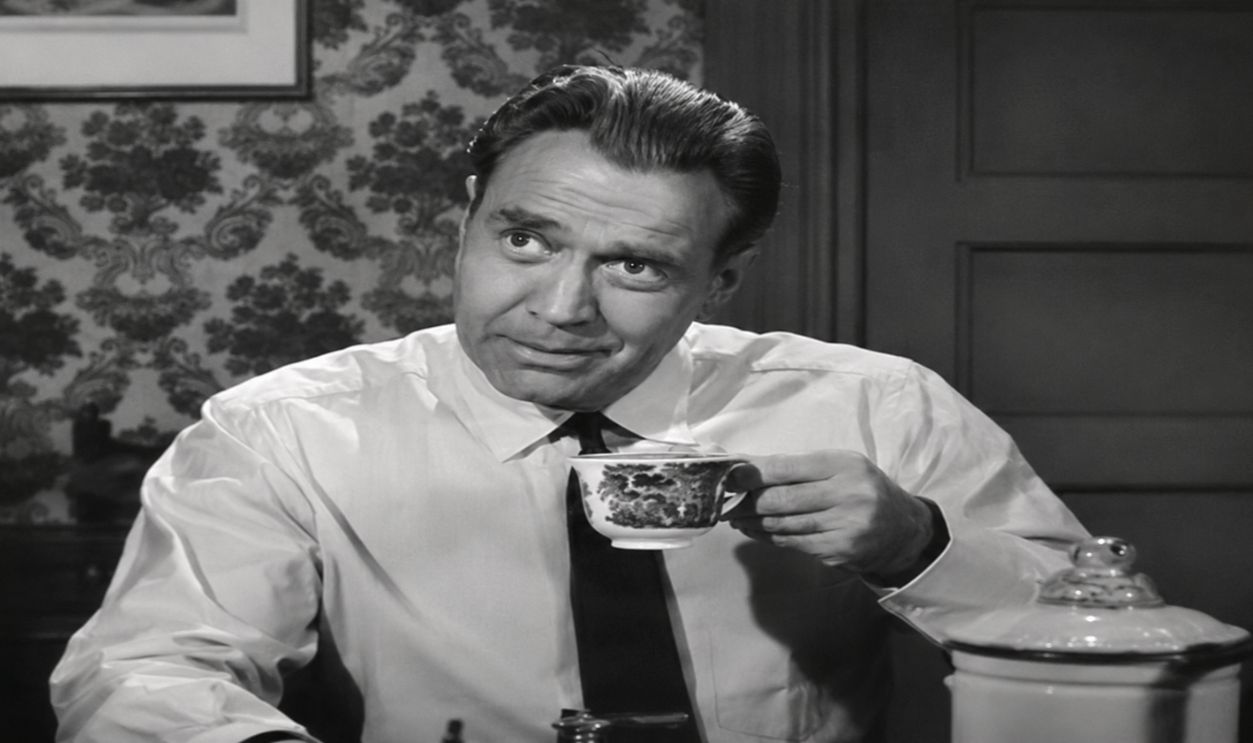 Screenshot from The Court Of Last Resort, NBC (1957-1958), Enhanced
Perry Mason
Raymond Burr became television's definitive defense attorney when Perry Mason premiered in 1957. With help from secretary Della Street and investigator Paul Drake, Mason uncovered overlooked evidence before exposing the real culprit in dramatic courtroom showdowns. The show's hugely successful formula influenced legal dramas for decades.
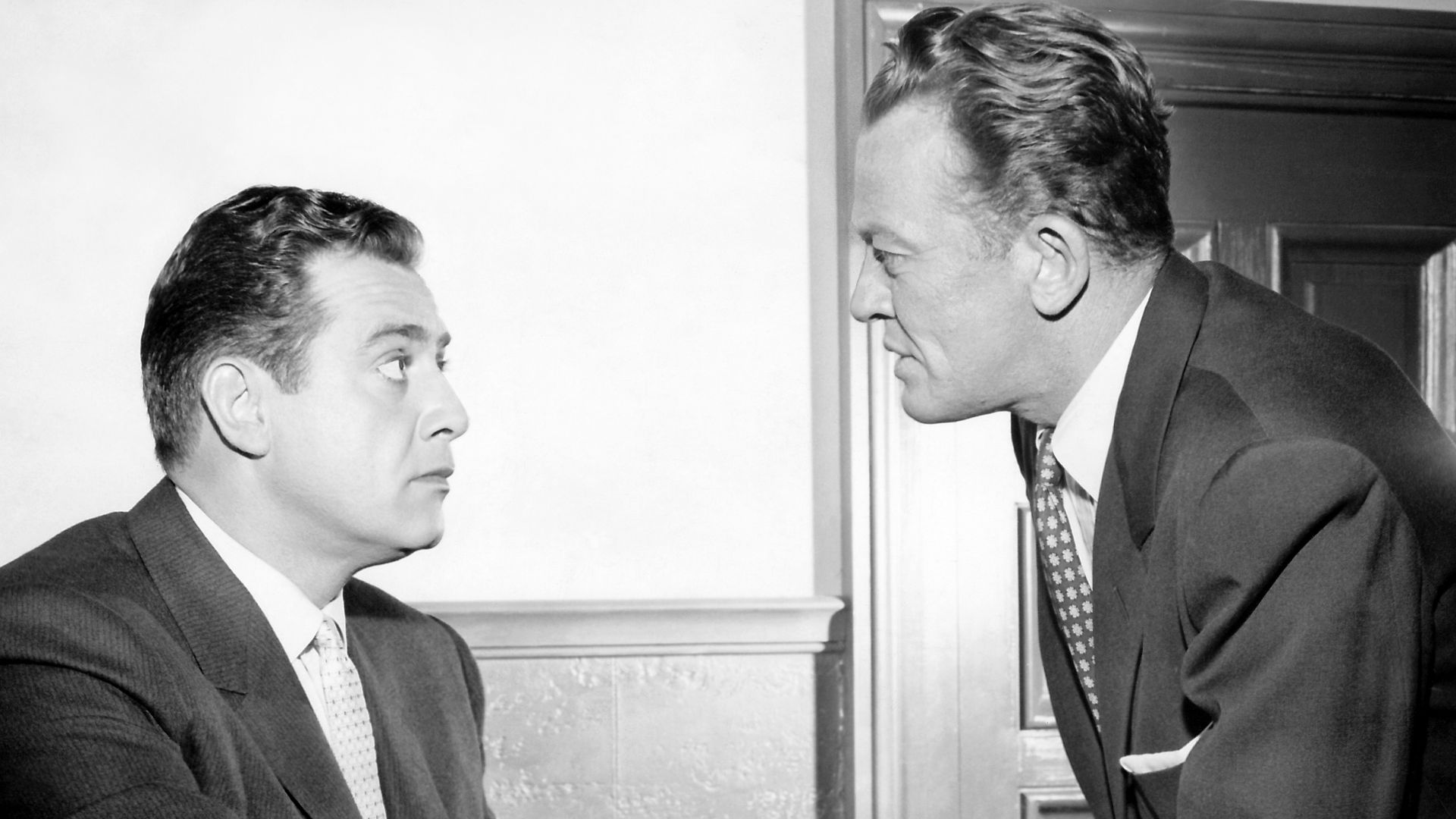 CBS Television (photographer unknown), Wikimedia Commons
The Verdict Was Yours
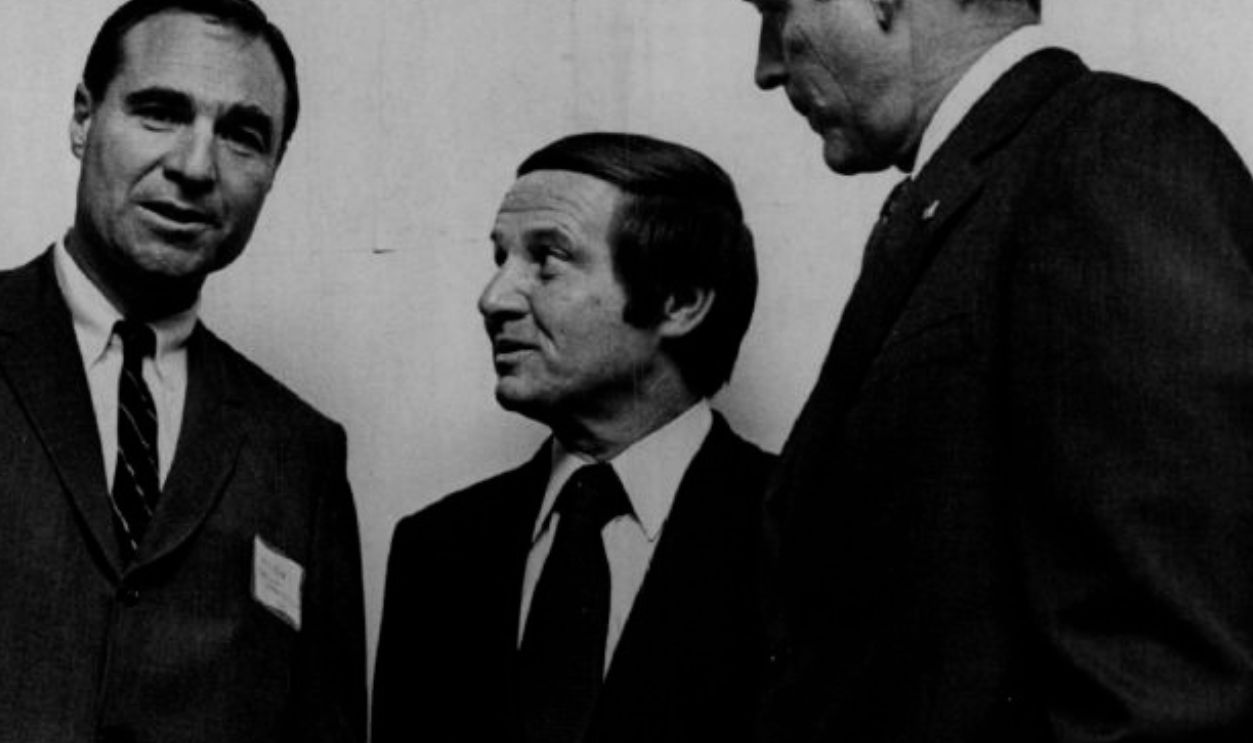
CBS launched The Verdict Is Yours in 1957 as a daytime courtroom program designed to resemble a real trial. Although actors played the participants, the cases unfolded with attorneys questioning witnesses before a judge and jury. The unusual format blurred the line between scripted drama and courtroom reality programming.
Divorce Court
The original Divorce Court began in 1957 and dramatized troubled marriages inside a television courtroom. Actors portrayed the couples, while real attorneys and judges sometimes participated in the proceedings. Its combination of emotional testimony and legal judgment helped establish a format that would return in several later revivals.
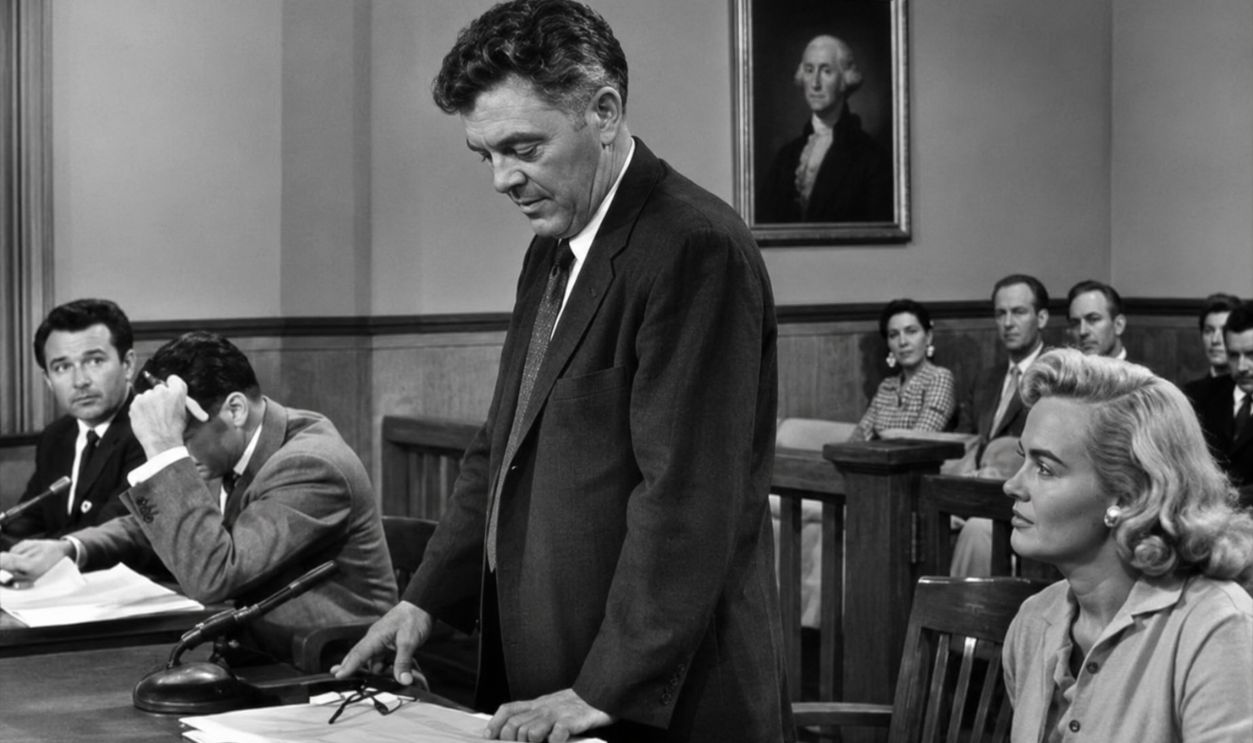 Screenshot from Divorce Court, KTTV (1957-1984), Enhanced
The Defenders
The Defenders premiered in 1961 with E.G. Marshall and Robert Reed as father-and-son attorneys Lawrence and Kenneth Preston. Their cases tackled difficult issues including civil rights, censorship, religion, and capital punishment, while often defending clients they personally disagreed with. Its thoughtful approach and moral complexity made it one of television's most respected early legal dramas.
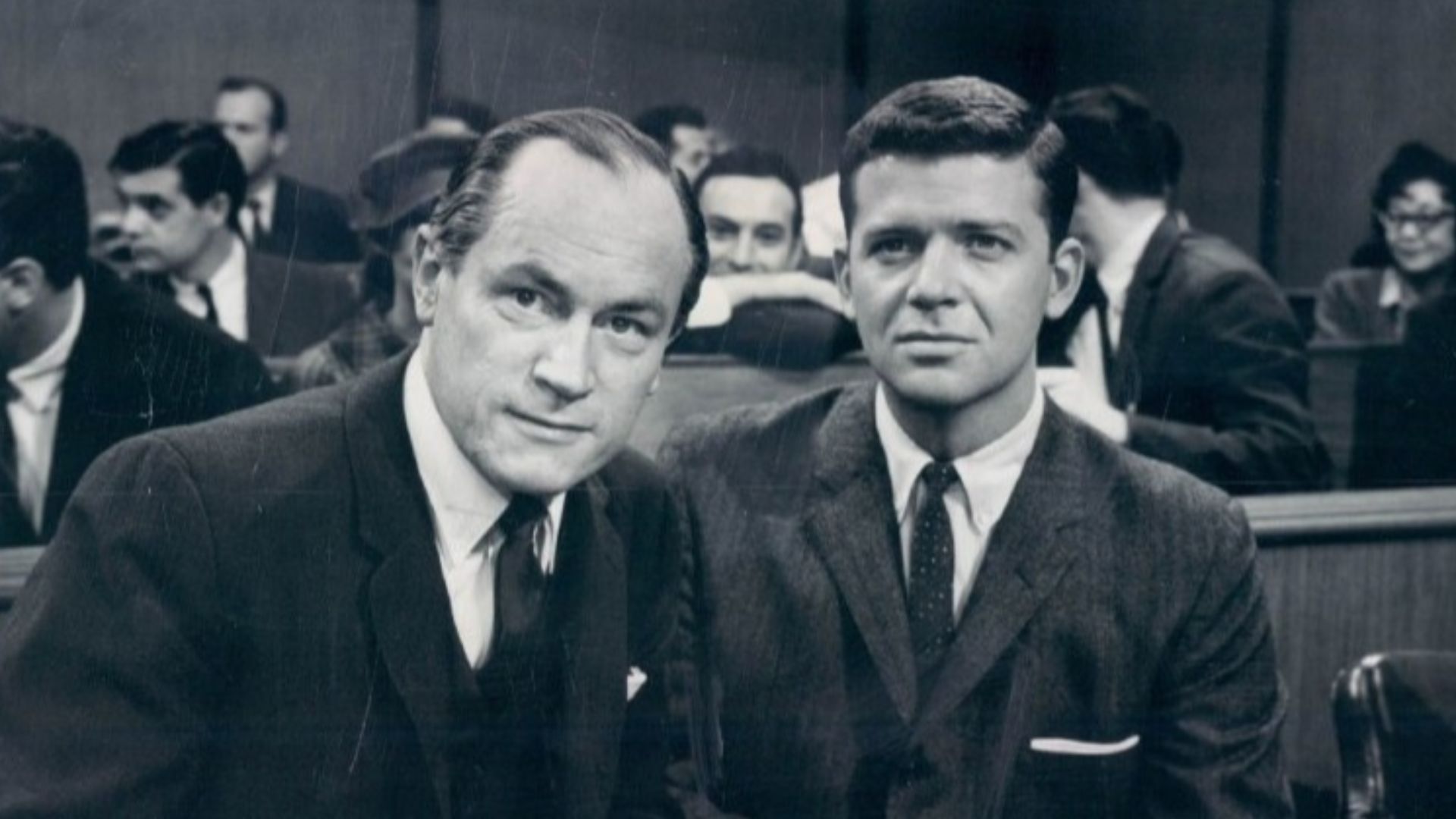 CBS Television, Wikimedia Commons
Sam Benedict
Edmond O’Brien starred in Sam Benedict, which premiered on NBC in 1962. The character was loosely inspired by prominent San Francisco attorney Jacob W. Ehrlich, who also served as a consultant. Benedict handled major cases while confronting the personal and ethical pressures surrounding a successful legal practice.
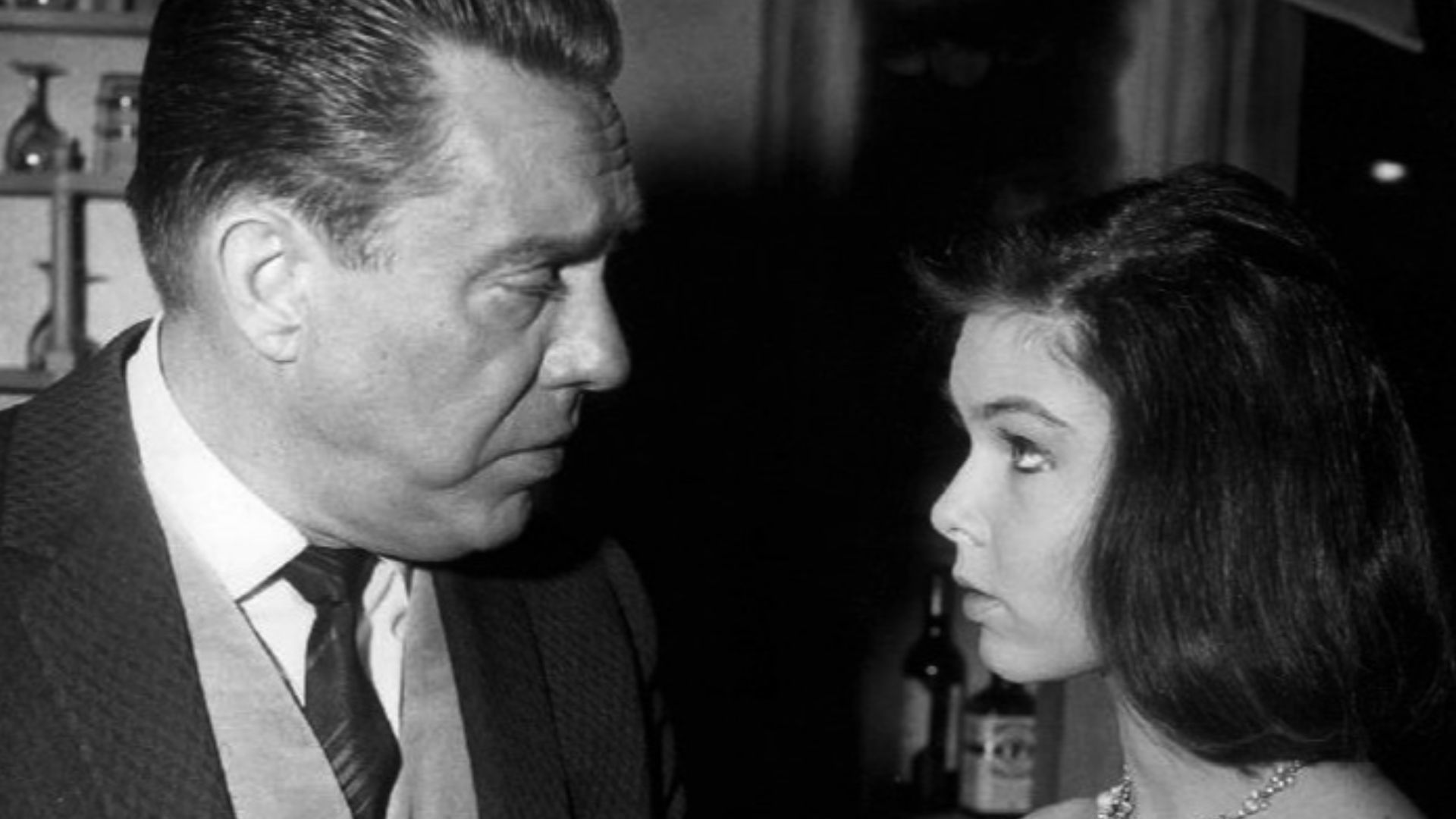 NBC Television, Wikimedia Commons
Arrest And Trial
Arrest and Trial attempted something unusually ambitious when it debuted in 1963. Each 90-minute episode generally began with a police investigation led by Ben Gazzara’s Detective Nick Anderson before shifting to the courtroom work of Chuck Connors’ attorney John Egan. The combined format anticipated later series that connected law enforcement directly with prosecution and trial.
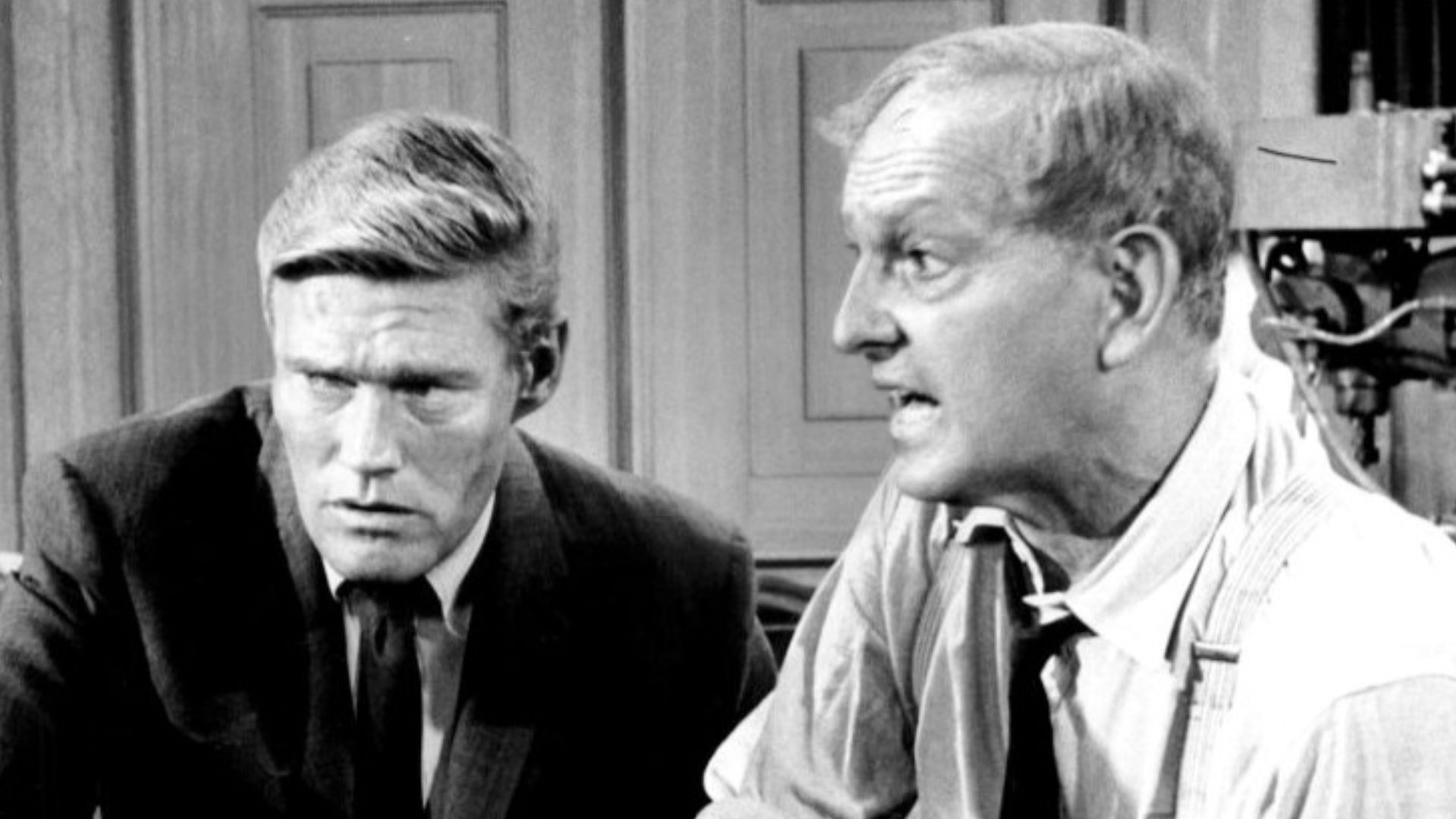 Photographer: Leigh Wiener, Wikimedia Commons
The Trials Of O’Brien
Peter Falk starred as flamboyant New York attorney Daniel J. O’Brien in The Trials of O’Brien. The 1965 CBS series combined courtroom maneuvering with detective work and the lawyer’s chaotic personal life. It lasted only one regular season, but Falk’s wit and rumpled charm offered an early glimpse of qualities he later brought to Columbo.
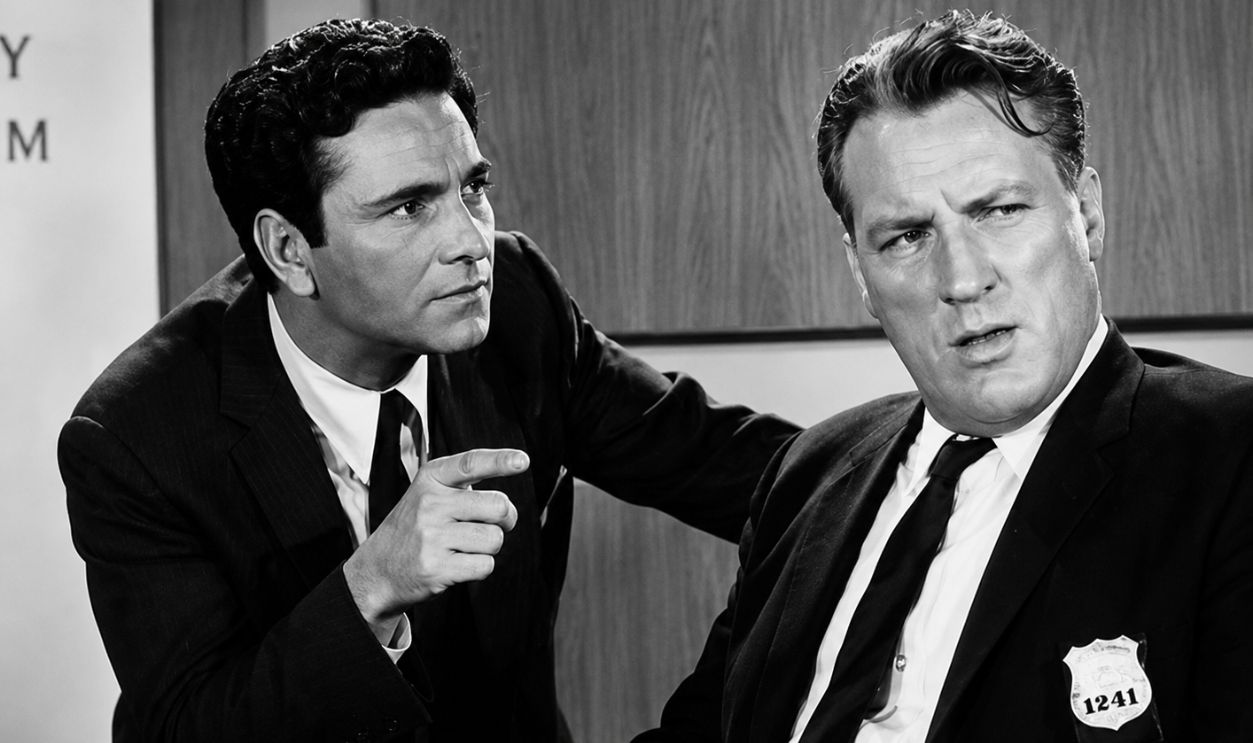 CBS Television, Wikimedia Commons, Enhanced
Judd For The Defense
Carl Betz starred as attorney Clinton Judd in Judd, for the Defense, which premiered in 1967. The series tackled controversial issues including political protest, prejudice, and personal freedom, while portraying Judd as a determined lawyer willing to challenge anyone for his clients. Betz's performance earned him an Emmy during the show's second and final season.
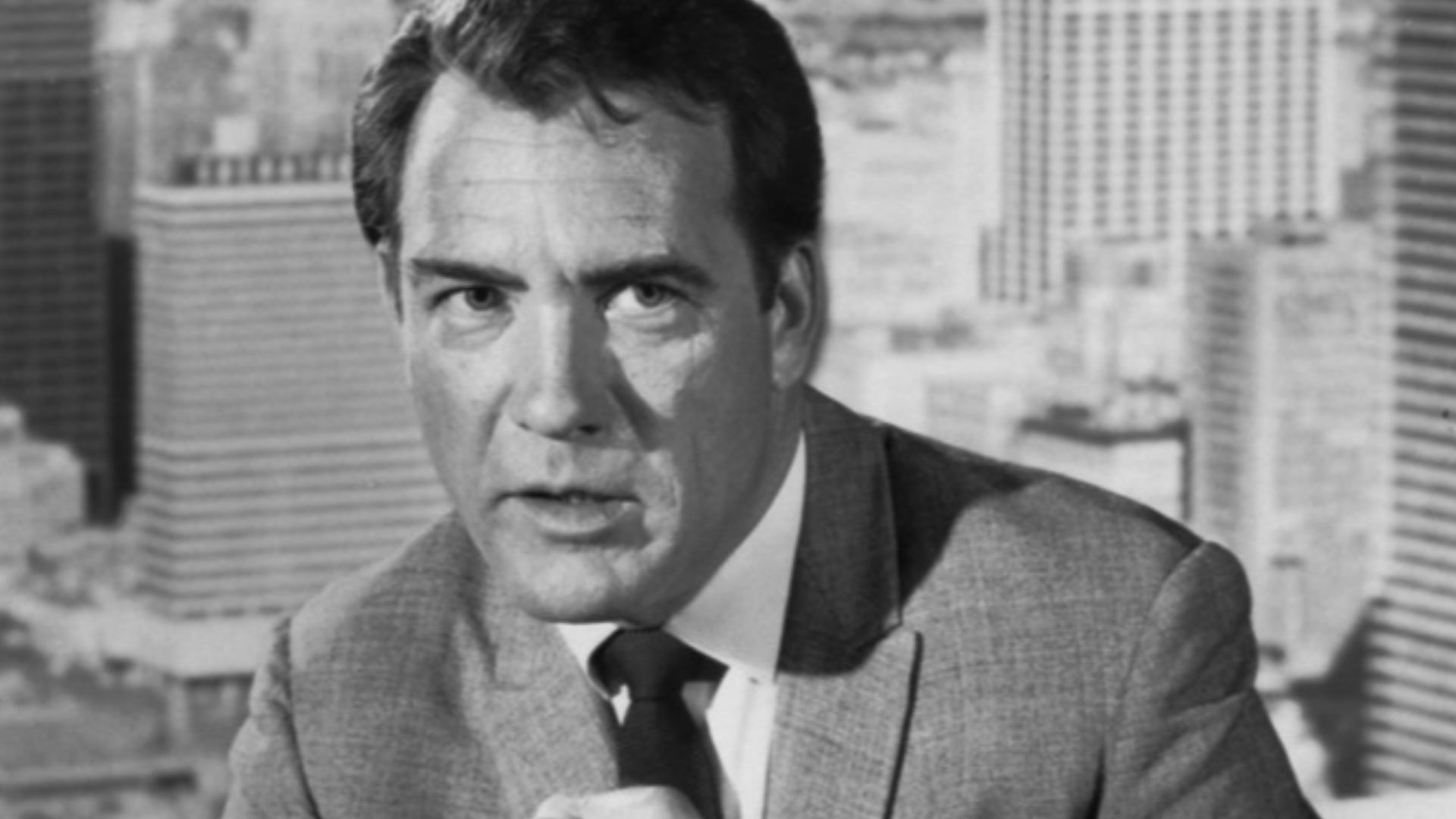 ABC Television, Wikimedia Commons
The Lawyers
The Lawyers premiered in 1969 as part of NBC’s rotating Bold Ones franchise. Burl Ives, Joseph Campanella, and James Farentino played attorneys from different generations working within the same firm. Their cases combined courtroom strategy with disagreements over how aggressively lawyers should pursue justice. The program received Emmy recognition for its direction and music, while its topical stories reflected the political and social arguments of the period.
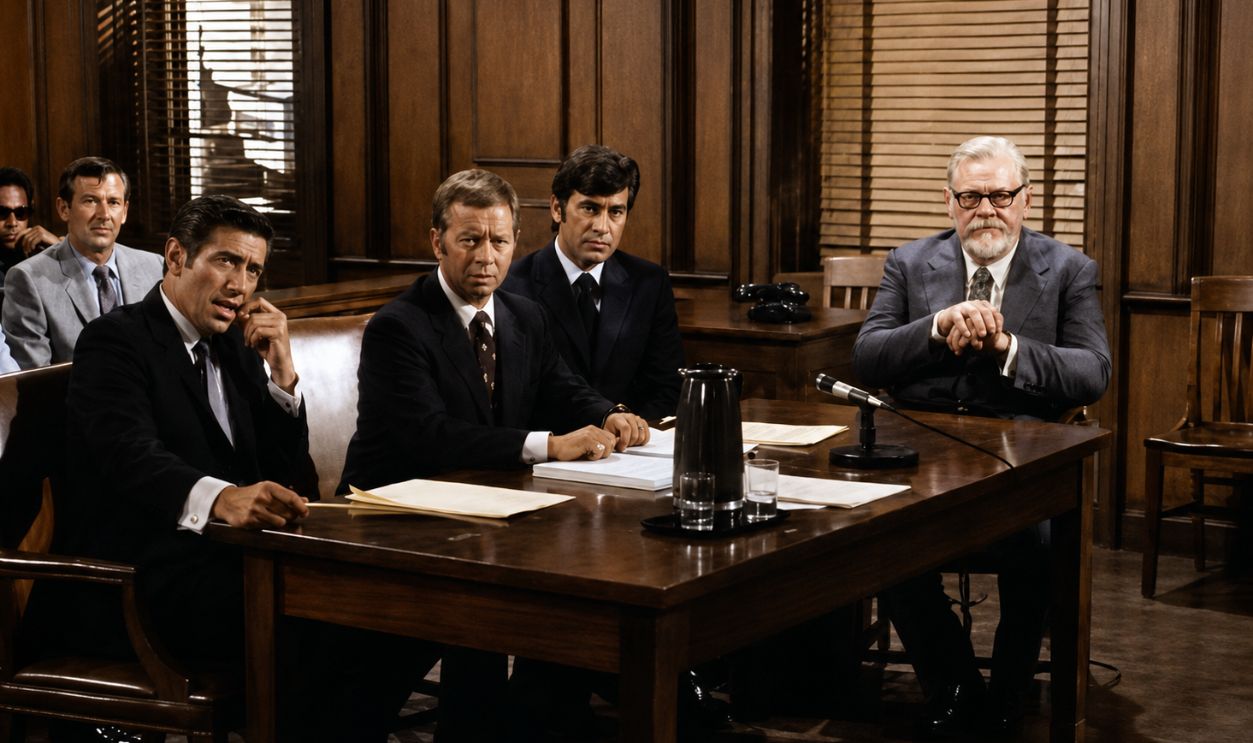 Screenshot from The Bold Ones: The Lawyers, Universal Television (1969-1972), Enhanced
The Storefront Lawyers
The Storefront Lawyers premiered in 1970 and centered on young attorneys providing help through a neighborhood legal office. Robert Foxworth, Sheila Larken, and David Arkin led the original cast. The series tried to connect courtroom drama with poverty, activism, and the growing demand for accessible legal services.
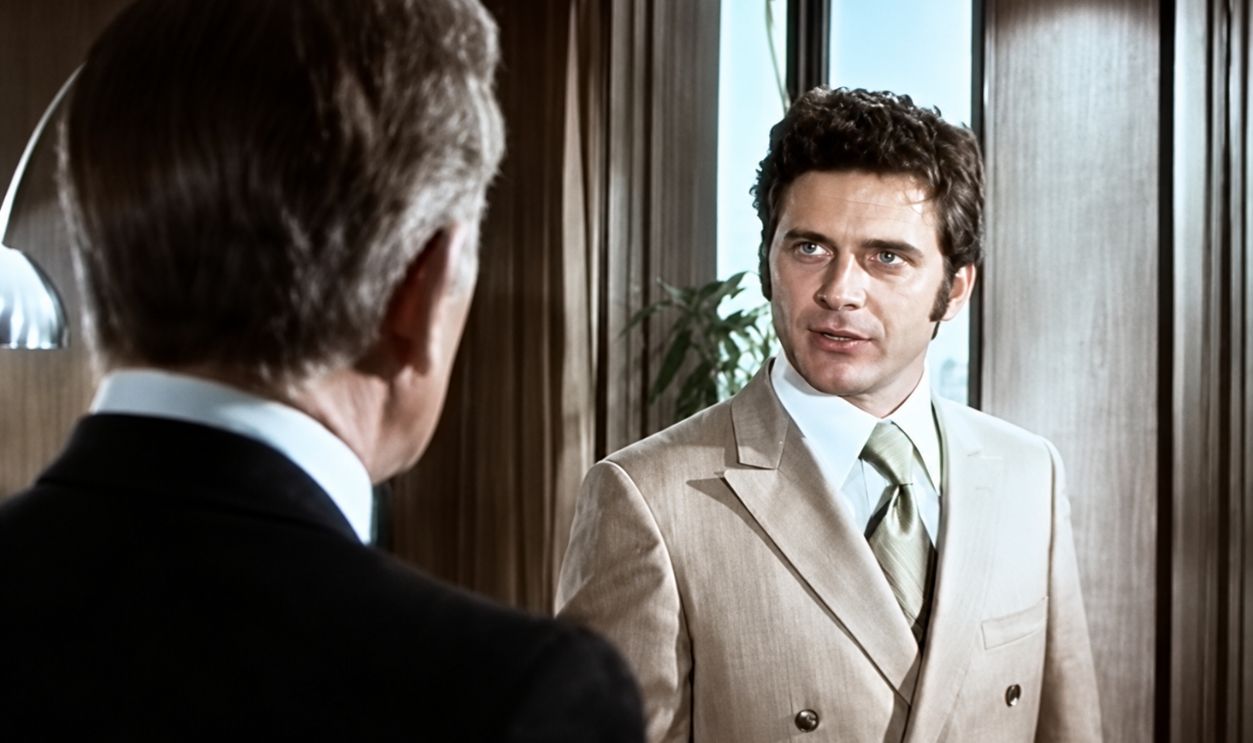 Screenshot from The Storefront Lawyers, CBS (1970-1971), Enhanced
The Young Lawyers
ABC’s The Young Lawyers also debuted in 1970, following idealistic attorneys associated with a legal aid office in Boston. Lee J. Cobb played the experienced lawyer guiding the younger advocates, while Zalman King and Judy Pace portrayed members of the new generation. The show reflected an era when television lawyers increasingly questioned established institutions.
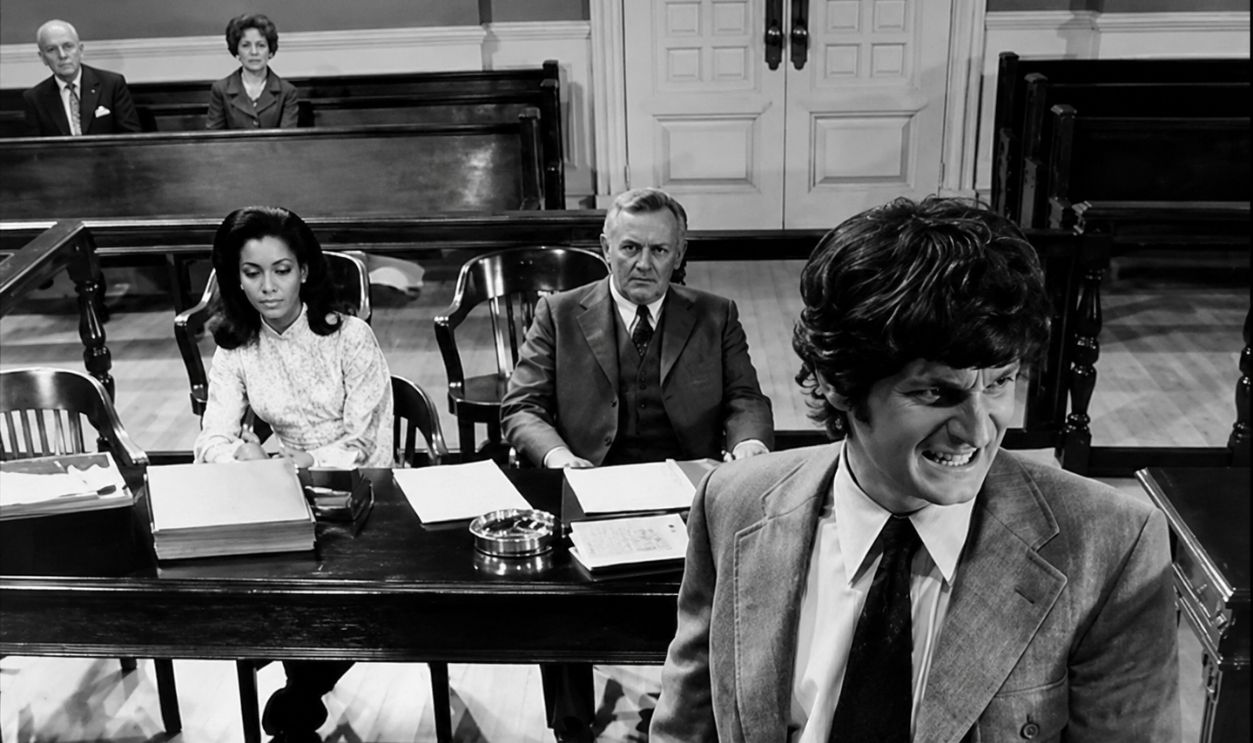 ABC TelevisionUploaded by We hope at en.wikipedia, Wikimedia Commons, Enhanced
Owen Marshall, Counselor At Law
Arthur Hill starred as respected California attorney Owen Marshall in Owen Marshall, Counselor at Law, which aired from 1971 to 1974. Working alongside younger lawyers played by Lee Majors, Reni Santoni, and David Soul, he handled thoughtful cases that emphasized ethics, preparation, and the human side of justice. The series also featured memorable guest stars, including Farrah Fawcett and Joan Van Ark.
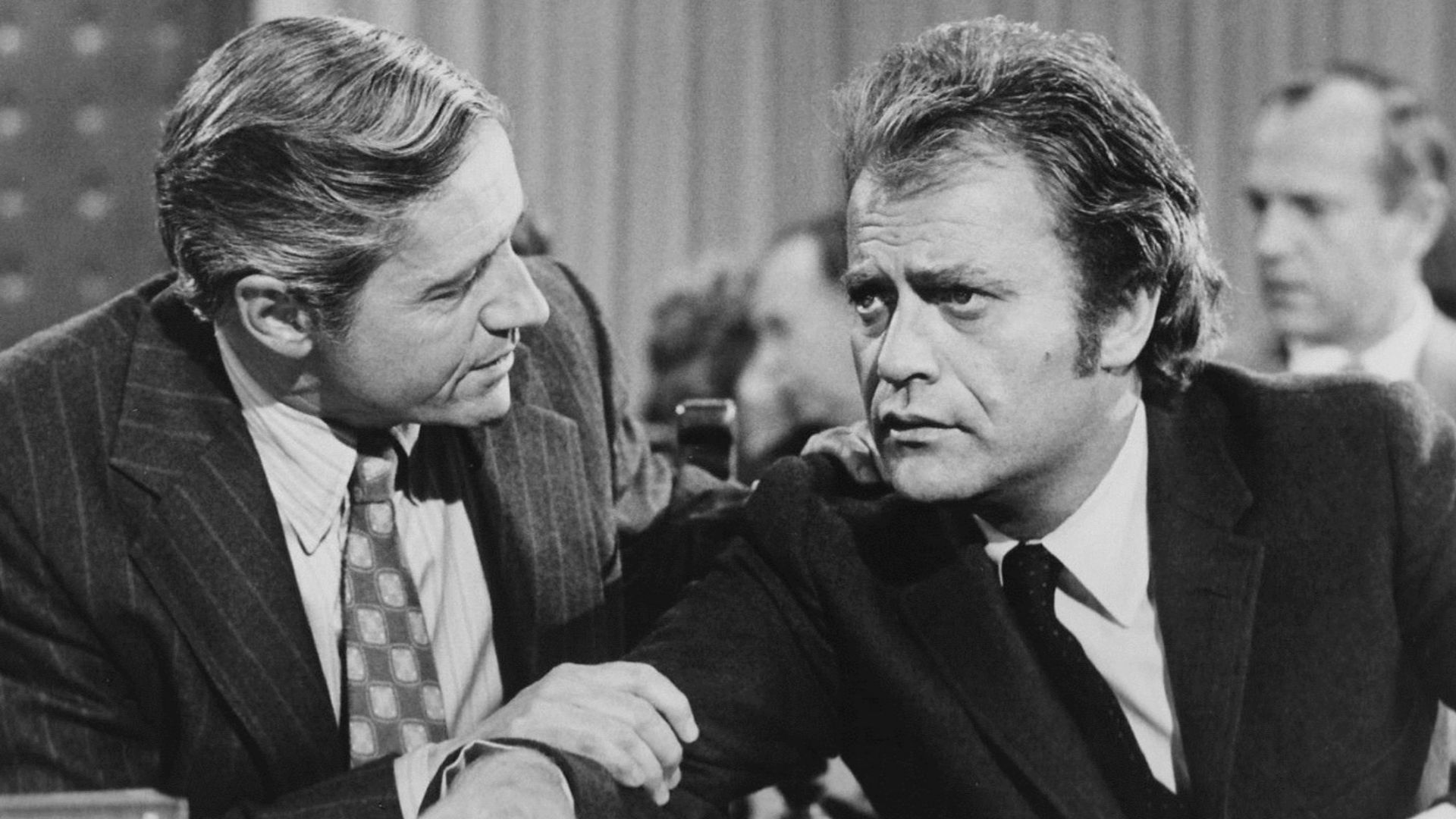 ABC Television, Wikimedia Commons
The D.A.
Robert Conrad played Los Angeles County deputy district attorney Paul Ryan in NBC’s The D.A. The series grew from television movies and became a weekly program in 1971. Instead of centering on the defense, it followed the preparation and prosecution of criminal cases from the government’s perspective.
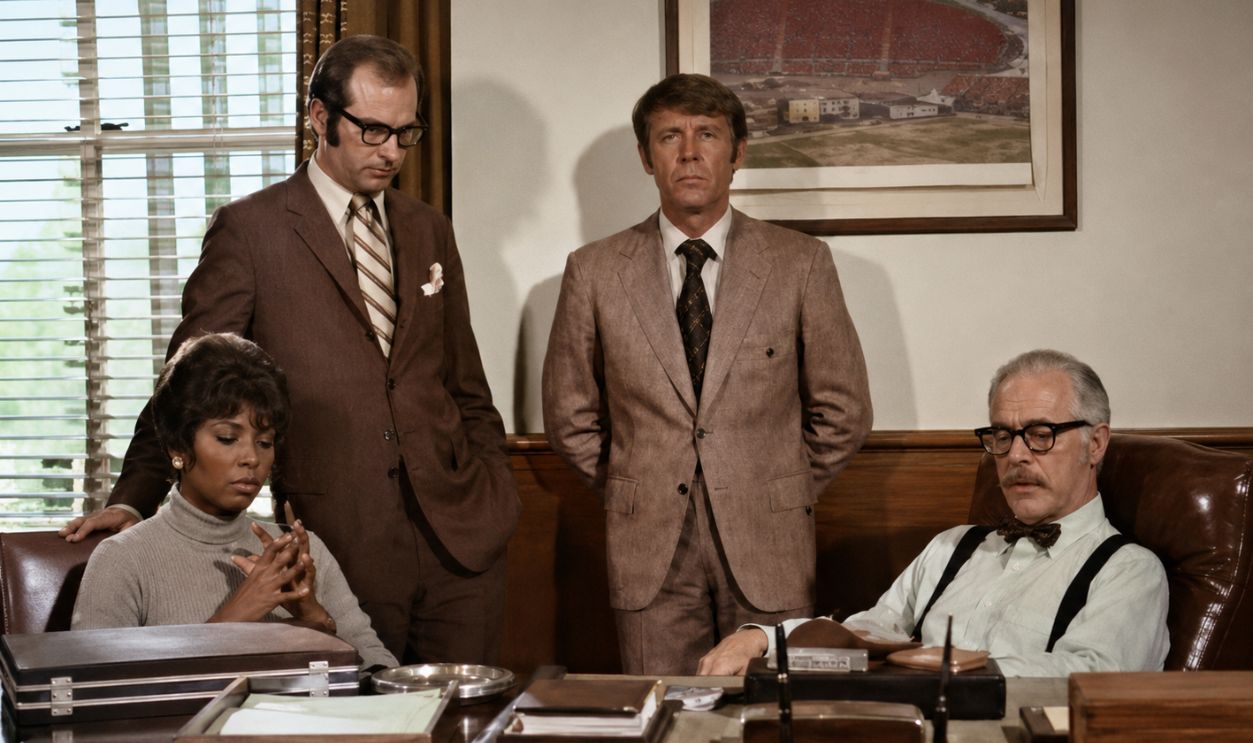 Screenshot from The D.A., NBCUniversal (1971-1972), Enhanced
Justice
British audiences received a different kind of legal star when Margaret Lockwood began playing Harriet Peterson in Justice in 1971. Peterson was an experienced barrister whose cases placed a woman at the center of a serious courtroom drama. The role also marked a notable television success for Lockwood after her celebrated film career.
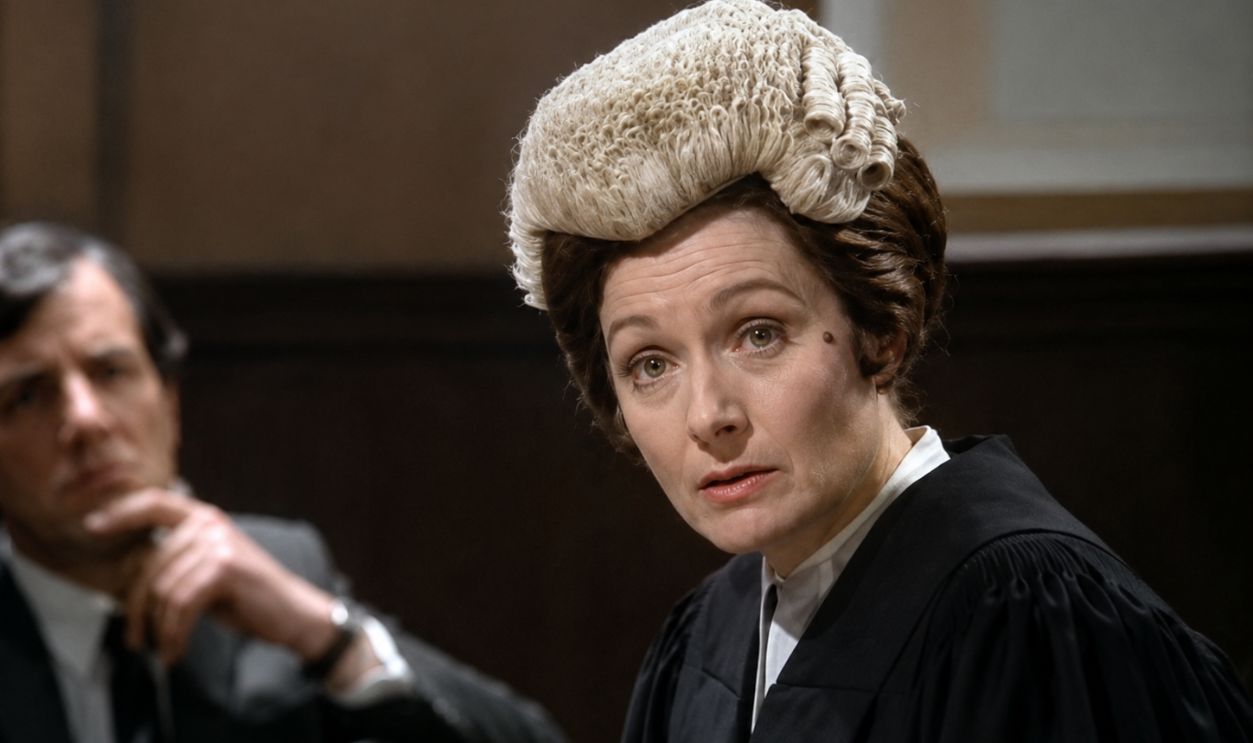 Screenshot from Justice, Yorkshire Television (1971-1974), Enhanced
Crown Court
Britain’s Crown Court premiered in 1972 and presented fictional trials across multiple episodes. Actors played the legal professionals, defendants, and witnesses, but members of the public frequently served as the jury. Because the jurors reached their own decision, even the production did not always know what verdict would conclude a case.
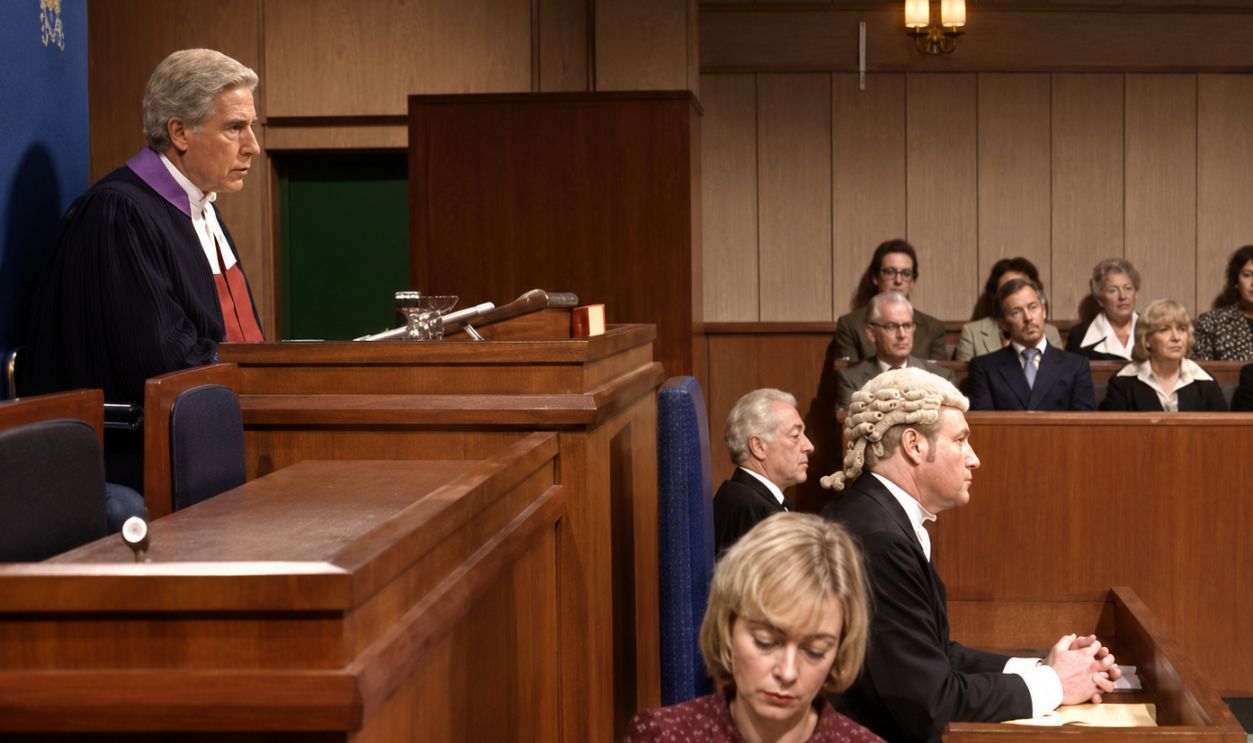 Screenshot from Crown Court, Granada Television (1972-1984), Enhanced
The New Perry Mason
CBS attempted to revive its most famous legal franchise with The New Perry Mason in 1973. Monte Markham stepped into the role previously defined by Raymond Burr, with Sharon Acker playing Della Street. The series struggled to escape comparisons with the original and was canceled after a brief run.
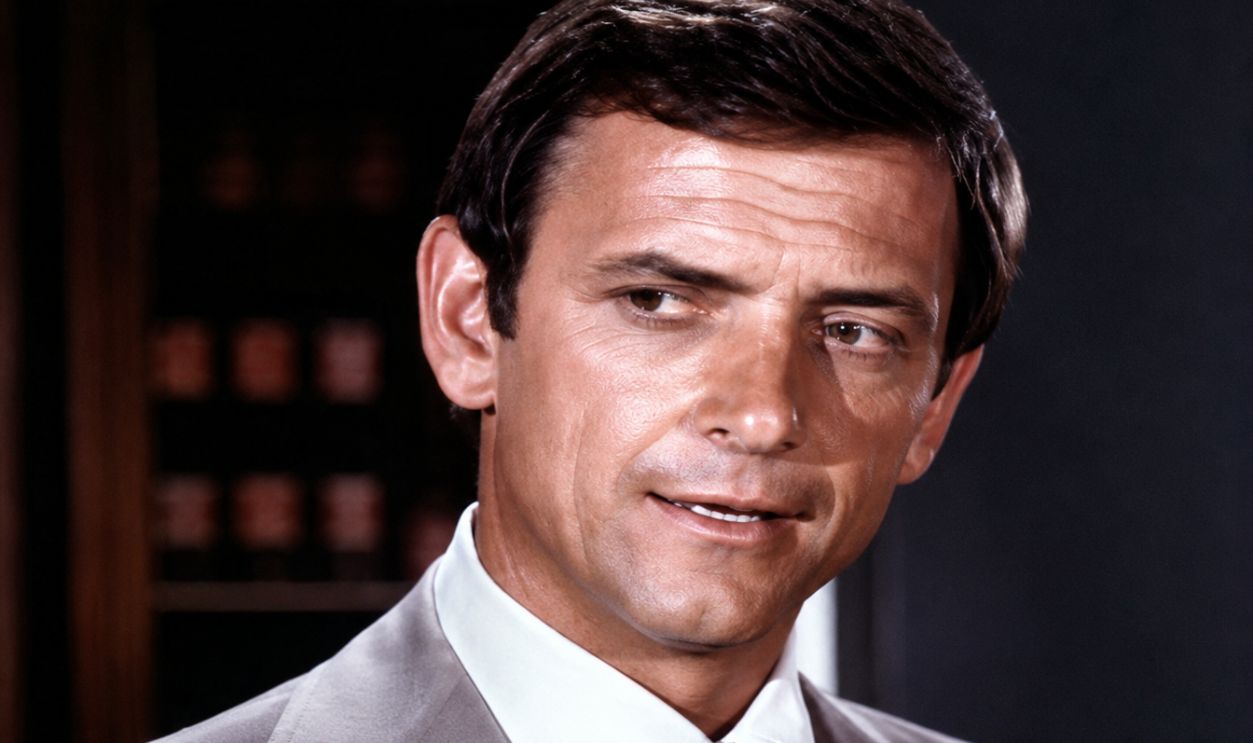 Screenshot from The New Perry Mason, 20th Century Fox Television (1973-1974), Enhanced
Hawkins
James Stewart starred as rural attorney Billy Jim Hawkins in a group of television movies that became part of the 1973 series Hawkins. The character investigated suspicious deaths while preparing to defend his clients, giving Stewart a blend of courtroom drama and murder mystery. His performance earned him a Golden Globe, even though the series itself was short-lived.
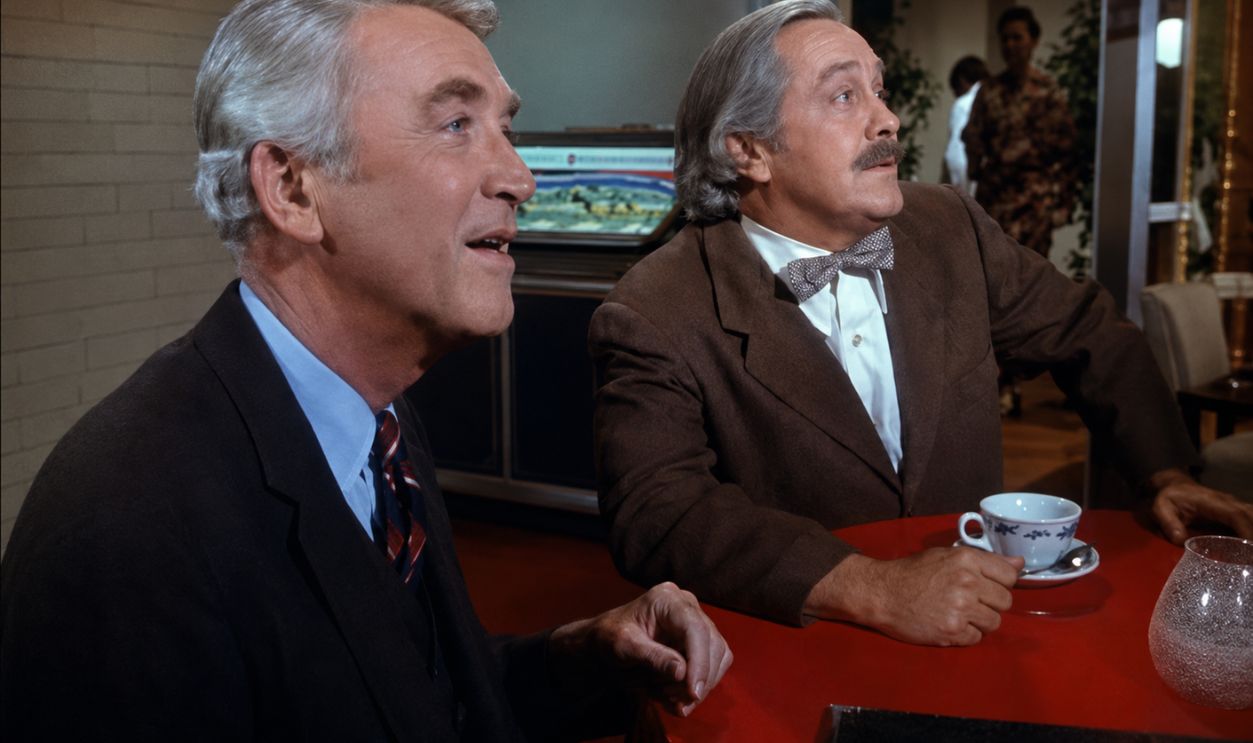 Screenshot from Hawkins, Sony Pictures Television (1973-1974), Enhanced
Petrocelli
Barry Newman played Harvard-educated attorney Tony Petrocelli, who practiced law in the fictional community of San Remo, Arizona. The NBC series premiered in 1974 after Newman had introduced the character in the film The Lawyer. Petrocelli often reconstructed a crime in competing flashbacks, showing how witness accounts could change as new evidence emerged.
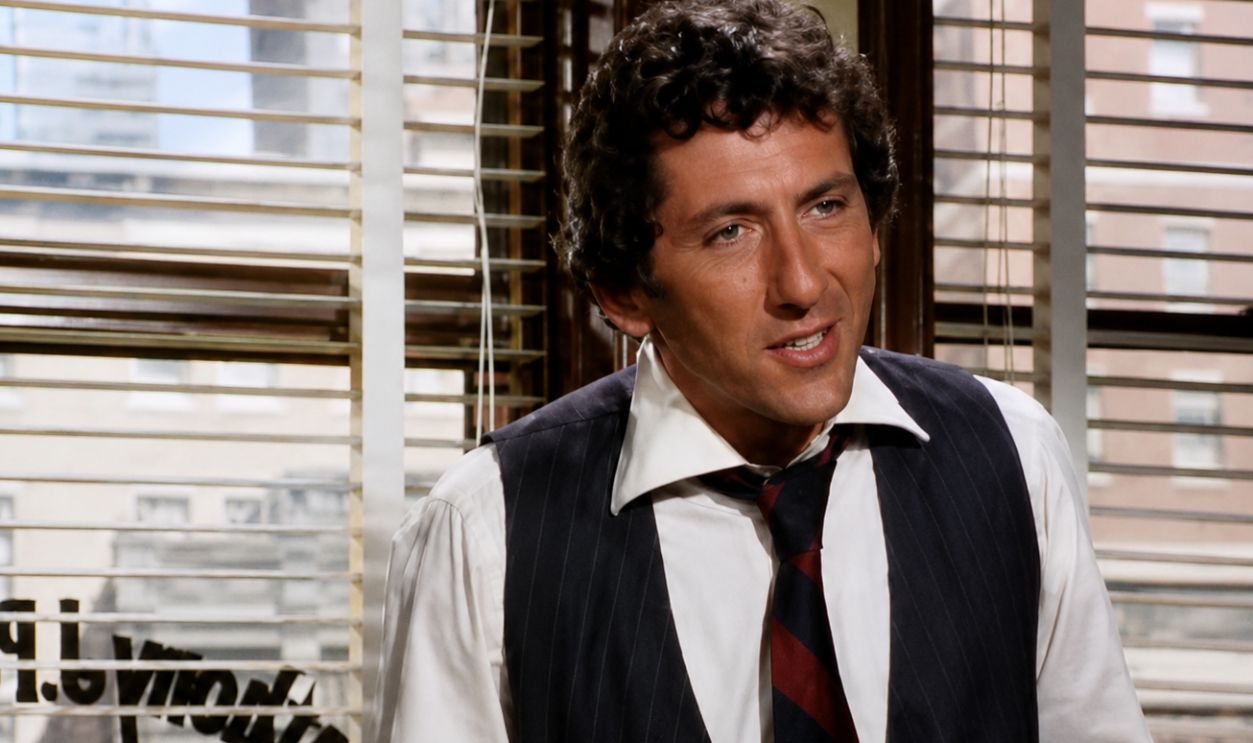 Screenshot from Petrocelli, NBC (1974-1976), Enhanced
The Paper Chase
The Paper Chase shifted attention away from practicing attorneys and toward students attempting to survive Harvard Law School. John Houseman reprised his film role as the intimidating Professor Charles Kingsfield, while James Stephens played determined student James Hart. The series premiered on CBS in 1978 and later continued on cable after its network cancellation.
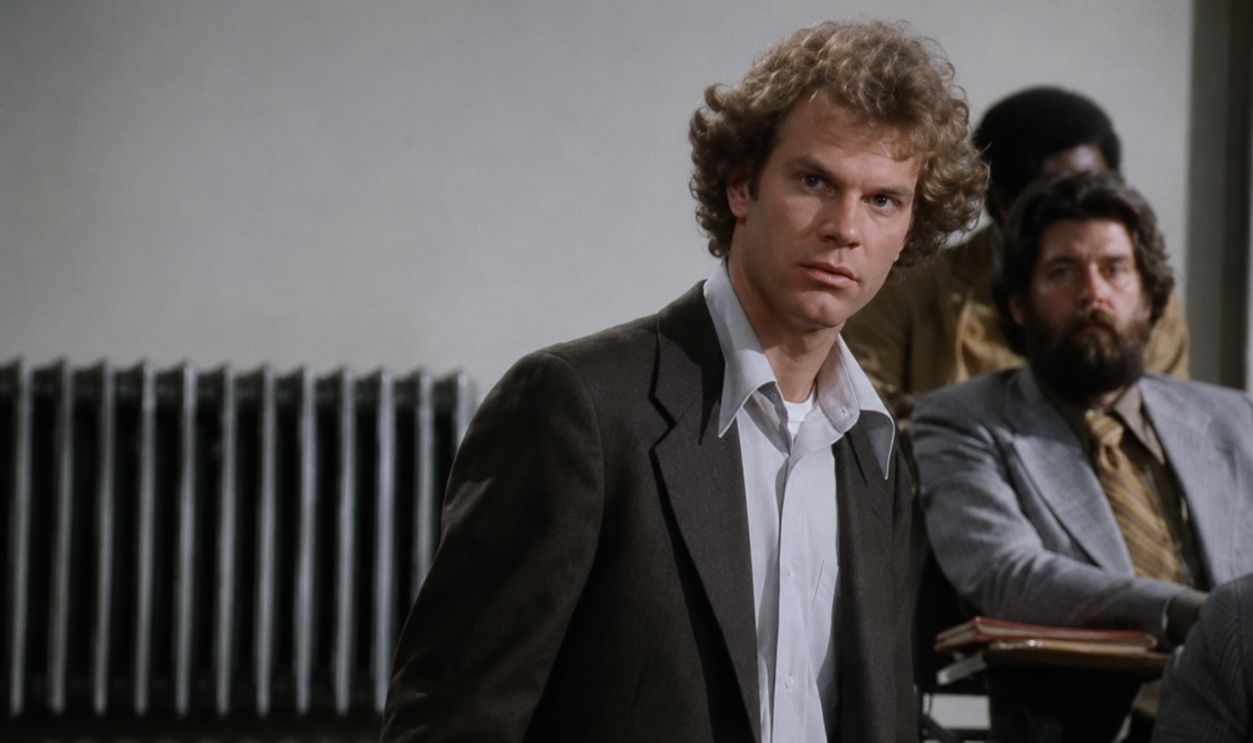 Screenshot from The Paper Chase, 20th Century Fox Television (1978-1986), Enhanced
Rumpole Of The Bailey
Leo McKern brought author John Mortimer’s Horace Rumpole to life in Rumpole of the Bailey. The British series followed an aging criminal barrister who defended clients at London’s Old Bailey while resisting judges, colleagues, and changes within his profession. Rumpole could lose cases and irritate nearly everyone around him, yet his commitment to the presumption of innocence remained firm.
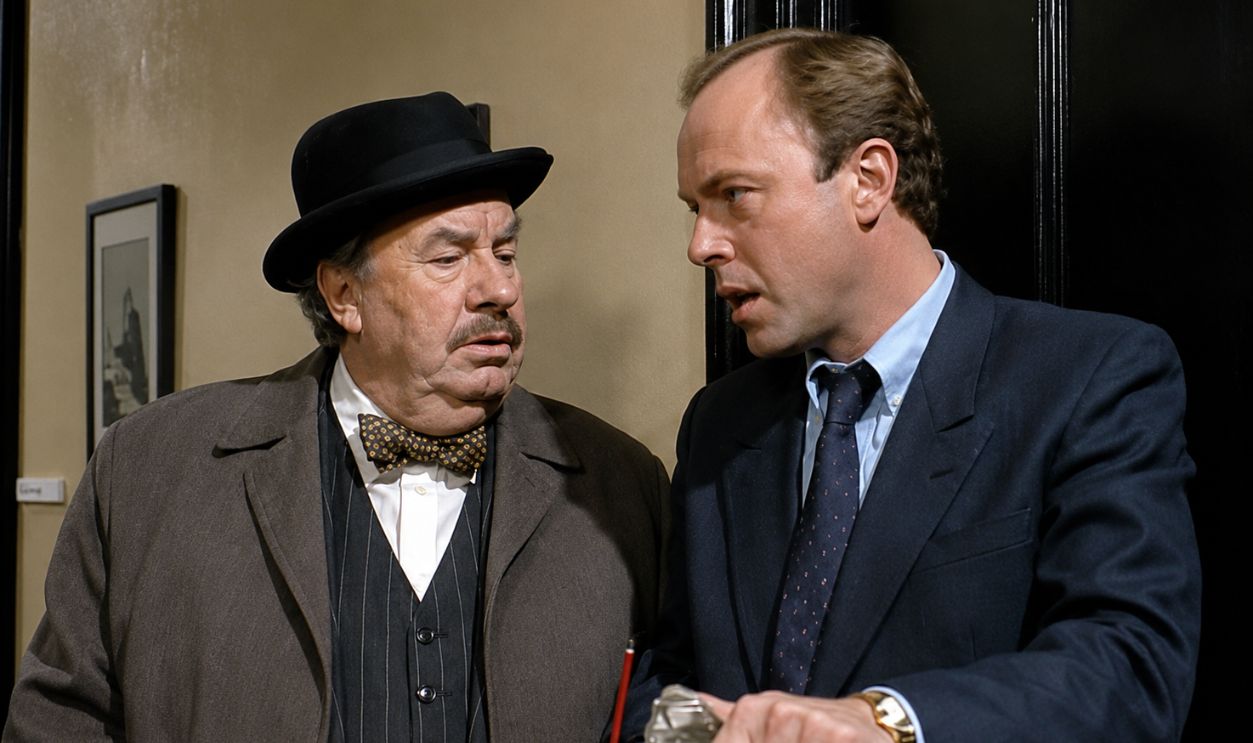 Screenshot from Rumpole Of The Bailey, Thames Television (1978-1992), Enhanced
These Classics Built The Modern Legal Drama
Before L.A. Law, television attorneys had already defended unpopular clients, challenged prejudice, investigated doubtful convictions, and argued over the responsibilities of their profession. These programs proved that legal stories could support mysteries, social commentary, character drama, comedy, and even experiments involving real juries. The offices became more glamorous in 1986, but the genre’s foundation had been laid long before anyone walked into McKenzie, Brackman, Chaney and Kuzak.
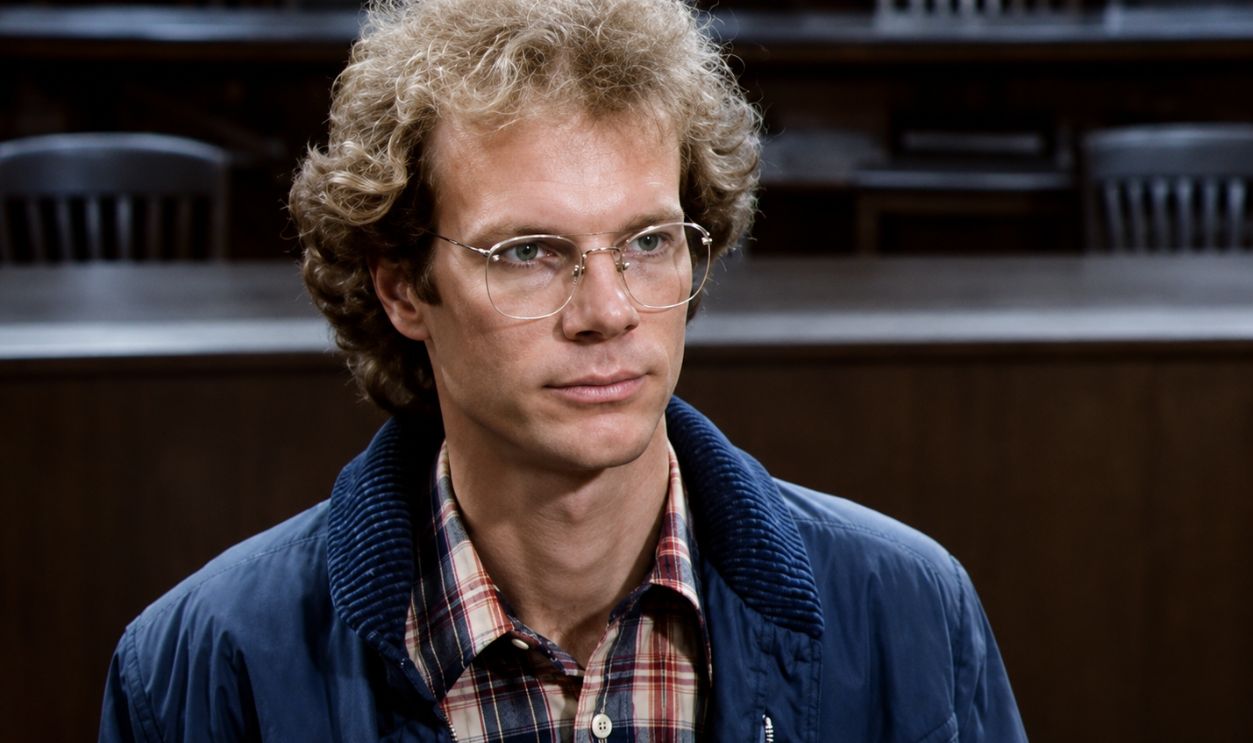 Screenshot from The Paper Chase, 20th Century Fox Television (1978-1986), Enhanced
You May Also Like:
Forgotten Detective Shows From The 1980s That Briefly Dominated Television
The Best Legal Dramas In TV History
The Best TV Mini-Series Of The 1990s
Sources: 1, 2, 3, 4, 5, 6, 7, 8, 9, 10, 11, 12, 13, 14, 15, 16, 17, 18, 19