When Peace And Love Hit A Sour Note
By December 1969, the 60s had already delivered moon landings, assassinations, protests, and a total rewrite of what pop culture could look like. But when The Rolling Stones rolled into Northern California for a free show at Altamont Speedway, what was supposed to be a triumphant celebration curdled into catastrophe. By the end of the night, a young man was dead—and the flower-powered optimism of the era felt like it had slipped through everyone’s fingers.
The Rolling Stones At The Peak Of Their Reign
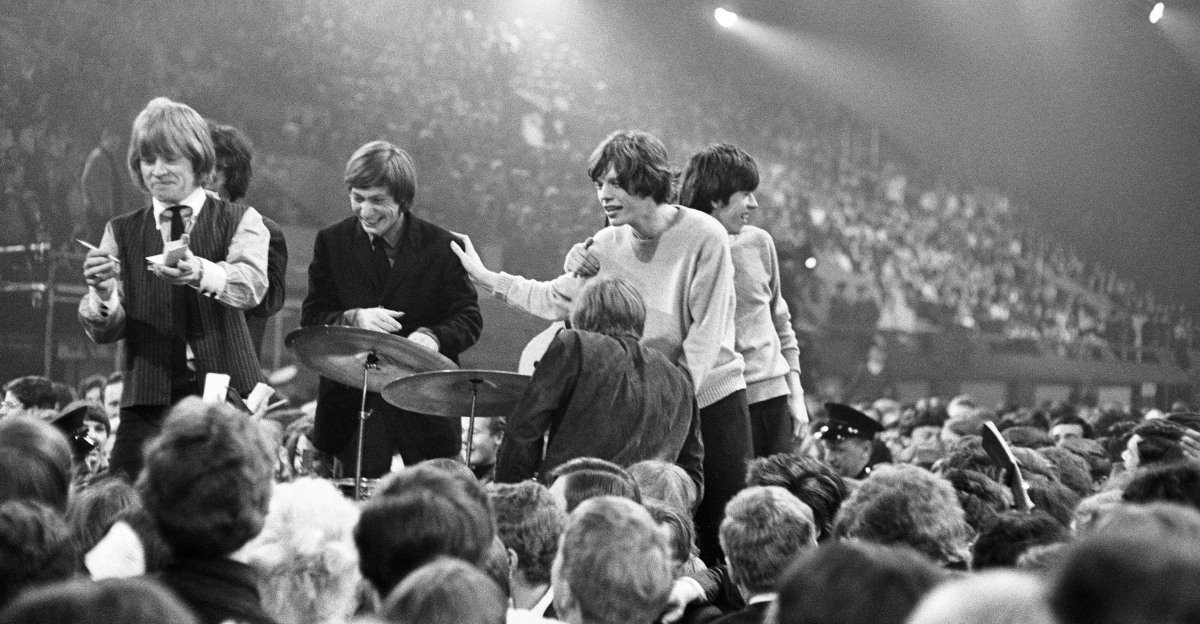
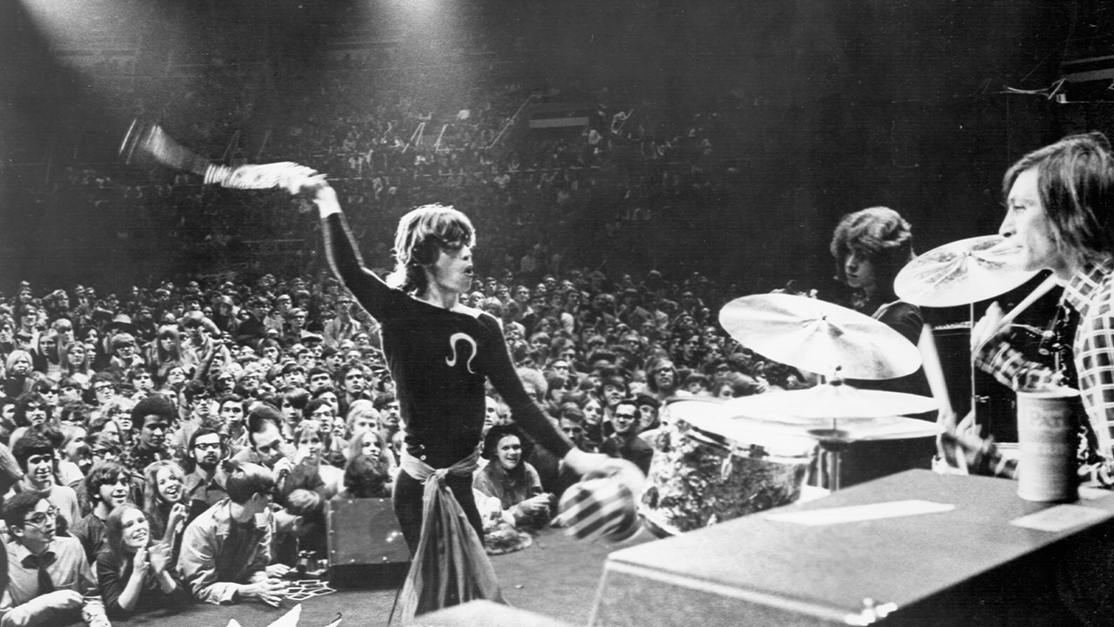
By 1969, The Rolling Stones were no longer hungry upstarts from London clubs—they were one of the biggest bands on the planet. Records like Beggars Banquet had sharpened their bluesy bite, and their US tour was drawing enormous crowds. They weren’t chasing the moment—they were defining it.
A Free Show Meant To Say Thank You
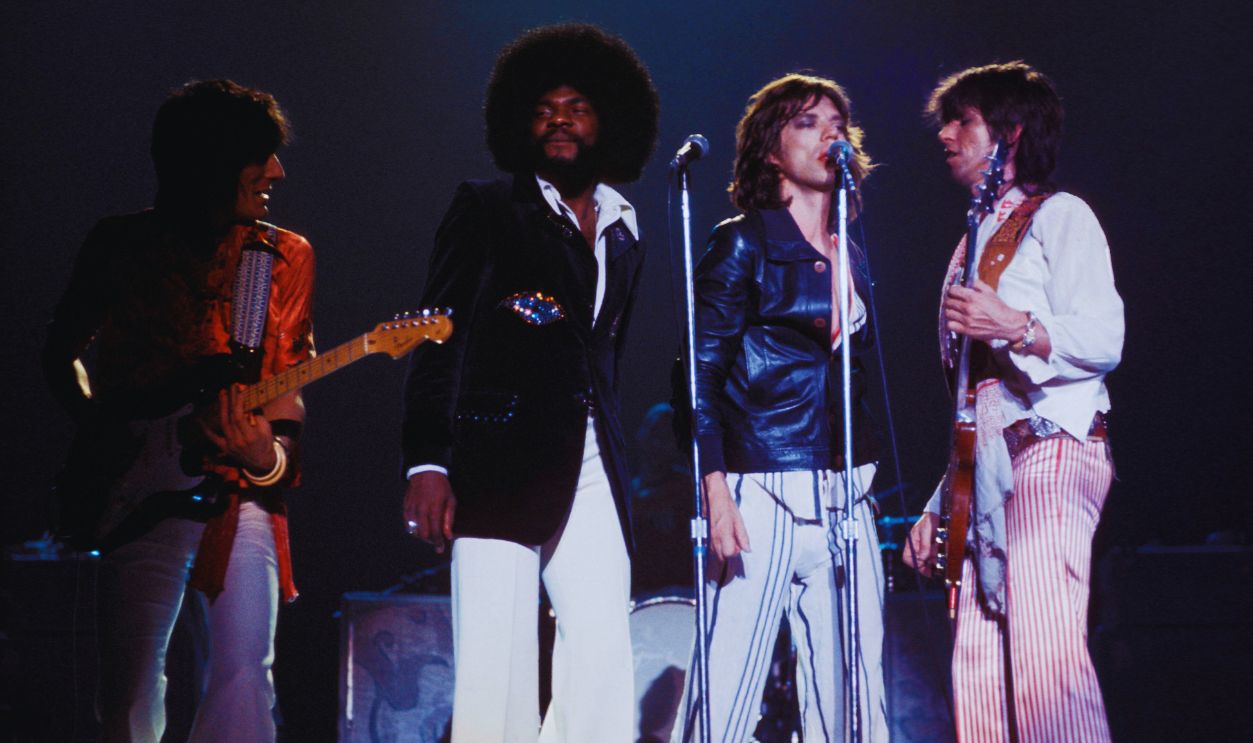
The idea was simple: throw a massive free concert in California as a gesture of goodwill. Woodstock had become shorthand for communal harmony, and the Stones wanted their own West Coast milestone. Instead, rushed decisions would turn that generous impulse into a logistical nightmare.
 Unknown authorUnknown author, Wikimedia Commons
A Venue Chosen In A Hurry
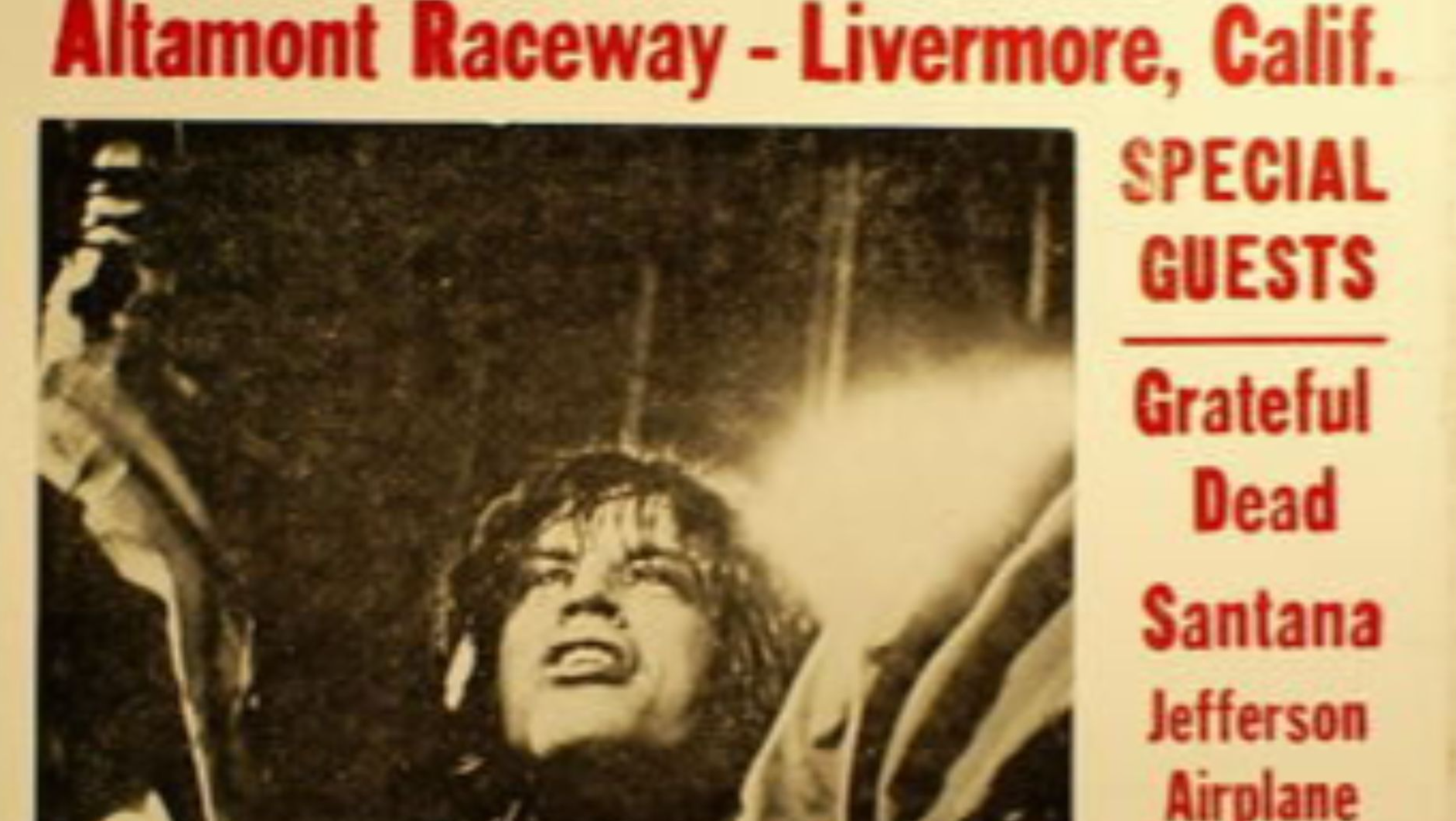
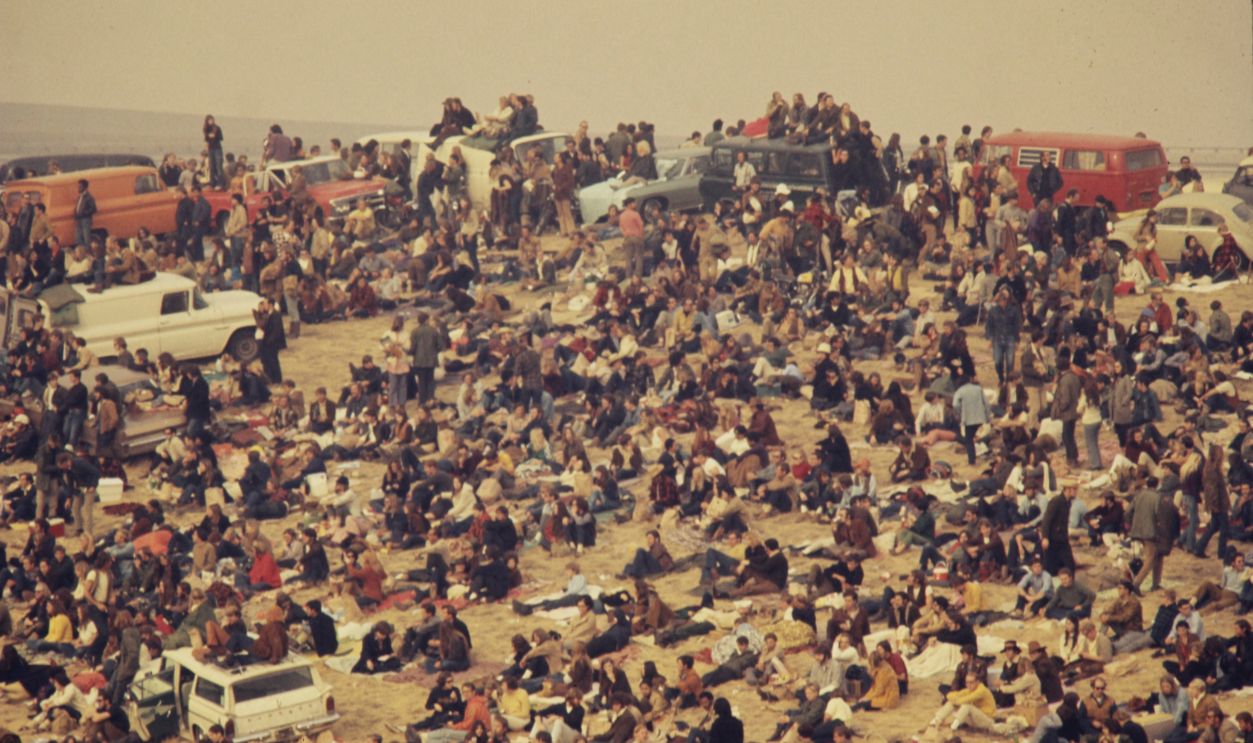
Altamont Speedway became the site after other locations fell apart. The space wasn’t equipped for the hundreds of thousands who would descend on it. Basic infrastructure—like adequate staging, crowd barriers, and medical planning—was thin at best, and the cracks showed early.
 Associated Press, Wikimedia Commons
Security Paid In Drinks
In a choice that would follow the band for decades, members of the Hell’s Angels were asked to handle security. Their compensation reportedly came in the form of some drinks. Mixing that, motorcycles, and an already restless crowd was an explosive combination.
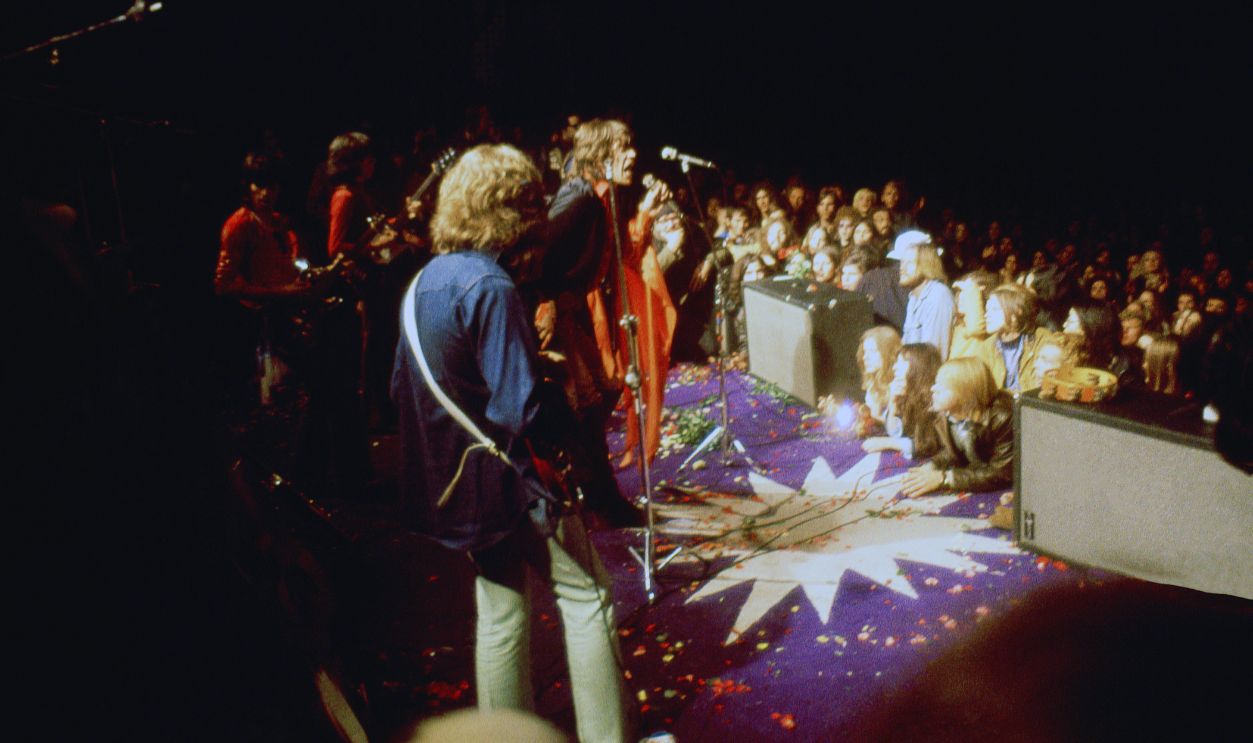
An Uneasy Atmosphere From The Start
Even before the Stones appeared, tension hung in the air. Earlier performers played as scuffles broke out near the stage. This wasn’t a mellow afternoon in a field—it felt jumpy, cramped, and unpredictable.
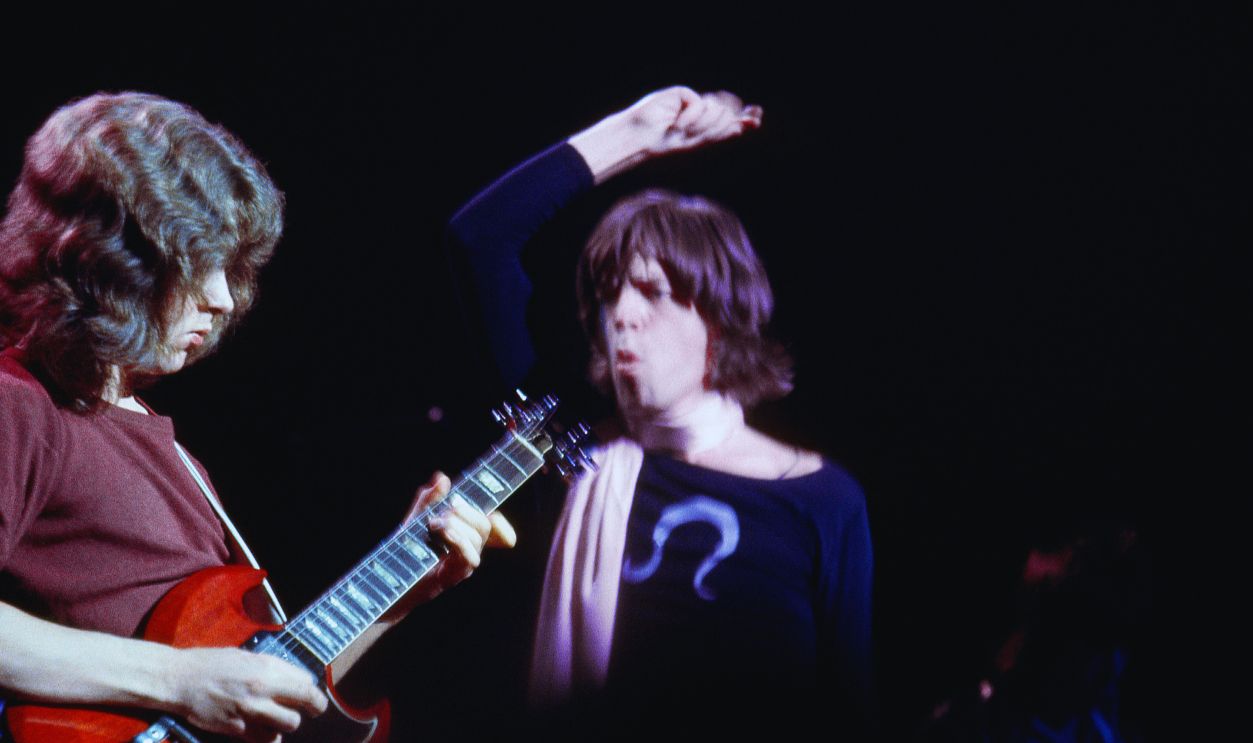
Fights At The Foot Of The Stage
As the day stretched on, confrontations intensified. Physical altercations erupted close enough for performers to see, and makeshift weapons reportedly came into play. The divide between stage and crowd felt paper-thin.
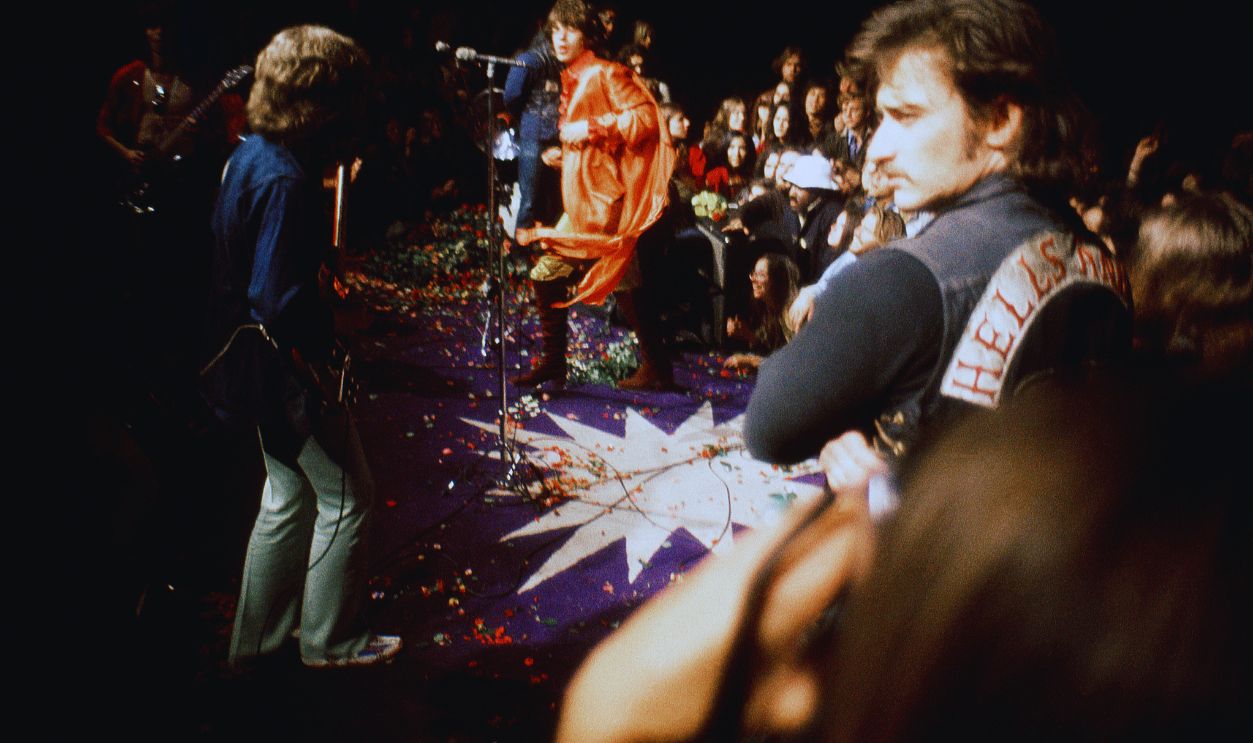
Mick Jagger Greets A Restless Crowd
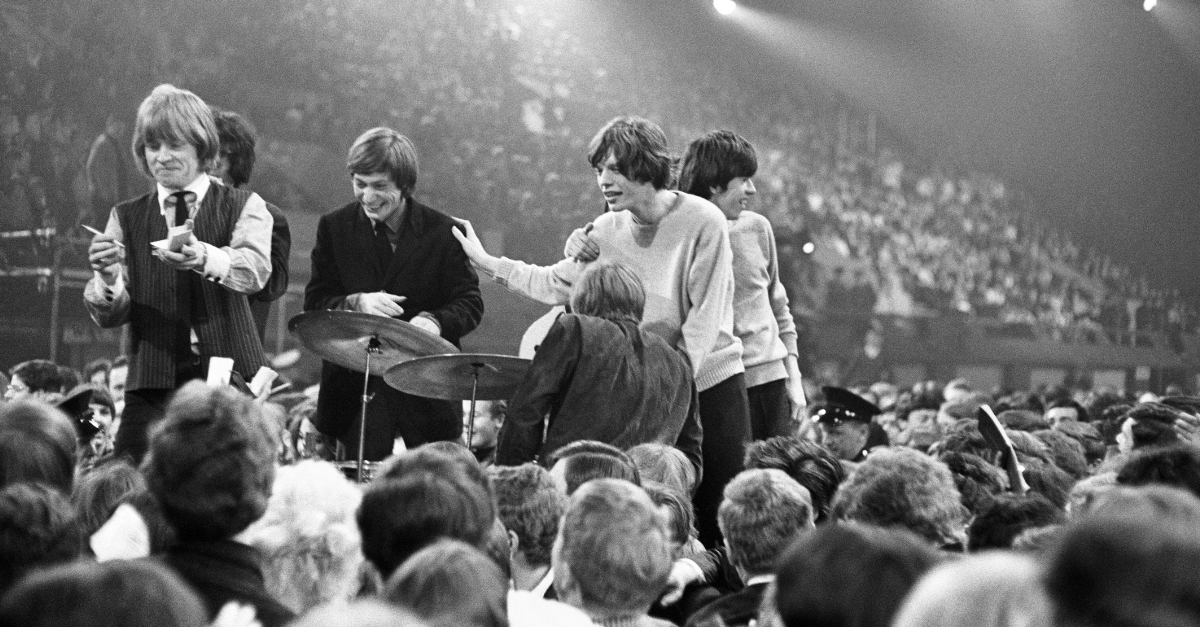
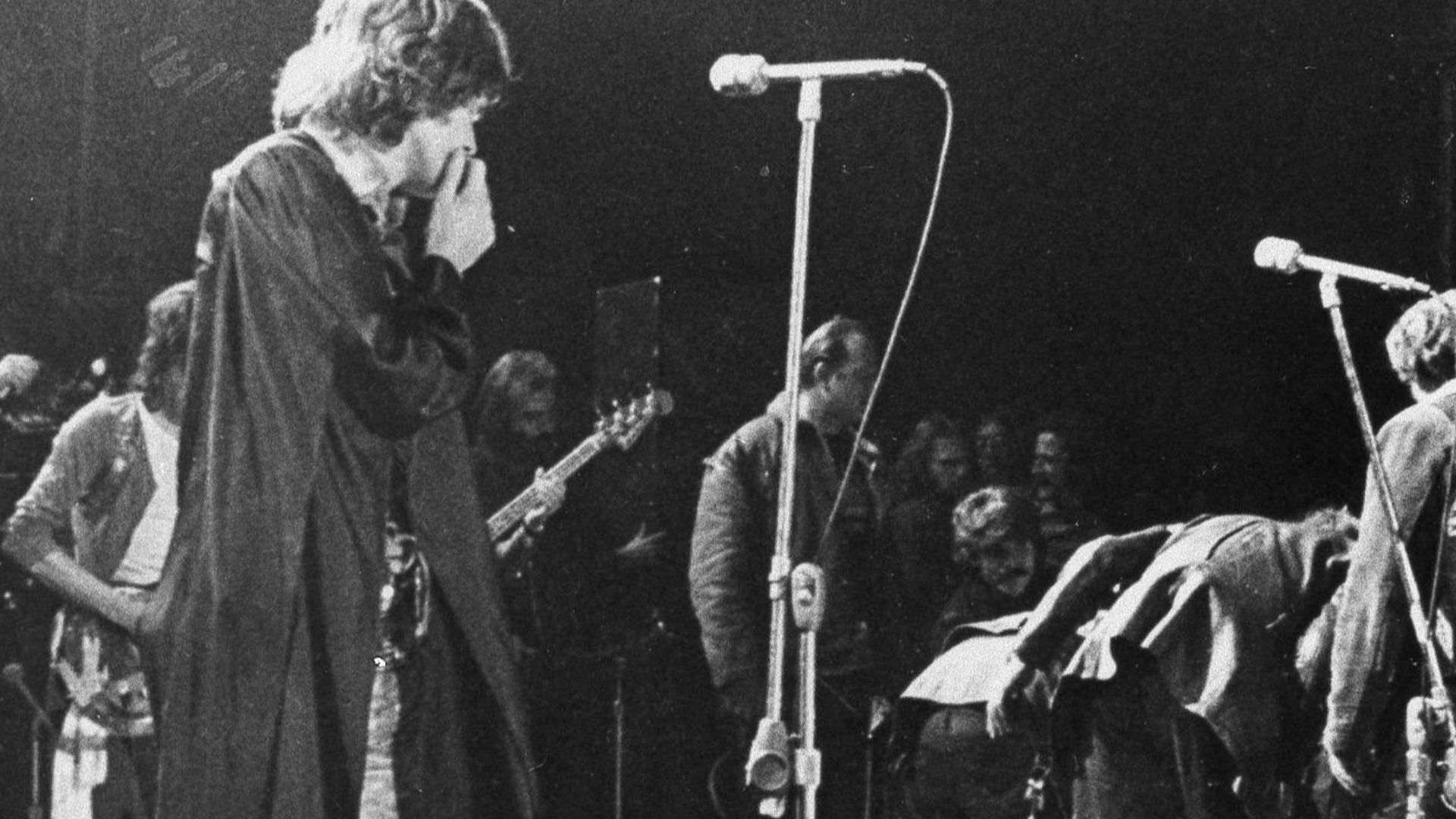
When The Rolling Stones finally arrived, they faced a sea of people pressed dangerously close to a low platform. Mick Jagger had reportedly been struck earlier in the day, a sign that the mood was already volatile. Still, the band pushed ahead, trying to keep the focus on the music.
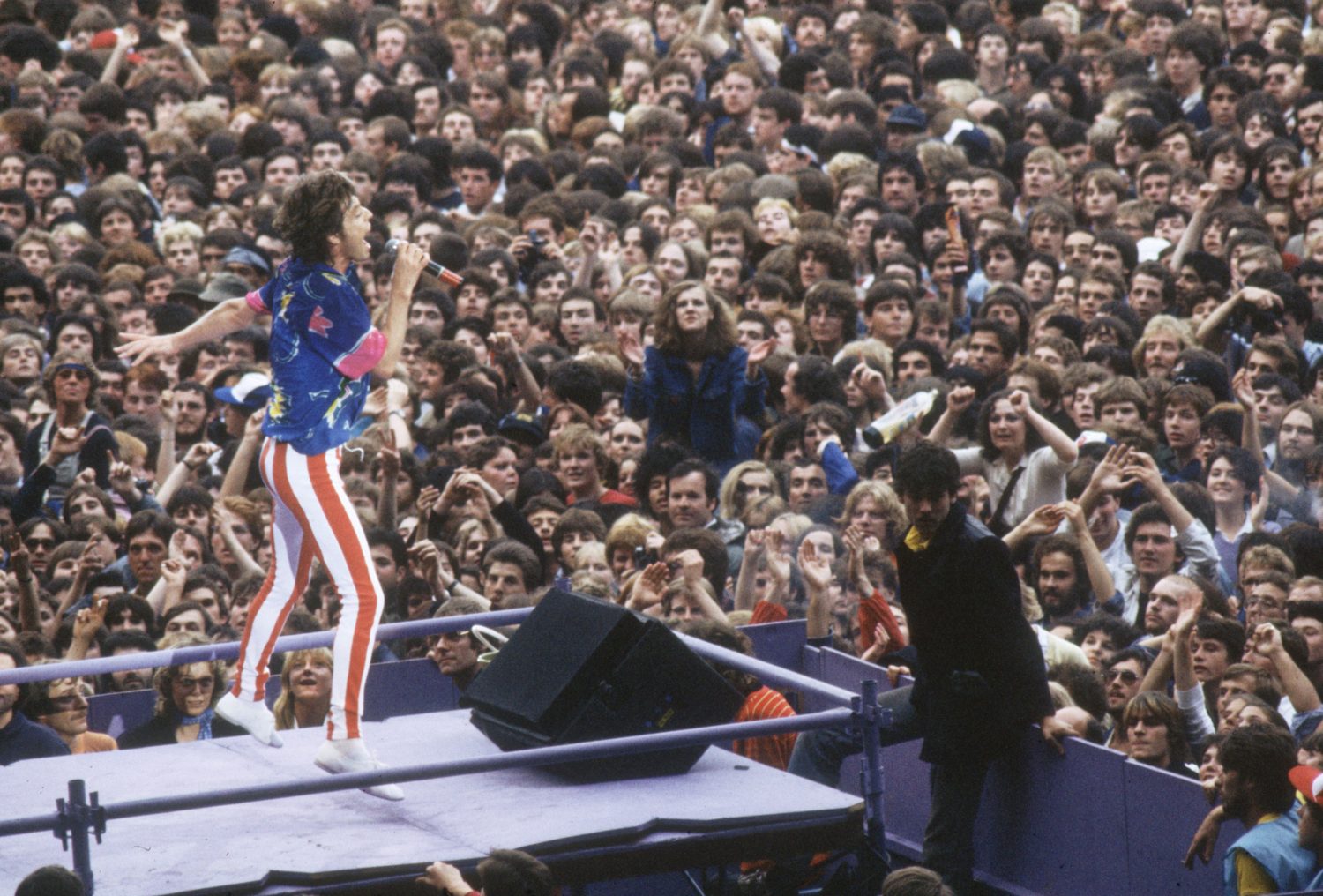
“Under My Thumb” And A Sudden Escalation
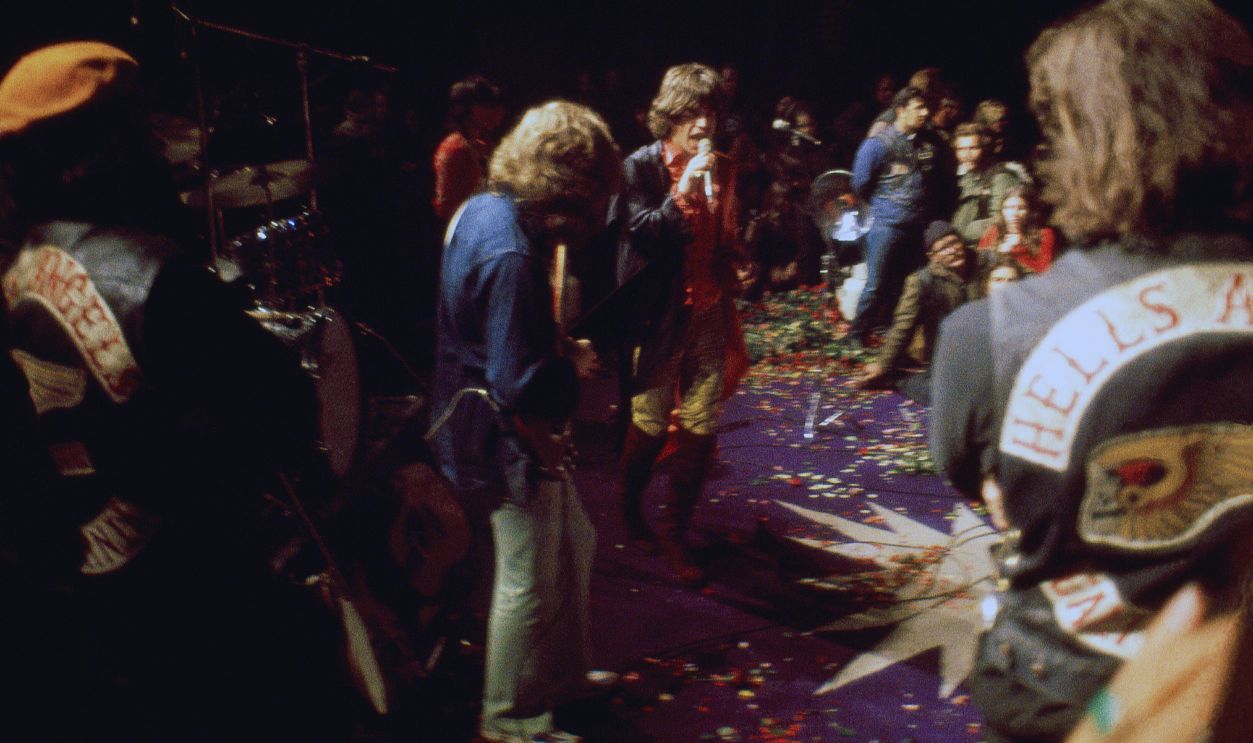
During a performance of “Under My Thumb,” a young black 18-year-old boy named Meredith Hunter approached the stage. While the reports on exactly what incited the issue prove hazy, members of the Angels confronted him.
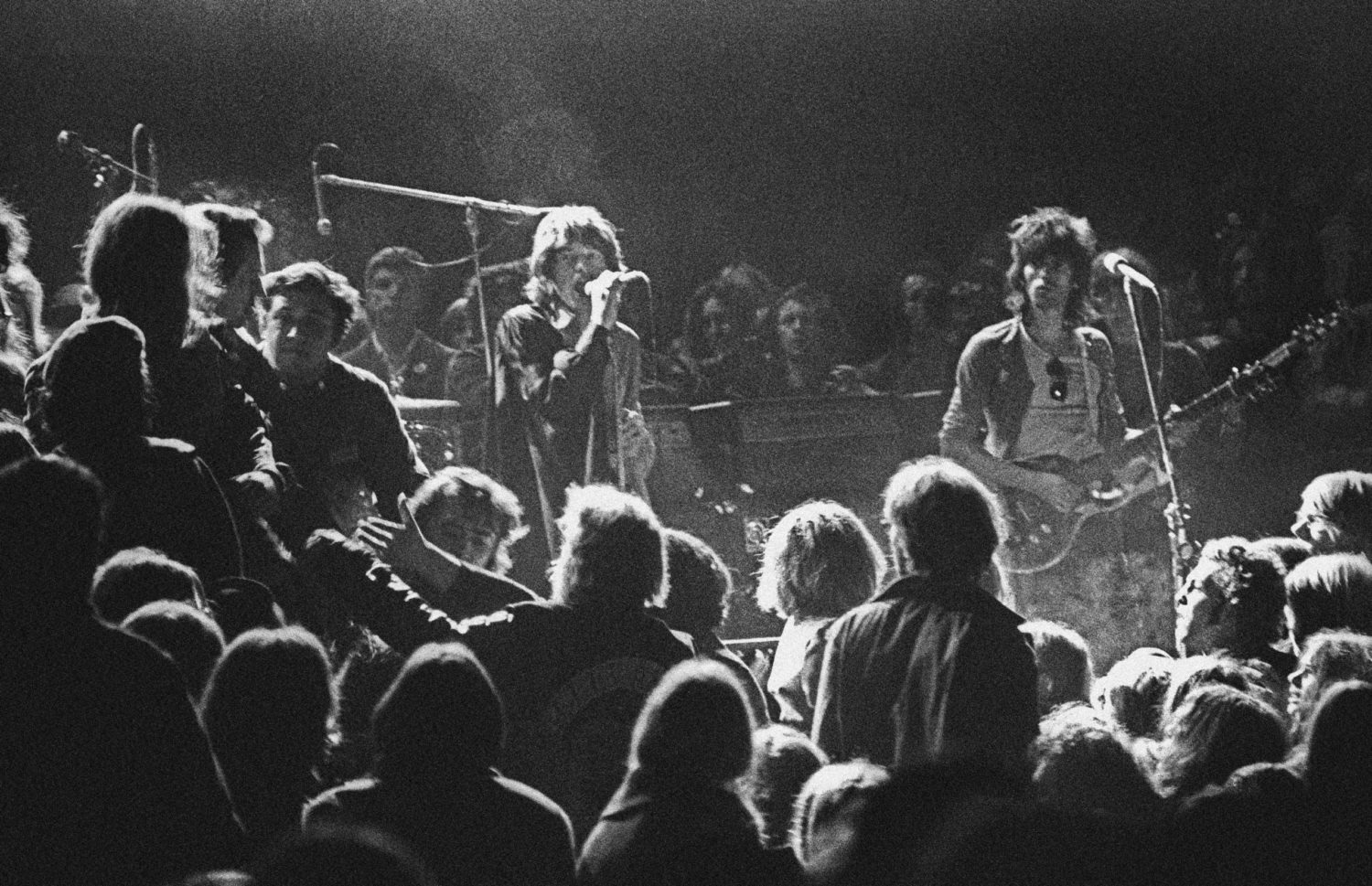
Captured On Camera
The fatal stabbing that followed was recorded by filmmakers working on what would become Gimme Shelter. The footage left little room for speculation—it showed events unfolding in stark detail. Viewers later watched the scene play out frame by frame.
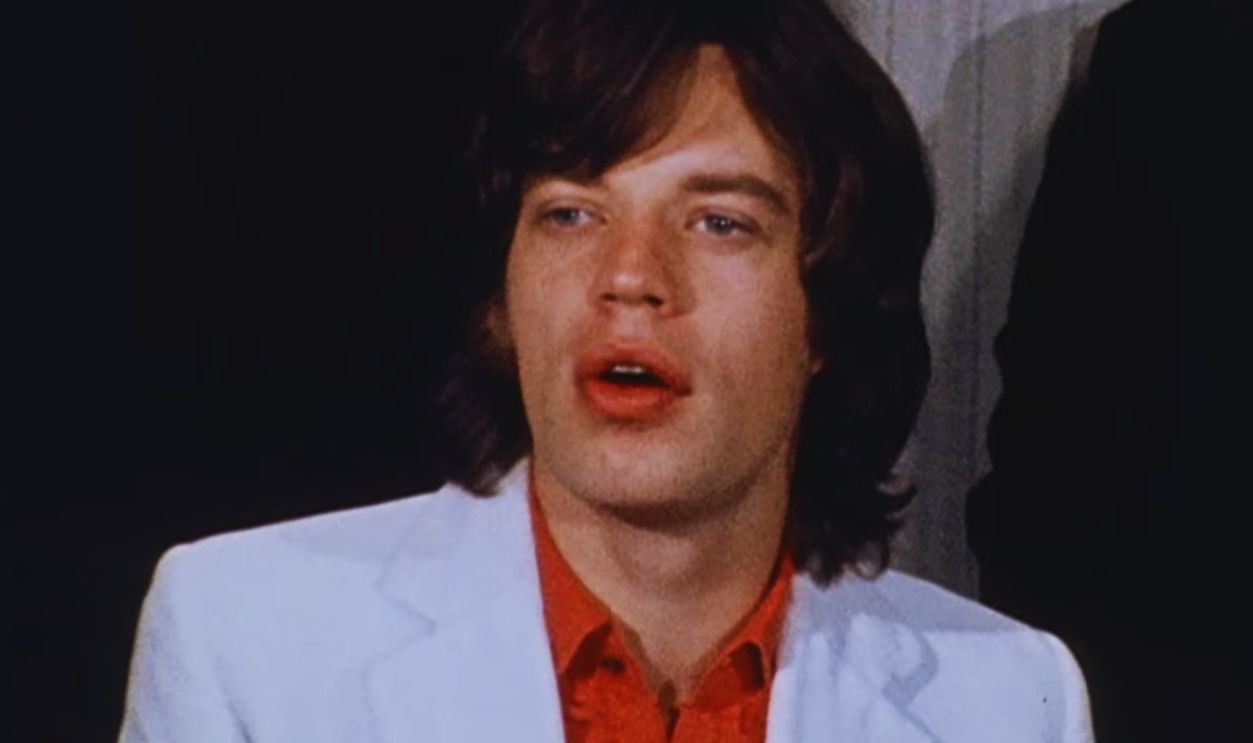 Screenshot from Gimme Shelter, Cinema 5 (1970)
Music Drowned Out By Panic
The band attempted to pause and calm the crowd, but confusion had already taken hold. The songs continued, yet they felt secondary to the disorder unfolding below. What was meant to be a unifying gathering had turned deeply unsettling.
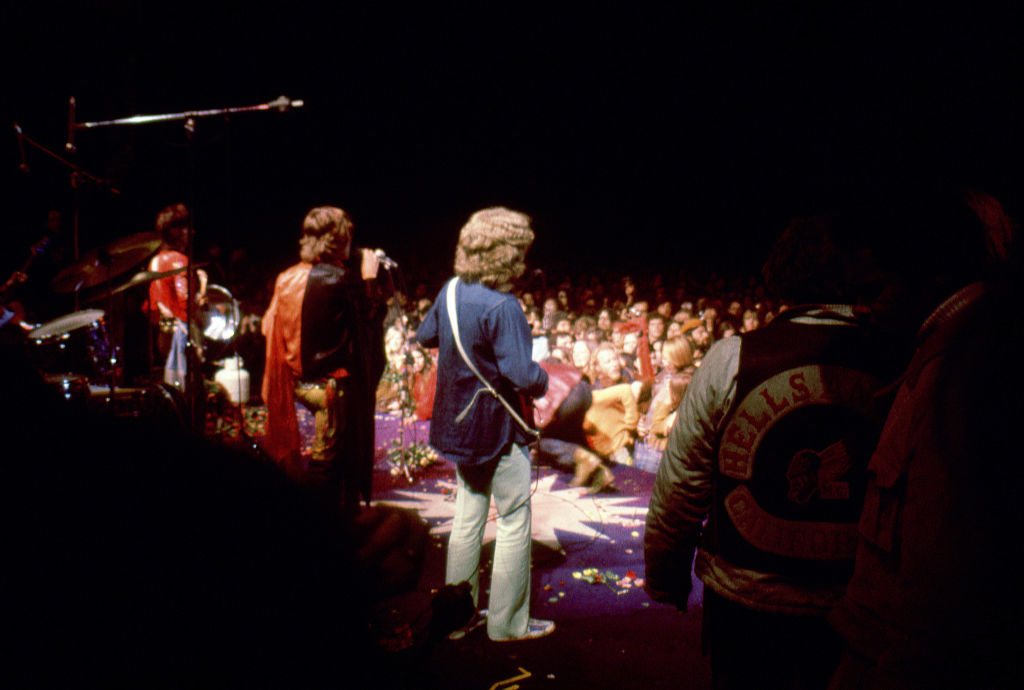
Other Lives Lost That Day
Meredith Hunter’s passing became the defining image of Altamont, but he was not the only casualty. Other attendees passed in separate incidents, including accidental deaths. The toll underscored just how badly the event had unraveled.
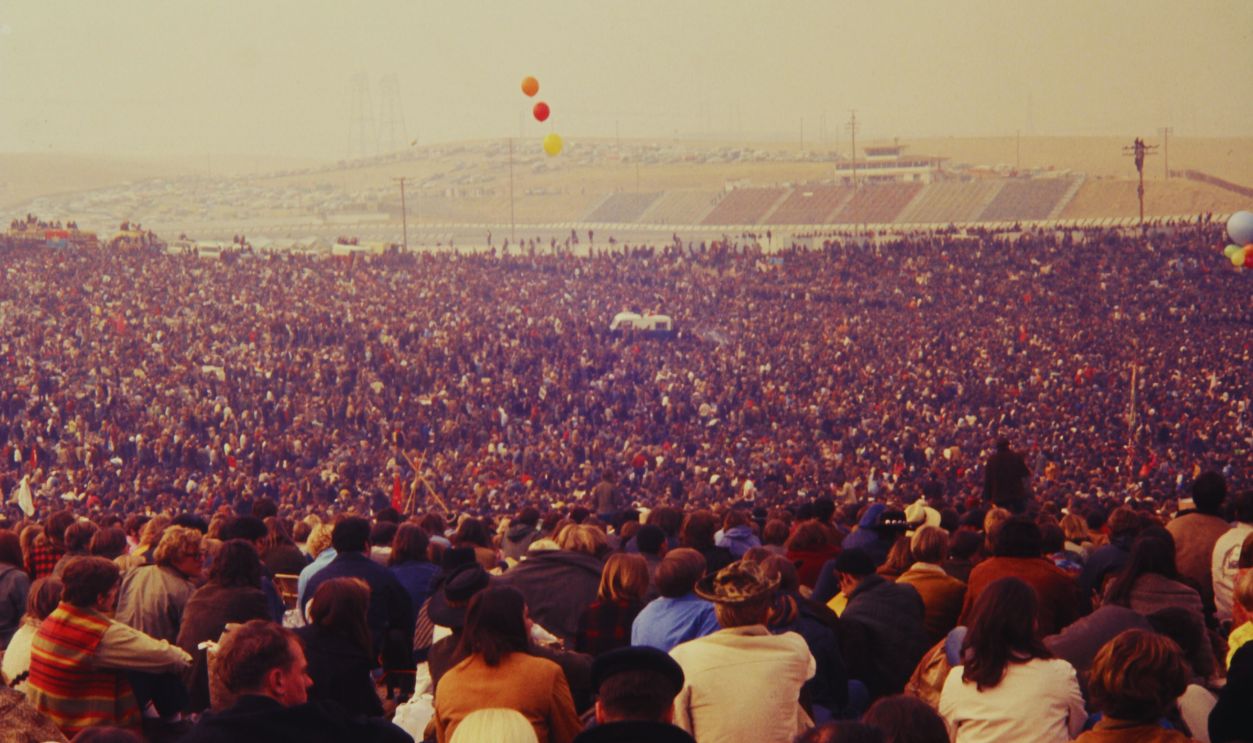 William L. Rukeyser, Getty Images
A Shattered Illusion
For many observers, Altamont marked a psychological turning point. The era’s feel-good slogans suddenly seemed painfully fragile, exposed to the realities of anger and poor coordination. The optimism that once felt boundless now looked brittle.
The Inevitable Woodstock Comparison
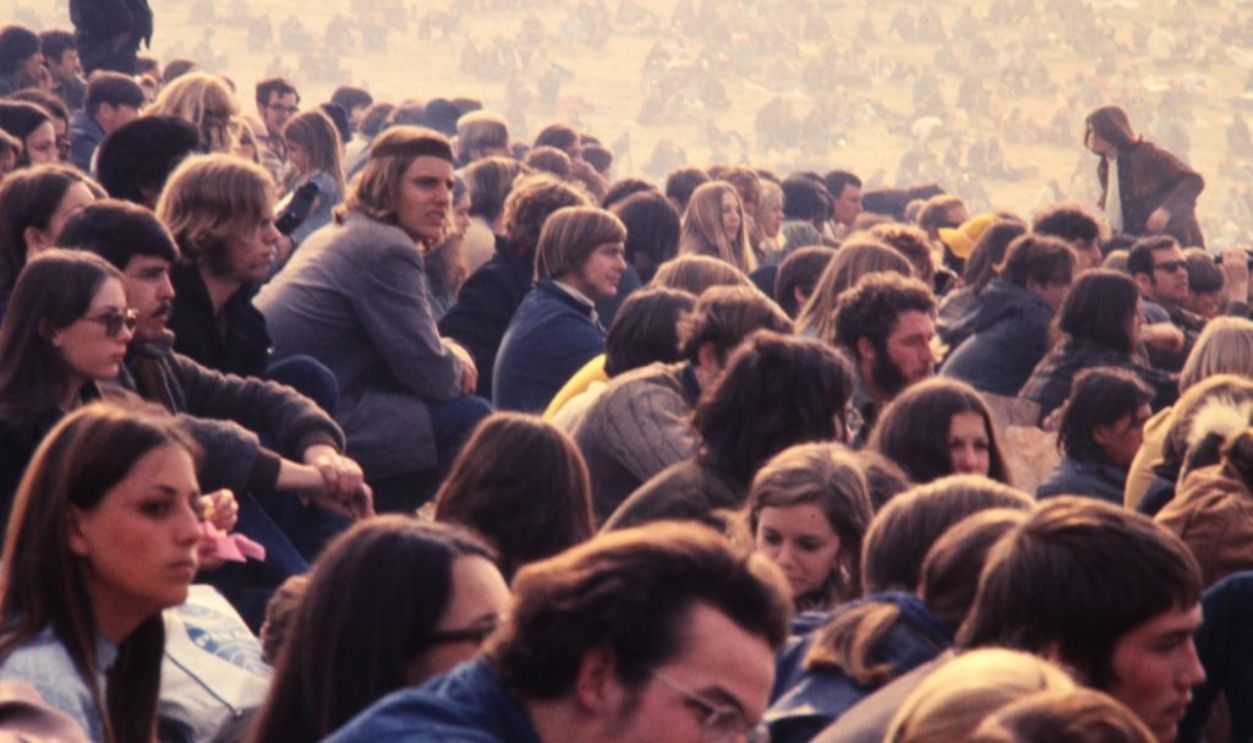
Only months earlier, Woodstock had been hailed as proof that massive gatherings could succeed peacefully. Altamont offered a grim counterpoint. Instead of cooperation, the headlines spoke of disorder and fear.
 William L. Rukeyser, Getty Images
The Court’s Decision
The loss of Meredith Hunter was later ruled justifiable, as evidence supposedly suggested he had posed danger first. That ruling settled one question but left many others hanging. Responsibility in the broader sense remained a topic of debate.
 William L. Rukeyser, Getty images
Questions Directed At The Stones
The Rolling Stones faced intense scrutiny over the planning of the event. Critics wondered whether better preparation—or different security choices—could have changed the outcome. Though not held legally liable, the association lingered in public memory.
 Michael Ochs Archives, Getty Images
A Band That Kept Moving
Despite the shadow of Altamont, the Stones pressed forward. The 1970s would bring more albums, more tours, and even greater commercial dominance. Their career endured, even if that day remained a permanent footnote.
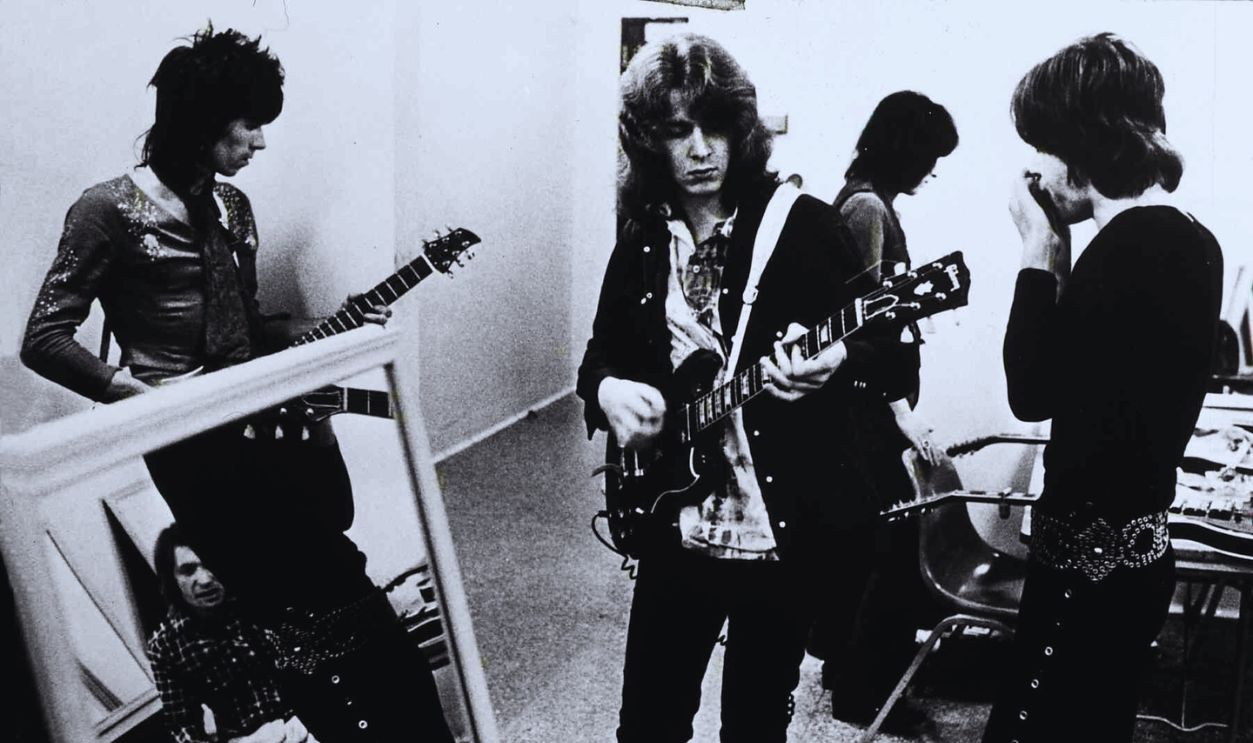
Headlines Declare A Cultural Shift
Commentators were quick to frame Altamont as the symbolic close of the 60s. Whether entirely fair or not, the narrative stuck. The concert became shorthand for disillusionment.
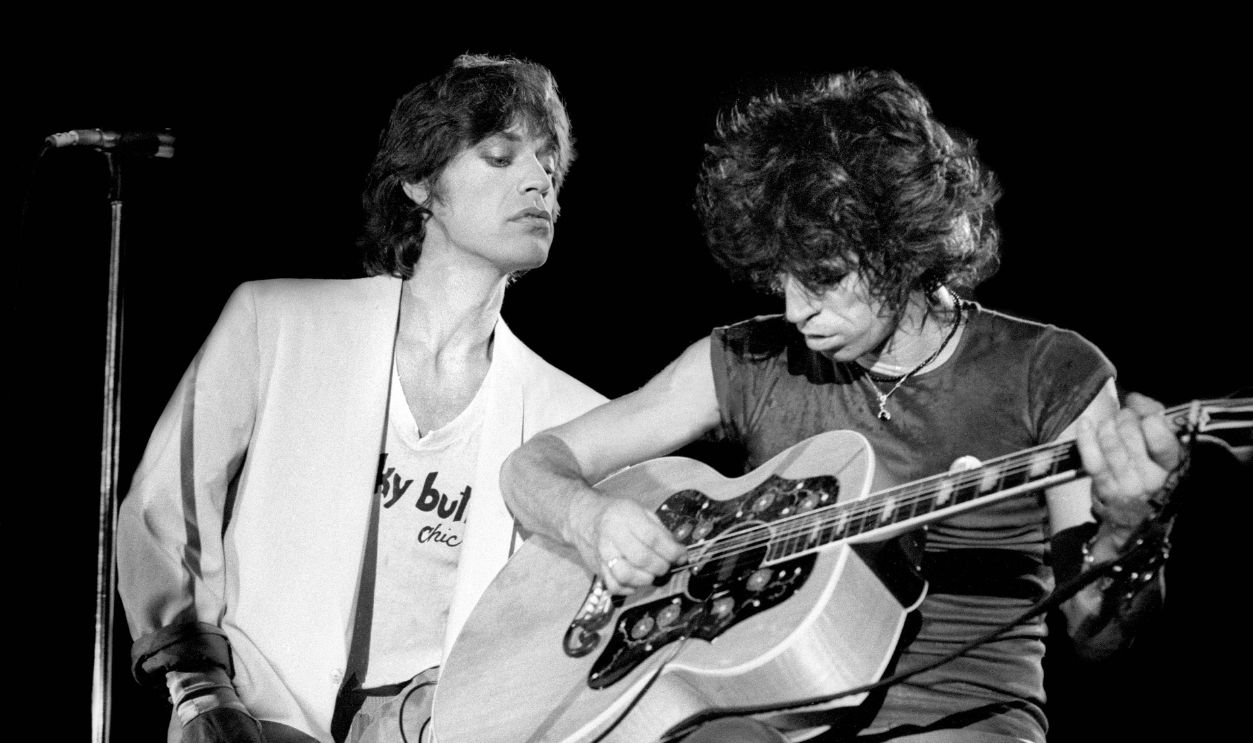 Richard E. Aaron, Getty Images
The Film That Froze The Moment
Gimme Shelter ensured the concert would not fade into rumor. Its unvarnished scenes forced audiences to confront what happened rather than rely on secondhand lore. It remains one of the most sobering rock documentaries ever released.
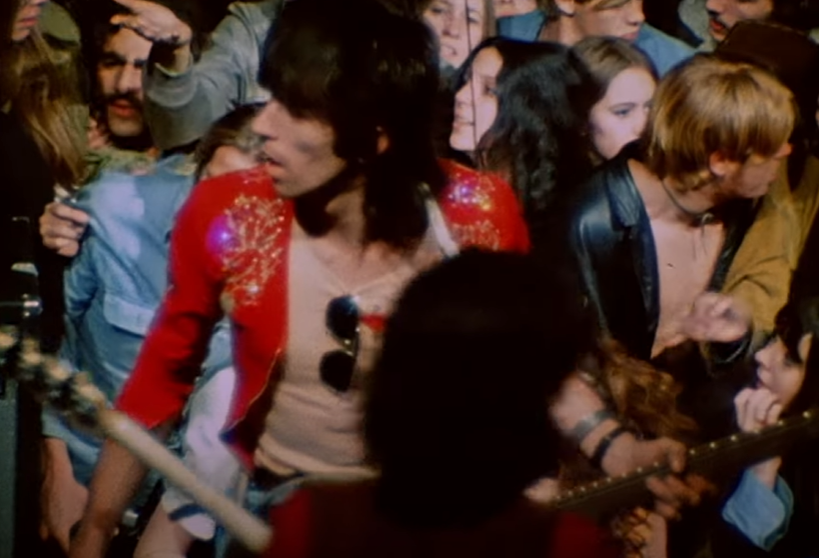 Screenshot from Gimme Shelter, Maysles Films (1970)
A Broader Turning Point
Altamont didn’t singlehandedly rewrite the decade’s history—but it crystallized a shift already underway. Political unrest, social upheaval, and war had chipped away at optimism. The concert felt like a grim exclamation point.
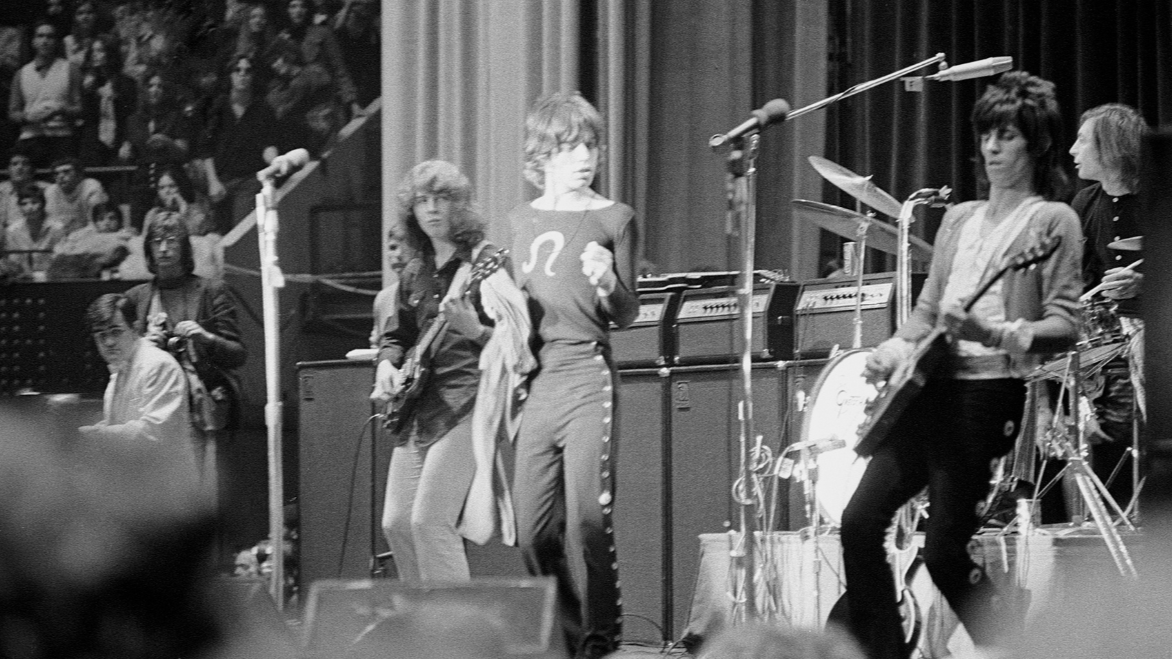 Michael Ochs Archives, Getty Images
Counterculture Meets Consequences
The gathering exposed the risks of massive events built on vibes rather than logistics. Freedom without structure proved combustible. The contradictions within the youth movement were suddenly impossible to ignore.
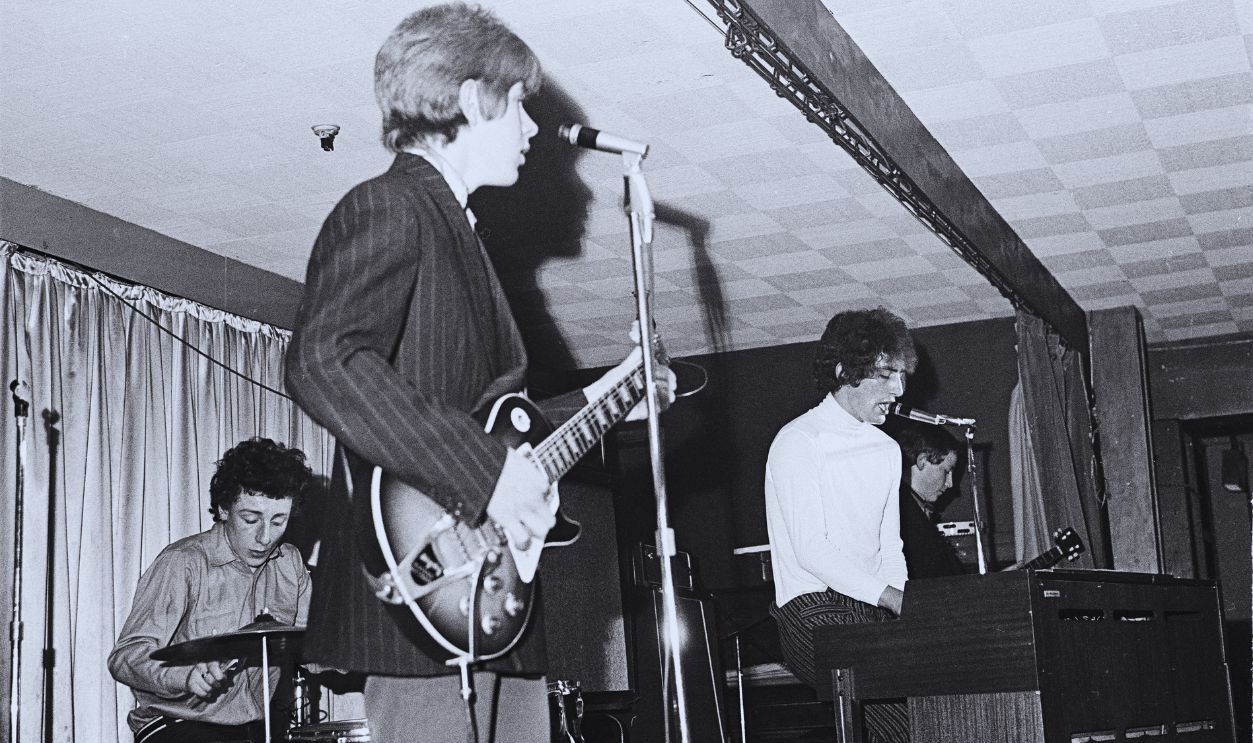
Memory Versus Reality
Over time, Altamont has grown into a symbol as much as a historical event. It represents a cautionary lesson about hubris, rushed planning, and misplaced confidence. The mythology may swell, but the facts remain stark.
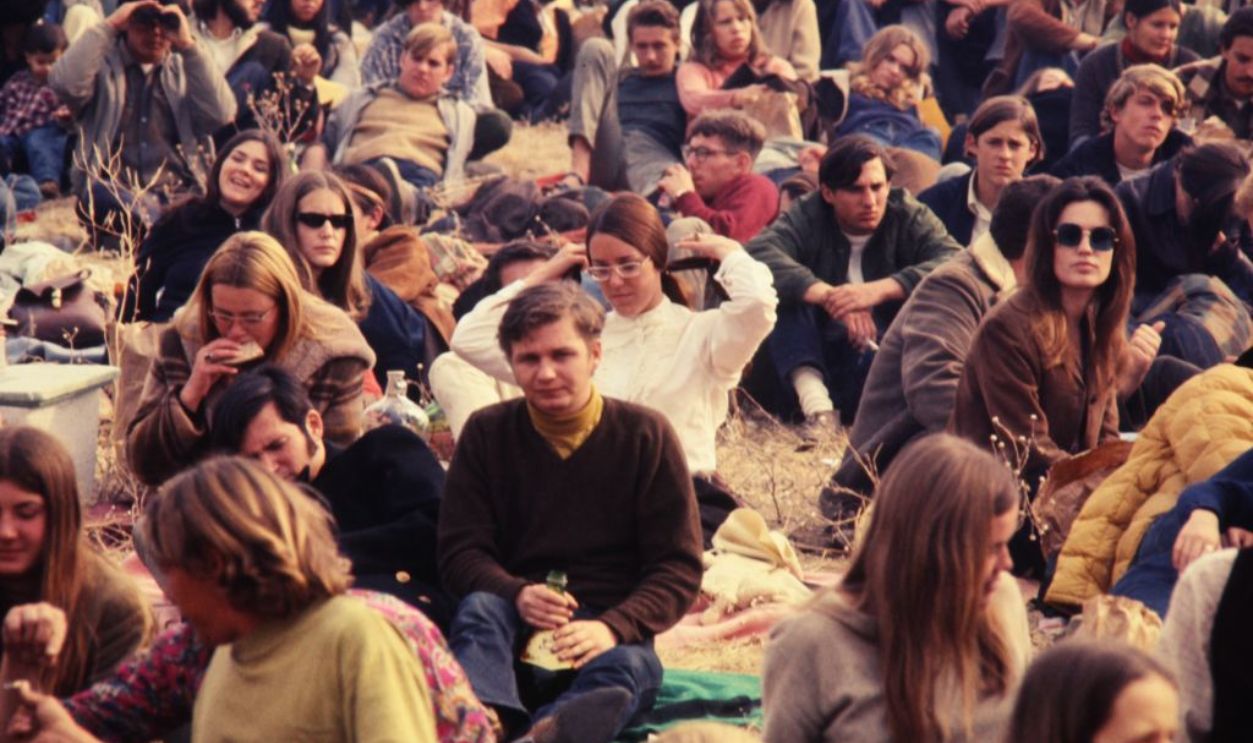 William L. Rukeyser, Getty images
The Night The Music Lost Control
Rock had often been treated as a binding force throughout the decade. At Altamont, that belief faltered. When the lights dimmed and the crowd dispersed, the soundtrack of the 60s still played on—but its innocence felt permanently altered.
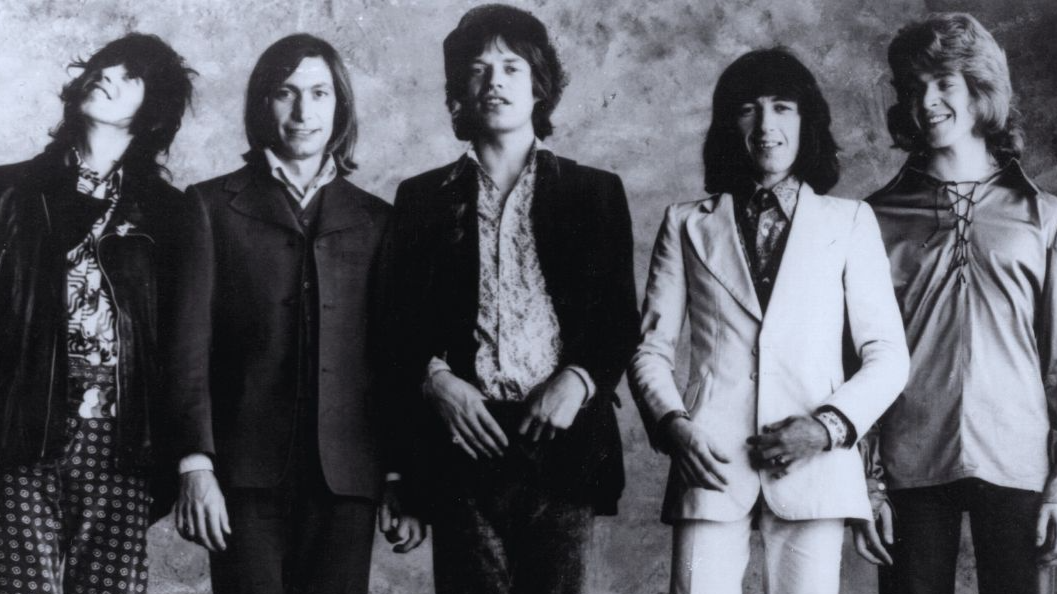 Michael Ochs Archives, Getty Images
You May Also Like:
Iconic Songs That Prove The 2010s Brought Hip Hop Back From The Grave