The Girl Who Almost Didn’t Make It
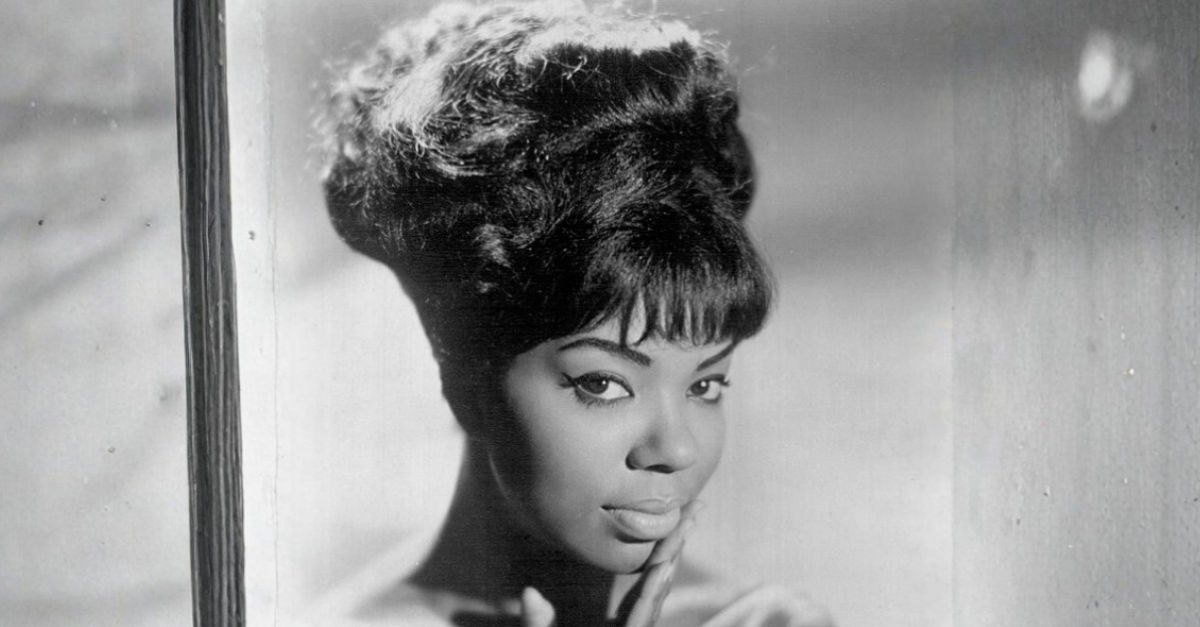
Mary Esther Wells was born in Detroit in 1943, and her childhood was anything but easy. She battled spinal meningitis as a toddler, survived tuberculosis as a teen, and endured long hospital stays that nearly silenced her before she ever sang a note. Music wasn’t just an interest—it was an escape hatch, a way out of pain and into possibility.
Detroit, Church Choirs, And Big Dreams
Growing up in Detroit meant music was everywhere, especially in church. Wells sang wherever she could, entering talent shows and performing locally while quietly dreaming bigger than her circumstances. She wasn’t flashy yet, but she had a voice that carried warmth, confidence, and just enough sass to stand out.
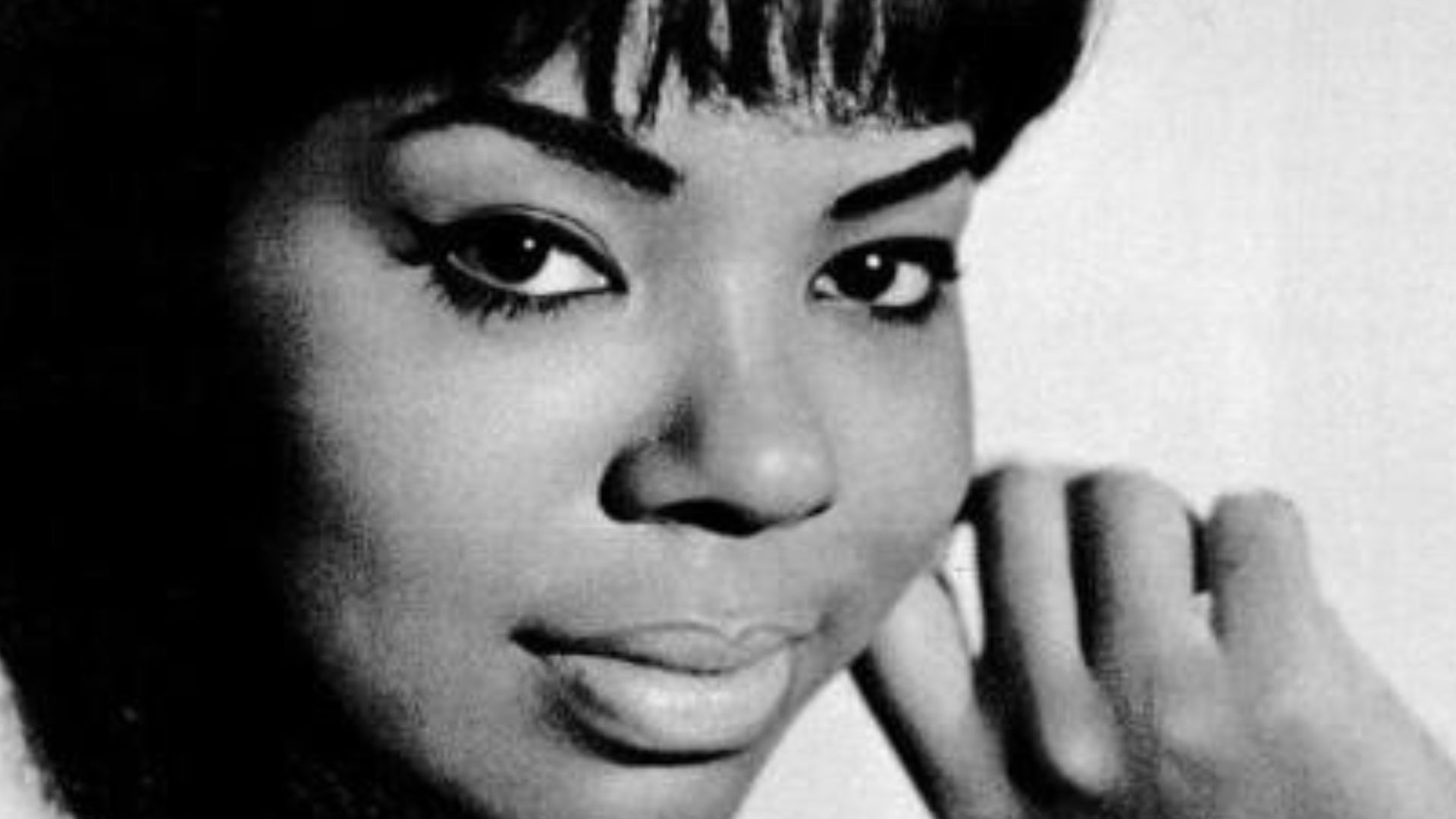 20th Century-Fox Records, Wikimedia Commons
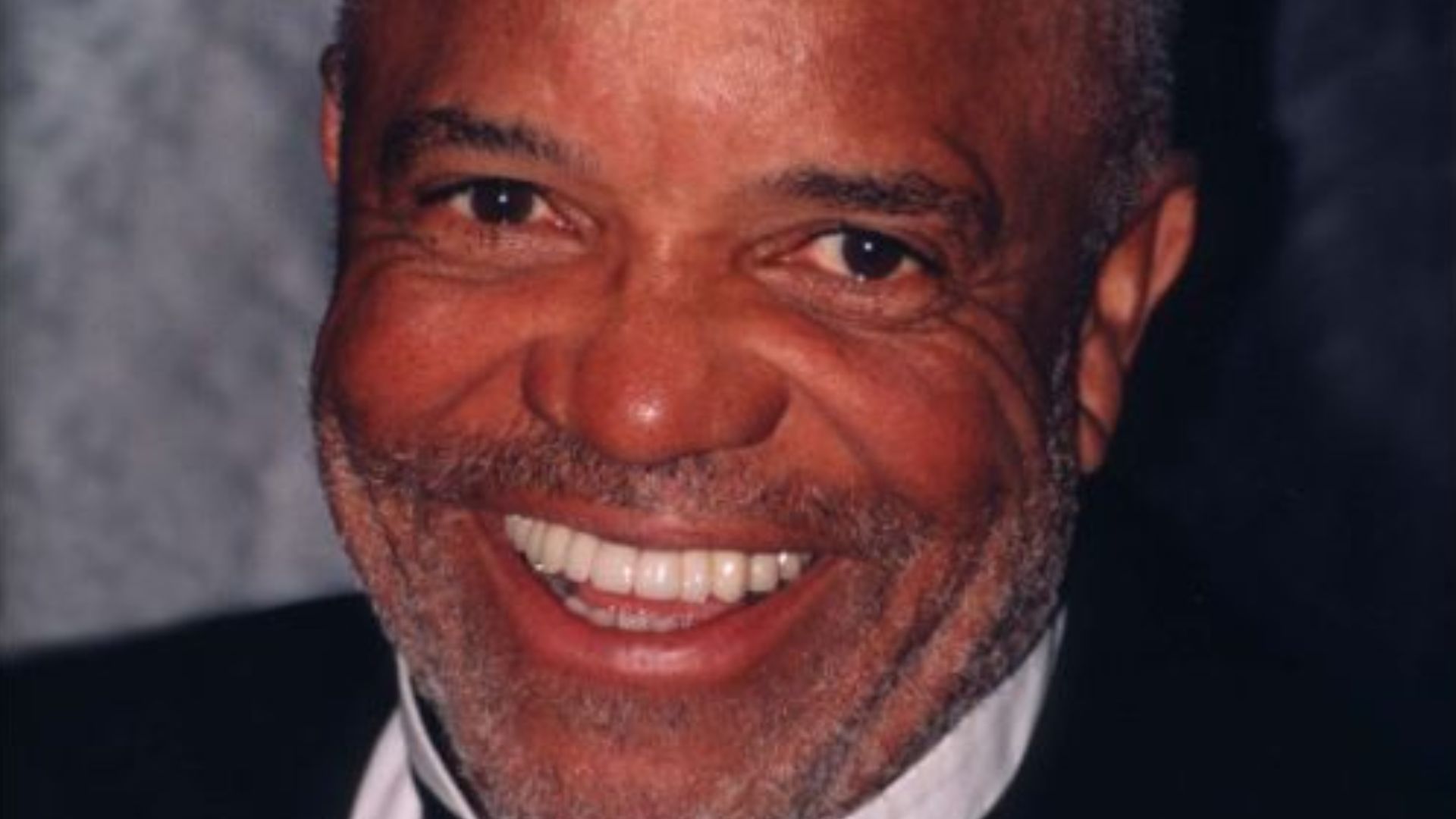
A Teenage Meeting With Berry Gordy
At just 17, Wells crossed paths with Berry Gordy, originally hoping to sell him a song she’d written. Instead, Gordy focused on her voice—and signed her to his still-young Motown label. It was a life-changing moment, though Wells had no idea how much power she’d just handed over with that contract.
 John Mathew Smith & www.celebrity-photos.com, Wikimedia Commons
Motown Before Motown Was Motown
When Wells joined the label, Motown wasn’t a global empire—it was a gamble. She became one of its first real stars, helping shape the polished, crossover-friendly sound that would soon dominate radio. In many ways, Mary Wells was Motown before Motown knew what it was.
 Global Reactions, Wikimedia Commons
The First Hits Start Rolling In
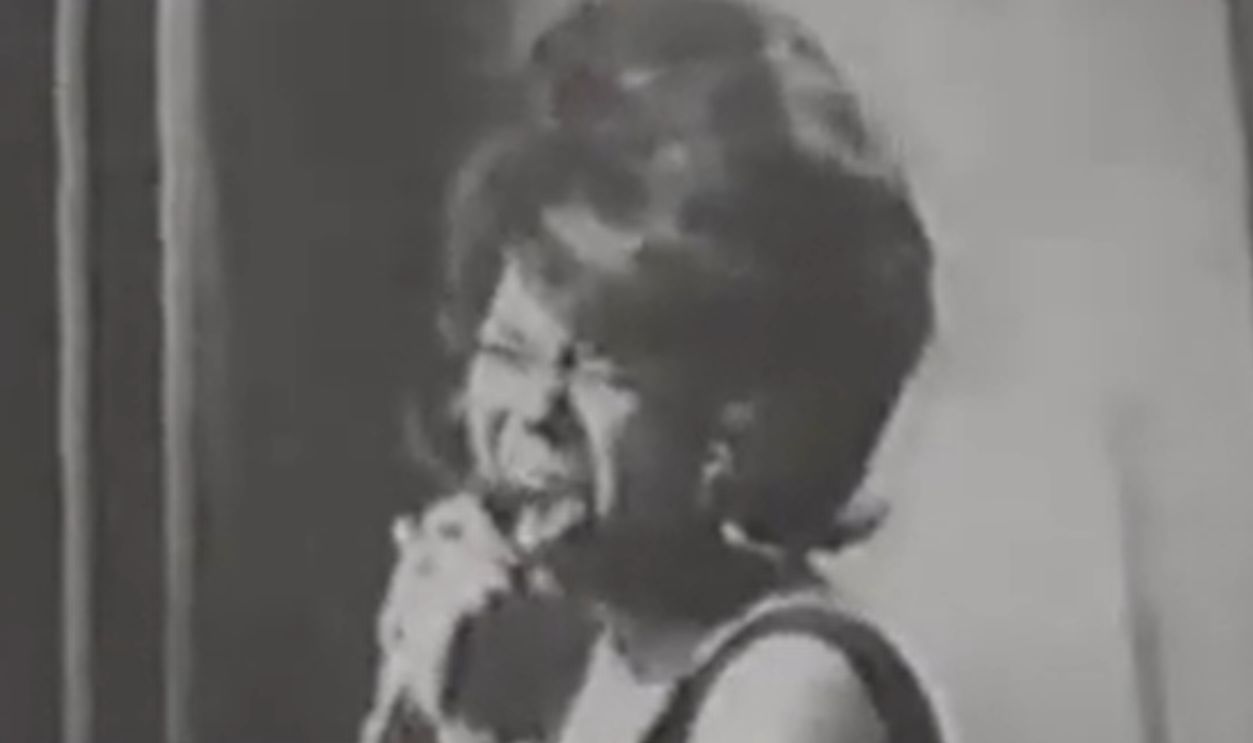
Songs like Bye Bye Baby and The One Who Really Loves You quickly climbed the charts, proving Wells wasn’t a fluke. Her voice had a conversational quality—flirtatious without being forced—that audiences instantly connected with. She wasn’t just popular; she was relatable.
 Screenshot from Bye Bye Baby, Mary Wells, Motown (1960)
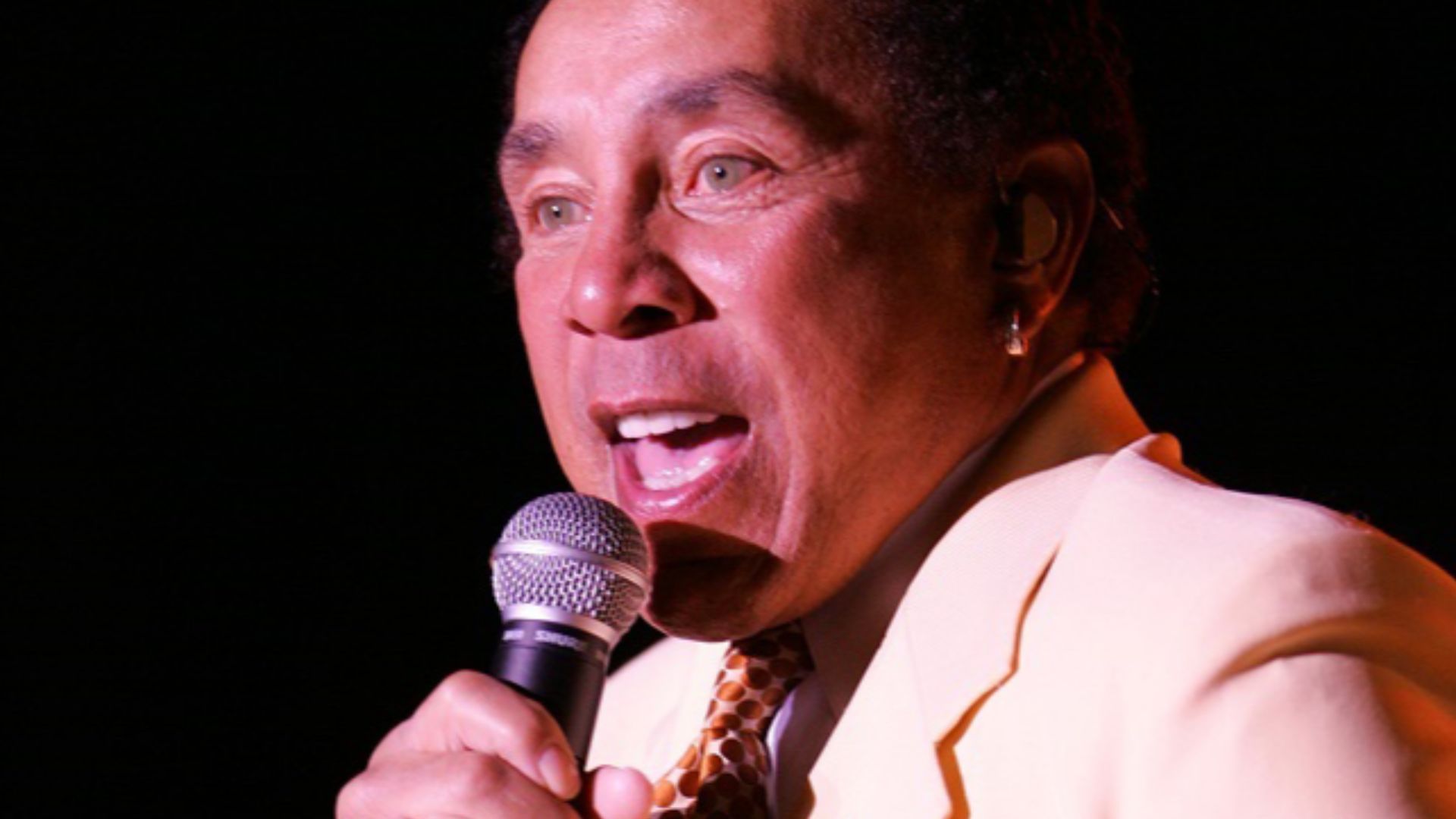
When Smokey Robinson Stepped In
Smokey Robinson became her primary songwriter, and the partnership was magic. He understood her phrasing, her tone, and her ability to sound playful one moment and wounded the next. Together, they created the template for what a Motown love song could sound like.
 Dwightmccann Dwight McCann,, Wikimedia Commons
“My Guy” Changes Everything
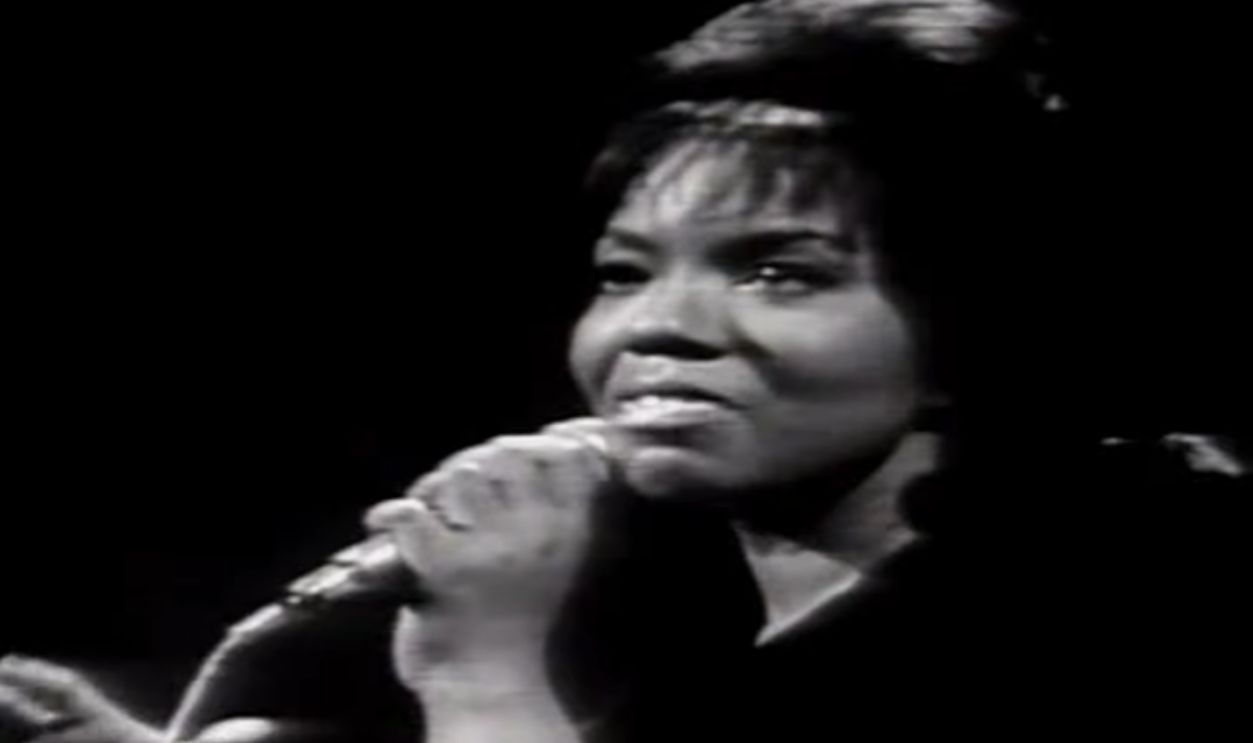
In 1964, My Guy exploded, becoming Motown’s first No. 1 pop hit by a female artist. The song crossed racial and cultural lines, playing everywhere from teen dance shows to adult radio. Mary Wells wasn’t just successful—she was inescapable.
 Screenshot from My Guy, Mary Wells, Motown (1964)
Motown’s First Female Superstar
With hit after hit, Wells earned the unofficial title of “Queen of Motown.” She toured with The Beatles, appeared on television constantly, and became one of the most recognizable voices in America. For a brief moment, it looked like she might outrun the entire label.
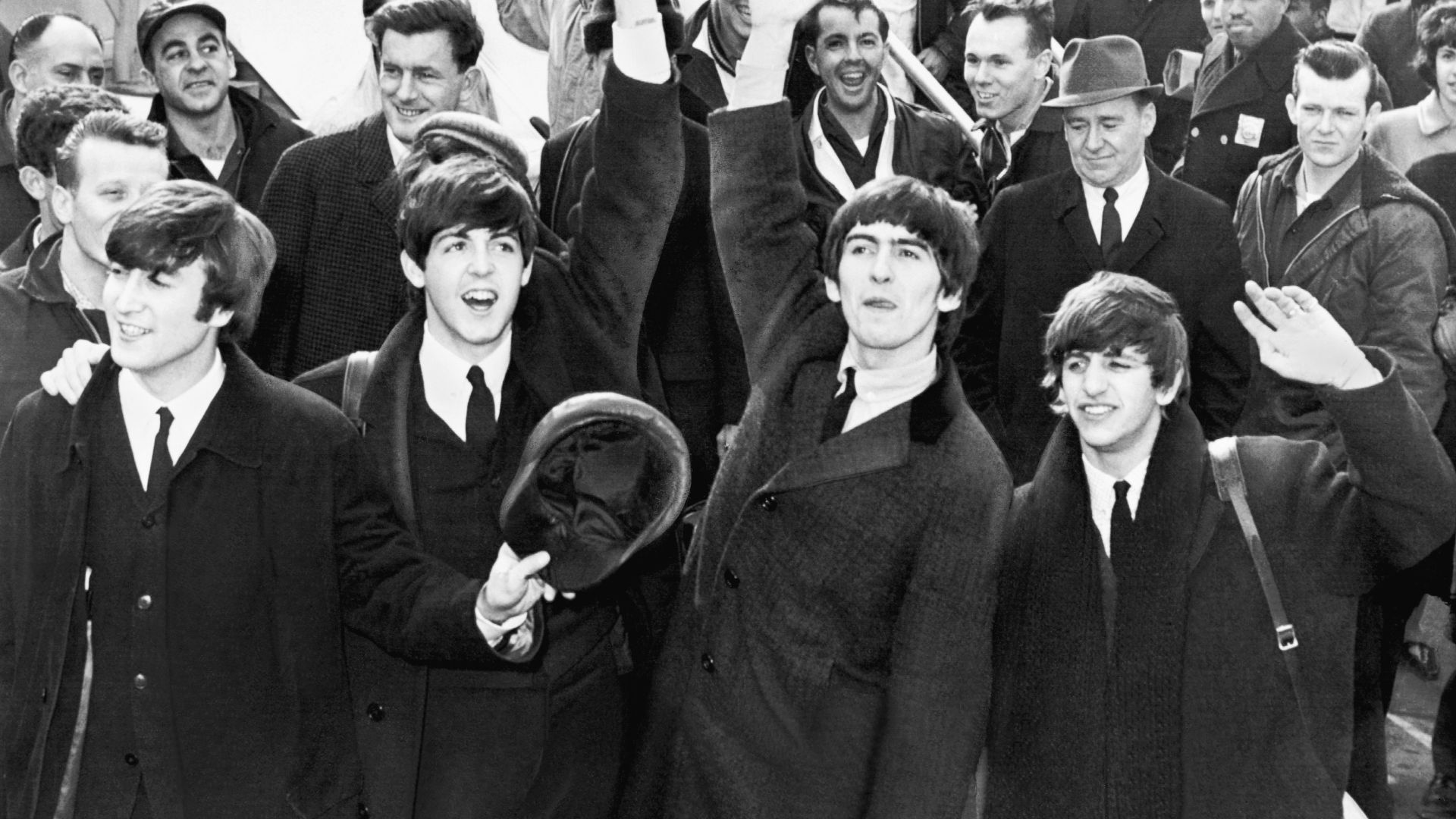 United Press International, photographer unknown, Wikimedia Commons
The Contract Nobody Warned Her About
Behind the scenes, Wells was locked into a deal she signed as a minor, earning far less than her success suggested. As Motown grew richer, her frustration grew louder. She wasn’t wrong—but she was about to make a decision that would cost her dearly.
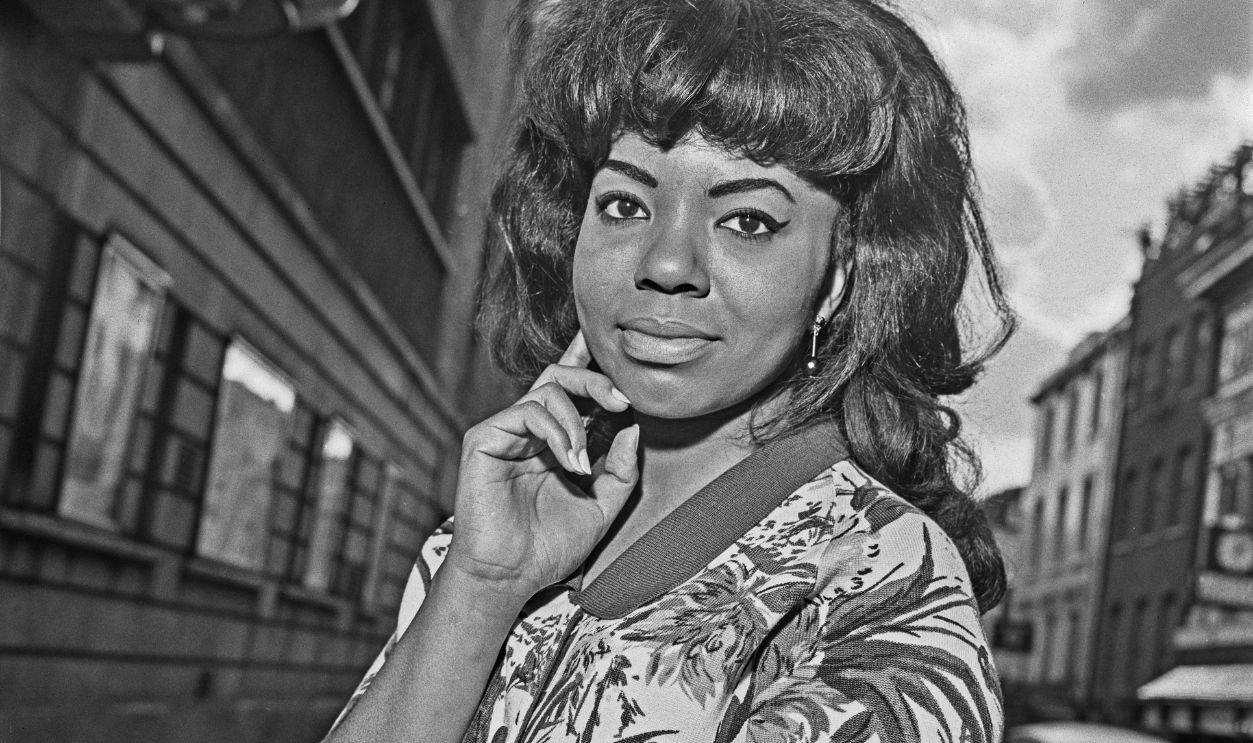 Evening Standard, Getty Images
Taking Motown To Court
Wells sued Motown, arguing her contract was invalid because she’d signed it underage. She won, freeing herself from the label at the absolute peak of her fame. On paper, it looked like a power move. In reality, it was the start of a long unraveling.
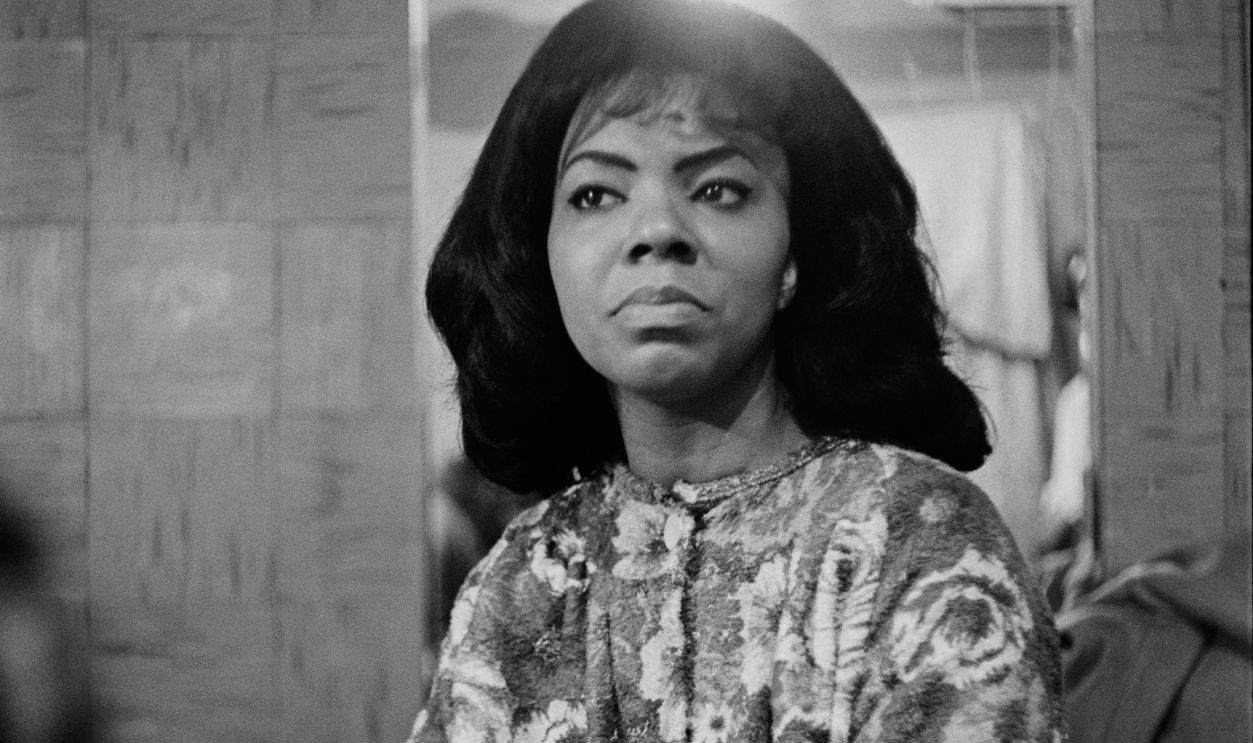 Michael Ochs Archives, Getty Images
The Shiny 20th Century Fox Deal
Fresh off her court victory, Wells signed a lucrative contract with 20th Century Fox Records. The money was better, the promises bigger, and the freedom intoxicating. But Motown wasn’t just a label—it was a machine, and she’d just walked away from it.

What She Really Gave Up
By leaving Motown, Wells lost more than a logo behind her name. She gave up long-term royalties, promotional muscle, and the songwriting team that understood her best. Worse, she lost her place inside the Motown story as it continued without her.

Trying To Compete With Her Own Legacy
Her post-Motown releases weren’t terrible—they just weren’t My Guy. Audiences struggled to separate her from the sound she’d helped define, and radio didn’t rally the way it once had. The hits slowed, then stopped.
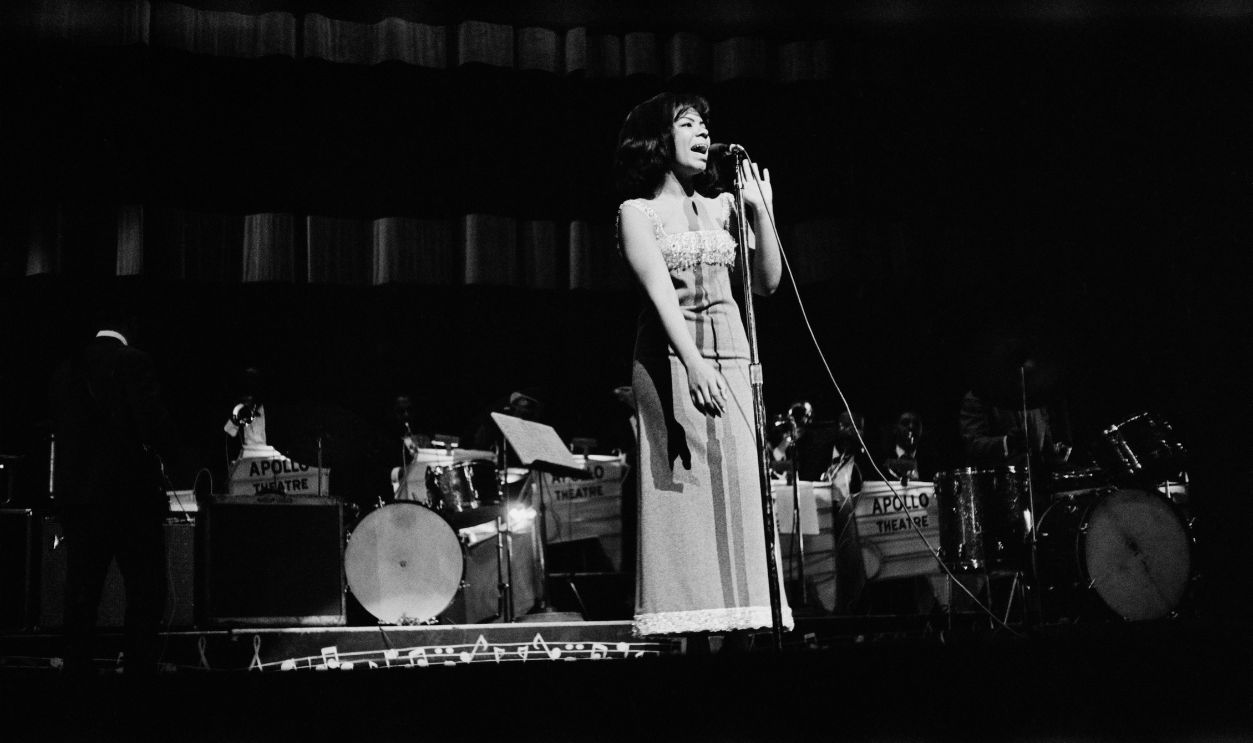 Michael Ochs Archives, Getty Images
When Momentum Turns Into Silence
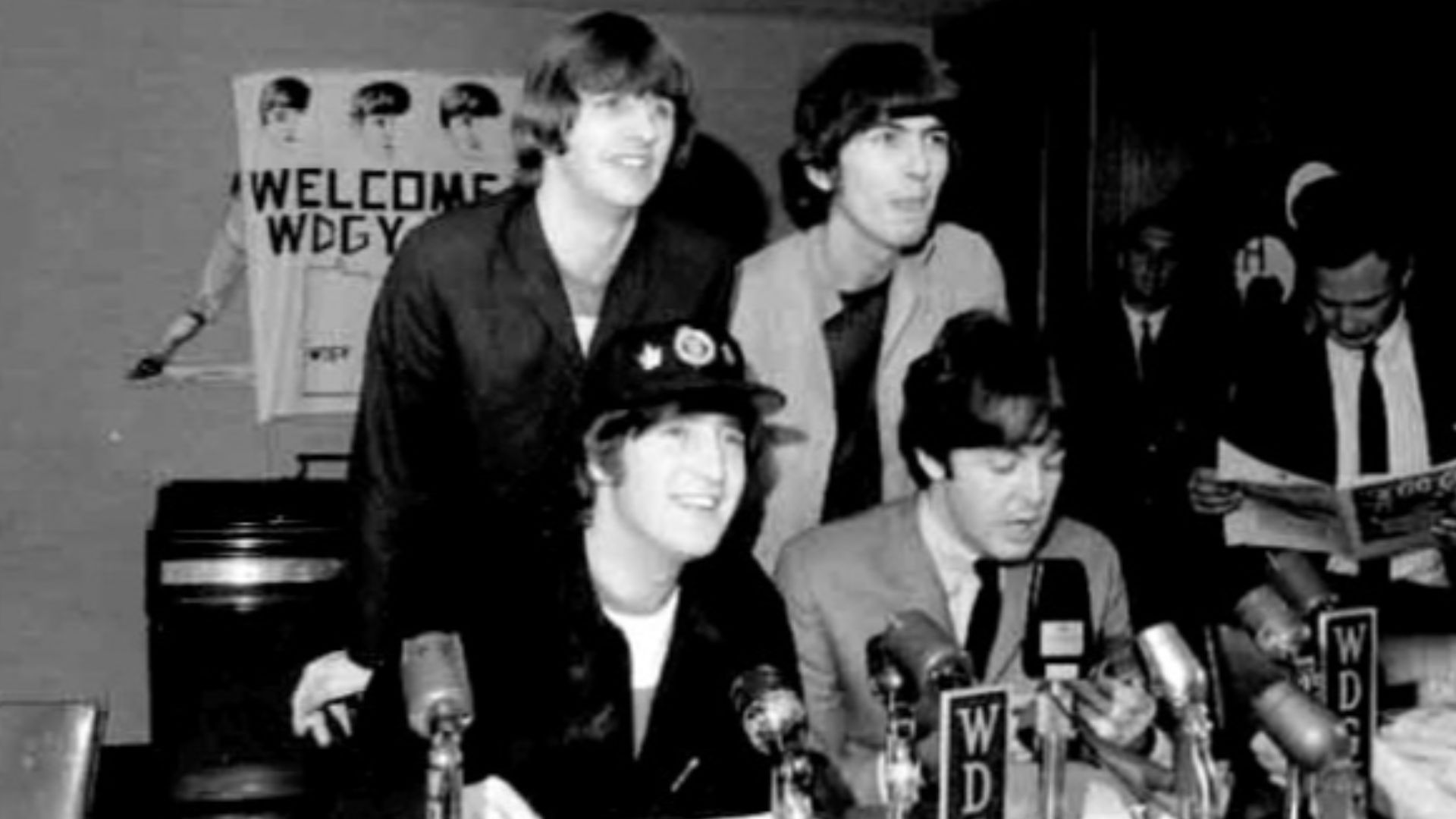
A Beatles tribute album failed to make noise, and later releases struggled for airplay. Rumors swirled that Motown quietly discouraged DJs from spinning her new material. Whether true or not, Wells found herself fading from public view fast.
 Minnesota Historical Society, Wikimedia Commons
Bouncing Between Labels
Throughout the late ’60s and ’70s, Wells signed with multiple labels, chasing stability that never quite arrived. Each new deal came with hope—and each ended with disappointment. The industry she helped build was moving on without her.
Fame Shrinks, Bills Don’t
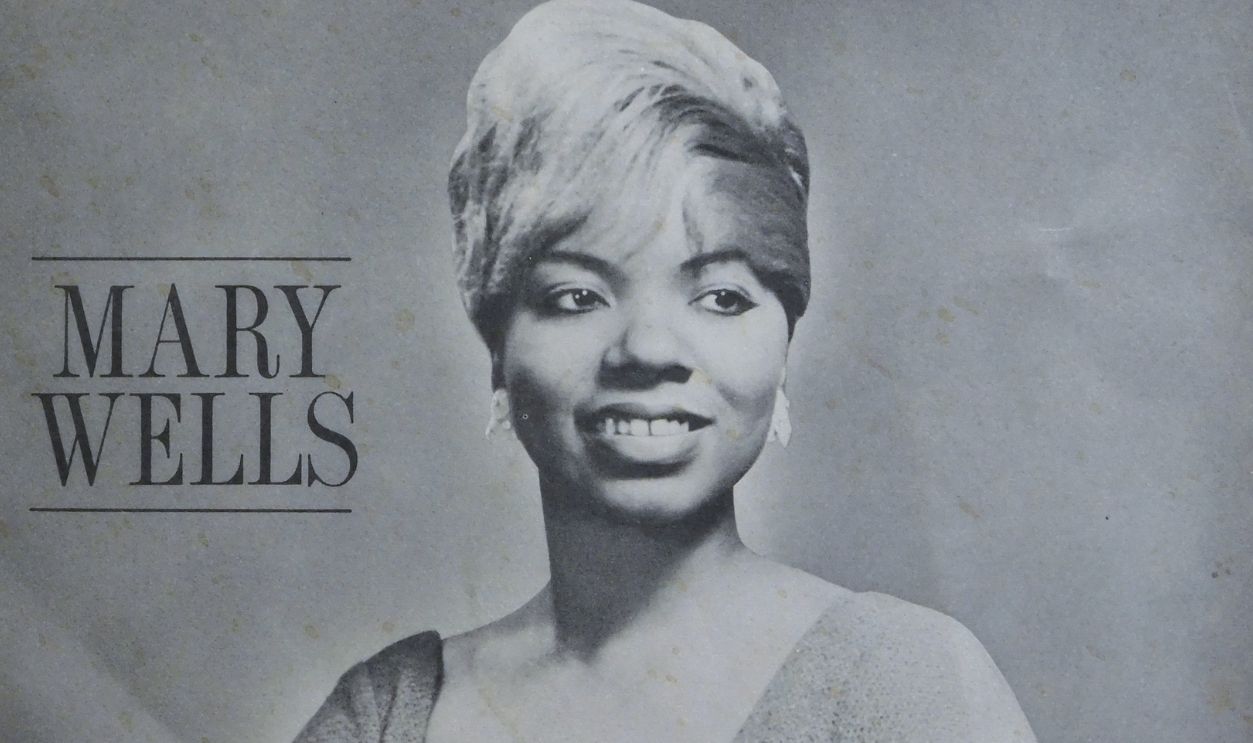
As chart success dried up, financial pressure crept in. Wells continued performing and recording, but the spotlight was dimmer and the paychecks smaller. The safety net she thought she’d secured never really materialized.
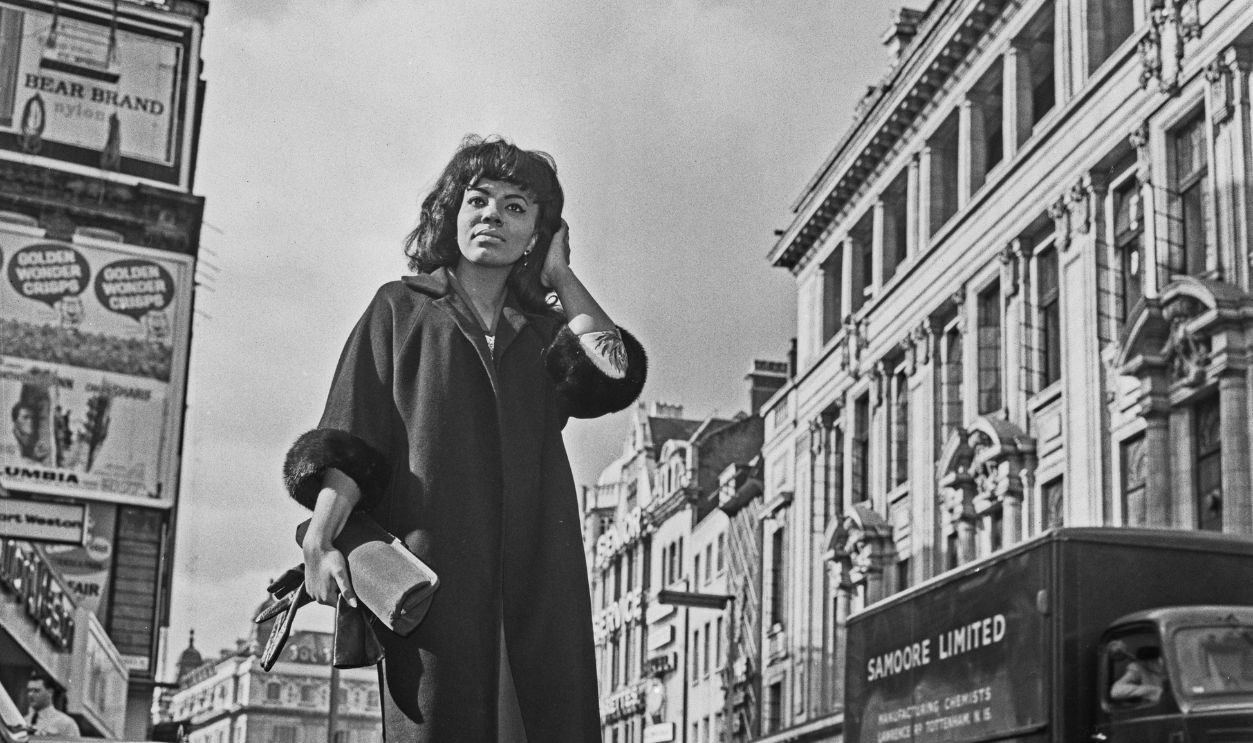 Evening Standard, Getty Images
A Complicated Personal Life
Her marriages—including one to Cecil Womack—were turbulent and often mirrored her career instability. Love and music overlapped in messy ways, leaving her emotionally stretched thin. Stability always seemed just out of reach.

A Brief 1980s Resurgence
In the early ’80s, Wells scored a modest club hit with Gigolo, briefly reminding audiences she was still around. It was a spark, not a comeback—but for a moment, it felt like hope. Unfortunately, it didn’t last.

When Her Voice Was Taken Away
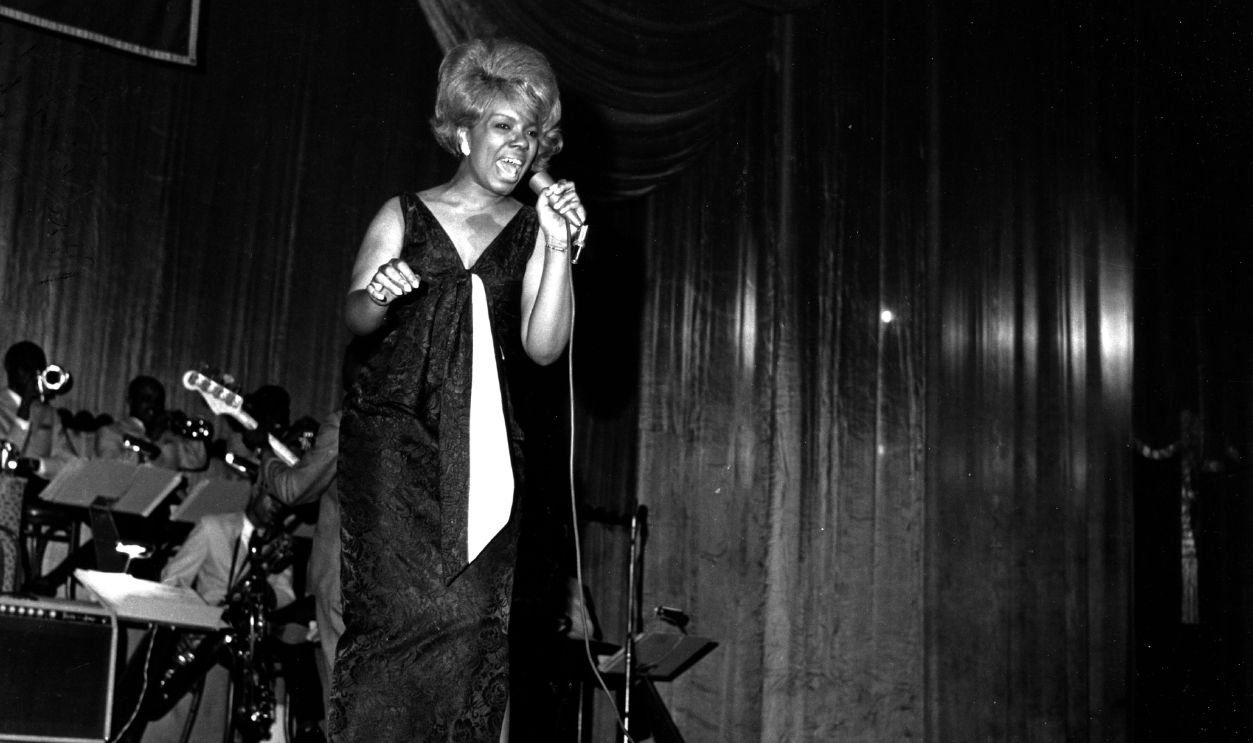
In 1990, Wells was diagnosed with laryngeal cancer. Treatment saved her life—but destroyed her voice, the very thing that defined her. Singing was no longer possible, and her career effectively ended overnight.
Financial Collapse And Public Help
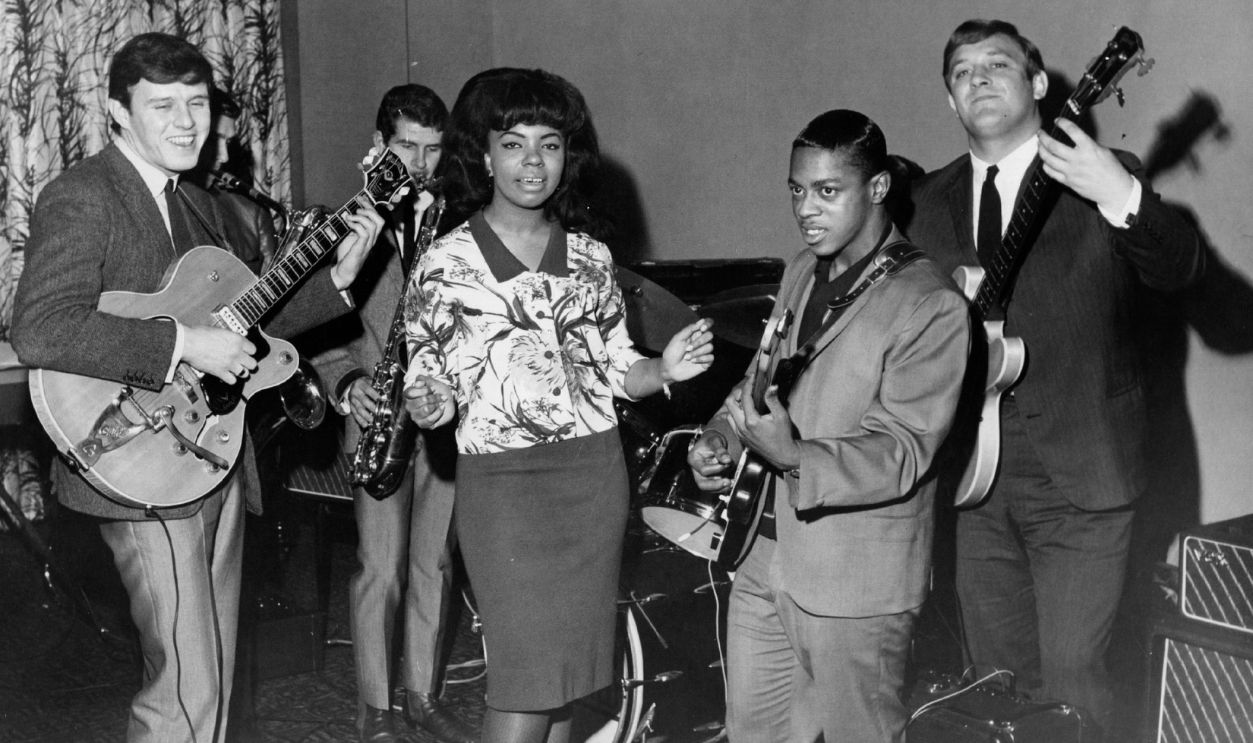
Without health insurance, medical bills piled up quickly. Wells sold her home and relied on benefit concerts organized by fellow artists just to survive. The woman who helped launch Motown now needed help from the industry she once ruled.
 Michael Ochs Archives, Getty Images
One Last Legal Fight
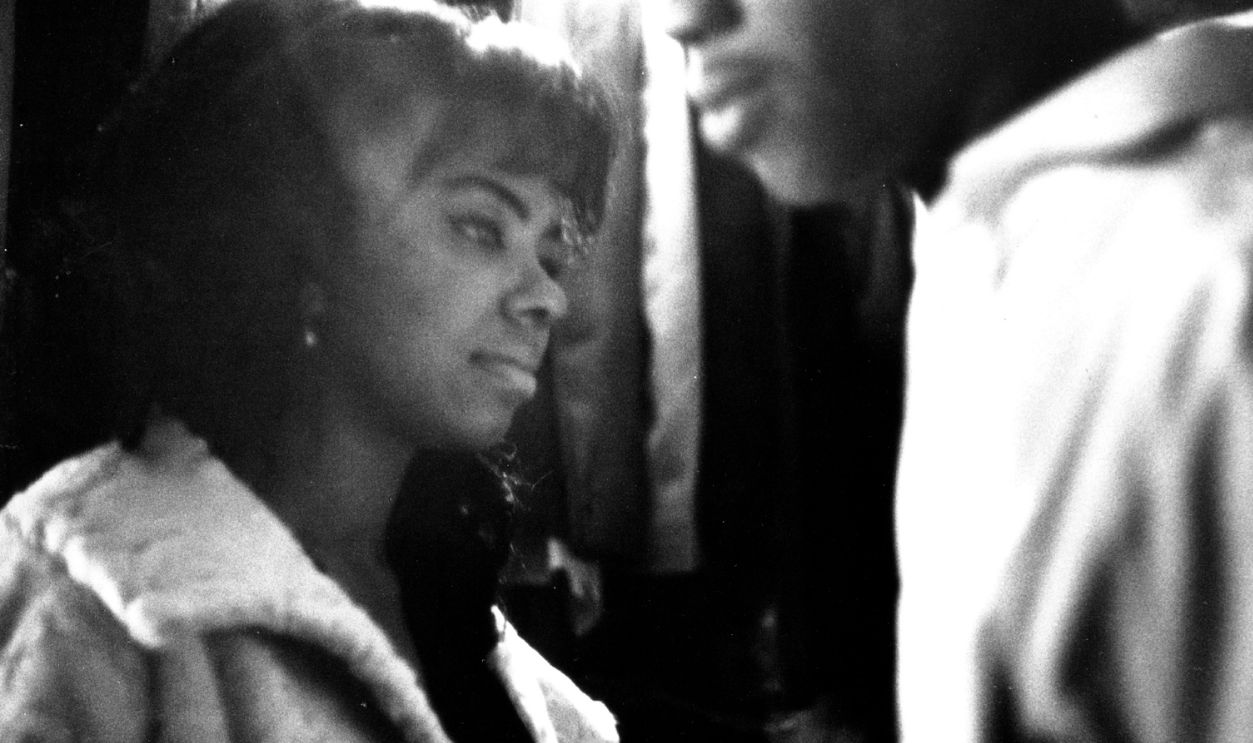
Late in life, Wells sued Motown again over unpaid royalties. She reached a settlement, but it came far too late—and for far too little—to undo decades of loss. Justice arrived, but it didn’t bring security.
 Michael Ochs Archives, Getty Images
The Tragedy Of Timing
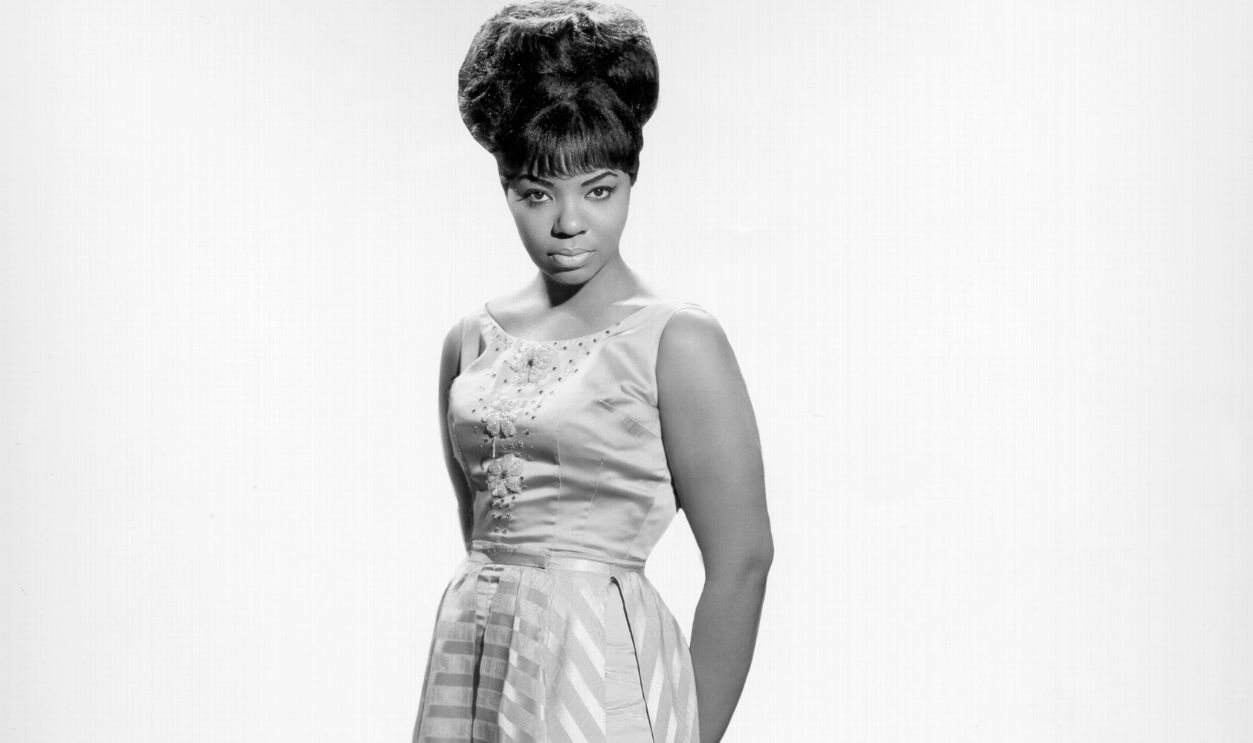
Mary Wells didn’t make a foolish decision—she made a logical one at the wrong moment. She left just before Motown became an unstoppable global brand. Had she stayed, her legacy—and finances—would look very different.
 Michael Ochs Archives, Getty Images
Remembering What She Built
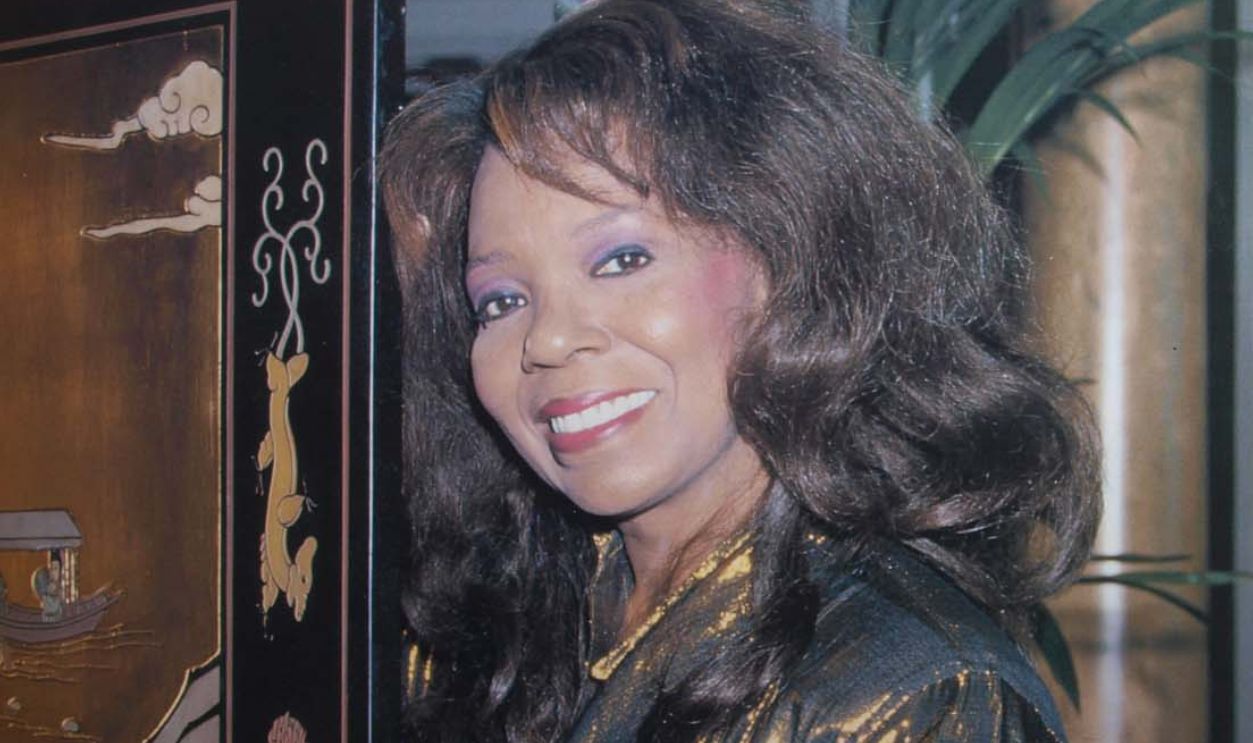
Today, Mary Wells is remembered as a pioneer whose voice helped launch one of the most influential labels in music history. Her story isn’t just about loss—it’s about how easily the architects of culture can be erased by the business behind it. And without her, Motown wouldn’t have sounded the same.
You May Also Like: