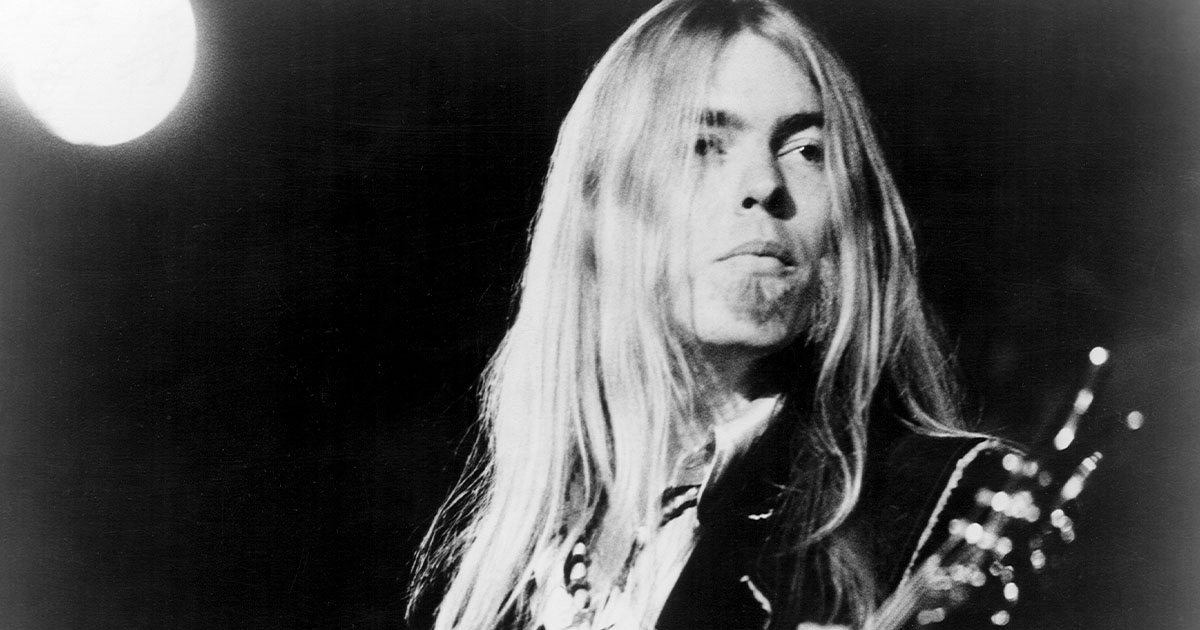
When Gregg Allman Took the Stand
The Allman Brothers Band was already living on the edge when one moment pushed everything over it. When Gregg Allman testified against his own road manager in 1976, it didn’t just fracture a band—it nearly broke the man at its center.

A Band Built on Brotherhood
The Allman Brothers Band was founded on family, loyalty, and shared survival. Gregg Allman and his brother Duane weren’t just bandmates; they were the emotional core of a group that lived, toured, and suffered together. By the early 1970s, the band had become one of the most powerful forces in American music, but the bond holding them together was already fragile.
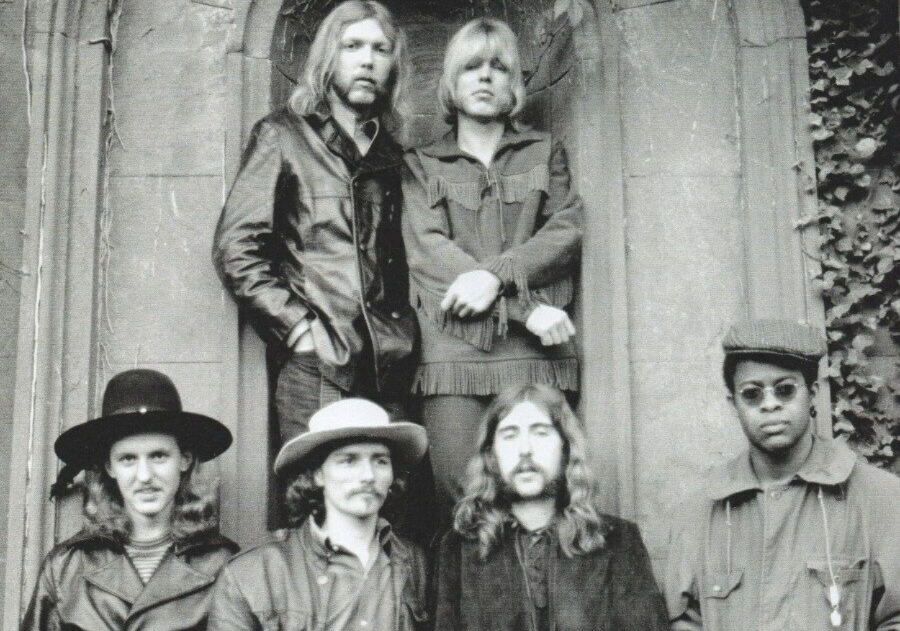 Unknown Author, Wikimedia Commons
Life After Duane Allman
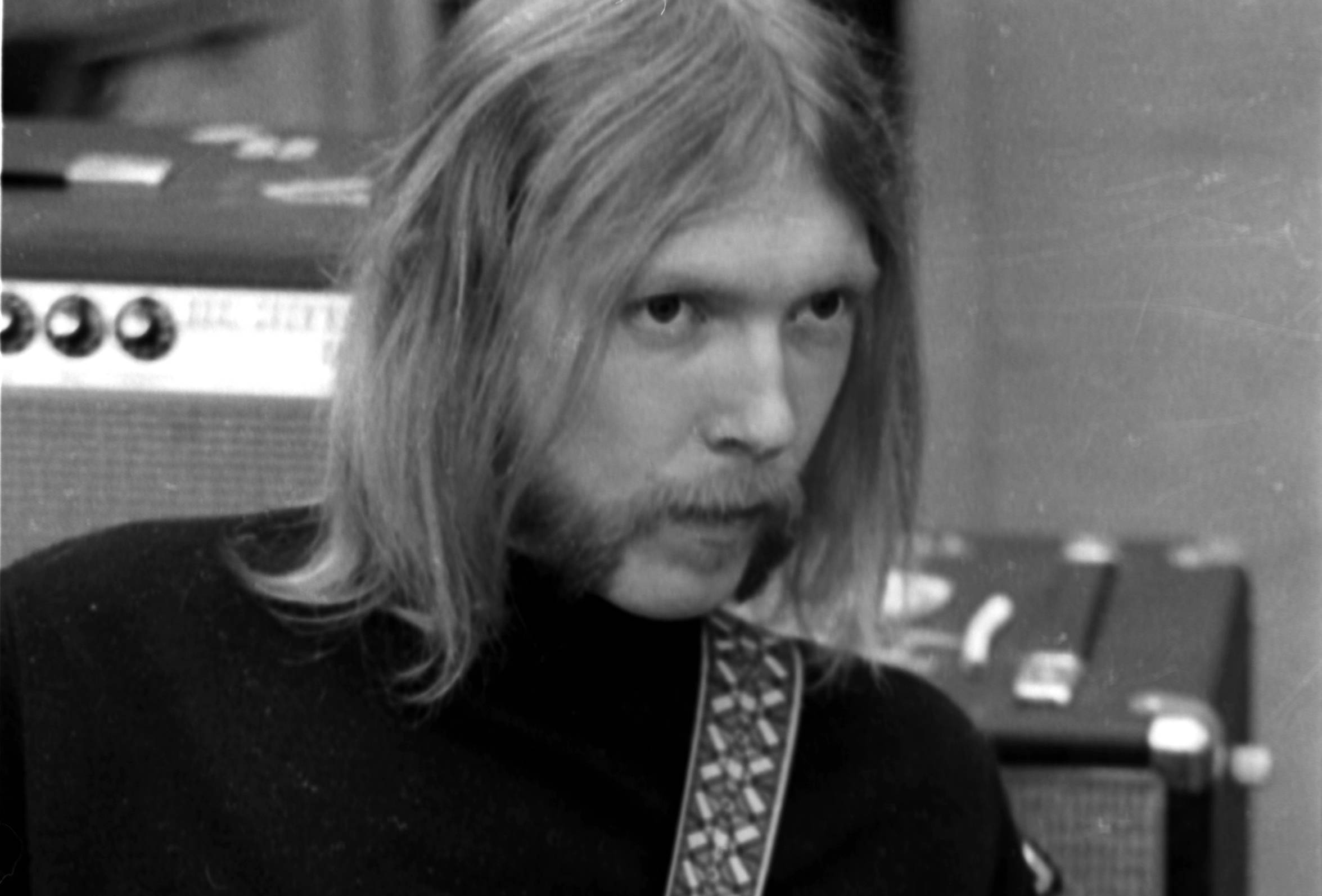
Duane Allman’s death in a motorcycle crash on October 29, 1971, changed everything. Gregg was left carrying grief while trying to lead a band that no longer felt whole. Without Duane, tensions grew, substance use increased, and trust became harder to maintain. Gregg later said he felt like he was “walking with a missing limb” after his brother died.
 Michael Ochs Archives, Getty Images
Success Came With Pressure
Albums like Eat a Peach and Brothers and Sisters cemented the band’s legacy, but success brought legal scrutiny and constant touring. The Allman Brothers were watched closely by authorities, especially as drug laws tightened in the mid-1970s. The band’s lifestyle made them an easy target, even when they tried to keep things together.
Enter Scooter Herring
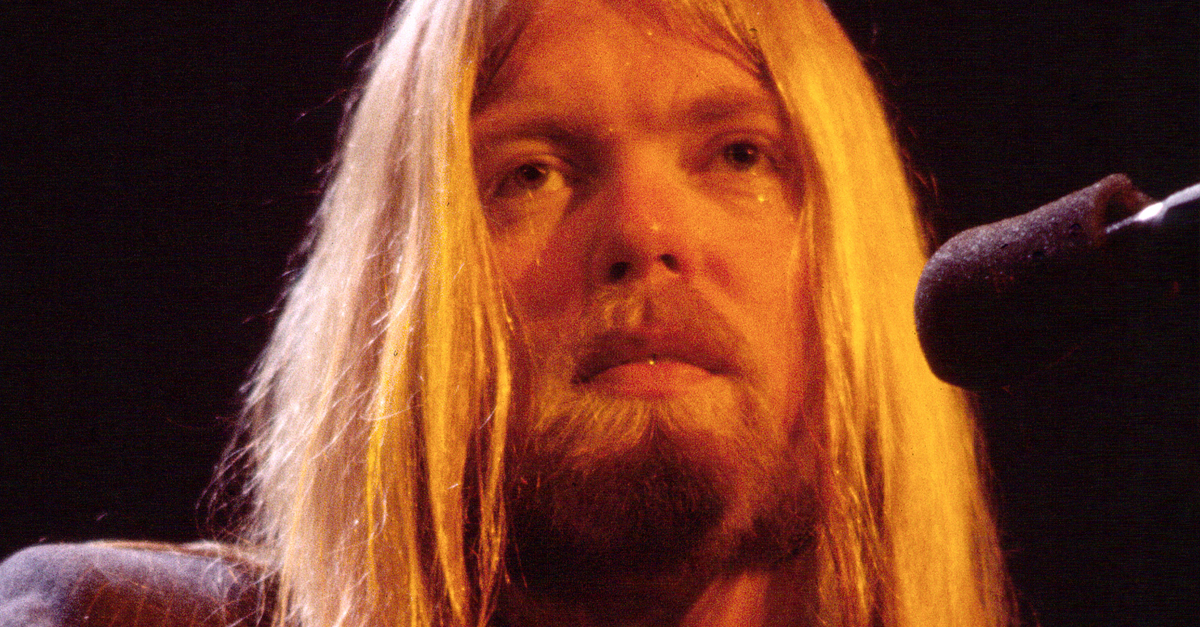
Scooter Herring was more than a road manager. He was trusted with logistics, money, and access to the band’s inner circle. Over time, law enforcement built a case accusing Herring of drug trafficking. The investigation quietly closed in around the Allman Brothers, whether they realized it or not.

The Arrest That Changed Everything
In 1975, Scooter Herring was arrested on federal drug charges. The case threatened to drag the Allman Brothers Band directly into court. Prosecutors believed Gregg Allman had information that could strengthen their case. What followed put Gregg in an impossible position.
Gregg Allman Is Subpoenaed
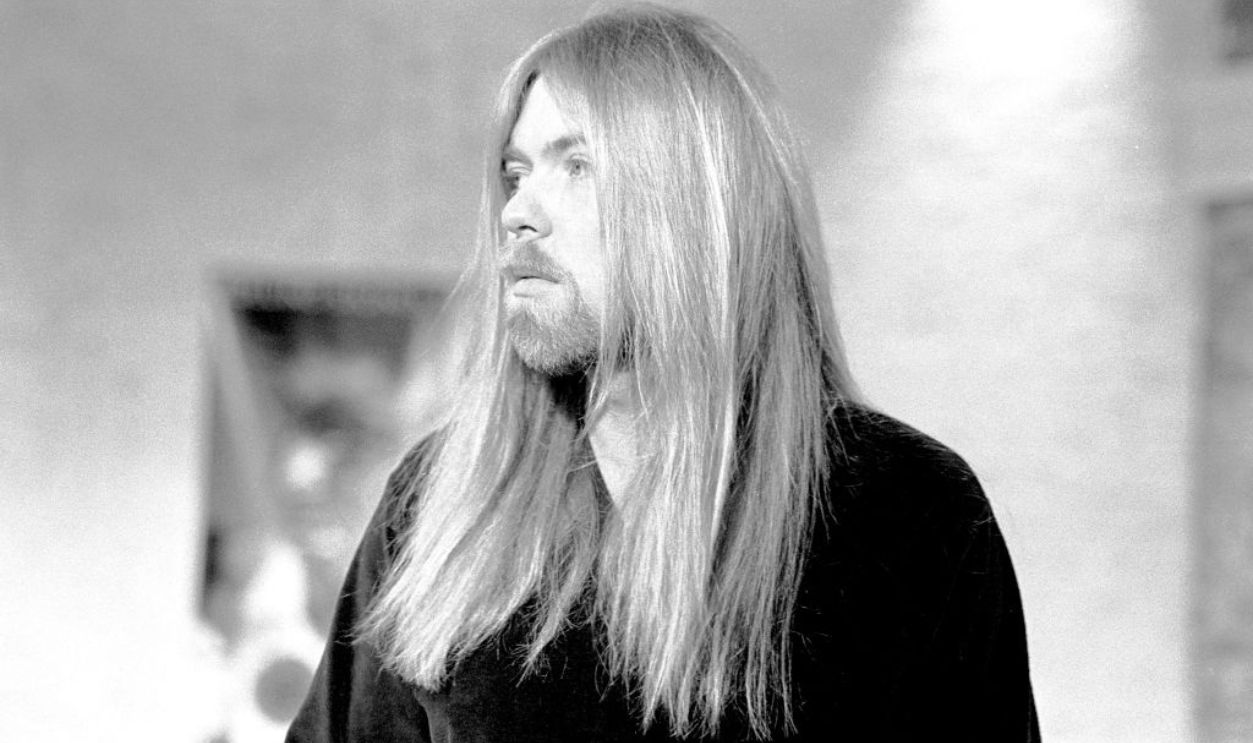
Gregg was subpoenaed to testify in federal court in Macon, Georgia. This was not voluntary cooperation. Refusing to testify could have landed him in jail. Gregg later said he felt trapped, terrified, and deeply confused about what the “right” choice even was.

Testifying Against a Friend
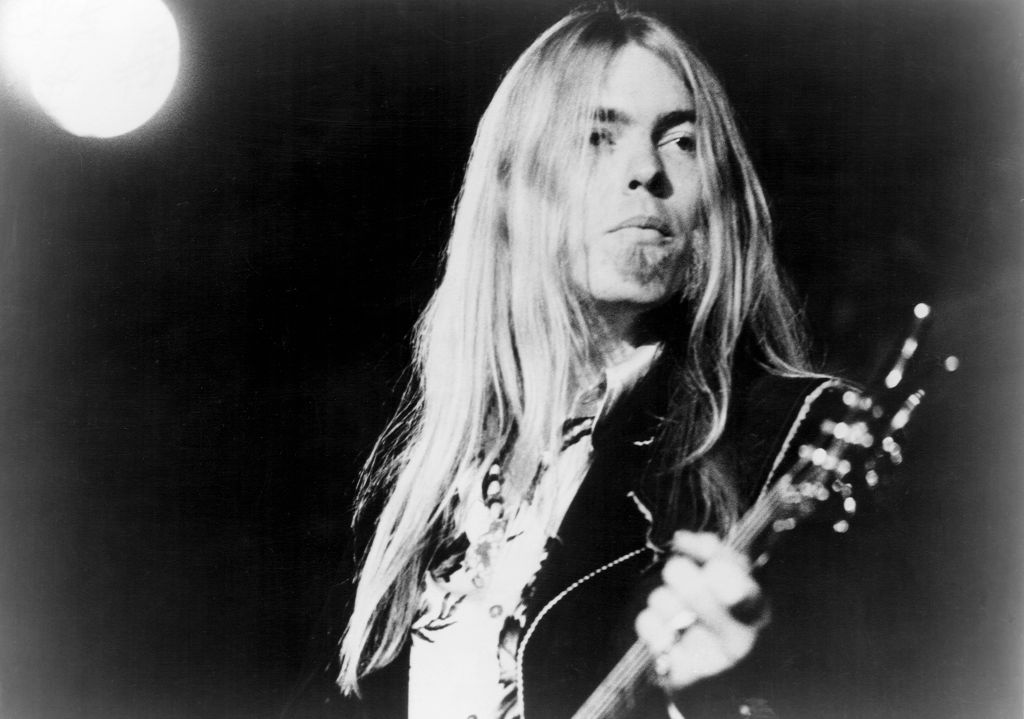
In January 1976, Gregg Allman took the stand and testified against Scooter Herring. He answered questions about events and conversations tied to the case. Legally, he complied. Emotionally, he shattered. Gregg later described it as one of the darkest moments of his life.
 Michael Ochs Archives, Getty Images
The Band Feels Betrayed
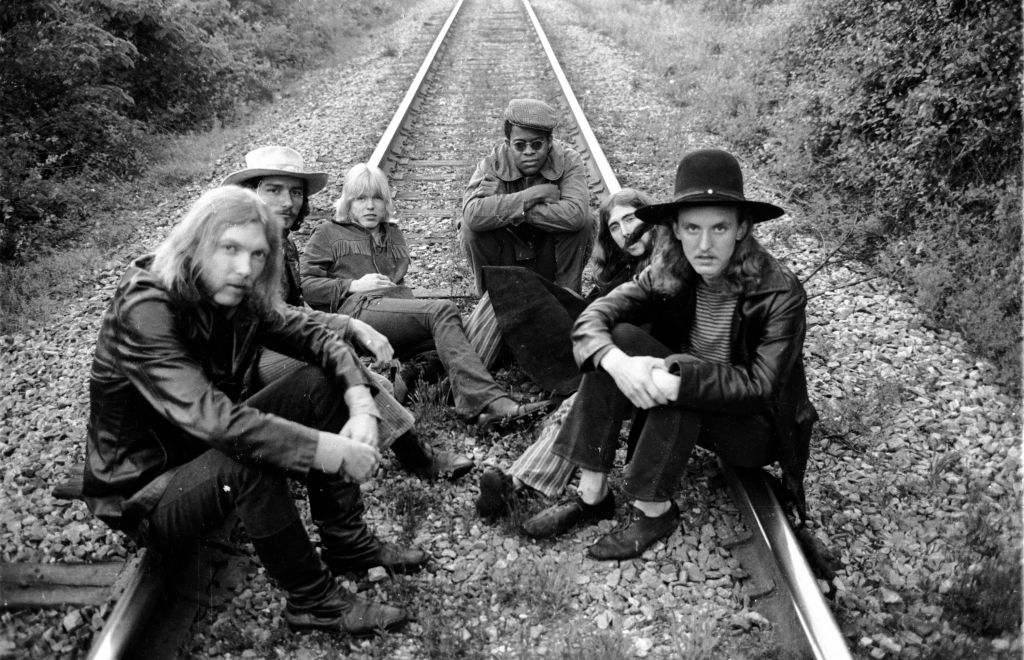
News of Gregg’s testimony spread quickly. Other members of the Allman Brothers felt blindsided and betrayed. To them, testifying against someone inside the band’s world crossed an unspoken line. Drummer Butch Trucks later said trust was “completely destroyed” by the decision.
 Michael Ochs Archives, Getty Images
A Public Backlash
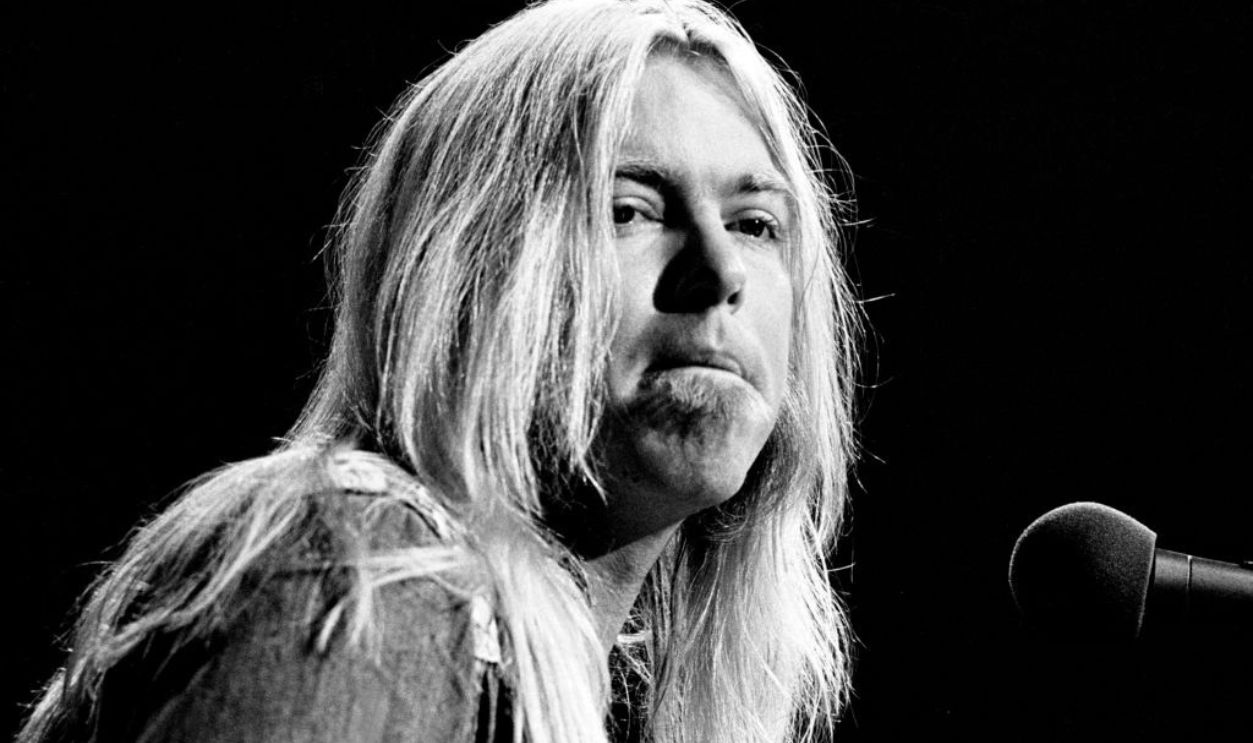
Fans reacted strongly. Some understood Gregg’s legal position. Others saw it as unforgivable. The Allman Brothers had built their reputation on authenticity and loyalty, and this moment felt like a crack straight through that image. Gregg became isolated almost overnight.
The Band Breaks Apart
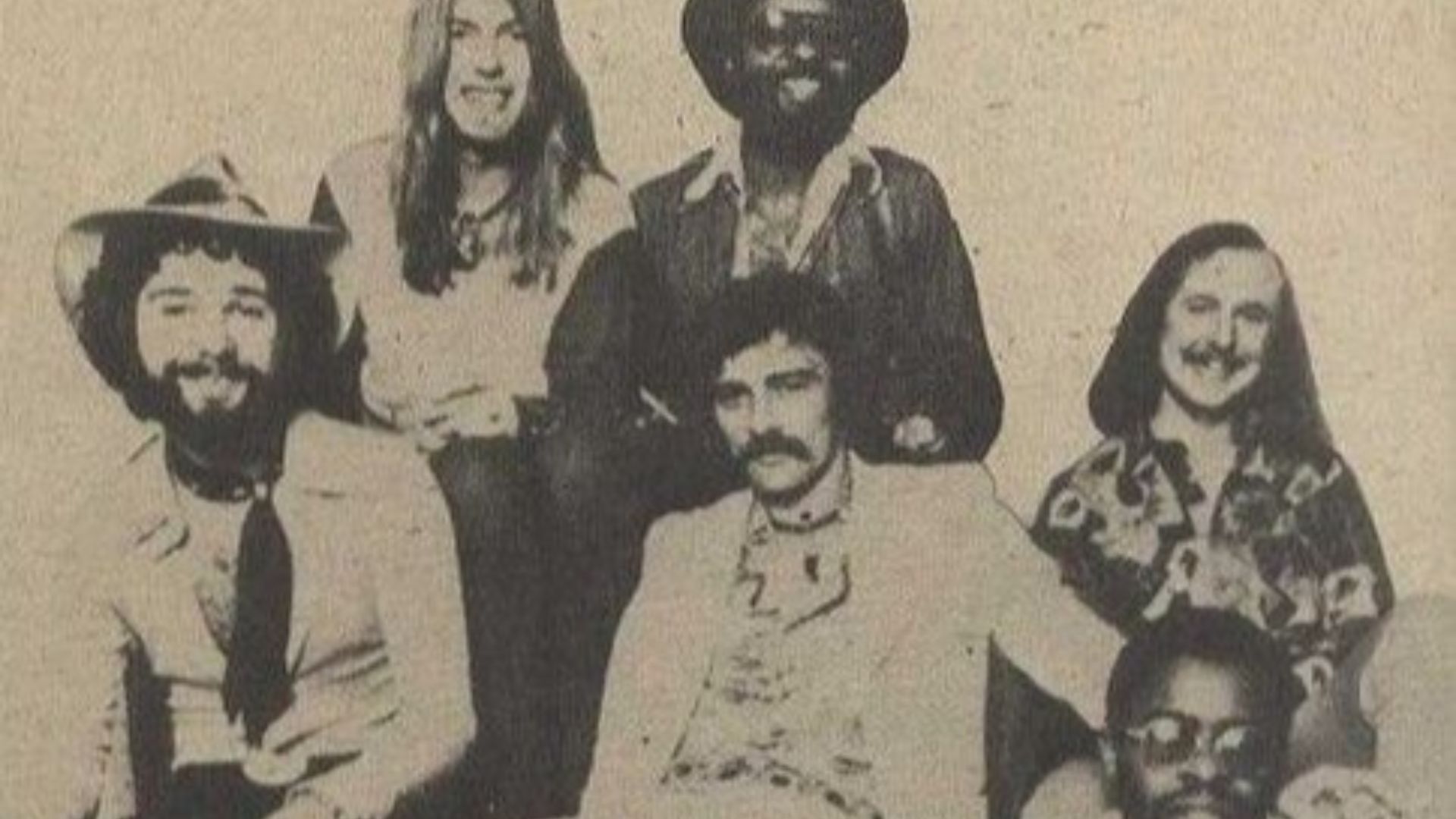
In 1976, the Allman Brothers Band officially broke up. While internal issues had been building for years, Gregg’s testimony became the final breaking point. The band that once felt inseparable now couldn’t even be in the same room.
 Capricorn Records, Wikimedia Commons
Gregg’s Guilt Takes Over
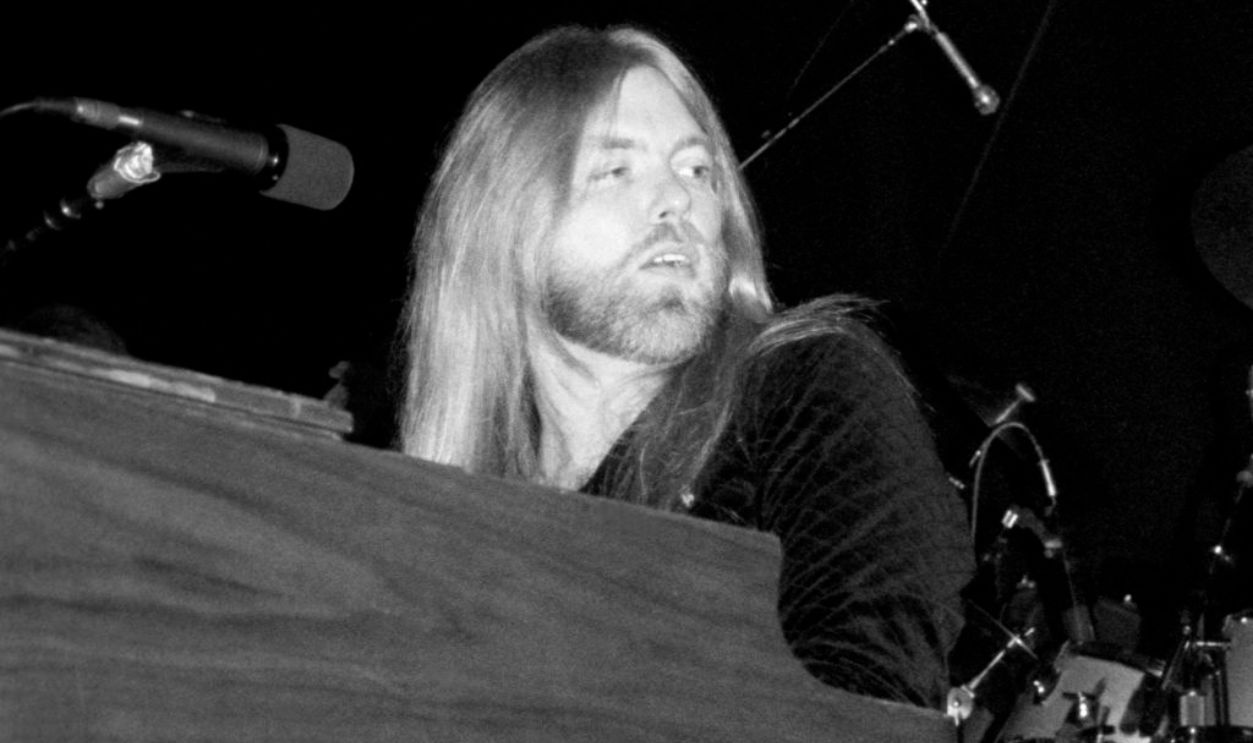
Gregg Allman spiraled after the breakup. He struggled deeply with guilt, addiction, and depression. In his autobiography My Cross to Bear, Gregg wrote that the decision haunted him for decades. He never claimed it was the right choice—only the one he felt forced into.
A Man Alone With His Choices
Without the band, Gregg felt exposed. He faced criticism from fans, former bandmates, and himself. He later admitted that testifying against Herring made him feel like he had lost the only family he truly knew.
 Sterling Munksgard, Shutterstock
Attempts at Reconciliation
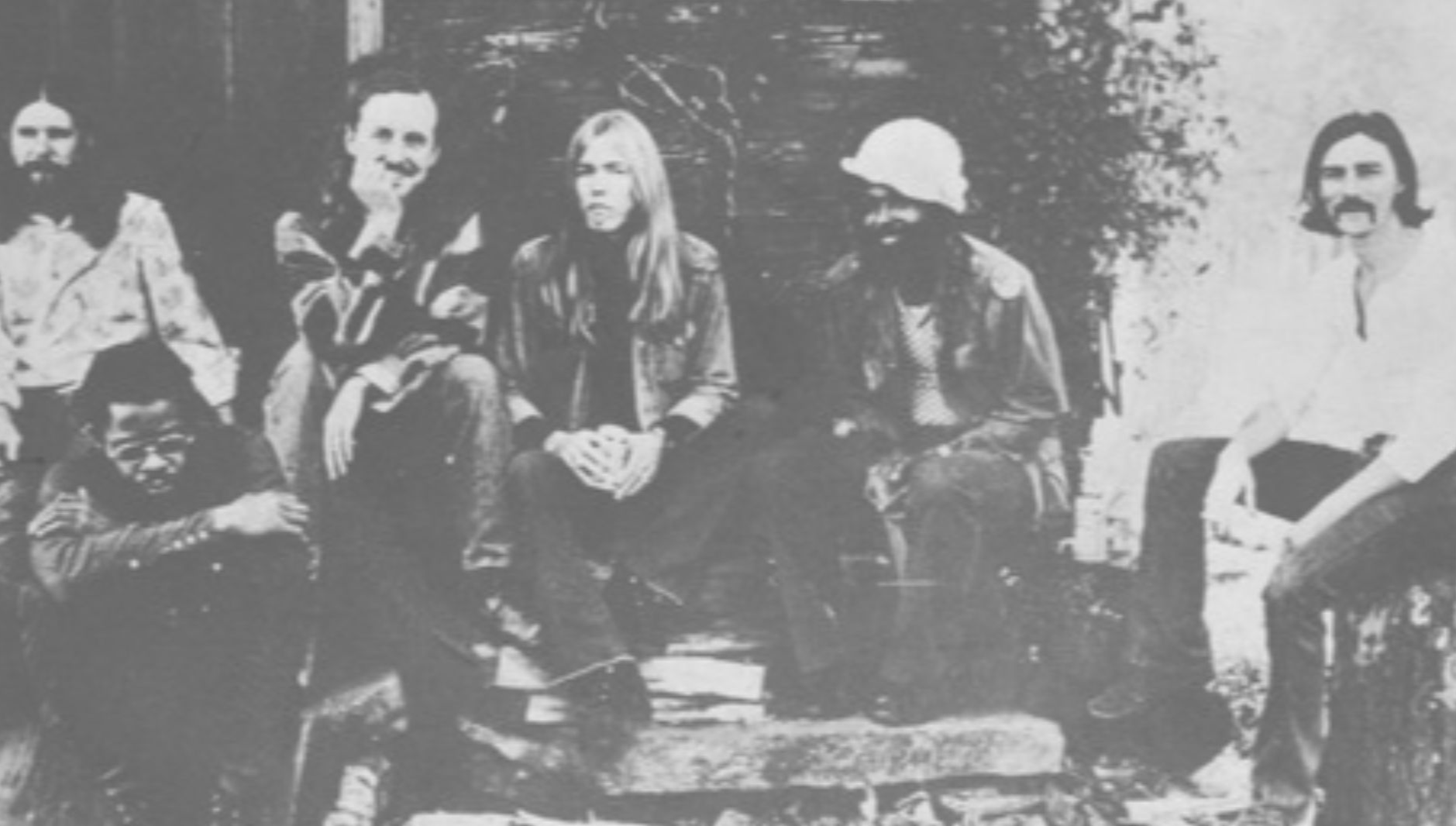
Years passed before communication slowly reopened between Gregg and the remaining members. Time softened anger, but it did not erase pain. Rebuilding trust was slow, awkward, and fragile. Nothing went back to the way it was before.
 Capricorn Records, Wikimedia Commons
The Allman Brothers Reunite—Carefully
In 1979, the Allman Brothers Band reunited, though the scars remained. Gregg was welcomed back, but the relationships had changed. Everyone carried what had happened, even when it went unspoken.
 Capricorn Records, Wikimedia Commons
Gregg Owns the Pain Publicly
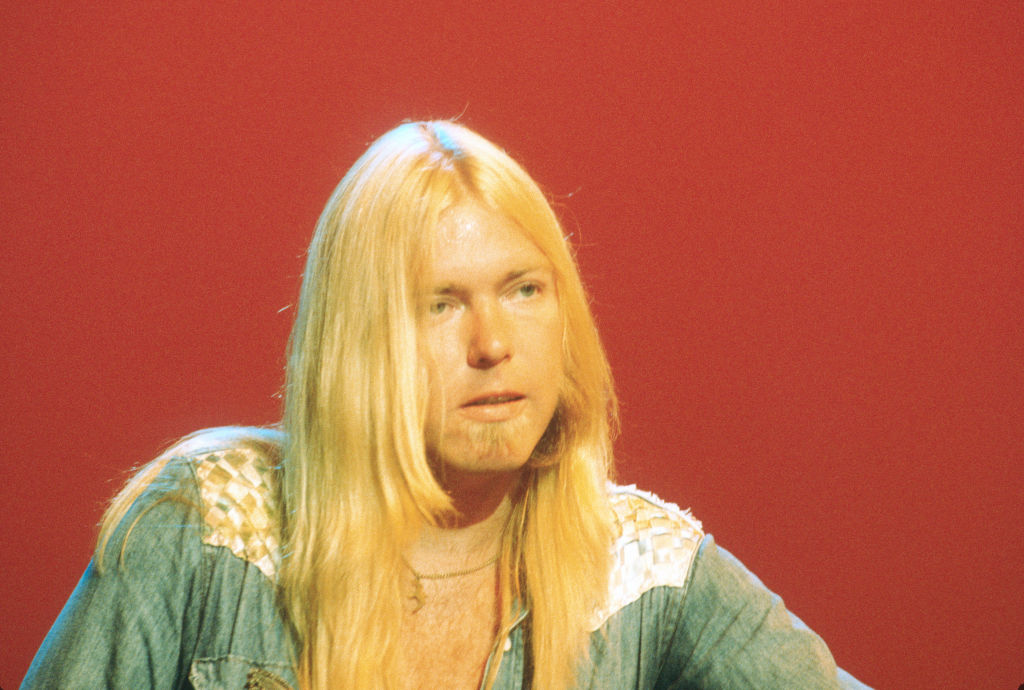
Later in life, Gregg spoke openly about the testimony. He never minimized it. “I lost everything that mattered to me,” he said in interviews. He accepted responsibility for the emotional damage, even while acknowledging the legal pressure he faced.
Understanding the Legal Reality
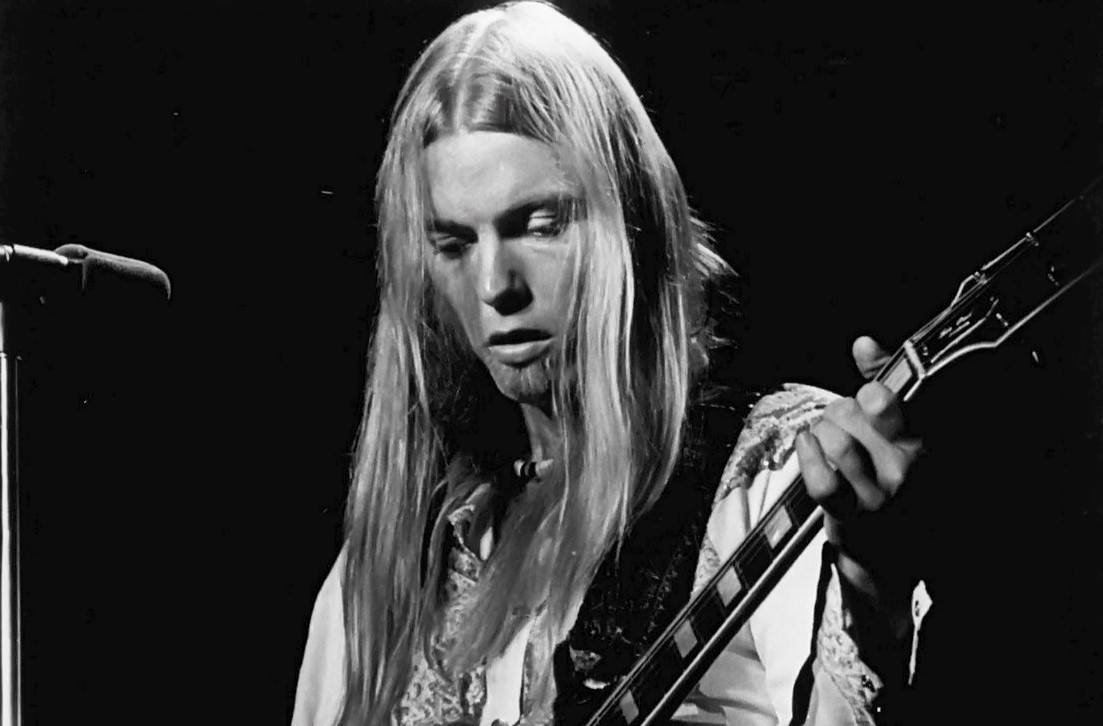
Legal experts have since noted that Gregg’s situation was far from simple. Subpoenas are not optional. Refusal can mean prison. Gregg stood between the law and loyalty, and either path carried consequences.
 Paragon Agency-management, Wikimedia Commons
A Moment That Defined Him
For many fans, Gregg Allman’s testimony remains the most controversial moment of his life. Not because it was dramatic, but because it was human. Fear, survival, and regret collided in a single decision.
 Michael Ochs Archives, Getty Images
Music as Confession
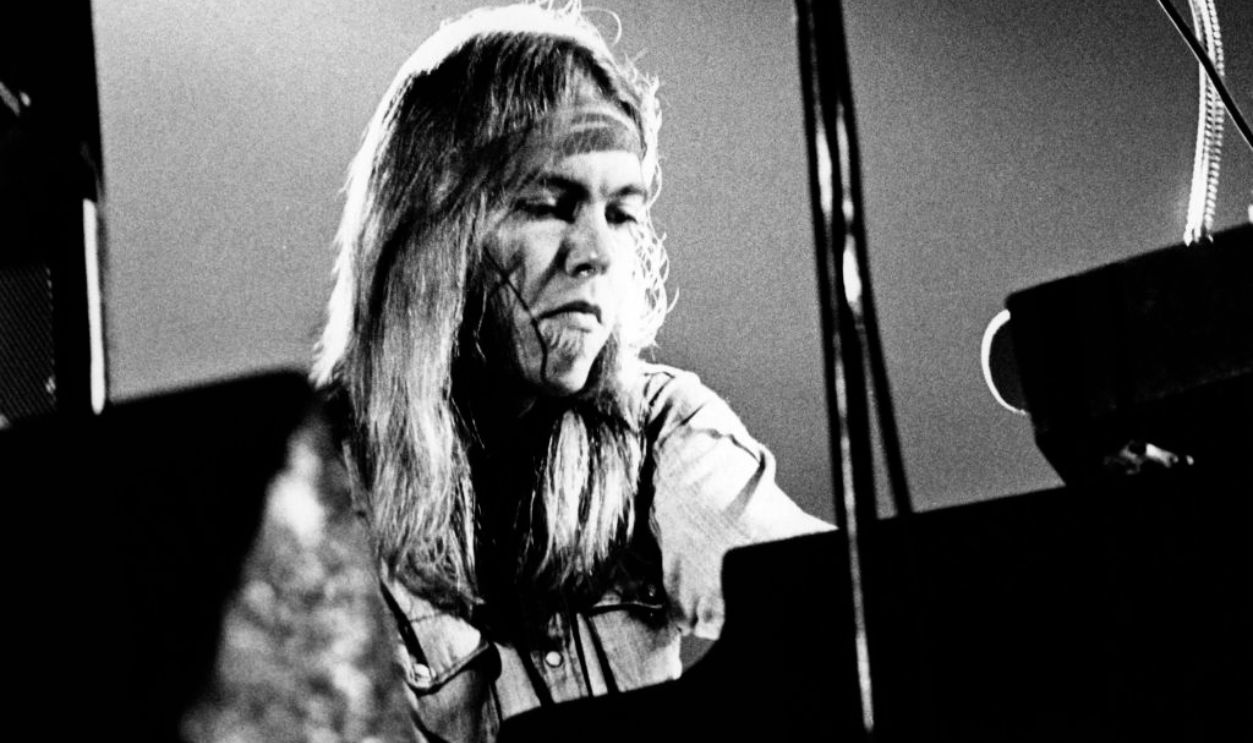
Gregg poured his pain into music for the rest of his life. Songs like “These Days” and “Midnight Rider” gained deeper meaning as listeners understood what he carried. His voice aged with his regret, and fans heard it.
The Weight Never Fully Lifted
Even decades later, Gregg admitted the guilt never left him. He learned to live with it, not escape it. The testimony became part of who he was, for better or worse.
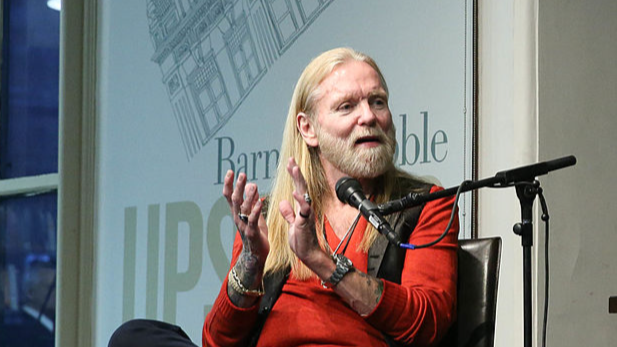
A Band Forever Changed
The Allman Brothers Band survived the breakup, the reunion, and the controversy—but they were never untouched by it. Gregg’s testimony reshaped the band’s history as much as any album or lineup change.
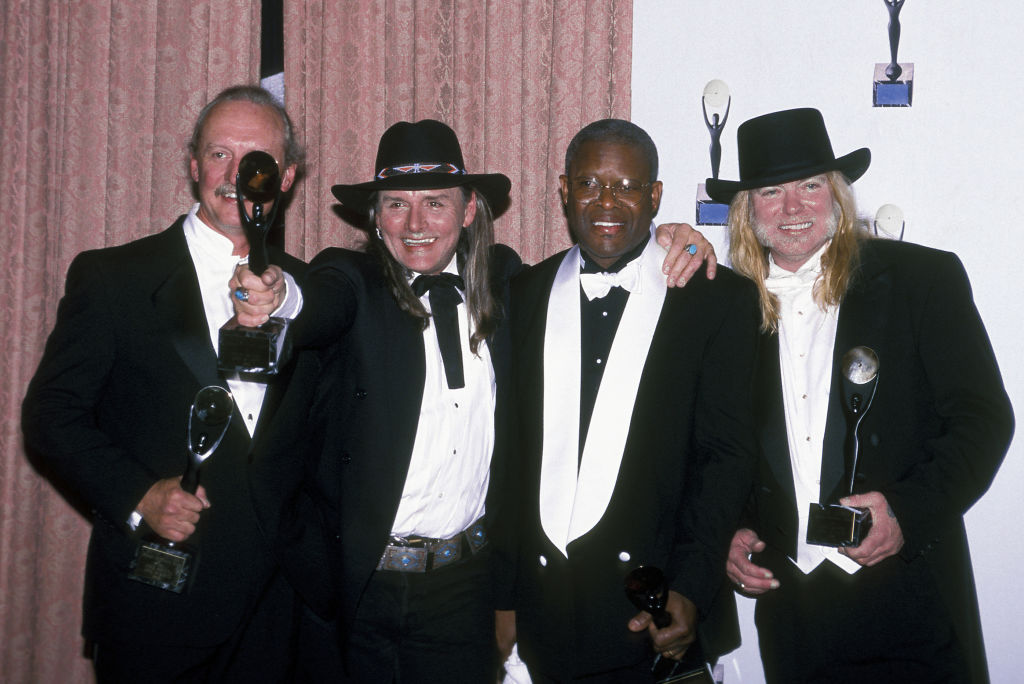 Ron Galella, Ltd., Getty Images
Gregg Allman’s Complicated Legacy
Gregg Allman died on May 27, 2017, at age 69. He left behind legendary music and a life marked by hard decisions. His testimony didn’t define his entire legacy, but it revealed the cost of living inside fame, law, and loyalty.

When Survival Comes at a Price
Gregg Allman’s story reminds us that survival sometimes demands choices that leave scars. His testimony didn’t make him a villain. It made him human—and that truth still lingers in every note he left behind.
You May Also Like: