The Frontman Whose Death Nearly Ended AC/DC
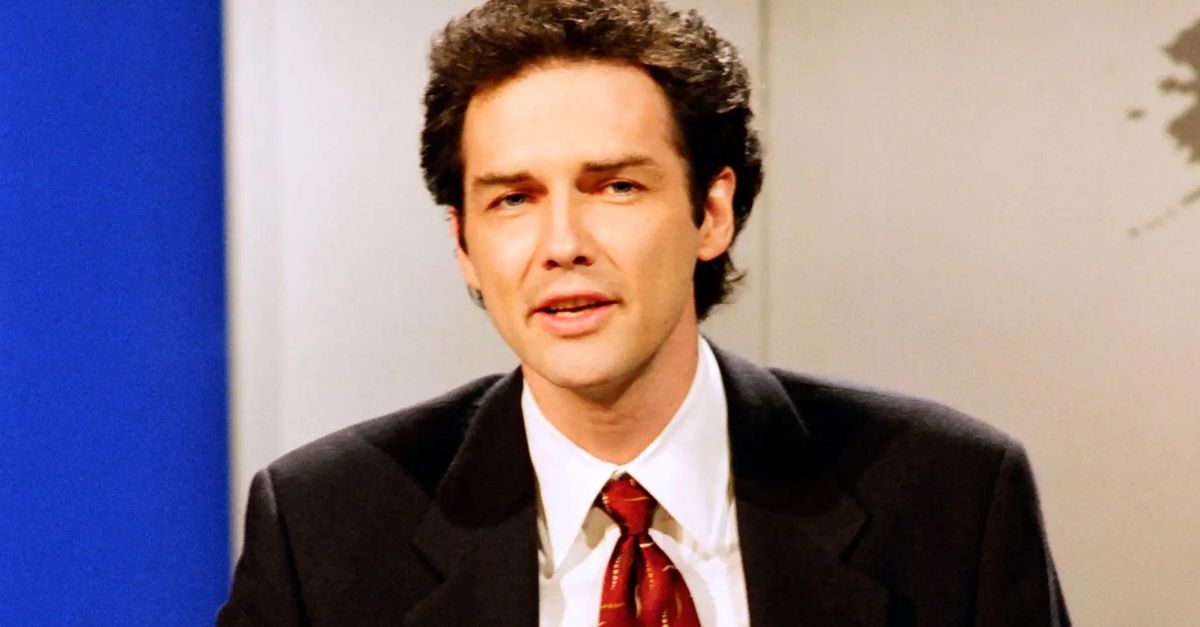
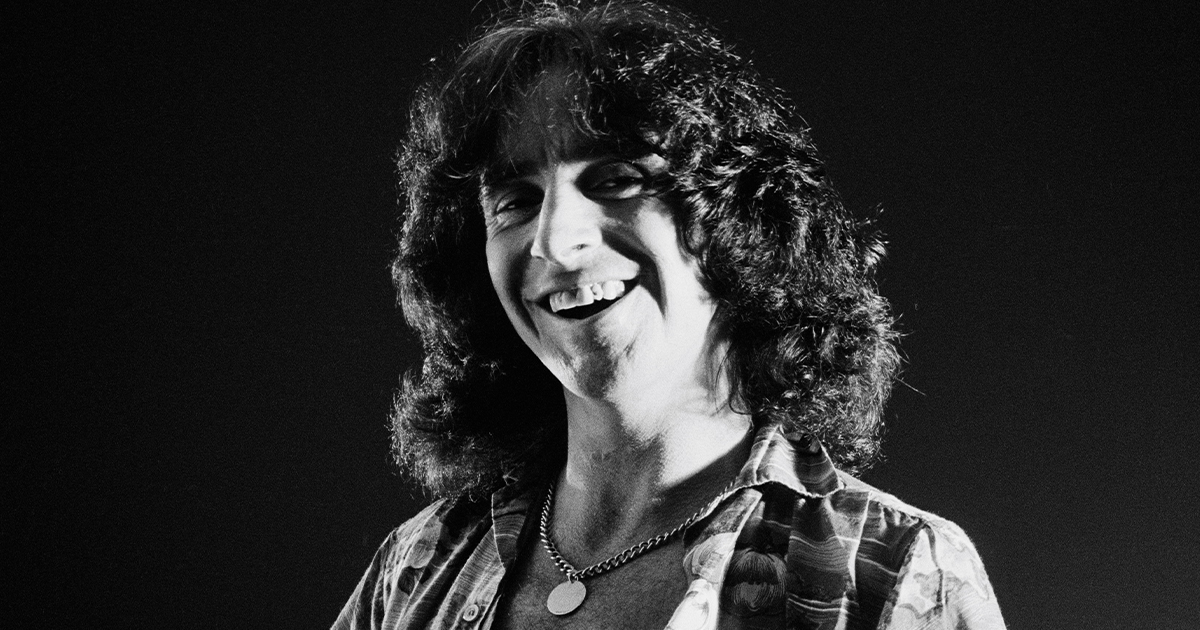
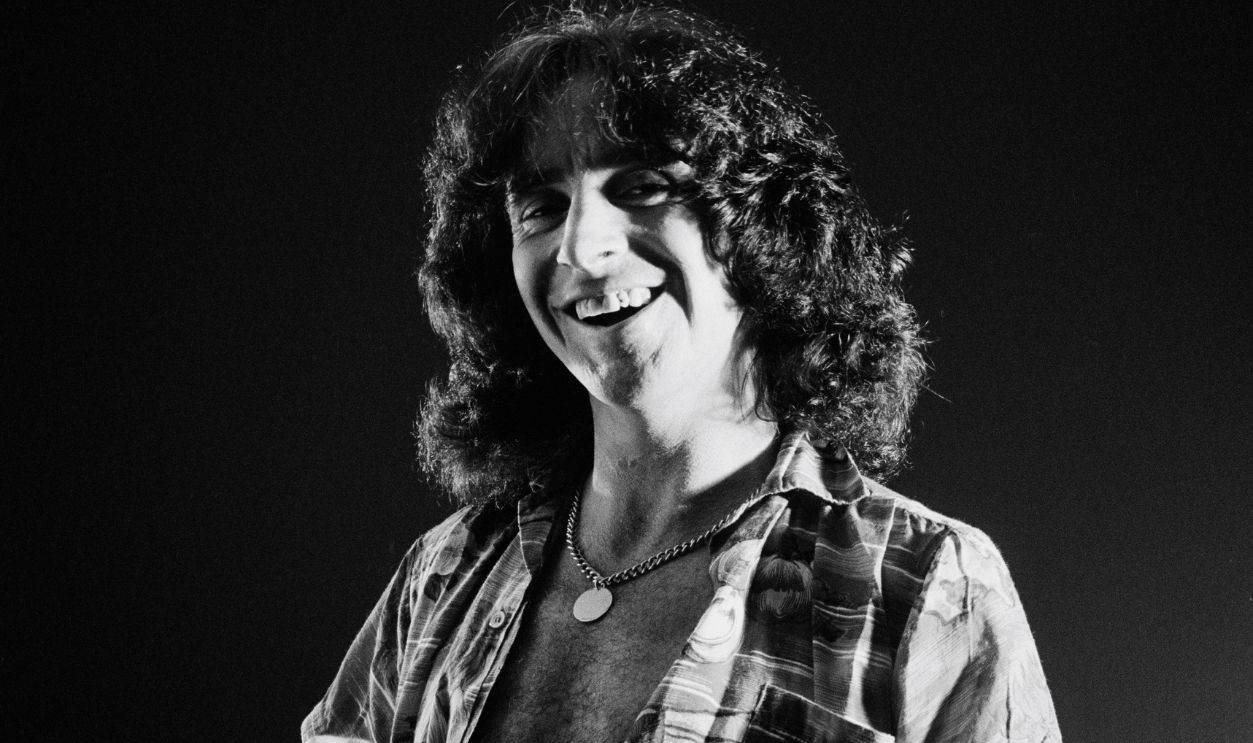
Ronald “Bon” Scott was born on July 9, 1946, in Forfar, Scotland, and raised in Western Australia. From the start, he had a mischievous spark — a kid who marched to his own beat, literally. He learned drums, then bagpipes, then anything that made noise. Teachers didn’t always love his energy, but everyone else did. He was unforgettable even before fame.
A Young Outlaw With a Wild Heart
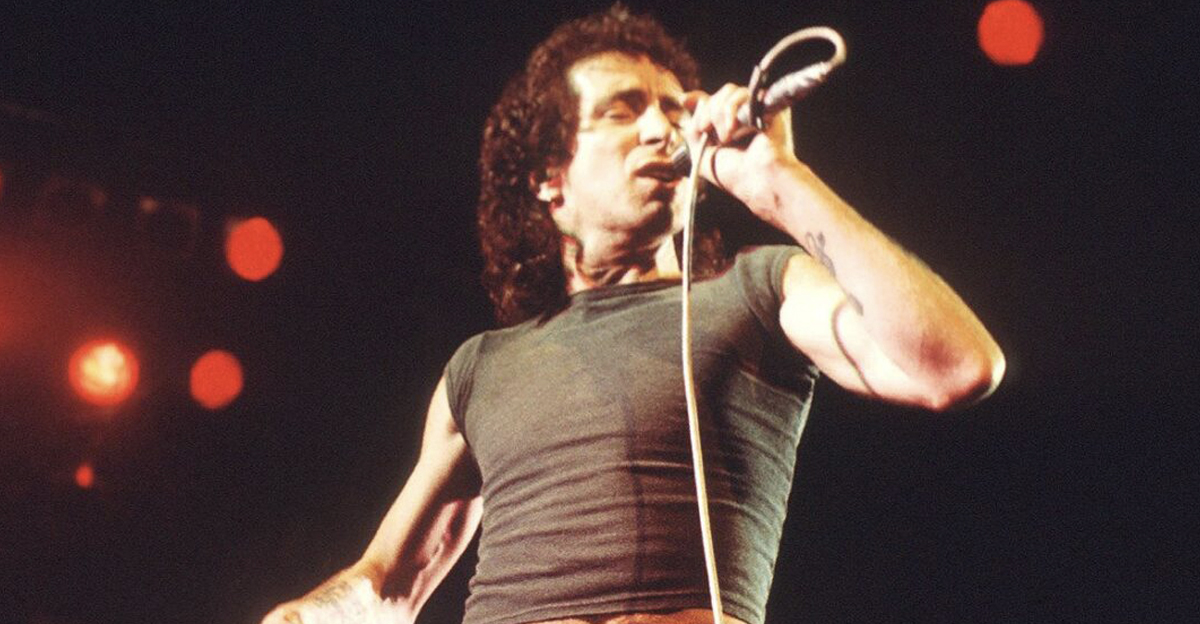
Bon got into trouble as a teen — fights, joyrides, minor crimes. A judge once called him “a lost cause,” which only fueled Bon more. Music saved him. He joined local rock bands, poured his restlessness into performing, and slowly became known as a charismatic frontman with a wicked grin and a high-voltage voice.

Joining AC/DC: Lightning Strikes
In 1974, when Bon Scott joined AC/DC, everything clicked. Angus and Malcolm Young already had the riffs; Bon brought swagger, danger, humor, and soul. His raspy wail felt like a match being struck. Together, they built a sound that was raw, primal, and impossible to imitate.
A Frontman Unlike Any Other
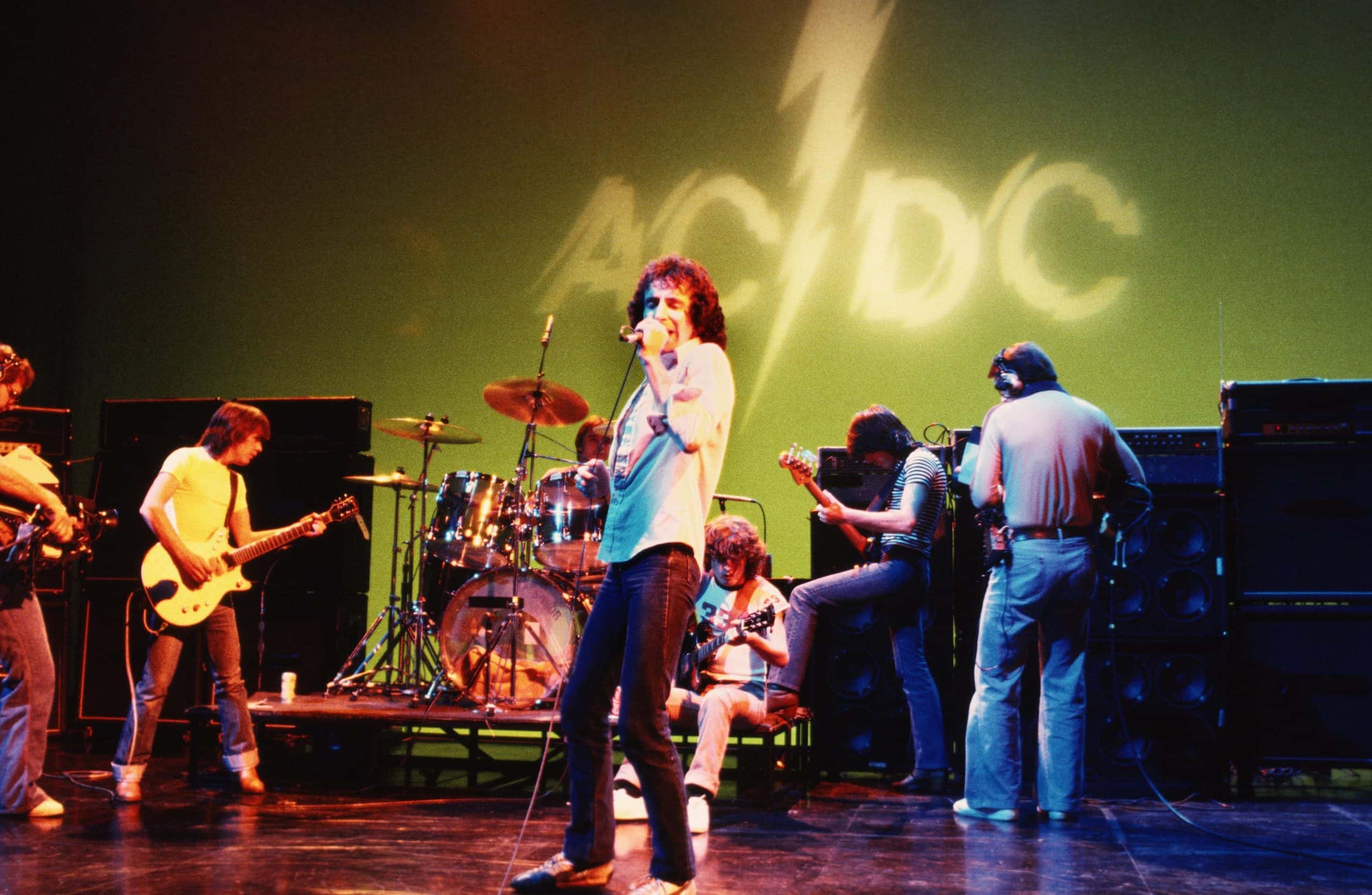
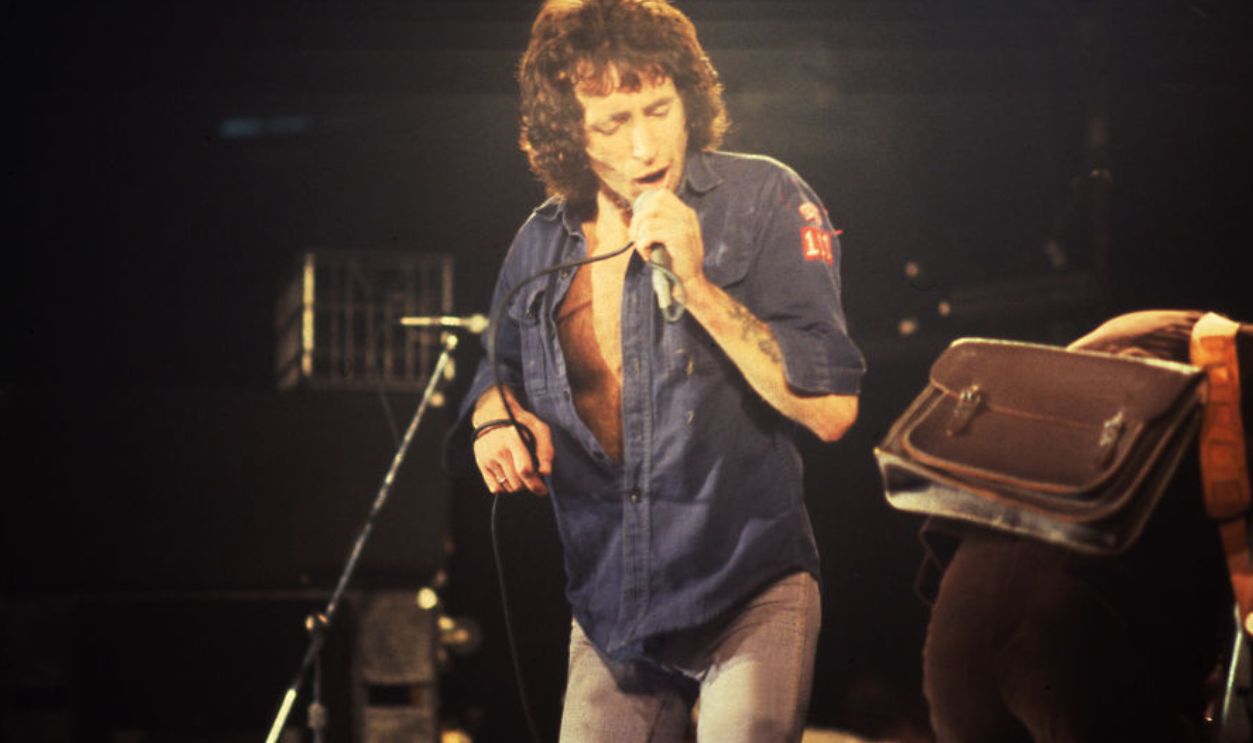
Bon didn’t perform — he erupted. He strutted, grinned, flirted, and owned every inch of the stage. Fans adored him because he felt authentic, like the wildest friend you ever had. “Bon was the real deal,” Angus said. “He lived those lyrics.”
The Rise of a Rock Juggernaut
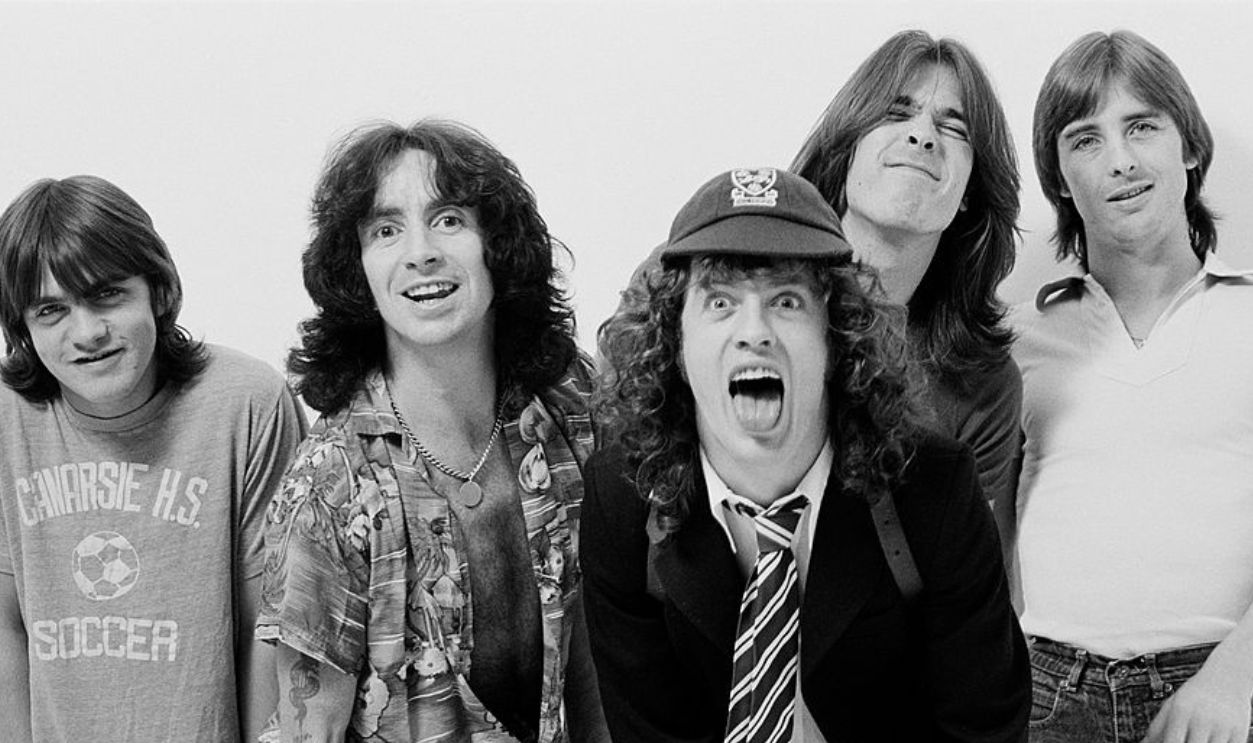
By the late ’70s, AC/DC was unstoppable. TNT, Let There Be Rock, Powerage, and Highway to Hell turned them into global stars. Bon’s lyrics combined street poetry with mischief. His personality held the band together. Nobody imagined a world where AC/DC existed without him.
Fame, Exhaustion, and Heavy Living
Life on the road took its toll. Bon lived hard — too hard. He drank heavily, slept little, and kept up a pace most people couldn’t survive. Friends later said he was exhausted but never slowed down. “Bon didn’t know moderation,” one crew member said. “He only knew full blast.”
The Night Everything Changed
On February 19, 1980, after a night out in London, Bon Scott was found unresponsive in a friend’s car. Attempts to revive him failed. The news shattered the rock world. He was only 33. Fans, friends, and bandmates were stunned. It felt impossible — Bon seemed indestructible.
AC/DC Breaks Down
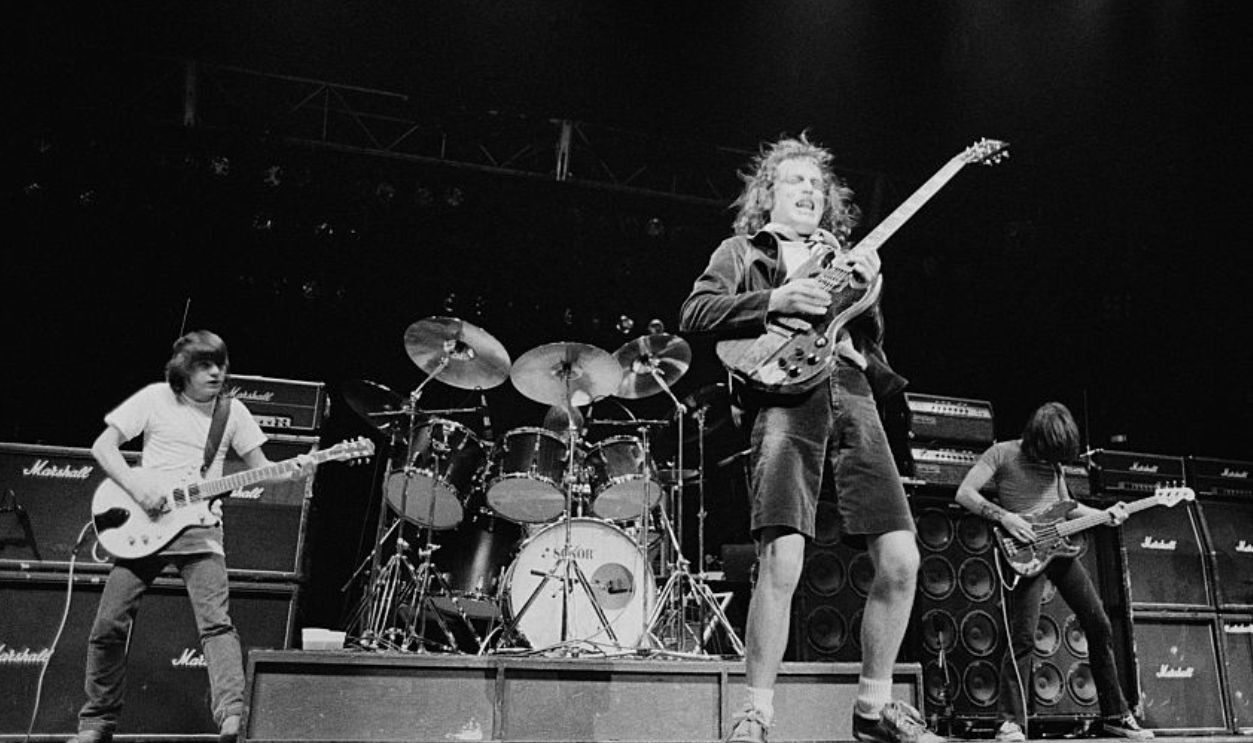
When the band got the call, they were devastated. Malcolm Young later admitted, “We didn’t know if we could go on.” AC/DC wasn’t just losing a singer — they were losing their brother, their spark, their voice. The future felt empty.
 Harry (Howard) Potts, Wikimedia Commons
The Band Considers Ending Everything
For days, the Young brothers debated quietly. End the band to honor Bon? Or push forward to honor him another way? Malcolm said, “We thought about what Bon would have wanted. He wouldn’t want us to sit around crying.” But making that decision was gut wrenching.
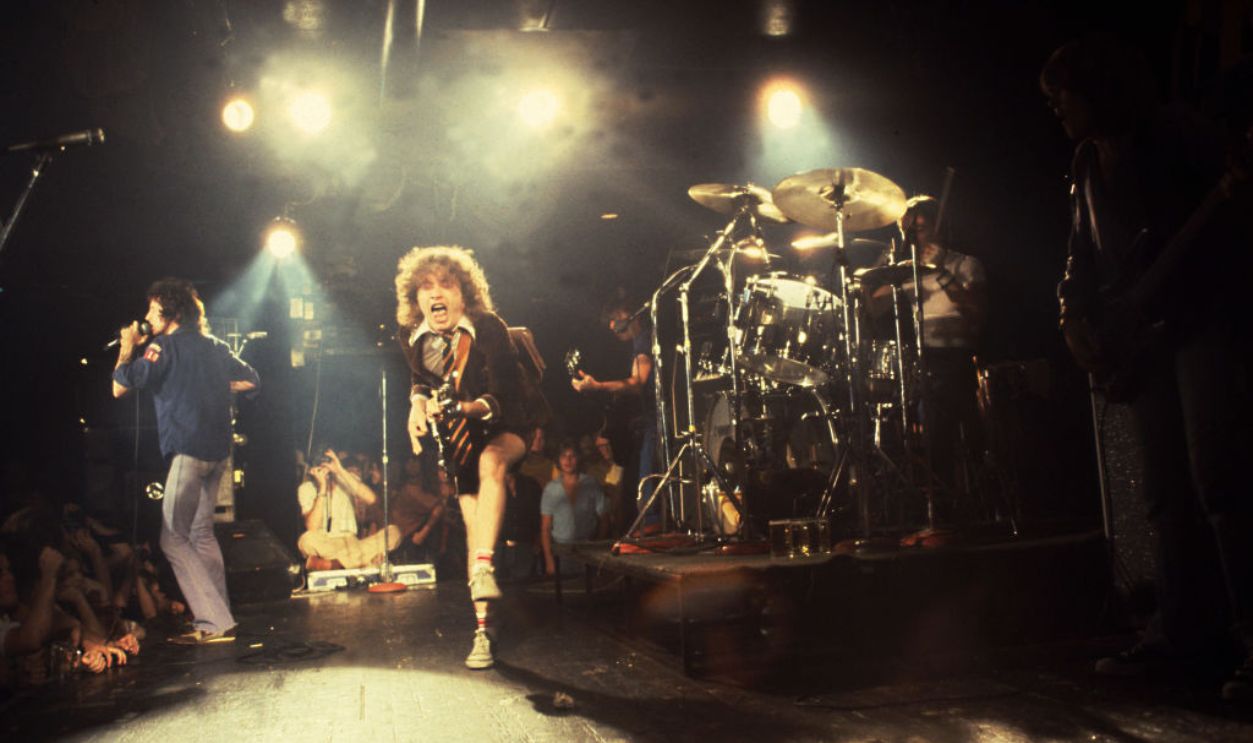
A Family’s Blessing
It was Bon’s parents who made the difference. They gently told AC/DC, “Bon would want you to keep going.” It gave the band permission to continue — not in spite of Bon, but because of him.
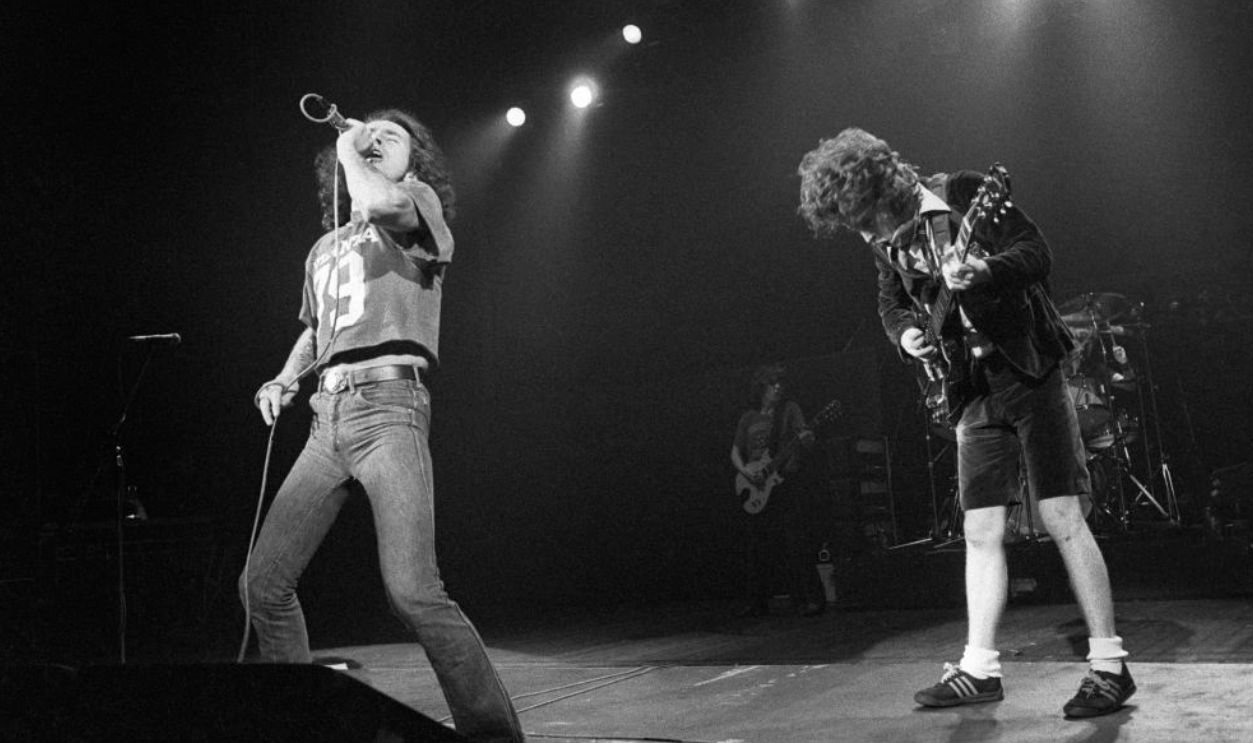
Enter Brian Johnson
AC/DC began searching for a new vocalist and auditioned Brian Johnson, a singer Bon himself had once praised. Brian didn’t try to replace Bon — he honored him. His voice had grit and power, but also humility. The band felt something spark again.
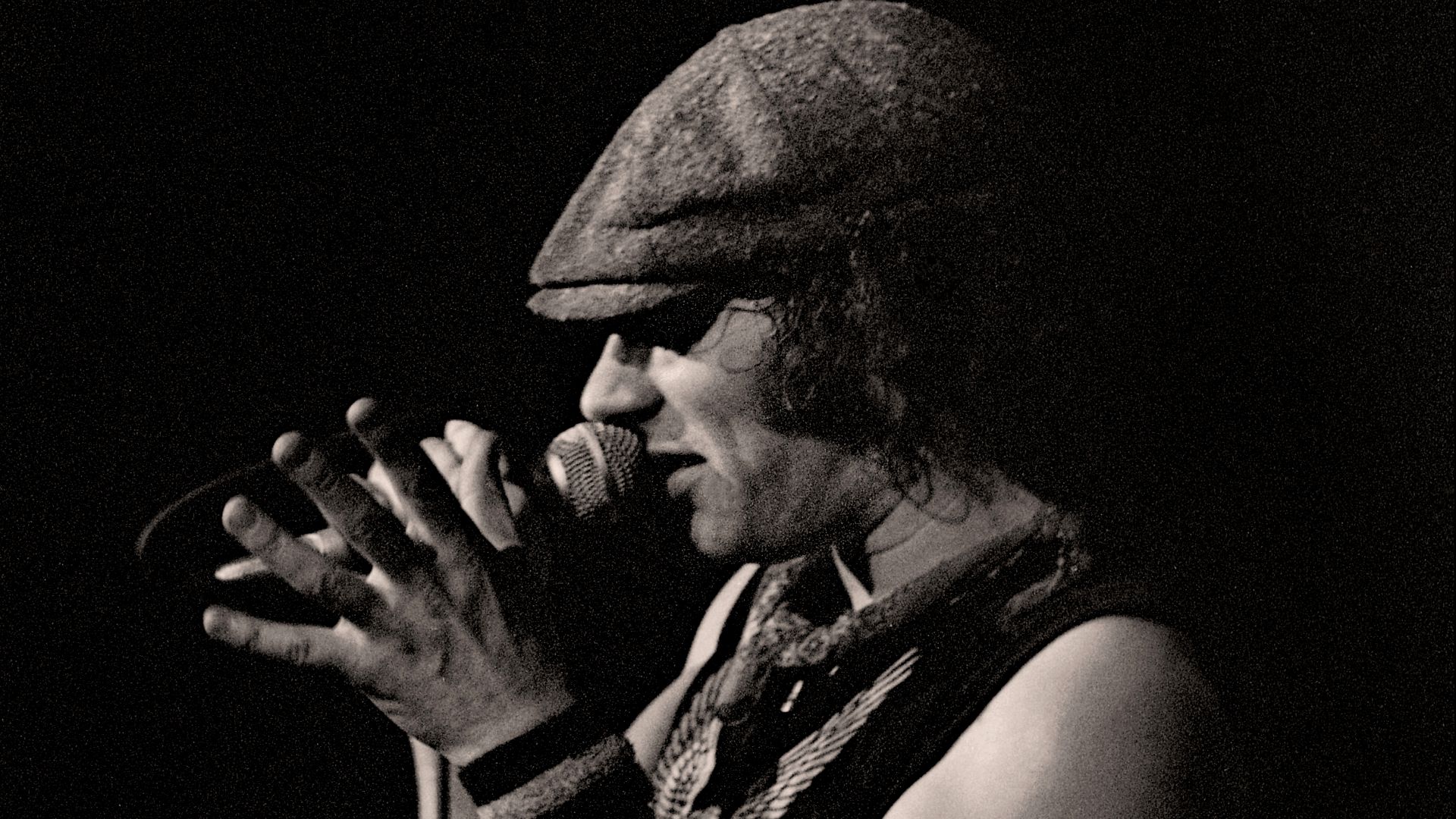 Harry (Howard) Potts, Wikimedia Commons
The Emotional Studio Sessions
Still grieving, AC/DC headed to the Bahamas to record their next album. Storms, bad weather, and grief hovered over every session, but the band kept working. Angus later said, “It felt like Bon was there pushing us.”
 Harry (Howard) Potts, Wikimedia Commons
Writing Through Loss
The lyrics reflected pain, fire, and rebirth. The band poured their grief into guitar riffs as heavy as a hammer and choruses that sounded like fists raised to the sky. It was therapy set to thunder.
 User:Mcnizzy, Wikimedia Commons
Naming the Album for Bon
The title, Back In Black, was chosen to honor Bon Scott. The all-black cover? Also for him. It wasn’t about replacing him — it was about carrying him forward.
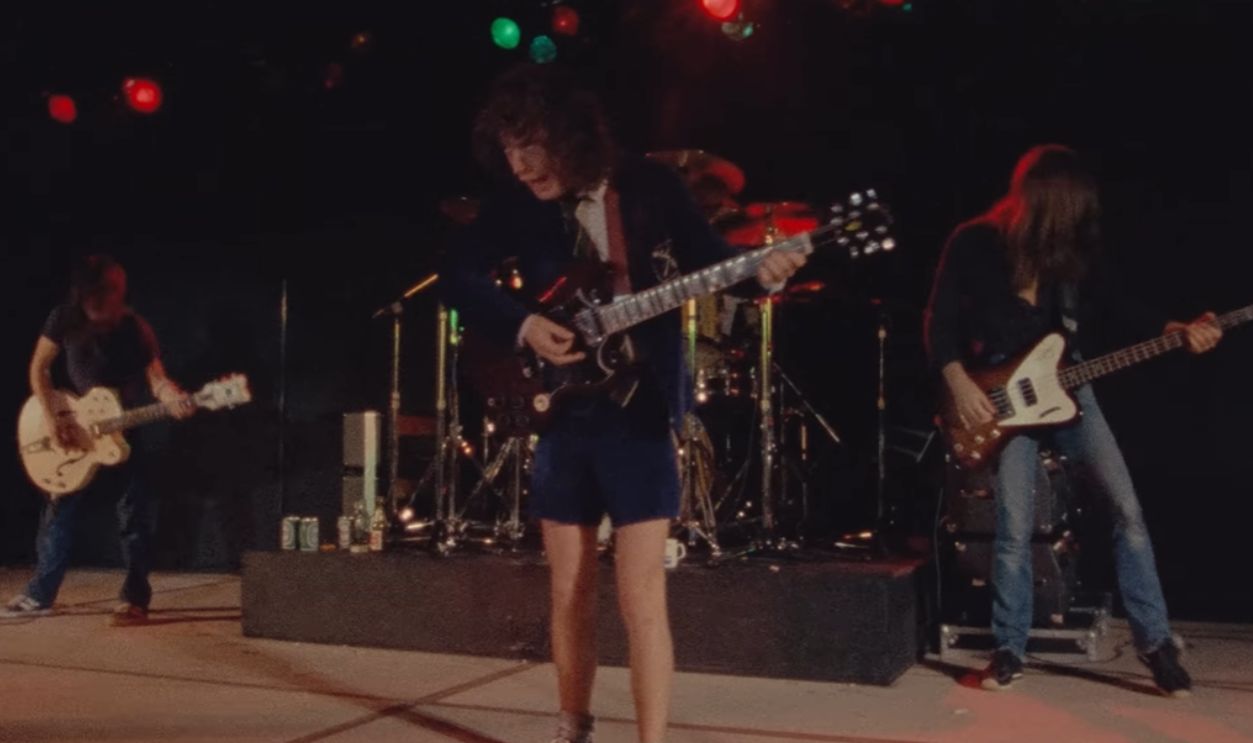 Screenshot from Back in Black, Atlantic Records (1980)
Hells Bells: The Tribute You Can Hear
The album opens with church bells ringing — a funeral toll for Bon. Then the guitar riff hits like a resurrection. That intro alone became one of rock’s most iconic tributes. “It was for Bon,” Angus said. “All of it.”
 Ed Vill from Caracas, Venezuela, Wikimedia Commons
A Comeback Nobody Expected
When Back In Black was released in July 1980, it exploded. Critics praised it. Fans embraced it. The band felt reborn, even as they still mourned. It became the soundtrack of survival.
 Screenshot from Back in Black, Atlantic Records (1980)
History Made in Black
Back In Black went on to sell over 50 million copies worldwide, becoming the second best-selling album of all time. It wasn’t just a success — it was a miracle born from tragedy.
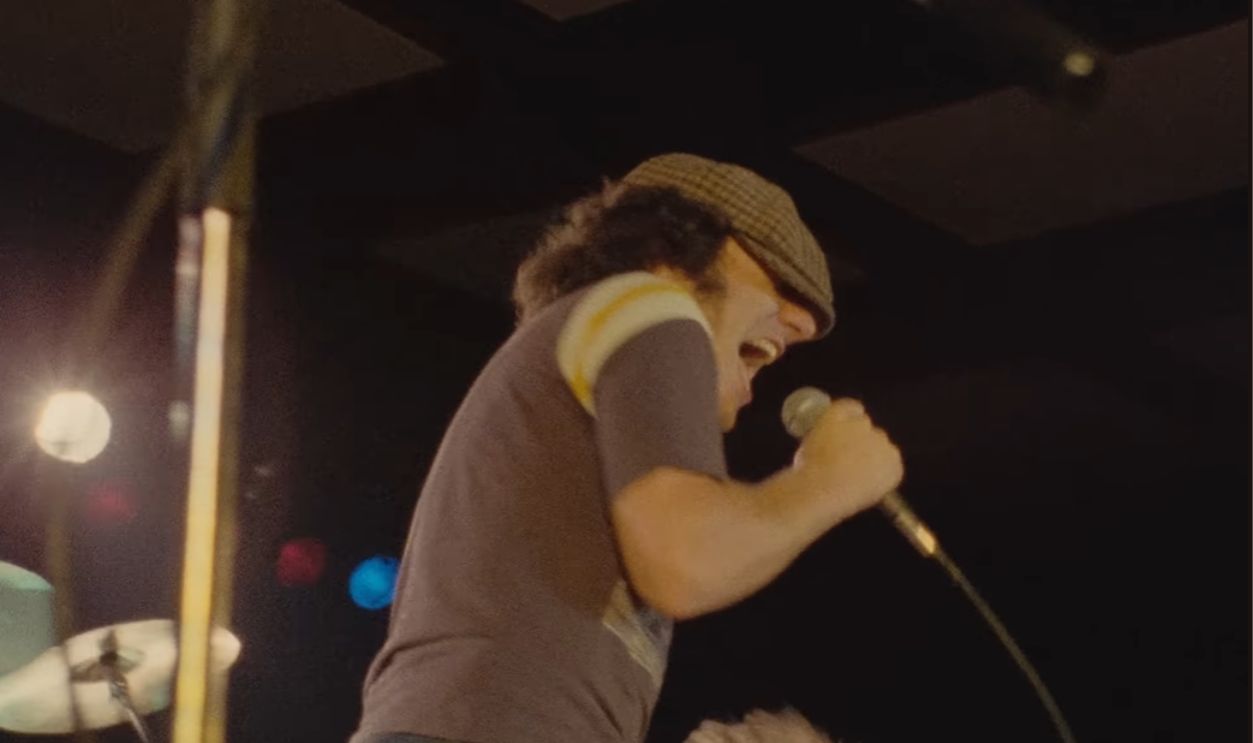 Screenshot from Back in Black, Atlantic Records (1980)
Fans Felt Bon Through the Music
Listeners around the world said the same thing: it felt like Bon was still part of it. “His spirit is all over that record,” Brian Johnson said. “We just carried the torch for him.”
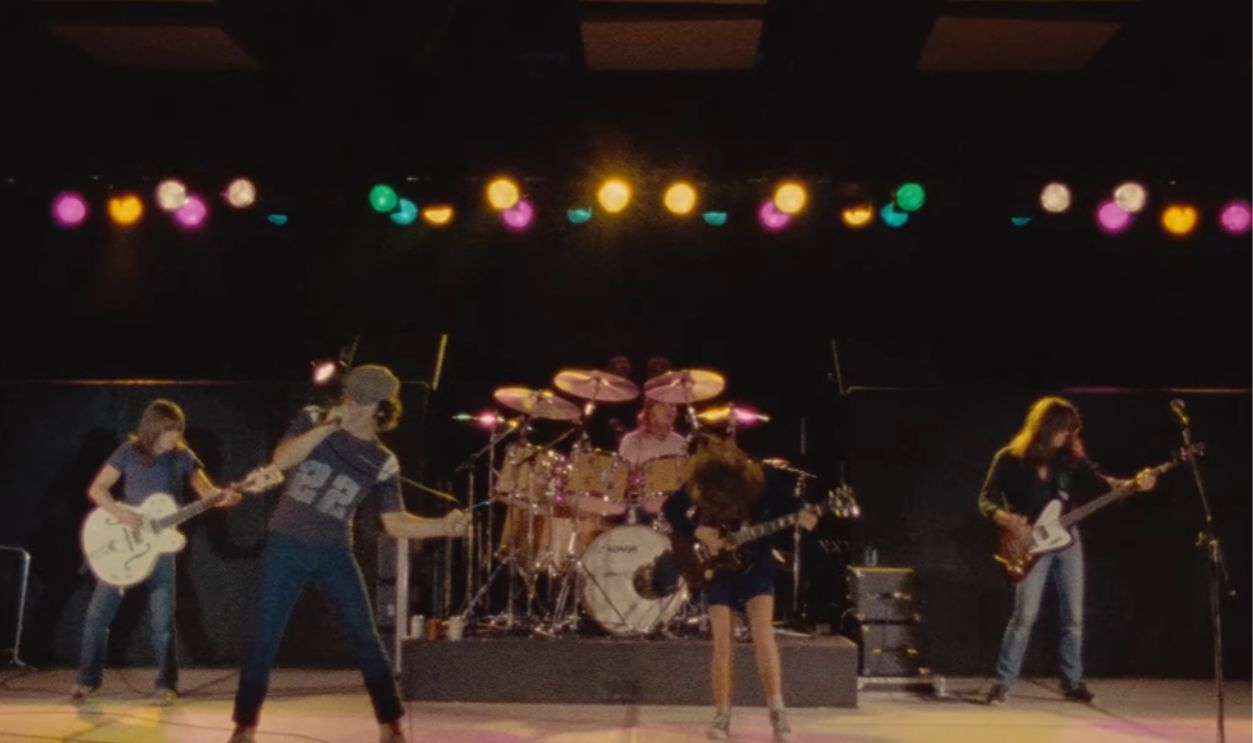 Screenshot from Back in Black, Atlantic Records (1980)
The Band That Refused to Die
AC/DC didn’t just bounce back — they reached heights they’d never touched before. Their comeback became one of the greatest in music history, proof that grief can be transformed, reshaped, and turned into something powerful.
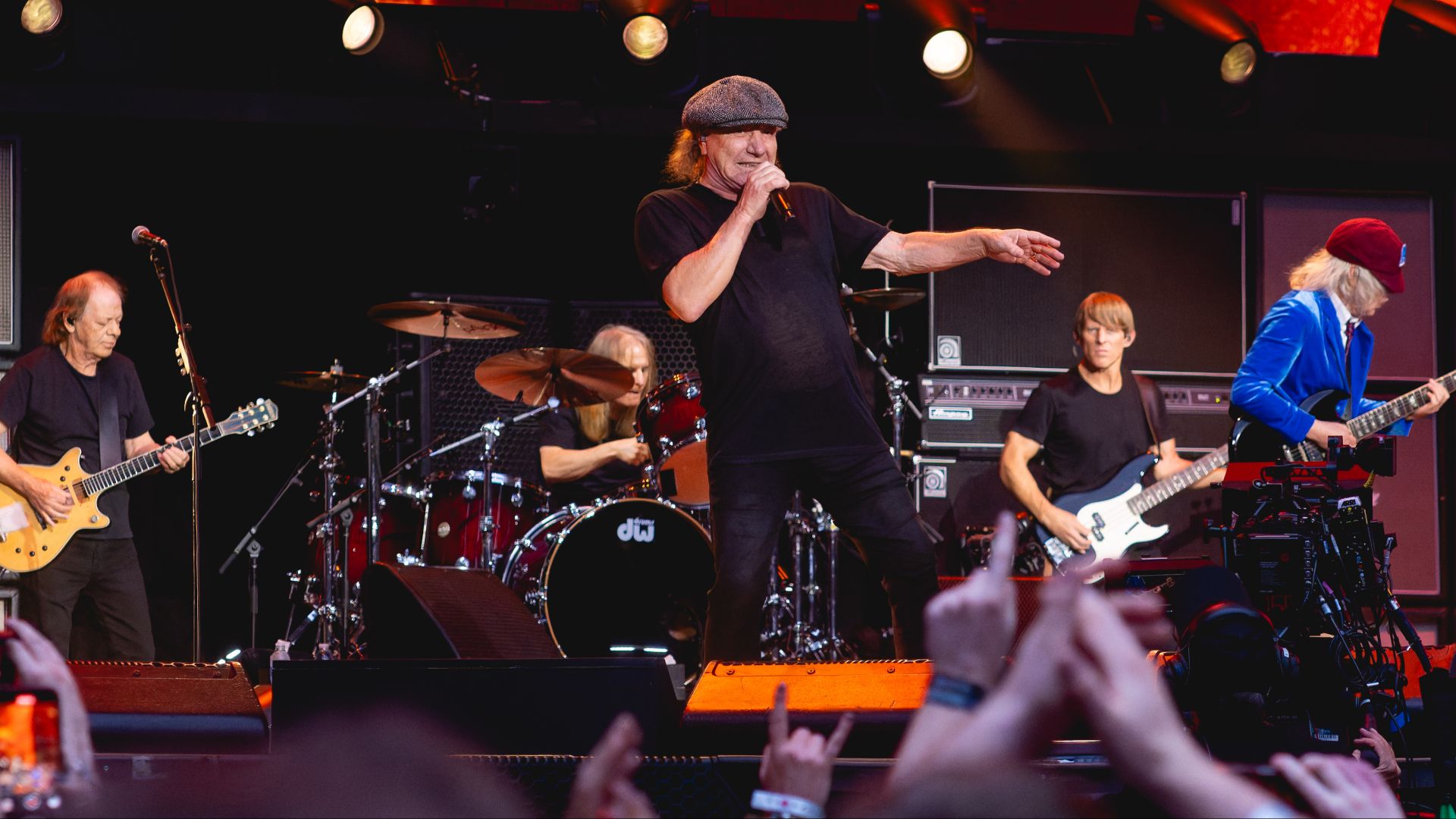
Bon Scott’s Echo Still Lives
To this day, Bon Scott’s influence is felt in every AC/DC show, every riff, every shout from the crowd. His death nearly ended the band — but it also inspired one of the most legendary albums ever recorded. In losing Bon, AC/DC found a new fire — one he helped ignite.
 ManoSolo13241324, Wikimedia Commons
You May Also Like: