One and Done
Every musician dreams of hearing their song on the radio—but for some, that moment was over almost as soon as it began. Whether pulled for controversy, lost to bad timing, or wrapped in rumor, these tracks had their brief moment on-air before fading into radio silence. Some were banned, others misunderstood, and a few eventually did return to playlists. But every one left static in its wake.
"Relax" (Frankie Goes to Hollywood)
In 1984, BBC DJ Mike Read stopped the record mid-play, calling it “obscene.” The BBC quickly banned Relax across all stations. The ban only fueled its popularity—it hit No. 1 and became a symbol of how censorship can backfire spectacularly.
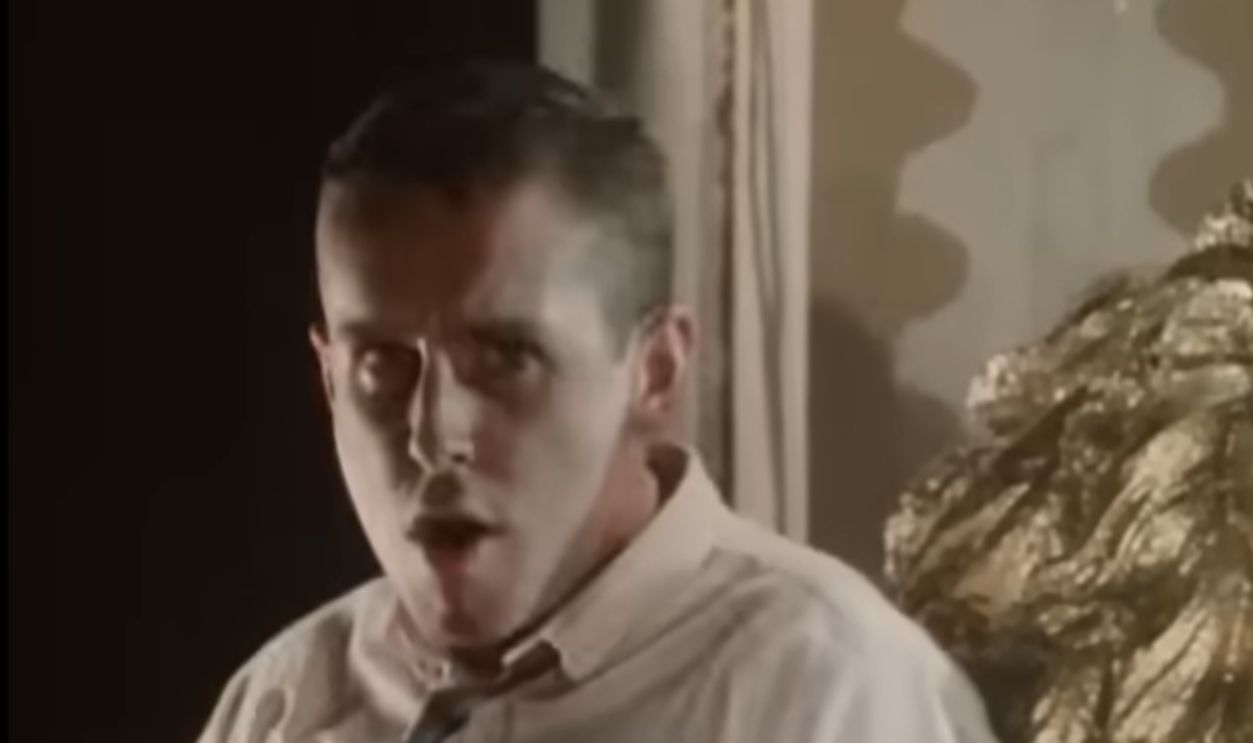 Frankie Goes To Hollywood - Relax (Official Video), Frankie Goes To Hollywood
"God Save the Queen" (Sex Pistols)
Released during Queen Elizabeth II’s Silver Jubilee, this punk anthem was banned across the U.K.’s public airwaves. The restriction only amplified its impact—it became the underground sound of rebellion and sold enough copies to nearly top the charts anyway.
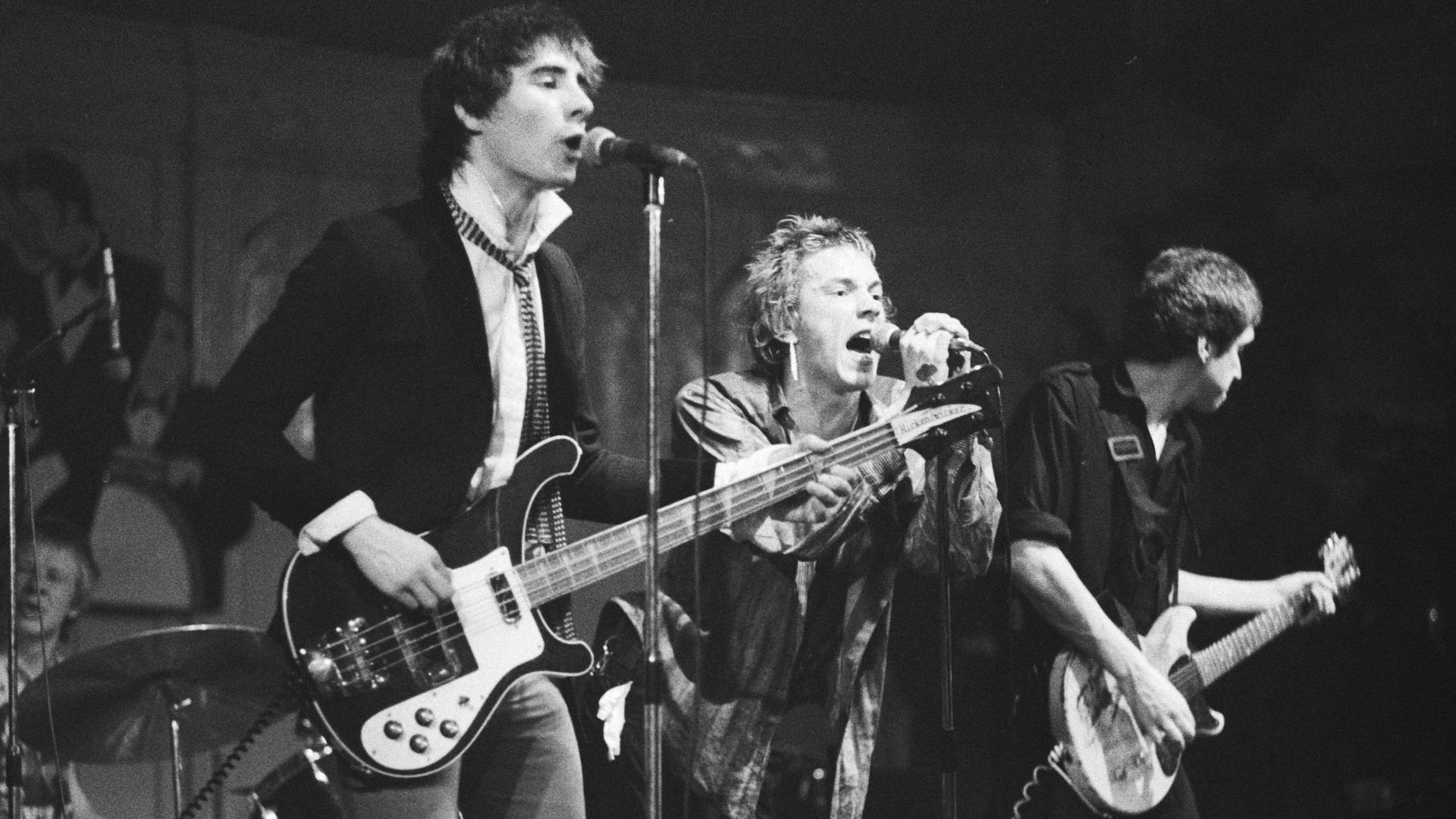 Alexploegsma, Wikimedia Commons
"Graveyard Shift" (Unknown Artist, 1983)
Radio lore from Ohio tells of a haunting demo played once on college radio before the DJ destroyed the tape out of fear. Descriptions vary, but listeners recall it as “eerily human, but not quite right.” No evidence has surfaced since.
 Alexploegsma, Wikimedia Commons
"Brown Eyed Girl" (Van Morrison)
Now a classic, Brown Eyed Girl actually faced censorship when first released. Some stations pulled it after one airing because of the line “making love in the green grass.” An edited version replaced it—but the uncut broadcast became a fleeting rarity.
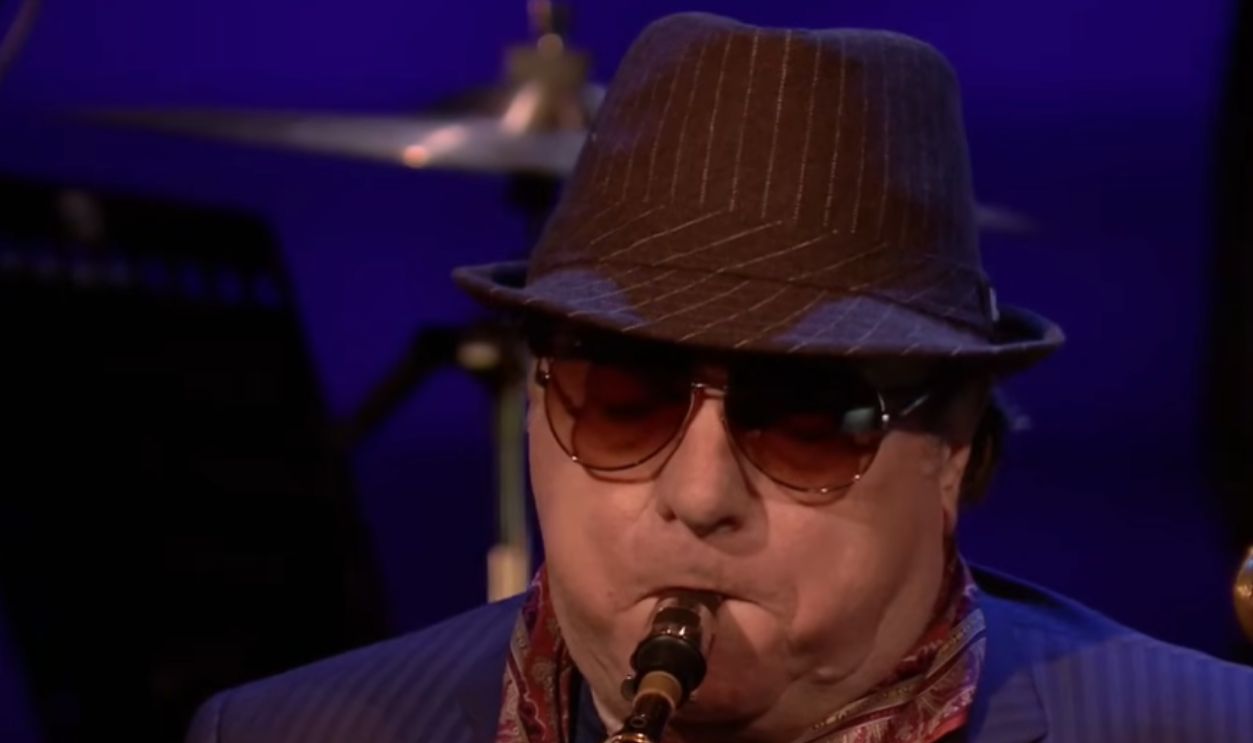 Van Morrison - Brown Eyed Girl (In Concert), Van Morrison
"The End" (The Doors)
Programmers rarely aired the full 11-minute version of this dark epic, citing its disturbing imagery and length. Still, the song’s legend only grew—especially after Apocalypse Now cemented it as one of rock’s most haunting recordings.
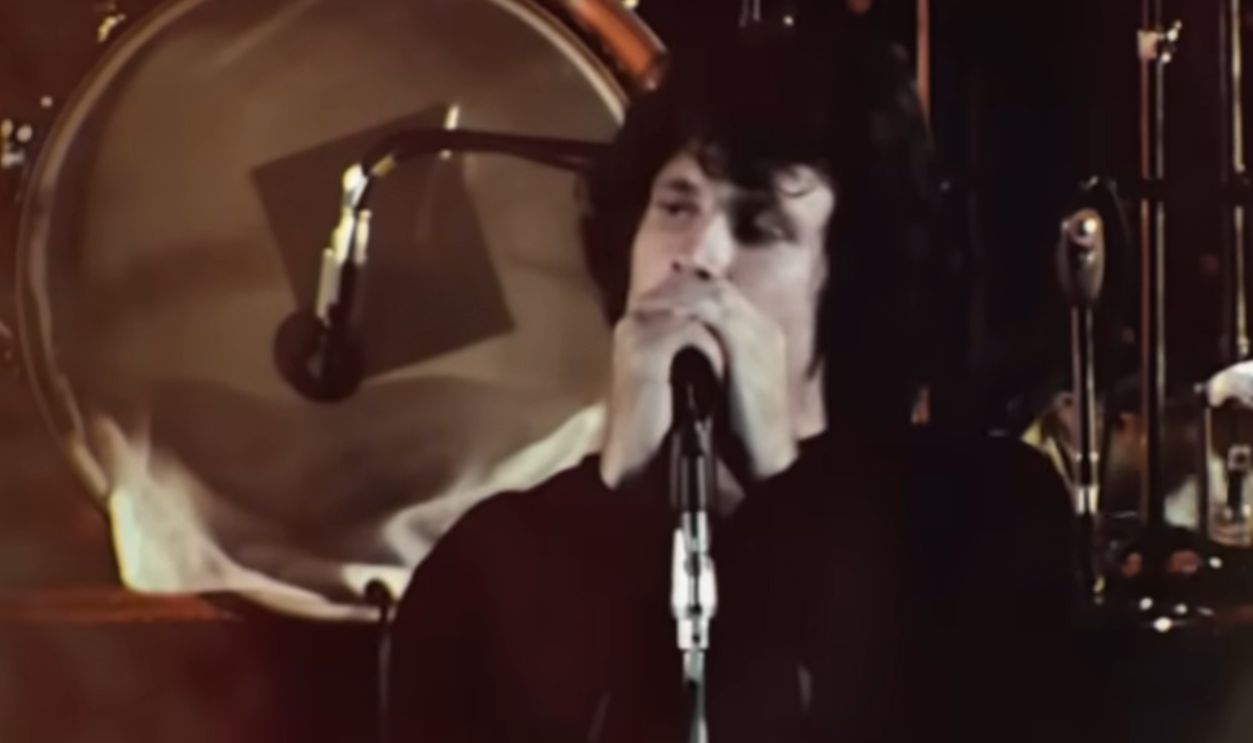 The Doors - The End- Live At The Hollywood Bowl (Subtítulado en español)., desterratorializado
"The Fish Cheer/I-Feel-Like-I’m-Fixin’-to-Die Rag" (Country Joe and the Fish)
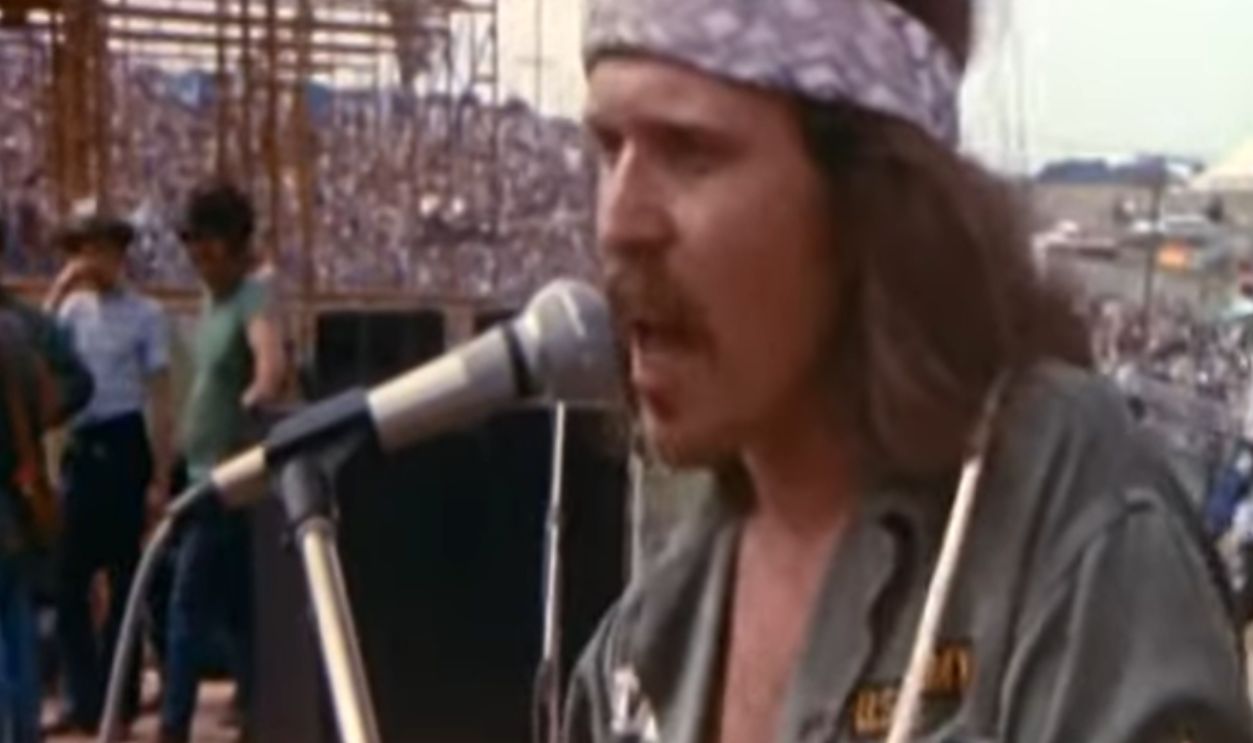
After the band’s onstage “alternate cheer” and a few complaints, broadcasters got cautious; TV bans followed, and radio airplay varied by market. But Woodstock made it immortal when thousands sang along in muddy defiance.
"Lola" (The Kinks)
A BBC rule against brand names got Lola yanked after one spin—the lyric “Coca-Cola” violated policy. The band re-recorded it with “cherry cola,” and it re-entered rotation. Ironically, that single word change saved one of The Kinks’ biggest hits.
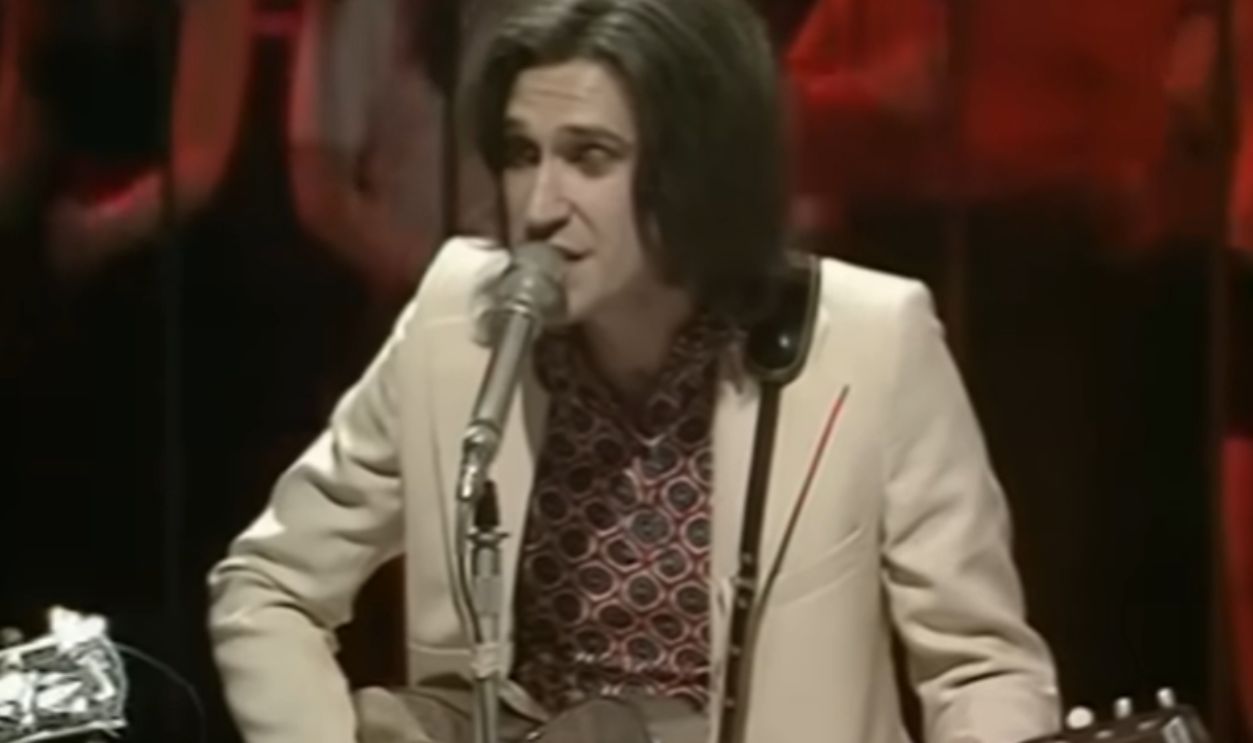 The Kinks Lola Top of the Pops 1970, thevisitor
"Rumble" (Link Wray)
This 1958 instrumental didn’t even have lyrics, but its gritty guitar tone and title made U.S. stations fear it would incite teen violence. Several networks banned it outright—making Rumble the only instrumental ever censored for being “dangerous.” It went on to inspire generations of rock guitarists.
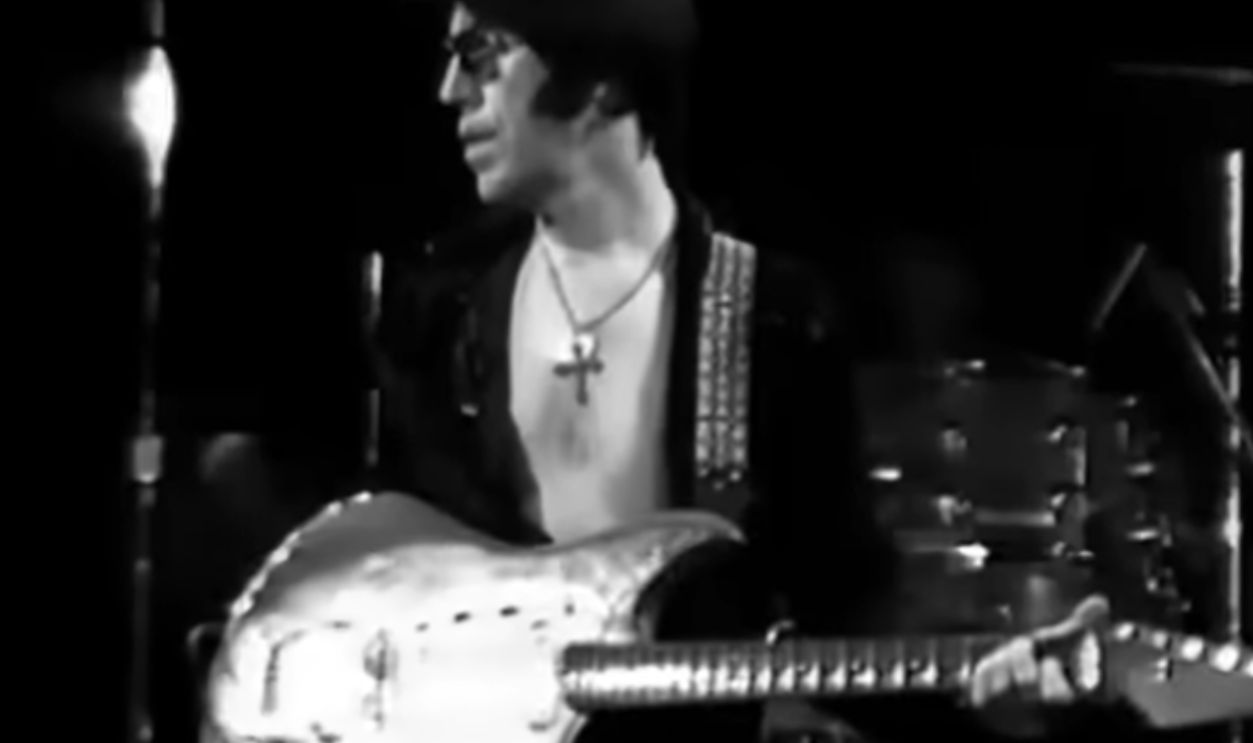 Link Wray - Rumble | Live at Winterland (1974), Wolfgang's Classic Rock
"Gloomy Sunday" (Billie Holiday)
Gloomy Sunday was said to be so haunting that the BBC banned it for decades. One rare late-night play in the 1940s reportedly caused listener panic—prompting its swift removal from the airwaves.
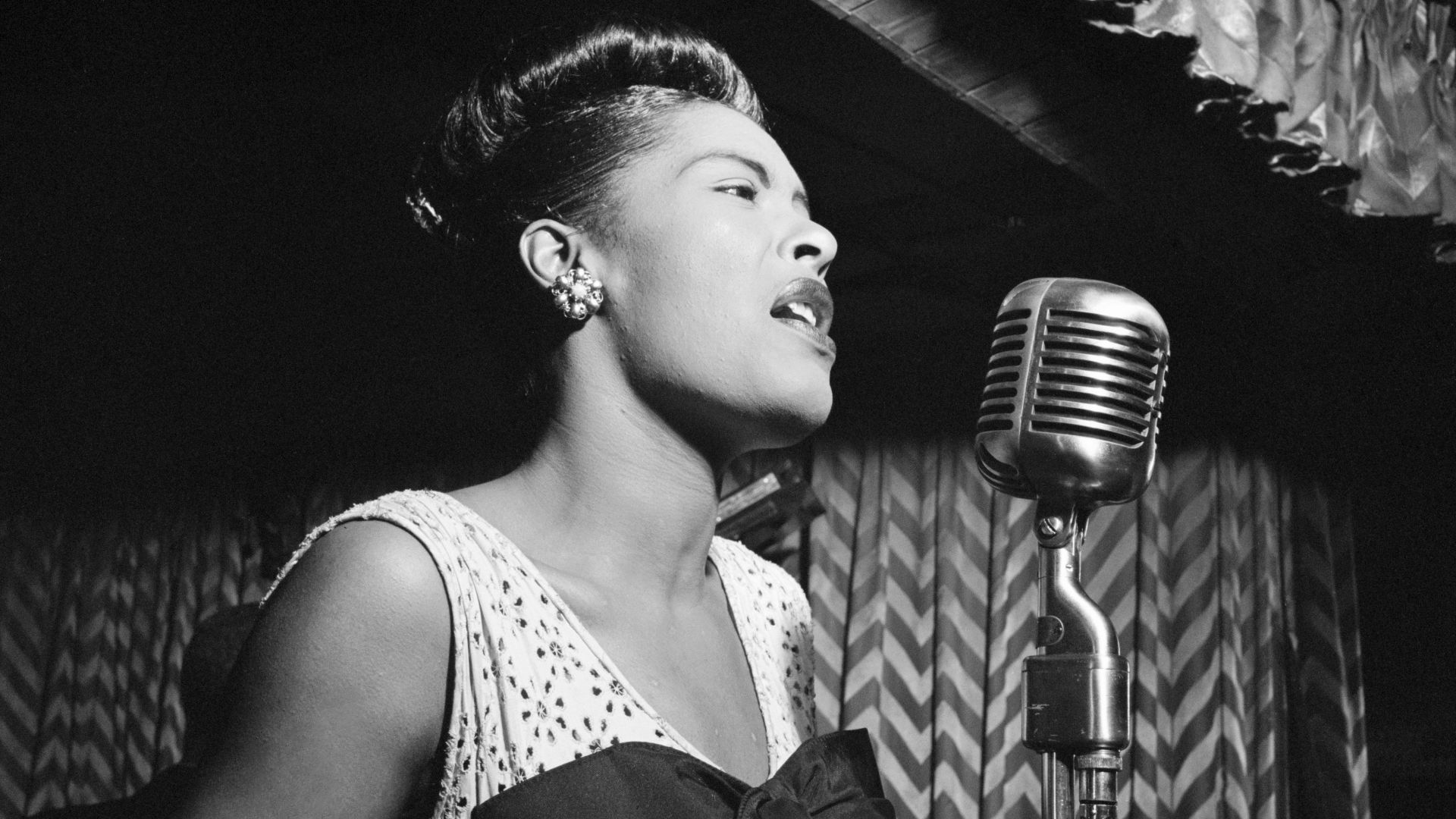 William P. Gottlieb, Wikimedia Commons
"Love to Love You Baby" (Donna Summer)
Early radio DJs gave this sultry 17-minute disco track a single spin before management intervened. One producer called it “15 minutes of pure ecstasy—and pure panic for radio.” Despite that, it launched the era of sensual disco and made Summer a star.
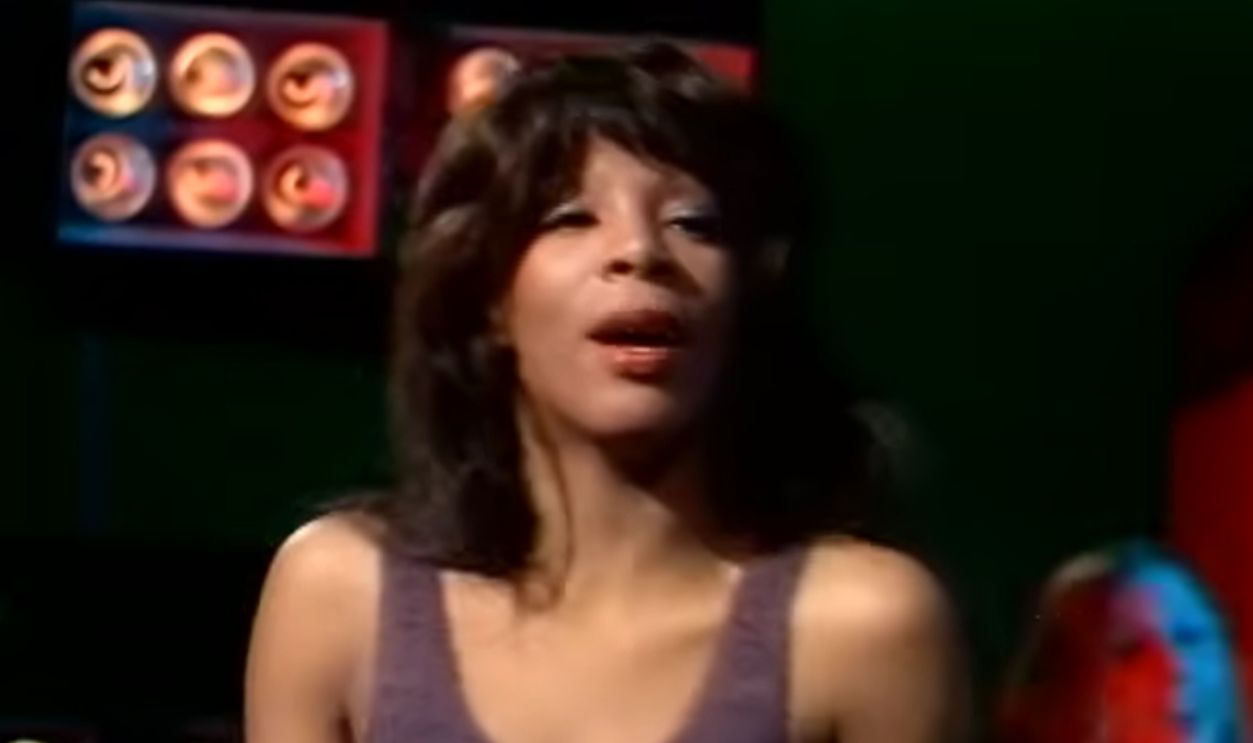 Donna Summer - Love To Love You Baby • TopPop, TopPop
"American Skin" (41 Shots) (Bruce Springsteen)
After debuting live, some U.S. stations aired it briefly before removing it amid police union protests. Springsteen said, “It wasn’t anti-cop—it was anti-racism.” The reaction showed how radio still struggles with social commentary.
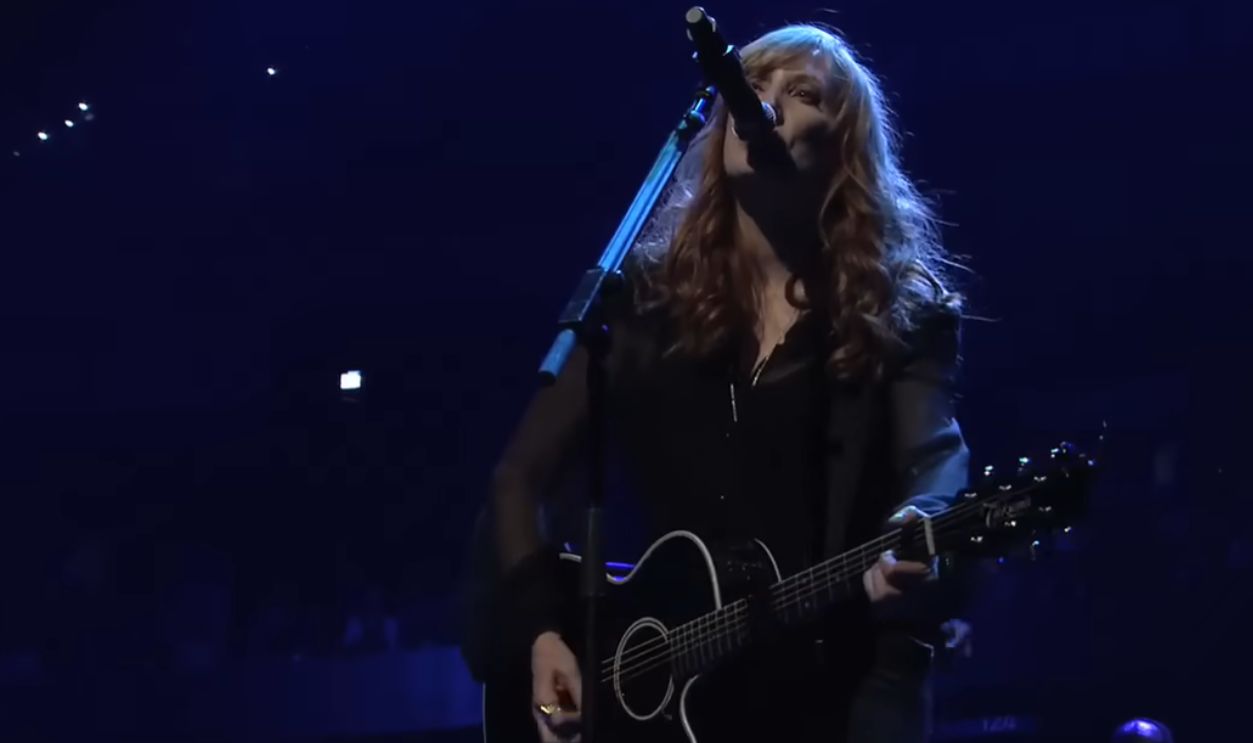 "American Skin (41 Shots)" Live in Tampa, FL 03/23/12, Bruce Springsteen
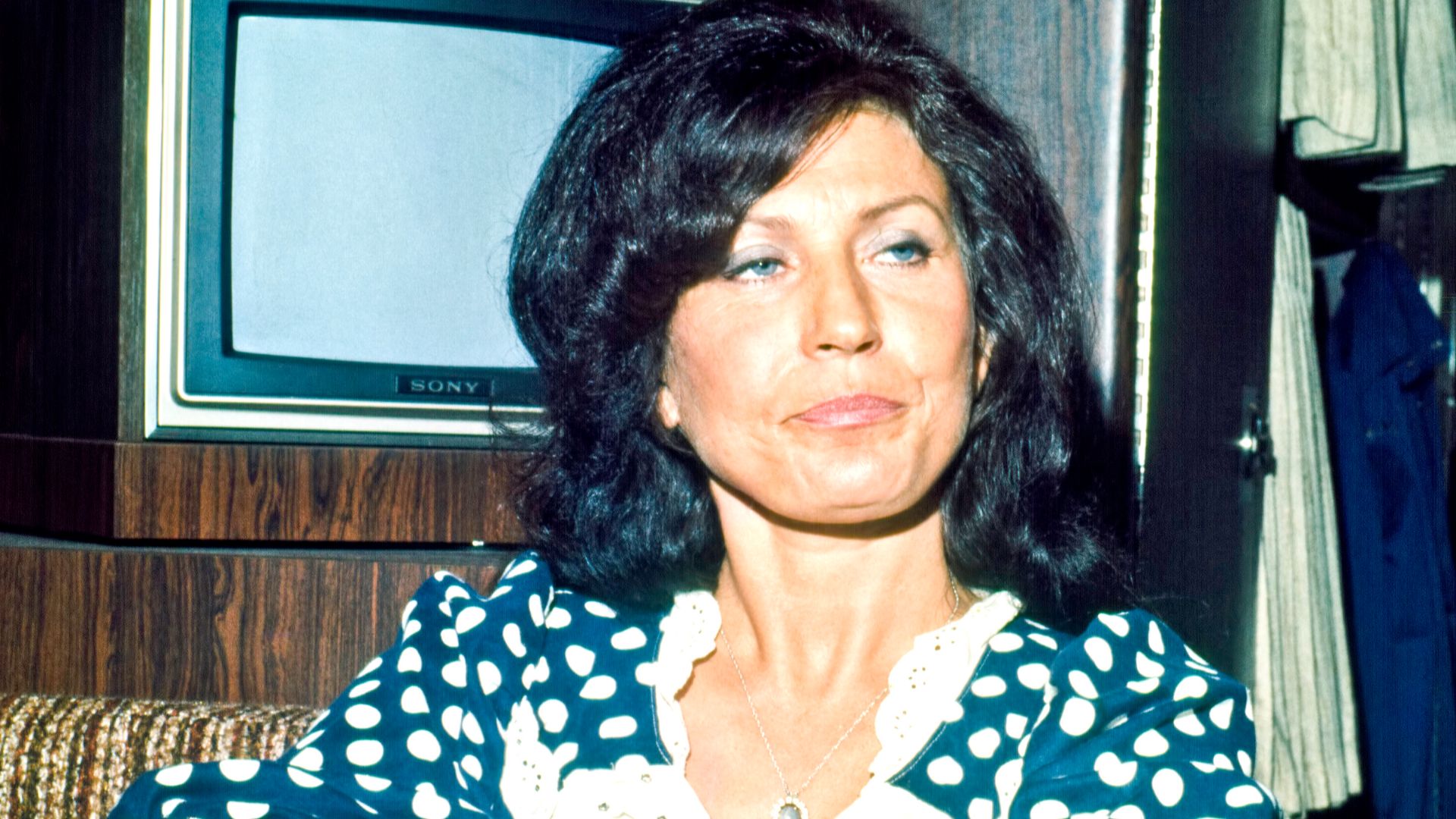
"The Pill" (Loretta Lynn)
Country stations banned this 1975 anthem for its frank talk about birth control. Some aired it once, then panicked. Lynn later said, “They banned it—and it sold five million copies anyway.” A single play turned controversy into chart gold.
"The Queen Is Dead" (The Smiths)
Reports suggest BBC producers were uneasy with the title and tone, resulting in limited airplay. It soon vanished from rotation—but fans still regard it as The Smiths’ defining statement on class and rebellion.
 The Smiths - The Queen Is Dead - A Film By Derek Jarman (Official Music Video), The Smiths
"Star-Spangled Banner" (Live at Woodstock) (Jimi Hendrix)
Hendrix’s distorted national anthem sparked complaints and debate, and some stations avoided airing it in full. Hendrix later said, “I thought it was beautiful.” Time proved him right: it’s now revered as a symbol of protest and artistry.
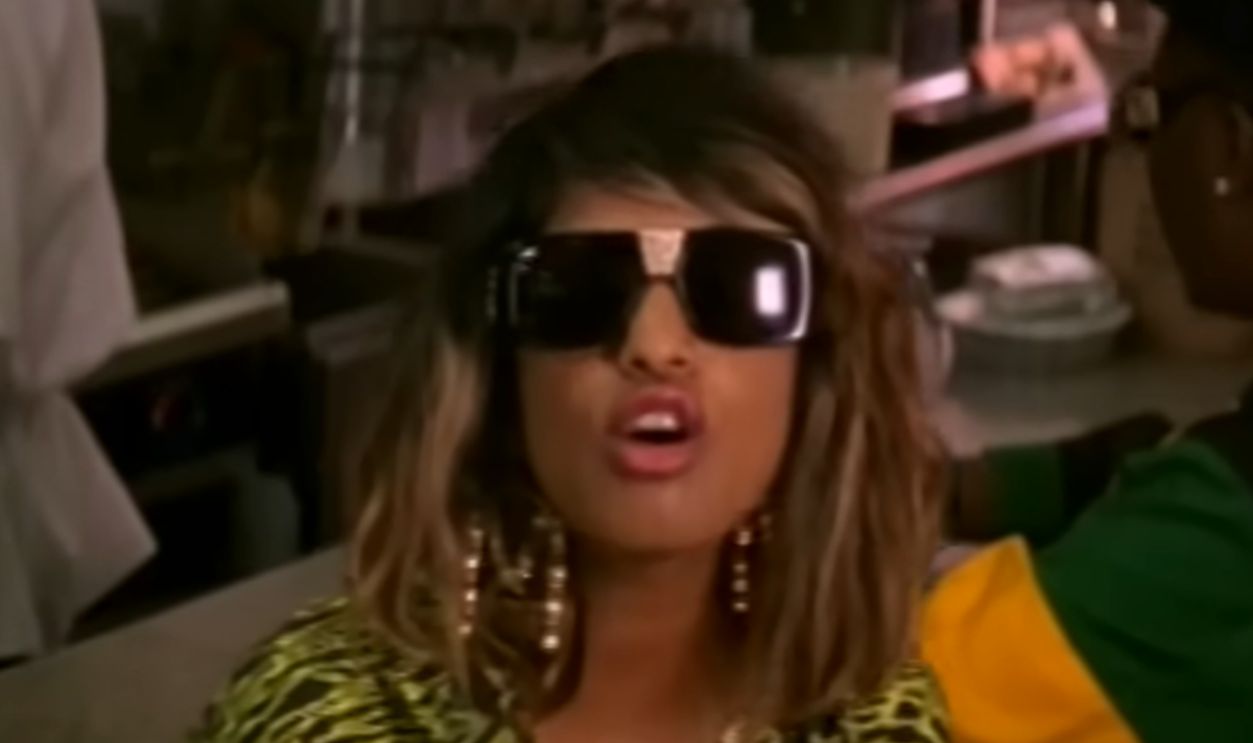
"Paper Planes" (M.I.A.)
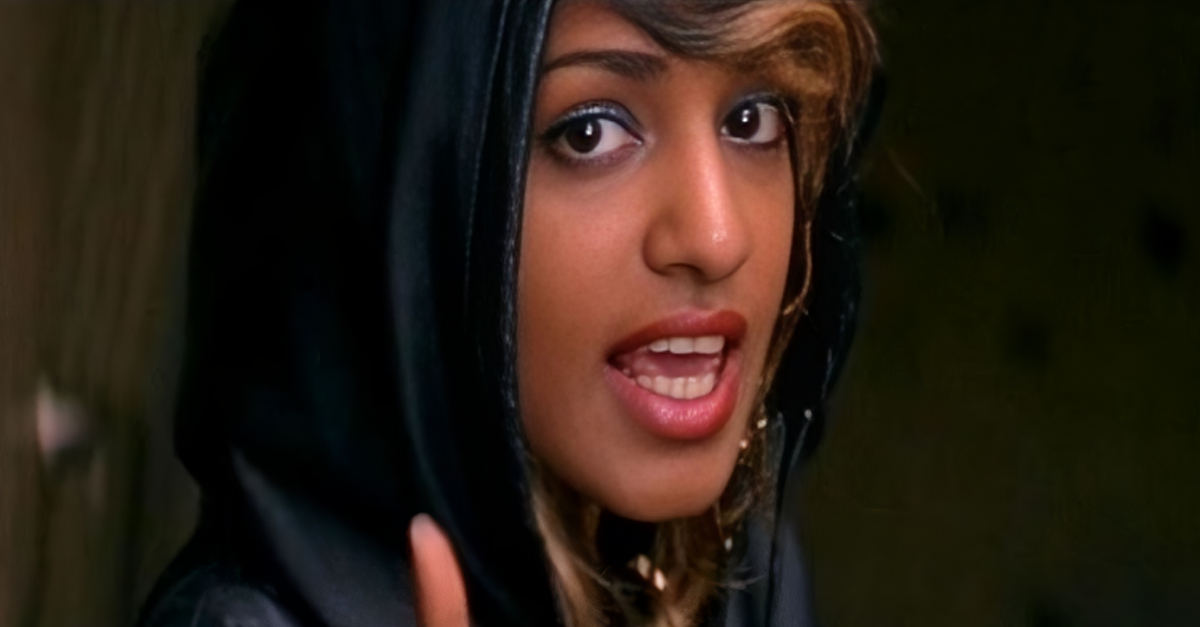
When one unedited version aired—with its explosive sound effects—stations quickly pulled it. The controversy only helped: Paper Planes went viral, hitting No. 4 on the Billboard Hot 100 and proving that even temporary bans can’t silence a hit.
"We’re Through" (The Hollies)
Airplay for this 1964 single was uneven; some programmers reportedly balked at its tone. Graham Nash later recalled, “We were stunned—it was about breaking up, not making out.” That minor pushback only boosted its cult appeal.
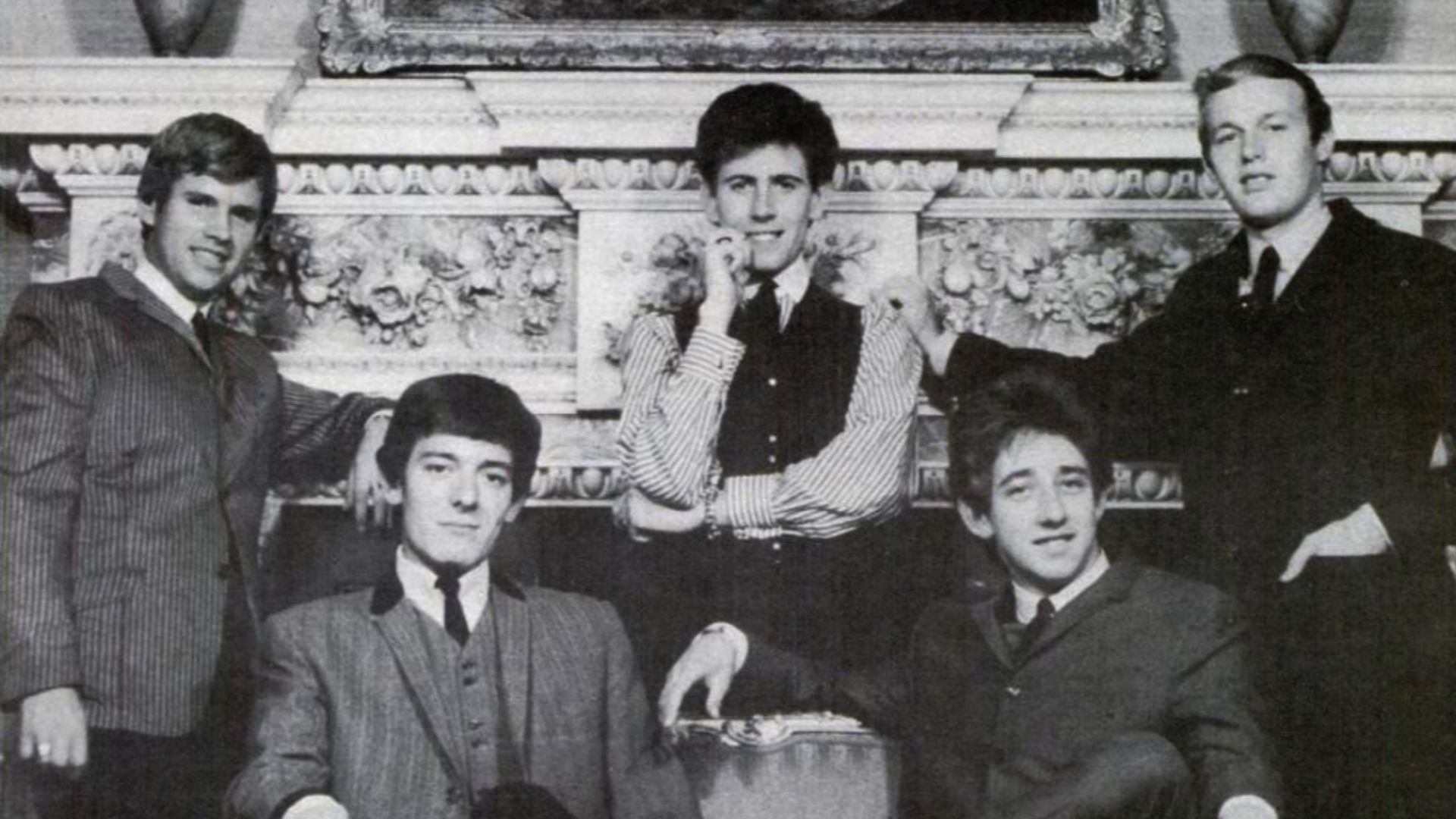 Imperial Records, Wikimedia Commons
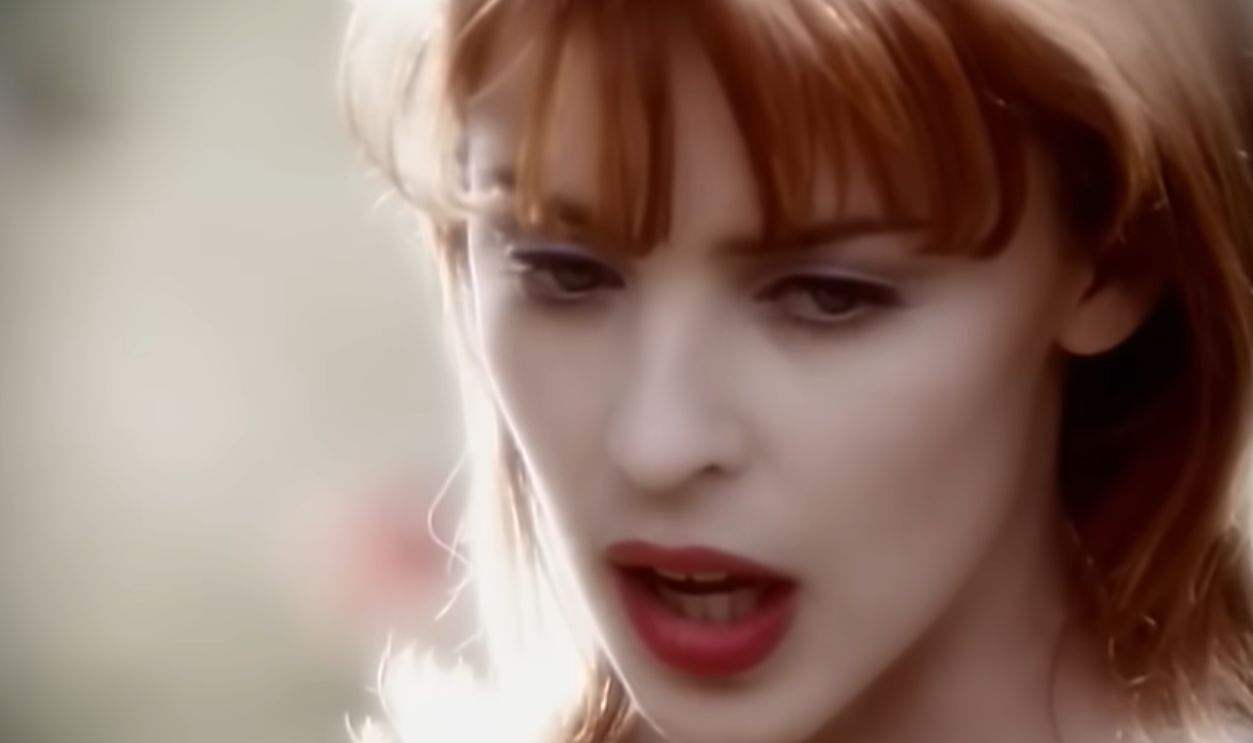
"Where the Wild Roses Grow" (Nick Cave & Kylie Minogue)
A BBC late-night DJ reportedly aired this haunting duet once before being told it was “too dark.” Nick Cave later said the song was about “beauty and the peril that goes with it.” Despite its somber tone, it became one of his most acclaimed collaborations.
The Radiohead Pirate Broadcast (1998)
U.K. fan circles insist that a pirate signal aired an unreleased Radiohead track—possibly an early Paranoid Android mix—once in 1998. No tape has surfaced, but collectors claim it sounded “half-dream, half-distortion.” A myth tailor-made for Radiohead’s mystique.
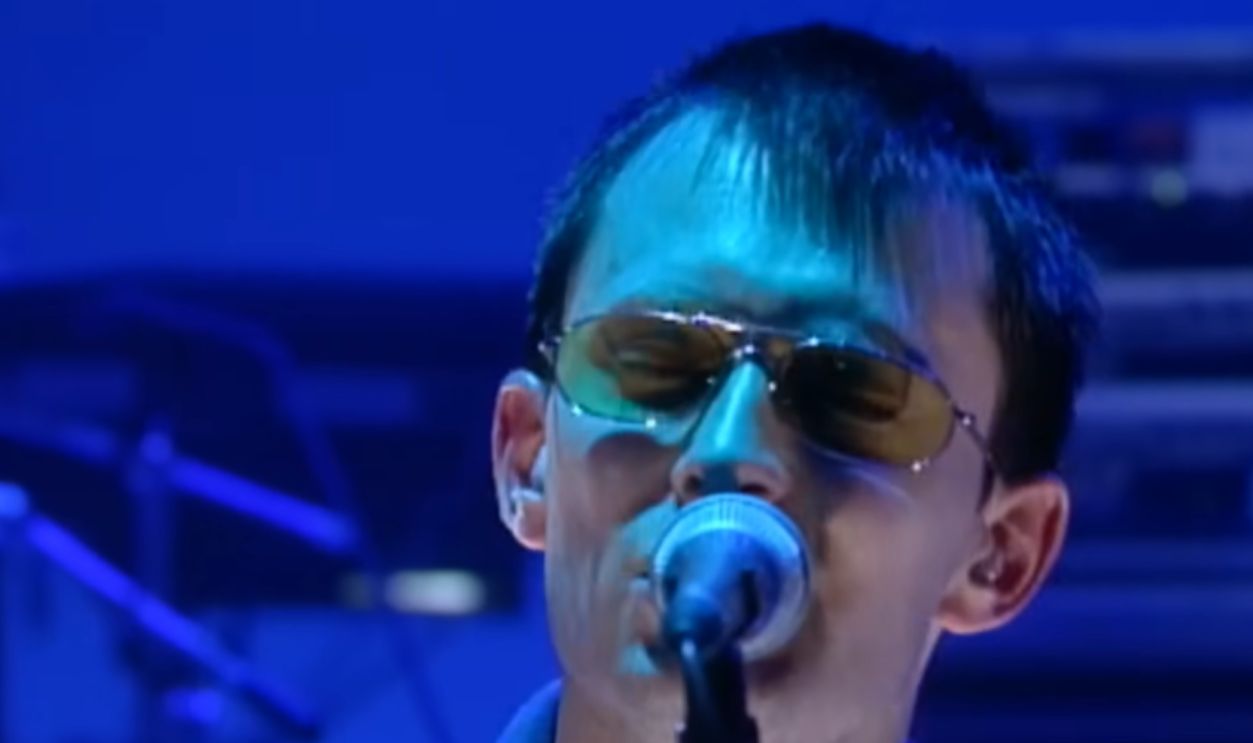 Radiohead - Paranoid Android (Later Archive 1997), BBC Music
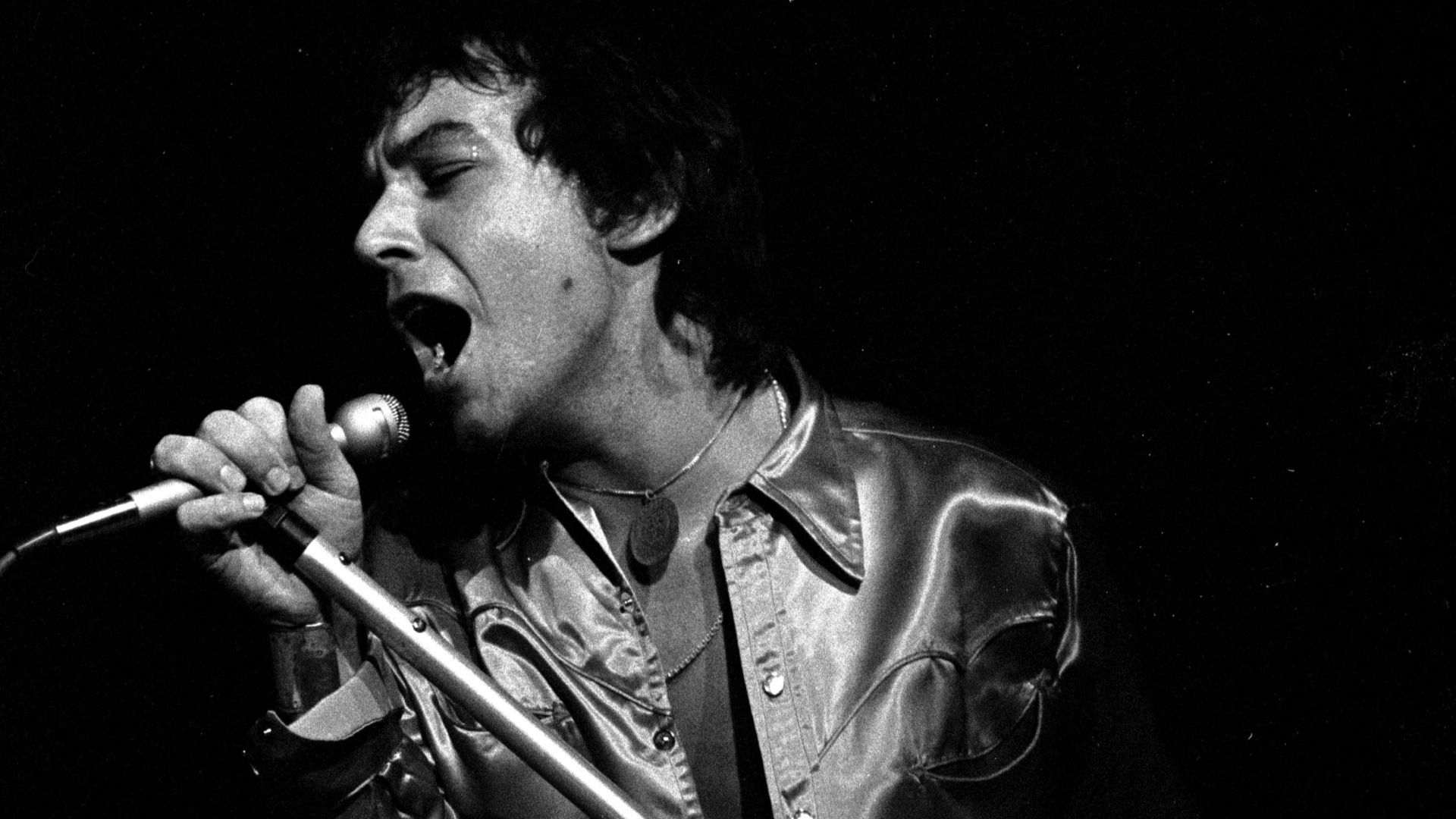
"Spill the Wine" (War feat. Eric Burdon) — The Lost Edit
A rumored alternate version with unreleased verses supposedly aired once in California before the label recalled it. No confirmed copy exists, but bootleggers still search for the so-called “lost broadcast.”
 Heinrich Klaffs, Wikimedia Commons
The Ghost Song (Unverified College Demo, early 2000s)
A supposed one-time broadcast credited to “The Echo Chamber” aired on a college station and then vanished. The file corrupted, the archives are blank, and no one remembers how it got there—making it one of modern radio’s strangest mysteries.

Strange Frequencies (Unverified Pirate Broadcast, 1990s)
An enduring radio legend claims a shortwave pirate station aired a mysterious song filled with static and whispers. Some listeners swore it predicted events years later. Whether real or imagined, it’s the perfect ghost story for radio obsessives.
You Might Also Like:
These Song Covers Put The Original Version To Shame