The Last Ronette Has Fallen
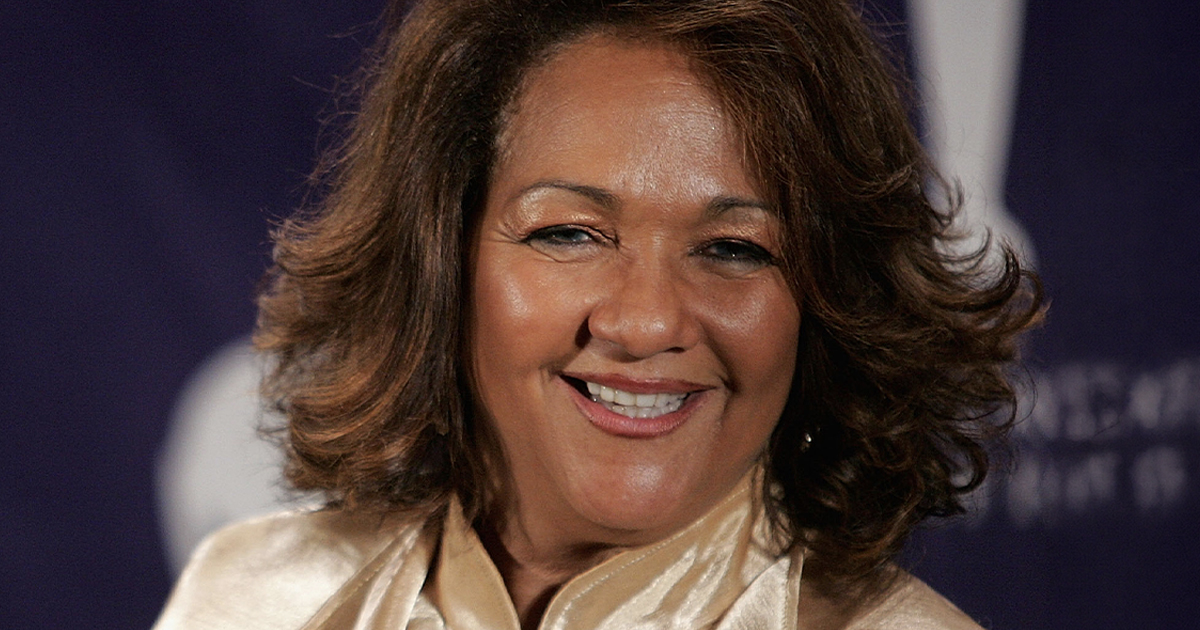
For years, Nedra Talley Ross carried a quiet title: the last surviving member of The Ronettes. When Ronnie Spector died in 2022, Nedra became the final living link to one of the most iconic girl groups of the 1960s. On April 16, 2026, that chapter officially closed.
But her story stretches far beyond the spotlight.
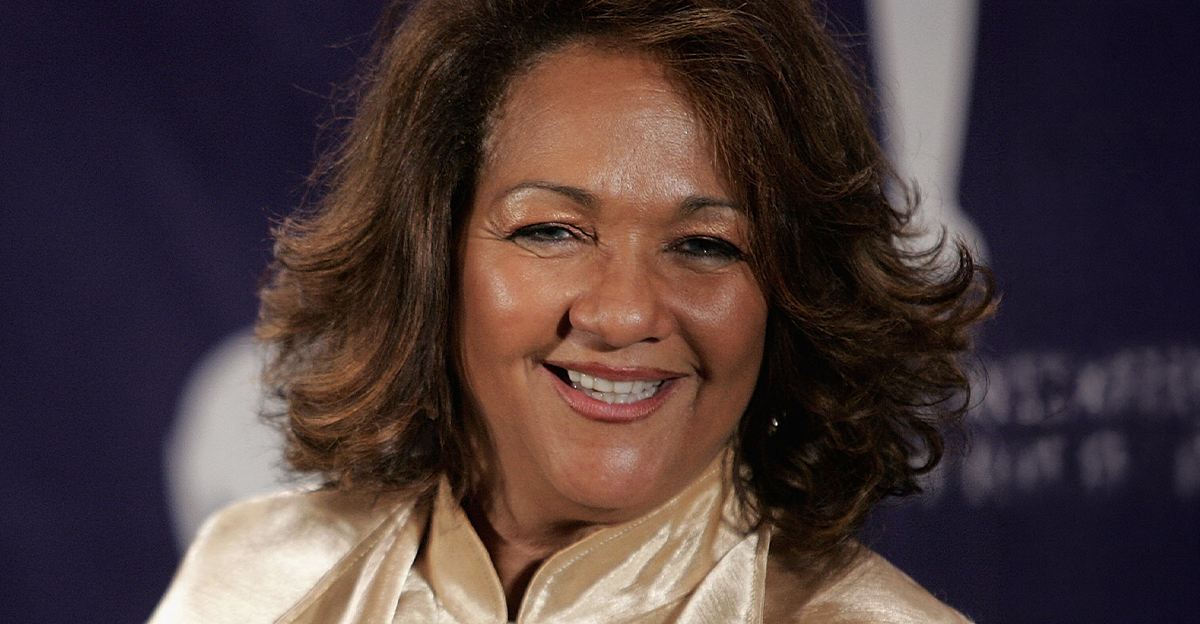 Peter Kramer / Staff, Getty Images
A Washington, DC Beginning
Nedra Talley was born on January 27, 1946, in Washington, DC, though she grew up in Spanish Harlem in New York City. Her cousin Veronica Bennett — later known to the world as Ronnie Spector — lived nearby. Their childhood was filled with hallway harmonies, neighborhood doo-wop, and big dreams. They were teenagers with serious talent.
The Formation of a Girl Group
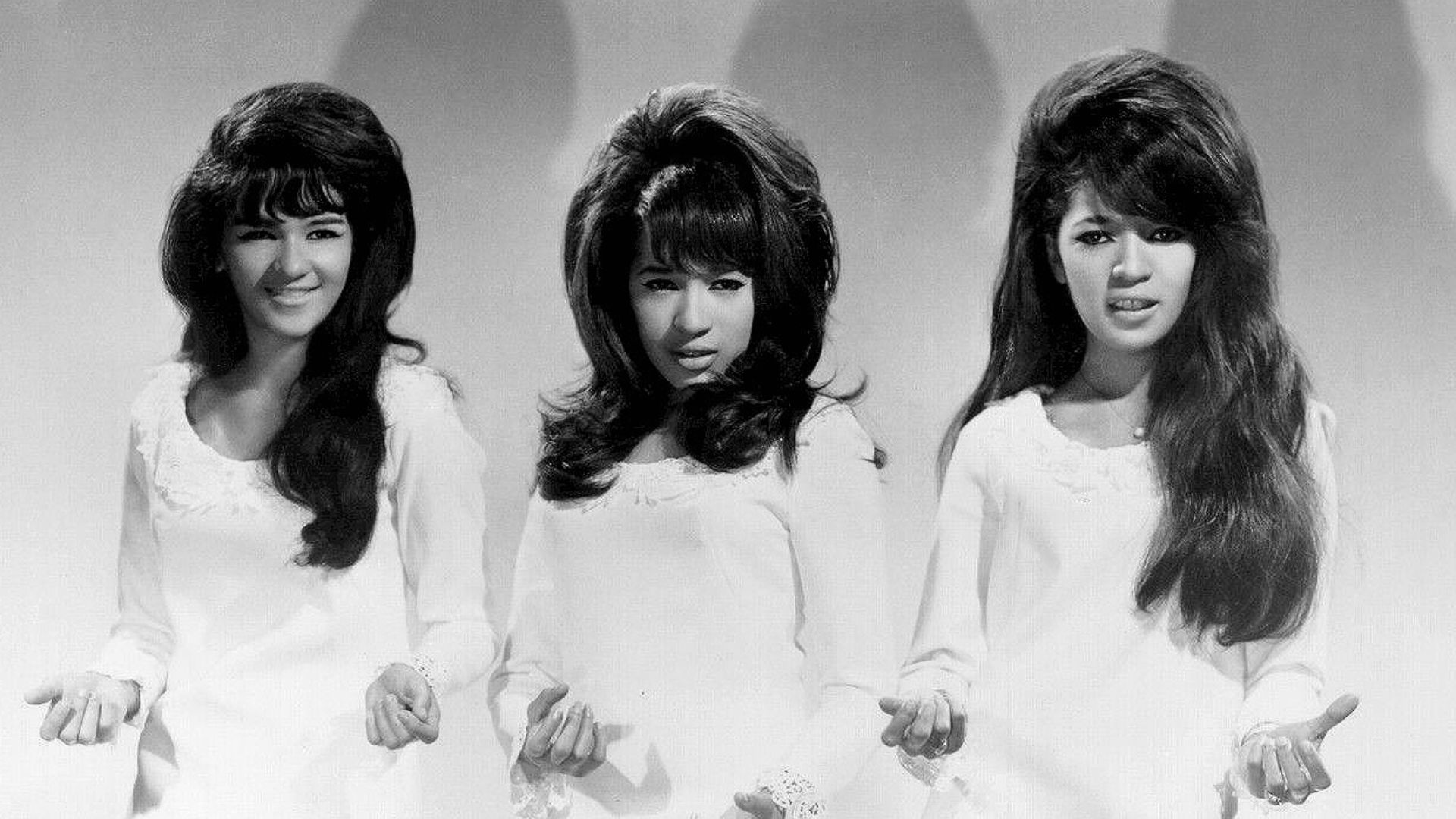
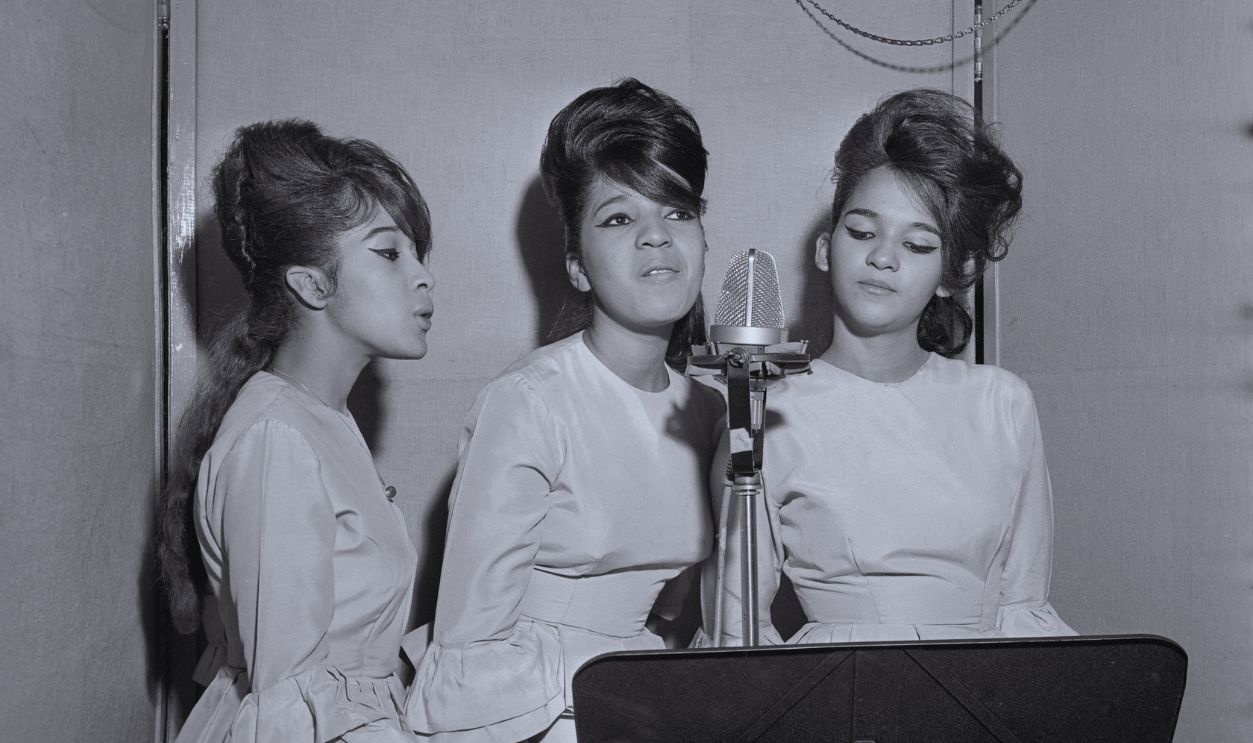
In 1957, Nedra, Ronnie, and Ronnie’s sister Estelle Bennett formed a singing group originally called The Darling Sisters. They performed at local dances and amateur nights at Harlem’s Apollo Theater. They weren’t polished yet, but they had presence, and New York noticed.
 GAC-General Artists Corporation-management, Wikimedia Commons
From The Darling Sisters to The Ronettes
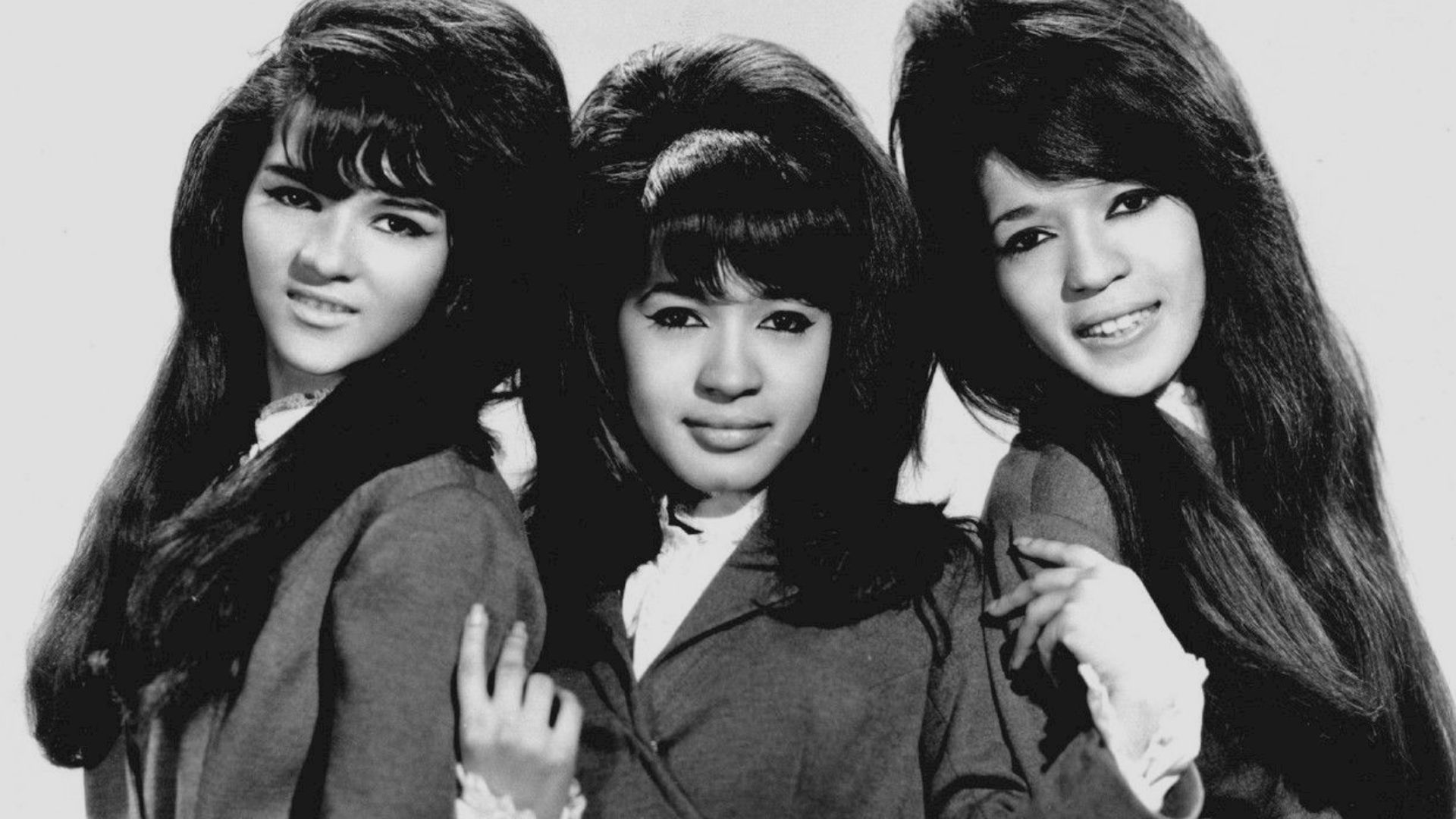
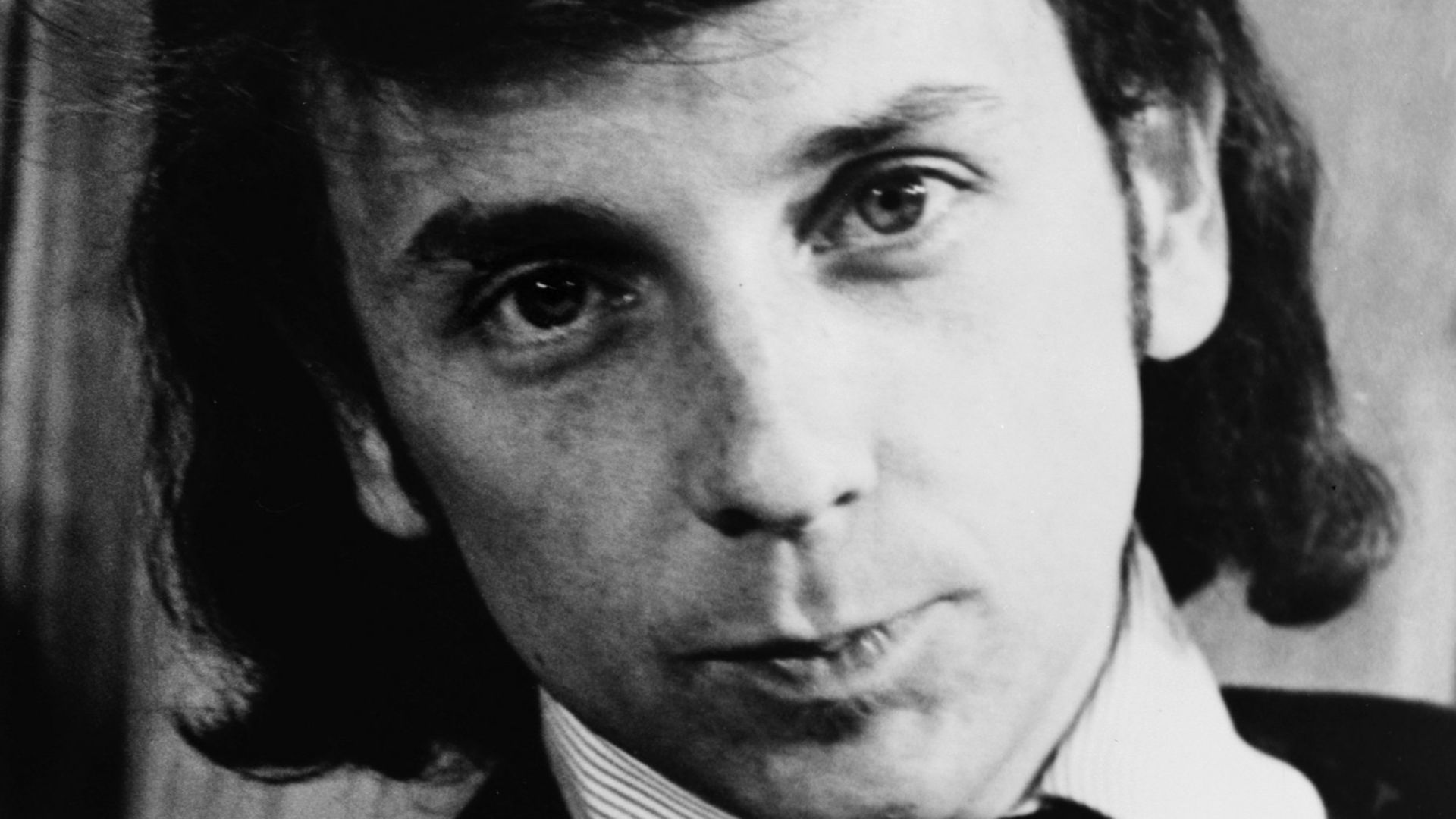
By the early 1960s, they renamed themselves The Ronettes. Their breakthrough came in 1963 when they signed with producer Phil Spector at Philles Records. Spector believed he had found something special and famously described Ronnie’s voice as “a gift from God.” Nedra’s harmonies completed the sound.
 Unknown photographer, Wikimedia Commons
“Be My Baby” Changes Everything
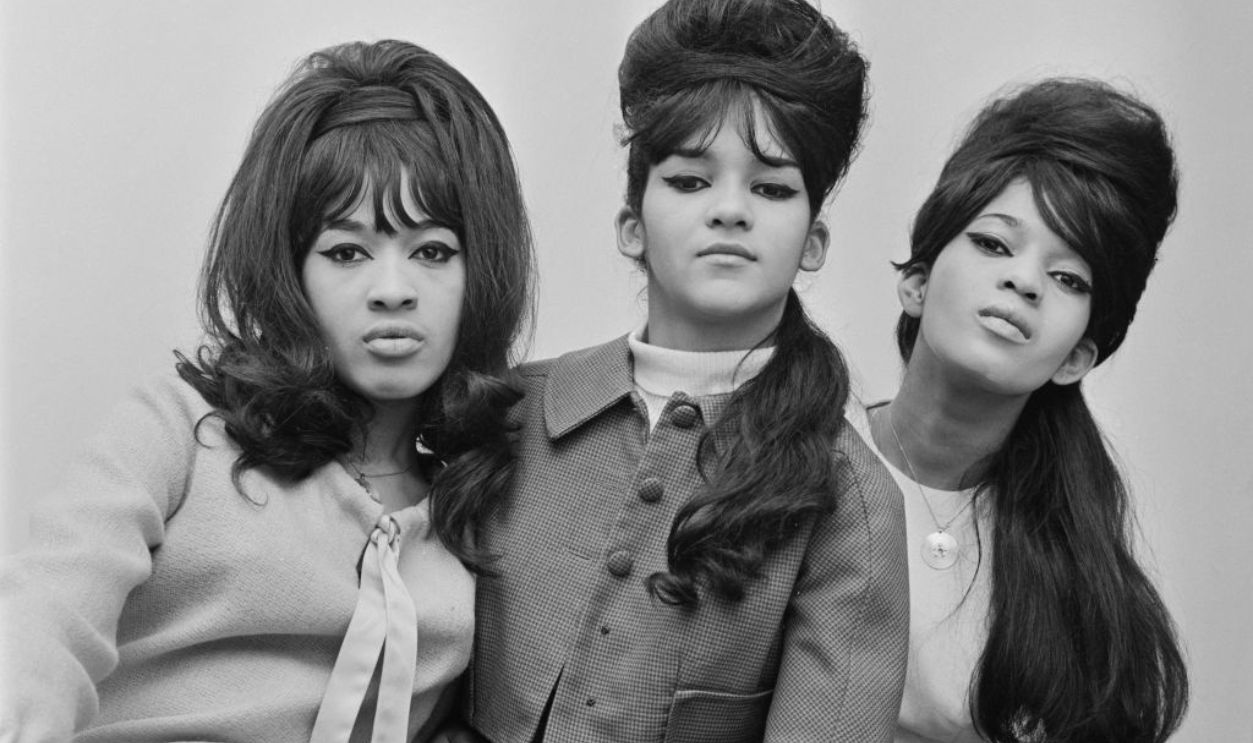
In August 1963, The Ronettes released “Be My Baby.” Produced by Phil Spector and backed by the Wrecking Crew in Los Angeles, the song became an instant classic. Brian Wilson of The Beach Boys later said, “I was floored. It was the greatest record ever produced.” Nedra’s steady harmonies were woven into that history.
The Wall of Sound — And Control
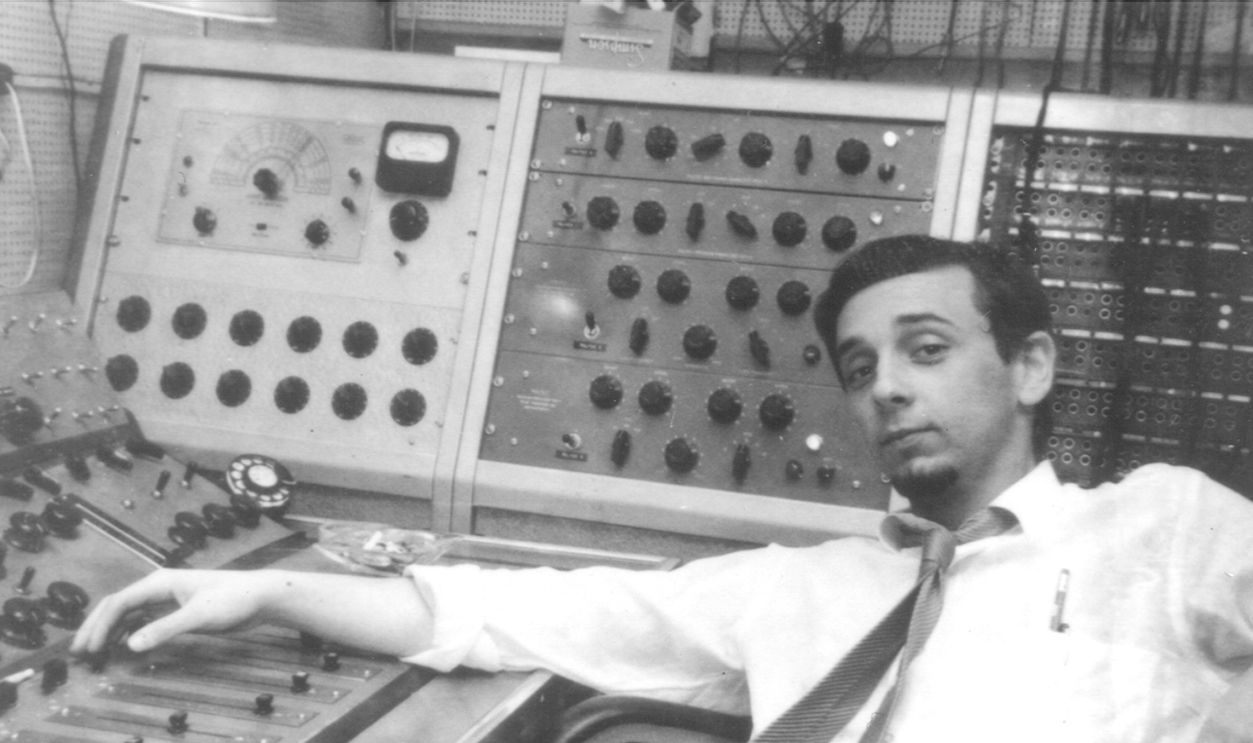
Phil Spector’s “Wall of Sound” layered instruments into something dramatic and cinematic, revolutionizing pop production. It was also tightly controlled. Spector dictated image, wardrobe, and creative direction. The Ronettes were stars — but not fully autonomous.
 Michael Ochs Archives, Getty Images
Touring with The Beatles
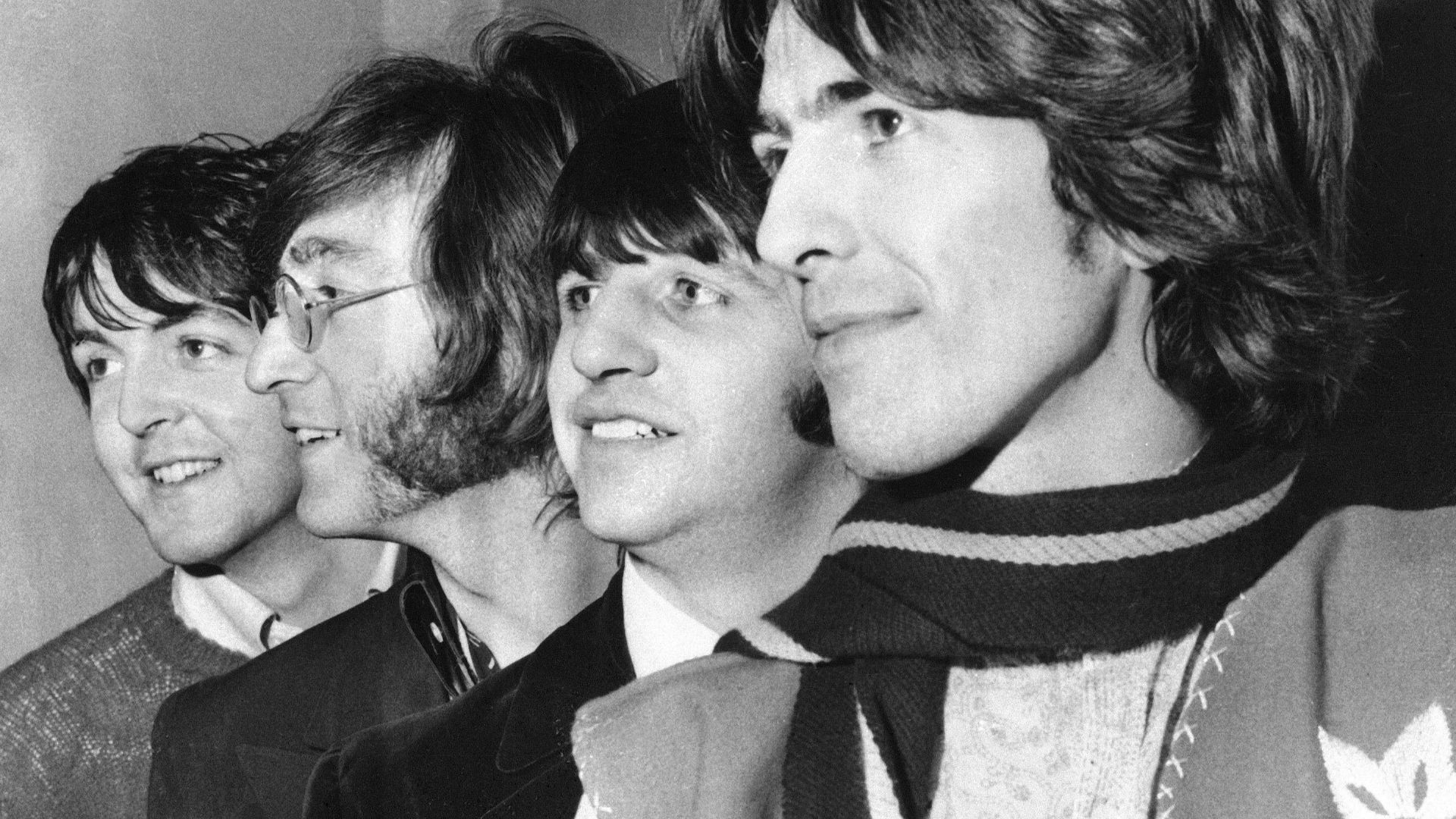
In 1966, The Ronettes toured with The Beatles across the United States. The crowds were deafening, and the hysteria was real. John Lennon reportedly called “Be My Baby” one of his favorite songs. For Nedra, it was surreal — and exhausting.
 Associated Press, Wikimedia Commons
Glamour and Tension
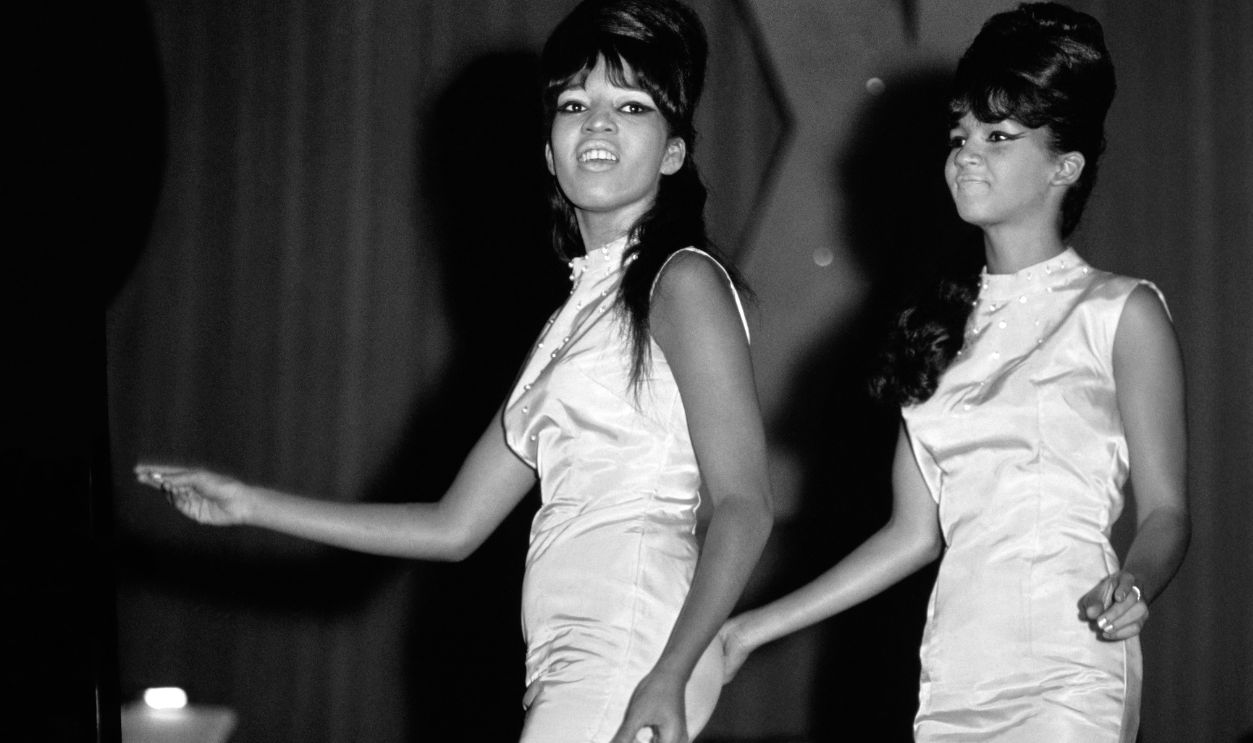
Behind the beehives and eyeliner, tensions simmered. Estelle Bennett struggled with stage fright, and Phil Spector’s grip tightened. Nedra later reflected in interviews that the pressure was immense. Fame looked glamorous, but it rarely felt simple.
Phil Spector’s Marriage to Ronnie
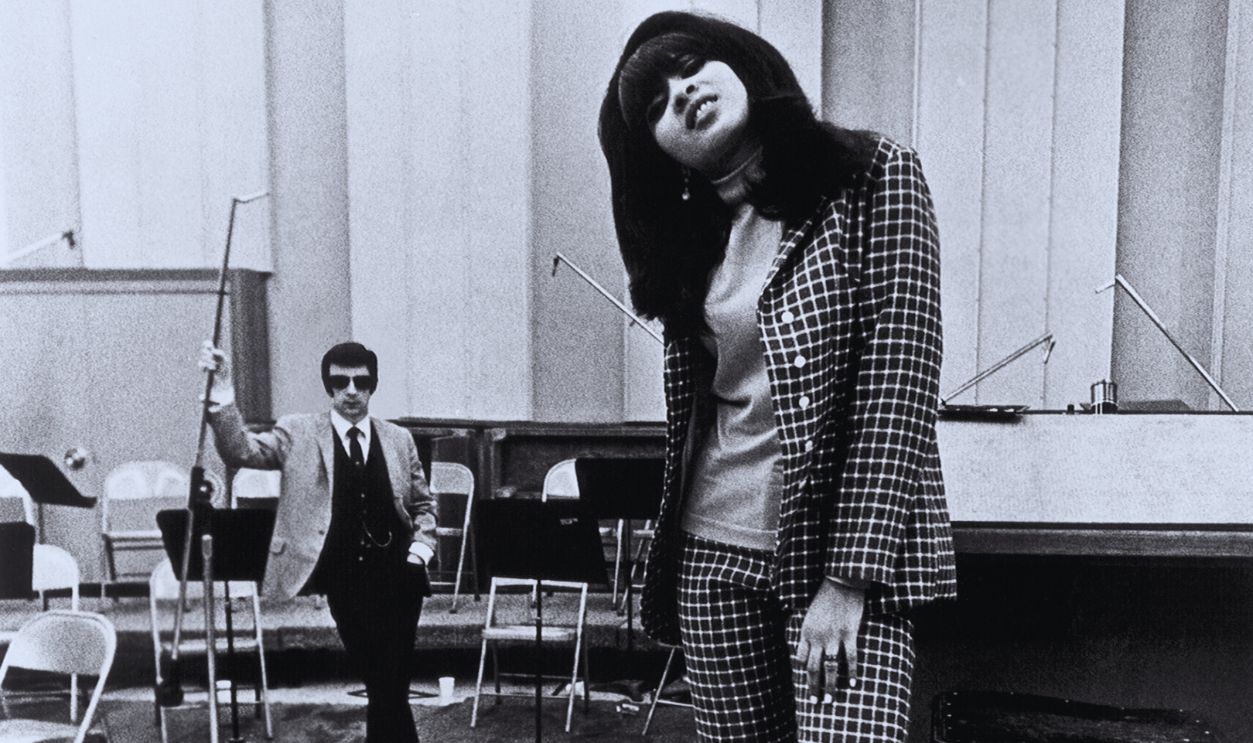
Phil Spector married Ronnie in 1968. Over time, his behavior toward her became increasingly controlling and abusive — details Ronnie later described in her memoir Be My Baby (1990). Nedra witnessed the fallout as the sisterhood strained.
 Michael Ochs Archives, Getty Images
The Breakup
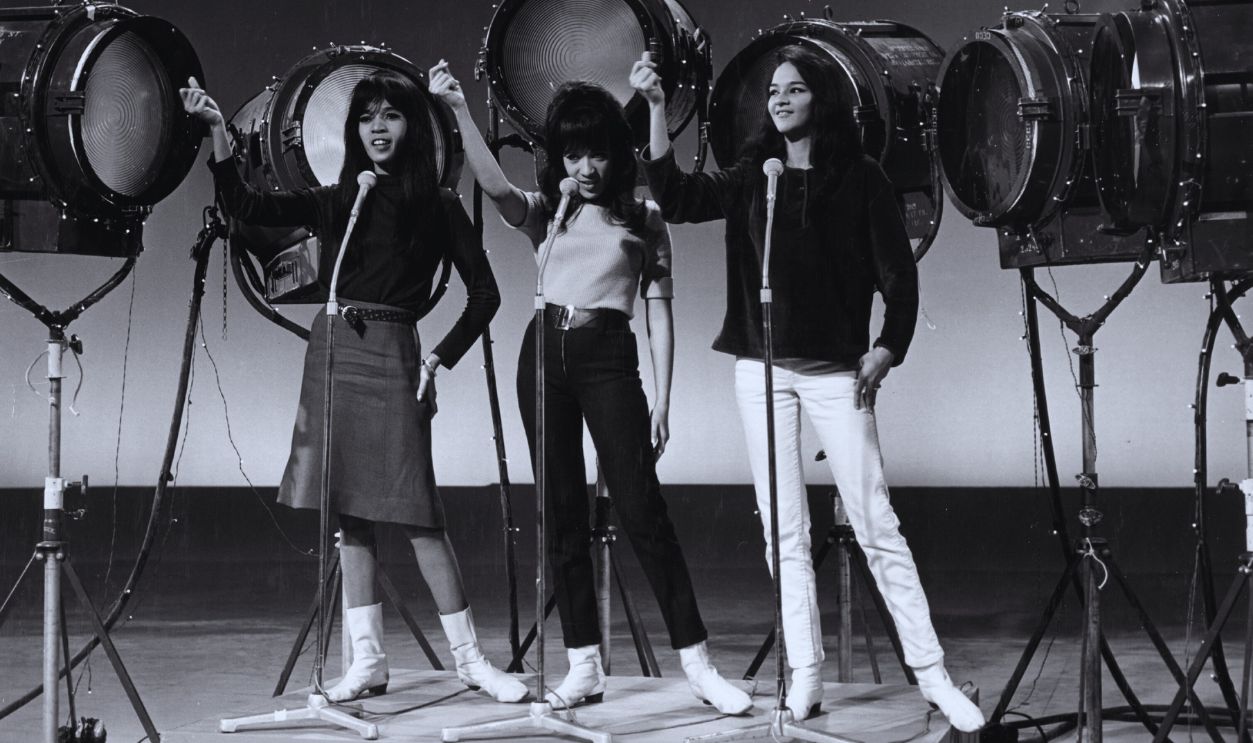
By 1967, The Ronettes began to unravel. Spector focused almost exclusively on Ronnie, sidelining Nedra and Estelle. The group officially disbanded in 1967. Nedra was only 21, and her life was about to change completely.
Stepping Away from Fame
Unlike Ronnie, who pursued a solo career, Nedra chose distance from the music industry. She married Scott Ross and moved to Virginia, building a life outside the glare of celebrity. That decision shaped her future more than any hit single.

The Royalty Lawsuits
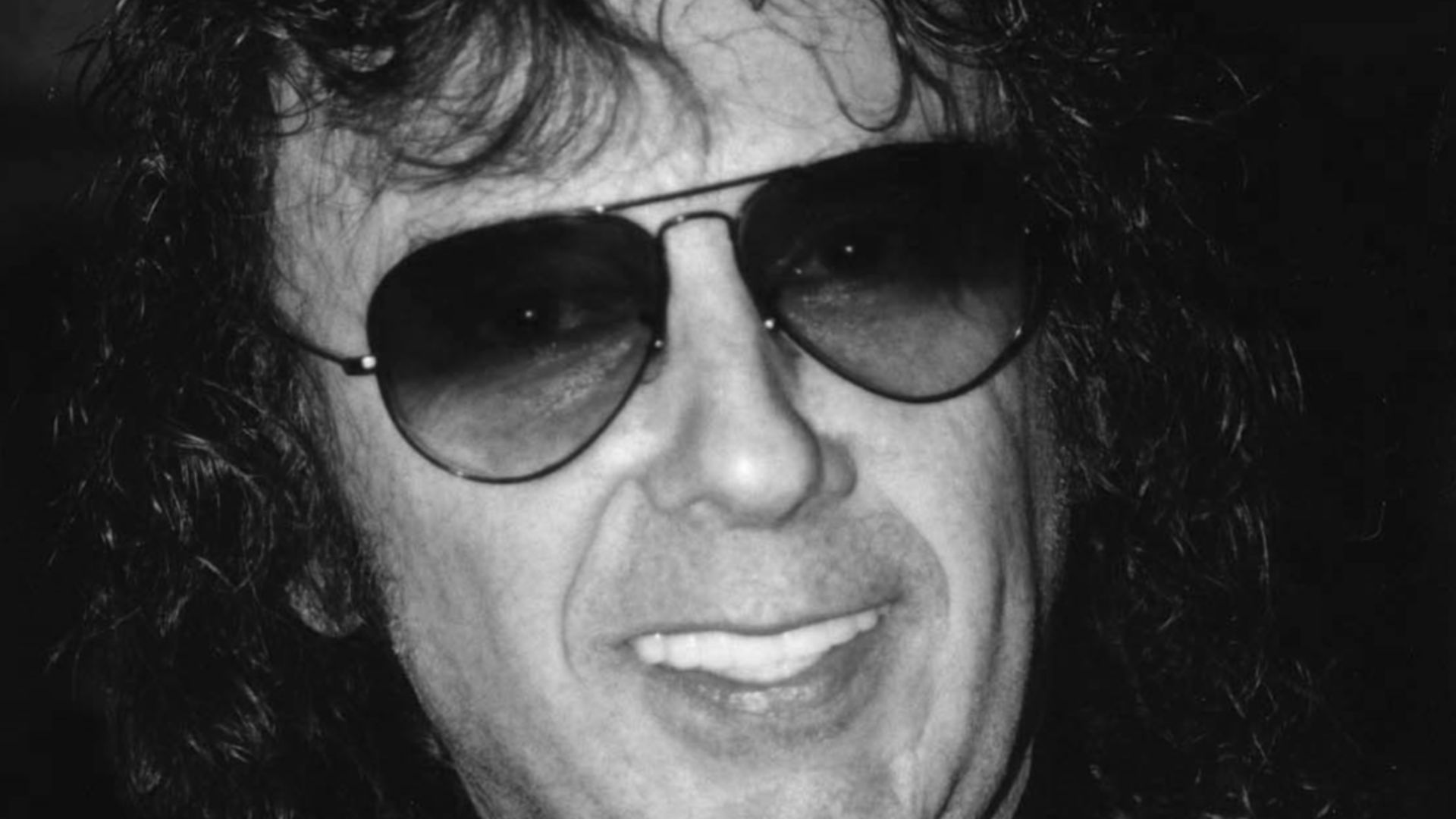
In the 1980s, The Ronettes sued Phil Spector for unpaid royalties. The legal battle dragged on for years. In 2000, a New York court ruled that Spector had underpaid the group, though damages were limited under the original contract terms. It was partial justice — but justice nonetheless.
 Kingkongphoto & www.celebrity-photos.com from Laurel Maryland, USA, Wikimedia Commons
“We Were Just Kids”
Nedra later acknowledged how young they had been when signing contracts in the early 1960s. “We were just kids,” she said in interviews. They were teenagers navigating an industry that rarely explained the fine print.
 Michael Ochs Archives, Getty Images
Hall of Fame Recognition
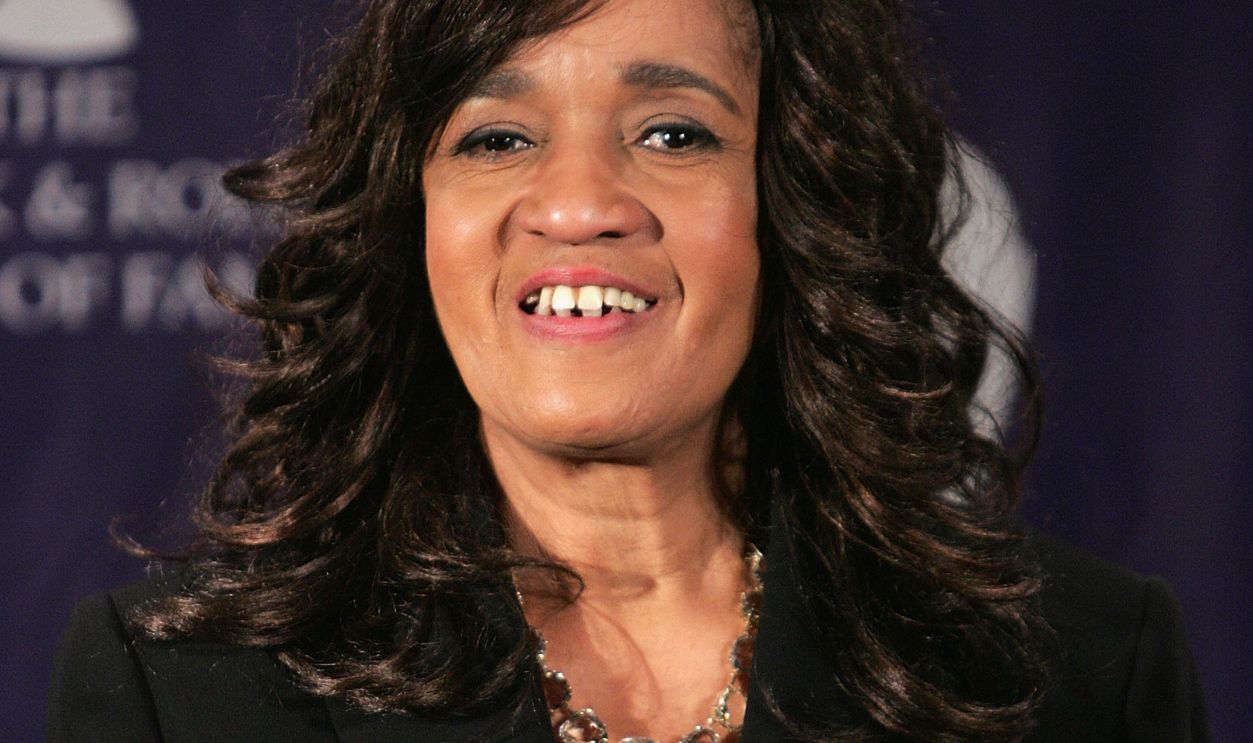
In 2007, The Ronettes were inducted into the Rock and Roll Hall of Fame. Keith Richards of The Rolling Stones delivered the induction speech, calling them “the original bad girls of rock and roll.” Nedra stood beside Ronnie once more. This time, it felt like closure.
 Olavi Kaskisuo / Lehtikuva, Wikimedia Commons
Estelle’s Passing
Estelle Bennett died on February 11, 2009, in Englewood, New Jersey after years of mental health struggles. Her passing was quiet, and Nedra mourned privately. Another piece of the trio was gone.
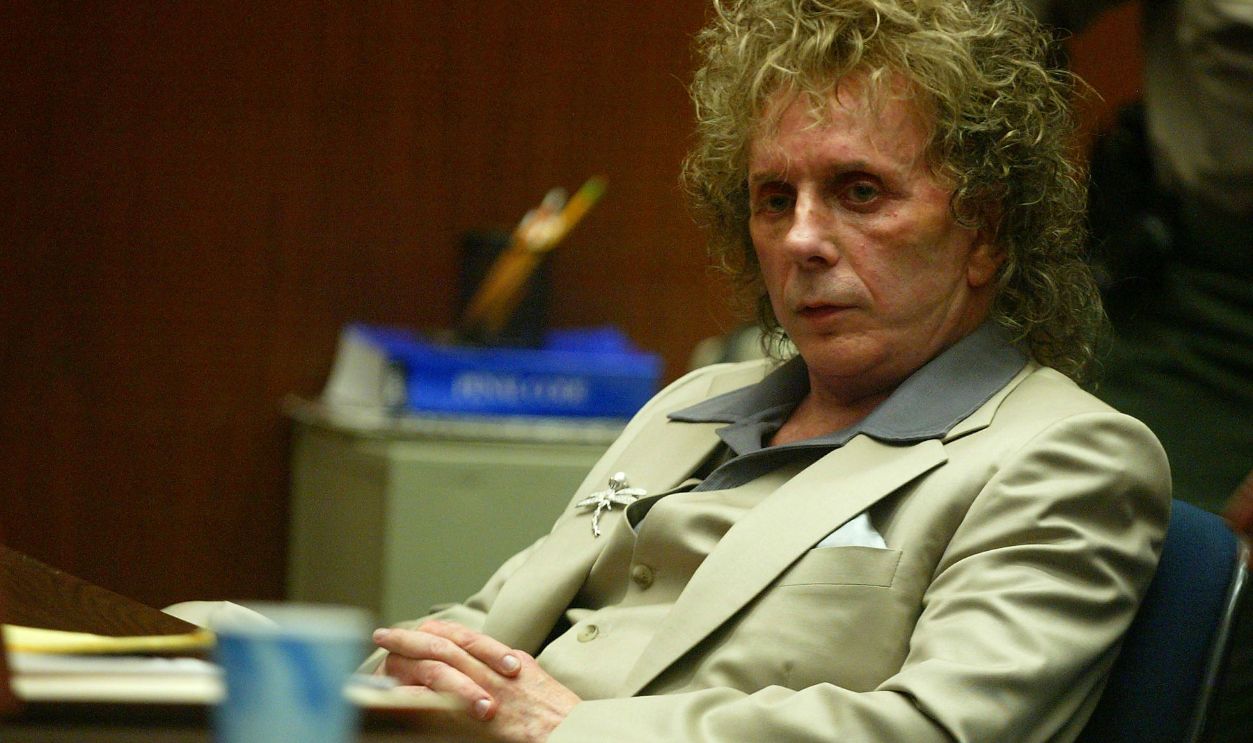
The Phil Spector Murder Conviction
In 2003, Phil Spector was charged with the slaying of actress Lana Clarkson in Alhambra, California. He was convicted in 2009 and later died in prison in 2021. The case revived painful conversations about his past behavior, though Nedra largely remained reserved publicly.
Loyalty to Ronnie
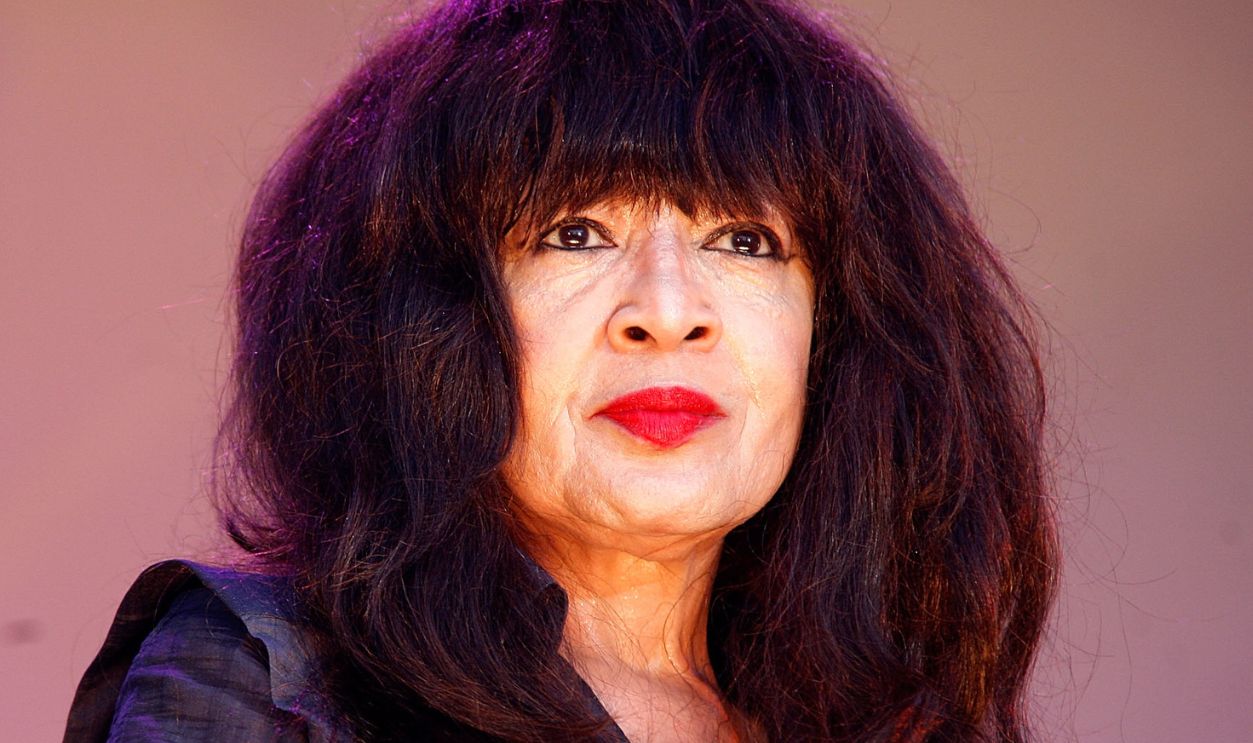
When Ronnie Spector succumbed to cancer on January 12, 2022, at age 78, Nedra became the last original Ronette. She released a statement honoring Ronnie’s voice and spirit. Family had always come first.
Life Rooted in Faith
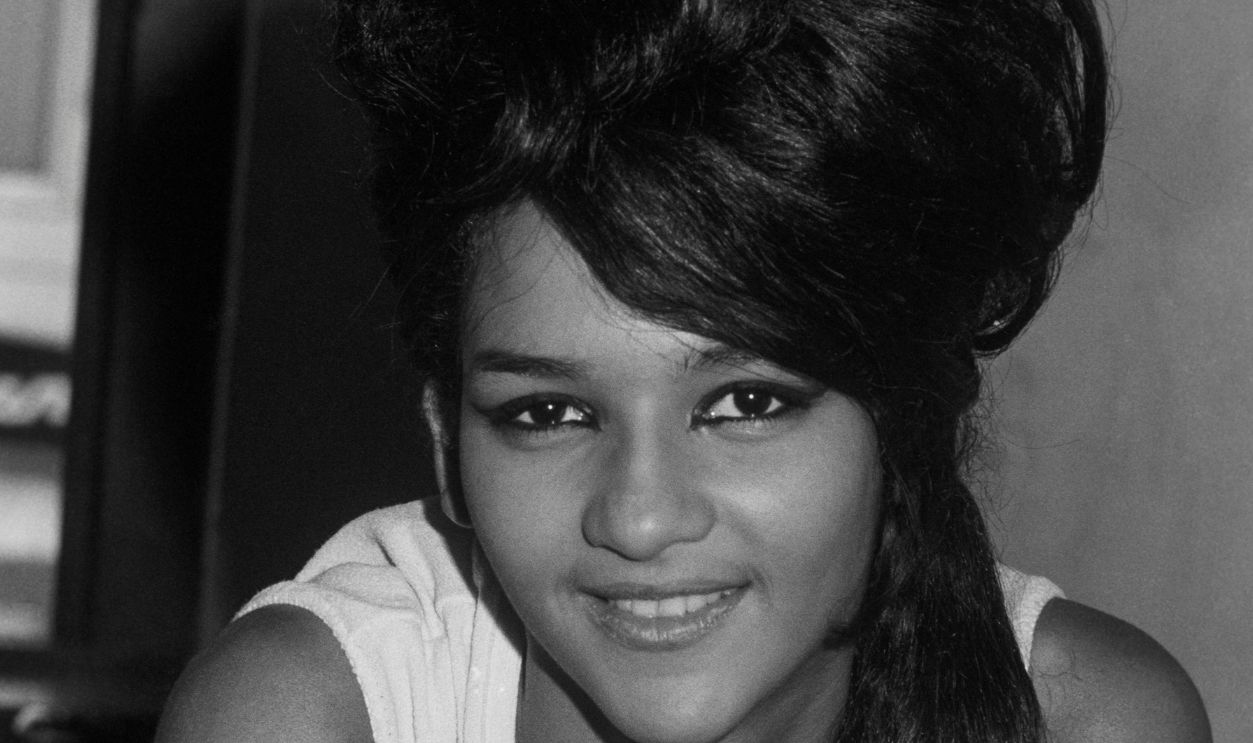
Nedra spoke openly about her Christian faith and the peace she found outside fame. She rarely courted headlines and avoided the cycles of scandal that defined many 1960s acts. Her life after music was steady, intentional, and grounded.
The Cultural Impact
“Be My Baby” continues to appear in films and television, influencing artists from Bruce Springsteen to Amy Winehouse. Though Ronnie’s lead vocal defined the hit, Nedra’s harmonies remain inseparable from its sound. The Ronettes shaped modern pop.
 Chris Christoforou, Getty Images
The Quiet Strength
While Ronnie’s life often made headlines, Nedra’s calm steadiness anchored the group. She avoided tabloid chaos and chose a life away from spectacle. In a world addicted to drama, she chose stability.
The Final Chapter
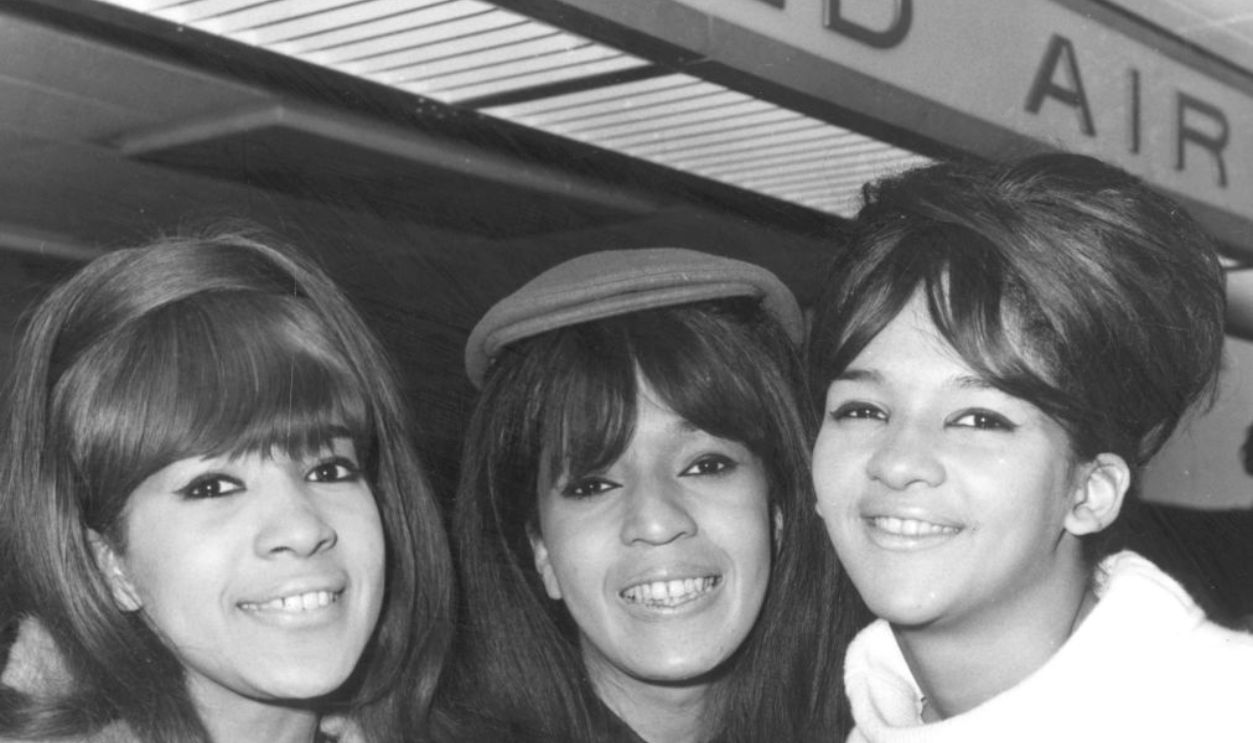
Nedra Talley Ross died on April 16, 2026, at the age of 80. With her passing, the original Ronettes were reunited in memory. An era officially ended, but the music did not.
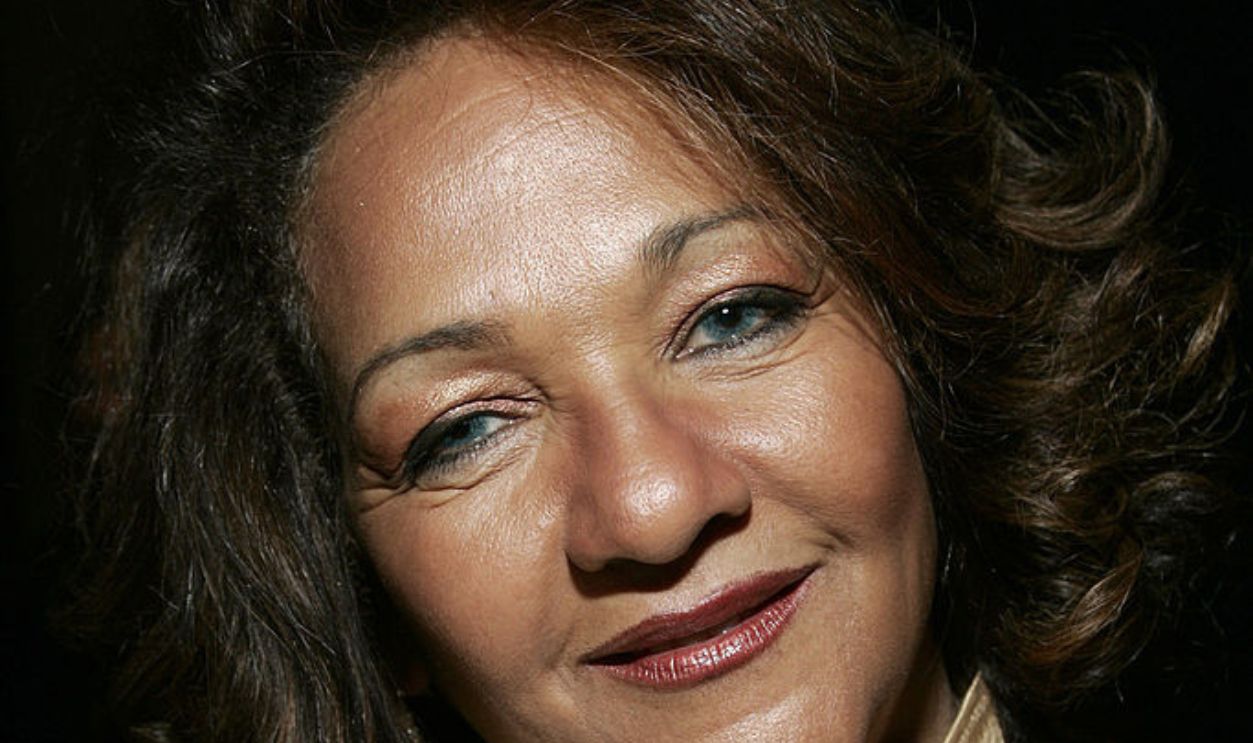
The Legacy of The Ronettes
The Ronettes helped define the sound of 1960s pop and influenced generations of artists. Their harmonies changed radio forever. Nedra’s voice may not have been the loudest, but it was essential.
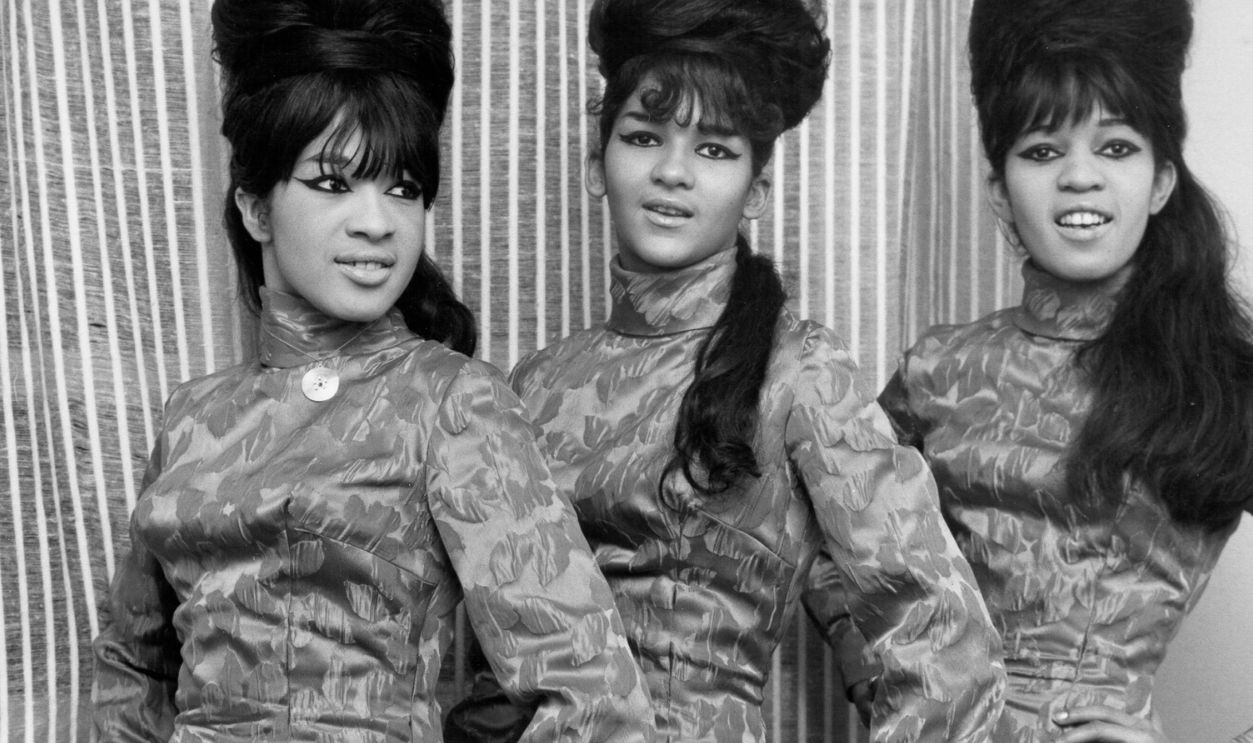 Michael Ochs Archives, Getty Images
More Than a Harmony
Nedra Talley Ross was not just background support. She was part of a sound that shaped culture, survived legal battles, and endured scandal. She outlived the chaos, carried the history, and now rests as part of it.
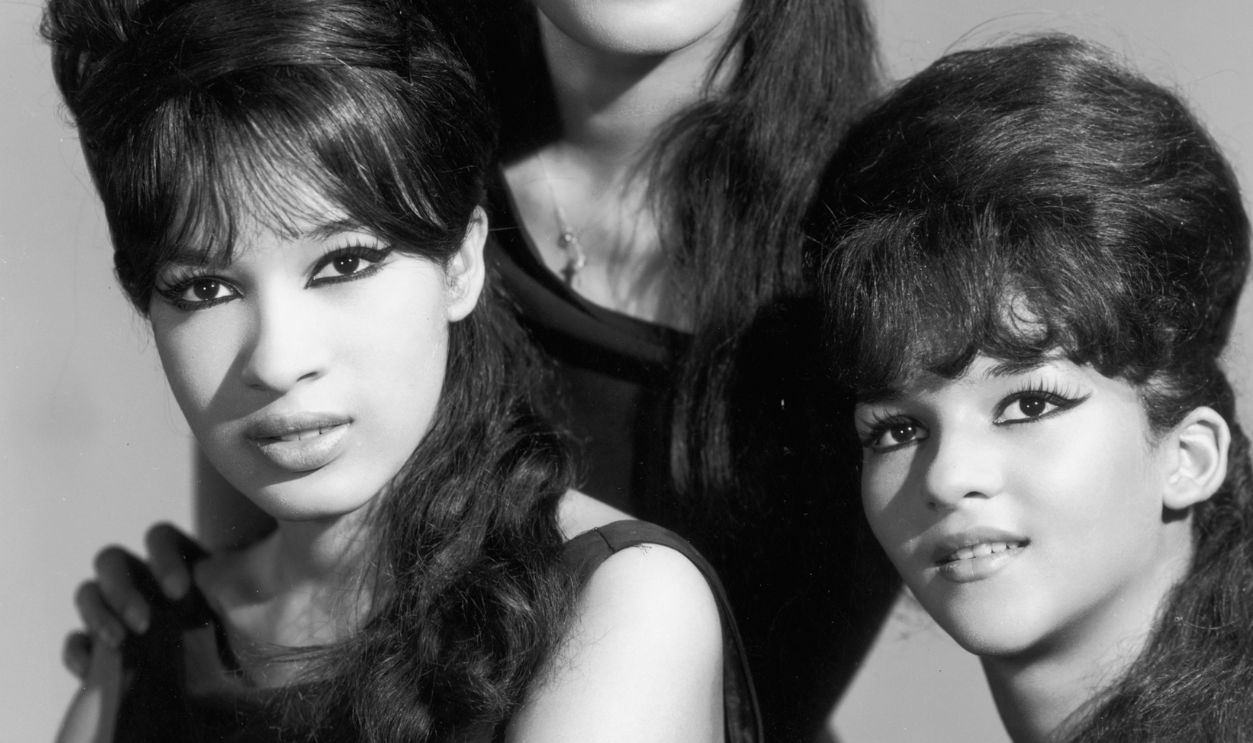
You May Also Like:
Supreme Facts About Diana Ross, The First Lady Of Motown
31 Iconic Facts About Aretha Franklin
41 Facts About Janis Joplin, The Goddess Of Rock