
You Don’t Wanna Miss This List (see what I did there?)
Aerosmith basically have two completely different careers. The raw, chaotic 70s version…and the polished, hit-machine comeback version that somehow got even bigger.
But as different as they were, both eras provided us with plenty of great songs. And I have gone and ranked the 30 best ones. I assume you are going to disagree with some of my choices, and/or rankings, so lets get into it and then you can (politely) tell me where I messed up in the comments.

30: “Angel” (1987)
Yeah—it’s a power ballad. A very 80s one. But it worked, and it mattered more than people like to admit. This helped bring them back in a big way. You might not rank it this high—but without songs like this, the second half of their career probably doesn’t look the same.
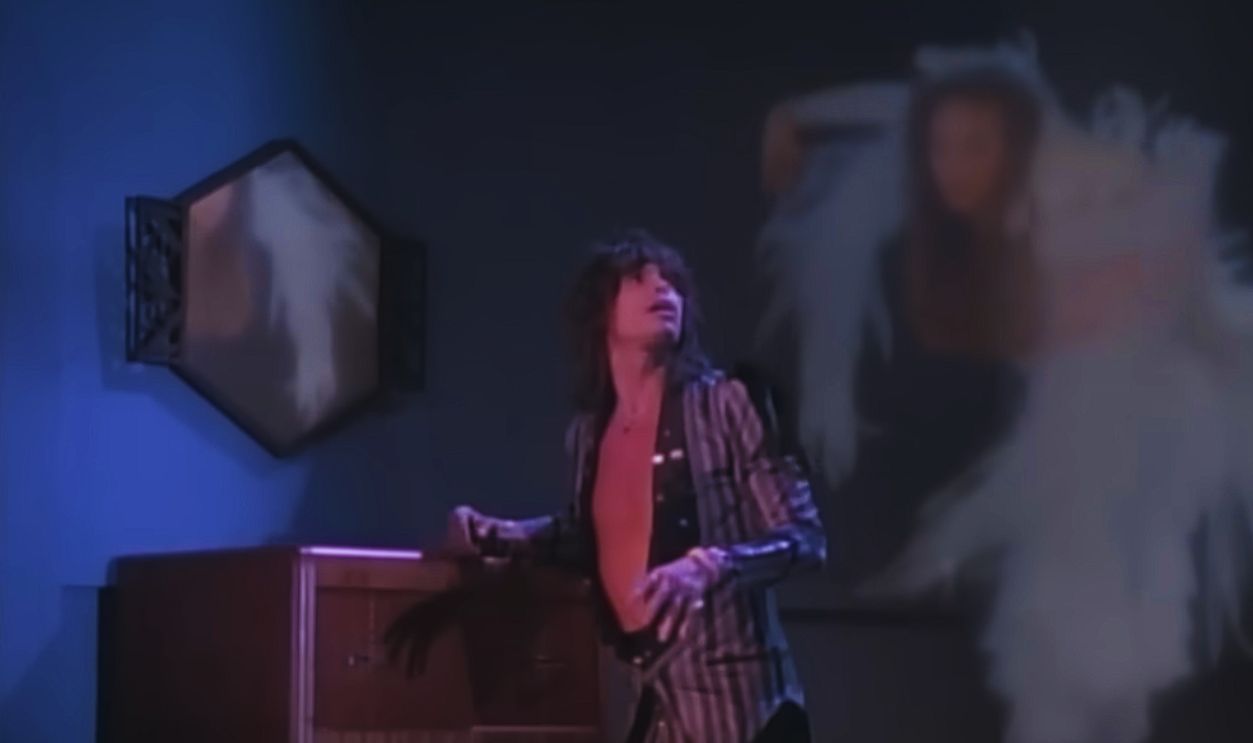 Screenshot from Aerosmith: Angel, Geffen Records (1987)
29: “Last Child” (1976)
This one doesn’t punch you in the face—it just kind of sneaks in and then suddenly you’re like, “wait…this is really good.” It’s loose, funky, and feels like the band is just messing around—and somehow landing it perfectly.
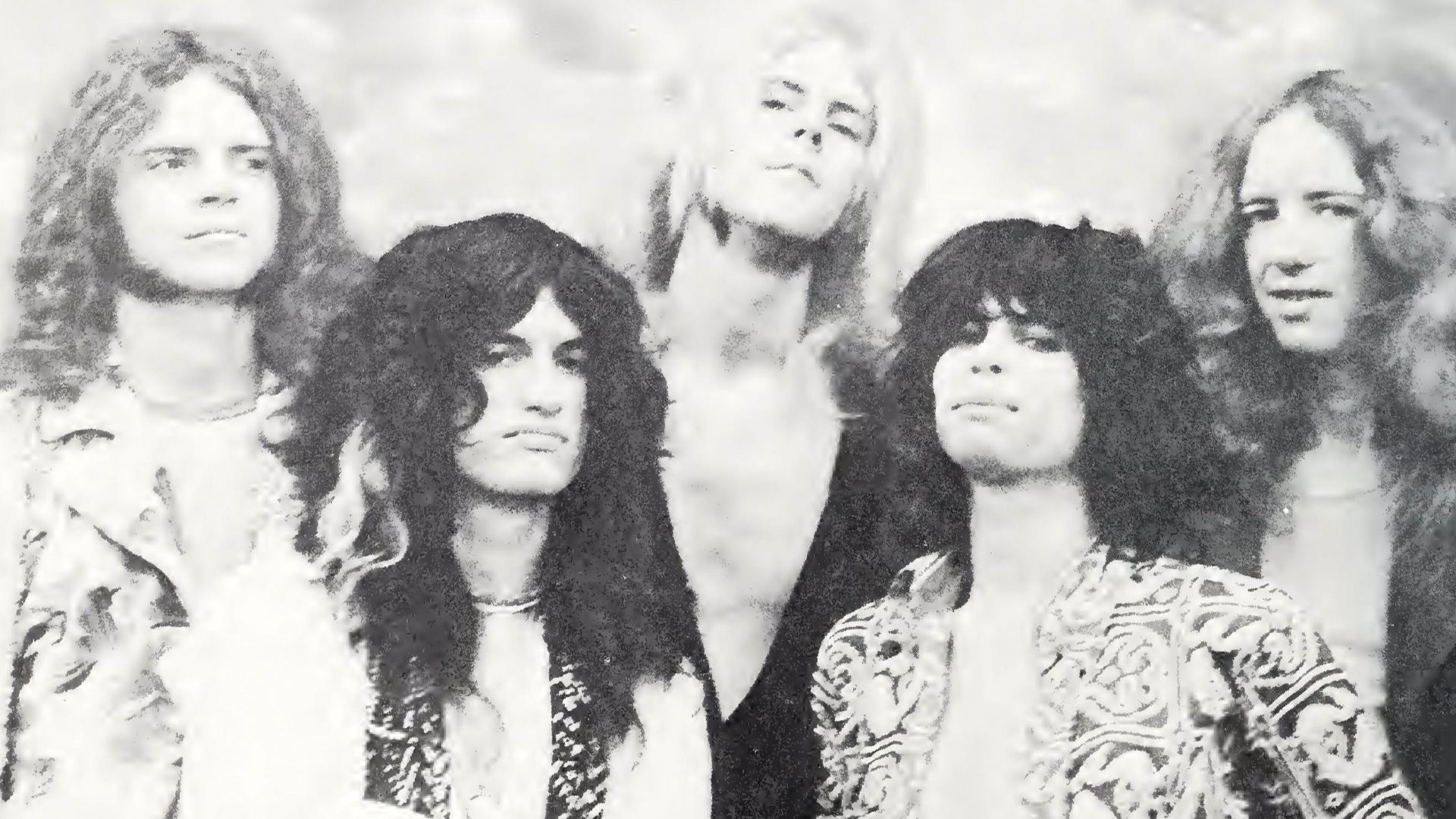 Columbia Records, Wikimedia Commons
28: “Amazing” (1993)
This is peak “we are fully back” Aerosmith. Big, emotional, slightly dramatic—and yeah, a little glossy. This is the era where MTV basically turned them into movie stars again. You hear this and instantly picture that whole Alicia Silverstone video run.
 Screenshot from Aerosmith: Amazing, Geffen Records (1993)
27: “Seasons of Wither” (1974)
This is one people forget—and then it comes on and you’re like, “oh right…this one.” It’s slower, a little moodier, and just feels different from most of their bigger songs. Not flashy—it just kind of pulls you in.
26: “Janie’s Got a Gun” (1989)
This was a shift for them. Darker, more serious, and not just another “let’s have fun” Aerosmith song. And it worked. It’s one of those songs where you actually pay attention to the story the whole way through.
 Screenshot from Aerosmith: Janie's Got a Gun, Geffen Records (1989)
25: “No More No More” (1975)
This is one of those songs where if someone brings it up, you immediately know they know their stuff. It’s messy, a little chaotic, and feels like things might be starting to spiral—but in a way that makes it better.
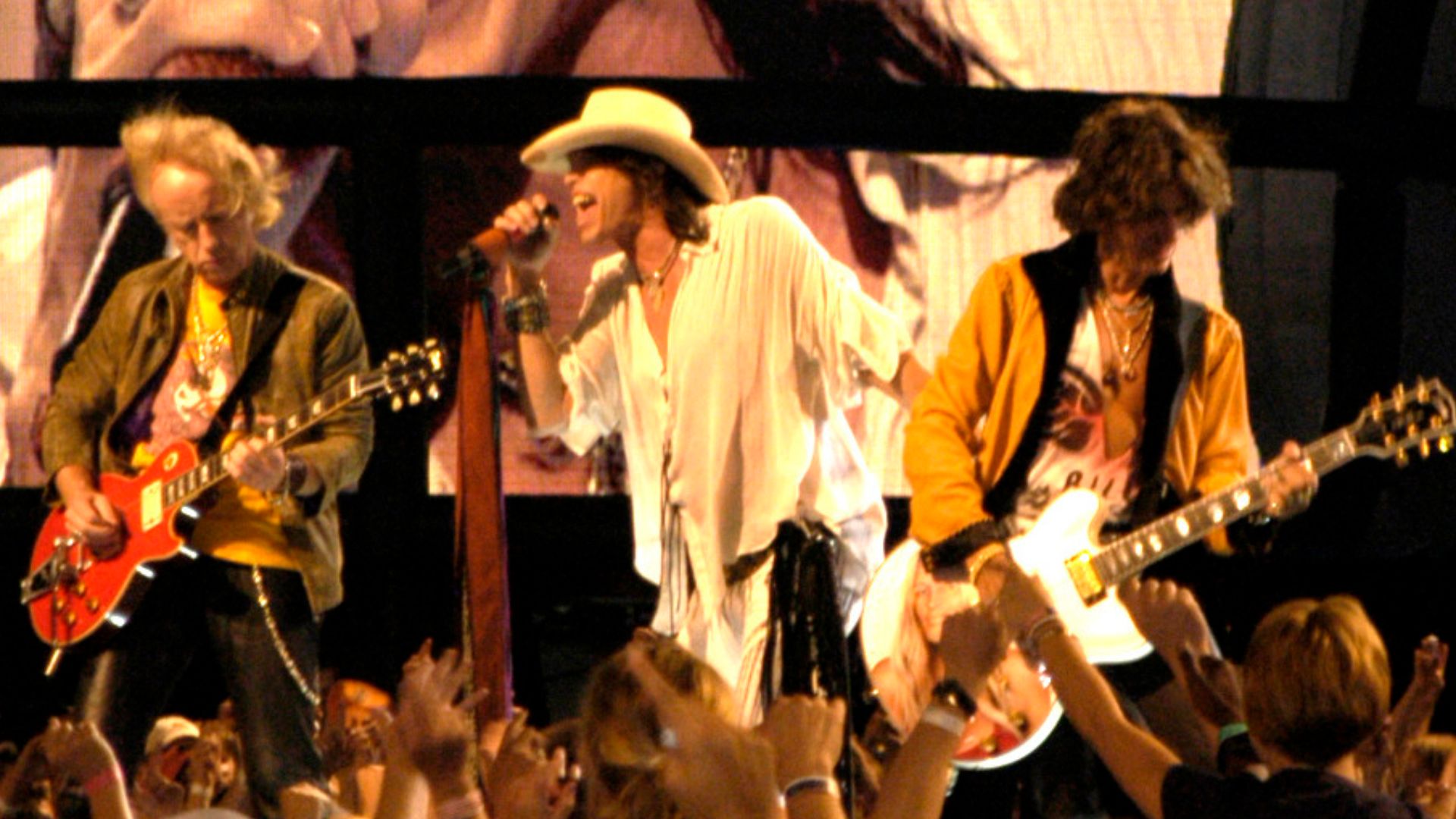 Photographer's Mate 2nd Class Rob Rubio, Wikimedia Commons
24: “Mama Kin” (1973)
This is early Aerosmith figuring it out in real time. It’s raw, rough, and not polished at all—but that’s exactly why it works. You can hear everything they’re about to become, just without the shine yet.

23: “Same Old Song and Dance” (1974)
Yeah, the riff is doing a lot of the work here—but it’s a great riff. And once it locks in, the whole thing just rides that groove the entire time. Not complicated—just works.
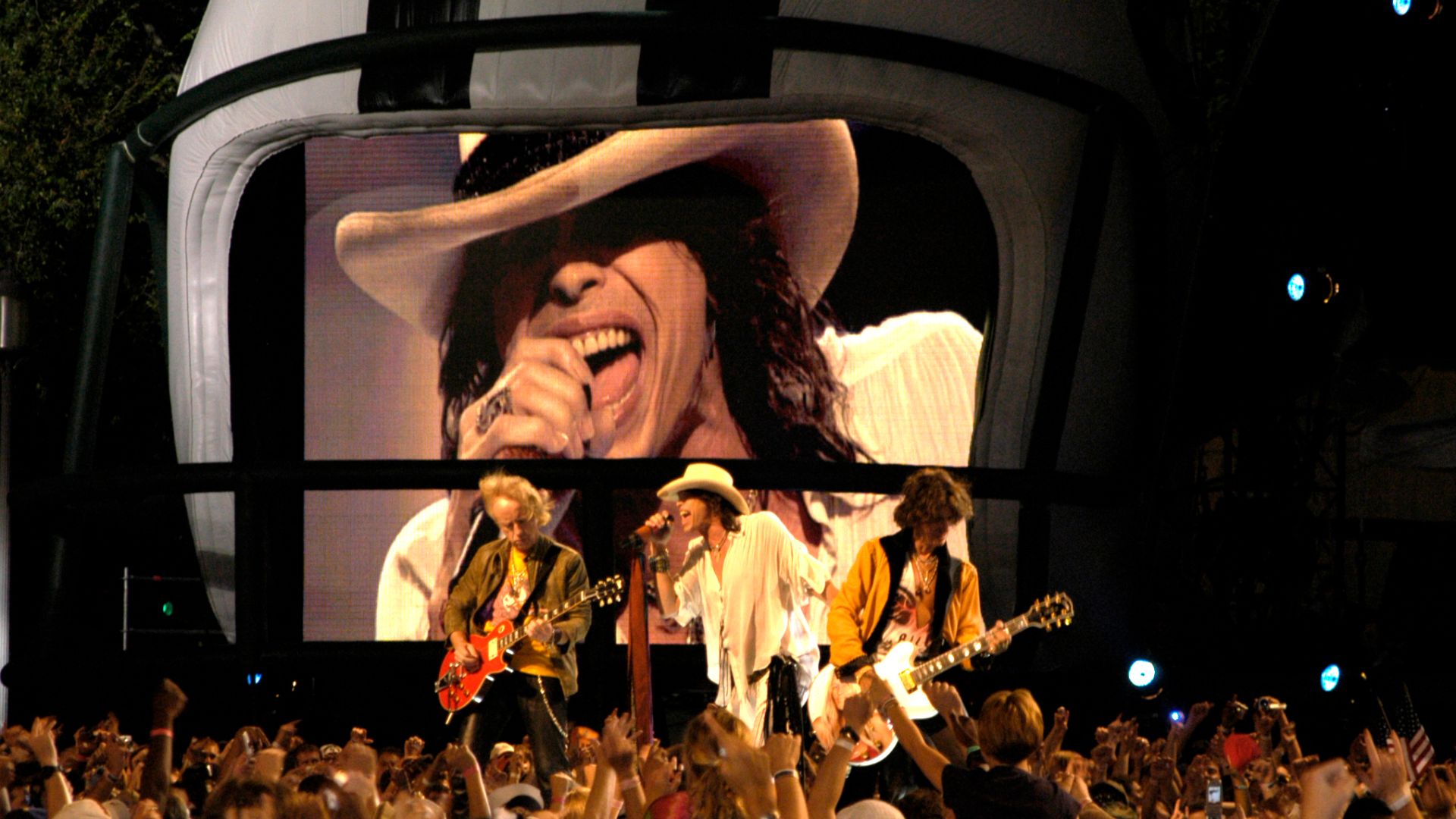 U.S. Navy photo by Photographer's Mate 2nd Class Rob Rubio, Wikimedia Commons
22: “Nobody’s Fault” (1976)
This is one of those songs where you hear it and go, “how is this not talked about more?” It’s heavier than most people expect from them and just hits a little harder than a lot of their bigger songs.
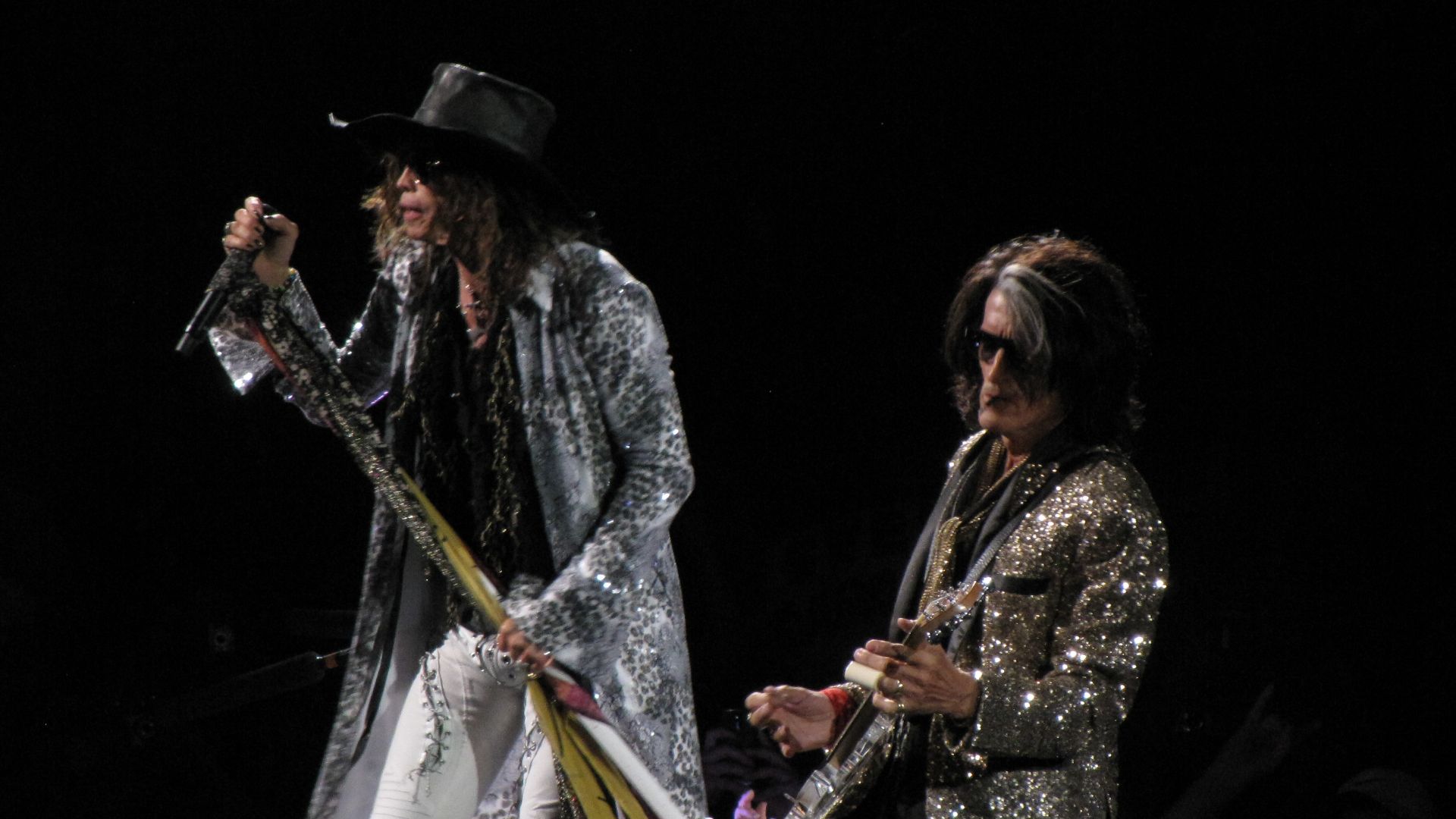 bobnjeff from Malden, MA, Wikimedia Commons
21: “Kings and Queens” (1977)
This one never really gets brought up enough. It’s a little bigger, a little more dramatic, and not exactly what people expect from them. But that’s kind of why it works.
 Julio Aprea, Wikimedia Commons
20: “Train Kept A-Rollin’” (1974)
They didn’t write it—but at this point it kind of feels like theirs. Especially live, where it turns into something louder, faster, and way more chaotic. This is one of those songs that benefits from a little chaos.
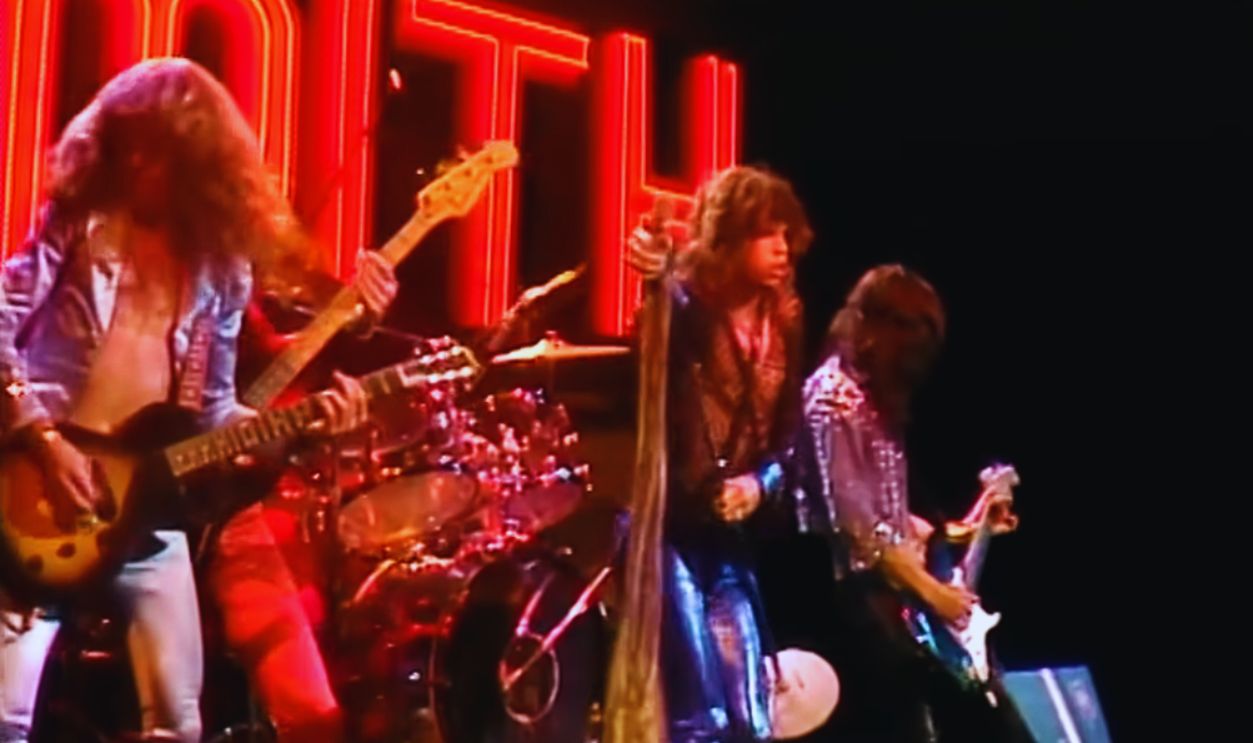 Screenshot from Aerosmith: The Train Kept A-Rollin', NBC / Burt Sugarman Productions (1974)
19: “Eat the Rich” (1993)
This one just comes in loud and doesn’t mess around. It’s got that sarcastic, slightly over-the-top attitude, but they commit to it completely. Not deep, not subtle—just very sure of itself, which is kind of why it works.
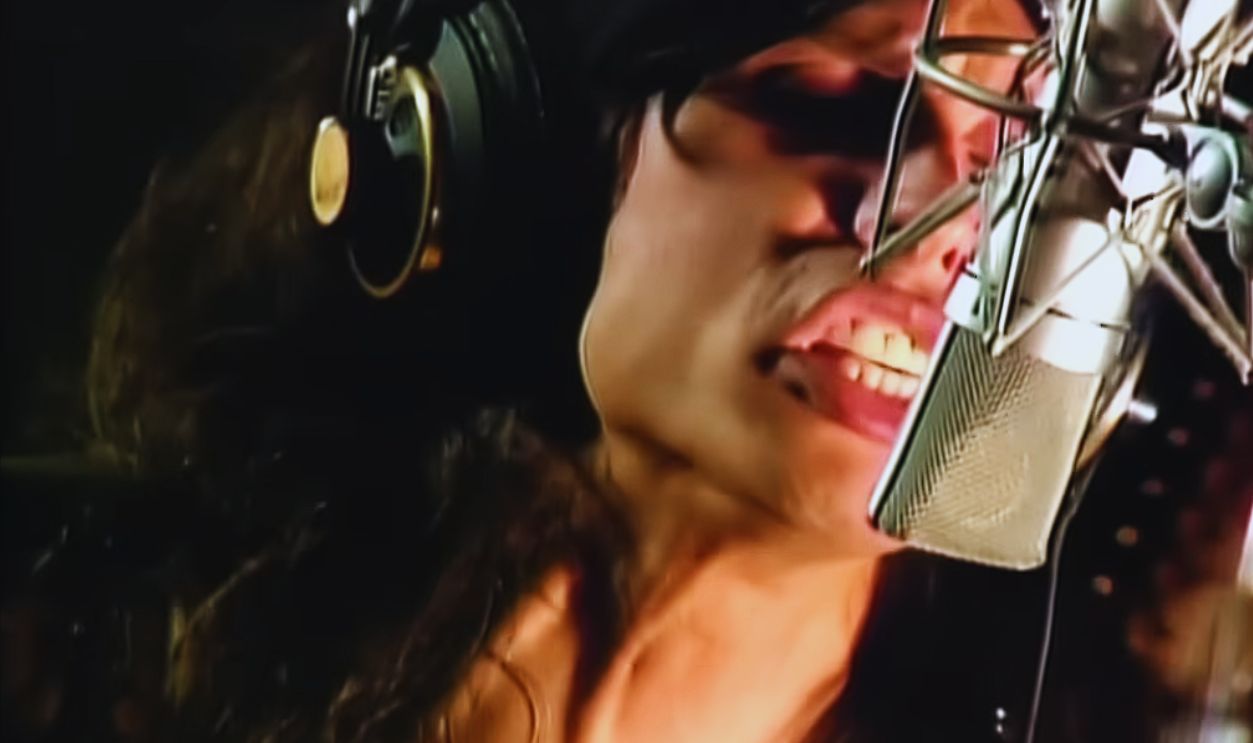 Screenshot from Aerosmith: Eat the Rich, Geffen Records (1993)
18: “I Don’t Want to Miss a Thing” (1998)
This song is massive—no denying that. But it’s not really Aerosmith at their best, it’s Aerosmith at their biggest. And yeah, you’ve probably heard it a thousand times already…which is kind of part of why it lands here for me.
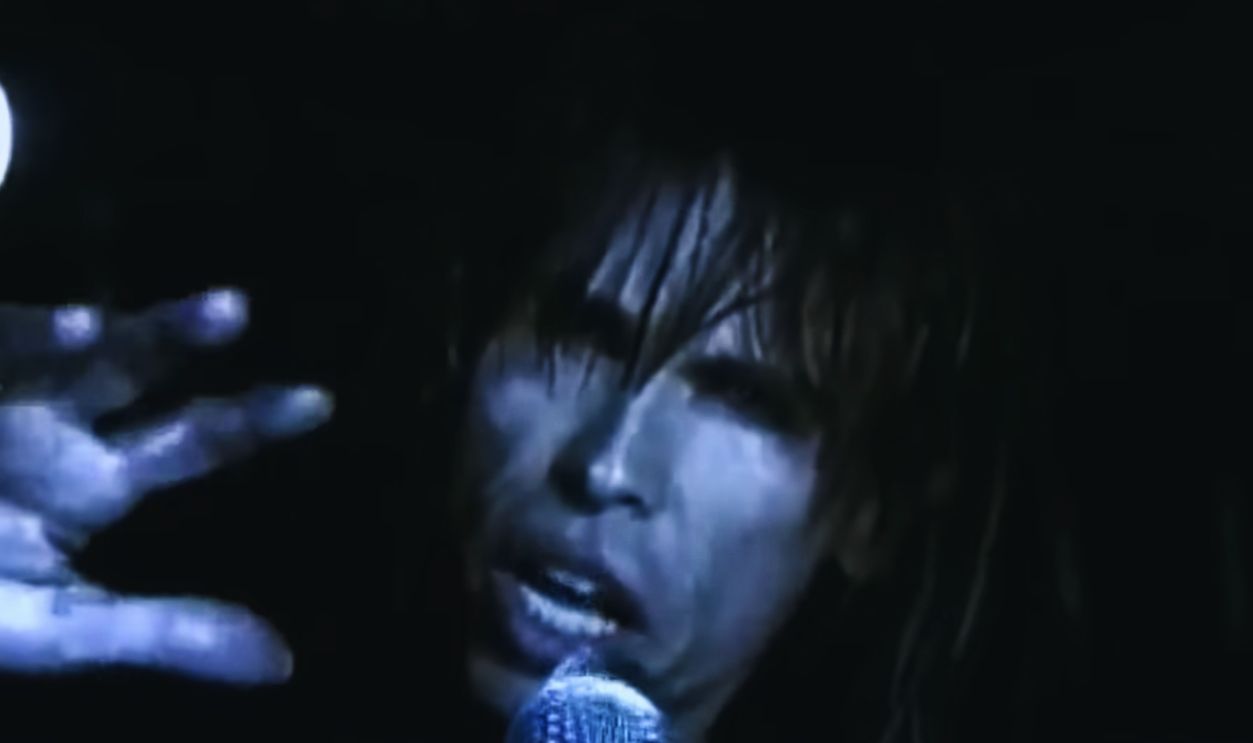 Screenshot from Aerosmith: I Don’t Want to Miss a Thing, Columbia Records (1998)
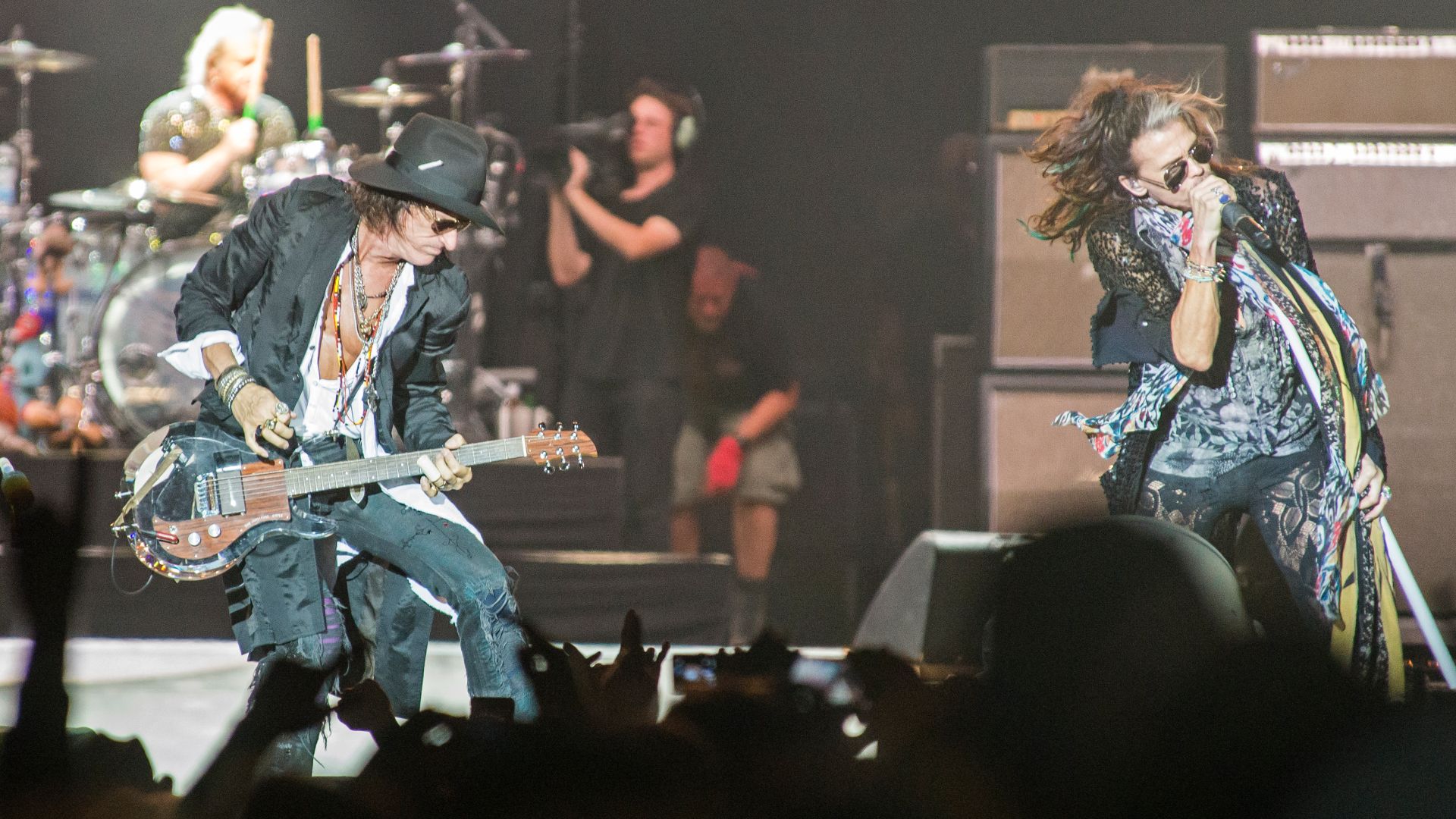
17: “Rats in the Cellar” (1976)
This feels like they hit record and just went for it. Fast, loud, and a little out of control—but somehow still tight. It sounds like it could fall apart at any second…and then just doesn’t.
16: “Hole in My Soul” (1997)
This is one of those songs people forget—and then it comes on and you go, “wait, this one’s actually really good.” Big chorus, big feeling, and it probably deserved to be a little bigger than it was.
 Screenshot from Aerosmith: Hole in My Soul, Columbia Records (1997)
15: “Cryin’” (1993)
You don’t think you know all the words…until it starts. And then suddenly you do. Also, let’s be honest—this is basically an Alicia Silverstone highlight reel with a song attached.
 Screenshot from Aerosmith: Cryin’, Geffen Records (1993)
14: “Back in the Saddle” (1976)
This one just shows up like it’s already in the middle of itself. No buildup, no warning—just straight into it. It’s got that “we know exactly who we are” energy, and they’re not even pretending to dial it back.
 Vanbasten 23, Wikimedia Commons
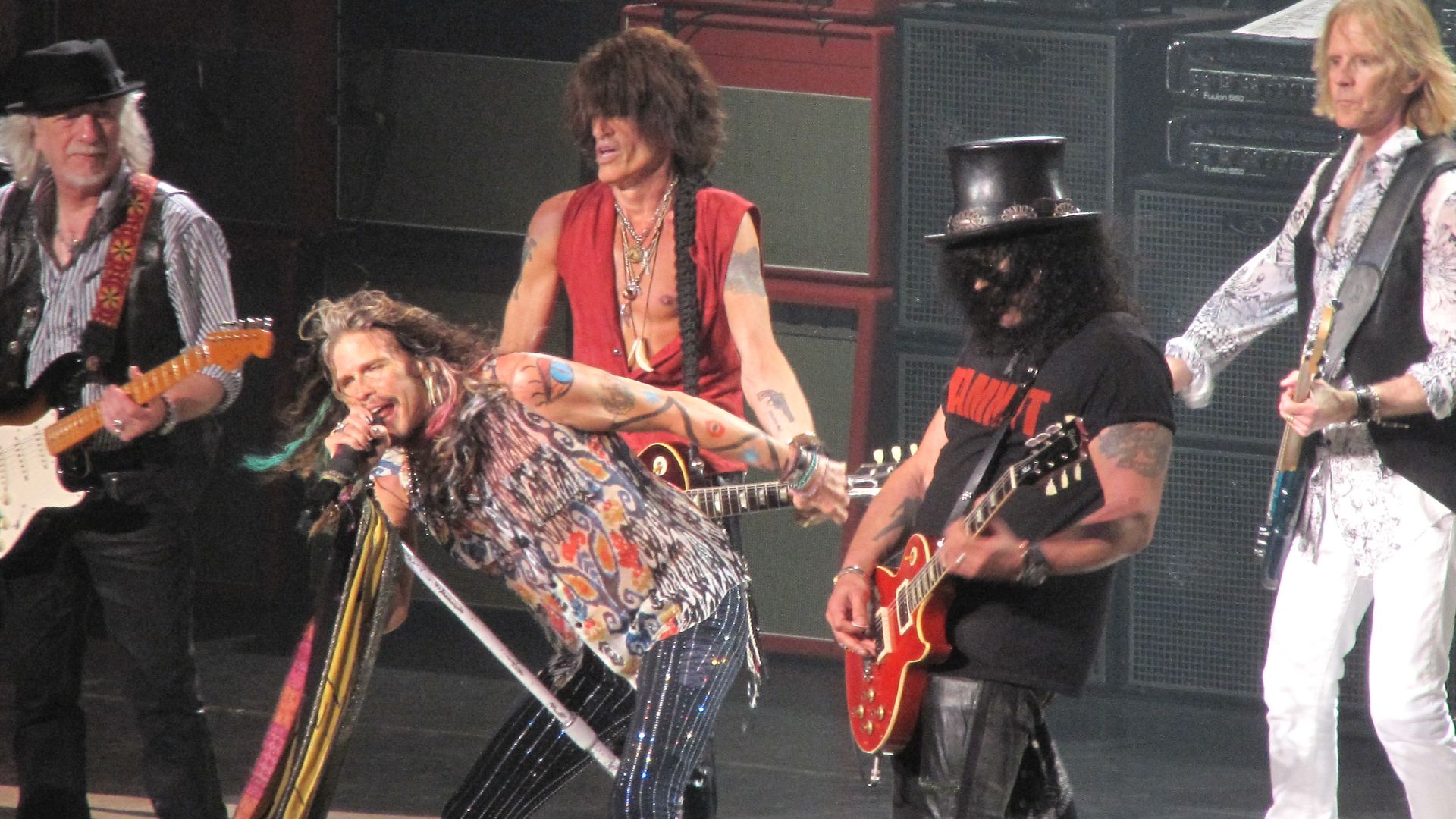
13: “Dude (Looks Like a Lady)” (1987)
You hear the first couple seconds and you already know. It’s catchy, it’s a little ridiculous, and it probably should be annoying—but it’s not. And yeah, it might be a little problematic lyrically now—but they still play it live (even if Tyler’s admitted times and perspectives have changed).
 Screenshot from Aerosmith: Dude (Looks Like a Lady), Geffen Records (1987)
12: “Livin’ on the Edge” (1993)
This feels like them going, “alright, let’s actually try something a little bigger here.” It’s more serious, a little dramatic, but they lean all the way into it. And because they do, it ends up working more than you’d expect.
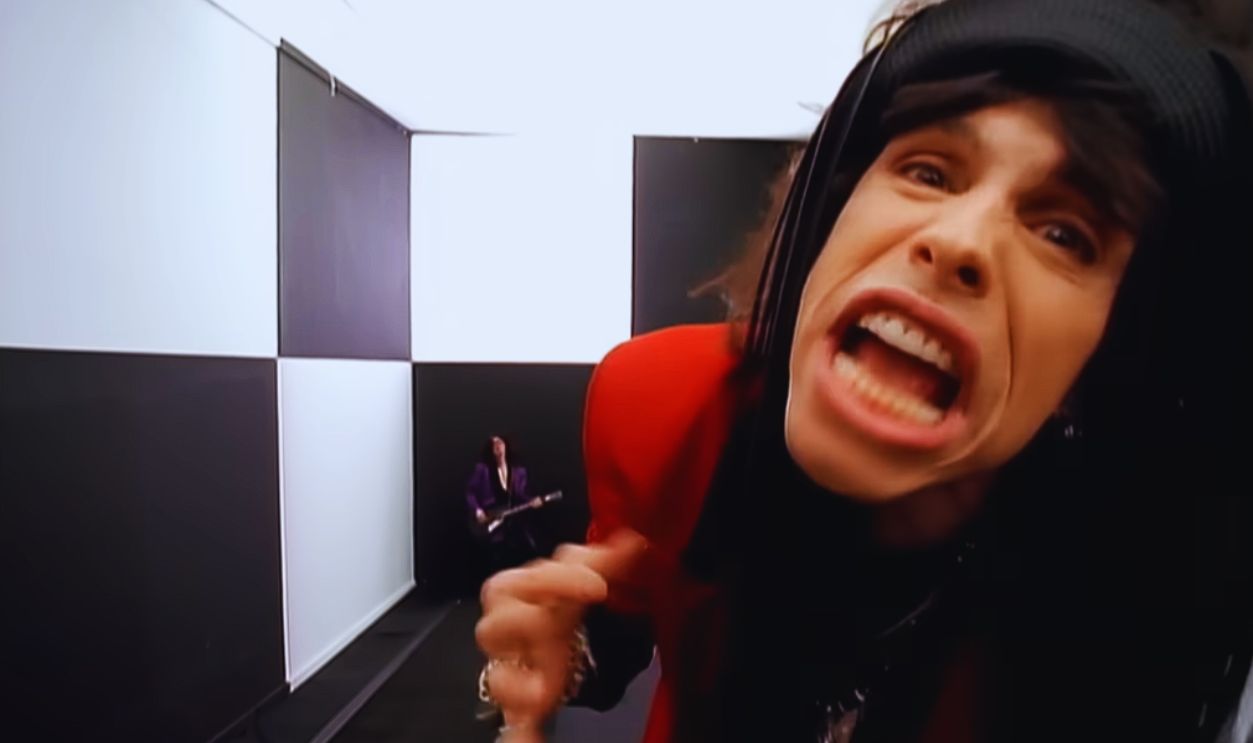 Screenshot from Aerosmith: Livin’ on the Edge, Geffen Records (1993)
11: “Walkin’ the Dog” (1973)
This is Aerosmith before the fame, before the polish—just a band playing. It’s bluesy, a little loose, and honestly sounds like something that would’ve been better live in some random bar than on a record.
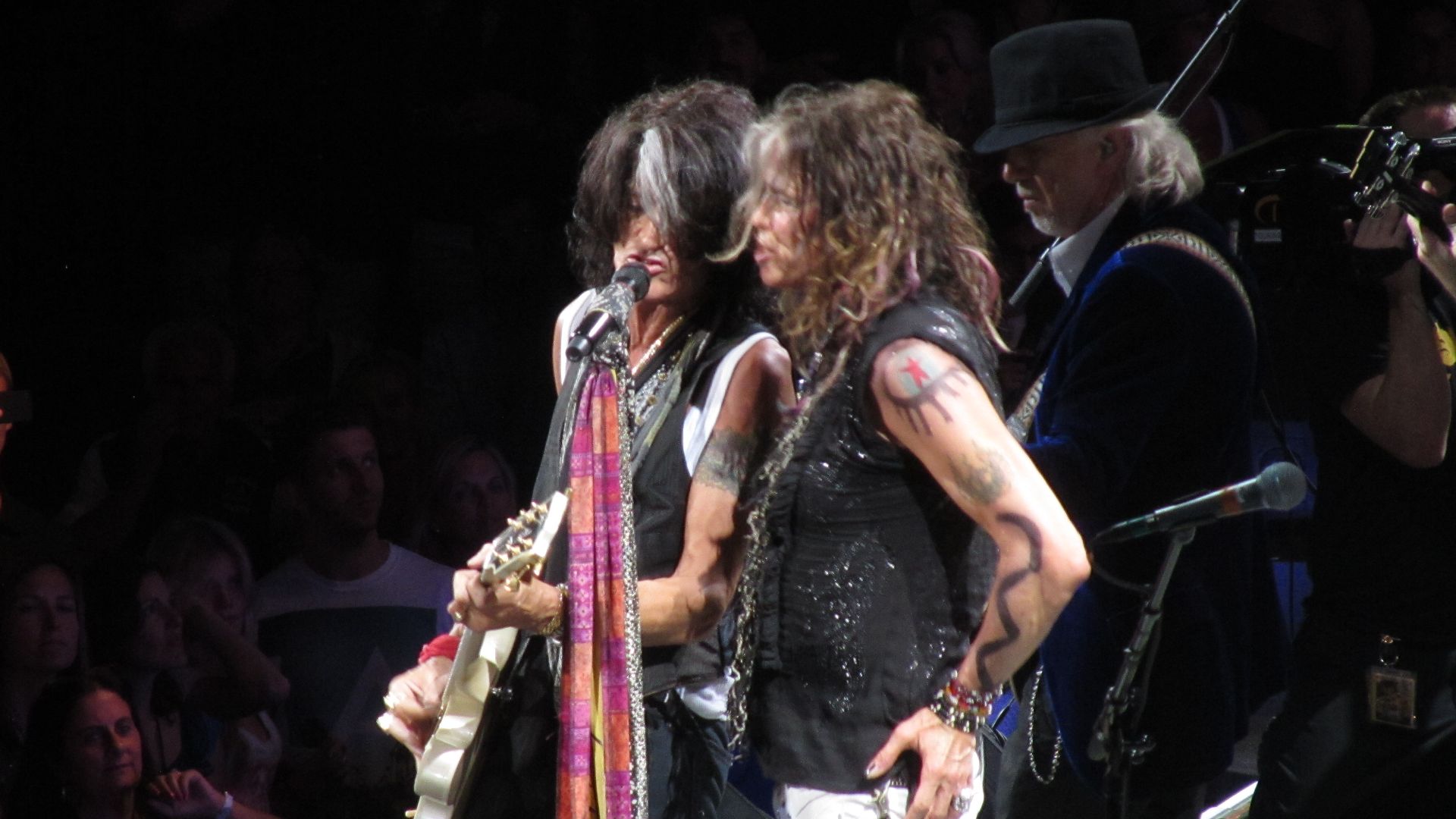 bobnjeff from Malden, MA, Wikimedia Commons
10: “Love in an Elevator” (1989)
This song is completely ridiculous—and that’s exactly why it works. It shouldn’t work as well as it does, but they commit to it 100%, and that chorus just refuses to leave your head once it’s in there. And yeah—I still quote that opening spoken part every time I’m in an elevator…to the enjoyment or confusion of everyone else there.
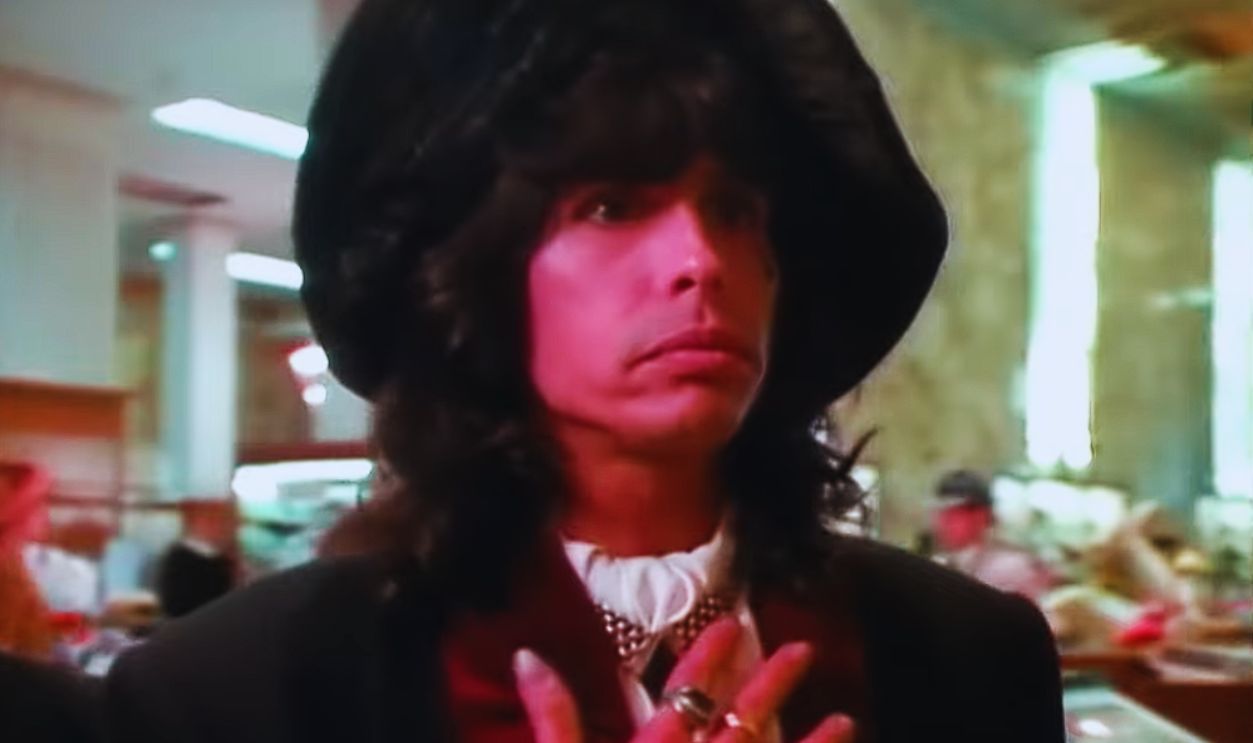 Screenshot from Aerosmith: Love in an Elevator, Geffen Records (1989)
9: “Draw the Line” (1977)
This feels like it could fall apart at any second…but never does. It’s messy, loud, a little all over the place, and somehow that’s exactly why it works. You don’t clean this one up.
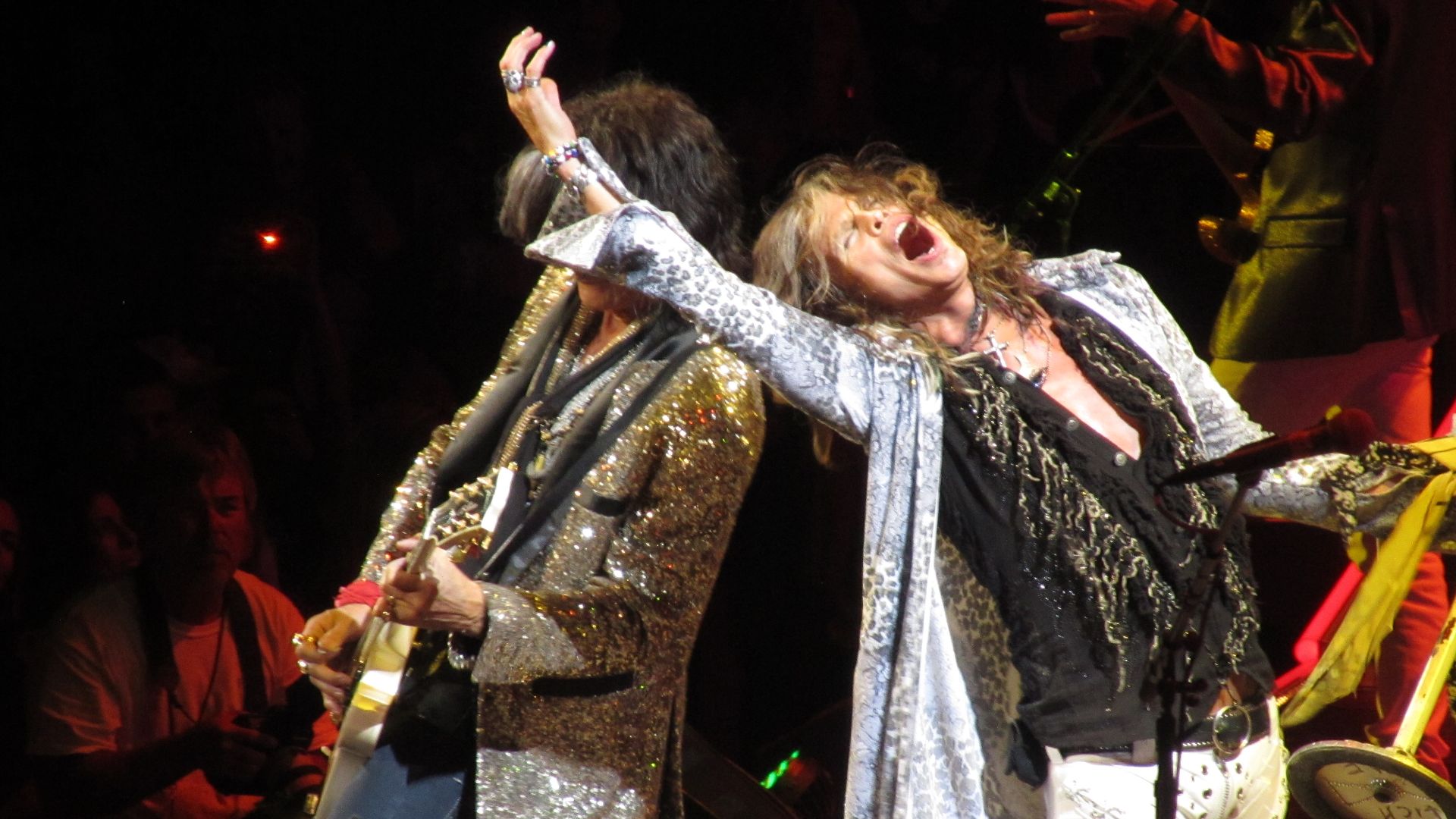 bobnjeff from Malden, MA, Wikimedia Commons
8: “Rag Doll” (1987)
Rag Doll just sounds big right away. Like instantly. The horns, the groove, the whole thing is…well, I like to call it bouncy. And yeah, given how I’ve got it ranked, I clearly mean that as a compliment.
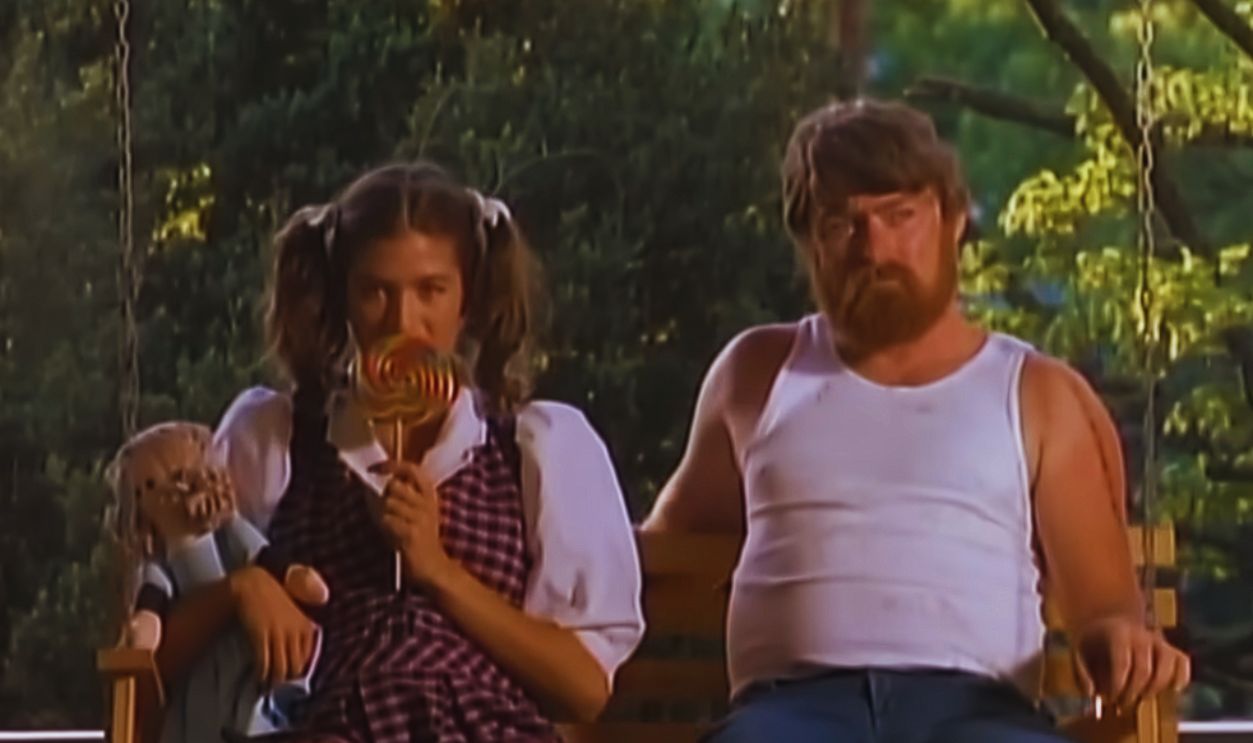 Screenshot from Aerosmith: Rag Doll, Geffen Records (1987)
7: “Crazy” (1993)
Same era, same vibe—and yeah, same Alicia Silverstone universe. This whole stretch of Aerosmith has a lot of 90s nostalgia tied to it, but even without the videos, I’m still happily putting this one right where it is on the list.
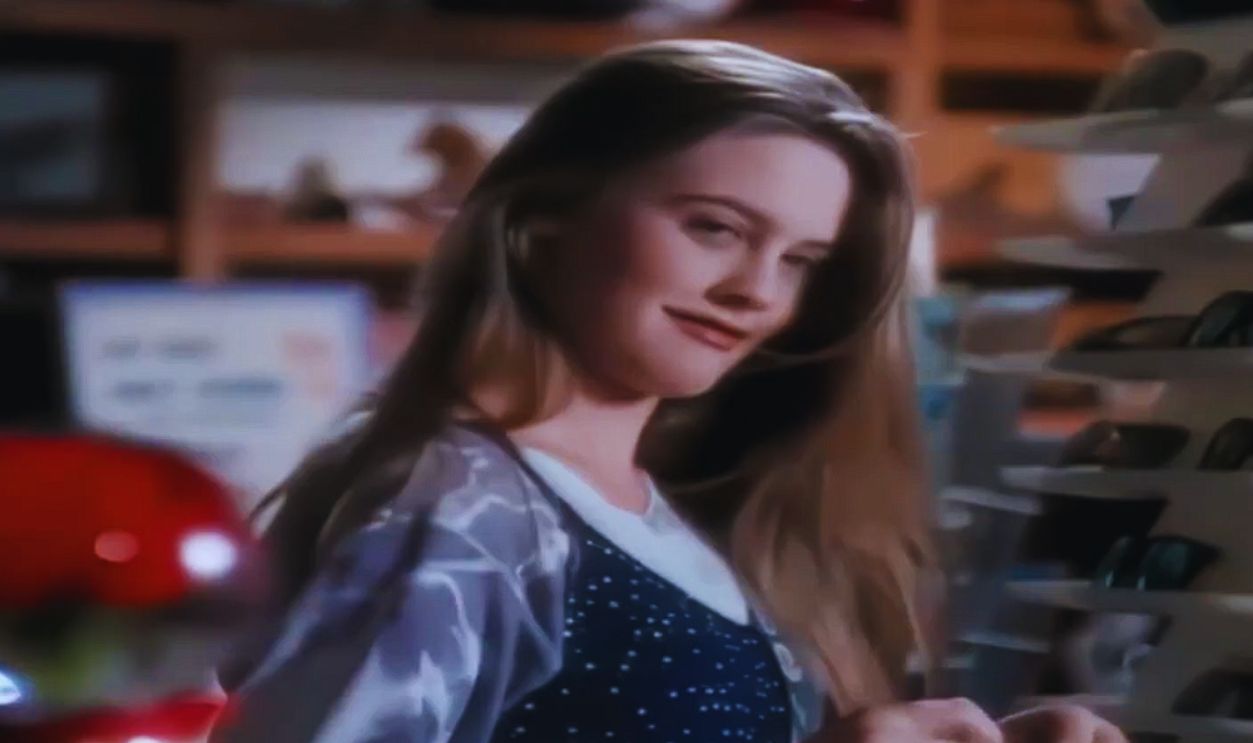 Screenshot from Aerosmith: Crazy, Geffen Records (1994)
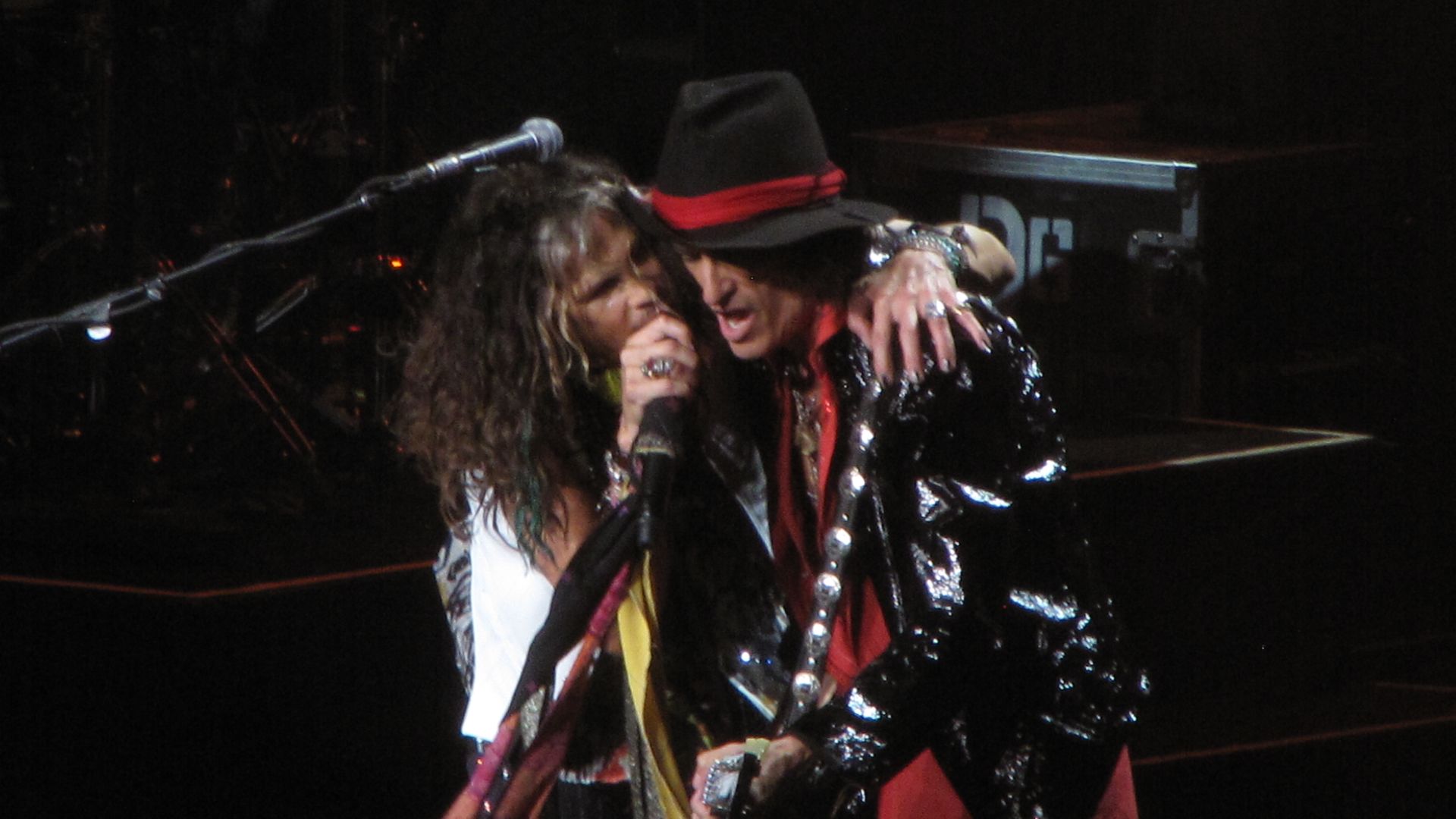
6: “Uncle Salty” (1975)
I get that this one isn’t even on many people’s radar when it comes to Aerosmith’s best stuff, but if you’ve never heard this deep cut from Toys in the Attic, you’re missing out on something awesome. It’s just a little off in the best way—and that’s probably why I like it as much as I do.
 bobnjeff from Malden, MA, Wikimedia Commons
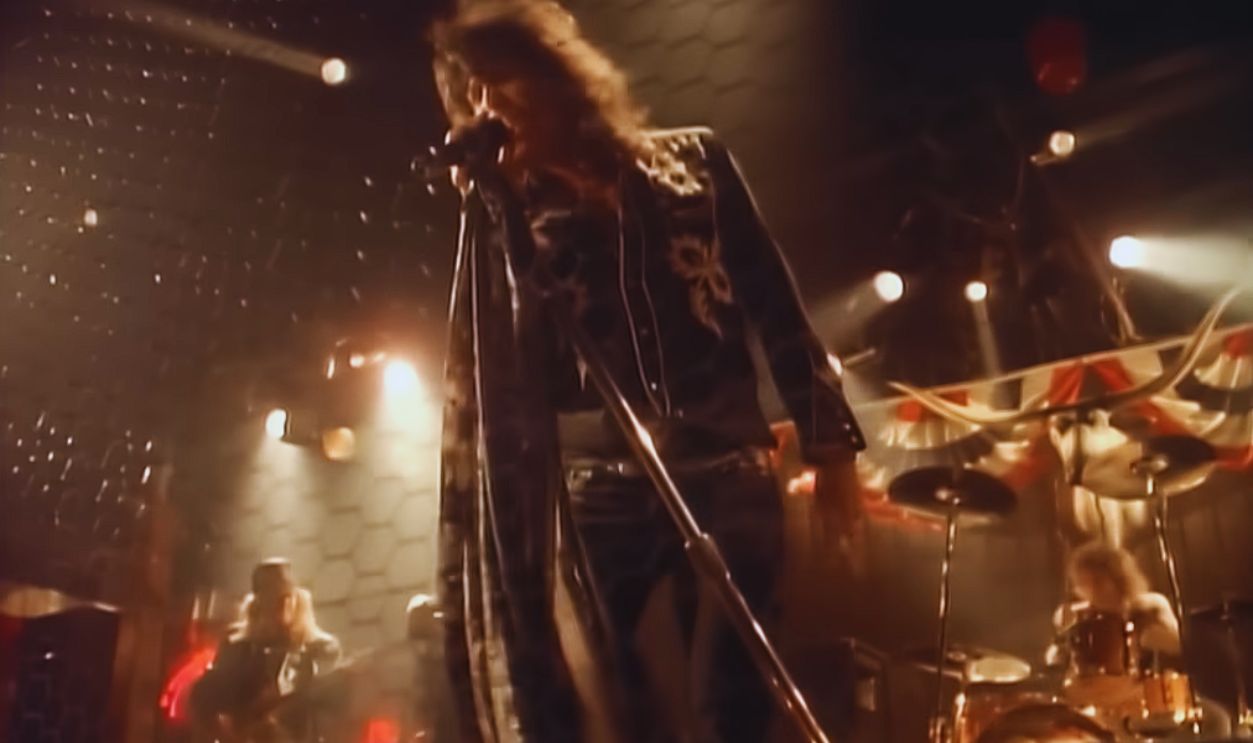
5: “What It Takes” (1989)
This one gets you. You might not think it will, but it does. It starts off like just another ballad, and then suddenly you’re all the way in. This one is way more than just F-I-N-E, fine.
 Screenshot from Aerosmith: What It Takes, Geffen Records (1989)
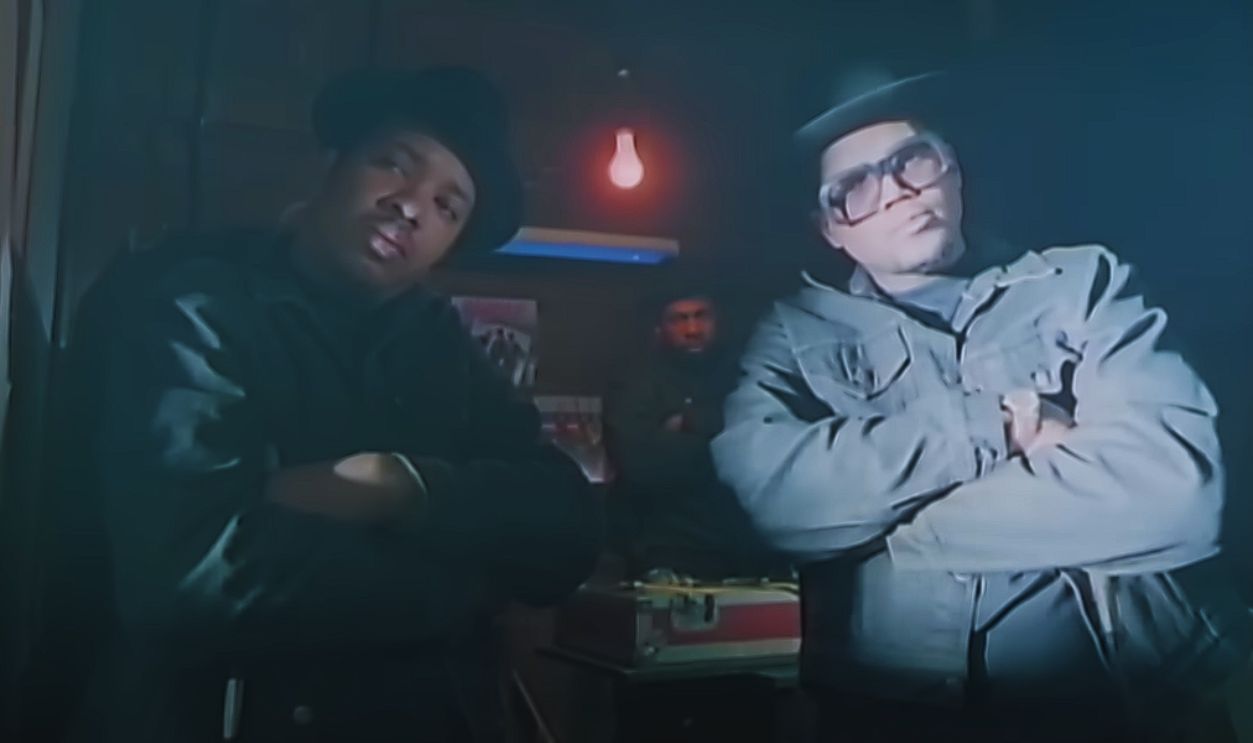
4: “Walk This Way” (Run-D.M.C. version, 1986)
I totally dig the original version, but this is the one that had to be up here. This didn’t just revive Aerosmith—it reset everything. New audience, new energy, and suddenly they’re relevant again in a completely different way. It shouldn’t have worked as well as it did—but it really did.
 Screenshot from Run-D.M.C. ft. Aerosmith: Walk This Way, Profile Records / Geffen Records (1986)
3: “Pink” (1997)
Yeah, this is high—and I know that’s going to bother some people. But it’s ridiculously catchy, weird, a little childish, a little clever, and way more fun than it probably should be. Pink might not be my favorite crayon, but it’s easily one of my top 10 Aerosmith songs.
 bobnjeff from Malden, MA, Wikimedia Commons
2: “Sweet Emotion” (1975)
That bassline hits and you’re already in—no buildup needed. This was the lead single off Toys in the Attic, and it pretty much set the tone for what Aerosmith would become. It’s cool without trying too hard. I don’t skip this one. Ever.
 Screenshot from Aerosmith: Sweet Emotion, Columbia Records (1975)
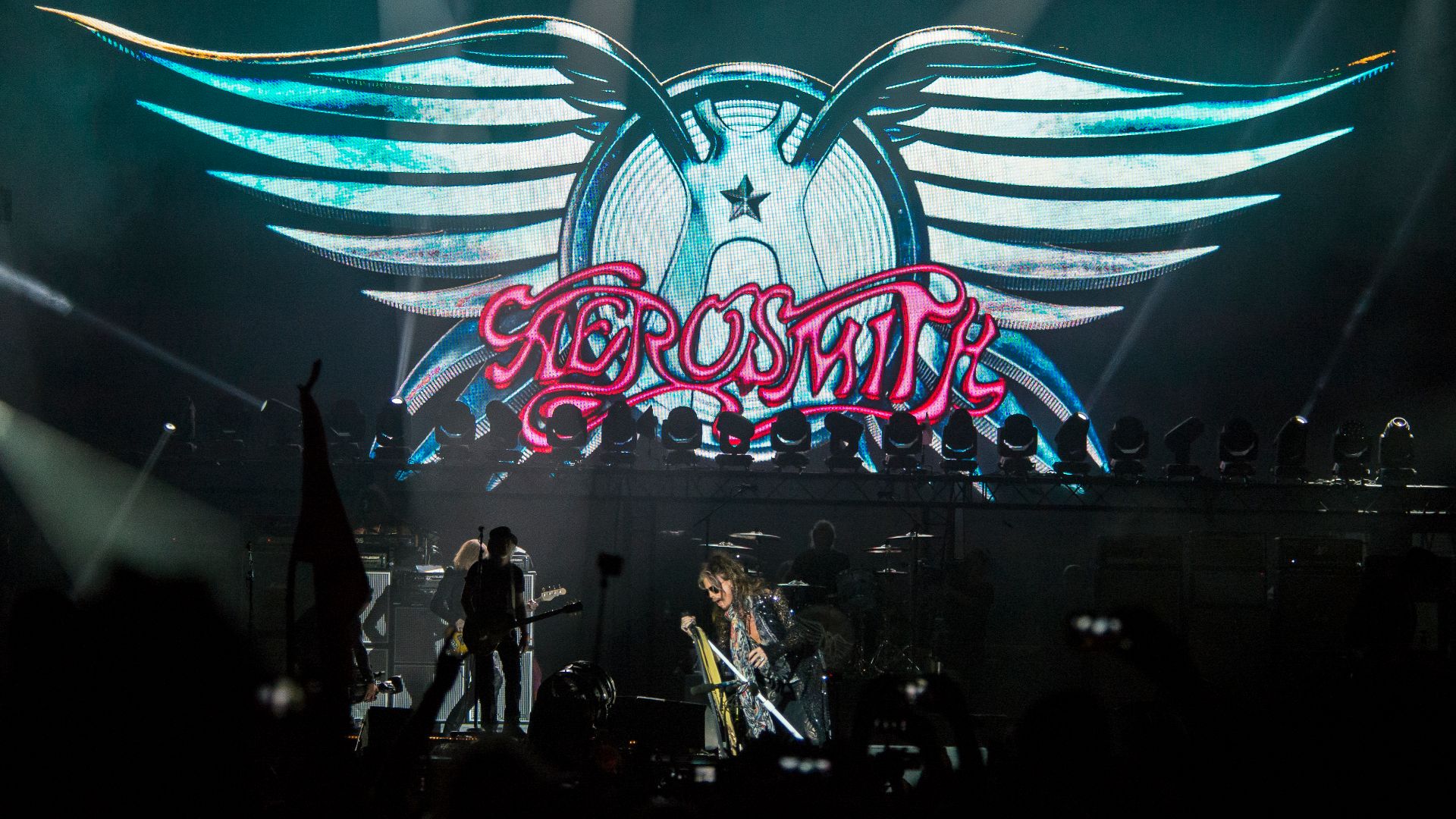
1: “Dream On” (1973)
Did you know Steven Tyler wrote Dream On as a teenager—and that it was their very first single? Their first single…and my all-time favorite Aerosmith song. And as great as the album version is, this thing hits a whole different level live, when Tyler just lets it rip on those “dream ons” at the end.
You Might Also Like:
Ranking The Best Songs Over 10 Minutes Long Of All Time—Do You Agree?