He Arrived Ahead Of His Time
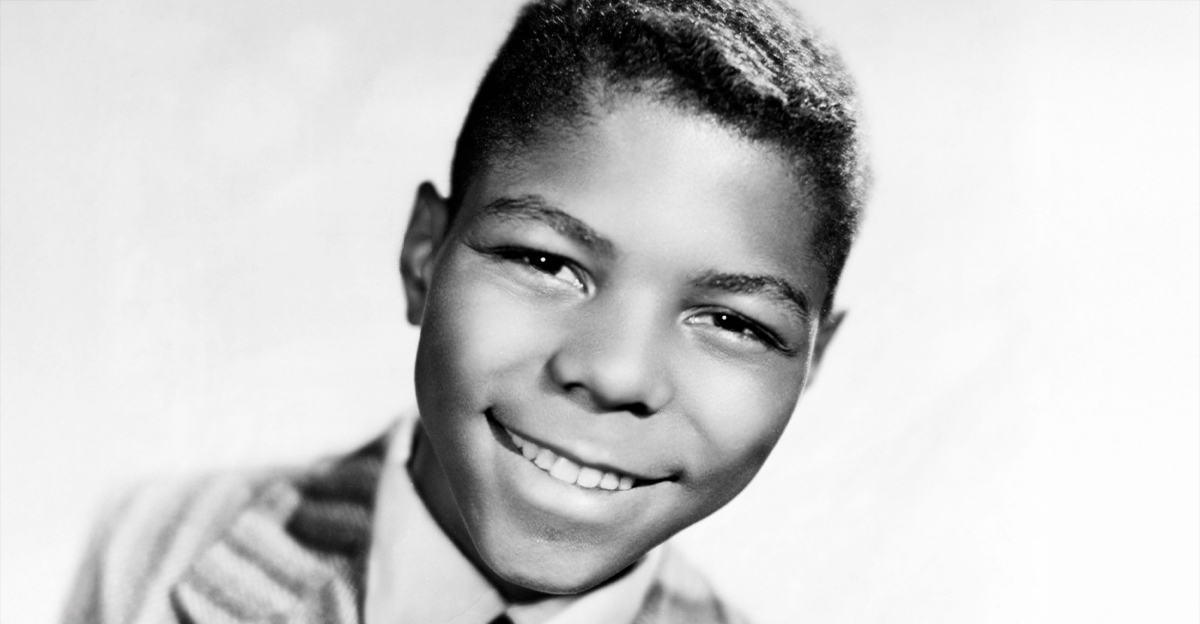
Frankie Lymon was barely a teenager when his voice came bursting out of radios in 1956. He became one of rock and roll's first great teenage stars before the industry really understood what a teenage star could be. His brilliant, brief career helped establish a template others would follow for generations, before his limitless potential was cut short at the age of 25. But the story really began way back in 1942 in New York.
 Gilles Petard/Redferns, Getty Images
He Grew Up In New York
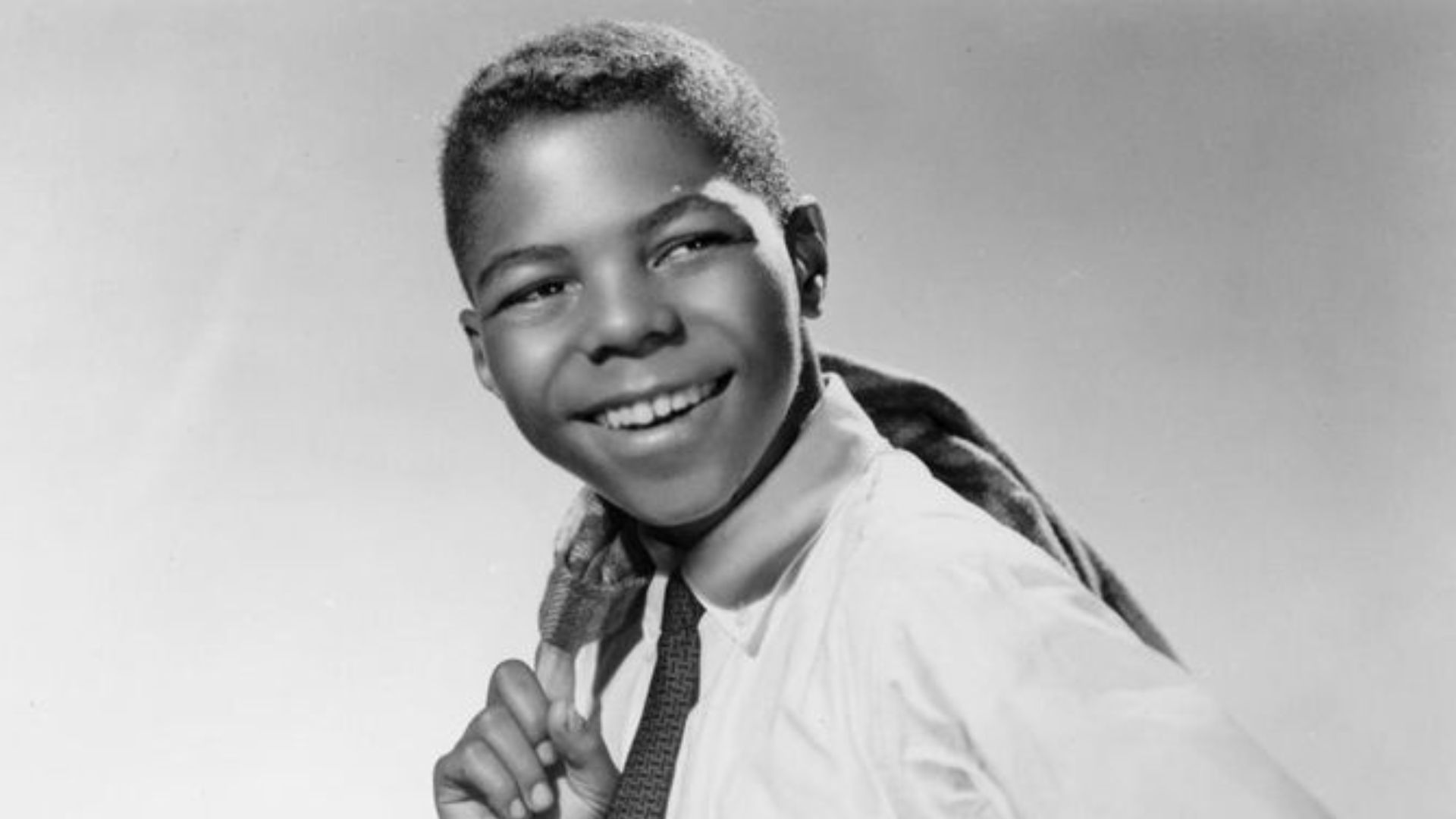
Franklin Joseph Lymon was born in New York City in 1942 and grew up in Washington Heights, just north of Harlem. Music surrounded him. His father sang gospel, and Frankie and his brothers reportedly sang with the Harlemaire Juniors. Before fame arrived, however, he was still a neighborhood kid in a working-class family.
 Distributed by Associated Booking Corp., Wikimedia Commons
The Streets Had A Sound
New York's burgeoning vocal-group culture provided Lymon's musical education. Young singers harmonized in hallways, schoolyards, subway stations and beneath streetlights, where the acoustics could turn several voices into something magical. Lymon absorbed gospel, rhythm and blues and the street-corner harmonies that would soon be called doo-wop.
 TGC-Topps Gum Cards, Wikimedia Commons
He Heard The Premiers
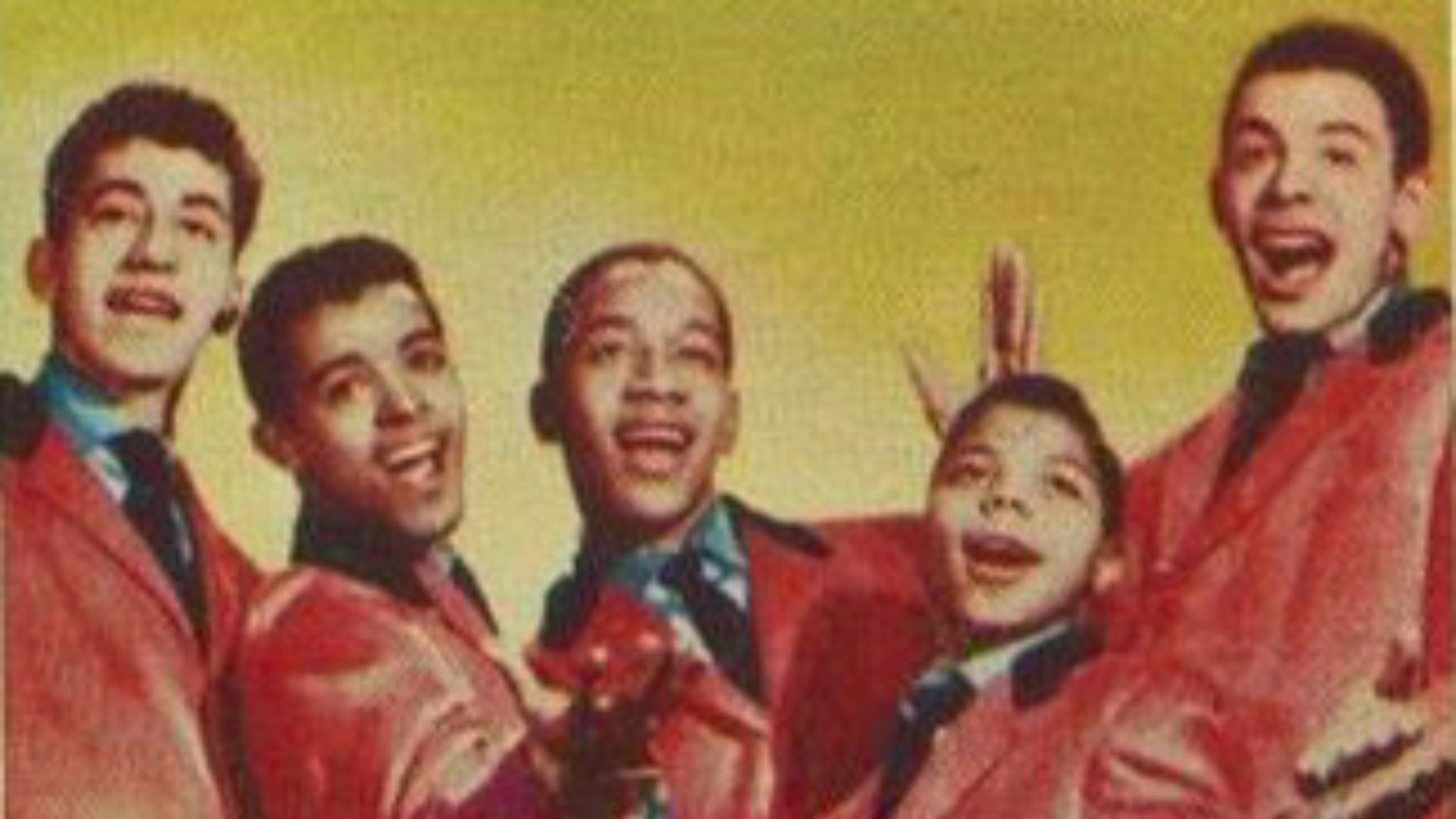
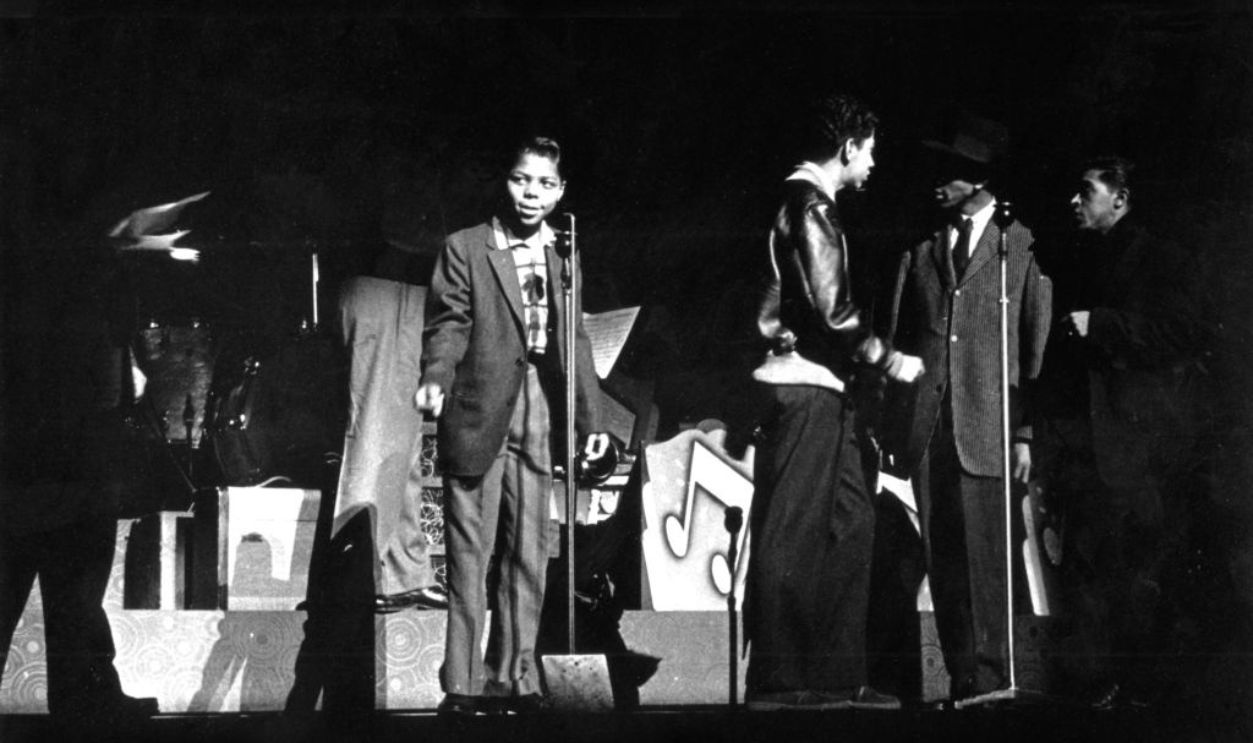
Around age 12, Lymon encountered a neighborhood vocal group whose members included Herman Santiago, Jimmy Merchant, Sherman Garnes and Joe Negroni. They performed under names including the Premiers before becoming the Teenagers. Lymon's extraordinary high voice supplied something the group hadn't possessed before: an instantly recognizable sound.
A Love Letter Helped
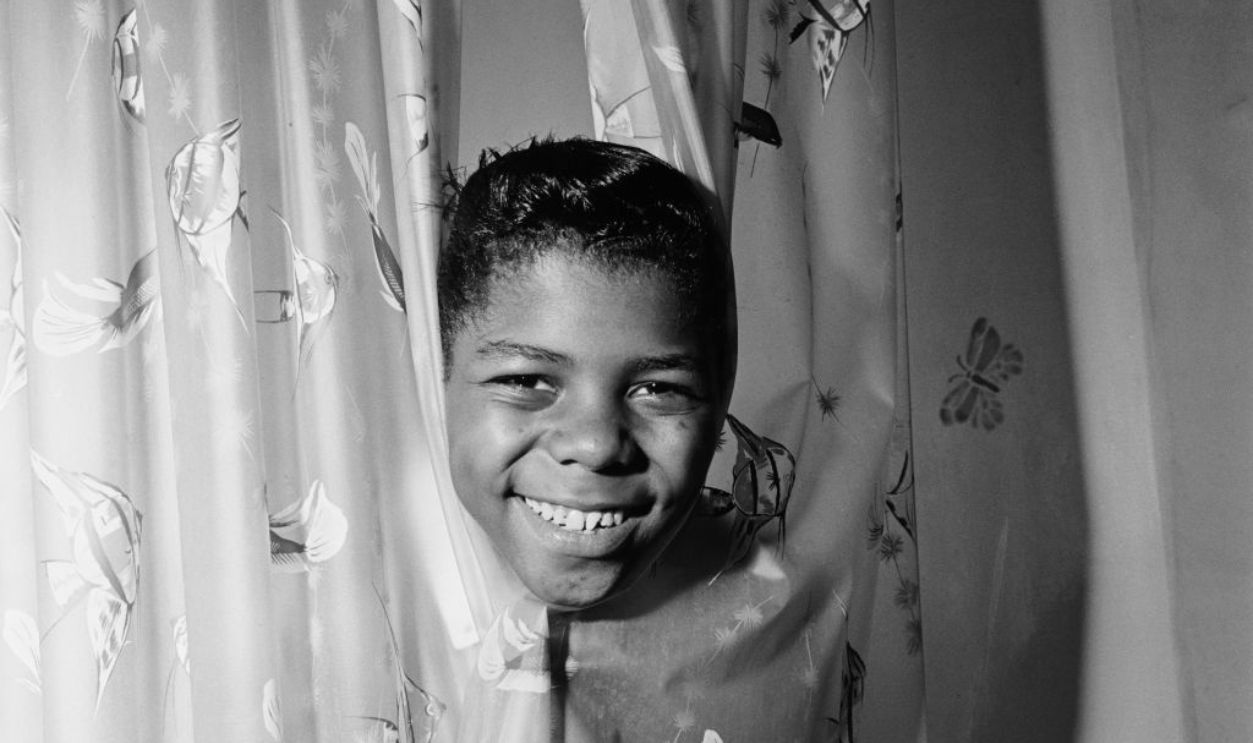
The origins of “Why Do Fools Fall in Love” became tangled in decades of disputes over songwriting credit. The song nevertheless grew from material developed within the young group, reportedly inspired by love letters supplied by a neighbor. The finished product that emerged was a record that sounded remarkably like teenagers speaking directly to other teenagers.
 Michael Ochs Archives, Getty Images
Richie Barrett Heard Them
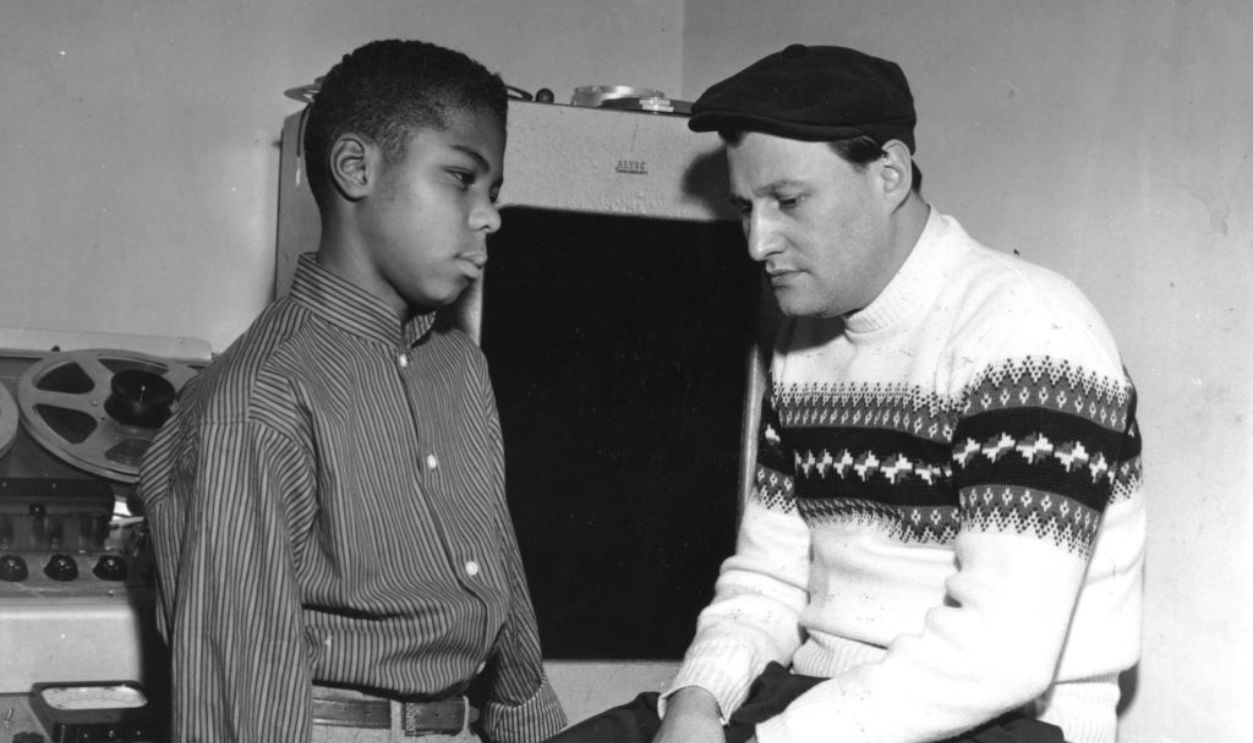
Richard “Richie” Barrett of the Valentines recognized something special in the young singers and helped connect them with record producer George Goldner. During the audition process, Lymon's voice seized attention. The Premiers became the Teenagers, and the youngest member quickly emerged as the group's unmistakable focal point.
 Michael Ochs Archives, Getty Images
Frankie Took The Lead
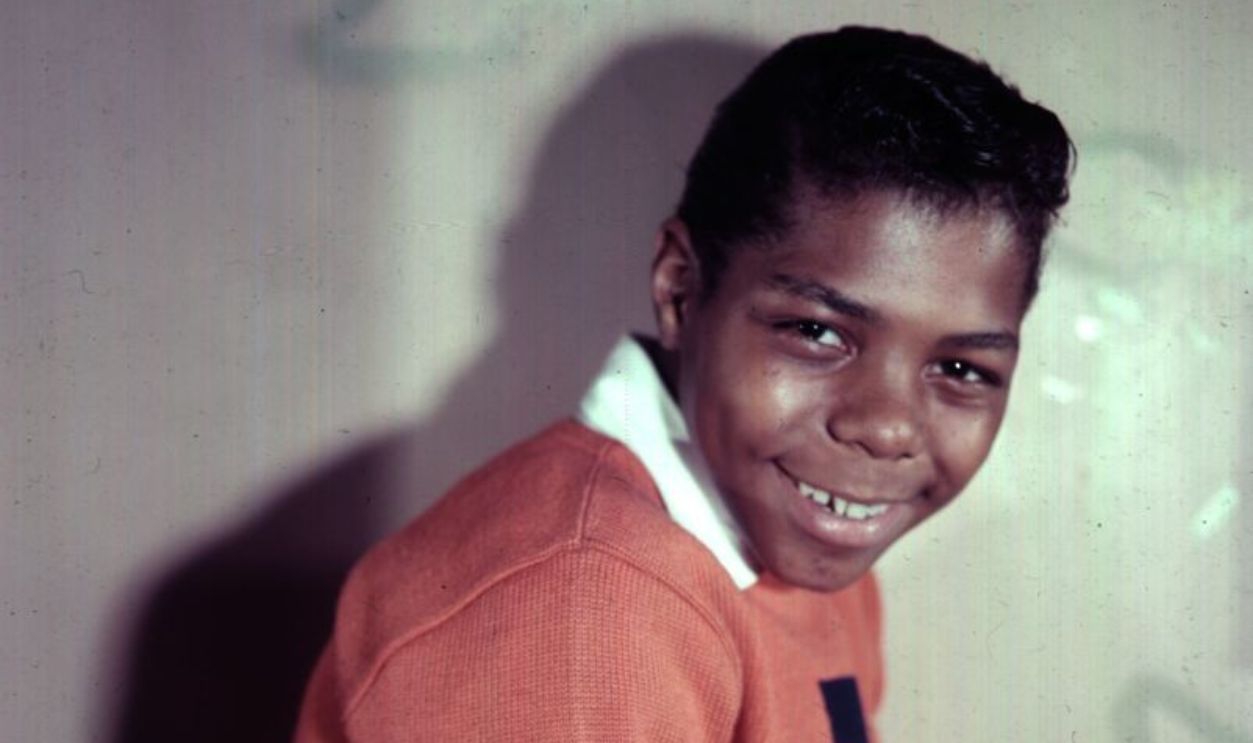
Lymon's voice was startling: high, clear, youthful and rhythmically assured. He didn't sound like an adult singer imitating youthfulness. He actually was the kid experiencing the emotions in those songs. Combined with his confidence and natural stage presence, that gave the Teenagers something almost unprecedented in mid-1950s popular music.
The Record Exploded
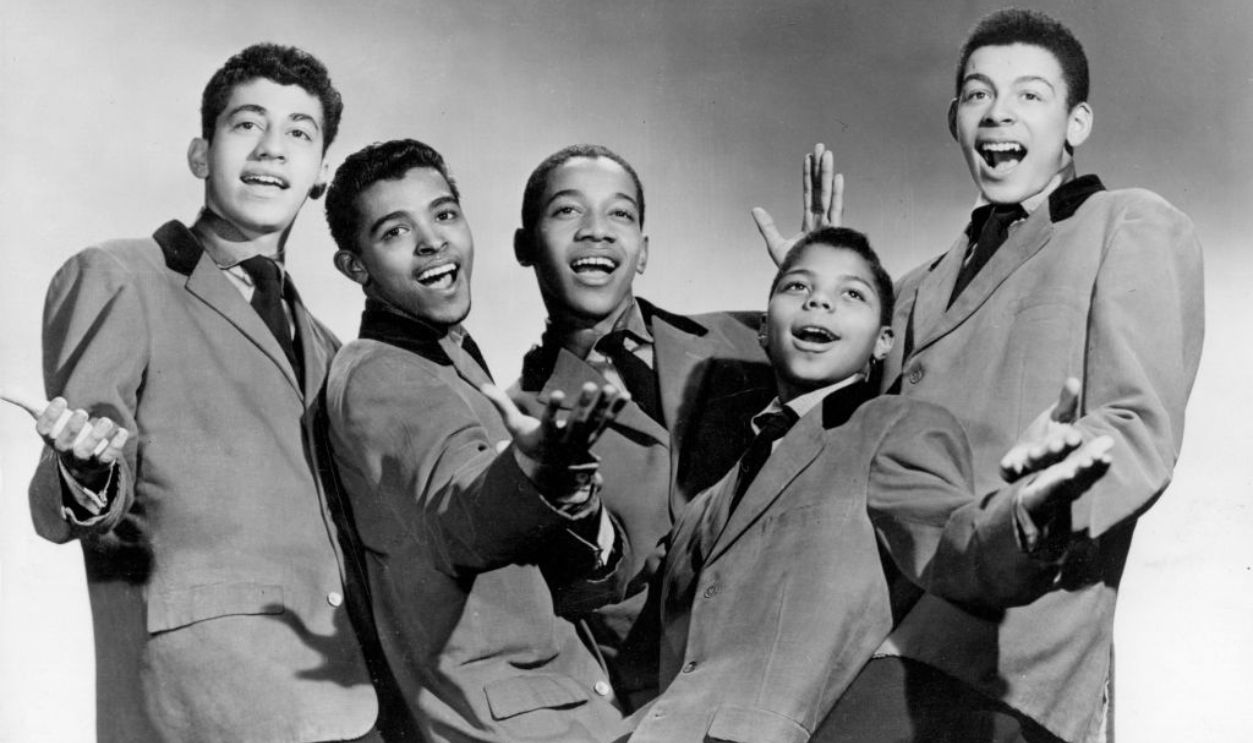
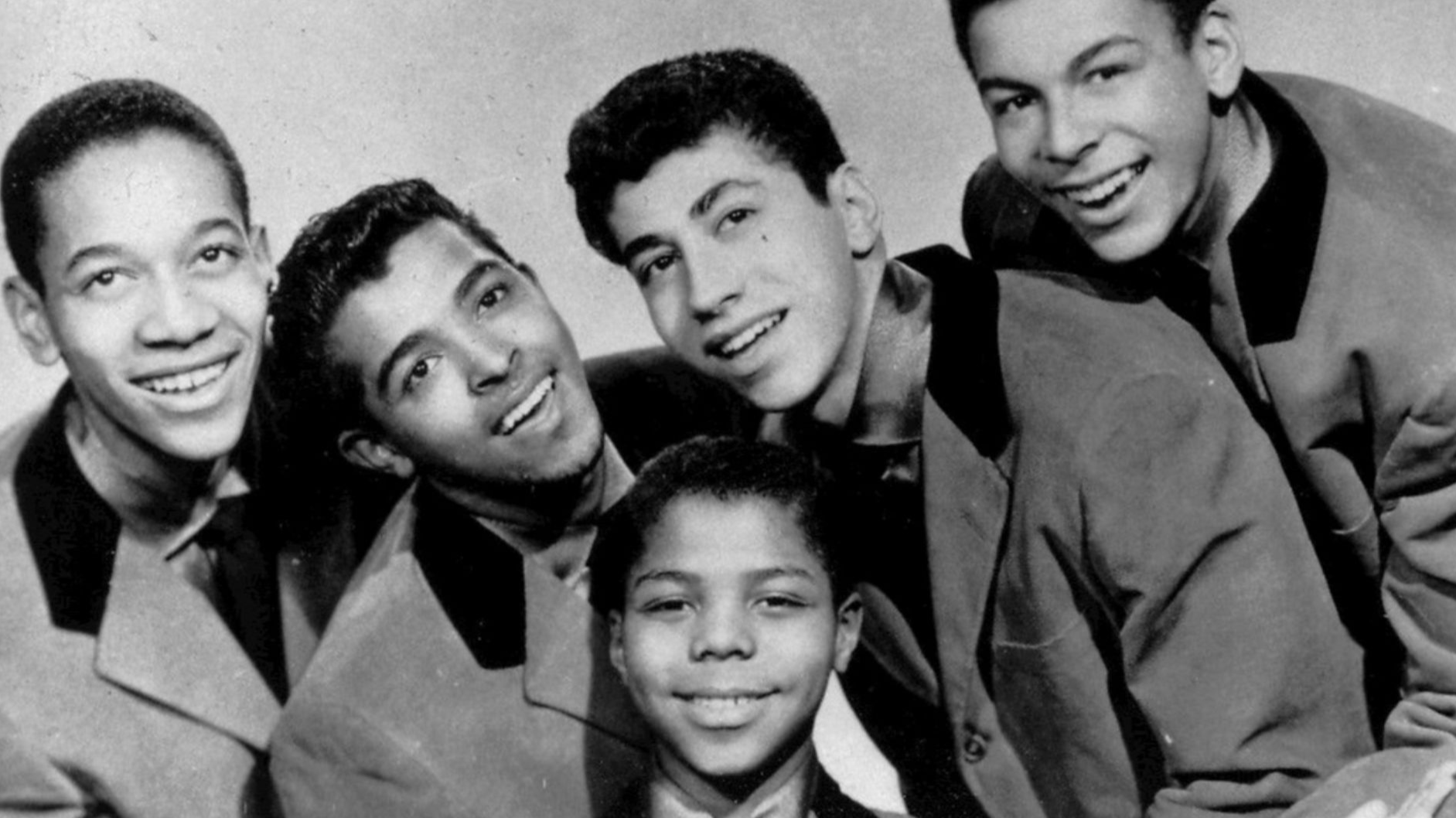
Released in early 1956, “Why Do Fools Fall in Love” became a sensation. It reached No. 1 on Billboard's R&B chart and crossed into the pop Top 10 while becoming a major international success. Frankie was only 13. Suddenly, five neighborhood kids were competing for attention alongside the biggest names in early rock and roll.
Teenagers Singing For Teenagers
The record's importance went beyond sales. Later critics recognized something revolutionary in its sound: teenagers weren't merely buying records anymore. Here were teenagers apparently making their own music about their own romantic world. That relationship between youthful performers and youthful audiences would become fundamental to modern popular music.
 Gee Records, Wikimedia Commons
Frankie Became The Attraction
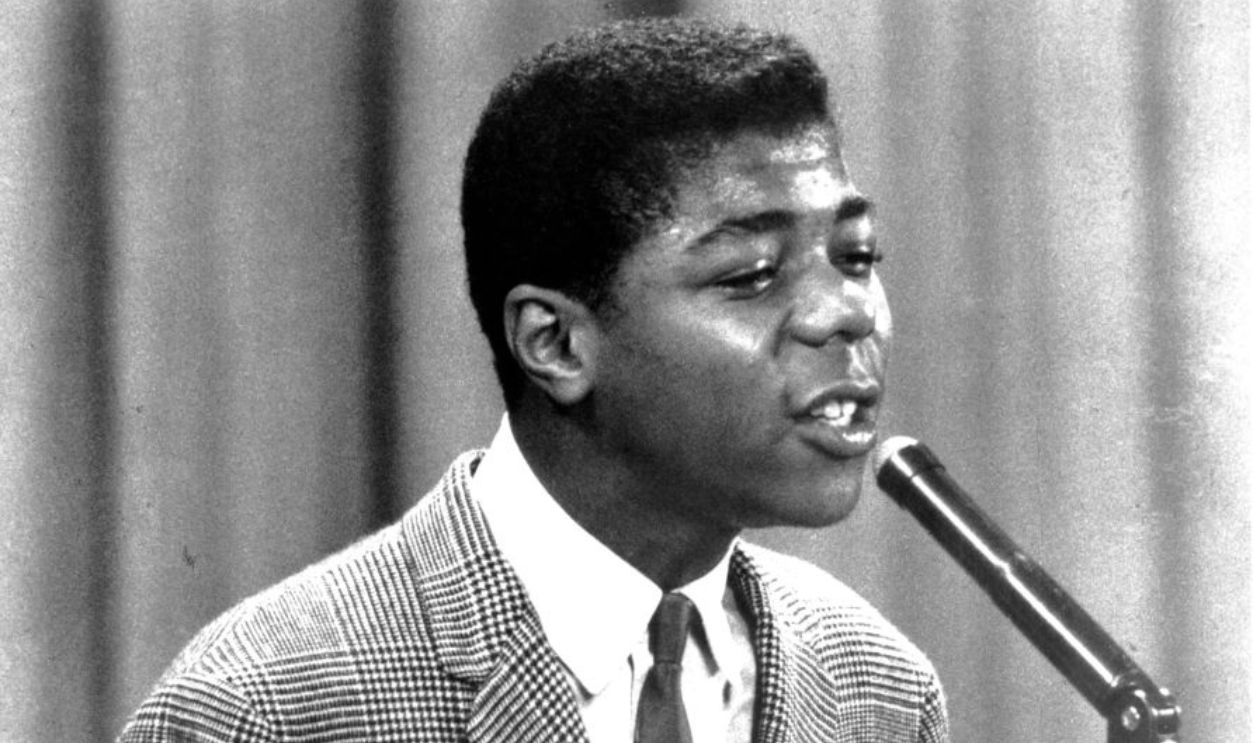
Lymon could sing, dance and command a stage with remarkable confidence. He also possessed the mixture of innocence and sophistication that later became familiar in young pop stars. Billing increasingly emphasized his name, eventually presenting the act as Frankie Lymon and the Teenagers. He was becoming a prototype for the teenage frontman.
 Michael Ochs Archives, Getty Images
More Hits Followed
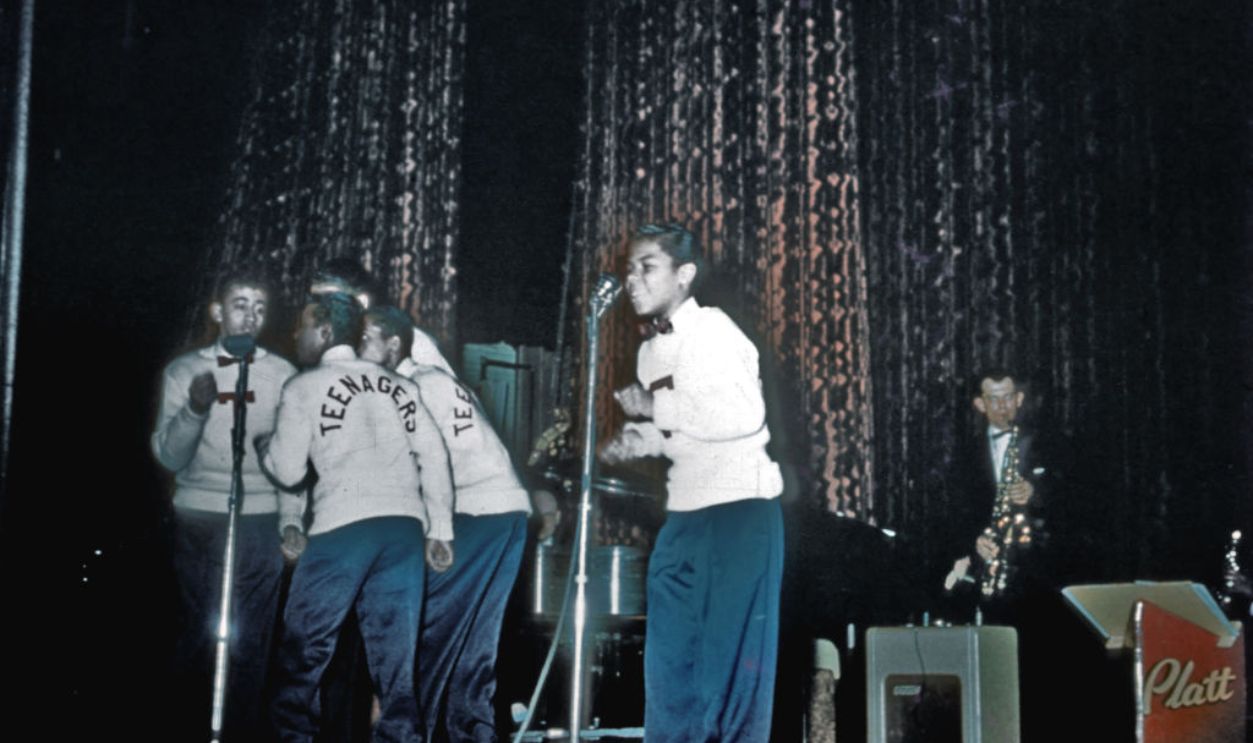
The Teenagers weren't simply a one-record curiosity. “I Want You to Be My Girl” became another major hit, while recordings including “I Promise to Remember” and “The ABC's of Love” extended their chart run. Their harmonies, choreography and Lymon's soaring lead created one of early rock and roll's most distinctive combinations.
 Michael Ochs Archives, Getty Images
He Wasn't A Juvenile Delinquent
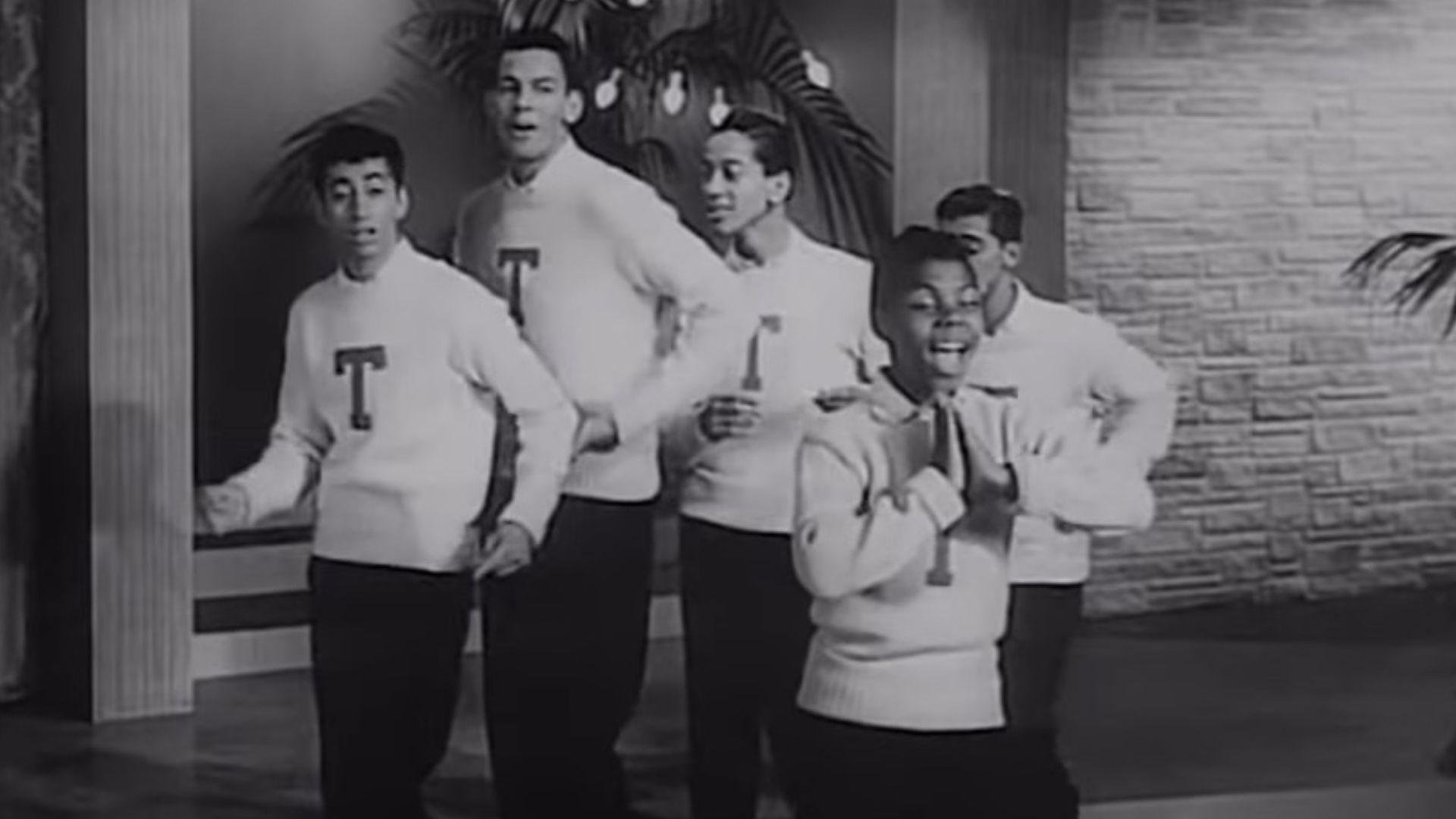
“I'm Not a Juvenile Delinquent” cleverly addressed the anxieties adults increasingly attached to rock and roll and teenage culture. Featured in the rock-and-roll movie Rock, Rock, Rock! (1956), the song became particularly successful in Britain. Lymon wasn't merely singing to teenagers anymore. He was representing them.
 the rockabillie, Wikimedia Commons
Britain Loved Frankie
The Teenagers became enormously popular across the Atlantic, where Lymon appeared at the prestigious London Palladium. Their reception demonstrated that the appeal of these New York teenagers could travel far beyond American R&B audiences. Before Beatlemania, an African-American kid from Washington Heights was already learning what international teenage stardom looked like.
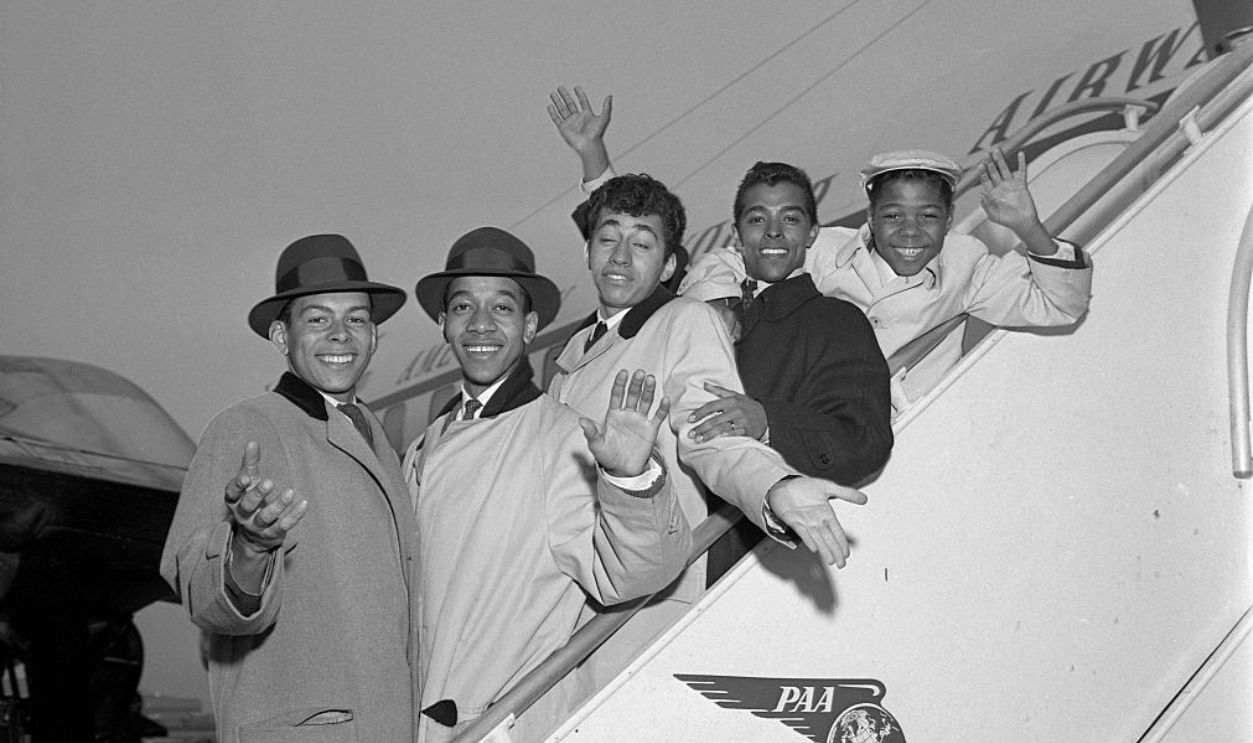 Donaldson Collection, Getty Images
Ronnie Spector Was Watching
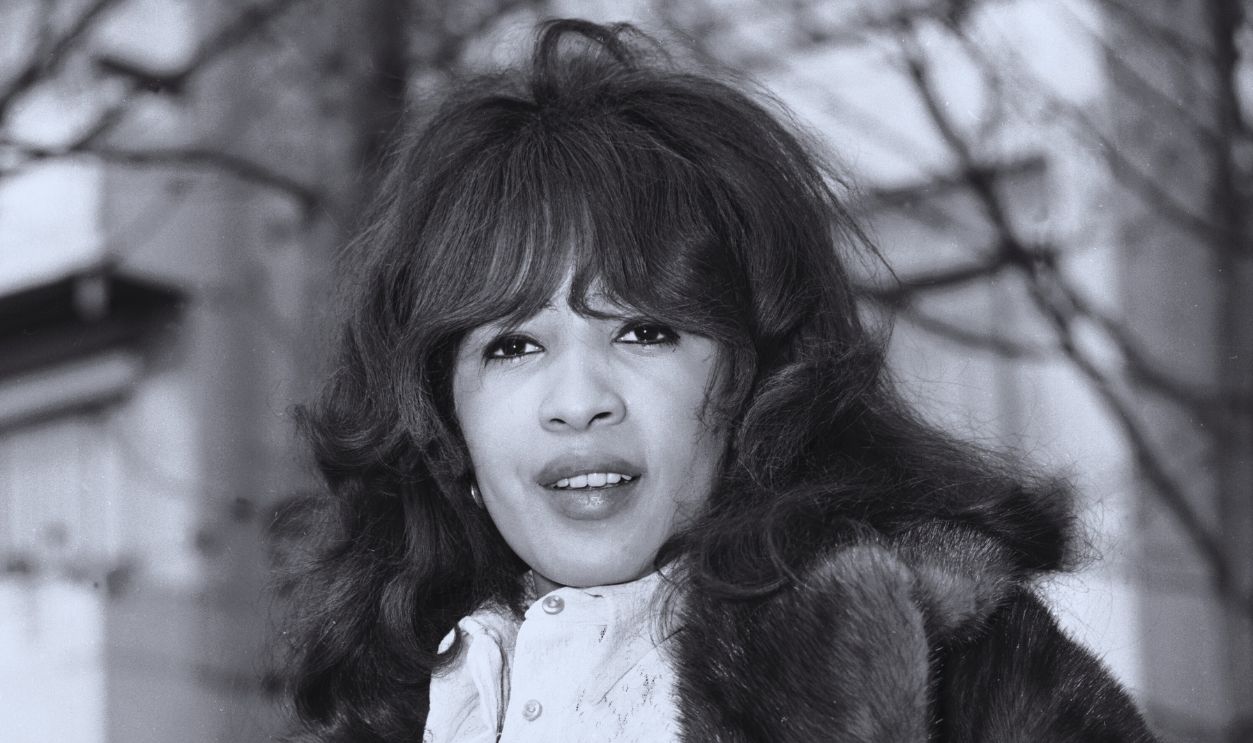
Among the young New Yorkers paying attention was future Ronettes star Ronnie Spector, then Veronica Bennett. She later remembered hearing Lymon at 12 and knowing she wanted to perform. Lymon even visited the Bennett home. Spector subsequently credited Frankie directly as an important inspiration for her distinctive singing voice.
Going Solo Changed Everything
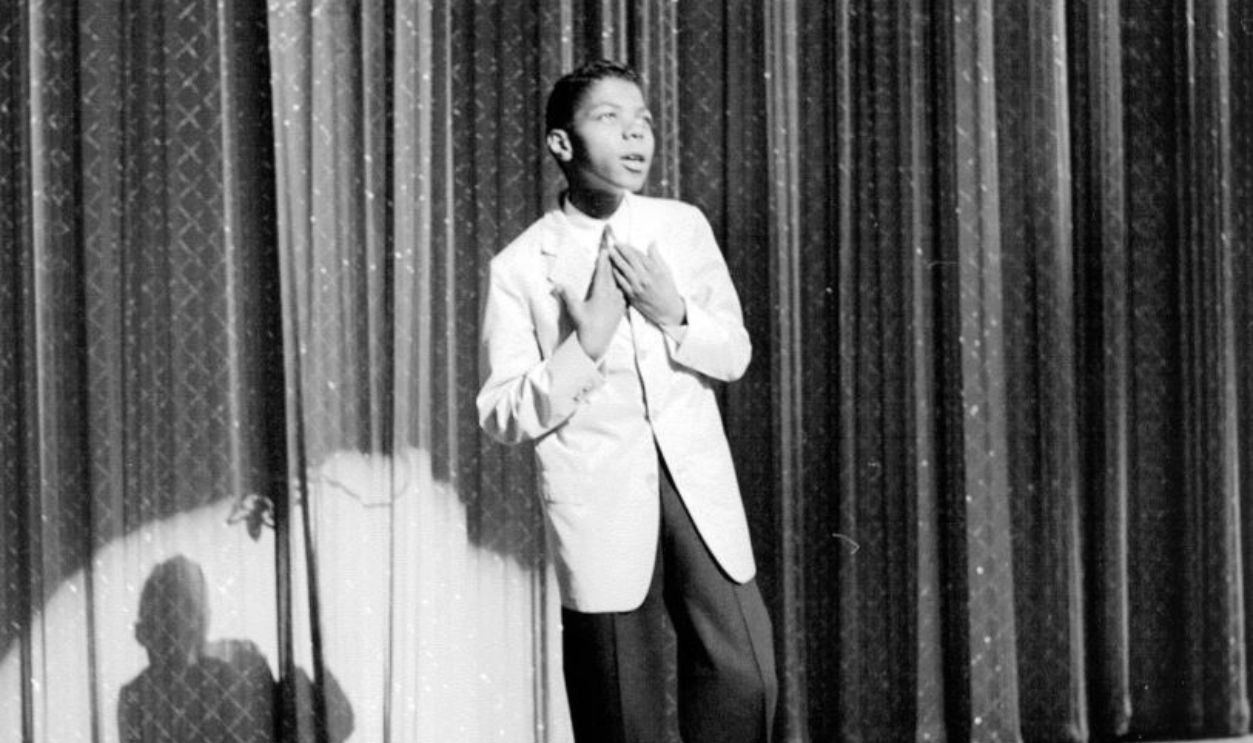
Success began separating the young singer from the group that had created it with him. During a British tour, Lymon made solo recordings, and by 1957 he had split from the Teenagers. “Goody Goody” provided him with a solo chart success, but removing Frankie from the group also dismantled the chemistry that had made both sides special.
 Michael Ochs Archives, Getty Images
His Voice Was Changing
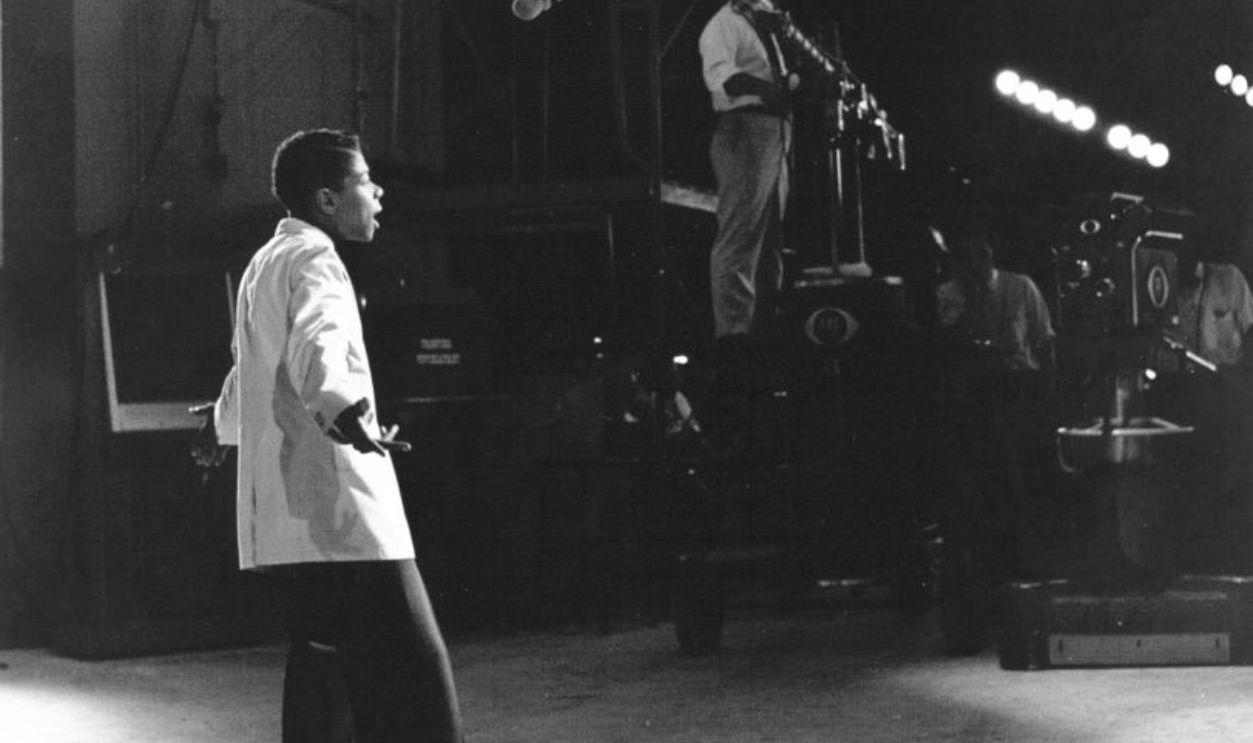
Lymon faced a problem unique to becoming famous so young: puberty. The astonishing boy soprano that had made him instantly recognizable could not remain unchanged forever. As his voice matured, the very quality audiences associated with Frankie Lymon began disappearing, while the music business was already searching for its next sensation.
 Michael Ochs Archives, Getty Images
He Kept Making Records
His post-Teenagers career wasn't devoid of good music. Lymon recorded standards and contemporary material, developed his dancing and continued performing. His version of “Little Bitty Pretty One” gave him another pop-chart appearance in 1960. He even explored drumming and received encouragement from jazz great Dizzy Gillespie while trying to broaden his abilities.
 JPRoche, CC BY-SA 4.0, Wikimedia Commons
Stardom Had Come Too Early
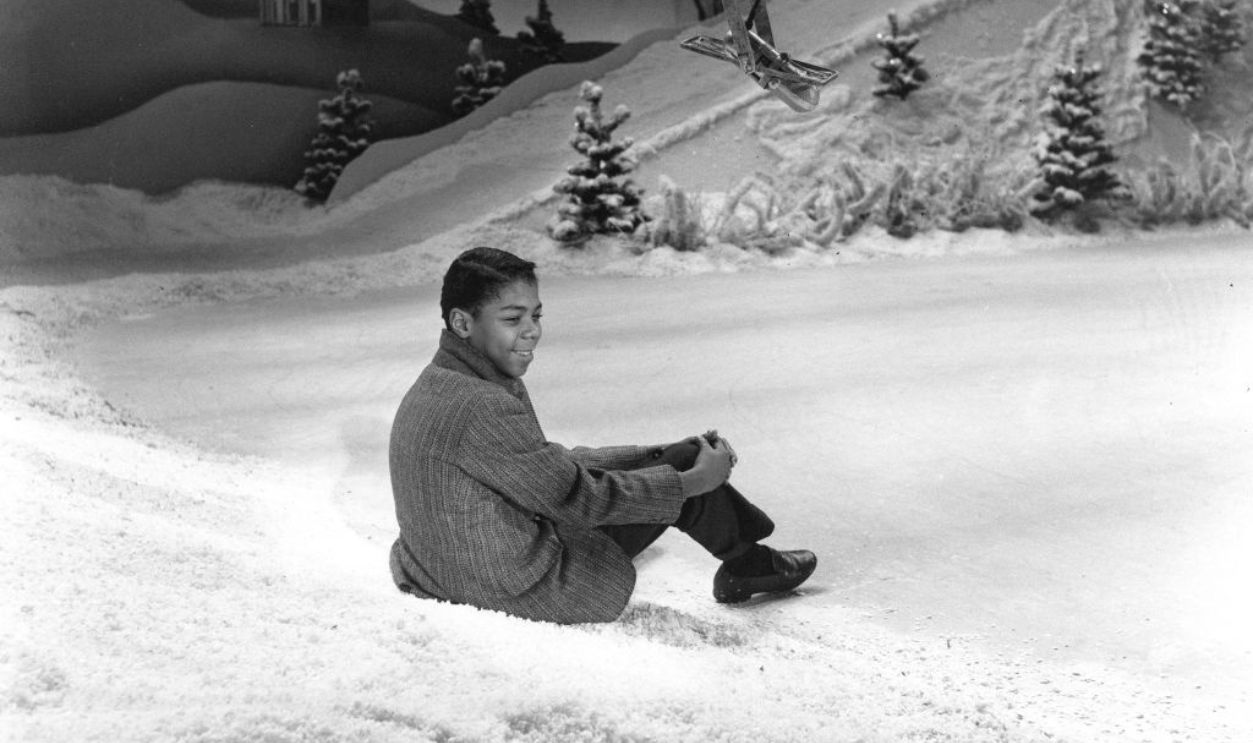
Lymon later described growing up in circumstances where childhood could disappear quickly. Fame intensified that problem dramatically. Before he was old enough to drive, he was touring, earning money, mixing with adults and navigating an industry built for grown professionals. The protections routinely associated with child performers today barely existed for him.
 Michael Ochs Archives, Getty Images
His Life Began Unraveling
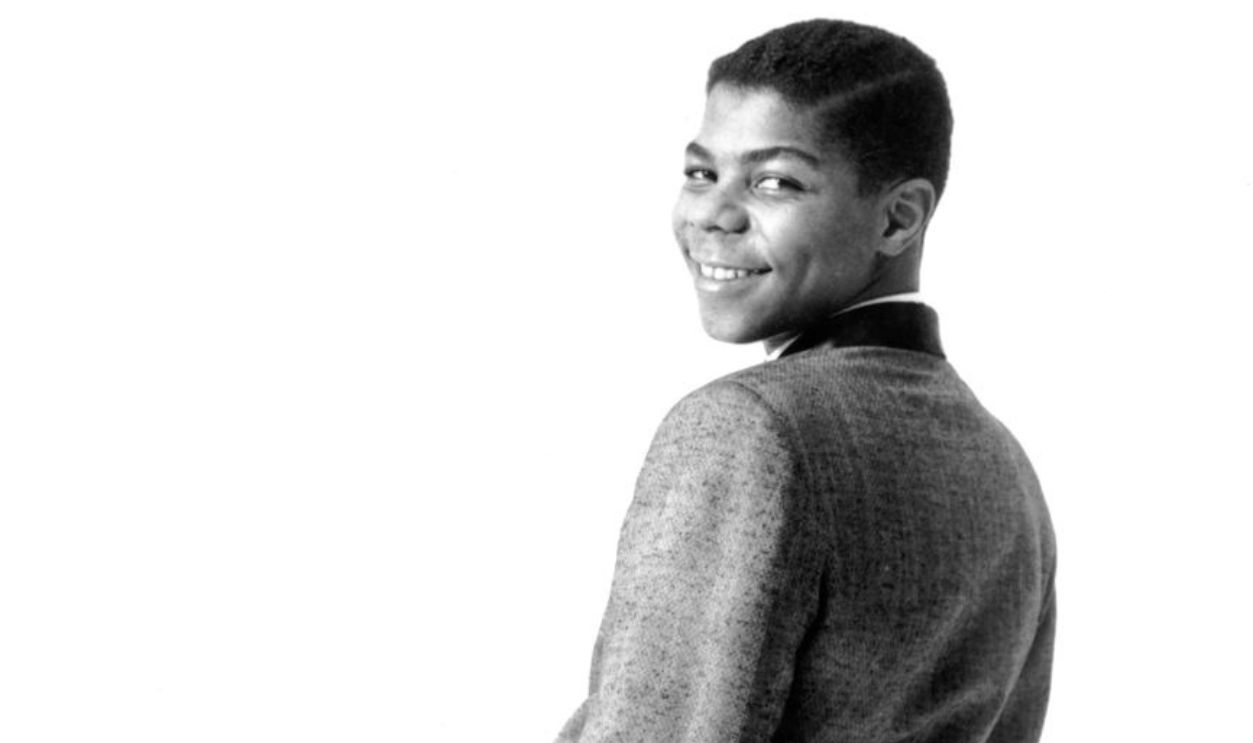
By his mid-teens, Lymon was struggling with substance use, and his career increasingly suffered alongside it. His changing voice, separation from the Teenagers, declining record sales and exposure to an adult entertainment world all arrived while he was still extraordinarily young. Eventually he entered treatment and attempted several professional comebacks.
 Michael Ochs Archives, Getty Images
He Never Stopped Trying
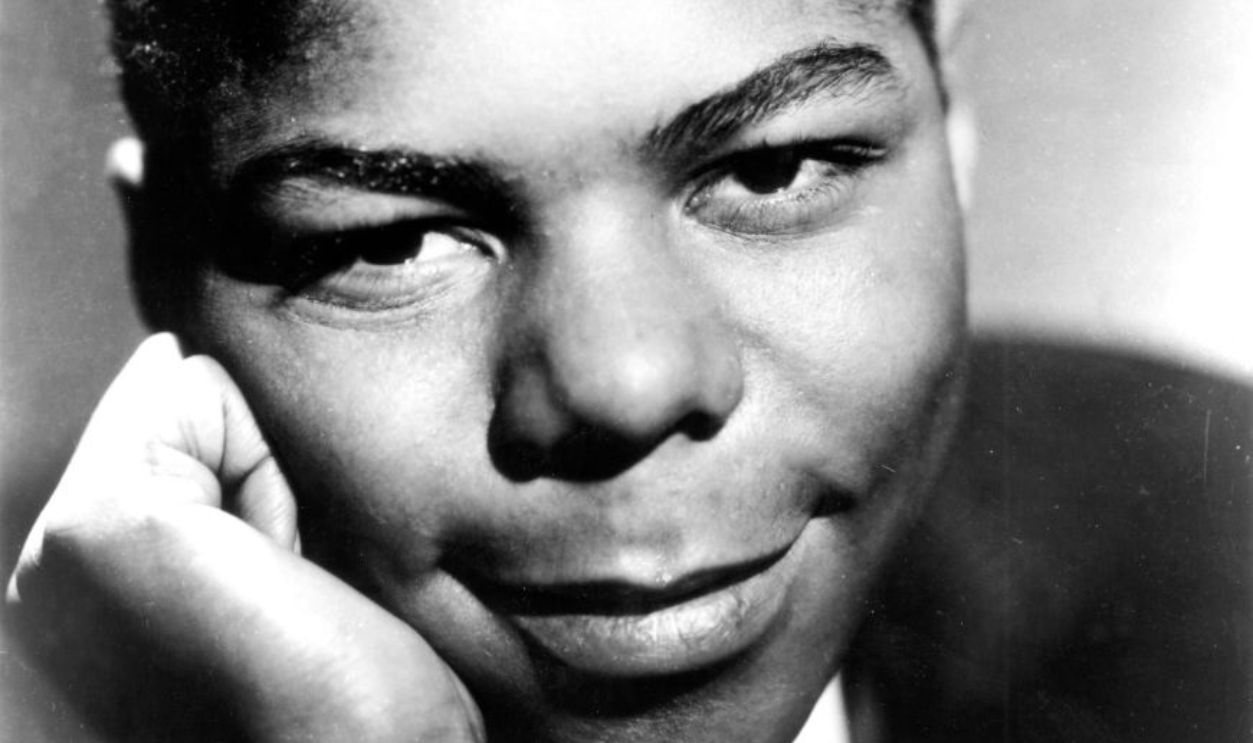
Lymon continued searching for a way back. He performed in clubs and revues, recorded for different labels and briefly reunited with the Teenagers in 1965. After being drafted in 1966, he also spent time in the U.S. Army before returning to civilian life and attempting another musical comeback. None of these attempts restored his 1956 fame, but they reveal an artist who hadn't simply abandoned music after childhood stardom faded.
 Michael Ochs Archives, Getty Images
A Comeback Was Waiting
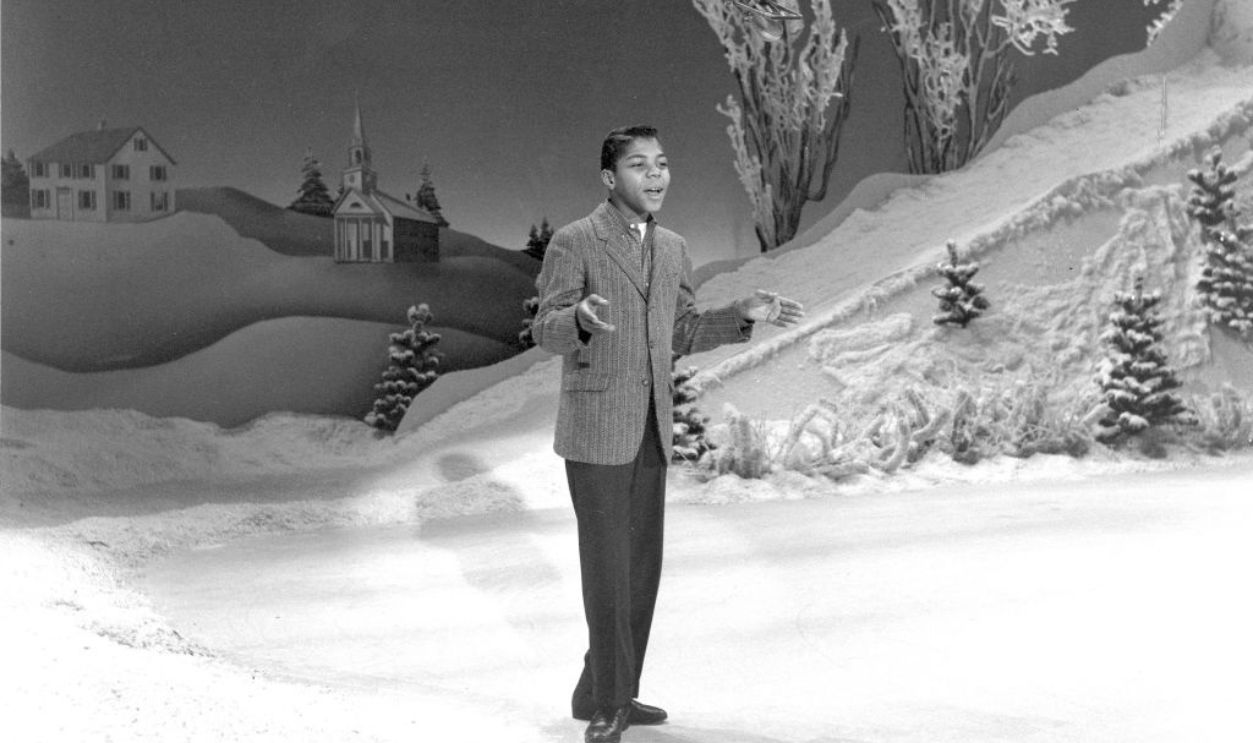
By early 1968, Lymon had reason for optimism. He had returned to New York and was preparing another recording attempt, with a session reportedly scheduled for late February. Instead, Lymon was found dead at his grandmother's apartment in Harlem. He had died from an overdose at only 25 years old. His official date of death is generally given as February 27, 1968.
 Michael Ochs Archives, Getty Images
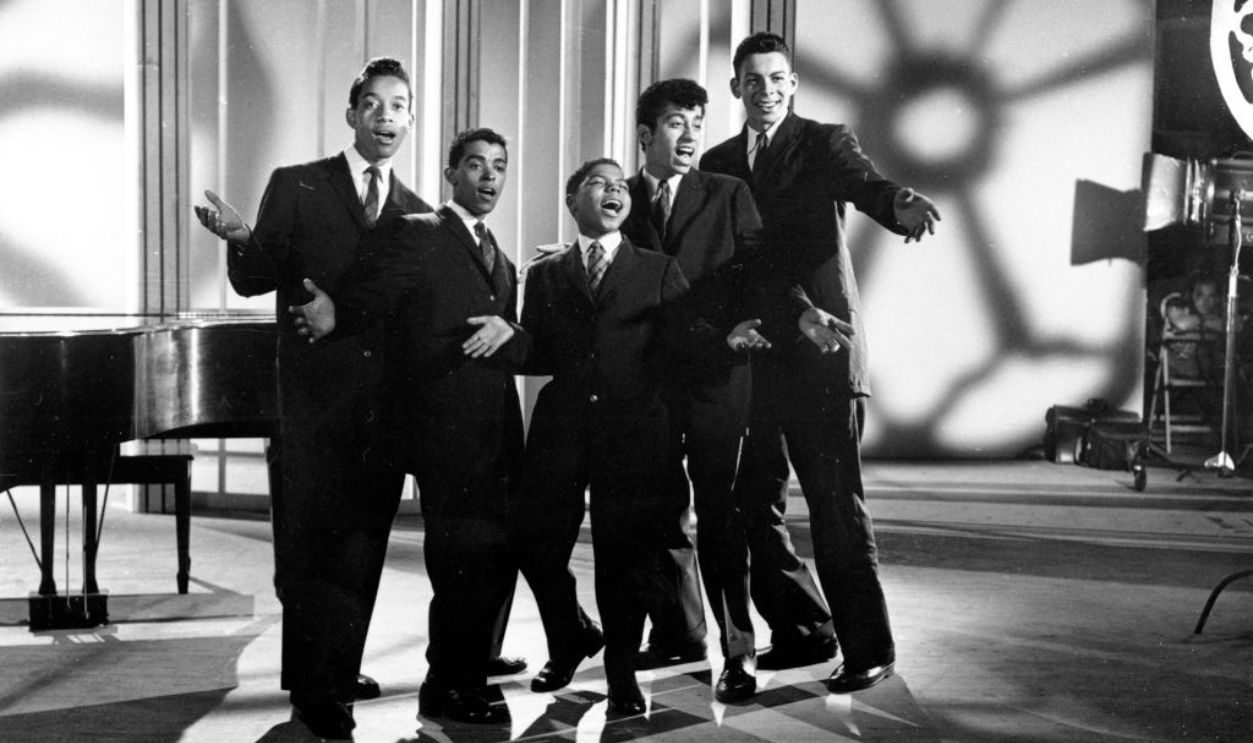
His Music Didn't Die
Lymon's career had been astonishingly compressed. His greatest recordings were made while he was barely into adolescence, and his peak lasted roughly 18 months. Yet “Why Do Fools Fall in Love” refused to become merely an old record. New singers kept discovering it, recording it and finding something remarkably modern inside its youthful exuberance.
 Michael Ochs Archives, Getty Images
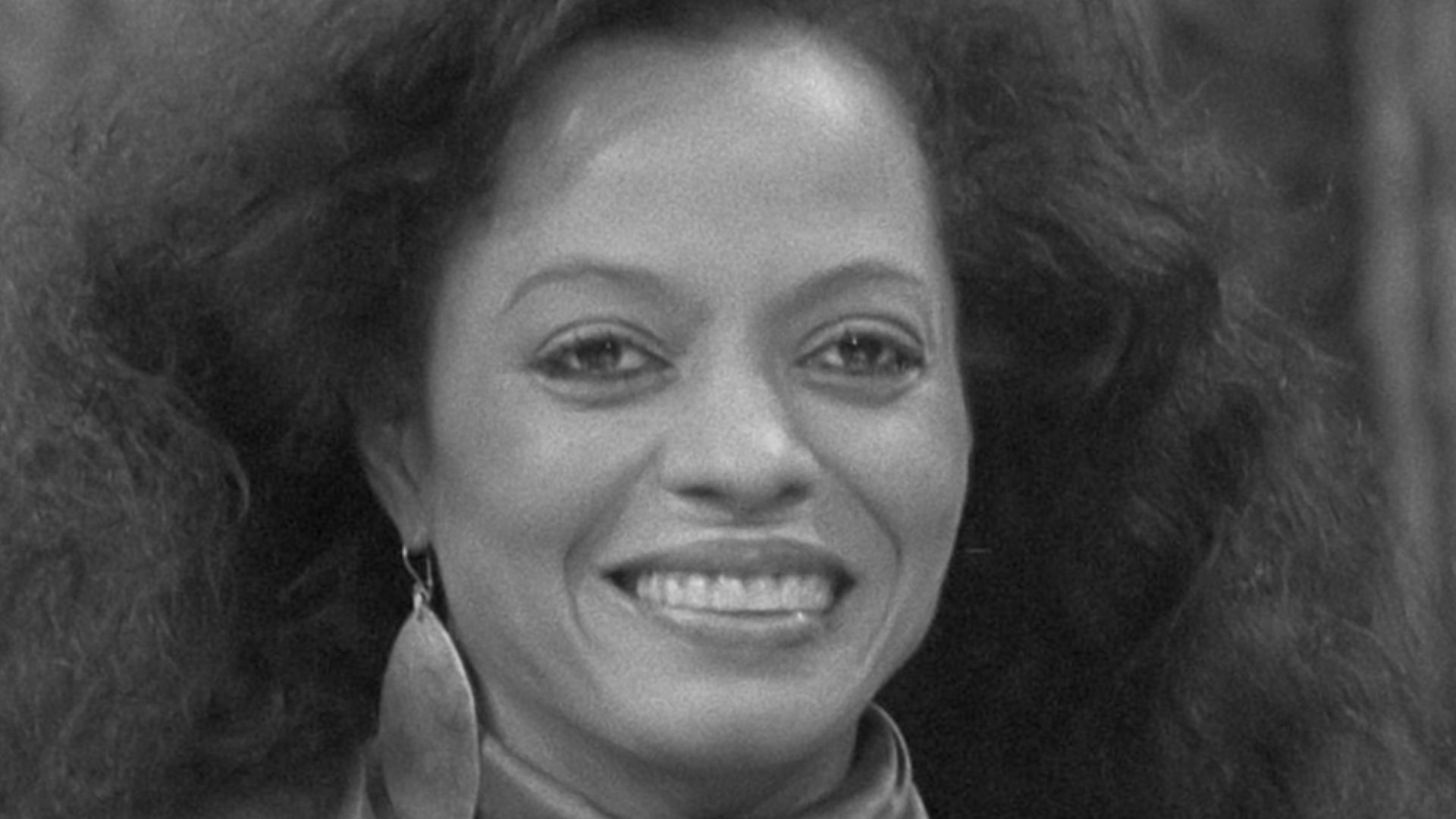
Diana Ross Brought It Back
Diana Ross demonstrated the song's durability when her 1981 recording of “Why Do Fools Fall in Love” became a substantial hit a quarter-century after Lymon's original. Ross herself had admired his crystalline vocal style. The teenage voice recorded in 1955 had survived changing fashions, generations and entirely new eras of pop production.
 Hans van Dijk for Anefo, Wikimedia Commons
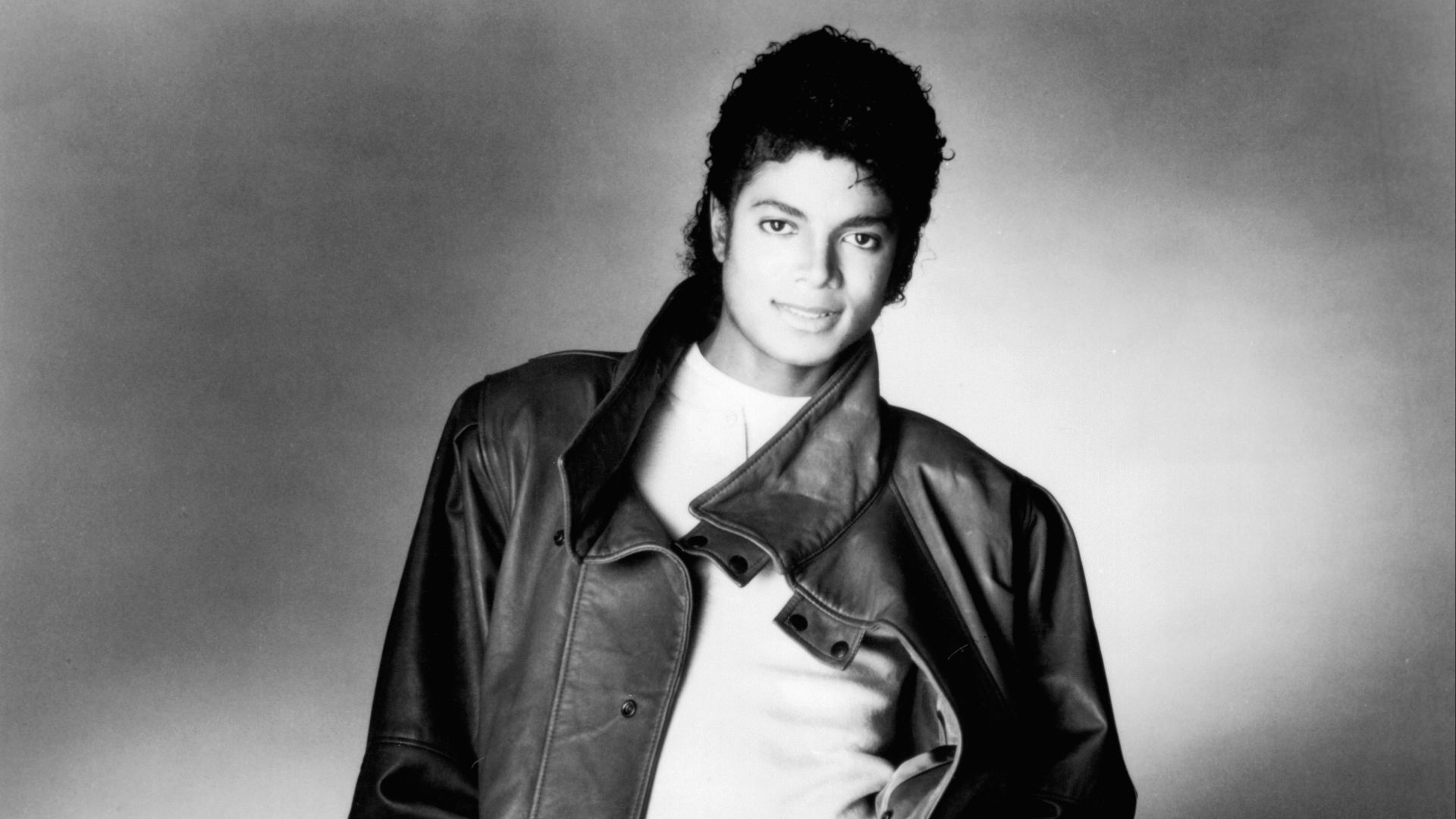
Michael Jackson Echoed Frankie
The parallels with Michael Jackson became impossible to miss: a phenomenally gifted Black child singing and dancing at the center of a youthful vocal group before attempting an adult solo career. Marvin Gaye reportedly reacted to the young Jackson by saying it was “Frankie Lymon all over again.” Later historians and the Rock & Roll Hall of Fame would explicitly connect the Jackson 5 phenomenon to the trail Lymon and the Teenagers had blazed.
 Matthew Rolston; Distributed by Epic Records, Wikimedia Commons
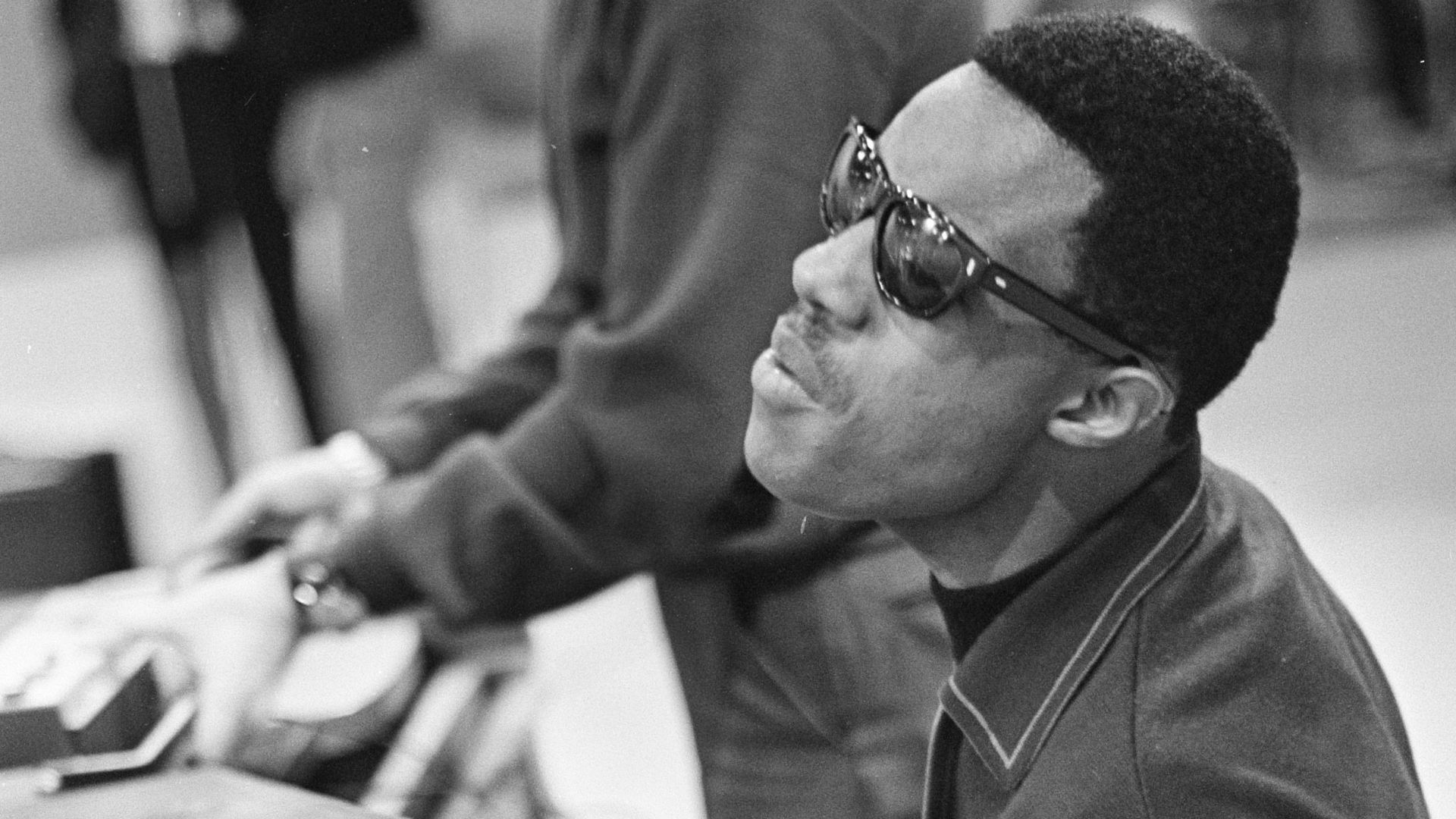
The Teen Idol Template
Lymon's influence reaches beyond any single performer. The concept of putting an extraordinarily talented young singer at the center of a group would reappear repeatedly in pop and R&B. The Rock & Roll Hall of Fame specifically identifies the Teenagers' youthful image and vocals as anticipating prodigies including Michael Jackson and Stevie Wonder.
 Jack de Nijs for Anefo, Wikimedia Commons
The Hall Finally Called
Frankie Lymon and the Teenagers entered the Rock & Roll Hall of Fame in 1993, inducted by Boyz II Men, another vocal group indebted to traditions the Teenagers helped establish. The honor recognized Herman Santiago, Jimmy Merchant, Joe Negroni and Sherman Garnes alongside Lymon, restoring attention to the group behind that revolutionary youthful sound.
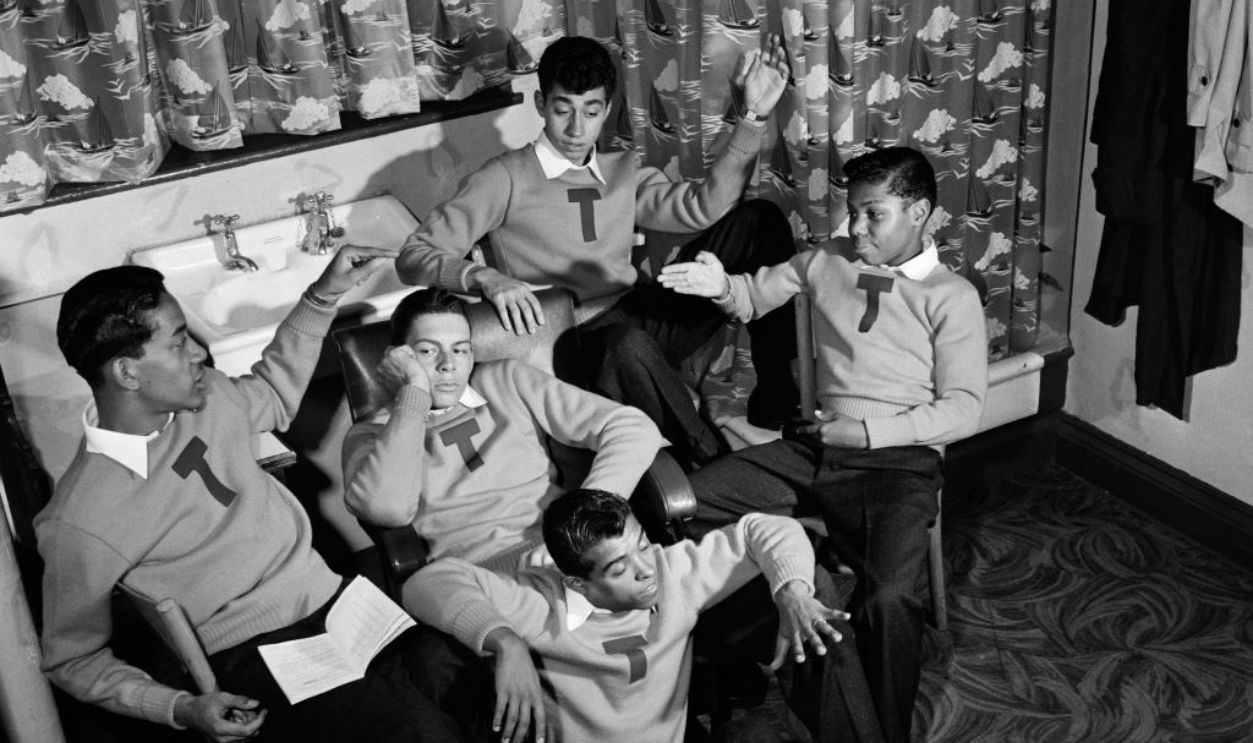
He Never Saw The Future
Frankie Lymon didn't live to see the Jackson 5 become international stars, Michael Jackson become a global phenomenon, Boyz II Men dominate the charts, or the generations of teenage pop stars that followed. But at 13, he had already demonstrated something the music industry would spend decades rediscovering: young audiences wanted stars who looked, moved and sounded like their own generation. Frankie got there first.
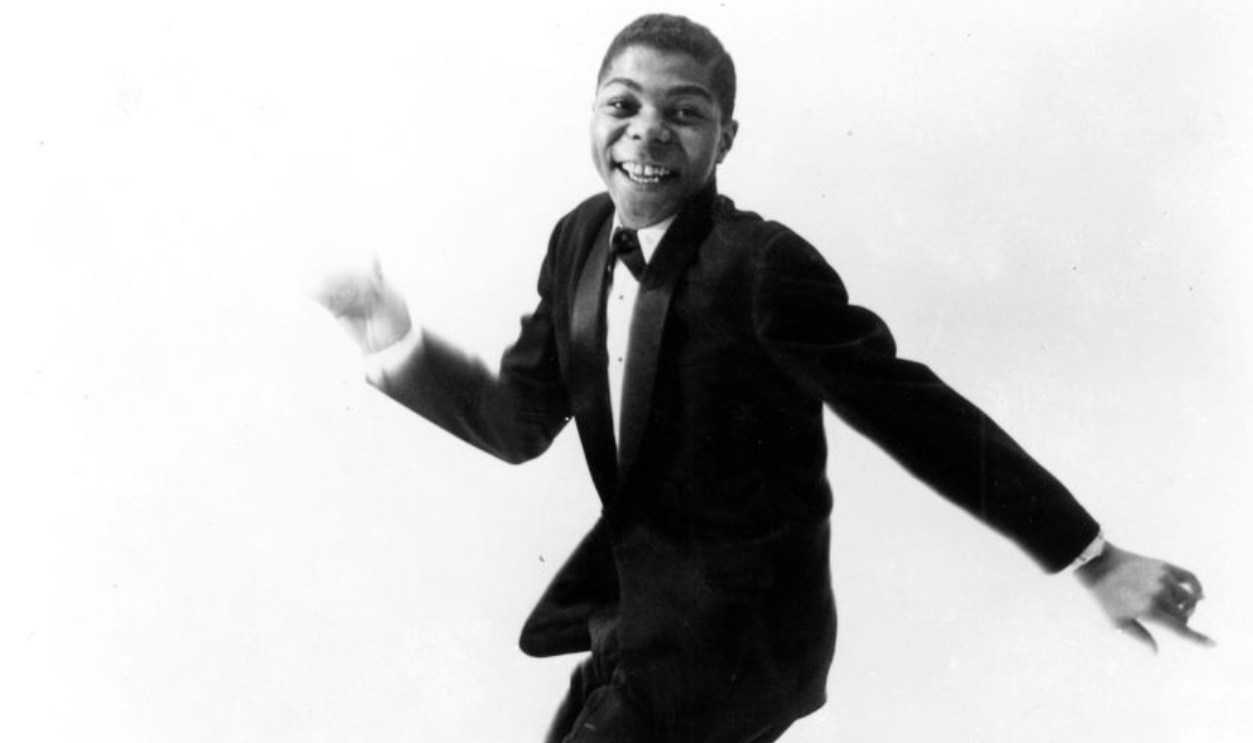 Michael Ochs Archives, Getty Images
You May Also Like:
Flashy Facts About Little Richard, The Architect Of Rock And Roll
Heartbreaking Facts About Ronnie Spector, The Music Icon Who Lost Her Shot
Doomed Facts About Eddie Cochran, Rock And Roll’s Tragic Teen Idol