A Feud That Transformed The Eagles Forever
A polished harmony rarely hints at the storms behind it, yet The Eagles carried fractures long before their music topped charts. Defining a California era, the band carried a complicated story behind the scenes. Hidden disputes sent everyone down a path no reunion could fully mend.
How A New California Sound First Took Shape
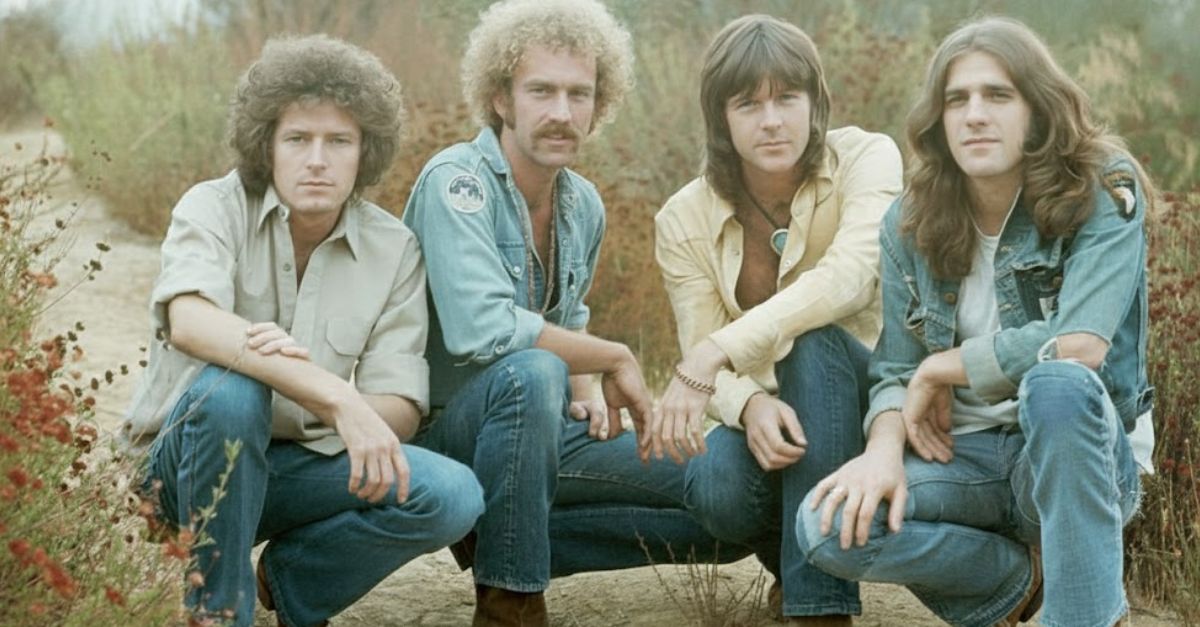
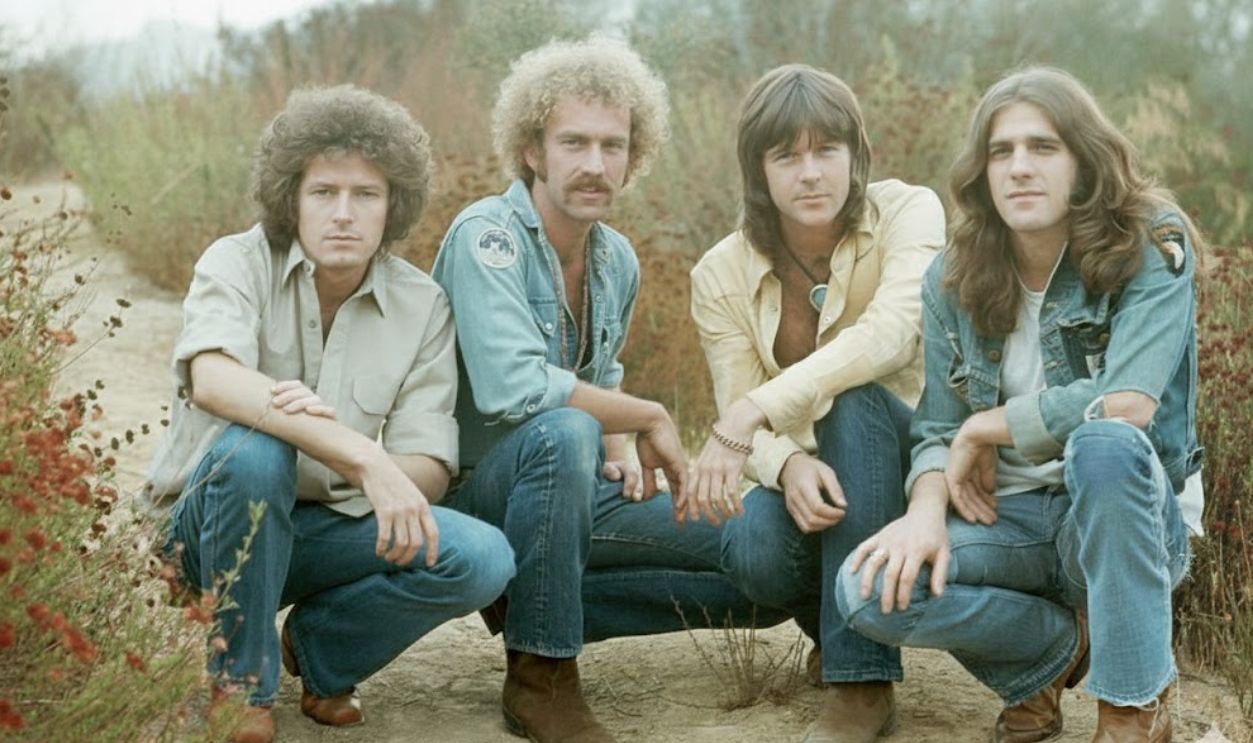
The Eagles formed in 1971 when Glenn Frey, Don Henley, Bernie Leadon, and Randy Meisner joined Linda Ronstadt’s touring group and quickly recognized their shared musical chemistry. Their blend of country instrumentation, tight harmony, and rock structure created a distinctly Californian sound that resonated with listeners seeking something warmer than traditional rock.
 Martin Lewison from Forest Hills, NY, U.S.A., Wikimedia Commons
Don Felder Arrived, And The Band’s Chemistry Shifted
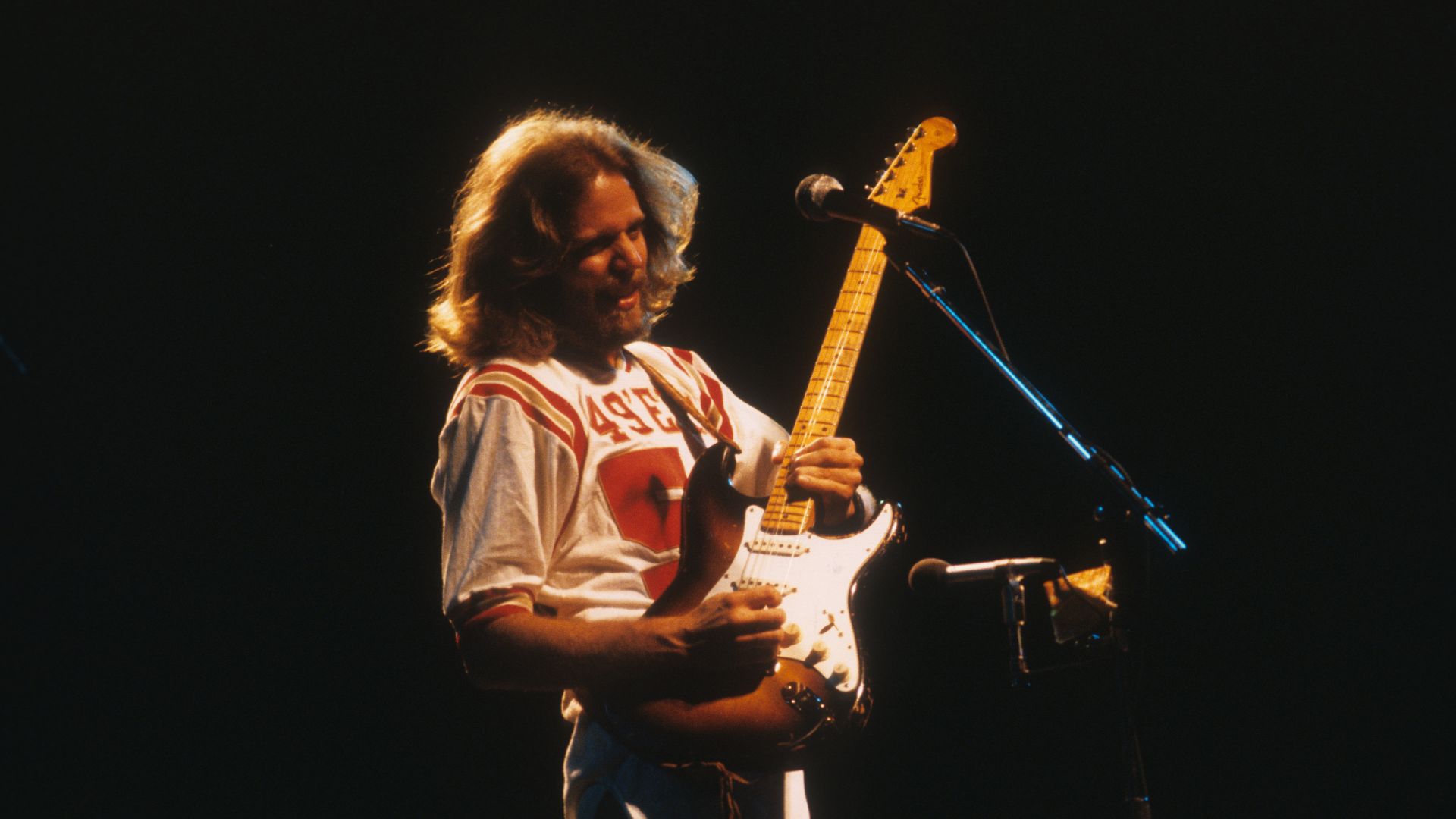
Don Felder joined in 1974 during the On The Border sessions, bringing a polished guitar style that expanded the band’s sonic range. His technical approach pushed their music toward a stronger rock identity. That shift strengthened their commercial appeal while subtly altering interpersonal dynamics.
 Krwessel2024, Wikimedia Commons
So, Tension Sparked Behind The Scenes
Chart-topping albums delivered visibility but also intensified disagreements over responsibility and contribution. Henley and Frey emerged as the dominant creative voices while shaping the direction of each project. Others questioned the balance of authority as recording schedules grew demanding and expectations rose.
 Derek Russell, Wikimedia Commons
Creative Control Became A Quiet Battleground
Song arrangements, production decisions, and lyrical direction gradually became points of friction. Henley and Frey believed steering the group ensured consistency, while other members felt constrained by the narrowing decision-making circle. The shift wasn’t explosive at first, but it created an undercurrent that influenced rehearsals and the way bandmates interpreted each other’s intentions.
 Steve Alexander, Wikimedia Commons
With Growing Clashes Over Songwriting Credit And Influence
Songwriting meant royalties and long-term recognition, so disagreements over credit carried real financial weight. Felder, who contributed notable musical ideas, occasionally questioned how final attributions were assigned. These disputes reflected broader conversations about influence within the band.
 Philkon Phil Konstantin, Wikimedia Commons
Inside The Making Of “Hotel California” And The Power Struggle Beneath It
“Hotel California” shows the band’s musical ambition, with Felder’s demo forming the song’s foundation and Henley shaping its darker themes. Crafting the track required extensive studio experimentation, which highlighted contrasting working styles. The song’s success raised expectations and stirred debate over whose creative instincts defined the band’s identity.

Money And Recognition Became Impossible To Separate
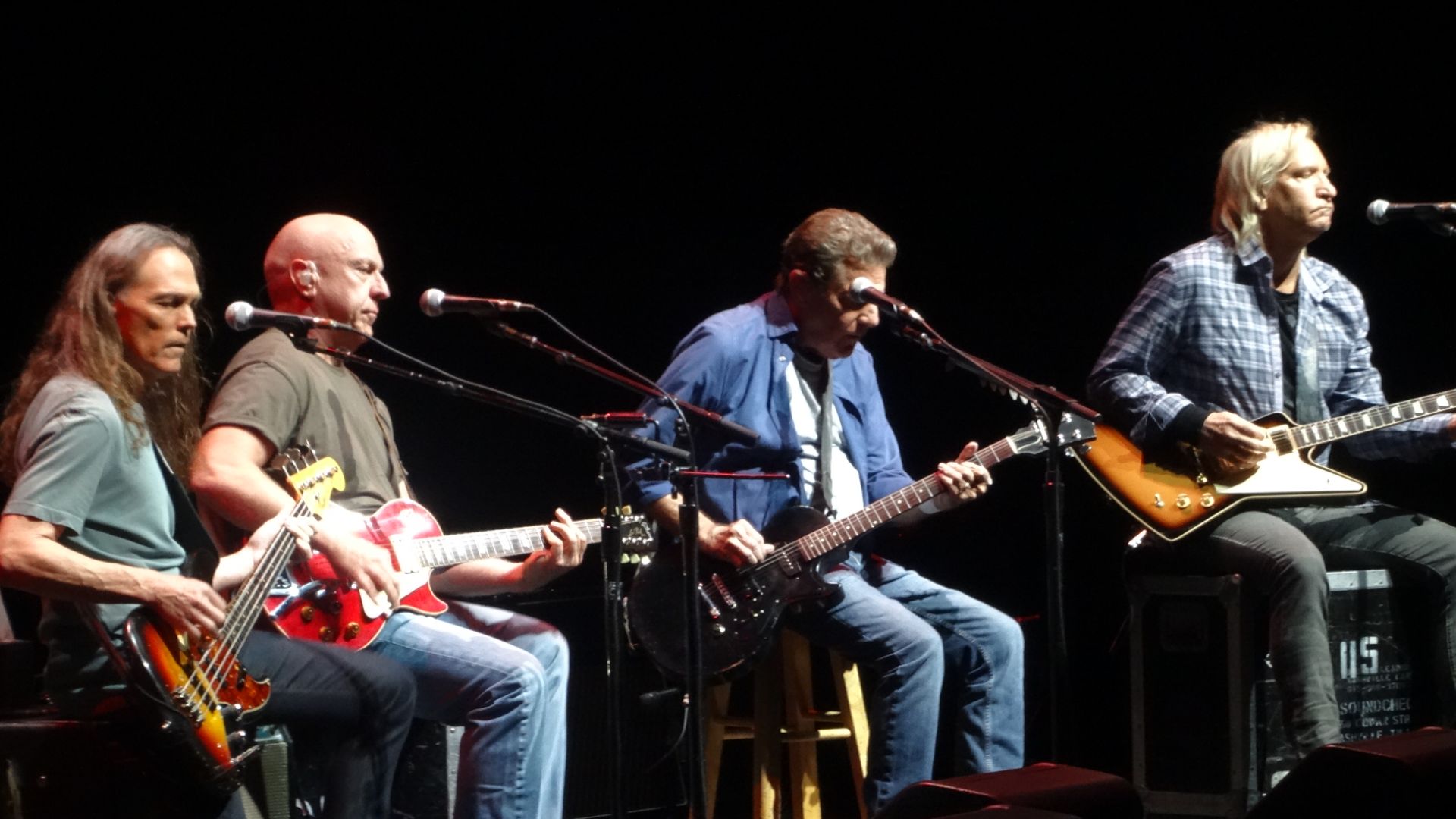
As revenue increased, questions about distribution grew sharper. Touring profits and publishing splits demanded agreement, yet perspectives rarely aligned. Members viewed compensation through different lenses shaped by workload and authorship. Routine financial discussions gradually revealed deeper disagreements about fairness and contribution during one of rock’s most lucrative periods.
 Rachel Kramer, Wikimedia Commons
The Tour Years That Pushed Tempers Past Their Limit
Long tours amplified personal differences that were manageable in the studio. Exhausting travel and tightly scheduled performances left little room for decompressing. Minor irritations felt larger when the band lived in close quarters, and arguments over pacing and preparation surfaced regularly.

The 1980 Long Beach Concert Became A Breaking Point
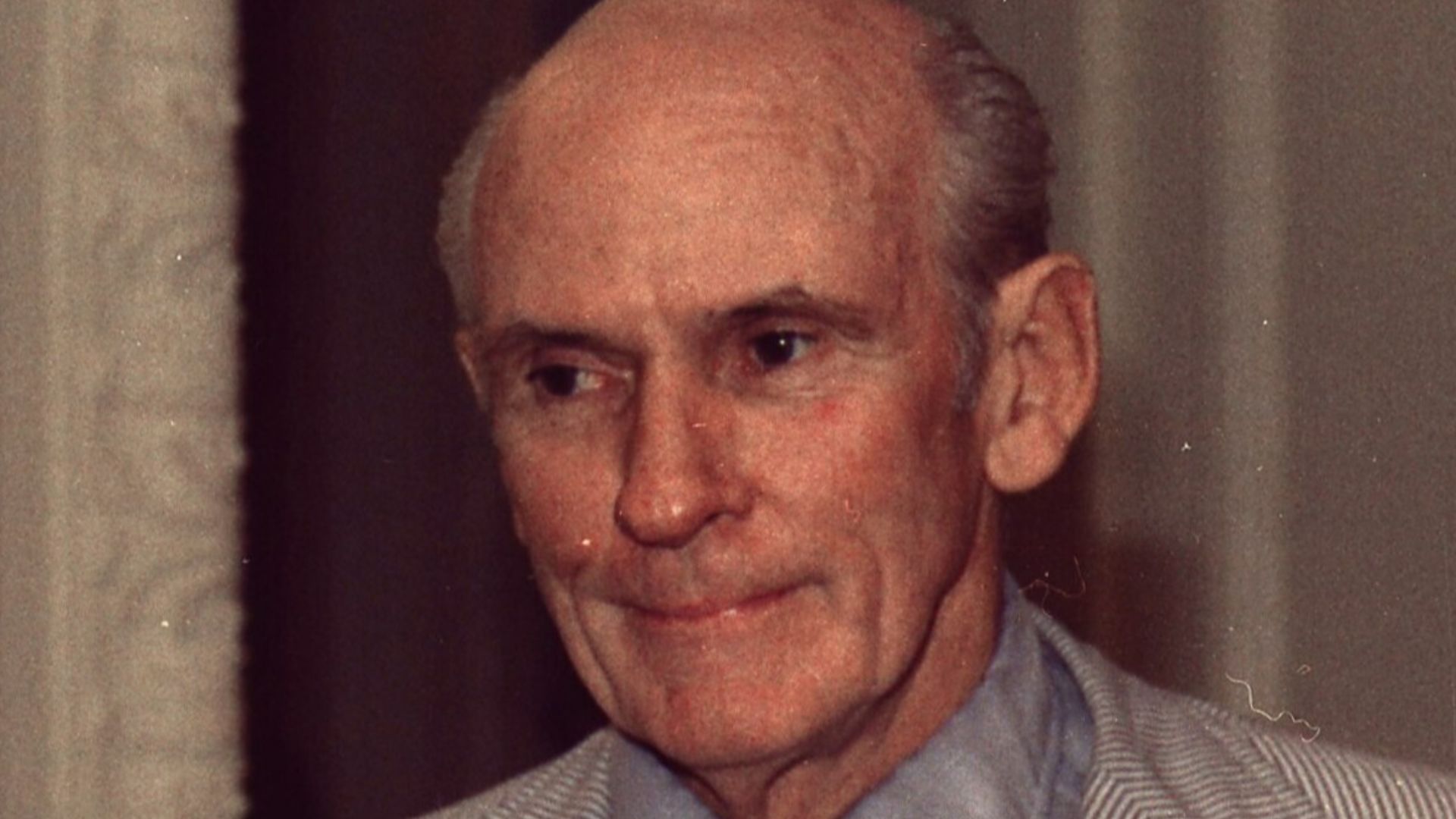
The benefit for Senator Alan Cranston is remembered for its unsettling backstage exchanges. Felder’s curt response to a pre-show introduction irritated Frey, and the tension carried onto the stage. Bandmates traded hostile remarks between songs, which turned a political fundraiser into an illustration of how frayed relationships had become after years of unresolved conflict.
 Unknown authorUnknown author or not provided, Wikimedia Commons
On A Night When Every Song Felt Like A Countdown To Disaster
During the performance, Frey later recalled silently marking time until he expected a confrontation with Felder. The music continued professionally, yet the atmosphere around them felt volatile. Audiences sensed none of it, but insiders understood the band had crossed into territory where collaboration felt unsustainable.

The Collapse Finally Arrived After Years Of Strain
Following the Long Beach incident, recording together grew increasingly difficult. Each member pursued separate priorities, and sessions lacked the unity that once defined their sound. Internal disagreements overshadowed new material. By the end of 1980, continuing as a cohesive group felt unworkable.
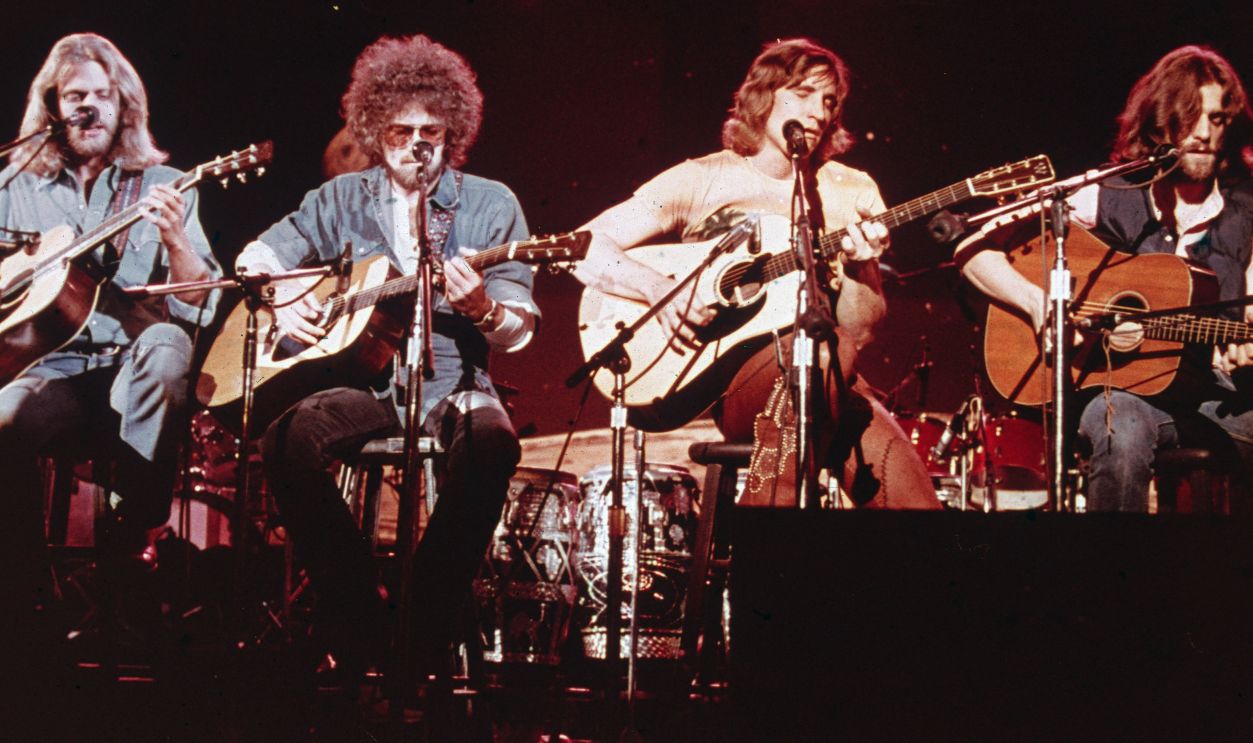 Fotos International, Getty Images
Followed By The Rise Of Solo Careers
After the breakup, the members shifted toward individual projects that allowed for creative independence. Henley and Frey found significant solo success, while others explored different musical avenues. Public communication among them diminished, leaving fans uncertain about the band’s future.

What Finally Made A Reunion Possible
By the early 1990s, shifting musical trends renewed interest in classic rock, creating space for a possible return. Industry figures encouraged discussions, and lucrative touring prospects made conversations more practical. Old disputes didn’t disappear, but the members recognized the opportunity to reintroduce their catalog on their own terms.
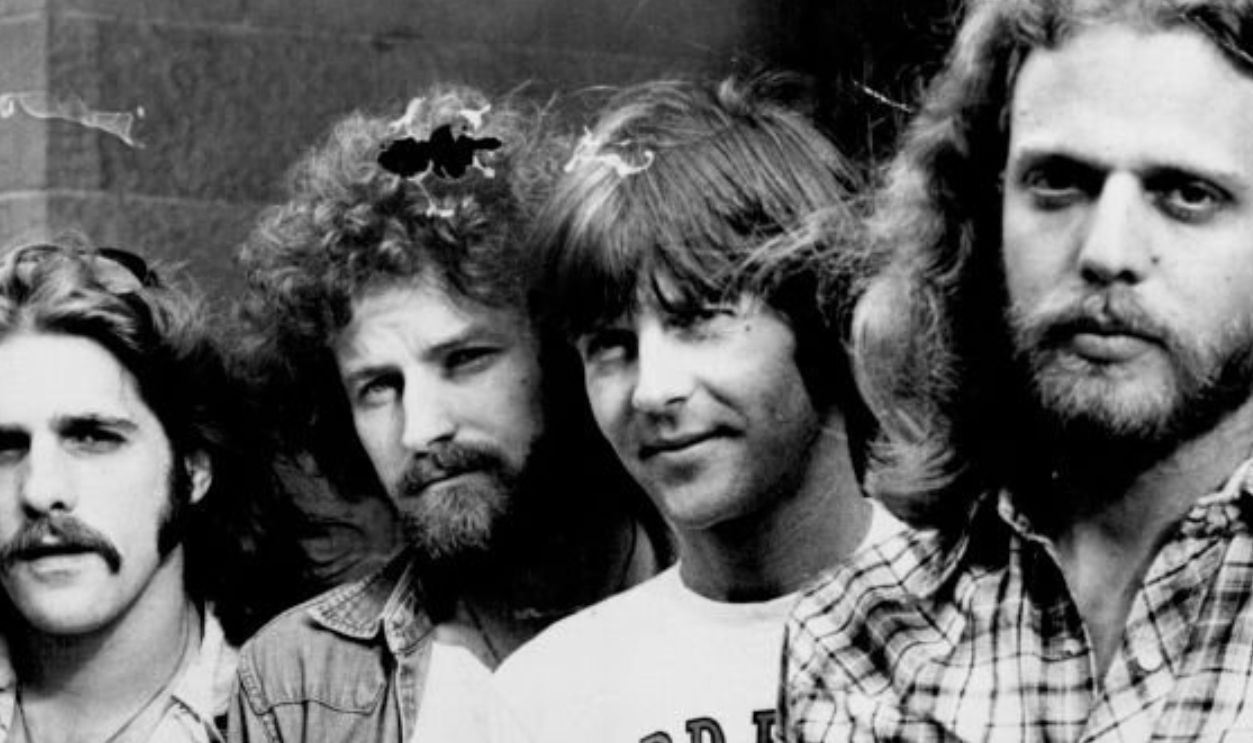 Fairfax Media Archives, Getty Images
Hell Freezes Over Masked A New Internal Hierarchy
The 1994 reunion delivered polished performances and strong commercial impact, yet the business structure had changed. Henley and Frey now held primary authority, while other members operated with reduced decision-making power. The arrangement wasn’t widely publicized, but it shaped daily operations.
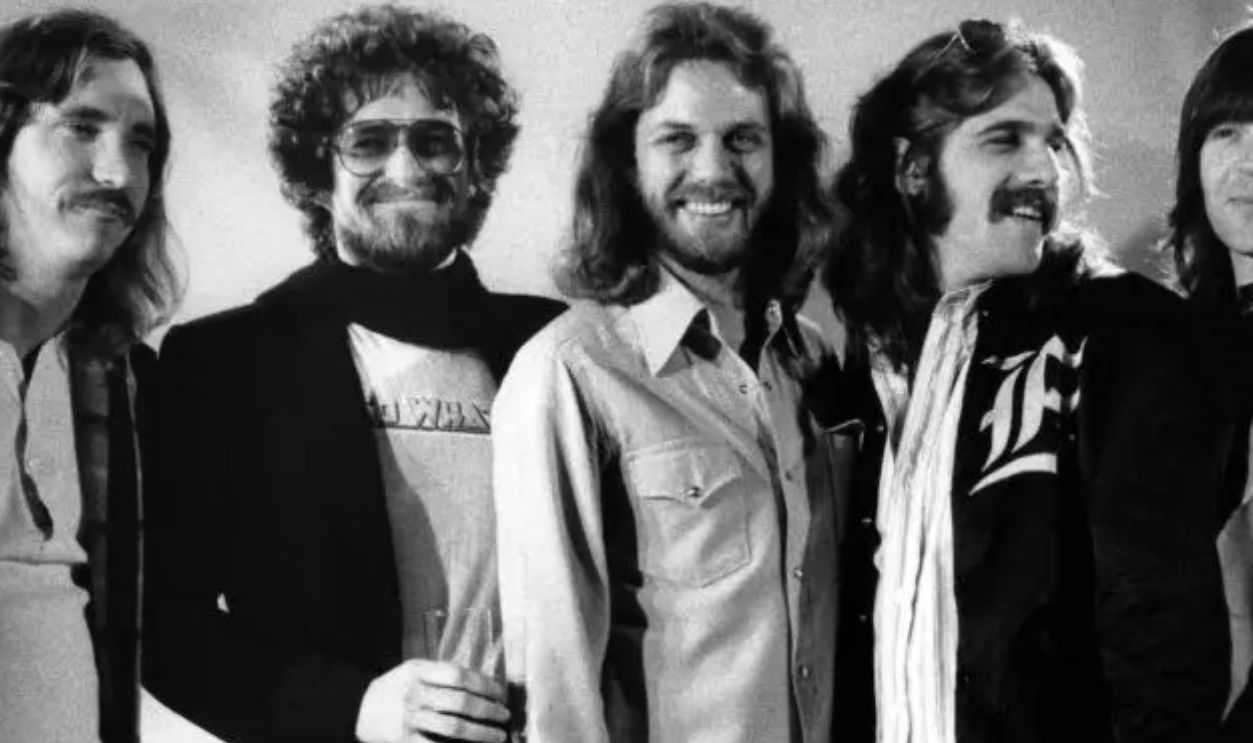 Ellen Poppinga - K & K, Getty Images
Felder Questioned The Band’s Rebuilt Business Structure
Felder raised concerns after learning that financial arrangements no longer reflected an equal partnership. He requested documentation explaining the revised distribution system and sought clarity on touring revenues. His questions highlighted unresolved issues from earlier years, particularly around recognition and influence.
 TaurusEmerald, Wikimedia Commons
The Notice That Confirmed His Sudden Removal
In early 2001, Felder received written notification that his role in the band’s corporate entity had been terminated. The decision ended his participation in upcoming tours and business dealings. He considered the action unjustified and abrupt, interpreting it as the culmination of long-running disagreements rather than a response to any immediate conflict.
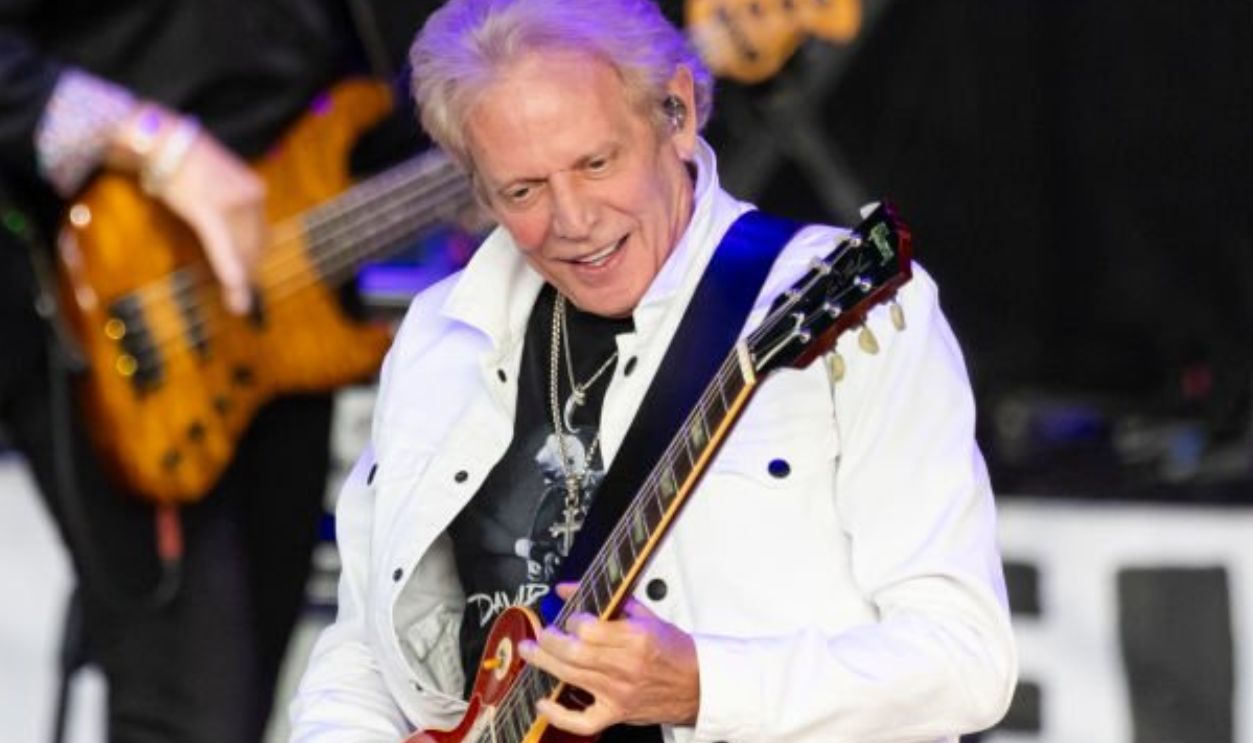
Felder’s Lawsuit Pulled Old Wounds Into Public View
Felder filed suit alleging wrongful termination and unfair business practices, bringing private disputes into the legal arena. The case detailed years of disagreements over authority and compensation. Court filings revealed contrasting narratives about collaboration and gave fans an unfiltered look at internal dynamics that had historically remained out of public conversation.
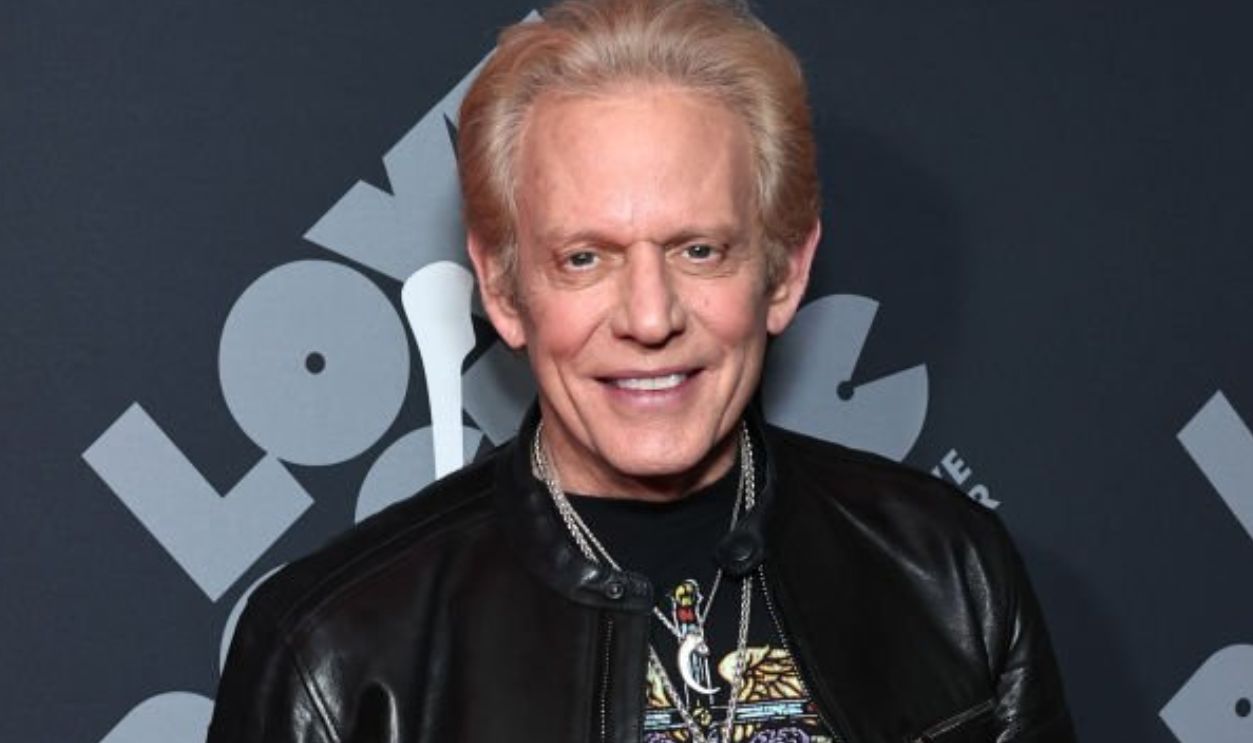
Henley And Frey Responded With A Countersuit Of Their Own
Henley and Frey countered with claims that Felder’s actions harmed the band’s reputation and violated prior agreements. Their filings emphasized the need for organizational consistency and defended the post-reunion business structure. The two sides presented sharply different interpretations of past events.
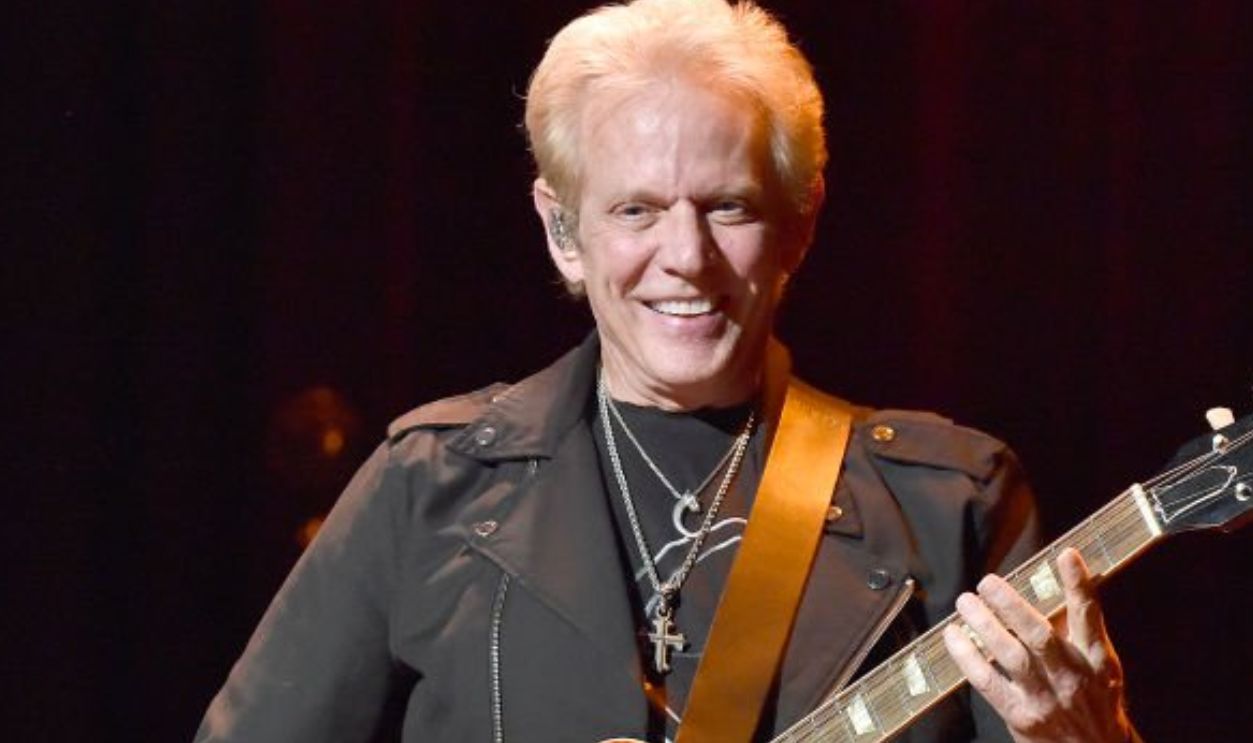
Legal Battles Outlasted Their First Breakup
The dispute stretched over several years, involving extensive negotiations and multiple legal motions. Neither side fully retreated from their position, which kept proceedings moving slowly. The litigation’s duration reflected how deeply earlier tensions had shaped perspectives. By the mid-2000s, the conflict had evolved into one of rock’s most widely discussed legal standoffs.
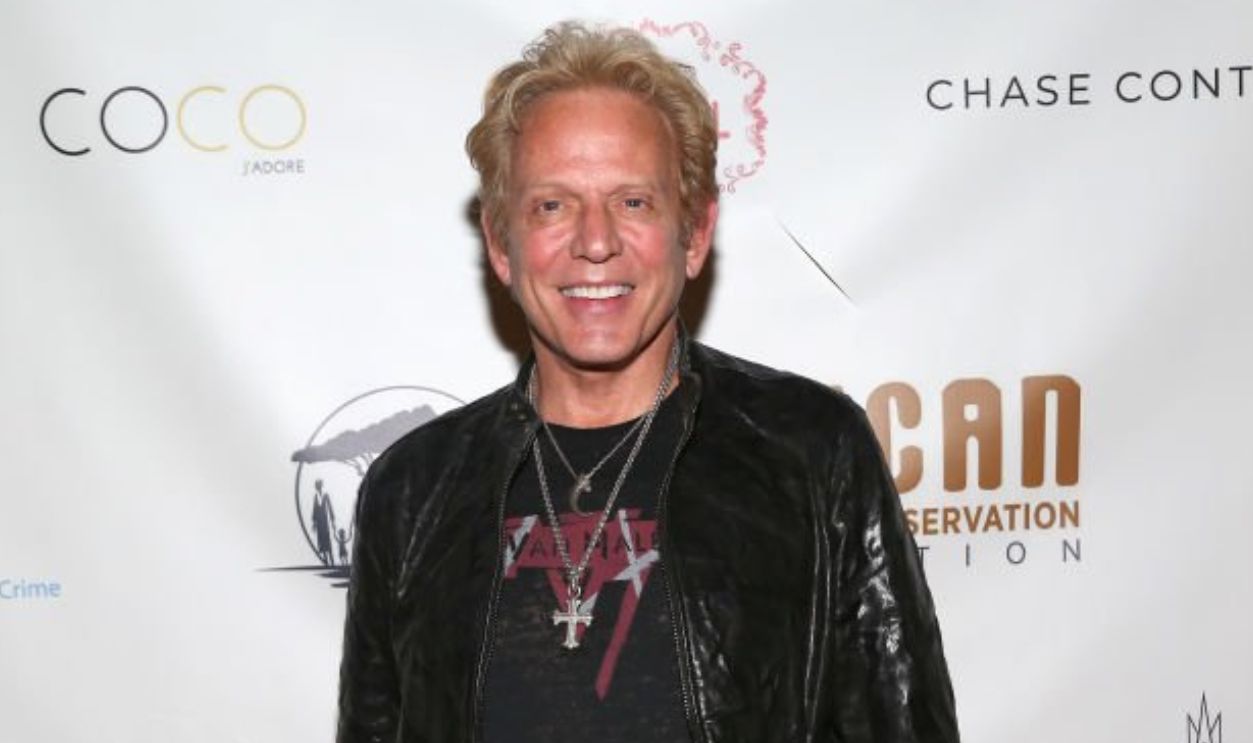
Then, A Settlement Ended The Case, But Not The Tension
A confidential settlement was reached in 2007, closing the lawsuits without publicly assigning fault. Although the agreement ended the legal chapter, personal relationships weren’t repaired. Public statements remained cautious, and long-standing disagreements shaped how former bandmates spoke about their experiences.
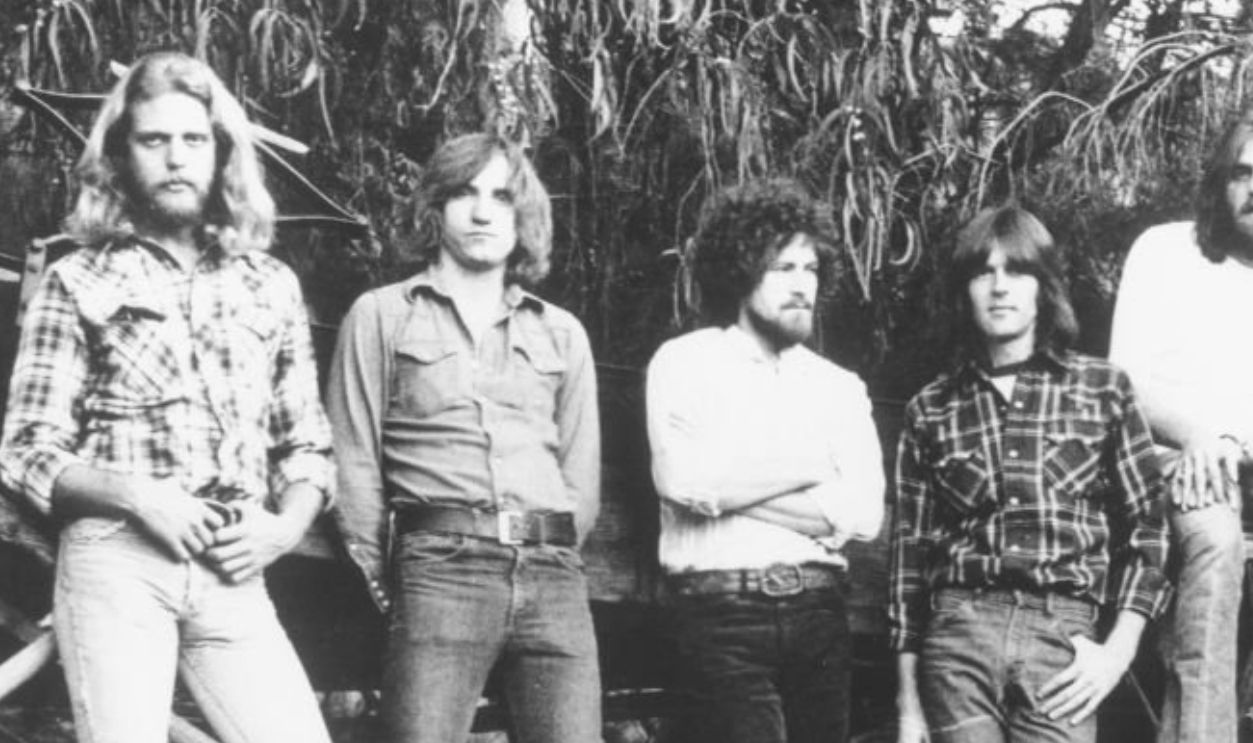 Michael Ochs Archives, Getty Images
Felder’s Memoir Reignited Long-Standing Disputes
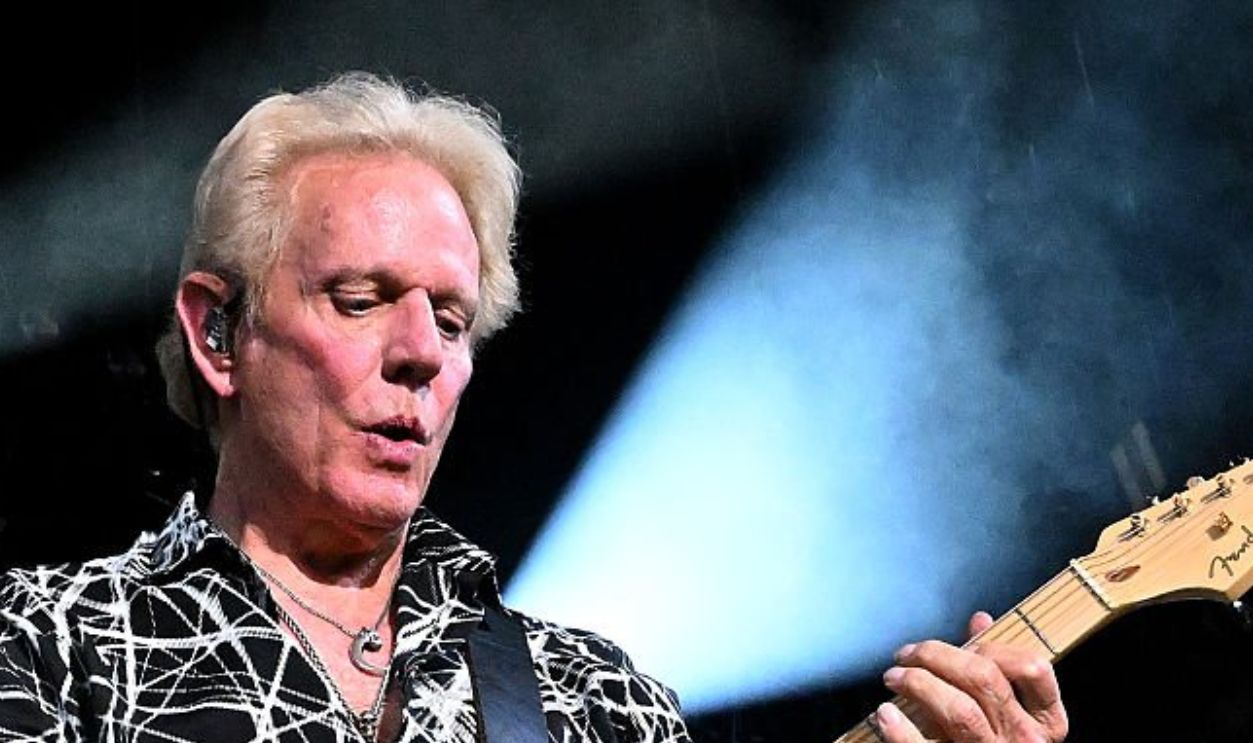
Felder released Heaven And Hell: My Life In The Eagles in 2008, detailing his version of events. The book described internal conflicts and business disagreements. It prompted strong pushback from Henley and Frey, who disputed several accounts. The memoir revived public debate and reinforced how differently each participant remembered the band’s most difficult moments.
And Reconciliation Never Emerged Between The Former Bandmates
Despite years passing, meaningful communication among the parties never resumed. Differing interpretations of shared history made compromise difficult, and later opportunities for reunions remained limited. When Frey died in 2016, Felder expressed condolences, yet their unresolved issues showed how deep the divide had become.

Fans Interpreted The Rift As Part Of The Eagles’ Story
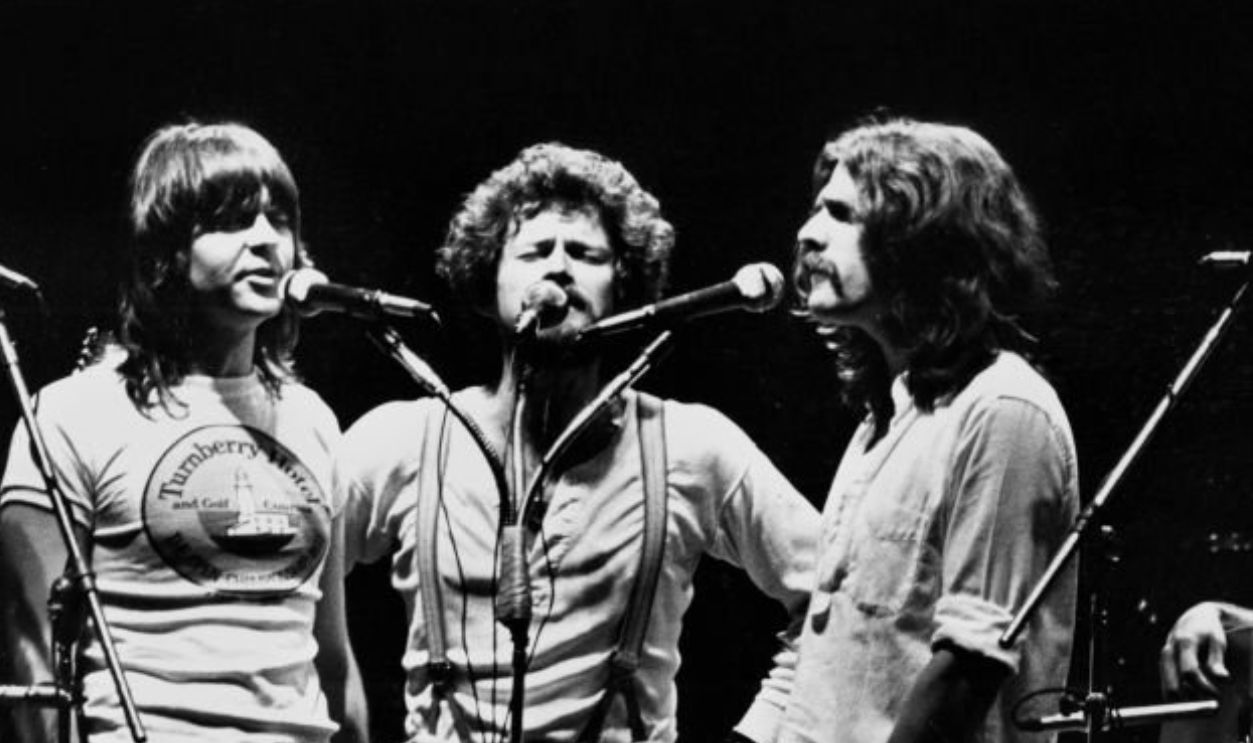
Listeners gradually integrated the conflict into the band’s legacy, recognizing the contrast between harmonious records and complex personal dynamics. Interviews and legal filings offered insight into the pressures behind their music. Over time, the tension became a widely discussed element of rock history.
 Gijsbert Hanekroot, Getty Images
A Reunion Concert Now Feels Both Triumphant And Tragic
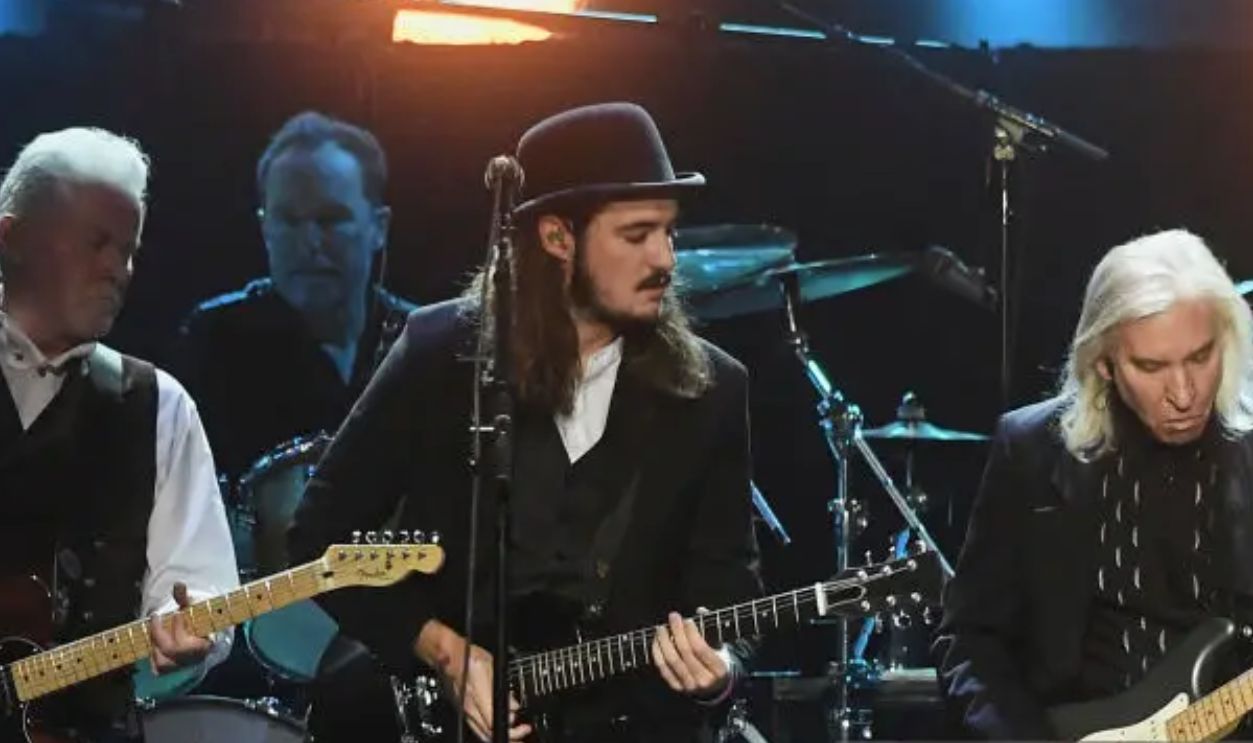
With hindsight, the success of Hell Freezes Over carries mixed associations. The performances displayed remarkable musicianship, yet knowledge of underlying disputes adds emotional weight to the event. The reunion celebrates the band at full power while simultaneously revealing fault lines that later widened.
As The Entire Timeline Shows A Breakup That Was Inevitable
Tracing the band’s history reveals patterns that repeatedly resurfaced: conflicting leadership styles, creative disagreements, and differing expectations about partnership. Each period of progress carried unresolved issues into the next stage. The eventual split reflected accumulated strain rather than a single turning point.