How Deep Did Your Record Collection Go?
Everybody remembers Rumours, Hotel California, Led Zeppelin IV, and Dark Side of the Moon. Those aren’t going to impress anyone here.
We’re going farther into the 1970s record store. These are the albums that somehow ended up three bins over, underneath something by Foghat, where they sat waiting for one extremely curious teenager with five dollars to burn. So…have you actually heard any of them?
“Growers of Mushroom” (Leaf Hound, 1971)
Put this on without telling anyone what it is and there’s a decent chance they’ll start guessing Led Zeppelin, Cream, or some forgotten Black Sabbath session. Growers of Mushroom is packed with fuzzy guitar, heavy blues, and Peter French’s enormous vocals. Leaf Hound disappeared quickly, but the album slowly built a cult following among collectors.
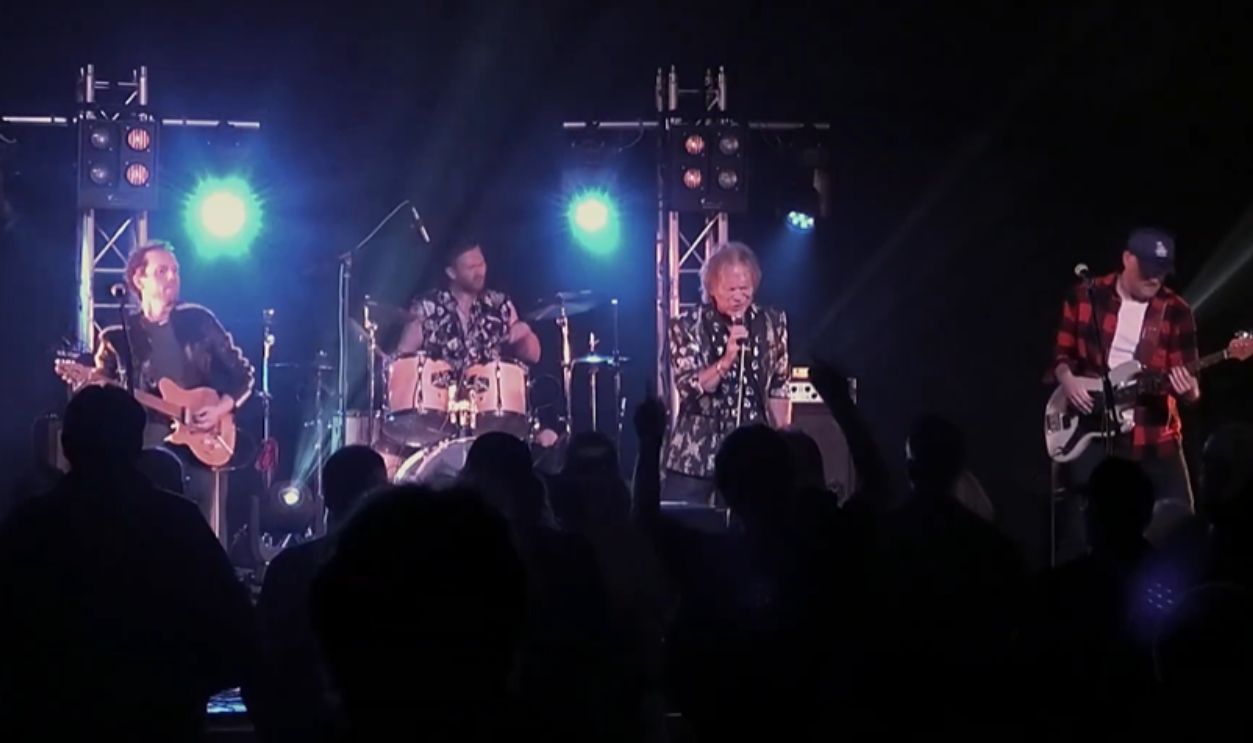 Screenshot from Sad Road To The Sea, Decca Records (1971)
“Back in ’72” (Bob Seger, 1973)
Long before Night Moves made Bob Seger a household name, he released an album plenty of later fans have probably never even seen. Back in ’72 includes the original studio version of Turn the Page, years before the Live Bullet performance became the one everyone knew. The album went nowhere commercially and has spent decades largely unavailable. For a Bob Seger record, this thing is practically hiding.
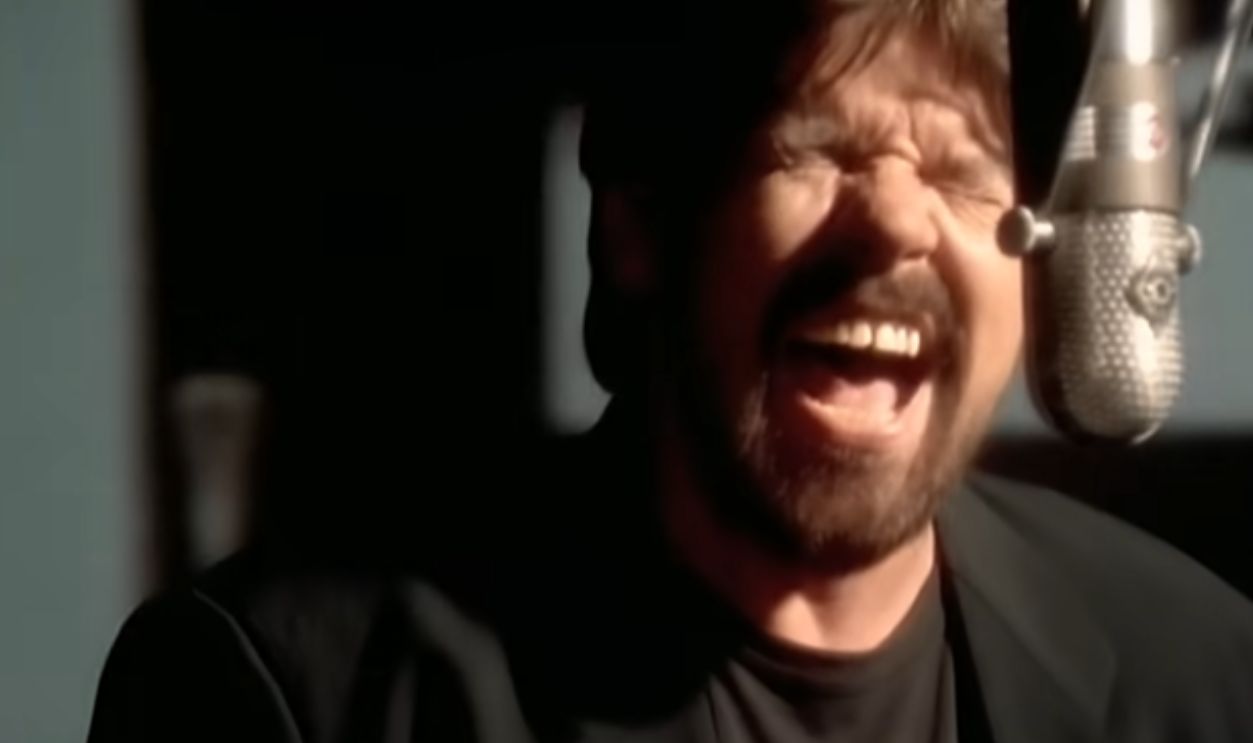 Screenshot from Turn the Page, Capitol Records (1973)
“Kingdom Come” (Sir Lord Baltimore, 1970)
This came out the same year as Black Sabbath’s debut, and it sounds like somebody was already trying to make heavy rock heavier. Kingdom Come is loud, frantic, distorted, and surprisingly close to the metal records that would follow. It never became a major hit, but hearing it now, it’s hard to believe this was sitting on record-store shelves in 1970.
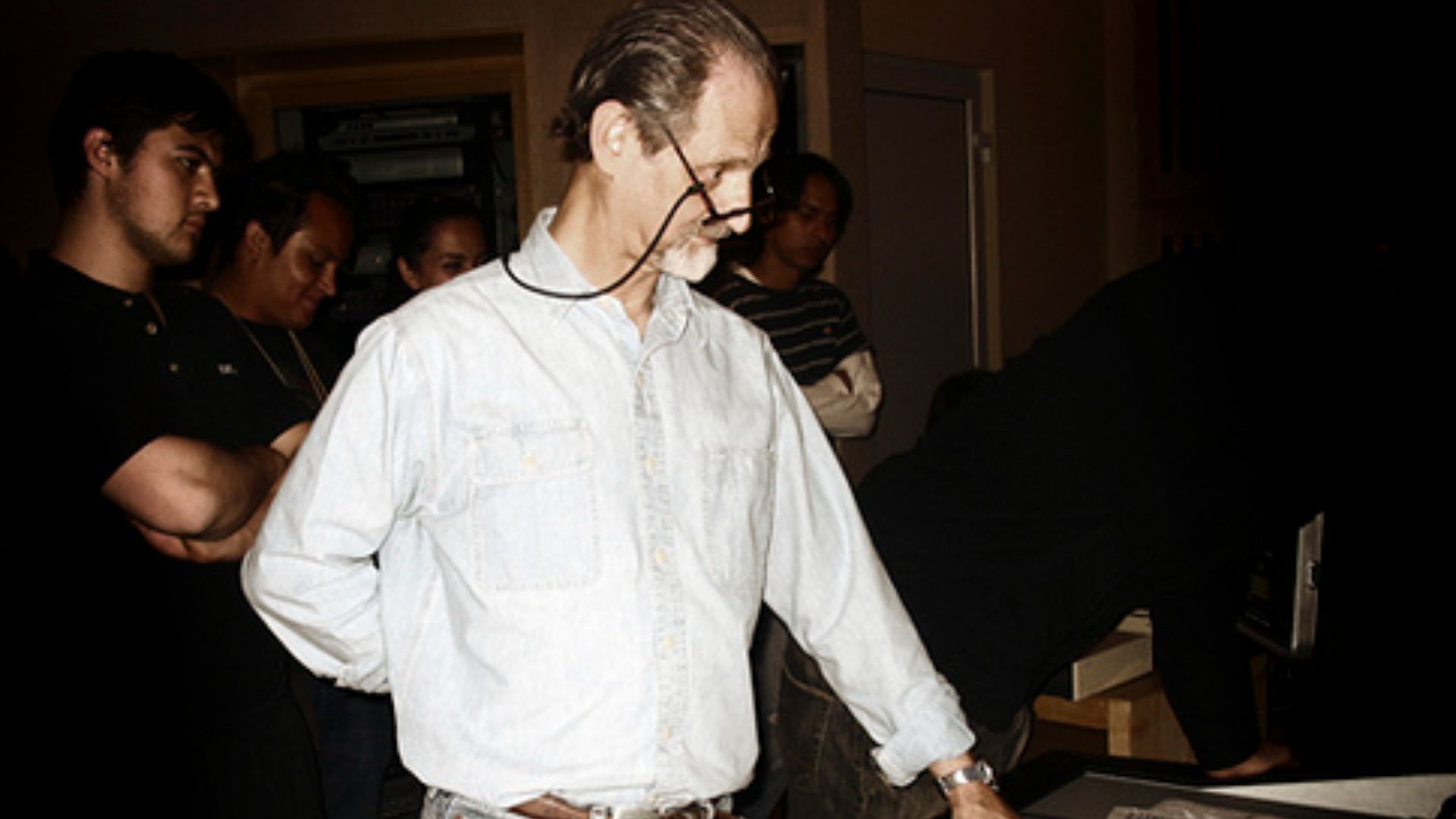 Fermatta Escuela de Música, Wikimedia Commons
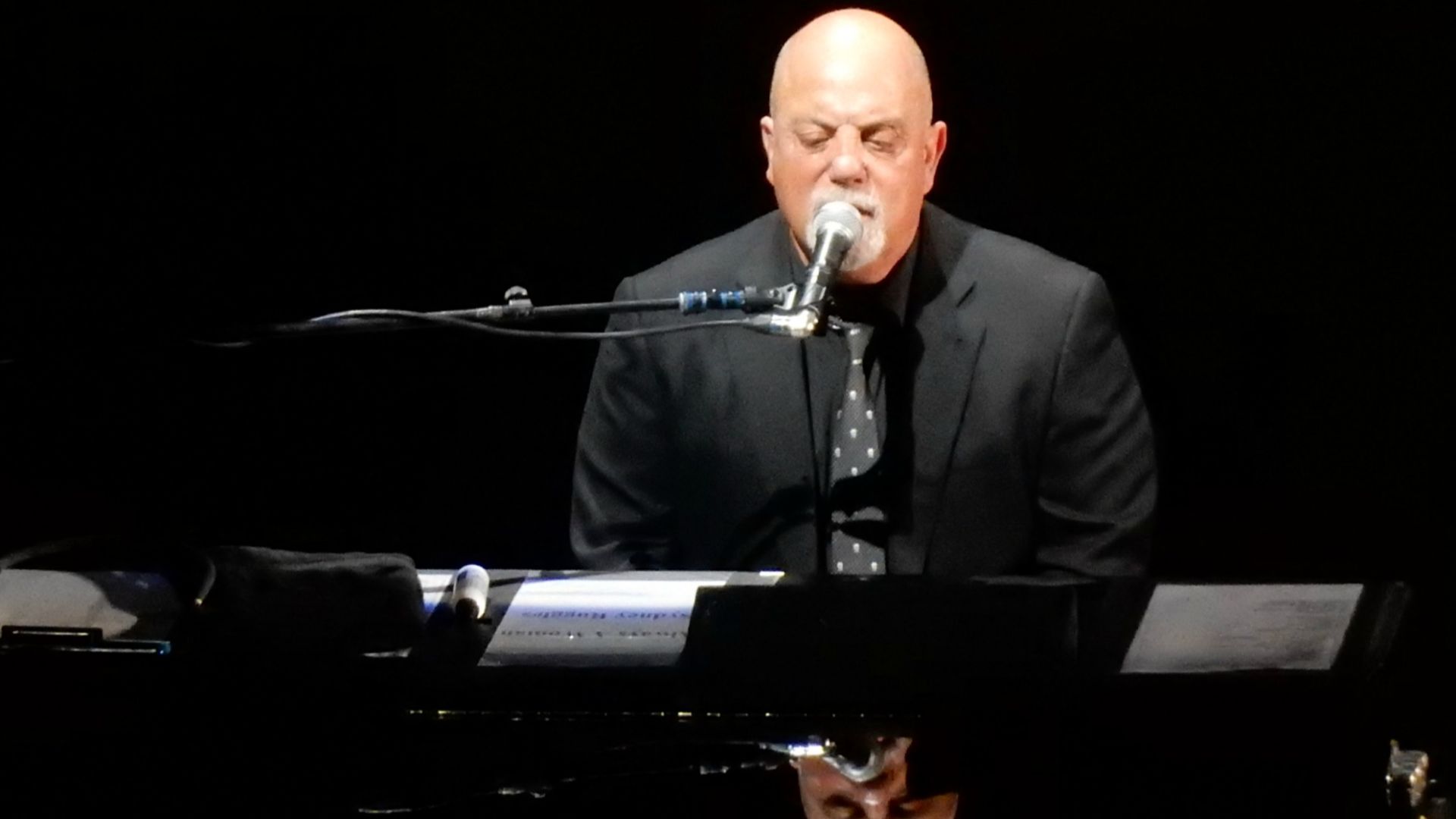
“Attila” (Attila, 1970)
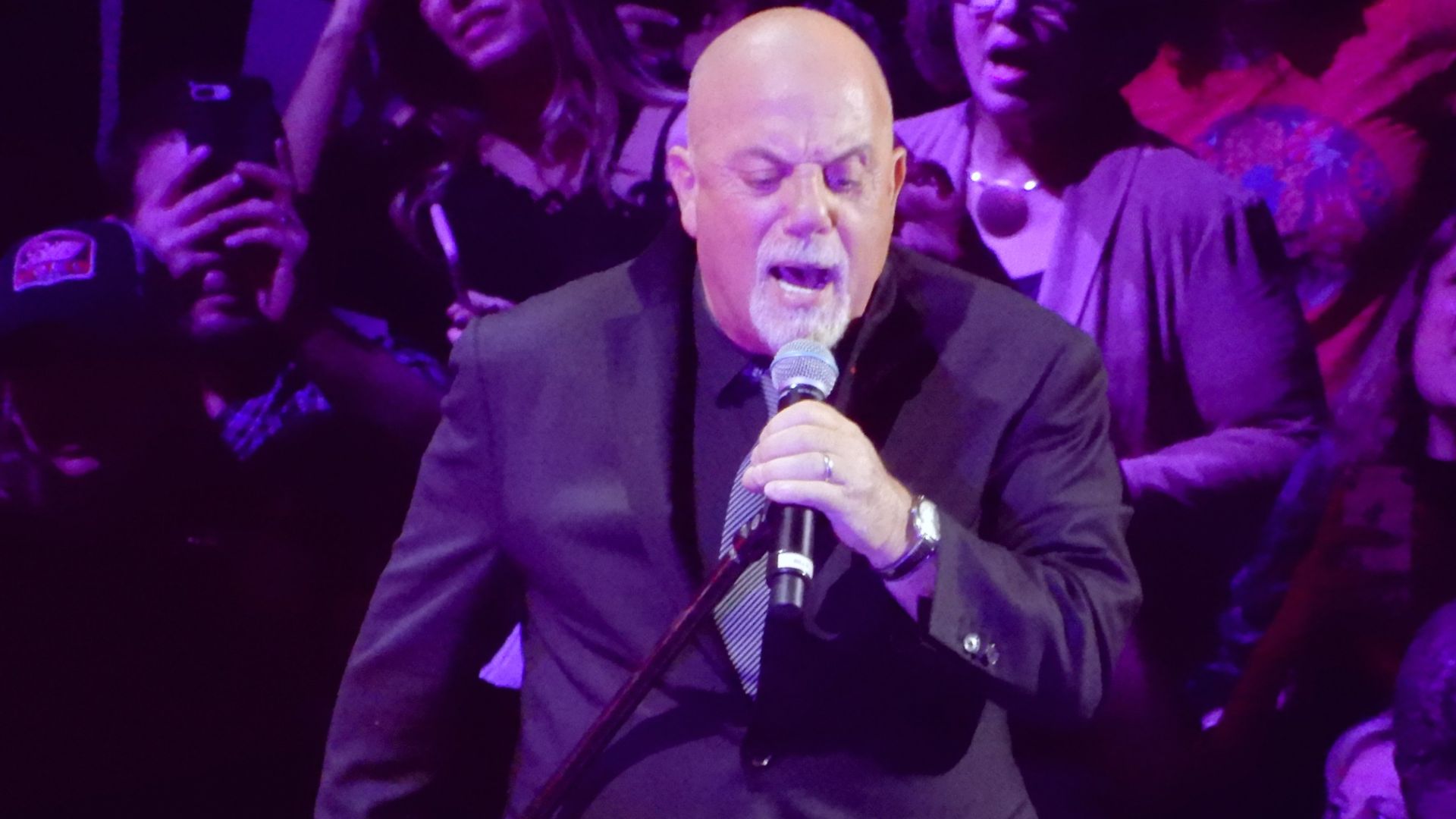
Before Piano Man, Billy Joel made one of the strangest albums of his career. In 1970, he and drummer Jon Small formed Attila and recorded an entire album built largely around drums and a heavily distorted organ. No guitar required. Attila is noisy, weird, wildly excessive, and almost impossible to connect with the Billy Joel who later wrote Just the Way You Are.
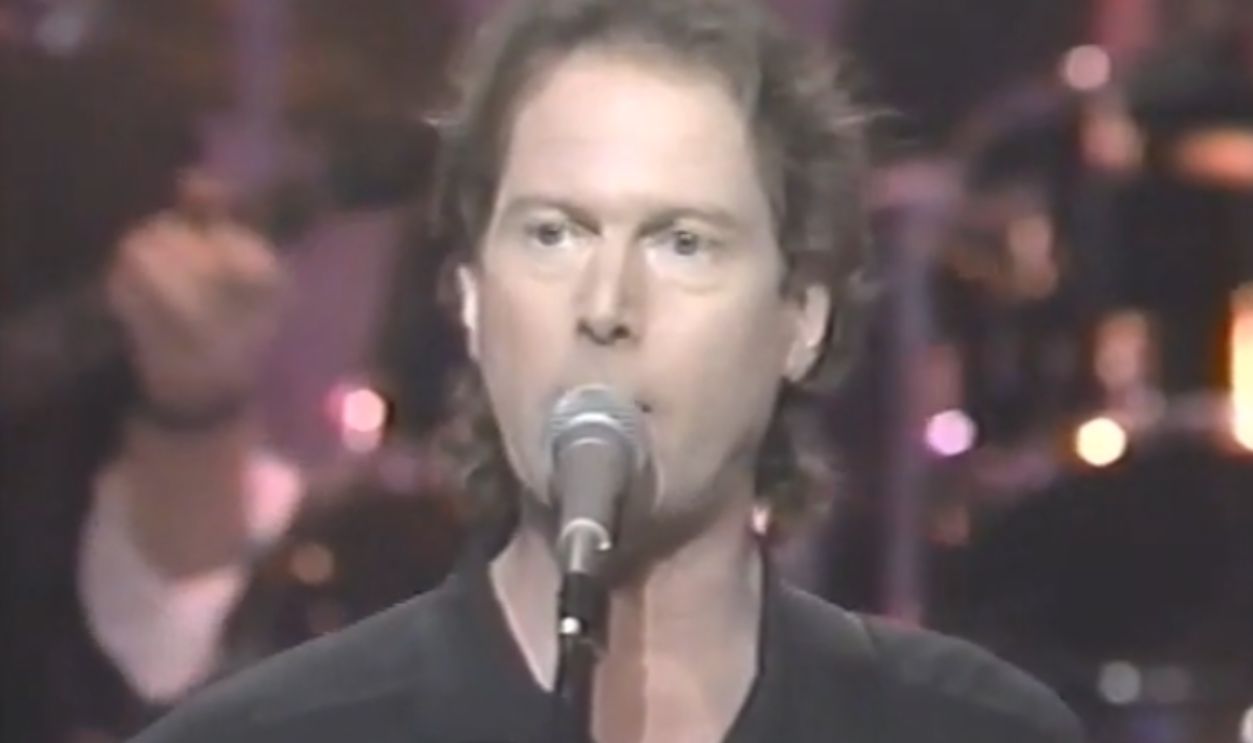
“Farther Along” (The Byrds, 1971)
The Byrds were already far removed from Mr. Tambourine Man when Farther Along appeared. Recorded quickly and produced by the band itself, the album mixes country-rock, bluegrass, gospel, and straight-ahead rock. It barely troubled the U.S. charts, and even by late-period Byrds standards, this one really did slip through the cracks.
 Screenshot from Tiffany Queen, Columbia Records (1971)
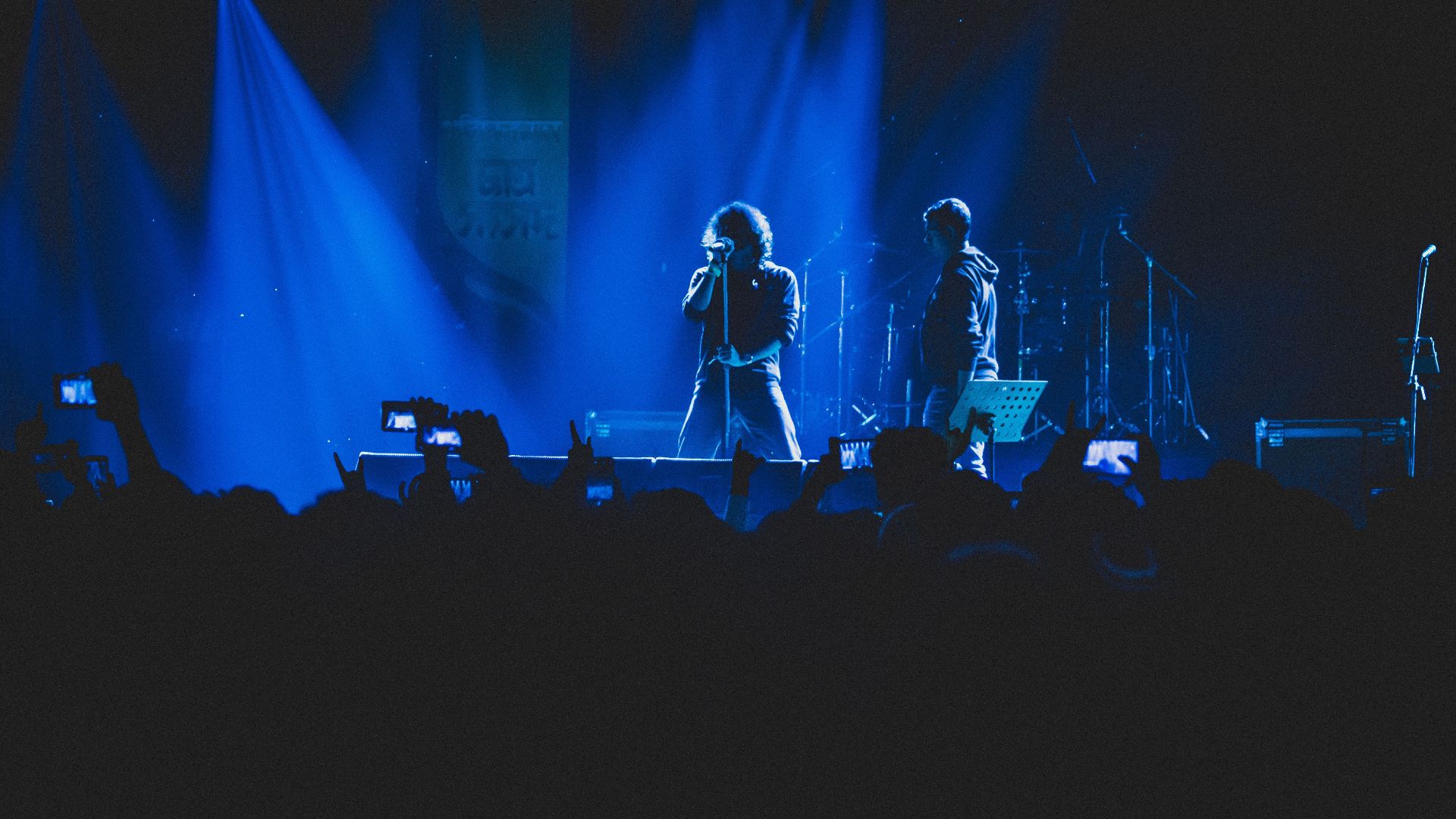
“It’ll All Work Out in Boomland” (T2, 1970)
Four songs. That’s all T2 needed. The last one, Morning, runs more than 20 minutes, because apparently stopping was simply not part of the plan. It’ll All Work Out in Boomland jumps between heavy rock, psychedelia, prog, and surprisingly melodic passages. T2 never released another album during their original run, but Boomland eventually became a cult favorite.
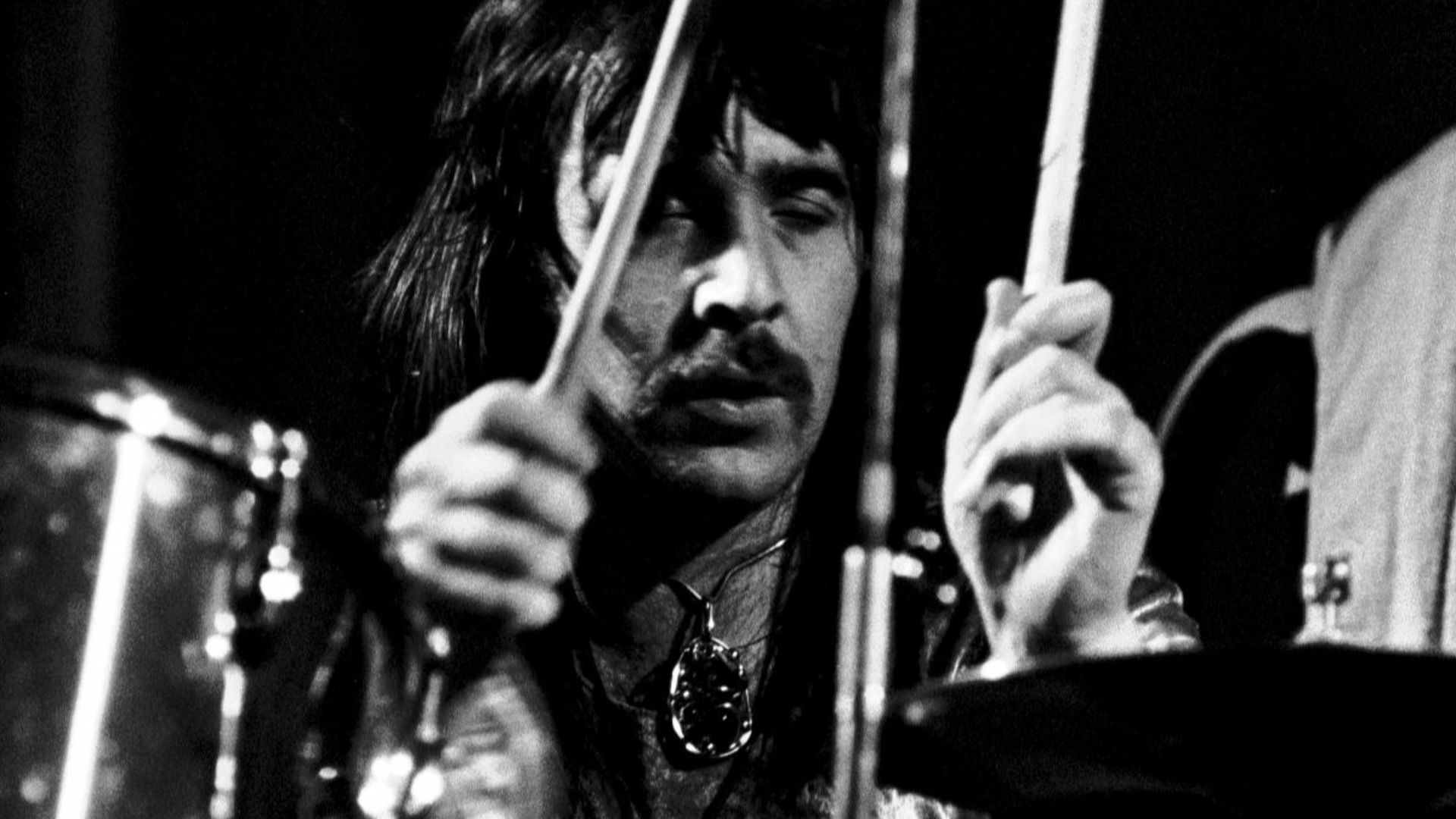
“Toe Fat” (Toe Fat, 1970)
Besides having one of the least glamorous band names imaginable, Toe Fat had some serious talent hiding inside it. Ken Hensley and Lee Kerslake would soon become major pieces of Uriah Heep, while John Glascock later joined Jethro Tull. The album itself is a wonderfully odd mixture of blues, psychedelia, soul, and early heavy rock.
 Heinrich Klaffs, Wikimedia Commons
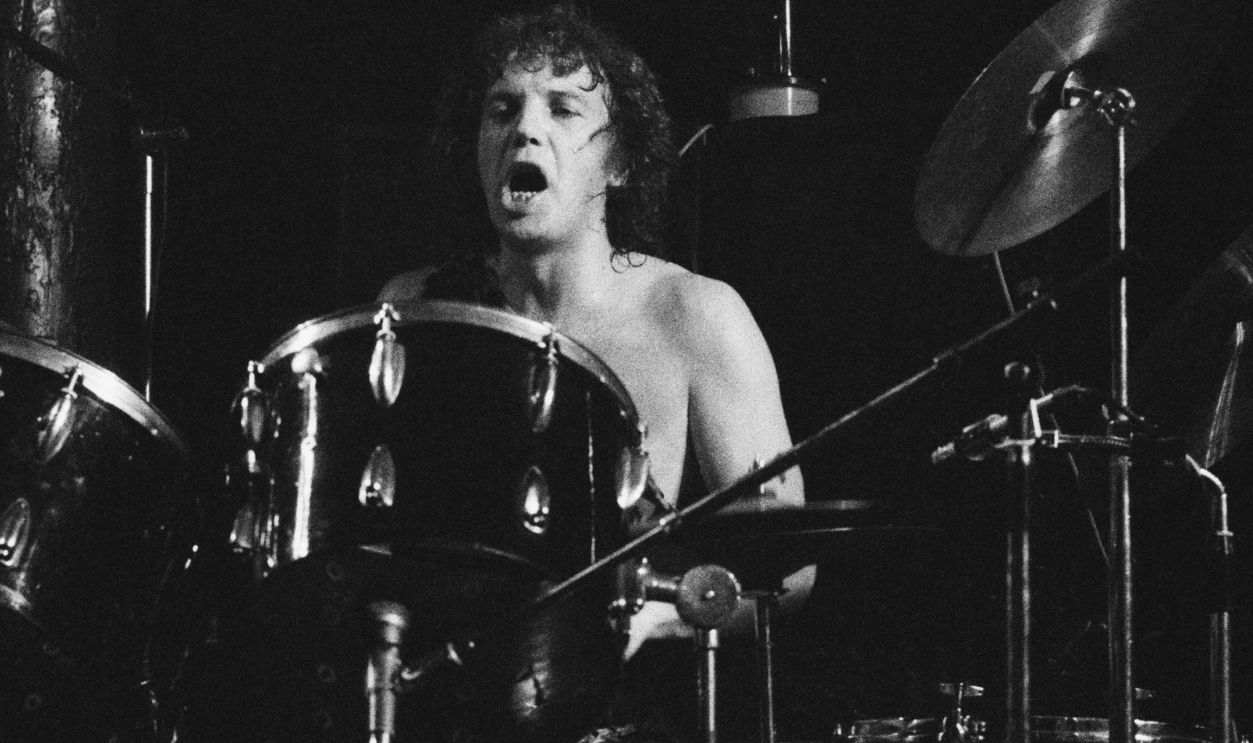
“May Blitz” (May Blitz, 1970)
There were a lot of power trios running around in 1970, so standing out was not exactly easy. May Blitz gave it a pretty good shot. The self-produced debut stretches heavy guitar riffs into long psychedelic jams, with enough progressive weirdness to keep things unpredictable. It feels less like a collection of singles and more like three musicians stretching every idea as far as it could go.
“Medusa” (Trapeze, 1970)
If Glenn Hughes’ later work with Deep Purple makes sense to you, Medusa fills in an important missing chapter. Trapeze’s second album strips things down to a muscular trio and lets Hughes’ voice and bass push everything forward. Black Cloud hits hard, Medusa gets more progressive, and the funkier touches hint at exactly where Hughes was headed next.
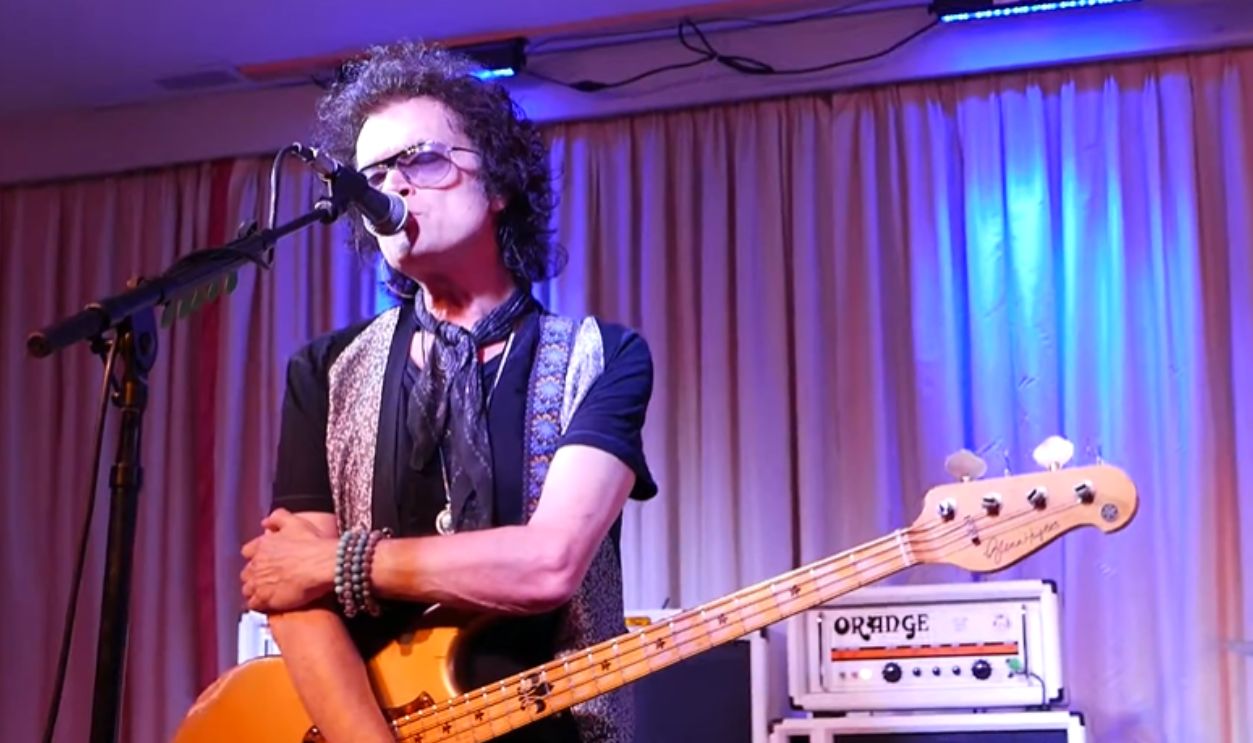 Screenshot from Medusa, Threshold Records (1970)
“Fuzzy Duck” (Fuzzy Duck, 1971)
Ignore the name for a second. Fuzzy Duck is filled with thick Hammond organ, heavy guitar, shifting rhythms, and exactly the sort of gloriously overstuffed arrangements you want from an obscure British rock album made in 1971. They only made one LP during their original run, which helped turn this strange little record into a collector favorite.

“Warhorse” (Warhorse, 1970)
Former Deep Purple bassist Nick Simper didn’t exactly abandon the sound of his old band. Warhorse is loaded with heavy guitar, prominent keyboards, long instrumental passages, and plenty of post-psychedelic wandering. Vulture Blood comes crashing out of the gate, while No Chance shows the album could slow things down without losing its weight.
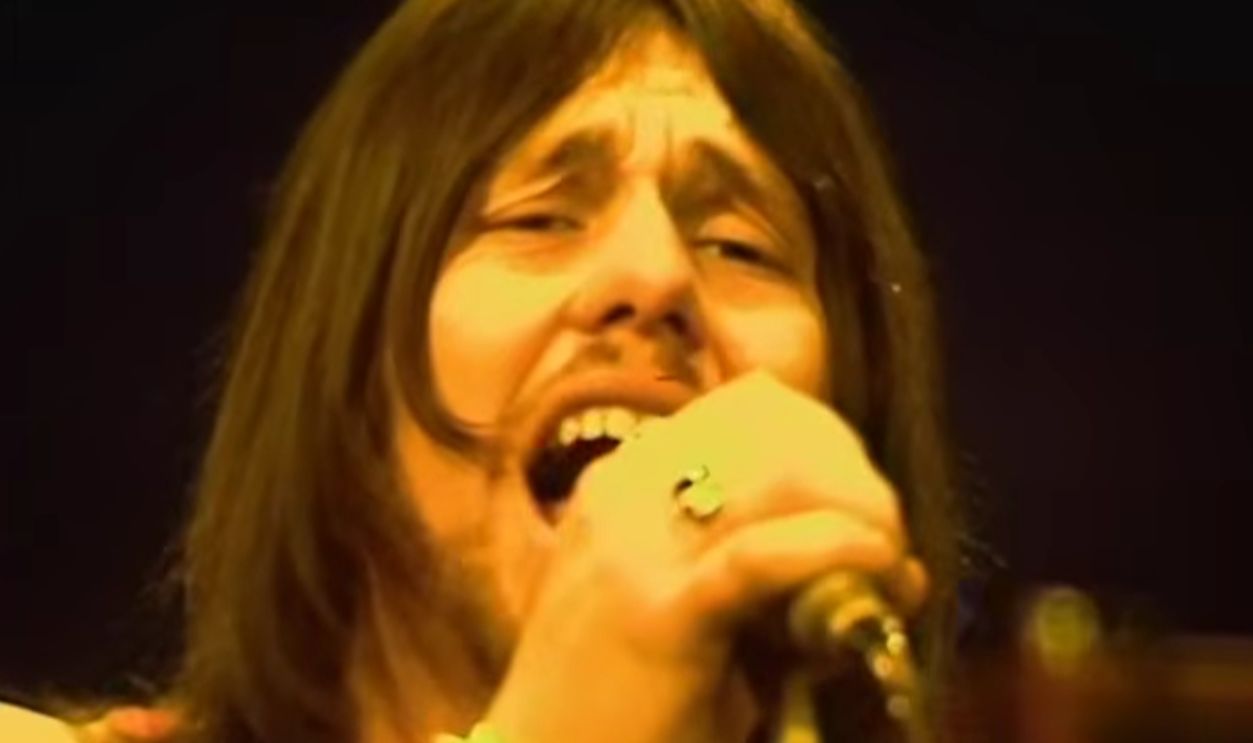 Screenshot from Ritual, Vertigo Records (1971)
“Bang” (Bang, 1972)
The band is Bang. The album is Bang. Subtlety has already left the building. The record takes the heavy riffing of Black Sabbath and adds just enough melody to keep everything moving, while Questions even scraped onto the Billboard Hot 100 at No. 90. The album itself mostly became another 70s hard-rock record later generations had to rediscover.
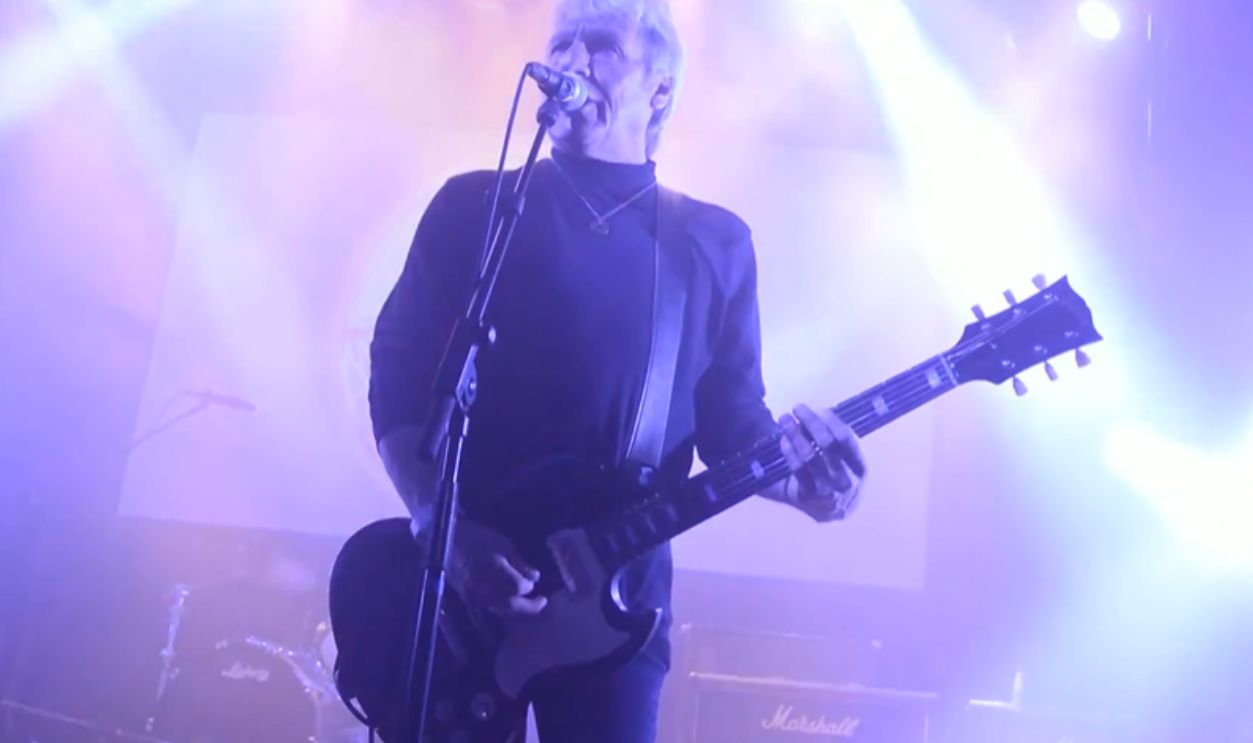 Screenshot from Lions, Christians, Capitol Records (1971)
“Jerusalem” (Jerusalem, 1972)
If Ian Gillan producing an unknown heavy-rock band in 1972 doesn’t make you curious, I’m not sure what will. Jerusalem is raw, loud, rough around the edges, and considerably less polished than Deep Purple. That is also most of its charm. Gillan didn’t turn them into Purple Jr. He mostly seems to have let them make a racket.
 Stefan Brending (2eight), Wikimedia Commons
“Hard Attack” (Dust, 1972)
Here’s one for your next rock trivia night: the drummer pounding away on Hard Attack is Marc Bell, better known later as Marky Ramone. But the album sounds nothing like the Ramones. Dust bounce between heavy rock, progressive structures, acoustic passages, and even orchestral touches. If you expect three-minute punk songs, you are going to be very confused.
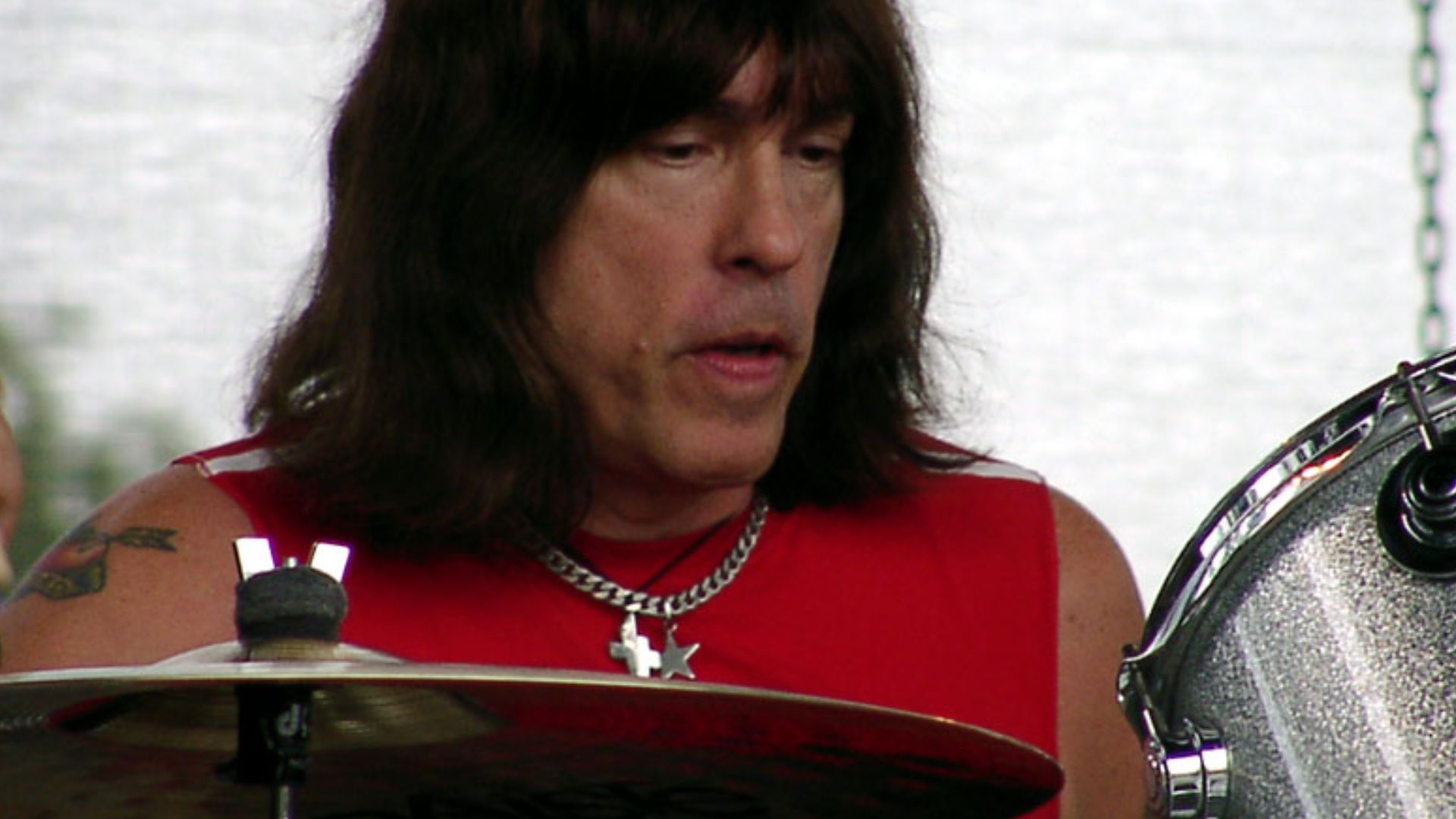 Photo by Matthias 'mattness' Bauer / Bright Eyes Magazine, Wikimedia Commons
“Captain Beyond” (Captain Beyond, 1972)
This album should come with a family tree. Singer Rod Evans had been in Deep Purple, while other members had played with Iron Butterfly and Johnny Winter. Yet Captain Beyond doesn’t simply sound like any of those bands. It keeps twisting through riffs, changing rhythms, and interconnected passages like one giant restless rock song.
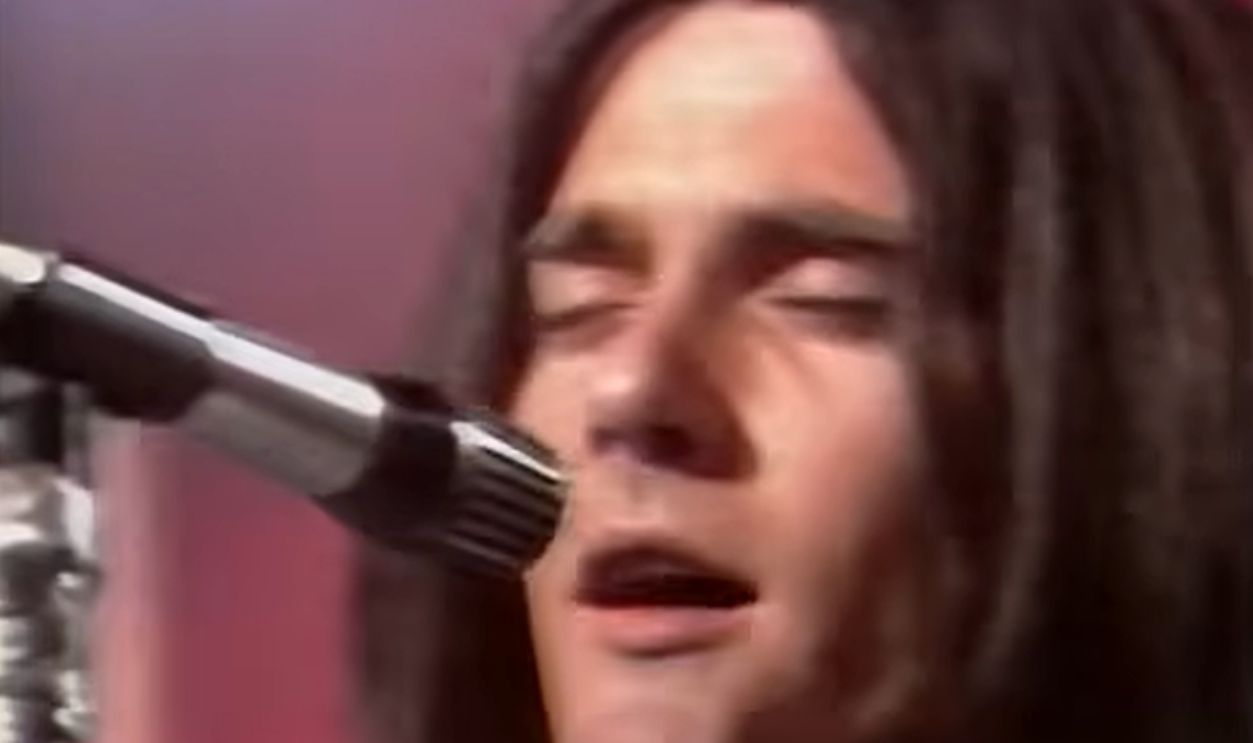 Screenshot from I Can't Feel Nothin', Capricorn Records (1972)
“The Táin” (Horslips, 1973)
Horslips looked to ancient Irish mythology and somehow came back with a rock album. The Táin combines traditional Irish melodies and instruments with guitars, progressive rock, and a full concept built around the ancient epic Táin Bó Cúilnge. On paper, ancient mythology plus prog rock sounds like homework. Somehow, the album is anything but.
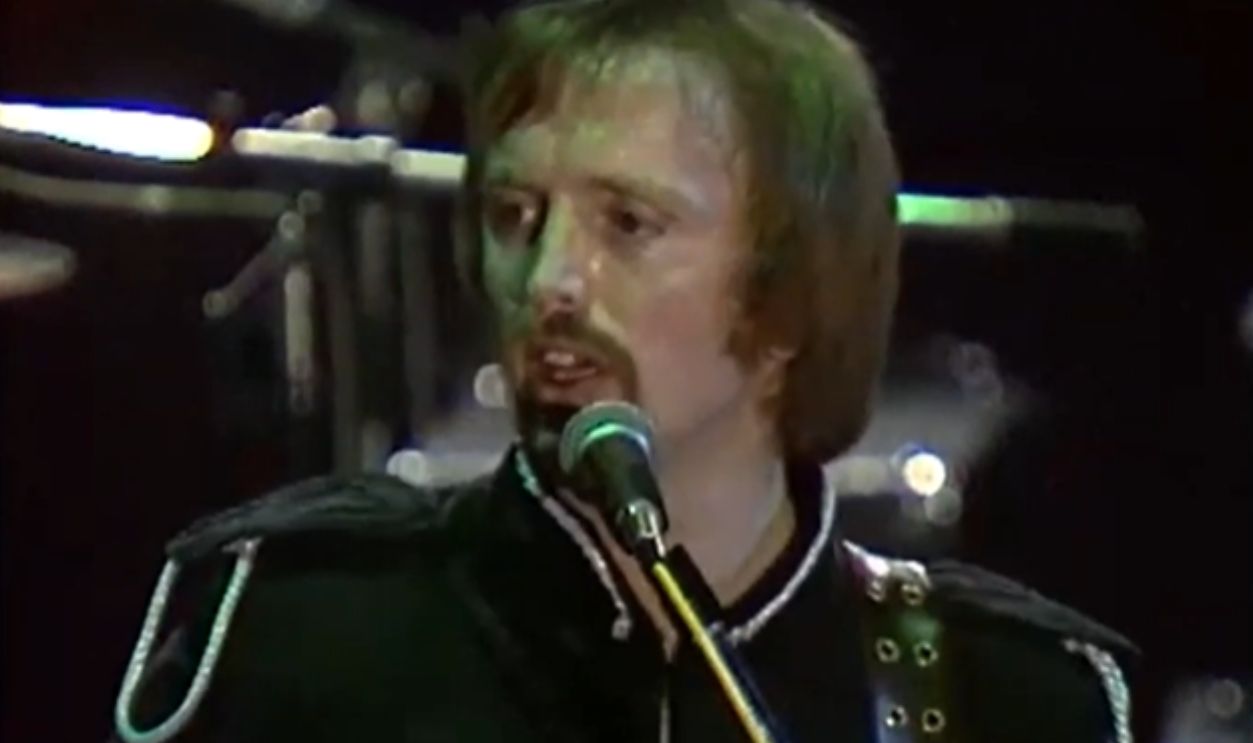 Screenshot from You Can't Fool the Beast, Horslips Records (1973)
“The Only Truth” (Morly Grey, 1972)
If you found an original copy of this in a bargain bin, congratulations—you did very well. Ohio power trio Morly Grey released The Only Truth on tiny Starshine Records, and the album eventually became heavily sought after and bootlegged. Musically, it moves from heavy psychedelia into progressive territory, with the title track stretching across most of the second side.
“Could You Understand Me” (Fire, 1973)
Fire came from Yugoslavia but recorded Could You Understand Me in the Netherlands, and the result sounds like someone plugged Cream into considerably dirtier amplifiers. Heavy fuzz guitar dominates the record, but there’s enough psychedelic wandering to keep it from becoming one endless riff. It was their only original album, and obscure barely begins to cover it.
 Screenshot from Could You Understand Me, Killroy (1973)
“Preservation Act 2” (The Kinks, 1974)
You know You Really Got Me. You know Lola. But do you remember the Kinks making a sprawling theatrical concept album filled with characters, spoken announcements, political satire, and a continuing story? Preservation Act 2 barely made a dent commercially in the U.S. and remains one of the strangest, most overlooked corners of the band’s enormous catalog. This one absolutely qualifies.
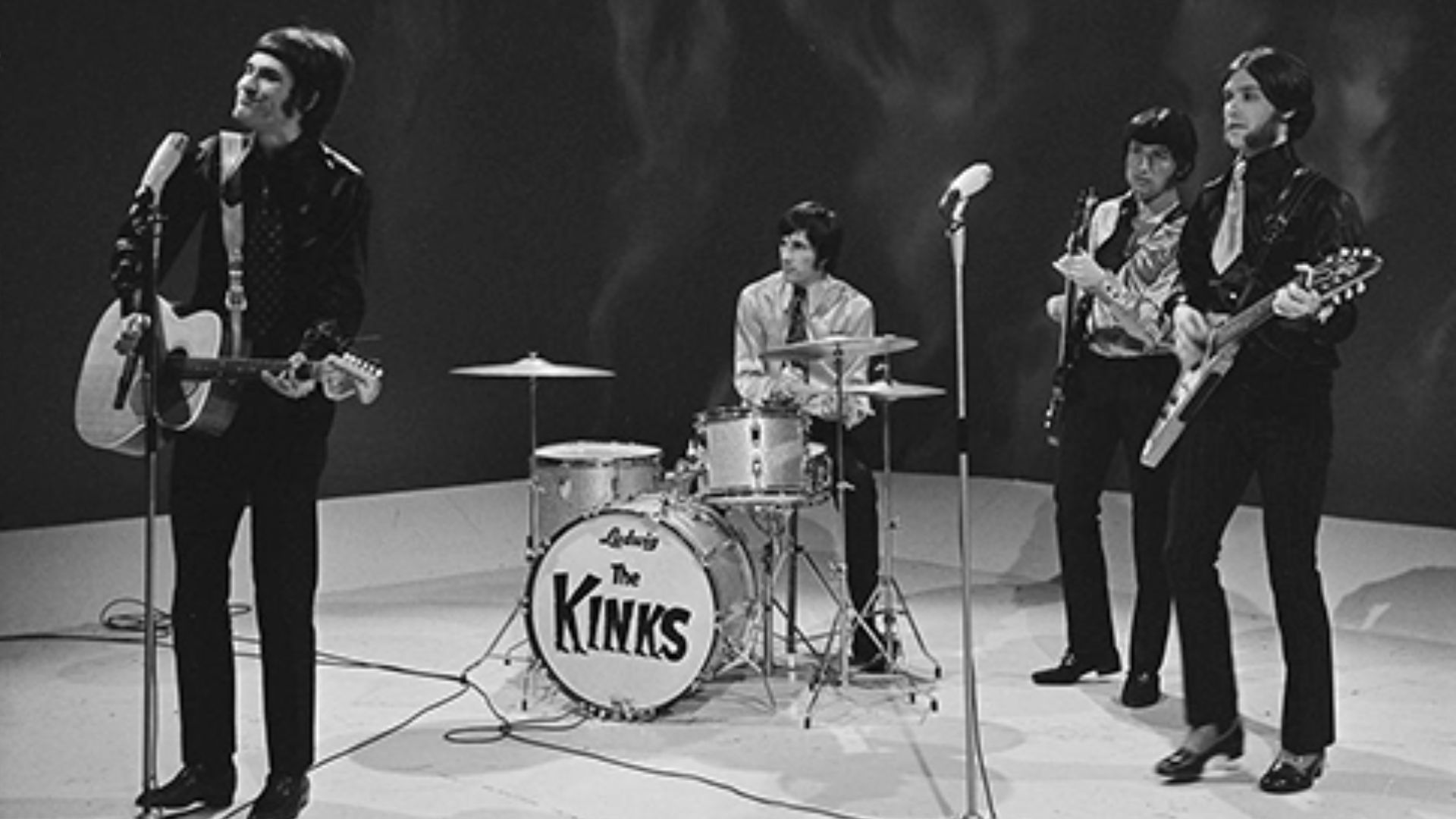 VARA. Photographer: W. Veenman, Wikimedia Commons
“Armageddon” (Armageddon, 1975)
Keith Relf had already sung with the Yardbirds and co-founded Renaissance before making this album. With musicians from Steamhammer and Captain Beyond joining him, Armageddon had the personnel of a supergroup and the commercial fortunes of almost anything but one. The album mixes massive guitars, progressive detours, and Relf’s unmistakable voice into something that should be much better known.
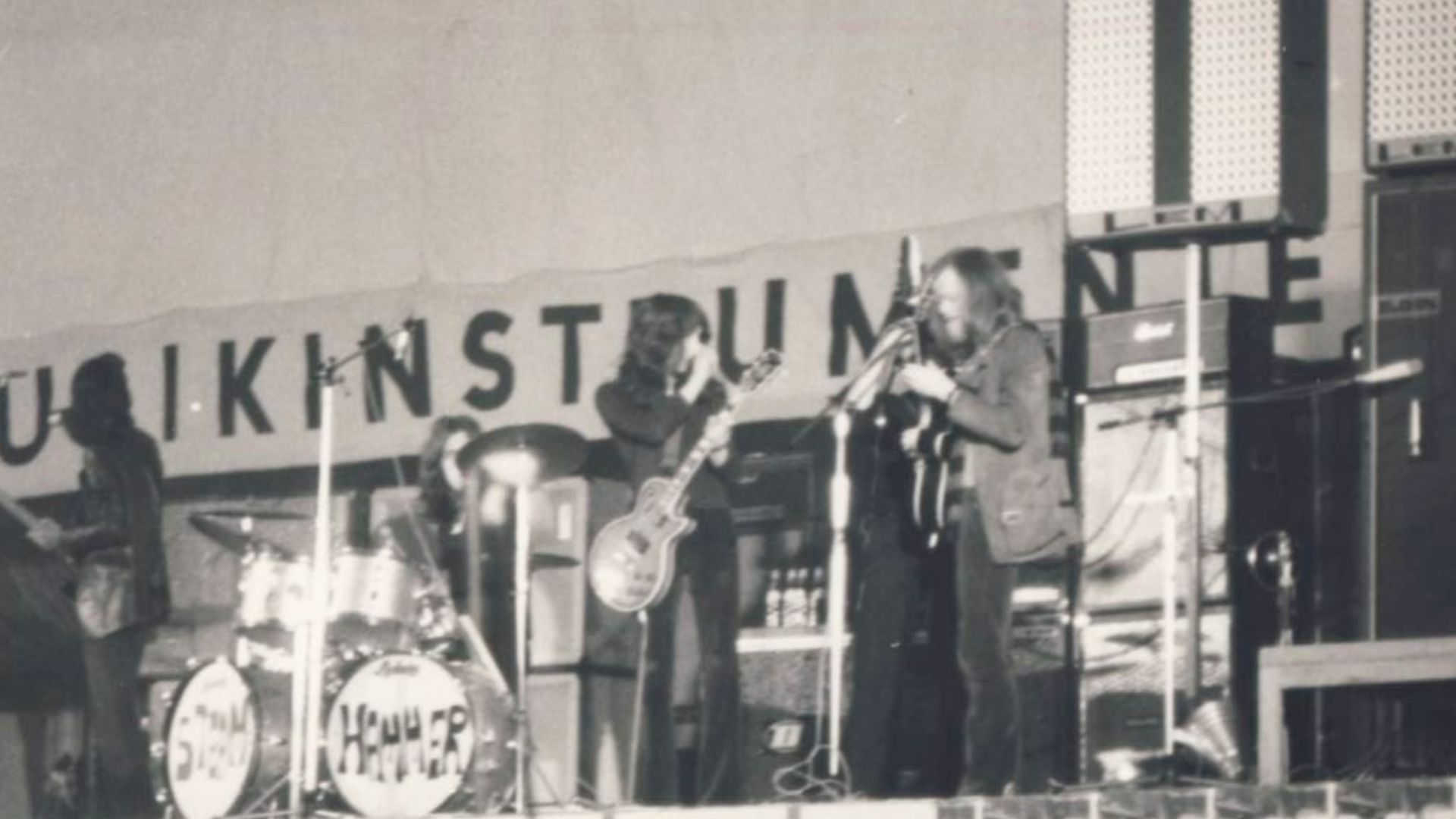 Dr. Ronald Kunze, Wikimedia Commons
“Crack the Sky” (Crack the Sky, 1975)
Here’s where obscurity gets strange. Crack the Sky received terrific critical notices and offered clever lyrics, stacked harmonies, punchy guitars, and progressive arrangements that stay catchy instead of turning into a 12-minute math problem. Yet the record never turned Crack the Sky into a national phenomenon. This is the kind of album that makes discovering old music ridiculously fun.
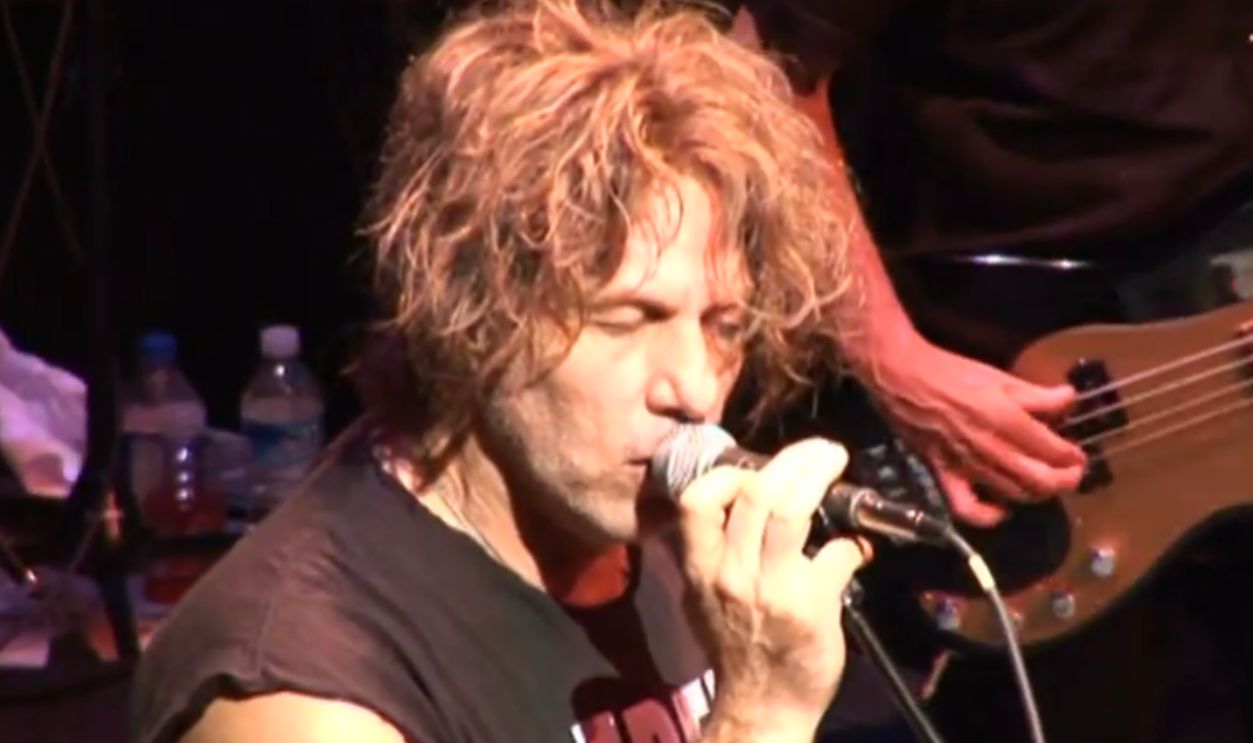 Screenshot from Hold On, Lifesong Records (1975)
“Pampered Menial” (Pavlov’s Dog, 1975)
You are going to have an opinion about David Surkamp’s voice almost immediately. It is incredibly high, instantly recognizable, and absolutely central to Pampered Menial. Add Mellotron, violin, guitar, and the haunting Julia, and you get an album that sounds like almost nobody else making rock in 1975. Whether you love it or flee the room is another question.
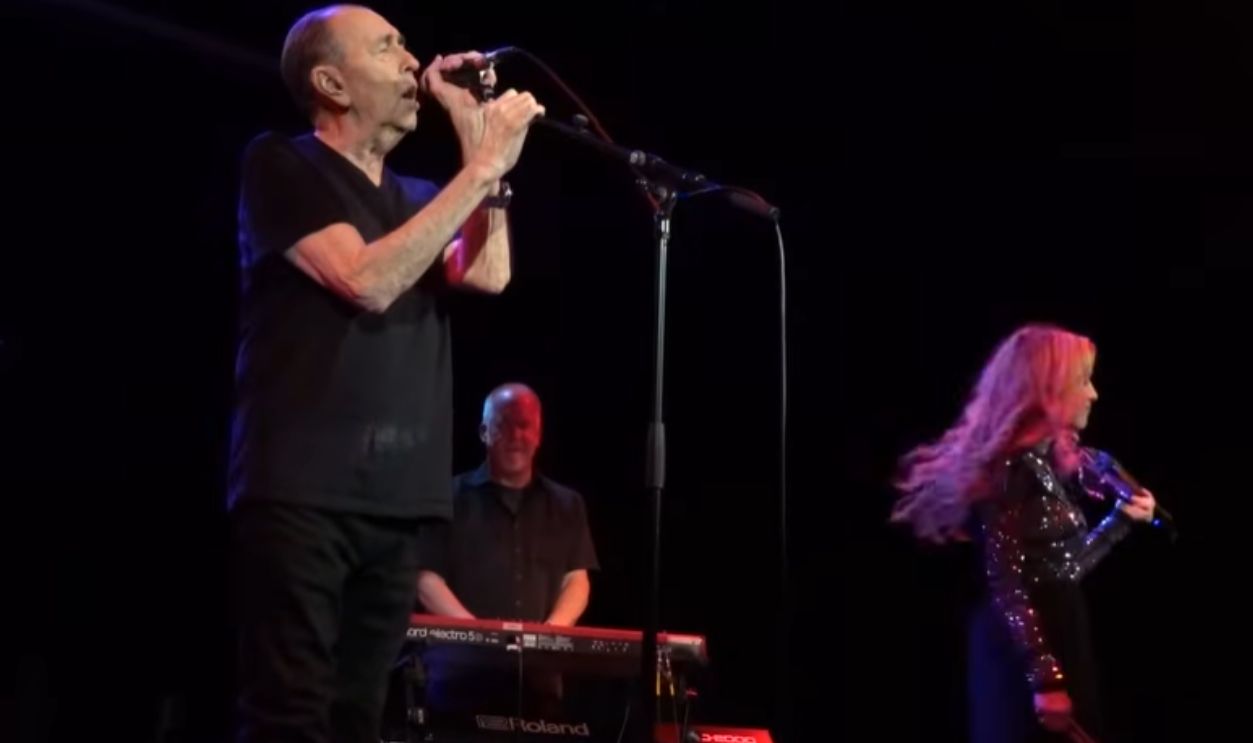 Screenshot from Natchez Trace, Columbia Records (1975)
“Moxy” (Moxy, 1975)
Moxy already had enough guitar to qualify for this list. Then Tommy Bolin showed up. The future Deep Purple guitarist played lead solos on six of the album’s eight tracks, adding another layer to a debut already filled with heavy riffs and swagger. It sounds like something that should have spent years blasting out of American car stereos. Instead, it remained a cult record.
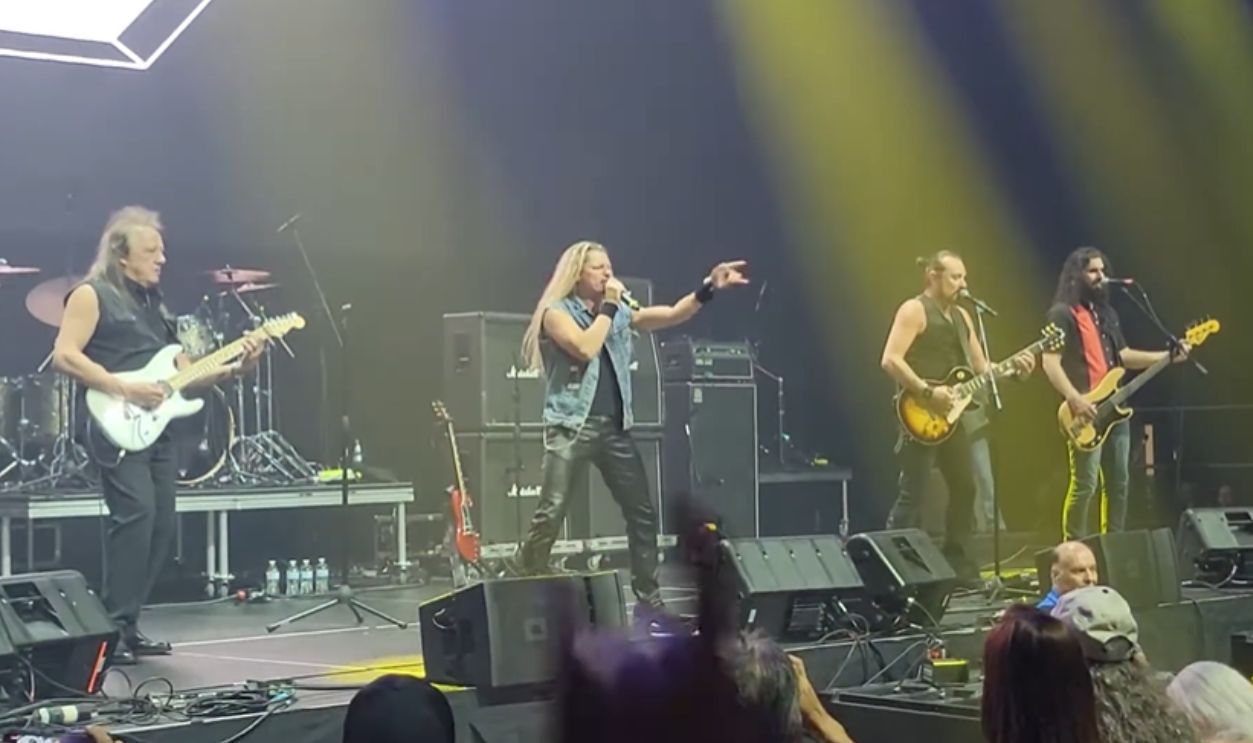 Screenshot from Sail On Sail Away, Polydor Records (1975)
“Detective” (Detective, 1977)
Led Zeppelin’s Swan Song label seemed like the perfect home for Detective. Former Yes keyboardist Tony Kaye was in the band, Michael Des Barres handled the vocals, and the album had plenty of big, polished hard rock. Tracks like Nightingale and Deep Down certainly sounded radio-ready. The breakthrough never really arrived, leaving the album stranded in a very 1977 corner of rock history.
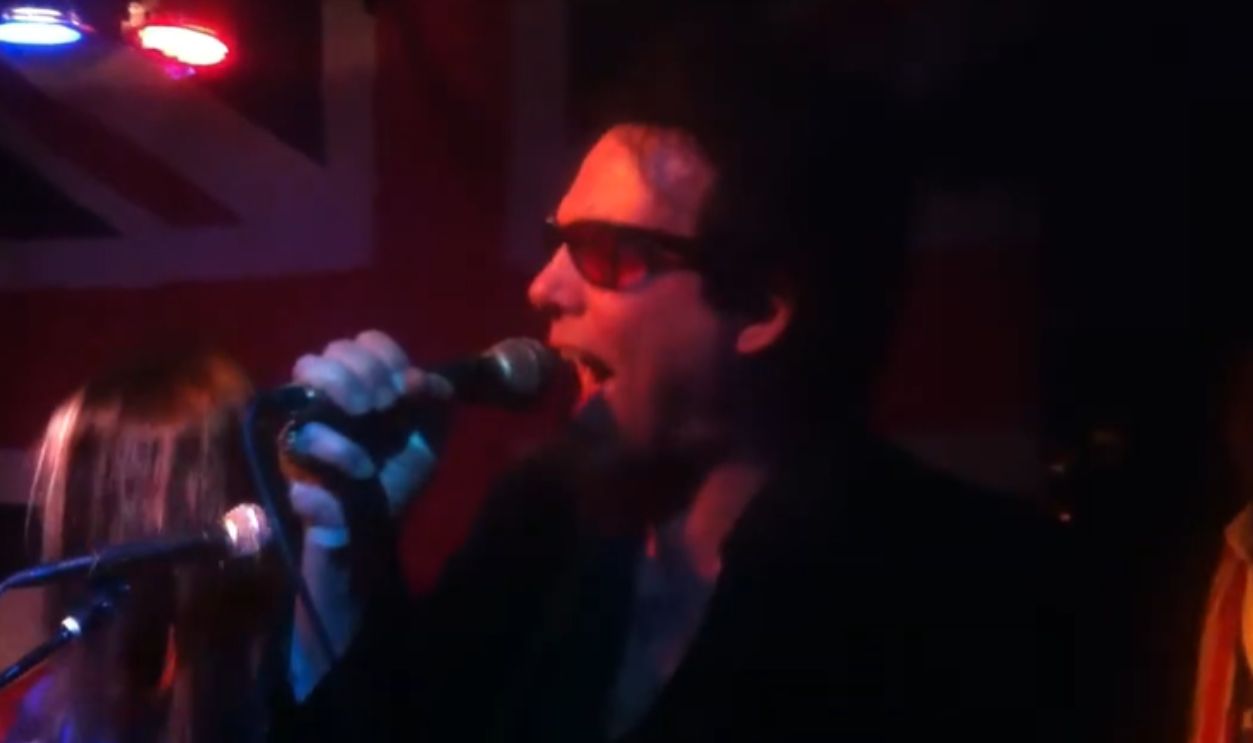 Screenshot from Detective Man, Swan Song Records (1977)
“High Class in Borrowed Shoes” (Max Webster, 1977)
Canadian readers may have an unfair advantage here. High Class in Borrowed Shoes actually did well enough to go Gold in Canada, where Max Webster were considerably more visible. Outside Canada, though, plenty of rock fans have probably never heard the thing. Produced by longtime Rush producer Terry Brown, it captures Kim Mitchell and company mixing hard rock with art-rock weirdness in ways that make perfect sense—and occasionally no sense whatsoever.
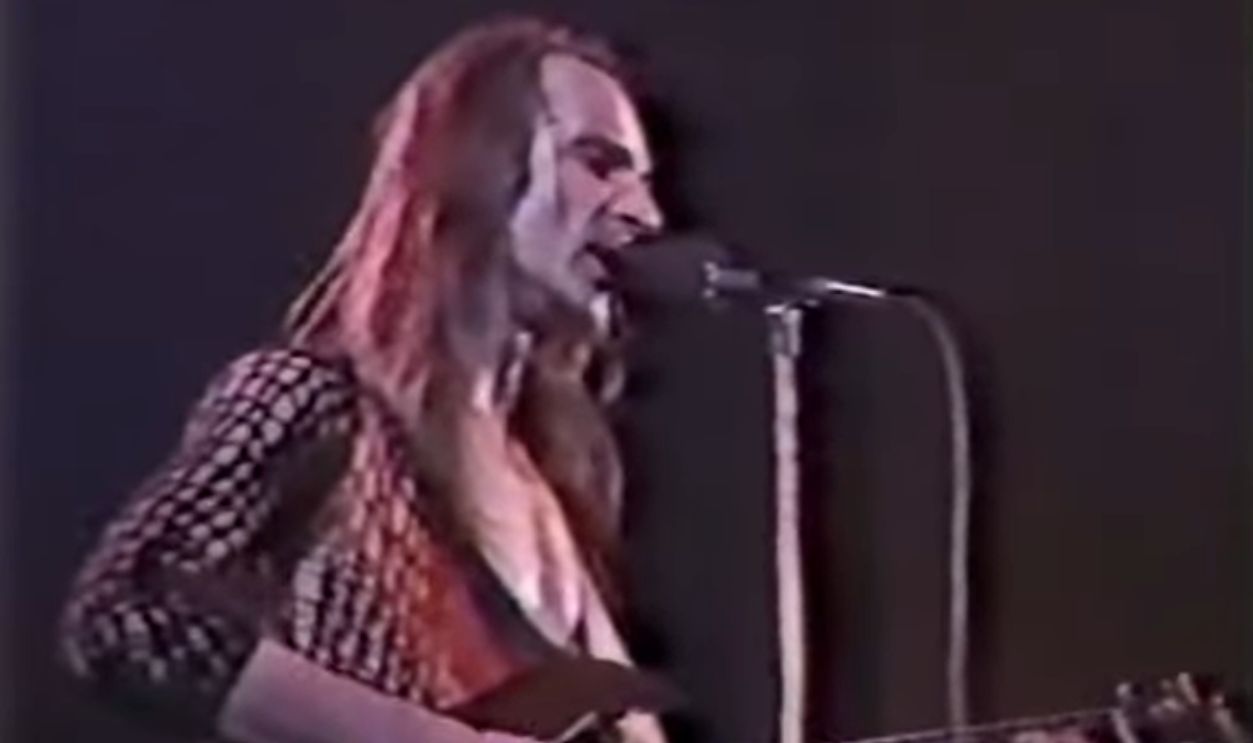 Screenshot from High Class in Borrowed Shoes, Anthem Records (1977)
“Rock City” (Riot, 1977)
Before 80s metal took over, Riot were already moving in that direction. Rock City is fast, melodic, guitar-heavy, and considerably leaner than much of the lumbering hard rock surrounding it in 1977. The album never became part of the standard classic-rock canon, which is strange because a lot of the metal that followed would sound surprisingly close to what Riot were already doing here.
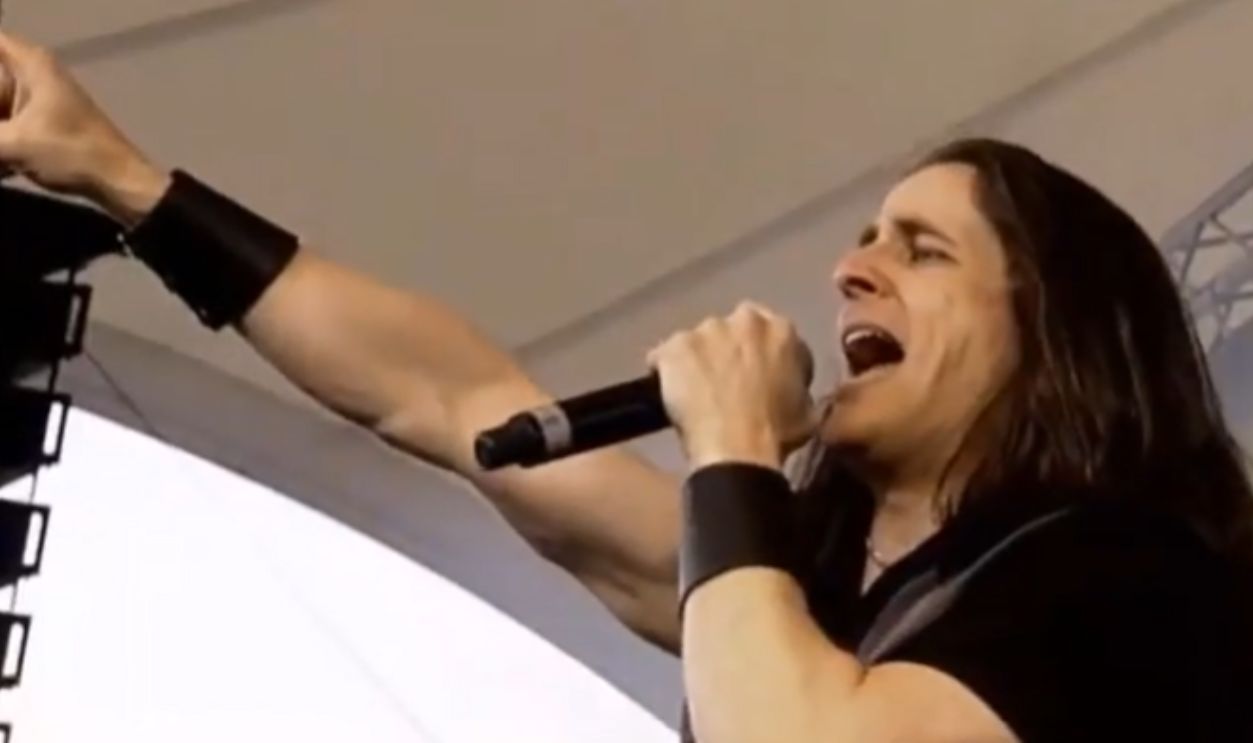 Screenshot from Rock City, Fire Sign Records (1977)
Okay, Who Actually Heard One?
I’m not talking about discovering one of these on Spotify three years ago (although, that’s still cool). I mean, did anyone actually walk into a record store in the 70s and come home with Leaf Hound, T2, Morly Grey, Fuzzy Duck, or Sir Lord Baltimore under their arm? And if you somehow owned Billy Joel’s Attila album before Piano Man came along…I have several questions, and a handshake, for you.
You Might Also Like:
Bands From The 1960s Music Boom That Once Packed Arenas, But Are Barely Remembered Today
Great Songs Baby Boomers Loved In The 1970s—That Millennials Actually Still Listen to Today