When Dysfunction Became The Soundtrack
Some bands fall apart under pressure. Others somehow turn that tension into something unforgettable. Ego clashes, breakups, addiction, rivalries—these aren’t just footnotes in music history. In some cases, they’re the reason the music hit as hard as it did. These bands didn’t succeed despite the chaos. They turned it into fuel, creating songs and albums that still feel alive decades later.

Heart
Heart’s rise was deeply tied to the Wilson sisters’ relationships with band members Mike Fisher and Roger Fisher. When those relationships collapsed, so did the band’s stability. The split created lasting resentment, particularly as Roger Fisher left the group. Ann and Nancy pushed forward, channeling heartbreak and betrayal into songs that felt personal without losing their hard rock edge.
 CBS Portrait, Wikimedia Commons
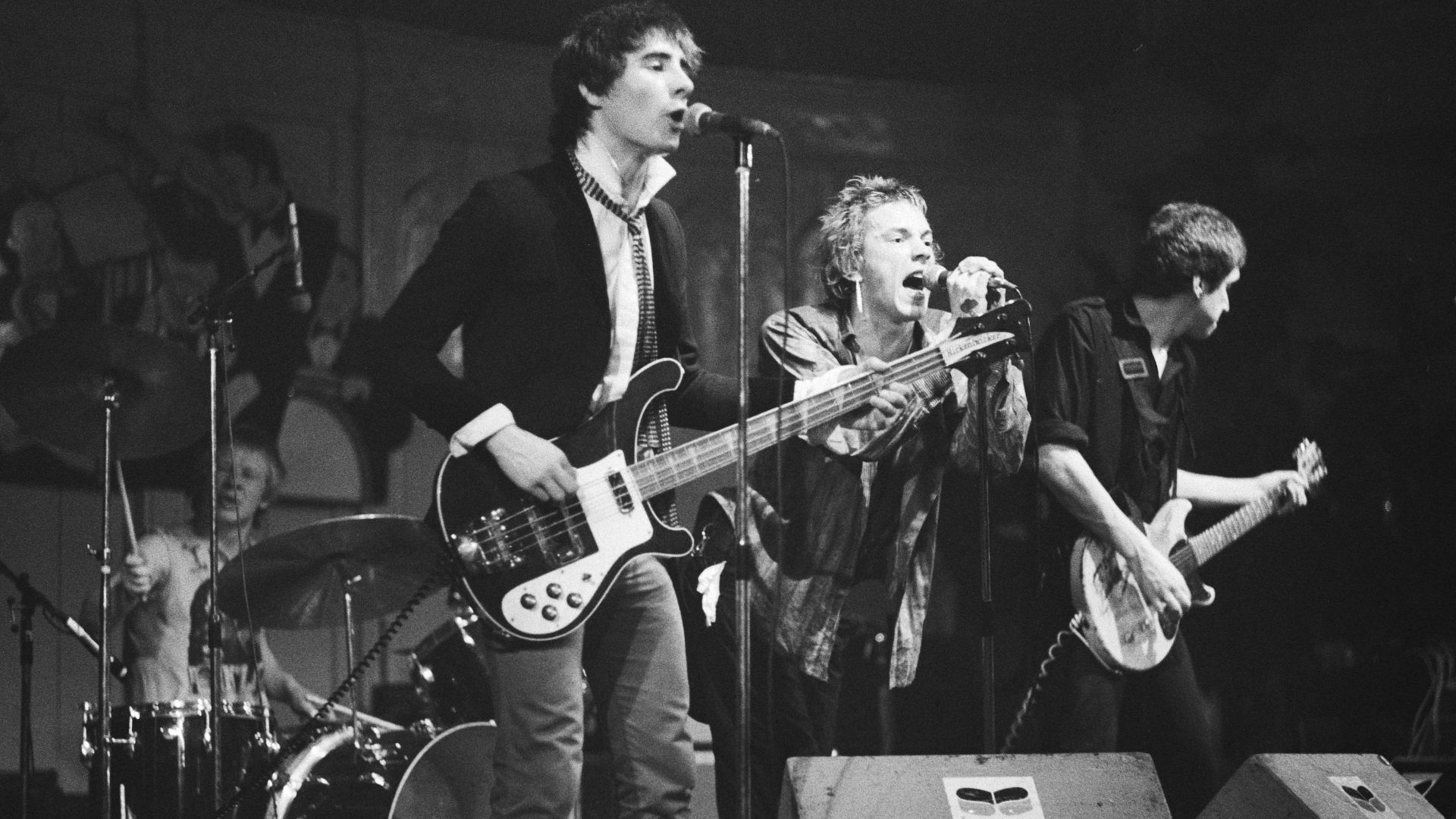
Sex Pistols
The Sex Pistols were chaos from the start. Johnny Rotten clashed constantly with manager Malcolm McLaren over control and image, while Sid Vicious’s drug use made performances unpredictable. The band imploded during their 1978 U.S. tour, with Rotten famously asking the crowd if they’d “ever felt cheated.” That breakdown became part of their myth, cementing their short career as pure punk volatility.
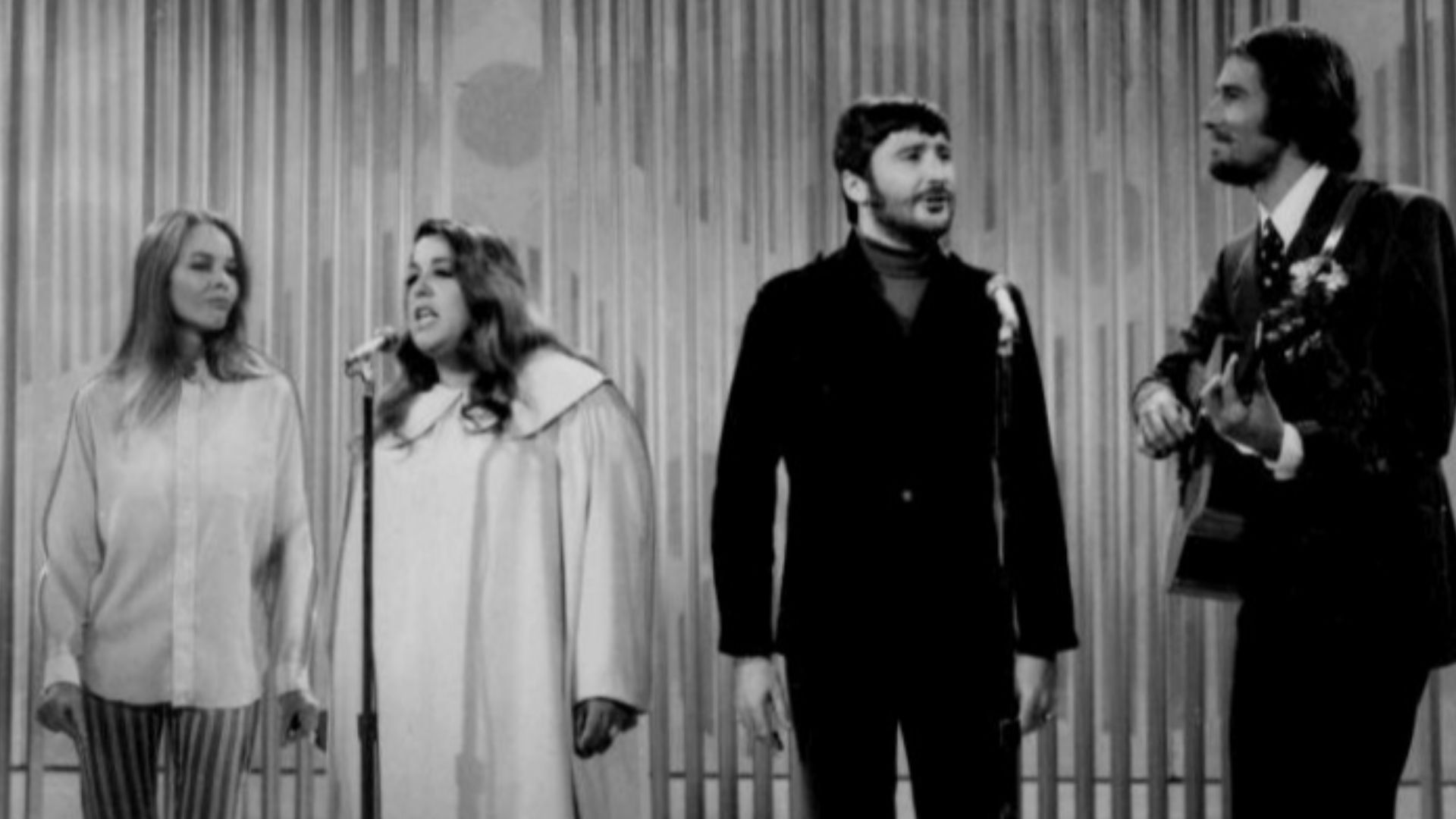
The Mamas & The Papas
The band’s internal relationships were a constant source of tension. John Phillips’s tumultuous marriage with bandmate Michelle Phillips, followed by her affair with Denny Doherty, created a cycle of jealousy and fallout. Michelle was even briefly kicked out. Despite the turmoil, their harmonies remained seamless, creating a strange contrast between the emotional chaos behind the scenes and the calm sound they projected.
 CBS Television, Wikimedia Commons
Van Halen
Van Halen’s success couldn’t hide the growing divide between David Lee Roth and Eddie Van Halen. Roth wanted to lean into flashy showmanship, while Eddie focused on pushing musical boundaries. Arguments over creative control escalated, and communication broke down entirely. By 1985, Roth left the band, marking the end of a partnership that defined their most explosive era.
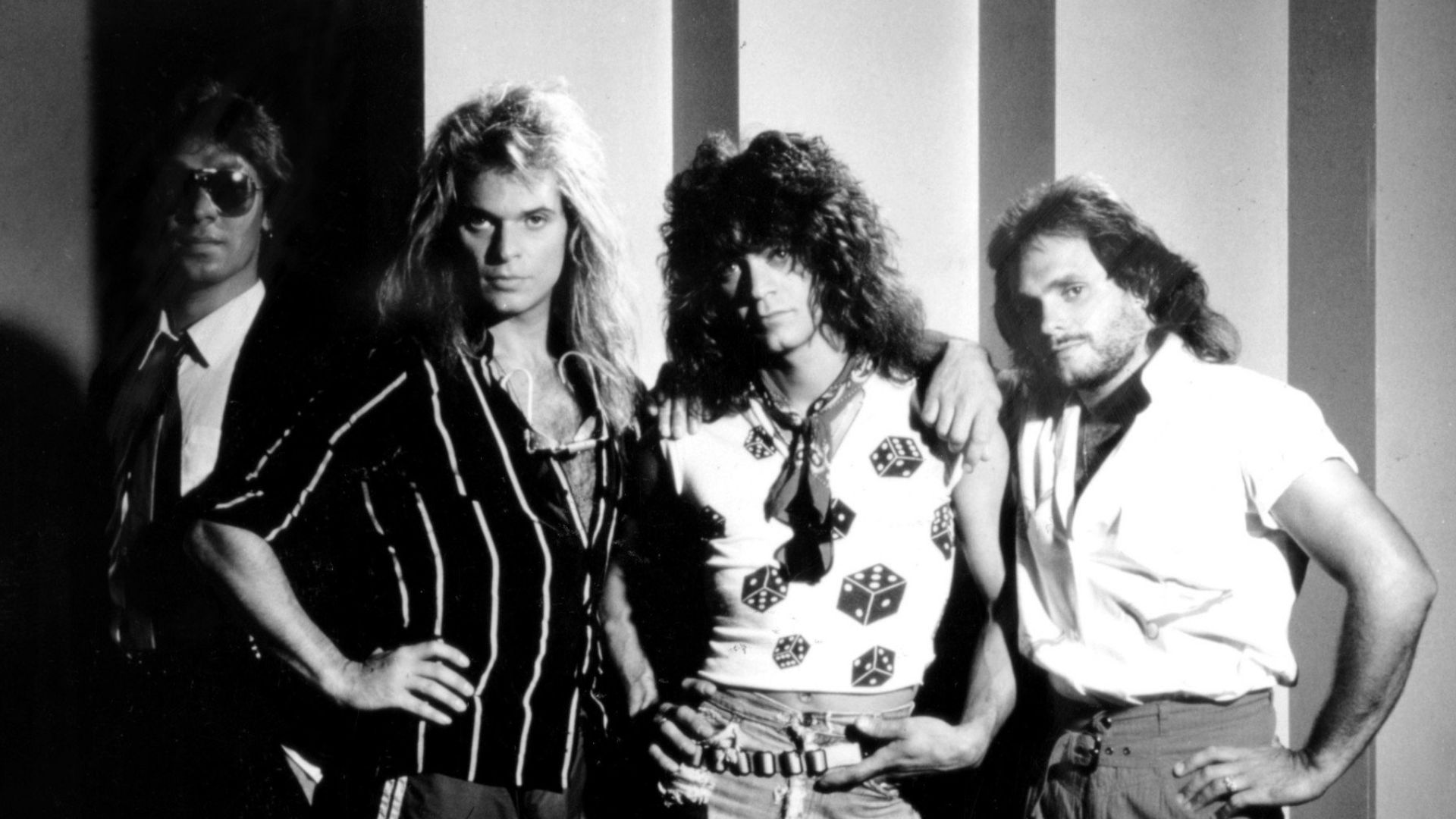 Warner Records, Wikimedia Commons
The Go-Go’s
The Go-Go’s were dealing with more than just fame. Substance abuse, particularly cocaine use, strained relationships within the band. At the same time, disputes over songwriting credits created tension, with some members feeling sidelined. By the mid-80s, the pressure became too much, leading to their breakup just as their popularity was peaking.
 Janette Beckman; Distributed by International Record Syndicate (I.R.S Records), Wikimedia Commons
ABBA
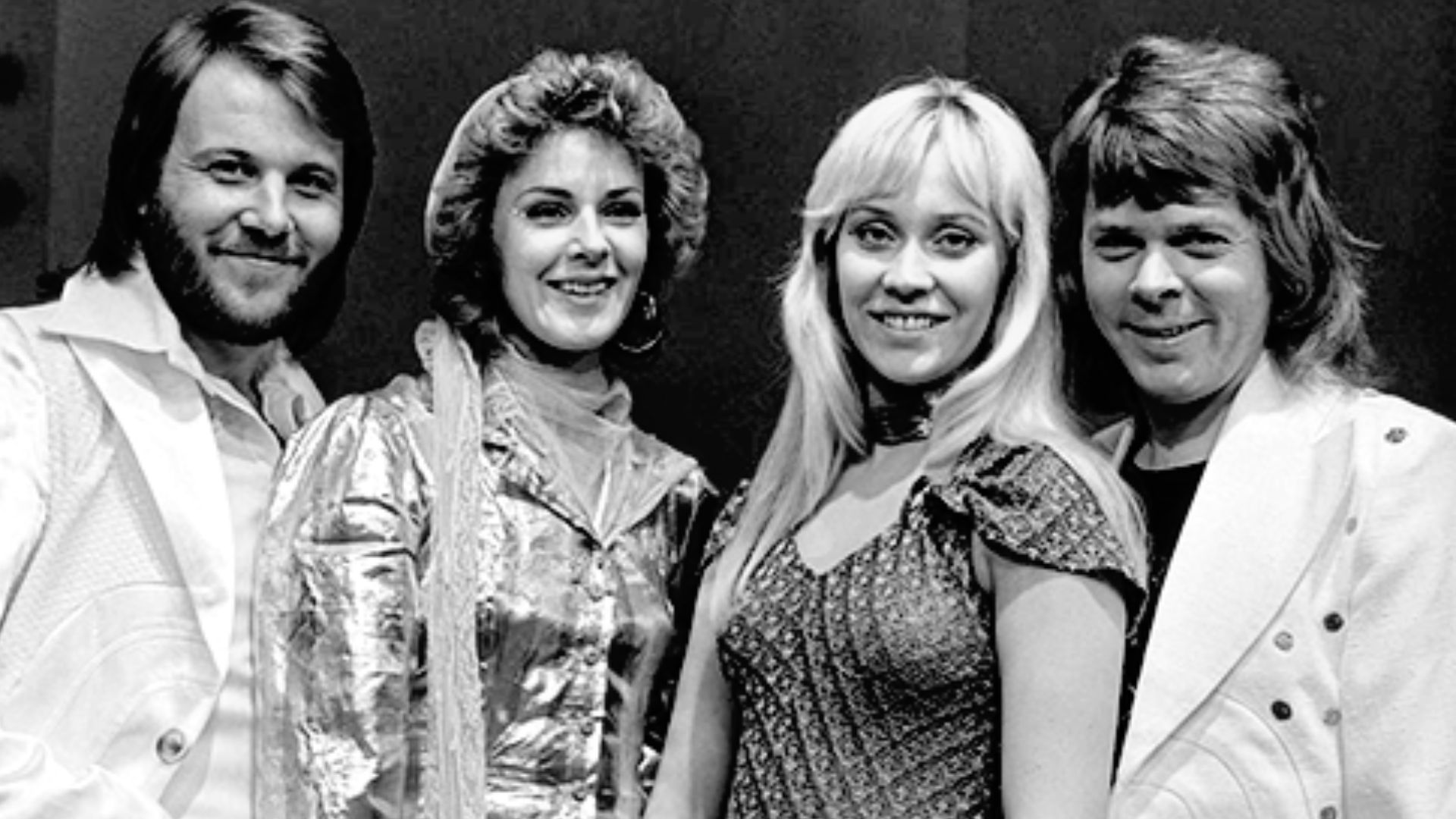
ABBA’s internal dynamic shifted dramatically as both couples in the group went through divorces. Björn Ulvaeus and Agnetha Fältskog split first, followed by Benny Andersson and Anni-Frid Lyngstad. Instead of stopping, they kept recording, turning personal heartbreak into songs like “The Winner Takes It All,” where the emotional weight feels almost uncomfortably direct.
Roxy Music
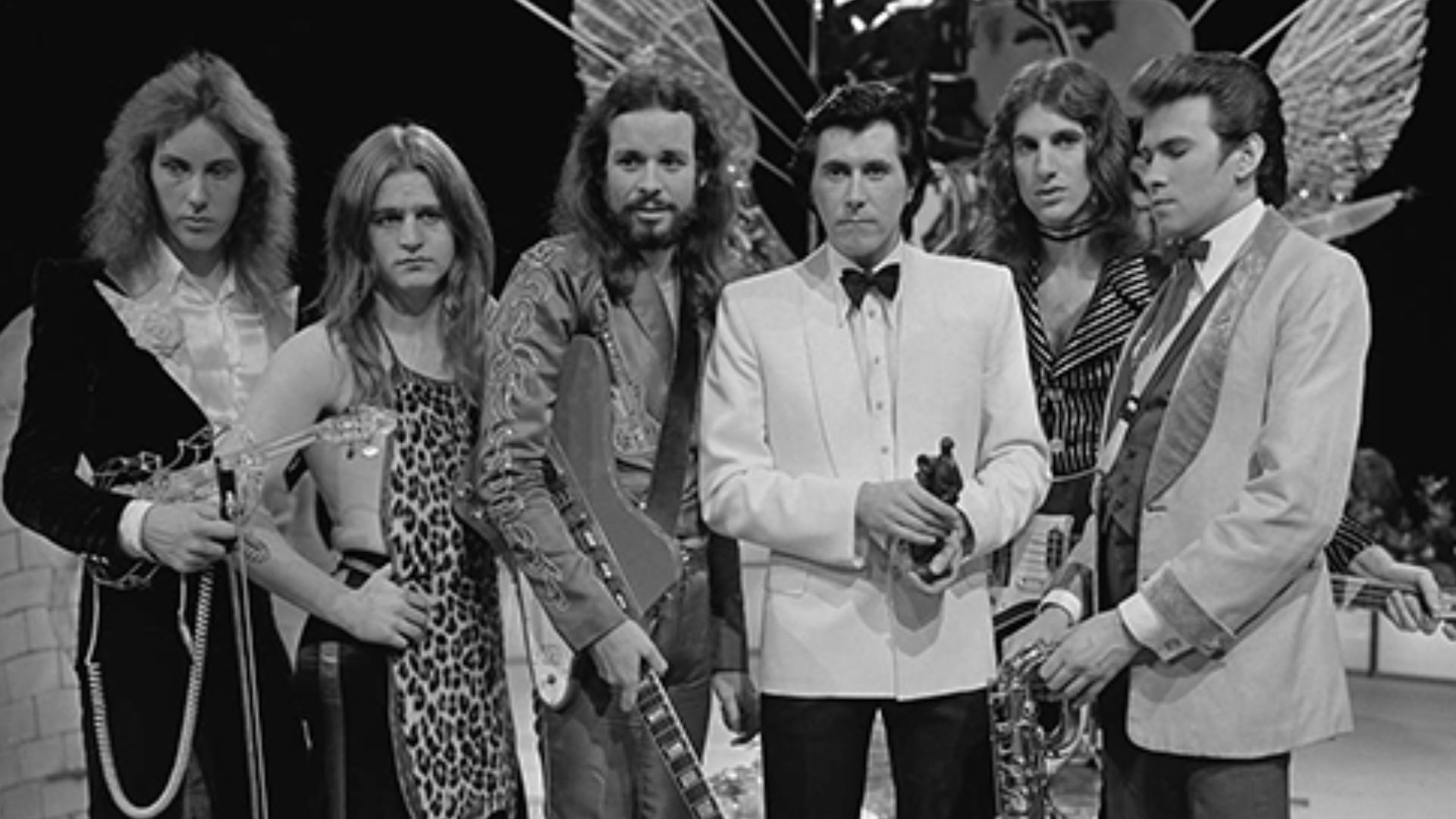
Bryan Ferry and Brian Eno represented two opposing creative forces. Ferry favored structure and traditional songwriting, while Eno pushed for experimentation and unpredictability. Their clashes became increasingly difficult to manage, and Eno was eventually pushed out of the band. That split changed Roxy Music’s direction, but their early work still reflects that creative tension.
The Who
The Who’s internal dynamic was often volatile, largely due to Keith Moon’s destructive behavior. Moon’s heavy drinking and unpredictable actions strained relationships within the band, while Pete Townshend’s perfectionism added pressure. Despite that, the band managed to channel that instability into powerful performances and albums that captured both aggression and vulnerability.
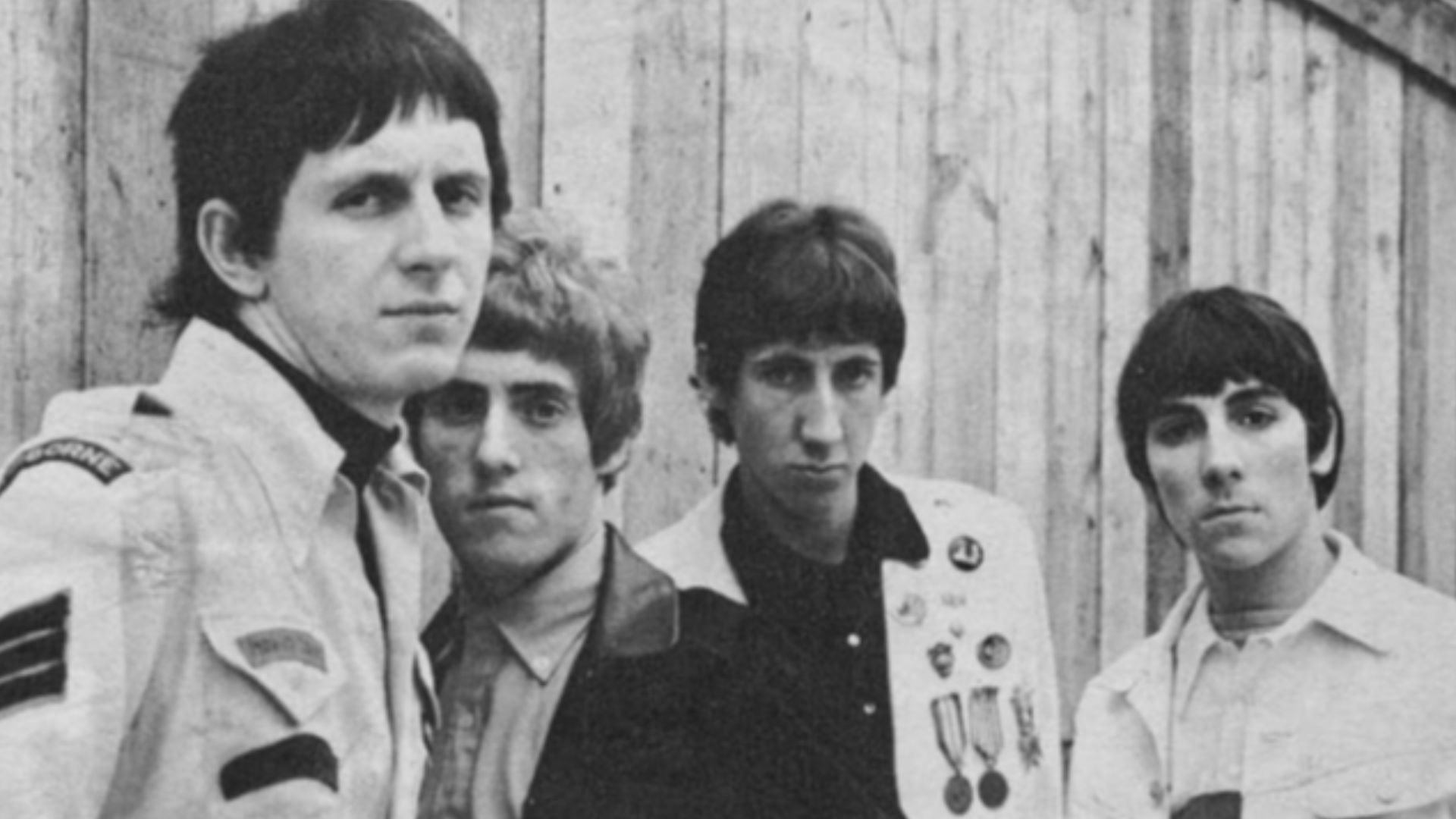 KRLA Beat/Beat Publications, Inc., Wikimedia Commons
The Police
The Police operated more like three solo artists than a cohesive band. Sting’s dominance as a songwriter created resentment, particularly from Stewart Copeland, who frequently clashed with him during recording sessions. Arguments were so intense that members sometimes recorded parts separately. Despite this, they produced tightly constructed songs that hid the tension behind polished production.
 Distributed by A&M Records, Wikimedia Commons
Fleetwood Mac
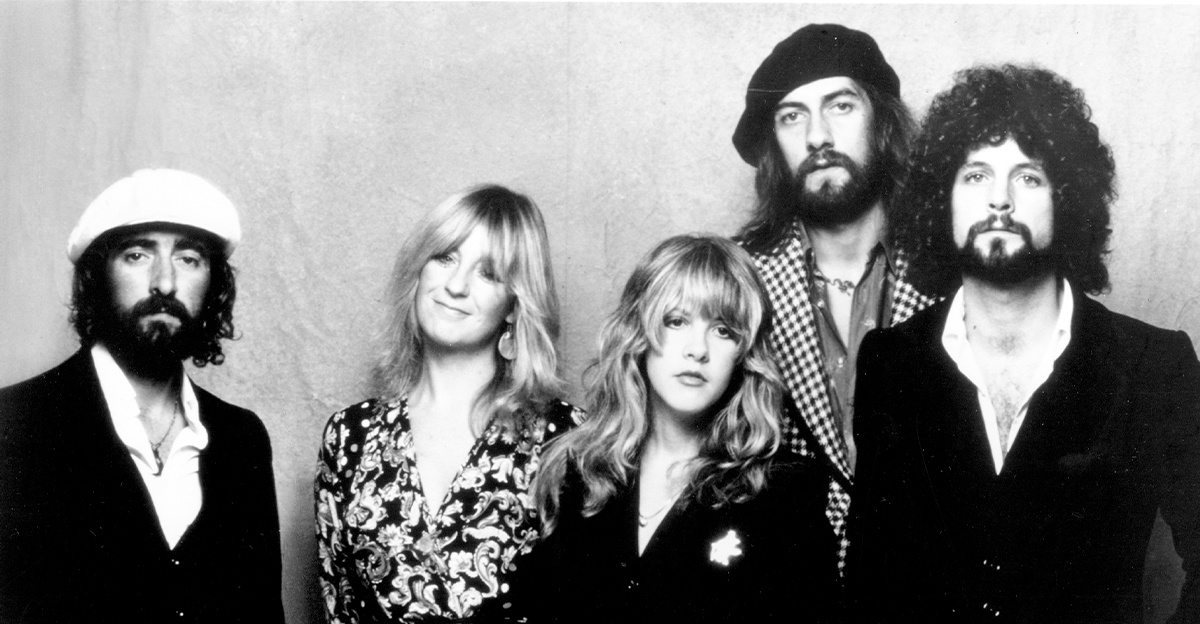
Fleetwood Mac’s Rumours era is almost impossible to separate from its drama. Lindsey Buckingham and Stevie Nicks broke up, Christine and John McVie divorced, and Mick Fleetwood dealt with his own personal issues. The band continued recording together, writing songs about each other in real time, turning emotional fallout into one of the most successful albums ever.
 Michael Ochs Archives, Getty Images
Guns N’ Roses
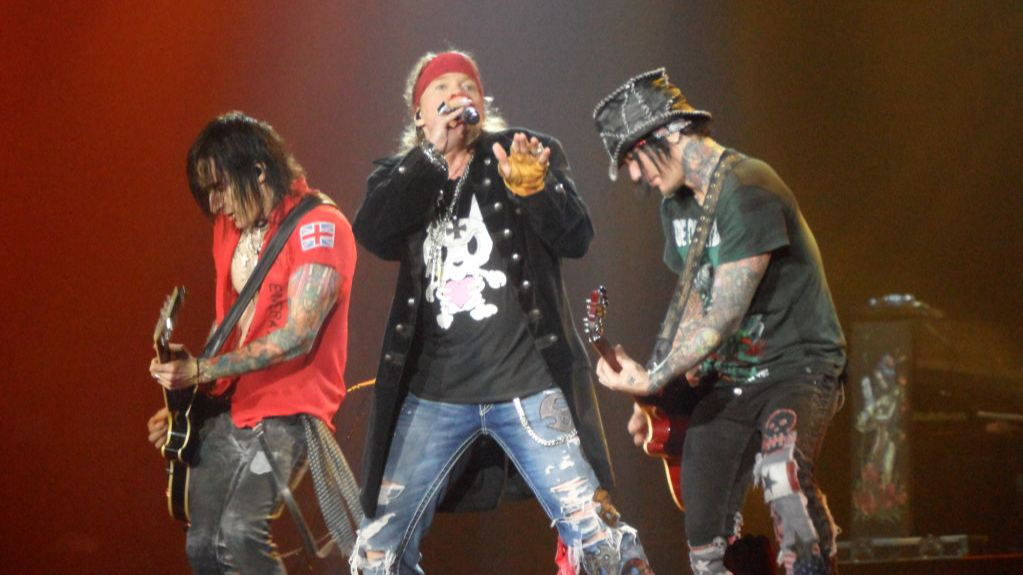
Guns N’ Roses were constantly on the edge of collapse. Axl Rose’s unpredictable behavior caused delays, cancellations, and internal frustration, while other members struggled with substance abuse. Tensions grew during the Use Your Illusion era, eventually leading to key members leaving. The instability became part of their identity, reflected in their raw, unfiltered sound.
 Delusion23, CC BY-SA 3.0, Wikimedia Commons
Eagles
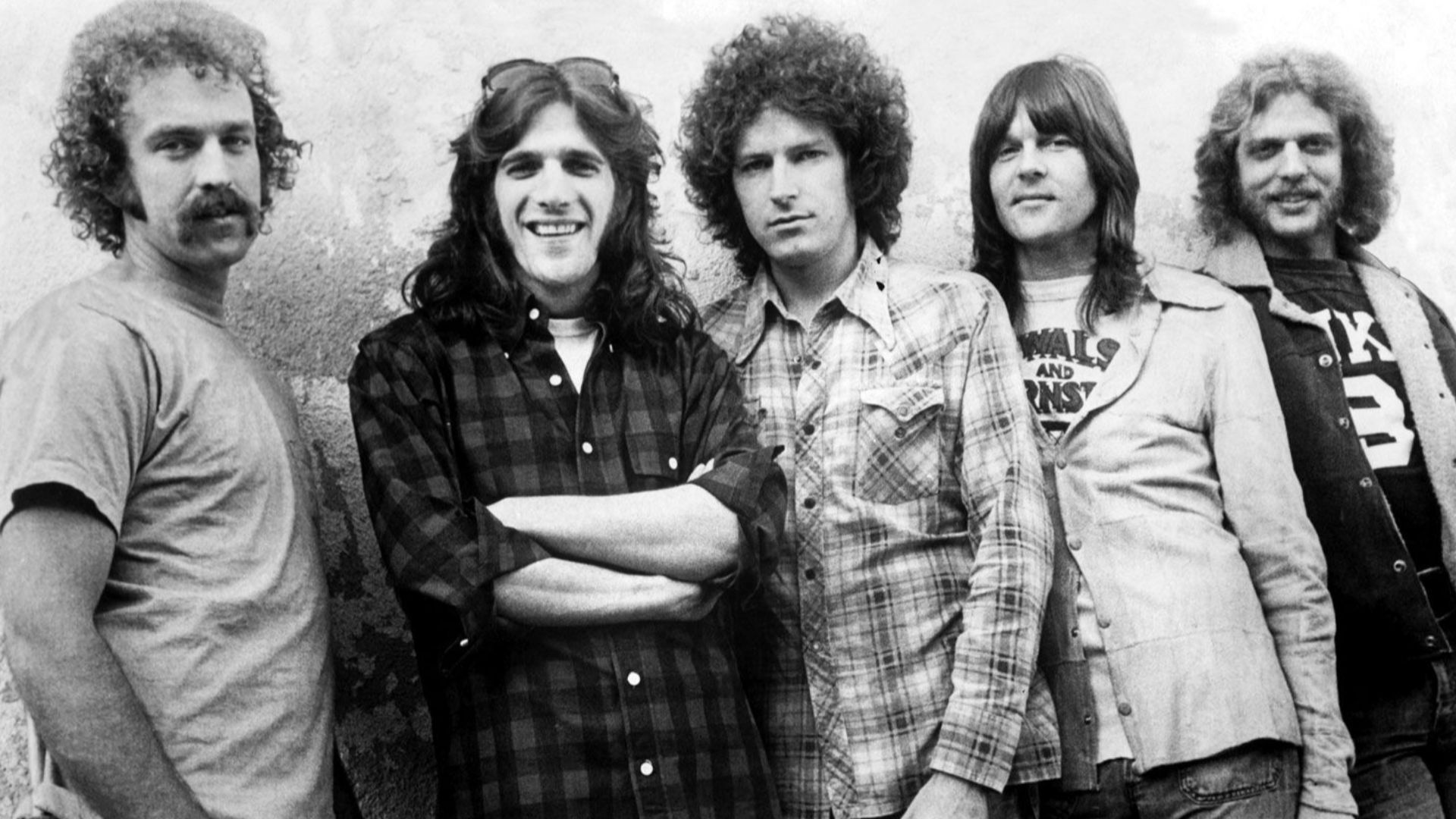
The Eagles’ calm, polished sound hid intense personal conflicts. Don Felder clashed with Don Henley and Glenn Frey over control and direction, leading to arguments that sometimes turned physical. During one show, members reportedly threatened each other while performing. The tension eventually led to the band’s breakup in 1980, despite their massive success.
 Distributed by Asylum Records, Wikimedia Commons
The Kinks
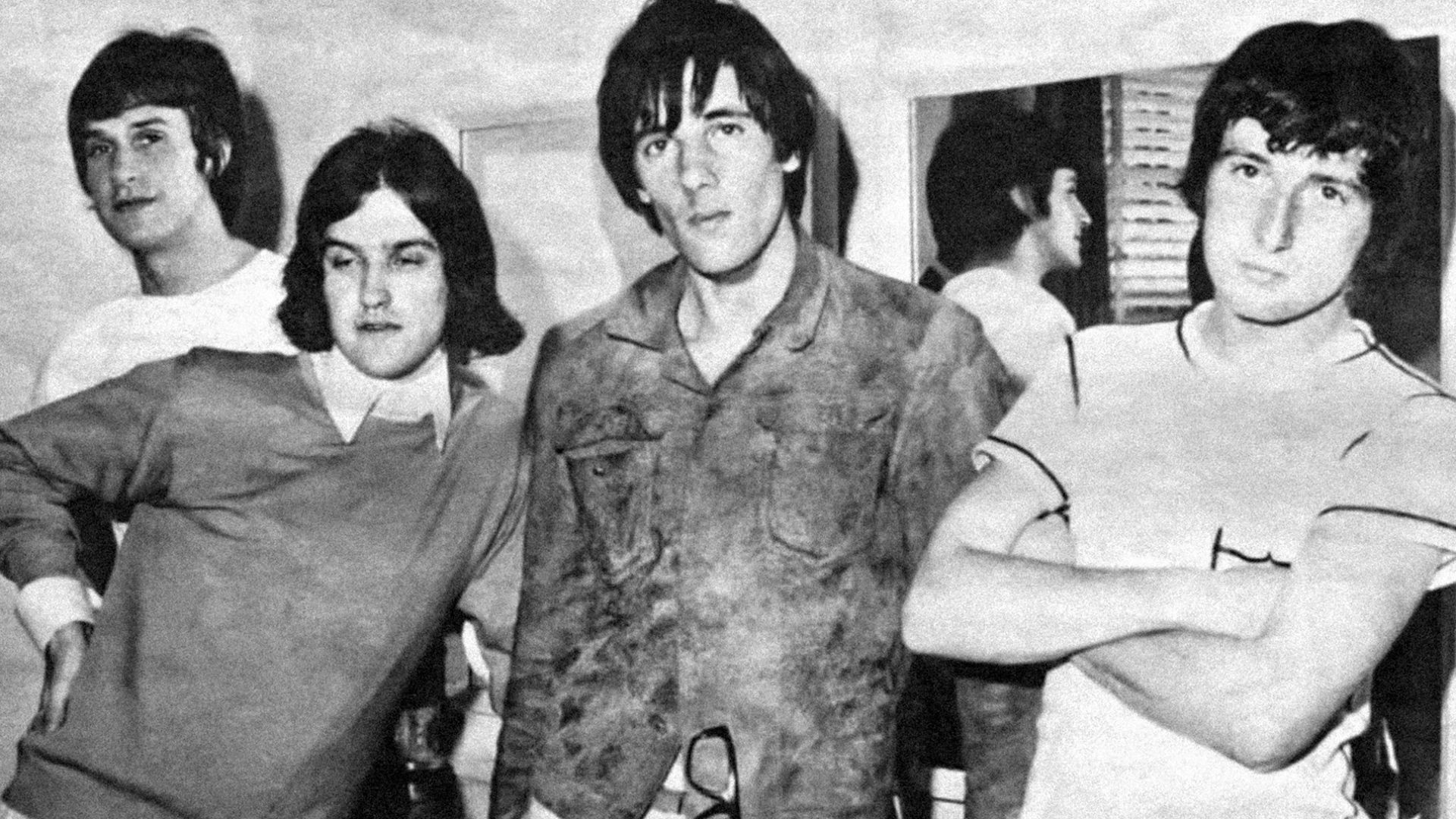
Ray and Dave Davies’ sibling rivalry was at the center of The Kinks’ instability. Their arguments often escalated into physical fights, both onstage and off. At times, they refused to speak to each other entirely. That tension gave their music an edge, but it also made maintaining the band incredibly difficult over the years.
 KRLA Beat/Beat Publications, Inc., Wikimedia Commons
The Runaways
The Runaways faced pressure from all sides. As young musicians, they were dealing with intense touring schedules, industry exploitation, and internal disagreements. Joan Jett and Lita Ford clashed over the band’s direction, while management issues added further strain. The combination of external and internal pressure ultimately led to their breakup.
 Michael Ochs Archives, Getty Images
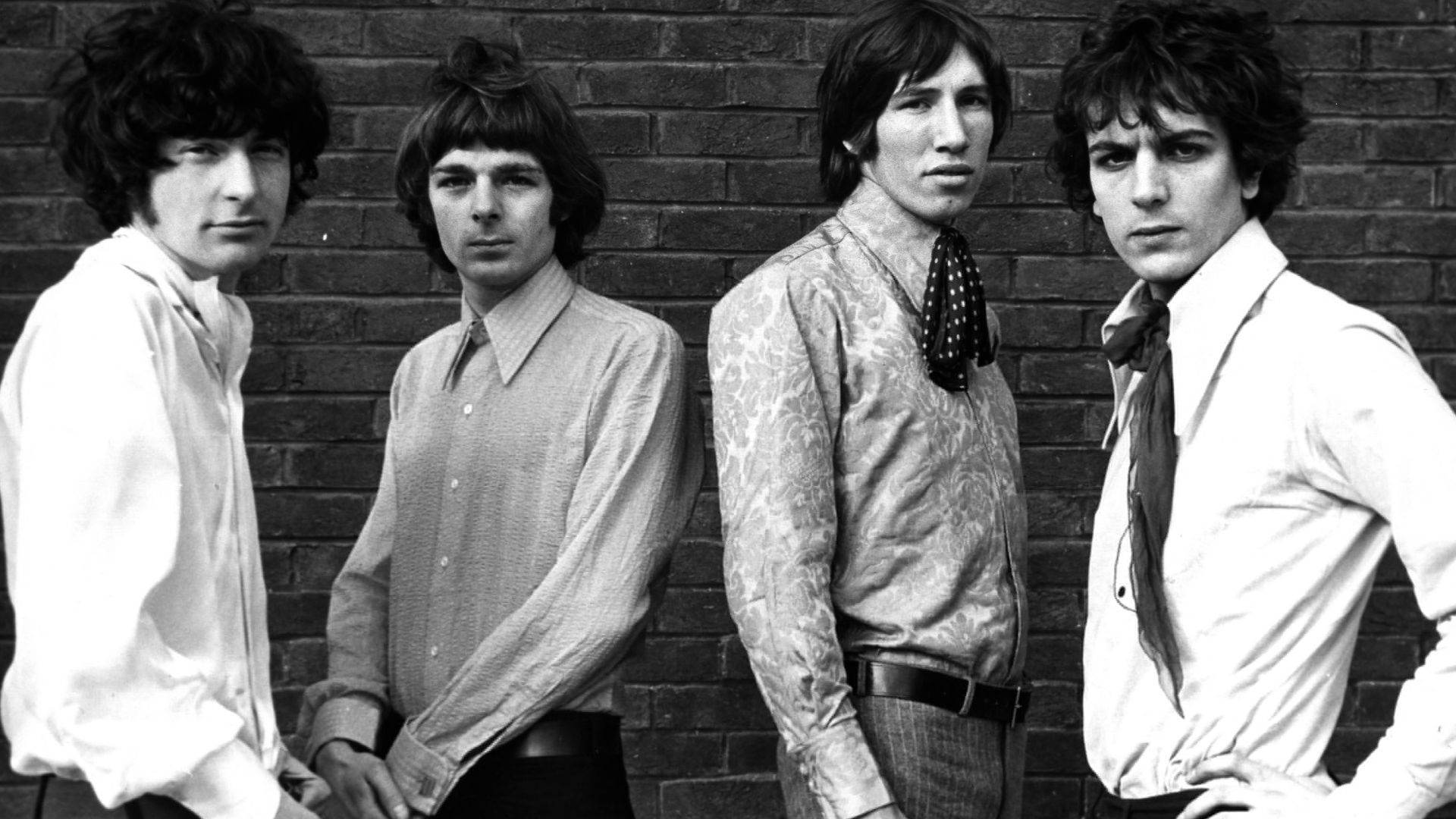
Pink Floyd
Pink Floyd’s internal fractures became impossible to ignore during the late 70s. Roger Waters increasingly took control, sidelining other members, particularly during The Wall. By the early 80s, the band was barely functioning as a group. Legal battles over the band’s name followed, turning creative differences into long-term conflict.
The Clash
The Clash’s identity was built on unity and purpose, but internal tensions slowly undermined that foundation. Mick Jones and Joe Strummer disagreed over musical direction, with Jones leaning toward more experimental sounds. In 1983, Jones was fired, a move that fractured the band and effectively ended their most creative period.
 UCLA Library Special Collections, Wikimedia Commons
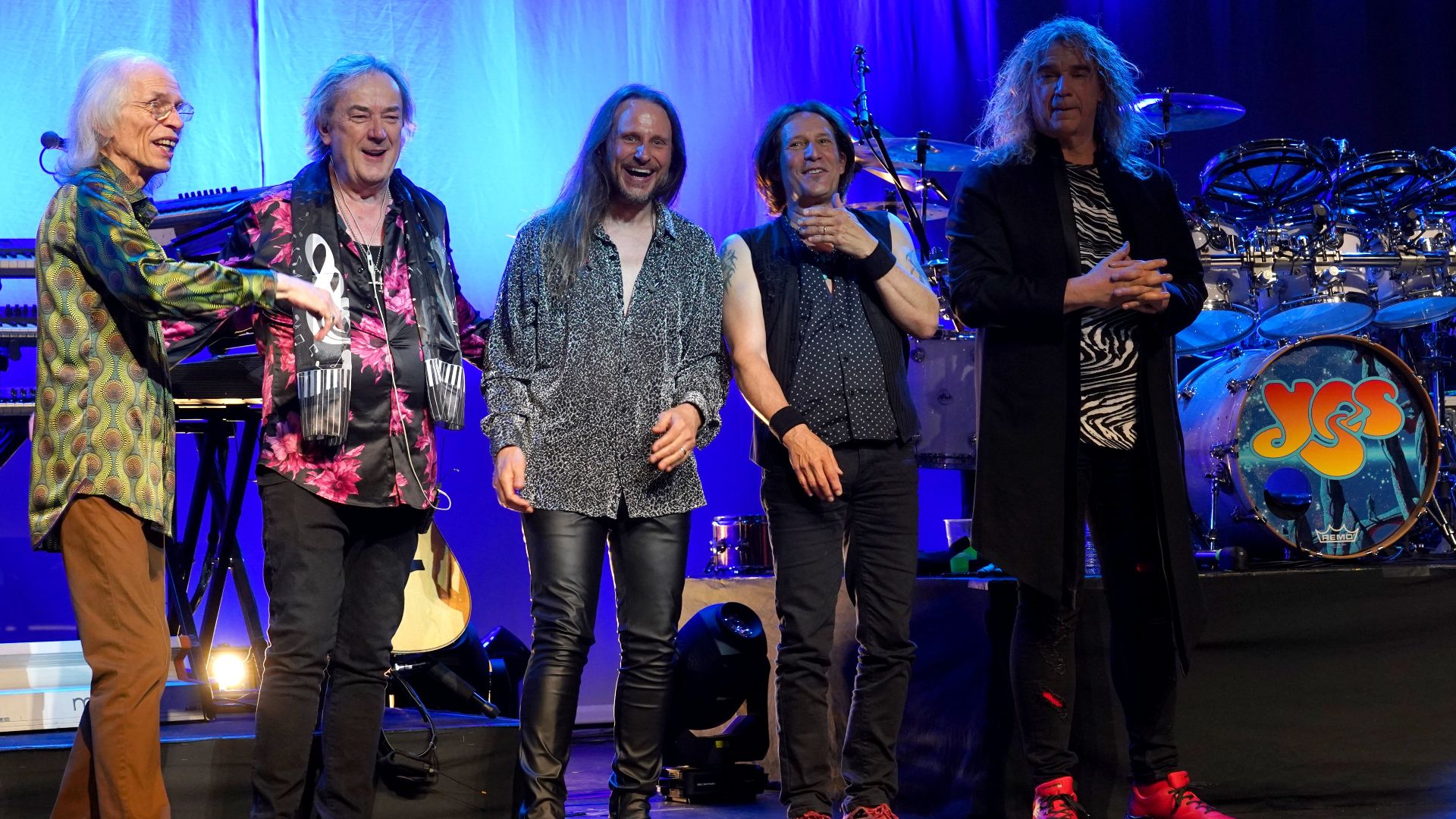
Yes
Yes became known for its revolving door of members, often due to creative disagreements. Conflicts over musical direction—whether to pursue complex progressive compositions or more accessible songs—led to constant lineup changes. While this instability allowed the band to evolve, it also made maintaining a consistent identity a constant challenge.
 Steve Knight from Halstead, United Kingdom, Wikimedia Commons
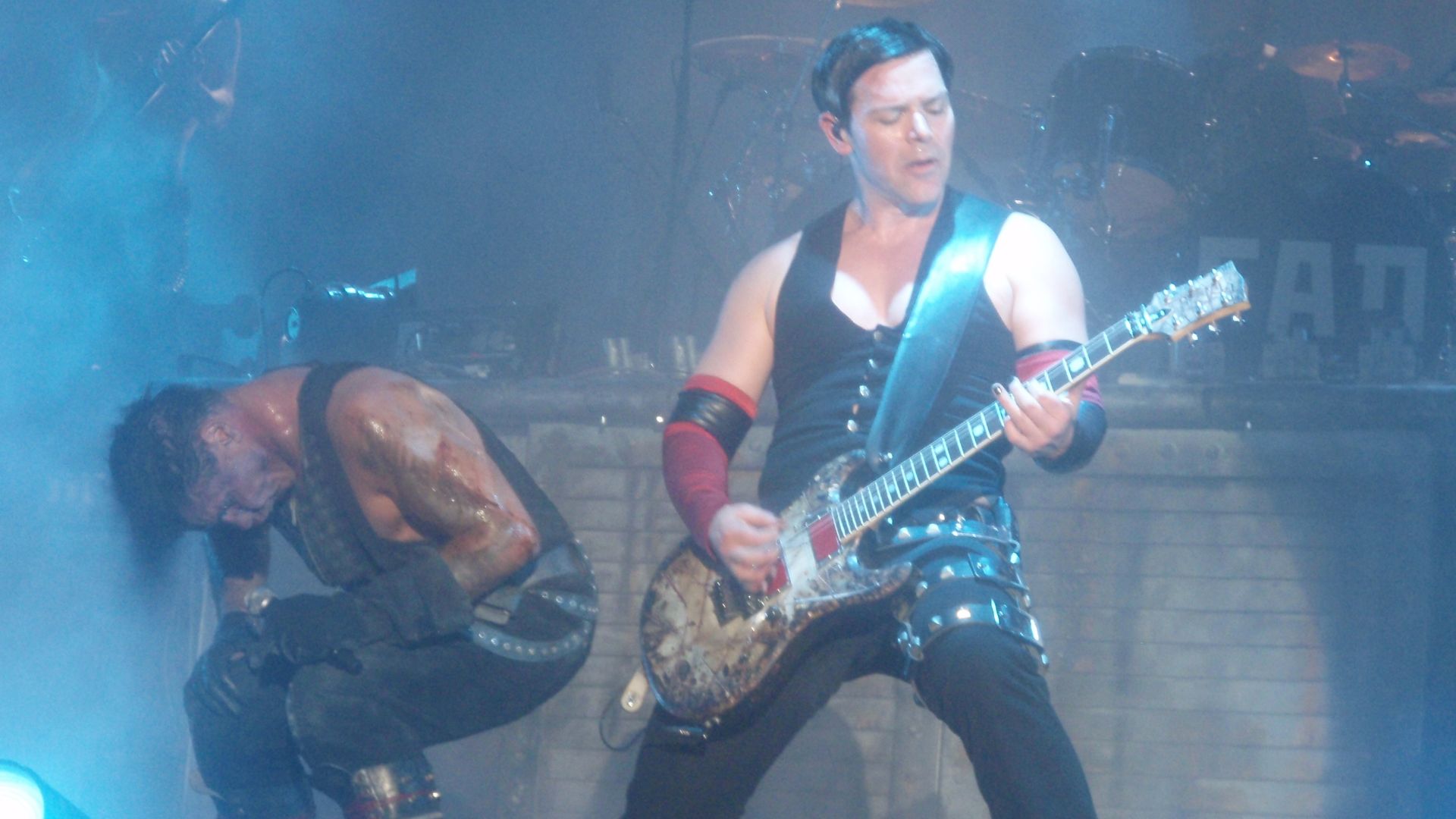
Rammstein
Rammstein’s precision and discipline hide the tension required to maintain it. The band has faced internal disagreements over creative direction and how far to push their controversial imagery. Combined with public scrutiny, that pressure has tested their cohesion. Still, their ability to operate as a unit has allowed them to channel that tension into tightly controlled performances.
Mayhem
Mayhem’s story is one of the most extreme in music history. The suicide of vocalist Dead and the subsequent murder of guitarist Euronymous by Varg Vikernes created a legacy defined by violence and tragedy. These events overshadowed the music itself, turning the band into a symbol of black metal’s darkest and most chaotic elements.

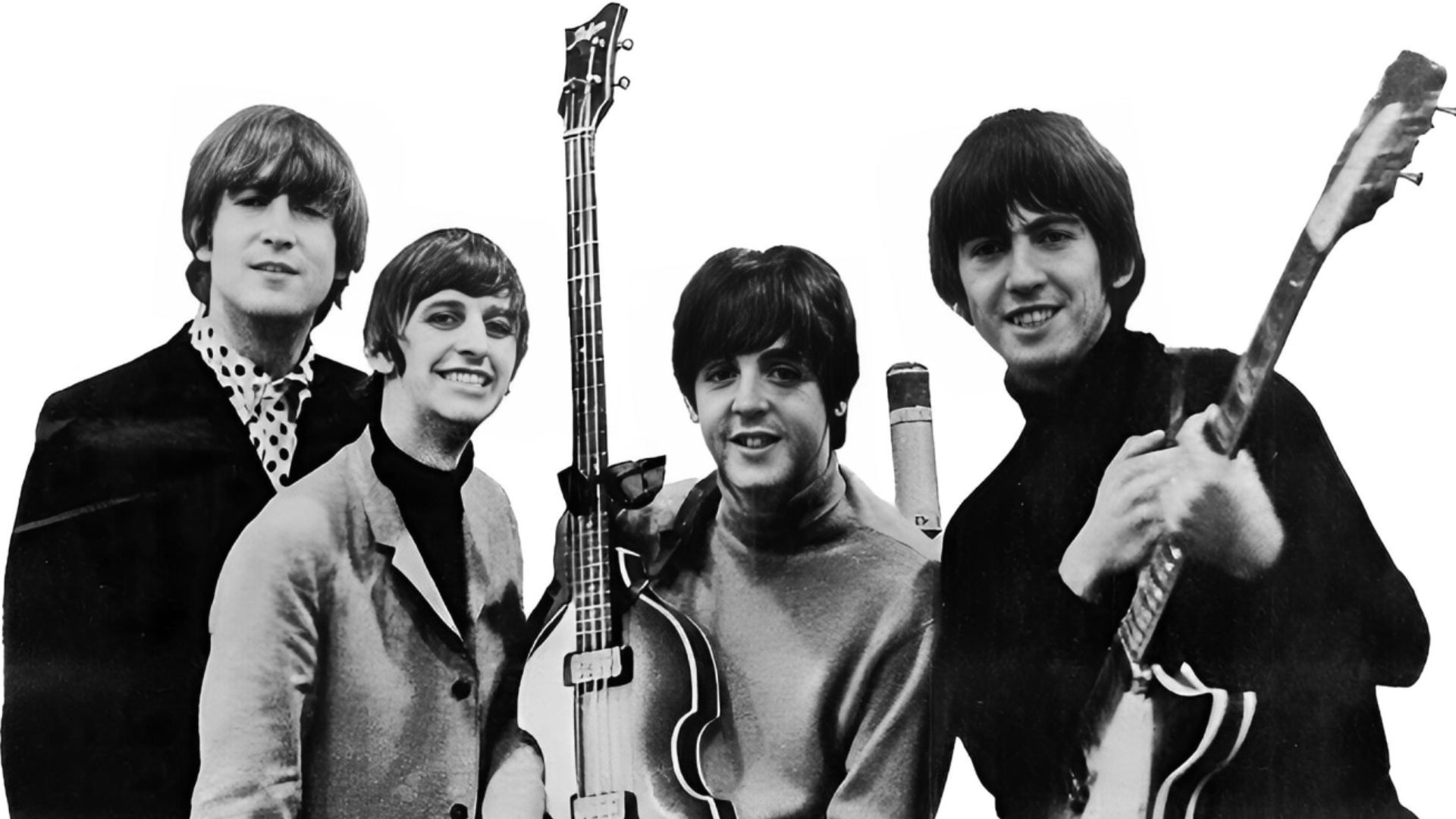
The Beatles (Later Years)
By the late 60s, The Beatles were pulling in different directions. Paul McCartney pushed for structure, while John Lennon became more experimental. George Harrison grew frustrated with limited creative input, and business disputes added to the strain. Recording sessions became tense, with members sometimes working separately, even as they created some of their most enduring music.
You May Also Like:
Rock bands who thought fame would last forever. Now no one born after 2000 has even heard of them.
If These Iconic Bands Ever Announced A Comeback Tour, Tickets Would Disappear Overnight
Rock Tours That Were So Wild, You Could Never Get Away With Them Today