

When Film School Homework Accidentally Becomes Cinema History
Every legendary filmmaker has to start somewhere. These early shorts may be rough around the edges, but they already contain flashes of the styles that later made these directors famous. Whether it’s Christopher Nolan bending reality, David Lynch embracing pure nightmare logic, or Steven Spielberg turning a simple road trip into something emotional, the fingerprints are already there. Watching these student films feels a bit like finding your favorite band’s garage demo tape—except the garage demo later turned into Jaws, Alien, or Blue Velvet.
 Canadian Film Centre from Toronto, Canada, Wikimedia Commons
What’s A Nice Girl Like You Doing In A Place Like This
Martin Scorsese’s student film follows a struggling writer who becomes bizarrely obsessed with a photograph hanging on his wall. The more he stares at it, the more his life begins unraveling into chaos, paranoia, and self-inflicted misery. It’s funny, frantic, and packed with the kind of nervous energy that would later define classics like Goodfellas and Taxi Driver.
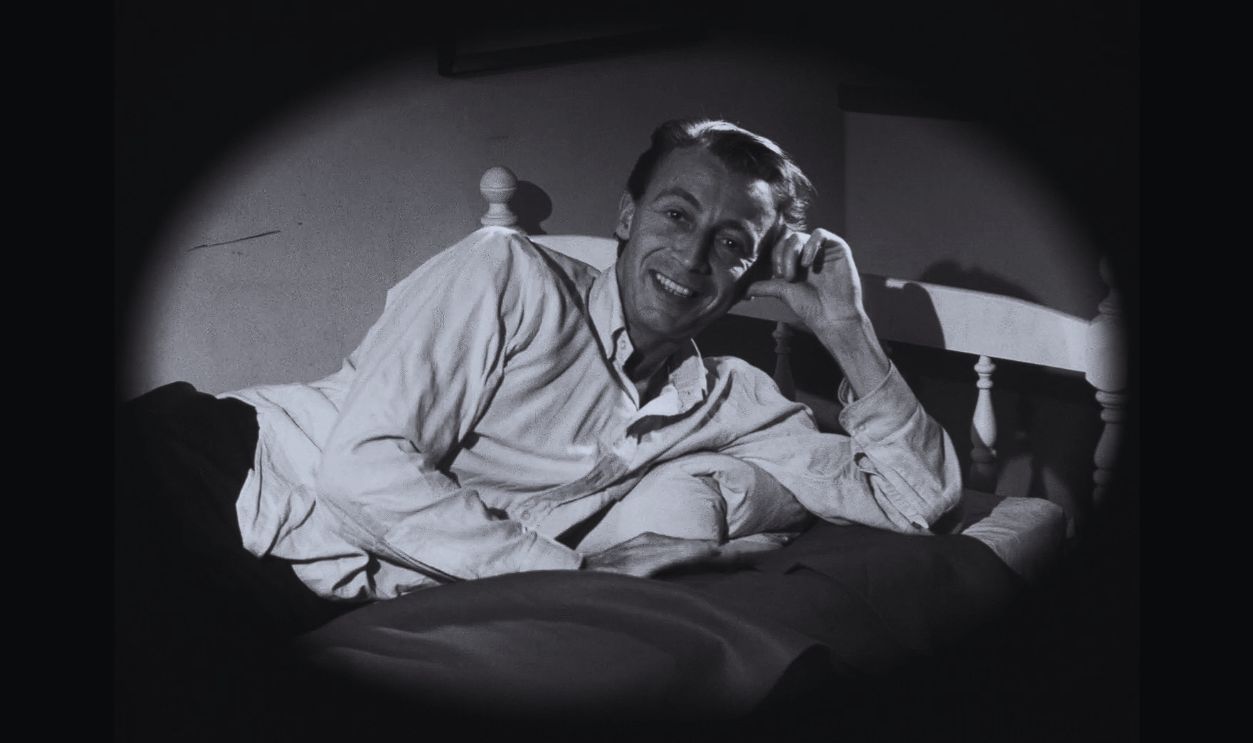
How Scorsese’s Early Style Was Already Taking Shape
Behind the camera, Scorsese was already experimenting like a filmmaker who knew he was onto something. The rapid editing, voiceovers, and restless camera work practically scream “future Scorsese,” even if the budget probably screamed something else entirely. You can already feel his love for fast-talking characters and psychological spirals bursting through every frame.
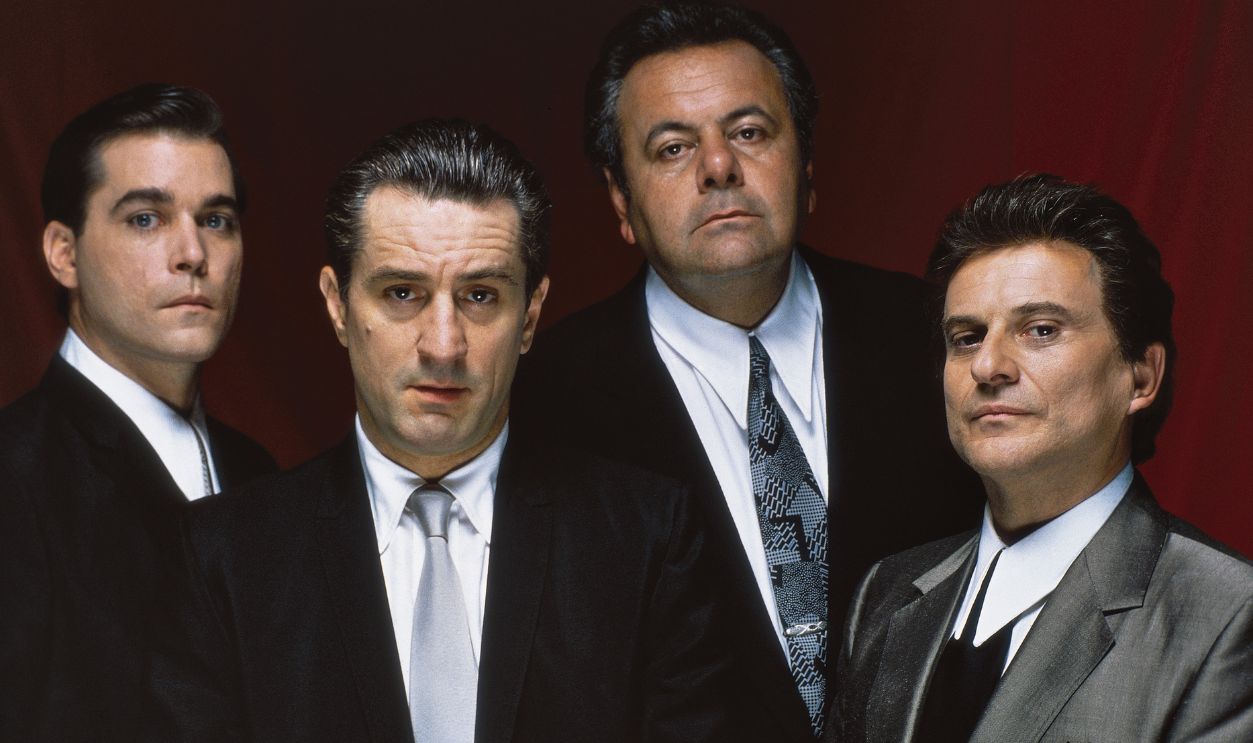 Sunset Boulevard, Getty Images
Doodlebug
Christopher Nolan’s Doodlebug is a tiny black-and-white mind-bender about a man desperately trying to squash a mysterious bug inside his apartment. Naturally, because this is Nolan, the situation becomes much stranger than it first appears. The film transforms a simple premise into a creepy meditation on identity, obsession, and self-destruction.
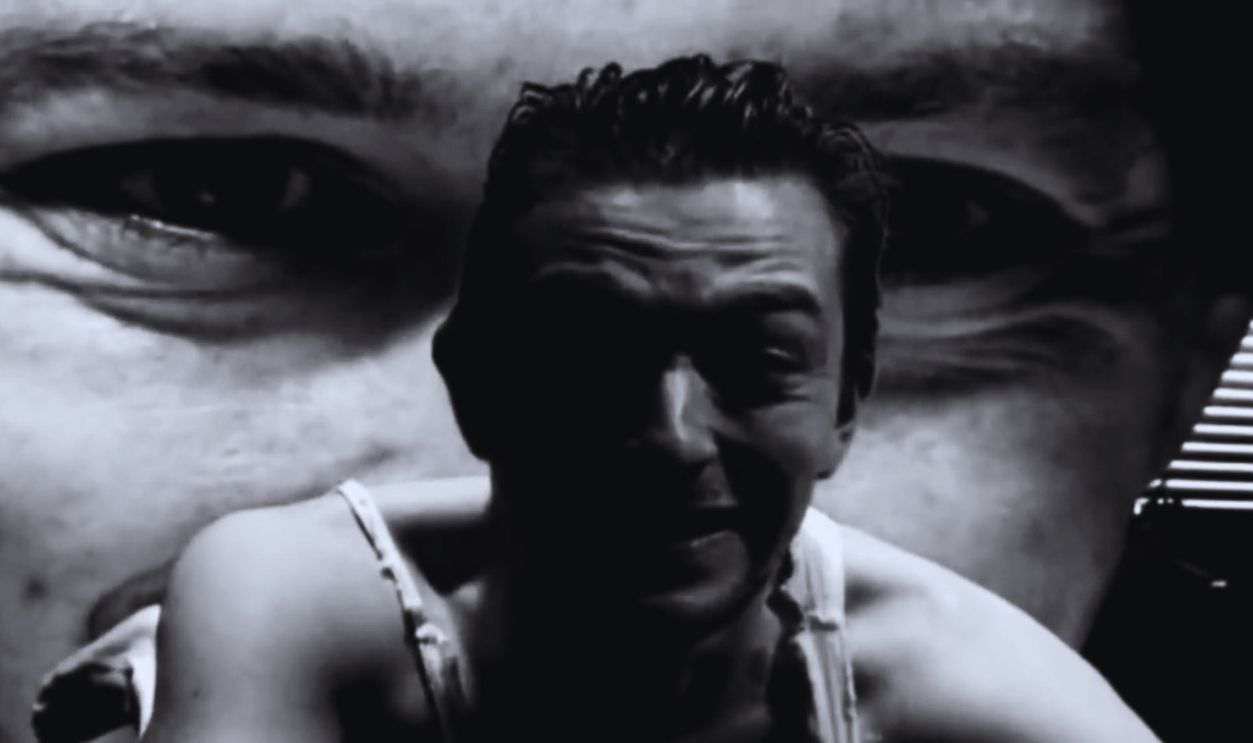 Screenshot from Doodlebug, Alliance Atlantis (1997)
Nolan’s First Taste Of Psychological Trickery
The short was made while Nolan studied at University College London, long before audiences were debating spinning tops and dream layers online. Even in these early days, Nolan clearly loved puzzles, visual tricks, and protagonists trapped in mental mazes. Jeremy Theobald, who later starred in Following, appears here too, making this short feel like the prototype for Nolan’s entire career.
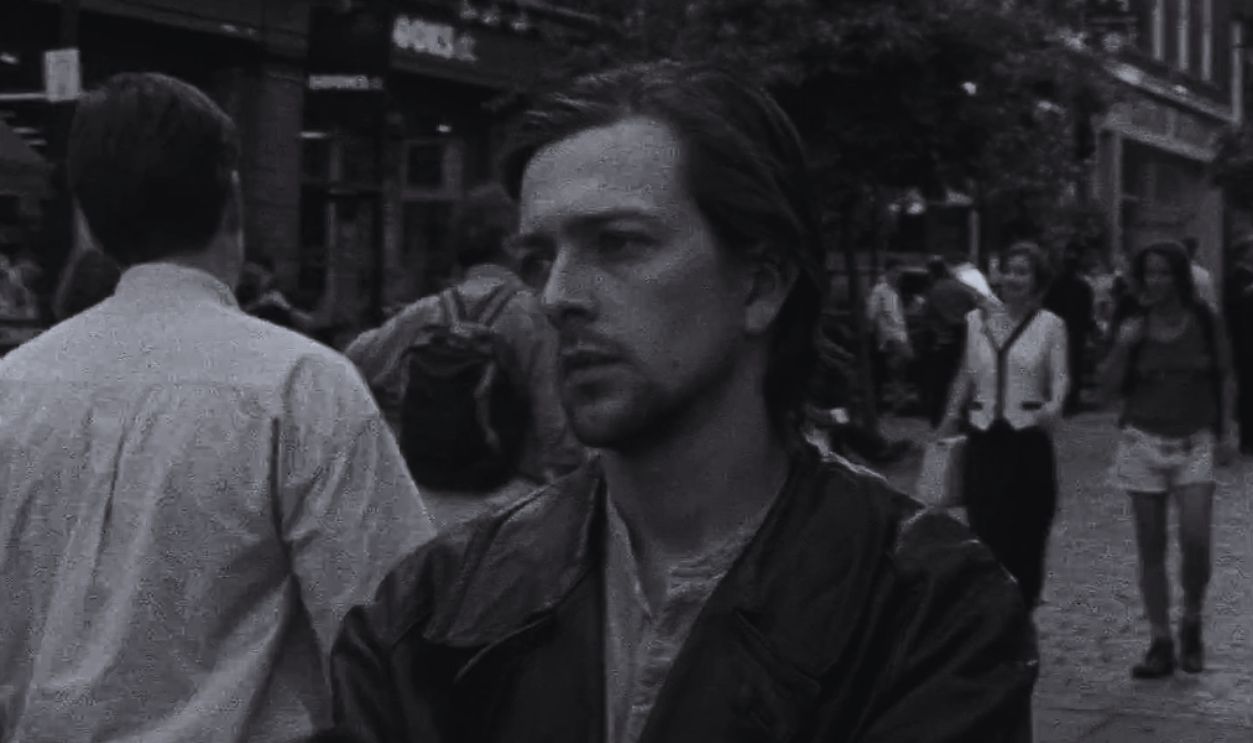 Screenshot from Following, Next Wave Films (1998)
Six Men Getting Sick (Six Times)
David Lynch’s animated short is exactly as comforting as the title suggests. The film loops through grotesque images of distorted figures vomiting endlessly while a siren blares in the background like the world’s least relaxing fire drill. It’s weird, unpleasant, hypnotic, and unmistakably Lynchian.
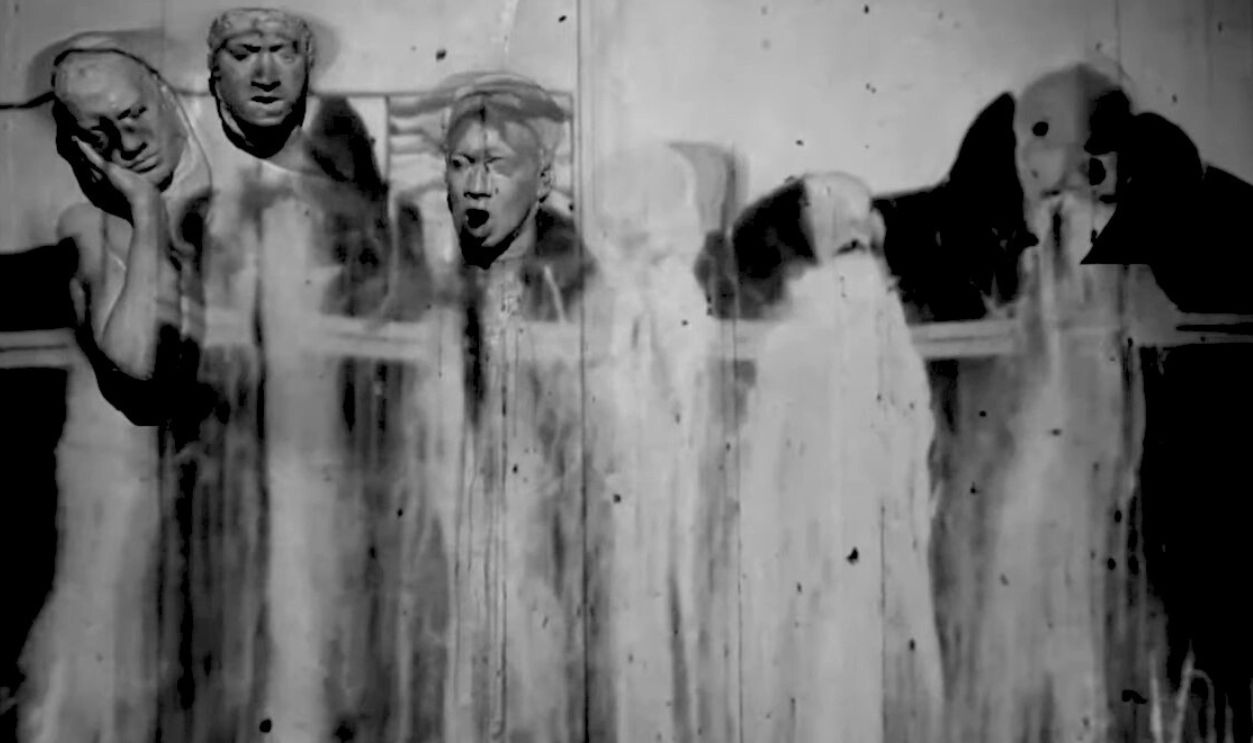 Screenshot from Six Men Getting Sick (Six Times), directed by David Lynch (1967)
Lynch Was Already Deep In Nightmare Territory
Lynch created the film while studying at the Pennsylvania Academy of Fine Arts, and honestly, it already feels like something only he could make. There’s no easy explanation for what any of it means, but that’s kind of the point. The surreal imagery and oppressive sound design feel like the ancestor of everything from Eraserhead to Twin Peaks.
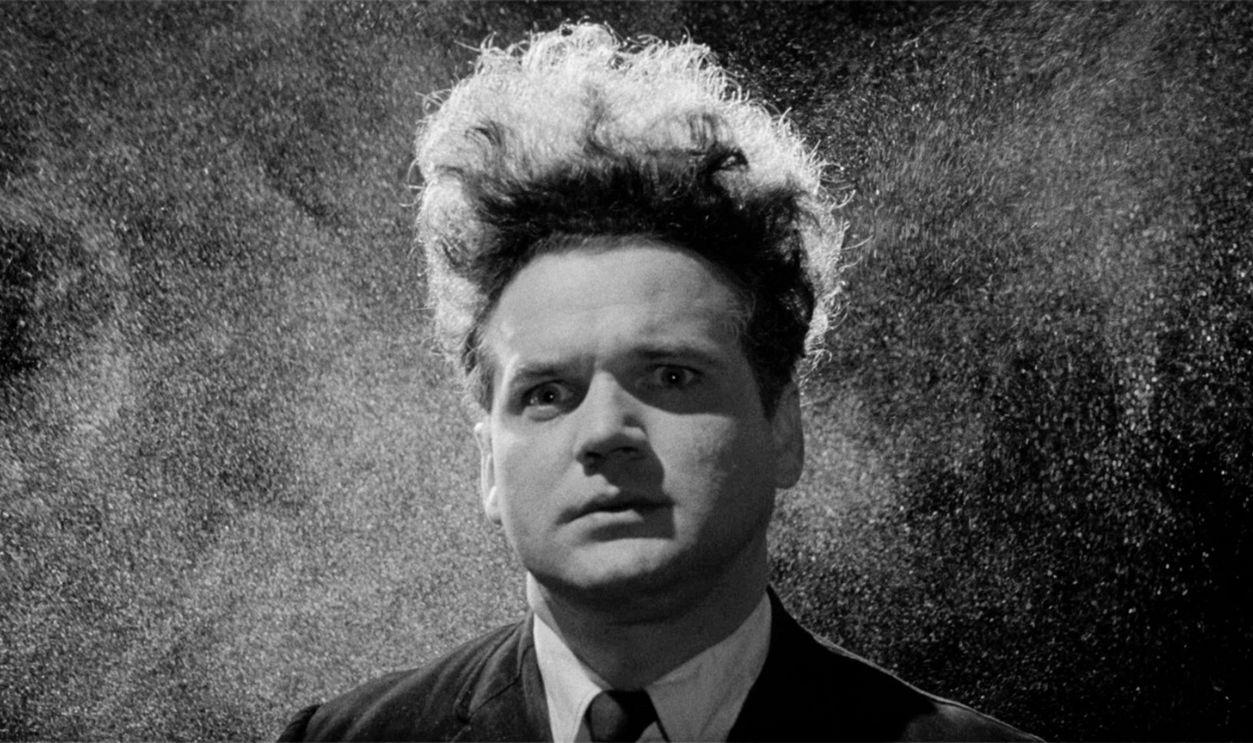 Screenshot from Eraserhead, Libra Films International (1977)
Boy and Bicycle
Before Ridley Scott gave audiences futuristic nightmares in Blade Runner, he made a quiet short about a boy riding his bicycle around town. The film follows the teenager wandering through streets, industrial spaces, and open landscapes while daydreaming his way through the afternoon. There isn’t much traditional plot, but the atmosphere does all the heavy lifting.
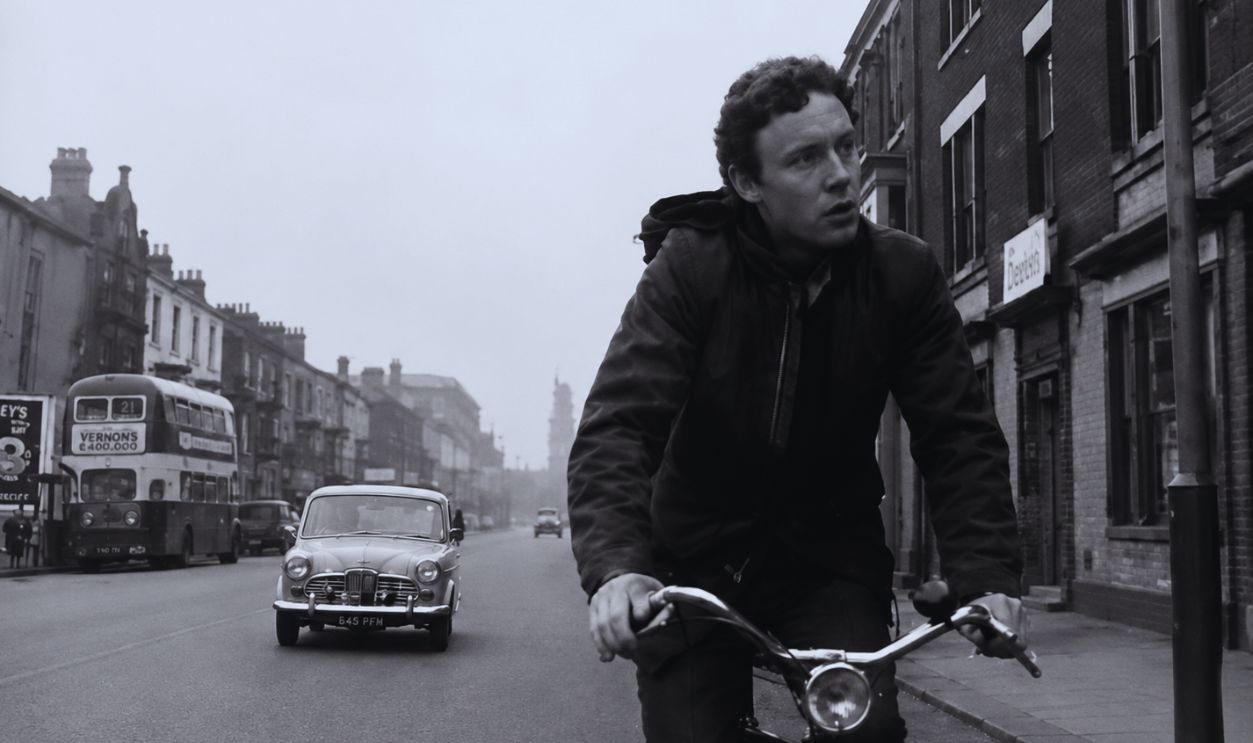 Screenshot from Boy and Bicycle, British Film Institute (1965)
Ridley Scott’s Visual Eye Was Already Obvious
Scott directed the short while studying photography at the Royal College of Art in London, and his eye for visuals was already ridiculously sharp. The movie also featured his younger brother Tony Scott years before either sibling became Hollywood royalty. Every frame looks carefully composed, proving Scott already understood how to turn ordinary environments into something cinematic.
 Gage Skidmore from Peoria, AZ, United States of America, Wikimedia Commons
Amblin
Steven Spielberg’s Amblin follows a young hippie couple hitchhiking across California on their way to the Pacific Ocean. The two barely speak throughout the film, but their interactions slowly reveal the emotional distance hiding beneath the laid-back road trip vibe. It’s charming, bittersweet, and surprisingly mature for a student project.
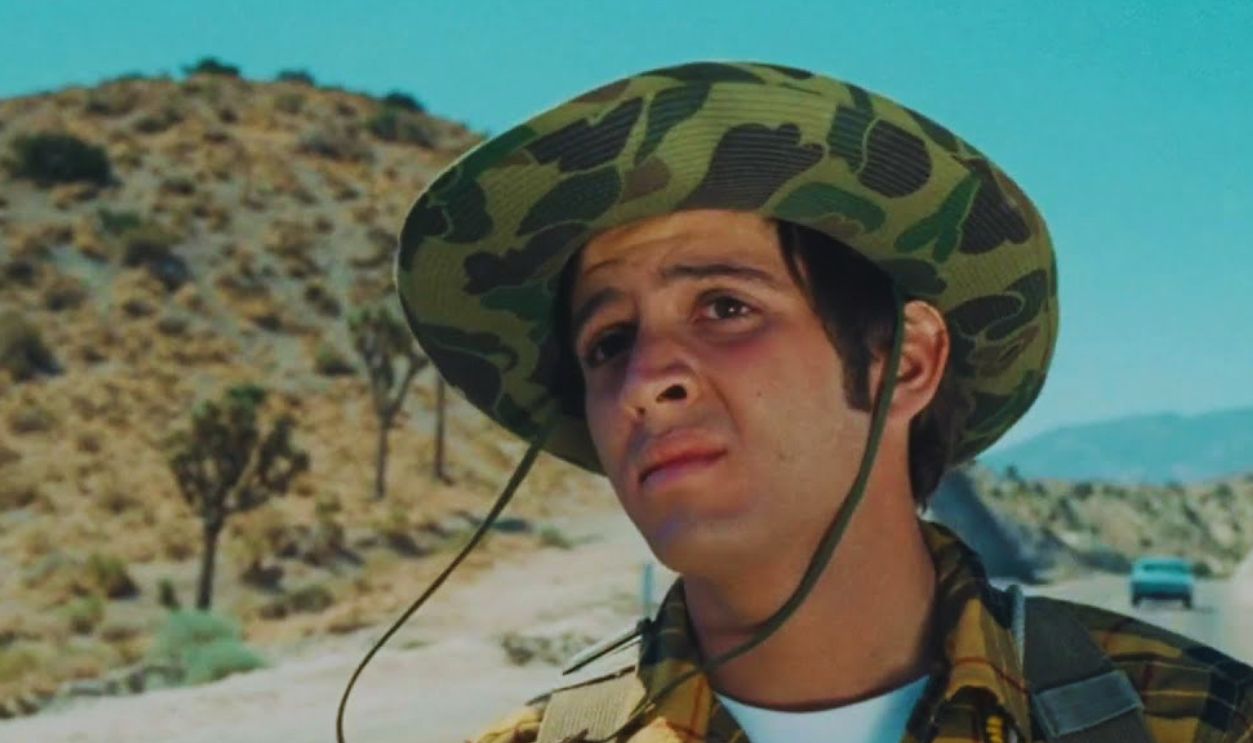 Screenshot from Amblin', Denis Hoffman (1968)
The Short Film That Changed Spielberg’s Life
The film became a major turning point in Spielberg’s career after winning awards on the festival circuit. Universal Studios noticed the young filmmaker and signed him to a historic contract that launched his directing career. Not bad for a short film with almost no dialogue and a guitar case doing half the storytelling work.
 Gage Skidmore from Peoria, AZ, United States of America, Wikimedia Commons
Stalk of the Celery Monster
Tim Burton’s animated short centers on a mad scientist and his creepy assistant navigating a world full of bizarre experiments and grotesque visuals. The characters look like they crawled directly out of a haunted sketchbook. Even at this early stage, Burton’s love for exaggerated gothic imagery was impossible to miss.
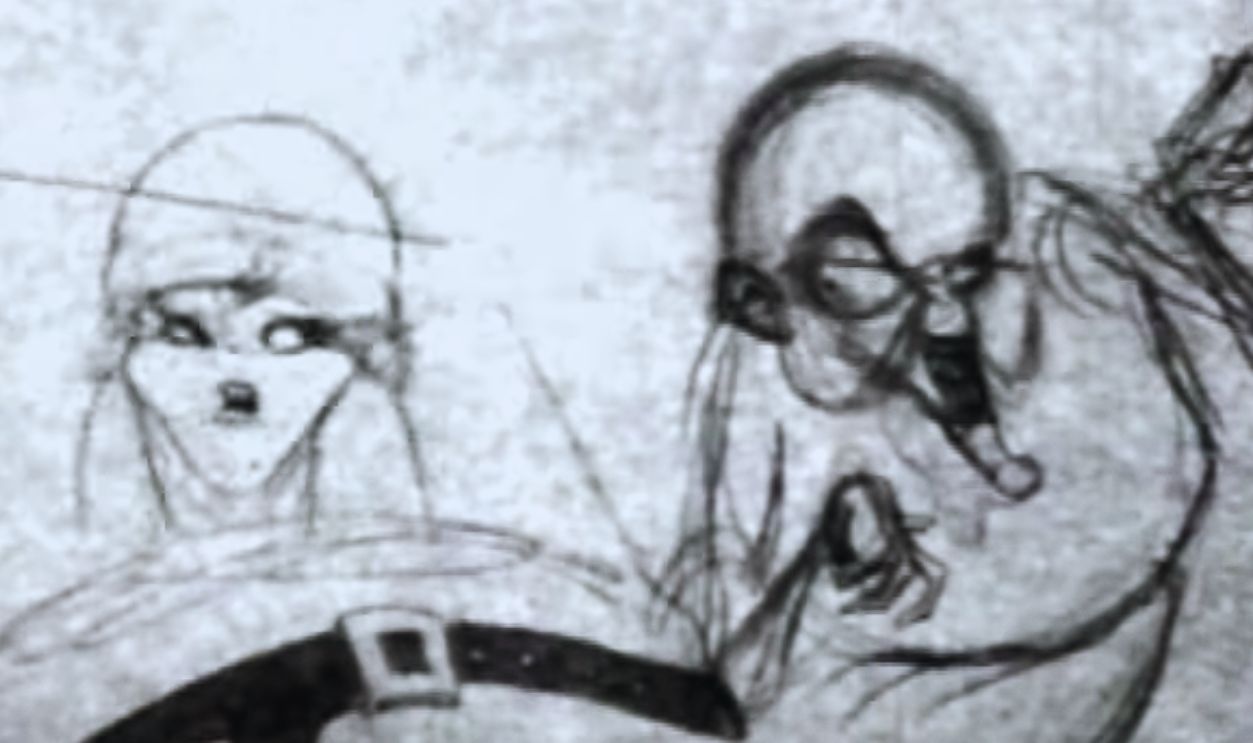 Screenshot from Stalk of the Celery Monster, California Institute of the Arts (1979)
Disney Immediately Noticed Burton’s Style
Burton created the short while studying at the California Institute of the Arts, where his unique artistic style immediately stood out. Disney was so impressed by his work that they offered him an internship soon afterward. Looking back now, Stalk of the Celery Monster basically feels like a rough draft for Burton’s entire aesthetic career.
 Harald Krichel, Wikimedia Commons
The Steamroller and the Violin
Andrei Tarkovsky’s diploma film tells the story of an unlikely friendship between a shy young violin student and a steamroller operator. The pair spend a day together, gradually bonding despite their very different worlds and social backgrounds. It’s gentle, reflective, and surprisingly emotional.
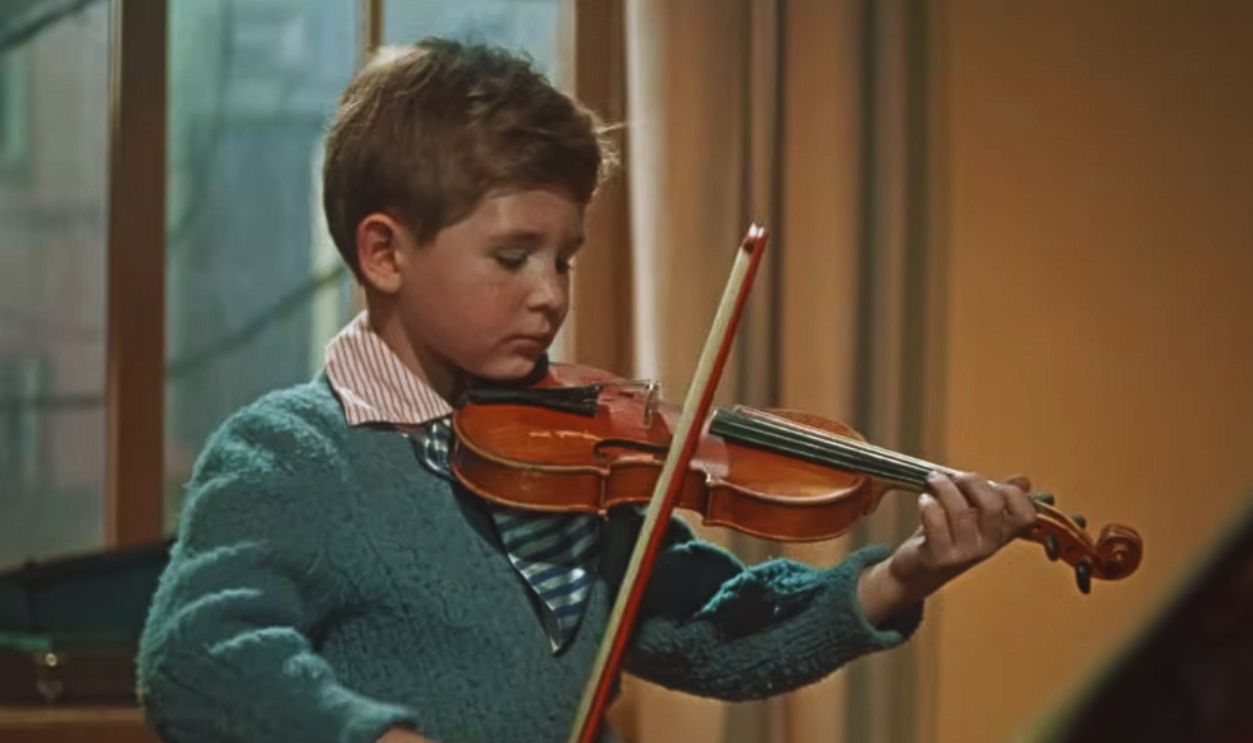 Screenshot from The Steamroller and the Violin, Mosfilm (1961)
Tarkovsky Was Already Crafting Visual Poetry
Even this early, Tarkovsky displayed the visual poetry that later made films like Stalker and Solaris legendary. The pacing is calm, the imagery is beautiful, and the emotional beats quietly sneak up on you. Rather than relying on dramatic twists, Tarkovsky trusted mood, silence, and atmosphere to do the work, which became his signature style.
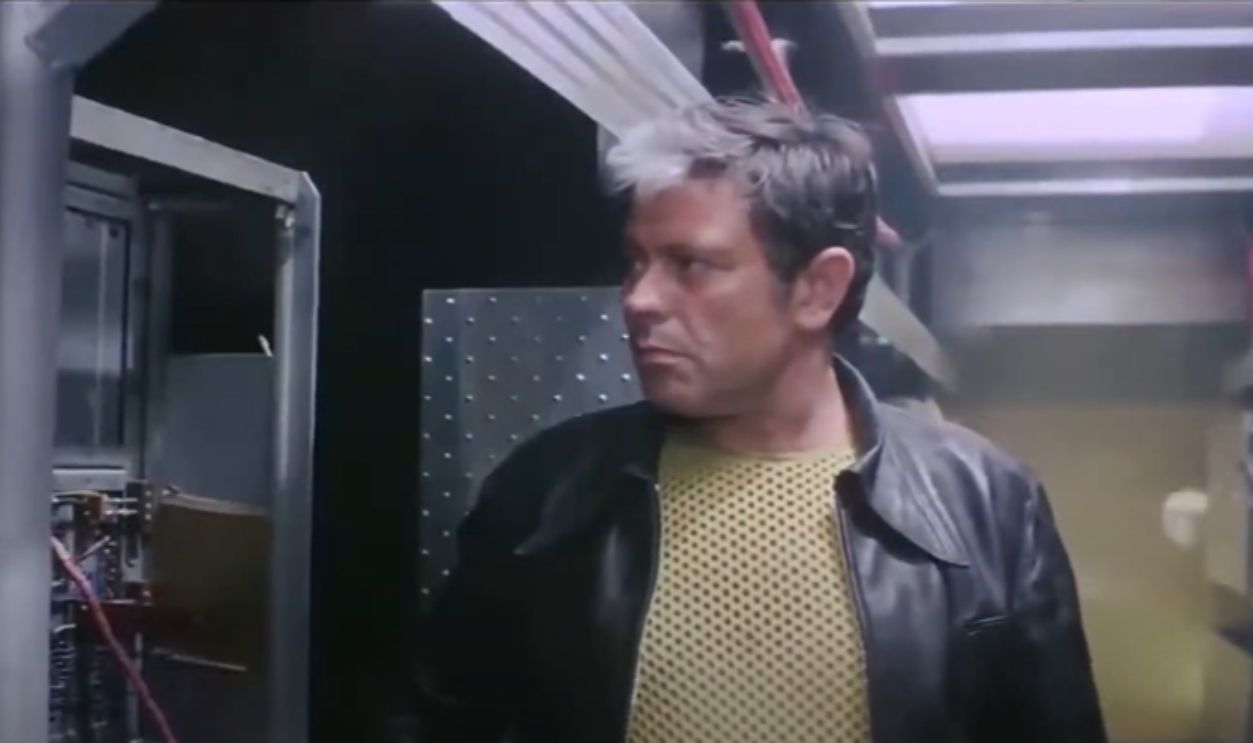 Screenshot from Solaris, Mosfilm (1972)
Xenogenesis
James Cameron’s Xenogenesis drops viewers into a sci-fi story involving massive spacecraft, futuristic technology, and a battle with a giant robot. The plot follows two space travelers searching for new life while trying not to get obliterated in the process. For a low-budget short, the ambition is absolutely enormous.
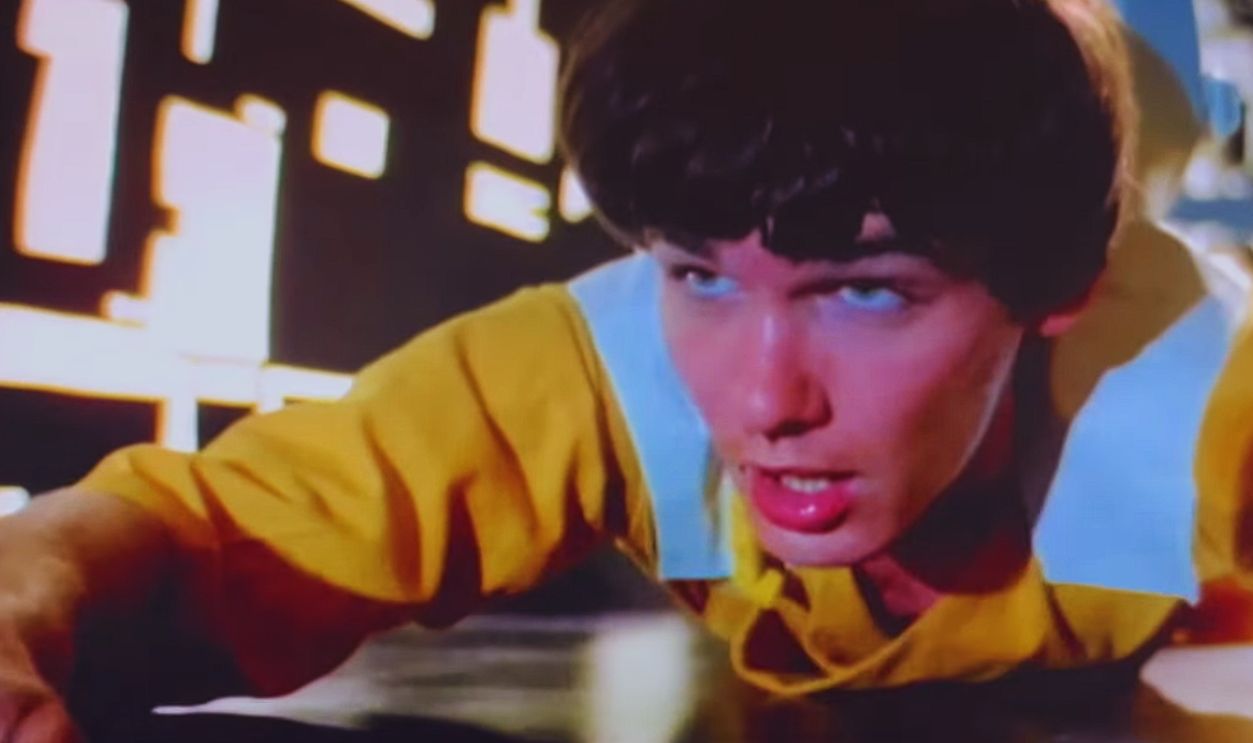 Screenshot from Xenogenesis, directed by James Cameron (1978)
Cameron Was Teaching Himself How To Build Blockbusters
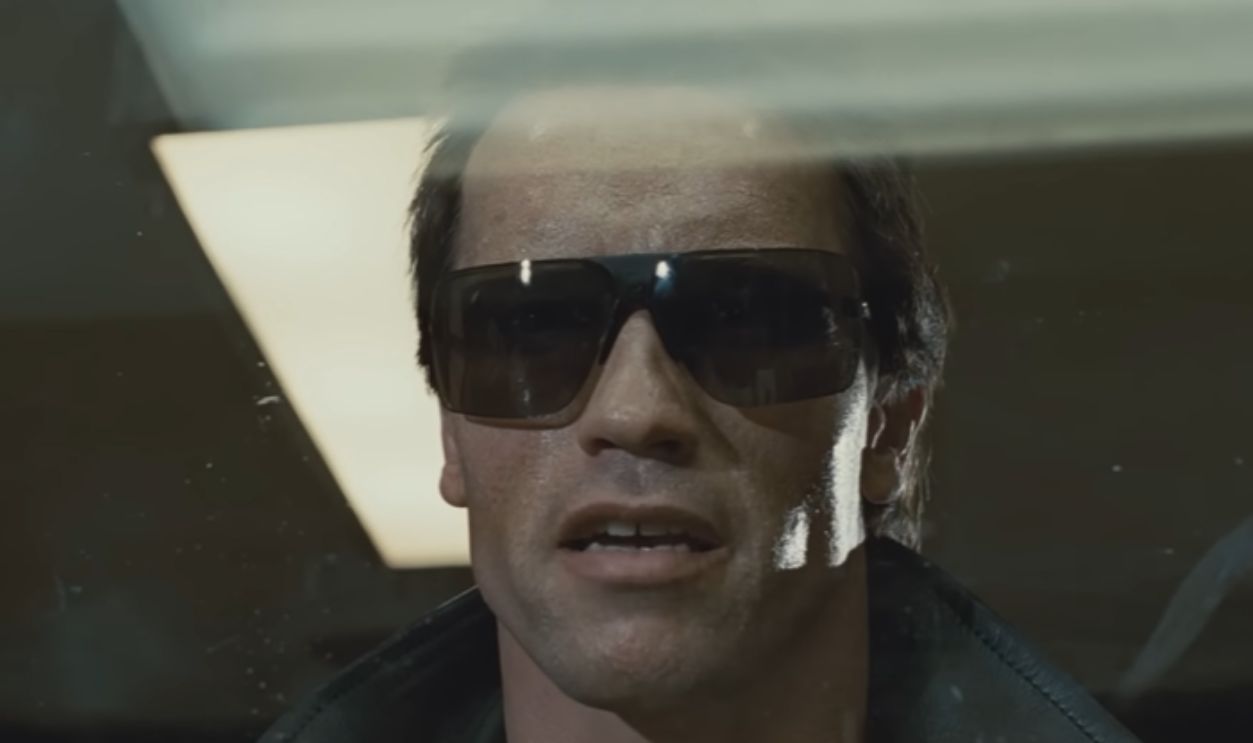
Cameron never attended film school, but he treated filmmaking like a hands-on science experiment. Inspired by Star Wars, he taught himself effects work and built miniatures using cheap equipment and endless determination. Watching Xenogenesis now is fascinating because you can already see the future director of The Terminator and Aliens obsessing over machinery, scale, and visual spectacle.
 Screenshot from The Terminator, Orion Pictures (1984)
The Fat and the Lean
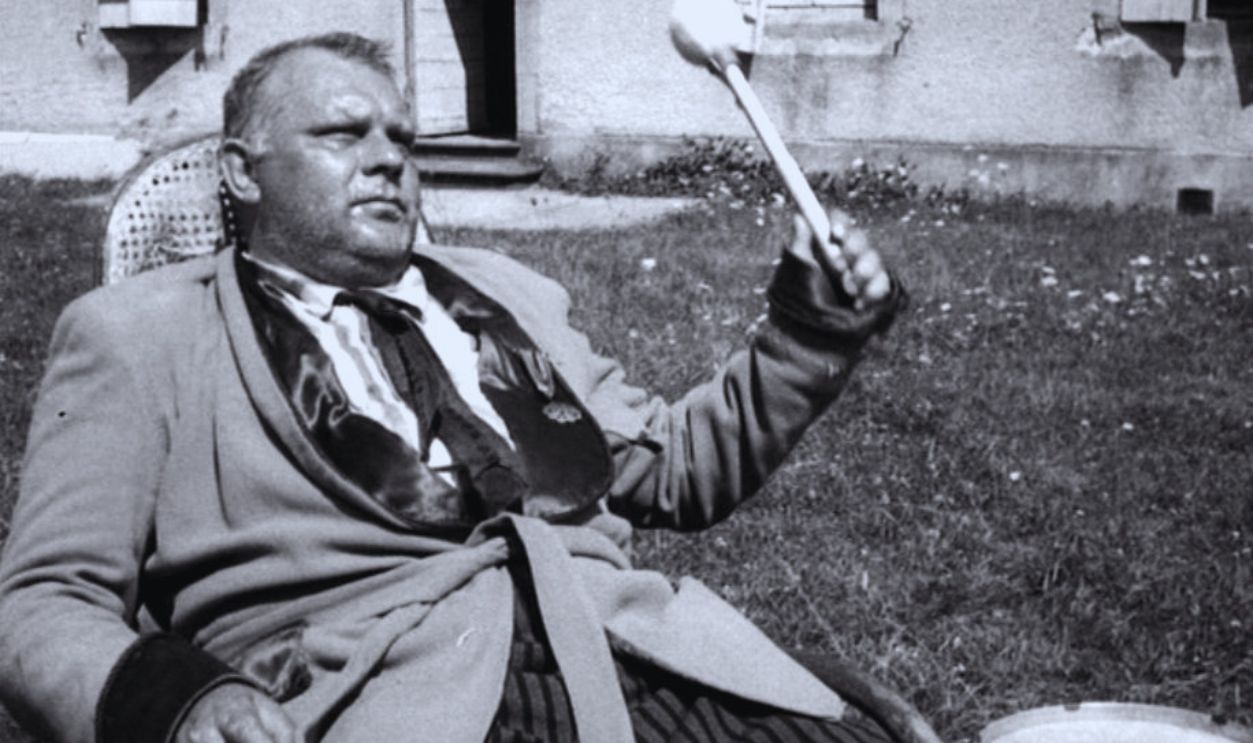
Roman Polanski’s silent short follows a miserable servant desperately trying to entertain his cruel master. The servant dreams of freedom and escape, but he remains trapped in an exhausting cycle of humiliation and obedience. The dark comedy slowly transforms into something much more unsettling.
 Screenshot from The Fat and the Lean, A.P.E.C. (1961)
Polanski Mixed Comedy With Political Commentary
Polanski made the film shortly after graduating from the National Film School in Lodz, Poland. The short cleverly uses physical comedy to critique authoritarian control and suppressed individuality. There’s also a strong Buster Keaton influence running through the film, though Polanski adds enough bitterness to make the laughs feel slightly dangerous.

From The Drain
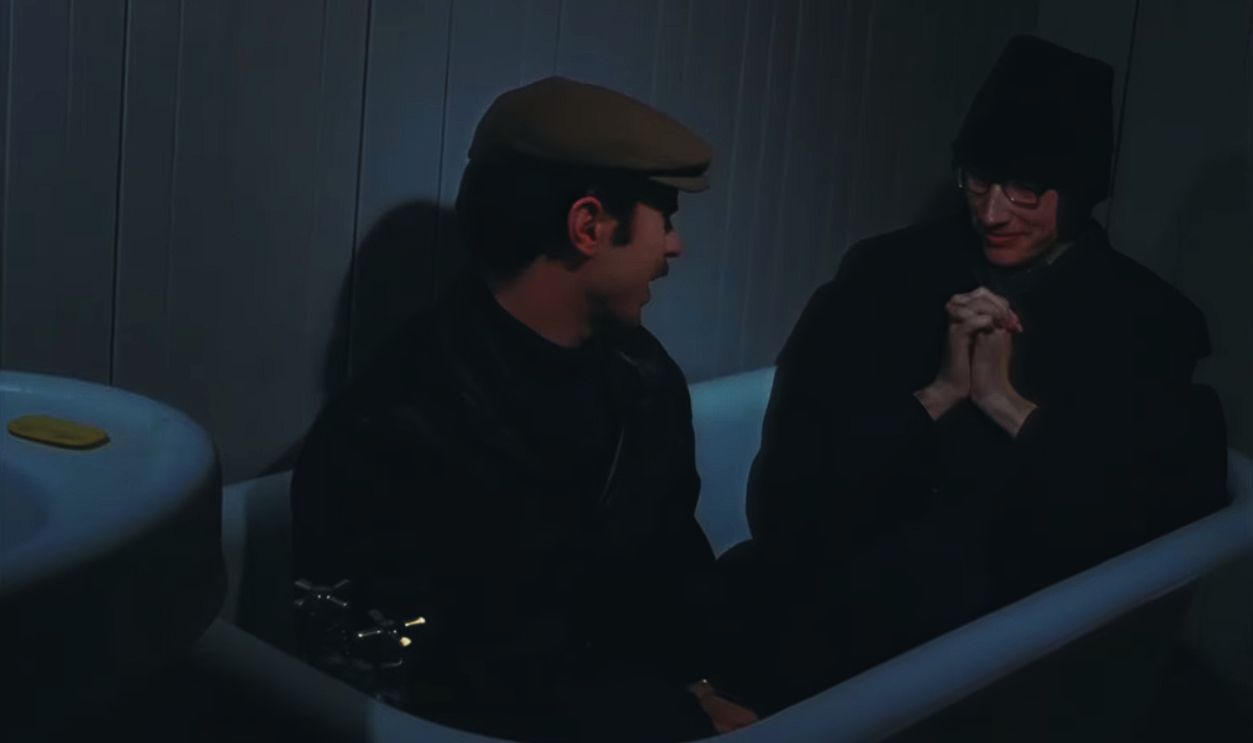
David Cronenberg’s From The Drain mostly consists of two men sitting fully clothed inside a bathtub while discussing war and other strange topics. That may not sound thrilling on paper, but the film slowly builds an eerie sense of dread and claustrophobia. The conversations feel disjointed and uncomfortable in a way that keeps you strangely hooked.
 Screenshot from From the Drain, Emergent Films Ltd. (1967)
Cronenberg Was Already Making Audiences Uneasy
Cronenberg directed the short while studying at the University of Toronto, and the movie already hints at the unsettling atmosphere that later defined his career. Minimalist spaces, uncomfortable body imagery, and psychological unease all make appearances here. The film’s bizarre final moments feel like an early signal that Cronenberg was always destined to become cinema’s king of discomfort.

You May Also Like:
The Films That Made Robert Redford Hollywood’s Most Compelling Actor
Source: 1


.jpg)