A Military Spectacle Cherished To Date
November 17, 1950, was Breakthrough’s grand debut. In an hour-long military parade, 8,000 spectators packed the event. Everyone stood in attendance, ready to witness a real-life event recreated before their eyes.
Lewis Seiler’s Vision Redefined War Films
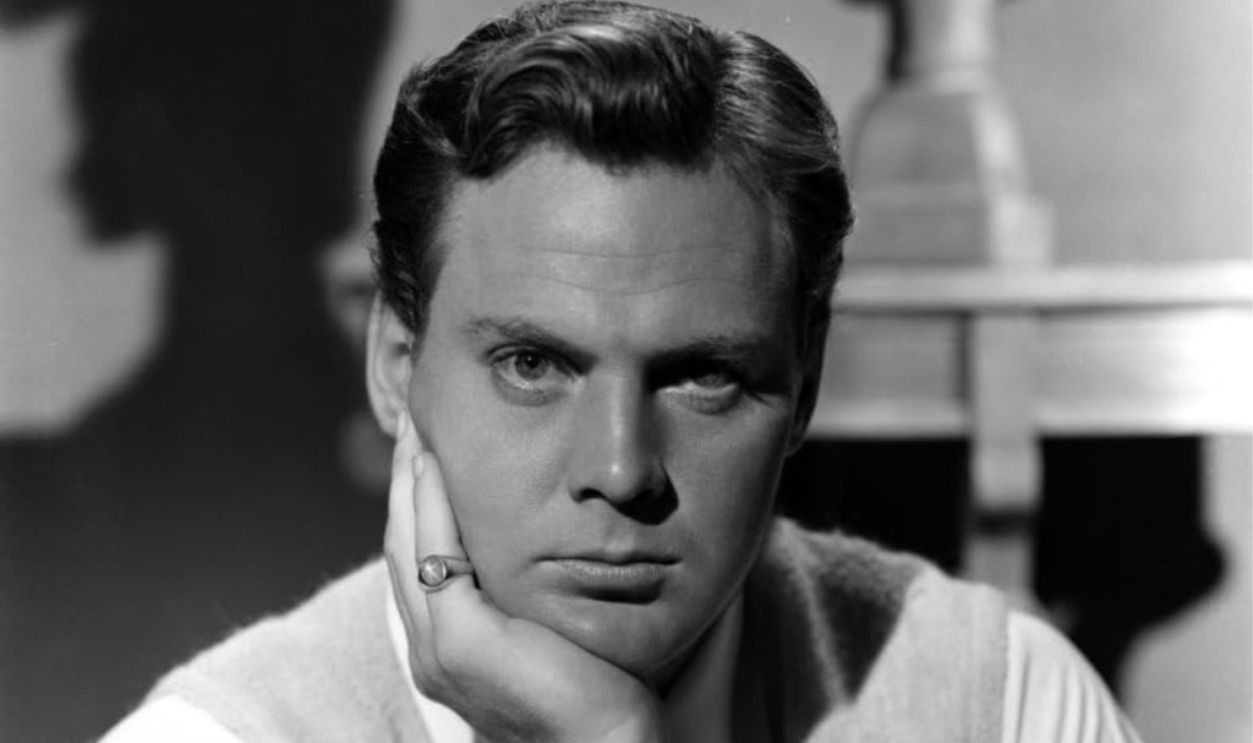
Director Lewis Seiler went against Hollywood’s glossy grain by refusing glamour. His approach was to incorporate real combat footage into the drama by crafting something closer to a documentary than an entertainment. The secret? Warner Bros likely consulted those who lived it.
 Unknown authorUnknown author, Wikimedia Commons
Breakthrough’s Cast Had WWII Film Experience
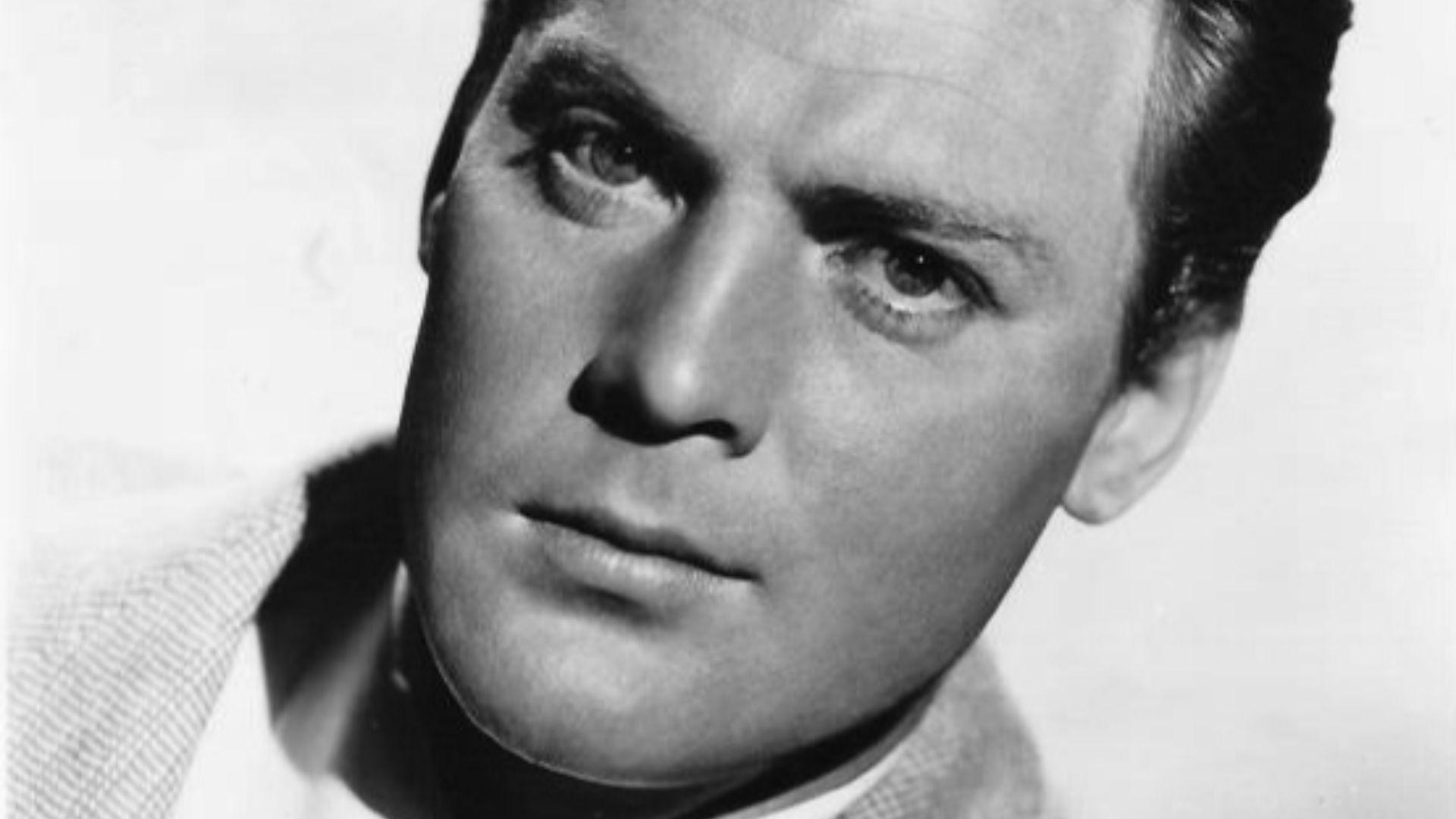
The cast also had war film veterans. John Agar carried experience from Sands of Iwo Jima, while Frank Lovejoy brought gravitas from Home of the Brave. Their familiarity with wartime roles enriched the film’s authenticity. Combined with combat reels, their performances grounded the story.
 Movie studio, Wikimedia Commons
Real 1st Infantry Division Veterans Starred
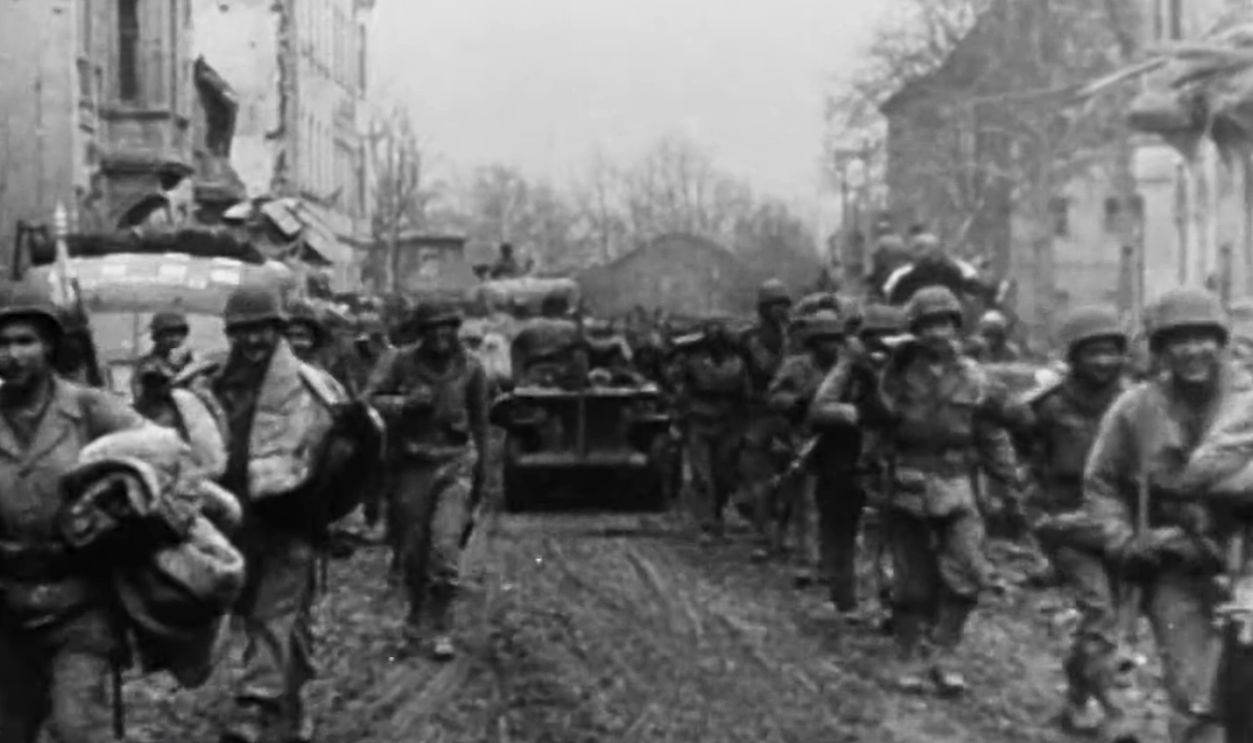
Their presence was tied directly to the archival reels, blending lived combat with staged drama. By sharing stories and standing in scenes, these veterans gave the film emotional weight. For 1950 audiences, watching men who had actually fought in Normandy just five years earlier made the experience unforgettable.
 Warner Bros., Breakthrough (1950)
Archival Footage Creates Unmatched Authenticity
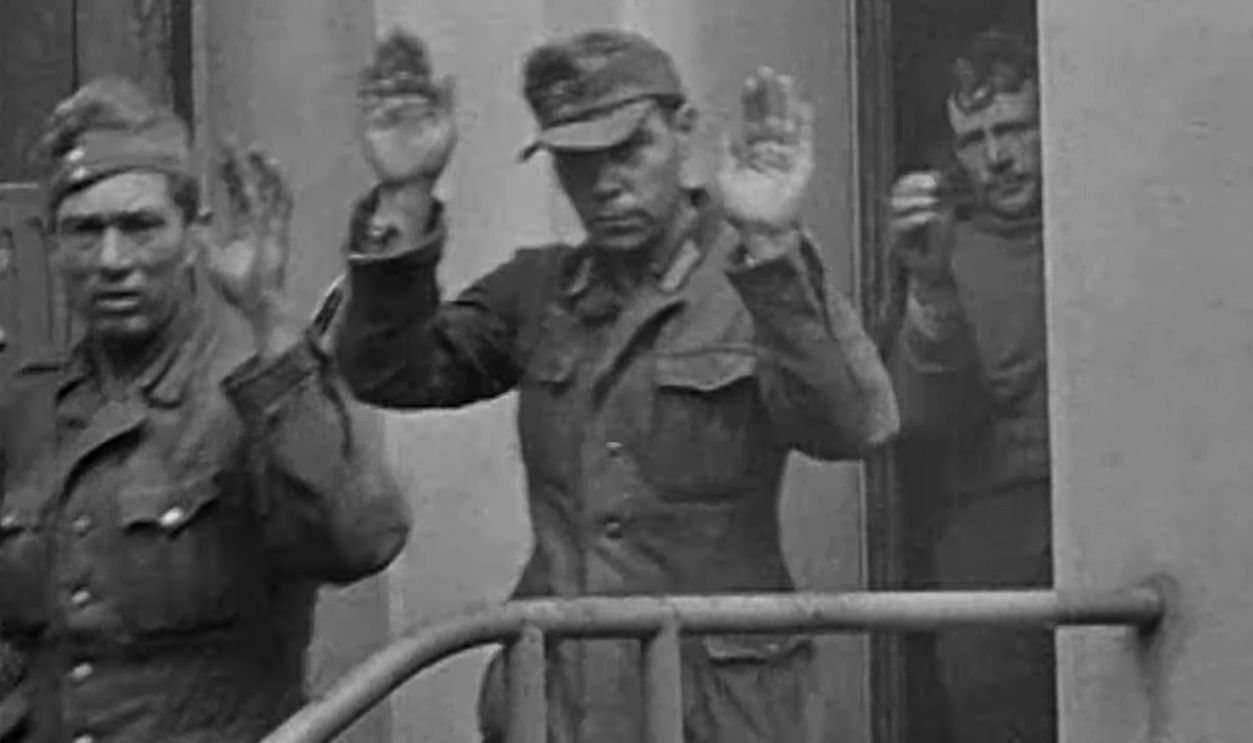
Nearly one-third of the running time belongs to wartime reels. US Army Signal Corps films showed landings, firefights, and artillery barrages, while seized German film provided rare enemy views. Very few films of the era combined sources like this with such skill. What they created gave audiences the most immediate record of WWII.
 Warner Bros., Breakthrough (1950)
D-Day Landings Feel Like A Documentary
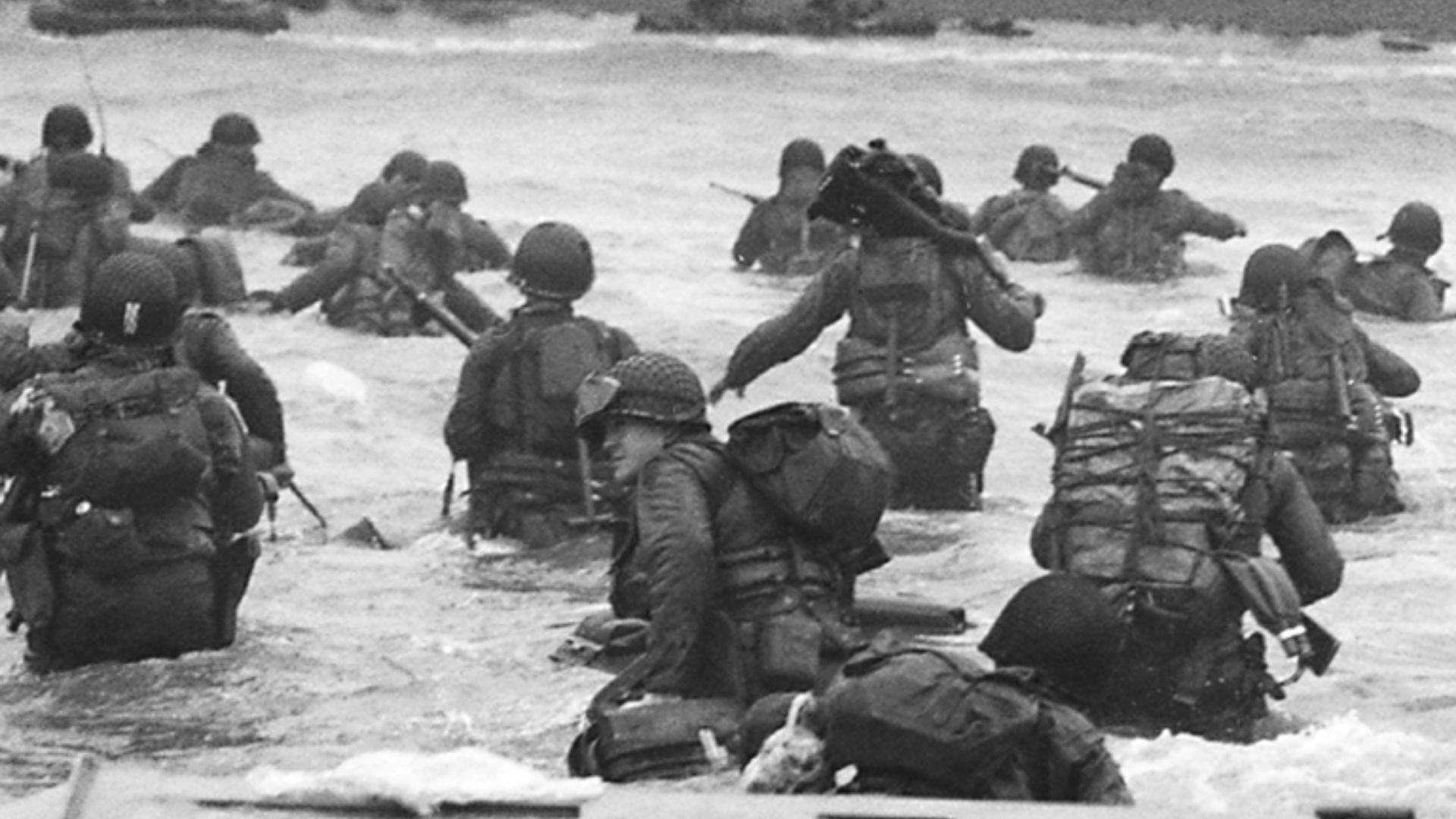
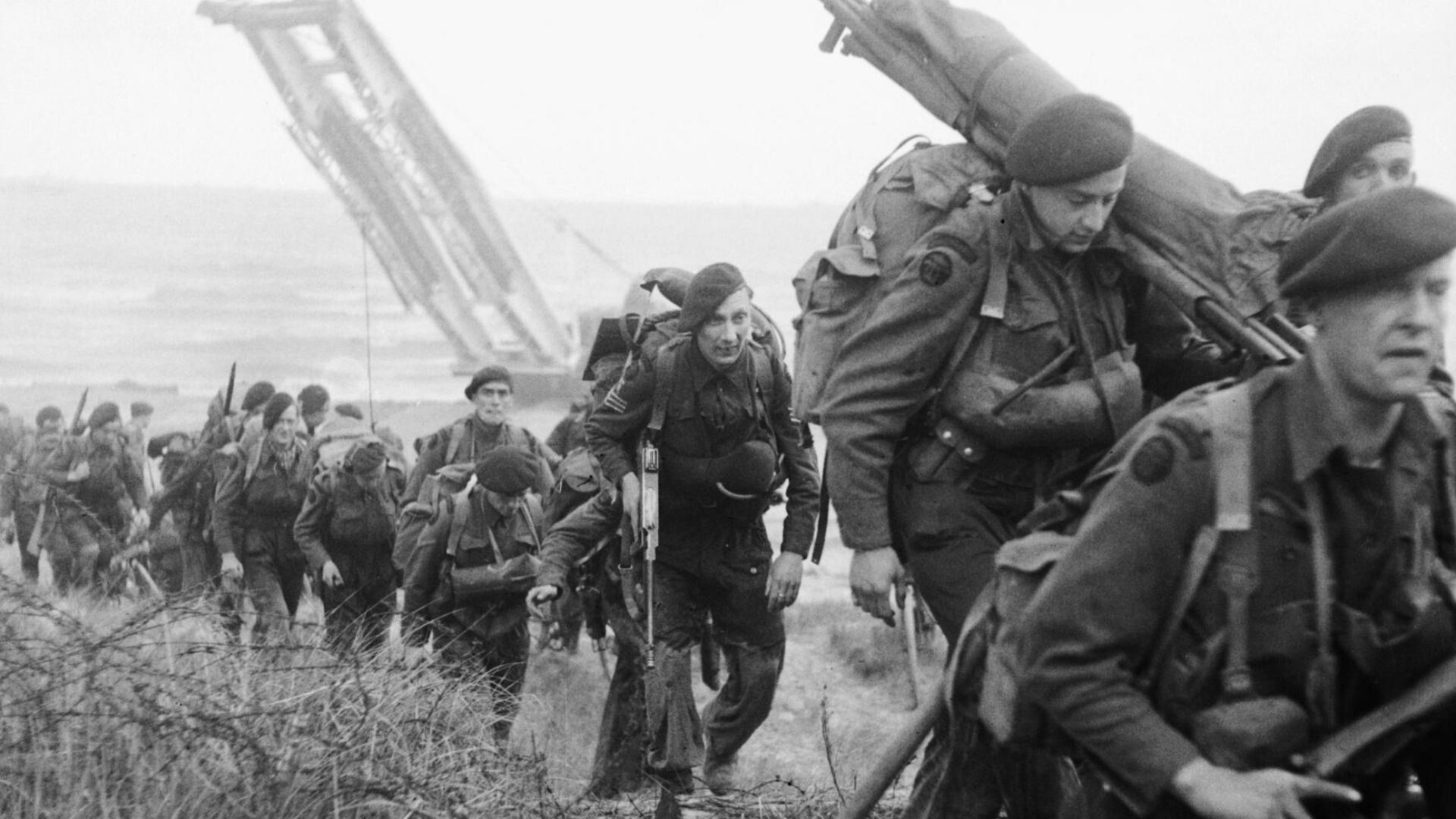
June 6, 1944, unfolds through authentic film of men storming the Normandy beaches. Seiler merged these images with dramatized sequences to keep the illusion intact. Shot in stark black and white, the landing scenes bore a nearly identical resemblance to wartime newsreels audiences might have watched six years prior.
 Robert F. Sargent, Wikimedia Commons
Normandy’s Hedgerow Battles Take Center Stage
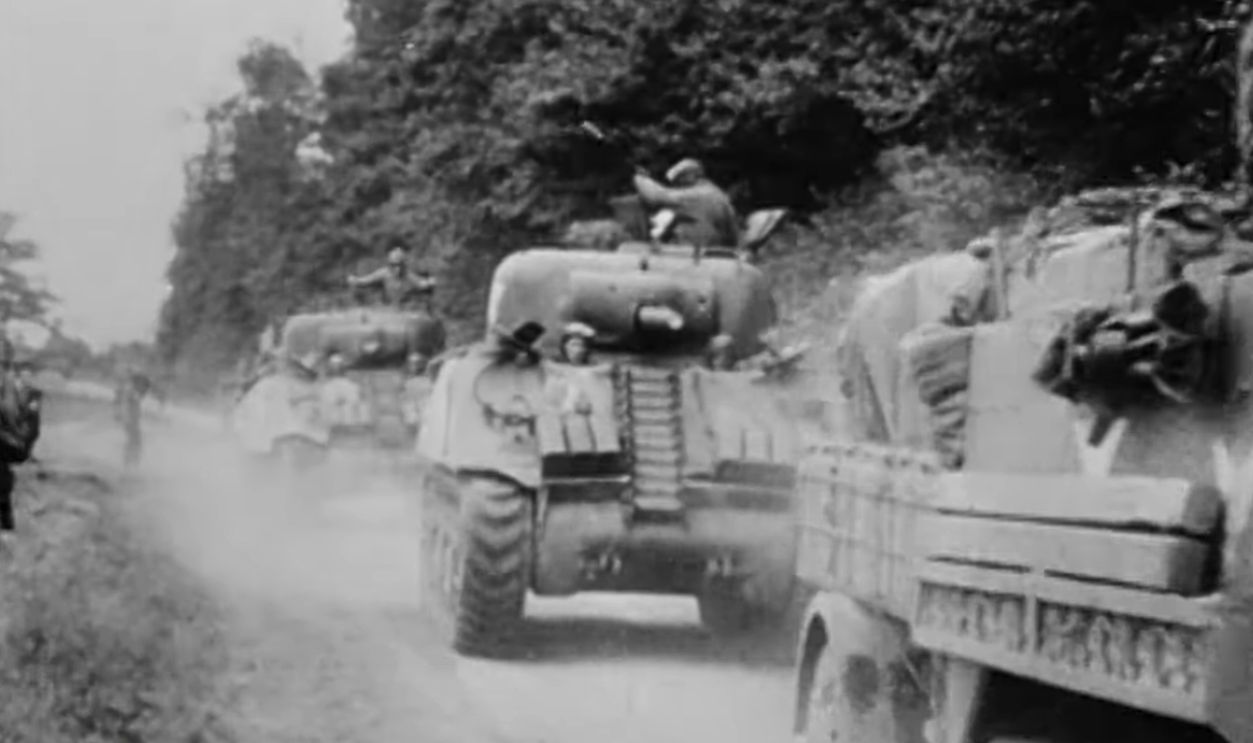
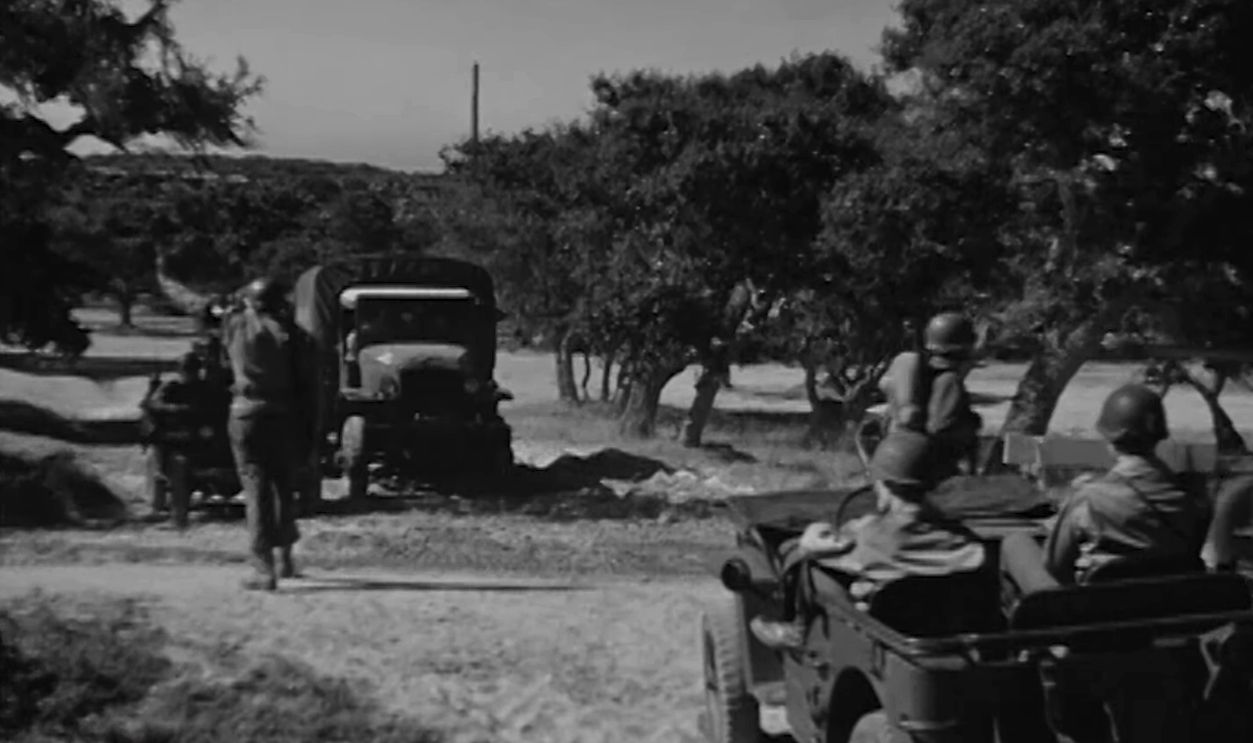
Breakthrough doesn’t shy from the brutal hedgerow warfare of summer 1944. Six-foot-high walls of earth and vegetation turned farmland into deadly fortresses. Real combat footage captured soldiers crawling, blasting, and clawing through these mazes. These fields claimed thousands of Allied lives before the German lines gave way.
 Warner Bros., Breakthrough (1950)
The Film Even Captures Post-D-Day Struggles
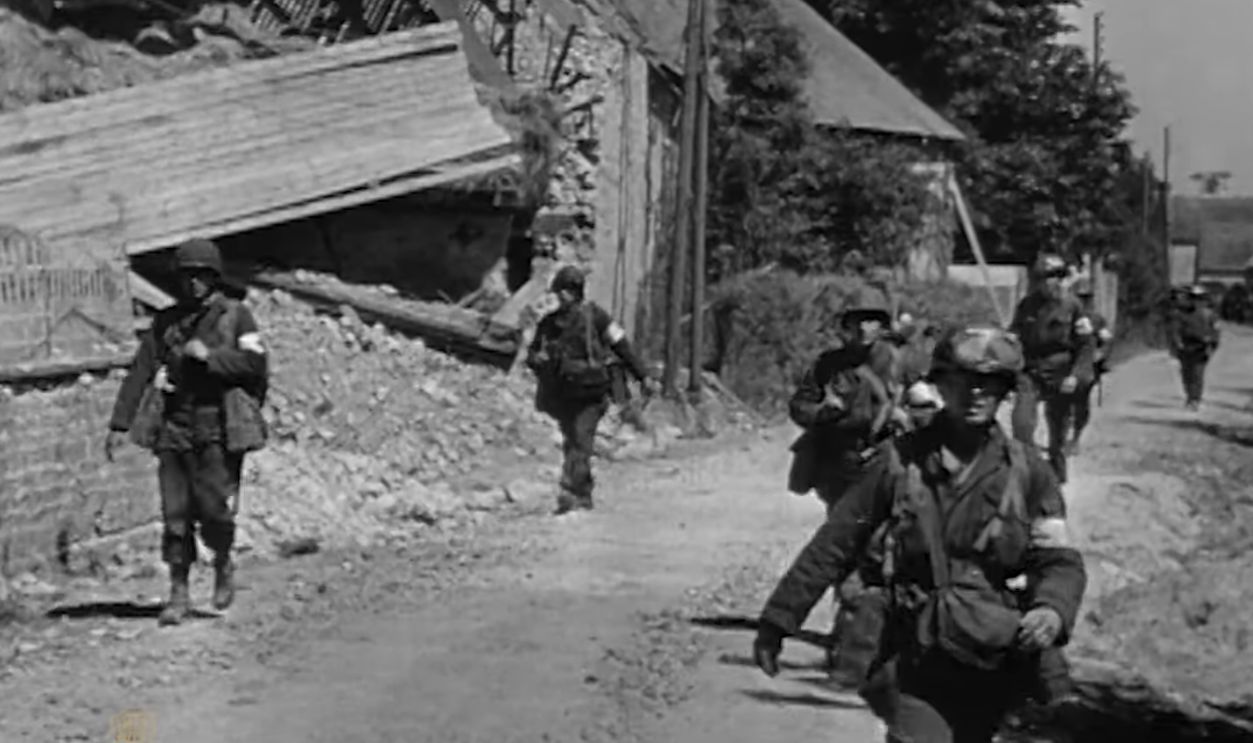
The Normandy campaign didn’t end on June 6, and neither did Breakthrough. This film showed the exhausting push through hedgerows toward St. Lo, where progress slowed to a crawl. As seen in the real footage, the journey took a long time, even after the beaches were secured.
 Warner Bros., Breakthrough (1950)
The Film’s Climax At St Lo Feels Epic
The struggle culminates at St Lo, one of Normandy’s decisive battles. Archival film depicts the devastation and the ferocity of the fighting. The Allies’s breakthrough here marked a turning point in the campaign, to match the film’s narrative title with real historical victory.
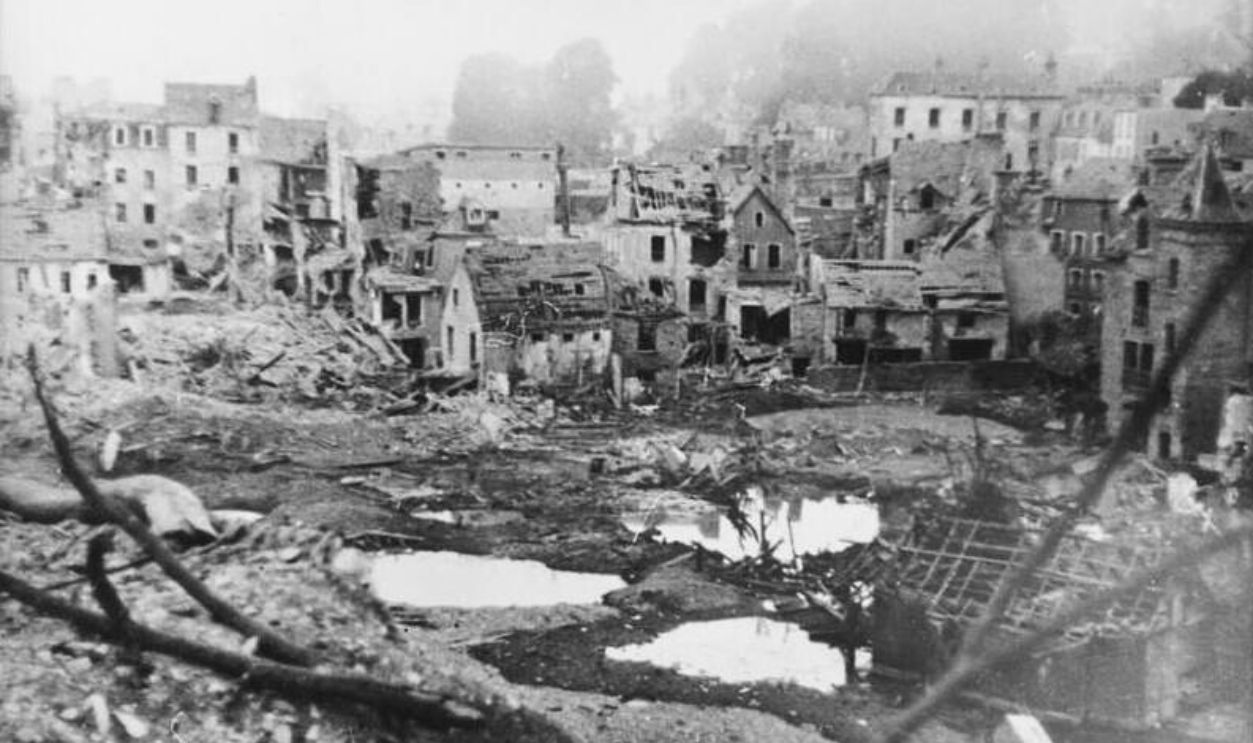 Bundesarchiv, Bild 146-1984-043-03 / CC-BY-SA 3.0, CC BY-SA 3.0 DE, Wikimedia Commons
John Agar’s Lt Joe Mallory Embodies Rookie Courage
Actor John Agar portrayed a green lieutenant learning survival under fire. Nicknamed “90-day wonders,” such officers were hastily trained before D-Day. His performance gave a vivid glimpse of inexperienced leadership under pressure.
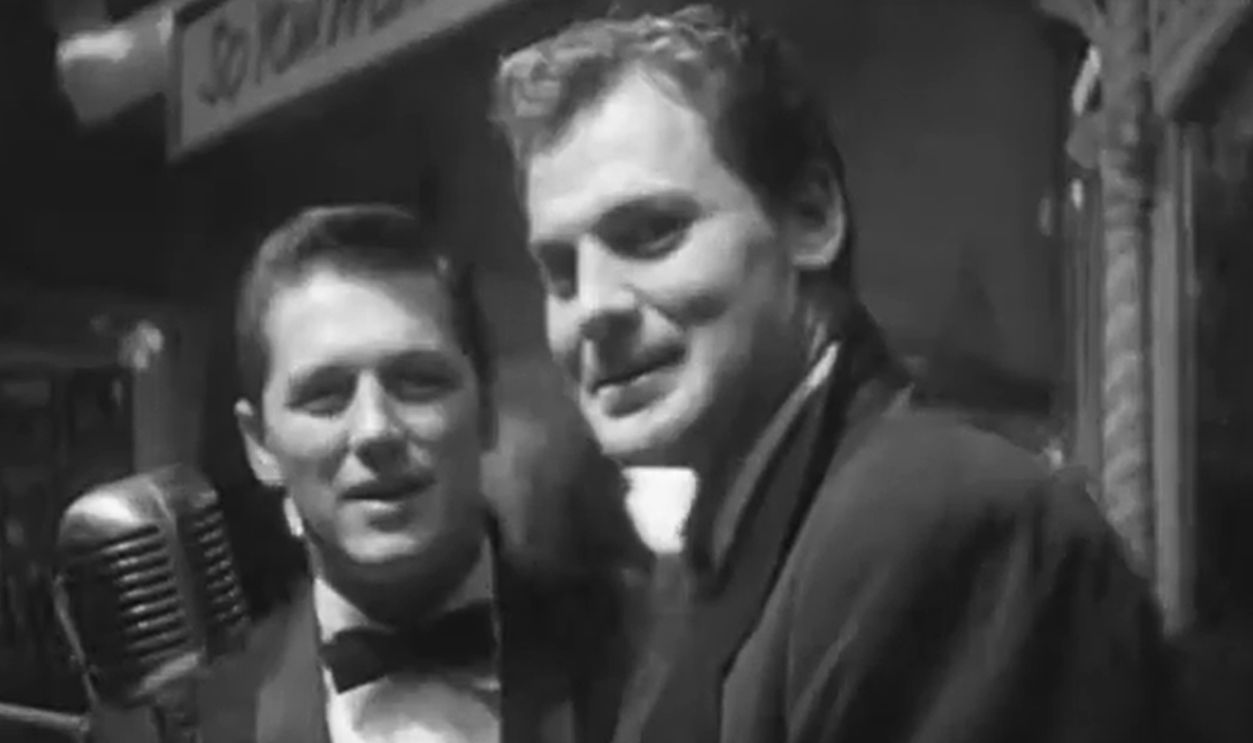 Premiere Of Film 'breakthrough' (1950) by British Pathe
David Brian’s Capt Tom Hale Grounds The Film
David Brian brought battlefield gravitas to his role as Captain Hale. With prior experience in film noir, Brian added grit to a character modeled after stern WWII commanders. His scenes were paired with footage of Normandy hedgerows. These showed harsh leadership decisions amid choking terrain that cost thousands of Allied lives.
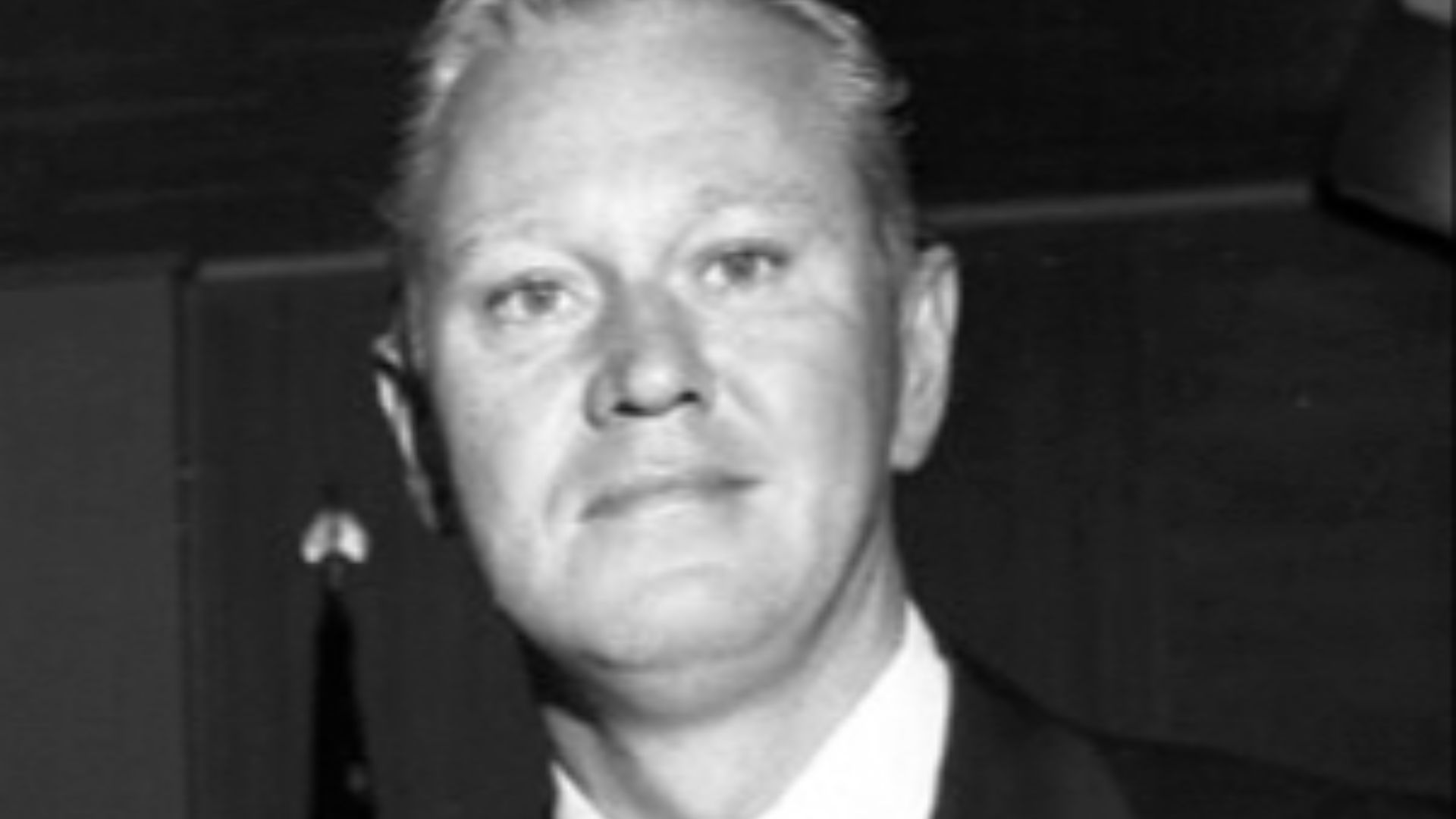 Los Angeles Times, Wikimedia Commons
Frank Lovejoy’s Narration Brings War To Life
Frank Lovejoy voiced Sergeant Pete Bell, narrating with a gravelly authenticity. His commentary layered over combat film reels, captured in Normandy, provided context through the eyes of a hardened veteran. Lovejoy had previously starred in other war dramas, and this lends credibility to his portrayal of the platoon’s seasoned guide.
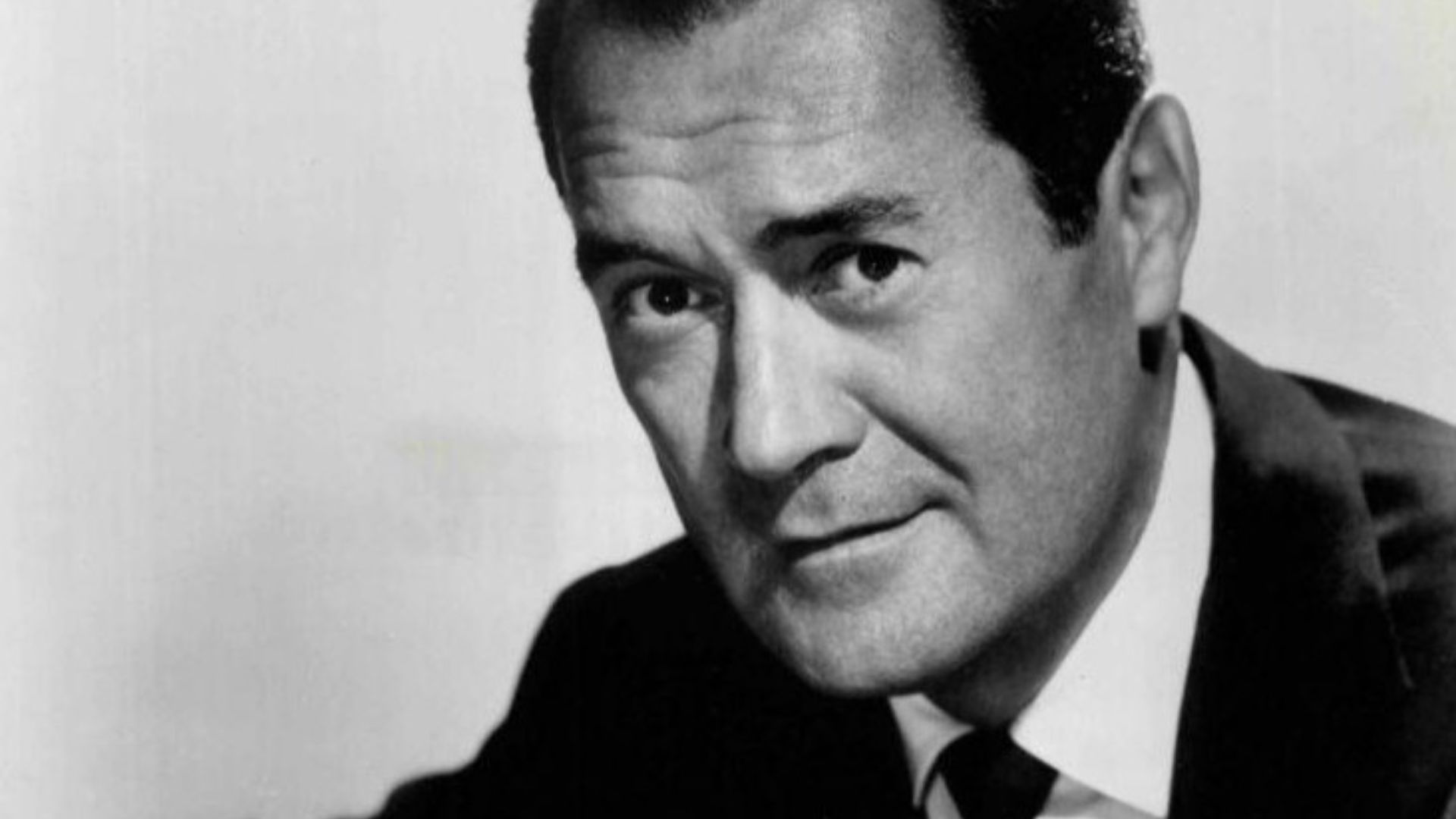 United States Steel Corporation, the program sponsor., Wikimedia Commons
William Campbell’s Role Adds Depth
Another cast member was William Campbell, who portrayed Corporal Danny Dominick with understated strength. His quiet intensity resonated alongside real combat footage. Campbell’s later fame in Star Trek added legacy interest, but here he reflected the resilience of ordinary soldiers whose courage carried them through Normandy’s punishing terrain.
 Bengt Nyman, Wikimedia Commons
Soldiers’s Personalities Shine Through Chaos
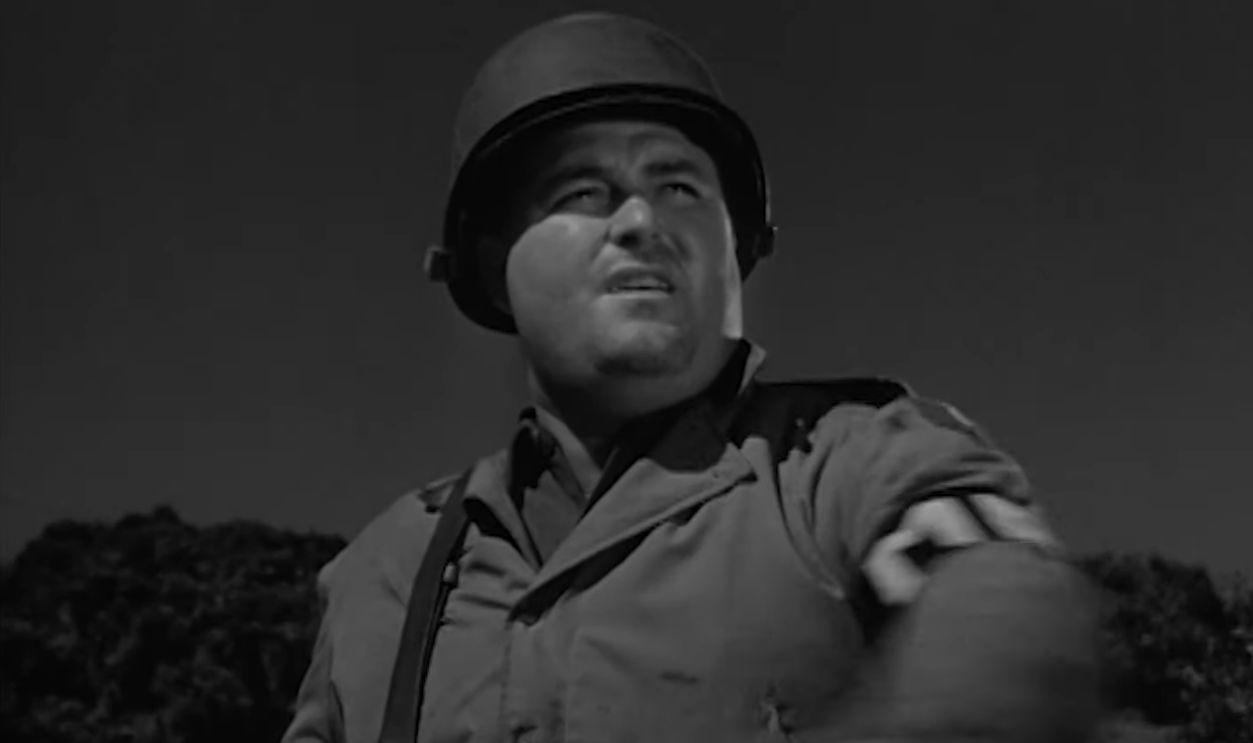
Every character stood out with quirks and habits that felt real. One hailed from Klamath Falls, Oregon, while another cracked impressions under fire. These touches humanized the platoon, and when combined with actual combat reels, underscored the individuality of men swept into collective struggle.
 Warner Bros., Breakthrough (1950)
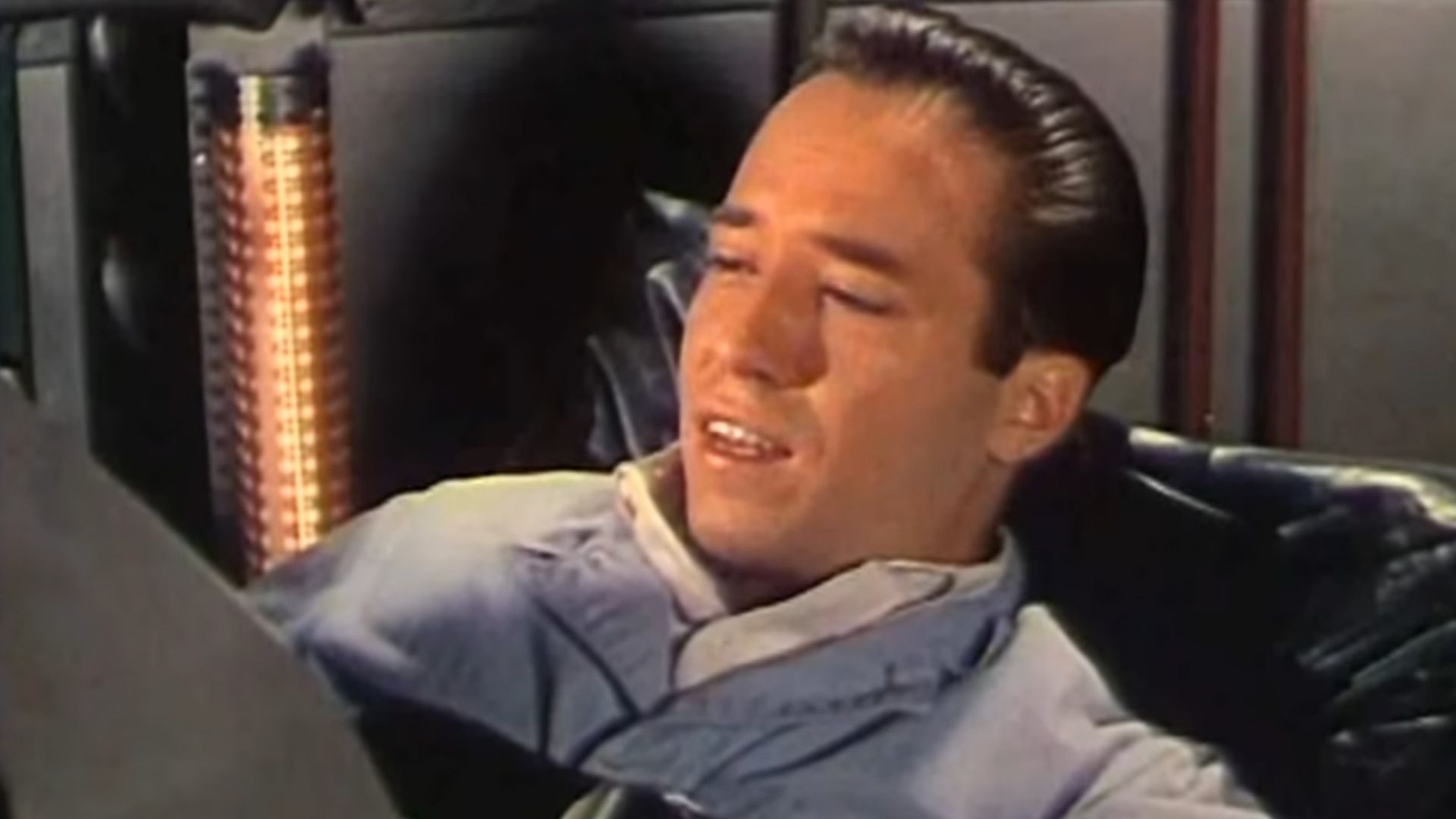
Dick Wesson’s Humor Lightens The Tension
It wasn’t all grim because Private Hansen, played by Dick Wesson, injected levity into the grim battle scenes. His Bogart impressions and wisecracks mirrored coping mechanisms soldiers often used in combat. Hansen’s lighthearted spirit contrasted starkly with the archival reels of carnage, creating moments of relief.
 Trailer screenshot, Wikimedia Commons
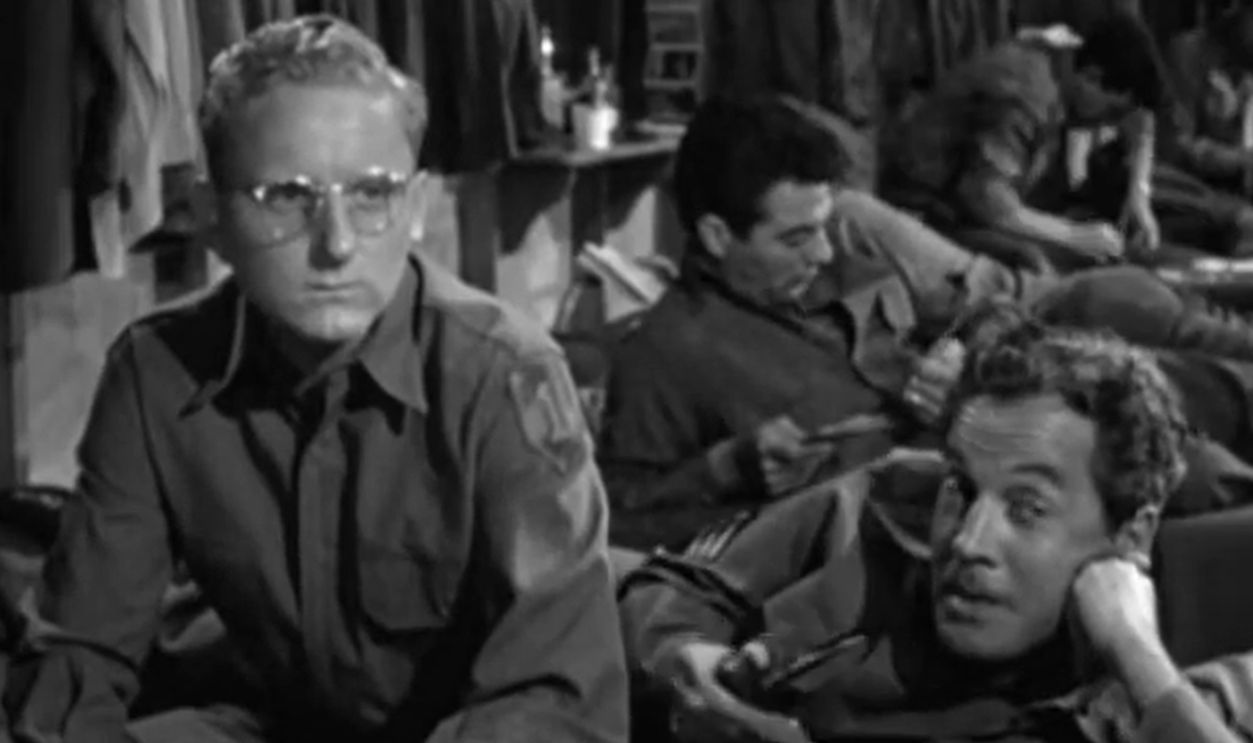
The Film Skips Romanticized Heroics
Unlike many war dramas of its era, Breakthrough rejected glorified speeches and tidy victories. Survival, fear, and sacrifice drove the story. Newsreel footage emphasized the grit of real combat. The message was unmistakable: the war was won through relentless endurance, not movie-style heroics.
 Warner Bros., Breakthrough (1950)
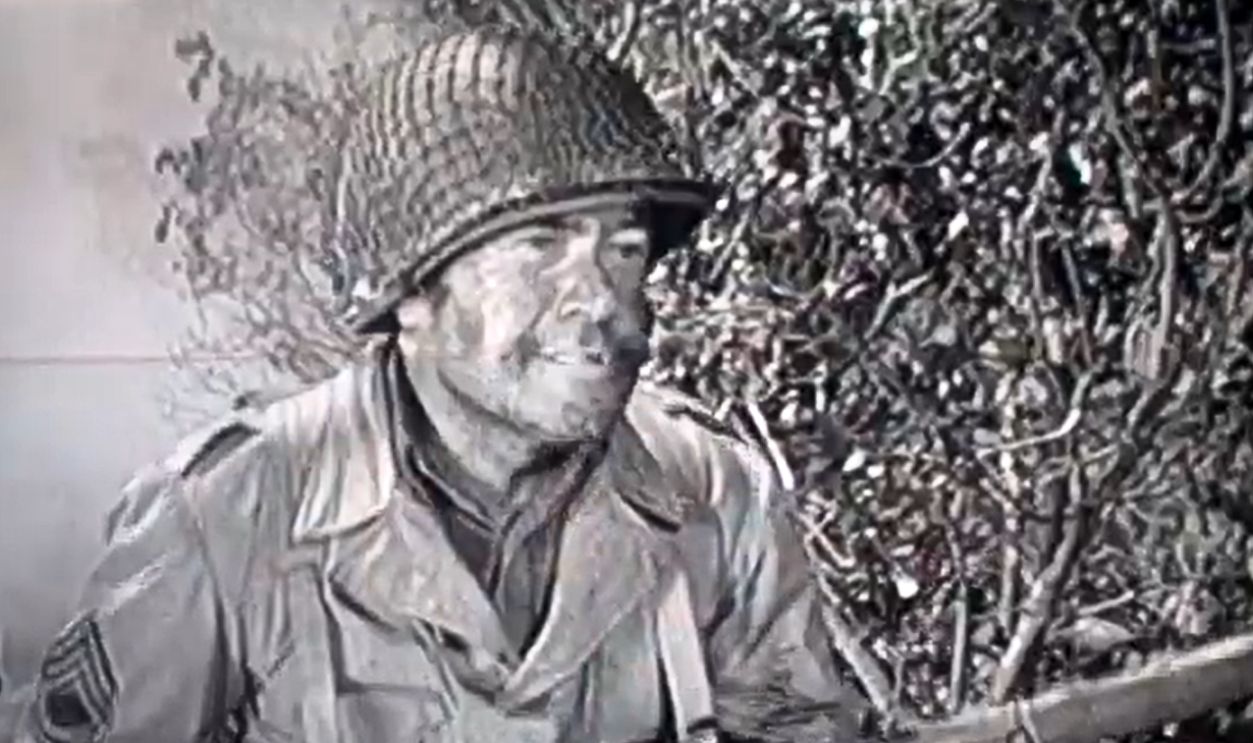
Combat Scenes Feel Harrowingly Real
If you watch this film, be prepared to duck and even sink a little deeper into your seat, as the foxholes, hedgerows, and shellfire come alive through actors mimicking genuine soldier behavior. The training sequences were so intense that two performers suffered minor on-set injuries. It was notably physically demanding.
 Warner Bros., Breakthrough (1950)
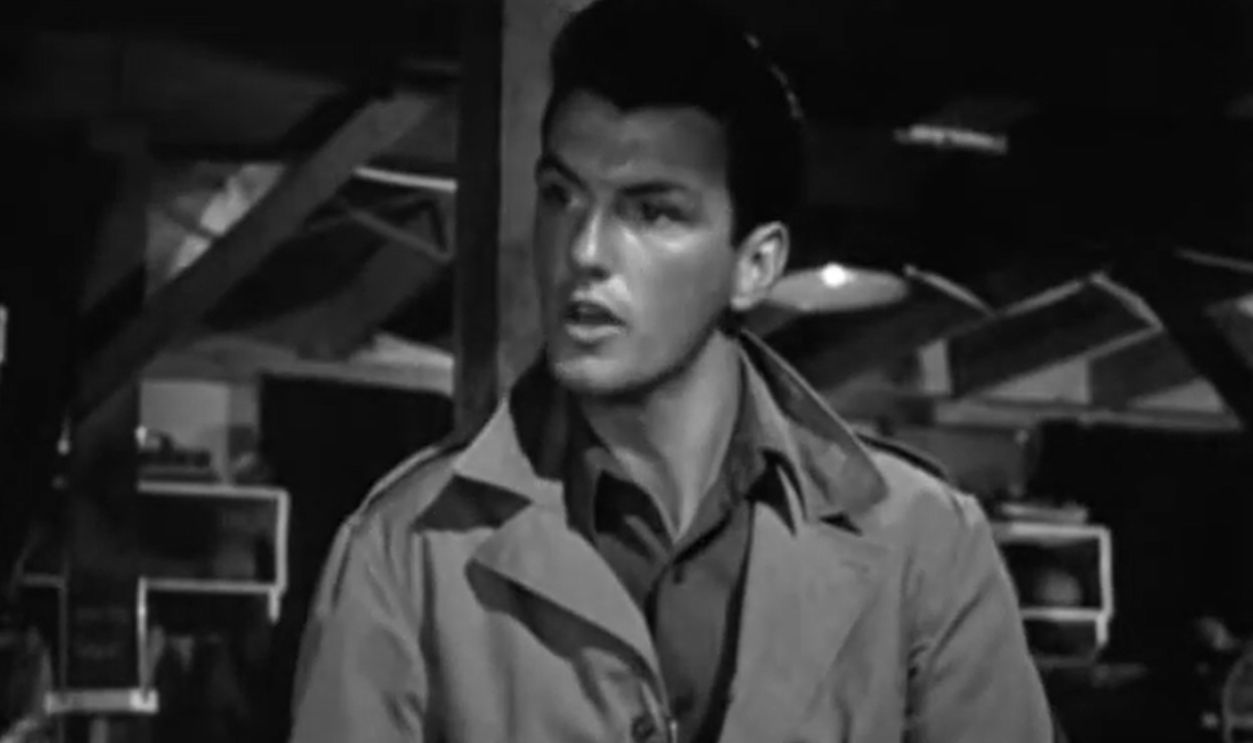
The Film’s Black-And-White Aesthetic Enhances Grit
Shot by cinematographer Edwin DuPar, Breakthrough used stark monochrome imagery that matched wartime reels perfectly. The editing team was also on their A-game because the shadows and explosions blended seamlessly with the authentic footage. This stylistic choice created a unified aesthetic and delivered a documentary realism impossible to replicate in color.
 Warner Bros., Breakthrough (1950)
Seiler’s Restrained Direction Avoids Exaggeration
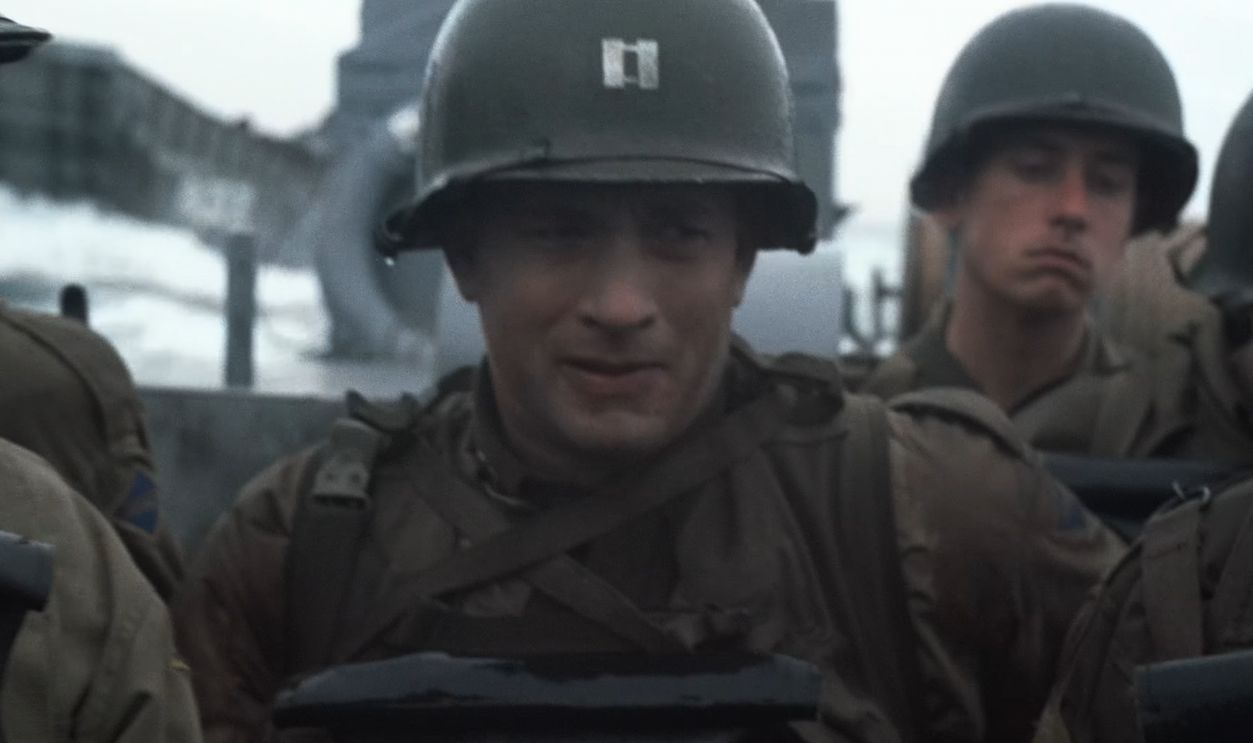
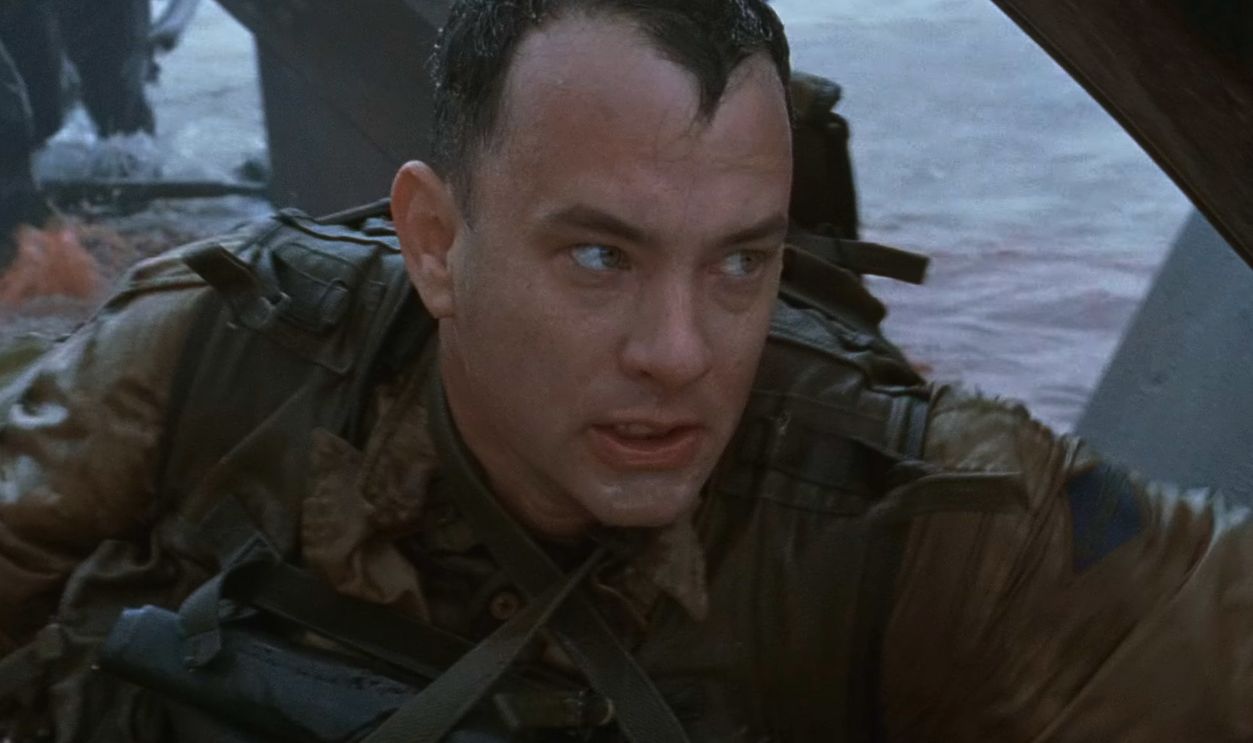
Close-ups of strained faces, muted soundscapes, and raw combat reels defined Seiler’s style. He skipped dramatic flourishes and orchestral surges, choosing realism over theater. By keeping the lens fixed on soldiers’s immediate struggles, the director paved the way for later gritty war epics like Saving Private Ryan.
 DreamWorks Pictures, Saving Private Ryan (1998)
Breakthrough’s Pacing Keeps Viewers Engaged
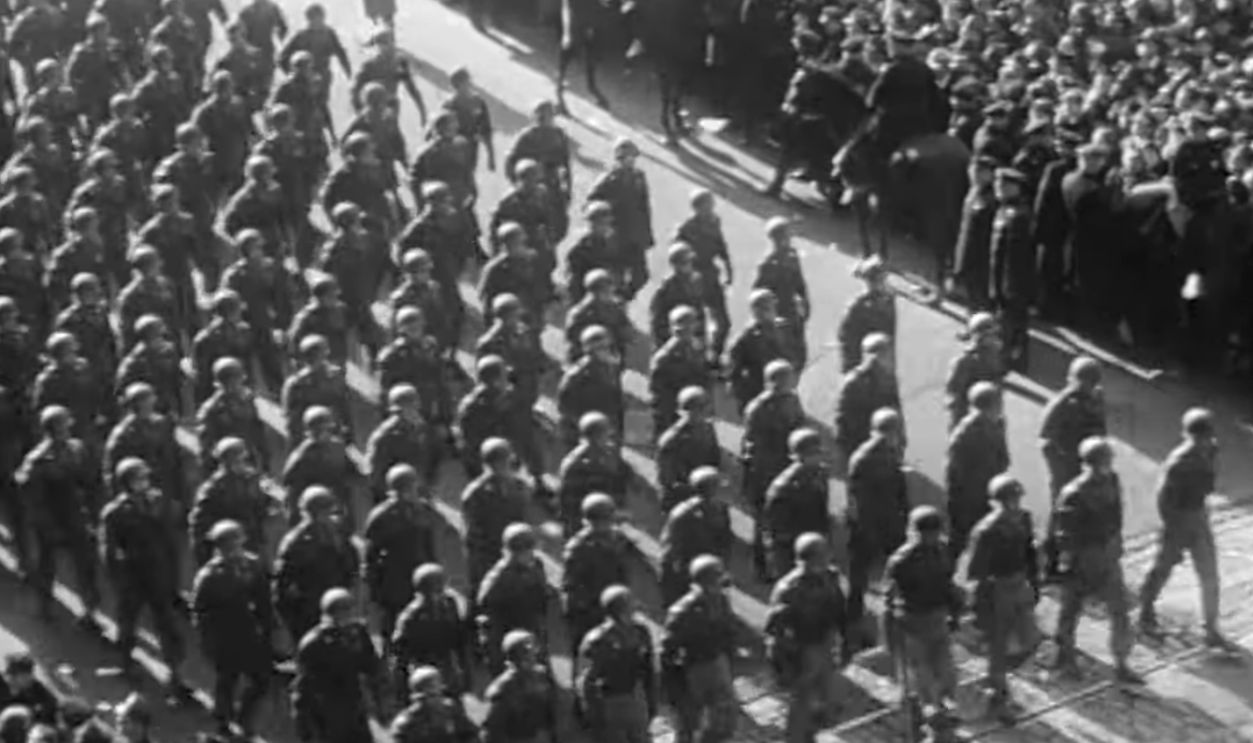
Another tactic they employed was that the film’s structure mirrors the rhythm of war. It was tense and unpredictable, exactly how it gets on the battlefield. The real footage transitioned into a character-driven drama, following the platoon from training camps through the grinding battles of Normandy to St. Lo.
 Warner Bros., Breakthrough (1950)
The Film’s Budget Was Remarkably Low
With a production cost of just $784,000, Breakthrough became a financial surprise. Why? It grossed more than $3 million after. The archival footage they used was a smart money move because it slashed expenses. Warner Bros discovered realism could command profits without costly sets or heavy special effects.
 Junkyardsparkle, Wikimedia Commons
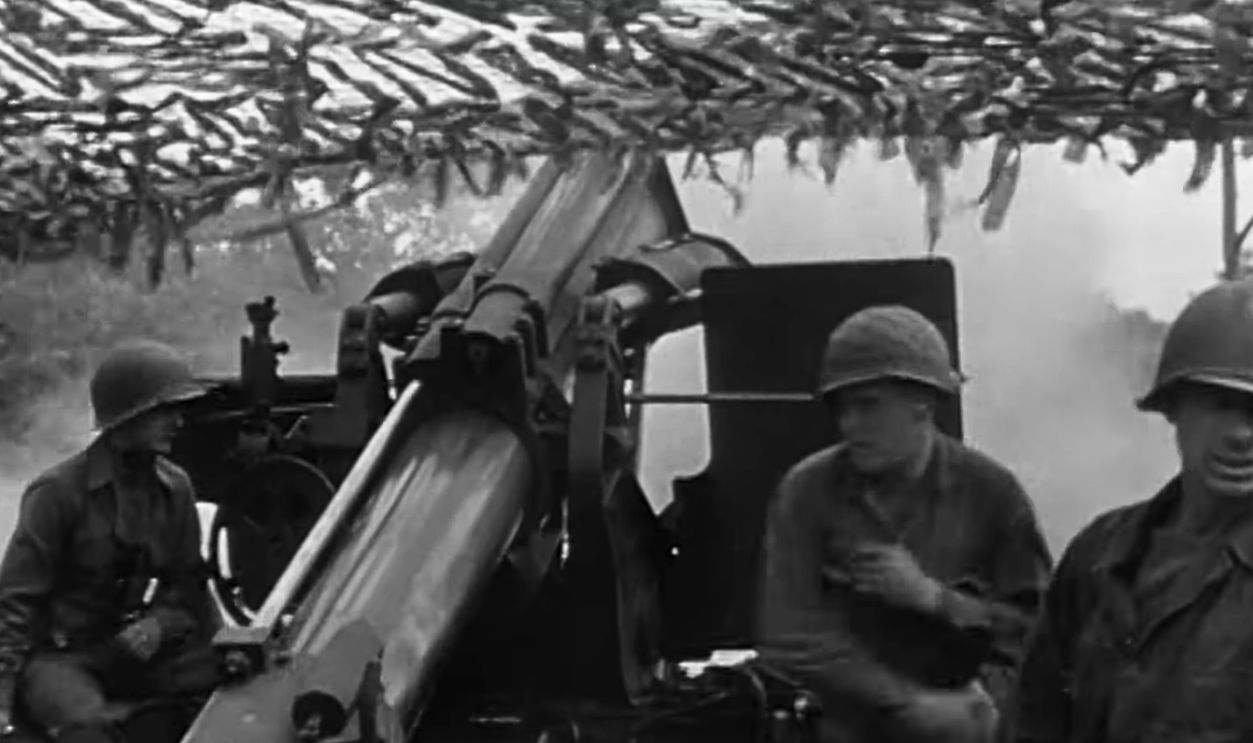
Breakthrough Avoids Anti-War Controversy
Though raw in imagery, the film sidestepped overt anti-war commentary. Editors cut scenes that leaned too critical, while real footage kept the focus on frontline soldiers. This balance of patriotism with brutal honesty was a vital step they took. It allowed the movie to resonate across audiences without sparking backlash.
 Warner Bros., Breakthrough (1950)
Breakthrough Influenced Later War Films
By integrating one-third archival footage, the film set a precedent for realism. Productions like Band of Brothers and Saving Private Ryan echoed its gritty tone decades later. Breakthrough was an experiment to see if audiences respected raw truth, and they did. This paved the way for future war films.
 DreamWorks Pictures, Saving Private Ryan (1998)
Breakthrough’s Legacy Endures Quietly
Even after later epics came out, Breakthrough remains a treasured part of history. Its extensive use of combat reels distinguished it from other 1950s productions. Modern war films are built on their foundation, but their enduring strength lies in presenting WWII as lived by those who fought it.
 Evans, J L (Capt), No 5 Army Film & Photographic Unit, Wikimedia Commons
A Timeless Tribute To WWII Soldiers
Above all, Breakthrough honored the men of the 1st Infantry Division. Authentic footage immortalized their sacrifices at Normandy. By merging fact with fiction, the film preserved one of history’s most pivotal campaigns, offering a cinematic salute that still resonates 75 years later.
 Warner Bros., Breakthrough (1950)