Hollywood Had An Invisible Powerhouse
If you love The Last Picture Show, Paper Moon, Terms of Endearment, Broadcast News, or Say Anything..., you already know Polly Platt's work, even if you have never heard her name. She moved between production design, writing, producing, casting ideas, story development, and mentoring, frequently doing far more than her official credit suggested.
Decades later, film historians have increasingly argued that understanding Platt changes the way we understand some of New Hollywood's most celebrated movies.
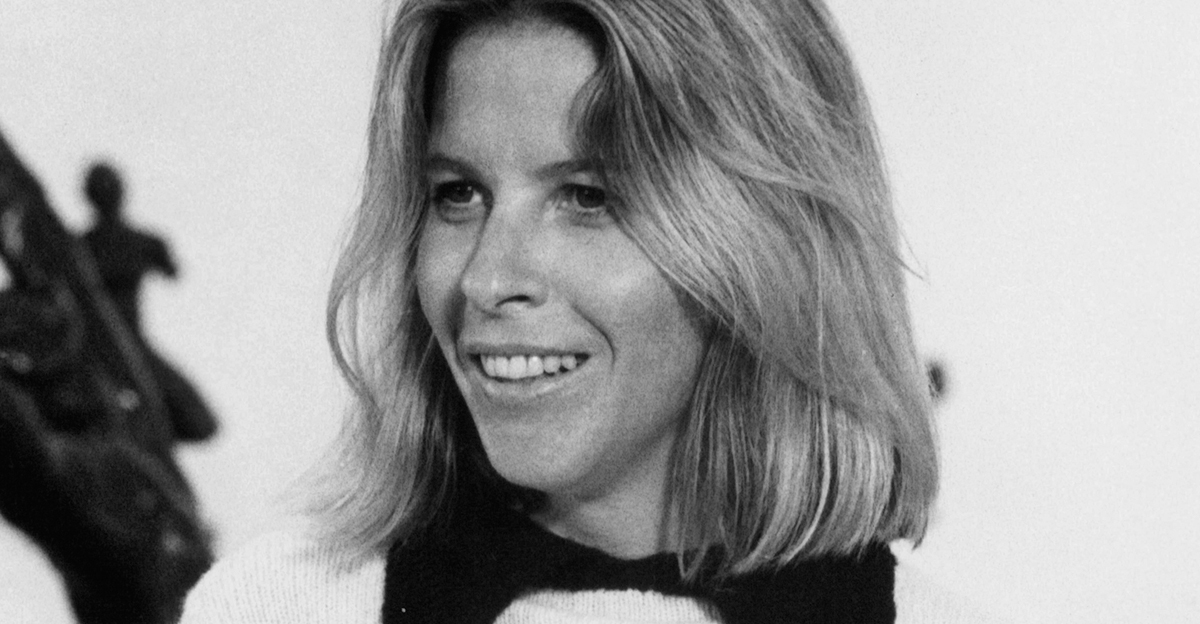
She Never Fit Into One Job Description
Platt was variously a production designer, costume designer, screenwriter, producer, and studio executive during a career that stretched from the 1960s into the 21st century. James L. Brooks later remembered her as someone who understood filmmaking as a collaborative enterprise and constantly helped other people succeed. That versatility would become one of her greatest strengths, but it also made her contribution unusually difficult to capture with a single credit on a movie poster.
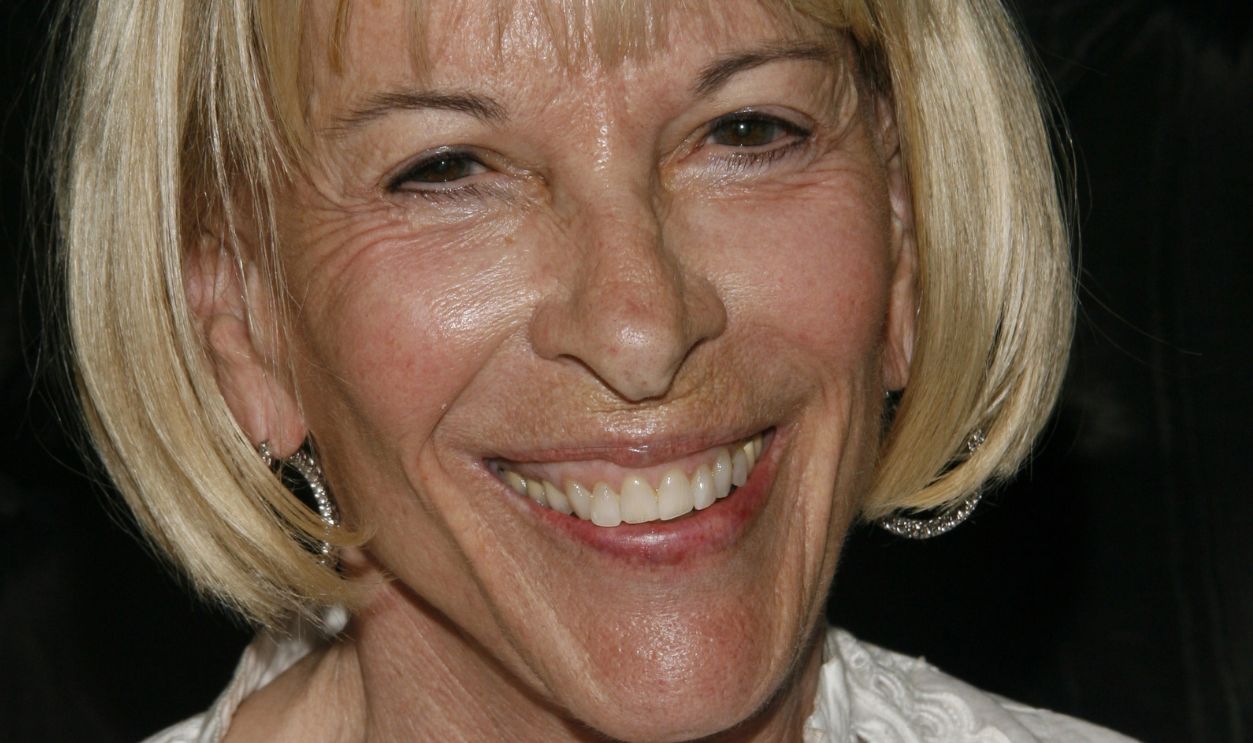
Her Childhood Took Her Far From Hollywood
Mary Marr "Polly" Platt was born in Fort Sheridan, Illinois, in 1939. Her father was an Army colonel, and when Platt was six, the family moved to Germany while he participated as a judge in the Dachau war-crimes trials. Platt later studied art at what is now Carnegie Mellon University before heading to New York and working in design.

Then She Met Peter Bogdanovich
While working as a designer in New York theater, Platt met Peter Bogdanovich, then a critic and aspiring filmmaker. They married in 1962 and developed a close creative partnership as they tried to break into movies. From the beginning, Platt was not simply standing beside a future director. She was developing stories and solving the visual and practical problems required to turn those stories into films.
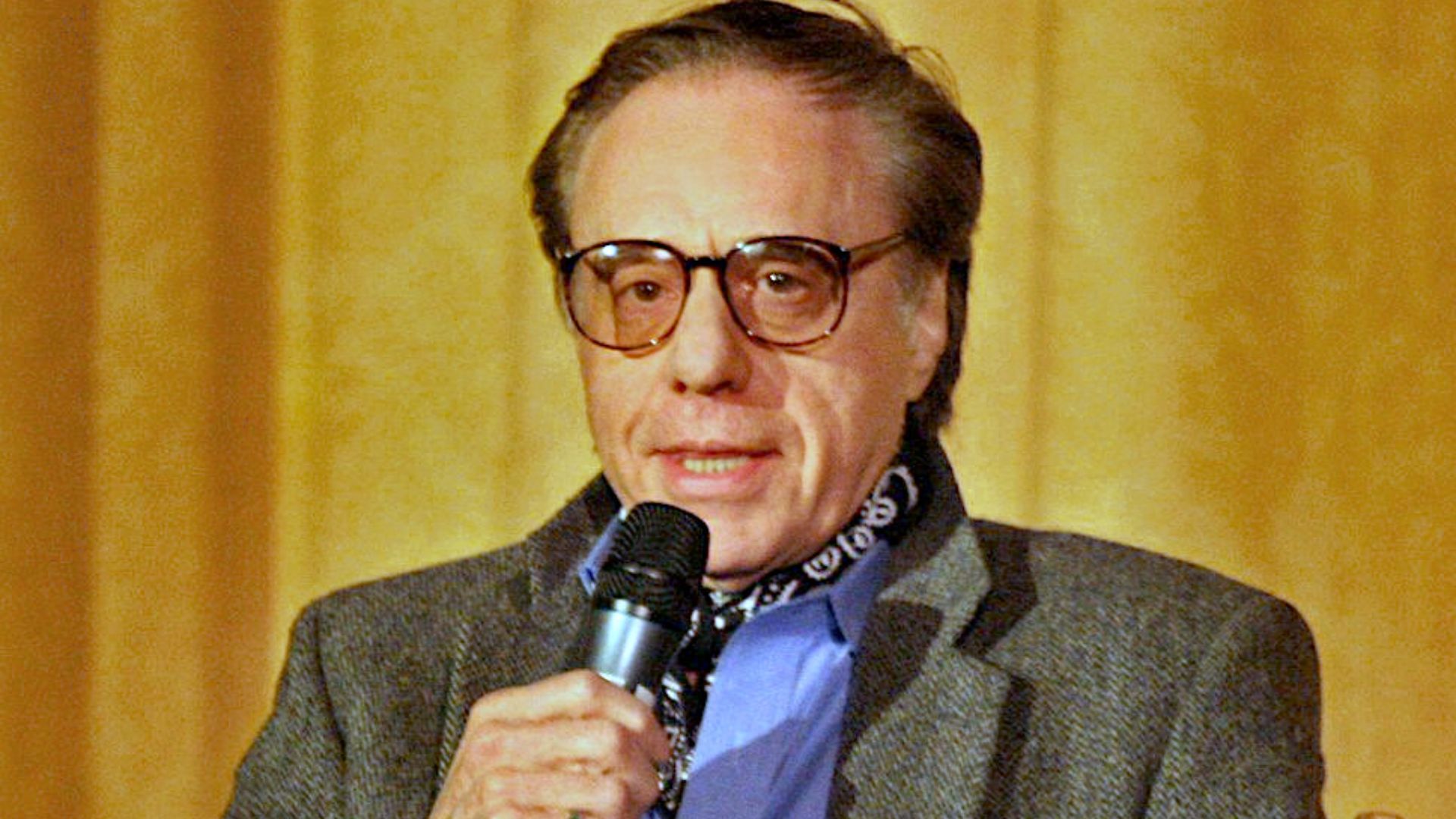
Targets Put Her Talents On Screen
Bogdanovich's feature directing breakthrough, Targets, arrived in 1968 with Boris Karloff playing an aging horror star while another storyline followed a young mass shooter. Platt shared story credit with Bogdanovich and served as the film's production designer, marking her first theatrical feature in those capacities. The American Film Institute identifies Targets as both Bogdanovich's debut and Platt's first theatrical motion picture.
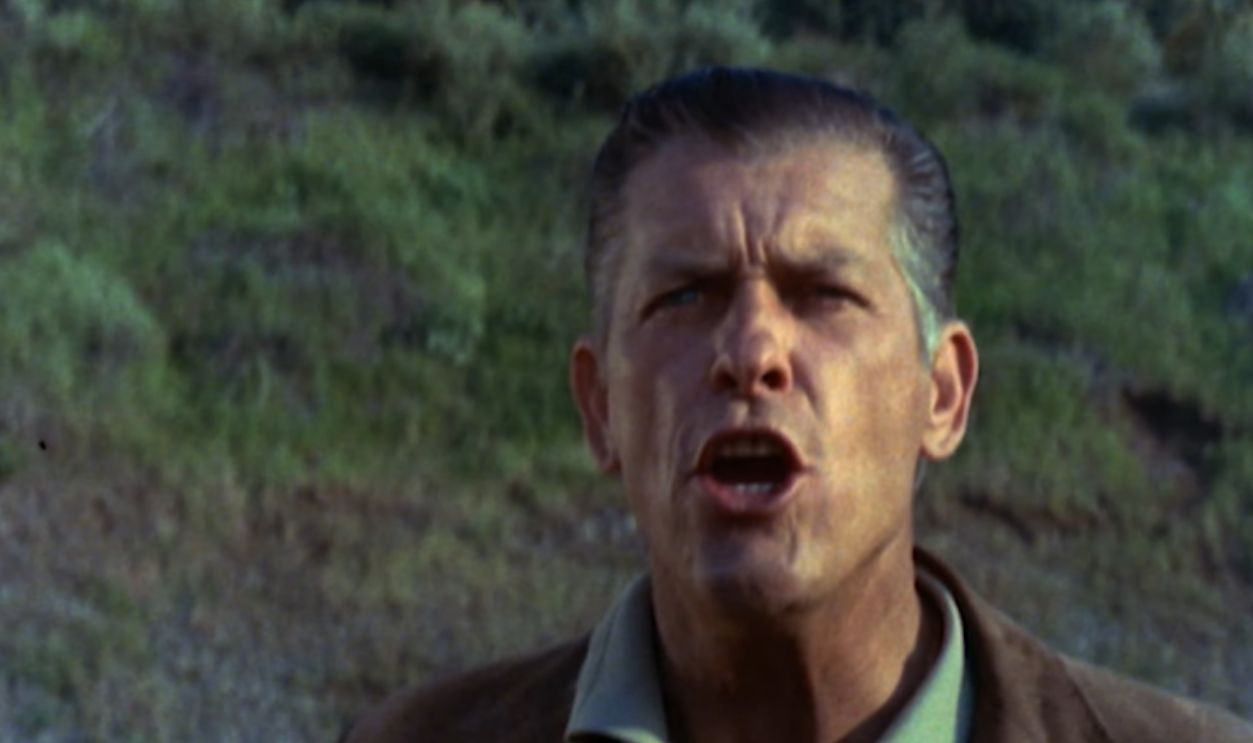 Screenshot from Targets, Paramount Pictures (1968)
She Helped Find The Last Picture Show
One of the most consequential moments in their partnership came when Platt urged Bogdanovich to read Larry McMurtry's novel The Last Picture Show. According to accounts of the production, Bogdanovich had not read it, while Platt immediately believed it could become a remarkable film. She envisioned its Texas story through the sensibility of contemporary European cinema, with its sexuality and small-town relationships treated frankly rather than sentimentally.
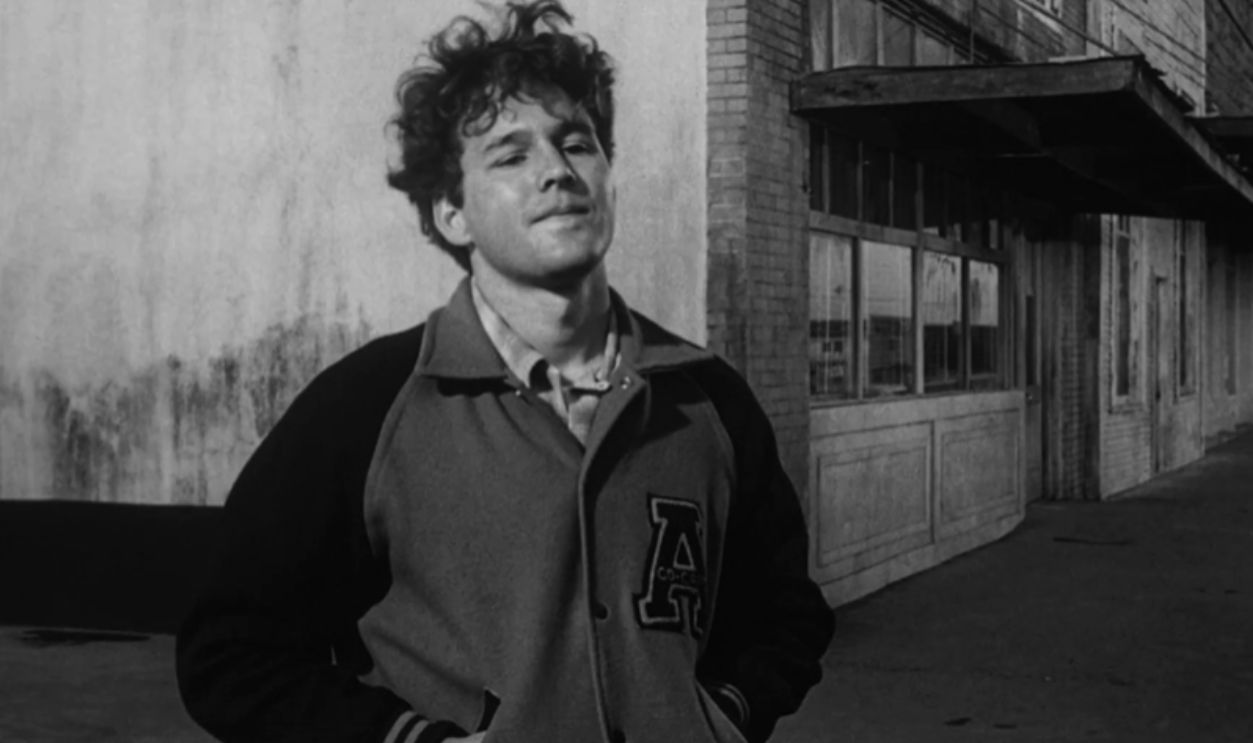 Screenshot from The Last Picture Show, Columbia Pictures (1971)
She Built Anarene From The Ground Up
When The Last Picture Show went into production, Platt became its production designer. Her job involved establishing the physical world of the fictional Texas town, one of the elements that gave the black-and-white film its unusually lived-in atmosphere. Turner Classic Movies formally credits Platt as production designer on the 1971 movie.
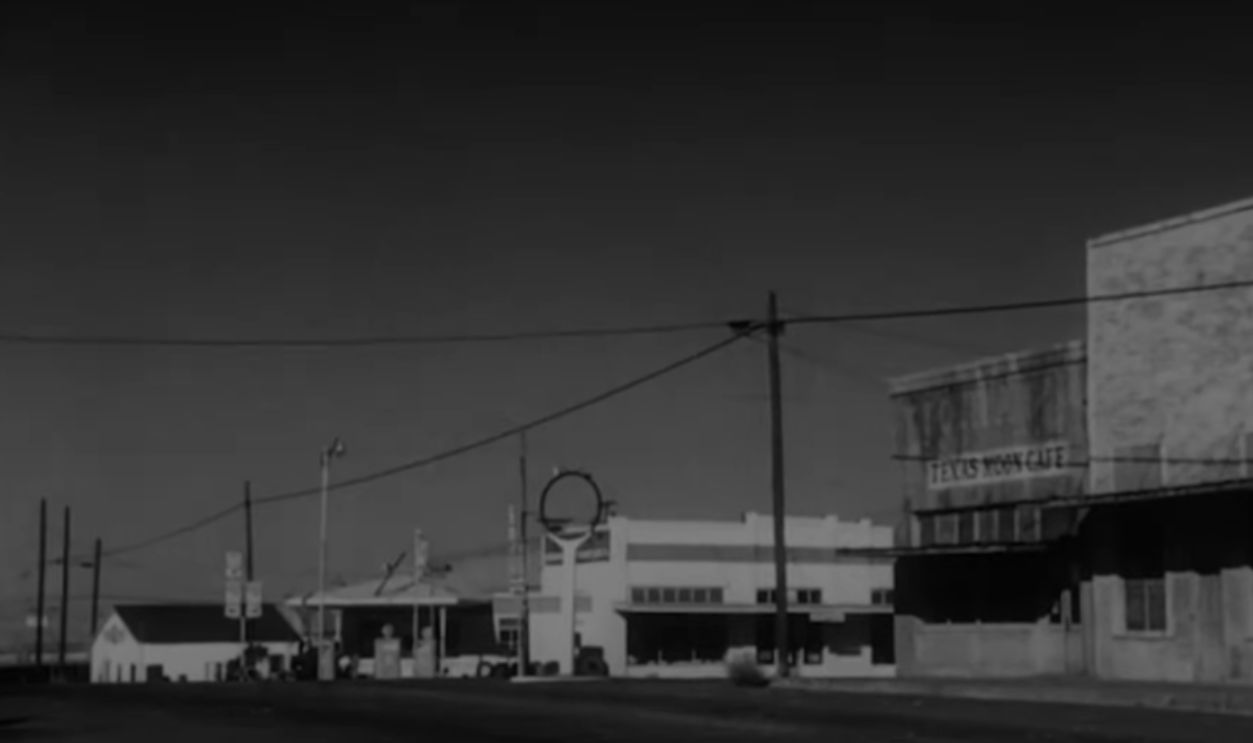 Screenshot from The Last Picture Show, Columbia Pictures (1971)
She Also Spotted Cybill Shepherd
Platt's involvement stretched beyond sets. She saw model Cybill Shepherd on a magazine cover and suggested that Bogdanovich consider the newcomer for the role of Jacy Farrow. Shepherd's casting proved pivotal to the movie, but it also triggered the event that would tear Platt's marriage apart.
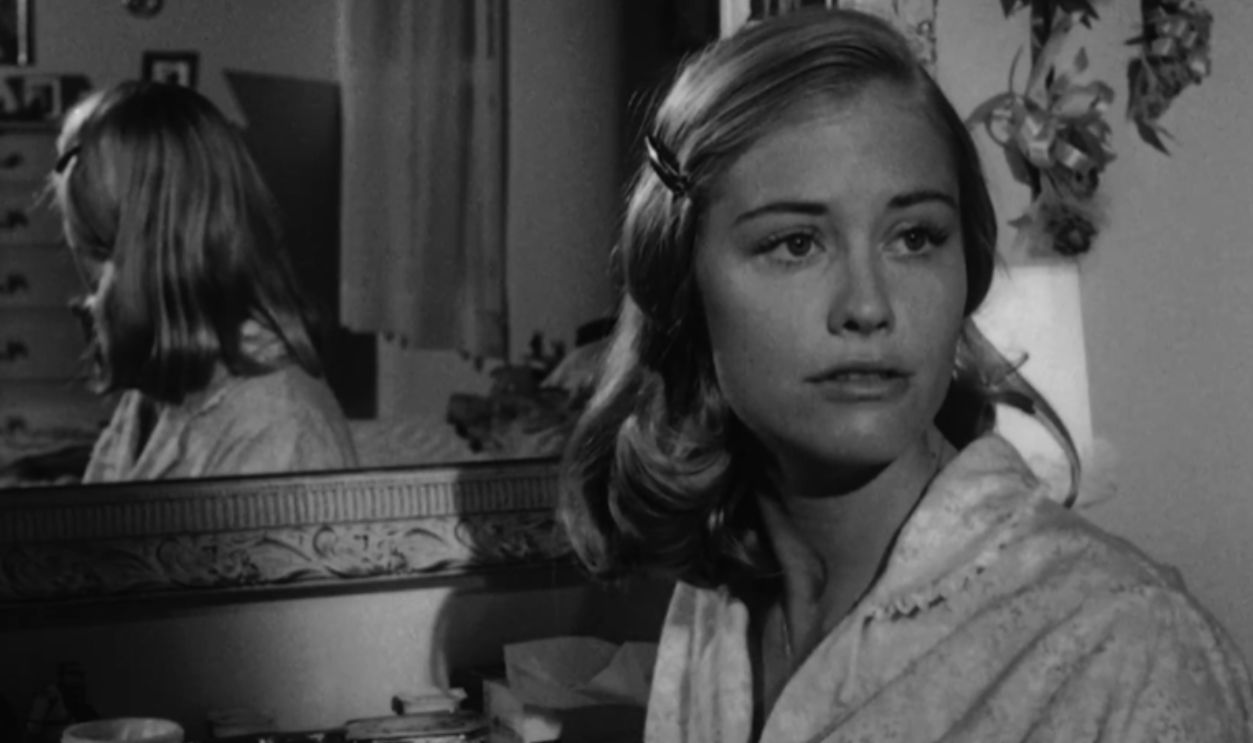 Screenshot from The Last Picture Show, Columbia Pictures (1971)
The Film Became A Personal Disaster
During production of The Last Picture Show, Bogdanovich and Shepherd began an affair. Platt was simultaneously working on the movie, caring for the couple's young daughter, and pregnant with their second child, according to later accounts of the production. The marriage collapsed, even as the movie made Bogdanovich one of the most celebrated young directors in America.
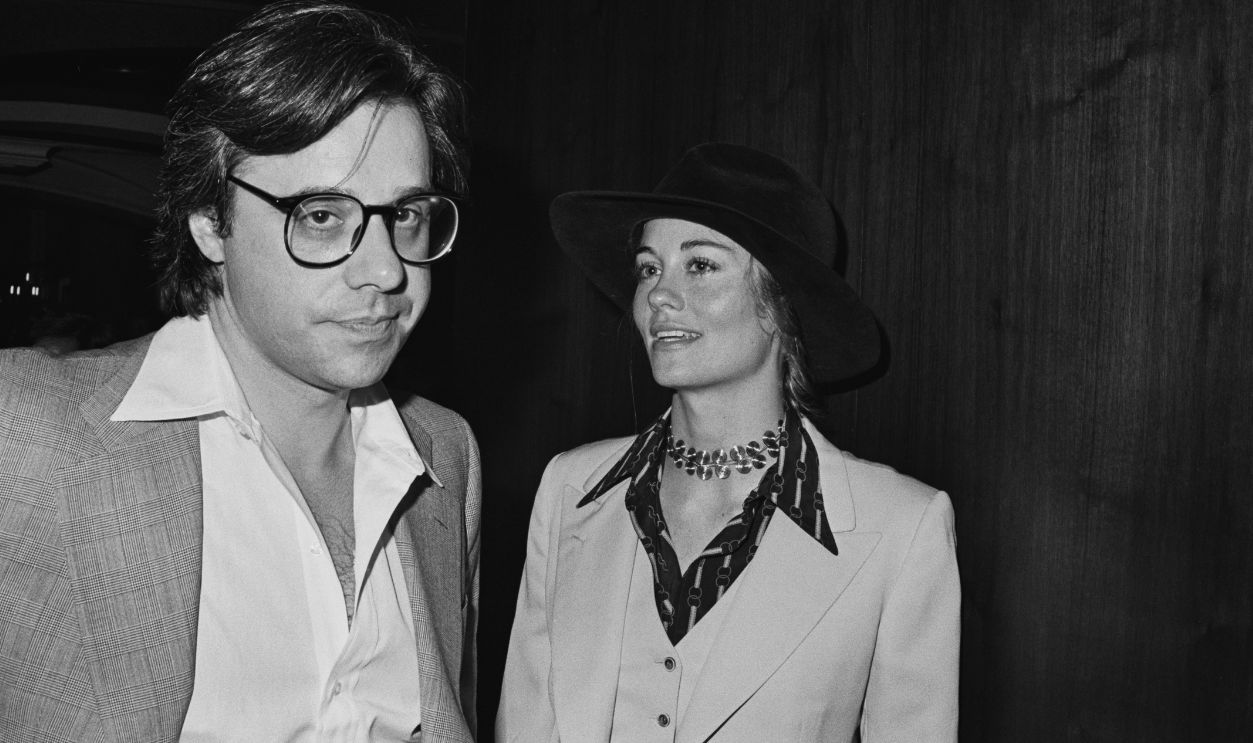 Michael Ochs Archives, Getty Images
Yet Platt Kept Working With Him
The end of the marriage did not immediately end their professional collaboration. Platt remained the production designer on Bogdanovich's 1972 screwball comedy What's Up, Doc?, starring Barbra Streisand and Ryan O'Neal. They were former partners personally, but Platt remained central to the director's filmmaking operation.
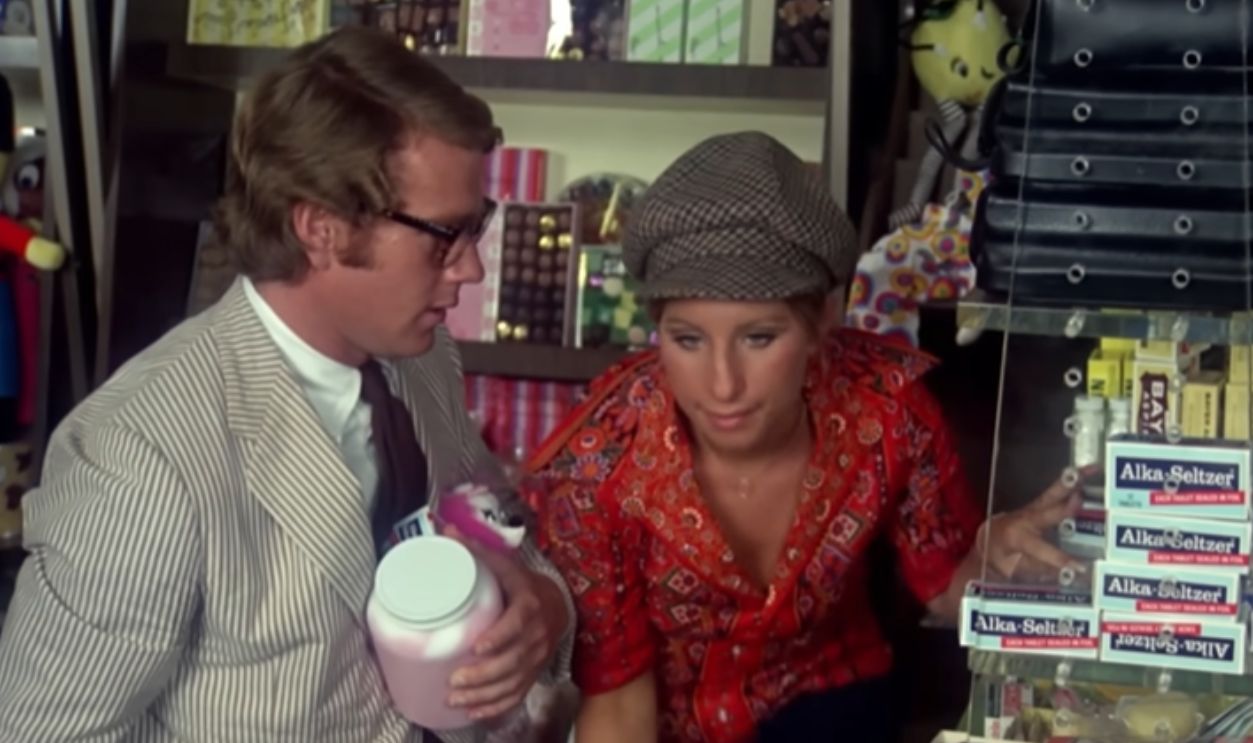 Screenshot from What's Up, Doc?, Warner Bros. (1972)
She Gave What's Up, Doc? Its City
What's Up, Doc? was originally conceived with Chicago as its setting, but Platt pushed for San Francisco instead. She believed the city's steep hills, varied neighborhoods, and instantly recognizable geography could heighten the escalating physical comedy. The decision ultimately turned San Francisco itself into one of the movie's essential comic ingredients.
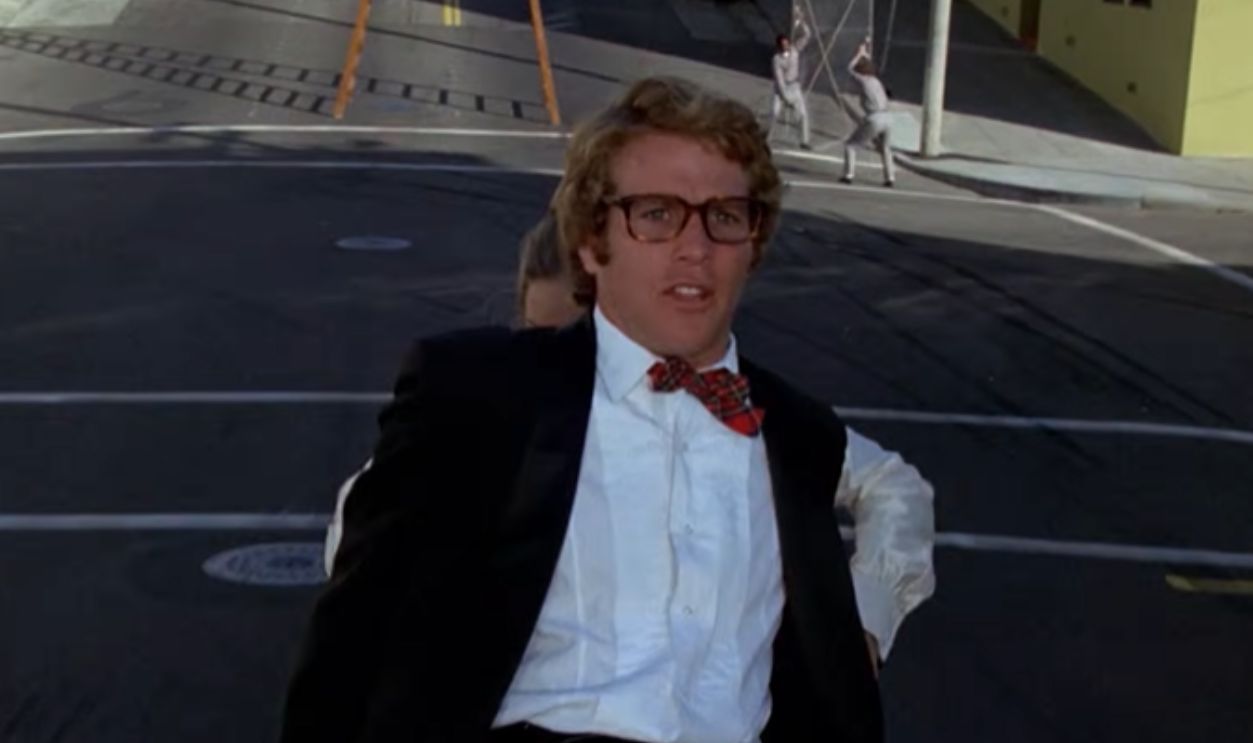 Screenshot from What's Up, Doc?, Warner Bros. (1972)
Then Came Paper Moon
After What's Up, Doc?, Platt played an equally important role in getting Paper Moon made. Bogdanovich was initially reluctant to take on the project, but Platt believed its Depression-era story was well suited to him and encouraged him to do it. She then returned as production designer despite the strain that still existed between them.
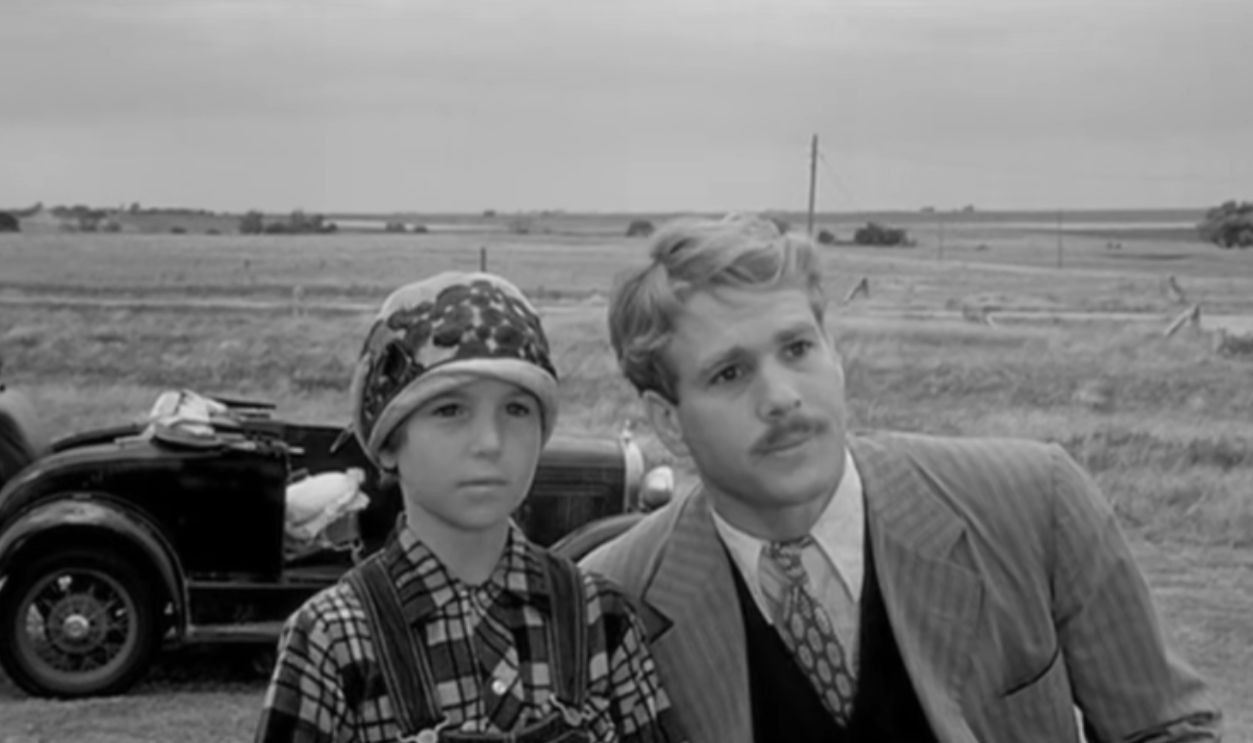 Screenshot from Paper Moon, Paramount Pictures (1973)
Her Casting Idea Made Movie History
Platt also suggested that Ryan O'Neal's daughter Tatum audition for the role of Addie Loggins. Tatum had no previous acting experience, but she was cast opposite her father and delivered the performance that turned the movie into a phenomenon. At age 10, O'Neal became the youngest competitive Oscar winner in Academy Awards history, making Platt's casting suggestion one of the most consequential of her career.
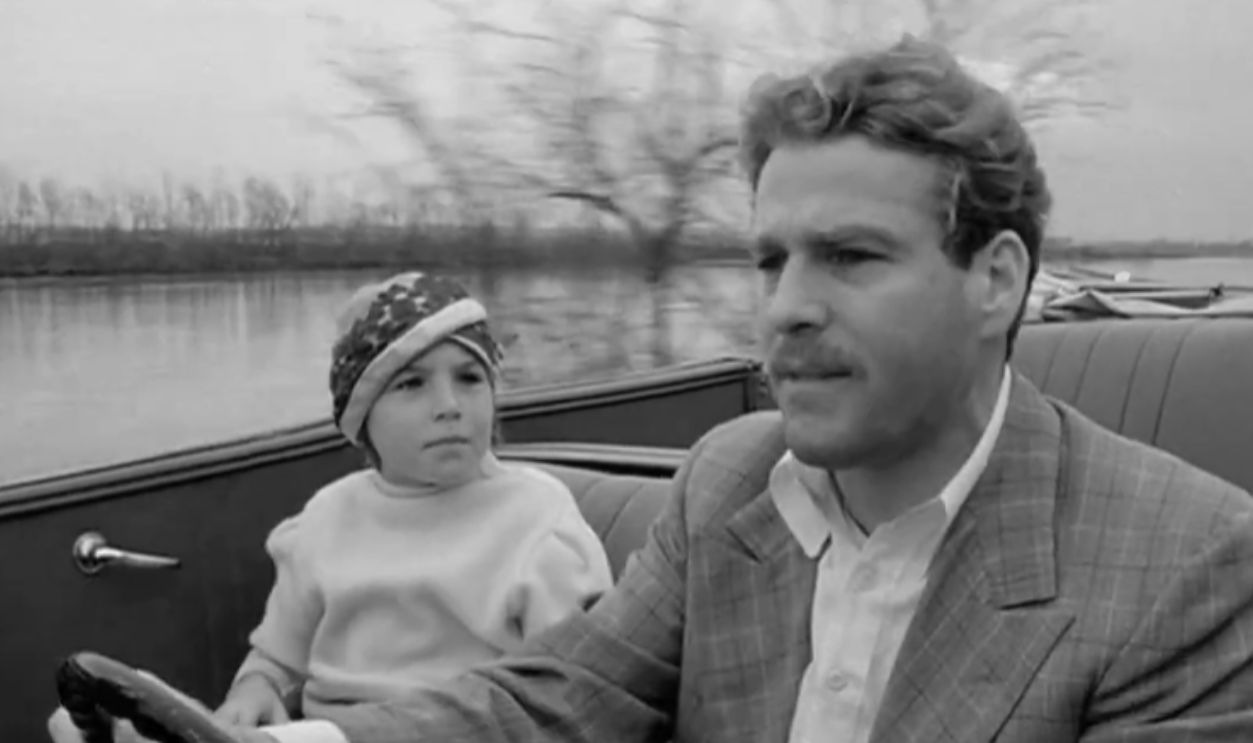 Screenshot from Paper Moon, Paramount Pictures (1973)
Paper Moon Shows How Credits Can Mislead
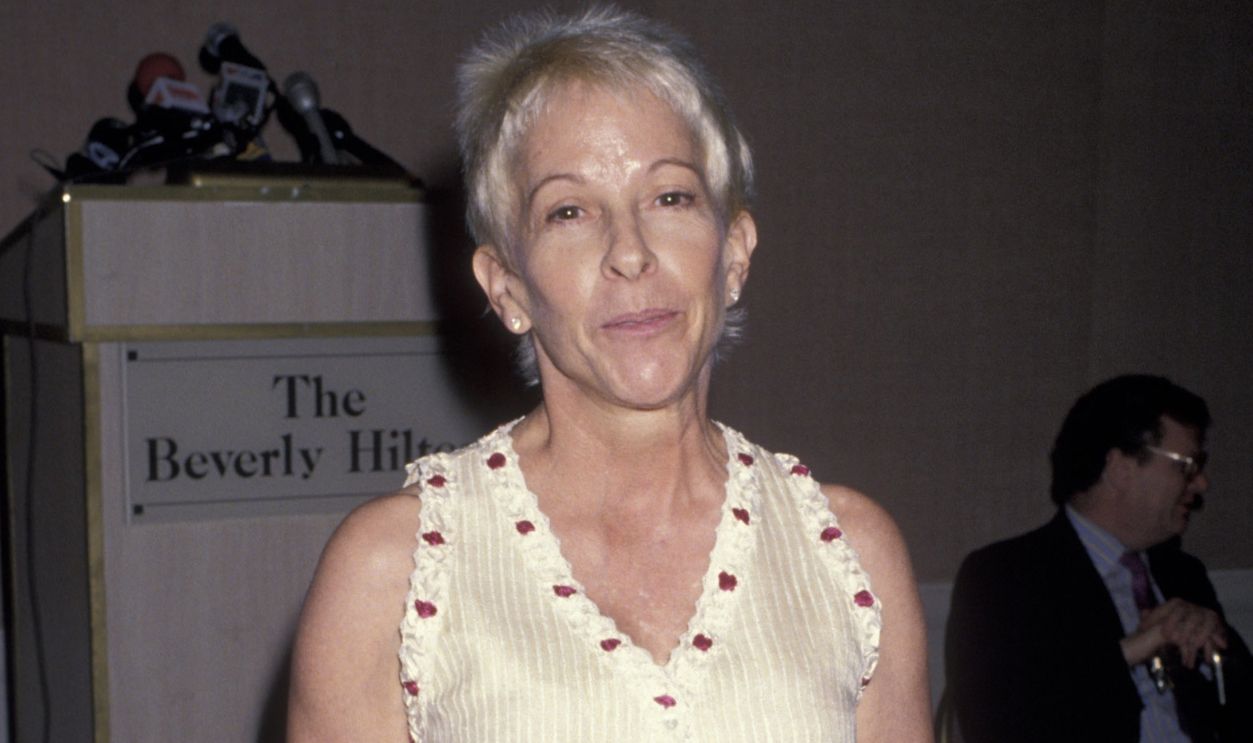
Officially, Platt was Paper Moon's production designer. Accounts of the production also credit her with urging Bogdanovich to make the movie and proposing Tatum O'Neal, while later scholarship has examined her broader input into its locations, costumes, and storytelling. Looking only at the words "production designer" therefore gives an incomplete picture of her creative role.
 Ron Galella, Ltd., Getty Images
She Finally Stepped Out On Her Own
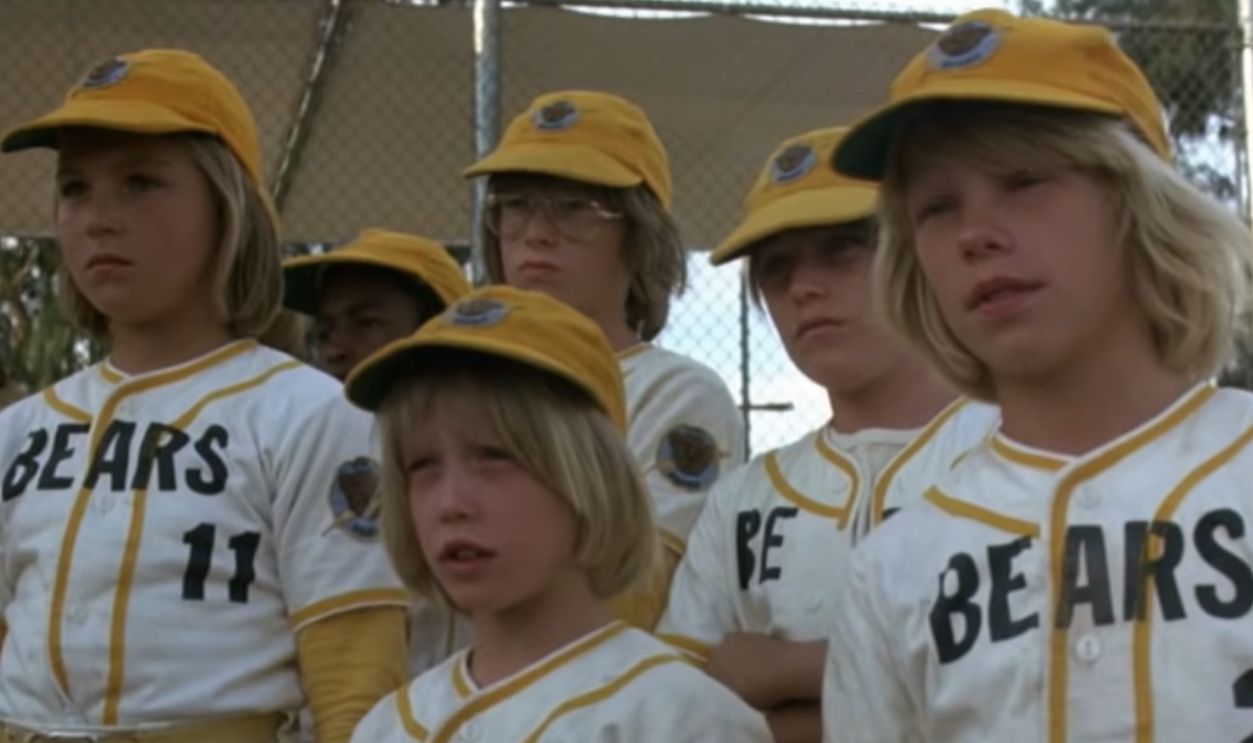
After the Bogdanovich collaborations ended, Platt continued designing major studio movies under her own name. She was production designer on Michael Ritchie's The Bad News Bears in 1976, another defining comedy of the decade. That same year, she designed the Barbra Streisand and Kris Kristofferson version of A Star Is Born.
 Screenshot from The Bad News Bears, Paramount Pictures (1976)
Pretty Baby Let Her Write
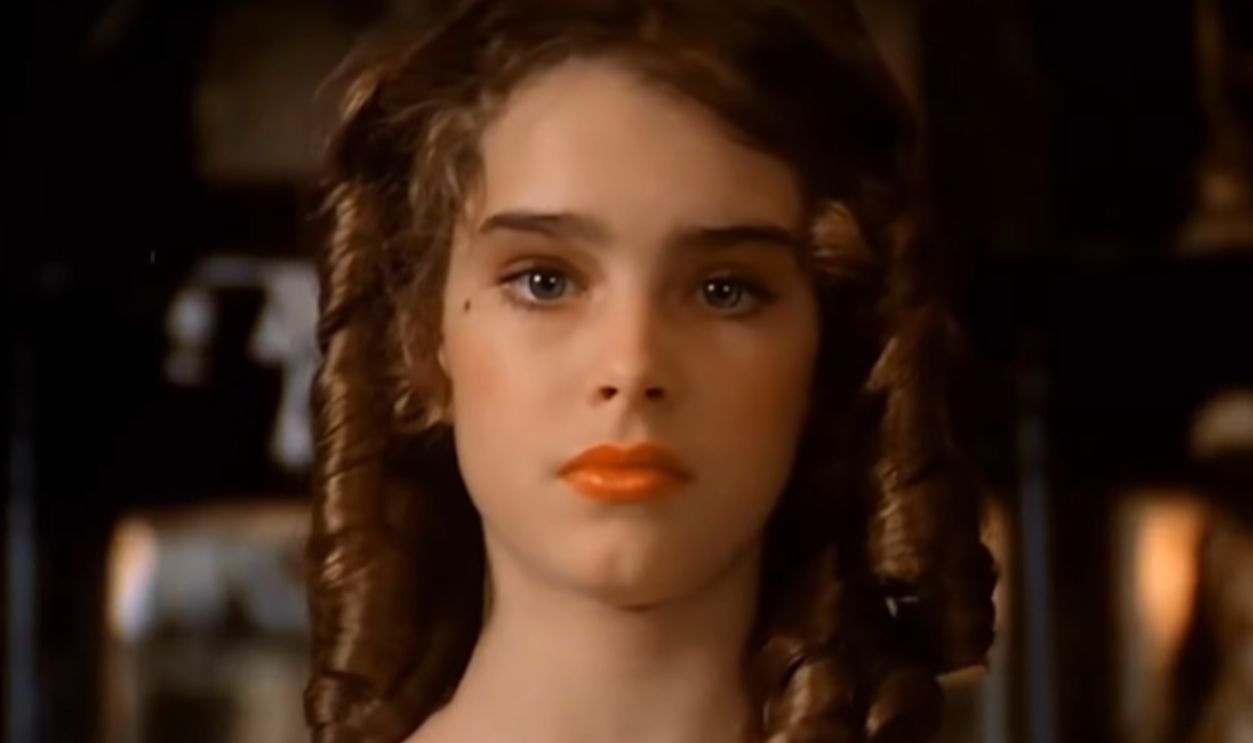
Platt was not content to stay exclusively in the art department. She wrote the screenplay for Louis Malle's controversial 1978 drama Pretty Baby, set in New Orleans' Storyville district, and also served as an associate producer. The project demonstrated that her interest in movies had always extended far beyond scenery and visual design.
 Screenshot from Pretty Baby, Paramount Pictures (1978)
A New Partnership Changed Everything
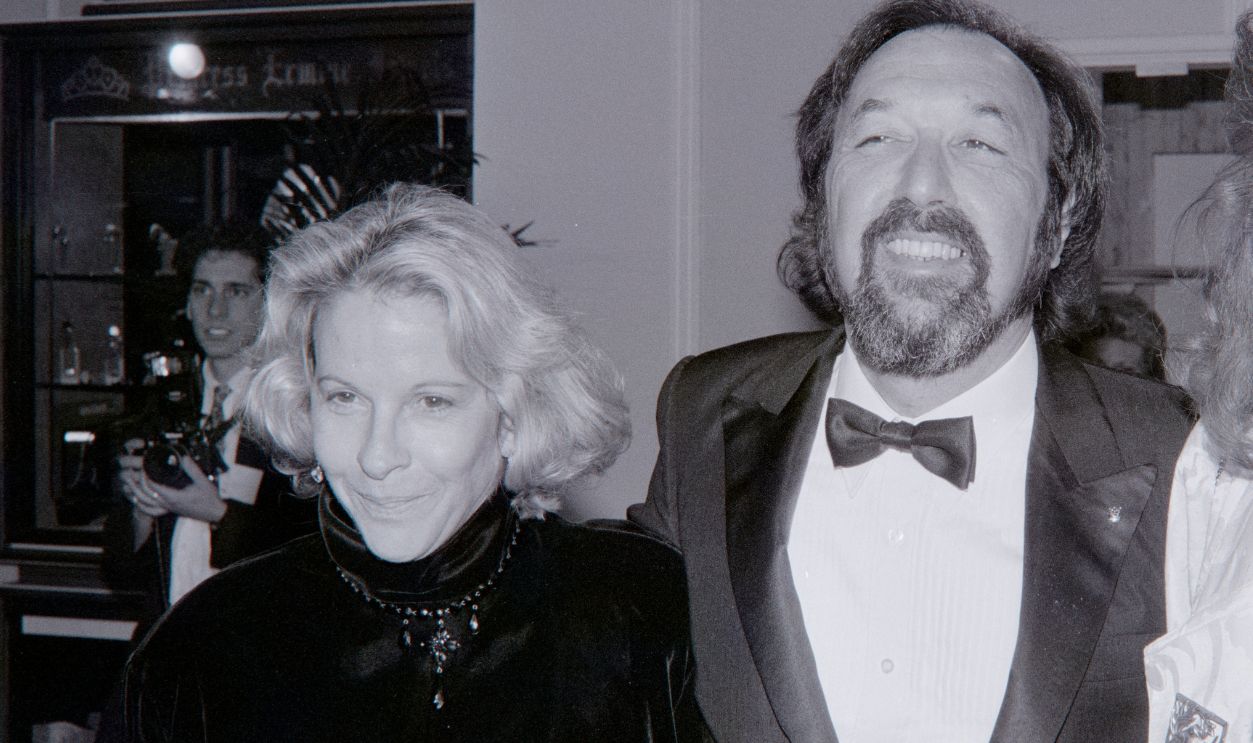
One of the most important relationships of Platt's later career was with writer-director James L. Brooks. Brooks originally approached Platt because he wanted an introduction to her friend Larry McMurtry, whose novel Terms of Endearment he hoped to adapt. During the long development process, Brooks increasingly relied on Platt's judgment.
Terms Of Endearment Brought Oscar Recognition
Platt eventually became production designer on Brooks' 1983 film Terms of Endearment. The movie went on to dominate the Academy Awards, winning Best Picture, while Platt and the film's art-direction team received an Oscar nomination for their work. After years of helping shape major films, she finally received one of Hollywood's most visible forms of professional recognition.
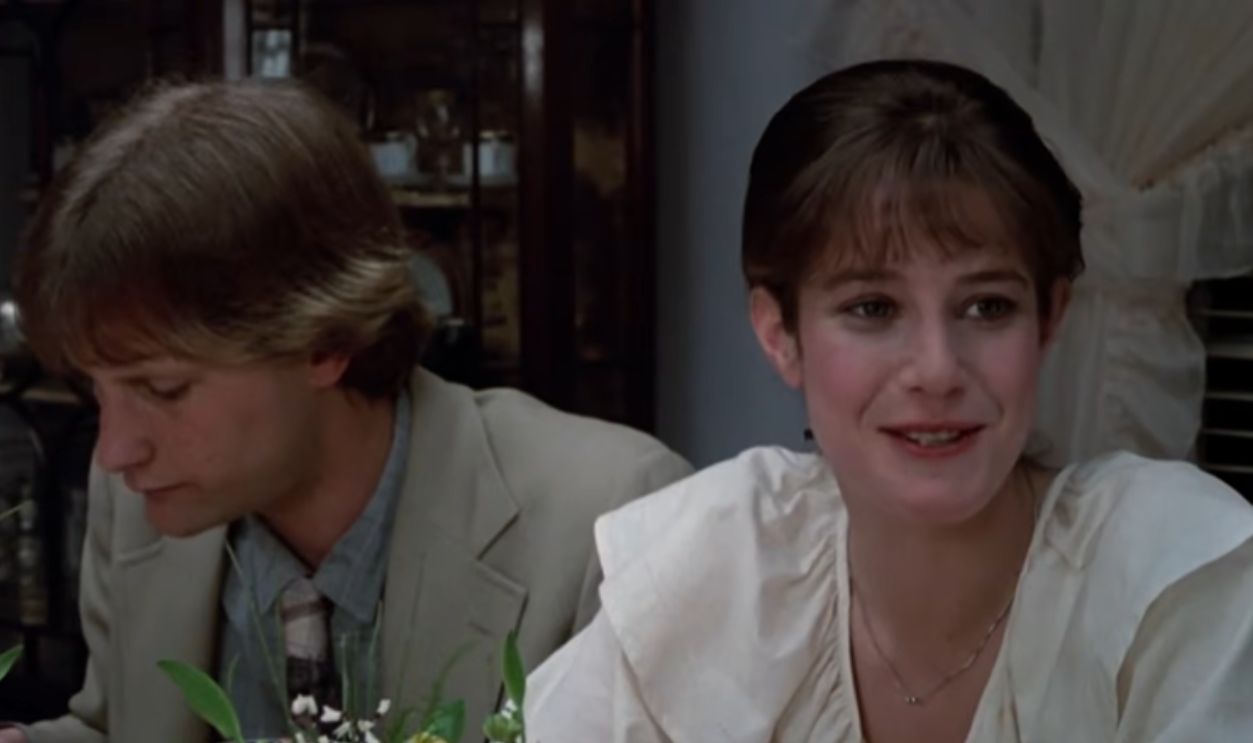 Screenshot from Terms of Endearment, Paramount Pictures (1983)
Even Brooks Struggled To Define Her Role
Brooks later described how closely he and Platt worked, while acknowledging that her precise function could be difficult to summarize from picture to picture. He remembered her as someone with an extraordinary knowledge and love of film whose advice extended beyond the responsibilities listed beside her name. That was both Platt's gift and, historically, part of the problem when people later tried to measure her importance.
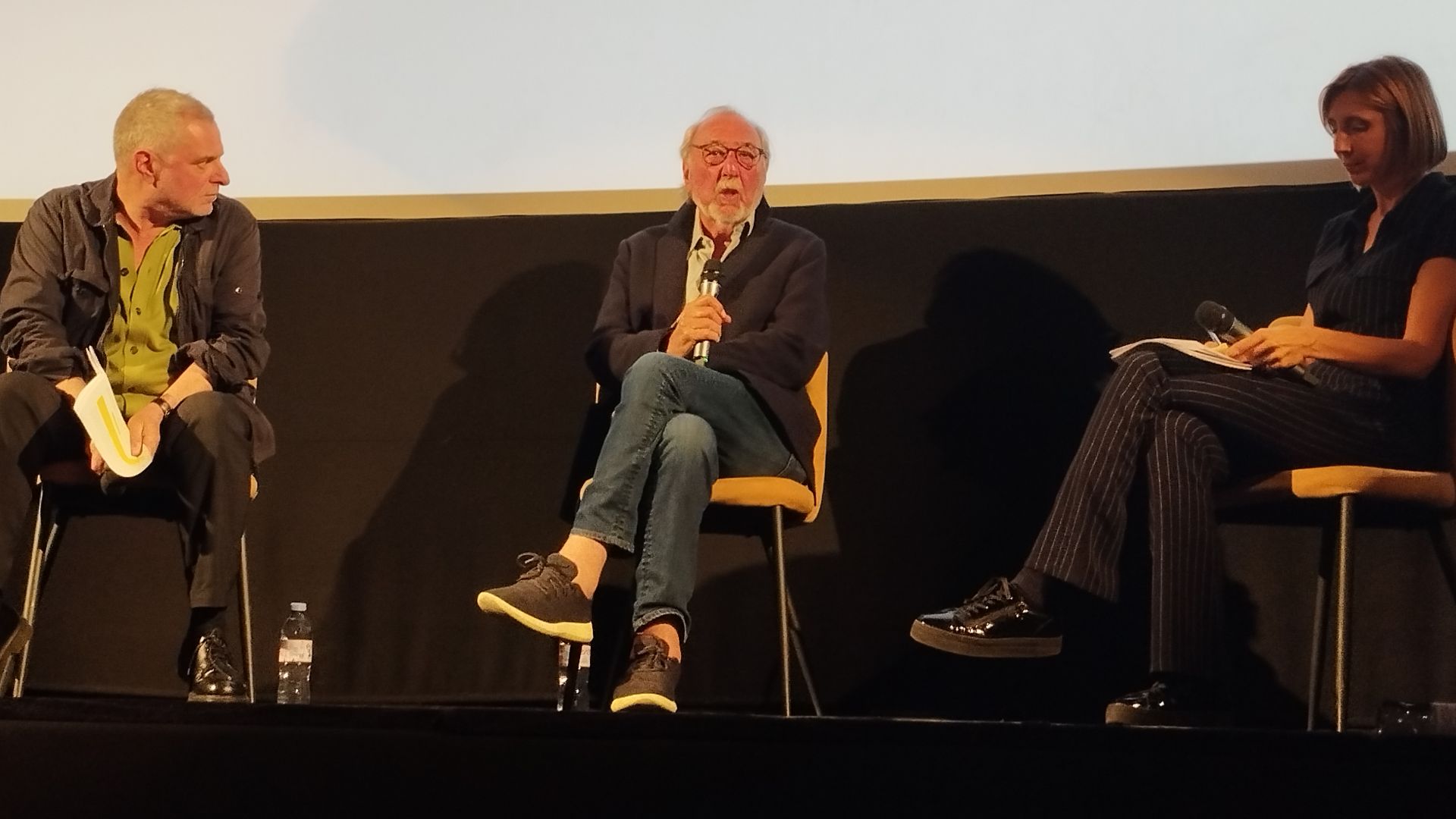 ManoSolo13241324, Wikimedia Commons
She Graduated From Sets To The Executive Suite
Platt's relationship with Brooks expanded when she became a key figure at his company, Gracie Films. By the second half of the 1980s, she was moving increasingly into producing and executive work rather than concentrating solely on production design. It gave her an opportunity to shape projects earlier, when scripts, filmmakers, and creative teams were still being assembled.
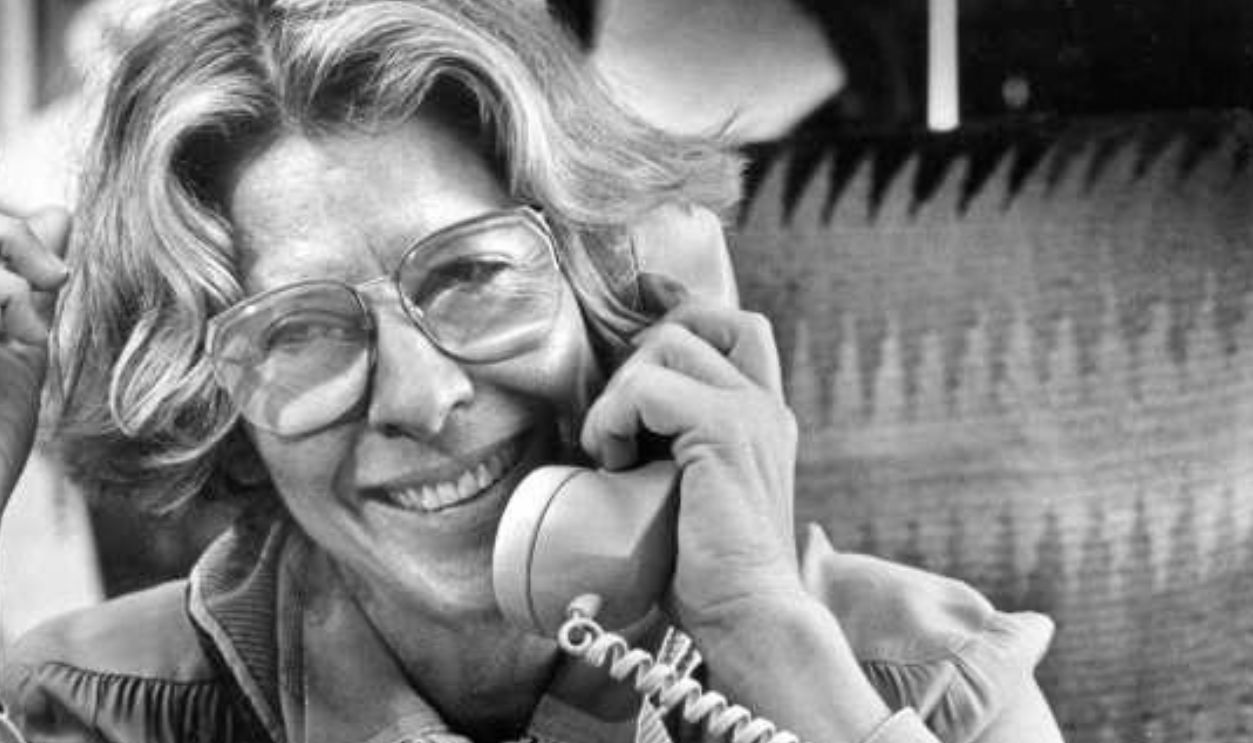
She Helped Shape Broadcast News
On Brooks' Broadcast News, Platt served as executive producer. The film, released in 1987, starred Holly Hunter, William Hurt, and Albert Brooks in a story about ambition, ethics, television journalism, and romantic entanglement. Later research into Platt's career has noted that Brooks drew on her formidable professional drive when developing aspects of Hunter's Jane Craig.
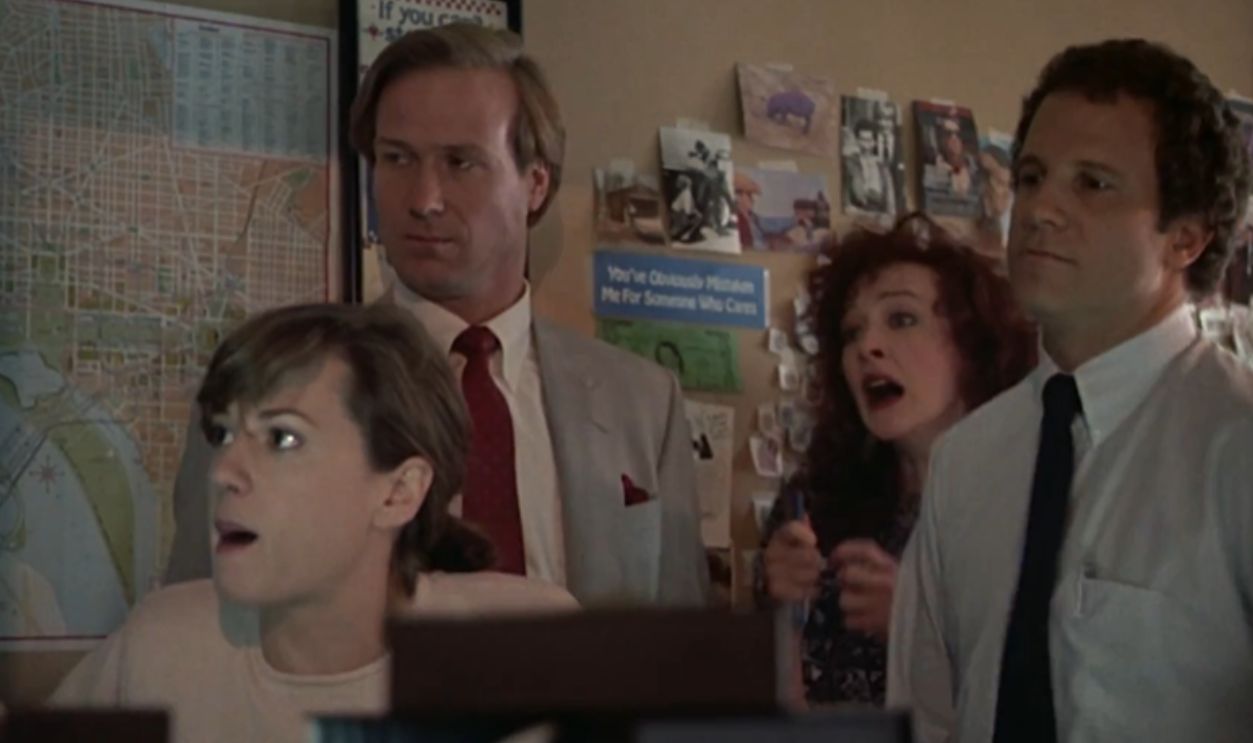 Screenshot from Broadcast News, 20th Century Studios (1987)
The Witches Of Eastwick Was A Visual Finale
Platt had one more enormous production-design assignment in the 1980s. George Miller's The Witches of Eastwick, starring Jack Nicholson, Cher, Susan Sarandon, and Michelle Pfeiffer, credited her as production designer. The elaborate 1987 fantasy became the final theatrical feature on which she worked in that capacity, as her career moved more decisively toward producing.
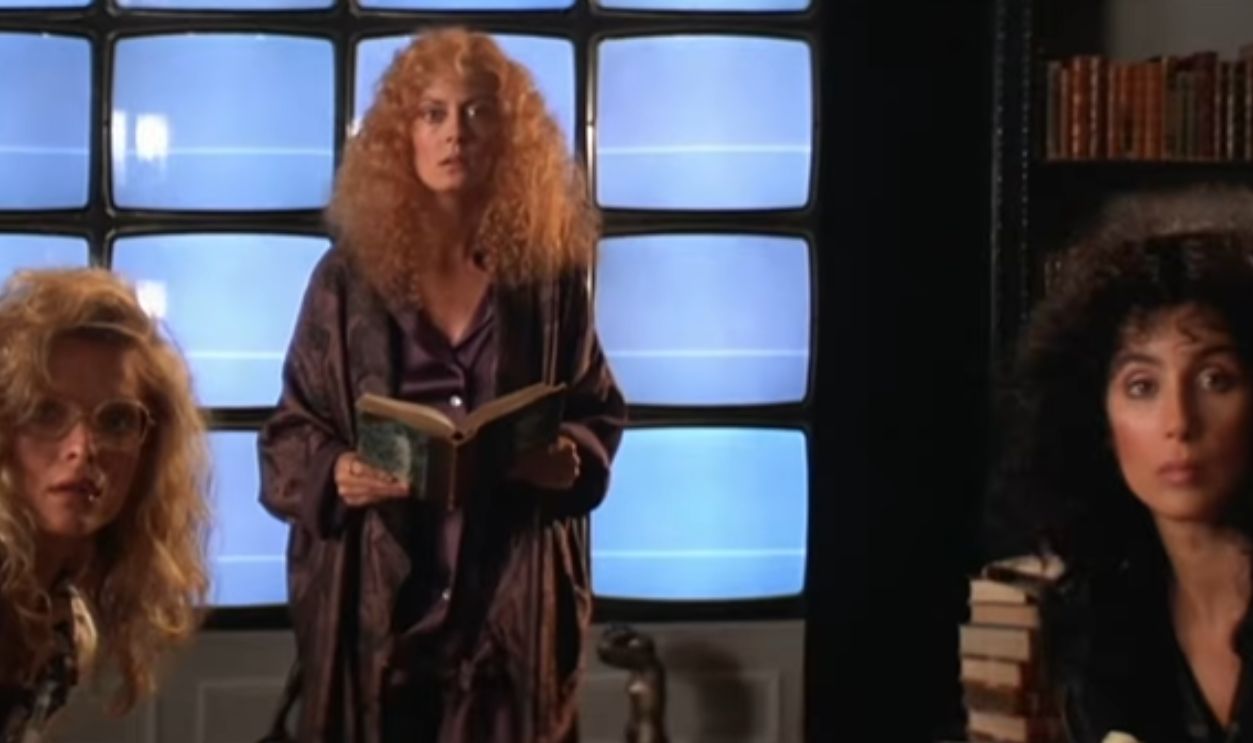 Screenshot from The Witches of Eastwick, Warner Bros. (1987)
She Gave Cameron Crowe His Producer
When Cameron Crowe made his directing debut with Say Anything... in 1989, Platt was its producer. She had read the project while it was being developed at Gracie Films and later explained that she specifically asked to produce it because its values resonated with her. The finished film would give audiences John Cusack's Lloyd Dobler, Ione Skye's Diane Court, and one of the most famous romantic images of the 1980s.
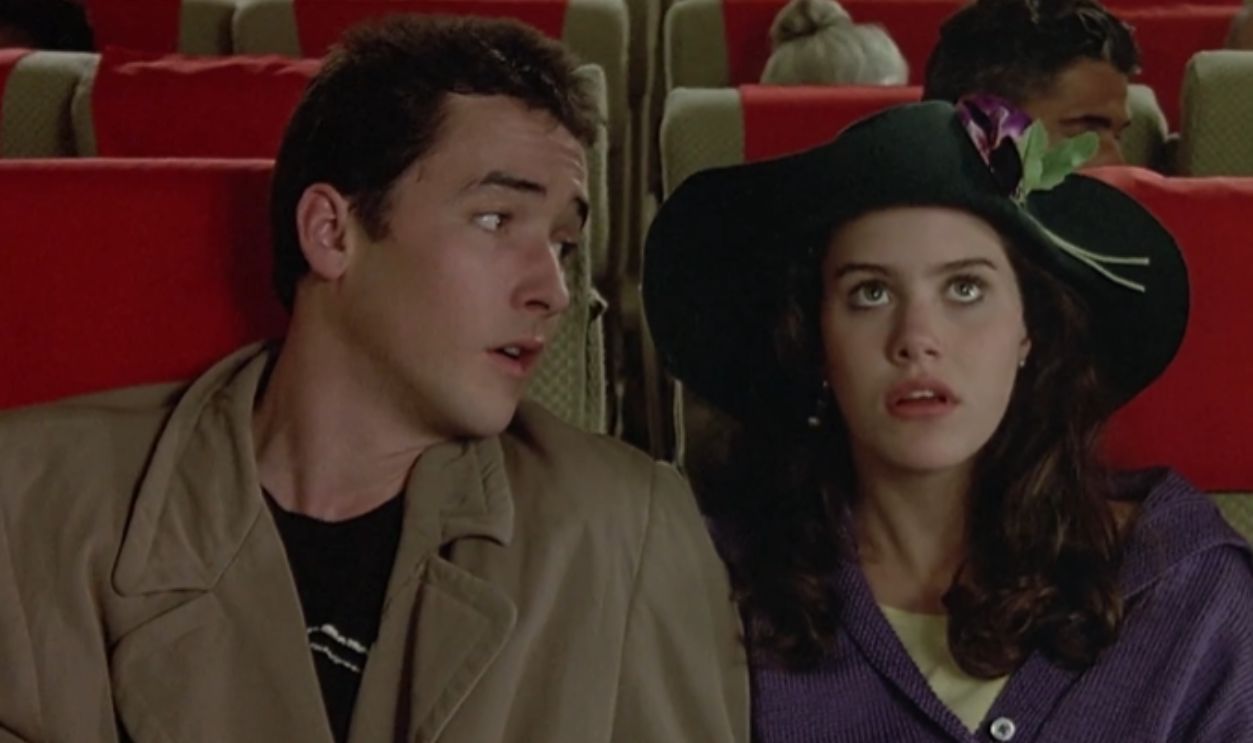 Screenshot from Say Anything..., 20th Century Studios (1989)
She Had An Eye For People
Platt's ability to recognize talent may have had consequences even larger than individual movies. She noticed Matt Groening's Life in Hell comic and helped bring him to the attention of Gracie Films and James L. Brooks. Groening subsequently created animated shorts for The Tracey Ullman Show, the work that evolved into The Simpsons.
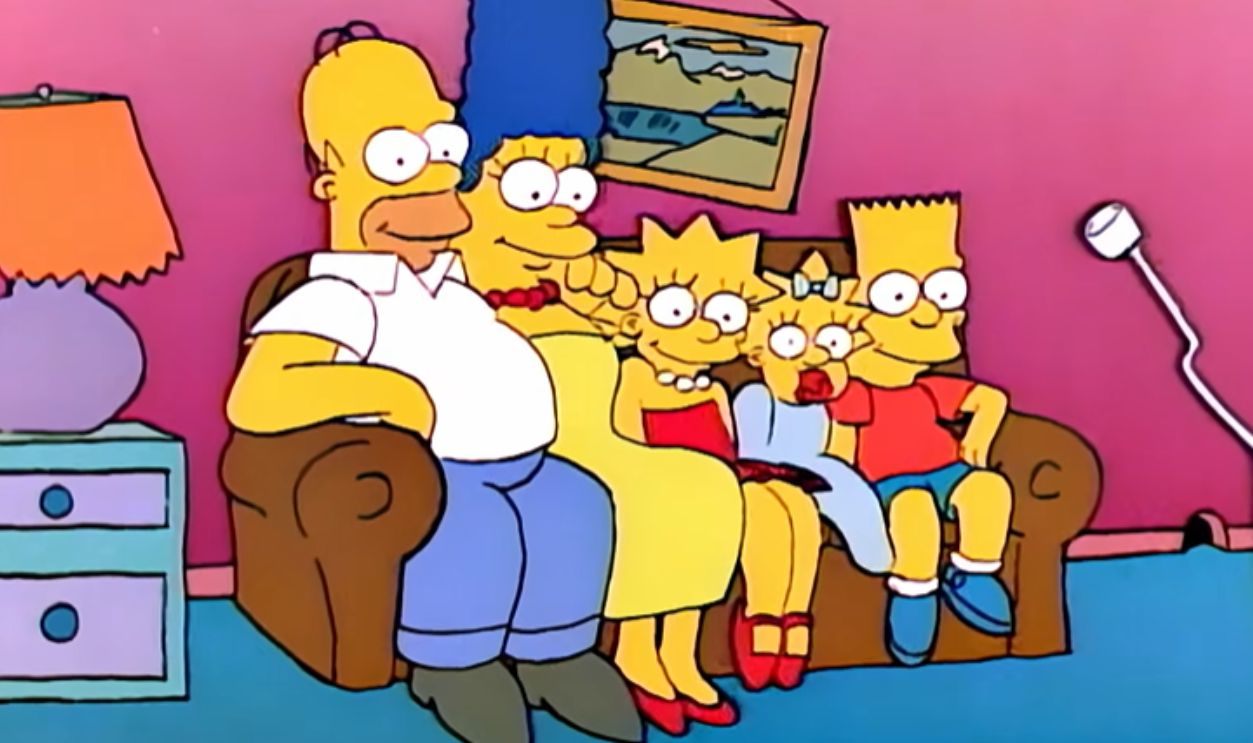 Screenshot from The Simpsons, 20th Television (1989-)
Then She Backed Wes Anderson
Her influence carried into another generation of filmmakers. Platt served as a producer on Wes Anderson's feature debut, Bottle Rocket, which grew out of the short Anderson made with Owen Wilson. The film helped launch one of the most distinctive American directing careers of the next several decades.
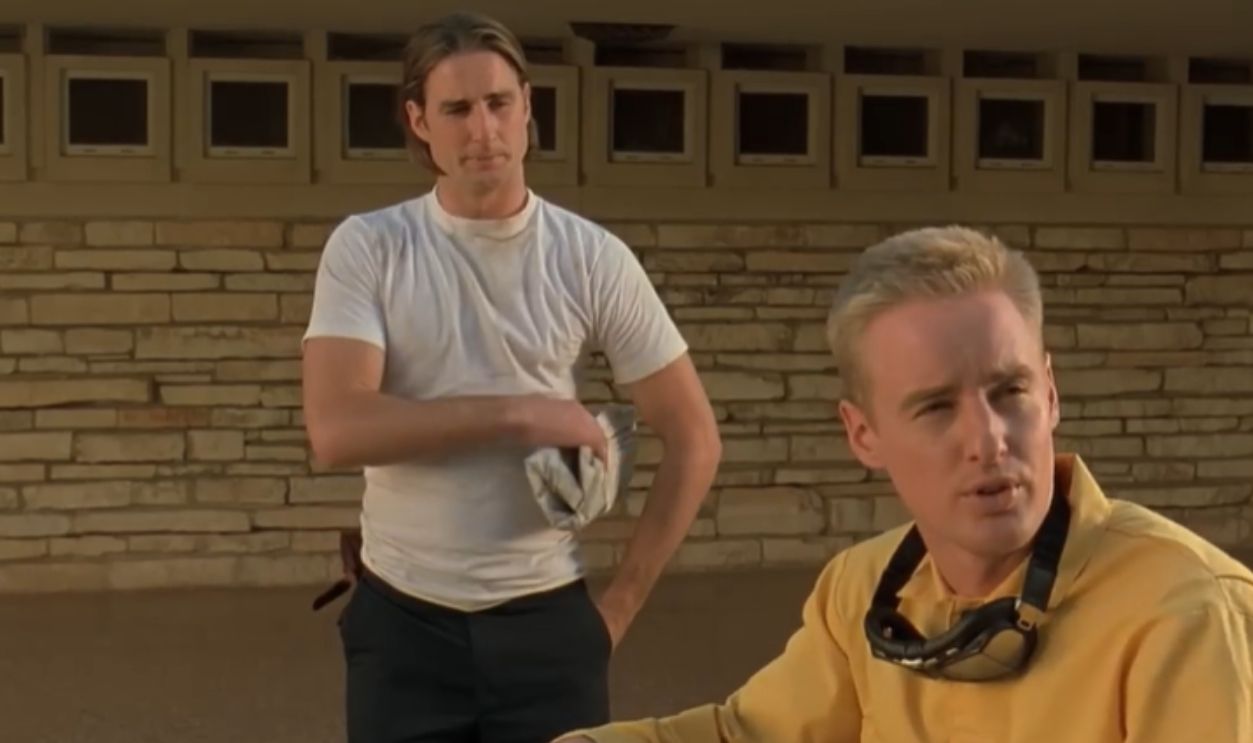 Screenshot from Bottle Rocket, Sony Pictures (1996)
Her Career Quietly Connected Generations
Consider the extraordinary range of filmmakers and performers who crossed Platt's path. Her work stretched from Boris Karloff and Peter Bogdanovich through Barbra Streisand, James L. Brooks, Cameron Crowe, Matt Groening, Wes Anderson, and the Wilson brothers. What initially looks like a collection of unrelated credits starts to resemble a hidden thread running through several decades of American popular filmmaking.
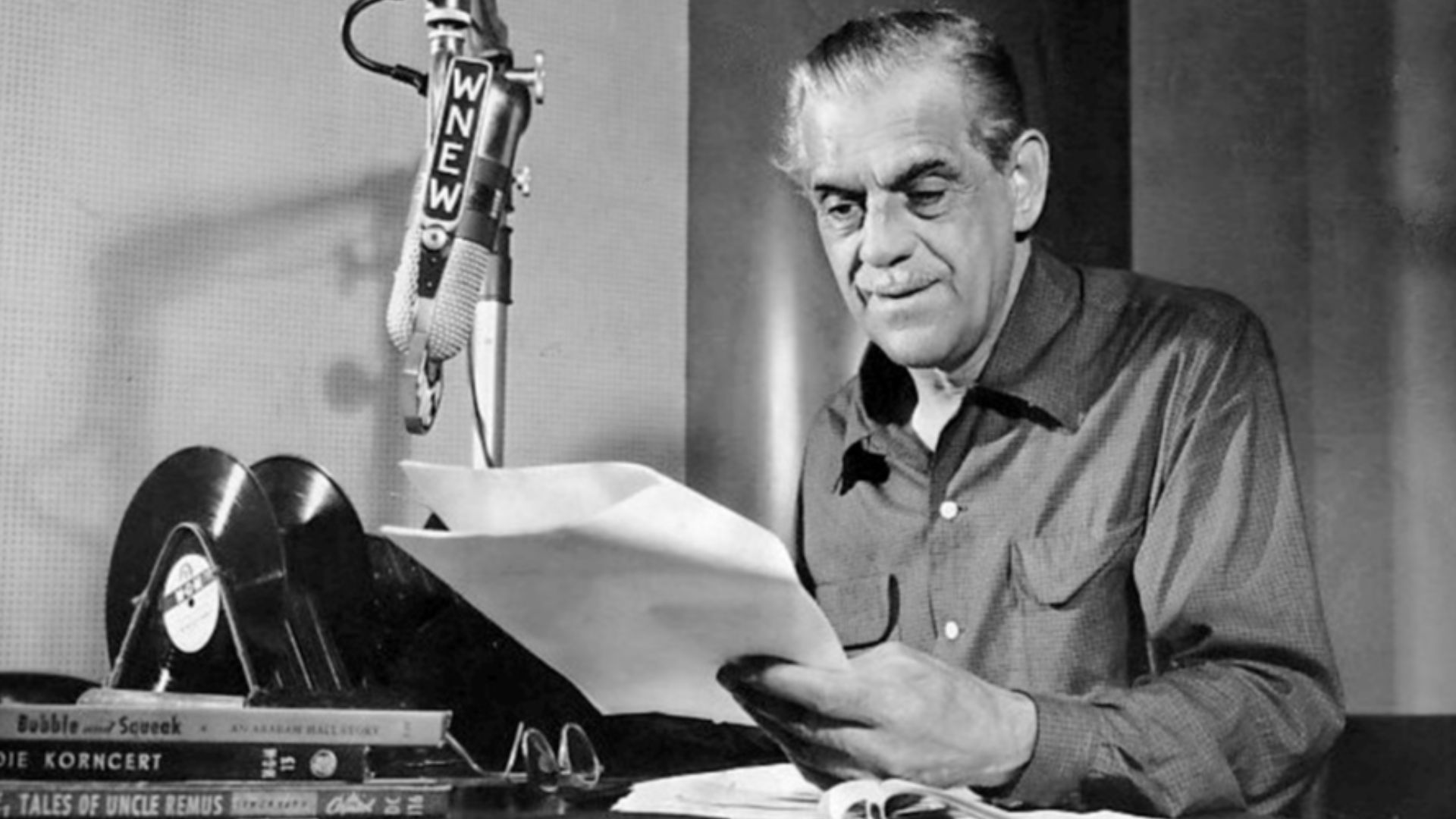 Associated Press, Wikimedia Commons
Hollywood's Auteur Myth Worked Against Her
The New Hollywood period became famous for celebrating directors as singular creative authors. Platt's career illustrates what that model could leave out because many of her most important contributions involved collaboration, development, design, casting suggestions, and creative problem-solving. Contemporary reassessments of her work have therefore focused less on transferring sole authorship to Platt than on recognizing just how collaborative those supposedly director-driven classics actually were.
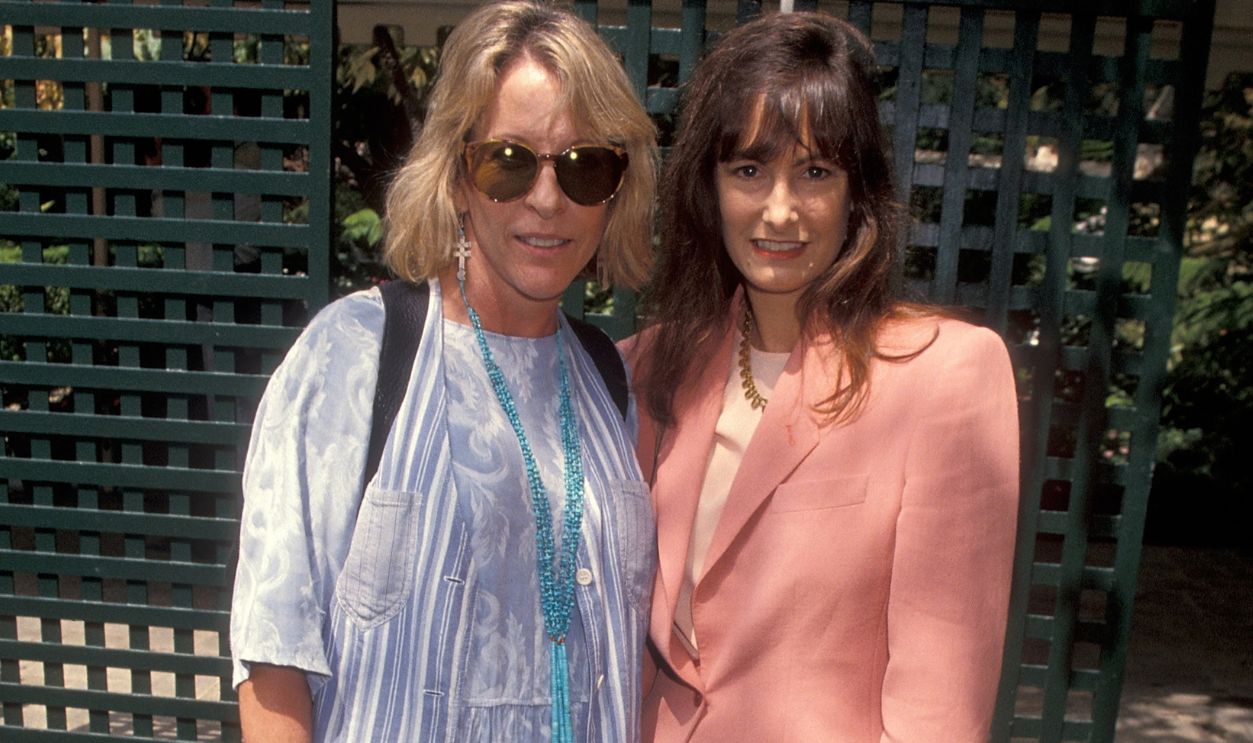
Her Own Story Finally Resurfaced
Platt died in 2011 at age 72 from amyotrophic lateral sclerosis, commonly known as Lou Gehrig's disease. She left behind an unpublished memoir, which later became an important foundation for film historian Karina Longworth's ten-part You Must Remember This series Polly Platt: The Invisible Woman. Drawing on the memoir, interviews, and archival research, the series helped introduce a new generation of film fans to the scale of Platt's career.
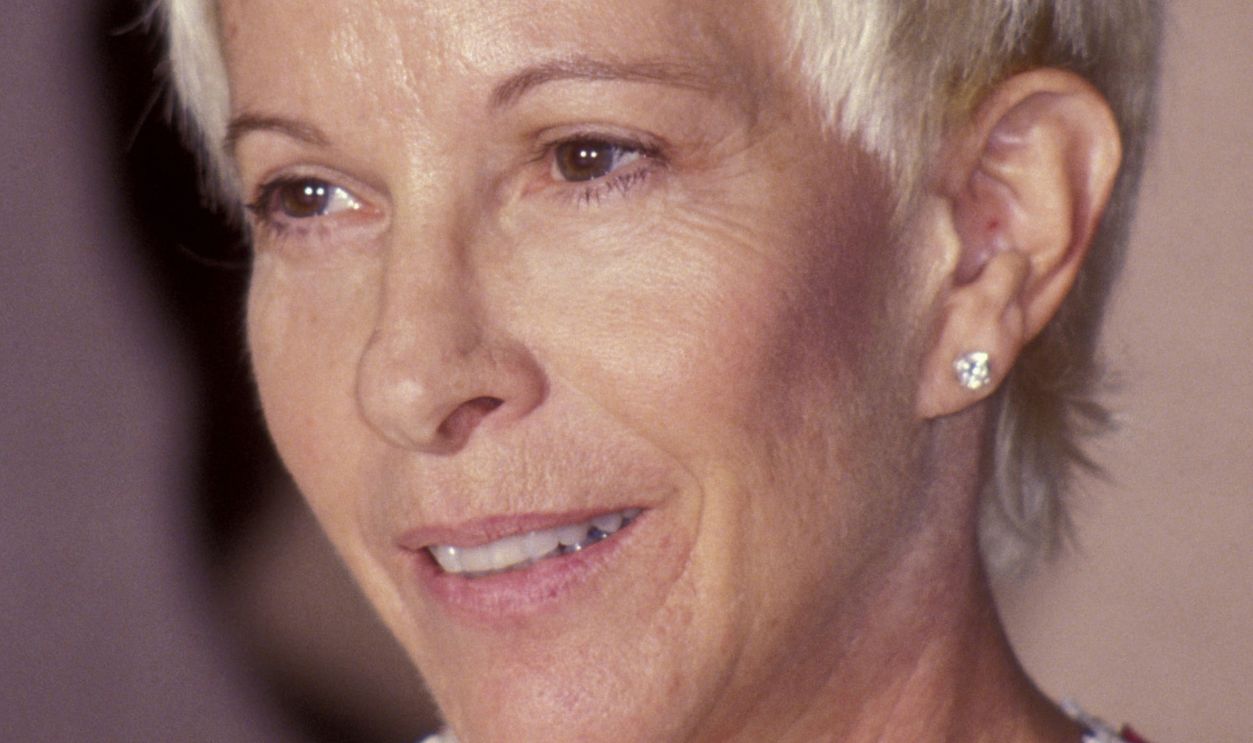 Ron Galella, Ltd., Getty Images
The Credits Were Never The Whole Story
Platt was hardly anonymous in Hollywood. She received an Academy Award nomination, held major production credits, and spent years working alongside some of the industry's best-known filmmakers. What became obscured was the extent to which she had been generating ideas, identifying talent, shaping stories, and influencing movies whose reputations were frequently attached more strongly to the men who directed them.
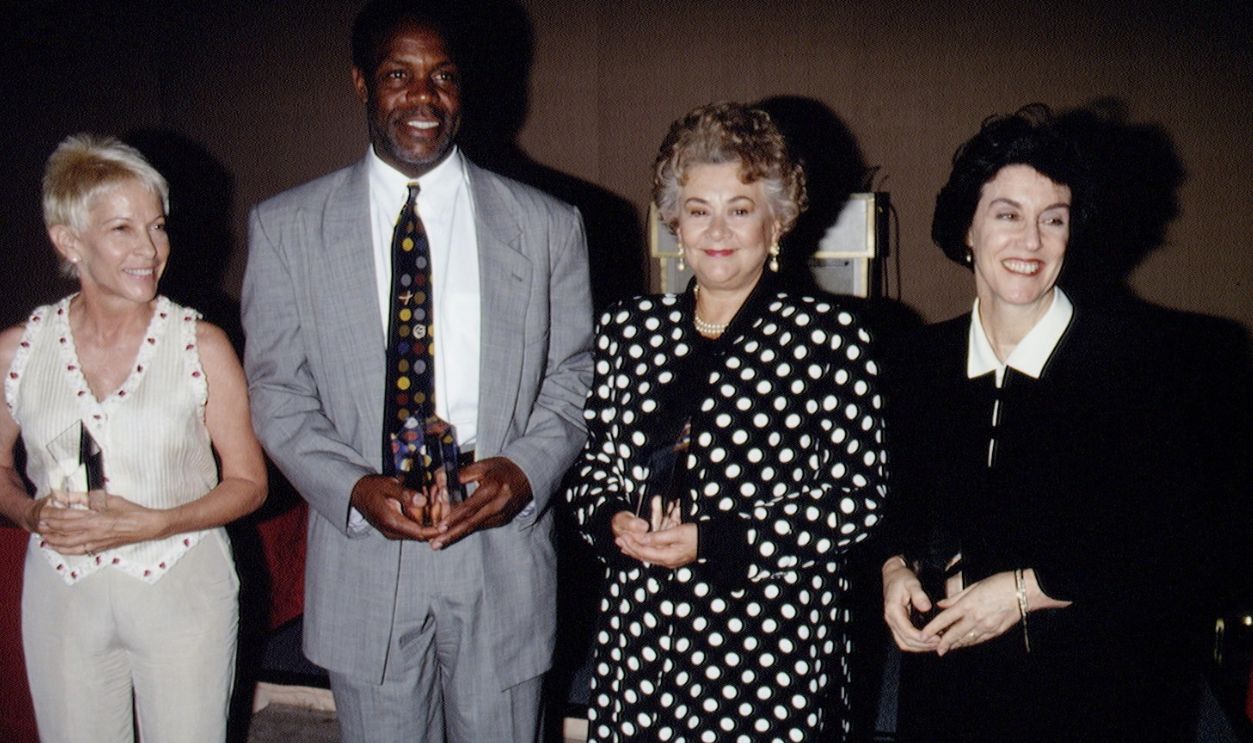
Polly Platt Is Finally Getting Her Close-Up
Today, Platt's name is increasingly discussed alongside the movies she helped create rather than merely as a footnote in Peter Bogdanovich's biography. Her story does not require diminishing the directors she worked with. It simply restores the collaborative history that conventional auteur narratives often compressed. Once you know what Platt did, films like The Last Picture Show, Paper Moon, Terms of Endearment, Broadcast News, Say Anything..., and Bottle Rocket begin to look a little different.
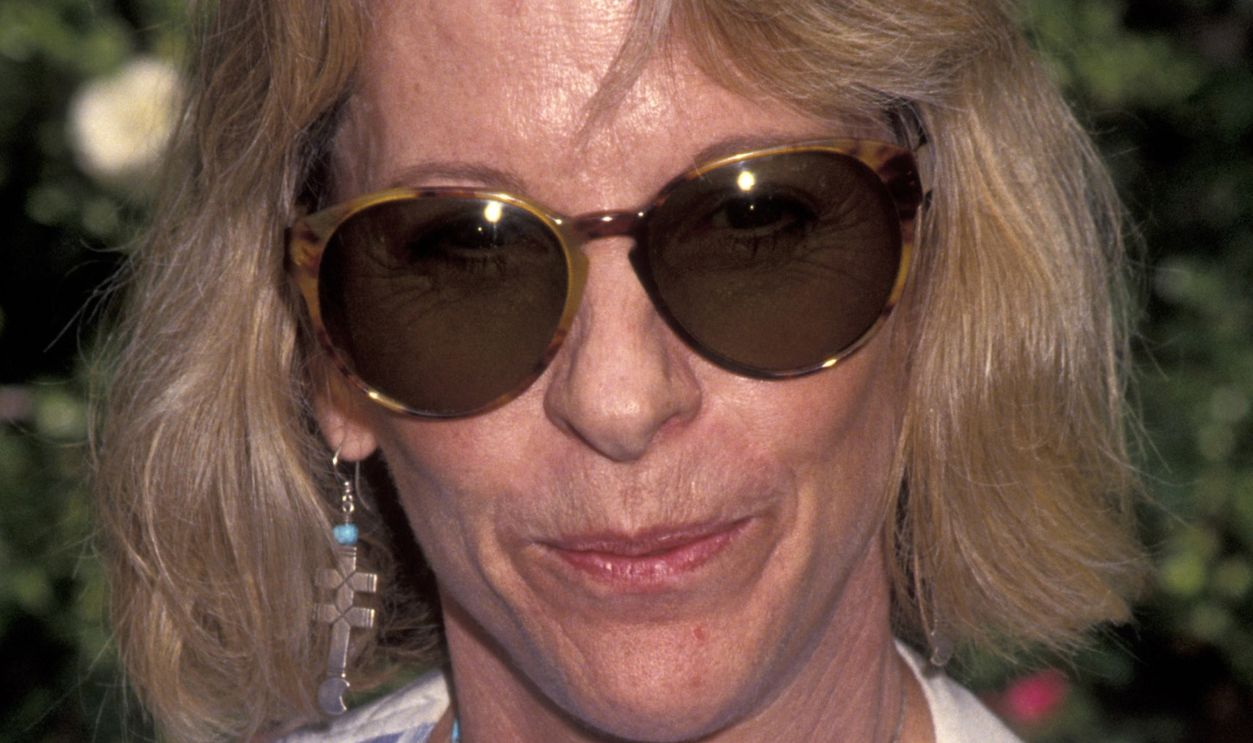 Ron Galella, Ltd., Getty Images
You May Also Like:
Movies Boomers Love That Most Millennials Haven't Even Heard Of
80s Rom-Coms That Still That Give Us Butterflies
Sources: 1, 2, 3, 4, 5, 6, 7, 8, 9, 10 ,11, 12, 13, 14, 15, 16, 17, 18