Nobody Was Supposed to Take Them Seriously
Some of the greatest films ever made weren’t meant to be great at all. They started as jokes, dares, parody ideas, or low‑expectation studio gambles—and somehow turned into timeless masterpieces no one saw coming.

#20. Wayne’s World (1992)
It began as a silly Saturday Night Live sketch built around dumb catchphrases. No one expected it to become a cultural touchstone. Its sincerity, sharp satire of media culture, and genuine affection for its characters turned throwaway comedy into something lasting.
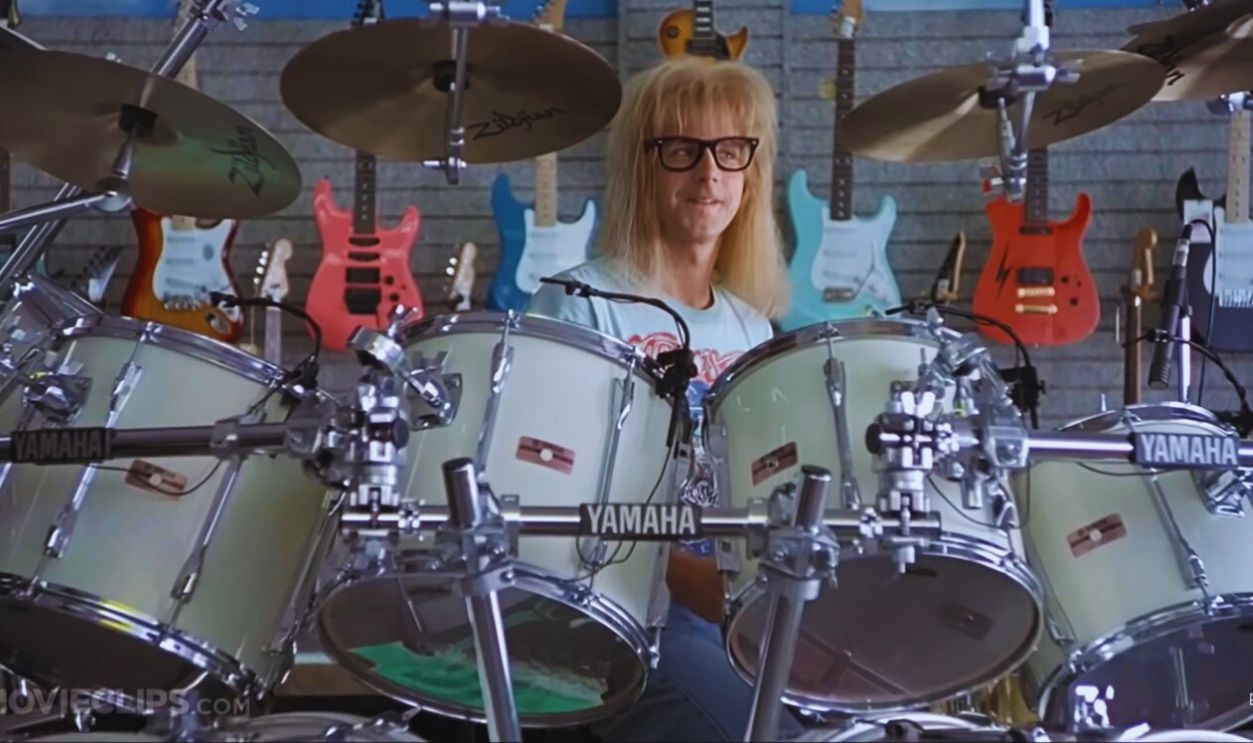 Screenshot from Wayne’s World, Paramount Pictures (1992)
#19. Tropic Thunder (2008)
Originally pitched as a chaotic Hollywood parody, it sounded like pure excess. What made it special was how it exposed ego, fame, and performance culture, hiding sharp commentary beneath outrageous humor.
 Screenshot from Tropic Thunder, Paramount Pictures (2008)
#18. The LEGO Movie (2014)
This was expected to be a long toy commercial. Instead, it delivered a smart, heartfelt story about creativity and conformity. Its emotional core and self-awareness elevated it far beyond its cynical origins.
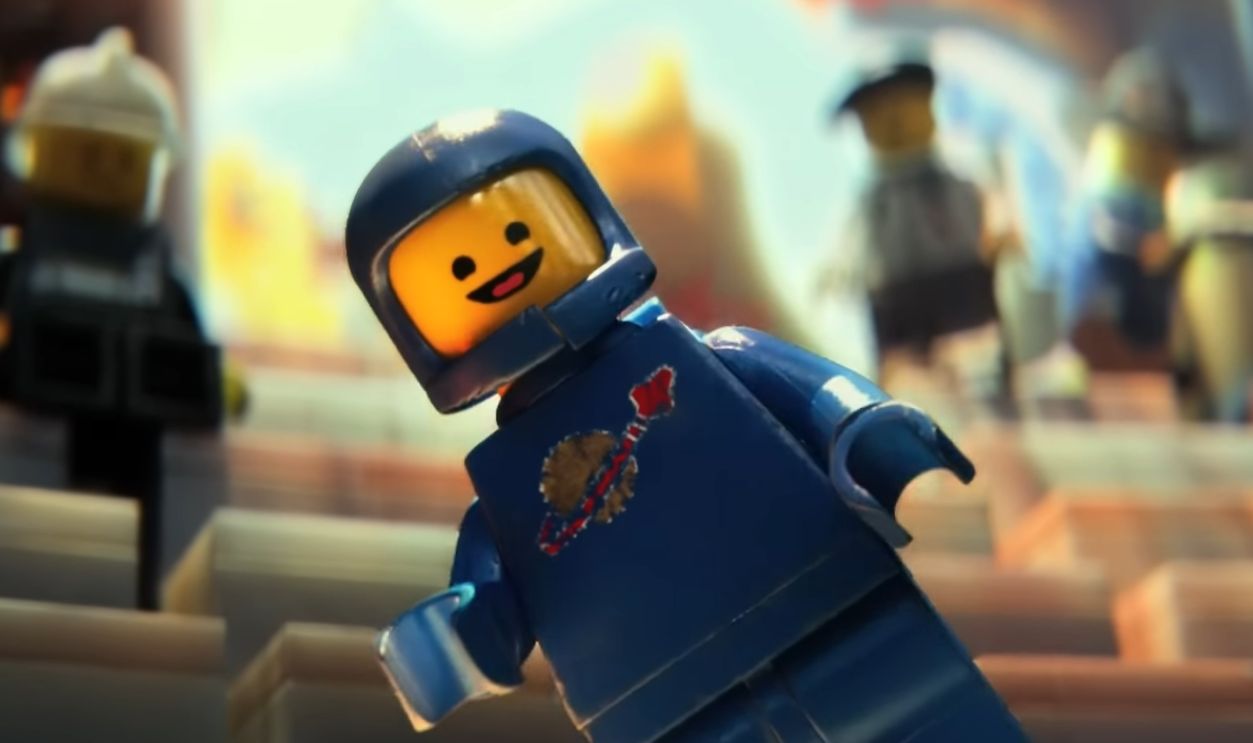 Screenshot from The LEGO Movie, Warner Bros. Pictures, (2014)
#17. Borat (2006)
Designed as shock comedy built on uncomfortable encounters, it accidentally became social commentary. The film exposed real attitudes in ways scripted satire never could, turning pranks into something unsettling and meaningful.
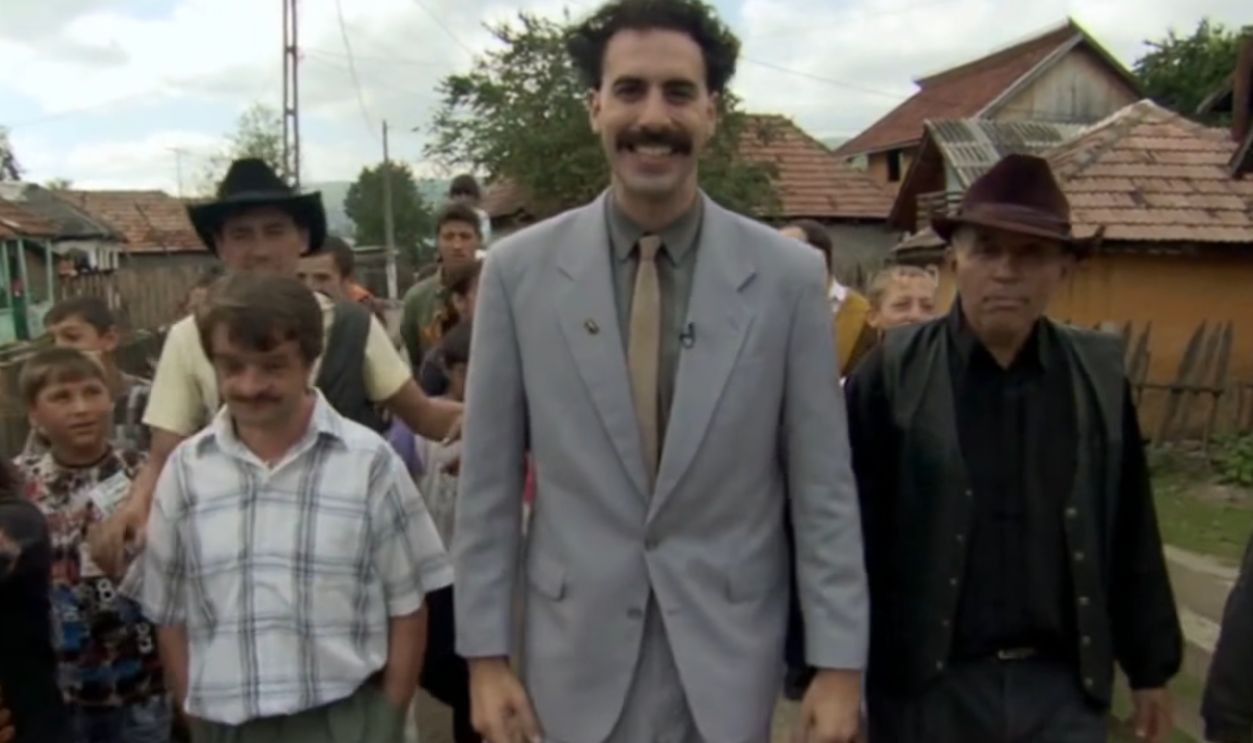 Screenshot from Borat, 20th Century Fox (2006)
#16. The Princess Bride (1987)
Marketed as a fairy-tale parody, it confused studios early on. Its magic came from balancing humor with genuine emotion, creating a story that’s funny, romantic, and sincere without mocking its heart.
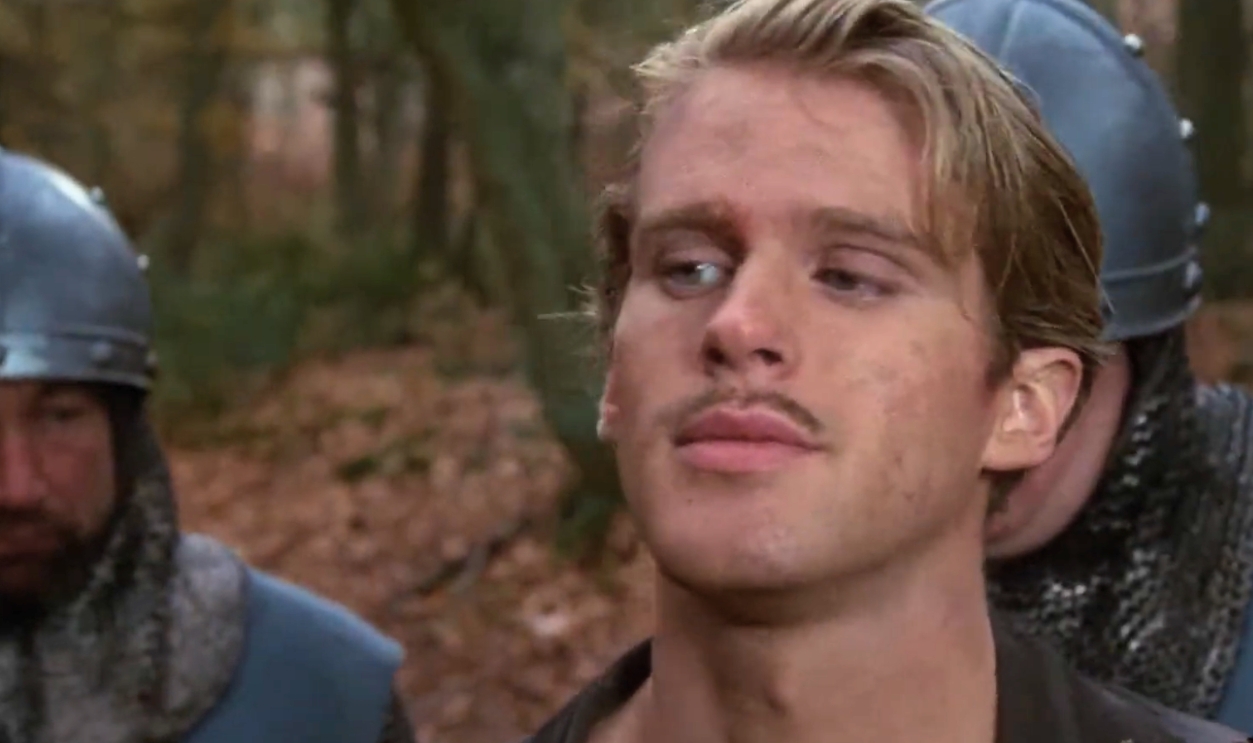 Screenshot from The Princess Bride, 20th Century Fox (1987)
#15. This Is Spinal Tap (1984)
Meant as a fake documentary poking fun at rock stars, it became so accurate musicians saw themselves in it. Its commitment to realism turned parody into cultural truth.
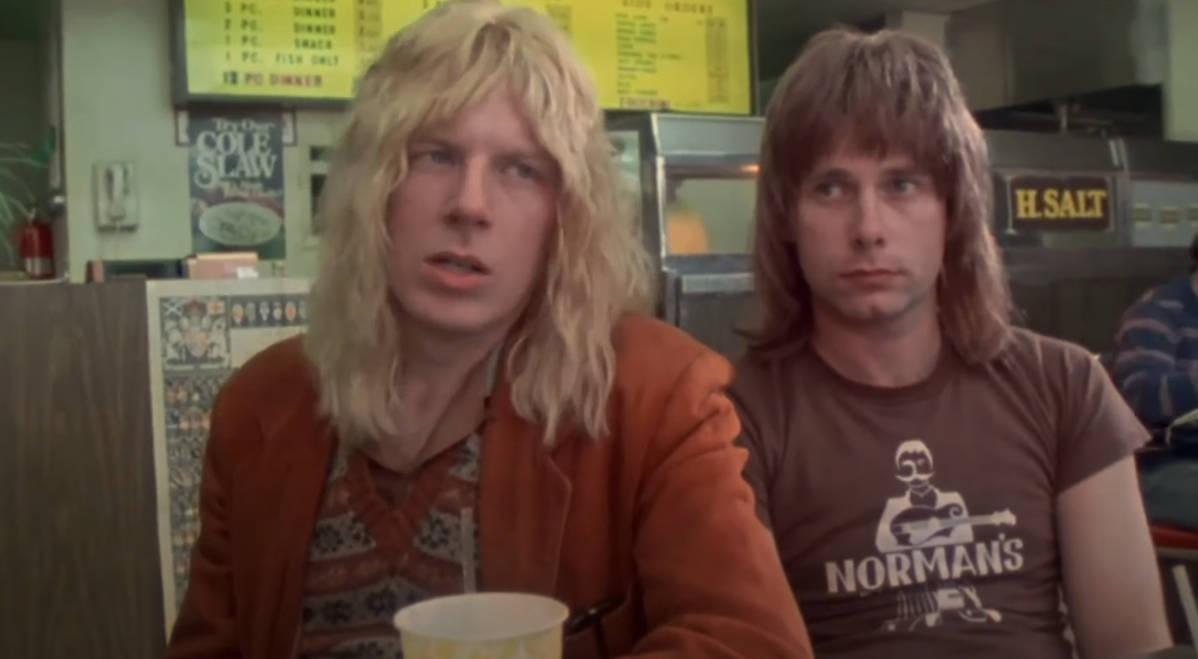 Screenshot from This Is Spinal Tap, Embassy Pictures (1984)
#14. 21 Jump Street (2012)
This reboot sounded like a lazy cash grab. Instead, it embraced the joke, openly mocking itself while building real emotional stakes and strong chemistry between its leads.
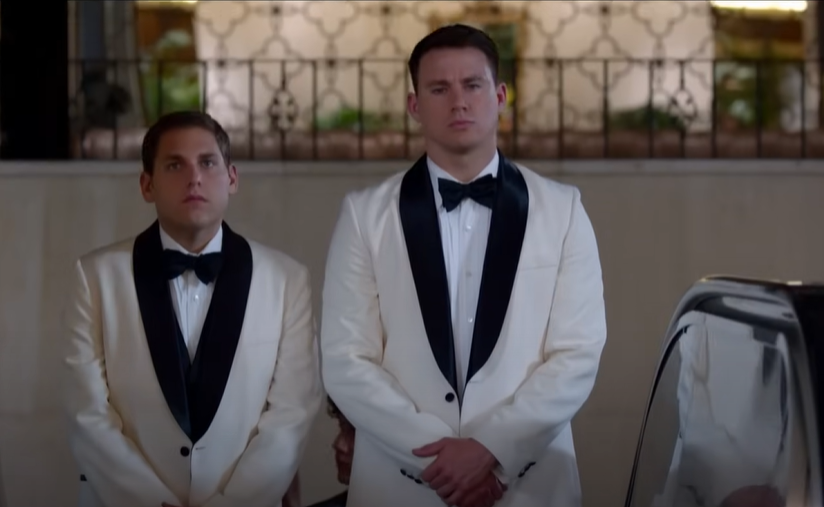 Screenshot from 21 Jump Street, Metro-Goldwyn-Mayer (2012)
#13. Groundhog Day (1993)
It looked like a goofy high-concept comedy about repeating a day. By leaning into personal growth and purpose, it transformed a silly premise into one of cinema’s most thoughtful stories.
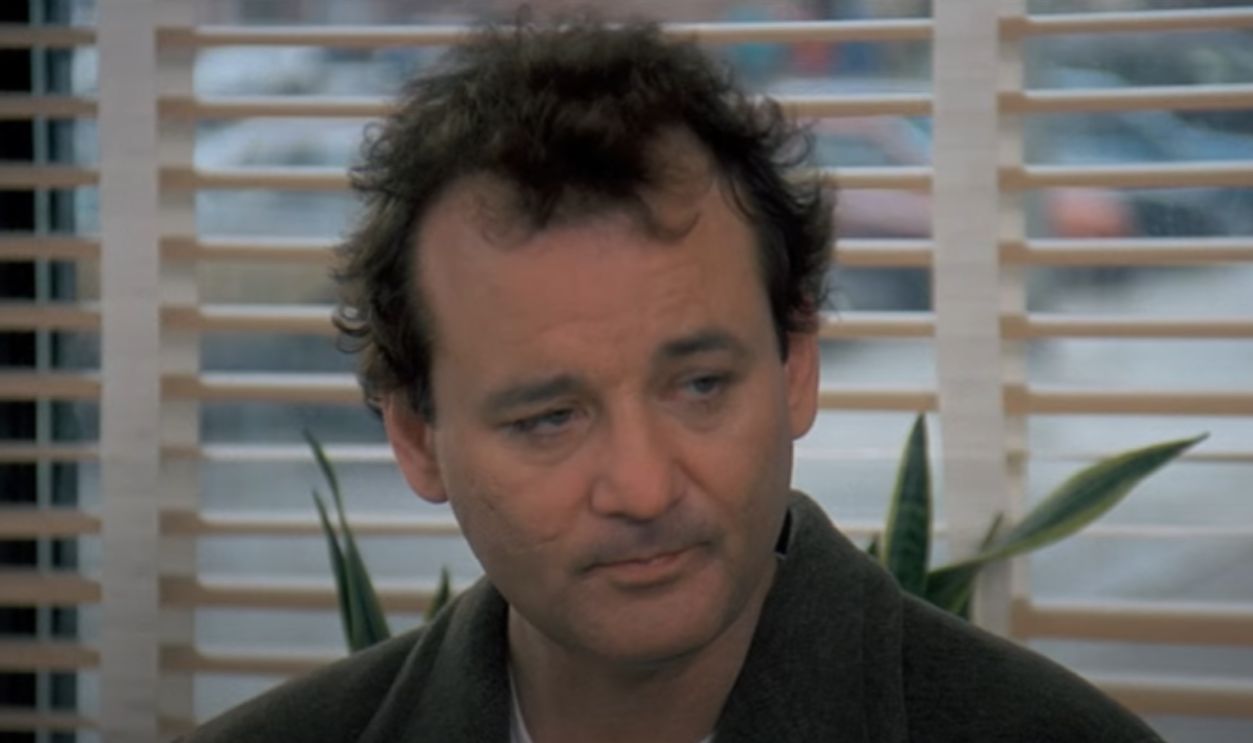 Screenshot from Groundhog Day, Columbia Pictures (1993)
#12. Austin Powers: International Man of Mystery (1997)
Built as broad parody of spy movies, it could have been disposable. Its sharp understanding of genre tropes and tight comedic structure turned cheap jokes into lasting satire.
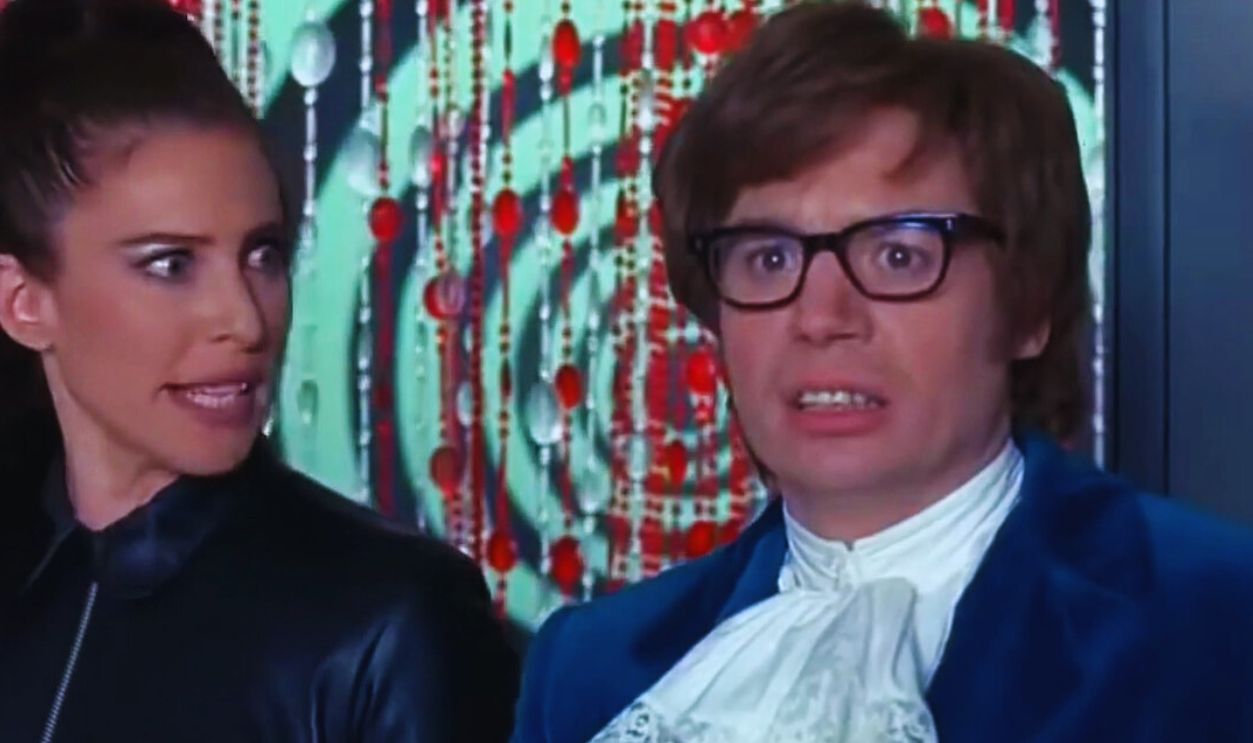 Screenshot from Austin Powers: International Man of Mystery, New Line Cinema (1997)
#11. The Truman Show (1998)
Initially framed as a strange comedy with a ridiculous setup, it slowly revealed itself as a powerful meditation on freedom, control, and identity.
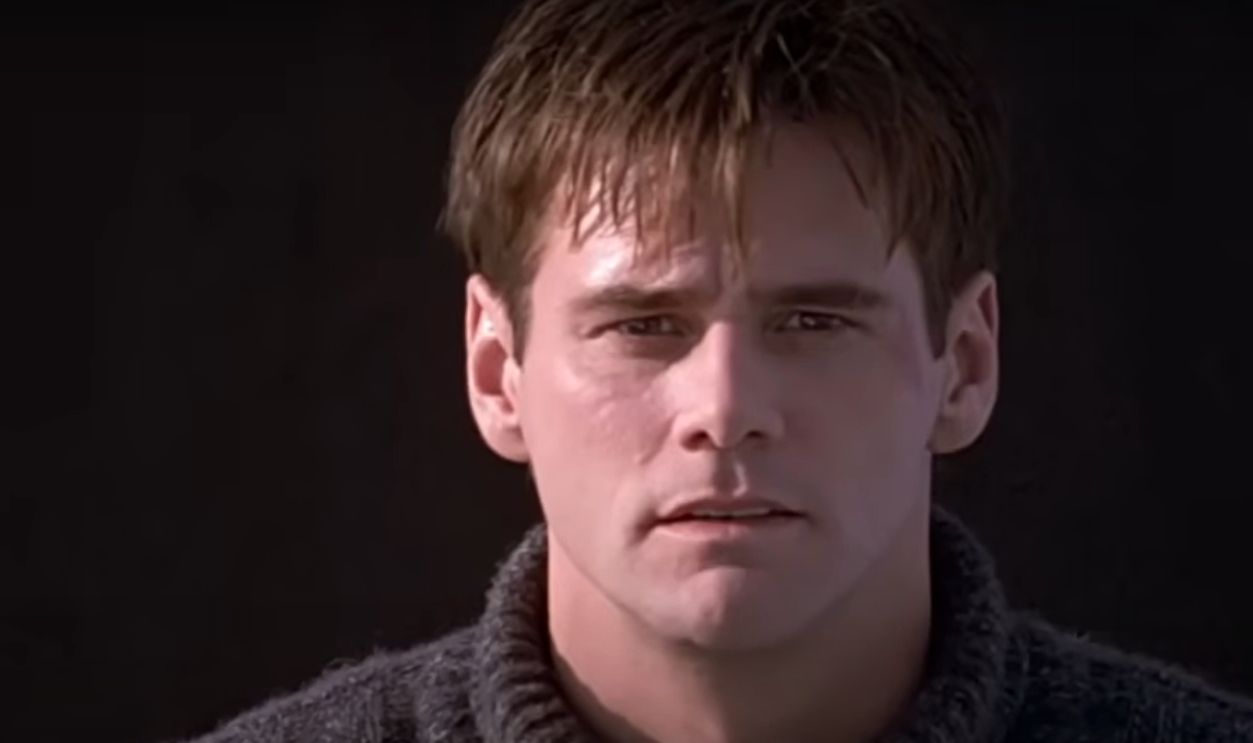 Screenshot from The Truman Show, Scott Rudin Productions (1998)
#10. Who Framed Roger Rabbit (1988)
It sounded like a technical stunt mixing cartoons and noir. Instead, it delivered emotional weight, groundbreaking visuals, and a dark mystery that made the gimmick feel revolutionary.
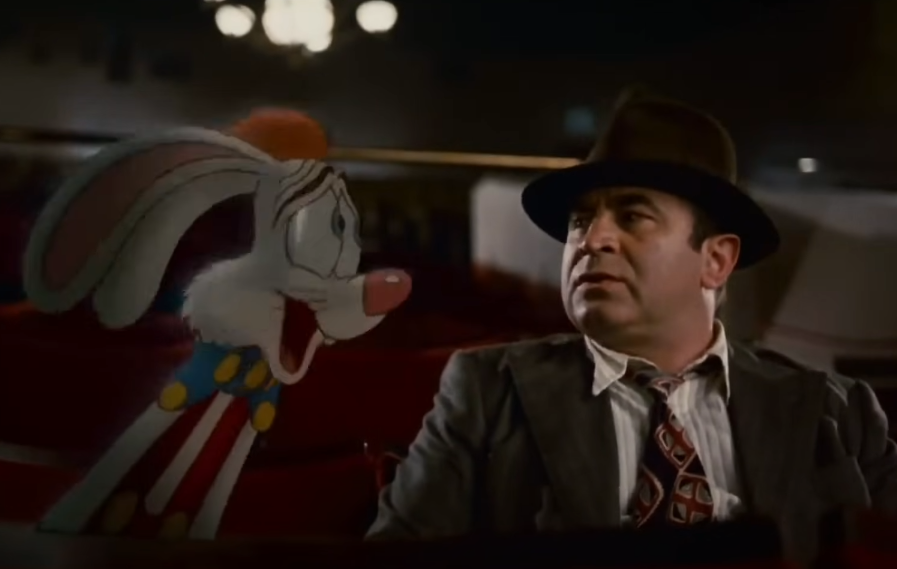 Screenshot from Who Framed Roger Rabbit, Amblin Entertainment (1988)
#9. The Big Lebowski (1998)
Marketed as a goofy crime comedy, it baffled early audiences. Over time, its philosophical humor and unforgettable characters revealed unexpected depth.
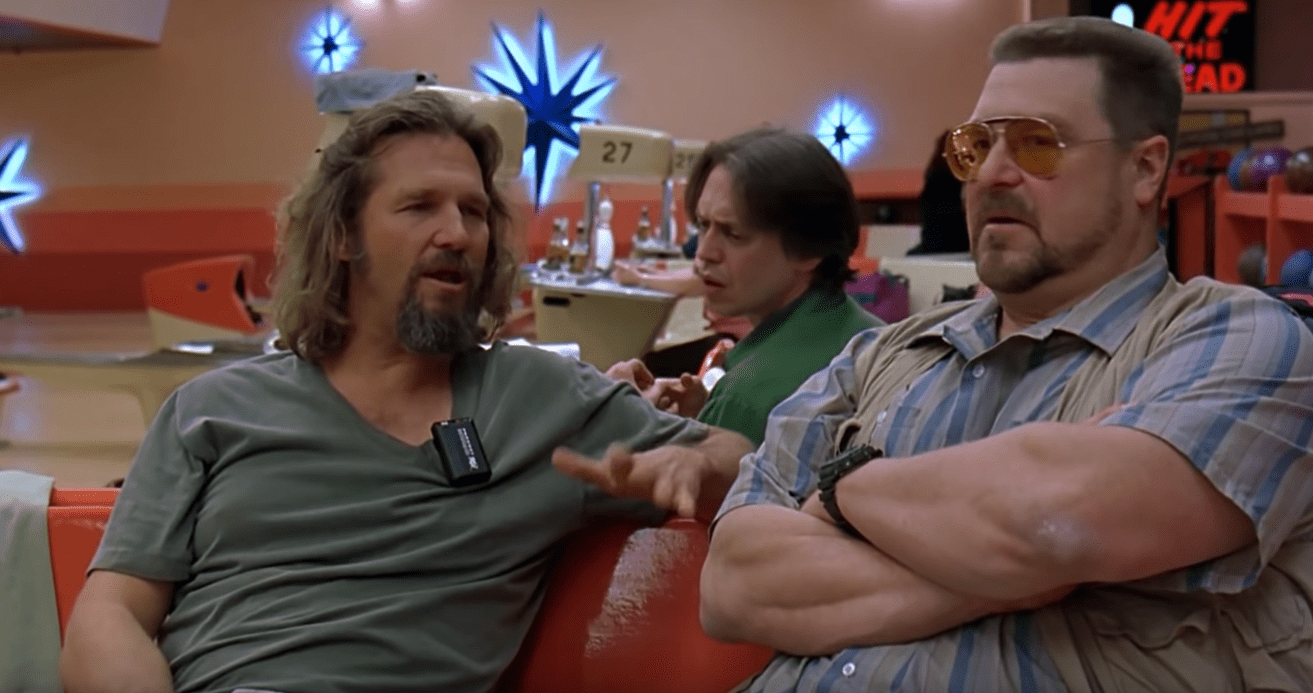 Screenshot from The Big Lebowski, Working Title Films (1998)
#8. Airplane! (1980)
Built entirely as a joke-for-joke parody, it shouldn’t have worked this well. Its brilliance came from playing absurdity completely straight.
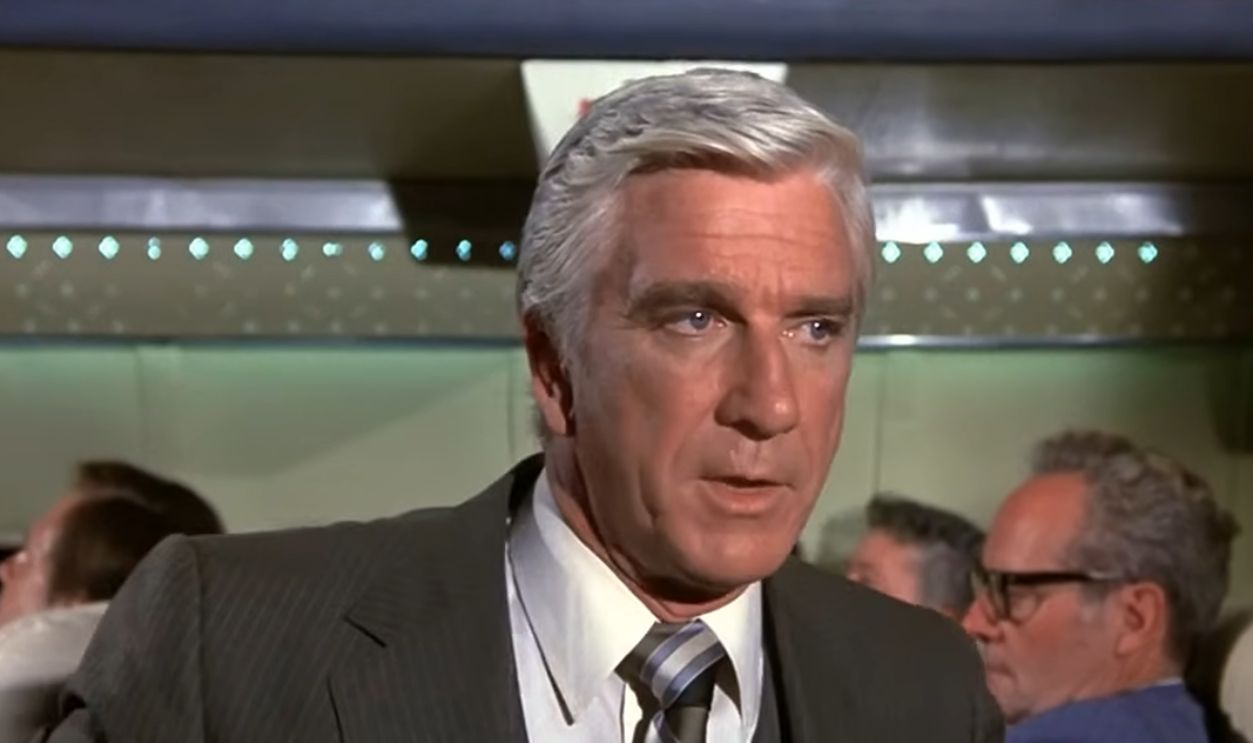 Screenshot from Airplane!, Paramount Pictures (1980)
#7. RoboCop (1987)
Originally conceived as over-the-top action, it became biting satire. Its critique of violence, media, and capitalism gave depth to explosive spectacle.
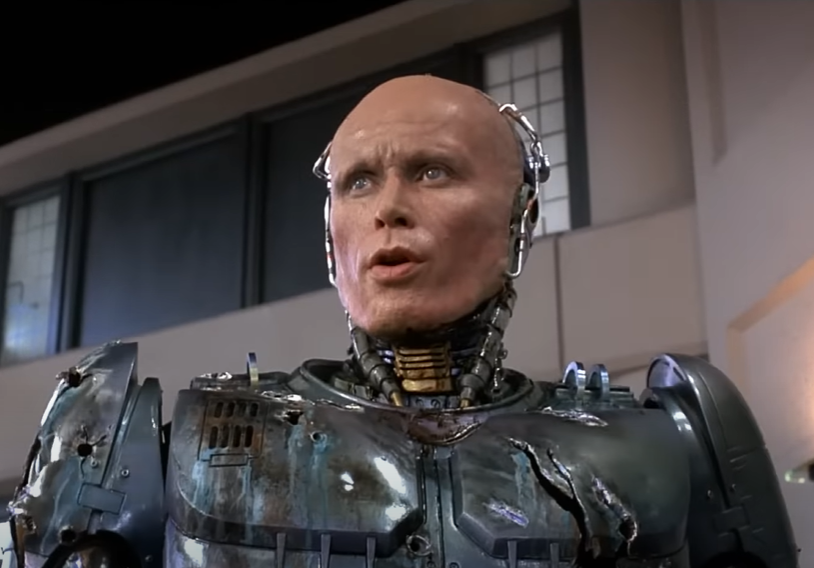 Screenshot from RoboCop, Orion Pictures (1987)
#6. Monty Python and the Holy Grail (1975)
A low-budget spoof of Arthurian legends, it embraced absurdity without restraint. Its fearless creativity made it endlessly quotable and influential.
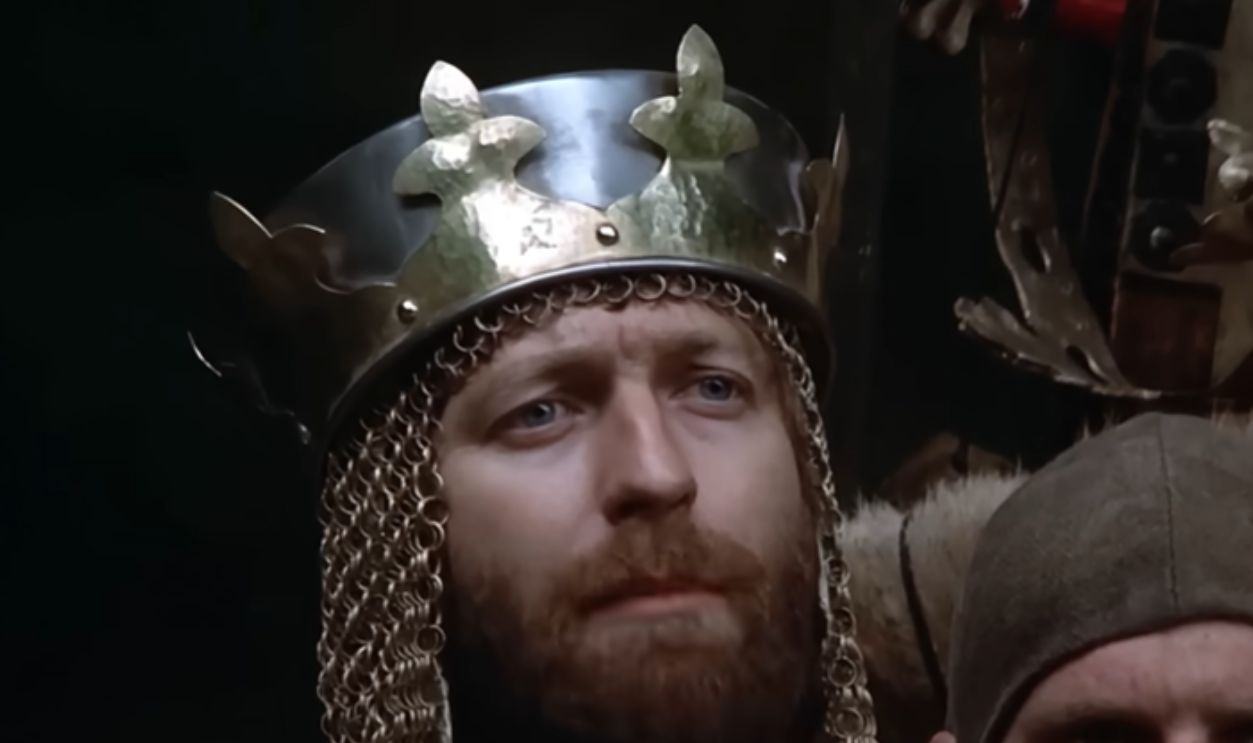 Screenshot from Monty Python and the Holy Grail, EMI Films (1975)
#5. The Blair Witch Project (1999)
A no-budget found-footage experiment sounded like a gimmick. Its realism and atmosphere redefined horror and proved less can be more.
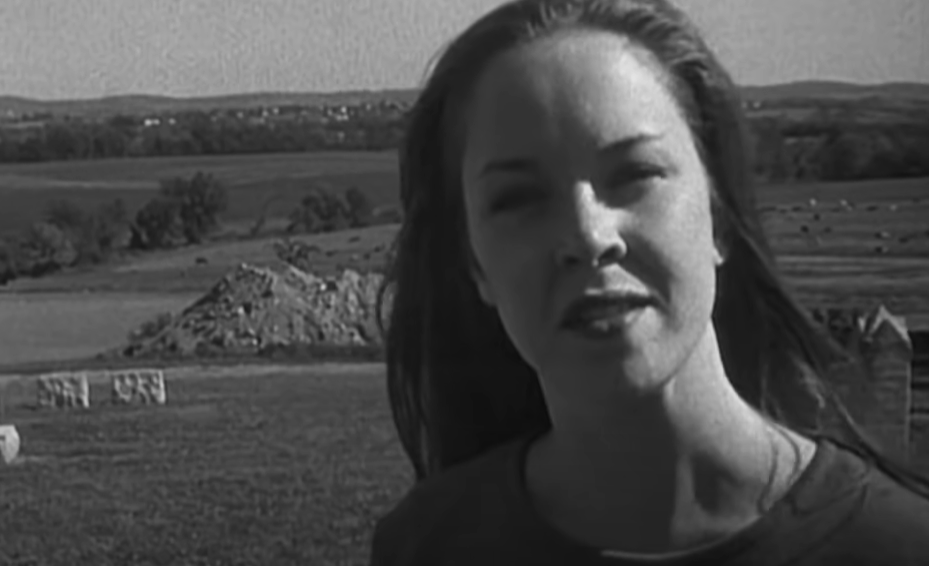 Screenshot from The Blair Witch Project, Artisan Entertainment (1999)
#4. The Matrix (1999)
Dismissed early as flashy sci-fi, it reshaped cinema. Its philosophical ideas and groundbreaking visuals turned spectacle into substance.
 Screenshot from The Matrix, Warner Bros (1999)
#3. Dr Strangelove (1964)
Turning global destruction into comedy sounded reckless. Its fearless satire exposed political absurdity with chilling clarity.
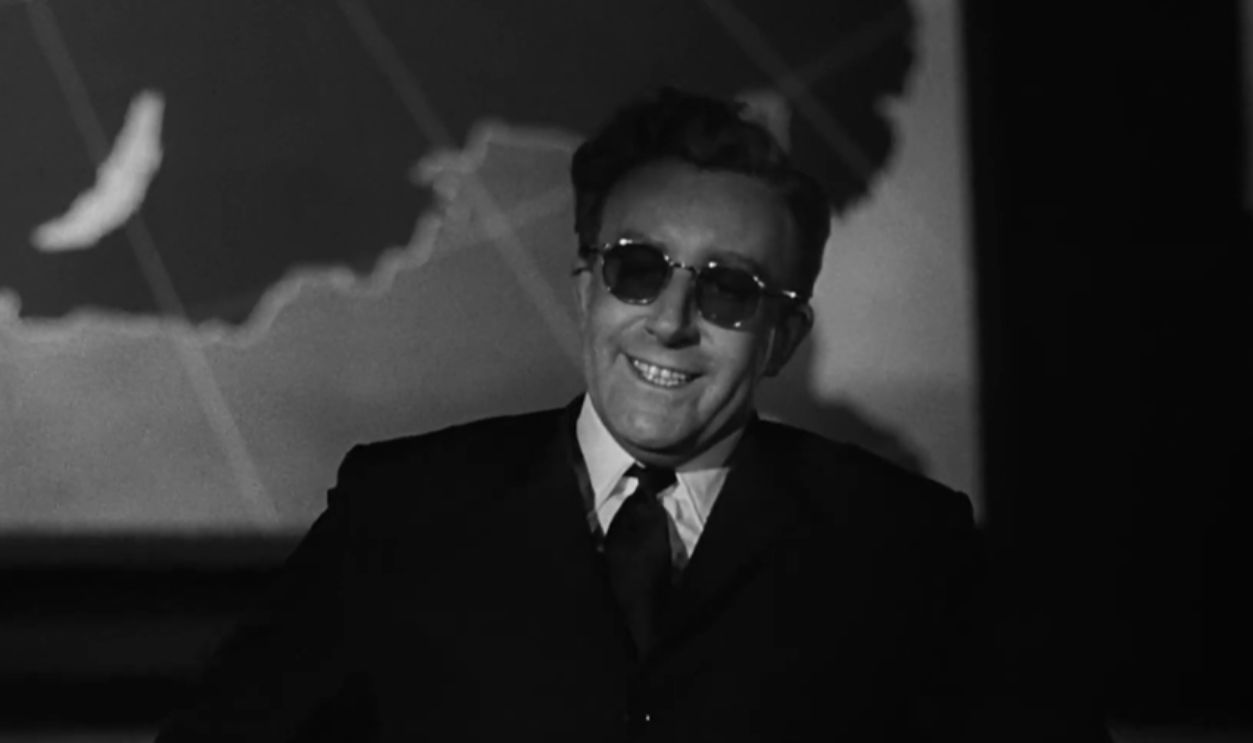 Screenshot from Dr. Strangelove, Columbia Pictures (1964)
#2. Get Out (2017)
Pitched as genre mash-up with satirical edge, it exceeded expectations. Its symbolism, storytelling, and emotional honesty made it a modern classic.
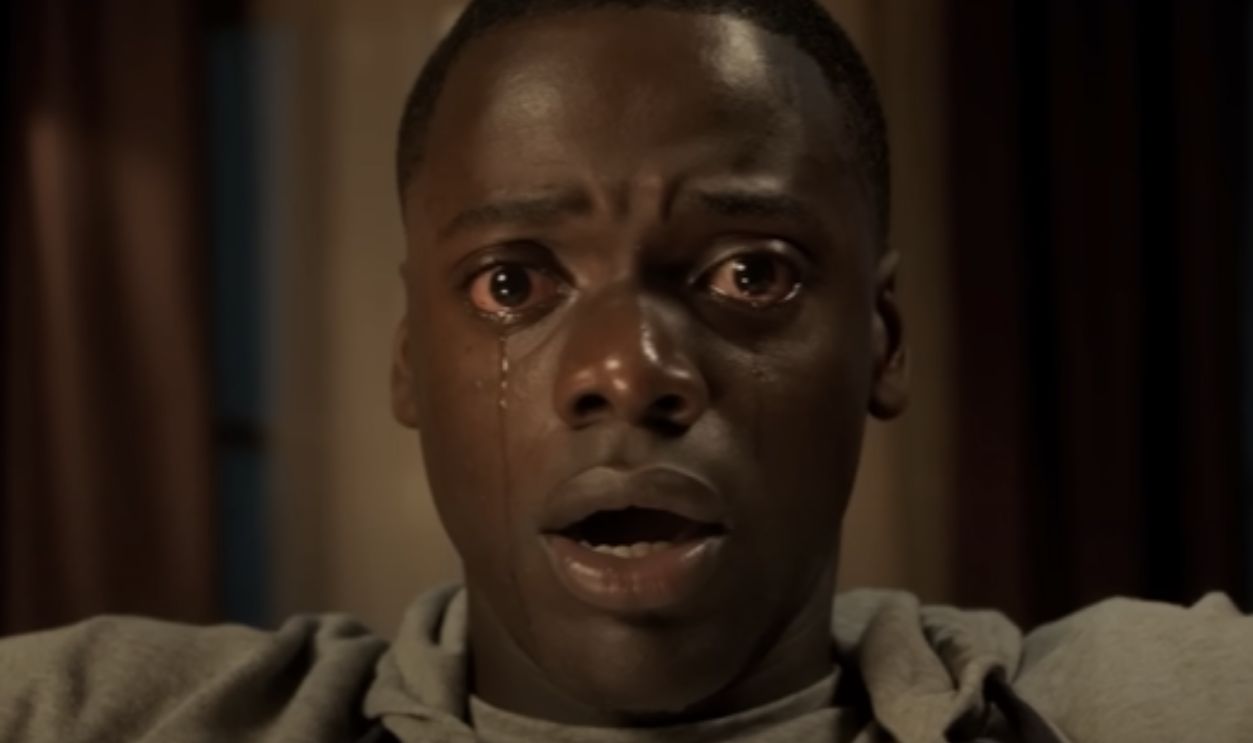 Screenshot from Get Out, Blumhouse Universal Pictures (2017)
#1. Citizen Kane (1941)
Seen initially as a provocative experiment, it redefined filmmaking. Its innovation and emotional depth reshaped how stories could be told on screen.
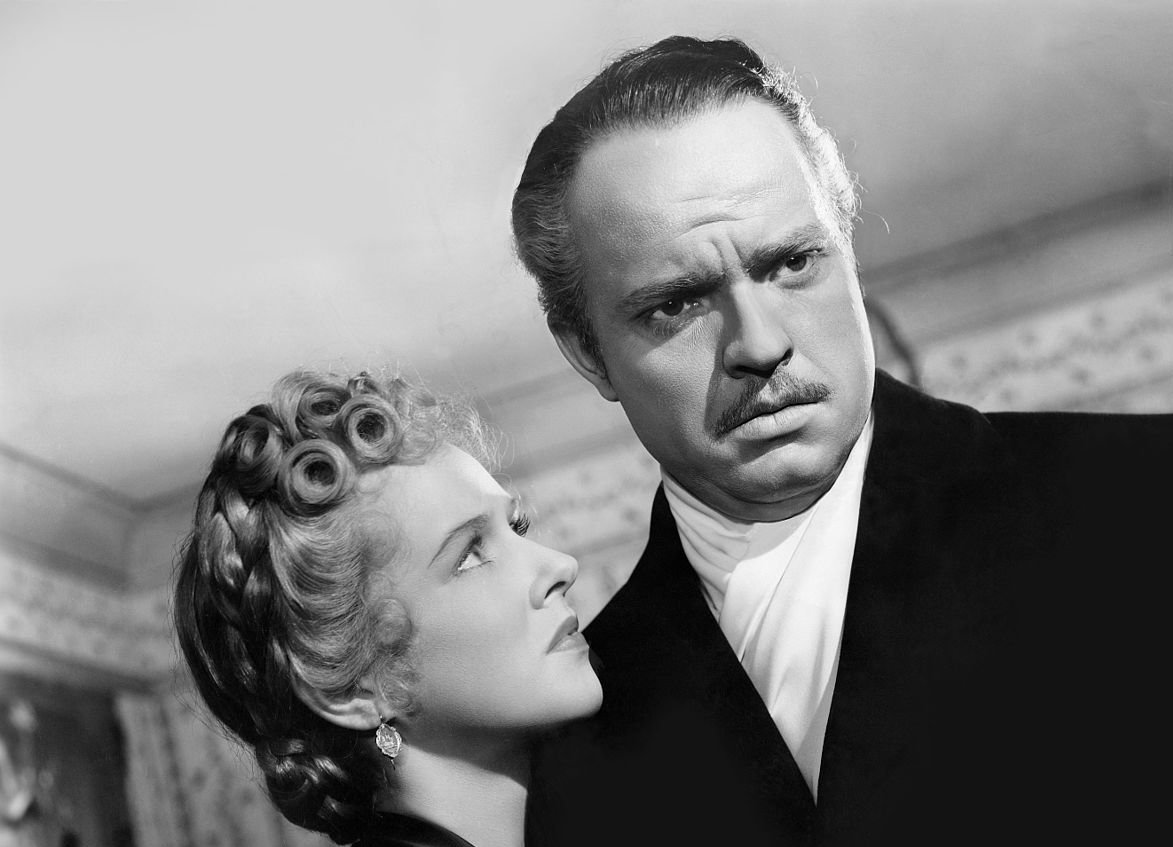 RKO Radio Pictures, Wikimedia Commons
You May Also Like:
The Funniest Parody Movies Of All Time
The Best Workplace Comedies Of All Time
These Shameless 80s Comedies Could Never Be Made Today