When The Format Gets The Casting Wrong
Some stories are born bingeable and others are built for one big night at the movies. The problem is, nobody told the studios. So we get sprawling epics squeezed into two or three hours, and TV shows that spend six episodes doing what a film could handle between trailers and credits. Here’s a look at the cinematic universes and small-screen sagas that probably turned up on the wrong side of the streaming menu.
Dune Was Born To Be Prestige TV
Frank Herbert’s Dune is basically a textbook for “how to build a galaxy and fill it with complicated people”. It’s already been sliced into multiple films and miniseries, which is a pretty big hint that it really wants to live as a long-form show. A multi-season series could trace the rival houses, religious factions, and generational conflicts at a pace that doesn’t feel like a cram session. Instead of racing through sand and politics, we’d get time to actually live on Arrakis.
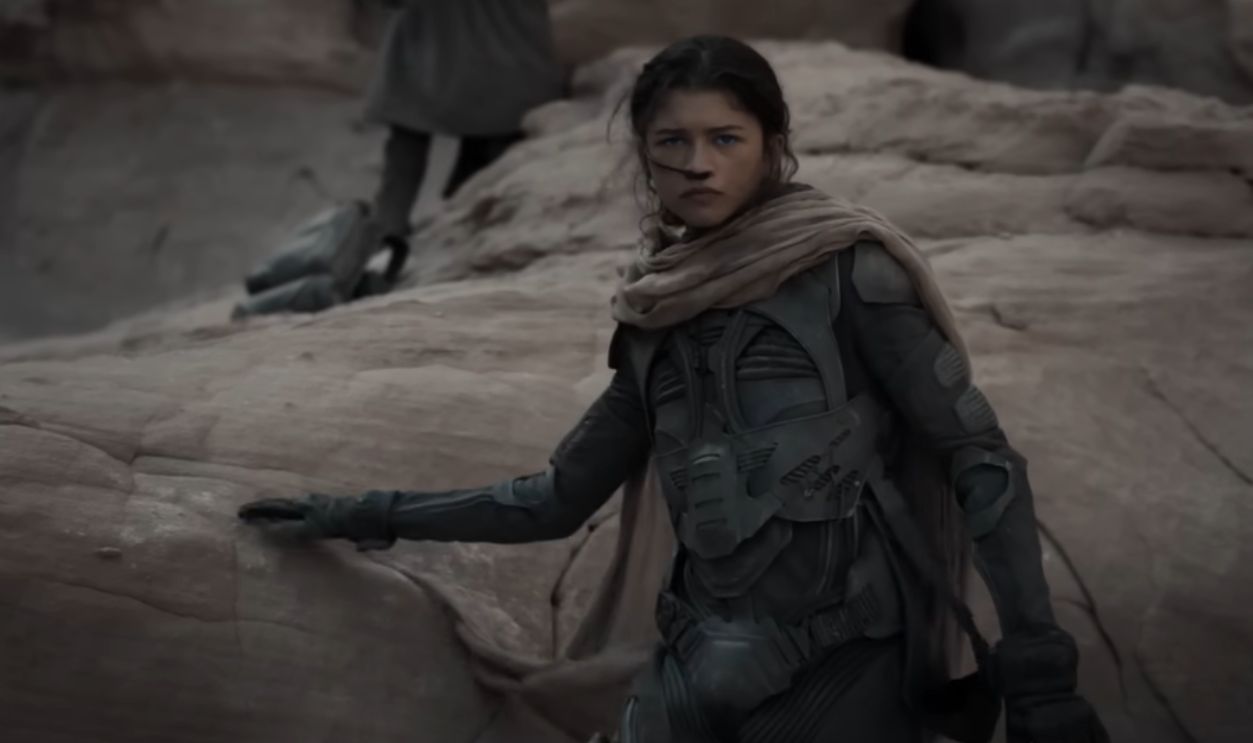 Screenshot from Dune, Warner Bros. Pictures (2021)
Marvel’s Eternals Needed The Slow Burn
With ten main heroes and a timeline that stretches across centuries, Eternals tried to cram a whole shared universe into one movie. A series could have given each Eternal a proper spotlight episode, turning them from “wait, which one is that again?” into fan favorites. It also would’ve made the cosmic mythology feel less like a history lecture and more like an unfolding saga.
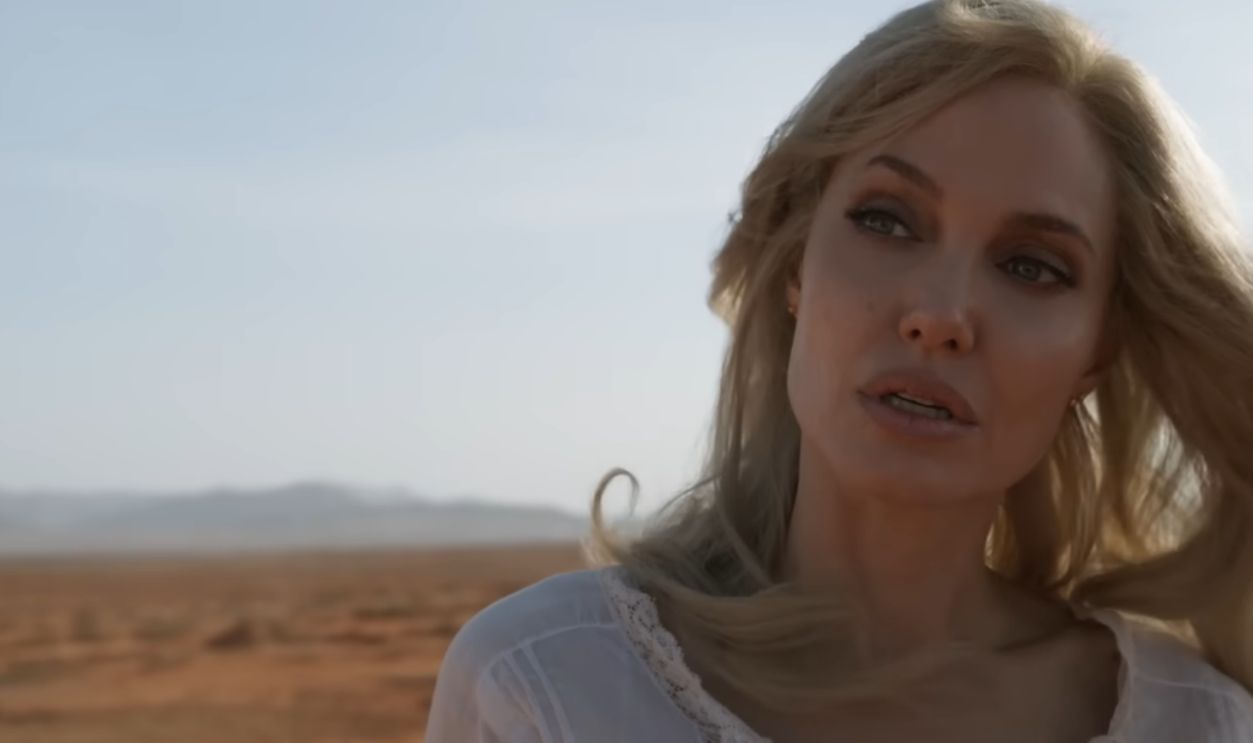 Screenshot from Eternals, Walt Disney Studios Motion Pictures (2021)
Killers Of The Flower Moon Was Practically A Limited Series Already
Killers of the Flower Moon runs long enough to qualify as a weekend commitment, which tells you how dense the story really is. As a limited series, it could have devoted full episodes to the Osage community, the investigators, and the slow tightening of the noose around the conspirators. That would have made the emotional impact even more devastating.
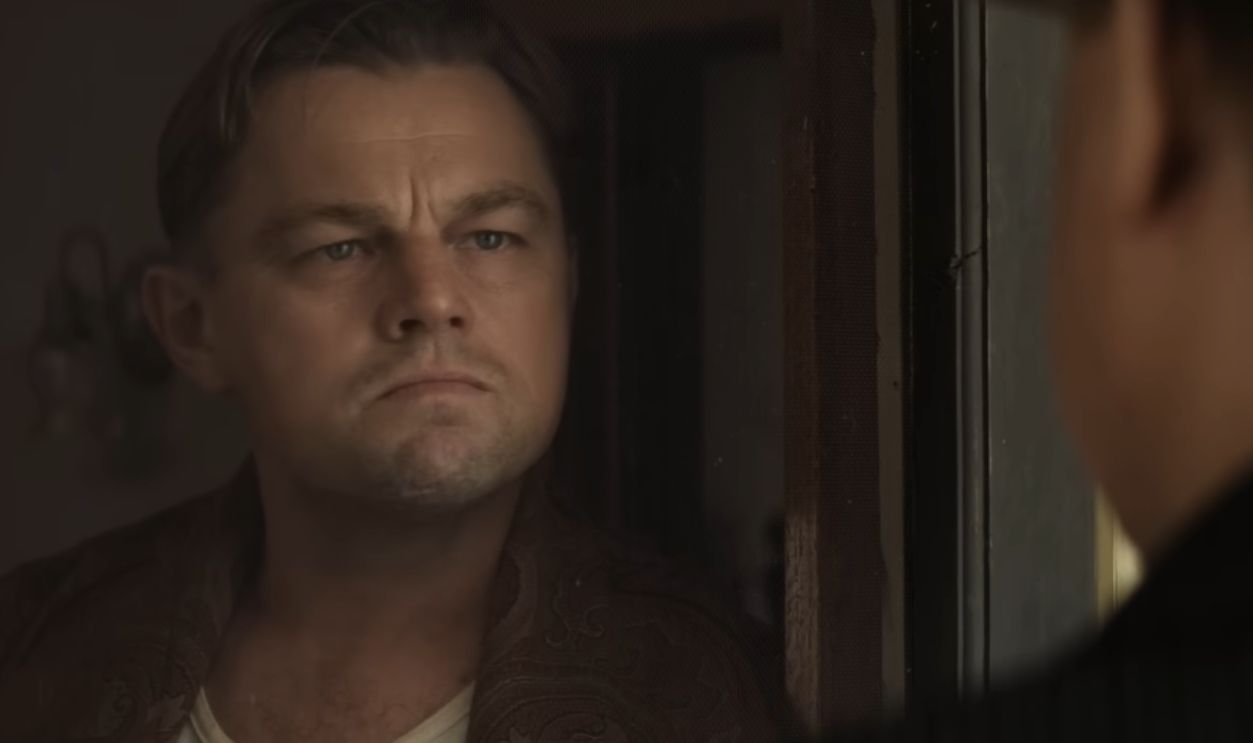 Screenshot from Killers of the Flower Moon, Paramount Pictures (2023)
The Dark Tower Should Have Started On The Small Screen
Trying to compress eight novels’ worth of Stephen King’s The Dark Tower into a single feature was always going to feel like speedrunning an entire mythology. As a TV series, the mix of western, horror, fantasy, and sci-fi could have unfolded gradually, giving viewers time to understand Roland, his world, and that ominous Tower. The episodic structure would have fit the quest narrative perfectly. Instead of a one-and-done experiment, it could have become a long-running cult obsession.
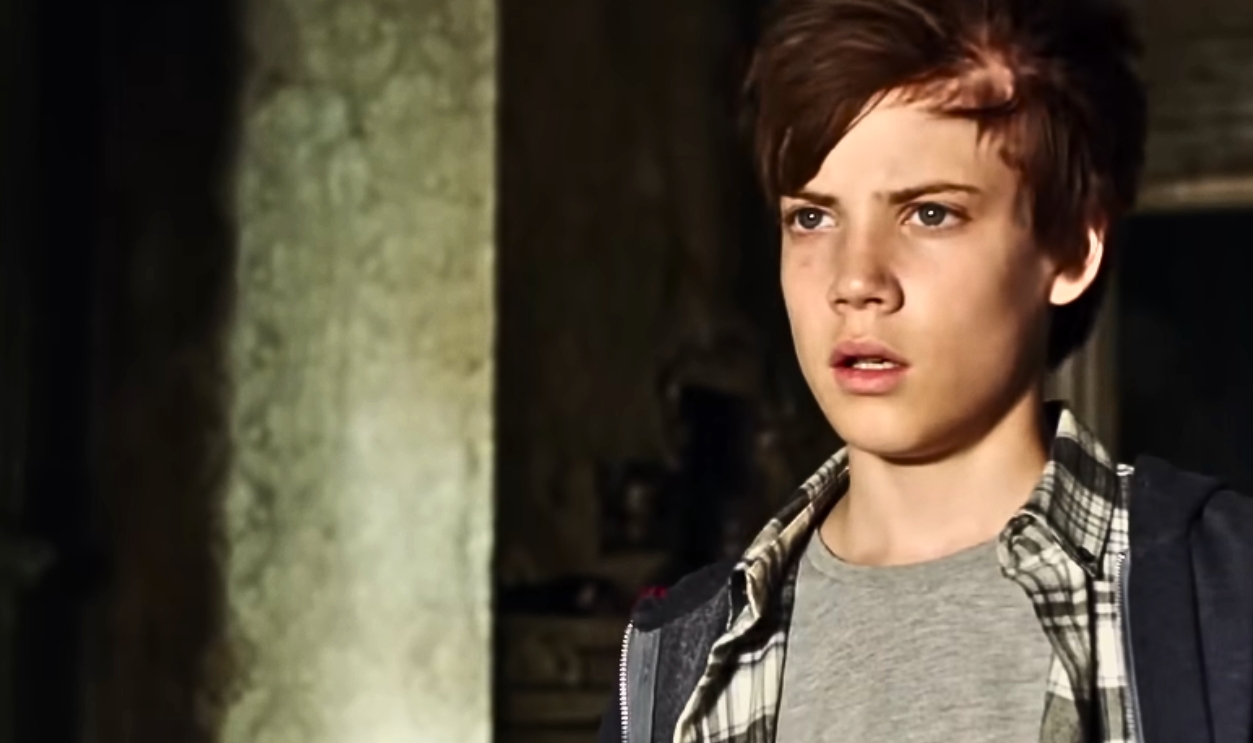 Screenshot from The Dark Tower, Sony Pictures Releasing (2017)
World War Z Was Built For An Anthology
The original World War Z novel reads like a collection of oral histories, which is basically TV anthology gold. A series could hop from country to country, showing how different cultures responded to the same global catastrophe. Each episode could have focused on a new perspective while slowly stitching together the bigger picture. Rather than one star-driven action story, we’d get a globe-spanning, season-long “how the world actually fell and fought back” chronicle.
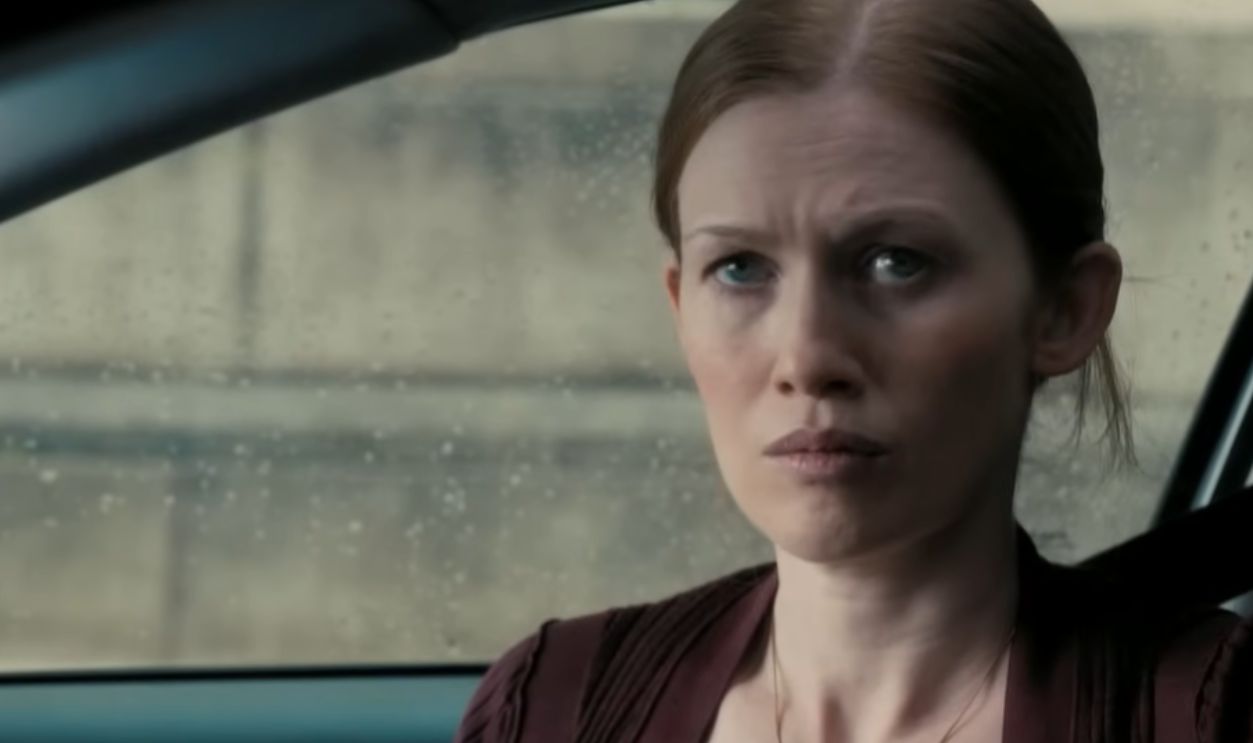 Screenshot from World War Z, Paramount Pictures (2013)
The Many Saints Of Newark Belonged Back On TV
As a prequel to a landmark TV drama, The Many Saints of Newark was always fighting its own format. The rise of a young Tony Soprano and the forces that shaped him wasn’t something that could be fully explored in a couple of hours. A series could have followed multiple eras, giving space to family dynamics, mob politics, and those formative choices that made Tony who he became. It would have felt less like a side note and more like a foundational chapter in a crime saga.
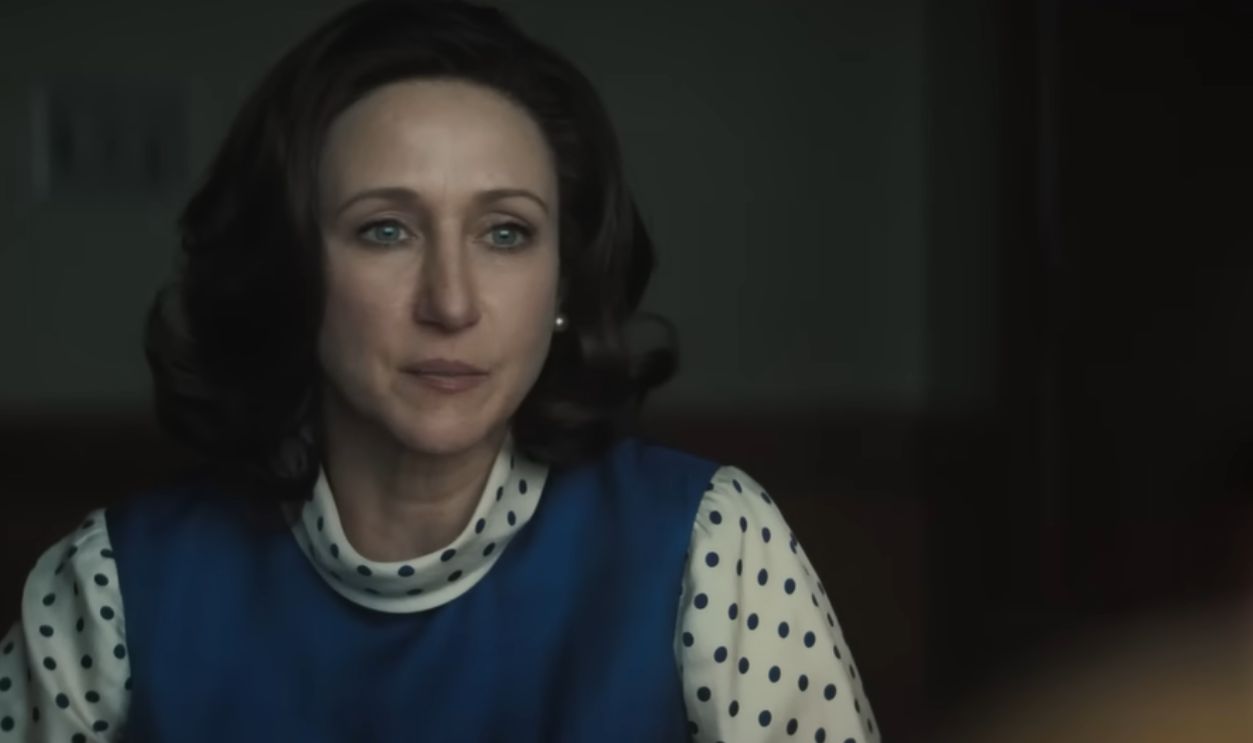 Screenshot from The Many Saints of Newark, Warner Bros. Pictures (2021)
The Batman Could Have Been A Gritty Detective Serial
The Batman already flirts with the structure of a crime thriller, following clues, corruption, and a masked menace across Gotham. Stretch that out into episodes and you suddenly have a neo-noir detective series with capes. Each week could tackle another piece of the city’s rot, from city hall to the underworld, while slowly revealing the full Riddler plot. It also would’ve given more room to explore Bruce Wayne as a person, not just the guy in the armor.
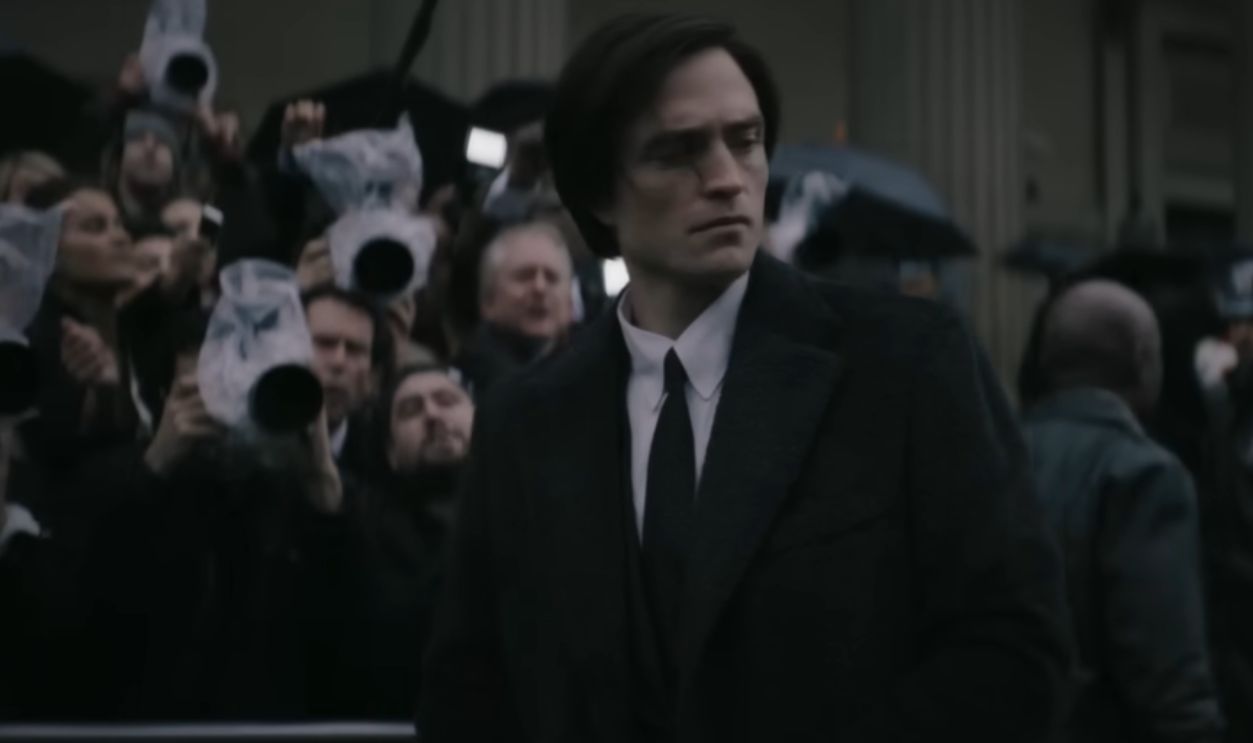 Screenshot from The Batman, Warner Bros. Pictures (2022)
Eragon Was Practically YA Fantasy TV Before It Was A Movie
With four novels’ worth of dragons, ancient orders, and coming-of-age drama, Eragon always had more story than one film could comfortably handle. A TV series could have let the relationships, rivalries, and mythology develop over time instead of rushing the hero from farm kid to savior. Viewers could grow up with the characters as the stakes increased season by season.
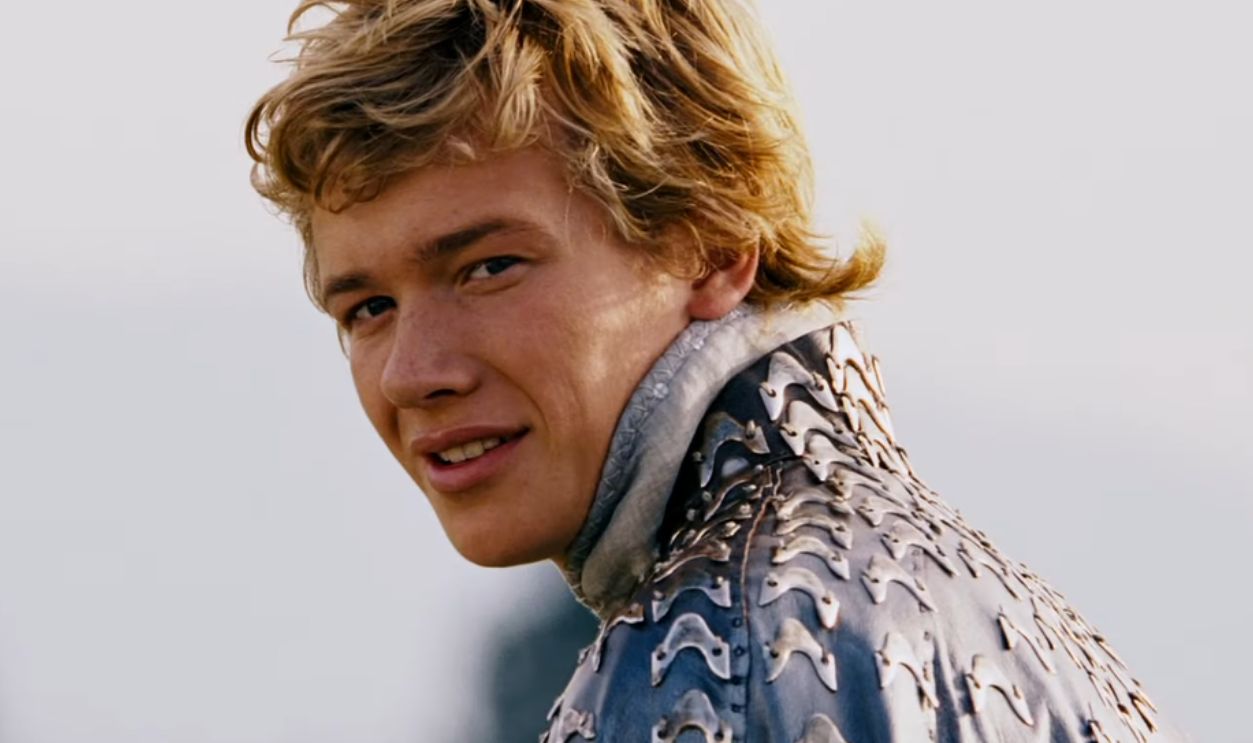 Screenshot from Eragon, 20th Century Fox (2006)
Once Upon A Time In Hollywood Should Have Been A Hangout Series
So much of Once Upon a Time in Hollywood is about vibes—driving, talking, rehearsing, failing, and drifting through late-’60s Los Angeles. That’s exactly the kind of rhythm that thrives in TV, where you can spend entire episodes just following characters around. A series could explore more of Rick Dalton’s fading career, Cliff Booth’s strange side jobs, and the shifting Hollywood landscape around them.
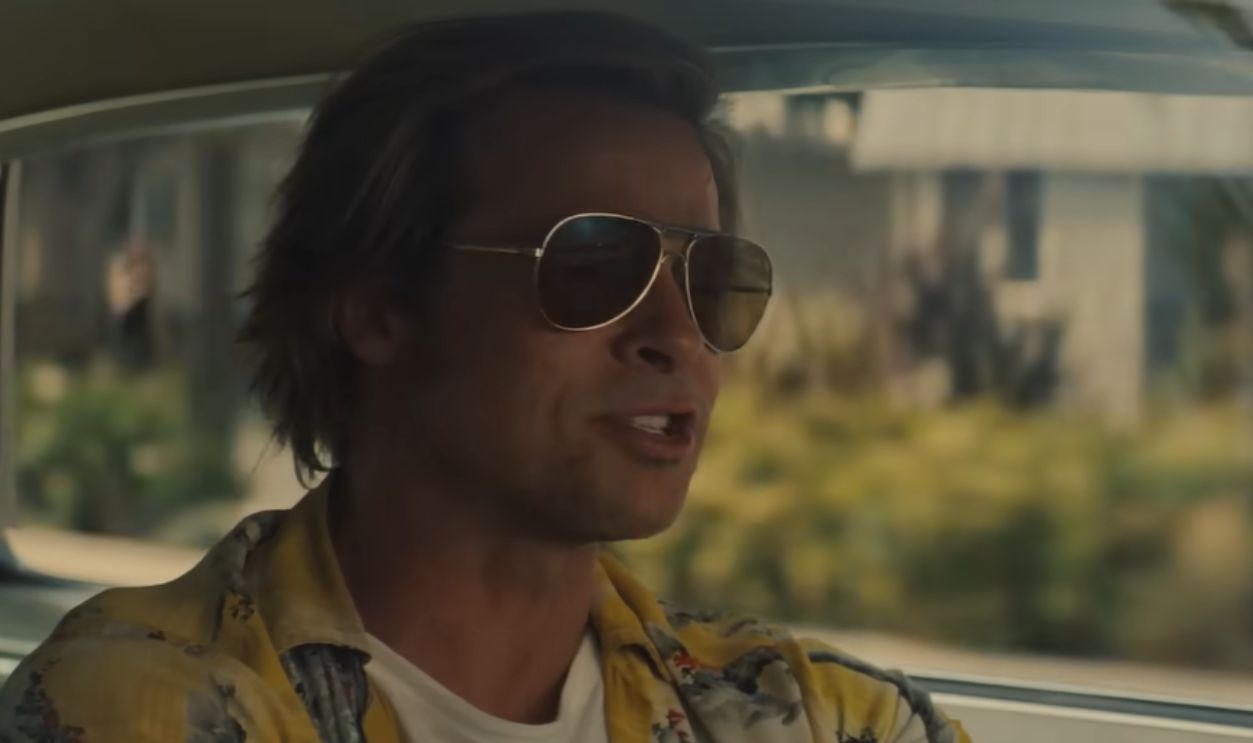 Screenshot from Once Upon a Time in Hollywood, Sony Pictures Releasing (2019)
Warcraft Needed Seasons, Not Just A Sequel
The world of Warcraft is dense enough that players can spend years in it and still find new corners. Trying to introduce all that lore in one movie is like trying to summarize an encyclopedia in a single paragraph. A TV series could have picked one region, one conflict, and one core cast to start with, slowly building outward.
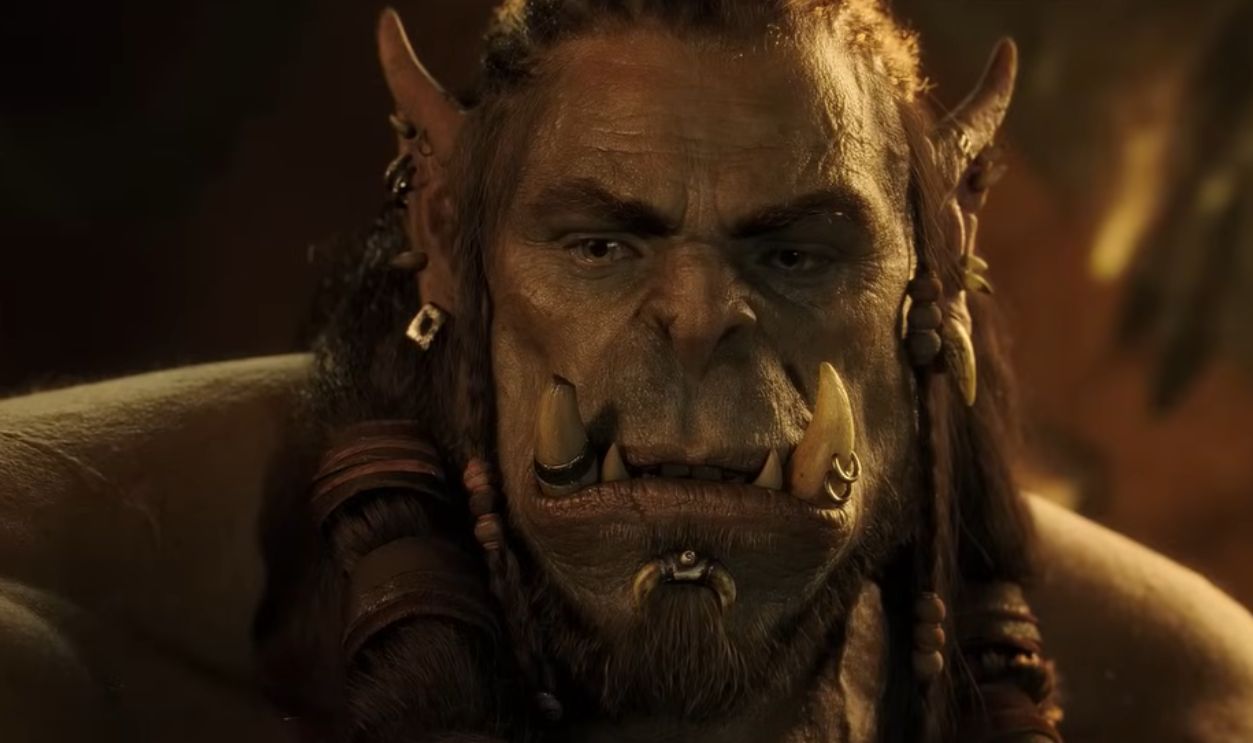 Screenshot from Warcraft, Universal Pictures (2016)
Obi-Wan Kenobi Could Have Been A Tight Space Opera
The heart of Obi-Wan Kenobi season 1 is clear: a weary Jedi coming out of hiding to protect a young Princess Leia and confront his fallen apprentice. That arc is strong enough to support a focused, emotionally charged movie. Condensing the story would cut down on detours and give the big character moments more punch.
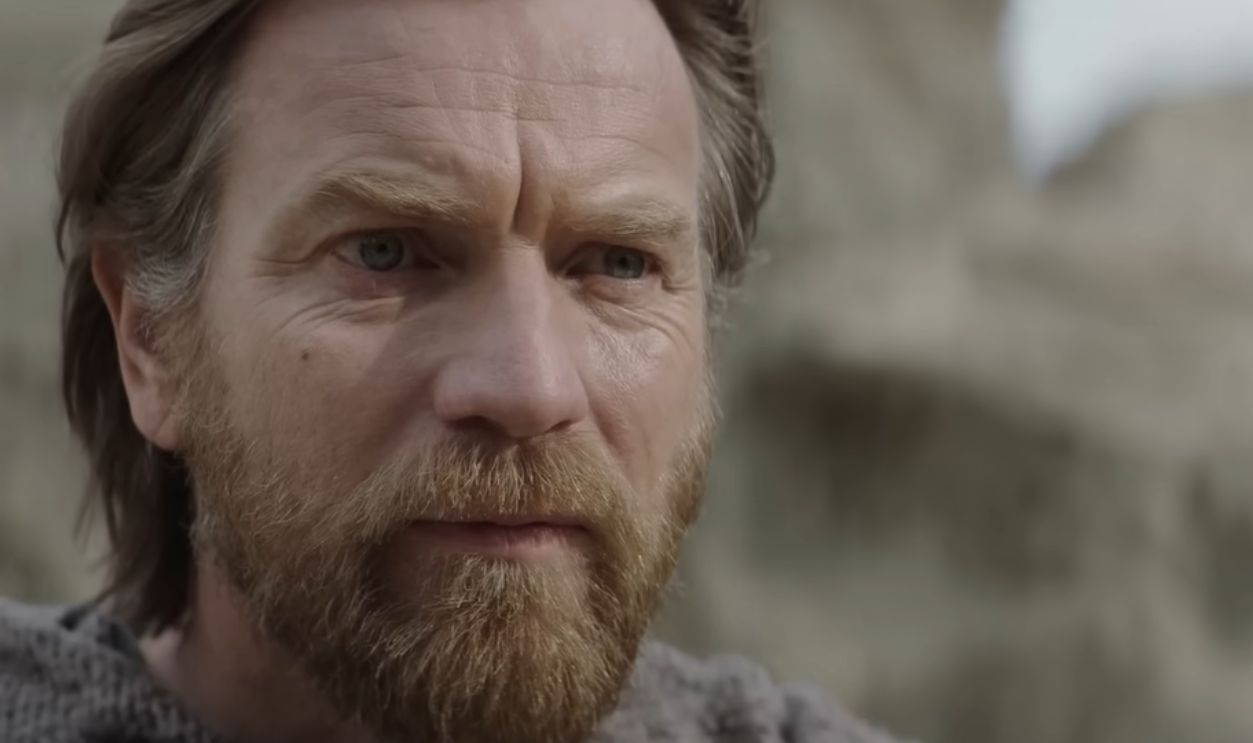 Screenshot from Obi-Wan Kenobi, Disney+ (2022)
Dirk Gently’s Holistic Detective Agency Was Prime Film Material
Dirk Gently’s Holistic Detective Agency thrives on chaos, coincidence, and the idea that everything is secretly connected. That’s exactly the kind of premise that could build toward one huge, mind-bending payoff at the end of a feature. A movie would let all those seemingly unrelated threads collide in a single, satisfying eruption of “oh, that’s why”.
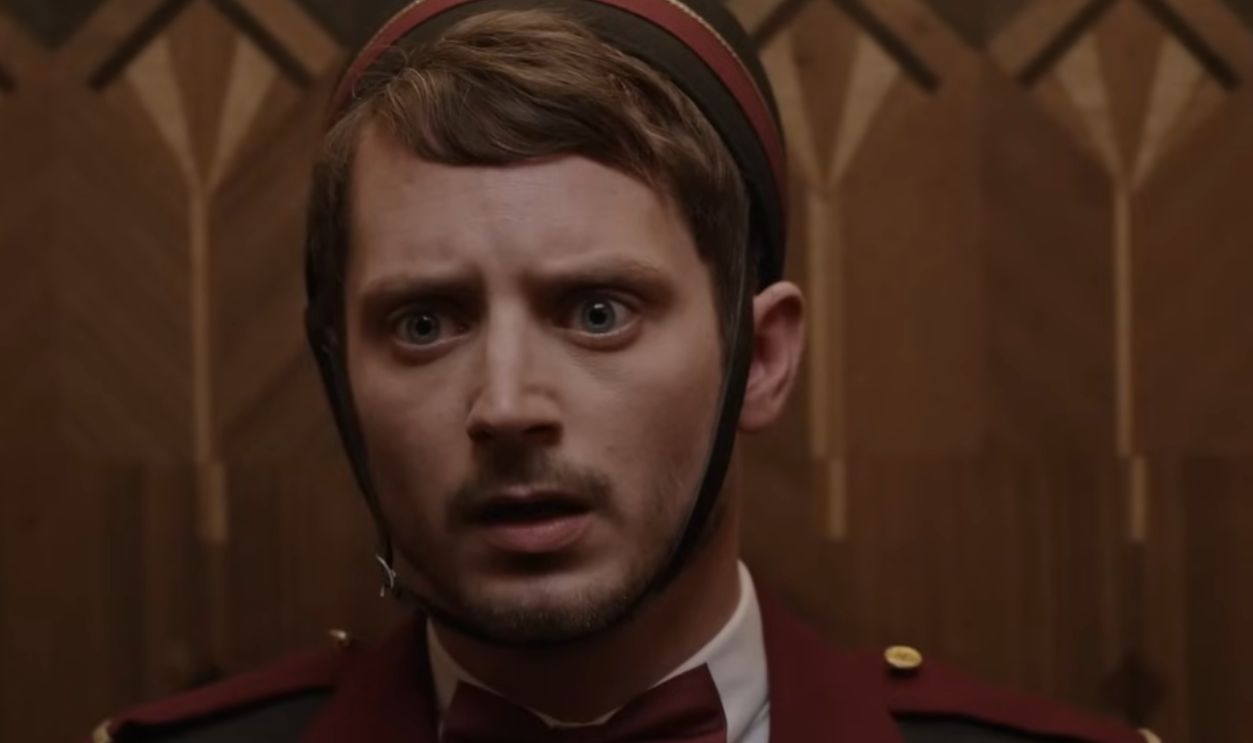 Screenshot from Dirk Gently’s Holistic Detective Agency, BBC America (2016–2017)
Avenue 5 Would Have Been A Sharper Satirical Film
The concept behind Avenue 5—a luxury space cruise gone horribly wrong—is instantly funny and instantly high-pressure. But stretching the disaster over multiple seasons risks diffusing that tension. As a film, the story could track one escalating crisis from mishap to meltdown, keeping the focus on the passengers, crew, and the absurd corporate decisions around them.
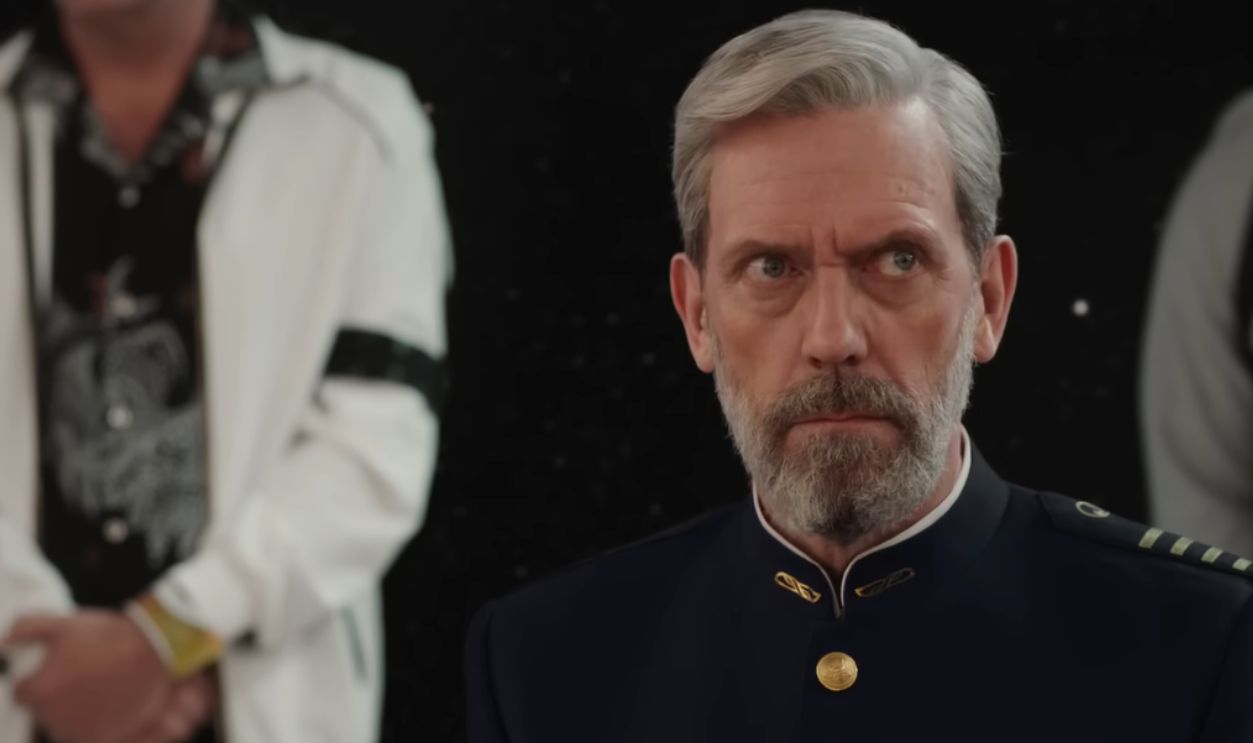 Screenshot from Avenue 5, HBO (2020–2022)
The Great Was Ready For A Regal Big-Screen Takeover
The Great is witty, irreverent, and openly loose with historical accuracy, which is exactly what makes it so much fun. But it also meant some viewers didn’t quite know what to expect from a long-running series about Catherine the Great. A movie could have honed in on the core dynamic between Catherine and Peter, trimming side plots that sometimes cluttered the show.
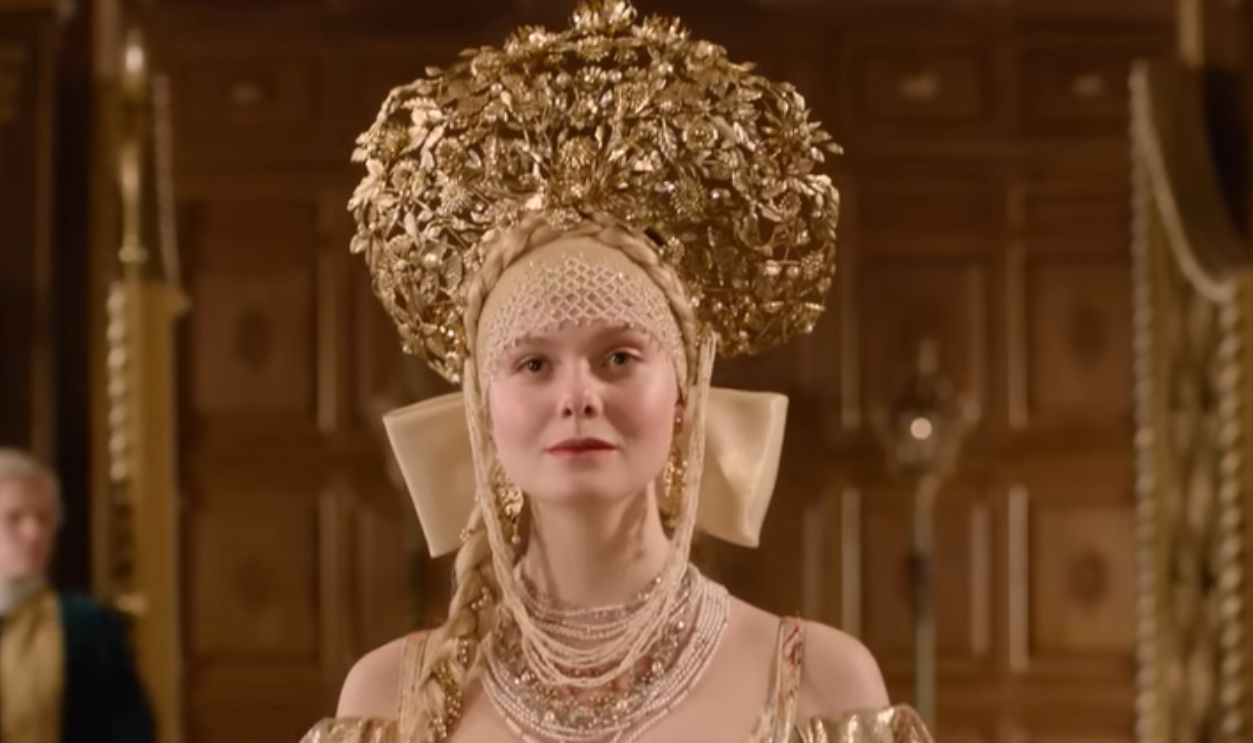 Screenshot from The Great, Hulu (2020–2023)
The Bletchley Circle Could Have Been A Perfect Mystery Thriller
The premise of The Bletchley Circle—former WWII codebreakers using their skills to solve postwar crimes—is already the setup for a killer mystery film. Focusing on a single case would have allowed the story to dig deeper into one intricate puzzle. A movie could balance quiet deduction with bursts of danger as the women work around the secrets of their past.
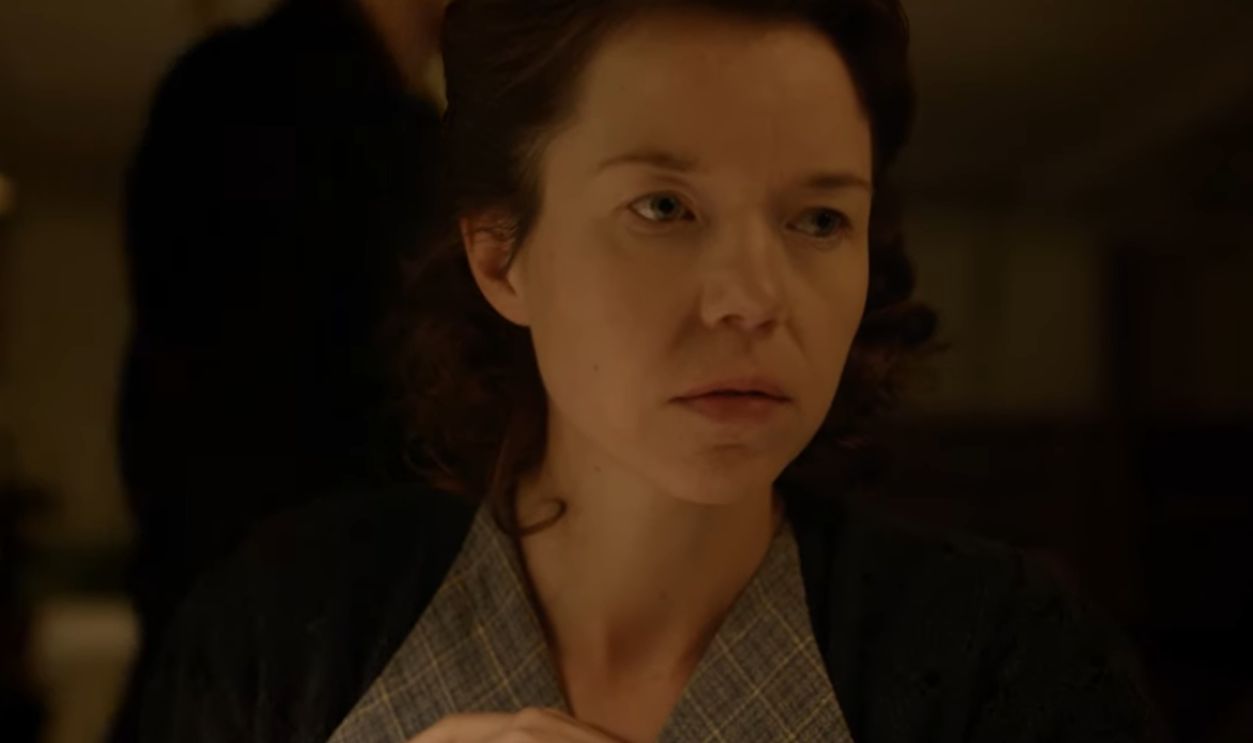 Screenshot from The Bletchley Circle, ITV (2012–2014)
Prison Break’s First Season Was Basically A Movie Plot
The original setup of Prison Break is incredibly clean: a man gets himself locked up so he can help his brother escape a death sentence. After that first escape, the show had to keep inventing ever more elaborate scenarios to sustain itself. As a film, the story could follow the meticulous planning, the politics, and the desperate breakout without needing to top itself every year.
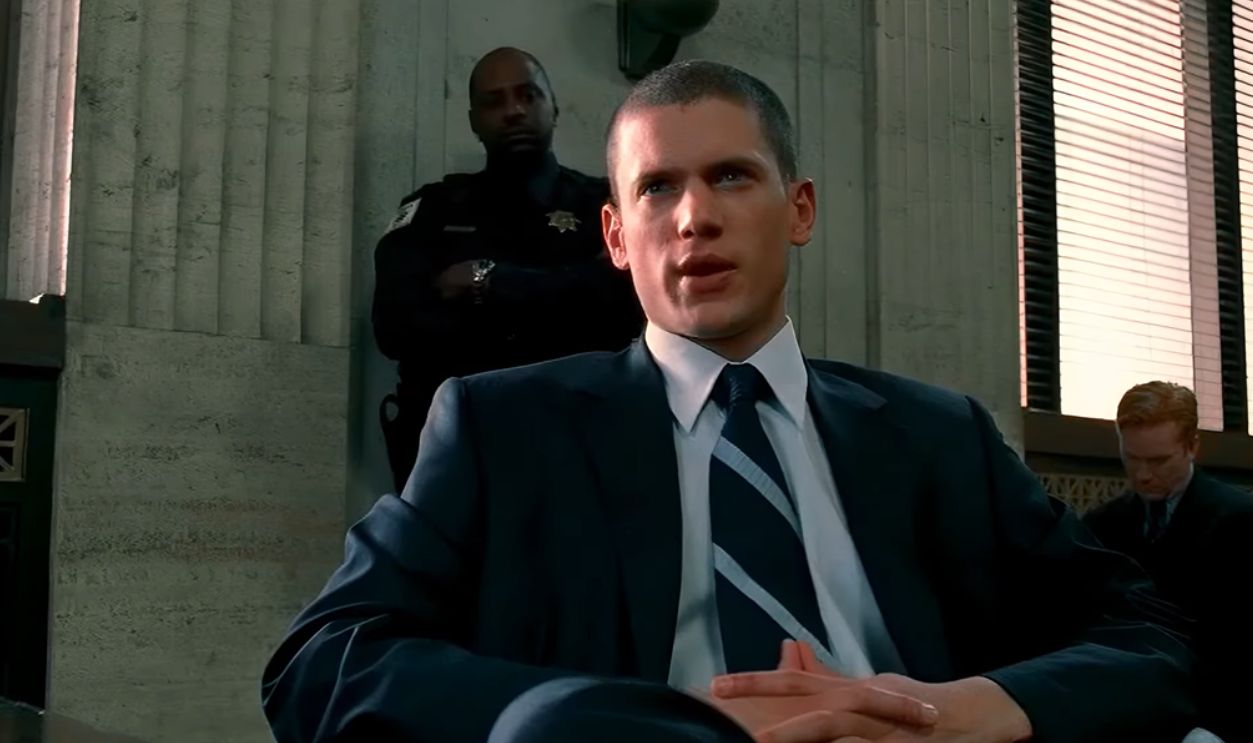 Screenshot from Prison Break, Fox (2005–2017)
Lupin Could Have Delivered A Slick Heist Movie
Lupin is stylish, clever, and packed with twists, which explains why it works as a show—but also why it could have been a fantastic heist film. A movie could center on one major operation, with all of the protagonist’s childhood trauma, disguises, and reversals feeding into that single job. By zeroing in on one grand scheme, the tension would build steadily rather than resetting each season.
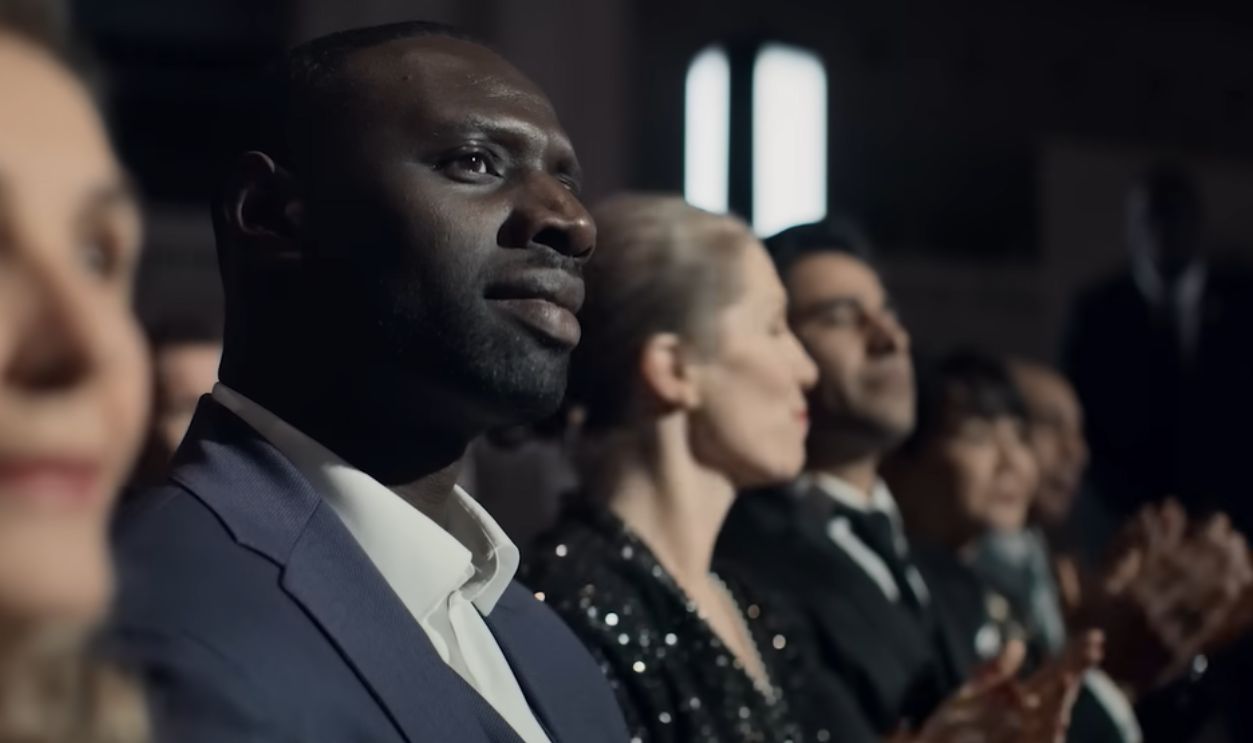 Screenshot from Lupin, Netflix (2021–)
The Muppets Mayhem Screamed “Mockumentary Movie”
The idea behind The Muppets Mayhem—a legendary band finally trying to record their first album—is tailor-made for a musical mockumentary. As a film, it could push harder into parody, pack the runtime with unforgettable songs, and build toward one climactic show or recording session. Instead of stretching the premise thin, it would hit fast, loud, and joyful. That concentrated dose of chaos might have turned it into a quotable comeback hit rather than a short-lived series.
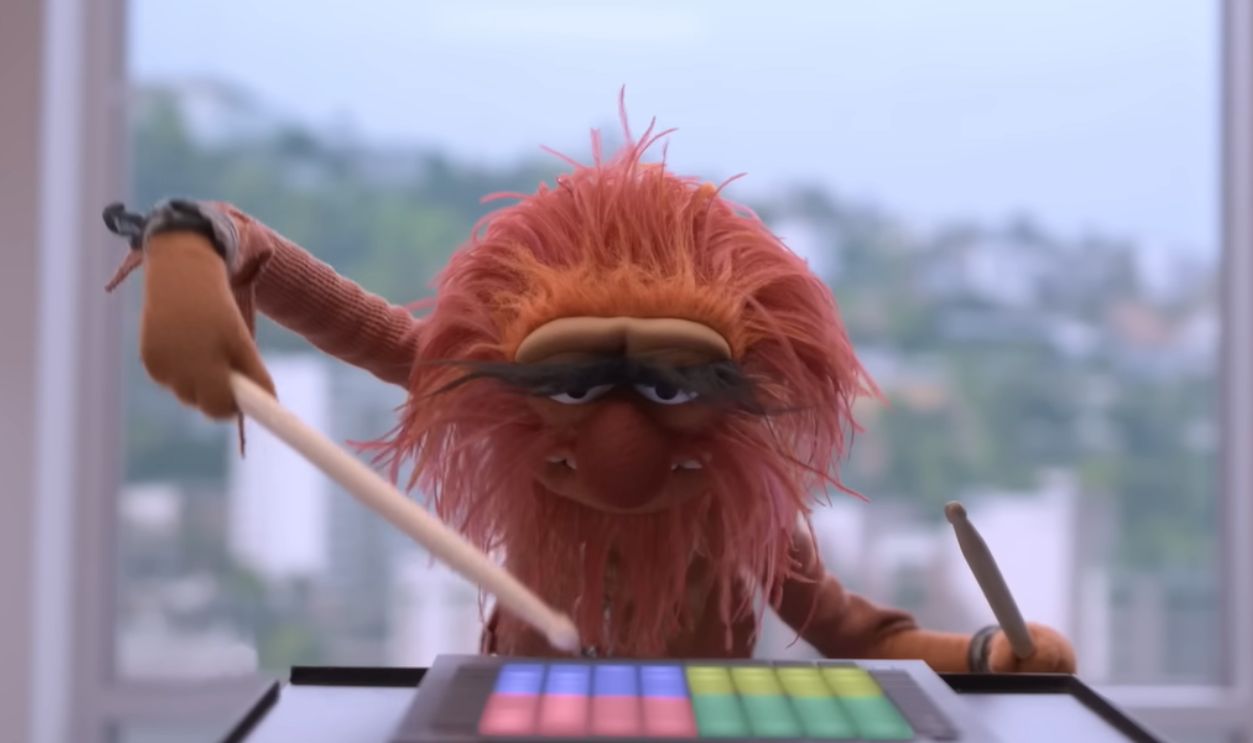 Screenshot from The Muppets Mayhem, Disney+ (2023)
Space Force Should Have Aimed For One Big Mission
Space Force was always tied to a specific cultural moment, which made it tricky to sustain as a long-term show. The most compelling episodes tend to revolve around one focused mission, where everything goes sideways in increasingly ridiculous ways. As a movie, it could have followed a single high-stakes launch, pulling together the office politics, media pressure, and scientific mishaps into one escalating storyline.
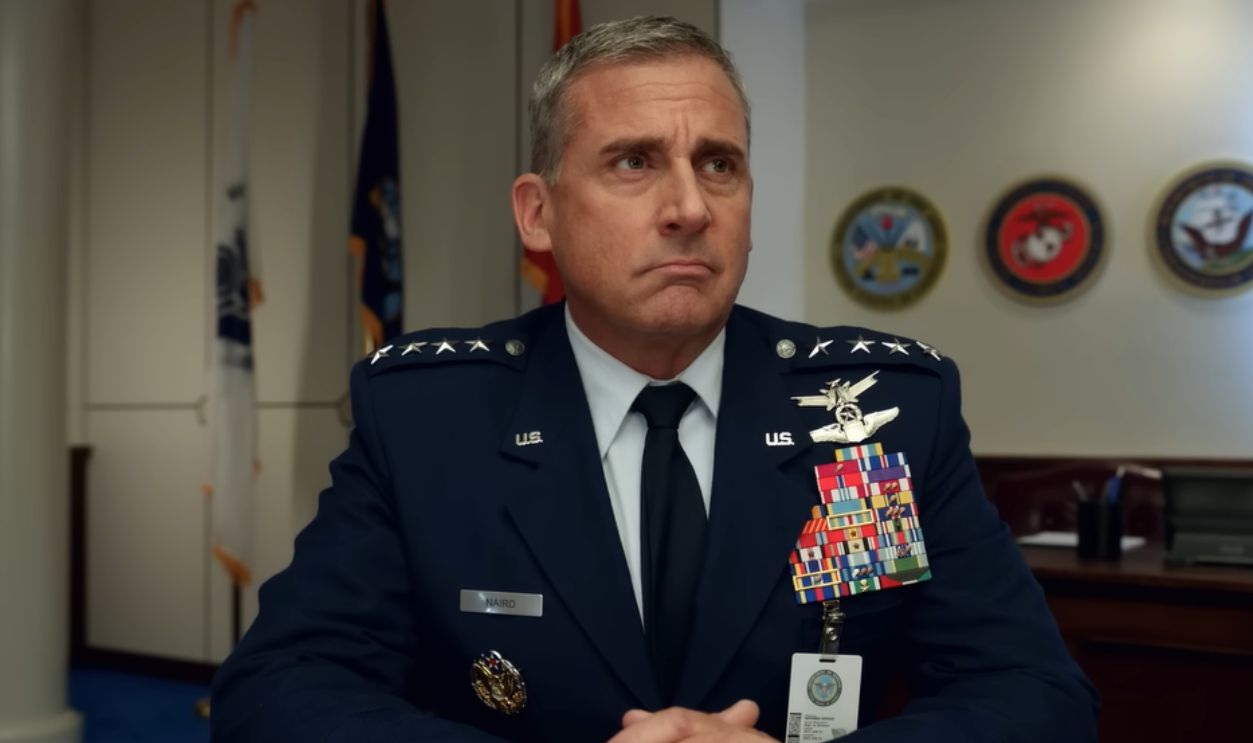 Screenshot from Space Force, Netflix (2020–2022)
Halo Was Built For A Cinematic Franchise
The Halo games already play like movies, with sweeping battles, iconic imagery, and a central figure who strides through it all in armor. Translating that to TV introduced a lot of extra narrative weight the story didn’t always need. A movie could concentrate on one campaign, delivering a clear emotional arc for Master Chief while showcasing the scale of the conflict. Done well, it might have launched a sci-fi action franchise instead of a debated adaptation.
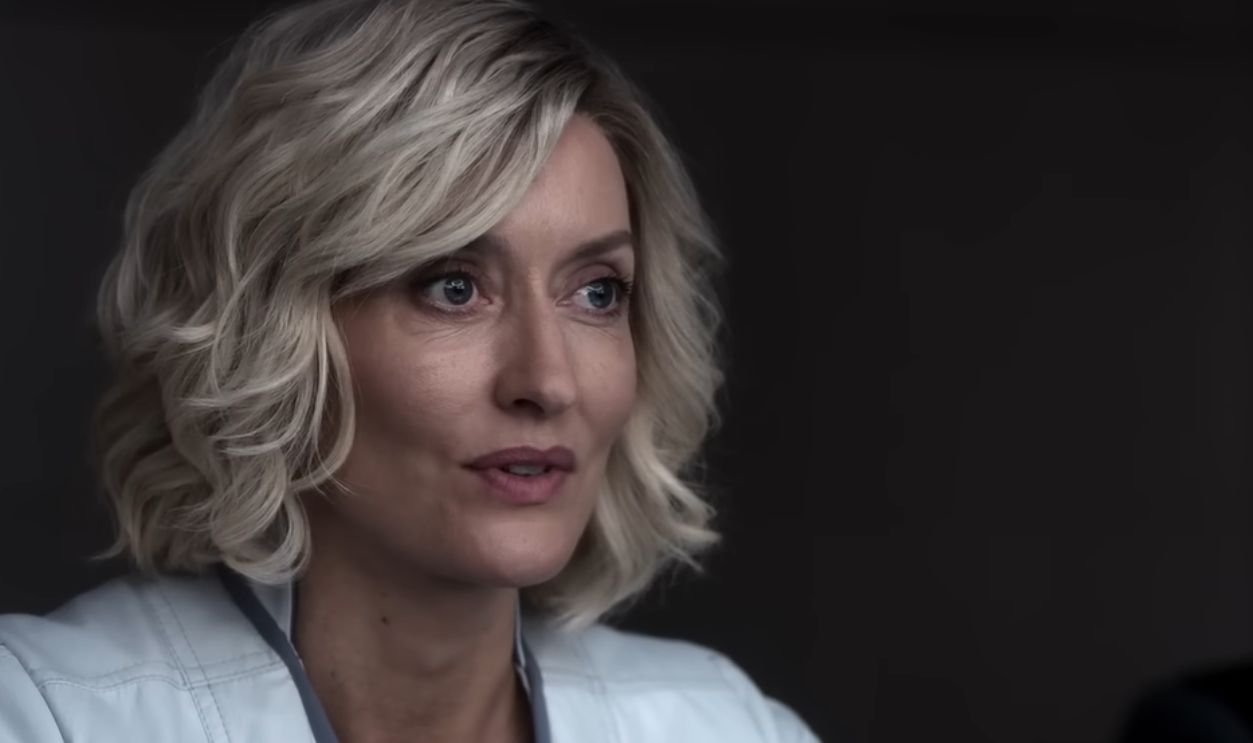 Screenshot from Halo, Paramount+ (2022–2024)
You May Also Like:
Movies Where The Villain Was Secretly Right All Along
Comedy Movie Lines That Will Live Forever