Cartoons, Creatures, And Emotional Damage
There comes a point in adulthood when you realize “kids movies” are doing way more heavy lifting than half the prestige dramas on streaming. Whether it’s nostalgia, layered storytelling, or jokes you absolutely did not understand at eight years old, these films have figured out the impossible trick of appealing to literally everyone. Here are the most rewatchable kids movies for grown-ups.
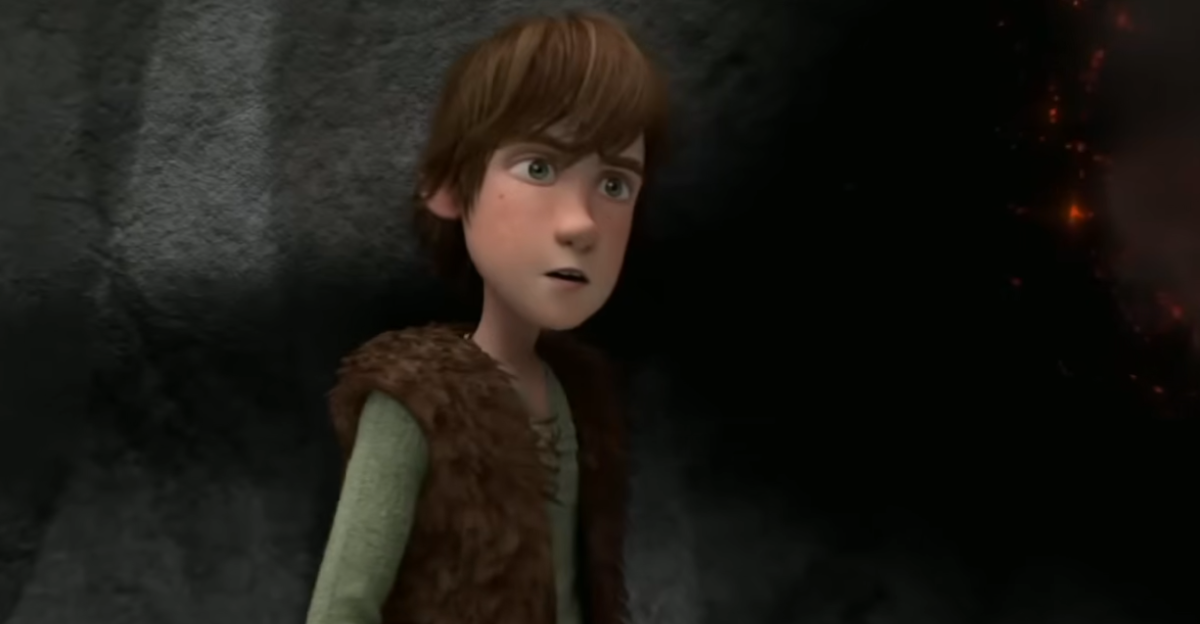 screenshot from How To Train Your Dragon, Amazon Prime Video
Shrek 2
Some sequels coast on goodwill, but Shrek 2 showed up swinging. The movie somehow improves on the original by doubling down on fairy-tale chaos, rapid-fire jokes, and surprisingly sharp commentary about relationships and insecurity. Kids get the goofy slapstick and Puss in Boots stealing every scene, while adults catch the avalanche of pop culture references, celebrity parodies, and the painfully relatable horror of meeting your partner’s parents and instantly regretting every decision that led you there. The “Holding Out For A Hero” finale alone guarantees permanent rewatch status.
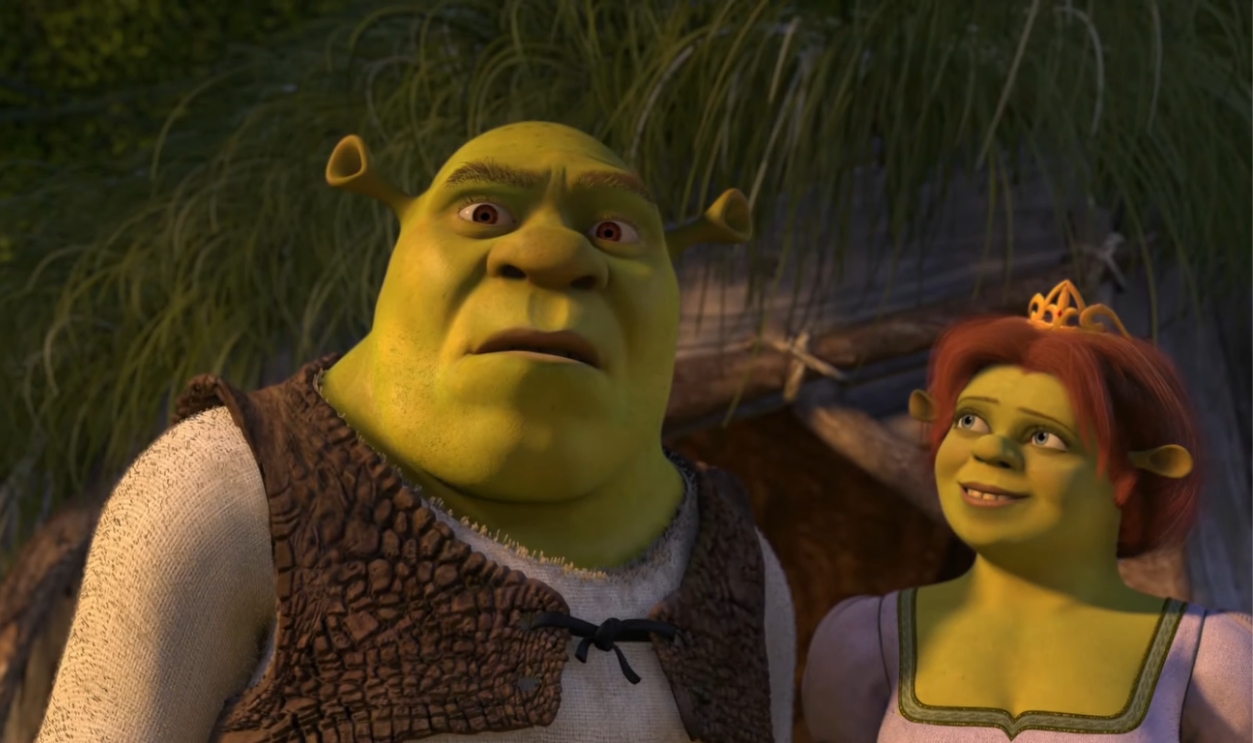 Screenshot from Shrek 2, DreamWorks Animation (2004)
The Iron Giant
This movie looks like a charming little animated sci-fi adventure right up until it emotionally body-slams you into another dimension. The Iron Giant balances humor, action, and heartbreaking sincerity better than most live-action films ever manage. Adults tend to connect with the film’s Cold War paranoia, emotional restraint, and themes about fear turning people irrational, while kids mostly see a giant robot eating metal and causing chaos, which is also a perfectly valid reason to love it. And then the ending arrives and suddenly everyone in the room is pretending they “got something in their eye”.
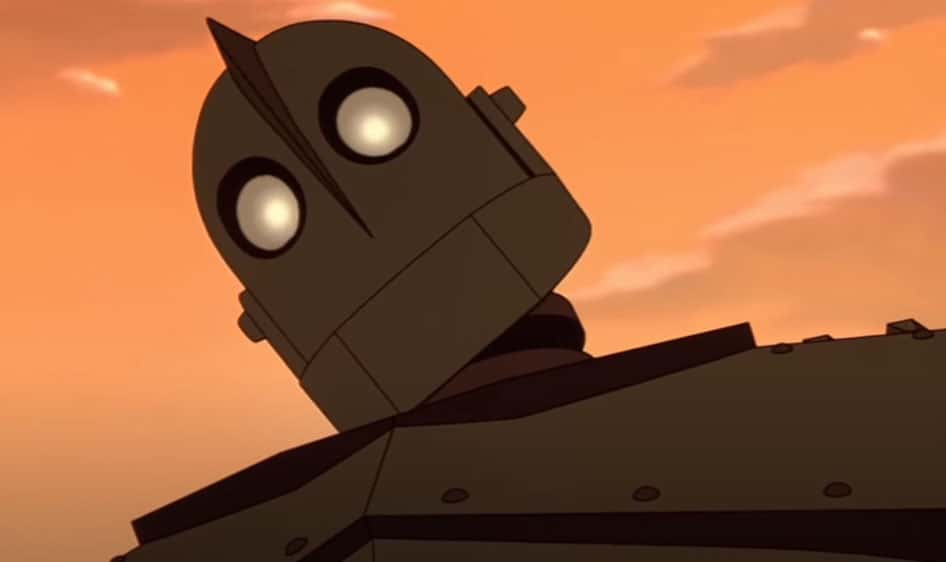 Screenshot from The Iron Giant, Warner Bros. Pictures (1999)
Madagascar
Critics may not place Madagascar on a cinematic pedestal, but its rewatchability is absolutely off the charts. The movie is packed with manic energy, absurd line deliveries, and jokes that somehow get funnier the older you get, largely thanks to the chemistry between Ben Stiller, Chris Rock, David Schwimmer, and Jada Pinkett Smith. Then the penguins arrive and casually hijack the entire film like tiny tuxedo-wearing bosses, while King Julien spends every scene operating on pure chaos energy. It’s ridiculous in the best possible way.
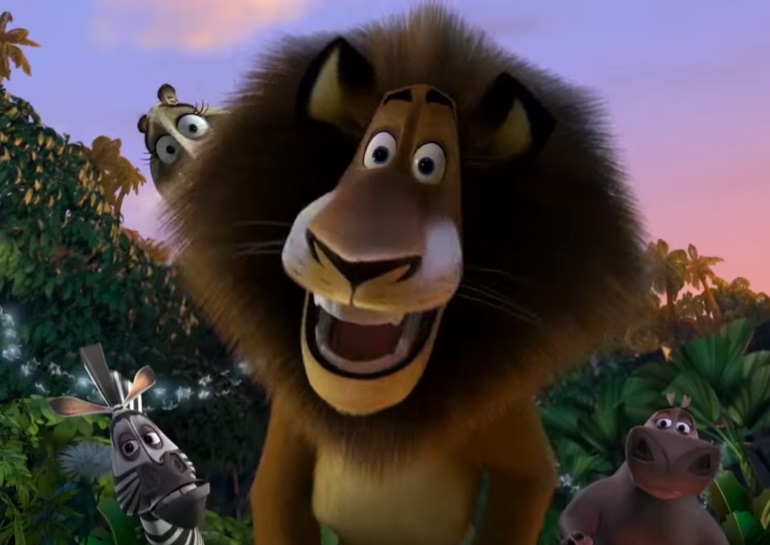 Screenshot from Madagascar, DreamWorks (2005)
Finding Nemo
At first glance, Finding Nemo looks like a colorful underwater adventure about a lost fish, but rewatching it as an adult reveals a story about anxiety, overprotective parenting, grief, and learning how terrifying the world can feel after loss. That sounds unusually heavy for a movie featuring talking sharks in support groups and a fish who can’t remember anything for more than five seconds, yet the film somehow balances both sides perfectly. The emotional core hits harder with age, especially for parents, but the humor and animation still hold up beautifully no matter how many times you revisit it.
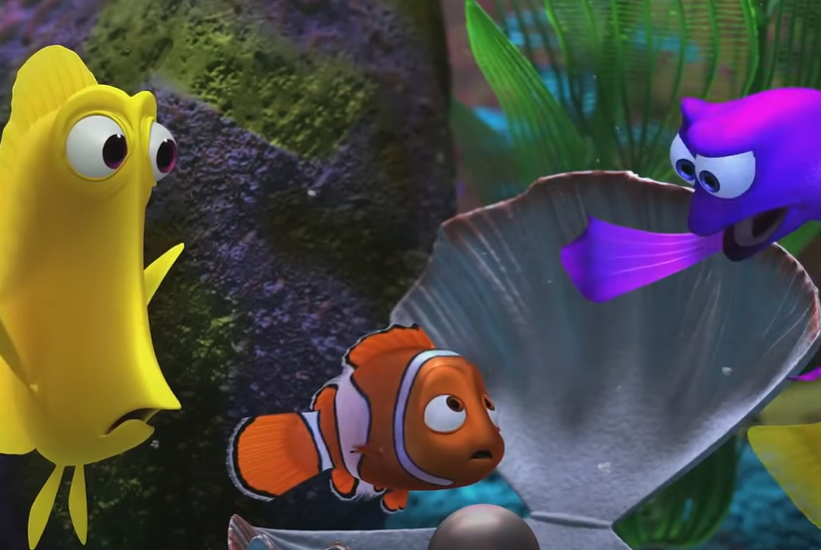 Screenshot from Finding Nemo, Walt Disney Studios (2003)
Wallace & Gromit: The Curse Of The Were-Rabbit
There’s something timeless about Wallace and Gromit. The dry British humor, the ridiculous inventions, and the fact that Gromit communicates entire emotional breakdowns without saying a single word somehow never stop being funny. The Curse Of The Were-Rabbit works especially well for adults because so much of the humor feels delightfully clever rather than loud or frantic, with horror references, visual gags, and absurdly dramatic rabbit-related stakes packed into nearly every scene. Watching it feels like wrapping yourself in a blanket made entirely out of cheese jokes.
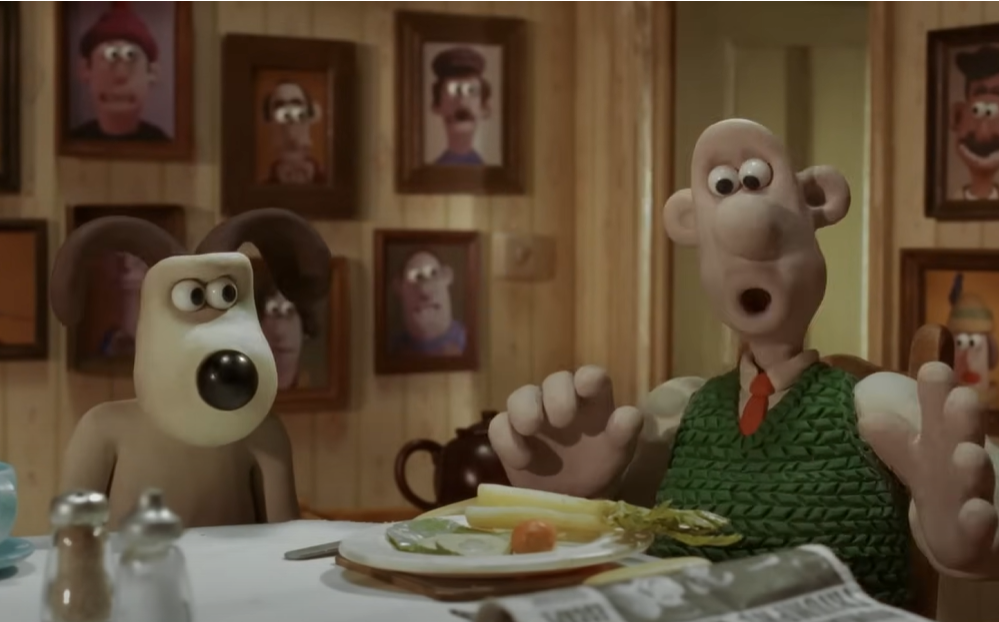 Screenshot from Wallace & Gromit: The Curse of the Were-Rabbit, DreamWorks (2005)
Inside Out
Pixar really looked at audiences and said, “What if we explained human psychology to children and emotionally destroyed adults at the same time?” Inside Out brilliantly turns complicated emotions into something instantly understandable without ever talking down to viewers. Kids connect with the colorful characters and imaginative world inside Riley’s head, while adults recognize how painfully accurate the movie is about growing up, change, and losing parts of yourself over time. By the time Bing Bong enters the story, most grown-ups already know they’re in trouble.
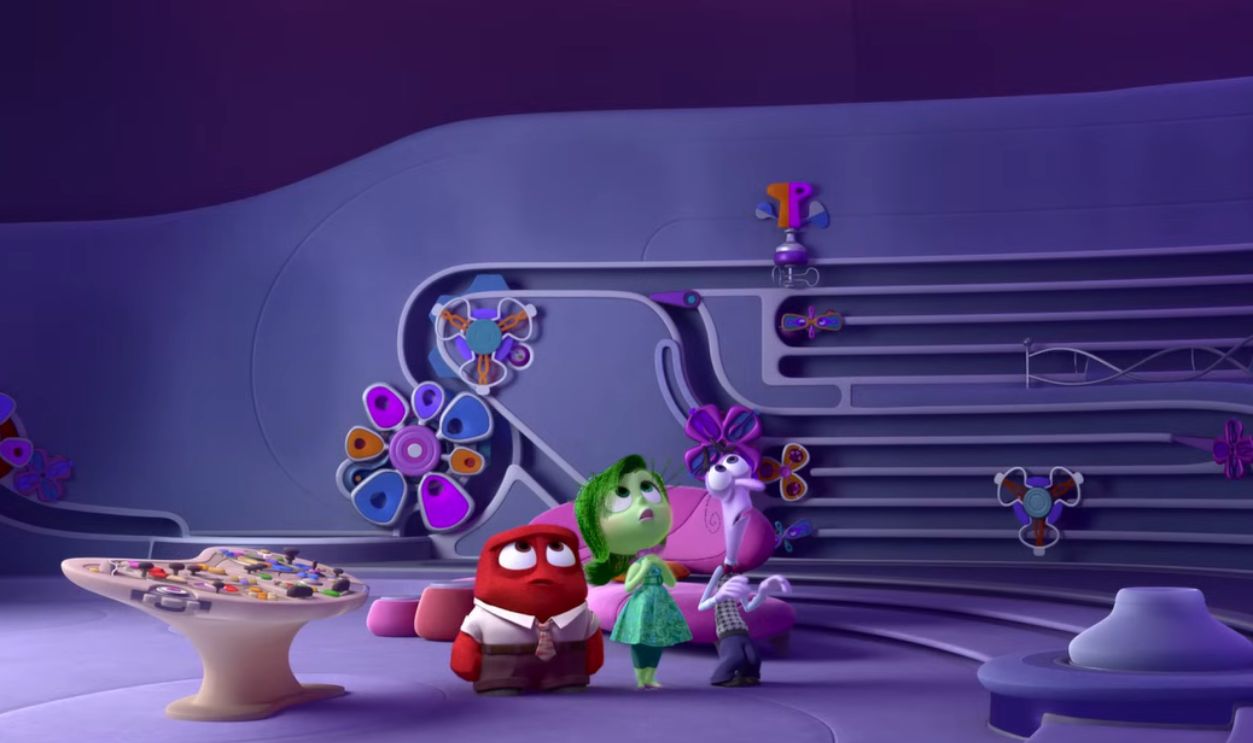 Screenshot from Inside Out, Walt Disney Studios Motion Pictures (2015)
Homeward Bound: The Incredible Journey
Talking animals going on a wilderness adventure should not hit this hard emotionally, and yet Homeward Bound absolutely refuses to chill out. Adults especially appreciate how sincere the movie is, avoiding smug irony in favor of a genuinely heartfelt story about three pets trying to reunite with their family while surviving rivers, mountains, and emotional devastation. The chemistry between Shadow, Chance, and Sassy makes the entire journey endlessly watchable, and Shadow slowly climbing that hill remains one of cinema’s most effective tear-generating devices.
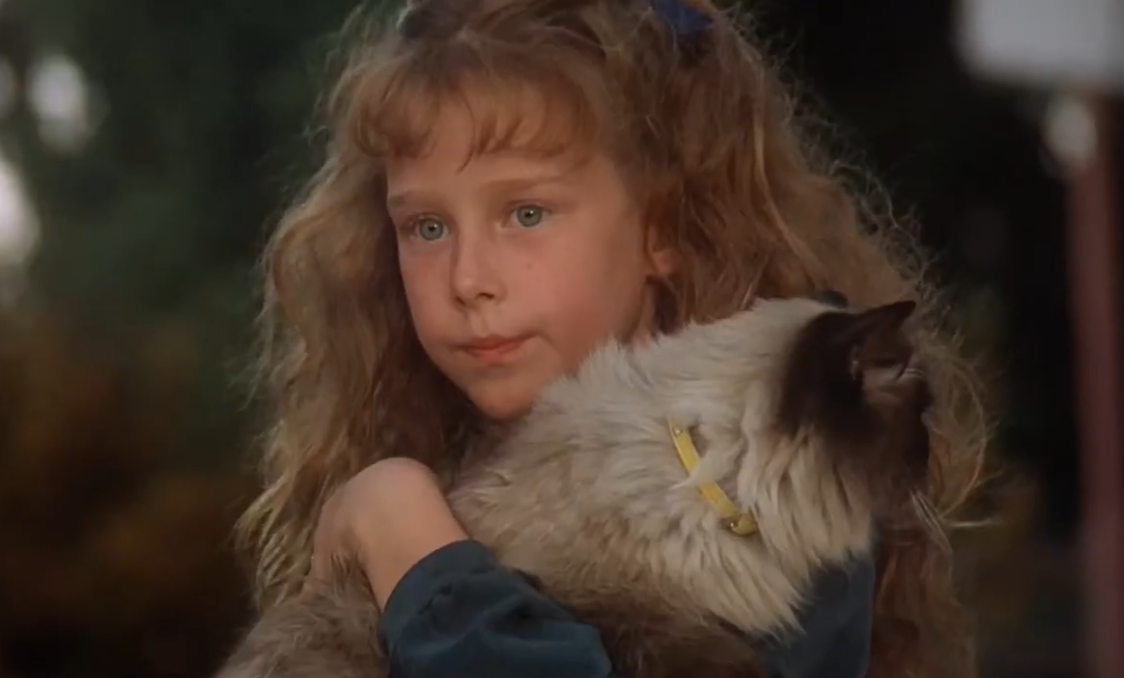 Screenshot from Homeward Bound: The Incredible Journey, Walt Disney (1993)
Toy Story 3
There are few films better at weaponizing nostalgia than Toy Story 3. Adults who grew up with Woody and Buzz suddenly found themselves confronting aging, change, and letting go while trying not to cry over animated plastic. Kids still get a thrilling adventure story involving daycare chaos and a terrifying strawberry-scented dictator bear, but older viewers feel every second of Andy preparing to move on from childhood. The incinerator scene alone probably shaved years off people’s lives.
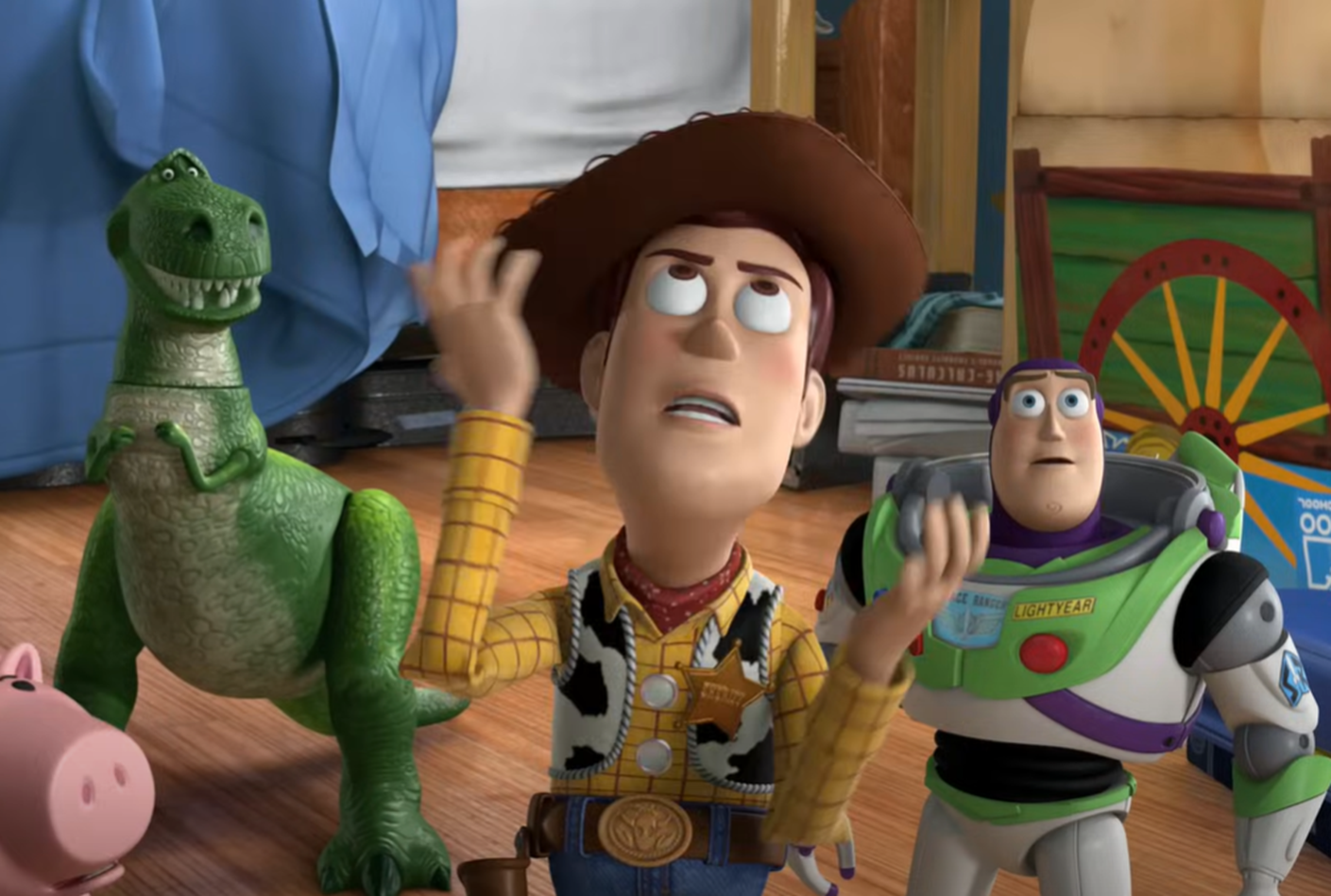 Screenshot from Toy Story 3, Walt Disney (2010)
The Jungle Book
Jon Favreau’s version of The Jungle Book somehow modernized the classic story without losing the sense of wonder that made people love it in the first place. Adults tend to appreciate the darker atmosphere, stunning visual effects, and genuinely intimidating version of Shere Khan more with every rewatch, while younger viewers stay locked into the adventure and animal characters. At the same time, the movie never loses its fun side because Baloo still gets to be hilarious and “The Bare Necessities” still rules.
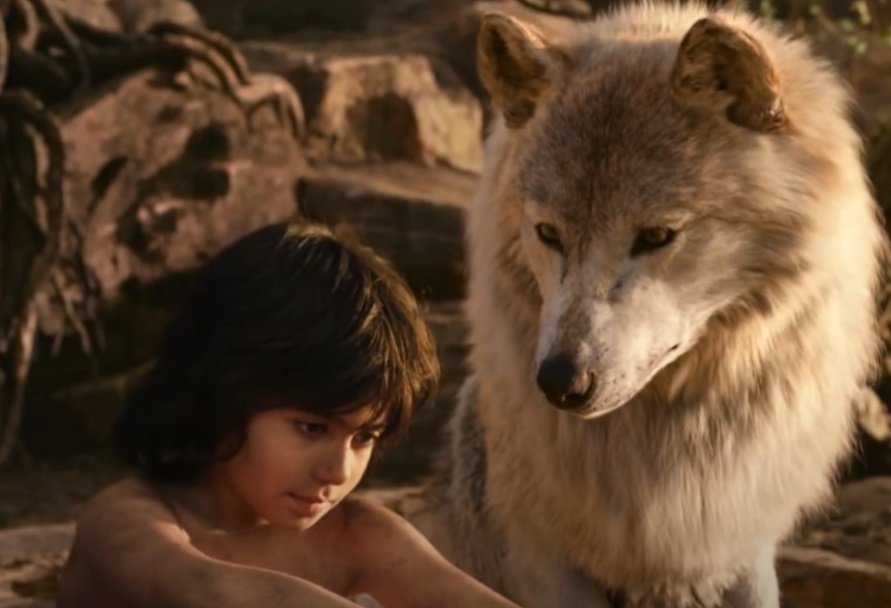 Screenshot from The Jungle Book, Walt Disney (2016)
Zootopia
On the surface, Zootopia looks like a funny buddy-cop movie starring animals in tiny clothes, but underneath all that is a surprisingly sharp story about prejudice, stereotypes, fear, and societal division. Adults immediately notice how layered the script actually is during rewatches, especially when it comes to the film’s social commentary, while kids stay entertained by the humor, action, and endlessly creative animal world. Also, the DMV sloth scene remains one of the most painfully relatable jokes ever animated.
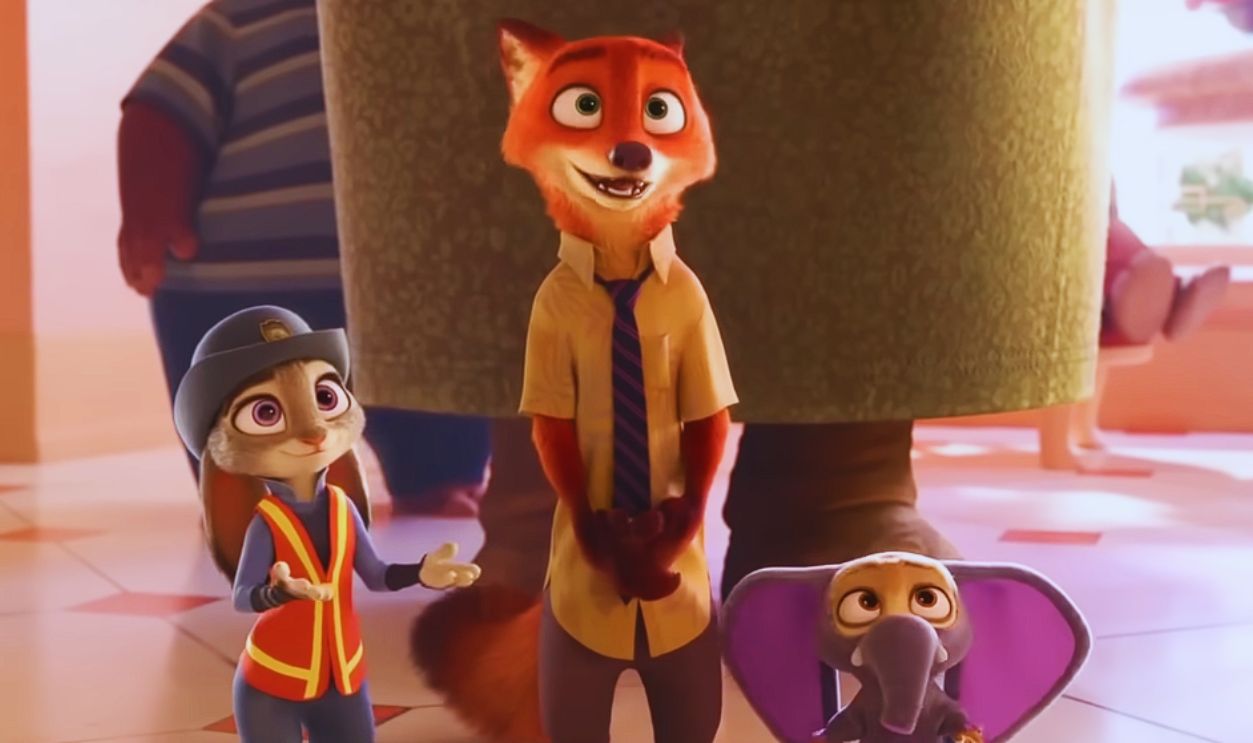 Screenshot from Zootopia, Walt Disney Pictures (2016)
Ice Age
There’s a reason people still throw on Ice Age when they want something easy and comforting. The movie stays endlessly watchable because Manny, Sid, and Diego bounce off each other perfectly, with Ray Romano’s exhausted mammoth energy, Denis Leary’s sarcasm, and John Leguizamo operating at full chaos-goblin speed creating a surprisingly great comedy trio. Kids enjoy the slapstick and adventure, while adults appreciate how effortlessly funny the dialogue still is years later. And of course, Scrat deserves partial credit for carrying an entire franchise on the strength of acorn-related suffering.
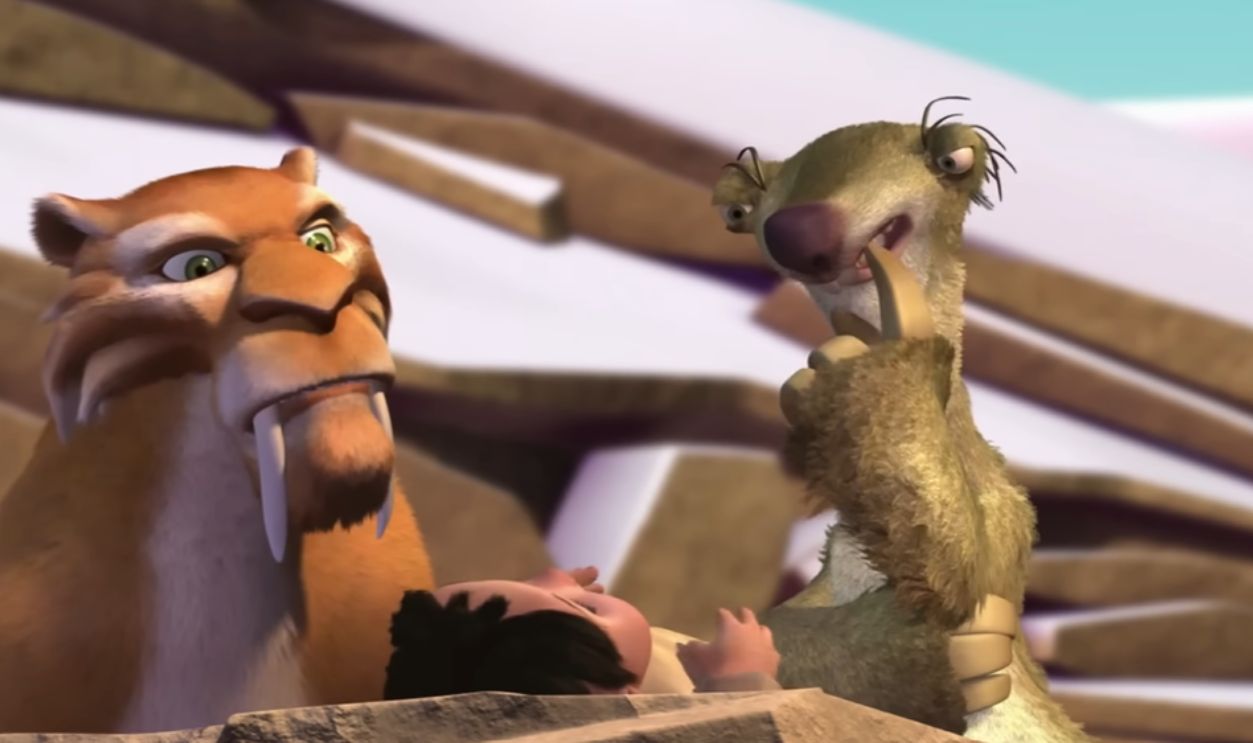 Screenshot from Ice Age, 20th Century Fox (2002)
The Nightmare Before Christmas
Few movies have mastered atmosphere the way The Nightmare Before Christmas has. Adults tend to appreciate the craftsmanship more with every rewatch because the stop-motion animation is ridiculously detailed, Danny Elfman’s songs are still incredibly catchy, and Jack Skellington’s existential crisis becomes more relatable every passing year. Kids get the spooky visuals and quirky humor, while older viewers connect more with the movie’s strange melancholy and identity crisis hiding underneath all the singing skeletons. It’s spooky, funny, weirdly heartfelt, and impossible to replicate.
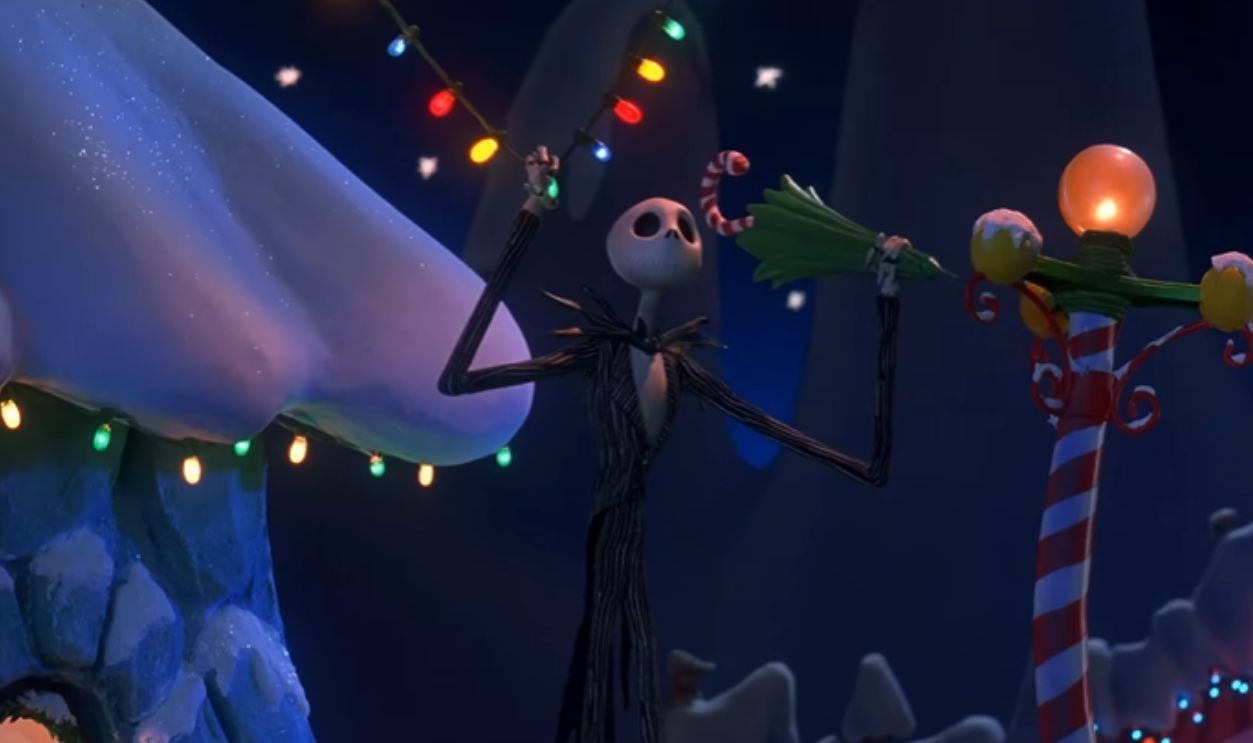 Screenshot from The Nightmare Before Christmas, Walt Disney Pictures (1993)
Toy Story
The original Toy Story still feels kind of miraculous. Beyond being the first fully computer-animated feature film, it remains one of the sharpest and funniest family movies ever made because it understands human emotions alarmingly well for a story about toys. Adults revisit it and suddenly realize Woody’s meltdown over being replaced is basically a workplace insecurity spiral in cartoon form, while Buzz Lightyear spends half the movie having a full-blown identity crisis. Kids enjoy the adventure and humor, but the emotional themes land even harder once you’re older.
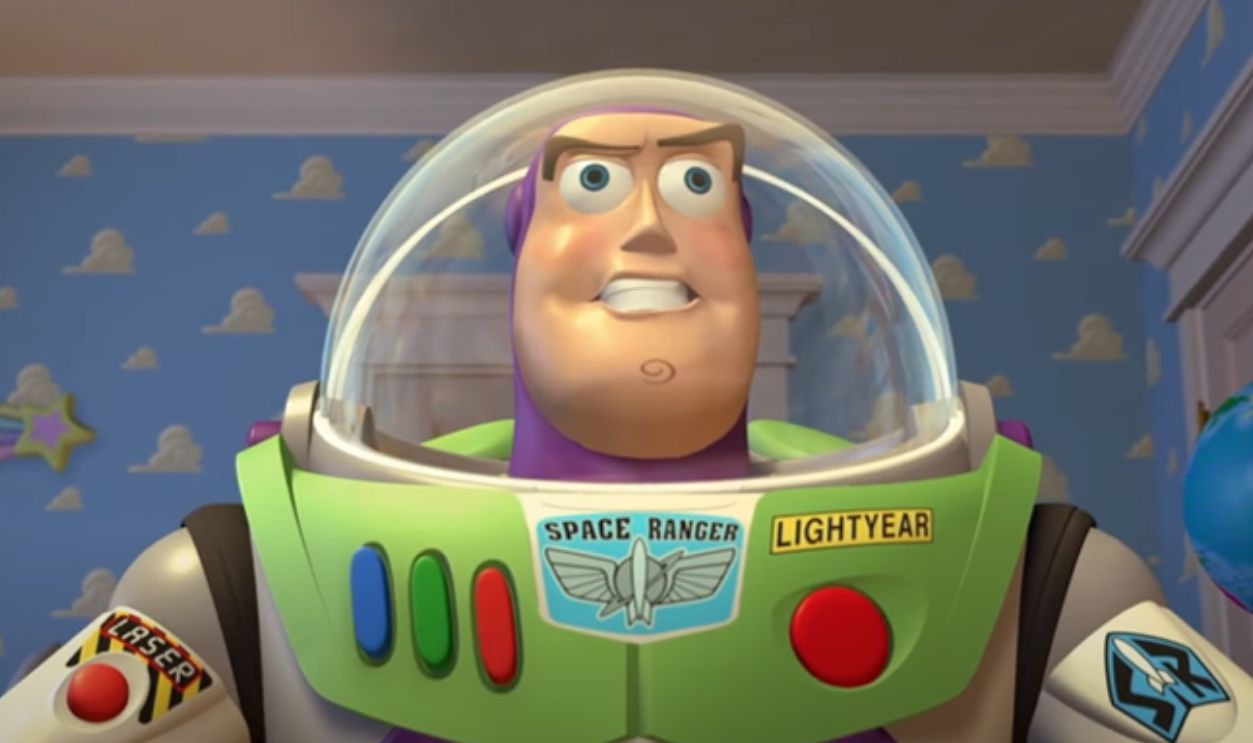 Screenshot from Toy Story, Walt Disney Pictures (1995)
The Adventures Of Tintin
Steven Spielberg making a motion-capture adventure movie based on Tintin honestly sounded like a strange idea until the movie turned out to be wildly entertaining. Adults especially enjoy the old-school treasure-hunt energy because the film feels like a throwback to classic adventure movies, complete with globe-trotting mysteries and absurdly elaborate chase scenes. Younger viewers stay locked into the action, while older audiences appreciate how much fun the movie clearly has with its pulpy storytelling. Captain Haddock also brings the exact level of chaotic uncle energy this movie needs.
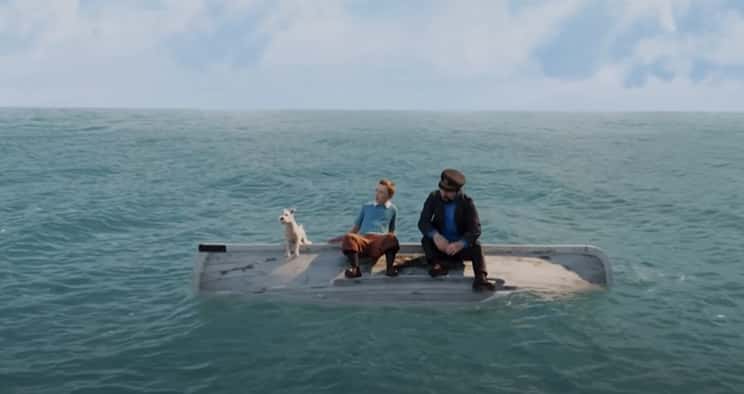 Screenshot from The Adventures of Tintin, Columbia (2011)
E.T. The Extra-Terrestrial
Some movies are nostalgic, but E.T. feels practically embedded into pop culture history itself. Kids see the magic of befriending an alien, while adults notice the loneliness, broken family dynamics, and quiet sadness underneath the adventure during rewatches. Steven Spielberg somehow balances wonder, humor, and emotional vulnerability without ever making the movie feel overly sentimental. And somehow that bicycle scene still gives people chills decades later.
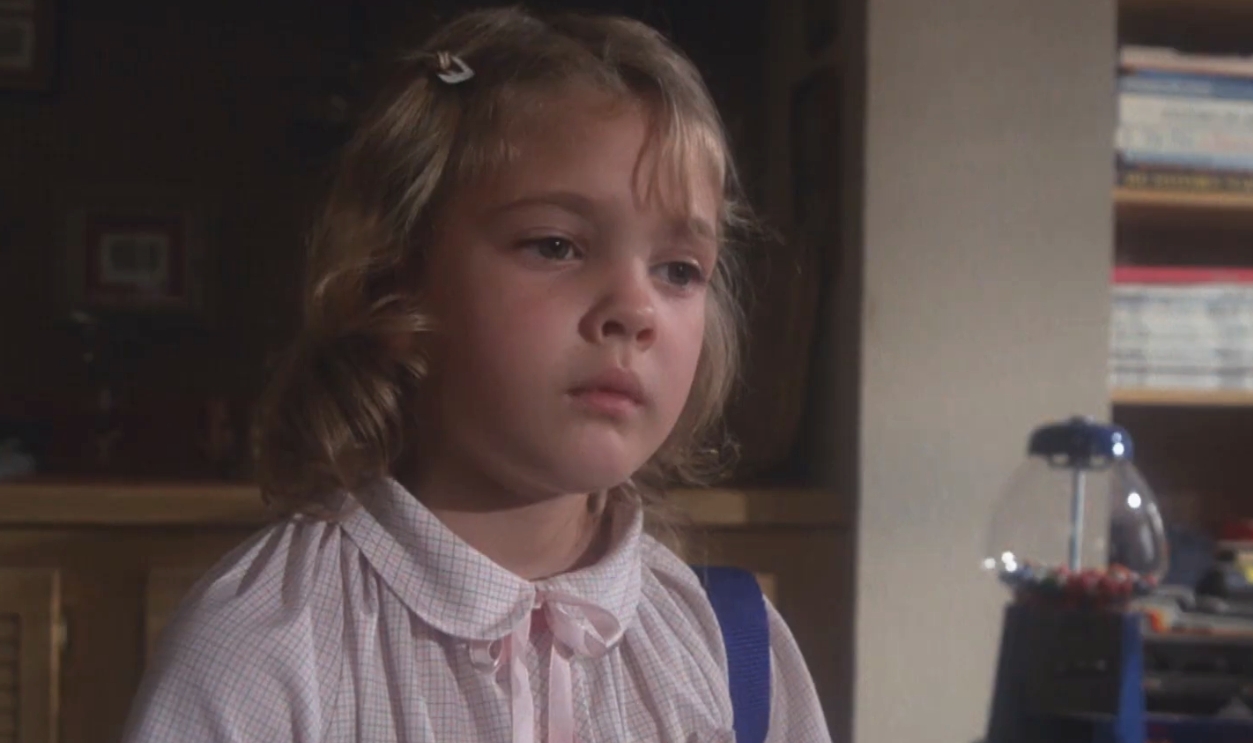 Screenshot from E.T. the Extra-Terrestrial, Universal Pictures (1982)
The Land Before Time
This movie emotionally ambushes viewers almost immediately and never really lets up. The Land Before Time may feature adorable dinosaurs, but it also deals heavily with loss, fear, survival, and growing up in ways that hit much harder during adulthood. The animation still looks beautiful decades later, and Littlefoot’s journey remains surprisingly mature for a film aimed at younger audiences. Littlefoot’s journey still lands like a truck.
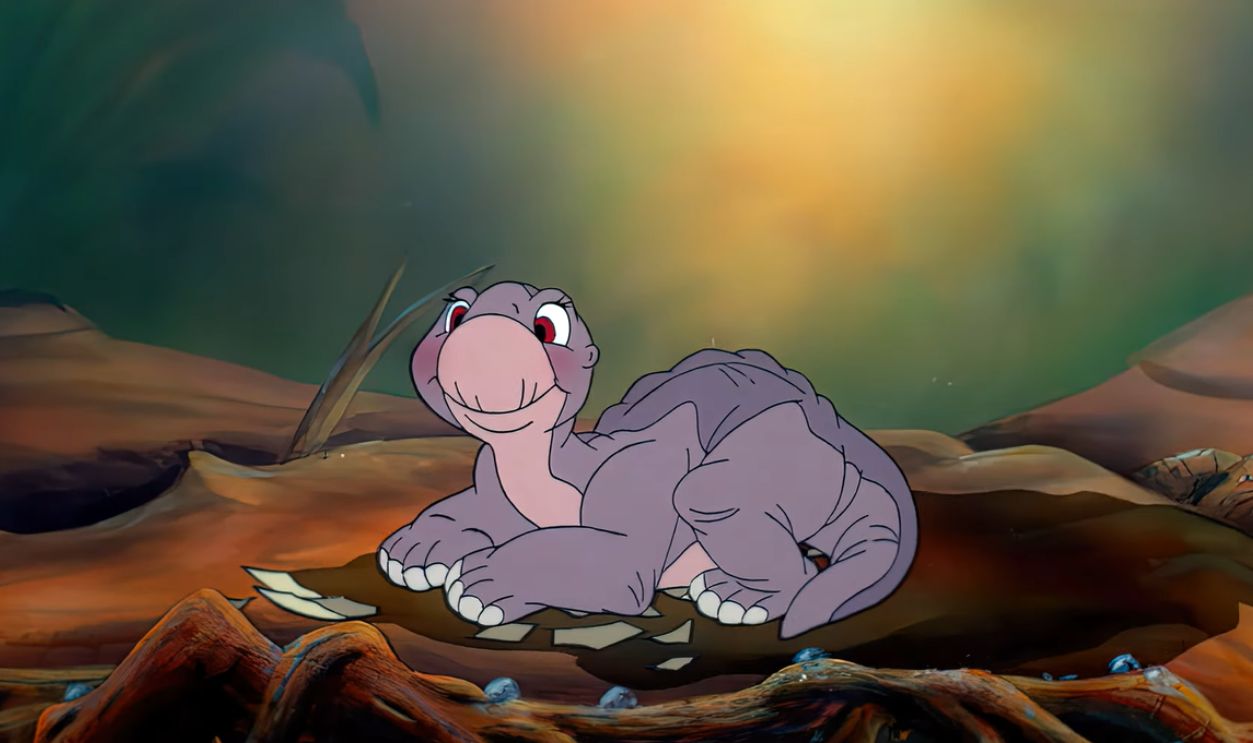 Screenshot from The Land Before Time, Universal Pictures (1988)
How To Train Your Dragon 2
Animated sequels rarely mature alongside their audience this effectively. How To Train Your Dragon 2 feels bigger, darker, and more emotional than the original without losing the sense of adventure that made the first movie work so well. Adults connect strongly with the themes about responsibility, grief, and growing into leadership, while kids remain fully invested because dragons are objectively cool. Toothless also remains one of animation’s greatest non-verbal characters.
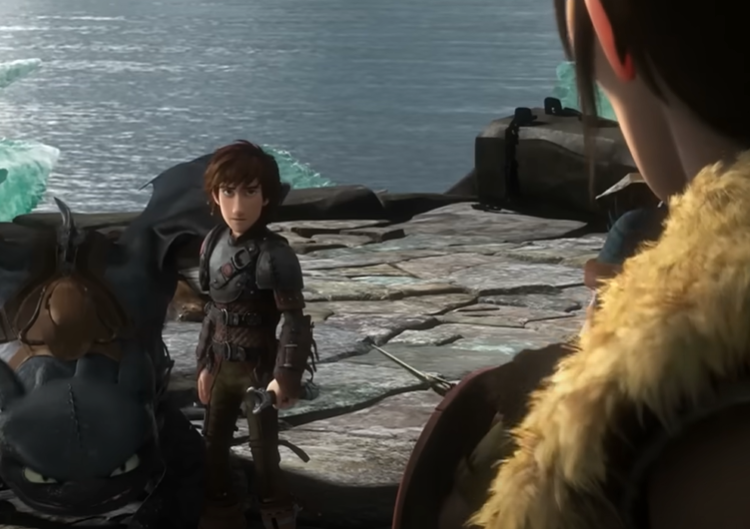 Screenshot from How to Train Your Dragon 2, DreamWorks (2014)
Two Brothers
This movie flies under the radar compared to bigger family franchises, but it deserves way more attention. Two Brothers tells an emotional story about separated tiger cubs trying to survive after being torn from their home, mixing adventure with surprisingly emotional storytelling. Adults usually connect more with the film’s environmental themes and bittersweet tone, while younger viewers fall in love with the tigers themselves. It’s quieter than many family films, but that sincerity is exactly what makes it memorable.
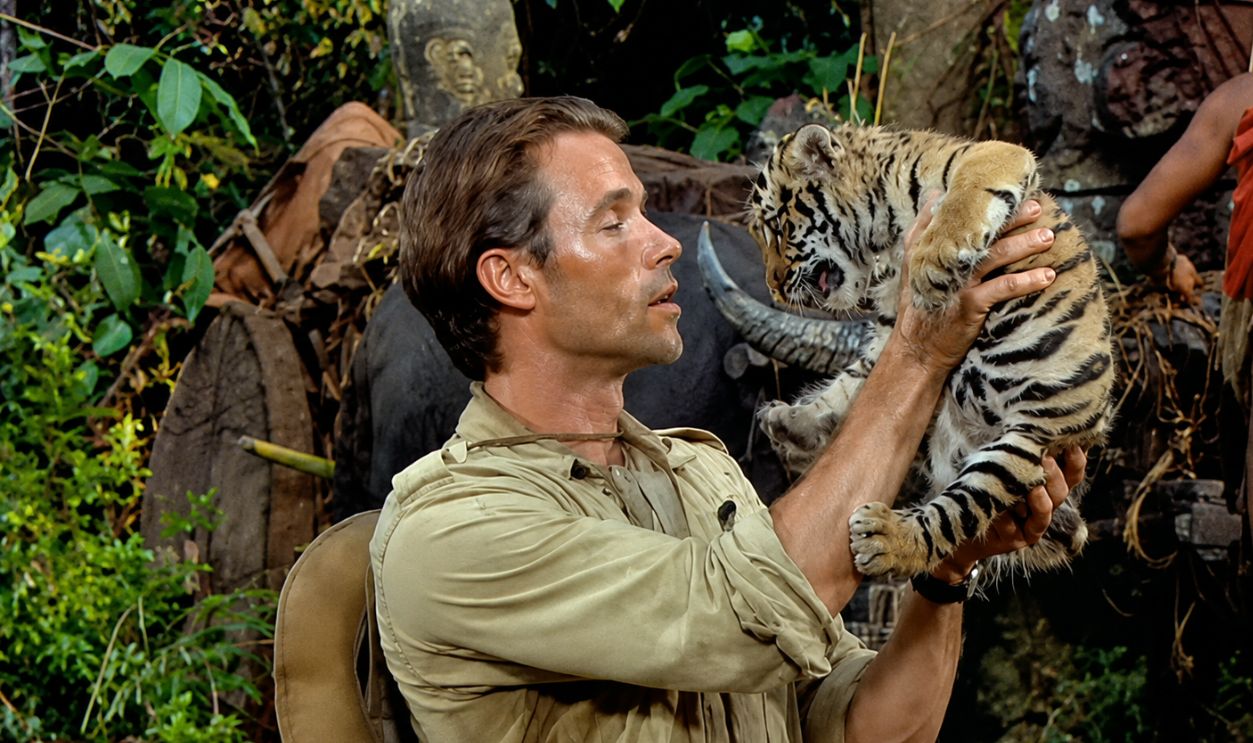 Screenshot from Two Brothers, Universal Pictures (2004), Modified
The Lion King
There’s a reason The Lion King continues to dominate family-movie conversations decades later. The film balances humor, heartbreak, music, and Shakespearean drama with absurd confidence, making it just as effective for adults as it is for children. Older viewers tend to appreciate Scar’s manipulation, the movie’s themes about responsibility, and just how emotionally brutal Mufasa’s passing scene really is, while kids mostly remember the songs and Timon and Pumbaa being delightful weirdos. Both groups are correct.
 Screenshot from The Lion King, Walt Disney Pictures (1994)
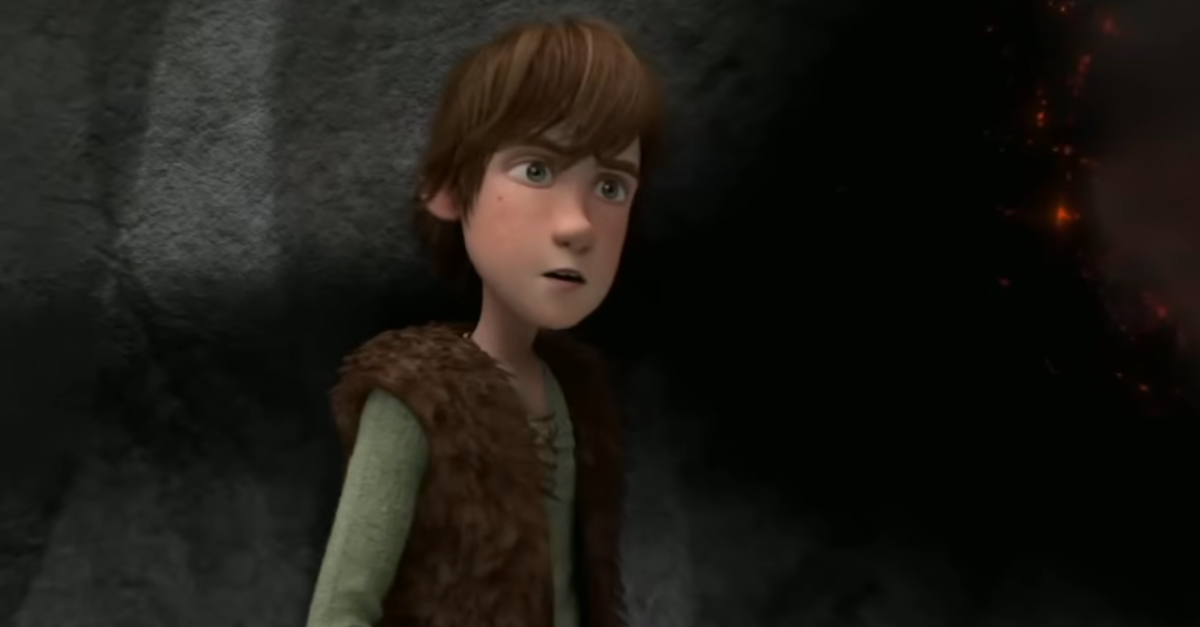
How To Train Your Dragon
Few animated films feel as effortlessly rewatchable as How To Train Your Dragon. The flying sequences alone are worth revisiting repeatedly, but the real magic comes from the friendship between Hiccup and Toothless, which feels far more emotionally grounded than most animated sidekick relationships. Adults appreciate how sincere the story feels, while kids stay fully invested in the dragons, action, and adventure. It’s funny, exciting, emotional, and somehow gets even better every time you revisit it.
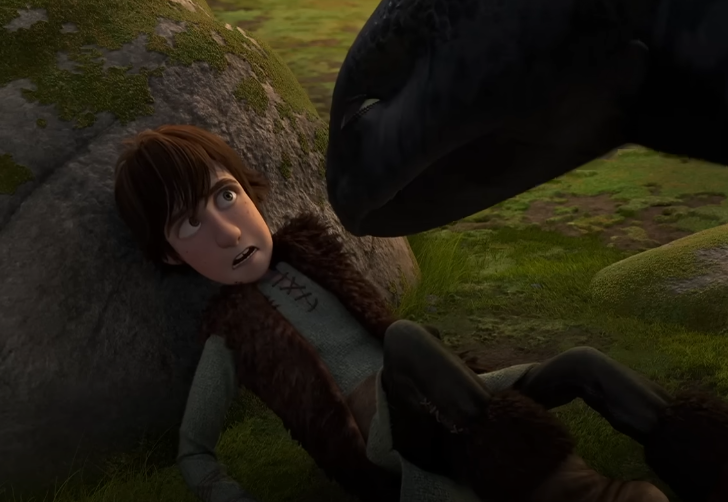 Screenshot from How to Train Your Dragon, DreamWorks (2010)
You May Also Like:
Disastrous Facts About Mickey Rooney, The Original Hollywood Train Wreck
Source: 1